All about photo.com: photo contests, photography exhibitions, galleries, photographers, books, schools and venues.
FINAL CALL TO ENTER AAP MAGAZINE SHAPES: PUBLICATION AND $1,000 CASH PRIZES
Margo Ryan
Margo Ryan
Margo Ryan

Margo Ryan

Country: United Kingdom

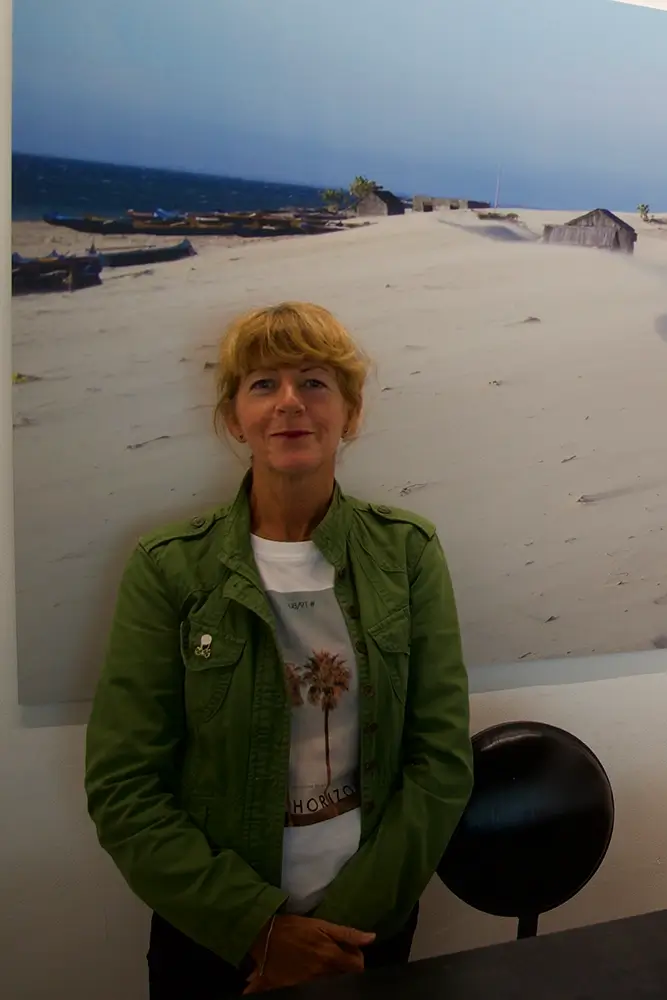
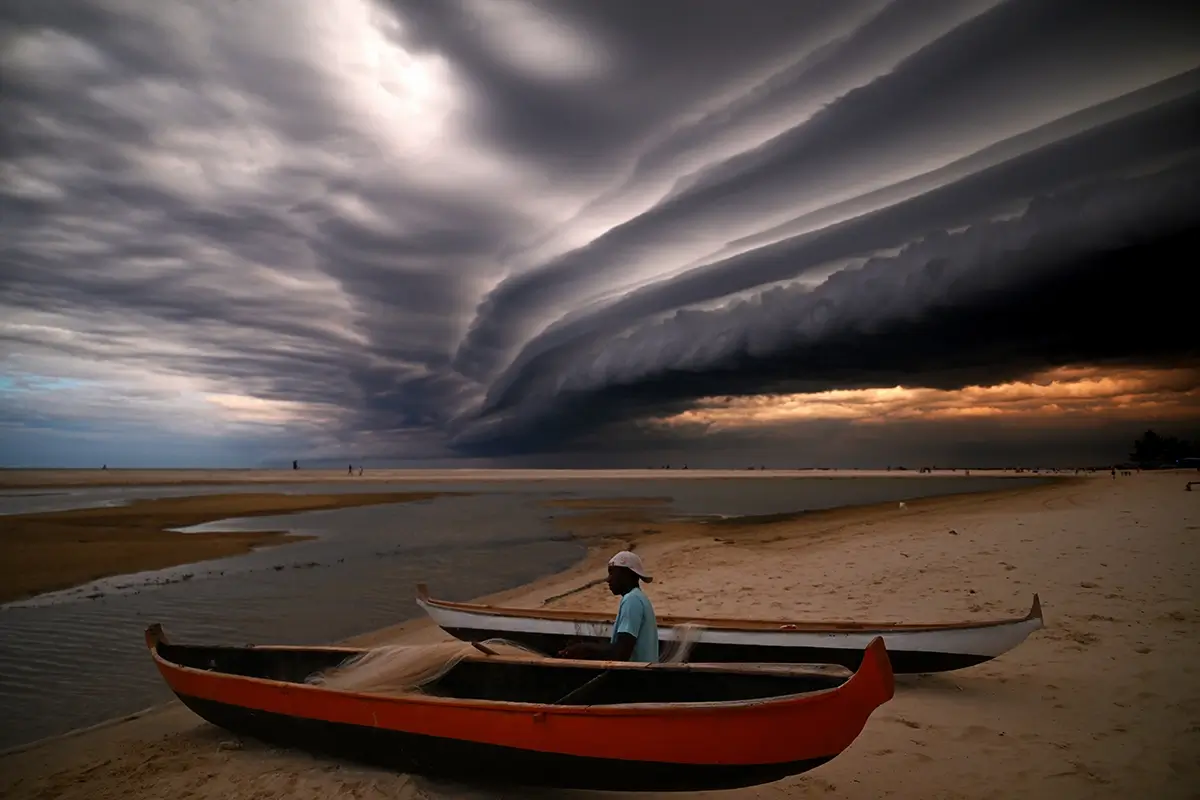
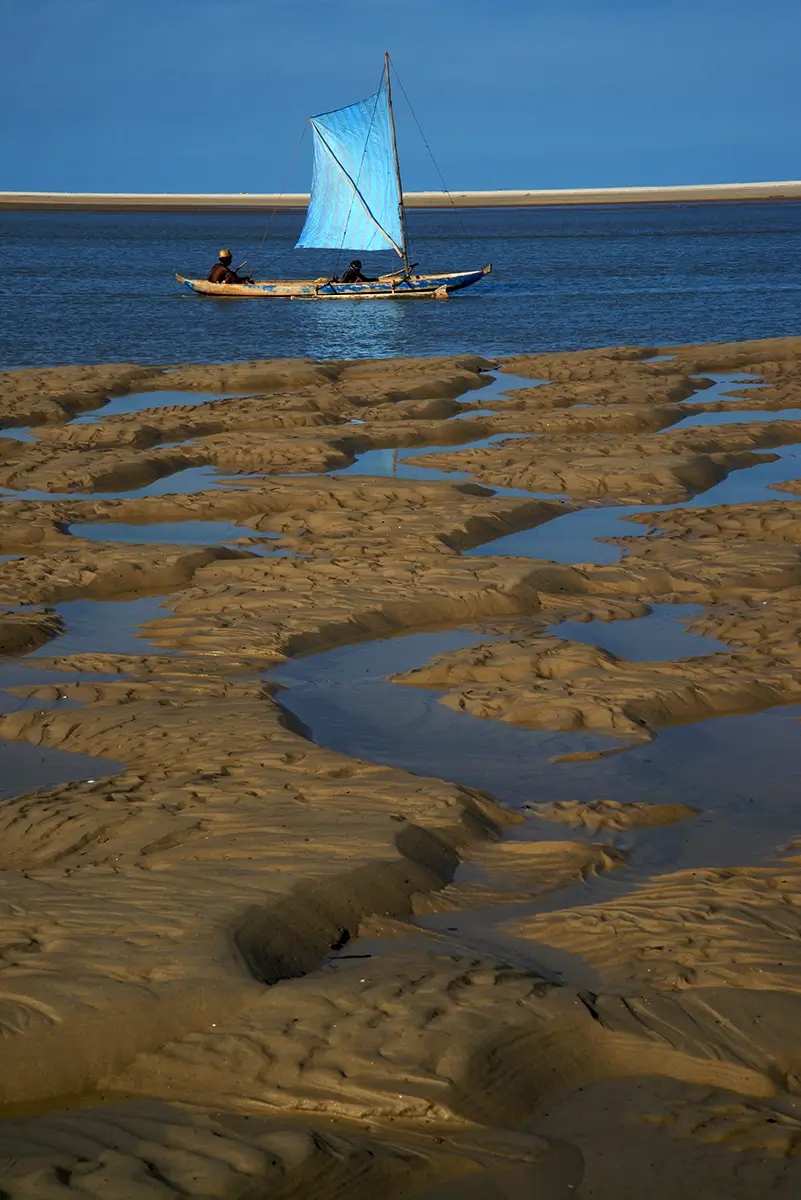
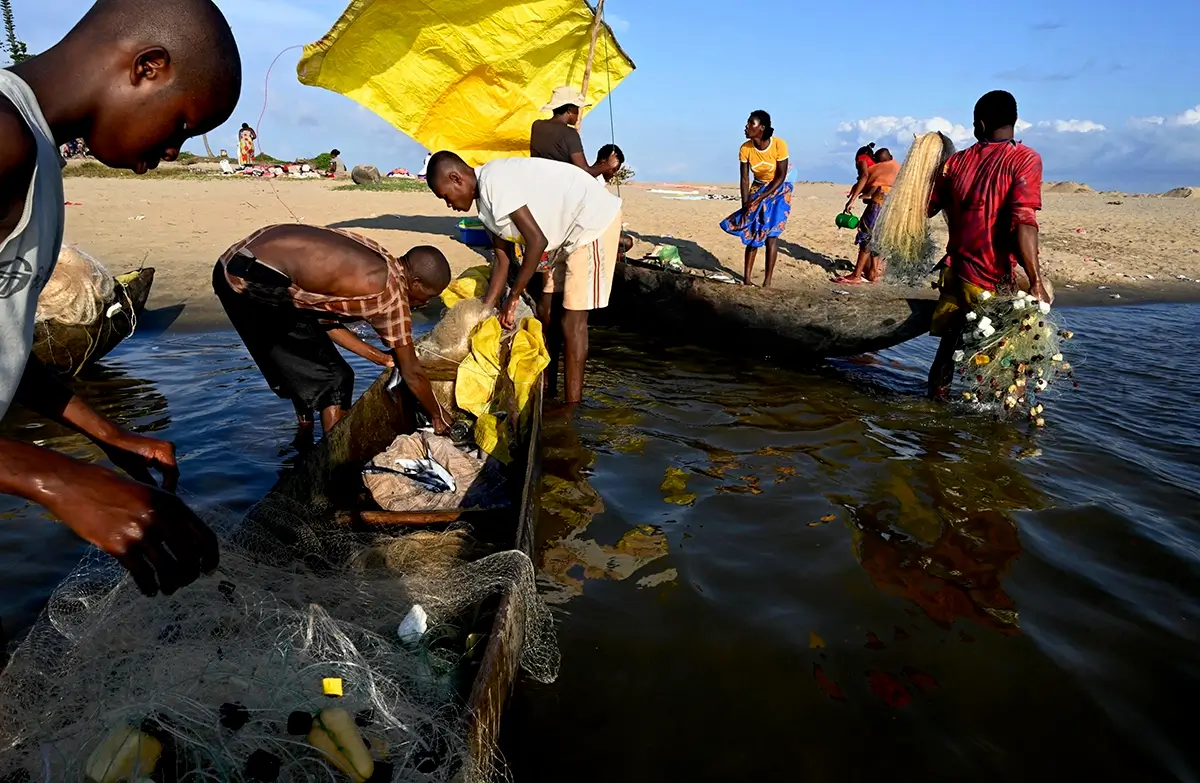
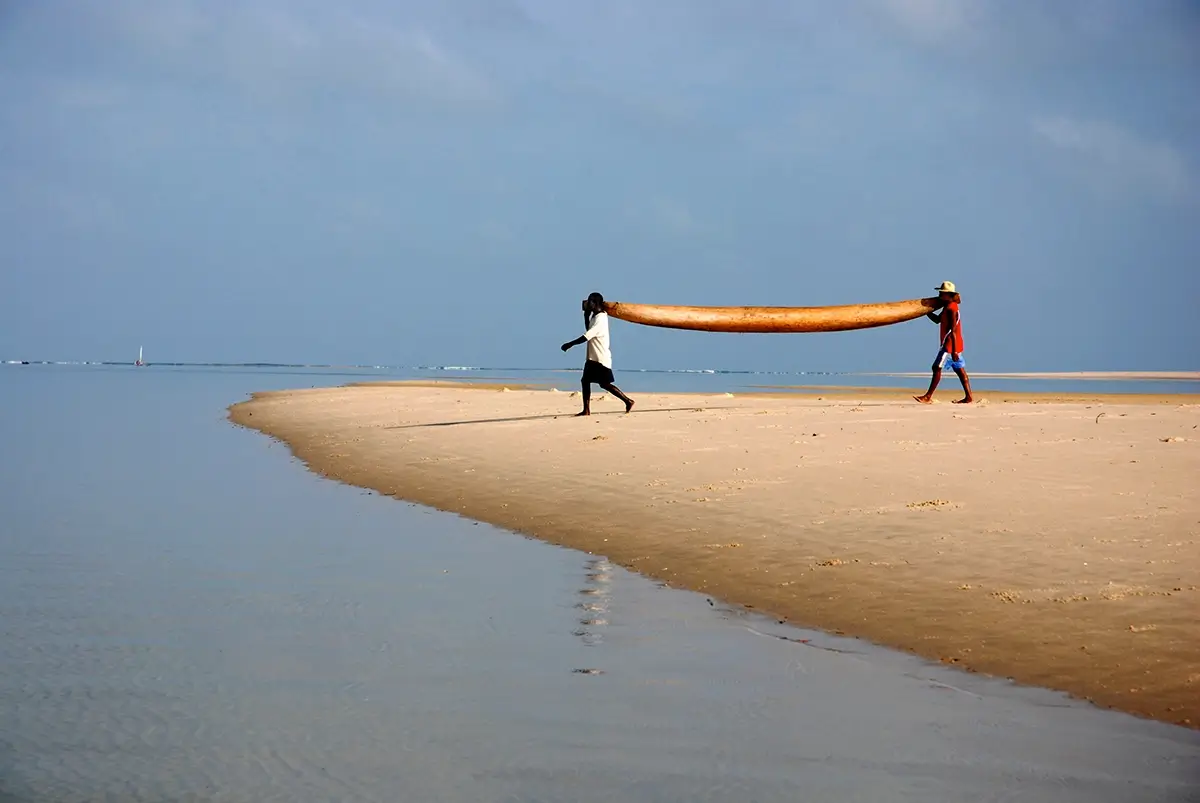
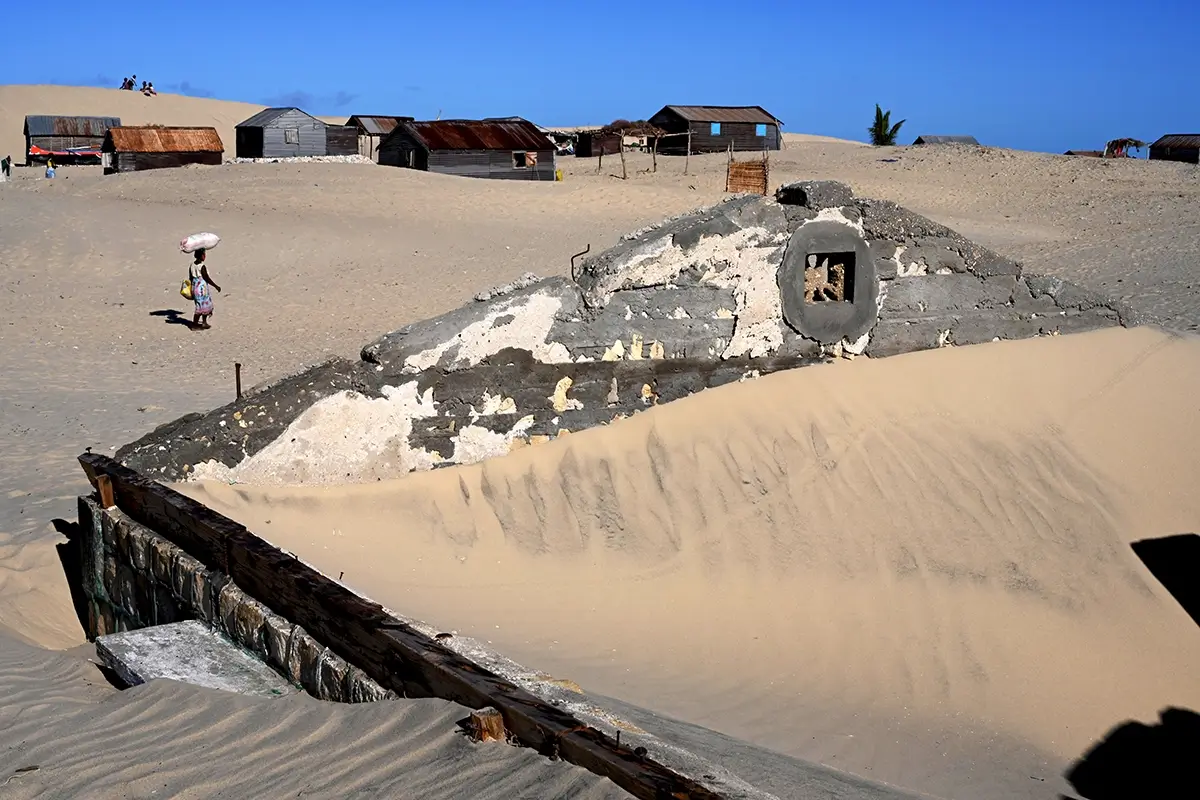
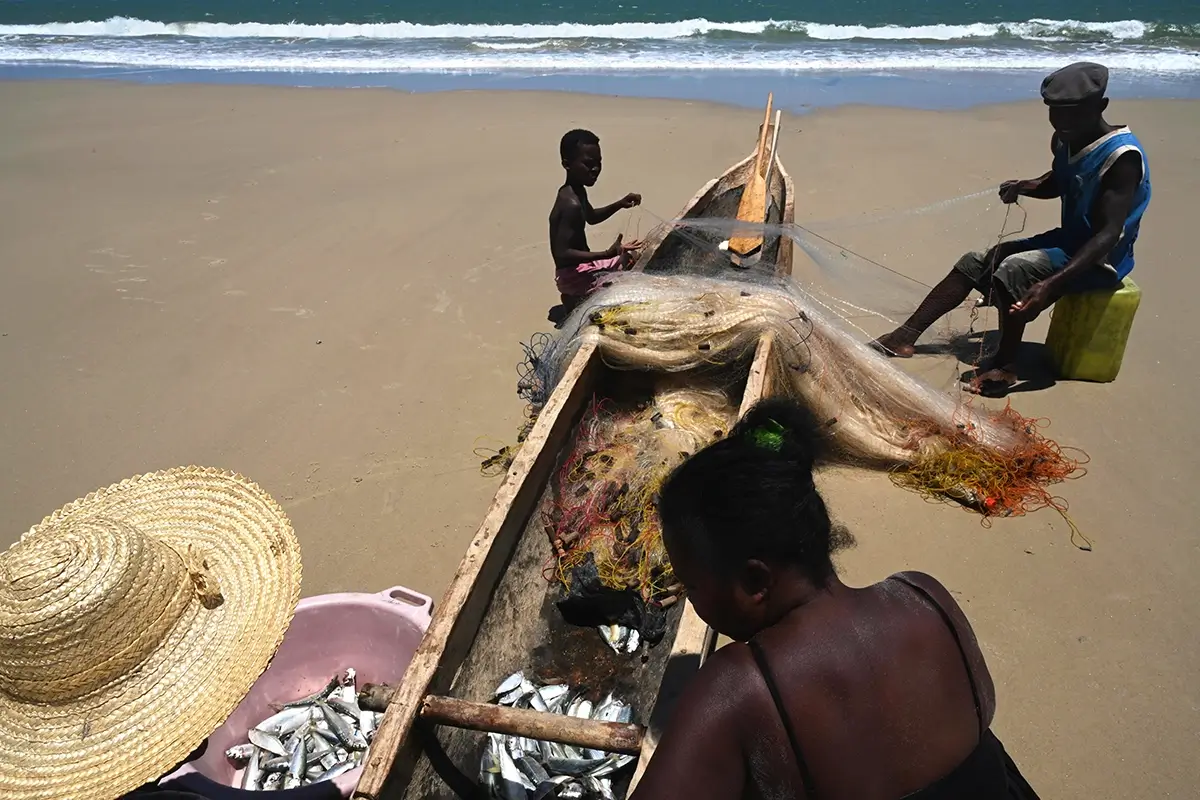
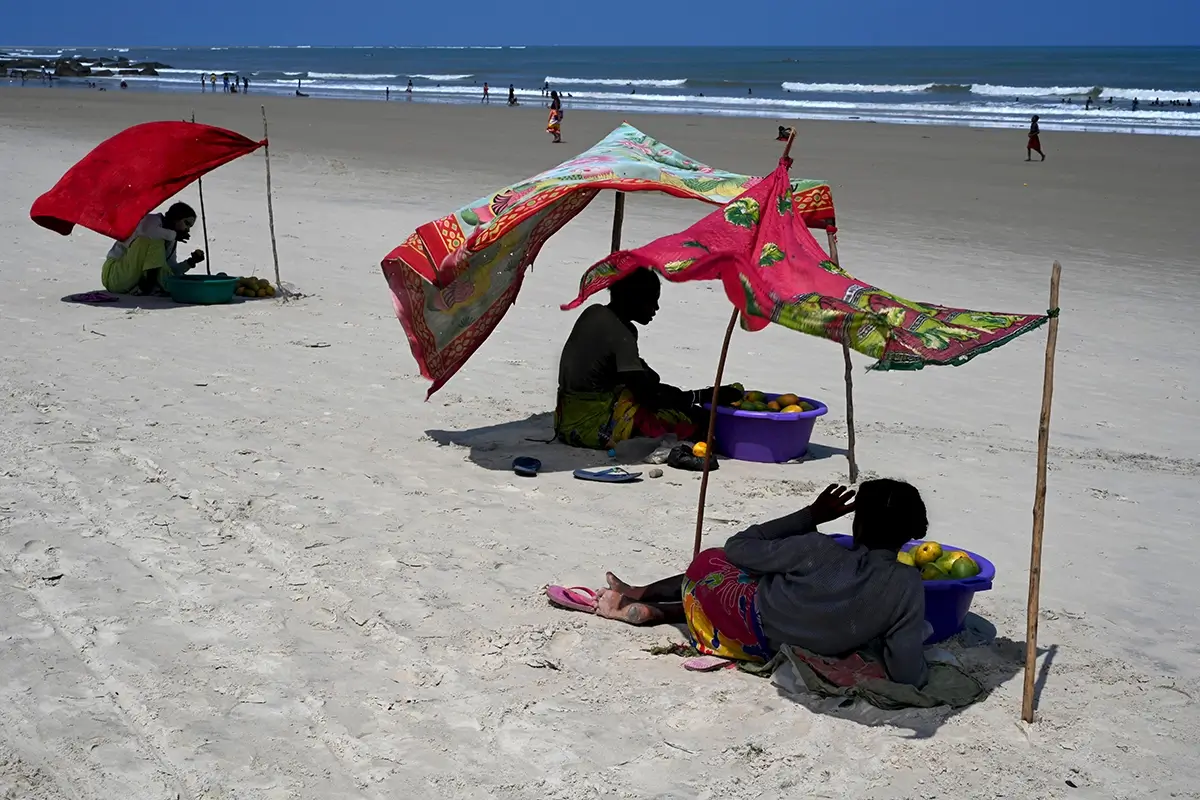
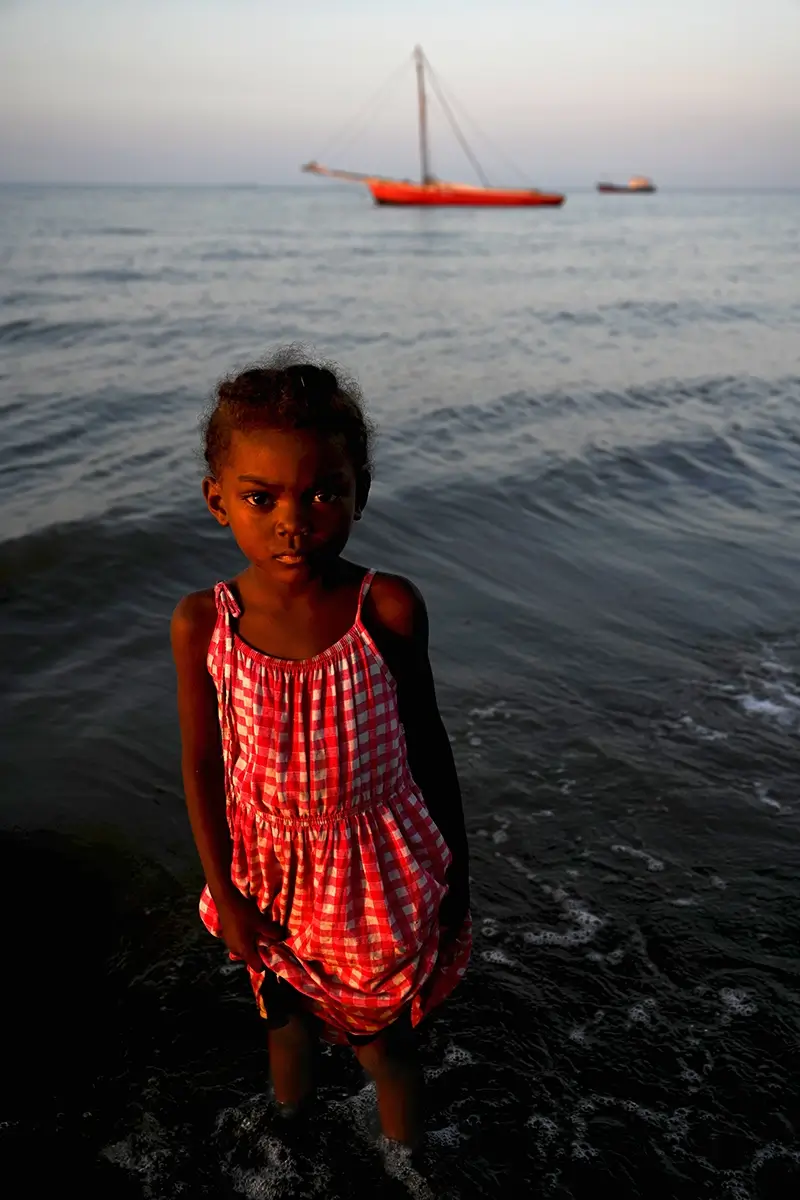
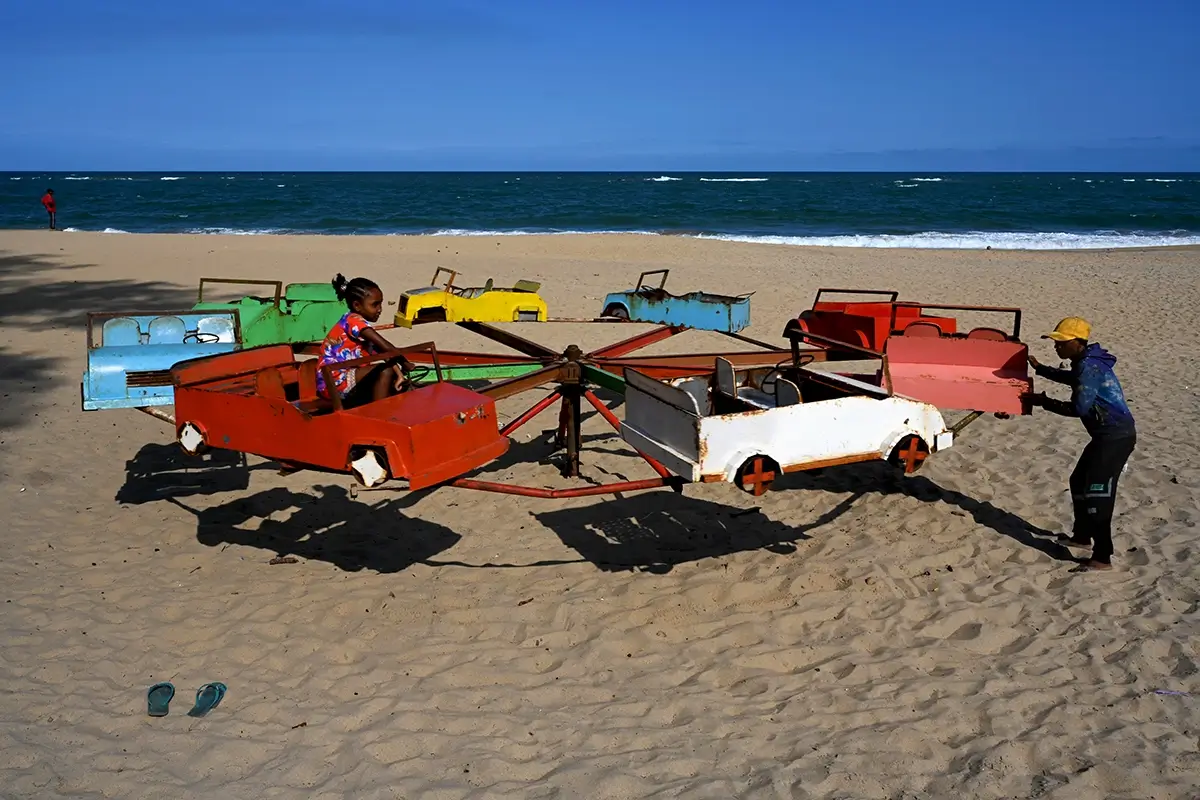
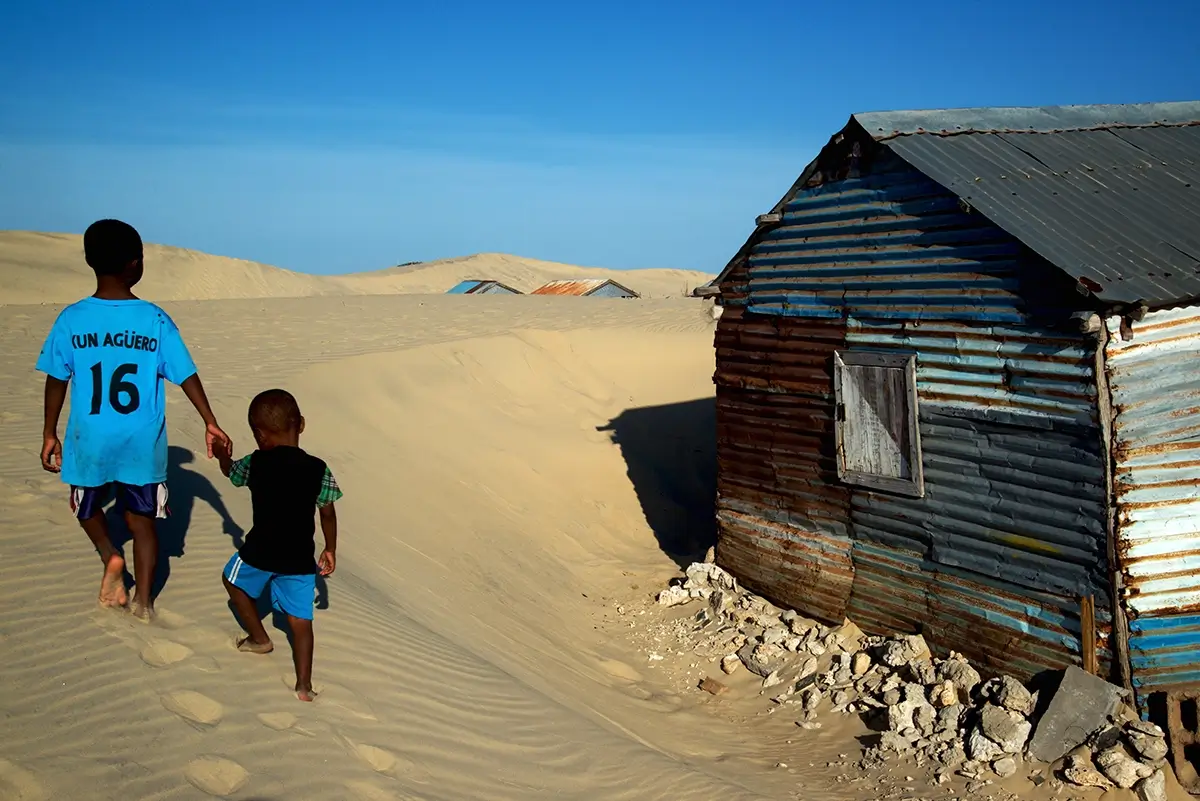
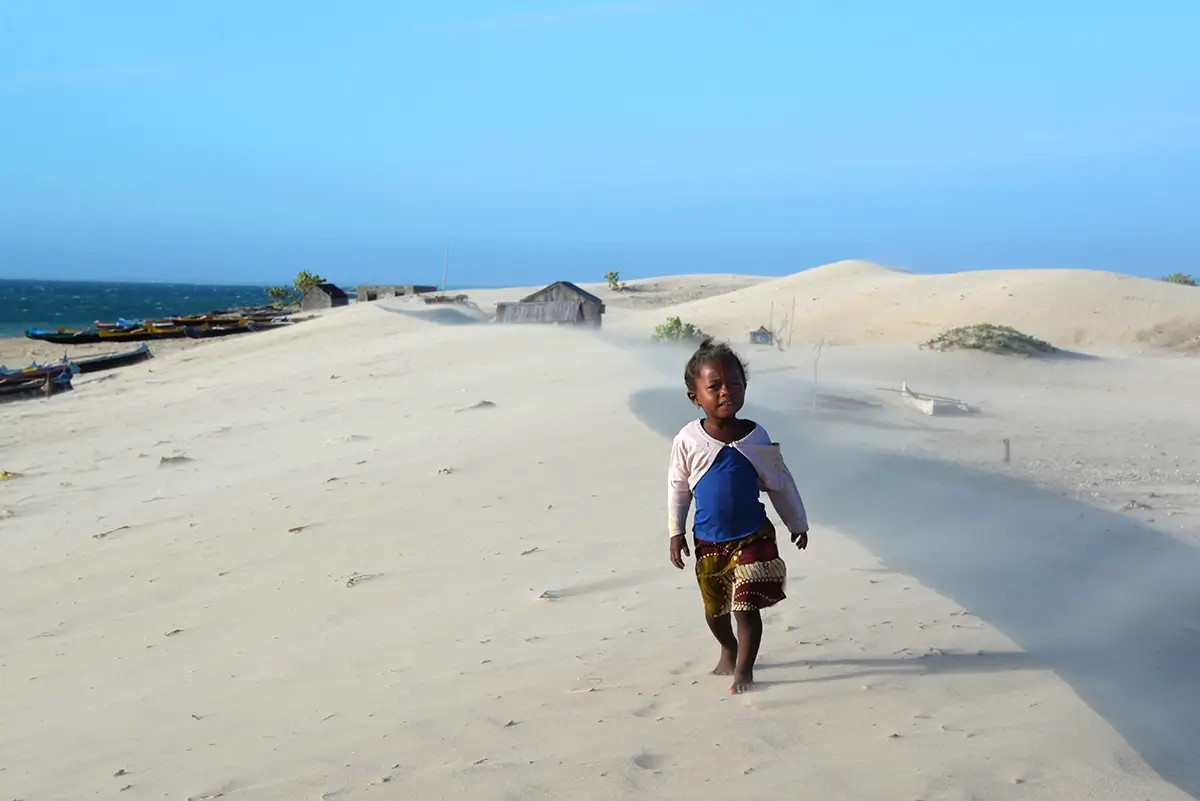
I was born in London in 1959 but was brought up in the Sussex countryside and have always loved the great outdoors. When I was younger I was passionate about the natural world and it’s diverse cultures, I studied zoology and this was the start of my journey and love of travel, along the way I picked up a camera. I’m a self taught travel photographer who likes to focus on people their cultures and environments.

I have won a few International awards and had two solo exhibitions one in Paris entitled “Wanderlust” the second in matera Italy entitled “Illuminating Travels”. One of my photos was shown in The Photobook cafe London in a group exhibition in 2024.

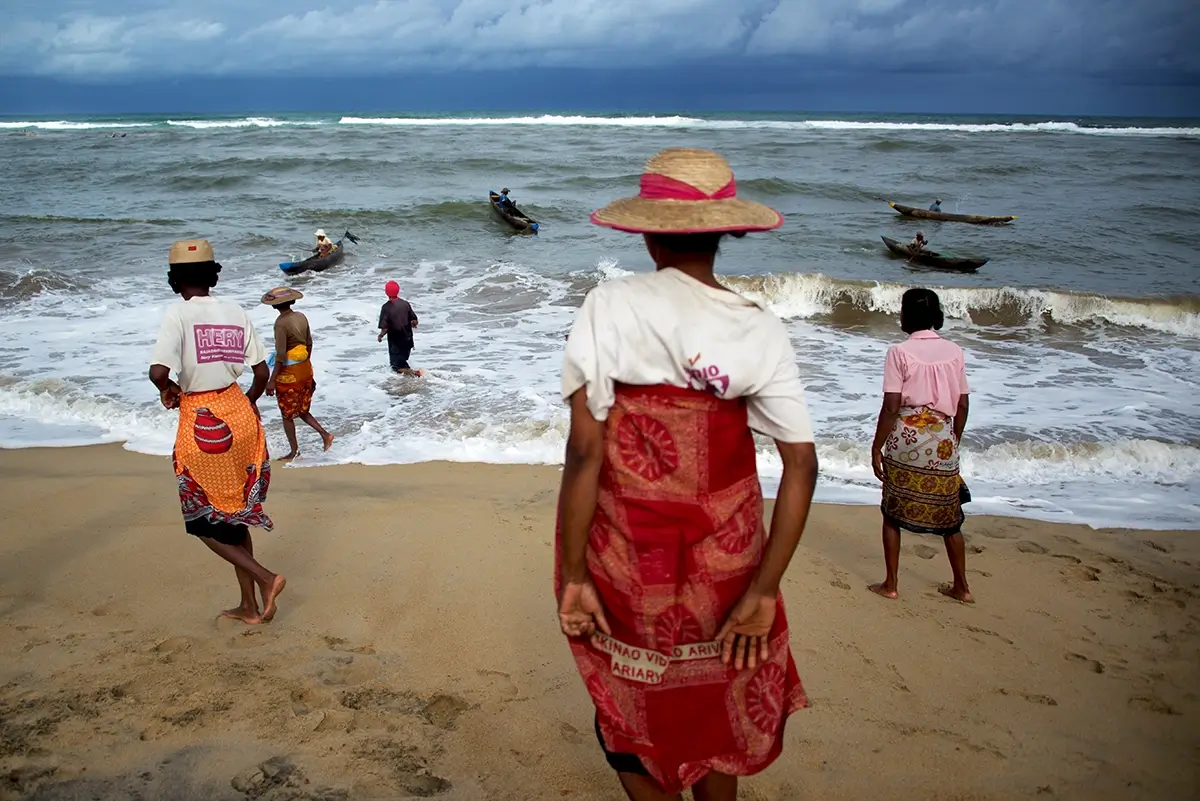
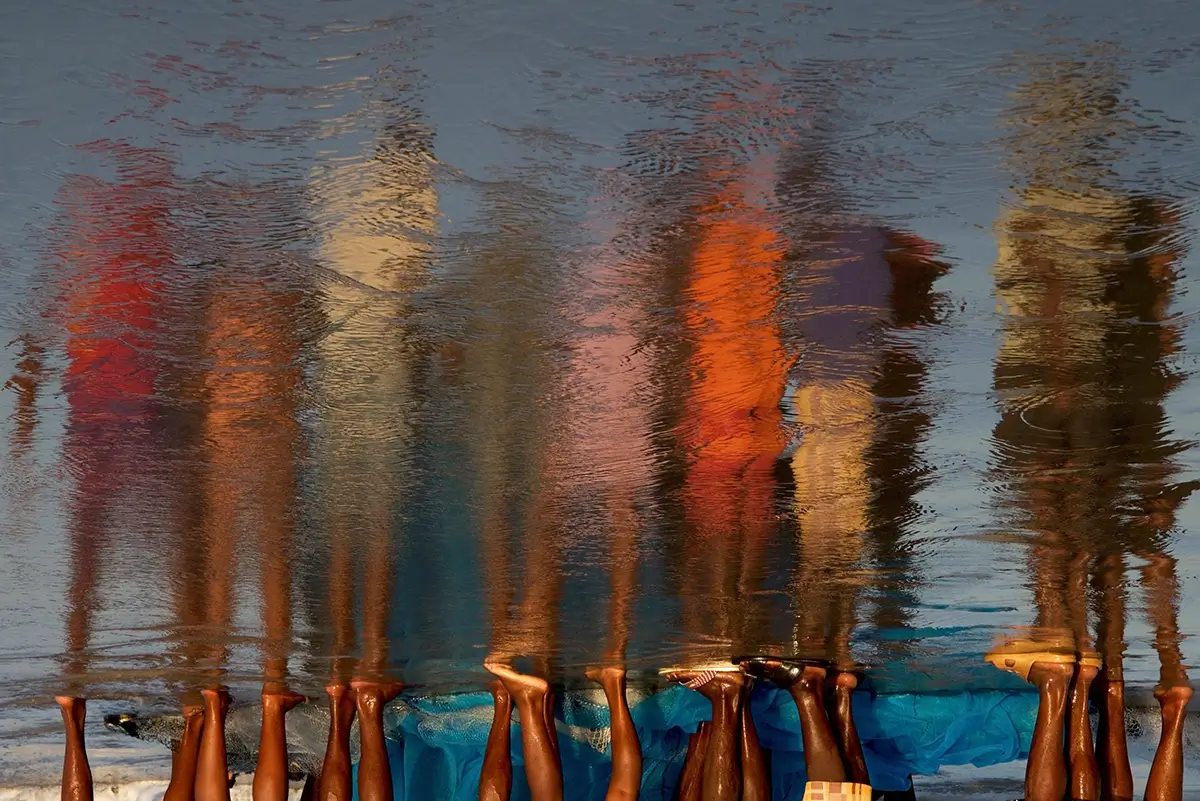
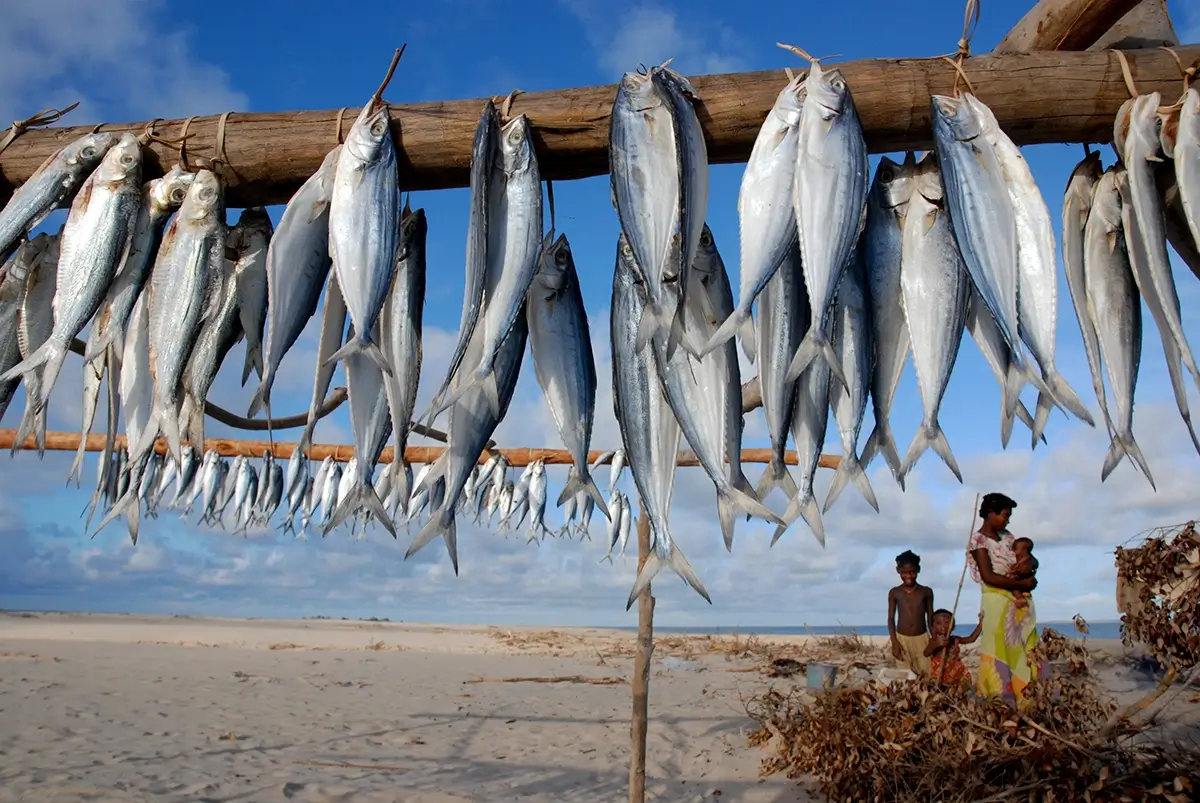
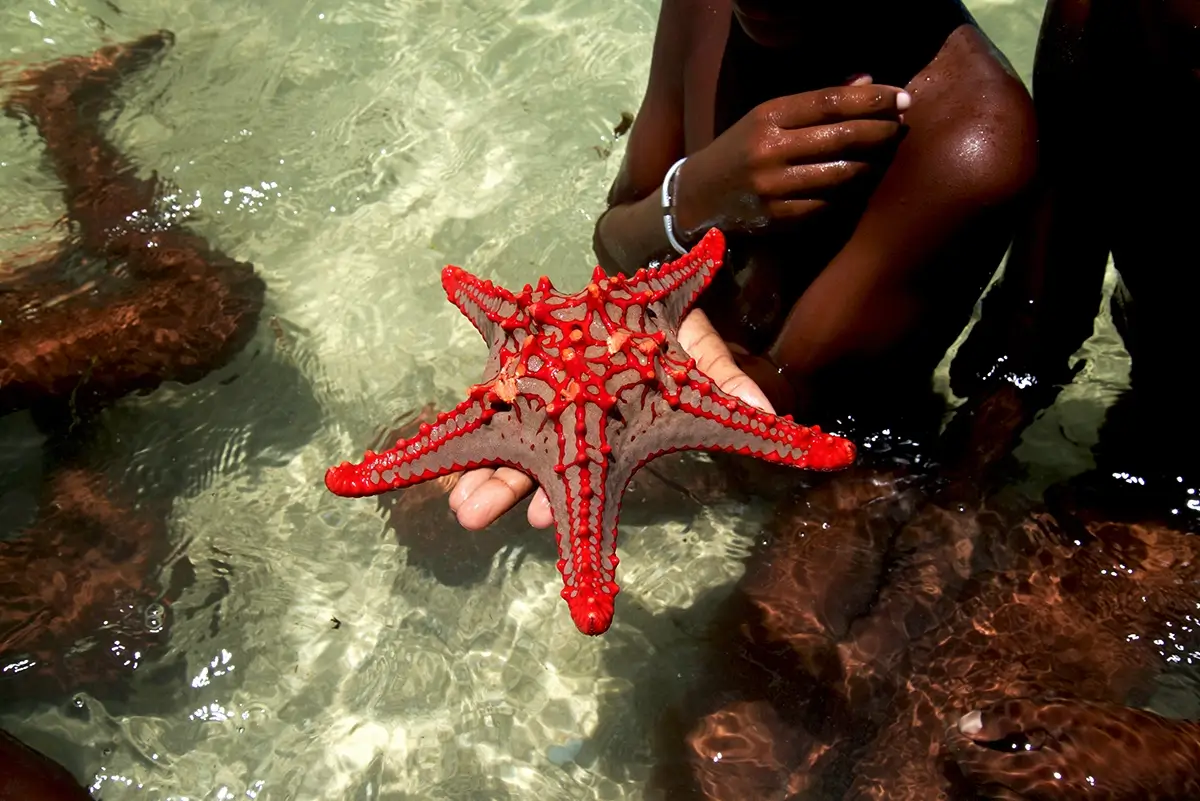
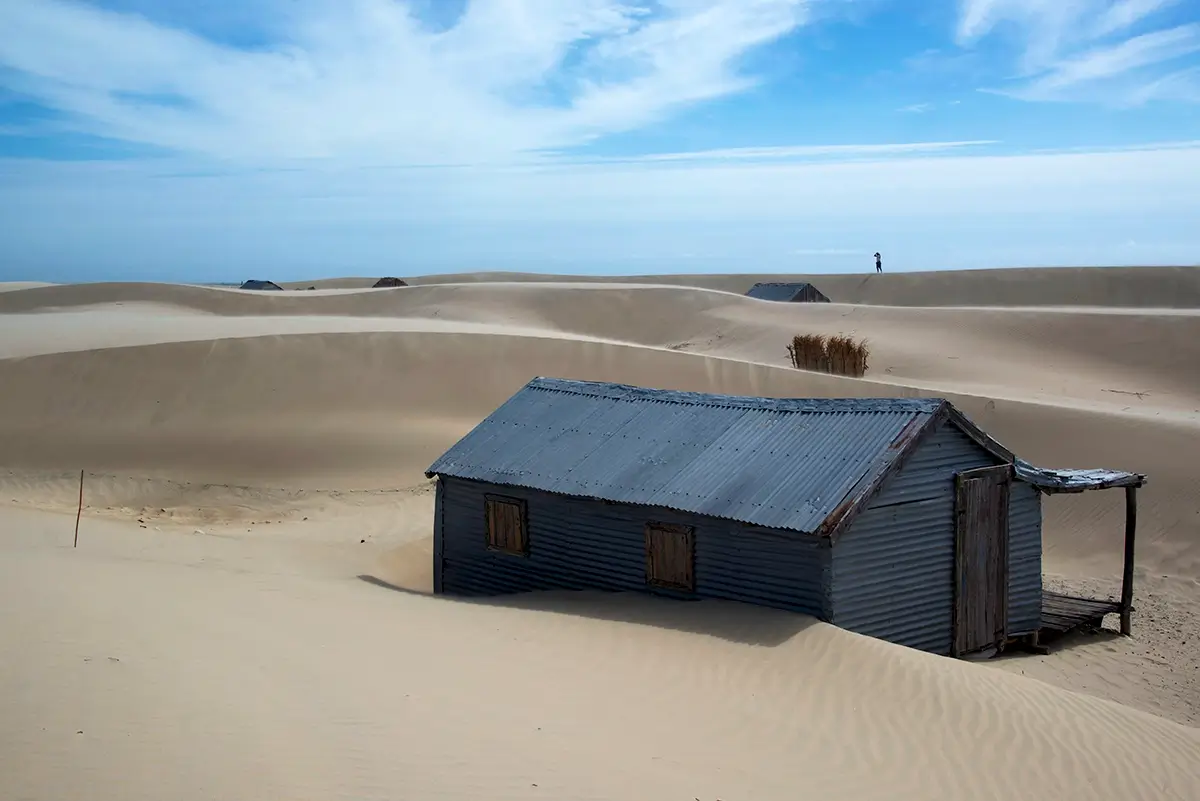
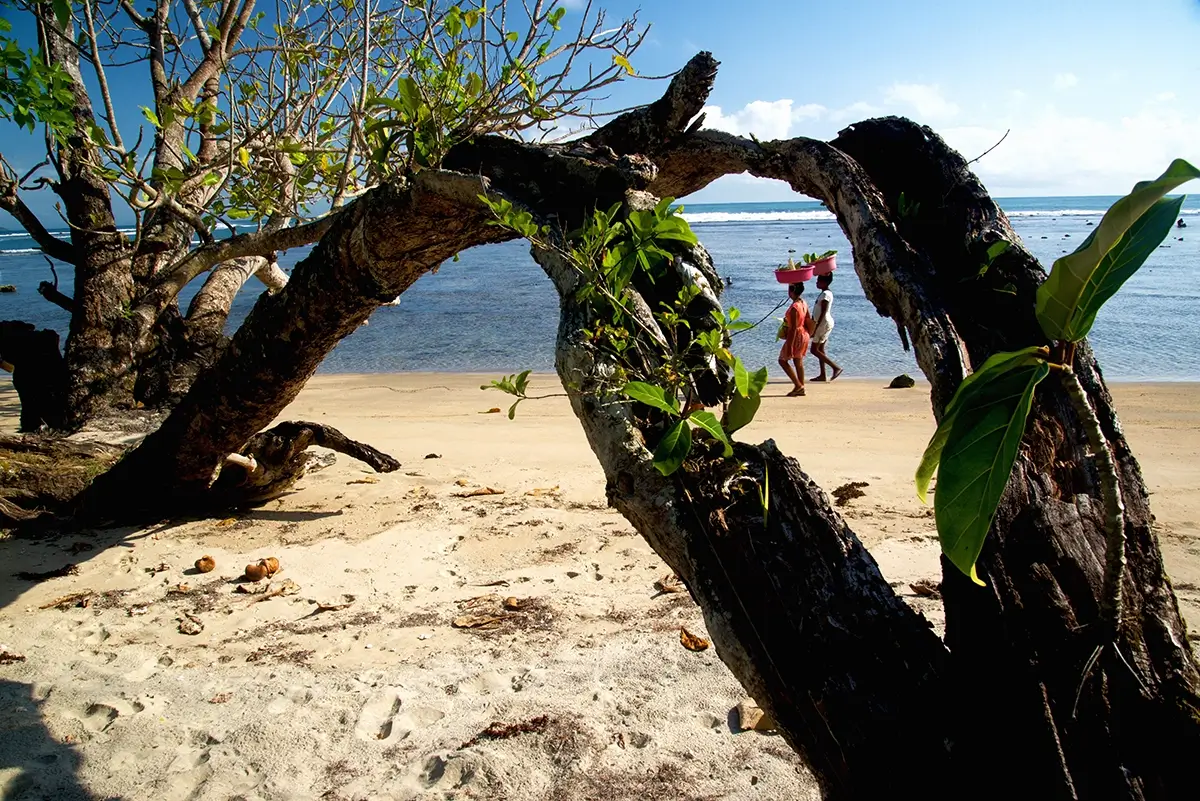
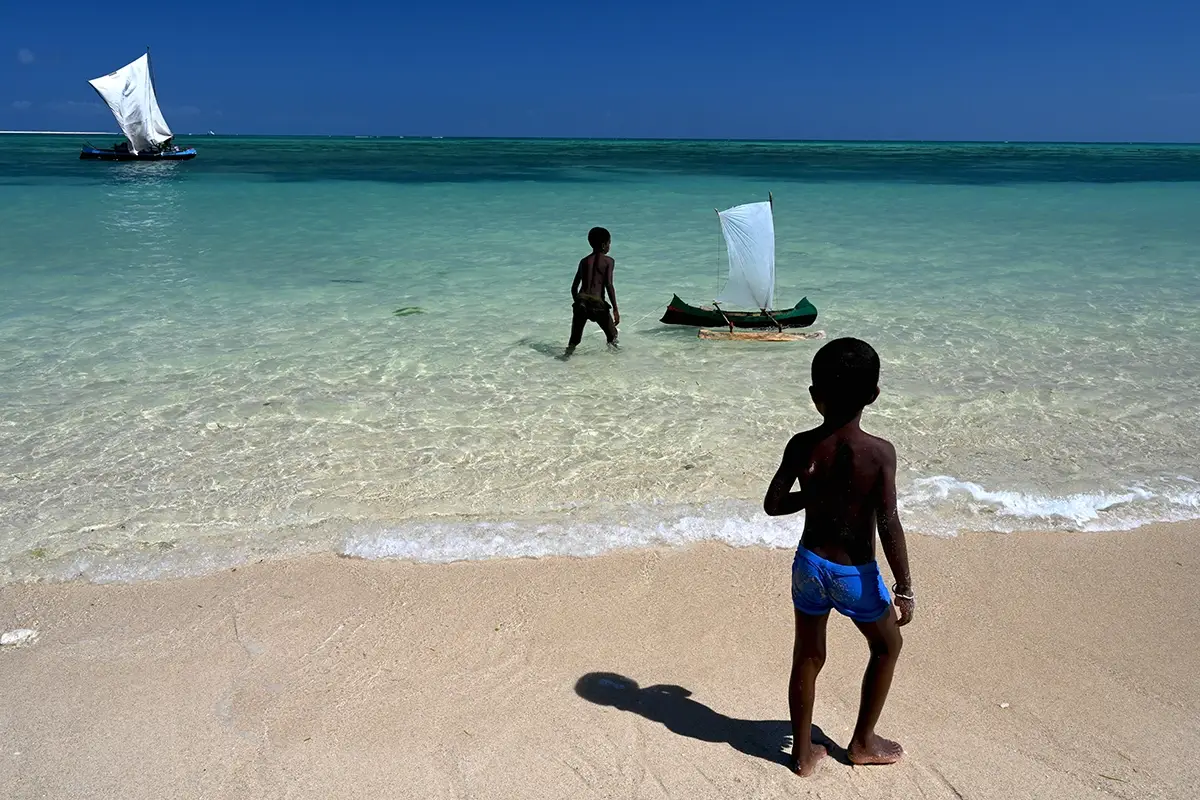
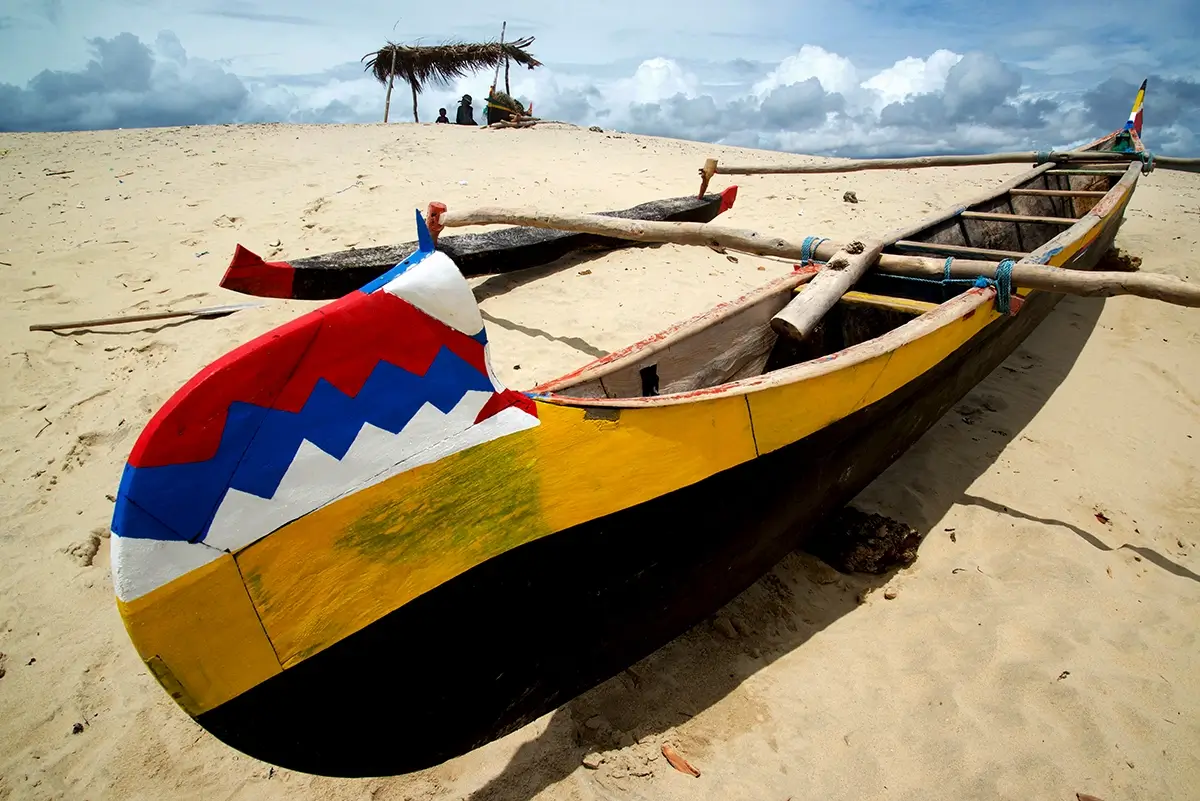
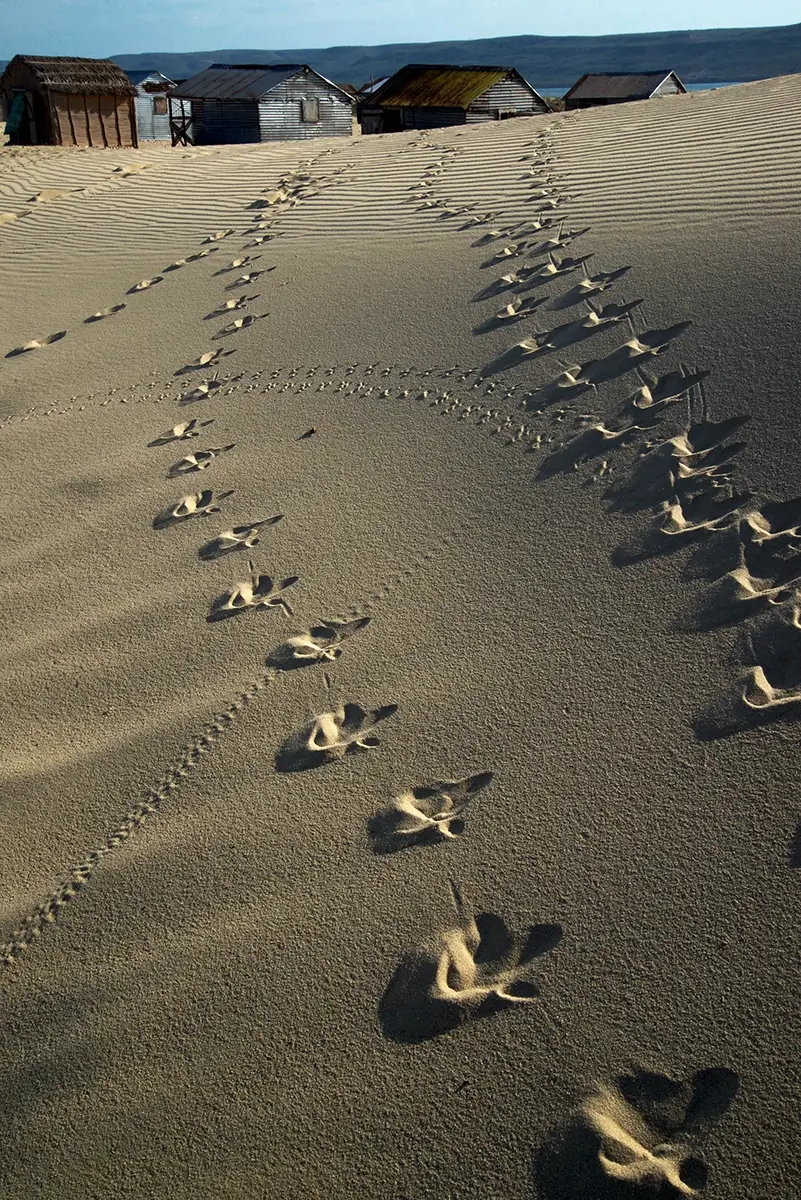
My approach to travel is to do it slowly and stay in places for longer periods of time, even when on the surface there is not much to see, there can be magic in the everyday mundane fleeting moments. I feel the longer you stay in a place the more you observe and get to know the peoples routines, were and when the dawn/dusk light falls best. People get used to seeing you wandering around, you start to make connections and people open up, I love exploring a place. I travel light so I don’t have to lug a lot of gear around. I love photographing life in full colour always seeking the perfect light and atmosphere. I’m especially lured back to Madagascar and Burma (Myanmar) for the peoples resilience, natural beauty, humour, grace and culture.

All About Photo Competitions

AAP Magazine 56 Shadows

 

Inspiring Portfolios

Call for Entries
AAP Magazine #59 Shapes
Publish your work in our printed magazine and win $1,000 cash prizes
 
Stay up-to-date  with call for entries, deadlines and other news about exhibitions, galleries, publications, & special events.

More Great Photographers To Discover

Karen Knorr
United States
1954
Karen Knorr was born in Frankfurt am Main, Germany and was raised in San Juan, Puerto Rico in the 1960s. She finished her education in Paris and London. Karen has taught, exhibited and lectured internationally, including at Tate Britain, Tate Modern, The University of Westminster, Goldsmiths, Harvard and The Art Institute of Chicago. She studied at the University of Westminster in the mid-1970s, exhibiting photography that addressed debates in cultural studies and film theory concerning the ‘politics of representation’ practices which emerged during the late 1970s qnd early 1980s. She is currently Professor of Photography at the University for the Creative Arts in Farnham, Surrey. Karen Knorr produced Belgravia (1979-1981) a series of black and white photographs with ironic and humorous texts that highlighted aspirations, lifestyle and the British class system under the neo liberalist Thatcher era in the late 70’s and early 80’s. Her most well known work called Gentlemen (1981-1983) was photographed in Saint James’s clubs in London and investigated the patriarchal conservative values of Britain during the Falklands war. Karen ’s work developed a critical and playful dialogue with documentary photography using different visual and textual strategies to explore her chosen subject matter that ranges from the family and lifestyle to the animal and its representation in the museum context. In 1986 her work Connoisseurs used colour to explore connoisseurship regarding authenticity, heritage and art in England. Here she introduced elements and staged events in the architectural interiors of Chiswick House, Osterley Park House and the Dulwich Picture Gallery. The use of text and captioning appeared as a device to slow down consumption of the image and to comment on the received ideas of fine art in museum culture. These strategies still appear in her photography today with digital collage of animals, objects and social actors in museums and architecture challenging the authority and power of heritage sites in Europe and more recently in India. Academies (1994- 2001), a series of colour photographs taken in academies and museums across Europe, reflects on the relationship between the production of western fine art, its transmission and consumption. The work continues a critical dialogue with conceptual art, visual culture, feminism and animal studies reflecting an engaged interest in theory and its relation to photographic practice. In 1995 the Academies project included video and installation with wall text transfers in order the explore the relationship between art and science in the staging of transgressive performative events and gestures in museums. Being for Another (1995), an 18 minute video records a young man caressing an 18th century sculpture by Canova in the Victoria and Albert Museum and three lifeclass models enact the lifeclass on the dissecting table of the anatomy theatre of Uppsala University in Lessons (2002). The introduction of a sound glass sculpture with recorded birdsong responded to the furniture and art collection of The Wallace Collection in 2001 synthesizing a 1960’s Pete Seeger song with an actual blackbird’s sound. In her series Fables (2004-2008) photographs mixes analogue and digital photography playfully reconfiguring tales (Ovid, Aesop La Fontaine) with popular culture (Disney and Attenborough) in museums and heritage sites which include Carnavalet Museum, the Museum of Hunt and Nature in Paris, Chambord Castle and the Conde Museum in Chantilly Castle. The visuality of these photographs is rich with reference to the baroque. In the last section of the work, Knorr interrogated the free flowing space of modern architecture in Corbusier’s Villa Savoye reintroducing life into the modernist aesthetic of a building. Since her life changing journey to Rajasthan, India in 2008, Karen Knorr’s work continues to explore Rajput and Mughal cultural heritage and its relationship to questions of feminine subjectivity and animality. India Song, a series of carefully crafted photographs explores the past and its relation to India’s contemporary heritage sites across Rajasthan. Since 2012 Knorr has been visiting Japan to reflect on tradition within contemporary Japan referencing Ukiyo-e prints and folktales connected to Shinto and Buddhist heritage sites.Her first series entitled Monagatari, places animals and humans in temple sites found in Nara, Kyoto, Tokyo and Ohara. Her second related series Karyukai is inspired by the Kano’s 36 portraits of poets also referencing “bijinga” prints of the 17th century. Women photographed by Karen Knorr were asked to compose waka and haiku reflecting on their life and dreams. Source: karenknorr.com About India Song Karen Knorr’s past work from the 1980’s onwards took as its theme the ideas of power that underlie cultural heritage, playfully challenging the underlying assumptions of fine art collections in academies and museums in Europe through photography and video. Since 2008 her work has taken a new turn and focused its gaze on the upper caste culture of the Rajput in India and its relationship to the "other" through the use of photography, video and performance. The photographic series considers men's space (mardana) and women's space (zanana) in Mughal and Rajput palace architecture, havelis and mausoleums through large format digital photography. Karen Knorr celebrates the rich visual culture, the foundation myths and stories of northern India, focusing on Rajasthan and using sacred and secular sites to consider caste, femininity and its relationship to the animal world. Interiors are painstakingly photographed with a large format Sinar P3 analogue camera and scanned to very high resolution. Live animals are inserted into the architectural sites, fusing high resolution digital with analogue photography. Animals photographed in sanctuaries, zoos and cities inhabit palaces, mausoleums , temples and holy sites, interrogating Indian cultural heritage and rigid hierarchies. Cranes, zebus, langurs, tigers and elephants mutate from princely pets to avatars of past feminine historic characters, blurring boundaries between reality and illusion and reinventing the Panchatantra for the 21st century.
Wang Qingsong
China
1966
Born in Daqing, Heilongjiang Province, China 1966 1993: Oil Painting Department of Sichuan Academy of Fine Arts, Sichuan, China Lives and works in Beijing since 1993 Awards: 2006 Outreach Award from Rencontres de la Photographie, Arles, France Wang Qingsong graduated from the Oil Painting Department of the Sichuan Academy of Fine Arts and currently lives and works in Beijing. After starting his career as an oil painter engaged in the Gaudi movement, he began taking highly staged photographs that explore the influence of Western consumer culture in China. In more recent works he has explored political and social themes including the struggles of the migrant population and Chinese diplomacy. His photographs are known for their massive scale, deep symbolism and careful staging, which can sometimes take several weeks and involve up to 300 extras. Although photography is his main medium, he has explored performance and video art in more recent years. Qingsong’s work has been presented at prestigious galleries, museums and art fairs across the globe including the 55th Venice Biennale China Pavillion (Venice), the International Centre of Photography (NY), the Hammer Museum (Los Angeles), the Victoria and Albert Museum (London), the 42nd Rencontres de la Photographie (Arles), the Daegu Art Museum (Seoul), MOCA (Taipei), the Rockbund Art Museum (Shanghai) and the Mori Art Museum (Tokyo). Wang Qingsong is a contemporary Chinese artist whose large-format photographs address the rapidly changing society of China. His photographs, appearing at first humorous and ironic, have a much deeper message. Critical of the proliferation of Western consumerism in China, his, Competition (2004), depicts the artist standing with a megaphone in front of a city hall covered in advertisements for brands such as Citibank, Starbucks, and Art Basel. "I think it is very meaningless if an artist only creates art for art's sake," he said. "I think it would be absurd for an artist to ignore what's going on in society." Born in 1966 in Heilongjiang Province, China, Wang studied at the Sichuan Academy of Fine Arts. Although he was trained as a painter, Wang began taking photographs in the 1990s as a way to better document the tension of cultural shifts. The artist's works have been in exhibitions at the Hammer Museum in Los Angeles and the National Gallery of Victoria in Melbourne. Wang currently lives and works in Beijing, China. Source: Artnet
Myrtie Cope
United States
1950
Myrtie Cope is an Atlanta photographer with a focus on architecture and nature. Ms. Cope completed the Summer Intensive and Advanced Intensive certificate programs at Rocky Mountain School of Photography. She is pleased to have both architectural and nature photos in several private and public collections around Atlanta including the Hartsfield-Jackson Atlanta Airport, Emory University Hospital, Broadstone Yards, and the Huntley on Park Avenue. Ms. Cope was honored to receive the Denis Diderot Scholarship to Chateau Orquevaux Artist Residency in Orquevaux, France, in October 2021 and was accepted to the Atelier AIR artist residency in Dangeau, France for Fall 2023. Ms. Cope's work has been included in numerous group exhibitions both nationally and internationally. Her ongoing project photographing historic theaters in the Southeast - ''Second Act'' -was exhibited at Spalding Nix Fine Art in September-November 2021. Ms. Cope was the Nonprofessional winner of the Nature Category in the 19th Julia Margaret Cameron Award for Women Photographers, and she recently won Honorable Mentions in both the Nonprofessional - Nature Category and the Architecture Category in the 20th Julia Margaret Cameron Award for Women Photographers which will be exhibited in Barcelona, Spain. Ms. Cope recently began combining her photography with her sewing skills by embroidering her photographs and creating quilts with cyanotypes on fabric. She is still exploring these techniques and discovering new ways of looking at photography.
Thomas Struth
Germany
1954
Thomas Struth was born 1954 in Geldern, Germany and currently lives and works in Berlin. He is best known for his genre-defying photographs, though he began originally with painting before he enrolled at the Kunstakademie, Düsseldorf in 1973. Struth has developed his individual photographic practice, often penetrating places of the human imagination in order to scrutinize the landscape of invention, technology, and beyond (as in his recent CERN and Animal images). Celebrated for his diverse body of work-Unconscious Places, Familienleben (Family Life), Museum Photographs, New Pictures from Paradise and Nature & Politics-Struth continues to advance his vocabulary with each new series, while maintaining the same principles core to his practice. Recent comprehensive exhibitions of Struth's work include the major touring exhibition Thomas Struth: Nature & Politics exhibited at the Museum Folkwang, Essen, Germany; the Martin-Gropius-Bau, Berlin, Germany, the High Museum, Atlanta, Georgia; the Moody Center for the Arts, Houston, Texas; the St. Louis Museum of Art, Missouri and the MAST Foundation Bolgna, Italy (2016-2019) as well as Figure Ground which opened at the Haus der Kunst, Munich, Germany and traveled to the Guggenheim Museum, Bilbao, Spain (2017-2019). Other recent exhibitions have been shown at: Hilti Art Foundation, Vaduz, Lichtenstein (2019); Aspen Museum of Art, Colorado (2018); the Metropolitan Museum of Art, New York (2014); and a major traveling retrospective which traveled from the Museu Serralves, Portugal to the K20 Kunstsammlung Nordrhein-Westfalen, Düsseldorf, the Whitechapel Gallery, London, and the Kunsthaus Zurich, Switzerland (2010-2012). In 2018 Struth received the Honorary Magister Artium Gandensis from the Royal Academy of Fine Arts (KASK), Ghent, Belgium. In 2016 he was elected Foreign Honorary Member of the American Academy of Arts and Letters and received the Centenary Medal and Honorary Membership from The Royal Photographic Society, London. In 2014 he was awarded an Honorary Fellowship by the Royal Institute of British Architects. He is the winner of the Spectrum-International Prize for Photography of the Foundation of Lower Saxony (1997) and the Werner Mantz Prize for Photography, The Netherlands (1992). He has participated in numerous international group exhibitions including Common Ground, Venice Architecture Biennale (2012), Future Dimension, the Venice Biennial (1990) and Documenta IX (1992). Source: Marian Goodman Gallery
Jacques Henri Lartigue
France
1894 | † 1986
Jacques Henri Lartigue is 69 years old in 1963 when he first presents a selection of his many photographs taken throughout his life in New York’s MoMa. That same year there is a photo spread of his work in the famous Life Magazine issue which commemorates the death of John Fitzgerald Kennedy, and which is publicized worldwide. To his great surprise, Lartigue becomes, overnight, one of the renowned photographers of the twentieth century. Jacques learns about photography from his father as early as the year 1900. Henri Lartigue rewards Jacques’s enthusiasm by buying him his first camera when he is 8 years old. Thus begins the endless coverage of his childhood, including automobile outings, family holidays and especially his older brother Maurice’s (nicknamed Zissou) inventions. Both brothers are fascinated by cars, aviation, and all sports with increasing popularity at the time. Jacques’s camera freezes each moment. As an adult he continues to attend sporting events and to take part in elite sports such as skiing, skating, tennis and golf. However, ever mindful of the passage of time, photography is not quite enough to capture his childhood memories. A snapshot cannot encompass all there is to say and to remember. He thus begins keeping a journal and will continue to do so his whole life. Furthermore, as if to engage in a more renowned activity, he takes up drawing and painting. In 1915 he briefly attends the Julian Academy and thus painting becomes and remains his main professional activity. From 1922 on he exhibits his work in shows in Paris and in the south of France. In the meantime, in 1919, Jacques marries Madeleine Messager, the daughter of the composer André Messager, and their son Dani is born in 1921. Jacques and Madeleine get a divorce in 1931. He revels in high society and luxury until the beginning of the 1930’s until the decline of the Lartigue fortune forces him to search for other sources of income. He refuses however to take on a steady job and thus lose his freedom, and so he scarcely gets by with his painting during the 30’s and 40’s. In the beginning of the 1950’s and not in accordance with the legend in which he is a complete unknown, his work as a photographer is noticed. He nevertheless continues to paint. He embarks on a cargo ship to Los Angeles in 1962 with his third wife Florette. In a roundabout way, they stop on the East Coast and meet Charles Rado of the Rapho Agency who in turn contacts John Szwarkoski, MoMa’s photography department young curator. There is all-around enthusiasm. The first retrospective of his work is held in Paris’ “Musée des Arts Décoratifs” in 1975. One year earlier, Lartigue was commissioned by the President of France Valéry Giscard d’Estaing to shoot an official portrait photograph. In 1979 the Donation Agreement is signed and Lartigue becomes the first living French photographer to donate his work to the nation. He authorizes the Association des Amis de Jacques Henri Lartigue to preserve and promote the fund. In 1980, his dream of having his own museum comes true with the Grand Palais’ exhibit “Bonjour Monsieur Lartigue”. He continued his work as a photographer, painter and writer until his death in Nice on September 12th 1986. He was 92 years old. He left us with more than 100 000 snapshots, 7 000 pages of diary, 1 500 paintings. Source: Jacques-Henri Lartigue Donation
William Ropp
France
1960
William Ropp is a contemporary photographer and photo-artist, best known for his series of portraits. Lives and works in France. William Ropp is often called not just a photographer but a photo-artist, and his style of photography is spoken of as unique, inimitable, and recognizable. For the impression they produce, his works are compared to those by painters: individuals depicted in them are as if looking at the viewer – not vice versa. Ropp is known as the Shadow Sculptor. Portraits by him — it is his work with the human body and portrait photography he is famous for — are indeed so dimensional and expressive that they look like they are sculpted from shadow and light. William Ropp began his career in the theatre three decades ago. There is something theatrical about his pictures today as well: each of them is like a speechless monologue by the character depicted in it, a play with one actor, which is encased into one instant caught by the photographer. William Ropp made his first series of black-and-white photographs in 1988: those were images of human figures reflected in distorting mirrors. Ropp continued working with the human body in the studio, experimenting with lighting and photographic technology. In the early 90’s, he found the style that would make him famous. Ropp would plunge figures of models, which, as it is, perplexed the viewer with the complexity of their intricate postures, into darkness and “paint” their body outlines with a bright beam of light. He would increase the exposure time to 10 minutes to make the image a bit blurred but would focus one’s attention on the main thing: the eyes, the facial expression, the shoulder line, or the arm’s expressive curve. In the mid-2000’s, Ropp, the already famous Shadow Sculptor, undertook a number of trips, each of which resulted in a series of portraits of people – Africans and Gypsies, inhabitants of Mexico and Russia, adults and kids. In 2010, he started working in color, portrait photography remaining the primary one in his work. Ropp is the author of several books on the art of photography; his exhibitions and workshops for photographers are staged all over the world. Works by William Ropp form part of the collections of the Musée de l’Elysée (Lausanne, Switzerland), the Museum of Fine Art (Houston, USA), the Maison Européenne pour la Photographie (Paris, France), the Museet for Fotokunst (Odense, Denmark), the New York Public Library (the Spencer Collection, New York, USA), and other public and private collections. Galleries throckmorton-nyc.com www.thephotogallery.se www.originalsong.cn www.holdenluntz.com www.galerie-stp.de jiromiuragallery.com louisegallery.be
Aljohara Jeje
European
1962
Aljohara Jeje can be described as a distinguished and versatile artist with a rich background in product design, art photography, and medieval artistry techniques. She demonstrates a dedication to lifelong learning through her diverse educational pursuits, including courses in Art History, Comparative Religions, and Ethics. Aljohara's passion for the arts is evident in her continuous exploration and mastery of various artistic disciplines. Aljohara’s practice delves into the exploration of societal and cultural dynamics, drawing inspiration from historical contexts and contemporary shifts. Her work is deeply rooted in storytelling, using visual narratives to convey intricate layers of meaning, engaging deeply with history, culture, and contemporary challenges, inviting viewers to reflect on the complexities of the human experience. Her artistic voice is unique, stemming from her keen observations of her surroundings. She has the ability to translate these observations into art, making her a versatile artist. With sensitivity and a critical eye, her art practice is a multidimensional exploration of societal issues, using a variety of visual techniques and mediums to convey her messages. Aljohara’s name and award-winning works are increasingly well-known and commissioned in and outside the region due to her wide range of expertly crafted fine art. Notable accolades such as recognition from the Saudi Arabian Ministry of Culture, her 'Allard Photography Prize for International Integrity' and shortlisting by prestigious institutions like The Bill & Melinda Gates Foundation, are fine examples. Beyond her artistic achievements, Aljohara is actively engaged in enriching cultural discourse, through workshops, talks, publications, and participating in international forums, demonstrating her steadfast dedication to fostering communication through the arts. AAP Magazine AAP Magazine 38 Women
Advertisement
AAP Magazine #59 Shapes
Win a Solo Exhibition in Aug
AAP Magazine #59 Shapes

Latest Interviews

Exclusive Interview with Susan Anthony
American photographer Susan Anthony brings a painter’s eye to documentary photography, creating nuanced portraits of people and places shaped by time, community, and tradition. Her work is rooted in observation, empathy, and a deep curiosity about the lives of others. Through long-term projects, she explores the relationship between individuals and the environments they inhabit, revealing the stories that connect people to a place and to one another.
Exclusive Interview with Carole Mills Noronha
Carole Mills Noronha is an Australian photographer whose deeply personal work explores memory, family, loss, and the fragile nature of identity. Living with epilepsy and a lifelong sensitivity to light, she has developed a distinctive photographic language rooted in observation, empathy, and emotional connection. Her images are shaped by lived experience, revealing intimate stories with remarkable honesty and tenderness.
Exclusive Interview with Trevor Cole: Pastoral Peoples and Practices
For this interview, we wanted to focus specifically on The Face of the Mundari and the wider Pastoral Peoples and Practices series. We spoke with Trevor about his long-term work among the Mundari, what continues to draw him back to their cattle camps, and the experience of documenting a culture whose identity remains deeply connected to livestock, tradition, and the natural environment.
Exclusive Interview with Frank Meo
In our latest exclusive feature for All About Photo, I speak with veteran photography representative Frank Meo about what it truly takes to build a sustainable creative career today. Frank brings decades of experience working with Fortune 500 companies, major agencies, and documentary photographers to the table. We dive into the critical business skills often left out of art school curriculums, the power of mentorship, and the inspiring evolution of PROJECTIONS—his international salon platform for visual storytellers. It’s an essential read for anyone navigating the commercial or editorial photography landscape today.
Exclusive Interview with Carolyn Moore
American photographer Carolyn Moore explores the inner landscape of emotion, memory, and personal transformation through a deeply intuitive photographic practice. Her work unfolds as a quiet dialogue between artist and viewer, where images become a space for reflection, vulnerability, and connection.
Exclusive Interview with Luca Desienna and Laura Estelle Barmwoldt
For over seven years, Of Lilies and Remains has explored the depths of the goth and darkwave underground, unfolding in Leipzig—a city long associated with a vibrant and enduring subcultural scene. Moving between iconic gatherings such as Wave-Gotik-Treffen and more intimate moments on the fringes, the project offers a rare and immersive glimpse into a world often misunderstood, yet rich in expression and community. Created by Luca in collaboration with Laura Estelle Barmwoldt, the work embraces a cinematic and deeply personal approach. Rather than documenting from a distance, it moves within the scene itself, capturing its atmosphere, its codes, and its quiet contradictions. The title Of Lilies and Remains hints at this duality—where beauty and darkness, fragility and strength coexist. As the book prepares for its release, we spoke with both artists about the origins of the project, their process, and what it means to document a subculture that continues to evolve while remaining true to its spirit.
Exclusive Interview with Matthew Finley
American photographer Matthew Finley turns inward, using photography as a way to explore identity, memory, and emotional truth. Based in Los Angeles, his practice moves between performance, gesture, and found imagery, creating a visual language that is both intimate and deeply personal
Exclusive Interview with Jan Janssen
Dutch photographer Jan Janssen explores universal human experiences through his long-term project It Matters, winner of the May 2025 Solo Exhibition. Begun in 2016, the series captures intimate moments of everyday life—love, loss, connection, and belonging—across Central and Eastern Europe. Working in countries such as Turkey, Azerbaijan, and Armenia, Janssen spends extended time within communities, building relationships based on trust and respect. His approach allows him to move beyond observation, revealing deeply human and authentic moments. Rooted in travel and personal discovery, It Matters reflects Janssen’s search for what connects us all in an increasingly divided world. The project is ongoing and will culminate in a photobook scheduled for publication in 2026.
Exclusive Interview with Henk Kosche
German photographer Henk Kosche turns his lens toward the streets of Halle an der Saale, capturing everyday life in the late years of the former German Democratic Republic. At the time, Kosche was studying design and exploring the city with his camera, drawn to the atmosphere of its industrial landscape and the quiet rhythms of daily life. His series Street Photography at the End of the 80s, selected as the Solo Exhibition for July 2025, revisits a body of work created just before a period of profound change. Rediscovered decades later in a small box of 35mm negatives, these photographs offer glimpses of a city and its people at a moment suspended between the familiar and the unknown.
Call for Entries
AAP Magazine #59 Shapes
Publish your work in our printed magazine and win $1,000 cash prizes