Carole Mills Noronha is an Australian photographer whose deeply personal work explores memory, family, loss, and the fragile nature of identity. Living with epilepsy and a lifelong sensitivity to light, she has developed a distinctive photographic language rooted in observation, empathy, and emotional connection. Her images are shaped by lived experience, revealing intimate stories with remarkable honesty and tenderness.
Winner of
AAP Magazine #48: Portrait, her series That Place He Goes is a moving and profoundly human document of her father's journey through Dementia and Alzheimer's disease. Created over several years, the project chronicles not only the progression of a devastating illness but also the enduring bond between a father and daughter. Through quiet moments, gentle light, and deeply compassionate portraits, Noronha transforms personal grief into a universal reflection on memory, love, and the role photography can play in preserving what time slowly erases.
We asked her a few questions about her life, her photographic journey, and the deeply personal story behind
That Place He Goes.
Can you tell us about your early life and how you first became aware of your sensitivity to light?
I grew up in an orange brick house in suburban Melbourne. In the school holidays we visited our grandparents in the country. I grew up climbing trees, looking for bugs and highly anxious. When I was two years old, mum found me unconscious. I had had my first epileptic seizure. Turns out my brain couldn't process extremes of light. From this point on, what I did and when was all dependent on light. We'd drive to my grandparent's house at night to avoid the light and shadows flickering between gum trees during the day. I'd had to be positioned carefully in classrooms avoiding triggers like fluorescent lighting. As I grew, I became hypervigilant about light and shadows. Always looking for changes. Always watching it crawl across rooms, falling through windows, always trying to keep one step ahead of it to prevent yet another seizure.
How did your experiences with epileptic seizures shape the way you observe and interact with the world?
I grew up knowing I was different. There were some activities at school or at parties where I had to be excluded. I would often find myself sitting on the sidelines waiting. I didn't always understand being excluded at the time but in hindsight I see how others were trying to keep me safe. It also taught me empathy. I notice those on the edges of life, the loners, the unseen. Wondering if they are like me. Feeling like something is wrong, not the same.
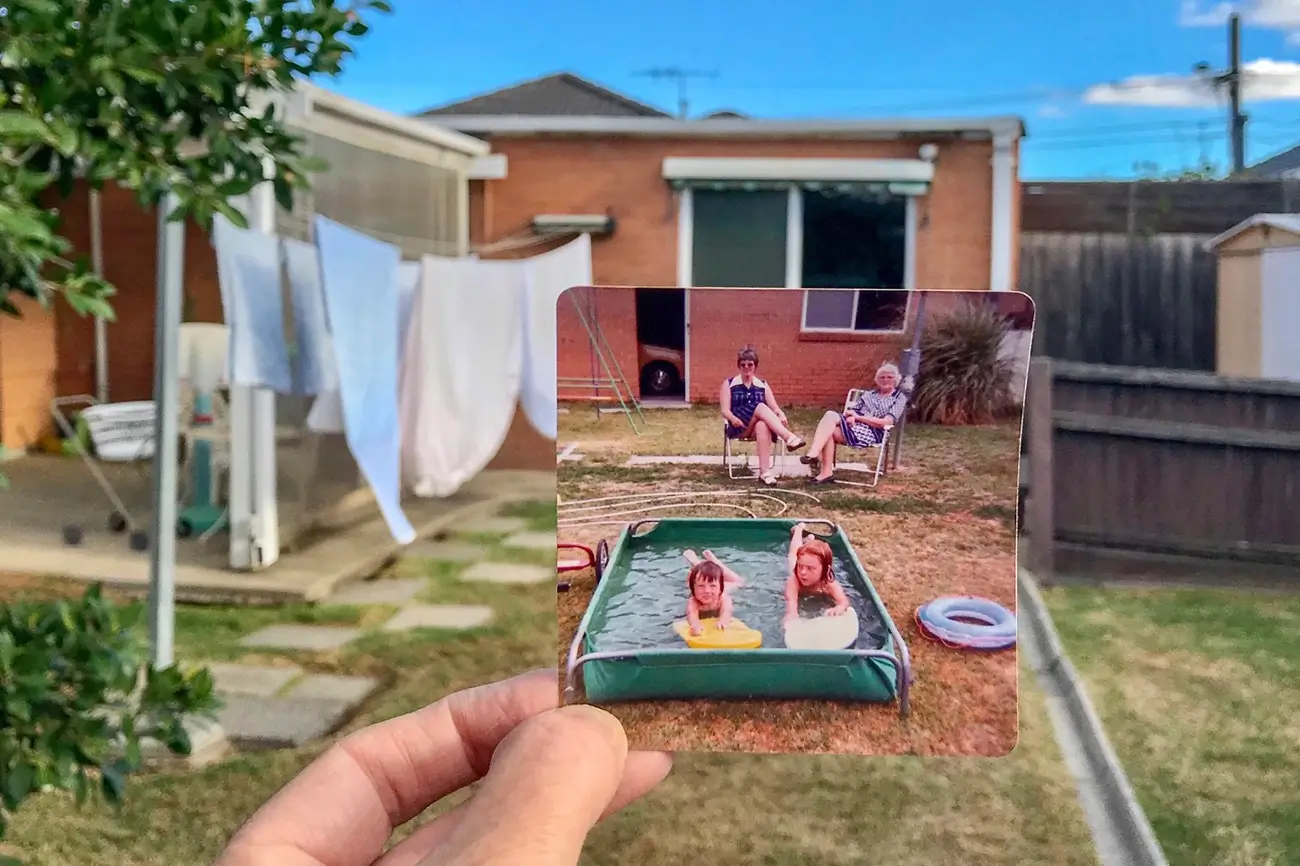
Family Heirlooms 1 © Carole Mills Noronha
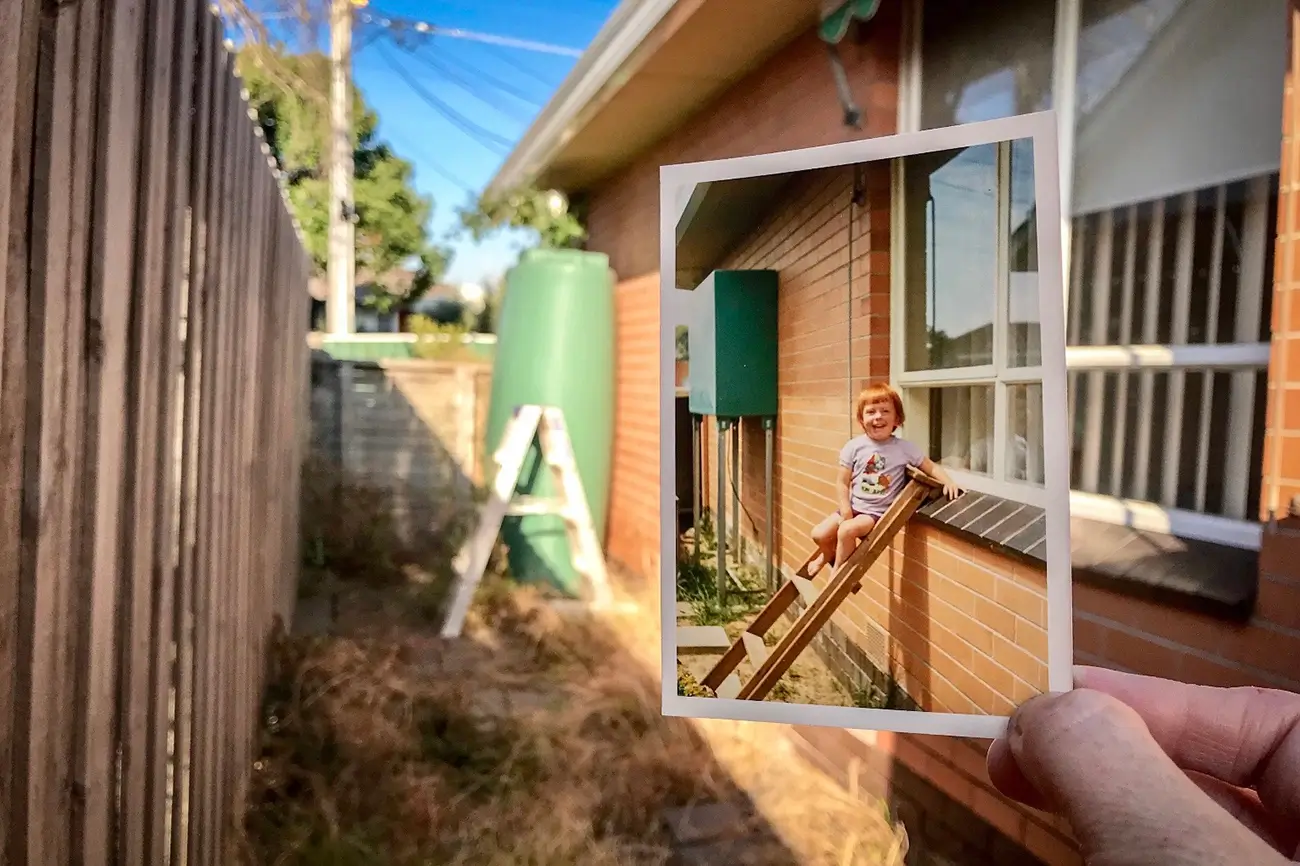
Family Heirlooms 2 © Carole Mills Noronha
It wasn't until the sudden death of my mum that I picked up a camera again. After she was gone, all that remained were her things, memories, and some photos. I wished I had taken more photos when I had the chance. I started documenting my family home aware that everything in life could change in a heartbeat. Photography was a way I could freeze time, keep memories, and pause life. Photography became a way to process my grief. And that was it. I was hooked on photography for its instant ability to capture moments.
What inspired you to create the deeply personal series ‘That Place He Goes’?
By the time dad was officially diagnosed with Dementia and Alzheimer’s, I was already carrying a camera on my visits with dad. I just knew I had to document dad’s life as his disease progressed. My photos gave dad parts of himself he no longer remembered. The answers to parts of himself that the Dementia had erased. That the soreness in his neck was due to stitches after surgery, that he was exhausted as he was recovering from Covid, that the feeling a girl had visited he could not place and was no longer there, was in fact, his granddaughter. The relief my photos gave dad meant everything to me, and as his daughter, being the one to do this for him when he needed it the most makes this series my most important work.
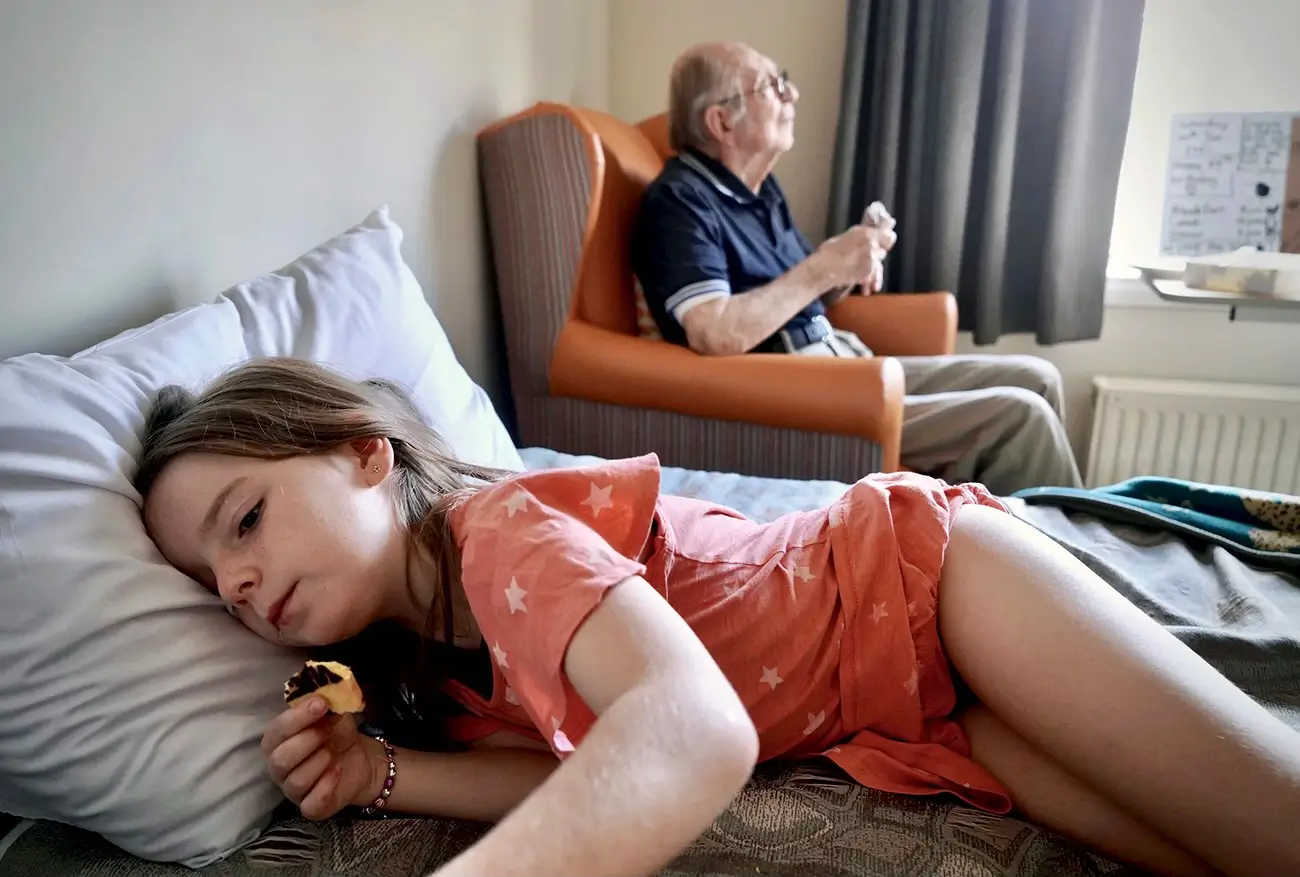
Hanging With Grandpa © Carole Mills Noronha
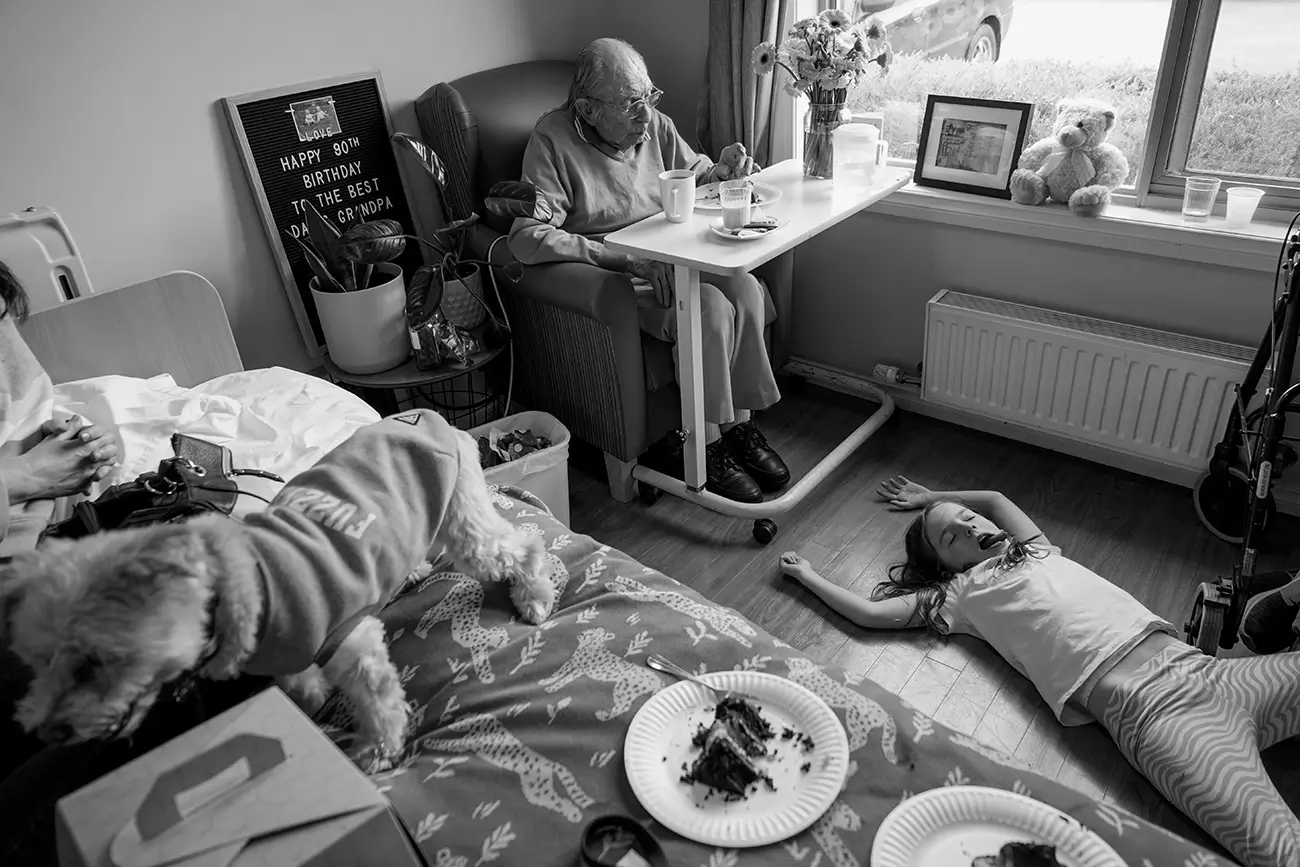
Father's Day © Carole Mills Noronha
I needed to photograph dad with dignity. I never rushed to photograph him. I needed to sit with dad, feel his mood. I always relied on my gut and was guided by internal questions. How would dad feel about me photographing this moment? What will dad get from this photo? How will this help him? I photograph people I meet the same way. I sit back, feel the mood, then approach. Everyone has a story and I'm generally curious. If I don't feel a connection or it doesn't feel right, I won't photograph them.
What role does sensitivity to light play in your photography, and how do you use it to convey mood or emotion?
As much as I appreciate the impact flash lighting has, I have never used it due to my light sensitivity. Instead, I use natural light. It's that simple. Harsh light was never an option around dad. Strong light would upset dad. Too overwhelming for him. Low, softer light was best for dad. A lot of my visits also happened at night.
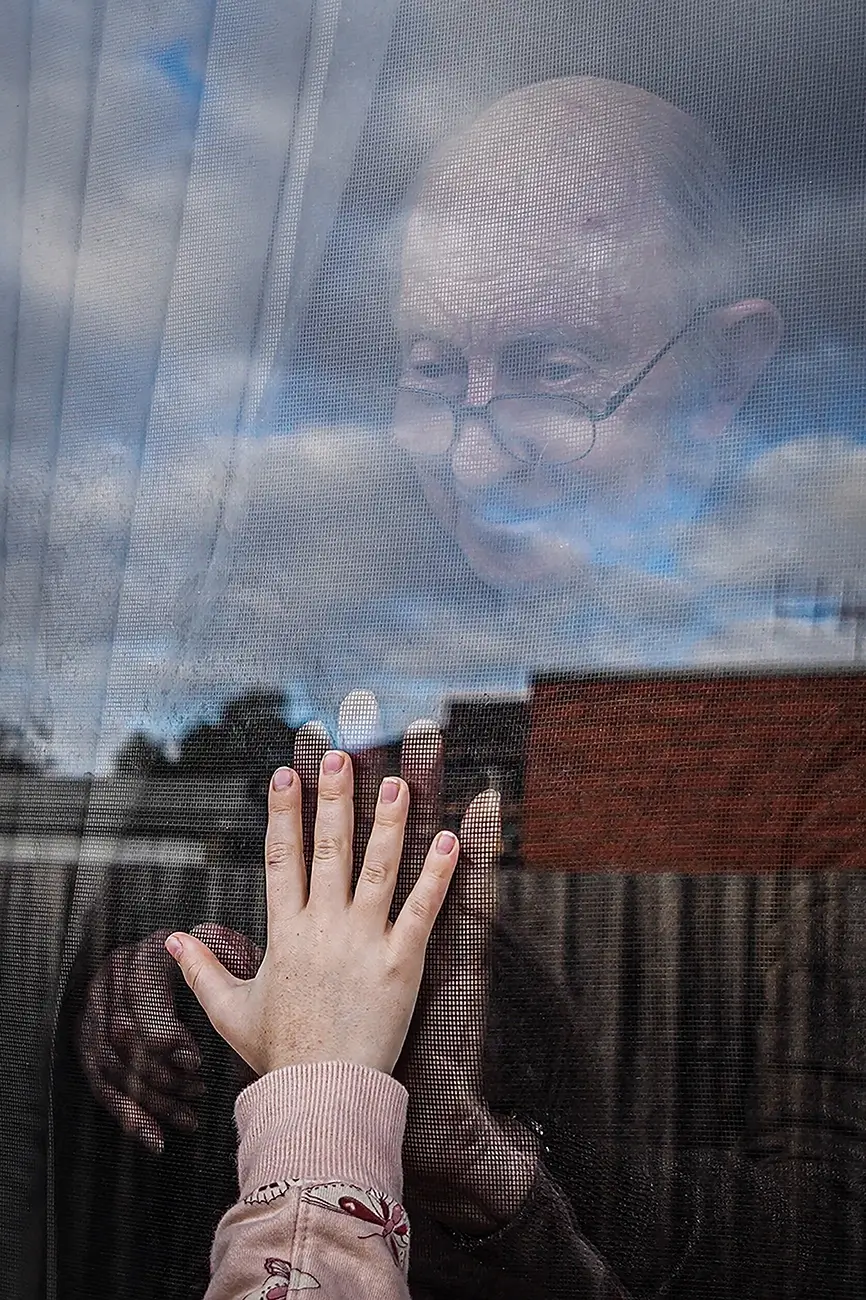
Lockdown © Carole Mills Noronha
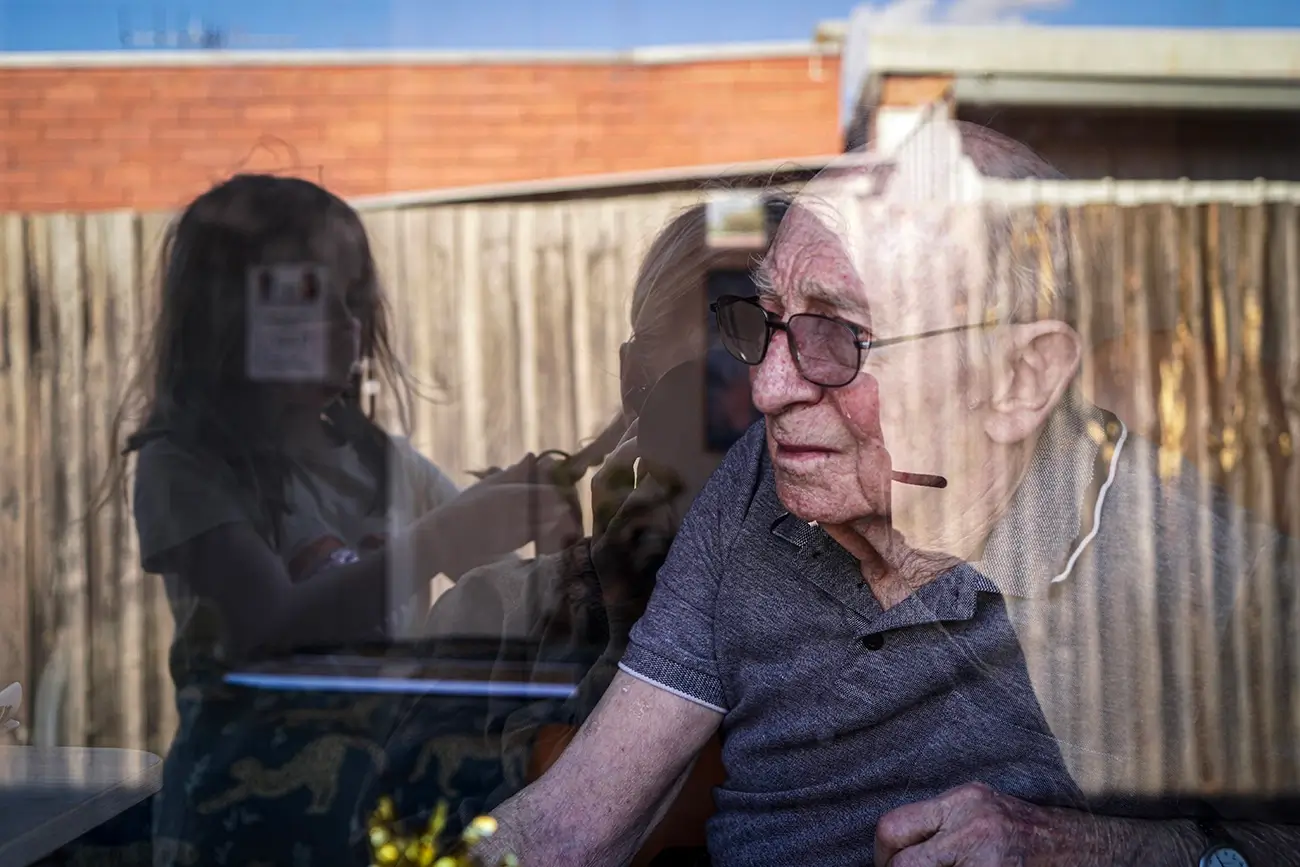
Melbourne was the most locked-down city in the world during Covid and aged care restrictions were even more severe. It was often months at a time between visits. I resorted to window visits. These would unfortunately often confuse dad because of his Dementia. I took any chance allowed to visit him, always with my camera. Lockdowns meant dad was often confined to his room. That room was his whole world, at least physically. Mentally, dad seemed to go to that place he would go. Covid did give me a new way to photograph dad, however, and that was through his window. A lot of my series was photographed this way, highlighting dad's loneliness and solitude. I was watching dad disappear before my eyes. On the outside, on the sidelines.
How do you maintain perspective and clarity while photographing such emotionally charged subjects?
In the moment, I just know there's a photo there. It's not until I look at the photo afterwards, on my own, that I feel the photo. Especially when photographing dad. Having a parent with Dementia and Alzheimer's often meant I found myself needing to hold it together. I feel emotions very deeply and even when things were said that ripped my heart in two or made my stomach drop, I tried as best I could to cover it. At times I was aware that dad had no idea who I was. It's the most heartbreaking feeling when a parent who has always been your home cannot recall a thing about you. It's a living grief. The only time I openly cried while photographing dad was after his death.
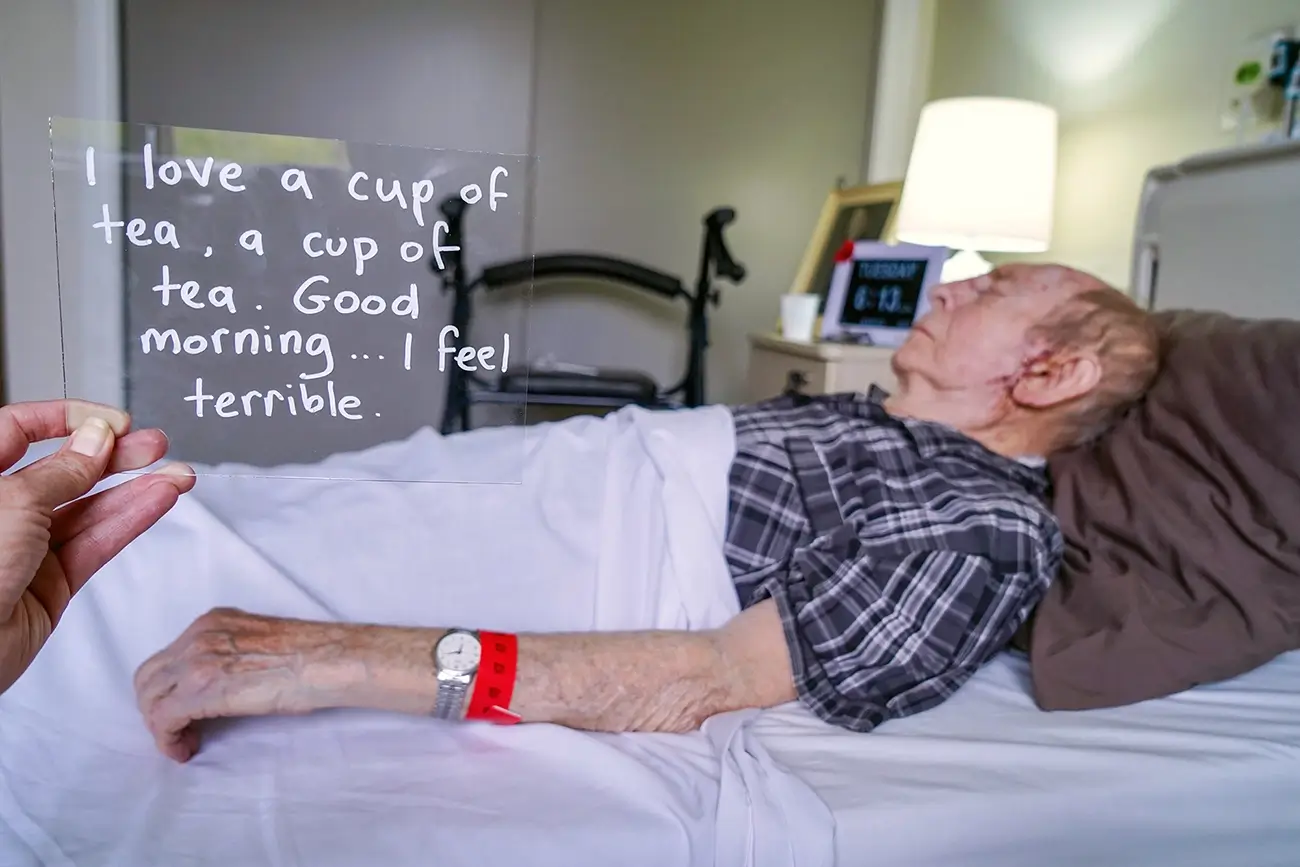
Good Cup Of Tea © Carole Mills Noronha
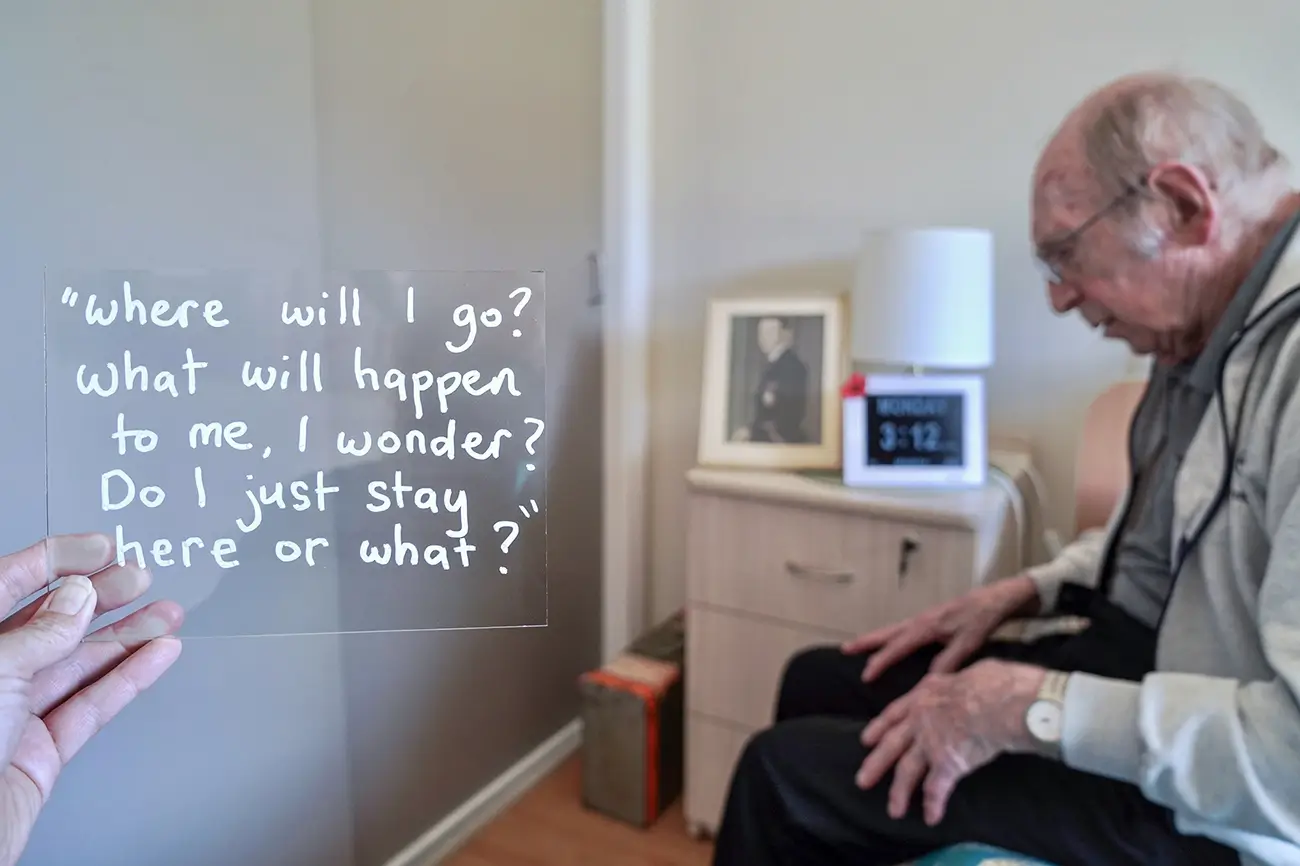
Where Will I Go? © Carole Mills Noronha
I'm a naturally curious person. I'm attracted to seeing new places, different cultures, new light. My favourite places are those where life doesn't feel rushed, where hand-painted signs still exist and nostalgia is around every corner. The best thing about travelling is the unseen. New stories, new ways of life, new places to find. Conversations and connections in unexpected ways. There's a freedom in being somewhere new.
What do you hope viewers take away from 'That Place He Goes'?
I hope they see dad. A kind, warm and sweet father. A lovely soul who not only suffered from a cruel disease but was isolated and confined during the pandemic. I hope the extraordinary love and dedication I have and had for dad is clearly felt. That dad has been seen. His story told despite losing himself. The role photography played in my dad's journey was an enormous gift. It made the connection I had with dad even deeper. It was our thing. He lives on in my photos.
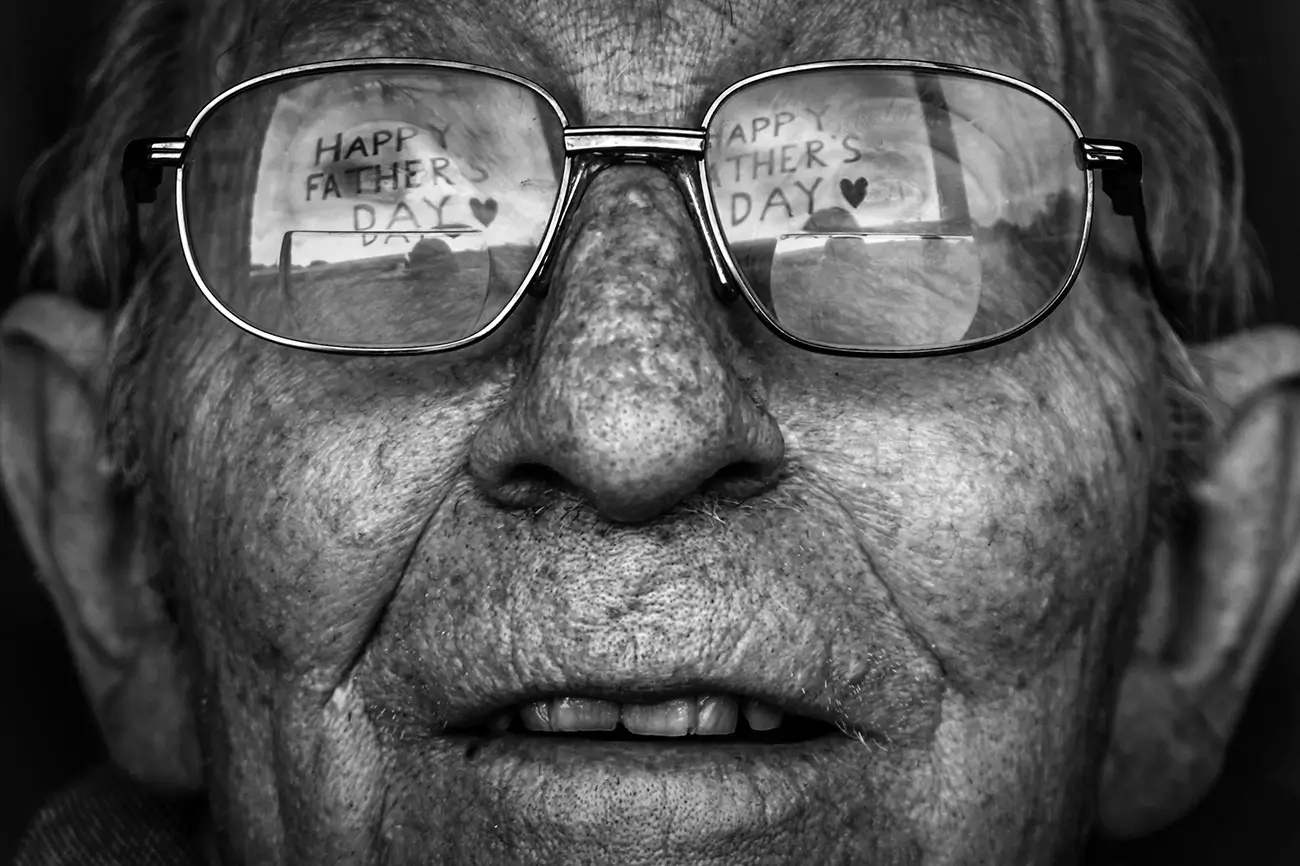
Father's Day 2 © Carole Mills Noronha
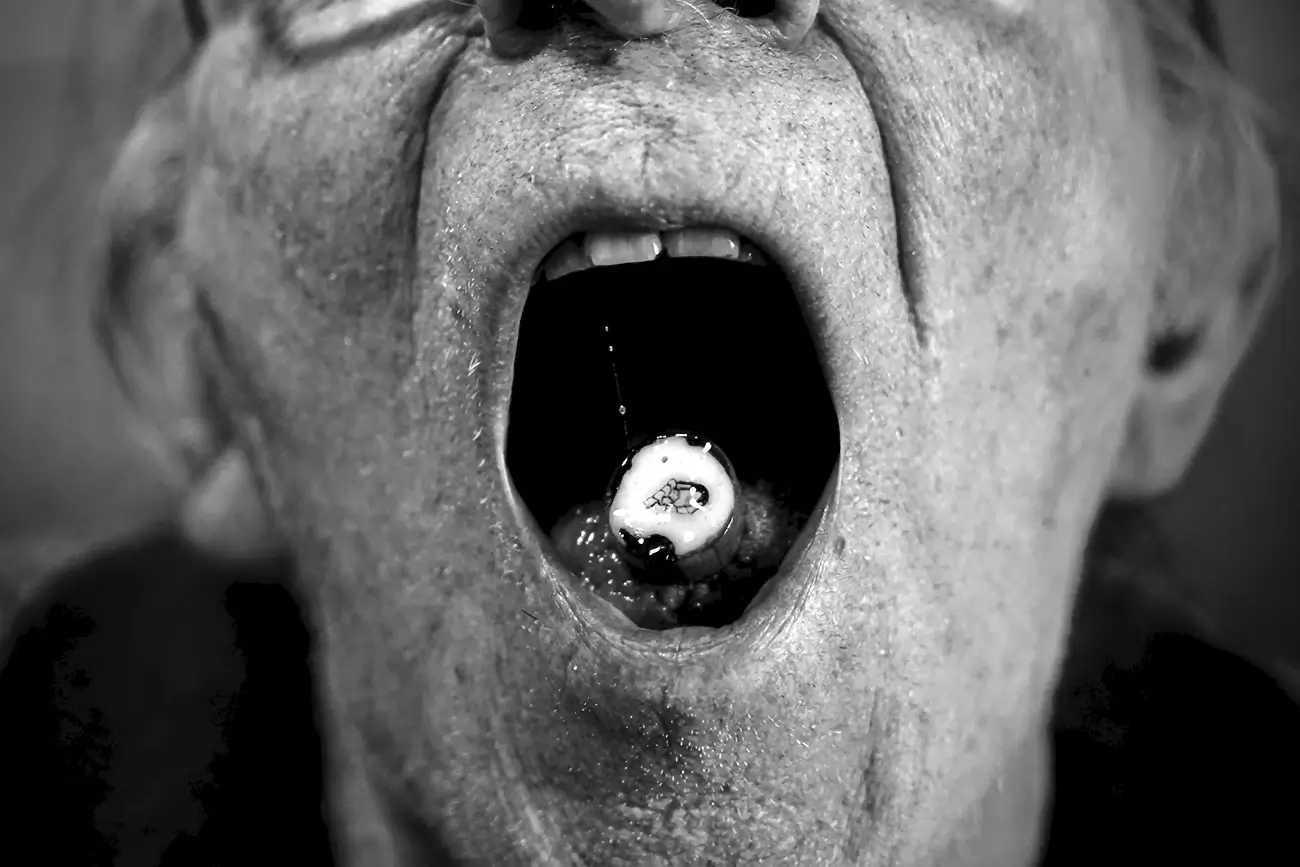
Is it Still There? © Carole Mills Noronha
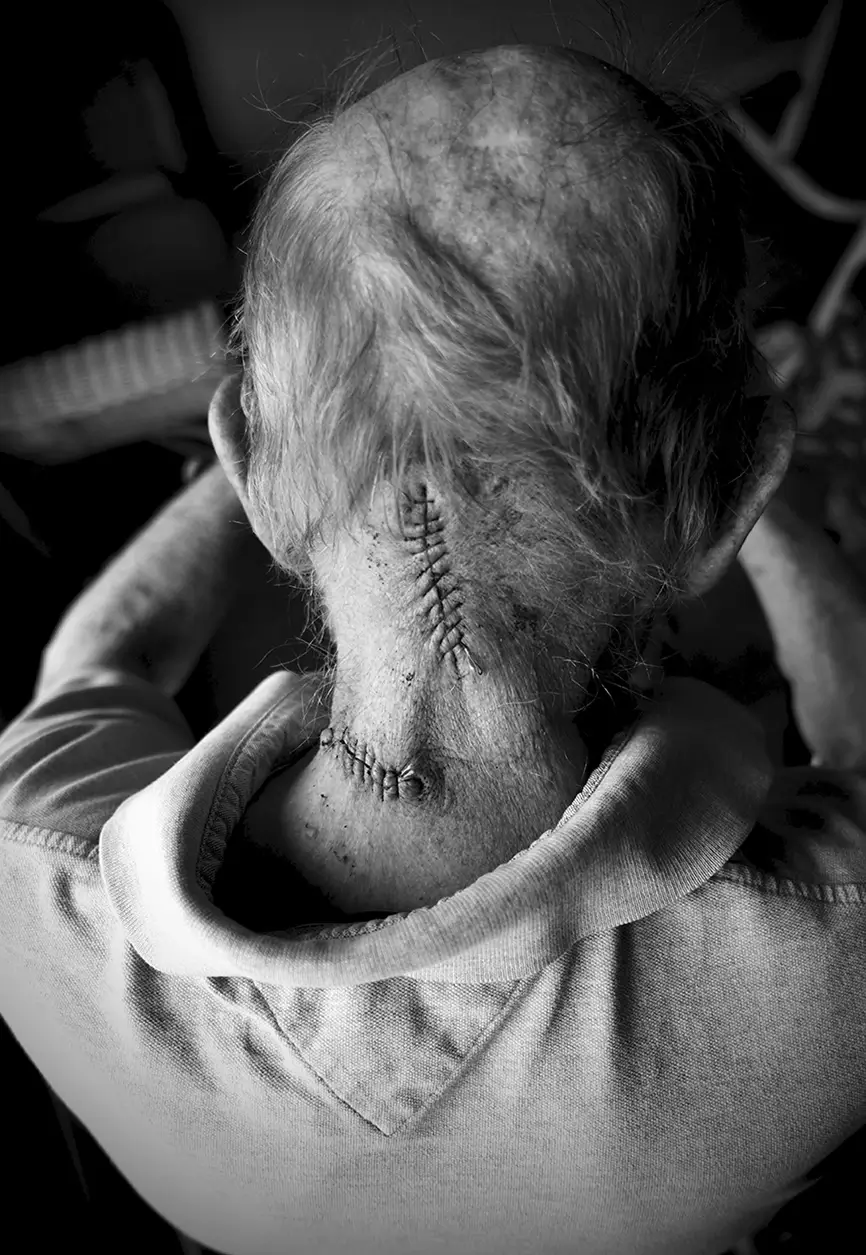
Fences © Carole Mills Noronha