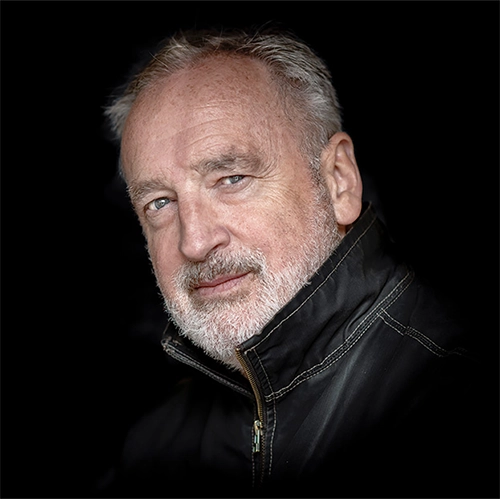
We first
interviewed Trevor Cole in 2019 after he won
AAP Magazine #10: Portrait with his outstanding series 'Tribal Traits and Traditions in Africa'. In that conversation, we explored his background, his passion for travel, and the experiences that have shaped his distinctive approach to photography.
Since then,
Trevor has continued to document cultures and communities around the world with remarkable sensitivity and dedication. One of those projects, 'Pastoral Peoples and Practices', earned him first place in
AAP Magazine #51: Colors in 2025. These images, created among the Mundari people of South Sudan, are both visually captivating and deeply rooted in the traditions of one of East Africa's most fascinating pastoral communities.
For this interview, we wanted to focus specifically on The Face of the Mundari and the wider Pastoral Peoples and Practices series. We spoke with Trevor about his long-term work among the Mundari, what continues to draw him back to their cattle camps, and the experience of documenting a culture whose identity remains deeply connected to livestock, tradition, and the natural environment.
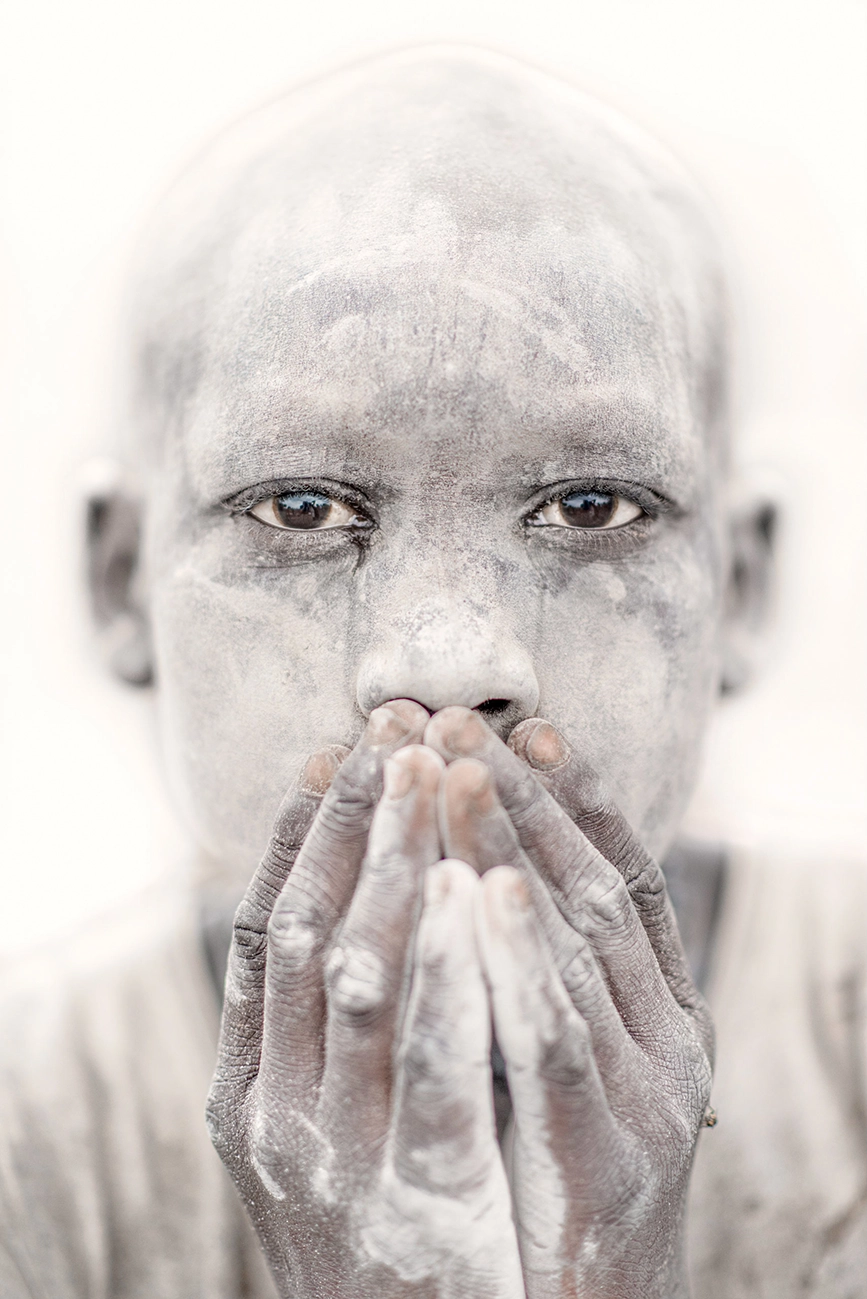
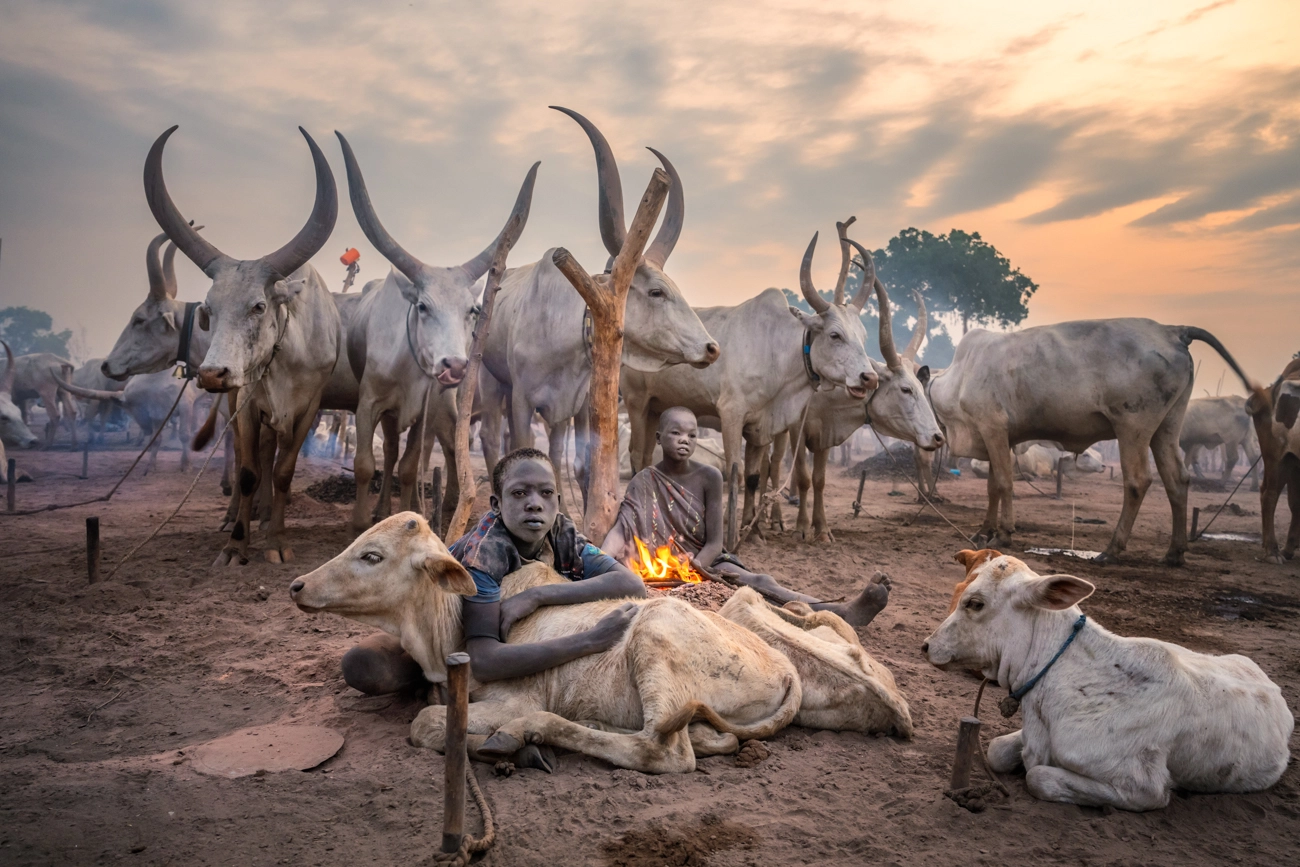
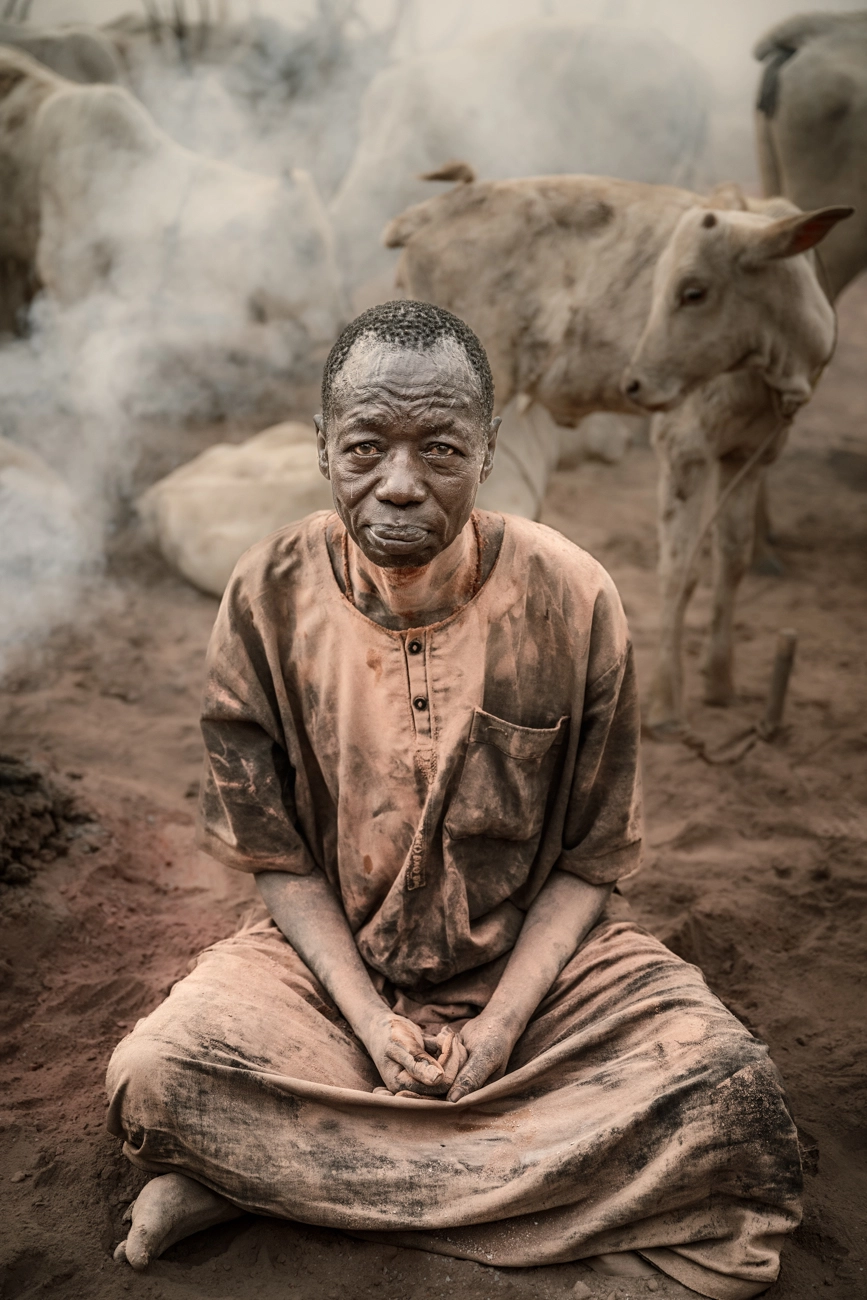
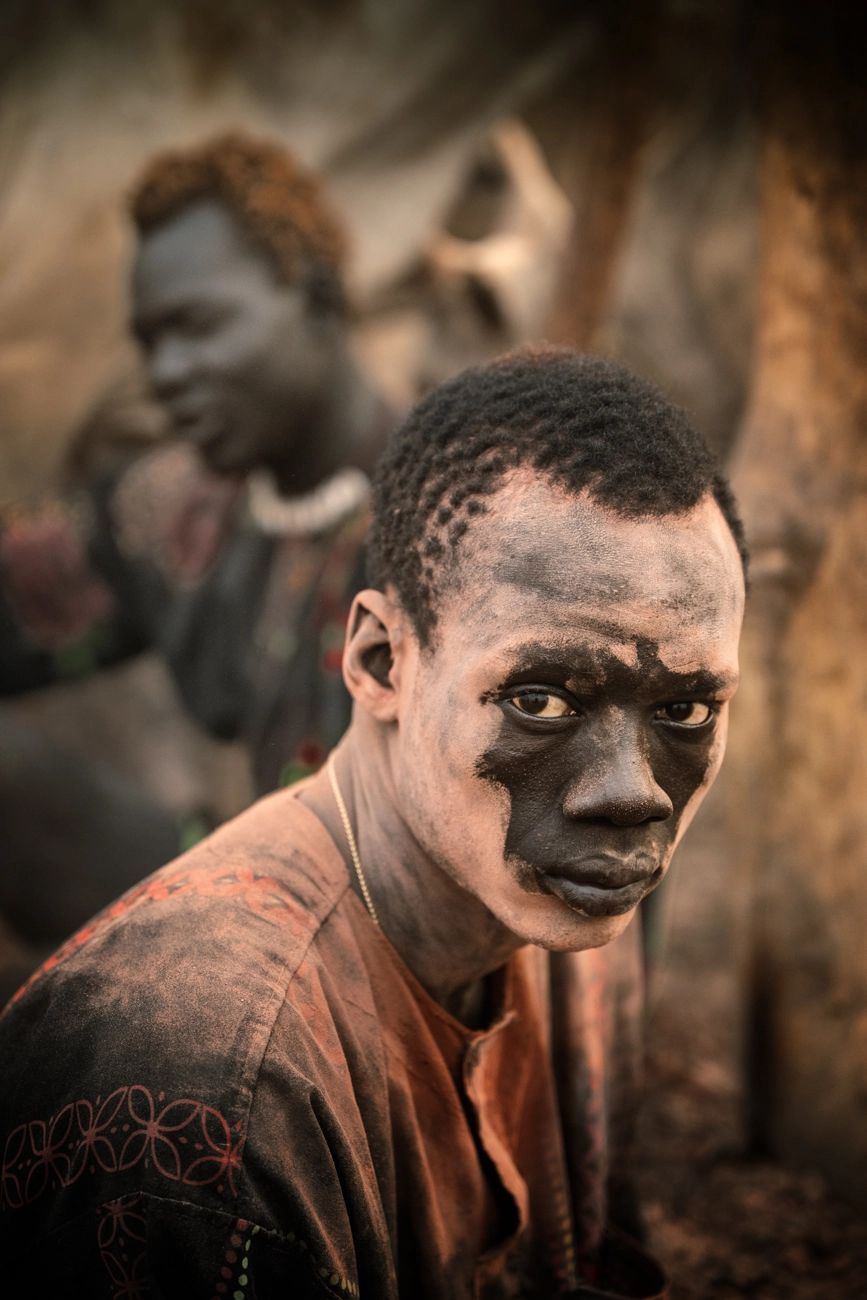
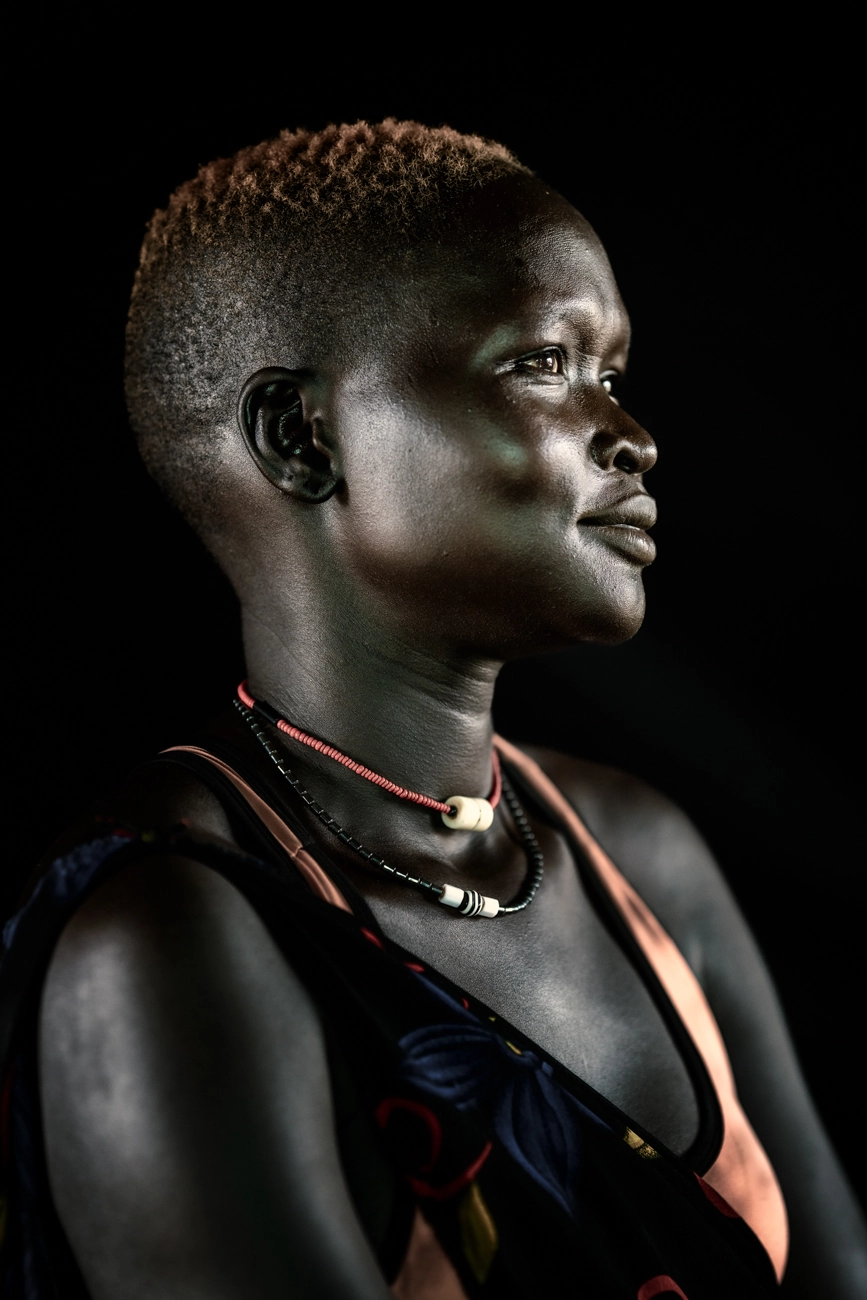
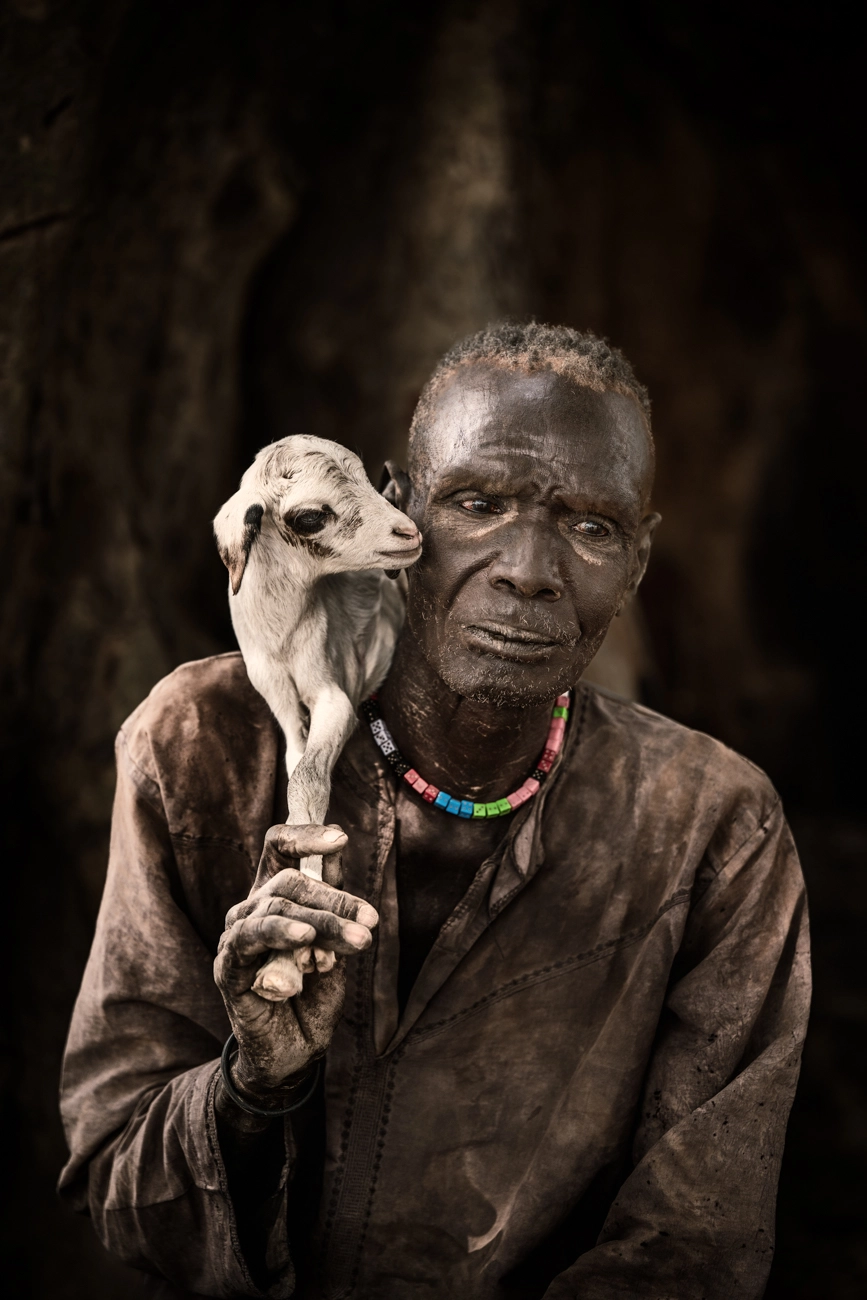
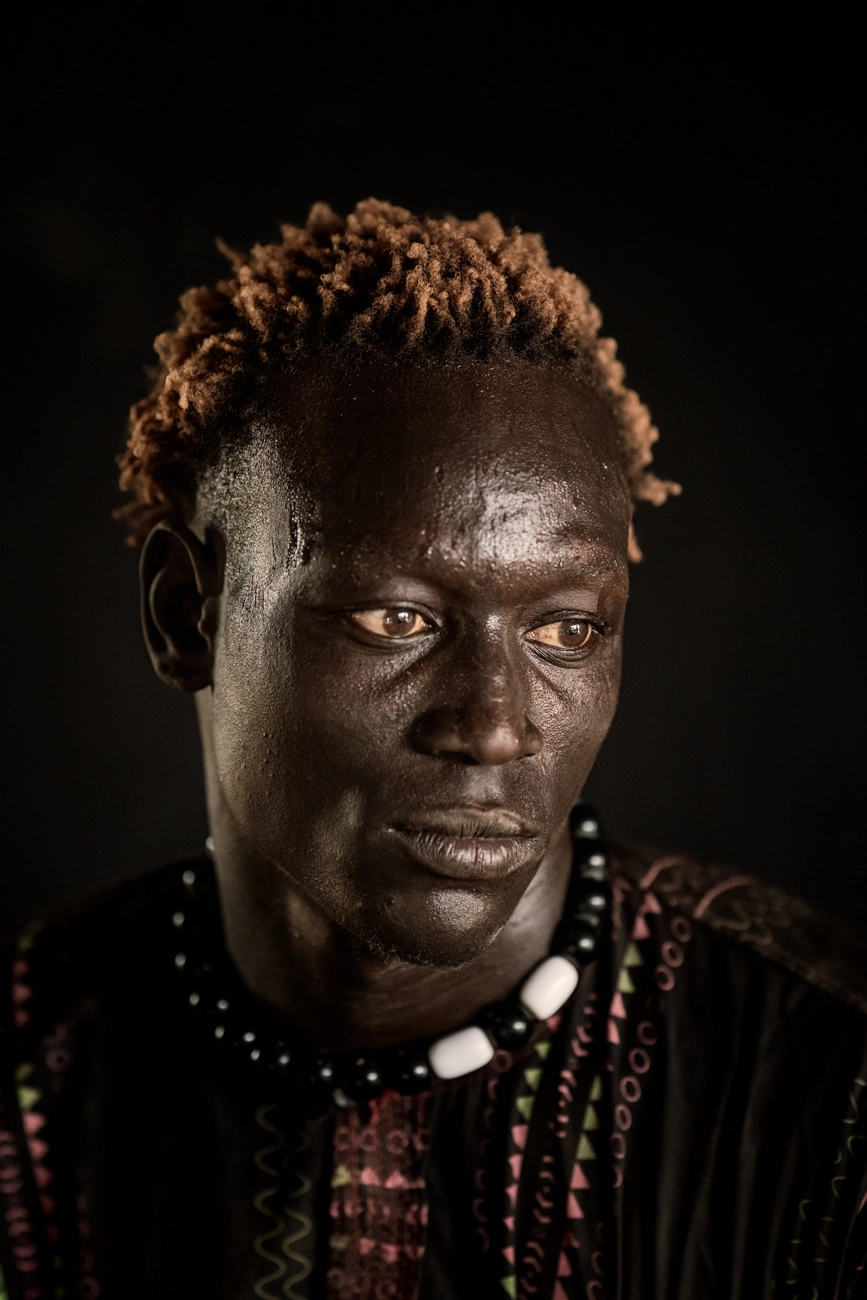
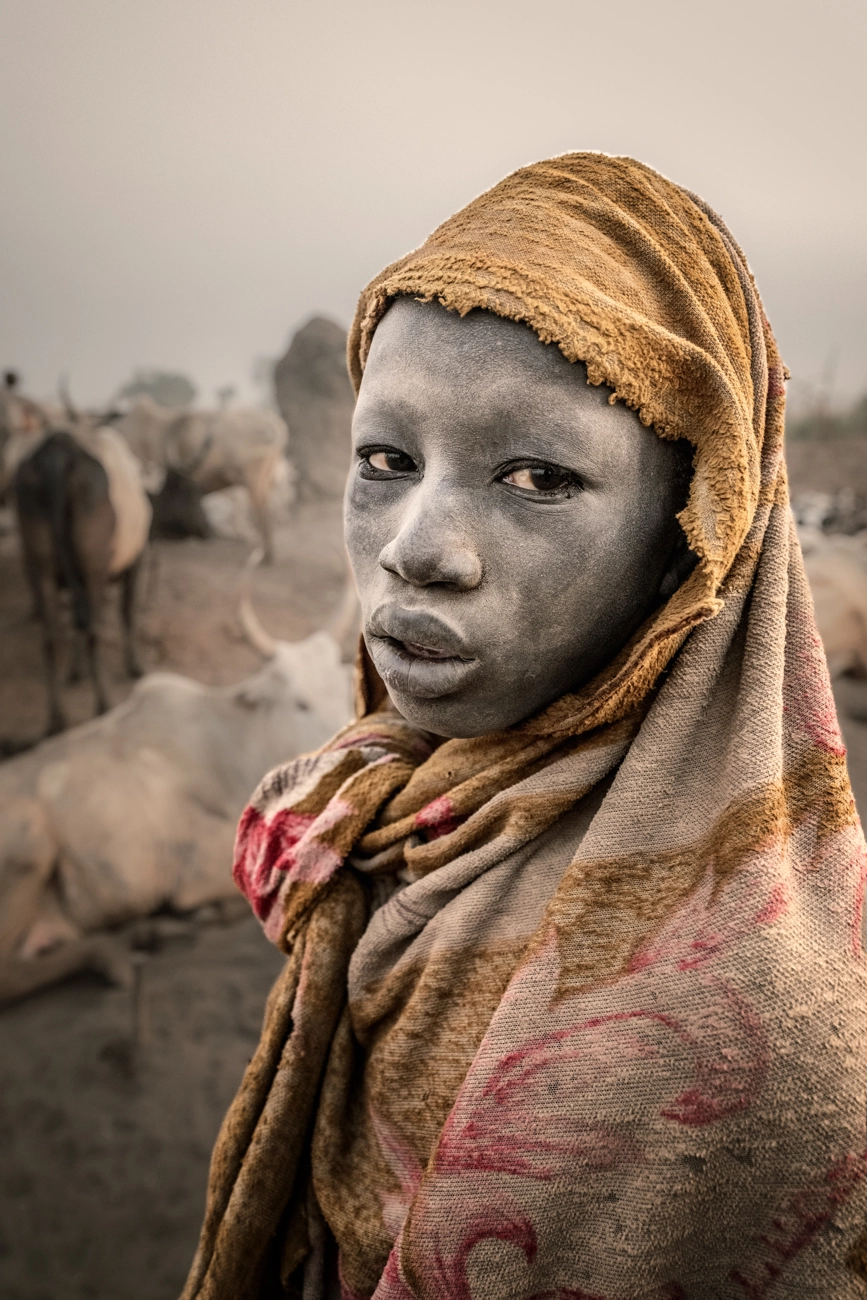
The face of the Mundari © Trevor Cole, Cover of AAP Magazine 51 Colors
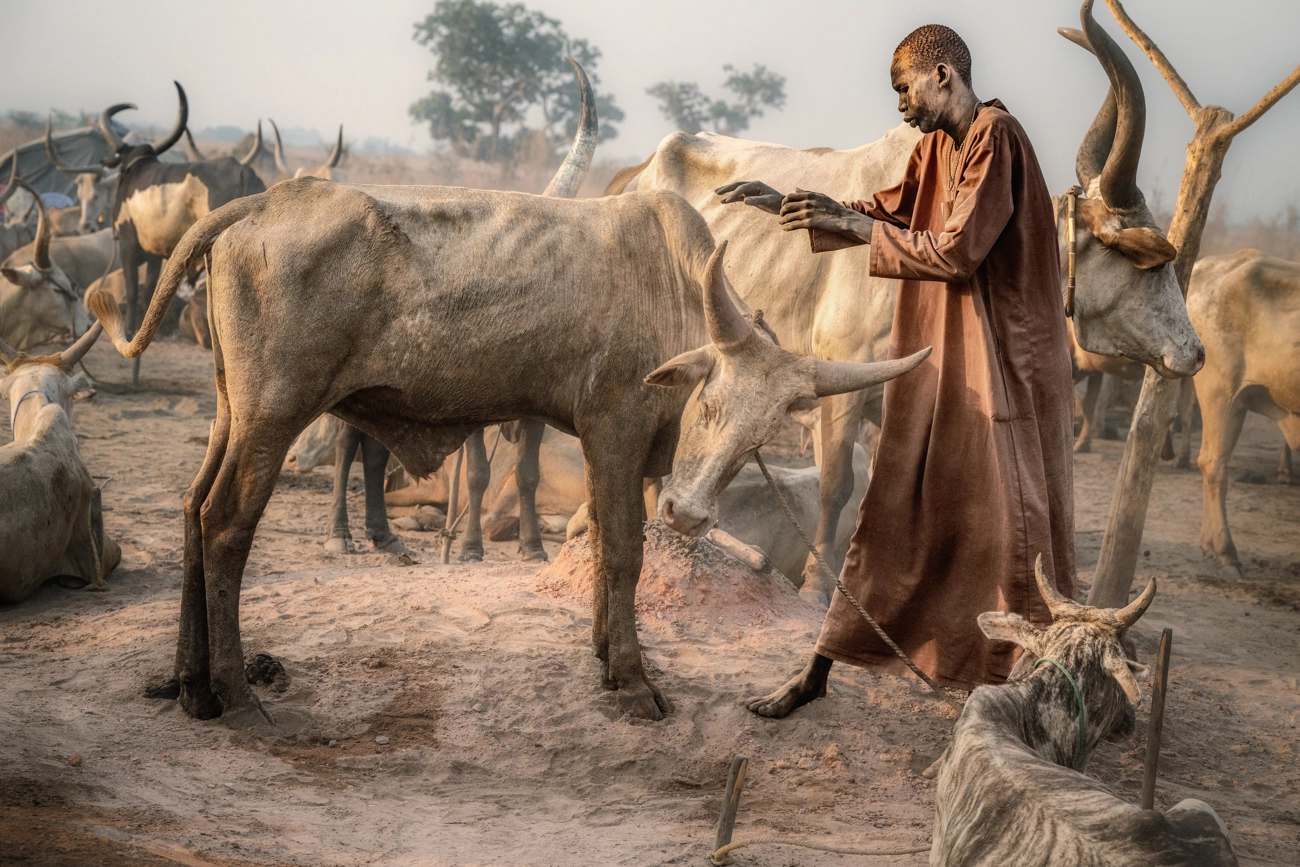
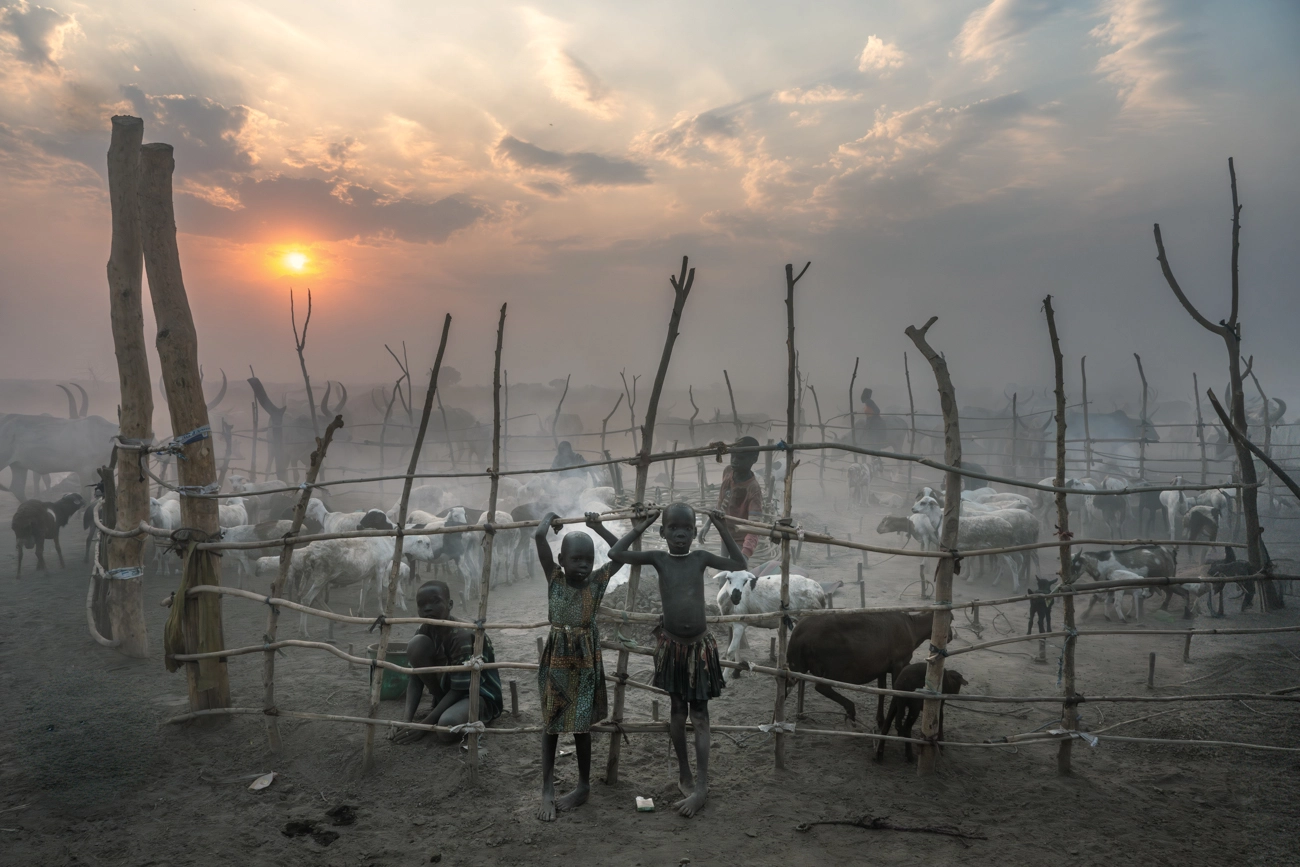
I have now been going to the Mundari for 7 years and have grown to love them as an ethnic group. The Mundari cattle camps are still seldom visited by outsiders and are quite simply incredible. I saw Sebastiao Salgado’s photos of these camps years ago and there has been little change that I could see. The Mundari are friendly and enjoy being photographed. The dust and smoke intermingle to create an inimitable atmosphere. The tribe have all their wealth in their cattle and there are thousands of them.
The Mundari’s practice of covering themselves and their cattle in ash is visually powerful. How did you first witness this tradition, and what was your reaction?
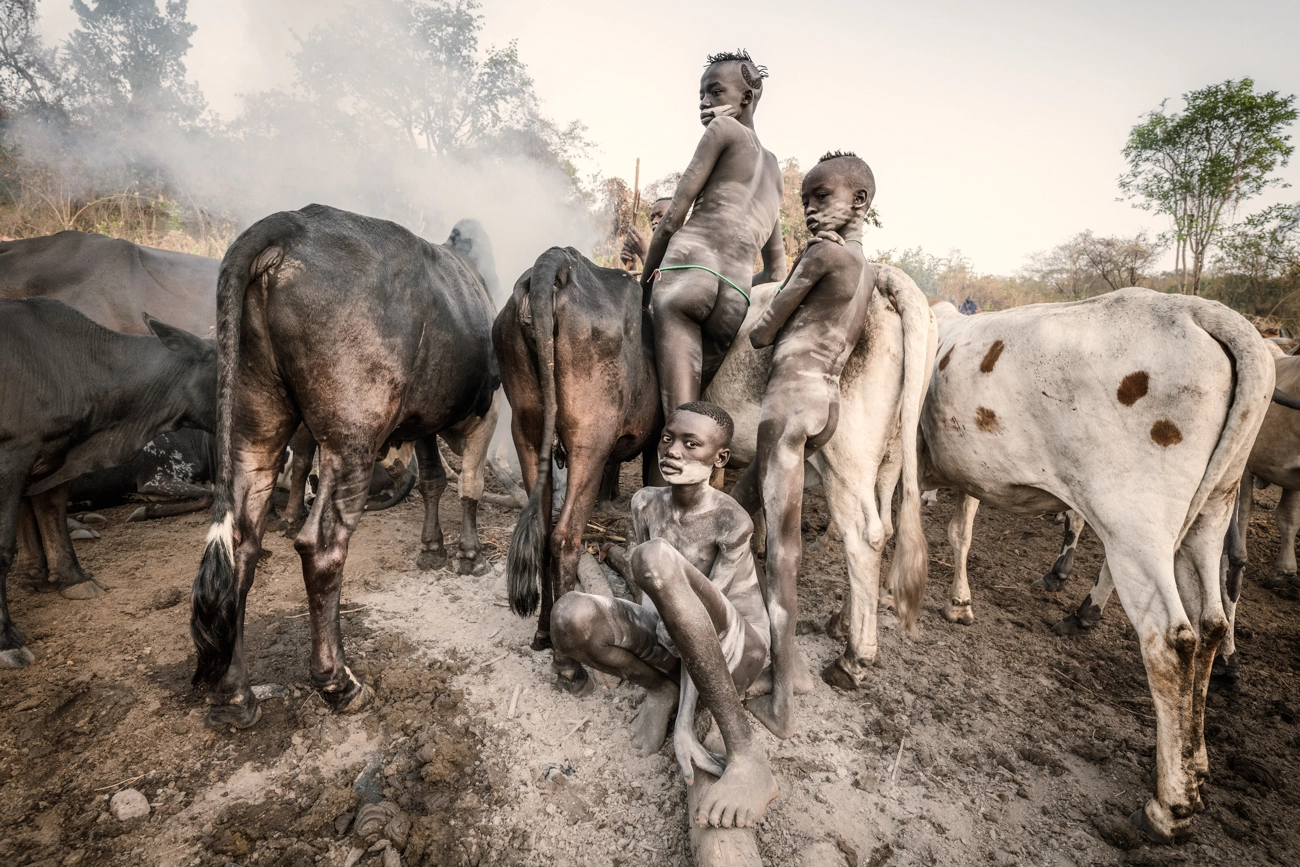
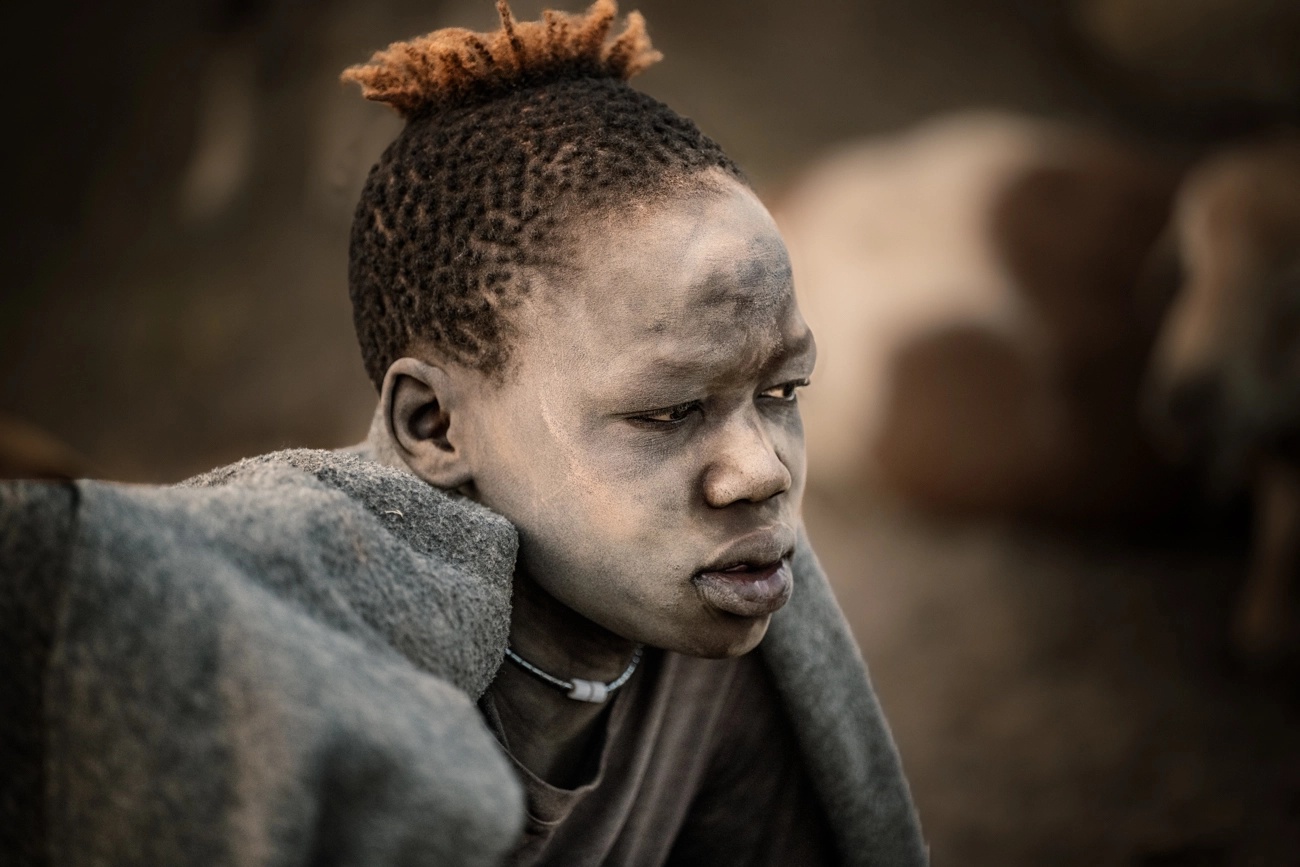
I think the way in which they veneer themselves is an integral part of their ‘cattle camp culture’. The ash is used to help dry the dung which is laboriously collected and piled in the mornings. It is then dried as fuel. They cover themselves in ash to mitigate against tsetse and mosquito fly bites, which gives them a ghostly appearance as they walk between their animals. As the sun sets in African style, the light, smoke and dust create an ethereal atmosphere. The first time I saw this was in 2019 when I went to Khartoum cattle camp on the banks of the White Nile. I had the feeling that I was seeing something totally unique and had seldom, at that time, been seen by anyone else. I was enthused and genuinely excited as, for me, it was a first.
In these images, there is a strong sense of intimacy and presence. How do you approach photographing individuals in such close, culturally significant contexts?
Taking portraits of people, no matter where, requires interaction. There are clandestine shots which are often taken with a longer lens and are discreet, but most of my ‘people’-based photography is a product of inter-personal moments. Spending time, talking, getting to know those who are being photographed creates a bond, if only for a short time. I always ask and even when my efforts are rejected, I always respect their choice. Most of the Mundari are relatively easy to photograph.
Spending time wandering and saying ‘hello’ prior to photographing, even with camera in hand, is beneficial. A guide who is conversant with language and culture is essential and it is them I ask if it's ‘ok’ when it comes to taking an image.
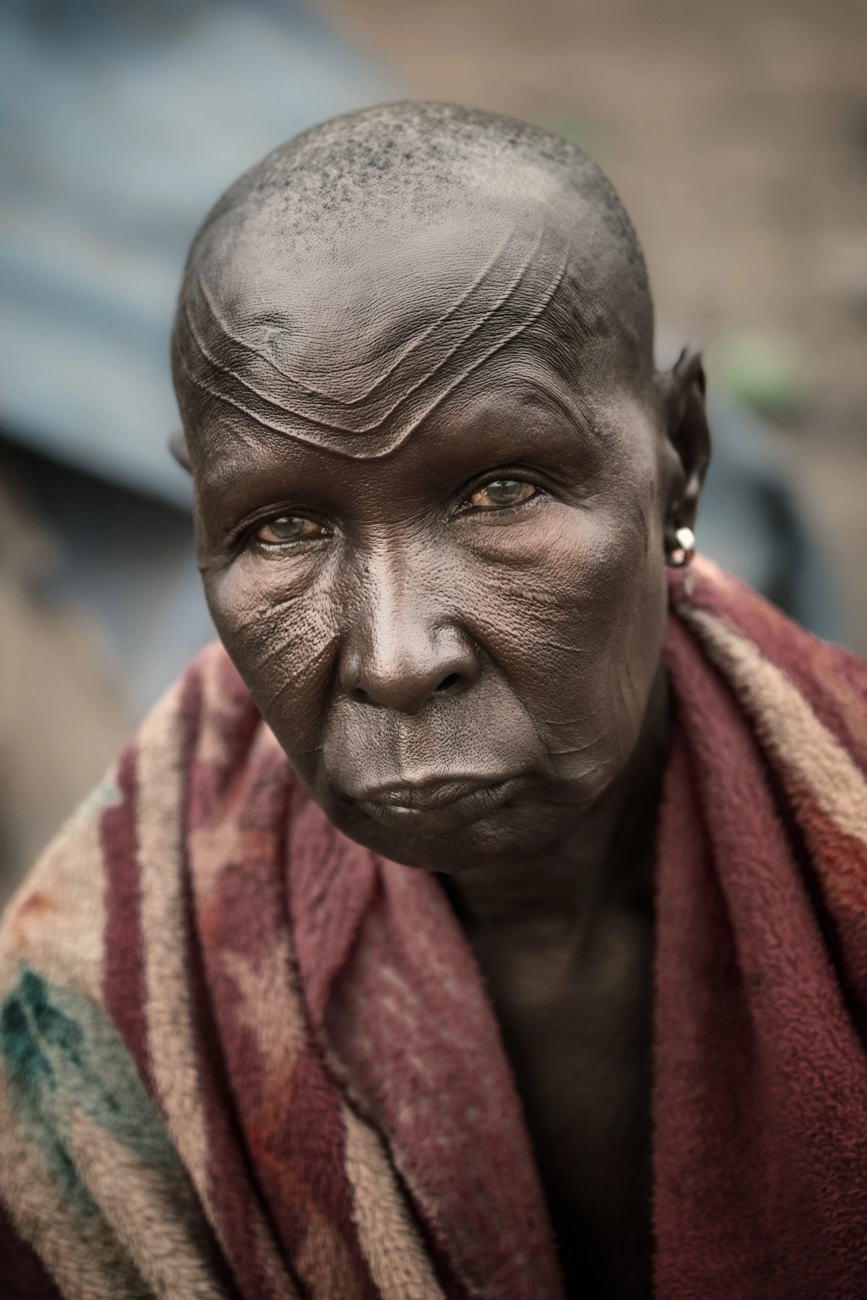
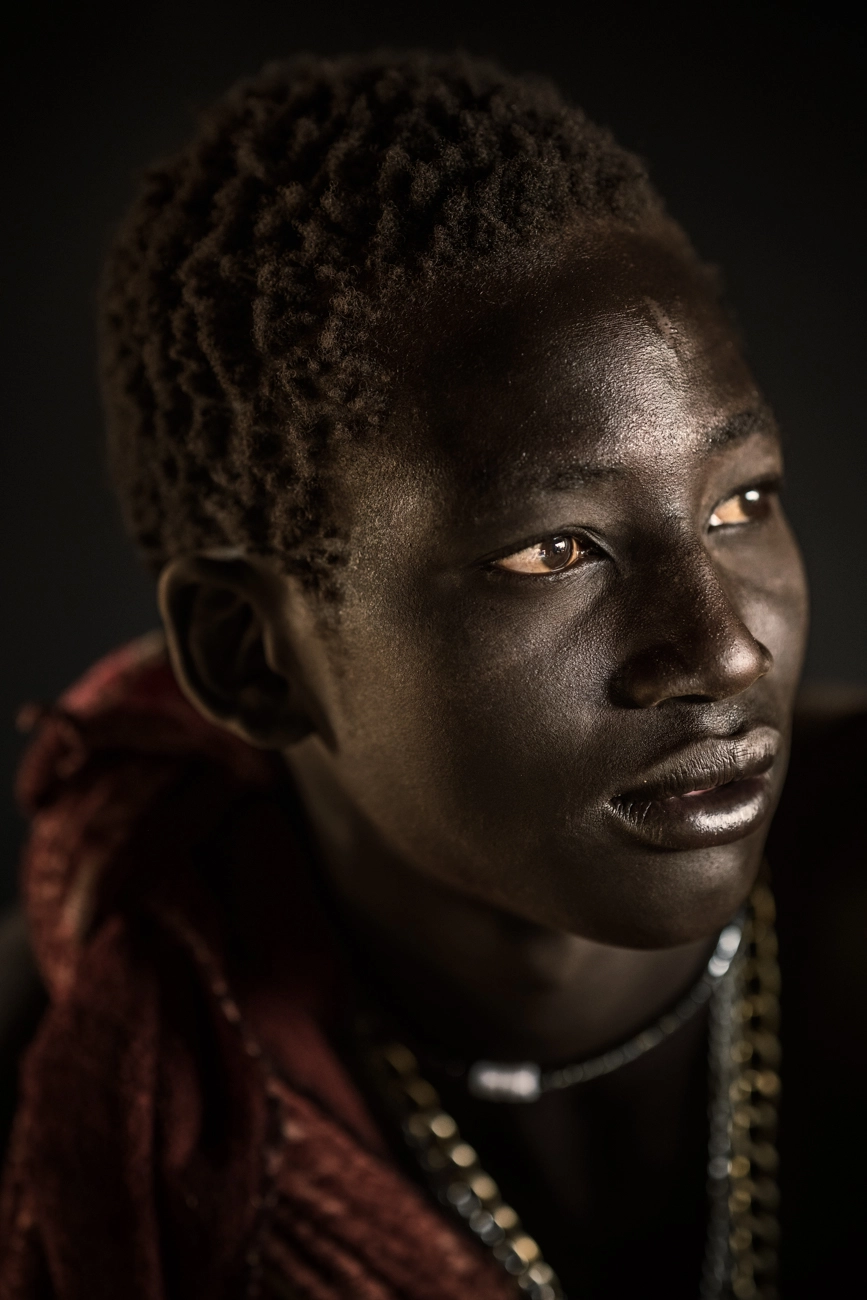
I have developed, over time, an instinct or a feeling about what might be ‘good’! An old face filled with lines which are stories of life, a young person with perfect skin, high cheekbones, and those who have eyes which simply draw you in.
It is always down to my own perception and vision and we all see people and scenes differently and I guess that it is one of the joys of photography - seeing images taken with ‘new eyes’. Once I see someone I almost always talk, smile and humour is universal, regardless of language. Contact is everything otherwise the photo is devoid of emotion. If people are reserved, which happens everywhere, the key to success is time and just being friendly with a little humour if it seems right.
Your work often emphasizes the deep interdependence between people, livestock, and environment. How does The Face of the Mundari encapsulate this relationship for you?
I always like to think that humans are inextricably connected to their environment, hence I love to shoot people who live sustainably. People adapt to climates and landscapes, therefore they and the way they use their environment are a reflection of their natural habitats and this contributes to the immense diversity of humankind on this Earth. Sadly globalisation is reducing diversity and homogenising culture. I love to travel to more remote areas, such as the Mundari, to see people in their true environmental contexts.
The Ilemi Triangle and surrounding regions are shaped by extreme environmental pressures. How does climate change inform the way you interpret and photograph these communities?
The people of the Ilemi Triangle are comprised of a number of tribal groups who live in harmony with their environments in the Omo Valley of Ethiopia, Central and Eastern Equatoria in South Sudan, Northern Kenya and Uganda. My images reflect their dependence on pastoralism and their traditions but in the last two decades there have been more droughts and shorter recurrence intervals between flood events. Sadly many of these tribal groups are being forced to move more frequently. Old patterns of transhumance for the Mundari have changed, droughts have become more persistent and the lakes of the Rift Valley are rising and tribes such as the Dassenech are losing land. There appears to be no explanation for the rising levels of water apart from climate change and perhaps changes in tectonic activity along the Rift.
Our world is so diverse. Faces are a reflection of cultures which have evolved to adapt to particular biomes. Sadly changes are rapidly taking place and what we saw yesterday has changed markedly today and tomorrow these cultures which are on the edge of humanity are being acculturated as pressure on habitats and remote spaces increases. The photographer, in capturing these cultures, is documenting what may be a part of history in the near future.
In photographing pastoral life, how do you navigate the balance between documentation and aesthetic representation?
This is a really good question. I want to capture the moment and try to do so as candidly as possible but I also relish the opportunity to take portraits as they too are a means of documentation. I truly spend very little time editing but want to portray the people in the best possible ‘light’. I think in most cases the aesthetics are there in front of you and capturing it is imperative.
The ash, smoke, and dust create a very distinct visual atmosphere in your work. How much of this is intentional framing versus environmental chance?
The ash, smoke and fire are part of the essence of the Mundari. The best times to photograph are always at dawn and dusk. The scenes unfold in front of you but it is important to frame them in the best way feasible and that really requires patience as the scenes are always dynamic. Waiting for the moment and your spatial awareness is essential. Light, luck and location are all important. Sometimes it all comes together and you just know it works!
The Mundari’s daily practices—such as caring for cattle, collecting dung, and using ash—are both practical and symbolic. How do you approach representing these layers of meaning in a single frame?
I think to encompass all of this in a single frame is challenging but not so with a portfolio as there are simply so many elements in their unique ecosystem. Gathering dung, drying it, milking the cows, veneering themselves with ash and many more practices are deserving of photographs.
What challenges did you face while working in this environment, both physically and logistically?
This, for me, is one of the toughest photo ventures and yet I keep coming back. Temperatures during the day can rise to 40 Celsius, the air at dusk is incredibly smoky and there is so much happening throughout the camps. I always take local guides and camp close by which means pre-dawn photography, for example, is possible.
How do you build trust with communities whose way of life is deeply rooted in tradition and subsistence systems?
Most tribal groups are actually very welcoming. Taking portraits of people, no matter where, requires interaction. There are clandestine shots which are often taken with a longer lens and are discreet but most of my ‘people’-based photography is a product of inter-personal moments. Spending time, talking, getting to know those who are being photographed creates a bond, if only for a short time. I also rely heavily on my guides who in all the locations I go to are just superb. Over time they have come to understand what I like and want and it is they who have a great bond with the tribes and enable interaction.
Your series highlights how wealth, survival, and identity are tied to livestock. What has this taught you personally about value systems different from your own?
I taught geography in international schools for most of my life and in such contexts the geography comes to life. Sadly I have lost a lot of faith in the way that the world is currently being managed. It is refreshing to see these peoples in remote locations still living as a part of nature and not being a destructive force.
The Mundari and Kara communities share similarities but also distinct practices shaped by geography and climate. How do you differentiate and respect these nuances in your work?
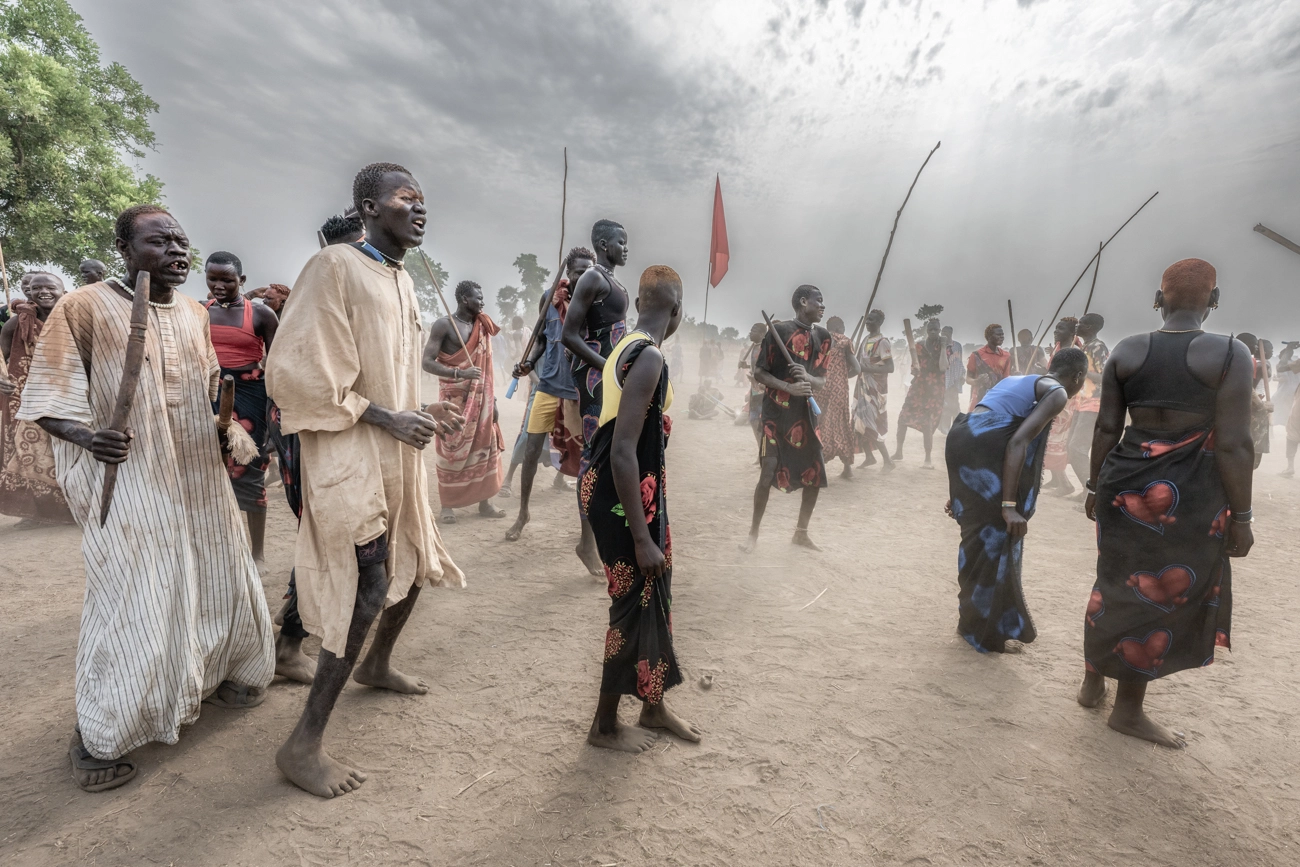
The geography and climate are not so different in the Ilemi Triangle. They have wet and dry seasons typical of savanna or Sahelian regimes. Differences of location and cultural practices, which have evolved over time, mean that we see variance and this is always exciting to see how culture determines the way in which people live. They are all pastoralists and they all have a sensitivity to their environment. The way they attire themselves, their scarification, their coming-of-age ceremonies and celebrations are all different, which excites and enthralls.
Your images often carry a timeless quality despite addressing urgent contemporary issues like drought and environmental change. Was this tension between timelessness and urgency intentional?
Their traditional practices live on but due to outside influences change is inevitable. I want to document the traditions and at the same time portray that the threats of globalization, which has brought telecommunications, climate change, road networks, religion, western homogeneity and tourism, are very real. Geography is change through space and time and the ways in which people interact with it. Photography is a wonderful means of recording this.
How long did you spend working on this body of work, and how did it evolve over time?
I lived in Ethiopia from 2006–2010; it was perhaps then that the seeds were sown. But it is from 2019 that I have returned year after year to photograph these people and I think it is only by returning that you can really see the big picture.
What role does patience and repetition play when photographing communities that you return to over multiple journeys?
I think my portfolios of tribal peoples of the Ilemi Triangle have been enhanced by returning annually.
How do you personally process witnessing the effects of environmental degradation and increasing desertification in these regions?
I find it very frustrating and Africa is the only continent now which still has rapid population growth and this together with the outside influences mentioned above can only impact more on environmental degradation. Human migration into primary biomes is going to increase conflict and perhaps even zoonotic diseases.
What do you hope viewers understand about pastoral life through The Face of the Mundari and the wider series?
I think many people in ‘western cultures’ really have little grasp of our human diversity. When I first started I was fascinated by the difference in landscape and culture when I travelled and I think it is this which provided me with stimulus. I always like to think that humans are inextricably connected to their environment, hence I love to shoot people and landscapes. People adapt to climates and landscapes, therefore they are a reflection of their natural habitats and this contributes to the immense diversity of humankind on this Earth.
It is perhaps this that I want to portray. Sadly globalisation is reducing diversity and homogenising culture. I love to travel to more remote areas to see people in their true environmental contexts and use this as a means to ‘educate’ and enable people to see that we need to be sensitive to the diversity of humankind and respect the rights of these people to self-determination.
Looking ahead, are there aspects of pastoral cultures or environmental change that you still wish to explore further?
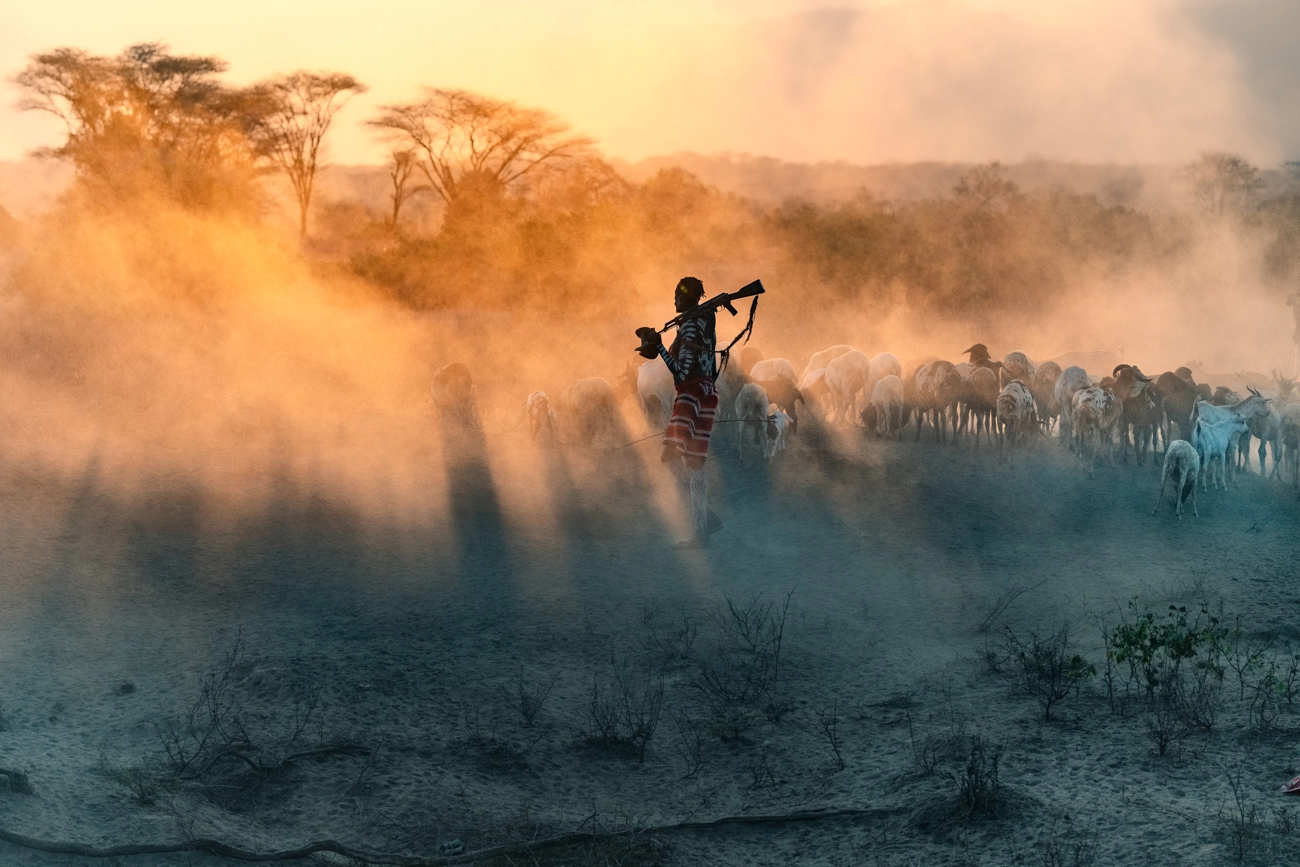
I always seem to return and will do so next year but last year I went to the Afar people who are also pastoralists and live in the Danakil Desert and I intend to go back this year on my Ethiopian venture.
Finally, what future directions or projects are you currently working on following Pastoral Peoples and Practices?
I have recently traveled to Pakistan and Afghanistan twice and will go again this year. The people of the Kalash valleys in Pakistan are fascinating as are the Kuchi of Afghanistan. I am also doing a little more in the old cities and market places of both countries.