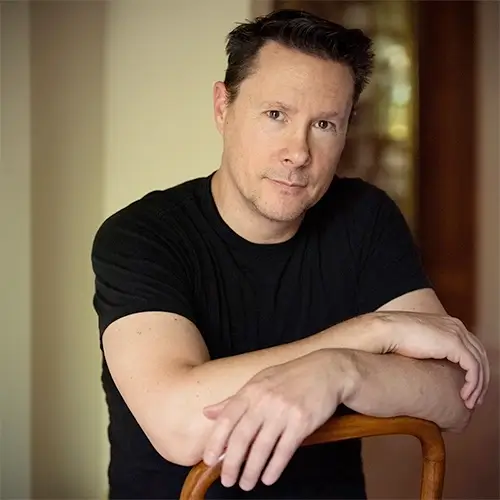
American photographer
Matthew Finley turns inward, using photography as a way to explore identity, memory, and emotional truth. Based in Los Angeles, his practice moves between performance, gesture, and found imagery, creating a visual language that is both intimate and deeply personal.
His series
An Impossibly Normal Life, selected as the
Solo Exhibition for April 2025, unfolds as a fictional yet deeply felt family narrative. Built from vintage photographs, the project imagines an alternate queer history—one rooted in love, acceptance, and belonging. Both tender and thought-provoking, the work stands out for its emotional depth and originality. Since its release as a beautiful
book and through various exhibitions, the project has gained the recognition it deserves, reaching a wider audience and extending its impact.
We asked him a few questions about his life and work.
All About Photo: Can you tell us about your earliest memories of photography and what first drew you to the medium?
Matthew Finley: I can remember looking at American Civil War battlefield photos and being amazed at the detail. For an event that felt so long ago and a world away, seeing the scuffs on their shoes and mud on their pants made that history feel much more real. I had a variety of point-and-shoot cameras growing up but it wasn’t until I ended my ambitions as an actor in my thirties that I shifted my artistic expression to photography.
How did growing up queer in an unaccepting environment shape your relationship with images and self-expression?
I was drawn to acting in high school because playing a part gave me words to say and a reason to be seen when in real life it felt safer to be invisible.
Then, when I started photography, I had a fear of being labeled as a “gay photographer.” But as I realized that photography was a way to express myself, I learned to embrace that label. Now, I’m proud to add my voice to that canon and much of my work is done with my community in mind.
Photography is a way for me to communicate with others. To share a part of myself in hopes of eliciting something positive in them.
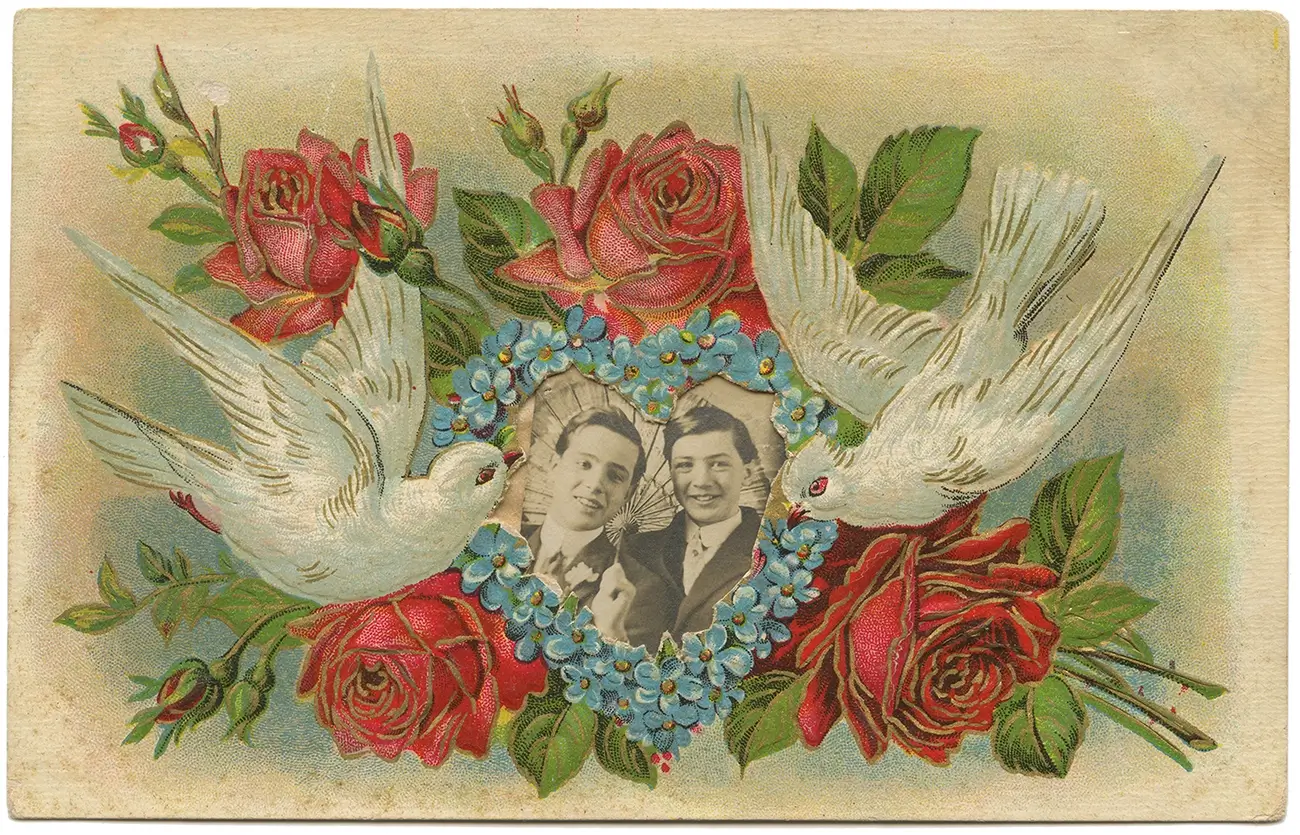
Marshall and me © Matthew Finley
When I left acting behind, I knew I needed some other form of artistic expression. Being socially awkward, art is a way for me to connect and express myself. I discovered that someone judging my photograph was easier to take than someone judging my performance (which felt like them judging me). Working with sitters also gives me the collaborative experience that I enjoyed with other actors.
Were there particular artists, books, or exhibitions that shaped your visual language early on?
The first photo book I bought was Sally Mann’s,
Immediate Family. I was drawn to elements like (realistic) performance mixed with honesty that elicits emotion, because that is what I was after in my acting. The beautiful compositions didn’t hurt!
Another early influence was Mapplethorpe. Brash, unapologetic queerness. Plus, their beautiful work with light and shadow.
Your work often combines performance, gesture, and found imagery. How did this hybrid approach develop?
My work is usually sparked by personal emotions or themes I want to explore. It starts internally and then I try different things to find the best way to visually express those emotions. Often, I use a sitter to stand in for me and be the vehicle for what I am trying to discover. While another artist may do this kind of thing as a self portrait, I love working with someone else, creating it together and, hopefully, making it a little more universal. Depending on my inspiration, I may change the process to fit the project. I used Polaroids to talk about the emotional journey of coming out because of its connection to my childhood. For my latest project exploring the idea of having a queer uncle,
An Impossibly Normal Life, I considered either dressing up as him or dressing up a sitter, but those felt too performative. Once I realized I could tell this story through found vintage photos, it felt like the right fit.
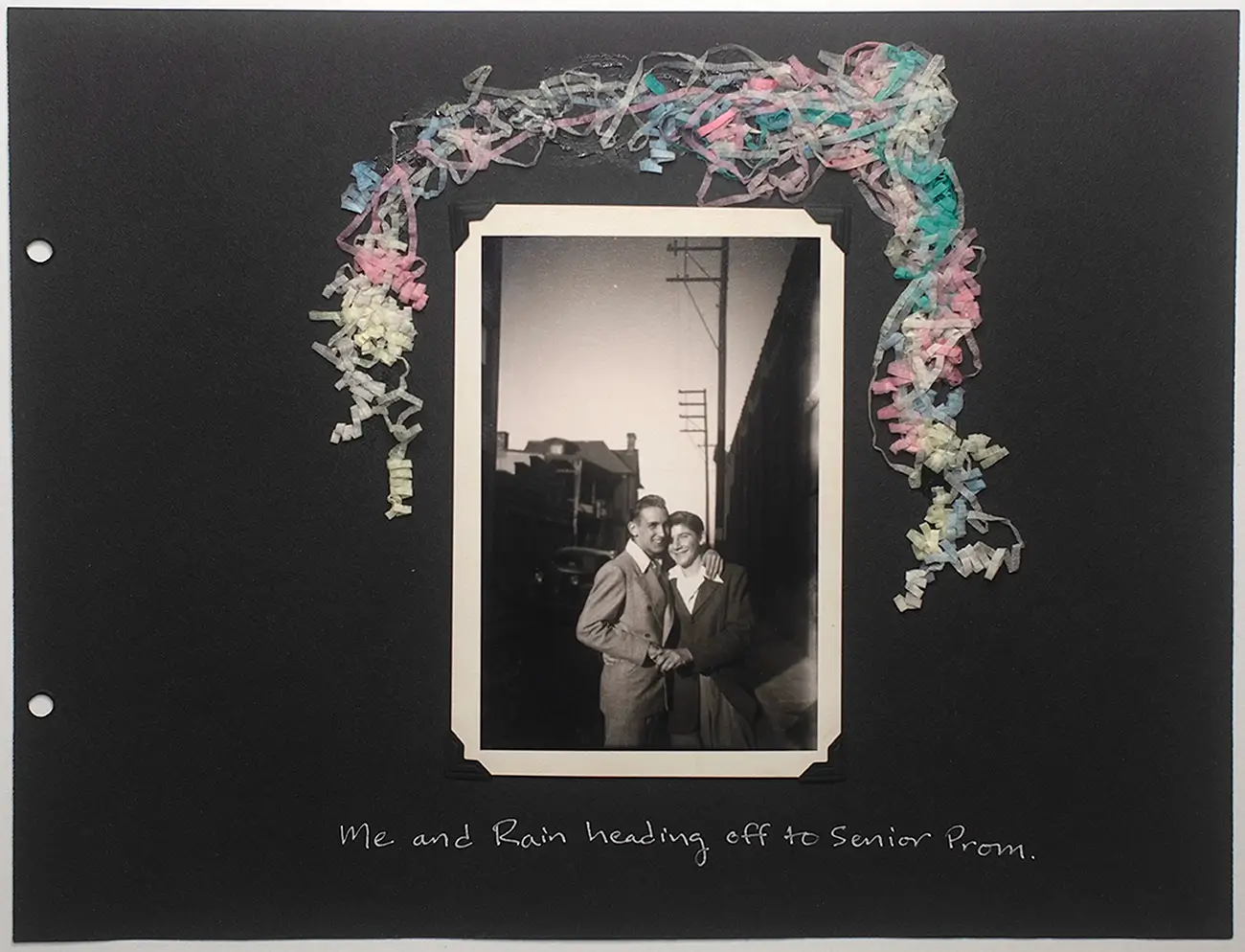
Sr. prom album page © Matthew Finley
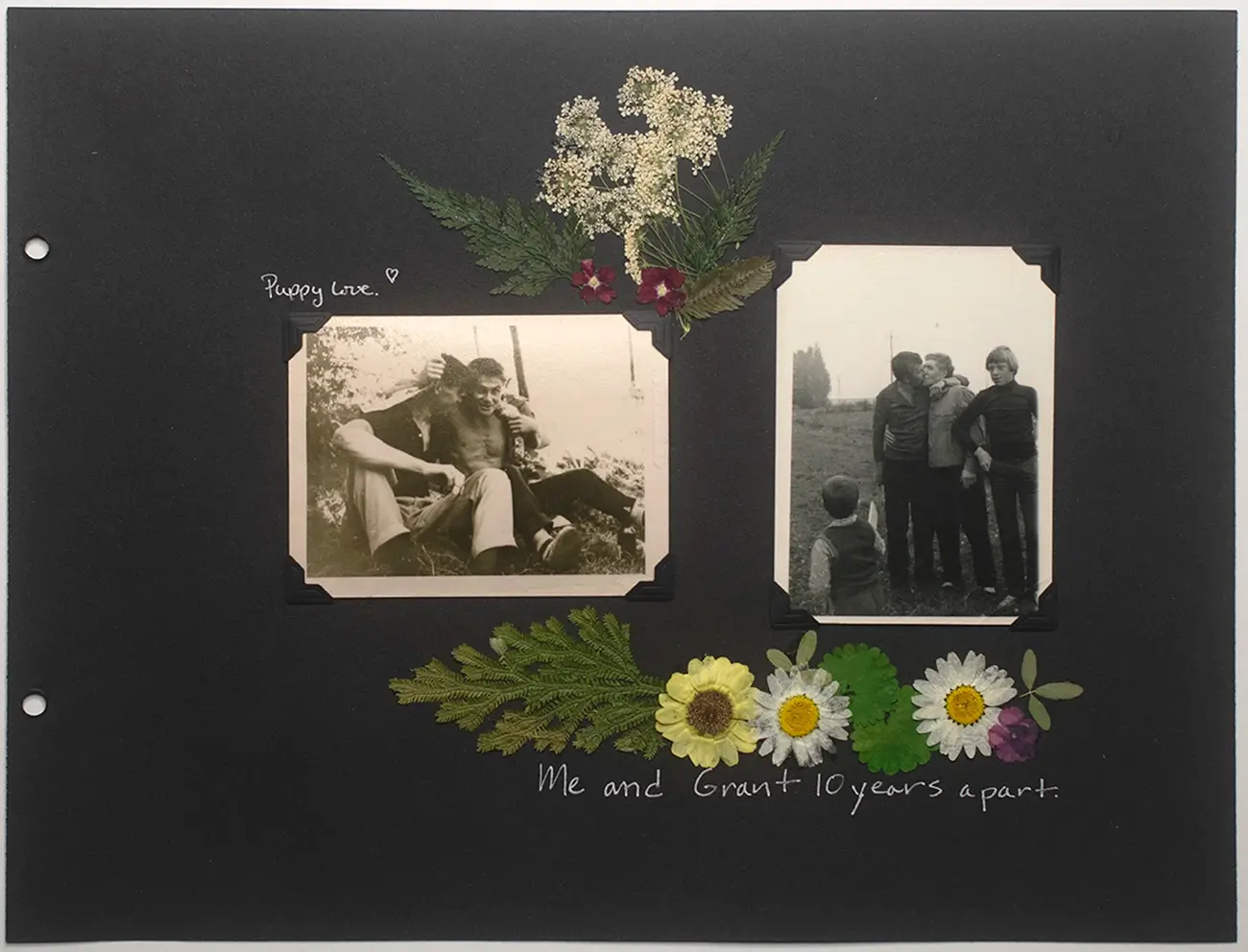
Ten years apart, from album © Matthew Finley
When I think of those three things in relationship, the words that come to mind are honesty and beauty. Both are huge parts of my practice. While there may be a performance aspect to my work, it is in service to sharing an honest feeling in hopes of eliciting a true emotion. Through that exchange, a connection is made. Beauty is often my chosen vehicle. Whether it’s the beauty of the human body, a peaceful forest, or a story of love, I want to invite you in, and invite you to open up.
The studio is a safe space for you. What does that environment allow you to explore that the outside world does not?
Someone said something I love (I wish I could remember who): “Some of us are makers and some of us are finders, and of course some are both.” I am more of a maker. I love going in with an idea and seeing where that takes me. I am drawn to people, but the idea of someone in the street getting upset because I took their photo terrifies me! I will leave that kind of documentary photography to the brave “finders” out there.
How do you balance vulnerability and control when making deeply personal work?
It’s funny… in my personal interactions, I feel like everything is on display yet others say I am hard to read. When I was very young, I over-compensated for being gay by masking my feelings and staying in control. You do that when you get signals that something about you is inherently shameful. The rest of my life has been spent working to undo those tendencies. But because I already feel like an open book, being vulnerable and sharing that in my work feels natural to me.
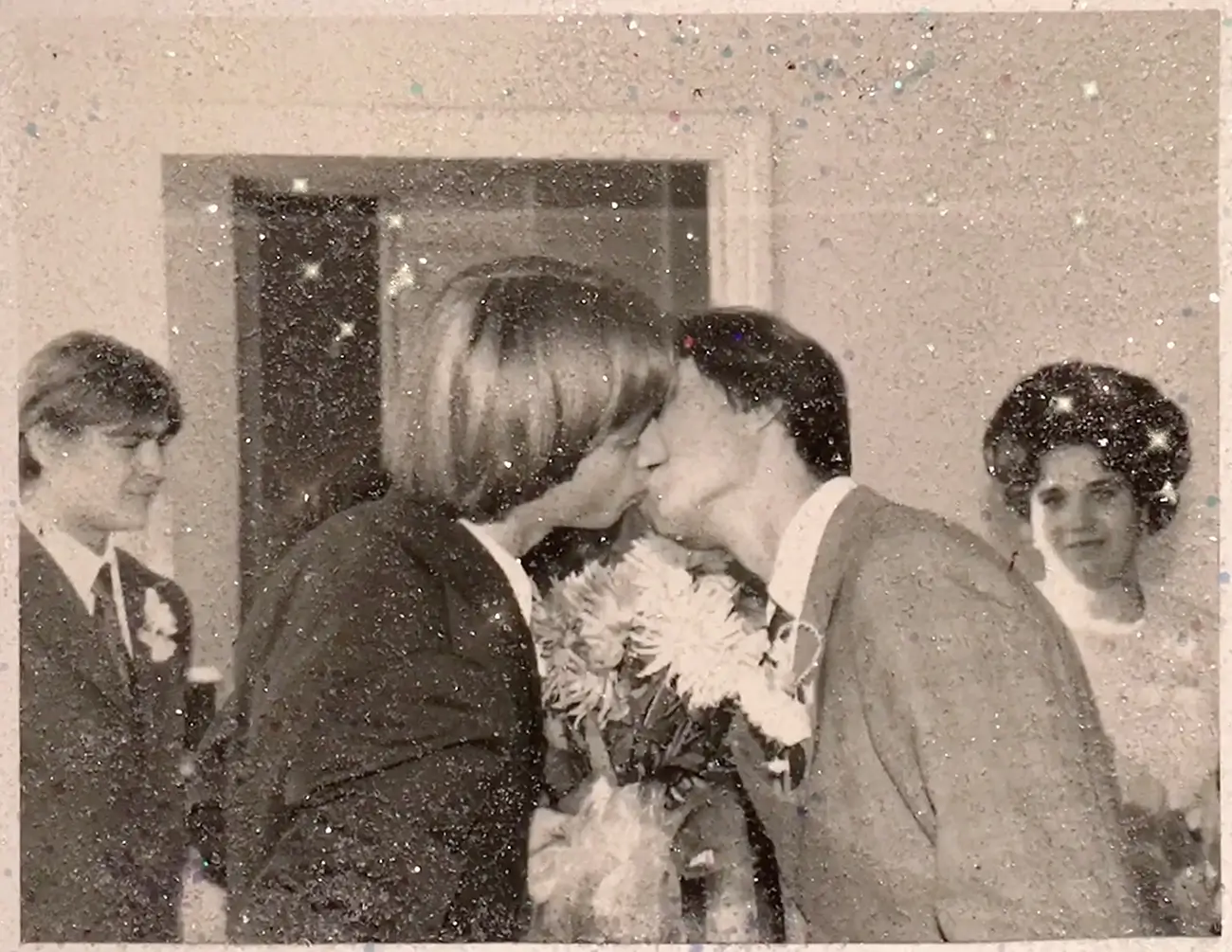
Grant and I couldn't stop kissing on our wedding day © Matthew Finley
My parents divorced when I was a baby and I have never known my father’s side. A few years ago, when my mother told me that my father had a brother that might have been gay but died young, my mind was blown. I had come out to my mother and a religious, disapproving family thirty years earlier so hearing this for the first time really floored me. I felt so alone when I came out and to think that someone so close in my family might have had similar experiences set me on the path of making work about it.
Why did you choose found vintage snapshots as the foundation for this fictional narrative?
I had no images of my real uncle. It’s even possible that my mother was misremembering his history. But a part of me wanted it to be real. Wanted to have that connection to my family. One where I didn’t feel judged.
Weighing the possibilities of taking photos versus using vintage photos, I felt there was an authenticity to the vintage photos that I loved. Yes, I would be recontextualizing these images, but my story would be grounded by these real images. Using them and the nostalgia they invoke would also elicit people to consider, “Why couldn’t this have been a reality? Why can’t we just let each other live loved and supported lives?”
The project imagines a world where sexuality is socially neutral. What kind of conversations do you hope it sparks today?
I hope that people come away from this
book wondering what they can do to make this world more loving and supportive of all people. I hope they see how silly it is to be afraid of Ken loving Grant. What’s important is that there is love there. Support love. Support Ken and Grant just as you would love to be supported in your own love. It may sound simple, and it actually is. Push back against being manipulated by fear.
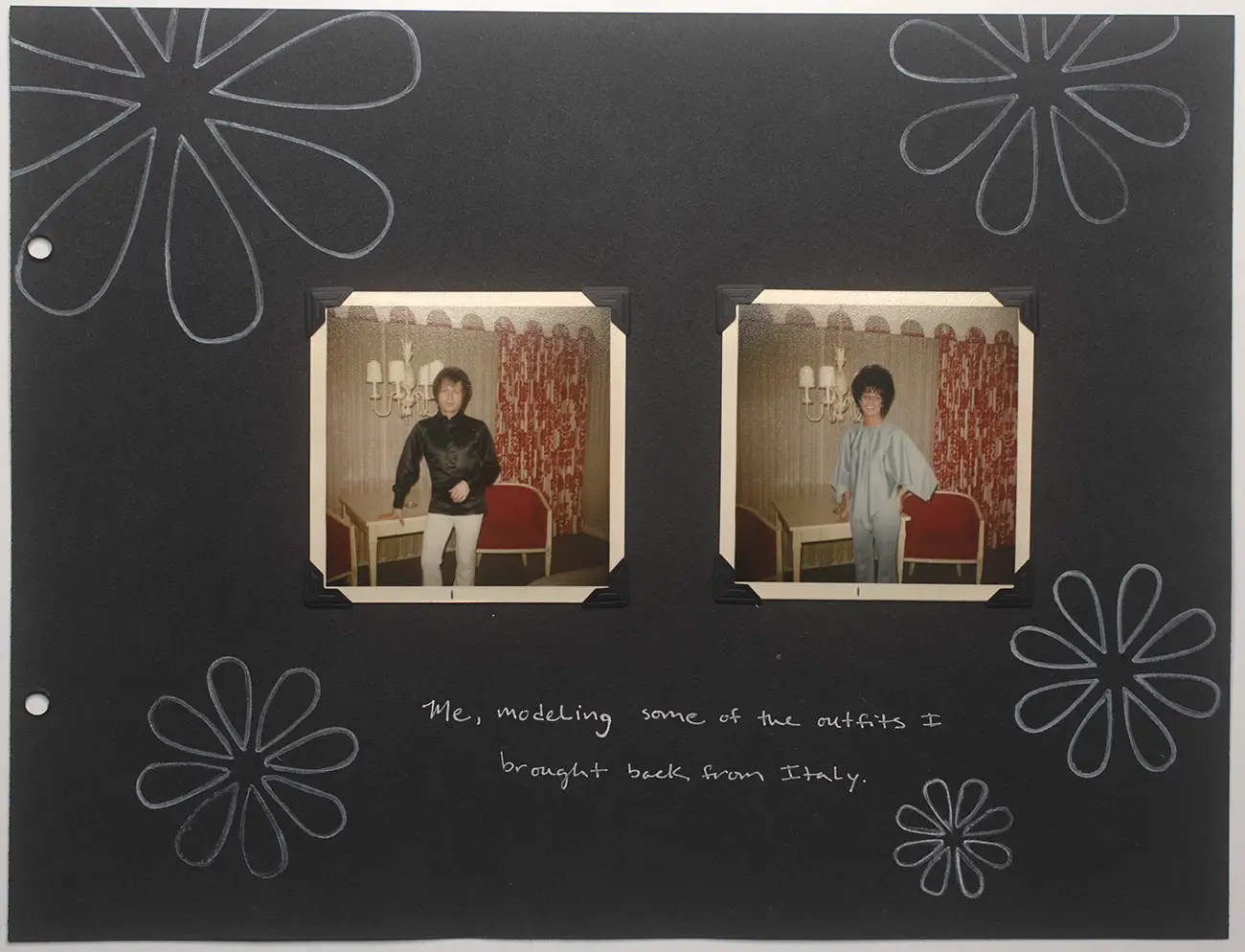
Me, showing off my new outfits from Italy © Matthew Finley
I found it healing. I didn’t expect it going in, but I grew attached to Uncle Ken and his world after spending four years working on this project. His love and support. He may be a fictional uncle but he has filled the familial hole in me that I may not have fully realized was there.
The work feels both archival and speculative. How do you approach storytelling when the archive itself is invented?
Exactly, it’s just storytelling. I am simply using vintage photos to tell a story. When we think about family photo albums we often think of them as a collection of facts about our family, but are they really? Yes, these people existed, but are all of the smiles real? The embraces? Was that trip as magical as that landscape might suggest? We are creating a story within those books, too. Usually one of a happy family that did all these things and had all these celebrations. But that was really only a small part of a larger, more layered story.
Your work has been shown alongside artists like Herb Ritts and Herbert List at Fahey/Klein Gallery. What did that experience mean to you personally and professionally?
That show was such an honor. To have my work on the same walls as these people who had such talent and affected such an audience was a real highlight. As someone who started life with low self-esteem, there have been lots of moments that have helped me feel just a smidge more like I belong. That was one of them.
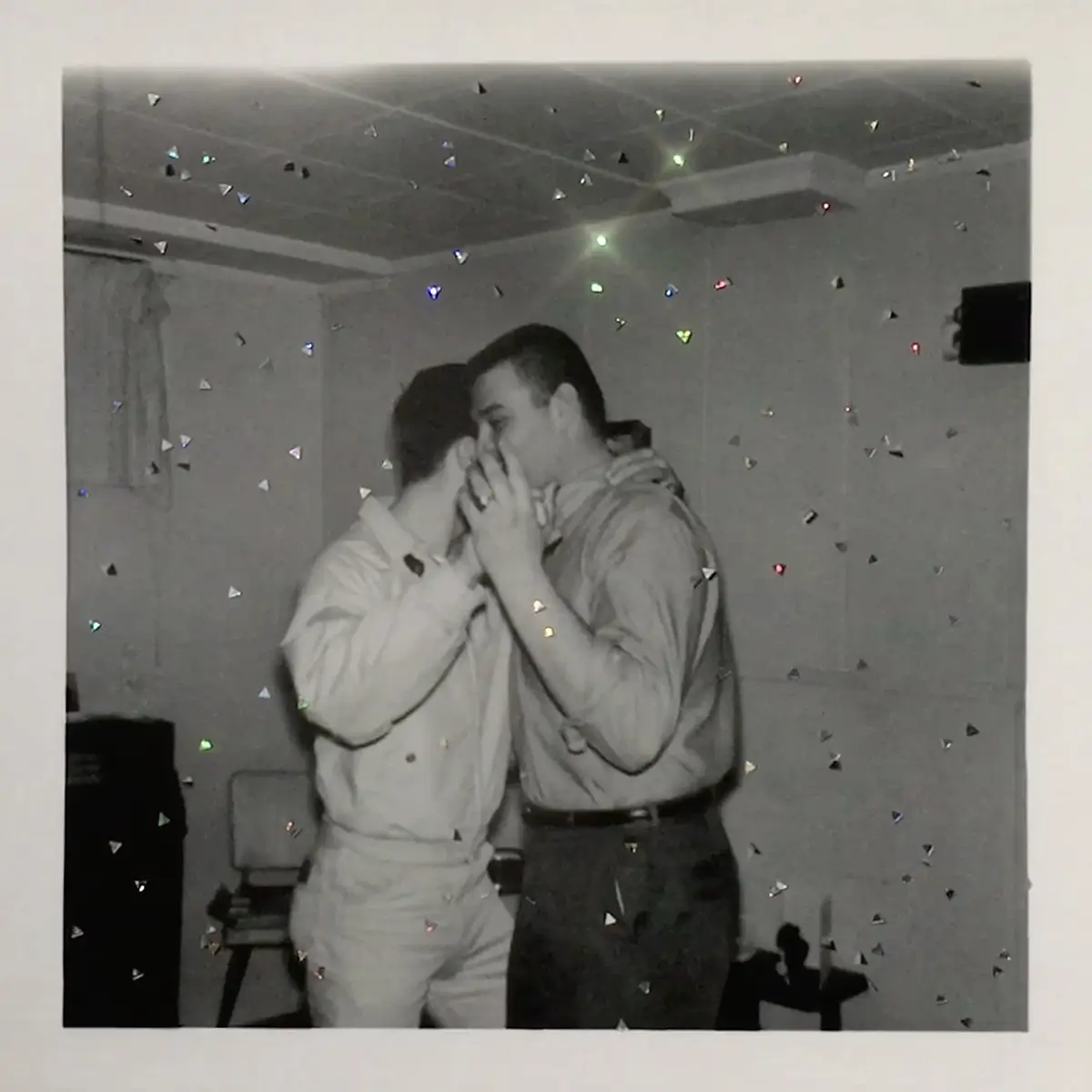
Dormitory dance with a cute guy © Matthew Finley
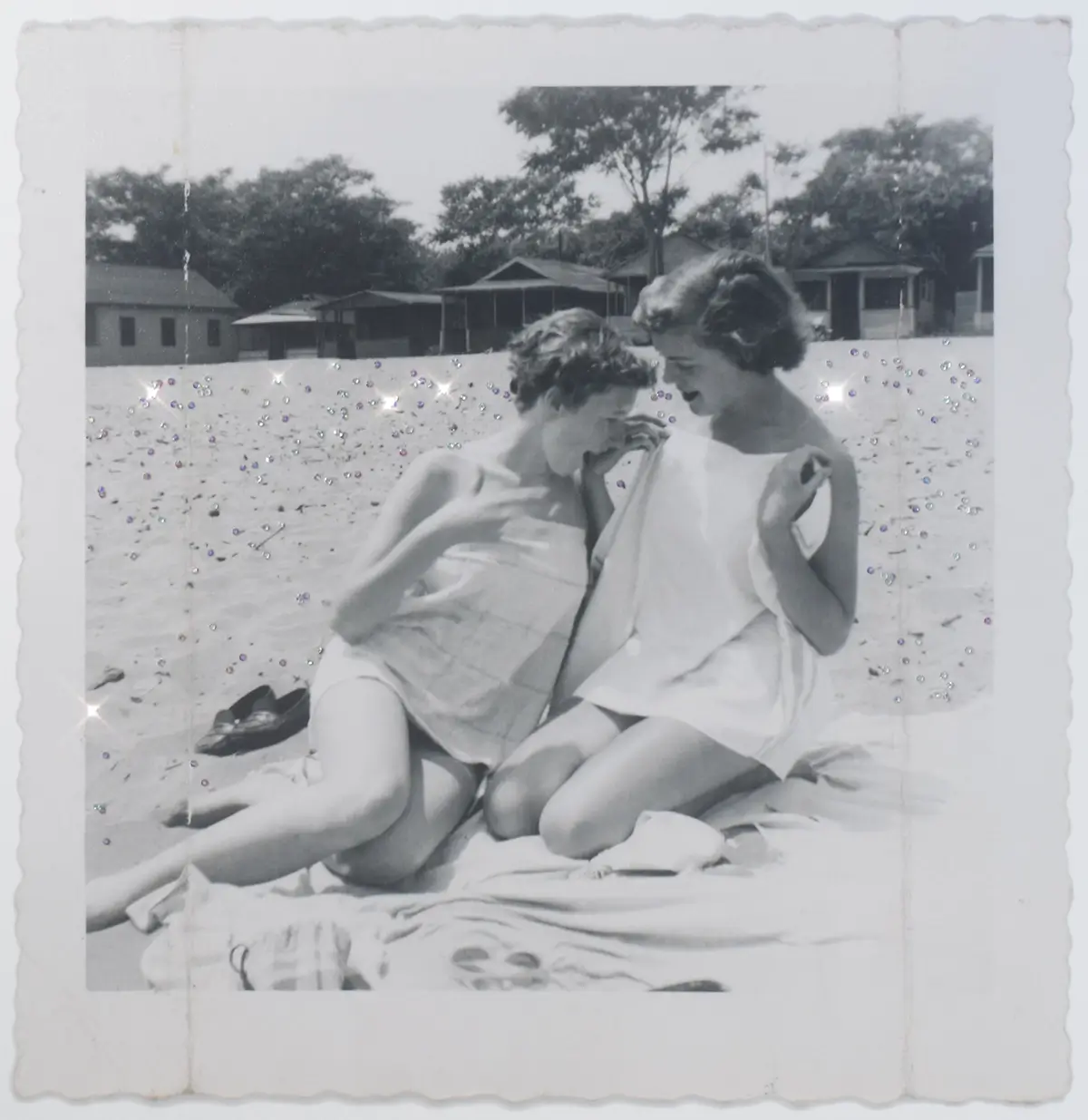
Tracey filrting with a girl we met on the beach © Matthew Finley
The
Museum of Contemporary Photography has been so supportive of me. They purchased a piece nine years ago and a few prints more recently from An Impossibly Normal Life. They also asked me to give a
talk next month which is a huge honor. I’m nervous, but I’m sure it will be fine! It’s another moment of feeling seen that I treasure.
Much of your practice centers on intimacy and emotional truth. Do you see your work as autobiographical, therapeutic, or communicative — or all three?
All three! If I’m doing it right.
How do viewers typically respond when they see themselves reflected in your images?
At almost every opening I have had for An Impossibly Normal Life, someone has come up to me with a story about a queer relative and how that person was either embraced or rejected from the family. I’m so glad it is causing reflection. I have also heard from some other queer people about how they love the joy in the representation that they don’t always get to see.
What role does photography play today in creating queer visibility compared to earlier generations?
While there is more visibility now than when I came out in 1992, it is still a drop in the bucket if you think of it next to heteronormative representation. Especially if you think of positive examples of queer stories. How many stories of queer people from history can you think of that weren’t about persecution and hiding? That’s one of the reasons I made this project. While it is fictional, it’s meant to bring comfort and connection to something in our queer lineage that is positive.
After completing such a deeply personal project, where do you feel your work is leading next?
My mind is still very much in Uncle Ken’s world and I am working on a smaller companion piece to the book. It’s still in progress. I’ll let you know when it’s ready!
Ultimately, what do you hope your photographs leave behind — for viewers today and for future generations?
Hope. Hope for a world that could be. Action to bring that world into being. A feeling of connection to those that have come before us. There have always been queer people and they have always just wanted the same things as everyone else, to love and be loved.
Anything else you would like to add?
Thank you for taking this time to speak with me and thank you for everything you do for the photography community!
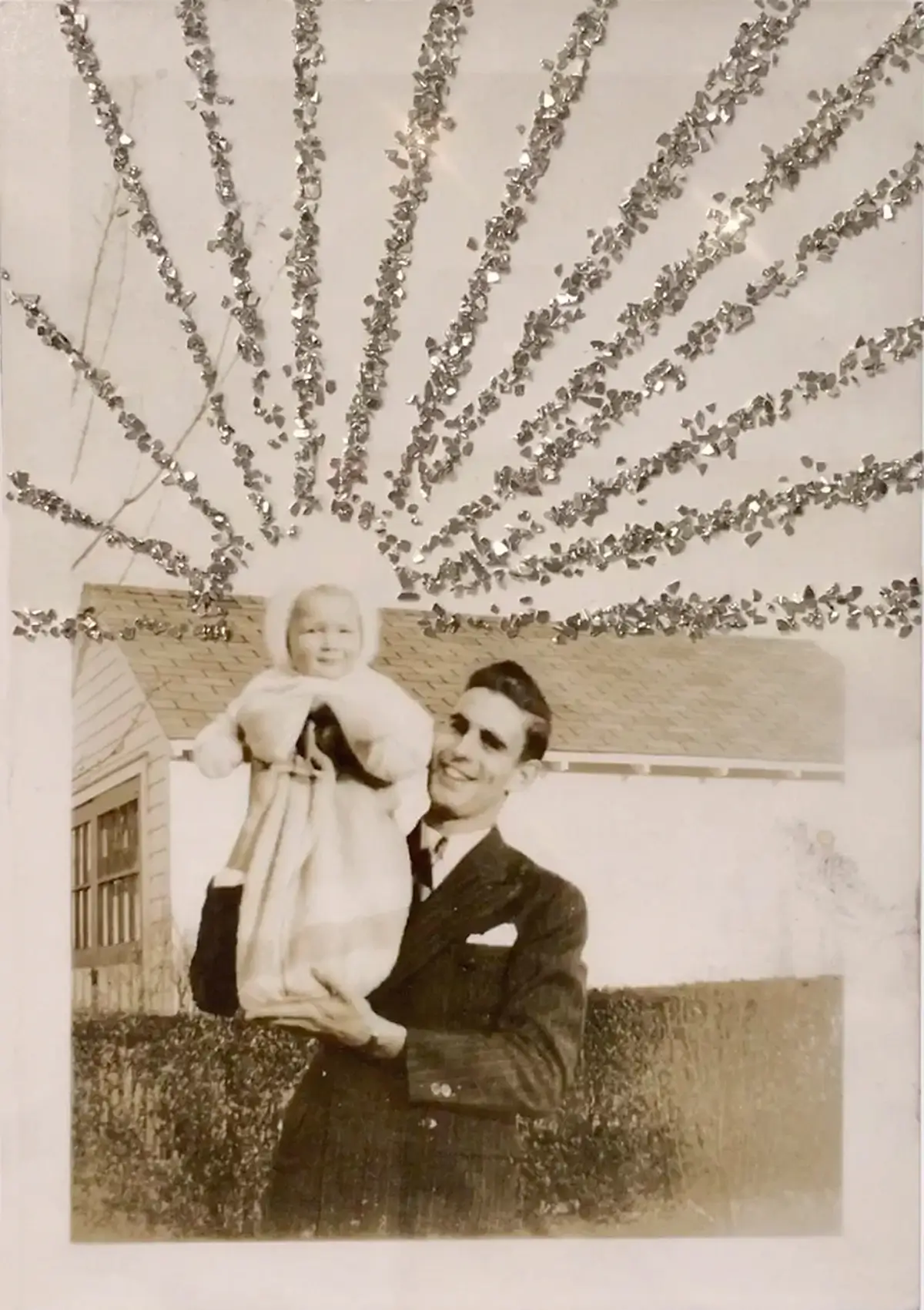
He has Arrived © Matthew Finley
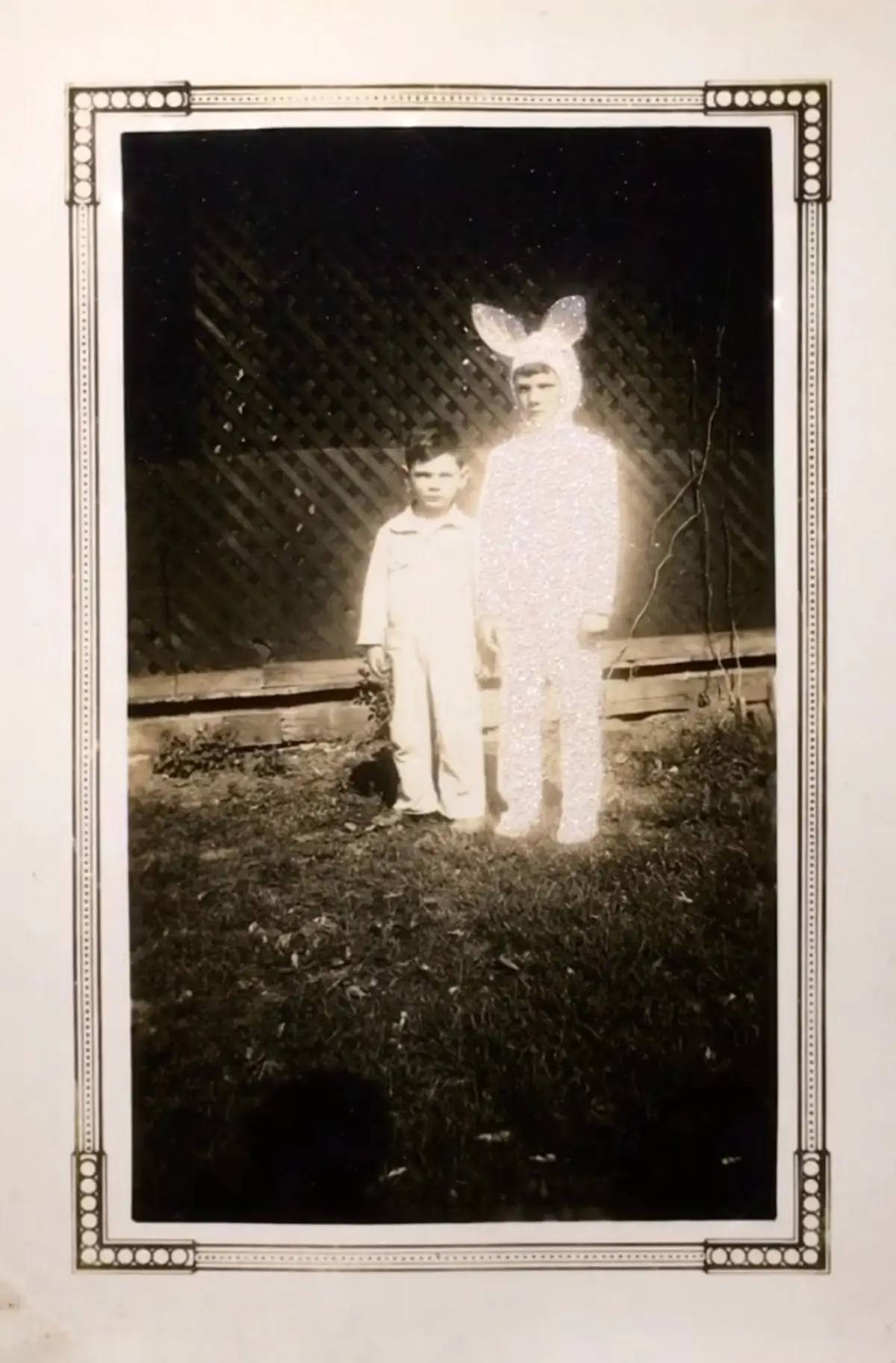
Halloween for me and little brother © Matthew Finley