All about photo.com: photo contests, photography exhibitions, galleries, photographers, books, schools and venues.
Win a Solo Exhibition in June 2026 + An Exclusive Interview!
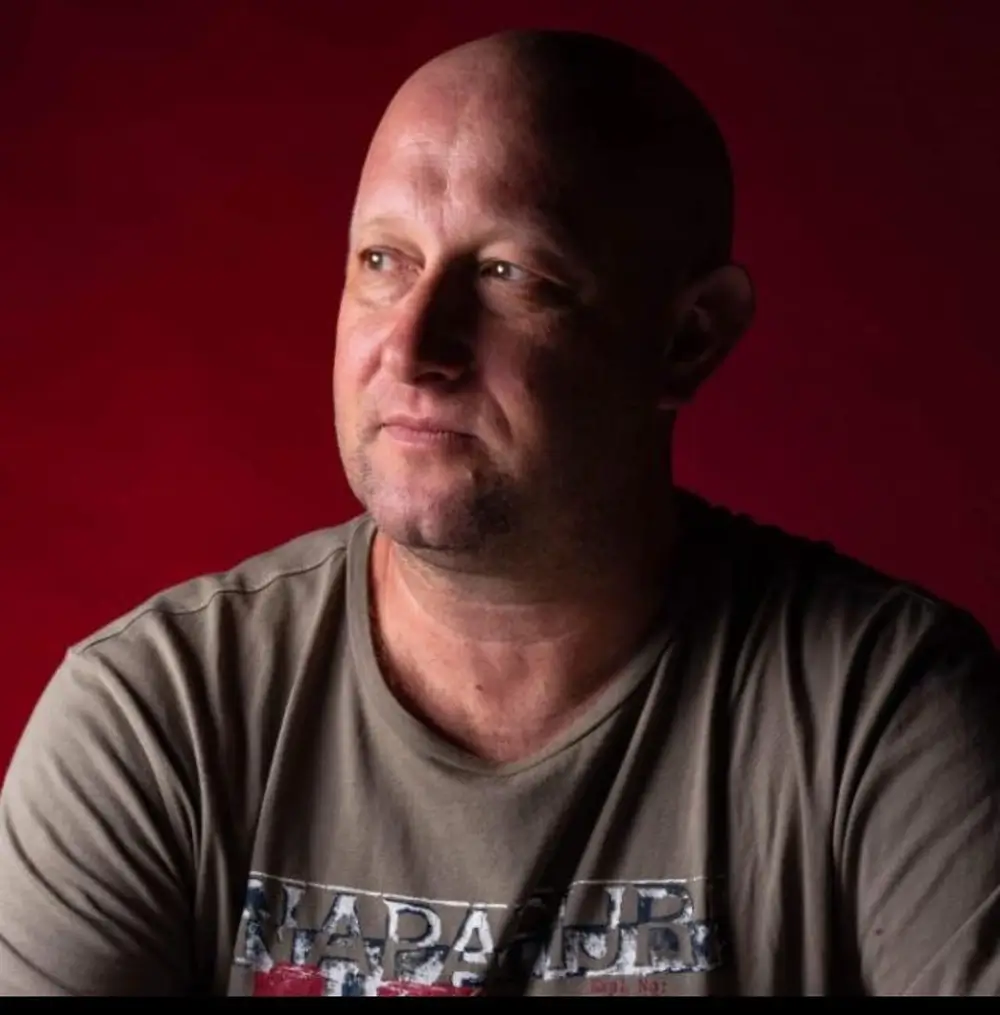
Cesare Simioni
Cesare Simioni
Cesare Simioni

Cesare Simioni

Country: Italy

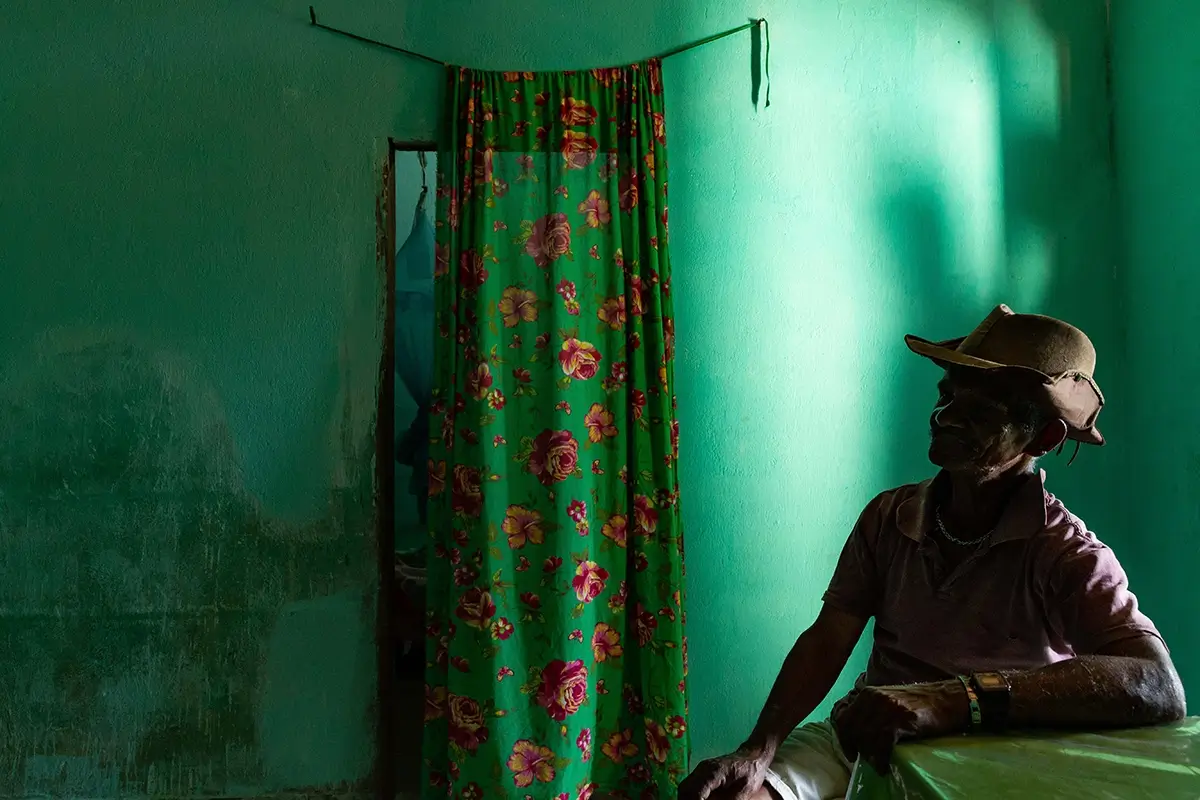
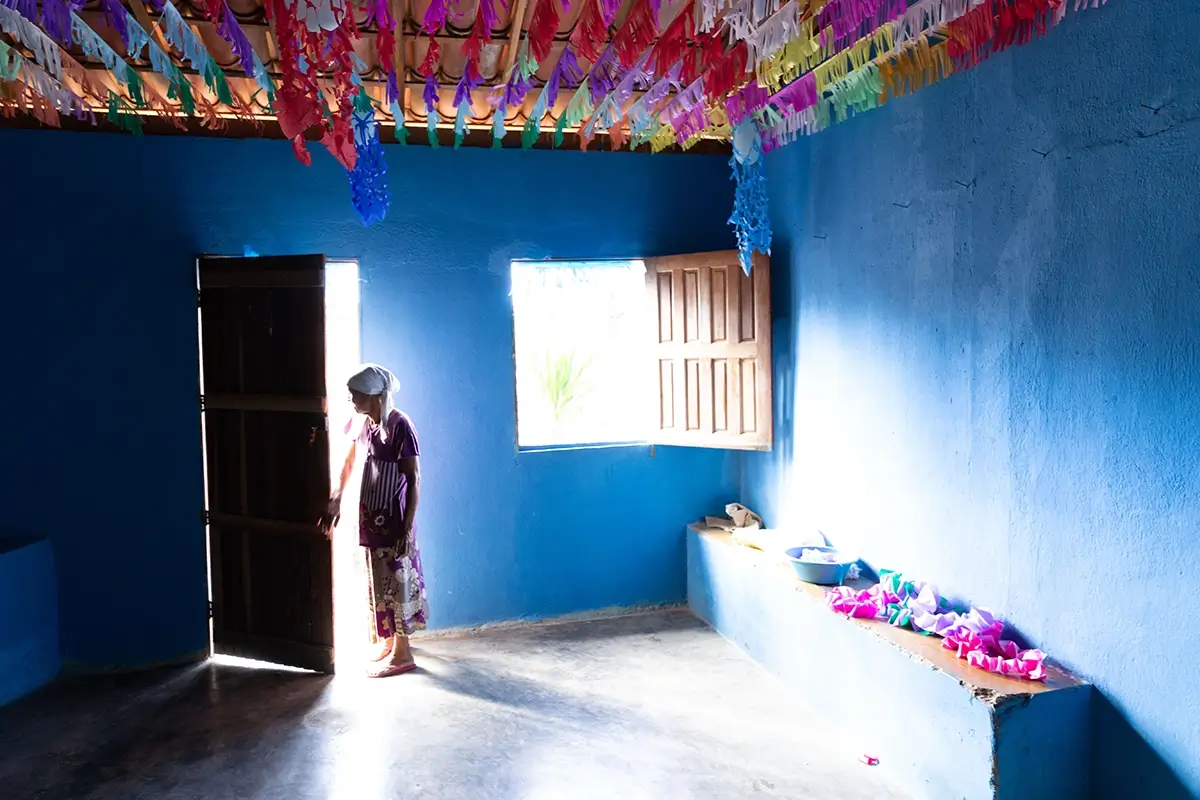
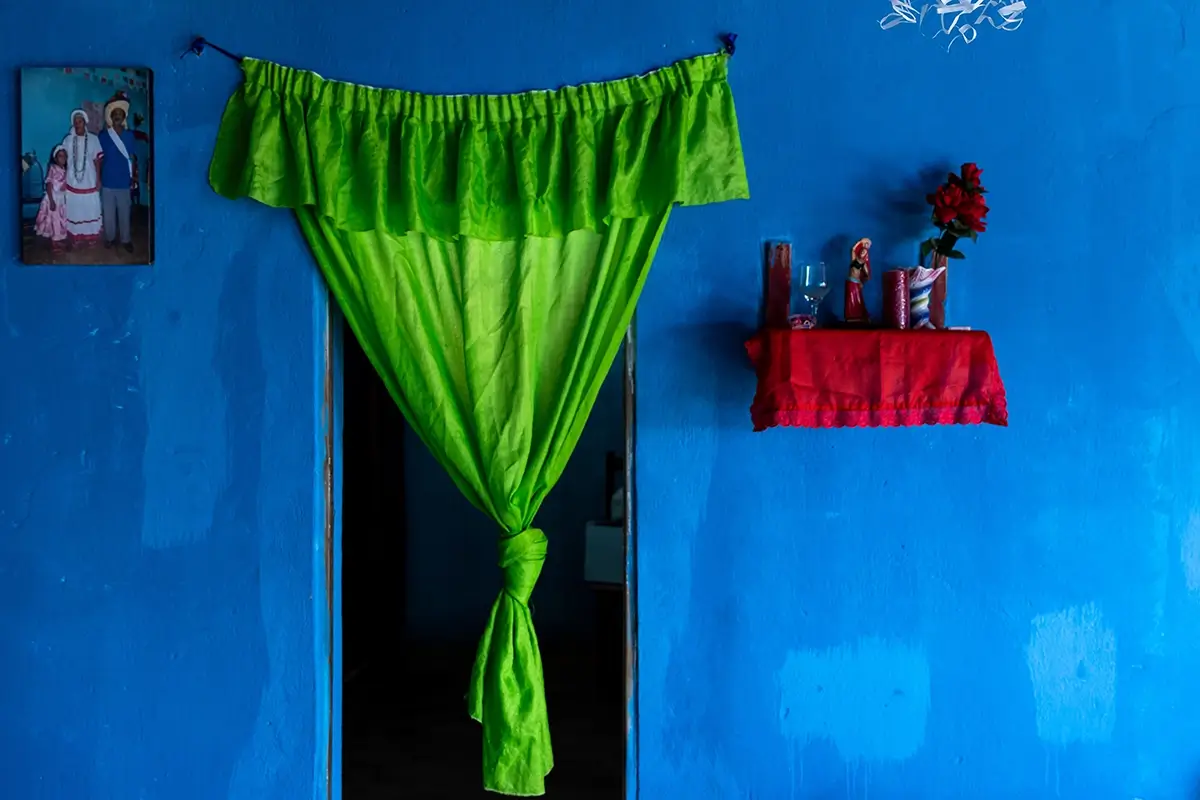
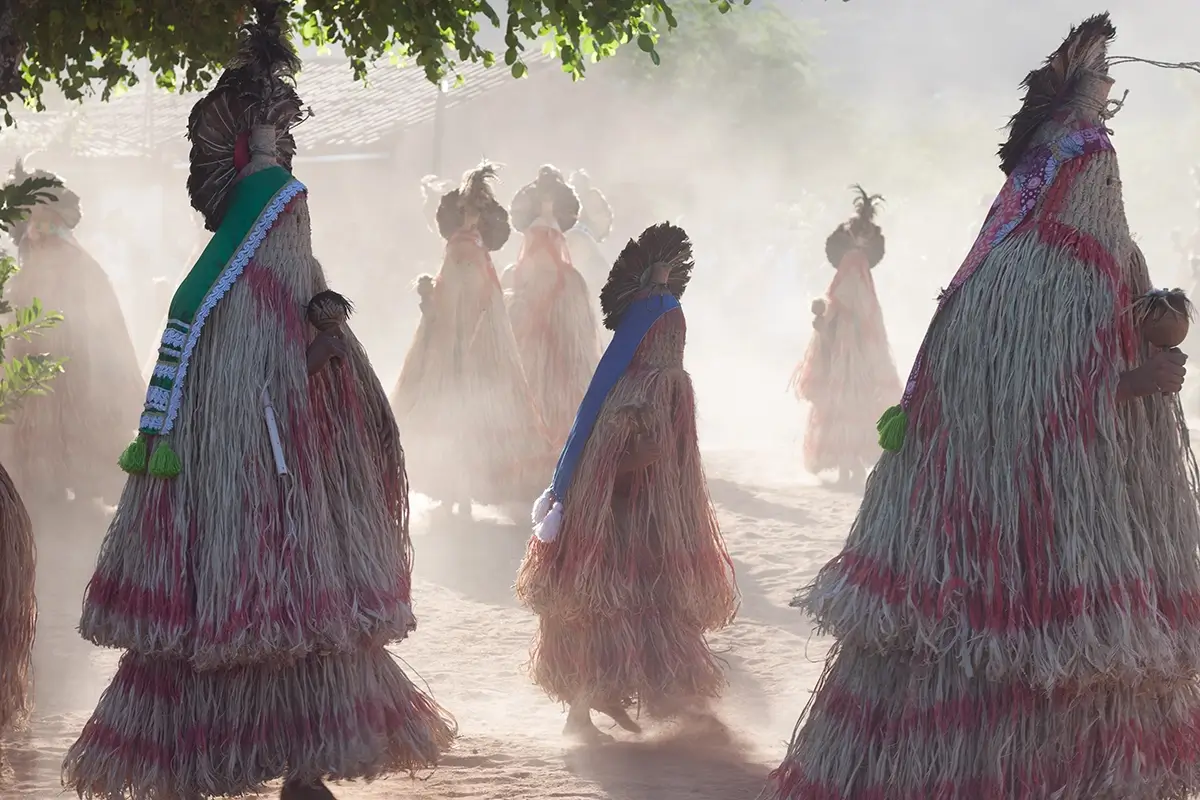
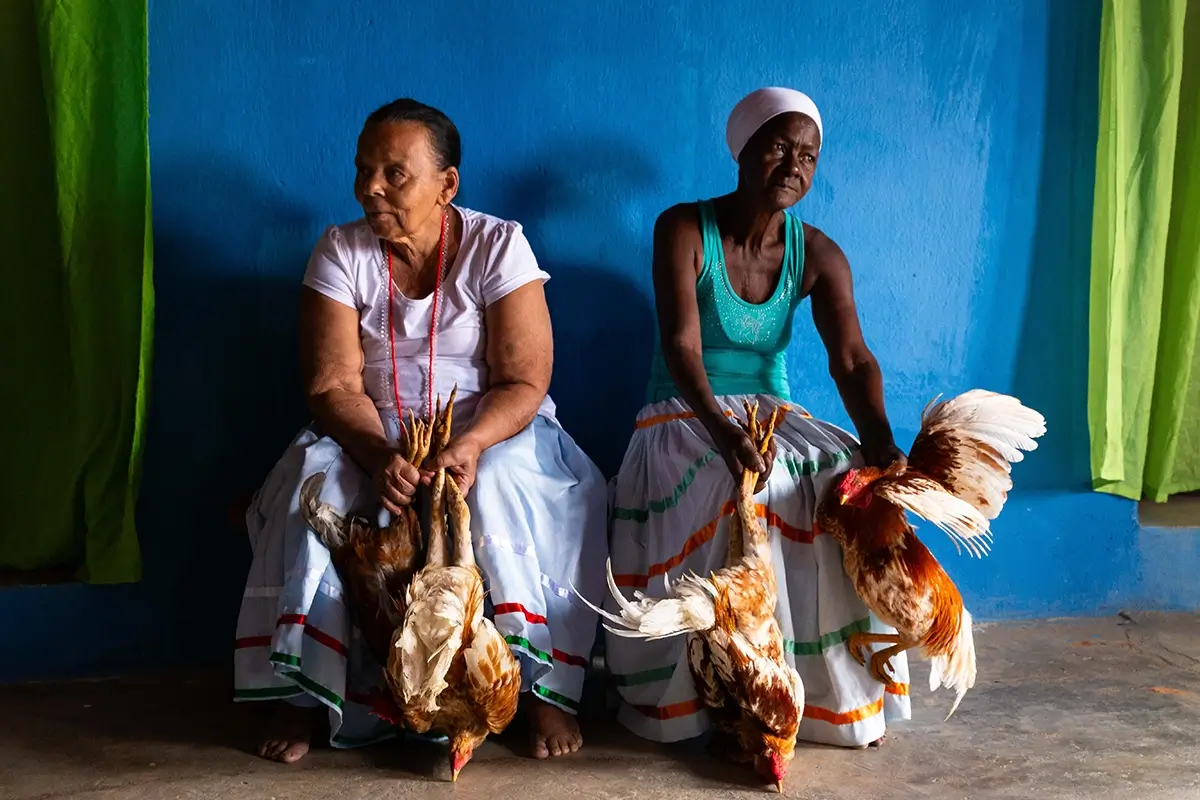
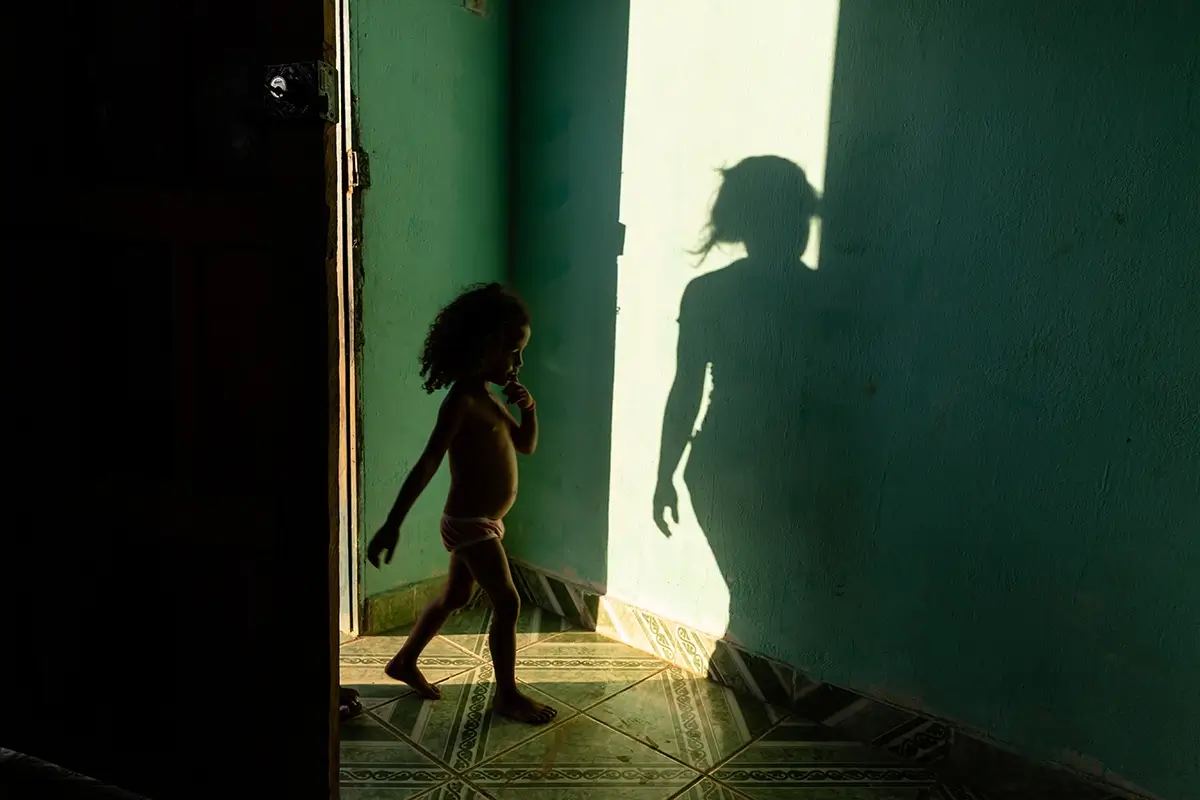
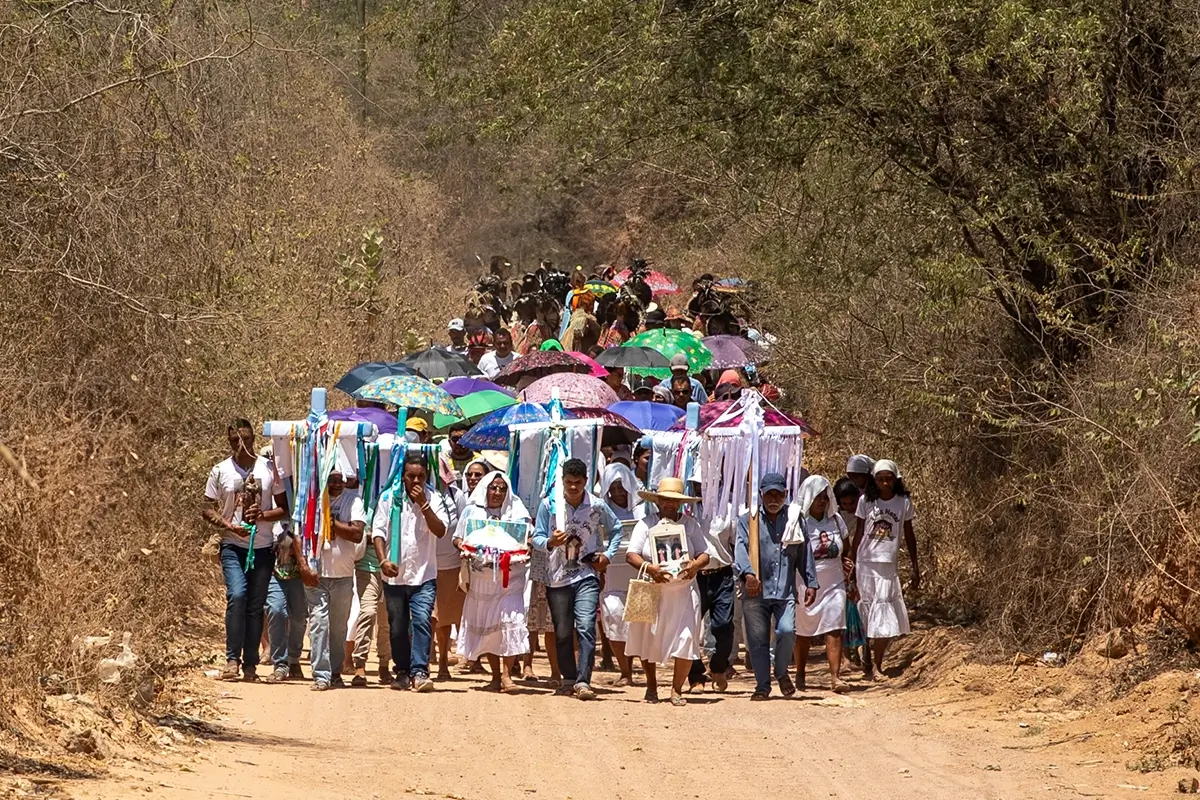
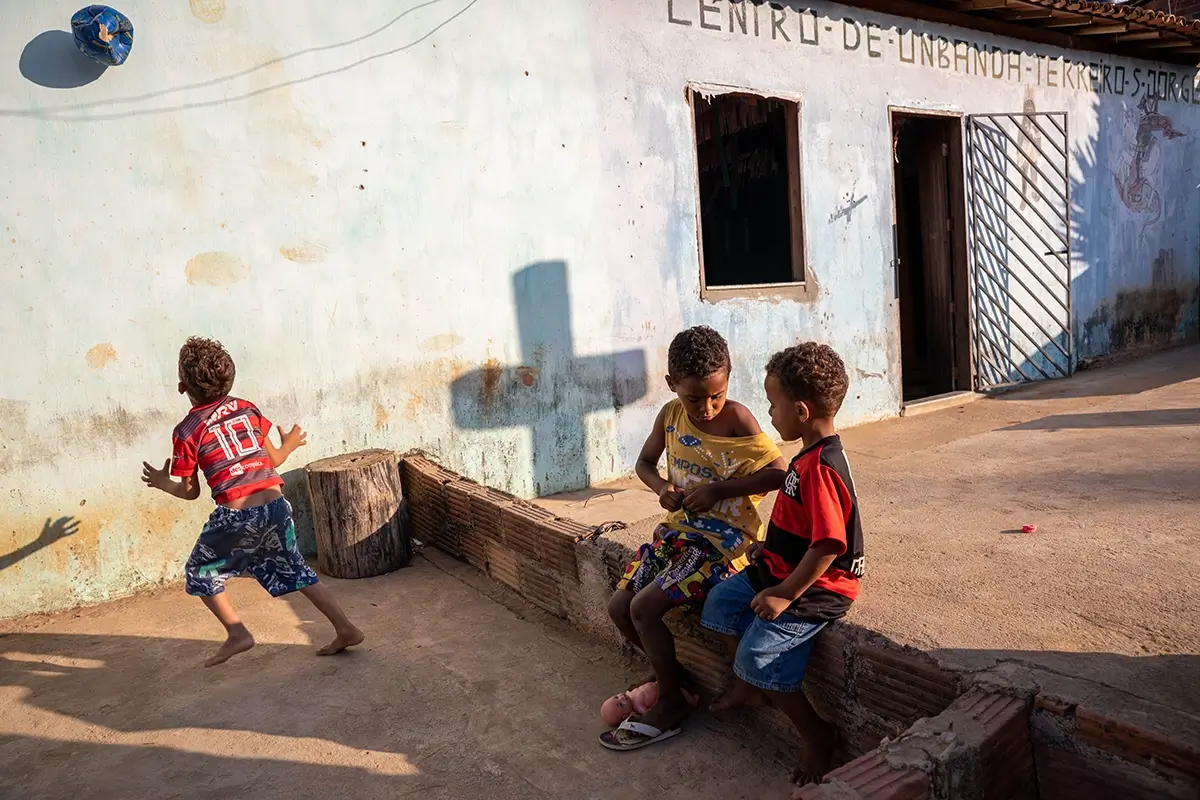
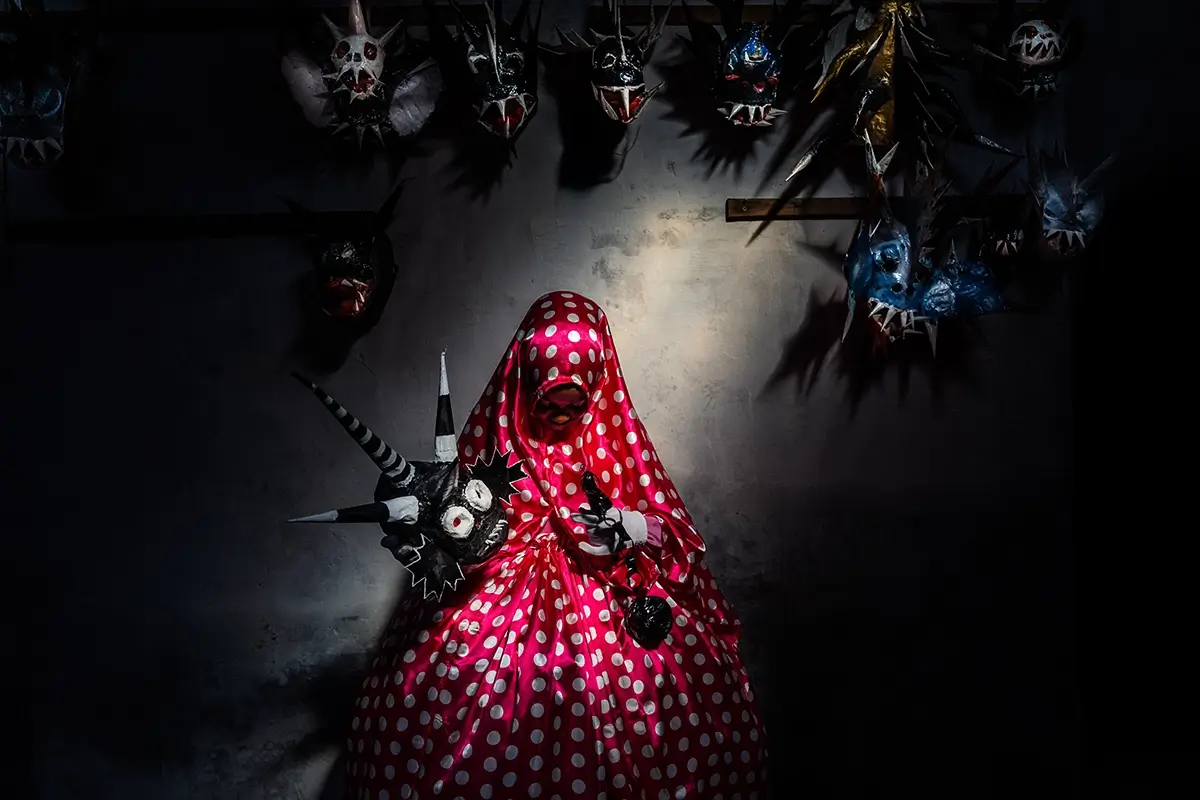
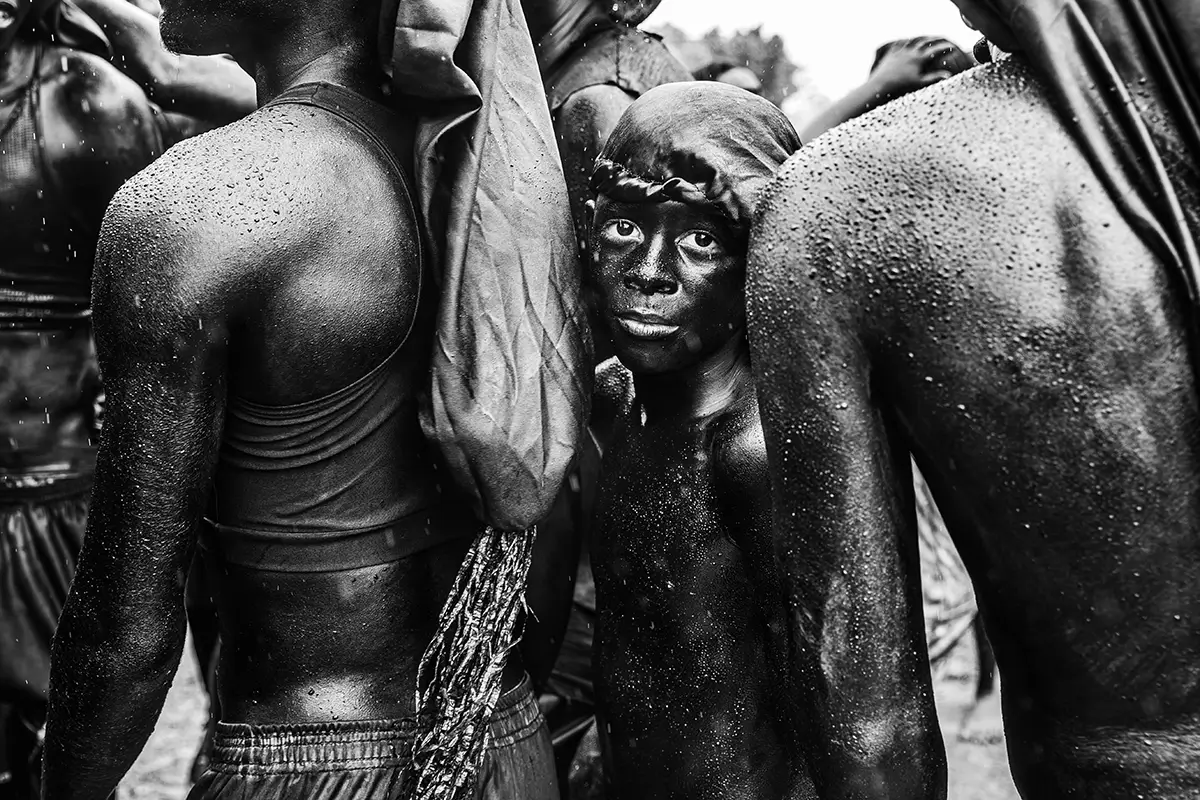
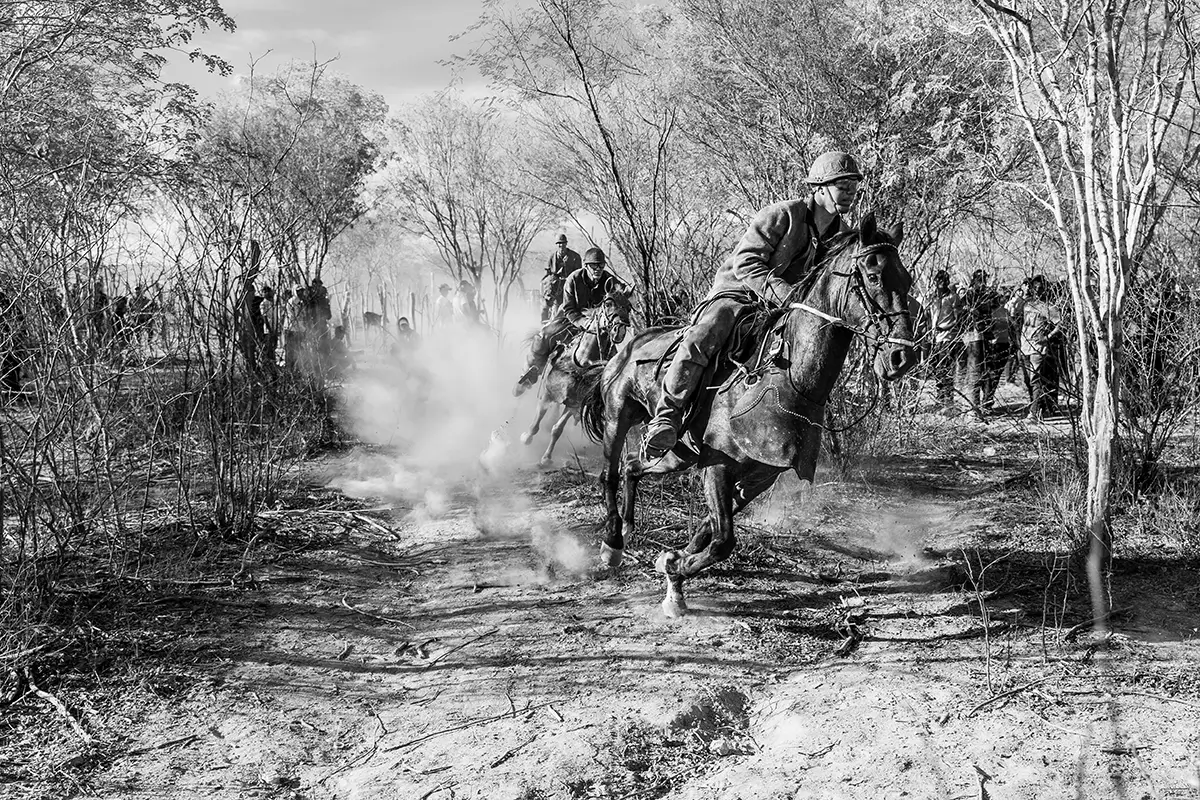
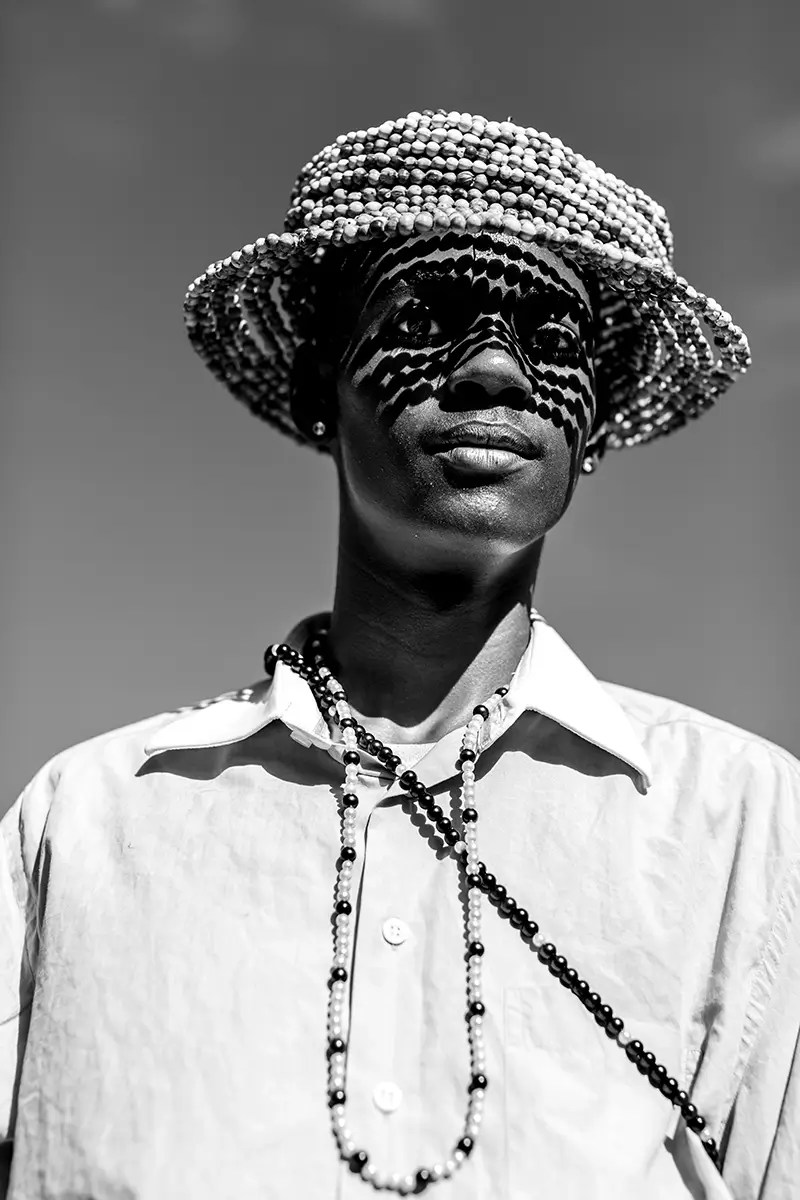
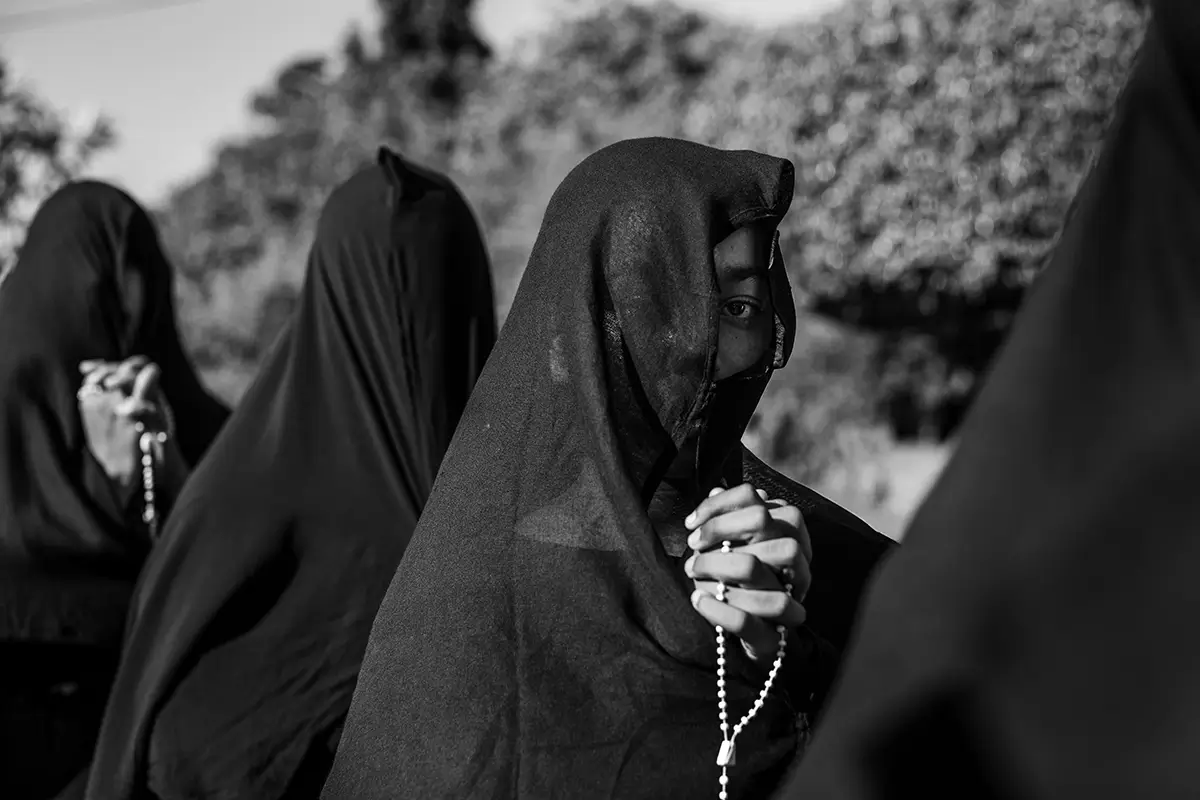
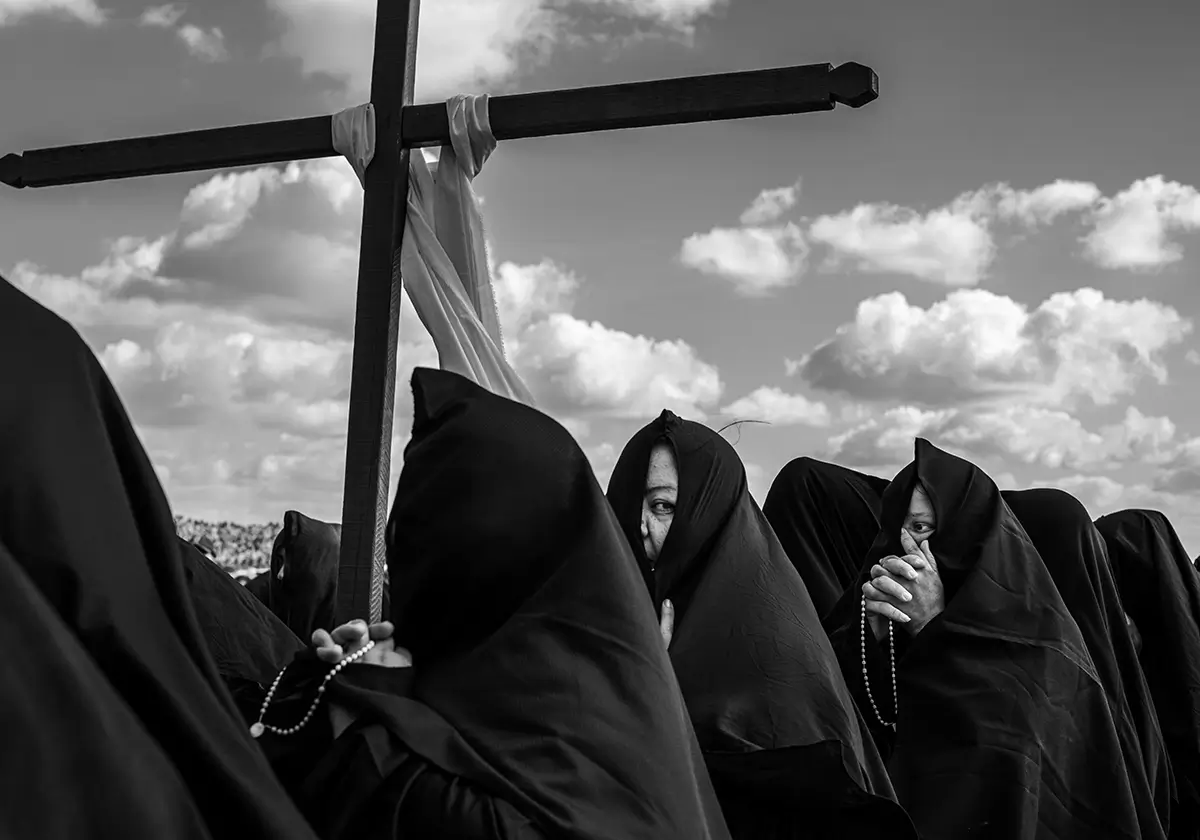
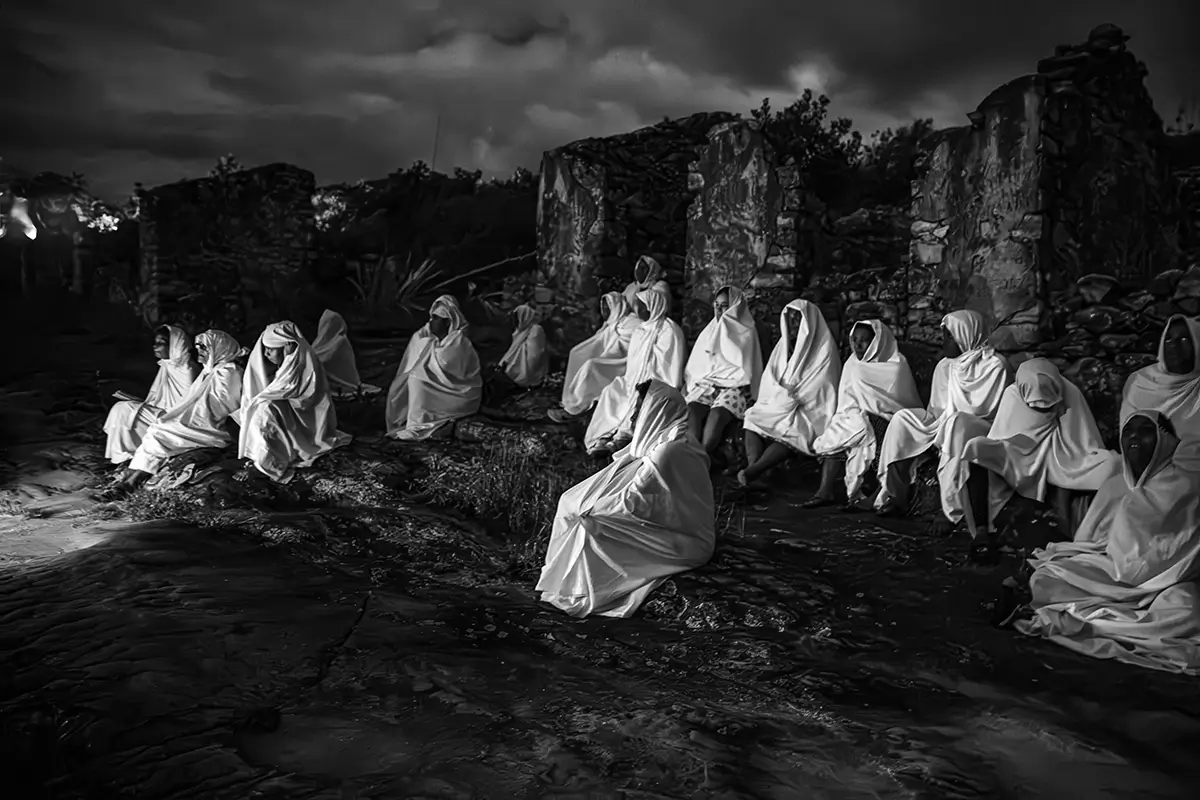
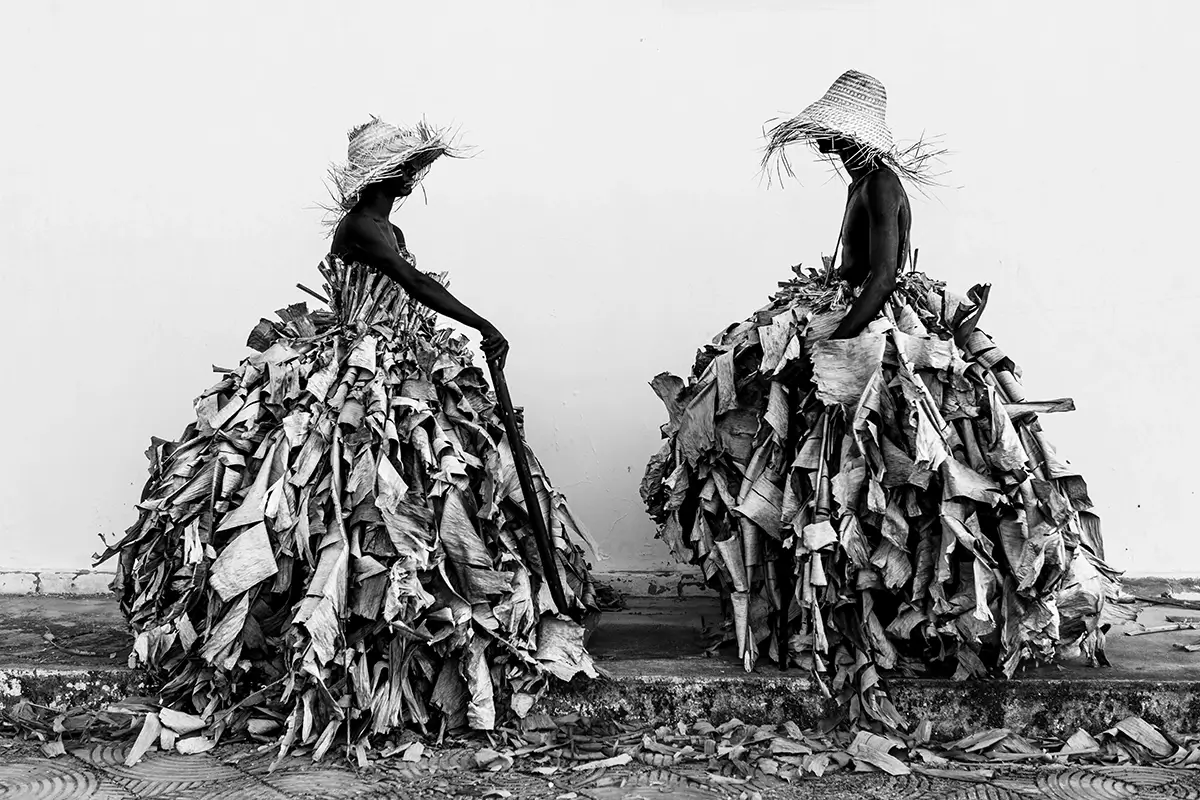
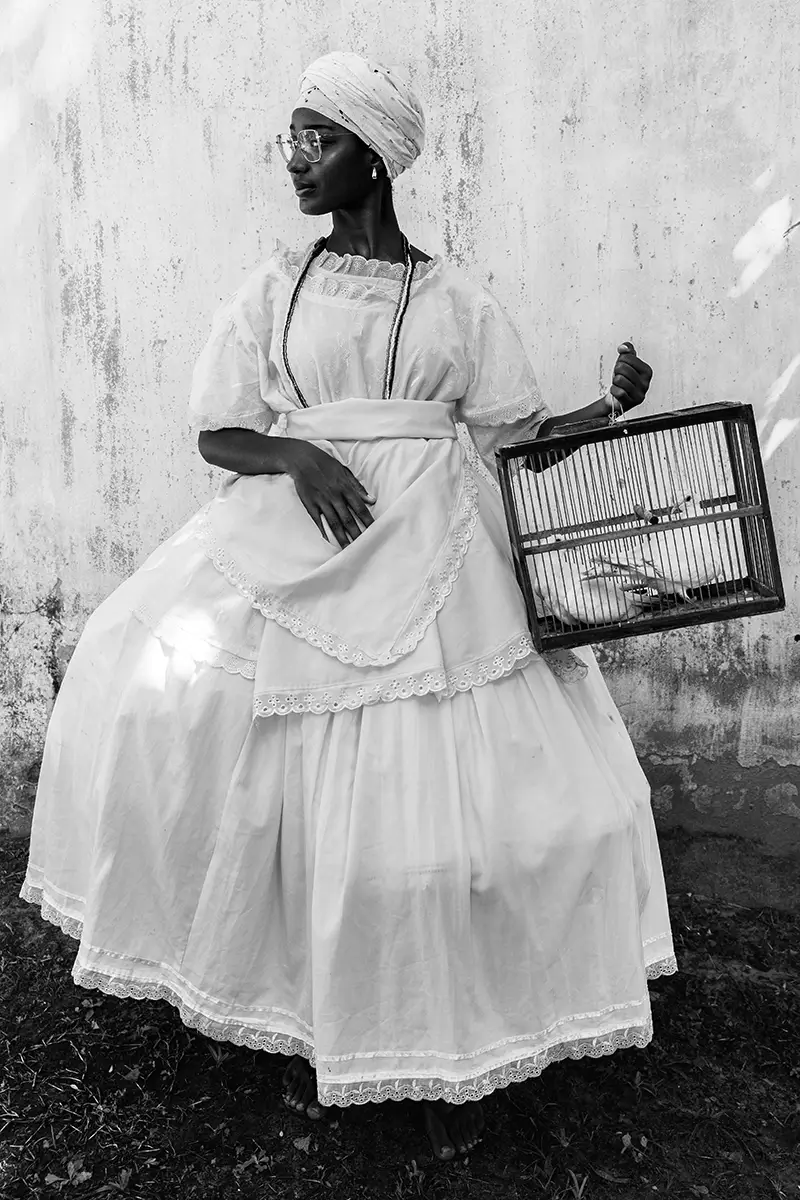
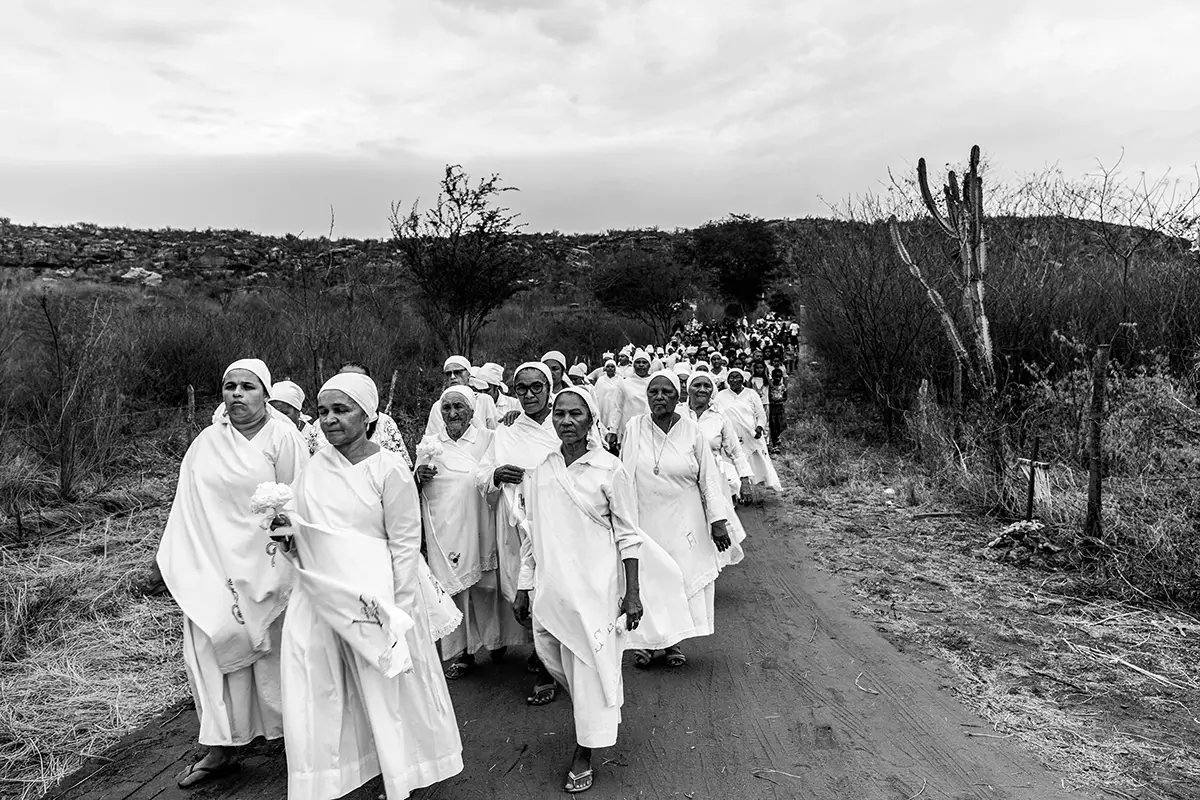
Originally from Italy and based in Brazil since 1998, I have been developing my work as a documentary photographer with a sensitive and committed perspective on reality. My intense experience in the interior of the country was decisive in building my own visual language, capable of capturing the essence of the people, places, and traditions.

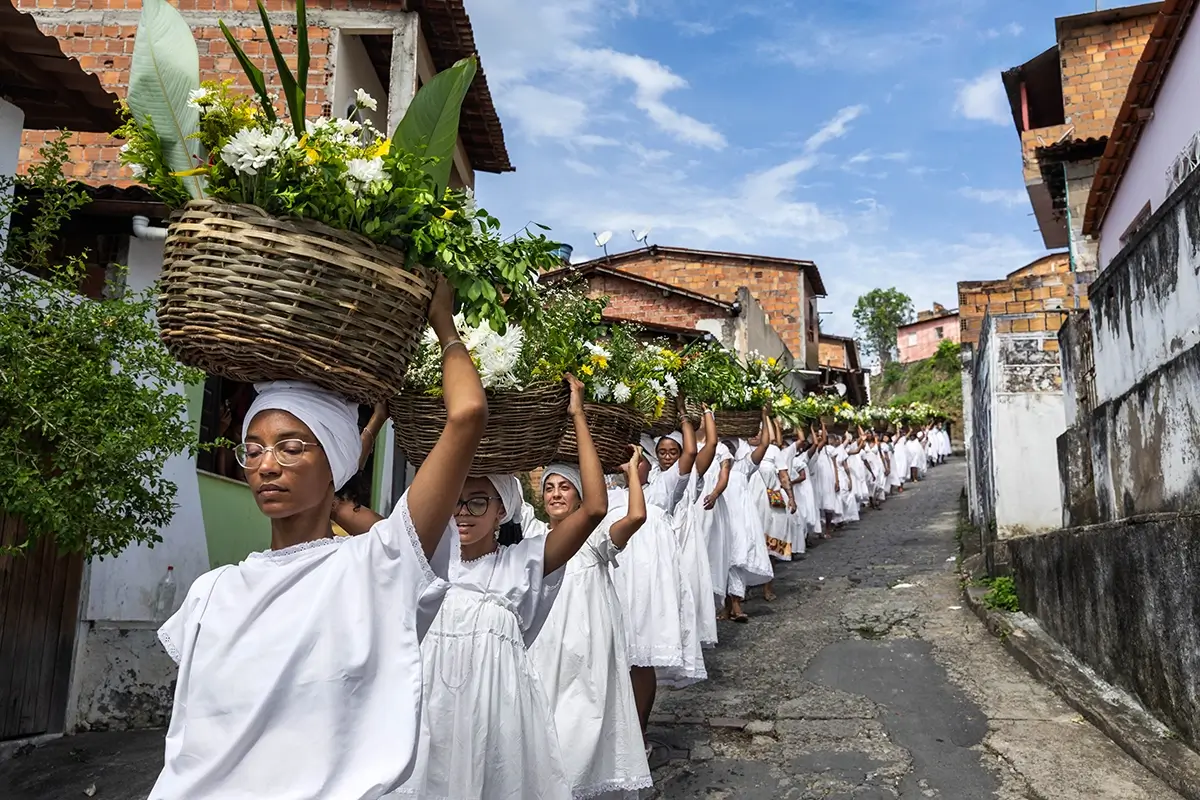
I began my career photographing landscapes, but it was in documenting popular Brazilian culture — especially religious festivals and manifestations of faith in rural communities — that I discovered my true vocation and the greatest recognition for my work.

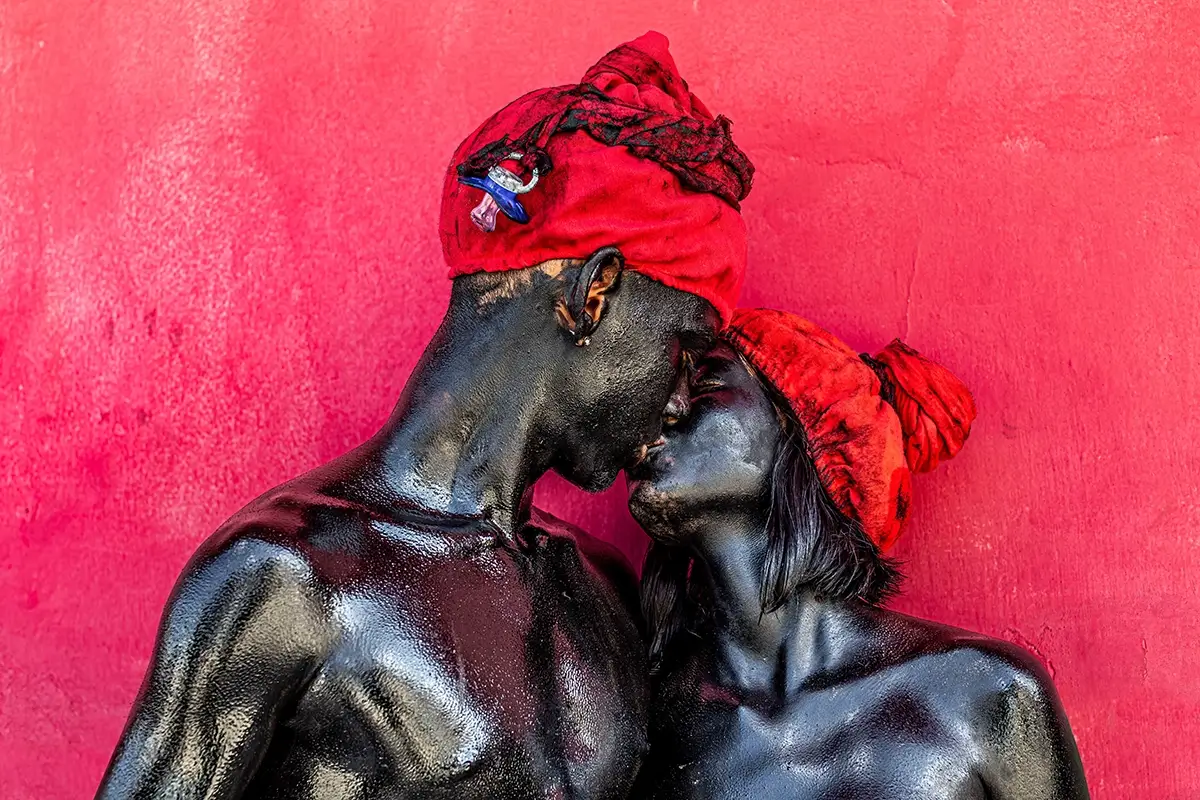
Self-taught, I base my practice on constant study and the inspiration of photography masters like Ernesto Bazan. I seek to portray moments where identity, tradition, and beauty intertwine in a unique way. Over the years, my photos have been awarded in major national and international competitions, consolidating my presence in the field of authorial photography.

All About Photo Competition:

All About Photo Awards 2026

 

Inspiring Portfolios

Call for Entries
AAP Magazine #58 B&W
Publish your work in our printed magazine and win $1,000 cash prizes
 
Stay up-to-date  with call for entries, deadlines and other news about exhibitions, galleries, publications, & special events.

More Great Photographers To Discover

Manuela Federl
Germany
1981
Manuela Federl has worked as a journalist for more than 15 years. She studied languages, economics and cultural area studies with a focus on Romance studies at the University of Passau in Germany and the Universidad de Concepción in Chile. Her Thesis about the indigenous people in Chile Mapuche. Gente de la tierra sin tierra is also available as a book. After graduating, she worked as a journalist for an private broadcaster for five years. In 2016, she founded her company bergjournalisten. Since then she has been working as an independent documentary film director and journalist for different TV stations and for cinemas. In 2016, she received the Short Plus Award for her feature film "100 Hours of Lesbos". In 2021 she got several prices for her documentary "THE GAME. Gambling between life and death" about the situation of refugees at the EU border. Since two years she is travelling through different countries to document in picture and text social topics. The Roma Princesses ''Once upon a time there was a princess in the Roma ghetto. Society's racism and discrimination trapped her in the slum. Nevertheless, a brave prince tried to free her from the clutches of poverty and place the world at her feet.'' A dream that many girls in the Roma settlements probably have. The girl from this fairy tale lives in Trebišov, one of the largest Roma ghettos in Slovakia. Around 7,000 people live here under precarious conditions in cobbled-together barracks or run-down tenements. Most apartments have no sewage system, no showers, no toilets and no kitchen. There is one single well for all residents. Trebišov, in eastern Slovakia, is one of around 800 settlements that exist, according to the 2019 Atlas of Roma Communities. Around 450,000 Roma live in Slovakia. At around ten per cent, they are the largest minority in the country. But already children have a difficult start. According to a 2022 study by the European Union, 2/3 of Roma children go to schools where only Roma are taught. The girl from the fairy tale also attends an all-Roma school in the settlement. The children often speak Romani, the language of the Roma, with their parents at home. Since there are no kindergartens for them, their Slovak language is often poor when they start school. They are enrolled in special schools that only Roma attend. The school material in nine years corresponds to the content that Slovak children learn in four years. Because of this, attending secondary school is almost impossible. Discrimination and poor access to education prevent young Roma from breaking the vicious circle of poverty. According to the Slovak Interior Ministry, 48 per cent of Roma are unemployed. Mostly they get day labour jobs. They have no regular routine and no hope for improvement. These prospects make life difficult to bear. Hopelessness has led many young people to become addicted to alcohol or drugs. No population group in Europe has to live in more inhumane conditions. On average, they die ten years earlier than other Slovaks.(...)
Frederick Sommer
United States
1905 | † 1999
Frederick Sommer (September 7, 1905 – January 23, 1999), was an artist born in Angri, Italy and raised in Brazil. He earned a M.A. degree in Landscape Architecture (1927) from Cornell University where he met Frances Elizabeth Watson (September 20, 1904 – April 10, 1999) whom he married in 1928; they had no children. The Sommers moved to Tucson, Arizona in 1931 and then Prescott, Arizona in 1935. Sommer became a naturalized citizen of the United States on November 18, 1939. Considered a master photographer, Sommer first experimented with photography in 1931 after being diagnosed with tuberculosis the year prior. Early works on paper (starting in 1931) include watercolors, and evolve to pen-and-ink or brush plus drawings of visually composed musical score. Concurrent to the works on paper, Sommer started to seriously explore the artistic possibilities of photography in 1938 when he acquired an 8×10 Century Universal Camera, eventually encompassing the genres of still life (chicken parts and assemblage), horizonless landscapes, jarred subjects, cut-paper, cliché-verre negatives and nudes. According to art critic Robert C. Morgan, Sommer's "most extravagant, subtle, majestic, and impressive photographs—comparable in many ways to the views of Yosemite Valley’s El Capitan and Half Dome by Ansel Adams—were Sommer’s seemingly infinite desert landscapes, some of which he referred to as 'constellations.'" The last artistic body of work Sommer produced (1989–1999) was collage-based largely on anatomical illustrations. Frederick Sommer had significant artistic relationships with Edward Weston, Max Ernst, Aaron Siskind, Richard Nickel, Minor White, and others. His archive (of negatives and correspondence) was part of founding the Center for Creative Photography in 1975 along with Ansel Adams, Harry Callahan, Wynn Bullock, and Aaron Siskind. He taught briefly at Prescott College during the late 60s and substituted for Harry Callahan at IIT Institute of Design in 1957–1958 and later at the Rhode Island School of Design. In 1934, Frederick Sommer visited Los Angeles. Walking through the art museum one day, he noticed a display of musical scores. He saw them not as music, but as graphics, and found in them an elegance and grace that led him to a careful study of scores and notation. He found that the best music was visually more effective and attractive. He assumed that there was a correlation between music as we hear it and its notation; and he wondered if drawings that used notational motifs and elements could be played. He made his first “drawings in the manner of musical scores” that year. (After reviewing this text, Fred asked that the author refer to his scores “only” in this way. When the author suggested that it was perhaps too long to be repeated throughout the text, he laughed and said, “Well, use it at least once.”) Although people knew of his scores, and occasionally brought musicians to his house to play them, no one ever stayed with it for long. In 1967, both Walton Mendelson and Stephen Aldrich attended Prescott College, Prescott, Arizona, where Sommer was on the faculty. They barely knew of his reputation as a photographer, and nothing of the scores. Towards the end of September he invited them to his house for dinner, but they were to come early, and Mendelson was to bring my flute. “Can you play that?” he asked, as they looked at one of the scores, framed, and sitting atop his piano. With no guidance from him, they tried. Nervous and unsure of what they were getting into, they stopped midway through. Mendelson asked Aldrich where he was in the score: he pointed to where Mendelson had stopped. They knew then, mysterious though the scores were, they could be played. On May 9, 1968, the first public performance of the music of Frederick Sommer was given at Prescott College. Sommer had no musical training. He didn't know one note from another on his piano, nor could he read music. His record collection was surprisingly broad for that time, and his familiarity with it was thorough. What surprised Mendelson and Aldrich when they first met him were his visual skills: he could identify many specific pieces and almost any major composer by looking at the shapes of the notation on a page of printed music. Of Sommer's known works, his drawings, glue-color on paper, photographs, and writings, it is only these scores that have been a part of his creative life throughout the entirety of his artistic career. He was still drawing elegant scores in 1997. And like his skip reading, they are the closest insight to his creative process, thinking and aesthetic. Bruce Silverstein Gallery is the New York representative of the Frederick & Frances Sommer Foundation.Source: Wikipedia Frederick Sommer was an artistic polymath, with deep interests in painting, drawing, photography, sculpture and collage. With his work he intended to engage the world formally, to harvest its chance gifts, decontextualizing and rearranging found images and objects according to often shocking visual affinities. The artist played with a wide variety of forms, textures and scale to create startling compositions amid objects and sites others found too insignificant to notice. Sommer was intent on expanding the limits of where beauty could be found, and after viewing a display of original musical scores, he began to formulate his own theories correlating the graphic design to the sound of musical scores. Alongside many great artists of the period including Edward Weston, Max Ernst, Man Ray and Aaron Siskind, Sommer created a unique and avant-garde body of work formulated from his interest in Surrealism. His works have been exhibited by the world’s most important institutions, including the George Eastman House, Rochester; The J. Paul Getty Museum, Los Angeles; Delaware Art Museum; Serpentine Gallery, London; Charles Egan Gallery, New York; Philadelphia College of Art; Washington Gallery of Modern Art, Washington D.C.; Pasadena Art Museum, California; Museum of Modern Art, New York; Institute of Design, Chicago; Zimmergalerie Franck, Germany; and the Los Angeles County Museum of Art. Work by the artist is represented in major museum collections internationally such as the Metropolitan Museum of Art, New York; Smithsonian Institution, Washington D.C.; Art Institute of Chicago; Museum of Modern Art, New York; Los Angeles County Museum of Art; Museum of Fine Arts, Boston; National Gallery of Art, Washington D.C.; Maison Européenne de la Photographie; George Eastman House, Rochester; and the Victoria and Albert Museum, London. Sommer’s work has been published widely. Noteworthy publications include Frederick Sommer: Photography, Drawing, Collage (2005), The Mistress of the World Has No Name: Where Images Come From (1987), Frederick Sommer at Seventy Five, a Retrospective (1980), and Venus, Jupiter and Mars: The Photographs of Frederick Sommer (1980).Source: Bruce Silverstein Gallery
Margaret Watkins
Canada
1884 | † 1969
Margaret Watkins (1884-1969) was born in Canada. Best known for art and advertising photography executed in New York in the 1920s, Watkins was active in the Clarence White school of photography and a participant in the shift from pictorialism to modernism. Her working life spanned a Victorian upbringing in Hamilton, Ontario, and the witnessing of the first Soviet Five-Year Plan. Watkins' modernism, which involved experimentation and a radical focus on form, transgressed boundaries of conventional, high-art subject matter. Her focus was daily life and her photographs, whether an exploration of the objects in her New York kitchen or the public and industrial spaces of Glasgow, Paris, Cologne, Moscow, and Leningrad in the 1930s, strike a balance between abstraction and an evocation of the everyday, offering a unique gendered perspective on modernism and modernity. Watkins established a studio in Greenwich Village and in 1920 she accepted the position of editor of the annual publication Pictorial Photography in America. Clarence White asked Watkins to join the faculty of his school, where Watkins met other notable photographers, including Alfred Stieglitz and Paul Strand. She worked for Macy's department stores and for the J. Walter Thompson advertising agency, capturing simple domestic objects with a clarity of modernist vision rare in commercial photography at the time. Her landscapes, portraits, nudes, still lifes, and abstractions received praise and attracted controversy. Exhibitions were held in the United States and in Europe. In 1928, Watkins decided to visit her four elderly aunts in Glasgow, Scotland. She traveled throughout Europe, photographing extensively and producing a body of work documenting post-revolution Russia. Her aunts began to take ill, and Watkins remained in Glasgow to help care for them. She drifted from the spotlight of public recognition, and few photographs or negatives exist from this time. Watkins lived in Scotland in seclusion until her death in 1969.
Janne Korkko
Photography means more to me than just doing it: it is as important as breathing and living. I switched in documentary shooting 10 years ago. Image has always been an important form of narrative but I wanted it to show the touch of life and humanity that define my ideas. Socially important and difficult topics that are approachable make me work. I feel I have a mission. I am proud and humbled as well as grateful. Things that have touched me, touched them, too. That is the stories, the interaction with people that developed to the eye to see. Night River We need to understand where we are and how we got here. Once we are clear on these issues we can move forward... (Thomas Berry) Rivers have river rights as well as humans have human rights. People, communities, environments, and nature have deep interrelated connection. A connection that is more complex than an ownership of land, a fishing permit, a cottage on the riverside, or a beautiful sundown on the opposite shore of the river. The name of the river in these photos is Iijoki. The name comes from an ancient word of Sami ('iddja', 'ijje'), which means 'night'. So, the name of this river is Night. Night-River flows through Yli-Ii, the riverside village, which belongs now to bigger city of Oulu. It means that there are no public services any more. The village is disappearing. Night-River is full of songs of memories, and its riverbanks are full of people with these memories. Some of them are sacred, silenced, or even untold. Usually it seems that nobody wants to remember the song of the unforgotten village - and the blocked river. But some of the songs are still alive, or they are waking up through the people, who are starting to re-member the song of the wild, free-flowing river. The landscape of the village, and the diversity and ecology of native nature, changed totally during the 1960s, when the river was dammed - and there were built many hydroelectric power-plants in it. The damming of the river was one of the biggest eco catastrophes in the area of North Finland. But it was also catastrophic for the whole society of the village and its families in many - maybe still unidentified and unconscious - ways. Nowadays the eco catastrophes is still going strong - in clearcutting and swamp ditching. But the second longest river in Finland - with its 150 rapids - is still alive under all the constructions, destructions of riverbeds, and hydroelectric dams. It lives also in peoples' minds and bodies, in their eyes and destinies, and maybe in their most hidden memories. It is singing its unique song. "Virpi Alise Koskela"
Erik Hijweege
The Netherlands
1963
Erik Hijweege (1963) is fascinated with the overwhelming power of nature. He started chasing big weather and tornadoes in 2006. During his first years of stormchasing Hijweege chose an alter ego for this body of work in the making. Kevin Erskine a farmer from Valentine Nebraska was born. This resulted for Erskine (a.k.a Hijweege) in his first international solo show in New York and the Supercell book. Sequel to Supercell are his Sublime Nature series focusing on the beauty of nature that is grand and dangerous. Following his 19th century inspired longing for remote places and distant shores he travels the world working on his long-term Uncharted and waterfalls projects. Capturing landscapes on tintype and using old copper lenses, he shows us the world as seen through the eyes of early explorers. The multiple threats of our natural surroundings triggered Hijweege to start a second line in his work focusing on endangered species. Based on the Red List of the IUCN he photographed 23 endangered animals preserved in ice. Being a fragile subject matter Hijweege used the 19th century wetplate collodion process to capture these frozen animals on ambrotype. His Endangered series was exhibited at the Dutch Natural History Museum in Rotterdam raising awareness for this important matter. The Endangered book was published in 2014. In succession of this series Hijweege is currently working on 'New Habitat'. This series is about relocating endangered species to safer grounds. New Habitat is exhibited in the Dutch Natural History Museum during the first three months of 2020.
Advertisement
AAP Magazine #58 B&W
Win a Solo Exhibition in June
AAP Magazine #58 B&W

Latest Interviews

Exclusive Interview with Carolyn Moore
American photographer Carolyn Moore explores the inner landscape of emotion, memory, and personal transformation through a deeply intuitive photographic practice. Her work unfolds as a quiet dialogue between artist and viewer, where images become a space for reflection, vulnerability, and connection.
Exclusive Interview with Luca Desienna and Laura Estelle Barmwoldt
For over seven years, Of Lilies and Remains has explored the depths of the goth and darkwave underground, unfolding in Leipzig—a city long associated with a vibrant and enduring subcultural scene. Moving between iconic gatherings such as Wave-Gotik-Treffen and more intimate moments on the fringes, the project offers a rare and immersive glimpse into a world often misunderstood, yet rich in expression and community. Created by Luca in collaboration with Laura Estelle Barmwoldt, the work embraces a cinematic and deeply personal approach. Rather than documenting from a distance, it moves within the scene itself, capturing its atmosphere, its codes, and its quiet contradictions. The title Of Lilies and Remains hints at this duality—where beauty and darkness, fragility and strength coexist. As the book prepares for its release, we spoke with both artists about the origins of the project, their process, and what it means to document a subculture that continues to evolve while remaining true to its spirit.
Exclusive Interview with Matthew Finley
American photographer Matthew Finley turns inward, using photography as a way to explore identity, memory, and emotional truth. Based in Los Angeles, his practice moves between performance, gesture, and found imagery, creating a visual language that is both intimate and deeply personal
Exclusive Interview with Jan Janssen
Dutch photographer Jan Janssen explores universal human experiences through his long-term project It Matters, winner of the May 2025 Solo Exhibition. Begun in 2016, the series captures intimate moments of everyday life—love, loss, connection, and belonging—across Central and Eastern Europe. Working in countries such as Turkey, Azerbaijan, and Armenia, Janssen spends extended time within communities, building relationships based on trust and respect. His approach allows him to move beyond observation, revealing deeply human and authentic moments. Rooted in travel and personal discovery, It Matters reflects Janssen’s search for what connects us all in an increasingly divided world. The project is ongoing and will culminate in a photobook scheduled for publication in 2026.
Exclusive Interview with Henk Kosche
German photographer Henk Kosche turns his lens toward the streets of Halle an der Saale, capturing everyday life in the late years of the former German Democratic Republic. At the time, Kosche was studying design and exploring the city with his camera, drawn to the atmosphere of its industrial landscape and the quiet rhythms of daily life. His series Street Photography at the End of the 80s, selected as the Solo Exhibition for July 2025, revisits a body of work created just before a period of profound change. Rediscovered decades later in a small box of 35mm negatives, these photographs offer glimpses of a city and its people at a moment suspended between the familiar and the unknown.
Exclusive Interview with Anastasia Samoylova
Anastasia Samoylova is an American artist whose photographic practice is shaped by close observation and a deep attentiveness to place. Working between documentary and formal exploration, she photographs landscapes, architecture, and everyday scenes with a sensitivity to light, structure, and atmosphere. Since relocating to Miami in 2016, her work has increasingly focused on how environments—both natural and built—carry social, cultural, and emotional traces. We asked her a few questions about her practice and her way of seeing, to better understand the thoughts and experiences that shape her work—while allowing the images themselves to remain open and speak in their own time.
Exclusive Interview with Marijn Fidder
Marijn Fidder is a Dutch documentary photographer whose work powerfully engages with current affairs and contemporary social issues. Driven by a deep sense of social justice, she uses photography to speak on behalf of the voiceless and to advocate for the rights of those who are most vulnerable. Her images have been widely published in major international outlets including National Geographic, CNN Style, NRC Handelsblad, Volkskrant, GUP New Talent, and ZEIT Magazin. Her long-term commitment to disability rights—particularly through years of work in Uganda—culminated in her acclaimed project Inclusive Nation, which earned her the title of Photographer of the Year 2025 at the All About Photo Awards. She is also the recipient of multiple prestigious honors, including awards from World Press Photo and the Global Peace Photo Award. We asked her a few questions about her life and work.
Exclusive Interview with Josh S. Rose
Josh S. Rose is a multidisciplinary artist working across photography, film, and writing. His practice bridges visual and performing arts, with a strong focus on movement, emotion, and the expressive potential of the image. Known for his long-standing collaborations with leading dance companies and performers, Rose brings together authenticity and precise composition—a balance he describes as “technical romanticism.” His work has been commissioned and exhibited internationally, appearing in outlets such as Vogue, at the Super Bowl, in film festivals, and most recently as a large-scale installation for Lincoln Center for the Performing Arts. A sought-after collaborator, he has worked with major artists, cultural institutions, and brands, following a previous career as Chief Creative Officer at Interpublic Group and the founder of Humans Are Social. We asked him a few questions about his life and work.
Interview with Maureen Ruddy Burkhart
Photographer Maureen Ruddy Burkhart brings a quietly attentive and deeply human sensibility to her exploration of the world through images. Shaped by a life immersed in photography, film, and visual storytelling, her work is guided by intuition, observation, and an enduring interest in the emotional undercurrents of everyday life. With a practice rooted in both fine art traditions and documentary awareness, she approaches her subjects with sensitivity, allowing subtle moments to emerge naturally rather than be imposed. Her series Til Death, selected as the Solo Exhibition for February 2025, reflects this long-standing commitment to photography as a space for reflection rather than spectacle. Drawn to moments that exist just outside the expected frame, Burkhart’s images suggest narratives without resolving them, leaving room for ambiguity, humor, and quiet connection. We asked her a few questions about her life and work.
Call for Entries
Win A Solo Exhibition in June
Get International Exposure and Connect with Industry Insiders