Industry veteran
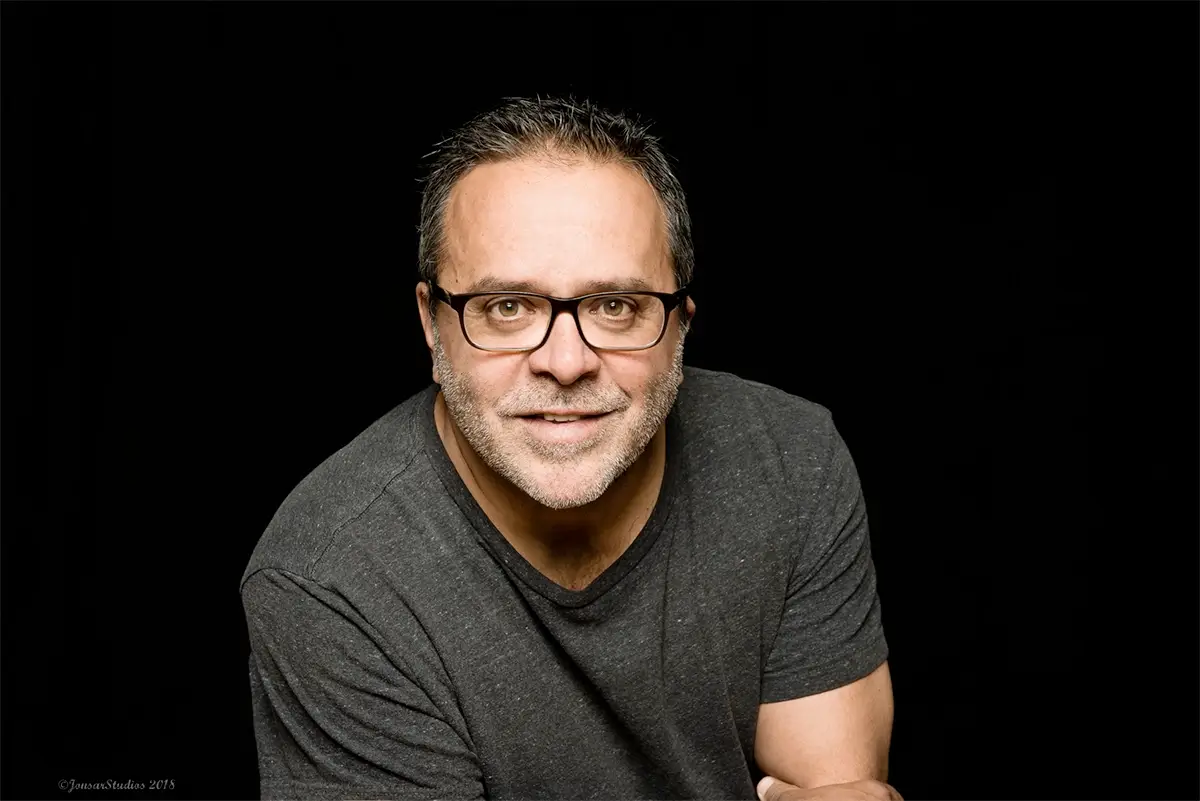
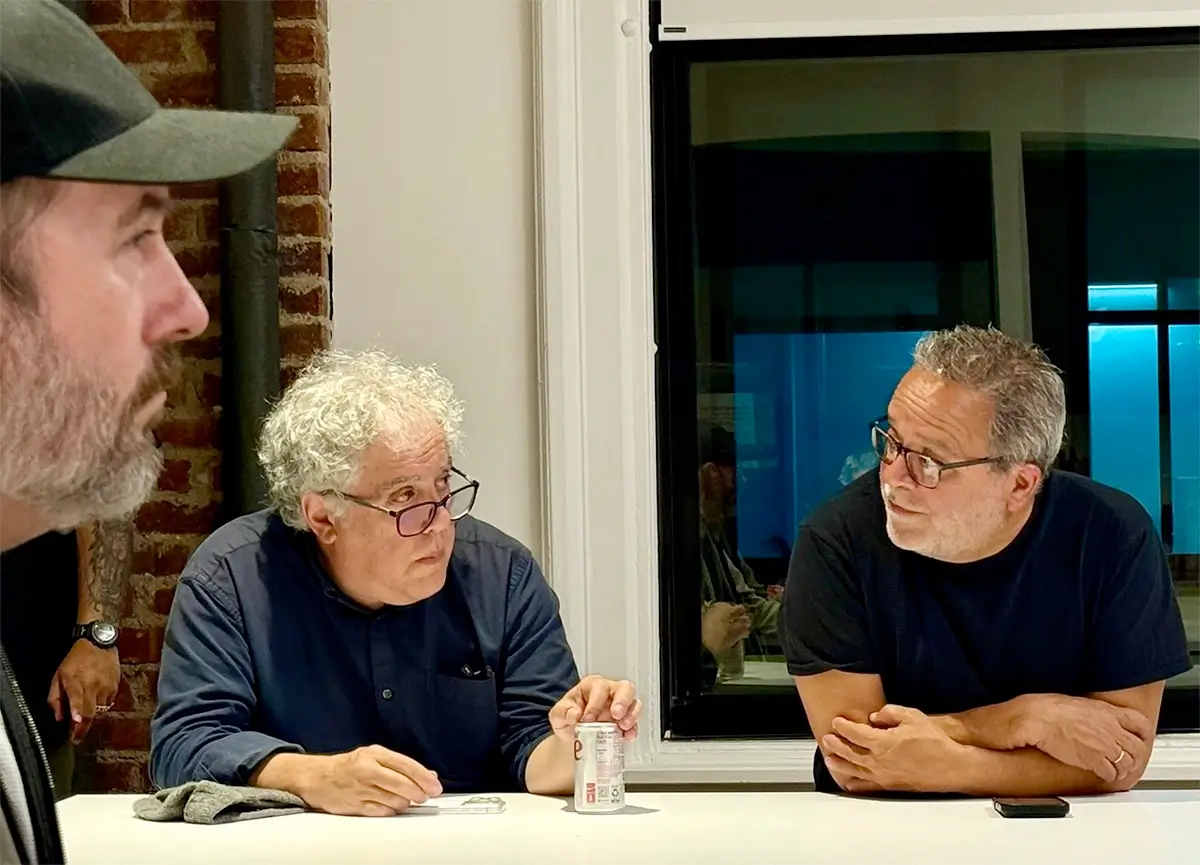
Frank Meo has spent over thirty years exploring the inner architecture of the photography world, championing the delicate balance between creative vision and commercial reality. His practice is rooted in a deeply intuitive understanding of what drives an artist, transforming the traditional role of a photographer's representative into a quiet dialogue about purpose, identity, and personal evolution.
His acclaimed platform,
PROJECTIONS, stands as a testament to this commitment. What began as an intimate gathering has evolved organically into a powerful, boundary-breaking forum for visual storytellers worldwide. Guided by a meditative focus on the human element behind the lens, Meo fosters a space where fragility and strength are equally celebrated, and where images become a bridge for genuine cultural connection. Singular in his voice and profound in his impact, he continues to shape how we view the intersection of life and the photographic craft.
We asked him a few questions about his life and work.
All About Photo: You grew up in Brooklyn in a working-class family. How did those early experiences shape your relationship to creativity and storytelling?
Frank Meo: Growing up in Brooklyn taught me the value of hard work, resilience, and commitment. But beyond that, it was a neighborhood filled with characters—my family, the people on the block, the conversations overheard in diners and on stoops. Everyone carried a story. Those experiences shaped not only who I became, but how I learned to see the world. Storytelling, for me, has always been rooted in humanity, authenticity, and the emotional texture of everyday life.
Before photography became central to your life, you were fascinated by advertising. What drew you to that world so early on?
Advertising fascinated me on so many levels. I can still remember riding the bus with my mother, staring at ads and wondering who created them and how those ideas came to life. There was something powerful about the ability to communicate emotion, aspiration, and narrative in a single image or phrase. Later, working at Ally & Gargano became transformative for me. The work they produced was fearless, intelligent, and culturally resonant—it completely changed my understanding of creativity and visual communication.
You’ve spent more than thirty years representing and mentoring photographers. What initially attracted you to working behind the scenes as an advocate and connector rather than solely as an image-maker yourself?
That’s a thoughtful question because I never imagined myself as a photographer in the traditional creative sense. What always inspired me was being around people whose vision and curiosity moved me. As a young person, I was deeply affected by photography and wanted to understand how those images were made and what drove the people behind them. Over time, I realized my own strengths were in connecting, advocating, and helping creative people thrive. Becoming a representative for photographers allowed me to build meaningful relationships while contributing to the creative process in a very real way.
You’ve worked with major agencies, Fortune 500 companies, documentary photographers, and emerging artists. How have you balanced the commercial and human sides of photography throughout your career?
I’ve always viewed the commercial side of photography as a powerful vehicle—one that can create opportunity, sustainability, and freedom for photographers. What became especially meaningful to me was connecting documentary photographers and photojournalists with commercial assignments that could support their personal work financially. Helping artists sustain themselves while continuing to tell important human stories has been one of the most rewarding aspects of my career, and it continues to inspire me today.
Mentorship seems central to your identity. Why has helping younger photographers become such an important part of your work?
This industry has given me an extraordinary life, and I feel a deep responsibility to give something back. Nothing brings me more satisfaction than helping photographers—whether emerging or established—navigate the complexities of this business. I’ve always believed mentorship should be generous, accessible, and sincere. There’s never a time, a place, or a circumstance where I wouldn’t try to help someone who genuinely cares about the craft. Maybe that’s just the Brooklyn in me.
What are the biggest misconceptions photographers have about building a sustainable creative career today?
I don’t think it’s necessarily a misconception as much as a lack of awareness. Many photographers don’t fully realize that they are running a business, and that creative success requires structure, discipline, and sustainability. Talent alone isn’t enough. You need a foundation—financial understanding, negotiation skills, strategy, and professionalism. Unfortunately, most schools still fail to teach the business side of photography, which I think is a tremendous disservice to young artists entering the field.
For people discovering PROJECTIONS for the first time, how do you describe it today?
PROJECTIONS is an international platform where photographers share not only their work, but the ideas, experiences, and stories behind it. It’s a space for meaningful dialogue, discovery, and connection. What makes it special is the range of voices and perspectives it brings together, creating conversations that are both visually compelling and emotionally engaging. I’m incredibly proud of what it has become.
When you look at what PROJECTIONS has become—a global platform with hundreds of photographers participating—what surprises you most?
What continues to amaze me is the constant discovery of extraordinary talent. There always seems to be another photographer, somewhere in the world, doing deeply important and remarkable work that deserves to be seen. That sense of discovery never stops. It reminds me that talent is everywhere, often waiting for the right platform and the right audience.
You’ve often described PROJECTIONS as more than a program, almost an international salon for photography. What do you mean by that?
What I mean is that PROJECTIONS has evolved into a global gathering place for visual storytellers. We have photographers presenting from all over the world, bringing vastly different experiences, cultures, and perspectives into one shared conversation. The reach now feels limitless. At one point we even had a NASA astronaut presenting photographs from outer space—which, quite literally, expanded the boundaries of what storytelling could mean on our platform.
Over time, PROJECTIONS evolved from in-person gatherings into a global online forum. How did that transformation happen?
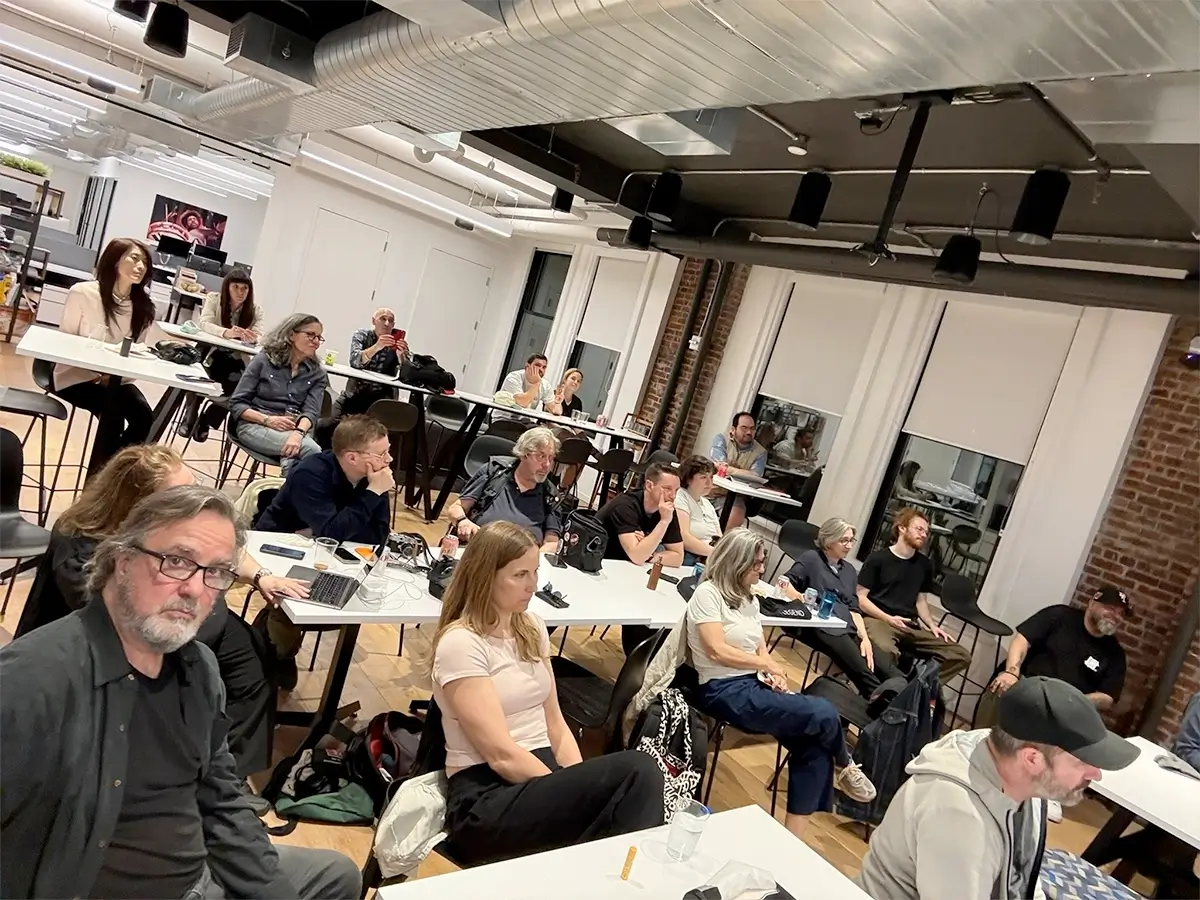
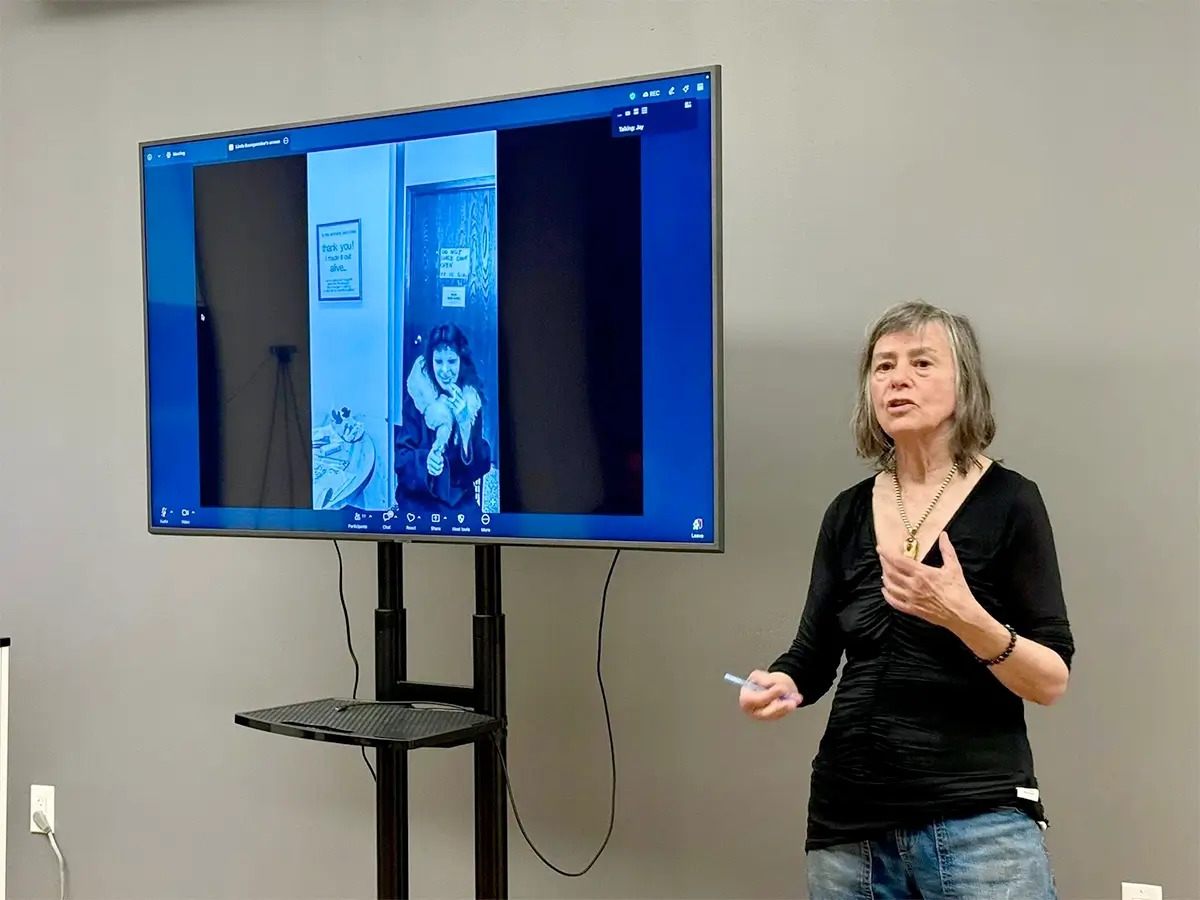
Ironically, it happened very organically through the onset of COVID. We were forced into a remote format, but that shift unexpectedly opened doors we had never imagined. Suddenly, photographers from all over the world could participate in ways that weren’t previously possible. In many respects, it became a blessing. We still host live PROJECTIONS events in New York whenever possible, which creates an incredible sense of community, and I’m deeply grateful to organizations like PhotoShelter and Adorama for supporting those gatherings.
What changed once the platform moved online and photographers from around the world could participate?
The move online expanded both our reach and our perspective. It introduced us to photographers and audiences we might never have encountered otherwise. Collaborations like the one with the Xposure International Photography Festival in Sharjah, UAE brought an entirely new level of international engagement and enriched the platform in ways that continue to resonate today.
More than 500 photographers have presented through PROJECTIONS. What does that number represent to you personally?
That number is deeply gratifying. The fact that photographers now actively reach out wanting to participate is both humbling and rewarding. To me, the number represents trust. It means photographers believe the platform is fair, honest, and meaningful. More importantly, it means they see PROJECTIONS as a place where their work and their message will be treated with integrity and respect.
Was there a particular moment when you realized PROJECTIONS had become something much larger than a recurring event series?
Yes—those moments happen every time photographers of extraordinary stature respond positively to an invitation to present. When Pulitzer Prize winners, World Press Photo recipients, Amnesty International award winners, and Eddie Adams Workshop alumni choose to share their work on our platform, it becomes clear that PROJECTIONS has grown into something much larger than an event series. Those moments are incredibly meaningful to me.
How do you curate the balance between legendary photographers and emerging voices?
For me, there’s no hierarchy between them. Legendary photographers bring history, experience, and extraordinary bodies of work. Emerging photographers bring urgency, experimentation, and fresh perspectives. Both matter equally. The younger photographers often need encouragement and visibility, which connects directly to my commitment to mentorship. One of the things I’m most proud of is that no one who genuinely wants to share their work has ever been turned away.
What qualities make someone a compelling PROJECTIONS presenter?
Passion above all else. The work itself will always speak, but what truly moves people is emotional honesty and personal storytelling. The presenters who leave the deepest impact are the ones willing to reveal something human—something vulnerable, personal, or profound. There have been countless moments where audiences were left speechless because of the depth of feeling and authenticity being shared.
PROJECTIONS has hosted extensive coverage of the war between Ukraine and Russia, including photographers documenting alleged war crimes. Why did it feel important to give those stories space?
Because the world moves on too quickly. Attention shifts, headlines disappear, and atrocities risk becoming forgotten. Platforms like PROJECTIONS have a responsibility to keep these stories visible and to support the photographers risking their lives to document them. Giving photojournalists a space to present firsthand accounts of war and human suffering feels not only important, but necessary.
When photographers are documenting trauma and conflict, what role can platforms like PROJECTIONS play beyond simply exhibiting the work?
Platforms like PROJECTIONS create dialogue, context, and witness. They allow photographers to present evidence and lived experience without distortion or censorship. What makes that important is the directness—the audience hears directly from the people who were there, often in real time. I believe our commitment to transparency, integrity, and fairness has made PROJECTIONS an important space for serious documentary storytelling.
In your view, can photography still influence public consciousness in the way it once did?
Absolutely—but the landscape has changed dramatically. We now live in an era saturated with platforms, competing narratives, misinformation, and manufactured imagery. Because of that, audiences are constantly asking: What is real? What can be trusted? Photography still has the power to shape public consciousness, but credibility and transparency have become more important than ever. That’s something we take very seriously at PROJECTIONS.
Community seems to be at the heart of PROJECTIONS. Why do photographers need spaces like this now more than ever?
Because photographers need more than exposure—they need a voice. They need places where they can speak about what they witnessed, what they felt, and what exists beyond the frame itself. Audiences also need spaces where they can trust what they are seeing and hearing. That honesty and direct human connection are increasingly rare, and I believe that’s why communities like PROJECTIONS matter so deeply today.
What does PROJECTIONS offer that social media cannot?
Social media moves quickly, but depth and trust are often lost in the process. What PROJECTIONS offers is context, sincerity, and direct engagement. The people presenting on our platform are there not simply to display images, but to communicate truth through experience. You hear their voices, understand their intentions, and connect with the humanity behind the work in a much deeper way.
You’ve described photography as a way to connect people across cultures and generations. Have you seen that happen directly through PROJECTIONS?
Yes, many times. A photographer can tell a story from one corner of the world, and suddenly someone watching recognizes something emotionally familiar from their own life or culture. Those moments remind us that human experiences often transcend geography. Photography has an incredible ability to collapse distance and create empathy across cultures and generations.
What have you learned about photographers themselves through hosting these conversations year after year?
I’ve learned that photographers care deeply—about people, about truth, and about the stories they choose to tell. The best photographers are emotionally invested in the lives and experiences they document. That level of care and commitment comes through very clearly when they speak about their work.
What advice do you give photographers trying to distinguish themselves in a crowded and technologically changing landscape?
Creative separation. It’s no longer enough to simply be a photographer. You have to become a creative resource—someone who brings ideas, perspective, collaboration, and problem-solving to the table. The photographers who evolve beyond the mechanics of image-making are the ones who build lasting careers.
Where do you see PROJECTIONS evolving over the next five years?
I believe PROJECTIONS will become even more relevant as photography itself becomes more essential. In an era shaped by AI, misinformation, and manipulated media, trustworthy visual storytelling will only grow in importance. I see PROJECTIONS continuing to serve as a credible and transparent platform committed to truth, dialogue, and human connection.
You’ve mentioned the possibility of taking PROJECTIONS “on the road.” What might that look like?
I would love to see PROJECTIONS travel internationally through live events in cities around the world. That would be the ultimate expression of what the platform stands for—bringing together photographers, audiences, and communities across cultures in real physical spaces. We’ve already seen that spirit emerge in places like New York and Sharjah, UAE. With the right support and partnerships, expanding globally would be an incredible next chapter.
If you could describe PROJECTIONS in one sentence—not as an event, but as an idea—what would that sentence be?
PROJECTIONS is a global platform dedicated to truth, human connection, and the power of visual storytelling.