American photographer
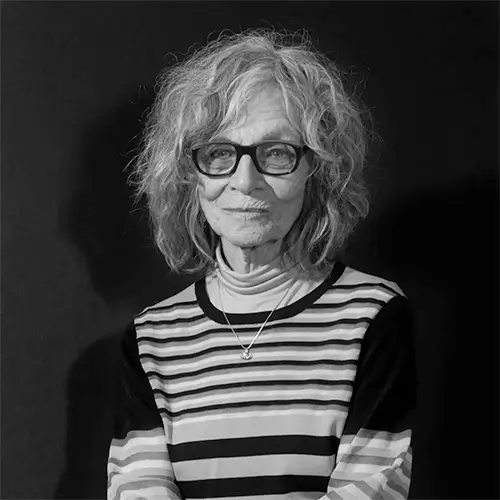
Susan Anthony brings a painter’s eye to documentary photography, creating nuanced portraits of people and places shaped by time, community, and tradition. Her work is rooted in observation, empathy, and a deep curiosity about the lives of others. Through long-term projects, she explores the relationship between individuals and the environments they inhabit, revealing the stories that connect people to a place and to one another.
Her series
Rural Life in the Hudson Valley, selected for the
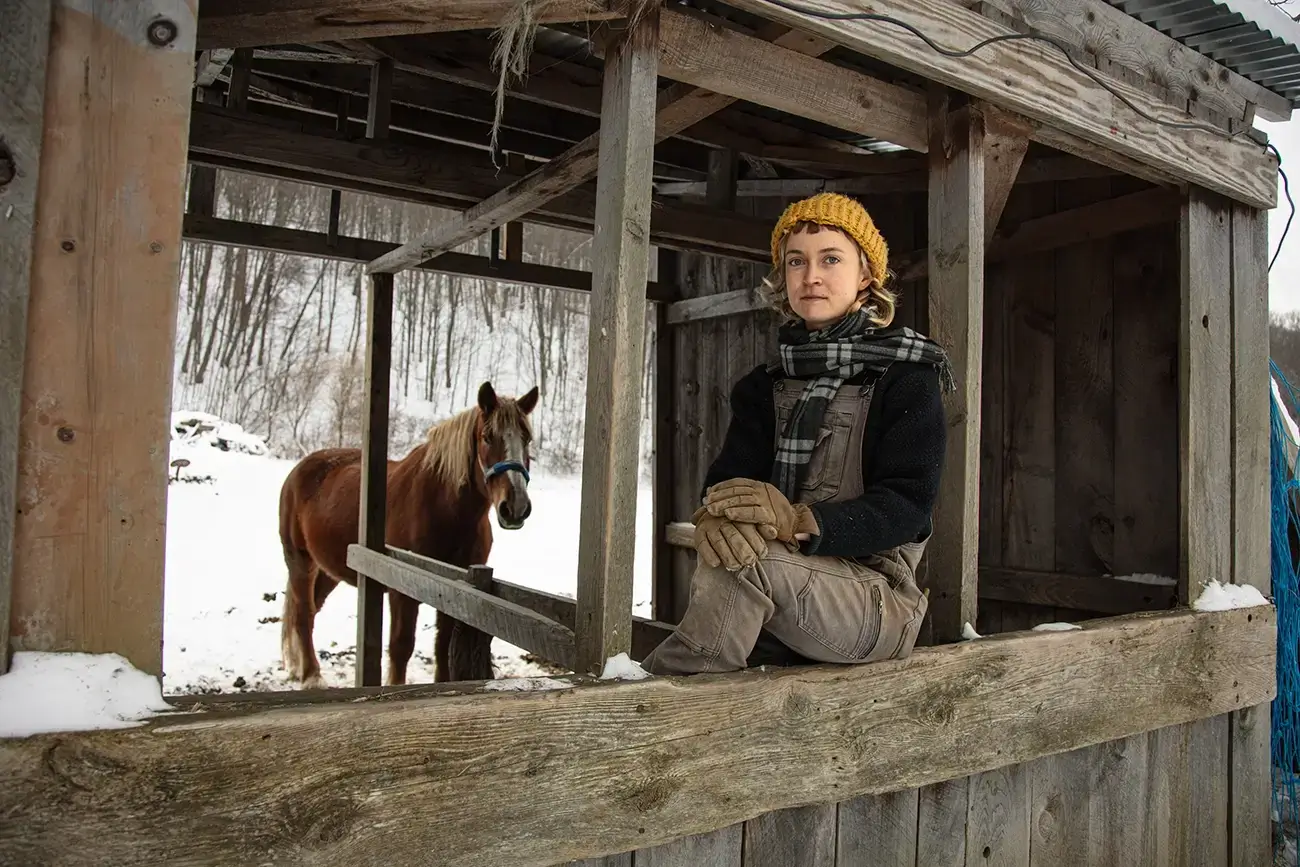
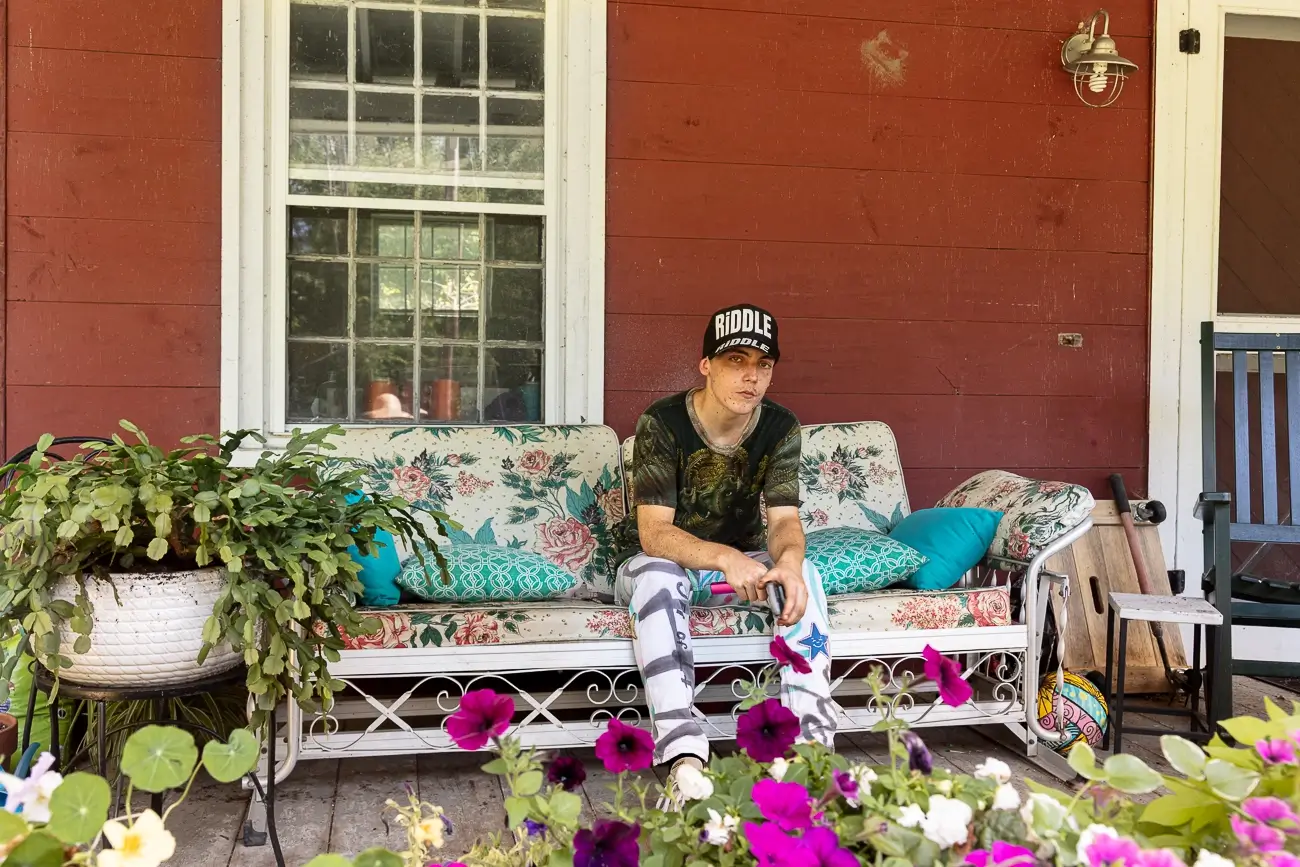
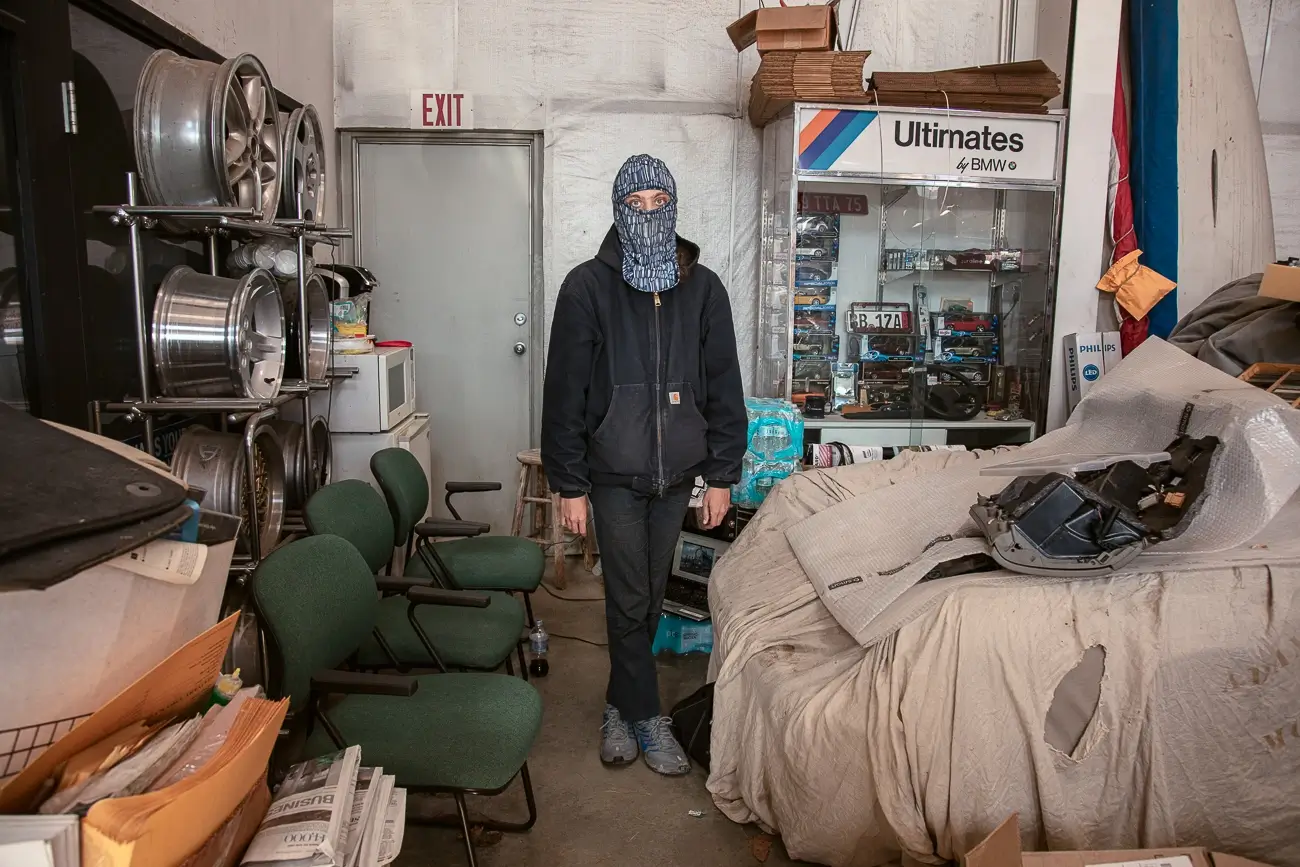
Solo Exhibition in September 2025, offers an intimate look at the rural communities of New York’s Hudson Valley. What began during the pandemic as daily walks through the countryside gradually evolved into a years-long exploration of the region and its residents. Through environmental portraits and carefully observed scenes, Anthony documents farmers, artisans, families, and longtime residents whose lives reflect the enduring character of the area. Approaching photography with the sensibility of a painter, she pays close attention to composition, atmosphere, and the relationship between people and their surroundings. The resulting body of work is both a social document and a heartfelt portrait of a community, celebrating the connections, resilience, and sense of belonging that define rural life.
We asked her a few questions about her life and work.
All About Photo: Could you introduce yourself and share your background in photography?
Susan Anthony: My name is Susan Anthony. I studied fine arts at Cooper Union and earned an MFA from the University of California, Berkeley.
For many years, I worked as a painter. About twenty-five years ago, I inherited a Hasselblad camera and enrolled in a continuing education photography course at the School of Visual Arts. That experience changed my life. I began taking photographs every day and, drawing on my background in painting, approached the photographic frame the way I would approach a canvas. The square format of the Hasselblad felt especially natural to me, since many of my paintings are also square. That is how I became a photographer.
What first drew you to documentary photography, and how has your practice evolved over time?
My work as a documentary photographer occurred over a period of a few years. It began by photographing houses in and around Hudson, New York. I photographed houses that were interesting to me and kind of told a story. They were quirky and all very different. Then I did a series of photographs of women—friends and associates—many different types of women, old and young.
After completing that project, I became interested in photographing villages along the Hudson River. Because I have a house in upstate New York, I spent many weekends exploring and photographing the small towns north of Hudson.
My visual style and editing approach have evolved since I began this project. I now place greater emphasis on the surrounding environment and compose portraits in ways that feel more open and dynamic. I include more of the landscape and setting, photograph people from a wider range of angles, and do not always place subjects looking directly at the camera or in the center of the frame.
A photograph feels like part of a larger story when it is carefully composed and every element in the frame matters. I think about photography the way I think about painting: every part of the image should contribute to the whole.
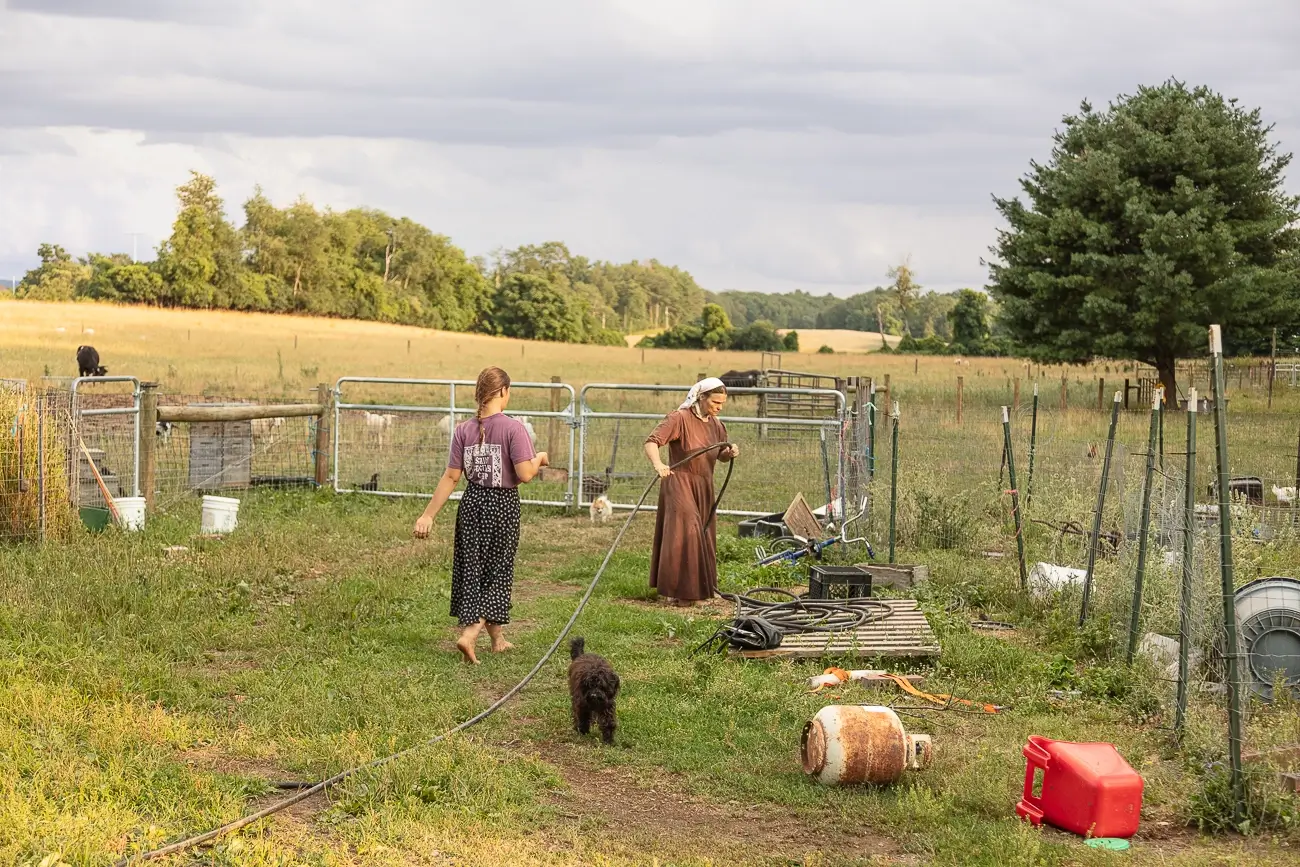
Emily's Farm © Susan Anthony
During the pandemic lockdown, I moved from New York City to my house in the Hudson Valley. Living in a rural area, I spent much of my time walking local roads and observing the surrounding landscape. Around that time, I visited a friend—a midwife I had photographed for a project I did in the city of Troy, New York—who lives on a farm. While she was away, I began photographing the farms and people working the land around her property. Those photographs sparked my curiosity about the people who had lived in the region for generations and inspired me to begin what became Rural Life in the Hudson Valley.
How did your relationship to the Hudson Valley change after becoming a weekender and homeowner there?
When I first began spending weekends in the Hudson Valley, I experienced it mostly as a visitor. I was drawn to the landscape, the small towns, and the slower pace of life, but I didn't know many of the people who actually lived there year-round.
As I spent more time in the area and eventually began working on this project, my relationship to the Hudson Valley became much more personal. Through photography, I was invited into people's homes, farms, workshops, and daily lives. What had once felt like a place I visited became a community I felt connected to.
The project helped me understand that a place is defined as much by its people as by its geography. Over time, the Hudson Valley stopped being simply where my house was located and became a place where I had meaningful relationships and a deeper sense of belonging.
Before this project, you mentioned not having much contact with people who grew up in the area. How did that shift begin to influence your perspective?
For the past five years I have been working on this project, Rural Life in the Hudson Valley, and I have met people that I would never have met before.
Photographing rural life has reshaped my understanding of the people who live here. Through this project, I have met a wide range of individuals from many walks of life.
Many of the people I have met are well educated and, in most cases, their children attend college. Although they may live far from one another, they form a close-knit community that looks after its own. When someone is ill, word travels quickly and neighbors step in to help.
I see this project as a form of social documentation. Growing up in a rural area is very different from growing up in a city, and this work has deepened my understanding of rural life in the Hudson Valley.
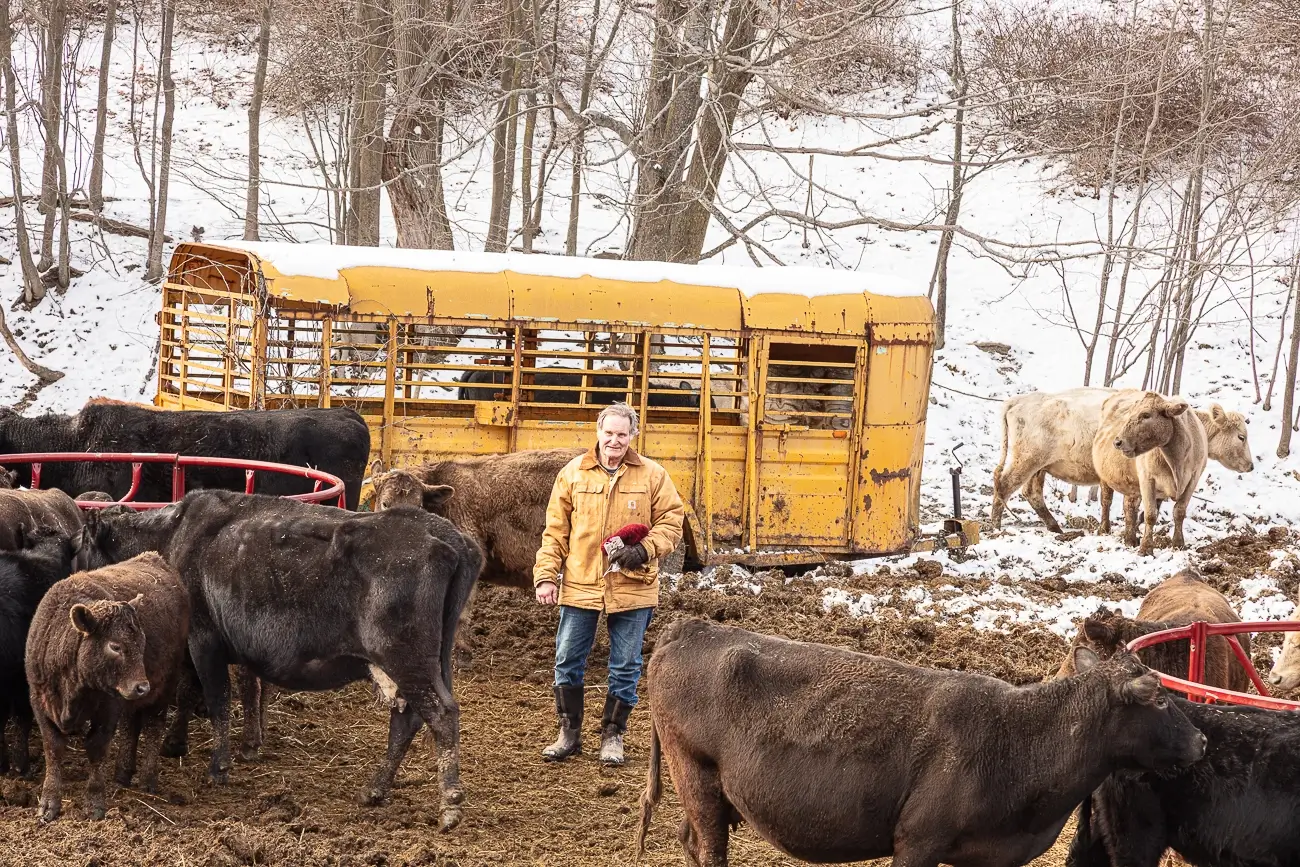
Hans with Cows and Yellow Bus © Susan Anthony
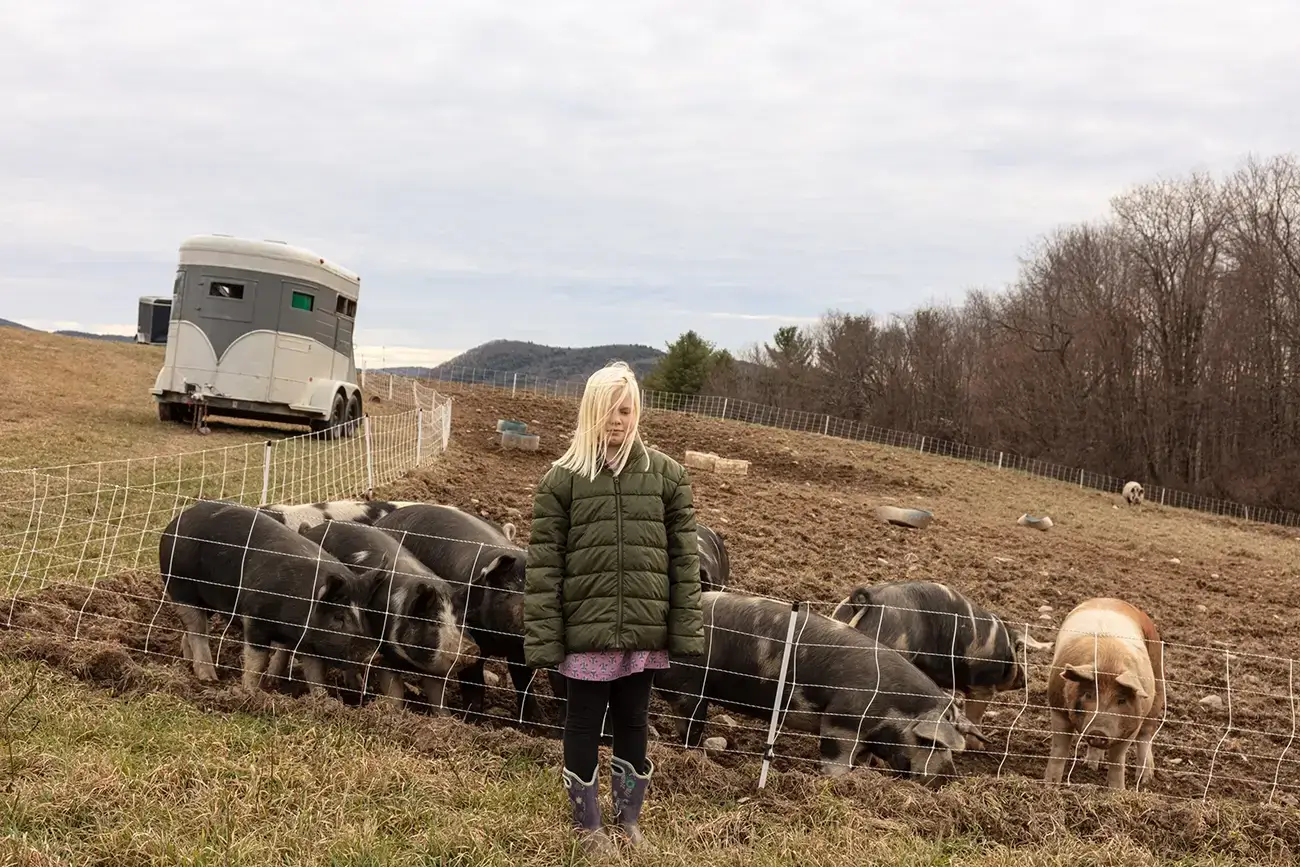
Daisy and the Pigs © Susan Anthony
The pandemic gave me something I normally would not have had: time. Instead of commuting back and forth from New York City, I was living full-time in the Hudson Valley and spending hours walking local roads every day. Those walks slowed me down and encouraged me to pay closer attention to the people, farms, and small communities around me. The isolation of the pandemic also made me more interested in human connection and community. What began as photographing the landscape gradually evolved into photographing the people who make up the social fabric of the region. In many ways, the pandemic transformed the project from a series of observations into a deeper exploration of rural life and community.
Can you describe how these early chance encounters gradually evolved into a long-term documentary project?
My friend had delivered a baby for a family who lived near my house, so I contacted them and arranged a photo shoot on their pig farm. They introduced me to the woman who ran the local smokehouse, and from there I went to the general store where the meat was sold.
This is how I document a community. One introduction leads to another.
One woman I photographed even created a list of local people she thought I should meet and introduced us by email. Her suggestions included the founder of the first nursery school in upstate New York, a wood house builder, a metal sculptor, a young woman who served as master of the hounds for the Hunt Club, and a grower of hundreds of cactus varieties.
Word of mouth is central to this project. The people I photograph often tell me about others who may be interested in being photographed and introduce us by phone or email.
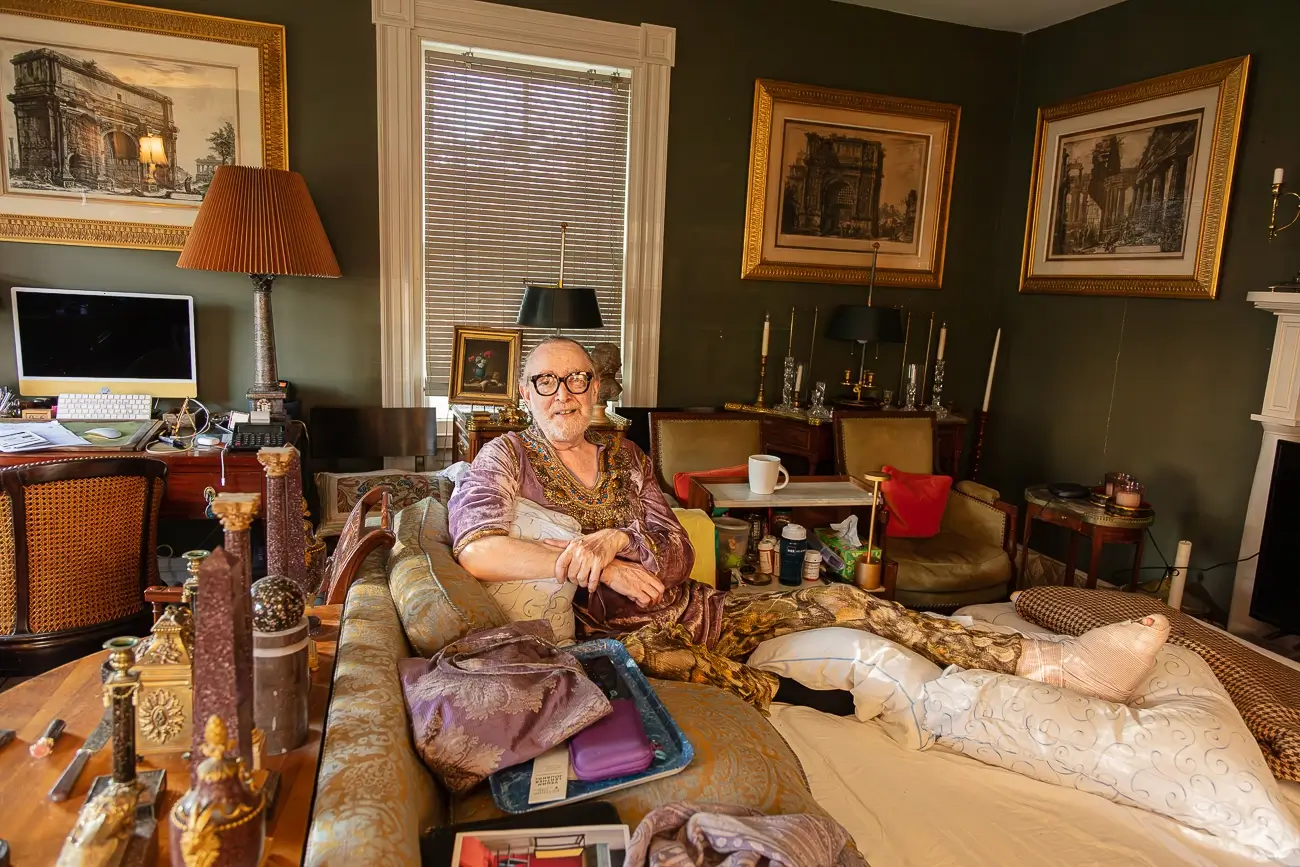
Joseph Framer and Collector © Susan Anthony
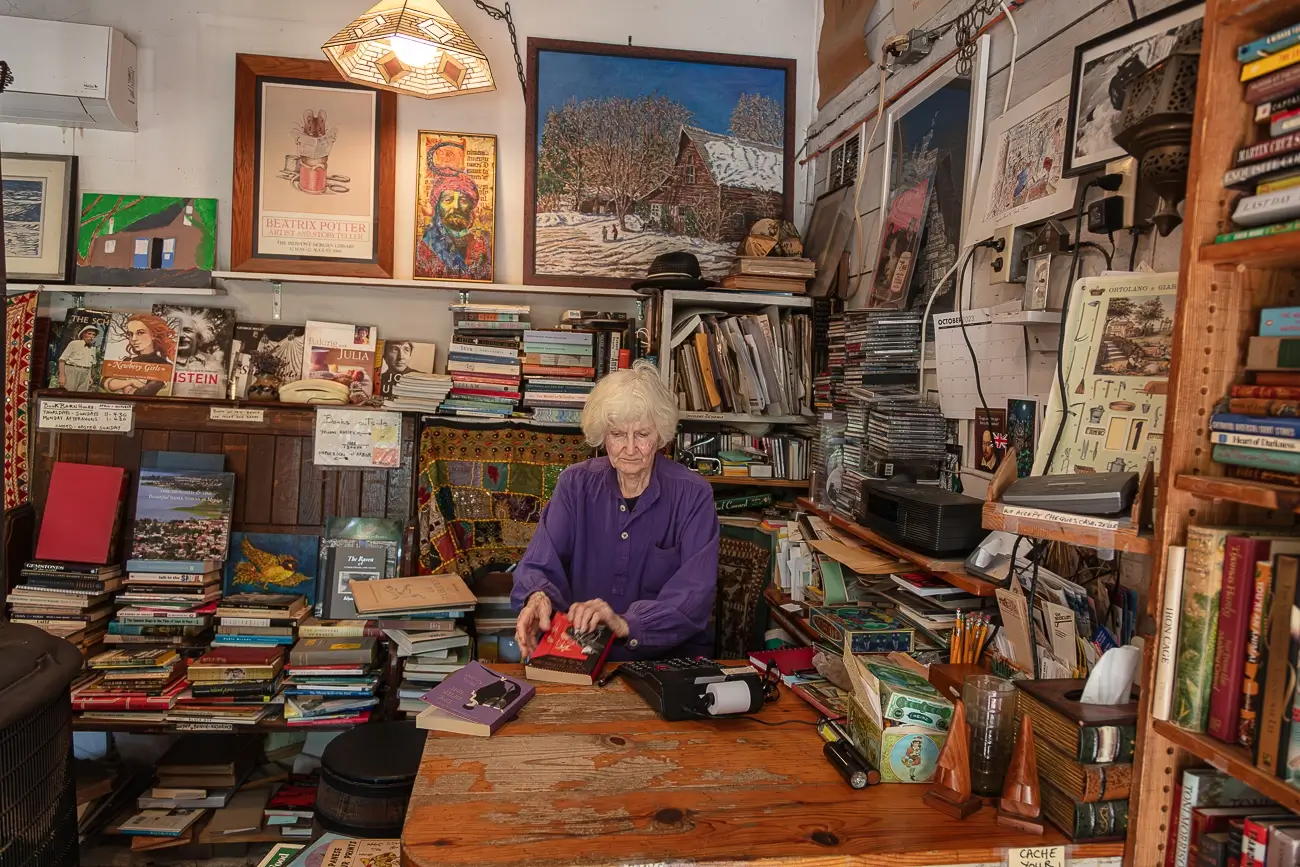
Maureen at the Book Barn © Susan Anthony
For me, photography has never been only about observation. The people I photograph are not simply subjects passing through a frame; they are people I spend time with, learn from, and often stay in touch with long after the photographs are made.
At the same time, I am aware that my role is to create photographs that communicate something meaningful about their lives and experiences. I try to build trust first and allow the photographs to grow out of that relationship.
What I value most is the exchange that takes place. Through this project, I have learned about farming, animals, local history, and ways of life that were unfamiliar to me. The people I photograph share their world with me, and in return I share my work and my perspective with them.
I think the photographs become stronger because they are rooted in genuine relationships. The connection does not diminish my ability to observe; it deepens my understanding of what I am seeing.
What does documenting a community over time mean to you in practice?
Documenting a community over time means returning again and again rather than making a quick visit and moving on. It requires patience, curiosity, and a willingness to become part of the rhythm of a place.
For me, that means attending local events, spending time in diners, general stores, fairs, churches, and community gatherings, and meeting people through word of mouth. The photographs are only one part of the process. Equally important are the conversations, introductions, and relationships that develop over time.
The longer I work in a community, the more I begin to understand the connections between people and the stories that link them together. A person I photograph today may introduce me to another family months later, and gradually a broader portrait of the community begins to emerge.
What interests me most is not just documenting individual lives, but understanding how people support one another and how a sense of community is sustained across generations. That understanding can only come from spending years, rather than days or weeks, with a place.
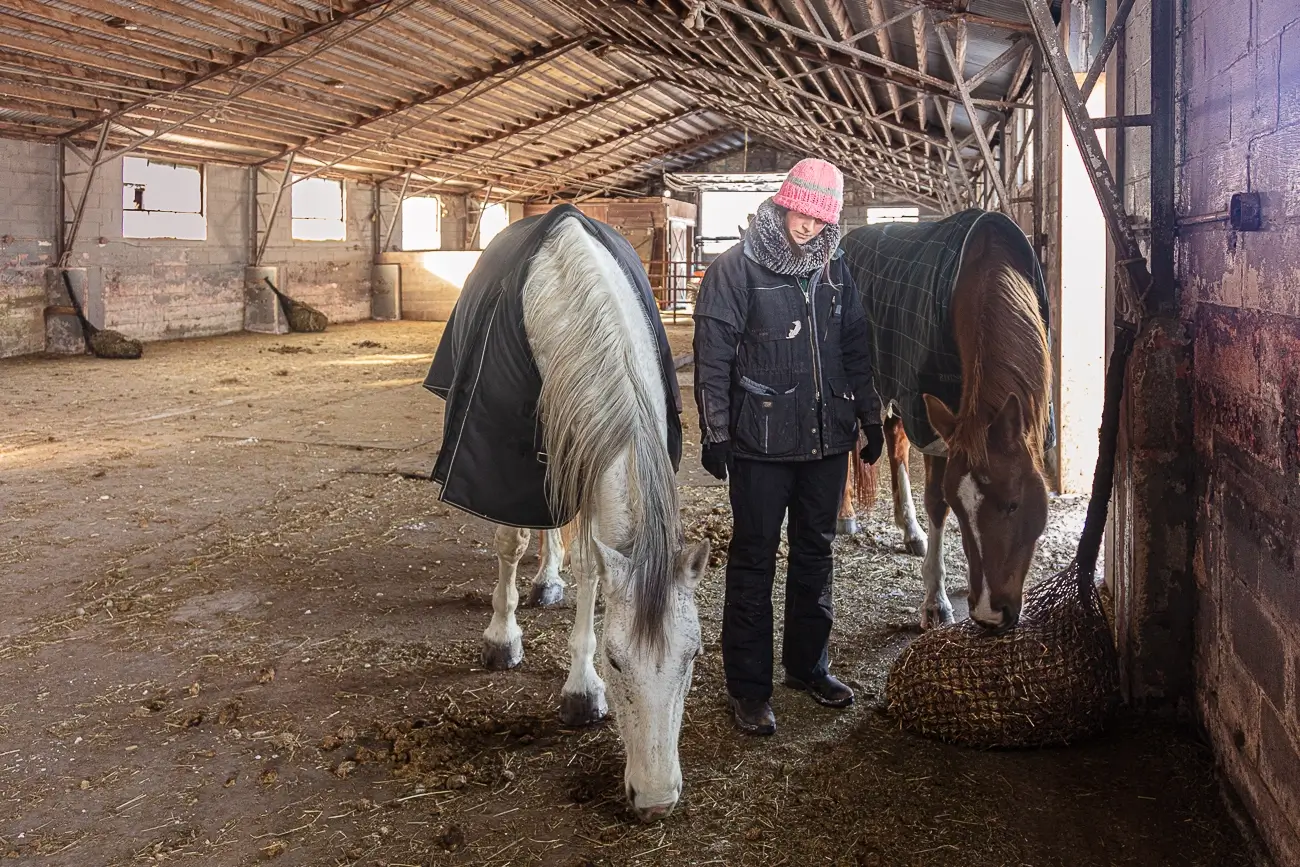
Ruby and her Ponies © Susan Anthony
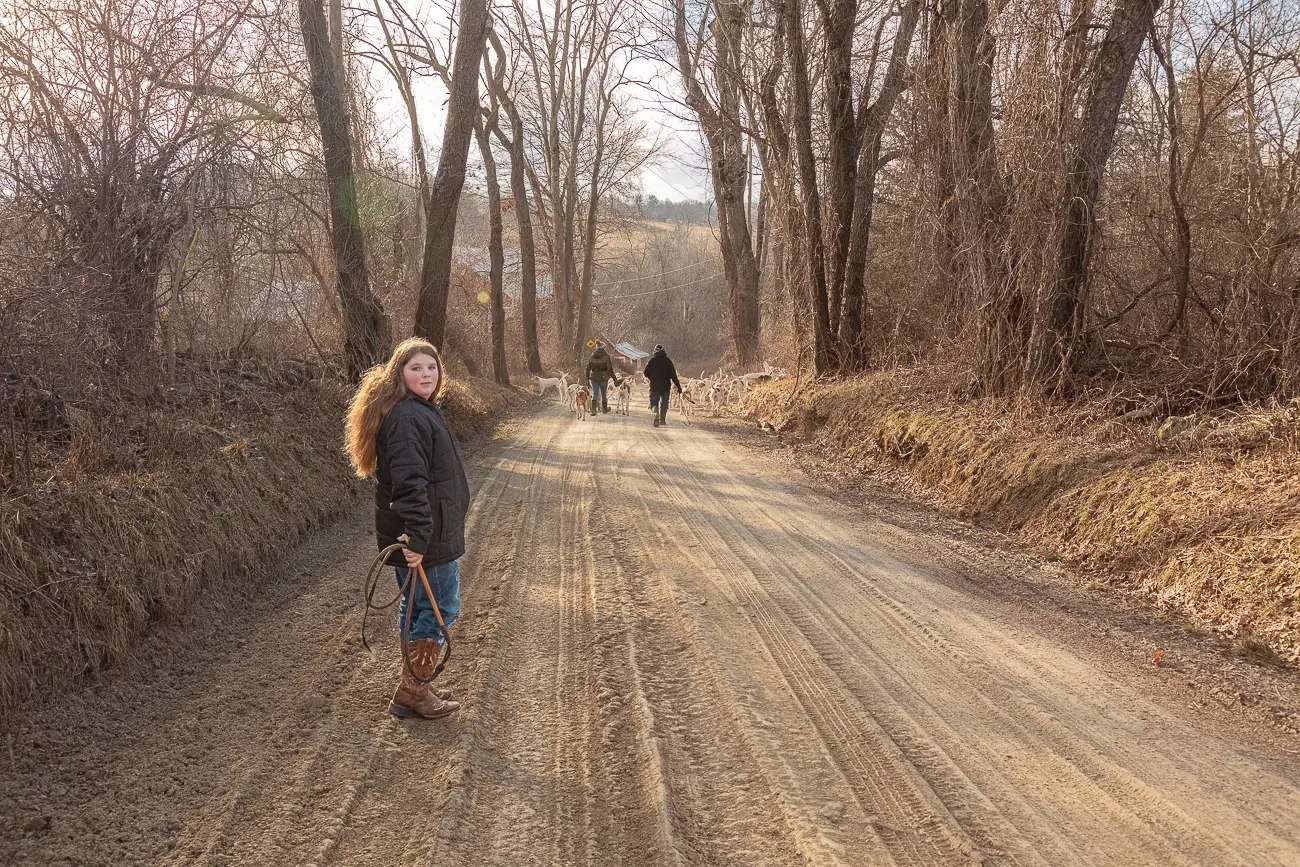
Training the Hounds © Susan Anthony
One of the main challenges of this project is finding people who are willing to be photographed.
In one case, a woman I photographed who later became a good friend reached out to friends who owned an organic farm. They asked a few questions and said they would think about it, but weeks later they decided not to participate.
Experiences like that have happened several times. Some people simply do not want to be photographed, so this kind of work requires patience.
I meet many potential subjects through community events such as Palm Sunday brunches, county fairs, library talks, flea markets, musical events at local churches, diners, bars, and lakeside gatherings. Even when these places are an hour away, the trip is worth it because I almost always discover someone—or something—worth photographing.
Can you walk us through your technical approach? What camera and equipment do you use, and how do those choices support your way of working?
For this project, I use a digital camera. Although I prefer film, film requires a tripod, and this work often involves moving quickly through barns, fields, and homes where there is little time to set up a shot.
My Canon Mark 4 works especially well for this project because it allows me to work quickly while still maintaining control over image quality.
I pay close attention to:
• f-stop and aperture settings
• available light in each location
• shooting in the morning or late afternoon, when the light is best
• shooting on cloudy days when I can get very interesting light
How do you approach photographing people in their everyday environments while maintaining authenticity and respect?
Because I usually make environmental portraits, I spend at least half an hour walking around with the person I am photographing before I begin shooting. During that time, we get to know each other, and I often ask whether they have a favorite place where they would like to be photographed.
It is important that they know something about me as well. I bring a catalogue so they can see my work, and often they already know some of the people I have photographed. By the time we begin the actual session, we are both more relaxed and comfortable.
Photographing people in their everyday surroundings is not as simple as it may seem. Many people feel nervous in front of the camera and may respond with a smile or pose that does not feel natural.
My goal is to capture the person as they really are. To help them relax, I may ask them to breathe, suggest a comfortable position for their arms and hands, or talk with them about how they naturally sit or move.
Ethical considerations shape how I photograph these communities and how I share the images. Privacy is essential to me. When I include text, I never use a person's full name. I leave out references to a person's politics and keep the focus on the person and the photograph.