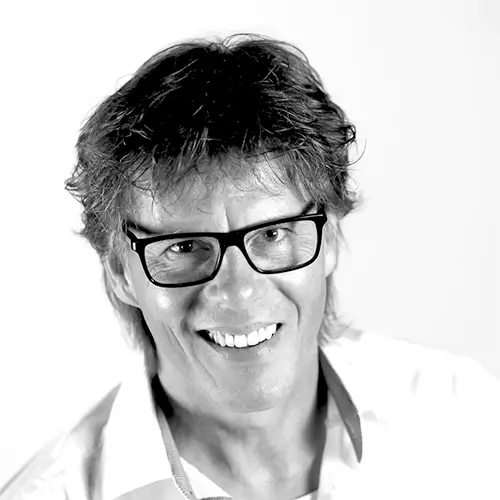
Dutch photographer
Jan Janssen explores universal human experiences through his long-term project
It Matters, winner of the May 2025
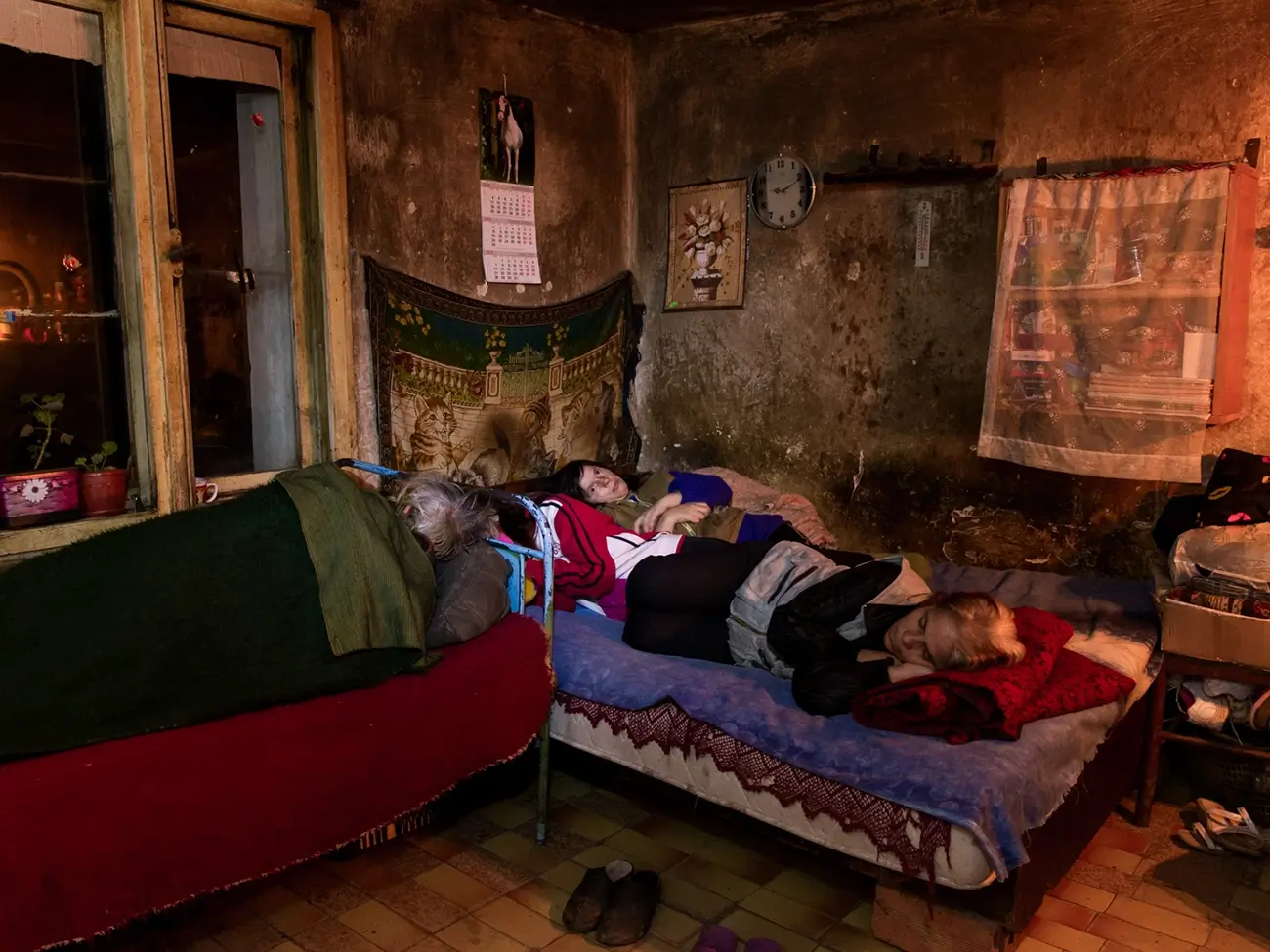
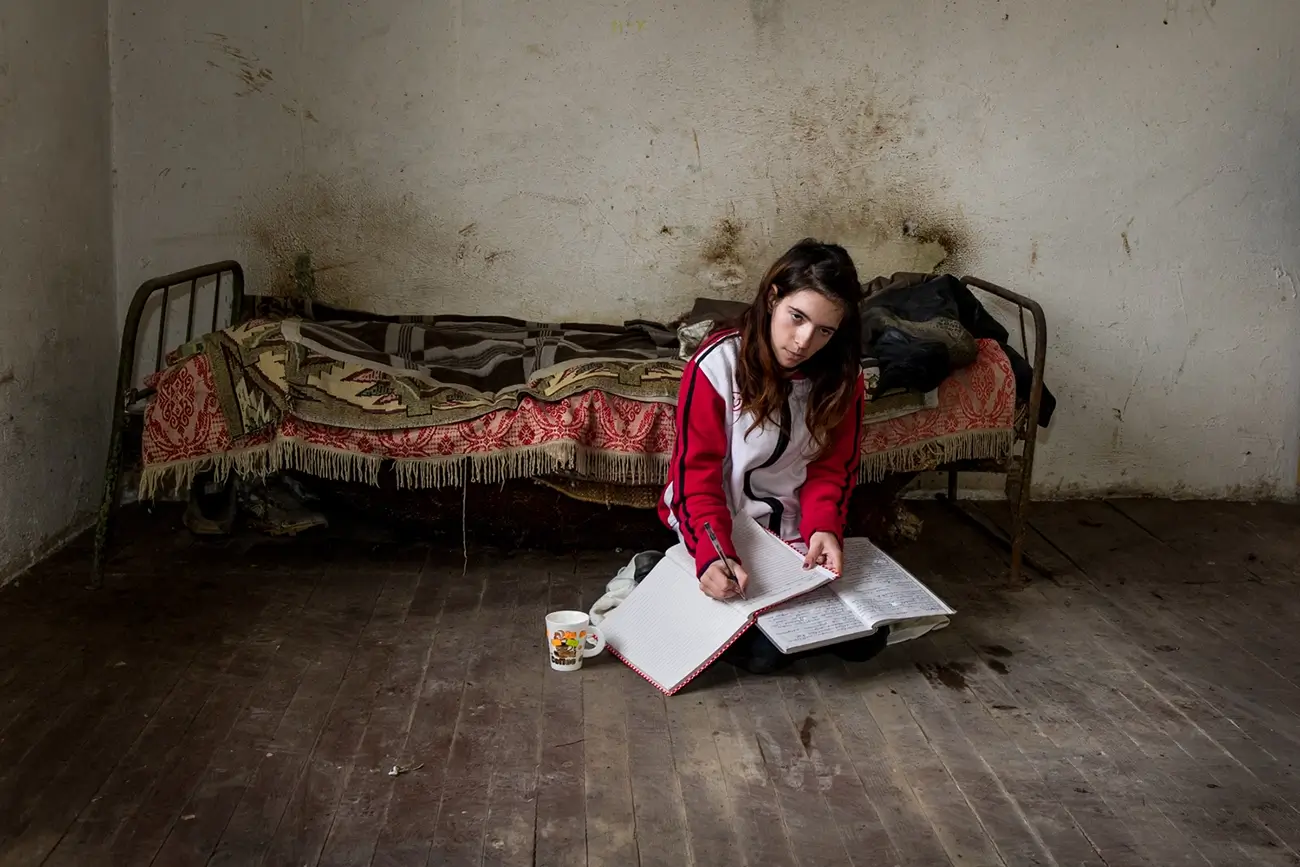
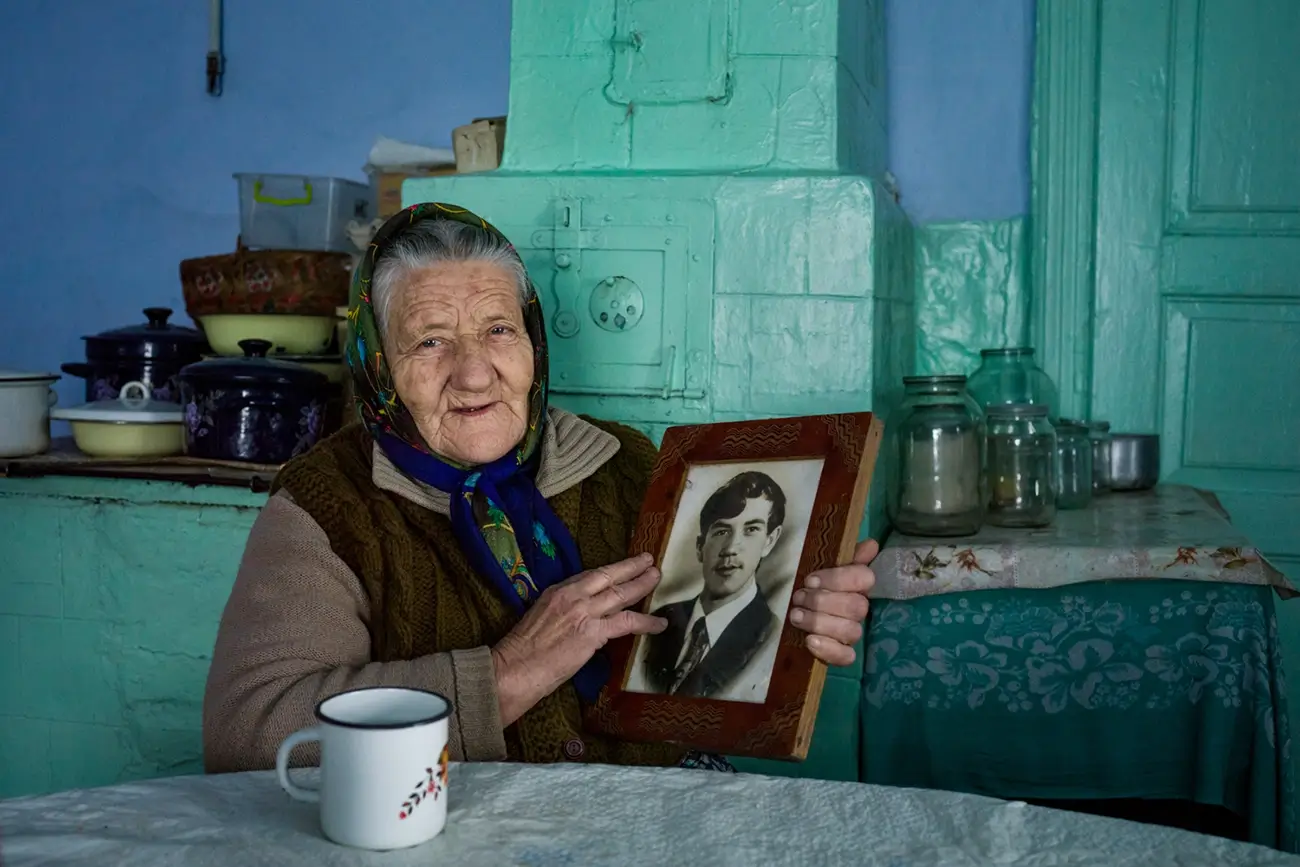
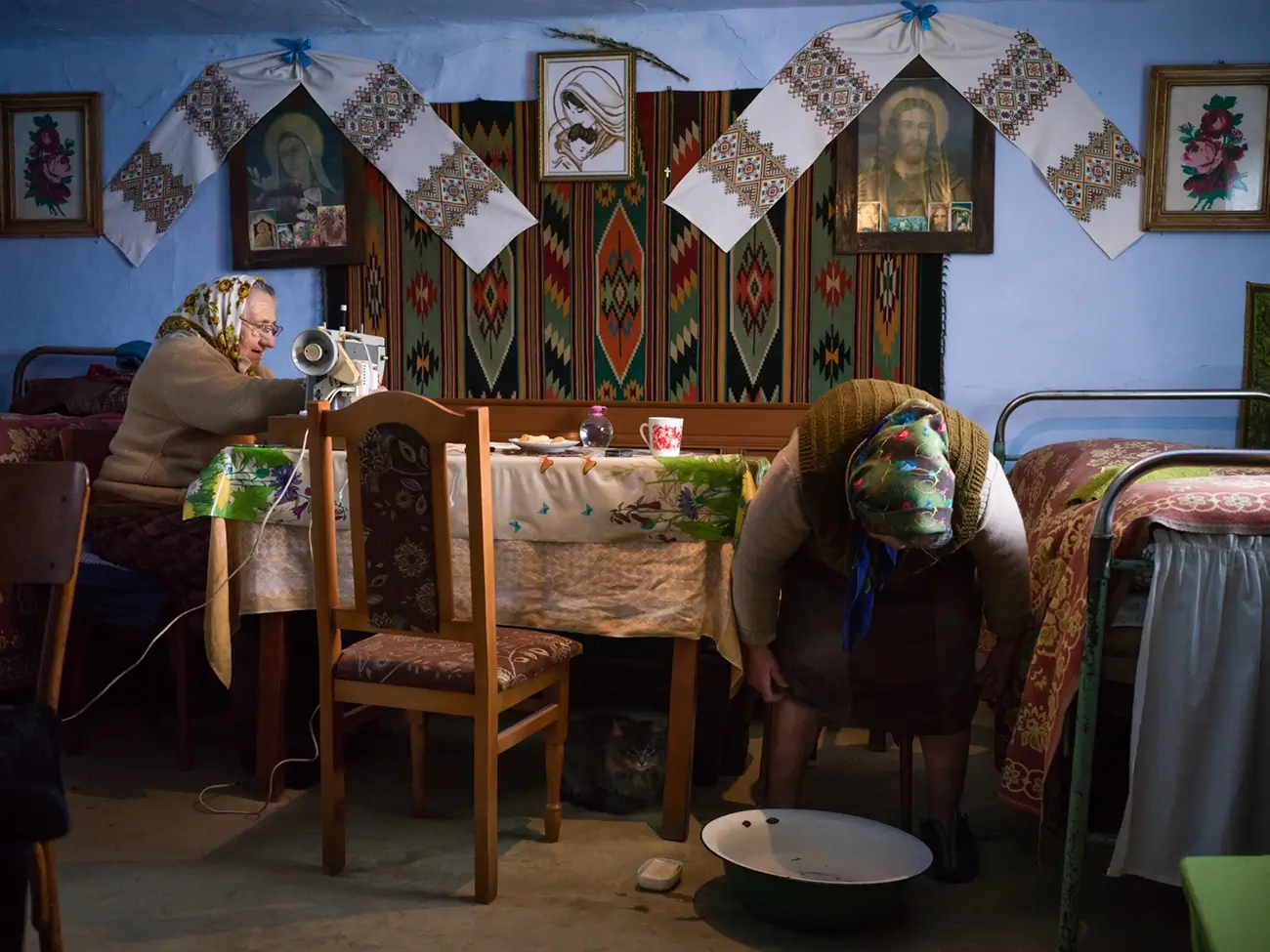
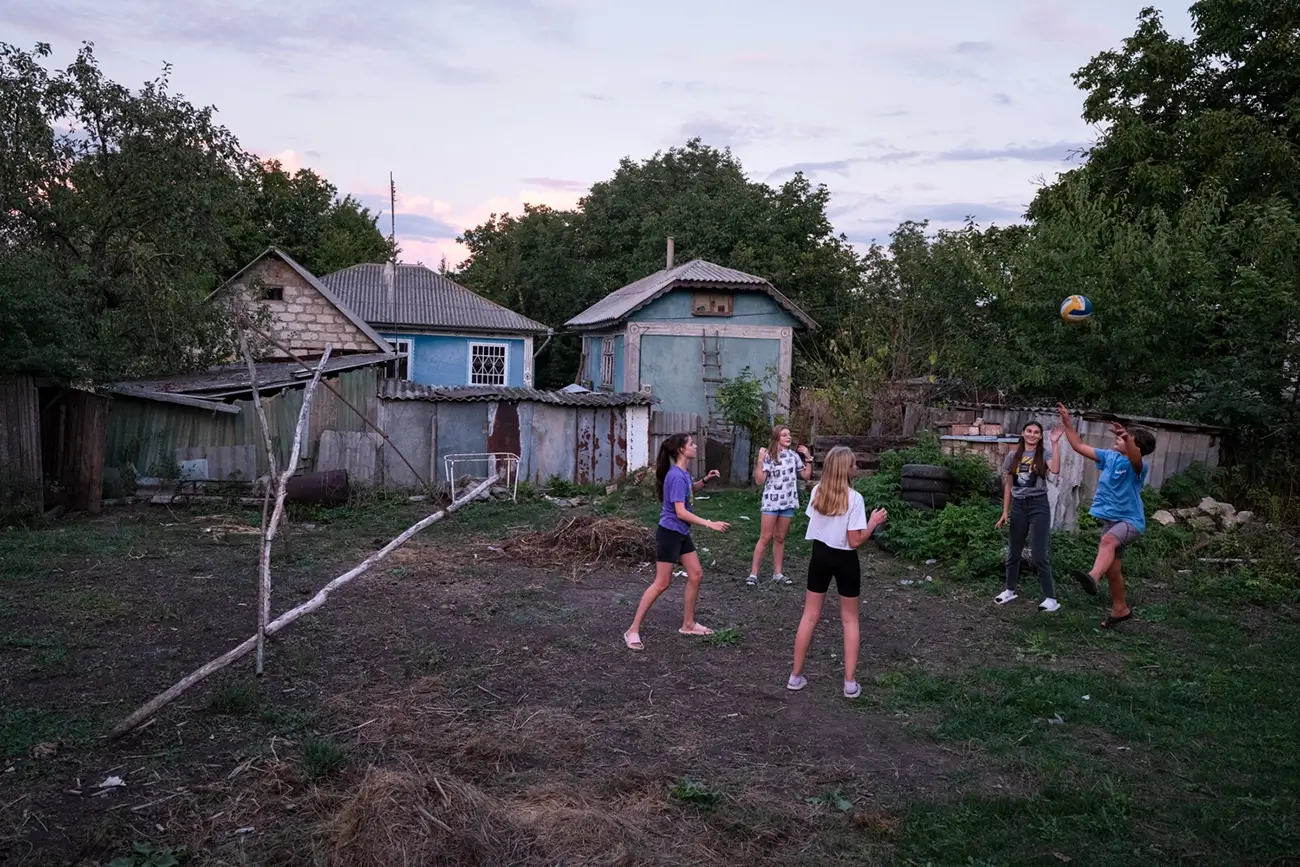
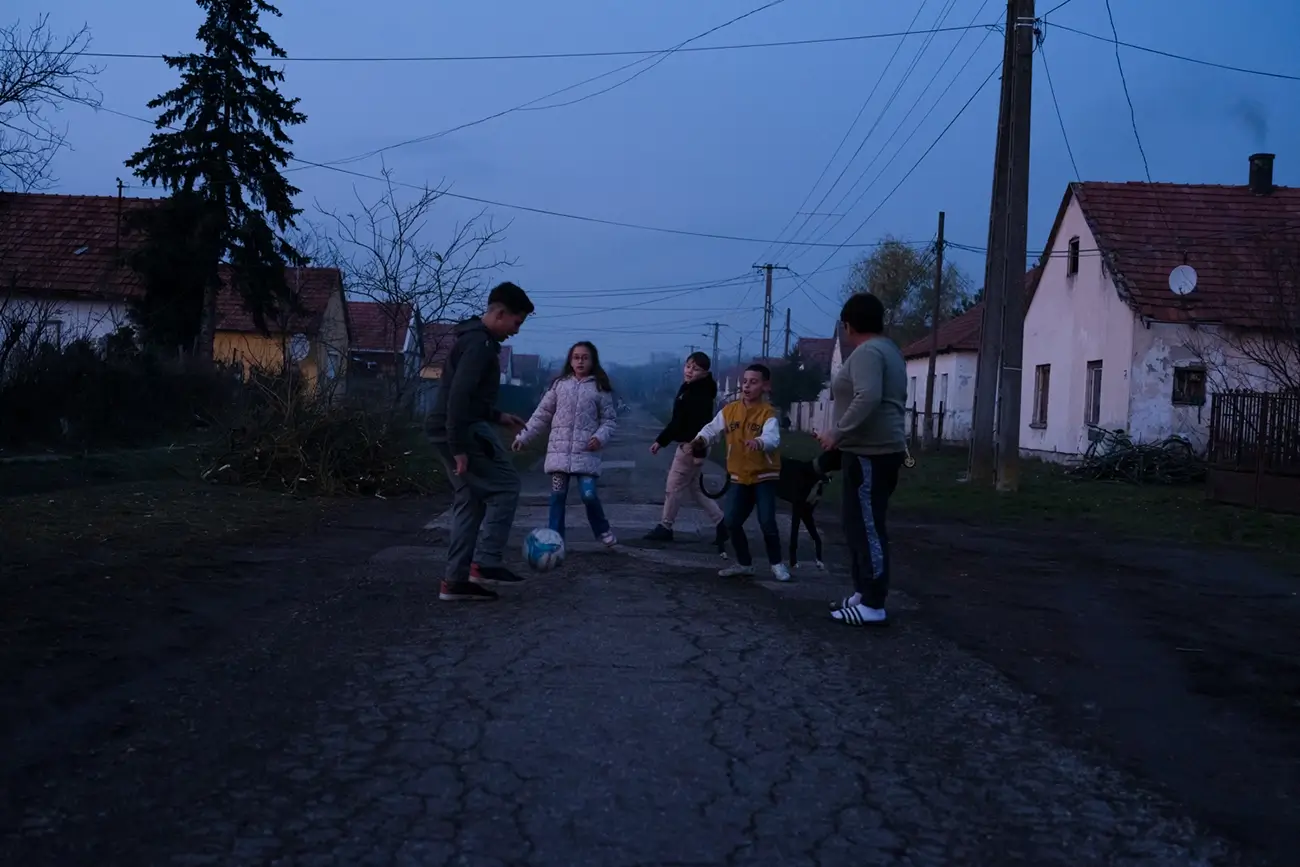
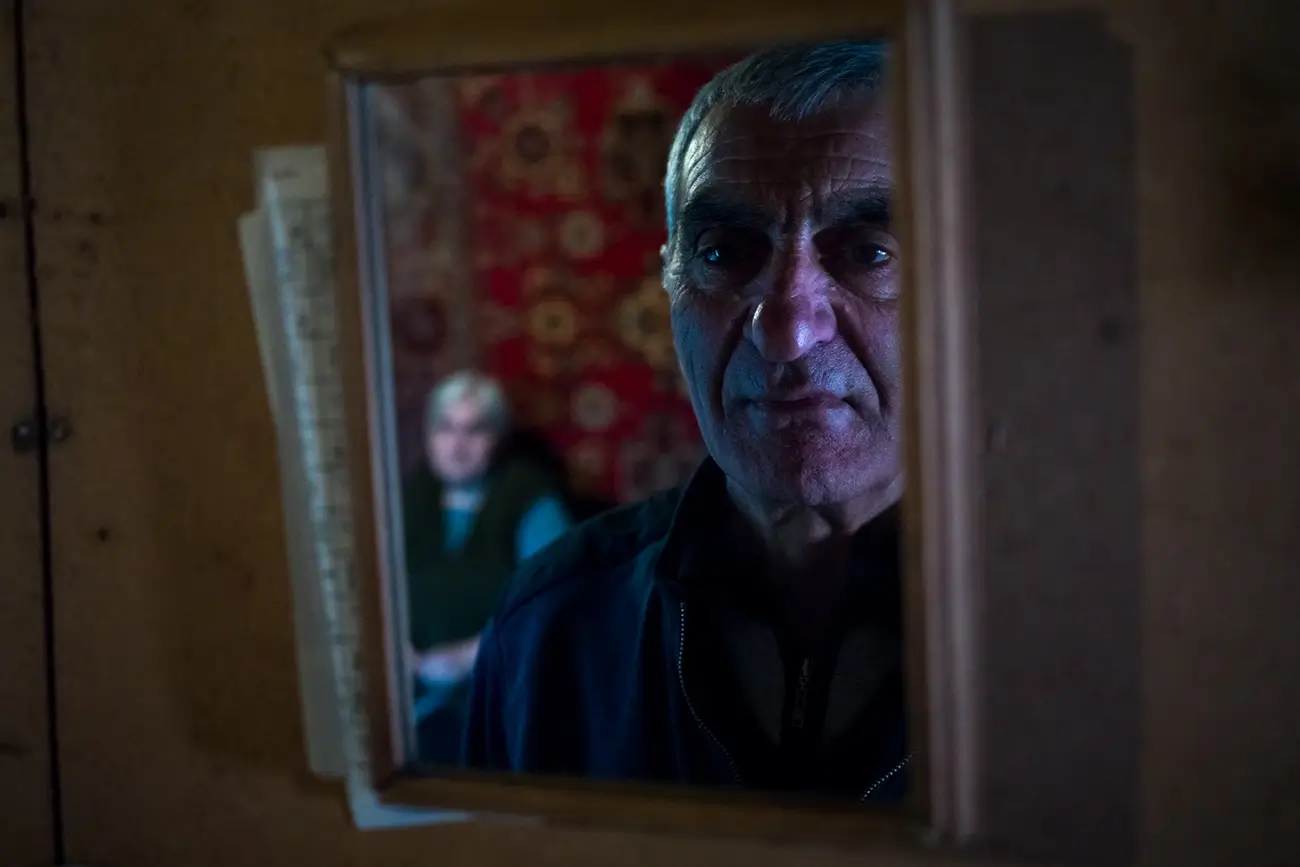
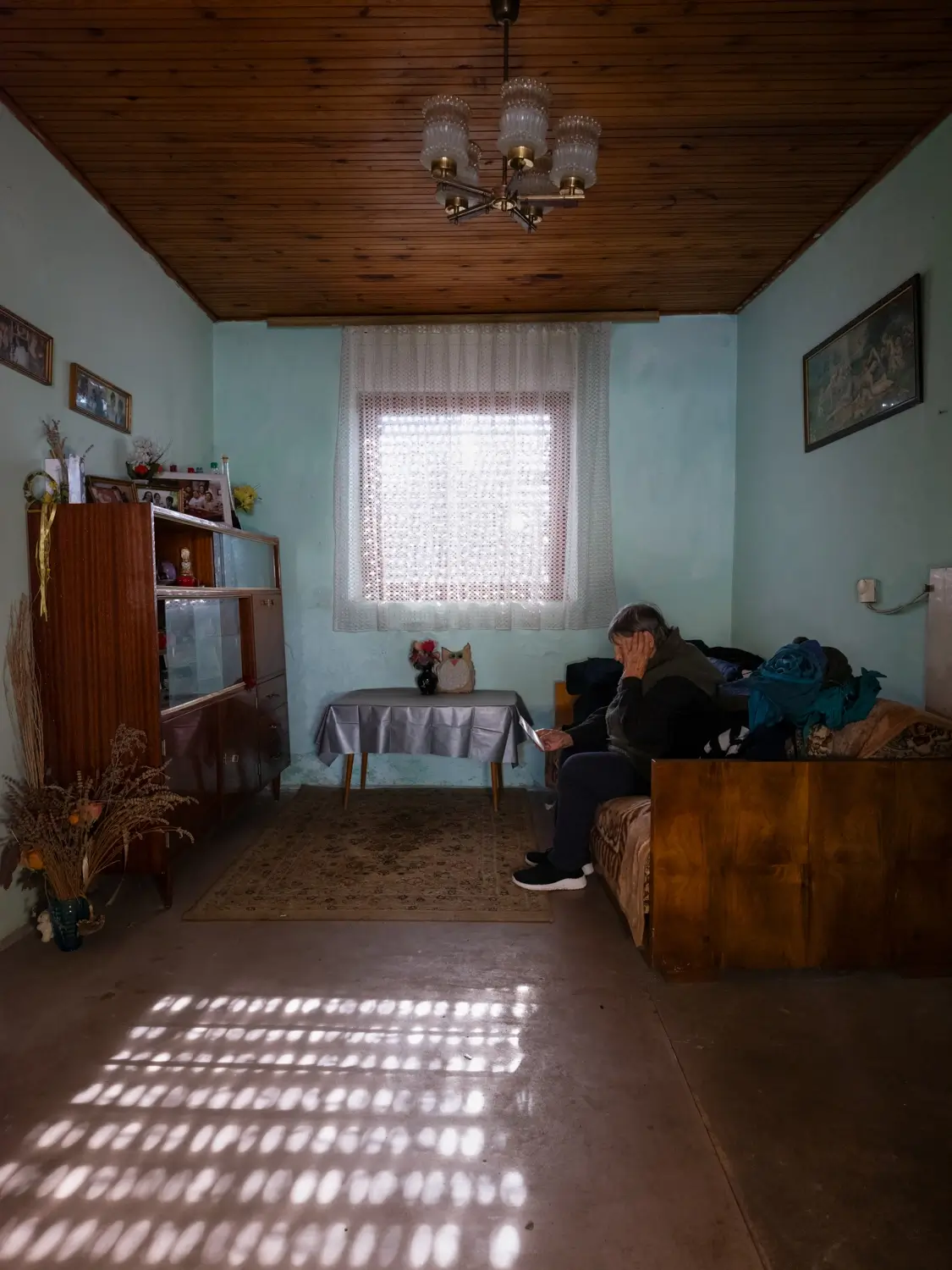
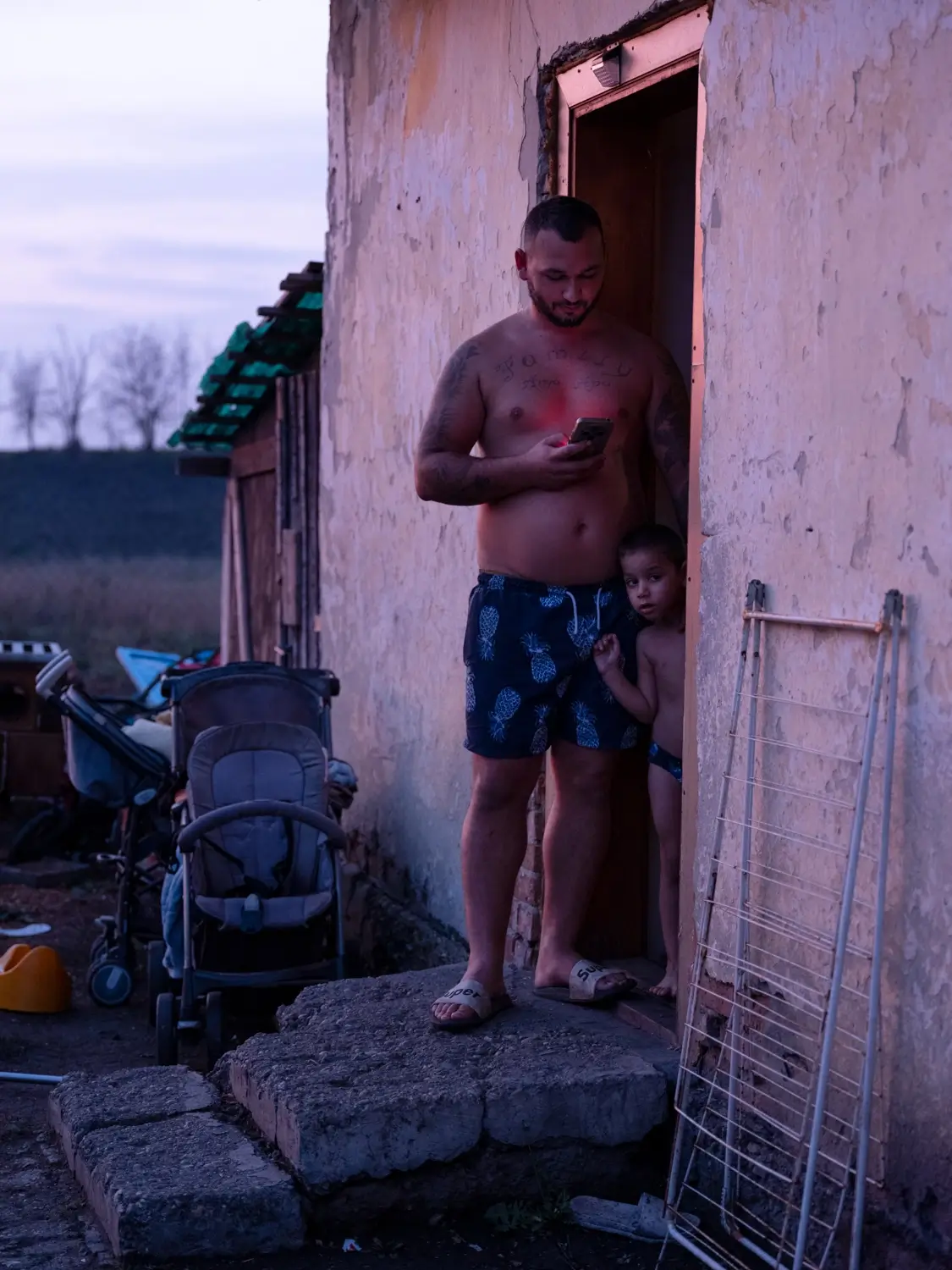
Solo Exhibition. Begun in 2016, the series captures intimate moments of everyday life—love, loss, connection, and belonging—across Central and Eastern Europe.
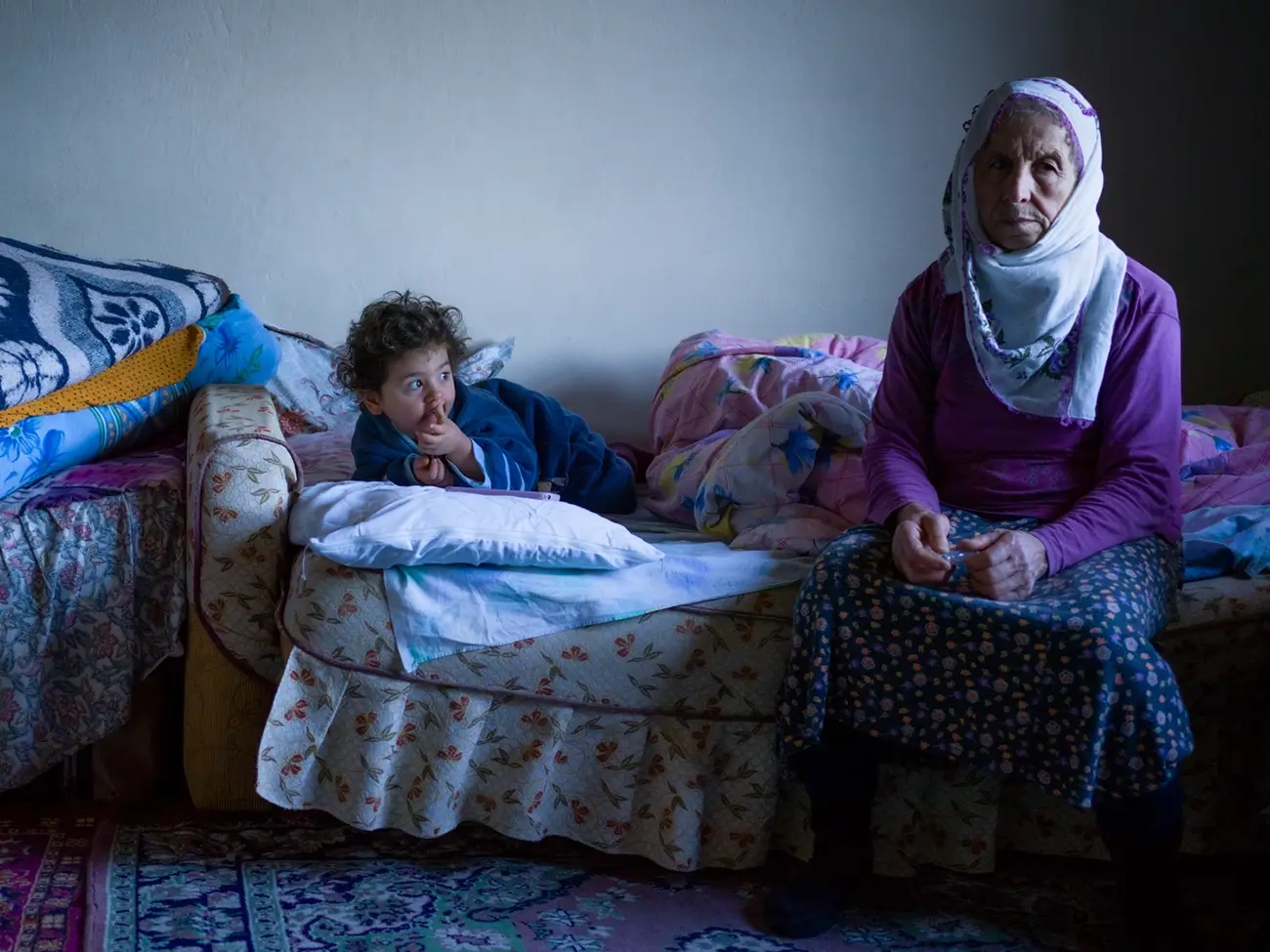
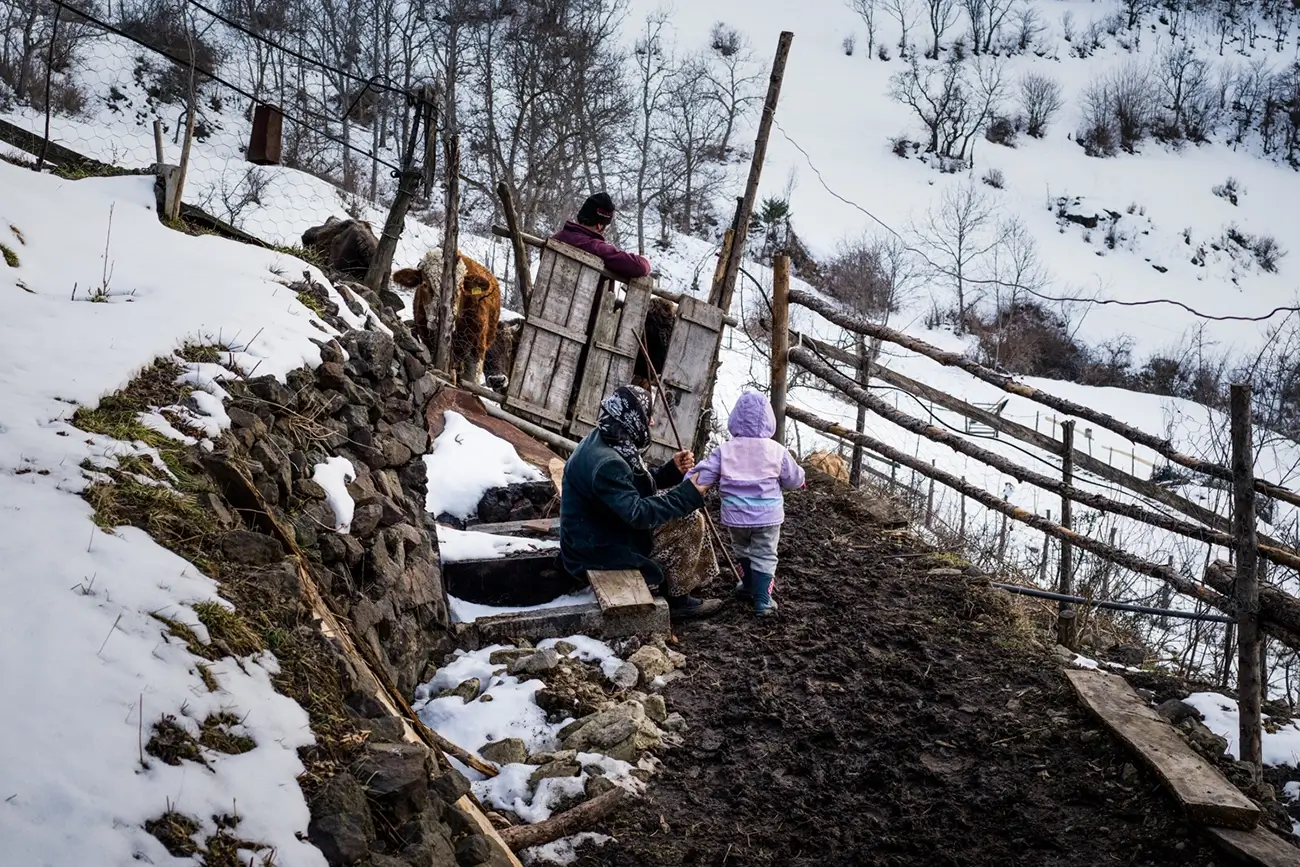
Working in countries such as Turkey, Azerbaijan, and Armenia, Janssen spends extended time within communities, building relationships based on trust and respect. His approach allows him to move beyond observation, revealing deeply human and authentic moments.
Rooted in travel and personal discovery, It Matters reflects Janssen’s search for what connects us all in an increasingly divided world. The project is ongoing and will culminate in a photobook scheduled for publication in 2026.
We asked him a few questions about his life and work.
All About Photo: Can you tell us about your background and early life—where you grew up and what drew you to photography?
Jan Janssen: As a child, I grew up in an average Dutch family in the south of the country. My father was a miner. With two brothers and a sister, my mother had her hands full with all the daily chores. During my playful childhood, I mainly went into nature around the house and loved being in the woods. My love for photography only developed much later.
Did you receive any formal education or training in photography, or are you self-taught?
Around the age of 28, I took a camera with me on a trip for the first time. People were drawn to my way of capturing compositions. By attending several Masterclasses and evening classes, I have further deepened my knowledge of photography. Furthermore, I raise the bar every year by attending group meetings with other photographers.
Were there any photographers, artists, or mentors who influenced your approach in your formative years?
The French photographer Olivier Föllmi has strongly influenced me with his life's work, a tribute to the Himalayas. Mentors from the Dutch photography world have certainly steered me forward and given me direction over the years.
How did your early experiences shape your interest in capturing human stories and universal moments?
What began as a travel landscape photographer soon evolved into capturing a stronger human side of everyday life. During my first encounters with ordinary people, I often felt an enormous longing to be heard, for a listening ear. I was received with immense hospitality, but I also immediately sensed a pain of longing in the subject. A pain I recognized from my childhood years.
What led you to focus specifically on long-term documentary projects rather than short-term assignments?
Travel is inextricably linked to my photographic practice. On the one hand, traveling is an opportunity to discover who I am. By traveling to other places, I specifically seek out the things we have in common. Set the bar high for yourself; the best work is not created in a single day. My first long-term project ran from 2004 to 2013, featuring work made in the Himalayas—traveling through autonomous Tibet, Nepal, and Northern India, capturing colorful peoples in a fascinating landscape. The urge to meet people and embrace their way of life grew, and my first photobook, “The Himalaya my home,” was born.
Can you describe the moment or project that made you realize you wanted to pursue photography professionally?
The sales of my first book went very quickly. The enthusiasm of the people at my lectures felt wonderful, time and time again—the relatable aspects of the little things in life. This gave me the motivation to persevere in 2010 and register as a professional photographer.
Are there any books, exhibitions, or experiences from your early career that profoundly shaped your style?
Yes, my first major prize for my photobook The Himalayas, My Home. I was nominated for Discovery of the Year by the IPA in 2014, and I was a finalist for the Lucie Awards at Carnegie Hall in New York—and also that year for “Book Photographer of the Year.” All of this made me realize that I had found my happiness in photography.
How have your travels influenced not only your work but also your personal and artistic formation?
In a world of polarization and contrasts, sometimes even on a single continent, I break down geographical and symbolic boundaries by photographing people in their pure essence. By capturing the richness of our most basic human needs—such as freedom, family, and safety—or conversely, the absence of their self-evidence. These elements have made me who I am today and who I am allowed to be as a photographer.
Looking back, how do you feel your past education, mentors, and influences prepared you for It Matters and your current projects?
Sticking to your own plan. Not just photographing things you feel like that day, but safeguarding your own personality in your work. Creating your own style, your own signature.
What inspired you to start your long-term project It Matters in 2016?
After a photographic adventure in Uganda, I was presented with the challenge of photographing closer to home. The Netherlands is my country of birth, and Western Europe is the part of the world where I often stayed. So I suggested exploring Central-Eastern Europe. What does this part of Europe mean to me now? What needs and uncertainties do I encounter in these countries? What character traits do these communities display?
How did you come up with the concept of capturing universal human experiences like love, play, and loss?
What began as a travel landscape photographer soon evolved into capturing a stronger human side of everyday life. During my first encounters with ordinary people, I often felt an enormous longing to be heard, for a listening ear. I was received with immense hospitality, but I also immediately sensed a pain of longing in the subject—a pain I recognized from my childhood years.
Can you describe your process for connecting with the communities you photograph?
Approach people with your heart. Do not feel superior and delve into their needs. Show interest and take time—plenty of time—to understand your fellow man. Dare to embrace everything you encounter and see it as part of your life.
How do you gain the trust of your subjects, especially when visiting new countries?
First, I look for the right contact person in the country or region I want to visit. I work with this guide to gain access to the local communities. I find it very important to treat everyone as an equal and not just enter as a “Western outsider” to snap a quick photo.
What role does spending weeks or months with your subjects play in creating your images?
I enjoy building a bond with my subjects by following them for days, sometimes weeks. After my first visit, I also regularly return for a quick chat or stay in touch with the family online. Through this long-term contact, I get to know their traits and discover when they are at their most beautiful, most vulnerable, or purest. It is in these moments that the most beautiful photos are created.
How do you decide when a moment is ready to be captured photographically?
My heart starts beating faster—a sense of release and joy arises. The spontaneity of the subject is pure, and adrenaline surges through my entire body.
What challenges have you faced while working in Central and Eastern Europe, Turkey, Azerbaijan, or Armenia?
My greatest challenge was to enter a family's home and be accepted as a fellow human being—to be allowed to take a brief look into their familiar surroundings. Sometimes it involved wandering around aimlessly for days: no connection with local people, no composition that moved me. The doors sometimes remained closed for days.
How has long-term engagement with your subjects influenced the stories you tell in your photographs?
Deeper conversations followed later during a second or third meeting with the person portrayed. Upon reunion, hidden feelings were more often open for discussion, and we confided our stories to each other more readily.
What equipment do you use to capture the intimate moments in your series, and why?
My photography equipment usually consists of two camera bodies, each with its own fixed lens. These fixed lenses, together with my chosen compositions, determine my working method. As a photographer, I am sensitive to the right daylight, and I often plan my visits accordingly, with a small lightbox as additional support.
How do you balance technical considerations with the need to remain unobtrusive in vulnerable moments?
I do this primarily by significantly adjusting my ISO values. Of course, the right aperture and a suitable shutter speed contribute to taking an acceptable photo. A quiet moment or a peaceful environment often makes your choices as a photographer easier.
Can you share a particularly memorable experience or story from your travels for It Matters?
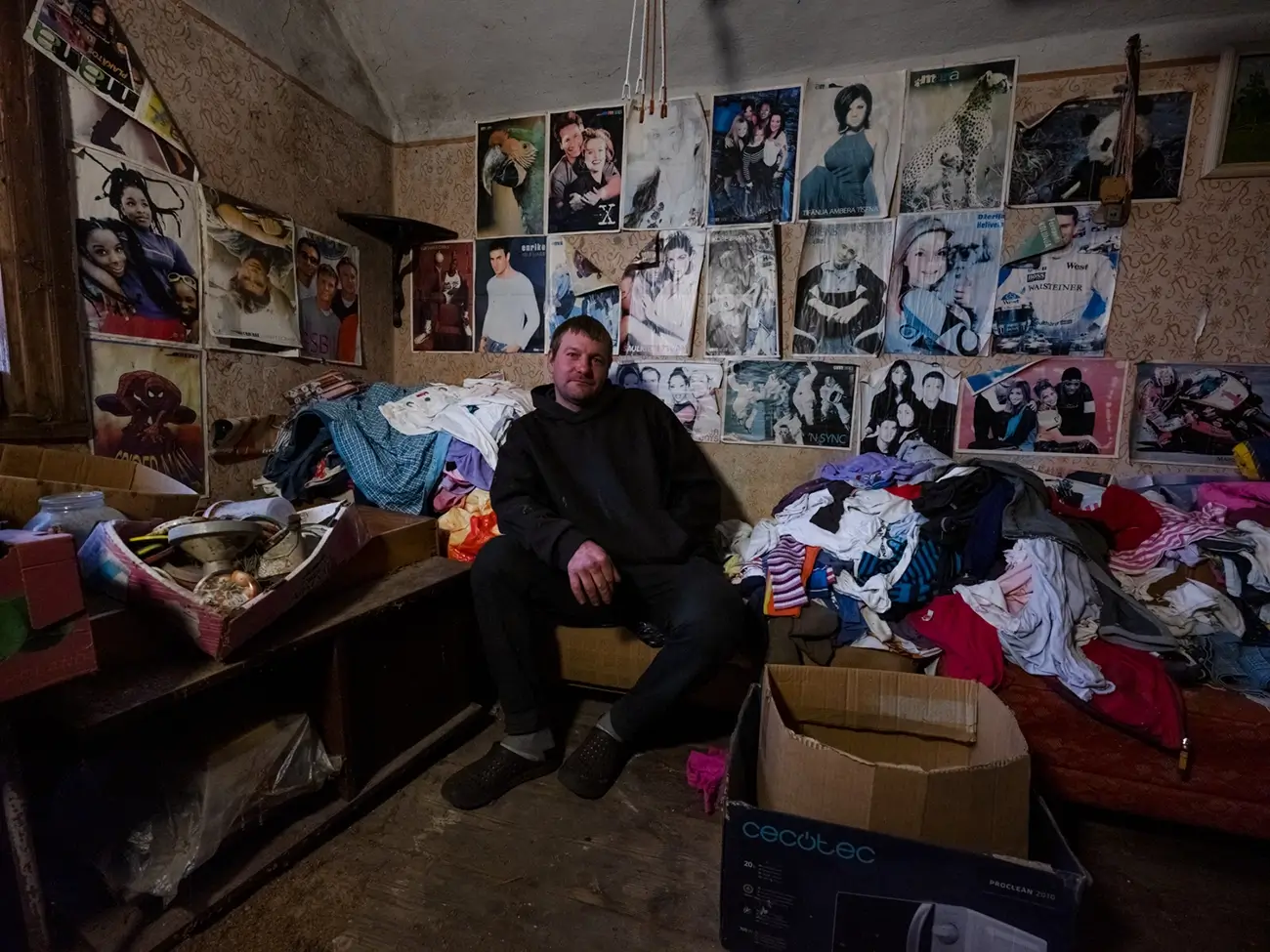
In 2021, I visited Antanas and his wife Maria in the forests of Lithuania. The reason for my visit was a previous invitation from broadcaster MAX Netherlands to help distribute food parcels to these local communities. They live in the back of a large forest. With limited resources, they live day by day. The portrait taken of the man in front of the small house has elicited many fascinating reactions.
How has your photography practice evolved since you began the project in 2016?
From now on, I will set out with more confidence— with even more respect for the ordinary citizen and with the belief that taking time for each other can be the right starting point for better capturing everyone's story.
What are your plans for the It Matters book coming out in 2026?
I look forward to this development with great anticipation, and hopefully with a major publisher. I would like nothing more than to show this unique work to the world with all the power and honesty it deserves.
Are there new directions or themes you plan to explore in future projects?
Caution when planning ideas does not exist for me. The urge for the next captivating adventure is already there—raising the bar even higher and embracing a new goal as a new chapter in my life, perhaps on another continent, with the same sense of freedom in mind.
How does travel shape your artistic vision and personal growth?
Traveling gives me more opportunities to do something intense, with great passion. Don't view photography as a profession—first and foremost, be a photographer. As soon as you have all the basic knowledge, forget about photography.
What do you hope viewers take away from seeing the It Matters series?
Attaching great value to the bond with your family and friends. Daring to feel and experience what that connection represents—happiness and misery, the beautiful and the ugly, the banal and the profound, tragic and wondrously beautiful at the same time.
How do you maintain long-term connections with your subjects after you leave a location?
Follow your intuition and trust your curiosity. By occasionally sending or receiving a message, you let each other know you are thinking of one another.
Do you have any upcoming exhibitions or collaborations you can tell us about?
I have currently submitted some of my best works to the 2027 World Calendar. Giving large lectures about my work keeps me very busy. And on September 5th, I will hold a major exhibition at home in memory of my dearest wife Monique, who passed away from cancer on July 25, 2025, at a far too young age.
How do your experiences abroad influence your perspective on life and human connection at home?
All encounters abroad have their own story based on mutual respect and dignity. It is precisely this essence of life that I cannot always express in my own environment, or it simply goes unheard or misunderstood. That hurts, but it also keeps me sharp and optimistic about the future.
Anything else you would like to add?
Keep dreaming and believing in your approach.