All about photo.com: photo contests, photography exhibitions, galleries, photographers, books, schools and venues.
FINAL DAYS TO ENTER AAP MAGAZINE B&W: PUBLICATION AND $1,000 CASH PRIZES
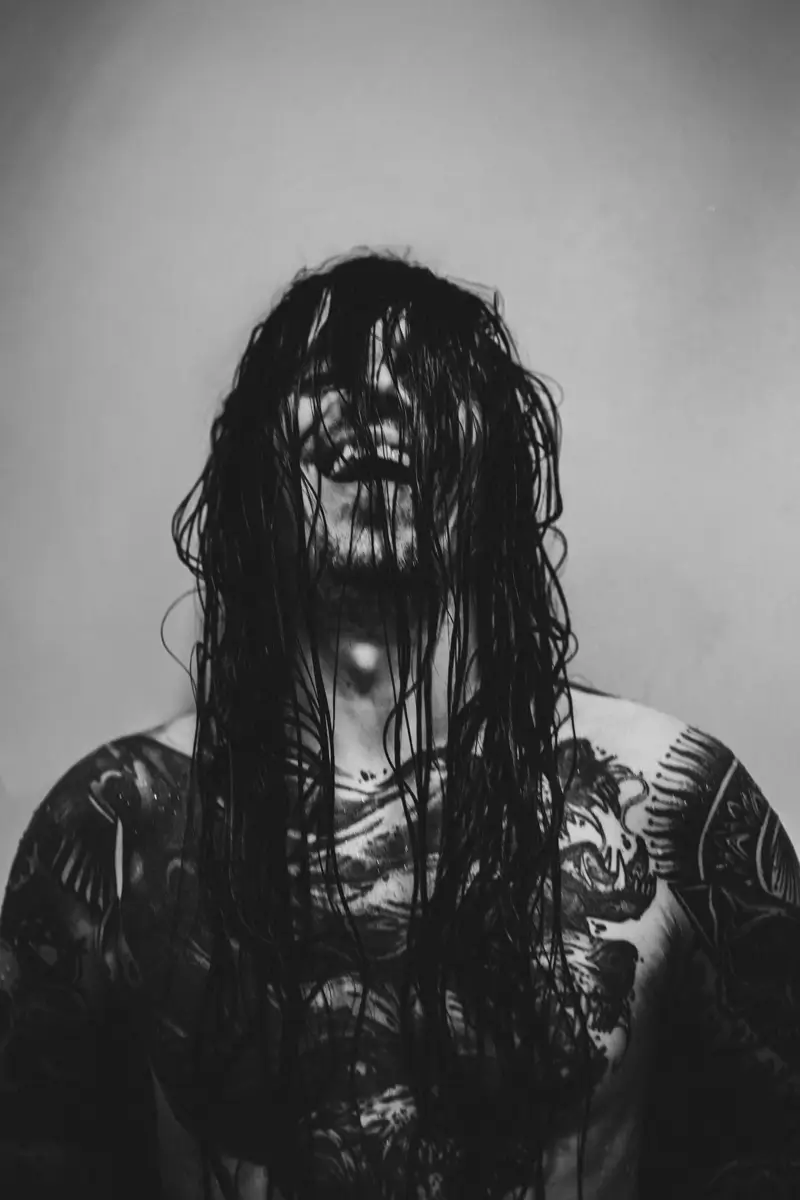
Hendrik Wolf
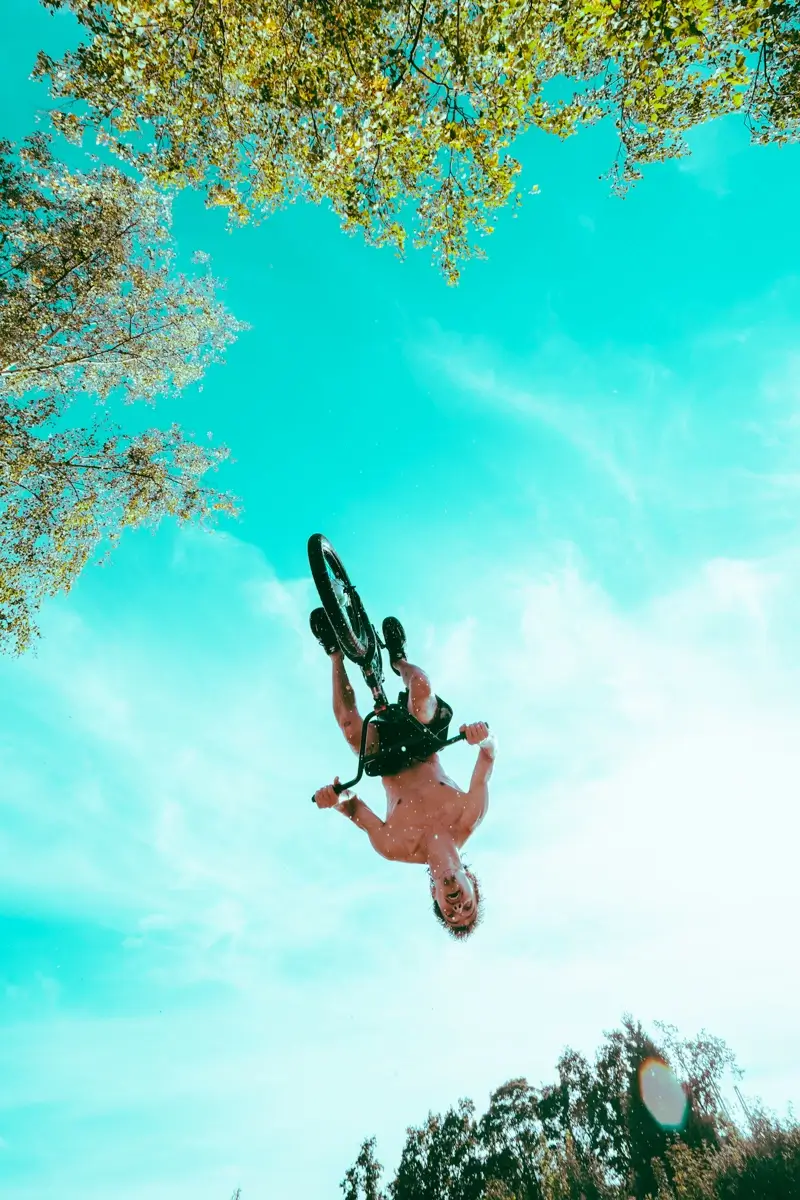
Hendrik Wolf
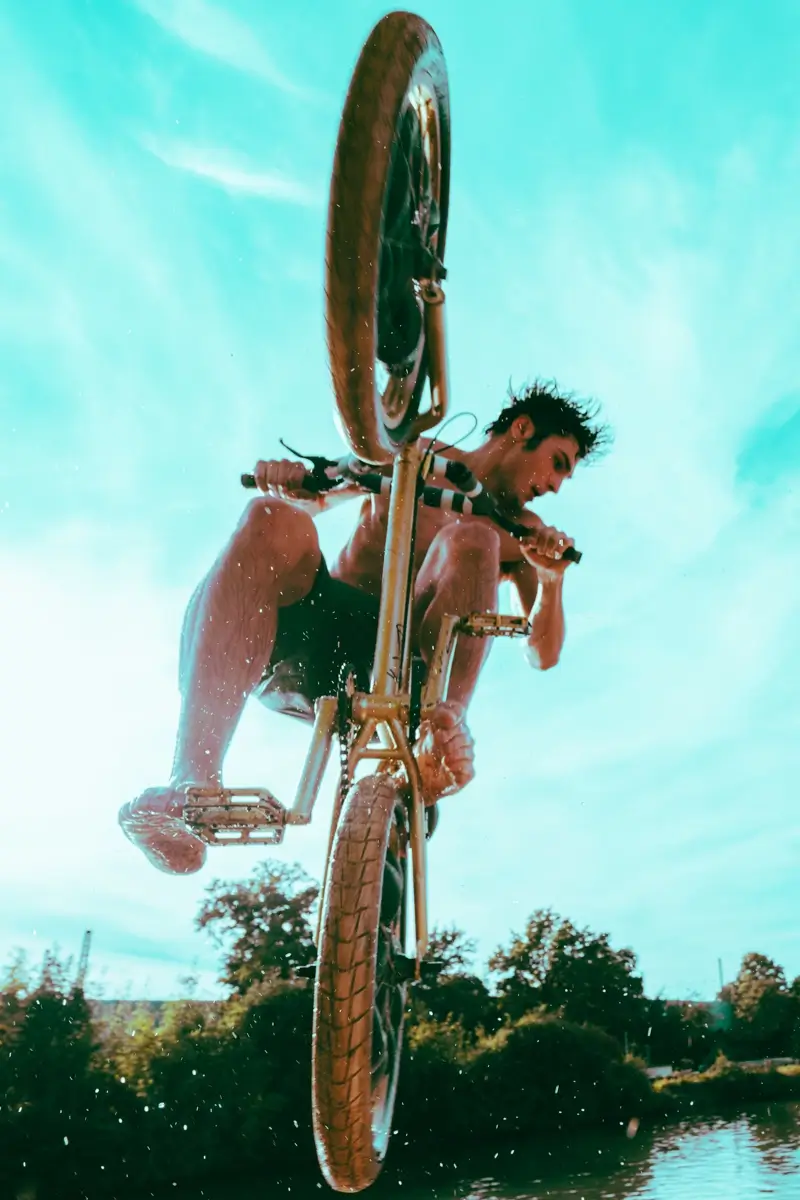
Hendrik Wolf

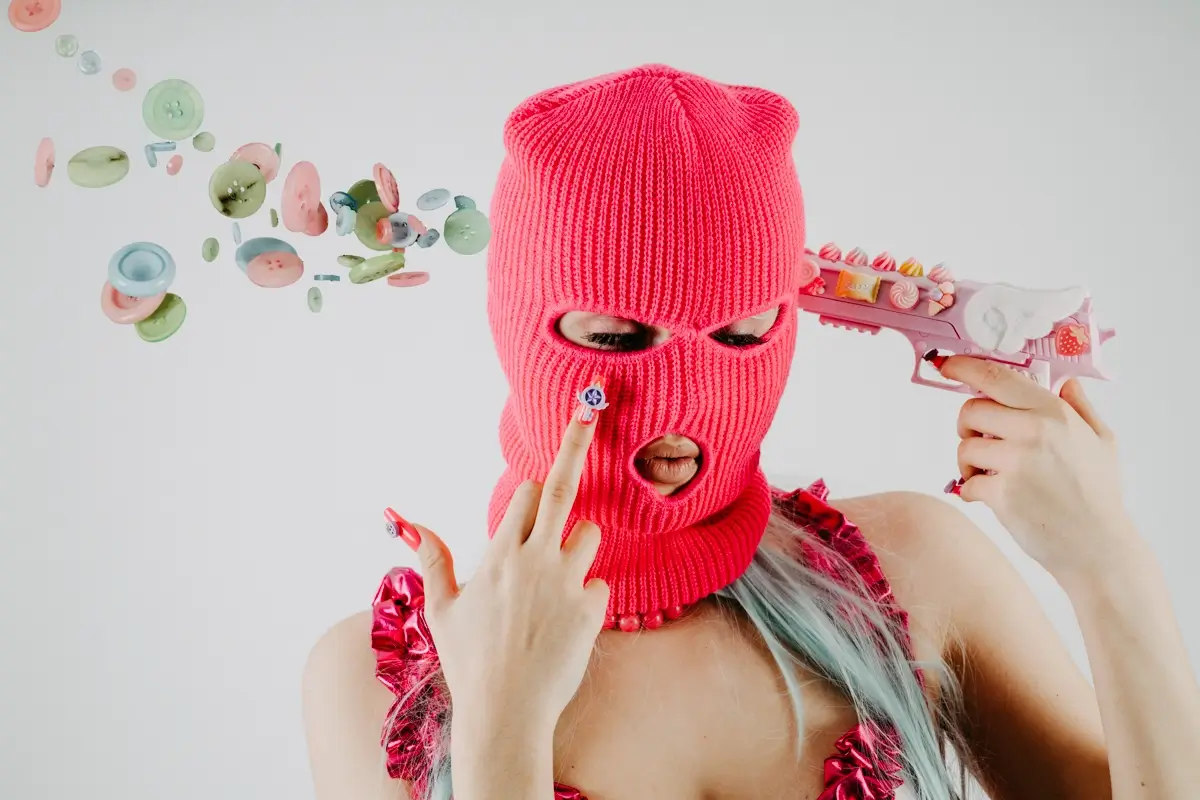
Hendrik Wolf

Country: Germany
Birth: 1984

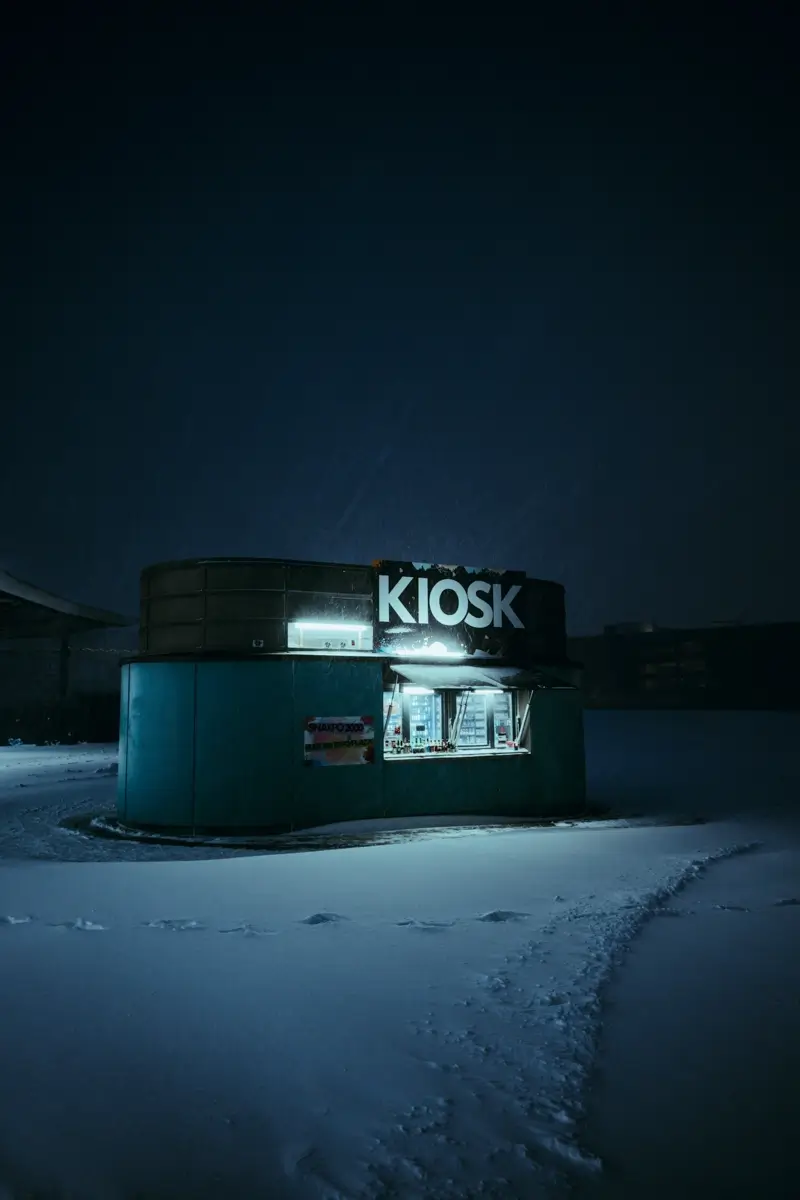
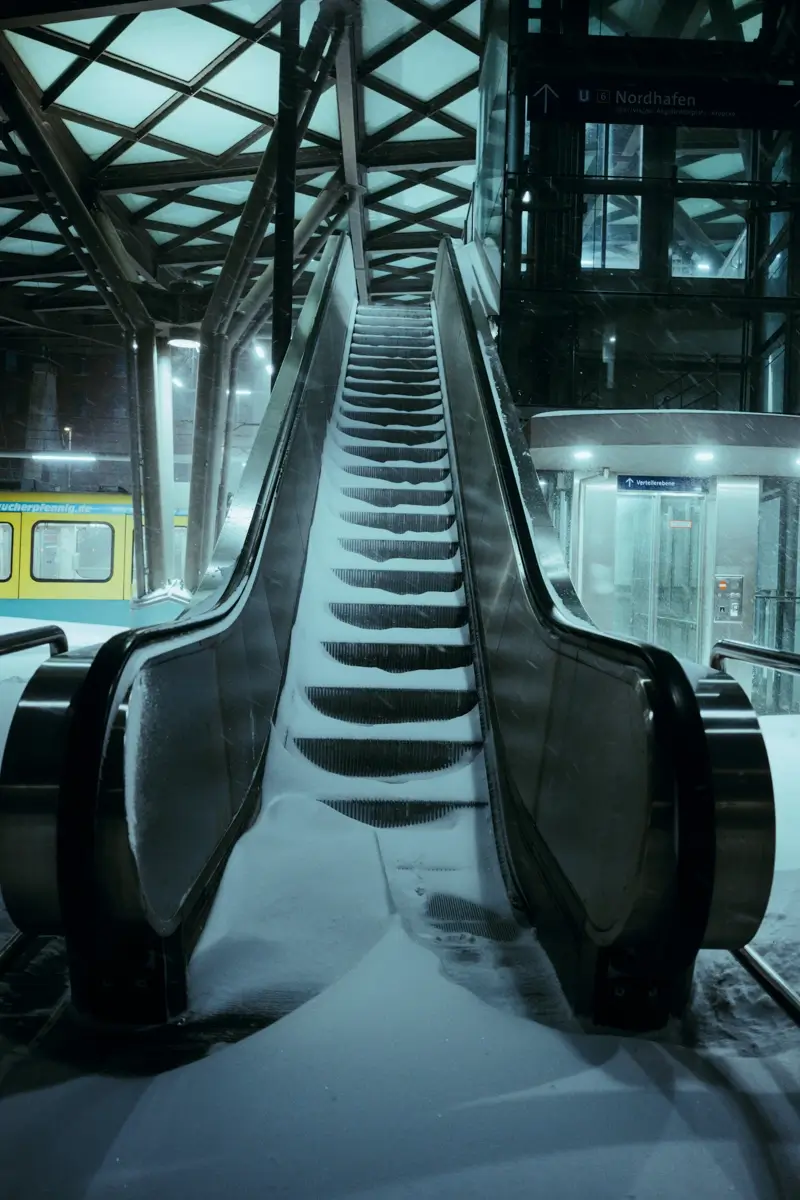
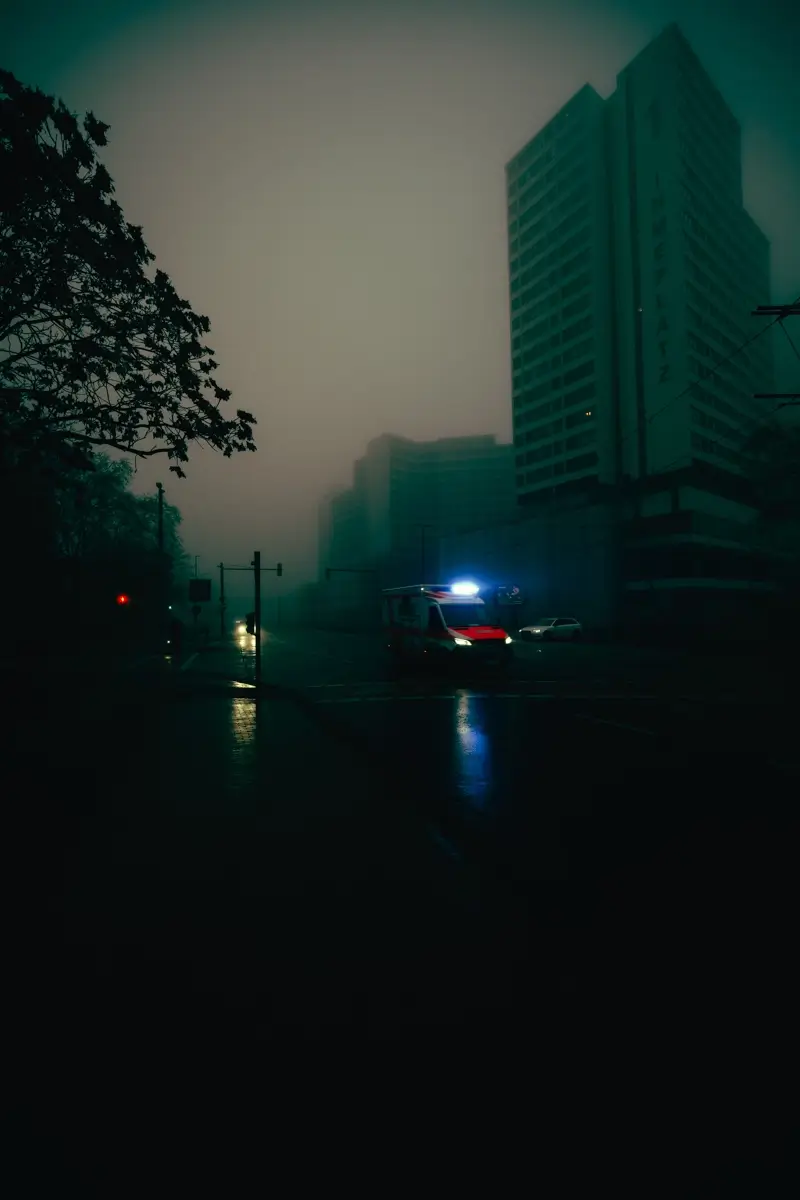
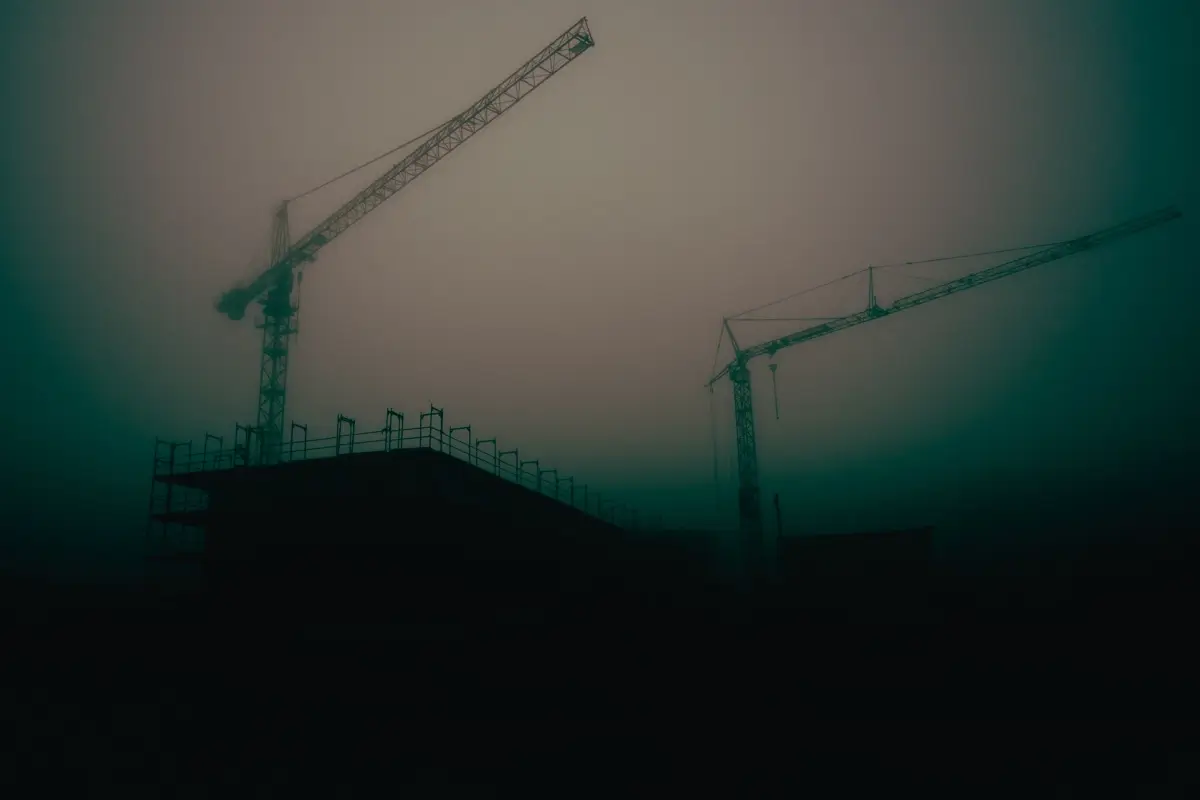
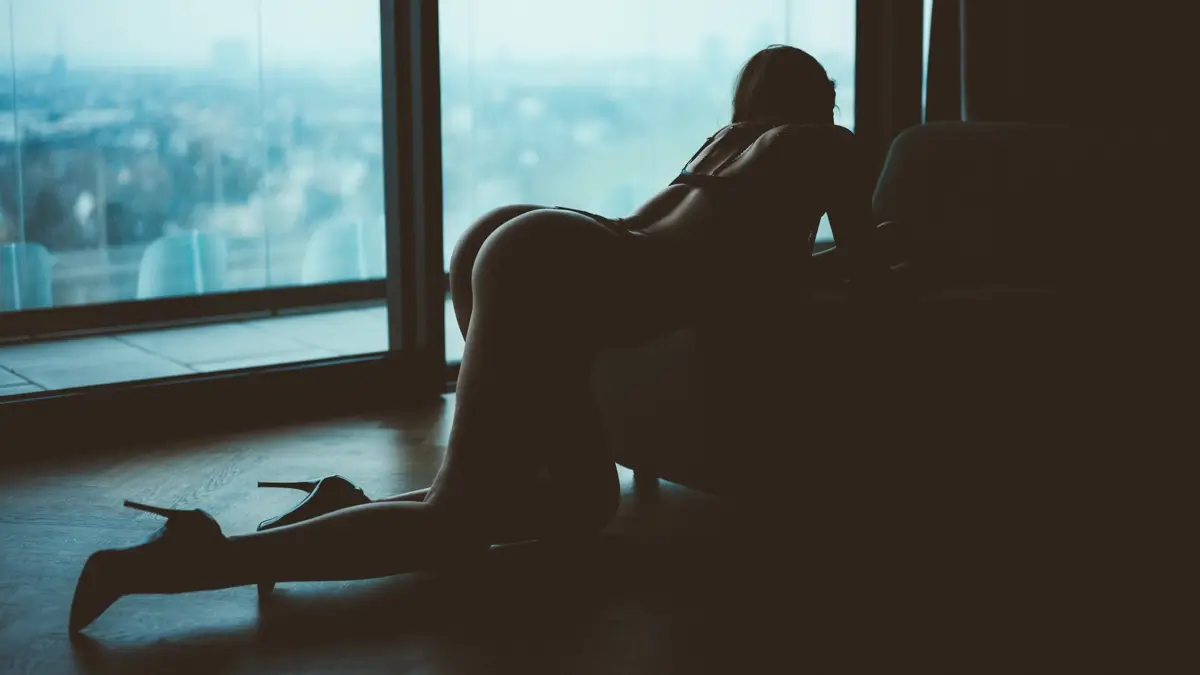
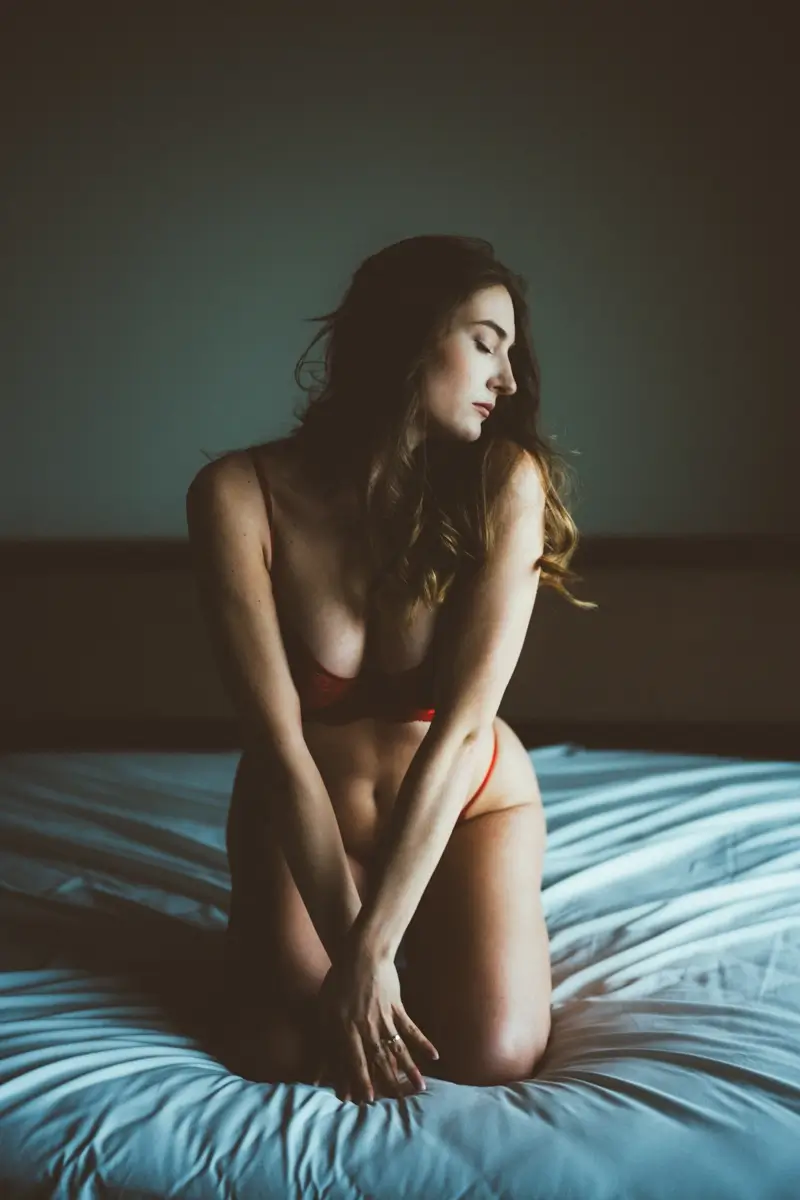
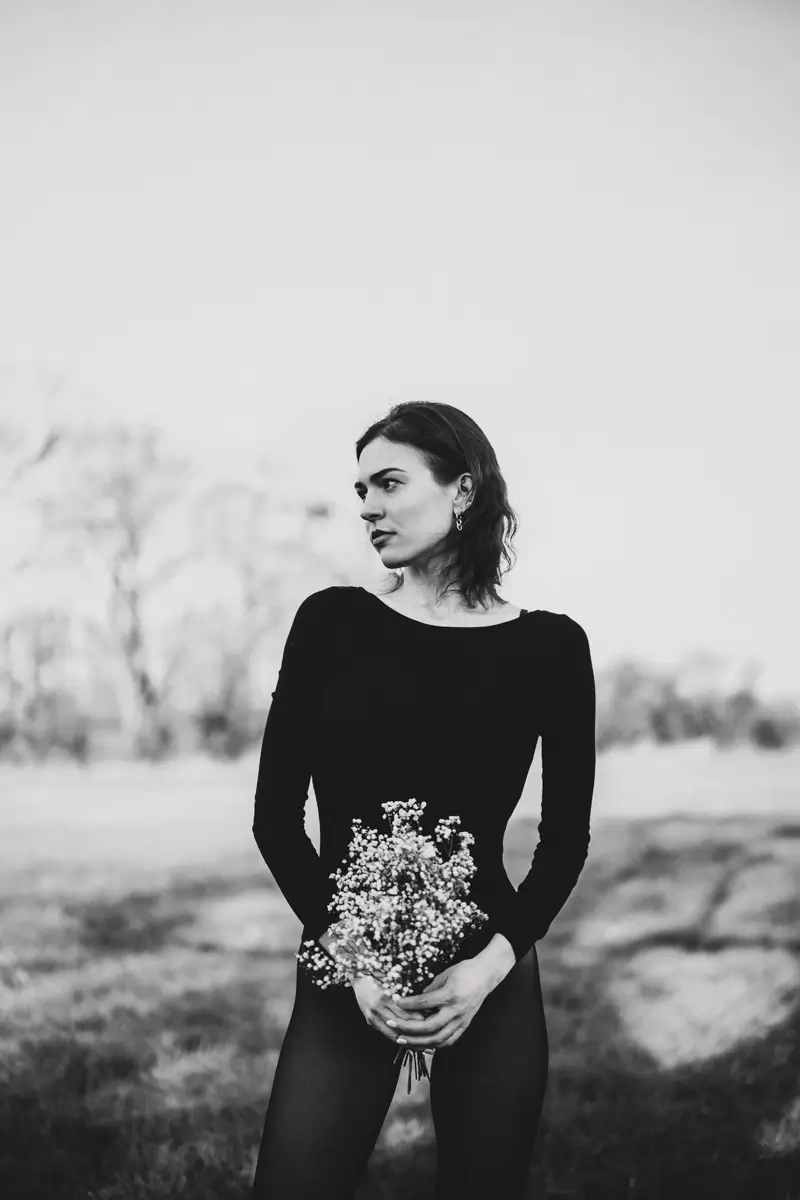
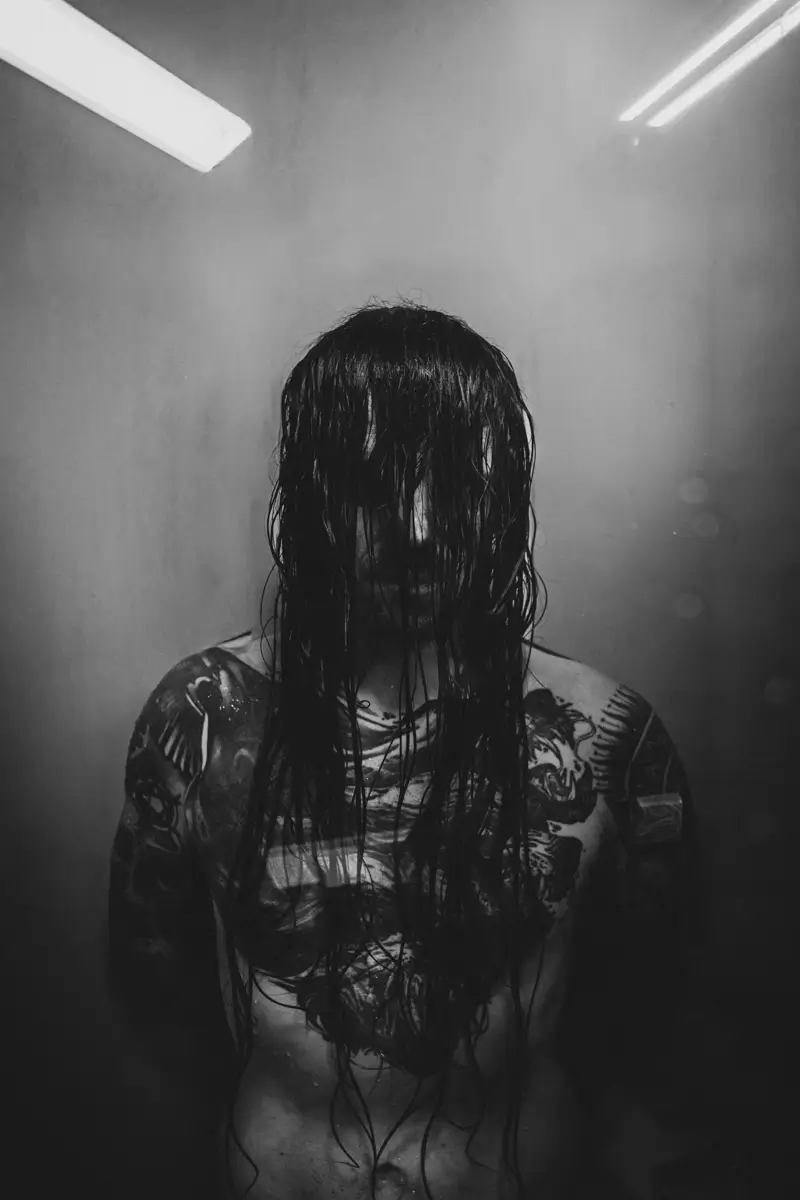
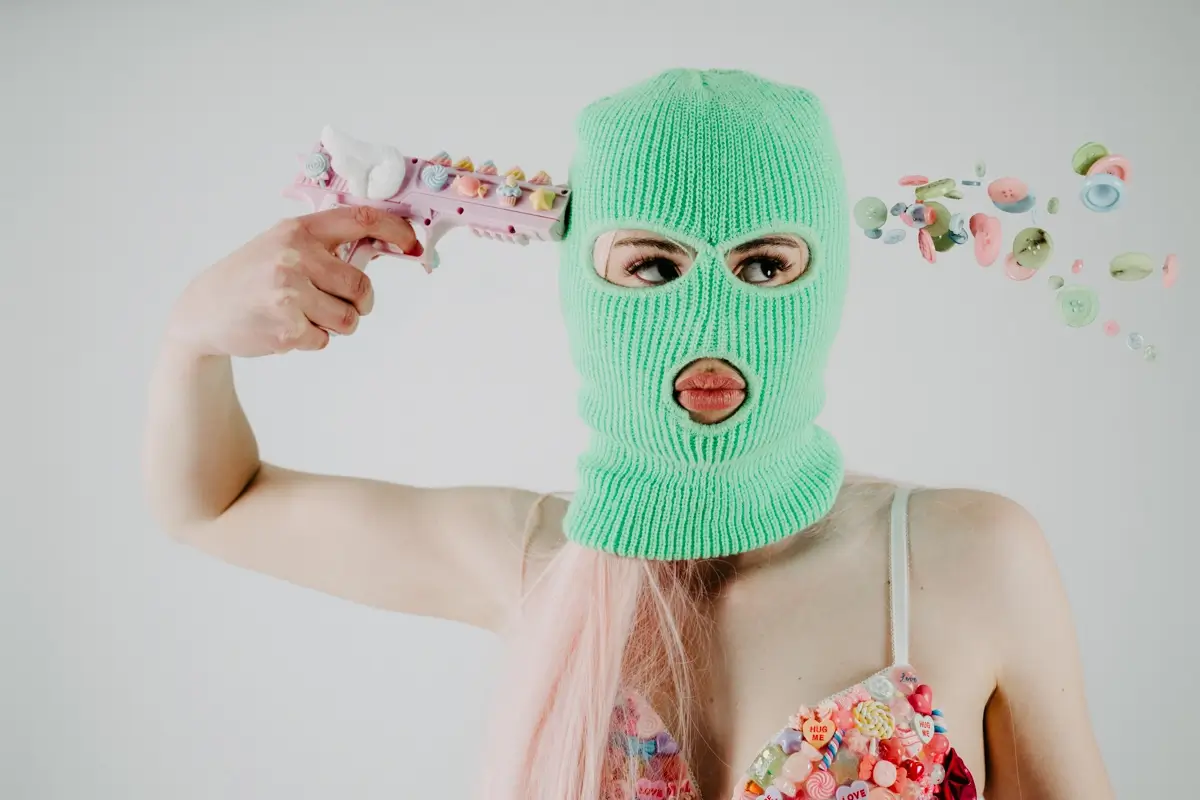
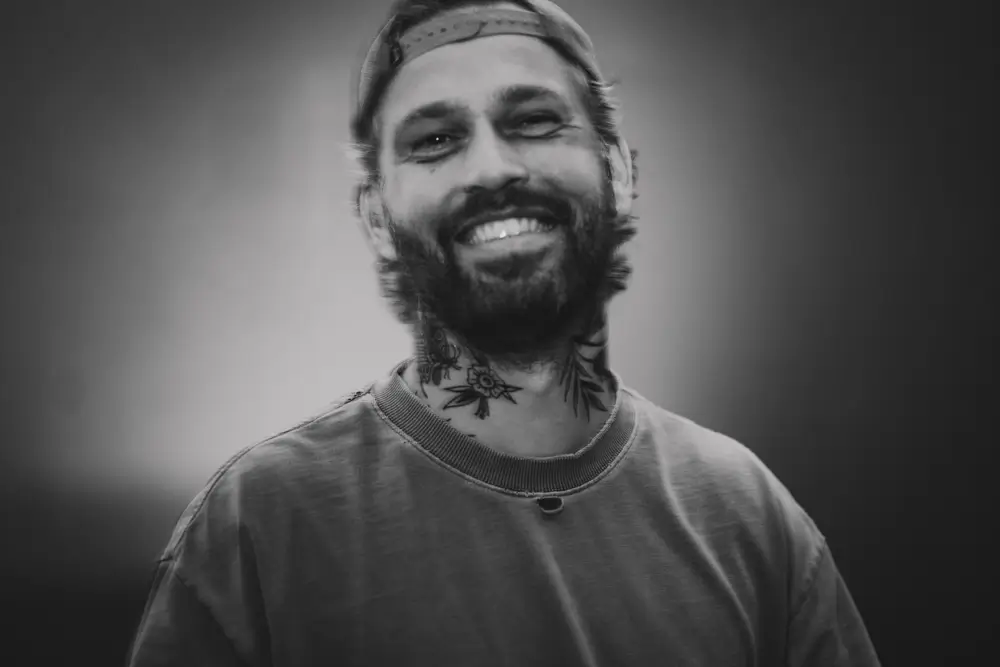
Born in 1984 in Malchin, Germany, I’m married and have two children, aged 9 and 6. We love to travel, and many of my photos are taken around the world—exploring both vibrant cities and quiet rural places.

After spending over 20 years in a white-collar job, photography was always my creative outlet in my free time. In 2024, I decided to go all in—leaving my job to pursue my dream career as a photographer.

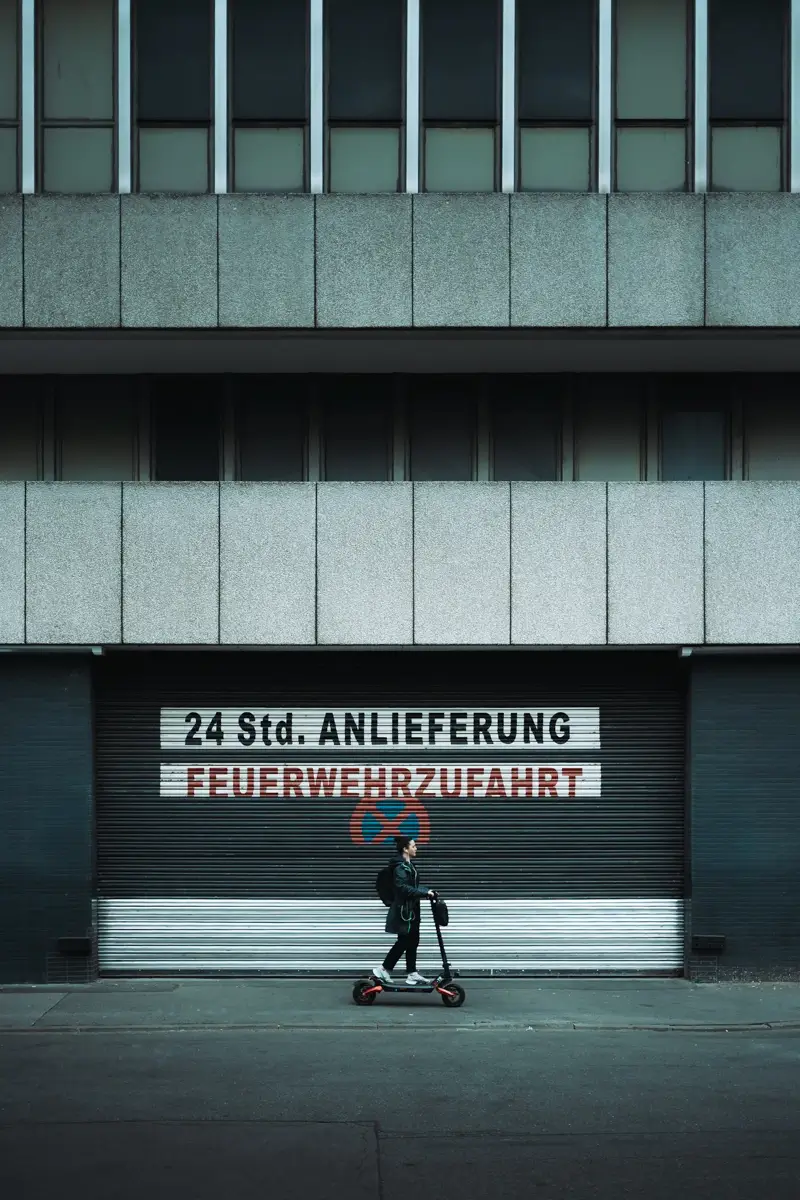
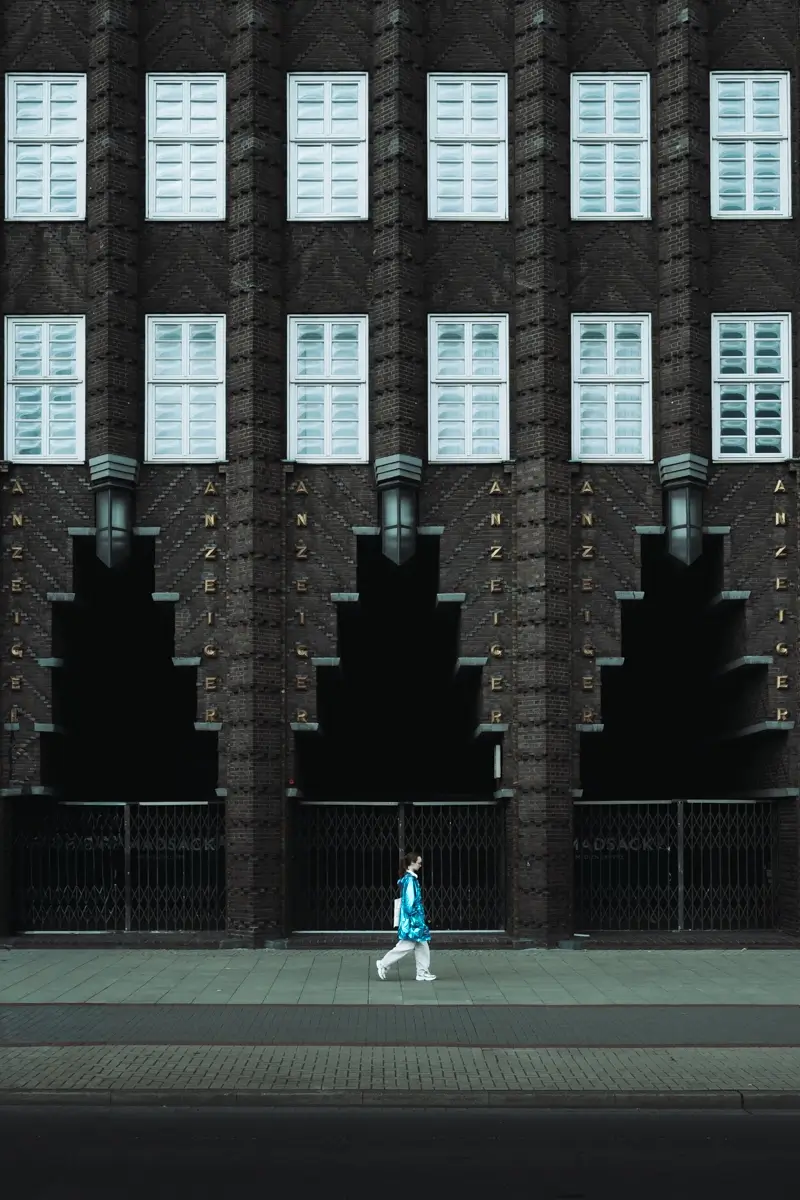
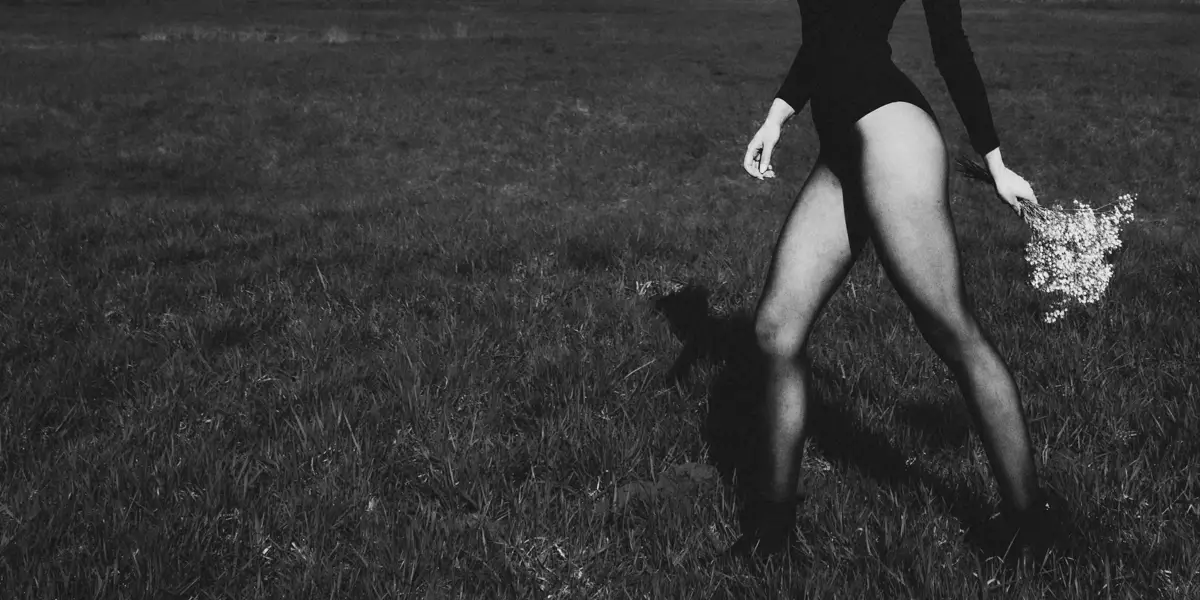
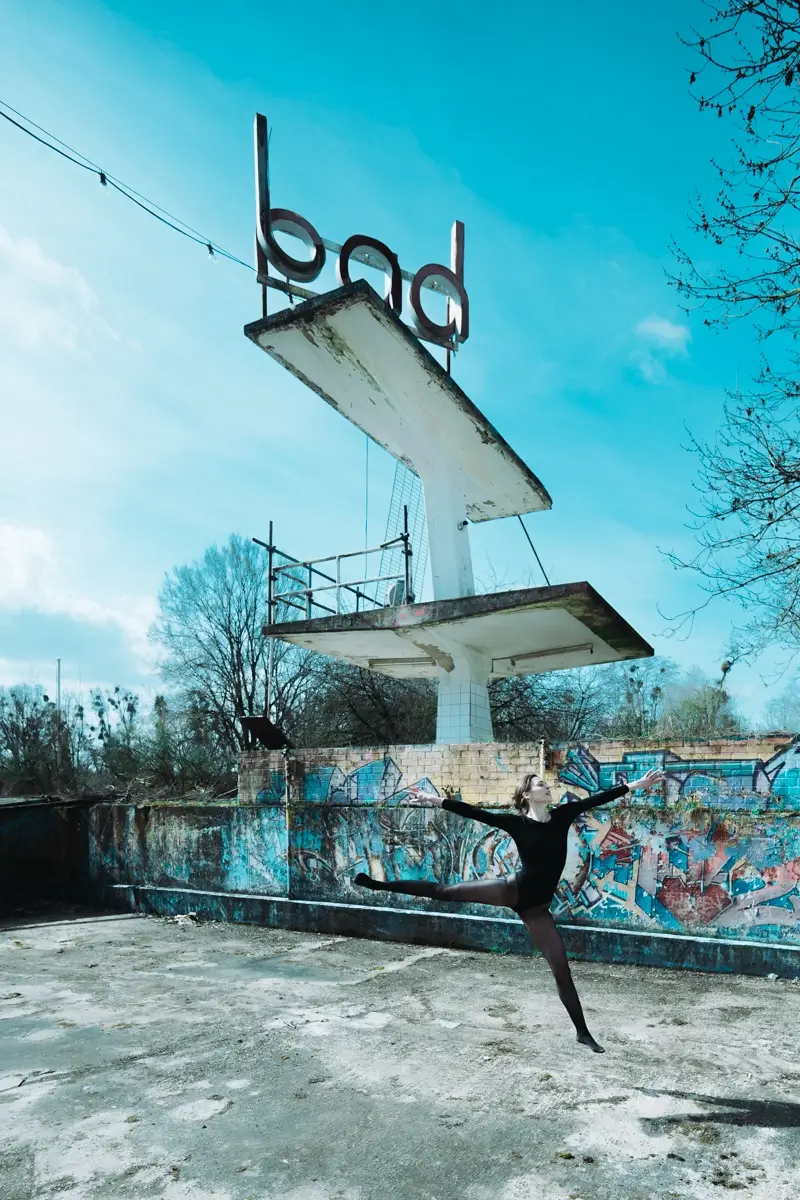
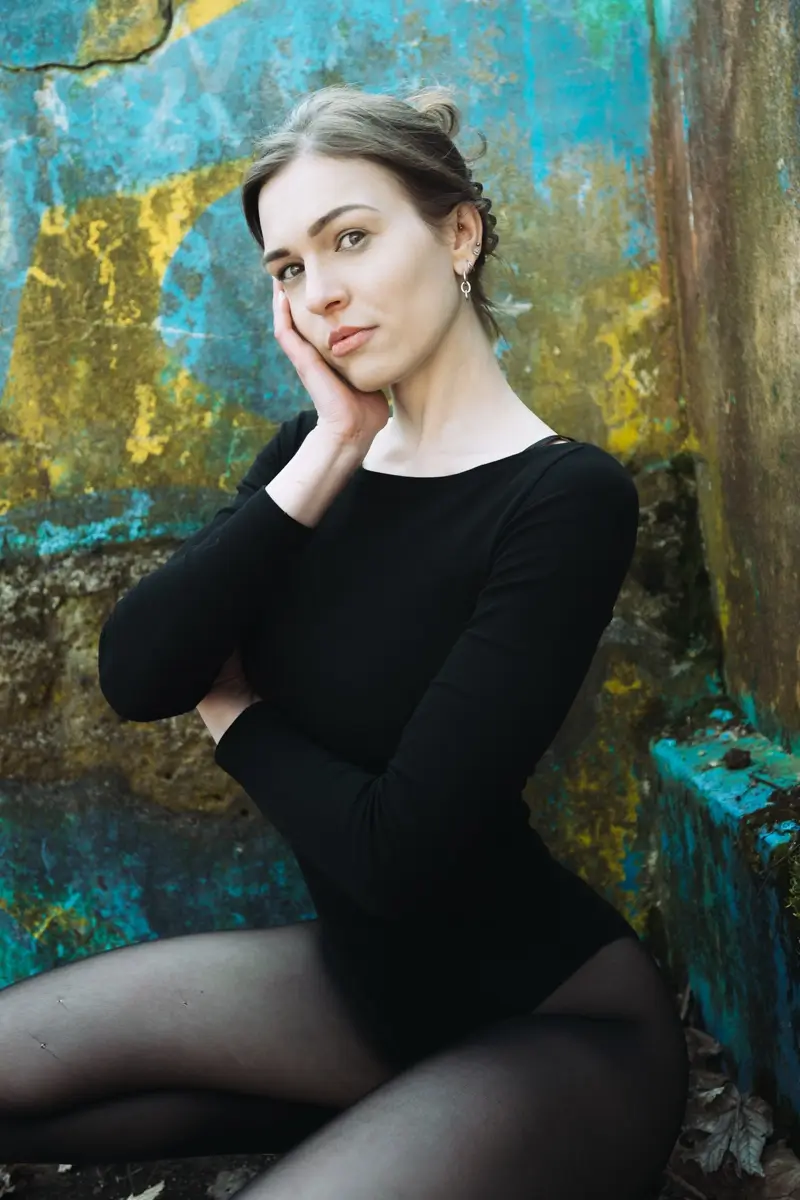
Today, I work on a wide range of projects. I’m passionate about fashion shoots as much as I am about street photography—and I deliberately refuse to limit myself to just one niche.

All About Photo Competitions

AAP Magazine 56 Shadows

 

Inspiring Portfolios

Call for Entries
AAP Magazine #58 B&W
Publish your work in our printed magazine and win $1,000 cash prizes
 
Stay up-to-date  with call for entries, deadlines and other news about exhibitions, galleries, publications, & special events.

More Great Photographers To Discover

Mario Algaze
Cuba / United States
1947
Mario Algaze (born 1947 in Havana, Cuba) is a Cuban-American photographer whose work celebrates the culture of Latin America. At the age of thirteen he was forced to exile Cuba in 1960 and relocated to Miami, Florida. Miami offered a rich cultural mecca and a vibrant melting pot of culture which encouraged him to travel to Central and South America where he worked as a freelance photojournalist for national and international publications. These trips allowed him a glimpse of belonging within a familiar culture. In finding his identity after exile, he began photographing Latin America in the 1970’s while reconnecting with the feeling of home. His photographs embody the everyday of Latin life. Between his travels in the late 70’s, Algaze studied visual art at Miami Dade College. Algaze’s masterful command of light illuminates his street scenes that detail the struggles and victories of Latin culture. Mario Algaze is the recipient of various acclaimed awards, including the Florida Artist Fellowship from the Florida Arts Council (1985), the Cintas Foundation Fellowship in Photography (1991), the Visual Arts Fellowship and the SAF Artist Fellowship sponsored by the National Endowment for the Arts. In 1992, he received the National Endowment for the Arts Fellowship in Photography. A retrospective collection of his work is showcased in the important monograph, Mario Algaze: Portfolio, published by Di Puglia Publisher, 2010. Additional monographs by the artist include, Mario Algaze: Portafolio Latinamericano, Mario Algaze: Cuba 1999-2000, and A Respect for Light: The Latin American Photographs: 1974-2008. Algaze's documentary work is highly sought after by institutions and collectors worldwide. His work can be found in permanent collections at every corner of the world including the Museum of Fine Arts, Houston; Museo Tamayo, Mexico City; Santa Barbara Museum; Museum of Photographic Arts, San Diego; Victoria and Albert Museum, London, DePaul University, Chicago and the Cleveland Museum of Art.Source: PDNB Gallery Mario Algaze was born in Havana, Cuba but emigrated to the United States in 1960, settling in Miami, Florida. In 1971, at the age of 24, he began a career as a freelance photojournalist. Although Algaze left Cuba as a teenager he has frequently turned to Latin America as the subject of his photographs, traveling extensively throughout the region. In his carefully composed black and white photographs, he captures people alone or in small groups on the streets and in cafes and parks. Many of his photographs of these everyday settings are infused with a soft light and marked by shadows, giving them a serene or mysterious quality, or evoking the passage of time. The region's conflicts and political activities, frequent subjects of photojournalism, are largely absent in his imagery; instead, he lends quiet insight into the cultural diversity of Latin America and the shape of daily life in countries as far spread as Mexico, Ecuador, and Argentina.Source: Museum of Contemporary Photography
Iness Rychlik
Iness Rychlik is a Polish-born photographer and filmmaker with a particular interest in historical drama. Despite her severe myopia, she has been dedicated to visual storytelling for over a decade. Iness graduated with First Class Honours in Film from Screen Academy Scotland. Set in Victorian London, her final-year film ‘The Dark Box' follows an unhappily married woman, who pursues photography to escape from her oppressive relationship. ‘The Dark Box' premiered at Camerimage, where Iness received a Golden Tadpole nomination for her cinematography. Rychlik is recognised for her dark feminine erotica. She is fascinated by the idea of conveying sexuality and cruelty in a subtle evocative way. Her conceptual self-portraits aim to provoke the viewer's imagination, rather than satisfy it. ARTIST STATEMENT Although greatly influenced by historical drama, my work is deeply personal and symbolic in nature. I suffer from a hyper-sensitive skin condition. As a teenager, I would often attempt to cover it up; I resented being asked if I had accidentally burnt myself. Throughout the years, I have learnt to see my skin as a canvas of expression, rather than an ugly inconvenience that should be kept hidden. I use my very own body to explore the themes of solitude and objectification, often employing antique garments or props to depict the parallels between my experiences and the inferior female position in Victorian Britain. I honour the concept of transforming hidden pain into art – exposed, disturbing and beautiful.
Arnaud Gaertner
France
1966
Born in 1966 in Nancy, France. Gaertner moved to Pennsylvania, US at the age of 3-6 (learned arnaud gaertnerto drink milk at school and sing the national anthem, never stopped!). He then spent 5 years in Rio de Janeiro, Brazil from age 10 to 16. Gaertner then travelled all over South America. He moved to Belgium for two years at the age of 16 and spent the next 12 years in in France. He took thousands of photos while traveling in North America, Asia Pacific, Europe, and the Middle East. He has resided in the Bay Area since 2012 with his wife Marine and their four sons. Gaertner is an explorer of California and its wonders.Series “In the middle of nowhere”, 2014In the middle of the Back Rock Desert, Nevada. In that Middle of Nowhere, 70 000 people camp in total autonomy for one week on a 30 million old dried lake, and on the main square, dozens, hundreds of art pieces, static or moving, are there, subject to the weather conditions: extreme heat, wind, dust storm. Most of the wooden art pieces are burned by the end of the week. As we speak all these moments are gone, people have left, art pieces returned into ashes, and I am glad these ephemeral moments are still alive through my photographs. This series is about the Ephemeral nature and Mystical dimension of the American desert.Artist statementBy 16 years of age, I had already visited more than 30 countries and had lived abroad, away from my home country France, for close to10 years in the United States, Brazil and Belgium. This decade opened my eyes to the diversity of the world, seen through its landscapes, people, cultures, sounds and tastes. I love people. I love getting to know others better. I love trying to understand who people are and what it is that makes them who they are. I made my first pictures when my Dad let me borrow his old camera while we were discovering the world, then he bought me a Kodak with Cube Flashes-this was my first camera and I have never stopped taking pictures since then. As an adult, I continue exploring all the continents. Photography keeps me connected to the magic of the planet. During my travels I have taken thousands of photos :f rom nature to cities, from diverse subjects to artists in their studios. This project, “In The Middle of Nowhere”, was born in the Black Rock Desert, Nevada, in September 2014. My son Baptiste had come to me and said “Dad, a friend of mine just came back from a crazy art festival in the desert called Burning Man”. Curious, we researched it and discovered something strange and amazing. For my first time at Burning Man I stayed only 3 days, but I took over 3000 pictures! My camera lens ended up ull of dust, but that probably added to the mystery of my images and the “sense of nowhere” I felt deeply. In the middle of nowhere, under 100 degrees Fahrenheit, cycling on a lake that dried 30 million years ago, 70 000 people live in total autonomy for one week where no money is exchanged, and hundreds of art pieces, static or moving, under the heat, in a dust storm, are admired by visitors in very creative costumes. Everything is burned by the end of the festival in a ritual of true “Ephemeral Art!” I seek to testify for the ephemeral, fleeting nature of these art pieces and unique moments made lasting by the photographic image. I try to capture the place, light, dusty wind that surround this eclectic eccentric happening. For this project I have selected about 30 im- ages out of 3000, helped by my two friends Gino Castoriano and Jules Maeght who are both gallerists. “In The Middle of Nowhere” is about people, places and art—those unique, ephemeral moments I capture through my images and that I want to share with you.
Mario Testino
Mario Testino is a Peruvian fashion photographer. His work has been featured in magazines such as Vogue and Vanity Fair. His career highpoint came when he was chosen by Princess Diana for her Vanity Fair photoshoot in 1997. Testino has been regularly employed by the British royal family ever since. Aaron Hicklin of The Observer described him as "the world's most prolific magazine and fashion trade photographer". His persistence in shooting Gisele Bündchen is widely credited with elevating her to supermodel status. Testino was born and grew up in Lima, the eldest son of a businessman. He was one of six children in a middle class family. When he was young he wanted to be a priest. Testino studied economics at Universidad del Pacífico. In 1976 he went to London to study photography. Living in an unconverted floor of a hospital, without much money, he funded himself by working as a waiter. He had his hair dyed pink which helped him get noticed as a photographer. He is one of six children born to an Italian father and an Irish mother. He attended the Catholic school Santa Maria Marianistas. Testino attended the Universidad del Pacifico, the Pontificia Universidad Catolica del Peru and the University of San Diego. In 1982 Testino moved permanently to London. Testino has become one of the world's most well known and celebrated fashion photographers. His work has been featured across the globe in magazines such as Vogue, Vanity Fair and V, and he has crafted and contributed to the imagery of leading fashion houses such as Burberry, Gucci, Versace, Calvin Klein, Dolce & Gabbana, Salvatore Ferragamo, Estee Lauder and Michael Kors, among others. As well as having published seven books of his work and edited one other dedicated to contemporary art and artists from his native Peru, Mario Testino has had many successful exhibitions in galleries and museums around the world. In 2002, The National Portrait Gallery in London staged the landmark exhibition “Portraits” by Mario Testino that to date remains its second most successful exhibit. For ten years it had the highest attendance of any exhibition ever to be held there. Over the next four years the exhibition went on tour to Milan, Amsterdam, Edinburgh, Tokyo, Mexico City, and Boston. Testino has also received royal commissions, including The Prince of Wales, The Duchess of Cornwall, Prince William, Prince Harry, The Duchess of Cambridge, Diana Princess of Wales, The Duke of Kent, Prince and Princess Michael of Kent, Prince Nikolaos of Greece, Prince Willem-Alexander and Maxima of the Netherlands, Prince Haakon Magnus and Princess Mette-Marit of Norway and Her Majesty Queen Rania al Abdullah of Jordan.Source: Wikipedia Mario Testino OBE is widely regarded as one of the most influential fashion and portrait photographers of our times. His photographs have been published internationally in magazines such as Vogue, V Magazine and Vanity Fair. He has contributed to the success of leading fashion and beauty houses, creating emblematic images for brands from Gucci, Burberry, Versace and Michael Kors to CHANEL, Estée Lauder and Dolce & Gabbana. Alongside his 40-year practice as a photographer, Testino has realised a body of work as a creative director, guest editor, museum founder, art collector/collaborator and entrepreneur. In 2007, at the request of his clients to provide full creative direction services, he formed MARIOTESTINO+ which today is a growing team of individuals who support Testino to realise the breadth of his creative output.Source: www.mariotestino.com
Jeff Brouws
United States
1955
Jeff Brouws, born in San Francisco in 1955, is a self-taught artist. Pursuing photography since age 13, where he roamed the railroad and industrial corridors of the South Bay Peninsula, Brouws has compiled a visual survey of America's evolving rural, urban and suburban cultural landscapes. Using single photographs as subtle narratives and compiling typologies to index the nation's character, he revels in the "readymades" found in many of these environments. Influenced by the New Topographic Movement, the artist books of Ed Ruscha (to whom Brouws paid homage with his Twentysix Abandoned Gasoline Stations project in 1992) as well as the writings of cultural geographers like J.B. Jackson, Dolores Hayden, John Stilgoe, Mike Davis and Leo Marx, Brouws has combined anthropological inquiry with a somber aesthetic vision mining the overlooked, the obsolete, and the mundane. Initially engaged with what Walker Evans termed the "historical contemporary" along America's secondary highways beginning in the late 1980s, over the following twenty years Brouws has extended this inquiry into the everyday places occupied by most Americans – the franchised landscapes of strip malls, homogenized housing tracts and fast food chains. Since moving to the Northeast in the late 1990s, Brouws has also investigated inner city areas, abandoned manufacturing sites, and other commercial ruins found in Buffalo, Detroit, Cleveland and Youngstown. His photographs of these discarded spaces—the byproducts of de-industrialization, white flight, disinvestment, and failed urban policy—suggest an underlying disparity throughout a country that purports economic equality and social justice for all. Alongside his photographic practice, for the past thirty years Brouws has researched and written about the historic and aesthetic development of railroad photography in America, authoring and editing numerous books on the subject including The Call of Trains: Railroad Photographs by Jim Shaughnessy, A Passion for Trains: The Railroad Photography of Richard Steinheimer, and his most recent publication (edited with Wendy Burton) Some Vernacular Railroad Photographs. In 2013 Brouws (along with co-editors Wendy Burton and Hermann Zschiegner and authors Phil Taylor and Mark Rawlinson) published Various Small Books: Referencing the Various Small Books by Ed Ruscha (MIT Press). This was a multi-year, collaborative project involving ninety artists from around the world. Honoring Ruscha’s seminal books from the 1960s and 70s like Twentysix Gasoline Stations, VSB went on to become the defacto catalog for the Ed Ruscha: Books & Co exhibition staged at the Gagosian Gallery, New York and the Museum Brandhorst in Munich. Brouws’s photography is represented by The Robert Mann Gallery, The Robert Koch Gallery, The Robert Klein Gallery, and The Craig Krull Gallery. His work is in numerous private and public collections including the Whitney Museum of American Art, Princeton University Art Museum and San Francisco Museum of Modern Art.
Hilary Duffy
United States
Hilary began her photography career in news and travel for The Tico Times while she lived in Costa Rica in the 1990's. Over the course of seven years, she immersed herself in the culture of Costa Rica as an educator and honed her photography skills. In 2000, Hilary graduated from the International Center of Photography's Documentary/PJ Program and later assisted the Maine Photo Workshops in Havana, Cuba. Compelled to share photography with local youth, she developed a photo library and directed the Havana Youth Photo course in 2003—sharing her passion for photography and educating a younger generation. As a recipient of the ICP/Johnson & Johnson Fellowship in 2002 and 2004, Hilary completed assignments for Johnson & Johnson's corporate social responsibility at the U.S.-Mexico border, then India and Vietnam. This led to subsequent assignments for NGOs in the U.S., Asia, Latin America, the Caribbean and tsunami-affected regions. Hilary's international work and experience provided the opportunity to document the plight and rehabilitation of street children for Covenant House/Latin America. Her project Young Lives at Risk on the Streets was featured on Media Voices for Children, PhotoPhilanthropy and socialdocumentary.net. These collaborations have allowed Hilary to strengthen her passion as a socially concerned photographer and led to a permanent exhibit at Covenant House Headquarters in New York City. In addition, Hilary has exhibited in Costa Rica, Cuba, Guatemala and the U.S. And her stock photography has been represented in Aurora, Corbis and the National Geographic Image Collection. Hilary's curiosity, honesty, compassion and cultural sensitivity are reflected in her imagery.
Advertisement
AAP Magazine #58 B&W
Win a Solo Exhibition in June
AAP Magazine #58 B&W

Latest Interviews

Exclusive Interview with Carolyn Moore
American photographer Carolyn Moore explores the inner landscape of emotion, memory, and personal transformation through a deeply intuitive photographic practice. Her work unfolds as a quiet dialogue between artist and viewer, where images become a space for reflection, vulnerability, and connection.
Exclusive Interview with Luca Desienna and Laura Estelle Barmwoldt
For over seven years, Of Lilies and Remains has explored the depths of the goth and darkwave underground, unfolding in Leipzig—a city long associated with a vibrant and enduring subcultural scene. Moving between iconic gatherings such as Wave-Gotik-Treffen and more intimate moments on the fringes, the project offers a rare and immersive glimpse into a world often misunderstood, yet rich in expression and community. Created by Luca in collaboration with Laura Estelle Barmwoldt, the work embraces a cinematic and deeply personal approach. Rather than documenting from a distance, it moves within the scene itself, capturing its atmosphere, its codes, and its quiet contradictions. The title Of Lilies and Remains hints at this duality—where beauty and darkness, fragility and strength coexist. As the book prepares for its release, we spoke with both artists about the origins of the project, their process, and what it means to document a subculture that continues to evolve while remaining true to its spirit.
Exclusive Interview with Matthew Finley
American photographer Matthew Finley turns inward, using photography as a way to explore identity, memory, and emotional truth. Based in Los Angeles, his practice moves between performance, gesture, and found imagery, creating a visual language that is both intimate and deeply personal
Exclusive Interview with Jan Janssen
Dutch photographer Jan Janssen explores universal human experiences through his long-term project It Matters, winner of the May 2025 Solo Exhibition. Begun in 2016, the series captures intimate moments of everyday life—love, loss, connection, and belonging—across Central and Eastern Europe. Working in countries such as Turkey, Azerbaijan, and Armenia, Janssen spends extended time within communities, building relationships based on trust and respect. His approach allows him to move beyond observation, revealing deeply human and authentic moments. Rooted in travel and personal discovery, It Matters reflects Janssen’s search for what connects us all in an increasingly divided world. The project is ongoing and will culminate in a photobook scheduled for publication in 2026.
Exclusive Interview with Henk Kosche
German photographer Henk Kosche turns his lens toward the streets of Halle an der Saale, capturing everyday life in the late years of the former German Democratic Republic. At the time, Kosche was studying design and exploring the city with his camera, drawn to the atmosphere of its industrial landscape and the quiet rhythms of daily life. His series Street Photography at the End of the 80s, selected as the Solo Exhibition for July 2025, revisits a body of work created just before a period of profound change. Rediscovered decades later in a small box of 35mm negatives, these photographs offer glimpses of a city and its people at a moment suspended between the familiar and the unknown.
Exclusive Interview with Anastasia Samoylova
Anastasia Samoylova is an American artist whose photographic practice is shaped by close observation and a deep attentiveness to place. Working between documentary and formal exploration, she photographs landscapes, architecture, and everyday scenes with a sensitivity to light, structure, and atmosphere. Since relocating to Miami in 2016, her work has increasingly focused on how environments—both natural and built—carry social, cultural, and emotional traces. We asked her a few questions about her practice and her way of seeing, to better understand the thoughts and experiences that shape her work—while allowing the images themselves to remain open and speak in their own time.
Exclusive Interview with Marijn Fidder
Marijn Fidder is a Dutch documentary photographer whose work powerfully engages with current affairs and contemporary social issues. Driven by a deep sense of social justice, she uses photography to speak on behalf of the voiceless and to advocate for the rights of those who are most vulnerable. Her images have been widely published in major international outlets including National Geographic, CNN Style, NRC Handelsblad, Volkskrant, GUP New Talent, and ZEIT Magazin. Her long-term commitment to disability rights—particularly through years of work in Uganda—culminated in her acclaimed project Inclusive Nation, which earned her the title of Photographer of the Year 2025 at the All About Photo Awards. She is also the recipient of multiple prestigious honors, including awards from World Press Photo and the Global Peace Photo Award. We asked her a few questions about her life and work.
Exclusive Interview with Josh S. Rose
Josh S. Rose is a multidisciplinary artist working across photography, film, and writing. His practice bridges visual and performing arts, with a strong focus on movement, emotion, and the expressive potential of the image. Known for his long-standing collaborations with leading dance companies and performers, Rose brings together authenticity and precise composition—a balance he describes as “technical romanticism.” His work has been commissioned and exhibited internationally, appearing in outlets such as Vogue, at the Super Bowl, in film festivals, and most recently as a large-scale installation for Lincoln Center for the Performing Arts. A sought-after collaborator, he has worked with major artists, cultural institutions, and brands, following a previous career as Chief Creative Officer at Interpublic Group and the founder of Humans Are Social. We asked him a few questions about his life and work.
Interview with Maureen Ruddy Burkhart
Photographer Maureen Ruddy Burkhart brings a quietly attentive and deeply human sensibility to her exploration of the world through images. Shaped by a life immersed in photography, film, and visual storytelling, her work is guided by intuition, observation, and an enduring interest in the emotional undercurrents of everyday life. With a practice rooted in both fine art traditions and documentary awareness, she approaches her subjects with sensitivity, allowing subtle moments to emerge naturally rather than be imposed. Her series Til Death, selected as the Solo Exhibition for February 2025, reflects this long-standing commitment to photography as a space for reflection rather than spectacle. Drawn to moments that exist just outside the expected frame, Burkhart’s images suggest narratives without resolving them, leaving room for ambiguity, humor, and quiet connection. We asked her a few questions about her life and work.
Call for Entries
Win A Solo Exhibition in June
Get International Exposure and Connect with Industry Insiders