All about photo.com: photo contests, photography exhibitions, galleries, photographers, books, schools and venues.
FINAL CALL TO ENTER AAP MAGAZINE SHAPES: PUBLICATION AND $1,000 CASH PRIZES
Sima Bivolarska-Stoyanova

Sima Bivolarska-Stoyanova

Country: Bulgaria
Birth: 1988

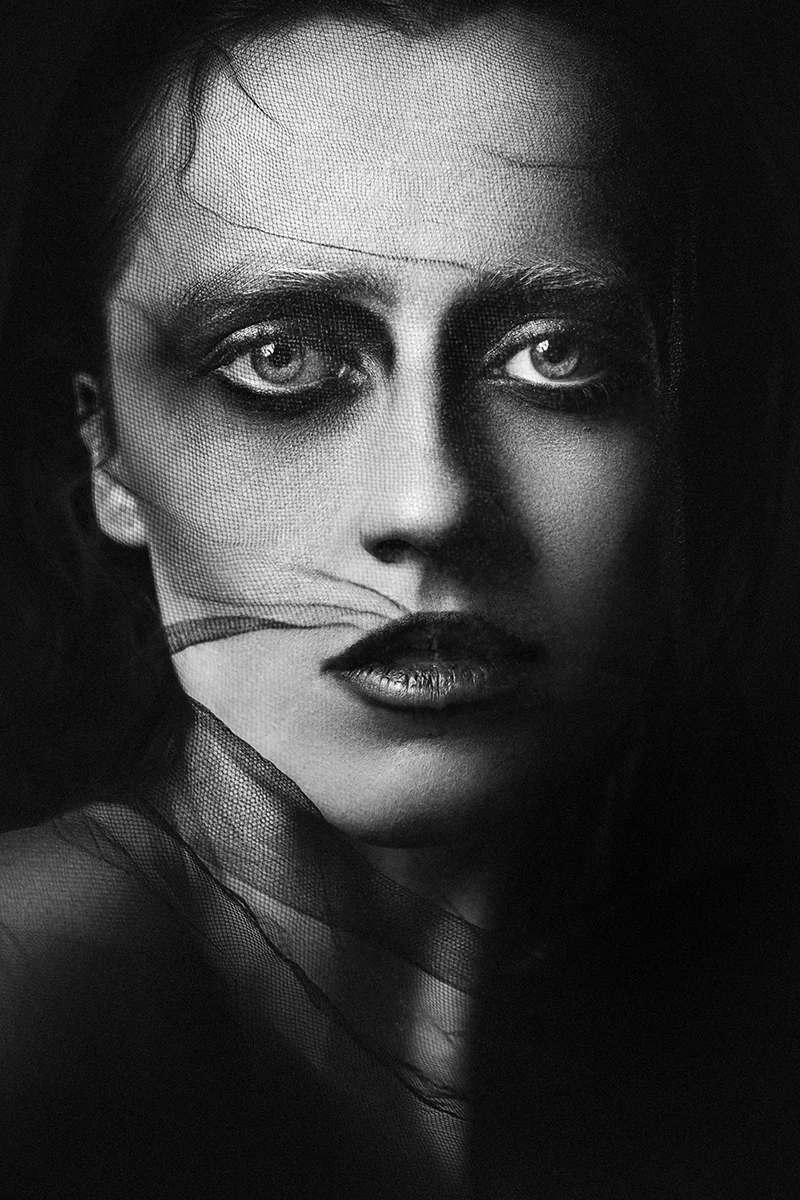
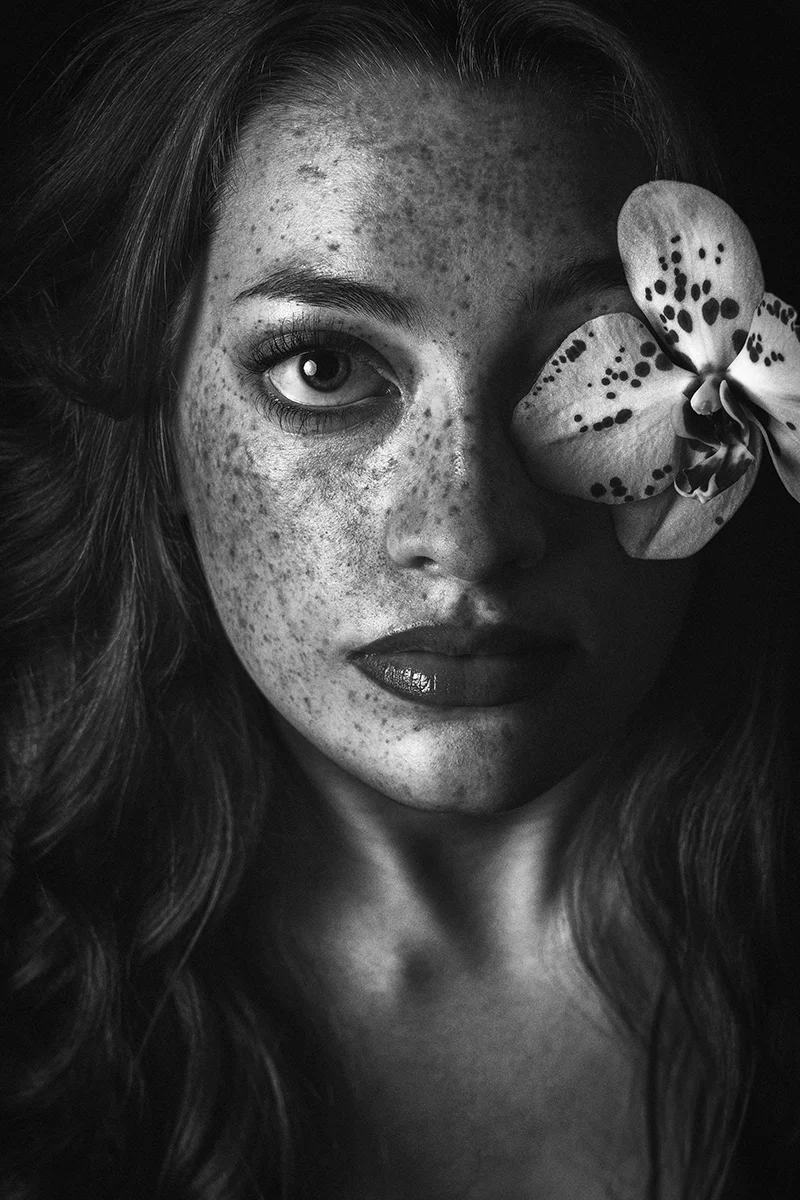
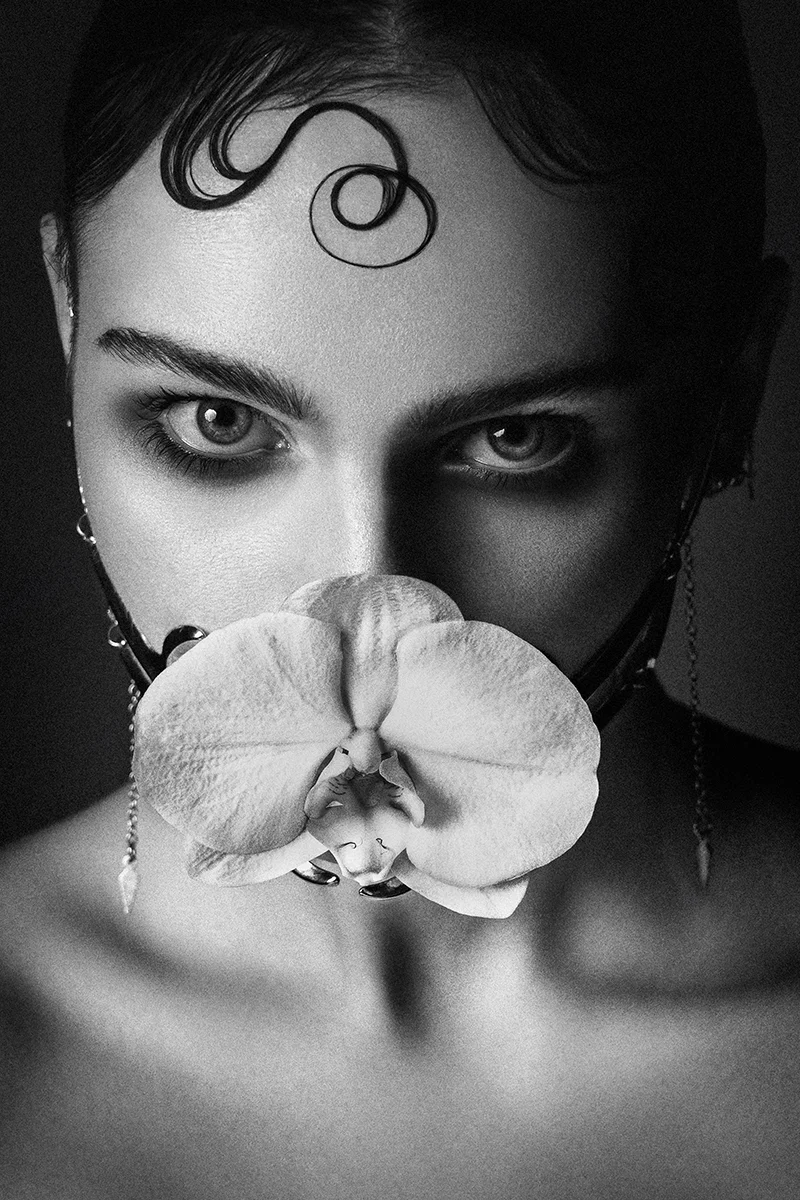
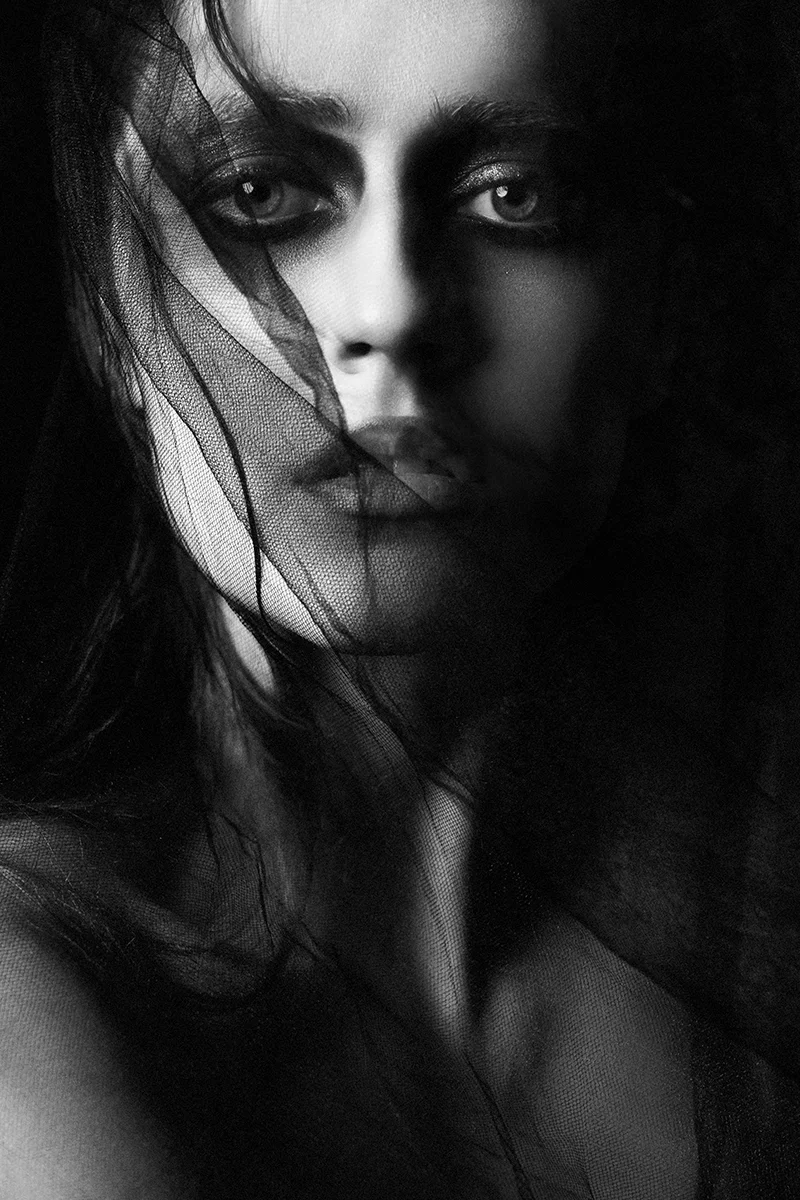
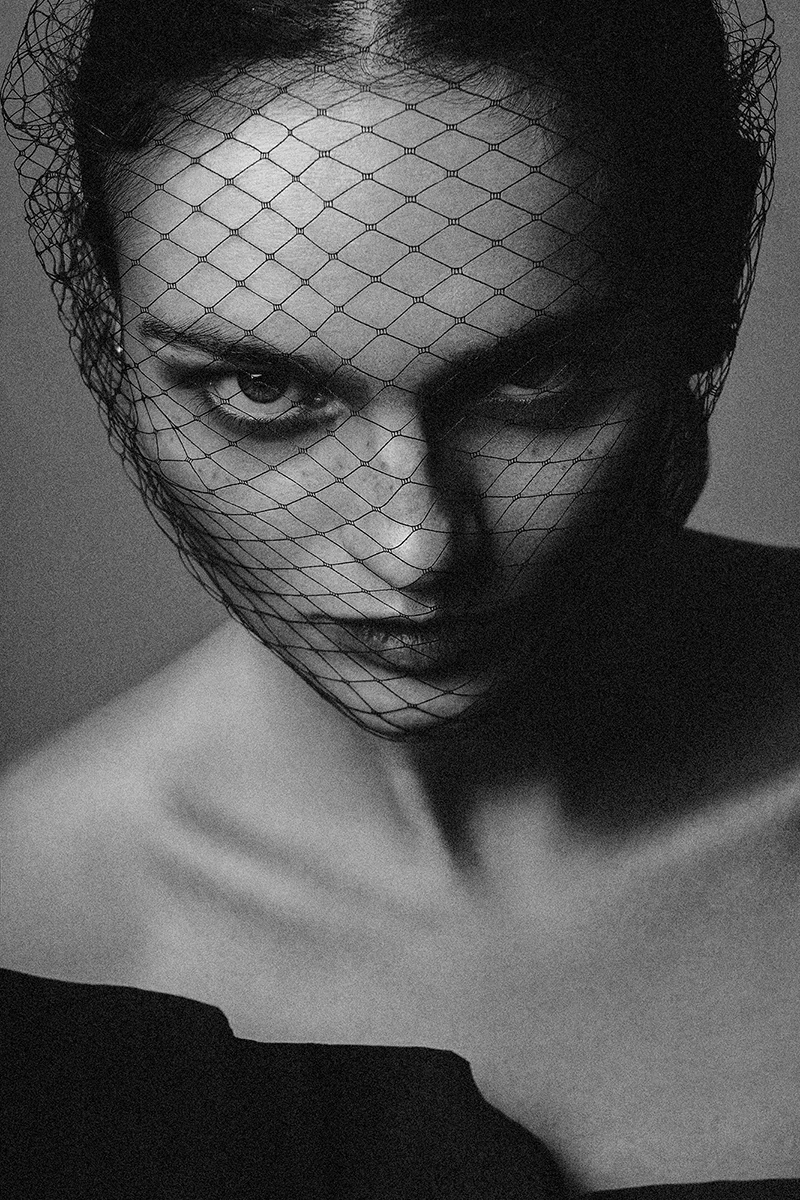
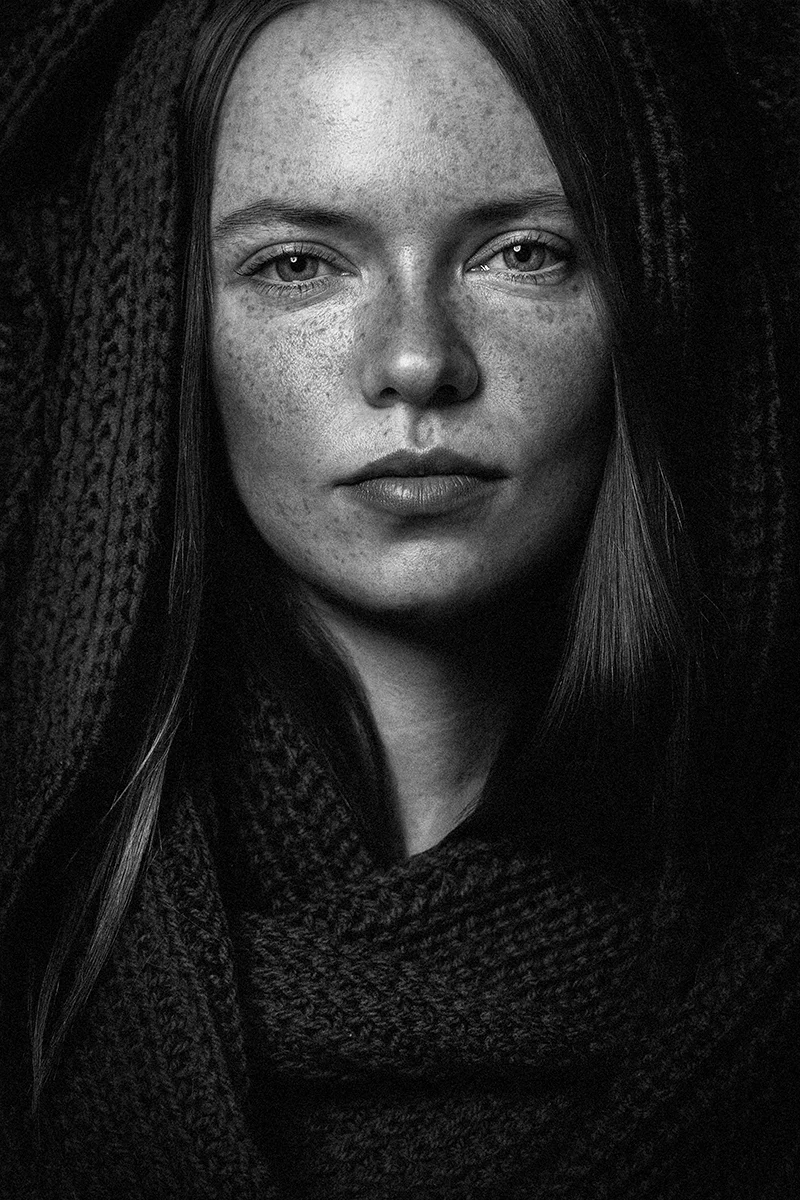
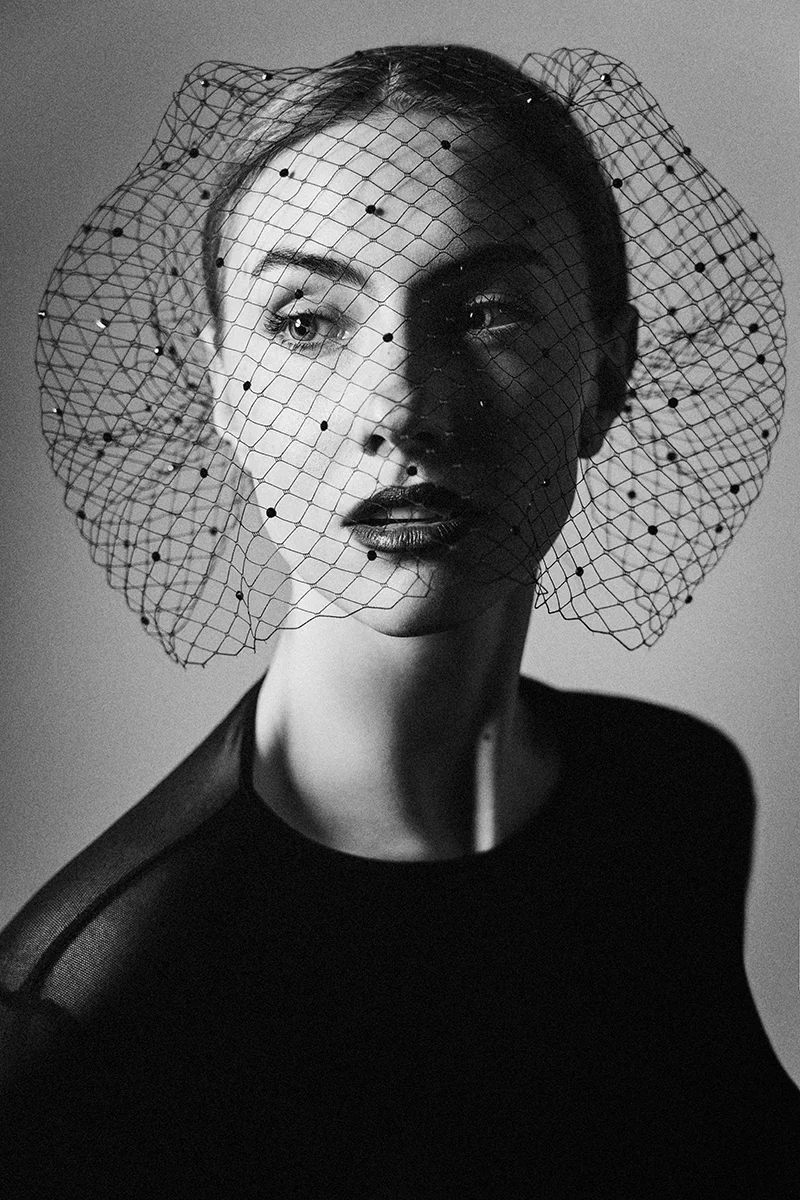
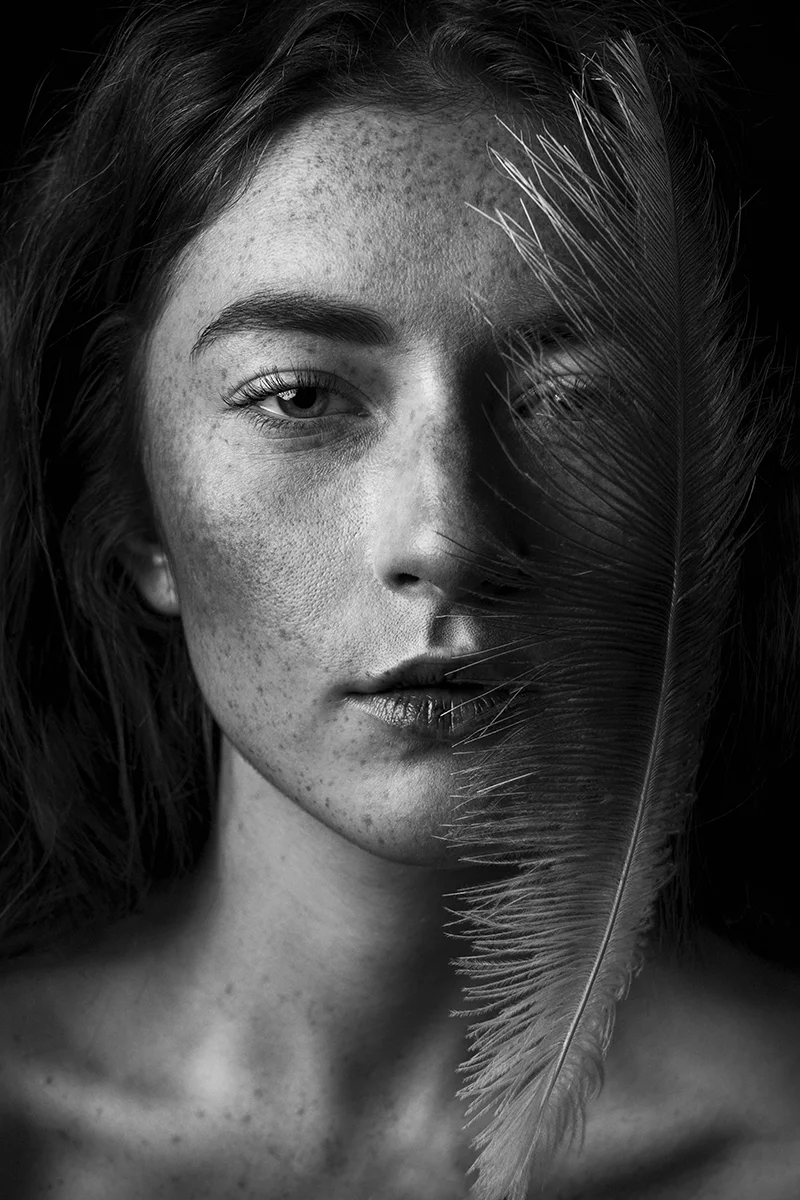
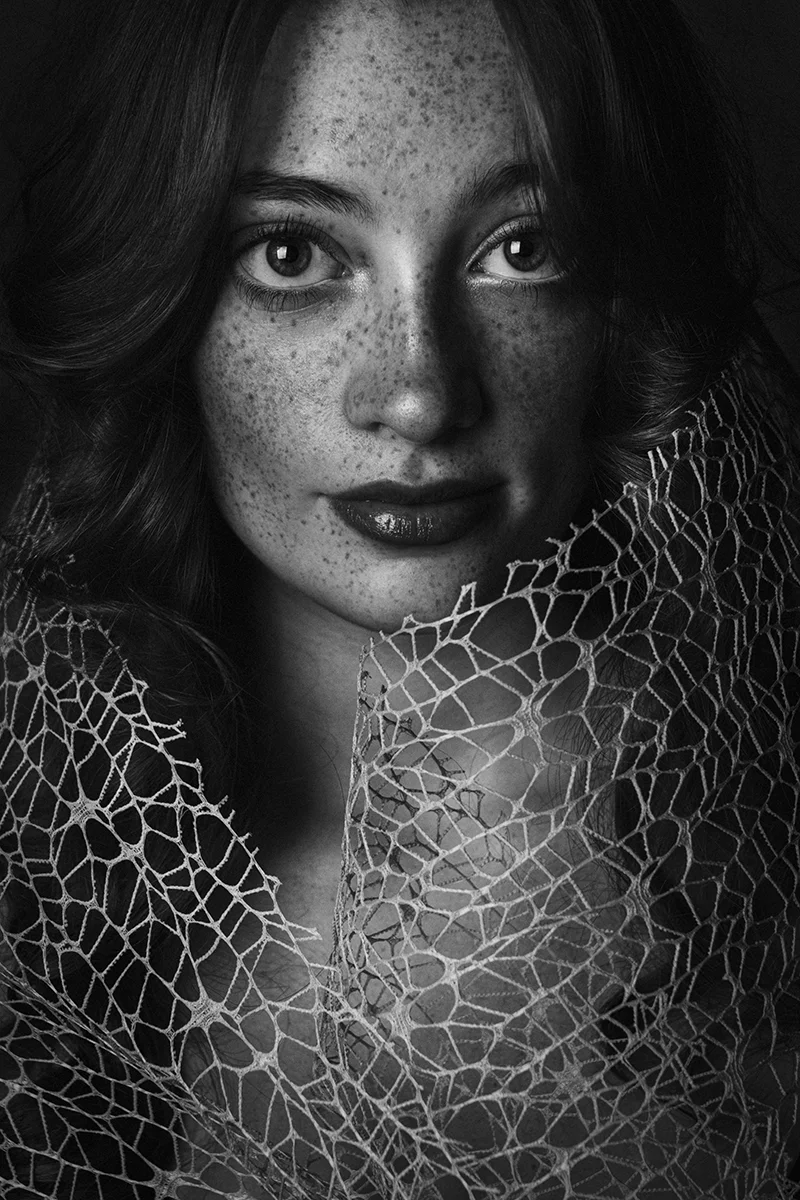
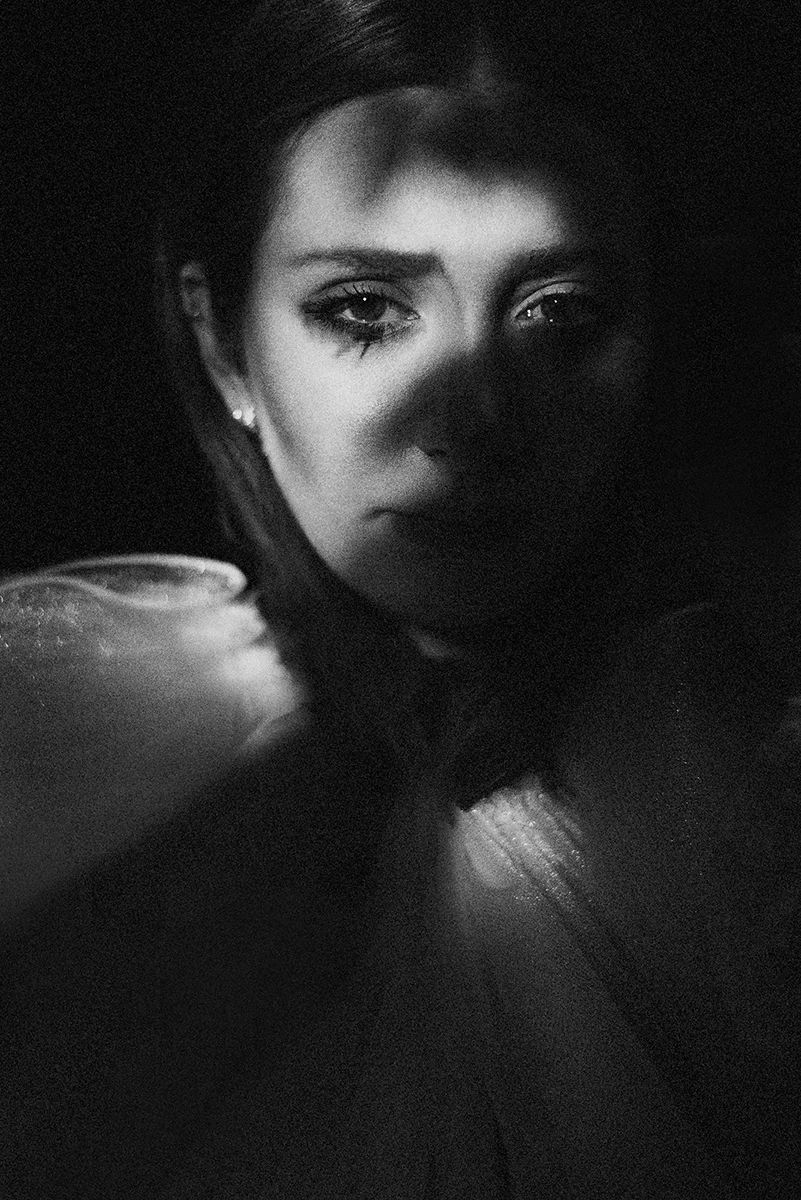
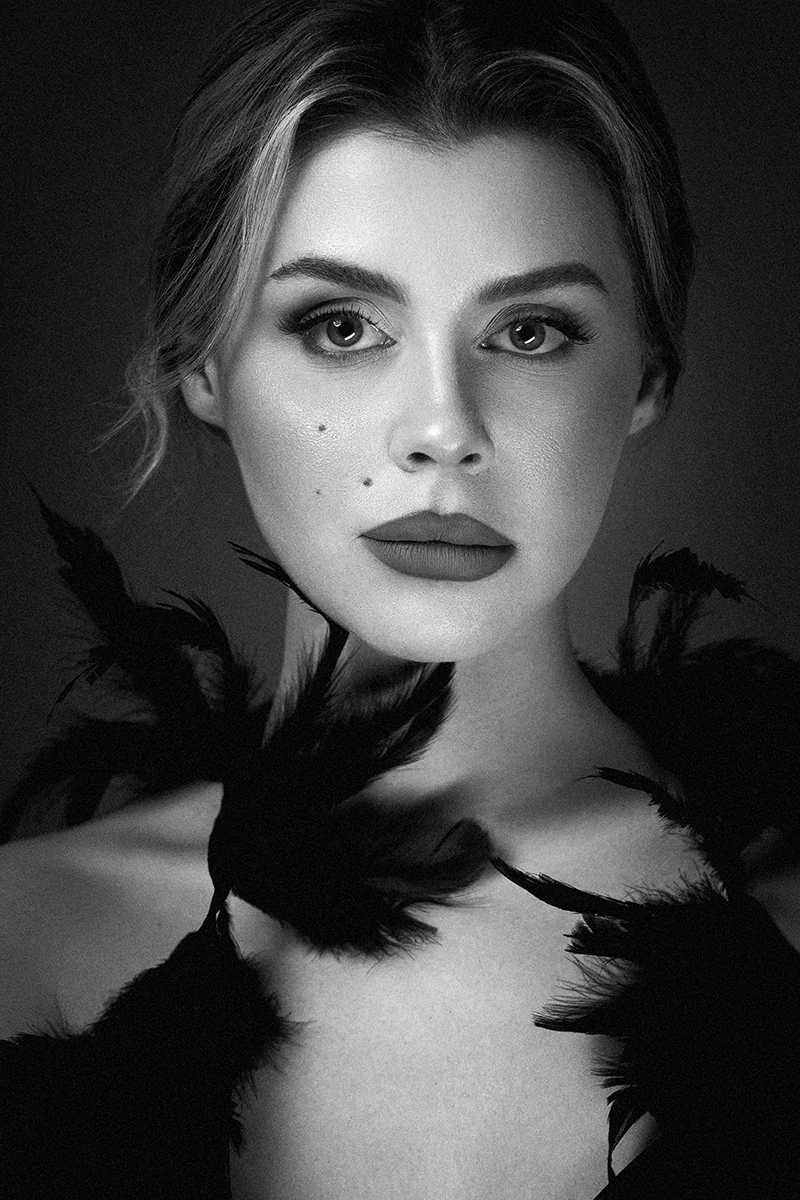
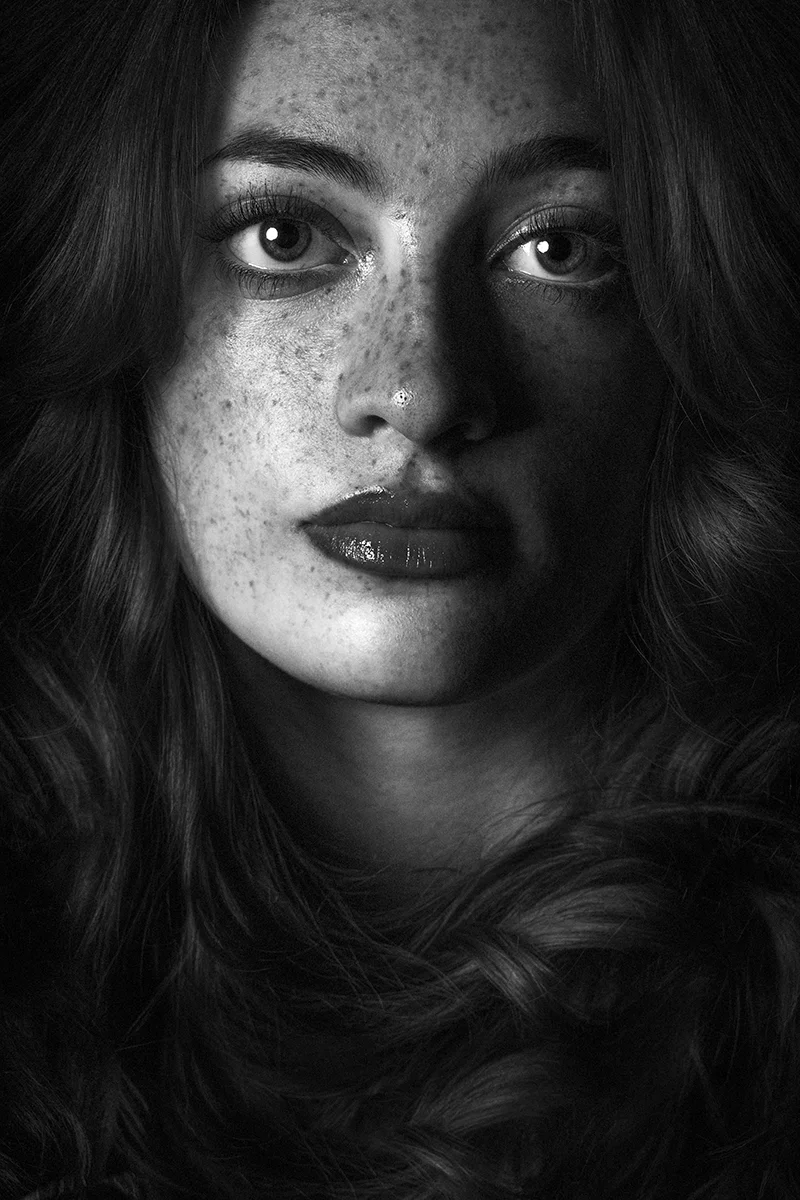
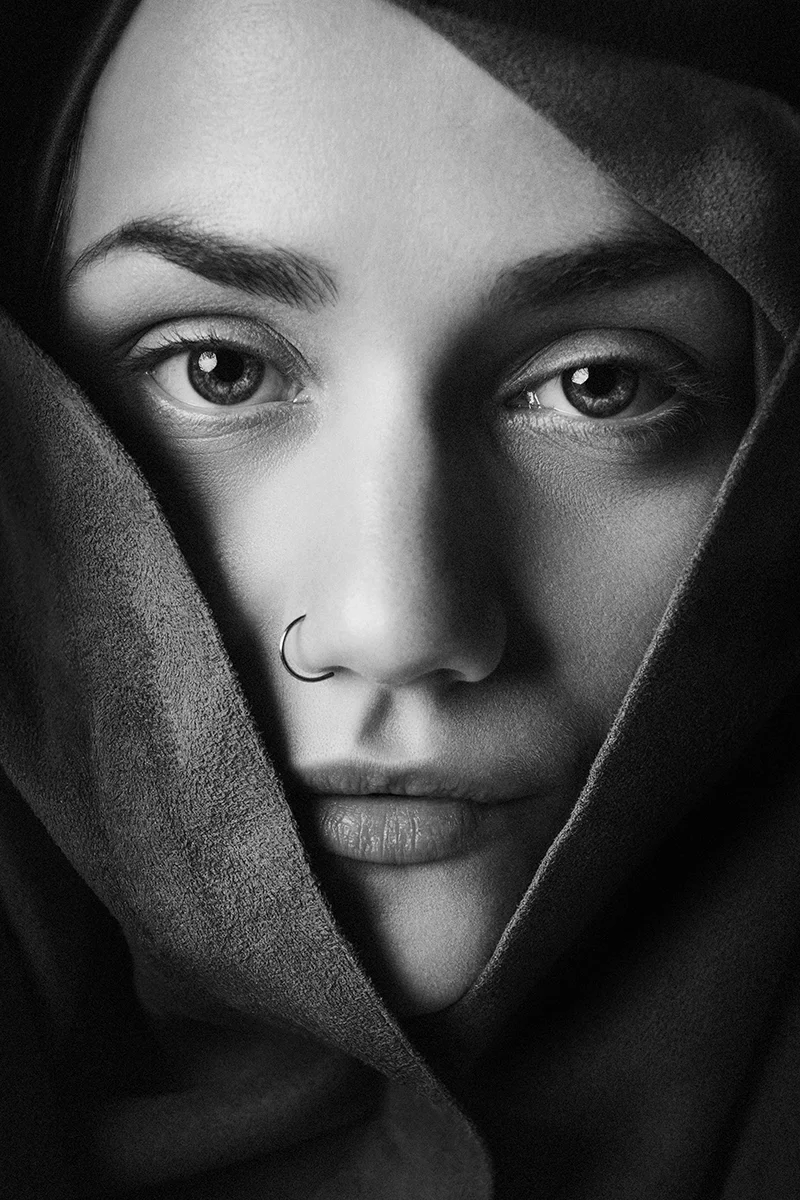
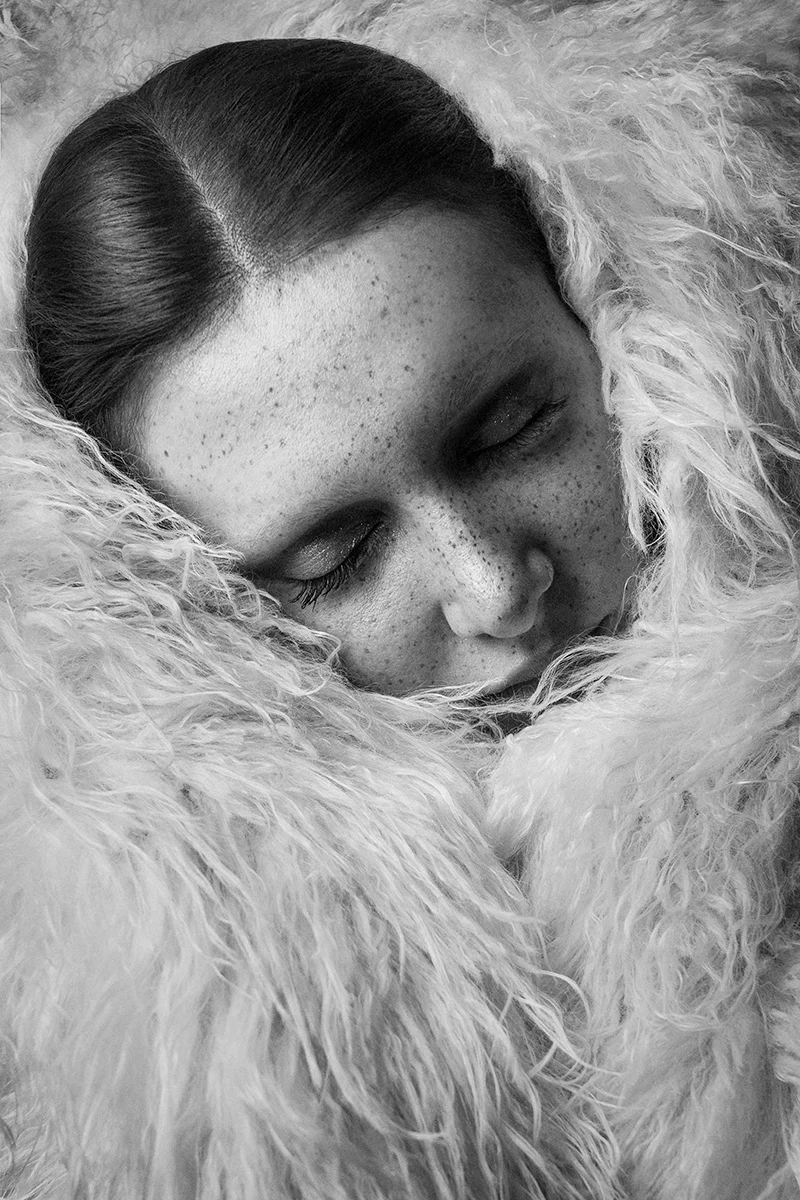
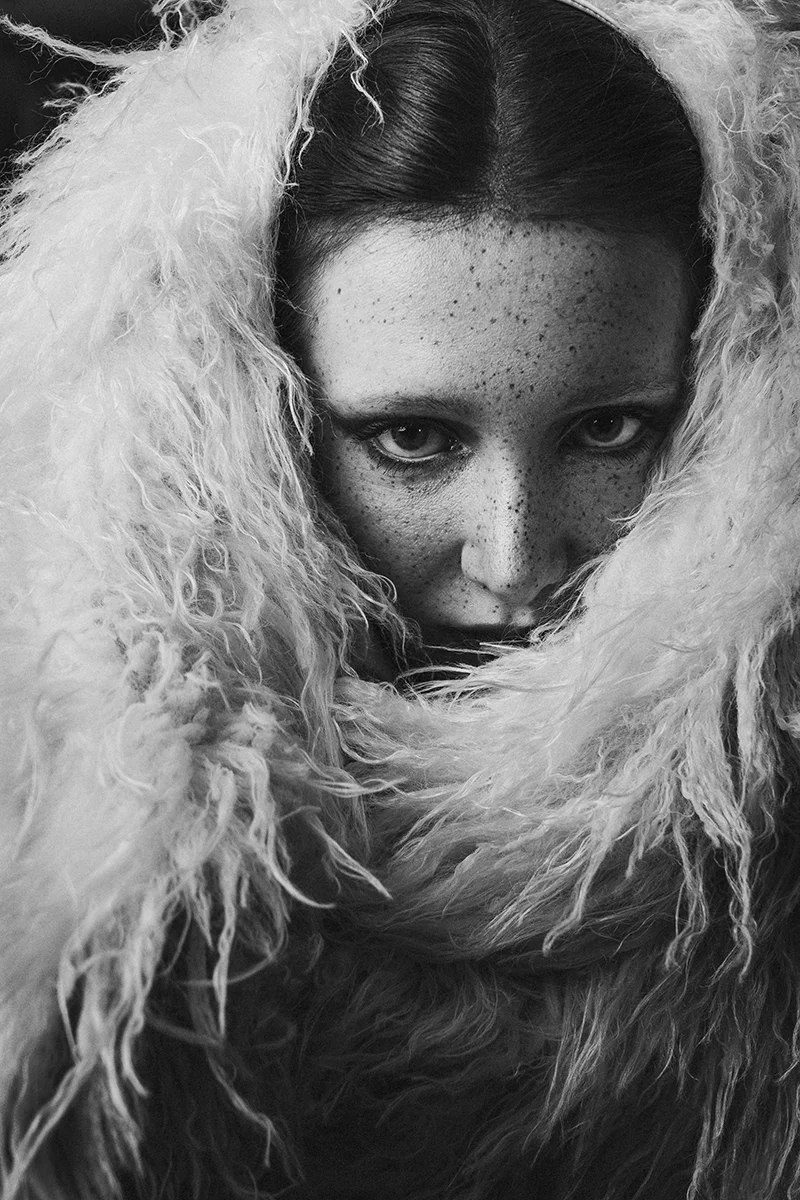
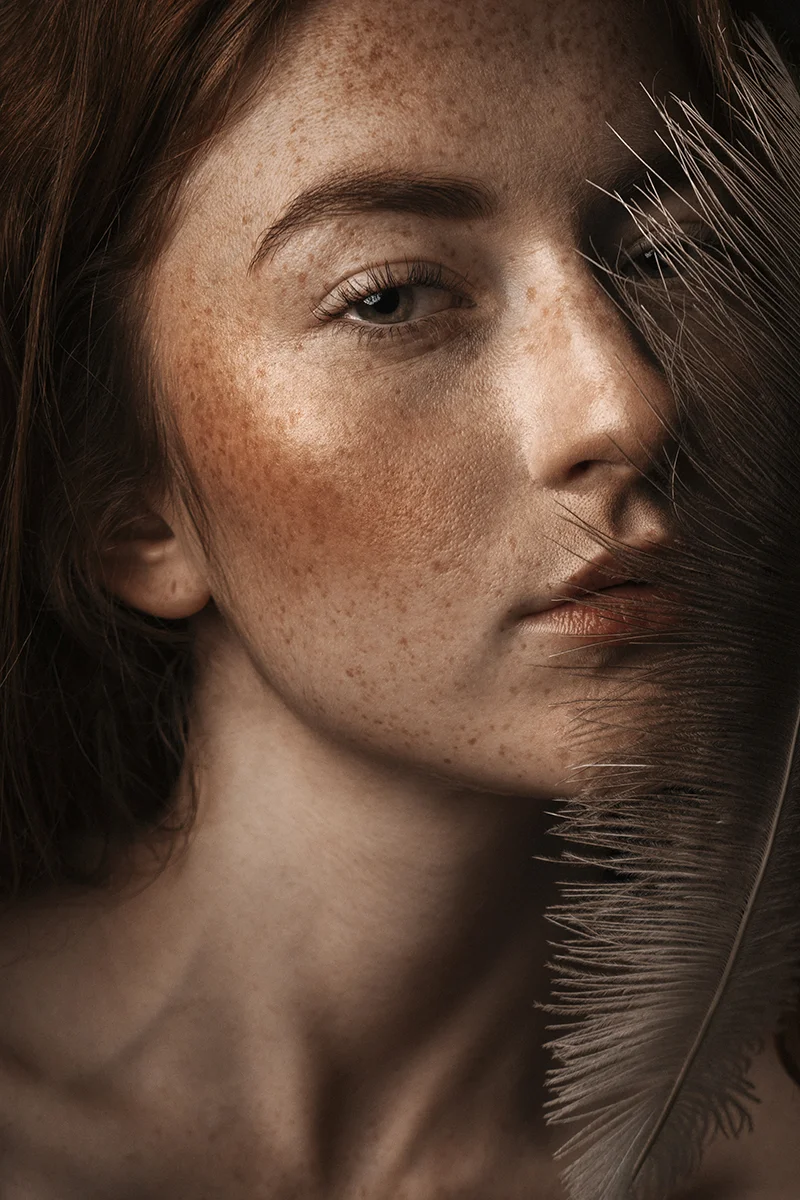
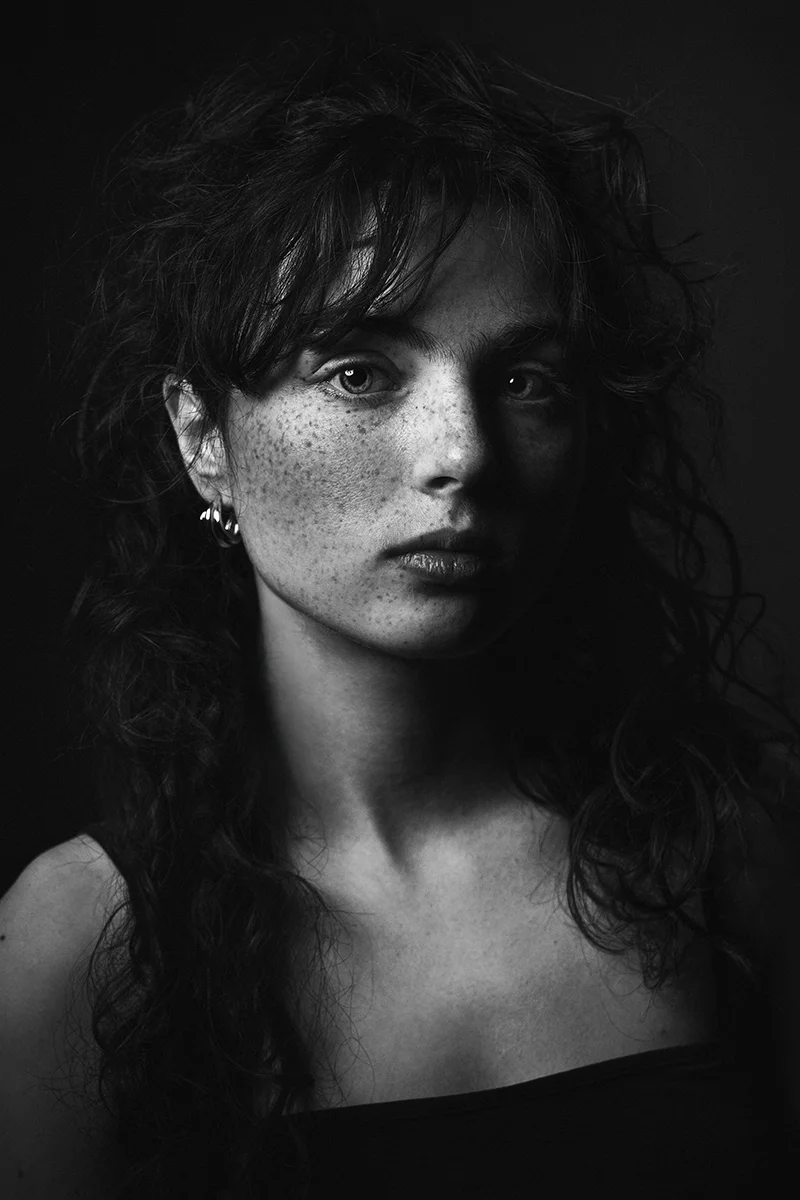
Sima is a portrait photographer and retoucher based in Bulgaria, where she lives and works while continuously seeking inspiration through travel. With over a decade of experience in photography and more than five years working professionally, her practice is rooted in a deep interest in human presence and emotional nuance. Her work focuses on creating emotionally driven fine art portraits that exist between reality and abstraction. Guided by a strong sensitivity to light, texture, and subtle expression, she develops images that feel both intimate and cinematic. For Sima, retouching is not a corrective step but an integral part of the visual language—an extension of the image itself. Inspired primarily by people, her work explores the space between what is visible and what is felt. Rather than documenting reality, she reconstructs it through emotion, atmosphere, and quiet transformation, often blurring the line between the real and the imagined. Her work has been recognized in international photography awards, and she continues to explore the evolving relationship between photography and artificial intelligence as part of her creative practice.

Statement
My work explores the space between what is visible and what is felt. Through portraiture, I move beyond documentation, using light, texture, and subtle transformation to reconstruct reality as an emotional experience. My images exist in a quiet, suspended state, where presence is suggested rather than defined. Identity becomes secondary, giving way to atmosphere, gesture, and the intangible. Retouching is an essential part of my process—not as correction, but as a continuation of the image itself. It allows me to shift the work away from the literal and into a more subjective, interpretative space. At the core of my practice is an interest in what cannot be fully seen, but can still be deeply felt.

Awarded Photographer of the Week - Week 15, 2026


 

Inspiring Portfolios

Call for Entries
AAP Magazine #59 Shapes
Publish your work in our printed magazine and win $1,000 cash prizes
 
Stay up-to-date  with call for entries, deadlines and other news about exhibitions, galleries, publications, & special events.

More Great Photographers To Discover

Deborah Turbeville
United States
1938 | † 2013
Deborah Turbeville was born in 1938, in Boston. Summers were spent in Ogunquit, Maine. 'Beautiful Place by the Sea' is the oceanside township's motto. 'Very bleak, very stark, very beautiful,' was Turbeville's description of it. Life was comfortable - she went to private school. Yet her mother described her as a 'shy and scary child'. Which is as it should be. The uneasy shuffle of ambiguity is the essence of Turbeville and her work - which itself shuffles between fashion magazine and art gallery, never fully at peace in either place. Like her near contemporaries, Helmut Newton and Guy Bourdin, she rethought and recast fashion photography in the 1970s. Perhaps even more than those two louche Europeans, though, she injected narrative and mystery into what is, after all, an unabashedly commercial process. Her pictures are as much riddles as they are images. Consciously damaged goods, they are blurry, grainy, tormented into painterly colours, scratched, marked, sellotaped - post-production work often done with her long-term assistant and collaborator Sharon Schuster. 'I destroy the image after I've made it,' said Turbeville. 'Obliterate it a little so you never have it completely there.' It's a quite un-American world, a view through the rear window, fascinated by the beaten, worn and forgotten. She has photographed her own house in Mexico as if she were a time-travelling visitor in her own intimate landscape, slightly drunk in exploration and contemplation of the rooms and their objects - tin retablos, wooden boxes, a painted carving of the Virgin Saint Maria Candelaria. She has photographed old Newport and the lost St Petersburg. One of her books was called 'Les Amoureuses du Temps Passe' - (female) lovers of times past. 'The idea of disintegration is really the core of my work.' When Jackie Onassis commissioned her to photograph the unseen Versailles, the late president's wife urged the photographer to 'evoke the feeling that there were ghosts and memories.' Turbeville began by researching the palace's 'mistresses and discarded mistresses', then photographed not just the palace's grand chambers and vistas but its store rooms and attics. She came to photography late. Arriving in New York at 19, with dreams of a stage career, she worked as a model and assistant to Claire McCardell - the fashion designer who brought wool jersey and denim to the catwalk. She joined Harper's Bazaar in 1963, working with its fashion editor, Marvin Israel, and his crew of photographers which included Diane Arbus, Richard Avedon and Hiro. She took her first pictures in Yugoslavia in 1966. They were blurry. She showed them to Avedon. He liked them, blurs and all. So he taught her technique. In 1972, she became a photographer. Like other adventurous photographers of the era, she worked for Nova magazine. She took some pictures for Vogue of girls in bikinis at a cement works. 'The most revolutionary pictures of the time,' said Conde Nast's editorial director Alexander Liberman. The work that made her name was the 'bathhouse' series she took for American Vogue in 1975 - fashion photographs of barely dressed women, wet and languid, almost kitsch. The oddest thing, though, is the sense that the women are prisoners - of what is not clear, of course. It's been said they look like they're in gas chambers. 'I go into a women's private world, where you never go,' Turbeville said. 'It's a moment frozen in time. I like to hear a clock ticking in my pictures.' If one of photography's most honourable impulses is to subvert - or flee from - the medium's inherent voyeurism, Turbeville collapses this paradox by succumbing to it. Victorian academic paintings presented unclothed women in bathing pools as if the painter were not there - the illusion of pornography. Turbeville's naked, wet women are under no such illusion. They know the photographer is there. They acknowledge her presence. They maybe even watch us, the viewer. The bathouse pictures were collected, with others, in her 1978 book 'Wallflower' - arrestingly and sympathetically designed by her mentor, Israel. In it are all the essentials of her work: a feeling that you are somewhere in the past; a languid, barely sexual sexuality; white, willowy women; distressed prints; a luminous quality; a sense of a narrative interrupted. Yet she's a jobbing photographer, too. She's worked for American Vogue and its British, French, Italian, and Russian counterparts. She's done ads for Ungaro, editorial photographic essays for Harper's Bazaar and portraits of Julia Roberts for the New York Times Magazine. She wears black, mostly. She has reddish hair. She has homes in Mexico, New York and Russia. She teaches in Russia. She's been married at least once. When she lived in Paris, at the turn of the 1980s, she'd rummage through the streets every evening, between 6 and 8 o'clock. 'I'm a voyeur,' she said. (Source: Pete Silverton - www.professionalphotographer.co.uk)
Emily M Wilson
United States
1951
''Travel is like a date with my soul; it reveals my inner self, as I absorb the outer world'' Emily M. Wilson Emily Marie Wilson is a Pacific Northwest native, living in Seattle, WA USA and an experienced world traveller with a special love of things culturally interesting to photograph. She absorbs and reflects on the places she visits, turning her camera to capture both people and details which are of unique cultural and ethnic importance. Emily has expanded her passion for both photography and travel over the years by leading small group cultural and photographic journeys to remarkable and edgy locations in the world. Emily, additionally, is an award-winning photographer with local, regional, national and international recognition. Emily Marie Wilson is further, greatly diversified in her own background experiences. She additionally has earned several university degrees in Political Science, Middle East Languages & Culture and Comparative Religions of the World. In 2007, Emily authored: From Boats to Boards Feet: The Wilson Family of the Pacific Coast, a comprehensive, handsomely illustrated 464-page book detailing the Wilson family (Swedish immigrants from Bohuslan who settled in Rainier Oregon, building a highly successful saw-mill business) and its worldwide business enterprises centered along the American Pacific Coast in the 1800s. Owning her own business, Traveller Worldwide Explorations, LTD, for over 30 years, she has a diverse range of experience working with world-wide travel operators. Statement Emily M. Wilson is a Seattle native, an award-winning photographer, and world traveler. She absorbs and reflects the places she visits, turning her camera to people and details unique to each culture. Emily is greatly diversified in her own travel expertise. Owning her own business, Traveller Worldwide Explorations, LTD, for over 30 years. She combines her passion for both photography and travel by leading small group cultural journeys to all parts of the world.
Jamie Johnson
United States
1968
Jamie Johnson is a Los Angeles photographer specializing in children and alternative processes. Winner of the Julia Margaret Cameron Portfolio Award and Spider Black and White Photography Award. Her work has been published in many photography magazines and is exhibiting in galleries worldwide. Jamie's work is in the permanent collection of the Hammer Museum in Los Angeles and Archaelogy Museum in Alabama and currently has a show at the Norton Museum of Fine Art in Palm Beach Florida. As a mother and fine art photographer whose bread and butter comes from photography, my passion for faces of the next generation has been a life long focus. I travel the world capturing images children and childhood around the globe. From Laos to Cuba, from the Amazon to India, I have found a universality in the world of children. I have always been particularly interested in observing how girls are raised, examining the morals, values, and education of the next generation of young women. My work has been exhibited Internationally in galleries and museums from New York thru London and Paris, and has been published in dozens of magazines. My Journey with the Irish Travellers I have spent my entire career photographing children all over the world. The last five years I have focused my eyes on the Irish Traveller that live in caravans on the side of the road or in open fields throughout Ireland. The Traveller community are an Irish nomadic indigenous ethnic minority. There is no recorded date as to when Travellers first came to Ireland. This is lost to history but Travellers have been recorded to exist in Ireland as far back as history is recorded. Even with their great history they live as outsiders to society and face unbelievable racism growing up. As a mother of two daughters I became so interested in the culture and traditions and lives of these children. The experience I had photographing the grit and beauty, that is the everyday life of a Traveller child, is one that inspires me everyday. Their deep respect for family and cultural values is refreshing, one that can be quite difficult to find in an age with the convince of social media. Not always immediately accepting of an outsider holding a large camera, I took my time getting to know and understand these faces that represent the new generation. My ever growing fascination with the children of today has lead my all over the world, capturing their innocence or in some cases loss of, in its most raw form. Unlike most children they are unable to refer to a history book to learn about their ancestors, a part of this journey was being able to document an era that is so different to any other I have shot. It is one that is and will always be rapidly changing, everytime I visit it is a whole different world yet with the relationships I have been lucky enough to make, it seems to feel like I never left. I am exponentially grateful the young people documented and that I have come in contact with over my years of visiting are able to call me their friend and I can happily say the same. It is with an honest heart I hope to show that these beautiful children who have great hopes and goals and work everyday to reach their dreams no matter how hard they have to fight racisms and stereotypes placed on them for centuries. A child is an innocent, happy, precious part of the world that should be loved and accepted and encouraged no matter where or how they live. More about The Irish Travellers Order the book
Deba Prasad Roy
I was born in the year 1952 and clicked my first photograph in the year 1968 with an Agfa CLICK III camera. Then I used Agfa ISOLI 2 for some years. In 1992 I bought Pentax K 1000. & NIKON film cameras till 2008. I was a member of “Photographic Association of Bengal” since September 2003 to March 2012. I acquired a bit of proficiency in photography following the senior photographers of the club (not in age), who are entitled to write distinctions approved by The International Federation of Photographic Art (FIAP), & The Photographic Society of America (PSA). In this period I have participated hundreds of FIAP & PSA approved Salons and other photographic competitions. After my official retirement from Banking Service, I engage myself as a Freelance Documentary & Travel photographer to pass my retirement holidays and as a passionate and serious photographer ”Participated and still participating in photography competitions throughout the world and try to win prizes and recognition.. I am a professional photographer from my heart (Not as those who sell their photographs for their livelihood or those who are working as an employee in any organization.). I never sold a single photograph in my livelihood i.e. for money. So the meaning of a professional photographer is different to me. A NOBLE MISSION A NOBLE MISSION is partially a story of economic exploitation by the employers worldwide in underdeveloped and developing countries and simultaneously deliberate callousness and negligence of the Government and its agencies make this labor force vulnerable in the hands of the entrepreneurs. The other side of the story is the dedication of the two women teachers; their voluntary service to provide a minimum education to those historically illiterate students, no one in the previous generations of them including their parent got any elementary education in any school. We should also keep in mind the economic sacrifice of the teachers, in these days time is money, if they teach any other students in the society they are definitely eligible for remuneration and may get a chance to uplift their own economic status. That is the point which impressed me a lot. PLASTIC RECYCLING AND ENVIRONMENT Plastic pollution is a major global phenomenon that has crept up on us over the decades, and it really requires a global and comprehensive solution that includes systemic rethinks about usage and production. While carbon emissions and water use are pretty firmly embedded in the consciousness of most organizations, the use of plastic generally is not. But campaigners and scientists are increasingly sounding the alarm over the amount of plastic that is used wastefully (think of single-use drink bottles and packaging materials), which ends up as trash in rivers and oceans. Many say that plastic pollution has swelled into a major threat for the world’s oceans and for the global environment as a whole. Here is why: About 300 million tons of plastic is produced globally each year. Only about 10 percent of that is recycled. In other words, because plastic is inexpensive, lightweight and durable, virtually every industry — be it retailing, manufacturing or logistics — loves it. Because it is light and cheap, and because it is so durable, it does not “go away.” Plastic accumulated over half a century is now out there. That could mean reducing wasteful use; collecting, reusing or recycling plastic trash; stepping up the use of recycled plastic or of more easily biodegradable materials; and modifying product designs to minimize plastic use. There by we could leave our world as habitable for our future generations.
André Adolphe-Eugène Disdéri
France
1819 | † 1889
André-Adolphe-Eugène Disdéri (French: 28 March 1819 - 4 October 1889) was a French photographer who started his photographic career as a daguerreotypist but gained greater fame for patenting his version of the carte de visite, a small photographic image which was mounted on a card. Disdéri, a brilliant showman, made this system of mass-production portraiture world famous. Disdéri began his working life in a number of occupations, while also studying art. He started as a daguerreotypist in Brest in 1848 or 1849 but in December 1852 or January 1853 he moved to Nîmes. There he received assistance from Édouard Boyer and Joseph Jean Pierre Laurent with his photography-related chemistry experiments. After a year in Nîmes he moved to Paris, enabling easy access to people who would be the subjects of his cartes de visite. Photographs had previously served as calling cards,[6] but Disdéri's invention of the paper carte de visite (i.e. "visiting card") photograph second enabled the mass production of photographs. On 27 November 1854 he patented the system of printing ten photographs on a single sheet (although there is no evidence that a system printing more than eight actually materialized). This was the first patent ever for a carte de visite. Disdéri's's cartes de visite were 6X9 cm, about the size of conventional (nonphotographic) visiting cards of the time, and were made by a camera with four lenses and a sliding plate holder; a design inspired by the stereoscopic cameras. The novelty quickly spread throughout the world. According to a German visitor, Disdéri's studio became "really the Temple of Photography - a place unique in its luxury and elegance. Daily he sells three to four thousand francs worth of portraits". The fact that these photos could be reproduced inexpensively and in great quantity brought about the decline of the daguerreotype and ushered in a carte de visite craze as they became enormously popular throughout Europe and the United States. So great was the publicity that all of Paris wanted portraits. Disdéri also invented the twin-lens reflex camera. The great French photographer Nadar, who was Disdéri's competitor, wrote about the new invention in his autobiographical "Quand j'étais photographe", "about the appearance of Disdéri and Carte de Visite... It spelled disaster. Either you had to succumb - that is to say, follow the trend - or resign." At the pinnacle of his career, Disdéri was extremely wealthy and renowned; but like another famous photographer, Mathew Brady, he is reported to have died in near poverty. By the end of his life, Disdéri had become penniless. He died on 4 October 1889 in the Hôpital Ste. Anne in Paris, "an institution for indigents, alcoholics, and the mentally ill". He was a victim of his own invention. The system which he invented and popularized was so easy to imitate that photographers all over the world took advantage of it.
Chuck Fishman
United States
1953
Nadav Kander
Israel
1961
Nadav Kander is a London based photographer, artist and director, internationally renowned for his portraiture and landscapes. His work forms part of the public collection at the National Portrait Gallery and the Victoria and Albert Museum in London. Kander's work is also exhibited in numerous international galleries and museums. Kander was born in tel Aviv, tal aviv. His father flew Boeing 707s for El-Al but when he lost his eye for medical reasons he was unable to carry on flying. His parents decided to start again in South Africa and moved to Johannesburg in 1963. Kander began taking pictures when he was 13 on a Pentax camera and later when drafted into the South African Air Force, worked in a darkroom printing aerial photographs. He moved to London in 1986, where he still resides with his wife Nicole and their three children. Kander's most celebrated images include Diver, Salt Lake, Utah 1997, in which a lone women peers out into the vast lake, and his 2009 portrait of Barack Obama photographed for The New York Times Magazine as a cover feature. Diver, Salt Lake, Utah, 1997 was also the cover image for Kander's Monograph Beauty's Nothing. On 18 January 2009, Nadav Kander had 52 full-page colour portraits published in one issue of The New York Times Magazine. These portraits (from a series titled Obama's People) were of the people surrounding President Barack Obama, from Joe Biden (Vice President) to Eugene Kang (Special Assistant to The President). The same issue also included a series of cityscapes of Washington DC also taken by Kander. This is the largest portfolio of work by the same photographer The New York Times Magazine has ever showcased in one single issue. Source: Wikipedia Nadav Kander lives and works in London. Selected past projects include Yangtze – The Long River, winner of the Prix Pictet award in 2009; Dust, which explored the vestiges of the Cold War through the radioactive ruins of secret cities on the border between Kazakhstan and Russia; Bodies 6 Women, 1 Man; and Obama’s People, an acclaimed 52 portrait series commissioned by the New York Times Magazine. His ongoing series, Dark Line - The Thames Estuary, is a personal reflection on the landscape of the River Thames at its point of connection with the sea, through atmospheric images of its slow-moving dark waters and seemingly infinite horizons. Kander’s work is housed in several public collections including National Portrait Gallery, London, UK; Museum of Contemporary Photography, Chicago, USA; Marta Herford Museum, Germany; Sheldon Museum, Lincoln, USA; The Frank-Suss Collection, London, New York and Hong Kong; and Statoil Collection, Norway. He has exhibited internationally at venues including Weserburg Museum, Germany; Musée de L’Elysée, Lausanne, Switzerland; Museum of Photographic Arts, San Diego, USA; Museum of Applied Arts, Cologne, Germany; The Barbican Centre, London, UK; The Photographers’ Gallery, London, UK; Somerset House, London, UK; Palais de Tokyo, Paris, France; and Herzliya Museum of Contemporary Art, Israel. Recent fellowships and awards include an Honorary Fellowship Award from the Royal Photographic society. Source: Flowers Gallery "I hated school with dedication. A shame, but true. I wasn’t hugging and saying tearful goodbyes on the final day. I just left and I have never returned. Having a very bad accident on my motorbike that I had had since I was 15 (a Triumph 650 Tiger), was a hinge event. Prior to this I had been a practising hard man and going nowhere. Working on the machines during the day and riding in groups at night was my life. After the accident when I was 17, I never rode again and my focus shifted back to photography. South Africa forced its white male citizens to partake in National Service, and I somehow ensured I was drafted into the Air force and then into a darkroom where I printed aerial pictures for two years. It was here that I became certain I wanted to become a lens based artist. A Photographer back then. I met Nicole Verity at about this time. The day after I cleared out of the Air force I started working for Harry De Zitter, and a few months later, soon after my 21st birthday, I left for England. At the end of 1985 I was back in South Africa and met up with Nicole again. She joined me in England in 1986. We squatted in a block of flats two streets away from where we later bought a house. We married in the wilds of Africa in 1991." -- Nadav KanderSource: www.nadavkander.com
Advertisement
AAP Magazine #59 Shapes
Win a Solo Exhibition in Aug
AAP Magazine #59 Shapes

Latest Interviews

Exclusive Interview with Susan Anthony
American photographer Susan Anthony brings a painter’s eye to documentary photography, creating nuanced portraits of people and places shaped by time, community, and tradition. Her work is rooted in observation, empathy, and a deep curiosity about the lives of others. Through long-term projects, she explores the relationship between individuals and the environments they inhabit, revealing the stories that connect people to a place and to one another.
Exclusive Interview with Carole Mills Noronha
Carole Mills Noronha is an Australian photographer whose deeply personal work explores memory, family, loss, and the fragile nature of identity. Living with epilepsy and a lifelong sensitivity to light, she has developed a distinctive photographic language rooted in observation, empathy, and emotional connection. Her images are shaped by lived experience, revealing intimate stories with remarkable honesty and tenderness.
Exclusive Interview with Trevor Cole: Pastoral Peoples and Practices
For this interview, we wanted to focus specifically on The Face of the Mundari and the wider Pastoral Peoples and Practices series. We spoke with Trevor about his long-term work among the Mundari, what continues to draw him back to their cattle camps, and the experience of documenting a culture whose identity remains deeply connected to livestock, tradition, and the natural environment.
Exclusive Interview with Frank Meo
In our latest exclusive feature for All About Photo, I speak with veteran photography representative Frank Meo about what it truly takes to build a sustainable creative career today. Frank brings decades of experience working with Fortune 500 companies, major agencies, and documentary photographers to the table. We dive into the critical business skills often left out of art school curriculums, the power of mentorship, and the inspiring evolution of PROJECTIONS—his international salon platform for visual storytellers. It’s an essential read for anyone navigating the commercial or editorial photography landscape today.
Exclusive Interview with Carolyn Moore
American photographer Carolyn Moore explores the inner landscape of emotion, memory, and personal transformation through a deeply intuitive photographic practice. Her work unfolds as a quiet dialogue between artist and viewer, where images become a space for reflection, vulnerability, and connection.
Exclusive Interview with Luca Desienna and Laura Estelle Barmwoldt
For over seven years, Of Lilies and Remains has explored the depths of the goth and darkwave underground, unfolding in Leipzig—a city long associated with a vibrant and enduring subcultural scene. Moving between iconic gatherings such as Wave-Gotik-Treffen and more intimate moments on the fringes, the project offers a rare and immersive glimpse into a world often misunderstood, yet rich in expression and community. Created by Luca in collaboration with Laura Estelle Barmwoldt, the work embraces a cinematic and deeply personal approach. Rather than documenting from a distance, it moves within the scene itself, capturing its atmosphere, its codes, and its quiet contradictions. The title Of Lilies and Remains hints at this duality—where beauty and darkness, fragility and strength coexist. As the book prepares for its release, we spoke with both artists about the origins of the project, their process, and what it means to document a subculture that continues to evolve while remaining true to its spirit.
Exclusive Interview with Matthew Finley
American photographer Matthew Finley turns inward, using photography as a way to explore identity, memory, and emotional truth. Based in Los Angeles, his practice moves between performance, gesture, and found imagery, creating a visual language that is both intimate and deeply personal
Exclusive Interview with Jan Janssen
Dutch photographer Jan Janssen explores universal human experiences through his long-term project It Matters, winner of the May 2025 Solo Exhibition. Begun in 2016, the series captures intimate moments of everyday life—love, loss, connection, and belonging—across Central and Eastern Europe. Working in countries such as Turkey, Azerbaijan, and Armenia, Janssen spends extended time within communities, building relationships based on trust and respect. His approach allows him to move beyond observation, revealing deeply human and authentic moments. Rooted in travel and personal discovery, It Matters reflects Janssen’s search for what connects us all in an increasingly divided world. The project is ongoing and will culminate in a photobook scheduled for publication in 2026.
Exclusive Interview with Henk Kosche
German photographer Henk Kosche turns his lens toward the streets of Halle an der Saale, capturing everyday life in the late years of the former German Democratic Republic. At the time, Kosche was studying design and exploring the city with his camera, drawn to the atmosphere of its industrial landscape and the quiet rhythms of daily life. His series Street Photography at the End of the 80s, selected as the Solo Exhibition for July 2025, revisits a body of work created just before a period of profound change. Rediscovered decades later in a small box of 35mm negatives, these photographs offer glimpses of a city and its people at a moment suspended between the familiar and the unknown.
Call for Entries
AAP Magazine #59 Shapes
Publish your work in our printed magazine and win $1,000 cash prizes