All about photo.com: photo contests, photography exhibitions, galleries, photographers, books, schools and venues.
Win a Solo Exhibition in June 2026 + An Exclusive Interview!
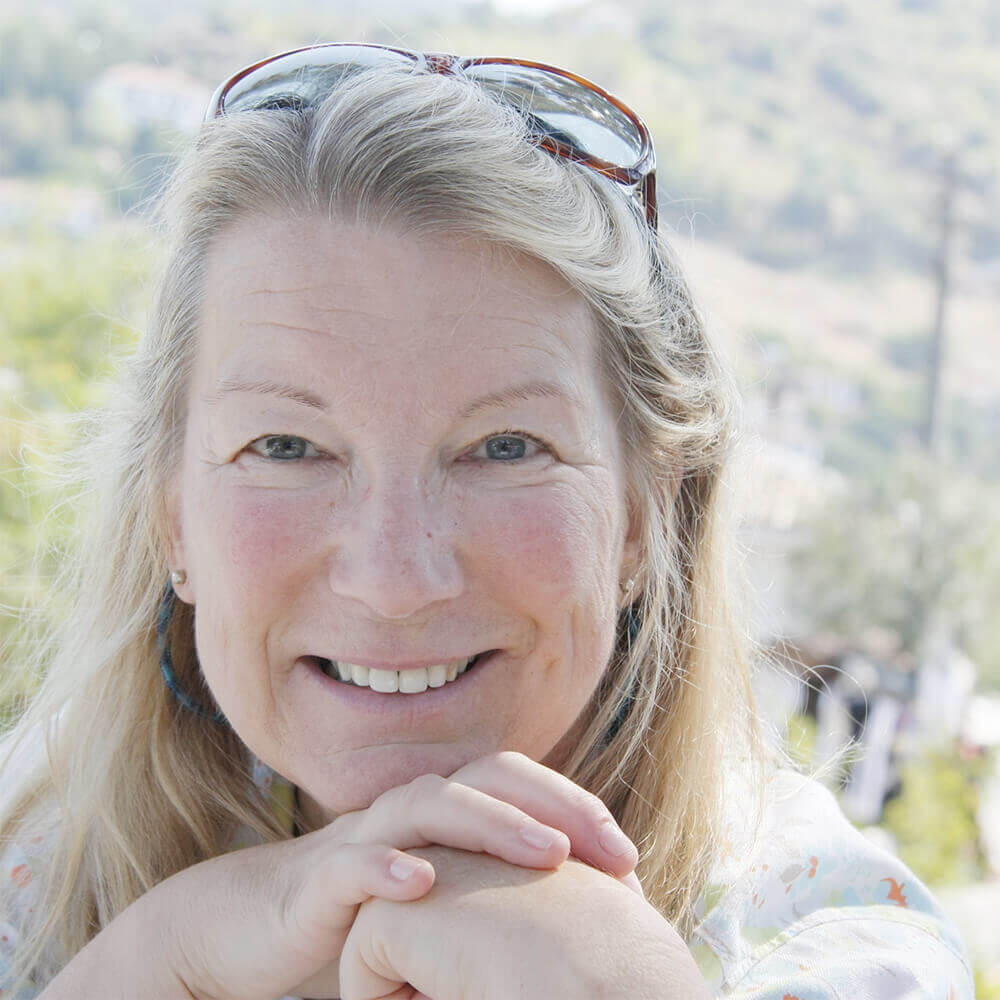
Emily M Wilson
Emily M Wilson
Emily M Wilson

Emily M Wilson

Country: United States
Birth: 1951

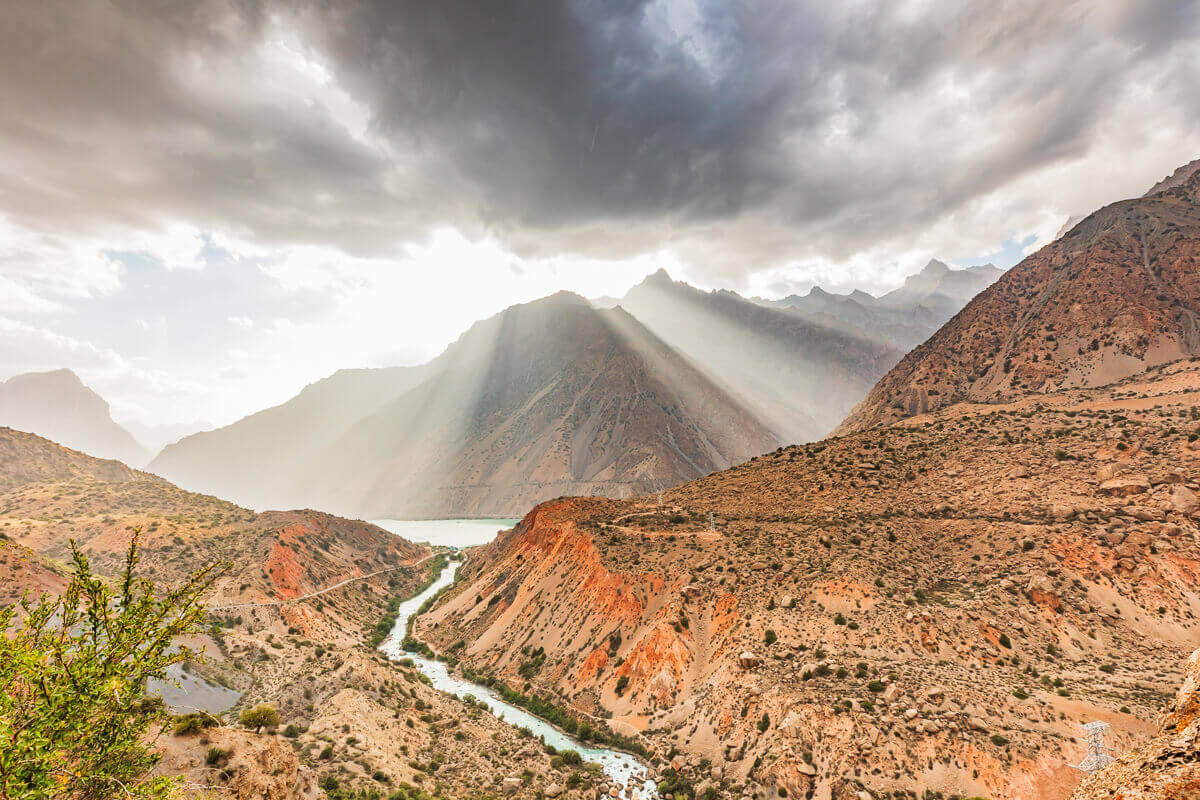
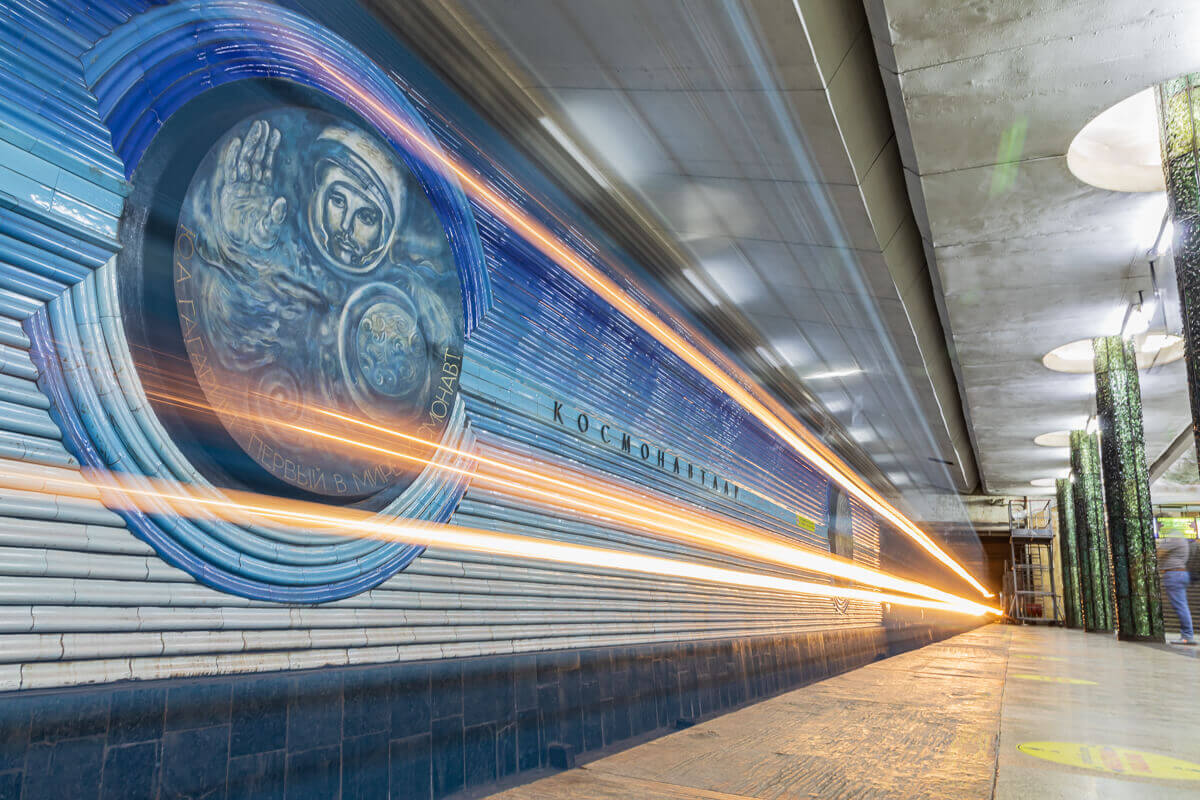
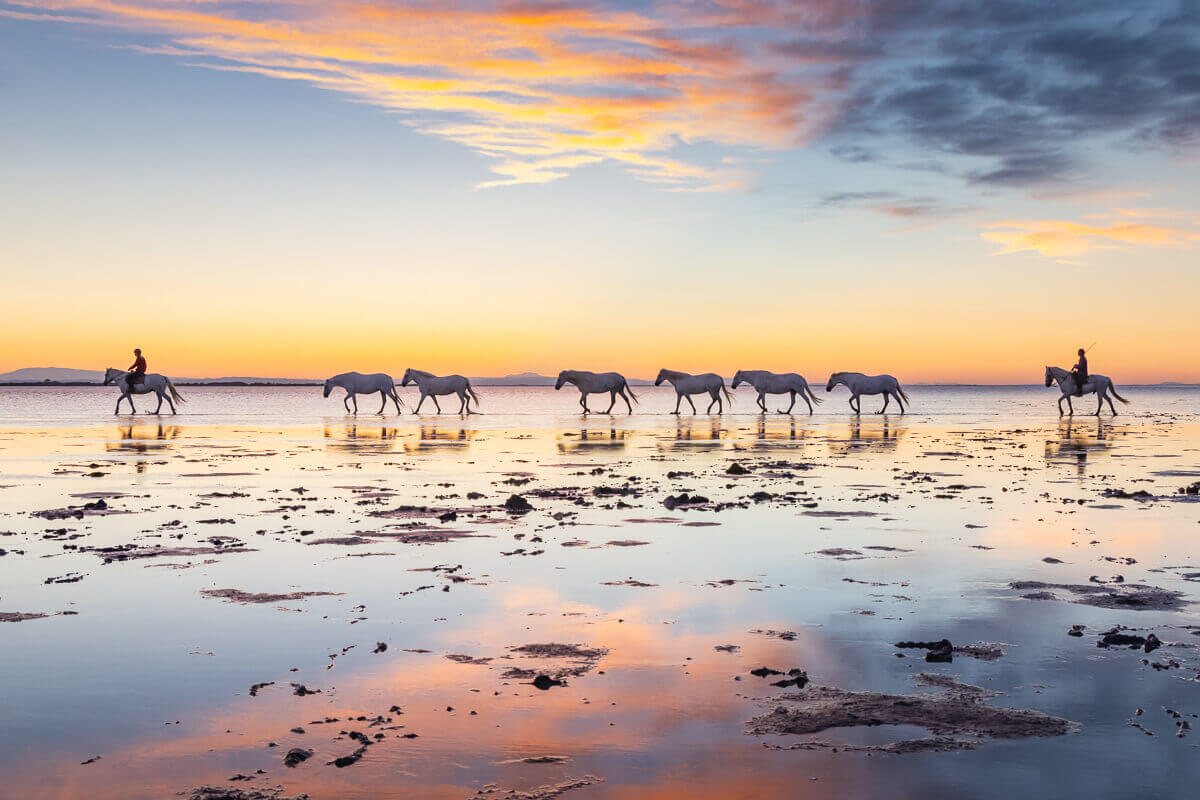
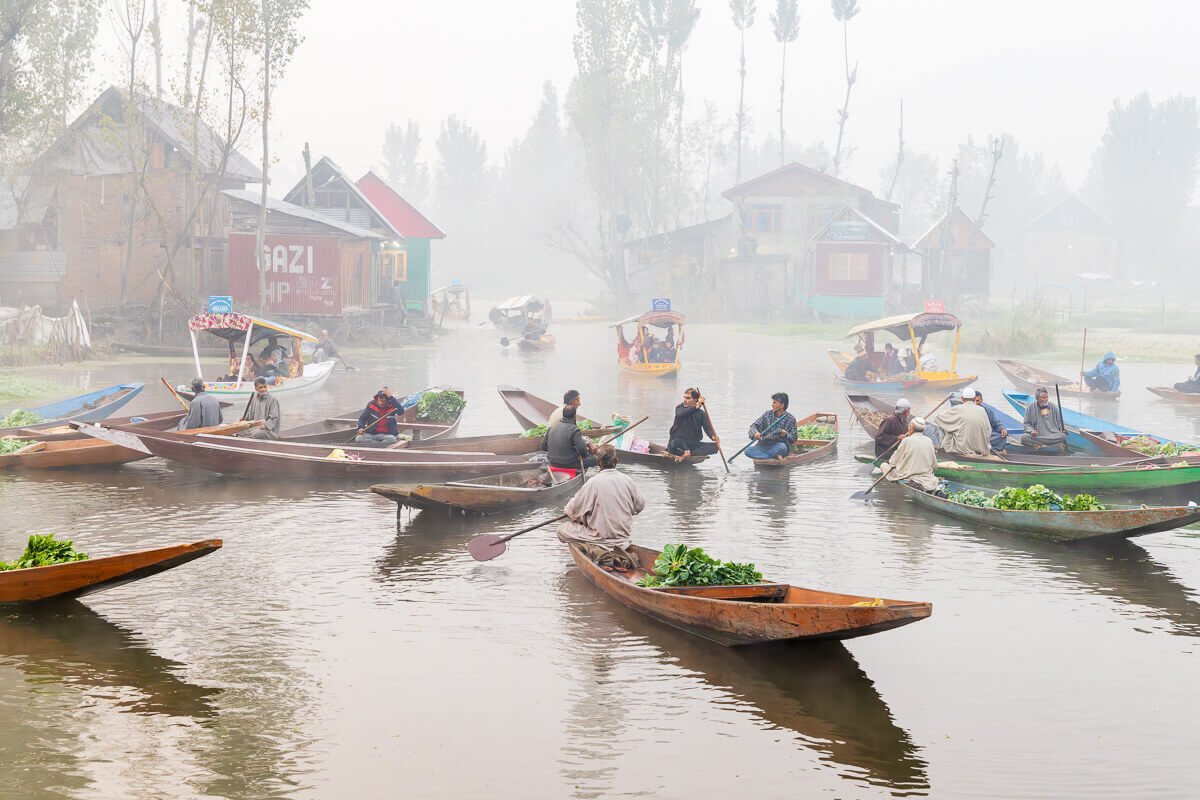
''Travel is like a date with my soul; it reveals my inner self, as I absorb the outer world'' Emily M. Wilson

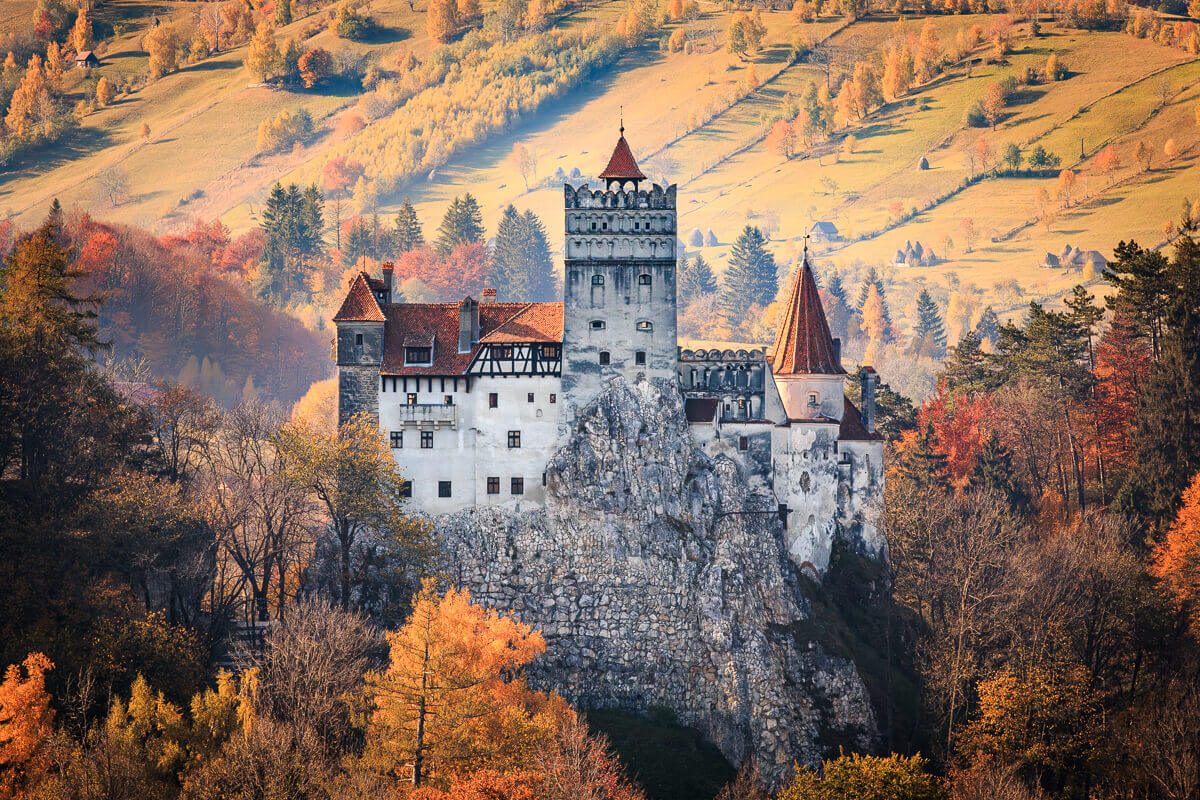
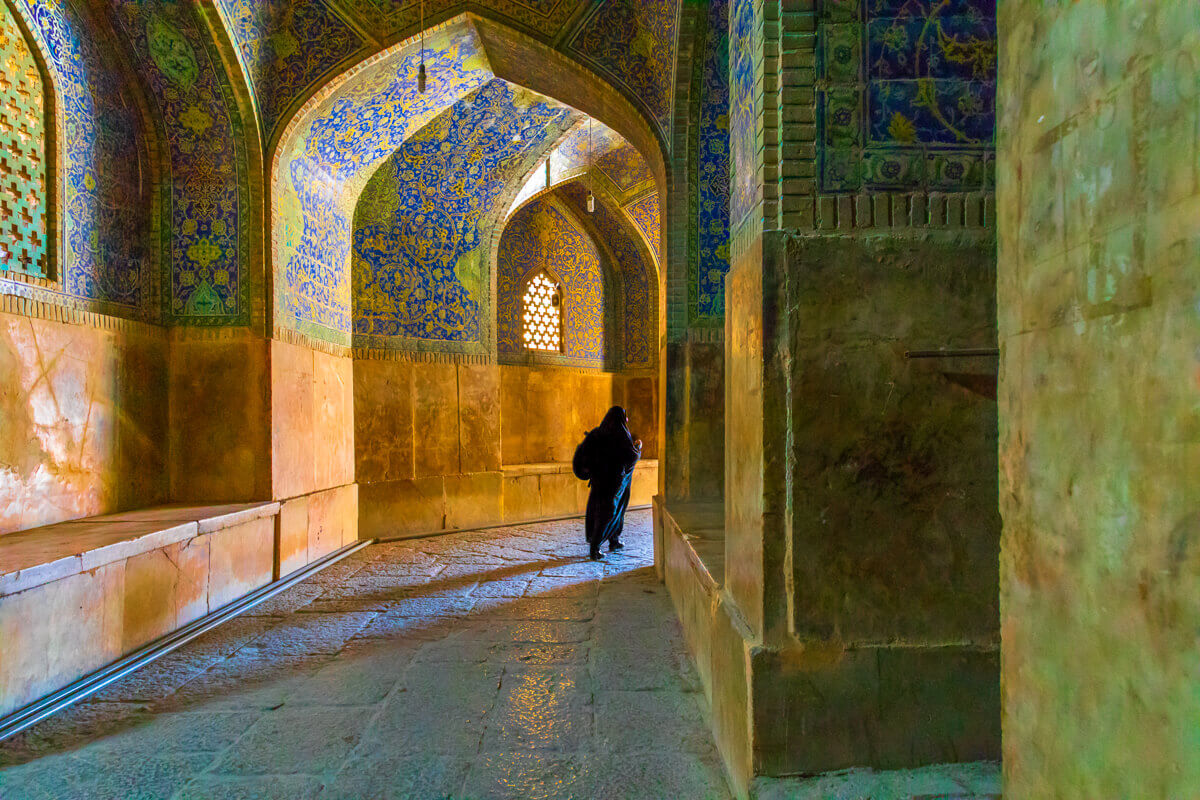
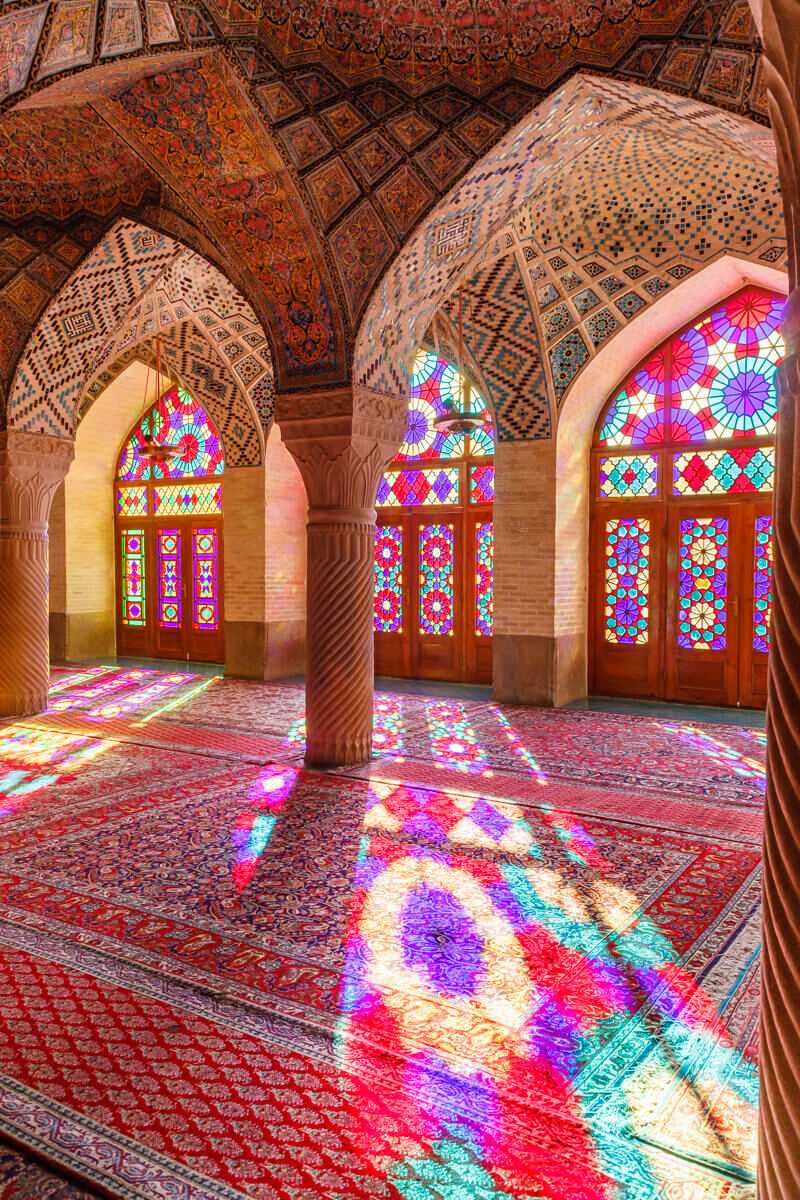
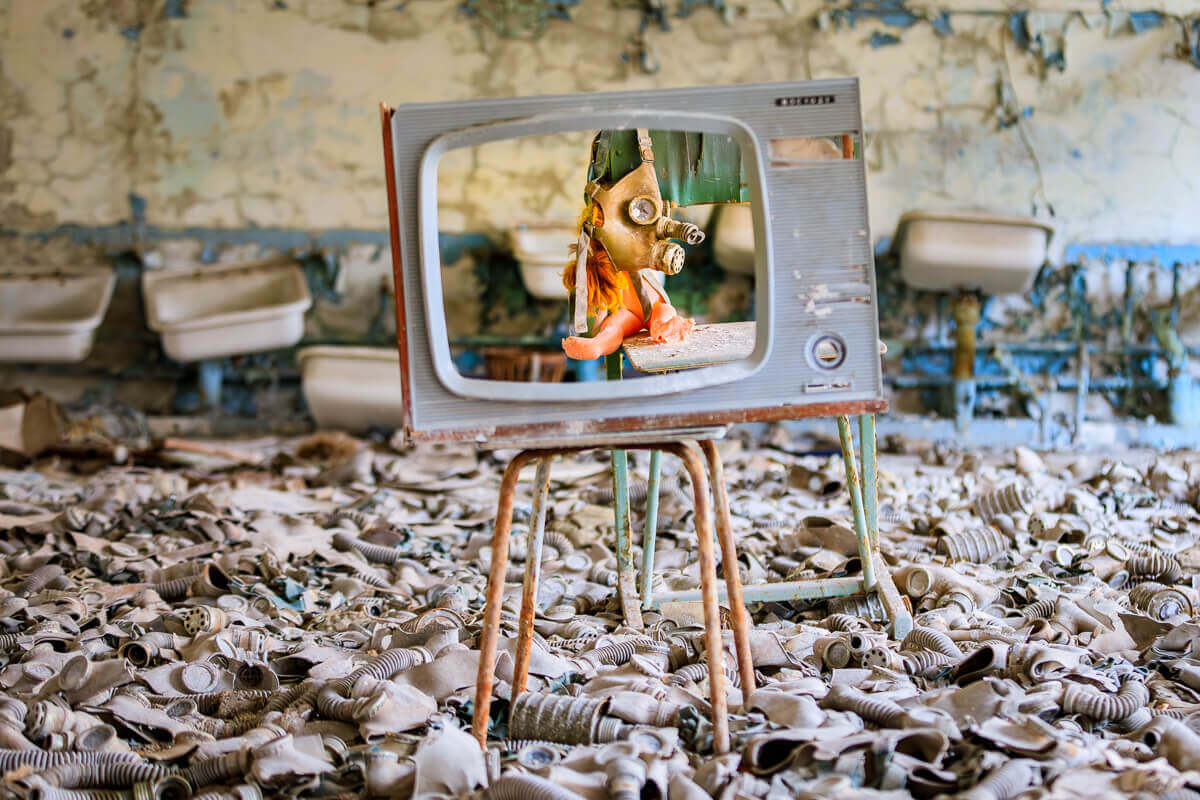
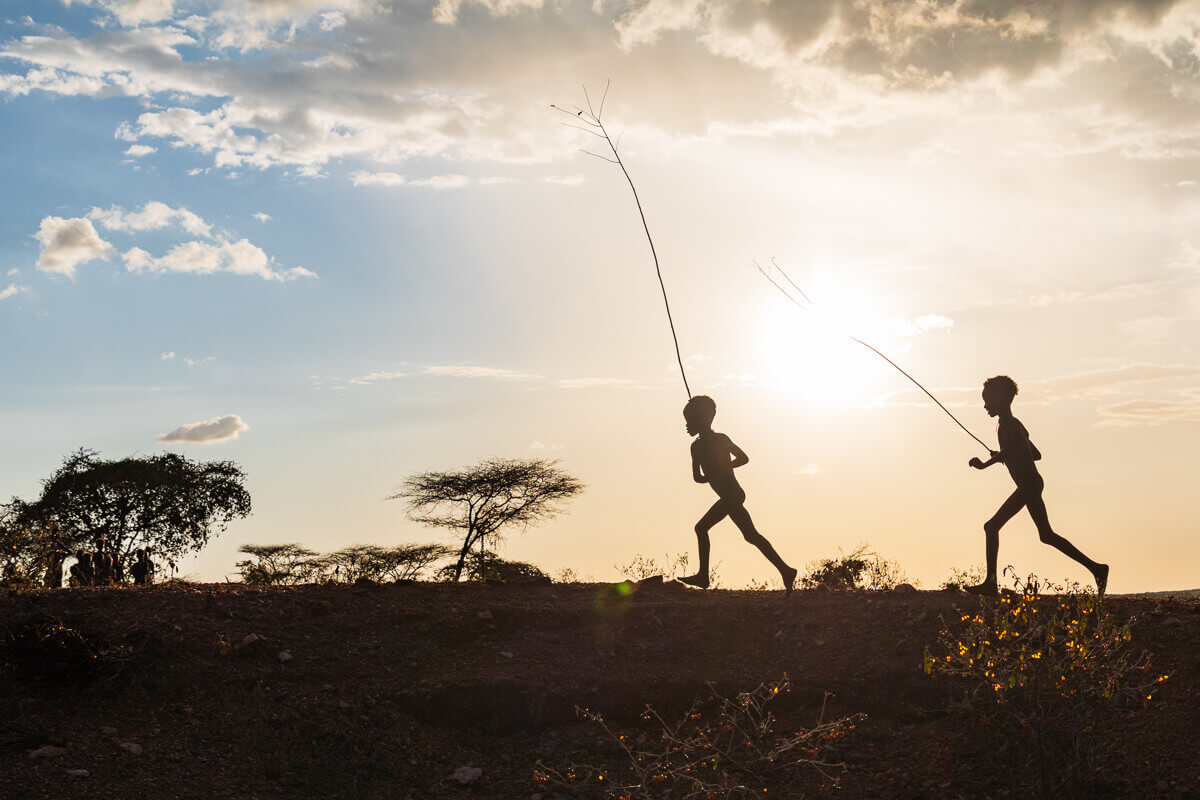
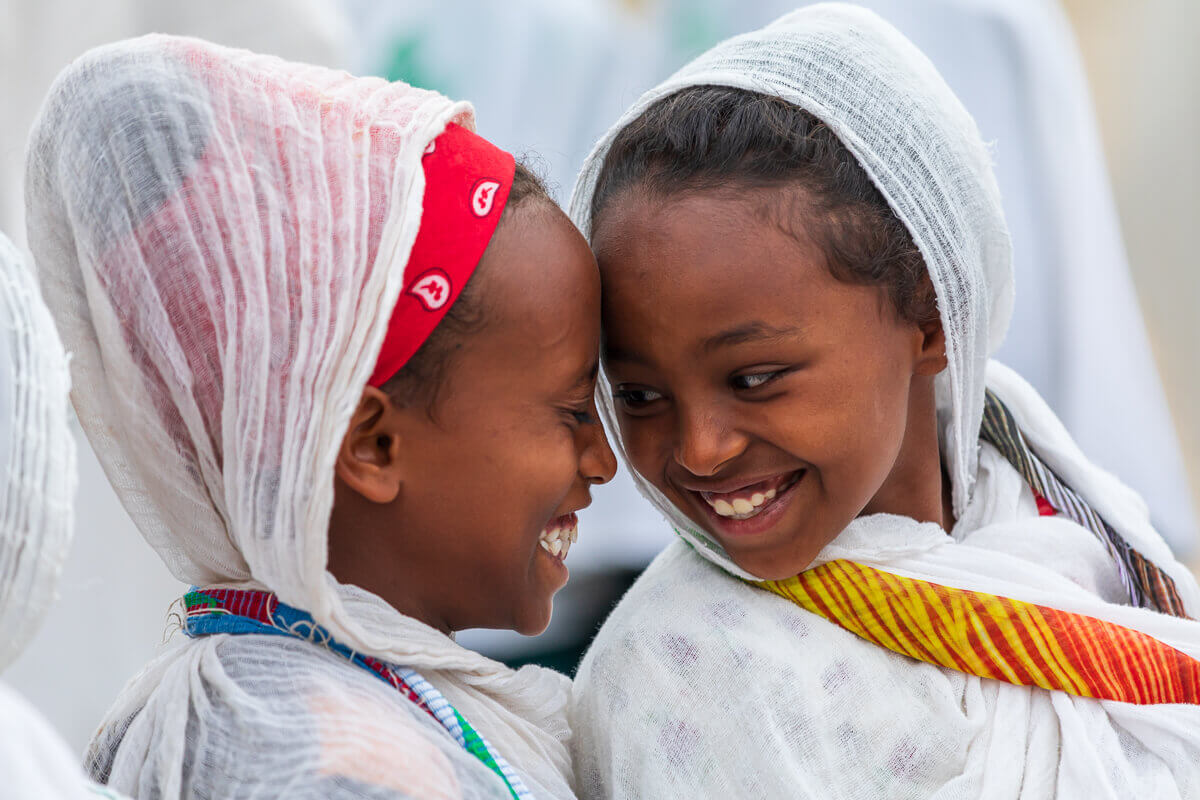
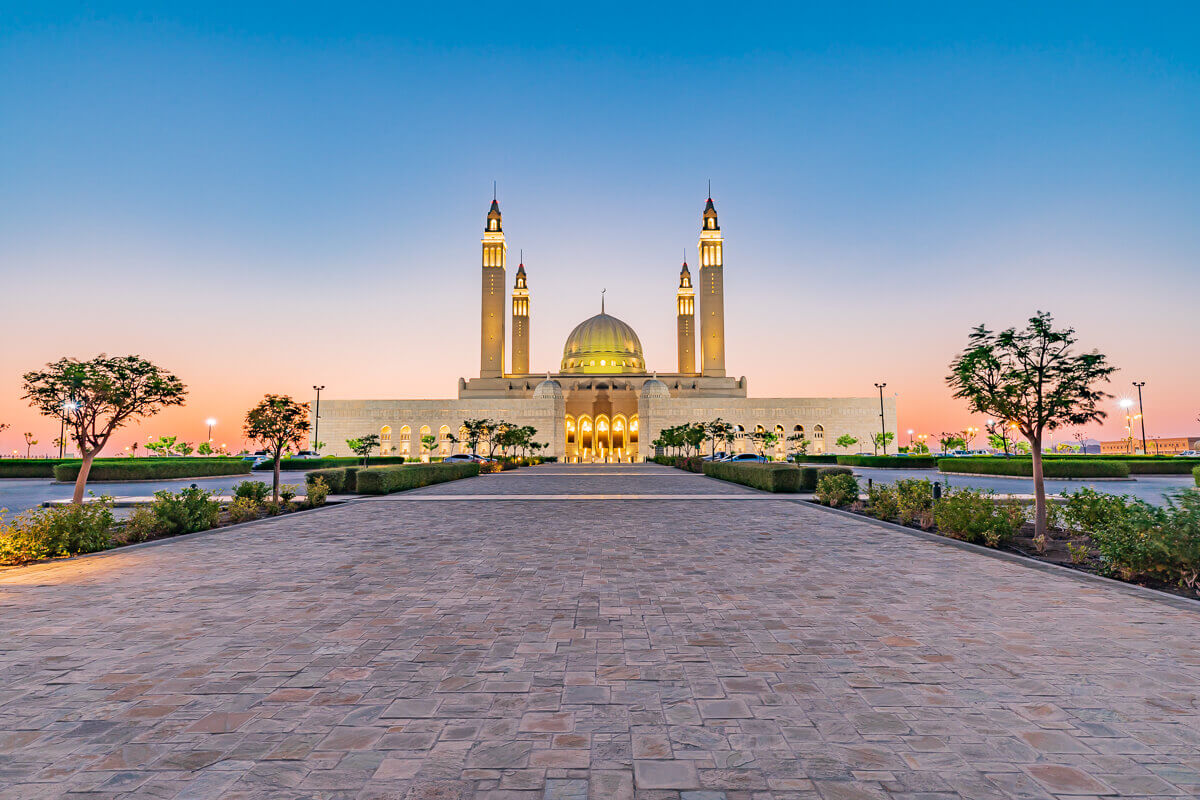
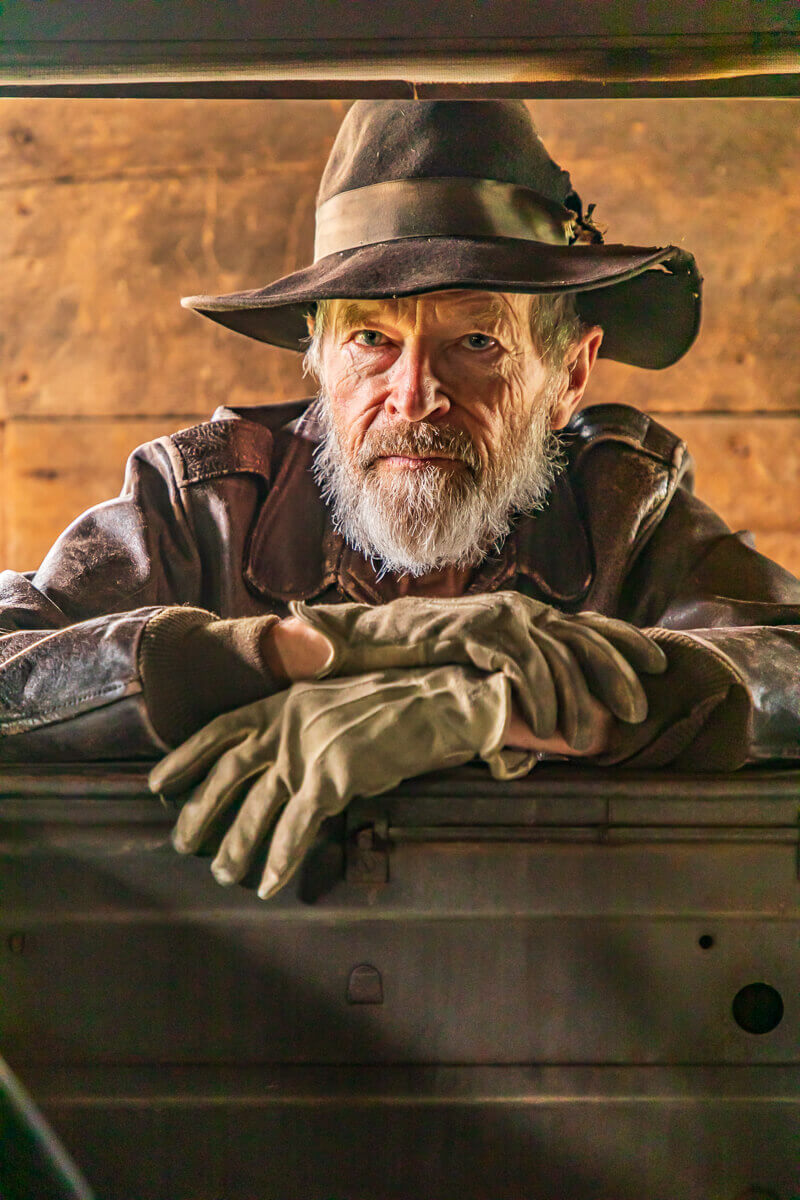
Emily Marie Wilson is a Pacific Northwest native, living in Seattle, WA USA and an experienced world traveller with a special love of things culturally interesting to photograph. She absorbs and reflects on the places she visits, turning her camera to capture both people and details which are of unique cultural and ethnic importance. Emily has expanded her passion for both photography and travel over the years by leading small group cultural and photographic journeys to remarkable and edgy locations in the world. Emily, additionally, is an award-winning photographer with local, regional, national and international recognition.

Emily Marie Wilson is further, greatly diversified in her own background experiences. She additionally has earned several university degrees in Political Science, Middle East Languages & Culture and Comparative Religions of the World. In 2007, Emily authored: From Boats to Boards Feet: The Wilson Family of the Pacific Coast, a comprehensive, handsomely illustrated 464-page book detailing the Wilson family (Swedish immigrants from Bohuslan who settled in Rainier Oregon, building a highly successful saw-mill business) and its worldwide business enterprises centered along the American Pacific Coast in the 1800s. Owning her own business, Traveller Worldwide Explorations, LTD, for over 30 years, she has a diverse range of experience working with world-wide travel operators.

Statement
Emily M. Wilson is a Seattle native, an award-winning photographer, and world traveler. She absorbs and reflects the places she visits, turning her camera to people and details unique to each culture.

Emily is greatly diversified in her own travel expertise. Owning her own business, Traveller Worldwide Explorations, LTD, for over 30 years. She combines her passion for both photography and travel by leading small group cultural journeys to all parts of the world.

 

Inspiring Portfolios

Call for Entries
AAP Magazine #58 B&W
Publish your work in our printed magazine and win $1,000 cash prizes
 
Stay up-to-date  with call for entries, deadlines and other news about exhibitions, galleries, publications, & special events.

More Great Photographers To Discover

Lindokuhle Sobekwa
South Africa
1995
Lindokuhle Sobekwa (born 1995) is a South African documentary photographer. He is a Nominee member of Magnum Photos and based in Johannesburg. Sobekwa was born in Katlehong, a township, 35 km from Johannesburg, South Africa. He learned photography in 2012 through participation in the first Of Soul and Joy Project, an educational program for young people run in the township of Thokoza; the workshop was given by Bieke Depoorter and Cyprien Clément-Delmas. His photo essay, Nyaope, about people who use the drug Nyaope in the township in which he lived and beyond, was published by the South African newspaper Mail & Guardian in 2014 and by Vice Magazine and De Standaard in 2015. Source: Wikipedia In 2015, Sobekwa received a scholarship to study at the Market Photo Workshop where he completed his foundation course. His Series Nyaope was exhibited in the ensuing group show, Free From My Happiness, organized by Rubis Mecenat at the International Photo Festival of Ghent in Belgium. In 2016, he left South Africa for a Residency in Tehran, Iran, with the No Man’s Art Gallery. The same year his work was displayed in the traveling iteration of Free from my Happiness. His work features in the book Free from my Happiness edited by Bieke Depoorter and Tjorven Bruyneel . He also took part in the group show Fresh Produce, organized by Assemblages and VANSA at the Turbine Art Fair in Johannesburg. Lindokuhle Sobekwa is also an assistant manager to the Of Soul and Joy Project, as well as a trainee at Mikhael Subotzky Studio. In 2017, Sobekwa was selected by the Magnum Foundation for Photography and Social Justice to develop the project I Carry Her Photo With Me. In 2018, he received the Magnum Foundation Fund to continue with his longterm project Nyaope, and has been selected for the residency Cité des Arts Réunion. Sobekwa became a Magnum nominee member in 2018.Source: Magnum Photos About I Carry Her Photo With Me The day his older sister Ziyanda disappeared, Lindokuhle Sobekwa was hit by a car. The two were walking together along a road in the Johannesburg suburb of Thokoza when Ziyanda began to chase the seven-year-old Sobekwa. Out of fear, he began to run, and then he was hit. Above him, he recalled before blacking out, was the blurry silhouette of a woman or girl. His sister vanished in the ensuing scramble, with no word as to why. “She was in a period of being a very secretive person,” Sobekwa remembers. She was thirteen years old. Sobekwa would not see Ziyanda again for a dozen years. Then one day, he returned from school, and Ziyanda was at home. She was reunited with the family for a couple of weeks. At the time, in 2014, Sobekwa was coming into his own as a photographer. He was in his final year of high school and working under the mentorship of Magnum photographer Bieke Depoorter and filmmaker Cyprien Clément-Delmas through the Of Soul and Joy project, an artistic initiative based in Thokoza. He remembers walking into Ziyanda’s room one day; in that moment, he saw his favorite would-be portrait of his sister: “She was lying in bed, there was a beautiful light. She said, ‘If you take a photo, I’m going to kill you.’ A few days after that, she passed away.” Disappearances are not rare in South Africa, Sobekwa says. Most Black South African families are familiar with the trauma of disappearances, which date back to the late 1980s and early ’90s, the height of the apartheid crisis. During this time, an ethnopolitical war between two rival parties, the African National Congress (ANC) and the Inkatha Freedom Party (IFP), suffused the townships with panic, as residents along the factional line were routinely vanished by violence. In Sobekwa’s family, the cycle began with his grandfather, who was the first of the line to come to Johannesburg, in the 1960s. He never returned to the countryside; his fate is still unknown. In 2017, the Magnum Foundation named Sobekwa a Photography and Social Justice Fellow. Suddenly, he had the resources to expand his search for his sister and develop his personal journal into a full-fledged series, I carry Her photo with Me (2017–ongoing). “I had my own unanswered questions, maybe guilt of some sort,” says Sobekwa. “I felt the need to go into these spaces and make the camera my excuse. I realized that going alone, it would be difficult.” With his camera in hand, he slipped once more into the role of documentarian.Source: Aperture
Marcel Giró
Spain
1913 | † 2011
Marcel Giró was born in Badalona (Spain) in 1913. Since his youth he was fond of mountain trekking and photography. At the beginning of the Spanish Civil War he enlisted as a volunteer on the Republican side. In 1937, disappointed by the constant fighting between the different factions fighting against Franco, he decided to exile. He walked through the Pyrenees to France where he spent nearly two years doing all kinds of jobs. Finally in 1940 he was able to travel to Colombia with two Catalan companions, where they set up a small textile business. He married Palmira Puig, and they moved to Brazil, where they settled. In Brazil Giró resumed his hobby and ended devoted to professional photography. In 1953 he opened his own studio in Sao Paulo, Estúdio Giró. Marcel Giró became one of the leading photographers of the country, an active member of what became known as Escola Paulista. This movement, pioneer of modernist photography in Brazil was born around Foto Cine Club Bandeirante, in the 50s and 60s, with photographers like José Yalenti, Thomaz Farkas, Gertrudes Altschul, Eduardo Salvatore, Chico Albuquerque, Geraldo de Barros, Rubens Teixeira Scavone, Ademar Manarini, German Lorca and Gaspar Gasparian among others. He exhibited his works all over Brazil and around the world. His works are today in collections like the MASP (Sao Paulo Museum of Modern Art), Itaú Cultural (Itaú Bank), the Metropolitan Museum and the MoMA, in New York, among others. Giró was also one of the pioneers of advertising photography in Brazil. In his studio worked young assistants that later become world-renowned as great photographers like Marcio Scavone and JR Duran. After the death of his wife in 1978, he left professional photography and artistic photography. He sold the studio and returned to Catalonia. During the 80's and 90's, he began to paint with a very close criteria to his Photography works of the 50s. He died in Mirasol (Barcelona) in 2011, at age 98. For exhibitions and sales in Europe contact Toni Ricart Giró: toniricart@marcelgiro.com For exhibitions and sales in rest of the world Isabel Amado: isabel@isabelamado.com.br
Chien-Chi Chang
Taiwan
1961
Chien-Chi Chang is a photographer and member of Magnum Photos. Chang was born in Taichung, Taiwan. He received an MS from Indiana University, Bloomington and a B. A. from Soochow University, Taipei. He joined Magnum Photos in 1995 and was elected as a full member in 2001. He lives in Taichung, Taiwan and Graz, Austria. Chang focuses on the abstract concepts of alienation and connection. The Chain, a collection of portraits made in a mental asylum in Taiwan, was shown at Venice Biennale (2001) and the São Paulo Art Biennial (2002). The nearly life-sized photographs of pairs of patients chained together resonate with Chang's look at the less visible bonds of marriage. At São Paulo Art Biennial he was involved in the Thomann controversy. Chang has treated marital ties in two books: I do I do I do (2001), a collection of images depicting alienated grooms and brides in Taiwan, and in Double Happiness (2005), a depiction of the business of selling brides in Vietnam. The ties of family and of culture are also the themes of a project begun in 1992. For 21 years, Chang has photographed and videoed the bifurcated lives of Chinese immigrants in New York's Chinatown, along with those of their wives and families back home in Fujian. Still a work in progress, China Town was hung at the National Museum of Singapore in 2008 as part of a mid-career survey and at Venice Biennale (2011) as well as at International Center of Photography, New York (2012). Chang's investigation of the ties that bind one person to another draws on his own divided immigrant experience in the United States.Source: Wikipedia Chien-Chi Chang has always been fascinated by the human conditions of alienation and connection. Both are in evidence in his signature work, The Chain, which is a collection of portraits made of inmates in a mental asylum in Taiwan. The subjects are people who have had their bonds to the rest of society – family, community – servered. And yet, as part of their treatment, they are chained to one another, physically linked in pairs throughout their days and only unlocked to sleep. These powerful photographs, nearly life size, have been exhibited at the Taipei Fine Arts Museum (2001), La Biennale di Venezia (2001), and the Bienal de Sao Paolo (2002). Less visible bonds were the subject of another project: A jaundiced look at the ceremony surrounding the union of two people. When his parents began pressuring him to marry, Chang responded by making pictures at weddings in Taiwan. The images are hardly festive, rather emphasizing alienated grooms and lonely brides. They have been collected in the book, I do I do I do. This meditation on the nature of the ties that bind a person to others and to society is a natural outgrowth of Chang's own experience of the divided life of an immigrant. The son of working people in central Taiwan, he received a Bachelor of Arts degree from Soochow University in Taiwan in 1984 and a Master of Science degree at Indiana University in 1990. He then became a staff photographer at The Seattle Times (1991-1993) and The Baltimore Sun (1994-1995). Over the past decade, he has worked in New York's Chinatown, documenting the lives of immigrants there. These pictures of illegal aliens stranded on an island within an island have appeared in National Geographic magazine, as well as The New Yorker, TIME Magazine and German Geo. The series earned Chang first place in the category "Daily Life Story" from World Press Photo in 1999. That same year, Chang won a grant from the W. Eugene Smith Memorial Fund for humanistic photography and was awarded the Visa d'Or in magazine photography in Perpignan. He was named the Missouri/NPPA 1999 Magazine Photographer of the Year.Source: artasiamerica Chien-Chi Chang’s photography and films explore the abstract concepts of alienation and connection. His investigation of the ties that bind one person to another draws on his own deeply divided immigrant experience, as he explores the contrasting themes of hope and darkness, restriction and freedom. Chang’s long term interest in the manifestation of restriction and freedom was explored in his project on North Korean defectors. From 2007 to 2009 , Chang travelled with North Korean defectors to document their incredibly harrowing journey escaping to China. Between 2008-2012, Chang worked on a project called Jet Lag, which explored the globalised disconnect of the “jet-setting” lifestyle, culminating in a book of the same name, published in 2015.Source: Magnum Photos
Alison Wright
United States
1961 | † 2022
Alison Wright, an award-winning documentary photographer and author, has travelled to 150 countries photographing indigenous cultures and people while covering issues concerning the human condition. She is a recipient of the Dorothea Lange Award in Documentary Photography, a two-time winner of the Lowell Thomas Travel Journalism Award, and an Explorers Club Fellow. She was recently named a National Geographic Traveler of the Year as someone who travels "with a sense of passion and purpose." Alison has published ten books. Her upcoming book, Grit and Grace: Women at Work documents the empowerment of women working in global communities (Schiffer 2021). Her work has been published in numerous magazines including National Geographic, National Geographic Traveler, National Geographic Adventure, Outside, Islands and Smithsonian. Alison's life was nearly cut short during a devastating bus accident on a remote jungle road in Laos. Her best-selling memoir, Learning to Breathe; One Woman's Journey of Spirit and Survival, chronicles her inspirational story of survival, the years of rehabilitation and her ongoing determination to recover and continue traveling the world as an intrepid visual storyteller. This experience while working in post disaster/conflict areas inspired her to establish a foundation called Faces of Hope (facesofhope.org); a non-profit that globally supports women and children's rights by creating visual awareness and donating directly to grass-roots organizations that help sustain them through education and healthcare. About Human Tribe "The emotive beauty and grace of the human face, in all its diversity, will never cease to inspire me but it's the enduring spirit of our collective tribe of humanity that will always certainly amaze me. One of the many things I have learned during my years of global travel as a documentary photographer is that no matter how unique we may look in appearance, from the exotic to the mundane, we basically have the same universal desires and concerns. Our needs are actually quite simple: to love and be loved; to have a useful place in our society with some meaningful and fulfilling occupation in our life; work that will hopefully provide us with enough money in our pocket to get by; food on the table; education, health and safety for ourselves, our family and our children. The freedom to be oneself is a right that creates the exquisiteness of our human race. These portraits are an unguarded moment in the lives of a few of the people I have photographed from our remarkable human tapestry. Some are celebrating significant events, while others are living out ordinary days. Others are merely struggling to survive. Many are from countries whose lives are in flux or change due to war, natural disaster or the inevitable rapid progression of modernity. I feel drawn to those who live close to the land, documenting communities that may not last even another generation. Most are surprised that I actually wanted to stop and photograph someone who is considered in their culture to be such an ordinary looking person. From tribes in Africa, to nomads in Asia, survivors of post conflict and disaster, families and individuals around the world have graciously opened up their homes and hearts to me. Surprisingly, I have discovered that it is often the ones who have the least who share the most. I find compassion in what can seem to be a world of chaos. The planet, at times, can seem so vast, with the numbers almost too large for us to comprehend. But when you capture the look in someone's eyes, an intimate stare, a knowing glance, his or her situation becomes a shared experience, a more personal connection. Their eyes seem to radiate a dignity, a claim for a right to be seen, no matter what their circumstances. These eyes are what initially draws us in and connects us together. These photos are a celebration of the universal human spirit within us all. It is what bonds us as humankind, a continued thread, as together we continue this journey on the pilgrimage of life. "
Advertisement
AAP Magazine #58 B&W
Win a Solo Exhibition in June
AAP Magazine #58 B&W

Latest Interviews

Exclusive Interview with Carolyn Moore
American photographer Carolyn Moore explores the inner landscape of emotion, memory, and personal transformation through a deeply intuitive photographic practice. Her work unfolds as a quiet dialogue between artist and viewer, where images become a space for reflection, vulnerability, and connection.
Exclusive Interview with Luca Desienna and Laura Estelle Barmwoldt
For over seven years, Of Lilies and Remains has explored the depths of the goth and darkwave underground, unfolding in Leipzig—a city long associated with a vibrant and enduring subcultural scene. Moving between iconic gatherings such as Wave-Gotik-Treffen and more intimate moments on the fringes, the project offers a rare and immersive glimpse into a world often misunderstood, yet rich in expression and community. Created by Luca in collaboration with Laura Estelle Barmwoldt, the work embraces a cinematic and deeply personal approach. Rather than documenting from a distance, it moves within the scene itself, capturing its atmosphere, its codes, and its quiet contradictions. The title Of Lilies and Remains hints at this duality—where beauty and darkness, fragility and strength coexist. As the book prepares for its release, we spoke with both artists about the origins of the project, their process, and what it means to document a subculture that continues to evolve while remaining true to its spirit.
Exclusive Interview with Matthew Finley
American photographer Matthew Finley turns inward, using photography as a way to explore identity, memory, and emotional truth. Based in Los Angeles, his practice moves between performance, gesture, and found imagery, creating a visual language that is both intimate and deeply personal
Exclusive Interview with Jan Janssen
Dutch photographer Jan Janssen explores universal human experiences through his long-term project It Matters, winner of the May 2025 Solo Exhibition. Begun in 2016, the series captures intimate moments of everyday life—love, loss, connection, and belonging—across Central and Eastern Europe. Working in countries such as Turkey, Azerbaijan, and Armenia, Janssen spends extended time within communities, building relationships based on trust and respect. His approach allows him to move beyond observation, revealing deeply human and authentic moments. Rooted in travel and personal discovery, It Matters reflects Janssen’s search for what connects us all in an increasingly divided world. The project is ongoing and will culminate in a photobook scheduled for publication in 2026.
Exclusive Interview with Henk Kosche
German photographer Henk Kosche turns his lens toward the streets of Halle an der Saale, capturing everyday life in the late years of the former German Democratic Republic. At the time, Kosche was studying design and exploring the city with his camera, drawn to the atmosphere of its industrial landscape and the quiet rhythms of daily life. His series Street Photography at the End of the 80s, selected as the Solo Exhibition for July 2025, revisits a body of work created just before a period of profound change. Rediscovered decades later in a small box of 35mm negatives, these photographs offer glimpses of a city and its people at a moment suspended between the familiar and the unknown.
Exclusive Interview with Anastasia Samoylova
Anastasia Samoylova is an American artist whose photographic practice is shaped by close observation and a deep attentiveness to place. Working between documentary and formal exploration, she photographs landscapes, architecture, and everyday scenes with a sensitivity to light, structure, and atmosphere. Since relocating to Miami in 2016, her work has increasingly focused on how environments—both natural and built—carry social, cultural, and emotional traces. We asked her a few questions about her practice and her way of seeing, to better understand the thoughts and experiences that shape her work—while allowing the images themselves to remain open and speak in their own time.
Exclusive Interview with Marijn Fidder
Marijn Fidder is a Dutch documentary photographer whose work powerfully engages with current affairs and contemporary social issues. Driven by a deep sense of social justice, she uses photography to speak on behalf of the voiceless and to advocate for the rights of those who are most vulnerable. Her images have been widely published in major international outlets including National Geographic, CNN Style, NRC Handelsblad, Volkskrant, GUP New Talent, and ZEIT Magazin. Her long-term commitment to disability rights—particularly through years of work in Uganda—culminated in her acclaimed project Inclusive Nation, which earned her the title of Photographer of the Year 2025 at the All About Photo Awards. She is also the recipient of multiple prestigious honors, including awards from World Press Photo and the Global Peace Photo Award. We asked her a few questions about her life and work.
Exclusive Interview with Josh S. Rose
Josh S. Rose is a multidisciplinary artist working across photography, film, and writing. His practice bridges visual and performing arts, with a strong focus on movement, emotion, and the expressive potential of the image. Known for his long-standing collaborations with leading dance companies and performers, Rose brings together authenticity and precise composition—a balance he describes as “technical romanticism.” His work has been commissioned and exhibited internationally, appearing in outlets such as Vogue, at the Super Bowl, in film festivals, and most recently as a large-scale installation for Lincoln Center for the Performing Arts. A sought-after collaborator, he has worked with major artists, cultural institutions, and brands, following a previous career as Chief Creative Officer at Interpublic Group and the founder of Humans Are Social. We asked him a few questions about his life and work.
Interview with Maureen Ruddy Burkhart
Photographer Maureen Ruddy Burkhart brings a quietly attentive and deeply human sensibility to her exploration of the world through images. Shaped by a life immersed in photography, film, and visual storytelling, her work is guided by intuition, observation, and an enduring interest in the emotional undercurrents of everyday life. With a practice rooted in both fine art traditions and documentary awareness, she approaches her subjects with sensitivity, allowing subtle moments to emerge naturally rather than be imposed. Her series Til Death, selected as the Solo Exhibition for February 2025, reflects this long-standing commitment to photography as a space for reflection rather than spectacle. Drawn to moments that exist just outside the expected frame, Burkhart’s images suggest narratives without resolving them, leaving room for ambiguity, humor, and quiet connection. We asked her a few questions about her life and work.
Call for Entries
Win A Solo Exhibition in June
Get International Exposure and Connect with Industry Insiders