All about photo.com: photo contests, photography exhibitions, galleries, photographers, books, schools and venues.
FINAL CALL TO ENTER AAP MAGAZINE SHAPES: PUBLICATION AND $1,000 CASH PRIZES
 Telona
 Telona
 Telona

Telona

Country: Czech Republic
Birth: 1979

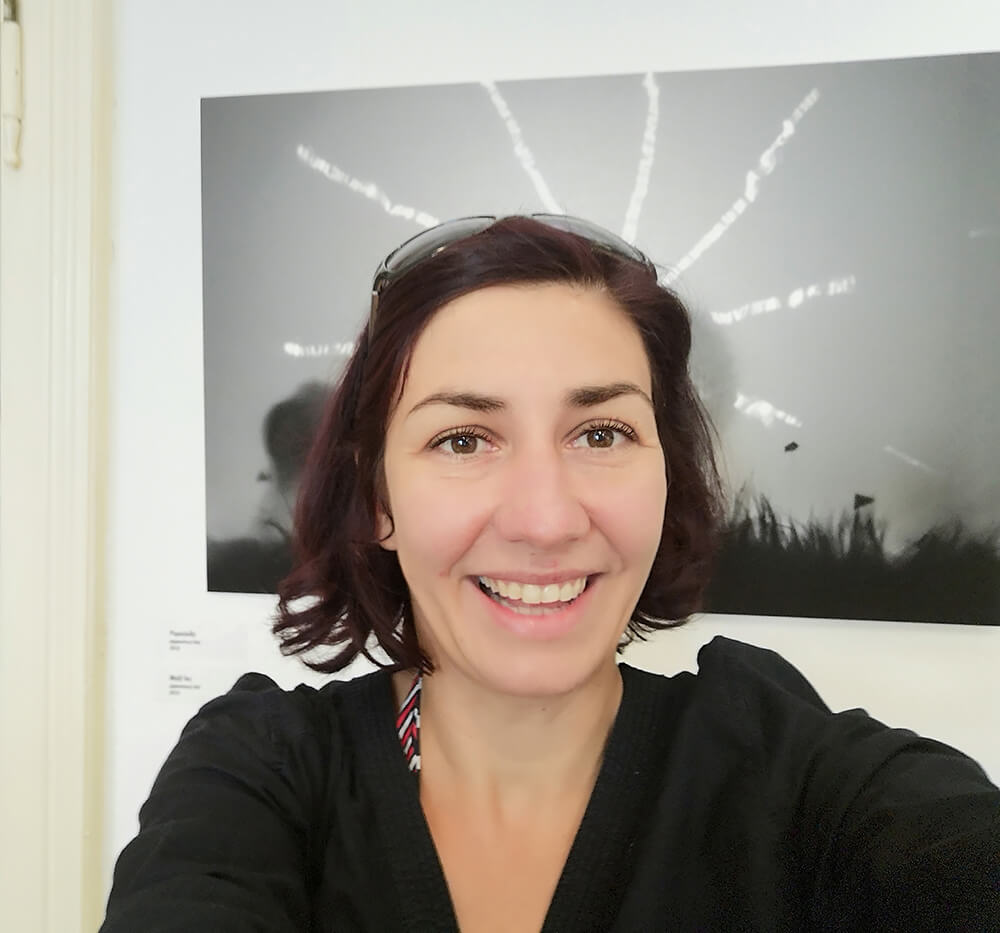
Telona (Leona Bazant Telinova) lives and works in Prague Czech Republic. She studied photography at the Faculty of Art and Design of University J.E.Purkyne.

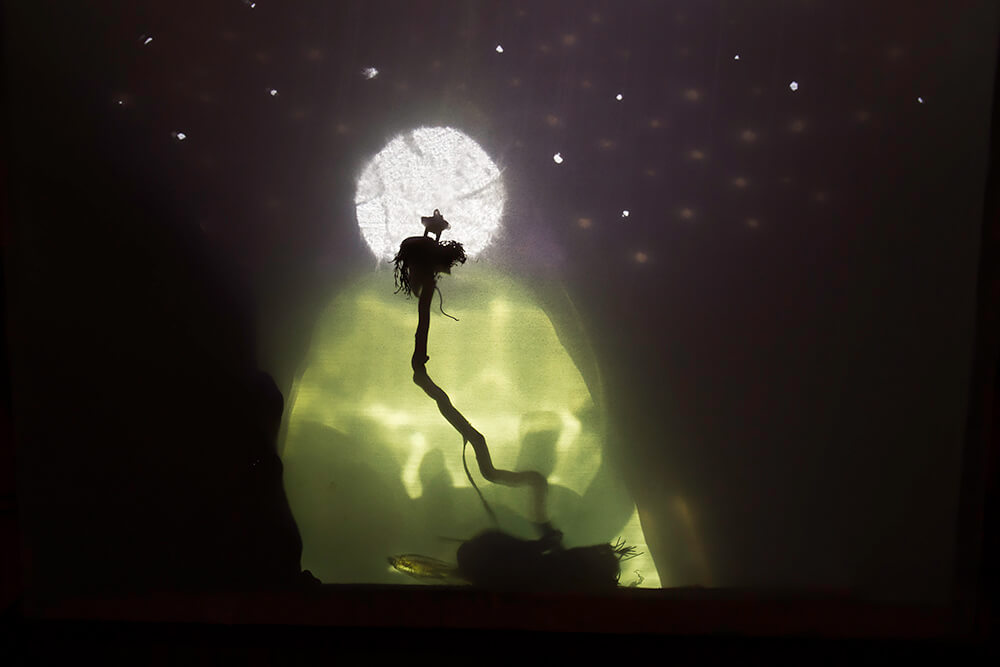
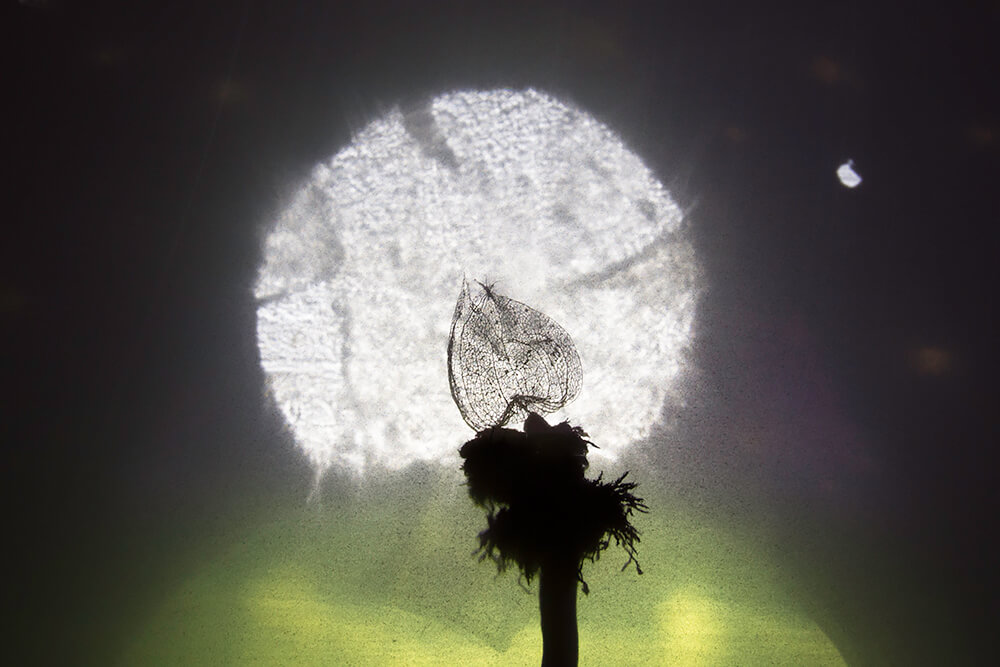
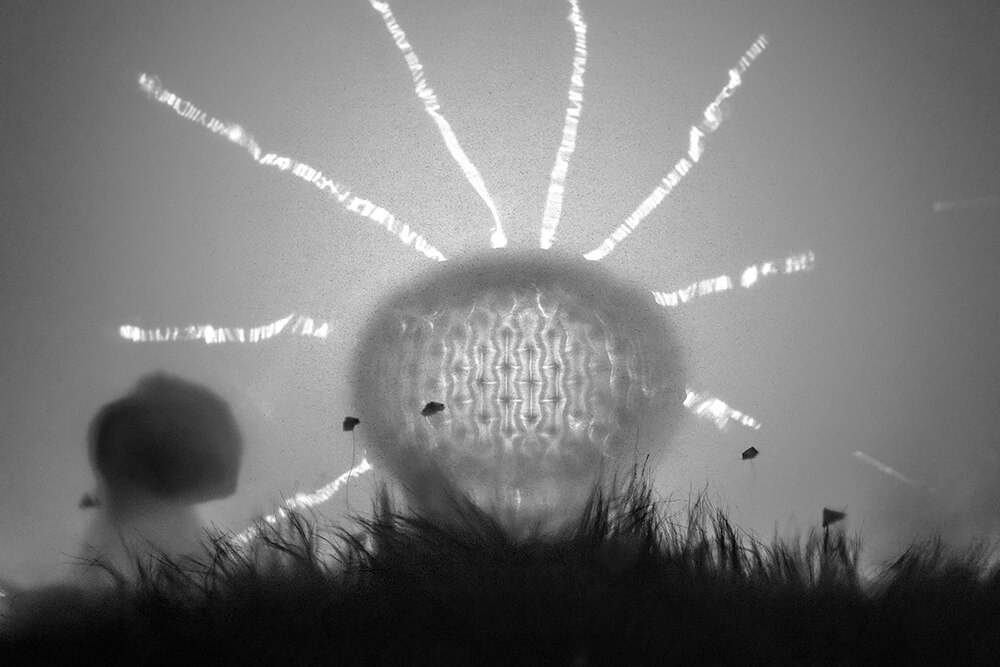
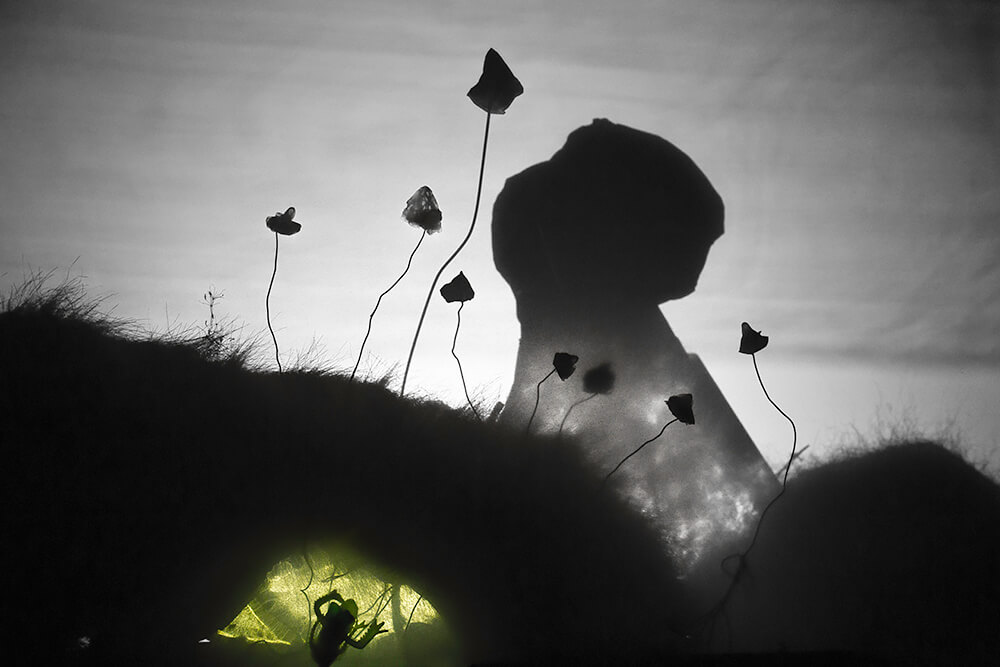
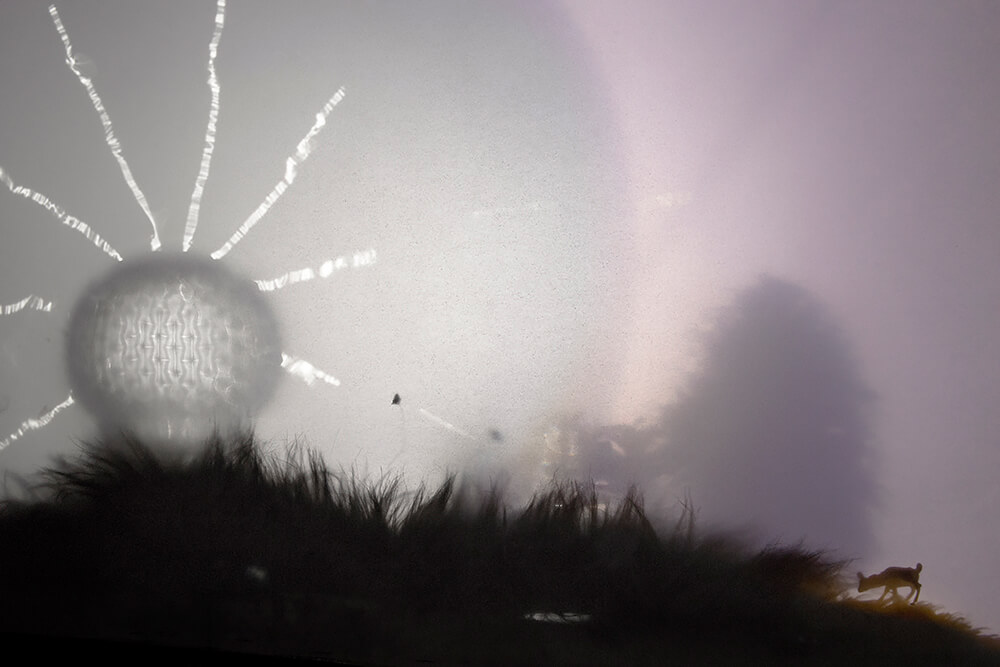
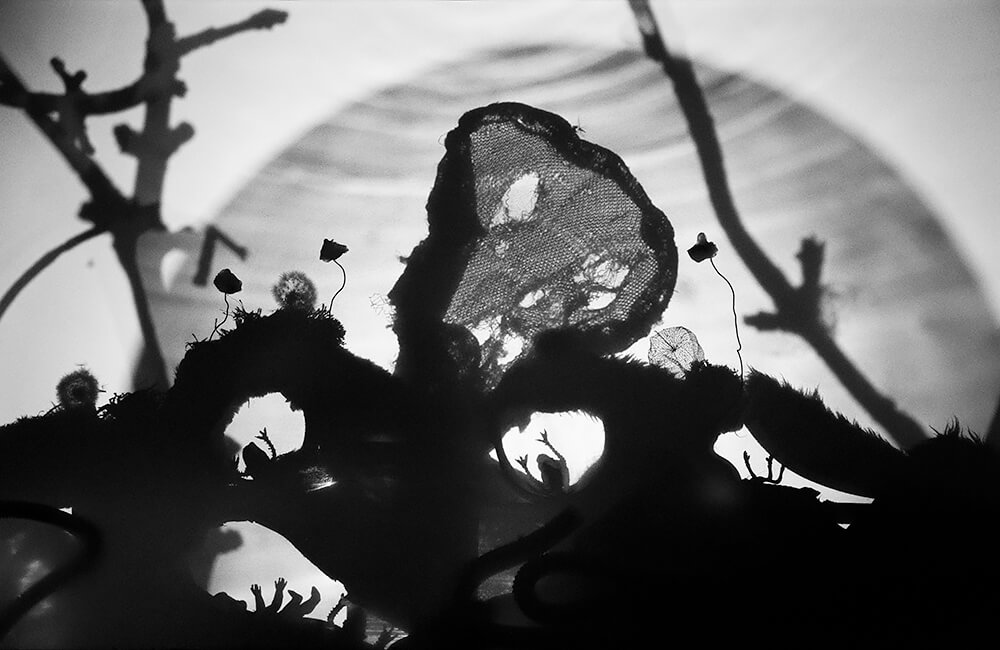
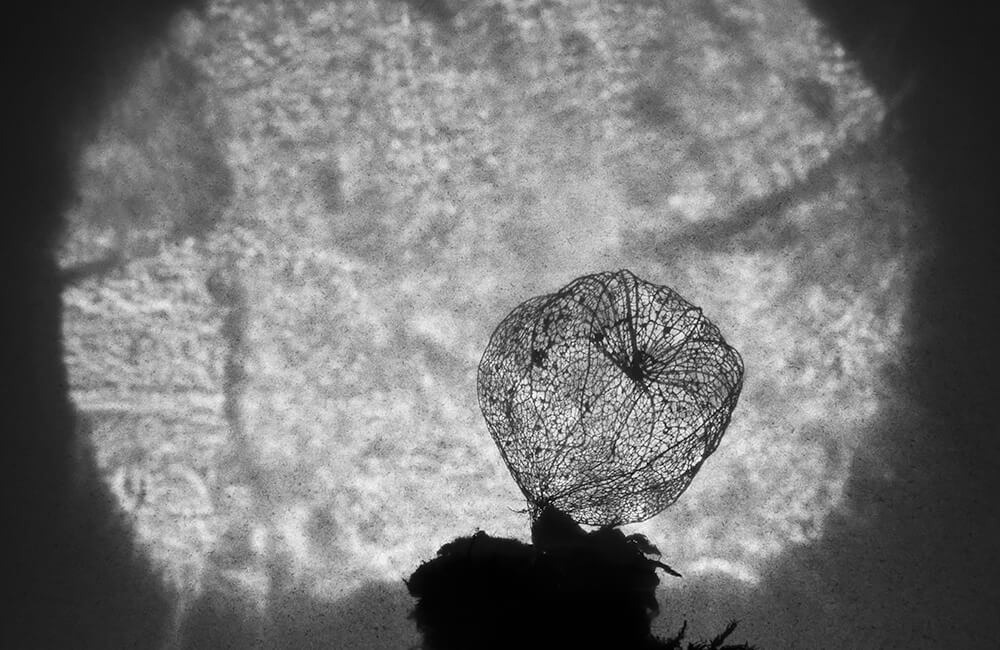
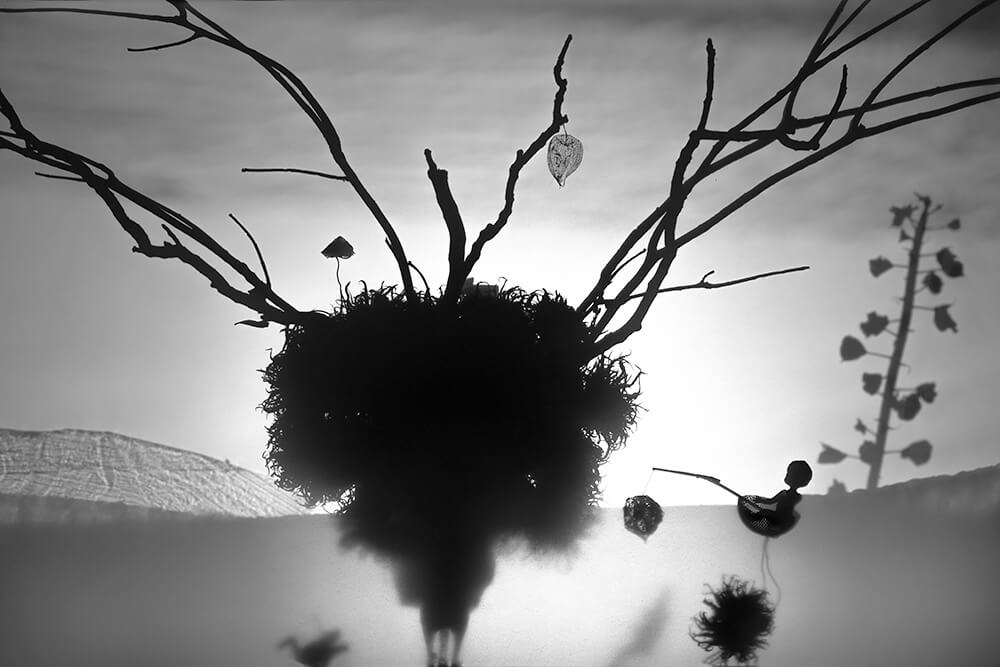
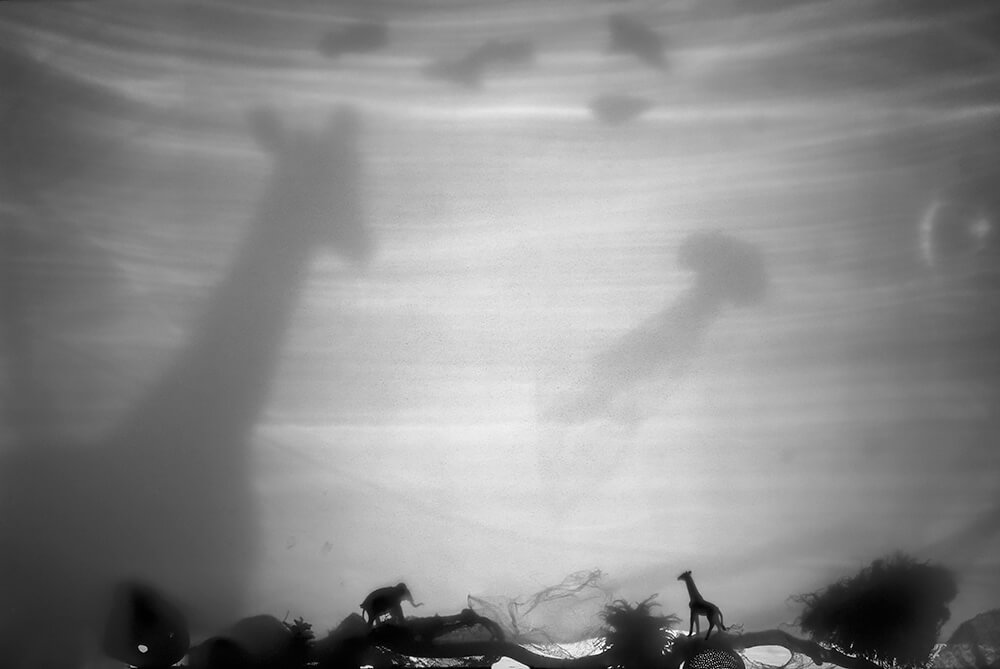
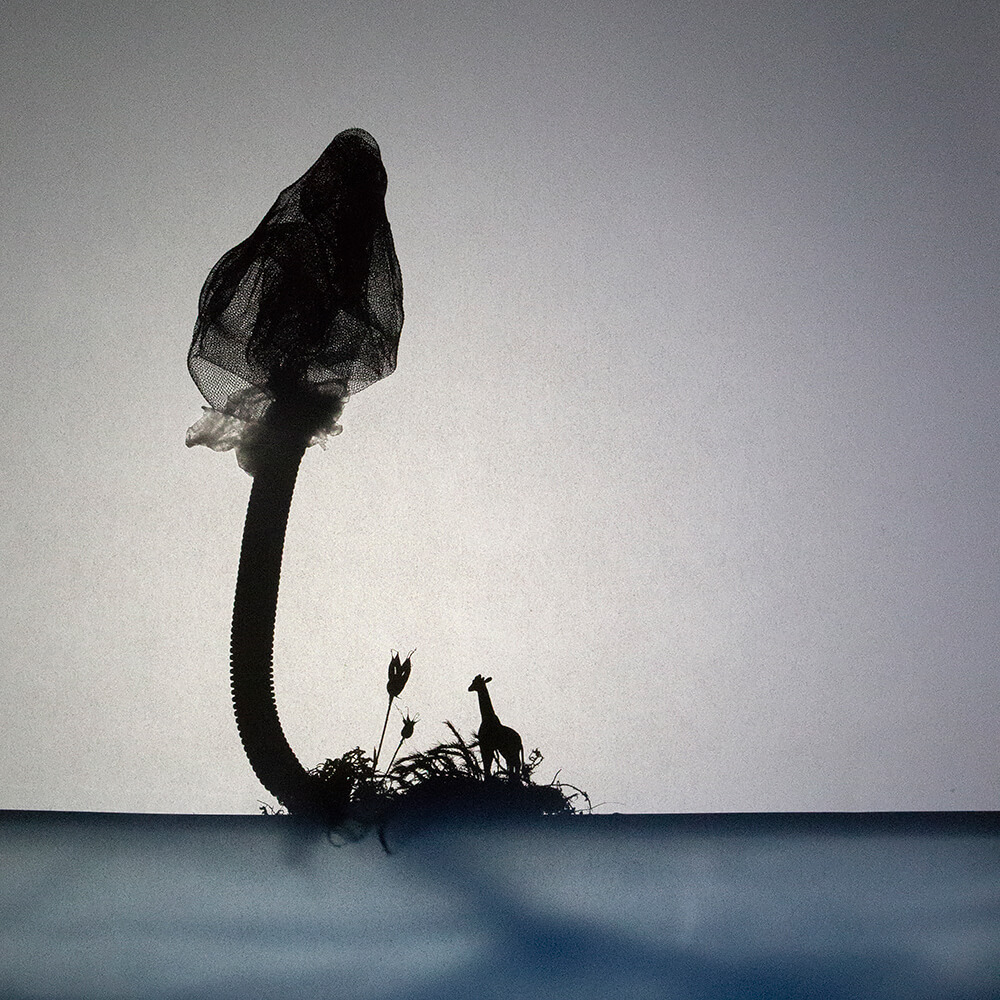
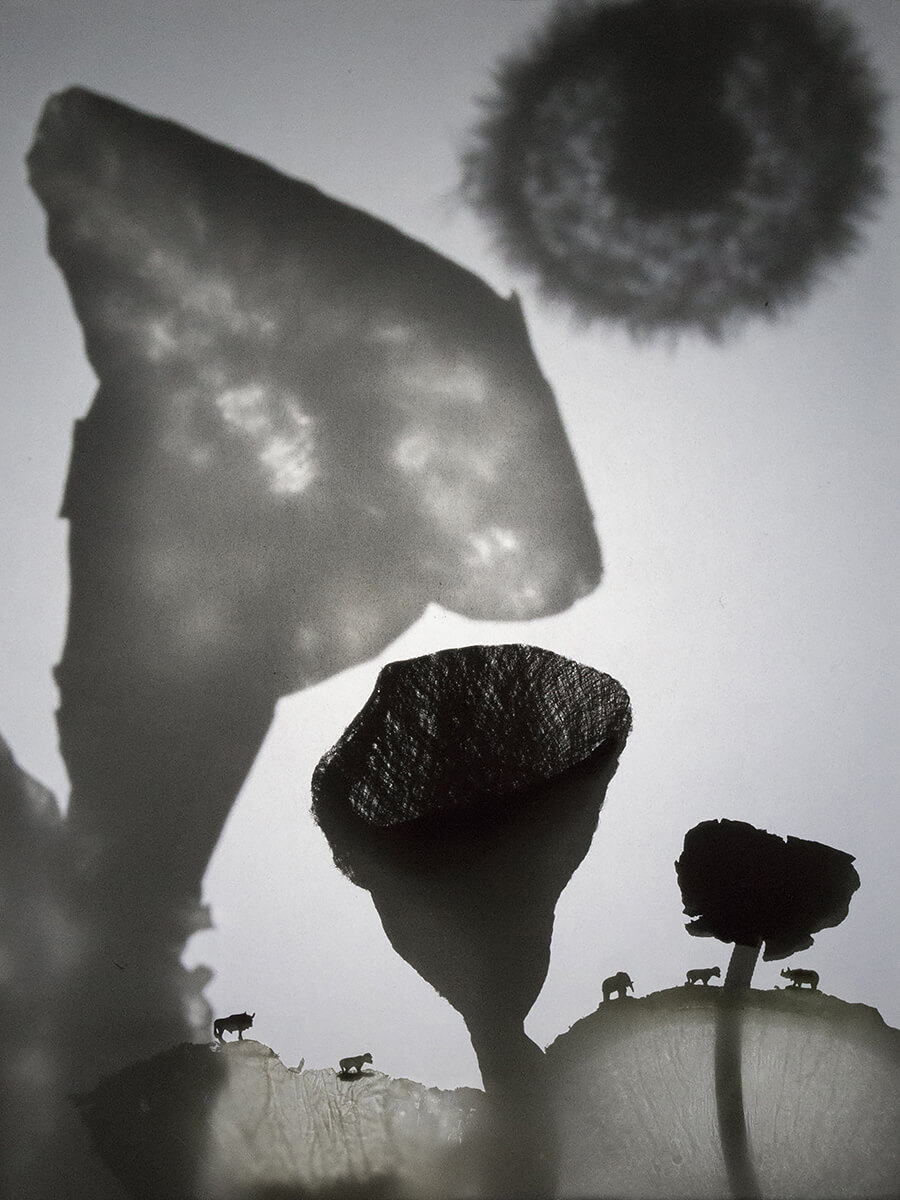
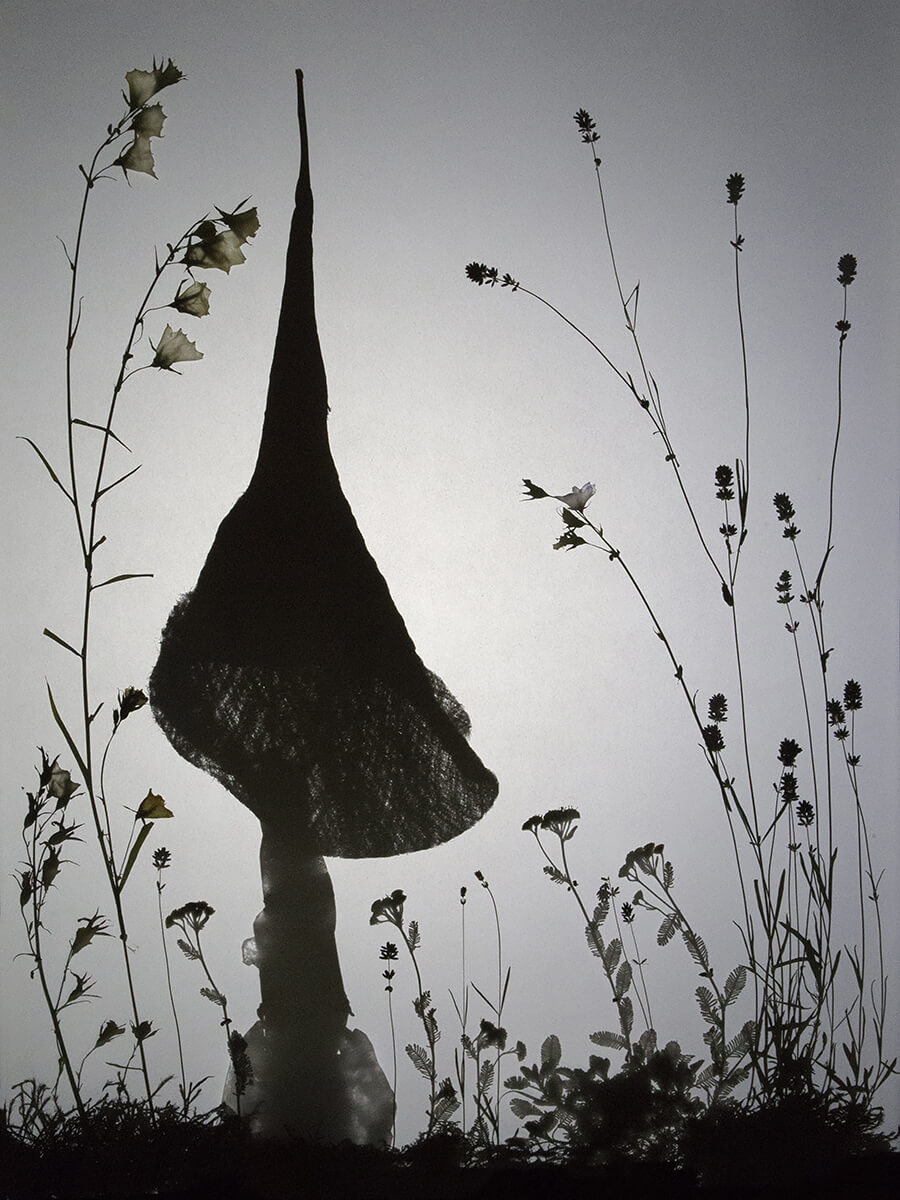
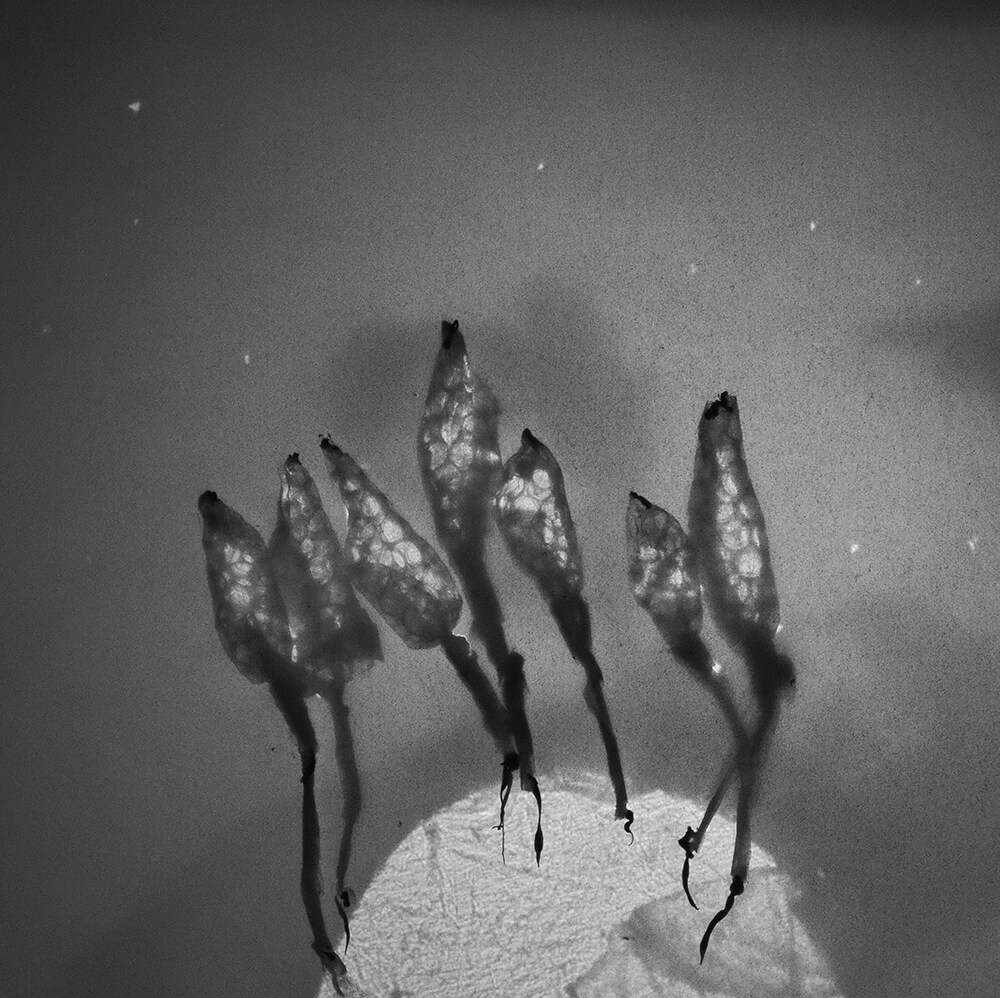
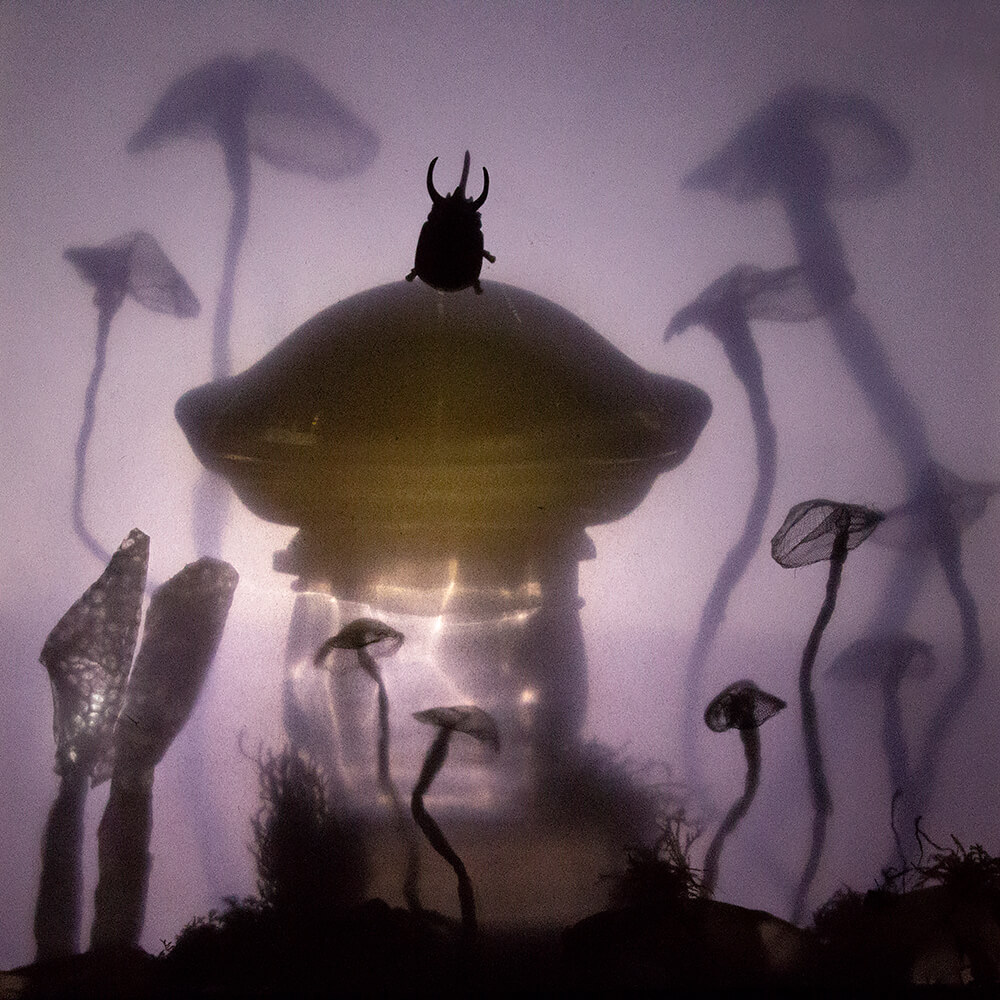
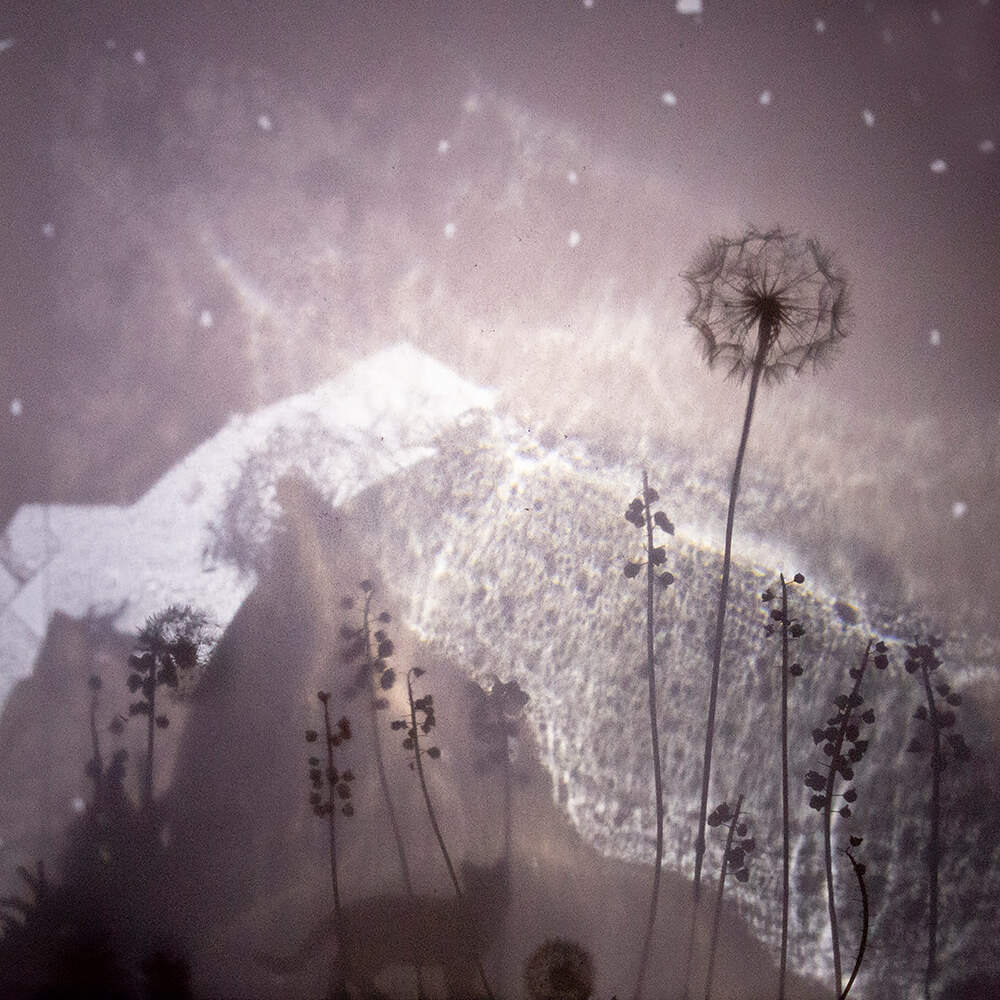
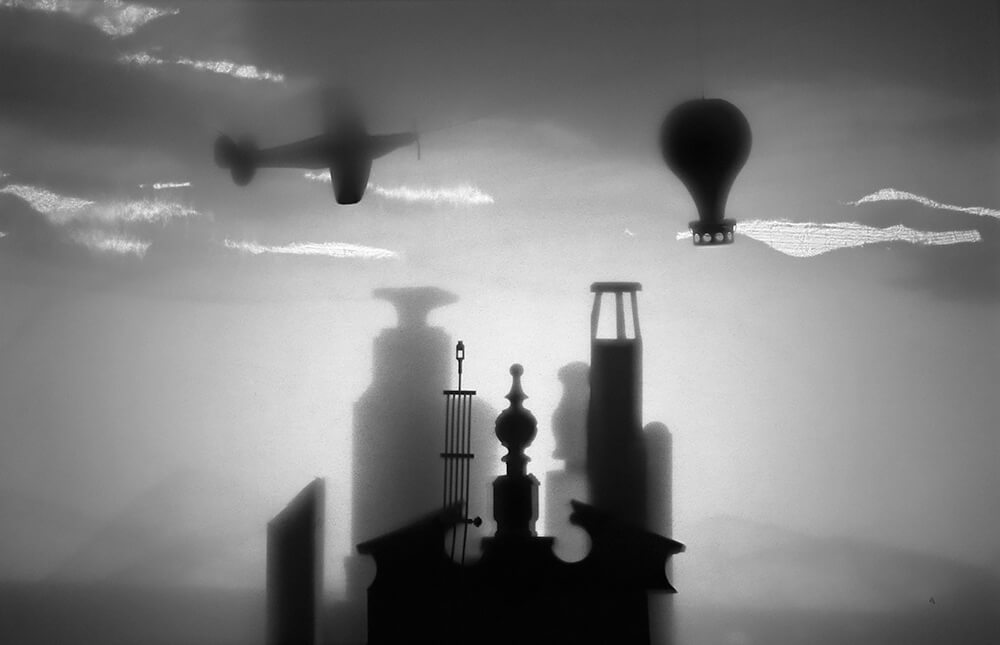
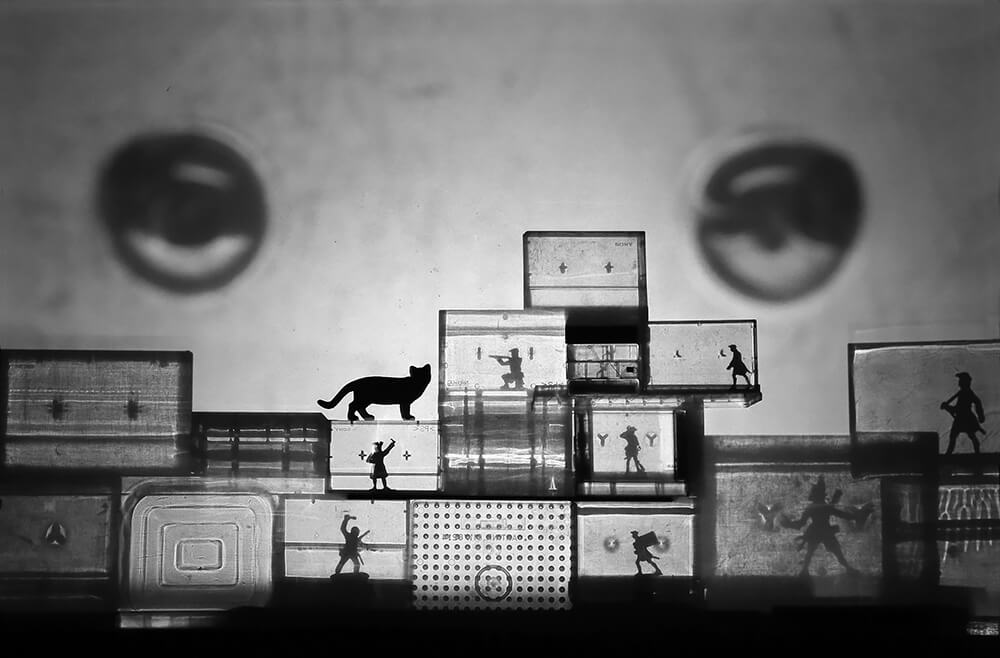
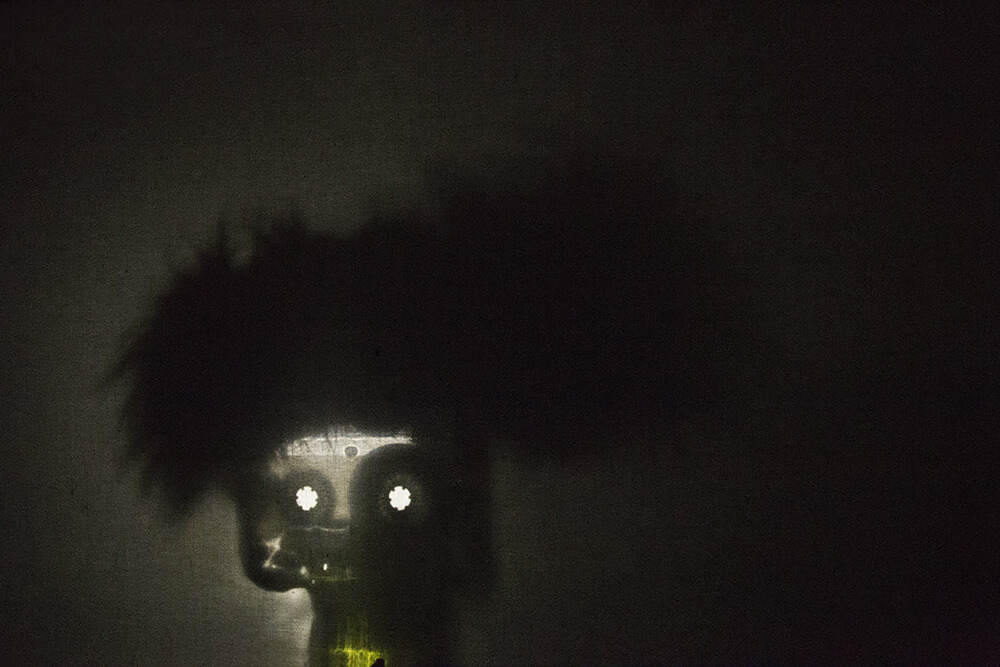
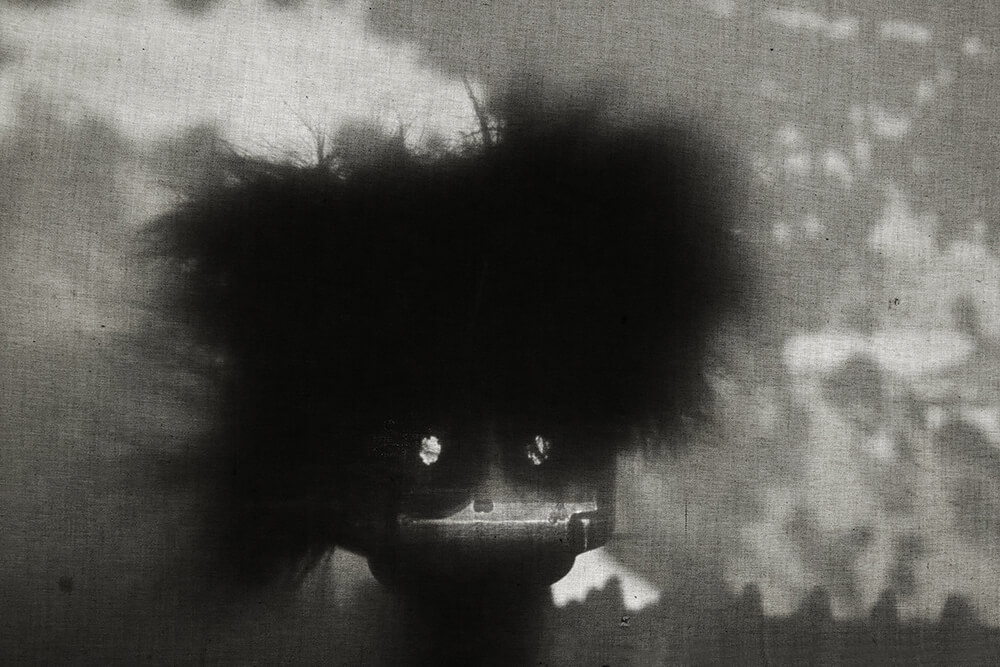
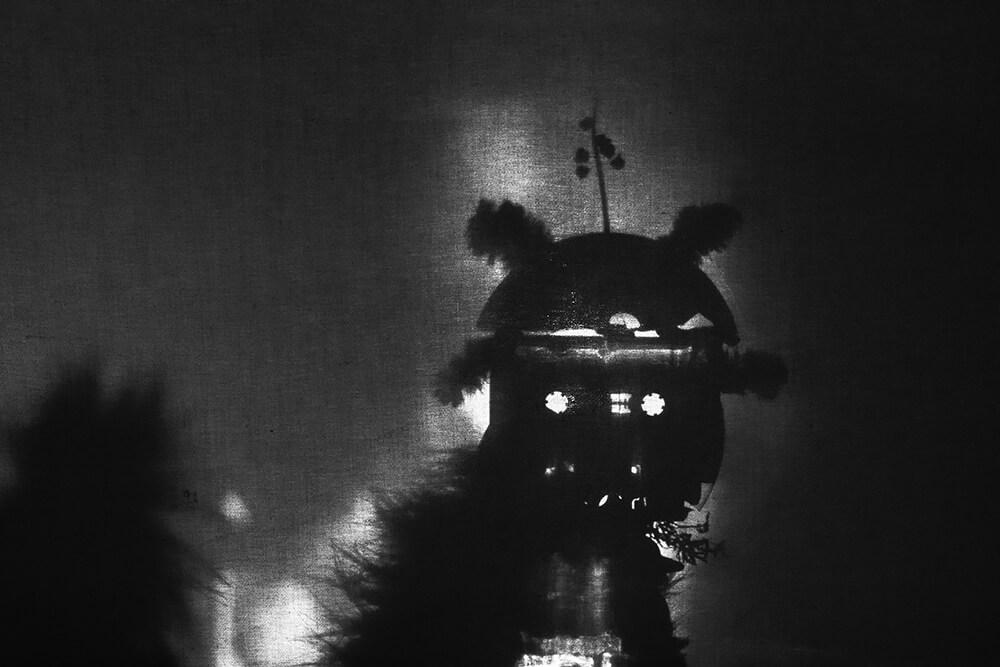
In her work - that overlaps with other art forms such as painting and puppet theatre - she doesn't use photography to record reality but more so as a medium through which she creates independent art works.

Her pictures of landscapes are nothing more but a carefully arranged still life. They are created on a studio table the photographer shares with her friend, the stage designer and puppeteer. She is inspired not only by the ubiquitous puppet clutter but also by the very principle of shadow theatre. The still life is then photographed on a digital camera and the resulting photos are not computer manipulated in any way.

Her paintings and photographs are represented in many private collections.
 

Inspiring Portfolios

Call for Entries
AAP Magazine #59 Shapes
Publish your work in our printed magazine and win $1,000 cash prizes
 
Stay up-to-date  with call for entries, deadlines and other news about exhibitions, galleries, publications, & special events.

More Great Photographers To Discover

Wayne Miller
United States
1918 | † 2013
Wayne Forest Miller (September 19, 1918 – May 22, 2013) was an American photographer known for his series of photographs The Way of Life of the Northern Negro. Active as a photographer from 1942 until 1975, he was a contributor to Magnum Photos beginning in 1958. Miller was born in Chicago, Illinois, the son of a doctor and a nurse, who gave him a camera as a high school graduation present. He went on to study banking at the University of Illinois Urbana-Champaign, while also working on the side as a photographer. From 1941 to 1942 he studied at the Art Centre School of Los Angeles. He then served as a lieutenant in the U.S. Navy where he was assigned to Edward Steichen's World War II Naval Aviation Photographic Unit. He was among the first Western photographers to document the destruction at Hiroshima. After the war he resettled in Chicago. He won two consecutive Guggenheim Fellowships in 1946-1948, with which he worked on The Way of Life of the Northern Negro. These images were published in his book Chicago's South Side 1946-1948,. This project documented the wartime migration of African Americans northward, specifically looking at the black community on the south side of Chicago, covering all the emotions in daily life. The people depicted are mostly ordinary people, but some celebrities appear, such as Lena Horne, Ella Fitzgerald, Duke Ellington and Paul Robeson. Wayne Miller taught at the Institute of Design in Chicago before commissioning a Modernist house for their growing family from architect Mario Corbett in Orinda, California in 1953. He was freelancing for Life and with his wife Joan also worked with Edward Steichen as an associate curator for The Family of Man exhibition and accompanying book which opened at New York City's Museum of Modern Art in 1955. Steichen selected eight of Miller's photographs, including two of the birth of the photographer's son, for the show which traveled the world and was seen by more than 9 million visitors. Miller died on May 22, 2013, at his home in Orinda, California, age 94, survived by his wife of 70 years, the former Joan Baker (January 21, 1921 – March 7, 2014), and children Jeanette Miller, David Miller, Dana Blencowe, and Peter Miller. The Wayne Miller Archive is held at the Center for Creative Photography (University of Arizona). Source: Wikipedia Born in Chicago, Wayne F. Miller studied banking at the University of Illinois, Urbana, while working part-time as a photographer. He went on to study photography at the Art Center School of Los Angeles from 1941 to 1942. Miller served in the United States Navy, where he was assigned to Edward Steichen’s Naval Aviation Unit. After the war he settled in Chicago and worked as a freelancer. In 1946-48, he won two consecutive Guggenheim Fellowships and photographed African-Americans in the northern states. Wayne Miller taught photography at the Institute of Design in Chicago, then in 1949 moved to Orinda, California, and worked for LIFE until 1953. For the next two years he was Edward Steichen’s assistant on the Museum of Modern Art’s historic exhibit, The Family of Man. A long-time member of the American Society of Magazine Photographers, he was named its chairman in the summer of 1954. He became a member of Magnum Photos in 1958, and served as its president from 1962 to 1966. His ambition throughout this period was, in his words, to “photograph mankind and explain man to man”. Having been active in environmental causes since the 1960s, Miller then went to work with the National Park Service. He joined the Corporation of Public Broadcasting as executive director of the Public Broadcasting Environmental Center in 1970. After he retired from professional photography in 1975, he devoted himself to protection of California’s forests. Along the way, Miller co-authored A Baby's First Year with Dr Benjamin Spock, and wrote his own book, The World is Young.Source: Magnum Photos
Nicolas Tikhomiroff
France
1927 | † 2016
Nicolas Tikhomiroff (March 22, 1927 – April 17, 2016) was a French photographer, of Russian origin. He started working for Magnum Photos in 1959. Tikhomiroff was born in Paris to Russian parents. He received his education at a boarding school away from home with children of a similar background. He was trilingual with Russian as his primary language with French, and English as a secondary language. When he reached the age of seventeen, just following the Liberation of Paris, he joined the French army. After finishing his duties he found a job working for a fashion photographer processing prints. In 1956, Tikhomiroff was inspired by French journalist Michel Chevalier and struck out on his own as a freelance photographer. For the next few years, he spent his time traveling with Chevalier to the Middle East, Africa, among other places. In 1959 Tikhomiroff joined Magnum. Most of his work was on wars such as in Cambodia, Laos, and Vietnam. Famous for his work on World Cinema, he also had a large portfolio of war photography. He was married to Shirley Lou Ritchie, by whom he had a daughter, Tamara Joan Tikhomiroff. He retired in 1987 and lived in Provence, France.Source: Wikipedia Nicolas Tikhomiroff was born in Paris to Russian ‘émigrés’ parents. He spent his school years in a special boarding school for children of a similar background: those with Russian as a first language, followed by French. He joined the army at the age of 17 following the Liberation of Paris, then spent several months in Germany, followed by three years in Indochina. After finishing his military service, Tikhomiroff found work in the darkroom of a fashion photographer. Using a Rolleiflex, he began to take photographs for many magazines, including Marie France. In 1956, a decisive encounter with French journalist Michel Chevalier led him to accompany Chevalier as a freelance photographer. This relationship resulted in long trips to the Soviet Union, Africa, and the Middle East. Tikhomiroff joined Magnum in 1959 and completed numerous photo stories on subjects such as the Algerian War, Vietnam, Cambodia, and Laos. He also contributed to an important Magnum project on World Cinema, meeting Orson Welles, Fellini, Visconti, and many others. He developed a close friendship with Welles while photographing the filming of The Trial and Falstaff. Nicolas Tikhomiroff also undertook advertising and fashion assignments. Although he was never a full member of Magnum Photos, his earlier work is still distributed by the agency. Tikhomiroff retired from professional activities in 1987. He lived in Provence in the south of France, where he spent much of his time working on personal projects and essays.Source: Magnum Photos Magnum member Bruno Barbey says of Nicolas: “As well as a very important portraitist of the celebrities of the 60s (Brigitte Bardot, Jeanne Moreau or Edith Piaf, to name a few), Nicolas was also a concerned photographer, covering USSR in 1957 or De Gaulle’s historic visit to Algeria in 1960." “In a certain way, Nicolas epitomized Magnum’s long-standing tradition, producing both a significant personal work on film set photography and covering world news for the agency. To me, his name will always be linked to his iconic photographs of Orson Wells, notably in Spain on the set of Chimes at Midnight.”Source: British Journal of Photography
Zaharia Cusnir
Moldova
1912 | † 1993
Zaharia Cuşnir (1912-1993) was an amateur photographer born in Rosietici village, Floresti region, Moldova. He was photographing people within 1955-1973, and left a collection of negative films 6x6 cm, from which 3751 were discovered in his abandoned house in 2016. The photographs portray groups, landscapes, scenes from everyday life: work in the kolkhoz, weddings, funerals, national celebrations. Life Zaharia Cuşnir was born as the last child in the family of 16 children in Rosietici village, Soroca district. His father was a Moldovan businessman (born 1870), and his mother was of German origins (born in approx. 1870). Zaharia was born in Bessarabia, at that time part of the Russian Empire, educated in Romania (Iasi city), and after WW-II, became a USSR citizen. He went to school to the neighbouring Rogojeni village and later attended the pedagogical lyceum in Iasi, Romania. He began teaching in Rogojeni, then though he worked in kolhoz, performing works as carrying stones, digging the frozen ground, carrying loam, destroying fences, herding cows. Villagers also remember him as a blacksmith. He also built a family of 4 children with his wife, Daria. Zaharia learned photography from his nephew, who returned from the army. The nephew was living in another village, so they decided to split the territory for the photographic activities. So, Zaharia stayed responsible for the surrounding villages: Caşunca, Rogojeni, Țâra, Ghindeşti, Roşietici, and Cenuşa. The first pictures were taken in 1955. Zaharia was photographing mainly portraits of neighbours and then he was selling the photos. He had a bicycle, which he was usually lending to people for a photograph, as well he had a black blanket, which he was using as a background when he was taking portraits. Up to 1973, he had taken around 4000 pictures of the medium format 6x6 cm. In 1993, after he died, the house was abandoned and the pictures were stocked in a suitcase and placed in the attic. Discovery In spring 2016, Victor Galuşca, being a student at the Academy of Arts in Chisinau, Moldova, arrived in Rosietici village to film his documentary film for the bachelor's degree exam. He entered the abandoned house and found several negative films scattered through the trash all around the floor. Victor inquired from the villagers whose house was it and found the daughter of Zaharia Cusnir, living in the neighbourhood. With her permission, within several days, he picked all of them, and together with his photography professor, Nicolae Pojoga started the cleaning and indexing process of the archive. Among all, there were found old documents, among which was an edited request for admission to the school, adjusted to a stilted language used at the time. There was also found a table of exercises written in Russian Cyrillic script, as well as elementary calculus tests designed for primary school. Other documents and archival remnants reveal a struggle between life and death for the majority of the population; these include bread allowances and checks listing debts. Further Development The archive has a high resonance and was appreciated within several exhibitions: at the Museum of Art of Moldova (curated by Cervinscaia Nadejda) and the Romanian Peasant Museum in Romania in 2018, and at the Ethnographic Museum of Transilvania, the Subway Gallery of the House of Arts in Timisoara, Romania and at the Museum of Ethnography and Folklore MARAMUREş from Baia Mare, Romania in 2019. In 2017 a Moldovan Publishing house Cartier published a photo album "Lumea lui Zaharia" ("Zaharia's World"). At the beginning of 2020, was launched the website and facebook page, aiming to give open access to the usage of the Zaharia Cusnir archive. The team is working on few coming exhibitions in Europe in 2020.
Melissa Stewart
Australia
1963
Born in Melbourne, Australian Photographer Melissa Stewart currently resides between the Victorian country regions of the Macedon Ranges and the Mornington Peninsula. She has an affinity with the Australian landscape, nature and its wilderness. It is through her raw, true Australian aesthetic, she draws awareness towards the environment and the landscape we inhibit to protect it. Living in the country with horses has helped shape her awareness and interest in connecting and belonging. After graduating in 1980, she studied Art and Design and then Interior design in 2006 which has only enhanced her focus for detail, shape, line and form, this reflects in her Photography. Melissa returned to study Professional Photography in 2016 at Photography Studies College in Melbourne, studying part time, she has her final year to complete after deferment in 2019. She has been awarded finalist in Click 17, SE Centre for Contemporary Photography, Brunswick Street Gallery and exhibited in several group shows. A Finalist in the Australian Photography Awards awarded top 5, Student category and third place student category in the Australian Photography Awards exhibition, 2019. Statement Being in nature has always allayed my anxiety; it's my form of meditation. We can so easily forget about those simple needs and pleasure in life. Isolation has enabled me to reconnect, being at home creates a security a protection and comfort, and it brings me to a peaceful and happier state of mind. More so now it's imperative to connect with parts of yourself that you haven't before and reconnect with the things that you love. Given this time to slow down; I have been able to be inspired by books and music, long walks and observing the natural world in a different perspective. I have had wonderful moments where I have really be in awe and wonder with nature, the sea, the trees, and the silence. It is exactly in these moments that we can assess what matters, and what we want our life to mean. My interest in drawing awareness towards our environment and the landscape motivates my belief that it is essential to our quality and balance of life.
Gregory Colbert
Canada
1960
Gregory Colbert (born 1960 in Toronto) is a Canadian film-maker and photographer best known as the creator of Ashes and Snow, an exhibition of photographic artworks and films housed in the Nomadic Museum. Colbert sees himself as an apprentice to nature. His works are collaborations between humans and other species that express the poetic sensibilities and imaginations of human and animals. His images offer an inclusive non-hierarchical vision of the natural world, one that depicts an interdependence and symmetry between humanity and the rest of life. In describing his vision, Colbert has said, "I would define what I do as storytelling... what’s interesting is to have an expression in an orchestra—and I’m just one musician in the orchestra. Unfortunately, as a species we’ve turned our back to the orchestra. I’m all about opening up the orchestra, not just to other humans, but to other species." Colbert began his career in Paris in 1983 making documentary films on social issues. Film-making led to fine arts photography. Colbert's first exhibition, Timewaves, opened in 1992 at the Museum of Elysée in Switzerland to wide critical acclaim. For the next ten years, Colbert did not publicly exhibit his art or show any films. Instead, he traveled to such places as Antarctica, India, Egypt, Burma, Tonga, Australia, Malaysia, Sri Lanka, Namibia, Kenya, Tanzania, Thailand, China, the Arctic, the Azores, and Borneo. Elephants, whales, manatees, sacred ibis, cranes, eagles, gyrfalcons, Rhinoceros Hornbills, cheetahs, leopards, African wild dogs (Lycaon pictus), caracals, baboons, eland, meerkats, gibbons, orangutans, penguins, pandas, polar bears, lions, giant Pacific manta rays, and saltwater crocodiles are among the animals he has filmed and photographed. Human collaborators include San bushmen, Tsaatan, Lisu, Massai, Chong, Kazakhs, and people from other indigenous tribes around the world. Colbert, who calls animals "nature's living masterpieces," photographs and films both wild animals and those that have been habituated to human contact in their native environments. The images record what he saw through the lens of his camera without the use of digital collaging.Source: Wikipedia Photographer/filmmaker Gregory Colbert is the creator of the exhibition Ashes and Snow, an immersive experience of nature that combines photographic artworks, films, and soundscapes, housed in a purpose-built traveling structure called the Nomadic Museum. To date, Ashes and Snow has attracted over 10 million visitors, making it the most attended exhibition by any living artist in history. Colbert was born in Toronto, Canada, in 1960. He began his career in Paris in 1983 making documentary films on social issues. His first exhibition, Timewaves, opened to wide critical acclaim in 1992 at the Museum of Elysée in Switzerland. For the next ten years, Colbert went off the grid and did not publicly share his art or show any films. He began traveling the world to photograph and film wondrous interactions between animals and humans. After ten years passed, Colbert returned to present Ashes and Snow at the Arsenale in Venice, Italy, in 2002. With his debut, Photo magazine declared, "A new master is born." The New York Times, in an article by Alan Riding, stated, "The power of the images comes less from their formal beauty than from the way they envelop the viewer in their mood... They are simply windows to a world in which silence and patience govern time." Ashes and Snow has been described as "extraordinary" by the Economist, and "distinctive... monumental in every sense" by the Wall Street Journal. Stern magazine described the photographs as "fascinating," and Vanity Fair named Gregory Colbert in its "Best of the Best."Source: gregorycolbert.com
Sarah  Ketelaars
United Kingdom
Sarah Ketelaars is a British photographer from Brighton, UK. She has a BA and an MA degree in English Literature from Jesus College, Cambridge, an MSc in Social Science from the Robert Gordon University in Aberdeen and a Diploma in photography from City College, Brighton. She began her career as a journalist and her images have appeared on book, CD and magazine cover. Her work has been exhibited nationally and internationally and is represented by Trevillion Images & Getty, and by 35 North Gallery in Brighton. In 2021 she was selected as one of the Lensculture Critics’ Choice winners for her project ‘Windows’ shot during lockdown in Houston, Texas and in 2024 she was selected as a finalist for her project ‘The 544’ in the Lensculture Art Photography Awards. The 544 This ongoing project is a memorial to 544 psychiatric patients murdered by the Nazis in 1941 in Latvia. The figurative images I’ve made are all cyanotypes. Eventually there will be one for each man, woman and child killed. My grandmother was working at the hospital from where the patients were taken. I have visited the hospital and found that although the story is known no memorial exists. The only official record seems to be a short paragraph in the Nuremberg report. So far I have found no record of the names. Using a historic photographic process feels fitting for a project examining a historical event. An ancient pagan Latvian folk symbol is drawn on by hand in gold ink to each piece. It is impossible for me to look at these images without thinking about how the lives of these people ended. However, the project is primarily intended as a memorial. I wanted the images to hint at some more celebratory moments, to remember the lives lived before these people entered the hospital; before they died. Not knowing anything about the identities of the dead, I have tried to imagine each one as a unique, precious being, and give each back a little of the character stripped from them when they were murdered and reduced by history to a number on a list of nameless victims. The project is the second in a trilogy looking at my family history, examining themes of cultural inheritance, identity and intergenerational trauma.
Vlad Kutsey
Ukraine
1987
Vlad Kutsey is a self taught freelance photographer from Kyiv, Ukraine, who has dedicated the last 10 years to his greatest inspiration - expedition & adventure photography. He has found his personal treasure slightly outside the comfort zone in the tropical jungles or somewhere at several thousands meters above sea level where the lack of oxygen slowly reminds that you're just a guest of the harsh Mountain:) His deep passion of capturing life through camera lens has driven him to develop many important skills (rock climbing, backpacking, wild camping in extreme conditions, surviving in the jungle environment and on the remote uninhabited islands) that have motivated him to reach and explore untouchable and pristine places around the world. Vlad's work has appeared in dozens of publications of the world's famous companies, brands and magazines in print and online including National Geographic, Nat Geo Traveler, Canon, GoPro, The North Face, Garmin, The Village, Daily Mail and elsewhere. He also has won several national and international photography awards for his work. Vlad's passion has lead him to reach out and tell his stories through social media, blogging, video that follow his work to teach and inspire through workshops and social media meetups. Vlad is an official GoPro, Osprey, Garmin, ЇDLO and Turbat Brand-Ambassador in Ukraine He spends the vast majority of his time in expeditions around the globe with his wife Alona; they have co-founded and lead own travel community "Adventure Monsters" that specializes in unique off the beaten track adventures to the most remote spots of our planet including researching the culture of the world's most isolated tribes.
Advertisement
AAP Magazine #59 Shapes
Win a Solo Exhibition in Aug
AAP Magazine #59 Shapes

Latest Interviews

Exclusive Interview with Susan Anthony
American photographer Susan Anthony brings a painter’s eye to documentary photography, creating nuanced portraits of people and places shaped by time, community, and tradition. Her work is rooted in observation, empathy, and a deep curiosity about the lives of others. Through long-term projects, she explores the relationship between individuals and the environments they inhabit, revealing the stories that connect people to a place and to one another.
Exclusive Interview with Carole Mills Noronha
Carole Mills Noronha is an Australian photographer whose deeply personal work explores memory, family, loss, and the fragile nature of identity. Living with epilepsy and a lifelong sensitivity to light, she has developed a distinctive photographic language rooted in observation, empathy, and emotional connection. Her images are shaped by lived experience, revealing intimate stories with remarkable honesty and tenderness.
Exclusive Interview with Trevor Cole: Pastoral Peoples and Practices
For this interview, we wanted to focus specifically on The Face of the Mundari and the wider Pastoral Peoples and Practices series. We spoke with Trevor about his long-term work among the Mundari, what continues to draw him back to their cattle camps, and the experience of documenting a culture whose identity remains deeply connected to livestock, tradition, and the natural environment.
Exclusive Interview with Frank Meo
In our latest exclusive feature for All About Photo, I speak with veteran photography representative Frank Meo about what it truly takes to build a sustainable creative career today. Frank brings decades of experience working with Fortune 500 companies, major agencies, and documentary photographers to the table. We dive into the critical business skills often left out of art school curriculums, the power of mentorship, and the inspiring evolution of PROJECTIONS—his international salon platform for visual storytellers. It’s an essential read for anyone navigating the commercial or editorial photography landscape today.
Exclusive Interview with Carolyn Moore
American photographer Carolyn Moore explores the inner landscape of emotion, memory, and personal transformation through a deeply intuitive photographic practice. Her work unfolds as a quiet dialogue between artist and viewer, where images become a space for reflection, vulnerability, and connection.
Exclusive Interview with Luca Desienna and Laura Estelle Barmwoldt
For over seven years, Of Lilies and Remains has explored the depths of the goth and darkwave underground, unfolding in Leipzig—a city long associated with a vibrant and enduring subcultural scene. Moving between iconic gatherings such as Wave-Gotik-Treffen and more intimate moments on the fringes, the project offers a rare and immersive glimpse into a world often misunderstood, yet rich in expression and community. Created by Luca in collaboration with Laura Estelle Barmwoldt, the work embraces a cinematic and deeply personal approach. Rather than documenting from a distance, it moves within the scene itself, capturing its atmosphere, its codes, and its quiet contradictions. The title Of Lilies and Remains hints at this duality—where beauty and darkness, fragility and strength coexist. As the book prepares for its release, we spoke with both artists about the origins of the project, their process, and what it means to document a subculture that continues to evolve while remaining true to its spirit.

Exclusive Interview with Matthew Finley
American photographer Matthew Finley turns inward, using photography as a way to explore identity, memory, and emotional truth. Based in Los Angeles, his practice moves between performance, gesture, and found imagery, creating a visual language that is both intimate and deeply personal
Exclusive Interview with Jan Janssen
Dutch photographer Jan Janssen explores universal human experiences through his long-term project It Matters, winner of the May 2025 Solo Exhibition. Begun in 2016, the series captures intimate moments of everyday life—love, loss, connection, and belonging—across Central and Eastern Europe. Working in countries such as Turkey, Azerbaijan, and Armenia, Janssen spends extended time within communities, building relationships based on trust and respect. His approach allows him to move beyond observation, revealing deeply human and authentic moments. Rooted in travel and personal discovery, It Matters reflects Janssen’s search for what connects us all in an increasingly divided world. The project is ongoing and will culminate in a photobook scheduled for publication in 2026.
Exclusive Interview with Henk Kosche
German photographer Henk Kosche turns his lens toward the streets of Halle an der Saale, capturing everyday life in the late years of the former German Democratic Republic. At the time, Kosche was studying design and exploring the city with his camera, drawn to the atmosphere of its industrial landscape and the quiet rhythms of daily life. His series Street Photography at the End of the 80s, selected as the Solo Exhibition for July 2025, revisits a body of work created just before a period of profound change. Rediscovered decades later in a small box of 35mm negatives, these photographs offer glimpses of a city and its people at a moment suspended between the familiar and the unknown.
Call for Entries
AAP Magazine #59 Shapes
Publish your work in our printed magazine and win $1,000 cash prizes