All about photo.com: photo contests, photography exhibitions, galleries, photographers, books, schools and venues.
Submit your Best Project to Win a Solo Exhibition this March!
Artem  Postelnikov
Artem  Postelnikov
Artem  Postelnikov

Artem Postelnikov

Country: Ukraine

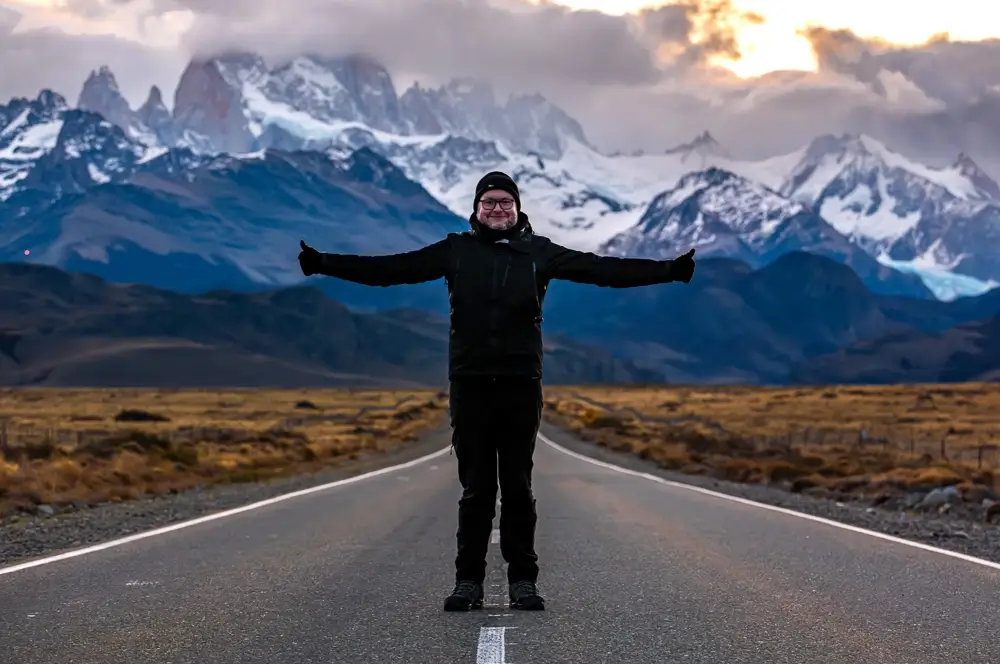
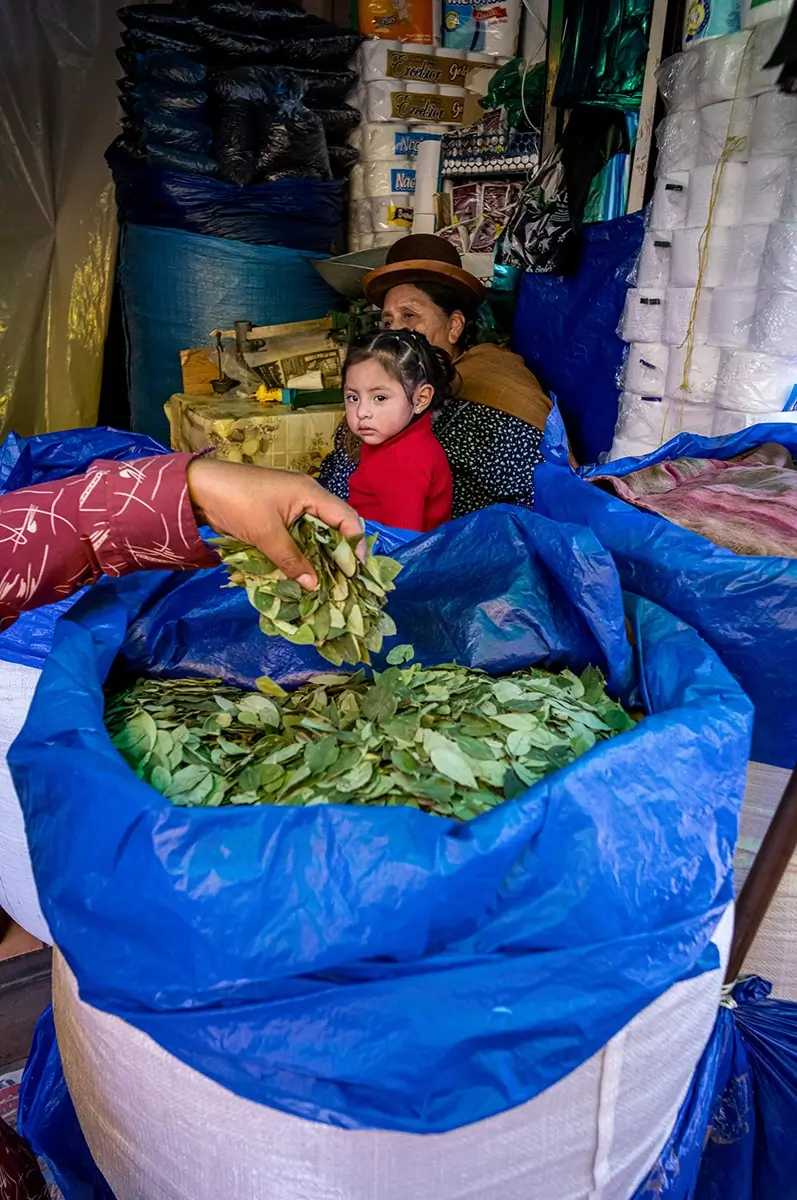
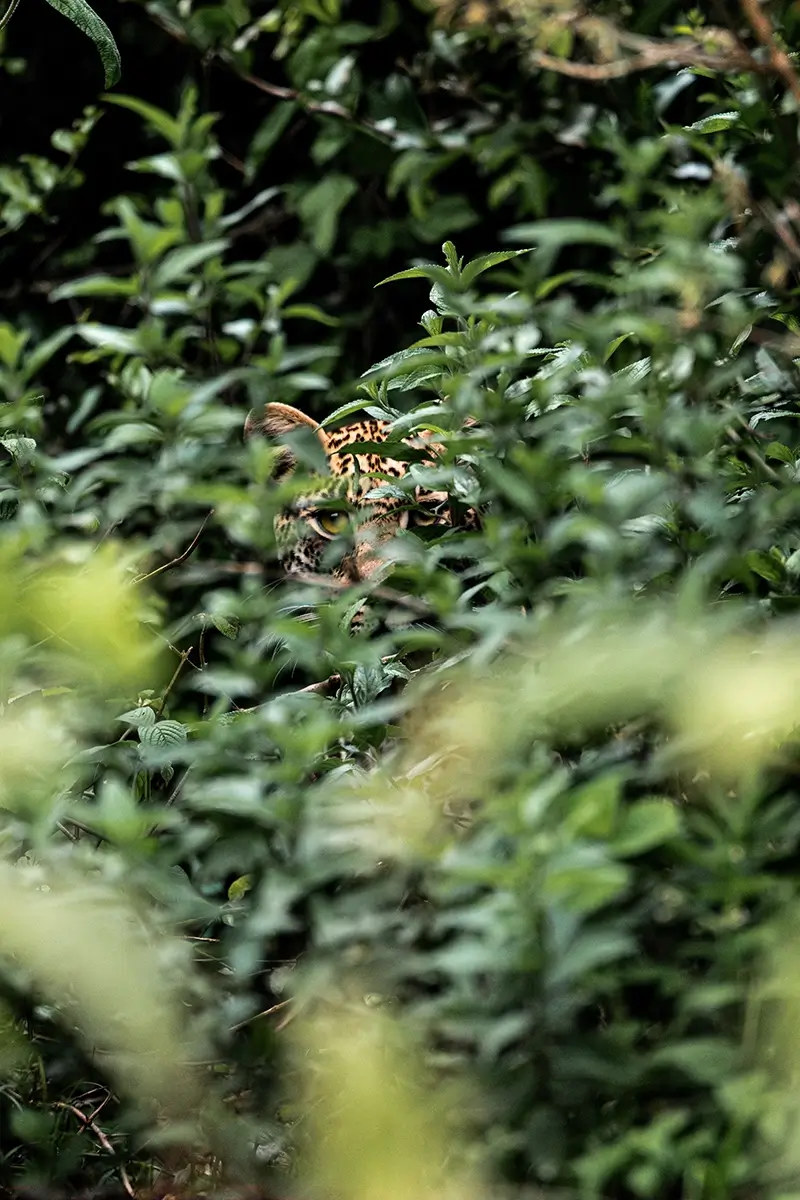
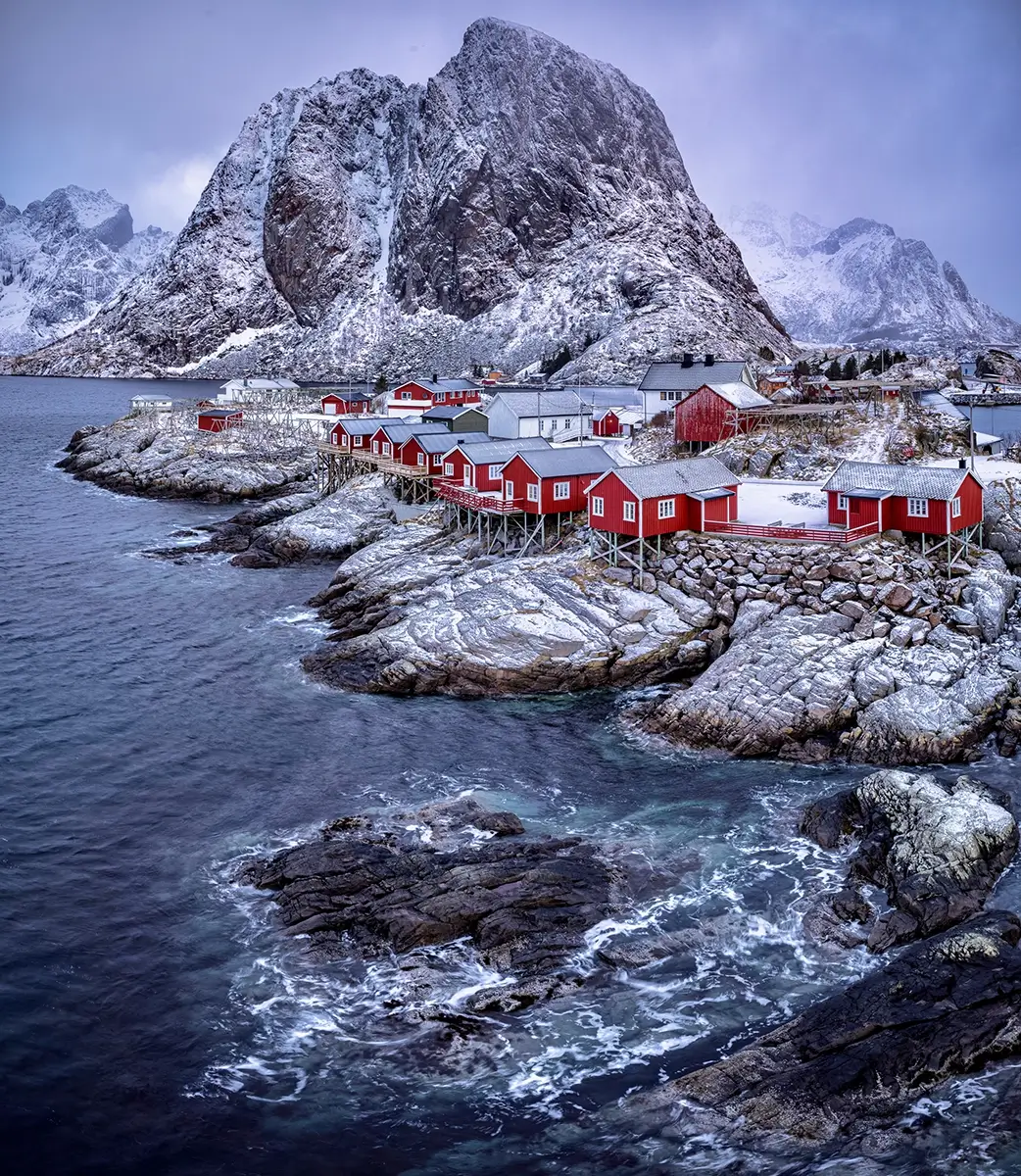
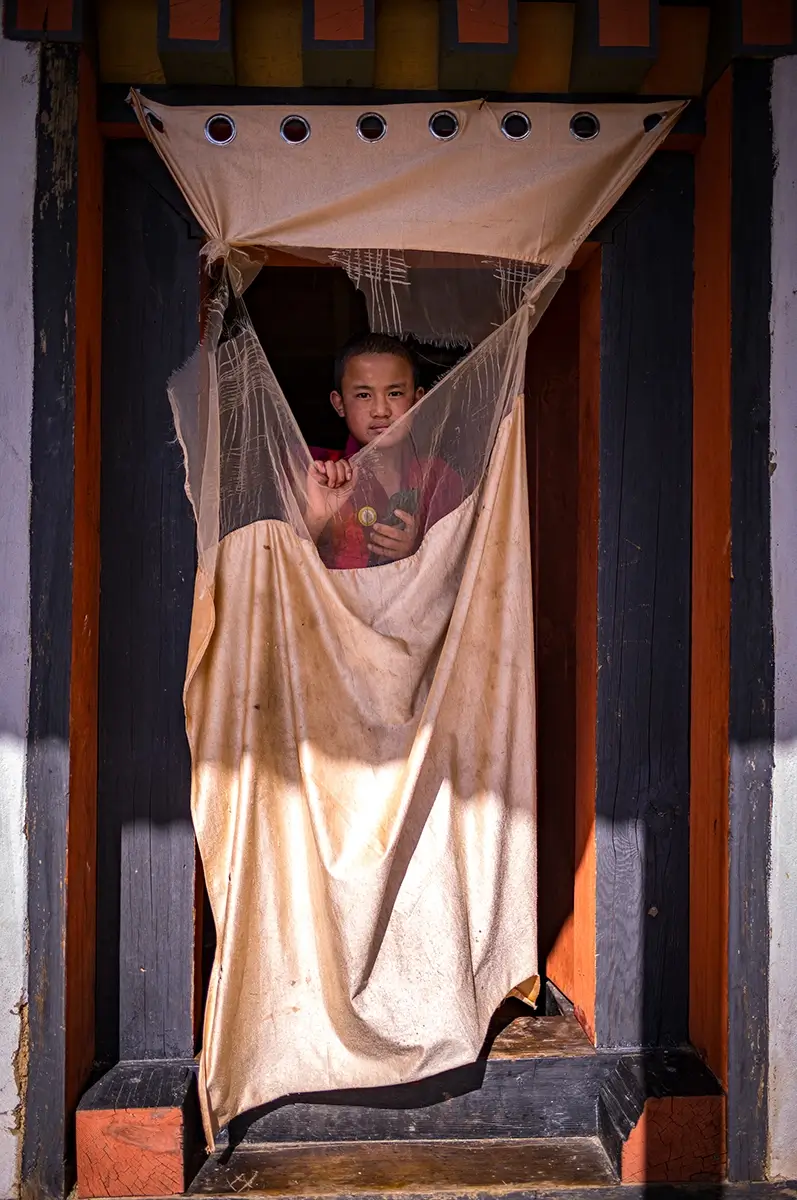
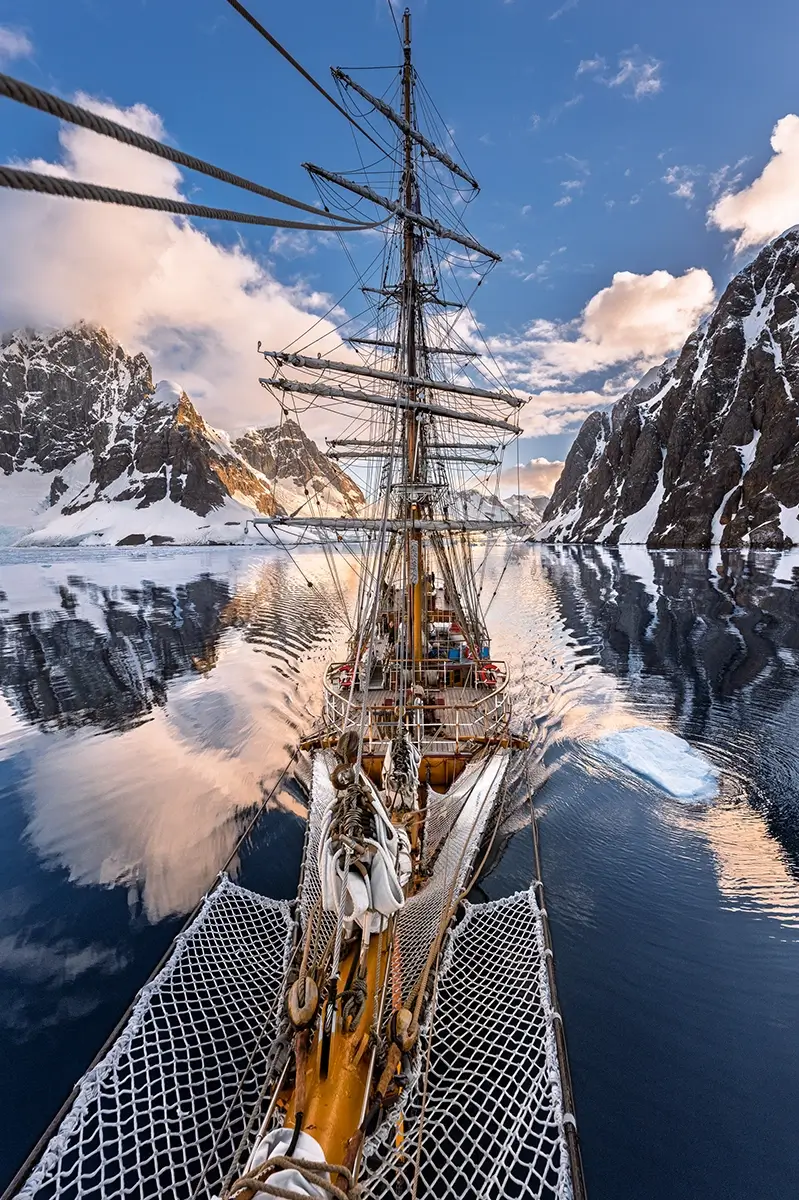
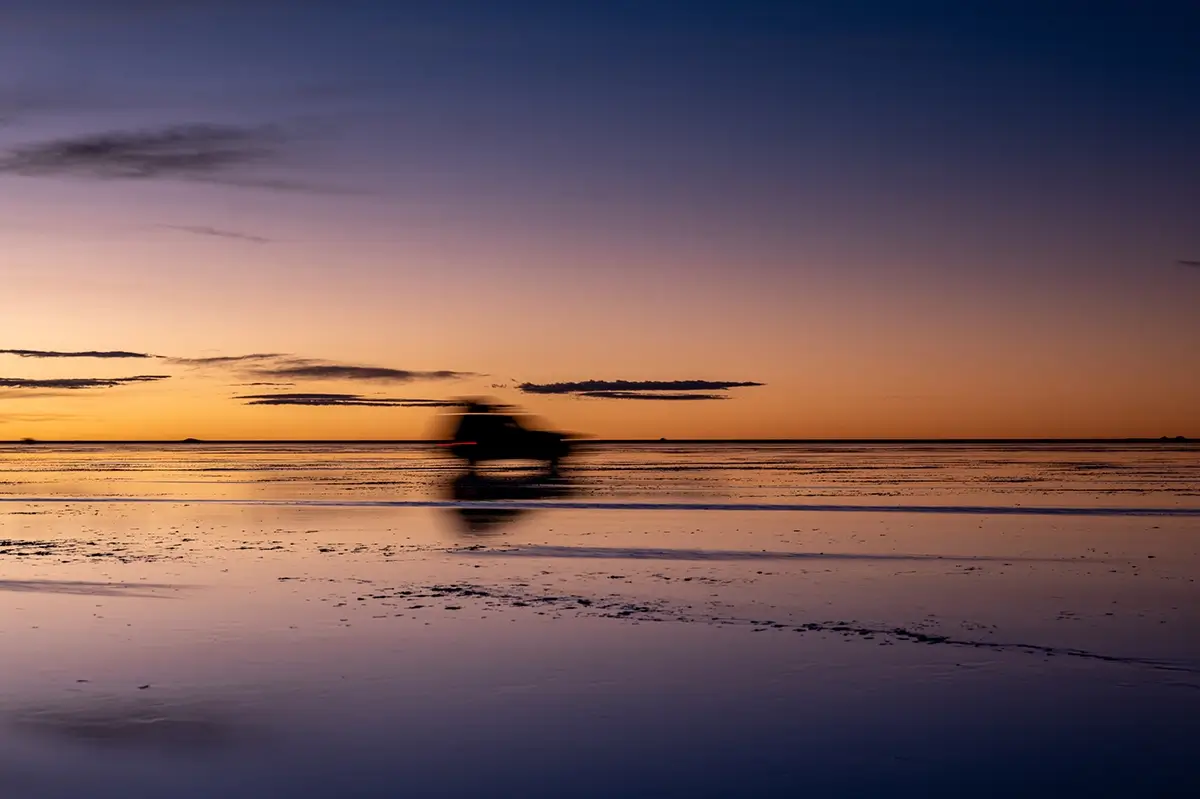
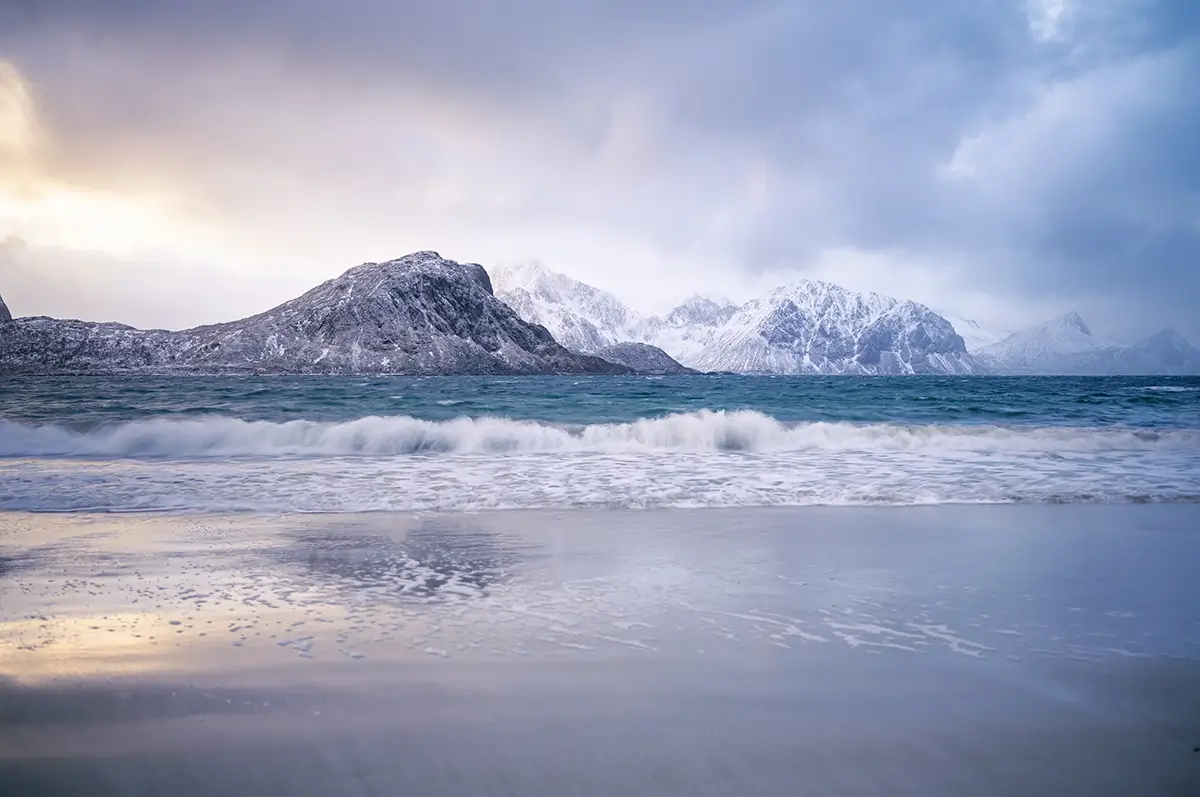
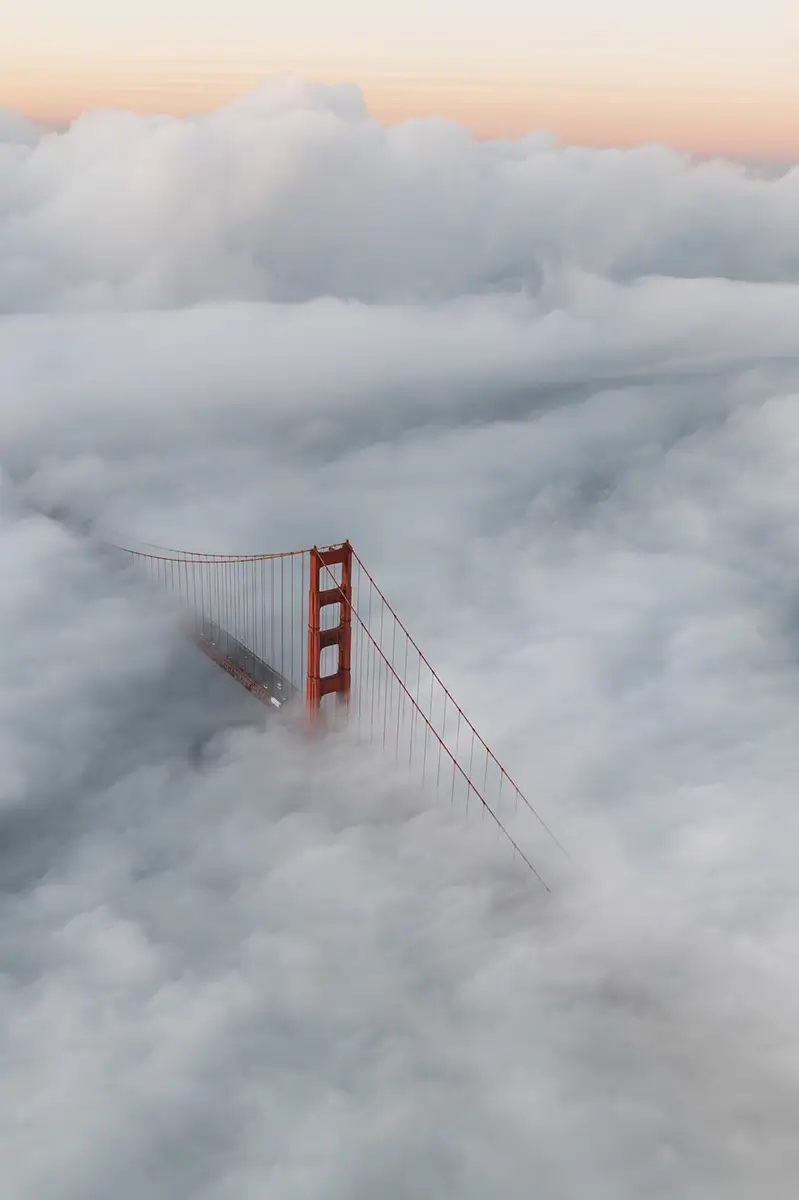
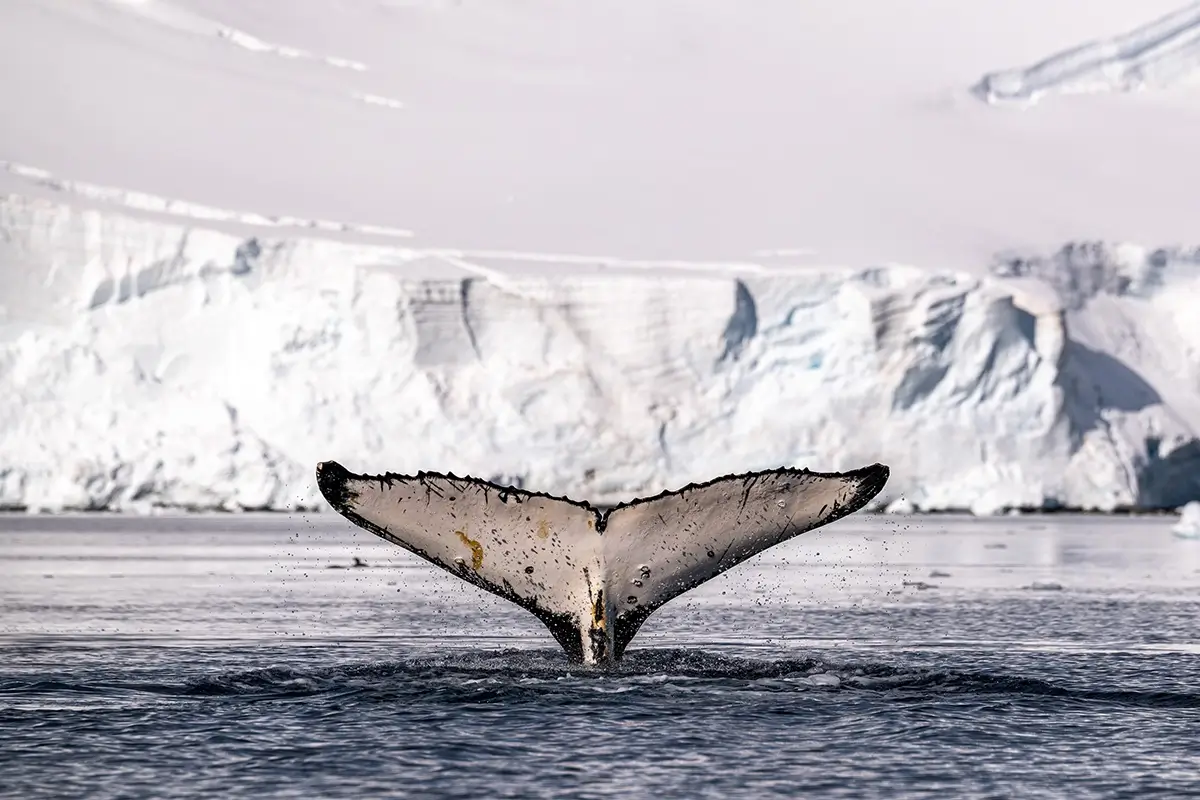
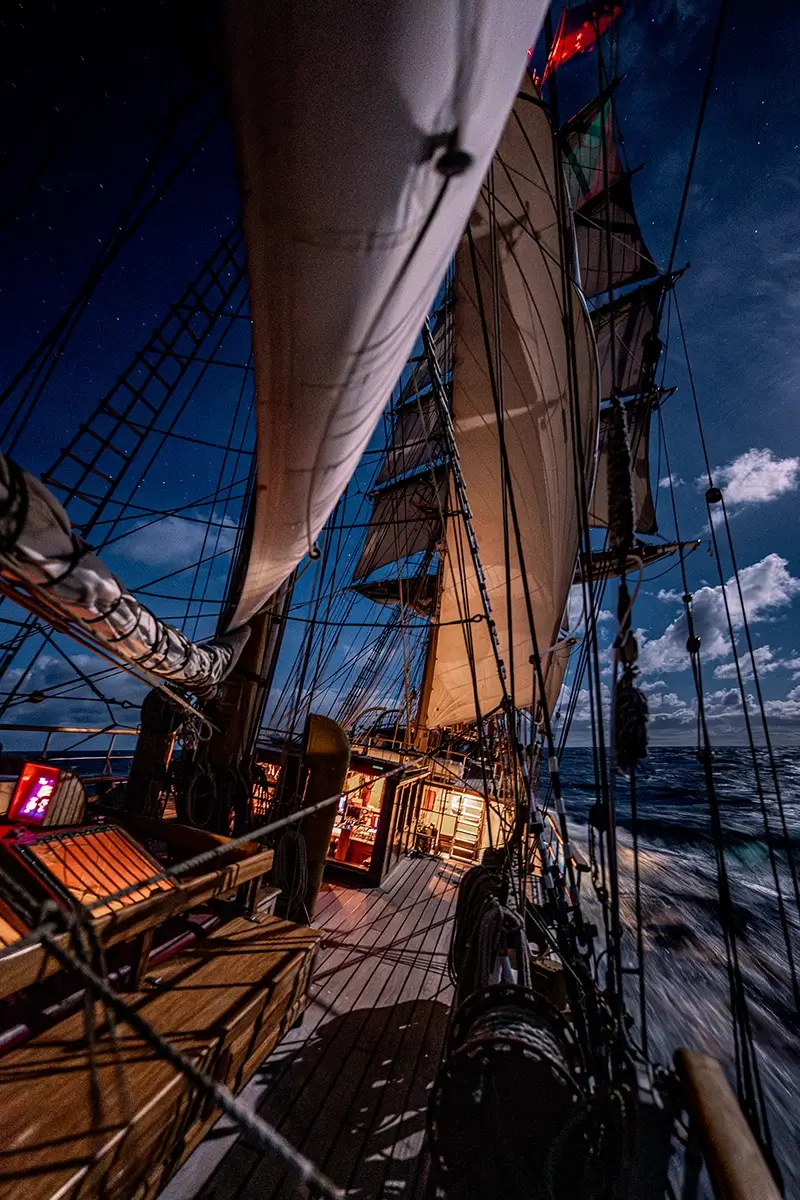
I have been photographing for 15 years, working primarily with Leica cameras. My work focuses on landscapes, nature and travel. As a hobby pilot, I enjoy merging my love of flying with photography, exploring the world from unique aerial perspectives.

AAP Magazine

AAP Magazine 53 Travels
 

Inspiring Portfolios

Call for Entries
AAP Magazine #55 Women
Publish your work in our printed magazine and win $1,000 cash prizes
 
Stay up-to-date  with call for entries, deadlines and other news about exhibitions, galleries, publications, & special events.

More Great Photographers To Discover

Claudia Tombini
Born in Rome in 1968, after an initial artistic training, Claudia Tombini studied Architecture at La Sapienza University. After graduating, she followed a PhD in Architecture - Theories and Design at the DIAR department of the same University. Professionally active in her hometown since 2006, she carries out her work independently after a three-year collective experience with studio A4, winner of several mentions and awards. Specialized in architectural design, she has always combined research and design. Her latest work is the restoration of the Troisi Cinema in Trastevere. In 2016 she began her own photographic research, collaborating in some of Officine Fotografiche's activities. In 2019/20 she participates in "Human" curatorial workshop with Luigi Cecconi and Francesco Rombaldi, from Yogurt Magazine, during which she elaborates her own project MoveTo LineTo. Moveto Lineto "'Living is an art of spacing,' as Jean-Marc Besse teaches us, and living is mainly a question of geography. After a lifelong dedication to architecture I now discover, thanks to these words, that living is not about architecture or city planning, nor, more generally, about construction: living is geography. There is a human sense to architecture, which even preexists architecture, as we actually live our lives outside of it, in an unbroken series of passages, intersections, and places which all leave their own special resonance and memory inside us. As I move through these, without ever pausing in the gaps — sometimes more, sometimes less consciously — I find myself measuring out the distances I have covered. Not in terms of space, though, as when it comes to landscapes distance is actually temporal, and measuring it out in its complexity is no easy task. As Matteo Meschiari has said, what I am after is “an altered state of conscience in which the landscape is simultaneously medium and recipient, cause and effect, reactor and reaction”: it is a matter of sensorial dilation. I gaze back on these landscapes, “before” and “after”, I scrutinize them to reproduce them virtually, searching for the same old viewpoints, as if they were light years away. This is the effect any catastrophic event will have on us, namely making us believe that all linearity is forever lost, as if time actually flowed in a linear way. Knowledge will not do, knowing that history is all but linear is not enough: we won’t give up our linear idea of it, and we will feel lost when confronted with any interruption of it, with any interval, any blank gap, no matter how temporary. I have been ceaselessly trying to heal the wounds that the surface of things displays, because it is on the surface that we move, it is the surface we perceive, with its naked spaces, where only the absence or the lost track of what has happened is visible. Indeed, any figuration registers an appearance that is destined to vanish, and it is through imagination that we manage to value what is actually not there. It is through the abstraction of a virtual image, an image never completely resolved in its structure and its appearance, that I have been trying to turn the image itself into matter, and thereby restore to it a potential wholeness that I feel is unattainable to me today. This new matter will do, for the time being, to represent the times and places of our passages, and the gaps in between. Like a postscript file, it will be readable in its own right, by its own definition. " -- Claudia Tombini
Sonia Melnikova-Raich
Russia/United States
1947
Sonia Melnikova-Raich was born in Moscow in 1947 and has been living in San Francisco since 1987. She was trained as an artist and architect, with a Master's degree from the prestigious Moscow Architectural Institute. Her approach to photography is shaped by her background in painting and architecture. Influenced by the vision of Russian Constructivists of the 1920s and the photography of the Bauhaus movement, she is interested in exploring the abstract in the material world, drawing the viewer's attention to the inner geometry of the photograph and its compositional structure. Her Light+Shadows series, which revolves around the mystery of perspective and geometry created by light and darkness in the architectural image, was inspired by the words of the famous American architect Louis Kahn: "The sun never knew how great it was until it hit the side of a building." Distinct from her high-contrast architectural photography, many of Sonia's other works (Within My Sight, Råbjerg Mile Dunes, Waking Dreams, and other series) explore the poetry and mystique of low-light environments, capturing fleeting moments, barely visible, ambiguous or disappearing things. She feels a strong affinity with the Japanese philosophy and aesthetic of wabi sabi, with its reverence for the subtle beauty in old and simple things, and focus on transience and impermanence. She believes that photography is the best medium to express these concepts, as each photograph is inherently an image of disappearance, a reflective connection to the past forever stamped by time. Since 2005, Sonia's photography has been exhibited locally, nationally, and internationally. In addition to three solo gallery shows in San Francisco, her photographs have been exhibited at LoosenArt Gallery in Rome, Fotogalerie Friedrichshain in Berlin, and various venues in the USA, with some of her works in the permanent collection of the Lafayette Public Library in California. She has been among the winners in many juried competitions, had her works featured in professional photography journals, and was listed in 100 Hot Photographers of 2022 and 2023 by YourDailyPhotograph.com, the project by Duncan Miller Gallery in Los Angeles, an internationally recognized gallery specializing in 20th and 21st Century fine art photography. Winner AAP Magazine #30 Shadows
Don McCullin
United Kingdom
1935
Don McCullin is one of our greatest living photographers. Few have enjoyed a career so long; none one of such variety and critical acclaim. For the past 50 years he has proved himself a photojournalist without equal, whether documenting the poverty of London's East End, or the horrors of wars in Africa, Asia or the Middle East. Simultaneously he has proved an adroit artist capable of beautifully arranged still lifes, soulful portraits and moving landscapes. Following an impoverished north London childhood blighted by Hitler's bombs and the early death of his father, McCullin was called up for National Service with the RAF. After postings to Egypt, Kenya and Cyprus he returned to London armed with a twin reflex Rolleicord camera and began photographing friends from a local gang named The Guv'nors. Persuaded to show them to the picture editor at the Observer in 1959, aged 23, he earned his first commission and began his long and distinguished career in photography more by accident than design. In 1961 he won the British Press Award for his essay on the construction of the Berlin Wall. His first taste of war came in Cyprus, 1964, where he covered the armed eruption of ethnic and nationalistic tension, winning a World Press Photo Award for his efforts. In 1993 he was the first photojournalist to be awarded a CBE. For the next two decades war became a mainstay of Don's journalism, initially for the Observer and, from 1966, for the Sunday Times. In the Congo, Biafra, Uganda, Chad, Vietnam, Cambodia, Israel, Jordan, Lebanon, Iran, Afghanistan, Northern Ireland and more, he time and again combined a mastery of light and composition with an unerring sense of where a story was headed, and a bravery that pushed luck to its outermost limits. He has been shot and badly wounded in Cambodia, imprisoned in Uganda, expelled from Vietnam and had a bounty on his head in Lebanon. What's more, he has braved bullets and bombs not only to get the perfect shot but to help dying soldiers and wounded civilians. Compassion is at the heart of all his photography. Away from war Don's work has often focused on the suffering of the poor and underprivileged and he has produced moving essays on the homeless of London's East End and the working classes of Britain's industrialised cities. From the early 1980s increasingly he focused his foreign adventures on more peaceful matters. He travelled extensively through Indonesia, India and Africa returning with powerful essays on places and people that, in some cases, had few if any previous encounters with the Western world. In 2010 he published Southern Frontiers, a dark and at-times menacing record of the Roman Empire's legacy in North Africa and the Middle East. At home he has spent three decades chronicling the English countryside - in particular the landscapes of Somerset - and creating meticulously constructed still lifes all to great acclaim. Yet he still feels the lure of war. As recently as October 2015 Don travelled to Kurdistan in northern Iraq to photograph the Kurds' three-way struggle with ISIS, Syria and Turkey.Source: donmccullin.com Photography has given me a life… The very least I could do was try and articulate these stories with as much compassion and clarity as they deserve, with as loud a voice as I could muster. Anything less would be mercenary. -- Don McCullin
Bruce Barnbaum
United States
1943
Bruce Barnbaum, of Granite Falls, WA, entered photography as a hobbyist in the 1960s, and after four decades, it is still his hobby. It has also been his life's work for the past 30 years. Bruce's educational background includes Bachelor's and Master's degrees in mathematics from UCLA. After working for several years as a mathematical analyst and computer programmer for missile guidance systems, he abruptly left the field and turned to photography. Bruce has authored several books, some of which have become classics. The Art of Photography was first published in 1994 and remained in print until 2007. Bruce has been self-publishing the book ever since, but with limited distribution. Bruce is a frequent contributor to several photography magazines. His series The Master Printing Class is featured in each issue of Photo Techniques, and his articles are published regularly in LensWork. Through his workshops, articles, lectures, books, and innovative photography, Bruce has become a well-known and highly respected photographer, educator, and pioneer. Bruce is recognized as one of the finest darkroom printers on this planet, both for his exceptional black-and-white work, as well as for his color imagery. He understands light to an extent rarely found, and combines this understanding with a mastery of composition, applying his knowledge to an extraordinarily wide range of subject matter. His work is represented by more than ten galleries throughout the United States and Canada, and is in the collections of museums and private collectors worldwide.Source: O’Reilly Bruce has been an active environmental advocate for more than three decades, both independently and through organizations such as the Sierra Club (where he served on the Board of Directors of the Angeles Chapter from 1976-80, and the California Regional Conservation Committee), Audubon, the Stillaguamish Citizens’ Alliance (which he co-founded in 1991) now renamed the Mountain Loop Conservancy, 1000 Friends of Washington, and the North Cascades Conservation Council (where he has served on the Board of Directors since 1994). As a photographer he has seen the changes in our land and our landscape—almost all of them for the worse—that have taken place in the 35 years he has actively been photographing our planet. He points out that we all live on this one magical globe called “Earth,” and unless we love it, revere it, and protect it, we’ll all perish with it. Currently, we are exploiting planet earth at an unprecedented rate, saddling ourselves with many self-inflicted problems: human overpopulation, global warming, an increasing ozone hole, deforestation, overfishing of the oceans, overuse of fresh water resources, pollution of the air, land, and waters (lakes, rivers, and oceans), and many others too numerous to detail. But humanity is doing little to correct any one of these problems. We have enough knowledge to recognize the steps that should be taken to turn from our destructive ways to more intelligent, productive, and sustainable means, but we may not have the wisdom or political will to implement that knowledge.Source: Fahey/Klein Gallery
Advertisement
AAP Magazine #55 Wmen
Win a Solo Exhibition in March
AAP Magazine #55 Wmen

Latest Interviews

Exclusive Interview with Anastasia Samoylova
Anastasia Samoylova is an American artist whose photographic practice is shaped by close observation and a deep attentiveness to place. Working between documentary and formal exploration, she photographs landscapes, architecture, and everyday scenes with a sensitivity to light, structure, and atmosphere. Since relocating to Miami in 2016, her work has increasingly focused on how environments—both natural and built—carry social, cultural, and emotional traces. We asked her a few questions about her practice and her way of seeing, to better understand the thoughts and experiences that shape her work—while allowing the images themselves to remain open and speak in their own time.
Exclusive Interview with Marijn Fidder
Marijn Fidder is a Dutch documentary photographer whose work powerfully engages with current affairs and contemporary social issues. Driven by a deep sense of social justice, she uses photography to speak on behalf of the voiceless and to advocate for the rights of those who are most vulnerable. Her images have been widely published in major international outlets including National Geographic, CNN Style, NRC Handelsblad, Volkskrant, GUP New Talent, and ZEIT Magazin. Her long-term commitment to disability rights—particularly through years of work in Uganda—culminated in her acclaimed project Inclusive Nation, which earned her the title of Photographer of the Year 2025 at the All About Photo Awards. She is also the recipient of multiple prestigious honors, including awards from World Press Photo and the Global Peace Photo Award. We asked her a few questions about her life and work.
Exclusive Interview with Josh S. Rose
Josh S. Rose is a multidisciplinary artist working across photography, film, and writing. His practice bridges visual and performing arts, with a strong focus on movement, emotion, and the expressive potential of the image. Known for his long-standing collaborations with leading dance companies and performers, Rose brings together authenticity and precise composition—a balance he describes as “technical romanticism.” His work has been commissioned and exhibited internationally, appearing in outlets such as Vogue, at the Super Bowl, in film festivals, and most recently as a large-scale installation for Lincoln Center for the Performing Arts. A sought-after collaborator, he has worked with major artists, cultural institutions, and brands, following a previous career as Chief Creative Officer at Interpublic Group and the founder of Humans Are Social. We asked him a few questions about his life and work.
Interview with Maureen Ruddy Burkhart
Photographer Maureen Ruddy Burkhart brings a quietly attentive and deeply human sensibility to her exploration of the world through images. Shaped by a life immersed in photography, film, and visual storytelling, her work is guided by intuition, observation, and an enduring interest in the emotional undercurrents of everyday life. With a practice rooted in both fine art traditions and documentary awareness, she approaches her subjects with sensitivity, allowing subtle moments to emerge naturally rather than be imposed. Her series Til Death, selected as the Solo Exhibition for February 2025, reflects this long-standing commitment to photography as a space for reflection rather than spectacle. Drawn to moments that exist just outside the expected frame, Burkhart’s images suggest narratives without resolving them, leaving room for ambiguity, humor, and quiet connection. We asked her a few questions about her life and work.
Exclusive Interview with Peter Ydeen
Winner of AAP Magazine #45 Travels, his series reflects this unique vision—capturing the spirit of place through subtle layers of light, color, and emotion. Whether traveling abroad or observing the rhythms of his own surroundings, Ydeen creates images that feel both grounded and enchanted, inviting viewers into a world where reality and reverie meet.
Exclusive Interview with Julie Wang
Chinese-born photographer Julie Wang brings a poetic, contemplative sensitivity to her visual exploration of the world. Having lived for nearly equal parts of her life in China, Europe, and the United States, she approaches her subjects with the nuanced perspective of someone shaped by many cultures. This blend of distance, curiosity, and emotional resonance infuses her work with a quiet depth, allowing her to reveal the fragile beauty and subtle tensions that often pass unnoticed.
Exclusive Interview with Ghawam Kouchaki
American photographer Ghawam Kouchaki brings a sharply observant and introspective gaze to the streets of Japan’s capital. Based in Los Angeles, he approaches Tokyo with the distance — and curiosity — of an outsider, allowing him to uncover the city’s subtle contradictions, quiet tensions, and fleeting gestures that often go unnoticed. His series Tokyo no no, selected as the Solo Exhibition for December 2024, explores the hidden undercurrents of urban life: the unspoken rules, the small ruptures in routine, the poetic strangeness found in everyday moments. Through muted tones, instinctive timing, and meticulous framing, Kouchaki reveals a Tokyo that exists somewhere between reality and imagination — both intimate and enigmatic. We asked him a few questions about his life and work.
Exclusive Interview with Tommi Viitala
Tommi Viitala, winner of AAP Magazine #44: Street, is a Finnish photographer celebrated for his striking and cinematic street photography. With a keen eye for atmosphere and composition, he captures fleeting urban moments that reveal the poetry of everyday life. His work often explores the tension between solitude and connection within contemporary cityscapes, blending documentary realism with artistic sensibility. Viitala’s photographs have been exhibited internationally and recognized for their strong visual storytelling and emotional depth. We asked him a few questions about his life and work.
Exclusive Interview with Robert Mack
Robert Mack is a California-based visual artist, photographer, and filmmaker. His fine art photography and films have been exhibited widely in the United States and Europe, with major shows at the Baltimore Museum of Art and the Reiss-Engelhorn Museum in Mannheim, Germany. Both institutions hold his work in their permanent collections. Working across different media, Mack has built a career exploring the complexities of human presence and representation. In 1981, while living in Baltimore, he produced The Perkins Project: Not Guilty by Reason of Insanity, a rare photographic and film study inside Maryland’s hospital for the criminally insane. These stark yet compassionate black-and-white portraits remain one of his most powerful and controversial bodies of work.
Call for Entries
AAP Magazine #55 Women
Publish your work in our printed magazine and win $1,000 cash prizes