All about photo.com: photo contests, photography exhibitions, galleries, photographers, books, schools and venues.
FINAL CALL TO ENTER AAP MAGAZINE SHAPES: PUBLICATION AND $1,000 CASH PRIZES
Diego Cesar Monroy Chaparro

Diego Cesar Monroy Chaparro

Country: Mexico
Birth: 1993

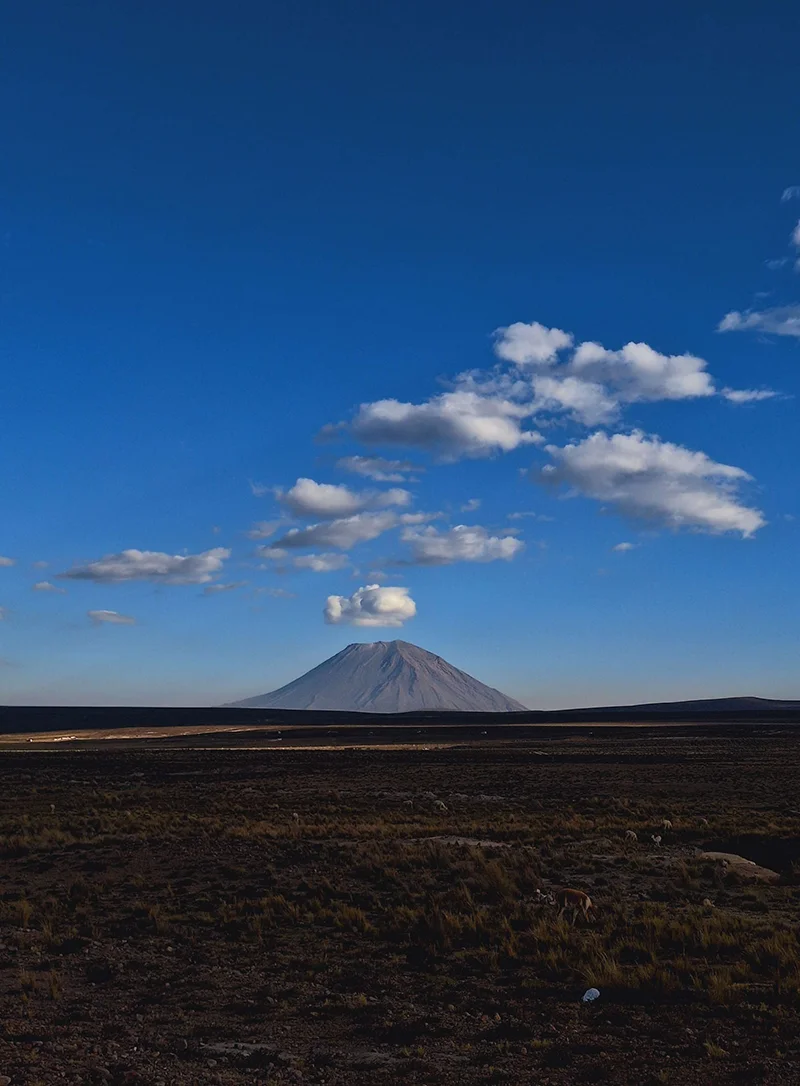
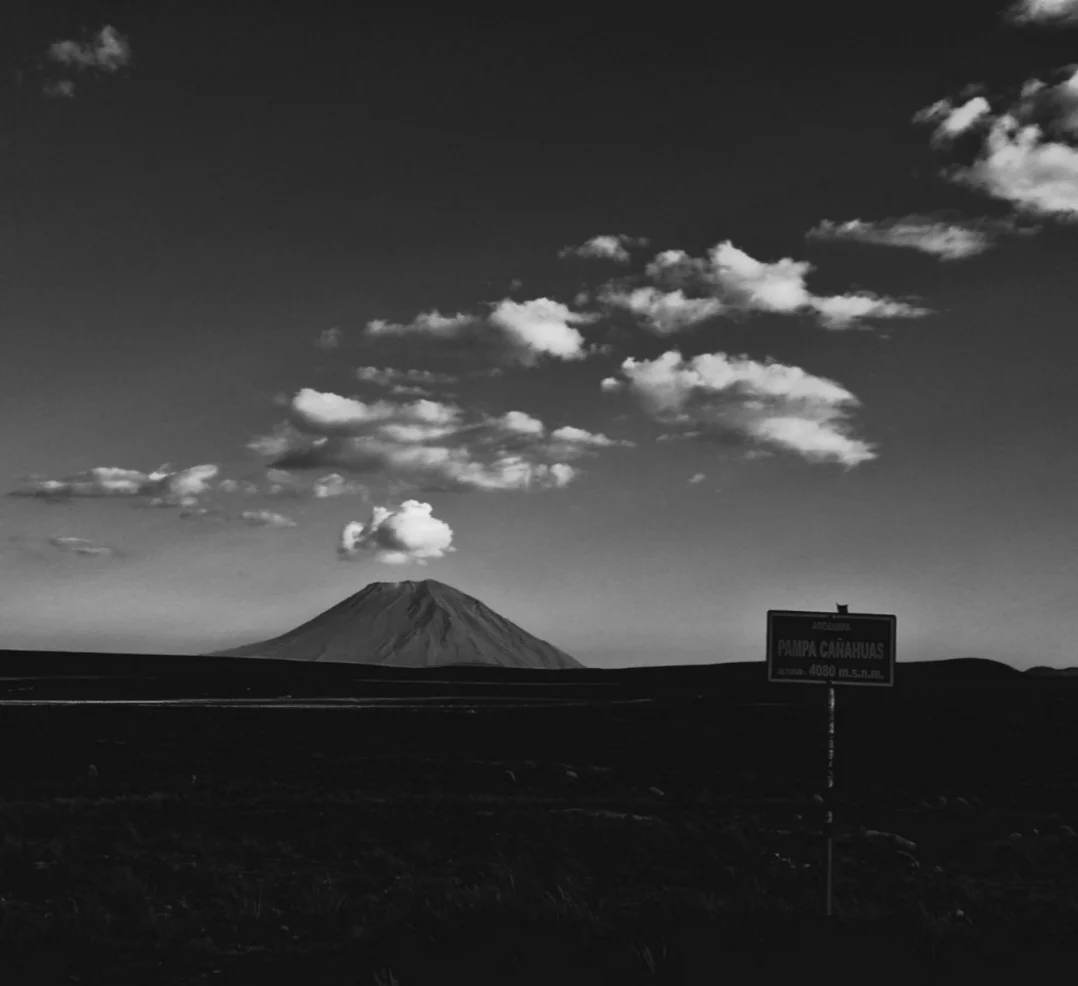
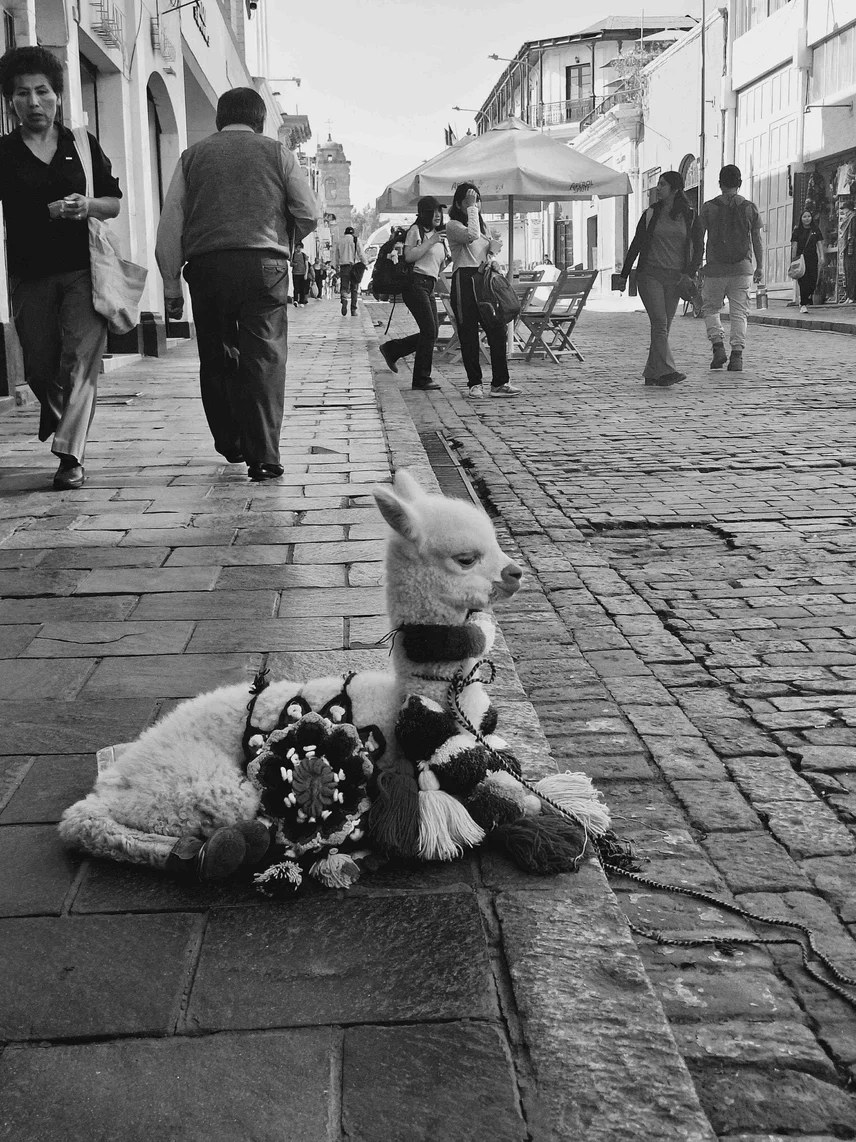
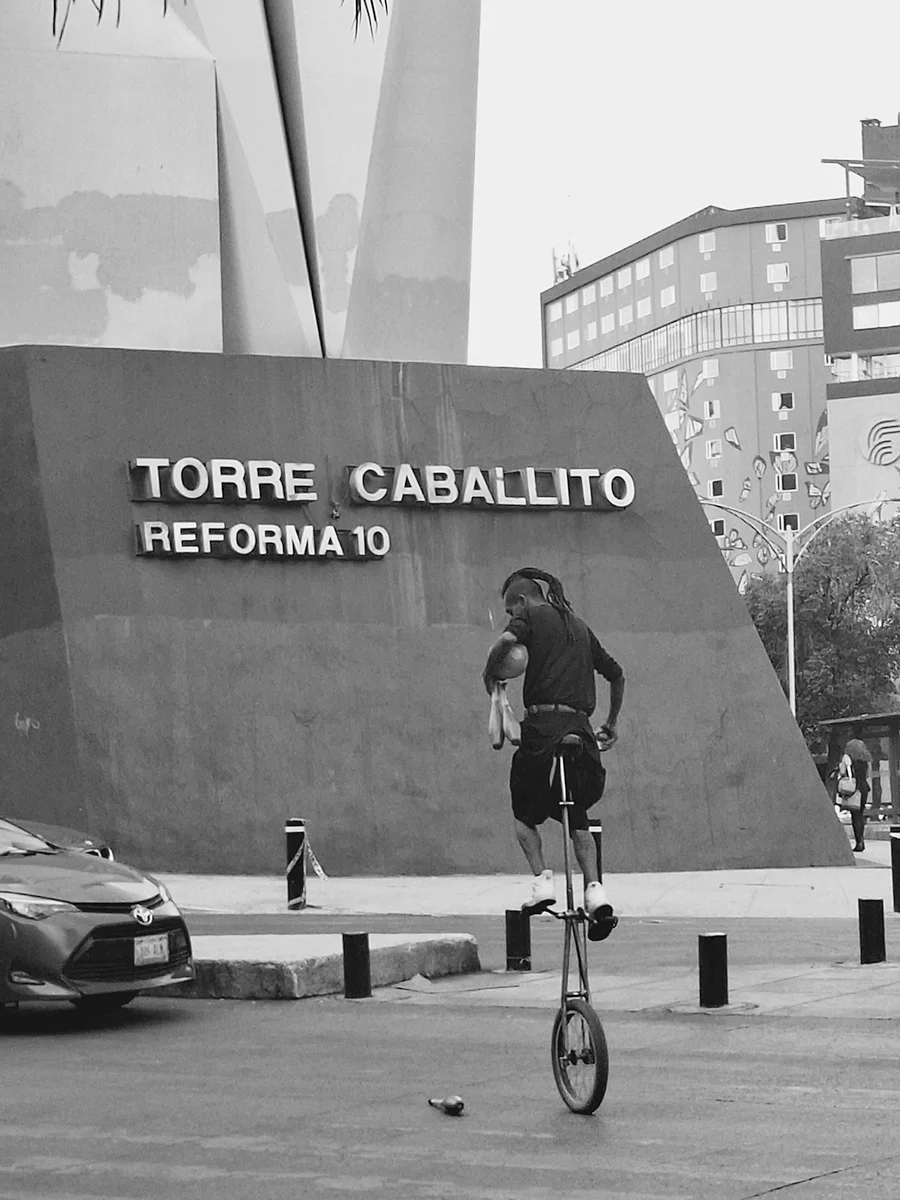
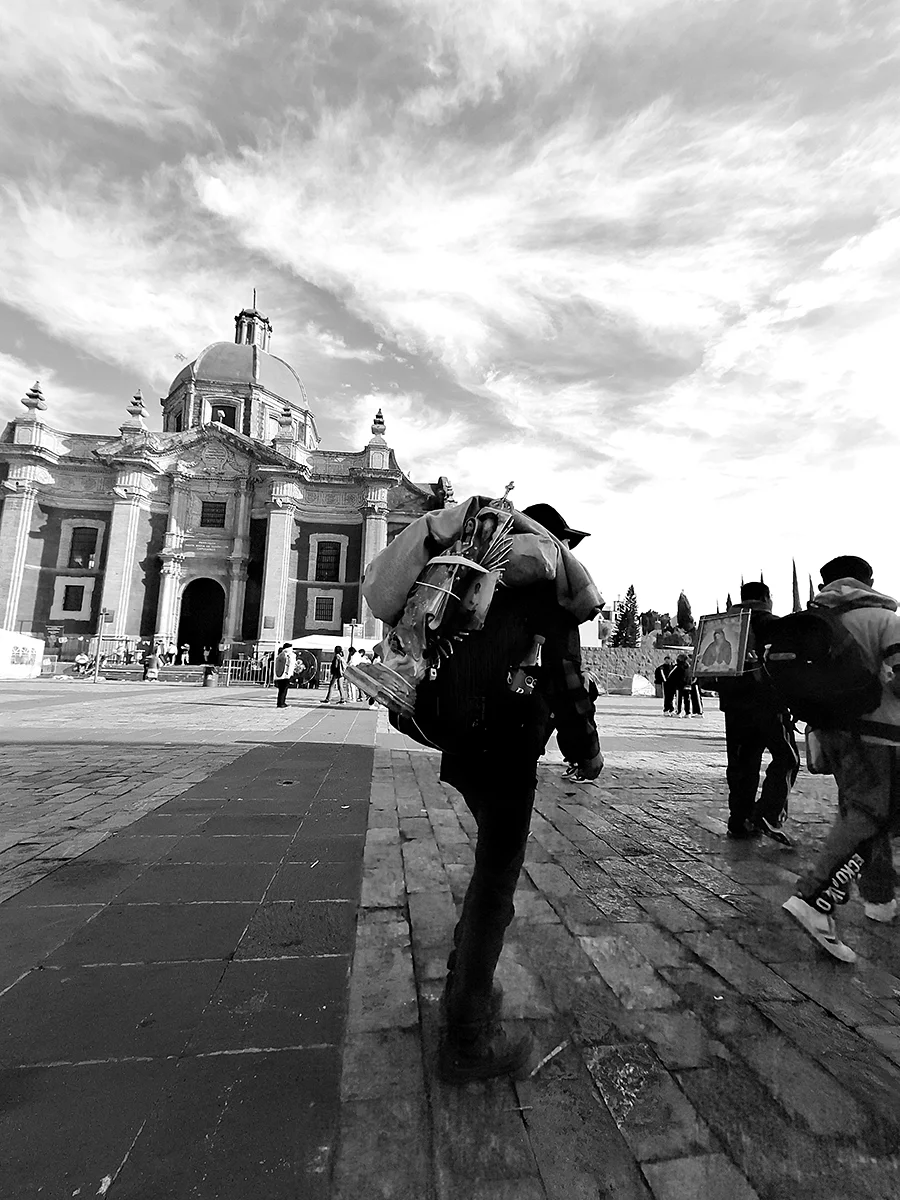
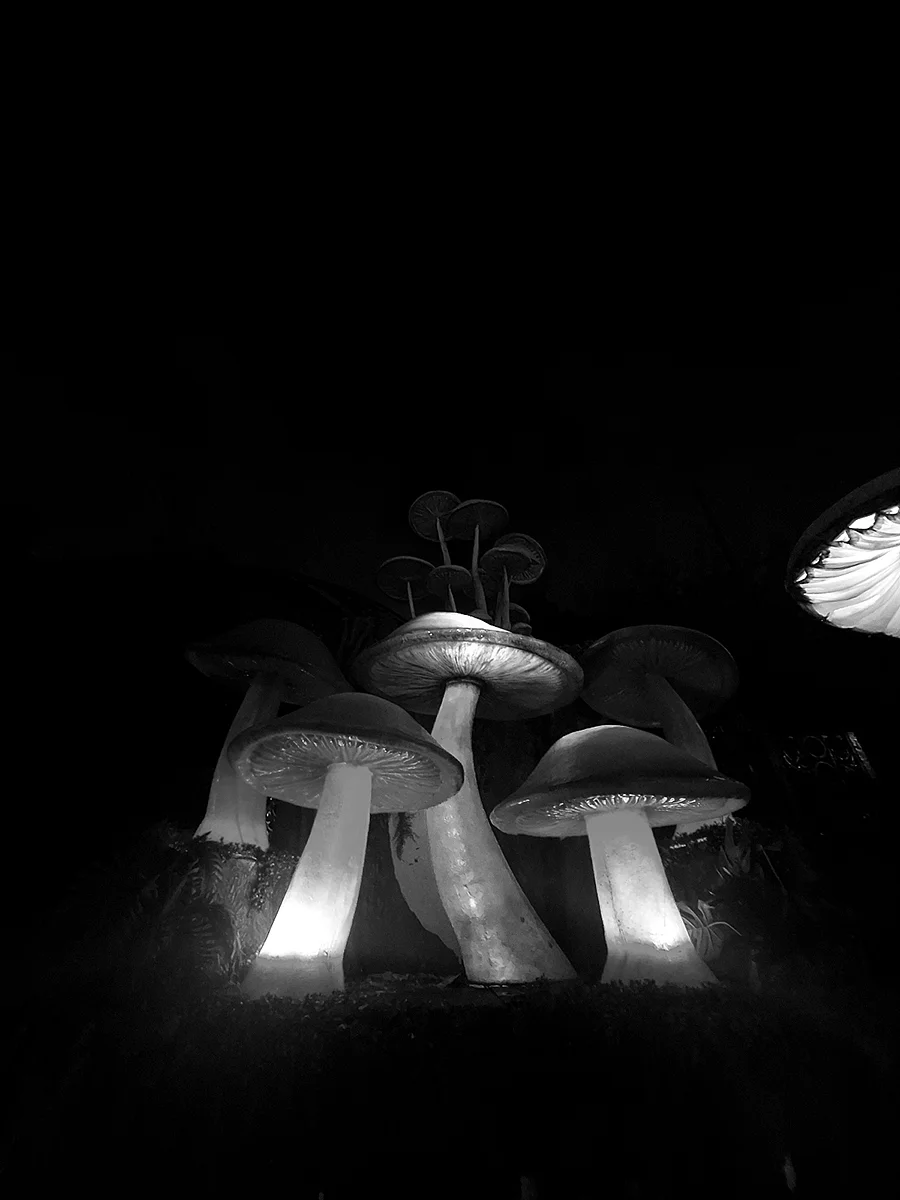
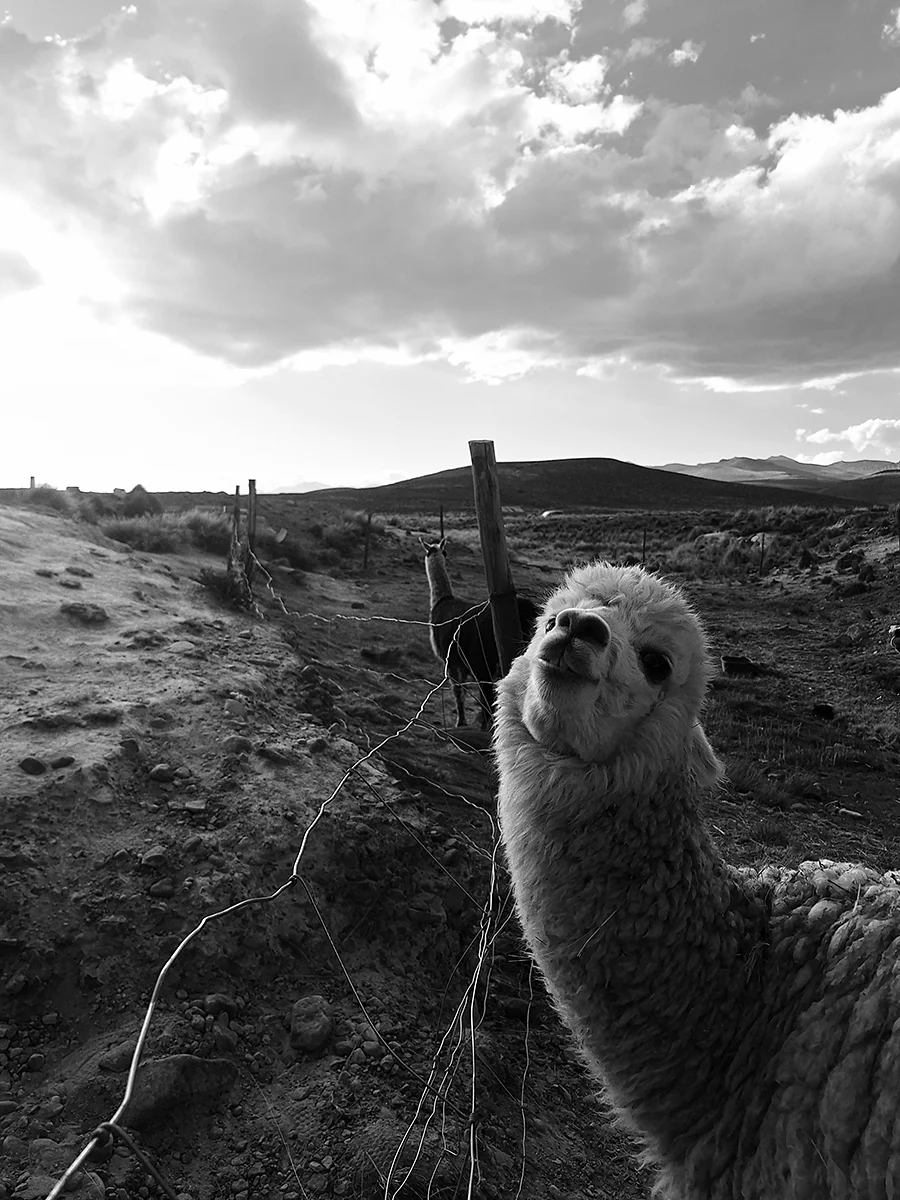
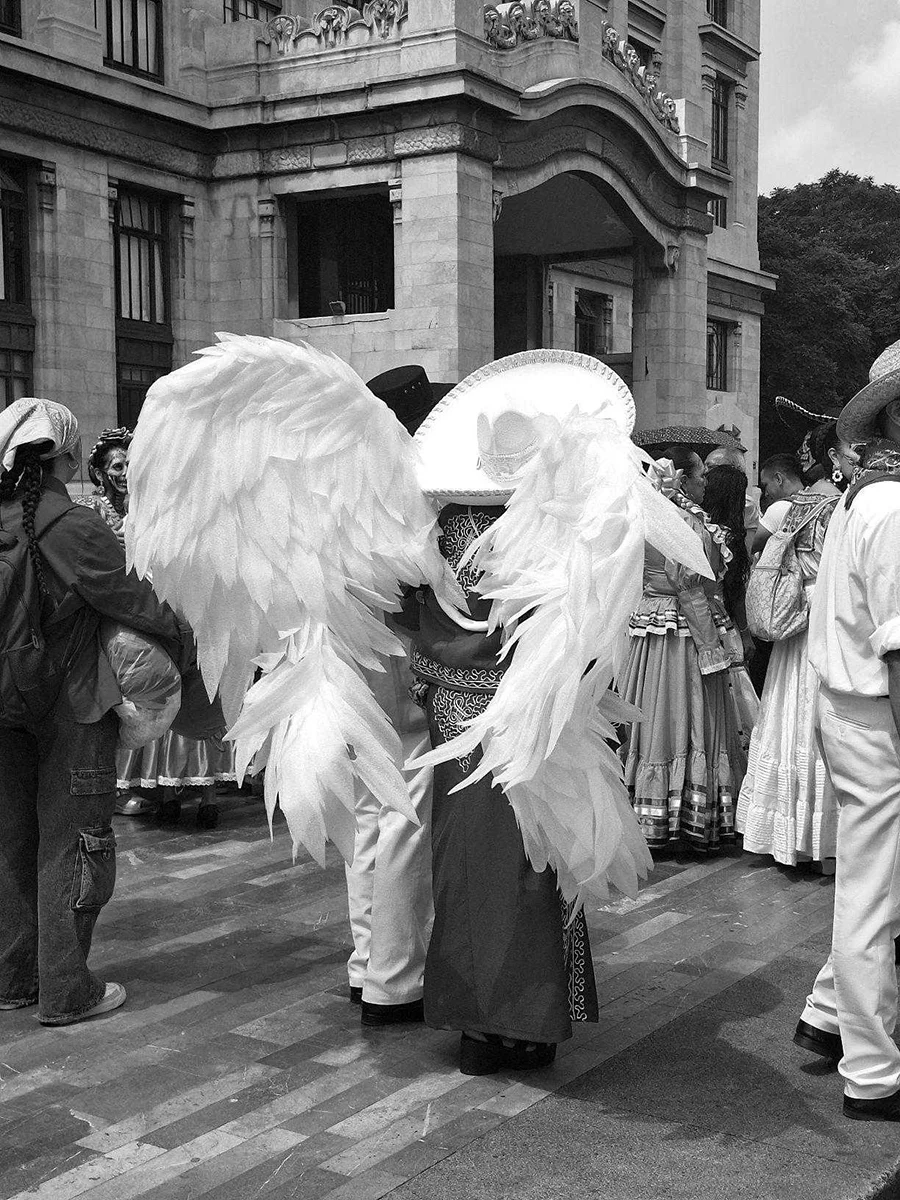
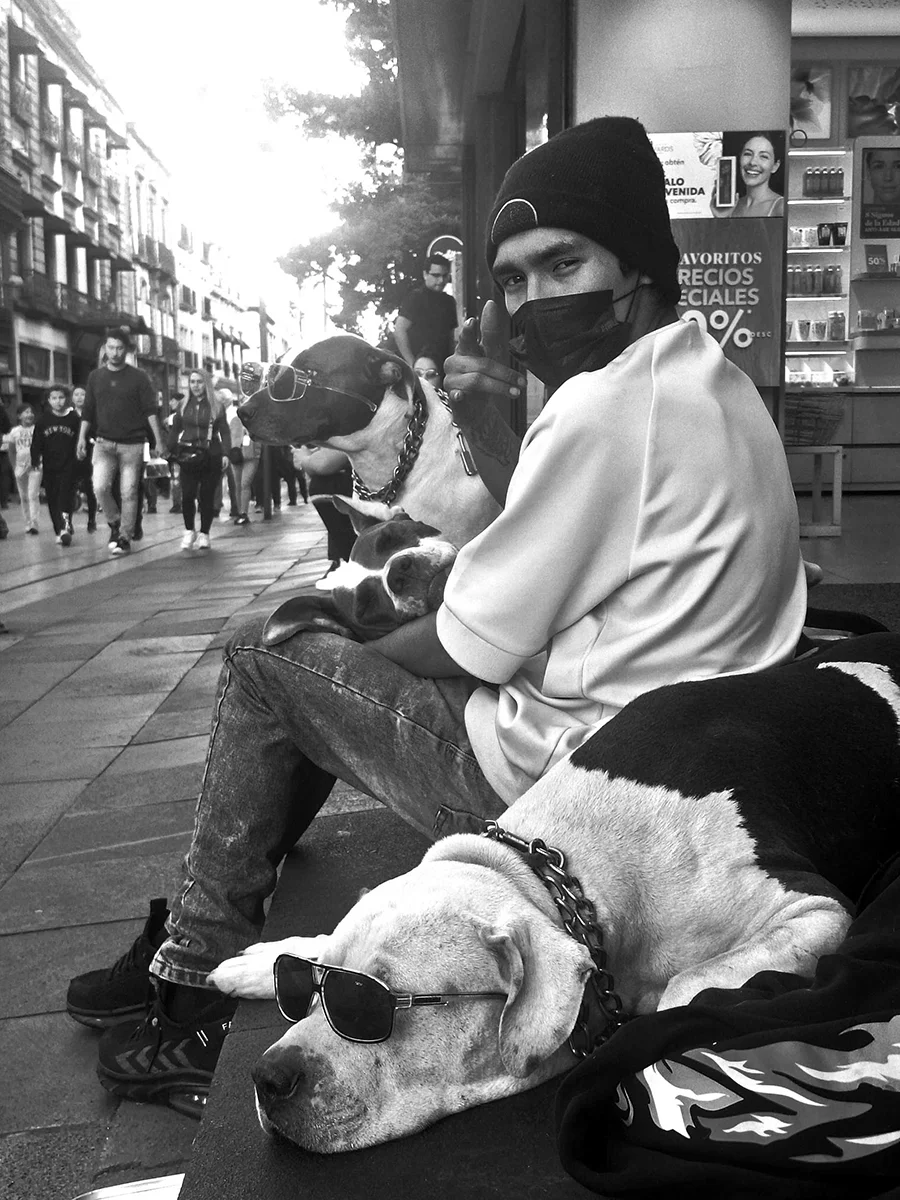
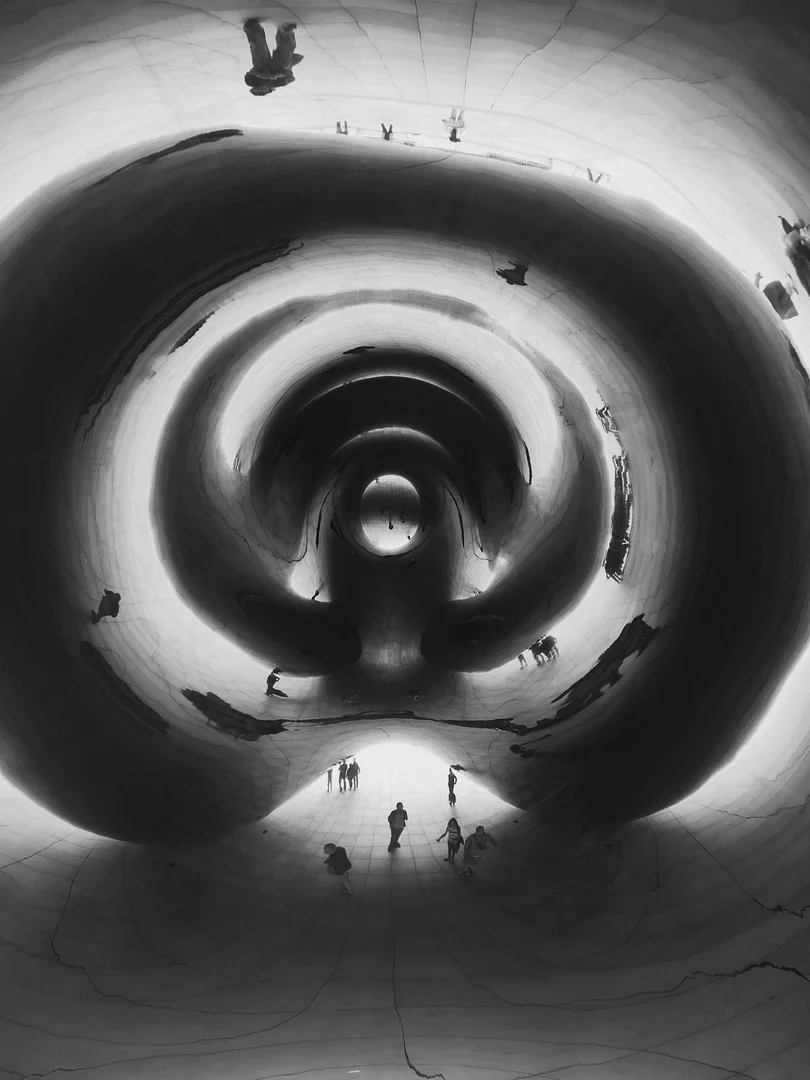
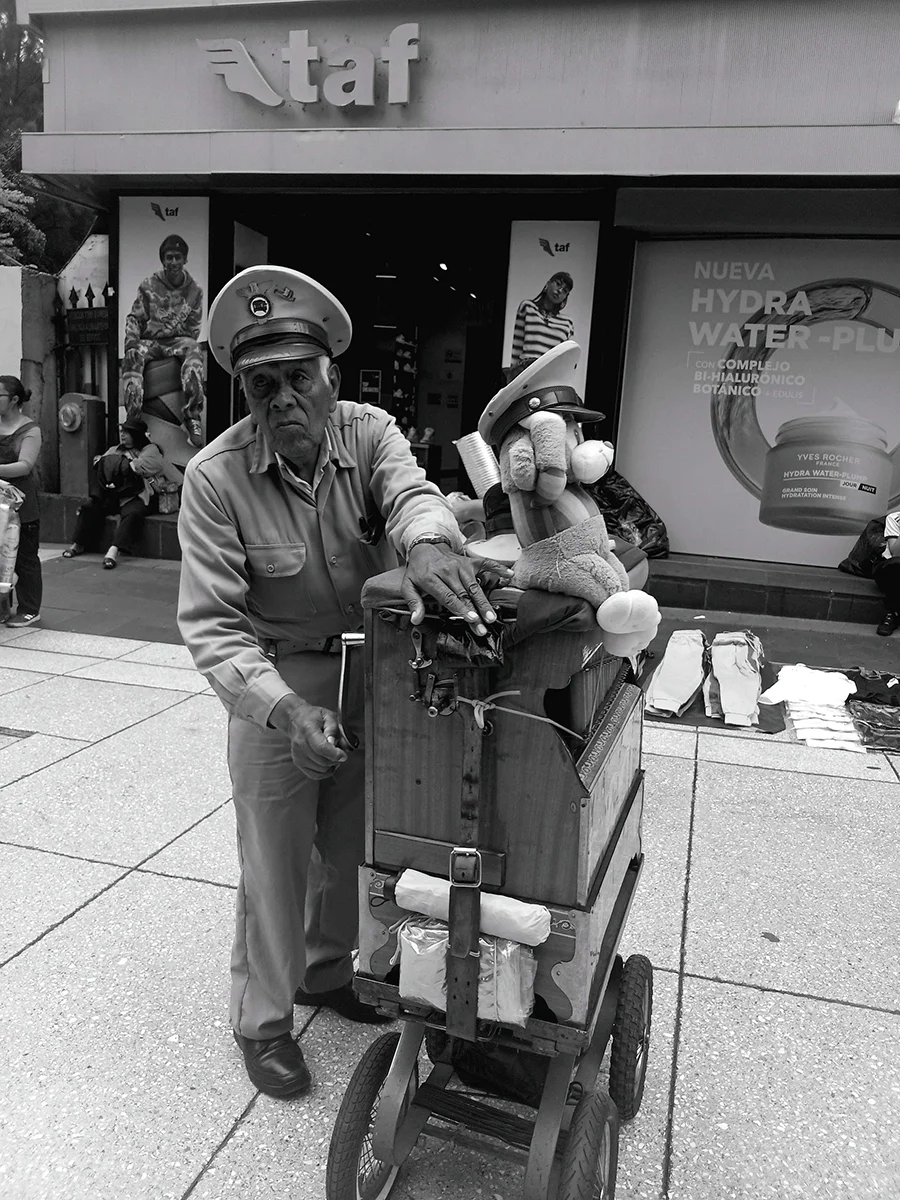
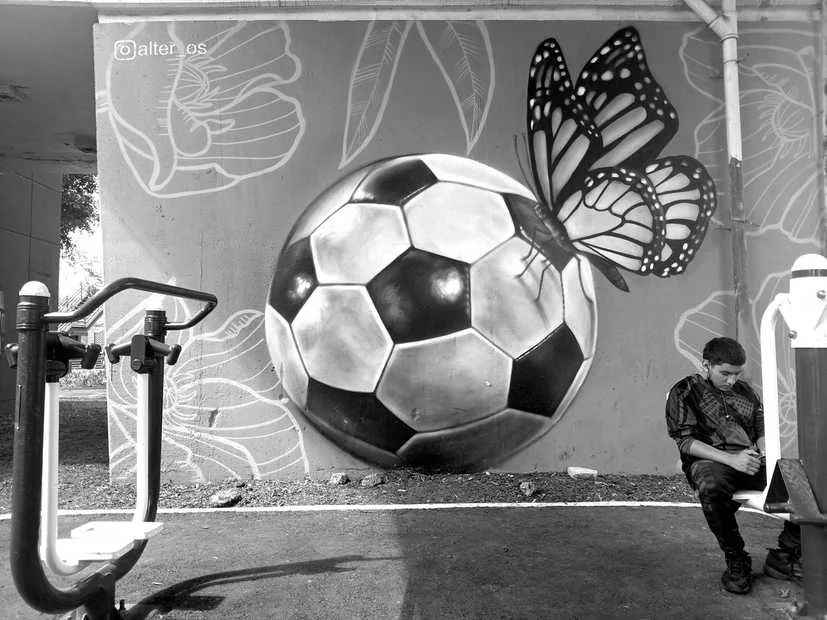
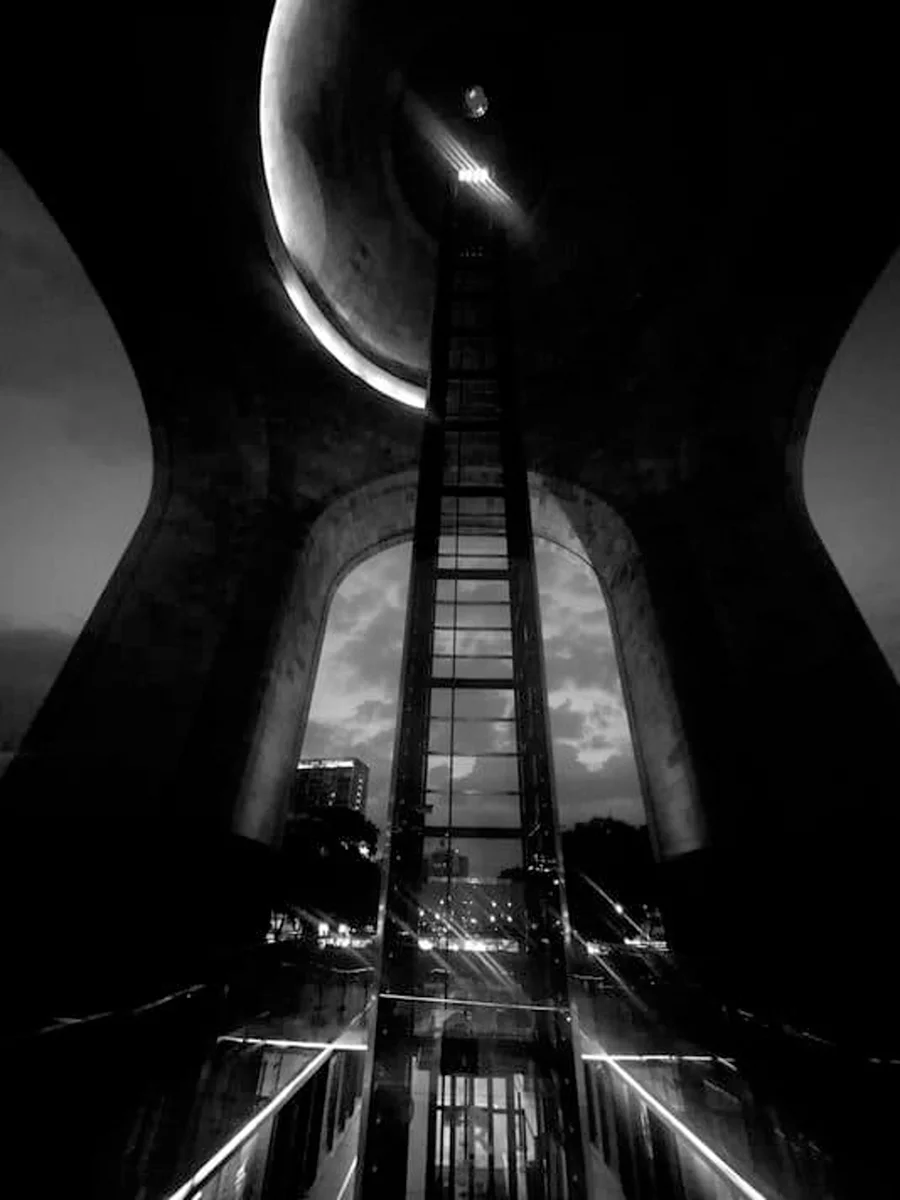
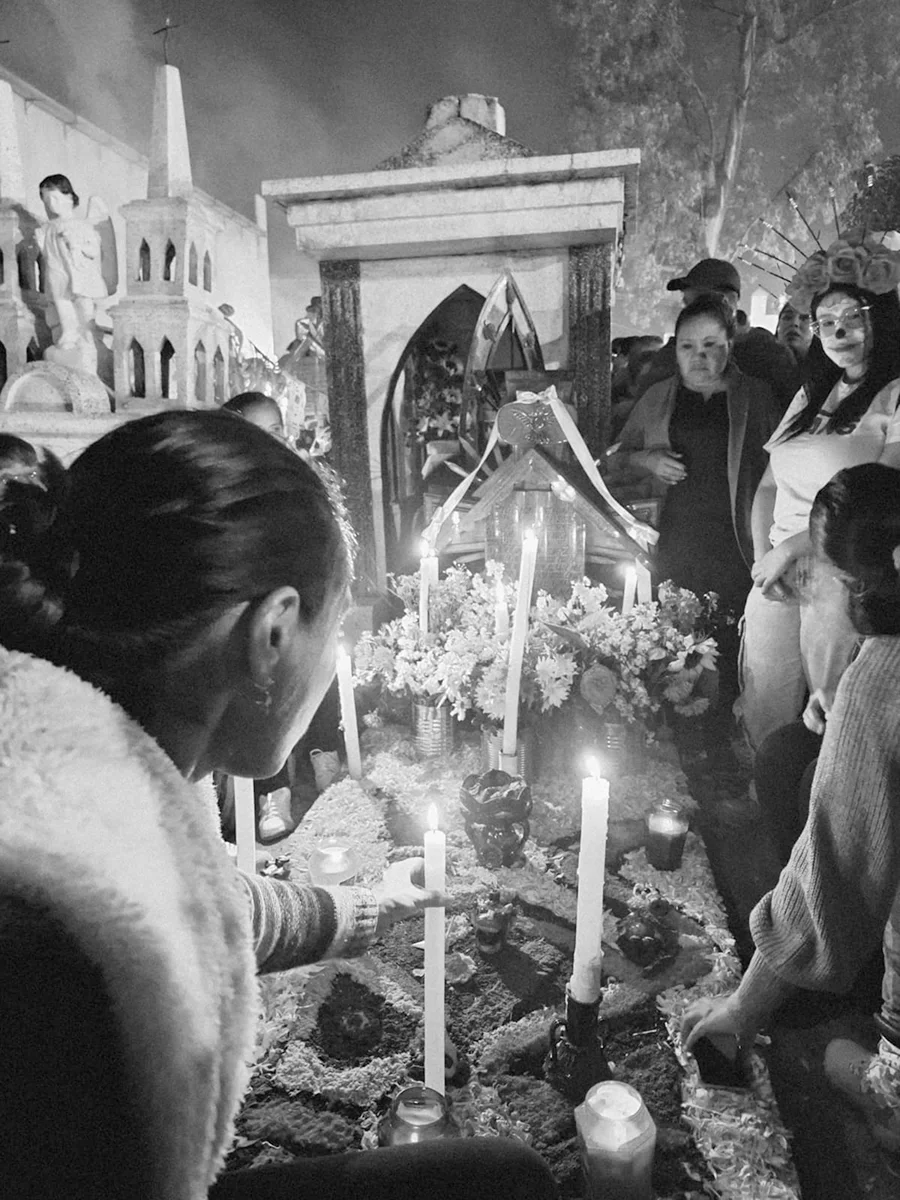
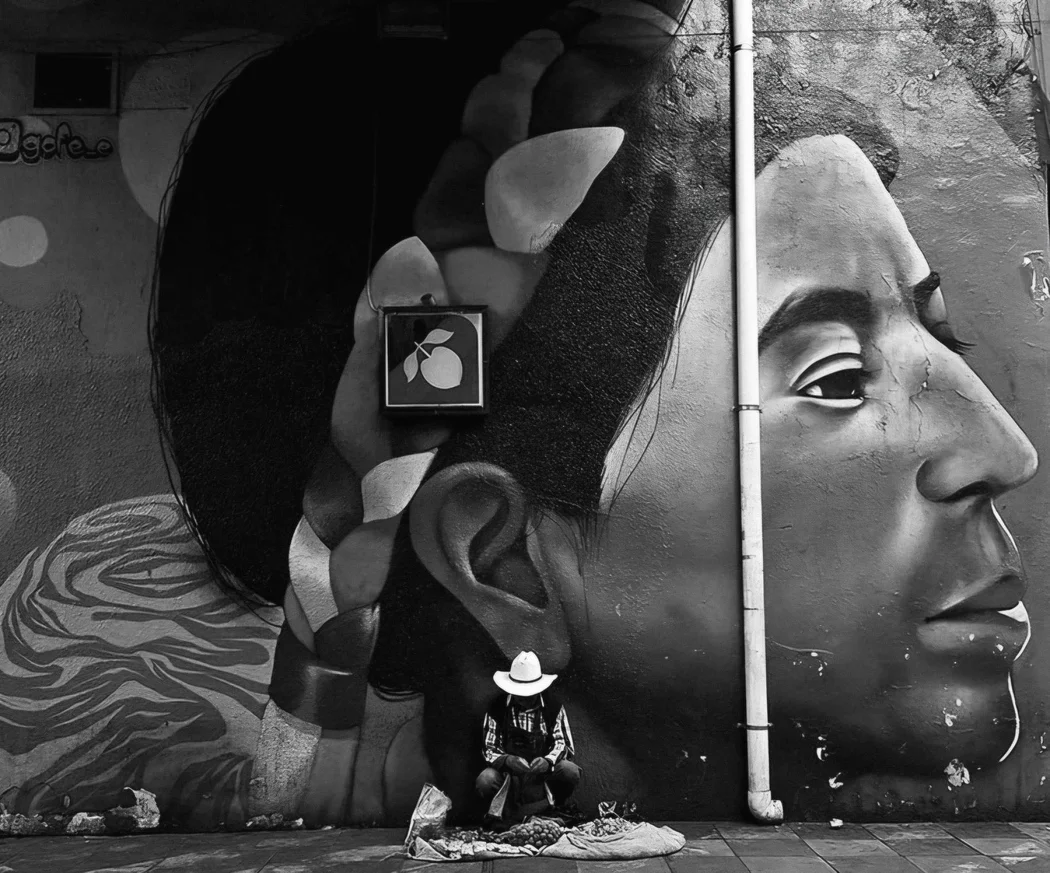
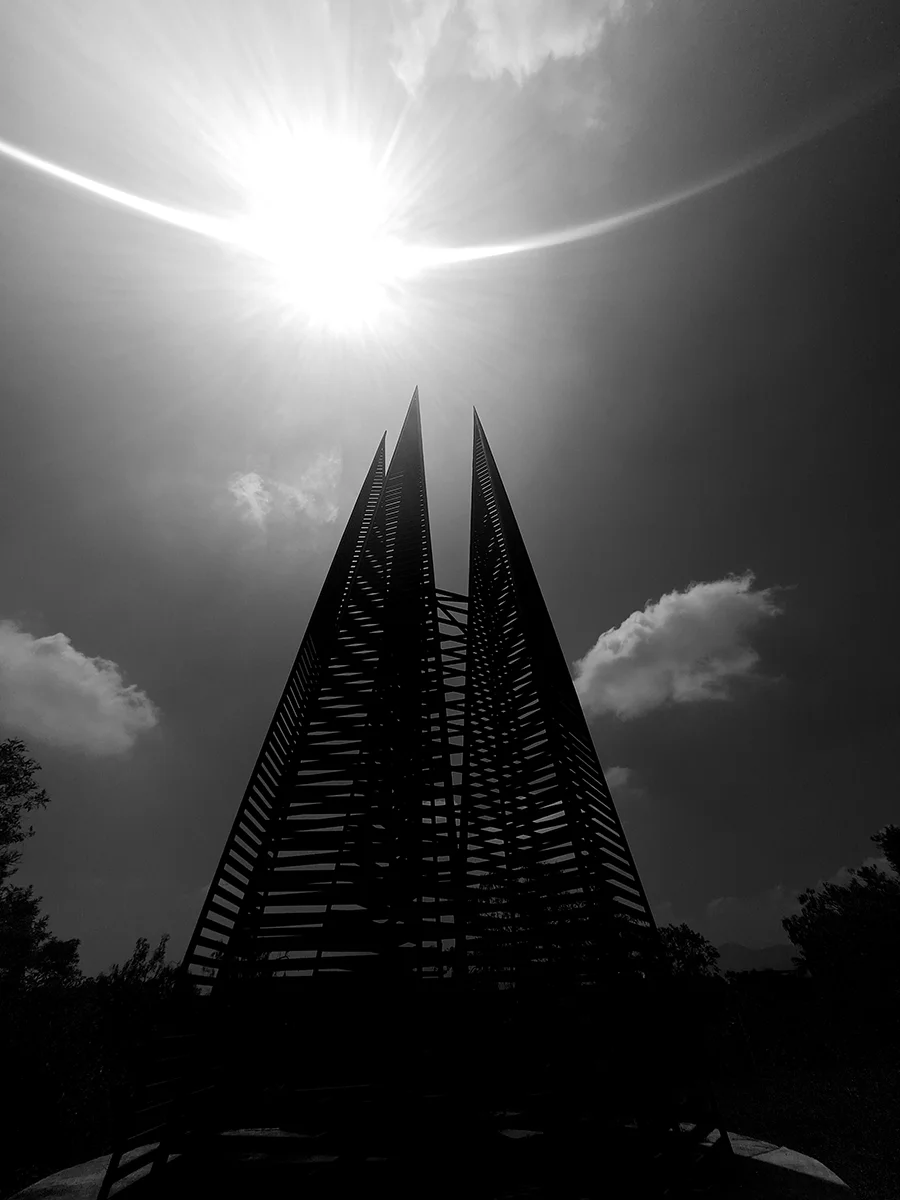
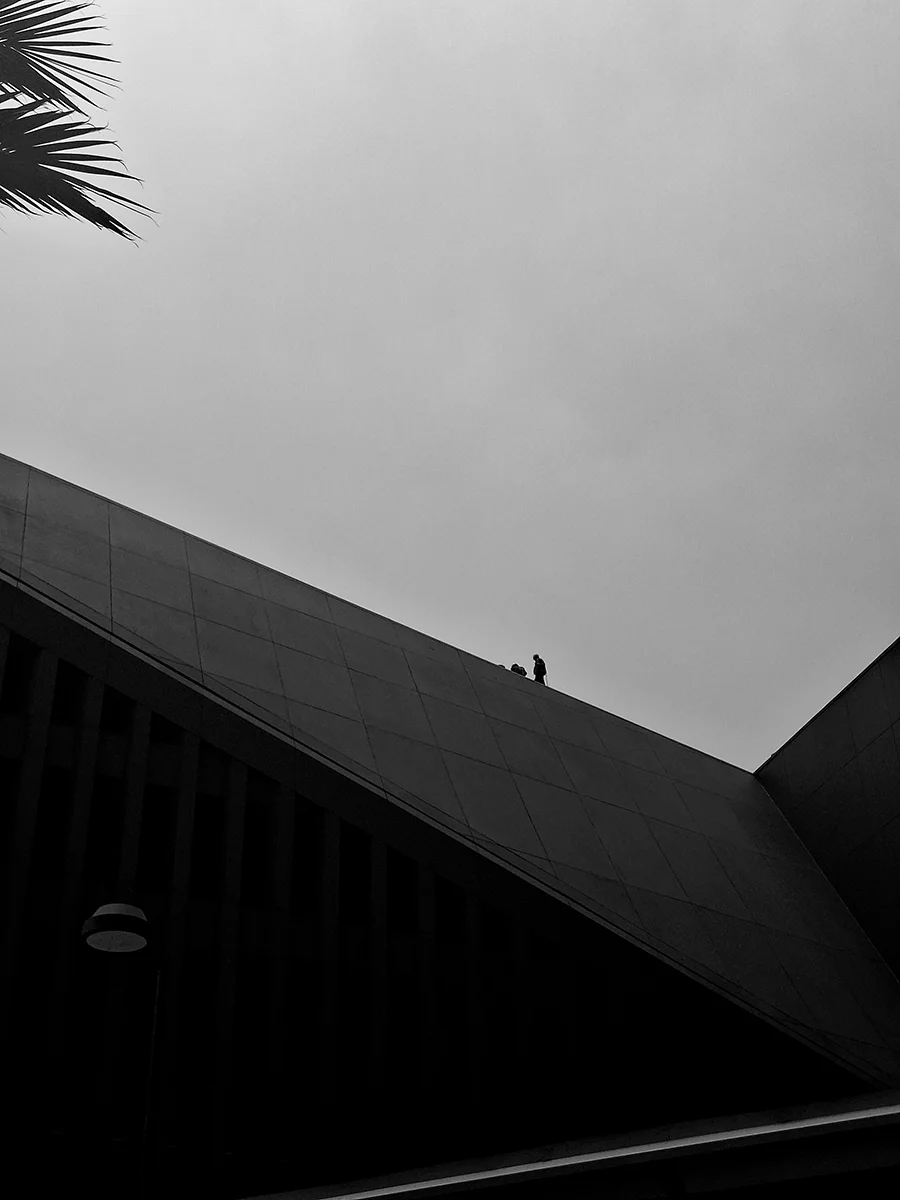
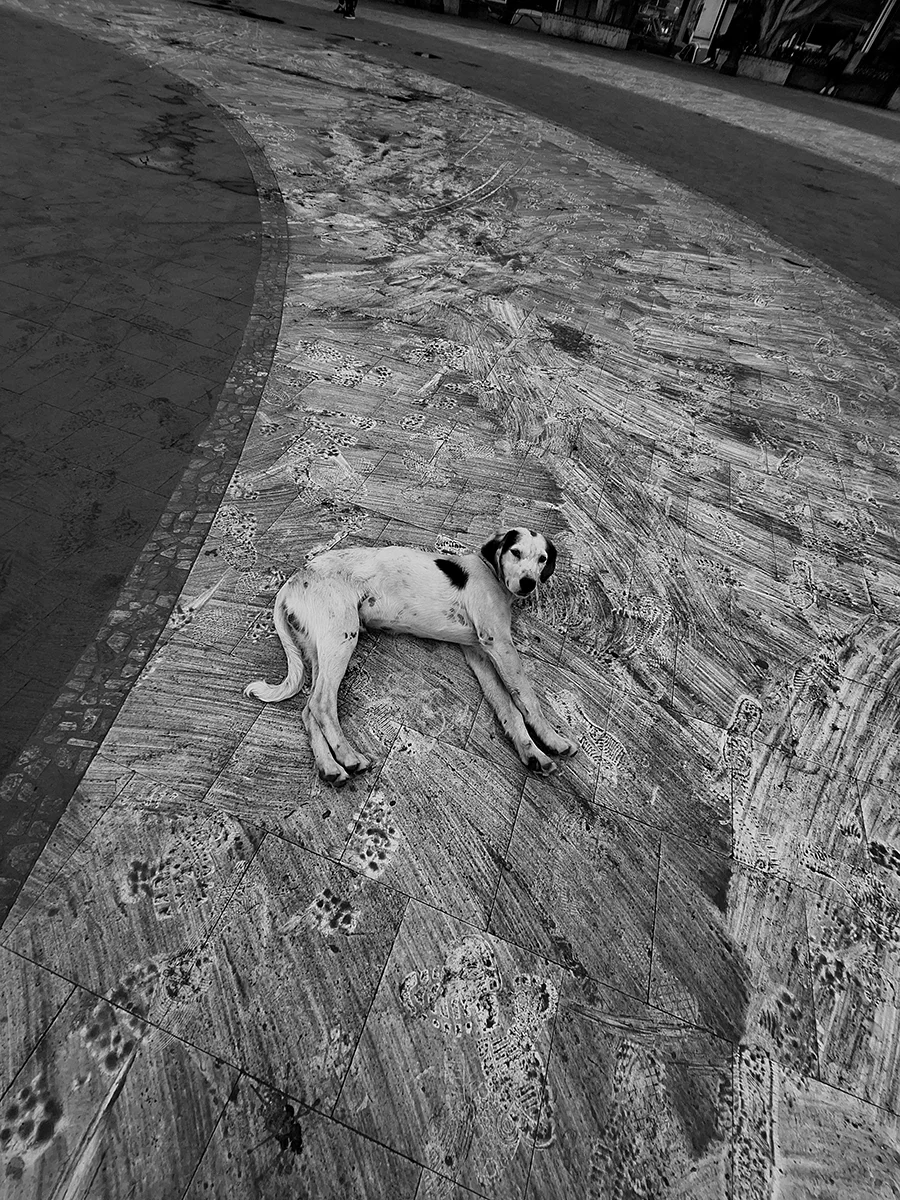
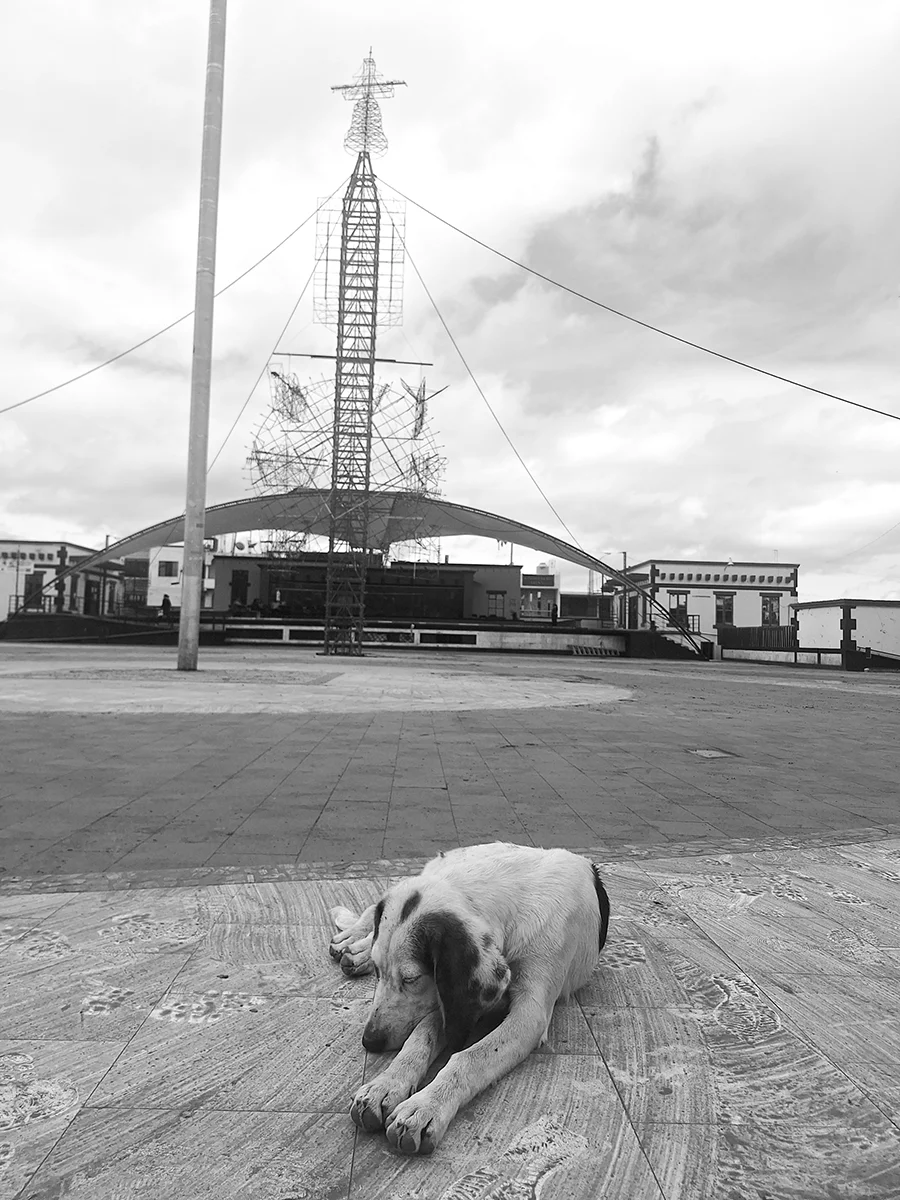
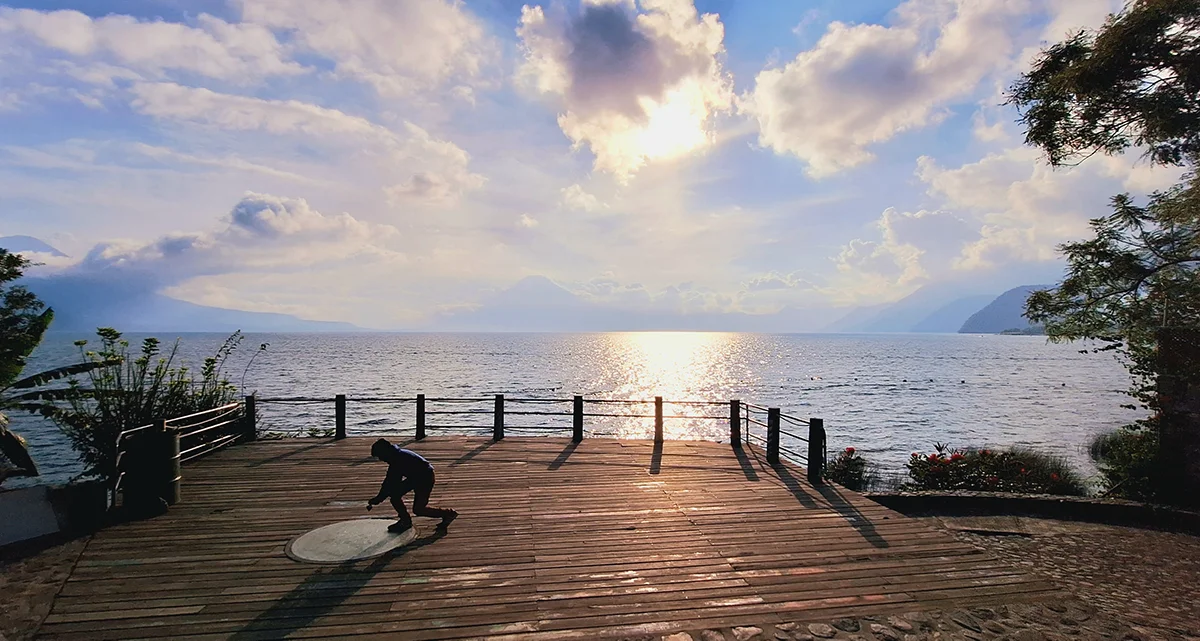
Physician by profession, Diego Cesar Monroy Chaparro has in recent year discovered through photography a love for the culture and traditions of his own country and the places he has visited. Monroy Chaparro believes that photography should not merely be viewed but studied, as an image captures social, cultural, and economic realities.

His work has been exhibited in galleries such as Blank Wall Gallery (Greece) and Allora Gallery (USA), and he recently won first place in the mobile photography series category at the London Photography Awards.

His passion for photography has grown, and he has begun to balance his medical career with his photographic pursuits.

All About Photo Competitions

Photographer of the Week 28, 2026

 

Inspiring Portfolios

Call for Entries
AAP Magazine #59 Shapes
Publish your work in our printed magazine and win $1,000 cash prizes
 
Stay up-to-date  with call for entries, deadlines and other news about exhibitions, galleries, publications, & special events.

More Great Photographers To Discover

Shinya Arimoto
Arimoto, who was born in Osaka in 1971, currently resides and works in Tokyo. Arimoto, a 1994 graduate of Visual Arts Osaka, won the 35th Taiyo Award in 1998 for his piece "Portrait of Tibet." He started the Totem Pole Photo Gallery in 2008. In 2016, Arimoto collaborated with Zen Foto Gallery to publish "Tokyo Circulation," and in 2017, she was honored with the Photographic Society of Japan's Lifetime Achievement Award and the 26th Tadahiko Hayashi Award. His other works include "TIBET" and "ariphoto selection" (Nos. 1–10, Totem Pole Photo Gallery) (Zen Foto Gallery, 2019). He actively exhibits his work both inside and outside of Japan. In 2017, he held a solo exhibition at Le Plac'Art Photo in Paris, and in 2019, he took part in the group show "Am Rand der Gesellschaft. Barlach, Springer, Arimoto" at Museum Bautzen in Germany. Statement In 1994, while still in my early 20’s and fresh out of photo school I went to India to photograph. Six months into my travels the backpack in which I was keeping my exposed film – over 150 rolls – was stolen. This incident cast a dark shadow over my youth and ultimately signified a turning point in my understanding about photography which continues to this day. Even though I went to India determined to make photographs this event was the trigger for me to realize that essentially I was there sightseeing and made me question why I was even in India in the first place. It made me aware of the ambiguity of my determination (…). Soon after this I went to Nepal. With no set destination I happened to end up in Kathmandu. There, I encountered a Tibetan family on the roadside (…). My relationship with this family grew as we shared meals and our living space. In between mantra carving, I looked after the children when they played. Our time together was short yet it was a time of happiness. As the days passed I picked up bits of their language and began to feel a strong desire to see their homeland with my own eyes (..). In 1996, I set foot in Tibet. I’ll never forget that thrill. Everything that had happened so far – every coincidence, incident, and tribulation, had brought me to this point. (…) Looking back I realize that most of my twenties were spent with Tibet. Having started out as an empty vessel, it was Tibet and my experiences there that made me full.
Mona Kuhn
Brazil
1969
Acclaimed for her contemporary depictions, Kuhn is considered a leading artist in the world of figurative discourse. Throughout a career spanning more than twenty years, the underlying theme of her work is her reflection on humanity's longing for spiritual connection and solidarity. As she solidified her photographic style, Kuhn created a notable approach to the nude by developing friendships with her subjects, and employing a range of playful visual strategies that use natural light and minimalist settings to evoke a sublime sense of comfort between the human figure and its environment. Her work is natural, restful, and a reinterpretation of the nude in the canon of contemporary art. For the past two decades, the Los-Angeles based artist's works have been shown steadily, revealing an astonishing consistency in technique, of subject and of purpose. In 2001, Kuhn's photographs were first seen by an influential audience during the exhibition at Charles Cowles Gallery in Chelsea, New York. Kuhn's distinct aesthetic has propelled her as one of the most collectible contemporary art photographers-her work is in private and public collections worldwide and she is represented by galleries across the United States, Europe and Asia. Kuhn was born in São Paulo, Brazil, in 1969, of German descent. In 1989, Kuhn moved to the US and earned her BA from The Ohio State University, before furthering her studies at the San Francisco Art Institute. She is currently an independent scholar at The Getty Research Institute in Los Angeles. Occasionally, Mona teaches at UCLA and the Art Center College of Design in Pasadena. Mona Kuhn's first monograph, Photographs, was debuted by Steidl in 2004; followed by Evidence (2007), Native (2010), Bordeaux Series (2011), Private (2014), and She Disappeared into Complete Silence (2018/19). In addition, Kuhn's monograph titled Bushes and Succulents has been published by Stanley/Barker Editions, with a debut at Jeu de Paume in Paris, in 2019. A stunning career retrospective of Mona Kuhn's Works has been published by Thames & Hudson, Spring 2021. Kuhn's forthcoming publication Kings Road, will be published and released by Steid this Spring 2022. Mona Kuhn's work is in private and public collections worldwide, including The J. Paul Getty Museum, Los Angeles County Museum of Art, The Hammer Museum, Perez Art Museum Miami, Museum of Fine Arts, Houston, and the Kiyosato Museum in Japan. Kuhn's work has been exhibited at The Louvre Museum and Le Bal in Paris; The Whitechapel Gallery and Royal Academy of Arts in London; Musée de l'Elysée in Switzerland; Leopold Museum in Vienna Austria, The Polygon Gallery in Vancouver Canada, Taipei Fine Arts Museum in Taiwan and Australian Centre for Photography. Mona Kuhn lives and works in Los Angeles. I'm most comfortable representing the nude as minimal and timeless. I like to cherish the body as a source of inspiration, as a platform for metaphors, for intimacy and complexities of human nature. It is my way of investigating the deepest questions about life. -- Mona Kuhn Articles Selected Works at Galeri XII Paris Paradise Lost at Jackson Fine Art Works at Galeri XII Los Angeles Between Modernism and Surrealism at Edwynn Houk Gallery
Meg McKenzie Ryan
United States
Los Angeles resident Meg McKenzie Ryan married young, before graduating from college. Her husband's job involved flying to Hong Kong, so one day Meg surprised him by flying there. Asking friends what she should shop for there, buying a camera was the unanimous suggestion. So that's what happened. She didn't know how to use it, so she enrolled in a not-for-credit class at the University of California, Los Angeles. Jerry McMillan was her instructor there and later at California State University, Northridge where she earned her Bachelor in photography. In the early 70s, McMillan was active in the Los Angeles art scene, and he was particularly interested (it seemed) in helping photography to be recognized as an art form. Non-traditional subjects and alternative presentations were encouraged. I was game. Then, Meg remarried and moved to Burkina Faso, a country in West Africa, and then to neighboring Lome, Togo where her daughter was born. The culture there was incredibly different than her Los Angeles home. Religion, work and working conditions, poverty, homes, clothing, food, etc. were all new. It was a lot to digest, and more than she was prepared to face with her camera. Next, the young family moved to Bloomington, Indiana where Meg was able to study for a Masters degree in photography. Jeff Wolin was her primary instructor, and he was shooting an 8" x 10" field camera, so Meg decided to acquire one. Mostly she shot landscapes at the time. Wolin, on the other hand, was shooting beautiful shots of the rock quarries around Bloomington, and later did a project on Holocaust survivors and later still on homelessness. Moving again to the lower desert of California (city of El Centro), Meg landed a full-time photography job at the local daily newspaper. It was excellent experience for the young and somewhat shy photographer because she learned to shoot pictures of people. And this was the start of her project featured here, The lives of others. Her home was just ten miles north of the Mexicali, Mexico border town and capital of the state of Baja California, Mexico. It was easy (at the time) to cross the border, find the poorer neighborhoods, and ask to shoot their pictures. It's no accident that her photography became more documentary-like at its heart. The newspaper work and living in such a foreign place as West Africa pulled her in that direction. And at some point she realized that photos of people interested her the most. The work was wonderful, rewarding, and rich with experience and learning. Meg hopes you'll take time to look at the photos here.
Elisabeth Hase
Germany
1905 | † 1991
Elisabeth Hase (December 16, 1905 – October 9, 1991) was a German commercial and documentary photographer active in Frankfurt from 1932 until her death in 1991, at the age of 85 Hase was born in Döhlen bei Leipzig, Germany. She studied typography and commercial art from 1924 to 1929 at the School of Applied Arts, and later at the Städelschule, under, among other teachers, Paul Renner and Willi Baumeister. Hase was active as a photographer during the time of the transition from the Weimar Republic to the Third Reich and through post-WWII Germany. She was able to avoid government oversight of her work by establishing her own photographic studio in 1933. Hase's work included surreal photography, such as close-up photographs of dolls. She received several awards, several for paper designs and collages. During a two-year collaboration in the studio of Paul Wolff [de] and Alfred Tritschler [de], Hase took architectural photographs in New Objectivity style for the magazine Das Neue Frankfurt (The New Frankfurt) and documentary photographs of modern housing projects, including those of Ferdinand Kramer. In 1932, Hase started her own business. It focused on timeless designs like still life, structures, plants, dolls, people, especially self-portraits. Often she used herself as a model in her photographic “picture stories.” Cooperation with agencies like Holland Press Service and the Agency Schostal[2] enabled her to publish her photographs internationally. Despite the bombing of Frankfurt in 1944 by the Allies, Hare's photographic archive survived the war without major damage. Many of those works are now part of the collections held by the Folkwang Museum in Essen, Germany, in the Albertina (Vienna) in Vienna, and in the Walter Gropius estate in the Bauhaus Archive in Berlin, as well as in private collections in Germany and abroad. Despite loss of her cameras and other technical equipment in the chaos of war, Hase was able to resume taking photographs in 1946 by the help of emigre friends who provided her with film and cameras to use. Among others subjects Hase documented was the reconstruction of St. Paul's Church in Frankfurt. From 1949, her work focused on advertising, consisting mostly of plant portraits. Hase died at the age of 85 in 1991 in Frankfurt am Main. Source: Wikipedia This new discovery is a rich body of work by a female artist who was photographing during the time of the transition from the Weimar Republic to the Third Reich and through post-WWII Germany. Hase's photographic compositions are comparable to a number of her avant-garde contemporaries such as Florence Henri, Ilse Bing, and Germain Krull. Elisabeth Hase (1905-1991) was born in Germany and began her artistic studies in 1924 at the Art Academy in Frankfurt. During World War II Hase was able to avoid the politicization of her work by retreating to her studio. This however would not prevent her work from being wholly untouched by the war. During the air raid on Frankurt in 1944 her cameras and other equipment were lost however, quite remarkably, her archives of glass and film negatives survived. Most intriguing are Hase's self-portraits which experiment with identity and perceived reality. In one self-portrait she has photographed herself in the reflection of a silver sphere, she and the room are warped on the convex surface of the globe. In another image she is sprawled over a staircase as if fallen, with shoes and purse strewn likewise over the stairs. This practice of role-playing and adopting different personas is seen throughout Hase's portraiture. Hase's work has been shown in museums across Germany including; the Folkwang Museum, Essen; the Historical Museum, Frankfurt; and the Museum of Photography, Braunschweig. Hase's work was exhibited in the show "Who is Afraid of Women Photographers?" at the Musée d'Orsay, Paris, France. Her work in found in prominent museum collections internationally, including The Metropolitan Museum of Art, The National Gallery, the Museum of Modern Art, The Nelson-Atkins Museum of Art, Ackland Art Museum, the Chrysler Museum of Art, Folkwang Museum in Essen, The Albertina Museum in Vienna and The Bauhaus Museum of Design in Berlin. Source: Robert Mann Gallery
Leonard Freed
United States
1929 | † 2006
Leonard Freed was a documentary photojournalist and longtime Magnum member. He was born to Jewish, working-class parents of Eastern European descent. Freed had wanted to be a painter, but began taking photographs in the Netherlands and discovered a new passion. He traveled in Europe and Africa before returning to the United States where he attended the New School and studied with Alexey Brodovitch, the art director of Harper's Bazaar. In 1958 he moved to Amsterdam to photograph its Jewish community. Through the 1960s he continued to work as a freelance photojournalist, traveling widely. He documented such events and subjects as the Civil Rights movement in America (1964–65), the Yom Kippur War in 1973, and the New York City police department (1972–79). His career blossomed during the American civil rights movement, when he traveled the country with Martin Luther King, Jr. in his celebrated march across the US from Alabama to Washington. This journey gave him the opportunity to produce his 1968 book, Black in White America, which brought considerable attention. His work on New York City law enforcement also led to a book, Police Work which was published in 1980. Early in Freed's career, Edward Steichen purchased three photographs from Freed for the collection of the Museum of Modern Art.[ In 1967, Cornell Capa selected Freed as one of five photographers to participate in his "Concerned Photography" exhibition. Freed joined Magnum Photos in 1972. Publications to which Freed contributed over the years included Der Spiegel, Die Zeit, Fortune, Libération, Life, Look, Paris-Match, Stern, and The Sunday Times Magazine of London. In later years, Freed continued shooting photographs in Italy, Turkey, Germany, Lebanon and the U.S. He also shot four films for Japanese, Dutch and Belgian television.Source: Wikipedia Born in Brooklyn, New York, to working-class Jewish parents of Eastern European descent, Leonard Freed first wanted to become a painter. However, he began taking photographs while in the Netherlands in 1953, and discovered that this was where his passion lay. In 1954, after trips through Europe and North Africa, he returned to the United States and studied in Alexei Brodovitch's 'design laboratory'. He moved to Amsterdam in 1958 and photographed the Jewish community there. He pursued this concern in numerous books and films, examining German society and his own Jewish roots; his book on the Jews in Germany was published in 1961, and Made in Germany, about post-war Germany, appeared in 1965. Working as a freelance photographer from 1961 onwards, Freed began to travel widely, photographing blacks in America (1964-65), events in Israel (1967-68), the Yom Kippur War in 1973, and the New York City police department (1972-79). He also shot four films for Japanese, Dutch and Belgian television. Early in Freed's career, Edward Steichen, then Director of Photography at the Museum of Modern Art, bought three of his photographs for the museum. Steichen told Freed that he was one of the three best young photographers he had seen and urged him to remain an amateur, as the other two were now doing commercial photography and their work had become uninteresting. 'Preferably,' he advised, 'be a truck driver.' Freed joined Magnum in 1972. His coverage of the American civil rights movement first made him famous, but he also produced major essays on Poland, Asian immigration in England, North Sea oil development, and Spain after Franco. Photography became Freed's means of exploring societal violence and racial discrimination. Leonard Freed died in Garrison, New York, on 30 November 2006.Source: Steven Kasher Gallery
Leslie Gleim
United States
1955
Leslie Gleim is a Honolulu-based fine art photographer known for her distinctive visual narratives created through aerial and macro perspectives. Her ongoing work seeks to understand the complex relationships and tensions between the natural, climatic, and human impacts upon the Hawaiian ʻāina (land). With a particular focus on the volcanic ecology of Hawai’i, she captures the regenerative and dynamic process shaped by the volcanic activity and explores the profound changes that are created by those powerful forces on the ʻāina. By documenting this delicate balance between nature and human influence, she hopes to inspire and provoke thoughtful dialogue about environmental stewardship of our planet. Leslie's work has been widely exhibited and published locally, nationally, and internationally. Her work Life Of The Land was recently purchased into the Art in Public Places Collection of the Hawai’i State Foundation on Culture and the Arts. Artist Statement "Life Of The Land” In 2017, I became curious about the volcanic activity on Hawai’i Island and chartered my first helicopter flight over Kīlauea’s Halemaʻumaʻu crater. Struck by the volcanic power and the resilience of the land, that flight marked the beginning of a photographic narrative documenting the life of the land. Ancient lava flows, cones, and fissures etch themselves eloquently across the landscapes of Hawaiʻi, their presence akin to pages torn from an ancestral geological journal spanning millennia. Each formation reveals a fragment of Hawai’i's narrative (mo’olelo), bearing witness to its evolution and adaptation, each element telling a tale of resilience and renewal. The photographs are not merely snapshots of geological features; they are windows into the soul of the land, revealing the timeless forces that have shaped the landscape. Each image is freshly written onto the pages of a present-day journal that provides the reader/viewer with both historical and current insights into the story of the land. Simultaneously, it unveils the volcanic cleansing and birthing processes that shapes the ‘aina (land), giving rise to new landscapes from its apocalyptic beginnings. Are we witnessing glimpses of a future defined or foretold in the Anthropocene era? As we confront the challenges of environmental degradation and climate change, these photographs serve as reminders of the delicate balance between humanity and nature. What stories will endure for future generations, and what legacies will we leave behind?
Shawn Theodore
United States
1970
Shawn Theodore (b. 1970, Germany) is an award-winning photographer whose work opens broad conversations regarding the role of the photographer in the shaping of agency and imagery, engages in new forms of storytelling, and impacts the trajectory of the collective black consciousness. Theodore has participated in exhibitions at various institutions, galleries and fairs, including the African American Museum in Philadelphia (2017, 2018), Mennello Museum of American Art (2018), The Barnes Foundation (2017, 2018, 2019), Steven Kasher Gallery (2018), AIPAD (2018, 2019), Hudson Valley Community College (2018), Catherine Edelman Gallery (2017), The Bakalar & Paine Galleries at MassArt (2017), Snap! Orlando (2018), Richard Beavers Gallery (2018), PRIZM Art Fair, Scope Art Fair, Philadelphia Photo Arts Center, Rush Arts Gallery (2017, 2018), and the University of the Arts (2019). His commercial projects include works for Apple, Showtime Networks, RocNation, PAPER Magazine, New York Magazine, Smithsonian Magazine, The Atlantic, The New York Times, PDN and others. Theodore was awarded the prestigious PDN’s 30 New & Emerging Photographers to Watch (2019), the Getty Images / ARRAY ‘Where We Stand’ (2018) grant and a grant from the Knight Foundation for ‘A Dream Deferred’ (2018). He is a two-time nominee of The Pew Center for Arts & Heritage Fellowship, and a nominee of the Magnum Foundation Fund. Theodore earned his BA in JPRA (Journalism, Public Relations and Advertising) from Temple University. He currently attends the MFA for Photography program at Savannah College of Art and Design (SCAD Atlanta). Theodore is a current trustee of the Rush Philanthropic Arts Foundation and the Philadelphia Photo Arts Center. Source: www.shawntheodo.re
Advertisement
AAP Magazine #59 Shapes
Win a Solo Exhibition in Aug
AAP Magazine #59 Shapes

Latest Interviews

Exclusive Interview with Susan Anthony
American photographer Susan Anthony brings a painter’s eye to documentary photography, creating nuanced portraits of people and places shaped by time, community, and tradition. Her work is rooted in observation, empathy, and a deep curiosity about the lives of others. Through long-term projects, she explores the relationship between individuals and the environments they inhabit, revealing the stories that connect people to a place and to one another.
Exclusive Interview with Carole Mills Noronha
Carole Mills Noronha is an Australian photographer whose deeply personal work explores memory, family, loss, and the fragile nature of identity. Living with epilepsy and a lifelong sensitivity to light, she has developed a distinctive photographic language rooted in observation, empathy, and emotional connection. Her images are shaped by lived experience, revealing intimate stories with remarkable honesty and tenderness.
Exclusive Interview with Trevor Cole: Pastoral Peoples and Practices
For this interview, we wanted to focus specifically on The Face of the Mundari and the wider Pastoral Peoples and Practices series. We spoke with Trevor about his long-term work among the Mundari, what continues to draw him back to their cattle camps, and the experience of documenting a culture whose identity remains deeply connected to livestock, tradition, and the natural environment.
Exclusive Interview with Frank Meo
In our latest exclusive feature for All About Photo, I speak with veteran photography representative Frank Meo about what it truly takes to build a sustainable creative career today. Frank brings decades of experience working with Fortune 500 companies, major agencies, and documentary photographers to the table. We dive into the critical business skills often left out of art school curriculums, the power of mentorship, and the inspiring evolution of PROJECTIONS—his international salon platform for visual storytellers. It’s an essential read for anyone navigating the commercial or editorial photography landscape today.
Exclusive Interview with Carolyn Moore
American photographer Carolyn Moore explores the inner landscape of emotion, memory, and personal transformation through a deeply intuitive photographic practice. Her work unfolds as a quiet dialogue between artist and viewer, where images become a space for reflection, vulnerability, and connection.
Exclusive Interview with Luca Desienna and Laura Estelle Barmwoldt
For over seven years, Of Lilies and Remains has explored the depths of the goth and darkwave underground, unfolding in Leipzig—a city long associated with a vibrant and enduring subcultural scene. Moving between iconic gatherings such as Wave-Gotik-Treffen and more intimate moments on the fringes, the project offers a rare and immersive glimpse into a world often misunderstood, yet rich in expression and community. Created by Luca in collaboration with Laura Estelle Barmwoldt, the work embraces a cinematic and deeply personal approach. Rather than documenting from a distance, it moves within the scene itself, capturing its atmosphere, its codes, and its quiet contradictions. The title Of Lilies and Remains hints at this duality—where beauty and darkness, fragility and strength coexist. As the book prepares for its release, we spoke with both artists about the origins of the project, their process, and what it means to document a subculture that continues to evolve while remaining true to its spirit.
Exclusive Interview with Matthew Finley
American photographer Matthew Finley turns inward, using photography as a way to explore identity, memory, and emotional truth. Based in Los Angeles, his practice moves between performance, gesture, and found imagery, creating a visual language that is both intimate and deeply personal
Exclusive Interview with Jan Janssen
Dutch photographer Jan Janssen explores universal human experiences through his long-term project It Matters, winner of the May 2025 Solo Exhibition. Begun in 2016, the series captures intimate moments of everyday life—love, loss, connection, and belonging—across Central and Eastern Europe. Working in countries such as Turkey, Azerbaijan, and Armenia, Janssen spends extended time within communities, building relationships based on trust and respect. His approach allows him to move beyond observation, revealing deeply human and authentic moments. Rooted in travel and personal discovery, It Matters reflects Janssen’s search for what connects us all in an increasingly divided world. The project is ongoing and will culminate in a photobook scheduled for publication in 2026.
Exclusive Interview with Henk Kosche
German photographer Henk Kosche turns his lens toward the streets of Halle an der Saale, capturing everyday life in the late years of the former German Democratic Republic. At the time, Kosche was studying design and exploring the city with his camera, drawn to the atmosphere of its industrial landscape and the quiet rhythms of daily life. His series Street Photography at the End of the 80s, selected as the Solo Exhibition for July 2025, revisits a body of work created just before a period of profound change. Rediscovered decades later in a small box of 35mm negatives, these photographs offer glimpses of a city and its people at a moment suspended between the familiar and the unknown.
Call for Entries
AAP Magazine #59 Shapes
Publish your work in our printed magazine and win $1,000 cash prizes