All about photo.com: photo contests, photography exhibitions, galleries, photographers, books, schools and venues.
FINAL CALL TO ENTER AAP MAGAZINE SHAPES: PUBLICATION AND $1,000 CASH PRIZES
Julien Drogoul
Julien Drogoul

Julien Drogoul

Country: France
Birth: 1990

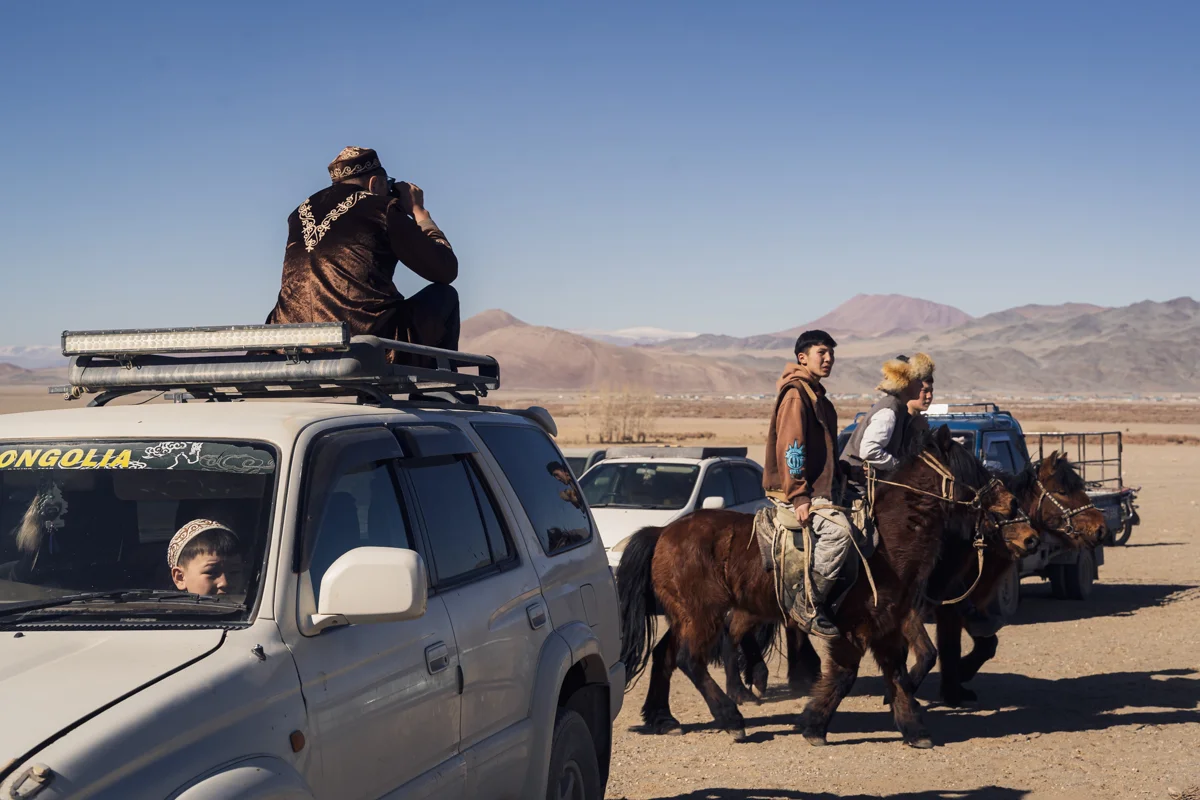
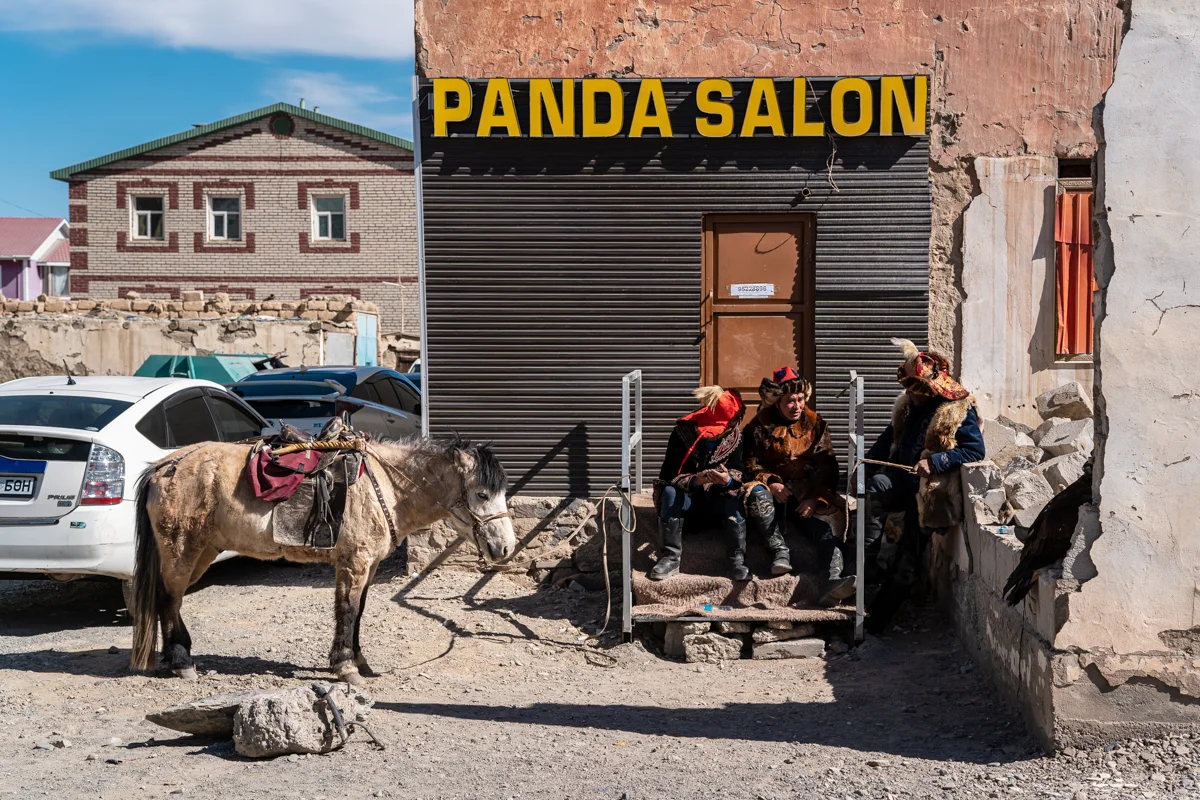
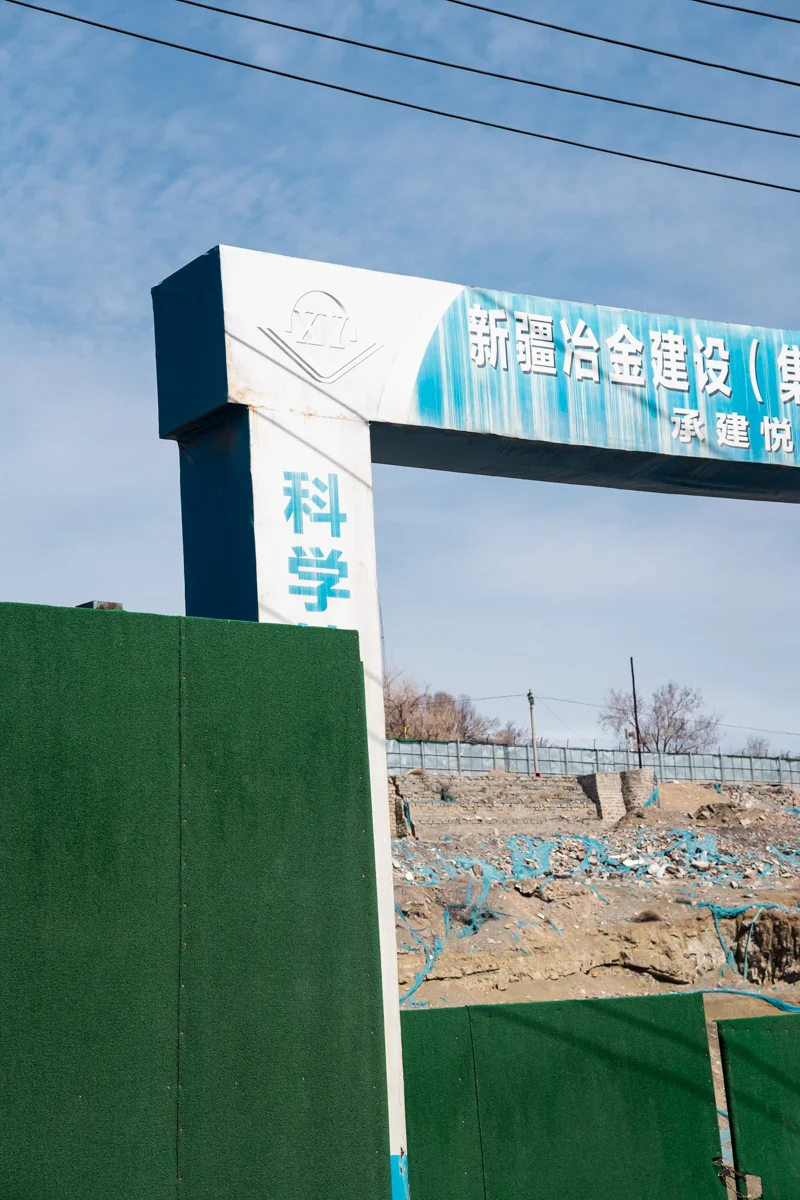
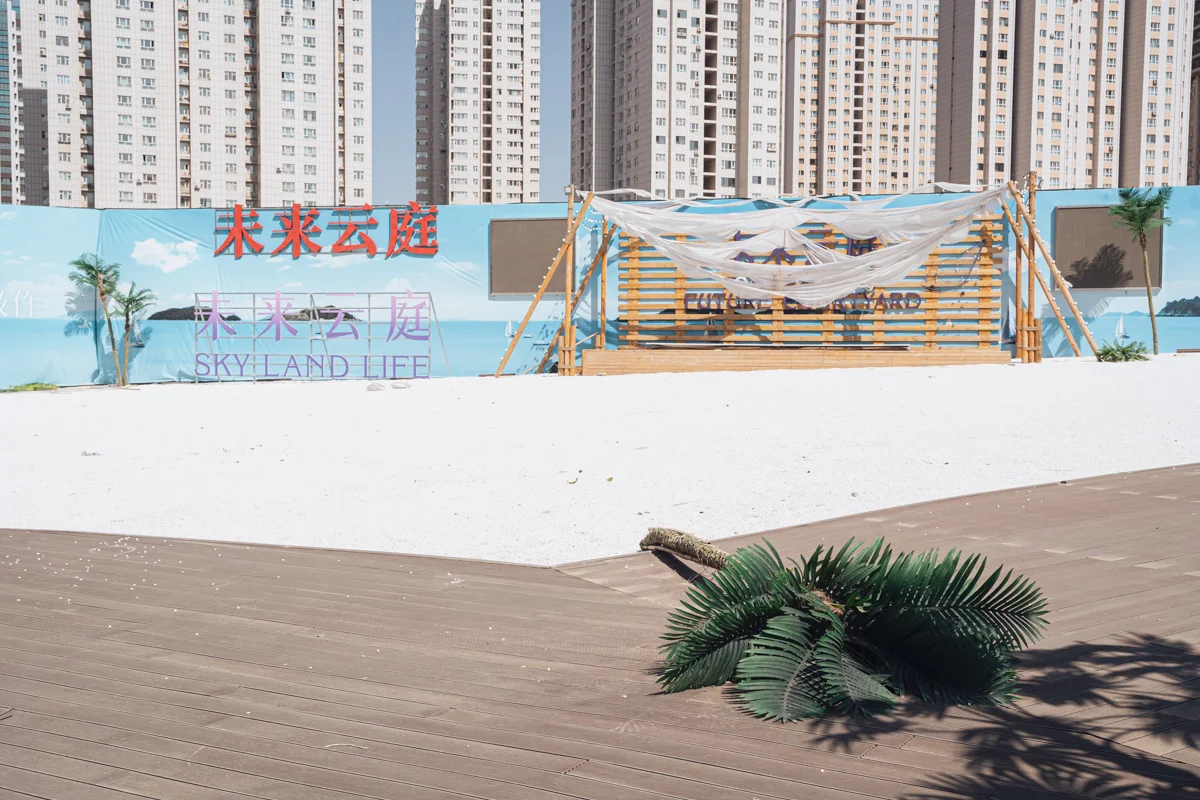
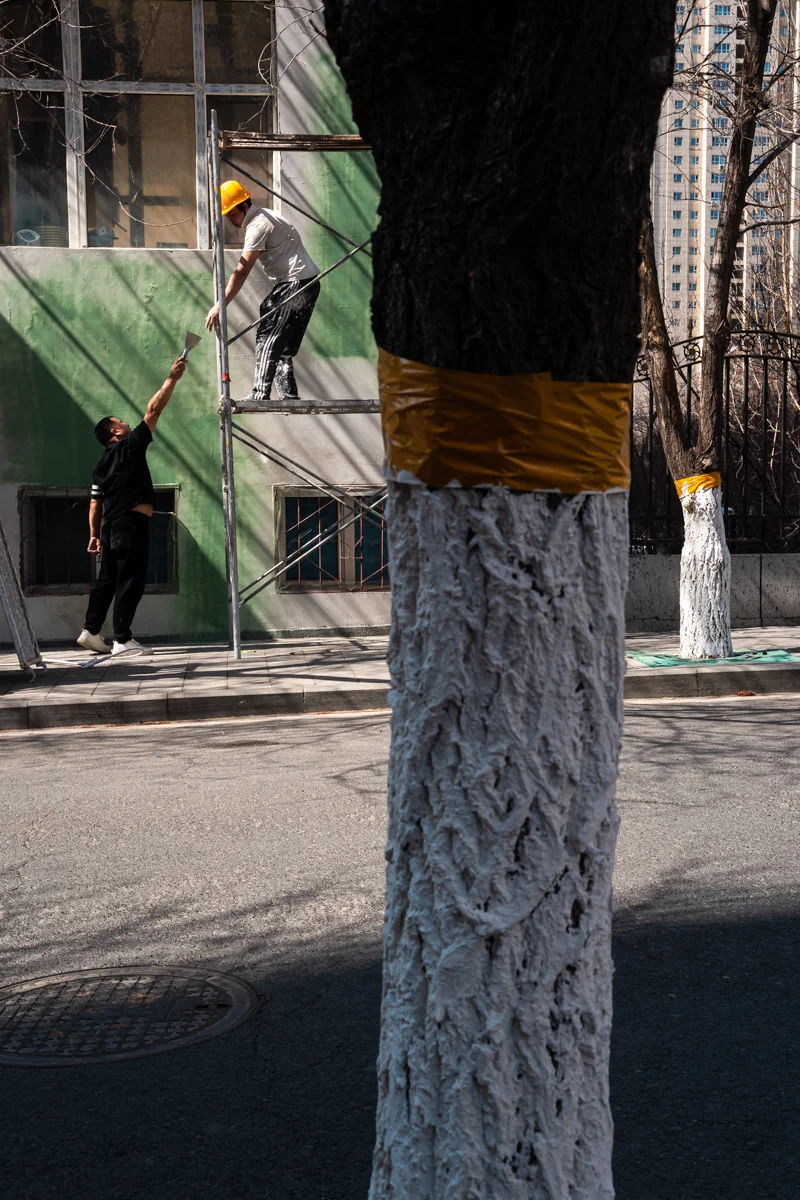
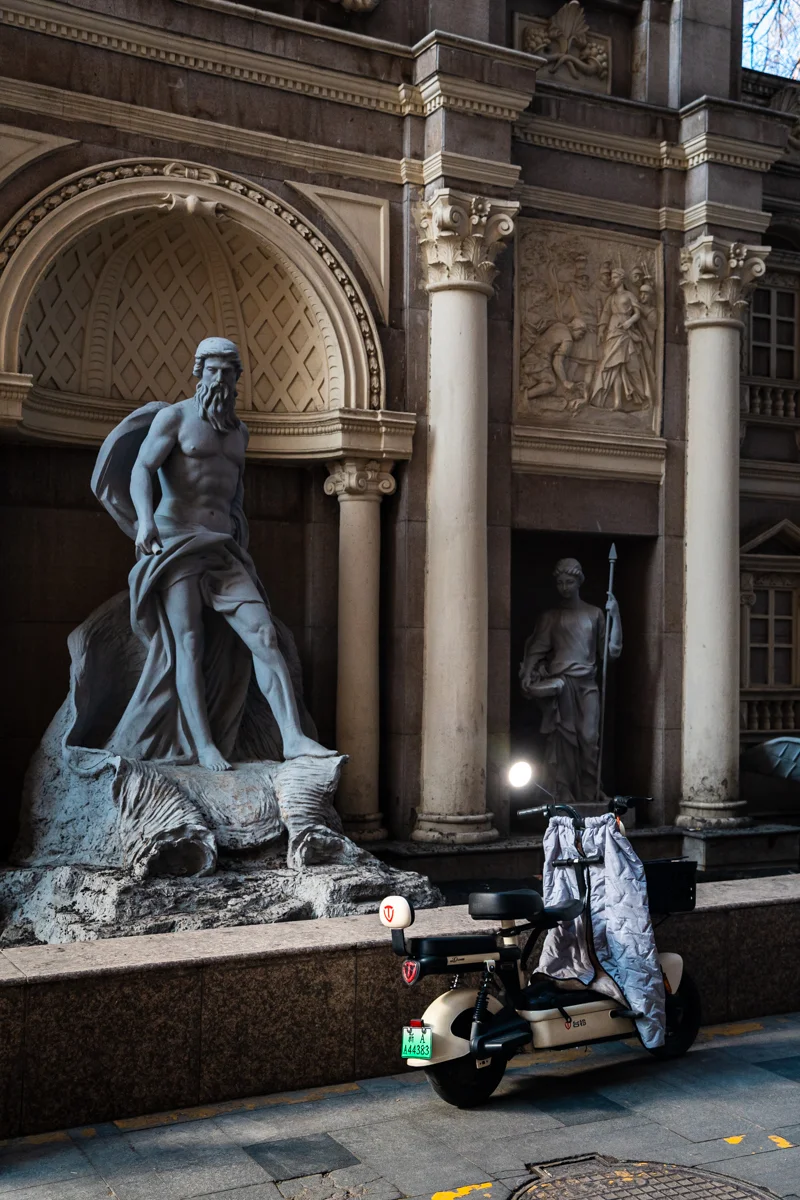
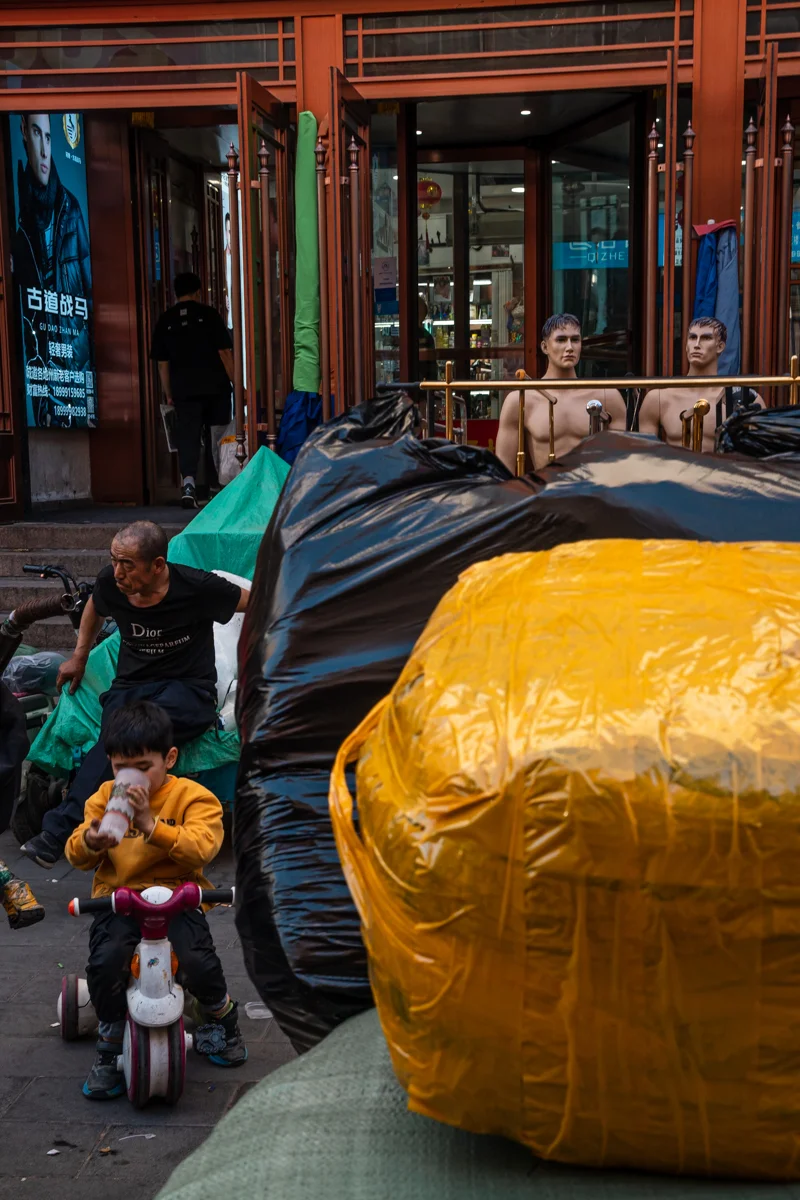
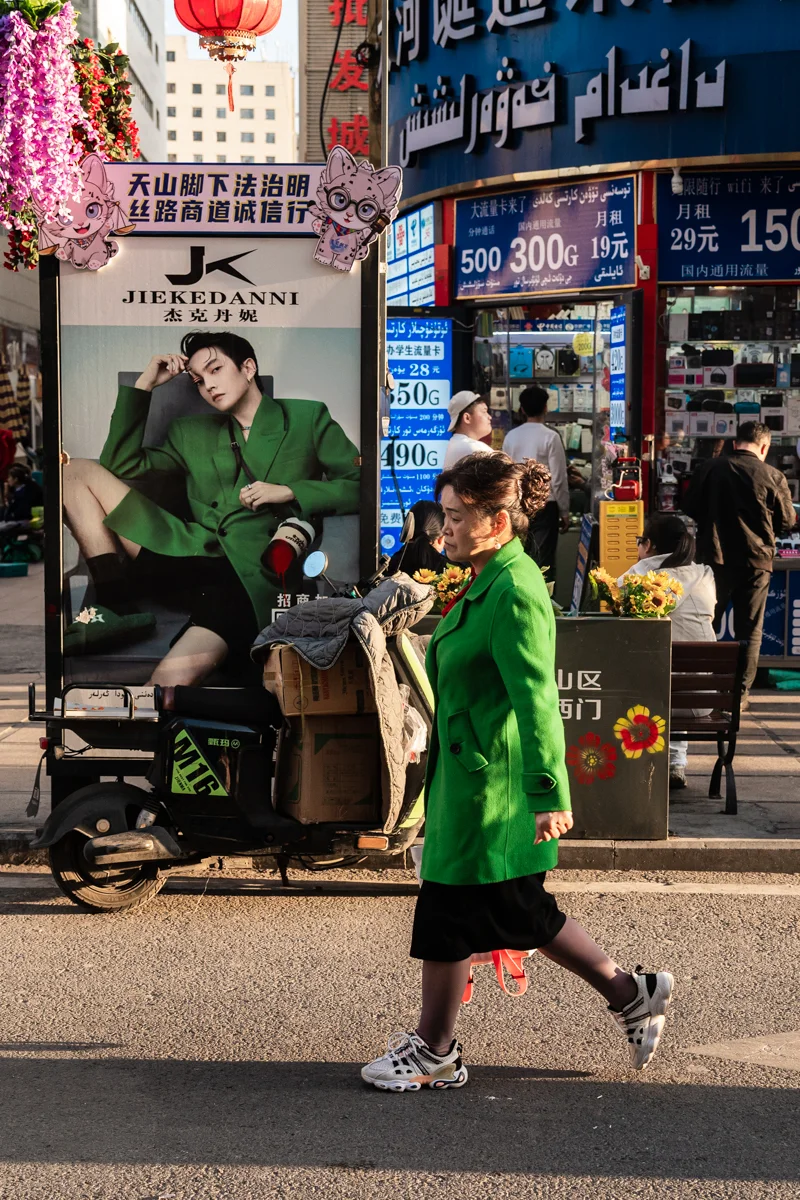
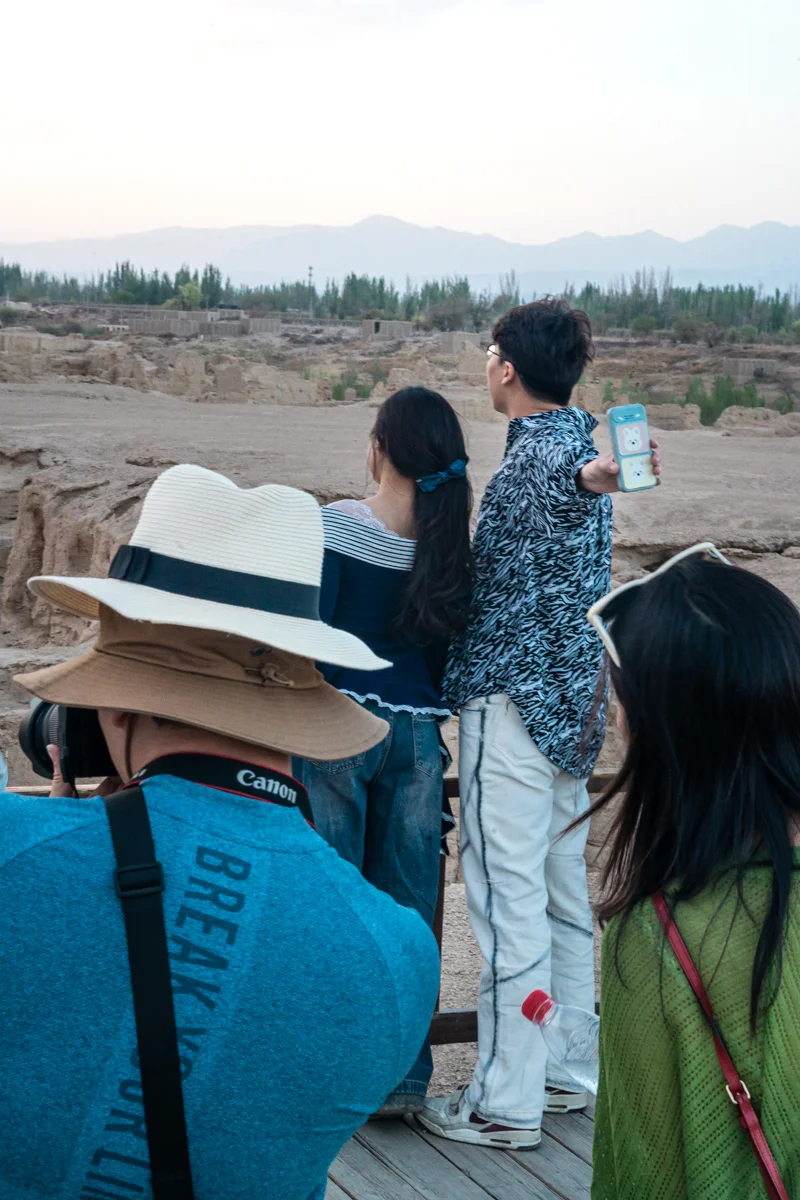
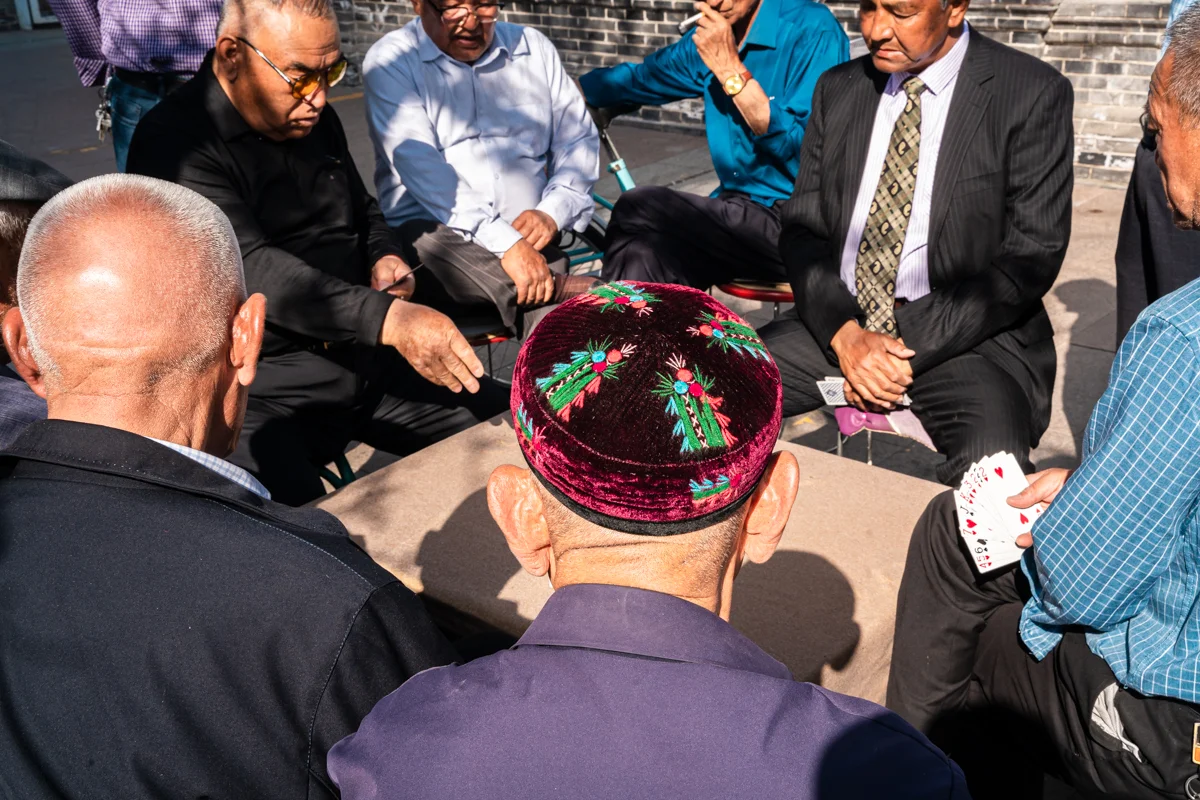
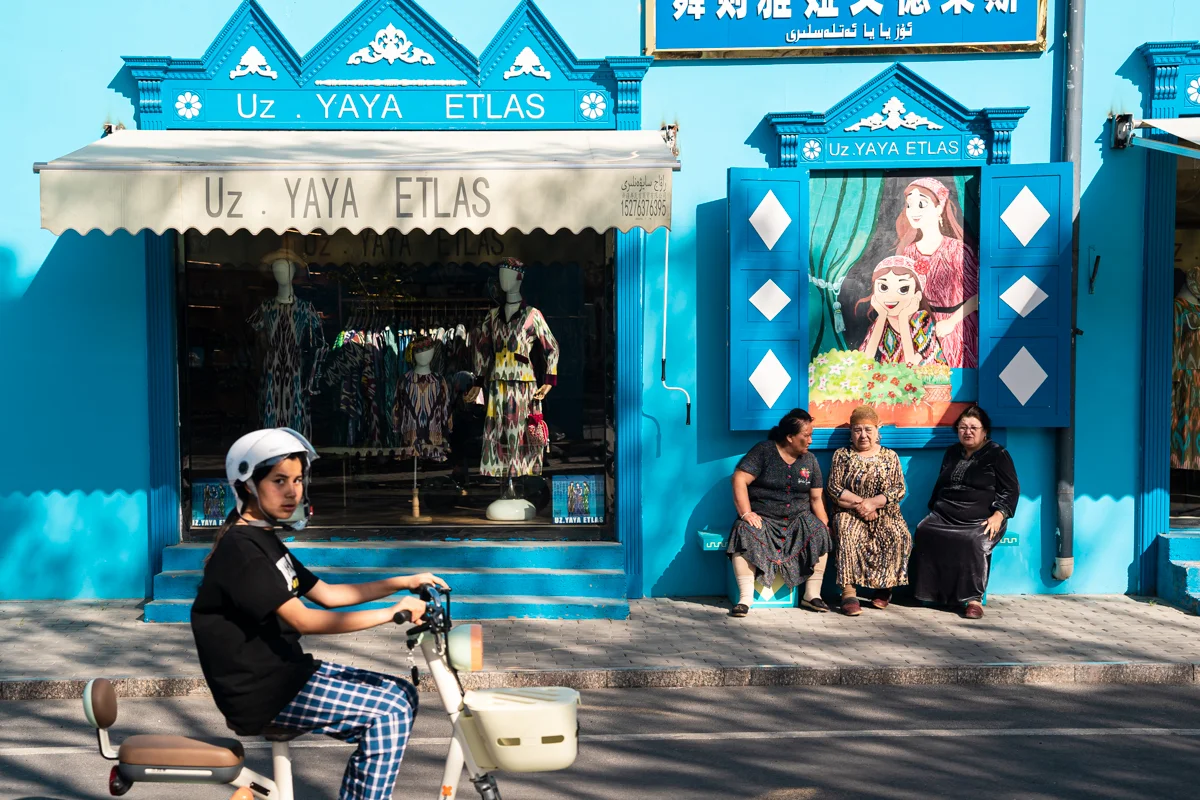
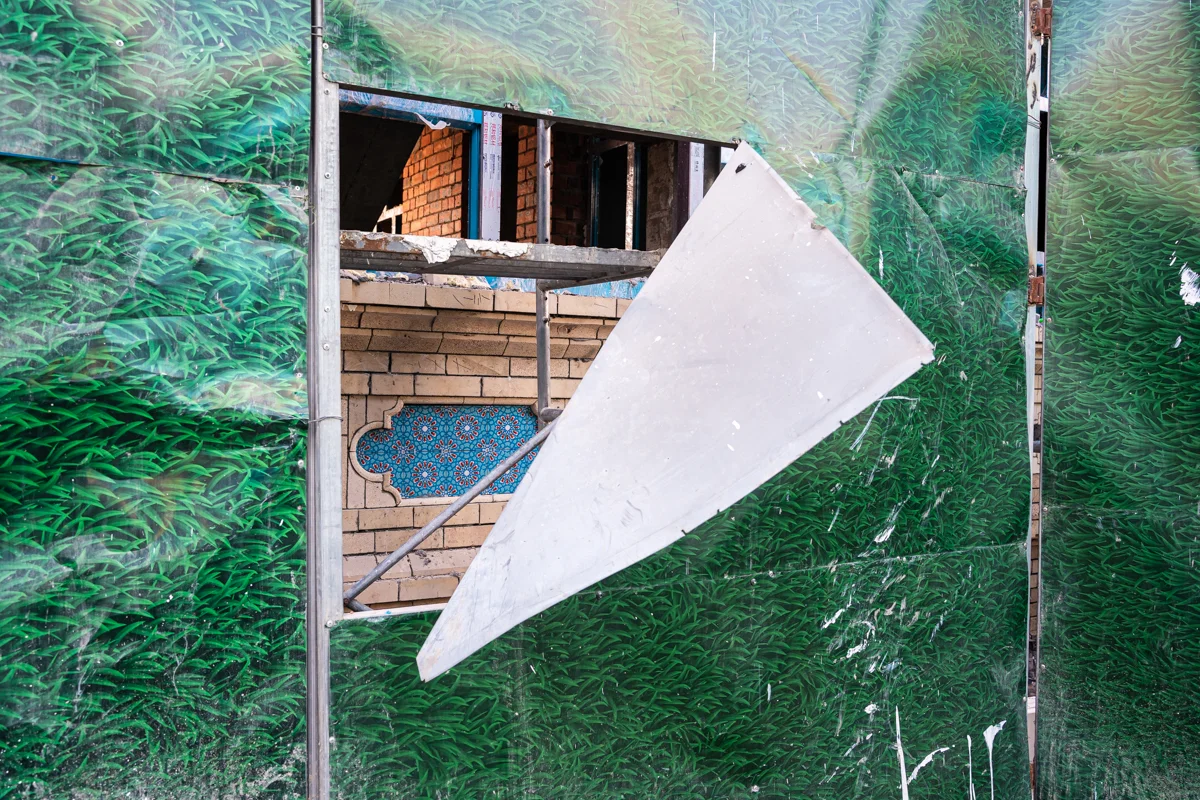
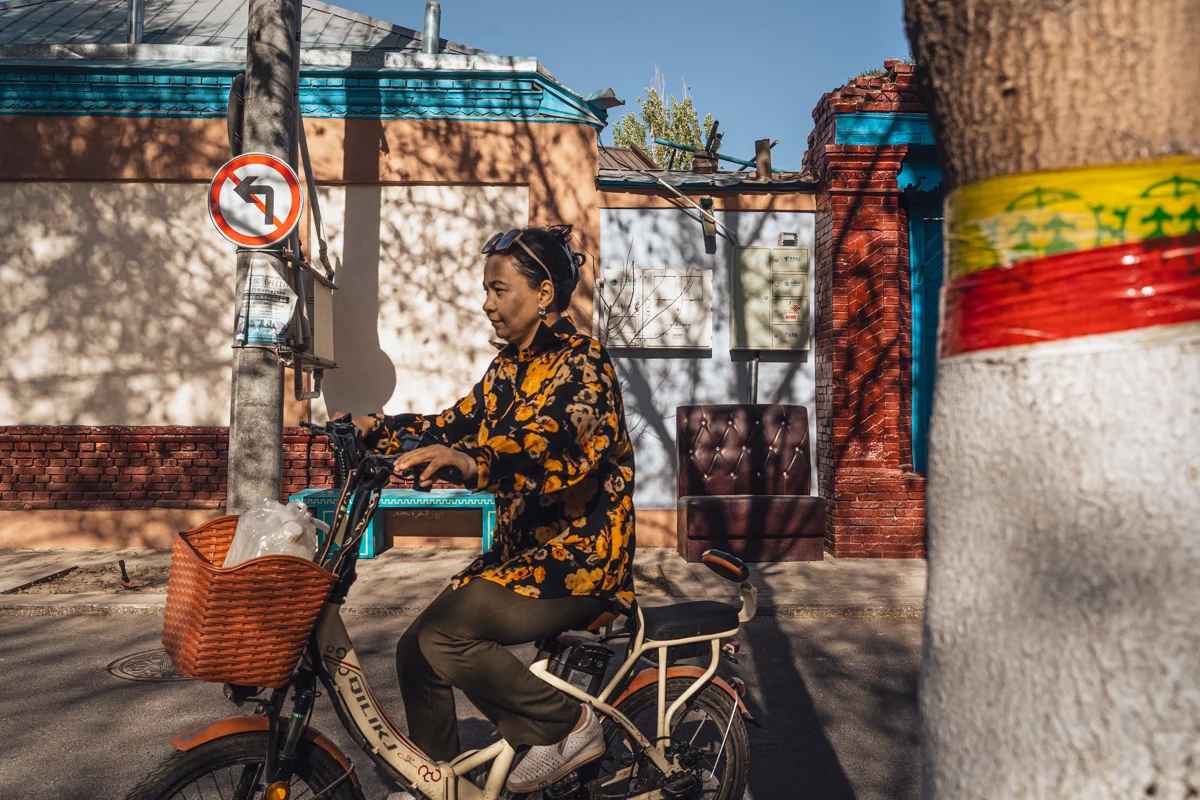
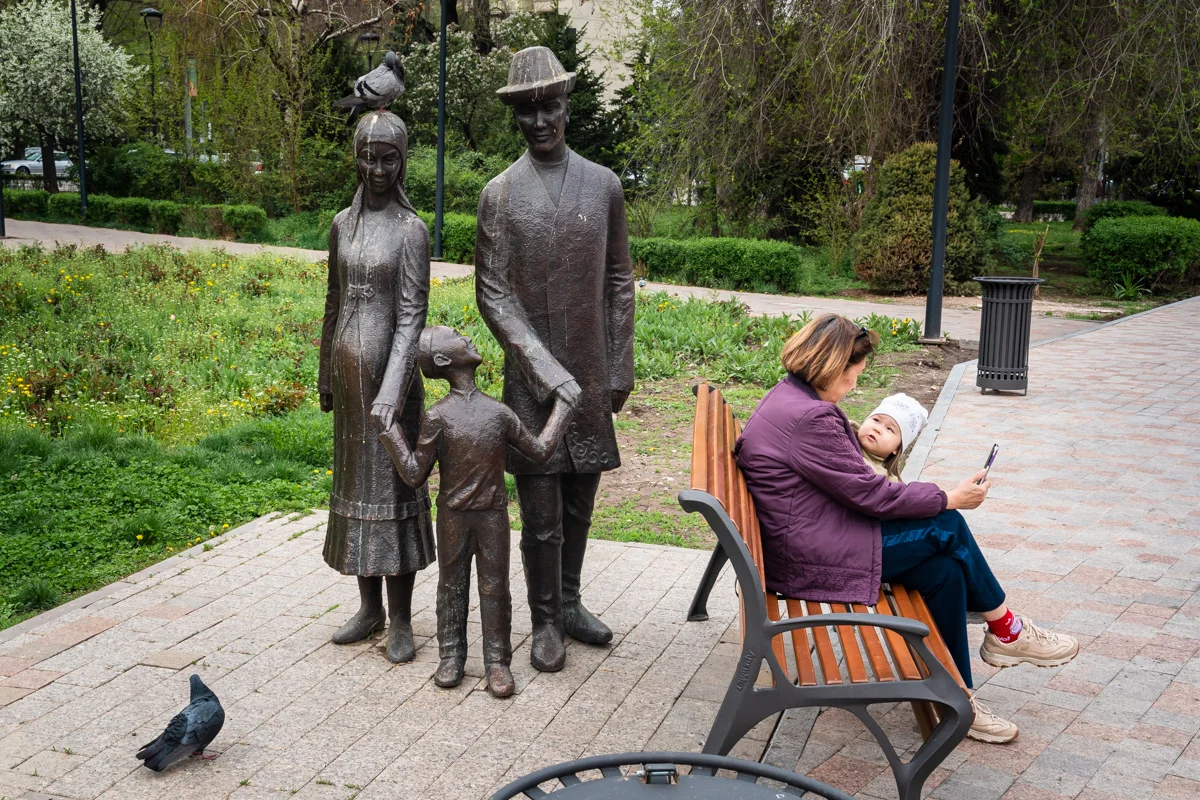
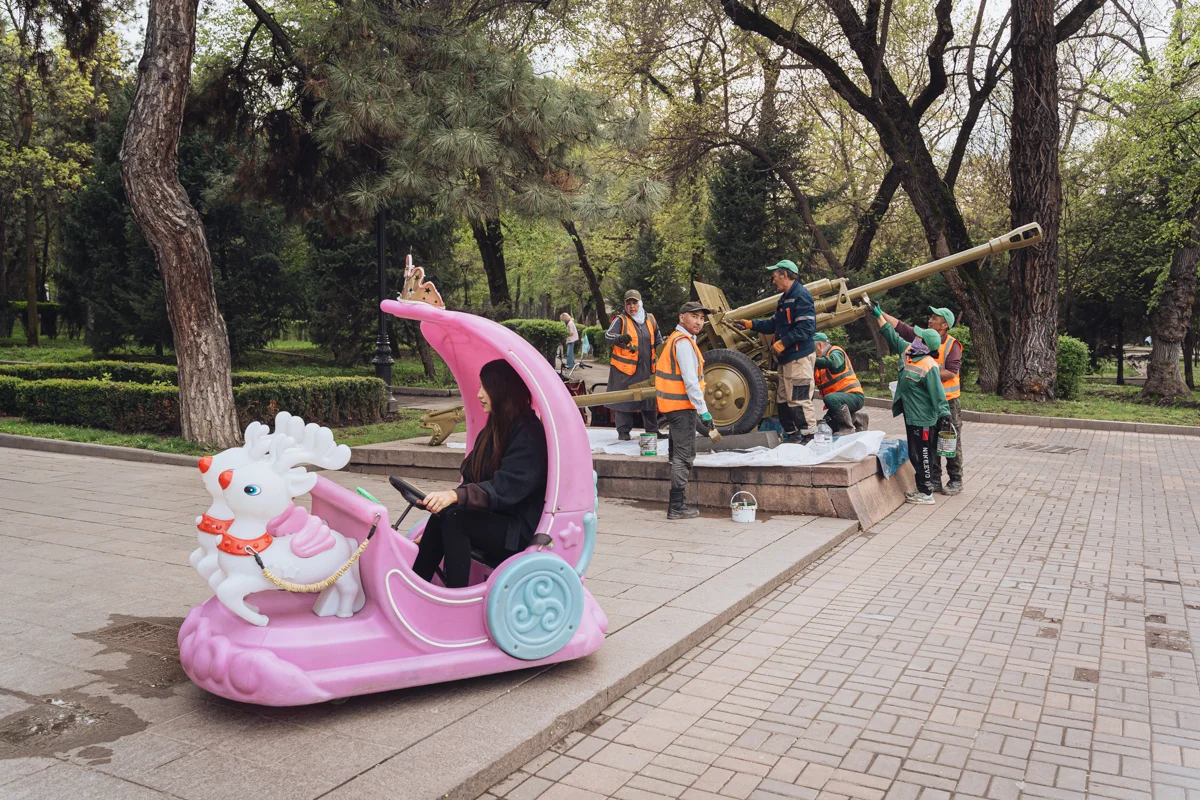
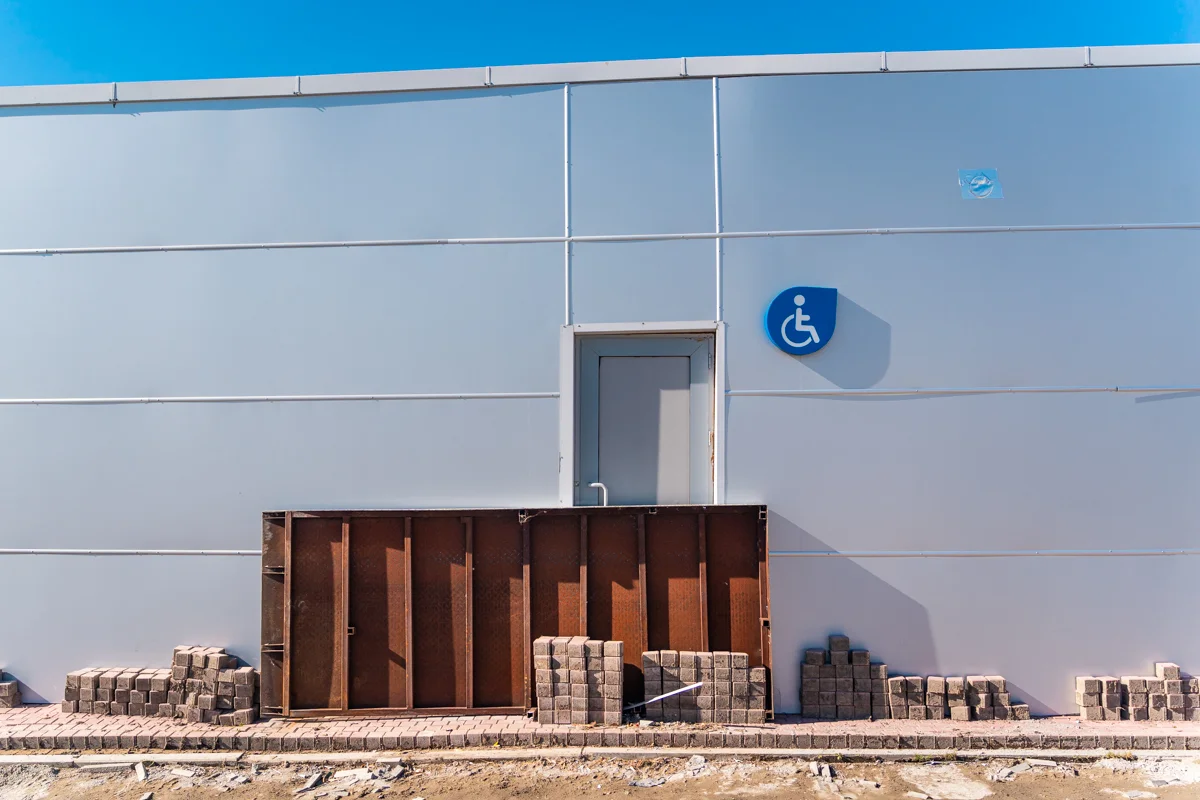
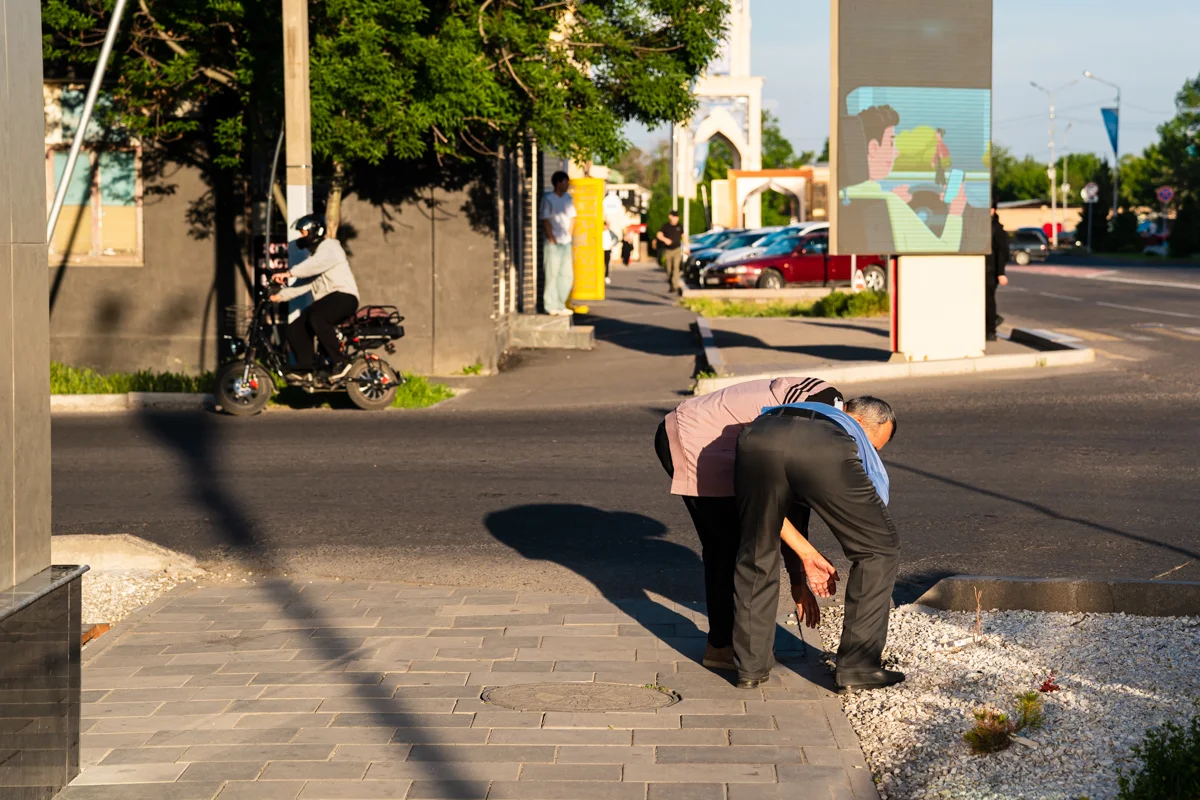
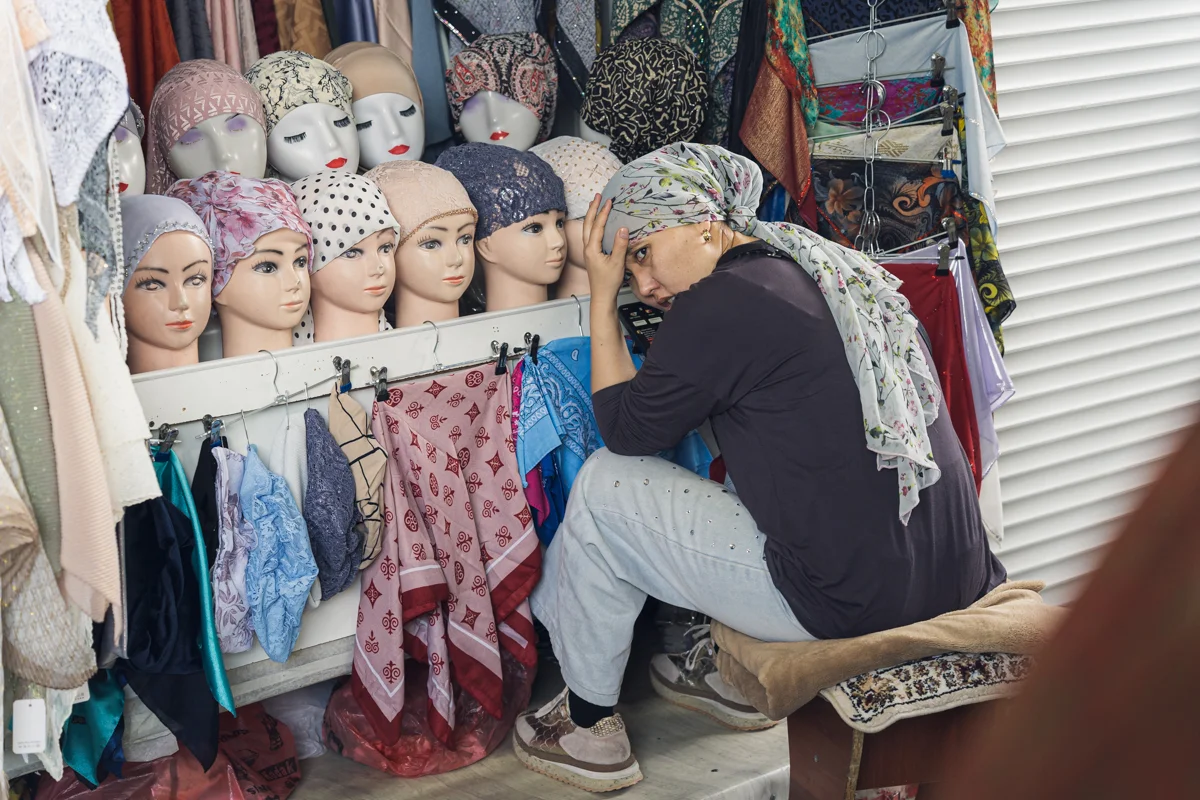
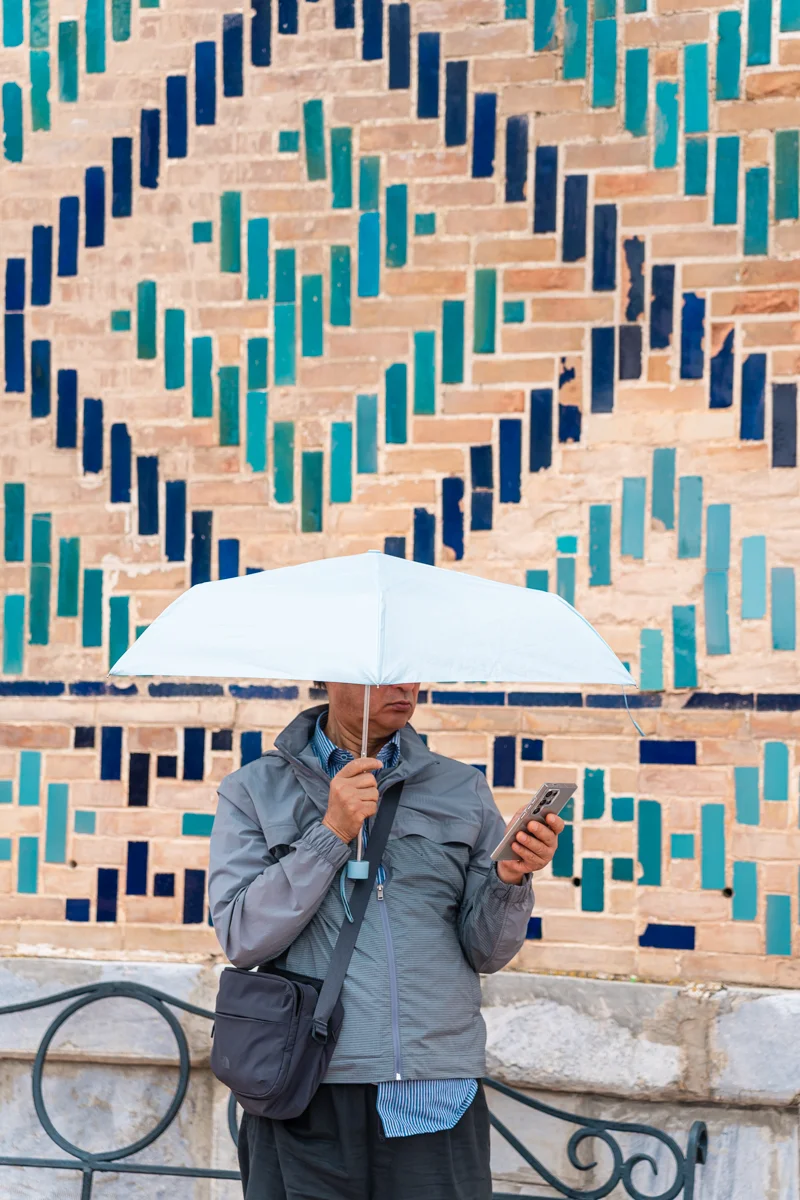
Born in Montbrison, France, and currently working in Saint-Étienne, 36-year-old Julien Drogoul balances his profession as a nurse with a decade-long practice in photography. His recent years have been shaped by alternating between his healthcare career and long journeys abroad, periods dedicated to street photography. While he also shoots events and weddings, Julien Drogoul defines himself primarily as a street photographer. His work over the last few years resulted in the black-and-white project Dialogue, which was featured in an art gallery exhibition (and several others places) and published as a monograph by Corridor Éléphant Éditions. He is currently developing several new projects.

All About Photo Competitions

Photographer of the Week 27, 2026
 

Inspiring Portfolios

Call for Entries
AAP Magazine #59 Shapes
Publish your work in our printed magazine and win $1,000 cash prizes
 
Stay up-to-date  with call for entries, deadlines and other news about exhibitions, galleries, publications, & special events.

More Great Photographers To Discover

Eva Mallis
United States
Eva Mallis was born in New York City to Greek immigrant parents. Her elementary school years were spent in Queens, New York - the most ethnically diverse area in the U.S. - where she was immersed in a hardworking population striving for the American dream. Pursuing that dream, Eva earned a BA and an MBA and has had a career that encompassed investment banking and real estate. Eva's love of photography surfaced post-college while living in Washington, D.C. and attending photography classes at the Smithsonian Institute. Her passion for street photography grew as she often roamed the streets of downtown Washington, D.C. taking pictures during her lunch hour. After family and career, Eva resumed her passion for photography by taking several classes at the International Center of Photography (ICP) and numerous workshops around the globe. Eva is a New York City based street and documentary photographer. Her photography is best characterized as urban documentary. Eva's work has been shown in numerous group exhibitions in New York City. She has won PDN Magazine's 'Taste' Photo Competition, has received several International Photography Award (IPA) Honorable Mentions and has participated in many juried shows. Statement "I am driven to photograph the human reality, taking a moment to observe, assess and capture sometimes insignificant moments in time. Photography sharpens my awareness of the mundane and the unnoticed. By capturing slivers of time - people going about their every day - my visual slant forces the viewer to recognize the themes of life. I am attempting to thoughtfully communicate that which is too often unseen."
Madame d’Ora
Austria
1881 | † 1963
Dora Philippine Kallmus, also known as Madame D'Ora or Madame d'Ora, was an Austrian fashion and portrait photographer. Born in Vienna, Austria, in 1881 to a Jewish family, into a privileged background and coming of age amidst the creative and intellectual atmosphere of fin-de-siècle Vienna, Kallmus was extremely well cultured. Her father was a lawyer. Her sister, Anna, was born in 1878 and deported in 1941 during the Holocaust. Although her mother, Malvine (née Sonnenberg), died when she was young, her family remained an important source of emotional and financial support throughout her career. At age 23 while on a trip to the Côte d’Azur, she purchased her first camera, a Kodak box camera. She became interested in the photography field while assisting the son of the painter Hans Makart, and in 1905 she was the first woman to be admitted to theory courses at the Graphische Lehr- und Versuchsanstalt (Graphic Training Institute), which in 1908 granted women access to other courses in photography. That same year she became a member of the Association of Austrian photographers. She was the first woman photographer in Vienna to open her own studio and in May 1906, she was listed in the commercial register as a photographer for the first time. She established her studio called the Atelier d’Ora or Madame D'Ora-Benda with Arthur Benda. The name was based on the pseudonym "Madame d'Ora", which she used professionally. Self-styled simply as d’Ora, she initially took portraits of friends and members from her social circle. In the autumn of 1909, an exhibition of her work received a lively response from the press. Critics both praised the artistic style of her portraits and emphasized the prominent individuals who streamed in to view the show. Over the course of her lifetime, d’Ora turned her lens on many artists, including Josephine Baker, Colette, Gustav Klimt, Tamara de Lempicka, and Pablo Picasso, among others. Alongside these commissions, she also photographed members of the Habsburg family and Viennese aristocracy, the Rothschild family, and other prominent cultural figures and politicians. D’Ora had close ties to avant-garde artistic circles and captured members of the Expressionist dance movement with her lens, including Anita Berber and Sebastian Droste. Fashion and glamor subjects were another important mainstay of her business. She regularly photographed Wiener Werkstätte fashion models and the designer Emilie Flöge of the Schwestern Flöge salon wearing artistic reform dresses. When d’Ora moved to Paris in 1925, she shifted her focus to fashion, covering the couture scene and leading lights of the period until 1940. She befriended key figures, such as the French milliner Madame Agnès and the Spanish designer Cristóbal Balenciaga, as well as the top fashion magazine editors of the day. She also helped create and sustain glamorous images for a variety of celebrities, including Cecil Beaton, Maurice Chevalier, and Colette. When the Nazis seized control of Paris in 1940, she was forced to close her studio and flee. She spent the war years in a semi-underground existence living in Ardèche in the southeast of France. Her sister Anna Kallmus, along with other family and friends, died in the Chełmno concentration camp. After World War II, d’Ora returned to Paris, profoundly affected by personal losses. While she lacked an elegant studio in Paris, d’Ora’s lasting connections to wealthy clients remained and many of them returned to her. While she accepted portrait commissions, mostly for financial stability, she also pushed into new, sometimes darker directions. Around 1948, she embarked on an astonishing series of photographs in displaced persons or refugee camps, which was commissioned by the United Nations. From around 1949 to 1958, d’Ora worked on a project, which she called “my big final work.” She visited numerous slaughterhouses in Paris, and amid the pools of blood and deathly screams, she stood in an elegant suit and a hat photographing the butchered animals hundreds of times. She died on 28 October 1963. Four years prior, she had sustained injuries after being hit by a motorcycle in Paris, resulting in her returning to Vienna.Source: Wikipedia
Ada Trillo
United States
1976
Ada Trillo is a photographer based in Philadelphia, PA, and Juarez, Mexico. Trillo holds degrees from the Istituto Marangoni in Milan and Drexel University in Philadelphia. Trillo's work is concerned with human rights issues facing Latin America. Trillo has documented forced prostitution in Juarez, Mexico, the infamous La Bestia train, the migrant caravans of 2018 and 2020, and the struggles of asylum seekers directly affected by Trump's Remain in Mexico policy. Trillo has exhibited internationally at Saint Josephs University in Philadelphia, The Photo Meetings in Luxembourg, The Passion for Freedom Art Festival in London, Festival Internazionale di Fotografia in Cortona Italy and at the Anya and Andrew Shiva Gallery at the John Jay College in New, York. In 2017, Trillo received a Leeway Foundation Art and Change Grant. Her work has been featured in The British Journal of Photography, The Guardian, and Smithsonian Magazine. Trillo was recently awarded a CFEVA Fellowship by The Center For Emerging Visual Artists and was named the Visual Artist-in-Residence for Fleisher Art Memorial in Philadelphia. Her work is included in the permanent collection of the Philadelphia Museum of Art and The West Collection. Trillo was awarded First Place in Editorial Photos with the Tokyo International Foto Awards. She was recently awarded the ME&Eve grant with the Center of photographic arts in Santa Fe. Statement I was born in El Paso, Texas but I was raised in Juarez, Mexico. As a teenager, I traveled back and forth between the two cities so I could attend school in the states. Witnessing life on the border as a young adult had a strong influence on my worldview and art practice. After years of working as a painter, I picked up a camera and started making pictures. For the past four years, I've been documenting the journey migrants take to reach the US-Mexico border. In 2017, I photographed aboard the infamous La Bestia, a dangerous journey by a freight train that migrants from Mexico and Central America ride every year to reach the border. In 2018 & 2019 I photographed overpopulated migrant shelters in Juarez and Tijuana. I also traveled with the migrant caravans of 2018 and 2020, from Honduras, through Guatemala, and into Mexico. In 2019, I photographed asylum seekers who were barred entry into the US under Trump's, Remain in Mexico Policy. While the media often covers what is happening at the border, they all too often overlook the individual trials, struggles, and humanity of those seeking to escape violence in pursuit of a better life. Spending countless days and nights living alongside those I photograph, I hope to present an honest, unadulterated view of migrant life. I photograph exclusively with a 35mm camera and fixed lenses. My process of making pictures is about creating real connections with my subjects in search of depth and intimacy in my work. My goal is to humanize their struggle and share their stories with the world.
Elizabeth Bourne
United States
1964
I describe myself as an artist using a camera rather than as a photographer since I am more concerned with creating an emotional connection with the viewer rather than technical perfection. After living most of my life in the Pacific Northwest, I went to Greenland in 2017 and everything changed. I fell in love with the high arctic. In 2018 I had artist residencies in both Svalbard and Iceland. In 2019, at a time when most people my age are thinking about retirement and grandchildren, I packed seven suitcases, and moved to Longyearbyen. Now I live in the world's northernmost town on the archipelago of Svalbard. I work almost exclusively in the arctic. My work, both painting and photography, have been exhibited nationally and internationally. In 2019 I was honored to receive the Vision Excellence Award from the Miami Photography Center during Art Basel Miami for best work in a series. Svalbard: Land without Borders which is an ongoing project. My work has been collected by Adobe, Corel Draw, and the City of Seattle. About the work: In the arctic, glaciers ten thousand years old rise in shimmering cliffs of light. These ice rivers calve towering icebergs with life spans of only two years. The paleocrystic beauty of the high arctic is as rich as any Tahitian sunset. There is a struggle between those who would exploit the arctic, and those who would preserve it. I have chosen to document these changes in Svalbard, the last land without borders on our planet. My goal is to engage a heart-felt reaction in the viewer. I believe the artist must have a passion for her subject, and a core need to communicate that passion. My hope is that my work will show the arctic's beauty so that people will choose to preserve it. We need the ice. Not just for environmental reasons, but also to maintain the last truly wild, untouched place on our crowded planet.
Sebastião Salgado
Brazil
1944 | † 2025
Sebastião Salgado was born on February 8th, 1944 in Aimorés, in the state of Minas Gerais, Brazil. Having studied economics, Salgado began his career as a professional photographer in 1973 in Paris, working with the photo agencies Sygma, Gamma, and Magnum Photos until 1994, when he and Lélia Wanick Salgado formed Amazonas images, an agency created exclusively for his work. He has travelled in over 100 countries for his photographic projects. Most of these, besides appearing in numerous press publications, have also been presented in books such as Other Americas (1986), Sahel: l’homme en détresse (1986), Sahel: el fin del camino (1988), Workers (1993), Terra (1997), Migrations and Portraits (2000), and Africa (2007). Touring exhibitions of this work have been, and continue to be, presented throughout the world. Salgado has been awarded numerous major photographic prizes in recognition of his accomplishments. He is a UNICEF Goodwill Ambassador, and an honorary member of the Academy of Arts and Sciences in the United States. In 2004, Salgado began a project named Genesis, aiming at the presentation of the unblemished faces of nature and humanity. It consists of a series of photographs of landscapes and wildlife, as well as of human communities that continue to live in accordance with their ancestral traditions and cultures. This body of work is conceived as a potential path to humanity’s rediscovery of itself in nature. Together with his wife, Lélia, Salgado has worked since the 1990’s on the restoration of a small part of the Atlantic Forest in Brazil. In 1998, they succeeded in turning this land into a nature reserve and created the Instituto Terra. The Instituto is dedicated to a mission of reforestation, conservation, and environmental education. (Amazonas Images) "I have named this project GENESIS because my aim is to return to the beginnings of our planet: to the air, water and the fire that gave birth to life, to the animal species that have resisted domestication, to the remote tribes whose 'primitive' way of life is still untouched, to the existing examples of the earliest forms of human settlement and organization. A potential path towards humanity's rediscovery of itself. So many times I've photographed stories that show the degradation of the planet, I thought the only way to give us an incentive, to bring hope, is to show the pictures of the pristine planet - to see the innocence. And then we can understand what we must preserve." —Sebastião Salgado Source: Peter Fetterman Gallery After a somewhat itinerant childhood, Salgado initially trained as an economist, earning a master’s degree in economics from the University of São Paulo in Brazil. He began work as an economist for the International Coffee Organization, often traveling to Africa on missions for the World Bank, when he first started seriously taking photographs. He chose to abandon a career as an economist and switched to photography in 1973, working initially on news assignments before veering more towards documentary-type work. Salgado initially worked with the photo agency Sygma and the Paris-based Gamma, but in 1979, he joined the international cooperative of photographers Magnum Photos. He left Magnum in 1994 and with his wife Lélia Wanick Salgado formed his own agency, Amazonas Images, in Paris, to represent his work. He is particularly noted for his social documentary photography of workers in less developed nations. They reside in Paris. He has been a UNICEF Goodwill Ambassador since 2001. Salgado works on long term, self-assigned projects many of which have been published as books: The Other Americas, Sahel, Workers, Migrations, and Genesis. The latter three are mammoth collections with hundreds of images each from all around the world. His most famous pictures are of a gold mine in Brazil called Serra Pelada. Between 2004 and 2011, Salgado worked on "Genesis," aiming at the presentation of the unblemished faces of nature and humanity. It consists of a series of photographs of landscapes and wildlife, as well as of human communities that continue to live in accordance with their ancestral traditions and cultures. This body of work is conceived as a potential path to humanity’s rediscovery of itself in nature. In September and October 2007, Salgado displayed his photographs of coffee workers from India, Guatemala, Ethiopia and Brazil at the Brazilian Embassy in London. The aim of the project was to raise public awareness of the origins of the popular drink. Together, Lélia and Sebastião, have worked since the 1990s on the restoration of a small part of the Atlantic Forest in Brazil. In 1998, they succeeded in turning this land into a nature reserve and created the Instituto Terra. The institute is dedicated to a mission of reforestation, conservation and environmental education. Salgado and his work are the focus of the film The Salt of the Earth (2014), directed by Wim Wenders and Salgado's son, Juliano Ribeiro Salgado. The film won a special award at Cannes Film Festival and was nominated for the best Documentary Feature at the 2015 Academy Awards. Source: Wikipedia
Sabine Weiss
Switzerland
1924 | † 2021
Sabine Weiss was born in Switzerland in 1924. In 1942, she wonders what she will do with her life, and decides that she should become a photographer because it is what she loves to do. She is the daughter of a mother who showed her art galleries and Roman churches at a very young age, and of a researcher chemist father who loved to see her print her little photos with the resources available at the time. From 1942 until 1945 she was an apprentice at Boissonnas in Geneva, house of a dynasty of photographers that celebrated its 80th birthday. In 1945 Sabine Weiss moved to a studio in Geneva, but in 1946 she decided to leave the city of her childhood to live in Paris. She knew there was no turning back. She asked Willy Maywald to become her assistant. In 1949, she met the painter Hugh Weiss and realized right away that she would spend her life with him. Sabine Weiss left Maywald, where she mastered her craft and started a long career, experimenting fashion, photojournalism, advertising and everything else she was asked to do. During her free time, she liked to immortalize the depths of man in all simplicity. Her photographs moved Edward Steichen when preparing his major exhibition "The Family of Man" therefore he decided to present three of her images. In recent years, Sabine Weiss has dedicated her time to exhibitions that showcase the humanist side of her work because it meant a lot to her. Key dates 1924 July 23rd Birth at Gingolph in Switzerland, Naturalized French in 1995. 1942-45 Apprentice at Boissonas in Geneva 1945 Swiss diploma of photography 1946 Settles permanently in Paris 1946-50 Assistant of Willy Maywald 1950 Weds the American artist Hugh Weiss 1951 Works for several advertising agencies 1952-61 Contract with Vogue Magazine (Fashion and Assignments) 1952 Enters the Agency Rapho 1952 Free-lance for major magazines in the USA and in Europe like Paris Match, Life, Time, Newsweek, Town And Country, Fortune, Holiday, European Travel And Life, Esquire... covering countries in Europe, Africa, North America and Asia. Most recent exhibitions: 2014 Vannes, Festival de la Photo de Mer "Portugal, 1954" 2014 Zürich, Photobastei, Rétrospective 2014 Genève, Galerie Patrick Cramer, Portraits d’artistes (Giacometti et Miro) 2014 Salon de la Photo, Paris, Porte de Versailles, rétrospective « Chère Sabine » (Tribute to the photographer's 90th birthday) Decorations 1987 Chevalier des Arts et des Lettres (Knight of Arts and Letters) 1999 Officier des Arts et des Lettres (Officer of the Ordre des Arts et des Lettres) 2010 Ordre national du Mérite (French National Order of Merit) Discover Sabine Weiss' Interview
Marc Riboud
France
1923 | † 2016
Marc Riboud was a French photographer best known for his extensive reports on the Far East, including The Three Banners of China, Face of North Vietnam, Visions of China, and In China. Photography cannot change the world, but it can show the world as it changes. -- Marc Riboud Riboud was born in Saint-Genis-Laval and attended Lyon's lycée. He photographed his first picture in 1937, using his father's Vest Pocket Kodak camera. From 1943 to 1945, he was a member of the French Resistance as a young man during WWII. From 1945 to 1948, he studied engineering at the École Centrale de Lyon after the war. Marc Riboud worked as an engineer in Lyon factories until 1951, when he took a week-long photography vacation that inspired him to become a photographer. He relocated to Paris, where he met the founders of Magnum Photos, Henri Cartier-Bresson, Robert Capa, and David Seymour. He was a member of the organization by 1953. His ability to capture fleeting moments in life through powerful compositions was already apparent, and he would use this skill for decades to come. Eiffel Tower Painter, Paris, 1953© Marc Riboud Riboud traveled around the world for the next several decades. He was one of the first European photographers to visit China in 1957, and he documented North Vietnam in 1968, 1972, and 1976. Later in life, he traveled extensively throughout the world, primarily in Asia, Africa, the United States, and Japan. Marc Riboud has witnessed war atrocities (photographing from both the Vietnamese and American sides of the Vietnam War) as well as the apparent degeneration of a culture suppressed from within (China during Chairman Mao Zedong's Cultural Revolution). In contrast, he has captured the graces of everyday life in sun-drenched corners of the world (Fès, Angkor, Acapulco, Niger, Bénarès, Shaanxi), as well as the lyricism of child's play in everyday Paris. In 1976 he becomes president of Magnum and resigns three years later. Riboud's photographs have appeared in a variety of publications, including Life, Geo, National Geographic, Paris Match, and Stern. He has received the Overseas Press Club Award twice, the Sony World Photography Awards Lifetime Achievement Award in 2009, and major retrospective exhibitions at the Musée d'Art Moderne de la Ville de Paris and the International Center of Photography in New York. In 1998, Marc Riboud was named an Honorary Fellow of the Royal Photographic Society. The eye is made to see and not to think.... A good photograph is a surprise. How could we plan and foresee a surprise? We just have to be ready. -- Marc Riboud Eiffel Tower Painter, taken in Paris in 1953, is one of Riboud's most well-known photographs. It depicts a man painting the tower, posing like a dancer and perched between the tower's metal armature. Paris emerges from the photographic haze beneath him. Riboud's images frequently feature lone figures. In Ankara, a central figure is silhouetted against an industrial backdrop, whereas a man lies in a field in France. The vertical composition emphasizes the landscape, the trees, the sky, the water, and the blowing grass, which all surround but do not overpower the human element. The Ultimate Confrontation: The Flower and the Bayonet, Washington D. C, 21 Octobre 1967© Marc Riboud Riboud's photograph, The Ultimate Confrontation: The Flower and the Bayonet, taken on October 21, 1967, is one of the most famous anti-war images. The photograph was taken in Washington, D.C., where thousands of anti-war activists had gathered in front of the Pentagon to protest America's involvement in Vietnam. It shows a young girl, Jan Rose Kasmir, holding a flower and looking out at several rifle-wielding soldiers stationed to block the protesters. Marc Riboud stated about the photograph, "She was just talking, trying to catch the eye of the soldiers, maybe trying to have a dialogue with them. I had the feeling the soldiers were more afraid of her than she was of the bayonets." In contrast to the images in his photo essay A Journey to North Vietnam (1969), Riboud says in an accompanying interview, "My impression is that the country's leaders will not allow the slightest relaxation of the population at large [...] it is almost as if [...] they are anxious to forestall the great unknown - peace." He expanded on his observations of life in North Vietnam in the same Newsweek article: "I was astonished, for example, at the decidedly gay atmosphere in Hanoi's Reunification Park on a Sunday afternoon [...] I honestly did not have the impression they were discussing socialism or the 'American aggressors' [...] I saw quite a few patriotic posters crudely 'improved' with erotic graffiti and sketches." Vietnam, 1976© Marc Riboud There is a gap between what is photographed (or published) and what Riboud said in his interview. The author Geoffrey Wolff commented on this in 1970: "Riboud's photographs illustrate the proposition. The French photographer has been to North Vietnam twice [...] and he is most friendly, on the evidence of his pictures, to the people and the institutions he found there. His photographs are of happy faces,[...] An Air Force ace illustrates how he shot the American 'air pirates' from the sky [...] Who knows the truth about these places?" Rage Against the Machine, an American revolutionary political Rap Metal band, used two of Riboud's photographs for their second single Bullet in the Head. Both images convey strong political and social messages, but they are very different. The front cover depicts American schoolchildren pledging allegiance to the 'flag' (Stars and Stripes) in a classroom; the back cover depicts a young (probably Vietnamese) boy pointing a pistol, with soldiers on parade in the background. It's unclear who or what the boy is aiming at, or if the gun is real or a toy. Since the 1980’s Marc Riboud keeps travelling at his own tempo. He published many books, among which the most famous are The three banners of China, Journal, Huang Shan, Capital of Heaven , Angkor, the serenity of Buddhism, Marc Riboud in China. Riboud married the American sculptor Barbara Chase, who was living in Paris at the time, in 1961. They had two kids. Sally Hemings (1979), her debut novel, received critical acclaim and went on to become a best-seller. They divorced prior to 1981. He later married journalist and author Catherine Chaine. Riboud died on August 30, 2016, at the age of 93, in Paris. In 2004 his retrospective is exhibited at the Maison Européenne de la Photographie in Paris and visited by 100 000 people. Numerous museums trough Europe, as well as United States, China and Japan regularly show his work. He received many awards, among which two Overseas Press Club, the Time-Life Achievement, the Lucie Award and the ICP Infinity Award.
Advertisement
AAP Magazine #59 Shapes
Win a Solo Exhibition in Aug
AAP Magazine #59 Shapes

Latest Interviews

Exclusive Interview with Susan Anthony
American photographer Susan Anthony brings a painter’s eye to documentary photography, creating nuanced portraits of people and places shaped by time, community, and tradition. Her work is rooted in observation, empathy, and a deep curiosity about the lives of others. Through long-term projects, she explores the relationship between individuals and the environments they inhabit, revealing the stories that connect people to a place and to one another.
Exclusive Interview with Carole Mills Noronha
Carole Mills Noronha is an Australian photographer whose deeply personal work explores memory, family, loss, and the fragile nature of identity. Living with epilepsy and a lifelong sensitivity to light, she has developed a distinctive photographic language rooted in observation, empathy, and emotional connection. Her images are shaped by lived experience, revealing intimate stories with remarkable honesty and tenderness.
Exclusive Interview with Trevor Cole: Pastoral Peoples and Practices
For this interview, we wanted to focus specifically on The Face of the Mundari and the wider Pastoral Peoples and Practices series. We spoke with Trevor about his long-term work among the Mundari, what continues to draw him back to their cattle camps, and the experience of documenting a culture whose identity remains deeply connected to livestock, tradition, and the natural environment.
Exclusive Interview with Frank Meo
In our latest exclusive feature for All About Photo, I speak with veteran photography representative Frank Meo about what it truly takes to build a sustainable creative career today. Frank brings decades of experience working with Fortune 500 companies, major agencies, and documentary photographers to the table. We dive into the critical business skills often left out of art school curriculums, the power of mentorship, and the inspiring evolution of PROJECTIONS—his international salon platform for visual storytellers. It’s an essential read for anyone navigating the commercial or editorial photography landscape today.
Exclusive Interview with Carolyn Moore
American photographer Carolyn Moore explores the inner landscape of emotion, memory, and personal transformation through a deeply intuitive photographic practice. Her work unfolds as a quiet dialogue between artist and viewer, where images become a space for reflection, vulnerability, and connection.
Exclusive Interview with Luca Desienna and Laura Estelle Barmwoldt
For over seven years, Of Lilies and Remains has explored the depths of the goth and darkwave underground, unfolding in Leipzig—a city long associated with a vibrant and enduring subcultural scene. Moving between iconic gatherings such as Wave-Gotik-Treffen and more intimate moments on the fringes, the project offers a rare and immersive glimpse into a world often misunderstood, yet rich in expression and community. Created by Luca in collaboration with Laura Estelle Barmwoldt, the work embraces a cinematic and deeply personal approach. Rather than documenting from a distance, it moves within the scene itself, capturing its atmosphere, its codes, and its quiet contradictions. The title Of Lilies and Remains hints at this duality—where beauty and darkness, fragility and strength coexist. As the book prepares for its release, we spoke with both artists about the origins of the project, their process, and what it means to document a subculture that continues to evolve while remaining true to its spirit.

Exclusive Interview with Matthew Finley
American photographer Matthew Finley turns inward, using photography as a way to explore identity, memory, and emotional truth. Based in Los Angeles, his practice moves between performance, gesture, and found imagery, creating a visual language that is both intimate and deeply personal
Exclusive Interview with Jan Janssen
Dutch photographer Jan Janssen explores universal human experiences through his long-term project It Matters, winner of the May 2025 Solo Exhibition. Begun in 2016, the series captures intimate moments of everyday life—love, loss, connection, and belonging—across Central and Eastern Europe. Working in countries such as Turkey, Azerbaijan, and Armenia, Janssen spends extended time within communities, building relationships based on trust and respect. His approach allows him to move beyond observation, revealing deeply human and authentic moments. Rooted in travel and personal discovery, It Matters reflects Janssen’s search for what connects us all in an increasingly divided world. The project is ongoing and will culminate in a photobook scheduled for publication in 2026.
Exclusive Interview with Henk Kosche
German photographer Henk Kosche turns his lens toward the streets of Halle an der Saale, capturing everyday life in the late years of the former German Democratic Republic. At the time, Kosche was studying design and exploring the city with his camera, drawn to the atmosphere of its industrial landscape and the quiet rhythms of daily life. His series Street Photography at the End of the 80s, selected as the Solo Exhibition for July 2025, revisits a body of work created just before a period of profound change. Rediscovered decades later in a small box of 35mm negatives, these photographs offer glimpses of a city and its people at a moment suspended between the familiar and the unknown.
Call for Entries
AAP Magazine #59 Shapes
Publish your work in our printed magazine and win $1,000 cash prizes