All about photo.com: photo contests, photography exhibitions, galleries, photographers, books, schools and venues.
Win a Solo Exhibition in July 2026 + An Exclusive Interview!
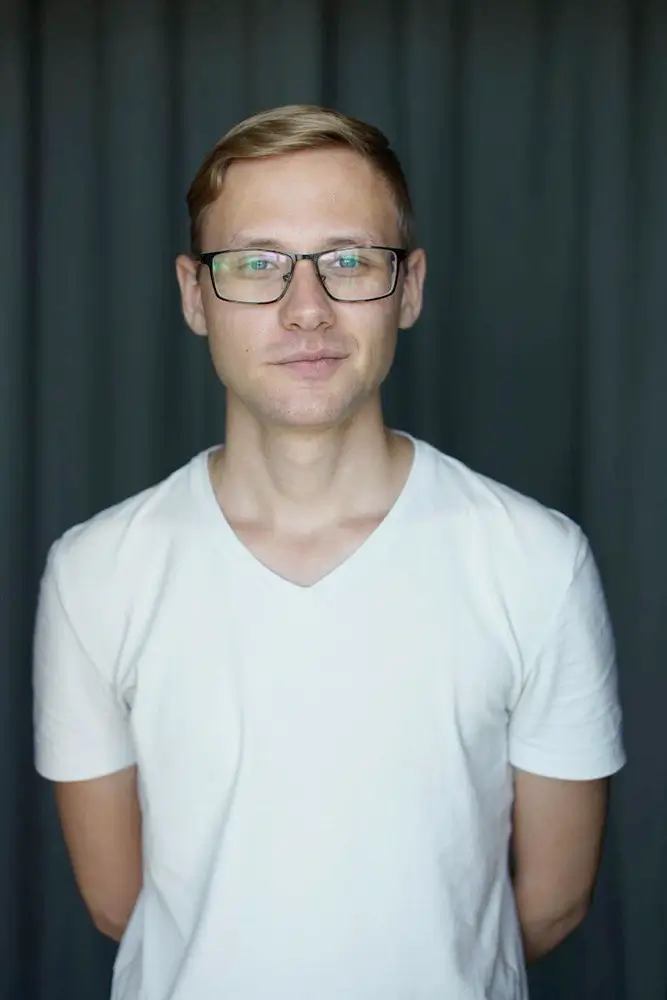
Oleg Buyanov
Oleg Buyanov
Oleg Buyanov

Oleg Buyanov

Country: Russia

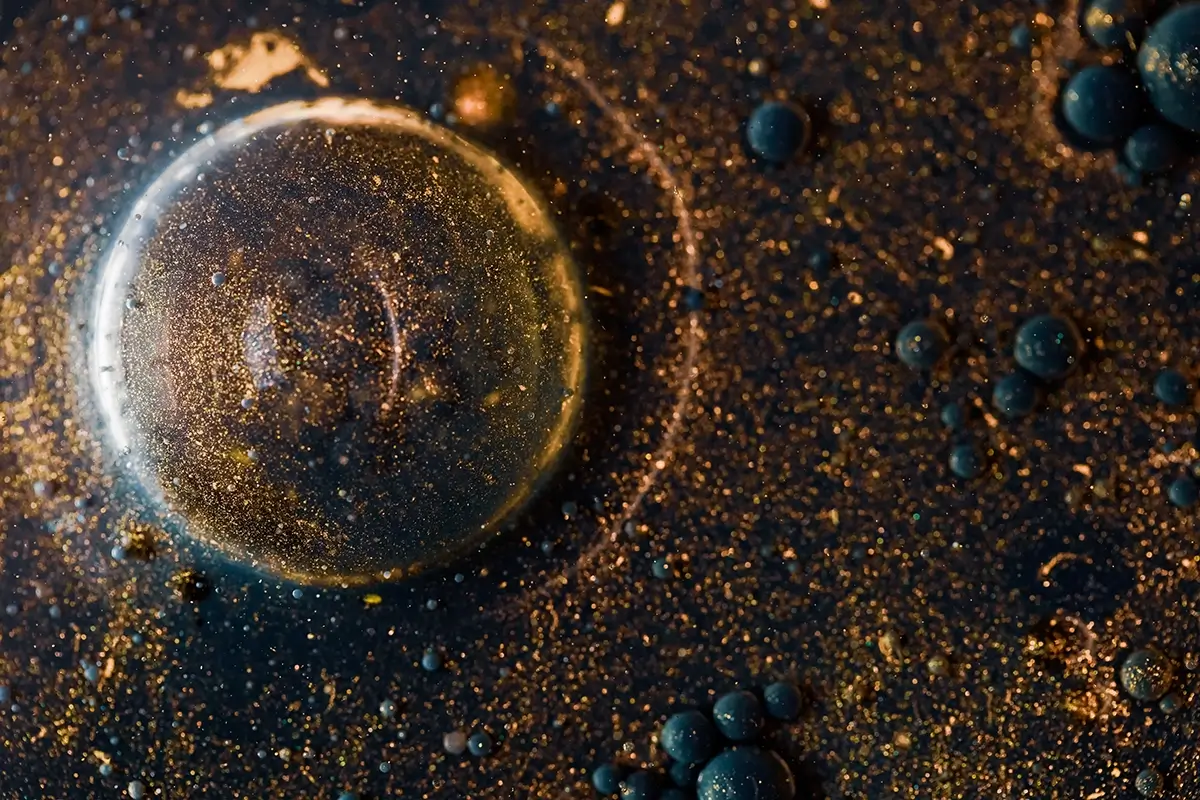
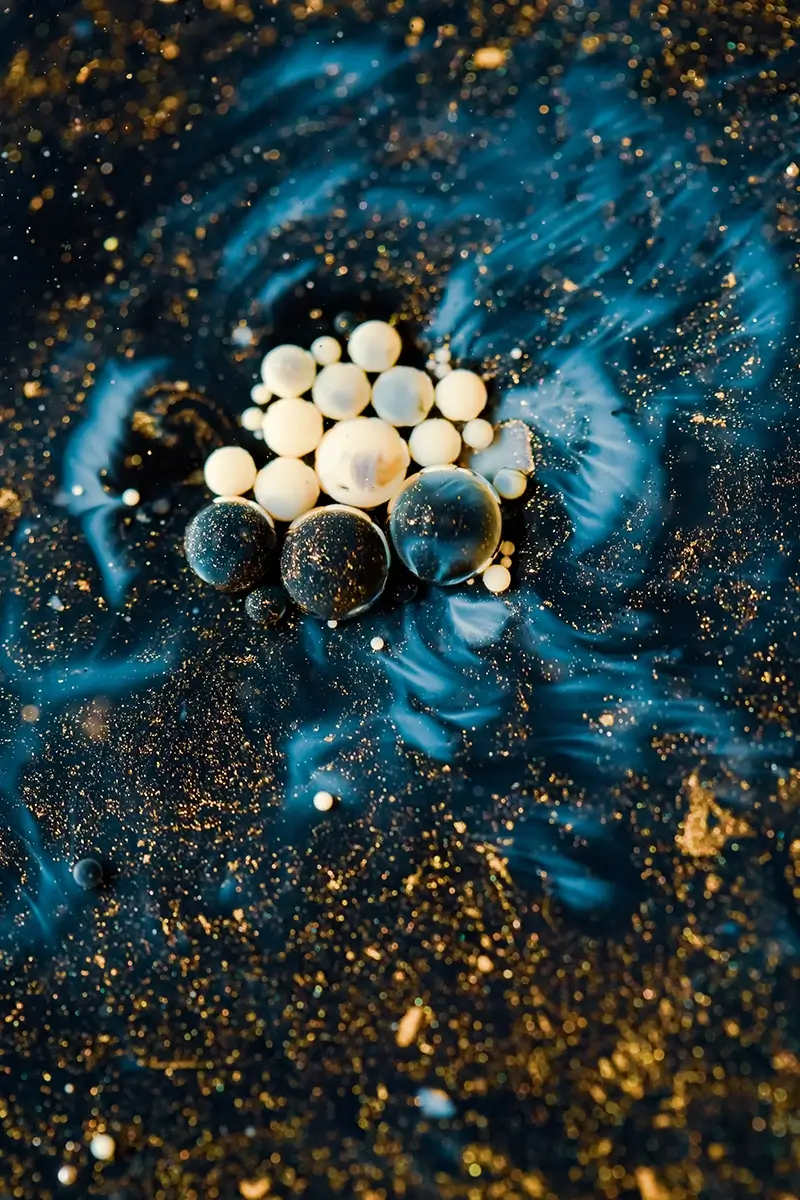
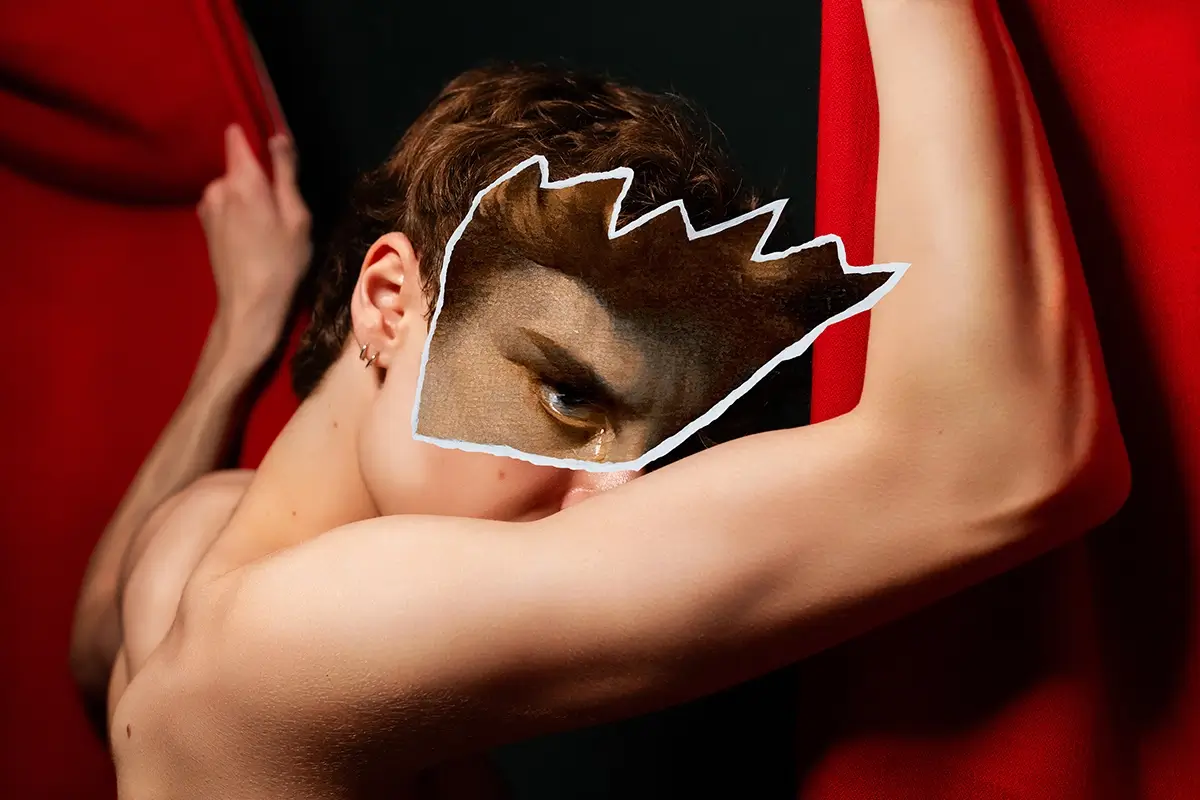
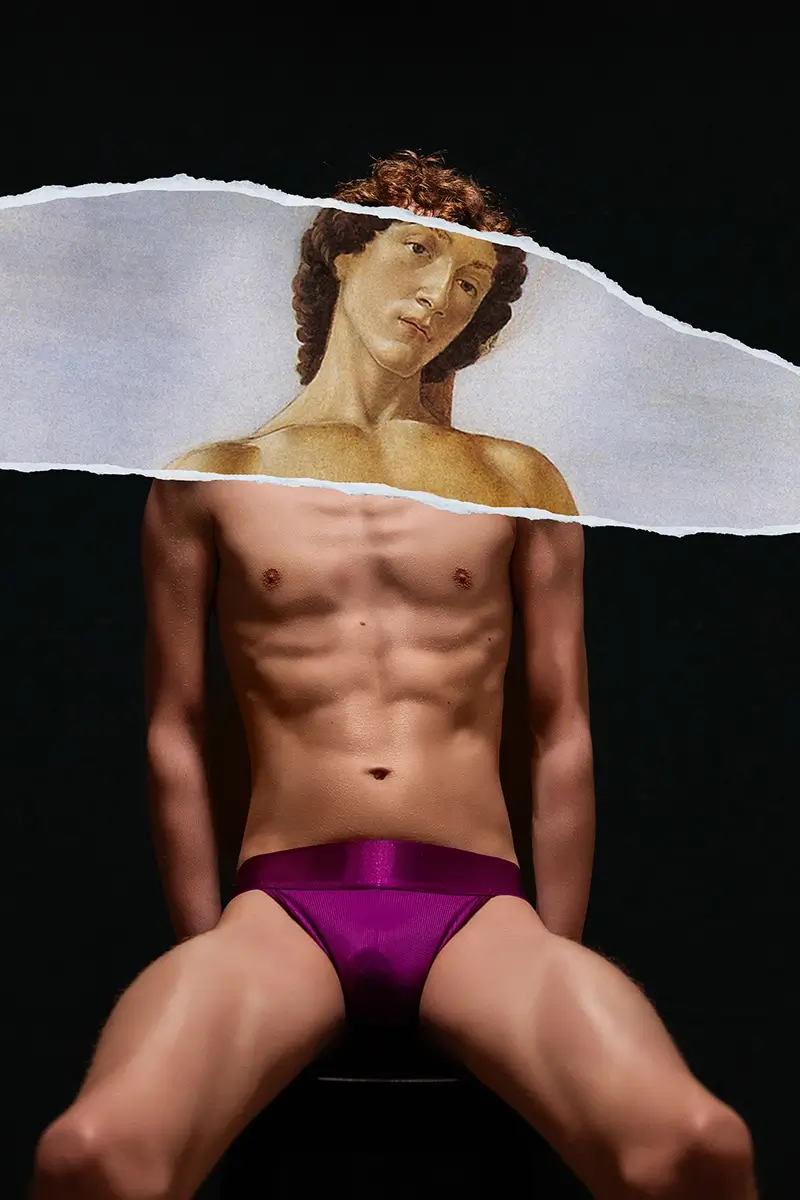
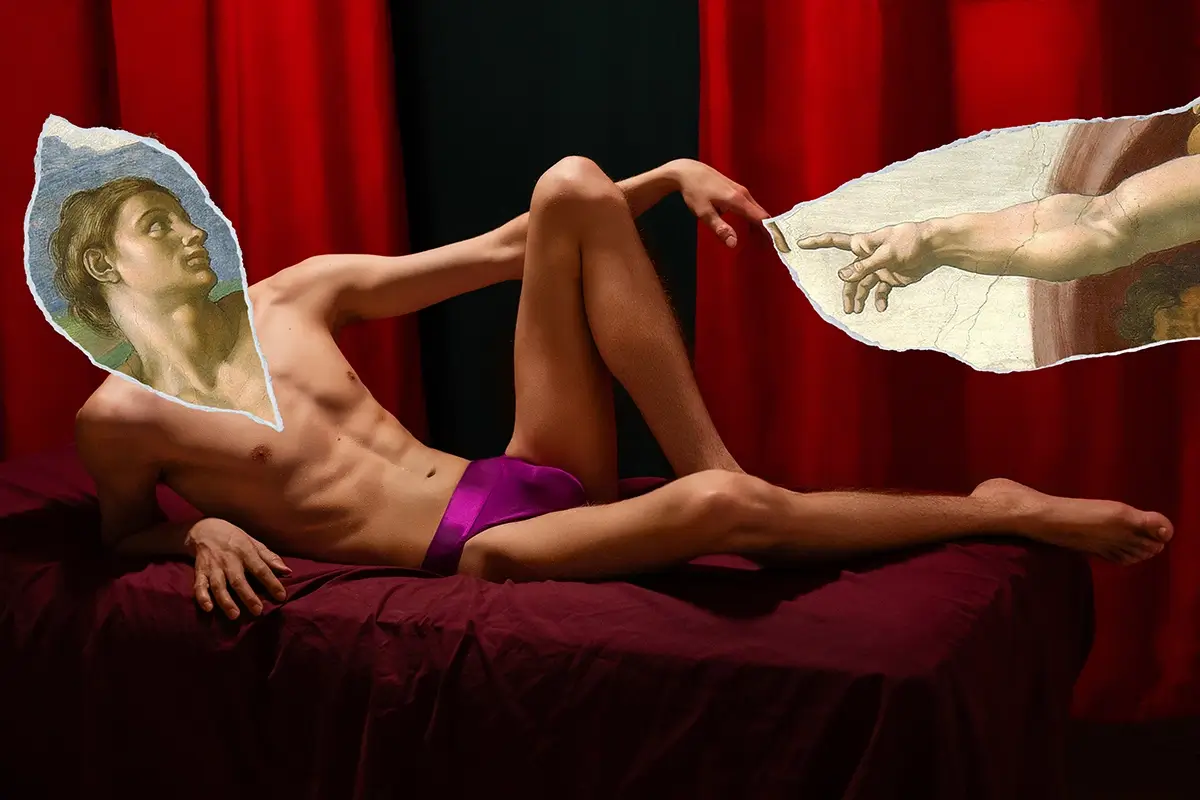
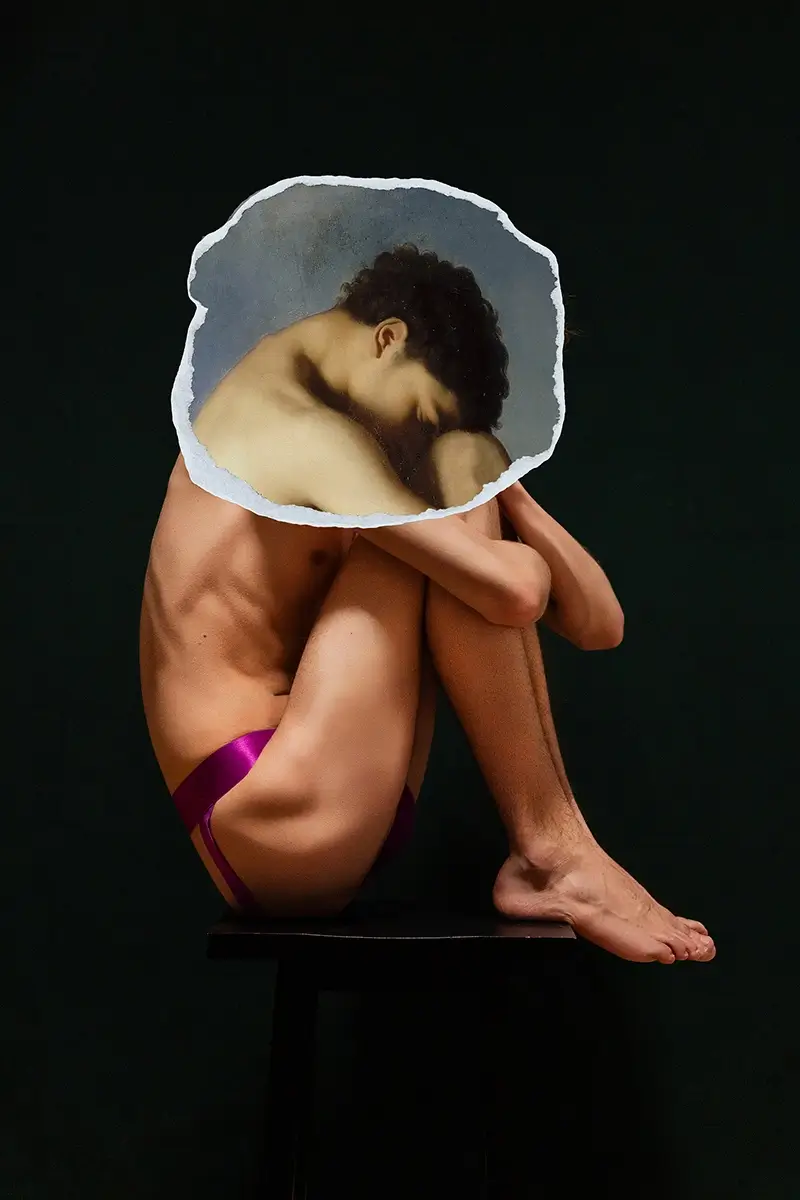
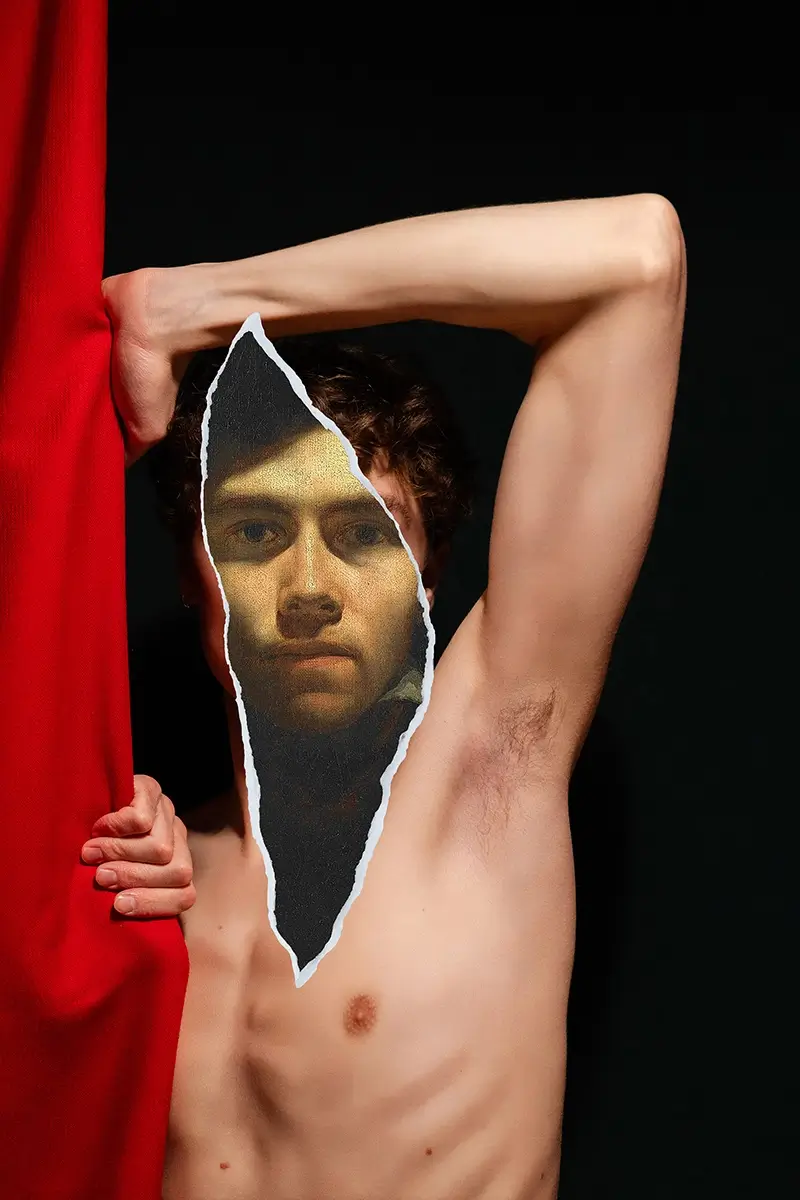
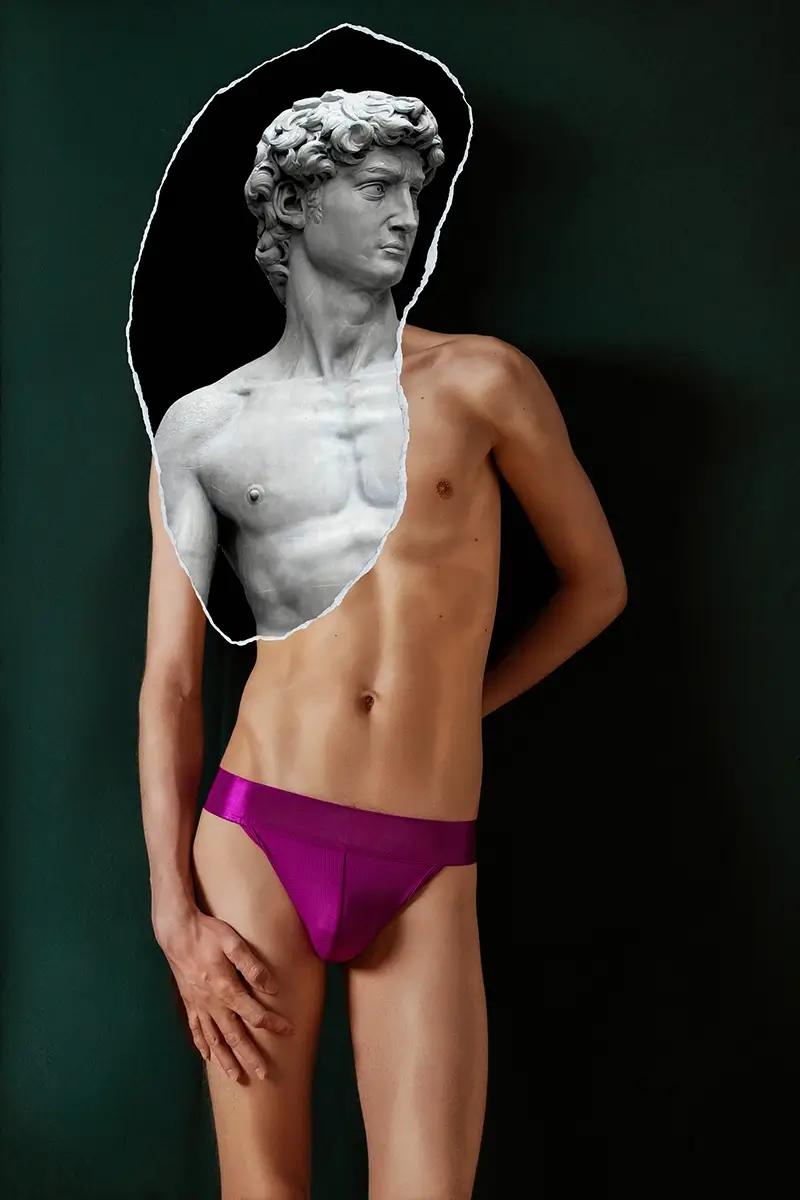
Oleg Buyanov is a fine art photographer whose practice centers on portraiture and collage as tools for exploring identity, visibility, and social tension. His work engages with questions of representation, particularly within marginalized communities, where the act of being seen can be both empowering and precarious.

Working across staged photography and constructed imagery, Oleg Buyanov challenges traditional expectations of portraiture. Rather than presenting the subject as fully visible and defined, he introduces elements of concealment, fragmentation, and ambiguity. This approach reflects the complex dynamics between exposure and protection, presence and absence—especially relevant in contemporary discussions around LGBTQ+ visibility and personal agency.

All About Photo Competitions

AAP Magazine 57 Portrait

 

Inspiring Portfolios

Call for Entries
AAP Magazine #59 Shapes
Publish your work in our printed magazine and win $1,000 cash prizes
 
Stay up-to-date  with call for entries, deadlines and other news about exhibitions, galleries, publications, & special events.

More Great Photographers To Discover

Dennis Stock
United States
1928 | † 2010
Dennis Stock (July 24, 1928 – January 11, 2010) was an American photojournalist and documentary photographer and a member of Magnum Photos. He was born in New York City and died in Sarasota, Florida. Stock served in the United States Army from 1947-1951. Following his discharge, he apprenticed under photographer Gjon Mili. In 1951, he won a first prize in a Life magazine competition for young photographers. That same year, he became an associate member of the photography agency Magnum. He became a full partner-member in 1954. In 1955, Stock met the actor James Dean and undertook a series of photos of the young star in Hollywood, Dean's hometown in Indiana and in New York City. He took a photograph of Dean in New York's Times Square in 1955 (the year Dean died) that became an iconic image of the young star. It appeared later in numerous galleries and on postcards and posters and was one of the most reproduced photographs of the post-war period. The black and white photograph shows the actor with a pulled up collar on a casual jacket and a cigarette in his mouth on a rain-soaked, gray day. From 1957 until the early 1960s, Stock aimed his lens at jazz musicians, photographing such people as Louis Armstrong, Billie Holiday, Sidney Bechet, Gene Krupa and Duke Ellington. With this series of photographs he published the book Jazz Street. In 1962, he received the first prize at the International Photo Competition in Poland. In 1968, Stock left Magnum to start his own film company, Visual Objectives Inc., and made several documentaries, but he returned to the agency a year later, as vice president for new media and film. In the mid-1970s, he traveled to Japan and the Far East, and also produced numerous features series, such as photographs of contrasting regions, like Hawaii and Alaska. In the 1970s and 1980s he focused on color photography of nature and landscape, and returned to his urban roots in the 1990s focusing on architecture and modernism.(Source: en.wikipedia.org) Dennis Stock was born in 1928 in New York City. At the age of 17, he left home to join the United States Navy. In 1947 he became an apprentice to Life magazine photographer Gjon Mili and won first prize in Life's Young Photographers contest. He joined Magnum in 1951. Stock managed to evoke the spirit of America through his memorable and iconic portraits of Hollywood stars, most notably James Dean. From 1957 to 1960 Stock made lively portraits of jazz musicians, including Louis Armstrong, Billie Holiday, Sidney Bechet, Gene Krupa and Duke Ellington for his book Jazz Street. In 1968 Stock took a leave of absence from Magnum to create Visual Objectives, a film production company, and he shot several documentaries. In the late 1960s he captured the attempts of California hippies to reshape society according to ideals of love and caring. Then throughout the 1970s and 1980s he worked on color books, emphasizing the beauty of nature through details and landscape. In the 1990s he went back to his urban origins, exploring the modern architecture of large cities. His recent work was mostly focused on the abstraction of flowers. Stock generated a book or an exhibition almost every year since the 1950s. He taught numerous workshops and exhibited his work widely in France, Germany, Italy, the United States and Japan. He worked as a writer, director and producer for television and film, and his photographs have been acquired by most major museum collections. He served as president of Magnum's film and new media division in 1969 and 1970.(Source: Magnum Photos)
Edward Steichen
Luxembourg/United States
1879 | † 1973
Edward Steichen (1879 - 1973) was born in Luxembourg, but immigrated to the United States, to Milwaukee, in 1880. In 1894, Steichen began a four-year lithography apprenticeship with the American Fine Art Company of Milwaukee. After hours, he would sketch and draw, and began to teach himself to paint. Having come across a camera shop near to his work, he bought his first camera, a secondhand Kodak box "detective" camera, in 1895. In 1900, as Steichen headed to Paris to study painting, he stopped in New York. By that time he was an aspiring painter and an accomplished photographer in the soft-focus, Pictorial style and he made a pilgrimage to the Camera Club of New York to show his work to Alfred Stieglitz, the leading tastemaker in American photography. Stieglitz, vice-president of the Camera Club and editor of its journal Camera Notes, was impressed by the young artist from Milwaukee and bought three of his photographs-a self-portrait and two moody, atmospheric woodland scenes printed in platinum-for the impressive sum of five dollars each. Elated, Steichen then boarded the ship for Europe. Once in France, Steichen quickly abandoned his painting studies and began to focus his energies on photography. He learned the technical intricacies of the gum bichromate process, popular among the members of the Photo-Club de Paris, and developed a reputation as a portraitist of noted artists, writers, and members of society. Arriving back in New York in 1902, Steichen rented a studio on the top floor of a brownstone at 291 Fifth Avenue and hung out his shingle; his work as a professional portrait photographer flourished. That same year, Stieglitz announced the formation of the Photo-Secession-the name he gave to the loose-knit group of photographers he exhibited, published, and promoted during the next decade and a half-and the publication of a new, still more lavish journal, Camera Work. Over the fifteen-year, fifty-issue run of Camera Work, no other artist would be featured as prominently as Steichen, who had sixty-five photographs and three paintings reproduced in fifteen issues, including a "Special Steichen Supplement" in April 1906 and an all-Steichen double issue in 1913. In 1906, Steichen determined "to get away from the lucrative but stultifying professional portrait business" and return to France with his family in hopes of resuscitating his idled painting career. It was a move with numerous consequences. For one, it positioned him to embrace the Autochrome, the process for making glass-plate color transparencies introduced by the Lumière brothers in 1907. Steichen-who had experimented with various methods such as gum bichromate to introduce color into his photographs-was enthralled by the technique. Steichen also made what he called his "first attempt at serious documentary reportage" in the summer of 1907, using a borrowed hand camera. Steichen returned to the U.S. in 1914. Serving in the US Army in World War I (and the US Navy in the Second World War), Steichen commanded significant units contributing to military photography. After World War I, during which he commanded the photographic division of the American Expeditionary Forces, he reverted to straight photography, gradually moving into editorial and fashion photography. His portraits of Greta Garbo, Marlene Dietrich, Gloria Swanson, and other celebrities appeared in Vogue and Vanity Fair in the 1920s and 1930s. From 1947-1962, Steichen served as the Director of Photography at New York's Museum of Modern Art.. Among other accomplishments, Steichen is appreciated for creating the 1955 exhibition, The Family of Man, at the Museum of Modern Art consisting of over 500 photographs. Steichen purchased a farm that he called Umpawaug in 1928, just outside West Redding, Connecticut, and lived there until his death. Source: Howard Greenberg Gallery
Ami Vitale
United States
1971
Nikon Ambassador and National Geographic magazine photographer Ami Vitale has traveled to more than 100 countries, bearing witness not only to violence and conflict, but also to surreal beauty and the enduring power of the human spirit. Throughout the years, Ami has lived in mud huts and war zones, contracted malaria, and donned a panda suit— keeping true to her belief in the importance of “living the story.” In 2009, after shooting a powerful story on the transport and release of one the world’s last white rhinos, Ami shifted her focus to today’s most compelling wildlife and environmental stories. Instyle Magazine named Ami one of fifty Badass Women, a series celebrating women who show up, speak up and get things done. She appeared alongside a group of incredible women including Jane Goodall, Christiane Amanpour and Ruth Bader Ginsburg. She has been named Magazine photographer of the year in the International Photographer of the Year prize, received the Daniel Pearl Award for Outstanding Reporting and named Magazine Photographer of the Year by the National Press Photographers Association, among others. She is a five-time recipient of WorldPress Photos, including 1st Prize for her 2018 National Geographic magazine story about a community in Kenya protecting elephants. She published a best-selling book, Panda Love, on the secret lives of pandas. She is a featured speaker for the National Geographic LIVE series, and frequently gives talks and workshops throughout the Americas, Europe, and Asia. Her photographs have been commissioned by nearly every international publication and exhibited around the world in museums and galleries. She is a founding member of Ripple Effect Images, an organization of renowned female scientists, writers, photographers and filmmakers working together to create powerful and persuasive stories that shed light on the hardships women in developing countries face and the programs that can help them. She is also on the Photojournalism Advisory Council for the Alexia Foundation. Currently based in Montana, Ami Vitale is a contract photographer with National Geographic magazine and frequently gives workshops throughout the Americas, Europe, and Asia. Ami Vitale talks about Climate Change Awareness
Jacques Lowe
United States
1930 | † 2001
Jacques Lowe (born Jascha Lülsdorf) was a photographer and publisher best known for his role as U.S. President John F. Kennedy's official photographer during his election campaign and presidency. Lowe was born in Cologne, Germany, on Jan. 24, 1930. He came to New York in 1949 and became an assistant to the photographer Arnold Newman in 1951. Lowe began working as Kennedy's campaign photographer in 1958, and documented the Kennedy administration after his election until 1962. Lowe died at his home in Manhattan on May 12, 2001. Months after his death, approximately 40,000 of Lowe's negatives were destroyed in the September 11 attacks on the World Trade Center.Source: Wikipedia Jacques Lowe is an internationally renowned photographer and photo journalist who is best known for his portraiture of the leading personalities of our time, nationally and internationally, in politics, business, and the entertainment world. In 1951, Mr. Lowe was a prize winner in Life magazine's contest for young photographers, after which Roy Stryker, the grand old man of photography, gave him an eight week assignment in Europe. Starting in 1953 as a contributor to Jubilee magazine he won numerous awards for his photo journalistic work among gypsies and other minorities. He went on to contribute to such magazines as Time, Life, Look, The Saturday Evening Post, Ladie's Home Journal, Paris Match, Epoca, Stern, and many others, and he was a staff photographer at Collier's Magazine at the time that journal folded. In 1956, through his work, he befriended Robert F. Kennedy who had been appointed majority counsel to the McClellan Committee. In 1958 Ambassador Joseph P. Kennedy, who admired his work, asked him to photograph his "other son, Jack." That assignment led to his becoming the Official Campaign Photographer of John F. Kennedy's quest for the presidency and, when elected, the personal photographer of President Kennedy. Although offered the White House Photographer's job Lowe declined, but the president asked him to "stick around and record my administration. Don't worry, I'll make it worth your while." His work for the campaign, the Kennedy White House, and the Kennedy family has resulted in six books, numerous exhibitions from the USA to Moscow, several prime time television shows, and some 150 major magazine pieces and covers. Reviewers have credited Lowe's "natural, warm, and intimate images of the president and his family and the workings of the presidency with keeping alive the Kennedy flame for generations yet to come." Following his work at the Kennedy White House Lowe returned to his studio in New York where he renewed his magazine, advertising and corporate photography work. His clients ranged from AT&T to Hertz Cars, from DuPont to United Airlines He won numerous gold and silver art director's awards for his commercial work. Lowe was a 26 year old freelance journalist in 1956 when he was assigned by three magazines within the same week to photograph Chief Counsel Robert Kennedy. They became friends and Lowe soon was invited to spend weekends at Kennedy's Hickory Hill home in Virginia. Joseph Kennedy, Sr. was impressed with Lowe's photographs and requested he photograph his other son 'John'. Although the initial meeting between Lowe and Senator Jack Kennedy was not an auspicious start, the relationship soon changed course due to Lowe's honorable approach to his photographs and he was provided unprecedented access to one of the most iconic leaders of the 20th century, as well as members of his family. These legendary images share an intimate view of John F. Kennedy as he was on the intense campaign trail, important moments during the early years of his term as President and family moments with his wife Jackie and his children. The archive comprises over 40,000 images.Source: Westwood Gallery What do you do when, as a photographer, you are told your image archive is so precious that it's uninsurable? The answer for Jacques Lowe, whose images helped create the legend of John F Kennedy, was to store them in JP Morgan's seemingly impregnable vault in Tower 5 of New York's World Trade Center. But then 9/11 came, and his life's work went with it. After the terror attack, Jacques Lowe's daughter, Thomasina, campaigned to try and retrieve her father's archive from the twin tower's rubble before they were razed. Amazingly, the safe in which they were stored was found intact, but the contents – over 40,000 negatives – were reduced to ash. All was not completely lost though, as 1,500 of Lowe's contact sheets were located elsewhere in New York. From these, selected images were painstakingly restored for an exhibition at the Newseum in Washington DC. A collection of prints from the original negatives were also made by the photographer himself, prior to his death four months before 9/11. An exhibition at Proud Chelsea in London is now showcasing these rarities.Source: The Guardian
Oliver Stegmann
Switzerland
1970
I was born in 1970 in Basel, Switzerland. Since my late teen years, photography has become a key medium for me to express myself. Professionally, however, I took a different path, studying economics and now working in a management position. I'm married and a father of two lovely daughters. On many trips to different continents, I have continuously worked on improving my skills as a photographer and on developing my own visual language. I participated in various workshops of well-known photographers such as Mary Ellen Mark, Anders Petersen or Ernesto Bazan. Until 2007 I photographed exclusively with black-and-white film and made all prints in my own darkroom. In 2005, I started scanning the negatives, editing them in Photoshop and creating fine art prints. Two years later, I started to use also digital cameras. My long-term project on circuses behind the scenes is planned to be published as a photo book in 2021. My other on-going personal project is to document the childhood years of my children. Statement I love music, but I have never played an instrument. So the camera has become the "instrument" for my creative work: I compose images instead of songs. I prefer black and white photography because leaving out the colors, the way we usually see the world, directs the viewer's eye to the essence of the image. I have always had a passion for observing people. Their emotions, facial expressions, interactions, activities and personal moments inspire me. Photographing people is a way to communicate with them, to capture perhaps just a fraction of their lives. A powerful photograph becomes a true gift of the moment when it manages to capture some sort of mystery or magic. My photos are meant to transport the viewer into a world less known to them, perhaps reminding them of experiences long past or leading them mentally into a possible future. With my photos I do not want to tell everything, but deliberately suggest unanswerable behind what is shown.
Lindokuhle Sobekwa
South Africa
1995
Lindokuhle Sobekwa (born 1995) is a South African documentary photographer. He is a Nominee member of Magnum Photos and based in Johannesburg. Sobekwa was born in Katlehong, a township, 35 km from Johannesburg, South Africa. He learned photography in 2012 through participation in the first Of Soul and Joy Project, an educational program for young people run in the township of Thokoza; the workshop was given by Bieke Depoorter and Cyprien Clément-Delmas. His photo essay, Nyaope, about people who use the drug Nyaope in the township in which he lived and beyond, was published by the South African newspaper Mail & Guardian in 2014 and by Vice Magazine and De Standaard in 2015. Source: Wikipedia In 2015, Sobekwa received a scholarship to study at the Market Photo Workshop where he completed his foundation course. His Series Nyaope was exhibited in the ensuing group show, Free From My Happiness, organized by Rubis Mecenat at the International Photo Festival of Ghent in Belgium. In 2016, he left South Africa for a Residency in Tehran, Iran, with the No Man’s Art Gallery. The same year his work was displayed in the traveling iteration of Free from my Happiness. His work features in the book Free from my Happiness edited by Bieke Depoorter and Tjorven Bruyneel . He also took part in the group show Fresh Produce, organized by Assemblages and VANSA at the Turbine Art Fair in Johannesburg. Lindokuhle Sobekwa is also an assistant manager to the Of Soul and Joy Project, as well as a trainee at Mikhael Subotzky Studio. In 2017, Sobekwa was selected by the Magnum Foundation for Photography and Social Justice to develop the project I Carry Her Photo With Me. In 2018, he received the Magnum Foundation Fund to continue with his longterm project Nyaope, and has been selected for the residency Cité des Arts Réunion. Sobekwa became a Magnum nominee member in 2018.Source: Magnum Photos About I Carry Her Photo With Me The day his older sister Ziyanda disappeared, Lindokuhle Sobekwa was hit by a car. The two were walking together along a road in the Johannesburg suburb of Thokoza when Ziyanda began to chase the seven-year-old Sobekwa. Out of fear, he began to run, and then he was hit. Above him, he recalled before blacking out, was the blurry silhouette of a woman or girl. His sister vanished in the ensuing scramble, with no word as to why. “She was in a period of being a very secretive person,” Sobekwa remembers. She was thirteen years old. Sobekwa would not see Ziyanda again for a dozen years. Then one day, he returned from school, and Ziyanda was at home. She was reunited with the family for a couple of weeks. At the time, in 2014, Sobekwa was coming into his own as a photographer. He was in his final year of high school and working under the mentorship of Magnum photographer Bieke Depoorter and filmmaker Cyprien Clément-Delmas through the Of Soul and Joy project, an artistic initiative based in Thokoza. He remembers walking into Ziyanda’s room one day; in that moment, he saw his favorite would-be portrait of his sister: “She was lying in bed, there was a beautiful light. She said, ‘If you take a photo, I’m going to kill you.’ A few days after that, she passed away.” Disappearances are not rare in South Africa, Sobekwa says. Most Black South African families are familiar with the trauma of disappearances, which date back to the late 1980s and early ’90s, the height of the apartheid crisis. During this time, an ethnopolitical war between two rival parties, the African National Congress (ANC) and the Inkatha Freedom Party (IFP), suffused the townships with panic, as residents along the factional line were routinely vanished by violence. In Sobekwa’s family, the cycle began with his grandfather, who was the first of the line to come to Johannesburg, in the 1960s. He never returned to the countryside; his fate is still unknown. In 2017, the Magnum Foundation named Sobekwa a Photography and Social Justice Fellow. Suddenly, he had the resources to expand his search for his sister and develop his personal journal into a full-fledged series, I carry Her photo with Me (2017–ongoing). “I had my own unanswered questions, maybe guilt of some sort,” says Sobekwa. “I felt the need to go into these spaces and make the camera my excuse. I realized that going alone, it would be difficult.” With his camera in hand, he slipped once more into the role of documentarian.Source: Aperture
Vladimir Nosalskiy (Lenin)
Russia Federation
1973
I was born in USSR on June 10-th 1973. My pseudonyms in arts is Lenin. Back there our country was far from being open towards new ways of self-expression such as modern art, creative photography or so. For a long time everything people could percept from art and culture has been gray and monotonous. My childhood passed in criminal district. However, both of my parents are self-educated artists. I am sure that my ability to see beauty in ordinary, routine things originates from my family. Photography itself appeared in my life when I was 10.With my father's camera Zenith; I discovered all the nearby corners of my district, all the parks and squares. When I was teenager, the only way to make surrounding world more beautiful was to go studying as a tailor, which was the only creative profession in our town back there. During Perestroika Russia moved from cultural aspects of governmental policy into market economy, which made a life of an artist hard. I built into the system by creating decorations and shows for governmental and business events. However, I always missed the camera, it was my companion everywhere. I took pictures of the art plans, events, nature, city and travel. However, my comeback to real inspirational photoshoots happened several years ago. "Contemplate, create, enjoy" - has become my moto since I was young. I had several personal exhibitions art & photo: 1999, "26 steps", Moscow, Russia, 2000, "Cocoon-2000", Moscow, Russia. And several group exhibitions 1999, "Kazantip", "Kazantip-2" The exhibition of young artists "Lenin i Deti", Moscow, Russia, 2016, "Planet Moscow 2016" , Moscow, Russia. My inspiration in photography and arts are: Alexander Rodchenko, Auguste Rodin, Billy Monk, Claude Monet, Francisco Josè de Goya, Hieronymus Bosch, Ivan Bilibin, Jackson Pollock, Jean-Michel Basquiat, Leonardo da Vinci, René Magritte, Vladimir Tatlin, Wassily Kandinsky.
Advertisement
AAP Magazine #59 Shapes
Win a Solo Exhibition in July
AAP Magazine #59 Shapes

Latest Interviews

Exclusive Interview with Trevor Cole: Pastoral Peoples and Practices
For this interview, we wanted to focus specifically on The Face of the Mundari and the wider Pastoral Peoples and Practices series. We spoke with Trevor about his long-term work among the Mundari, what continues to draw him back to their cattle camps, and the experience of documenting a culture whose identity remains deeply connected to livestock, tradition, and the natural environment.
Exclusive Interview with Frank Meo
In our latest exclusive feature for All About Photo, I speak with veteran photography representative Frank Meo about what it truly takes to build a sustainable creative career today. Frank brings decades of experience working with Fortune 500 companies, major agencies, and documentary photographers to the table. We dive into the critical business skills often left out of art school curriculums, the power of mentorship, and the inspiring evolution of PROJECTIONS—his international salon platform for visual storytellers. It’s an essential read for anyone navigating the commercial or editorial photography landscape today.
Exclusive Interview with Carolyn Moore
American photographer Carolyn Moore explores the inner landscape of emotion, memory, and personal transformation through a deeply intuitive photographic practice. Her work unfolds as a quiet dialogue between artist and viewer, where images become a space for reflection, vulnerability, and connection.
Exclusive Interview with Luca Desienna and Laura Estelle Barmwoldt
For over seven years, Of Lilies and Remains has explored the depths of the goth and darkwave underground, unfolding in Leipzig—a city long associated with a vibrant and enduring subcultural scene. Moving between iconic gatherings such as Wave-Gotik-Treffen and more intimate moments on the fringes, the project offers a rare and immersive glimpse into a world often misunderstood, yet rich in expression and community. Created by Luca in collaboration with Laura Estelle Barmwoldt, the work embraces a cinematic and deeply personal approach. Rather than documenting from a distance, it moves within the scene itself, capturing its atmosphere, its codes, and its quiet contradictions. The title Of Lilies and Remains hints at this duality—where beauty and darkness, fragility and strength coexist. As the book prepares for its release, we spoke with both artists about the origins of the project, their process, and what it means to document a subculture that continues to evolve while remaining true to its spirit.
Exclusive Interview with Matthew Finley
American photographer Matthew Finley turns inward, using photography as a way to explore identity, memory, and emotional truth. Based in Los Angeles, his practice moves between performance, gesture, and found imagery, creating a visual language that is both intimate and deeply personal
Exclusive Interview with Jan Janssen
Dutch photographer Jan Janssen explores universal human experiences through his long-term project It Matters, winner of the May 2025 Solo Exhibition. Begun in 2016, the series captures intimate moments of everyday life—love, loss, connection, and belonging—across Central and Eastern Europe. Working in countries such as Turkey, Azerbaijan, and Armenia, Janssen spends extended time within communities, building relationships based on trust and respect. His approach allows him to move beyond observation, revealing deeply human and authentic moments. Rooted in travel and personal discovery, It Matters reflects Janssen’s search for what connects us all in an increasingly divided world. The project is ongoing and will culminate in a photobook scheduled for publication in 2026.
Exclusive Interview with Henk Kosche
German photographer Henk Kosche turns his lens toward the streets of Halle an der Saale, capturing everyday life in the late years of the former German Democratic Republic. At the time, Kosche was studying design and exploring the city with his camera, drawn to the atmosphere of its industrial landscape and the quiet rhythms of daily life. His series Street Photography at the End of the 80s, selected as the Solo Exhibition for July 2025, revisits a body of work created just before a period of profound change. Rediscovered decades later in a small box of 35mm negatives, these photographs offer glimpses of a city and its people at a moment suspended between the familiar and the unknown.
Exclusive Interview with Anastasia Samoylova
Anastasia Samoylova is an American artist whose photographic practice is shaped by close observation and a deep attentiveness to place. Working between documentary and formal exploration, she photographs landscapes, architecture, and everyday scenes with a sensitivity to light, structure, and atmosphere. Since relocating to Miami in 2016, her work has increasingly focused on how environments—both natural and built—carry social, cultural, and emotional traces. We asked her a few questions about her practice and her way of seeing, to better understand the thoughts and experiences that shape her work—while allowing the images themselves to remain open and speak in their own time.
Exclusive Interview with Marijn Fidder
Marijn Fidder is a Dutch documentary photographer whose work powerfully engages with current affairs and contemporary social issues. Driven by a deep sense of social justice, she uses photography to speak on behalf of the voiceless and to advocate for the rights of those who are most vulnerable. Her images have been widely published in major international outlets including National Geographic, CNN Style, NRC Handelsblad, Volkskrant, GUP New Talent, and ZEIT Magazin. Her long-term commitment to disability rights—particularly through years of work in Uganda—culminated in her acclaimed project Inclusive Nation, which earned her the title of Photographer of the Year 2025 at the All About Photo Awards. She is also the recipient of multiple prestigious honors, including awards from World Press Photo and the Global Peace Photo Award. We asked her a few questions about her life and work.
Call for Entries
Win A Solo Exhibition in July
Get International Exposure and Connect with Industry Insiders