All about photo.com: photo contests, photography exhibitions, galleries, photographers, books, schools and venues.
Get Published in print AND win $1,000 CASH PRIZES. Theme: Portrait
Yuji Watanabe
Yuji Watanabe
Yuji Watanabe

Yuji Watanabe

Country: Japan
Birth: 1987

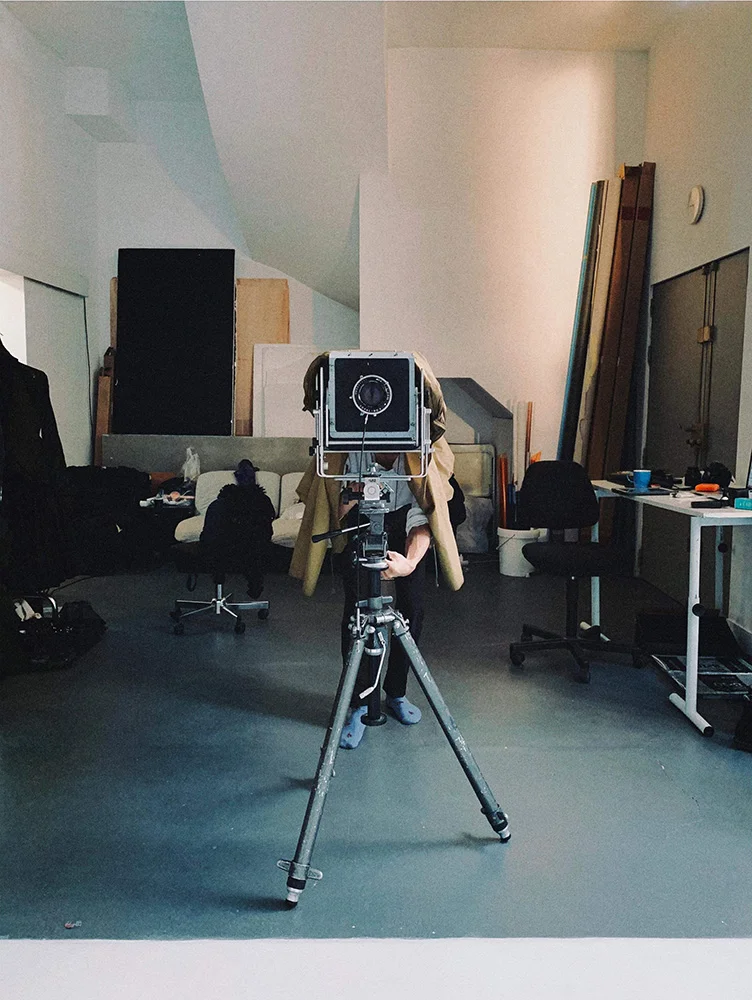
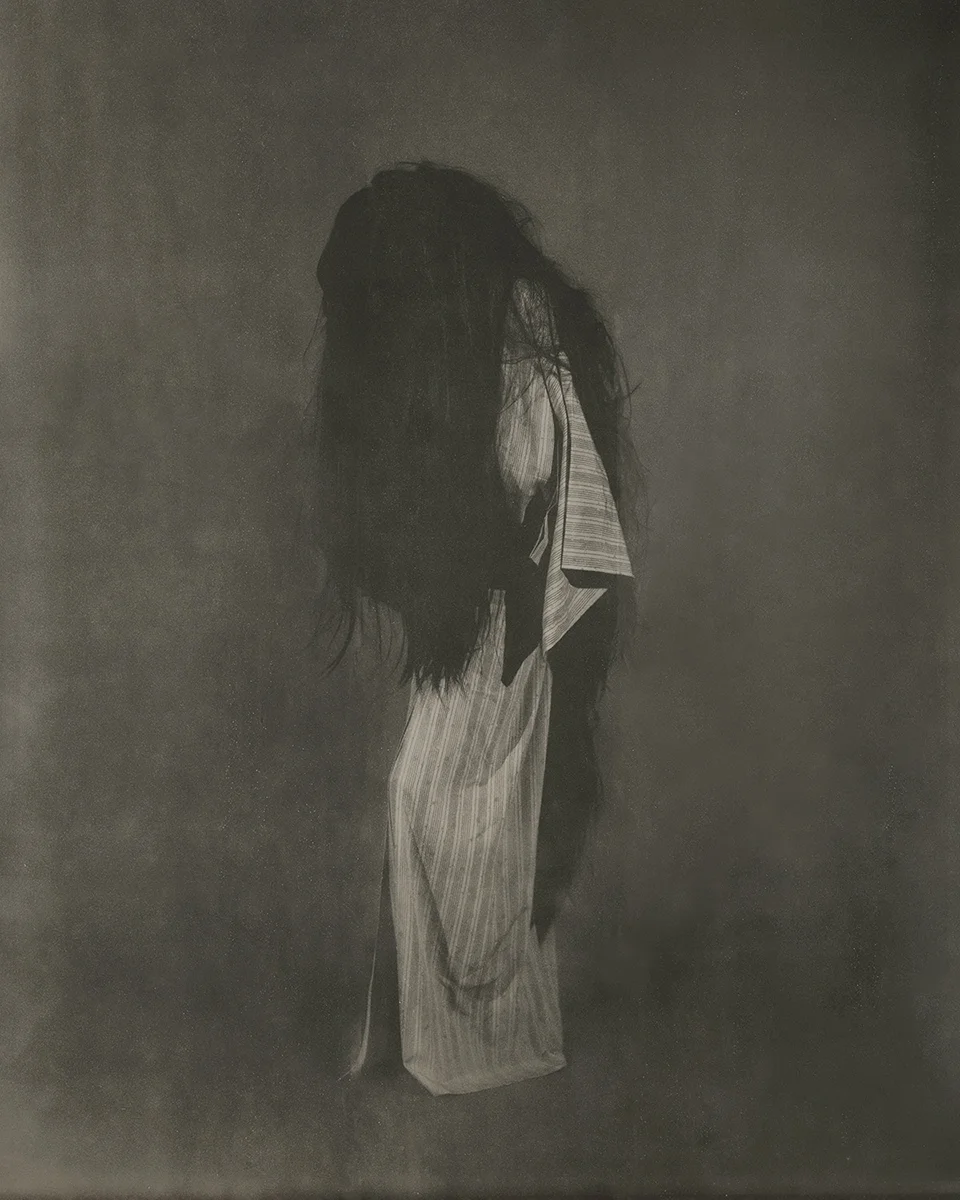
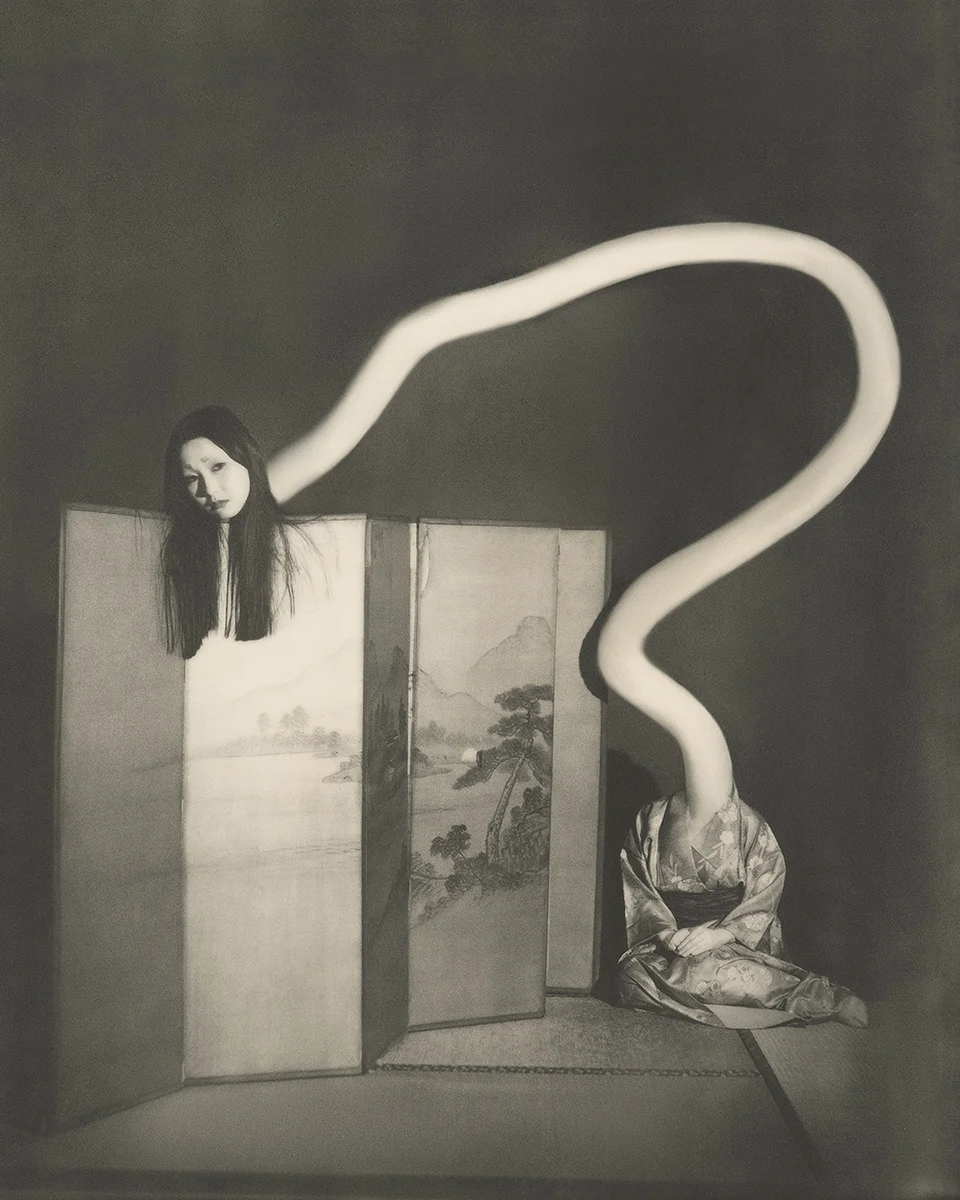
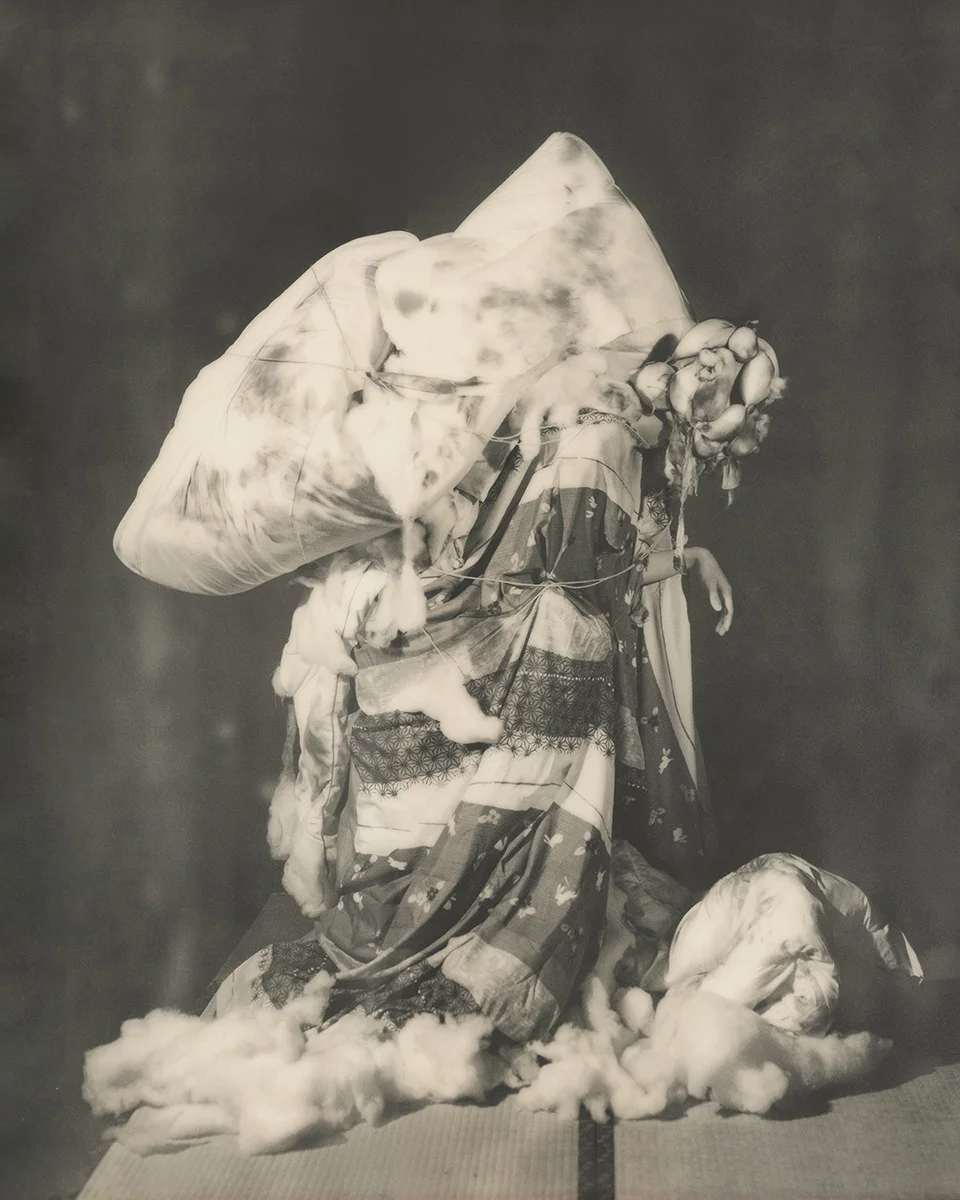
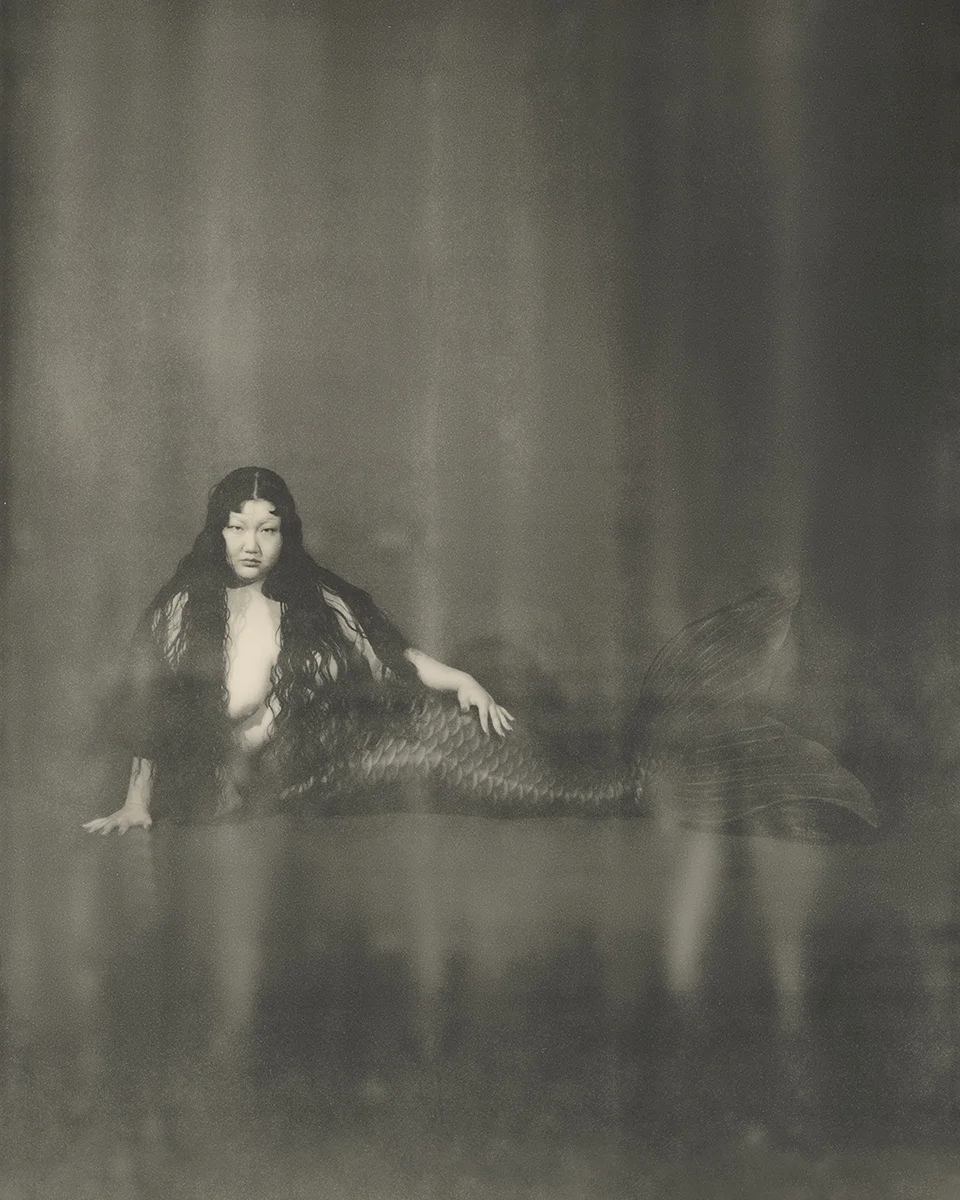
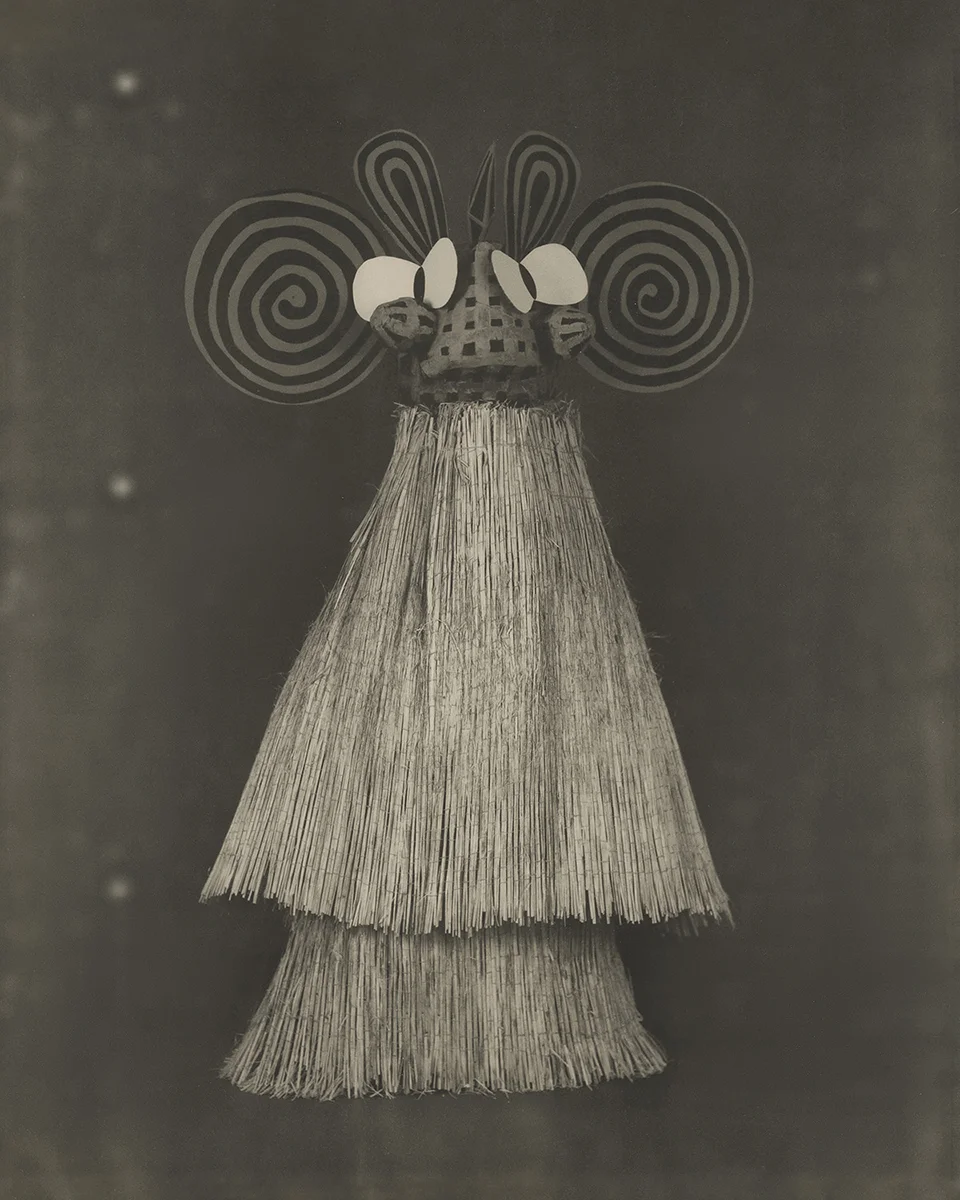
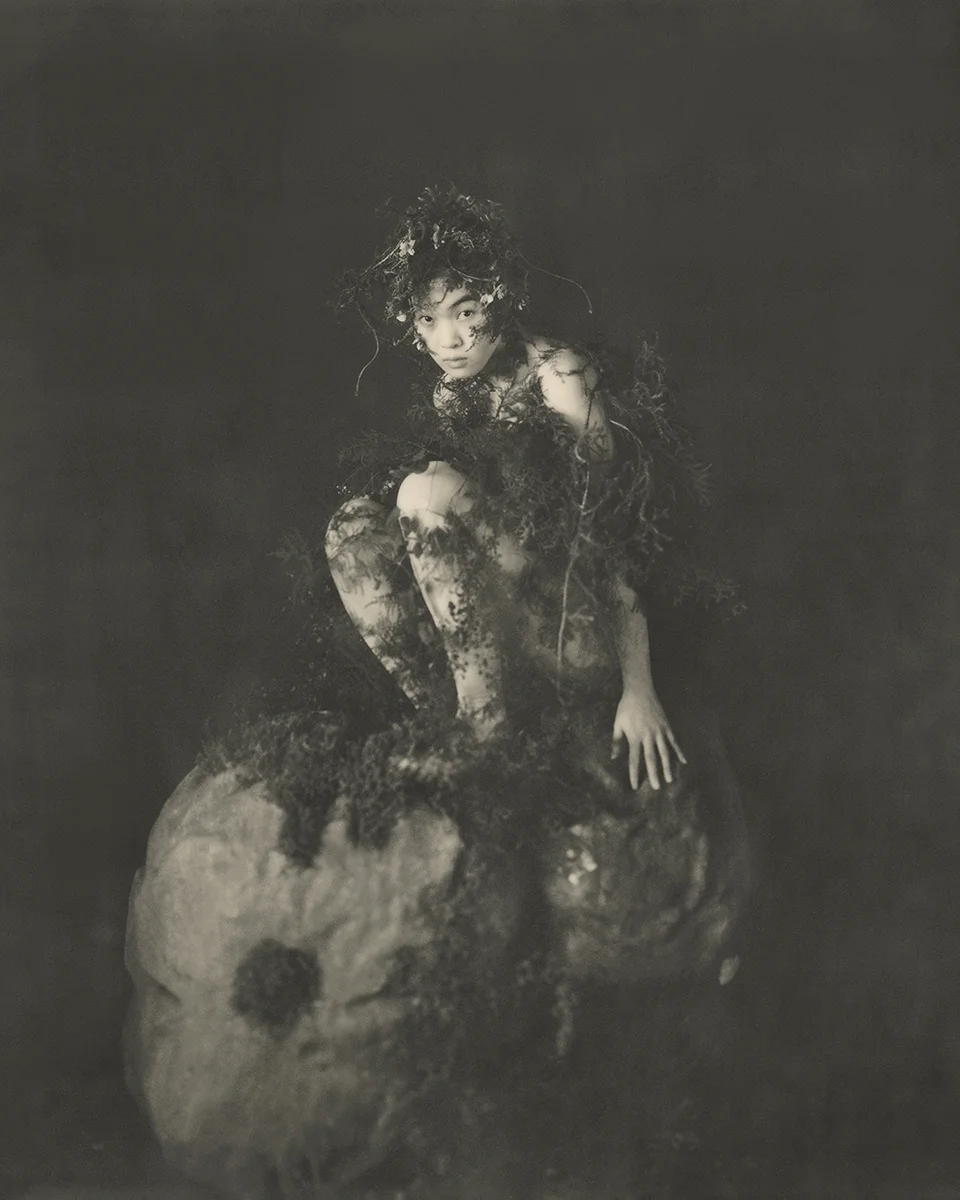
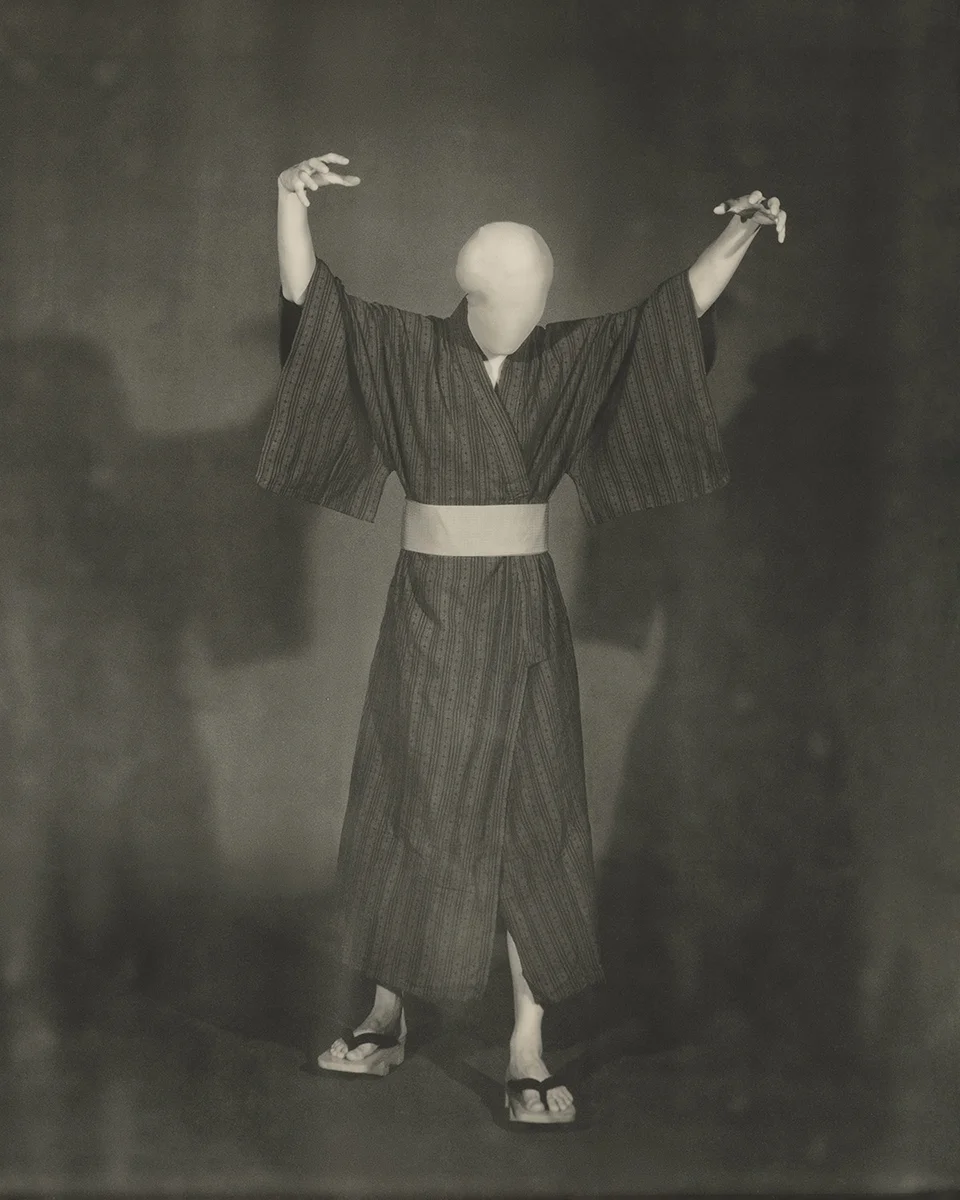
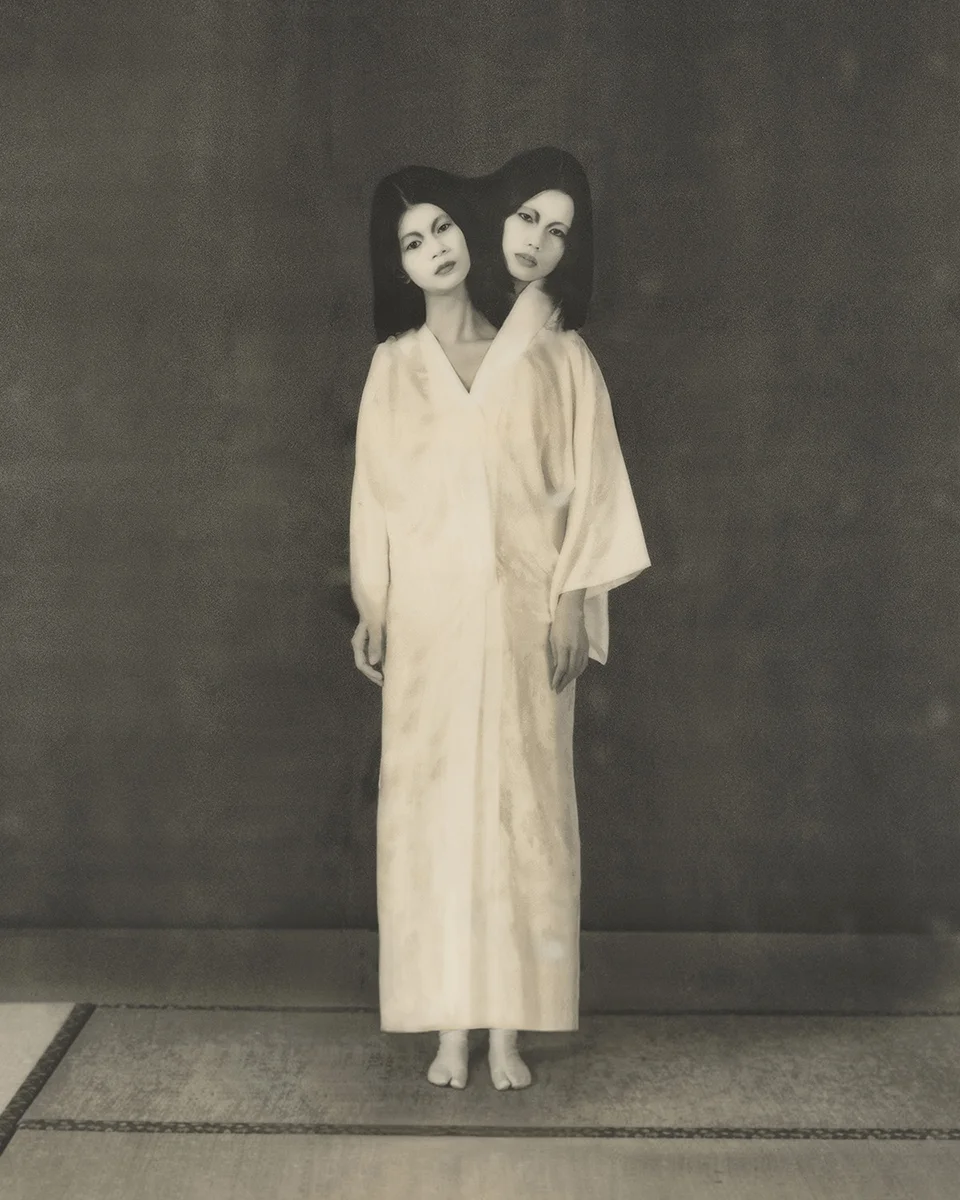
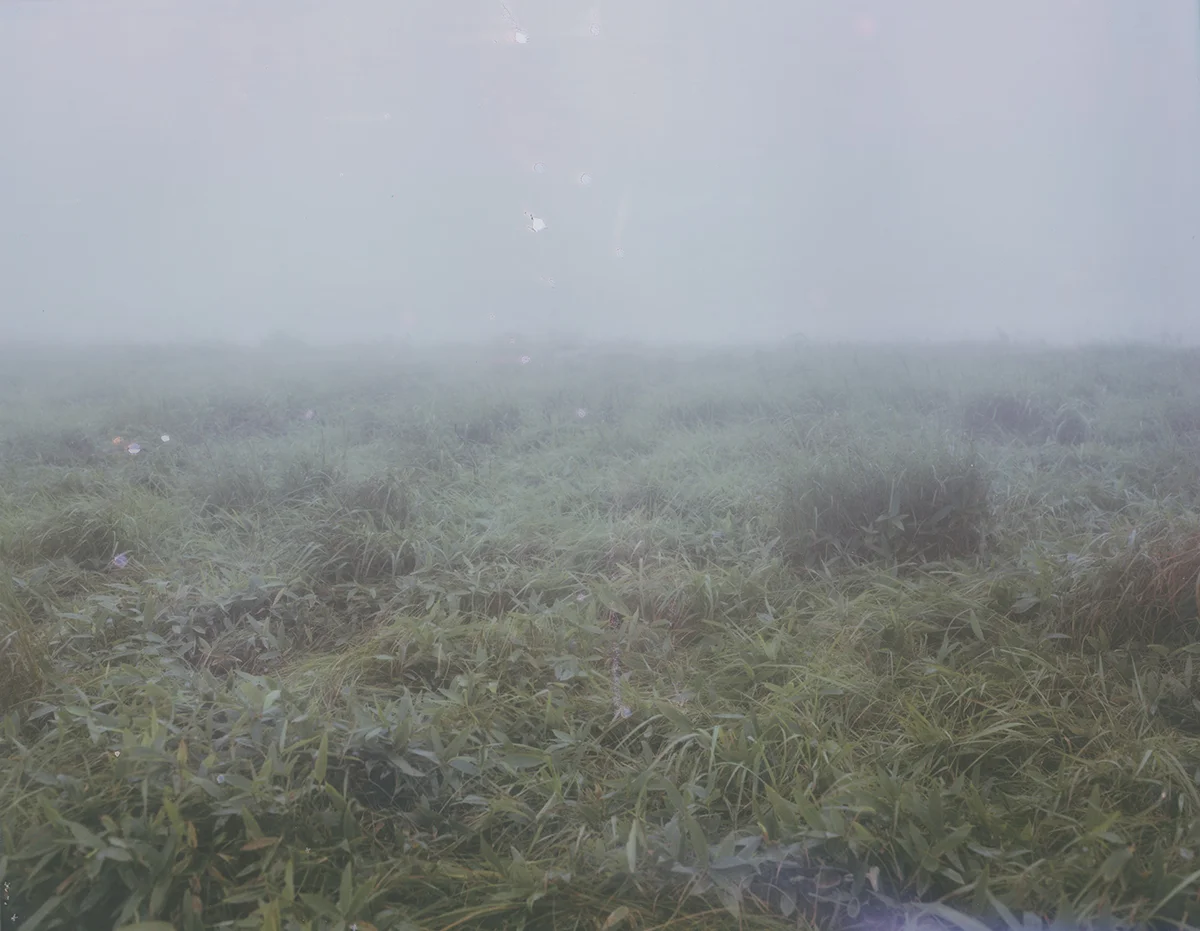
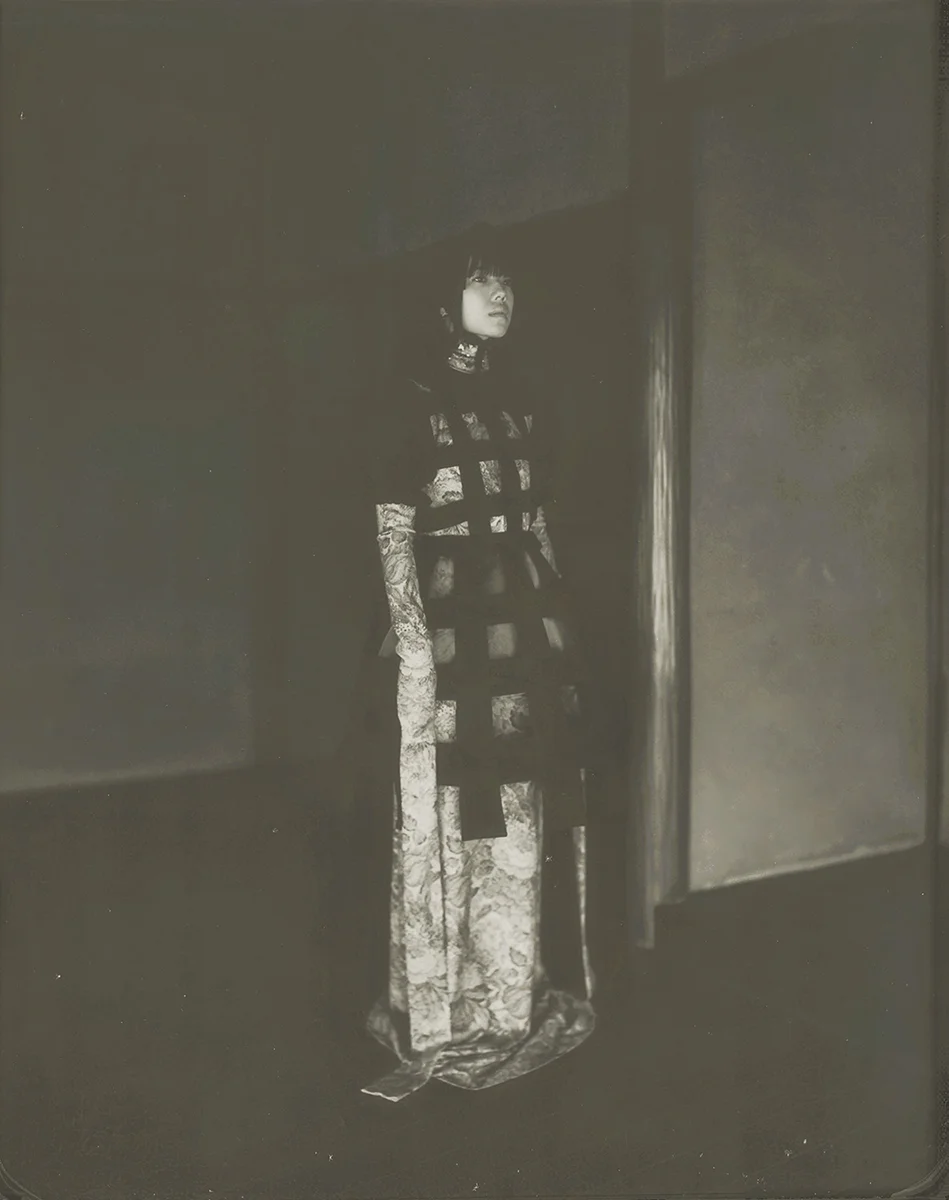
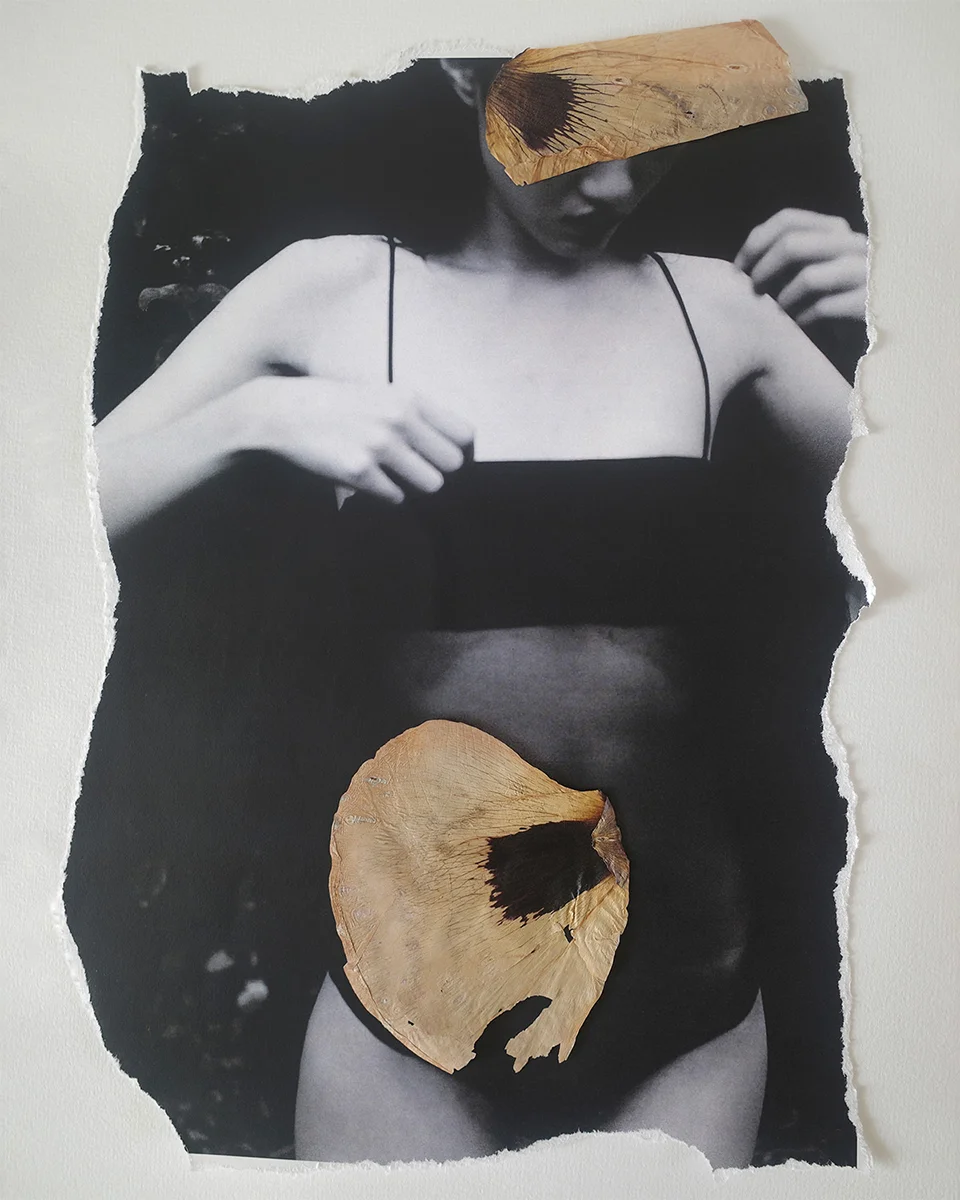
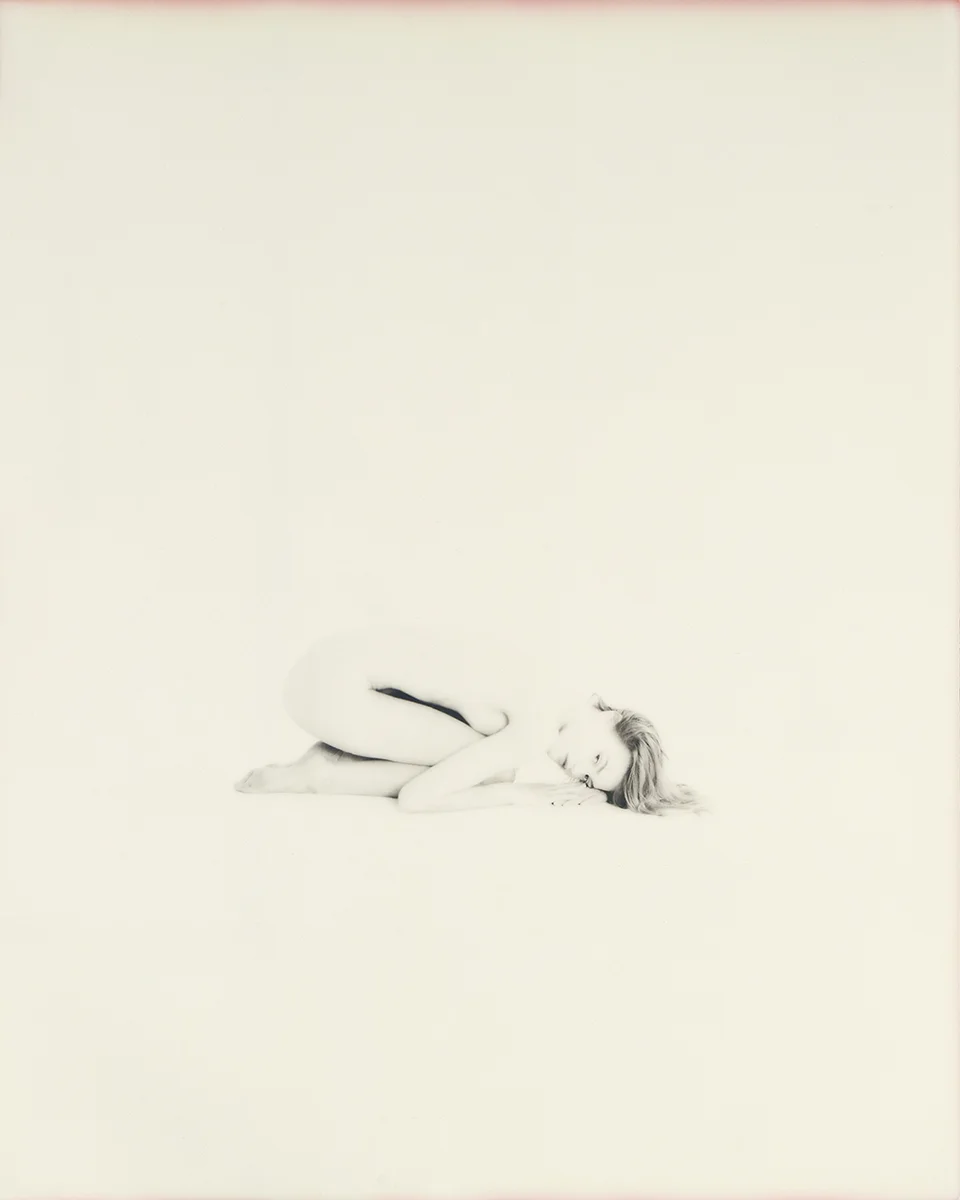
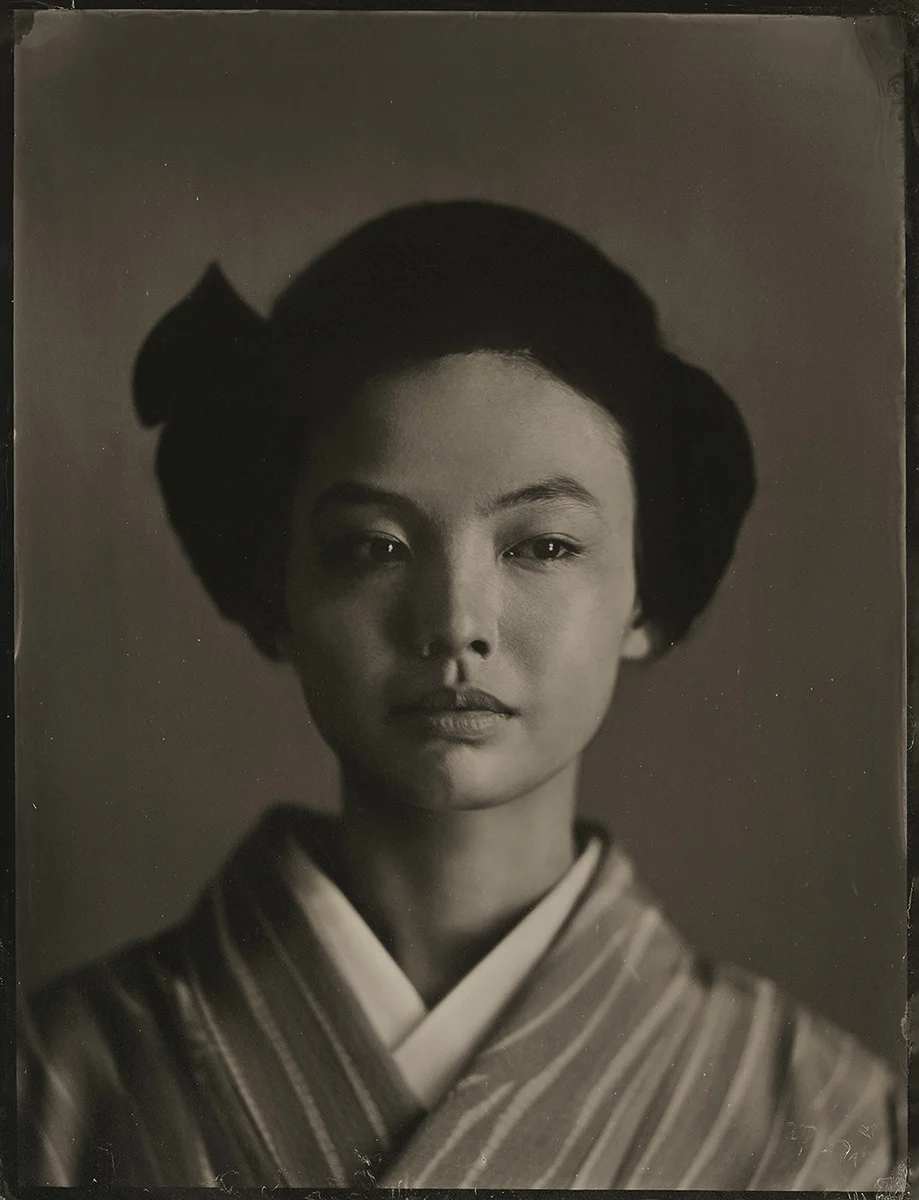
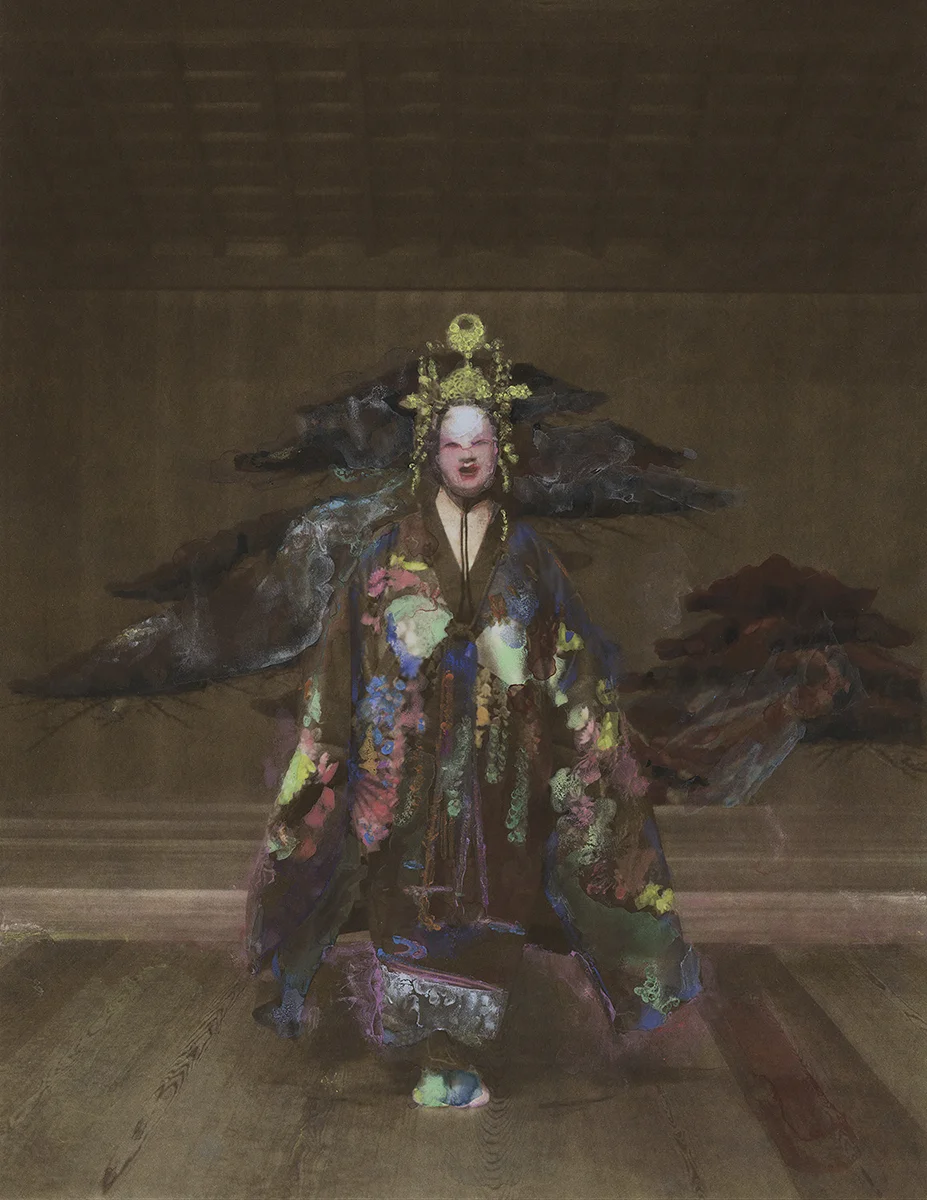
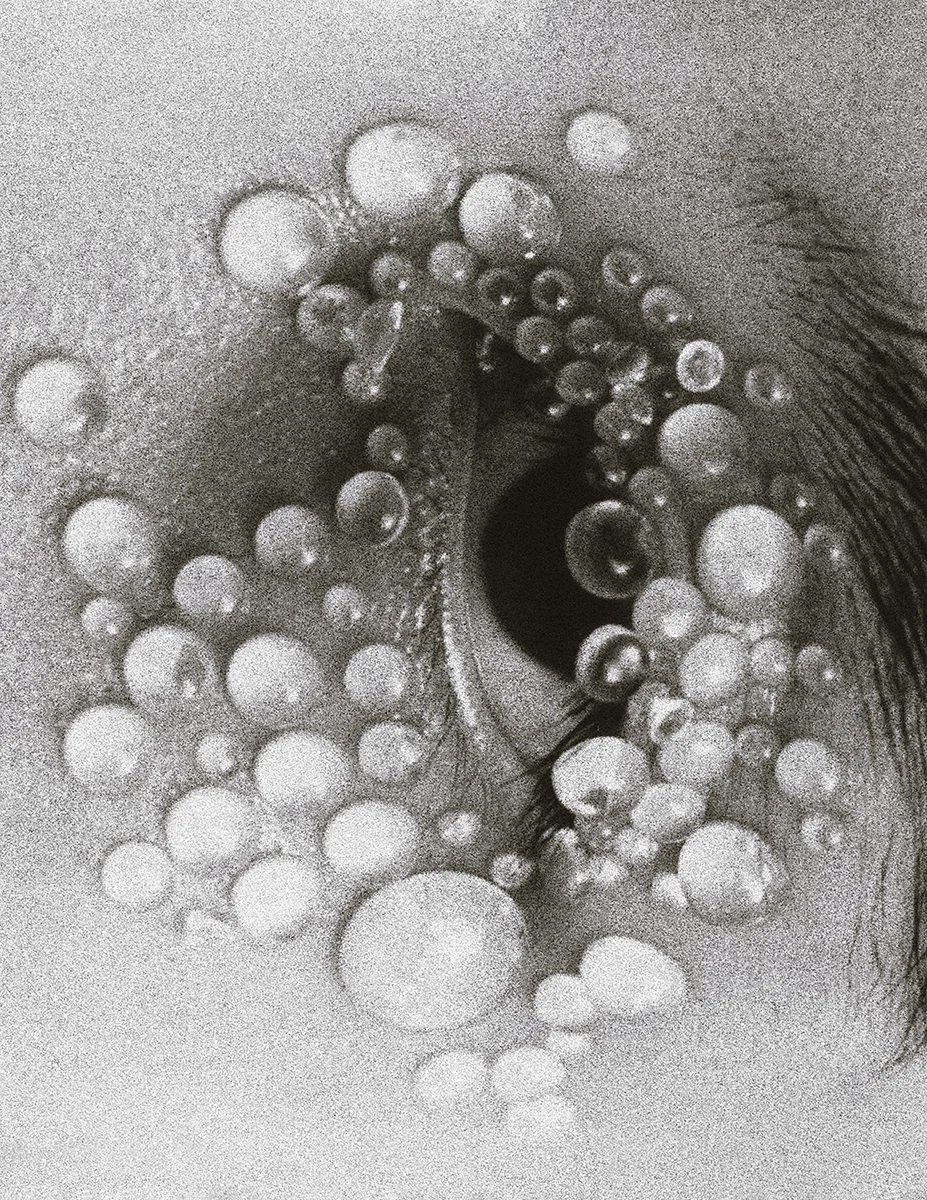
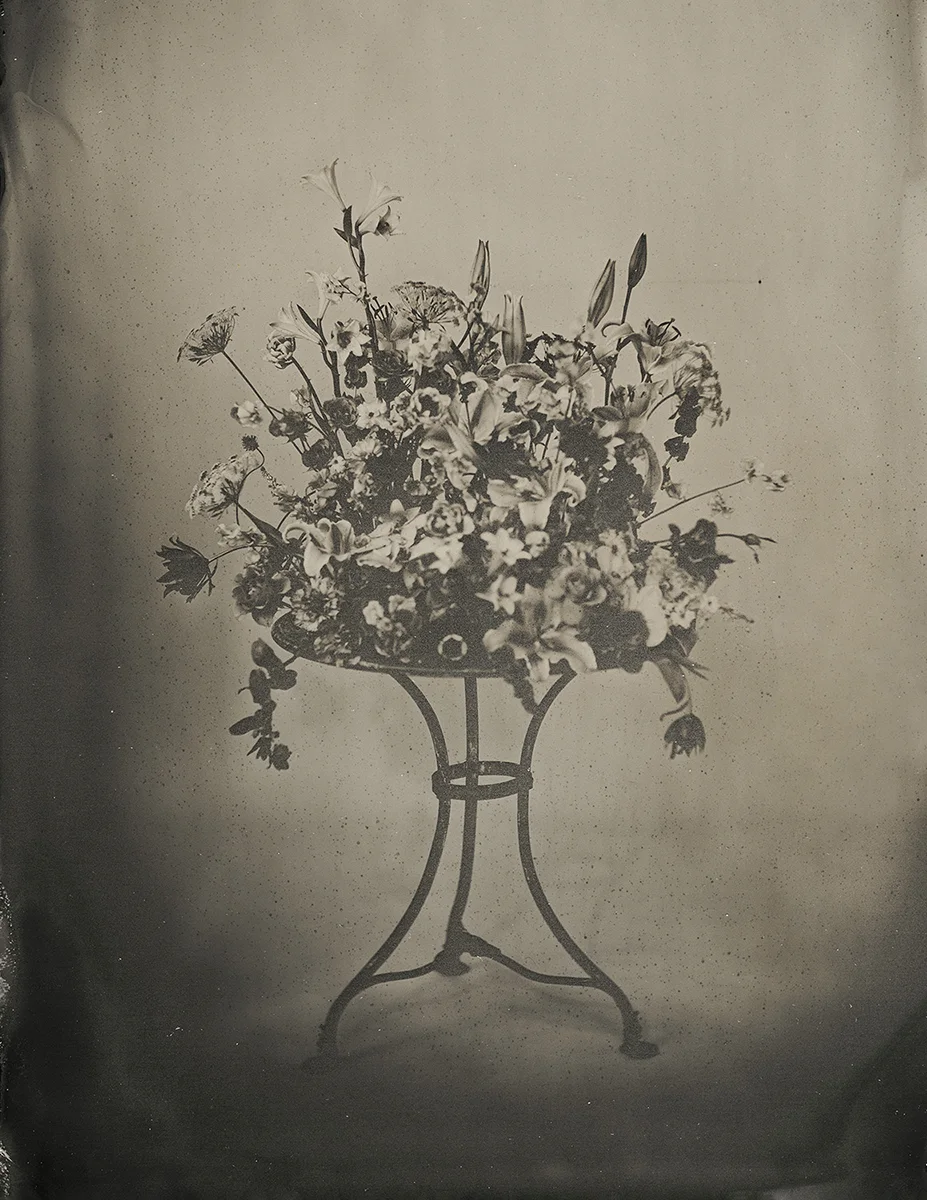
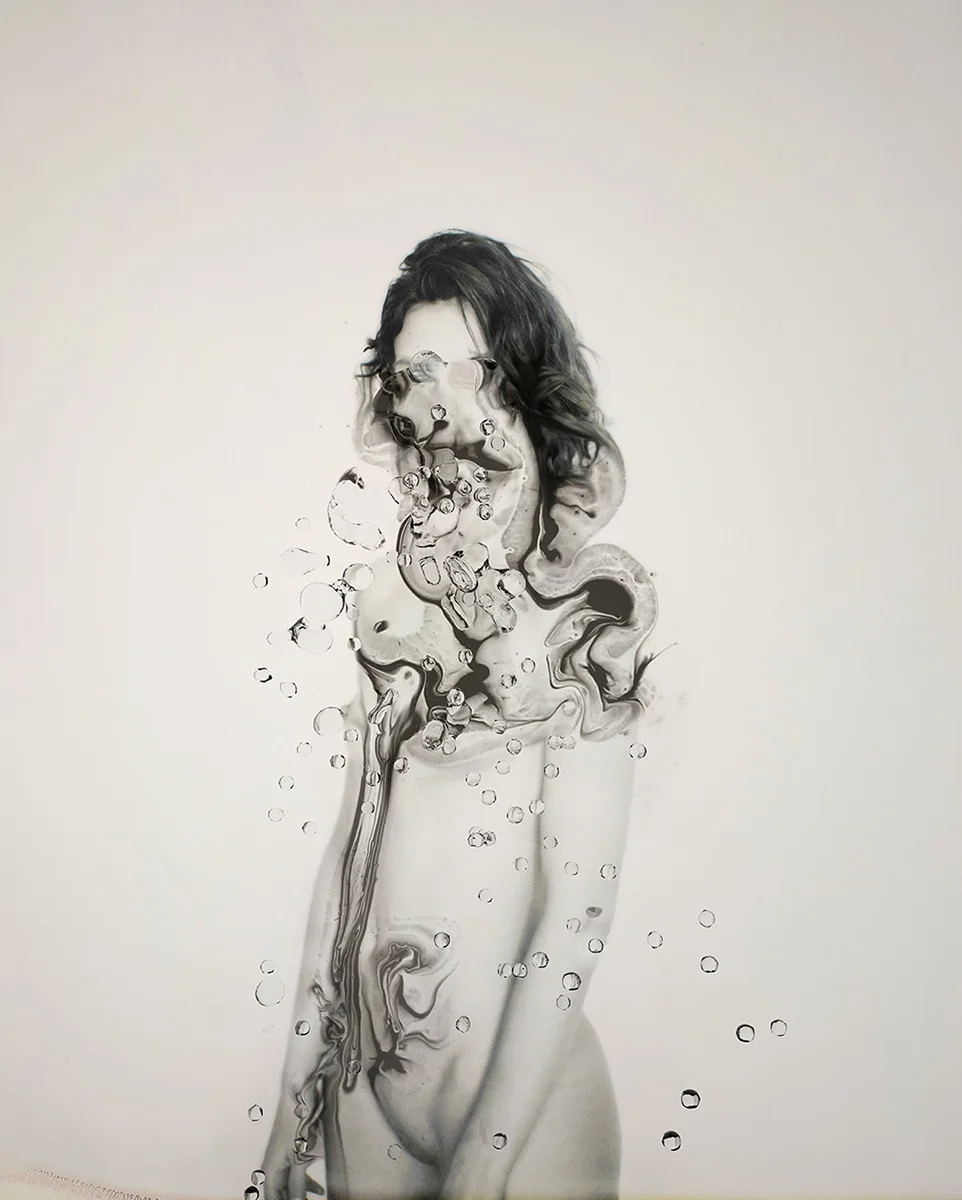
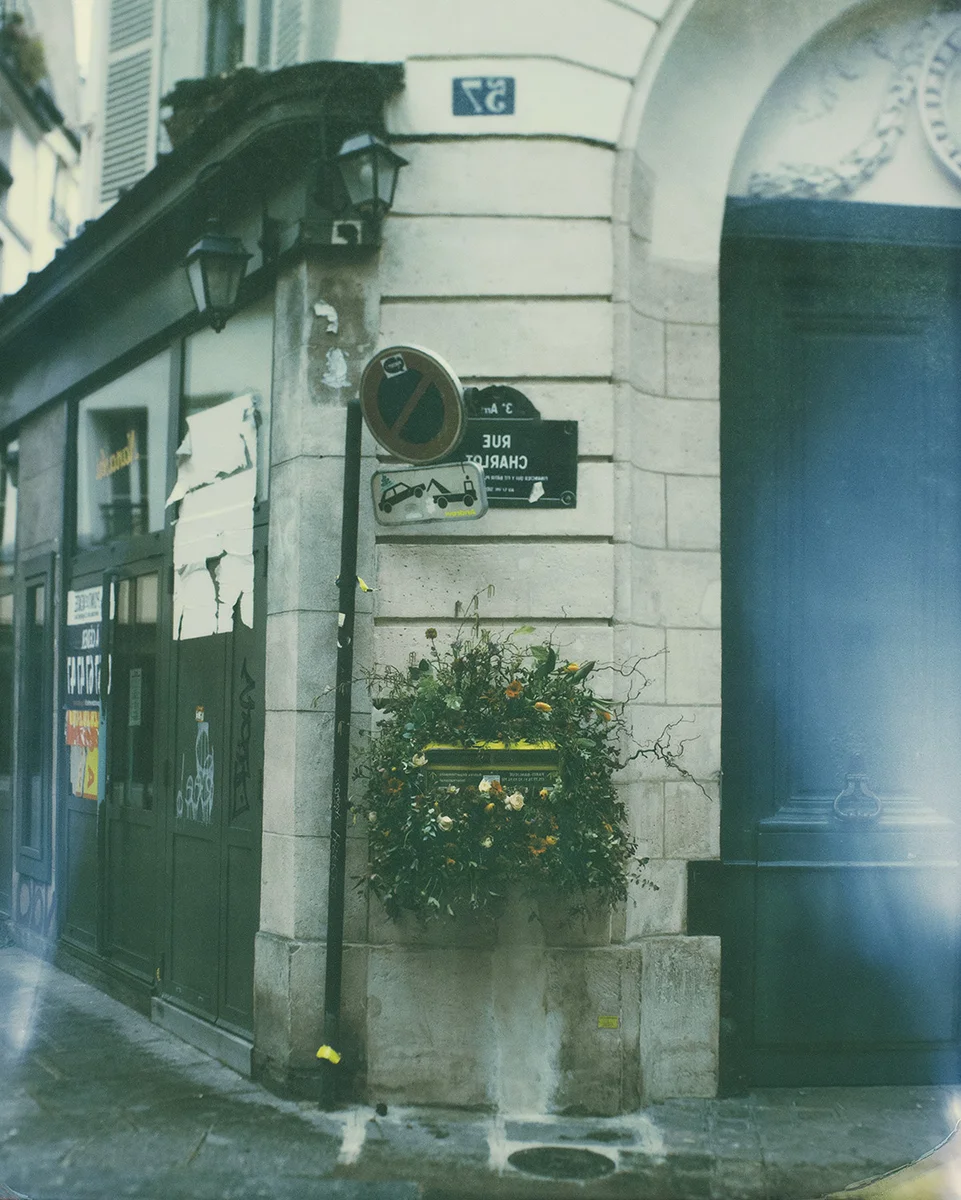
Yuji Watanabe is a photographer based in Paris and Tokyo. His analog photography work reflects a mix of fantasy, darkness and romance navigating between a real and unreal world.

Awarded Photographer of the Week - Week 12, 2026
 

Inspiring Portfolios

Call for Entries
AAP Magazine #57 Portrait
Publish your work in our printed magazine and win $1,000 cash prizes
 
Stay up-to-date  with call for entries, deadlines and other news about exhibitions, galleries, publications, & special events.

More Great Photographers To Discover

Devanshu Jha
India
2006
Devanshu Jha is an 18-year-old photographer based in Mumbai, India. He is currently pursuing a Bachelor’s in Engineering Physics at the Indian Institute of Technology Bombay while primarily focusing on street photography. His journey with photography began at the young age of 11, capturing some flowers on his parent's mobile phones. Over the years, Devanshu refined his craft, documenting the streets of India with a distinctive blend of visual storytelling and compositional aesthetics. With a keen eye for composition and lighting, his work goes beyond mere documentation, weaving entire narratives within a single frame. His images reflect the rich social fabric of India, capturing its immense diversity with an artistic and cinematic approach. Beyond photography, Devanshu has a diverse background in visual arts and storytelling, having studied both cinema and photographic theory extensively before gaining access to professional tools. This analytical approach has helped him craft images that not only capture reality but also shape it, finding beauty in fleeting moments and coincidences that often go unnoticed." Statement "Before university, I learned photography purely from a theoretical perspective—I didn’t have the tools or the freedom to practice it. Instead, I studied photographs, analyzed cinema, and tried to understand the essence of what makes an image truly powerful. When I finally got my hands on an old DSLR from a friend, I never looked back. Since that day, I’ve spent countless mornings waking up at 4 AM, wandering the streets of Mumbai, documenting the endless stories unfolding around me. Photography has become an adventure—sometimes, I am just an observer, and at other times, I become part of the story itself, capturing the small coincidences that make everyday life extraordinary." Awarded Photographer of the Week - Week 07
Georgi Zelma
Russia
1906 | † 1984
Georgi Zelma (1906-1984) is best known for his photographs of Central Asia in the 1920s, of major industrial projects in the early days of the Soviet Union, and of World War II (especially the Battle of Stalingrad). Zelma was a major contributor to the Constructivist photography movement through the 1920s and 30s, working alongside such masters as Aleksandr Rodchenko, El Lissitzky and Boris Ignatovich.Source: Nailya Alexander Gallery Georgi Zelma was born in Tashkent in 1906. The family moved to Moscow in 1921 and Zelma eventually found work at the Proletkino film studios. Later he joined the Russfoto Agency and from 1924 to 1927 was their correspondent in Uzbekistan, Afghanistan, Iran and Central Asia. A large number of his photographs appeared in Pravda. Zelma served in the Red Army (1927-29) before working briefly in Tashkent. In 1930 Zelma joined Souizfoto Agency and his assignments included taking photographs of collective farms and military exercises. His pictures often appeared in the propaganda magazine, USSR in Construction. During the Second World War Zelma worked for Izvestia and took photographs in Moldova, Odessa and the Ukraine. He also covered the battle of Stalingrad. Source: Spartacus Educational Born in Tashkent, Uzbekistan, in 1906, Georgii Anatolevich Zelma moved to Moscow with his family in 1921, where he began taking pictures with an old 9 x 12 Kodak camera. His first experiences as a photographer took place at the Proletkino film studios and during theater repetitions for the magazine Teatr. He soon joined the Russfoto agency. From 1924 to 1927, he returned to his homeland as a correspondent for Uzbekistan, Afghanistan, Iran and Central Asia in order to document Islamic culture being reformed by Soviet socialist reconstruction. This work was published in Pravda Vostoka. In 1927, Zelma was enlisted in the ranks of the Red Army, serving in Moscow. After the demobilization in 1929, he returned to Tashkent and worked briefly for the Uzbek cinema chronicles. In Moscow, he entered the team of Soiuzfoto and received a Leica. Through the 1930s, he was sent on assignment to the mines and factories in the Donbass region, to Collective Farms in Tula province and to the Soviet Military maneuvers in the Black Sea region. He worked with Roman Karmen on the stories The USSR from the Air and Ten Years of the Soviet Socialist Republic of Iakutia, which were published in the propaganda magazine “USSR in Construction”. For this magazine he also collaborated with Max Alpert and Aleksandr Rodchenko. During World War II, he was a correspondent for Isvestiia stationed at the front-line campaigns in Moldova, Odessa, and Ukraine. His most memorable photographs are of the Battle of Stalingrad, where he spent the severe winter of 1942-43. After the war, Zelma worked for the magazine Ogonek and from 1962 for the Novosti press agency. He died in 1984. Source: Lumiere Gallery
Yousuf Karsh
Canada
1908 | † 2002
Yousuf Karsh is the most renowned portrait photographer of our time. He has perceptively photographed the statesmen, artists, and literary and scientific figures that have shaped our lives in the 20th century. Known for his ability to transform "the human face into legend," many of the portraits that he created have become virtually the image of the great man or woman they portray, whether Winston Churchill, Ernest Hemingway, Albert Einstein, Georgia O'Keefe or Helen Keller. In other words, "to experience a Karsh photograph is to feel in the presence of history itself." His photographs are in major private and public collections throughout the world, the Museum of Fine Arts in Boston holding the largest collection in the US.Source: Weston Gallery Yousuf Karsh was an Armenian-Canadian photographer and one of the most famous and accomplished portrait photographers of all time. ousuf or Josuf (his given Armenian name was Hovsep)[citation needed] Karsh was born in Mardin, a city in the eastern Ottoman Empire (present Turkey). He grew up during the Armenian Genocide where he wrote, "I saw relatives massacred; my sister died of starvation as we were driven from village to village." At the age of 16, his parents sent Yousuf to live with his uncle George Nakash, a photographer in Sherbrooke, Quebec, Canada. Karsh briefly attended school there and assisted in his uncle’s studio. Nakash saw great potential in his nephew and in 1928 arranged for Karsh to apprentice with portrait photographer John Garo in Boston, Massachusetts, United States. His brother, Malak Karsh, was also a photographer famous for the image of logs floating down the river on the Canadian one dollar bill. Karsh returned to Canada four years later, eager to make his mark. In 1931 he started working with another photographer, John Powls, in his studio on the second floor of the Hardy Arcade at 130 Sparks Street in Ottawa, Ontario, close to Parliament Hill. When Powls retired in 1933, Karsh took over the studio. Karsh's first solo exhibition was in 1936 in the Drawing Room of the Château Laurier hotel. He moved his studio into the hotel in 1973, and it remained there until he retired in 1992. Canadian Prime Minister Mackenzie King discovered Karsh and arranged introductions with visiting dignitaries for portrait sittings. Karsh's work attracted the attention of varied celebrities, but his place in history was sealed on 30 December 1941 when he photographed Winston Churchill, after Churchill gave a speech to Canadian House of Commons in Ottawa. The image of Churchill brought Karsh international prominence and is claimed to be the most reproduced photographic portrait in history. In 1967, he was made an Officer of the Order of Canada and in 1990 was promoted to Companion. Of the 100 most notable people of the century, named by the International Who's Who [2000], Karsh had photographed 51. Karsh was also the only Canadian to make the list. Karsh was a master of studio lights. One of Karsh's distinctive practices was lighting the subject's hands separately. He photographed many of the great and celebrated personalities of his generation. Throughout most of his career he used the 8×10 bellows Calumet (1997.0319) camera, made circa 1940 in Chicago. Journalist George Perry wrote in the British paper The Sunday Timesthat "when the famous start thinking of immortality, they call for Karsh of Ottawa." Karsh had a gift for capturing the essence of his subject in the instant of his portrait. As Karsh wrote of his own work in Karsh Portfolio in 1967, "Within every man and woman a secret is hidden, and as a photographer, it is my task to reveal it if I can. The revelation, if it comes at all, will come in a small fraction of a second with an unconscious gesture, a gleam of the eye, a brief lifting of the mask that all humans wear to conceal their innermost selves from the world. In that fleeting interval of opportunity the photographer must act or lose his prize." Karsh said "My chief joy is to photograph the great in heart, in mind, and in spirit, whether they be famous or humble." His work is in permanent collections of the National Gallery of Canada, New York's Museum of Modern Art and Metropolitan Museum of Art, George Eastman House International Museum of Photography and Film, Bibliothèque Nationale de France, the National Portrait Gallery in London, the National Portrait Gallery of Australia and many others. Library and Archives Canada holds his complete collection, including negatives, prints and documents. His photographic equipment was donated to the Canada Science and Technology Museum in Ottawa. Karsh published 15 books of his photographs, which include brief descriptions of the sessions, during which he would ask questions and talk with his subjects to relax them as he composed the portrait. Some famous subjects photographed by Karsh were Field Marshal Lord Alanbrooke, Muhammad Ali, Marian Anderson, W. H. Auden, Joan Baez, Zulfiqar Ali Bhutto, Humphrey Bogart, Alexander Calder, Pablo Casals, Fidel Castro, Madame Chiang Kai-Shek, Joan Crawford, Ruth Draper, Albert Einstein, Dwight Eisenhower, Princess Elizabeth, Robert Frost, Clark Gable, Indira Gandhi, Grey Owl, Ernest Hemingway, Audrey Hepburn, Pope John Paul II, Chuck Jones, Carl Jung, Helen Keller and Polly Thompson, Grace Kelly, Jacqueline Kennedy, John F. Kennedy, Peter Lorre, Pandit Nehru, Georgia O'Keeffe, Laurence Olivier, General Pershing, Pablo Picasso, Pope Pius XII, Prince Rainier of Monaco, Paul Robeson, the rock band Rush, Albert Schweitzer, George Bernard Shaw, Jean Sibelius, Pierre Elliott Trudeau, Andy Warhol, Frank Lloyd Wright, and, arguably his most famous portrait subject, Winston Churchill. The story is often told of how Karsh created his famous portrait of Churchill during the early years of World War II. Churchill, the British prime minister, had just addressed the Canadian Parliament and Karsh was there to record one of the century's great leaders. "He was in no mood for portraiture and two minutes were all that he would allow me as he passed from the House of Commons chamber to an anteroom," Karsh wrote in Faces of Our Time. "Two niggardly minutes in which I must try to put on film a man who had already written or inspired a library of books, baffled all his biographers, filled the world with his fame, and me, on this occasion, with dread." Churchill marched into the room scowling, "regarding my camera as he might regard the German enemy." His expression suited Karsh perfectly, but the cigar stuck between his teeth seemed incompatible with such a solemn and formal occasion. "Instinctively, I removed the cigar. At this the Churchillian scowl deepened, the head was thrust forward belligerently, and the hand placed on the hip in an attitude of anger." The image captured Churchill and the Britain of the time perfectly — defiant and unconquerable. Churchill later said to him, "You can even make a roaring lion stand still to be photographed." As such, Karsh titled the photograph, The Roaring Lion. However, Karsh's favourite photograph was the one taken immediately after this one where Churchill's mood had lightened considerably and is shown much in the same pose, but smiling. In the late 1990s Karsh moved to Boston and on July 13, 2002, aged 93, he died at Boston's Brigham and Women's Hospital after complications following surgery. He was interred in Notre Dame Cemetery in Ottawa. Source: Wikipedia
David Plowden
United States
1932
David Plowden was a renowned American photographer known for his evocative and poignant images of America's vanishing landscapes. Plowden's work documented the changing face of the American landscape, particularly the decline of small towns, historic structures, and industrial sites, with a deep sense of reverence for the past. Plowden's interest in photography began at a young age, and he honed his skills while studying at the Institute of Design at the Illinois Institute of Technology, where he was mentored by renowned photographer Harry Callahan. Plowden's work was influenced by the work of Edward Steichen and Walker Evans, and he developed a distinct style that combined technical precision with emotional depth that resonated with viewers. Plowden's photography focused on capturing the essence and character of a rapidly disappearing America throughout his career. His black-and-white photographs were hauntingly beautiful, providing a glimpse into the past while raising questions about progress and preservation. Plowden's documentation of small towns and rural landscapes is one of his most notable bodies of work. He sought out areas untouched by modern development, photographing the fading facades of main streets, weathered barns, and decaying structures. He revealed the stories etched into the architectural details through his lens, conveying a sense of nostalgia and longing for a simpler time. David Plowden’s work is sometimes compared to that of the great WPA photographers—Walker Evans, Bernice Abbot, Russell Lee, Dorothea Lange—but he’s been in the field decades longer than any of them were. What he has done is nothing less than capture a whole nation passing through fifty years of changes as momentous as those unleashed by the Industrial Revolution. -- Richard Snow (from the forward of Vanishing Point) Plowden also focused on America's disappearing industrial landscape. He chronicled the decline of once-thriving industries like steel mills, factories, and coal mines. His photographs captured the stark beauty and melancholy atmosphere of these abandoned spaces, conveying the human impact of industrial decline and its toll on communities. Plowden's work was not limited to photography. He was a successful author, having written a number of books that combined his stunning images with thoughtful narratives. His books, such as "Vanishing Point: Fifty Years of Photography," provided an extensive visual record of his lifelong investigation of disappearing landscapes. Plowden's work received critical acclaim and was shown in prestigious galleries and museums around the world throughout his career. He received numerous honors for his contributions to photography, including a Guggenheim Fellowship. David Plowden's photographs are a visual testament to the importance of preserving our common history and America's vanishing landscapes. His photographs convey a sense of loss, prompting viewers to consider the impact of progress and the fragility of our built environment. The legacy of Plowden as a master photographer lives on, inspiring future generations to document and appreciate the landscapes and structures that define our collective memory.
Herb Ritts
United States
1952 | † 2002
Herb Ritts began his photographic career in the late 70's and gained a reputation as a master of art and commercial photography. In addition to producing portraits and editorial fashion for Vogue, Vanity Fair, Interview and Rolling Stone, Ritts also created successful advertising campaigns for Calvin Klein, Chanel, Donna Karan, Gap, Gianfranco Ferré, Gianni Versace, Giorgio Armani, Levi's, Pirelli, Polo Ralph Lauren, Valentino among others. Since 1988 he directed numerous influential and award winning music videos and commercials. His fine art photography has been the subject of exhibitions worldwide, with works residing in many significant public and private collections. In his life and work, Herb Ritts was drawn to clean lines and strong forms. This graphic simplicity allowed his images to be read and felt instantaneously. They often challenged conventional notions of gender or race. Social history and fantasy were both captured and created by his memorable photographs of noted individuals in film, fashion, music, politics and society. Ritts was committed to HIV/AIDS related causes, and contributed to many charitable organizations, among them amfAR, Elizabeth Taylor AIDS Foundation, Project Angel Food, Focus on AIDS, APLA, Best Buddies and Special Olympics . He was also a charter member on the Board of Directors for The Elton John Aids Foundation.Source: www.herbritts.com Born in Los Angeles, to a Jewish family, Ritts began his career working in the family furniture business. His father, Herb Ritts Sr., was a businessman, while his mother, Shirley Ritts, was an interior designer. He moved to the East Coast to attend Bard College in New York, where he majored in economics and art history, graduating in 1975. Later, while living in Los Angeles, he became interested in photography when he and friend Richard Gere, then an aspiring actor, decided to shoot some photographs in front of an old jacked-up Buick. The picture gained Ritts some coverage and he began to be more serious about photography. During the 1980s and 1990s, Ritts prominently photographed celebrities in various locales throughout California. Some of his subjects during this time included Cher, Tina Turner. Elizabeth Taylor, Vincent Price, Madonna, Denzel Washington, Johnny Depp, Ronald Reagan, David Bowie, Courtney Love, Liv Tyler, Matthew McConaughey, Britney Spears, Björk, Prince, Michael Jackson, Axl Rose, Slash, and Mariah Carey. He also took many fashion and nude photographs of fashion models Naomi Campbell, Stephanie Seymour, Tatjana Patitz, Christy Turlington, and Cindy Crawford, including "Tatjana, Veiled Head, Tight View, Joshua Tree, 1988." Ritts' work with those models ushered in the 1990s era of the supermodel and was consecrated by one of his most celebrated images, "Stephanie, Cindy, Christy, Tatjana, Naomi, Hollywood, 1989" taken for Rolling Stone Magazine. He also worked for Interview, Esquire, Mademoiselle, Glamour, GQ, Newsweek, Harper's Bazaar, Rolling Stone, Time, Vogue, Allure, Vanity Fair, Details, and Elle. From 1996 to 1997 Ritts' work was displayed at the Museum of Fine Arts in Boston, attracting more than 250,000 people to the exhibit, and in 2003 a solo exhibition was held at the Daimaru Museum, in Kyoto, Japan. On December 26, 2002, Ritts died in Los Angeles of complications from pneumonia at the age of 50. Ritts was openly gay, and according to Ritts' publicist, "Herb was HIV-positive, but this particular pneumonia was not PCP (pneumocystis pneumonia), a common opportunistic infection of AIDS. But at the end of the day, his immune system was compromised."Source: Wikipedia
David Seymour (Chim)
United States
1911 | † 1956
David Seymour, also known as Chim, was a Polish-born photographer who is best known for his work as a member of the photographic cooperative Magnum Photos. He was born in 1911 in Warsaw, Poland and spent his early years studying in Germany before moving to France in 1933. Seymour's interest in photography began at a young age, and he quickly became skilled in the art of photography. He began his professional career as a photographer in Paris, working for various newspapers and magazines. In 1936, he joined the photographic cooperative Magnum Photos, which was founded by photographers Robert Capa, Henri Cartier-Bresson, and George Rodger. Chim told me not to follow too closely the advice of Capa, and Capa told me not to take any notice of Henri’s advice. So I was a bit mixed up and went to see George Rodger... and he said, “Don’t listen to any of them, only to me.” -- Marc Riboud, on joining the Magnum photo agency in 1953 As a member of Magnum Photos, David Seymour traveled extensively, capturing powerful images of people and events from around the world. He covered a wide range of subjects, including politics, war, and social issues. He was particularly known for his ability to capture the humanity of his subjects, and his images often conveyed a sense of empathy and compassion. Seymour's work as a war photographer began during World War II, when he covered the Spanish Civil War and the Second World War. He was one of the first photographers to document the horrors of the Holocaust, and his images of concentration camps and Jewish ghettos are among his most powerful and moving works. In 1948, David Seymour traveled to Palestine to cover the Arab-Israeli conflict, and his images of the fighting and the suffering of the Palestinian people helped to raise awareness of the issue around the world. He also covered the Korean War, the Suez Crisis, and the Hungarian Revolution, and his images of these conflicts were widely published in newspapers and magazines. In addition to his work as a war photographer, Seymour also documented social issues and political events. He covered the civil rights movement in the United States, and his images of the struggles of African Americans helped to raise awareness of the issue. He also covered the Cuban Revolution and the rise of Fidel Castro, and his images of the revolution and its aftermath helped to shape the way that the world viewed Cuba and its leader. Seymour's work as a photographer was widely recognized and respected during his lifetime, and he received numerous awards and honors for his contributions to the field of photography. He was a member of the French Legion of Honor, and in 1957 he was awarded the prestigious Robert Capa Gold Medal for his contributions to photojournalism. Despite his success as a photographer, Seymour's life was cut short when he was killed in 1956 while covering the Suez Crisis in Egypt. He was only 45 years old at the time of his death, but his legacy as a photographer lives on through his powerful images and his influence on the field of photojournalism. Today, Seymour's work continues to be widely admired and studied, and his images are considered to be some of the most powerful and important photographs of the 20th century. His work has been featured in numerous exhibitions and publications, and his images continue to inspire and influence photographers around the world. David Seymour Chim was a remarkable photographer who was able to capture the essence of humanity and the complexities of human nature. His photographs are moving and powerful, and his ability to document the world's most significant events and moments in history is a testament to his skill and dedication to his craft. His legacy as a photographer lives on, and his work will continue to be appreciated for generations to come.
Giuseppe Cardoni
He lives in Umbria, is an engineer, he prefers B/W reportage. He has been part of the Leica Photographic Group where he had the opportunity to attend Masters of Italian photography such as with Gianni Berengo Gardin, Piergiorgio Branzi, Mario Lasalandra. He is co-author, with the RAI journalist Luca Cardinalini, of the photographic book STTL La terra di sia lieve. (Ed. DeriveApprodi, Rome, 2006); with Luigi Loretoni he published in 2008 the photo book Miserere (Ed. L'Arte Grafica), in 2011 Gubbio, I Ceri (Ed. L'Arte Grafica) and in 2014 Kovilj (Ed. L'Arte Grafica). Also in 2014 he published Boxing Notes (Edizionibam) reportage on the world of boxing with which he won international awards. He has dedicated himself for some years to the photography of musical events and in 2019 he published "Jazz Notes" a personal intimate point of view on jazz atmospheres. He has exhibited his work in numerous solo and group exhibitions in Italy and abroad. Award-winner or finalist in national and international competitions (has achieved these personal results in more than forty contests over the past three years). I am interested in making photographs with a strong personal connotation, which correlated with my interiority represent a reality poised between the flow of time and abstraction. Giuseppe Cardoni All about BOXING NOTES Nonna Mira, the real boxing enthusiast of the family, set her alarm for 3 a.m. and called my father and me (just a boy) to watch big matches live from Madison Square Garden in New York. With this memory, I went looking for those atmospheres and values of the great boxing of the sixties and seventies. Ropes, wooden planks, nails, torn carpets, peeling walls, worn-out shoes, feet, gym bags, towels, robes, sacred images, iron stairs, neon lights, grimaces of pain, laughter of victory. Boxing. For instance from the "poor" gym, Academia de Boxeo Henry Garcia Suarez, in Holguin (Cuba), have come Olympic and world champions. And you’d never guess.I was attracted by the almost paternal respect for the coaches and champions, the discipline for training, friendship among companions, the rhythm of legs and veins, pride and courage.Boys begin training at the age of 10 years, sometimes without headgear and shoeless, chasing victory with bare hands and with many dedications: for themselves, their families, their country. As the President of Italian Boxing Federation said "It seems a paradox, but the ring is one of the few places in the world where men are really equal, where they fight for their dreams regardless of status, race or culture. Alone, without even difference in clothing, they face each other as equals, without the help of machines, without external support, without any outside help"
Advertisement
AAP Magazine #57 Portrait
Win a Solo Exhibition in June
AAP Magazine #57 Portrait

Latest Interviews

Exclusive Interview with Carolyn Moore
American photographer Carolyn Moore explores the inner landscape of emotion, memory, and personal transformation through a deeply intuitive photographic practice. Her work unfolds as a quiet dialogue between artist and viewer, where images become a space for reflection, vulnerability, and connection.
Exclusive Interview with Luca Desienna and Laura Estelle Barmwoldt
For over seven years, Of Lilies and Remains has explored the depths of the goth and darkwave underground, unfolding in Leipzig—a city long associated with a vibrant and enduring subcultural scene. Moving between iconic gatherings such as Wave-Gotik-Treffen and more intimate moments on the fringes, the project offers a rare and immersive glimpse into a world often misunderstood, yet rich in expression and community. Created by Luca in collaboration with Laura Estelle Barmwoldt, the work embraces a cinematic and deeply personal approach. Rather than documenting from a distance, it moves within the scene itself, capturing its atmosphere, its codes, and its quiet contradictions. The title Of Lilies and Remains hints at this duality—where beauty and darkness, fragility and strength coexist. As the book prepares for its release, we spoke with both artists about the origins of the project, their process, and what it means to document a subculture that continues to evolve while remaining true to its spirit.

Exclusive Interview with Matthew Finley
American photographer Matthew Finley turns inward, using photography as a way to explore identity, memory, and emotional truth. Based in Los Angeles, his practice moves between performance, gesture, and found imagery, creating a visual language that is both intimate and deeply personal
Exclusive Interview with Jan Janssen
Dutch photographer Jan Janssen explores universal human experiences through his long-term project It Matters, winner of the May 2025 Solo Exhibition. Begun in 2016, the series captures intimate moments of everyday life—love, loss, connection, and belonging—across Central and Eastern Europe. Working in countries such as Turkey, Azerbaijan, and Armenia, Janssen spends extended time within communities, building relationships based on trust and respect. His approach allows him to move beyond observation, revealing deeply human and authentic moments. Rooted in travel and personal discovery, It Matters reflects Janssen’s search for what connects us all in an increasingly divided world. The project is ongoing and will culminate in a photobook scheduled for publication in 2026.
Exclusive Interview with Henk Kosche
German photographer Henk Kosche turns his lens toward the streets of Halle an der Saale, capturing everyday life in the late years of the former German Democratic Republic. At the time, Kosche was studying design and exploring the city with his camera, drawn to the atmosphere of its industrial landscape and the quiet rhythms of daily life. His series Street Photography at the End of the 80s, selected as the Solo Exhibition for July 2025, revisits a body of work created just before a period of profound change. Rediscovered decades later in a small box of 35mm negatives, these photographs offer glimpses of a city and its people at a moment suspended between the familiar and the unknown.
Exclusive Interview with Anastasia Samoylova
Anastasia Samoylova is an American artist whose photographic practice is shaped by close observation and a deep attentiveness to place. Working between documentary and formal exploration, she photographs landscapes, architecture, and everyday scenes with a sensitivity to light, structure, and atmosphere. Since relocating to Miami in 2016, her work has increasingly focused on how environments—both natural and built—carry social, cultural, and emotional traces. We asked her a few questions about her practice and her way of seeing, to better understand the thoughts and experiences that shape her work—while allowing the images themselves to remain open and speak in their own time.
Exclusive Interview with Marijn Fidder
Marijn Fidder is a Dutch documentary photographer whose work powerfully engages with current affairs and contemporary social issues. Driven by a deep sense of social justice, she uses photography to speak on behalf of the voiceless and to advocate for the rights of those who are most vulnerable. Her images have been widely published in major international outlets including National Geographic, CNN Style, NRC Handelsblad, Volkskrant, GUP New Talent, and ZEIT Magazin. Her long-term commitment to disability rights—particularly through years of work in Uganda—culminated in her acclaimed project Inclusive Nation, which earned her the title of Photographer of the Year 2025 at the All About Photo Awards. She is also the recipient of multiple prestigious honors, including awards from World Press Photo and the Global Peace Photo Award. We asked her a few questions about her life and work.
Exclusive Interview with Josh S. Rose
Josh S. Rose is a multidisciplinary artist working across photography, film, and writing. His practice bridges visual and performing arts, with a strong focus on movement, emotion, and the expressive potential of the image. Known for his long-standing collaborations with leading dance companies and performers, Rose brings together authenticity and precise composition—a balance he describes as “technical romanticism.” His work has been commissioned and exhibited internationally, appearing in outlets such as Vogue, at the Super Bowl, in film festivals, and most recently as a large-scale installation for Lincoln Center for the Performing Arts. A sought-after collaborator, he has worked with major artists, cultural institutions, and brands, following a previous career as Chief Creative Officer at Interpublic Group and the founder of Humans Are Social. We asked him a few questions about his life and work.
Interview with Maureen Ruddy Burkhart
Photographer Maureen Ruddy Burkhart brings a quietly attentive and deeply human sensibility to her exploration of the world through images. Shaped by a life immersed in photography, film, and visual storytelling, her work is guided by intuition, observation, and an enduring interest in the emotional undercurrents of everyday life. With a practice rooted in both fine art traditions and documentary awareness, she approaches her subjects with sensitivity, allowing subtle moments to emerge naturally rather than be imposed. Her series Til Death, selected as the Solo Exhibition for February 2025, reflects this long-standing commitment to photography as a space for reflection rather than spectacle. Drawn to moments that exist just outside the expected frame, Burkhart’s images suggest narratives without resolving them, leaving room for ambiguity, humor, and quiet connection. We asked her a few questions about her life and work.
Call for Entries
AAP Magazine #57 Portrait
Publish your work in our printed magazine and win $1,000 cash prizes