All about photo.com: photo contests, photography exhibitions, galleries, photographers, books, schools and venues.
Win a Solo Exhibition in July 2026 + An Exclusive Interview!
Tristan Olphe
Tristan Olphe

Tristan Olphe

Country: France
Birth: 1977

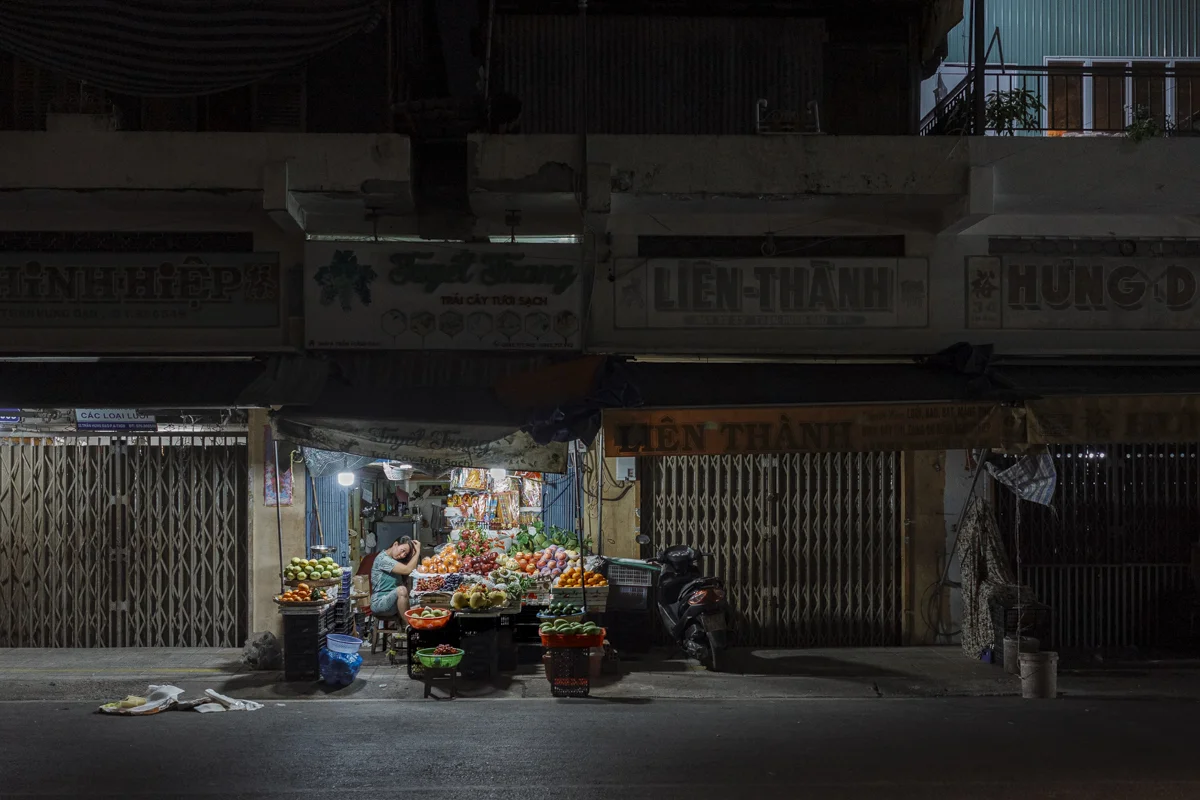
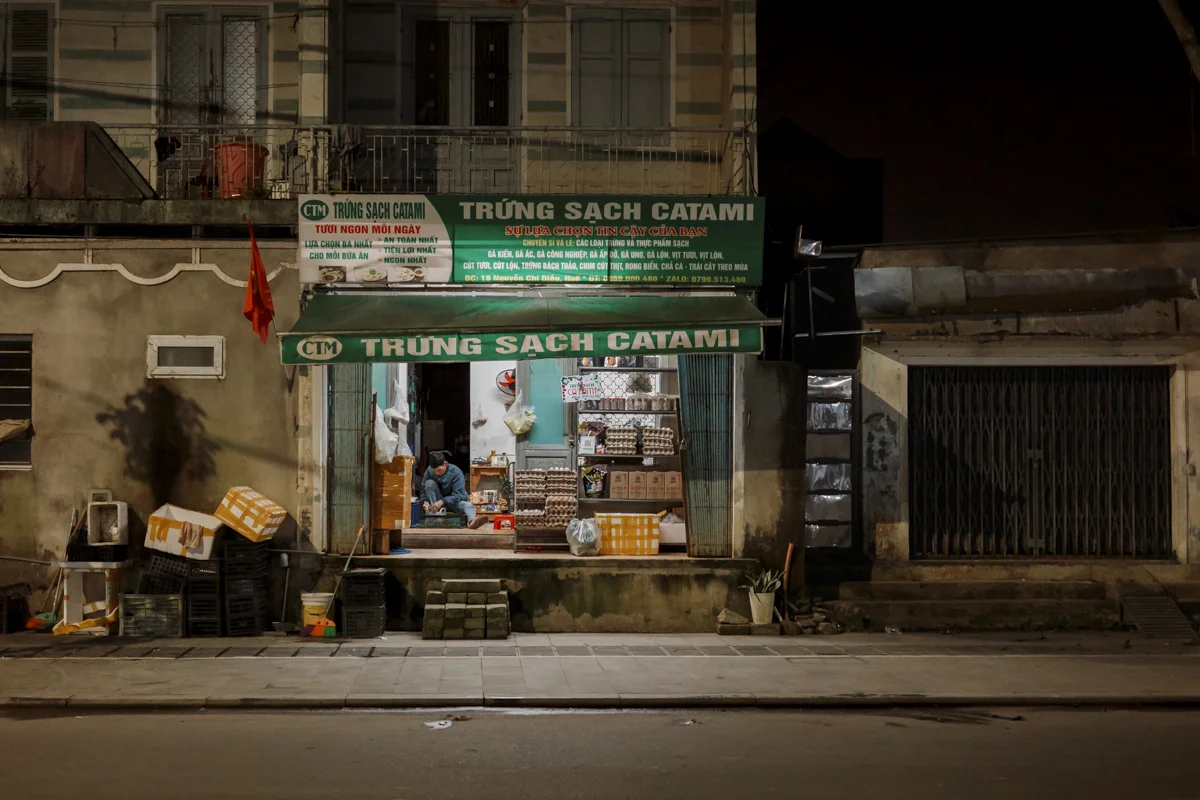
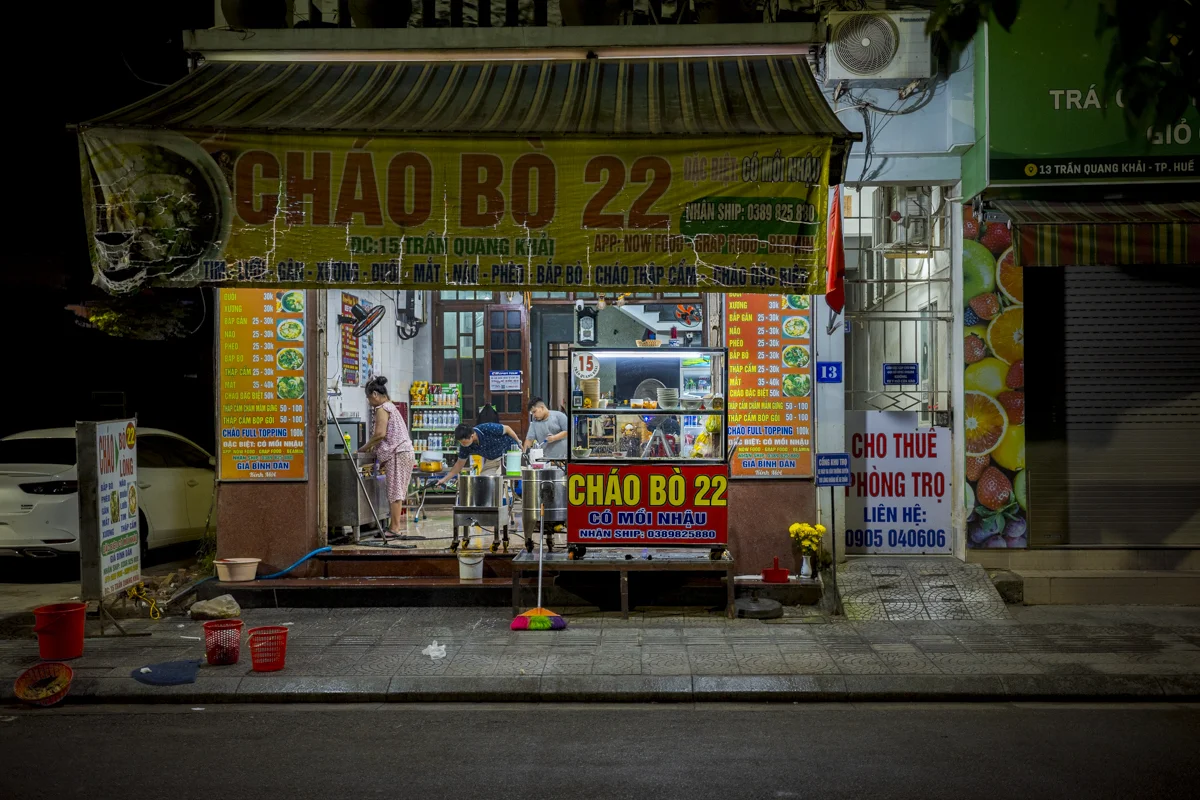
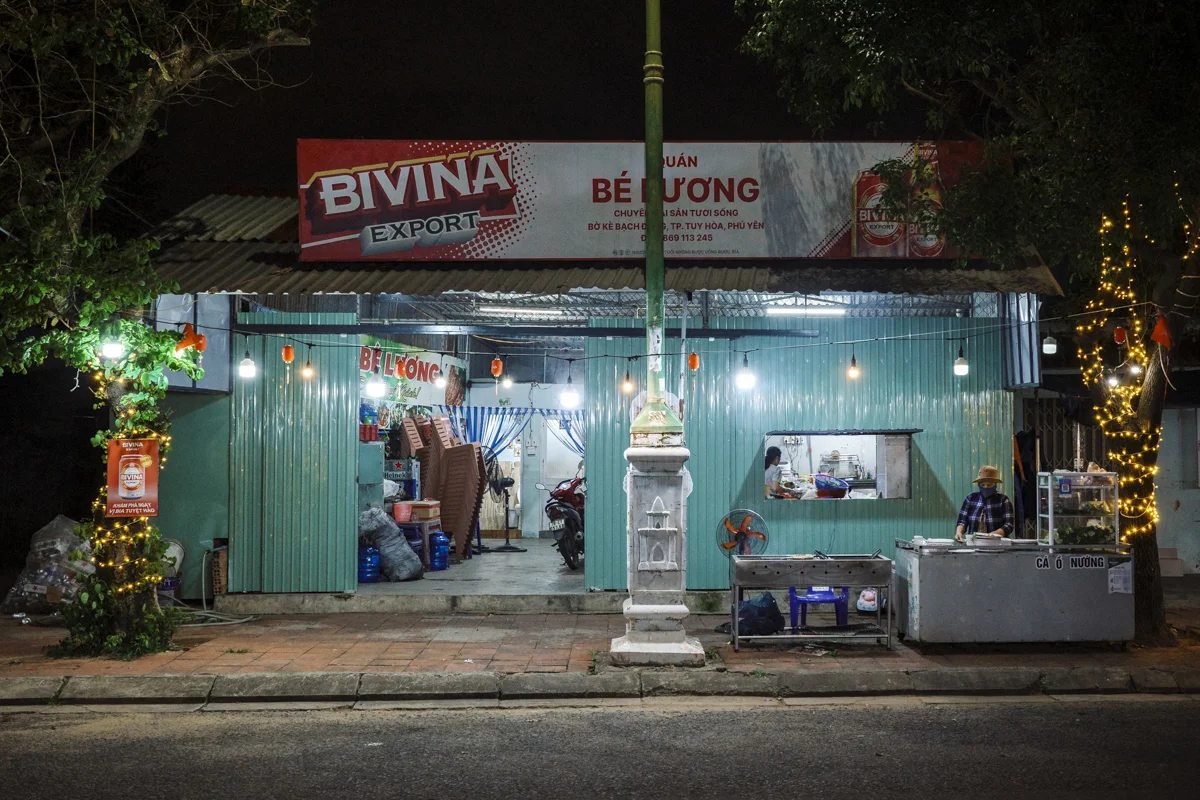
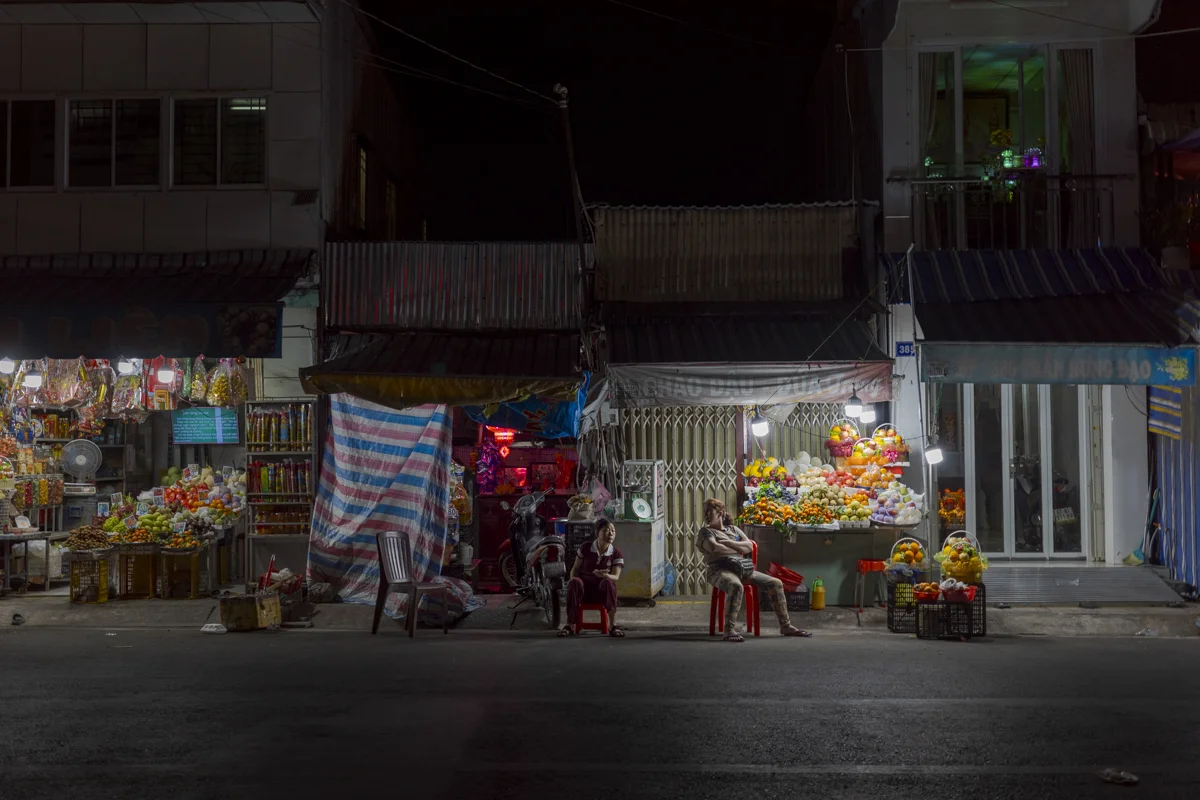
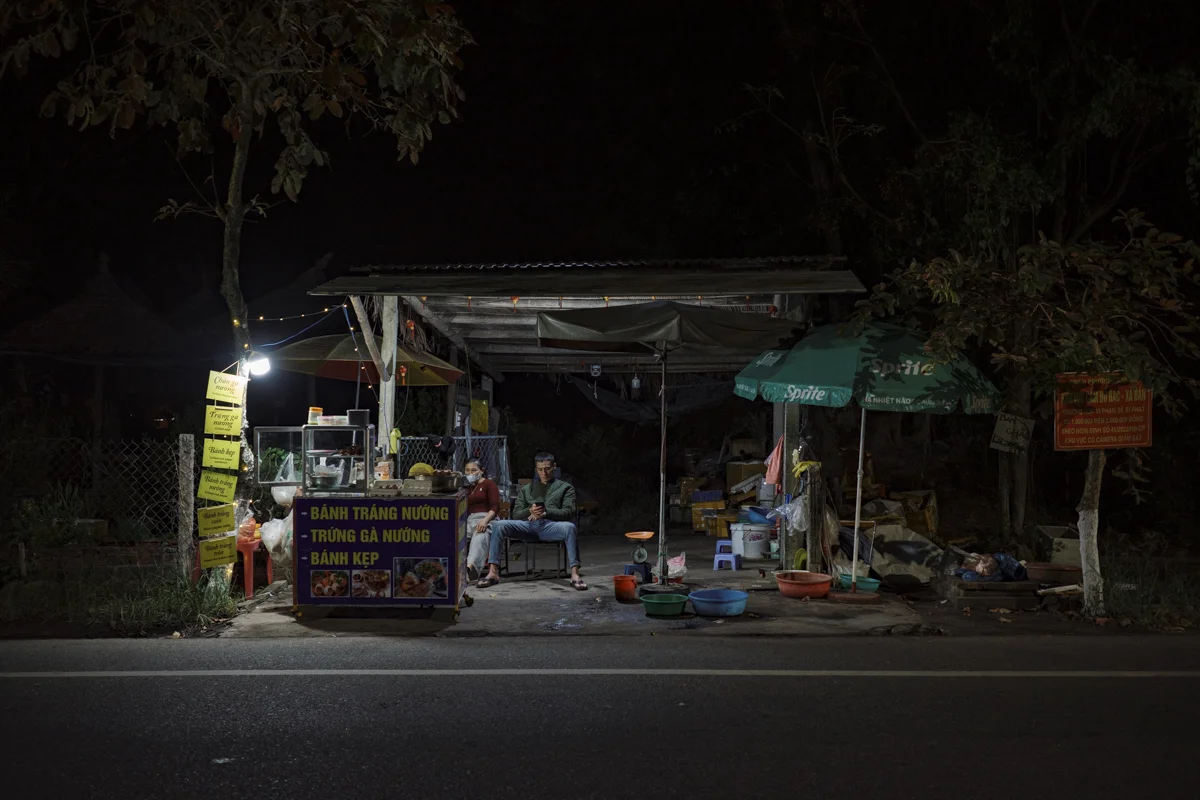
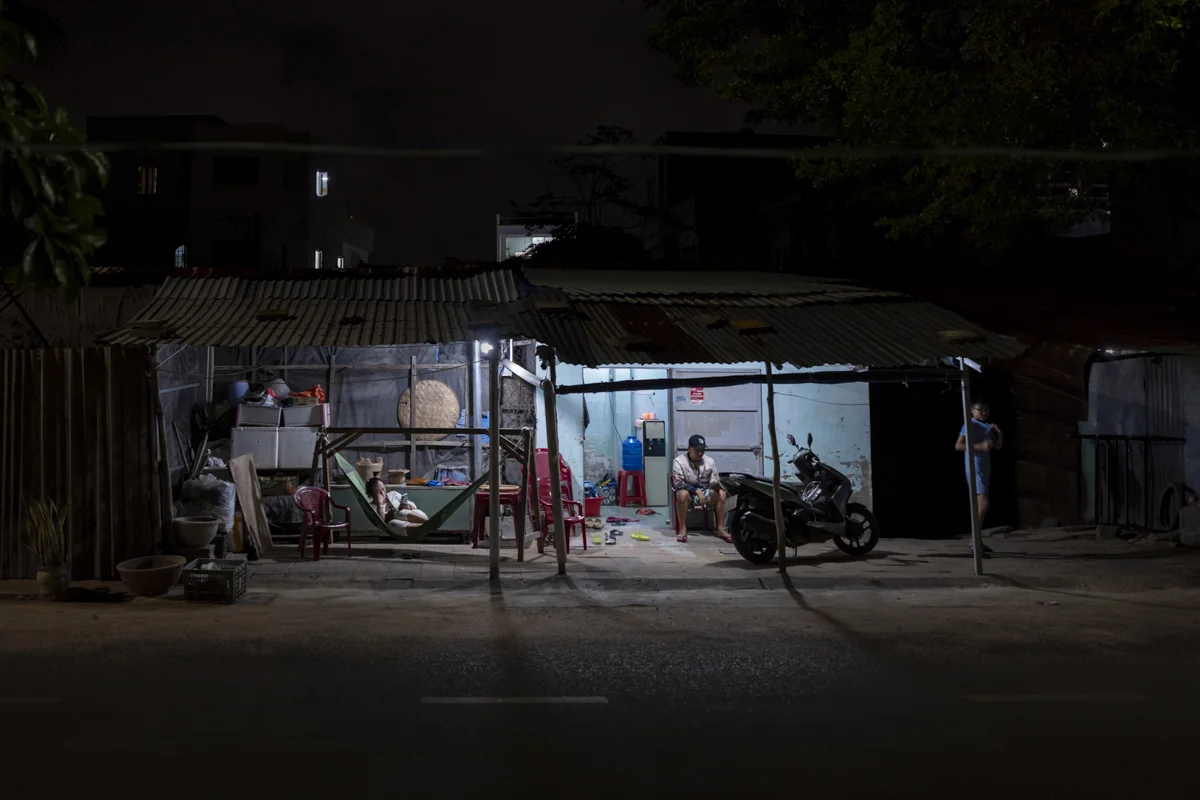
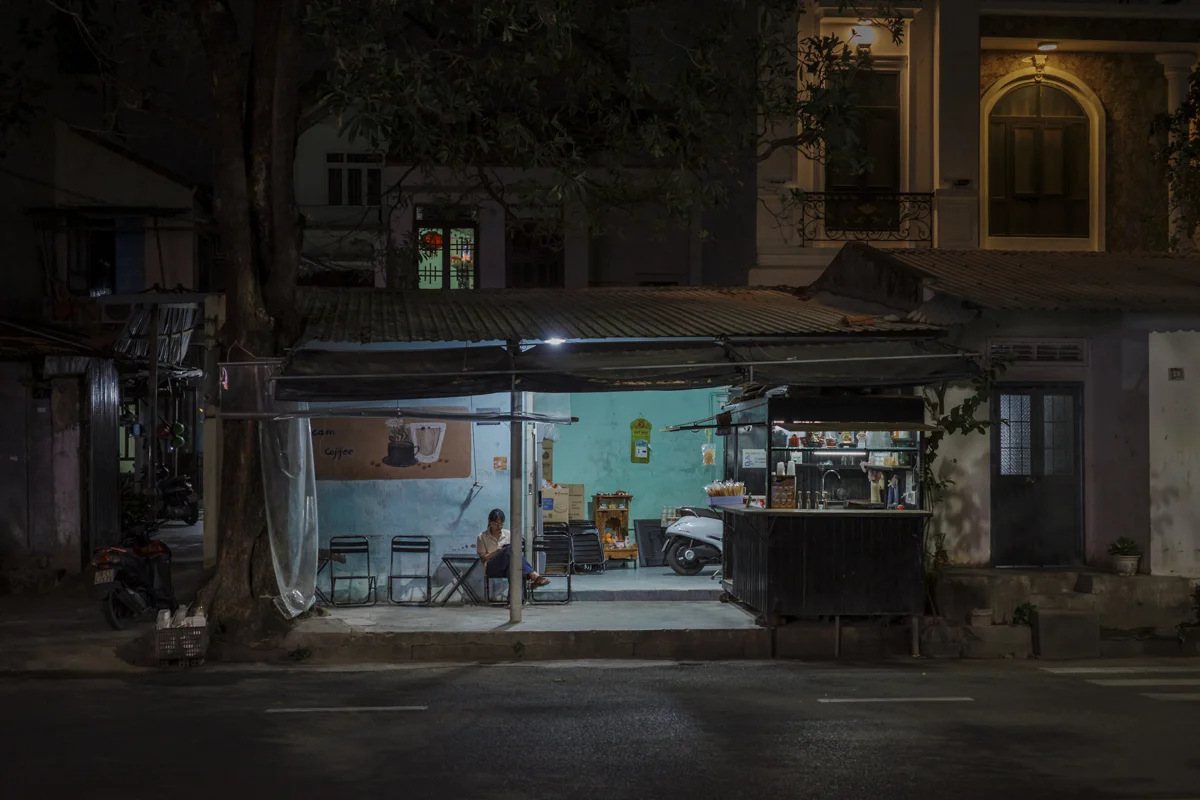
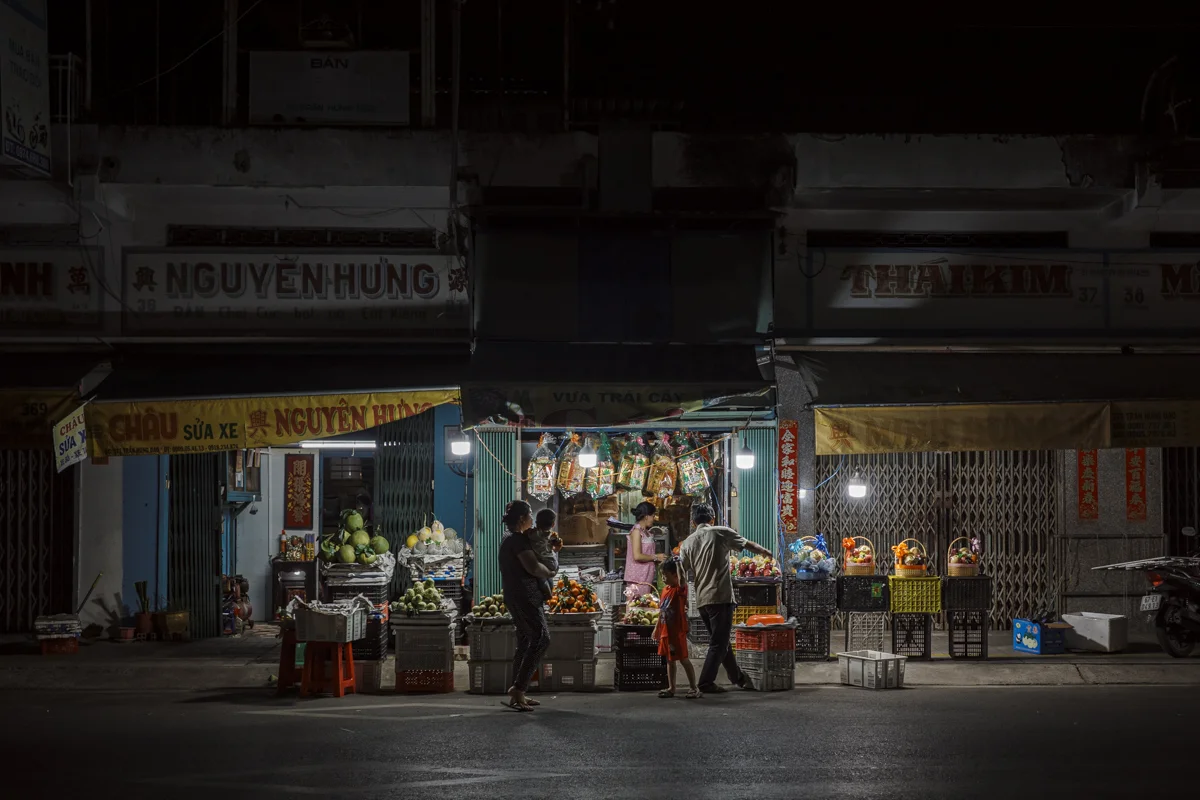
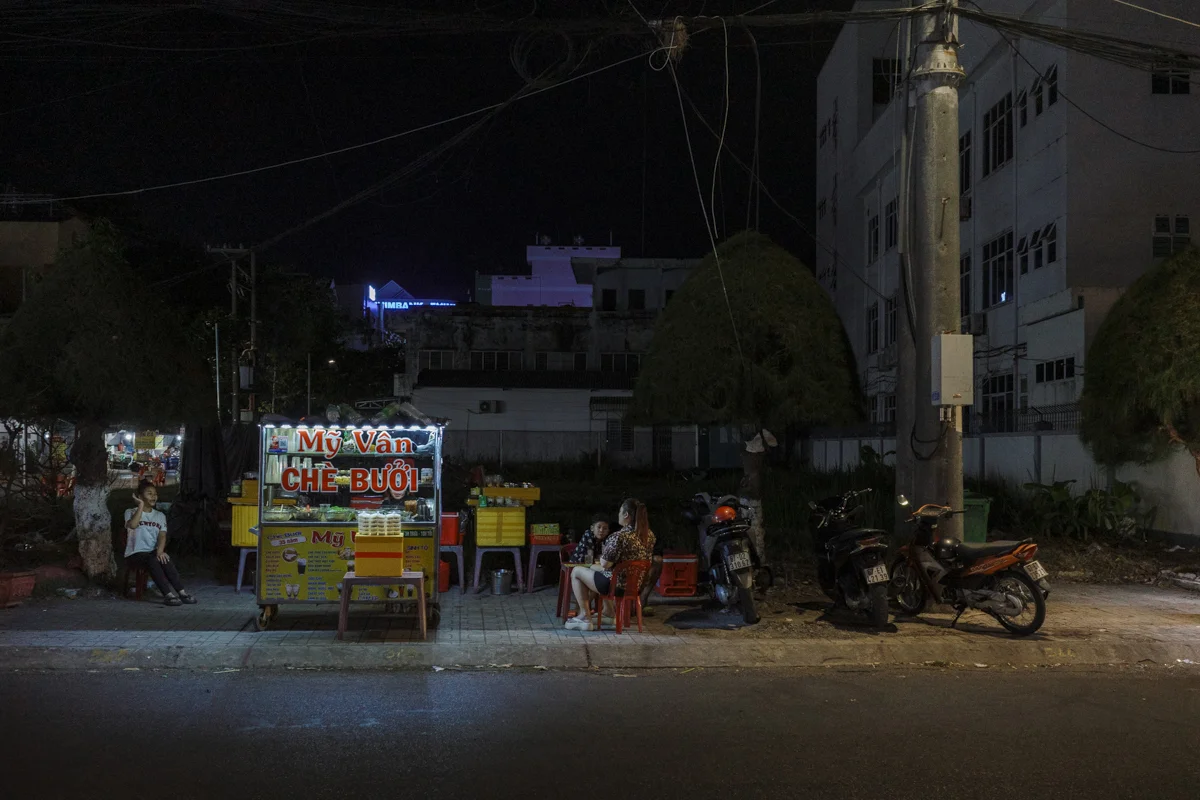
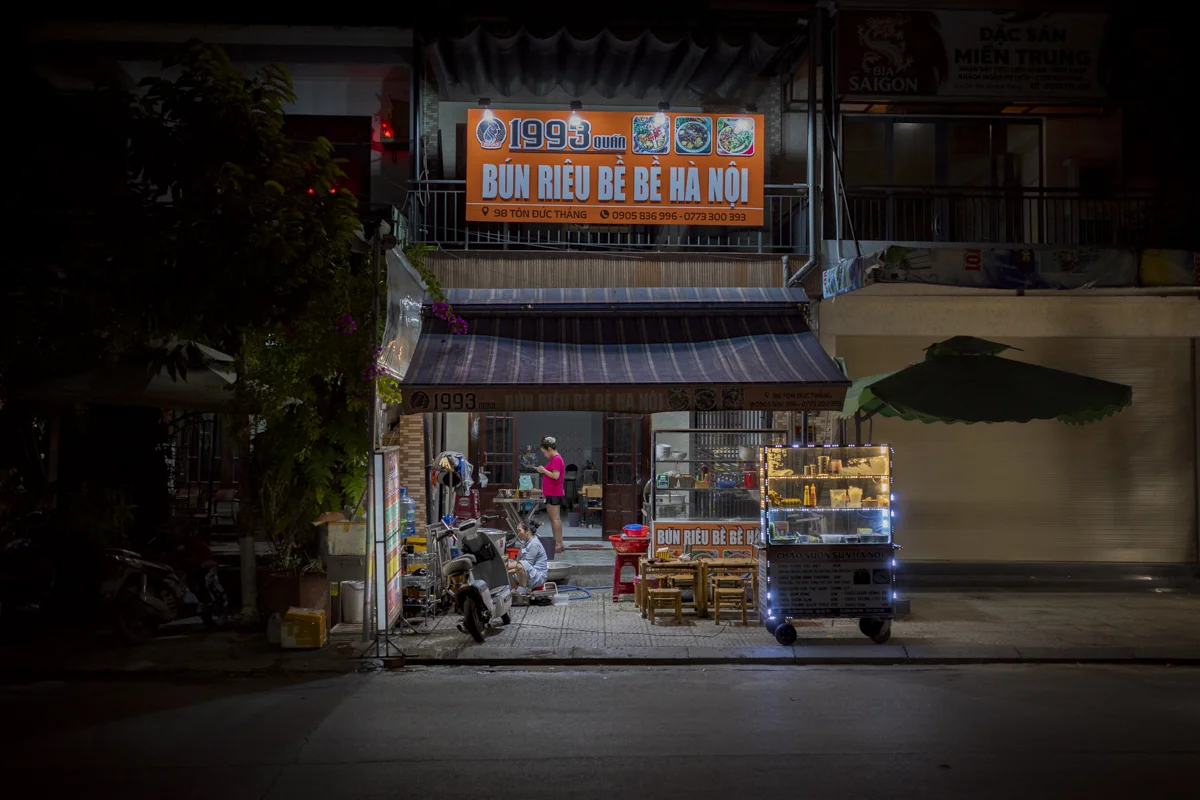
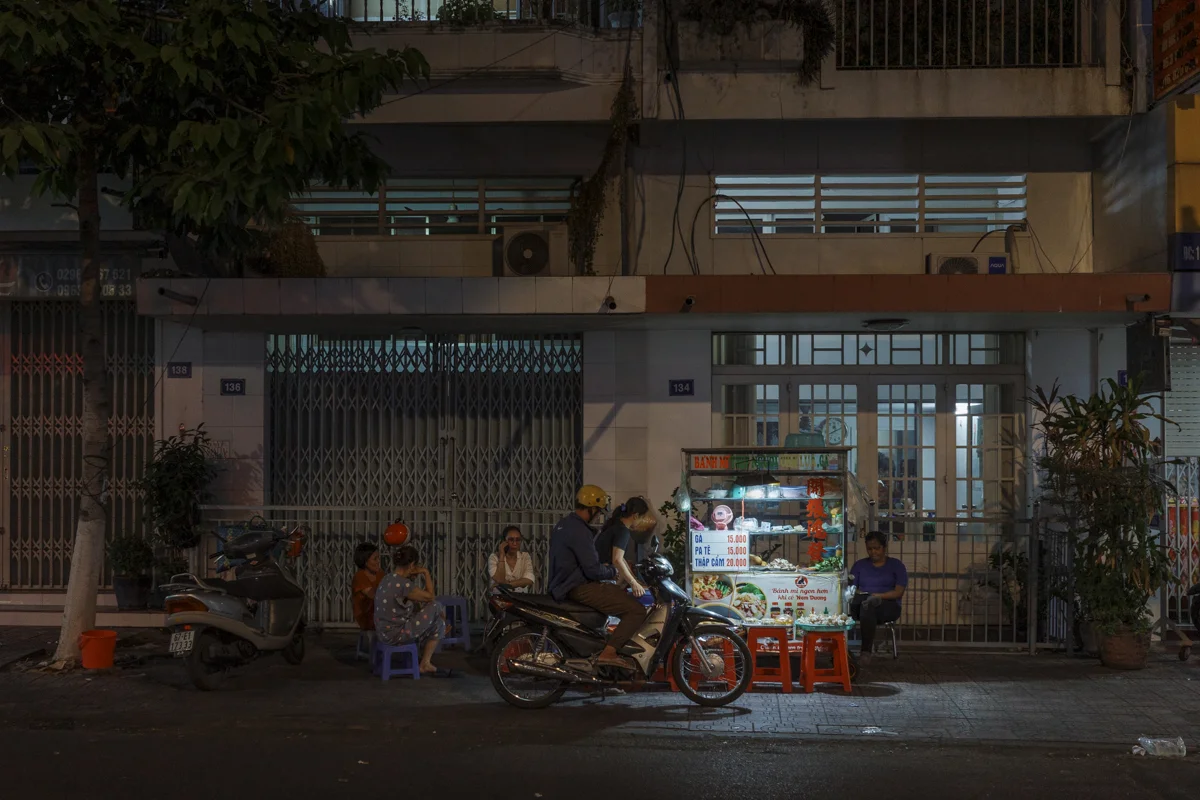
Tristan Olphe is a French photographer based in Paris. Raised by the sea in Brittany, he works across two parallel practices: a commercial one, specialising in wine, gastronomy and event photography, and a personal one built around long-form documentary series.

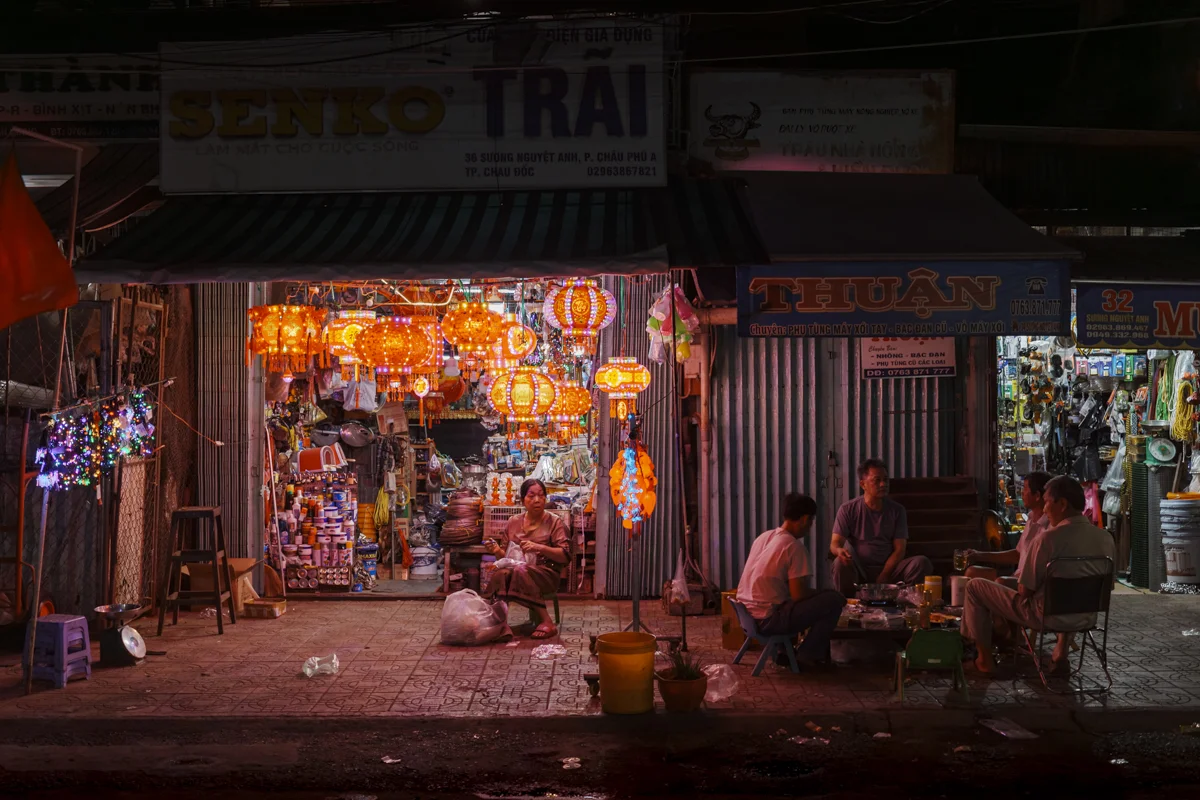
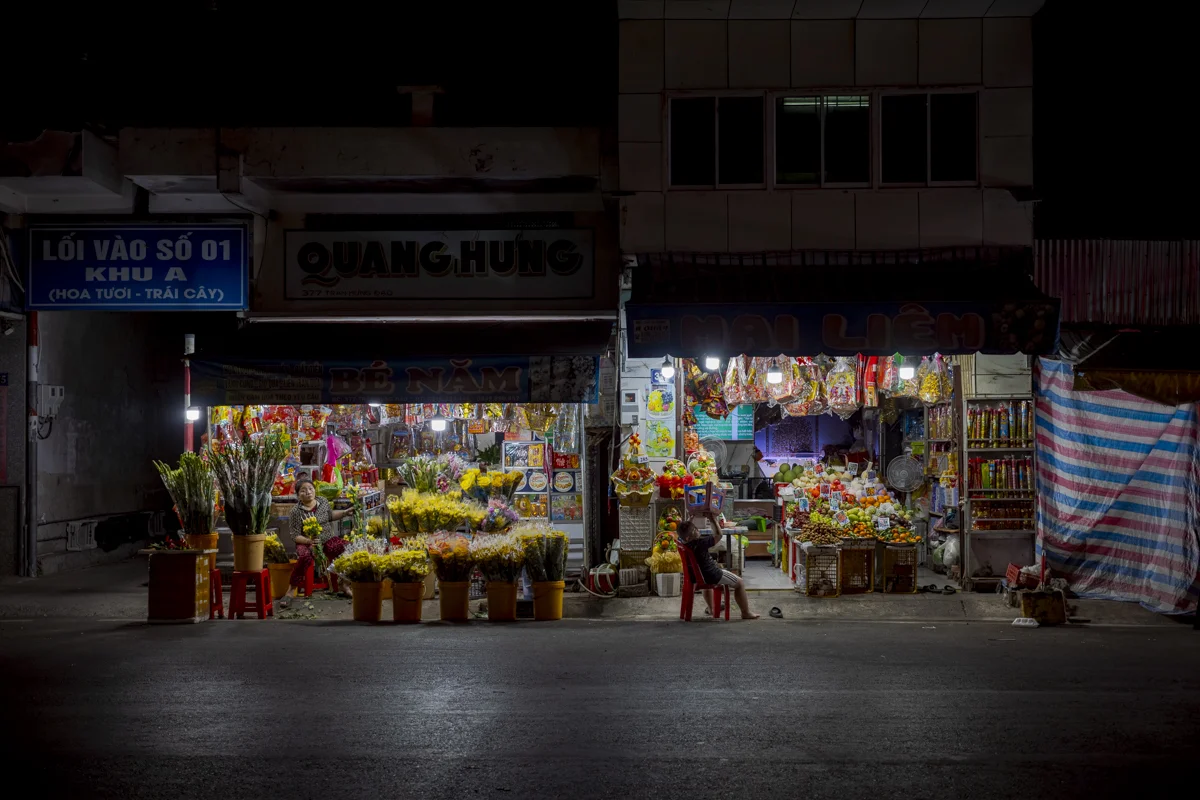
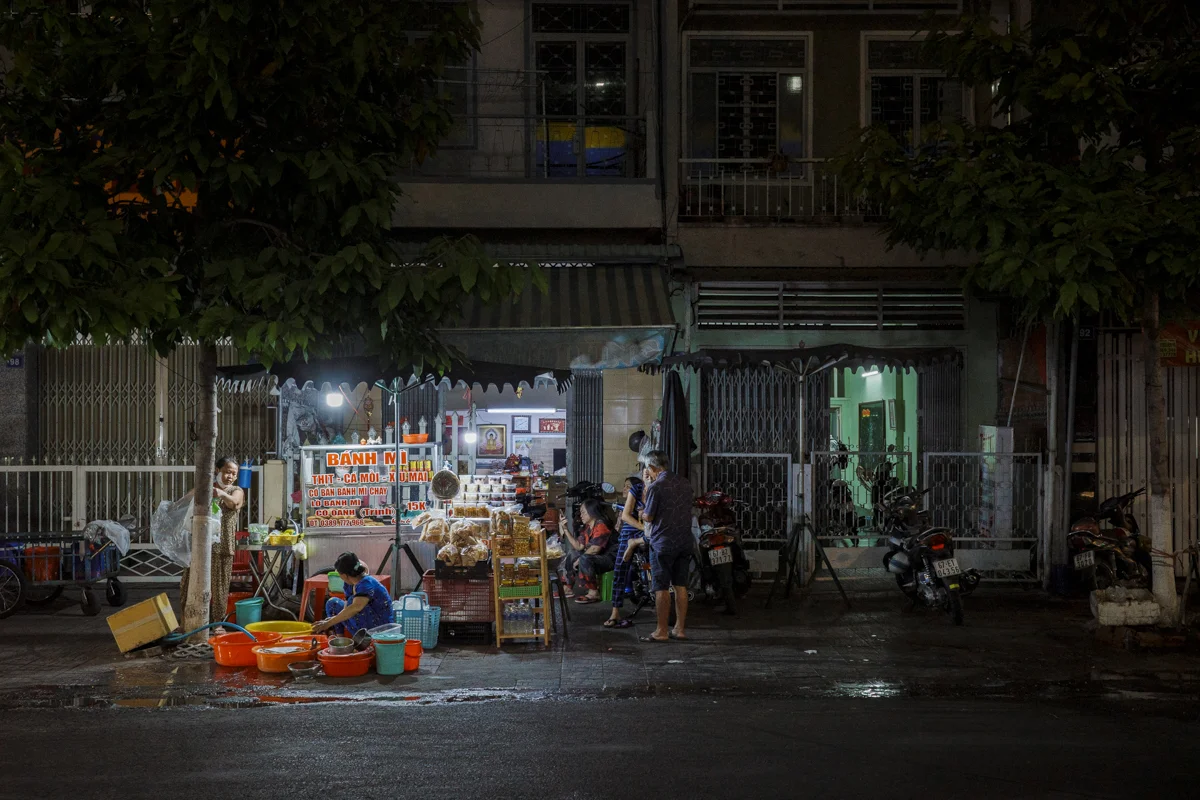
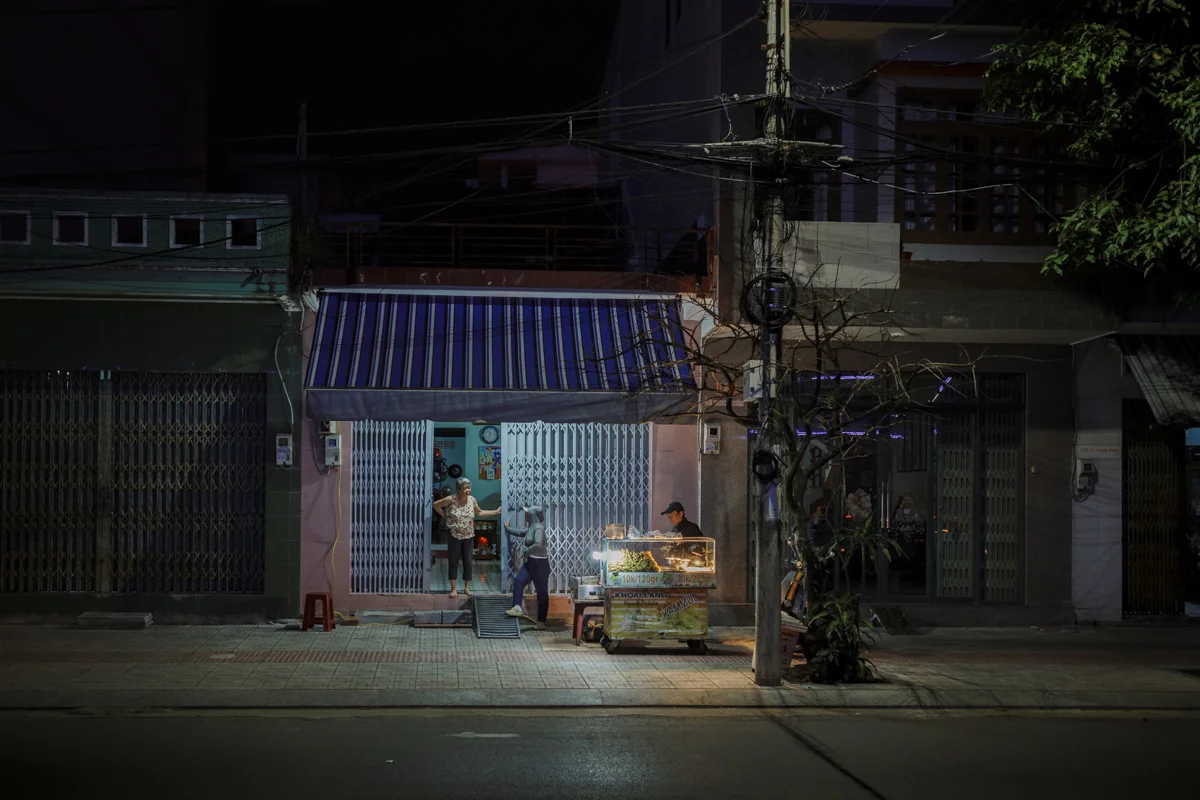
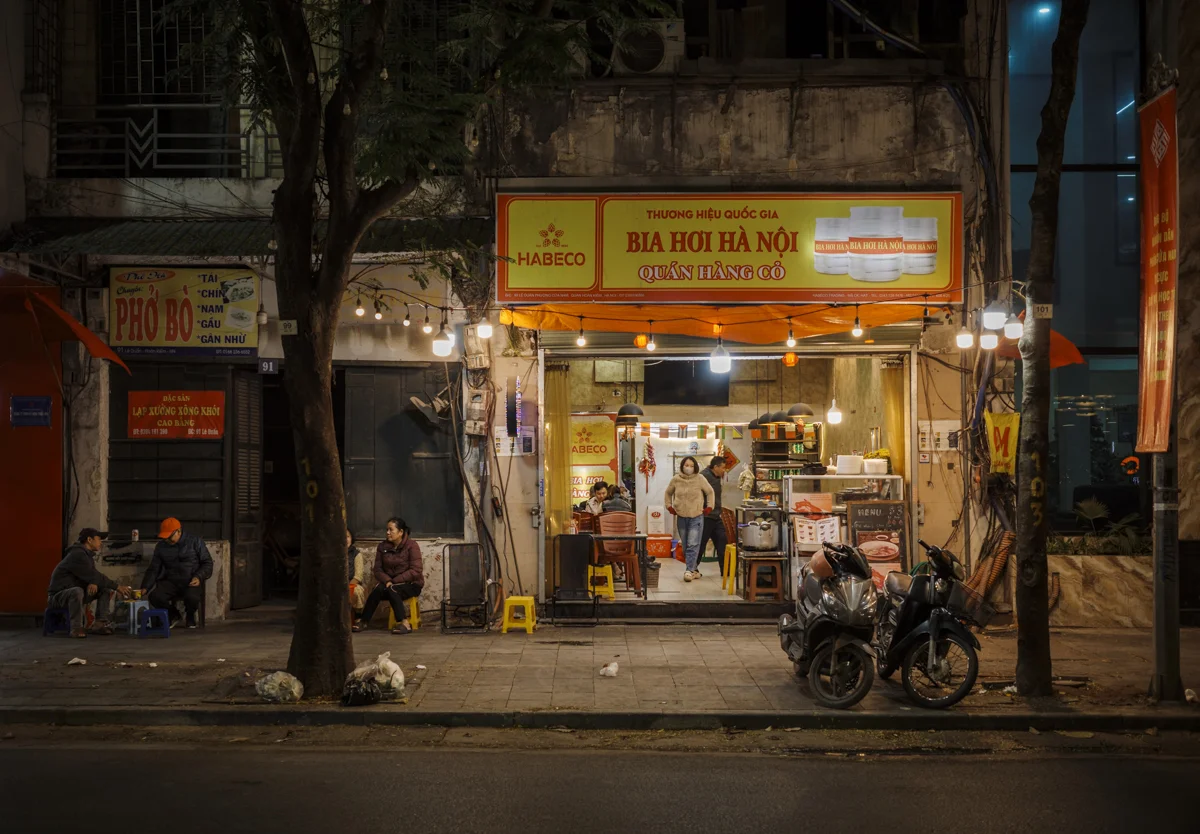
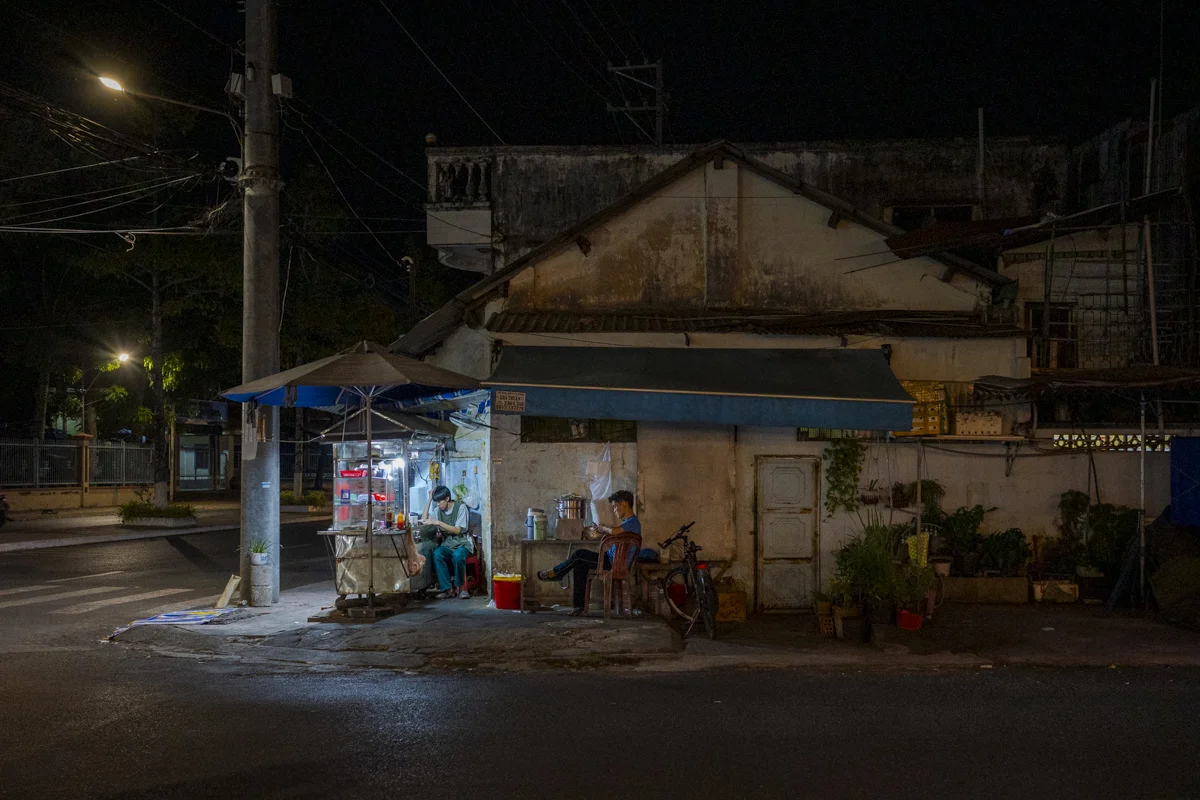
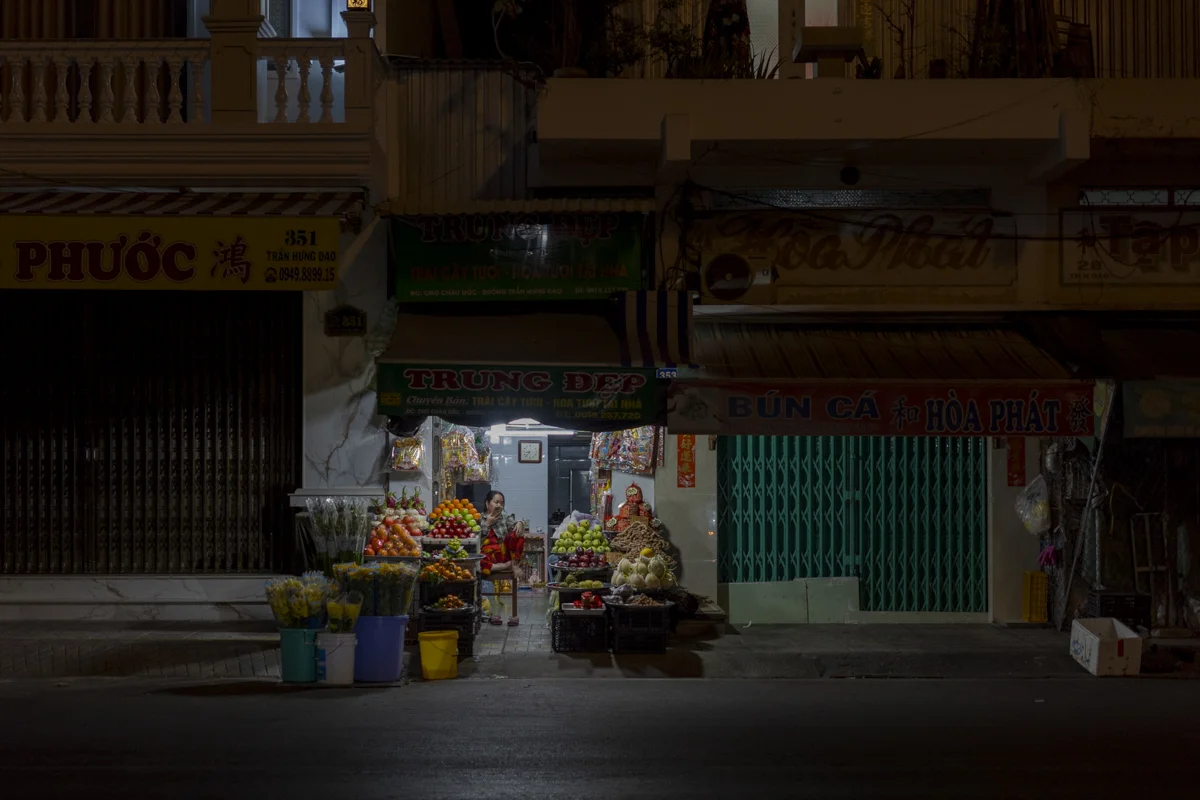
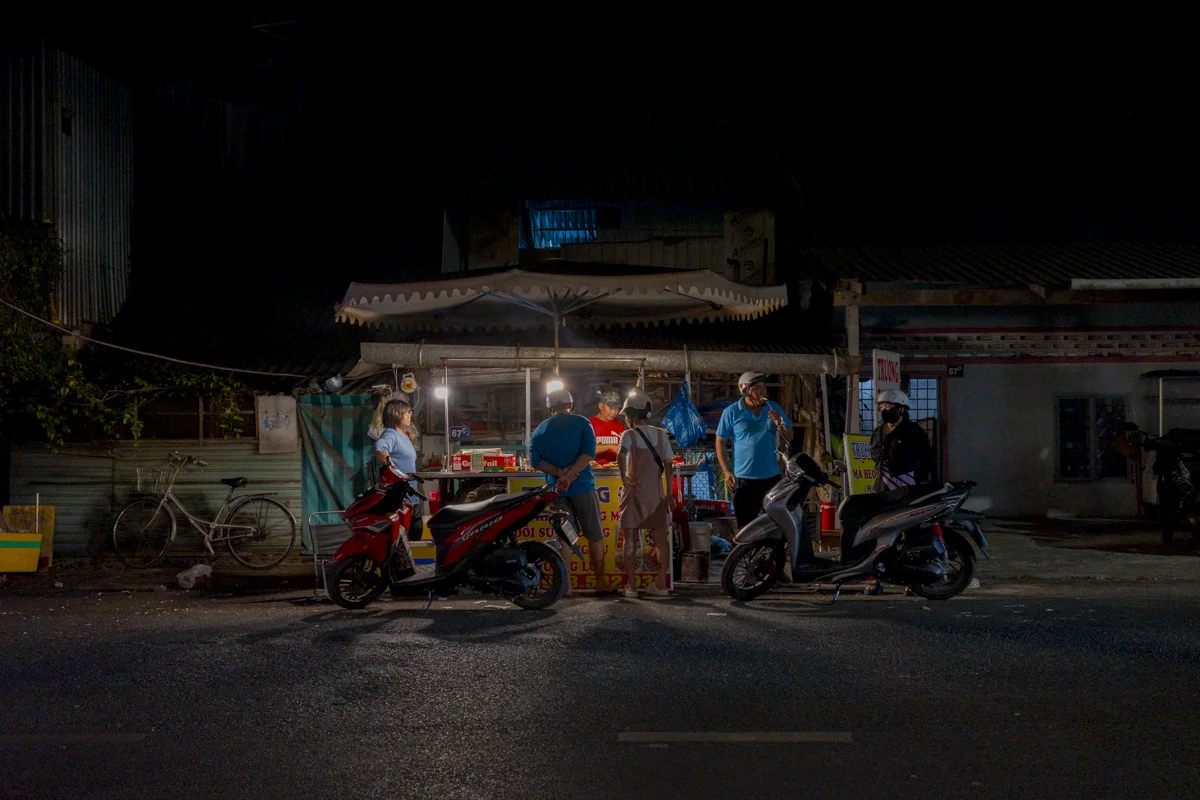
His work is guided by instinctive composition, existing light, and an acute sense of place — whether along a shoreline, behind a bistro counter, or in the lit margins of a Vietnamese street at night.

He is currently developing a long-term book project on French winemakers, combining portrait photography with an experimental printing process.

His work has been recognised at the Refocus Awards (Portrait category).

All About Photo Competitions

Photographer of the Week 25, 2026

 

Inspiring Portfolios

Call for Entries
AAP Magazine #59 Shapes
Publish your work in our printed magazine and win $1,000 cash prizes
 
Stay up-to-date  with call for entries, deadlines and other news about exhibitions, galleries, publications, & special events.

More Great Photographers To Discover

Niki Feijen
Netherlands
1977
Dutch photographer Niki Feijen immortilizes an astonishingly intact glimpse into the past. This autodidact specializes in documenting and capturing historic architecture and abandoned buildings. Each photo fuses together the conflicting notions of beauty and decay and corresponds with his desire to capture and silently communicate with his audience about the subject's very essence. Niki wants to recreate the exact same scene as he sees while standing in a location but the lightspectrum your eye can capture is much, much wider than a camera can capture. Photographing a dark setting with extreme highlights like a window causes the highlights to wash out into white or dark areas can become obscure black blobs. It's impossible to shoot a photo that captures both ends of this spectrum. Since Niki does not use any artificial lighting he uses different exposures to capture a much wider light spectrum than a traditional photograph. The result is a hyper realistic photo which would replicate the exact same thing you would see standing inside the location yourself. In 2010 Feijen visited the quintessential location of desertion: the Chernobyl Exclusion Zone. After a catastrophic nuclear accident occurred in 1986 the entire city of Pripyat, all 50,000 inhabitants, were evacuated within 48 hours. Most of the belongings of the evacuated inhabitants were left behind and never returned to again. The incredible deafening silence of this location, in its absence of the living, permeates the senses and mind of visitors who venture to there to this day. Feijen is currently travelling around the globe looking for more hidden gems tucked away behind 'Do Not Enter' signs. Curious about what lies on the other side, he goes in search of the hidden world that is often in plain sight. When Feijen comes across impressive yet eerie locations, such as homes located in ghost towns, asylums, decaying hospitals, abandoned castles and long forgotten hotels, he intends to preserve the what is left of the past by encapsulating these forgotten masterpieces' ethos in a photo before they crumble and collapse. The impressions left from these places are represented in visual form for the public in three separate books. All works, 'Disciple of Decay' (April 2013) 'Frozen' (September 2014) and 'Tempus Fugit' (December 2017), have been independently published. The first sold out in six months. On top of these publications, Feijen's photographs are exhibited at art galleries and international art fairs several times a year. His works have been featured by NBC, BBC, The Huffington Post, ABC News, The Daily Mail and Chase Jarvis, among a variety of others. As of 2014 Feijen's work is part of the Sir Elton John Photography Collection where his name is among legendary photographers as ; Edward Weston, David LaChapelle, Diane Arbus and Henri Cartier-Bresson.
Cecil Beaton
United Kingdom
1904 | † 1980
Born in 1904 in London and coming of age at the peak of the 20's, Cecil Beaton was in love with the worlds of high society, theater, and glamour. Beauty in his hands was transformed into elegance, fantasy, romance, and charm. His inspired amateurism led to a following among fashionable debutantes and eventually a full fledged career as the foremost fashion and portrait photographer of his day. He was so attunded to the changes of fashion that his career maintained its momentum for five decades; from the Sitwells to the Rolling Stones. Beaton died in 1980.Source: Staley-Wise Gallery Sir Cecil Beaton, in full Cecil Walter Hardy Beaton, photographer known primarily for his portraits of celebrated persons, who also worked as an illustrator, a diarist, and an Academy Award-winning costume and set designer. Beaton’s interest in photography began when, as a young boy, he admired portraits of society women and actresses circulated on picture postcards and in Sunday supplements of newspapers. When he got his first camera at age 11, his nurse taught him how to use it and how to process negatives and prints. He costumed and posed his sisters in an attempt to re-create the popular portraits that he loved. In the 1920s Beaton became a staff photographer for Vanity Fair and Vogue magazines. He developed a style of portraiture in which the sitter became merely one element of an overall decorative pattern, which was dominated by backgrounds made of unusual materials such as aluminum foil or papier-mâché. The results, which combined art and artifice, were alternately exquisite, exotic, or bizarre, but always chic. Many of these portraits are gathered in his books The Book of Beauty (1930), Persona Grata (1953, with Kenneth Tynan), and It Gives Me Great Pleasure (1953). During World War II, Beaton served in the British Ministry of Information, covering the fighting in Africa and East Asia. His wartime photographs of the siege of Britain were published in the book Winged Squadrons (1942). After the war Beaton resumed portrait photography, but his style became much less flamboyant. He also broadened his activities, designing costumes and sets for theatre and film. He won Academy Awards for his costume design in Gigi (1958) and for both his costume design and his art direction in My Fair Lady (1964). Several volumes of his diaries, which appeared in the 1960s and ’70s, were summarized in Self Portrait with Friends: The Selected Diaries of Cecil Beaton, 1926–1974 (1979). Beaton was knighted in 1972.Source: www.britannica.com © All photographs wer scanned and released by the Imperial War Museum on the IWM Non Commercial Licence. The work was created by Cecil Beaton during his service for the Ministry of Information during the Second World War as an official photographer of the Home Front.
Philip Jones Griffiths
Wales
1936 | † 2008
Born in Rhuddlan, Wales, Philip Jones Griffiths studied pharmacy in Liverpool and worked in London while photographing part-time for the Manchester Guardian. In 1961 he became a full-time freelancer for the London-based Observer. He covered the Algerian War in 1962, then moved to Central Africa. From there he moved to Asia, photographing in Vietnam from 1966 to 1971. His book on the war, Vietnam Inc., crystallized public opinion and gave form to Western misgivings about American involvement in Vietnam. One of the most detailed surveys of any conflict, Vietnam Inc. is also an in-depth document of Vietnamese culture under attack. An associate member of Magnum since 1966, Griffiths became a member in 1971. In 1973 he covered the Yom Kippur War and then worked in Cambodia between 1973 and 1975. In 1977 he covered Asia from his base in Thailand. In 1980 Griffiths moved to New York to assume the presidency of Magnum, a post he held for a record five years. Griffiths' assignments, often self-engineered, took him to more than 120 countries. He continued to work for major publications such as Life and Geo on stories such as Buddhism in Cambodia, droughts in India, poverty in Texas, the re-greening of Vietnam, and the legacy of the Gulf War in Kuwait. His continued revisiting of Vietnam, examining the legacy of the war, lead to his two further books ‘Agent Orange’ and ‘Vietnam at Peace’. Griffiths' work reflects on the unequal relationship between technology and humanity, summed up in his book Dark Odyssey. Human foolishness always attracted Griffiths' eye, but, faithful to the ethics of the Magnum founders, he believed in human dignity and in the capacity for improvement. Philip Jones Griffiths died at home in West London on 19th March 2008From en.wikipedia.orgJones Griffiths was born in Rhuddlan, to Joseph Griffiths, who supervised the local trucking service of the London, Midland and Scottish Railway, and Catherine Jones, Rhuddlan's district nurse, who ran a small maternity clinic at home. He studied pharmacy in Liverpool and worked in London as the night manager at the Piccadilly branch of Boots, while also working as a part-time photographer for the Manchester Guardian. His first photograph was of a friend, taken with the family Brownie in a rowboat off Holyhead. Jones Griffiths never married, saying it was a "bourgeois" notion, but that he had had "significant" relationships. Survived by Fanella Ferrato and Katherine Holden, his daughters from long-term relationships with Donna Ferrato and Heather Holden. He died from cancer on March 19, 2008. Journalist John Pilger wrote in tribute to Griffiths soon after his death: "I never met a foreigner who cared as wisely for the Vietnamese, or about ordinary people everywhere under the heel of great power, as Philip Jones Griffiths. He was the greatest photographer and one of the finest journalists of my lifetime, and a humanitarian to match…. His photographs of ordinary people, from his beloved Wales to Vietnam and the shadows of Cambodia, make you realise who the true heroes are. He was one of them." Griffiths started work as a full-time freelance photographer in 1961 for the Observer, travelling to Algeria in 1962. He arrived in Vietnam in 1966, working for the Magnum agency. Magnum found his images difficult to sell to American magazines, as they concentrated on the suffering of the Vietnamese people and reflected his view of the war as an episode in the continuing decolonisation of former European possessions. However, he was eventually able to get a scoop that the American outlets liked: photographs of Jackie Kennedy vacationing with a male friend in Cambodia. The proceeds from these photos enabled him to continue his coverage of Vietnam and to publish Vietnam Inc. in 1971. Vietnam Inc. had a major influence on American perceptions of the war, and became a classic of photojournalism. The book was the result of Griffiths' three years work in the country and it stands as one of the most detailed surveys of any conflict, including descriptions of the horrors of the war as well as a study of Vietnamese rural life and views from serving American soldiers. Probably one of its most quoted passages is of a US army source discussing napalm: ‘We sure are pleased with those backroom boys at Dow. The original product wasn’t so hot - if the gooks were quick they could scrape it off. So the boys started adding polystyrene - now it sticks like shit to a blanket. But if the gooks jumped under water it stopped burning, so they started adding Willie Peter (white phosphorus) so’s to make it burn better. And just one drop is enough, it’ll keep on burning right down to the bone so they die anyway from phosphorus poisoning.’ The South Vietnamese president, Nguyen Van Thieu, criticized Griffiths' work, remarking "Let me tell you there are many people I don't want back in my country, but I can assure you Mr. Griffiths name is at the top of the list." In 1973, Griffiths covered the Yom Kippur War. He then worked in Cambodia from 1973 to 1975. In 1980, he became the president of Magnum, a position he then held for five years. In 2001 Vietnam Inc. was reprinted with a foreword by Noam Chomsky. Subsequent books have included Dark Odyssey, a collection of his best pictures, and Agent Orange, dealing with the impact of the US defoliant Agent Orange on postwar generations in Vietnam. After becoming aware of his terminal condition, Jones Griffiths launched a foundation to preserve his archives. His daughters helm the foundation, which as of July 2008 lacked a permanent home. Source: www.magnumphotos.com
Mark Steinmetz
United States
1961
Mark Christopher Steinmetz (born 1961) is an American photographer. He makes black and white photographs "of ordinary people in the ordinary landscapes they inhabit". Steinmetz's work was shown in a group exhibition at the Museum of Modern Art, New York in 1993/1994 and in solo exhibitions at the Ogden Museum of Southern Art in 2015, the High Museum of Art in 2018 and at Fotohof in Salzburg, Austria in 2019. He is the recipient of a Guggenheim Fellowship. His work is held in the collections of the Art Institute of Chicago, Hunter Museum of American Art, Museum of Contemporary Photography, Chicago, Metropolitan Museum of Art, Whitney Museum of American Art and Museum of Modern Art, New York, and Nelson-Atkins Museum of Art. Steinmetz was born in New York City and raised in the Boston suburbs of Cambridge and Newton until he was 12. He then moved to the midwest before, aged 21, he went to study photography at the Yale School of Art in New Haven, Connecticut. He left that MFA program after one semester and in mid 1983, aged 22, moved to Los Angeles in search of the photographer Garry Winogrand, whom he befriended. He moved to Athens, Georgia in 1999 and was still living and working there as of 2017. Marc Steinmetz makes photographs "of ordinary people in the ordinary landscapes they inhabit", and "in the midst of activity". Most of his work has been made in the USA but also in Berlin, Paris, and Italy. His books combine portraits (portrait-like but spontaneous) and candid photos of people, and also include animals and still life photos. He finds many of his subjects whilst walking around but he has also spent time at Little League Baseball and summer camps. Steinmetz predominantly works with black and white film, usually medium format, developed and printed in his own darkroom. He has mostly worked the same way with the same film, chemicals, and cameras since beginning in the mid 1980s.Source: Wikipedia Mark Steinmetz is an Athens, Georgia-based photographer whose work captures black-and-white images of Southern Americana as seen in urban, rural and suburban landscapes. “I like to stress the poetry and ambiance of a place, while still trying to be truthful,” he has remarked, and his candid shots of everyday life reflect this statement. Examples of this sentiment are strikingly portrayed in Steinmetz's new photo series Terminus, showing the everyday moments of people passing through airports. “At the airport, people from all over the world and from all walks of life can be found in the midst of their journeys,” Mark Steinmetz has said. “Though my main subject has been the passengers, I am also photographing the people who work at the airport, the interiors and exteriors of the planes, as well as the hotels, parking lots and neighborhoods that surround and support the airport.” Mark Steinmetz draws inspiration from a number of Southern artists whose talents extend beyond the realm of photography, and has remarked “the South has many great writers—William Faulkner, Flannery O'Connor, Carson McCullers—and they've influenced me.” Surprisingly, Mark Steinmetz did not originate in the South. In fact, he attended high school in Iowa and received his MFA from Yale University in 1986. (Though he initially dropped out in 1983 in order to move to Los Angeles and work with photographer Garry Winogrand) It wasn’t until 1999 that he left shooting freelance in Chicago and moved south for a teaching job at the University of Tennessee. He has remained in the South ever since. “I love the South for the weeds growing through the cracks of its sidewalks, for its humidity and for its chaos,” he has said. Interestingly, Mark Steinmetz has worked with analog since the beginning of his career, and even uses the same camera, film and development process today as he did as a novice photographer. Mark Steinmetz’ monographs include South Central (2007), South East (2008), Greater Atlanta (2009) and Summertime (2012). He has also been published in Aperture, Blind Spot and DoubleTake magazines. In 1994, he was awarded a Guggenheim Fellowship, and in 1998 he participated in Light Work’s Artist-in-Residence Program. Mark Steinmetz has taught at a number of institutions, including Harvard, Sarah Lawrence College, Emory University and Yale. Steinmetz’ photos can be found in the collections of The Museum of Modern Art, The Metropolitan Museum of Art, The Whitney Museum of American Art, The Art Institute of Chicago and the Los Angeles County Museum of Art.Source: Jackson Fine Art
Hannah Villiger
Switzerland
1951 | † 1997
Capturing the essence of self, frequently in sensual sequences, Hannah Villiger employed her own body as both material and subject. She played a pivotal role in the artistic emancipation of women in the 1980s. Born in 1951 in Cham, near Zug, Villiger earned a diploma in sculpture from Lucerne’s Schule für Gestaltung at the age of twenty-three. Her early work swiftly garnered attention from critics, including Jean-Christophe Ammann, whose support catapulted her to recognition. Seeking her own artistic language, Villiger gradually transitioned to exclusive work in photography. Initially using a reflex camera and producing black-and-white images, her early work retained the influence of Land Art and Arte Povera. In 1980, she exclusively embraced Polaroid film, shaping her photography around a singular subject—her own body. Over a period of seventeen years, Villiger approached her body in a novel way, avoiding personal anecdotes and the allure of the flesh. Shamelessly and without narcissism, she focused solely on the volume and forms of her anatomy, manipulating and contorting it as one would with clay or a sculptor's chisel. The considerable size of these Polaroids, enlarged to be larger than life, imbued the images with a commanding physical presence. Yet, unlike some of her contemporaries associated with the Body Art movement, Villiger imposed no voyeurism on the viewer. In 1986, she settled in Paris, participating in the Venice Biennale in 1991 and the São Paulo Biennial in 1994, where she exhibited alongside Pipilotti Rist. Despite her premature death at the age of forty-six, Villiger left behind a bold and distinctive body of work, featured in public and private collections in Switzerland and abroad, notably in the United States. Institutional exhibitions featuring Hannah Villiger's work have been held at various venues, including the Centre culturel suisse, Paris (1986); Museum für Gegenwartskunst, Basel (1988); Kunstverein Frankfurt (1991); and the 22nd Bienal de São Paulo (1994), where she showcased her art in the Swiss Pavilion alongside Pipilotti Rist. Posthumous solo exhibitions have been organized at Kunsthalle Basel (2001); Kunsthalle Bonn (2001); nGbK Neue Gesellschaft für bildende Kunst, Berlin (2002); MAMCO Musée d'art moderne et contemporain, Geneva (2007); Museum für Gegenwartskunst, Basel (2008); and Centre culturel suisse, Paris (2012). Additionally, in 2020 and 2021, Villiger's work was featured in group exhibitions at Kolumba, Cologne, and the Museum zu Allerheiligen, Schaffhausen.
Mark Citret
United States
1949
Mark Citret was born in 1949 in Buffalo, New York, and grew up in San Francisco. He began photographing seriously in 1968 and received both his BA and MA in Art from San Francisco State University. Most of Citret's work is not specific to any locale or subject matter. Still, he has worked on many photographic projects over the course of his career and continues to do so. From 1973 to 1975 he lived in and photographed Halcott Center, a farming valley in New York's Catskill Mountains. In the mid to late 1980s, he produced a large body of work with the working title of "Unnatural Wonders", which is his personal survey of architecture in the national parks. He spent four years, 1990 to 1993, photographing "Coastside Plant", a massive construction site in the southwest corner of San Francisco. Since he moved to his current home in 1986, he has been photographing the ever-changing play of ocean and sky from the cliff behind his house. Currently, he is in the midst of a multi-year commission from the University of California San Francisco, photographing the construction of their 43 acre Mission Bay life-sciences campus. He has taught photography at the University of California Berkeley Extension since 1982 and the University of California Santa Cruz Extension since 1988, and for organizations such as the Center for Photography at Woodstock, the Ansel Adams Gallery, and Santa Fe Workshops. His work is represented by prominent photography galleries in the United States, and is in many museums, corporate, and private collections, including the San Francisco Museum of Modern Art, the Los Angeles County Museum of Art, the New Orleans Museum of Art, the Santa Barbara Museum of Art, the University of Arizona's Center for Creative Photography, and the Monterey Museum of Art. A monograph of his photographs, Along the Way, was published by Custom & Limited Editions, San Francisco, in 1999. He lives in Daly City, California. About Parallel Landscapes
John Thomson
Scotland
1837 | † 1921
John Thomson, one of the great figures of nineteenth century photography, is known for the unusual and exotic nature of his chosen subject matter. Born in Edinburgh, Scotland in 1837, Thomson took up photography as a profession in his early twenties. For ten years, from 1862, he traveled and explored the Far East, visiting Hong Kong, Singapore, Penang and the Malay Peninsula, Siam, Cambodia, Vietnam, Formosa and especially China. Utilizing a large wooden box-type camera capable of accommodating a glass plate of up to 12 x 16 inches, John Thomson photographed commoners and kings, attempting to capture the individual behind the veneer of social status. His photographic record of the Far East documented a complete panorama of the cultures and people of the Far East at a time when Westerners were a few and curious lot. John Thomson not only created a photographic history, but also wrote numerous articles and books on his travels and views of life in the Far East. There is no doubt that it was Thomson’s sympathetic approach to his subjects, and the dignity with which he embued them, as much as his great technical expertise, which enabled him to produce such an outstanding photographic documentary. It is this marriage between sensitivity, technical expertise and sheer professionalism, not to mention his voluminous literary output and descriptions of the scenes and people, which he photographed, that has earned Thomson the title of the ‘first of the great photo-journalists’. His work, which has only recently gained full recognition, represents one of the great photo-historical records in the history of documentary photography. Source Westwood Gallery
Advertisement
AAP Magazine #59 Shapes
Win a Solo Exhibition in July
AAP Magazine #59 Shapes

Latest Interviews

Exclusive Interview with Susan Anthony
American photographer Susan Anthony brings a painter’s eye to documentary photography, creating nuanced portraits of people and places shaped by time, community, and tradition. Her work is rooted in observation, empathy, and a deep curiosity about the lives of others. Through long-term projects, she explores the relationship between individuals and the environments they inhabit, revealing the stories that connect people to a place and to one another.
Exclusive Interview with Carole Mills Noronha
Carole Mills Noronha is an Australian photographer whose deeply personal work explores memory, family, loss, and the fragile nature of identity. Living with epilepsy and a lifelong sensitivity to light, she has developed a distinctive photographic language rooted in observation, empathy, and emotional connection. Her images are shaped by lived experience, revealing intimate stories with remarkable honesty and tenderness.
Exclusive Interview with Trevor Cole: Pastoral Peoples and Practices
For this interview, we wanted to focus specifically on The Face of the Mundari and the wider Pastoral Peoples and Practices series. We spoke with Trevor about his long-term work among the Mundari, what continues to draw him back to their cattle camps, and the experience of documenting a culture whose identity remains deeply connected to livestock, tradition, and the natural environment.
Exclusive Interview with Frank Meo
In our latest exclusive feature for All About Photo, I speak with veteran photography representative Frank Meo about what it truly takes to build a sustainable creative career today. Frank brings decades of experience working with Fortune 500 companies, major agencies, and documentary photographers to the table. We dive into the critical business skills often left out of art school curriculums, the power of mentorship, and the inspiring evolution of PROJECTIONS—his international salon platform for visual storytellers. It’s an essential read for anyone navigating the commercial or editorial photography landscape today.
Exclusive Interview with Carolyn Moore
American photographer Carolyn Moore explores the inner landscape of emotion, memory, and personal transformation through a deeply intuitive photographic practice. Her work unfolds as a quiet dialogue between artist and viewer, where images become a space for reflection, vulnerability, and connection.
Exclusive Interview with Luca Desienna and Laura Estelle Barmwoldt
For over seven years, Of Lilies and Remains has explored the depths of the goth and darkwave underground, unfolding in Leipzig—a city long associated with a vibrant and enduring subcultural scene. Moving between iconic gatherings such as Wave-Gotik-Treffen and more intimate moments on the fringes, the project offers a rare and immersive glimpse into a world often misunderstood, yet rich in expression and community. Created by Luca in collaboration with Laura Estelle Barmwoldt, the work embraces a cinematic and deeply personal approach. Rather than documenting from a distance, it moves within the scene itself, capturing its atmosphere, its codes, and its quiet contradictions. The title Of Lilies and Remains hints at this duality—where beauty and darkness, fragility and strength coexist. As the book prepares for its release, we spoke with both artists about the origins of the project, their process, and what it means to document a subculture that continues to evolve while remaining true to its spirit.
Exclusive Interview with Matthew Finley
American photographer Matthew Finley turns inward, using photography as a way to explore identity, memory, and emotional truth. Based in Los Angeles, his practice moves between performance, gesture, and found imagery, creating a visual language that is both intimate and deeply personal
Exclusive Interview with Jan Janssen
Dutch photographer Jan Janssen explores universal human experiences through his long-term project It Matters, winner of the May 2025 Solo Exhibition. Begun in 2016, the series captures intimate moments of everyday life—love, loss, connection, and belonging—across Central and Eastern Europe. Working in countries such as Turkey, Azerbaijan, and Armenia, Janssen spends extended time within communities, building relationships based on trust and respect. His approach allows him to move beyond observation, revealing deeply human and authentic moments. Rooted in travel and personal discovery, It Matters reflects Janssen’s search for what connects us all in an increasingly divided world. The project is ongoing and will culminate in a photobook scheduled for publication in 2026.
Exclusive Interview with Henk Kosche
German photographer Henk Kosche turns his lens toward the streets of Halle an der Saale, capturing everyday life in the late years of the former German Democratic Republic. At the time, Kosche was studying design and exploring the city with his camera, drawn to the atmosphere of its industrial landscape and the quiet rhythms of daily life. His series Street Photography at the End of the 80s, selected as the Solo Exhibition for July 2025, revisits a body of work created just before a period of profound change. Rediscovered decades later in a small box of 35mm negatives, these photographs offer glimpses of a city and its people at a moment suspended between the familiar and the unknown.
Call for Entries
Win A Solo Exhibition in July
Get International Exposure and Connect with Industry Insiders