All about photo.com: photo contests, photography exhibitions, galleries, photographers, books, schools and venues.
Win a Solo Exhibition in July 2026 + An Exclusive Interview!
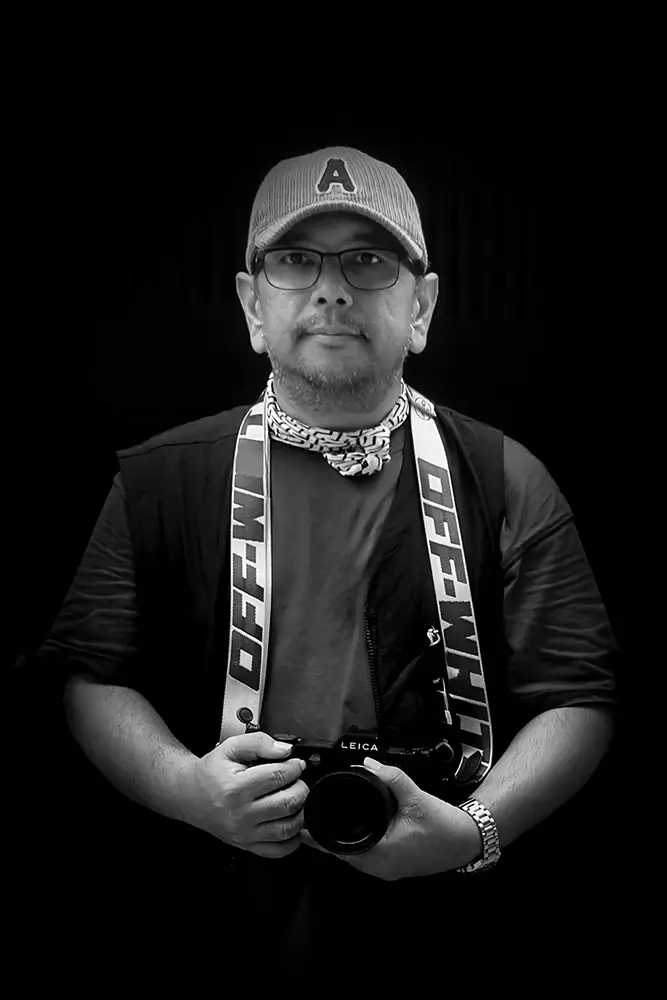
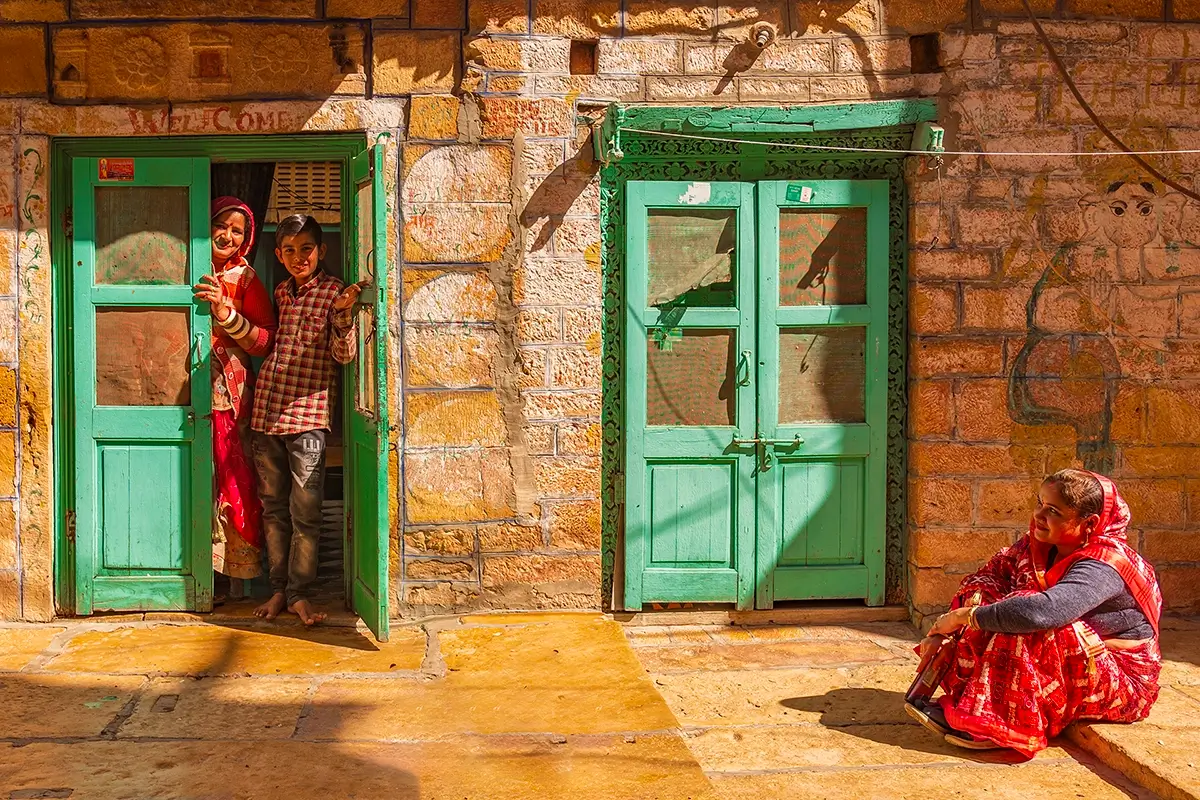
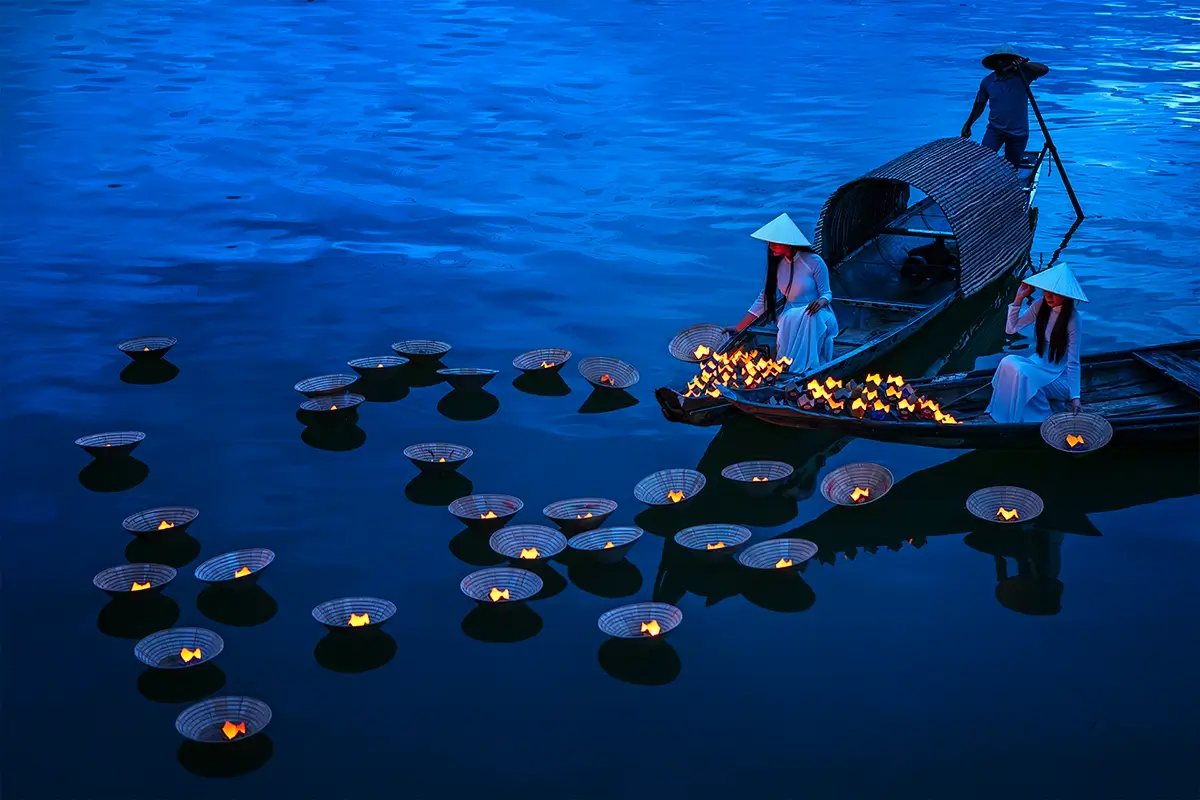
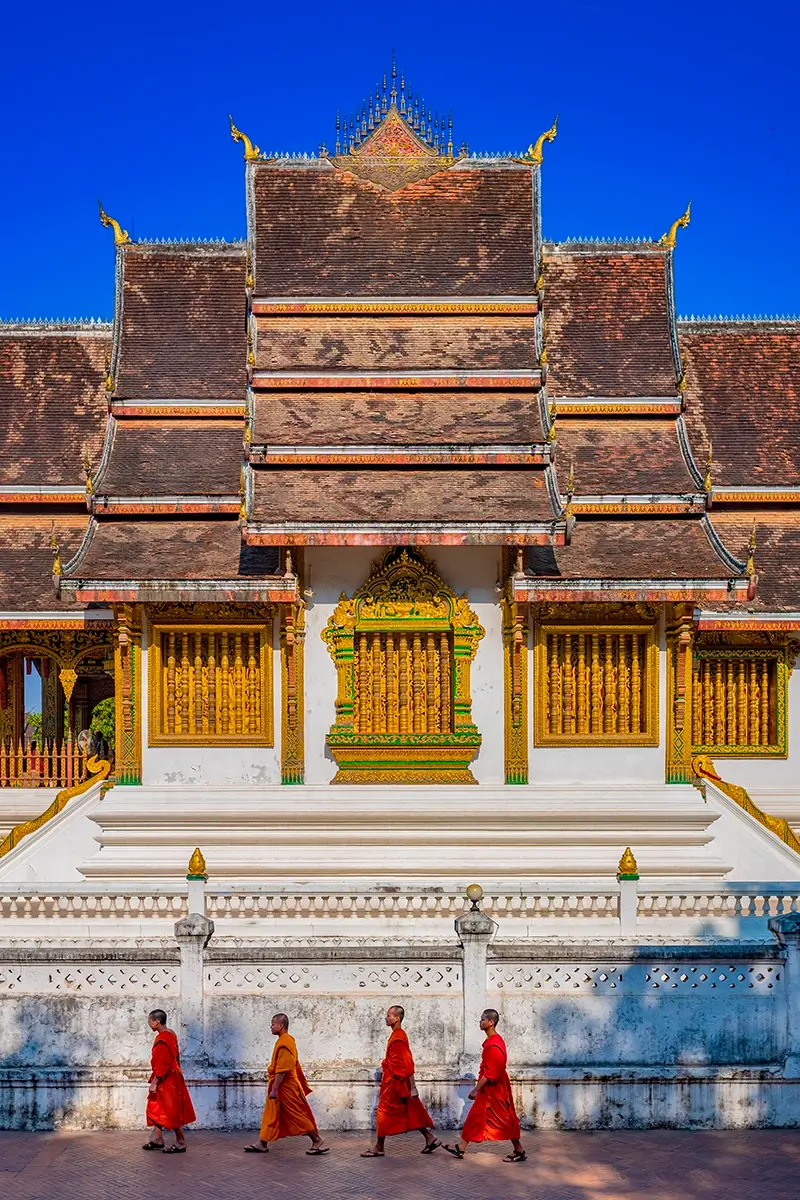
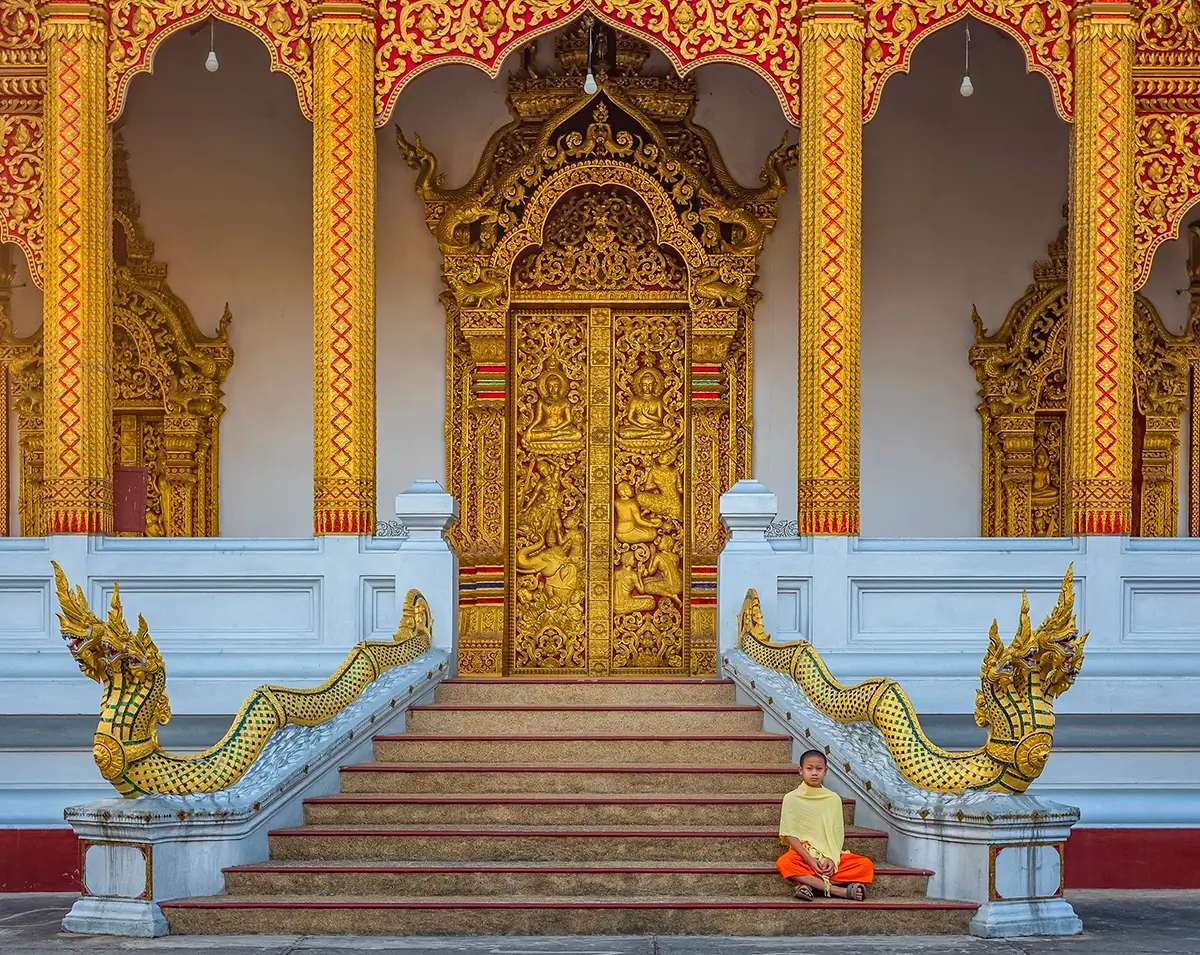
Robert Lie
Robert Lie
Robert Lie

Robert Lie

Country: Indonesia
Birth: 1977

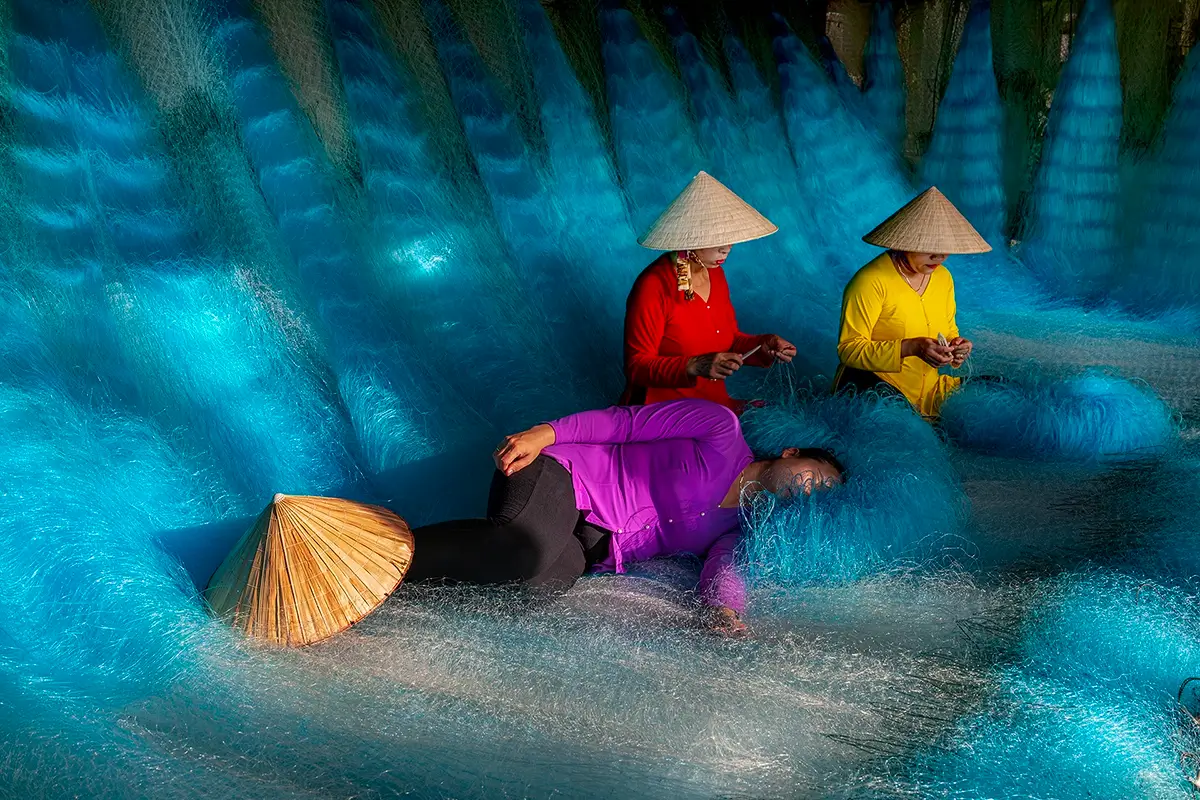
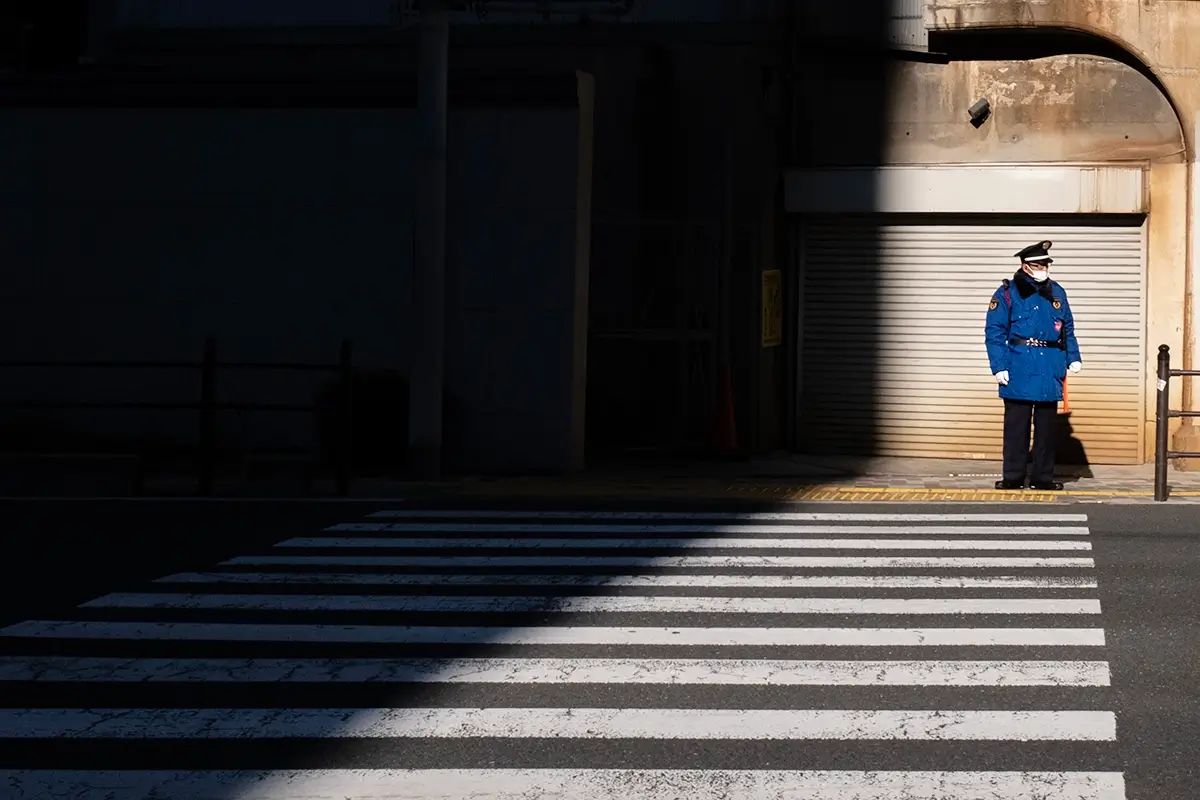
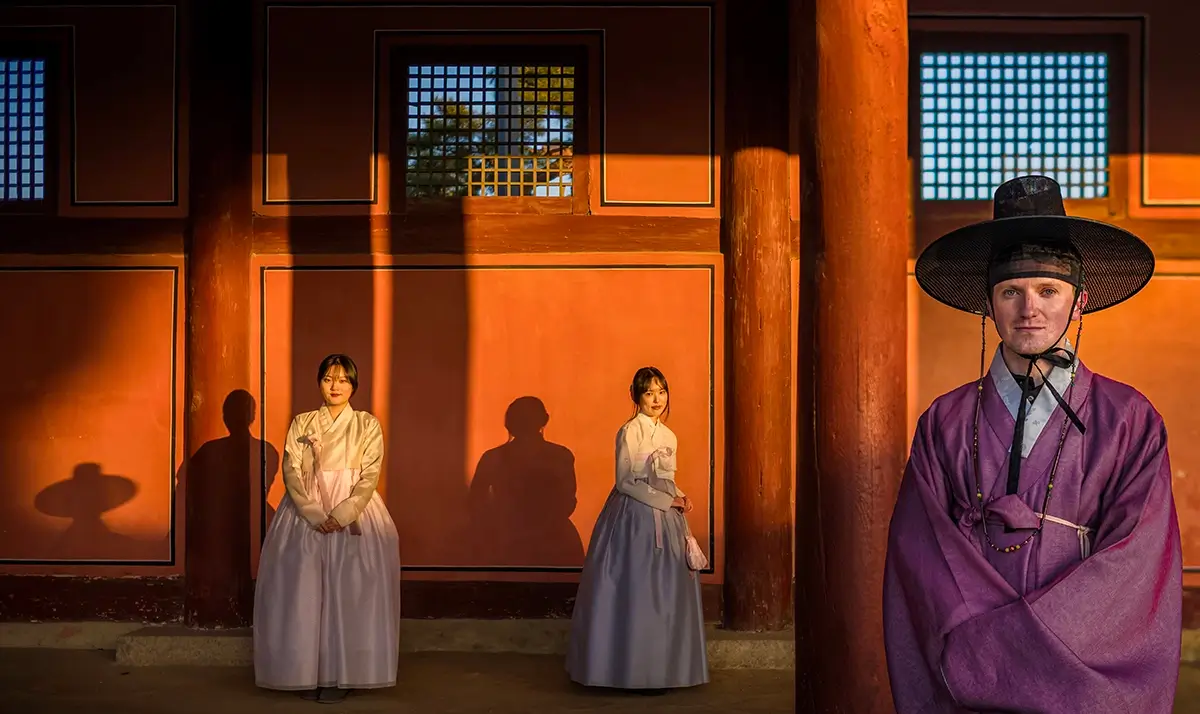
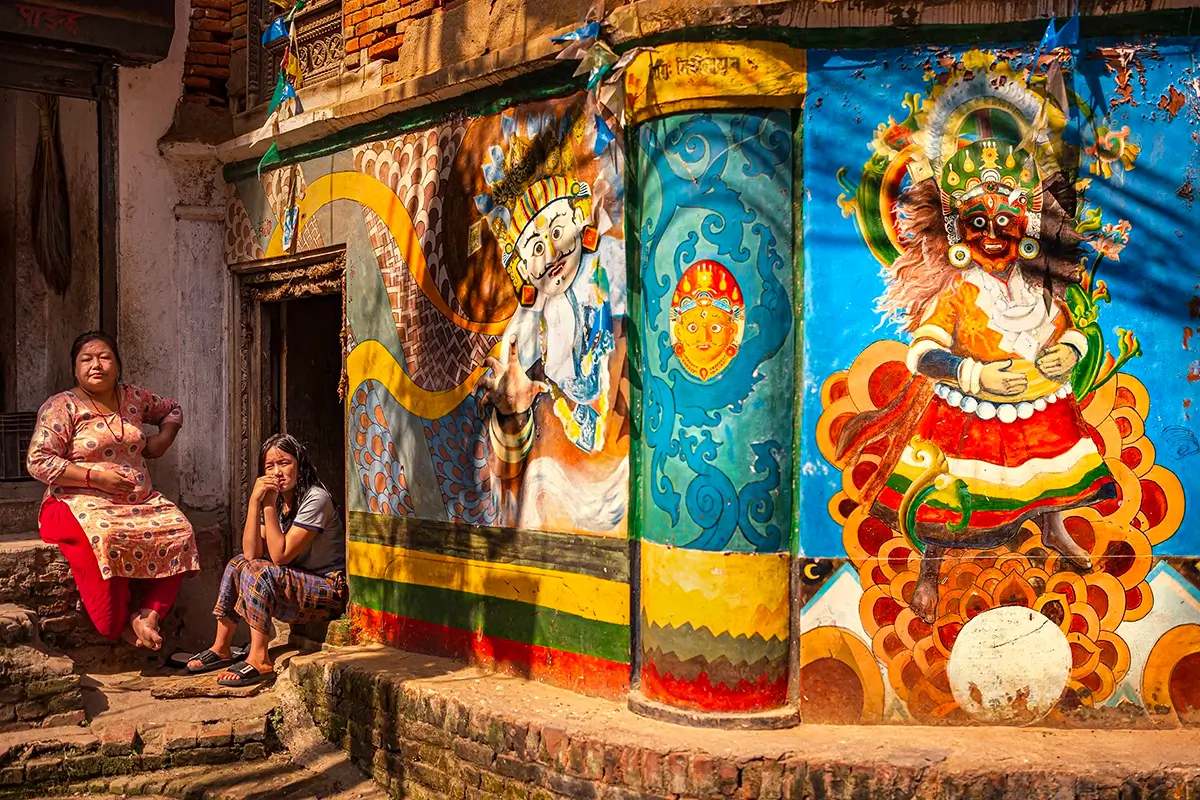
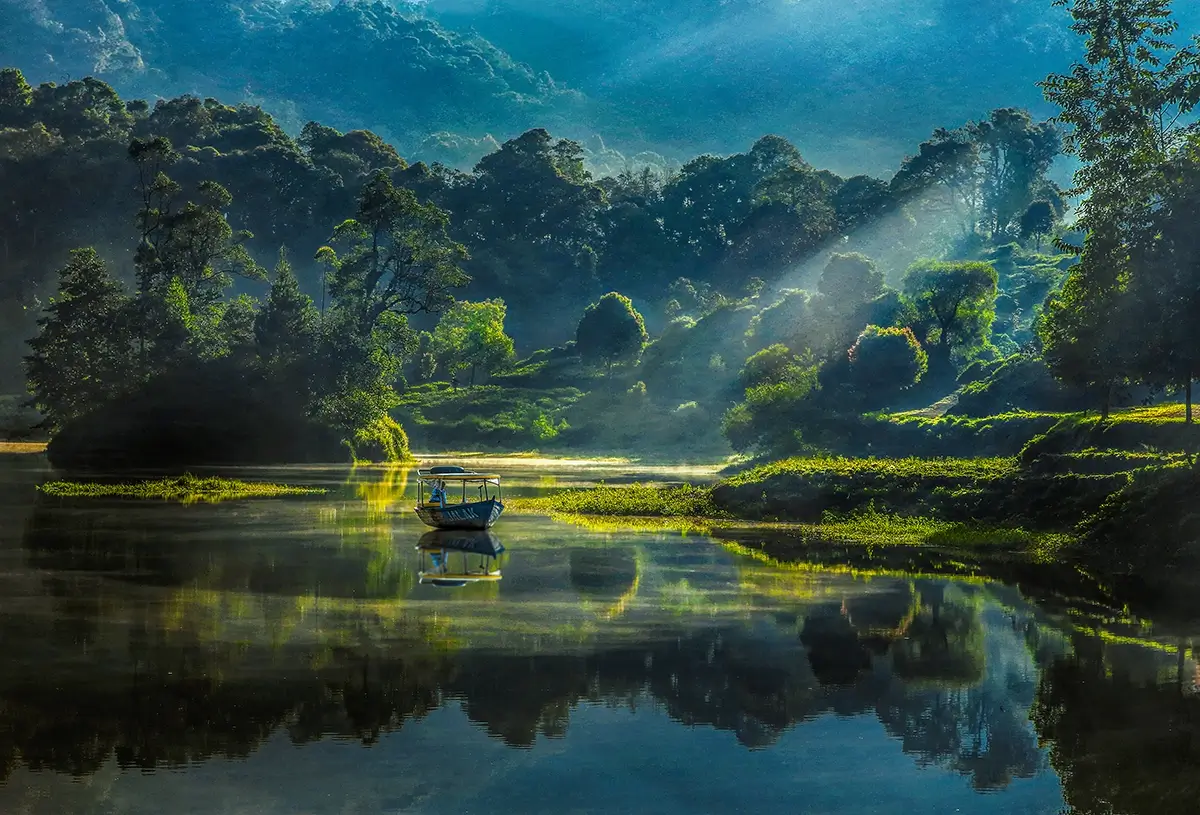
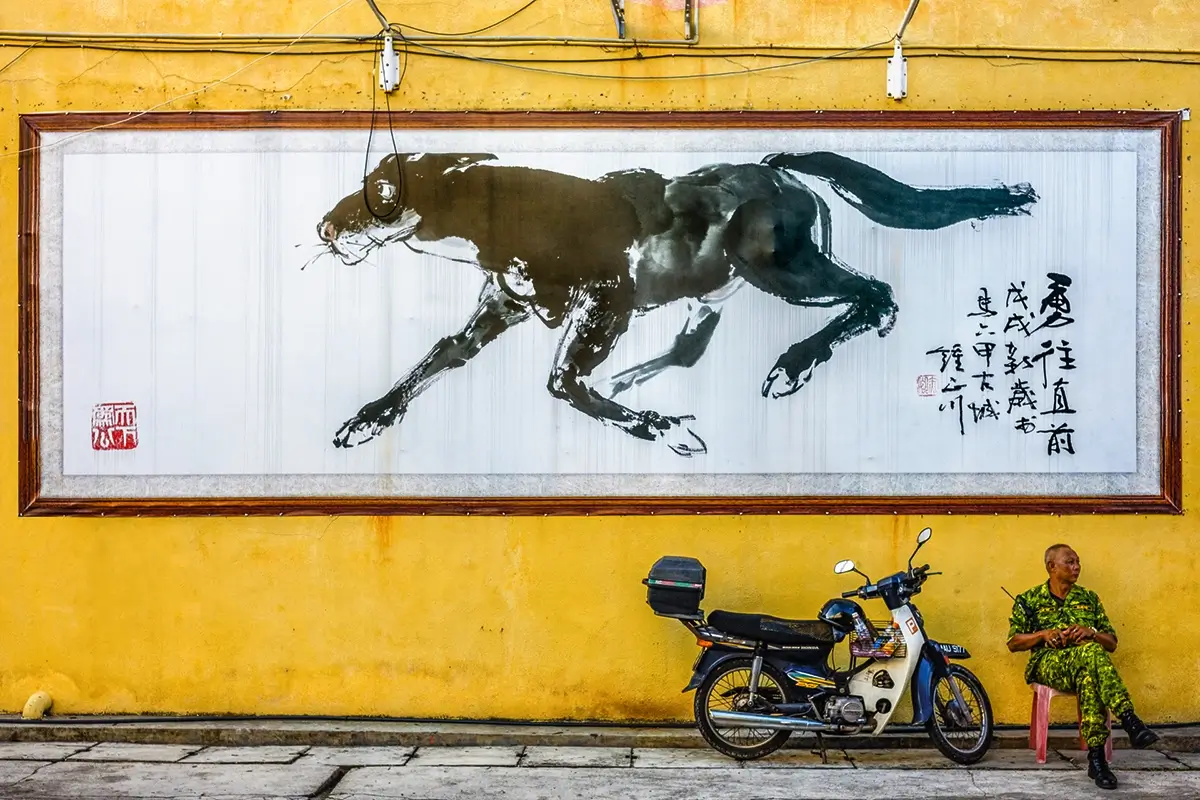
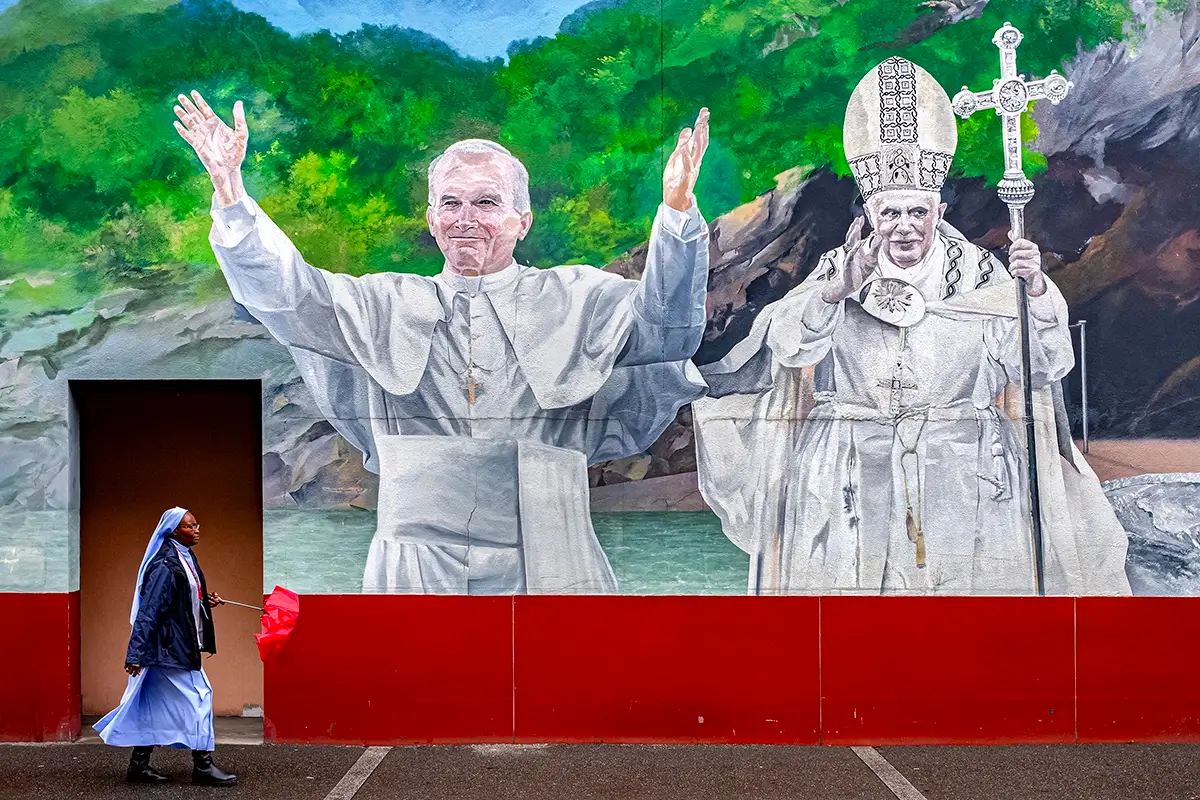
Robert Lie is an international award winning photographer from Indonesia. He has won more than 300 international photoconcest, among of them are Pangea Golden Ball Siena Awards 2020, Discovery of The Year 2024 Refocus Awards, 1st Place iPhone Photography Awards 2023, TPOPTY 2020 Awards, Remarkable Art Work SIPA Contest, etc. He is a judge of more than 150 photo contest including New York Photography Awards, Global Photography Awards, ZIPA and many more. He is guest instructor in some trips & workshop with Leica.

All About Photo Competition:

All About Photo Awards 2026

Website

@robertlie


Inspiring Portfolios

Call for Entries
AAP Magazine #59 Shapes
Publish your work in our printed magazine and win $1,000 cash prizes
 
Stay up-to-date  with call for entries, deadlines and other news about exhibitions, galleries, publications, & special events.

More Great Photographers To Discover

Zanele Muholi
South Africa
1972
Zanele Muholi was born in Umlazi, Durban, in 1972. She completed an Advanced Photography course at the Market Photo Workshop in Newtown and held her first solo exhibition at the Johannesburg Art Gallery in 2004. She has worked as a community relations officer for the Forum for the Empowerment of Women (FEW), a black lesbian organisation based in Gauteng, and as a photographer and reporter for Behind the Mask, an online magazine on lesbian and gay issues in Africa. Her work represents the black female body in a frank yet intimate way that challenges the history of the portrayal of black women's bodies in documentary photography. Her solo exhibition Only half the picture, which showed at Michael Stevenson in March 2006, travelled to the Market Photo Workshop in Johannesburg and the Afrovibes Festival in Amsterdam. In 2008 she had a solo show at Le Case d'Arte, Milan, and in 2009 she exhibited alongside Lucy Azubuike at the CCA Lagos, Nigeria. She was the recipient of the 2005 Tollman Award for the Visual Arts, the first BHP Billiton/Wits University Visual Arts Fellowship in 2006, and was the 2009 Ida Ely Rubin Artist-in-Residence at the Massachusetts Institute of Technology (MIT). Muholi's photography has been compared to the way W.E.B. DuBois subverted the typical representations of African Americans. Both Muholi and Du Bois have created an archive of photos, working to dismantle dominant, pre-existing perceptions of the subjects they chose to photograph. Muholi views their work as collaborative, referring to the individuals they photograph as "participants" rather than as subjects. Seeking to empower their subjects, Muholi often invites participants to speak at events and exhibitions, adding the participant's voice to the conversation. Through their artistic approach they hope to document the journey of the African queer community as a record for future generations. They try to capture the moment without negativity or focusing on the prevalent violence, portraying the LGBTQI community as individuals and as a whole to encourage unity. Thus, their work can be considered documentative, recording the overall community LGBTI of South Africa and their challenges, and at times, more specifically the struggle of black lesbians. Before 1994, black lesbian voices were excluded from the making of a formal queer movement. Muholi's efforts of creating a more positive visualization of LGBTI Africans combats the homophobic-motivated violence that is prevalent in South Africa today, especially in the case of black lesbians. While black women's bodies appear frequently throughout sexualized pop-culture, black lesbians are viewed (through the lens of the patriarchy and heteronormativity) as undesirable. This negative view of homosexuals in Africa lead to violence, such as murder and rape, and rejection from their families. Muholi's Zukiswa (2010), shows an African lesbian woman making eye contact with the viewer, displaying an unwavering gaze of confidence, self-awareness, and determination. This example encourages awareness, acceptance, and positivity with the queer community as well as South Africa. Although Muholi became known as a photographer who engaged with the then-invisible lives of black lesbians in South Africa, they began to recognize this idea of "gender within gender." In 2003, and their sense of community definitively began to include trans people. Muholi was employed as a photographer and reporter for Behind the Mask, an online magazine on LGBTI issues in Africa. Muholi first received global attention from the art world in 2012 at Documenta, a world-famous exhibition of modern and contemporary art in (Germany), for a series of portraits of lesbians and transgender participants titled: Faces and Phases. The photos were also exhibited at Stedelijk Museum Amsterdam.Source: Wikipedia
Wiktoria Wojciechowska
Born 1991, Lublin, Poland, Wiktoria Wojciechowska lives and works in Lublin and Paris. Graduated from the Academy of Fine Arts in Warsaw, Poland, Wiktoria was the 2015 winner of the Oskar Barnack Leica Newcomer Award for Short Flashes, portraits of drenched cyclists captured on the streets of Chinese’s metropolis. Between 2014 and 2016 she worked on the series Sparks, a portrait of a contemporary war based on the stories of people living in the Ukrainian conflict. This series received several awards, such Rencontres Internationales de la Photographie New Discovery award’s public prize, Madame Figaro prize and the Prix pour la Photographie, Fondation des Treilles. Labirinto (2017-2019) Labirinto explores the architecture seen as a vector for an ideology, spreading in the inhabitants' thoughts. Architecture stays longer than its creators and might still smuggle fundamental ideas and atmosphere of passed days. Labirinto project is a starting point to discuss how the architecture influence inhabitants and if a city, structured as a symbol of fascist ideology, can become a dwelling for strangers. Wiktoria Wojciechowska works in the area of Agro Pontino in Italy: formerly marshes, which were, throughout centuries, a challenge for the authorities. The Romans, Popes and Napoleon have all tried to drain, recultivate it and build new settlements. The one who achieve the goal was Benito Mussolini, with the help of the hard work of World War I combatants. At the beginning of the '30s, the project of the foundation of the New Cities (Città nuove) started. The best Italian architects of these times were involved to draw the net of streets on the Pontine plain as on a blank page. They were to arrange the monuments and neighborhood buildings - following the current of rationalist architecture, adopted by the fascist as the official style of the ideology - of five cities: Littoria, Pontinia, Sabaudia, Aprilia and Pomezia. Designed in the model of "the rural city", they should serve as a renewal of civilization (Bonifica della cultura) and the so-called Mussolini's Arcadia for a "purified nation" of New Italians. This is how Littoria has been conceived, in 1932, from the mud and has been raised as the first of the five Mussolini's New Cities. Littoria was called the "jewel of Mussolini" and radiated by the combination of a stellate network of streets and curved ring roads, all converging towards the central square (Piazza del Littorio, now Piazza del Popolo). The labyrinth-like city was awaiting the new residents coming from the entire Italy to live in the empty buildings and appreciate the monumental solutions drawn upon the Roman Empire tradition. After World War II, the city was rebaptized to Latina to obliterate its fascist past and became a temporary asylum for displaced Italians and migrants. Between 1957 and 1991, 80 000 foreigners passed by the refugee camp. They were coming from Eastern Europe, fleeing the communist regimes, from Vietnam, Northern Africa, etc. Despite the official closing of the camp in 1991, migration is still an ongoing process. Today, the majority of newcomers originate from sub-Saharan Africa, Nigeria, Gambia, Ghana, Mali… The artist describes her work: In the middle of the day, during "the siesta", when the city is hot and stuffy, the streets become empty. The pale facades of the buildings reflect the sunlight like mirrors and hurt the eyes. As in De Chirico's paintings, the palisades are playing with lights and shades. The emptiness creates an illusion that we are back in the 30s. Only the scratches and colored patches on the walls unmask the timeworn city. From time to time, human figures flash by in the sun. These are those who get lost in this labyrinth, not knowing the rules of the city. They barely arrived there, but who gets into the labyrinth once, might not be able to wriggle out ever. Today in front of Palazzo M - built in the shape of the initial of Mussolini, a queue of immigrants is standing and waiting for their documents. Wiktoria Wojciechowska observes the city - silent witness of changing times - and recent immigrants, far from being integrated. During the conversations, they often mention the discrimination, preconceived ideas, and the fear of locals; their superiority coming from the colonial past, racism. They feel suspended, awaiting decisions and documents, trapped in the city space. The locals expect to move the immigrants out of the cities; they are not to be seen, as they "change the landscape", they should be invisible. The ideology, which sponsored the construction of the cities, is still lying under their foundation. Hidden but yet vivid, deep inside the consciousness. Looking further, Labirinto can be the metaphor of the current sociopolitical situation of all Europe, where newcomers from other continents are seeking asylum and acceptance. The fear of locals (who might have been migrants too) remains, and politics don't promote reconciliation. The policy of fear enables the authorities to seize control of the population's thoughts and define the enemy. The works of Wiktoria Wojciechowska are juxtaposing the fascist architecture - undefined corners of streets, scattered walls, and remains of fascist sculptural iconography - and the portraits of recently arrived migrants. As they wander through a temporarily deserted city, occupying the scene of a petrified ideology, the public space, they reveal a striking contrast with this ideology embodied in the architecture.
Janet Delaney
United States
Janet Delaney’s current photographic work uses a fine art approach to explore the social and political dynamics of city life. Her books include South of Market (MACK 2013), which documents the gentrification of a working-class neighborhood. Public Matters, (MACK 2018) addresses public life in Reagan era San Francisco and Red Eye to New York, (MACK 2021) finds public and private worlds on the stage of 1980s Manhattan. She is currently working on a sequel to South of Market, examining the impact of the arrival of new technology companies on her old neighborhood. Delaney’s awards include a Guggenheim Fellowship in 2020 and three National Endowment for the Arts Grants. Her photographs are in the collections of the San Francisco Museum of Modern Art, the de Young Museum and the High Museum, Atlanta among others. She has shown in museums and galleries locally and internationally. Janet Delaney received her MFA from the San Francisco Art Institute and held a faculty position at the University of California, Berkeley. She lives and works in Berkeley, California. Artist Statement My photographic practice actively engages the art of storytelling. I focus on both large public issues as well as more intimate, prosaic subject matter. I immerse myself fully in a place or a state of being and photograph without assumptions. Back in the studio, I organize these images to construct narratives that reflect my experience. Research is integral to each project, and when needed, I incorporate text to deepen and expand the storyline. Exhibitions offer me the opportunity to play with sequence and scale, while books provide a means to solidify and preserve my ideas. Over the years I’ve worked across various formats, exploring subjects as diverse as foreign wars, my kitchen table, forests, and cities worldwide. Artist Statement for the work submitted Revisiting a place I once called home creates a curious dissonance. During the 1980s I chronicled the early stages of gentrification in the South of Market district of San Francisco. Now, as I revisit my old neighborhood, rechristened SoMa by millennial marketers, I see a skyline bulging with new buildings. My former neighbors are eclipsed by both high-earning technology workers and those without homes whose tents line alleys and broad boulevards. In this new world I often feel as if I am standing in two places at once; the past infuses the present with both longing and confusion. In SoMa Now (working title), I sew together a complex narrative of a city I know well, blending fact and feeling to convey what is lost, what is gained and what remains in this new terrain. Article Exclusive Interview with Janet Delaney about 'Too Many Products, Too Much Pressure!'
Builder Levy
United States
New Yorker Builder Levy has been photographing America and her inhabitants for the past 50 years. His social consciousness took him to significant areas of our country during tumultuous times. His commitment to aesthetically [or artistically] documenting the world around him earned him the prestigious Guggenheim Fellowship in 2008. Levy's work is in more than 50 public collections, including the Metropolitan Museum of Art, Brooklyn Museum, High Museum of Art, International Center of Photography, Victoria and Albert Museum, and La Bibliotheque Nationale. He is also the author of two published photographic books. Source: Arnika Dawkins Gallery Intertwining social documentary, art and street photography, Builder Levy has been making photographs as objects of art that celebrate the human spirit for almost fifty years. He was awarded a John Simon Guggenheim Memorial Foundation Fellowship (’08), an Alicia Patterson Foundation Fellowship (‘04), a Furthermore Grant (‘03), Puffin Foundation Grant (‘01), and National Endowment for the Arts Visual Artists Fellowship in Photography (‘82), and two commissions from the Appalachian College Association (’95 and ‘02). Levy’s two books are Images of Appalachian Coalfields, Temple Univ. Press, with a foreword by Cornell Capa, and Builder Levy Photographer, A.R.T. Press, with an introduction by noted photo historian Naomi Rosenblum. Levy has exhibited in more than 200 shows, including more than 50 one-person exhibitions in New York City, throughout the United States and around the world. In the Fall 2011, he is included in the exhibits Coal + Ice, curated by Susan Meiselas & Jeroen de Vries, a project of the Asia Society, at the Three Shadows Art Centre in Beijing; Posing Beauty, curated by Deborah Willis at Fisher Museum of Art, USC, Los Angeles (9/11-12/11); Photo Folio at the Museum of Fine Arts, Houston (10/11-1/12); at the Arnika Dawkins Gallery (Black & White and Color), (with 13 photographs) (10/1-10/29/11) in conjunction with Atlanta Celebrates Photography; and Mirrors and Reflections: A Group Show, curated by Evelyne Z. Daitz with co-curator Alison Bradley at the Robert Anderson Gallery at 24 West 57th Street, New York (11/17/11-1/7/12) The High Museum of Art included Levy’s photographs in the historic exhibition, Road to Freedom: Photographs of the Civil Rights Movement, 1956-1968 (and the accompanying eponymous book/catalogue), curated by Julian Cox. It opened at the High Museum of Art in 2008, and traveled for two years to museums in D.C., Chicago, Los Angeles and New York City. The Rubin Museum of Art in NYC featured 14 of Levy’s photographs in the show Mongolia: Beyond Chinggis Khan, 11/06-4/07. Levy’s work is in more than 50 public collections in the US and around the world, including the Metropolitan Museum of Art, Brooklyn Museum, High Museum of Art, International Center of Photography, Victoria and Albert Museum, and La Bibliotheque Nationale. His photographs are featured in more than 25 books including, Harlem, A Century in Images, Studio Museum of Harlem, Skira/Rizzoli 2010, Freedom, Phaidon Press, 100 New York Photographers, Schiffer Press ‘09, Deborah Willis’ Posing Beauty, Norton Press, ‘09, Coal Country, Sierra Club Books, ’09, and Road To Freedom: Photographs of the Civil Rights Movement, 1956-1968. He was the featured artist (with 22 photos) in Appalachian Heritage, (Spring 2010). His subjects include inner-city New York City where he was a NYC teacher of at-risk adolescents for 35 years; coalfield Appalachia (spanning more than 40 years), civil rights and peace demonstrations (in the 1960s), Mongolia and other developing nations. He is completing a new book, Appalachia USA. Source: builderlevy.com
Thomas Jorion
France
1976
Thomas Jorion (b. 1976, lives in Paris) photographs urban ruins and condemned buildings, spaces that no longer serve the purposes for which they were built. His work explores the built environment in a state of entropy, inviting viewers to reflect on the relationship between the material and the temporal.My work is based on our perception of time, how it passes and especially its lack of linearity. Some places seem frozen as time passes by. While our society is developing and changing very rapidly, these places are submitted to a distorted passing of time. They seem to be lifeless or in a waking state, although in reality they have their own link with time. I travel the world with one idea in mind, to find and show timeless islands. I choose to enter closed and abandoned places formerly alive, and often places of leisure or prestige to capture and share them. My fascination for the esthetic of abandoned places is the extension of an older tradition. The Romantics enjoyed strolling amidst the ruins of long lost civilizations. Centuries earlier, painters such as François de Nomé (1592 – 1623), Giovanni Battista Piranesi (1720-1778) and Hubert Robert (1733 – 1808) dedicated part of their work to these forgotten places. Somehow my photos are part of this process. The existence of timeless islands stems from a variety of contemporary phenomena. Though each of these islands has a particular origin depending on its location, all eventually evoke the disappearance of men. In Japan, the line between leisure and consumption is often blurry. Leisure activities that are deemed old-fashioned are disposed of – similar to those handkerchiefs, the “nuigishi,” given out for free on the streets by pretty young ladies. An example of this occurence (occurrence – deux R) is the three-storied, 108-lane bowling alley in a Tokyo suburb. Being out of use for some time, it soon is to be demolished. The expansion of new forms of leisure activities has also led to a booming hotel industry. Better and cheaper flight connections and the growing mobility of global citizens made the world a village, with every destination easy to reach. The province of Izu, which used to be a popular summer destination for the Japanese, is now competing with international destinations as in China or Korea. Hotel complexes or amusement parks now open for business or shut their gates according to short-lived trends in the tourism industry. In America the consequences of the economic crisis have been more disastrous than anyone could hardly have imagined. In the vast landscape of the United States, the possibility to build on new land is considered limitless. The habit of constructing new buildings instead of renovating old ones has proven rather catastrophic for the country. The dramatic consequences can be seen in cities such as Detroit MI, where the “white flag” phenomenon has made matters even worse. Other cities, such as Memphis, TN, or Bridgeport, CT have followed suit. Those cities’ entire cultural and social identities have decayed into ruin. The first places to have become useless for society were theaters, movie theaters, sport centers, schools and churches. Health care institutions, public housing, and judicial systems suffered, too… The failure of American Utopias, photographed by Joel Sternfeld in the late 70s, was already heralding deeper phenomena observed today. On the old continent, the reasons are multiple and the consequences are often the same. Struck by a major structural transformation from industrial to post-modern societies many countries had to turn away from their heavy industry. Gigantic textile factories in Northern Italy have completely disappeared, even sumptuous villas of industrialists were forsaken and left to decay. Twenty years after the reunification this development can also be seen in Germany, where factories became completely unsuitable for the global economy and whole regions became deserted due to migration. There is no denying that these abandoned places now cover all continents and in the name of the profit motive tends to amplify this phenomenon. As for my photographic practice, I wish to conserve the rawness of the places that I observe. This represents a challenge. The frame must be arranged in accordance with the layout of the space and the available light. For me, this reinforces the immaculate and timeless aspect of the place. My use of a large format camera allows me to make sharp and detailed images that contain a variety of focal points, textures, and depths. Capturing the richness of such pictures takes much time, which in turn reduces the number of photographs I can take. The choice of color film is important because it anchors the place within the present moment and allows for a faithful rendering of things seen. This eliminates the austere quality of certain spaces. For example, in the Piedmont theater, the blue, yellow, and brown are muted and soft colors, but they correspond well together to reveal a new beauty. Source: www.thomasjorion.com
Nicholas Nixon
United States
1947
Nicholas Nixon is an American photographer, born in 1947 in Detroit, Michigan, known for his work in portraiture and documentary photography. Influenced by the photographs of Edward Weston and Walker Evans, he began working with large-format cameras. Whereas most professional photographers had abandoned these cameras in favor of shooting on 35 mm film with more portable cameras, Nixon preferred the format because it allowed prints to be made directly from the large format negatives, retaining the clarity and integrity of the image. Nixon has said "When photography went to the small camera and quick takes, it showed thinner and thinner slices of time, [unlike] early photography where time seemed non-changing. I like greater chunks, myself. Between 30 seconds and a thousand of a second the difference is very large." His first solo exhibition was at the Museum of Modern Art curated by John Szarkowski in 1976. Nixon’s early city views taken of Boston and New York in the mid-seventies were exhibited at one of the most influential exhibitions of the decade, New Topographics: Photographs of a Man-Altered Landscape at the George Eastman House in 1975. In the late nineties, Nixon returned to this subject matter to document Boston’s changing urban landscape during the Big Dig highway development project. In 1976, 1980, and 1987, Nixon was awarded National Endowment for the Arts Photography Fellowships. In 1977 and 1986, he was awarded Guggenheim Fellowship. Nixon's subjects include schoolchildren and schools in and around Boston, people living along the Charles River near Boston and Cambridge as well as cities in the South, his family and himself, people in nursing homes, the blind, sick, and dying people, and the intimacy of couples. Nixon is also well known for his work People With AIDS, which began in 1987. Nixon recorded his subjects with meticulous detail in order to facilitate a connection between the viewer and the subject. In 1975, Nixon began his project, The Brown Sisters consisting of a single portrait of his wife, Bebe, and her three sisters each year, consistently posed in the same left to right order. As of 2020, there are forty-six portraits altogether. The series has been shown at the St. Louis Art Museum, Museum of Modern Art, Harvard University's Fogg Art Museum, the Cincinnati Art Museum, the Modern Art Museum of Fort Worth the National Gallery of Art, and the Institute of Contemporary Art, Boston. In 2010, the Museum of Fine Arts, Boston organized the exhibition Nicholas Nixon: Family Album which included The Brown Sisters series among other portraits of his wife Bebe, himself and his children Sam and Clementine.Source: Wikipedia Nicholas Nixon is known for the ease and intimacy of his black and white large format photographs. Nixon has photographed porch life in the rural south, schools in and around Boston, cityscapes, sick and dying people, and the intimacy of couples. Recording his subjects close and with meticulous detail, he facilitates an emotional connection between the viewer and the subject. In 1975, he began an ongoing series, The Brown Sisters, an annual portrait of his wife, Bebe, and her three sisters unchangingly posed in the same order. This seminal project has been the subject of multiple publications and exhibitions. In Summer 2013, Nixon’s book Close Far was released by Steidl. The body of work explores the self in physical and psychological proximity to the urban landscape. On the 40th anniversary of Nixon’s The Brown Sisters series, in 2014, the complete sequence of images was exhibited at the Museum of Modern Art and re-published in an anniversary catalogue. In 2017, Fundación MAPFRE in Madrid opened a comprehensive survey of the artist’s work to date, accompanied by a catalogue illustrating over 200 images, and the ICA Boston mounted a chronological retrospective exhibition. In 2021, Galerie Le Château d’Eau in Toulouse mounted an ambitious survey exhibition, accompanied by an expanded catalogue.Source: Fraenkel Gallery
Advertisement
AAP Magazine #59 Shapes
Win a Solo Exhibition in July
AAP Magazine #59 Shapes

Latest Interviews

Exclusive Interview with Susan Anthony
American photographer Susan Anthony brings a painter’s eye to documentary photography, creating nuanced portraits of people and places shaped by time, community, and tradition. Her work is rooted in observation, empathy, and a deep curiosity about the lives of others. Through long-term projects, she explores the relationship between individuals and the environments they inhabit, revealing the stories that connect people to a place and to one another.
Exclusive Interview with Carole Mills Noronha
Carole Mills Noronha is an Australian photographer whose deeply personal work explores memory, family, loss, and the fragile nature of identity. Living with epilepsy and a lifelong sensitivity to light, she has developed a distinctive photographic language rooted in observation, empathy, and emotional connection. Her images are shaped by lived experience, revealing intimate stories with remarkable honesty and tenderness.
Exclusive Interview with Trevor Cole: Pastoral Peoples and Practices
For this interview, we wanted to focus specifically on The Face of the Mundari and the wider Pastoral Peoples and Practices series. We spoke with Trevor about his long-term work among the Mundari, what continues to draw him back to their cattle camps, and the experience of documenting a culture whose identity remains deeply connected to livestock, tradition, and the natural environment.
Exclusive Interview with Frank Meo
In our latest exclusive feature for All About Photo, I speak with veteran photography representative Frank Meo about what it truly takes to build a sustainable creative career today. Frank brings decades of experience working with Fortune 500 companies, major agencies, and documentary photographers to the table. We dive into the critical business skills often left out of art school curriculums, the power of mentorship, and the inspiring evolution of PROJECTIONS—his international salon platform for visual storytellers. It’s an essential read for anyone navigating the commercial or editorial photography landscape today.
Exclusive Interview with Carolyn Moore
American photographer Carolyn Moore explores the inner landscape of emotion, memory, and personal transformation through a deeply intuitive photographic practice. Her work unfolds as a quiet dialogue between artist and viewer, where images become a space for reflection, vulnerability, and connection.
Exclusive Interview with Luca Desienna and Laura Estelle Barmwoldt
For over seven years, Of Lilies and Remains has explored the depths of the goth and darkwave underground, unfolding in Leipzig—a city long associated with a vibrant and enduring subcultural scene. Moving between iconic gatherings such as Wave-Gotik-Treffen and more intimate moments on the fringes, the project offers a rare and immersive glimpse into a world often misunderstood, yet rich in expression and community. Created by Luca in collaboration with Laura Estelle Barmwoldt, the work embraces a cinematic and deeply personal approach. Rather than documenting from a distance, it moves within the scene itself, capturing its atmosphere, its codes, and its quiet contradictions. The title Of Lilies and Remains hints at this duality—where beauty and darkness, fragility and strength coexist. As the book prepares for its release, we spoke with both artists about the origins of the project, their process, and what it means to document a subculture that continues to evolve while remaining true to its spirit.

Exclusive Interview with Matthew Finley
American photographer Matthew Finley turns inward, using photography as a way to explore identity, memory, and emotional truth. Based in Los Angeles, his practice moves between performance, gesture, and found imagery, creating a visual language that is both intimate and deeply personal
Exclusive Interview with Jan Janssen
Dutch photographer Jan Janssen explores universal human experiences through his long-term project It Matters, winner of the May 2025 Solo Exhibition. Begun in 2016, the series captures intimate moments of everyday life—love, loss, connection, and belonging—across Central and Eastern Europe. Working in countries such as Turkey, Azerbaijan, and Armenia, Janssen spends extended time within communities, building relationships based on trust and respect. His approach allows him to move beyond observation, revealing deeply human and authentic moments. Rooted in travel and personal discovery, It Matters reflects Janssen’s search for what connects us all in an increasingly divided world. The project is ongoing and will culminate in a photobook scheduled for publication in 2026.
Exclusive Interview with Henk Kosche
German photographer Henk Kosche turns his lens toward the streets of Halle an der Saale, capturing everyday life in the late years of the former German Democratic Republic. At the time, Kosche was studying design and exploring the city with his camera, drawn to the atmosphere of its industrial landscape and the quiet rhythms of daily life. His series Street Photography at the End of the 80s, selected as the Solo Exhibition for July 2025, revisits a body of work created just before a period of profound change. Rediscovered decades later in a small box of 35mm negatives, these photographs offer glimpses of a city and its people at a moment suspended between the familiar and the unknown.
Call for Entries
Win A Solo Exhibition in July
Get International Exposure and Connect with Industry Insiders