Photographer
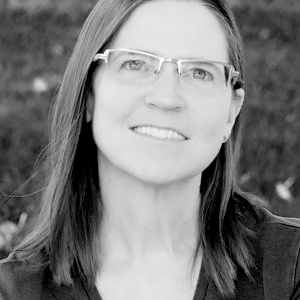
Maureen Ruddy Burkhart brings a quietly attentive and deeply human sensibility to her exploration of the world through images. Shaped by a life immersed in photography, film, and visual storytelling, her work is guided by intuition, observation, and an enduring interest in the emotional undercurrents of everyday life. With a practice rooted in both fine art traditions and documentary awareness, she approaches her subjects with sensitivity, allowing subtle moments to emerge naturally rather than be imposed.
Her series
Til Death, selected as the
Solo Exhibition for February 2025, reflects this long-standing commitment to photography as a space for reflection rather than spectacle. Drawn to moments that exist just outside the expected frame, Burkhart’s images suggest narratives without resolving them, leaving room for ambiguity, humor, and quiet connection.
We asked her a few questions about her life and work.
All About Photo: You grew up internationally before returning to the U.S. to study at the San Francisco Art Institute. How did this global upbringing shape the way you see the world—and ultimately, photography?
Maureen Ruddy Burkhart: Growing up internationally decidedly formed my worldly vision—I see this planet as one place ultimately, with many common threads throughout. The world is a serious place, but I always manage to see whimsy everywhere I point my camera.
Your early darkroom studies at SFAI clearly left a deep impression on you. What did those formative editing and printing experiences teach you about image-making?
What I learned from my photography & darkroom studies is that the exposure and editing process is arguably as important as the capture process. While shooting I hone my vision and while editing I hone my vision again! In the darkroom you have to ask yourself a multitude of questions about what you want to convey. Nowadays I would say that Photoshop or Lightroom is the modern version of a darkroom—but the process is the same.
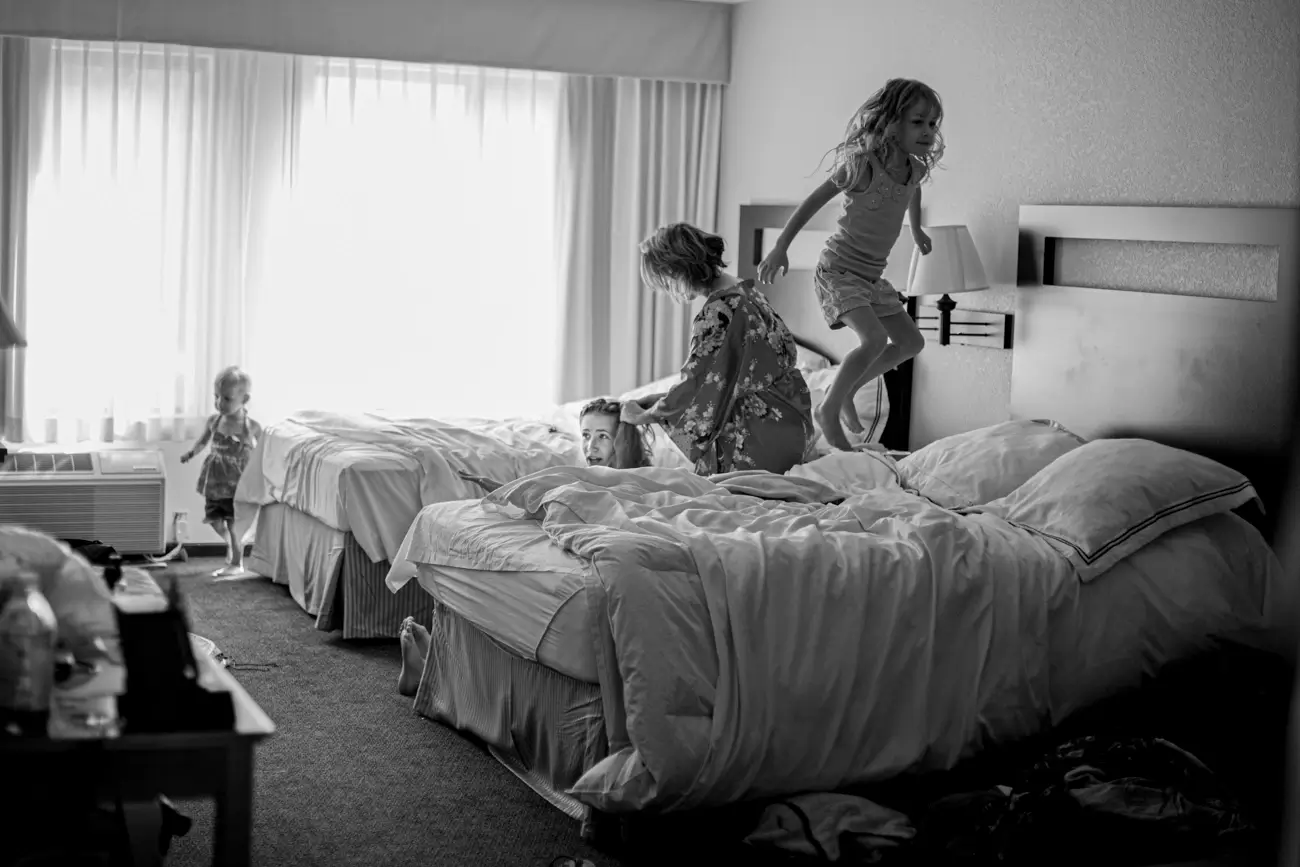
Hotel Fun © Maureen Ruddy Burkhart
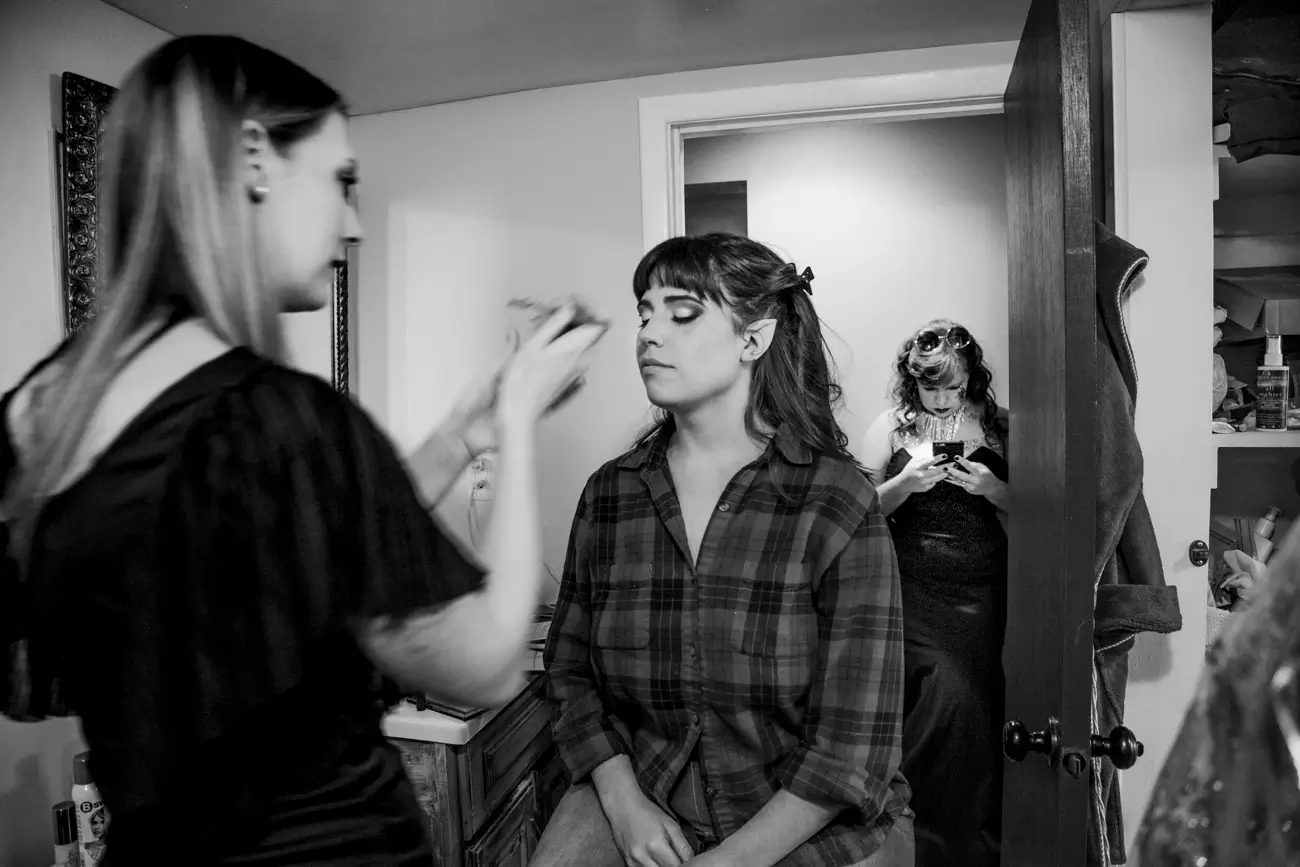
She Always Wanted To Be A Fairy Elf © Maureen Ruddy Burkhart
While working for the US Navy, I learned about discipline. The process and content was critically important so I had to ask myself about my role in that. Ultimately, as editor, I had choices to make and that gave me an appreciation for the documentary process. This probably influenced me later in my documentary work and my desire to express myself into that process.
I also want to say that this process is critically informative. One has to really understand the subject in order to “document” it. This worked well with my curious nature.
Your work has received numerous awards, but having your series Kibera: A Slice of Heaven launched into space must have been surreal. What did that recognition mean to you?
My series “Kibera: A Slice of Heaven” is incredibly close to my heart. I’ve learned that when my heart is changed it feels like the earth is moving under my feet. In Kenya, my heart was changed, it was invigorating and my feelings about the oneness of humanity were confirmed. So having that series honored was very self-affirming.
You’ve joked that you prefer not to shoot weddings—yet somehow keep getting roped into them. What do you think makes people insist that you are the one for the job?
Weddings are an ongoing thing and it seems everyone wants a deal on their photographers. In the film days, it was very tricky! The stress was over the top. When I was the backup photographer and had to take over a wedding after our Colorado flood, I felt like I was “off the hook” for stress. It turned out to be truly wonderful and amazing. I briefly thought “I could enjoy this!”.
I have no idea why people choose me for their weddings, but it is very flattering and flattery will get you everywhere with me. But to re-iterate, I’m not doing any more weddings—no matter what, haha.
You describe yourself as “the most serious person on planet earth.” How does photography help you challenge or soften that side of yourself?
I was born to be serious—ask anyone who knows me. So it is rather amusing that I love to shoot whimsy. When my father, an avid runner, was diagnosed with a life-threatening cancer, he told me “for every ying, there's a yang”. I love that. So perhaps my personality is a ‘ying’ and my photography work is a ‘yang’? It’s a fun concept.
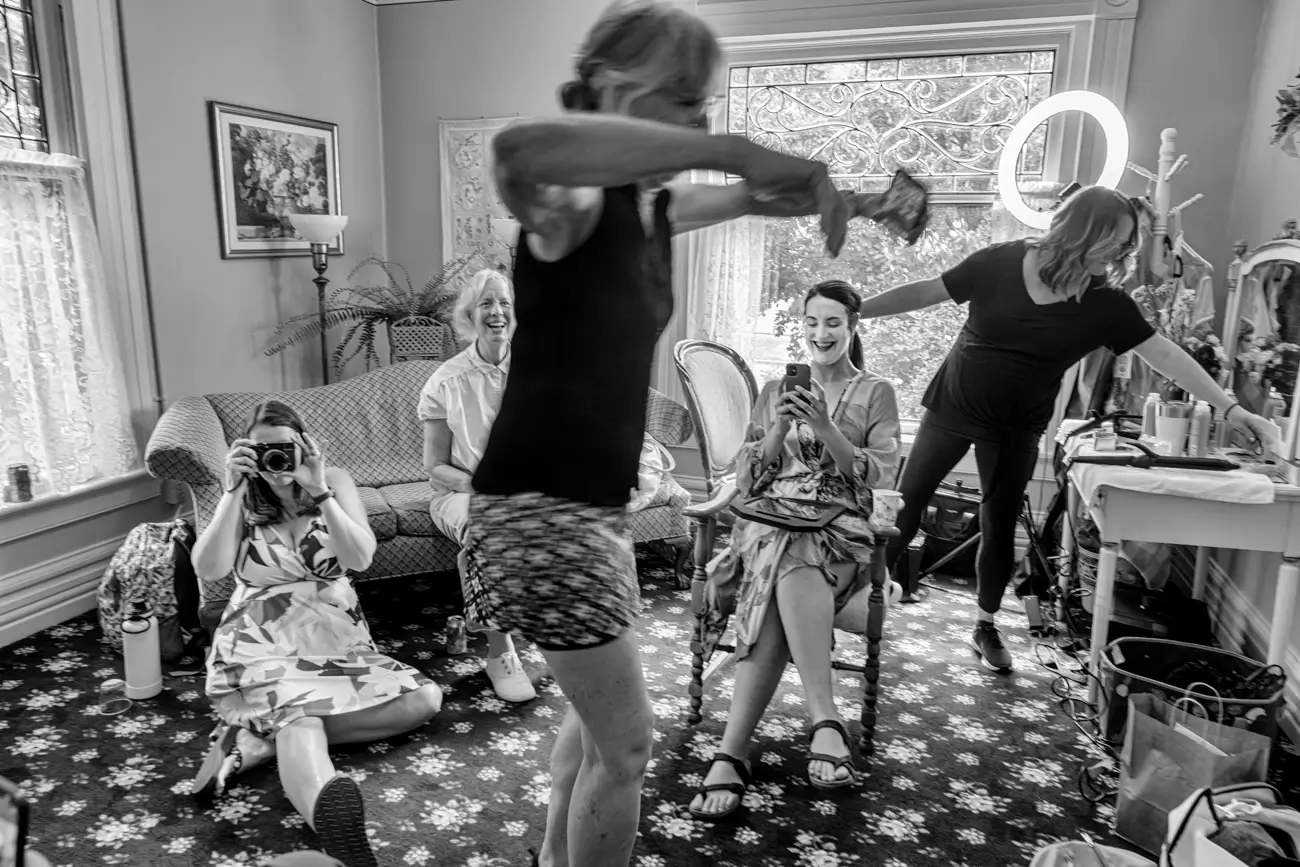
Wedding Day Jitters © Maureen Ruddy Burkhart
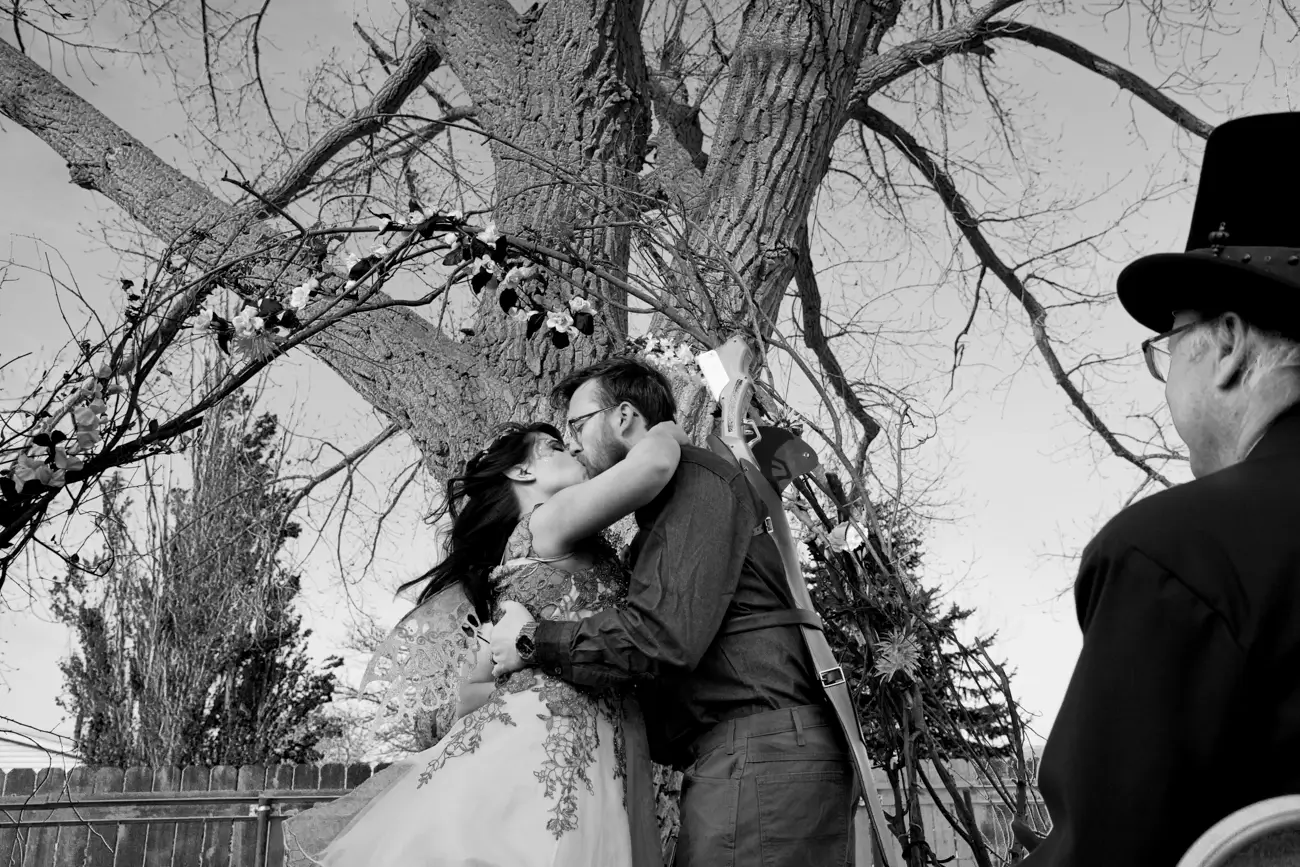
Til Death © Maureen Ruddy Burkhart
The common thread to all my “Til Death” photos is whimsy, or joy. Weddings are emotional, and I like to see the emotion surrounding those events. While using Lightroom, the virtual catalogue often pops up with older images (sort of like perusing your bookshelf—you remember books you loved) and that was when I realized I had a series waiting for me—my favorite wedding out-takes. Since I was only trying to please myself, it was clear to me which images I loved most and it came together rather effortlessly. I applied for the February solo exhibition with this series and it was chosen by the esteemed Harvey Stein. I was thrilled and honored.
Whose work has influenced you the most throughout your career?
There are certain photographers who inspire me, like Dorothea Lange, Vivien Meier, and Nick Brandt. I recently acquired a Carrie Mae Weems piece from her kitchen table series and I pass by it all day long in my house. It reminds me that intimacy between people is like the intimacy we photographers have with our cameras. When I focus my lens on a subject or a scene, I see myself as a caregiver with a responsibility. I’m preserving, interpreting, elevating the subject, whatever it happens to be.
Cartier-Bresson’s notion of the decisive moment seems important to you. How does it guide your shooting in unpredictable scenarios like weddings?
When I first learned about Cartier-Bresson, I was so inspired, I loved the idea of capturing moments that only existed for a fraction of a second—and never again. I saw the 'decisive moment' as being in touch with your personal vision, that is, you trust your intuition enough to capture the image. Then later, you try to understand why you did that. This holds true even when you are shooting for a client, as in a wedding. If you trust your instincts, you find your vision and I believe that is why it works.
What inspires your unique storytelling?
Curiosity. I always want to know more, see more, hear more. And I’m not just curious as an artist, I’m intellectually curious as well and perhaps these twin markers inform each other. I am always grateful when someone looks at a photograph and asks questions.
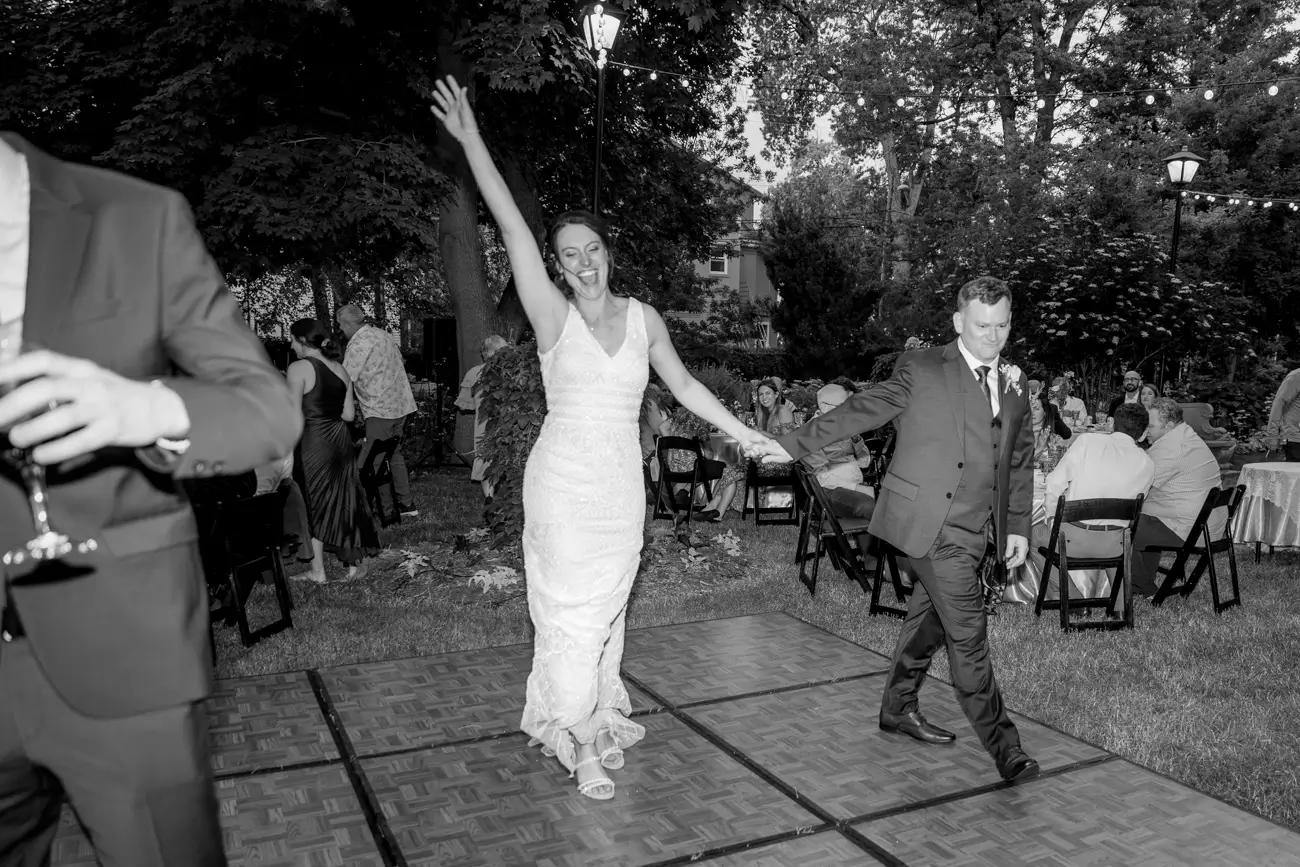
Her Moment © Maureen Ruddy Burkhart
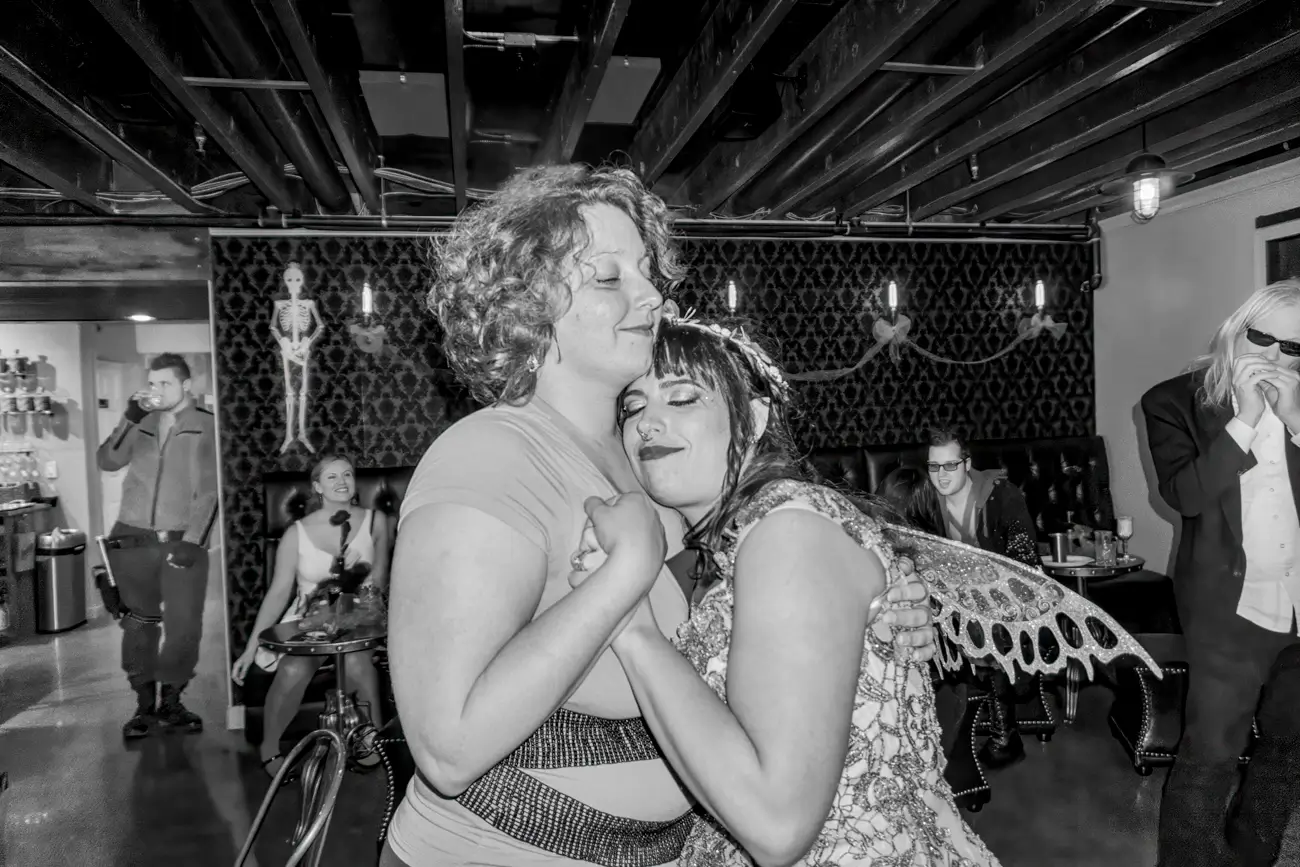
BFFs © Maureen Ruddy Burkhart
These days with my kids grown up, I don’t find a lot of people to photograph so I’ve turned to birds and landscapes. For the past few years I’ve been working on gilding photographs with gold leaf, white gold and even gesso. This is a nod to the fragility of birds and their elevated station in literature and culture.
What does photography mean to you on an emotional or philosophical level?
It’s a way to make sense out of a seemingly senseless world.
What inspires you the most creatively—places, people, humor, chaos?
I’m definitely inspired by travel, and it can be as easy as driving to a different town, or exploring a previously visited open space area. And then I’m just as excited to return to my studio with new images. I learn from my own photographs, meaning that I learn about myself and my vision this way. For example, I was in Inner Mongolia in December, 2011, and wasn’t sure what to photograph so I just documented my days there. Later, I saw that the images that spoke to me were urban landscapes devoid of people. I created the series “Wild Abandon of Inner Mongolia”. Years later, this series was featured in an urbanism and architectural magazine “UrbanNext.net.
Among all your series, do you have a personal favorite? What makes it special?
My personal favorites are always changing. I think it depends on the stage of life. Right now it’s birds and gilding. My daughter says it’s consistent with other “older people” she knows who happen to love birds. But I would argue that it’s more about climate change and hanging on to the incredible beauty we have on this earth and how very fragile it is right now.
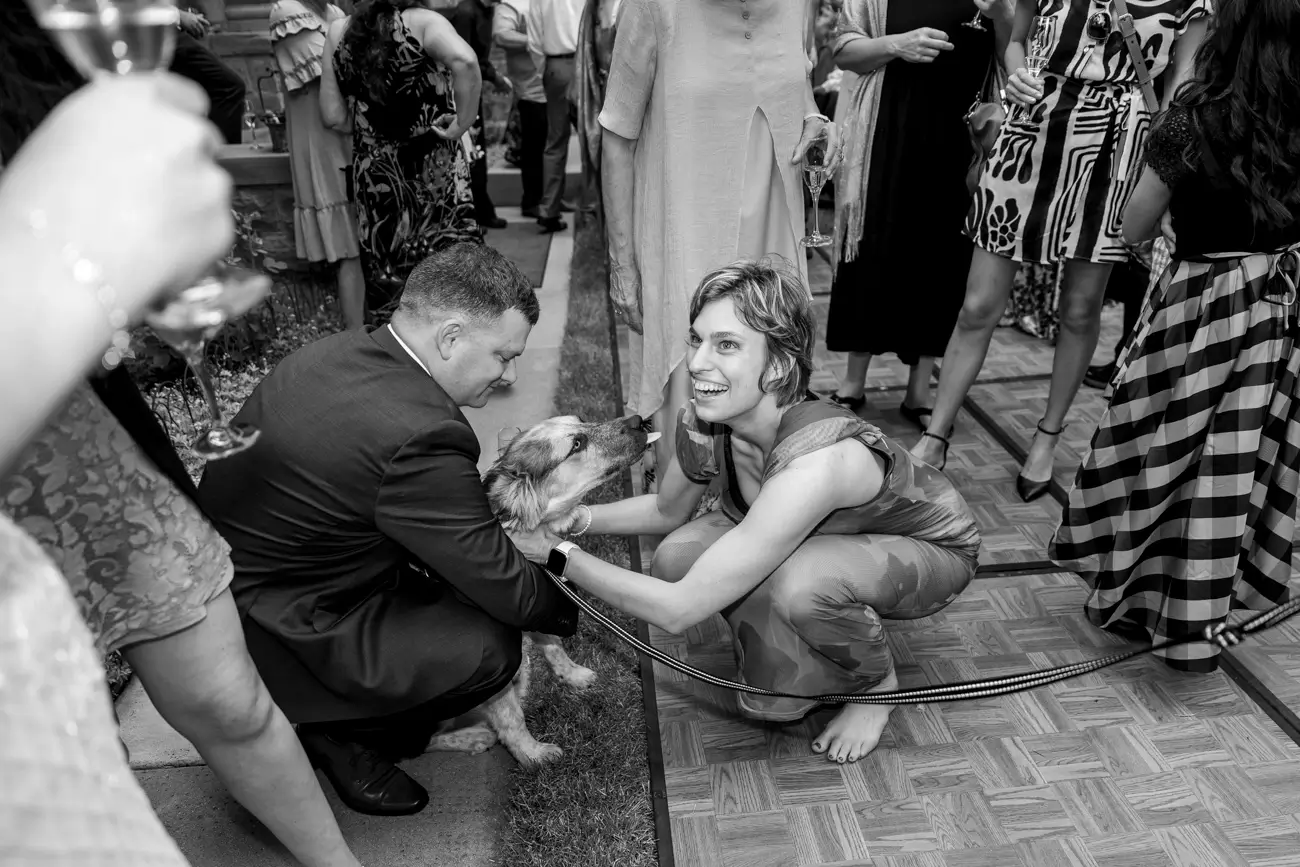
Doggy Kisses © Maureen Ruddy Burkhart
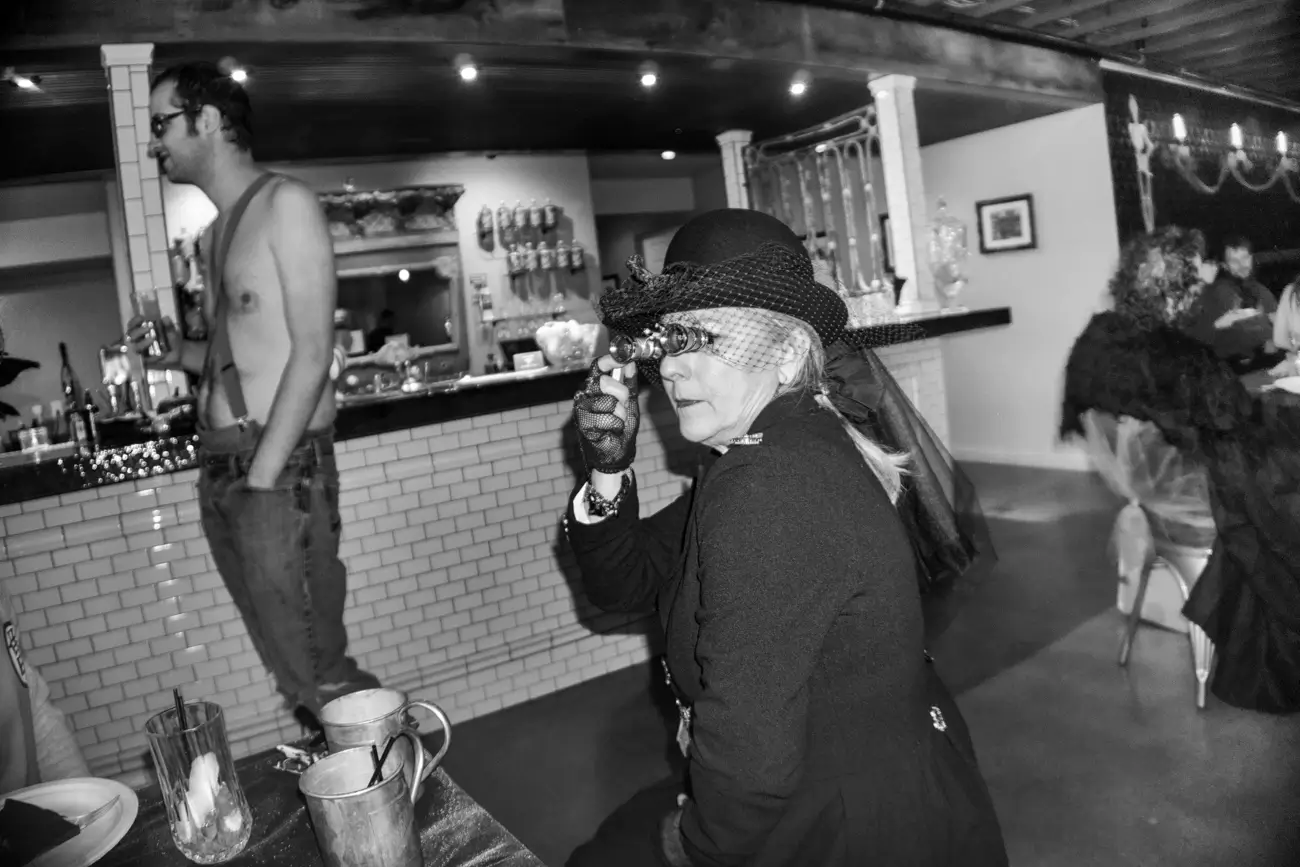
Sherlock's Assistant © Maureen Ruddy Burkhart
I’ve owned everything from a Pentax 500 (in 1972), to a Leica, Nikon, and Canon. I currently use a mirrorless Sony with my favorite lens being 100-400 for birding. For many years I only used an iPhone—I was in pursuit of street photography and was obsessed with the editing apps. I still take my iPhone with me on all my shoots for the wider view. I really don’t believe the camera is as important as the photographer having the appropriate equipment to convey whatever it is they are pursuing.
Do you spend a lot of time editing your images, considering your early love of the darkroom?
Yes, I love to edit, even though sometimes it’s overwhelming with the literal amount that I am photographing. A fellow bird photographer told me he has to be brave when he’s editing and I thought, yes, I need to be brave enough to delete, delete, delete. This is an important part of the editing process, as any photographer will tell you. How do you choose just a few images from hundreds? It’s a challenge, but so very necessary.
How do you continue educating yourself as a photographer after so many decades of experience?
I take classes, hang out with other photographers, experiment, and consult YouTube very frequently. There is ALWAYS something one can learn.
What do you feel makes a “good” photograph stand out from an average one?
I love photographs that are inspired, as opposed to perfect photographs. One can learn how to create perfect photographs, but it takes self-knowledge to create what I would call inspirational images.
What is the most rewarding aspect of being a photographer for you?
Always learning about myself and the connections that it creates with others in my life.
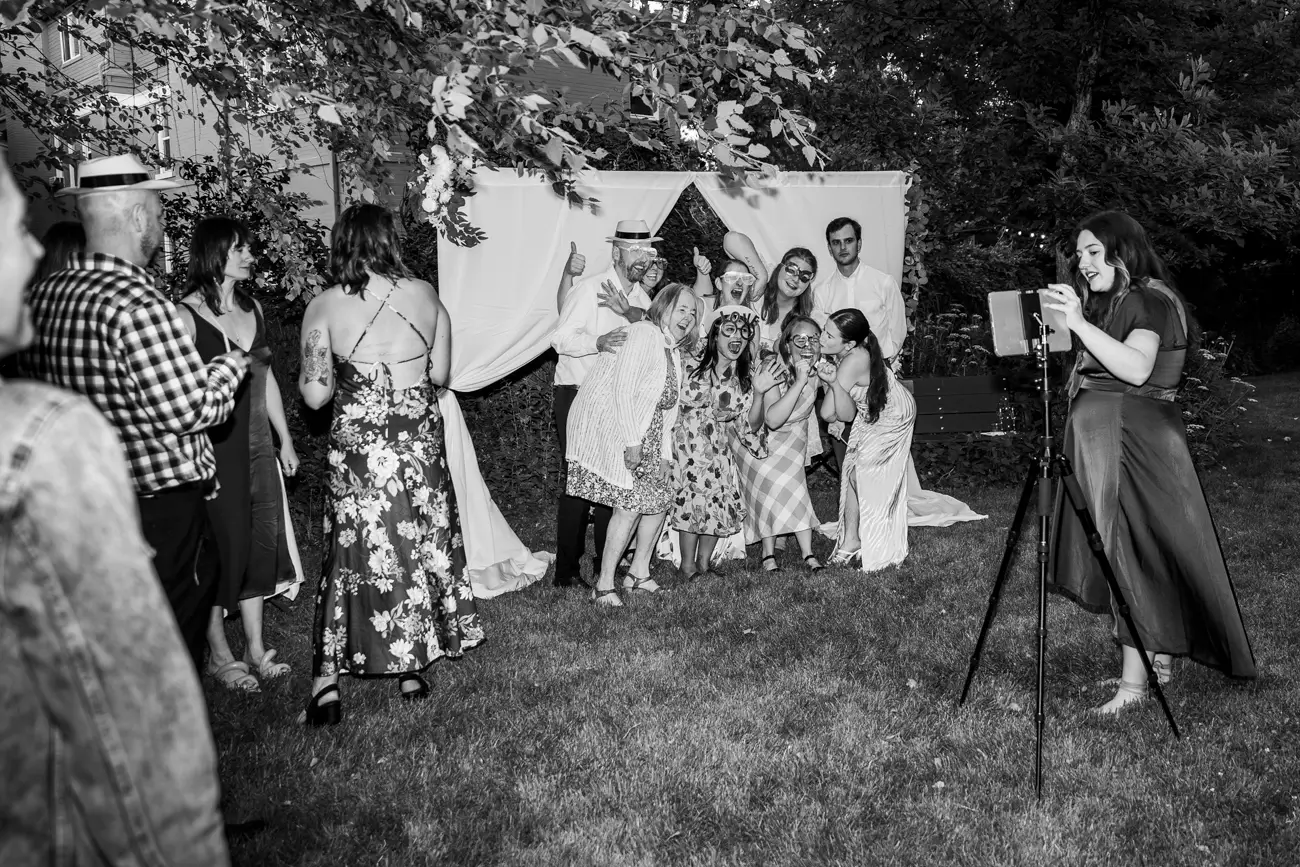
Love and Kisses © Maureen Ruddy Burkhart
I’ve recently started shooting in wildlife sanctuaries—I find that idea very intriguing in light of shrinking habitats. Humans have taken or used animals for all sorts of reasons--as pets or for work, for scientific research, for exhibiting in zoos, for rescue and rehabilitation, etc. I’m just exploring these themes right now and am excited but unsure of where it will take me. As a creative, that is the kind of adventure I live for.
As for the future, I hope to travel more to see birds and wildlife sanctuaries. I also love street photography—no matter what country or city. People are endlessly fascinating to me. I live vicariously in a sense—I enjoy watching others enjoy their world. I am also hoping to do a residency in another country and I’m still pursuing various gilding and other alternative photo techniques.
After such a varied career spanning continents, film, fine art, and reluctant wedding photography, what keeps you excited about making images today?
Just this morning, I was out shooting the moon at sunrise and I had an exchange with a couple walking their dog. They were gushing about how beautiful the morning was and I blurted out that this is my daily meditation. It’s a practice, after all, and it centers me. So perhaps excited isn’t quite the right word—determined, compelled, are better descriptors of what keeps me doing this.
Is there anything else you would like to share with our readers about your journey, your vision, or your future projects?
In these current trying times, we need to indulge our creativity as much as possible. Creative energy is full of possibilities and is something that can be widely shared.
In graduate school I studied linguistics and had to teach an adult ESL class. I used art as a way to encourage non-English speakers to speak English. As it turns out, there are no wrong answers about how you feel about art. Art is uniting and we could all use some of that.
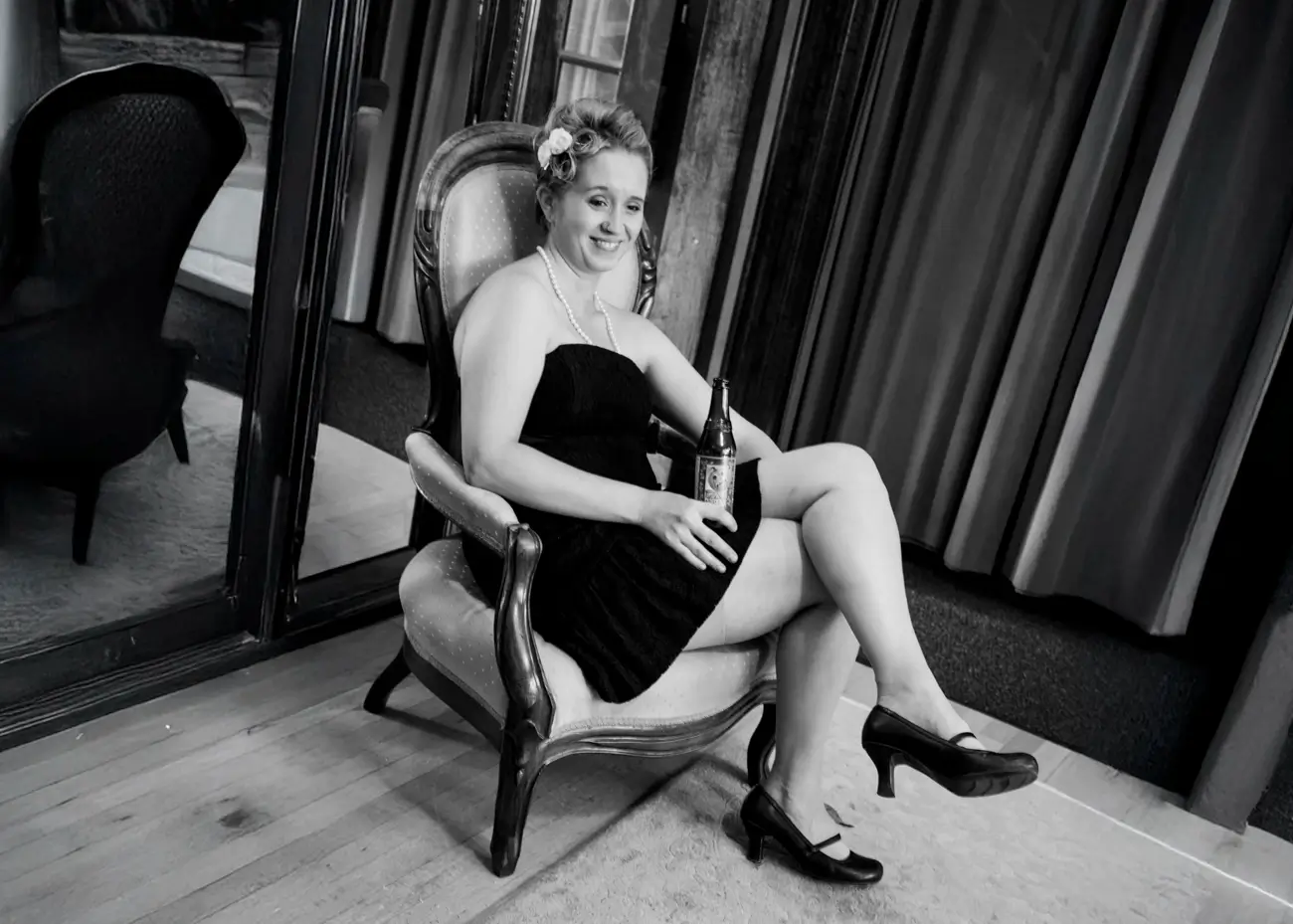
Break Time © Maureen Ruddy Burkhart