All about photo.com: photo contests, photography exhibitions, galleries, photographers, books, schools and venues.
FINAL CHANCE to enter All About Photo Awards: $5,000 Cash Prizes - Juror Steve McCurry
Graham Hobart
Graham Hobart
Graham Hobart

Graham Hobart

Country: United States
Birth: 1960

Graham Hobart grew up in a British colony in Africa. After living for a while in England, Hobart moved to the US and supported his family as a commercial photographer before deciding that he wanted to move from shooting to please a client to doing something that fulfilled his artistic passions.

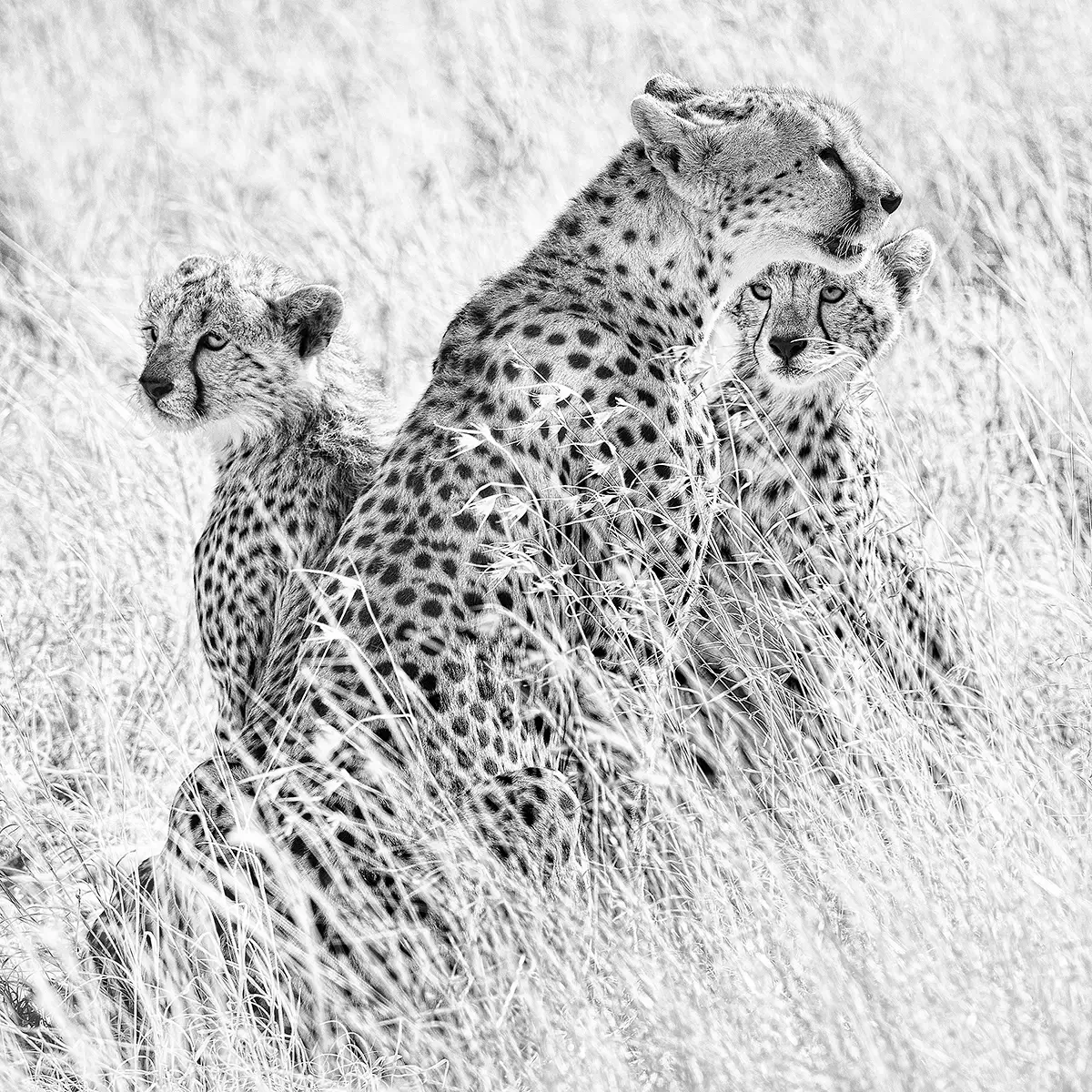
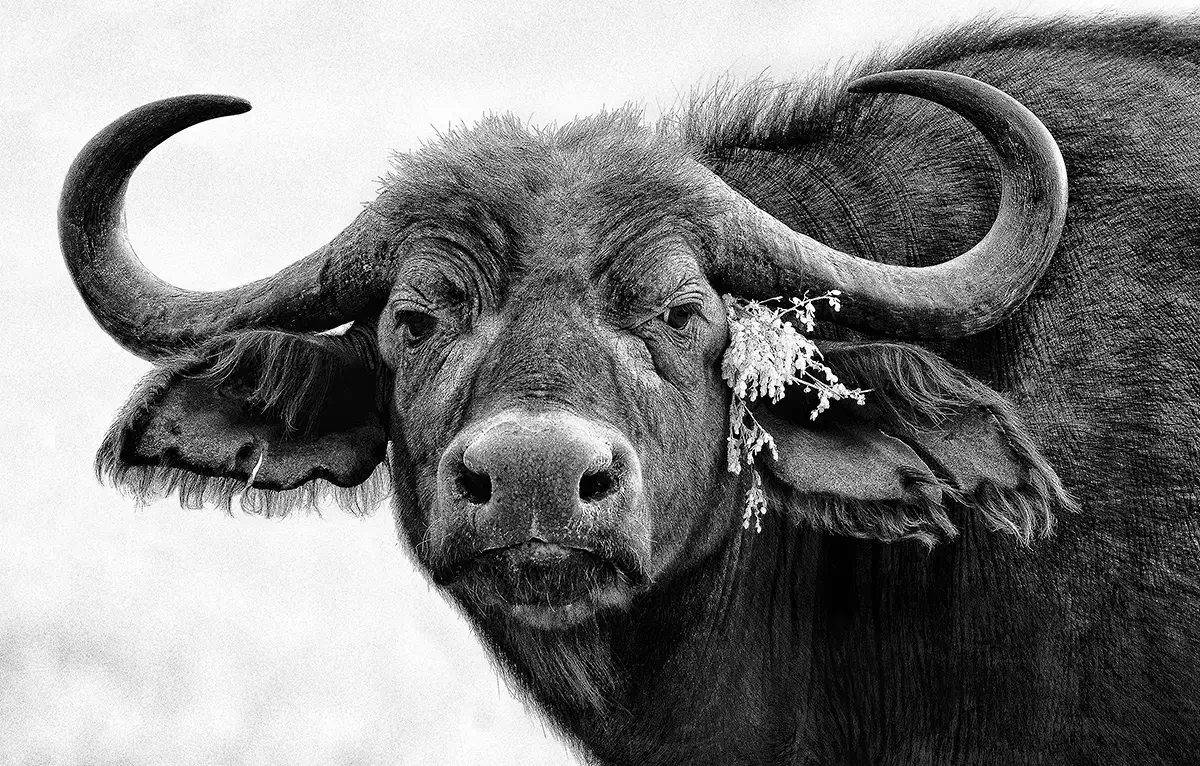
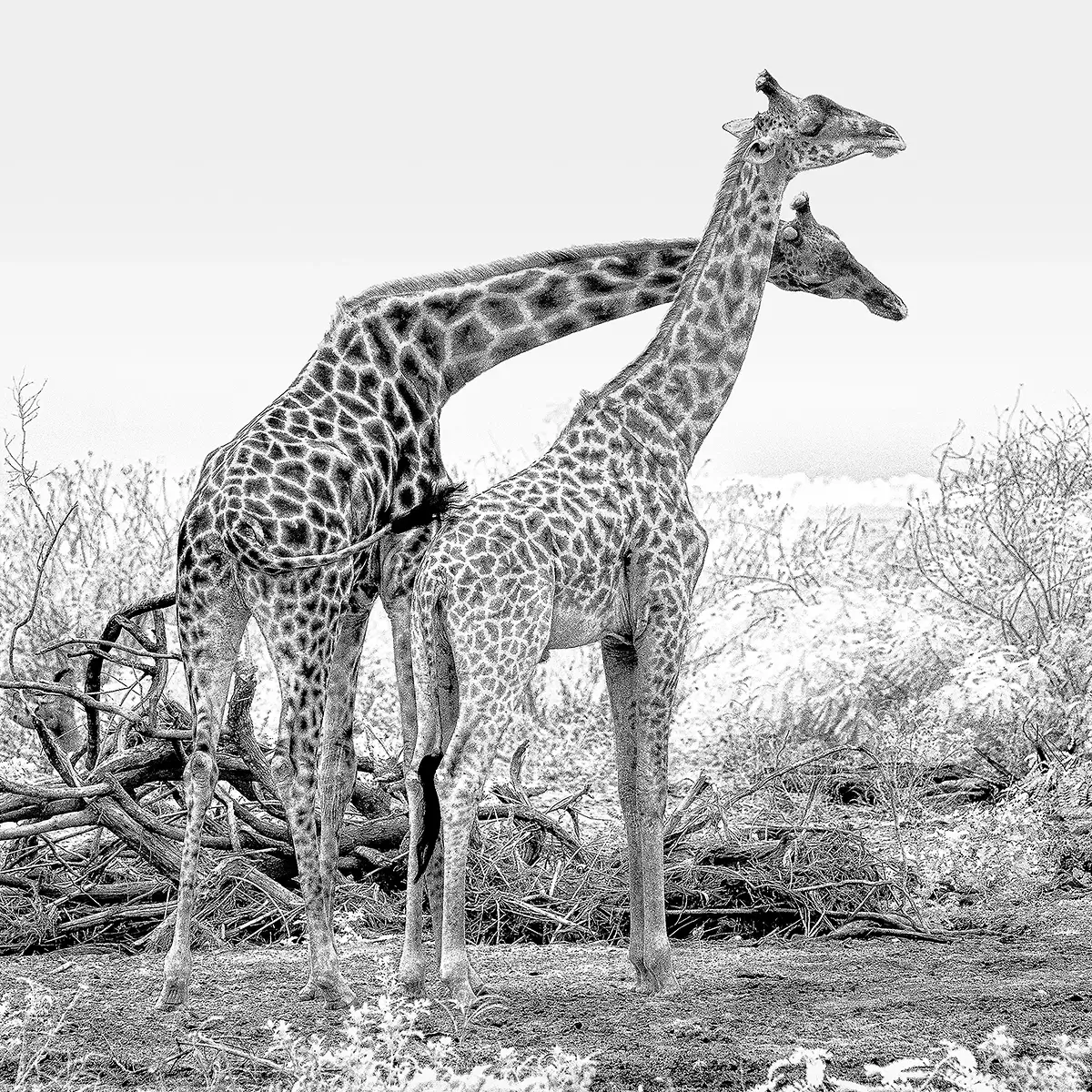
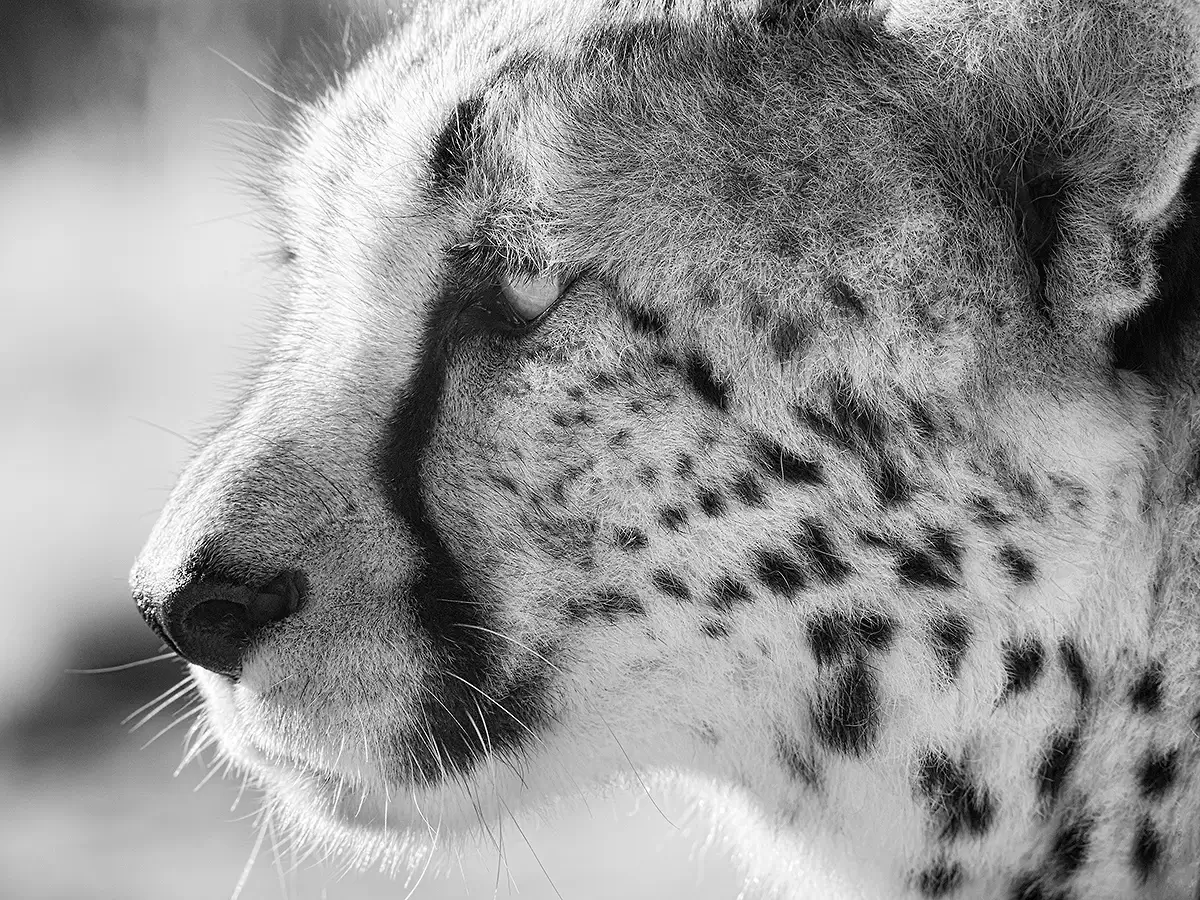
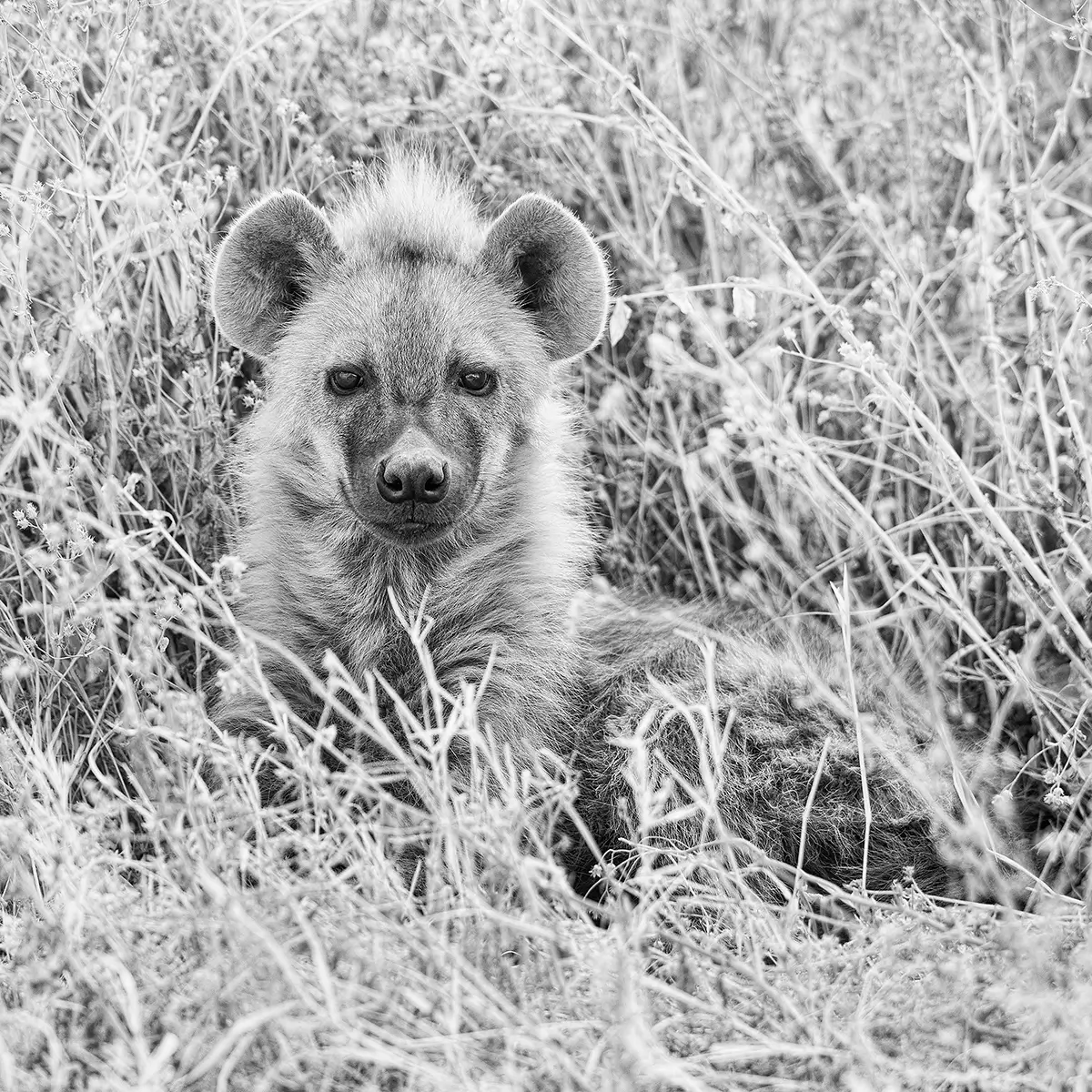
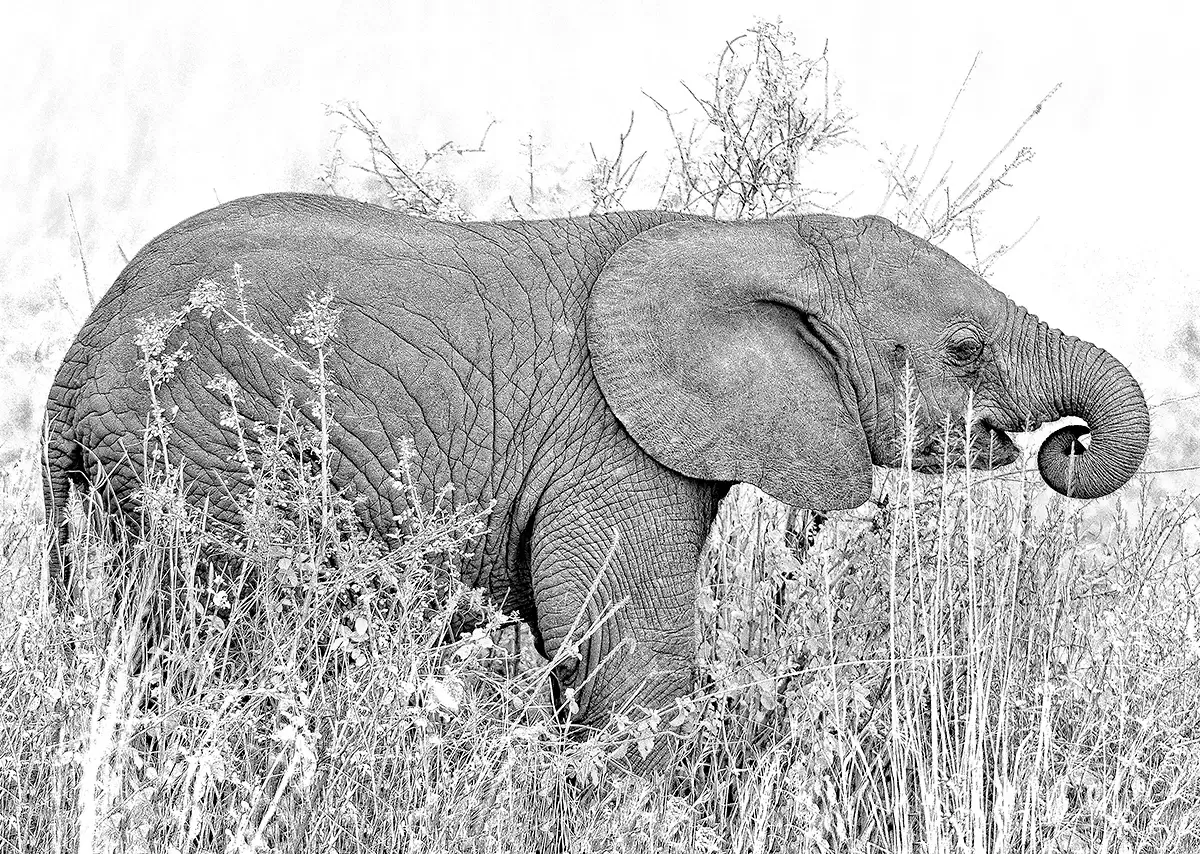
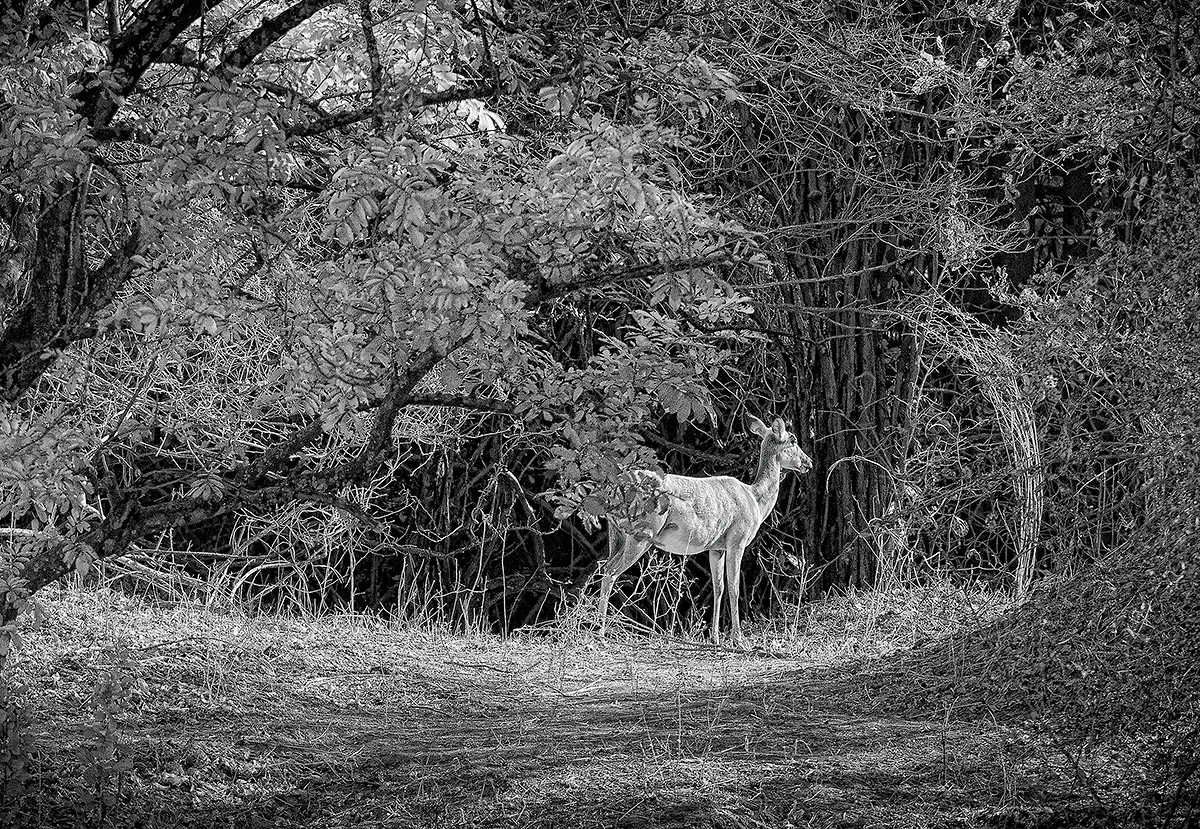
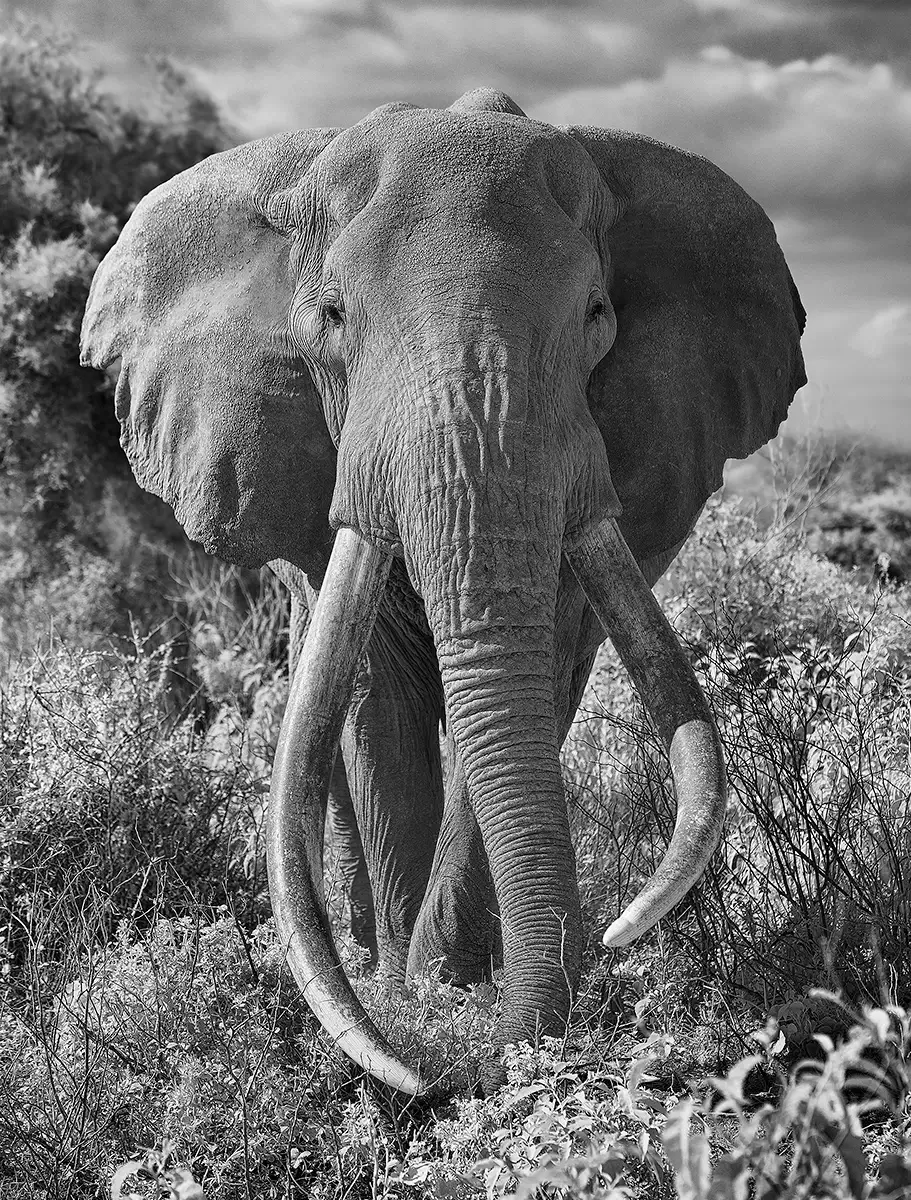
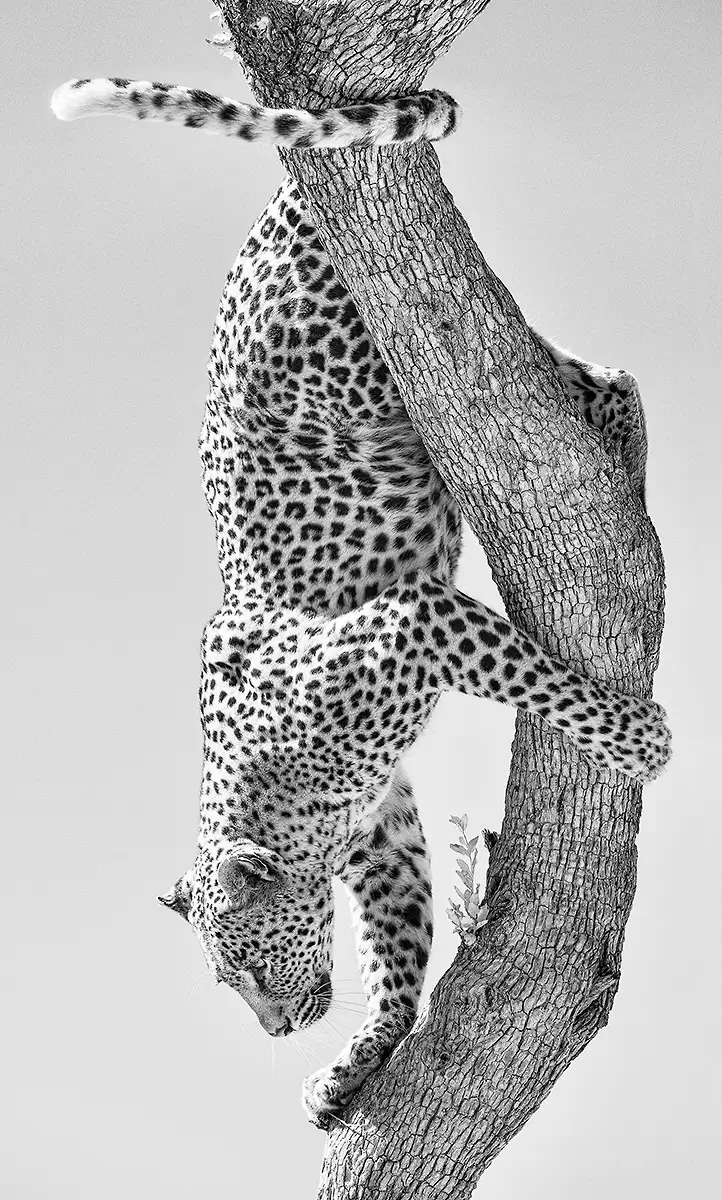
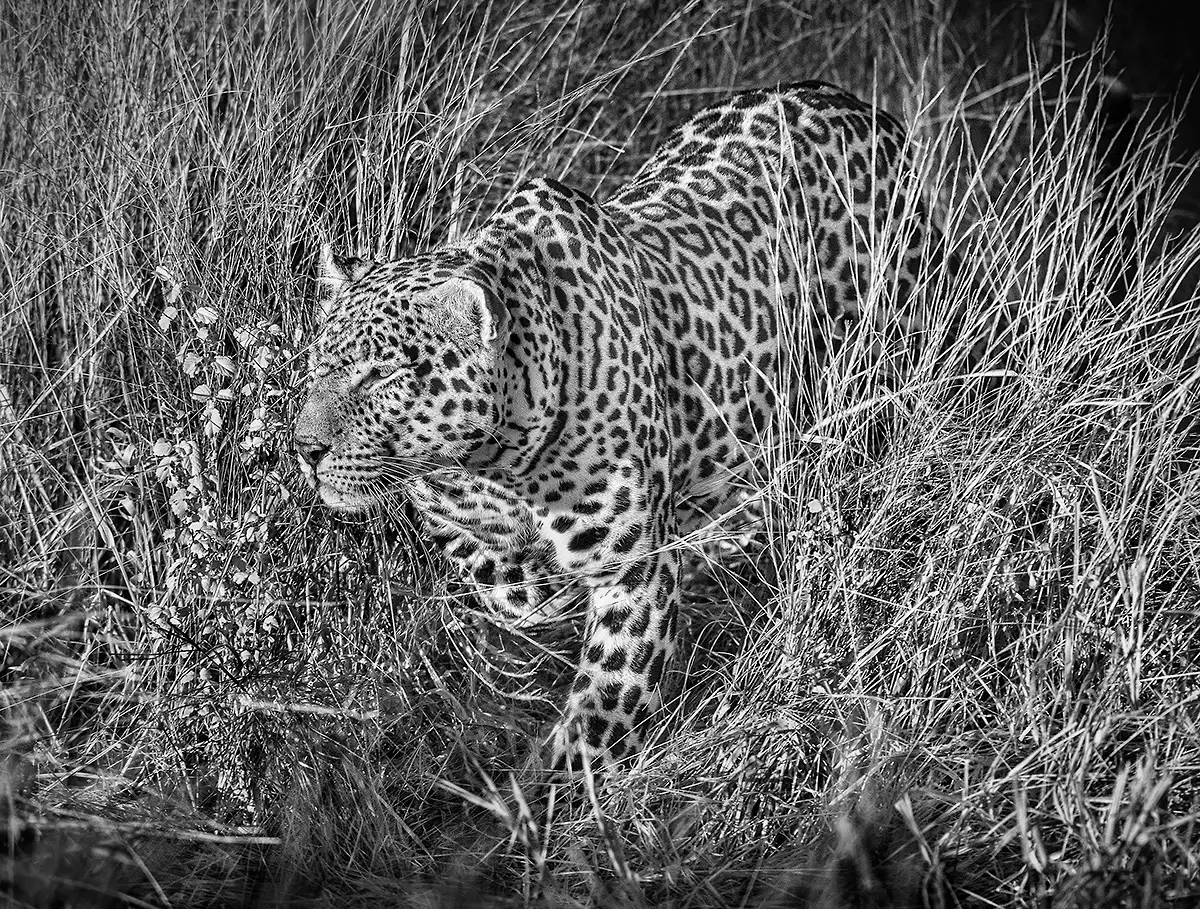
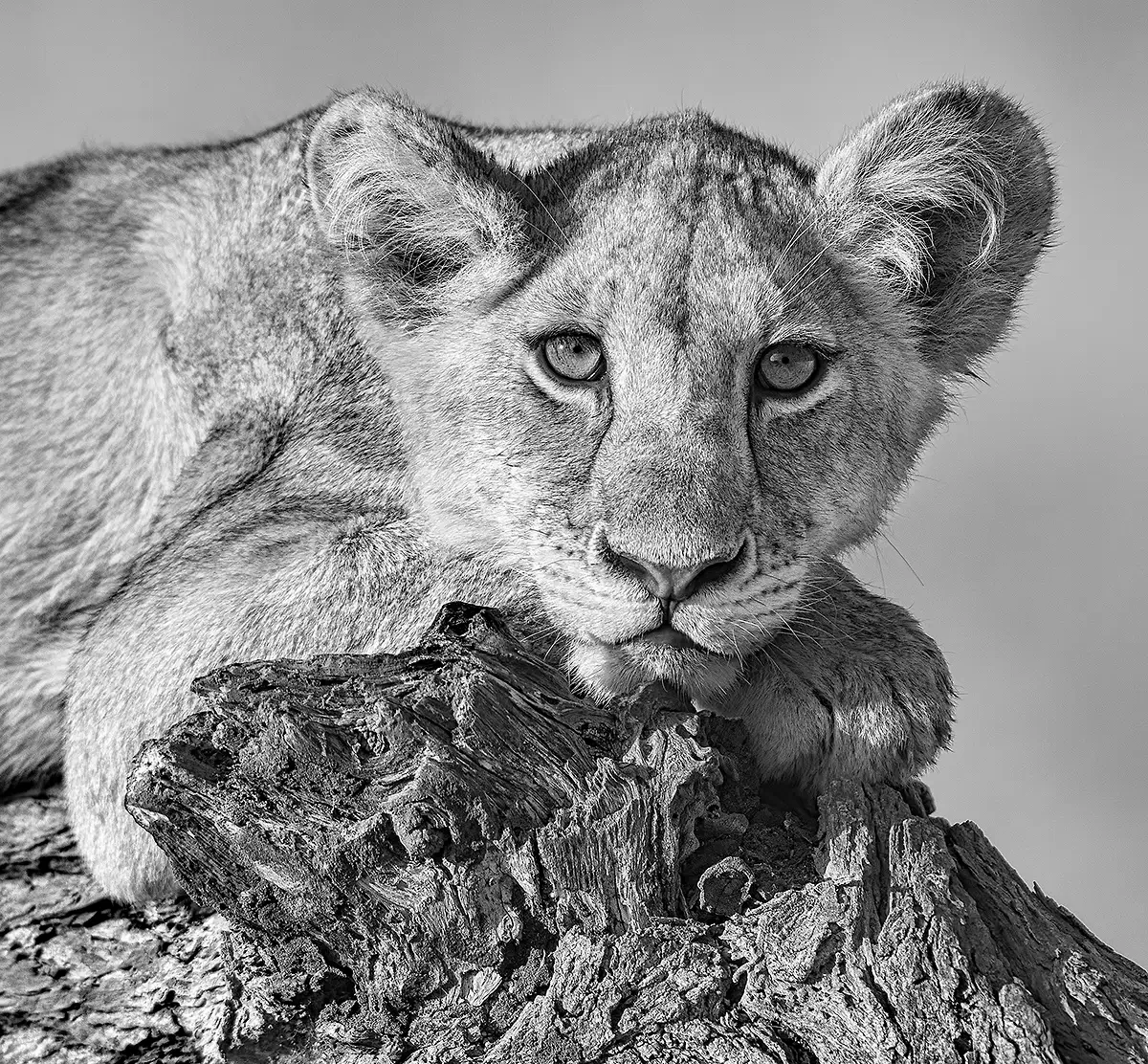
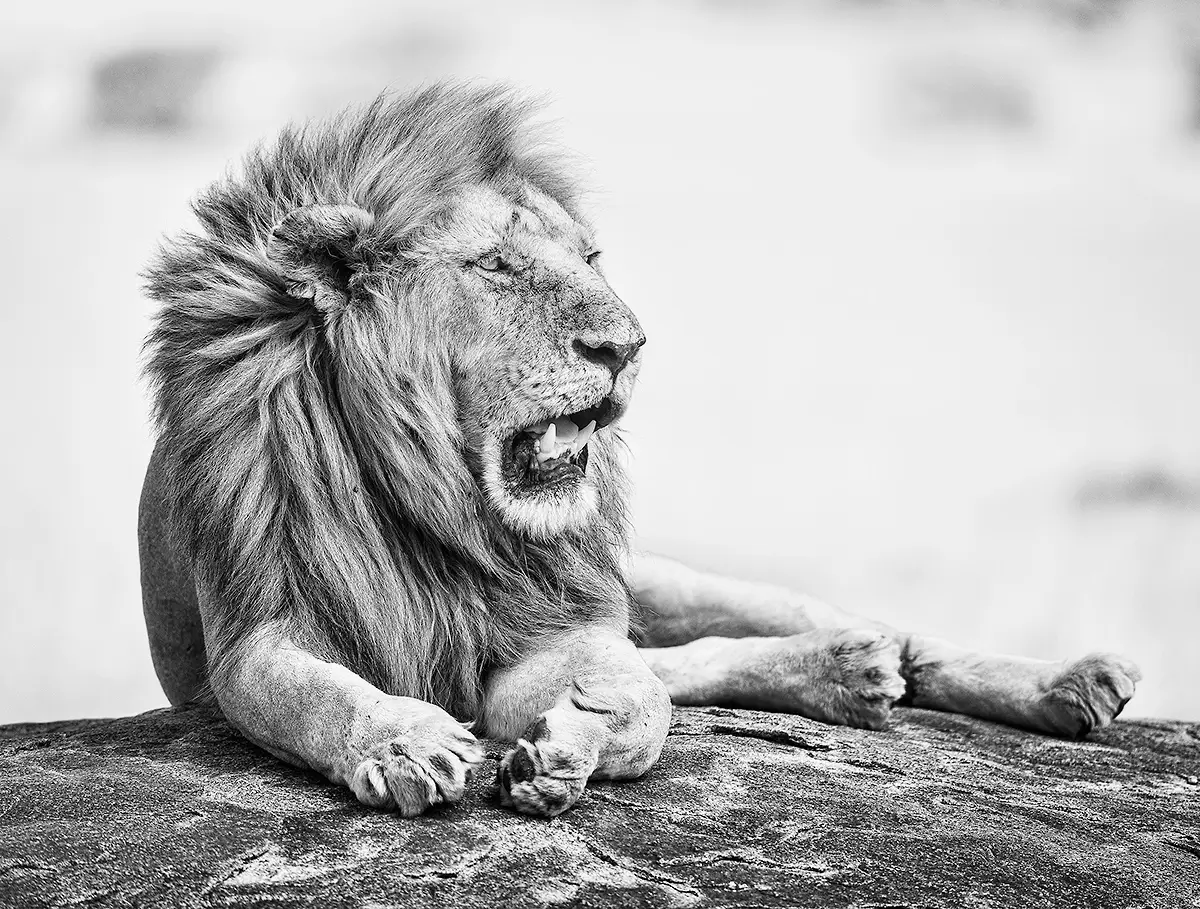
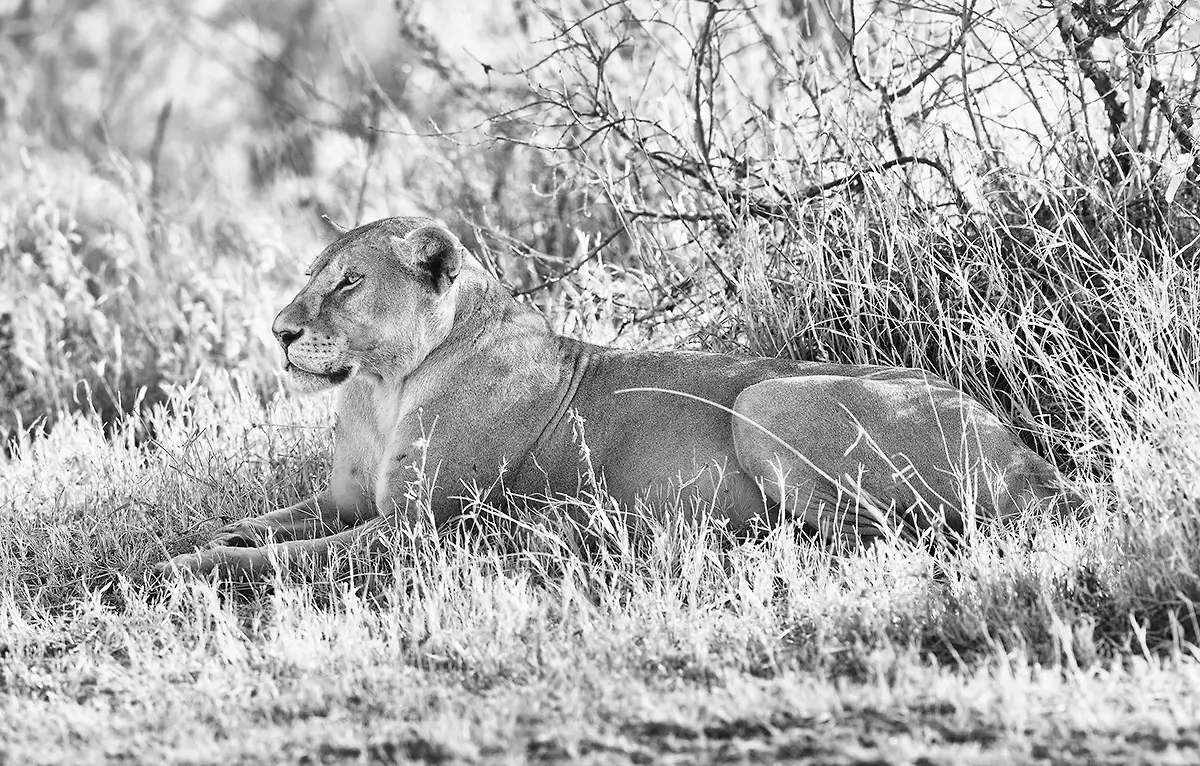
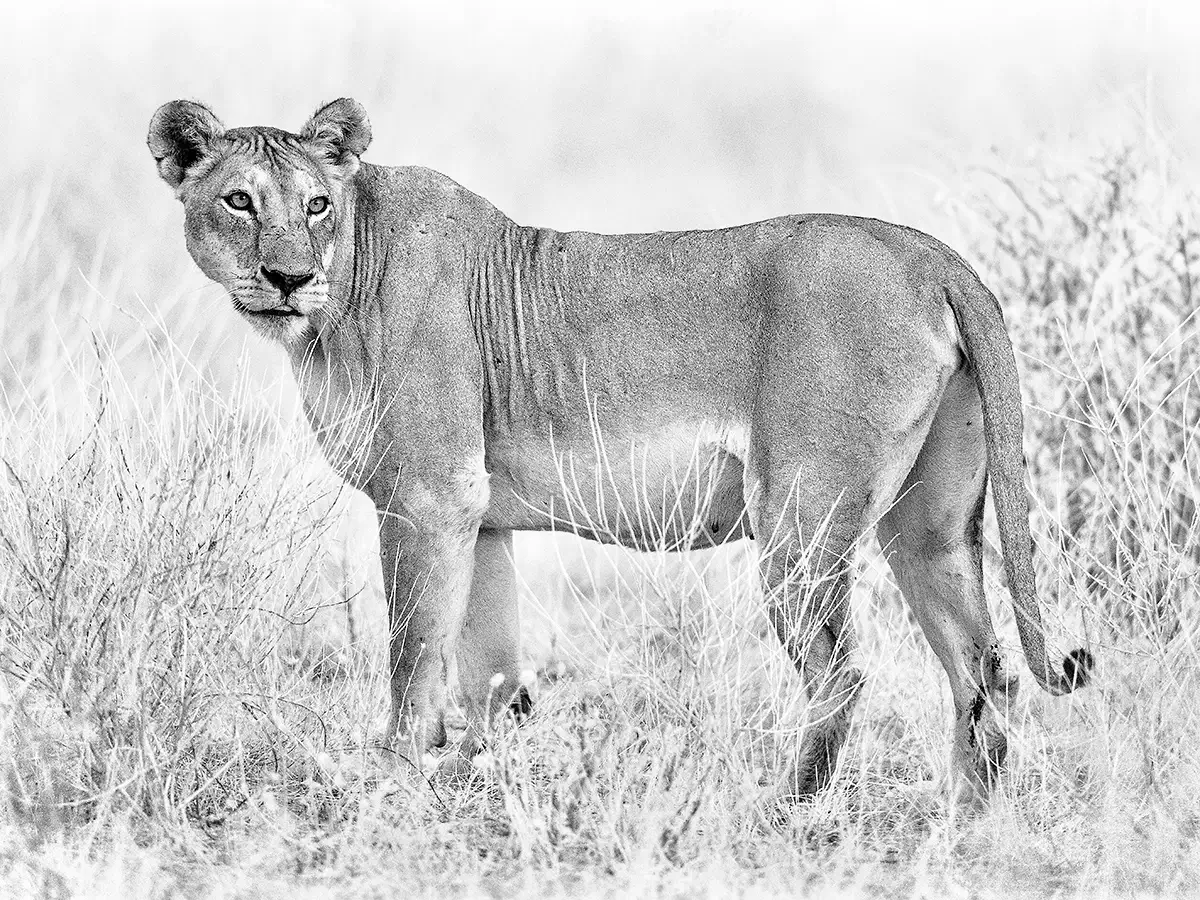
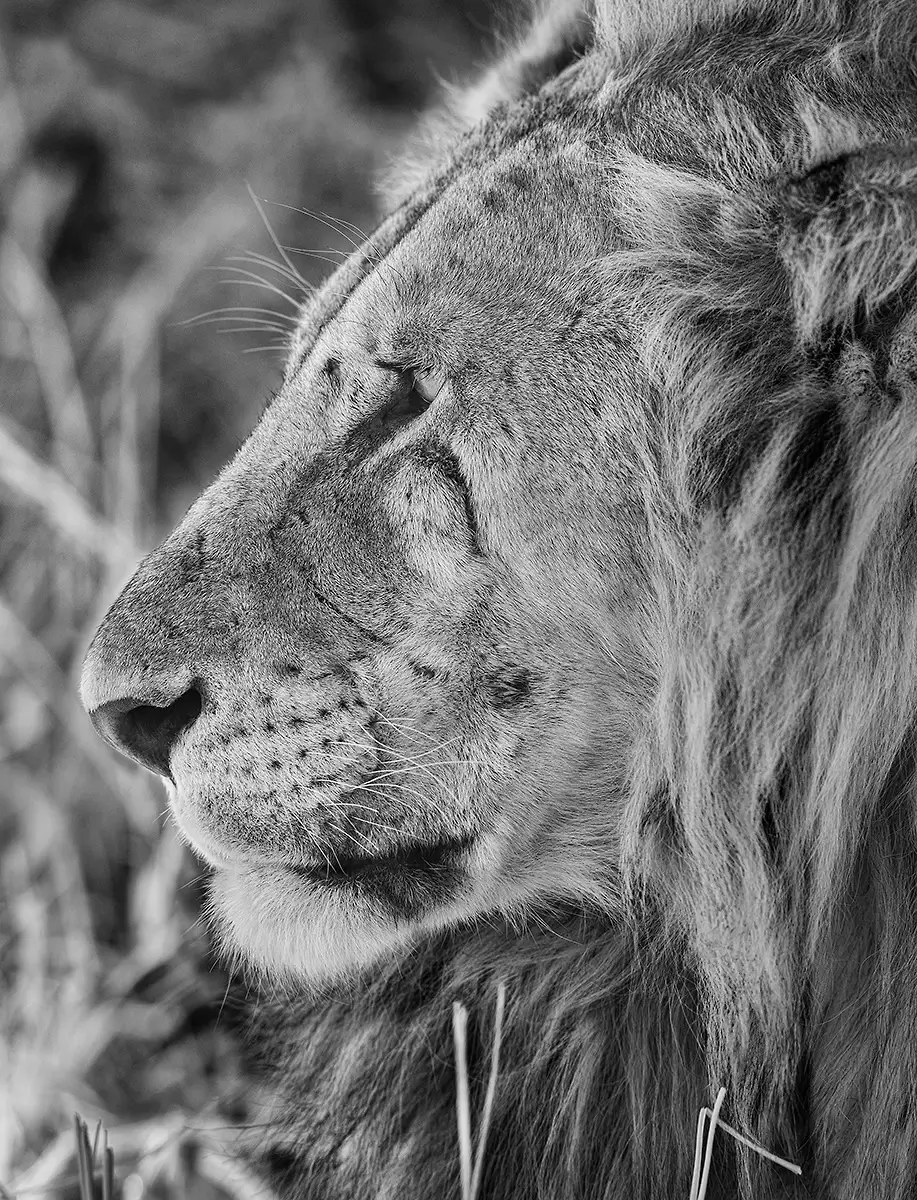
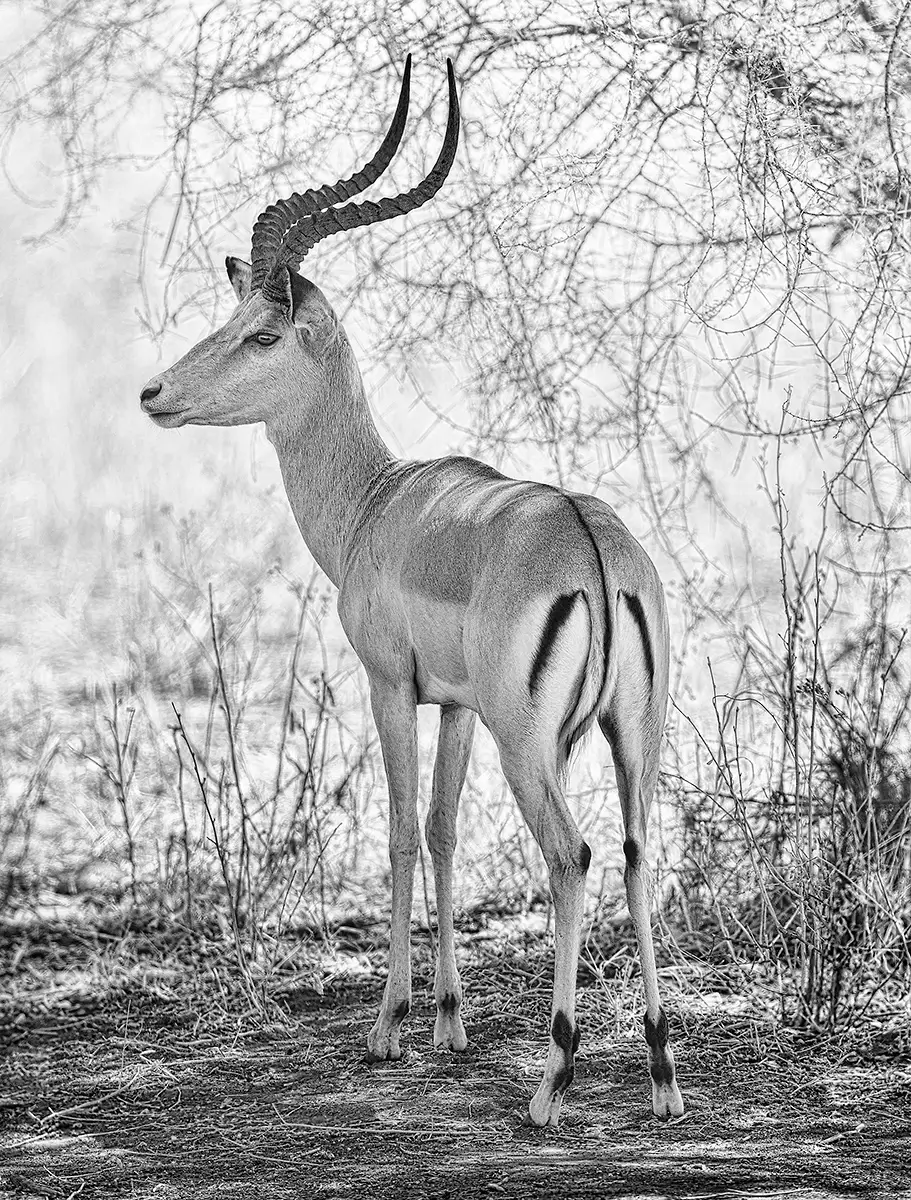
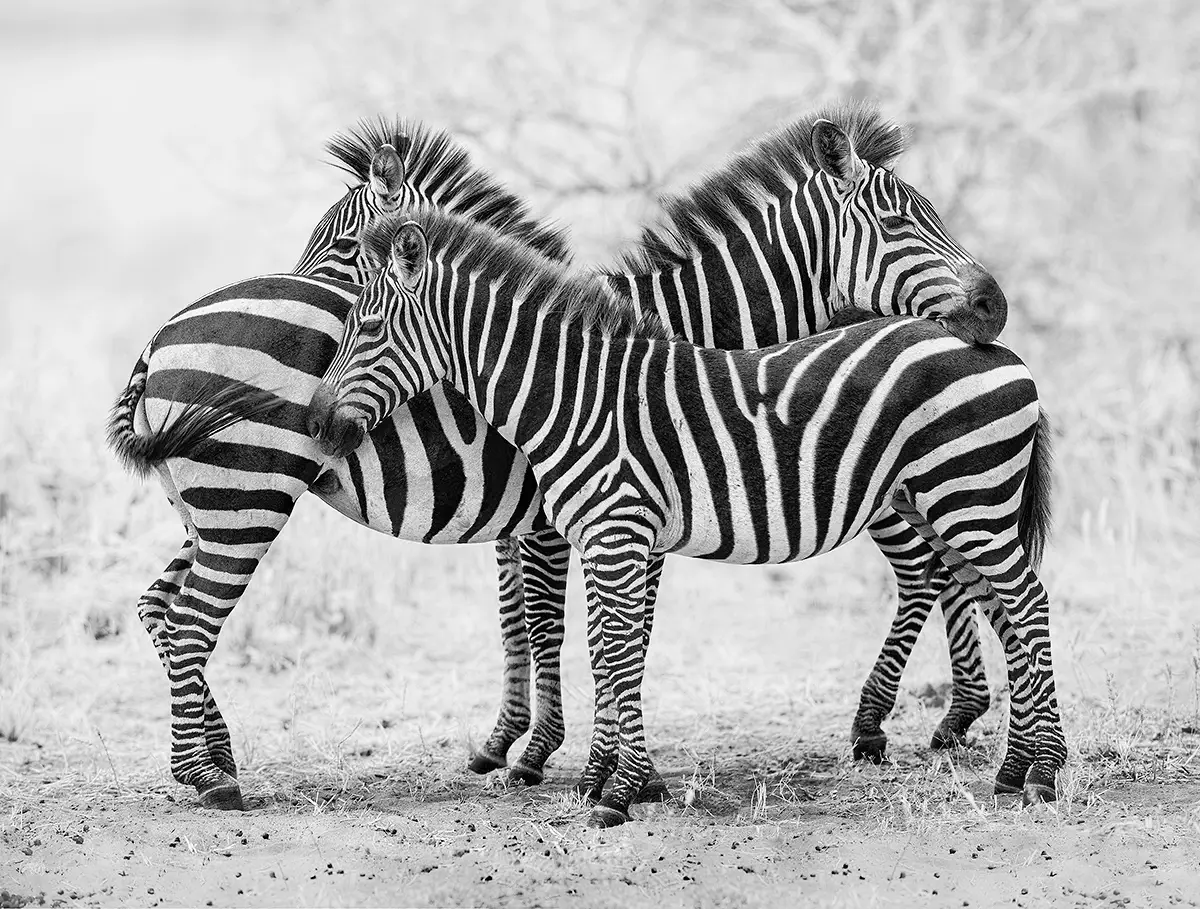
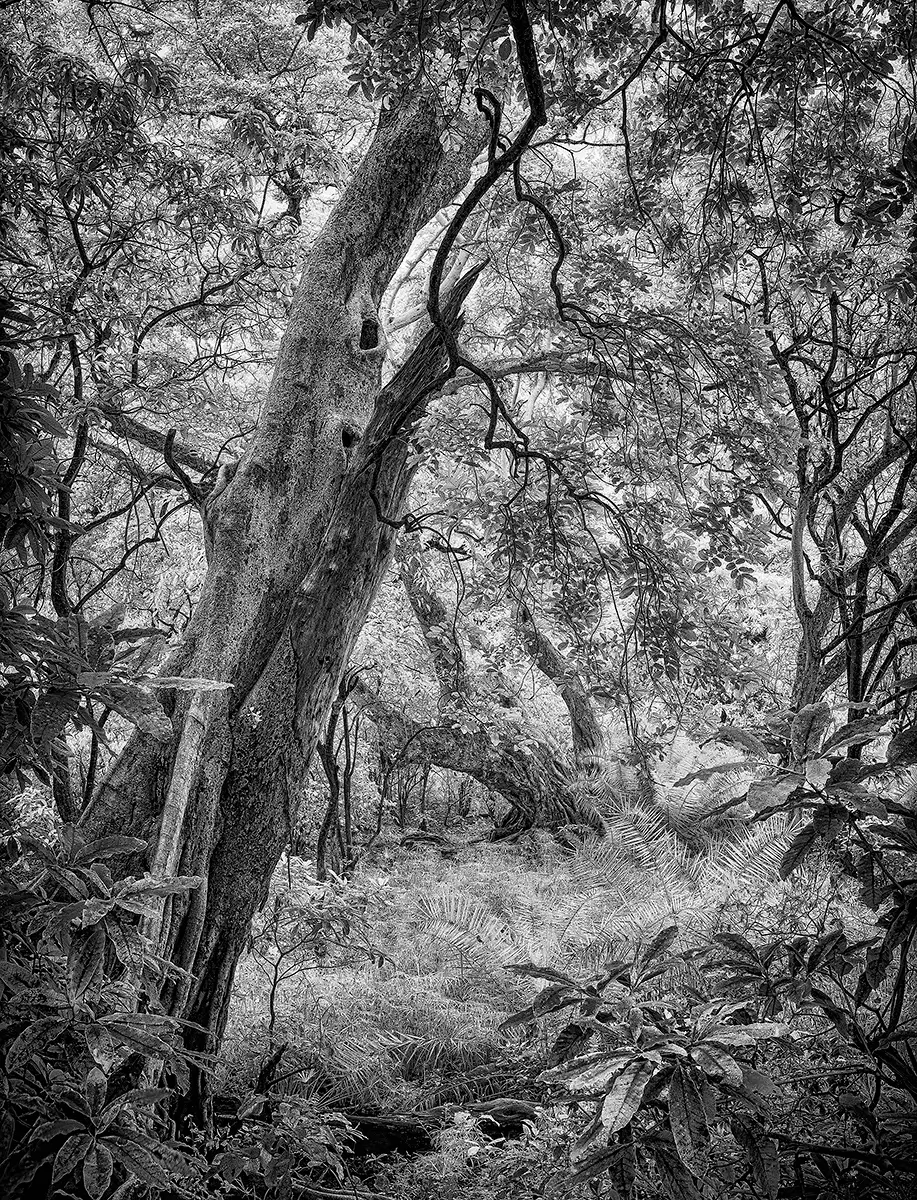
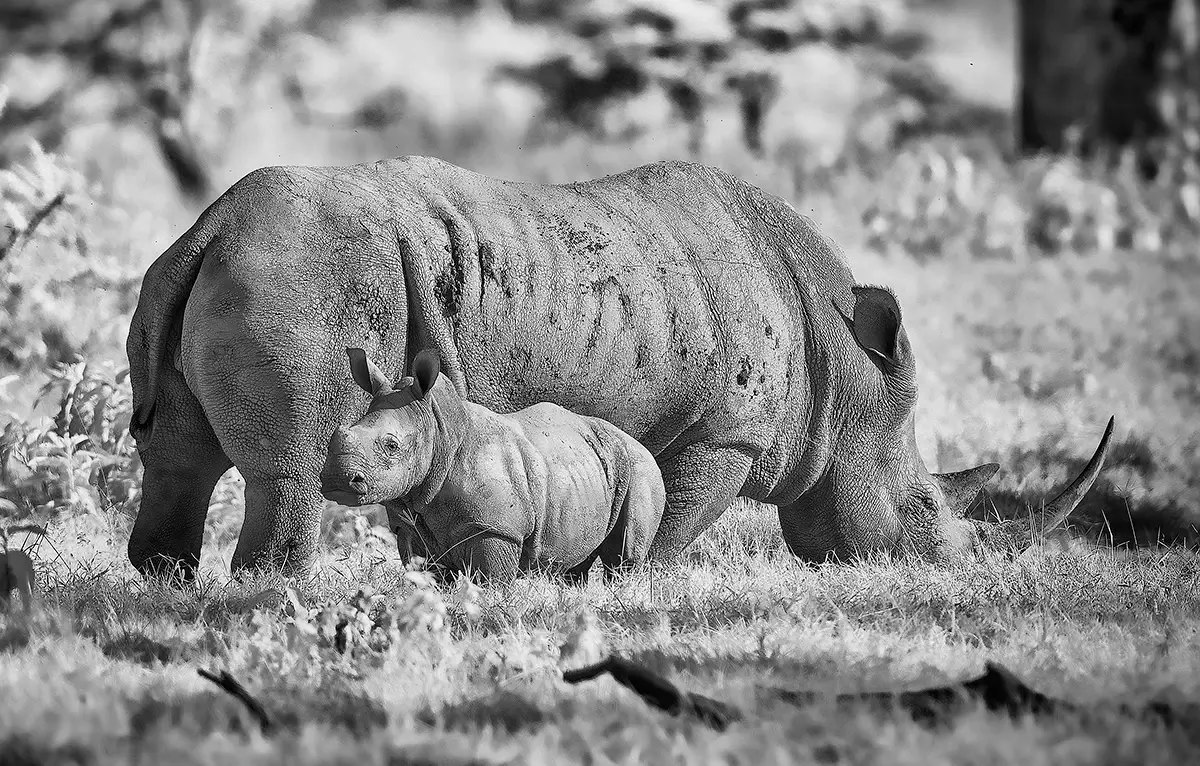
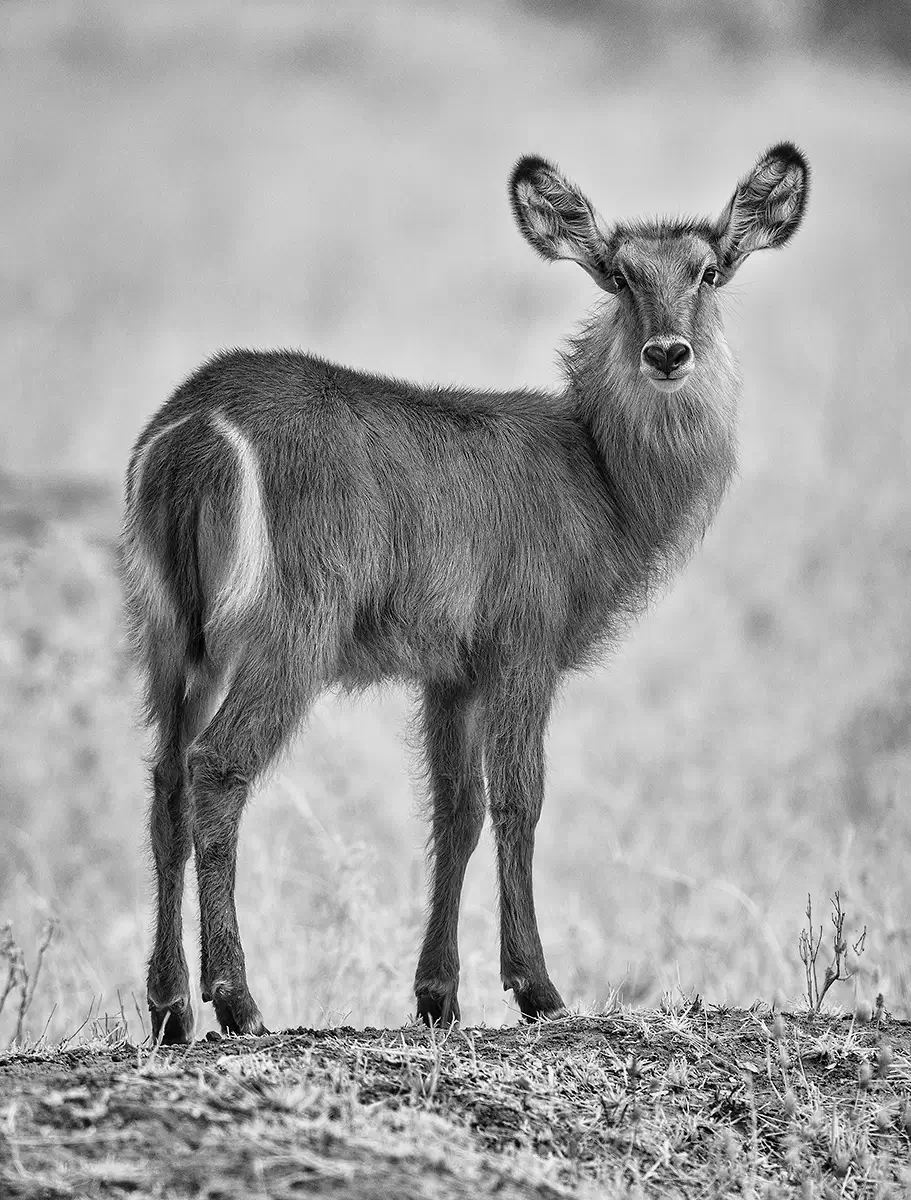
Hobart began exploring many different forms of expression from video to sculpting in bronze but settled on wildlife and nature photography. He chose infrared photography in particular because it allowed him to break away from the mundane and create a look that was uniquely his.

Currently he is known for two very distinct styles that you may be able to differentiate when studying his images. One style, "In Search of White” allows as much of the paper to show through with a minimalistic approach akin to a pencil or ink sketch. The other style, darker and more ominous, is called “Out of Obscurity”.

Before seeking commercial gallery representation Hobart established a firm foundation for his new career by having his work exhibited in major institutions like National Geographic, the Smithsonian National Museum of Natural History, the Booth Western Art Museum and other institutions. Now Hobart is represented in several galleries here in the US as well as abroad.

Artist’s Statement :
Regaining what has been lost.

Some activist photographers use shock and guilt as tools to bring attention to the plight of the natural world. Equally dismaying are photos depicting pristine images of Nature at its most beautiful, which can leave the viewer with the mistaken notion that all is well.

Harnessing the unique qualities of infrared photography, Hobart creates images reminiscent of old Victorian lithographs by explorers like Thomas Baines from the late nineteenth century.

Hobart’s images evoke a haunting nostalgia for a bygone era by transporting us to a time to when animals roamed freely. His work challenges us to give the overly stressed wild areas the space to heal as we learn to reestablish our coexistence with the natural world.

Hobart believes we never fully experience life without first getting close to nature. He implores us to tread lightly where we walk and listen carefully to all the plants and creatures around us.

“Each of us must acknowledge that we must share this beautiful world with all its inhabitants or lose it.” — Graham Hobart

AAP Magazine

AAP Magazine 54 Nature

 

Inspiring Portfolios

Call for Entries
All About Photo Awards 2026
$5,000 Cash Prizes! Juror: Steve McCurry
 
Stay up-to-date  with call for entries, deadlines and other news about exhibitions, galleries, publications, & special events.

More Great Photographers To Discover

Margaret Bourke-White
United States
1904 | † 1971
Margaret Bourke-White studied at the University of Michigan and then at Cornell University where she first discovered photography in 1927. She started taking pictures of buildings and engines. Henri Luce who created the magazine Fortune was very impressed with her work and decided to hire her as editor-in-chief in 1930. In November 1936 her picture of the Fort Peck dam makes the cover of Life magazine. It was the beginning of a long collaboration (1931-1971) and the real beginning of her career. She traveled to USSR in 1931 and then worked with E. Caldwell on the subject of poverty in the US (1937). She is then a photographer for the US Air Force and travels to Moscow, Germany, India, South Africa, and Korea. At the same time, she works for advertising agencies. At the end of the 50s, she has to stop working because of Parkinson disease.Source: Wikipedia Photography is a very subtle thing. You must let the camera take you by the hand, as it were, and lead you into your subject. -- Margaret Bourke-White Margaret Bourke-White, original name Margaret White, American photographer known for her contributions to photojournalism. Margaret White was the daughter of an engineer-designer in the printing industry. She attended Columbia University (1922–23), the University of Michigan (1923–25), Western Reserve University (now Case Western Reserve University), and Cornell University (A.B., 1927). During this period she took up photography, first as a hobby and then, after leaving Cornell and moving to New York City, on a professional freelance basis. She combined her own last name with her mother’s maiden name (Bourke) to create her hyphenated professional name. Beginning her career in 1927 as an industrial and architectural photographer, she soon gained a reputation for originality, and in 1929 the publisher Henry Luce hired her for his new Fortune magazine. In 1930 Fortune sent Bourke-White to photograph the Krupp Iron Works in Germany, and she continued on her own to photograph the First Five-Year Plan in the Soviet Union. She became one of the first four staff photographers for Life magazine when it began publication in 1936, and her series of photographs of Fort Peck Dam was featured on the cover and as part of the feature story of the first issue. Throughout the 1930s Bourke-White went on assignments to create photo-essays in Germany, the Soviet Union, and the Dust Bowl in the American Midwest. These experiences allowed her to refine the dramatic style she had used in industrial and architectural subjects. These projects also introduced people and social issues as subject matter into her oeuvre, and she developed a compassionate, humanitarian approach to such photos. In 1935 Bourke-White met the Southern novelist Erskine Caldwell, to whom she was married from 1939 to 1942. The couple collaborated on three illustrated books: You Have Seen Their Faces (1937), about Southern sharecroppers; North of the Danube (1939), about life in Czechoslovakia before the Nazi takeover; and Say, Is This the U.S.A. (1941), about the industrialization of the United States. Bourke-White covered World War II for Life and was the first woman photographer attached to the U.S. armed forces. While crossing the Atlantic to North Africa her transport ship was torpedoed and sunk, but Bourke-White survived to cover the bitter daily struggle of the Allied infantrymen in the Italian campaign. She then covered the siege of Moscow and, toward the end of the war, she crossed the Rhine River into Germany with General George Patton’s Third Army troops. Her photographs of the emaciated inmates of concentration camps and of the corpses in gas chambers stunned the world. After World War II, Bourke-White traveled to India to photograph Mahatma Gandhi and record the mass migration caused by the division of the Indian subcontinent into Hindu India and Muslim Pakistan. During the Korean War she worked as a war correspondent and traveled with South Korean troops. Stricken with Parkinson disease in 1952, Bourke-White continued to photograph and write. She retired from Life magazine in 1969.Source: Encyclopaedia Britannica The beauty of the past belongs to the past. -- Margaret Bourke-White
Anastasia Egonyan
Ukraine/Armenia
1987
Anastasia Egonyan (b.1987, Kharkiv, Ukraine) is an international artist of Armenian descent based in Berlin. Her practice is driven by emotional fluctuations and psychological experiences that are deeply rooted in her introspective life experiences. She continues to balance a longstanding practice in photography with evolving focus on painting and textile. Frequent engagement with family narratives, Armenian ancestry, and the exploration of female fragility are closely integrated into the evolving sense of self, as she continues to expand her approach across diverse mediums. Anastasia integrates textiles and predominantly natural materials into her artistic practice, delving into the tactile and symbolic dimensions of her heritage. Her work includes manual photo transfer techniques, traditional Armenian sheep wool, and the delicate use of pearls. By incorporating Armenian words and common phrases into her creations, she preserves and celebrates her cultural identity. Anastasia finds profound symbolism in the simplicity of everyday life while honouring the strength and resilience of women through historical and cultural lenses. Egonyan’s artistic practice is grounded in psychological self-reflection, where themes of ancestral heritage and identity gradually unfold. Her use of oil paint, textile, photography collages, and mixed media often employs layering techniques to shield the vulnerable aspects of emotional and personal experience. These layers, whether of paint or fabric, serve to shield the intimacy of these personal explorations, preserving a sense of privacy while concealing the raw intensity of the truth. The act of layering thus becomes an allegory, creating a barrier between the deeply personal and the viewer, who may not yet be prepared for such exposure. ցավդ տանեմ - I take your pain mixed media (textile, wool, photography transfer) 220 x 320 cm With love for the people of Artsakh who lost their homes. My family heritage originates from the village of Togh (Տող) in the Hadrut region, Artsakh. The great ancestor wrote at the entrance of his chamber “I did not allow that people from Armenia be taken captive.” In September 2023, history took a different course as the indigenous people of Artsakh were forcibly displaced. Over 100,000 individuals lost their homes, and the land now falls under the control and administration of occupying forces, with the region being transformed into a nature reserve. I take your pain is an object that represents the traditional Armenian way of making wool blankets. With the use of sheep wool and cotton fabric it is quilted in the original manner, following the rectangular shape. It is common for every Armenian family to own several of these blankets and mattresses, which are typically crafted by the women of the household. The object is composed of multiple layers of textile and wool, forming a mosaic of fabrics sourced from my collection of vintage scraps and family garments. It connects to my family, my current residence, my place of birth, and the lost land that forever holds my heart and soul.
Randall Romano
Canada
1957
Randall has been making photographs for over 45 years, initially in the nature/landscape genre, eventually evolving to run a commercial photography business focused on interior and exterior architectural clients. Since 2015, after closing the business, he focused solely on photographing subjects and projects that are of personal interest. These consist largely of street and documentary subjects. He has also been active in lecturing about photography, to a wide variety of Ontario camera groups. These presentations sought to stir up and challenge traditional notions on photography, bringing to light the work and importance of master photographers. A recent book publication: Reaching a Higher Level in Photography (2023) has come out of these presentations. I believe the camera’s strength is its ability to capture fleeting moments, to stop time and create a sense of curiosity in the viewer. If a still image is to be successful it has to illustrate something missed and something fleeting. Chasing this fleeting moment of uniqueness allows me to better saviour life. A father of four children, Randall and his wife Catherine live on a rural property near Peterborough, Ontario, Canada. Statement Photography represents much more to me than only exploring the world. It is the ability to capture a moment of time, to rip a unique page from the book of life. Photographs at their best tell a story or reveal a penetrating statement, not only through an individual picture but also through groups of photographs. The camera provides a means to document and freeze a passing juncture, perhaps capturing an important instant, a blink of vision that without the camera would be gone forever. The simple act of making a photograph encourages the photographer to stop and carefully look at the complexity of life. This uncomplicated act opens up details of the world lost to others. At its true essence, the camera is a persistent companion documenting a unique view of the world and travelling along through our life journeys. The techniques I use to capture these moments of life and narratives are not based on technological prowess, because to me the camera is only a tool to be harnessed. Photographs reflect and document the real world and are a contemplation of things as they are. Technology is only a means to capture this reality. The ultimate success of the process is the strength and validity of the final product, and the need it creates in the viewer to linger and explore. Winner AAP Magazine #30 Shadows
Maia Flore
France
1988
Maia Flore was born in 1988, in France. She is currently living in Paris. Graduated from Ecole des Gobelins in 2010, she joined Agence VU' in 2011. Her approach fits into a research of coincidences between reality and her imagination. Her world is a complete fabrication in form of touching and enchanting narrations, even surrealistic. This is in Sweden she begins her first series "Sleep Elevations", a journey that indulges in childhood memories. During the summer of 2012, while her first residence in Finland, Maia Flore explores new methods of representation and narration. These researches will then continue at the Arts Center of Berkeley, California. Resulting two series (Situations and Morning Sculptures) that continue to explore the feelings of confusion in which the photographer places her characters as her audience. She is exposed for the first time in February 2011 at the festival Circulation (s) of the Young European Photography in Paris. More recently, as part of a White Card from Atout France and the French Institute, Maia Flore depicts the French heritage through her dreamy world in the series "Imagine France – Le voyage fantastique" exposed in Bercy Village until September 2014. In 2015, she wins Le prix HSBC pour la photographie. Source: Agence VU Situations (2012) In the Situations series, a girl runs through varyingly weathered landscapes donning a striking red outfit. In search of a sublime freedom, she travels to find fleeting moments of communion with nature. Draped in red, she catches the light of the sun or buries herself in the fog. As though she were attempting to rediscover this space, she roams on land-locked clouds that evaporate into the landscape upon the return of the sun as it chases away their mystery. Like a game between reality and fantasy, the clash between clairvoyance and a moment of madness, the girl is amused by her emotional confusion. Sleep Elevation (2010) "Those who dream by day are cognizant of many things which escape those who dream only by night," Edgar Allan Poe. This is how these girls, carried away in the air by objects, let themselves travel through boundless landscapes. Flying towards dreamed lands, making real a complete attraction between the character, his ideal universe and the world they live in: that is where these girls lead us. Their contorted movements are merging with the shape of the one revealing their passion. Mix of an imaginary realism and childhood memories, these beings in levitation invite us to dream, limitlessly.
Brad Walls
Australia
1992
Brad Walls is an Australian aerial photography based in Sydney. Best known for his use of close up top downs, Brad specialises in aerial portraiture and a minimalistic approach to aerial photography. Utilising one of the first consumer drones, Brad Walls stumbled across his passion for aerial content through stitching small video clips together taken during his extensive travels. 18 months on, Brad has refined his skillset, with a vision to strive and see the world from a different angle creating the perfect metaphor for his work. Pools From Above Pools From Above is an ode to the beauty found in the shapes, colours and textures of swimming pools. This unique and never-before-seen perspective uses Walls' clean, minimal aesthetic to visually showcase interesting pools from around the world. Inspired by his travels throughout Southeast Asia and within his own home country of Australia, Walls' journey initially began by capturing the bodies of water simply to document holiday memories. It wasn't until picking up the bestselling Annie Kelly coffee table book Splash: The Art of the Swimming Pool, however, that Walls would start investing time and passion into curating a series, stating that "As I turned each page of Kelly's book, a wave of childhood nostalgia washed over me, spending hours in the pool over summer." Paying powerful homage to Kelly, Walls' series chooses to keenly focus on pools' elements of composition from a bird's eye view. "I fell in love with the lines, curves and negative space of the pools, which - without alternate perspective from a drone - would have been lost." Pools From Above is also an integral part of a much larger project which is aimed at a book release in the not-too-distant future, as Walls says "The response from viewers has been positive, asking for the series to be amongst their coffee table books." Looking ahead, once the world finally re-opens, Walls has no plans of slowing down. He plans to capture even more world-renowned swimming pools across an array of idyllic locations, including Palm Springs, Mexico and the Mediterranean. Since bursting onto the photography scene in early 2019, Walls has gone on to produce award-winning photographs and garner worldwide media attention, with a primary focus on capturing aerial portraits of sportspeople like synchronized swimmers, gymnasts and ice skaters from unique perspectives and angles that audiences are normally unable to see.
Ed Sievers
United States
1932 | † 2002
Ed Sievers was born in 1932 in St. Louis, MO, the son of a family doctor that made house calls and an aspiring opera singer. He attended Grinnell College, graduating with a degree in Speech in 1954. His first job was as a creative writer for Hallmark Cards. The slogans he penned were notable for the wry wit and wisdom with which he commented on the human condition. At the same time, his interest in the arts was expanding from the literary to the visual, and would ultimately lead him in a new direction. In 1966 he was accepted into the MFA program at the Rhode Island School of Design to study photography with Harry Callahan. Upon graduation in 1968 he joined the faculty of California State University, Northridge, as a specialist in fine art photography. He took up residence in the Carlton Hotel in Venice Beach and soon realized he had walked into a street photographer's dream. Originally designed as a resort community modeled after its Italian namesake, Venice had fallen on hard times. Buildings were in disrepair and rents were cheap. Influenced by the Bohemian lifestyle of its poets, artists, students and a struggling lower class, the boardwalk suddenly sprang to life. There were musicians, dancers, jugglers, mimes, magicians, comedians, roller skaters, fortune tellers, gritty street people and colorful hippies. And, of course, there was the sprawling nude beach. Throngs of gapers flocked from throughout Southern California to enjoy the expressive spirit of the moment. But that was only on weekends. A quieter, more sensitive mood prevailed during the week. The gentle gestures of holocaust survivors at the Israel Levin Center. The recovering alcoholics quietly heading home after Al-Anon meetings. The homeless searching for food and drink. The once cheerful cottages longing for attention. The iconic murals. The myopic murals. The motions of a people not sure of what lay ahead. Within a decade the Venice that Ed knew had been swallowed up by rampant commercialism and the inexorable influx of the nouveau riche. Upon his death in 2002, the Edwin R. Sievers Memorial Award was established to share his vision with future students; "His approach to photography was straight forward: use the nuances of available light to enhance the subject, whatever that may be: ordinary, quirky, or sublime." Source: Robert Mann Gallery
Iris Brito Stevens
United States
I was born and raised in Salinas, California (U.S.), a farming community known for its lettuce. As a daughter of Mexican immigrants, I became aware of, and sensitive to, the differences between the immigrant and non-immigrant communities and their perspectives, which at times felt narrow and somewhat limiting. Growing up surrounded by family grounded me deeply, yet an insatiable curiosity and passion for learning about the world beyond me, called out. I spread my wings and traveled to destinations that were completely foreign, often under the auspices of humanitarian and educational endeavors. The lens through which I saw the world opened-up and expanded my perspective, just like a camera. Through first-hand experience, I became aware of the lives and conditions of marginalized and oppressed peoples globally. This new dimensionality helped me to confront certain realities, to grow, and to self-reflect on what it means to be human. It also led me toward activism and social documentary photography, which enabled me to blend visual narrative with the stories of other people through projects or partnerships in Uganda, the Occupied Palestinian Territories, Spain, San Francisco and more. My photographic work is my passion, and it serves to create awareness and a more intimate human connection, by encouraging a path that looks beyond our limited and inherent perceptions and conditioning. Statement In America, we place so much value on individuality and independence, that we forget how truly interdependent we are on one another, both on a local and global scale. We have become hyper-focused on the self and are losing our ability to empathize and see the intense vulnerability around us—though considering recent events, this appears to be shifting. As a social documentary photographer, I am drawn towards people and the conditions that are relevant in their lives, as individuals and as members of a family, community, or society. Our perception of the world can be limited to our own multi-faceted forms of conditioning; I utilize the impact of visual narrative to bring awareness of the human condition worldwide. There is so much beauty in diversity. I want to validate that diversity through photography, to help others grow in that appreciation, to demonstrate that we are all a part of something collectively - that life's experience doesn't begin and end with us, as individuals. Dominance consciousness is so pervasive in society; it's like a box with thick walls and nothing to see, nowhere to go, devoid of any inspiration. It kills curiosity and ideas. I want us all to be inspired and curious by the diversity we see and experience in everyday life. Diversity is beautiful.
Scott M. Fincher
United States
1946
So what differentiates a portrait of a person from a picture of an object? Essentially nothing. A photographer's purpose is revelation. In the street or in the corporate suite the imperative is to take surfaces into the interior so that the viewer comes to understand something about what has been presented. This could be an aspect of personality or the structure of a design. In short, one can say no more than one can see. Early in my career, I used to fantasize that I could be a Beethoven of photography. The idea contradicts the central principle of the medium. What distinguishes photography from the other arts is time. Unlike music, which takes a single idea and expands it, photography interrupts the continuum and digests it into an exquisite moment where understanding, composition and action intersect. All this is expressed succinctly in poet e.e. cummings's introduction to his volume "Is Five": "I am abnormally fond of that precision which creates movement." In my eyes, photography also adheres to Francis Bacon's maxim, "The contemplation of things as they are without error, without confusion, without substitution or imposture is in itself a nobler thing than a whole harvest of inventions." That is why I love both nature and the street and quest for the image that sits on the cusp of the real and surreal. For the most part, I do not manipulate the images in the digital "darkroom" any more than I would have were I using techniques of the old "wet" darkrooms. Mostly, I adjust luminosity. My background is print journalism. I edited photography and foreign and national news for the Chicago Tribune and Chicago Sun-Times for many years before deciding to rededicate myself to my passion. It has been, as the great Edward Steichen once said about the photographic act, "Incredibly easy and impossibly difficult." Nevertheless, the results have been good, and I have won national, international and art fair awards since my return to photography in 2006. My images are in collections all over the U.S. and in Germany, Poland, Denmark and Venezuela. I hold a bachelor's in English from Northwestern University, Evanston, Ill., and have studied photography in too many workshops to enumerate. I live in Chicago.
Advertisement
All About Photo Awards 2026
Win a Solo Exhibition in March
All About Photo Awards 2026

Latest Interviews

Exclusive Interview with Anastasia Samoylova
Anastasia Samoylova is an American artist whose photographic practice is shaped by close observation and a deep attentiveness to place. Working between documentary and formal exploration, she photographs landscapes, architecture, and everyday scenes with a sensitivity to light, structure, and atmosphere. Since relocating to Miami in 2016, her work has increasingly focused on how environments—both natural and built—carry social, cultural, and emotional traces. We asked her a few questions about her practice and her way of seeing, to better understand the thoughts and experiences that shape her work—while allowing the images themselves to remain open and speak in their own time.
Exclusive Interview with Marijn Fidder
Marijn Fidder is a Dutch documentary photographer whose work powerfully engages with current affairs and contemporary social issues. Driven by a deep sense of social justice, she uses photography to speak on behalf of the voiceless and to advocate for the rights of those who are most vulnerable. Her images have been widely published in major international outlets including National Geographic, CNN Style, NRC Handelsblad, Volkskrant, GUP New Talent, and ZEIT Magazin. Her long-term commitment to disability rights—particularly through years of work in Uganda—culminated in her acclaimed project Inclusive Nation, which earned her the title of Photographer of the Year 2025 at the All About Photo Awards. She is also the recipient of multiple prestigious honors, including awards from World Press Photo and the Global Peace Photo Award. We asked her a few questions about her life and work.
Exclusive Interview with Josh S. Rose
Josh S. Rose is a multidisciplinary artist working across photography, film, and writing. His practice bridges visual and performing arts, with a strong focus on movement, emotion, and the expressive potential of the image. Known for his long-standing collaborations with leading dance companies and performers, Rose brings together authenticity and precise composition—a balance he describes as “technical romanticism.” His work has been commissioned and exhibited internationally, appearing in outlets such as Vogue, at the Super Bowl, in film festivals, and most recently as a large-scale installation for Lincoln Center for the Performing Arts. A sought-after collaborator, he has worked with major artists, cultural institutions, and brands, following a previous career as Chief Creative Officer at Interpublic Group and the founder of Humans Are Social. We asked him a few questions about his life and work.
Interview with Maureen Ruddy Burkhart
Photographer Maureen Ruddy Burkhart brings a quietly attentive and deeply human sensibility to her exploration of the world through images. Shaped by a life immersed in photography, film, and visual storytelling, her work is guided by intuition, observation, and an enduring interest in the emotional undercurrents of everyday life. With a practice rooted in both fine art traditions and documentary awareness, she approaches her subjects with sensitivity, allowing subtle moments to emerge naturally rather than be imposed. Her series Til Death, selected as the Solo Exhibition for February 2025, reflects this long-standing commitment to photography as a space for reflection rather than spectacle. Drawn to moments that exist just outside the expected frame, Burkhart’s images suggest narratives without resolving them, leaving room for ambiguity, humor, and quiet connection. We asked her a few questions about her life and work.
Exclusive Interview with Peter Ydeen
Winner of AAP Magazine #45 Travels, his series reflects this unique vision—capturing the spirit of place through subtle layers of light, color, and emotion. Whether traveling abroad or observing the rhythms of his own surroundings, Ydeen creates images that feel both grounded and enchanted, inviting viewers into a world where reality and reverie meet.
Exclusive Interview with Julie Wang
Chinese-born photographer Julie Wang brings a poetic, contemplative sensitivity to her visual exploration of the world. Having lived for nearly equal parts of her life in China, Europe, and the United States, she approaches her subjects with the nuanced perspective of someone shaped by many cultures. This blend of distance, curiosity, and emotional resonance infuses her work with a quiet depth, allowing her to reveal the fragile beauty and subtle tensions that often pass unnoticed.
Exclusive Interview with Ghawam Kouchaki
American photographer Ghawam Kouchaki brings a sharply observant and introspective gaze to the streets of Japan’s capital. Based in Los Angeles, he approaches Tokyo with the distance — and curiosity — of an outsider, allowing him to uncover the city’s subtle contradictions, quiet tensions, and fleeting gestures that often go unnoticed. His series Tokyo no no, selected as the Solo Exhibition for December 2024, explores the hidden undercurrents of urban life: the unspoken rules, the small ruptures in routine, the poetic strangeness found in everyday moments. Through muted tones, instinctive timing, and meticulous framing, Kouchaki reveals a Tokyo that exists somewhere between reality and imagination — both intimate and enigmatic. We asked him a few questions about his life and work.
Exclusive Interview with Tommi Viitala
Tommi Viitala, winner of AAP Magazine #44: Street, is a Finnish photographer celebrated for his striking and cinematic street photography. With a keen eye for atmosphere and composition, he captures fleeting urban moments that reveal the poetry of everyday life. His work often explores the tension between solitude and connection within contemporary cityscapes, blending documentary realism with artistic sensibility. Viitala’s photographs have been exhibited internationally and recognized for their strong visual storytelling and emotional depth. We asked him a few questions about his life and work.
Exclusive Interview with Robert Mack
Robert Mack is a California-based visual artist, photographer, and filmmaker. His fine art photography and films have been exhibited widely in the United States and Europe, with major shows at the Baltimore Museum of Art and the Reiss-Engelhorn Museum in Mannheim, Germany. Both institutions hold his work in their permanent collections. Working across different media, Mack has built a career exploring the complexities of human presence and representation. In 1981, while living in Baltimore, he produced The Perkins Project: Not Guilty by Reason of Insanity, a rare photographic and film study inside Maryland’s hospital for the criminally insane. These stark yet compassionate black-and-white portraits remain one of his most powerful and controversial bodies of work.
Call for Entries
All About Photo Awards 2026
$5,000 Cash Prizes! Juror: Steve McCurry