All about photo.com: photo contests, photography exhibitions, galleries, photographers, books, schools and venues.
Submit your Best Project to Win a Solo Exhibition this March!
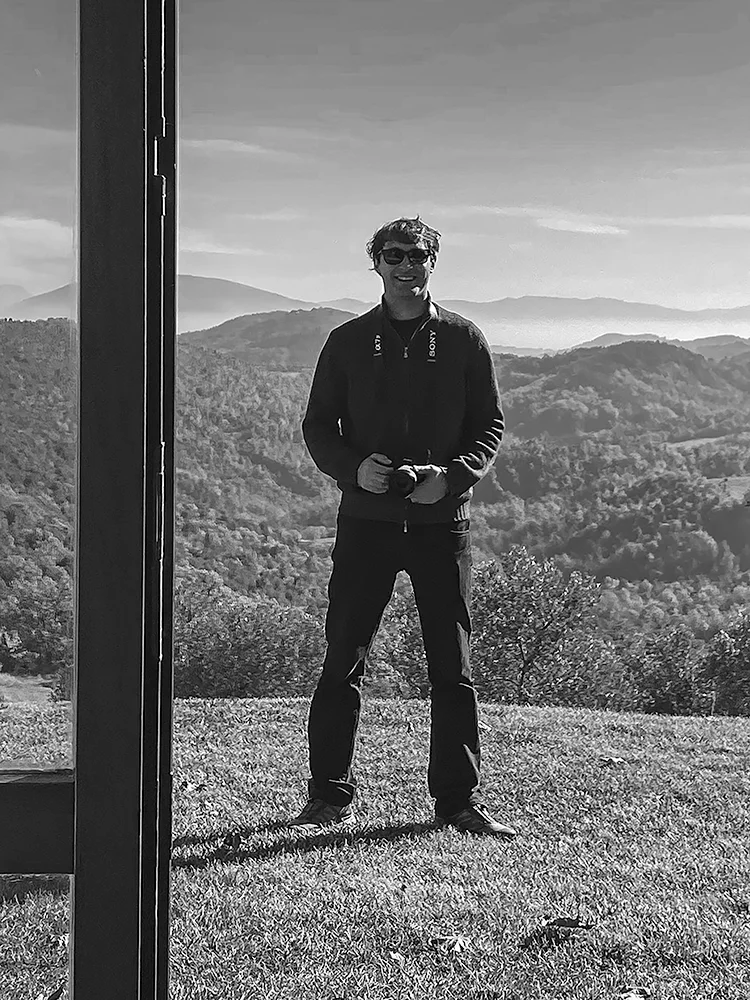
Neri Panegrossi
Neri Panegrossi
Neri Panegrossi

Neri Panegrossi

Country: Italy
Birth: 2000

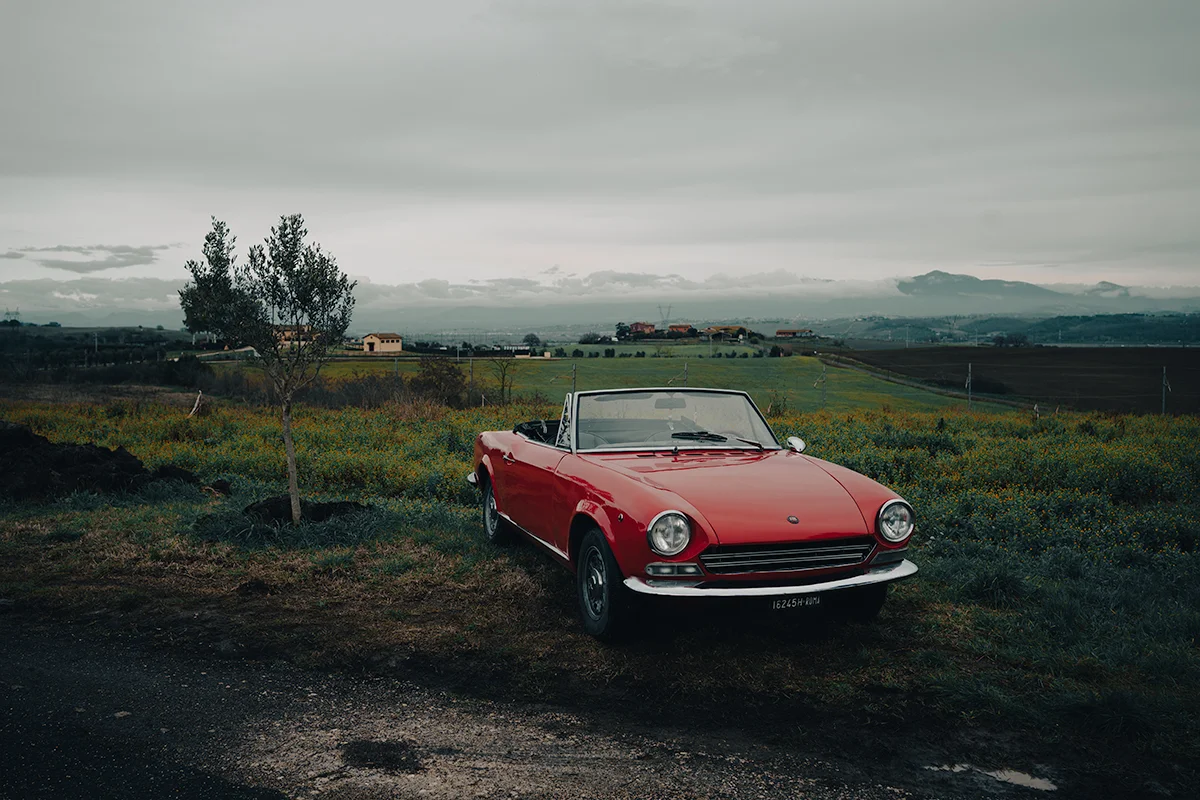
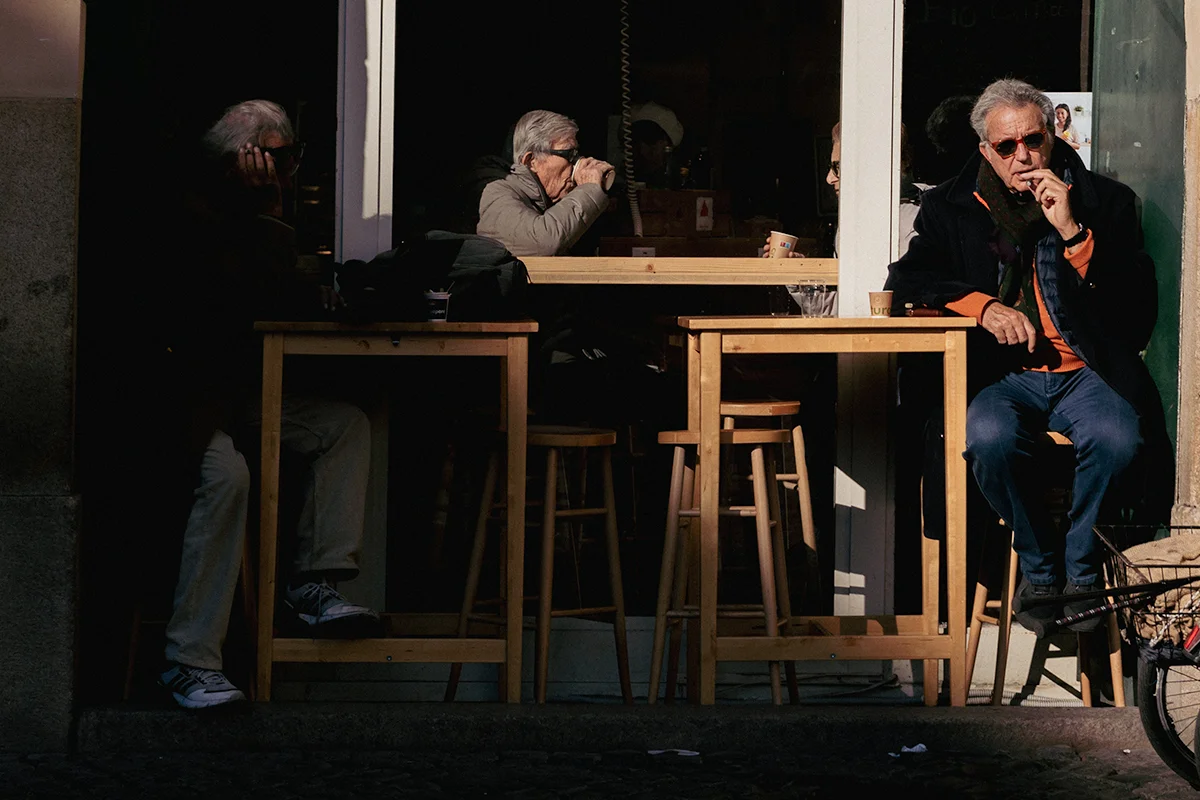
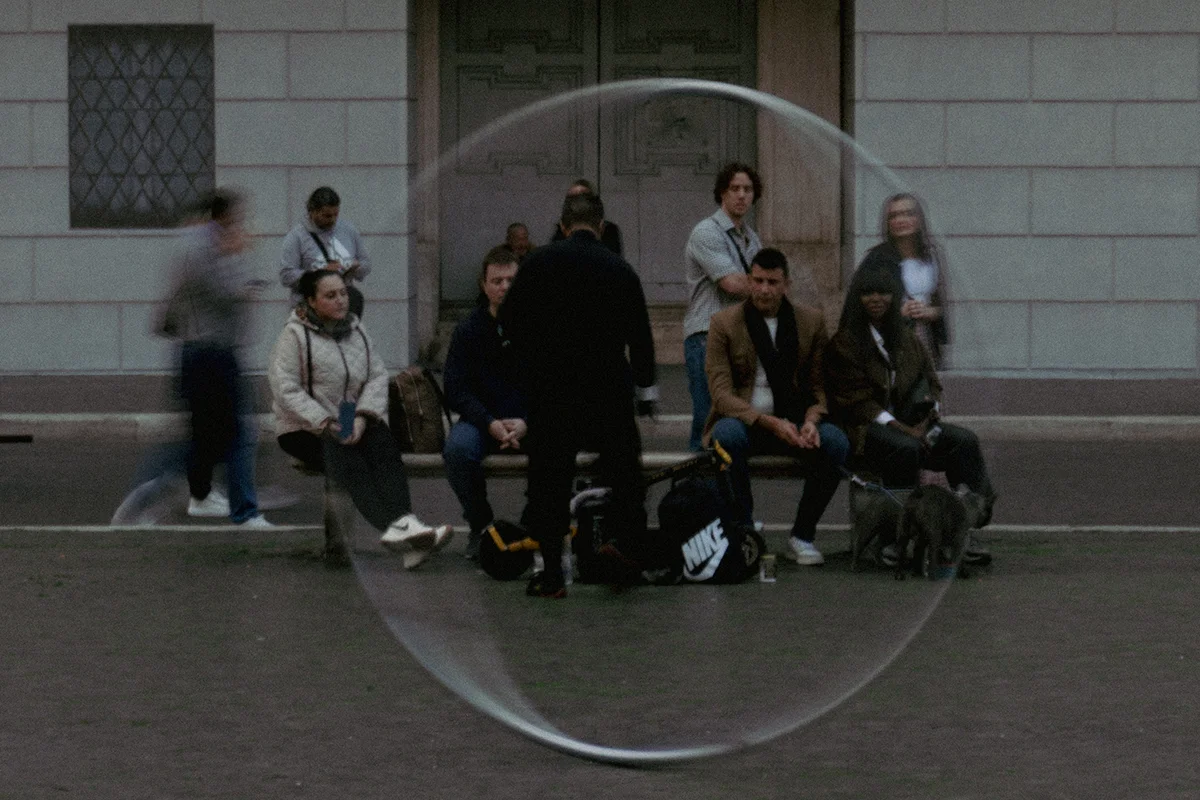
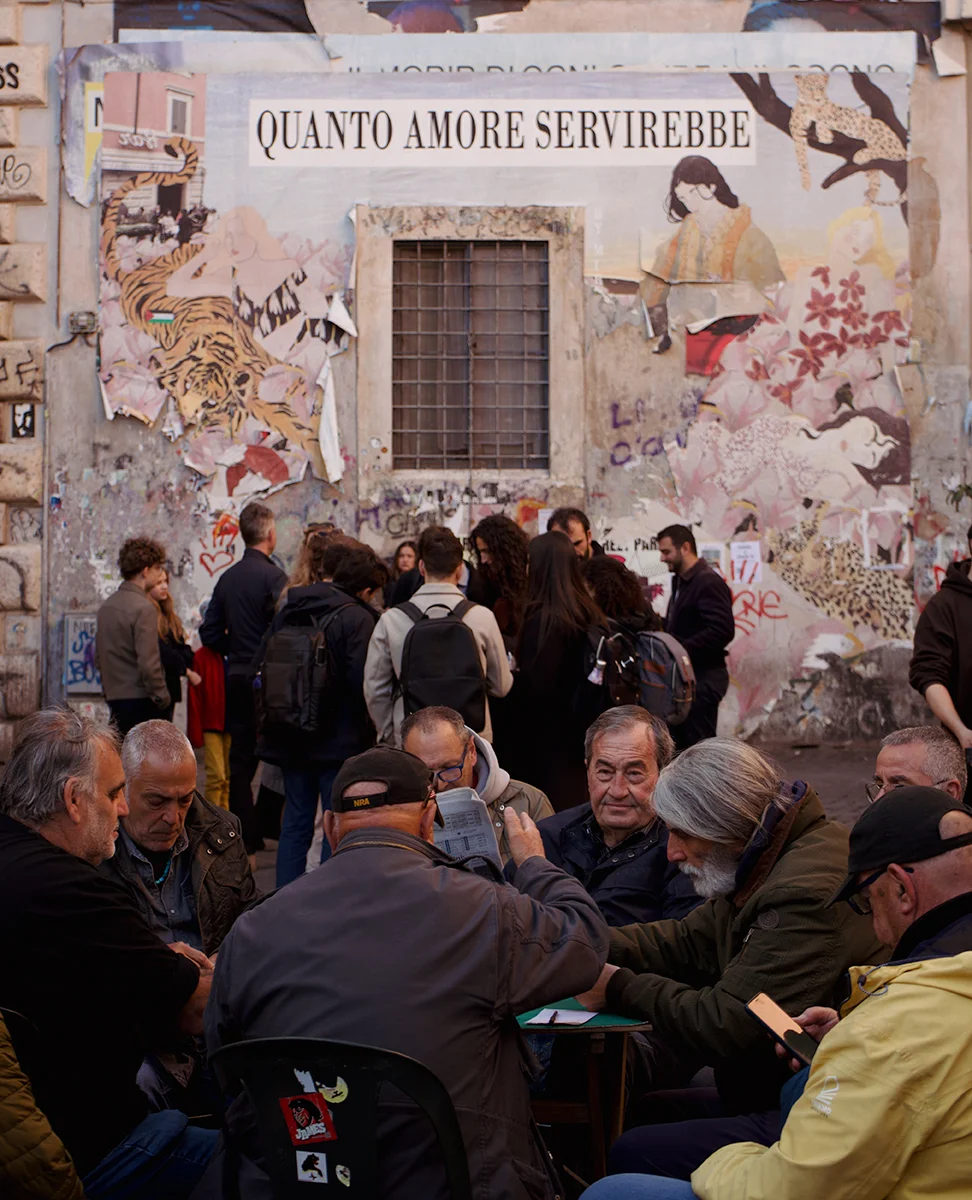
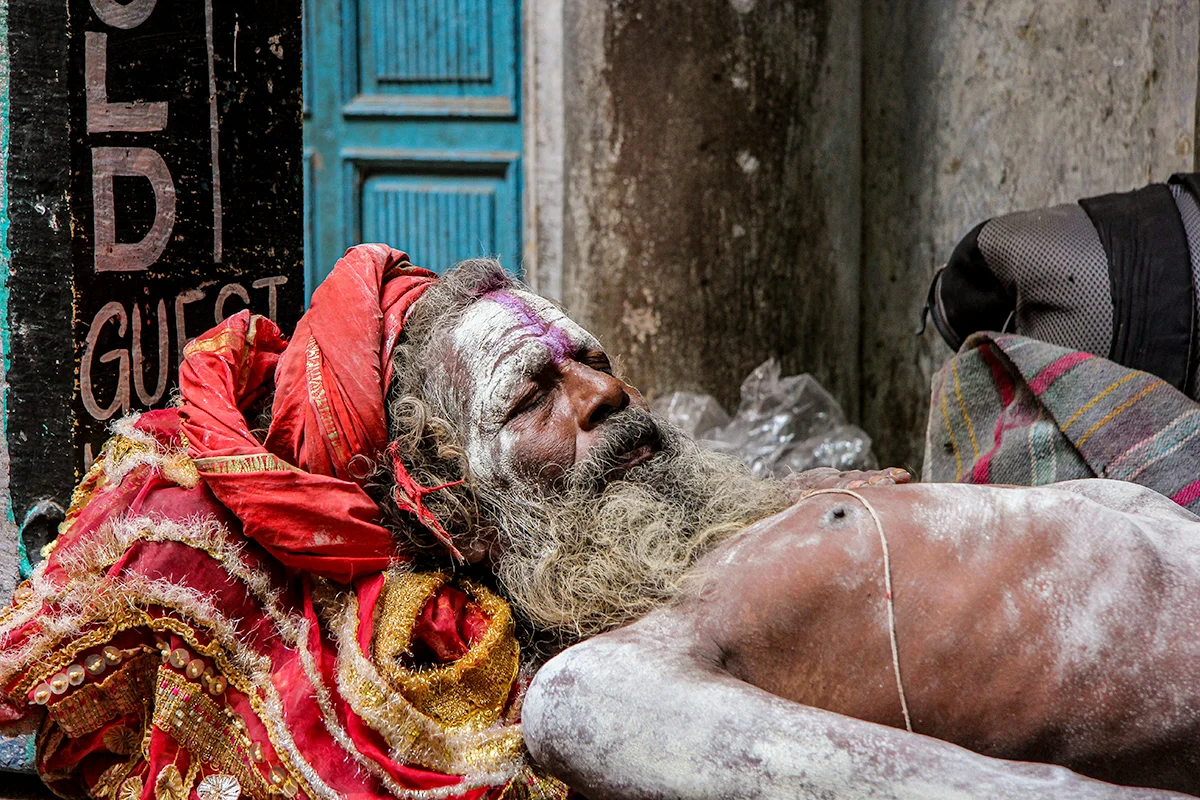
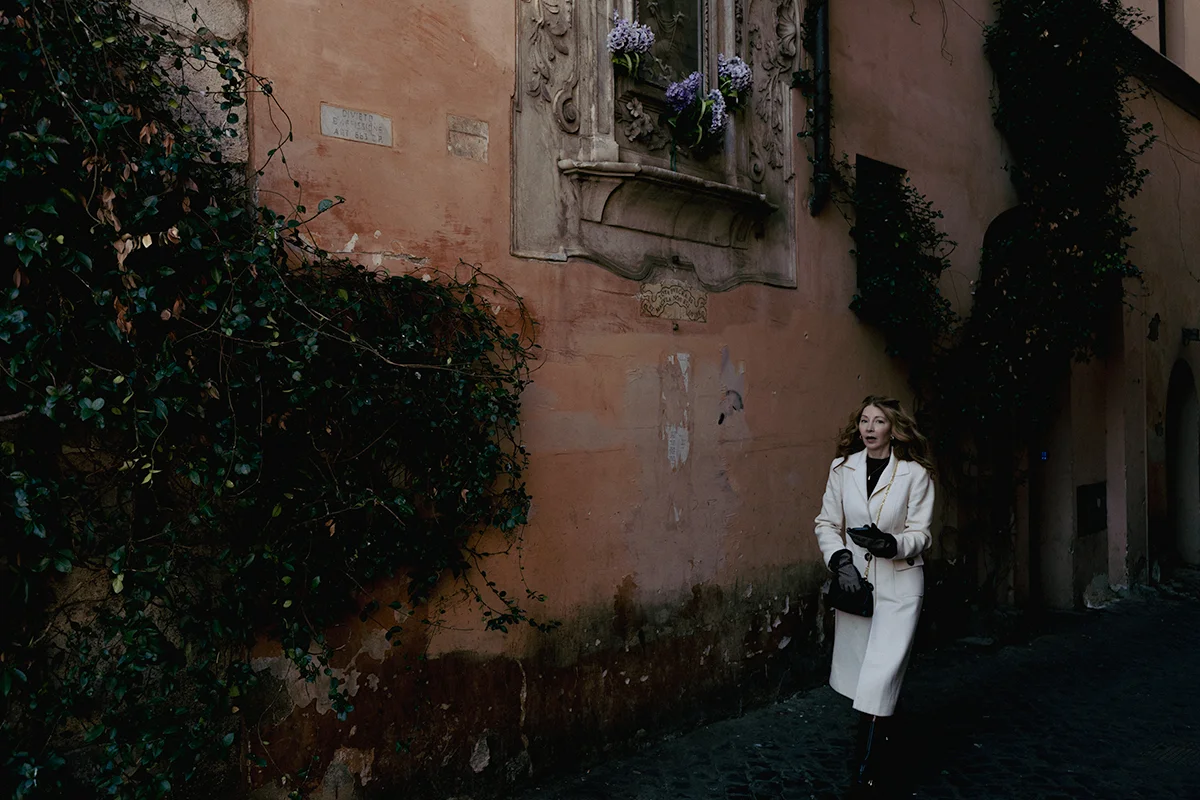
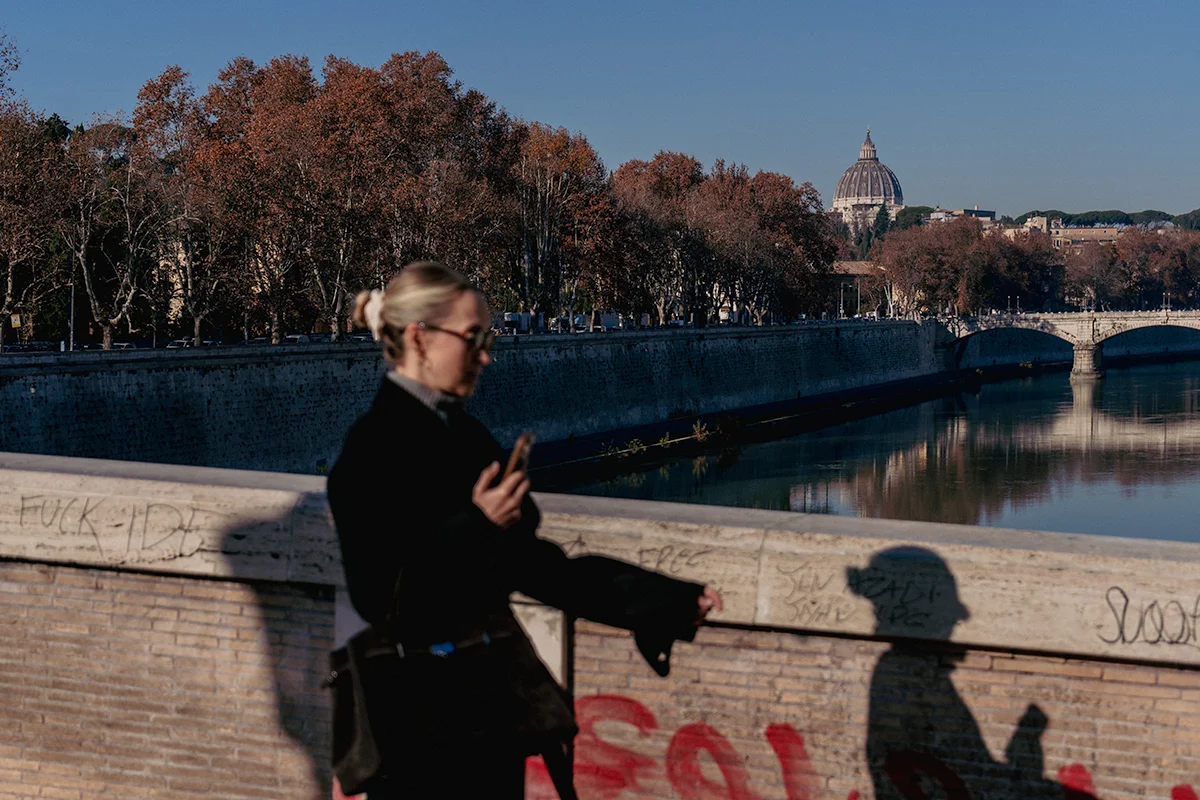
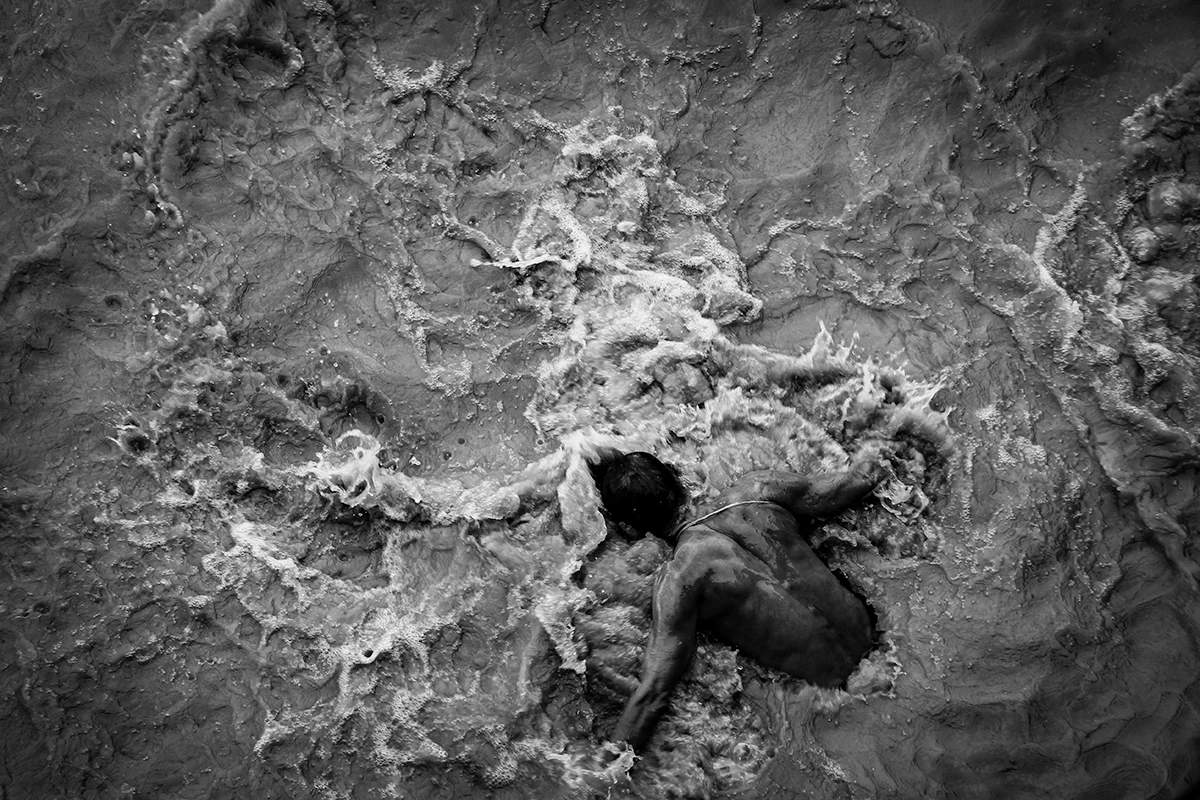
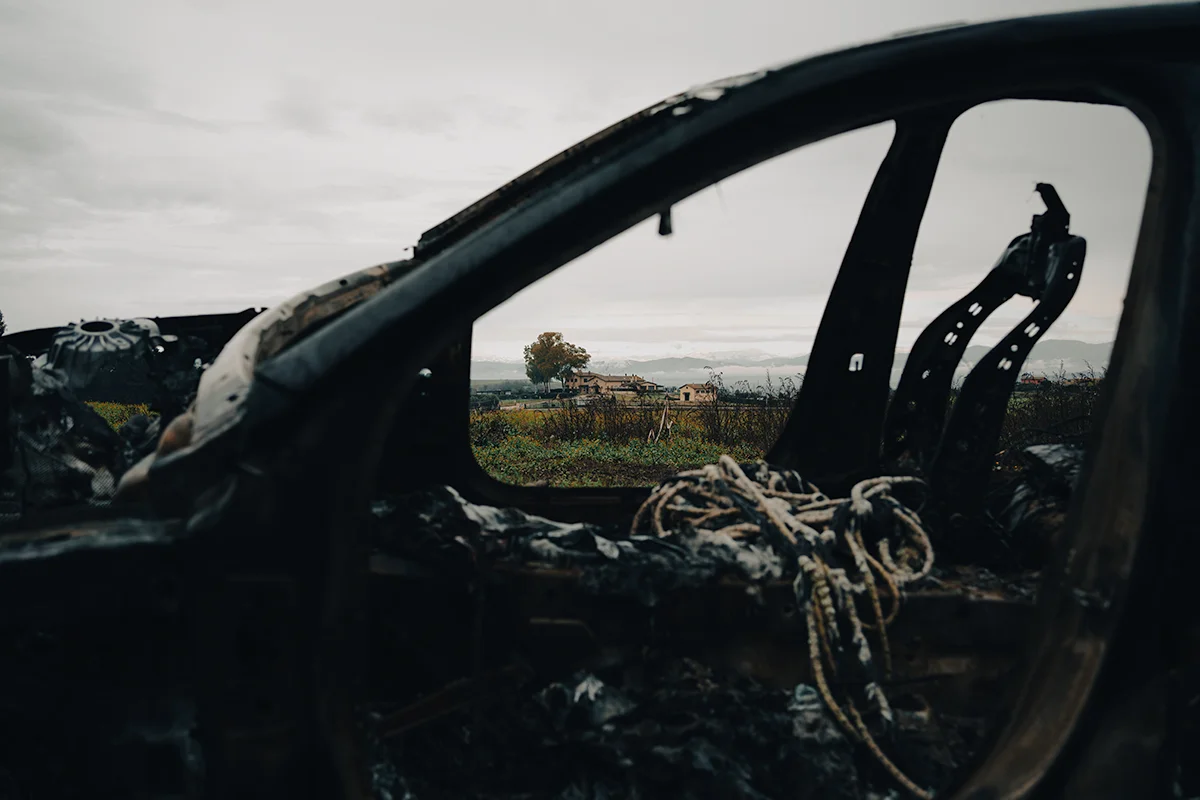
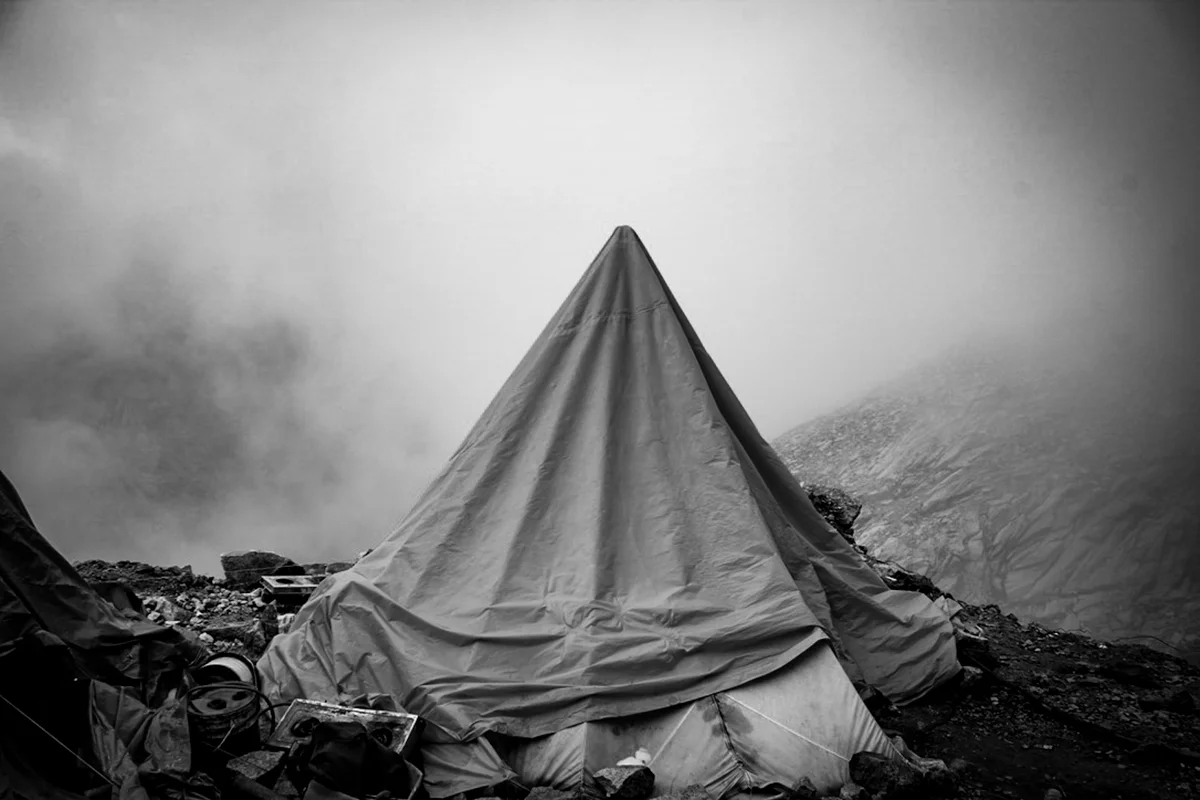
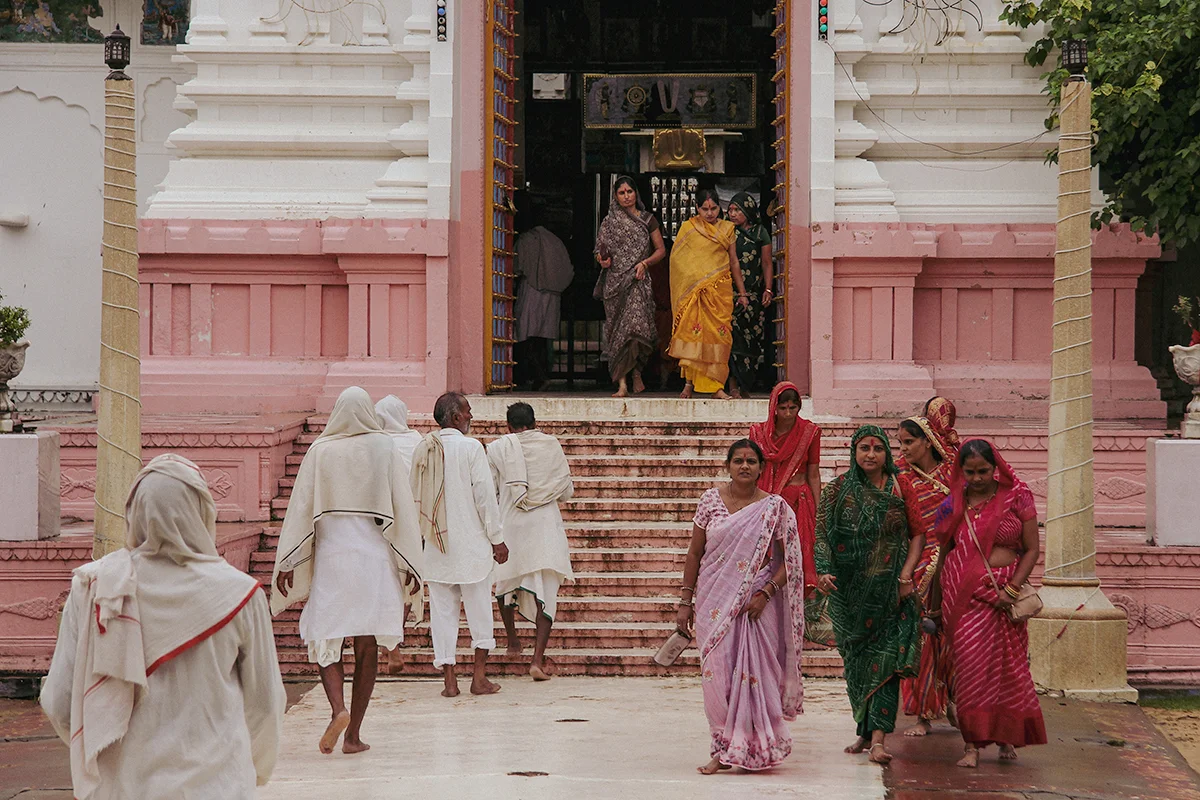
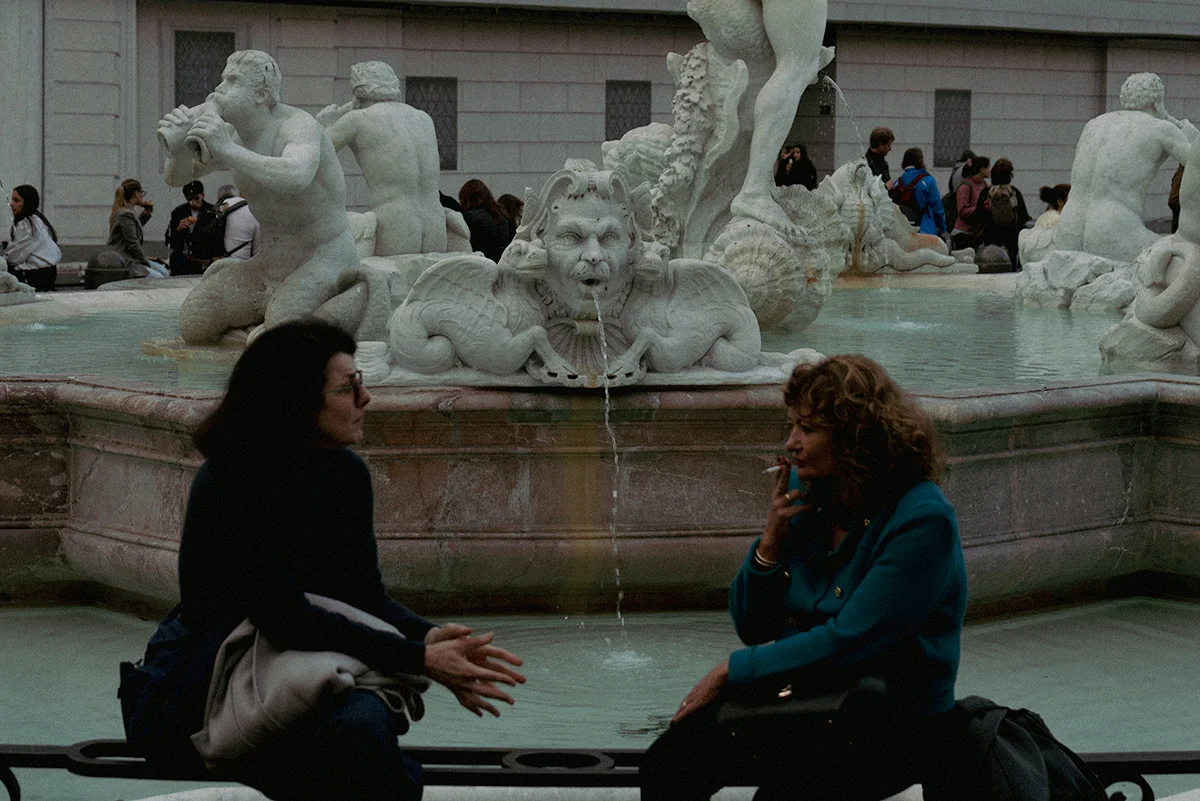
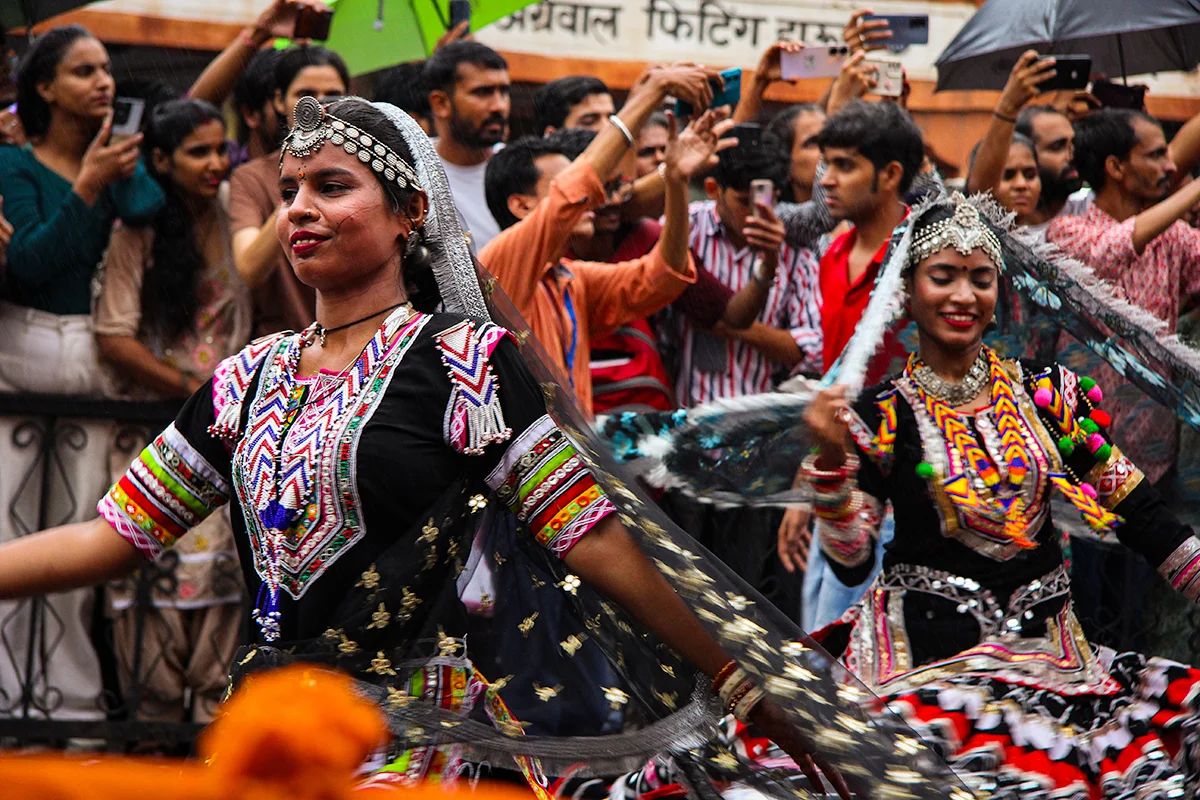
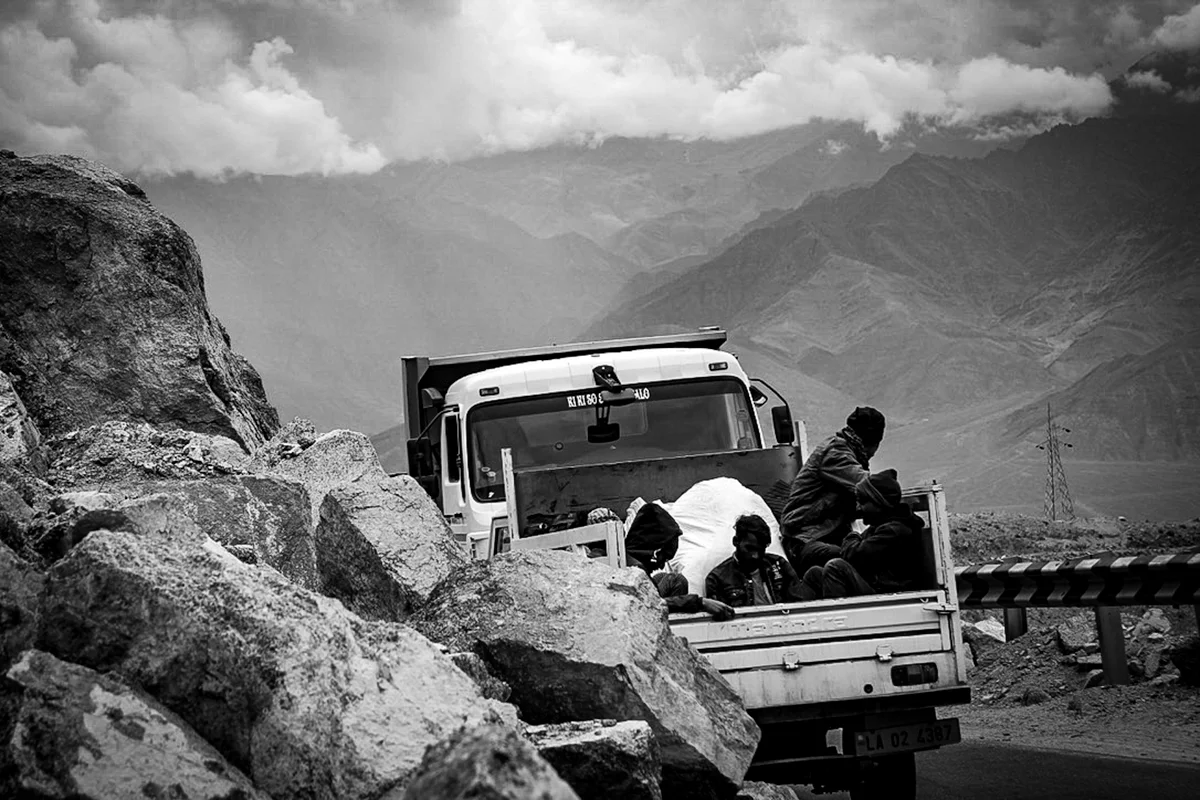
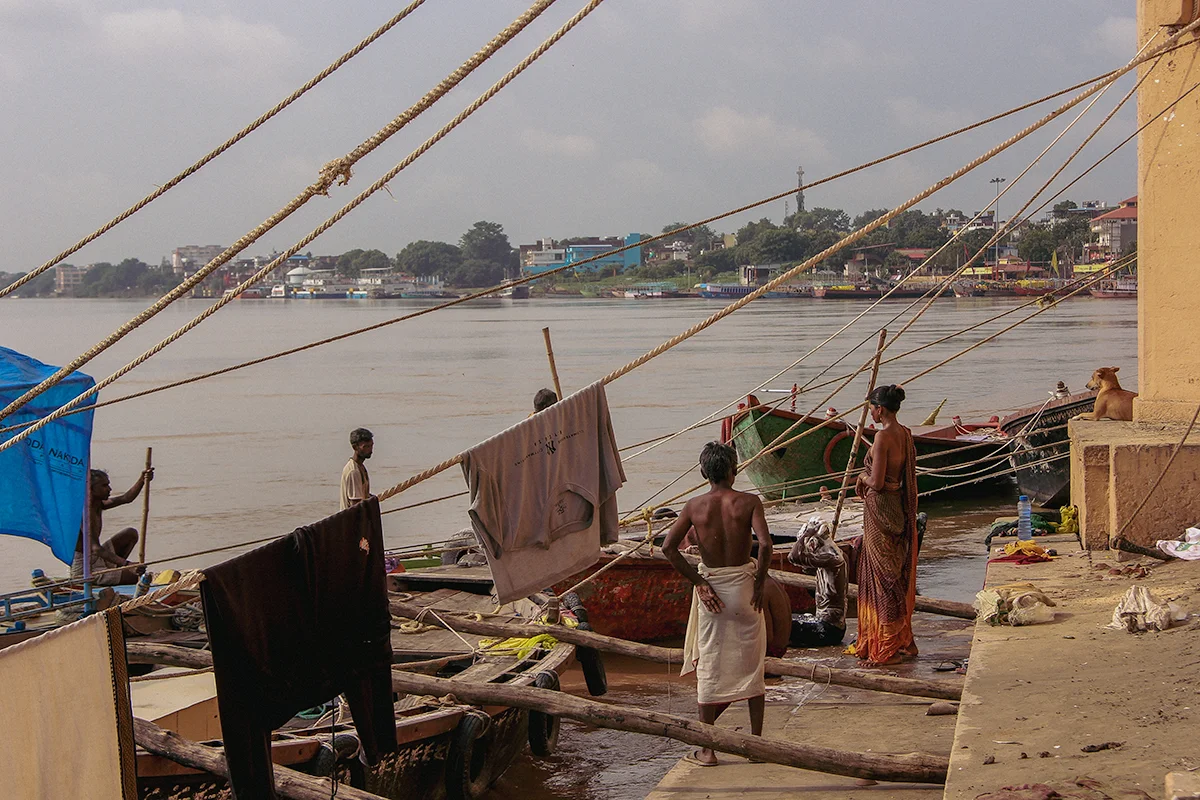
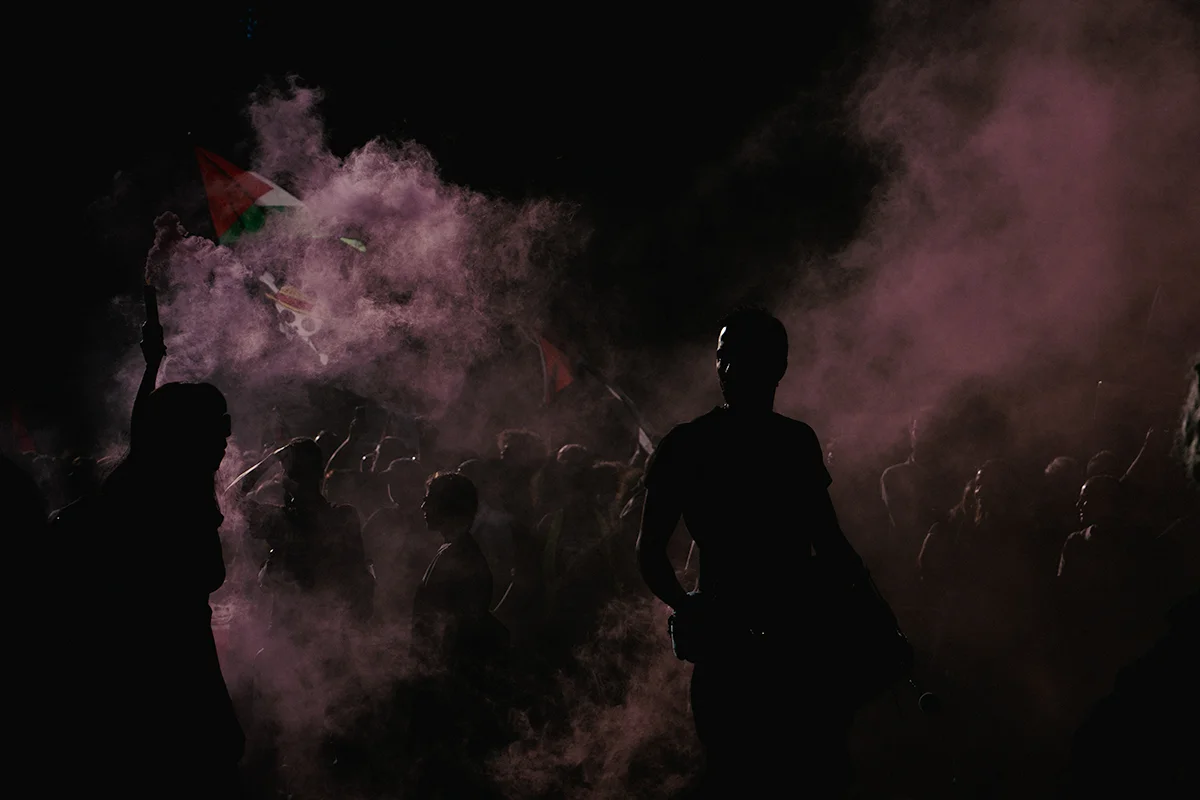
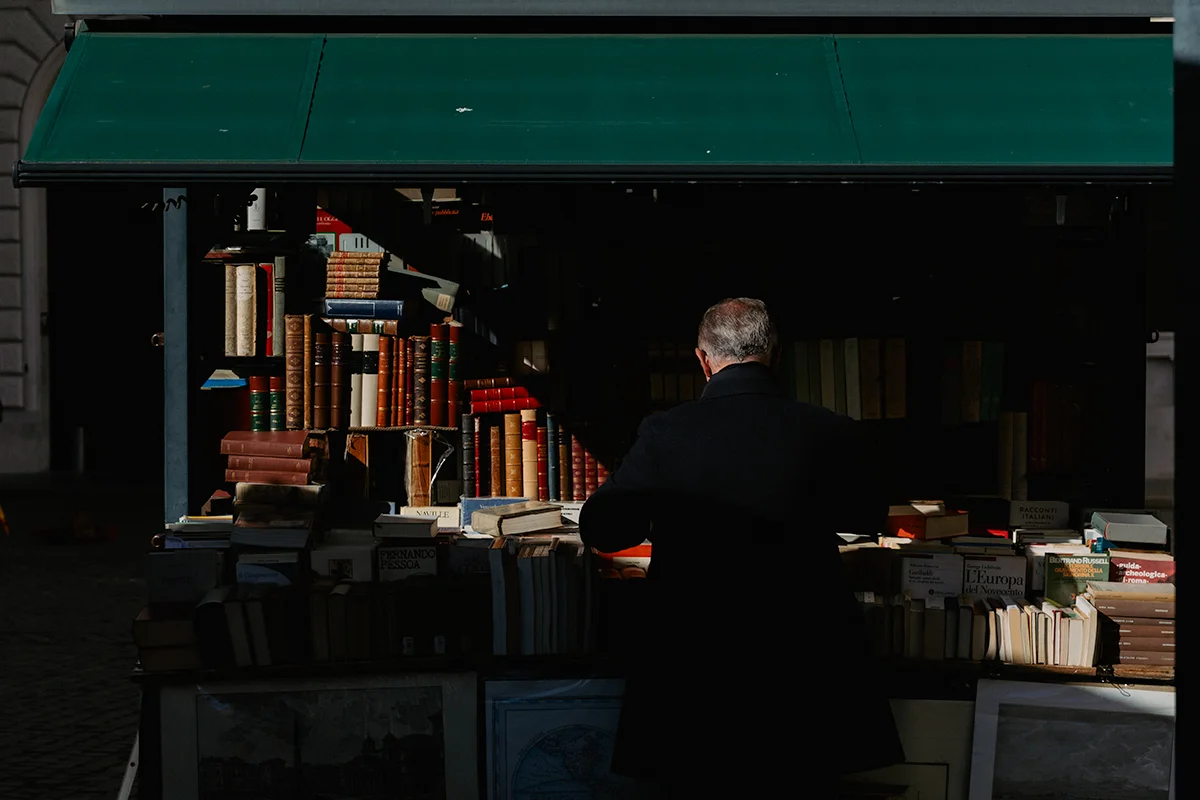
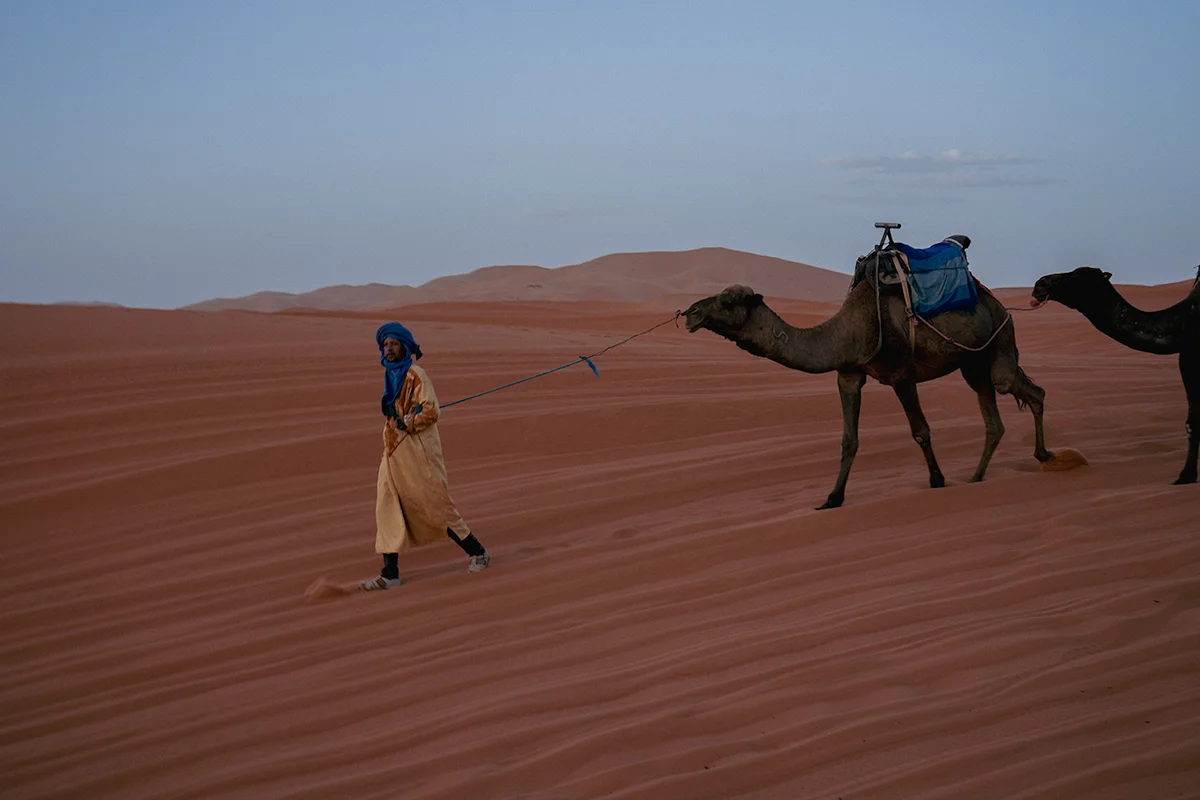
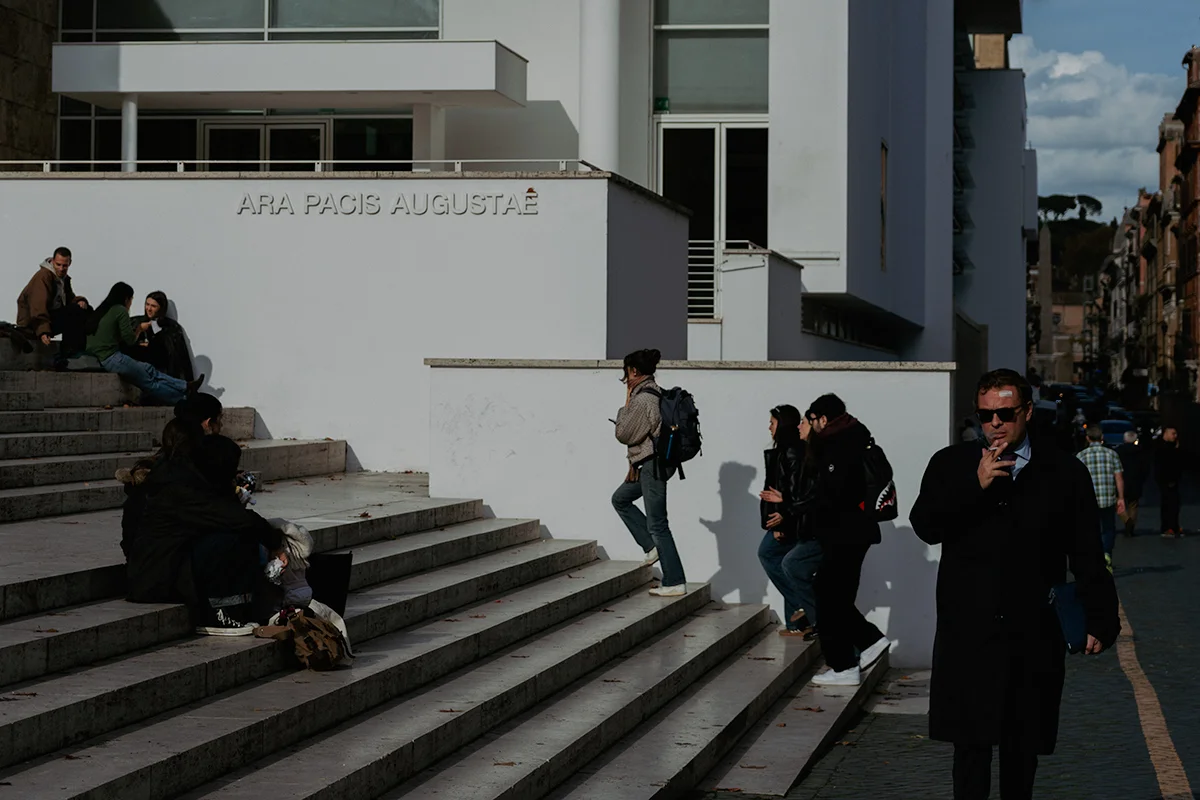
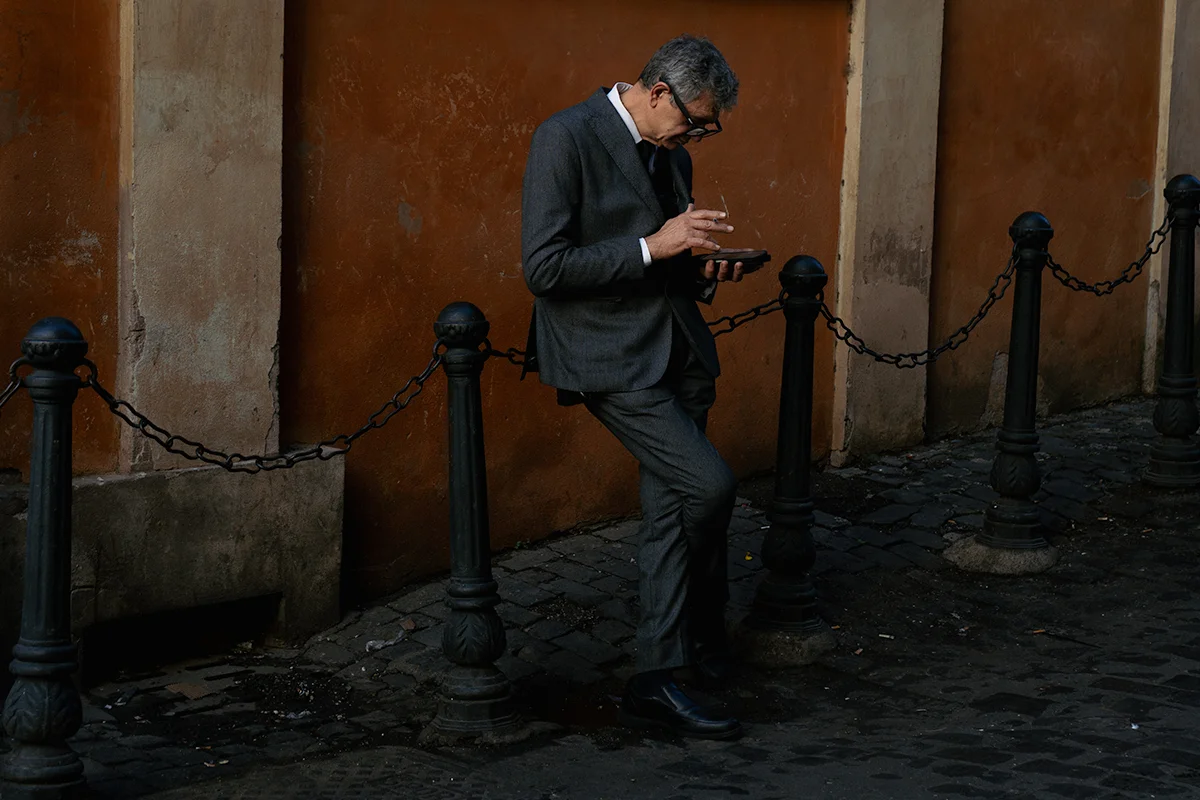
Neri is an Italian photographer, born in Rome. Photography has always been part of his life, but it was through travel that it became a true language of expression. His work explores human presence and the subtle traces people leave behind in faces, gestures, spaces, and silent details. Moving between distant cultures and familiar places, he develops a visual language focused on vulnerability, stillness, and emotional authenticity. In 2025, he was awarded second prize at the Gianni Borgna Photography Award, with an exhibition at the Palazzo Esposizioni in Rome.

Awarded Photographer of the Week - Week 08, 2026
 

Inspiring Portfolios

Call for Entries
AAP Magazine #55 Women
Publish your work in our printed magazine and win $1,000 cash prizes
 
Stay up-to-date  with call for entries, deadlines and other news about exhibitions, galleries, publications, & special events.

More Great Photographers To Discover

Bill Gekas
Australia
Australia-based photographer Bill Gekas has a real knack for portraiture, particularly the kind that results in an homage to many Old Masters of classic paintings, including artists like Vemeer and Rembrandt. Using his five-year-old daughter as the model, Gekas recreates many mid-18th century settings that are inspired by portraits of adults from famous paintings. He styles the environment and his daughter to fit the time period, and uses strobe lights to maintain the appearance of soft, natural lighting. The self-taught photographer learned on 35mm and has since turned to digital techniques. He uses post-processing to put the final touches on each of his photographs. Through hard work, experimentation, and a grand vision, the talented artist has successfully produced an extensive collection—a tribute to both the well-known artists as well as to his young daughter. As Gekas has evolved as a photographer, so has his unique style. He says "Don’t be scared of taking certain elements from different works and molding them into something to call your own. You might like the lighting from a photo you saw somewhere, a prop from another photo, colors from another. The key is not to limit yourself with the excuse, ‘It’s all been done before.’ Yes, many things have been done before, but with some careful thought you can adjust a concept to give it your signature. Experiment!”From www.billgekas.comMy name is Bill Gekas and I was born and live in Melbourne, Australia. A self taught photographer that learnt the technicals of photography using a 35mm film slr camera from the mid 90's and switched to digital in 2005, practicing the art of photography and constantly refining my style. Source: My Modern Met
Michele Zousmer
United States
Michele Zousmer is a humanitarian and fine art photographer. The camera is her tool to give voice to marginalized communities and witness the human experience. Michele's work celebrates each individual's strength and beauty, as well as their vulnerability and spirit, going beyond how one presents oneself to the world. They are infused with her almost overwhelming empathy. Michele believes a photograph can create a lasting impression of emotion, curiosity, love, and ultimately hope of mankind. It can help people heal, give them dignity, and feel empowered. Her photographs reveal insights into the lives of people we wouldn't otherwise meet. Through her world travels, Michele meets people from different walks of life, listening to their stories and sharing intimate moments with them. The permission they grant and openness they offer by inviting them into their world never ceases to move Michele. The soulfulness of her images comes from developing relationships with the people she engages with. Michele truly believes that even though we may have differences on the outside, inside we are all the same. The images are infused with her almost overwhelming empathy. Artist Statement "My mind, my eyes, and my heart have been opened by my experiences. My life has been forever changed. I hope my work inspires others to feel we all matter and to care more profoundly. Engaging in the world and becoming open to different cultures and traditions allows for more conversation on diversity and equality. Photographs hold the power to connect people and create understanding. This is why I do what I do." Article Mis(s)Understood
Francesco Ridolfi
Francesco Ridolfi is an Italian portrait photographer who usually shoots for advertising and editorial projects. Born and raised in Bologna, Italy, he now splits his time between Brussels, Milan and Bologna, working for different clients and assignments in the editorial and commercial field. Some of his most recent clients includes: Rolling Stone Magazine, Auchan, Louis Vuitton and Tetra Pak. All about Francesco Ridolfi: AAP: When did you realize you wanted to be a photographer? The photography passion came to me long ago, since I was a child. But maybe I started to realize it could be turned into a profession around the 2006. How long have you been a photographer?Professionally speaking, since 2008. What or who inspires you? Well, maybe it could sounds expected, but for me inspiration is everywhere! I think that the process of developing an idea it's like connecting dots. More dots you have (experiences, visual references, interests,..) more chance to come out with something original and great! How could you describe your style? I'm pretty sure it could be described as clean and precise. And actually it's what I'm looking for in my photos. I prefer to take away instead of add something: less is more for me. Do you have a favorite photograph or series? Speaking of my work, for the efforts done, I surely like the Chess Portraits here presented. But from my previous works, I'm attached to a John Landis' portrait I took a couple of years ago and a series of black and white portraits I took in Cuba Cublanco Do you spend a lot of time editing your images? For what purpose? Actually not so much, I prefer to do as much as possible on camera. The editing process consists mainly in color correction and general cleaning of the photos. Favorite(s) photographer(s)? Erwin Olaf, Martin Schoeller, Richard Avedon. What advice would you give a young photographer? If I had to suggest something to a young or an aspirant photographer, for sure I will advice him of the importance of the profession's business side. It's something you have to take really seriously, if you want to survive out there.What mistake should a young photographer avoid?Think that to be a photographer (and making a living with it) it's enough just take good pictures. An idea, a sentence, a project you would like to share? Less is more. But also, try to convey an idea through your photos. An idea adds much more than technique and Photoshop. About "Room 322""The airy luminosity of an ethereal space, aseptic and suspended, contrasts with the stolidity of these bodies - less than perfect in their awkward and authentic humanness. Statically present, the hotel room preserves its non-connection to sundry turn-taking occupants: its stillness heightens the tension they feel inside, which rips itself free of these contentless surroundings. Thus, from the bottom of a bathtub, contrasting perceptions emerge: appearance and reality, restlessness holding itself still, past within present; authenticity within fiction."
Wang Qingsong
China
1966
Born in Daqing, Heilongjiang Province, China 1966 1993: Oil Painting Department of Sichuan Academy of Fine Arts, Sichuan, China Lives and works in Beijing since 1993 Awards: 2006 Outreach Award from Rencontres de la Photographie, Arles, France Wang Qingsong graduated from the Oil Painting Department of the Sichuan Academy of Fine Arts and currently lives and works in Beijing. After starting his career as an oil painter engaged in the Gaudi movement, he began taking highly staged photographs that explore the influence of Western consumer culture in China. In more recent works he has explored political and social themes including the struggles of the migrant population and Chinese diplomacy. His photographs are known for their massive scale, deep symbolism and careful staging, which can sometimes take several weeks and involve up to 300 extras. Although photography is his main medium, he has explored performance and video art in more recent years. Qingsong’s work has been presented at prestigious galleries, museums and art fairs across the globe including the 55th Venice Biennale China Pavillion (Venice), the International Centre of Photography (NY), the Hammer Museum (Los Angeles), the Victoria and Albert Museum (London), the 42nd Rencontres de la Photographie (Arles), the Daegu Art Museum (Seoul), MOCA (Taipei), the Rockbund Art Museum (Shanghai) and the Mori Art Museum (Tokyo). Wang Qingsong is a contemporary Chinese artist whose large-format photographs address the rapidly changing society of China. His photographs, appearing at first humorous and ironic, have a much deeper message. Critical of the proliferation of Western consumerism in China, his, Competition (2004), depicts the artist standing with a megaphone in front of a city hall covered in advertisements for brands such as Citibank, Starbucks, and Art Basel. "I think it is very meaningless if an artist only creates art for art's sake," he said. "I think it would be absurd for an artist to ignore what's going on in society." Born in 1966 in Heilongjiang Province, China, Wang studied at the Sichuan Academy of Fine Arts. Although he was trained as a painter, Wang began taking photographs in the 1990s as a way to better document the tension of cultural shifts. The artist's works have been in exhibitions at the Hammer Museum in Los Angeles and the National Gallery of Victoria in Melbourne. Wang currently lives and works in Beijing, China. Source: Artnet
Albert Watson
Scotland
1942
Albert Watson (born 1942) is a Scottish photographer well known for his fashion, celebrity and art photography, and whose work is featured in galleries and museums worldwide. He has shot over 200 covers of Vogue around the world and 40 covers of Rolling Stone magazine since the mid-1970s. Photo District News named Watson one of the 20 most influential photographers of all time, along with Richard Avedon and Irving Penn, among others. Watson has won numerous honors, including a Lucie Award, a Grammy Award, the Hasselblad Masters Award and three ANDY Awards,. He was awarded The Royal Photographic Society's Centenary Medal and Honorary Fellowship (HonFRPS) in recognition of a sustained, significant contribution to the art of photography in 2010. He was born in Edinburgh, Scotland, the son of a physical education teacher and a boxer. He grew up in Penicuik, Midlothian, and attended the Rudolf Steiner School in Edinburgh and Lasswade High School, followed study at the Duncan of Jordonstone College of Art in Dundee and the Royal College of Art in London. Watson studied graphic design at the Duncan of Jordanstone College of Art and Design, and film and television at the Royal College of Art. Though blind in one eye since birth, Watson also studied photography as part of his curriculum. In 1970, he moved to the United States with his wife, Elizabeth, who got a job as an elementary school teacher in Los Angeles, where Watson began shooting photos, mostly as a hobby. Later that year, Watson was introduced to an art director at Max Factor, who offered him his first test session, from which the company purchased two images. Watson’s distinctive style garnered the attention of American and European fashion magazines such as Mademoiselle, GQ and Harper’s Bazaar, and he began commuting between Los Angeles and New York. Albert photographed his first celebrity in 1973, a portrait of Alfred Hitchcock holding a dead goose with a ribbon around its neck, for that year's Harper's Bazaar's Christmas issue. The image has become one of Watson's most famous portraits on a list that now includes hundreds of well-known iconic photographs of movie stars, rock stars, rappers, supermodels, even President Clinton and Queen Elizabeth II. In 1975, Watson won a Grammy Award for the photography on the cover of the Mason Proffit album “Come and Gone,” and in 1976, he landed his first job for Vogue. With his move to New York that same year, his career took off. In addition to photography for the world's top magazines, Watson has created the images for hundreds of successful advertising campaigns for major corporations, such as the Gap, Levi’s, Revlon and Chanel, and he has directed more than 500 TV commercials and photographed dozens of posters for major Hollywood movies, such as "Kill Bill," "Memoirs of a Geisha," and "The Da Vinci Code.". All the while, Watson has spent much of his time working on personal projects, taking photographs from his travels and interests, from Marrakech to Las Vegas to the Orkney Islands. Much of this work, along with his well-known portraits and fashion photographs, has been featured in museum and gallery shows around the world, and Watson's limited-edition prints have become highly sought after by collectors. In 2007, a large-format Watson print of a Kate Moss photograph taken in 1993 sold at Christie's in London for $108,000, five times the low pre-sale estimate. Since 2004, Watson has had solo shows at the Museum of Modern Art in Milan, Italy; the KunstHausWien in Vienna, Austria; the City Art Centre in Edinburgh; the FotoMuseum in Antwerp, Belgium; and the NRW Forum in Düsseldorf, Germany. Watson’s photographs have also been featured in many group shows at museums, including the National Portrait Gallery in London, the Metropolitan Museum of Art in New York, the Pushkin Museum of Fine Arts in Moscow, the International Center of Photography in New York, and the Deichtorhallen in Hamburg, Germany. His photographs are included in the permanent collections at the National Portrait Gallery and the Metropolitan Museum of Art. Watson has published several books, including Cyclops (1994), Maroc (1998)., and "Albert Watson" (2007). Two books were released in the fall of 2010: "UFO: Unified Fashion Objectives," a look at 40 years of selected Watson fashion photographs, and "Strip Search," a two-volume set of hundreds of photographs Watson took in Las Vegas. In addition, many catalogs of Watson’s photographs have been published in conjunction with shows, including "The Vienna Album" (2005). Watson received a Ph.D from the University of Dundee in 1995 and was inducted into the Scottish Fashion Awards Hall of Fame in 2006. His first exhibition in his homeland, Frozen, was held at the City Art Centre of Edinburgh in 2006.Source: Wikipedia
Margo Davis
United States
1944
Margo Baumgarten Davis is a photographer, educator and author of several photographer's books. Margo was raised in Connecticut and has lived for over 30 years in Palo Alto, California. She attended Bennington College, spent time at the Sorbonne studying French literature, and graduated from University of California, Berkeley. It was at UC Berkeley where she met her first husband Gregson Davis and traveled frequently to his home country of Antigua. She has a daughter, Anika and a son, Julian. Davis has produced photography in Paris, Italy, Nigeria and in the Caribbean, and has done a significant amount of portraiture. Davis has photographed Saul Bellow, Maxine Kingston, Tillie Olsen, Ursula K. Le Guin, Diane Johnson, and Kay Boyle. In Nigeria, Davis produced a number of photographs of the Fula people. Davis has spent time lecturing at Stanford on photojournalism with the communications department. She has also taught photography at University of California, Berkeley, and University of California, Santa Cruz. In 2017, Margo's book Antigua: Photographs 1967-1973 was published by Nazraeli Press. At interview, Margo said she produced the book after hearing interest expressed at an exhibit in Antigua. Antigua As young artists, we are drawn to projects that help us understand truths about who we are and what we want to become. When we are just starting out, that process is intuitive, at times random; it is also intense and thrilling. This was my experience when I began photographing in Antigua in 1967. It was the very beginning of a long journey in photography that is evolving to this day, 40 years later. From my first days in Antigua, I was overwhelmed by the timeless beauty of the place and especially by the strength of its people. I was born on the East Coast of the United States, a few thousand miles to the north. I was welcomed into a world and culture different from my own. Starting with the Antigua photographs in this exhibit, my life's journey has been with a camera and with an eye for the landscape of the human face. Although I was often moved to photograph the beaches and sunsets, and the shapely old sugar mills and estate houses of the island, I am primarily a portraitist. Drawn to the people of the villages that dotted the island, my early inspirations came from the faces you see here. Whenever possible, I asked permission to photograph - because the power of my portrait style depended on the comfort of the people that I was photographing. Since those early years, my interest in humanistic photography has propelled me into the world of various cultures. I have exhibited those photographs internationally and produced four books. However, it was on the island of Antigua where my passion for photography first began to flourish. Antigua Black; Portrait of an Island People was created and published in 1973. I want to thank again all the Antiguans who helped make this collection possible. Margo Davis Discover All American
Charles Nègre
France
1820 | † 1880
Charles Nègre (French: 9 May 1820 - 16 January 1880) was a pioneering photographer, born in Grasse, France. He studied under the painters Paul Delaroche, Ingres and Drolling before establishing his own studio at 21 Quai Bourbon on the Île Saint-Louis, Paris. Delaroche encouraged the use of photography as research for painting; Nègre started with the daguerreotype process before moving on to calotypes. His "Chimney-Sweeps Walking", an albumen print taken on the Quai Bourbon in 1851, may have been a staged study for a painting, but is nevertheless considered important to photographic history for its being an early instance of an interest in capturing movement and freezing it forever in one moment. Having been passed over for the Missions Héliographiques which commissioned many of his peers, Nègre independently embarked on his own remarkably extensive study of the Midi region. The interesting shapes in his 1852 photograph of buildings in Grasse have caused it to be seen as a precursor to art photography. In 1859, he was commissioned by Empress Eugénie to photograph the newly established Imperial Asylum in the Bois de Vincennes, a hospital for disabled workingmen. He used both albumen and salt print, and was known also as a skilled printer of photographs, using a gravure method of his own development. A plan commissioned by Napoleon III to print photographs of sculpture never came to fruition, and in 1861 Nègre retired to Nice, where he made views and portraits for holiday makers. He died in Grasse in 1880.Source: Wikipedia
Steve McCurry
United States
1950
Steve McCurry has been one of the most iconic voices in contemporary photography for more than 30 years, with scores of magazine and book covers, over a dozen books, and countless exhibitions around the world to his name. Born in a suburb of Philadelphia, Pennsylvania; McCurry studied film at Pennsylvania State University, before going on to work for a local newspaper. After several years of freelance work, McCurry made his first of what would become many trips to India. Traveling with little more than a bag of clothes and another of film, he made his way across the subcontinent, exploring the country with his camera. It was after several months of travel that he found himself crossing the border into Pakistan. There, he met a group of refugees from Afghanistan, who smuggled him across the border into their country, just as the Russian Invasion was closing the country to all western journalists. Emerging in traditional dress, with full beard and weather-worn features after weeks embedded with the Mujahedeen, McCurry brought the world the first images of the conflict in Afghanistan, putting a human face to the issue on every masthead. Since then, McCurry has gone on to create stunning images on all seven continents and countless countries. His work spans conflicts, vanishing cultures, ancient traditions and contemporary culture alike - yet always retains the human element that made his celebrated image of the Afghan Girl such a powerful image. McCurry has been recognized with some of the most prestigious awards in the industry, including the Robert Capa Gold Medal, National Press Photographers Award, and an unprecedented four first prize awards from the World Press Photo contest. The Minister of French Culture has also appointed McCurry a Knight of the Order of Arts and Letters and most recently, the Royal Photographic Society in London awarded McCurry the Centenary Medal for Lifetime Achievement. McCurry has published books including The Imperial Way (1985), Monsoon (1988), Portraits (1999 | 2013), South Southeast (2000), Sanctuary (2002), The Path to Buddha: A Tibetan Pilgrimage (2003), Steve McCurry (2005), Looking East (2006), In the Shadow of Mountains (2007), The Unguarded Moment, (2009), The Iconic Photographs (2011), Untold: The Stories Behind the Photographs (2013), From These Hands: A Journey Along the Coffee Trail (2015), India (2015), On Reading (2016), Afghanistan (2017), A Life in Pictures (2018), Animals (2019), In Search of Elsewhere: Unseen Images (2020). @stevemccurryofficial "What is important to my work is the individual picture. I photograph stories on assignment, and of course they have to be put together coherently. But what matters most is that each picture stands on its own, with its own place and feeling" -- Steve McCurry If the photographer's images have made the rounds of newspapers around the world, like the portrait of the young Afghan woman with piercing eyes, it is also due to their aesthetic impact. Steve McCurry spoke of the importance of colour in his photographs, the importance of post-production and retouching, and their ability to touch the viewer: "each single picture has its single story, and we put ours in it" (Steve McCurry). "Sometimes with pictures and photography, what is interesting is that the imagination can go off in different directions. Everything should not be explained" (Steve McCurry): the photographer stresses the importance of leaving their share of mystery to the photographs. Steve McCurry was confronted with the horror of war; his images bear witness to this. If Susan Sontag suggests in Regarding the Pain of Others that photography “beautifies” and “bleaches out a moral response to what is shown”, the photographer brings an entirely different perspective to the issue. He refers to the mission of war reporters to fight against the blindness and ineptitude of public opinion: "Should we be informed about what's happening in our world? Should we let our governments tell us ? I think that would be a very bad idea. [...] Somebody has to go and give us their impression. We need some person to go there and find the truth" (Steve McCurry).Source: www.sciencespo.fr
Beth Galton
United States
Beth Galton is a photo-based artist, with an educational background in the natural sciences and three decades of experience as a professional photographer in the editorial and commercial arena. These elements of her history are the lens through which she explores the world. Her work has been recognized by organizations including Graphis, Communication Arts, the Tokyo International Foto Awards, Julia Margaret Cameron Award, IPA Awards, AAP, and the PDN Taste Awards. The Cut Food series was exhibited in Montpellier Contemporain, Aperture, and Beth Urdang Gallery. It was part of ‘The Fence’, a 7-city, traveling outdoor exhibition, it was published in the Washington Post, and covered by NPR. Both Lenscratch and Rfotofolio picked up the Memory of Absence series. Additionally, A Vita Plantae, and Memory of Absence have been exhibited at Wave Hill, Soho Photographic Gallery, The Center for Fine Art Photography (CO), The Center for Photographic Art (CA), The Florida Museum of Photographic Arts, Griffin Museum of Photography, Praxis Gallery, and SE Center for Photography. The Washington Post recently published Beth’s work from her series Covid Diary, a document of her time in confinement. About Cut Food "What started as a ubiquitous burrito shot, turned into an exploration of iconic food through a fresh perspective. We chose subjects which we felt were symbols within our Western food culture, and sought to move past the normal “appetite appeal” to look deeply and with curiosity into them. My intention was to give the ordinary a sense of magic show quality. Real, but also astonishing." About A Vita Plantae "This collection explores the relationship between art and science in a three-part series of organic images: Roots, Potato Love, and Time Preserved. These images seek to reveal some of the long-hidden truths of plants: their movement and grace, the nature of time, and the almost unbearable fragility of life. " About Memory of Absence "In 2017, my mother and father—who had not lived together for 50 years, died within 3 days of each other. In this series, I sought to convey a sense of memory and loss through the composition of found ephemera and botanical matter. The volatile botanicals represent the ever-changing nature of memory —an unstable and profoundly unreliable process."
Advertisement
AAP Magazine #55 Wmen
Win a Solo Exhibition in March
AAP Magazine #55 Wmen

Latest Interviews

Exclusive Interview with Anastasia Samoylova
Anastasia Samoylova is an American artist whose photographic practice is shaped by close observation and a deep attentiveness to place. Working between documentary and formal exploration, she photographs landscapes, architecture, and everyday scenes with a sensitivity to light, structure, and atmosphere. Since relocating to Miami in 2016, her work has increasingly focused on how environments—both natural and built—carry social, cultural, and emotional traces. We asked her a few questions about her practice and her way of seeing, to better understand the thoughts and experiences that shape her work—while allowing the images themselves to remain open and speak in their own time.
Exclusive Interview with Marijn Fidder
Marijn Fidder is a Dutch documentary photographer whose work powerfully engages with current affairs and contemporary social issues. Driven by a deep sense of social justice, she uses photography to speak on behalf of the voiceless and to advocate for the rights of those who are most vulnerable. Her images have been widely published in major international outlets including National Geographic, CNN Style, NRC Handelsblad, Volkskrant, GUP New Talent, and ZEIT Magazin. Her long-term commitment to disability rights—particularly through years of work in Uganda—culminated in her acclaimed project Inclusive Nation, which earned her the title of Photographer of the Year 2025 at the All About Photo Awards. She is also the recipient of multiple prestigious honors, including awards from World Press Photo and the Global Peace Photo Award. We asked her a few questions about her life and work.
Exclusive Interview with Josh S. Rose
Josh S. Rose is a multidisciplinary artist working across photography, film, and writing. His practice bridges visual and performing arts, with a strong focus on movement, emotion, and the expressive potential of the image. Known for his long-standing collaborations with leading dance companies and performers, Rose brings together authenticity and precise composition—a balance he describes as “technical romanticism.” His work has been commissioned and exhibited internationally, appearing in outlets such as Vogue, at the Super Bowl, in film festivals, and most recently as a large-scale installation for Lincoln Center for the Performing Arts. A sought-after collaborator, he has worked with major artists, cultural institutions, and brands, following a previous career as Chief Creative Officer at Interpublic Group and the founder of Humans Are Social. We asked him a few questions about his life and work.
Interview with Maureen Ruddy Burkhart
Photographer Maureen Ruddy Burkhart brings a quietly attentive and deeply human sensibility to her exploration of the world through images. Shaped by a life immersed in photography, film, and visual storytelling, her work is guided by intuition, observation, and an enduring interest in the emotional undercurrents of everyday life. With a practice rooted in both fine art traditions and documentary awareness, she approaches her subjects with sensitivity, allowing subtle moments to emerge naturally rather than be imposed. Her series Til Death, selected as the Solo Exhibition for February 2025, reflects this long-standing commitment to photography as a space for reflection rather than spectacle. Drawn to moments that exist just outside the expected frame, Burkhart’s images suggest narratives without resolving them, leaving room for ambiguity, humor, and quiet connection. We asked her a few questions about her life and work.
Exclusive Interview with Peter Ydeen
Winner of AAP Magazine #45 Travels, his series reflects this unique vision—capturing the spirit of place through subtle layers of light, color, and emotion. Whether traveling abroad or observing the rhythms of his own surroundings, Ydeen creates images that feel both grounded and enchanted, inviting viewers into a world where reality and reverie meet.
Exclusive Interview with Julie Wang
Chinese-born photographer Julie Wang brings a poetic, contemplative sensitivity to her visual exploration of the world. Having lived for nearly equal parts of her life in China, Europe, and the United States, she approaches her subjects with the nuanced perspective of someone shaped by many cultures. This blend of distance, curiosity, and emotional resonance infuses her work with a quiet depth, allowing her to reveal the fragile beauty and subtle tensions that often pass unnoticed.
Exclusive Interview with Ghawam Kouchaki
American photographer Ghawam Kouchaki brings a sharply observant and introspective gaze to the streets of Japan’s capital. Based in Los Angeles, he approaches Tokyo with the distance — and curiosity — of an outsider, allowing him to uncover the city’s subtle contradictions, quiet tensions, and fleeting gestures that often go unnoticed. His series Tokyo no no, selected as the Solo Exhibition for December 2024, explores the hidden undercurrents of urban life: the unspoken rules, the small ruptures in routine, the poetic strangeness found in everyday moments. Through muted tones, instinctive timing, and meticulous framing, Kouchaki reveals a Tokyo that exists somewhere between reality and imagination — both intimate and enigmatic. We asked him a few questions about his life and work.
Exclusive Interview with Tommi Viitala
Tommi Viitala, winner of AAP Magazine #44: Street, is a Finnish photographer celebrated for his striking and cinematic street photography. With a keen eye for atmosphere and composition, he captures fleeting urban moments that reveal the poetry of everyday life. His work often explores the tension between solitude and connection within contemporary cityscapes, blending documentary realism with artistic sensibility. Viitala’s photographs have been exhibited internationally and recognized for their strong visual storytelling and emotional depth. We asked him a few questions about his life and work.
Exclusive Interview with Robert Mack
Robert Mack is a California-based visual artist, photographer, and filmmaker. His fine art photography and films have been exhibited widely in the United States and Europe, with major shows at the Baltimore Museum of Art and the Reiss-Engelhorn Museum in Mannheim, Germany. Both institutions hold his work in their permanent collections. Working across different media, Mack has built a career exploring the complexities of human presence and representation. In 1981, while living in Baltimore, he produced The Perkins Project: Not Guilty by Reason of Insanity, a rare photographic and film study inside Maryland’s hospital for the criminally insane. These stark yet compassionate black-and-white portraits remain one of his most powerful and controversial bodies of work.
Call for Entries
AAP Magazine #55 Women
Publish your work in our printed magazine and win $1,000 cash prizes