All about photo.com: photo contests, photography exhibitions, galleries, photographers, books, schools and venues.
Enter AAP Magazine 54 Nature: Landscape, Wildlife, Flora & Fauna
Vikas Nama
Vikas Nama
Vikas Nama

Vikas Nama

Country: India
Birth: 1991

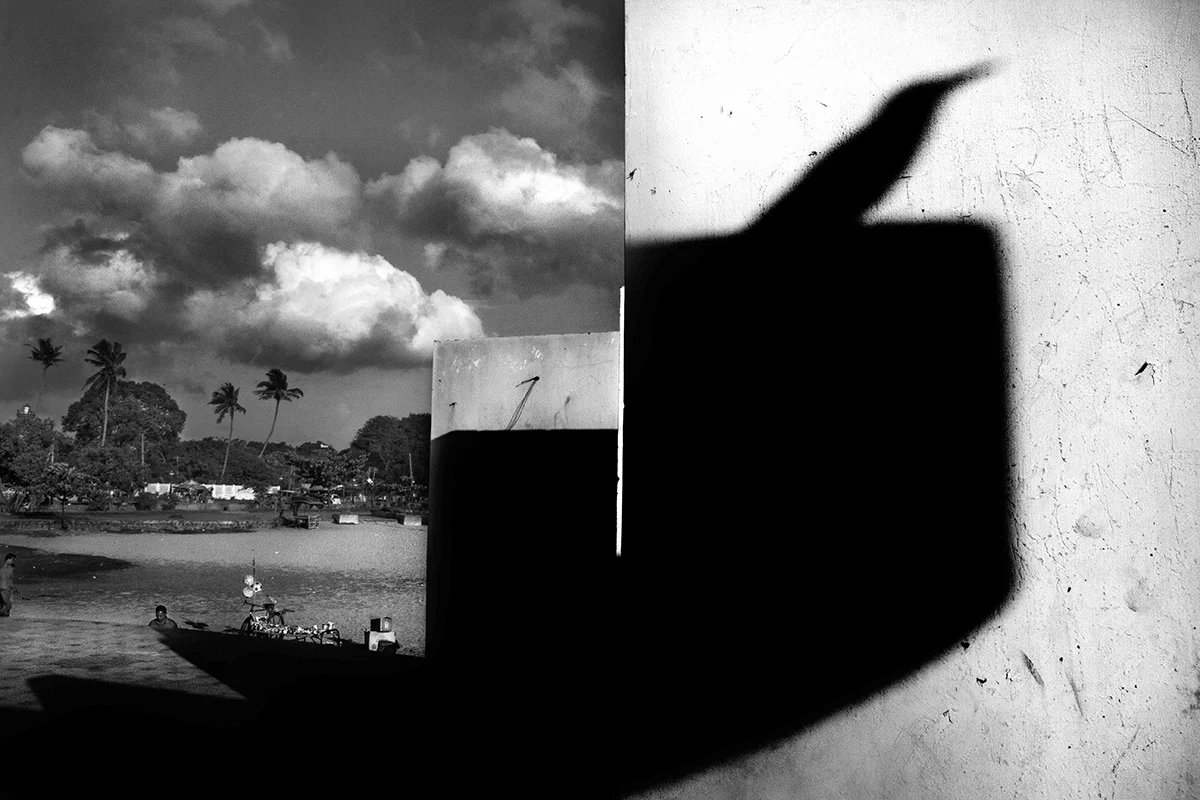
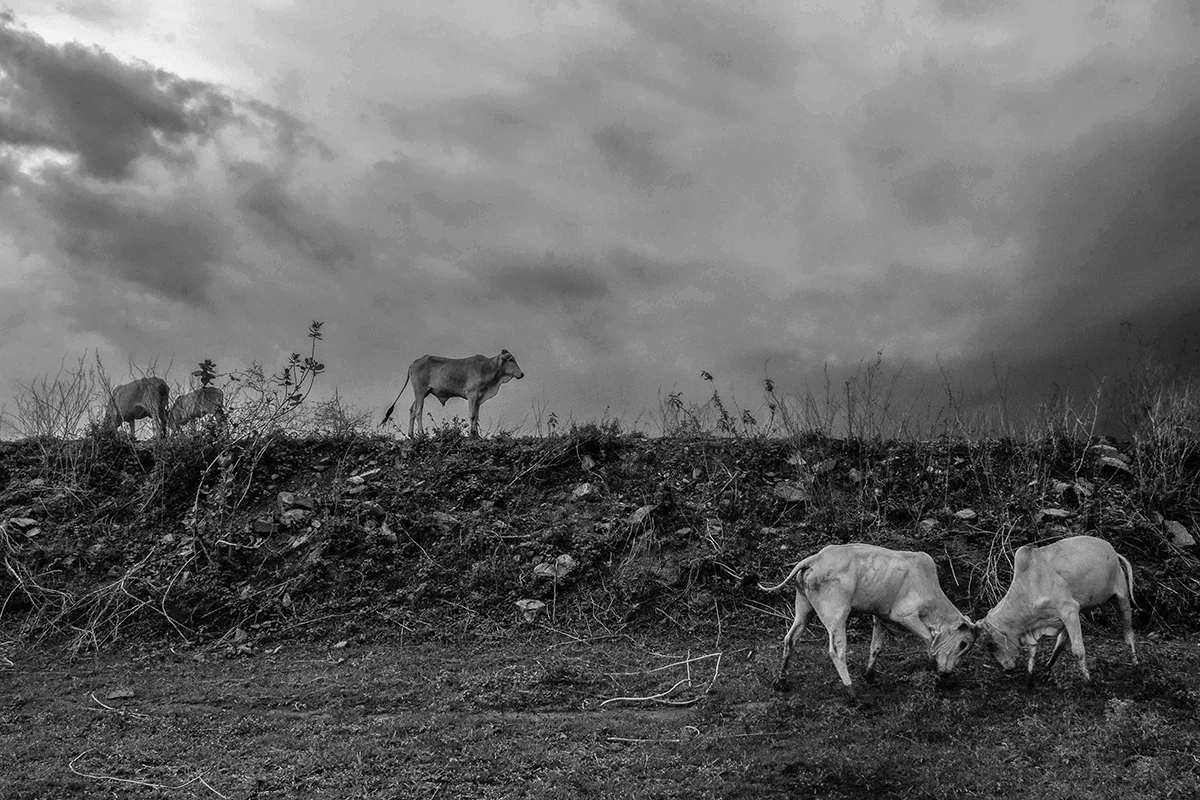
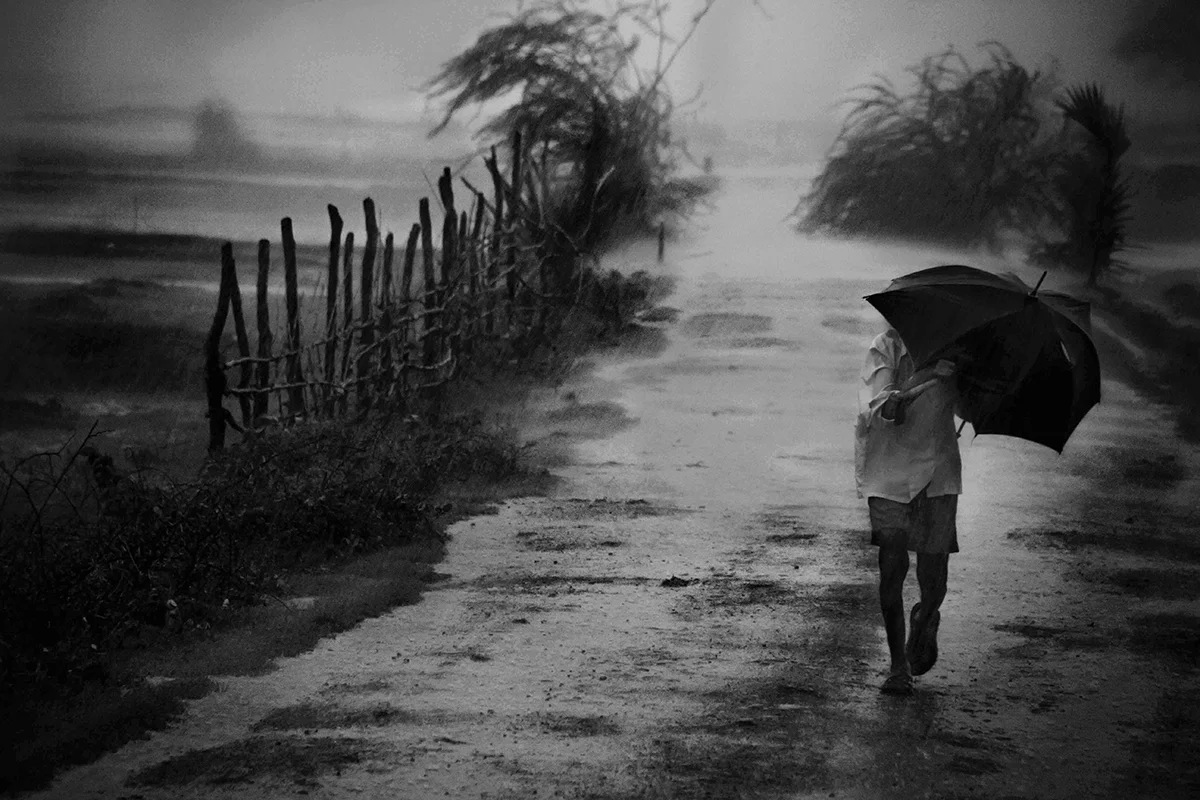
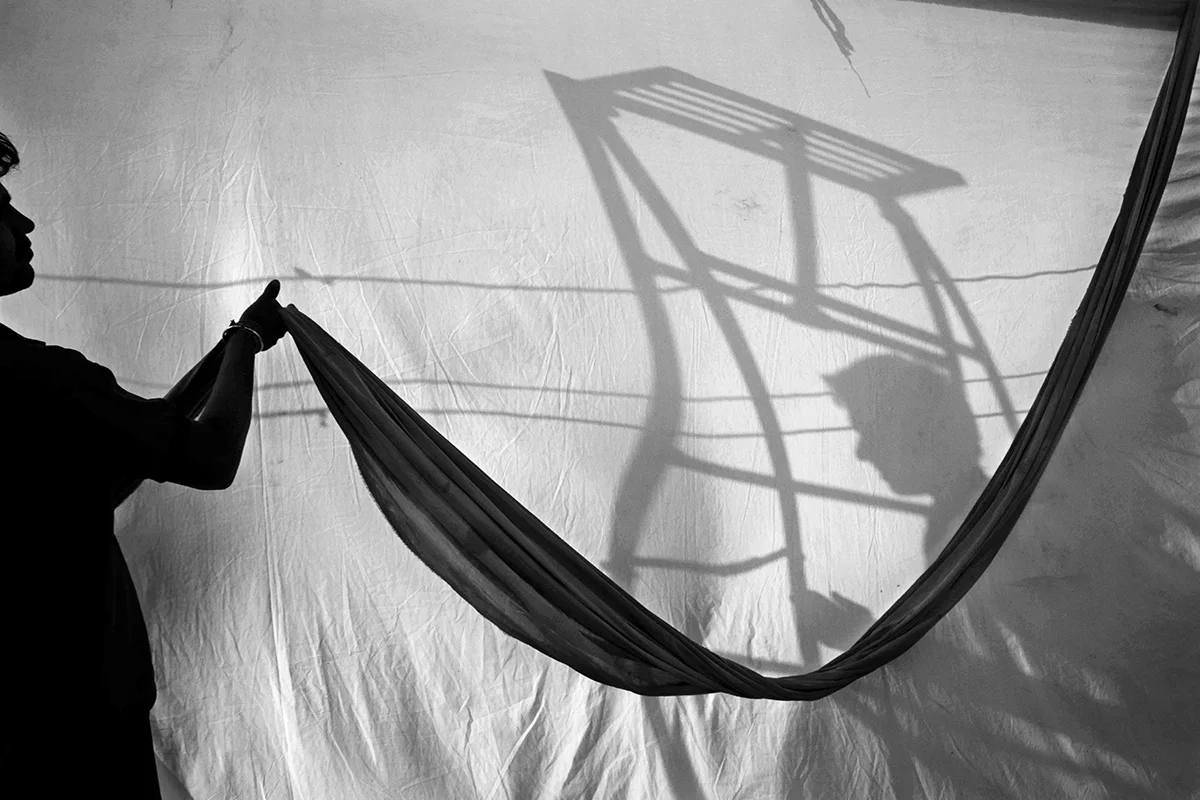
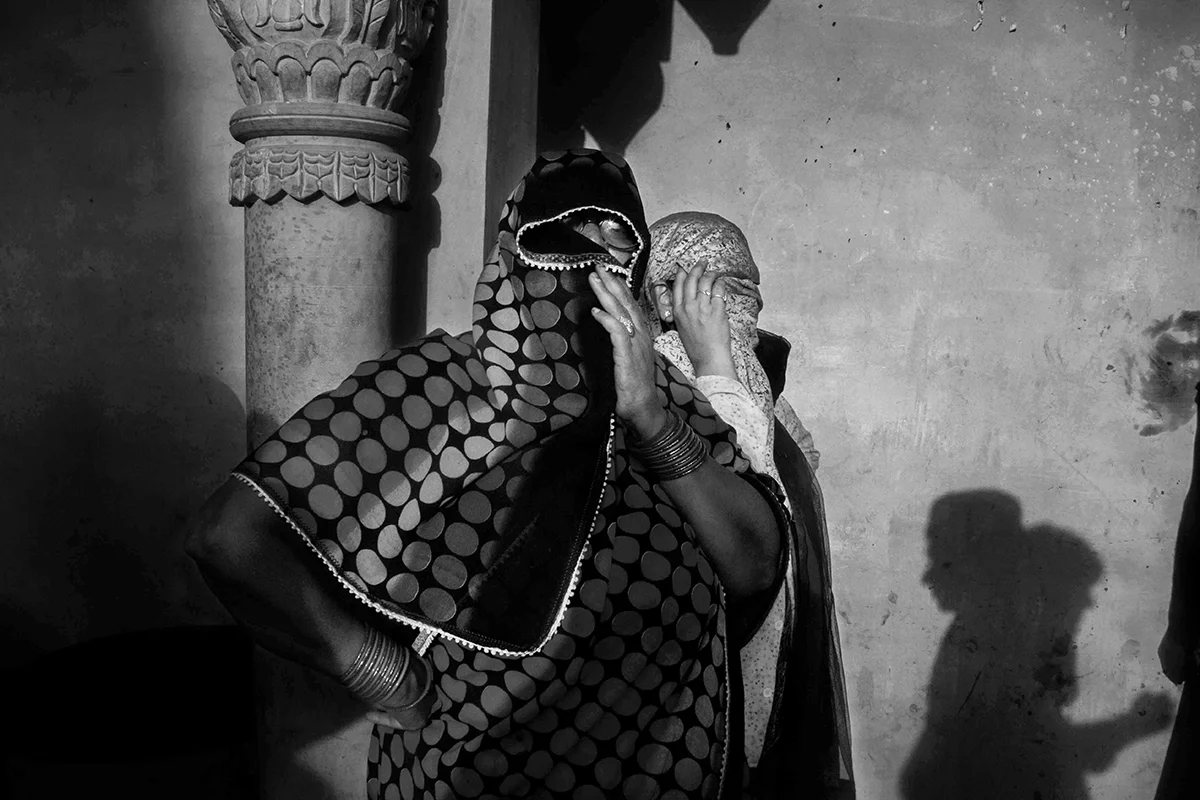
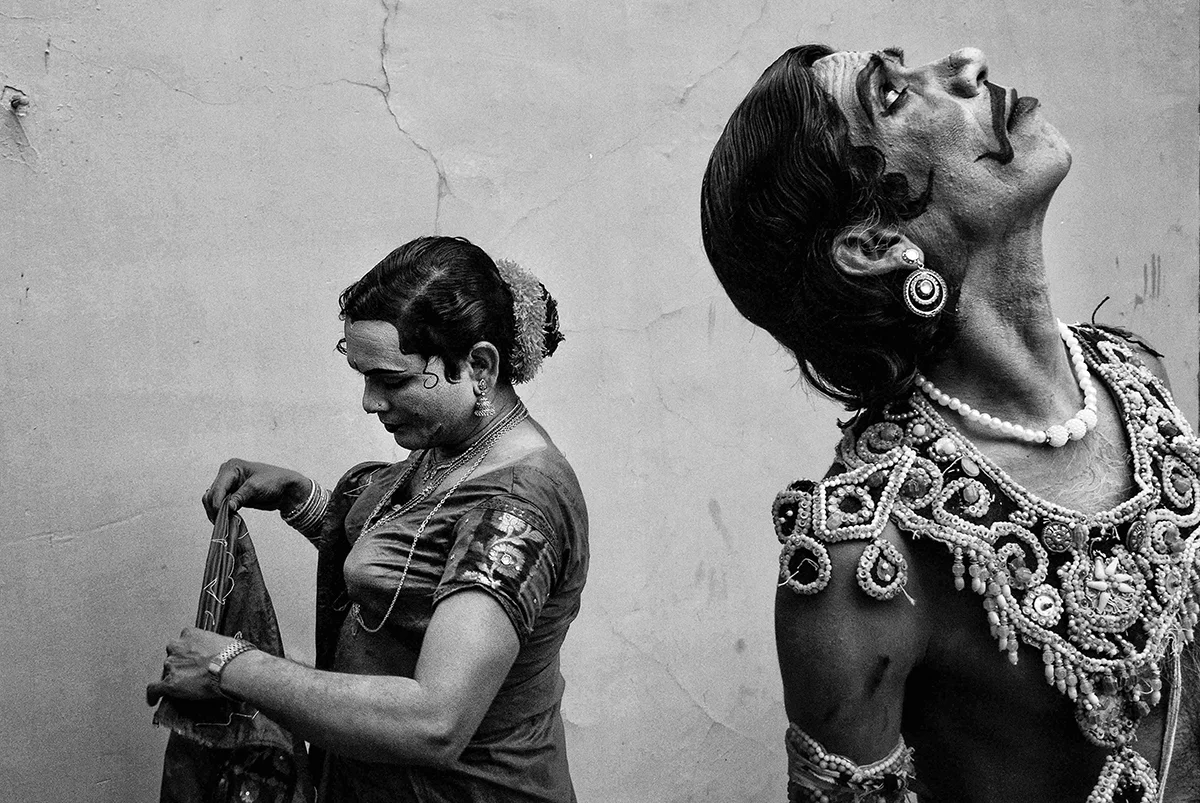
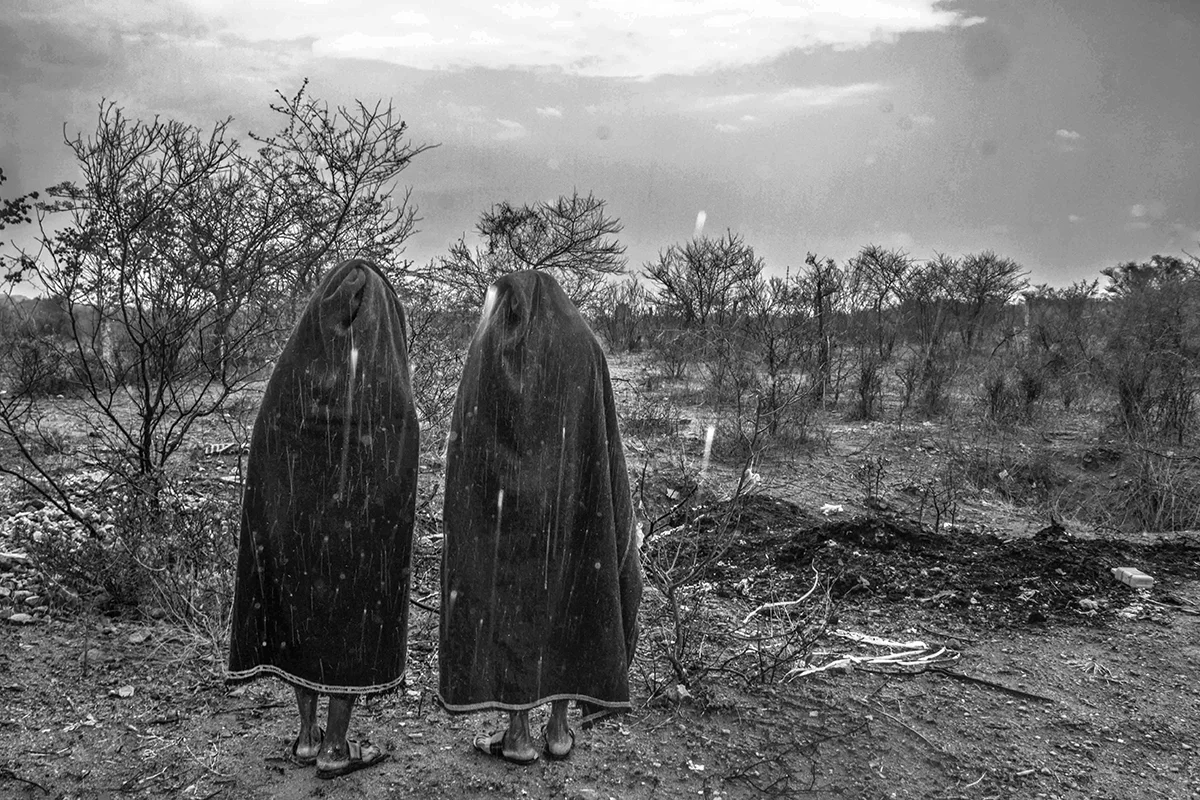
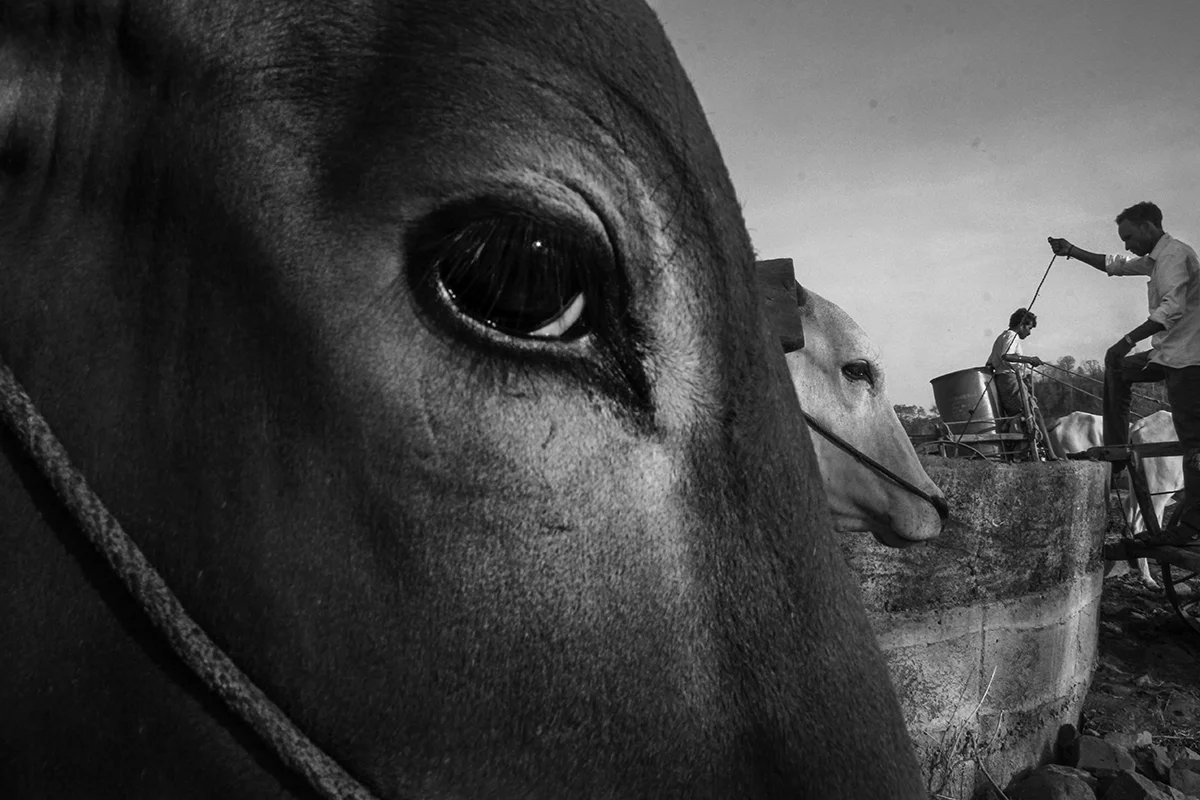
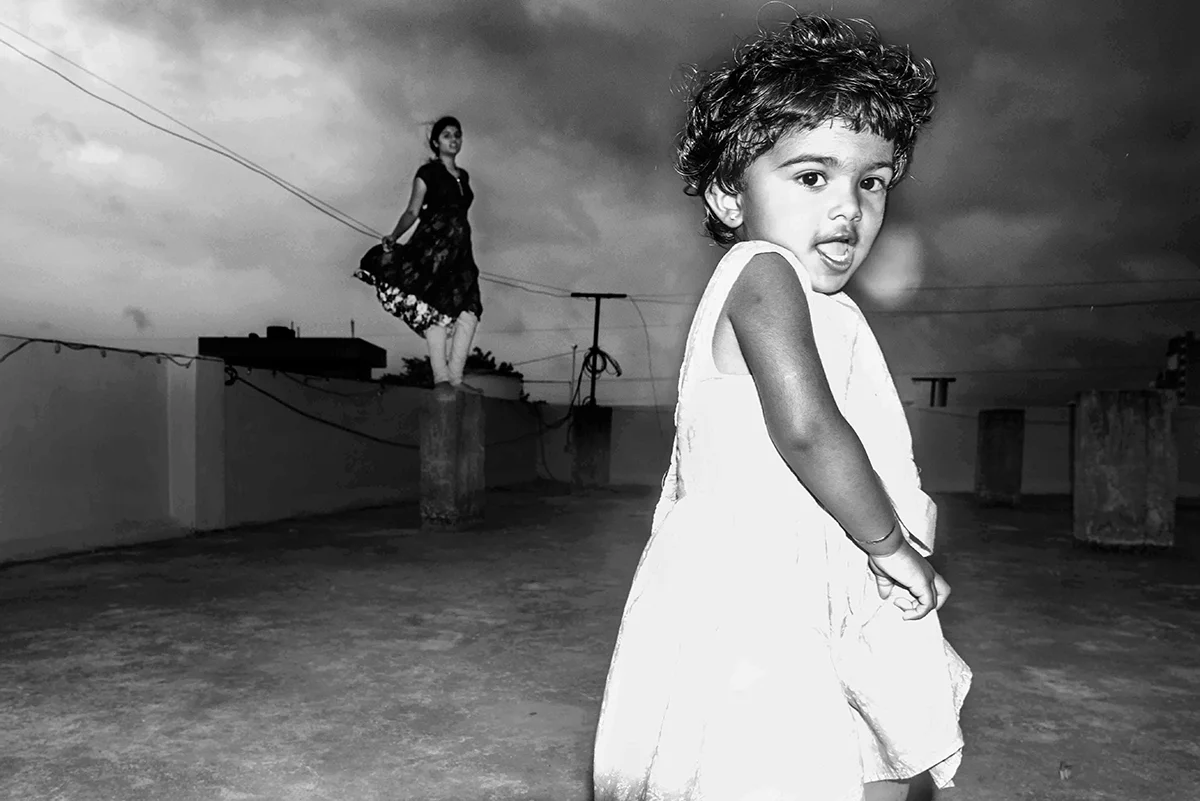
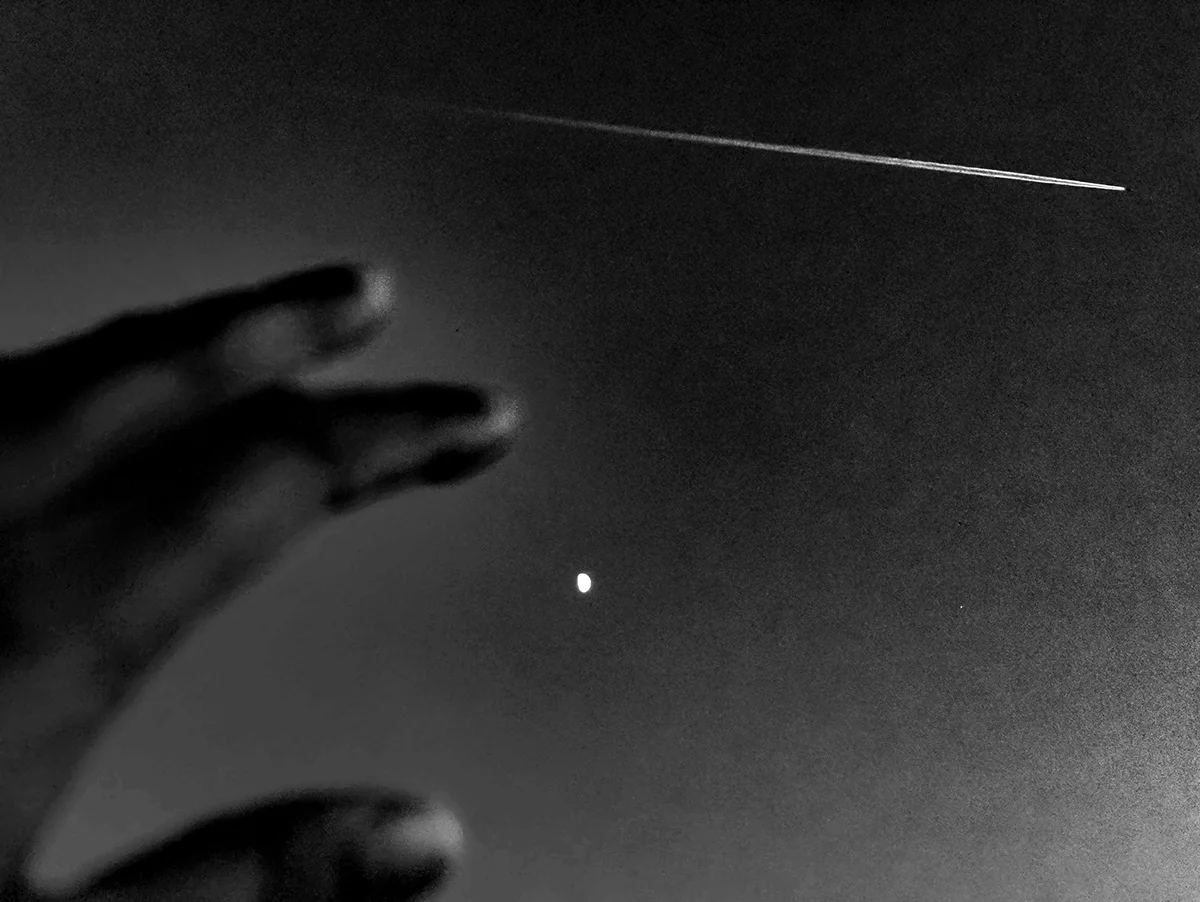
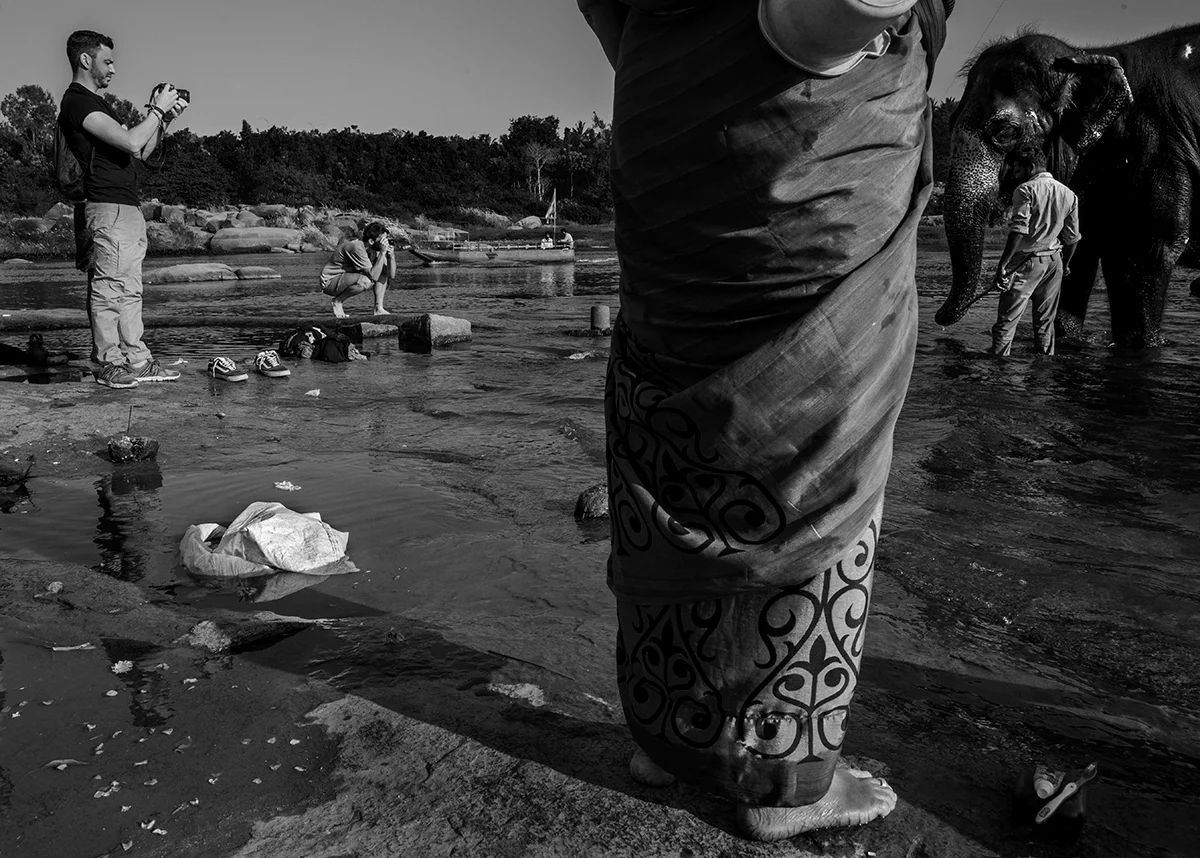
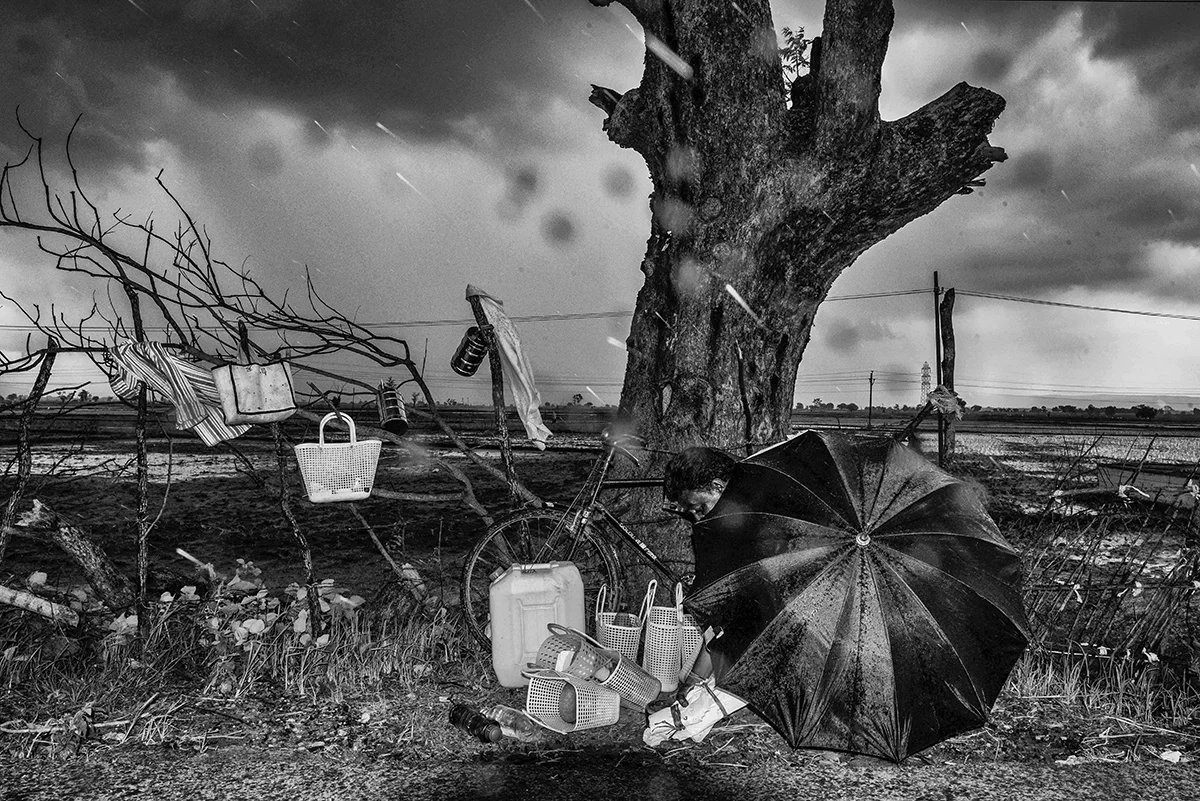
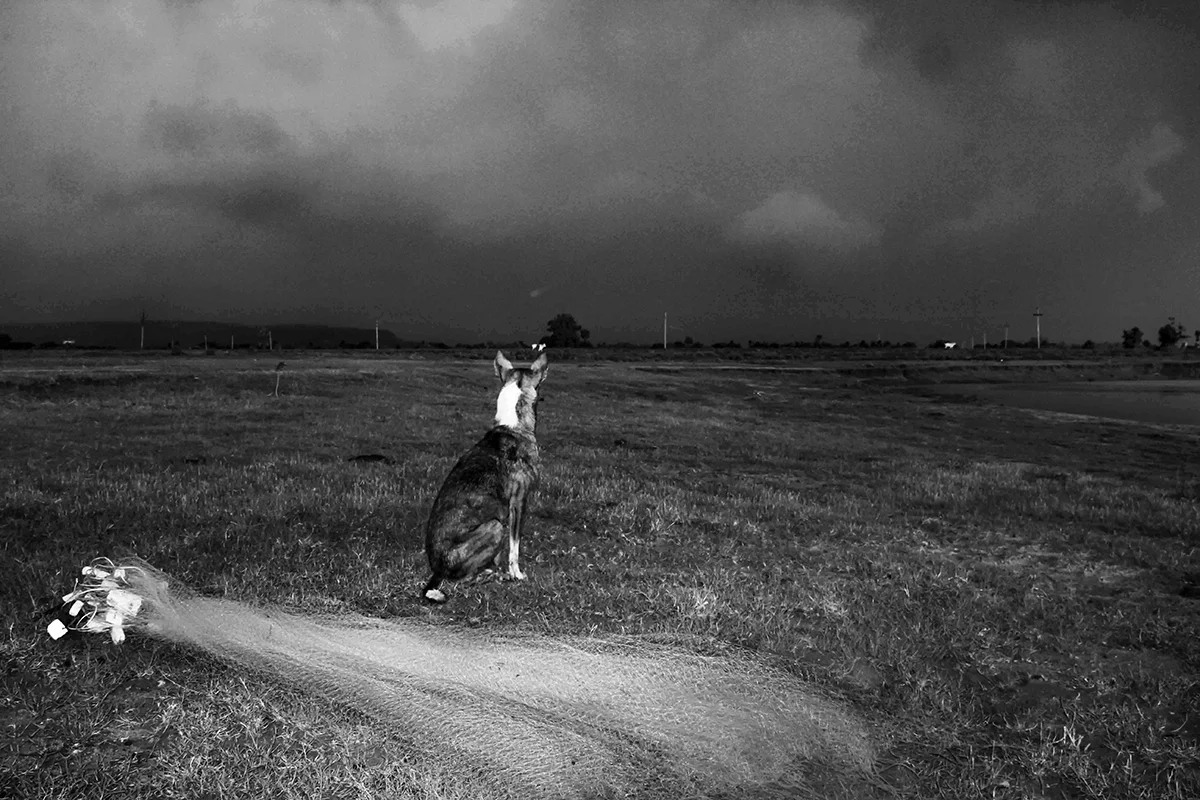
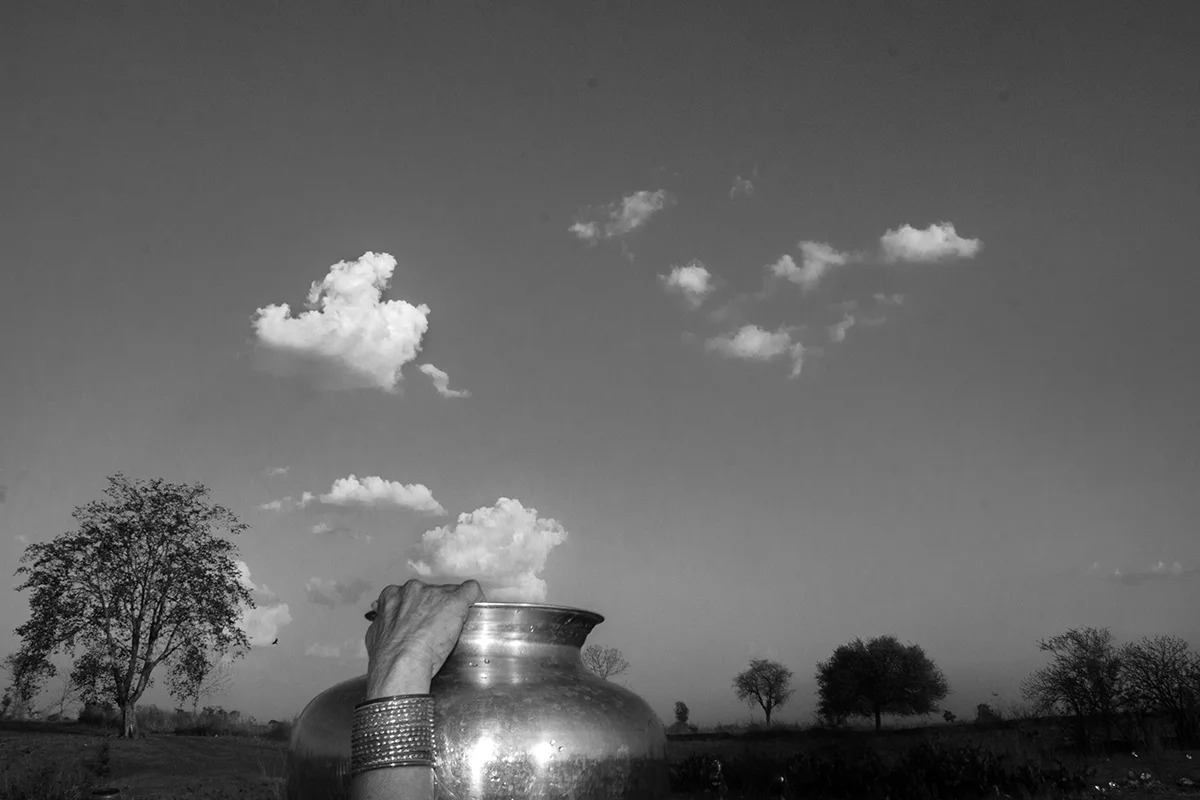
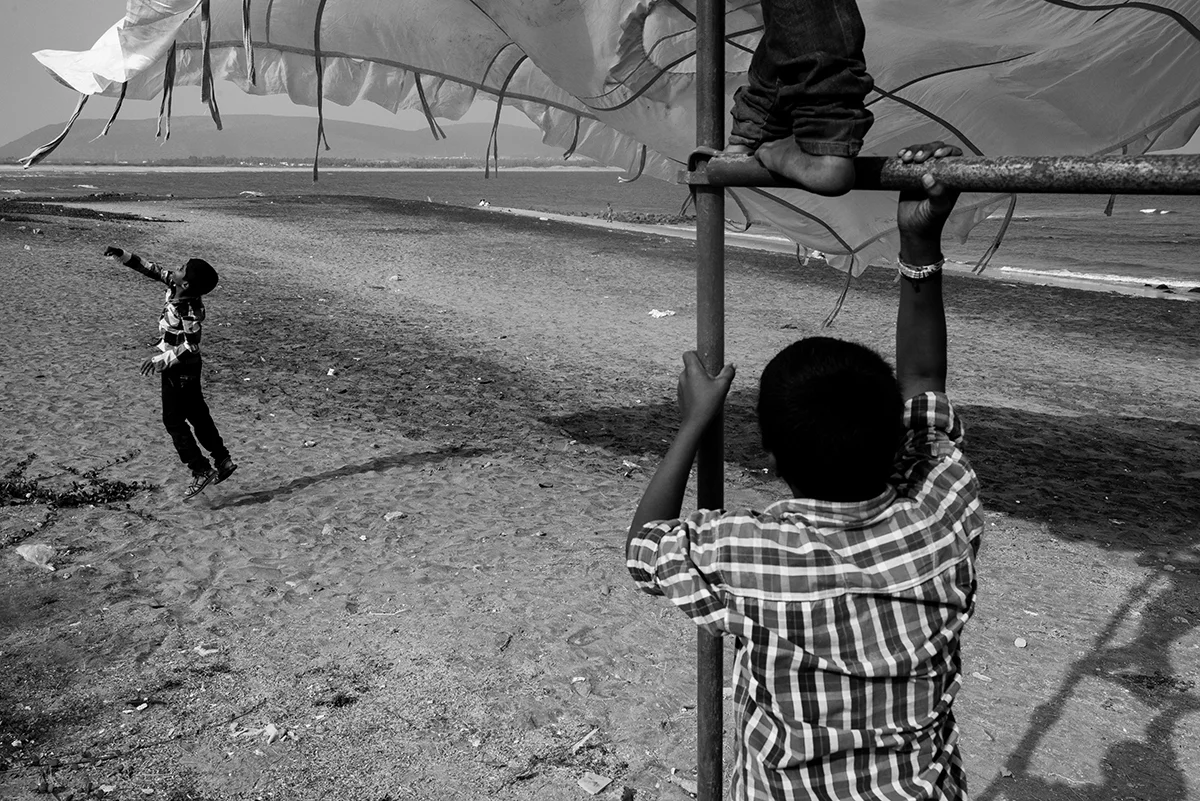
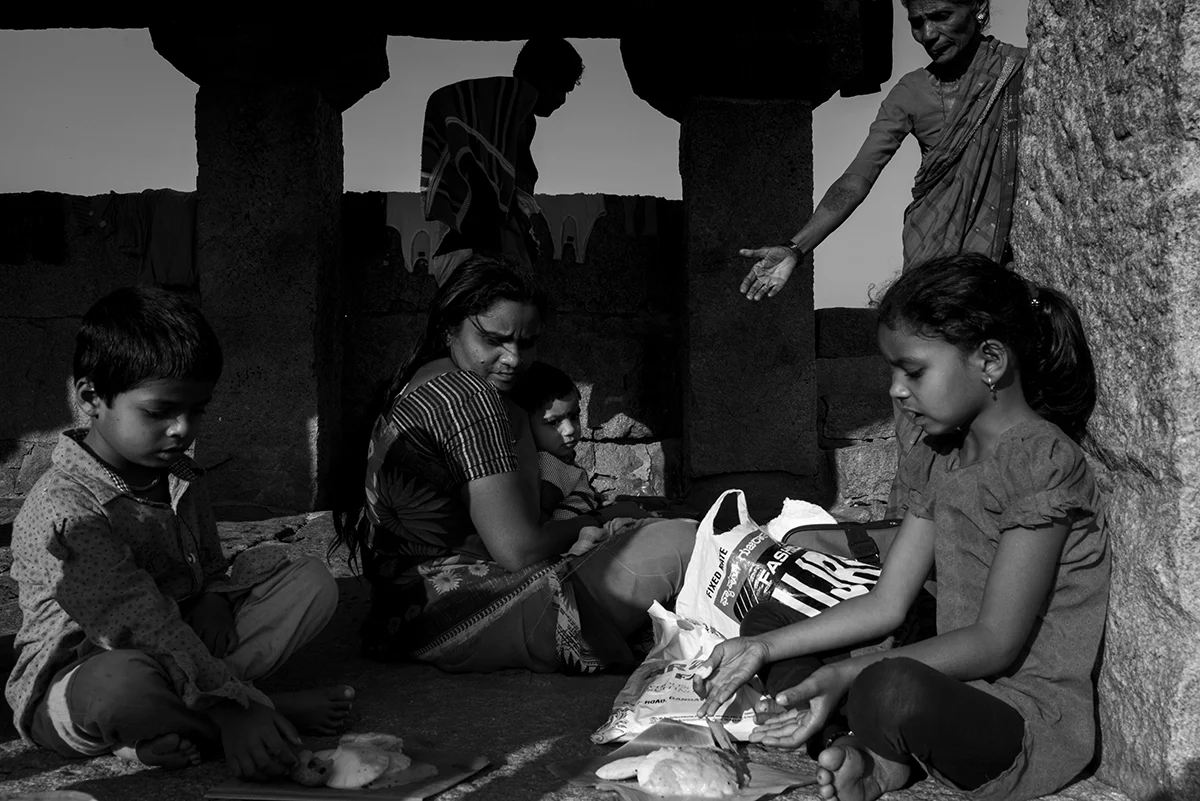
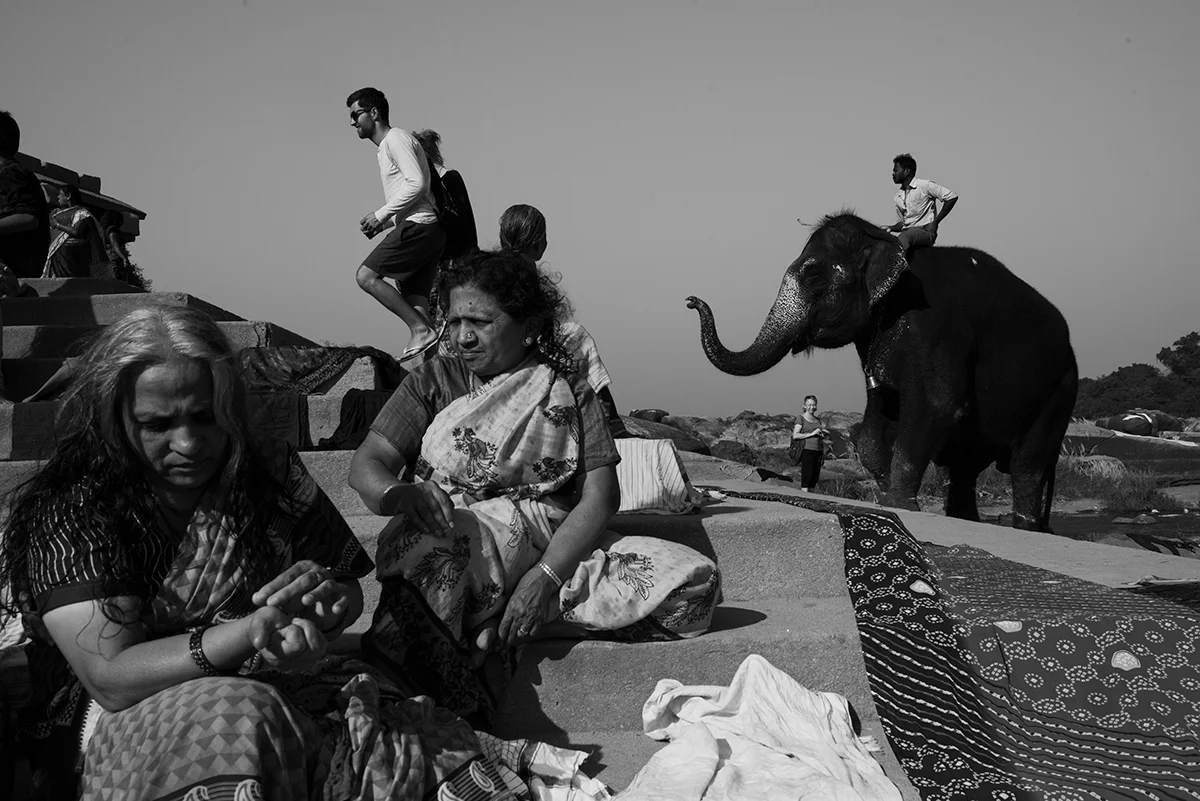
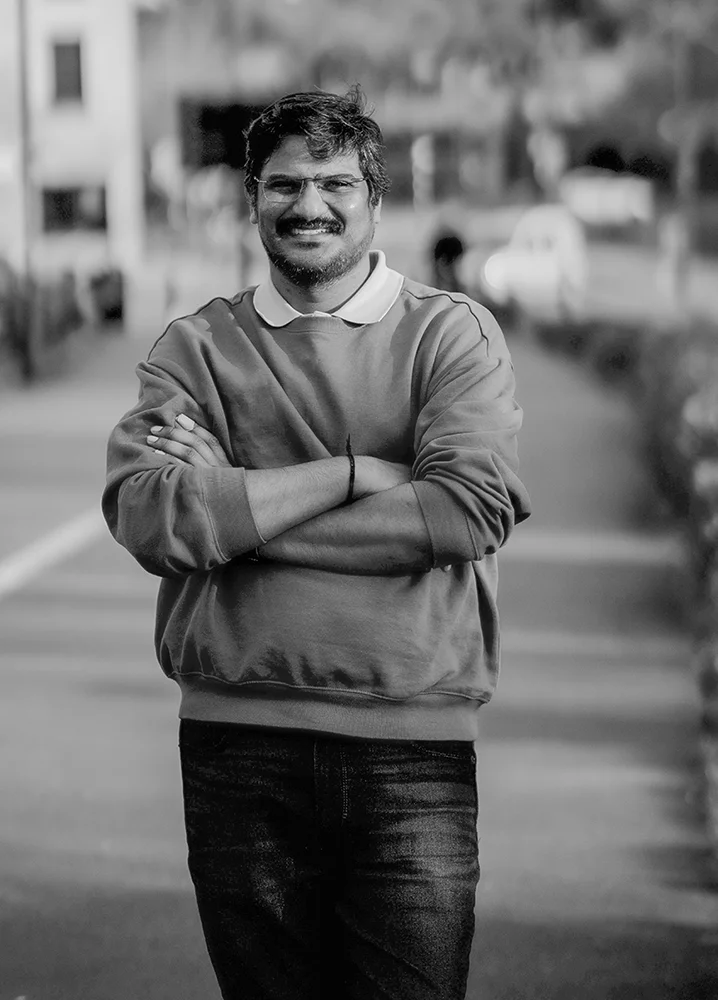
Vikas Nama is a visual artist and photographer whose work explores the emotional and psychological landscapes of human experience. He began his formal training at the Raghu Rai Center for Photography in 2014, where he developed a deep interest in narrative and mood within imagery. He later pursued his master’s degree at the University for the Creative Arts, Farnham, UK, further refining his conceptual and visual approach.

He has worked with the Indian Photo Festival for nine years, contributing to its growth and engagement with diverse audiences. His work has also received international recognition, including securing second place in the Series category at the Miami Street Photography Festival in 2019.

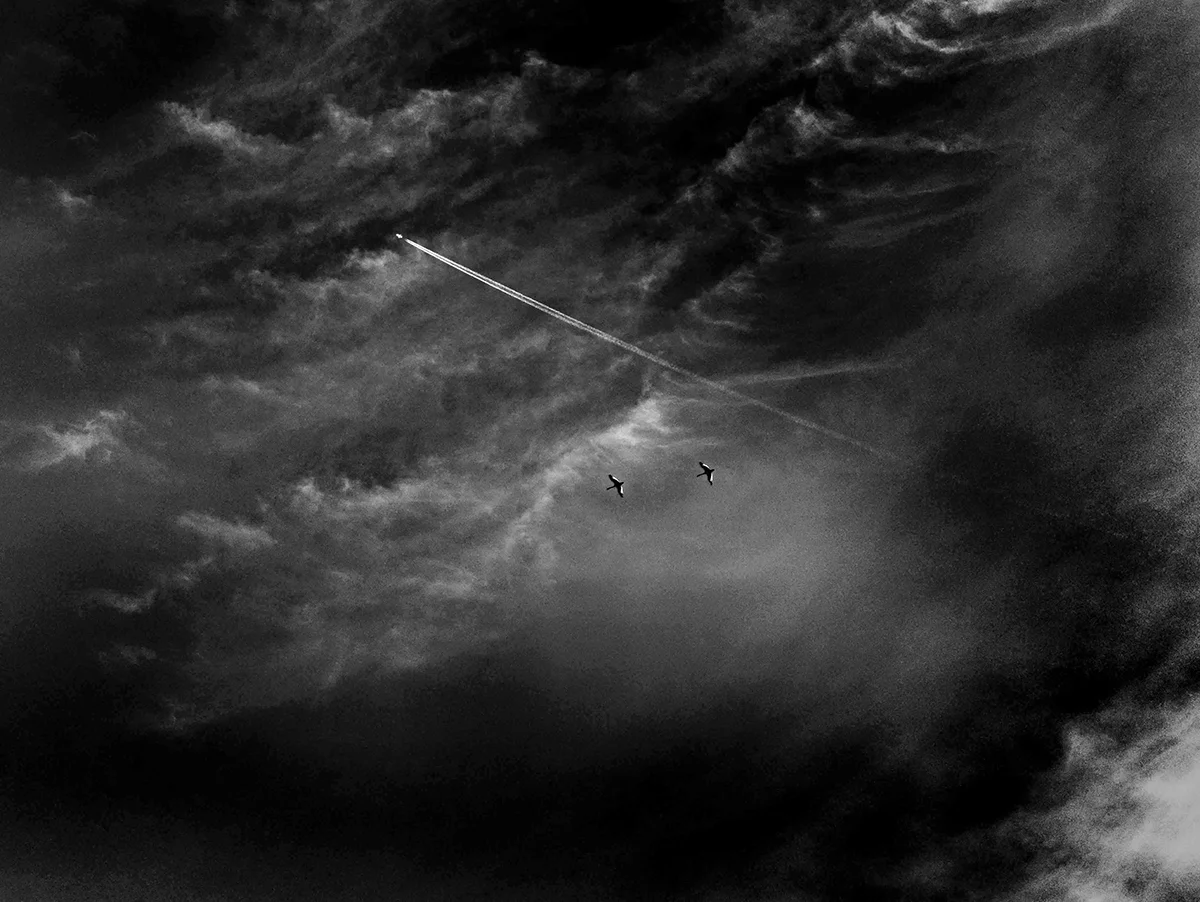
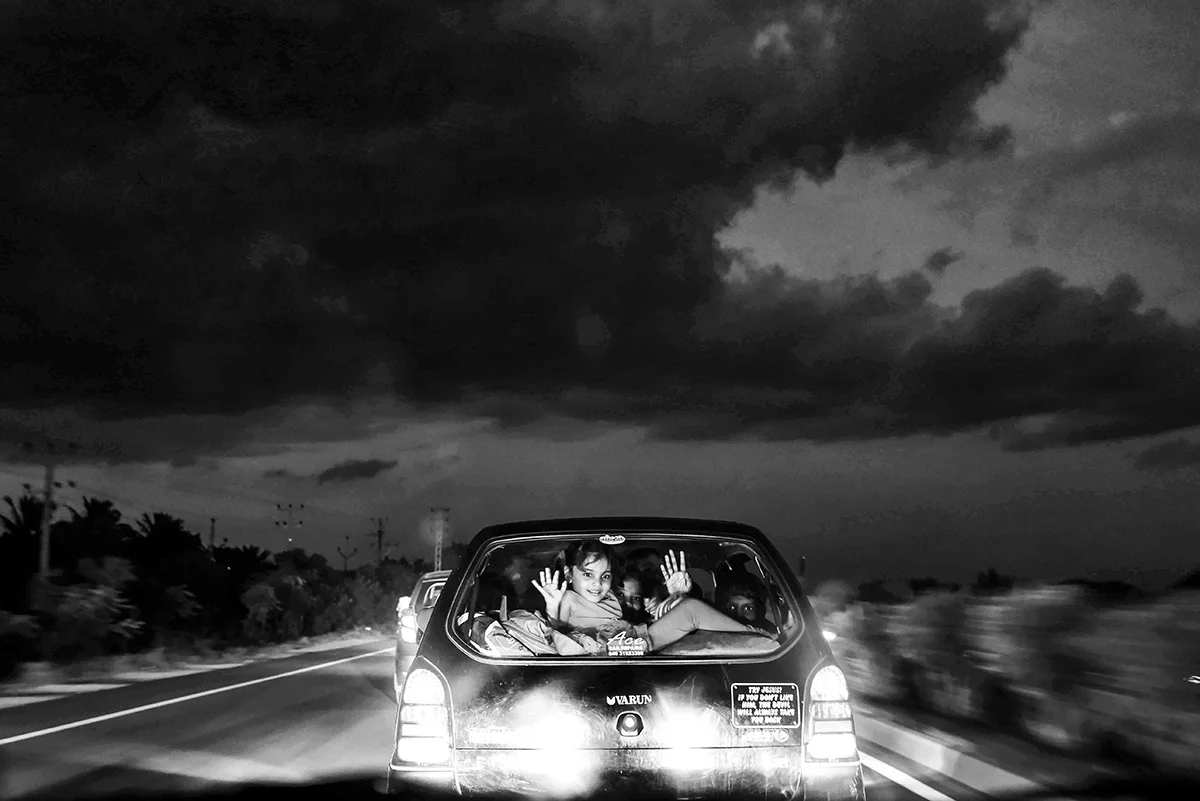
His practice often navigates themes of duality, distance, and the fragile balance between light and darkness, drawing on personal experiences to evoke universal emotions of longing, identity, and transformation.

Awarded Photographer of the Week - Week 50, 2025

Website

@vikkkas16


Inspiring Portfolios

Call for Entries
AAP Magazine #54 Nature
Publish your work in AAP Magazine and win $1,000 Cash Prizes
 
Stay up-to-date  with call for entries, deadlines and other news about exhibitions, galleries, publications, & special events.

More Great Photographers To Discover

 Nadar
France
1820 | † 1910
Nadar was the pseudonym of Gaspard-Félix Tournachon. Nadar was born in April 1820 in Paris (though some sources state Lyon). He was a caricaturist for Le Charivari in 1848. In 1849 he created the Revue comique and the Petit journal pour rire. He took his first photographs in 1853 and in 1858 became the first person to take aerial photographs. He also pioneered the use of artificial lighting in photography, working in the catacombs of Paris. Around 1863, Nadar built a huge (6000 m³) balloon named Le Géant ("The Giant"), thereby inspiring Jules Verne's Five Weeks in a Balloon. Although the "Géant" project was initially unsuccessful Nadar was still convinced that the future belonged to heavier-than-air machines. Later, "The Society for the Encouragement of Aerial Locomotion by Means of Heavier than Air Machines" was established, with Nadar as president and Verne as secretary. Nadar was also the inspiration for the character of Michael Ardan in Verne's From the Earth to the Moon. On his visit to Brussels with the Géant, on 26 September 1864, Nadar erected mobile barriers to keep the crowd at a safe distance. Up to this day, crowd control barriers are known in Belgium as Nadar barriers. In April 1874, he lent his photo studio to a group of painters, thus making the first exhibition of the Impressionists possible. He photographed Victor Hugo on his death-bed in 1885. He is credited with having published (in 1886) the first photo-interview (of famous chemist Michel Eugène Chevreul, then a centenarian), and also took erotic photographs. From 1895 until his return to Paris in 1909, the Nadar photo studio was in Marseilles (France). Nadar died in 1910, aged 89. He was buried in Père Lachaise Cemetery in Paris. Source: Wikipedia
Ryotaro Horiuchi
Ryotaro Horiuchi was born in Tokyo in 1969. When he was a teenager, he started to work at the furniture studio as an assistant. During his time at the studio, he was asked to take photographs of furniture as its records. And that was the first time he felt his intention to focus on a thing in front of his eyes ''Through The Lends''. And that ''intention'' turned him into ''photo-holic'' by realizing the potential of photographs. Since then, he has been working on his works from Osaka University of Arts and while he was in Germany and till now. Now he is working with ''Descendants of Samurai'' and ''Roma Gypsy'' by taking their portraits. To do so, he keeps focusing on ''the identity'' of them and himself. Falling Waters When I faced the waterfall, my eyes were riveted on the falling waters. The waters kept changing and never became the same figure. I saw the vitality in its overwhelming energy. The waters looked so alive that I felt as if I were photo shooting creatures. These are not scenic photos but portraits of waterfalls. The waters kept moving vigorously with a roaring sound, however, I loved the silence behind it. Quiet Existence I have relatives who emigrated to a foreign country under a state-led migration policy during the pre-war period. They live as minorities in the country. Hearing stories about them as I grew up made me fascinated with people who are defined as minorities. When I was staying in Germany, I later learned that the people who had been closed to me were Roma. I had absolutely no knowledge about Roma at that time and their lifestyle looked just so mysterious to me. Since then, I had been drawn to their strong identity and I visited the area where many Romani people live. I met many other ethnic groups of people who live as minorities there. When I faced their lifestyles, I could see their quiet yet strong identity behind them, which strongly resonated with me. It might be impossible for minorities to maintain their culture without keeping their strong identity. What is identity? The question always makes me ask myself what kind of individuality I retain. Discover Descendants of Samurai
Alan Henriksen
United States
1949
Alan Henriksen was born in 1949 in Richmond Hill, Queens, New York, and has lived his entire life on Long Island. He became interested in photography as a hobby in 1958, and began making contact prints in late 1959. His interest became serious following a chance discovery of the work of Edward Weston and Ansel Adams at the local library. Henriksen holds college degrees in Psychology and Computer Science and is now retired from a long career in software engineering. Beginning in the mid-1970?s he worked for nearly ten years at Agfa-Gevaert’s photo paper manufacturing plant on Long Island as a sensitometrist and software engineer. In the late 1980?s he authored a Zone System software program named ZoneCalc, which was marketed by the Maine Photographic Resource. In 1968 he and his wife Mary made their first visit to the Maine coast, starting a photographic project that continues to this day. They now divide their time between their homes in Smithtown, Long Island and Southwest Harbor, Maine. All about Alan Henriksen:AAP: When did you realize you wanted to be a photographer?Although I had already been photographing as a hobbyist for six years, my interest became more serious in 1964 when, during a library visit, I chanced upon Peter Pollack's book, "A Picture History of Photography," and opened it to the section devoted to the work of Edward Weston.AAP: Where did you study photography?My formal photographic education was limited to the 1970 Ansel Adams Workshop in Yosemite National Park.AAP:Do you have a mentor?In 1967 I composed a letter and sent it, along with some prints, to Ansel Adams in Carmel. Toward the close of his two-page single-spaced typewritten reply he wrote, "I want to follow your work and see more of your prints." This began a correspondence, soon supplemented with phone calls, that lasted until 1970, at which time I attended his Ansel Adams Workshop in Yosemite National Park.AAP: How long have you been a photographer?I began photographing in 1958, purely as a hobby, and began printing in 1959.AAP: Do you remember your first shot? What was it?The first photograph I remember taking was made in 1958. I photographed my neighbor while she was leaning into a baby carriage to tend to her child.AAP: What or who inspires you?I do not believe in inspiration; I believe in simply working, and working simply. When photographing, my ideas arise directly from my exploration of the subject matter at hand. But I cannot say why I find a certain bit of the world, seen from just such an angle, in a certain light, interesting.AAP: How could you describe your style?I do not consciously try to apply a style to my photographs. I believe in the maxim, "Style does not precede; it results." Although there is a kind of consistency to my photographs over the years, and more so during any particular period, that is presumably because I have remained roughly the same person.AAP: What kind of gear do you use? Camera, lens, digital, film?I currently work with a Canon 5D Mark II and various Canon lenses.AAP: Do you spend a lot of time editing your images?I take an iterative approach to image editing, generally performing several editing passes. I like to leave some time between each pass in order to help me see the image with fresh eyes during each session. I consider an image completed (for the time being) when I view the image and it seems to "work" as is. For some images the editing process is completed within a few sessions, while others take much longer.
Cindy Sherman
United States
1954
Cindy Sherman was born in 1954 in Glen Ridge, New Jersey. Sherman earned a BA from Buffalo State College, State University of New York (1976). In self-reflexive photographs and films, Cindy Sherman invents myriad guises, metamorphosing from Hollywood starlet to clown to society matron. Often with the simplest of means—a camera, a wig, makeup, an outfit—Sherman fashions ambiguous but memorable characters that suggest complex lives that exist outside of the frame. Leaving her works untitled, Sherman refuses to impose descriptive language on her images—relying instead on the viewer’s ability to develop narratives, as an essential component of appreciating the work. While rarely revealing her private intentions, Sherman’s investigations have a compelling relationship to public images, from kitsch (film stills and centerfolds) to art history (Old Masters and Surrealism) to green-screen technology and the latest advances in digital photography. Sherman’s exhaustive study of portraiture and self-portraiture—often a playful mixture of camp and horror, heightened by gritty realism—provides a new lens through which to examine societal assumptions surrounding gender and the valuation of concept over style. Among her awards are the Guild Hall Academy of the Arts Lifetime Achievement Award for Visual Arts (2005); American Academy of Arts and Sciences Award (2003); National Arts Award (2001); a John D. and Catherine T. MacArthur Foundation Award (1995); and others. Her work has appeared in major exhibitions at Sprüth Magers, Berlin (2009); Jeu de Paume, Paris (2006); the Museum of Modern Art, New York (1997); and the Museum of Contemporary Art, Los Angeles (1997); among others. Sherman has participated in many international events, including SITE Santa Fe (2004); the Venice Biennale (1982, 1995); and five Whitney Biennial exhibitions. Cindy Sherman lives and works in New York.
Filippo Venturi
Filippo Venturi is an Italian documentary photographer working on editorial, corporate, commercial assignments and personal projects. His works have been published in different newspapers and magazines such as The Washington Post, Financial Times, Vanity Fair, Internazionale, La Stampa, Geo, Marie Claire, Die Zeit, Gente, D di Repubblica, Io Donna/Corriere della Sera. He cooperates with several agencies in Italy and abroad for advertisement projects. He also pursues many personal stories and projects on the critical issues that he finds interesting. In 2016 his work, "Made in Korea" about South Korea, has been hosted at the Italian Center for Fine Art Photography in Bibbiena, at Modena's Foro Boario as New Talent selected by the Modena Foundation Photography, at Rome's Museum of Contemporary Art (MACRO) as selected Emerging Talent and at Somerset House in London by the Sony World Photography Awards. In 2017 he was the photographer sent by Vanity Fair in North Korea. In 2018 he is Testimonial Photographer for Fujifilm.I work as a multi-disciplinary photographic artist specialising in conceptual documentary and reportage Photography. I look at identity, displacement and the human condition. I also work as a photojournalist, documentary filmmaker and freelance commercial photographer.About Korean Dream Between 1905 and 1945 Korea was dominated by the Japanese, thus becoming a colony of the Empire. In 1945, after Japan's defeat, Korea was involved in the Cold War and became an object of interest for the USA, the URSS and lately for China as well. This brought to the division of the country in two along the 38th parallel and to the Korean War between 1950 and 1953. On the 27th of July of 1953, an armistice was signed but a declaration of peace never followed, leaving the country in a permanent state of conflict. North Korea is officially a socialist State with formal elections but in fact, it is a totalitarian dictatorship based on the cult of the Kim dynasty, practically an absolute monarchy. Since 1948 the country was ruled by Kim Il-Sung, the "Great Leader"; in 1994 his son, Kim Jong-II the "Dear Leader" succeeded him and until in 2011 Kim Jong-Un, his son, the "Brilliant Comrade" became Supreme Leader. North Korea is one of the most secluded countries in the world, we know little about it and the citizens' rights are subdued to the country's needs. Citizens have no freedom of speech, media are strictly controlled, you can travel only with authorization and it is not allowed to leave the country. The few foreign travellers who get the visa can travel the country only with authorized Korean guides, who have also the task of controlling, censoring and finding spies. Pyongyang, the capital, is the centre of all the resources and the country's ambition to boast a strong and modern façade (the rest of North Korea is composed of countryside, rice-fields and villages usually with no water, electricity or gas). The continuous and incessant propaganda against the USA portraits the South Korean population as a victim of the American invasion; young generations live in a constant alert state as if the USA could attack any day. At the same time, the propaganda aims at instilling a great sense of pride for the country's technical progression, fueled by the Supreme Leader and culminating in the atomic bomb and the subsequent tests. Pyongyang youngsters have been educated to be learned and knowledgeable people, especially in the scientific field, to foster the development of armaments and technology, chasing the dream of reuniting Korea in a whole and free state.
Advertisement
AAP Magazine #54 Nature
Win a Solo Exhibition this January
AAP Magazine #54 Nature

Latest Interviews

Exclusive Interview with Julie Wang
Chinese-born photographer Julie Wang brings a poetic, contemplative sensitivity to her visual exploration of the world. Having lived for nearly equal parts of her life in China, Europe, and the United States, she approaches her subjects with the nuanced perspective of someone shaped by many cultures. This blend of distance, curiosity, and emotional resonance infuses her work with a quiet depth, allowing her to reveal the fragile beauty and subtle tensions that often pass unnoticed.
Exclusive Interview with Ghawam Kouchaki
American photographer Ghawam Kouchaki brings a sharply observant and introspective gaze to the streets of Japan’s capital. Based in Los Angeles, he approaches Tokyo with the distance — and curiosity — of an outsider, allowing him to uncover the city’s subtle contradictions, quiet tensions, and fleeting gestures that often go unnoticed. His series Tokyo no no, selected as the Solo Exhibition for December 2024, explores the hidden undercurrents of urban life: the unspoken rules, the small ruptures in routine, the poetic strangeness found in everyday moments. Through muted tones, instinctive timing, and meticulous framing, Kouchaki reveals a Tokyo that exists somewhere between reality and imagination — both intimate and enigmatic. We asked him a few questions about his life and work.
Exclusive Interview with Tommi Viitala
Tommi Viitala, winner of AAP Magazine #44: Street, is a Finnish photographer celebrated for his striking and cinematic street photography. With a keen eye for atmosphere and composition, he captures fleeting urban moments that reveal the poetry of everyday life. His work often explores the tension between solitude and connection within contemporary cityscapes, blending documentary realism with artistic sensibility. Viitala’s photographs have been exhibited internationally and recognized for their strong visual storytelling and emotional depth. We asked him a few questions about his life and work.
Exclusive Interview with Robert Mack
Robert Mack is a California-based visual artist, photographer, and filmmaker. His fine art photography and films have been exhibited widely in the United States and Europe, with major shows at the Baltimore Museum of Art and the Reiss-Engelhorn Museum in Mannheim, Germany. Both institutions hold his work in their permanent collections. Working across different media, Mack has built a career exploring the complexities of human presence and representation. In 1981, while living in Baltimore, he produced The Perkins Project: Not Guilty by Reason of Insanity, a rare photographic and film study inside Maryland’s hospital for the criminally insane. These stark yet compassionate black-and-white portraits remain one of his most powerful and controversial bodies of work.
Exclusive Interview with Alan Schaller About Irys
Alan Schaller is a London-based photographer best known for his striking black-and-white street photography and as co-founder of Street Photography International, one of the largest online communities dedicated to the genre. With years of experience both behind the camera and in building platforms that give visibility to photographers, Schaller has now turned his focus to creating a new digital space for photography itself. His latest venture, Irys, is a photography app designed by photographers, for photographers, with the aim of offering a dedicated platform where images are respected as works of art rather than treated as disposable content.
Exclusive Interview with Guillaume Bonn
With his latest book Paradise, Inc., celebrated documentary photographer Guillaume Bonn takes us deep into the heart of East Africa, where the promises and failures of wildlife conservation collide. Far from offering a romanticized vision of nature, Bonn’s work confronts us with urgent realities: the tensions between local communities and conservation policies, the sacrifices of rangers on the frontlines, and the long-lasting impact of human activity on fragile ecosystems. Spanning more than two decades of fieldwork, the project blends powerful imagery with investigative depth, raising difficult but necessary questions about transparency, accountability, and the Western-led models that dominate conservation. Enriched by the voices of those too often left out of the conversation—including a preface by Maasai leader Ezekiel Ole Katato and an introduction by journalist Jon Lee Anderson—Paradise, Inc. is both a stunning visual journey and a call to action. In the following interview, Guillaume Bonn reflects on the making of Paradise, Inc., the ethical dilemmas at the heart of his work, and the urgent need to rethink our approach to conservation in East Africa and beyond.
Exclusive Interview with Sander Vos
Sander Vos is a fine art photographer based in London whose work seamlessly blends elements of Surrealism with portraiture. Drawing inspiration from his background in design, Vos embraces light and contrast to sculpt striking, graphic compositions. His photographs invite the viewer into a world where revelation and concealment coexist, leaving space for imagination and interpretation.
Exclusive Interview with Tomasz Trzebiatowski Editor-in-chief FRAMES Magazine
Founded in 2020 by photographer, publisher, and classical pianist Tomasz Trzebiatowski, FRAMES Magazine has quickly established itself as a thoughtful space for photography lovers who believe that powerful images deserve to live on paper. Known for its beautifully printed quarterly issues and dynamic international community, FRAMES bridges the gap between tradition and innovation in the photographic world. As editor-in-chief, Trzebiatowski has created not only a publication but a platform that celebrates diverse genres, nurtures dialogue, and champions the tactile experience of print in a digital age. In this interview, he reflects on the journey from founding FRAMES to building a global membership, the challenges of independent publishing, and the future of photography in both print and digital forms.
Exclusive Interview with Manuel Besse
French photographer Manuel Besse is known for his compelling black-and-white imagery, which blends portraiture, documentary, and poetic narrative into a singular visual voice. With a career spanning several decades and continents—from the gold mines of Serra Pelada to the Arctic Circle—his work reflects a deep commitment to authenticity, human connection, and the preservation of cultural and natural landscapes. His series Macadam, winner of AAP Magazine #41 B&W, offers a contemplative look at fleeting urban encounters, rendered in his signature monochrome style. We asked him a few questions about his life and work.
Call for Entries
AAP Magazine #54 Nature
Publish your work in AAP Magazine and win $1,000 Cash Prizes