All about photo.com: photo contests, photography exhibitions, galleries, photographers, books, schools and venues.
LAST CALL to Win a Solo Exhibition this March!
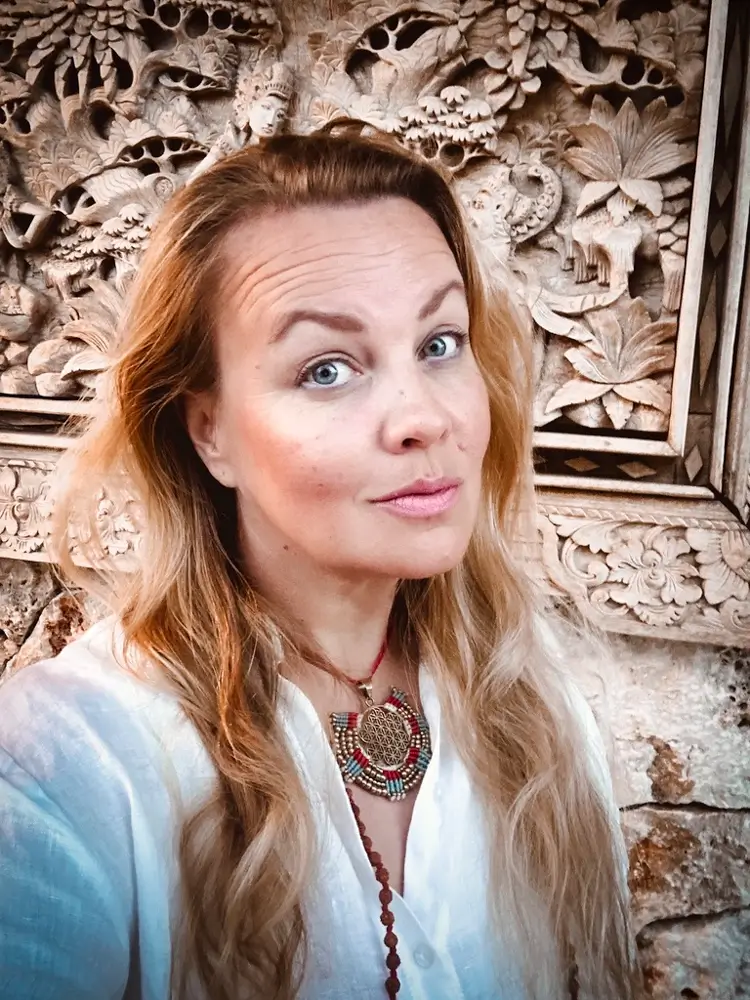
Lise Leino
Lise Leino
Lise Leino

Lise Leino

Country: Finland/United Kingdom

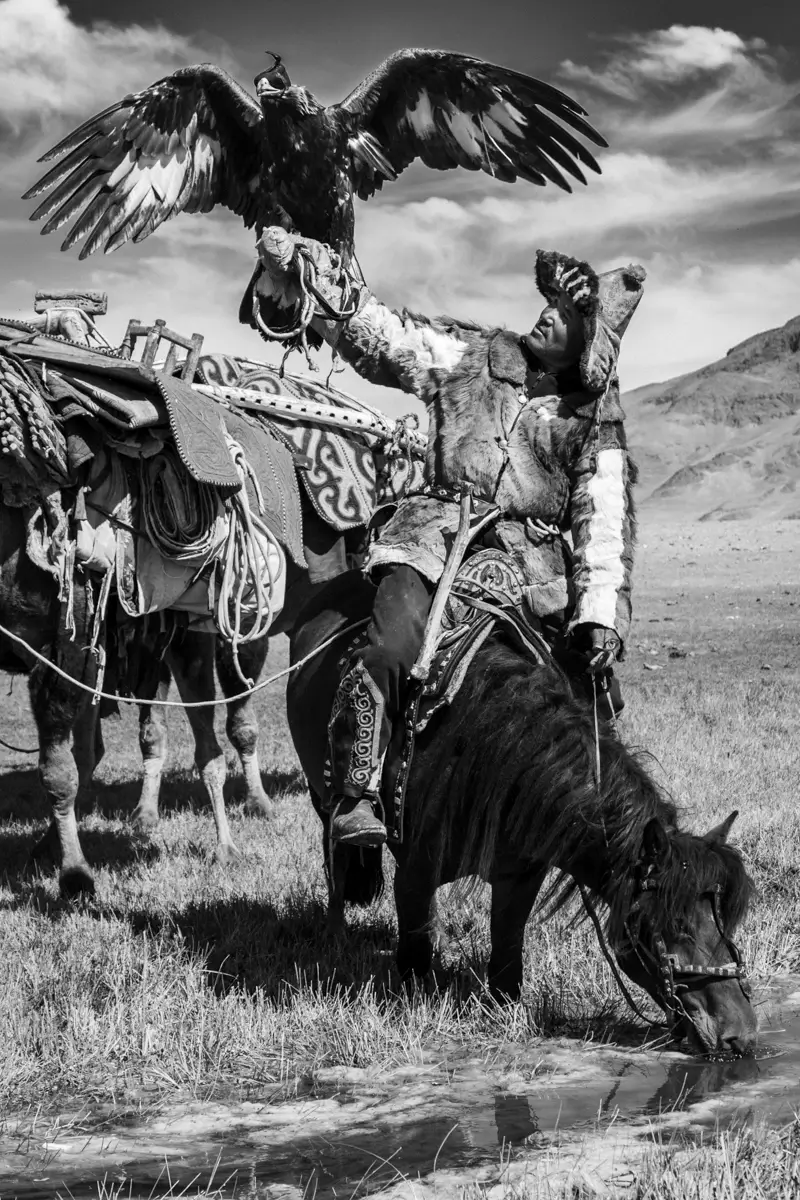
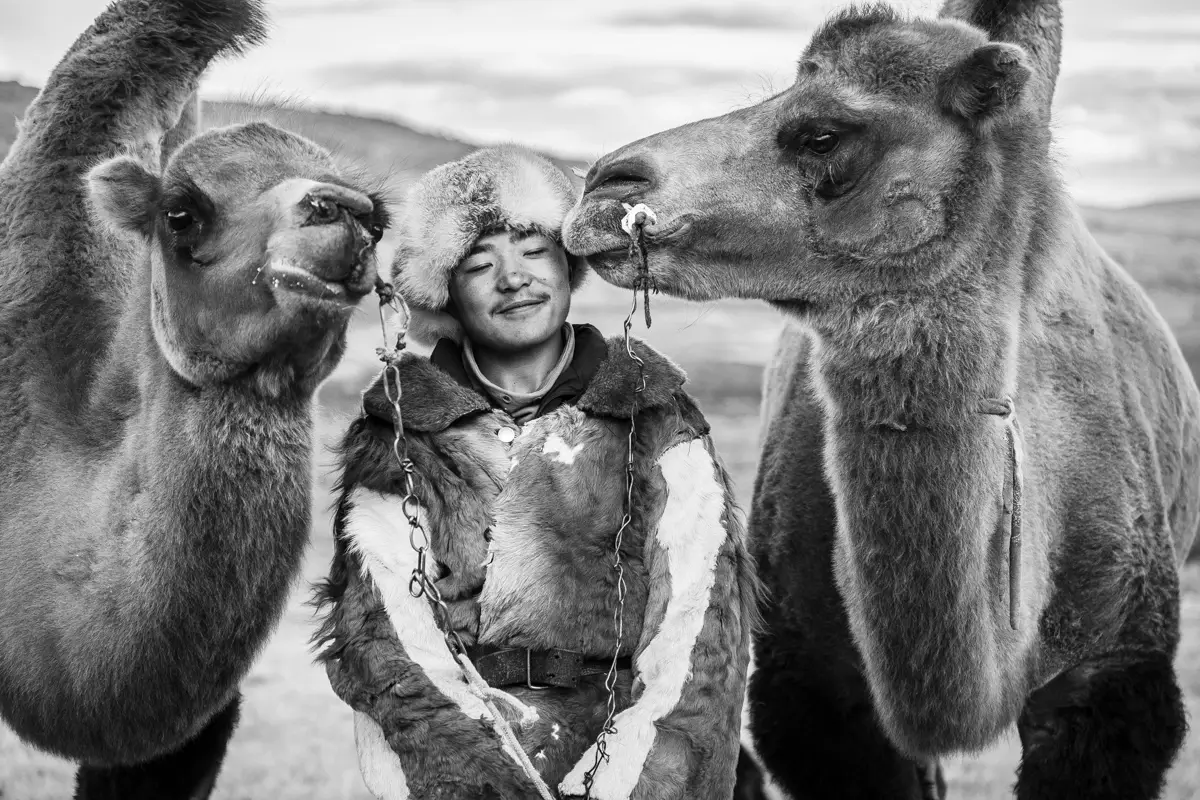
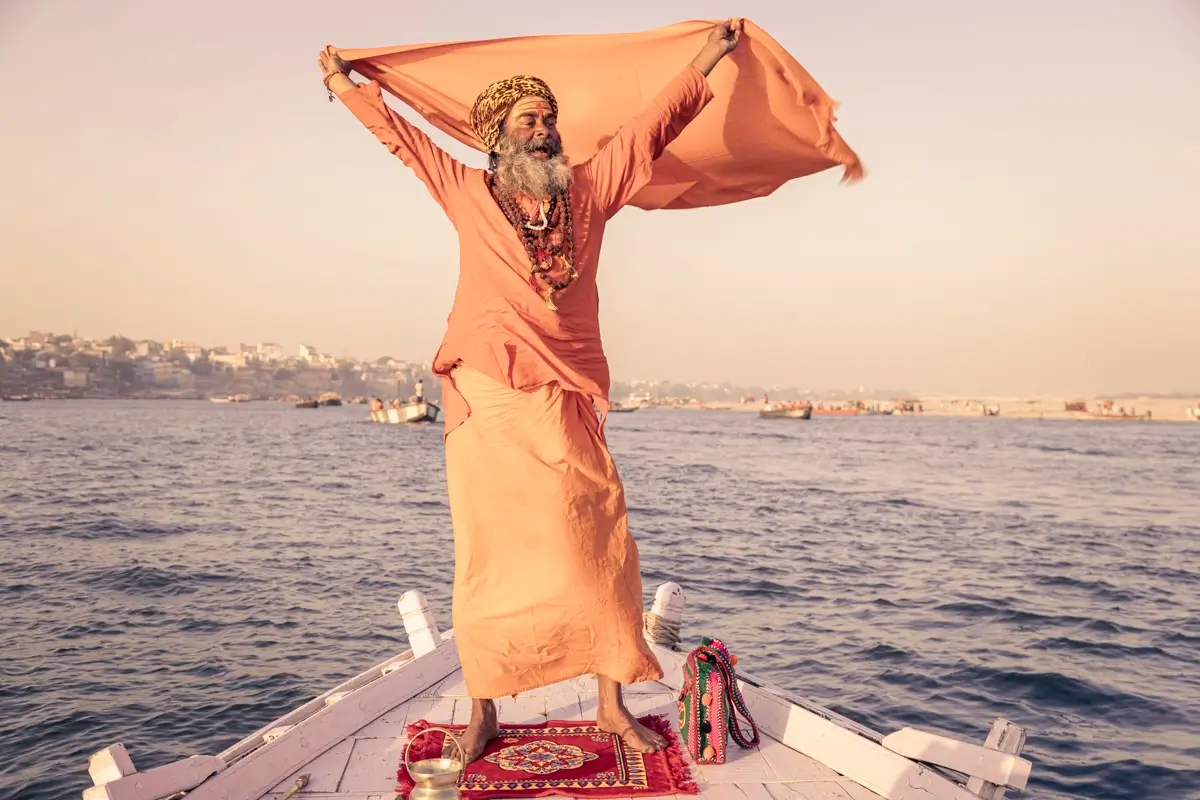
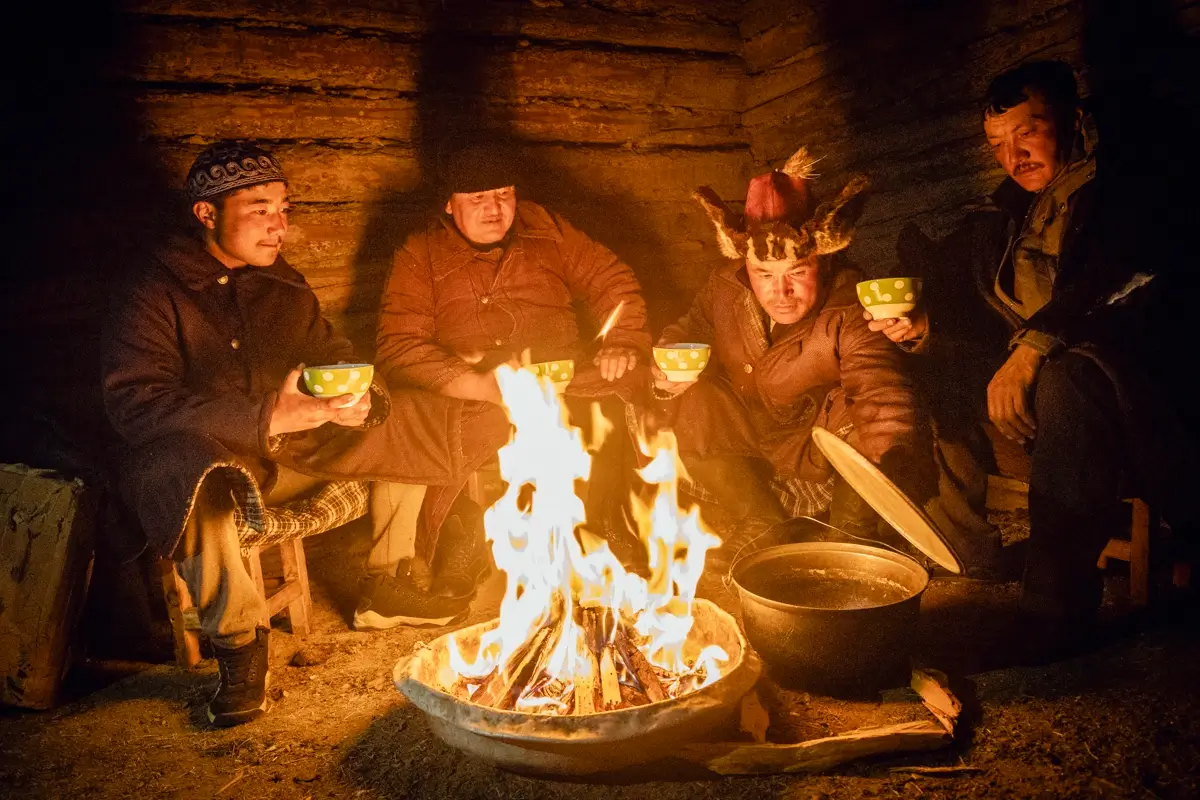
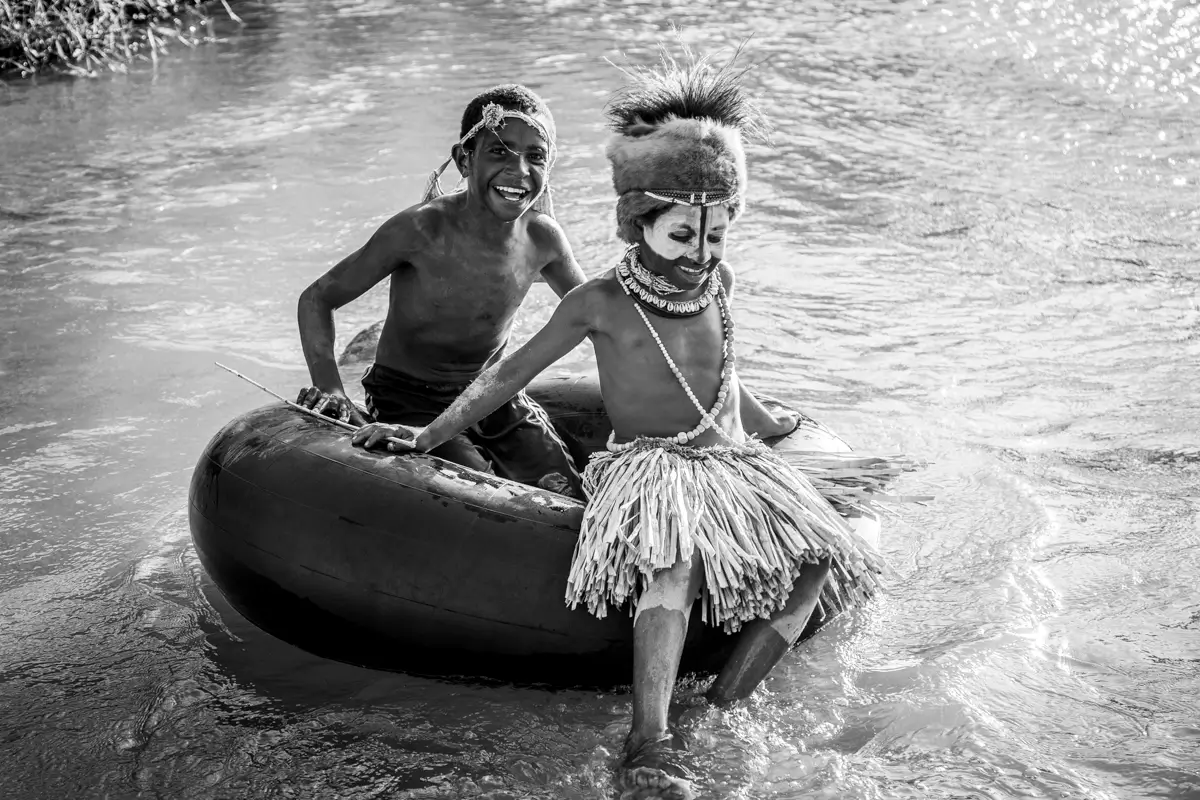
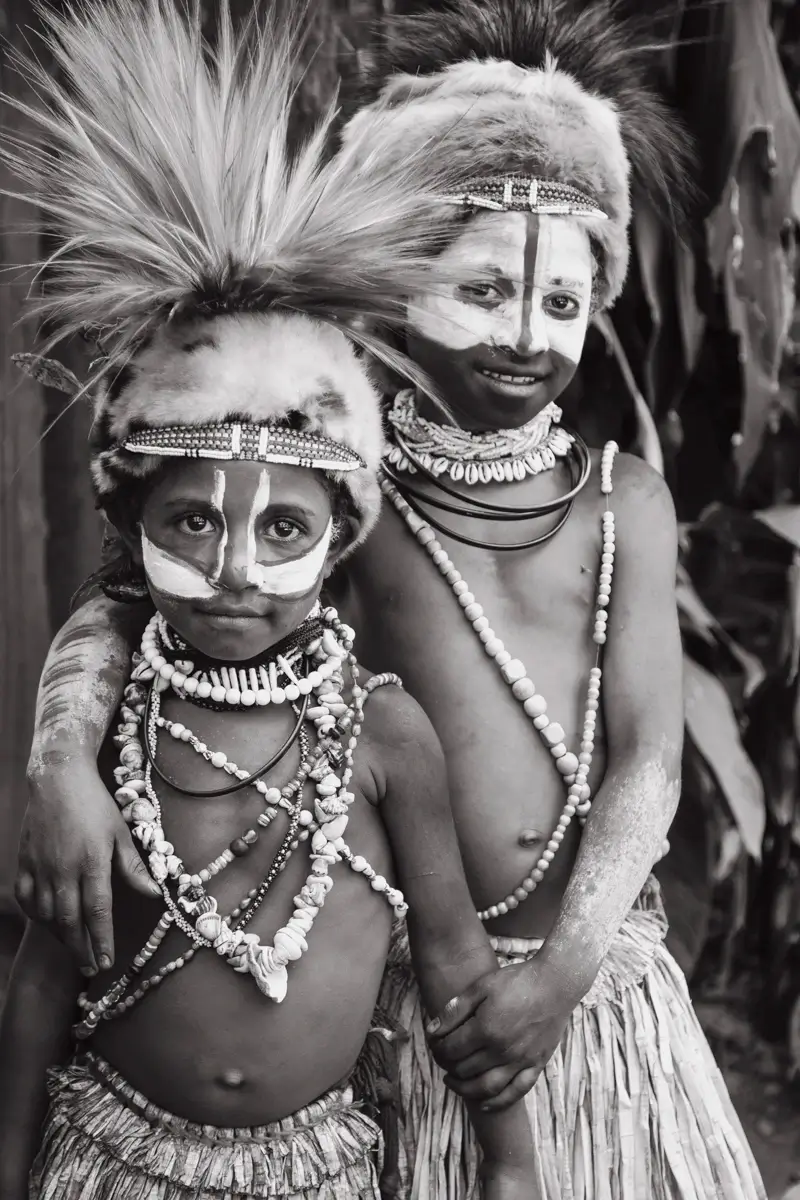
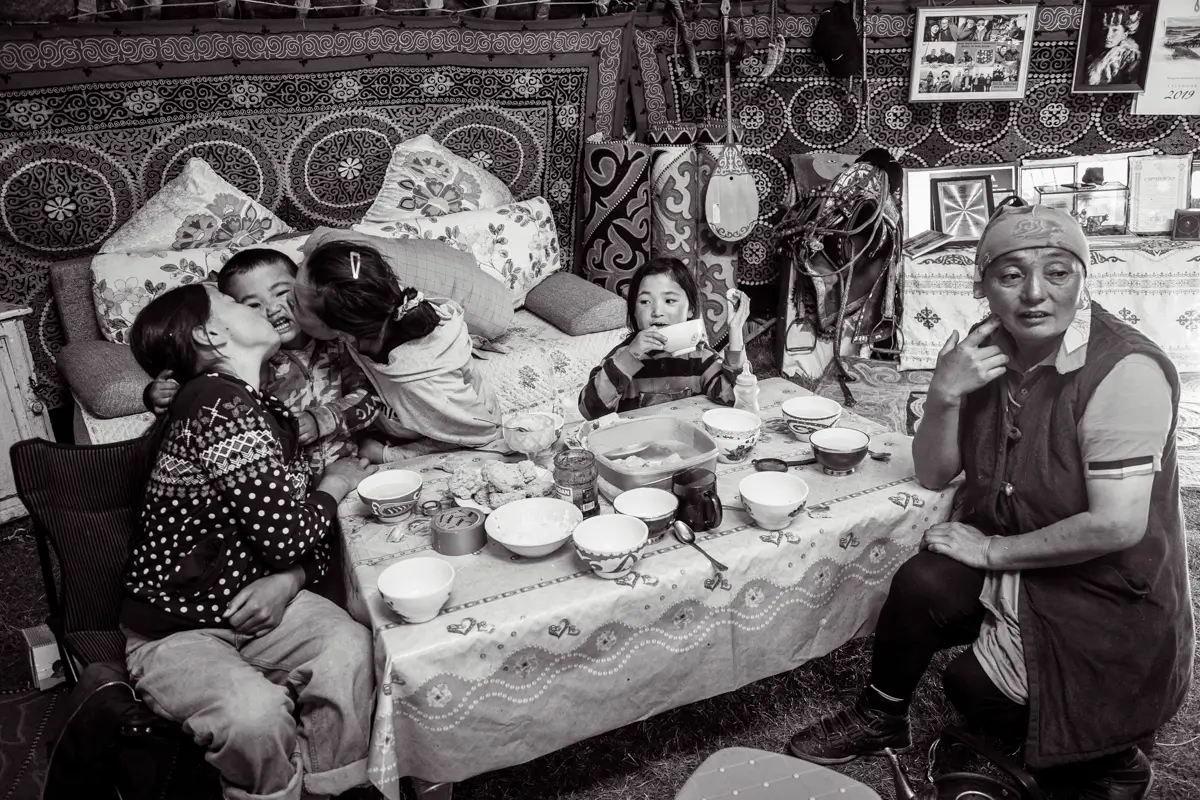
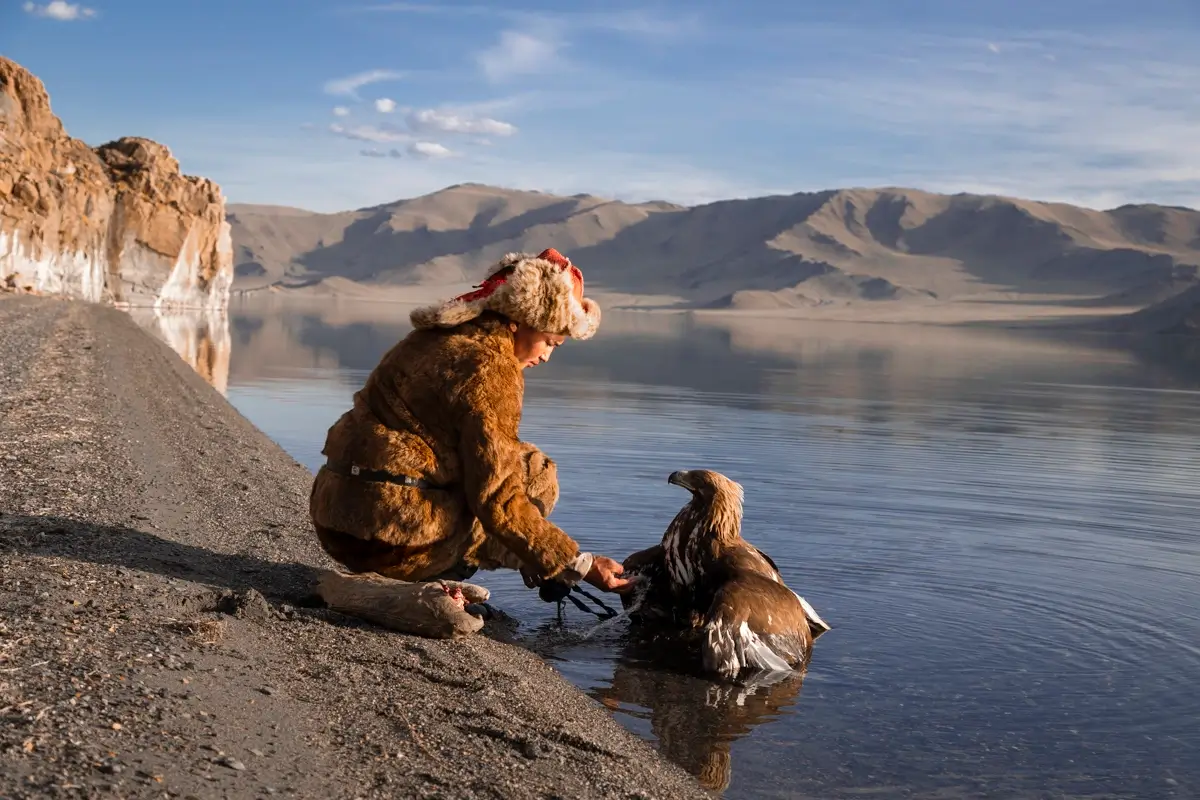
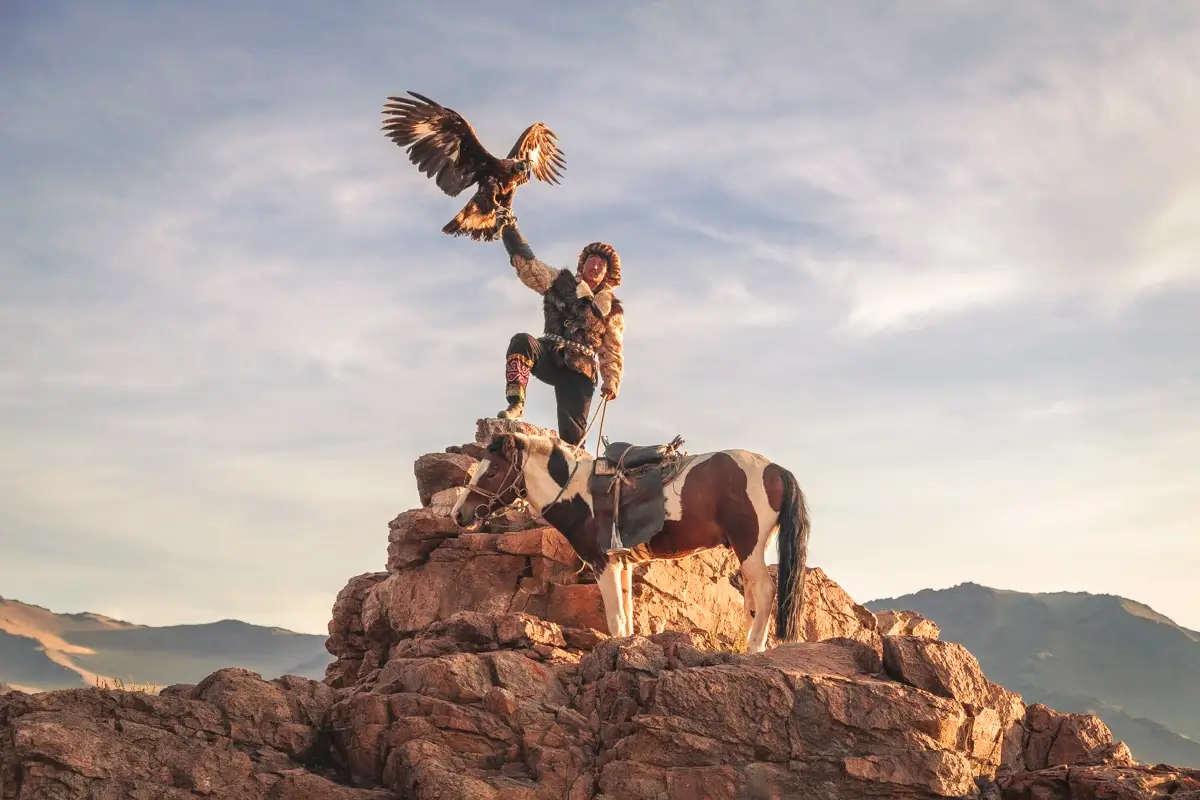
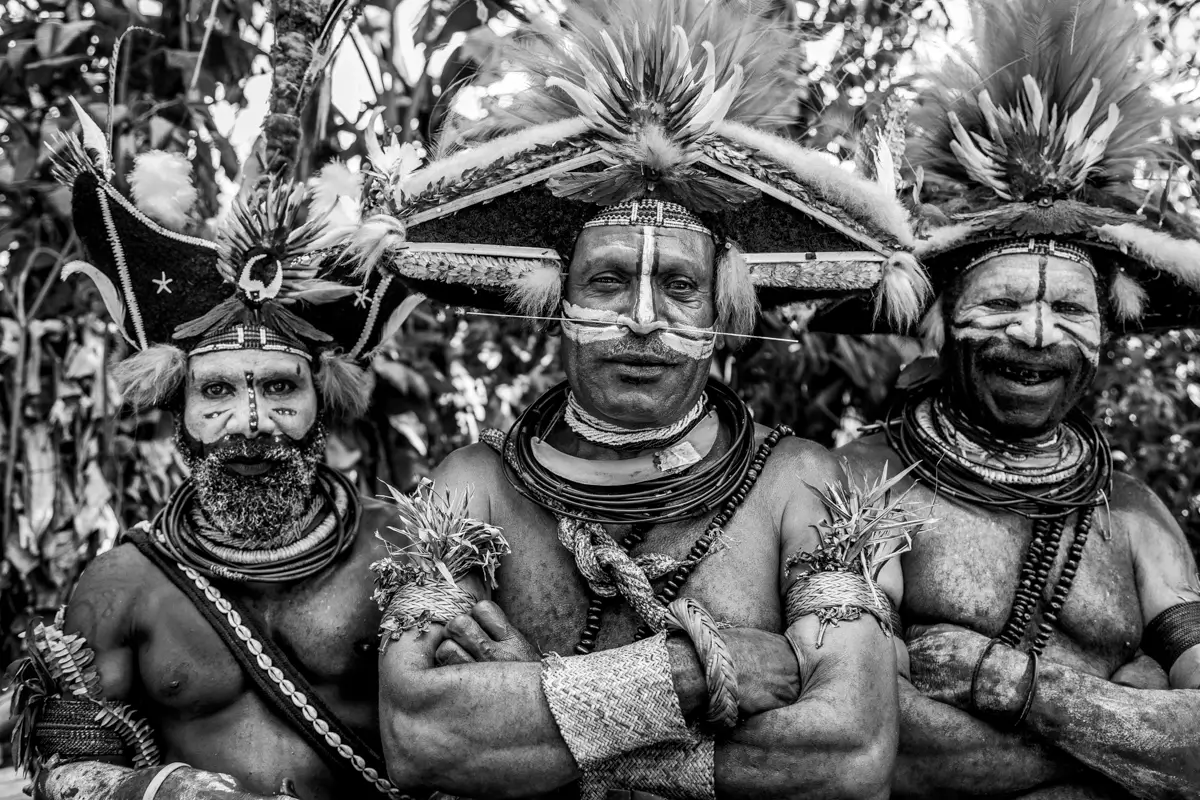
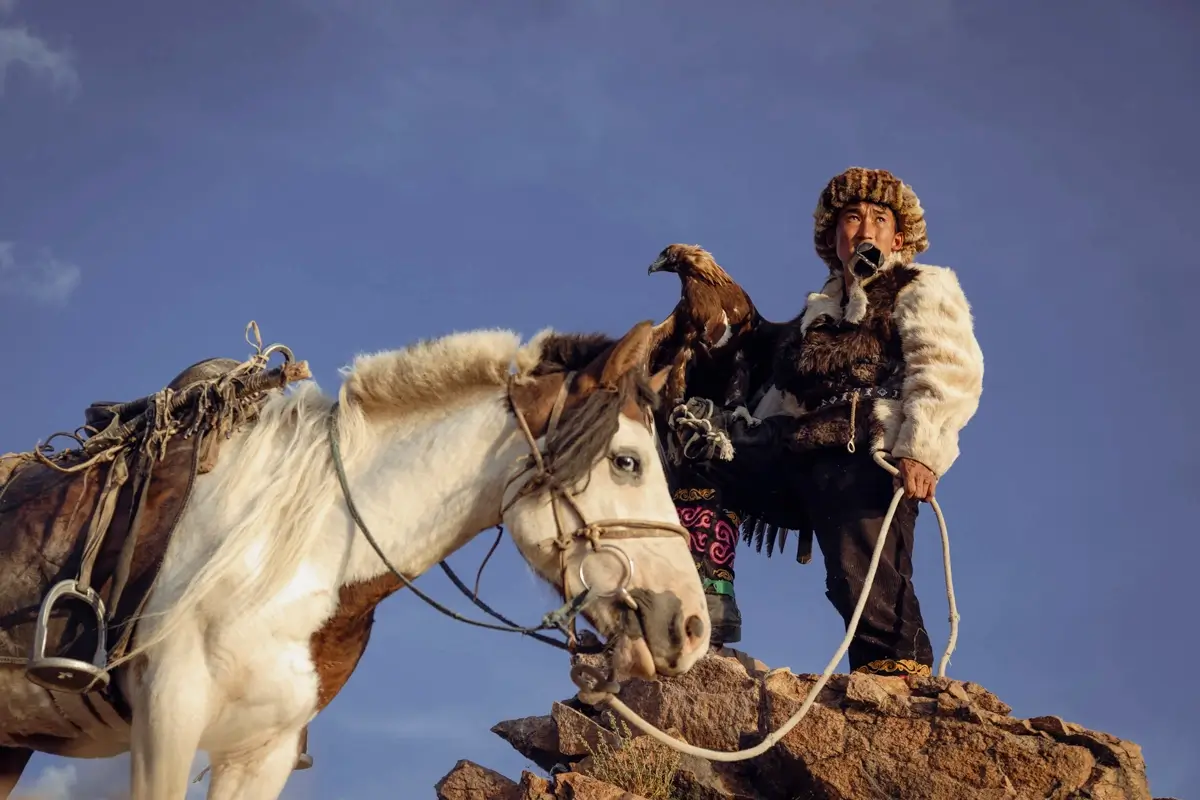
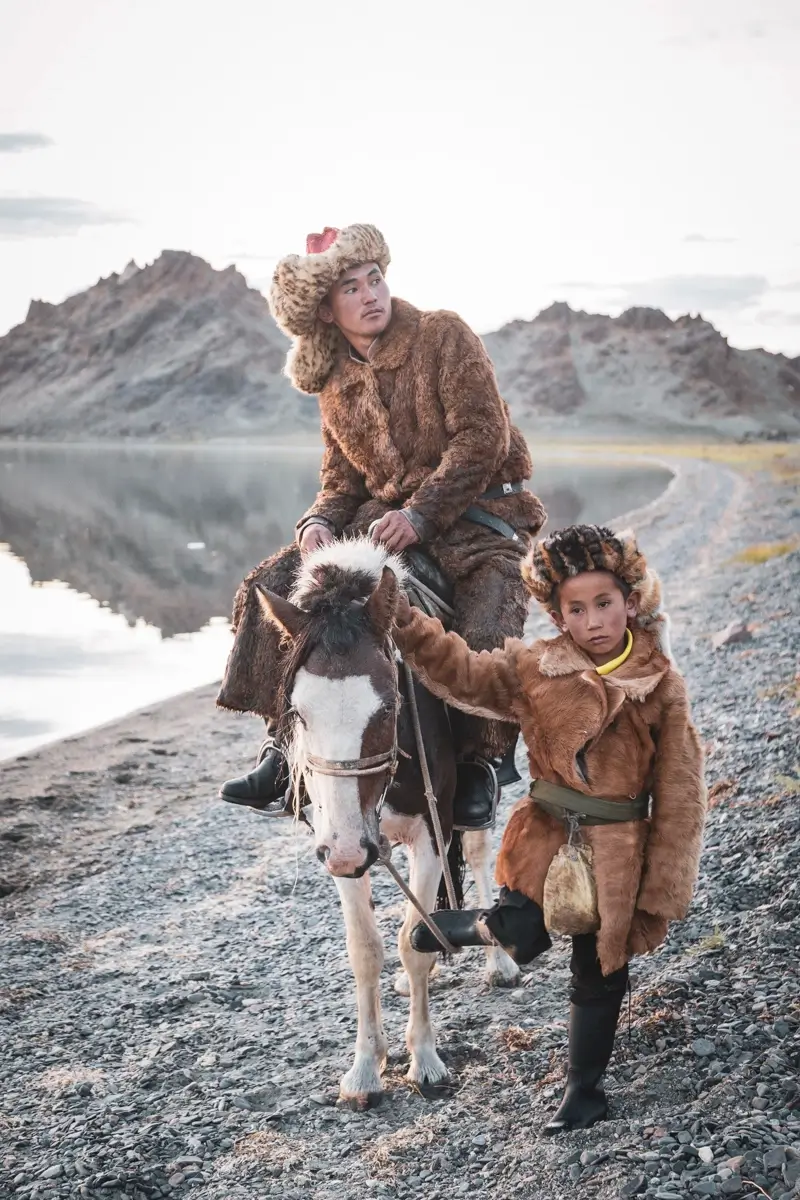
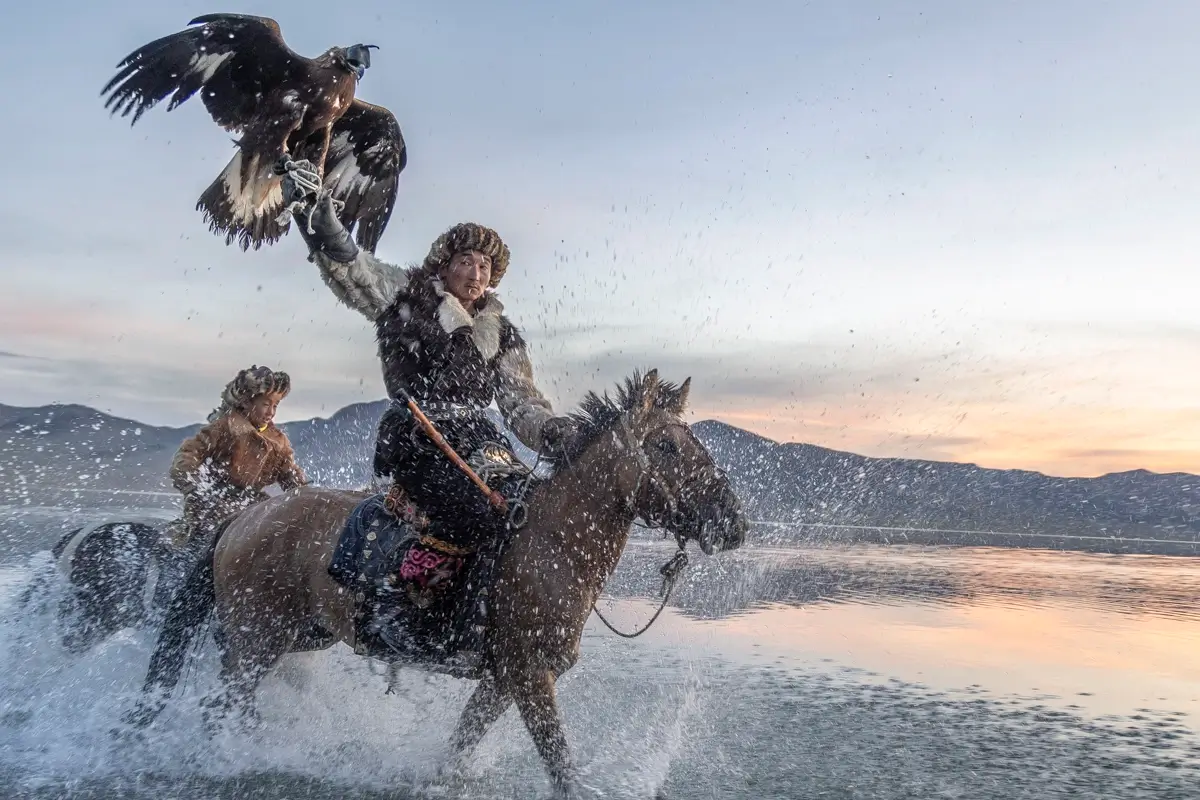
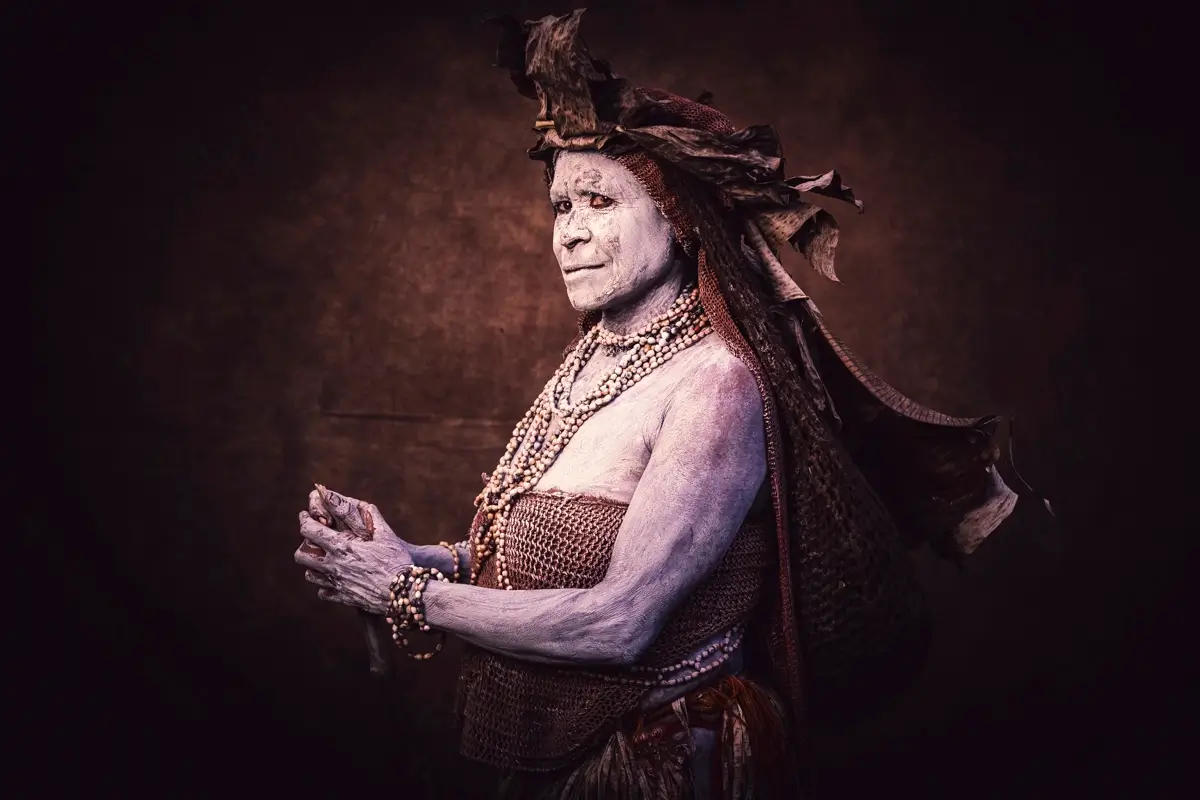
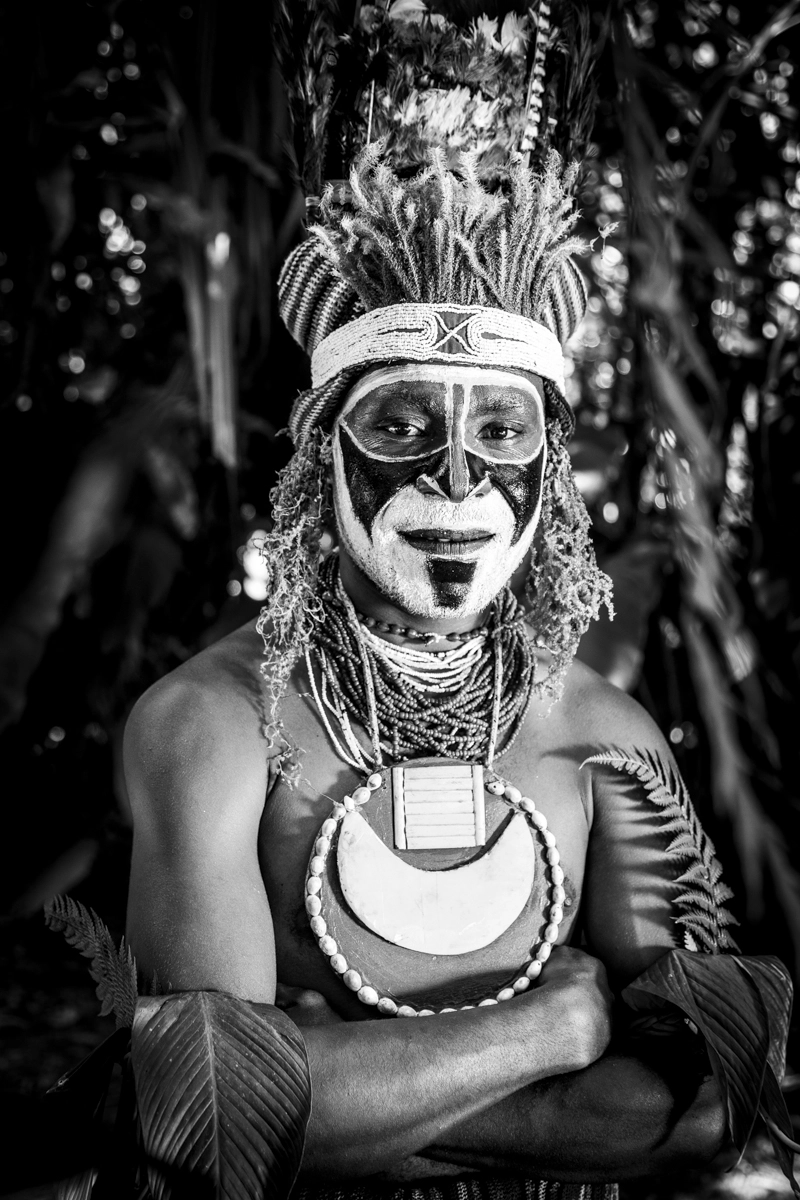
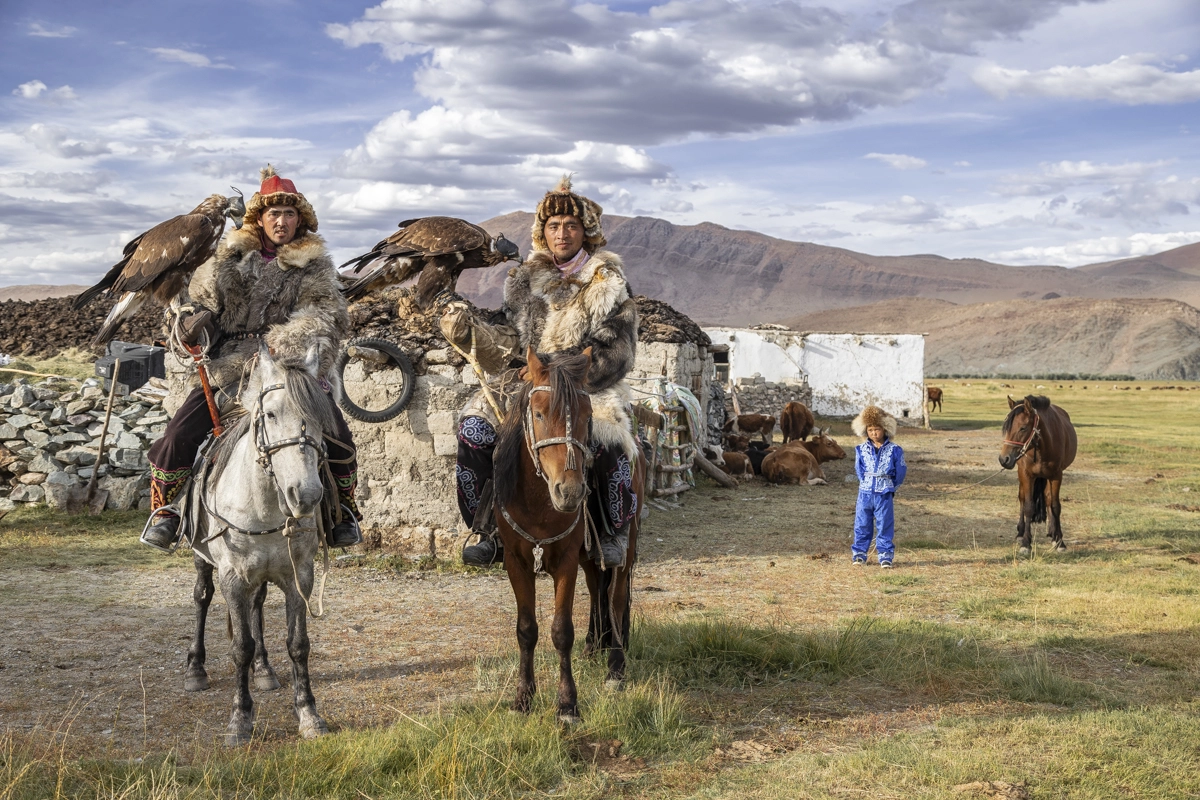
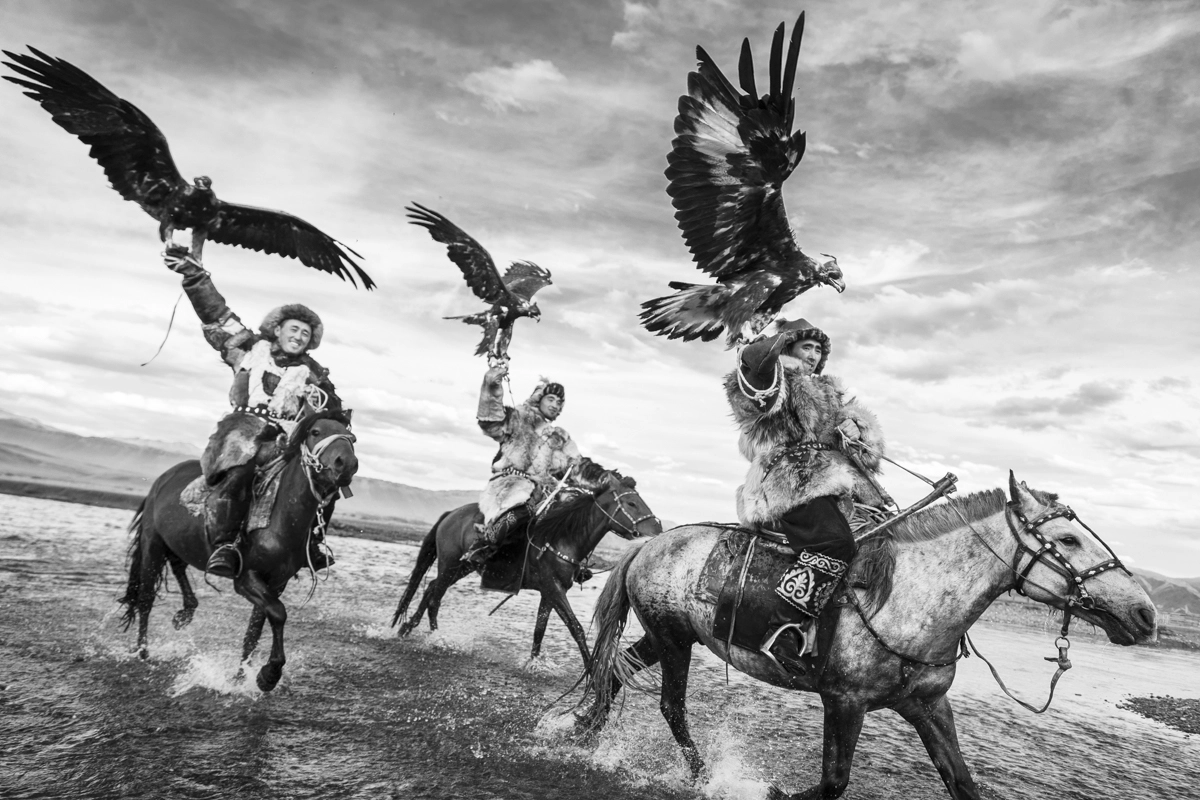
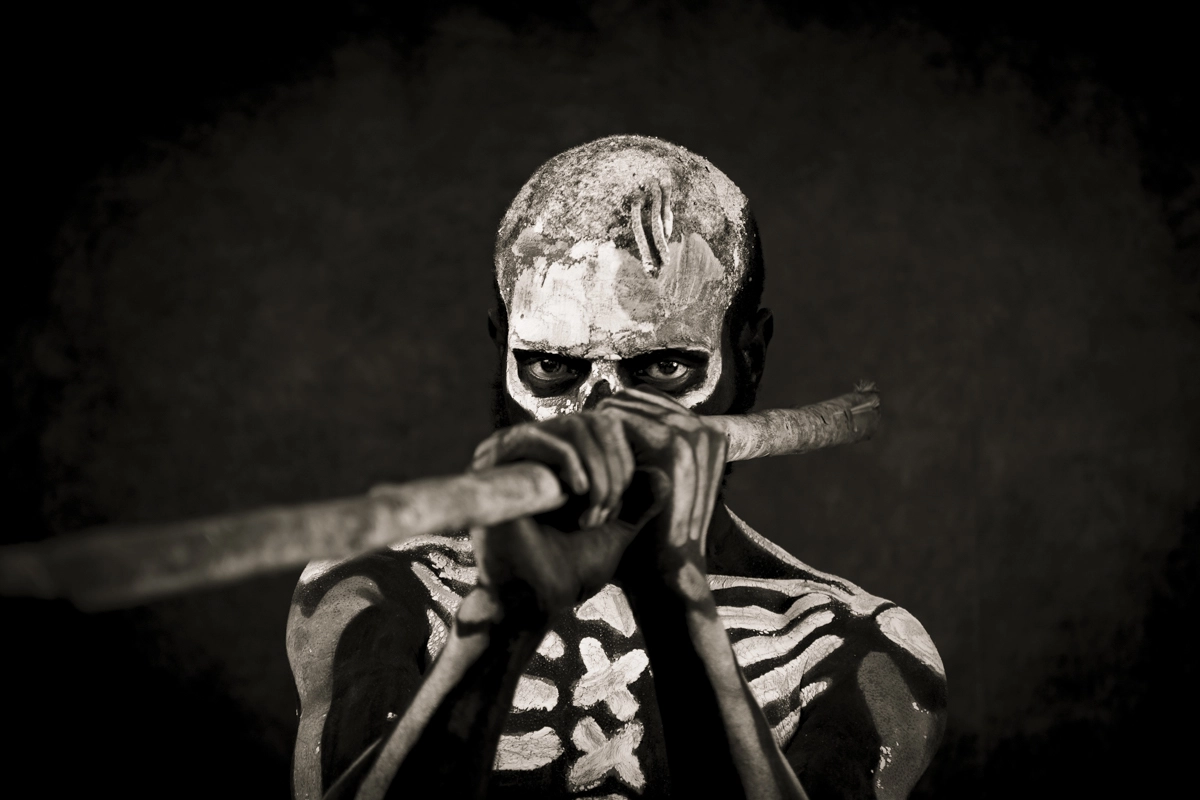
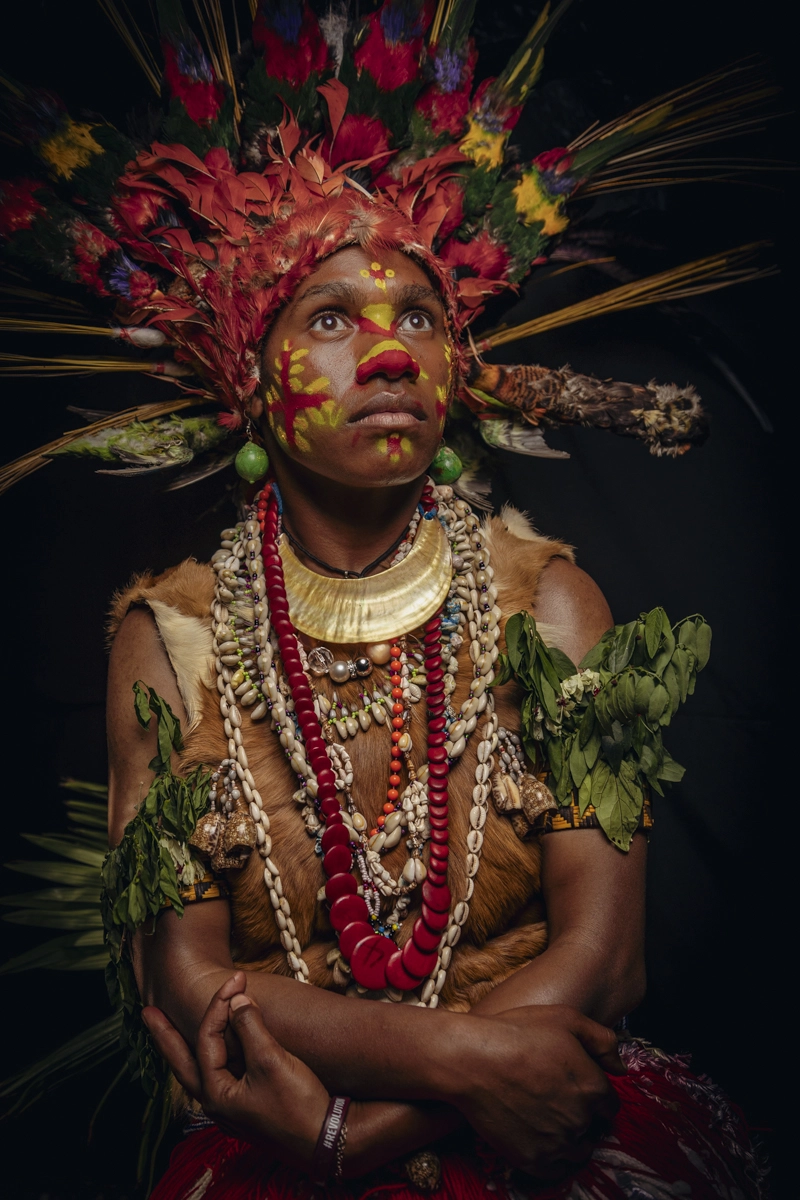
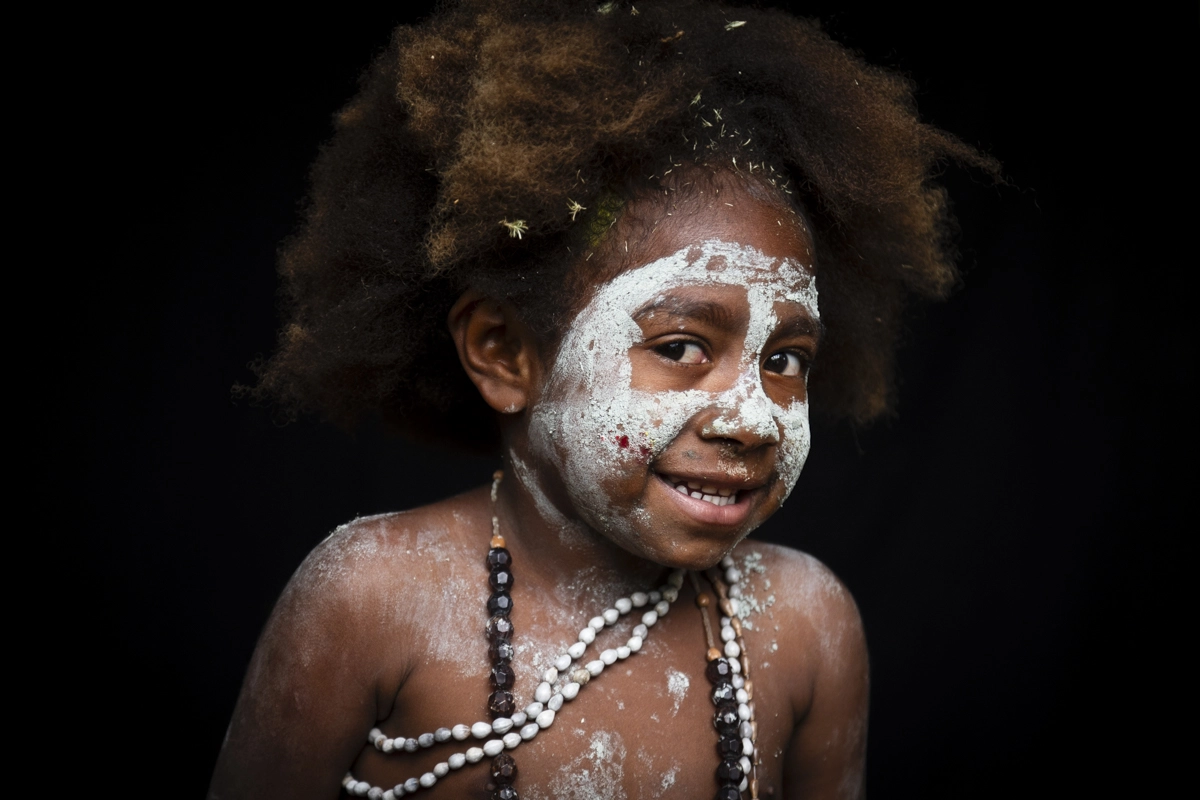
Lise Leino is a London-based Finnish photographer known for her compelling photojournalism and portraiture that highlights the richness of diverse cultures through the lens of human stories. With a background in television/film production and drama studies, Lise has developed a keen eye for visual storytelling, which she further refined at the New York Institute of Photography. Her work has garnered accolades, including the Portrait of Britain award Vol. 7.

Lise is deeply interested in learning from indigenous tribes, as their views on ownership and connection to nature challenge conventional ideas and emphasize a sacred understanding of the natural world. This insight inspires her to explore themes of cultural identity and the interconnectedness of all living things while learning to live in awareness. Through her powerful visual narratives, she aims to bridge cultural gaps, highlighting the beauty and complexity of human experiences, inviting viewers to reflect on their own relationship with the world.

AAP Magazine:

AAP Magazine 53 Travels

 

Inspiring Portfolios

Call for Entries
AAP Magazine #55 Women
Publish your work in our printed magazine and win $1,000 cash prizes
 
Stay up-to-date  with call for entries, deadlines and other news about exhibitions, galleries, publications, & special events.

More Great Photographers To Discover

Louise Dahl-Wolfe
United States
1895 | † 1989
Louise Dahl-Wolfe was an American photographer. She is known primarily for her work for Harper's Bazaar, in association with fashion editor Diana Vreeland. Louise Emma Augusta Dahl was born November 19, 1895 in San Francisco, California to Norwegian immigrant parents; she was the youngest of three daughters. In 1914, she began her studies at the California School of Fine Arts (now the San Francisco Institute of Art), where she studied design and color with Rudolph Schaeffer, and painting with Frank Van Sloan. She took courses in life drawing, anatomy, figure composition and other subjects over the next six years. After graduating, Dahl-Wolfe worked in designing electric signs and interiors. In 1921, Dahl-Wolfe met with photographer Anne Brigman, who inspired her to take up photography. Her first dark-room enlarger was a makeshift one she built herself, which used a tin can, an apple crate, and a part of a Ghirardelli chocolate box for a reflector. She studied design, decoration and architecture at Columbia University, New York in 1923. From 1927 to 1928, Dahl-Wolfe traveled with photographer Consuelo Kanaga, who furthered her interest in photography. Her first published photograph, titled Tennessee Mountain Woman, was published in Vanity Fair (U.S. magazine 1913–36). In 1928 she married the sculptor Meyer Wolfe, who constructed the backgrounds of many of her photos. Dahl-Wolfe was known for taking photographs outdoors, with natural light in distant locations from South America to Africa in what became known as "environmental" fashion photography. Compared to other photographers at the time who were using red undertones, Dahl-Wolfe opted for cooler hues and also corrected her own proofs, with one example of her pulling proofs repeatedly to change a sofa's color from green to a dark magenta. She preferred portraiture to fashion photography. Notable portraits include: Mae West, Cecil Beaton, Eudora Welty, W. H. Auden, Christopher Isherwood, Orson Welles, Carson McCullers, Edward Hopper, Colette and Josephine Baker. She is known for her role in the discovery of a teenage Lauren Bacall whom she photographed for the March 1943 cover of Harper's Bazaar. One of her favorite subjects was the model Mary Jane Russell, who is estimated to have appeared in about thirty percent of Dahl-Wolfe's photographs. She was a great influence on photographers Irving Penn and Richard Avedon. One of her assistants was fashion and celebrity photographer, Milton H. Greene. From 1933 to 1960, Dahl-Wolfe operated a New York City photographic studio that was home to the freelance advertising and fashion work she made for stores including Bonwit Teller and Saks Fifth Avenue. From 1936 to 1958 Dahl-Wolfe was a staff fashion photographer at Harper’s Bazaar. She produced portrait and fashion photographs totaling 86 covers, 600 color pages and countless black-and-white shots. She worked with editor Carmel Snow, art director Alexey Brodovitch and fashion editor Diana Vreeland, and traveled widely. In 1950, she was selected for "America's Outstanding Woman Photographers" in the September issue of Foto. From 1958 until her retirement in 1960, Dahl-Wolfe worked as a freelance photographer for Vogue, Sports Illustrated, and other periodicals. Louise Dalhl-Wolfe lived many of her later years in Nashville, Tennessee. She died in New Jersey of pneumonia in 1989. The full archive of Dahl-Wolfe's work is located at the Center for Creative Photography (CCP) at the University of Arizona in Tucson, which also manages the copyright of her work. In 1999, her work was the subject of a documentary film entitled Louise Dahl-Wolfe: Painting with Light. The film featured the only surviving modern footage of Dahl-Wolfe, including extensive interviews. It was written and directed by Tom Neff, edited by Barry Rubinow and produced by Neff and Madeline Bell.Source: Wikipedia Born in Alameda, California, Dahl-Wolfe studied at the San Francisco Institute of Art. In 1921, while working as a sign painter, she discovered the photographs of Anne Brigman, a Pictorialist based in California and associated with the Stieglitz circle in New York. Although greatly impressed by Brigman's work, Dahl-Wolfe did not take up photography herself until the early 1930s. Travel with the photographer Consuelo Kanaga in Europe in 1927-28 piqued her interest in photography once again. In 1932, when she was living with her husband near the Great Smoky Mountains, she made her first published photograph, Tennessee Mountain Woman. After it was published in Vanity Fair in 1933, she moved to New York City and opened a photography studio, which she maintained until 1960. After a few years producing advertising and fashion photographs for Woman's Home Companion, Saks Fifth Avenue, and Bonwit Teller, she was hired by Carmel Snow as a staff fashion photographer for Harper's Bazaar in 1936. Dahl-Wolfe remained with the magazine until 1958, after which time she accepted freelance assignments from Vogue and Sports Illustrated until her retirement in 1960. Dahl-Wolfe was especially well-known during the infancy of color fashion photography for her exacting standards in reproducing her images. Her insistence on precision in the color transparencies made from her negatives resulted in stunning prints whose subtle hues and unusual gradations in color set the standard for elegance in the 1940s and 1950s. In addition, she pioneered the active yet sophisticated image of the "New Woman" through her incorporation of art historical themes and concepts into her photographs.Source: International Center of Photography "I believe that the camera is a medium of light, that one actually paints with light. In using the spotlights with reflecting lights, I could control the quality of the forms revealed to build a composition. Photography, to my mind, is not a fine art. It is splendid for recording a period of time, but it has definite limitations, and the photographer certainly hasn't the freedom of the painter. One can work with taste and emotion and create an exciting arrangement of significant form, a meaningful photograph, but a painter has the advantage of putting something in the picture that isn't there or taking something out that is there. I think this makes painting a more creative medium." — Louise Dahl-Wolf, 1984 Dahl-Wolfe preferred portraiture to fashion work, and while at Harper's she photographed cultural icons and celebrities including filmmaker Orson Wells, writer Carson McCullers, designer Christian Dior, photographer Cecil Beaton, writer Colette, and broadcast journalist Edward R. Murrow. In addition to her Harper's responsibilities, Dahl-Wolfe was able to pursue her own vision in the studio and sometimes even while on assignment. For example, she asked a model to pose for the unpublished Nude in the Desert while on location in California's Mojave Desert shooting swimsuits that would appear in the May 1948 edition of Harper's. From 1958 until her retirement in 1960, Dahl-Wolfe worked as a freelance photographer for Vogue, Sports Illustrated, and other periodicals. Major exhibitions of her work include Women of Photography: An Historical Survey at San Francisco Museum of Modern Art; The History of Fashion Photography and Recollections: Ten Women of Photography at International Museum of Photography, George Eastman House, Rochester, New York; and Portraits at the Center for Creative Photography, University of Arizona, Tucson. Retrospectives include shows at Grey Art Gallery, New York University; Cheekwood Fine Arts Center, Nashville, Tennessee; and Louise Dahl-Wolfe: A Ninetieth Birthday Salute at the Museum of Contemporary Photography, Chicago. Louise Dalh-Wolfe lived many of her later years in Nashville, Tennessee, though she died in New Jersey of pneumonia in 1989.Source: International Center of Photography
Nieves Mingueza
Nieves Mingueza is a lens-based, mixed media artist working with experimental photography, collage and text. Born in Spain, based in London. The often-cinematic themes in her projects have in common her fascination with old books, film stills, vintage cameras, poetry and minimal drawings. Ultimately, Nieves' work is about the foggy relationship between fiction and reality. In addition, she is currently exploring about immigration, mental health and human conflicts. Nieves' work has been exhibited widely, including Copeland Gallery -Peckham 24-, les Rencontres Internationales de la Photographie d'Arles, Fondazione Giorgio Cini, Retina Scottish International Photography Festival, The Royal Academy of Arts, PhotoEspaña, Saatchi Gallery and Tate Britain. Publications that have featured her work include Editorial 8mm, Fisheye magazine, Der Greif magazine, Low Light Magazine, Shots magazine, Eyemazing, Sarmad Magazine, YET Magazine and L'oeil de la photographie, among others. Lens Culture also featured a selection of her works. Recently, in July 2019, her first monograph book was released by IIKKI Books Editorial. About The malady of Suzanne "A few months ago, I moved to my new flat in South London. Once settled in my new home, I realised that the building had previously been a mental health hospital. In this hospital, people with mental health issues were treated and helped to reintegrate into society. One night, I was relaxing, reading in my living room. There was a sepulchral silence, and suddenly I heard a noise coming from the ceiling. I was scared and I noticed that there was a small loft. The next day, a neighbour helped me open the loft. Unexpectedly, we found a suitcase that contained photos, letters and documents that had belonged to a woman named Suzanne. Reading her letters, I learned that she was a Vietnamese woman who had been a teacher in her home country. There, she fell in love with an Englishman, and finally they decided to move to London together. This happened in 70s. Apparently she began to experience signs of a rare disease: loss of speech and isolation behaviour. I also found out from her documents that she had changed her name in London, because her real name was very difficult to pronounce for English people. She called herself Suzanne in honour of Leonard Cohen's song. By combining found archives with my documentary photography work, I am exploring the story of a Vietnamese female with mental issues in 70's London. This is an on-going project about the complex relationship between memory, immigration, mental health and human conflicts. Additionally, is there any reciprocation between Suzanne and myself? We have both lived in the same space. I am an immigrant in London, I work in a school, and I have modified my name because it was difficult for my students to pronounce. I also love silence. " -- Nieves Mingueza
Astrid Reischwitz
Astrid Reischwitz is a lens-based artist whose work explores storytelling from a personal perspective. Using keepsakes from family life, old photographs, and storytelling strategies, she builds a visual world of memory, identity, place, and home. Her current focus is the exploration of personal and collective memory influenced by her upbringing in Germany. Reischwitz has exhibited at national and international museums and galleries including Newport Art Museum, Griffin Museum of Photography, Danforth Art Museum, Photographic Resource Center, The Center for Fine Art Photography (CO), Rhode Island Center for Photographic Arts, Center for Photographic Art (CA), FotoNostrum, and Gallery Kayafas. She was a Top 50 photographer at Photolucida's Critical Mass in 2020, 2019 and 2016, and a Finalist for the 2017 Lens Culture Exposure Awards. She is the recipient of the Griffin Award 2020 and was awarded solo exhibitions at Soho Photo Gallery and The Center for Fine Art Photography. Reischwitz is a Category Winner at the 14th and 15th Julia Margaret Cameron Award for Women Photographers and at the 14th and 15th Pollux Awards. Honors also include Gold and Silver Medal Awards, a Portfolio Award and the Daylight Multimedia Award at the San Francisco International Photo Show. Her work was featured in Fraction Magazine, Lenscratch, LensCulture, What Will You Rembember?, Wired Japan, Il Post Italy, P3 Portugal, Aint-Bad Magazine, The Boston Globe, NRC Handelsblad Amsterdam, as well as other media outlets. Reischwitz is a graduate of the Technical University Braunschweig, Germany, with a PhD in Chemistry. Spin Club Tapestry An exploration of memory I grew up in a small farming village in Northern Germany. A village that is bound to its history and that stands out through its traditions even today. Long ago, village women met regularly in "Spinneklumps" (Spin Clubs) to spin wool, embroider, and stitch fabrics for their homes. I imagine their conversations as they worked, the beautiful stories that lifted their spirits, as well as the stories of sadness, sorrow and loss. In modern times, village women continued to meet in this tradition, but shared stories over coffee and cake instead of needlework. These close-knit groups of women often stayed together until their death. In this series, my composite images take the form of tapestries, combining images of embroidered Spin Club fabrics with new and old photographs from the village. I connect the present and the past by recreating and re-imagining pieces of the embroidery. Spin Club tablecloths, napkins and wall hangings (some dating back to 1799) have been passed down from generation to generation. By following the stitches in these fabrics, I follow a path through the lives of my ancestors - their layout of a perfect pattern and the mistakes they made. Along the way, I add my own mistakes. The fabrics also reveal the passage of time, stained and distorted after sometimes decades of use. The patterns I have stitched myself into the paper are only abstractions of the original Spin Club designs, fragments of memory. After all, memory is fleeting, and changed forever in the act of recollection. Sometimes the stitching is incomplete, creating an invitation for future generations. Every decision we make is influenced by our history, our environment, and the society we live in. The tapestry of my life belongs to me but is stitched through with the beauty and heartache of past generations. Discover the Spin Club Tapestry Solo Exhibition
Jorge Pozuelo
Spain
1977
Born in León in 1977, he began his photographic career in the 90s. He quit his job as a telecommunications technician to devote himself to photography where he did an MA in photography from the University of Canterbury. He always wanted to find the human side in all his photographs, playing with visual aggression and silence of space. In 2009 he took an year off and traveled the world and published “Picture Easy”, a book for all rules of photography, affordable for anyone to start in the world of photography. He worked for an year as a digital photographic technician, where he met all professional teams and medium format digital market issues resolved color management studies like Ricky Dávila and Isabel Muñoz. He has done work for companies like Unidental photographic, Silken Hotels, Tinkle, Adecco, AD, Truhko Make Up, FX Magazine, Life Smile or artistic bodies festival in Spain. In October 2011 he traveled to Doha for several editorials for the magazine “Qultura” for the government of Qatar. He has done several photo exhibitions, “BodyArt”, “TattooArt” or “walls of silence”, joint exhibition of great impact in the press and on TV Carabanchel prison. He has made a joint project with the photojournalist Ervin Sarkisov titled “Back to Life” where they follow up drug abusers. His presentation was in the 2011 grenade Alandaluz Photofestival double pass and very well received. In the course of months he has now approached to teaching, he runs a photography school in Madrid and tries to instill his passion for photography. He has given seminars on photographic lighting as both white and black, making the latter a small obsession in Madrid, Cordoba and Barcelona for different associations, municipalities and companies like Elincrom and Fotocasión.Source Artphotofeature.com
Flokje Van Lith
Netherlands
1969
Flokje van Lith (1969, Leiden, NL) studied photography at the Royal Academy of Arts, the Hague. Van Lith belongs to the first generation of artists to make full use of the newest Photoshop techniques. With apparent ease, she plays with the different realities that have developed independently of one another within the media of painting and photography. But appearance deceives; the making of the photograph is merely the first in a long line of decisions. The task of achieving the right result takes Van Lith weeks and sometimes months. In her work she explores childhood and its underlying traumas and issues as well as the beauty of innocence and adolescence. The final results, complex portraits of children and young adults, not only have a very aesthetic quality but also seem to tell the story of the subject.The influences of the Flemish Primitives, which can be found in the serenity of the works, but also the personal experience of the artist, resonate from the artworks. Van Lith won several awards for her work, such as the Silver Award (International Photography Awards), Silver Award (PX3 - Prix de la Photographie) and Third Place (Kontinent Awards). In addition her works have been exhibited at photo festivals nationally and internationally, such as Photo Festival Naarden and Photoville, New York. Awards: Kontinent Awards: Third Place, Fine-Art/ Single Image/ Professional, International Photography Awards: 8 x Honorable Mention, Fine-Art/ Portrait/ Professional, Fine Art Photo Awards: Professional Nominee, Portrait/Professional, International Color Awards 2015: Honorable Mention, Portrait/ Professional - International Photography Awards 2014: Silver Award, Fine-Art/ Professional - PX3-Prix de la Photographie, Paris, 2014: Silver Award, Fine-Art/ Professional - International Photography Award 2014: 8 x Honorable Mention, Fine-Art/ Professional - New Dutch Photography Talent 2013 - International Photography Award 2013: 4 x Honorable Mention, Fine-Art/ Professional - Photography Masters Cup 2011: 4 x Honorable Mention, Fine-Art/ Professional - International Photography Award 2011: 7 x Honorable Mention, Fine-Art/ Professional. Exhibitions: (Selection), 2015: Aqua Art Miami (USA), Art Fair COLOGNE (Germany), PAN Amsterdam, KunstRai, Rotterdam Contemporary Art Fair, LXRY (the Netherlands), 2014: Affordable Art Fair Hamburg (Germany), PAN Amsterdam, LXRY, Affordable Art Fair, Raw Art Fair, Realisme (the Netherlands), 2013: LXRY, PAN Amsterdam, Affordable Art Fair, (the Netherlands), 2012, Art Miami Context, Photoville New York, Art Wynwood (USA), PAN Amsterdam (the Netherlands), 2011: PAN Amsterdam, Photofestival Naarden (the Netherlands). Publications: 2015: LXRY Magazine, PF Magazine, 2014: Art Photo Feature (USA), 2013: Gooi en Eemlander (the Netherlands) 2012: Volkskrant Magazine, De Telegraaf, Haarlems Dagblad (the Netherlands)
Advertisement
AAP Magazine #55 Wmen
Win a Solo Exhibition in March
AAP Magazine #55 Wmen

Latest Interviews

Exclusive Interview with Anastasia Samoylova
Anastasia Samoylova is an American artist whose photographic practice is shaped by close observation and a deep attentiveness to place. Working between documentary and formal exploration, she photographs landscapes, architecture, and everyday scenes with a sensitivity to light, structure, and atmosphere. Since relocating to Miami in 2016, her work has increasingly focused on how environments—both natural and built—carry social, cultural, and emotional traces. We asked her a few questions about her practice and her way of seeing, to better understand the thoughts and experiences that shape her work—while allowing the images themselves to remain open and speak in their own time.
Exclusive Interview with Marijn Fidder
Marijn Fidder is a Dutch documentary photographer whose work powerfully engages with current affairs and contemporary social issues. Driven by a deep sense of social justice, she uses photography to speak on behalf of the voiceless and to advocate for the rights of those who are most vulnerable. Her images have been widely published in major international outlets including National Geographic, CNN Style, NRC Handelsblad, Volkskrant, GUP New Talent, and ZEIT Magazin. Her long-term commitment to disability rights—particularly through years of work in Uganda—culminated in her acclaimed project Inclusive Nation, which earned her the title of Photographer of the Year 2025 at the All About Photo Awards. She is also the recipient of multiple prestigious honors, including awards from World Press Photo and the Global Peace Photo Award. We asked her a few questions about her life and work.
Exclusive Interview with Josh S. Rose
Josh S. Rose is a multidisciplinary artist working across photography, film, and writing. His practice bridges visual and performing arts, with a strong focus on movement, emotion, and the expressive potential of the image. Known for his long-standing collaborations with leading dance companies and performers, Rose brings together authenticity and precise composition—a balance he describes as “technical romanticism.” His work has been commissioned and exhibited internationally, appearing in outlets such as Vogue, at the Super Bowl, in film festivals, and most recently as a large-scale installation for Lincoln Center for the Performing Arts. A sought-after collaborator, he has worked with major artists, cultural institutions, and brands, following a previous career as Chief Creative Officer at Interpublic Group and the founder of Humans Are Social. We asked him a few questions about his life and work.
Interview with Maureen Ruddy Burkhart
Photographer Maureen Ruddy Burkhart brings a quietly attentive and deeply human sensibility to her exploration of the world through images. Shaped by a life immersed in photography, film, and visual storytelling, her work is guided by intuition, observation, and an enduring interest in the emotional undercurrents of everyday life. With a practice rooted in both fine art traditions and documentary awareness, she approaches her subjects with sensitivity, allowing subtle moments to emerge naturally rather than be imposed. Her series Til Death, selected as the Solo Exhibition for February 2025, reflects this long-standing commitment to photography as a space for reflection rather than spectacle. Drawn to moments that exist just outside the expected frame, Burkhart’s images suggest narratives without resolving them, leaving room for ambiguity, humor, and quiet connection. We asked her a few questions about her life and work.
Exclusive Interview with Peter Ydeen
Winner of AAP Magazine #45 Travels, his series reflects this unique vision—capturing the spirit of place through subtle layers of light, color, and emotion. Whether traveling abroad or observing the rhythms of his own surroundings, Ydeen creates images that feel both grounded and enchanted, inviting viewers into a world where reality and reverie meet.
Exclusive Interview with Julie Wang
Chinese-born photographer Julie Wang brings a poetic, contemplative sensitivity to her visual exploration of the world. Having lived for nearly equal parts of her life in China, Europe, and the United States, she approaches her subjects with the nuanced perspective of someone shaped by many cultures. This blend of distance, curiosity, and emotional resonance infuses her work with a quiet depth, allowing her to reveal the fragile beauty and subtle tensions that often pass unnoticed.
Exclusive Interview with Ghawam Kouchaki
American photographer Ghawam Kouchaki brings a sharply observant and introspective gaze to the streets of Japan’s capital. Based in Los Angeles, he approaches Tokyo with the distance — and curiosity — of an outsider, allowing him to uncover the city’s subtle contradictions, quiet tensions, and fleeting gestures that often go unnoticed. His series Tokyo no no, selected as the Solo Exhibition for December 2024, explores the hidden undercurrents of urban life: the unspoken rules, the small ruptures in routine, the poetic strangeness found in everyday moments. Through muted tones, instinctive timing, and meticulous framing, Kouchaki reveals a Tokyo that exists somewhere between reality and imagination — both intimate and enigmatic. We asked him a few questions about his life and work.
Exclusive Interview with Tommi Viitala
Tommi Viitala, winner of AAP Magazine #44: Street, is a Finnish photographer celebrated for his striking and cinematic street photography. With a keen eye for atmosphere and composition, he captures fleeting urban moments that reveal the poetry of everyday life. His work often explores the tension between solitude and connection within contemporary cityscapes, blending documentary realism with artistic sensibility. Viitala’s photographs have been exhibited internationally and recognized for their strong visual storytelling and emotional depth. We asked him a few questions about his life and work.
Exclusive Interview with Robert Mack
Robert Mack is a California-based visual artist, photographer, and filmmaker. His fine art photography and films have been exhibited widely in the United States and Europe, with major shows at the Baltimore Museum of Art and the Reiss-Engelhorn Museum in Mannheim, Germany. Both institutions hold his work in their permanent collections. Working across different media, Mack has built a career exploring the complexities of human presence and representation. In 1981, while living in Baltimore, he produced The Perkins Project: Not Guilty by Reason of Insanity, a rare photographic and film study inside Maryland’s hospital for the criminally insane. These stark yet compassionate black-and-white portraits remain one of his most powerful and controversial bodies of work.
Call for Entries
AAP Magazine #55 Women
Publish your work in our printed magazine and win $1,000 cash prizes