All about photo.com: photo contests, photography exhibitions, galleries, photographers, books, schools and venues.
Win a Solo Exhibition in July 2026 + An Exclusive Interview!
Beidi Tu
Beidi Tu
Beidi Tu

Beidi Tu

Country: China

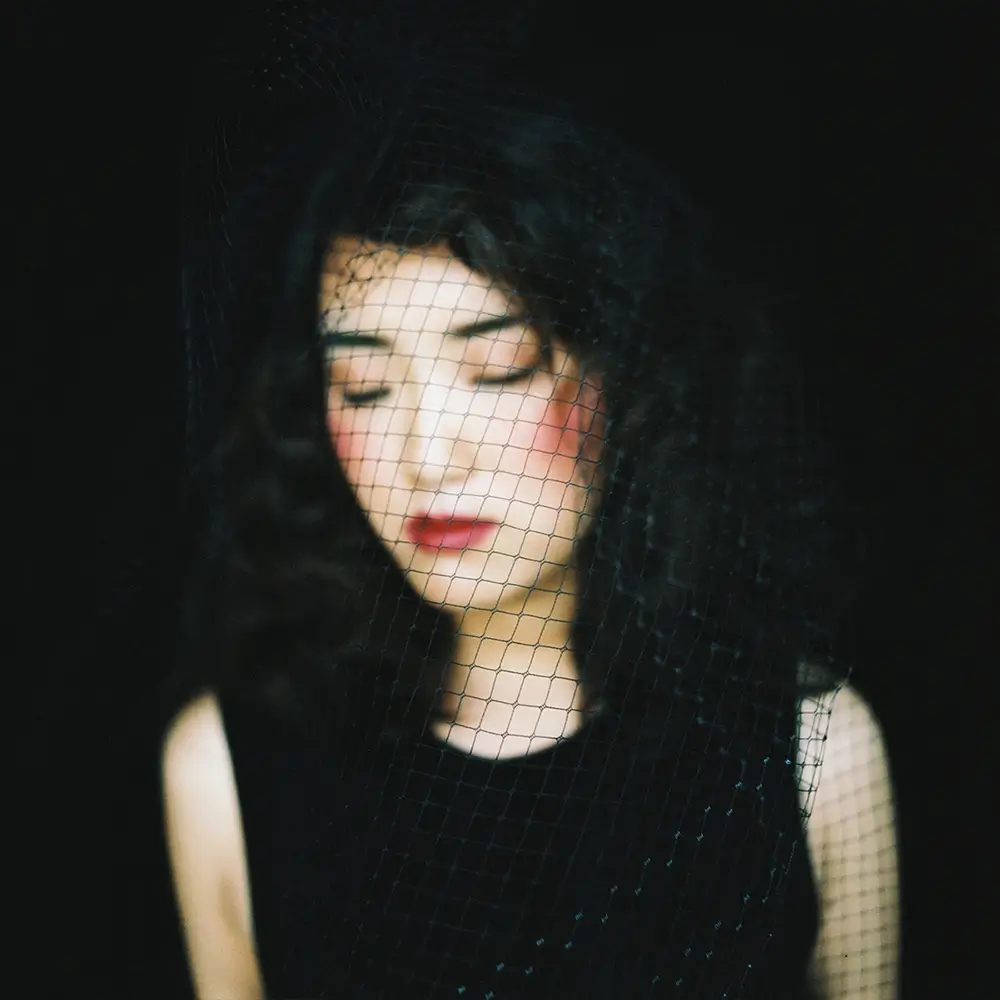
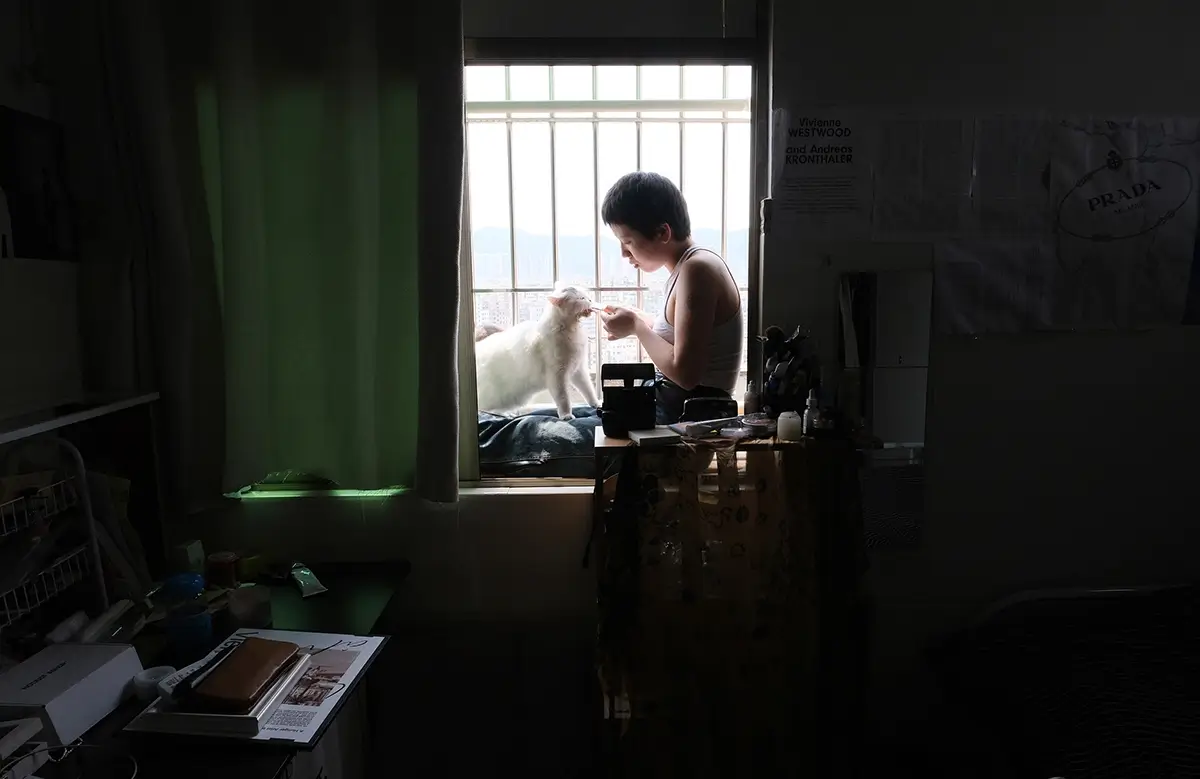
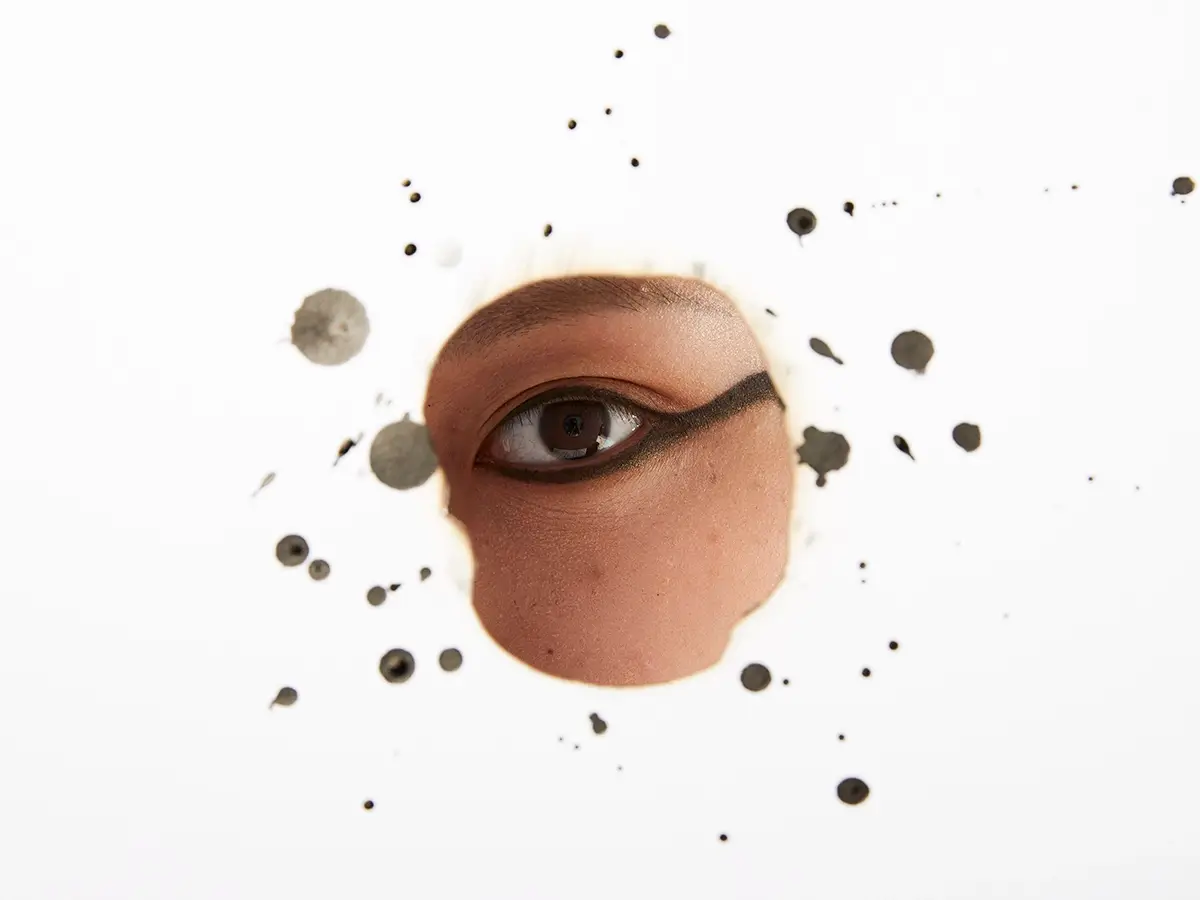
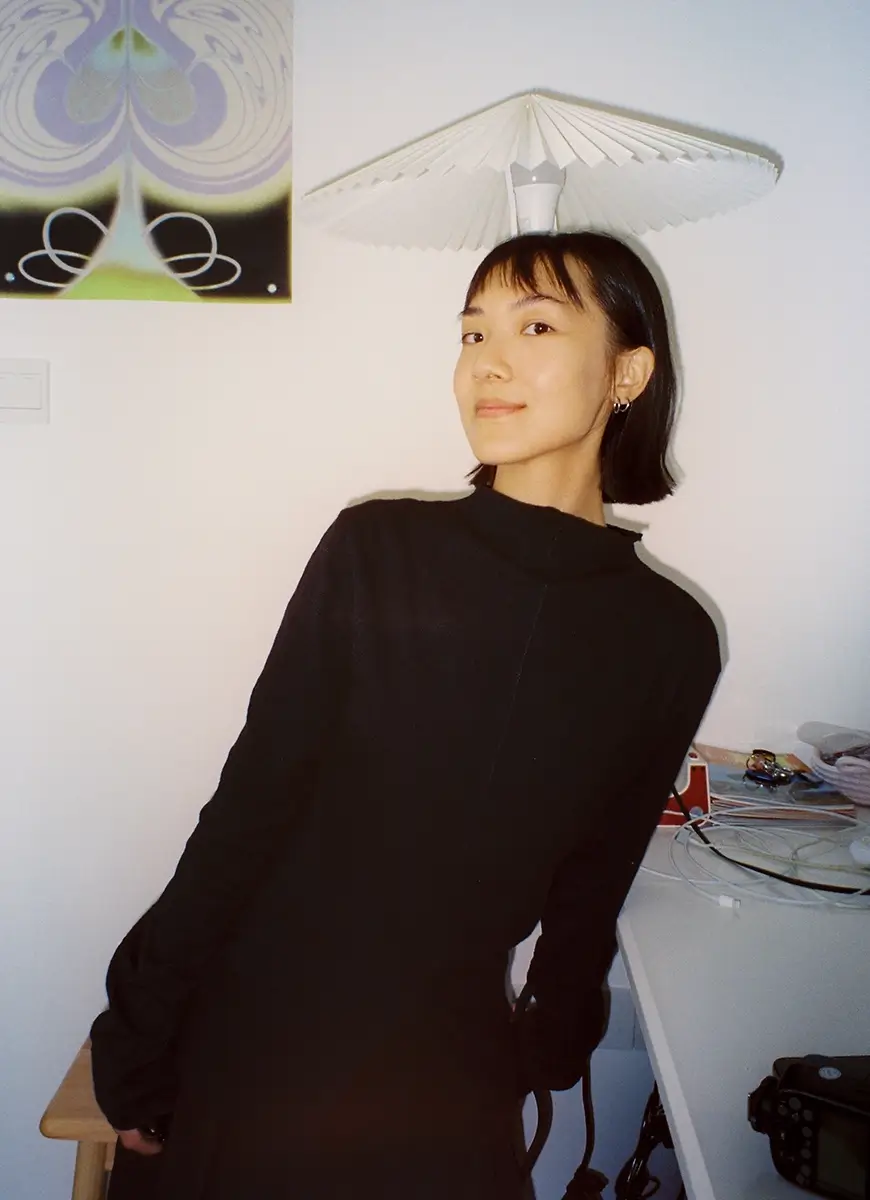
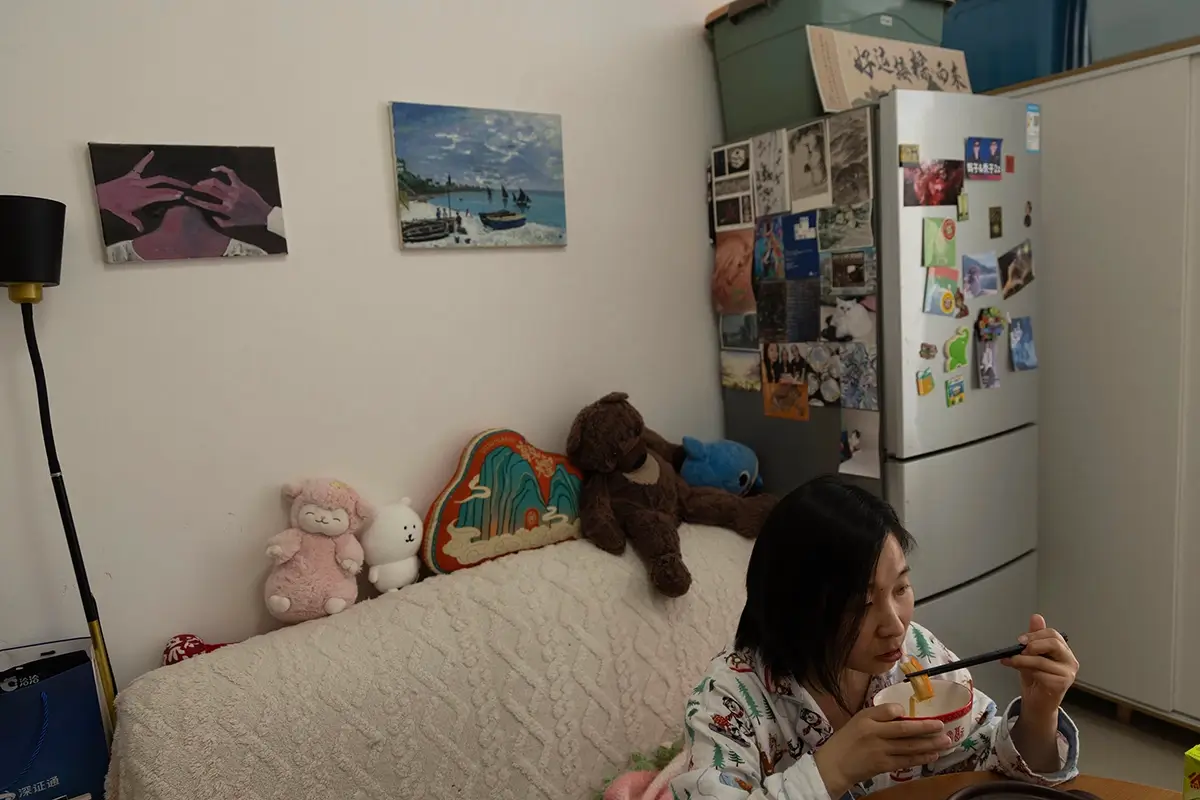
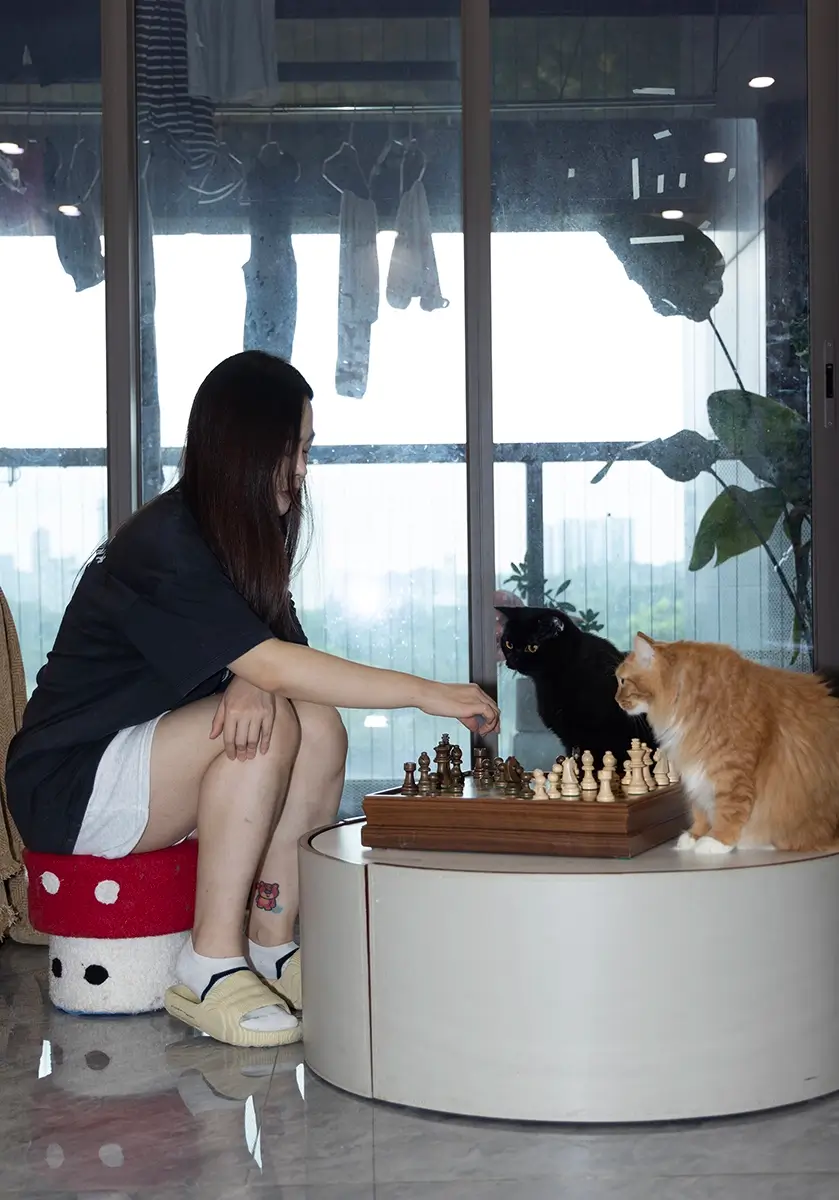
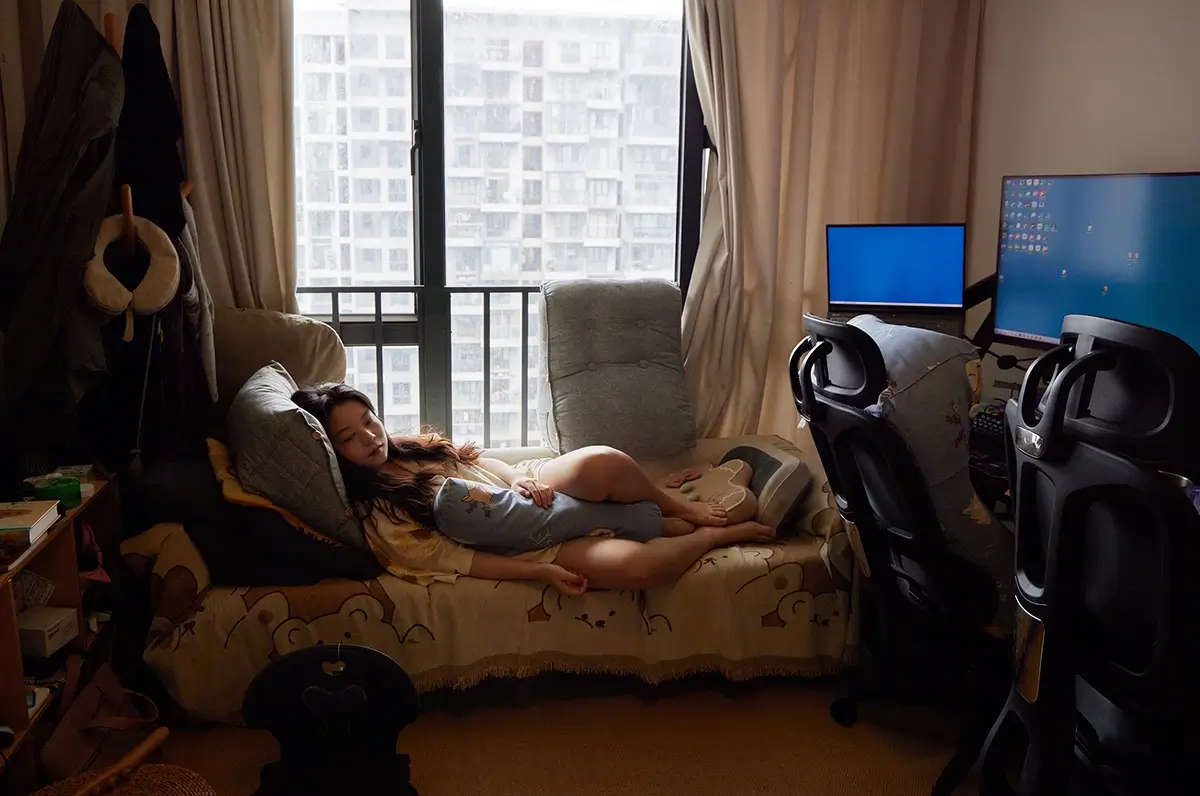
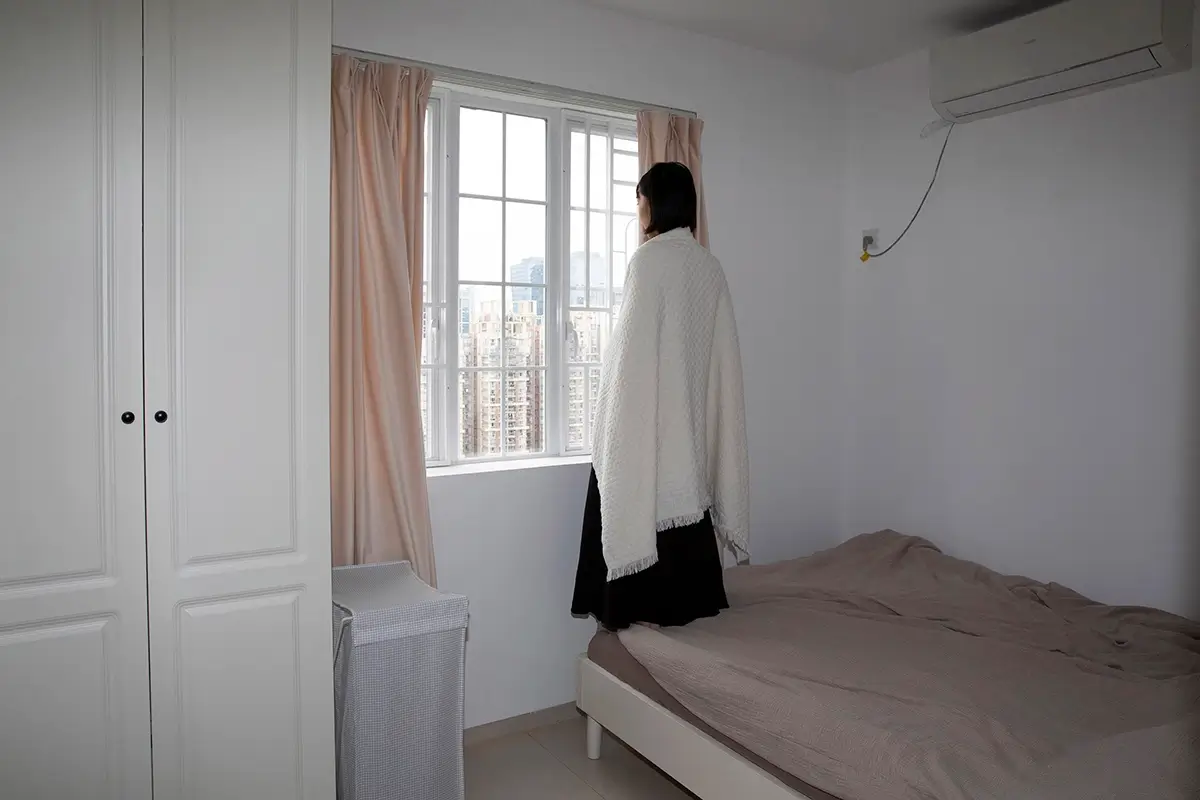
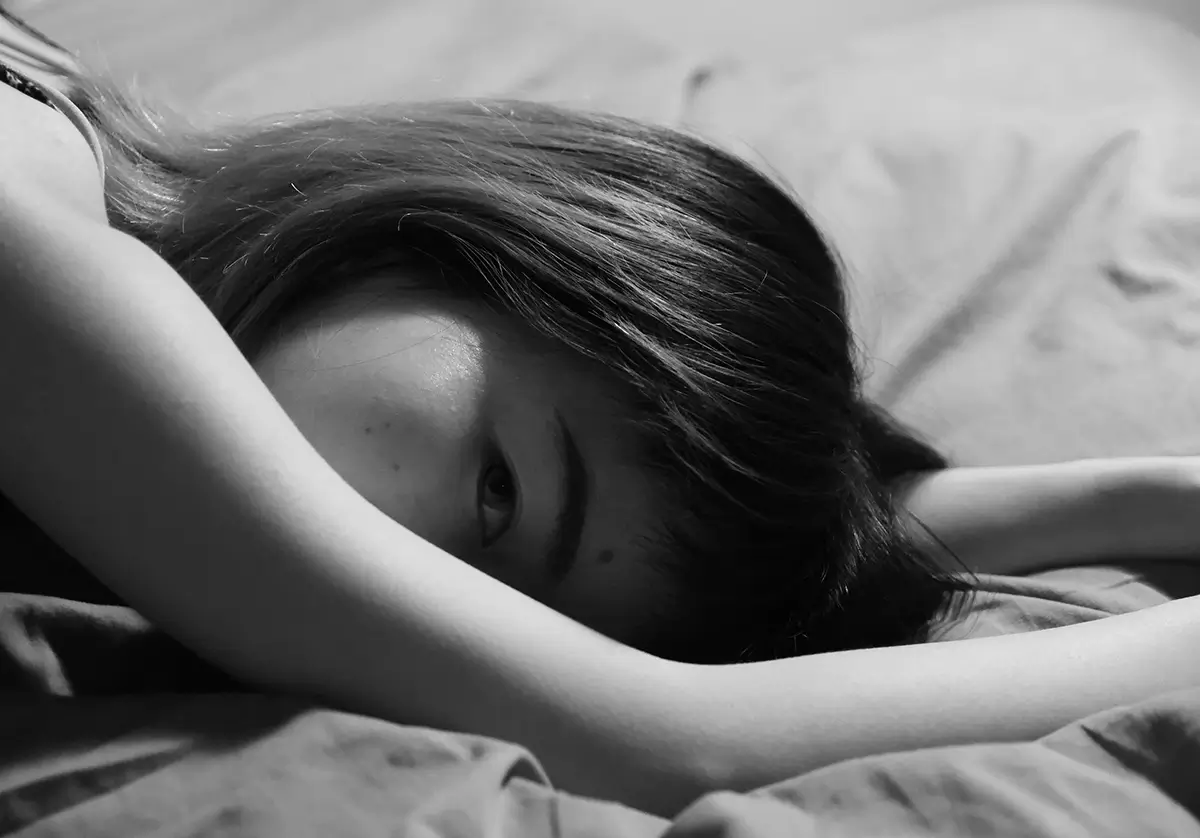
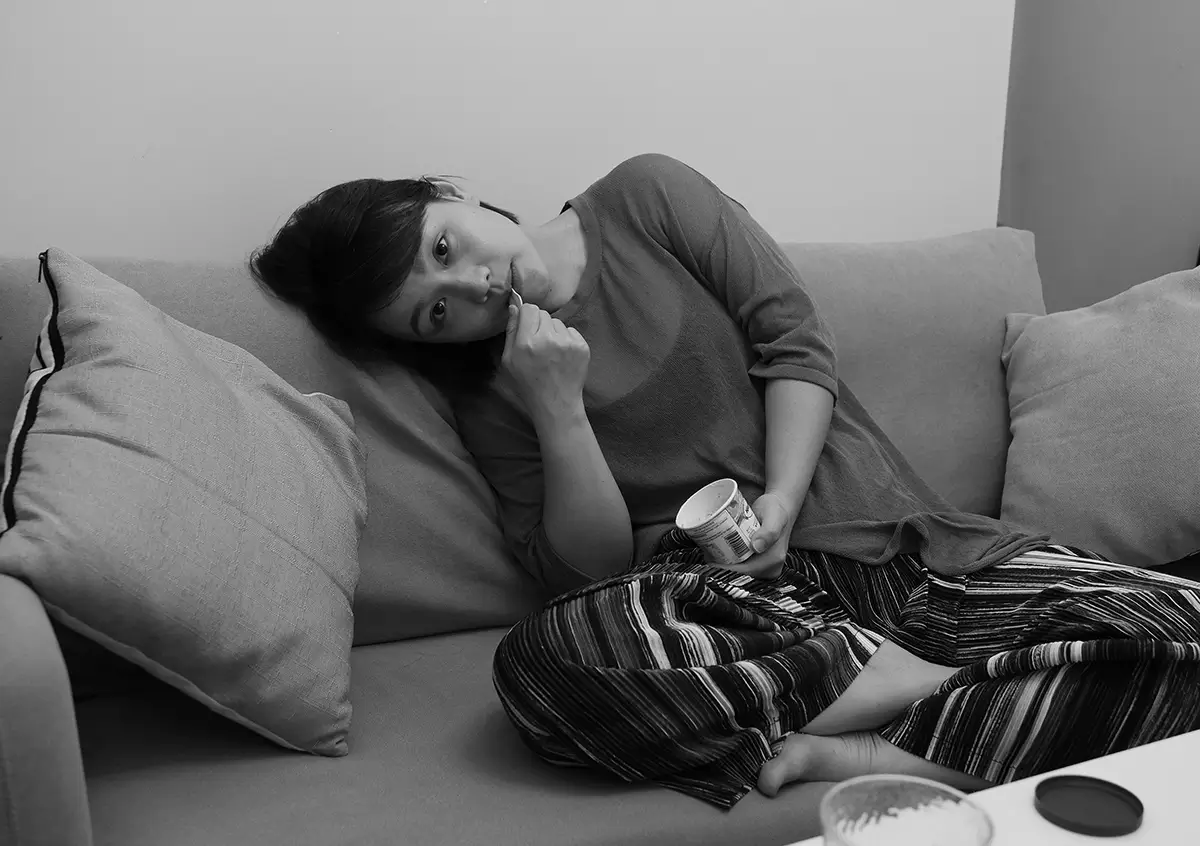
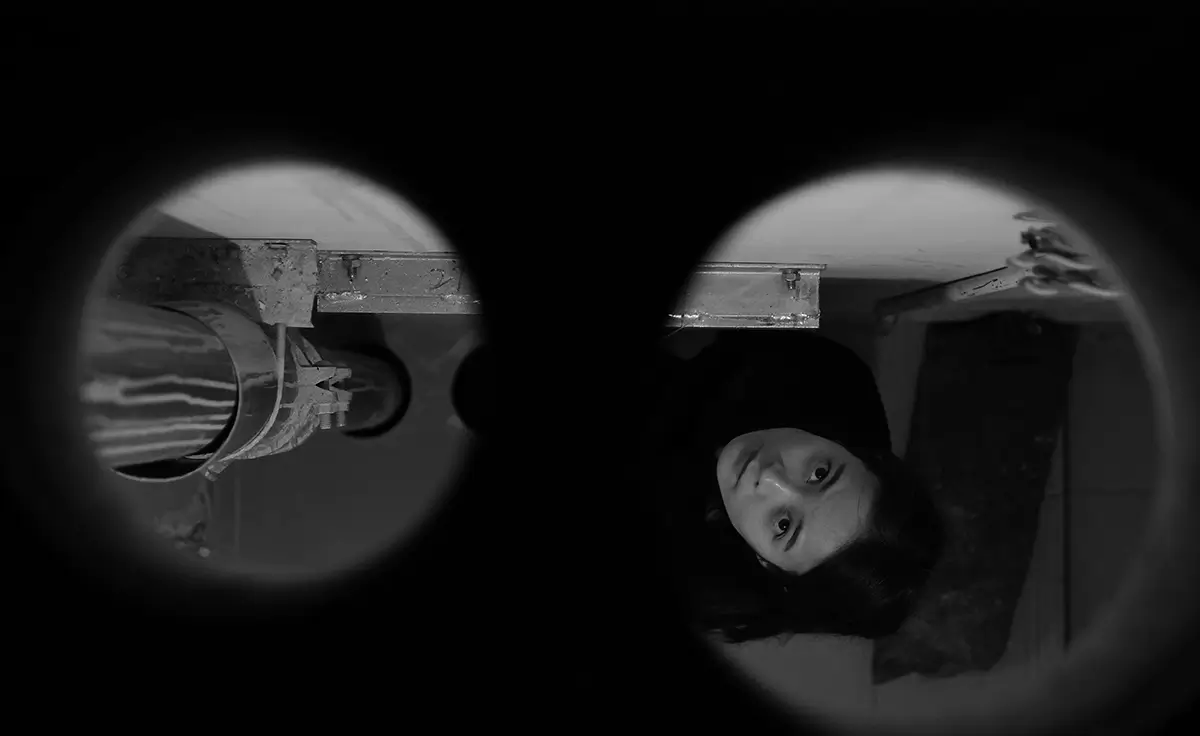
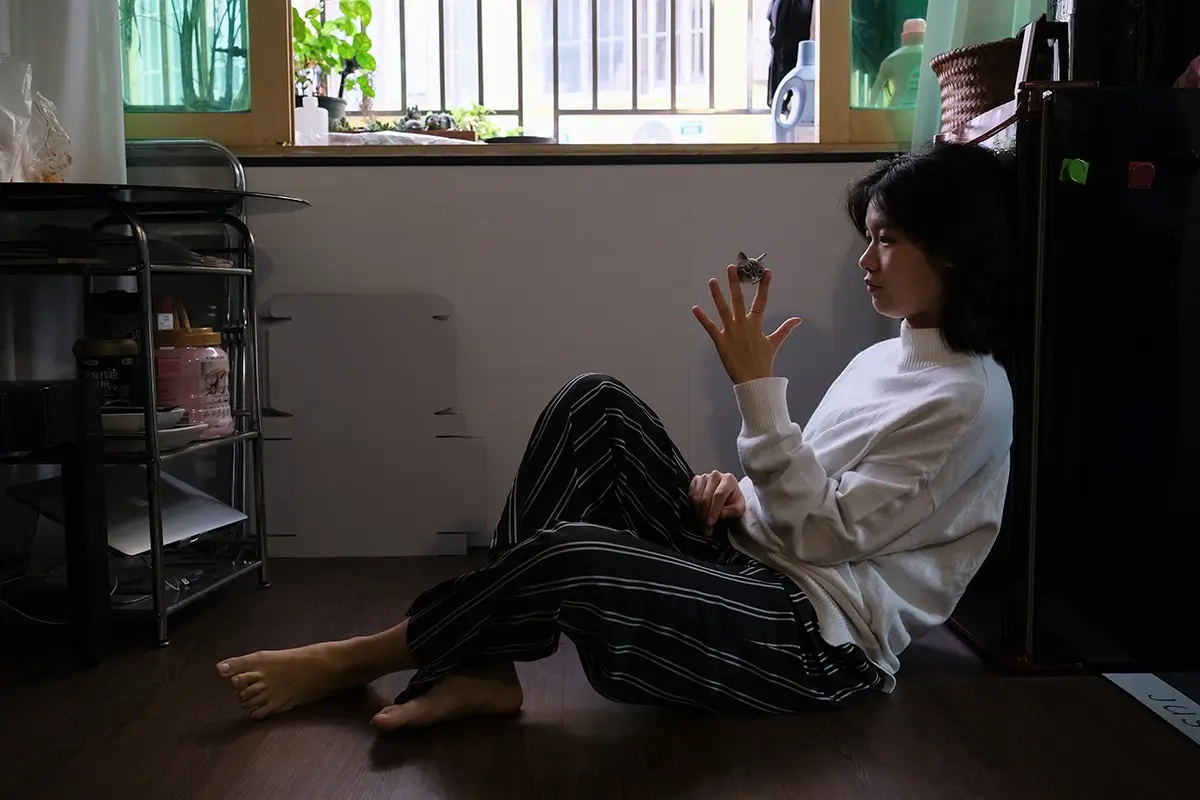
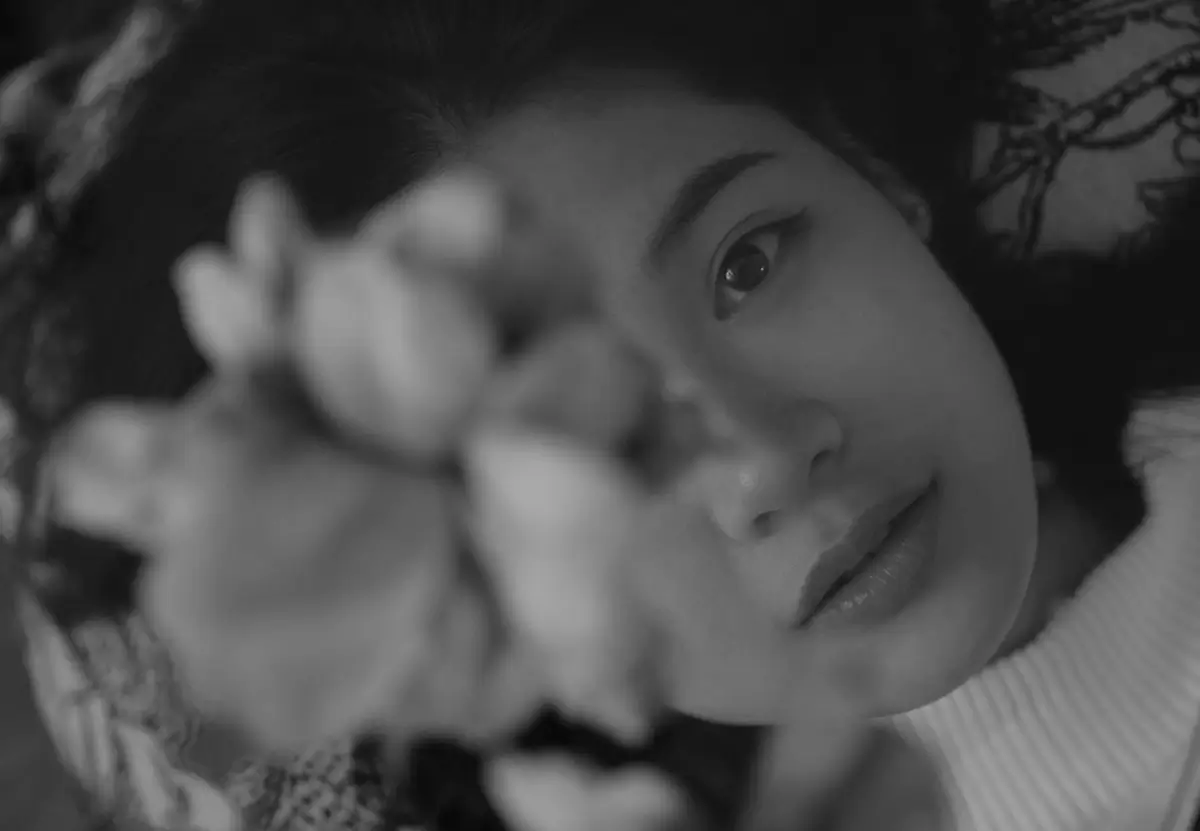
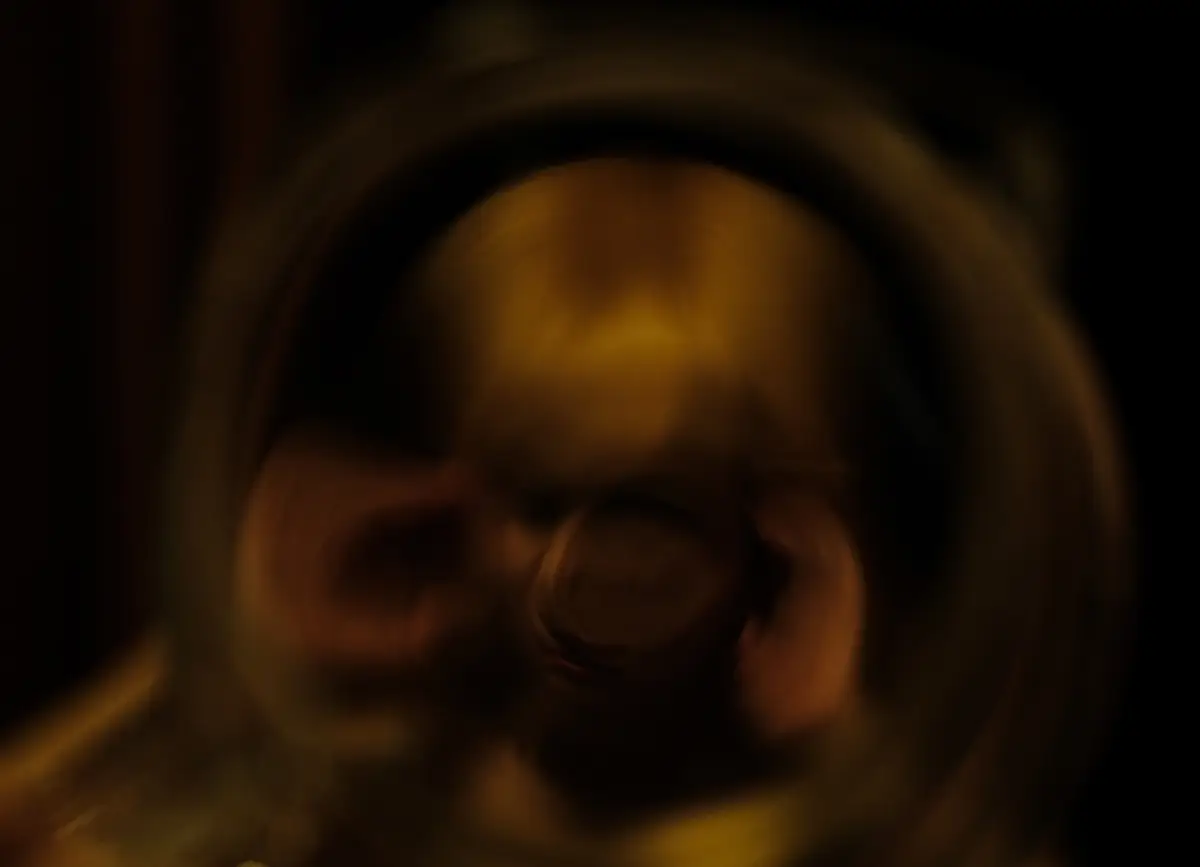
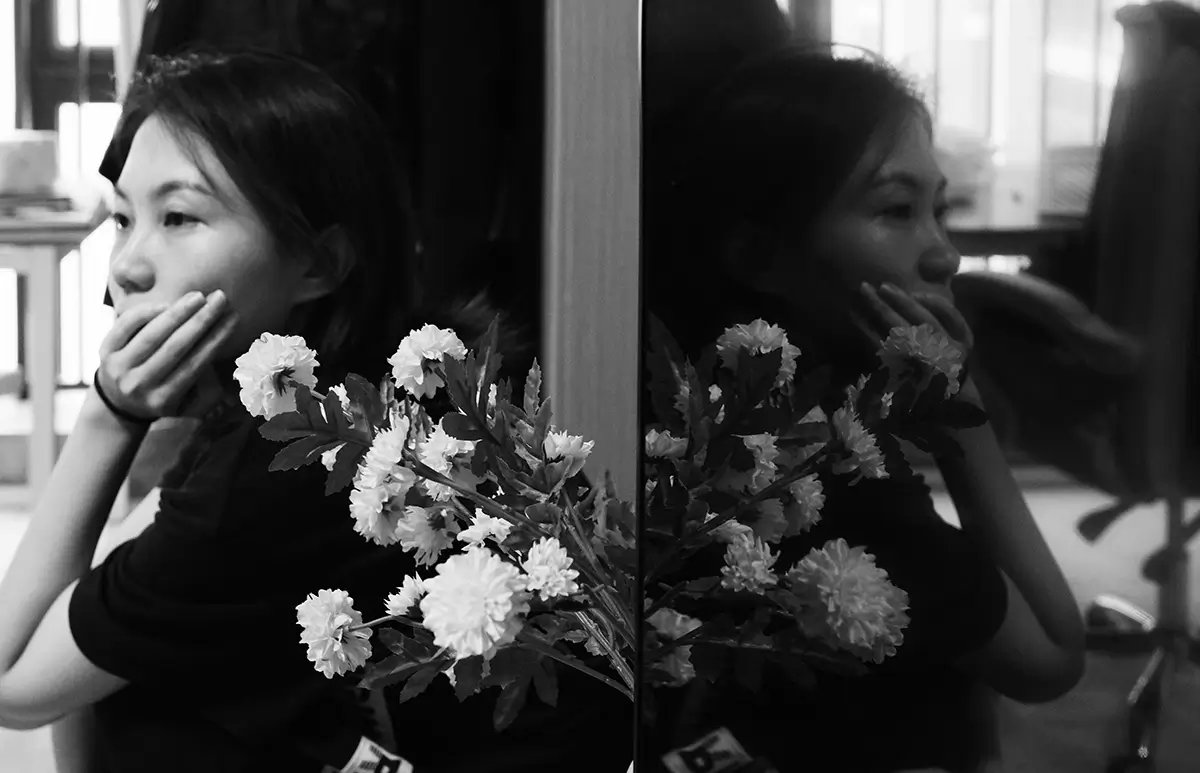
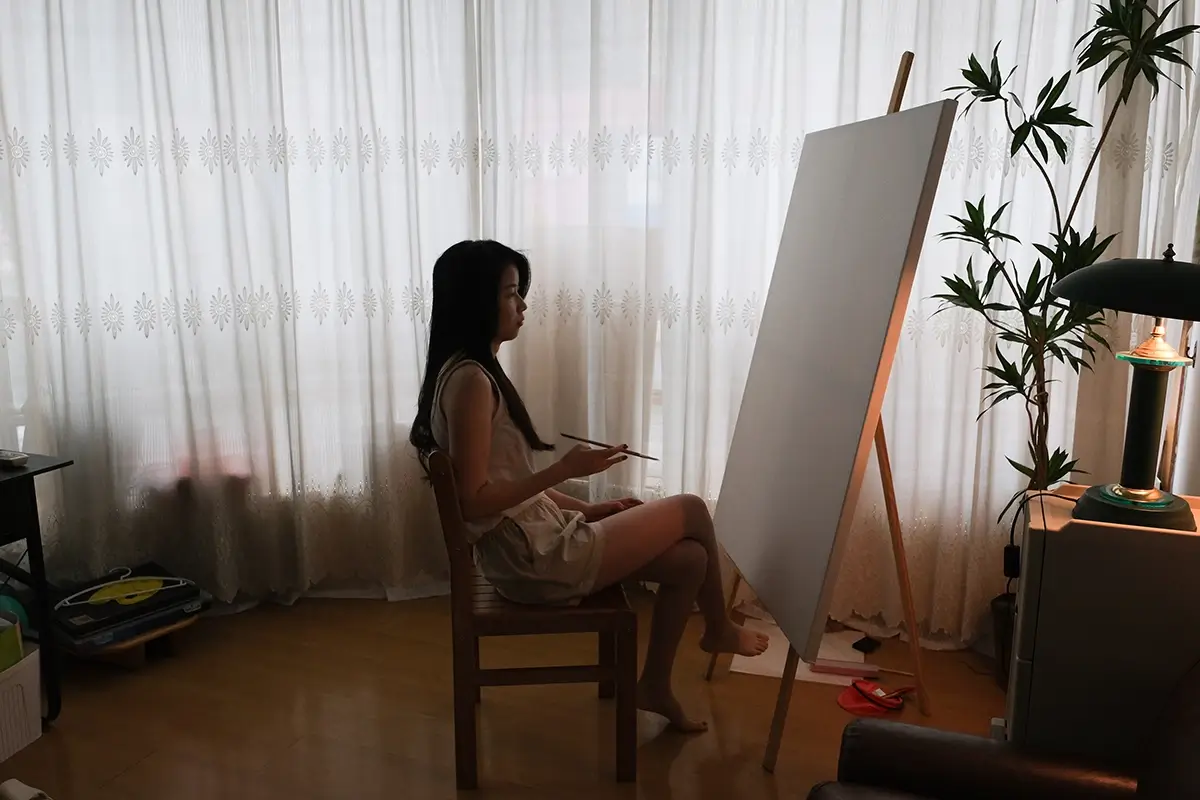
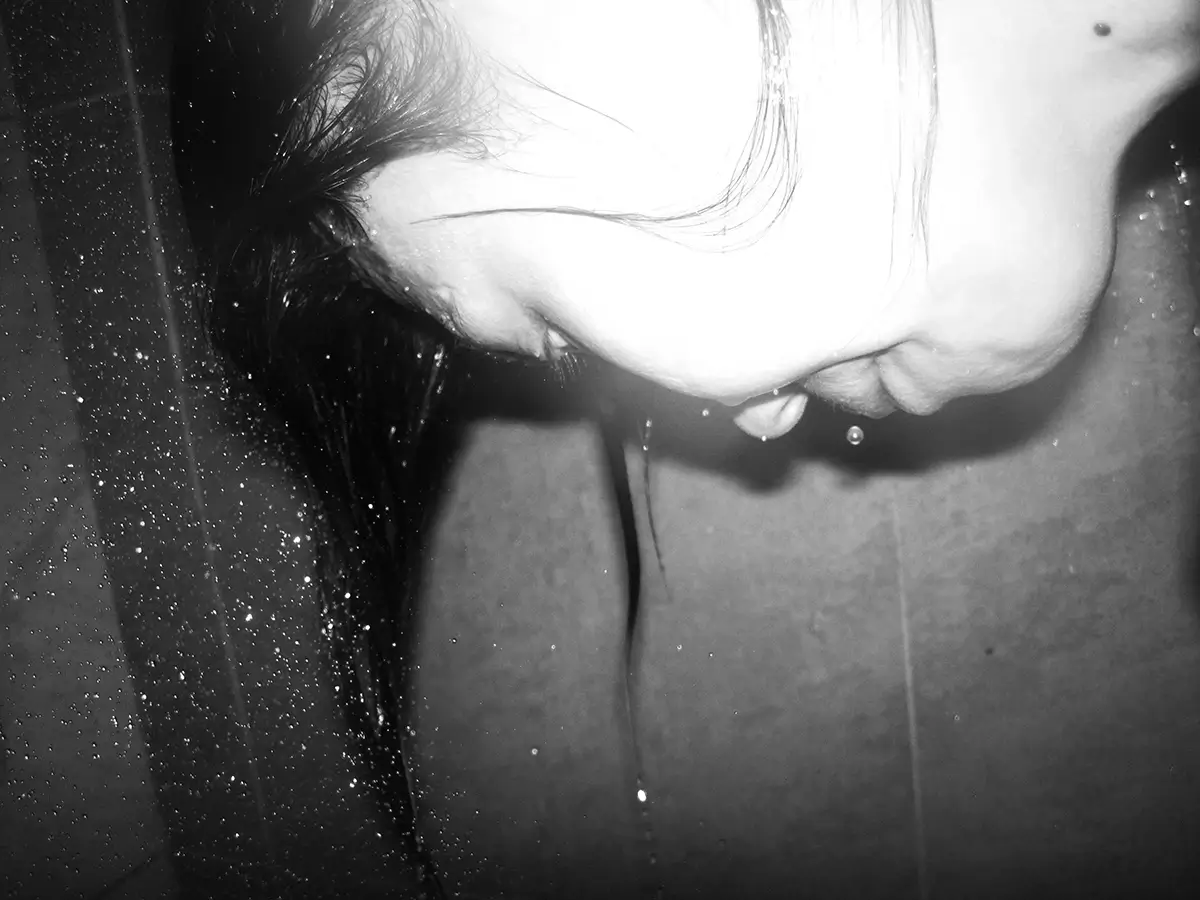
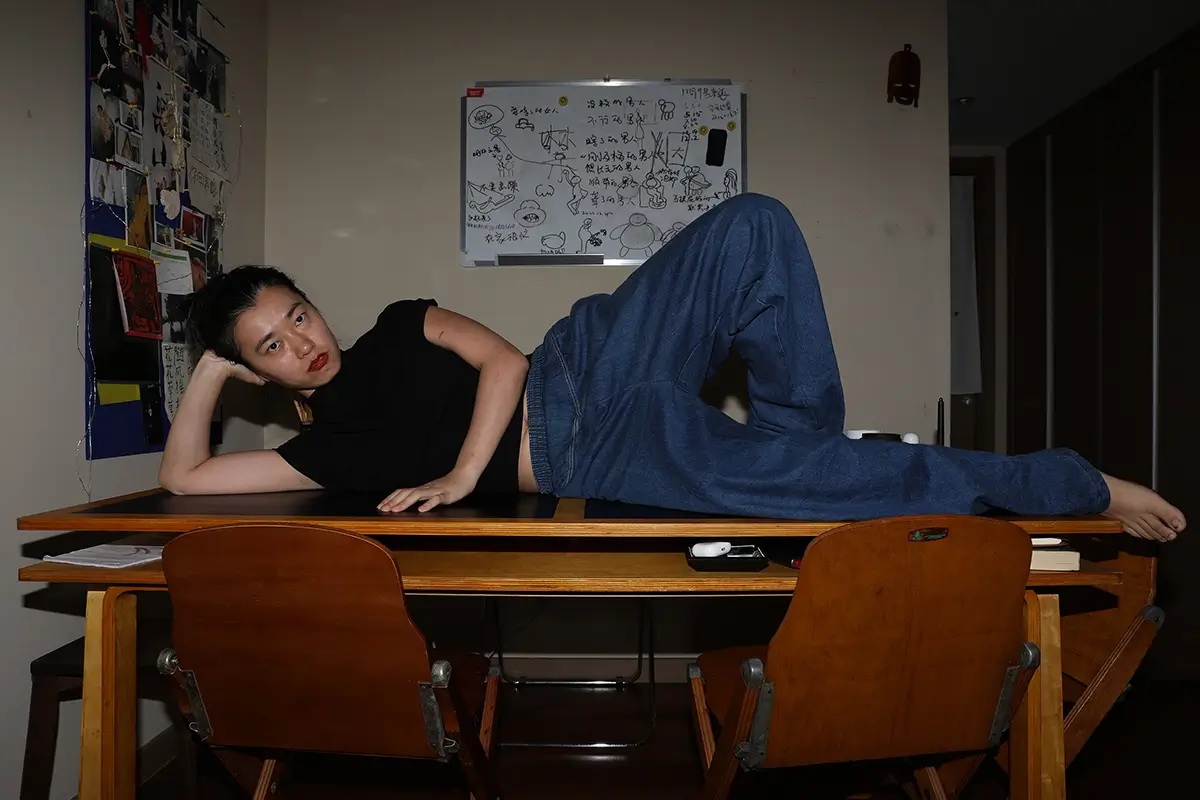
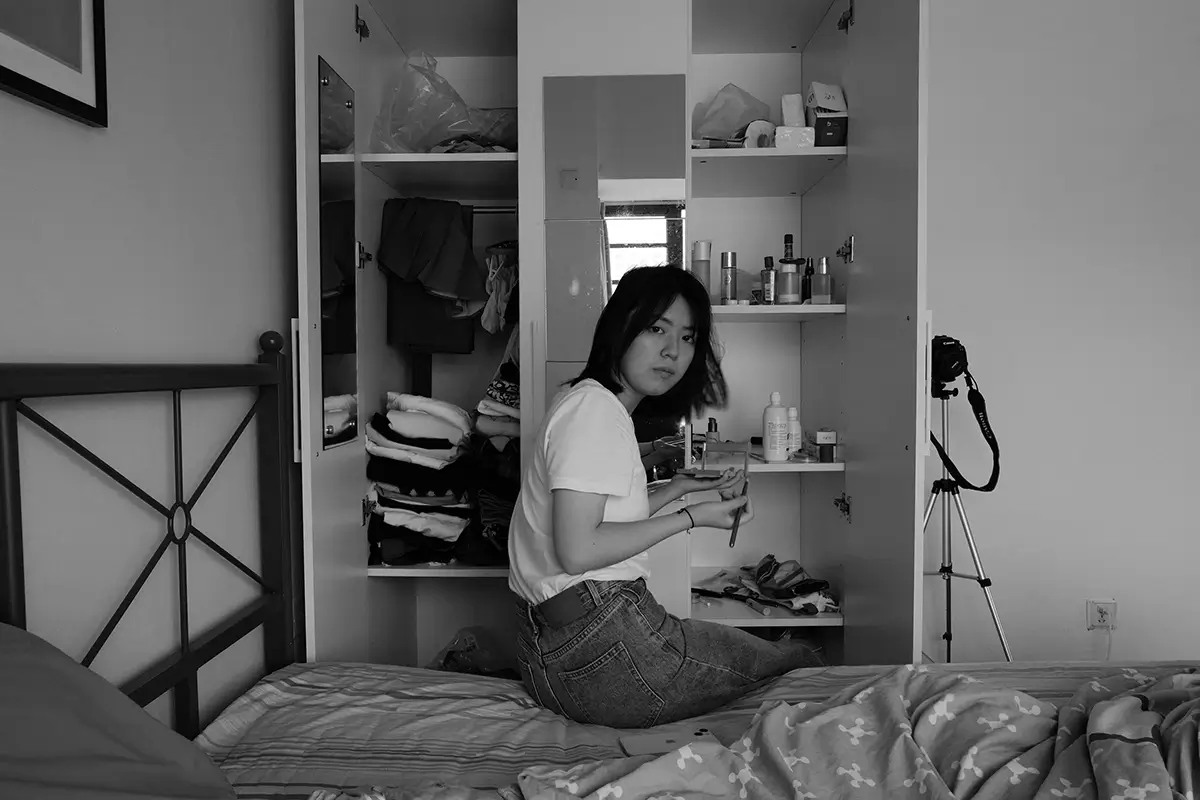
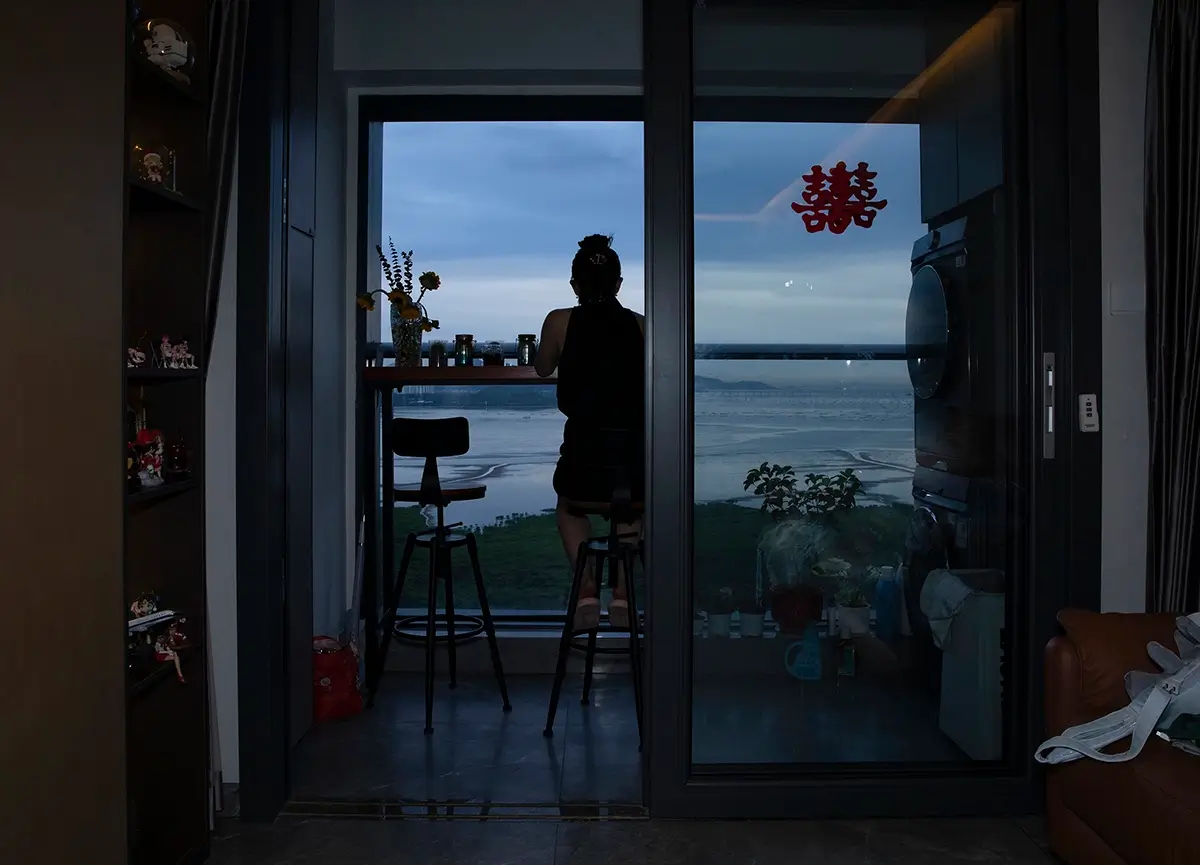
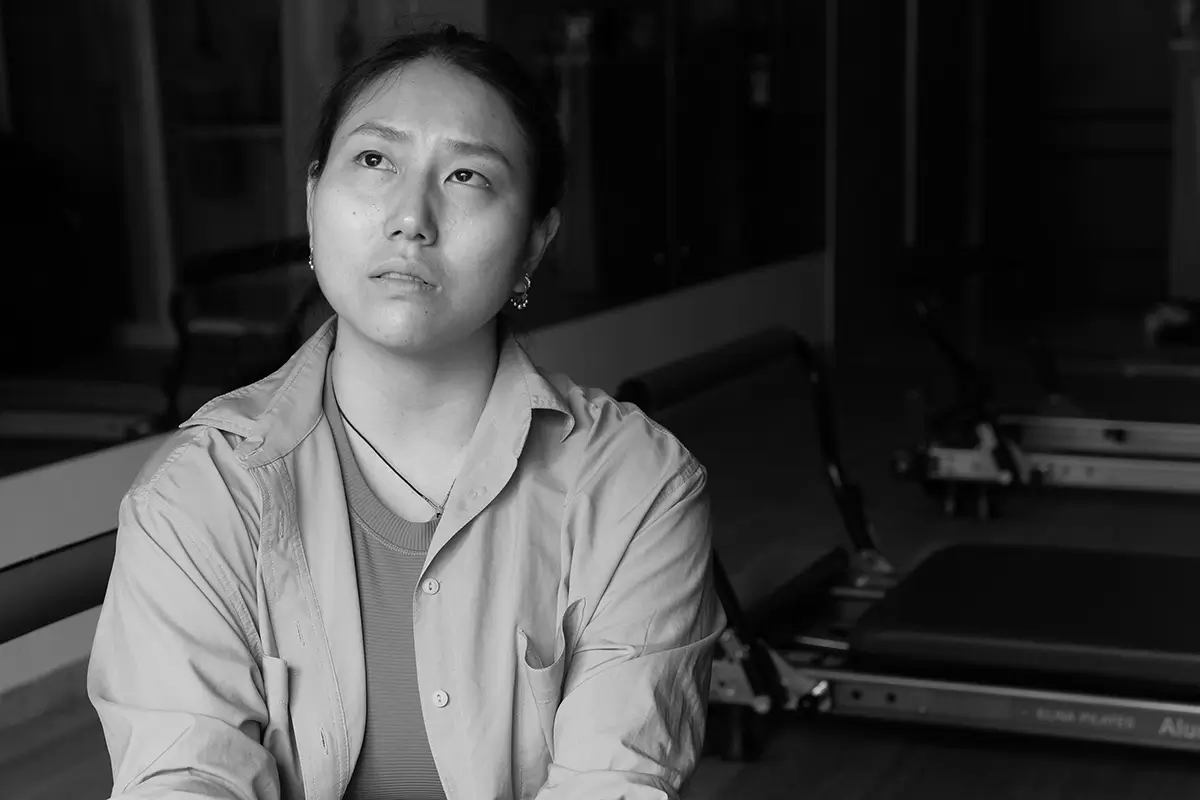
Beidi Tu is a female photographer and writer based in ShenZhen, China, and a member of the ShenZhen Photographers Association. She interested in how a person can appear different depending on perspective—how we split ourselves between who we are and who we present to the world. She always says gazing at oneself—looking deeper, as if gazing into an abyss. As a photographer, you should be able to instinctively capture the deep beauty in everyone.

All About Photo Competitions

AAP Magazine 57 Portrait

Website

@beidi.tu7


Inspiring Portfolios

Call for Entries
AAP Magazine #59 Shapes
Publish your work in our printed magazine and win $1,000 cash prizes
 
Stay up-to-date  with call for entries, deadlines and other news about exhibitions, galleries, publications, & special events.

More Great Photographers To Discover

Karen Knorr
United States
1954
Karen Knorr was born in Frankfurt am Main, Germany and was raised in San Juan, Puerto Rico in the 1960s. She finished her education in Paris and London. Karen has taught, exhibited and lectured internationally, including at Tate Britain, Tate Modern, The University of Westminster, Goldsmiths, Harvard and The Art Institute of Chicago. She studied at the University of Westminster in the mid-1970s, exhibiting photography that addressed debates in cultural studies and film theory concerning the ‘politics of representation’ practices which emerged during the late 1970s qnd early 1980s. She is currently Professor of Photography at the University for the Creative Arts in Farnham, Surrey. Karen Knorr produced Belgravia (1979-1981) a series of black and white photographs with ironic and humorous texts that highlighted aspirations, lifestyle and the British class system under the neo liberalist Thatcher era in the late 70’s and early 80’s. Her most well known work called Gentlemen (1981-1983) was photographed in Saint James’s clubs in London and investigated the patriarchal conservative values of Britain during the Falklands war. Karen ’s work developed a critical and playful dialogue with documentary photography using different visual and textual strategies to explore her chosen subject matter that ranges from the family and lifestyle to the animal and its representation in the museum context. In 1986 her work Connoisseurs used colour to explore connoisseurship regarding authenticity, heritage and art in England. Here she introduced elements and staged events in the architectural interiors of Chiswick House, Osterley Park House and the Dulwich Picture Gallery. The use of text and captioning appeared as a device to slow down consumption of the image and to comment on the received ideas of fine art in museum culture. These strategies still appear in her photography today with digital collage of animals, objects and social actors in museums and architecture challenging the authority and power of heritage sites in Europe and more recently in India. Academies (1994- 2001), a series of colour photographs taken in academies and museums across Europe, reflects on the relationship between the production of western fine art, its transmission and consumption. The work continues a critical dialogue with conceptual art, visual culture, feminism and animal studies reflecting an engaged interest in theory and its relation to photographic practice. In 1995 the Academies project included video and installation with wall text transfers in order the explore the relationship between art and science in the staging of transgressive performative events and gestures in museums. Being for Another (1995), an 18 minute video records a young man caressing an 18th century sculpture by Canova in the Victoria and Albert Museum and three lifeclass models enact the lifeclass on the dissecting table of the anatomy theatre of Uppsala University in Lessons (2002). The introduction of a sound glass sculpture with recorded birdsong responded to the furniture and art collection of The Wallace Collection in 2001 synthesizing a 1960’s Pete Seeger song with an actual blackbird’s sound. In her series Fables (2004-2008) photographs mixes analogue and digital photography playfully reconfiguring tales (Ovid, Aesop La Fontaine) with popular culture (Disney and Attenborough) in museums and heritage sites which include Carnavalet Museum, the Museum of Hunt and Nature in Paris, Chambord Castle and the Conde Museum in Chantilly Castle. The visuality of these photographs is rich with reference to the baroque. In the last section of the work, Knorr interrogated the free flowing space of modern architecture in Corbusier’s Villa Savoye reintroducing life into the modernist aesthetic of a building. Since her life changing journey to Rajasthan, India in 2008, Karen Knorr’s work continues to explore Rajput and Mughal cultural heritage and its relationship to questions of feminine subjectivity and animality. India Song, a series of carefully crafted photographs explores the past and its relation to India’s contemporary heritage sites across Rajasthan. Since 2012 Knorr has been visiting Japan to reflect on tradition within contemporary Japan referencing Ukiyo-e prints and folktales connected to Shinto and Buddhist heritage sites.Her first series entitled Monagatari, places animals and humans in temple sites found in Nara, Kyoto, Tokyo and Ohara. Her second related series Karyukai is inspired by the Kano’s 36 portraits of poets also referencing “bijinga” prints of the 17th century. Women photographed by Karen Knorr were asked to compose waka and haiku reflecting on their life and dreams. Source: karenknorr.com About India Song Karen Knorr’s past work from the 1980’s onwards took as its theme the ideas of power that underlie cultural heritage, playfully challenging the underlying assumptions of fine art collections in academies and museums in Europe through photography and video. Since 2008 her work has taken a new turn and focused its gaze on the upper caste culture of the Rajput in India and its relationship to the "other" through the use of photography, video and performance. The photographic series considers men's space (mardana) and women's space (zanana) in Mughal and Rajput palace architecture, havelis and mausoleums through large format digital photography. Karen Knorr celebrates the rich visual culture, the foundation myths and stories of northern India, focusing on Rajasthan and using sacred and secular sites to consider caste, femininity and its relationship to the animal world. Interiors are painstakingly photographed with a large format Sinar P3 analogue camera and scanned to very high resolution. Live animals are inserted into the architectural sites, fusing high resolution digital with analogue photography. Animals photographed in sanctuaries, zoos and cities inhabit palaces, mausoleums , temples and holy sites, interrogating Indian cultural heritage and rigid hierarchies. Cranes, zebus, langurs, tigers and elephants mutate from princely pets to avatars of past feminine historic characters, blurring boundaries between reality and illusion and reinventing the Panchatantra for the 21st century.
Jeremy Cowart
United States
At his core, Jeremy is an artist. Starting out as a painter first, Jeremy fell in love with the creative process. He then went on to study graphic design in college and founded his own graphic design company, Pixelgrazer, in 2001. Jeremy really only began taking pictures to bring texture into his design work. But before he knew it, he realized that photography was his true passion. So in April of 2005, Jeremy switched over to it full time and he has never looked back. In a relatively short amount of time, Jeremy earned the respect of artists, photographers, and celebrities alike. Now hailed as one of the trailblazers in the industry, Jeremy sees photography as a natural extension of his passion for the arts. Jeremy has taken portraits of many familiar names such as Taylor Swift, Tim Tebow, The Kardashians, Sting, Maggie Gyllenhaal, Heidi Klum, Gwyneth Paltrow, The Civil Wars, Emma Stone, Courtney Cox, and Ryan Seacrest, just to name a few. His clients, mostly entertainment based, include ABC, FOX, A&E, F/X, Discovery Channel, ESPN, People, US Weekly, VIBE, E!, Universal Records, Sony Records and Warner Brothers Records. His work has been published in Rolling Stone, ESPN Magazine, People Magazine, USA Today, Fast Company, NYTimes, TIME, Nylon and more. There's always something interesting going on in Jeremy's world. His humanitarian projects have been featured on CNN.com as international leading headlines twice, he shot the cover of Tim Tebow's NY Times best-selling autobiography, and he recently starred in an episode of The Real Housewives of Beverly Hills. In addition to all that, Jeremy is something of a social media/technology guru. He's a featured user on Google+ with over a million followers, he won the Celebrity TwitChange campaign last year that raised thousands of dollars to fight global poverty, and he's currently working on his first iPhone app to be released Summer 2012. Photography has taken Jeremy to six continents. He traveled with Britney Spears in 2009 as her "Circus World Tour" photographer, documented seventeen countries with the Passion World Tour in 2008, and has been on numerous trips to Africa and Haiti with various organizations. From all his travels, Jeremy has released 3 Photography books, "Hope in the Dark", "The Poor Will Be Glad" and "Awakening", and he's currently working on a 4th new book, "What's Your Mark?" with Zondervan Publishers due out Fall 2012. Jeremy also spends his time on community projects, brainstorming innovative ways to use his camera to make an impact. In January 2010, after the devastating earthquake in Haiti, Jeremy responded with his "Voices of Haiti" photo essay, letting the people of Haiti write their own thoughts and prayers on found rubble. This project was displayed prominently at the entrance of a very important gathering of world leaders at the United Nations in March of 2010. They were meeting to discuss the rebuild of Haiti and they ended up pledging ten billion dollars to the effort. On that day, Jeremy's "Voices of Haiti" project proved that art can help change the world. In August of 2011, Jeremy traveled to Rwanda with filmmaker Laura Waters Hinson to document survivors and perpetrators of genocide who have reconciled and are living life together peacefully in the same community. Inspired by the "Voices of Haiti" photo essay, the portraits in this series captured genocide survivors standing with the killers of their families, who they've now forgiven. Many of the portraits were captured at the scene of the crime to help display the power of true forgiveness. The series ended up being featured on CNN.com as a worldwide leading headline on Monday, November 7th, 2011. Knowing the value that a photograph can have in just one person's life, Jeremy also founded Help-Portrait, a worldwide movement of photographers using their time, equipment, and expertise to give back to those less fortunate. On December 12, 2009, the first world-wide Help-Portrait event provided free portraits for over 40,000 people in 42 Countries. Those numbers have increased significantly over the last 2 years, with 169,523 photos given to date in at least 56 countries. Help-Portrait continues to grow, encouraging all photographers to use their platform to make a difference with their cameras. Lastly, Jeremy's speaking and teaching career has taken off as he spends his time annually traveling around the country speaking at conferences like TEDx, Catalyst Conference, Photoshop World, WPPI, Google Plus Photographers Conference, Photo Plus Expo and many more. He has also hosted 2 of his own LifeFinder Tour's that have taken him all across the country. His LifeFinder Tour is based on his educational DVD, LifeFinder. Jeremy is also an instructor for Scott Kelby's "Kelby Training" and has released 3 classes on the Kelby Training website. Jeremy is a crock pot of ideas, always on low simmer. He doesn't sleep enough. His mind won't let him. Whether it's the next shoot, the next talk, the next book, the next app, or the next humanitarian project, Jeremy just doesn't stop. And that's why his career keeps moving forward. Bouncing back and forth between Nashville and LA, Jeremy draws a lot of inspiration from his amazing wife, Shannon, and their two ridiculously cute and utterly fantastic kids, Adler and Eisley. They also have a dog and a cat, but they are not as inspirational.Source: jeremycowart.com
Brad Walls
Australia
1992
Brad Walls is an Australian aerial photography based in Sydney. Best known for his use of close up top downs, Brad specialises in aerial portraiture and a minimalistic approach to aerial photography. Utilising one of the first consumer drones, Brad Walls stumbled across his passion for aerial content through stitching small video clips together taken during his extensive travels. 18 months on, Brad has refined his skillset, with a vision to strive and see the world from a different angle creating the perfect metaphor for his work. Pools From Above Pools From Above is an ode to the beauty found in the shapes, colours and textures of swimming pools. This unique and never-before-seen perspective uses Walls' clean, minimal aesthetic to visually showcase interesting pools from around the world. Inspired by his travels throughout Southeast Asia and within his own home country of Australia, Walls' journey initially began by capturing the bodies of water simply to document holiday memories. It wasn't until picking up the bestselling Annie Kelly coffee table book Splash: The Art of the Swimming Pool, however, that Walls would start investing time and passion into curating a series, stating that "As I turned each page of Kelly's book, a wave of childhood nostalgia washed over me, spending hours in the pool over summer." Paying powerful homage to Kelly, Walls' series chooses to keenly focus on pools' elements of composition from a bird's eye view. "I fell in love with the lines, curves and negative space of the pools, which - without alternate perspective from a drone - would have been lost." Pools From Above is also an integral part of a much larger project which is aimed at a book release in the not-too-distant future, as Walls says "The response from viewers has been positive, asking for the series to be amongst their coffee table books." Looking ahead, once the world finally re-opens, Walls has no plans of slowing down. He plans to capture even more world-renowned swimming pools across an array of idyllic locations, including Palm Springs, Mexico and the Mediterranean. Since bursting onto the photography scene in early 2019, Walls has gone on to produce award-winning photographs and garner worldwide media attention, with a primary focus on capturing aerial portraits of sportspeople like synchronized swimmers, gymnasts and ice skaters from unique perspectives and angles that audiences are normally unable to see.
Yukari Chikura
Yukari Chikura born in Tokyo, Japan. After graduated from university of music. She became music composer and computer programmer. She is the winner of STEIDL BOOK AWARD and her work has been published by STEIDL. She was selected as "FOTOFEST Discoveries of the Meeting Place 2018". She won LensCulture Emerging Talent Awards 2016, Sony World Photography Awards , Photolucida Critical Mass TOP50 2016 & 2015 among others. Her work has been published by New York Times, Guardian among others. She held 12 places solo exhibition and group exhibition at museum, gallery around the world. Some projects have collected in Griffin Museum in US and Bibliotheque national de France. ZAIDO This book is Yukari Chikura's preservation of the 1300-year-old Japanese ritual festivity "Zaido." Following a series of tragedies including her father's sudden death, her own critical accident and the 2011 Tohoku earthquake and tsunami, Chikura recalls how her father came to her in a dream with the words: "Go to the village hidden deep in the snow where I lived a long time ago." And so with camera in hand she set off on a restorative pilgrimage to northeast Japan (the first of numerous journeys), which resulted in this book. Chikura arrived at the village, surreally silver in the snow and mist, and there discovered Zaido, where inhabitants from different villages gather on the second day of each new year and conduct a ritual dance to induce good fortune. The performers dedicate their sacred dance to the gods and undergo severe purifications. Combining photos of snowscapes that border on abstraction with images of the intricate masks and costumes of Zaido, Chikura depicts the cultural diversity of the participants as well as their common bond in creating collective memory and ensuring the survival of this ritual. More about Zaido by Ann Jastrab
Graeme Williams
South Africa
1961
I grew up in the whites-only suburbs of Cape Town, South Africa during the apartheid era when South African law decreed that 92% of the population were regulated to the status of second-class citizens. My interest in photography began at the age of twelve, but I soon realized that a Kodak Instamatic was never going to produce the results that I wanted. I worked for three years in a bookshop and eventually bought myself a Fujica ST701. It was a real thing of beauty; a single reflex camera with a basic zoom lens, that provided me with the means to control how light formed itself onto the surface of the silver halide film. Sunsets and silhouettes held my attention for a few months, but I had already begun to explore the complex tradition of photographic expression. Life Magazine was for me, at that time, the Holy Grail. Over the years, my enthusiasm for exploring the photographic medium has never diminished. My photographic momentum was temporarily diverted after school by parental pressure to obtain a 'proper' qualification. In my final school year, I was both the Dux scholar as well as a first-team sportsman, which resulted in me being offered a De Beers bursary to study Geology and Statistics at the University of Cape Town. After graduating, I broke the news to my unnerved parents that I was giving up this career path and instead of becoming a property photographer at the local newspaper. In the hierarchy of photographic jobs, this is very close to the bottom. My immediate aim was to gain access to unlimited amounts of film and the time to work on my own projects. In 1987 I began photographing a conscientious objector and medical doctor, Ivan Toms, who refused to comply with the apartheid government's military service requirements. He was sentenced to 21 months in prison. The essay highlighted the absurdity of the political system. Renowned photographer, David Goldblatt, took an interest in this work and this interaction led to a three-decade relationship in which he became both a mentor and a friend. The rights to my essay on Ivan Toms were bought by Life magazine the following year. Much of my work during this period was motivated by the desire to expose the social inequalities and racial divisions within my country. I eventually joined the strongly anti-apartheid collective, Afrapix, and later became a founding member and manager of the documentary collective, South Photographs. In 1989, the beginning of the end of apartheid was evident. I was eager to situate myself in a position that would afford me the best opportunities to witness the transition to democracy. I joined Reuters News Agency as a permanent stringer and for the next five years, I became immersed in the events, both violent and momentous, that led up to the inauguration of Nelson Mandela as president in 1994. Many of my photographs from this period have taken on a life of their own. The image of Nelson Mandela walking out of prison with his wife, Winnie, has been exhibited and published worldwide. In 2008, as Barack Obama fought John McCain for the presidency, Newsweek magazine ran a story asking each candidate to choose an image that best personified their worldview. Obama's team chose an image that I photographed in Thokoza township in 1991. Last year the same photograph became central in a high-profile image-appropriation dispute between me and New York artist, Hank Willis Thomas. There was a massive groundswell of support from colleagues and media from around the world. An amicable settlement was reached. Since 1994 I have concentrated on producing personalized and contemporary bodies of work that reflect this complex country and the continent as a whole. These essays have been shown in solo exhibitions in New York, London, Paris, Cape Town, and Johannesburg as well as numerous photo festivals around the world. (Including China, Singapore, Brazil, Cambodia, France, and the USA). I have been privileged to have been included in major international exhibitions showcasing contemporary South African photography; including Figures and Fictions at London's Victoria and Albert Museum, Apartheid and After at Huis Marseille in Amsterdam, Earth Matters at the Smithsonian in New York, The Rise and Fall of Apartheid at the ICP in New York and Being There, at the Louis Vuitton Foundation in Paris. Awards include the CAP Prize for Contemporary African Photography (Basel) in 2013 and the Ernest Cole Award (South Africa) in the same year. I have continued working on commissioned assignments and traveling to over fifty countries. My photographs have appeared on the cover of Time magazine twice, and have been published in The New York Times Magazine, National Geographic, Newsweek, Stern, and many others. Whilst working on my long-term projects, I try to bear in mind how the work will be exhibited and published. So, therefore, during the planning and photographing stages, I attempt to create a broad context for my essays, that includes a general look and feel while creating the space for each image to convey its individual complexity. This need to develop a dual awareness in my personal work has benefitted me from a long-term interest in designing and producing photobooks. I have created over 20 publications, some of them winning awards and many being shortlisted in dummy book competitions. During the past five years, I have felt a need to shift my attention from South Africa to the American social, political, and physical landscape. Some of my motivations for this change in direction have been outlined within the 'Plan' document. In 2016 I was granted a residency in the US by the Ampersand Foundation, giving me an opportunity to develop a body of work that interrogated the social strata within the greater community of Harrisburg, Pennsylvania. I designed and produced a book called, Diverging Dreamlines that included, portraits, urban landscapes as well as multi-image, digital, illustrations. The publication was chosen as "best of the show" in the Annual Photobook Exhibition at the Griffin Museum of Photography in Winchester, Massachusetts. The work was also included in the Unmasked exhibition at Axis Gallery, New York in 2017. Earlier this year (2019) I co-presented a paper, Over Time, at the International Psychoanalytical Association (IPA) Congress held in London. Four of my personal essays were incorporated into the presentation, allowing a psychoanalytical exploration into the parallels between this photographic record and South Africa's dynamics and process of change. I have participated in various mentorship programs, supporting students from South African photographic institutions: Tierney Fellowship winners from the University of the Witwatersrand (2018/2019) and the Market Photo Workshop (2015/2016). As well as candidates from the Photographer incubator Program in 2016. Learn more about Graeme Williams on videos: Victoria and Albert Museum Photography and Democracy South African Studios Dwell in Possibility opening Check out Graeme Williams's interview about his latest project America Revisited
Amadeusz Swierk
Poland
1995
Amadeusz Świerk (born in 1995) is a documentary photographer based in Wrocław, Poland. Amadeusz strives to be an honest witness of the world. His work is often oriented on minorities – social, ethnic, religious and based on genuine experience of other human and his culture. Interested in ethnicity and natural way of living, he has done projects about Iranian nomads and informal subculture of people escaping society grown around wooden hut located in Polish mountains. Currently he is working on projects about a (in)famous district in the small town of Legnica, opioid addicts and personal, about his family. The Miracle District The story starts in a middle-sized town of Legnica, located in the southwest of Poland. It should have been unremarkable, but after World War II it had the dubious pleasure of stationing some 60,000 Soviet soldiers, who more or less dictated the town's life. During these difficult times, which ended very late in 1993, a small district called Zakaczawie (named from the local river) incidentally became a refuge for Poles' native life. Among the families of Polish railwaymen and strong Romani community relocated into the district by Communists, small businesses, cafes, pubs and cultural venues thrived, despite the dark shadow of the Soviet garrison. When the Curtain fell and the Soviets finally went away, the town of Legnica finally breathed a sigh of relief. Zakaczawie district wasn't especially lucky though. It's being left out by dynamics of Polish capitalism, omitted by investments and falling into disrepair. The ''Miracle District'' nickname of Zakaczawie gained a bitter and ironic edge, but generations of its citizens still retain a strong sense of community. There's crime, poverty and turbulent biographies being written by commercial exclusion, but many people actively decide to stay there despite the challenges. Contemporary Zakaczawie is a living witness of the winds of change, the whims of history putting the social microcosm of its citizens to new tests. It's not easy for them, but they have to live with it, and they do, mostly by simply staying together. This project aims to show that among the very visual poverty and dilapidation of the Miracle District, there are humans - families, friends, neighbors - trying to live their best. The author spent two years between them to go deep beyond the grim appearances, to understand these people as fully as possible, to become a witness - and to show to the world - their everyday, colorful lives, giving them an outward voice. The Miracle District The Shack Hidden among the scenic Karkonosze mountains in southwestern Poland, deep in the woods and well away from the popular tourist trails, The Shack – as its dwellers tend to call it – is a secret meeting place for a special bunch of people. Despite the lack of electricity and internet, every weekend, regardless of the season, The Shack is brimming with trekkers from various walks of life, who typically don’t have the opportunity to meet or interact. They seek shelter from social conventions and develop their own, unique and intimate, small-scale society and culture. The Shack is a place with rich traditions. Located off the beaten Karkonosze tourist trails, since the 1970s it has been popular with various groups of non-conformists. Hippies flocked there to escape the oppression of the Communist authorities. During the political transformations of the 80s, some of them joined Fighting Solidarity (Polish anti-Soviet and anti-communist underground organization), and The Shack became a print-and-distribution center of subversive leaflets. Throughout the years, both political and non-political visitors created a rich set of rules, The Shack’s unwritten code that acts as a tool for introducing newcomers and keeping a low profile. Breaking the code is punished by a system of humorous tasks. Over time, regulars started families and made professional careers, but they handed over The Shack’s traditions to the younger generation of visitors. There is a position of Shack Keeper, who stays there permanently. He lives alone in the wild, taking care of the building and getting along with its guests. He’s the unofficial leader within The Shack. The Keeper usually changes every few years. The Shack somewhat changes too, as Keeper’s personality influences the atmosphere.Today most Shack visitors come on weekends to escape civilization and relax for a bit. The flock of guests increased significantly during the pandemic; people tried to compensate for the scarcity of face-to-face contacts. The sense of belonging is built by working and eating together, among strangers. Guests forage wood from the forest and chop it, prepare meals on the wood-fired stove, share them with others by candlelight, play guitar, sing and dance – all without modern disturbances of internet and smartphones. The Shack dwellers want to experience the traditional way of life and stay among nature. Most appear occasionally, but there are always some who visit it regularly and enjoy it together.
Tina Trumpp
Germany
1974
Award-winning fine art photographer Tina Trumpp was born in 1974 in Stuttgart, Germany. Her artistic journey led her to Italy, Spain, and France, where she lived and worked for many years. With her multiple recent international exhibitions, Tina Trumpp is under the spotlight of the contemporary photo art. FINE ART NUDE One of the few women in fine art / nude art photography, she has crafted a personal style where female nude is more than just a motif; Breathing with the gentle spirit of modern feminisim, her fine art prints are an ode to women and their sensitive beauty. Using natural lighting and soft lines, Trumpp offers a fresh perspective on nudity. Imbued with tranquil self-confidence, her muses possess a natural feeling of respectful elegance, highlighted by strength and breathtaking beauty. Often depicted in the muffled intimacy of their private spaces, they carelessly unveil their femininity while silently lost in deep thought. Are they reminscing the memories of a long-lost lover? Or waiting for one to return? Trumpp's seductive images trigger a narrative based on thoughtful emotions rather than primary instincts. FINE ART NATURE Just as the great painters of all eras found their motifs in nature, she also devotes part of her photo art to this genre. Her ideal landscapes are presented in a majestic and magnificent way in the style of Caspar David Friedrich where the viewer is asked to reflect on these vast, enigmatic expanses and secret spaces of nature. The expanse of the sea for exampe invites to think, but at the same time opens up the possibility of letting thoughts flow freely. Her photo art explores the space between photography and painterly expression. Instead of simply capturing reality, Tina’scontemporary art photography becomes a surface for color, light, texture, and gesture. Through soft rendering, layered compositions, and an intuitive use of light, her photo art begins to resemble a painting rather than a traditional photograph.
Advertisement
AAP Magazine #59 Shapes
Win a Solo Exhibition in July
AAP Magazine #59 Shapes

Latest Interviews

Exclusive Interview with Trevor Cole: Pastoral Peoples and Practices
For this interview, we wanted to focus specifically on The Face of the Mundari and the wider Pastoral Peoples and Practices series. We spoke with Trevor about his long-term work among the Mundari, what continues to draw him back to their cattle camps, and the experience of documenting a culture whose identity remains deeply connected to livestock, tradition, and the natural environment.
Exclusive Interview with Frank Meo
In our latest exclusive feature for All About Photo, I speak with veteran photography representative Frank Meo about what it truly takes to build a sustainable creative career today. Frank brings decades of experience working with Fortune 500 companies, major agencies, and documentary photographers to the table. We dive into the critical business skills often left out of art school curriculums, the power of mentorship, and the inspiring evolution of PROJECTIONS—his international salon platform for visual storytellers. It’s an essential read for anyone navigating the commercial or editorial photography landscape today.
Exclusive Interview with Carolyn Moore
American photographer Carolyn Moore explores the inner landscape of emotion, memory, and personal transformation through a deeply intuitive photographic practice. Her work unfolds as a quiet dialogue between artist and viewer, where images become a space for reflection, vulnerability, and connection.
Exclusive Interview with Luca Desienna and Laura Estelle Barmwoldt
For over seven years, Of Lilies and Remains has explored the depths of the goth and darkwave underground, unfolding in Leipzig—a city long associated with a vibrant and enduring subcultural scene. Moving between iconic gatherings such as Wave-Gotik-Treffen and more intimate moments on the fringes, the project offers a rare and immersive glimpse into a world often misunderstood, yet rich in expression and community. Created by Luca in collaboration with Laura Estelle Barmwoldt, the work embraces a cinematic and deeply personal approach. Rather than documenting from a distance, it moves within the scene itself, capturing its atmosphere, its codes, and its quiet contradictions. The title Of Lilies and Remains hints at this duality—where beauty and darkness, fragility and strength coexist. As the book prepares for its release, we spoke with both artists about the origins of the project, their process, and what it means to document a subculture that continues to evolve while remaining true to its spirit.

Exclusive Interview with Matthew Finley
American photographer Matthew Finley turns inward, using photography as a way to explore identity, memory, and emotional truth. Based in Los Angeles, his practice moves between performance, gesture, and found imagery, creating a visual language that is both intimate and deeply personal
Exclusive Interview with Jan Janssen
Dutch photographer Jan Janssen explores universal human experiences through his long-term project It Matters, winner of the May 2025 Solo Exhibition. Begun in 2016, the series captures intimate moments of everyday life—love, loss, connection, and belonging—across Central and Eastern Europe. Working in countries such as Turkey, Azerbaijan, and Armenia, Janssen spends extended time within communities, building relationships based on trust and respect. His approach allows him to move beyond observation, revealing deeply human and authentic moments. Rooted in travel and personal discovery, It Matters reflects Janssen’s search for what connects us all in an increasingly divided world. The project is ongoing and will culminate in a photobook scheduled for publication in 2026.
Exclusive Interview with Henk Kosche
German photographer Henk Kosche turns his lens toward the streets of Halle an der Saale, capturing everyday life in the late years of the former German Democratic Republic. At the time, Kosche was studying design and exploring the city with his camera, drawn to the atmosphere of its industrial landscape and the quiet rhythms of daily life. His series Street Photography at the End of the 80s, selected as the Solo Exhibition for July 2025, revisits a body of work created just before a period of profound change. Rediscovered decades later in a small box of 35mm negatives, these photographs offer glimpses of a city and its people at a moment suspended between the familiar and the unknown.
Exclusive Interview with Anastasia Samoylova
Anastasia Samoylova is an American artist whose photographic practice is shaped by close observation and a deep attentiveness to place. Working between documentary and formal exploration, she photographs landscapes, architecture, and everyday scenes with a sensitivity to light, structure, and atmosphere. Since relocating to Miami in 2016, her work has increasingly focused on how environments—both natural and built—carry social, cultural, and emotional traces. We asked her a few questions about her practice and her way of seeing, to better understand the thoughts and experiences that shape her work—while allowing the images themselves to remain open and speak in their own time.
Exclusive Interview with Marijn Fidder
Marijn Fidder is a Dutch documentary photographer whose work powerfully engages with current affairs and contemporary social issues. Driven by a deep sense of social justice, she uses photography to speak on behalf of the voiceless and to advocate for the rights of those who are most vulnerable. Her images have been widely published in major international outlets including National Geographic, CNN Style, NRC Handelsblad, Volkskrant, GUP New Talent, and ZEIT Magazin. Her long-term commitment to disability rights—particularly through years of work in Uganda—culminated in her acclaimed project Inclusive Nation, which earned her the title of Photographer of the Year 2025 at the All About Photo Awards. She is also the recipient of multiple prestigious honors, including awards from World Press Photo and the Global Peace Photo Award. We asked her a few questions about her life and work.
Call for Entries
Win A Solo Exhibition in July
Get International Exposure and Connect with Industry Insiders