All about photo.com: photo contests, photography exhibitions, galleries, photographers, books, schools and venues.
Win a Solo Exhibition in June 2026 + An Exclusive Interview!
Tina Trumpp
Tina Trumpp
Tina Trumpp

Tina Trumpp

Country: Germany
Birth: 1974

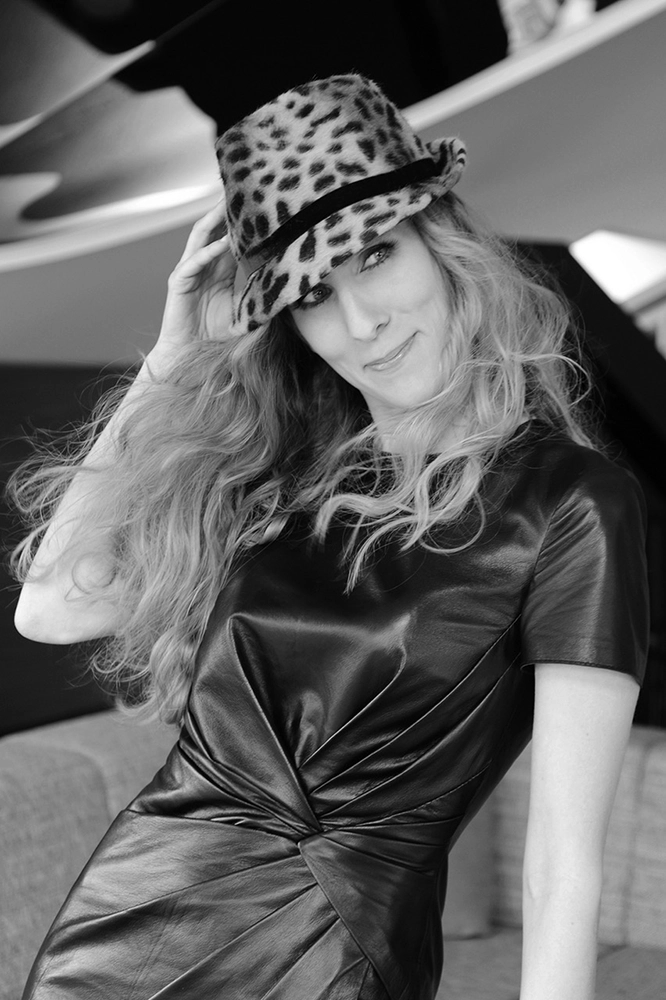
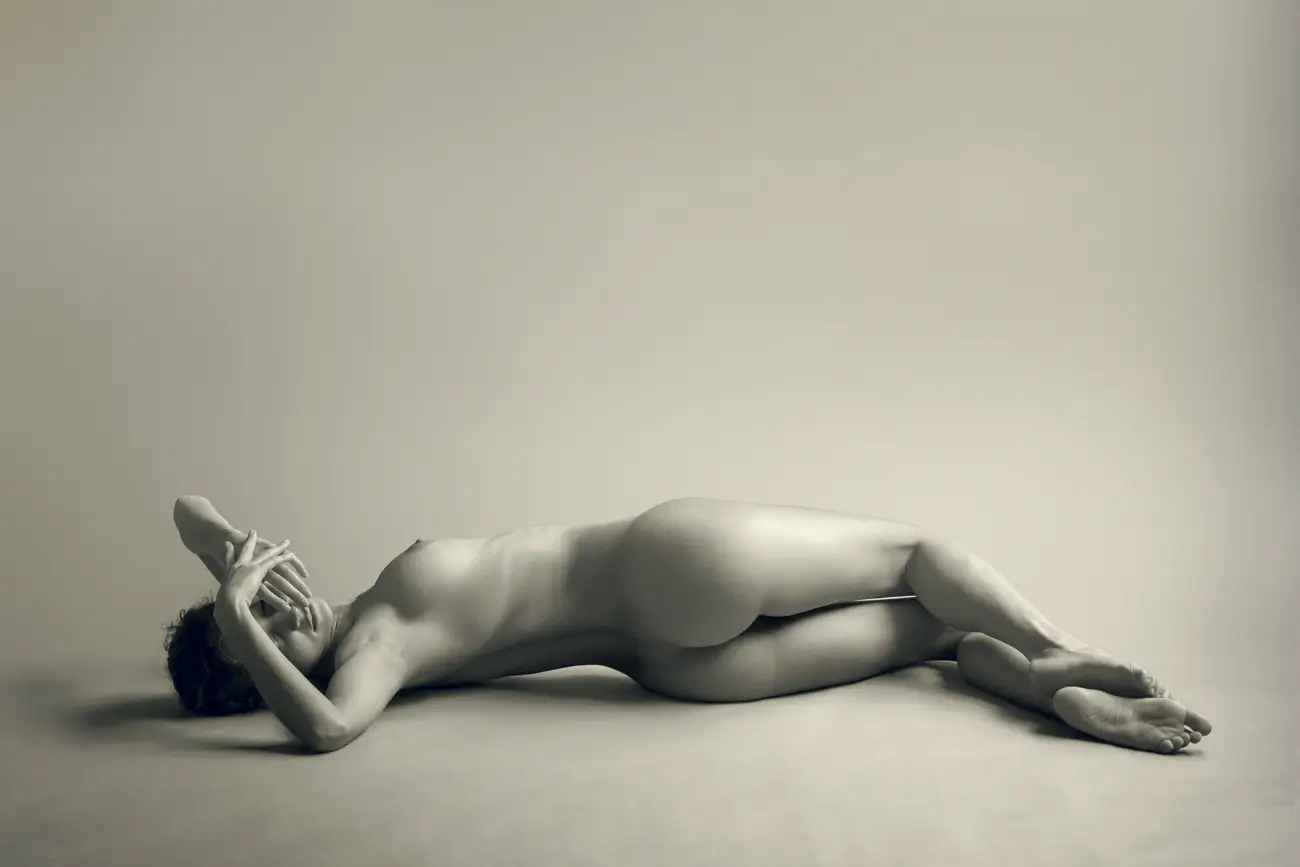
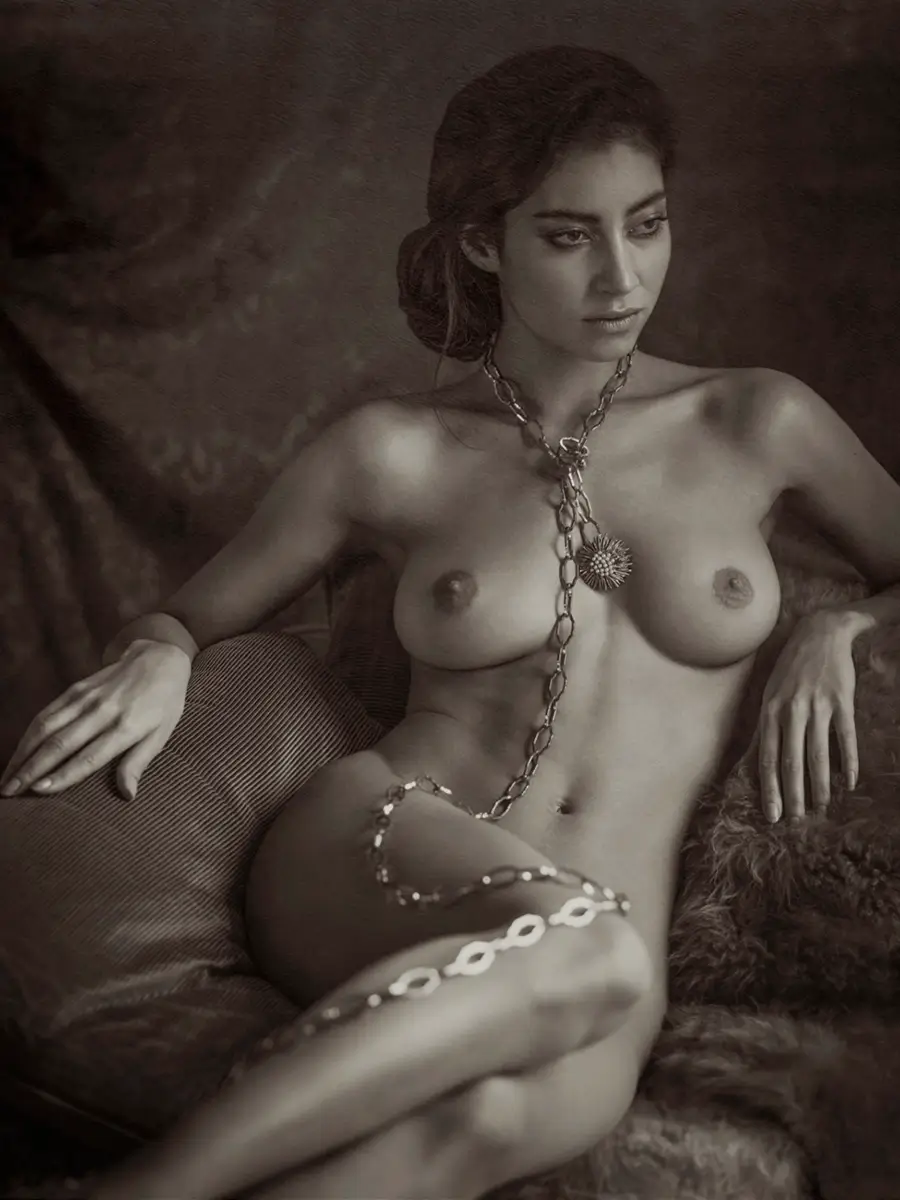
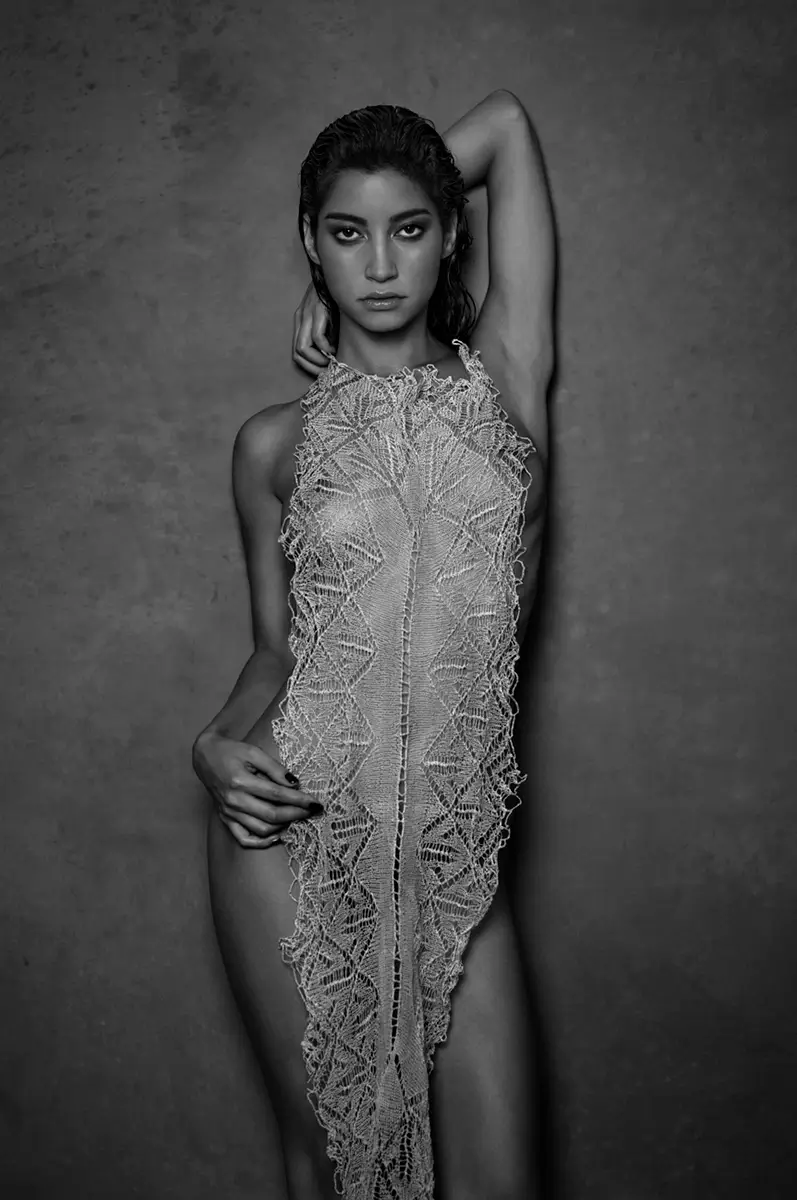
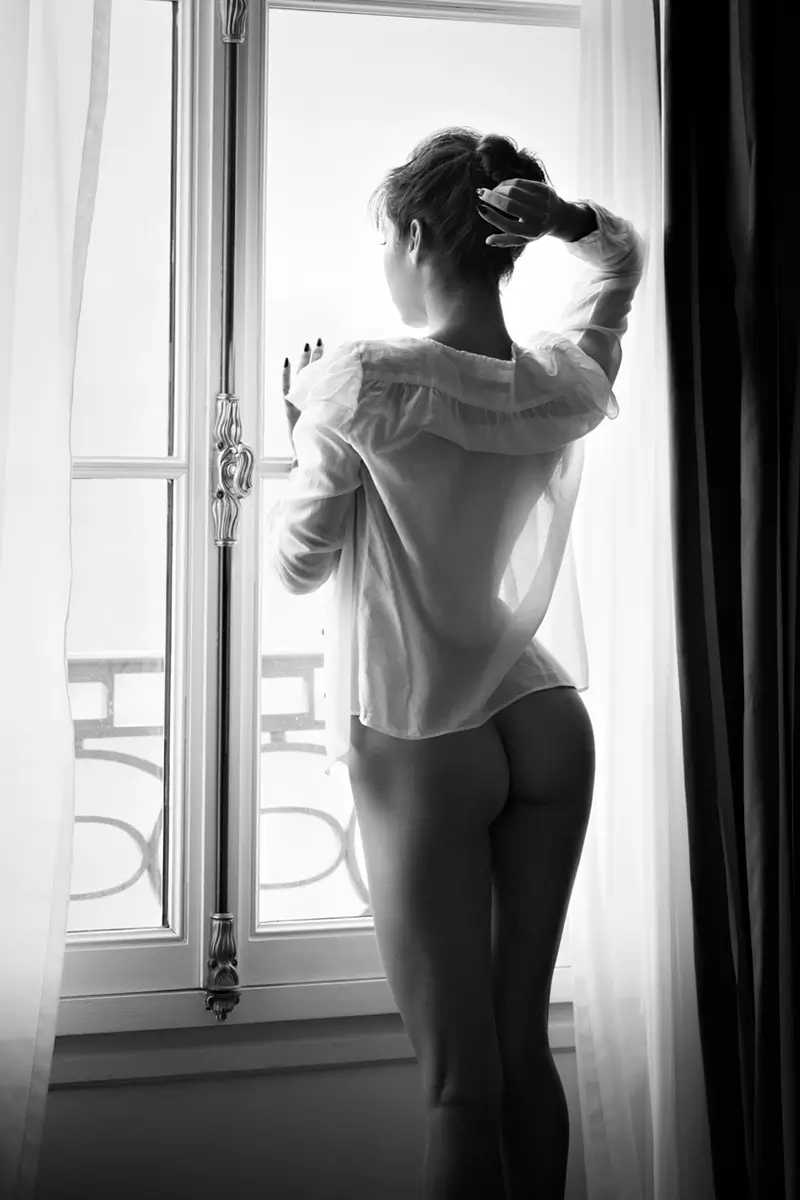
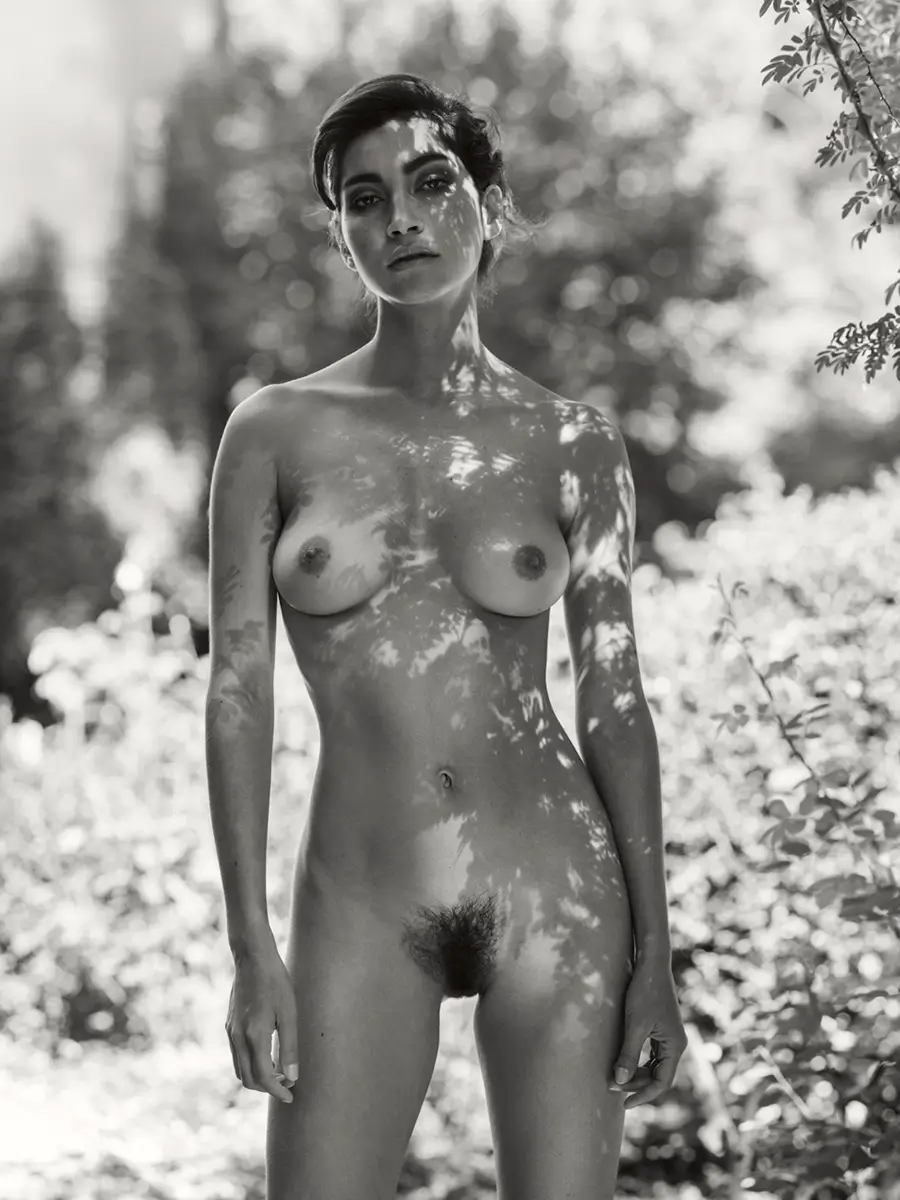
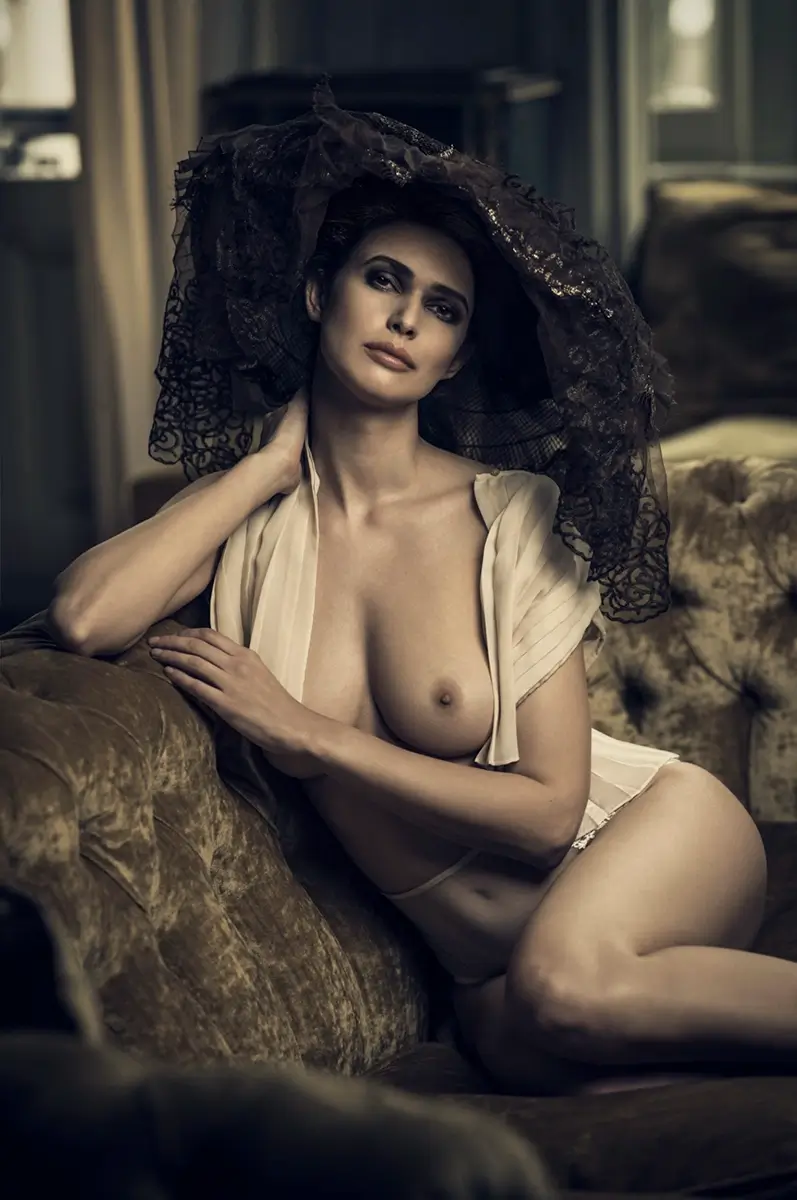
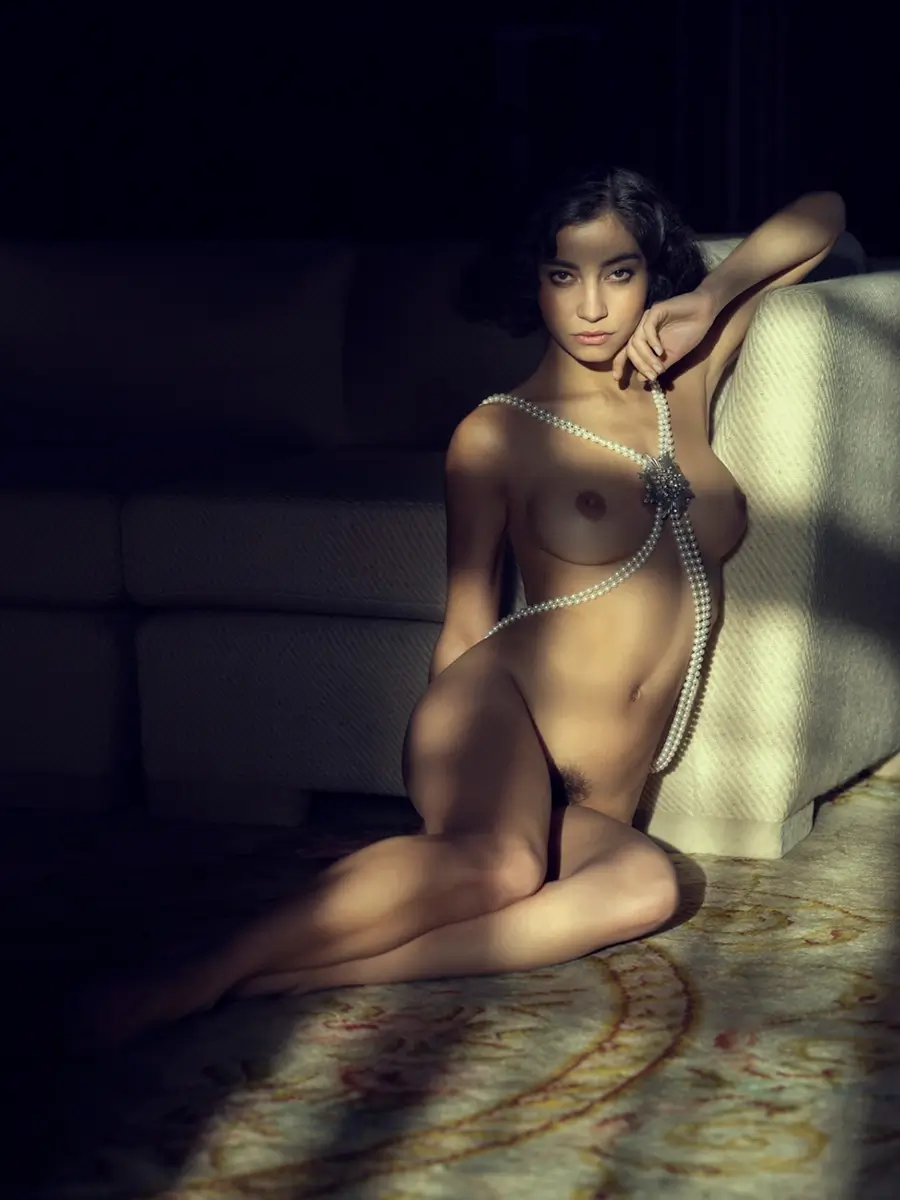
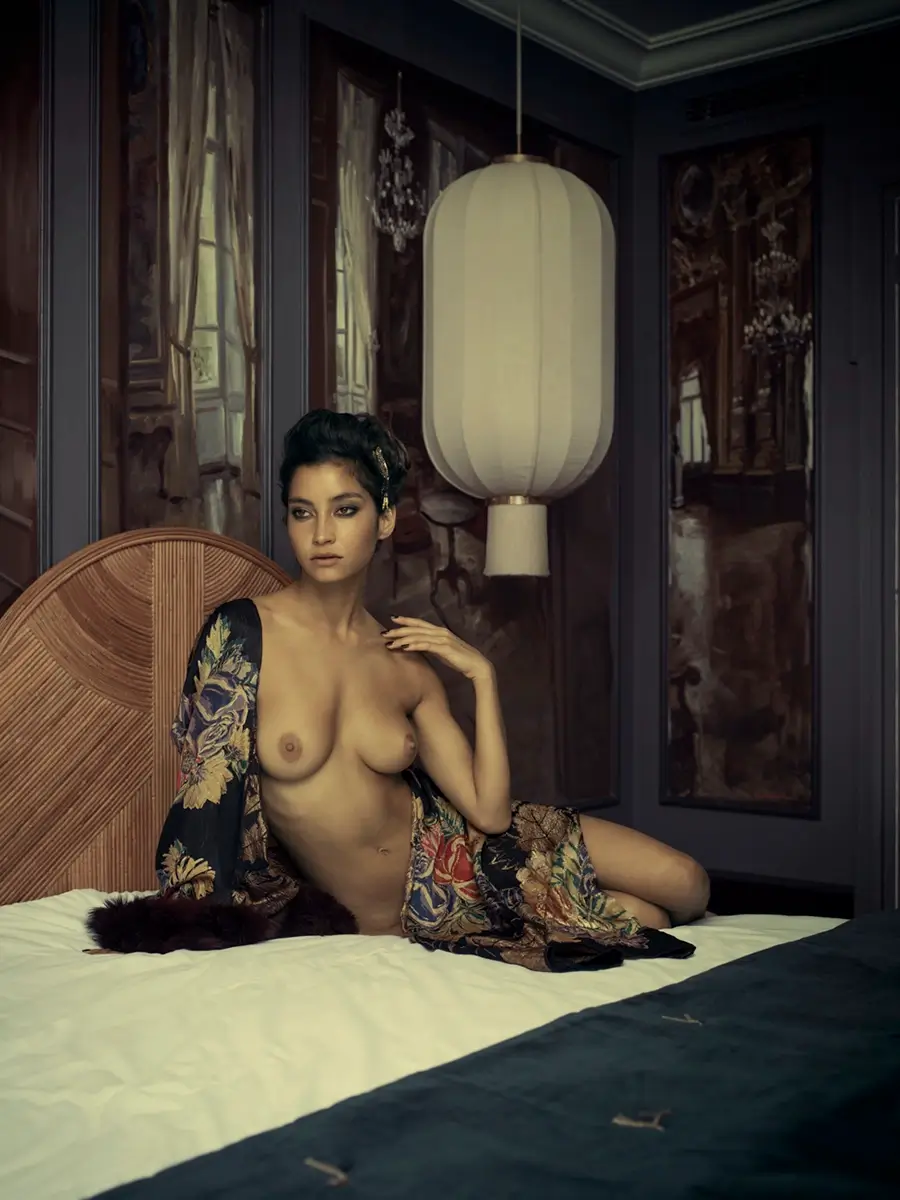
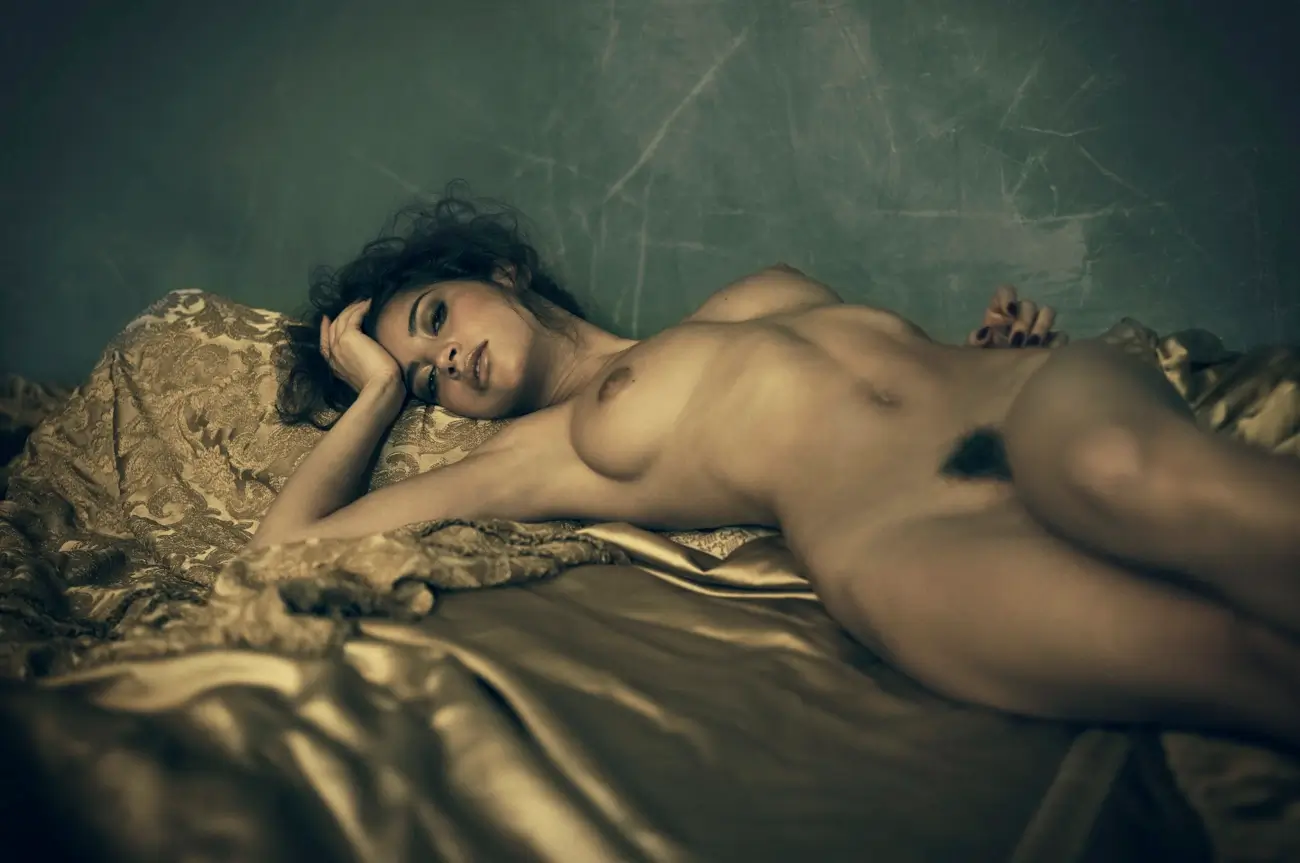
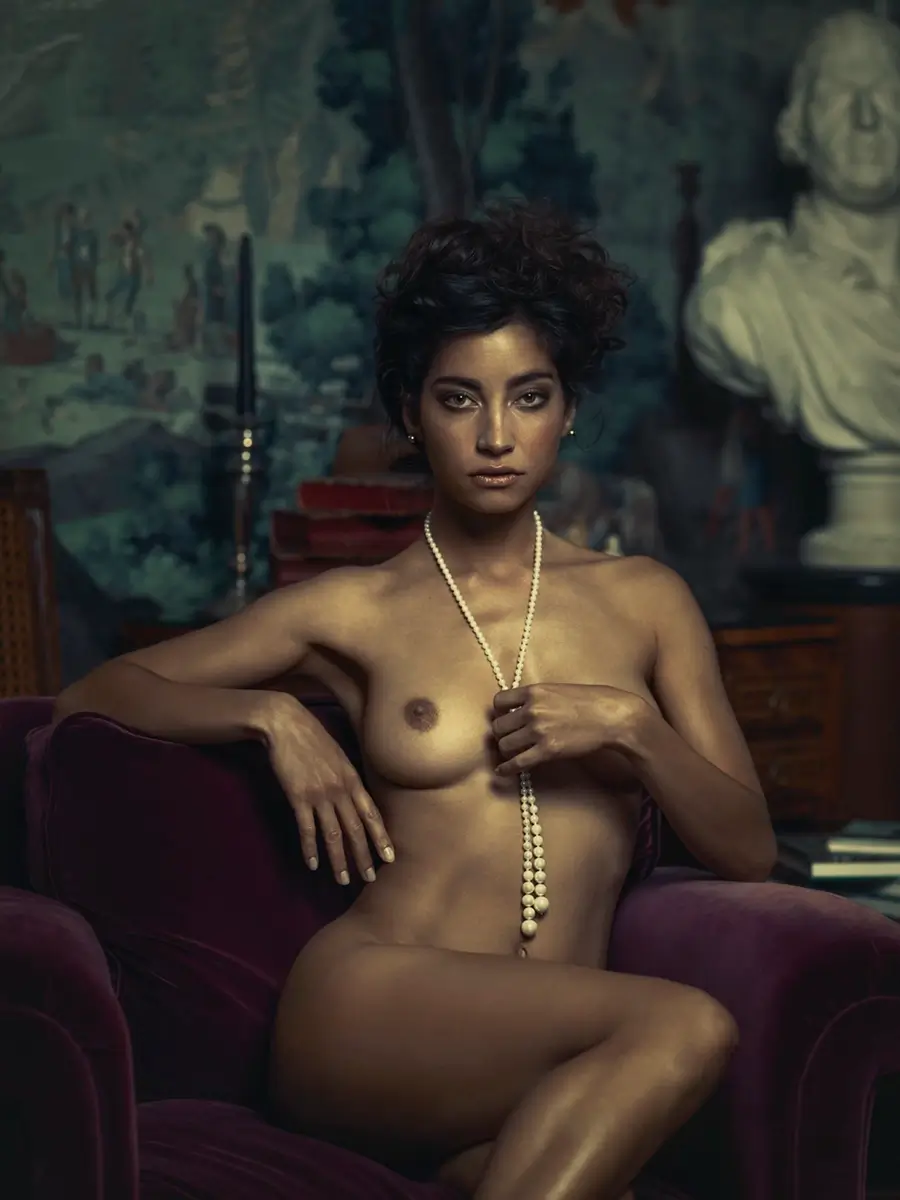
Award-winning fine art photographer Tina Trumpp was born in 1974 in Stuttgart, Germany. Her artistic journey led her to Italy, Spain, and France, where she lived and worked for many years. With her multiple recent international exhibitions, Tina Trumpp is under the spotlight of the contemporary photo art.

FINE ART NUDE
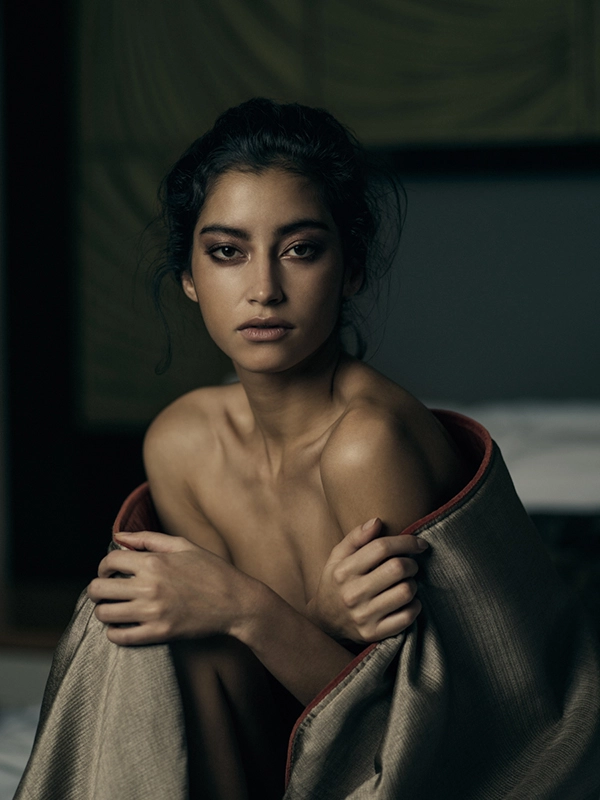
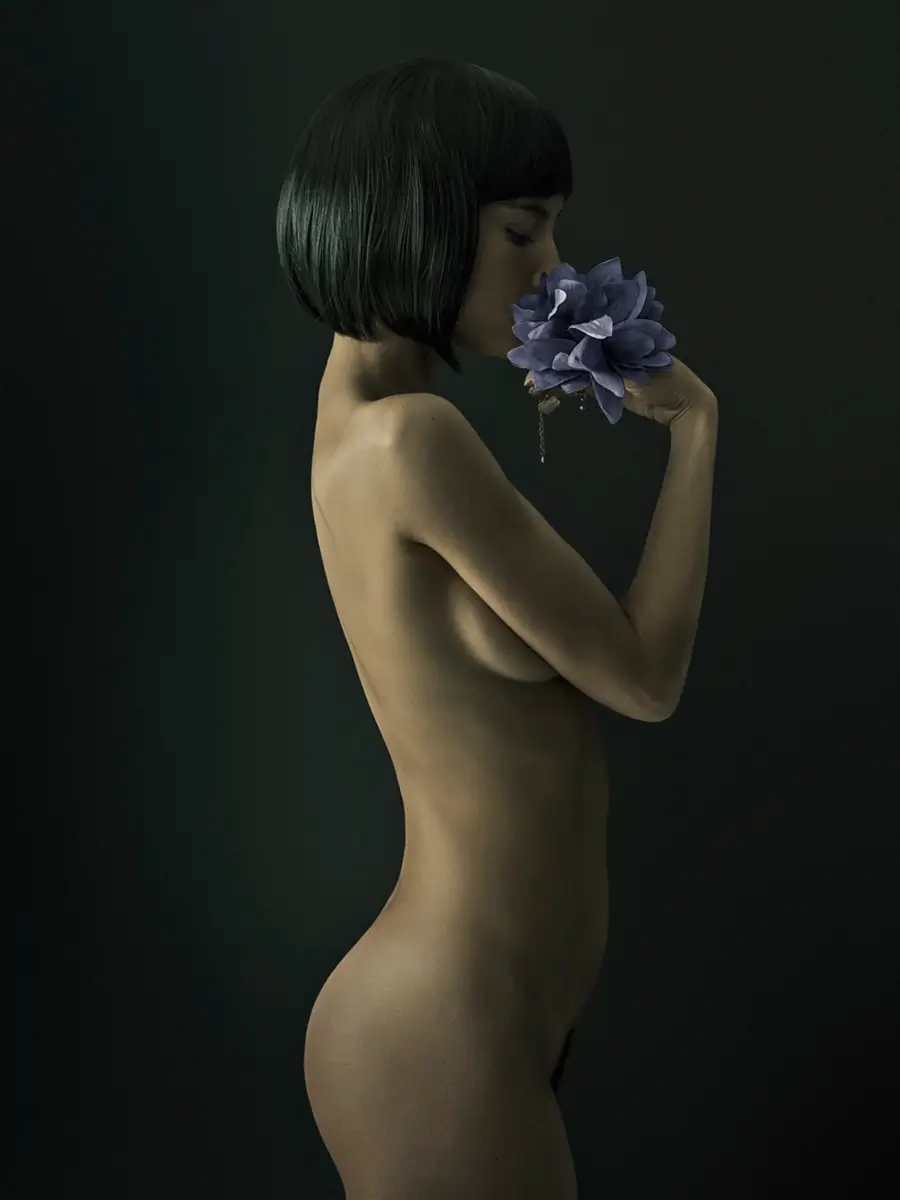
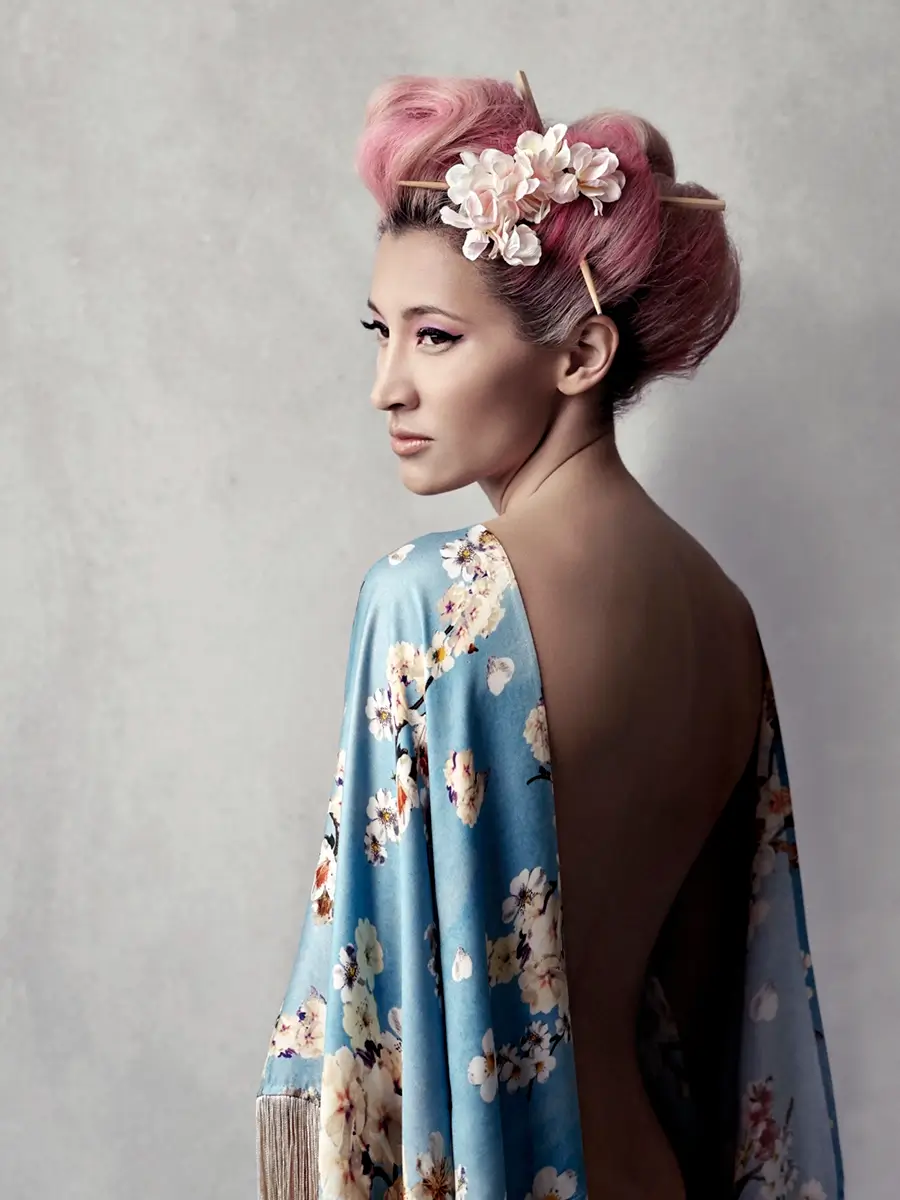
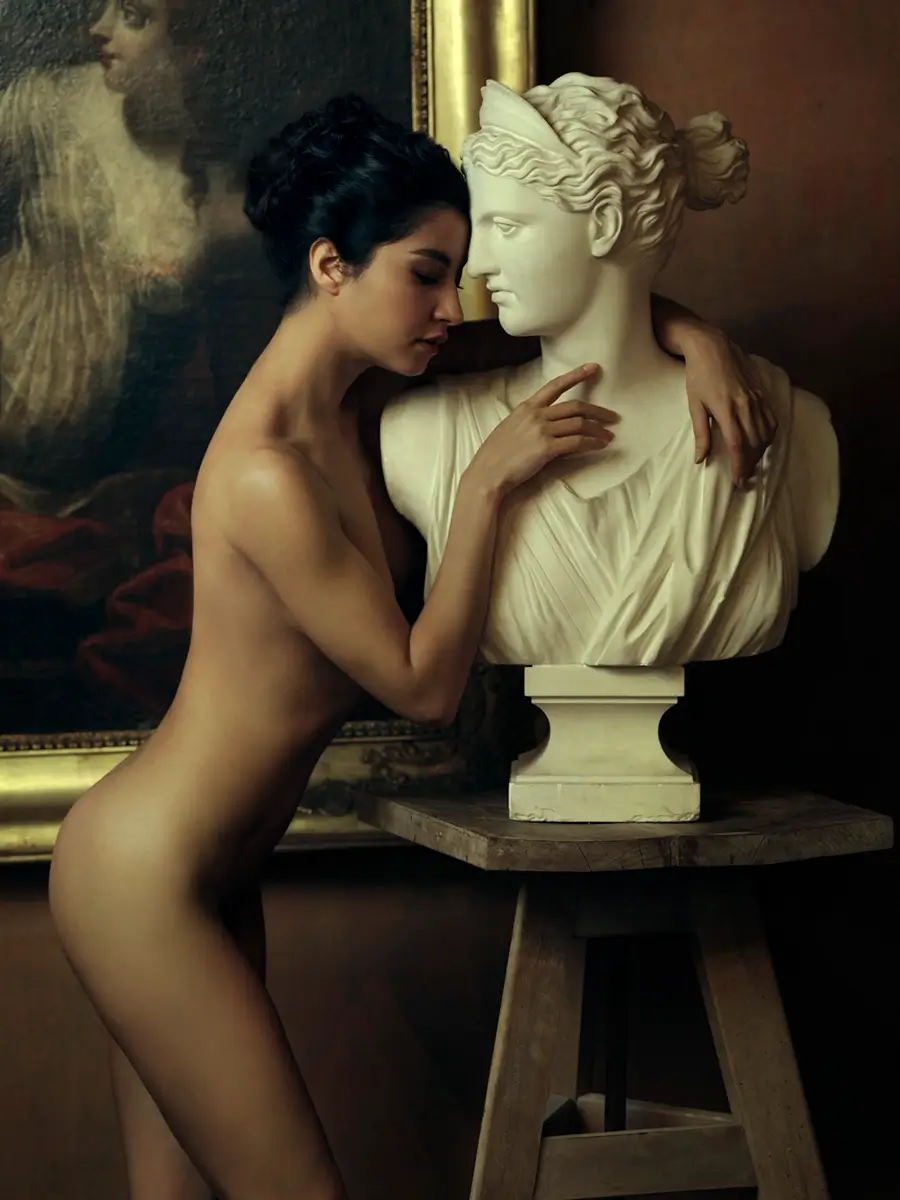
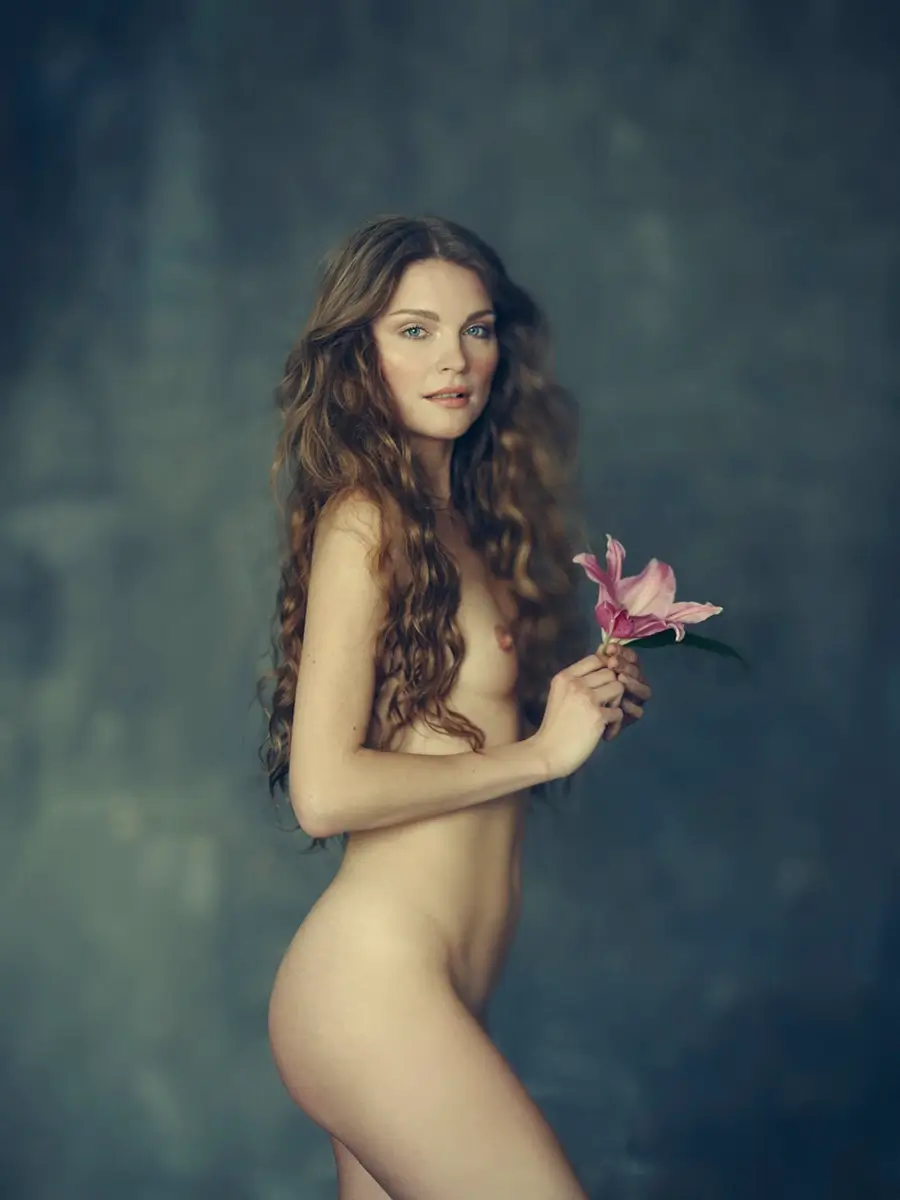
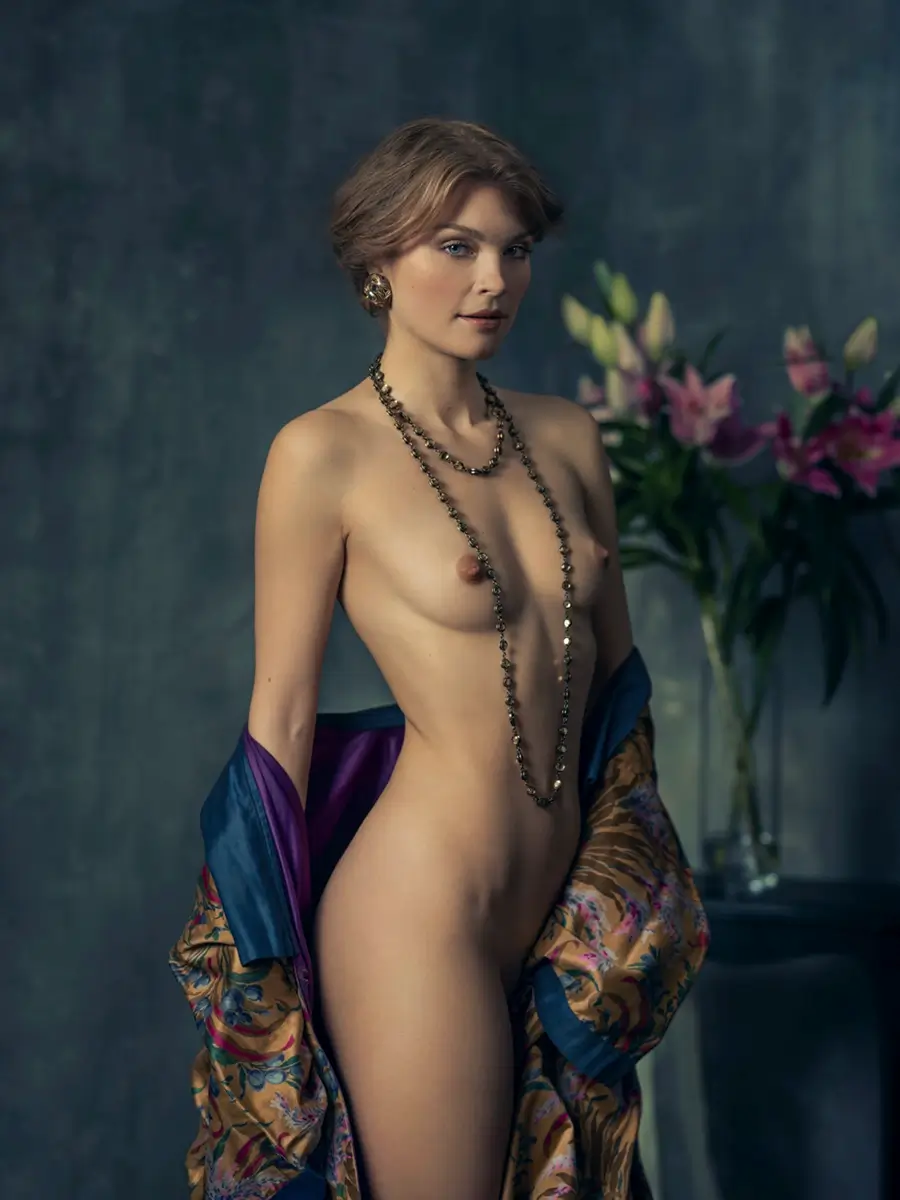
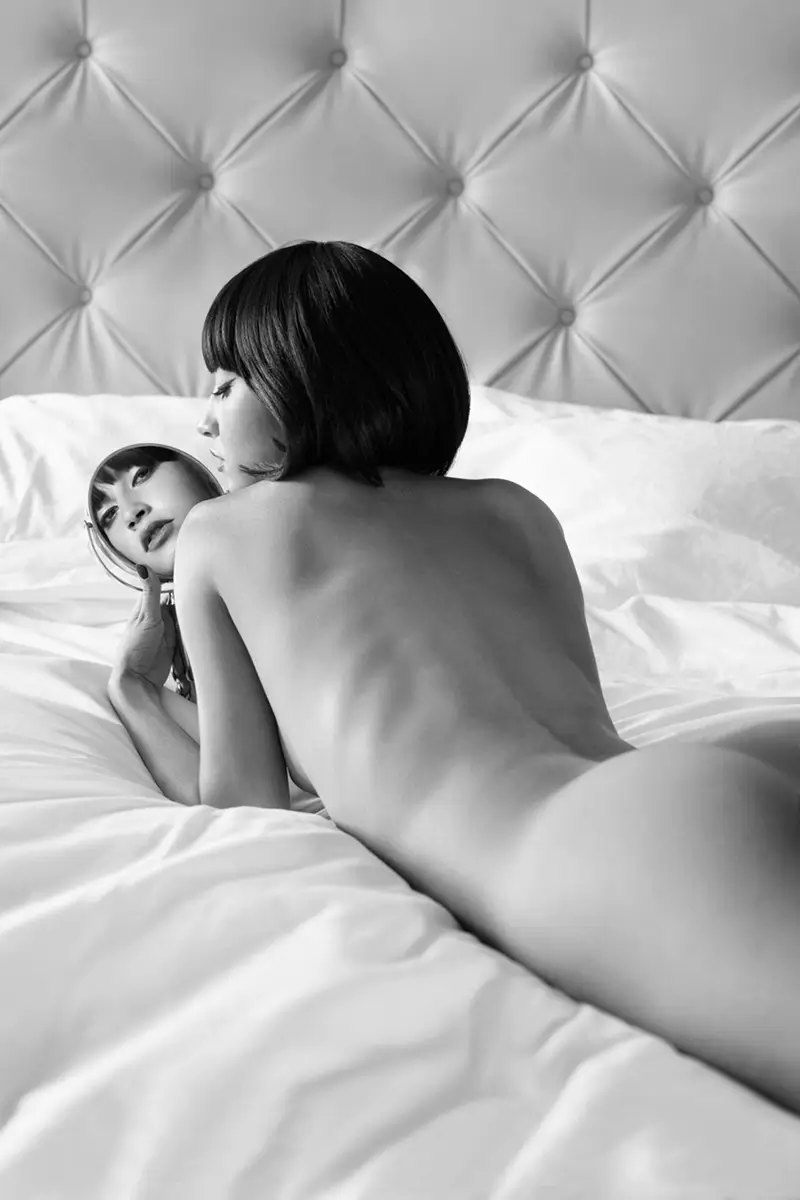
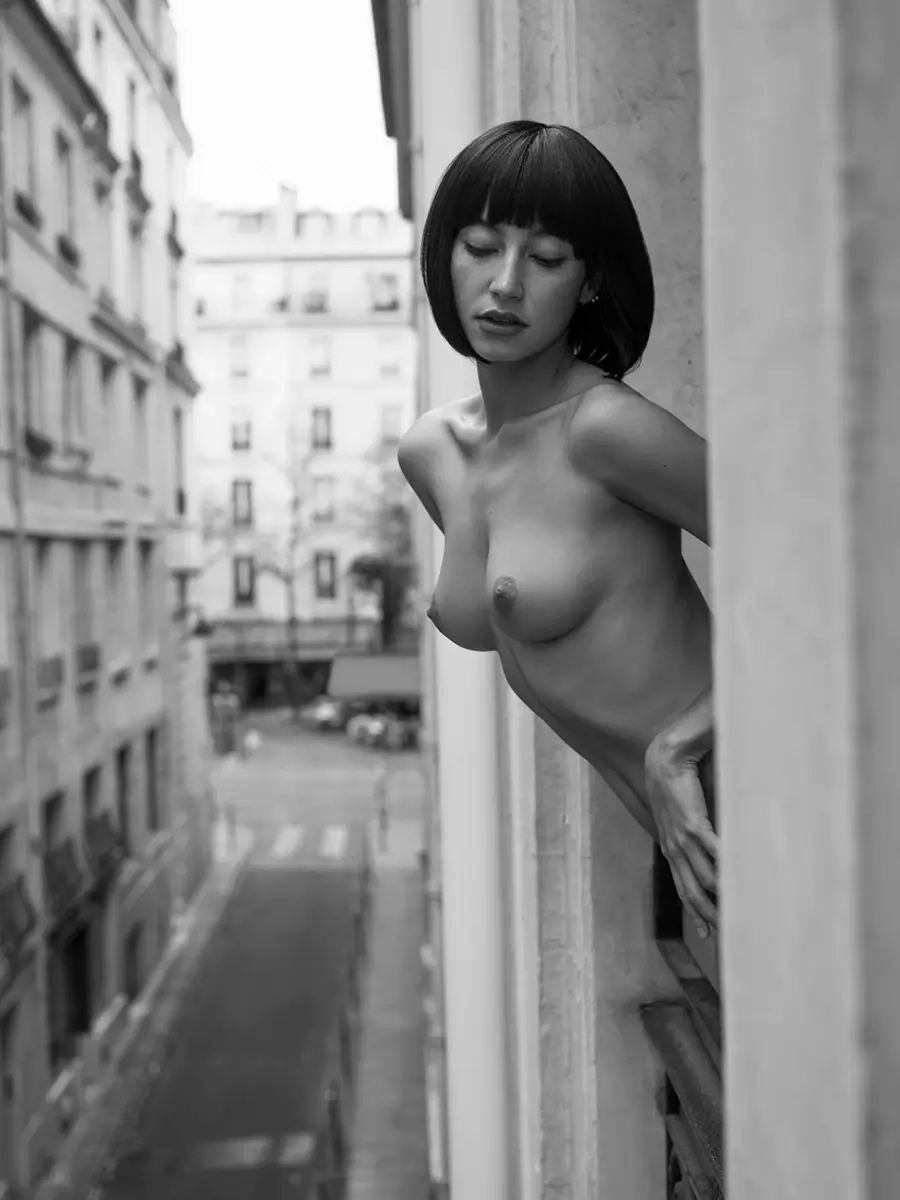
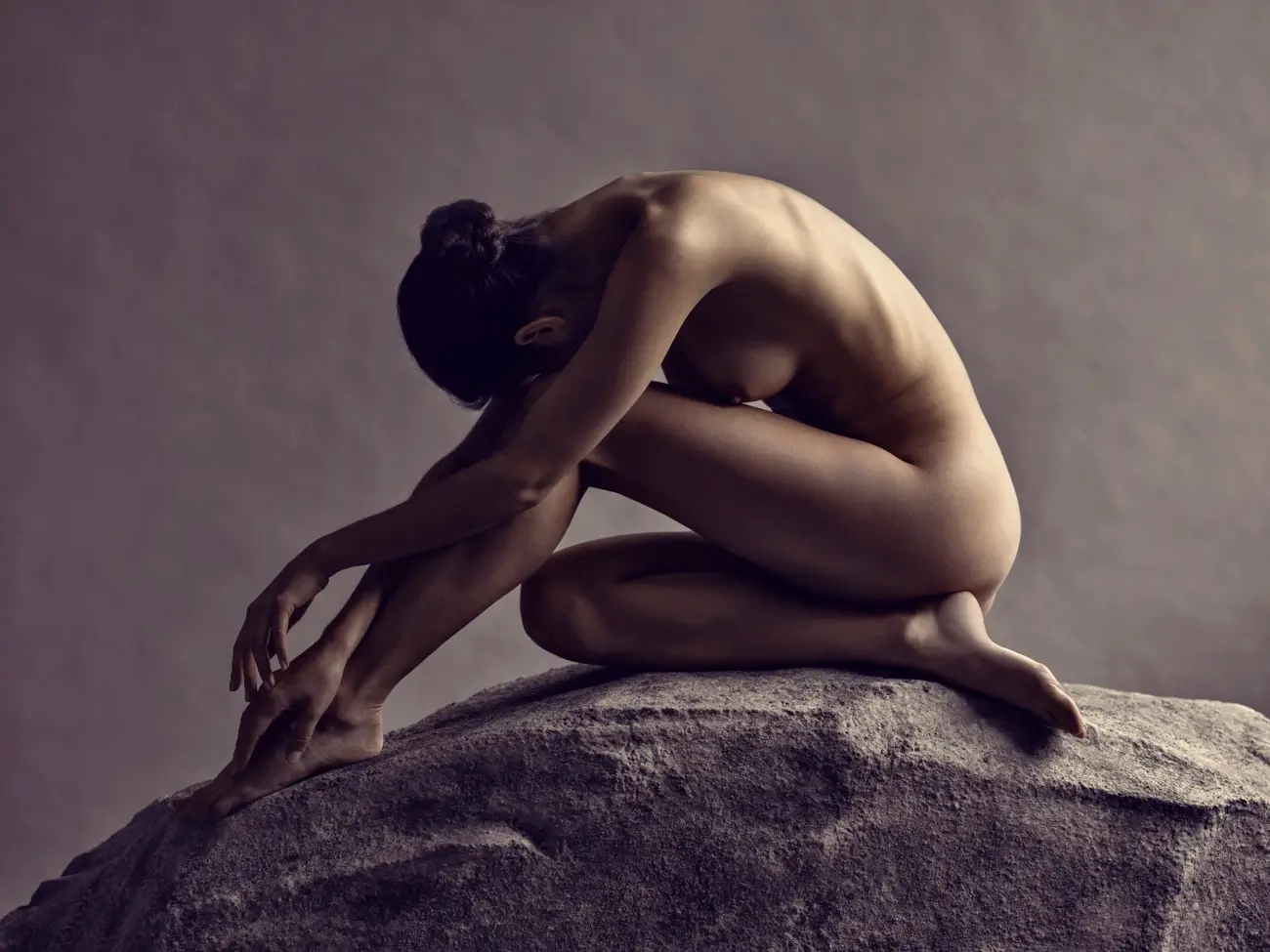
One of the few women in fine art / nude art photography, she has crafted a personal style where female nude is more than just a motif; Breathing with the gentle spirit of modern feminisim, her fine art prints are an ode to women and their sensitive beauty. Using natural lighting and soft lines, Trumpp offers a fresh perspective on nudity. Imbued with tranquil self-confidence, her muses possess a natural feeling of respectful elegance, highlighted by strength and breathtaking beauty. Often depicted in the muffled intimacy of their private spaces, they carelessly unveil their femininity while silently lost in deep thought. Are they reminscing the memories of a long-lost lover? Or waiting for one to return? Trumpp's seductive images trigger a narrative based on thoughtful emotions rather than primary instincts.

FINE ART NATURE
Just as the great painters of all eras found their motifs in nature, she also devotes part of her photo art to this genre. Her ideal landscapes are presented in a majestic and magnificent way in the style of Caspar David Friedrich where the viewer is asked to reflect on these vast, enigmatic expanses and secret spaces of nature. The expanse of the sea for exampe invites to think, but at the same time opens up the possibility of letting thoughts flow freely. Her photo art explores the space between photography and painterly expression. Instead of simply capturing reality, Tina’scontemporary art photography becomes a surface for color, light, texture, and gesture. Through soft rendering, layered compositions, and an intuitive use of light, her photo art begins to resemble a painting rather than a traditional photograph.

 

Inspiring Portfolios

Call for Entries
AAP Magazine #58 B&W
Publish your work in our printed magazine and win $1,000 cash prizes
 
Stay up-to-date  with call for entries, deadlines and other news about exhibitions, galleries, publications, & special events.

More Great Photographers To Discover

Gary Wagner
United States
1950
Born in Chicago, Gary Wagner developed an early passion for photography during his high school years. He went on to study at Indiana University and later at the Brooks Institute in California. Now living and working in the Pacific Northwest, Gary is widely recognized for his expressive black-and-white landscape photography. His work has been featured in magazines and exhibited in galleries across the country. In addition to his photographic career, he is an accomplished author, with books published by Amherst Media as well as independently. Through his images, Gary continues to engage viewers and collectors, driven by a lifelong dedication to conveying the essence of the natural world. Artist Statement: Seascapes, landscapes, and the world around me serve as my studio. Within these ever-changing environments, I find both freedom and inspiration, allowing me to create personal interpretations of nature’s elements and scenic vistas. The landscape is a dynamic and challenging subject, constantly transformed by shifting light and the changing seasons. I often return to my favorite locations throughout the year, discovering them anew each time. The sand along the shore, the depth of water in streams, and the way light strikes the rocks are never the same twice. This continual transformation fuels my excitement and passion for creating art. I choose to work exclusively in black and white, a medium that distills the landscape to its essential shapes, lines, and tones. By removing color, I am able to reveal the true character of a scene and convey the emotional resonance I experience in the moment. Today’s photographic tools offer endless creative possibilities, enabling me to further explore and share my vision. Through my work, I strive to honor the natural order and beauty of the earth while expressing my own emotional response to land, sea, and light. I hope this perspective encourages viewers to experience these landscapes in a new and meaningful way. AAP Magazine AAP Magazine 54 Nature
David Katzenstein
United States
New York fine arts photographer David Katzenstein has traveled throughout the world on his lifelong artistic journey as a visual chronicler of humanity. Using subject, light, and composition to create visual dynamism, he sets the stage for the viewer to be in the moment with him. His goal is to allow viewers to experience a scene through his eyes-as if they were standing there beside him. Steeped in the tradition of documentary photography, Katzenstein imbues his work with immediacy, emotional engagement, and a deep respect for his subjects. Out of his fascination with ritual, over the years Katzenstein has photographed pilgrimage as practiced in different cultures. While visiting Memphis in the spring of 2017, he was inspired to expand on this theme by embarking on the project OUTSIDE THE LORRAINE MOTEL: Journey to a Sacred Place. The artist was introduced to the Mid-South region in the late 1980s while on assignment for Rolling Stone, documenting the roots of the blues in rural communities of Mississippi and Arkansas. An archive of online exhibitions and projects can be viewed at www.davidkatzenstein.com. In 2018 Katzenstein formed a nonprofit organization whose mission is to create and mount exhibitions of photographs depicting the human experience (www.thehumanexperienceproject.net). Outside the Lorraine: A Photographic Journey to a Sacred Place The National Civil Rights Museum presents the fine art photography exhibition, Outside the Lorraine: A Photographic Journey to a Sacred Place featuring the work of David Katzenstein. The yearlong exhibition highlights the museum as mecca for peacemakers, a place of memory and connection during the museum’s 30th anniversary. The collection of over 90 photos in Outside the Lorraine helps visitors identify with social issues by using fine art photography to connect to the historic place, Dr. King, movement makers, and one another. Viewers are invited to see the sparkle that lies within each print that shimmers, vibrates, and introduces people to a richer experience with fine art photography by making each piece relatable. The National Civil Rights Museum welcomes thousands of visitors a year each carrying an identity influenced by self and society. They bring their assumptions about the Civil Rights Movement. The courtyard is the first place where they confront those assumptions and begin to reconcile them with an alternate perspective of history. A picture tells a thousand words. As a sacred place, the plaza holds the weight of our shared mourning. As a portal, the plaza offers each visitor a pathway to greater self-knowledge and agency. Articles Ritual Distant Journeys Book: Distant Journeys Book: Brownie
Philip Jones Griffiths
Wales
1936 | † 2008
Born in Rhuddlan, Wales, Philip Jones Griffiths studied pharmacy in Liverpool and worked in London while photographing part-time for the Manchester Guardian. In 1961 he became a full-time freelancer for the London-based Observer. He covered the Algerian War in 1962, then moved to Central Africa. From there he moved to Asia, photographing in Vietnam from 1966 to 1971. His book on the war, Vietnam Inc., crystallized public opinion and gave form to Western misgivings about American involvement in Vietnam. One of the most detailed surveys of any conflict, Vietnam Inc. is also an in-depth document of Vietnamese culture under attack. An associate member of Magnum since 1966, Griffiths became a member in 1971. In 1973 he covered the Yom Kippur War and then worked in Cambodia between 1973 and 1975. In 1977 he covered Asia from his base in Thailand. In 1980 Griffiths moved to New York to assume the presidency of Magnum, a post he held for a record five years. Griffiths' assignments, often self-engineered, took him to more than 120 countries. He continued to work for major publications such as Life and Geo on stories such as Buddhism in Cambodia, droughts in India, poverty in Texas, the re-greening of Vietnam, and the legacy of the Gulf War in Kuwait. His continued revisiting of Vietnam, examining the legacy of the war, lead to his two further books ‘Agent Orange’ and ‘Vietnam at Peace’. Griffiths' work reflects on the unequal relationship between technology and humanity, summed up in his book Dark Odyssey. Human foolishness always attracted Griffiths' eye, but, faithful to the ethics of the Magnum founders, he believed in human dignity and in the capacity for improvement. Philip Jones Griffiths died at home in West London on 19th March 2008From en.wikipedia.orgJones Griffiths was born in Rhuddlan, to Joseph Griffiths, who supervised the local trucking service of the London, Midland and Scottish Railway, and Catherine Jones, Rhuddlan's district nurse, who ran a small maternity clinic at home. He studied pharmacy in Liverpool and worked in London as the night manager at the Piccadilly branch of Boots, while also working as a part-time photographer for the Manchester Guardian. His first photograph was of a friend, taken with the family Brownie in a rowboat off Holyhead. Jones Griffiths never married, saying it was a "bourgeois" notion, but that he had had "significant" relationships. Survived by Fanella Ferrato and Katherine Holden, his daughters from long-term relationships with Donna Ferrato and Heather Holden. He died from cancer on March 19, 2008. Journalist John Pilger wrote in tribute to Griffiths soon after his death: "I never met a foreigner who cared as wisely for the Vietnamese, or about ordinary people everywhere under the heel of great power, as Philip Jones Griffiths. He was the greatest photographer and one of the finest journalists of my lifetime, and a humanitarian to match…. His photographs of ordinary people, from his beloved Wales to Vietnam and the shadows of Cambodia, make you realise who the true heroes are. He was one of them." Griffiths started work as a full-time freelance photographer in 1961 for the Observer, travelling to Algeria in 1962. He arrived in Vietnam in 1966, working for the Magnum agency. Magnum found his images difficult to sell to American magazines, as they concentrated on the suffering of the Vietnamese people and reflected his view of the war as an episode in the continuing decolonisation of former European possessions. However, he was eventually able to get a scoop that the American outlets liked: photographs of Jackie Kennedy vacationing with a male friend in Cambodia. The proceeds from these photos enabled him to continue his coverage of Vietnam and to publish Vietnam Inc. in 1971. Vietnam Inc. had a major influence on American perceptions of the war, and became a classic of photojournalism. The book was the result of Griffiths' three years work in the country and it stands as one of the most detailed surveys of any conflict, including descriptions of the horrors of the war as well as a study of Vietnamese rural life and views from serving American soldiers. Probably one of its most quoted passages is of a US army source discussing napalm: ‘We sure are pleased with those backroom boys at Dow. The original product wasn’t so hot - if the gooks were quick they could scrape it off. So the boys started adding polystyrene - now it sticks like shit to a blanket. But if the gooks jumped under water it stopped burning, so they started adding Willie Peter (white phosphorus) so’s to make it burn better. And just one drop is enough, it’ll keep on burning right down to the bone so they die anyway from phosphorus poisoning.’ The South Vietnamese president, Nguyen Van Thieu, criticized Griffiths' work, remarking "Let me tell you there are many people I don't want back in my country, but I can assure you Mr. Griffiths name is at the top of the list." In 1973, Griffiths covered the Yom Kippur War. He then worked in Cambodia from 1973 to 1975. In 1980, he became the president of Magnum, a position he then held for five years. In 2001 Vietnam Inc. was reprinted with a foreword by Noam Chomsky. Subsequent books have included Dark Odyssey, a collection of his best pictures, and Agent Orange, dealing with the impact of the US defoliant Agent Orange on postwar generations in Vietnam. After becoming aware of his terminal condition, Jones Griffiths launched a foundation to preserve his archives. His daughters helm the foundation, which as of July 2008 lacked a permanent home. Source: www.magnumphotos.com
Martin Miklas
Slovakia
1982
Lisbon-based documentary photographer from Bratislava /Slovakia whose primary focus is on sociological changes in Eastern Europe and socioeconomical and ecological impact on the fishing industry in Portugal. Presently one of the alumni of the 2022-23 VII Photo Agency Masterclass, proud father and Visual Storytelling Masterclass by The Raw Society participant. Dive into the Depths: Unveiling the Ocean's Soul In the realm of the vast and ever-shifting oceans, where mystery and beauty intertwine, lies an industry of profound significance: the fishing industry. It is here, amidst the ebb and flow of tides, that I have embarked on a long-term photographic project, driven by a deep fascination and a sense of responsibility for the issues plaguing our oceans. Like a deep-sea explorer, I navigate through layers of metaphor and reality, capturing the resilience of fishermen, the fragile ecosystems, and the pressing issues afflicting our waters. I aim to spark awareness and action, exposing the consequences of overfishing, climate change, pollution, and habitat destruction. Through my lens, I strive to reveal the untold stories that unfold in the fishing communities, the fragile ecosystems, and the human-nature interplay intrinsic to the fishing industry. My intention is to shine a light on the multifaceted aspects of this complex web, delving into its triumphs, struggles, and the urgent need for awareness and action. Oceanic ecosystems, fragile and exquisite, teem with life that sustains not only the fishing communities but also our entire planet. It is disheartening to witness the ecological imbalance and the ripple effect of overfishing, climate change, pollution, and habitat destruction. My photographs aim to depict these adversities, not only to evoke empathy but also to instigate conversations about the choices we make and the consequences we collectively bear. I aspire to generate a profound emotional response that transcends mere aesthetics. Compositions seek to immerse viewers in the world beneath the surface, inviting them to explore the enigmatic beauty and the precarious state of our oceans. I aim to foster a deep sense of connection, nurturing a responsibility towards the marine environment and fostering a collective call for sustainable practices. It is my hope that these visual narratives will inspire viewers to question, to engage, and to take meaningful action, for the wellbeing of our oceans, the communities that rely on them, and the future of our planet. In the ever-evolving dialogue between art and environmental activism, I believe that images have the power to evoke change. Together, let us navigate the depths, expose the challenges, and illuminate a path towards a more harmonious relationship with the oceans that sustain us all. AAP Magazine Winner of AAP Magazine 32 B&W
Advertisement
AAP Magazine #58 B&W
Win a Solo Exhibition in June
AAP Magazine #58 B&W

Latest Interviews

Exclusive Interview with Carolyn Moore
American photographer Carolyn Moore explores the inner landscape of emotion, memory, and personal transformation through a deeply intuitive photographic practice. Her work unfolds as a quiet dialogue between artist and viewer, where images become a space for reflection, vulnerability, and connection.
Exclusive Interview with Luca Desienna and Laura Estelle Barmwoldt
For over seven years, Of Lilies and Remains has explored the depths of the goth and darkwave underground, unfolding in Leipzig—a city long associated with a vibrant and enduring subcultural scene. Moving between iconic gatherings such as Wave-Gotik-Treffen and more intimate moments on the fringes, the project offers a rare and immersive glimpse into a world often misunderstood, yet rich in expression and community. Created by Luca in collaboration with Laura Estelle Barmwoldt, the work embraces a cinematic and deeply personal approach. Rather than documenting from a distance, it moves within the scene itself, capturing its atmosphere, its codes, and its quiet contradictions. The title Of Lilies and Remains hints at this duality—where beauty and darkness, fragility and strength coexist. As the book prepares for its release, we spoke with both artists about the origins of the project, their process, and what it means to document a subculture that continues to evolve while remaining true to its spirit.
Exclusive Interview with Matthew Finley
American photographer Matthew Finley turns inward, using photography as a way to explore identity, memory, and emotional truth. Based in Los Angeles, his practice moves between performance, gesture, and found imagery, creating a visual language that is both intimate and deeply personal
Exclusive Interview with Jan Janssen
Dutch photographer Jan Janssen explores universal human experiences through his long-term project It Matters, winner of the May 2025 Solo Exhibition. Begun in 2016, the series captures intimate moments of everyday life—love, loss, connection, and belonging—across Central and Eastern Europe. Working in countries such as Turkey, Azerbaijan, and Armenia, Janssen spends extended time within communities, building relationships based on trust and respect. His approach allows him to move beyond observation, revealing deeply human and authentic moments. Rooted in travel and personal discovery, It Matters reflects Janssen’s search for what connects us all in an increasingly divided world. The project is ongoing and will culminate in a photobook scheduled for publication in 2026.
Exclusive Interview with Henk Kosche
German photographer Henk Kosche turns his lens toward the streets of Halle an der Saale, capturing everyday life in the late years of the former German Democratic Republic. At the time, Kosche was studying design and exploring the city with his camera, drawn to the atmosphere of its industrial landscape and the quiet rhythms of daily life. His series Street Photography at the End of the 80s, selected as the Solo Exhibition for July 2025, revisits a body of work created just before a period of profound change. Rediscovered decades later in a small box of 35mm negatives, these photographs offer glimpses of a city and its people at a moment suspended between the familiar and the unknown.
Exclusive Interview with Anastasia Samoylova
Anastasia Samoylova is an American artist whose photographic practice is shaped by close observation and a deep attentiveness to place. Working between documentary and formal exploration, she photographs landscapes, architecture, and everyday scenes with a sensitivity to light, structure, and atmosphere. Since relocating to Miami in 2016, her work has increasingly focused on how environments—both natural and built—carry social, cultural, and emotional traces. We asked her a few questions about her practice and her way of seeing, to better understand the thoughts and experiences that shape her work—while allowing the images themselves to remain open and speak in their own time.
Exclusive Interview with Marijn Fidder
Marijn Fidder is a Dutch documentary photographer whose work powerfully engages with current affairs and contemporary social issues. Driven by a deep sense of social justice, she uses photography to speak on behalf of the voiceless and to advocate for the rights of those who are most vulnerable. Her images have been widely published in major international outlets including National Geographic, CNN Style, NRC Handelsblad, Volkskrant, GUP New Talent, and ZEIT Magazin. Her long-term commitment to disability rights—particularly through years of work in Uganda—culminated in her acclaimed project Inclusive Nation, which earned her the title of Photographer of the Year 2025 at the All About Photo Awards. She is also the recipient of multiple prestigious honors, including awards from World Press Photo and the Global Peace Photo Award. We asked her a few questions about her life and work.
Exclusive Interview with Josh S. Rose
Josh S. Rose is a multidisciplinary artist working across photography, film, and writing. His practice bridges visual and performing arts, with a strong focus on movement, emotion, and the expressive potential of the image. Known for his long-standing collaborations with leading dance companies and performers, Rose brings together authenticity and precise composition—a balance he describes as “technical romanticism.” His work has been commissioned and exhibited internationally, appearing in outlets such as Vogue, at the Super Bowl, in film festivals, and most recently as a large-scale installation for Lincoln Center for the Performing Arts. A sought-after collaborator, he has worked with major artists, cultural institutions, and brands, following a previous career as Chief Creative Officer at Interpublic Group and the founder of Humans Are Social. We asked him a few questions about his life and work.
Interview with Maureen Ruddy Burkhart
Photographer Maureen Ruddy Burkhart brings a quietly attentive and deeply human sensibility to her exploration of the world through images. Shaped by a life immersed in photography, film, and visual storytelling, her work is guided by intuition, observation, and an enduring interest in the emotional undercurrents of everyday life. With a practice rooted in both fine art traditions and documentary awareness, she approaches her subjects with sensitivity, allowing subtle moments to emerge naturally rather than be imposed. Her series Til Death, selected as the Solo Exhibition for February 2025, reflects this long-standing commitment to photography as a space for reflection rather than spectacle. Drawn to moments that exist just outside the expected frame, Burkhart’s images suggest narratives without resolving them, leaving room for ambiguity, humor, and quiet connection. We asked her a few questions about her life and work.
Call for Entries
Win A Solo Exhibition in June
Get International Exposure and Connect with Industry Insiders