All about photo.com: photo contests, photography exhibitions, galleries, photographers, books, schools and venues.
FINAL CALL TO ENTER AAP MAGAZINE B&W: PUBLICATION AND $1,000 CASH PRIZES
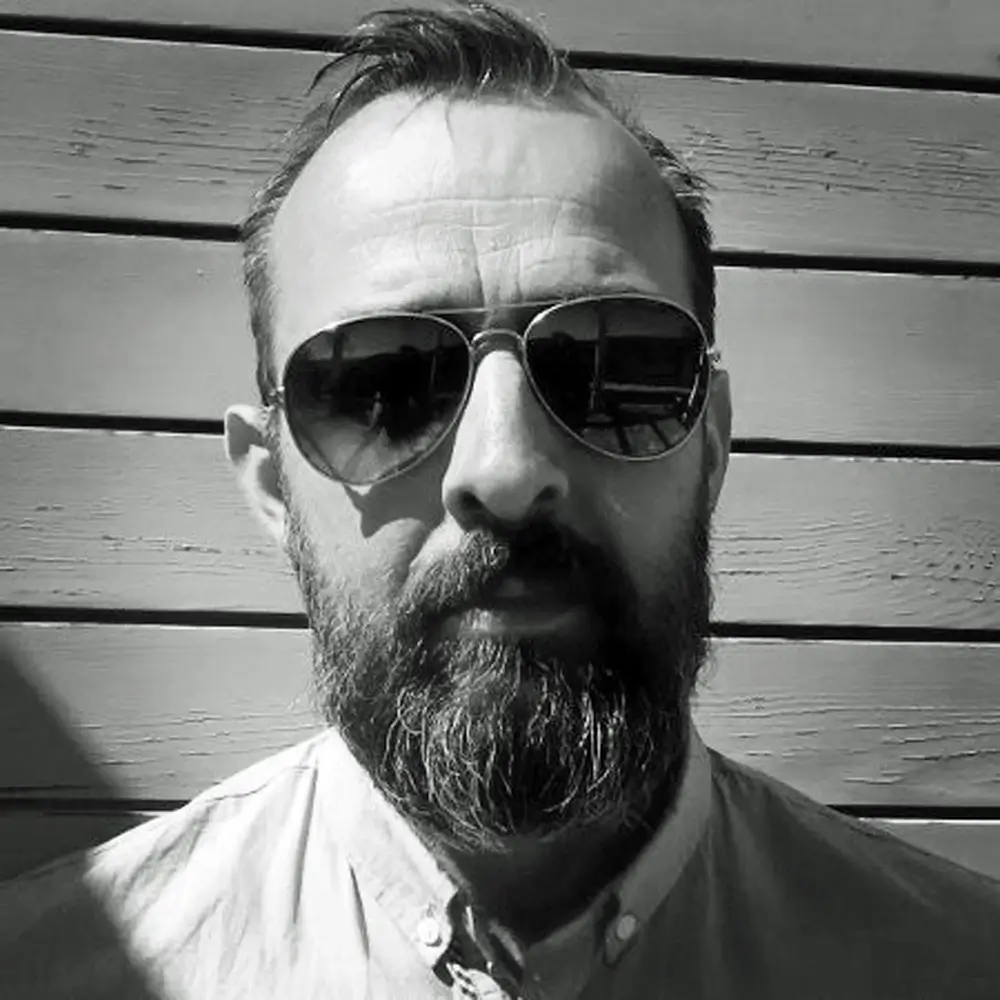
Matthew Garbutt
Matthew Garbutt
Matthew Garbutt

Matthew Garbutt

Country: United Kingdom

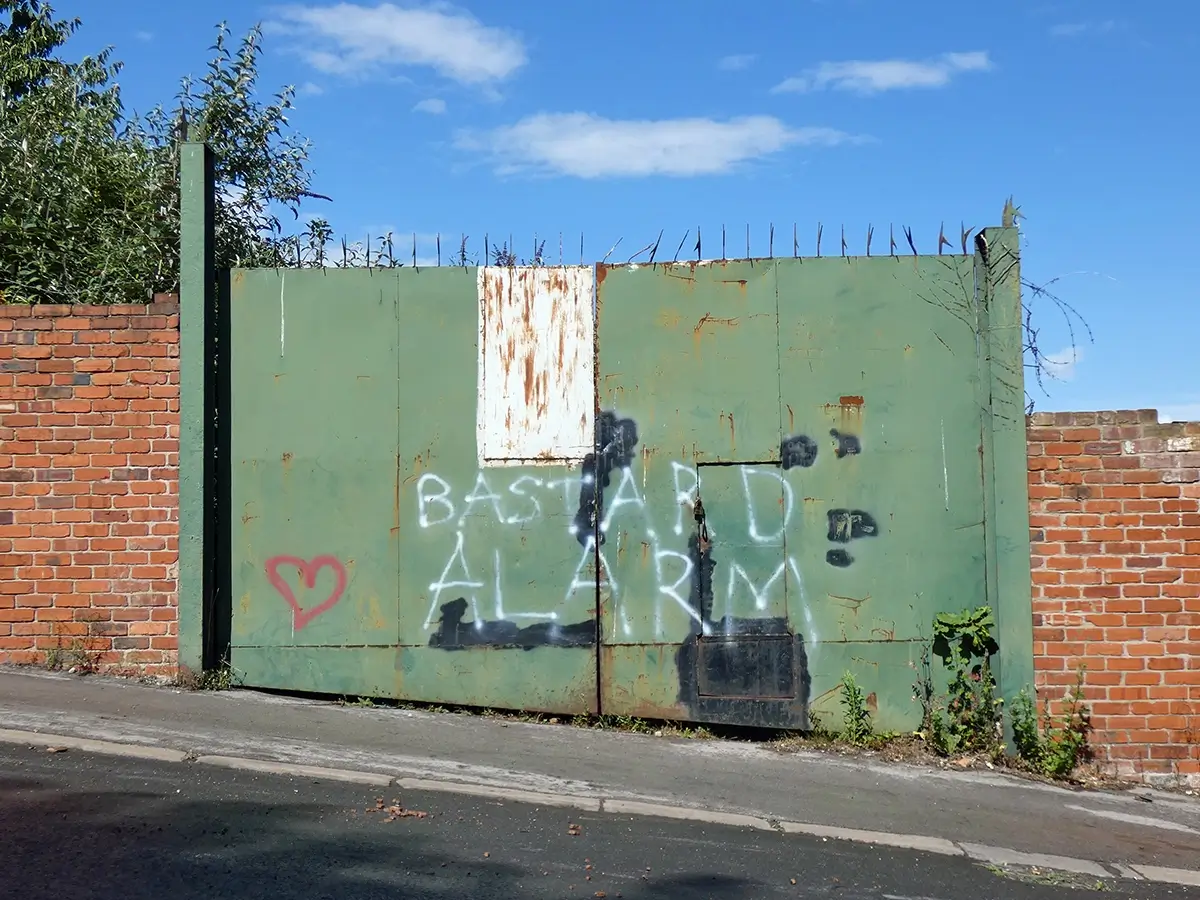
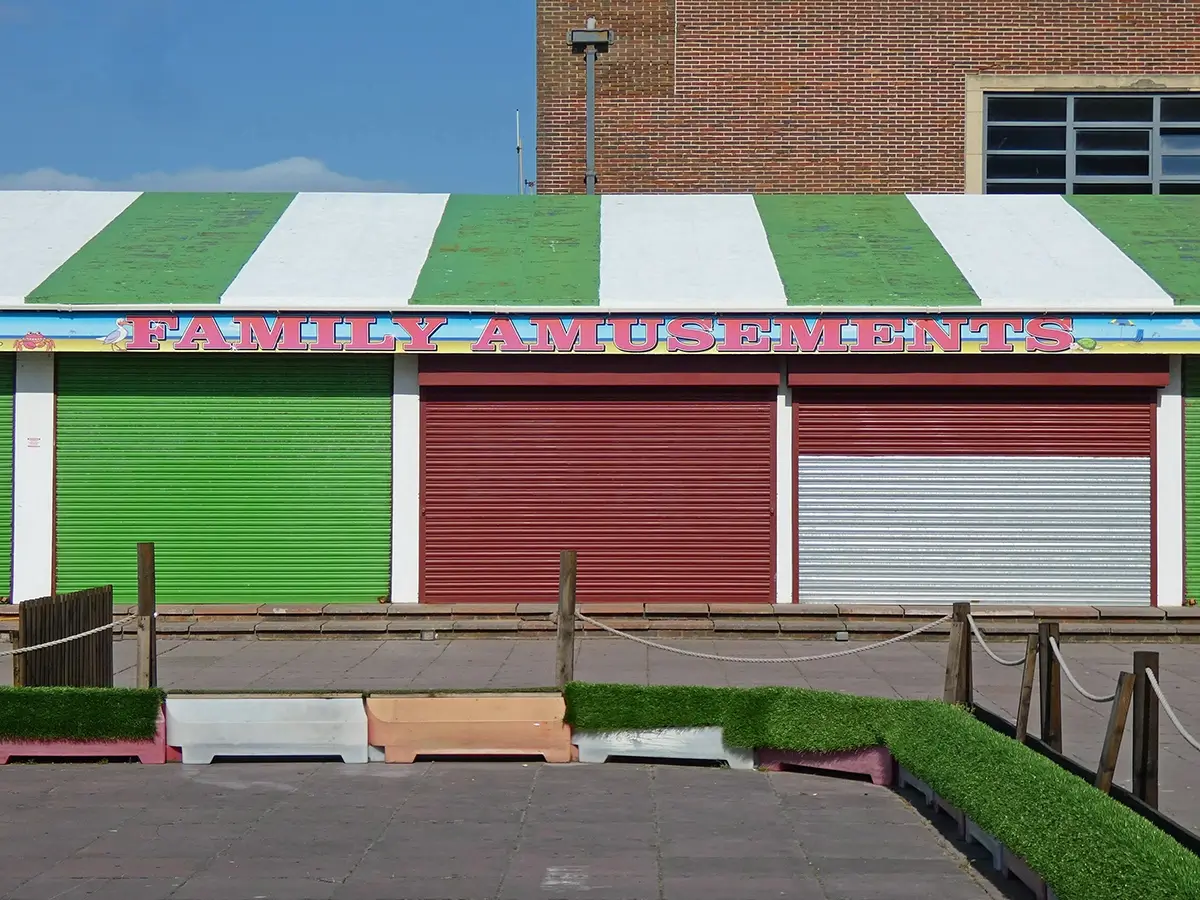
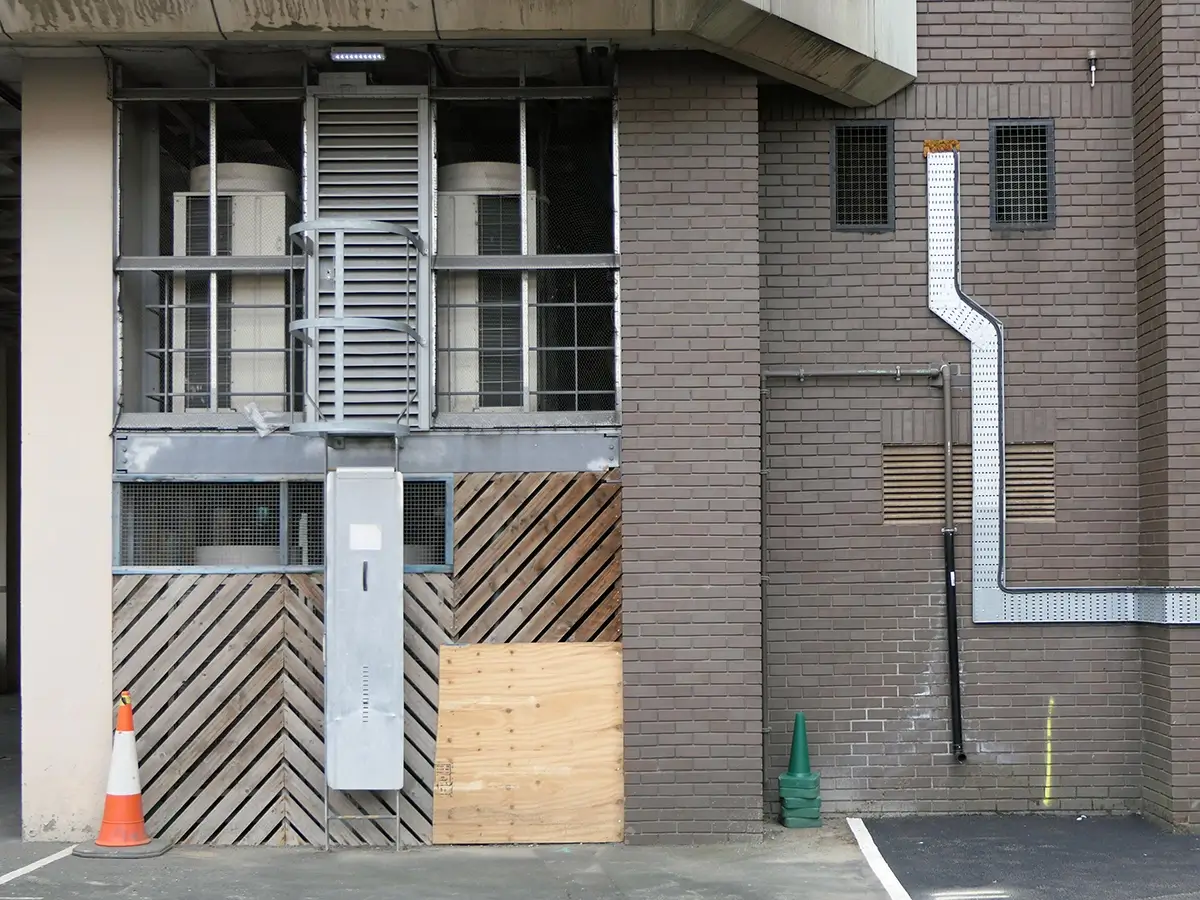
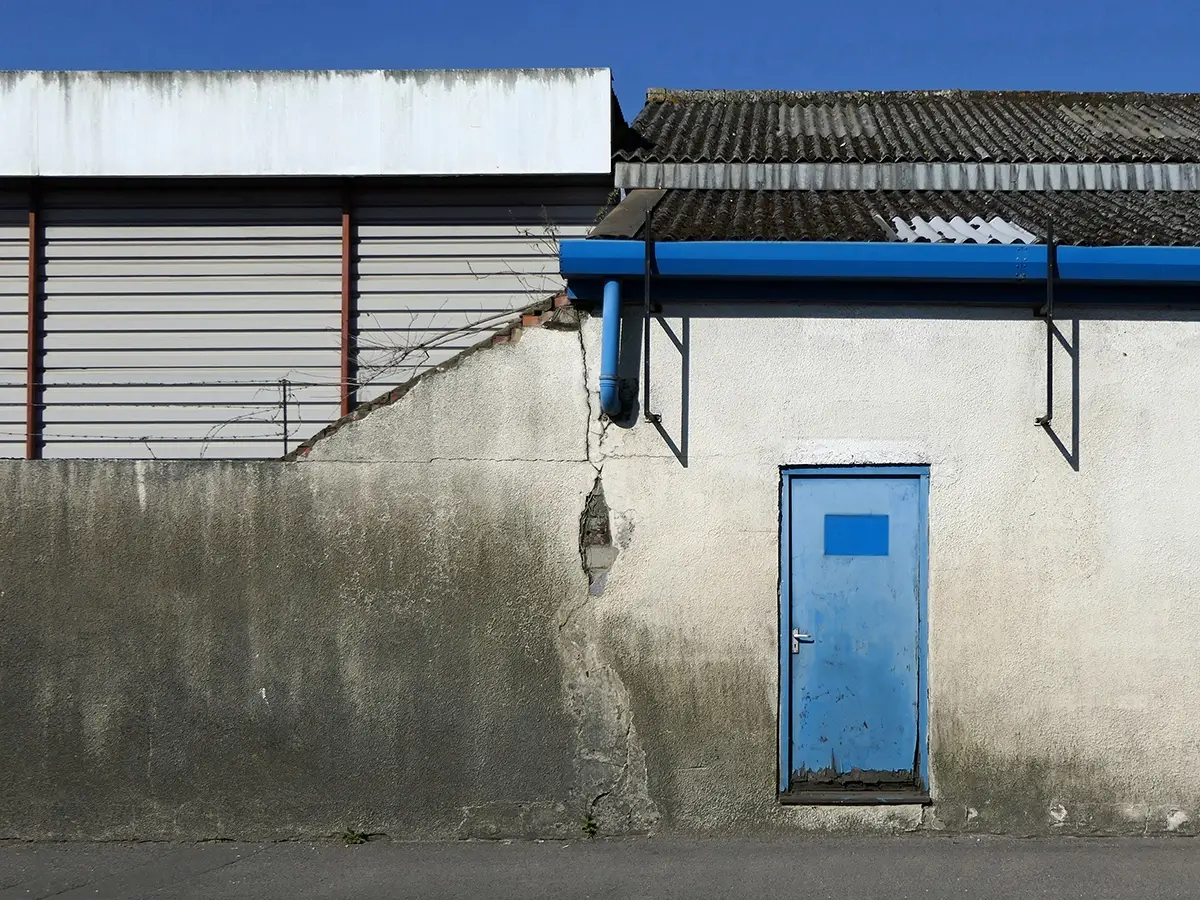
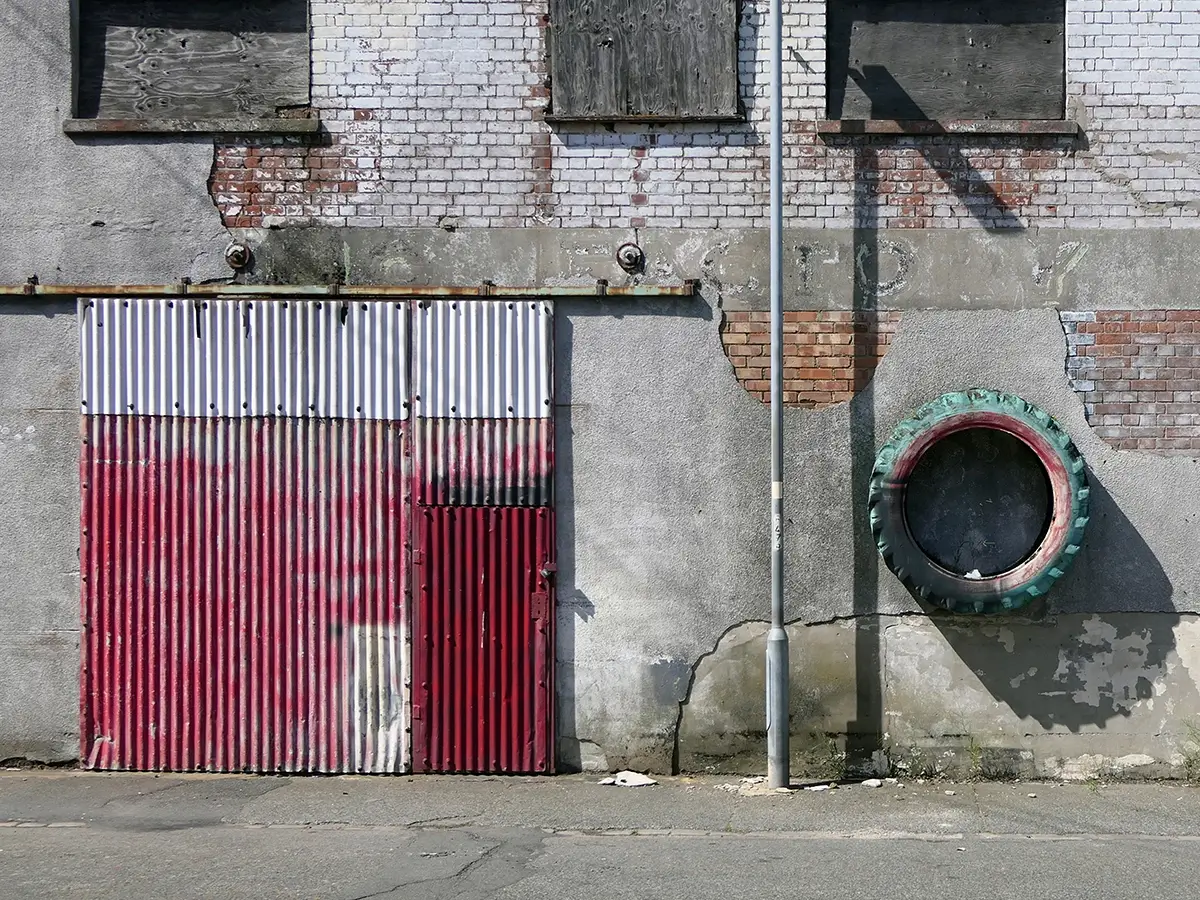
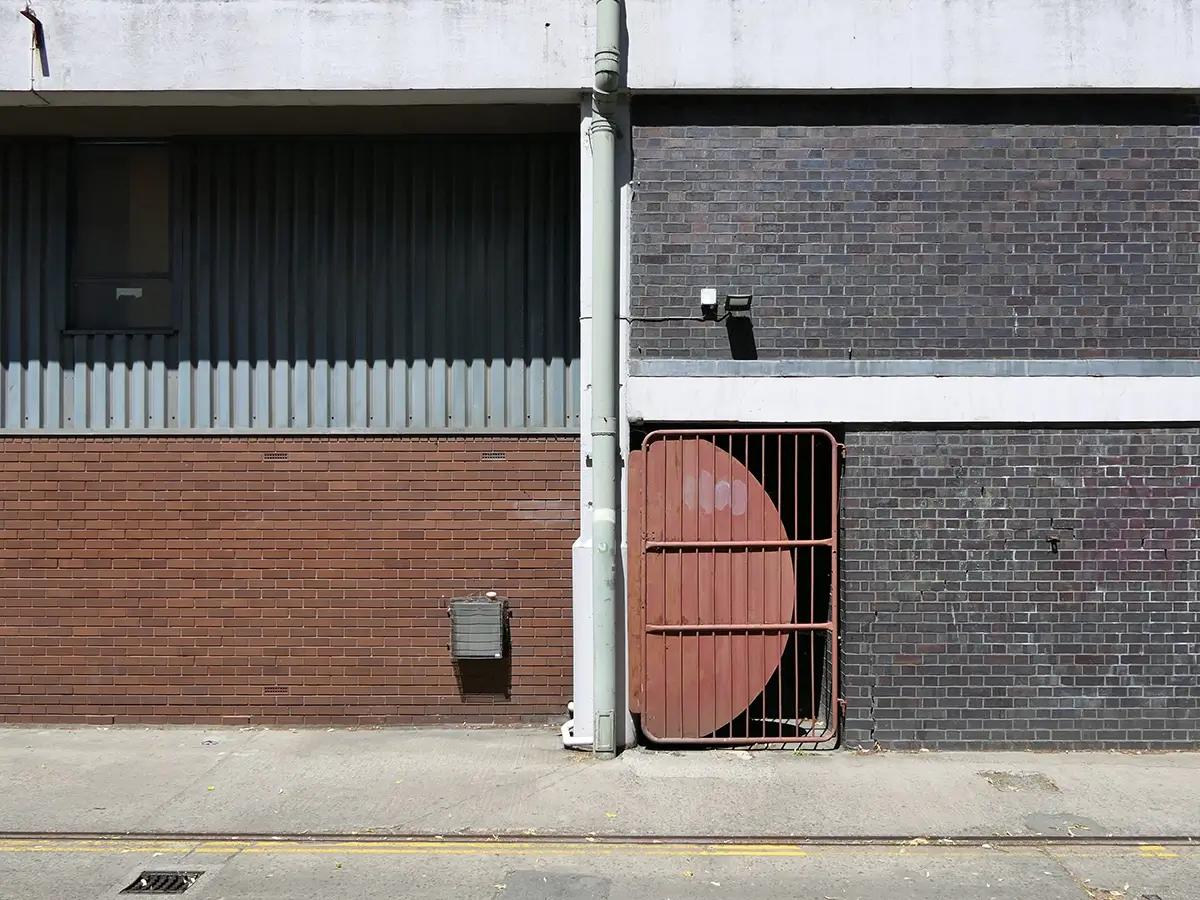
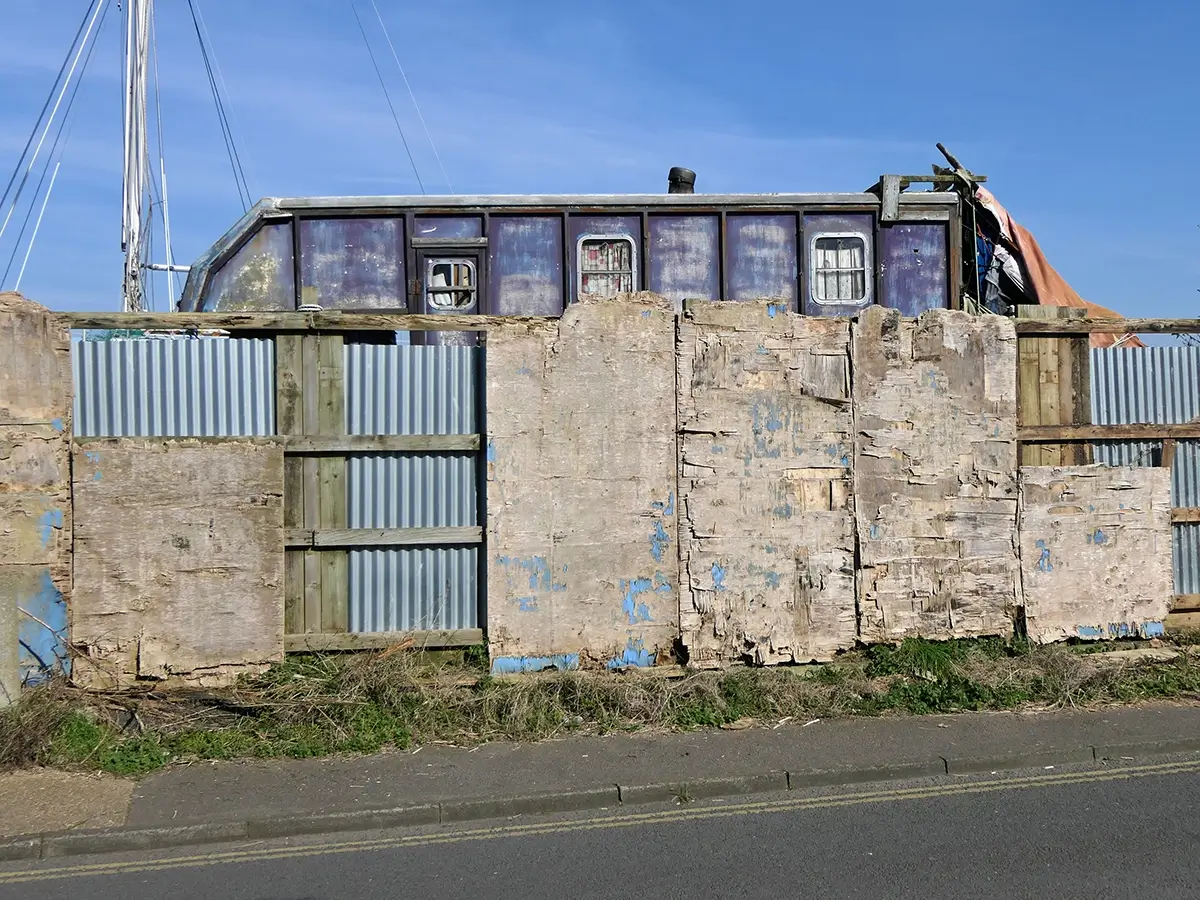
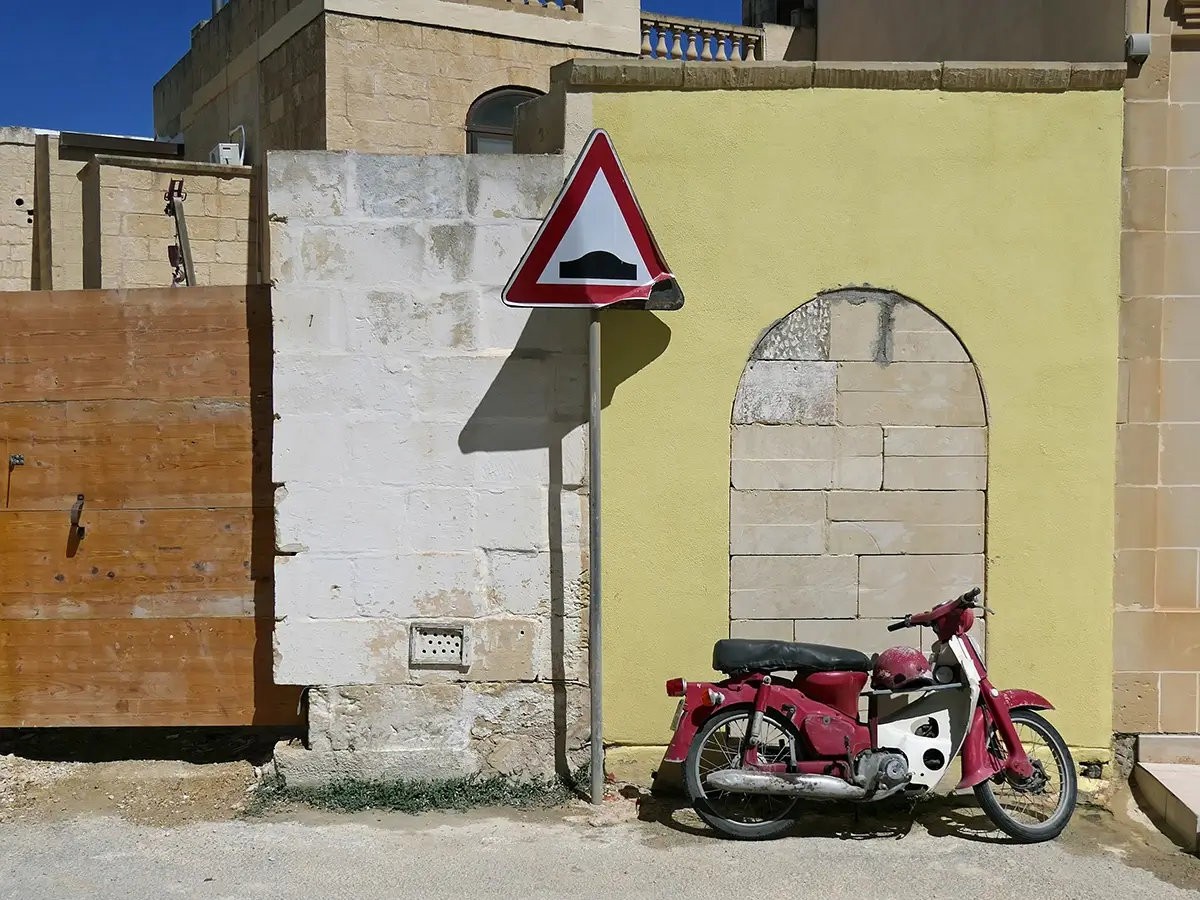
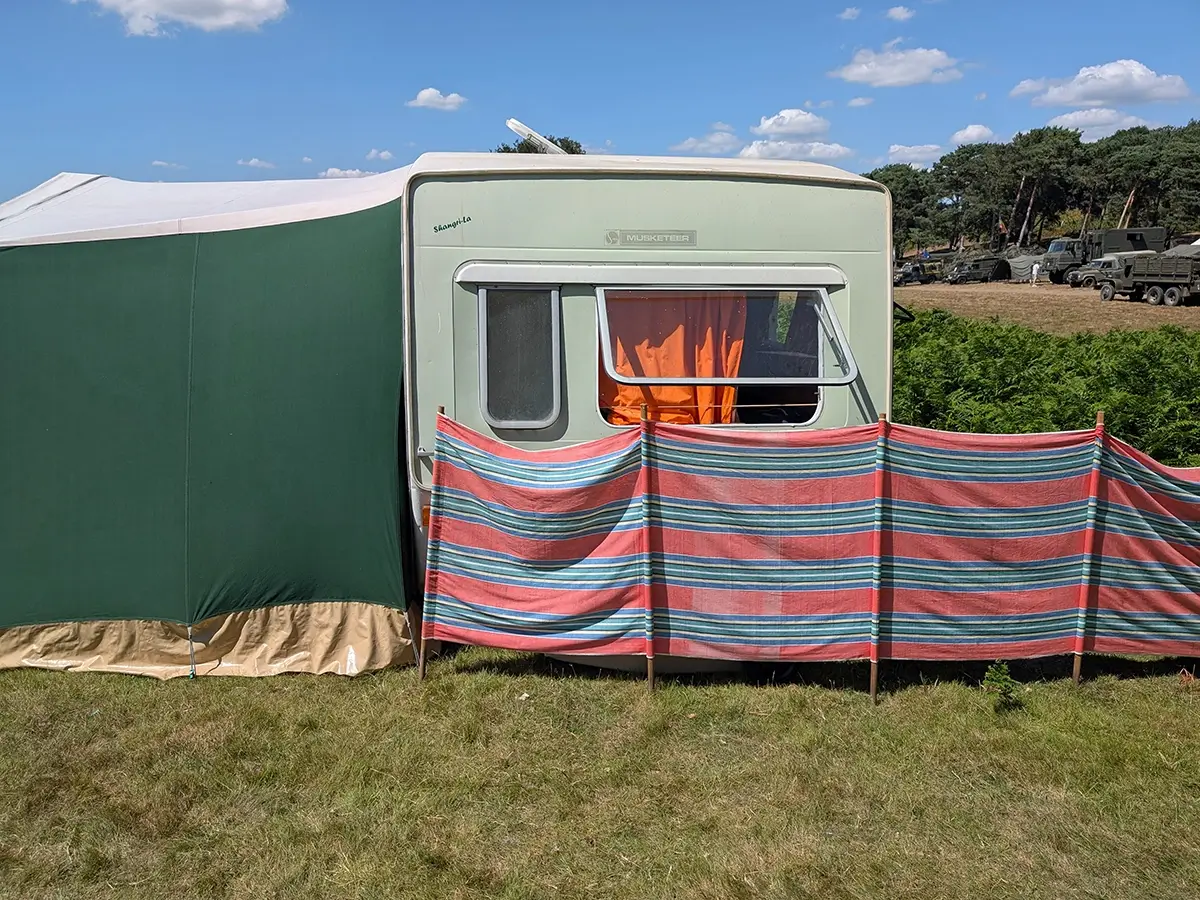
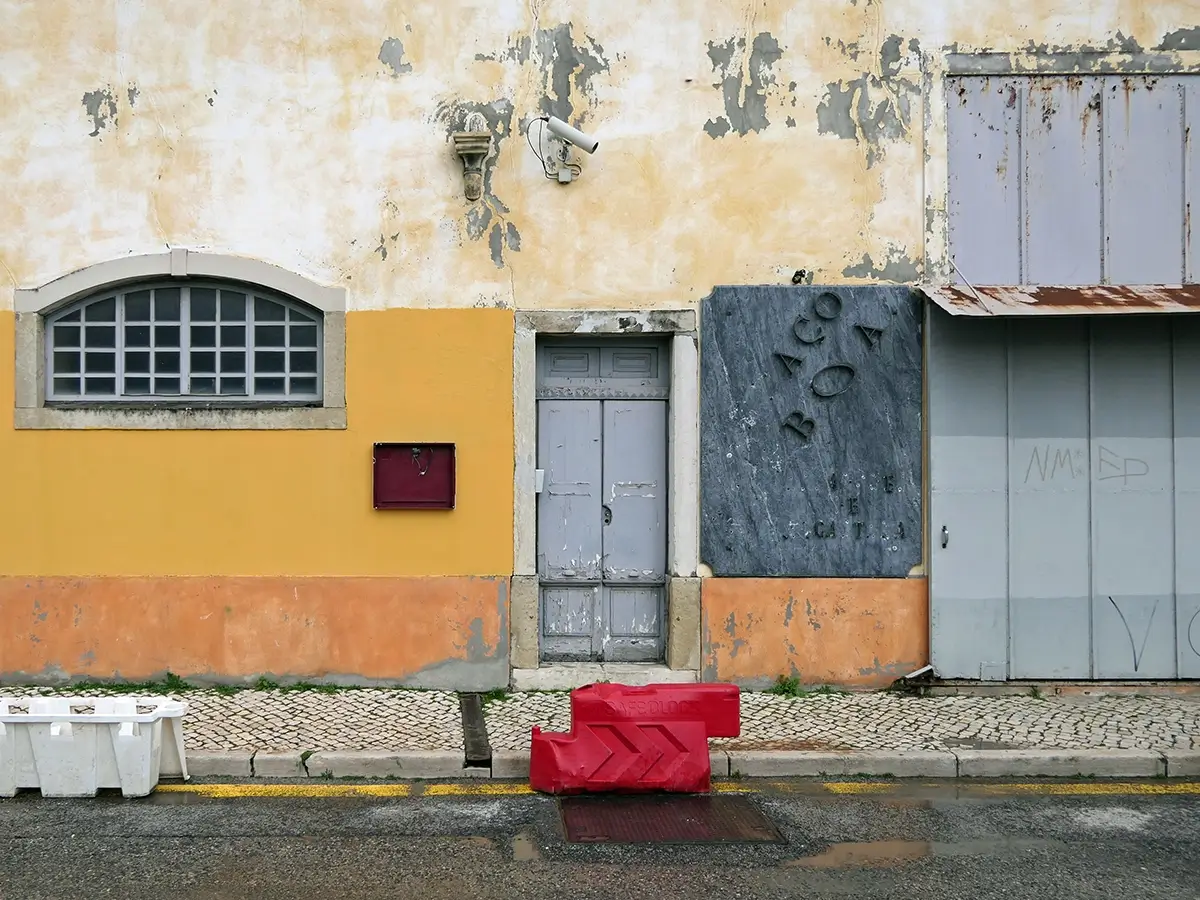
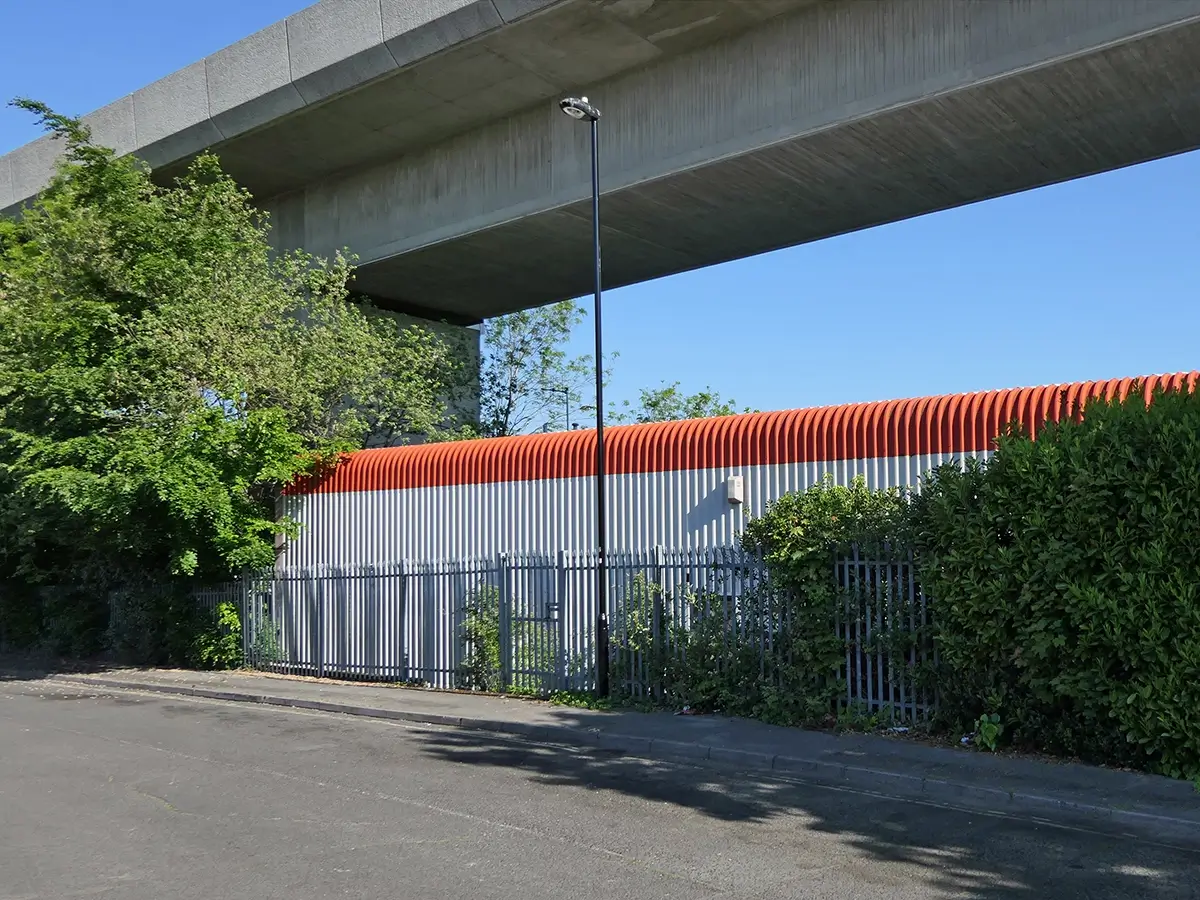
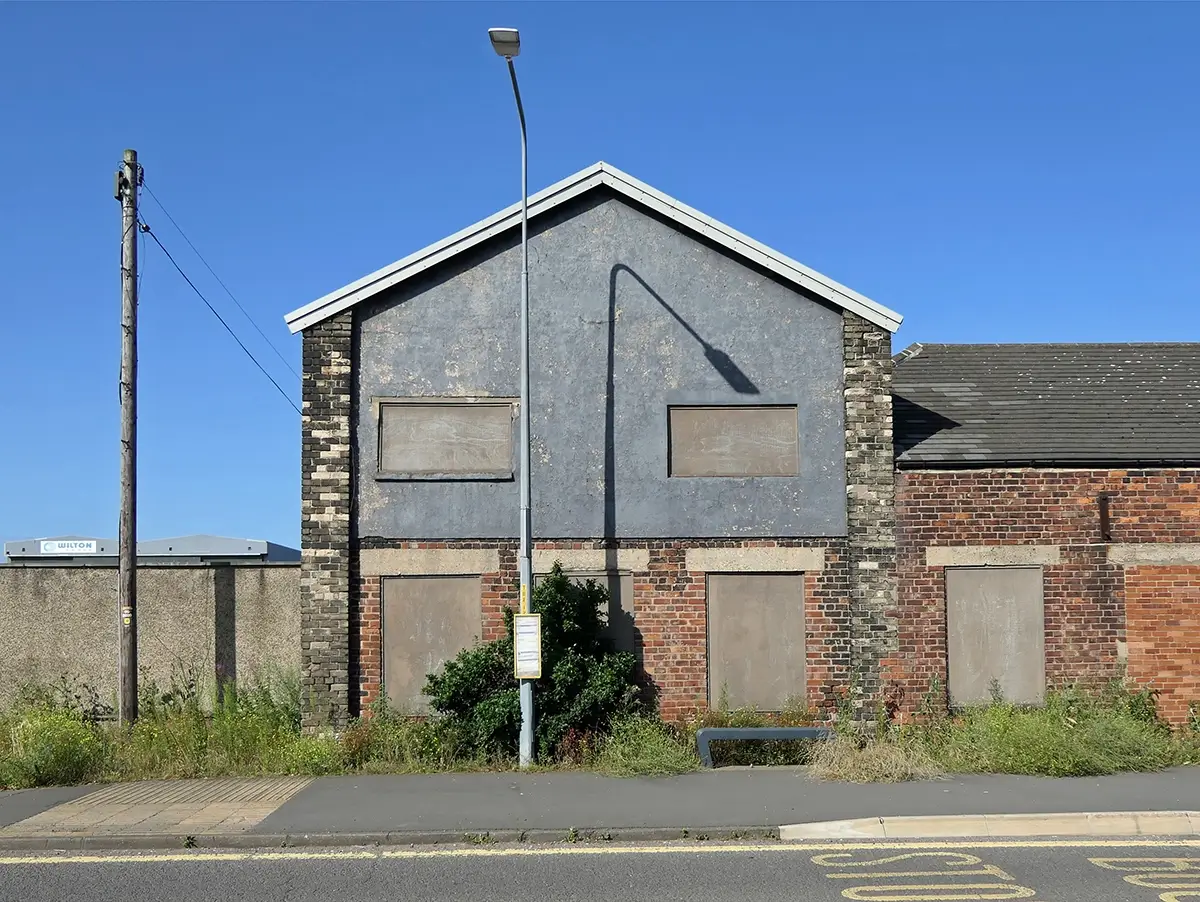
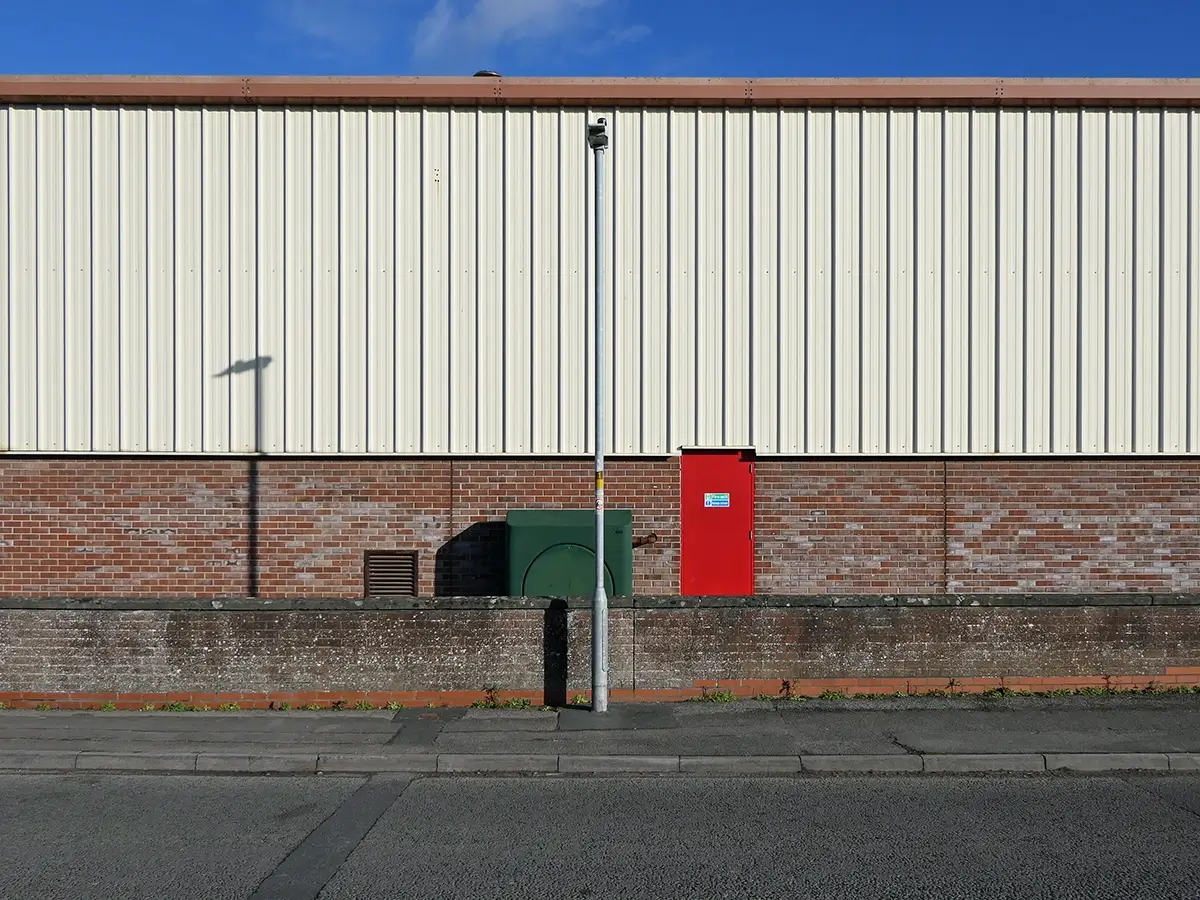
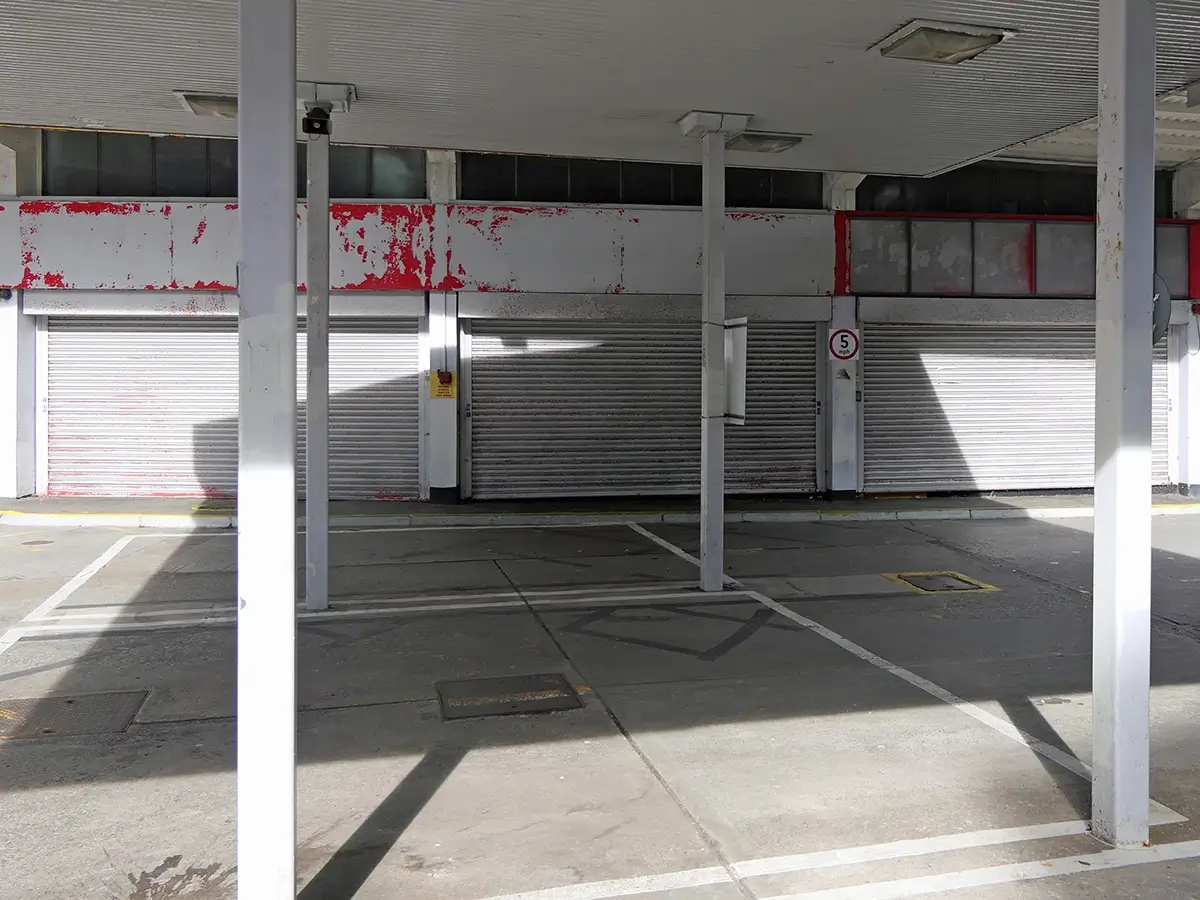
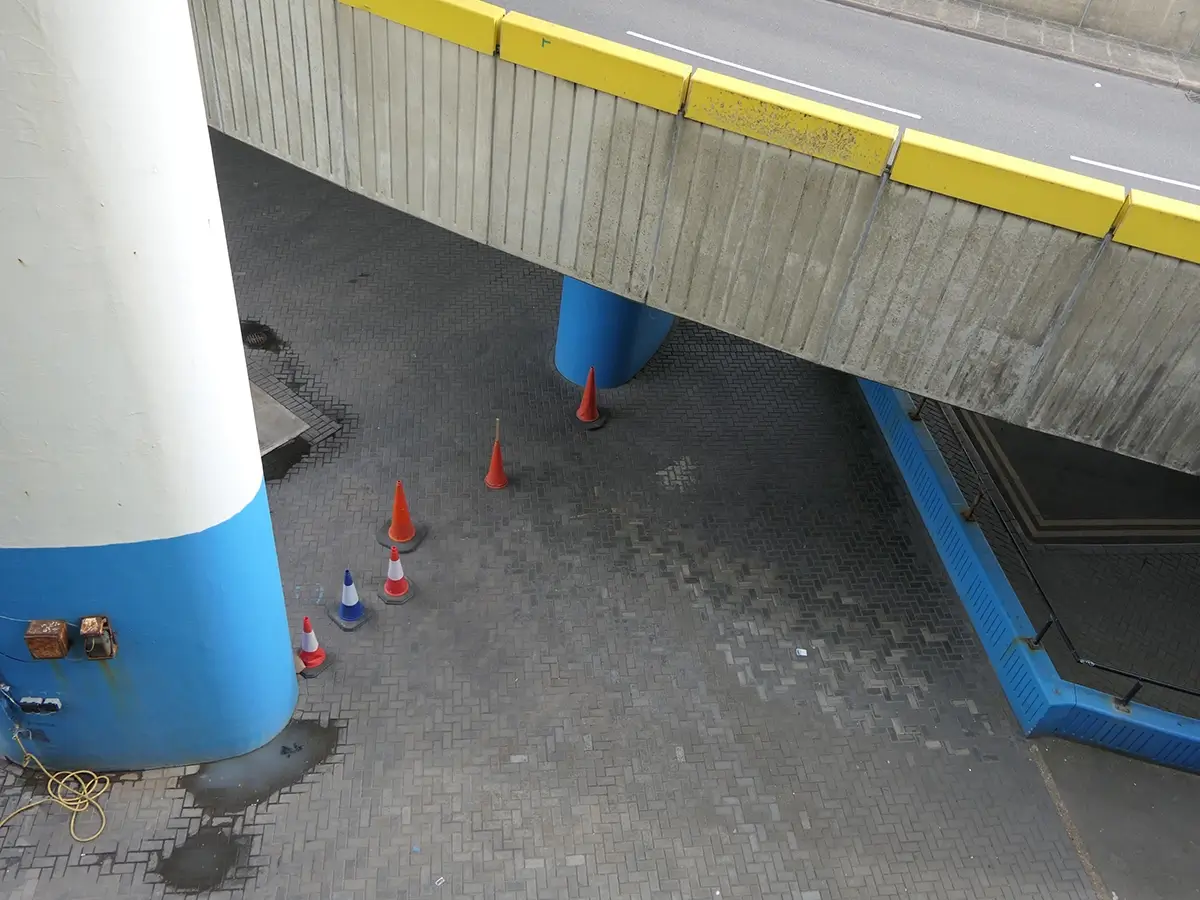
Based between Brighton and Wiltshire, I am an urban landscape photographer dedicated to the ‘unloved’ corners of the city. Since 2021, my practice has focused on the dialogue between urban dynamism and decay, documenting the grit and character of spaces often left behind. By finding beauty in the overlooked, my work invites viewers to reconsider the mundane. My photographs have been exhibited throughout the UK and the US and featured in a range of international publications.

All About Photo Competitions

AAP Magazine 56 Shadows
 

Inspiring Portfolios

Call for Entries
AAP Magazine #58 B&W
Publish your work in our printed magazine and win $1,000 cash prizes
 
Stay up-to-date  with call for entries, deadlines and other news about exhibitions, galleries, publications, & special events.

More Great Photographers To Discover

Ed Sievers
United States
1932 | † 2002
Ed Sievers was born in 1932 in St. Louis, MO, the son of a family doctor that made house calls and an aspiring opera singer. He attended Grinnell College, graduating with a degree in Speech in 1954. His first job was as a creative writer for Hallmark Cards. The slogans he penned were notable for the wry wit and wisdom with which he commented on the human condition. At the same time, his interest in the arts was expanding from the literary to the visual, and would ultimately lead him in a new direction. In 1966 he was accepted into the MFA program at the Rhode Island School of Design to study photography with Harry Callahan. Upon graduation in 1968 he joined the faculty of California State University, Northridge, as a specialist in fine art photography. He took up residence in the Carlton Hotel in Venice Beach and soon realized he had walked into a street photographer's dream. Originally designed as a resort community modeled after its Italian namesake, Venice had fallen on hard times. Buildings were in disrepair and rents were cheap. Influenced by the Bohemian lifestyle of its poets, artists, students and a struggling lower class, the boardwalk suddenly sprang to life. There were musicians, dancers, jugglers, mimes, magicians, comedians, roller skaters, fortune tellers, gritty street people and colorful hippies. And, of course, there was the sprawling nude beach. Throngs of gapers flocked from throughout Southern California to enjoy the expressive spirit of the moment. But that was only on weekends. A quieter, more sensitive mood prevailed during the week. The gentle gestures of holocaust survivors at the Israel Levin Center. The recovering alcoholics quietly heading home after Al-Anon meetings. The homeless searching for food and drink. The once cheerful cottages longing for attention. The iconic murals. The myopic murals. The motions of a people not sure of what lay ahead. Within a decade the Venice that Ed knew had been swallowed up by rampant commercialism and the inexorable influx of the nouveau riche. Upon his death in 2002, the Edwin R. Sievers Memorial Award was established to share his vision with future students; "His approach to photography was straight forward: use the nuances of available light to enhance the subject, whatever that may be: ordinary, quirky, or sublime." Source: Robert Mann Gallery
Debe Arlook
United States
Debe Arlook is an award-winning American artist working in photography. Since her first camera at 8 years old, she has been a curious observer of her surroundings. Degrees in filmmaking and psychology inform her narratives involving the landscape, relationships, personal growth, and existential inquiry. At the end of a 20-year marriage with three teenagers to raise, Arlook's spiritual awareness practice deepened. Still photography became an expressive outlet and tool for self-discovery. In addition to her studio practice, Arlook is an educator, contributing editor, and digital printer for fine art photographers. Based in Santa Monica, California, U.S.A., her work is exhibited and published globally Statement I've often described myself as having grown up from behind the lens. During my 40s and 50s, my role as a parent and spouse dwindled as my kids became teenagers and my marriage fell apart. As painful as these petites morts were, they were catalysts for self-discovery and rebirth. My mind quieted and the curious child I once was returned. My senses magnified and I could now see what had been overlooked. I became introspective and so did the work. It took time to understand the underlying messages each photograph held for me. I didn't realize they reflected my deep-seated thoughts and emotions. I had to step outside my ego in order to see I was photographing aspects of myself. And this was street photography! I had no idea each photograph is in some way a self-portrait and still, I often forget. Photography is the conduit in my attempt to understand human nature, my surroundings, and the big existential questions. With each project, I alter the visual language using diverse photographic processes specific to each narrative. In Foreseeable Cache, I create alternate worlds using sublime southwestern landscapes to evoke transcendent feelings of meditation. My latest body of work and first documentary, one, one thousand…, is a different kind of love story. It exposes the hidden impact a rare brain disorder has on the lives of a mother and son, focusing on their individual and shared experiences of life-long care. I continue to massage this work and watch it reveal itself to me, as my work does at some point. ARTICLES Exclusive Interview with Debe Arlook All About Photo Presents 'one, one thousand' by Debe Arlook
Sebastião Salgado
Brazil
1944 | † 2025
Sebastião Salgado was born on February 8th, 1944 in Aimorés, in the state of Minas Gerais, Brazil. Having studied economics, Salgado began his career as a professional photographer in 1973 in Paris, working with the photo agencies Sygma, Gamma, and Magnum Photos until 1994, when he and Lélia Wanick Salgado formed Amazonas images, an agency created exclusively for his work. He has travelled in over 100 countries for his photographic projects. Most of these, besides appearing in numerous press publications, have also been presented in books such as Other Americas (1986), Sahel: l’homme en détresse (1986), Sahel: el fin del camino (1988), Workers (1993), Terra (1997), Migrations and Portraits (2000), and Africa (2007). Touring exhibitions of this work have been, and continue to be, presented throughout the world. Salgado has been awarded numerous major photographic prizes in recognition of his accomplishments. He is a UNICEF Goodwill Ambassador, and an honorary member of the Academy of Arts and Sciences in the United States. In 2004, Salgado began a project named Genesis, aiming at the presentation of the unblemished faces of nature and humanity. It consists of a series of photographs of landscapes and wildlife, as well as of human communities that continue to live in accordance with their ancestral traditions and cultures. This body of work is conceived as a potential path to humanity’s rediscovery of itself in nature. Together with his wife, Lélia, Salgado has worked since the 1990’s on the restoration of a small part of the Atlantic Forest in Brazil. In 1998, they succeeded in turning this land into a nature reserve and created the Instituto Terra. The Instituto is dedicated to a mission of reforestation, conservation, and environmental education. (Amazonas Images) "I have named this project GENESIS because my aim is to return to the beginnings of our planet: to the air, water and the fire that gave birth to life, to the animal species that have resisted domestication, to the remote tribes whose 'primitive' way of life is still untouched, to the existing examples of the earliest forms of human settlement and organization. A potential path towards humanity's rediscovery of itself. So many times I've photographed stories that show the degradation of the planet, I thought the only way to give us an incentive, to bring hope, is to show the pictures of the pristine planet - to see the innocence. And then we can understand what we must preserve." —Sebastião Salgado Source: Peter Fetterman Gallery After a somewhat itinerant childhood, Salgado initially trained as an economist, earning a master’s degree in economics from the University of São Paulo in Brazil. He began work as an economist for the International Coffee Organization, often traveling to Africa on missions for the World Bank, when he first started seriously taking photographs. He chose to abandon a career as an economist and switched to photography in 1973, working initially on news assignments before veering more towards documentary-type work. Salgado initially worked with the photo agency Sygma and the Paris-based Gamma, but in 1979, he joined the international cooperative of photographers Magnum Photos. He left Magnum in 1994 and with his wife Lélia Wanick Salgado formed his own agency, Amazonas Images, in Paris, to represent his work. He is particularly noted for his social documentary photography of workers in less developed nations. They reside in Paris. He has been a UNICEF Goodwill Ambassador since 2001. Salgado works on long term, self-assigned projects many of which have been published as books: The Other Americas, Sahel, Workers, Migrations, and Genesis. The latter three are mammoth collections with hundreds of images each from all around the world. His most famous pictures are of a gold mine in Brazil called Serra Pelada. Between 2004 and 2011, Salgado worked on "Genesis," aiming at the presentation of the unblemished faces of nature and humanity. It consists of a series of photographs of landscapes and wildlife, as well as of human communities that continue to live in accordance with their ancestral traditions and cultures. This body of work is conceived as a potential path to humanity’s rediscovery of itself in nature. In September and October 2007, Salgado displayed his photographs of coffee workers from India, Guatemala, Ethiopia and Brazil at the Brazilian Embassy in London. The aim of the project was to raise public awareness of the origins of the popular drink. Together, Lélia and Sebastião, have worked since the 1990s on the restoration of a small part of the Atlantic Forest in Brazil. In 1998, they succeeded in turning this land into a nature reserve and created the Instituto Terra. The institute is dedicated to a mission of reforestation, conservation and environmental education. Salgado and his work are the focus of the film The Salt of the Earth (2014), directed by Wim Wenders and Salgado's son, Juliano Ribeiro Salgado. The film won a special award at Cannes Film Festival and was nominated for the best Documentary Feature at the 2015 Academy Awards. Source: Wikipedia
František Drtikol
Czech Republic
1883 | † 1961
František Drtikol was a Czech photographer of international renown. He is especially known for his characteristically epic photographs, often nudes and portraits. In 1901, aged 18 and after an apprenticeship, Drtikol enrolled in the Teaching and Research Institute of Photography in Munich, a city that was a major center of Symbolism and Art Nouveau and which was influential on his career. From 1907 to 1910 he had his own studio, and until 1935 he operated an important portrait photo studio in Prague on the fourth floor of one of Prague's remarkable buildings, a Baroque corner house at 9 Vodičkova, now demolished. He was a contributor to the illustrated weekly Pestrý Týden. Jaroslav Rössler, an important avant-garde photographer, was one of his pupils. Drtikol made many portraits of very important people and nudes which show development from pictorialism and symbolism to modern composite pictures of the nude body with geometric decorations and thrown shadows, where it is possible to find a number of parallels with the avant-garde works of the period. These are reminiscent of Cubism, and at the same time his nudes suggest the kind of movement that was characteristic of the futurism aesthetic. He began using paper cut-outs in a period he called "photopurism". These photographs resembled silhouettes of the human form. Later he gave up photography and concentrated on painting. After the studio was sold Drtikol focused mainly on painting, Buddhist religious and philosophical systems. In the final stage of his photographic work Drtikol created compositions of little carved figures, with elongated shapes, symbolically expressing various themes from Buddhism. In the 1920s and 1930s, he received significant awards at international photo salons. Drtikol has published Le nus de Drtikol (1929) and Žena ve světle (Woman in the Light)Source: Wikipedia Frantisek Drtikol was a founder of Czech modernist photography and a seminal figure in Czech photography before the Second World War. Now recognized as a modern master, Drtikol produced a monumental body of work--from early Pictorialist and Art Nouveau portraits and landscapes to the influential nude studies of the 20s and 30s--that has permanently established his place in the history of photography. The son of a grocer in the Central Bohemian town of Príbram, Drtikol showed early promise in drawing and painting. Desiring to see his son enter a more practical profession, Drtikol's father arranged for an apprenticeship with a local photographer, Antonín Mattas. During the next three years, Drtikol learned the basics of copying, retouching, toning, and other photographic tasks, but could devote little time to his own photography. In 1901, at the age of 18, Drtikol completed his apprenticeship and left home to attend the Teaching and Research Institute of Photography in Munich. The two-year course of study at the Institute set the course for Drtikol's entire career as an artist. Fin-de-siècle Munich was a thriving German art capital and one of the major European centers of Symbolism and Art Nouveau. Aspects of both movements preoccupied Drtikol throughout his life. In 1907, after several years of travel and work for other photographers, Drtikol returned to Príbram to open his own photographic studio, which he moved to Prague in 1910. In those years, while making his living from custom portrait photography in the Art Nouveau style, he experimented with oil and gum printing and other Pictorialist techniques, producing lyrical landscapes and some of the earliest fine-art nudes produced in Bohemia. Eventually, the nude would become Drtikol's primary mode of photographic expression. In the 1920s he developed the unique style for which he is best known, using Cubist and Art Deco sculptural motifs, elements of Expressionist dance, and ingenious geometric patterns of shadow and light to create dynamic nudes in which the body, no longer serving an illustrative or metaphorical purpose, became a purely aesthetic and erotic motif. In 1935, Drtikol abandoned photography and devoted himself to painting and to the theosophical, Buddhist, and other philosophical studies that had informed much of his art.Source: The National Gallery of Art
Rania Matar
Lebanon/United States
Rania Matar was born and raised in Lebanon and moved to the U.S. in 1984. As a Lebanese-born American woman and mother, her cross-cultural experience and personal narrative inform her photography. Matar's work has been widely published and exhibited in museums worldwide, including the Museum of Fine Arts Boston, the Carnegie Museum of Art, National Museum of Women in the Arts, and more. A mid-career retrospective of her work was recently on view at the Cleveland Museum of Art, and at the Amon Carter Museum of American Art, in a solo exhibition: In Her Image: Photographs by Rania Matar She has received several grants and awards including a 2018 Guggenheim Fellowship, 2017 Mellon Foundation artist-in-residency grant at the Gund Gallery at Kenyon College, 2011 Legacy Award at the Griffin Museum of Photography, 2011 and 2007 Massachusetts Cultural Council artist fellowships. In 2008 she was a finalist for the Foster Award at the Institute of Contemporary Art/Boston, with an accompanying solo exhibition. Her work is in the permanent collections of several museums, institutions and private collections worldwide. So far, she has published the following books: L'Enfant-Femme, 2016; A Girl and Her Room, 2012; Ordinary Lives, 2009, and more recently, SHE, 2021. She is currently an associate professor of photography at the Massachusetts College of Art and Design. SHE: As a Lebanese-born American woman and mother, my background and cross-cultural experiences inform my art. I have dedicated my work to exploring issues of personal and collective identity through photographs of female adolescence and womanhood - both in the United States where I live and the Middle East where I am from - in an effort to focus on notions of identity and individuality, within the context of the underlying universality of these experiences. In my continuous exploration of what it is like to be a girl and a woman today, in a world that poses endless questions on girls and women of all backgrounds, I am focusing in this project on young women in their late teens/early twenties. They are the ages of my daughters - they are leaving the cocoon of home, entering adulthood and facing a new reality they are often not prepared for, a humbling reality most often harder than they expected and less glamorous than what is portrayed on social media. Whereas in A Girl and Her Room, I photographed young women in relationship to the curated and controlled environment of their bedrooms, I am photographing them here in the larger environment they find themselves in after they leave home, the more global backdrop that now constitutes their lives in transitions. I want to portray the raw beauty of their age, their individuality, their physicality, their mystery, and the organic relationship they create with their environment, being in the lush landscapes of rural Ohio, or the textured backdrops of Beirut. I want to photograph them, the way I, a woman and a mother, see them: beautiful, alive. I want to create a personal narrative with them. The process is about collaboration and empowerment, and the photo session always evolves organically as the women become active participants in the image-making process. My work addresses the states of 'Becoming' - the beauty and the vulnerability of growing up - in the context of the visceral relationships to our physical environment and universal humanity. By collaborating with women in the United States and in the Middle East - and while still looking to reveal the individuality of each young woman - I focus on our essence, our physicality and the commonalities that make us human, ultimately highlighting how female subjectivity develops in parallel forms across cultural lines. Articles: Find out more about Becoming Where Do I Go?
Advertisement
AAP Magazine #58 B&W
Win a Solo Exhibition in July
AAP Magazine #58 B&W

Latest Interviews

Exclusive Interview with Trevor Cole: Pastoral Peoples and Practices
For this interview, we wanted to focus specifically on The Face of the Mundari and the wider Pastoral Peoples and Practices series. We spoke with Trevor about his long-term work among the Mundari, what continues to draw him back to their cattle camps, and the experience of documenting a culture whose identity remains deeply connected to livestock, tradition, and the natural environment.
Exclusive Interview with Frank Meo
In our latest exclusive feature for All About Photo, I speak with veteran photography representative Frank Meo about what it truly takes to build a sustainable creative career today. Frank brings decades of experience working with Fortune 500 companies, major agencies, and documentary photographers to the table. We dive into the critical business skills often left out of art school curriculums, the power of mentorship, and the inspiring evolution of PROJECTIONS—his international salon platform for visual storytellers. It’s an essential read for anyone navigating the commercial or editorial photography landscape today.
Exclusive Interview with Carolyn Moore
American photographer Carolyn Moore explores the inner landscape of emotion, memory, and personal transformation through a deeply intuitive photographic practice. Her work unfolds as a quiet dialogue between artist and viewer, where images become a space for reflection, vulnerability, and connection.
Exclusive Interview with Luca Desienna and Laura Estelle Barmwoldt
For over seven years, Of Lilies and Remains has explored the depths of the goth and darkwave underground, unfolding in Leipzig—a city long associated with a vibrant and enduring subcultural scene. Moving between iconic gatherings such as Wave-Gotik-Treffen and more intimate moments on the fringes, the project offers a rare and immersive glimpse into a world often misunderstood, yet rich in expression and community. Created by Luca in collaboration with Laura Estelle Barmwoldt, the work embraces a cinematic and deeply personal approach. Rather than documenting from a distance, it moves within the scene itself, capturing its atmosphere, its codes, and its quiet contradictions. The title Of Lilies and Remains hints at this duality—where beauty and darkness, fragility and strength coexist. As the book prepares for its release, we spoke with both artists about the origins of the project, their process, and what it means to document a subculture that continues to evolve while remaining true to its spirit.

Exclusive Interview with Matthew Finley
American photographer Matthew Finley turns inward, using photography as a way to explore identity, memory, and emotional truth. Based in Los Angeles, his practice moves between performance, gesture, and found imagery, creating a visual language that is both intimate and deeply personal
Exclusive Interview with Jan Janssen
Dutch photographer Jan Janssen explores universal human experiences through his long-term project It Matters, winner of the May 2025 Solo Exhibition. Begun in 2016, the series captures intimate moments of everyday life—love, loss, connection, and belonging—across Central and Eastern Europe. Working in countries such as Turkey, Azerbaijan, and Armenia, Janssen spends extended time within communities, building relationships based on trust and respect. His approach allows him to move beyond observation, revealing deeply human and authentic moments. Rooted in travel and personal discovery, It Matters reflects Janssen’s search for what connects us all in an increasingly divided world. The project is ongoing and will culminate in a photobook scheduled for publication in 2026.
Exclusive Interview with Henk Kosche
German photographer Henk Kosche turns his lens toward the streets of Halle an der Saale, capturing everyday life in the late years of the former German Democratic Republic. At the time, Kosche was studying design and exploring the city with his camera, drawn to the atmosphere of its industrial landscape and the quiet rhythms of daily life. His series Street Photography at the End of the 80s, selected as the Solo Exhibition for July 2025, revisits a body of work created just before a period of profound change. Rediscovered decades later in a small box of 35mm negatives, these photographs offer glimpses of a city and its people at a moment suspended between the familiar and the unknown.
Exclusive Interview with Anastasia Samoylova
Anastasia Samoylova is an American artist whose photographic practice is shaped by close observation and a deep attentiveness to place. Working between documentary and formal exploration, she photographs landscapes, architecture, and everyday scenes with a sensitivity to light, structure, and atmosphere. Since relocating to Miami in 2016, her work has increasingly focused on how environments—both natural and built—carry social, cultural, and emotional traces. We asked her a few questions about her practice and her way of seeing, to better understand the thoughts and experiences that shape her work—while allowing the images themselves to remain open and speak in their own time.
Exclusive Interview with Marijn Fidder
Marijn Fidder is a Dutch documentary photographer whose work powerfully engages with current affairs and contemporary social issues. Driven by a deep sense of social justice, she uses photography to speak on behalf of the voiceless and to advocate for the rights of those who are most vulnerable. Her images have been widely published in major international outlets including National Geographic, CNN Style, NRC Handelsblad, Volkskrant, GUP New Talent, and ZEIT Magazin. Her long-term commitment to disability rights—particularly through years of work in Uganda—culminated in her acclaimed project Inclusive Nation, which earned her the title of Photographer of the Year 2025 at the All About Photo Awards. She is also the recipient of multiple prestigious honors, including awards from World Press Photo and the Global Peace Photo Award. We asked her a few questions about her life and work.
Call for Entries
AAP Magazine #58 B&W
Publish your work in our printed magazine and win $1,000 cash prizes