All about photo.com: photo contests, photography exhibitions, galleries, photographers, books, schools and venues.
FINAL CALL TO ENTER AAP MAGAZINE PORTRAIT: PUBLICATION AND $1,000 CASH PRIZES
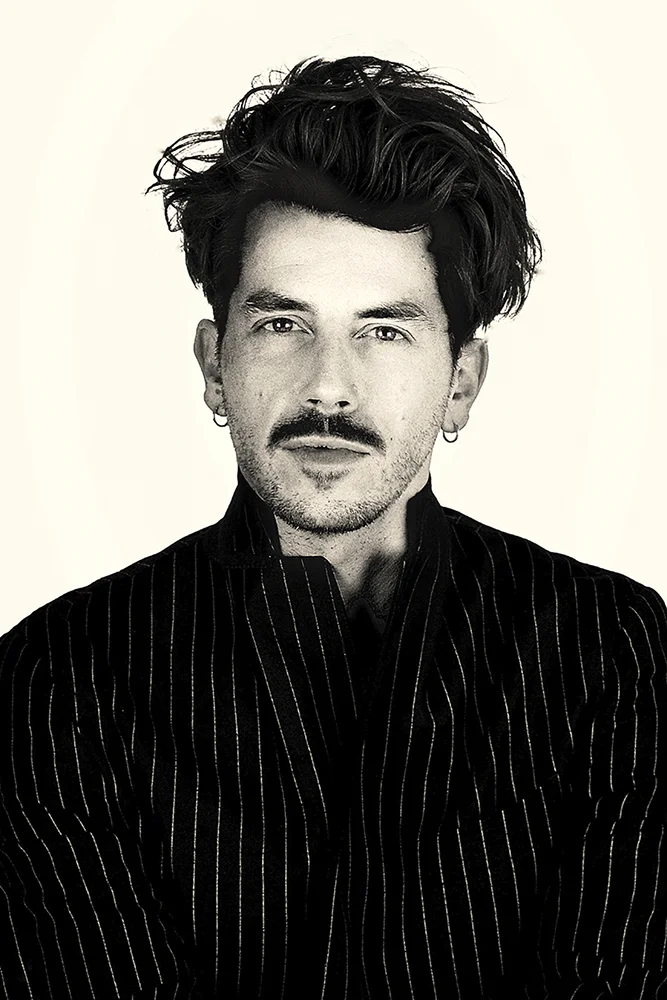
Vincent Binant
Vincent Binant
Vincent Binant

Vincent Binant

Country: France

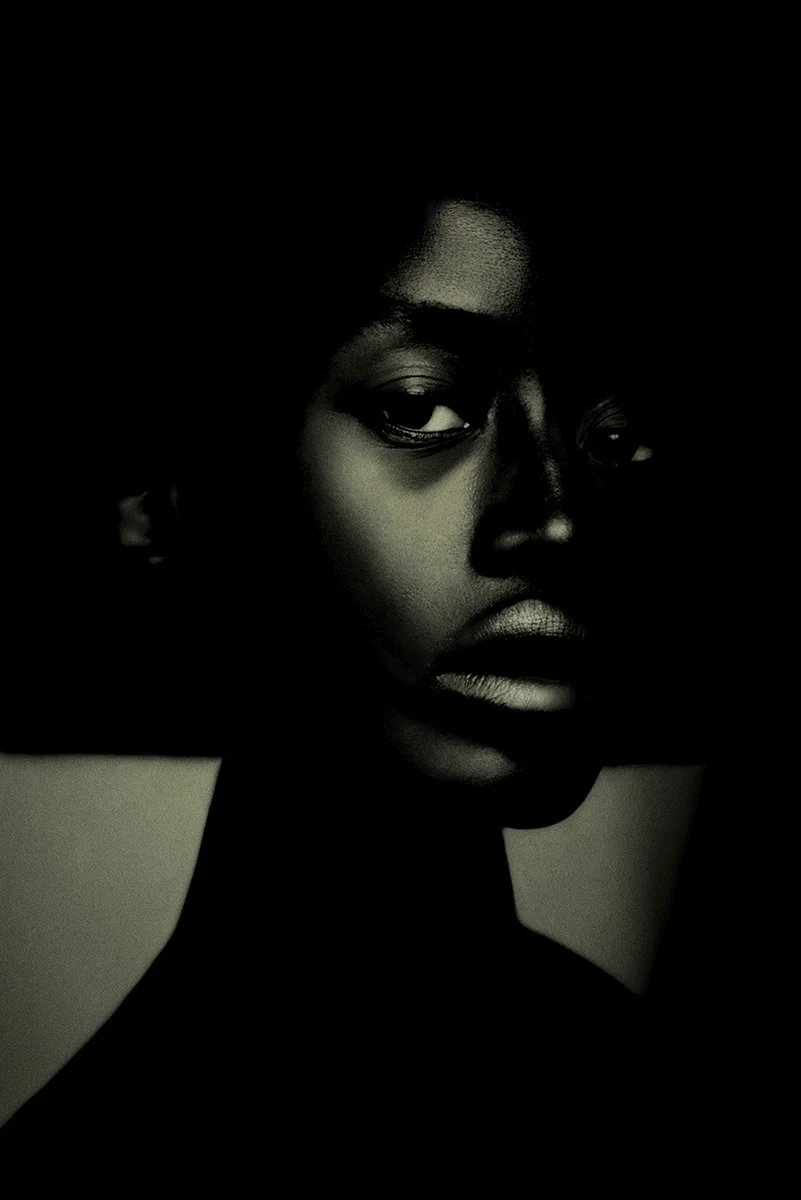
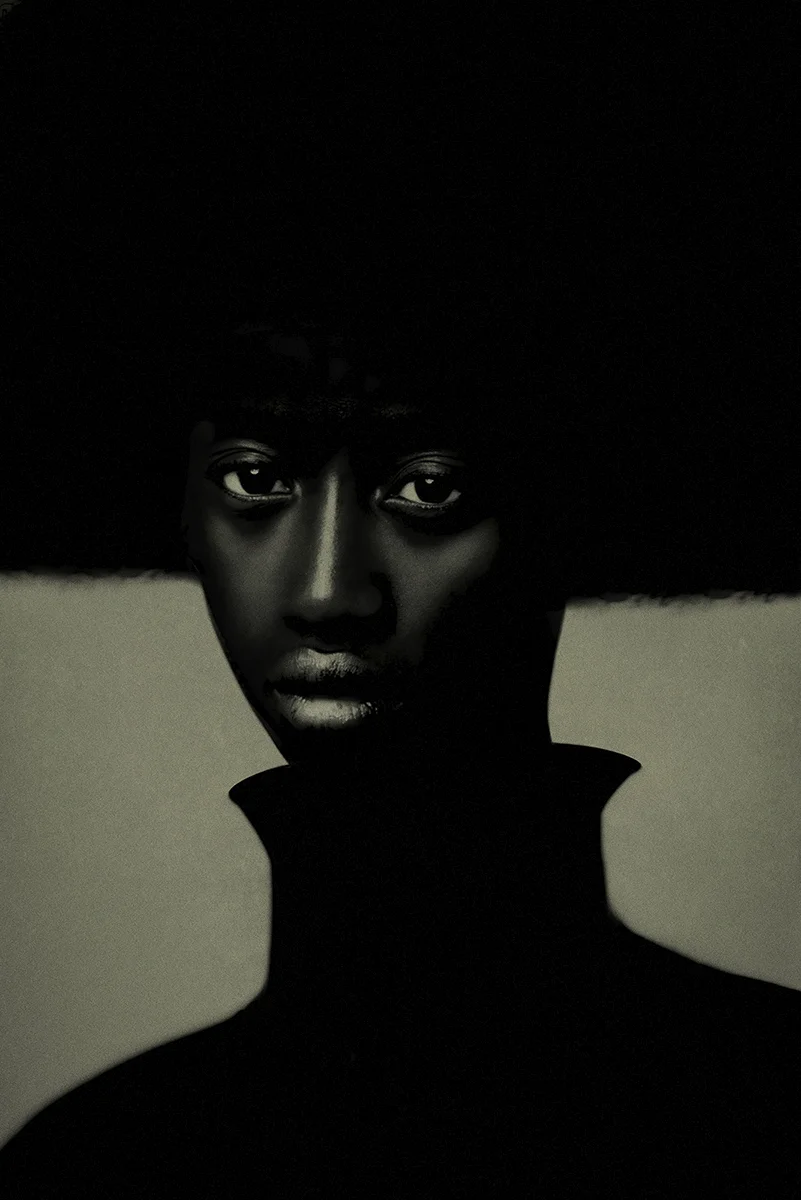
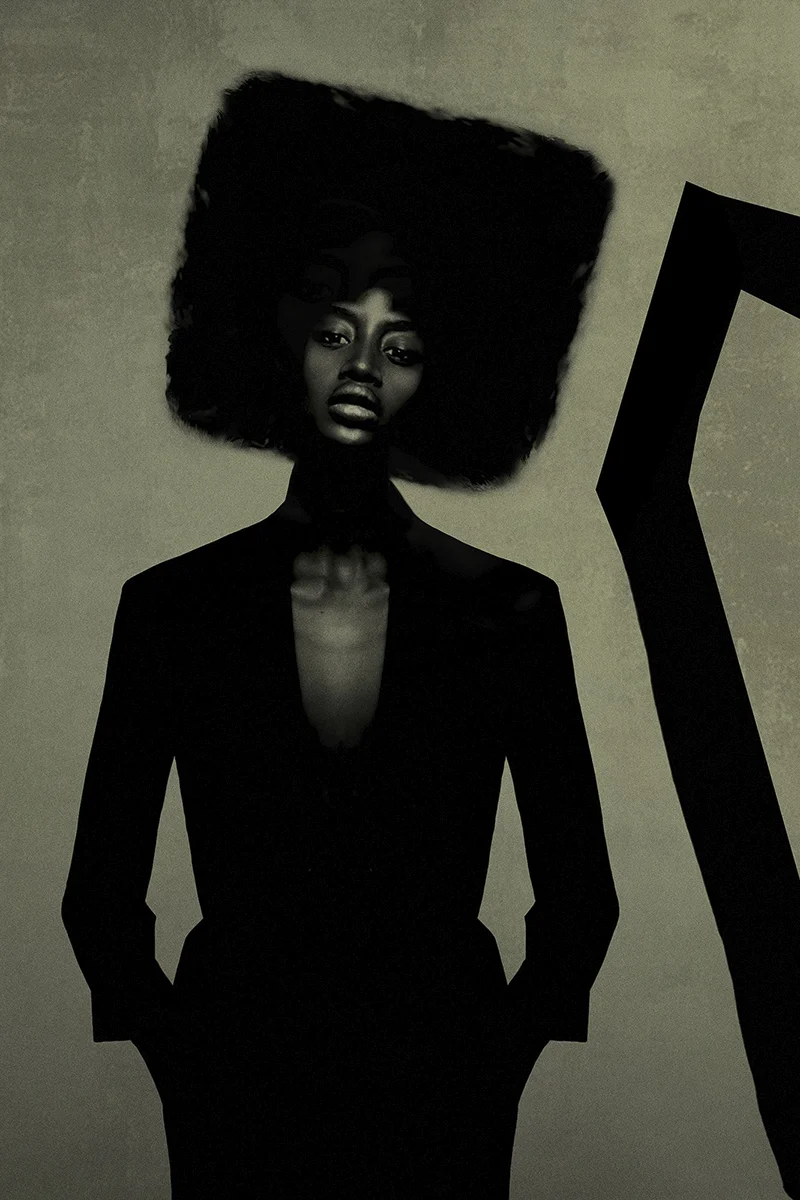
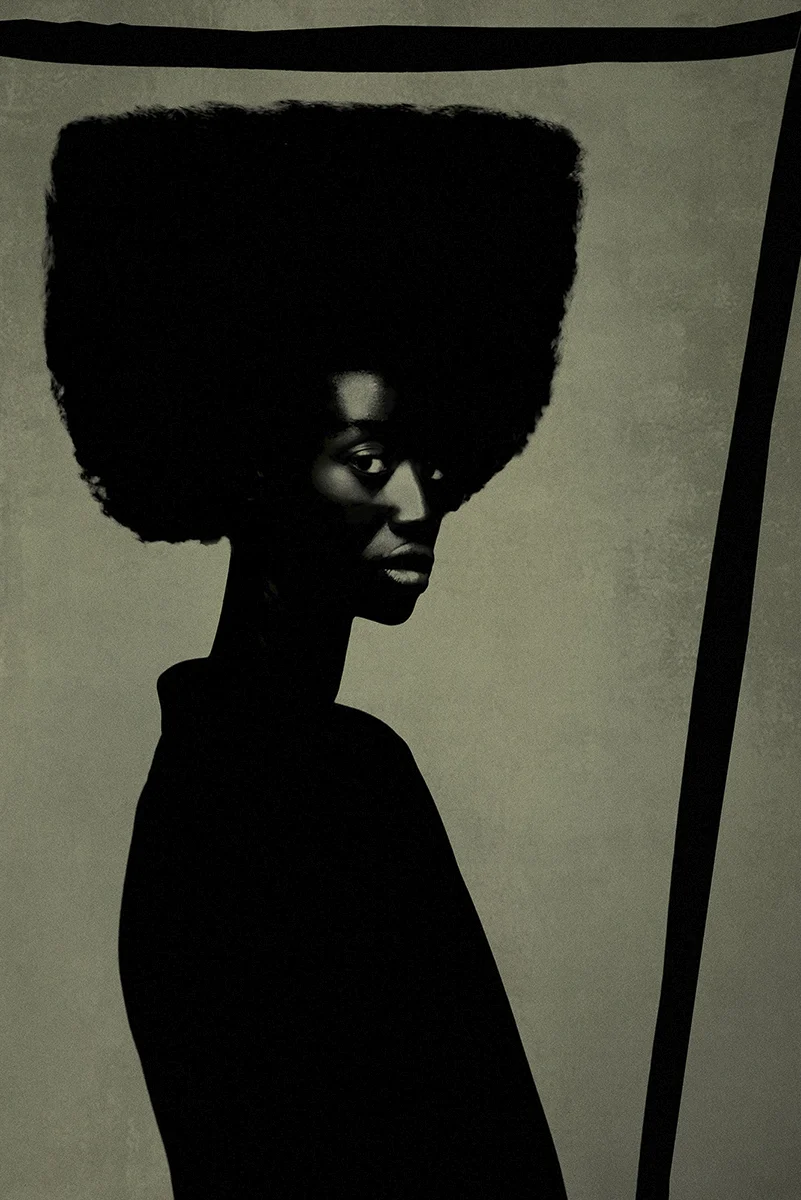
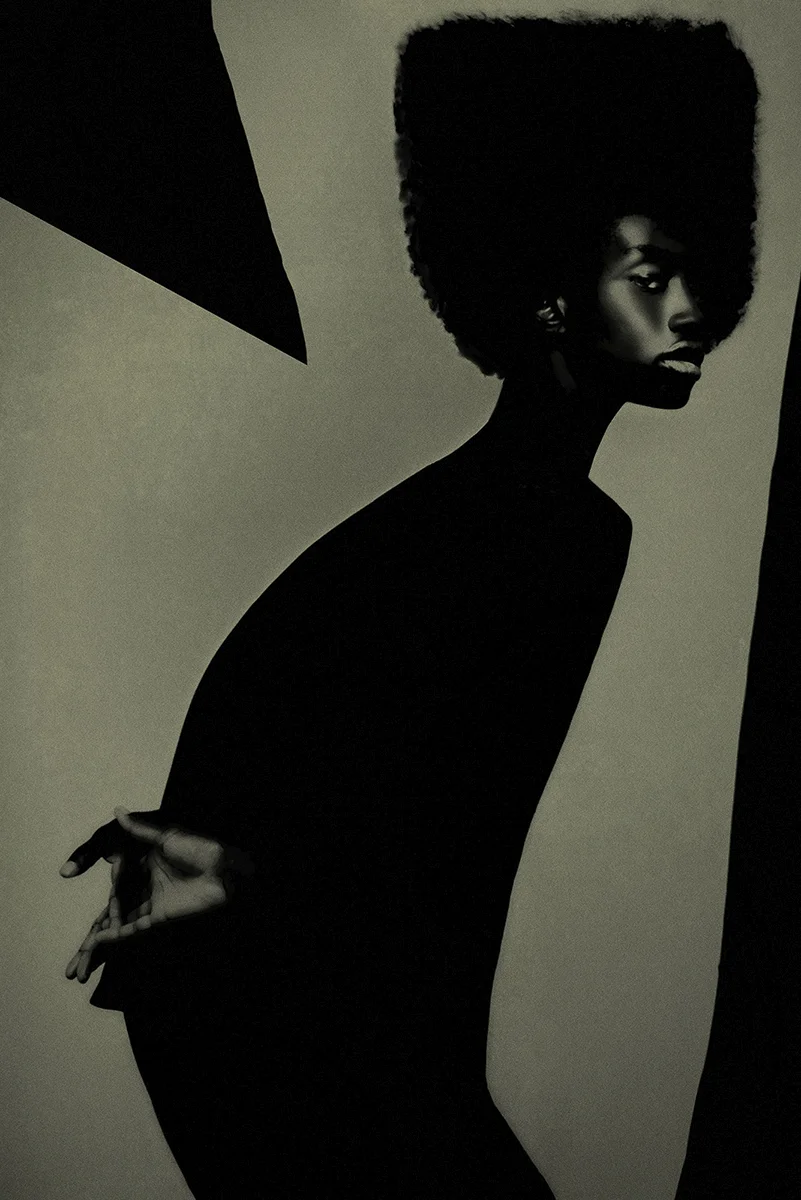
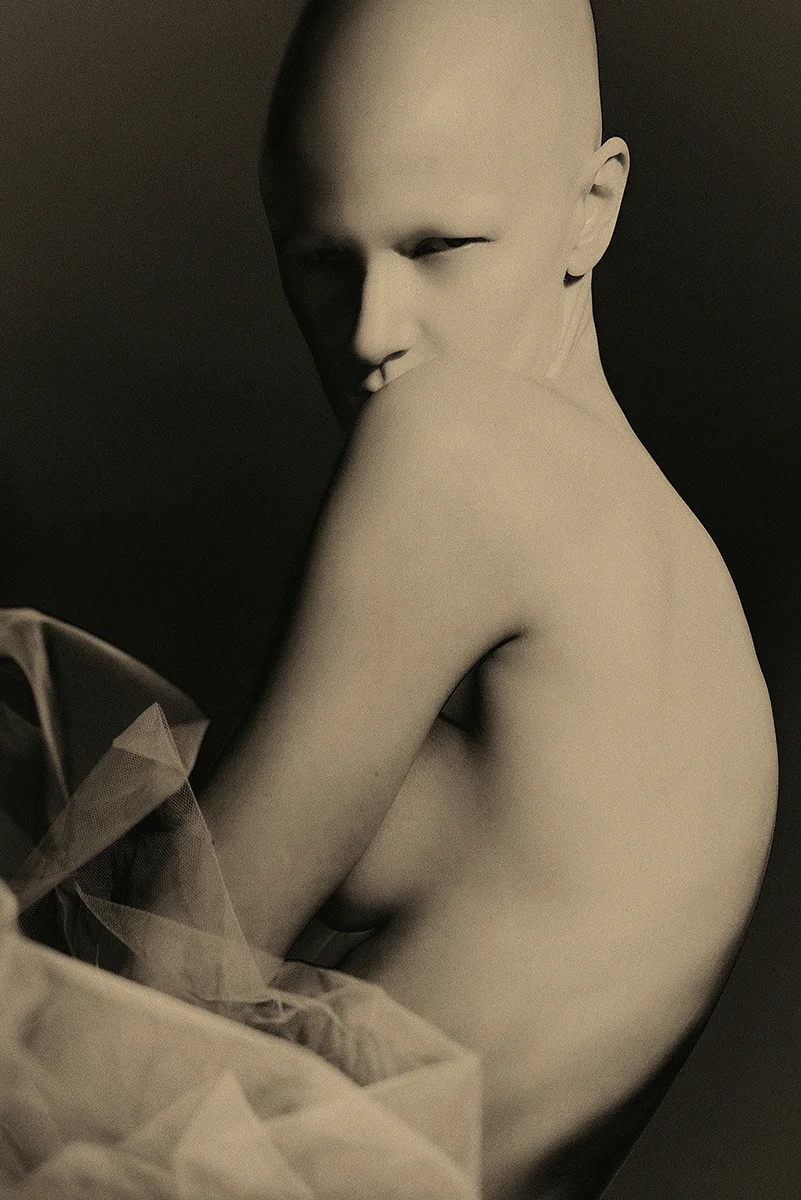
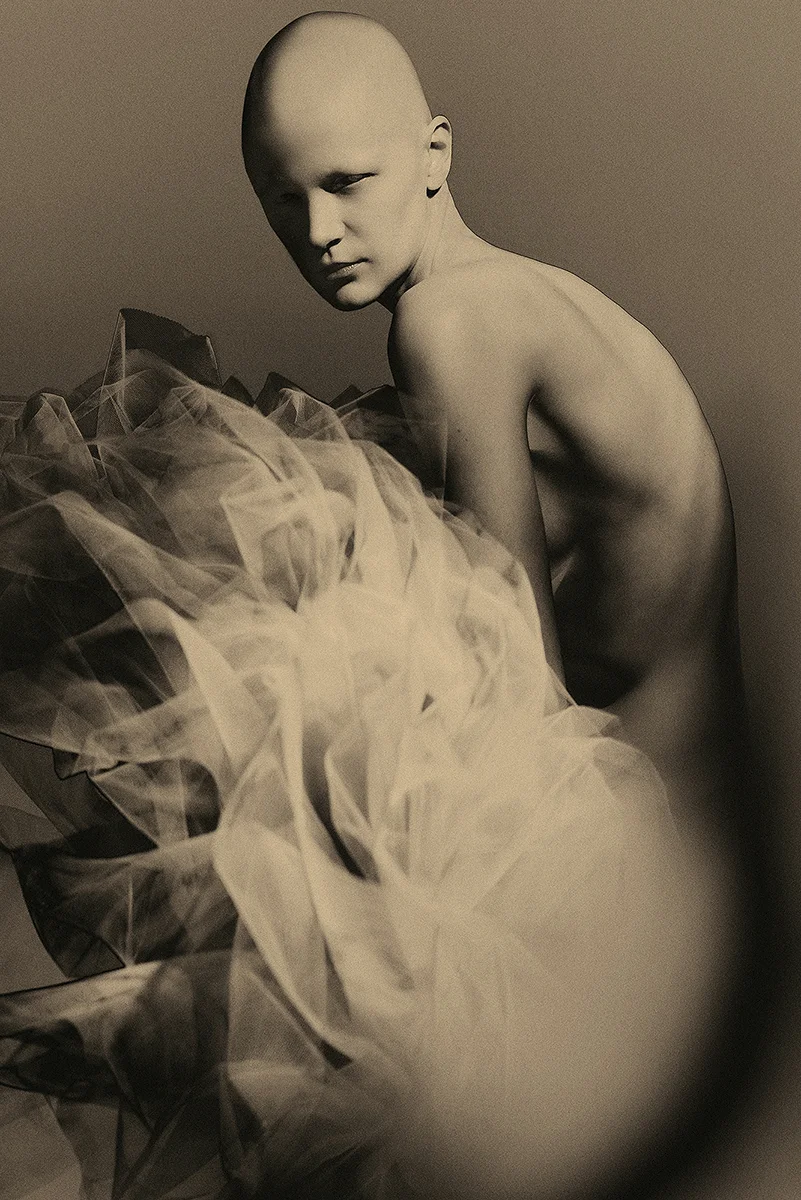
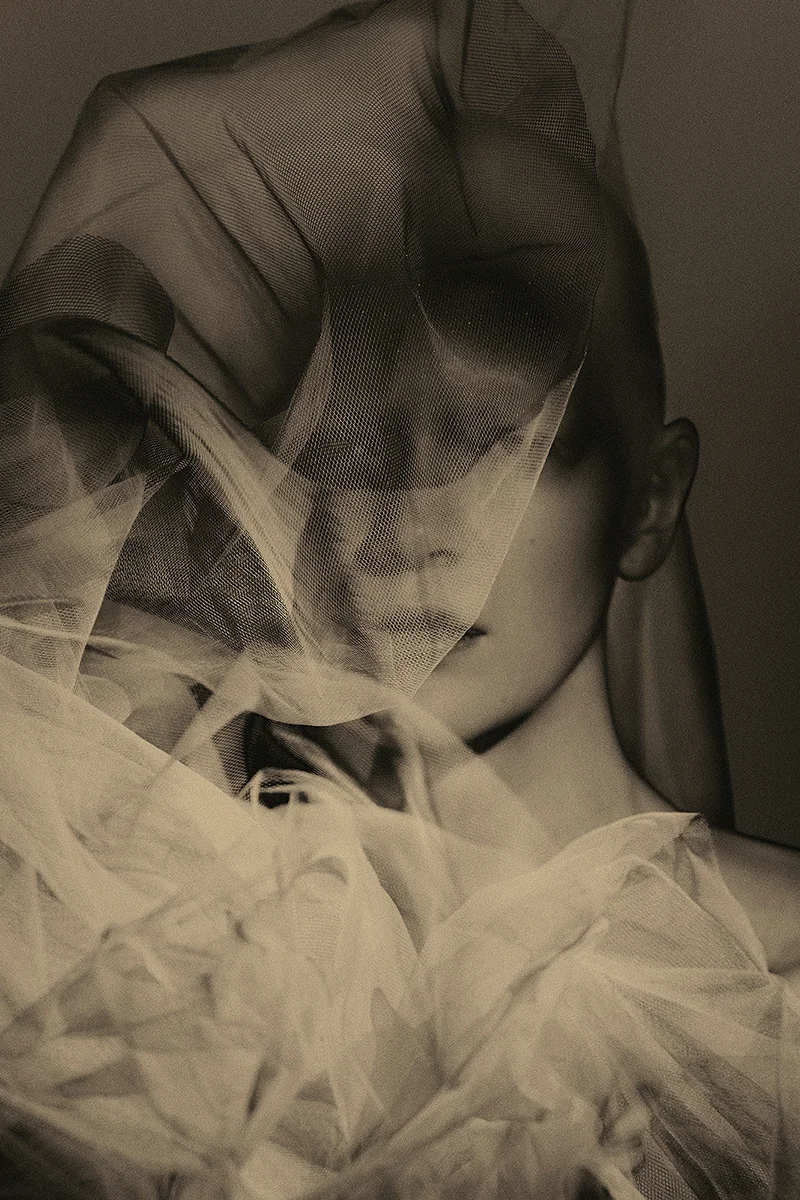
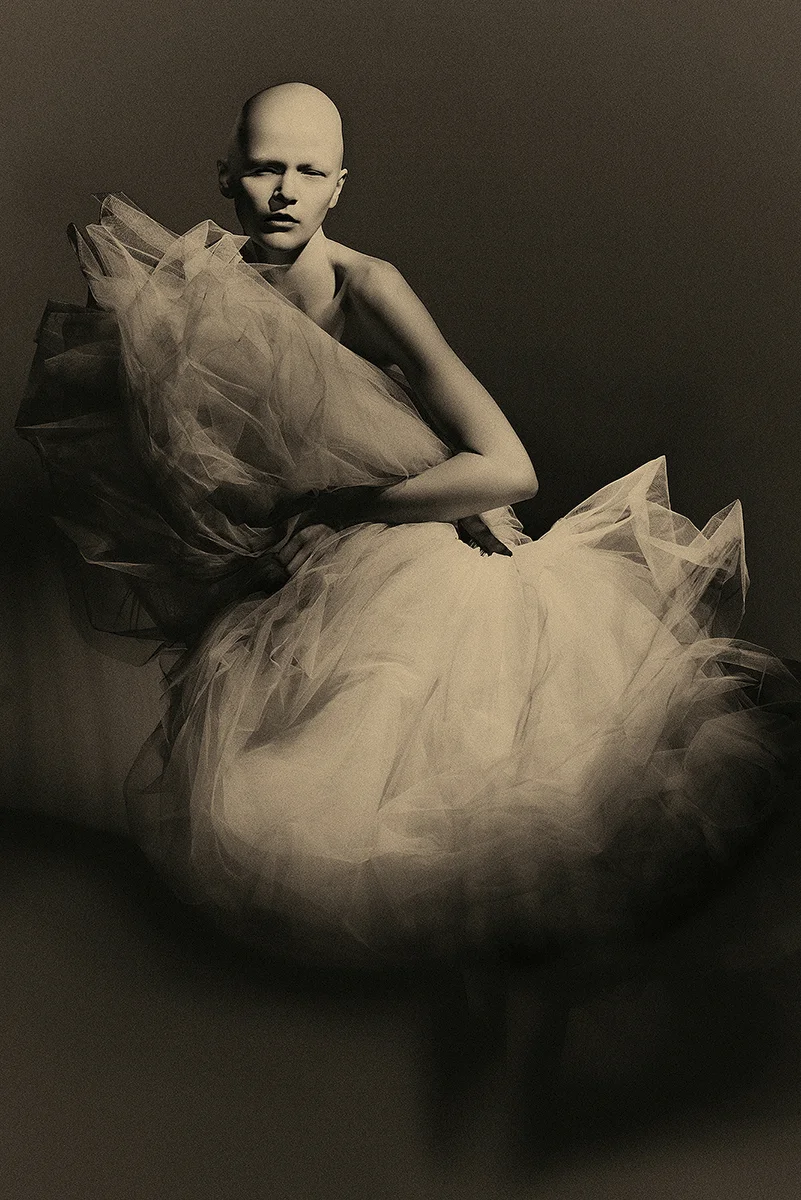
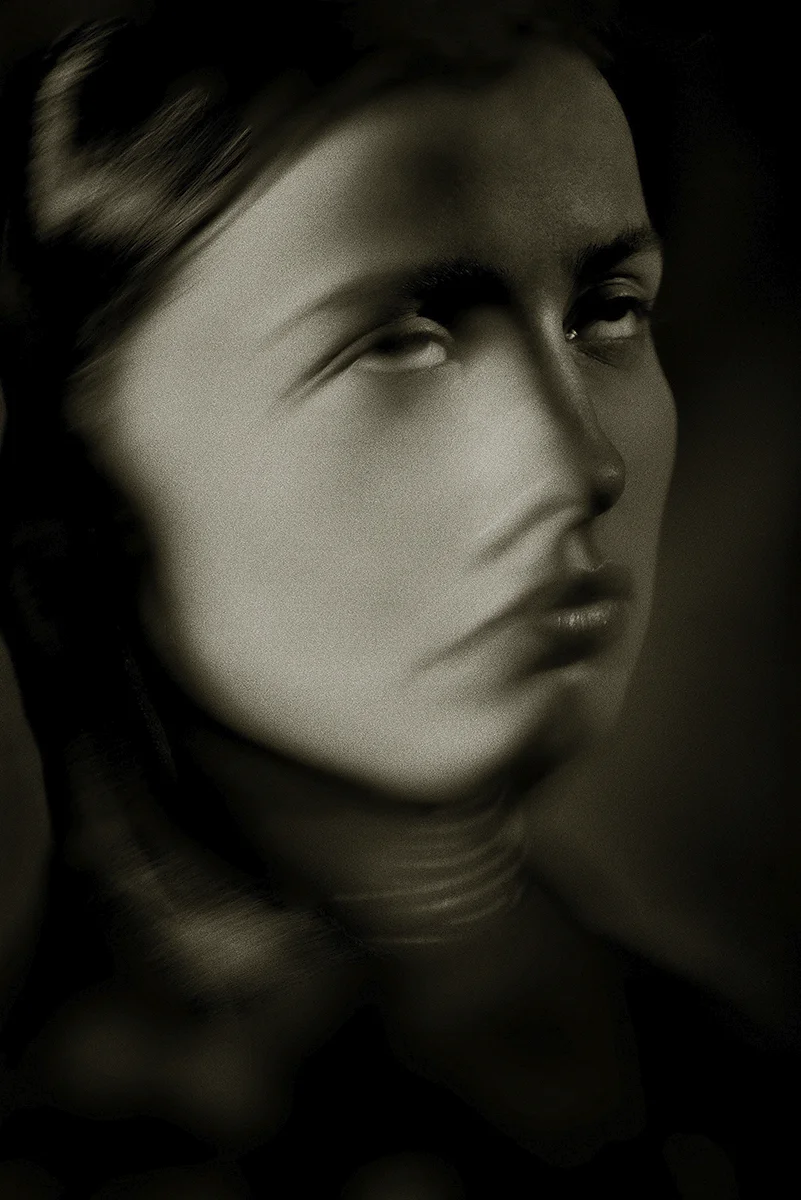
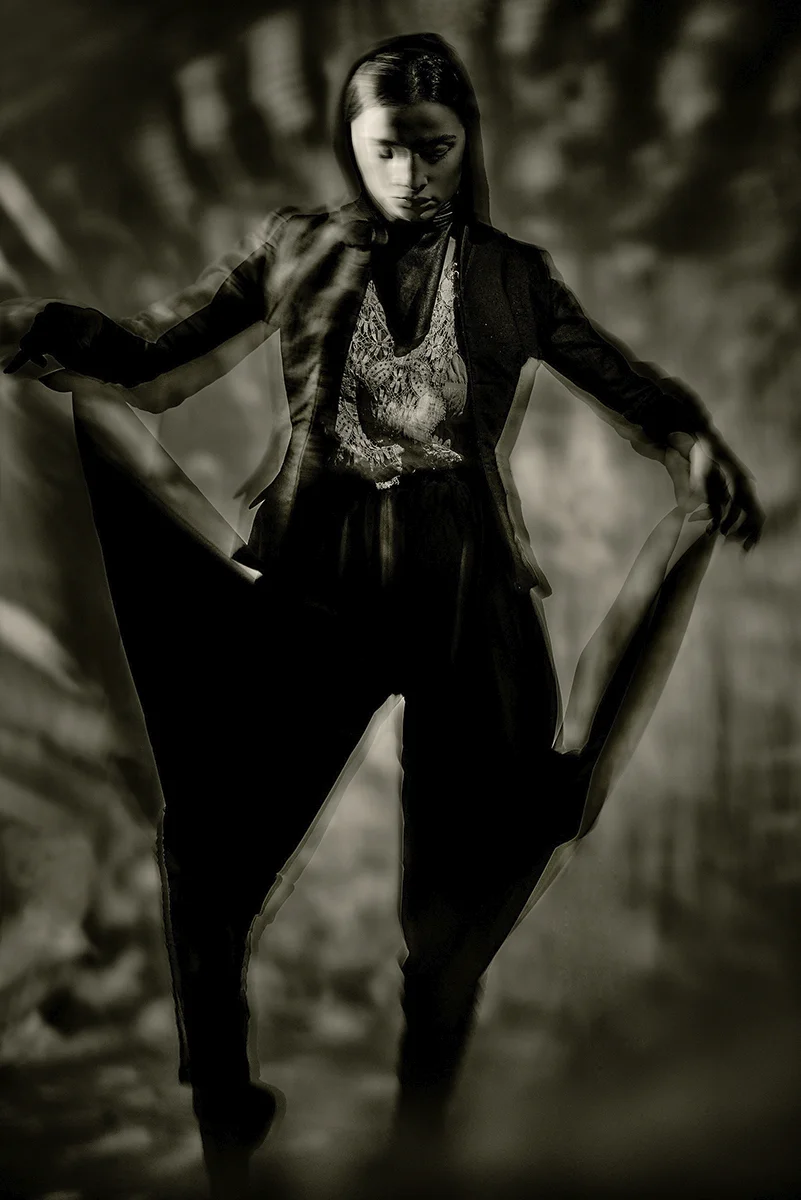
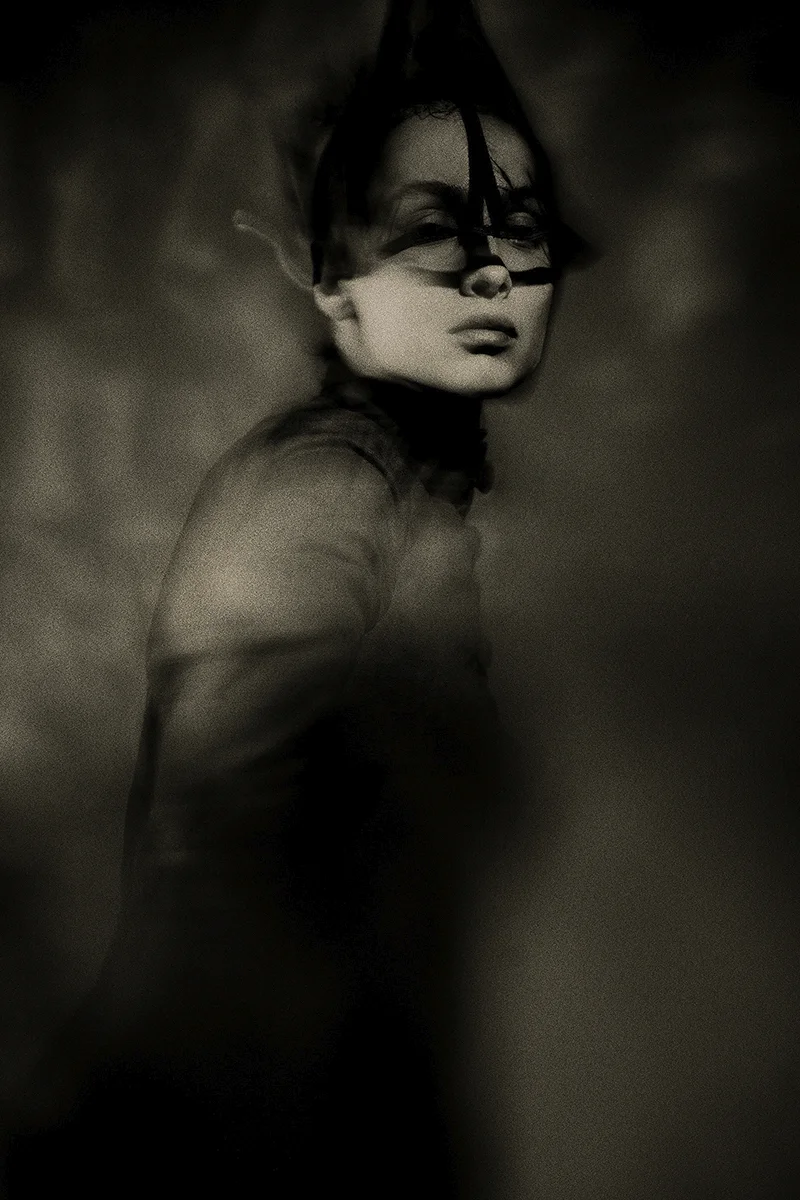
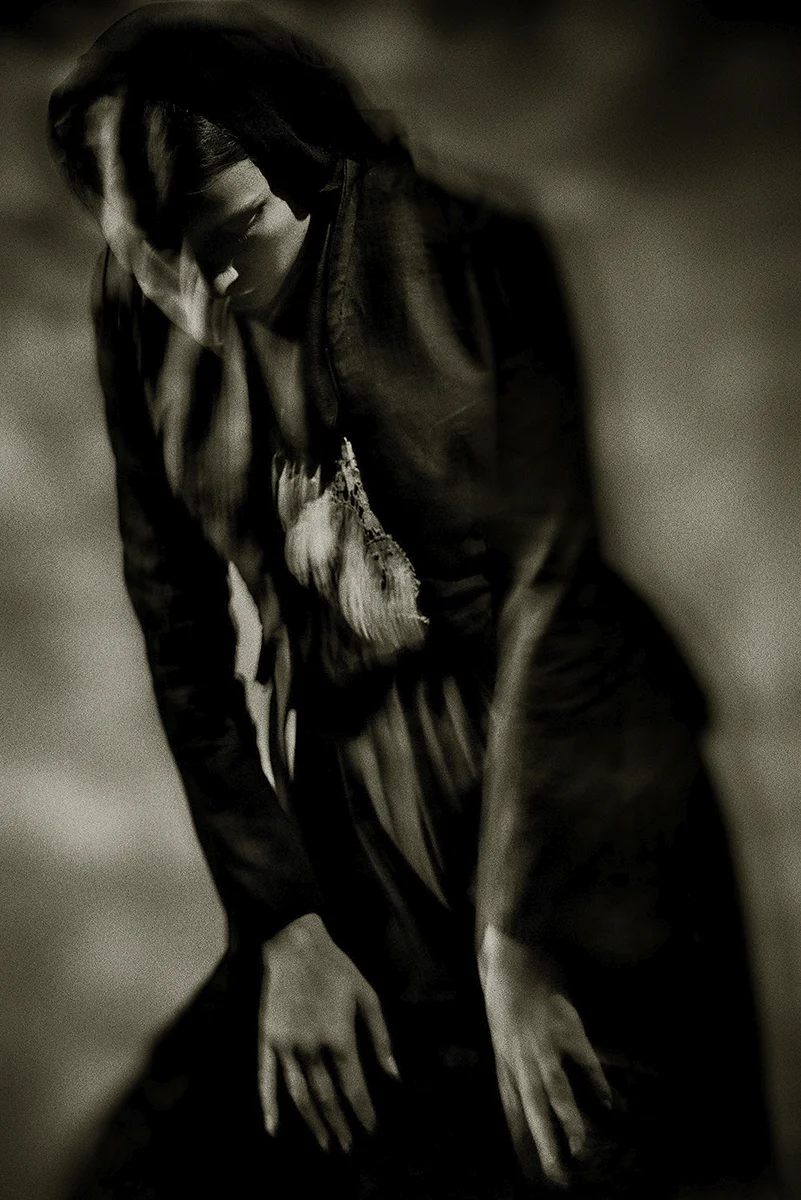
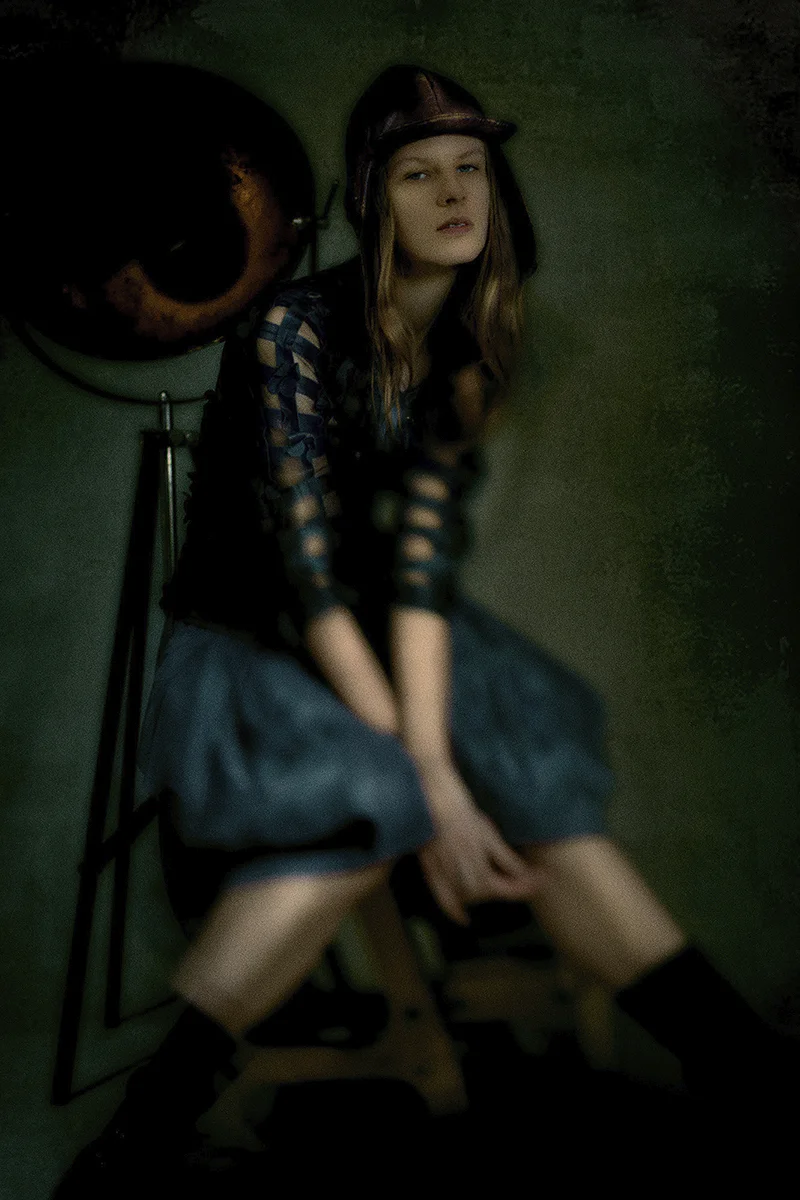
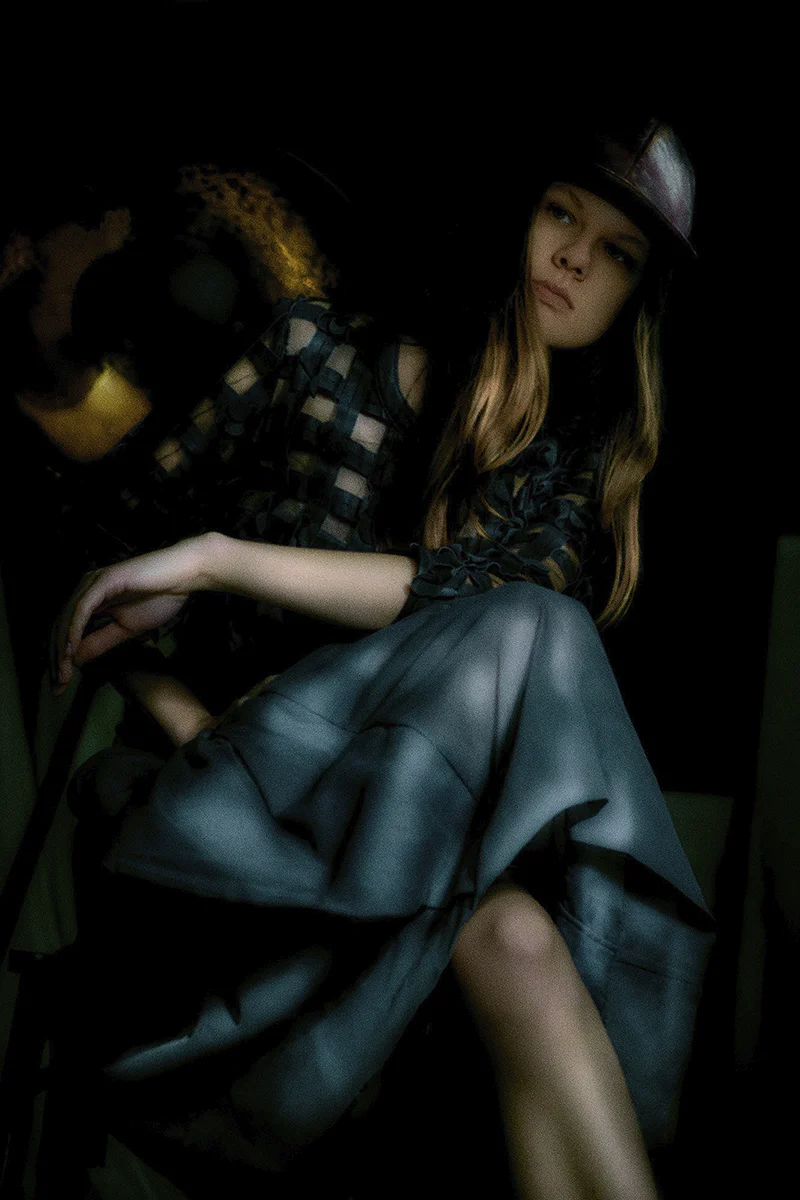
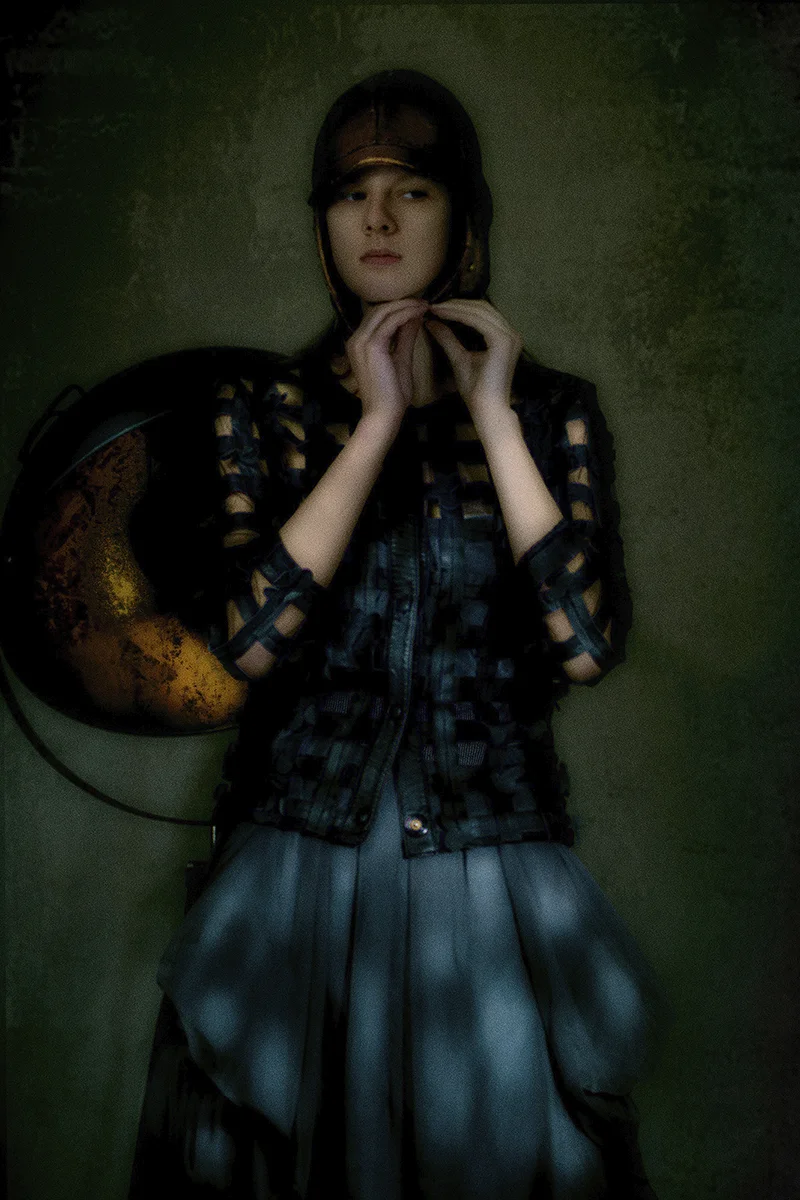
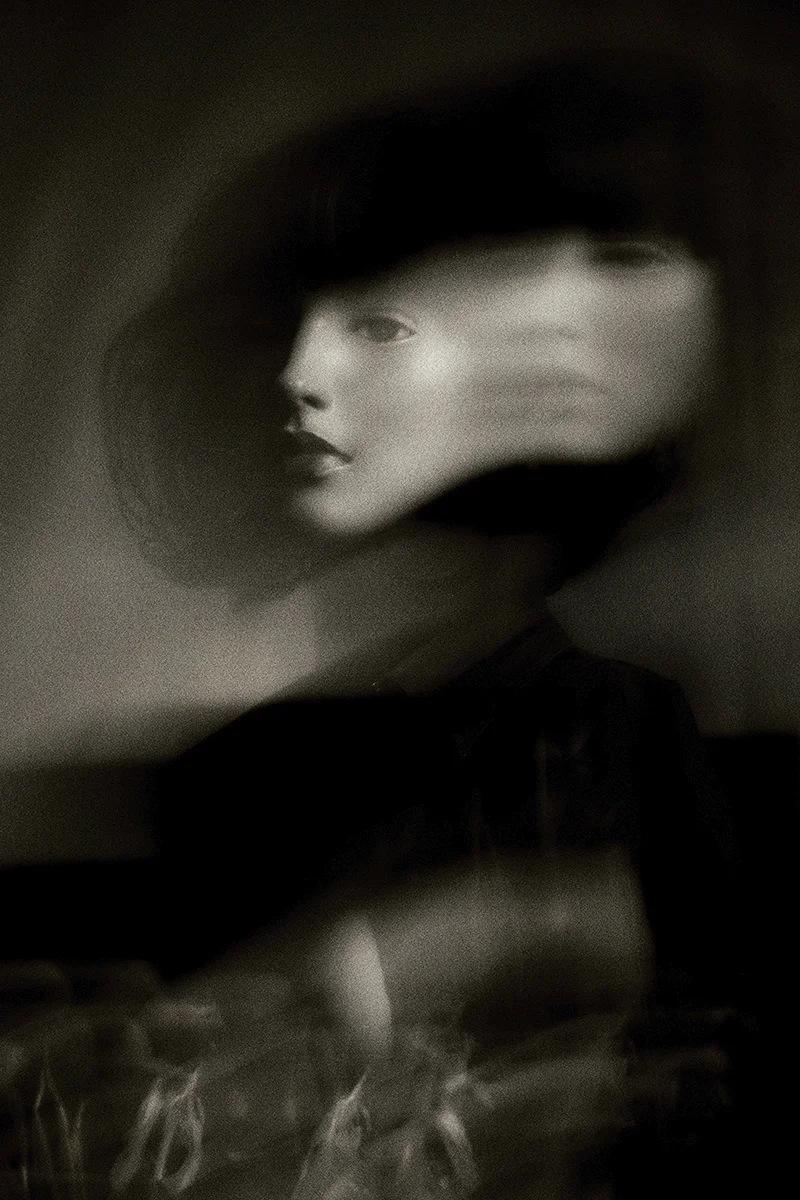
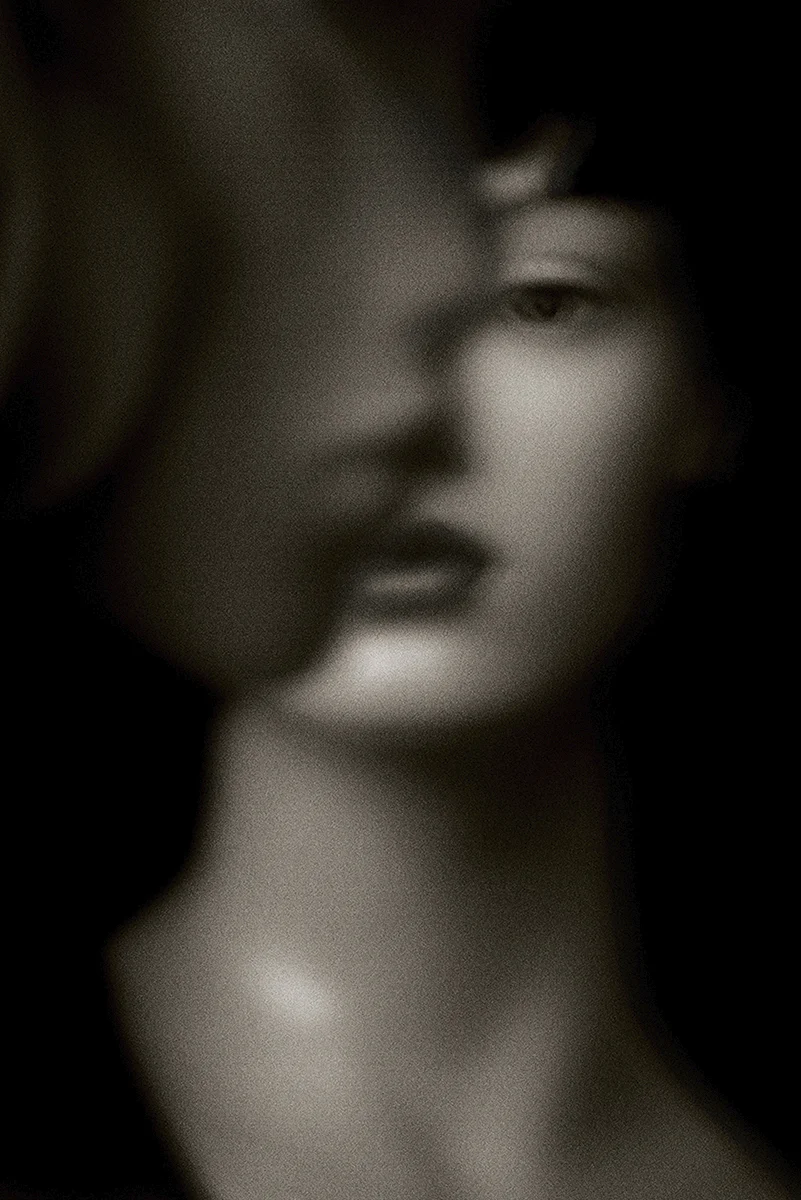
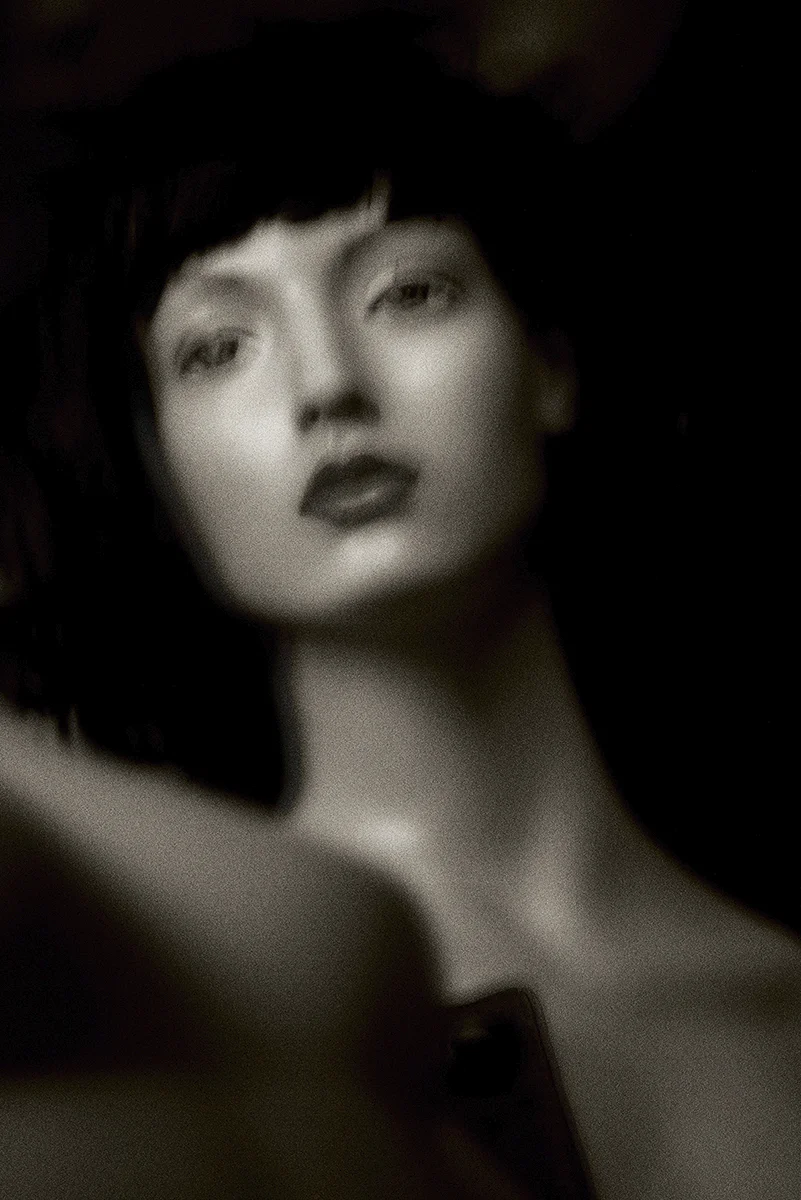
Driven by a passion for creation, intrigued by human relationships, and questioning the temporality of things, Vincent Binant constructs a photographic gallery where the beauty of bodies and nature collides with a latent sarcasm.

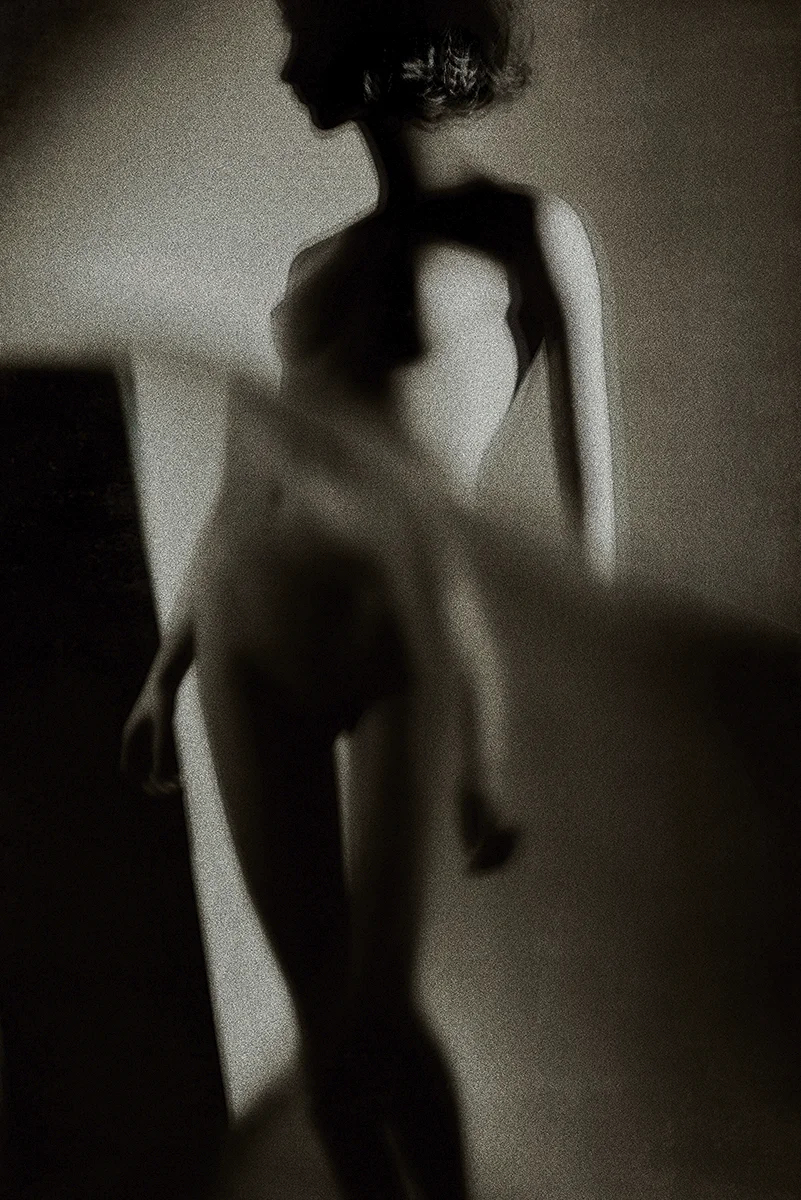
To suggest emotions through movement or abstraction, these are the photographer’s ambitions, the guiding principles of his artistic process. "I have never been able to live without creating, but it is in photography that I found the medium that is most deeply my own. I use a reality I disregard entirely, a reality from which I am detached, and I reinterpret it so as never to remain passive before the one I am given. Instead, I deliver my own: often distorted, yet always aesthetic."

"I like how black and white confronts us directly with things, without too much nuance. I am fundamentally like that in life, and that is why my work resembles me so naturally."

Exhibitions
2026 - "Zhitong" - Group show at the Martagny Photo Festival
2026 - "Romy" - Group show at the EST Galerie
2025 - "Coco" - Solo show at the EST Galerie
2023 - Exhibition at the Biennale of Senigallia


Press
2025 - Coup de cœur Fisheye #527
2025 - Photo-letter
2024 - L'Oeil de la Photographie
2023 - Coup de cœur Fisheye #450
2014 - Fubiz

Awarded Photographer of the Week - Week 18, 2026
 

Inspiring Portfolios

Call for Entries
AAP Magazine #57 Portrait
Publish your work in our printed magazine and win $1,000 cash prizes
 
Stay up-to-date  with call for entries, deadlines and other news about exhibitions, galleries, publications, & special events.

More Great Photographers To Discover

Li Zhensheng
China
1940
Li Zhensheng (born September 22, 1940) is a Chinese photojournalist who captured some of the most telling images from the Great Proletarian Cultural Revolution, better known as the Chinese Cultural Revolution. His employment at the Heilongjiang Daily, which followed the party line, and his decision to wear a red arm band indicating an alliance with Chairman Mao Zedong, allowed him access to scenes otherwise only described in written and verbal accounts. His recent publication of the book, Red-Color News Soldier exhibits both the revolutionary ideals and, more notably, many of the atrocities that occurred during the Cultural Revolution. The Heilongjiang Daily newspaper had a strict policy in accordance with a government dictate that only "positive" images could be published, which consisted mostly of smiling revolutionaries offering praise for Chairman Mao. The "negative" images, which depicted the atrocities of the time, were hidden beneath a floorboard in his house before he brought them to light at a photo exhibit in 1988. Early life Li Zhensheng was born to a poor family in Dalian, which is located in the northeastern province of Liaoning, China. At the time of his birth this was Kwantung Leased Territory, where Japan maintained the puppet regime, Manchukuo. His mother died when he was three, and his older brother, who was a member of the People's Liberation Army was killed during the Chinese Civil War. Zhensheng helped his father, who was a cook on a steamship and later as a farmer, until Zhensheng was 10-years-old. Zhensheng quickly rose to the top of his class despite starting school late. He later earned a spot at the Changchun Film School, where he acquired much of his photographic knowledge. In 1963, he briefly achieved a job at the Heilongjiang Daily, however the Socialist Education Movement soon intervened and he ended up back in the countryside for nearly two years, living with peasants and studying the works of Chairman Mao. Cultural Revolution Zhensheng returned to Harbin just months before the outbreak of the Great Proletarian Cultural Revolution in the spring of 1966. A lack of photographic film, marauding Red Guards, and a political dictate against photographing the negative aspects of the revolution restricted what he was able to portray. He soon realized that only people wearing the red-colored arm band of the Red Guards could photograph without harassment. To achieve this, he founded his own small rebel group at the newspaper. Zhensheng then captured some of the most horrific acts of the Cultural Revolution. His collection includes photos depicting dehumanizing tactics used by the Red Guards to humiliate or degrade alleged counterrevolutionaries. Some of the images depict public displays of "denunciations," where the hair of prominent individuals is shaved. Other images show people bearing "dunce" hats; people with black paint spread over their faces; others wearing signs around their necks with writings that criticize their profession or names. Zhensheng also captured scenes of public executions of counterrevolutionaries who were never given a trial for their alleged crimes. At the height of the Cultural Revolution, Zhensheng was once more sent back to the countryside in September 1969. He was sent to the May 7th Cadre School in Liuhe, a labor camp where he and his wife, Zu Yingxia, spent two years performing hard labor. Zhensheng had taken meticulous care of the documented "negative" images he captured while at the newspaper, hiding them beneath a floorboard of his one-room apartment. The dry atmosphere and mild temperatures of Harbin aided the preservation of the photographic negatives. While he was sent away, Zhensheng entrusted a friend to care for the apartment, and instructed him to never reveal the secrets it contained. Zhensheng returned to the newspaper in 1972 as the head of the photography department, and later became a professor at Peking University in 1982. About Red-Color News Soldier Red-Color News Soldier is a literal translation of the Chinese characters written on the armband Li Zhensheng wore during the Chinese Cultural Revolution. Although, he says he never gave his alliance to Chairman Mao, wearing the arm band gave him unprecedented access to historic events, which have since shaped Chinese culture. The book covers the period from just before the Cultural Revolution in 1965 to just after in 1976. It is separated into five chronological sections: 1964-1966 titled "It is right to rebel"; 1966 titled "Bombard the Headquarters"; 1966-1968 titled "The Red Sun in our hearts"; 1968-1972 titled "Revolution is not a dinner party"; and 1972-1974 titled "Die Fighting." The veteran China analyst John Gittings was among the reviewers who welcomed Li's book. He noted that Li was a Red Guard as well as a photographer and did not deny that he also led "struggle sessions" against innocent victims; but his pictures reflect a deeper desire to record and understand. Li's book was "unique" for a simple reason: "Although the post-Mao Chinese government has labeled the cultural revolution '10 years of chaos,' it still tries to suppress any real inquiry into the countless human tragedies it caused..." The book, which has not been published in China, took many years to publish. Zhensheng's "negative" pictures (those that depicted the atrocities of the cultural revolution) were first revealed publicly in March 1988 at a Chinese Press Association's photography competition in Beijing. The show, entitled "Let History Tell the Future" consisted of twenty images from his collection, which were deemed "counterrevolutionary. " In December of that year, Zhensheng met Robert Pledge, an American who was director of Contact Press Images, an international photo agency, who had come to Beijing. They agreed to work together on a book of Zhensheng's photos, but to wait until the political climate was right. Seven months later, in June 1989, the brutal events of Tiananmen Square made worldwide headlines, and Zhensheng became determined to produce a book to show the world the images from the Cultural Revolution. Work on the book began in 1999. Since Pledge did not speak Chinese, and Zhensheng did not speak English, the two had to coordinate work through the use of translators — many of whom became integral parts of their relationship. Zhensheng sent over 30,000 brown envelopes to Pledge's office in New York City, each containing photographic negatives. A number of the images are self-portraits of Zhensheng. This was the result of always returning to the paper with one extra frame on the film roll; a photojournalism technique of always being prepared to cover a breaking news event at the last minute. Zhensheng would "burn off" the last image with a photo of himself shortly before developing the film. Often the poses were humorous and playful. One such image of Zhensheng exposing his bare chest was published in the book He said he was attempting to recreate the old expression of "baring one's chest in the face of adversity," or in his case, communism. During book tours Zhensheng makes a point to speak of his love for China. He says while he disagrees with the government, he still loves his country and hopes democracy will perhaps prevail in the long-term future. He does not believe his images or the book should be considered anti-Chinese, rather a reminder of the painful past many countries endure during their evolution.Source: Wikipedia
R.J. Kern
United States
1978
Veronica Alkmim
Brazil/Sweden
1959
Verônica Alkmim França is a multidisciplinary artist and photographer who has lived in Sweden and Brazil for many years. With a background in Fine Arts, Photography, and Communication, her portfolio includes sculptures, wearables, photographs, scenarios, and textiles, all of which reflect her cultural identity. Her frequent travel between Brazil and Sweden has led her to move away from conventional artistic venues. Born in Brazil, she emerged in the 1990s as one of the pioneers of wearable art in the country, sparking discussions on the fine line between design, art, and fashion, and inspiring new generations. Verônica’s work is also known for its photographic documentation of her art and her recent exploration as an authorial photographer. Her approach critiques mass consumption and the aesthetics of excess, while her collaborations with disadvantaged communities aim to give these groups visibility and support cultural social initiatives. She has been recognized internationally, winning awards such as the Female in Focus International Photography Award 2022 from the British Journal of Photography, the Brasília Photo Show 2022, the Chromatic International Photo Awards, and the Monochrome Photo International Awards. She has also been nominated for RE-Focus International Awards and Color International Photo Awards, won second place in Photomanipulation at FAPA (Fine Art Photography Awards), participated in the Women in Photography exhibition in Glasgow in 2023, and earned distinctions in the PX3 Prix de la Photographie de Paris, IPA International Photography Awards, Budapest Photo Awards, Aesthetica Magazine Prize, PISPA-Paris International Street Photo Awards, and Prix de la Photographie de Paris in 2024. Recently, she collaborated with WIEGO (Women in Informal Employment) and Sheffield University on the CATA project—Climate Change and Waste Pickers—featured at Memorial Minas Gerais Vale in Brazil and The Mind Festival in Sheffield, England.
Phil Penman
United Kingdom/United States
The British-born, New York-based photographer Phil Penman has documented the ever-changing scene of New York City’s streets for more than 25 years. In his career as a news and magazine photographer, with a large body of work in such publications as The Guardian, The Independent, The New York Review of Books, among others, he has photographed major public figures and historical events. In particular, his reportage following the September 11, 2001 terrorist attack on the World Trade Center has featured on NBC’s Today show, as well as on the BBC, History Channel, and Al Jazeera, and his images have been included in the 9/11 Memorial and Museum’s archives. His work covering the pandemic lockdown in New York City has been acquired by the U.S. Library of Congress, whose collection holds work by such great Depression-era documentarians as Walker Evans and Dorothea Lange. Besides showing at Leica galleries in New York, Washington, D.C., Boston, and London, Penman’s signature street photography has appeared in international exhibitions as far afield as Venice, Berlin, and Sydney. He also tours the world teaching workshops on photography for Leica Akademie. He was recently named among the “52 Most Influential Street Photographers,” alongside such legends as Henri Cartier-Bresson, Sebastião Salgado, Diane Arbus, and Garry Winogrand. Penman’s first book, Street, published in 2019, became a best-seller and was featured at the Museum of Modern Art in New York. New York Street Diaries Phil Penman shows the big city on the east coast of the USA from a side that is rarely seen, calm and tranquil. The pictures were taken partly during the great snowstorm and partly during the Corona Lockdown and are thus contemporary witnesses of the pandemic restrictions that completely turned our previously-known world upside down. Born in Great Britain (Poole, Dorset), he has been photographing the streets of New York for well over two decades. He is known, among other things, for his photographs of famous personalities such as Michael Jackson, Madonna, Jennifer Lopez or Bill Gates. When the biggest tragedy in New York's history shook the city on 11 September 2001, Phil Penman was on the spot and created unique footage of the events with his camera. Penman knows how to capture the city in its most sensitive moments in an impressive way. He catches intimate moments in his black-and-white photographs and shows the people and streets of New York City far away from the hustle and bustle. The city life of the metropolis is presented so closely that some pictures inevitably evoke a smile in the viewer. Penman literally catapults his viewer into the scene with a refreshing directness and the feeling of really being present. New York Street Diaries
Alesya Osadchaya
Russia Federation
1990
Alesya Osadchaya was born in October of 1990 in Moscow, Russia. She studied veterinary medicine at the Moscow Veterinary Academy. Currently, he also works as a teacher in the field of veterinary entrepreneurship. The fascination with photography came from childhood. Dad taught her to handle the camera, later she got carried away with photography seriously and began to earn money by taking pictures - portrait and reportage. After graduation, the institute began to travel and take pictures of more scenery and travel reports. Travel and photography are closely related. Alesya rarely uses the services of travel agencies and travels alone. Always takes a camera with her. Through photographs, she shows the fragility of man compared to the forces of nature. Statement: No wonder they say that the most cool photos are obtained at a time when the elements are raging. Nature opens on the new side. In bad weather, few people can force themselves to leave the warm bed and go to meet the unknown. At this time, and people who are on the street once pretend to wear "masks". They are busy with more important things - how not to get wet, do not mess up your hair, save your property, and even the safety of your life, after all. But these are not all. However strange it may sound, I am inspired by the vagaries of nature: storms, hurricanes, tornadoes, storms. As a child, I reviewed a bunch of BBC films (and not only) about similar natural phenomena. Probably, therefore, at such moments in the head immediately the plots for photographs are born - a good look. But even in the quietest weather one can find "moments of strength". With my capture I want to show the greatness of nature, its beauty, strength and scale in comparison with fragility and human life.
Advertisement
AAP Magazine #57 Portrait
Win a Solo Exhibition in June
AAP Magazine #57 Portrait

Latest Interviews

Exclusive Interview with Carolyn Moore
American photographer Carolyn Moore explores the inner landscape of emotion, memory, and personal transformation through a deeply intuitive photographic practice. Her work unfolds as a quiet dialogue between artist and viewer, where images become a space for reflection, vulnerability, and connection.
Exclusive Interview with Luca Desienna and Laura Estelle Barmwoldt
For over seven years, Of Lilies and Remains has explored the depths of the goth and darkwave underground, unfolding in Leipzig—a city long associated with a vibrant and enduring subcultural scene. Moving between iconic gatherings such as Wave-Gotik-Treffen and more intimate moments on the fringes, the project offers a rare and immersive glimpse into a world often misunderstood, yet rich in expression and community. Created by Luca in collaboration with Laura Estelle Barmwoldt, the work embraces a cinematic and deeply personal approach. Rather than documenting from a distance, it moves within the scene itself, capturing its atmosphere, its codes, and its quiet contradictions. The title Of Lilies and Remains hints at this duality—where beauty and darkness, fragility and strength coexist. As the book prepares for its release, we spoke with both artists about the origins of the project, their process, and what it means to document a subculture that continues to evolve while remaining true to its spirit.
Exclusive Interview with Matthew Finley
American photographer Matthew Finley turns inward, using photography as a way to explore identity, memory, and emotional truth. Based in Los Angeles, his practice moves between performance, gesture, and found imagery, creating a visual language that is both intimate and deeply personal
Exclusive Interview with Jan Janssen
Dutch photographer Jan Janssen explores universal human experiences through his long-term project It Matters, winner of the May 2025 Solo Exhibition. Begun in 2016, the series captures intimate moments of everyday life—love, loss, connection, and belonging—across Central and Eastern Europe. Working in countries such as Turkey, Azerbaijan, and Armenia, Janssen spends extended time within communities, building relationships based on trust and respect. His approach allows him to move beyond observation, revealing deeply human and authentic moments. Rooted in travel and personal discovery, It Matters reflects Janssen’s search for what connects us all in an increasingly divided world. The project is ongoing and will culminate in a photobook scheduled for publication in 2026.
Exclusive Interview with Henk Kosche
German photographer Henk Kosche turns his lens toward the streets of Halle an der Saale, capturing everyday life in the late years of the former German Democratic Republic. At the time, Kosche was studying design and exploring the city with his camera, drawn to the atmosphere of its industrial landscape and the quiet rhythms of daily life. His series Street Photography at the End of the 80s, selected as the Solo Exhibition for July 2025, revisits a body of work created just before a period of profound change. Rediscovered decades later in a small box of 35mm negatives, these photographs offer glimpses of a city and its people at a moment suspended between the familiar and the unknown.
Exclusive Interview with Anastasia Samoylova
Anastasia Samoylova is an American artist whose photographic practice is shaped by close observation and a deep attentiveness to place. Working between documentary and formal exploration, she photographs landscapes, architecture, and everyday scenes with a sensitivity to light, structure, and atmosphere. Since relocating to Miami in 2016, her work has increasingly focused on how environments—both natural and built—carry social, cultural, and emotional traces. We asked her a few questions about her practice and her way of seeing, to better understand the thoughts and experiences that shape her work—while allowing the images themselves to remain open and speak in their own time.
Exclusive Interview with Marijn Fidder
Marijn Fidder is a Dutch documentary photographer whose work powerfully engages with current affairs and contemporary social issues. Driven by a deep sense of social justice, she uses photography to speak on behalf of the voiceless and to advocate for the rights of those who are most vulnerable. Her images have been widely published in major international outlets including National Geographic, CNN Style, NRC Handelsblad, Volkskrant, GUP New Talent, and ZEIT Magazin. Her long-term commitment to disability rights—particularly through years of work in Uganda—culminated in her acclaimed project Inclusive Nation, which earned her the title of Photographer of the Year 2025 at the All About Photo Awards. She is also the recipient of multiple prestigious honors, including awards from World Press Photo and the Global Peace Photo Award. We asked her a few questions about her life and work.
Exclusive Interview with Josh S. Rose
Josh S. Rose is a multidisciplinary artist working across photography, film, and writing. His practice bridges visual and performing arts, with a strong focus on movement, emotion, and the expressive potential of the image. Known for his long-standing collaborations with leading dance companies and performers, Rose brings together authenticity and precise composition—a balance he describes as “technical romanticism.” His work has been commissioned and exhibited internationally, appearing in outlets such as Vogue, at the Super Bowl, in film festivals, and most recently as a large-scale installation for Lincoln Center for the Performing Arts. A sought-after collaborator, he has worked with major artists, cultural institutions, and brands, following a previous career as Chief Creative Officer at Interpublic Group and the founder of Humans Are Social. We asked him a few questions about his life and work.
Interview with Maureen Ruddy Burkhart
Photographer Maureen Ruddy Burkhart brings a quietly attentive and deeply human sensibility to her exploration of the world through images. Shaped by a life immersed in photography, film, and visual storytelling, her work is guided by intuition, observation, and an enduring interest in the emotional undercurrents of everyday life. With a practice rooted in both fine art traditions and documentary awareness, she approaches her subjects with sensitivity, allowing subtle moments to emerge naturally rather than be imposed. Her series Til Death, selected as the Solo Exhibition for February 2025, reflects this long-standing commitment to photography as a space for reflection rather than spectacle. Drawn to moments that exist just outside the expected frame, Burkhart’s images suggest narratives without resolving them, leaving room for ambiguity, humor, and quiet connection. We asked her a few questions about her life and work.
Call for Entries
AAP Magazine #57 Portrait
Publish your work in our printed magazine and win $1,000 cash prizes