All about photo.com: photo contests, photography exhibitions, galleries, photographers, books, schools and venues.
FINAL DAYS TO WIN A SOLO EXHIBITION IN MAY 2026
Takeshi Yamamoto
Takeshi Yamamoto
Takeshi Yamamoto

Takeshi Yamamoto

Country: Japan

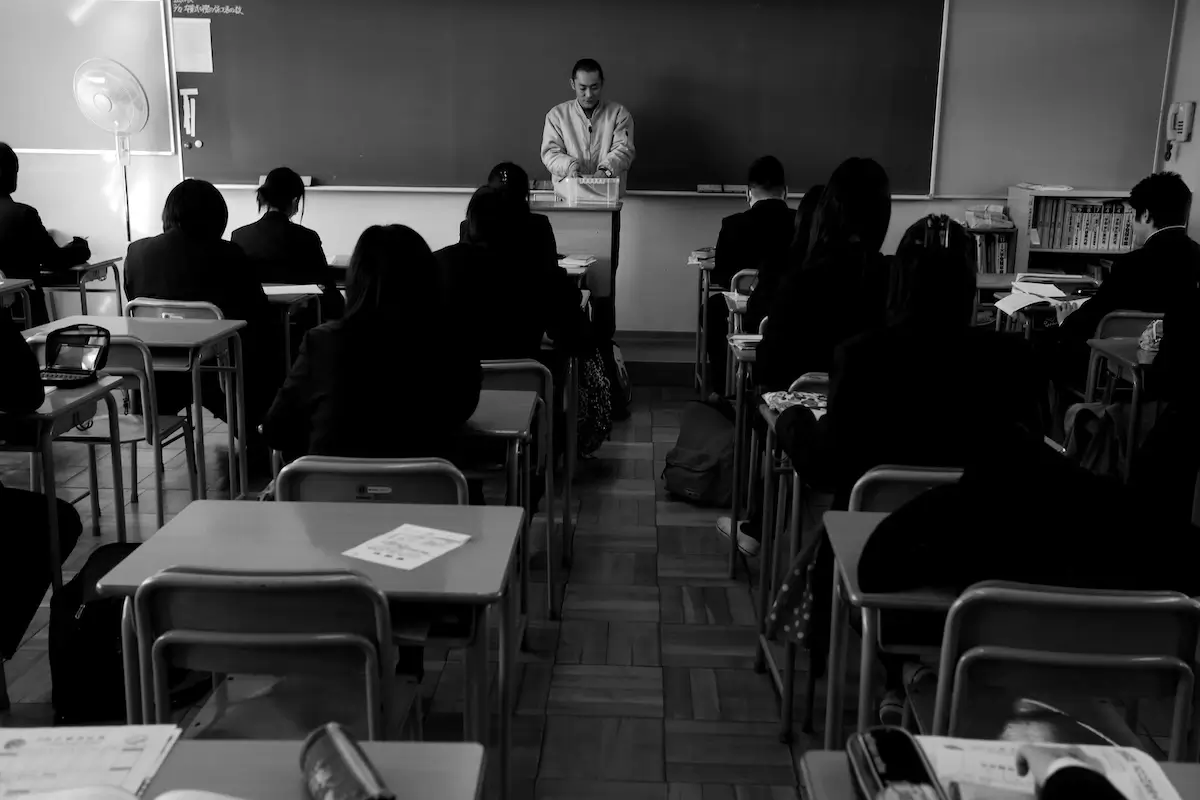
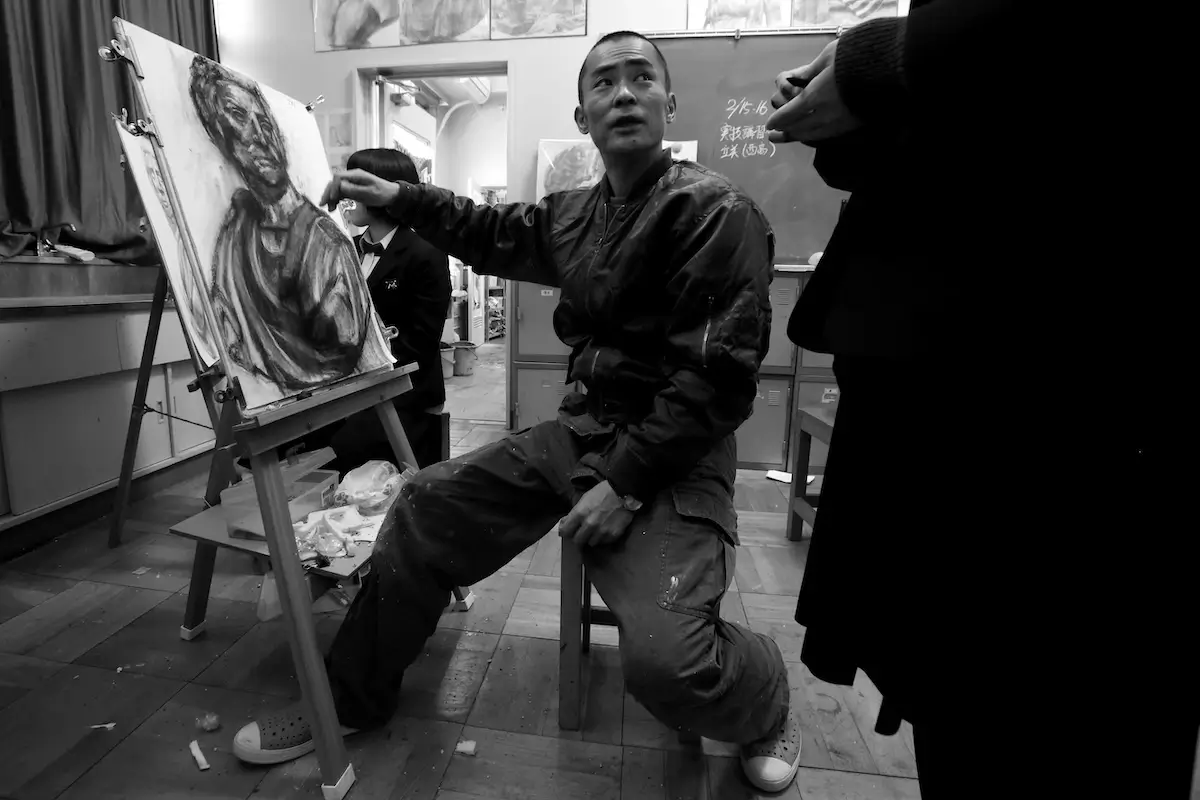
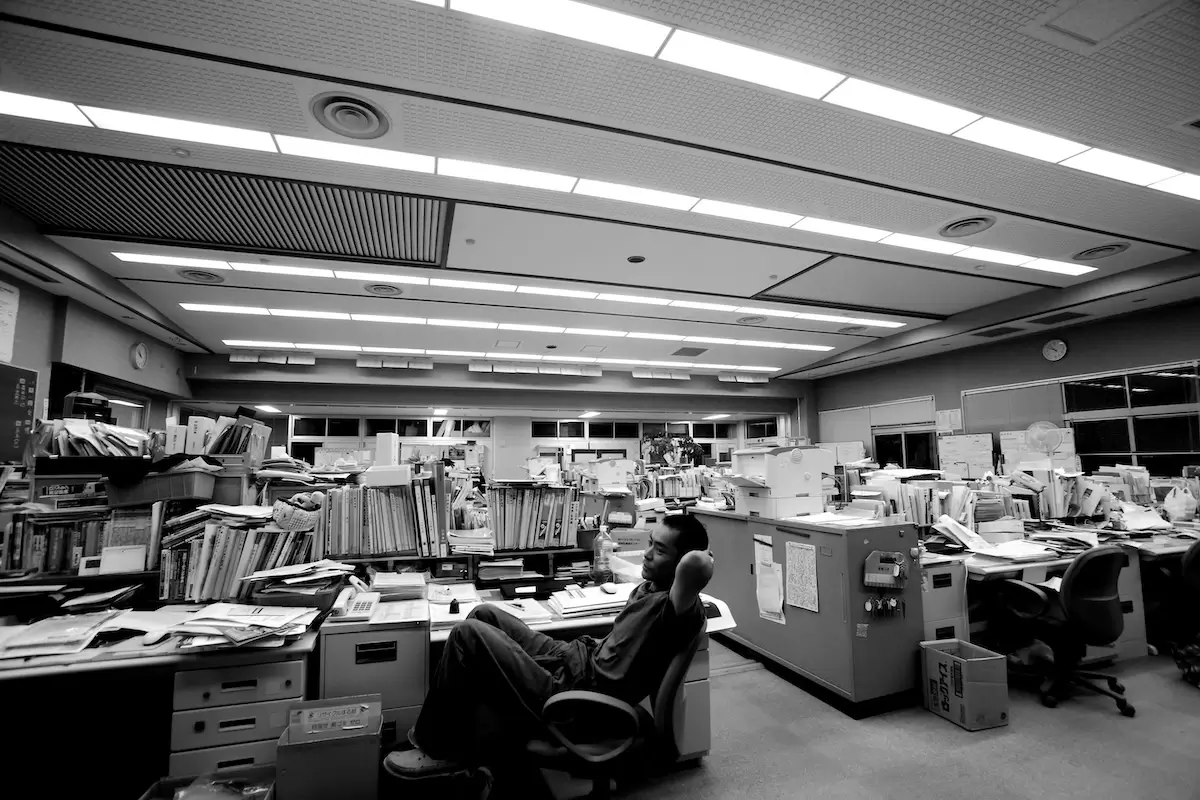
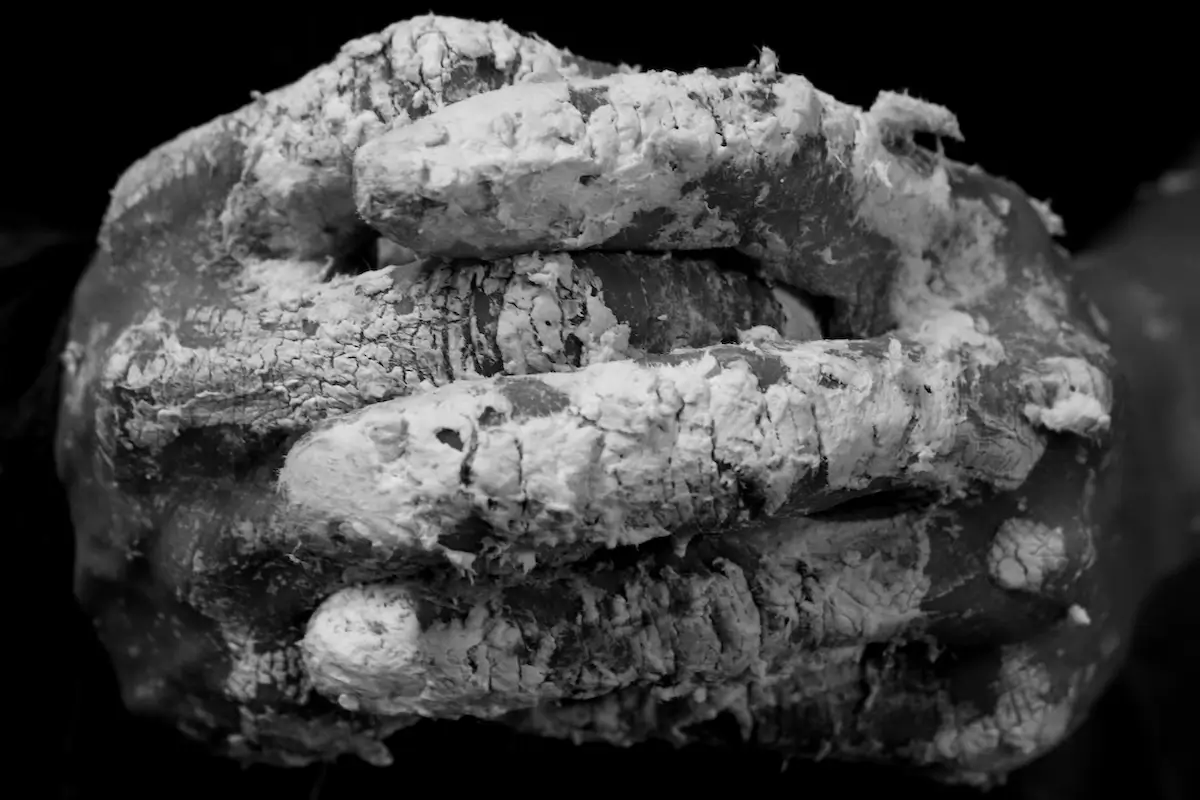
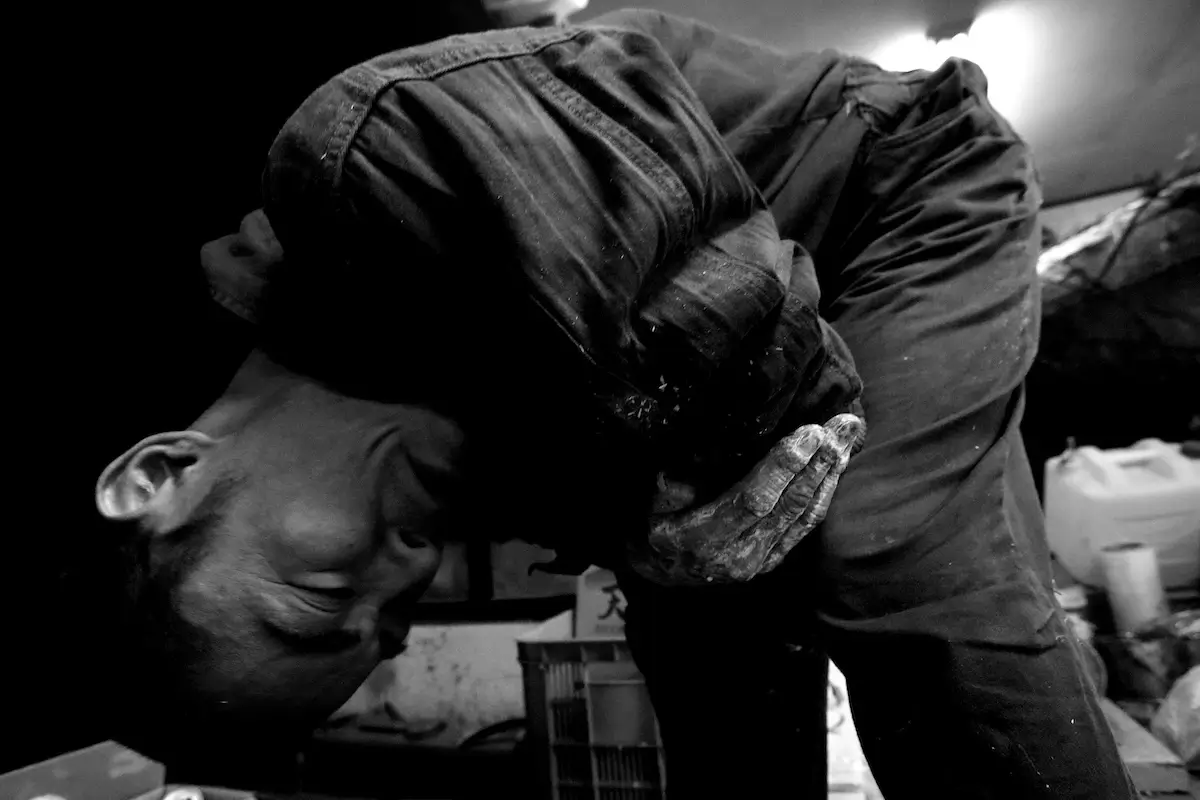
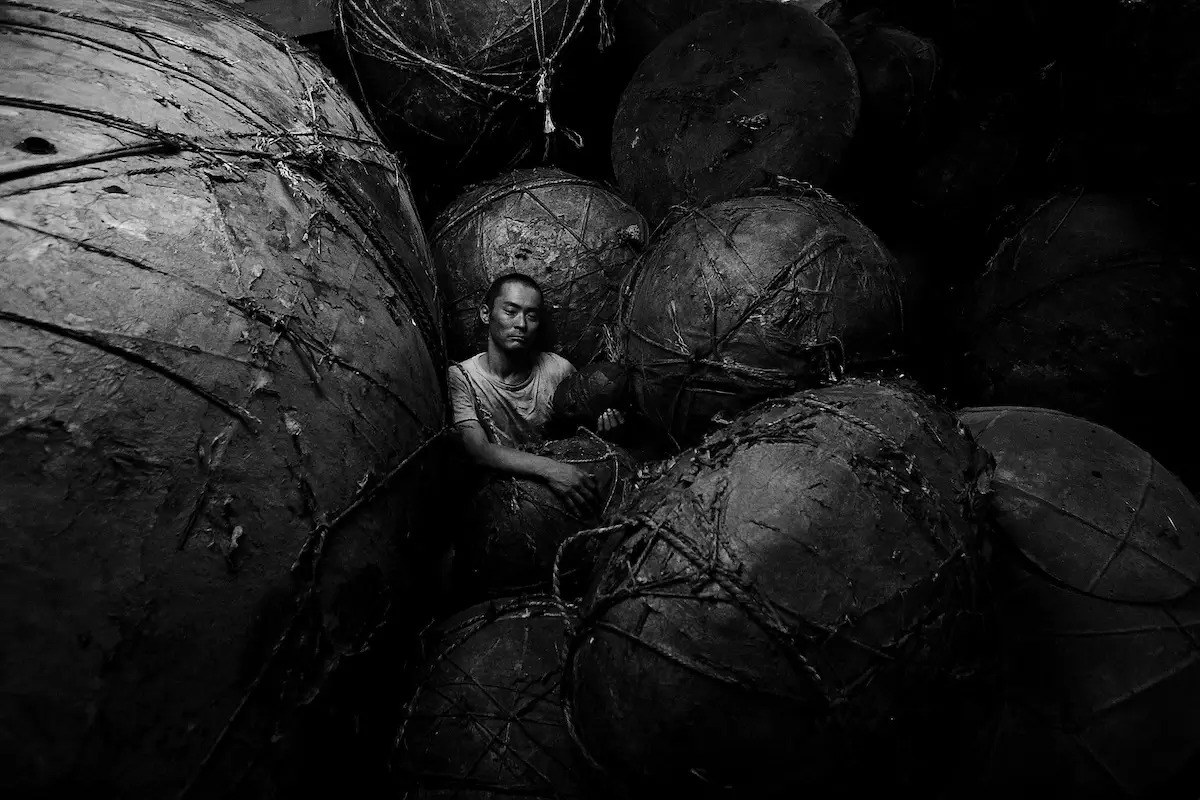
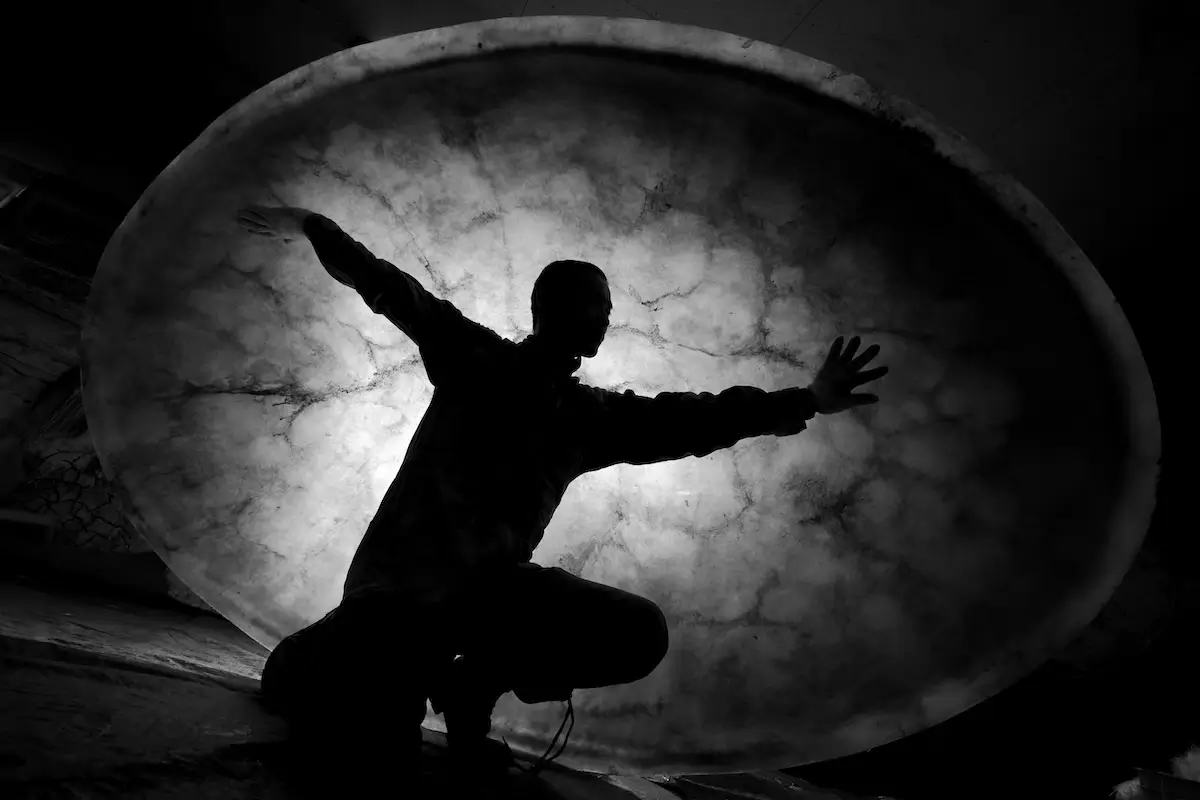
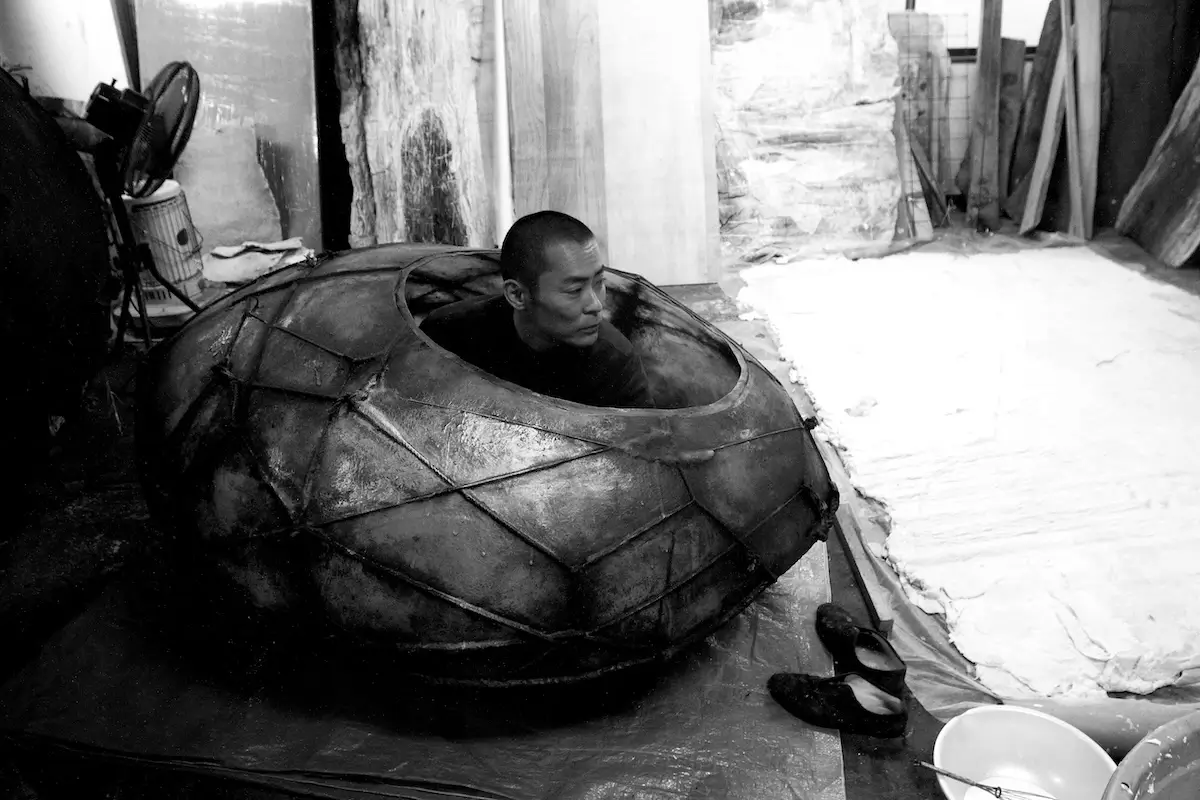
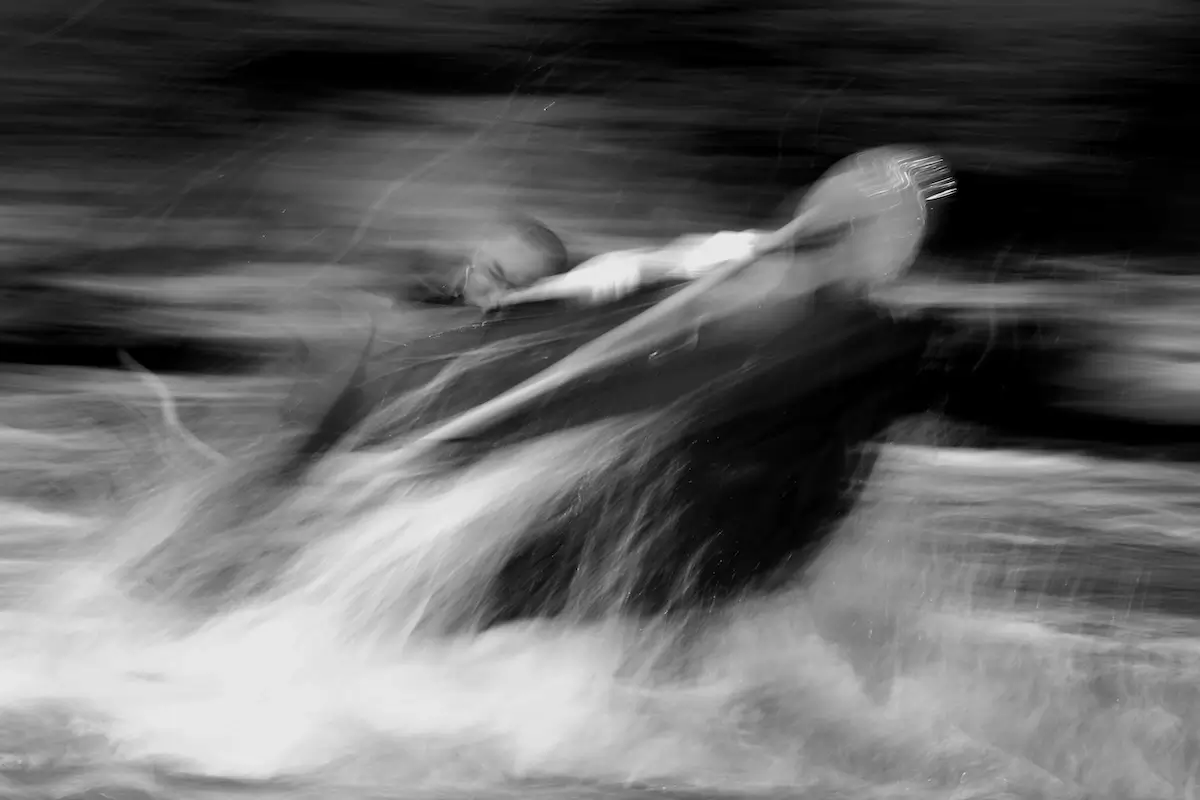
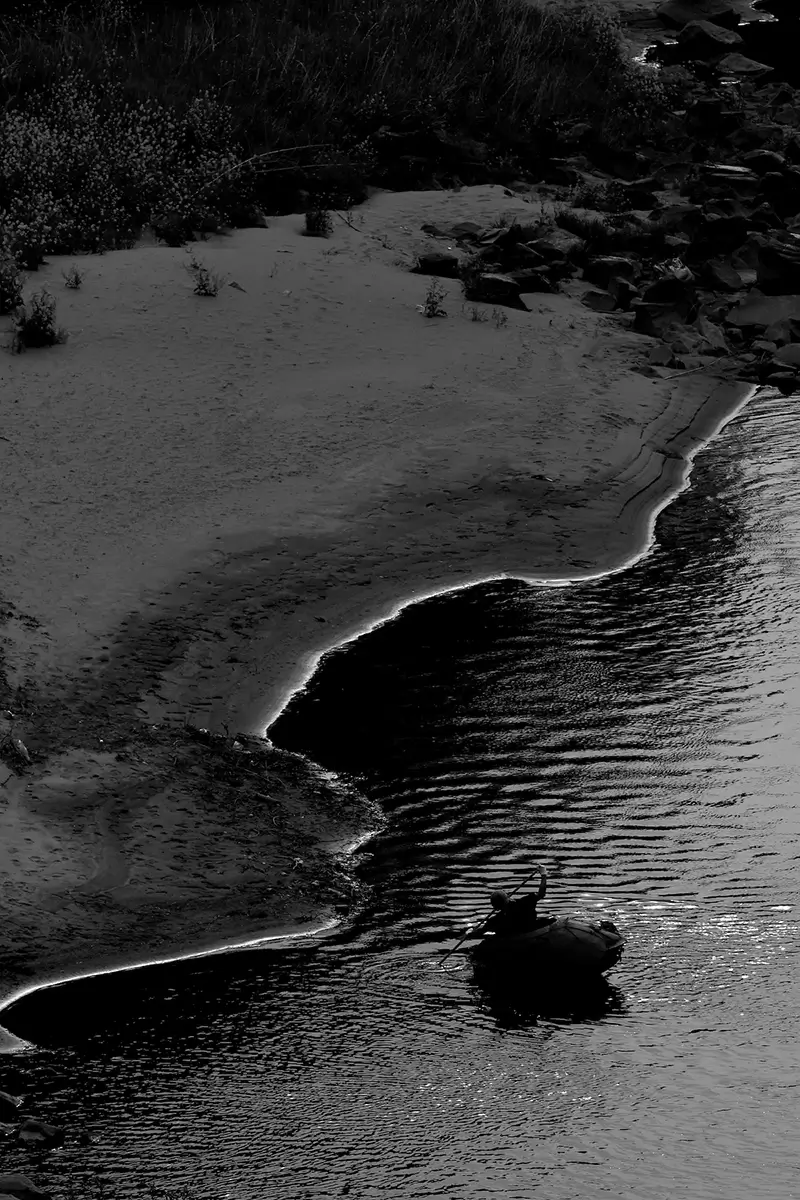
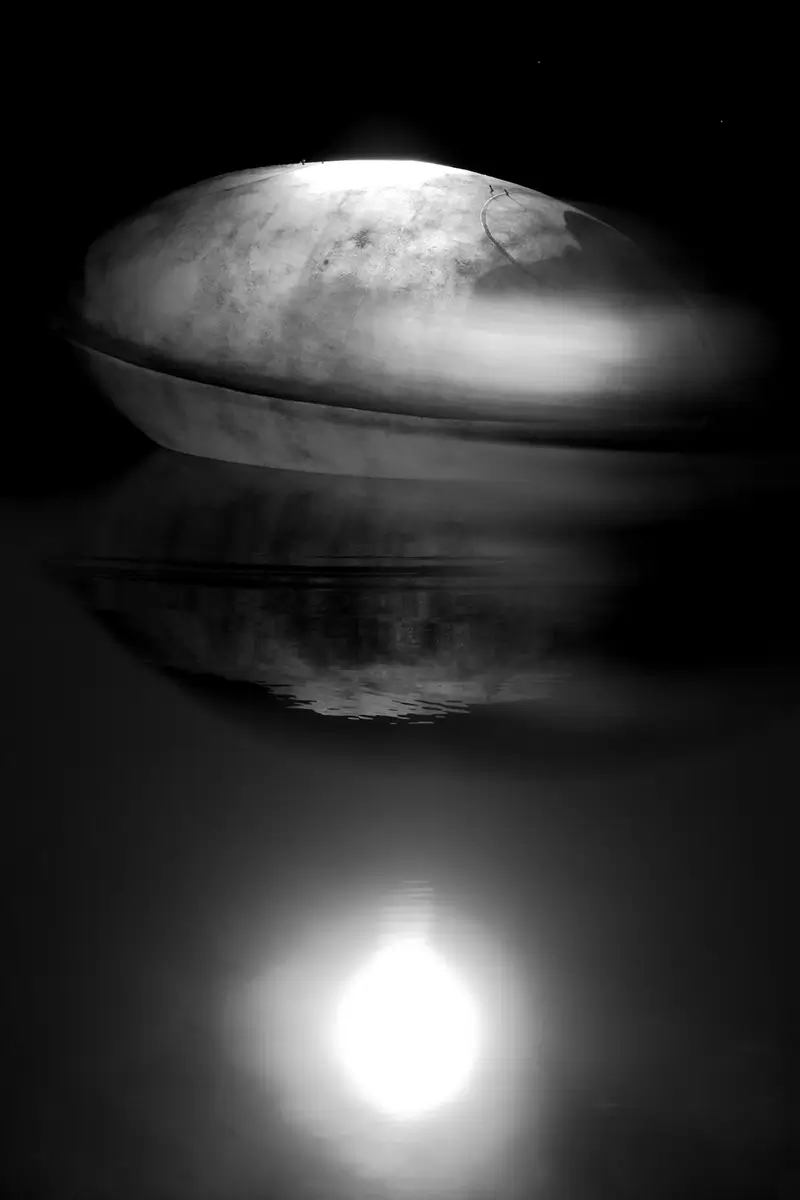
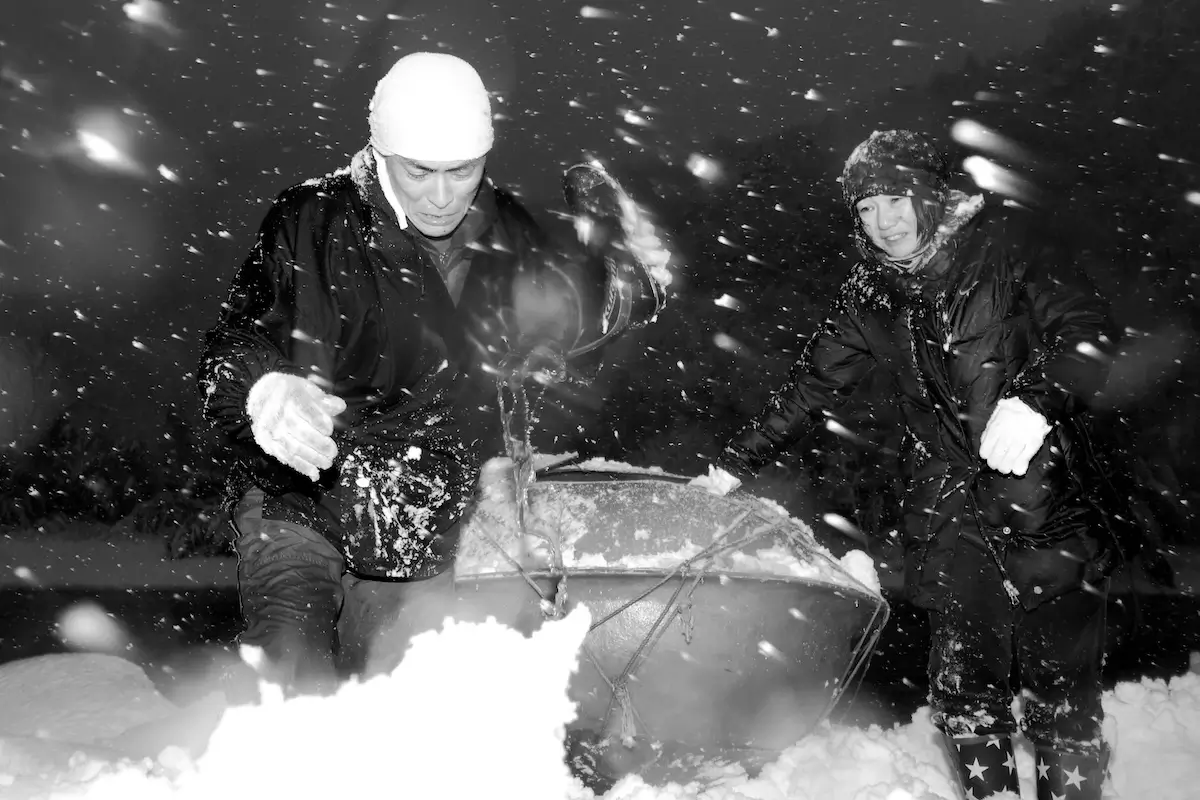
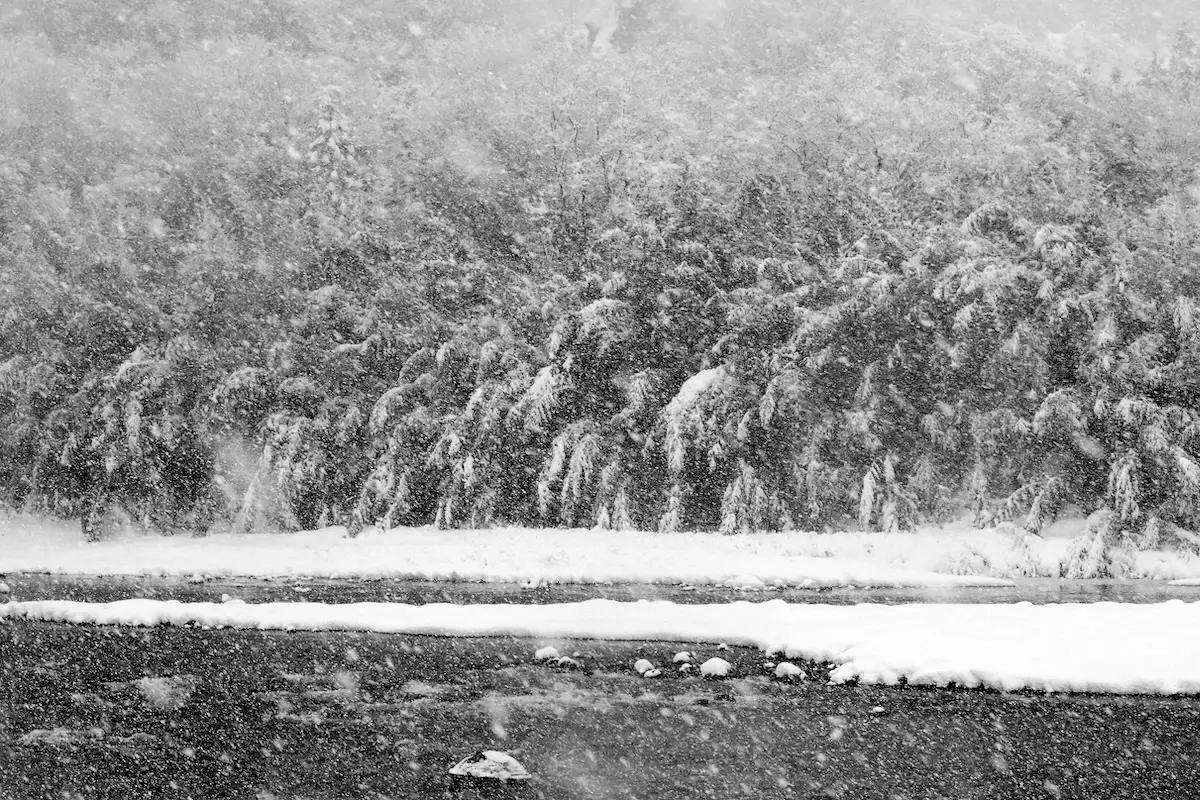
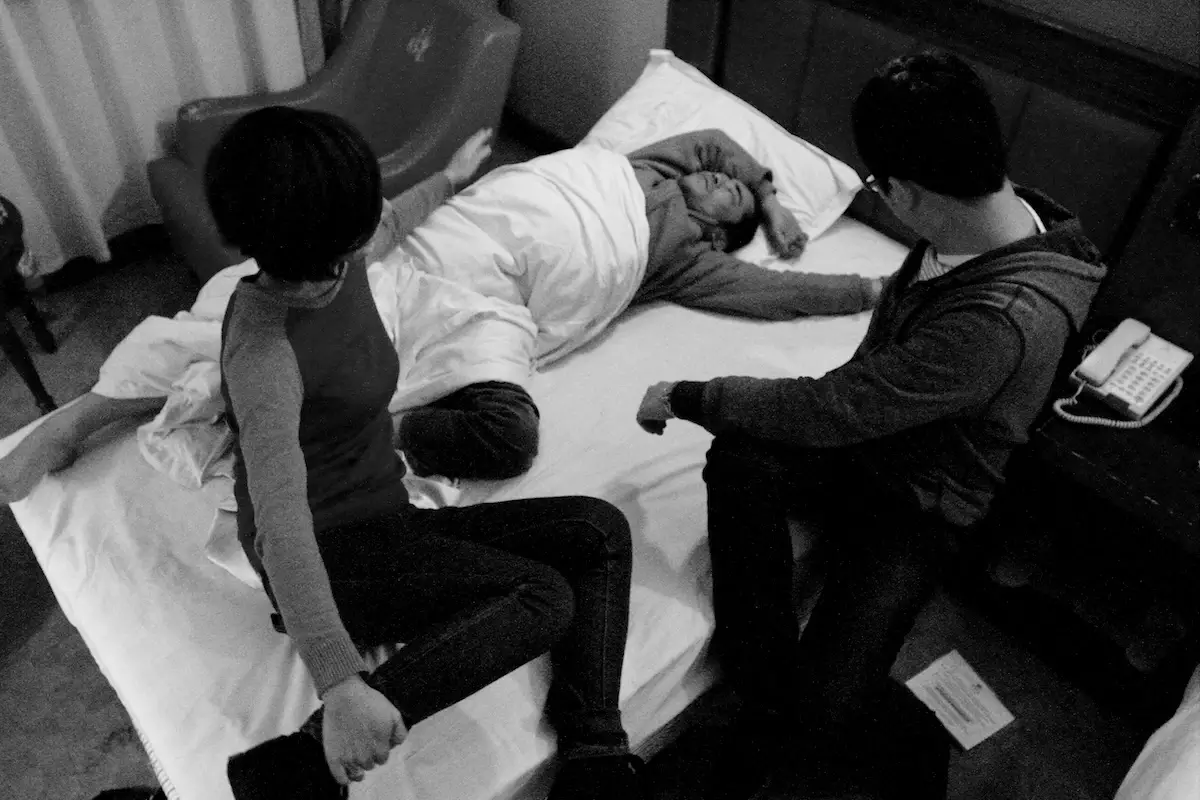
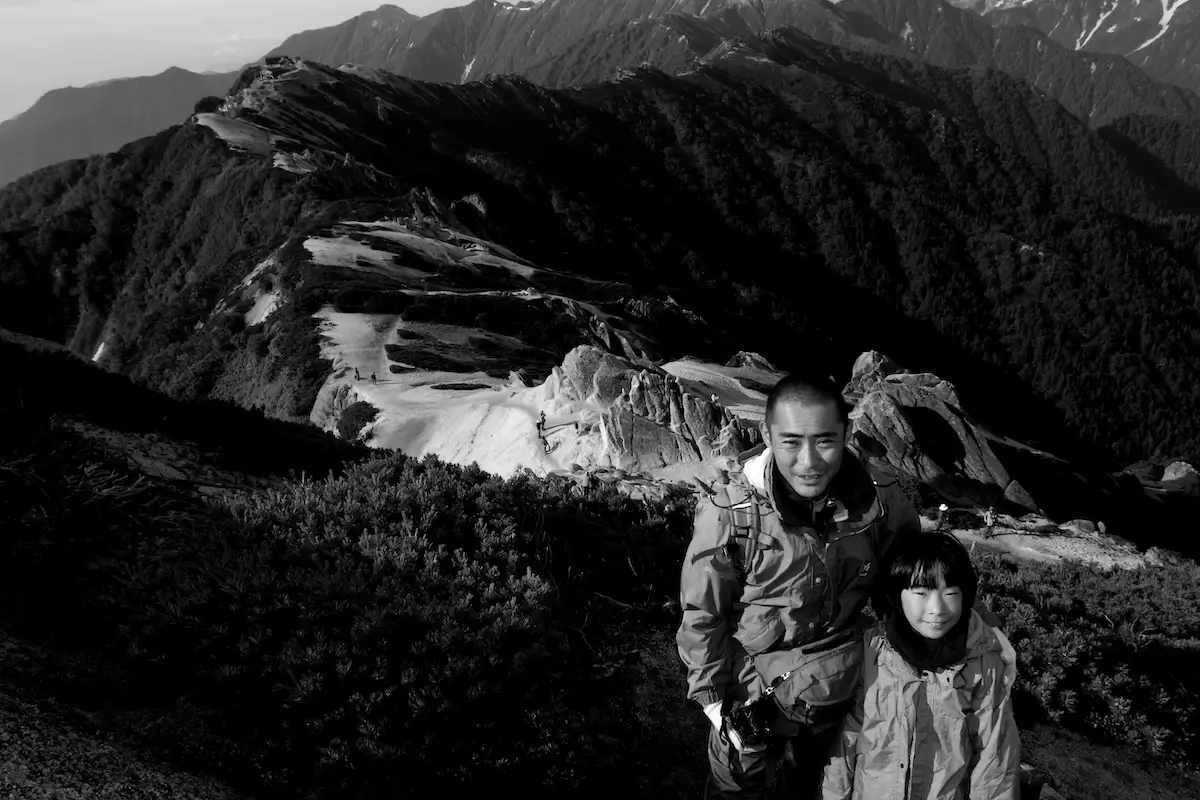
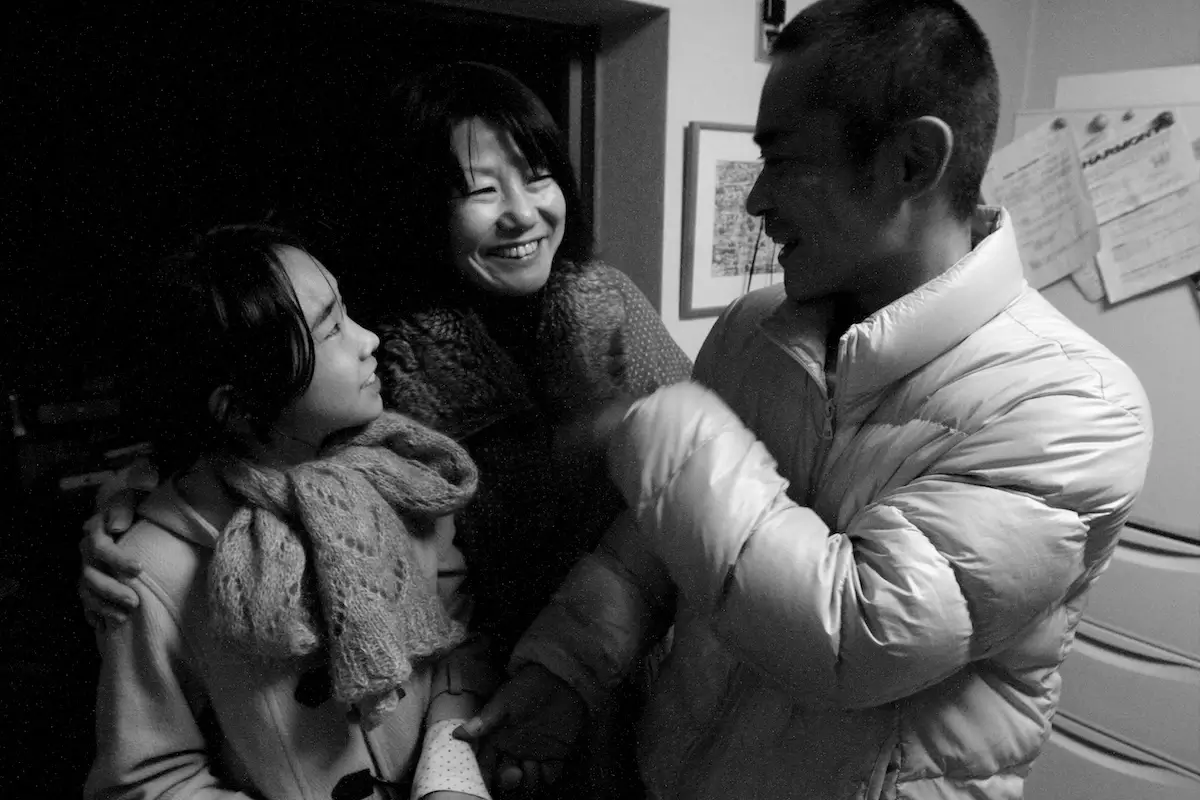
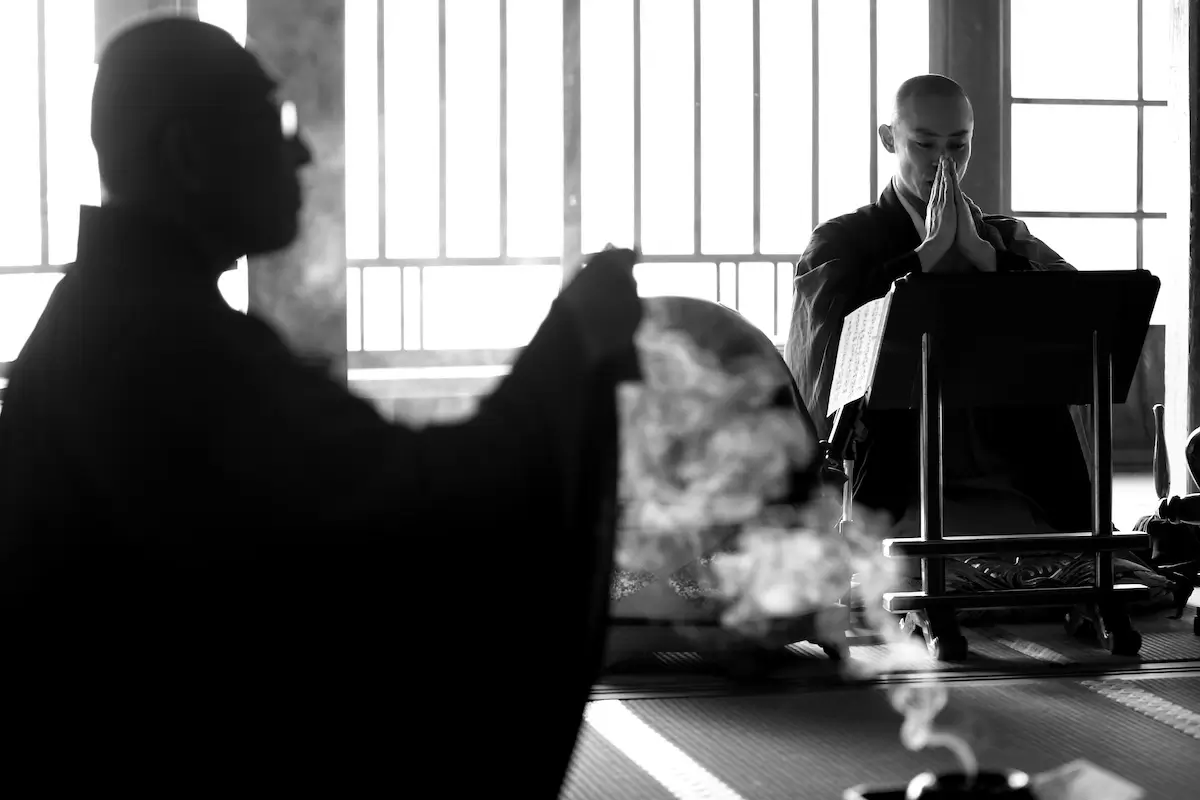
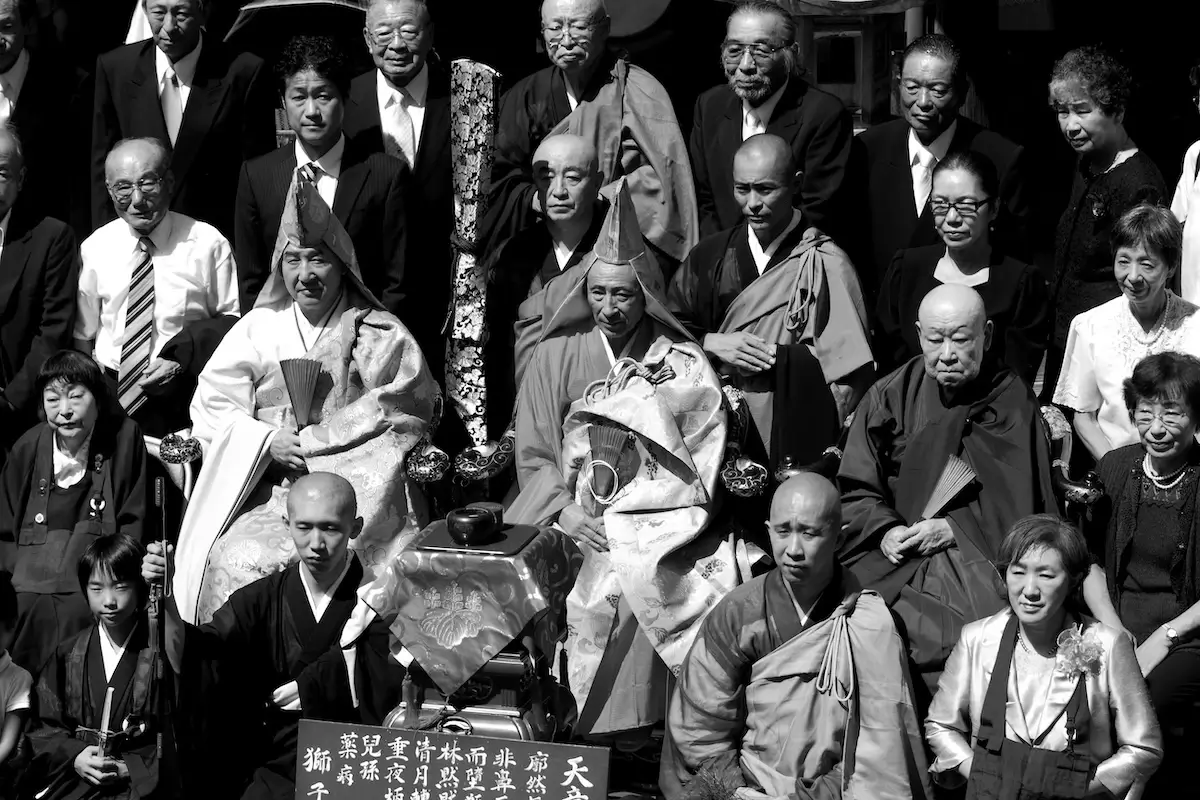
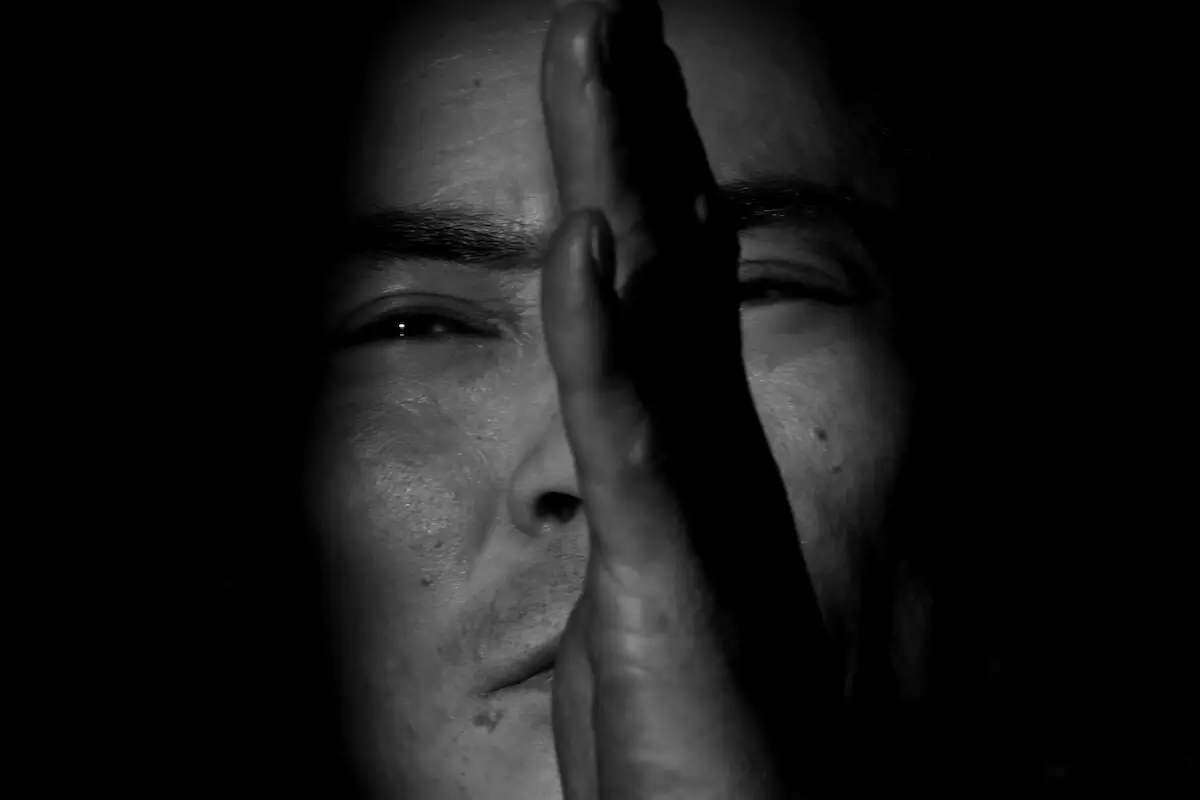
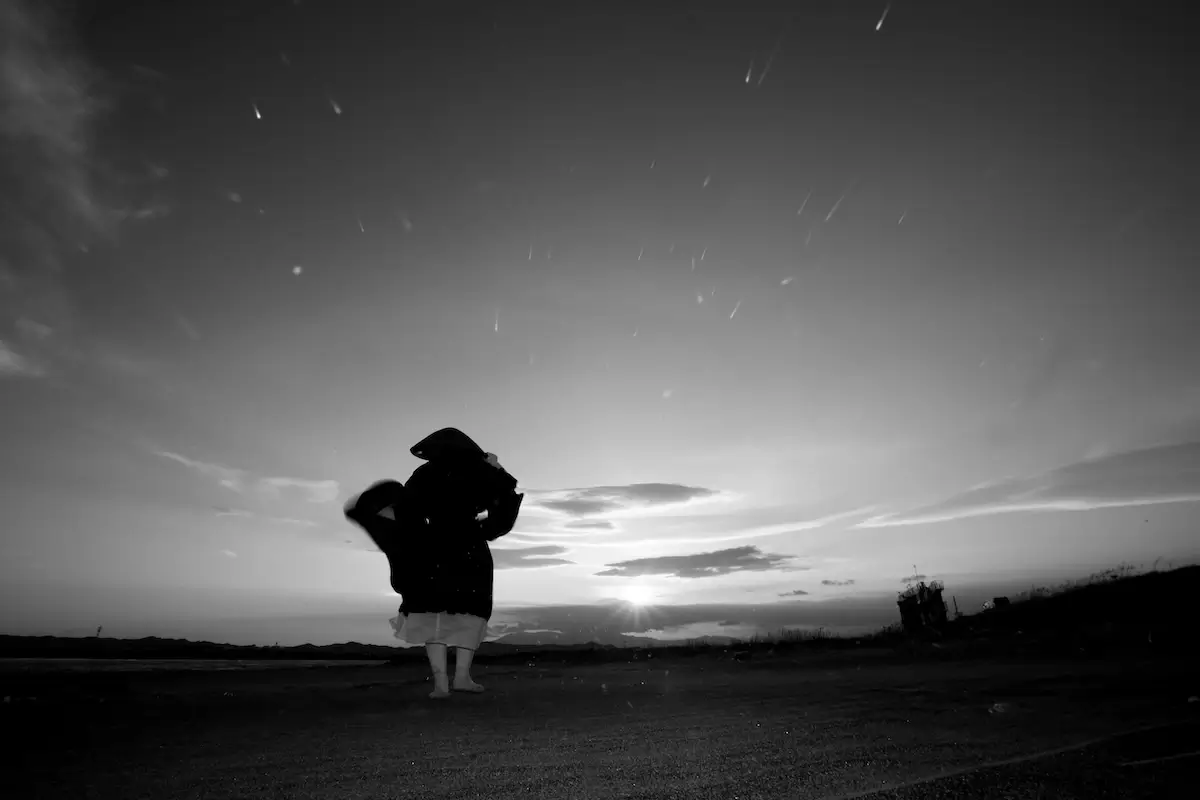
Takeshi Yamamoto is a Japanese documentary photographer based in Yamanashi, Japan. His work focuses on long-term social and environmental issues, with particular attention to memory, landscape, and the traces left by disaster and policy.

Since 2011, he has been documenting Fukushima and the long aftermath of the Great East Japan Earthquake, tsunami, and nuclear disaster. His project Silent Witnesses: Fukushima 2011–2026 examines how land, communities, and memory are transformed over time, and how absence, reconstruction, and normalization become visible in the landscape.

His work has been recognized with the 9th Natori Younosuke Photography Award and has been exhibited and published internationally, including a solo exhibition at Sony Imaging Gallery and features on Social Documentary Network and All About Photo.

All About Photo Competitions

All About Photo Awards 2026

Article

Where Devotion Resides

 

Inspiring Portfolios

Call for Entries
AAP Magazine #57 Portrait
Publish your work in our printed magazine and win $1,000 cash prizes
 
Stay up-to-date  with call for entries, deadlines and other news about exhibitions, galleries, publications, & special events.

More Great Photographers To Discover

Pieter Hugo
South Africa
1976
Pieter Hugo was born 1976 and grew up in Cape Town, South Africa. He is a South African photographer who primarily works in portraiture and whose work engages with both documentary and art traditions with a focus on African communities. Hugo is self-taught, having picked up a camera aged 10. He remembers the first image he printed, which was a homeless person in Johannes. After working in the film industry in Cape Town, Pieter Hugo spent a two-year Residency at Fabrica, Treviso, Italy. Hugo has called himself a political-with-a-small-p photographer... it's hard not to be as soon as you pick up a camera in South Africa'. He believes that "the power of photography is inherently voyeuristic but I want that desire to look to be confronted." He also states that he is "deeply suspicious of the power of photography." Early on in his career he noticed that, "he often found himself being critically scrutinized by the subject he was photographing. It was then that he decided to switch to a larger and more cumbersome format of photography, one that would require negotiating consent and dialogue with the person being photographed - a more sedate and contemplative approach." He is known to use a Hasselblad camera and regularly shoots in the 4x5 format. His influences range from South African photojournalist David Goldblatt to Boris Mikhailov. However, his work reacts against 'the culture of realism that defined South African photography in the struggle years.' Hugo's first major photo collection Looking Aside consisted of a collection of portraits of people "whose appearance makes us look aside", his subjects including the blind, people with albinism, the aged, his family and himself. Explaining his interest in the marginal he has said, "My homeland is Africa, but I'm white. I feel African, whatever that means, but if you ask anyone in South Africa if I'm African, they will almost certainly say no. I don't fit into the social topography of my country and that certainly fuelled why I became a photographer." This was followed by Rwanda 2004: Vestiges of a Genocide which the Rwanda Genocide Institute describes as offering "a forensic view of some of the sites of mass execution and graves that stand as lingering memorials to the many thousands of people slaughtered." His most recognized work is the series called The Hyena & Other Men and which was published as a monograph. It has received a great deal of attention. Hugo won first prize in the Portraits section of the World Press Photo 2005 for a portrait of a man with a hyena. In 2007, Hugo received the Standard Bank Young Artist Award 07. Hugo was also working on a series of photographs called Messina/Mussina that were taken in the town of Musina on the border between Zimbabwe and South Africa and which was published as a monograph. At the time Colors magazine asked Hugo to work on an AIDS story and he was fascinated by the marginal aspect of the town. This was followed by a return to Nigeria with Nollywood, which consists of pictures of the Nigerian film industry. Permanent Error followed in 2011 where Hugo photographed the people and landscape of an expansive dump of obsolete technology in Ghana. Sean O'Toole writes "if Nollywood was playfully over-the-top, a smart riposte to accusations of freakishness and racism leveled at his photography..., Permanent Error marks Hugo’s return to a less self-reflexive mode of practice." In 2011 Hugo collaborated with Michel Cleary and co-directed the video of South African producer/DJ Spoek Mathambo's cover version of Joy Division's She's Lost Control, the fourth single from his album Mshini Wam. Commissioned by Italian luxury label Bottega Veneta, Hugo photographed models Amanda Murphy and Mark Cox for the brand’s spring/summer 2014 campaign, with the images shot in a wood in New Jersey. In the Spring of 2014, Hugo was commissioned by Creative Court to go to Rwanda and capture stories of forgiveness as a part of Creative Court's project Rwanda 20 Years: Portraits of Forgiveness. The project was displayed in The Hague in the Atrium of The Hague City Hall for the 20th commemoration of the 1994 genocide in Rwanda. A selection of the photos have also been displayed in New York at the exhibition Post-Conflict which was curated by Bradley McCallum, Artist in Residence for the Coalition for the International Criminal Court. Flat Noodle Soup (2016) chronicles Hugo's lengthy engagement with the city of Beijing, exploring how concerns with expressing personal identity within societal norms and pressures are universal and transnational. La Cucaracha is a 2019 body of work made during four trips to Mexico over a two-year period. The photographic series explores Hugo's perception of the flamboyant and violent environment of Mexico with overt art historical references to the nation's visual canon of pre-colonial customs and revolutionary ideology.Source: Wikipedia Between 2006 and 2013, Pieter Hugo worked on a project that he called Kin. This deals with home, proximity, identification and a sense of belonging – something that, in South Africa, he has always experienced as being critical and riddled with conflict: How can one live in this country, which only shed its colonial heritage relatively recently, and which is plagued by racism and a growing chasm between rich and poor? Hugo shot photos at home, in townships and at historical sites, taking portraits of his pregnant wife, of domestic servants and of homeless people. The calm and clearly composed shots show beauty and ugliness, wealth and poverty, private and public, historical and topical. Without either idealising or dramatizing the subject matter, they paint a portrait of the complex society in South Africa today. This is because any notion of harmony in the “Rainbow Nation” is wishful thinking. Even twenty years after the end of apartheid, black and white South Africans are still very much divided. In the series of 94 platinum prints There Is A Place in Hell for Me and My Friends (2011-2012), Pieter Hugo explores the supposed differences between skin colours. To do so, he took portraits of himself and South African friends. The close-ups, generally in the form of frontal head and shoulder portraits, were digitally processed afterwards. The image manipulation, whereby the colour channels were translated into grey tones, emphasise the pigmentation of the skin, using UV irradiation to render visible skin damage and small blood vessels directly beneath the skin. The results are quite astounding: on these photographs, all people are coloured. There is no longer a difference between “white” and “black” skin, but rather a variety of individual shades. The portraits show the powerful presence of each individual and, at the same time, the fragility of all people and the softness and utter vulnerability of their outer shell. With his various photo series, Pieter Hugo has put together an impressive body of work in the space of just a few years. Through this intense perception of corporeality, he captures the complexity and inconsistency of society. Constants in his work include seriousness, neutrality and an underlying respect for his protagonists, whose dignity always remains intact. In this regard, his works are comparable with the monumental portrait works of August Sanders, who created a contemporary picture of the Weimar Republic with his large-scale cycle “Menschen des 20. Jahrhunderts” (People of the 20th Century).Source: Priska Pasquer
Margarita Mavromichalis
Margarita Mavromichalis comes from a family of Greek diplomats and has spent her life living and traveling all over the world. She speaks five languages and studied translation and interpreting. She likes to think that photography is her second language, as it's a universal language, one that is understood by all across the world and conveys messages in the most powerful way. Margarita moved to New York in 2009. She continued her studies for three years at the International Center of Photography where she also served as a Teaching Assistant for several classes. She moved back to Greece from 2013 to 2016 where she devoted most of her work covering the refugee crisis as it developed on the island of Lesvos. She currently lives and works in London. Margarita is mostly attracted to street photography and the elements that evoke emotions and surprise in our everyday life. Furthermore she is passionate about documenting current events that she feels very strongly about, highlighting their social impact. Her work has been displayed in exhibitions in New York, Boston, San Diego, The Museum of the City of New York, the Brooklyn Historical Society and most recently in Budapest, Athens, Paris, Berlin, Barcelona and London. Selected images are part of the permanent collections of the Museum of the City of New York and the Brooklyn Historical Society. She is the winner of the 9th Pollux Awards (2016) and the winner of the 12th edition of the Julia Margaret Cameron Awards (2018) and has been nominated for the 2019 Prix Pictet Hope Award and was recently awarded the 15th edition of the Julia Margaret Cameron Award (2020). In 2021, she won a Gold Medal at the Budapest International Foto Awards, a Silver Medal at the Prix de la Photographie Paris and is an official selection and top 5 at the Tokyo International Foto Awards.
Lewis Hine
United States
1874 | † 1940
Lewis Hine was an American sociologist and photographer known for using his camera as a tool for social reform. His photographs were instrumental in changing child labor laws in the United States. There were two things I wanted to do. I wanted to show the things that had to be corrected. I wanted to show the things that had to be appreciated. -- Lewis Hine Lewis Hine was born on September 26, 1874, in Oshkosh, Wisconsin. After his father was killed in an accident, Hine began working and saving for college. He attended the University of Chicago, Columbia University, and New York University to study sociology. He became a teacher at the Ethical Culture School in New York City, where he encouraged his students to embrace photography as an instructional tool. Hine took his sociology pupils to New York Harbor's Ellis Island, where he photographed the thousands of immigrants that landed each day. Between 1904 and 1909, he shot over 200 plates (photographs) and realized that documentary photography could be used to effect social change and reform. Hine joined the Russell Sage Foundation's staff photographer in 1907, photographing life in the steel-making regions and inhabitants of Pittsburgh, Pennsylvania, for the landmark sociological study The Pittsburgh Survey. The next year, he left his teaching post to work as a photographer for the National Child Labor Committee (NCLC). Lewis Hine recorded child labor during the next decade, with a concentration on the use of child labor in the Carolina Piedmont, to aid the NCLC's lobbying attempts to abolish the practice. In 1913, he chronicled juvenile laborers among cotton mill workers with a series of composite pictures by Francis Galton. Charlie Foster has a steady job in the Merrimack Mills. Huntsville, Alabama.© Lewis Hine / Library of Congress Prints and Photographs Division Washington, D.C. Lewis Hine's work for the NCLC was frequently hazardous. Factory police and foremen routinely threatened him with violence or even death as a photographer. The immorality of child labor was intended to be hidden from the public at the time. Photography was not only forbidden, but it also posed a significant danger to the enterprise. Hine was compelled to disguise himself in order to gain access to the mills, mines, and factories. He worked as a fire inspector, postcard vendor, bible salesman, and even an industrial photographer documenting manufacturing technology. During and after World War I, he shot relief efforts for the American Red Cross in Europe. Hine created a series of work portraits in the 1920s and early 1930s that stressed the human contribution to modern industry. Lewis Hine was commissioned to photograph the Empire State Building's construction in 1930. He photographed the workers in perilous positions as they secured the structure's steel framework, taking many of the same hazards as the employees. He was hoisted out in a specially built basket 1,000 feet above Fifth Avenue to get the best views. He recalls hanging above the city at times, with nothing below but "a sheer drop of nearly a quarter-mile." Cherryville Mfg. Co., Cherryville, N.C. One of the smallest boys. Doffer. 1908© Lewis Hine / Library of Congress Prints and Photographs Division Washington, D.C. During the Great Depression, Hine worked for the Red Cross, photographing drought relief in the American South, and for the Tennessee Valley Authority (TVA), documenting life in the mountains of eastern Tennessee. He was also the chief photographer for the Works Progress Administration's National Research Project, which investigated changes in the industry and their impact on employment. Hine was also on the faculty of the Ethical Culture Fieldston School. Lewis Hine was chosen as the photographer for the Works Projects Administration's National Research Project in 1936, but his work there was never completed. His final years were filled with professional struggles caused by the loss of government and corporate patronage. Hine hoped to participate in the Farm Security Administration photography project, but despite numerous letters to Roy Stryker, Stryker always declined. Hine lost his house and applied for welfare because few people were interested in his work, past or present. After an operation, he died on November 3, 1940, at Dobbs Ferry Hospital in Dobbs Ferry, New York. He was 66 years old at the time. Group of workers, including boys and girls, standing outdoors© Lewis Hine / Library of Congress Prints and Photographs Division Washington, D.C. Hine's photographs aided the NCLC's campaign to end child labor, and the Children's Bureau was established in 1912. The Fair Labor Standards Act of 1938 eventually put an end to child labor in the United States. Corydon Hine, Hine's son, donated his father's prints and negatives to the Photo League, which was disbanded in 1951. The Museum of Modern Art declined to accept his photographs, but the George Eastman House did. Wendy Lamb Books published Elizabeth Winthrop Alsop's historical fiction middle-grade novel Counting on Grace in 2006. The final chapters focus on Grace, a 12-year-old girl, and her life-changing encounter with Lewis Hine during his 1910 visit to a Vermont cotton mill known to employ a large number of child laborers. The iconic photograph of Grace's real-life counterpart, Addie Card (1897-1993), taken during Hine's undercover visit to the Pownal Cotton Mill, graces the cover. In 2016, TIME Magazine published colorized versions of several of Hine's photographs of child labor in the US. In the early days of my child labor activities I was an investigator with a camera attachment... but the emphasis became reversed until the camera stole the whole show. -- Lewis Hine Lewis Hine was trained to be an educator in Chicago and New York. A project photographing on Ellis Island with students from the Ethical Culture School in New York galvanized his recognition of the value of documentary photography in education. Soon after, he became a sociological photographer, establishing a studio in upstate New York in 1912. For nearly ten years Hine was the photographer for the National Child Labor Committee, contributing to exhibitions and the organization's publication, The Survey. Declaring that he "wanted to show things that had to be corrected," he was one of the earliest photographers to use the photograph as a documentary tool. Around 1920, however, Hine changed his studio publicity from "Social Photography by Lewis W. Hine" to "Lewis Wickes Hine, Interpretive Photography," to emphasize a more artistic approach to his imagemaking. Having joined the American Red Cross briefly in 1918, he continued to freelance for them through the 1930s. In 1936 Hine was appointed head photographer for the National Research Project of the Works Projects Administration, but his work for them was never completed. His last years were marked by professional struggles due to diminishing government and corporate patronage, and he died in 1940 at age sixty-six.Source: The J. Paul Getty Museum Born in Oshkosh, Wisconsin, Lewis W. Hine studied sociology before moving to New York in 1901 to work at the Ethical Culture School, where he took up photography to enhance his teaching practices. By 1904 he had begun a series of photographs documenting the arrival of immigrants at Ellis Island; this project, along with his pictures of harsh labor conditions published in the Pittsburgh Survey, brought his work to the attention of the National Child Labor Committee. He served as its official photographer from 1911 to 1916, and later traveled with the Red Cross to Europe, where he documented the effects of World War I in France and the Balkans for Red Cross Magazine. After returning to the United States in 1922, he accepted commercial assignments, produced another series on Ellis Island immigrants, and photographed the construction of the Empire State Building. Several of these construction pictures were published in Men at Work (1932), a book celebrating the individual worker's interaction with machines in the modern world. Despite the success of this book, Hine's financial situation became desperate and his photography was virtually forgotten. Berenice Abbott and Elizabeth McCausland learned of his work through the New York City Photo League and mounted a traveling retrospective exhibition of his work to revive interest in it in 1939. Lewis Hine is best known for the documentary images of child labor practices that he produced under the aegis of the National Child Labor Committee from 1911 to 1916. These photographs not only have been credited as important in the passing of child labor laws, but also have been praised for their sympathetic depiction of individuals in abject working conditions. Hine labeled his pictures "photo-interpretations," emphasizing his subjective involvement with his subjects; this approach became the model for many later documentary photographers, such as Sid Grossman and Ben Shahn.Source: International Center of Photography
José Ramón Bas
In 1979 José Ramón Bas was teaching himself photography when he met photographer Florencio García Méndez, who gave him a helping hand. In 1985 he began formal studies at the Escuela de la Imagen y el Diseño (IDEP) in Barcelona, where he was quickly attracted to contemporary forms of expression and the theme of travel memories. In 1989 he moved definitively to Barcelona and in 1997 he won the La Caixa Foundation’s Fotopress Award for young artists. He began working with the Berini Gallery in Barcelona and in 1998 moved into a studio in the Centro de Arte Contemporáneo Piramidón. After joining Galerie VU’ in 2001, he won the Federico Vender Prize in Italy in 2003, followed by the Arena Foundation Prize in 2004. In 2005 he began teaching the Masters in Creative Photography at EFTI in Madrid. He has exhibited in Holland, Boston, Lisbon and elsewhere.Source: www.rencontres-arles.com "He is an incurable traveller. He is a poet; to him it's like breathing. He is unclassifiable and, being in love with spaces and people, he invents objets that preserve the memory of his experiences and his emotions. He is not concerned about building a body of work but rather endeavors to reproduce times spent traveling in Africa, Cuba or Brazil. During his travels, he photographs, in a playful, compulsive way. Then, when he gets back to Barcelona, he looks at his contact sheets and decides to transform the images that he has recorded into objets. He prints them, with little interest for technique, and then he works on them: he may write on the proof, scratch it, or mistreat it, depending on the mood or inspiration of the moment, before setting it in a resin inclusion and dedicating it, between imagery and sculpture, to its status as an objet. For him, each negative is an opening onto infinite possibilities, which he will realize in various formats, from the square to the panoramic, and which are to convey his memory of the travel experience. Then, his parallelepipeds, which are lighter than air, occupy the wall with subtlety and encourage us to dream and be at peace."-- Christian Caujolle, Agence VU’ Galerie Source: Galerie VU
Yasmine Chatila
Yasmine Chatila was born in Cairo in 1974, growing up between Cairo, Italy, France, and Canada. She graduated with a Bachelor in fine Arts from Parsons School of Design in New York, and Masters in Fine Arts from Columbia University School of Arts in 2002. She is the recipient of numerous awards, including a Tag Heuer scholarship for eight consecutive years, and a Columbia fellowship. Her work has been exhibited worldwide, including locations like Centre Pompidou in Paris, The Reina Sofia Museum in Madrid, and Ludwig Museum in Cologne. Stolen Moments have been published by Rizzoli press in the book New York: A Photographer's City and World Atlas Street Photography published by Yale Press. She has been featured in international publications including Vogue Italia, NBC News, IO Donna, Interview Magazine, Foam Magazine, Art in America, Exit Art, New York Post, Wired Magazine, Blackbook, and many more. Her website has attracted millions of viewers, making her work synonymous with voyeurism in art and conceptual photography. All about Stolen Moments On a quiet winter night, I looked out a window. I could see a building far away, the windows were illuminated, and I could vaguely make out people inside their apartments. When I imagined what they might be doing, my mind fluttered between wild fantasies and mundane clichés. I was curious to compare my expectations to the reality of their lives. After months of continuous observation in different parts of the city, I collected hundreds of photographs of strange, comical, and often haunting moments. At times, I was lucky enough to catch a glimpse of human nature when it was not guarded, not self-conscious, and completely uninhibited. This provided me with a stage where it was possible to observe myself in the most secret and vulnerable moments of others. In order to render the subjects unrecognizable, and in an attempt to render them more archetypal, they are taken out of context and displaced from their original habitat.
Advertisement
AAP Magazine #57 Portrait
Win a Solo Exhibition in May
AAP Magazine #57 Portrait

Latest Interviews

Exclusive Interview with Carolyn Moore
American photographer Carolyn Moore explores the inner landscape of emotion, memory, and personal transformation through a deeply intuitive photographic practice. Her work unfolds as a quiet dialogue between artist and viewer, where images become a space for reflection, vulnerability, and connection.
Exclusive Interview with Luca Desienna and Laura Estelle Barmwoldt
For over seven years, Of Lilies and Remains has explored the depths of the goth and darkwave underground, unfolding in Leipzig—a city long associated with a vibrant and enduring subcultural scene. Moving between iconic gatherings such as Wave-Gotik-Treffen and more intimate moments on the fringes, the project offers a rare and immersive glimpse into a world often misunderstood, yet rich in expression and community. Created by Luca in collaboration with Laura Estelle Barmwoldt, the work embraces a cinematic and deeply personal approach. Rather than documenting from a distance, it moves within the scene itself, capturing its atmosphere, its codes, and its quiet contradictions. The title Of Lilies and Remains hints at this duality—where beauty and darkness, fragility and strength coexist. As the book prepares for its release, we spoke with both artists about the origins of the project, their process, and what it means to document a subculture that continues to evolve while remaining true to its spirit.
Exclusive Interview with Matthew Finley
American photographer Matthew Finley turns inward, using photography as a way to explore identity, memory, and emotional truth. Based in Los Angeles, his practice moves between performance, gesture, and found imagery, creating a visual language that is both intimate and deeply personal
Exclusive Interview with Jan Janssen
Dutch photographer Jan Janssen explores universal human experiences through his long-term project It Matters, winner of the May 2025 Solo Exhibition. Begun in 2016, the series captures intimate moments of everyday life—love, loss, connection, and belonging—across Central and Eastern Europe. Working in countries such as Turkey, Azerbaijan, and Armenia, Janssen spends extended time within communities, building relationships based on trust and respect. His approach allows him to move beyond observation, revealing deeply human and authentic moments. Rooted in travel and personal discovery, It Matters reflects Janssen’s search for what connects us all in an increasingly divided world. The project is ongoing and will culminate in a photobook scheduled for publication in 2026.
Exclusive Interview with Henk Kosche
German photographer Henk Kosche turns his lens toward the streets of Halle an der Saale, capturing everyday life in the late years of the former German Democratic Republic. At the time, Kosche was studying design and exploring the city with his camera, drawn to the atmosphere of its industrial landscape and the quiet rhythms of daily life. His series Street Photography at the End of the 80s, selected as the Solo Exhibition for July 2025, revisits a body of work created just before a period of profound change. Rediscovered decades later in a small box of 35mm negatives, these photographs offer glimpses of a city and its people at a moment suspended between the familiar and the unknown.
Exclusive Interview with Anastasia Samoylova
Anastasia Samoylova is an American artist whose photographic practice is shaped by close observation and a deep attentiveness to place. Working between documentary and formal exploration, she photographs landscapes, architecture, and everyday scenes with a sensitivity to light, structure, and atmosphere. Since relocating to Miami in 2016, her work has increasingly focused on how environments—both natural and built—carry social, cultural, and emotional traces. We asked her a few questions about her practice and her way of seeing, to better understand the thoughts and experiences that shape her work—while allowing the images themselves to remain open and speak in their own time.
Exclusive Interview with Marijn Fidder
Marijn Fidder is a Dutch documentary photographer whose work powerfully engages with current affairs and contemporary social issues. Driven by a deep sense of social justice, she uses photography to speak on behalf of the voiceless and to advocate for the rights of those who are most vulnerable. Her images have been widely published in major international outlets including National Geographic, CNN Style, NRC Handelsblad, Volkskrant, GUP New Talent, and ZEIT Magazin. Her long-term commitment to disability rights—particularly through years of work in Uganda—culminated in her acclaimed project Inclusive Nation, which earned her the title of Photographer of the Year 2025 at the All About Photo Awards. She is also the recipient of multiple prestigious honors, including awards from World Press Photo and the Global Peace Photo Award. We asked her a few questions about her life and work.
Exclusive Interview with Josh S. Rose
Josh S. Rose is a multidisciplinary artist working across photography, film, and writing. His practice bridges visual and performing arts, with a strong focus on movement, emotion, and the expressive potential of the image. Known for his long-standing collaborations with leading dance companies and performers, Rose brings together authenticity and precise composition—a balance he describes as “technical romanticism.” His work has been commissioned and exhibited internationally, appearing in outlets such as Vogue, at the Super Bowl, in film festivals, and most recently as a large-scale installation for Lincoln Center for the Performing Arts. A sought-after collaborator, he has worked with major artists, cultural institutions, and brands, following a previous career as Chief Creative Officer at Interpublic Group and the founder of Humans Are Social. We asked him a few questions about his life and work.
Interview with Maureen Ruddy Burkhart
Photographer Maureen Ruddy Burkhart brings a quietly attentive and deeply human sensibility to her exploration of the world through images. Shaped by a life immersed in photography, film, and visual storytelling, her work is guided by intuition, observation, and an enduring interest in the emotional undercurrents of everyday life. With a practice rooted in both fine art traditions and documentary awareness, she approaches her subjects with sensitivity, allowing subtle moments to emerge naturally rather than be imposed. Her series Til Death, selected as the Solo Exhibition for February 2025, reflects this long-standing commitment to photography as a space for reflection rather than spectacle. Drawn to moments that exist just outside the expected frame, Burkhart’s images suggest narratives without resolving them, leaving room for ambiguity, humor, and quiet connection. We asked her a few questions about her life and work.
Call for Entries
Win A Solo Exhibition in May
Get International Exposure and Connect with Industry Insiders