All about photo.com: photo contests, photography exhibitions, galleries, photographers, books, schools and venues.
Win a Solo Exhibition in April 2026 + An Exclusive Interview!
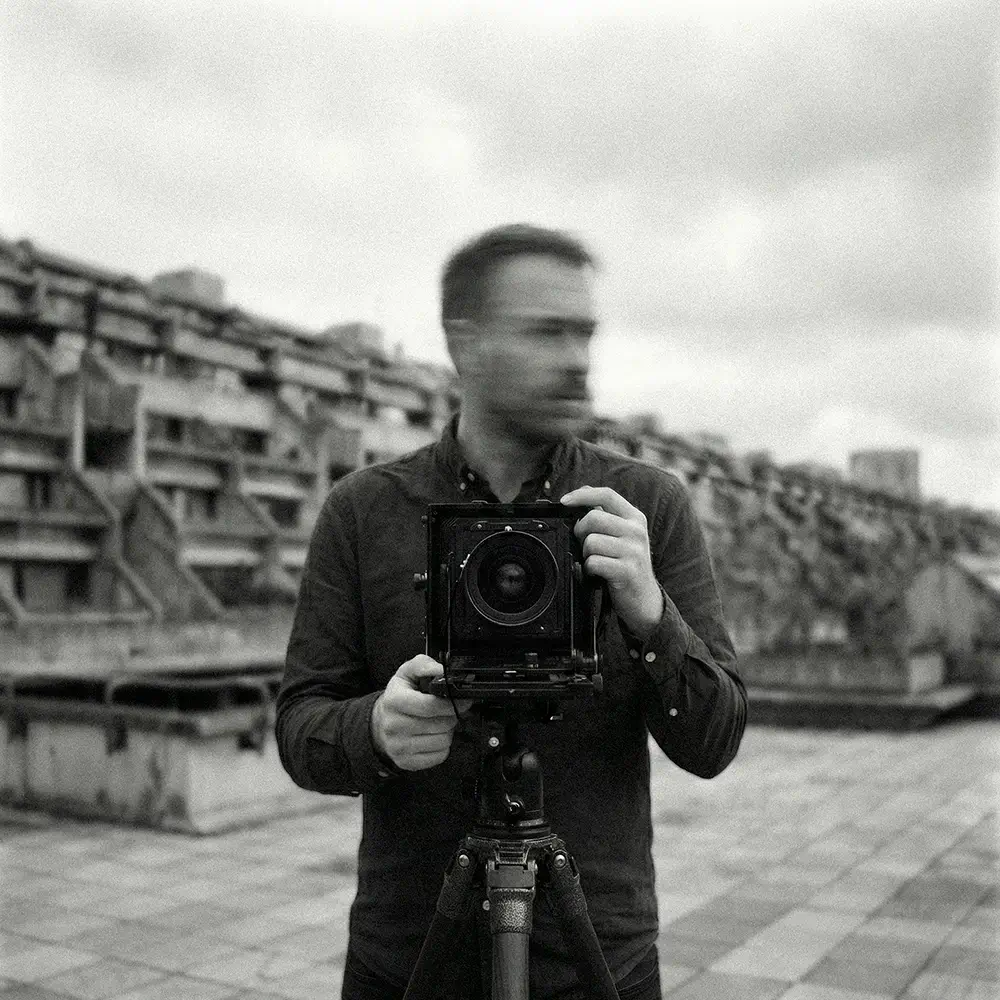
Damien Aubin
Damien Aubin
Damien Aubin

Damien Aubin

Country: France
Birth: 1984

A graduate of the École des Beaux-Arts, Damien Aubin develops a photographic language at the intersection of architectural study and sociological reflection. His process is rooted in rigorous technical standards, primarily utilizing the 4x5 large format camera and medium format digital systems.

This choice of equipment dictates a specific relationship with time—a deliberate slowness that allows him to deconstruct the complexity of the structures he observes. By using a large format camera, he doesn’t merely capture an image; he constructs a perspective where geometric precision dialogues with the silence of space. His work questions the individual’s place. within monumental systems, seeking in every frame the fragile balance between built ambition and the inertia of the urban landscape..

Civilization is an ongoing body of work, conceived as an open and evolving series.

Civilization
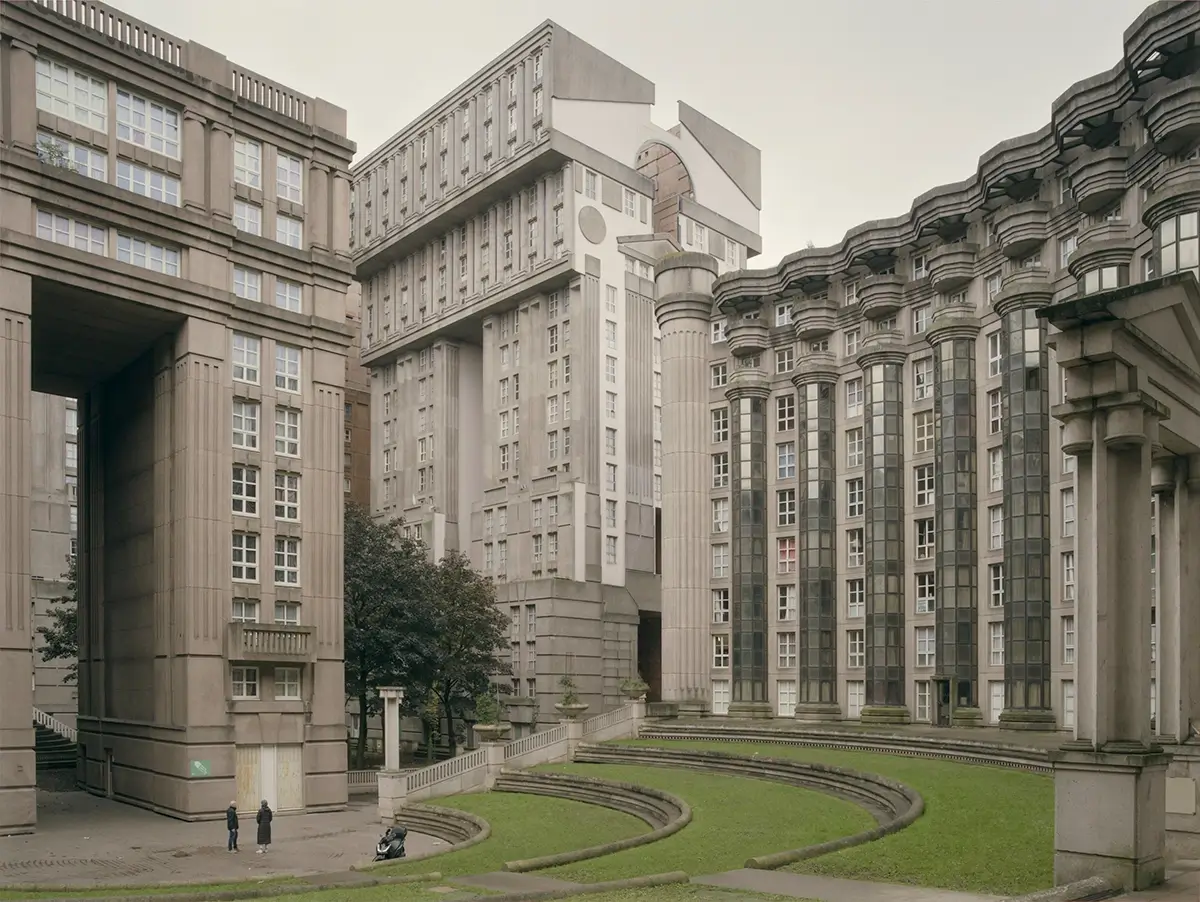
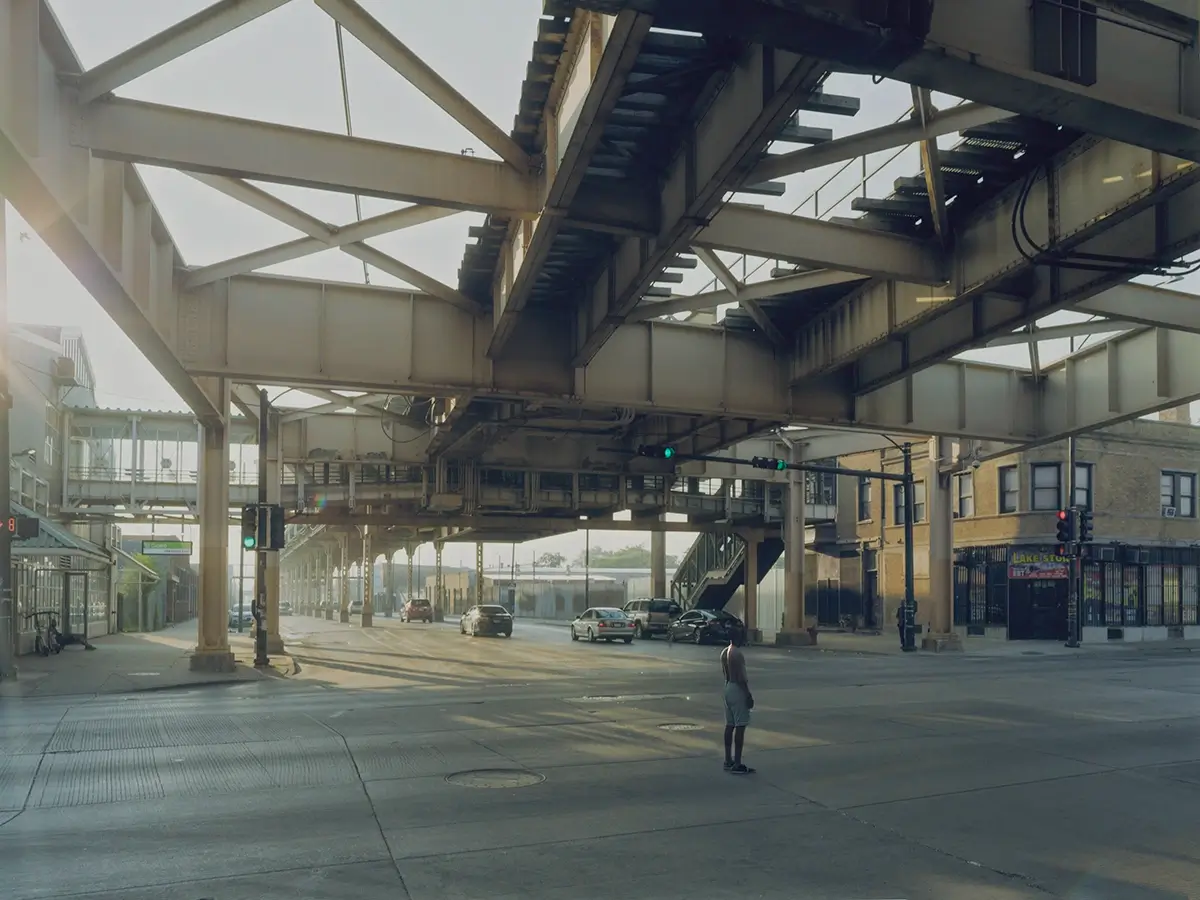
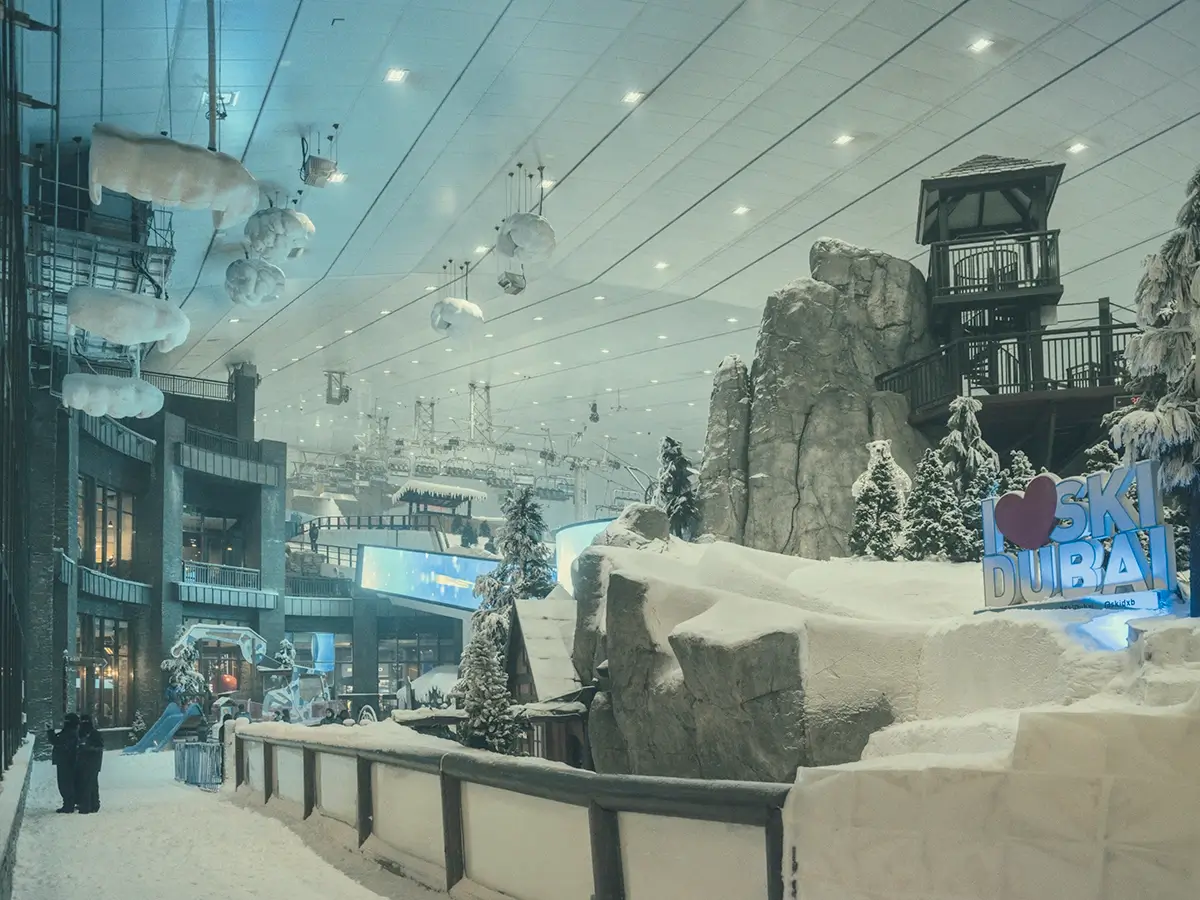
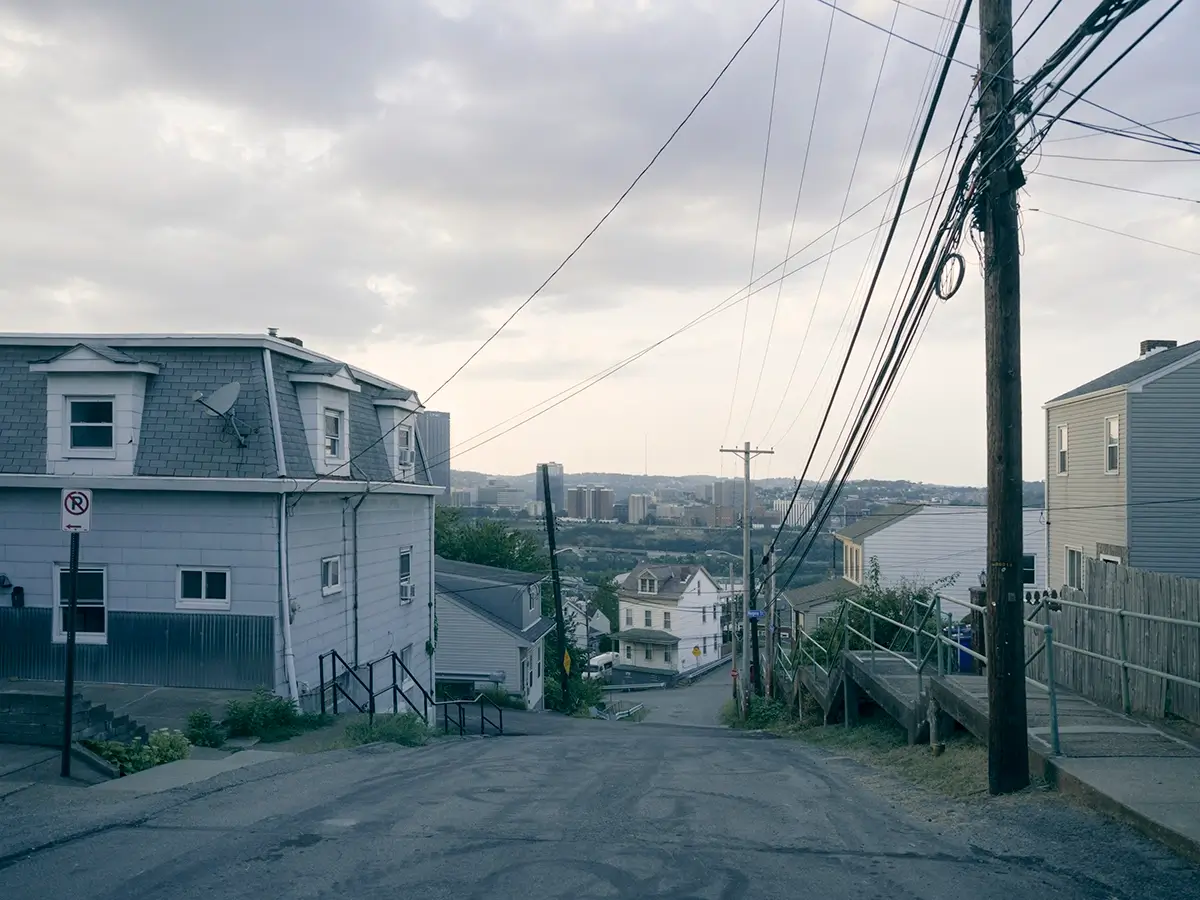
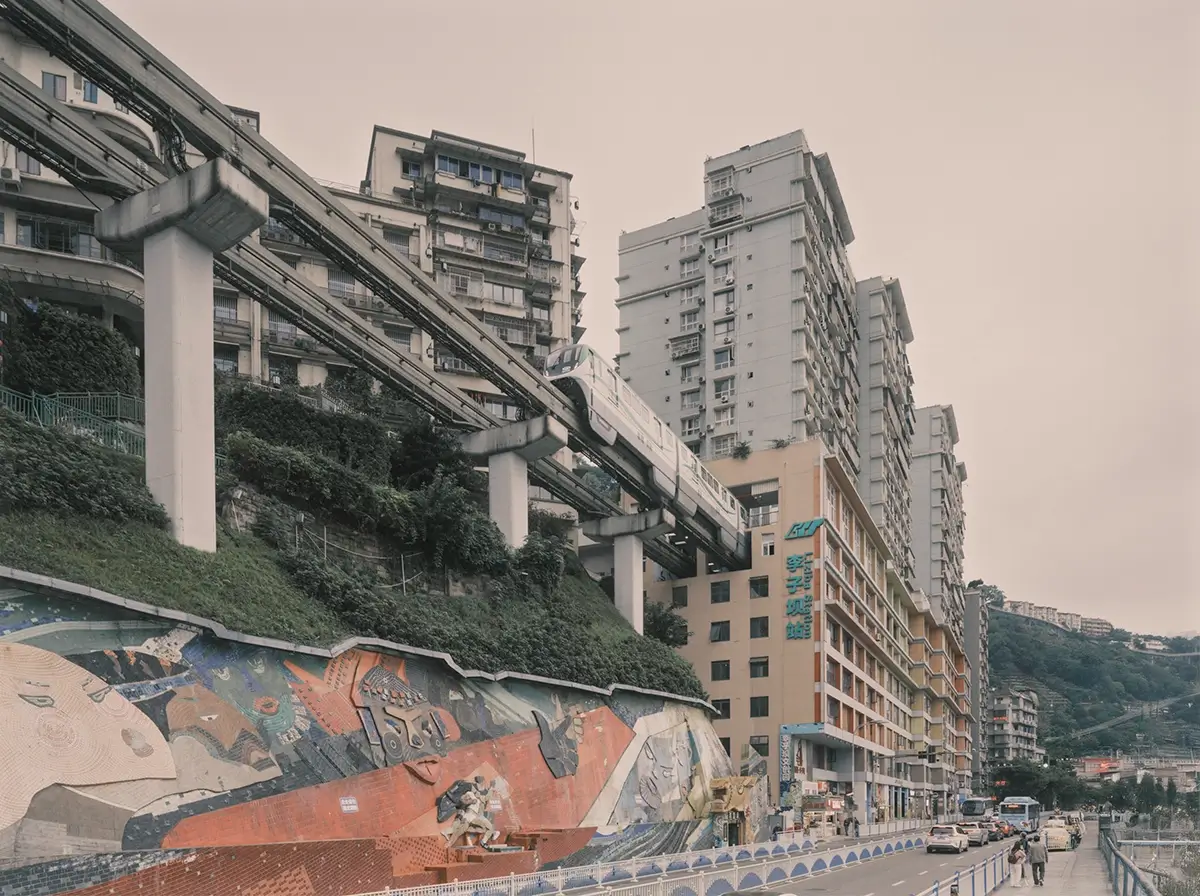
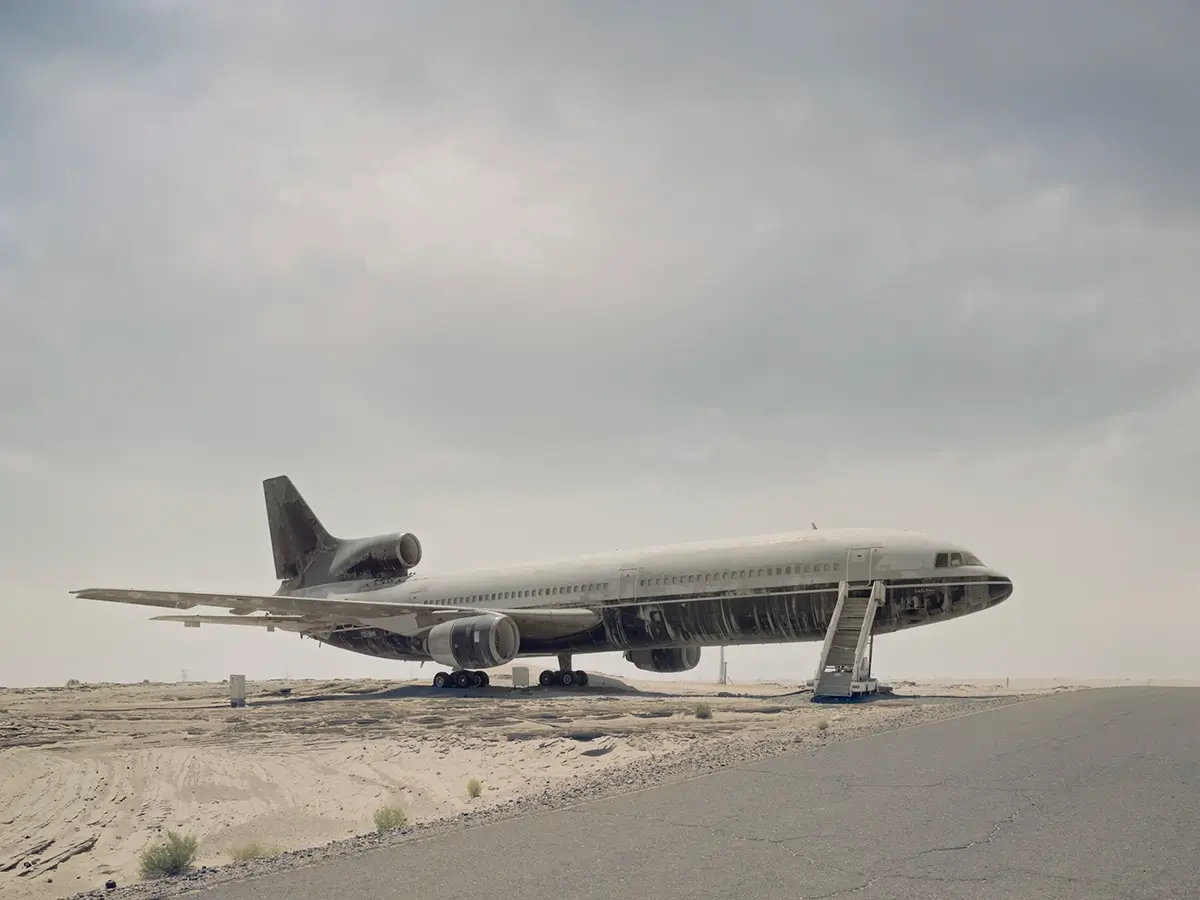
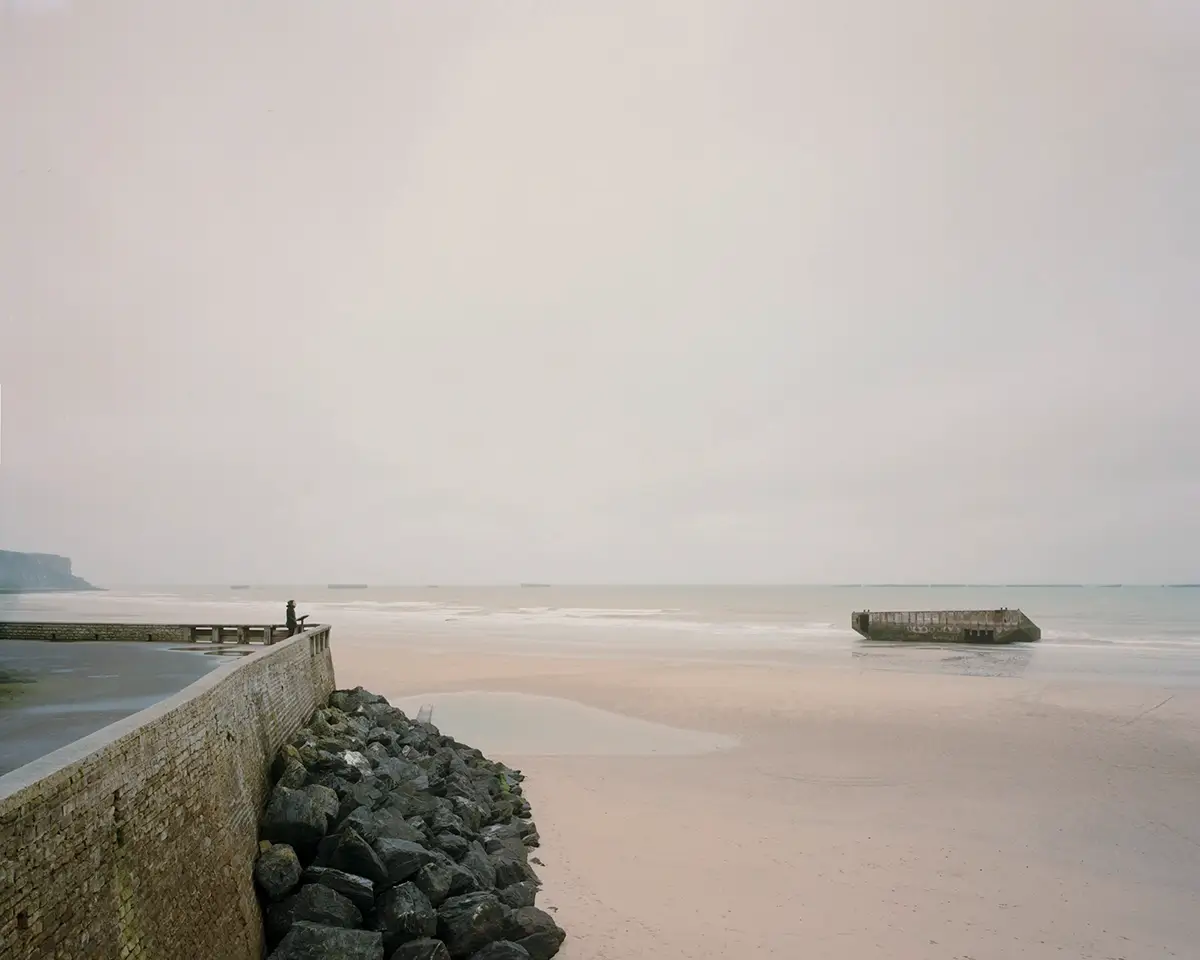
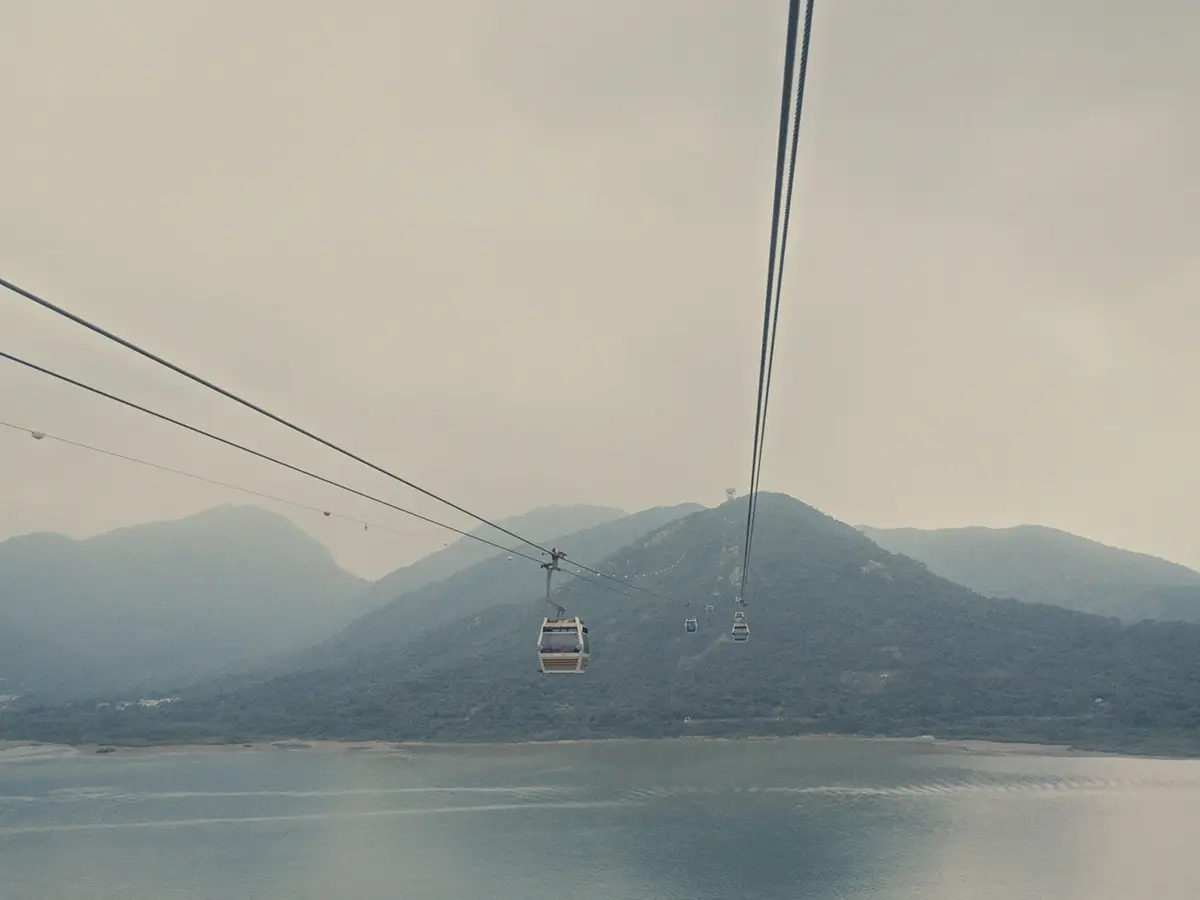
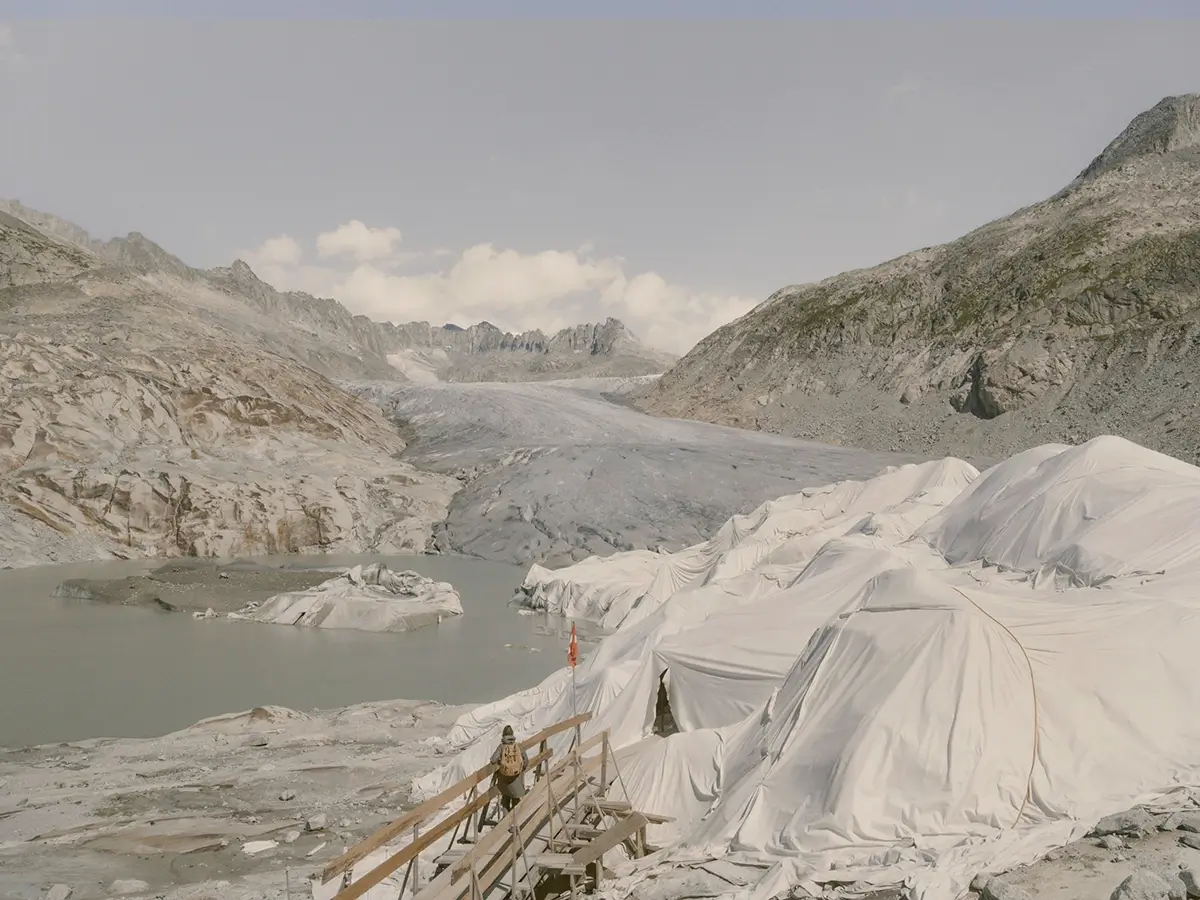
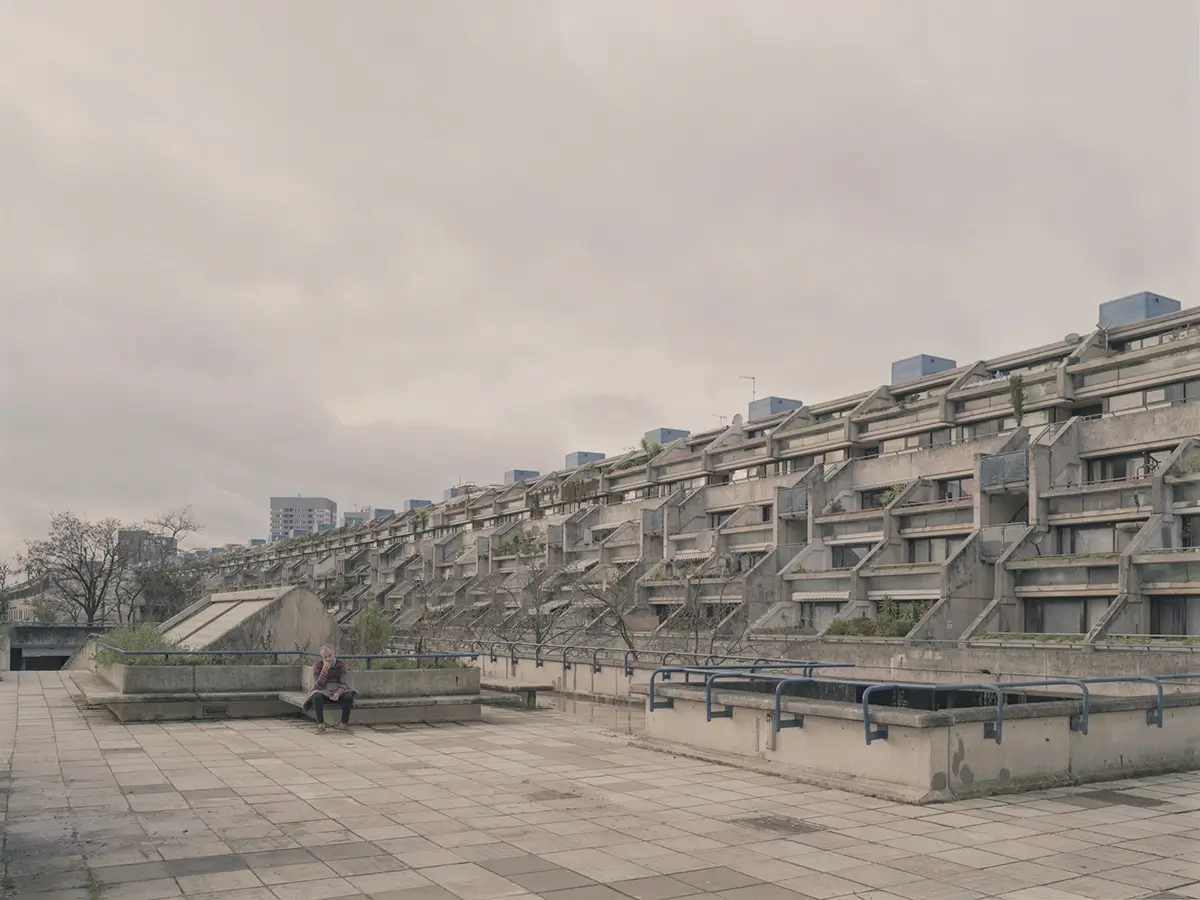
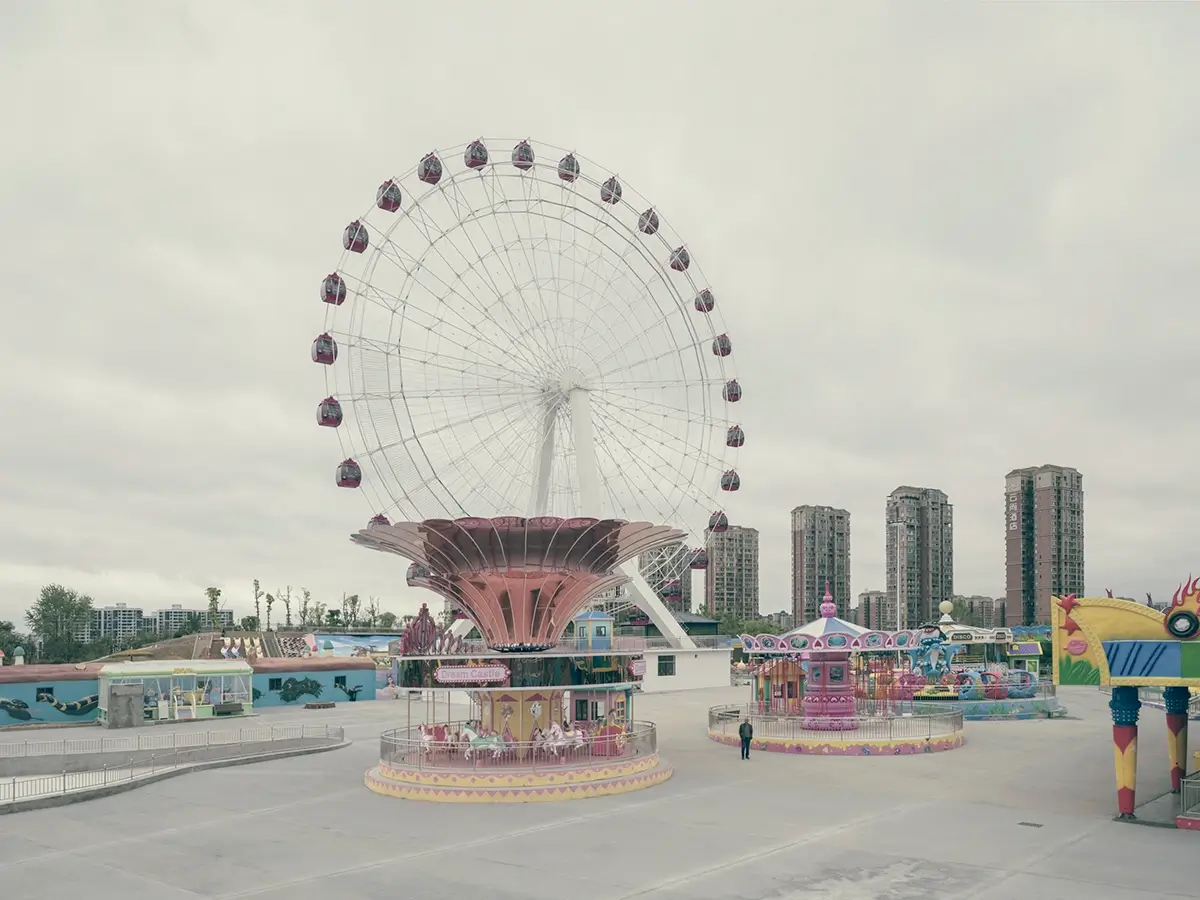
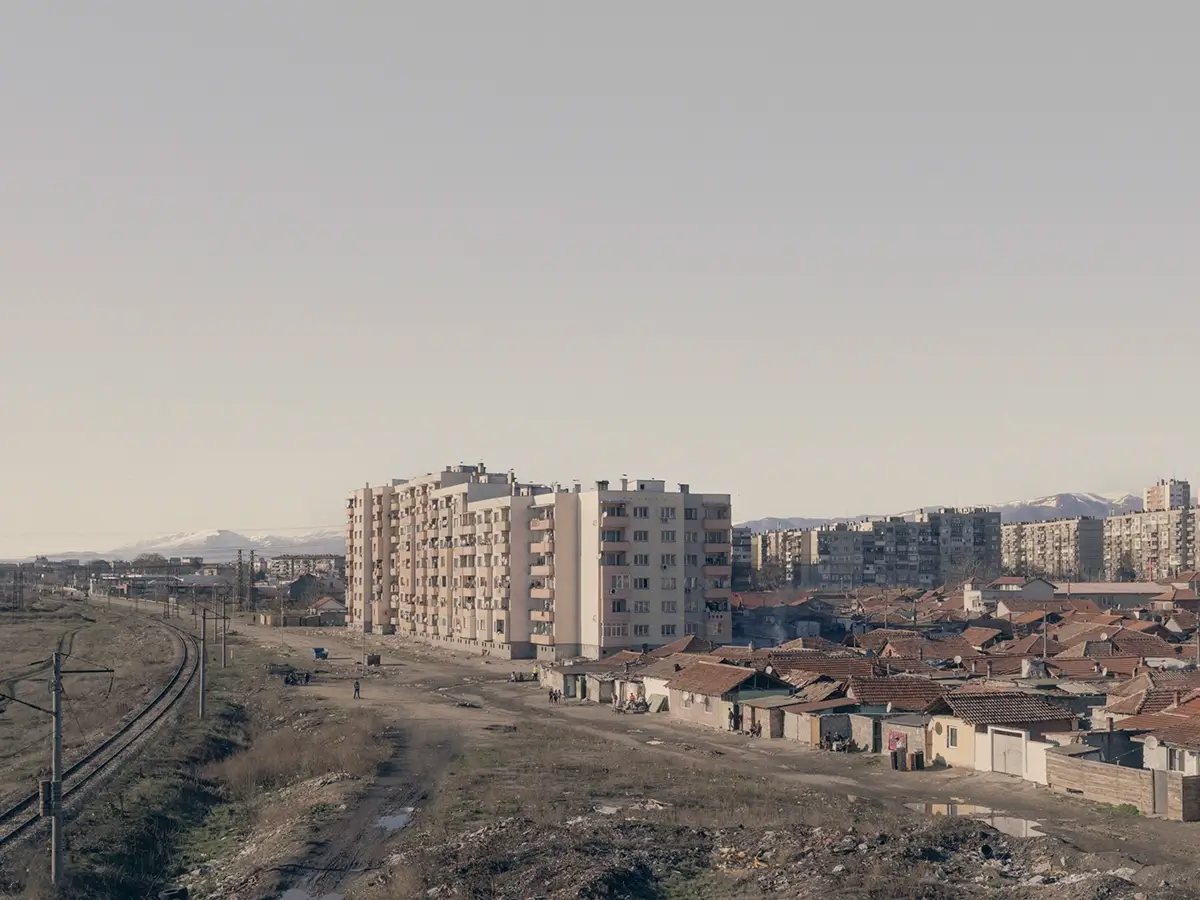
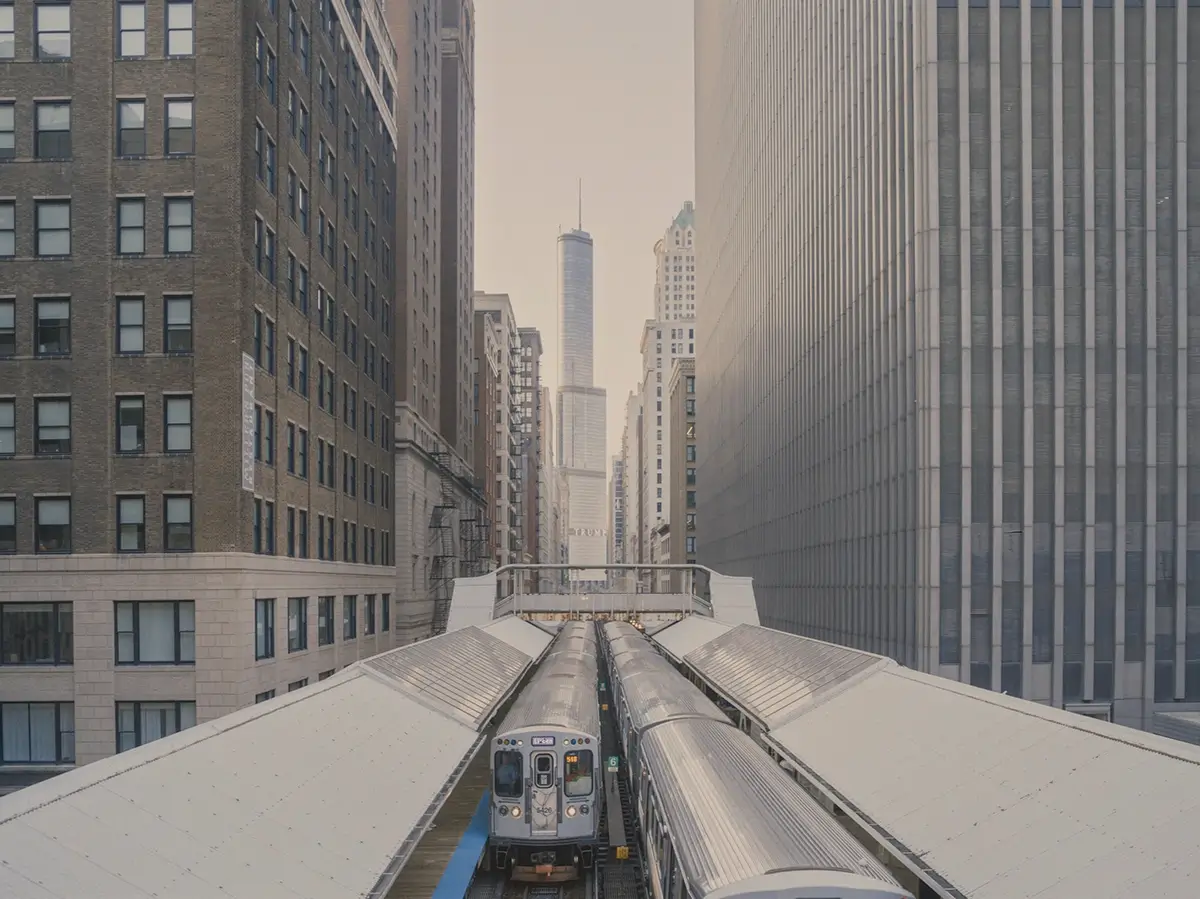
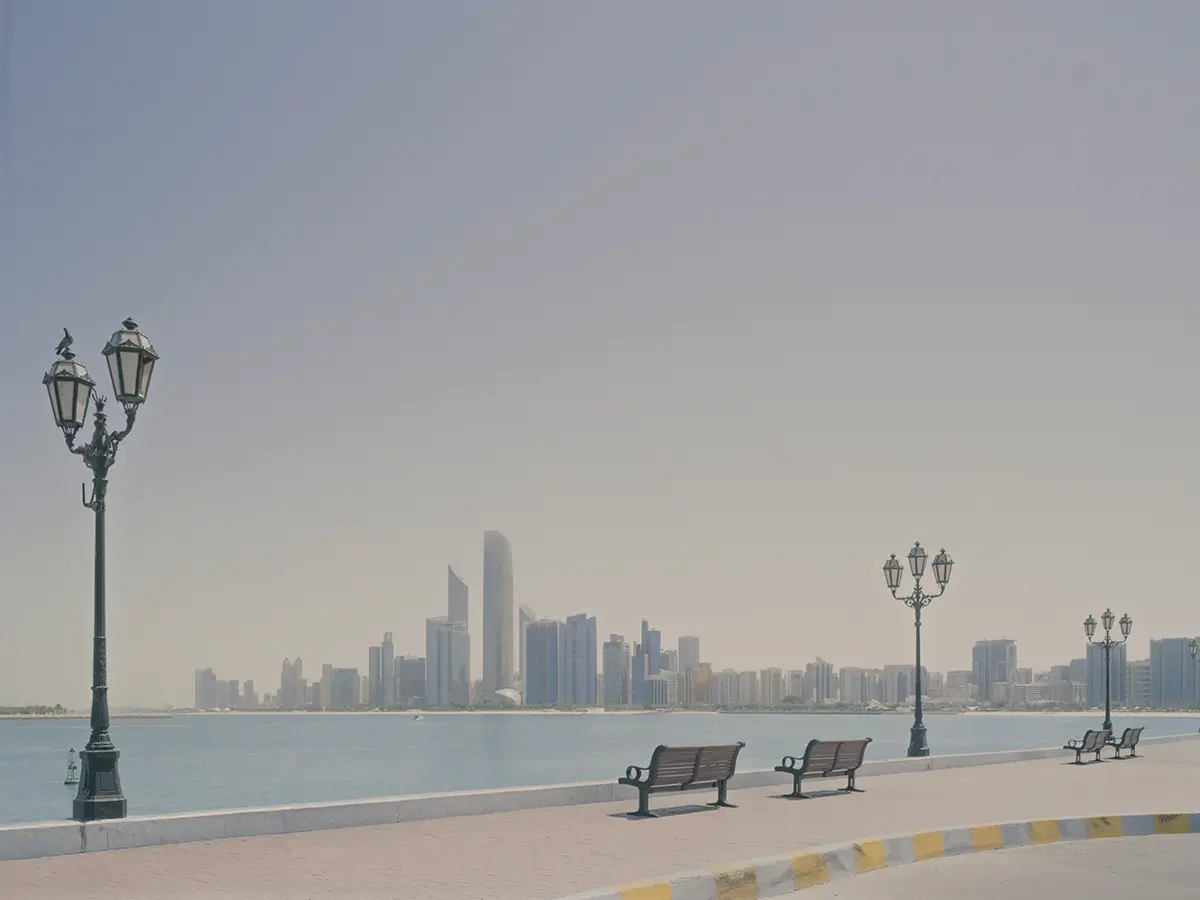
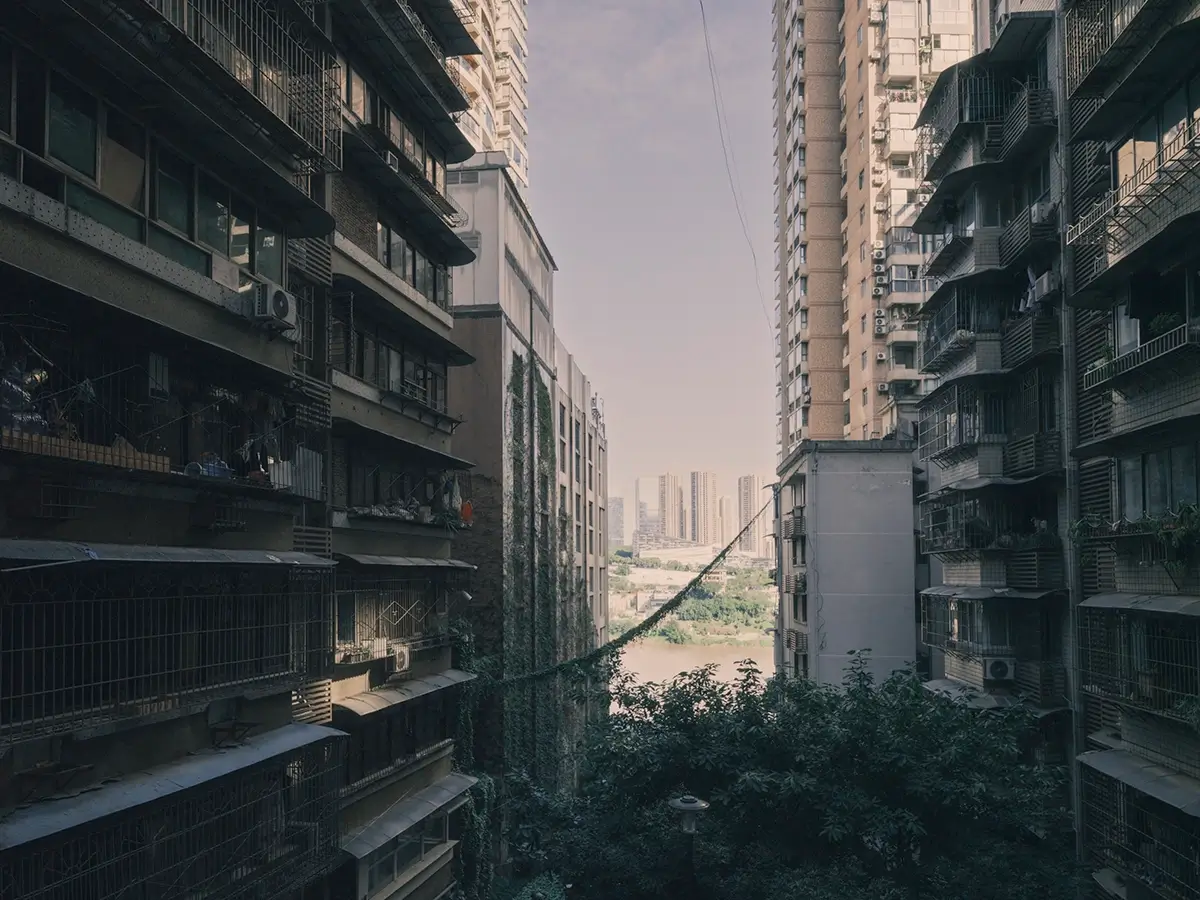
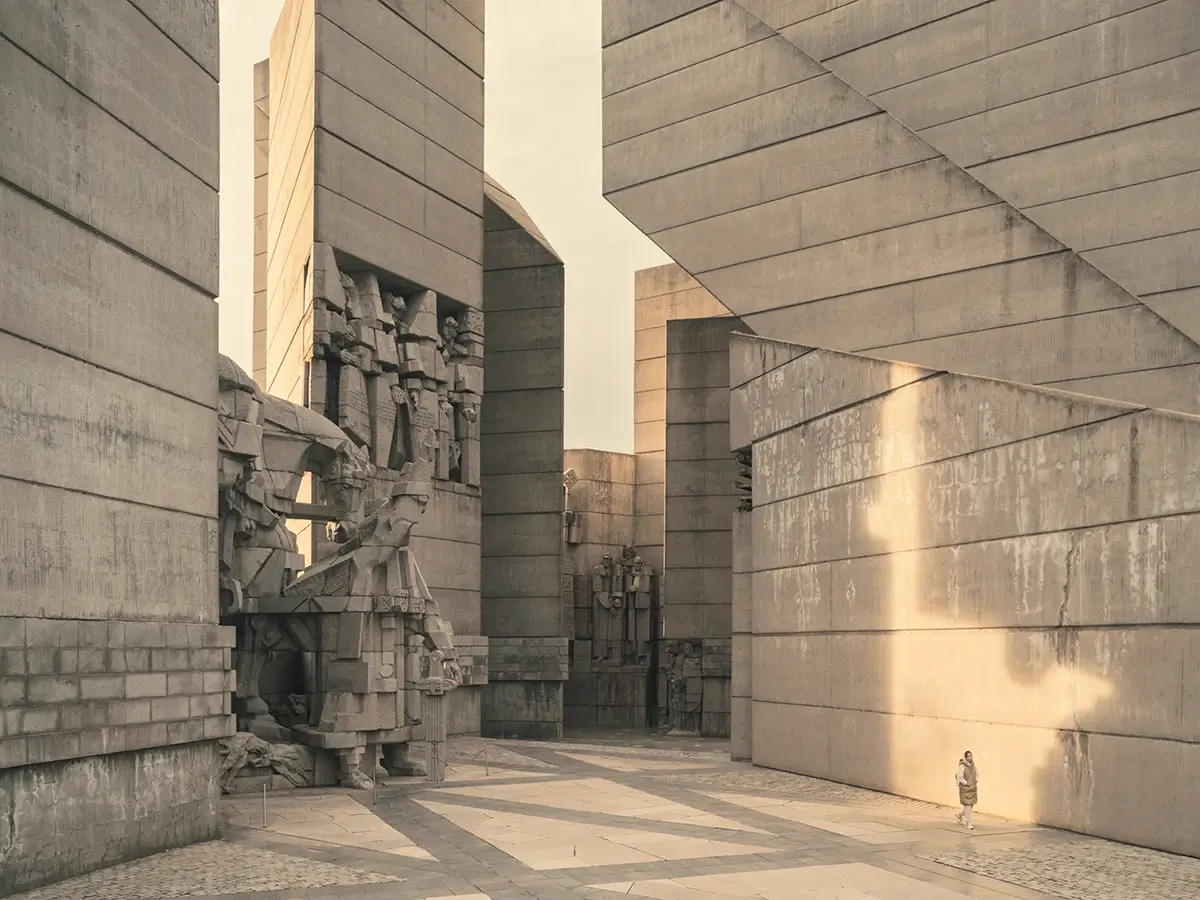
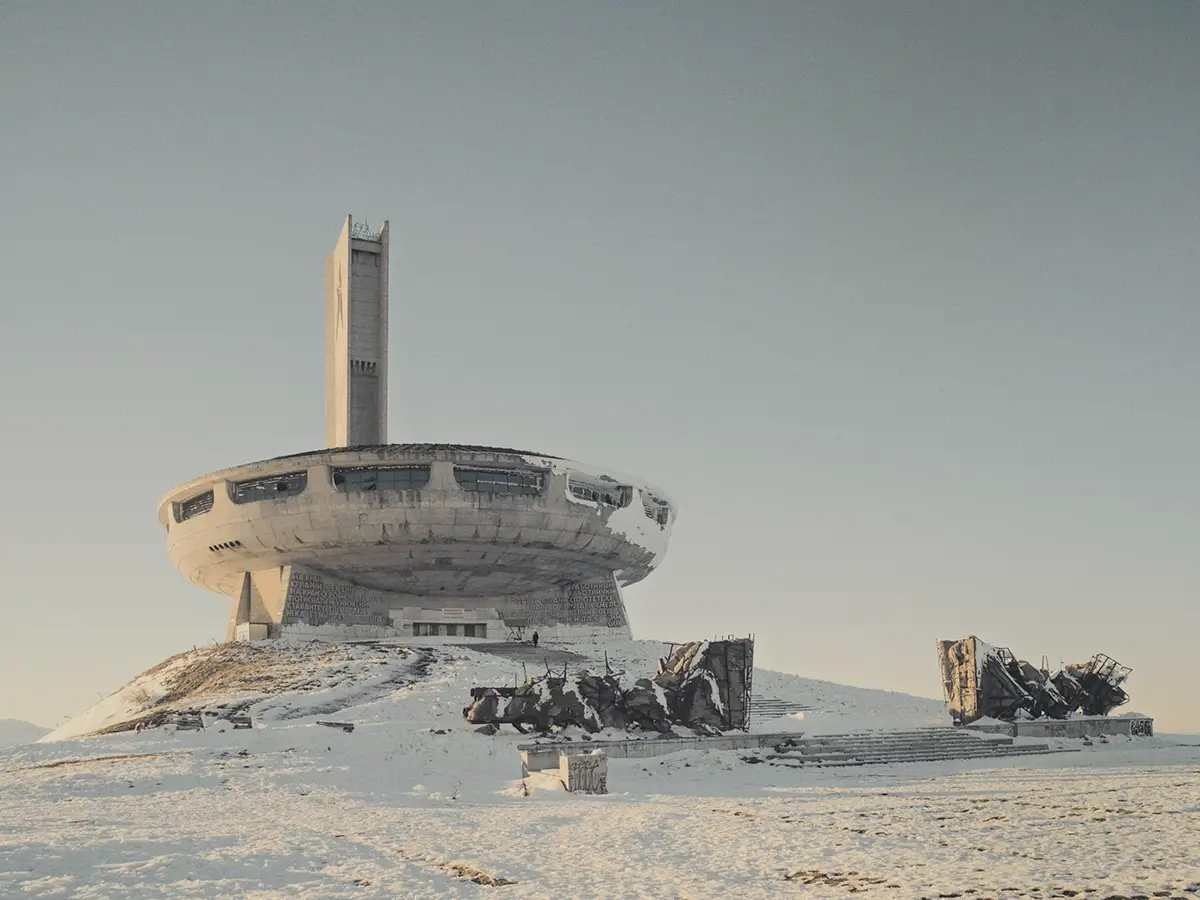
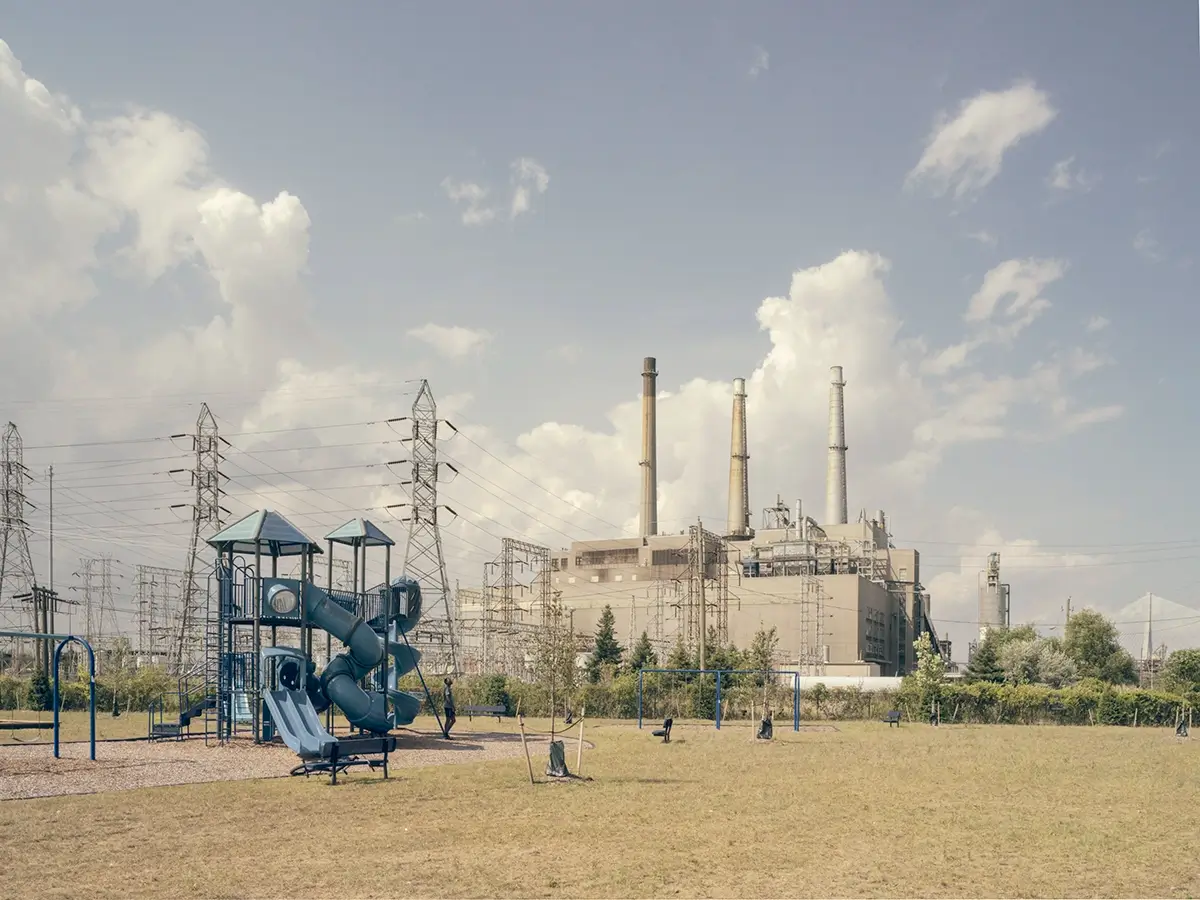
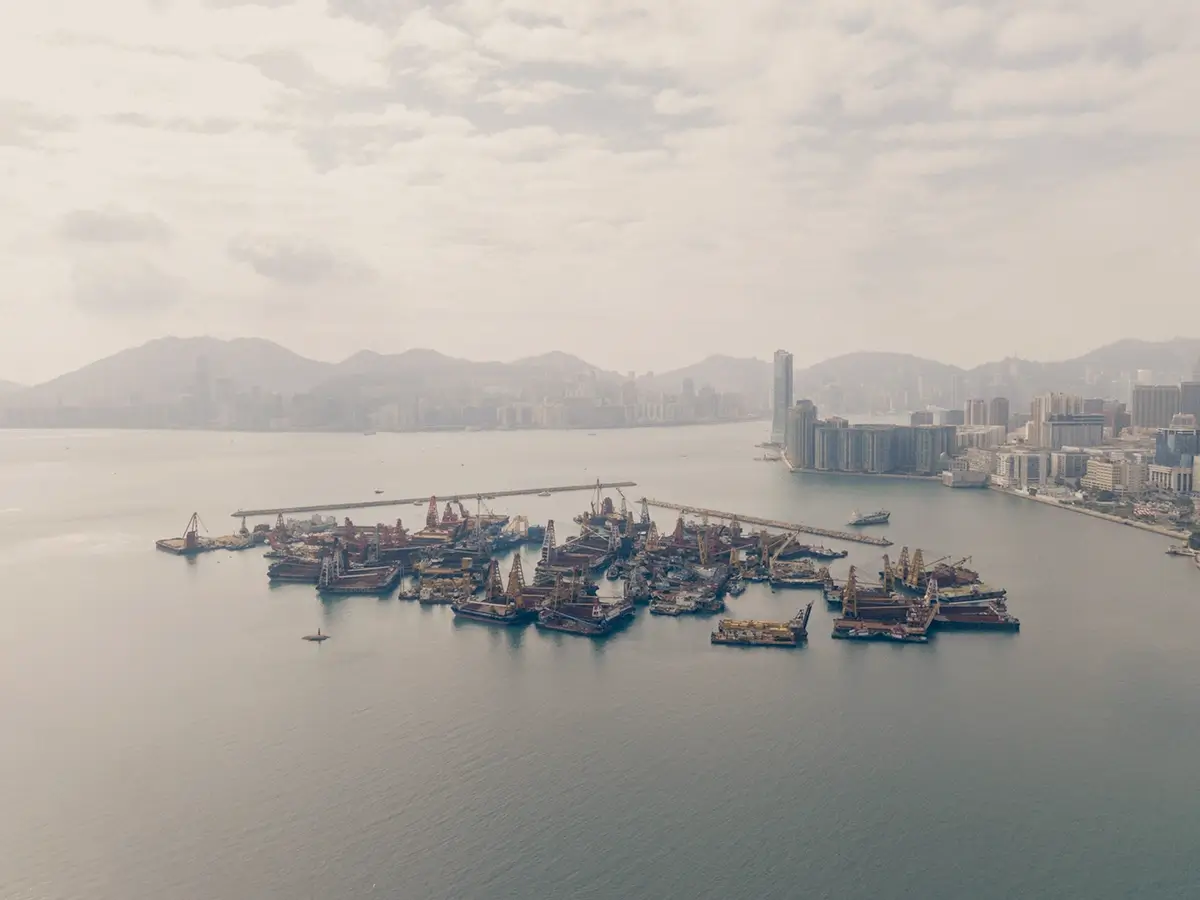
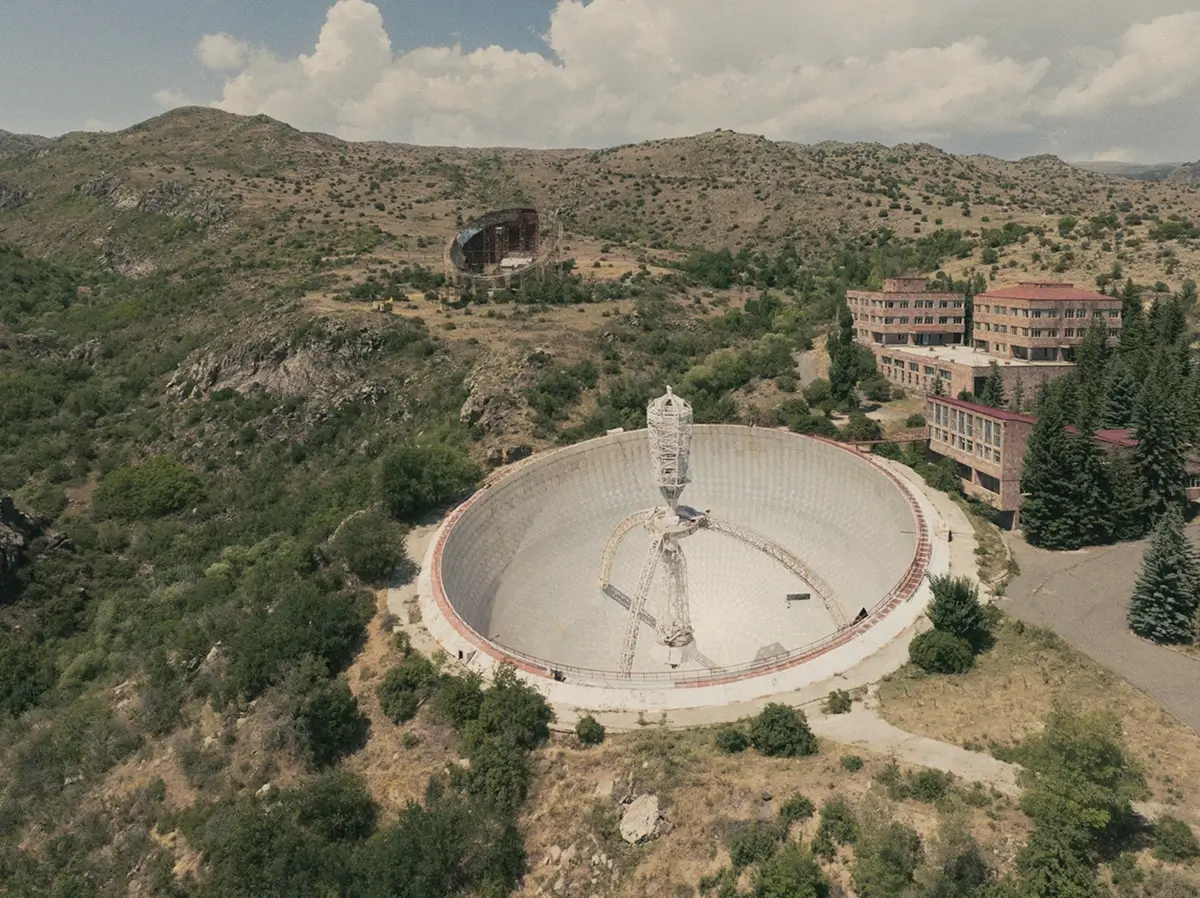
This series explores environments shaped by human ambition, where structures operate at a scale that exceeds individual presence.

Whether meticulously maintained, fully operational, or marked by abandonment, these spaces persist. I do not seek to document decay, but rather to observe how these architectural forms continue to impose their systemic logic, even when human activity has withdrawn. In these images, human presence recedes in favor of massive, organized structures. Within this apparent coherence, a subtle form of decoherence emerges — a misalignment between monumental scale and lived experience, between operational systems and the tangible reality of the body. I approach these environments from a distance, observing how structure prevails over function. The act of photographing becomes a way of remaining within this tension — of confronting what both attracts and unsettles me. What remains is not decay as an end, but inertia — a quiet persistence of civilization beyond its visible utility.
 

Inspiring Portfolios

Call for Entries
AAP Magazine #56 Shadows
Publish your work in our printed magazine and win $1,000 cash prizes
 
Stay up-to-date  with call for entries, deadlines and other news about exhibitions, galleries, publications, & special events.

More Great Photographers To Discover

Lillian Bassman
United States
1917 | † 2012
Lillian Bassman (June 15, 1917 – February 13, 2012) was an American photographer and painter. Her parents were Jewish intellectuals who emigrated to the United States from Russia in 1905 and settled in Brooklyn, New York. She studied at the Textile High School in Manhattan with Alexey Brodovitch and graduated in 1933. While there, she met the photographer, Paul Himmel, and they were married in 1935; Himmel died in 2009 after 73 years of marriage. From the 1940s until the 1960s Bassman worked as a fashion photographer for Junior Bazaar and later at Harper's Bazaar where she promoted the careers of photographers such as Richard Avedon, Robert Frank, Louis Faurer and Arnold Newman. Under the guidance of the Russian emigrant, Alexey Brodovitch, she began to photograph her model subjects primarily in black and white. Her work was published for the most part in Harper’s Bazaar from 1950 to 1965. By the 1970s Bassman’s interest in pure form in her fashion photography was out of vogue. She turned to her own photo projects and abandoned fashion photography. In doing so she tossed out 40 years of negatives and prints - her life’s work. A forgotten bag filled with hundreds of images was discovered over 20 years later. Bassman’s fashion photographic work began to be re-appreciated in the 1990s. She worked with digital technology and abstract color photography into her 90s to create a new series of work. She used Photoshop for her image manipulation. The most notable qualities about her photographic work are the high contrasts between light and dark, the graininess of the finished photos, and the geometric placement and camera angles of the subjects. Bassman became one of the last great woman photographers in the world of fashion. Bassman died on February 13, 2012, at age 94. Source: Wikipedia Lillian Bassman was born in 1917 into an immigrant family of free-thinking intellectuals, and was brought up with a mindset that allowed her to live as an independent and unconventional woman.She worked as a textile designer and fashion illustrator before working at Harper's Bazaar with Alexey Brodovitch, and ultimately becoming a photographer. Bassman's fashion images are unique, and acheieve their effect through manipulation in the dark room. Appearing in Harper's Bazaar from the 1940's to the 1960's, her work was categorized by their elegance and grace.Bassman had transformed these photographs into original works of art through her darkroom techniques in which she blurs and bleaches the images, investing them with poetry, mystery, and glamour. Source: Staley-Wise Gallery Lillian Bassman is one of the great 20th century fashion photographers along with Irving Penn and Richard Avedon. She began her career not as a photographer but as a painter at the WPA and then took courses at Pratt Institute in Brooklyn, New York. In 1945, Bassman was appointed Art Director at Junior Bazaar, giving projects to photographers such as Richard Avedon, Robert Frank and Paul Himmel (her husband). Later in 1947, she became the Art Director at Harper’s Bazaar, and her work appeared in Harper’s Bazaar throughout the 1940’s and 50’s. Her work was nearly destroyed in the 70’s by a water leak in her studio, and it was not until the 1990’s that her work was revived. With this new spotlight, Bassman received the Agfa Life Time Achievement Award and the Dem Art Directors Club Award in 1996. During the same year, Bassman began photographing again when she was asked to photograph the Haute Couture collection for New York Times Magazine, the Autumn Collection for Neiman Marcus, as well as work for German Vogue. Her work has been exhibited worldwide. Source: Peter Fetterman Gallery
William Ropp
France
1960
William Ropp is a contemporary photographer and photo-artist, best known for his series of portraits. Lives and works in France. William Ropp is often called not just a photographer but a photo-artist, and his style of photography is spoken of as unique, inimitable, and recognizable. For the impression they produce, his works are compared to those by painters: individuals depicted in them are as if looking at the viewer – not vice versa. Ropp is known as the Shadow Sculptor. Portraits by him — it is his work with the human body and portrait photography he is famous for — are indeed so dimensional and expressive that they look like they are sculpted from shadow and light. William Ropp began his career in the theatre three decades ago. There is something theatrical about his pictures today as well: each of them is like a speechless monologue by the character depicted in it, a play with one actor, which is encased into one instant caught by the photographer. William Ropp made his first series of black-and-white photographs in 1988: those were images of human figures reflected in distorting mirrors. Ropp continued working with the human body in the studio, experimenting with lighting and photographic technology. In the early 90’s, he found the style that would make him famous. Ropp would plunge figures of models, which, as it is, perplexed the viewer with the complexity of their intricate postures, into darkness and “paint” their body outlines with a bright beam of light. He would increase the exposure time to 10 minutes to make the image a bit blurred but would focus one’s attention on the main thing: the eyes, the facial expression, the shoulder line, or the arm’s expressive curve. In the mid-2000’s, Ropp, the already famous Shadow Sculptor, undertook a number of trips, each of which resulted in a series of portraits of people – Africans and Gypsies, inhabitants of Mexico and Russia, adults and kids. In 2010, he started working in color, portrait photography remaining the primary one in his work. Ropp is the author of several books on the art of photography; his exhibitions and workshops for photographers are staged all over the world. Works by William Ropp form part of the collections of the Musée de l’Elysée (Lausanne, Switzerland), the Museum of Fine Art (Houston, USA), the Maison Européenne pour la Photographie (Paris, France), the Museet for Fotokunst (Odense, Denmark), the New York Public Library (the Spencer Collection, New York, USA), and other public and private collections. Galleries throckmorton-nyc.com www.thephotogallery.se www.originalsong.cn www.holdenluntz.com www.galerie-stp.de jiromiuragallery.com louisegallery.be
Cao Luning
China
1990
Cao Luning is a street photographer who lives in Nanjing, Jiangsu Province, China, a city of 8 million people. He only started to do photography 3 years ago and all learnt by himself. For Cao Luning, photography is a means of getting to know and expressing himself. Just like the saying "You are what you read", he also believes "You are what you shoot". He's extremely crazy about Street, Travel and Documentary photography, and the uncertainty and infinite possibilities of them fascinate him. They are just similar to life, you never know what you are going to get tomorrow. You may capture some nice shots, or you might come back empty-handed. Street photographer is his identity. Cao Luning is a street wanderer and likes to watch people. He can linger on the streets all day long without feeling tired or fed up. When he shoots, he focuses on the serendipity of specific colors, light and shadows, gestures and the implied humor of scenes. Cao Luning reckons framing is crucial to a good photograph, and he's been greatly influenced by Henri Cartier-Bresson and his "The Decisive Moment Theory", which He thinks is something that every photographer should pay attention to. His mentors are Mangum Photographer Alex Webb and his wife Rebecca Norris Webb, and they both helped him a lot in developing his own vision. In his opinion, given different situations and scenarios, a good street photographer should swiftly apply different compositions that best suit the scenes, instead of using one or two methods for all situations, because that's not a creative process, it's just mechanical repetitions. Statement I'm a street photographer who started to do photography 3 years ago. For me, photography is a means of getting to know and expressing myself. Just like the saying "You are what you read", I also believe "You are what you shoot". I'm extremely crazy about Street, Travel and Documentary photography, and the uncertainty and infinite possibilities of them fascinate me. They are just similar to life, you never know what you are going to get tomorrow. You may capture many nice shots, or you might come back empty-handed. I'm a street wanderer and I like to watch people. I can linger on the streets all day long without feeling tired or fed up. When I shoot, I focus on the serendipity of specific colors, light and shadows, gestures and the implied humor of scenes. I reckon framing is crucial to a good photograph, and I've been greatly influenced by Henri Cartier-Bresson and his "The Decisive Moment Theory", which I think is something that every photographer should pay attention to. In my opinion, given different situations and scenarios, a good street photographer should swiftly apply different compositions that best suit the scenes, instead of using one or two methods for all situations, because that's not a creative process, it's just mechanical repetitions. Most of the works I submitted were shot during the pandemic in China.. On January 2020, The New Coronavirus Pneumonia (or COVID-19) outbroke in Wuhan, Hubei Province in China and soon spread all over the country. As a result, the Chinese government locked down the whole country, stopped all production activities, restricted intercity transportation, and people were advised not to go outside. I live in Nanjing, Jiangsu Province, a city of 8 million people, and when it was shut down, it was a bit like a ghost town in the beginning, not completely empty, but hard to find people on the streets. However, I found out by the Yangtze River and some parks, there are some citizens. People would go fishing, do sports, exercise or simply relax. So I often go to those places with my camera, trying to capture their life under the influence of Coronavirus. The virus has pressed the pause button for most of us, though it's not a good thing, objectively speaking, it gives us a good opportunity to look inside and review our living states. It offers us a window to slow down and appreciate all the good and beautiful things around us as well. In the meantime, we are also given the possibility to do the things that we always wanted to do. We should cherish it and live in the moment, despite how dreadful the epidemic situation might be, life has to go on. I hope you'll enjoy my works and get to know me better by them.
Jaroslav Rössler
Czech Republic
1902 | † 1990
Jaroslav Rössler was a pioneer of Czech avant-garde photography and a member of the association of Czech avant-garde artists Devětsil (Butterbur). He was born to the Czech-German father, Eduard Rössler, and a Czech mother, Adéla Nollová. From 1917 to 1920, Rössler studied in the atelier of the company owned by renowned Czech photographer František Drtikol. Subsequently, he worked with the company as a laboratory technician. At 21 years old, he began a collaboration with the art theorist Karel Teige, who assigned him to create a typographic layout for magazines Pásmo, Disk, Stavba and ReD (Revue Devětsilu). While working on these tasks, Rössler deepened his knowledge of photographic methods. In his works he utilized and combined the techniques of photogram, photomontage, collage and drawing. The beginnings of his photographic work were influenced by Cubism and Futurism, but he also attempted to create the first abstract photographs. In 1923, he became a member of the avant-garde association Devětsil. In 1925, he went on a six-month study visit to Paris. The same year he began working as a photographer in the Osvobozené divadlo in Prague. Before his second departure to Paris, he co-worked as a commercial photographer with the pictorial magazine Pestrý týden. In 1927, Rössler moved to Paris together with his wife, Gertruda Fischerová (1894–1976). Initially, he focused on commercial photography. He collaborated with the experimental studio of Lucien Lorell, and worked on commissions for notable companies such as Michelin and Shell. However, later he found an interest in the "street life" of Paris, which influenced his future stay in the city. During a demonstration, he encountered the protesters and took photographs of the event. Shortly after that he was arrested, and after a six-month imprisonment, he was expelled from the country, in 1935. The alleged reason for his expulsion was his German-sounding surname. After his return from Paris, Rössler and his wife resided in Prague, Žižkov. He opened a small photographic atelier, but difficulties associated with the management of the studio caused a significant gap in his artistic work, lasting for almost two decades. In the 1950s, he resumed his previous activities and again began experimenting with the camera and photographic techniques. He created so-called prizmata (prisms), photographs taken through a birefringent prism. Additionally, he experimented with solarisation and explored the possibilities of the Sabatier effect. Jaroslav Rössler, together with František Drtikol, Josef Sudek and Jaromír Funke, is today considered an important exponent of Czech modern photography and avant-garde art.Source: Wikipedia Jaroslav Rössler was one of the most distinctive artists of the Czech avant-garde, known for fusing disparate elements of Symbolism, Pictorialism, Expressionism, Cubism, Futurism, Constructivism, New Objectivity and abstract art. From 1917 to 1920, Rossler studied and worked as a lab technician under František Drtikol, but he quickly abandoned the pictorialist style of his famous teacher, turning instead to more avant-garde techniques and compositional approaches, including experiments with photograms, enlarged detail, diagonal composition, photomontage, double exposure, and experiments with color advertising photographs and still lifes produced with the carbro print process. Jaroslav Rössler often photographed objects against stark backgrounds, or used long exposures, to reduce subjects to their elementary lines and geometric shapes. In 1923 he became a member of the assocation of Czech avant- garde artists Devětsil. From 1927 to 1935, he lived and worked in Paris, producing work influenced by Constructivism and New Objectivity. After his return to Prague, he was relatively inactive until the late 1950s, when he renewed experimentations with solarization and photographing through a prism.Source: Robert Koch Gallery
Dan Winters
United States
1962
Dan Winters (b. October 21, 1962) is an American photojournalist, illustrator, filmmaker and writer. He was born in Ventura County, California on October 21, 1962. He first studied photography and the darkroom process starting in 1971 while a member of his local 4-H club. In 1979, while still a high school senior, he began working full time in the motion picture special effects industry in the area of miniature construction and design. He went on to study photography at Moorpark College, in California. After receiving an associates arts degree there, he entered the documentary studies program at Ludwig Maximilian University of Munich in Germany, focusing mainly on narrative photojournalism. In 1986, he began his career in photography as a photojournalist in his home town in Ventura County, at the Thousand Oaks News Chronicle. After winning several local awards for his work, he moved to New York City, where magazine assignments came rapidly. In 1991, he moved to Los Angeles and married Kathryn Fouts, who became his photo rep and studio manager. In 1993, his son Dylan was born in Los Angeles. In 2000, while maintaining a home in LA, he moved to Austin, Texas. There he set up a studio outside Austin in a historic building built in 1903, that had originally served as a general store, gas station and post office for nearly 100 years before he arrived. Known for the broad range of subject matter he is able to interpret, he is widely recognized for his iconic celebrity portraiture, his scientific photography, his photojournalistic stories and more recently his drawings and illustrations. He has created portraits of luminaries such as Bono, Neil Young, Barack Obama, Tupac Shakur, the Dalai Lama, Stephen Hawking, Leonardo DiCaprio, Helen Mirren, Johnny Depp, Kate Winslet, Angelina Jolie, Sandra Bullock, Brad Pitt, Steven Spielberg and Al Gore. He has won over one hundred national and international awards from American Photography, Communication Arts, The Society of Publication Designers, Photo District News, The Art Directors Club of New York and Life, among others. In 1998, he was awarded the prestigious Alfred Eisenstadt Award for Magazine Photography. In 2003, he won a 1st place World Press Photo Award in the portrait category. In 2003, he was also honored by Kodak as a photo "Icon" in their biographical "Legends" series. In addition to regular assignments for magazines such as Esquire, GQ, Vanity Fair, The New York Times Magazine, The New Yorker, New York, Texas Monthly, Wired, Fortune, Discover, Audubon Magazine, Details, Premiere, W, Entertainment Weekly, Rolling Stone, Life, Newsweek, Time, Vibe and many other national and international publications, his clients for print and advertising include Nike, Microsoft, IBM, LG, Hewlett-Packard, Sony, Bose, Saturn, Sega, Fila, Cobra, ABC, Warner Brothers, Paramount, Dreamworks, Columbia TriStar and Twentieth Century Fox. Regular music clients include RCA, A&M, Sony BMG, Interscope, Warner Bros., Elektra Records and Epitaph. His work has appeared in four solo exhibitions in galleries in New York and Los Angeles. A book of his work entitled "Dan Winters: Periodical Photographs" was published in 2009 by Aperture. In addition, he has photos in permanent collections of the National Portrait Gallery (United States), the Museum of Fine Art Houston, The Whitliff Collection at Texas State University and the Harry Ransom Center for Photography in Austin, Texas.[6]He currently has a solo exhibition at the Telfair Museum/Jepson Center in Savannah, GA entitled Dan Winters's AMERICA: Icons and Ingenuity. A catalogue was published to accompany the exhibition. His book Last Launch which chronicles the final launches of Discovery, Endeavour and Atlantis in 2011, signaling the end of an era in space travel, will be released October 22, 2012 by UT Press and available in bookstores everywhere. He currently lives in Austin, Los Angeles and Savannah, Georgia with his wife and son. Source: wikipedia
Michal Cala
Poland
1948
Michal Cala was born in Toruń, Poland in 1948 and studied aircraft construction in Warsaw at the University of Technology in the early 1970's. From 1974 to 1983 he worked as an engineer in various companies in Silesia, and began photographing in the area. In 1977, he moved to Tychy in Upper Silesia, where he co-founded the photographers' association KRON and become a member of the ZPAF – the Union of Polish Art Photographers. Relatively unknown outside of his native country, his work is in several museum collections in Poland; in the Silesian Museum of Katowice, the Silesian Library in Katowice, the Upper Silesian Museum in Bytom, the Coal Mining Museum in Zabrze as well as local government building in Duisburg in the Ruhr (Germany) and various private collections. His work has received much acclaim and won numerus awards; among which are the Grand Prix at the Polish Landscape Biennale in Kielce twice, 1979 and 1983 and won the first prise at the Pilsner International Photo Awards in the Industrial category in 2007. His work from Galicia series and the Paysages de Pologne exhibition was shown in France in 1980's. The Silesia exhibition was shown widely in Katowice (1984, 2002, 2008), Krakow (1986, 2006), Warsaw (1986, 2009), in Enschede, the Netherlands, (2012), at the Photo Biennale Mannheim – Ludwigshafen – Heidelberg (2007) and part of group project at the Noorderlicht Photo Festival in the Netherlands (2008). In 2007 he was classified as one of most important Polish photographers in last century and participated in the group exhibition Polish Photography in XX Century (Warsaw, Poland and Vilnius, Lithuania). In the same year, Cala's photography was featured in British Journal of Photography and Foto8 magazine. Publications on his work include The Anthology of Polish Photography 1839 – 1989, The Masters of Polish Landscape and The Polish Photography in the 20th Century. His past exhibition Metropolis on Silesian urban landscapes was held at the Silesian Museum in Katowice in 2013 and a solo show Silesia and Galicia in the Museum of History of Photography in 2016 in Krakow (Poland). His photo book based on the same series was recently selected in the Open Submission at Belfast and Athens Photo Festivals respectively (2017). The latest solo exhibition at MMX Gallery; SILESIA 1975-1985, was the first time his work has been shown in UK.MMX Gallery about the exhibition Silesia 1975-1985 Michal Cala is regarded as one of the most important Polish photographers of the last century. Cala started taking pictures in his youth and has been working professionally as a photographer for nearly 40 years. Silesia is an industrial district in Poland which at the time of 1970's and early 1980's was experiencing its peak of development and activity. Although providing massive employment for the area, the environmental issues were ignored. Stepping off the train, Cala encountered the other-worldly landscape for the first time and decided this is what he wanted to make of photographic record of. Fascinated by the subject matter, he devoted himself to photographing the Silesian landscape between 1975 – 1992, which resulted in the series entitled Silesia (Śląsk in Polish). Cala's photography took on various influences ranging from surrealism, which inspired a movement in Poland called "fotografia kreacyjna" (creative photography), and the realism of British New Wave cinema of the late 1950's and early 1960's. Poland's isolation during the Cold War made it very difficult for photographers to obtain artistic publications. However, some Czech and Polish magazines were publishing Western photographers work such as Edward Weston, Bill Brandt, Robert Frank and Diane Arbus who acted as a window for inspiration. Cala was influenced by landscape, reportage and social documentary photography, which he always portrayed in his personally stylised images. In Poland, political and material conditions were harsh under Soviet influence. Using a basic 35mm Exa 500 camera, he managed to produce images of such a lyrical beauty only to be emphasised again with a dark graphic printing style, to further enhance his vision of the sometimes-apocalyptic looking landscape before him. A single house surrounded by huge cooling towers, majestic slagheaps, lonely figures microscopic when compared to the massive scale of industrial surroundings are subtle metaphors of living in a communist reality. The majority of photographs in the exhibition are vintage silver gelatin prints, made by Cala at the time they were taken.Source: MMX Gallery
Advertisement
AAP Magazine #56 Shadows
Win a Solo Exhibition in April
AAP Magazine #56 Shadows

Latest Interviews

Exclusive Interview with Anastasia Samoylova
Anastasia Samoylova is an American artist whose photographic practice is shaped by close observation and a deep attentiveness to place. Working between documentary and formal exploration, she photographs landscapes, architecture, and everyday scenes with a sensitivity to light, structure, and atmosphere. Since relocating to Miami in 2016, her work has increasingly focused on how environments—both natural and built—carry social, cultural, and emotional traces. We asked her a few questions about her practice and her way of seeing, to better understand the thoughts and experiences that shape her work—while allowing the images themselves to remain open and speak in their own time.
Exclusive Interview with Marijn Fidder
Marijn Fidder is a Dutch documentary photographer whose work powerfully engages with current affairs and contemporary social issues. Driven by a deep sense of social justice, she uses photography to speak on behalf of the voiceless and to advocate for the rights of those who are most vulnerable. Her images have been widely published in major international outlets including National Geographic, CNN Style, NRC Handelsblad, Volkskrant, GUP New Talent, and ZEIT Magazin. Her long-term commitment to disability rights—particularly through years of work in Uganda—culminated in her acclaimed project Inclusive Nation, which earned her the title of Photographer of the Year 2025 at the All About Photo Awards. She is also the recipient of multiple prestigious honors, including awards from World Press Photo and the Global Peace Photo Award. We asked her a few questions about her life and work.
Exclusive Interview with Josh S. Rose
Josh S. Rose is a multidisciplinary artist working across photography, film, and writing. His practice bridges visual and performing arts, with a strong focus on movement, emotion, and the expressive potential of the image. Known for his long-standing collaborations with leading dance companies and performers, Rose brings together authenticity and precise composition—a balance he describes as “technical romanticism.” His work has been commissioned and exhibited internationally, appearing in outlets such as Vogue, at the Super Bowl, in film festivals, and most recently as a large-scale installation for Lincoln Center for the Performing Arts. A sought-after collaborator, he has worked with major artists, cultural institutions, and brands, following a previous career as Chief Creative Officer at Interpublic Group and the founder of Humans Are Social. We asked him a few questions about his life and work.
Interview with Maureen Ruddy Burkhart
Photographer Maureen Ruddy Burkhart brings a quietly attentive and deeply human sensibility to her exploration of the world through images. Shaped by a life immersed in photography, film, and visual storytelling, her work is guided by intuition, observation, and an enduring interest in the emotional undercurrents of everyday life. With a practice rooted in both fine art traditions and documentary awareness, she approaches her subjects with sensitivity, allowing subtle moments to emerge naturally rather than be imposed. Her series Til Death, selected as the Solo Exhibition for February 2025, reflects this long-standing commitment to photography as a space for reflection rather than spectacle. Drawn to moments that exist just outside the expected frame, Burkhart’s images suggest narratives without resolving them, leaving room for ambiguity, humor, and quiet connection. We asked her a few questions about her life and work.
Exclusive Interview with Peter Ydeen
Winner of AAP Magazine #45 Travels, his series reflects this unique vision—capturing the spirit of place through subtle layers of light, color, and emotion. Whether traveling abroad or observing the rhythms of his own surroundings, Ydeen creates images that feel both grounded and enchanted, inviting viewers into a world where reality and reverie meet.
Exclusive Interview with Julie Wang
Chinese-born photographer Julie Wang brings a poetic, contemplative sensitivity to her visual exploration of the world. Having lived for nearly equal parts of her life in China, Europe, and the United States, she approaches her subjects with the nuanced perspective of someone shaped by many cultures. This blend of distance, curiosity, and emotional resonance infuses her work with a quiet depth, allowing her to reveal the fragile beauty and subtle tensions that often pass unnoticed.
Exclusive Interview with Ghawam Kouchaki
American photographer Ghawam Kouchaki brings a sharply observant and introspective gaze to the streets of Japan’s capital. Based in Los Angeles, he approaches Tokyo with the distance — and curiosity — of an outsider, allowing him to uncover the city’s subtle contradictions, quiet tensions, and fleeting gestures that often go unnoticed. His series Tokyo no no, selected as the Solo Exhibition for December 2024, explores the hidden undercurrents of urban life: the unspoken rules, the small ruptures in routine, the poetic strangeness found in everyday moments. Through muted tones, instinctive timing, and meticulous framing, Kouchaki reveals a Tokyo that exists somewhere between reality and imagination — both intimate and enigmatic. We asked him a few questions about his life and work.
Exclusive Interview with Tommi Viitala
Tommi Viitala, winner of AAP Magazine #44: Street, is a Finnish photographer celebrated for his striking and cinematic street photography. With a keen eye for atmosphere and composition, he captures fleeting urban moments that reveal the poetry of everyday life. His work often explores the tension between solitude and connection within contemporary cityscapes, blending documentary realism with artistic sensibility. Viitala’s photographs have been exhibited internationally and recognized for their strong visual storytelling and emotional depth. We asked him a few questions about his life and work.
Exclusive Interview with Robert Mack
Robert Mack is a California-based visual artist, photographer, and filmmaker. His fine art photography and films have been exhibited widely in the United States and Europe, with major shows at the Baltimore Museum of Art and the Reiss-Engelhorn Museum in Mannheim, Germany. Both institutions hold his work in their permanent collections. Working across different media, Mack has built a career exploring the complexities of human presence and representation. In 1981, while living in Baltimore, he produced The Perkins Project: Not Guilty by Reason of Insanity, a rare photographic and film study inside Maryland’s hospital for the criminally insane. These stark yet compassionate black-and-white portraits remain one of his most powerful and controversial bodies of work.
Call for Entries
Solo Exhibition April 2026
Get International Exposure and Connect with Industry Insiders