In the high Arctic archipelago of Svalbard, where human presence feels provisional and time itself seems suspended,
Pyramiden emerges as a rare and contemplative photographic work. Created by French photographer
Damien Aubin, this book is not a documentation of abandonment in the conventional sense—it is a quiet study of persistence, of places that continue without direction, without urgency, and without resolution.
A Landscape Beyond Narrative
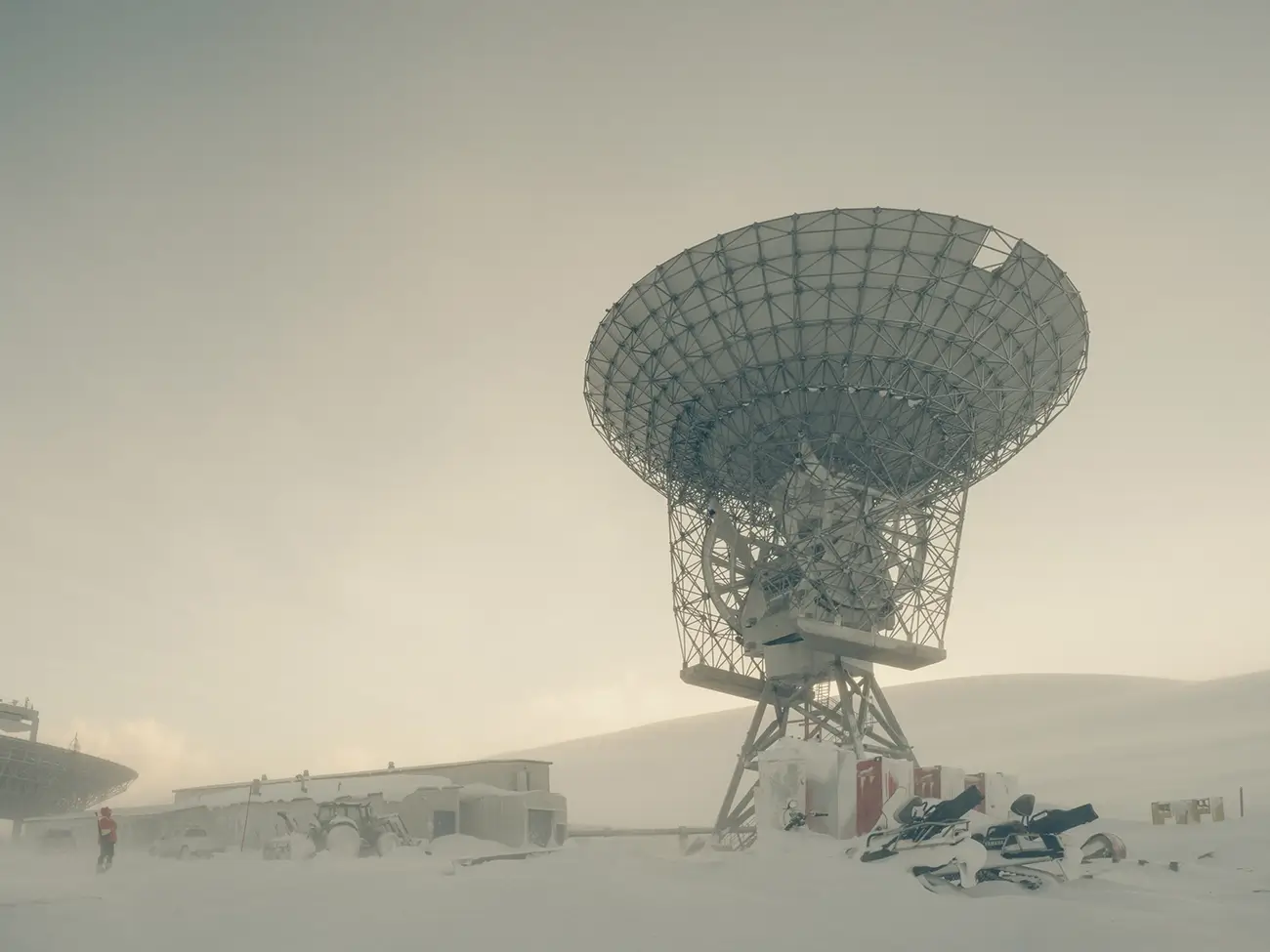
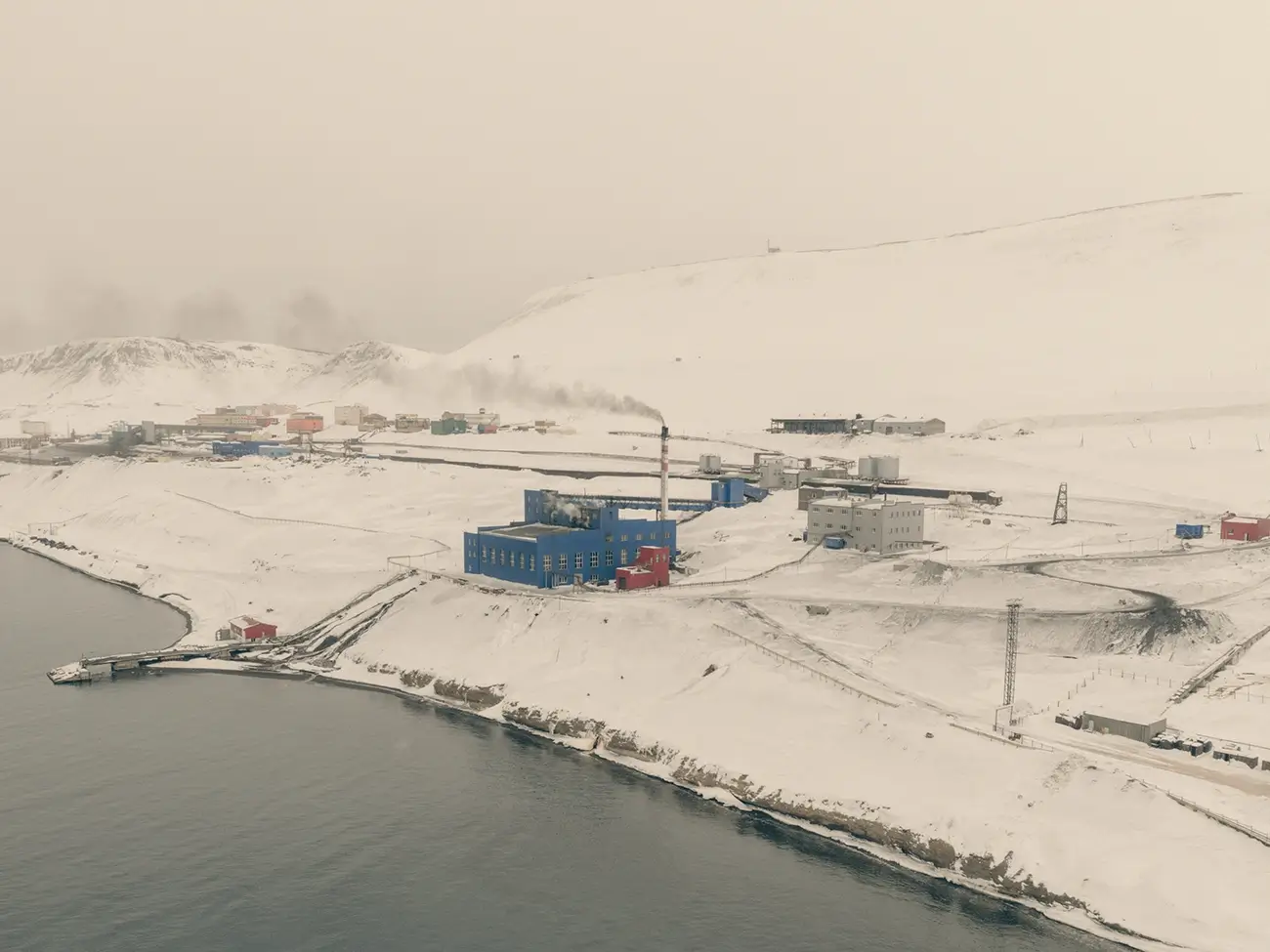
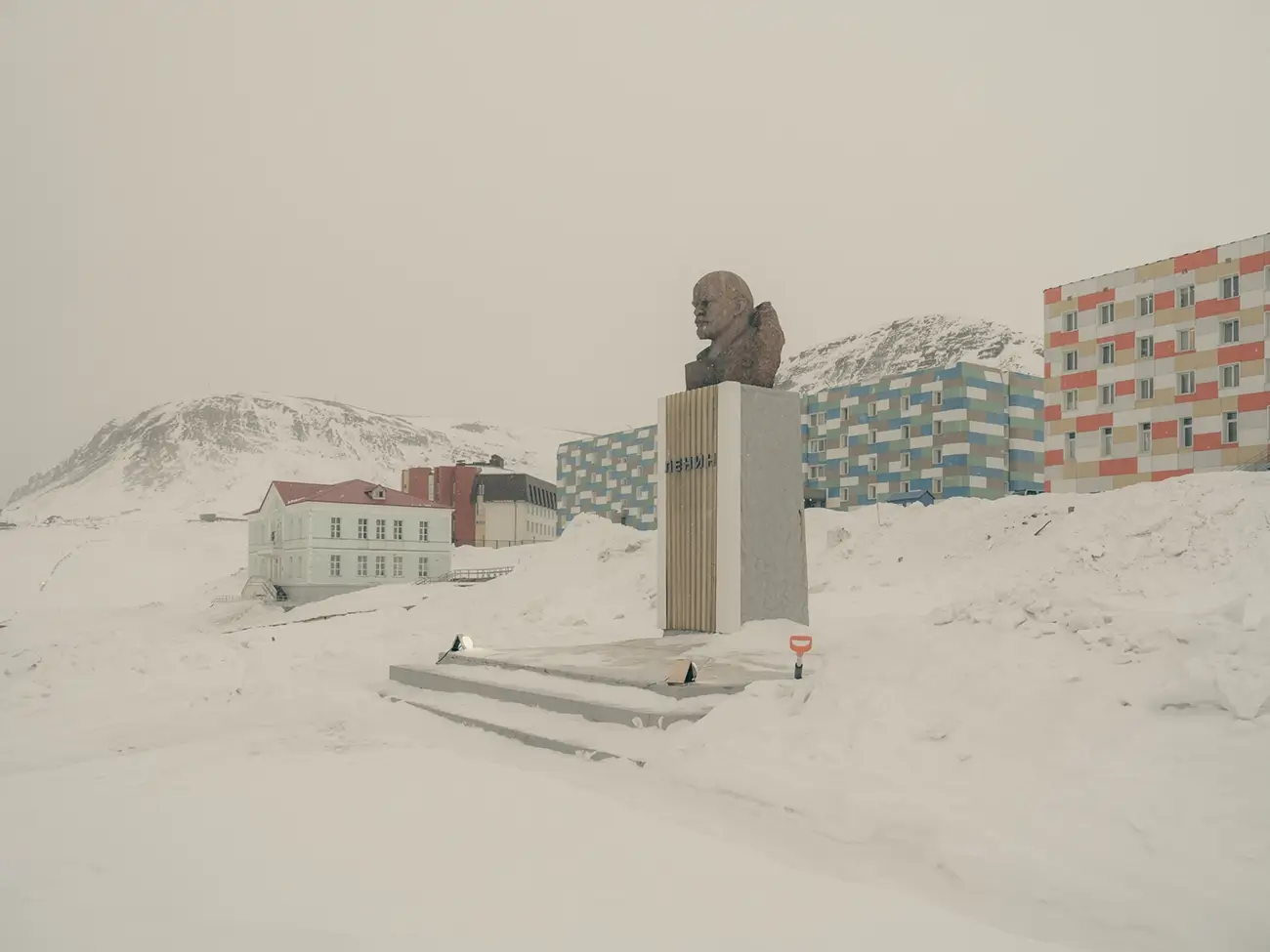
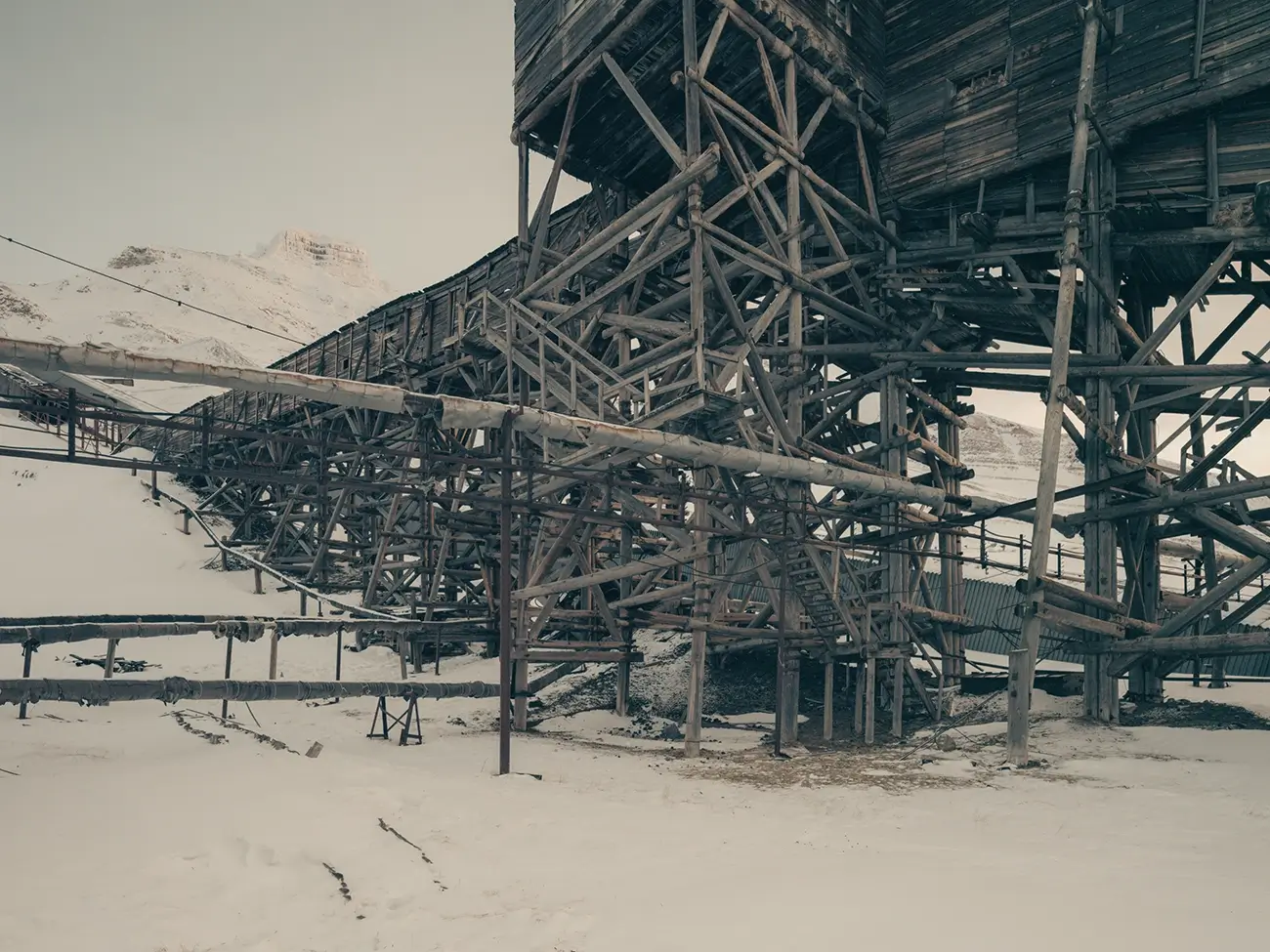
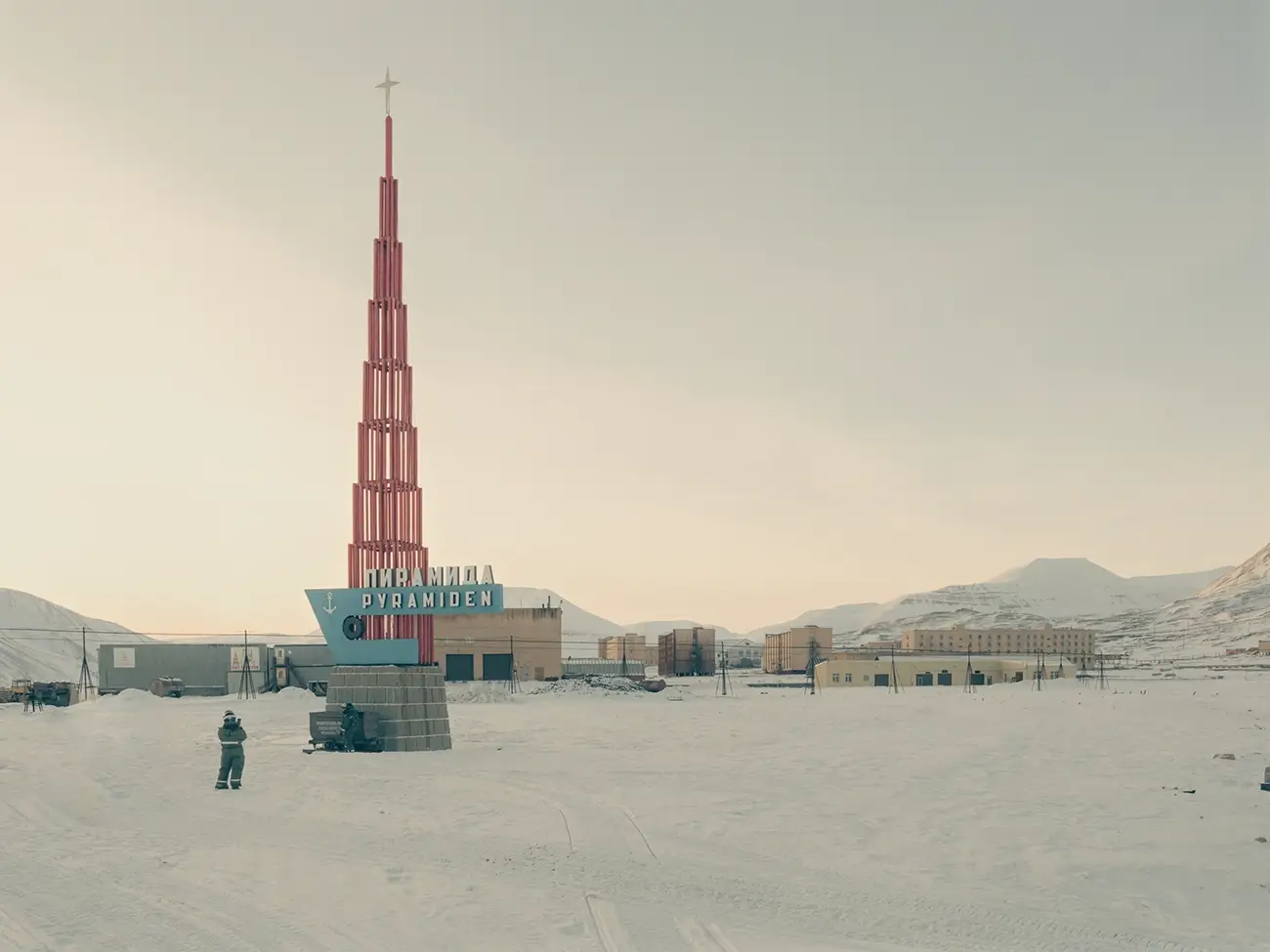
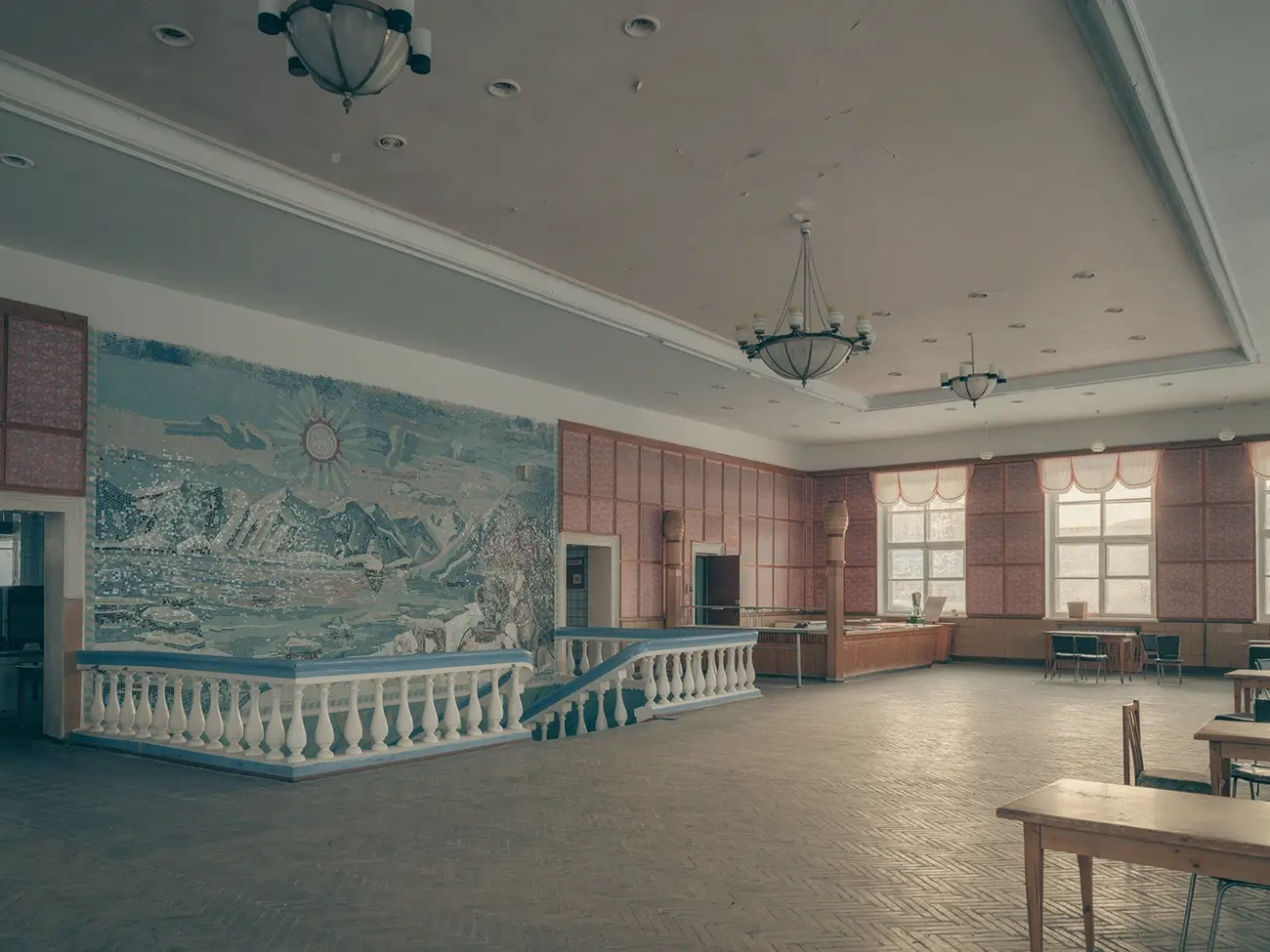
Pyramiden, once a Soviet mining settlement, is often described as a ghost town. Yet Aubin’s work resists that framing. What he encountered—and what this book reveals—is not ruin, nor absence, but a state of suspension. Buildings remain intact, infrastructures are still legible, and traces of human intention linger in every corner. Nothing functions, yet nothing has fully disappeared.
This paradox defines the visual language of Pyramiden. Across its pages, the viewer is invited into environments where presence and absence coexist seamlessly. There is no dramatic decay, no spectacle of collapse—only a subtle displacement, where purpose has faded but form endures.
A Unique Photographic Approach
Damien Aubin’s photographic practice is grounded in restraint. Shot from a distance and in diffuse, controlled light, the images avoid dramatization. There is no imposed narrative, no attempt to guide interpretation. Instead, the work operates through observation—precise, patient, and deliberate.
The locations featured—Pyramiden, Barentsburg, and Longyearbyen—share a common condition: they are spaces shaped by human systems that are no longer fully aligned with their original intent. In these places, time does not stop; it simply slows, allowing structures to persist beyond their function.
This approach places Aubin’s work within a broader contemporary discourse on post-industrial landscapes and the afterlife of infrastructure. Yet Pyramiden stands apart through its refusal to explain. It does not interpret—it presents.
Themes: Continuity, Displacement, and the Absence of Urgency
At its core, Pyramiden explores a subtle but powerful idea: that continuity does not require purpose. Something continues—not as progress, not as decay, but as a quieter form of existence.
Not disappearance, but displacement: The human presence has receded, yet its imprint remains.
Not silence, but a quieter continuity: The absence of activity does not equate to emptiness.
Forms beyond function: Structures persist even when their original meaning dissolves.
This philosophical dimension elevates the book beyond a photographic collection. It becomes a meditation on time, memory, and the endurance of built environments.
About Damien Aubin
Damien Aubin is a French photographer whose work focuses on environments shaped by systems that exceed individual presence. Working across Europe, the United States, and Asia, he explores spaces where activity has slowed or withdrawn, leaving behind structures that persist in a state of quiet disconnection.
His practice is defined by distance, precision, and controlled temporality. Rather than seeking spectacle, Aubin turns his lens toward what remains when narrative fades—when places are no longer defined by what they do, but simply by what they are.
Why Pyramiden Stands Out
In a world saturated with fast imagery and narrative-driven content, Pyramiden offers something rare: stillness without emptiness, observation without explanation. It is a book that does not demand attention but rewards it.
For collectors of contemporary photography, lovers of Arctic landscapes, and readers interested in themes of post-industrial memory and spatial philosophy, this work represents a unique and thoughtful addition.
Pyramiden is available for
pre-order now, with limited copies in its first edition.
www.damienaubin.fr
@damien_aubin_photography
All About Damien Aubin