All about photo.com: photo contests, photography exhibitions, galleries, photographers, books, schools and venues.
Win a Solo Exhibition in July 2026 + An Exclusive Interview!
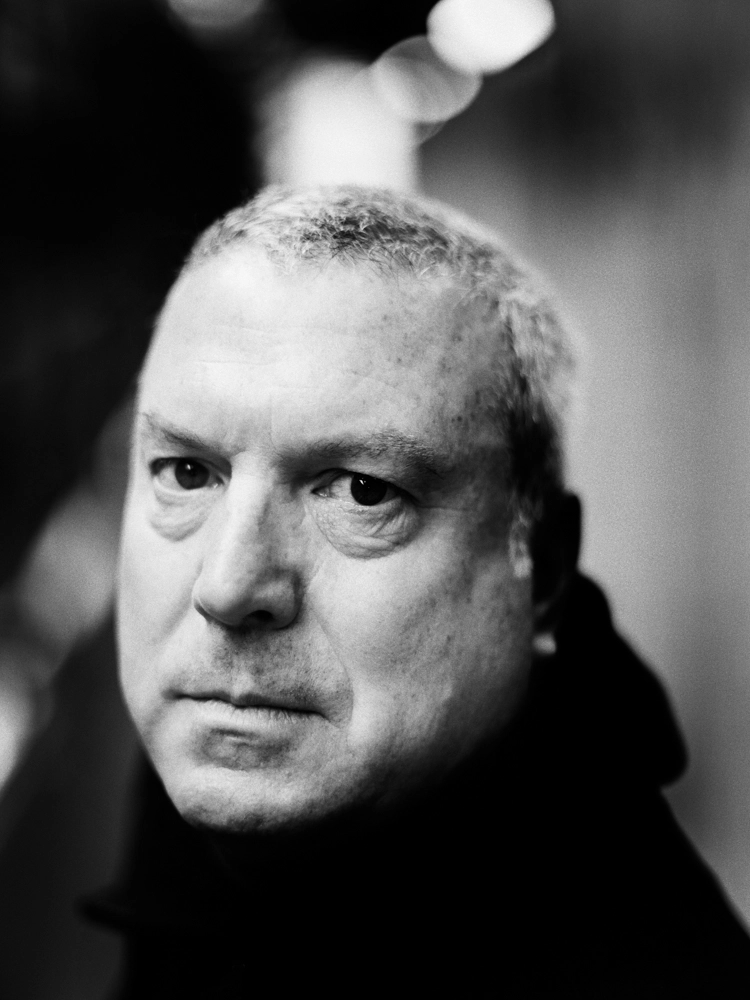
Markus Kirchhofer
Markus Kirchhofer
Markus Kirchhofer

Markus Kirchhofer

Country: Germany

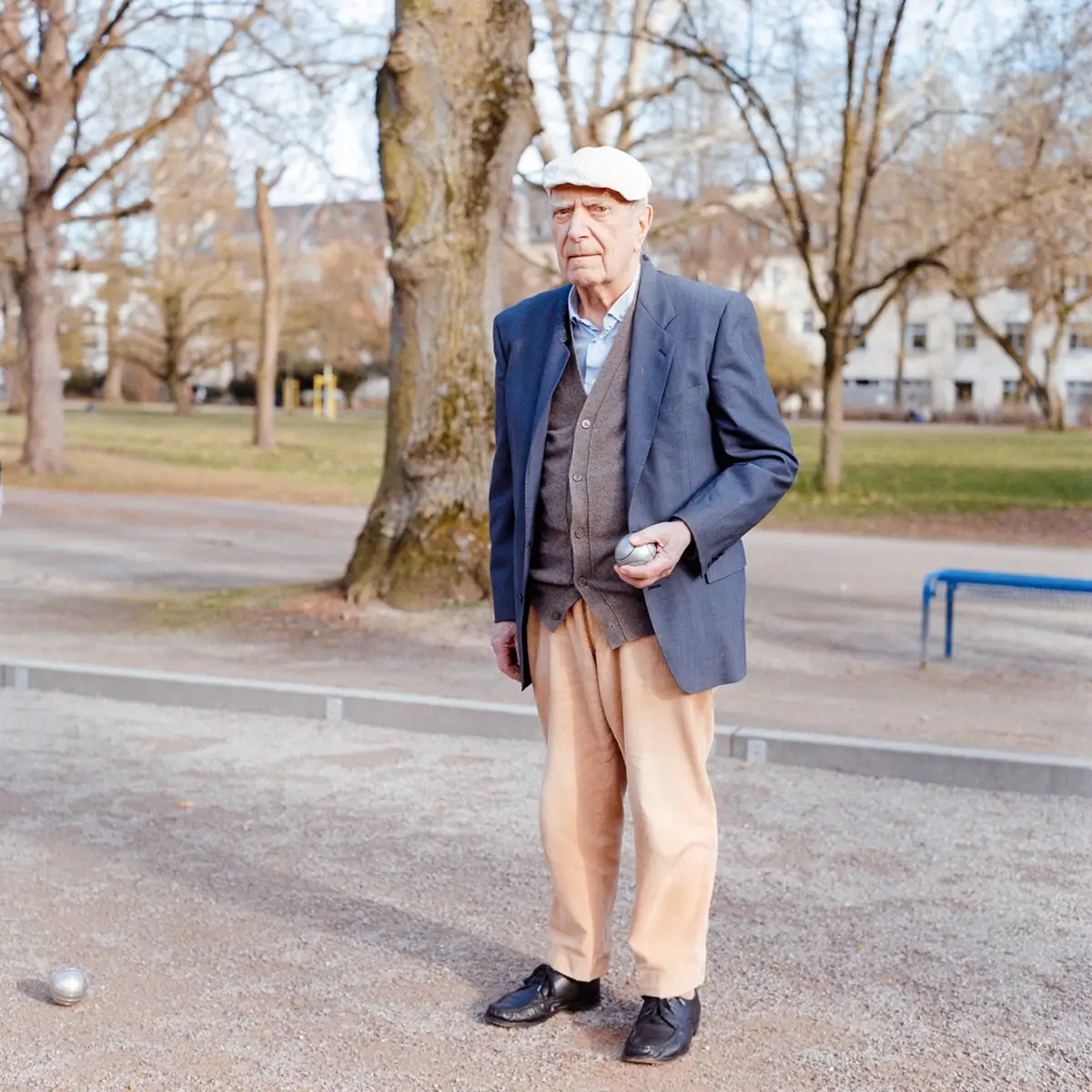
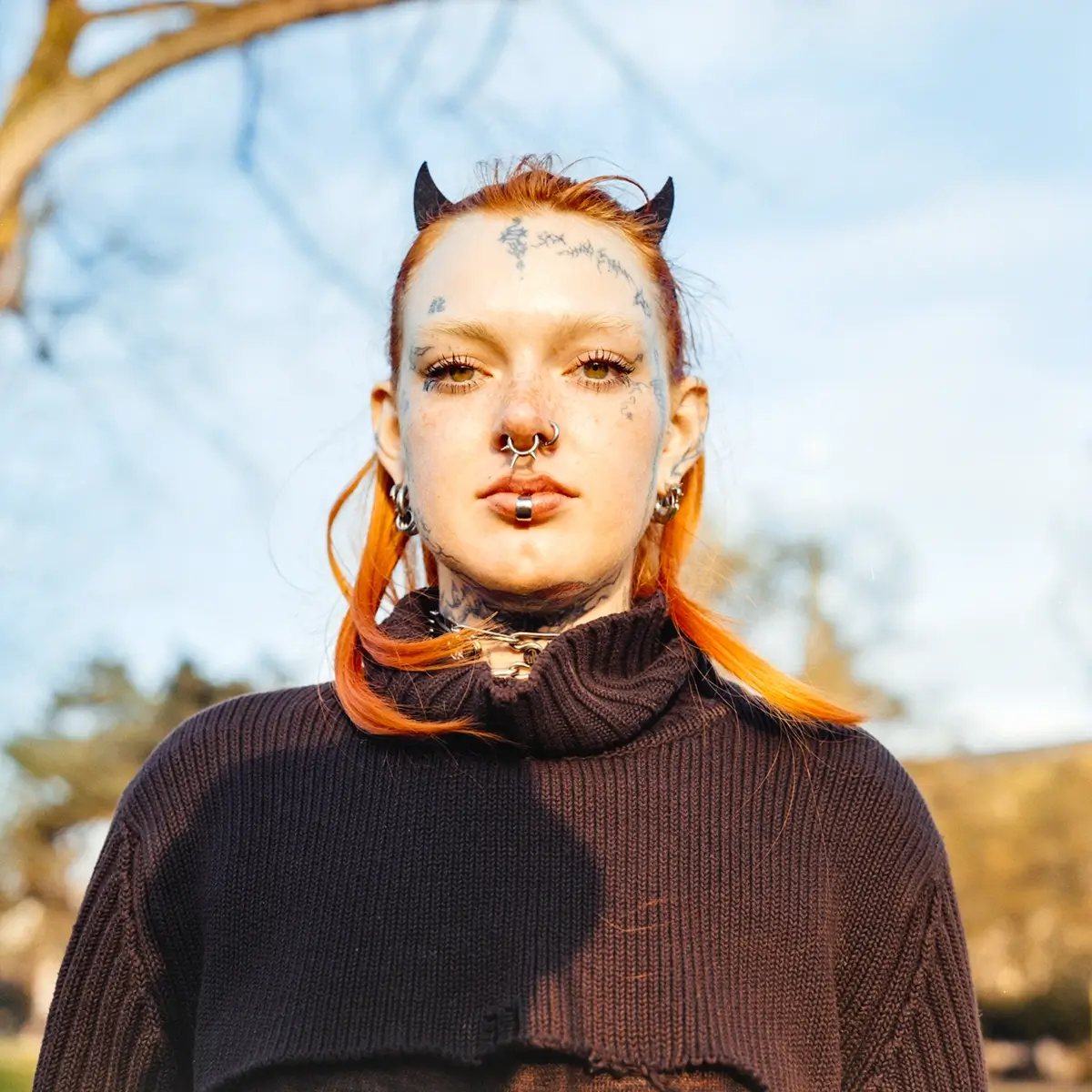
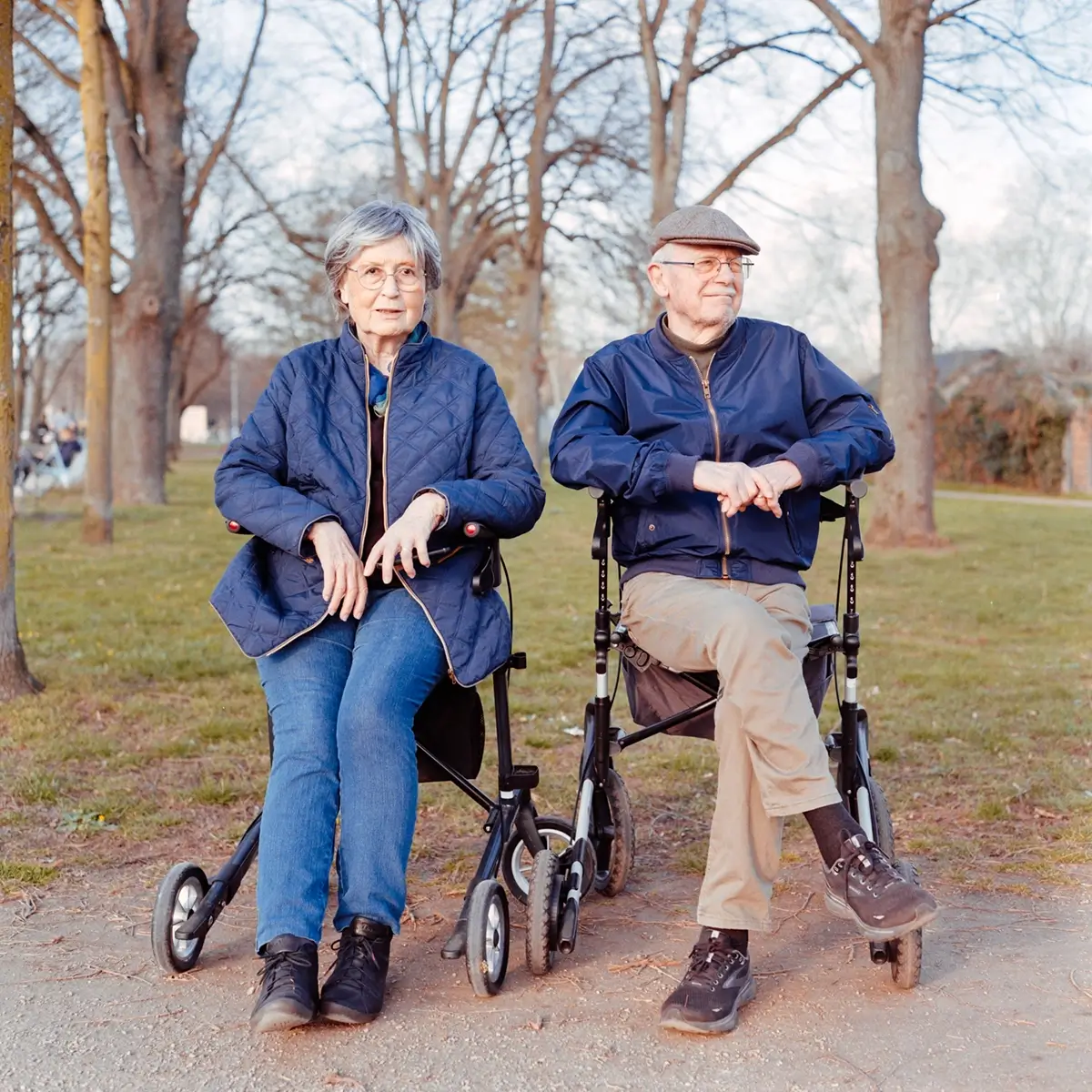
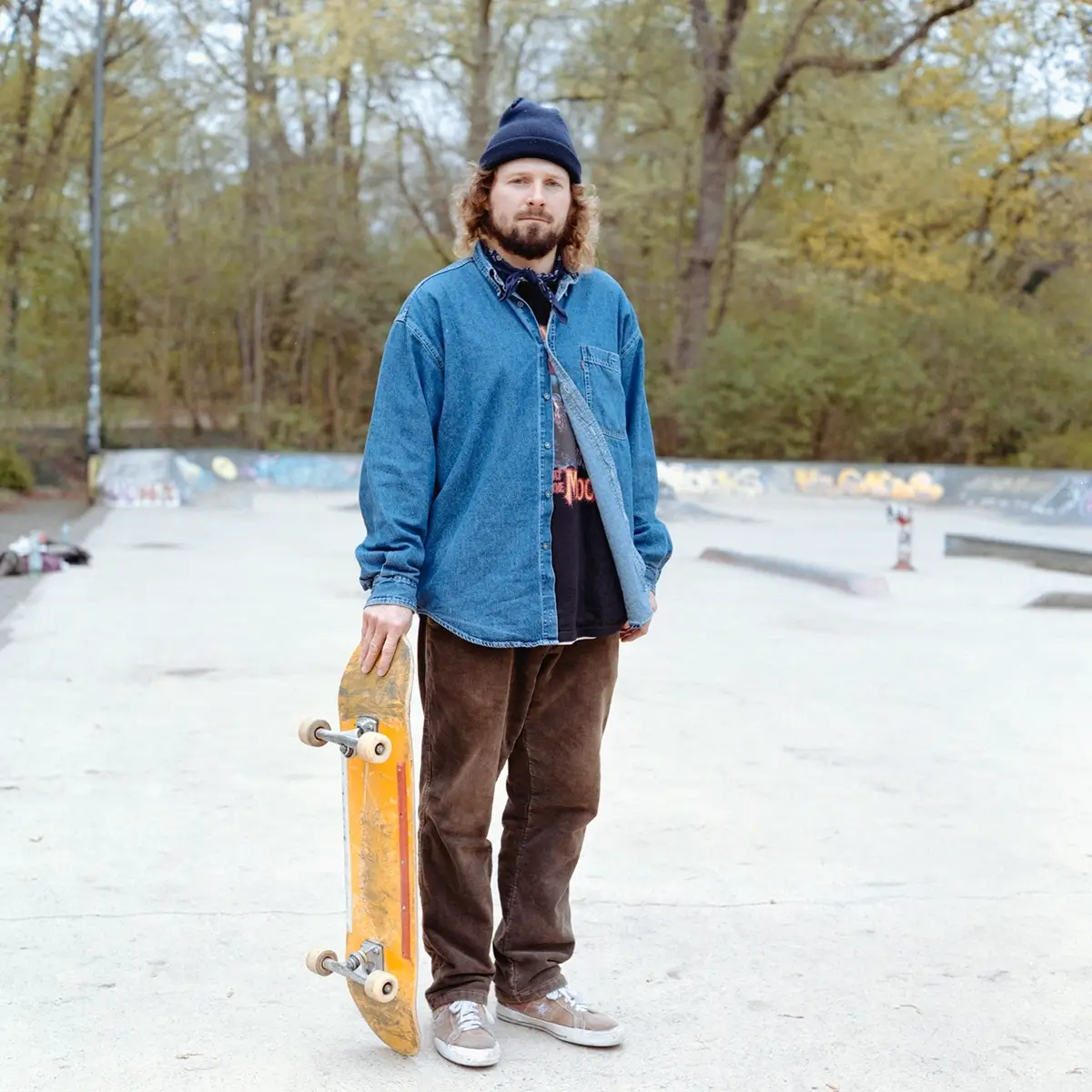
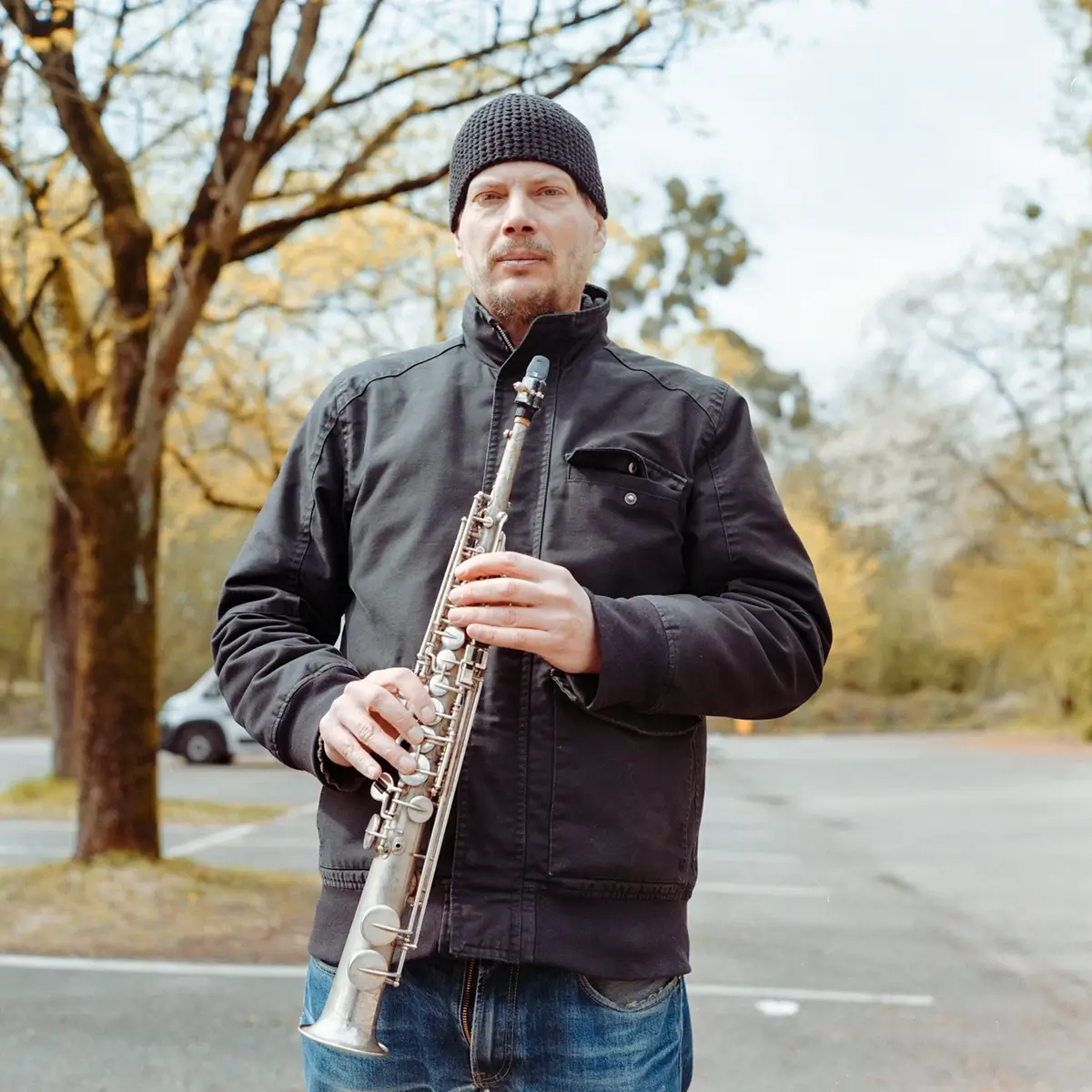
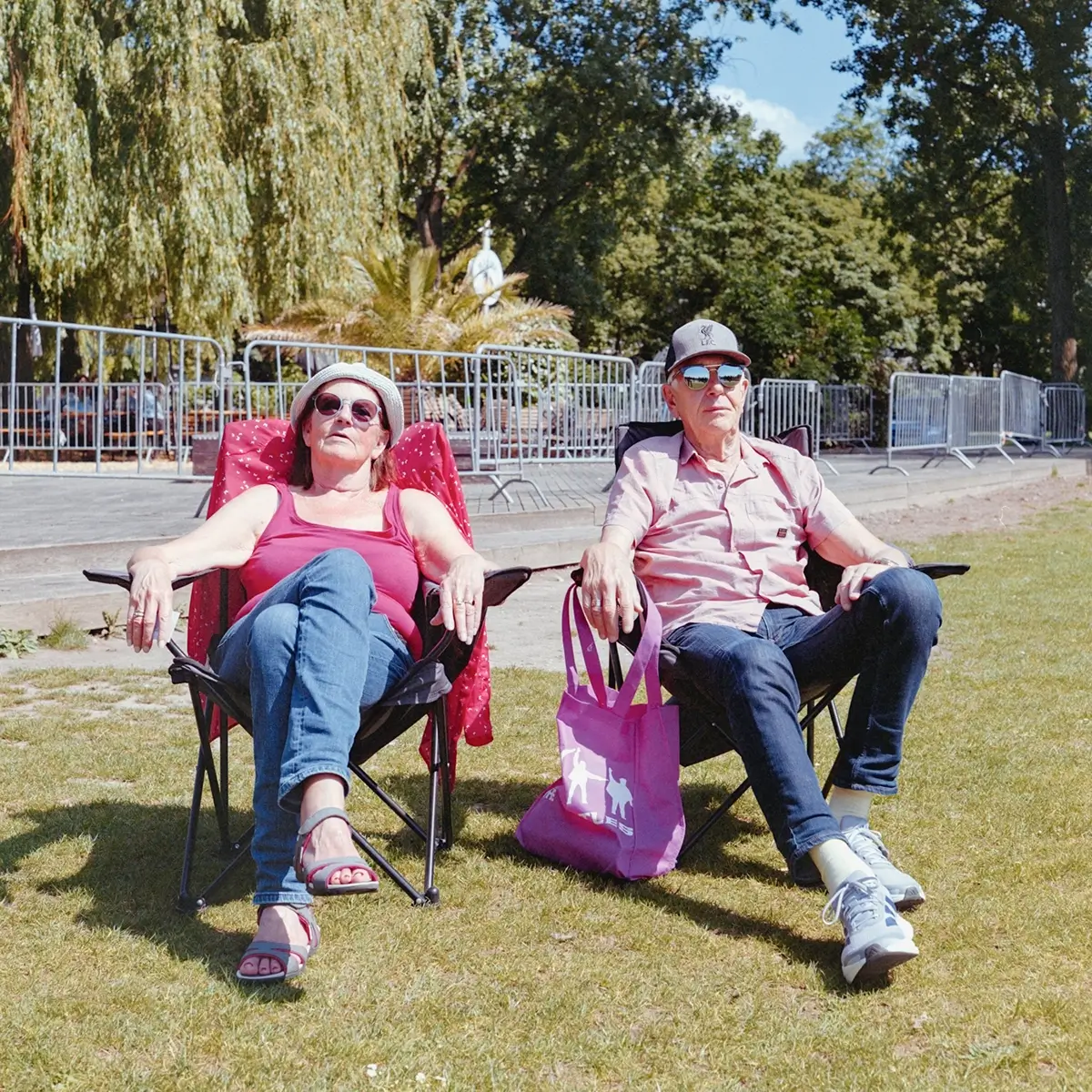
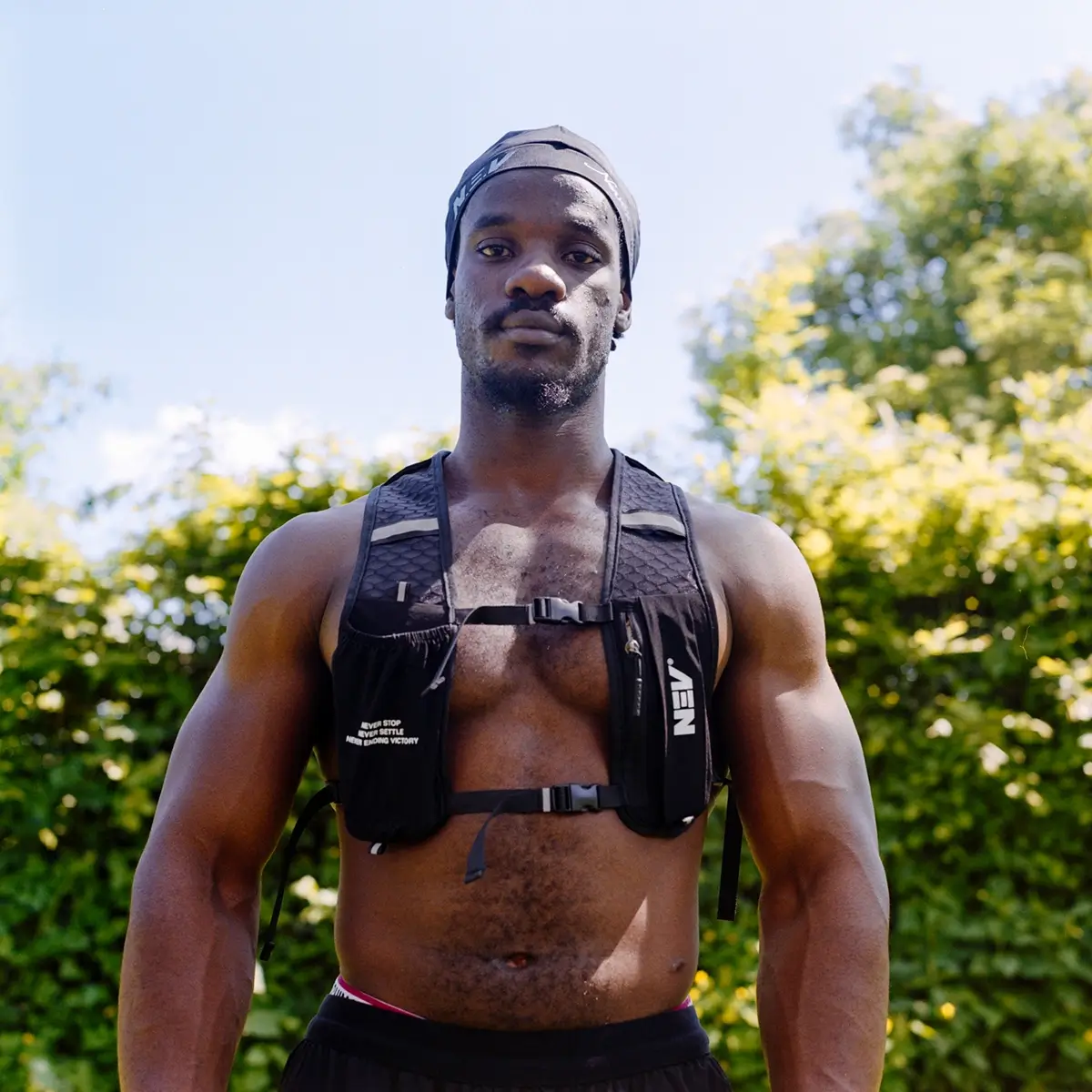
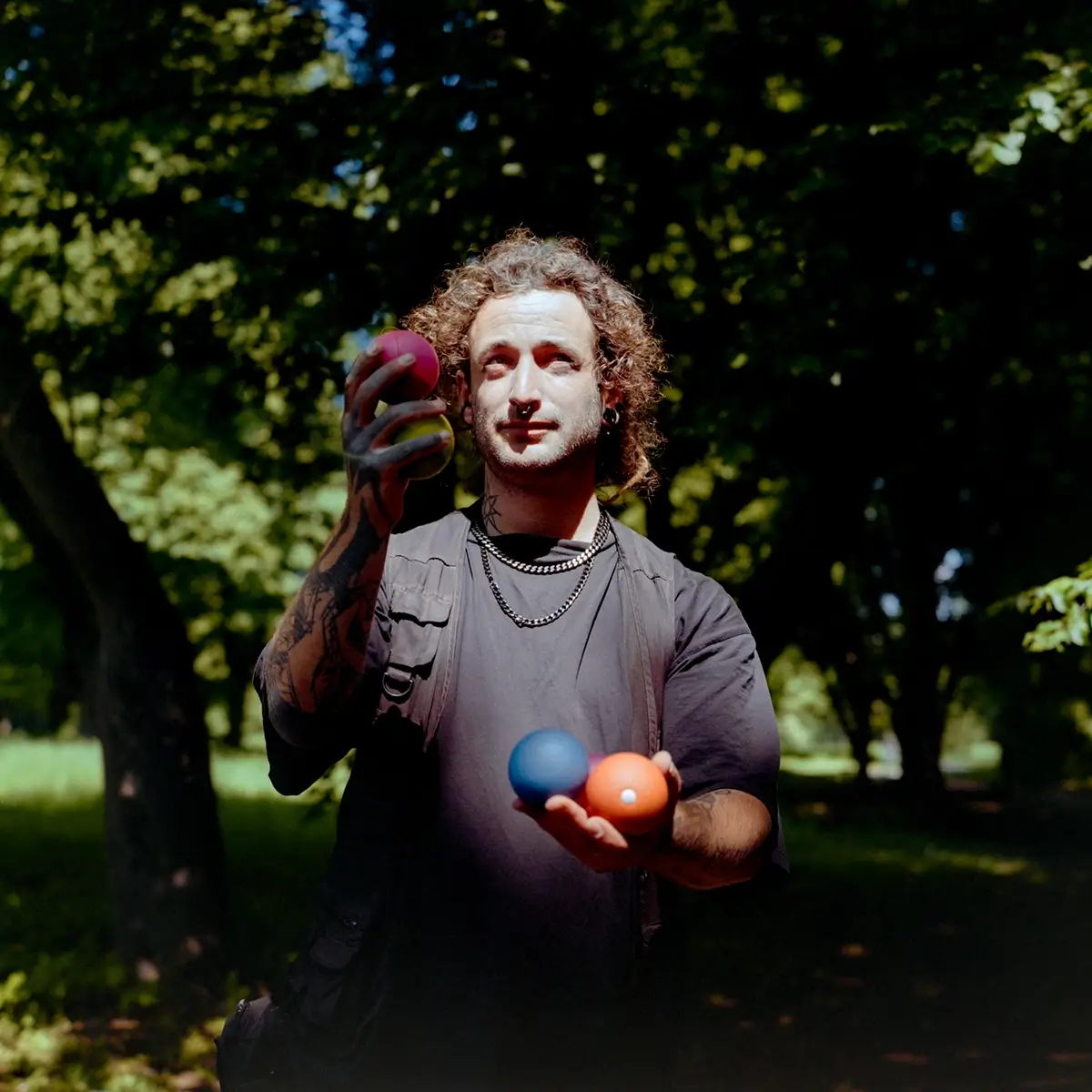
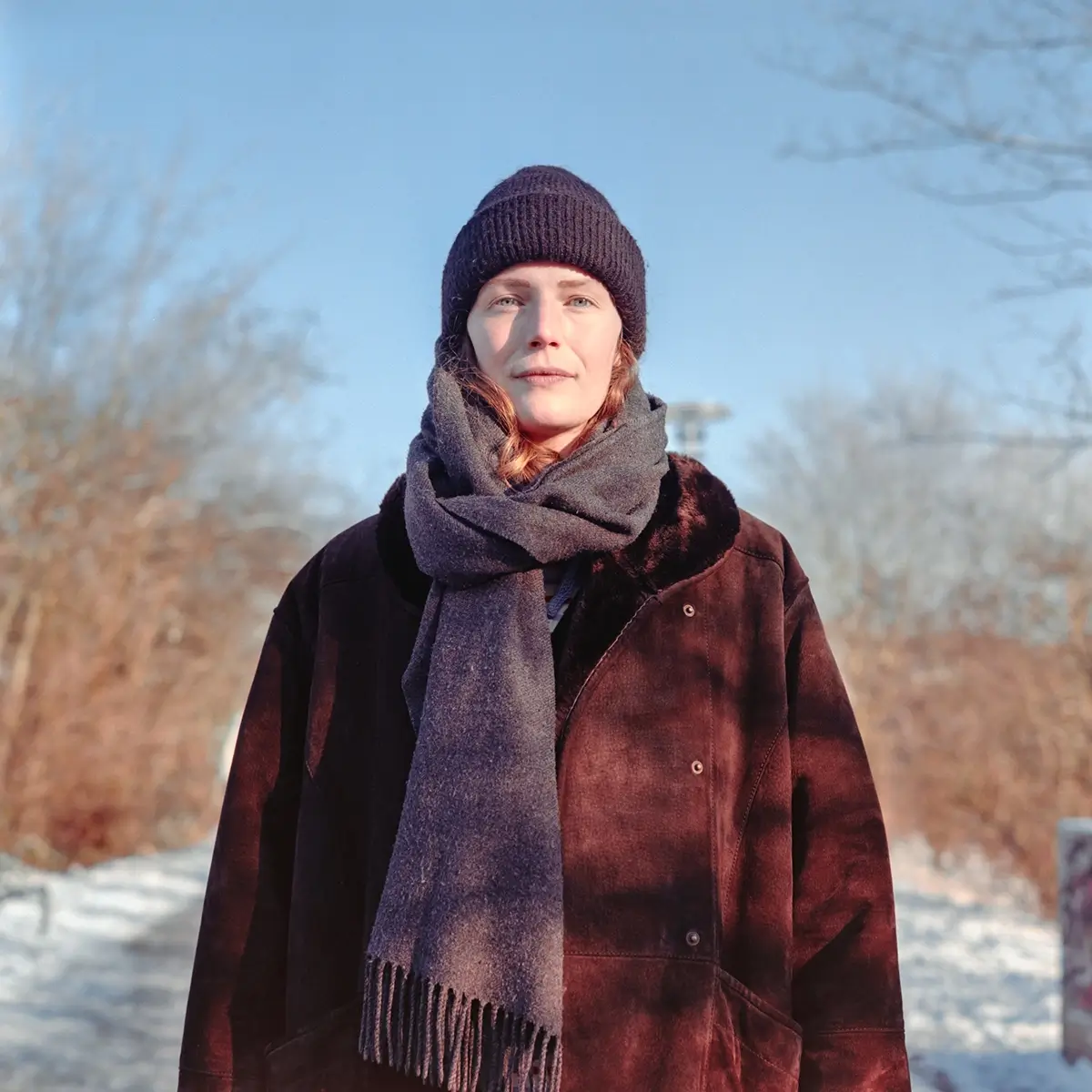
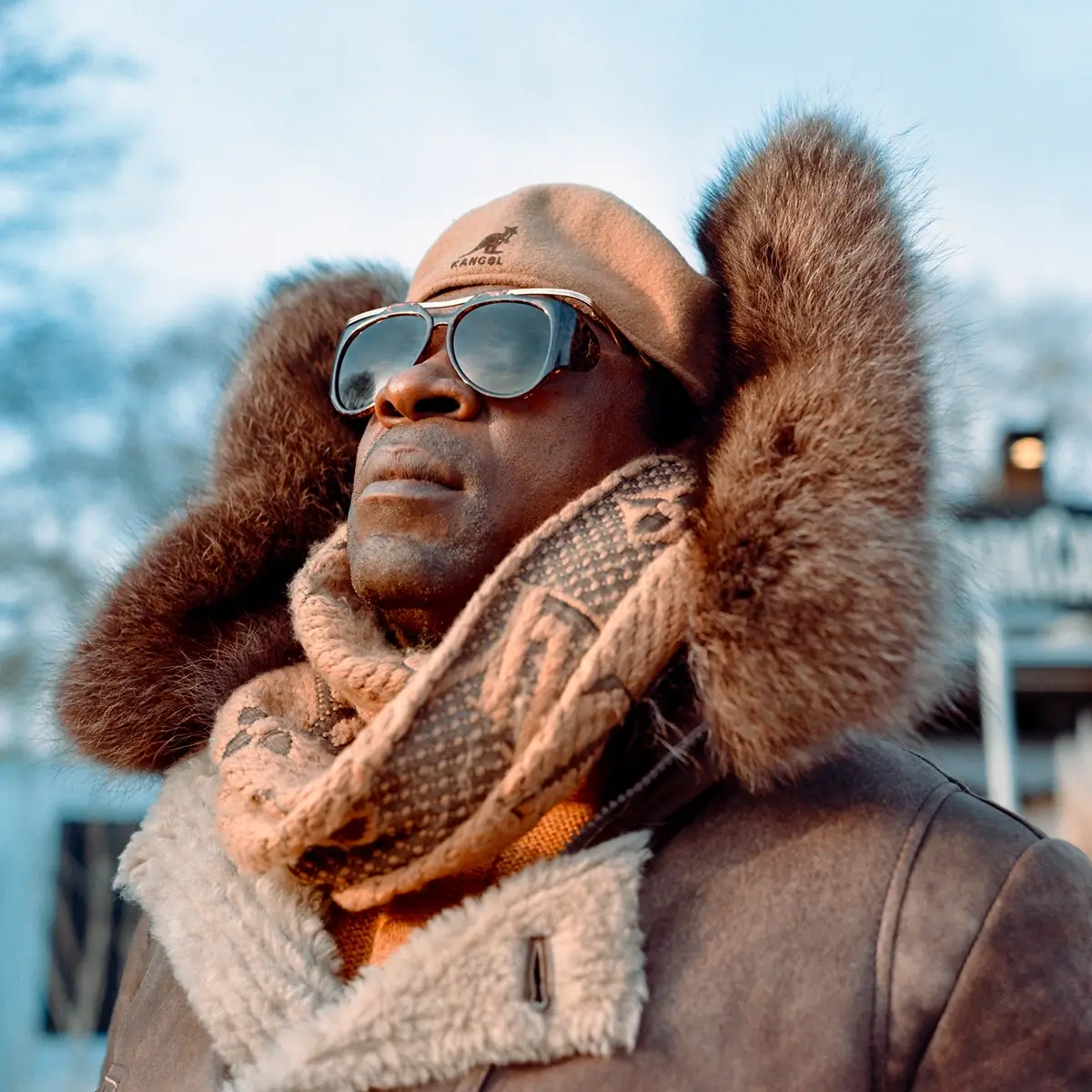
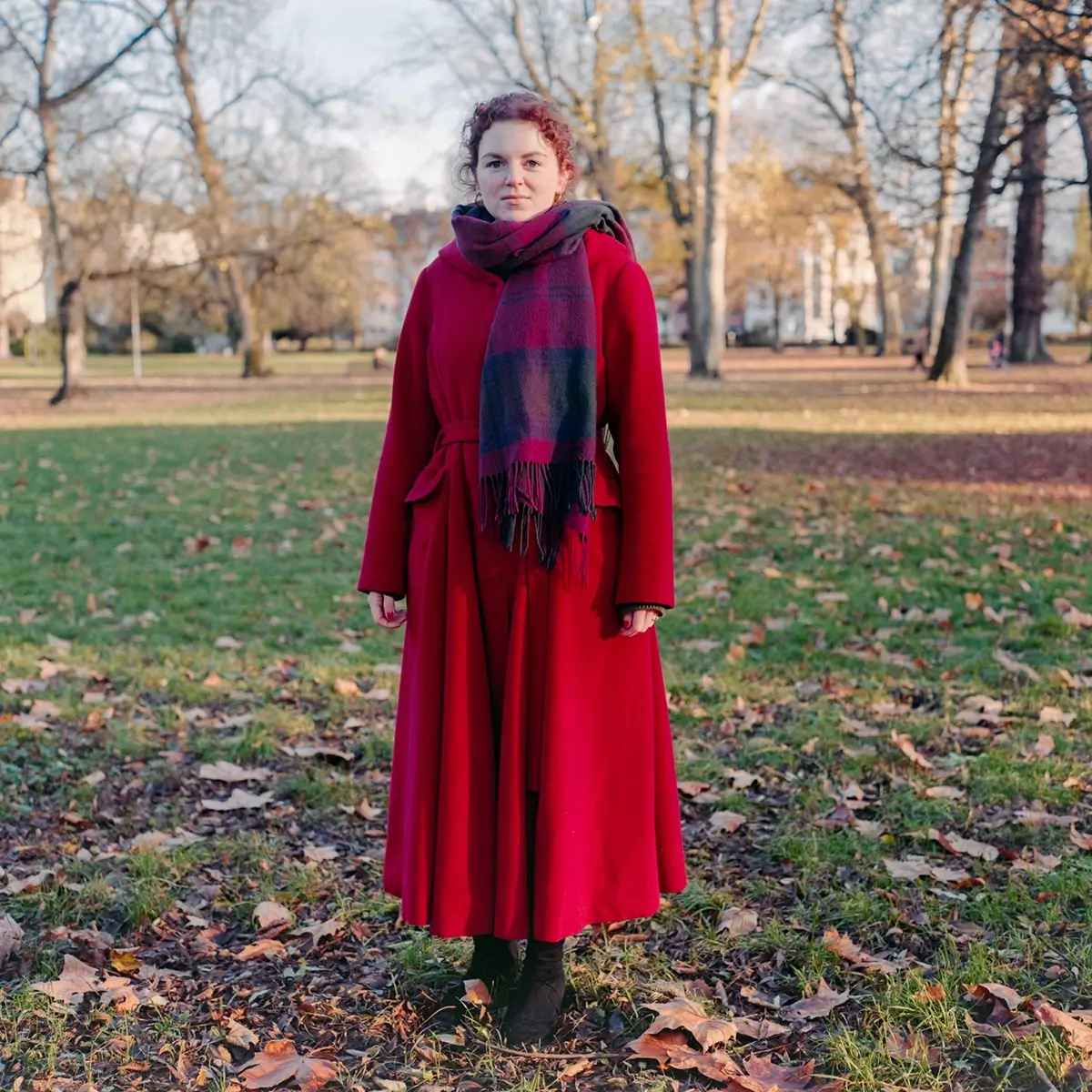
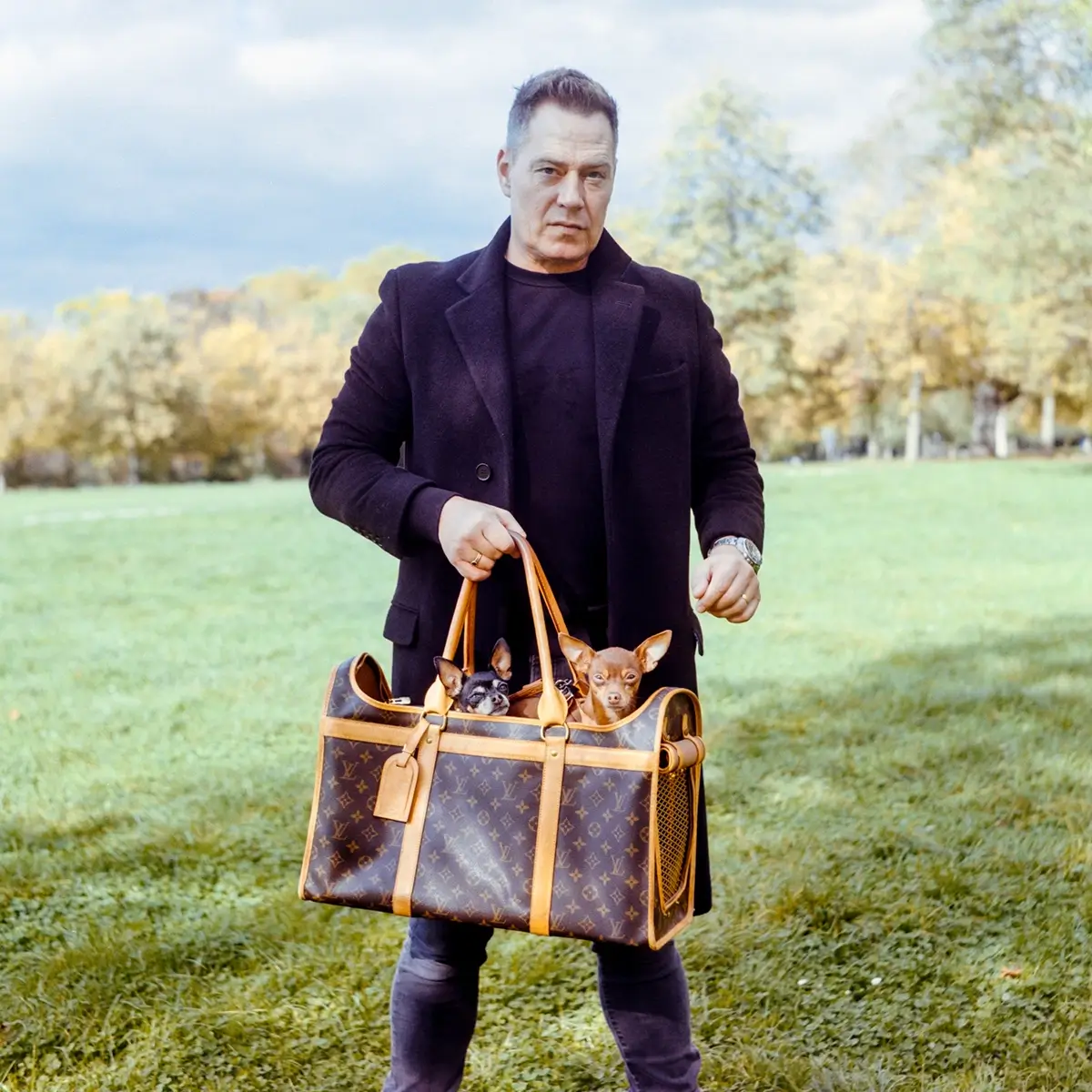
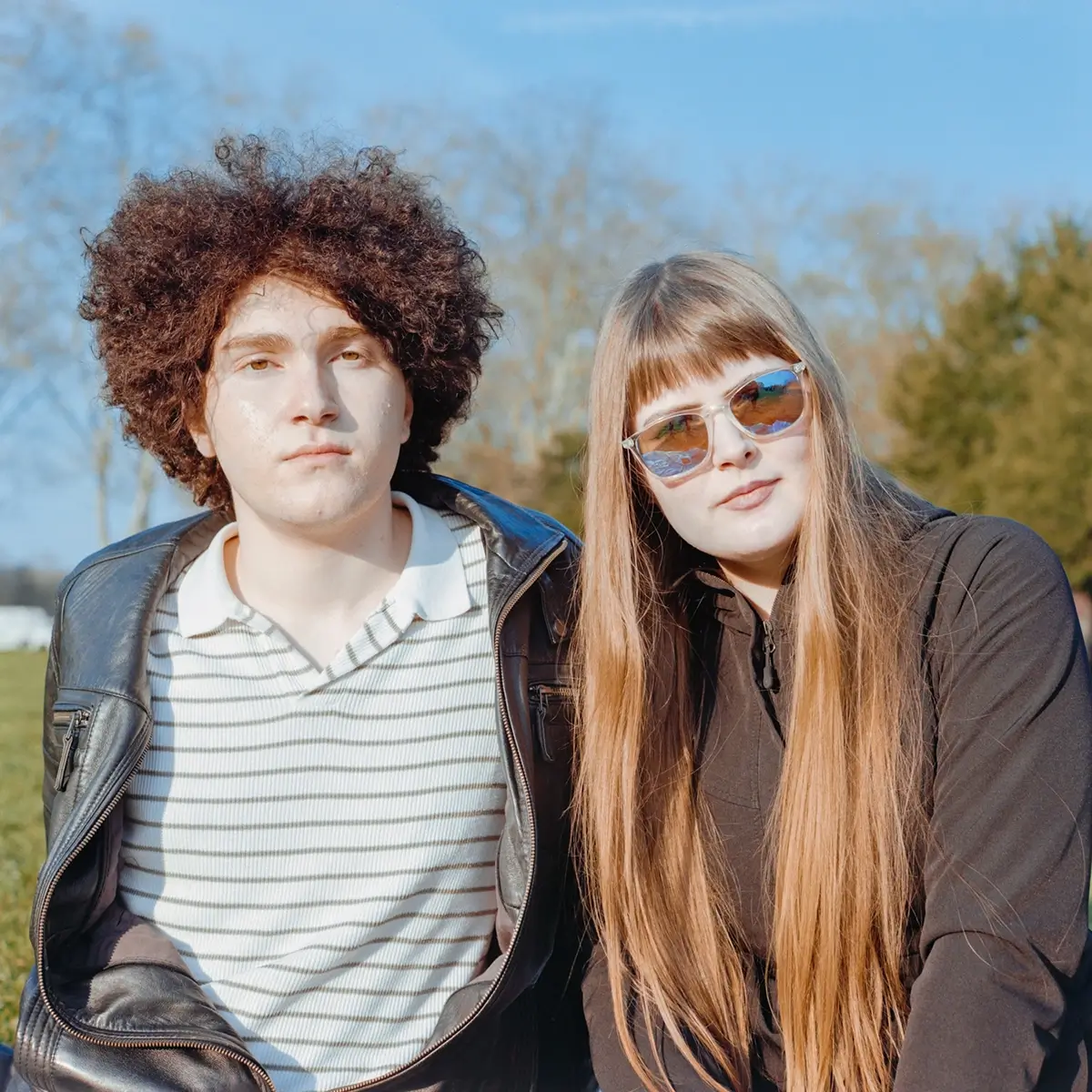
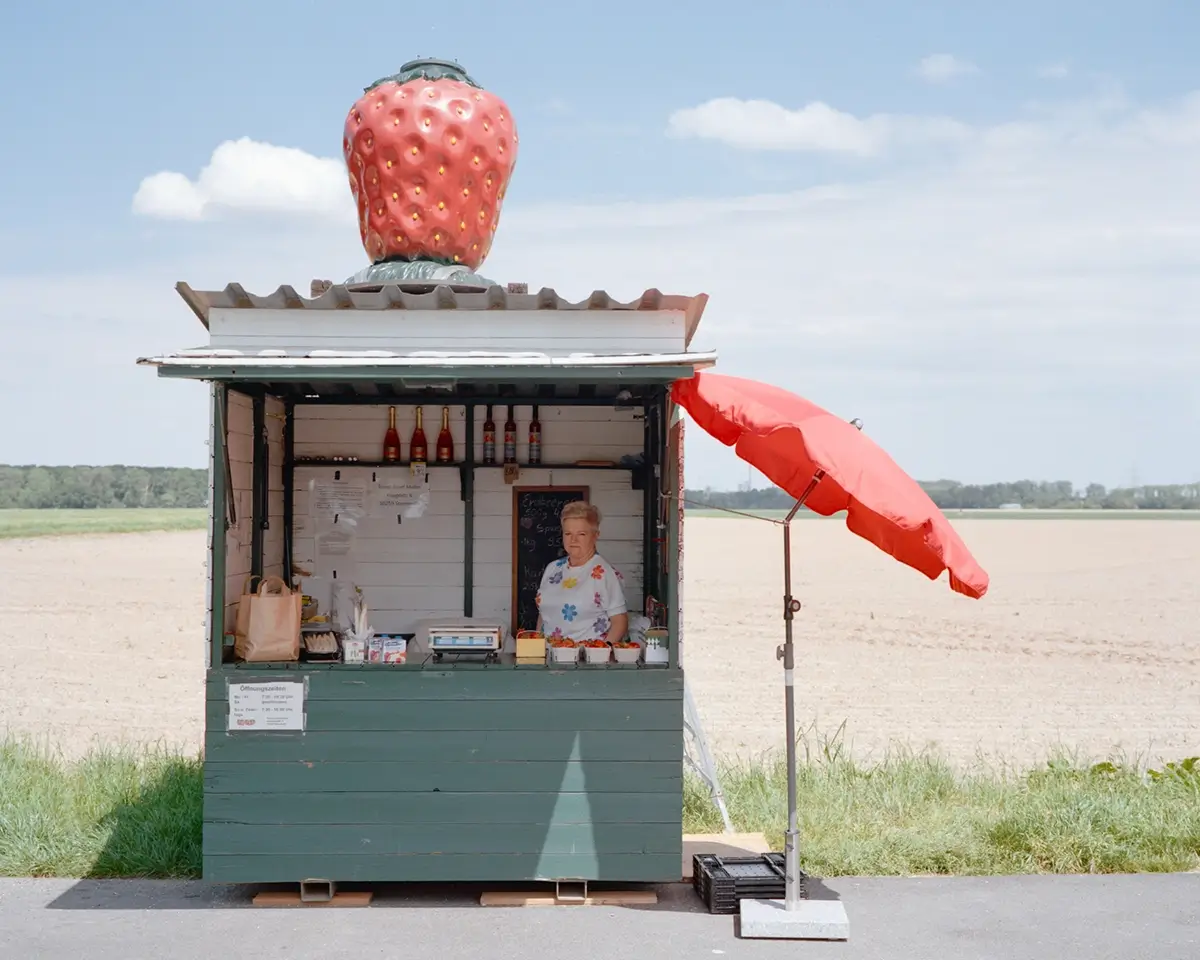
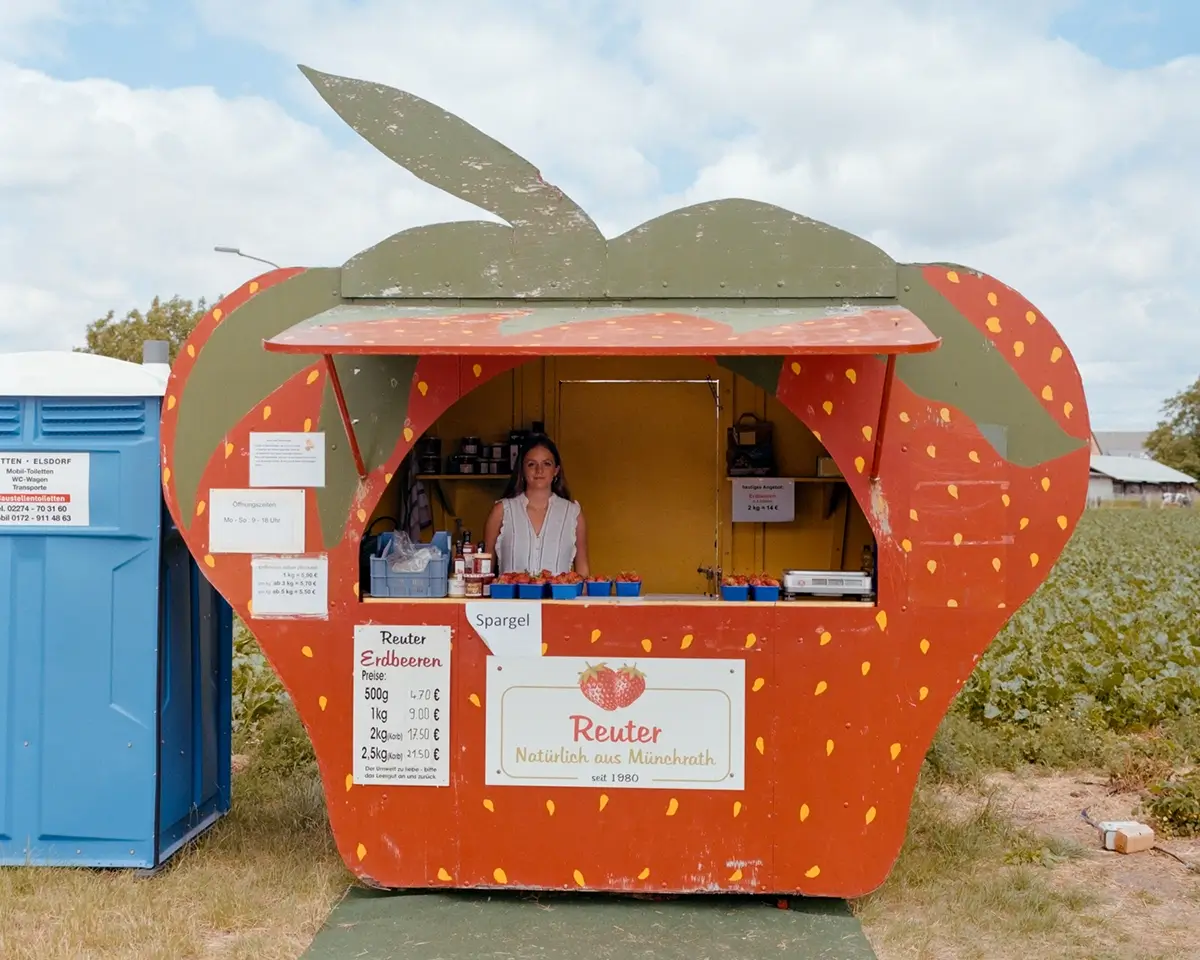
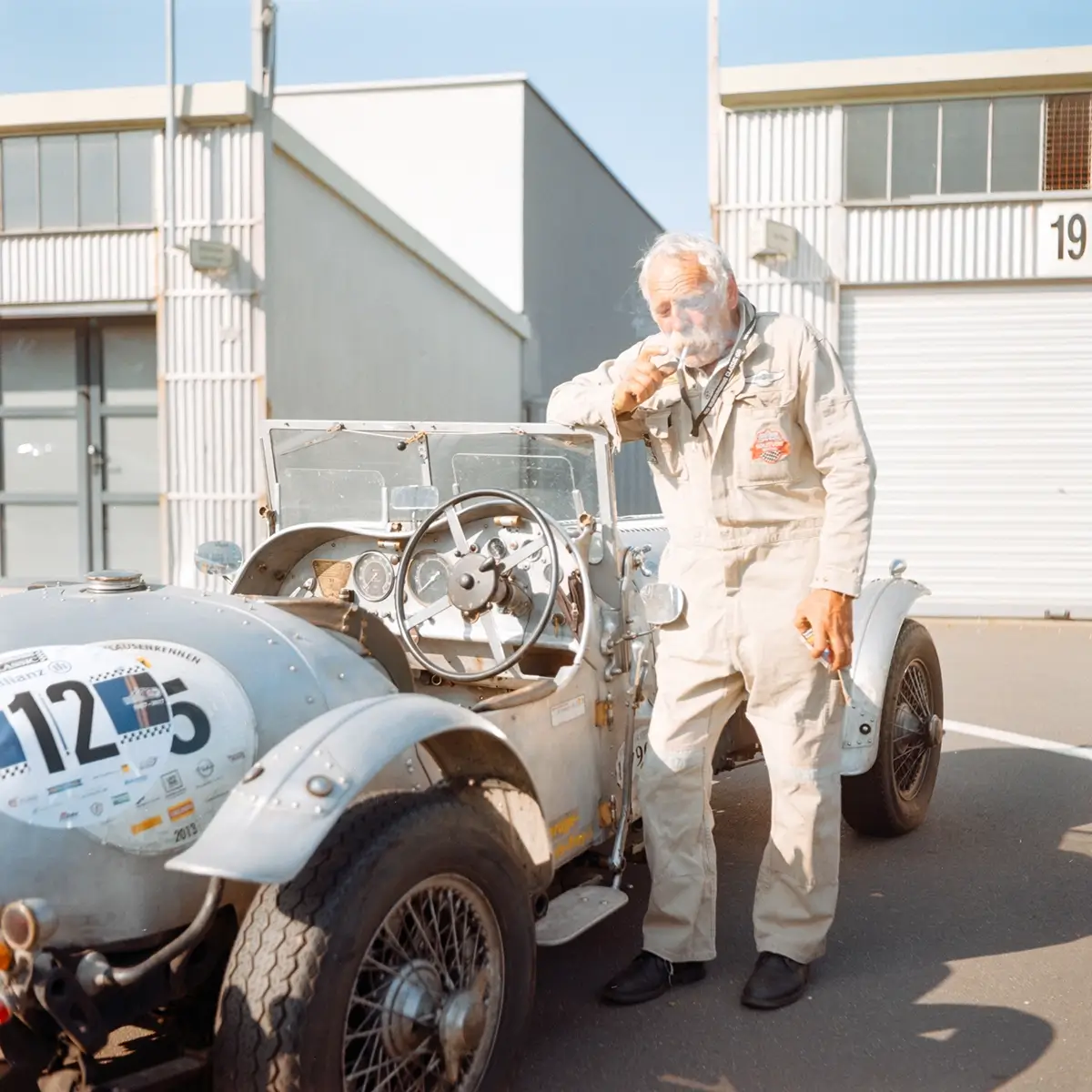
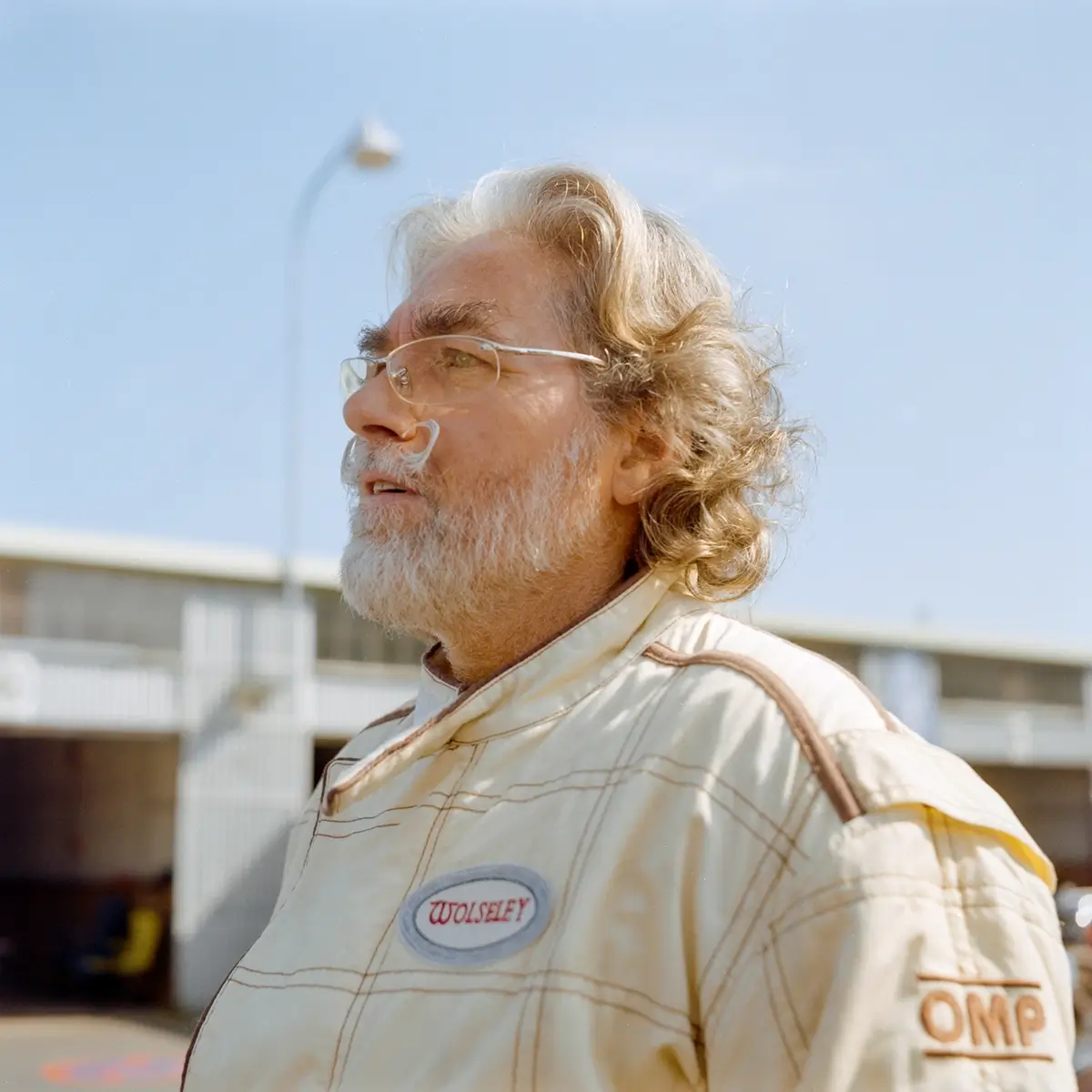
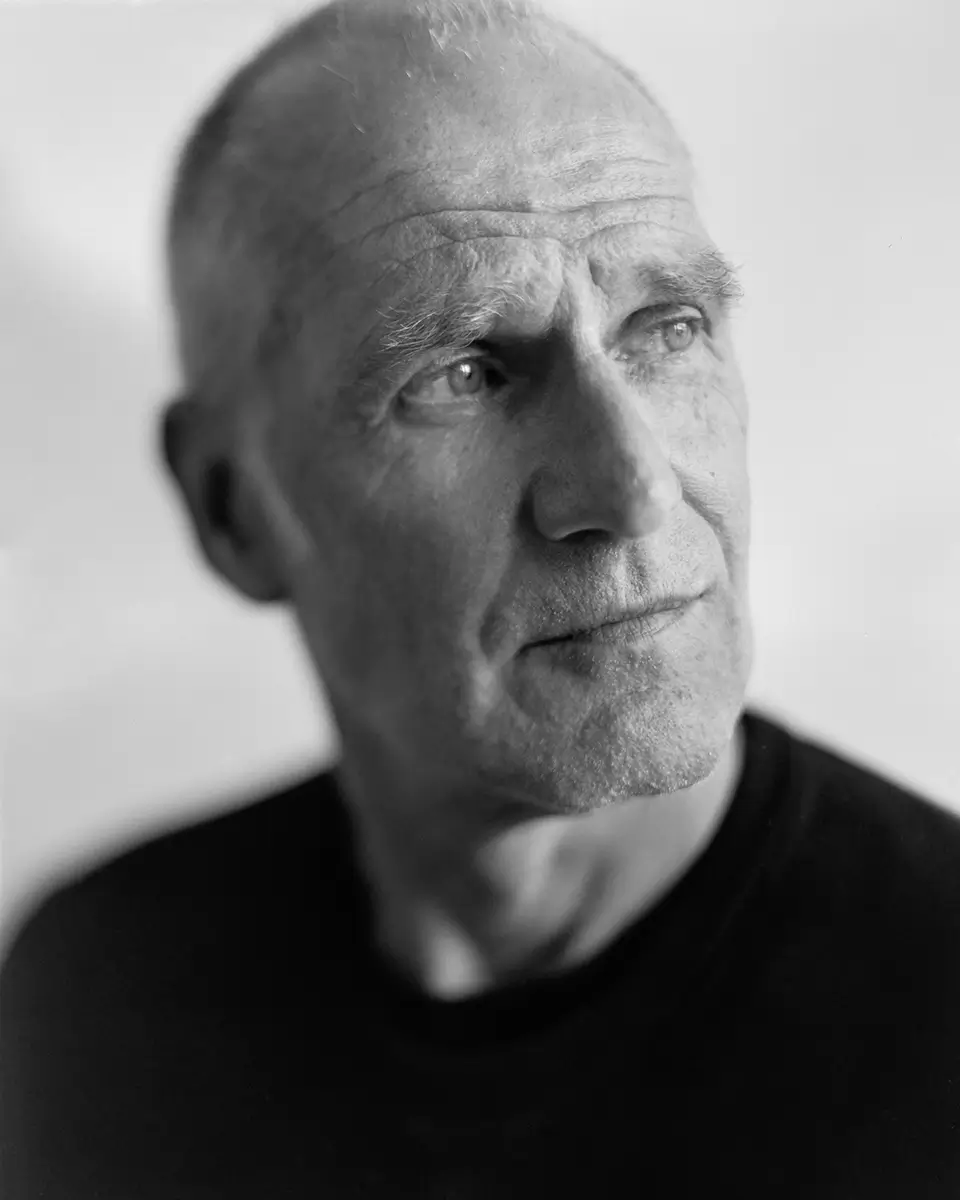
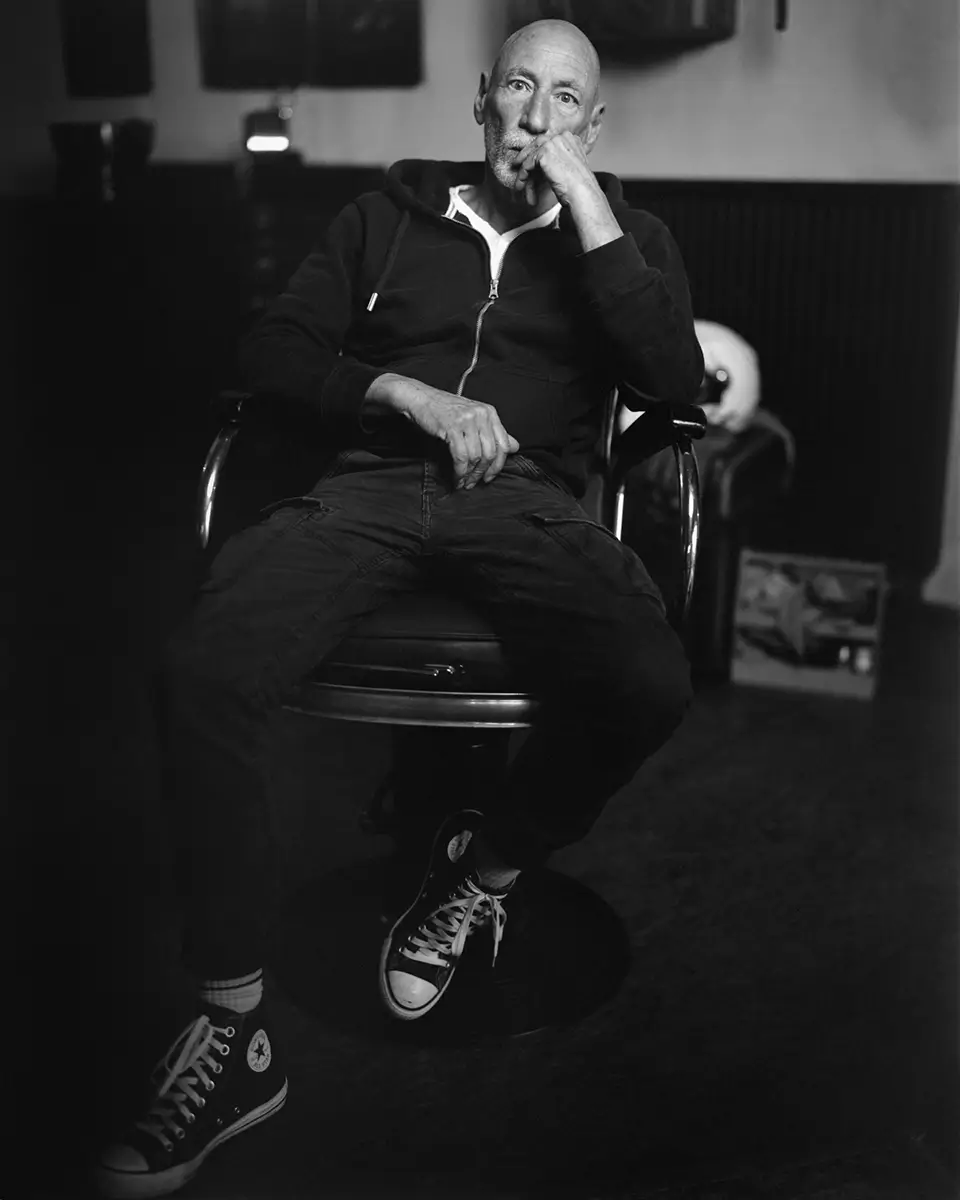
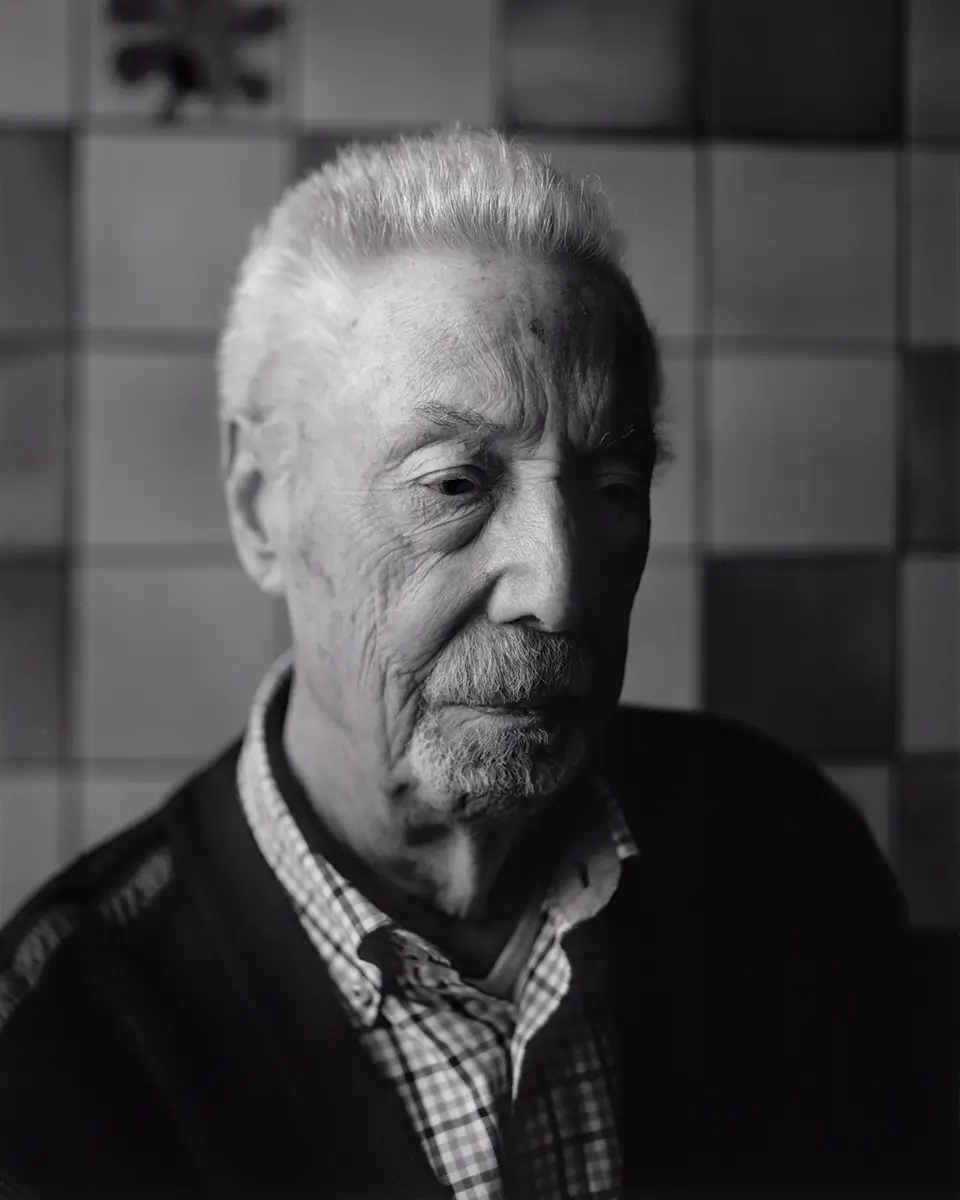
Markus Kirchhofer is a photographer from Cologne/Germany, who focuses on portrait and documentary photography. After playing music for many years, he moved into photography as his main creative output. In a digital world, his workflow is deliberately analog.

''I choose analog photography for its patience and poetry. Film forces me to slow down and stay fully present with my subjects. Without distractions, I connect deeply with the environment to tell authentic human stories.''

All About Photo Competitions

AAP Magazine 57 Portrait
 

Inspiring Portfolios

Call for Entries
AAP Magazine #59 Shapes
Publish your work in our printed magazine and win $1,000 cash prizes
 
Stay up-to-date  with call for entries, deadlines and other news about exhibitions, galleries, publications, & special events.

More Great Photographers To Discover

Zev Hoover
United States
1999
Zev Hoover, from Natick, Massachusetts, goes by the Flickr username Fiddle Oak, a play on 'little folk', which adequately describes the incredible images that make up his 'miniature world'. In his fantastical photos in which people are digitally shrunken, acorns make excellent seats, Popsicle sticks are the ideal size for building rafts, and paper airplanes are viable modes of transport. Zev told Today.com that while he takes the photos with his own camera, his older sister Nell, 18, was the brains behind the original tiny people concept. "She is sort of my partner in crime," he said, adding that she is "more of a writer". While Nell may have come up with the idea, Zev executes the images beautifully, and his unique work has attracted the attention of professional photographers and designers. The 14-year-old, who also writes a blog, explained the complicated process of how he creates his dreamlike images, many of which feature him as the main subject. The process involves capturing the background image first, shrinking photos of people in similar lighting, manipulating the images in Photoshop and editing the color scheme so that it all matches. 'It takes a long time,' he said of the resulting images, which are so otherworldly that they almost look like drawings. One image shows a boy constructing a house of playing cards, his body the same size as the cards. In another image, a 'miniature' boy and girl sit upon a raft made of Popsicle sticks, the sail of which is a single leaf. Many of Zev's images explore nature, including one in which a boy perches inside the shell of an acorn. Another nature-themed photo, which plays with and distorts size ratio, shows a miniscule-looking boy sitting on the edge of a rock, a violin in his hand. Photography and design websites have picked up on Zev's work, lauding him for being so talented and creative at such a young age.Source: www.dailymail.co.uk
Khalik Allah
United States
1985
Khalik Allah (born 1985) is an American filmmaker and photographer. His 2015 documentary film Field Niggas and his 2017 book Souls Against the Concrete depict people who inhabit the notorious Harlem corner of 125th Street and Lexington Avenue in New York City. His film Black Mother (2018) depicts people on the island of Jamaica. "He favours visual portraits of people on the street – filming their faces for several seconds as they pose as if for a still camera." In June 2020 he became a Nominee member of Magnum Photos. Khalik was born in Brookhaven, New York. His mother is Jamaican and his father is Iranian. He grew up in Suffolk, Long Island, New York, but moved between Queens and Harlem throughout his childhood. His parents met at university in Bristol, England. He is a dual Jamaican-American citizen. He started making movies at age 19 with a Hi-8 video camera. His first feature film, Popa Wu: A 5% Story (2010), was a "normal, talking heads documentary" about Popa Wu, "Wu-Tang Clan's de facto spiritual advisor" and a member of Five-Percent Nation. It took four years to make. Khalik took up still photography in 2010.Source: Wikipedia Despite challenges early in life, Allah managed to maintain discipline and focus on self-improvement. He credits these qualities, in part, to the teachings of the Five-Percent Nation, a movement whose name comes from its concept that only five percent of the world knows the truth about existence and is dedicated to enlightening the rest of the world. Founded in Harlem in the 1960s the movement emphasizes intellectual growth and enlightenment for black men in particular. Inspired and empowered by their message Allah seriously pursued the study of metaphysics, black history, and literature. Likewise, with no formal art training, he pursued video work first at the age of 14, and then photography, making his first pictures in 2010. He taught himself how to use a camera from videos on YouTube and later devoured books at the library on work of Henri Cartier-Bresson, Robert Frank, Nobuyoshi Araki, Daido Moriyama, and Bruce Davidson. Khalik Allah finished his first film at the age of 19 and after getting it into the hands of the rapper Killah Priest, Allah went on to direct music videos for different members of the Wu-Tang family. His filmmaking changed radically after he became a photographer. His camera work slowed down and he made prolonged eye contact with the individuals he filmed. His 2015 film, Field Niggas (inspired by Malcolm X's 1963 speech, "Message to the Grassroots”) received high acclaim and numerous awards including the 2015 Le Prix Scribe, Paris. He also served as one of the cinematographers for Beyoncé's Lemonade. His most recent film, Black Mother, will premiere at the True/False Film Festival in March and will have its New York premiere at the New Directors/New Films Festival April 4th at MoMA and April 7th at Lincoln Center. It is easy to walk through a city not making eye contact, but for Khalik Allah this contact is essential. He sees each individual he photographs. And his photographs in turn allow us to see them, to acknowledge who we might ignore, to look through Allah’s eye and into theirs, and to recognize them as individuals. This is the power of Allah’s work: to give us a deeper sense of people as people, to share and enlighten, even when the message may not be clean or easy. Made at night on 125th Street and Lexington Avenue in Harlem, the images in his recent book Souls Against the Concrete (University of Texas Press, 2017), provide a glimpse into a world and people that many choose to ignore. His subjects are often drug addicts, homeless, or both. Using only the available light from shop windows, street lights, or subway platforms, he photographs them with a slow color film, a combination that produces images full of grain and texture, a visual shorthand for the roughness and intensity of life on the street, and his own struggles early in life. The light is also often harsh or even surreal, resulting in figures awash in blues and reds. Luc Sante, in The New York Times Book Review, wrote, "The result is a panorama of human emotion: sadness, passion, bewilderment, pride, suspicion, amusement, exhaustion — all the faces of the night."Source: Gitterman Gallery Allah has led a life of many perspectives; he recounts, as a 20-year-old, walking all night to take portraits before working in a nursing home in Harlem during the day. His work and life is immersed in the teachings and sensibilities of The Five-Percent Nation, a cultural movement influenced by the Islamic faith and founded in Harlem in 1964. When he was nominated by Magnum, Allah told the agency: “The first thing black students are taught is that they were slaves. From second-grade on, your self-esteem is a couple of notches below the white students because you’ve been told you are inferior. That sticks with you and follows you into your adulthood. The Five-Percent Nation taught me not to take anything on face value,” Allah says. “That teaching has bled into my work. This is a spiritual film. And it’s a holographic film; a piece contains the whole and a whole contains the piece. And it’s an experiential film, one that brings you into an environment that most people would avoid.” The New York streets Allah shoots are indivisible with the history of street photography. Allah is working in the legacy of New York icons like Diane Arbus, Weegee, Garry Winogrand and Nan Goldin as well as fellow Magnum photographers Bruce Gilden and Bruce Davidson. But, perhaps unlike some of his current colleagues of the Magnum collective, Allah is deeply concerned with the question of photographic consent. In that sense, Allah perhaps embodies the attitude of a new generation of street photographers; ones who see the camera as a way of being alert and alive to social and racial injustice. “It’s important to speak to whoever you’re working with,” Allah says. “To share your intentions with your subjects. To properly introduce yourself, and to get permission and consent. As photographers, we’re responsible for the work we make, and we need to be conscious of that. That involves not shooting somebody that doesn’t want to be shot. That’s a basic thing. And don’t shoot children without a parent’s consent. That is very important to me.”Source: The Art Newspaper
J.M. Golding
United States
J. M. Golding is a photographic artist based in the San Francisco Bay area. She chooses plastic, pinhole, and vintage film cameras as her primary tools: plastic cameras such as the Holga for the spontaneity they promote and their capacity to help create dreamlike images, pinhole cameras for their simplicity and their contemplative quality, and vintage film cameras for the subjectivity of the images that are possible. J. M.'s photographs have been shown internationally in numerous juried and invitational group exhibitions, and she is the recipient of the 2013 Holga Inspire Award, the Lúz Gallery Curator's Choice Award (2009), Best of Show in Wanderlust (Dickerman Prints, 2017, in collaboration with Al Brydon), and several Honorable Mentions in other juried exhibitions. Her work has also appeared in Black & White, Diffusion, Shots, F-Stop, Square, and Insight magazines, Inside the Outside, Don't Take Pictures, The Holga Darkroom, and The Shot and in two books of pinhole photographs. She has been profiled in LensCulture, F-Stop Magazine, Wobneb Magazine, Mother F-Stop, Toycamera.es, and Pinholista. About Transitional Landscapes These photographs contain transitions from outer landscape to inner, from objective landscape to subjective. Square frames of film that are typically separate join together to form new, integrated images that would not have been possible otherwise, wholes that are greater than the sum of their parts, landscapes that are simultaneously real and imaginary. In this way, and also by transcending the literal separation of the component scenes, they allude to psychoanalyst D. W. Winnicott's concept of the transitional object. The photographs embody the eye's transitions across the scene, moving incrementally from one perspective to another as they take on and combine multiple points of view. Because the overlapping exposures used to create the images are made sequentially, as compared to the single moment typically seen in photographs, the series of exposures in each image portrays transitions in time from one moment to the next, creating a connection between past and present, and possibly, present and future. Although the time and distance traversed are in many ways small, the transitions across them create surprising changes in what is visible.
Jonathan Banks
United Kingdom
1971
Jonathan Banks is an award-winning photographer with over 20 years' experience in commercial and media photography. Jonathan Banks studied under the prolific artist John Blakemore, and graduated from the University of Derby with a BA honours in Photographic Studies. He cut his teeth in editorial photography freelancing for The Daily Telegraph and various agencies. His work has appeared in international magazines and books. Jonathan has exhibited several bodies of work as a solo artist, as well as in conjunction with other photographers in the UK and abroad. These have ranged from – personal projects to editorial assignments and photographs supporting various charities. Jonathan has always worked with NGOs both in the U.K. and abroad. He is a British Red Cross volunteer and has exhibited work in support of International Alert. Jonathan currently works with a stable of blue chip clients, NGOs and architects providing a range of photographic and film services. Jonathan lives in Kent with his wife and two sons. Statement I have photographed in over 50 different countries, documenting subjects as diverse as mask dancing festivals in Burkina Faso, the effects of the Chernobyl disaster in the Ukraine and the aftermath of 9/11 in New York. My international experience includes working in security impaired areas, where my communication skills and sensitivity allow me to capture subjects in the most challenging situations. Combined with my creativity and technical knowhow, this enables me to deliver award-winning images. I am passionate about my work and embrace the challenges of collaborating with global corporations, magazines and NGOs alike. Every assignment is different, and, as such, is approached uniquely. I am always on the lookout for new creative partnerships.
Advertisement
AAP Magazine #59 Shapes
Win a Solo Exhibition in July
AAP Magazine #59 Shapes

Latest Interviews

Exclusive Interview with Trevor Cole: Pastoral Peoples and Practices
For this interview, we wanted to focus specifically on The Face of the Mundari and the wider Pastoral Peoples and Practices series. We spoke with Trevor about his long-term work among the Mundari, what continues to draw him back to their cattle camps, and the experience of documenting a culture whose identity remains deeply connected to livestock, tradition, and the natural environment.
Exclusive Interview with Frank Meo
In our latest exclusive feature for All About Photo, I speak with veteran photography representative Frank Meo about what it truly takes to build a sustainable creative career today. Frank brings decades of experience working with Fortune 500 companies, major agencies, and documentary photographers to the table. We dive into the critical business skills often left out of art school curriculums, the power of mentorship, and the inspiring evolution of PROJECTIONS—his international salon platform for visual storytellers. It’s an essential read for anyone navigating the commercial or editorial photography landscape today.
Exclusive Interview with Carolyn Moore
American photographer Carolyn Moore explores the inner landscape of emotion, memory, and personal transformation through a deeply intuitive photographic practice. Her work unfolds as a quiet dialogue between artist and viewer, where images become a space for reflection, vulnerability, and connection.
Exclusive Interview with Luca Desienna and Laura Estelle Barmwoldt
For over seven years, Of Lilies and Remains has explored the depths of the goth and darkwave underground, unfolding in Leipzig—a city long associated with a vibrant and enduring subcultural scene. Moving between iconic gatherings such as Wave-Gotik-Treffen and more intimate moments on the fringes, the project offers a rare and immersive glimpse into a world often misunderstood, yet rich in expression and community. Created by Luca in collaboration with Laura Estelle Barmwoldt, the work embraces a cinematic and deeply personal approach. Rather than documenting from a distance, it moves within the scene itself, capturing its atmosphere, its codes, and its quiet contradictions. The title Of Lilies and Remains hints at this duality—where beauty and darkness, fragility and strength coexist. As the book prepares for its release, we spoke with both artists about the origins of the project, their process, and what it means to document a subculture that continues to evolve while remaining true to its spirit.

Exclusive Interview with Matthew Finley
American photographer Matthew Finley turns inward, using photography as a way to explore identity, memory, and emotional truth. Based in Los Angeles, his practice moves between performance, gesture, and found imagery, creating a visual language that is both intimate and deeply personal
Exclusive Interview with Jan Janssen
Dutch photographer Jan Janssen explores universal human experiences through his long-term project It Matters, winner of the May 2025 Solo Exhibition. Begun in 2016, the series captures intimate moments of everyday life—love, loss, connection, and belonging—across Central and Eastern Europe. Working in countries such as Turkey, Azerbaijan, and Armenia, Janssen spends extended time within communities, building relationships based on trust and respect. His approach allows him to move beyond observation, revealing deeply human and authentic moments. Rooted in travel and personal discovery, It Matters reflects Janssen’s search for what connects us all in an increasingly divided world. The project is ongoing and will culminate in a photobook scheduled for publication in 2026.
Exclusive Interview with Henk Kosche
German photographer Henk Kosche turns his lens toward the streets of Halle an der Saale, capturing everyday life in the late years of the former German Democratic Republic. At the time, Kosche was studying design and exploring the city with his camera, drawn to the atmosphere of its industrial landscape and the quiet rhythms of daily life. His series Street Photography at the End of the 80s, selected as the Solo Exhibition for July 2025, revisits a body of work created just before a period of profound change. Rediscovered decades later in a small box of 35mm negatives, these photographs offer glimpses of a city and its people at a moment suspended between the familiar and the unknown.
Exclusive Interview with Anastasia Samoylova
Anastasia Samoylova is an American artist whose photographic practice is shaped by close observation and a deep attentiveness to place. Working between documentary and formal exploration, she photographs landscapes, architecture, and everyday scenes with a sensitivity to light, structure, and atmosphere. Since relocating to Miami in 2016, her work has increasingly focused on how environments—both natural and built—carry social, cultural, and emotional traces. We asked her a few questions about her practice and her way of seeing, to better understand the thoughts and experiences that shape her work—while allowing the images themselves to remain open and speak in their own time.
Exclusive Interview with Marijn Fidder
Marijn Fidder is a Dutch documentary photographer whose work powerfully engages with current affairs and contemporary social issues. Driven by a deep sense of social justice, she uses photography to speak on behalf of the voiceless and to advocate for the rights of those who are most vulnerable. Her images have been widely published in major international outlets including National Geographic, CNN Style, NRC Handelsblad, Volkskrant, GUP New Talent, and ZEIT Magazin. Her long-term commitment to disability rights—particularly through years of work in Uganda—culminated in her acclaimed project Inclusive Nation, which earned her the title of Photographer of the Year 2025 at the All About Photo Awards. She is also the recipient of multiple prestigious honors, including awards from World Press Photo and the Global Peace Photo Award. We asked her a few questions about her life and work.
Call for Entries
Win A Solo Exhibition in July
Get International Exposure and Connect with Industry Insiders