All about photo.com: photo contests, photography exhibitions, galleries, photographers, books, schools and venues.
Win a Solo Exhibition in July 2026 + An Exclusive Interview!
Mary  Kay Kirsner
Mary  Kay Kirsner
Mary  Kay Kirsner

Mary Kay Kirsner

Country: United States
Birth: 1956

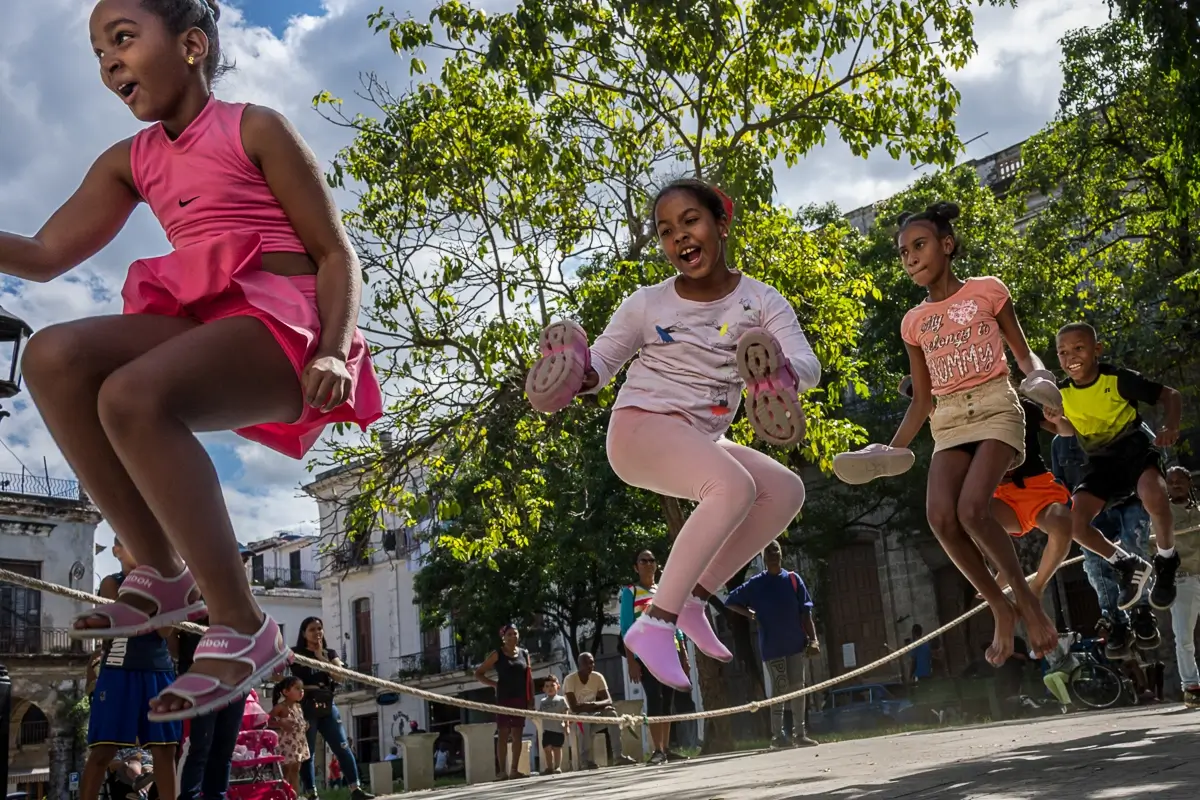
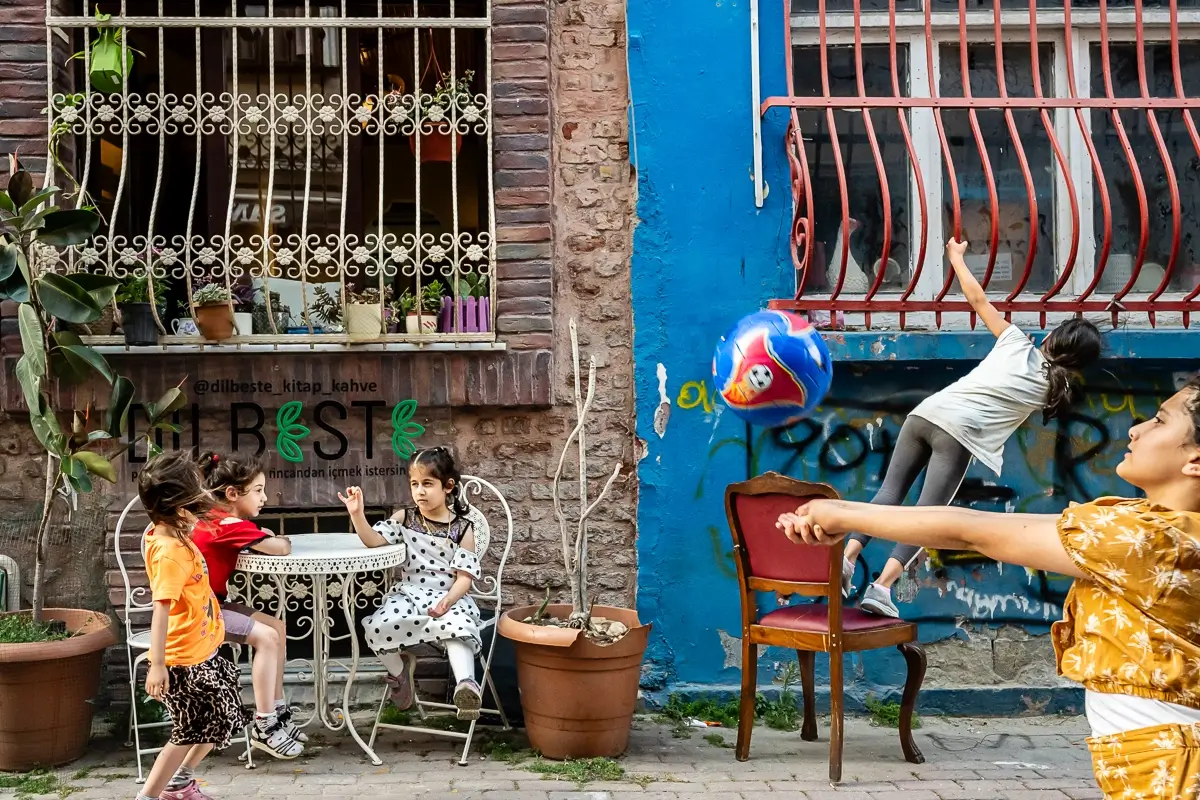
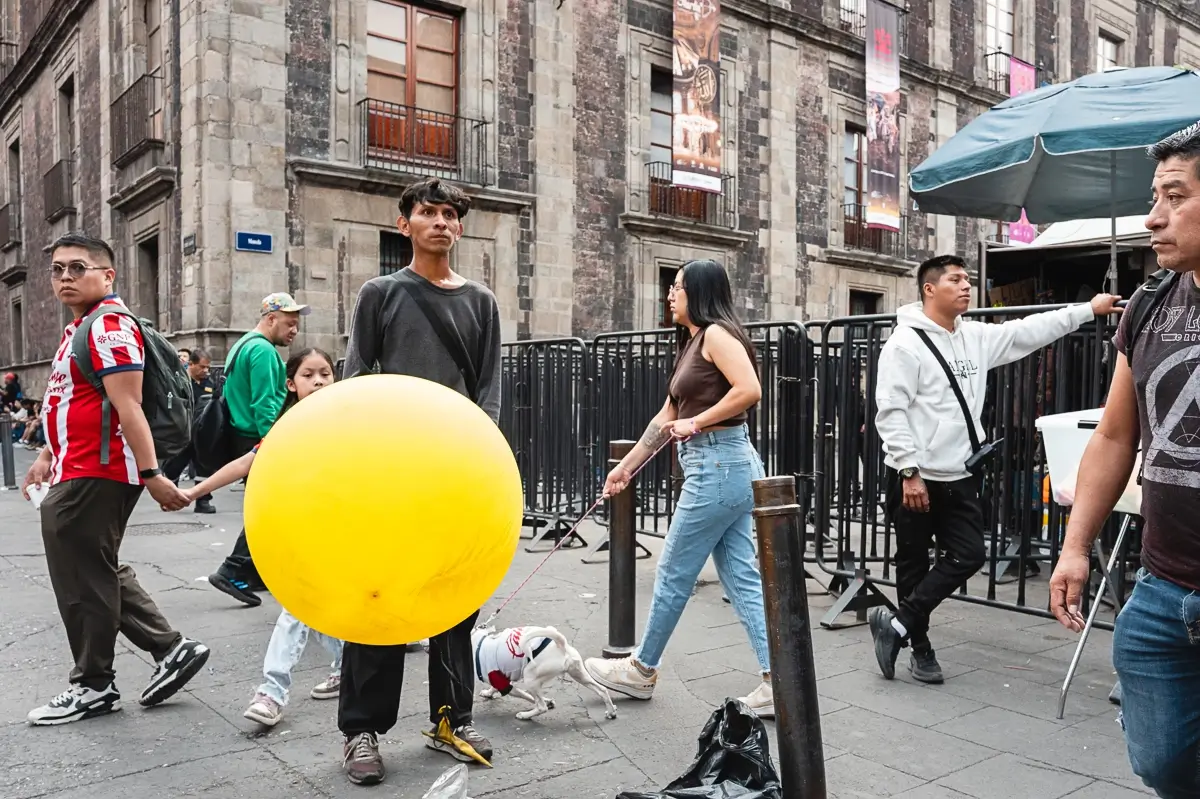
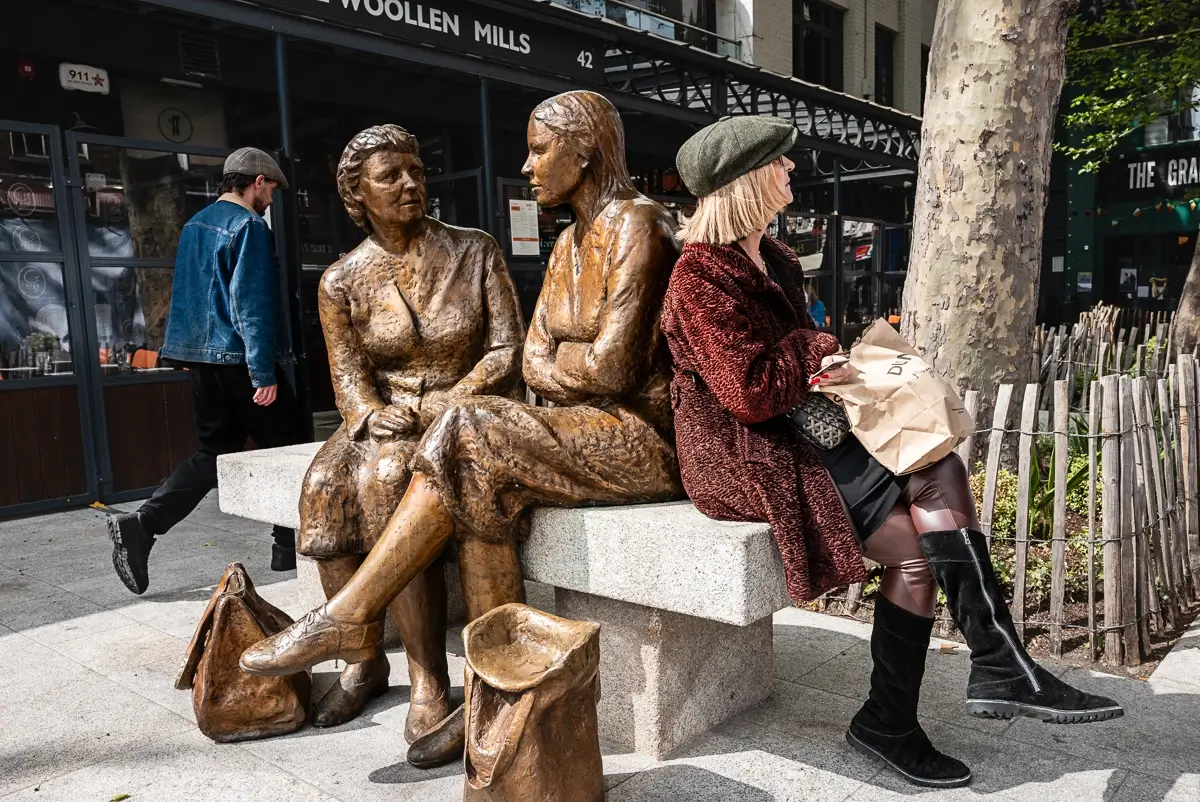
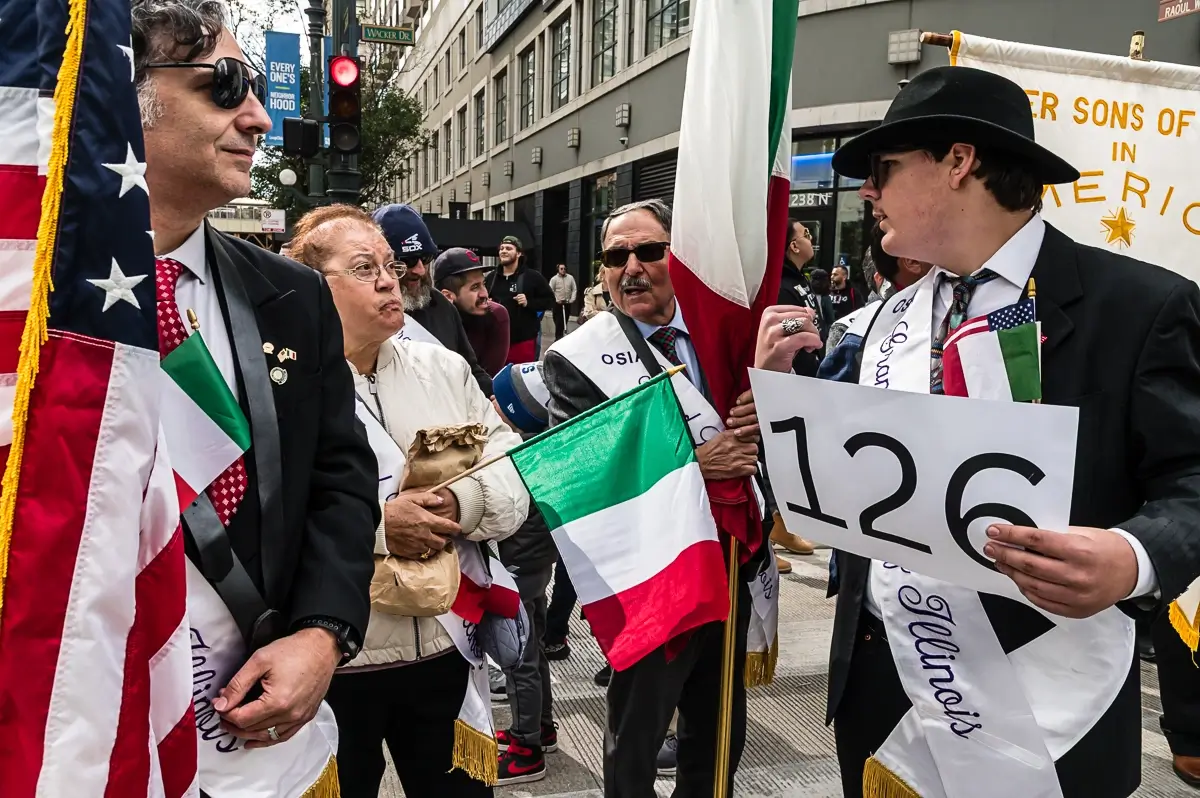
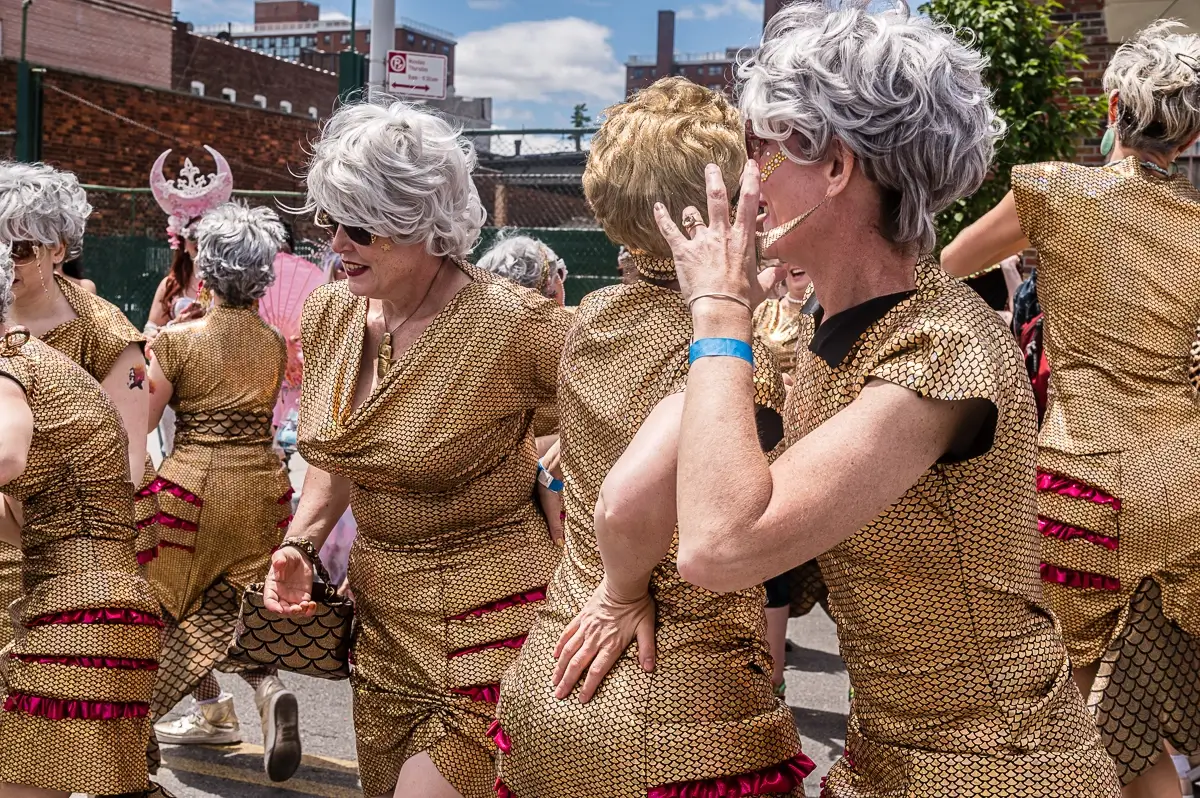
My interest in photography began as a teenager in Madison, Wisconsin, when my parents gave me a camera. I had always been interested in graphics, especially the black-and-white photographs I looked forward to seeing in the upcoming edition of Life Magazine.

Both my father and grandfather were photo enthusiasts and influenced my early passion. During my teen years, I used my camera to make my home environment feel more novel by photographing everyday objects in the garage and basement in unique ways. But as a young adult, I realized that the most compelling photographs were those of people. As a young, shy, but adventurous woman, I felt both terrified and excited about the challenges of pursuing candid, people-focused photography.

My camera had been a companion for decades, but until 2019, my journey was solo and full of expected disappointments. Everything changed that year when I attended my first workshop and joined the incredible community of street photographers worldwide. Since that time, I have studied the work of the masters and have also been fortunate to work directly with many of the most talented street photographers alive today, transitioning my prior years of intermittent photography into a full-time vocation.

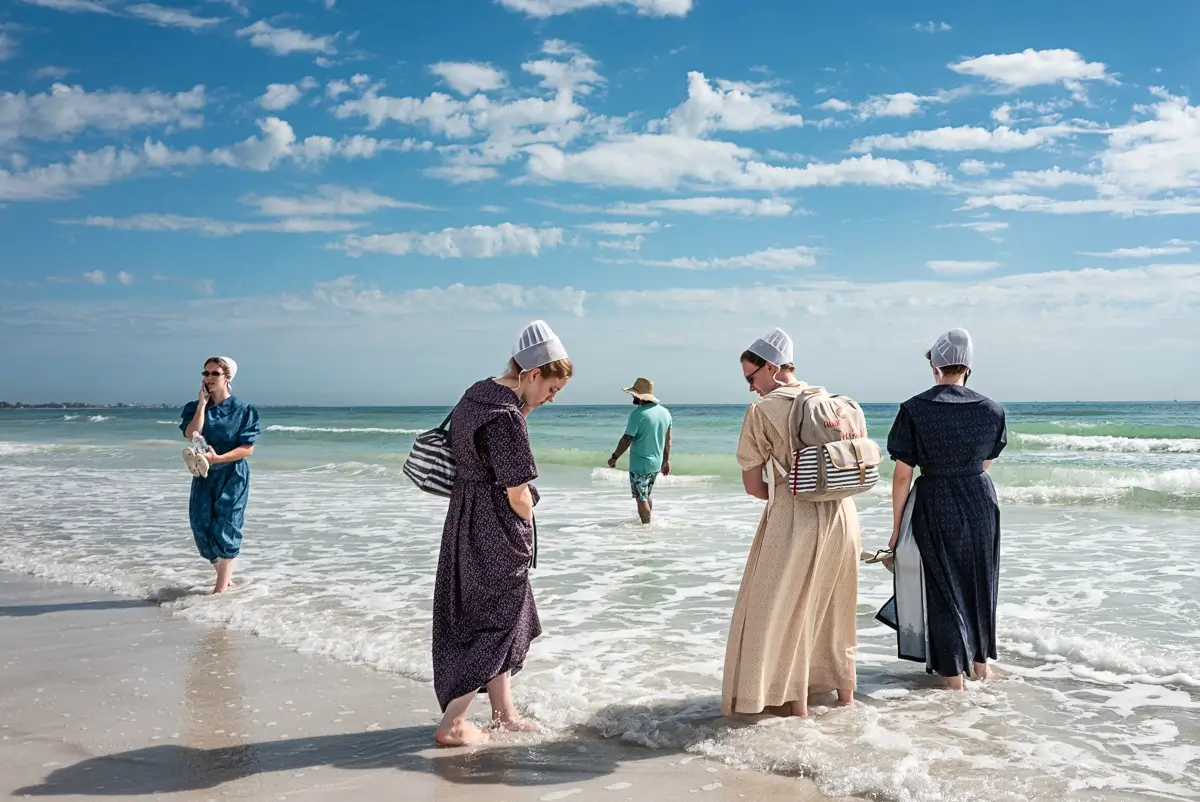
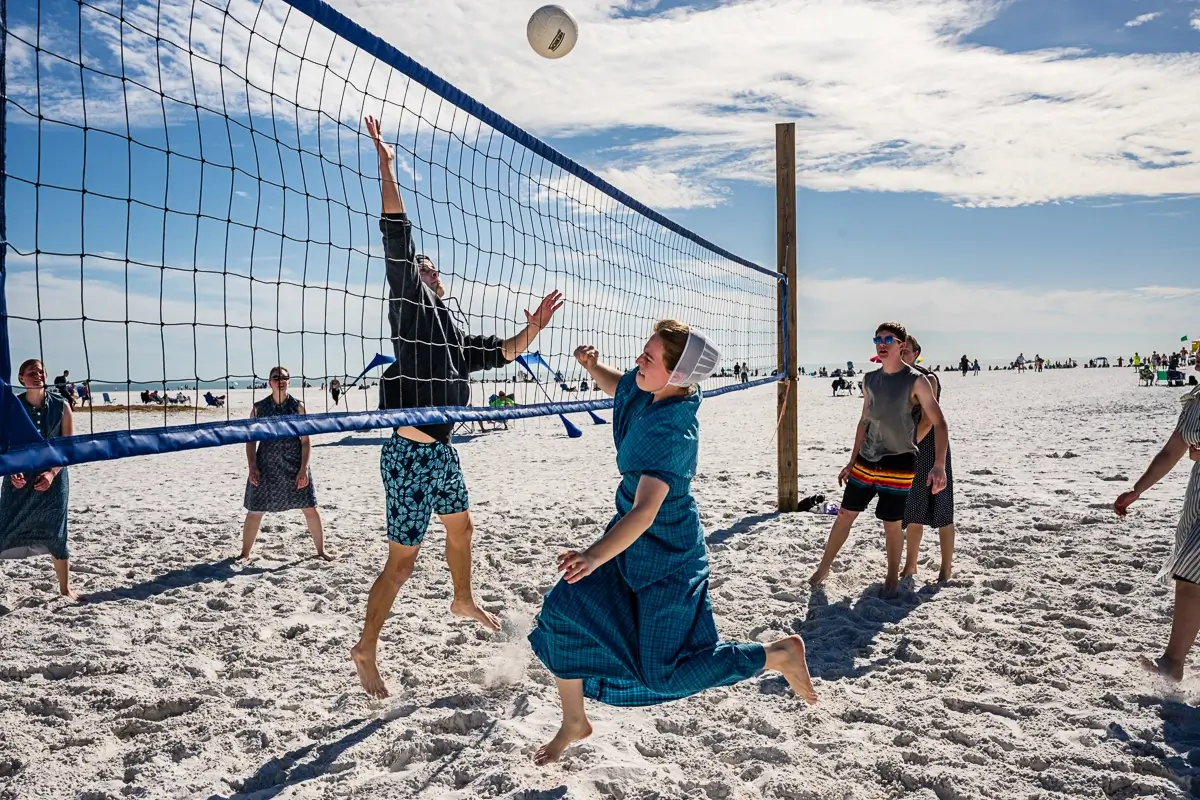
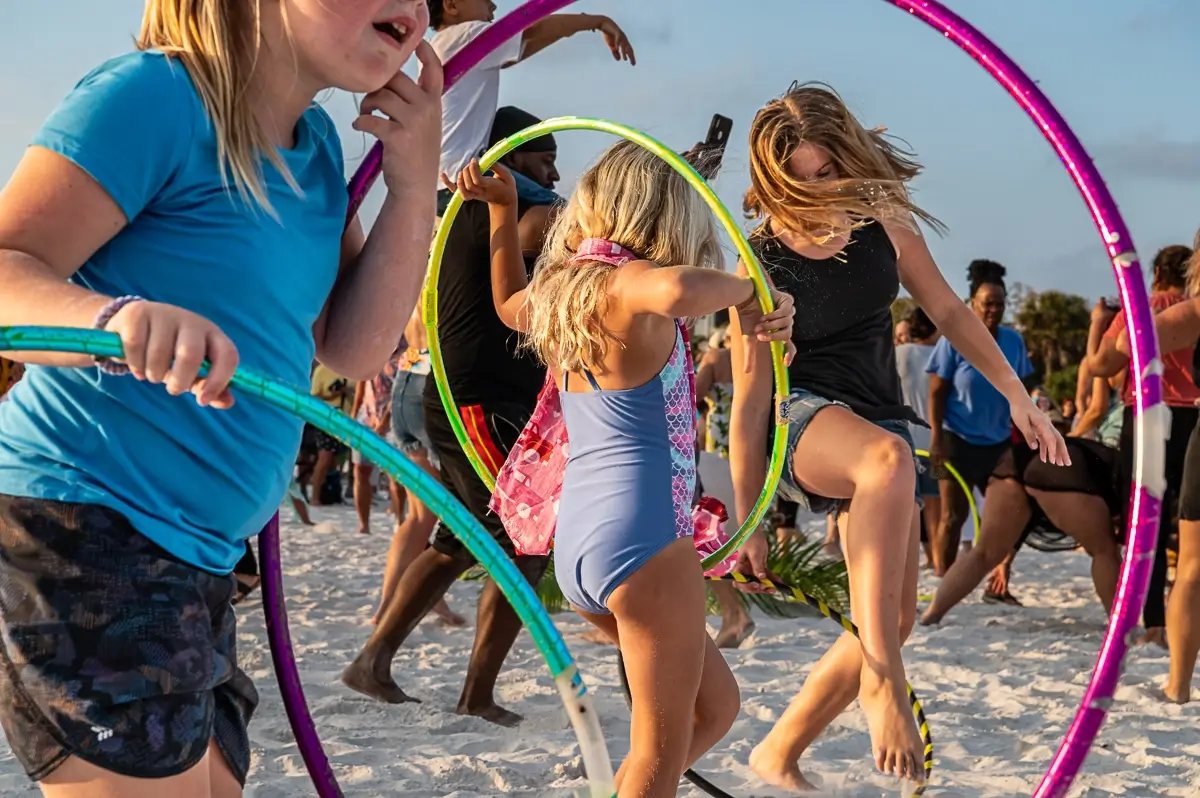
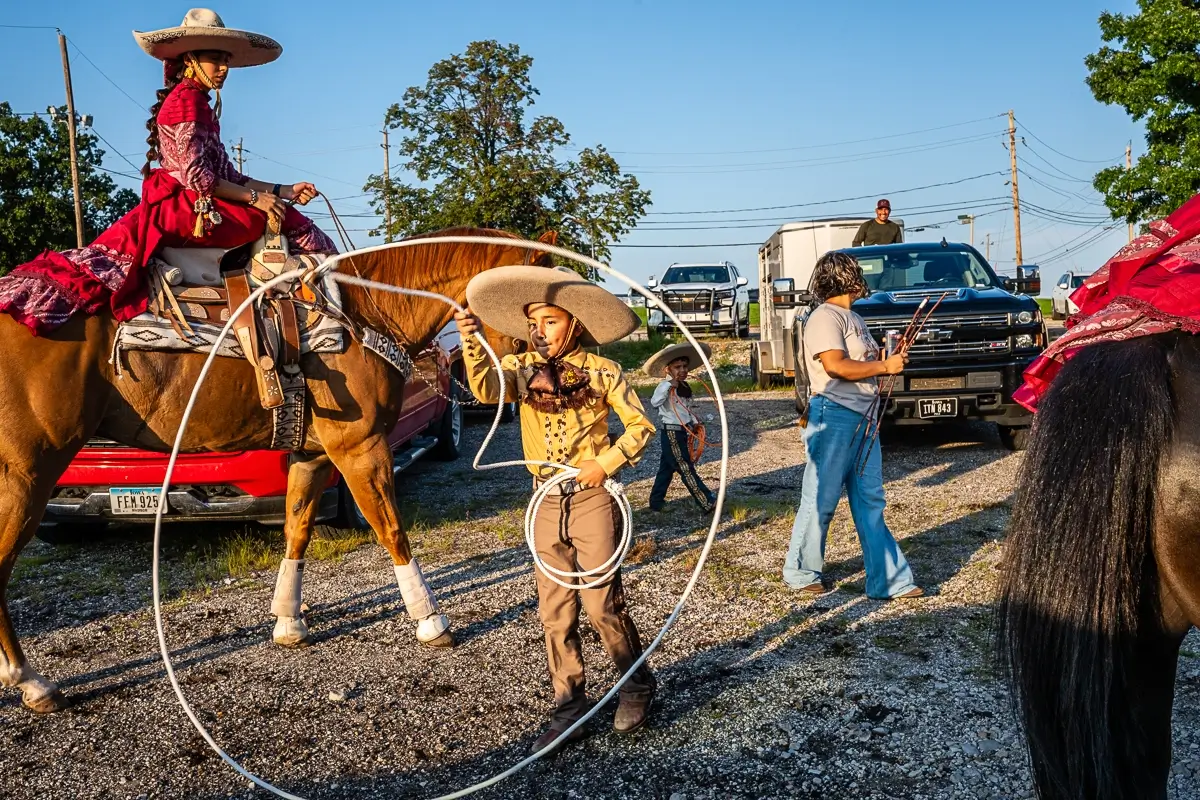
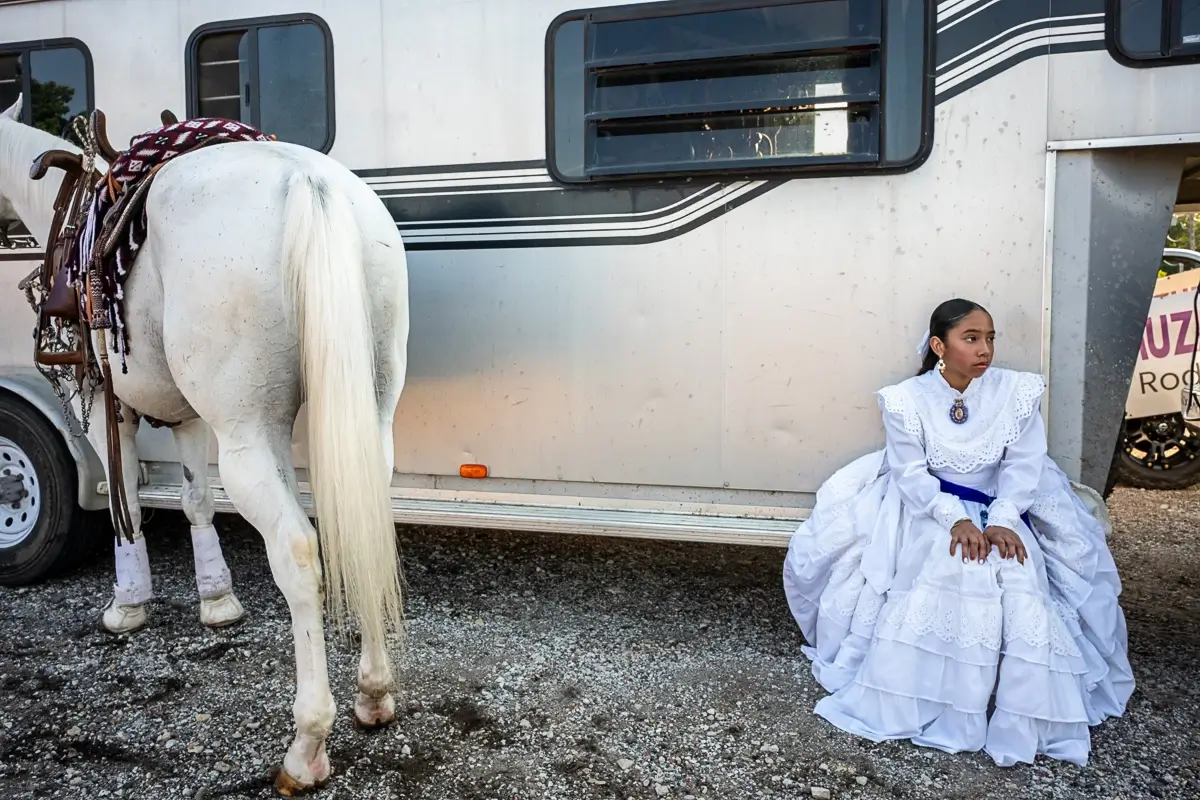
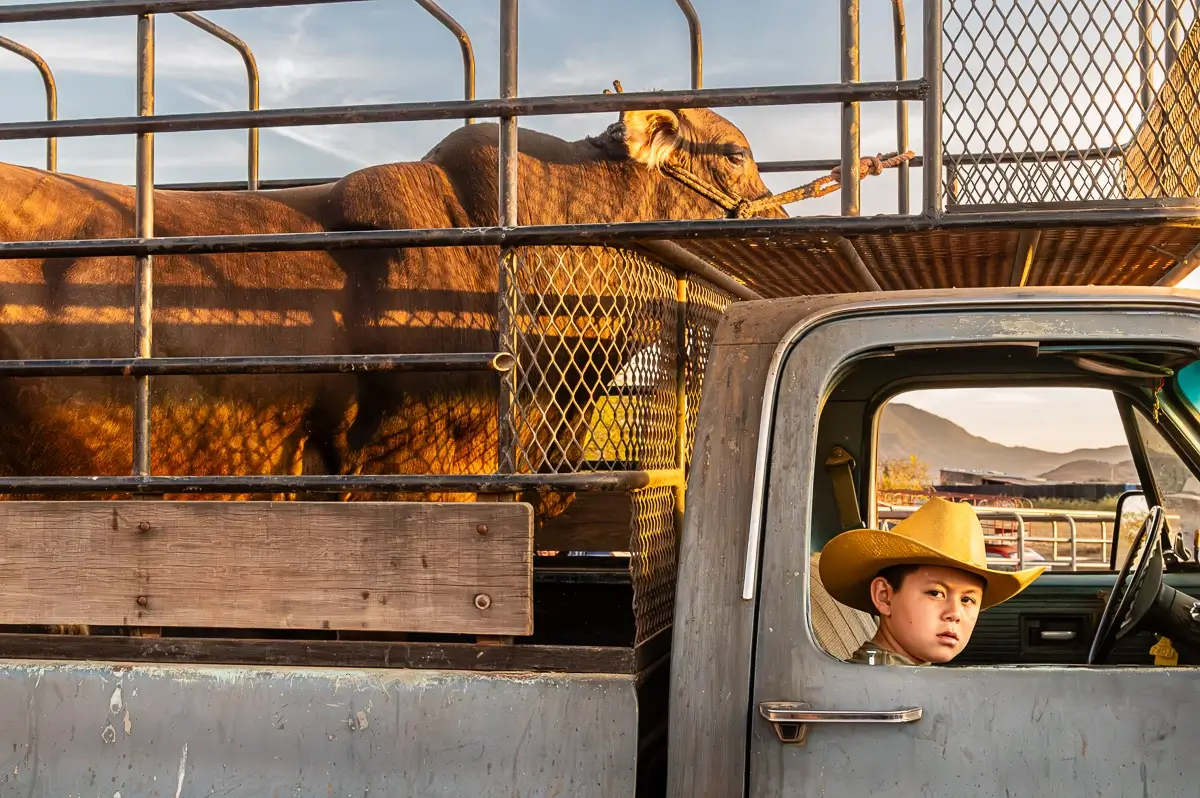
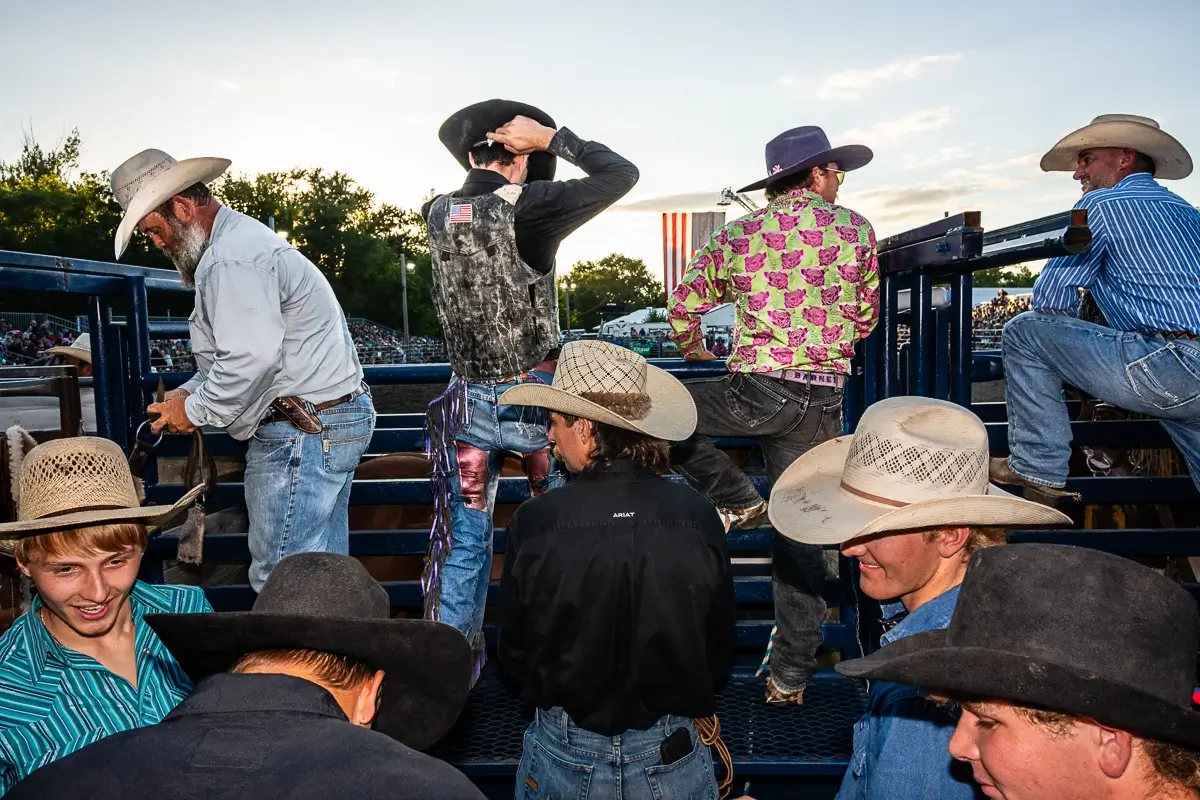
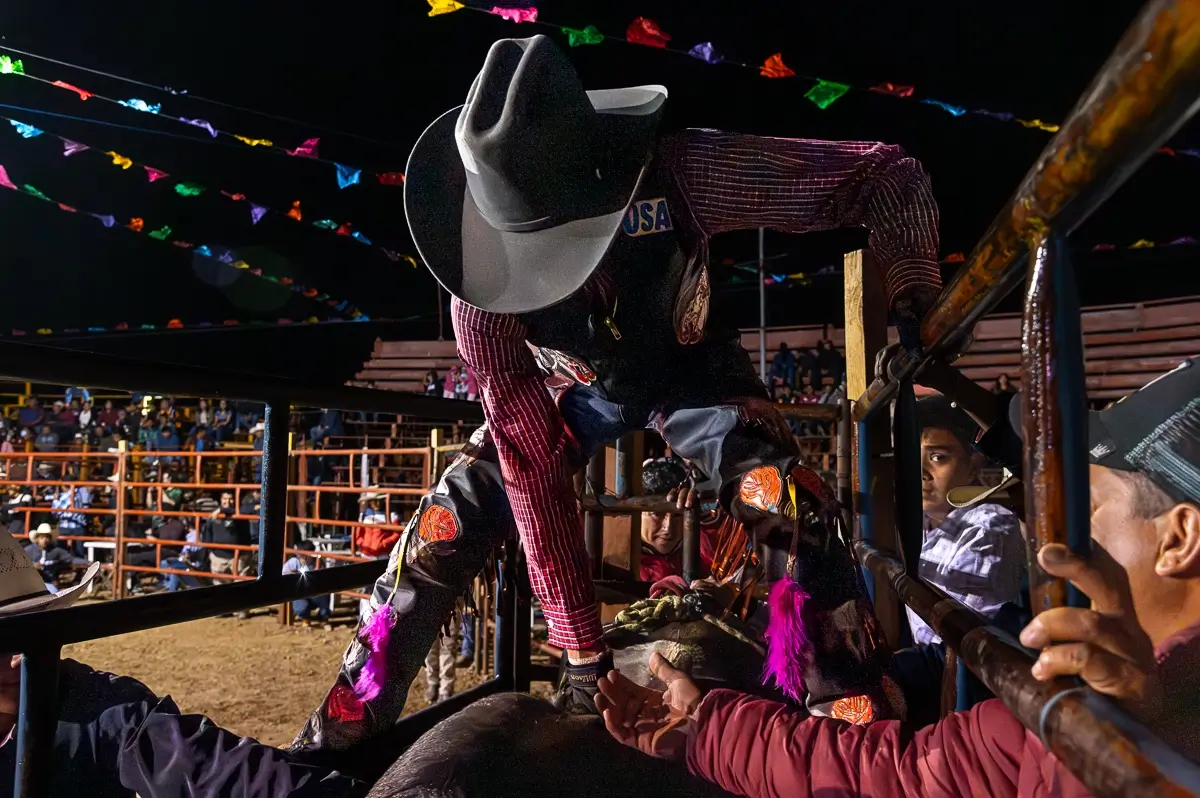
Whereas I am most excited about photographing on the streets of global cities, I have also spent three years following rodeos (the only public events to endure throughout COVID) and many more years photographing the Iowa State Fair.

A number of my photographs have been part of exhibits at local galleries, including the Des Moines Art Center, and have also been recognized as finalists in numerous international street photography festivals.

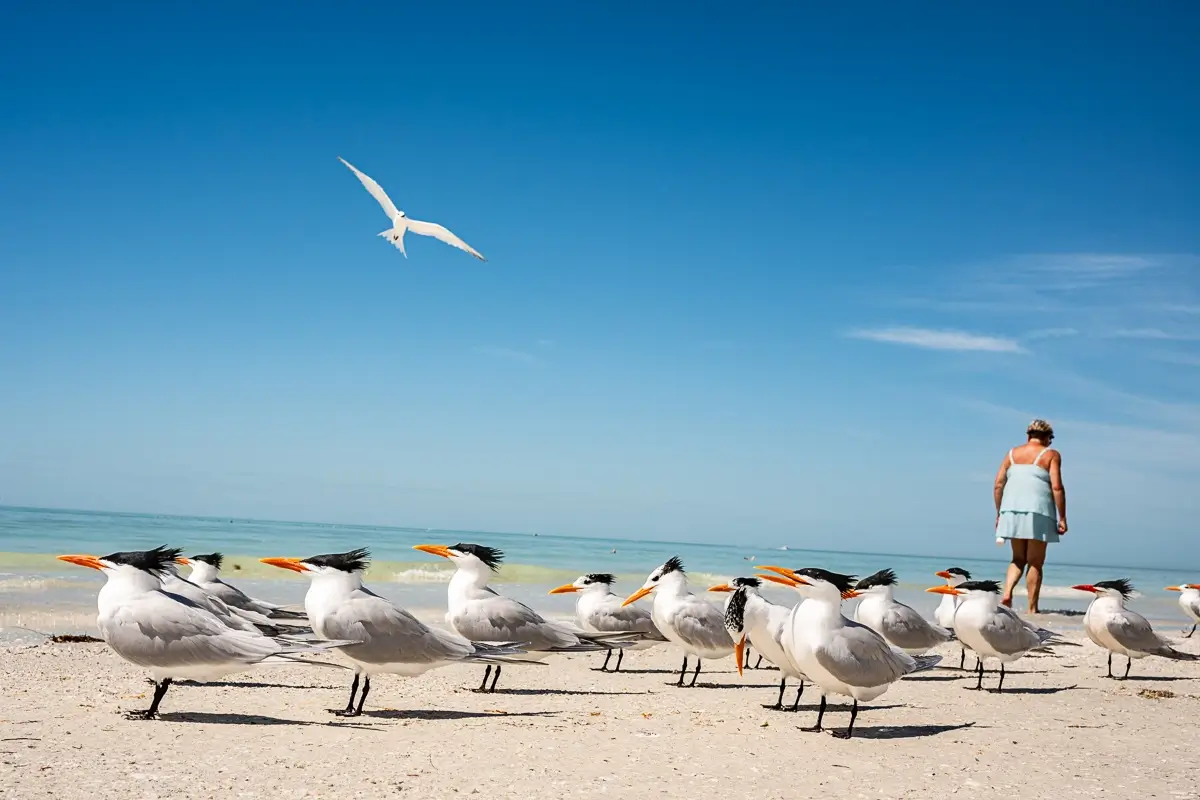
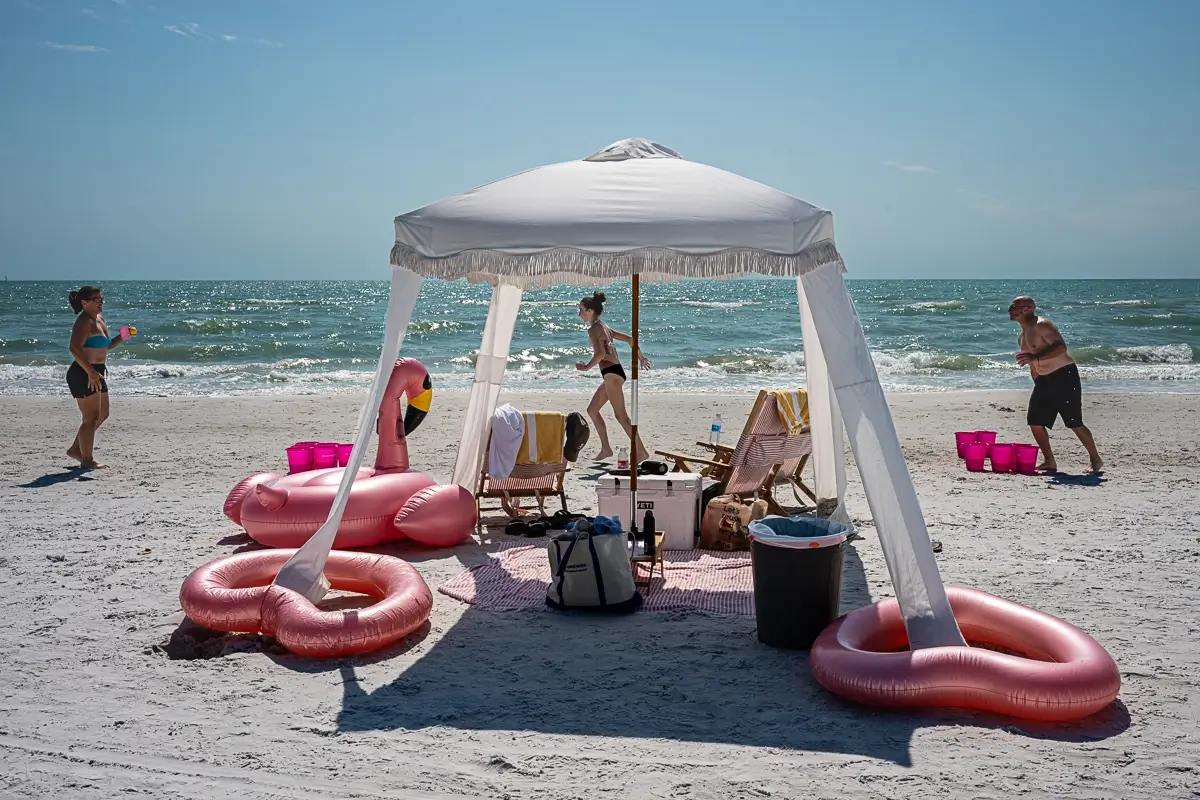
In 2025, I produced a zine titled Backstage with the Royal Hanneford Circus as a gift to the Hanneford family for allowing me to invade their personal space for three days. I am currently working on a zine about rodeo life in Iowa, and one on beach life in Siesta Key, Florida, where I have also photographed for years.

All About Photo Competitions

AAP Magazine 56 Shadows

 

Inspiring Portfolios

Call for Entries
AAP Magazine #59 Shapes
Publish your work in our printed magazine and win $1,000 cash prizes
 
Stay up-to-date  with call for entries, deadlines and other news about exhibitions, galleries, publications, & special events.

More Great Photographers To Discover

Isaiah West Taber
United States
1830 | † 1912
Isaiah West Taber was an American daguerreotypist, ambrotypist, and photographer who took many pictures of noted Californians, which he donated to the California State Library "that the state may preserve the names and faces, and keep alive the memory of those who made it what it is." He was also a sketch artist and dentist. His studio also produced a series of stereoscopic views of west coast scenery. Taber was born in New Bedford, Massachusetts and between 1845 and 1849 he worked at sea on a whaler. He first moved to California in 1850., then returned East in 1854 and opened his first photography studio in Syracuse, New York. In 1864, Taber returned to California, where he worked in the studio of Bradley and Rulofson until 1873. In 1871, Taber opened his own studio, where he gained fame for reproducing the photos of Carleton Watkins after Watkins went bankrupt, although the reproductions were published without credit to Watkins. In 1880, Taber made a six-week photographic trip to the Hawaiian Islands where, among other subjects, he photographed the Hawaiian King Kalākaua, completing a commission for three full-length portraits. The following year Kalākaua visited Taber's studio in San Francisco. At this time the Japanese photographer Suzuki Shin'ichi (1855–1912) was studying photographic techniques with Taber; Suzuki also photographed King Kalākaua (in 1881) and may have been the source of some views of Japan included in Taber's stock. By the 1890s, Taber had expanded his operations to include studios in London, England and in elsewhere Europe. However, the 1906 San Francisco earthquake destroyed his San Francisco studio, gallery, and negative collection, ending his photographic career.Source: Wikipedia Massachusetts native, he was one of the most successful 19th century photographers and photographic publishers. He worked as a gold miner, rancher, and dentist before learning the daguerreotype process and opening one of the first photographic studios in Syracuse, New York. Taber moved to San Francisco in 1864 and joined the photographic publishing firm of Bradley & Rulofson. In 1871 he opened his own studio and photographic publishing company and soon was operating a successful portrait, landscape, and urban photography business. Like photographers promoting other cities, Taber linked much of his work to the tourist trade. His landscapes and views of San Francisco appeared in publications such as Hartwell and Mitchell's souvenir city-view book and his own two-album set, California Scenery and California Scenery and Industries. The albums were part of a commercial endeavor and contained images from Taber's extensive files, surrounded by advertising text. Taber employed numerous staff photographers whose work he published under his own name. He also published under the Taber imprint, images by Carleton Watkins after acquiring negatives from the bankrupt photographer in 1876. By the 1890's Taber was internationally famous, with studios in London and on the Continent.Source: Fine Arts Museums of San Francisco
Judith Joy Ross
United States
1946
Judith Joy Ross (born 1946) is an American portrait photographer born in Hazleton, Pennsylvania in 1946. She graduated from the Moore College of Art in 1968 and earned a master's degree in photography in 1970 from the Institute of Design at the Illinois Institute of Technology in Chicago, where she studied with Aaron Siskind. Since the early 1980s, Ross has photographed a cross-section of the American population, especially people in eastern Pennsylvania where she was born and raised. Ross uses an 8×10 inch view camera mounted on a tripod and her portraits are made on printing out paper by contact, a process by which a print is made by placing a negative directly onto photographic paper, and then exposing it to sunlight for a few minutes to a few hours. Her photographic antecedents include the German August Sander and the American Diane Arbus. Her series include pictures of children at Eurana Park in Weatherly, Pennsylvania (1982), visitors to the Vietnam Veterans Memorial in Washington D.C. (1983–1984), members of the United States Congress and their aides in their Washington offices (1986–1987), laborers, people at shopping malls, and children at play near her home in Bethlehem, Pennsylvania. She has also photographed immigrants in New York City and Paris, and was commissioned by the San Francisco Museum of Modern Art to photograph tech workers in Silicon Valley, California. One of her major projects, pictures made from 1992 to 1994 in Hazleton public schools she had attended in the 1950s and 1960s, was published by the Yale University Art Gallery in 2006 as Portraits of the Hazleton Public Schools. Ross has been awarded a Guggenheim Fellowship from the John Simon Guggenheim Memorial Foundation (1985), a city of Easton, Pennsylvania Council on the Arts Grant (1988), the Charles Pratt Memorial Award of $25,000 (1992), and the Andrea Frank Foundation Award (1998). Monographs and exhibition catalogs of her work have been published internationally. Her books include Contemporaries (1995), Portraits (1996), Portraits of the Hazleton Public Schools (2006) and Protest the War (2007), "exploring such themes as the innocence of youth, the faces of political power, and the emotional toll of war". John Szarkowski at the Museum of Modern Art in New York selected Ross' work for the first exhibition in the New Photography series. In 2011, Die Photographische Sammlung in Cologne organized a retrospective exhibition of Ross's work which traveled to the Kunstmuseum Kloster in Madeburg and the Foundation A Stichting, Brussels.Source: Wikipedia Since the early 1980s, the American photographer Judith Joy Ross has dedicated her work to the medium of portraiture. She is best known for her sensitive, deeply personal, yet authentic portraits of various groups of people at the center of American society: school children and teachers, soldiers, visitors to the Vietnam Veterans Memorial in Washington D.C. and U.S. Congress members of the Republican and Democratic parties. The photographs, which Ross contextualizes by arranging them in series, offer both an aesthetic and a humanitarian approach to photography. Judith Joy Ross’s work shows references to photographers like August Sander, Eugène Atget, Walker Evans or Diane Arbus in her documentary style and her use of technical equipment. She photographs with an 8x10 inch view camera, which due to long exposure times and the need to set up a tripod forces her to concentrate on her subjects and does not allow for snapshots. The subjects are usually strangers to the photographer and so the photograph itself becomes an intense encounter. August Sander is often mentioned as a major influence. Both, Ross and Sander focus on facial expressions, gestures and posture of their subjects. However, while Sander’s famous photographs from the series People of the 20th Century is staged and aims at categorizing certain social groups, Ross does not give directions to her subjects and thus achieves an immediacy that characterizes her approach and style. It makes the viewer think about the inner reality of the person by using their own social experience in order to relate to the people she portraits, thus stressing the individuality of each subject over their association with a specific group. Judith Joy Ross describes her intention as follows: “The world outside oneself is bigger than ones idea of it. One tries to align oneself with that bigger world in making a picture”.Source: Galerie Thomas Zander At present, Ross is suffering from an eye problem following pre-pandemic surgery that has left her with double vision. “I can photograph,” she say, “but it’s hard to take a walk.” One senses that photography gave her a way to be in the world. “I’m just interested in people, but I don’t want to get too close to them,” she says. “I keep them at arm’s length with the camera. It’s like a magic charm. It’s such an intense pleasure to photograph strangers because, in that moment, you can see them in such an intimate way. It’s kind of crazy, but I love some of those people even though I have never seen them again.”Source: The Guardian
Jan Janssen
Netherlands
1963
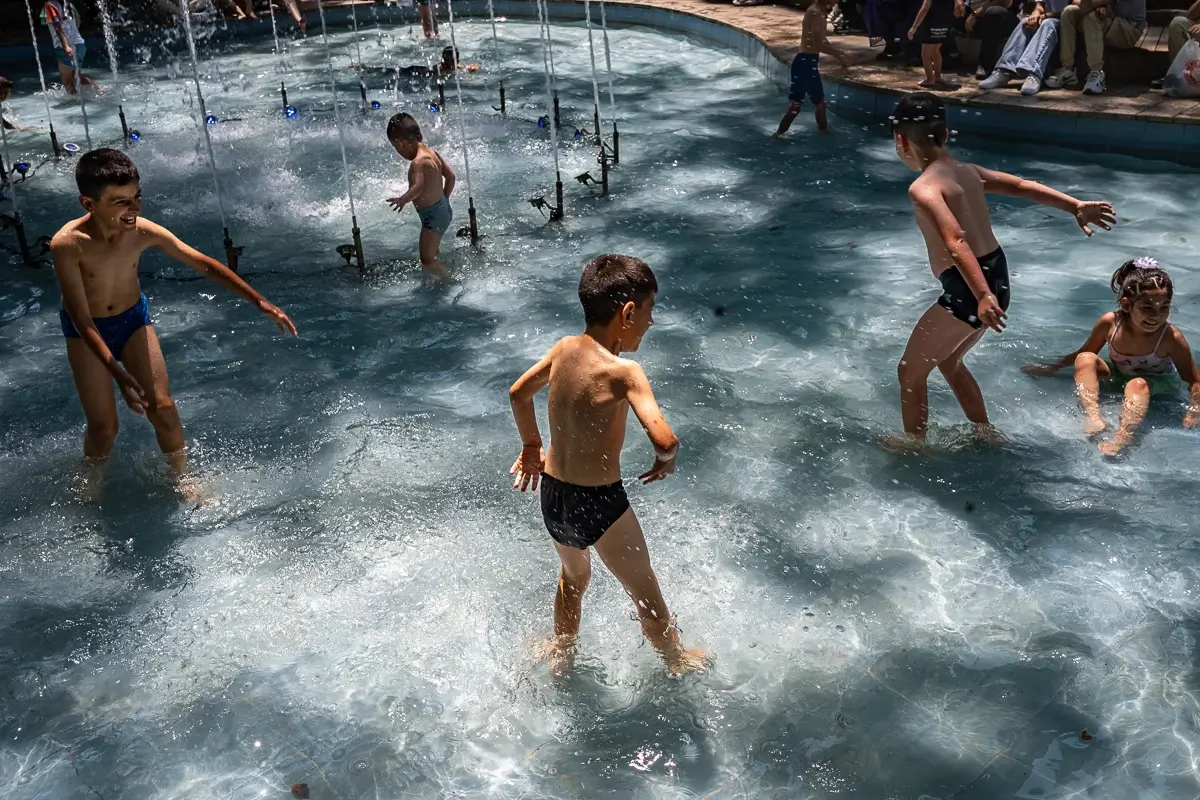
As a social photographer, Jan Janssen captures the moments he recognises in his fellow human beings, especially those elsewhere in the world. In everyday moments, he finds the same needs, insecurities or pleasures that all people enjoy in their lives - albeit to different degrees. Travelling is inseparable from Janssen photographic practice. On the one hand, travelling is an opportunity to discover who you are yourself. By travelling to other places, Jan seeks precisely the things we have in common. In a world of polarisation and contrasts, sometimes even on one continent, Janssen settles geographical and symbolic boundaries by photographing people in a pure essence. He photographs the richness of our most basic human needs, like freedom, family and security - or, conversely, the absence of their obviousness. To create his photographs, Janssen works on location for long periods of time. He often returns to the same place during subsequent trips. Here he builds a bond with the local people, a bond based on mutual respect and dignity. This photographing with a free heart allows him to get as close to people as possible. Only in this way can he penetrate to the essence of their being, and then capture it on camera. It Matters Pieces of Europe is a long-term photography project, started in 2016. In this series, I show the moments I recognise in my fellow human beings. Things that are common to our human existence, such as love, play, growing up, loss and need for contact. Things that are present everywhere in the world, in anyone. Several times a year, I travel to destinations in Central and Eastern Europe. For these photos, I travelled to Turkey, Azerbaijan, and Armenia, among others. Once arrived in the country, I work together with the locals to find entry into these communities. I find it very important that I approach them as an equal, and not as a western outsider just using them to take a photo. I build a bond with my portrayed people by following them for weeks, sometimes months. I may return regularly after my visit or stay in touch with my portraits online or remotely. Through this long-term contact, I get to know their traits and discover when they are at their most beautiful, their most vulnerable or their purest. It is at these moments that the most beautiful photos are created. The series is growing and will culminate in a book of the same name in 2026. Travelling is inseparable from my practice. It is an opportunity to discover who I am. By travelling to other places, I seek precisely the things we have in common. It is also a way for me to remind myself of the gratitude of a simple existence in places elsewhere in the world: things I take for granted in the West. Article Exclusive Interview
An-My Lê
Vietnam / United States
1960
An-My Lê is a Vietnamese American photographer and professor at Bard College. She is a 2012 MacArthur Foundation Fellow and has received the John Simon Guggenheim Memorial Foundation Fellowship (1997), the National Science Foundation Antarctic Artists and Writers Program Award (2007), and the Tiffany Comfort Foundation Fellowship (2010). Her work was included in the 2017 Whitney Biennial. An-My Lê was born in Saigon, Vietnam, in 1960, and now lives and works in New York. Lê fled Vietnam with her family as a teenager in 1975, the final year of the war, eventually settling in the United States as a political refugee. She studied biology at Stanford University, receiving her BA in 1981 and her MA in 1985. She attended Yale School of Art, receiving her MFA in 1993. Her book Small Wars was published in 2005. In November 2014, her second book, Events Ashore, was published by Aperture. Events Ashore depicts a 9-year exploration of the US Navy working throughout the world. The project began when the artist was invited to photograph US naval ships preparing for deployment to Iraq, the first in a series of visits to battleships, humanitarian missions in Africa and Asia, training exercises, and scientific missions in the Arctic and Antarctic.Source: Wikipedia In 1994 An-My Lê returned to Vietnam for the first time and began making a series of photographs informed by her own memories and by the stories and perceptions of her family. Since then her photographs and films have addressed the impact of war both environmentally and culturally. Whether in color or black-and-white, her pictures capture the disjunction between the natural landscape and the intervention of soldiers and machines meant for destruction. Projects include Viêt Nam (1994–98), in which Lê's memories of a war-torn countryside are reconciled with the contemporary landscape; Small Wars (1999–2002), in which Lê photographed and participated in Vietnam War reenactments in Virginia; and 29 Palms (2003–04) in which United States Marines preparing for deployment playact scenarios in a virtual Middle East in the California desert.Source: Guggenheim
Advertisement
AAP Magazine #59 Shapes
Win a Solo Exhibition in July
AAP Magazine #59 Shapes

Latest Interviews

Exclusive Interview with Trevor Cole: Pastoral Peoples and Practices
For this interview, we wanted to focus specifically on The Face of the Mundari and the wider Pastoral Peoples and Practices series. We spoke with Trevor about his long-term work among the Mundari, what continues to draw him back to their cattle camps, and the experience of documenting a culture whose identity remains deeply connected to livestock, tradition, and the natural environment.
Exclusive Interview with Frank Meo
In our latest exclusive feature for All About Photo, I speak with veteran photography representative Frank Meo about what it truly takes to build a sustainable creative career today. Frank brings decades of experience working with Fortune 500 companies, major agencies, and documentary photographers to the table. We dive into the critical business skills often left out of art school curriculums, the power of mentorship, and the inspiring evolution of PROJECTIONS—his international salon platform for visual storytellers. It’s an essential read for anyone navigating the commercial or editorial photography landscape today.
Exclusive Interview with Carolyn Moore
American photographer Carolyn Moore explores the inner landscape of emotion, memory, and personal transformation through a deeply intuitive photographic practice. Her work unfolds as a quiet dialogue between artist and viewer, where images become a space for reflection, vulnerability, and connection.
Exclusive Interview with Luca Desienna and Laura Estelle Barmwoldt
For over seven years, Of Lilies and Remains has explored the depths of the goth and darkwave underground, unfolding in Leipzig—a city long associated with a vibrant and enduring subcultural scene. Moving between iconic gatherings such as Wave-Gotik-Treffen and more intimate moments on the fringes, the project offers a rare and immersive glimpse into a world often misunderstood, yet rich in expression and community. Created by Luca in collaboration with Laura Estelle Barmwoldt, the work embraces a cinematic and deeply personal approach. Rather than documenting from a distance, it moves within the scene itself, capturing its atmosphere, its codes, and its quiet contradictions. The title Of Lilies and Remains hints at this duality—where beauty and darkness, fragility and strength coexist. As the book prepares for its release, we spoke with both artists about the origins of the project, their process, and what it means to document a subculture that continues to evolve while remaining true to its spirit.
Exclusive Interview with Matthew Finley
American photographer Matthew Finley turns inward, using photography as a way to explore identity, memory, and emotional truth. Based in Los Angeles, his practice moves between performance, gesture, and found imagery, creating a visual language that is both intimate and deeply personal
Exclusive Interview with Jan Janssen
Dutch photographer Jan Janssen explores universal human experiences through his long-term project It Matters, winner of the May 2025 Solo Exhibition. Begun in 2016, the series captures intimate moments of everyday life—love, loss, connection, and belonging—across Central and Eastern Europe. Working in countries such as Turkey, Azerbaijan, and Armenia, Janssen spends extended time within communities, building relationships based on trust and respect. His approach allows him to move beyond observation, revealing deeply human and authentic moments. Rooted in travel and personal discovery, It Matters reflects Janssen’s search for what connects us all in an increasingly divided world. The project is ongoing and will culminate in a photobook scheduled for publication in 2026.
Exclusive Interview with Henk Kosche
German photographer Henk Kosche turns his lens toward the streets of Halle an der Saale, capturing everyday life in the late years of the former German Democratic Republic. At the time, Kosche was studying design and exploring the city with his camera, drawn to the atmosphere of its industrial landscape and the quiet rhythms of daily life. His series Street Photography at the End of the 80s, selected as the Solo Exhibition for July 2025, revisits a body of work created just before a period of profound change. Rediscovered decades later in a small box of 35mm negatives, these photographs offer glimpses of a city and its people at a moment suspended between the familiar and the unknown.
Exclusive Interview with Anastasia Samoylova
Anastasia Samoylova is an American artist whose photographic practice is shaped by close observation and a deep attentiveness to place. Working between documentary and formal exploration, she photographs landscapes, architecture, and everyday scenes with a sensitivity to light, structure, and atmosphere. Since relocating to Miami in 2016, her work has increasingly focused on how environments—both natural and built—carry social, cultural, and emotional traces. We asked her a few questions about her practice and her way of seeing, to better understand the thoughts and experiences that shape her work—while allowing the images themselves to remain open and speak in their own time.
Exclusive Interview with Marijn Fidder
Marijn Fidder is a Dutch documentary photographer whose work powerfully engages with current affairs and contemporary social issues. Driven by a deep sense of social justice, she uses photography to speak on behalf of the voiceless and to advocate for the rights of those who are most vulnerable. Her images have been widely published in major international outlets including National Geographic, CNN Style, NRC Handelsblad, Volkskrant, GUP New Talent, and ZEIT Magazin. Her long-term commitment to disability rights—particularly through years of work in Uganda—culminated in her acclaimed project Inclusive Nation, which earned her the title of Photographer of the Year 2025 at the All About Photo Awards. She is also the recipient of multiple prestigious honors, including awards from World Press Photo and the Global Peace Photo Award. We asked her a few questions about her life and work.
Call for Entries
Win A Solo Exhibition in July
Get International Exposure and Connect with Industry Insiders