All about photo.com: photo contests, photography exhibitions, galleries, photographers, books, schools and venues.
Win a Solo Exhibition in July 2026 + An Exclusive Interview!
Laura Tomé
Laura Tomé

Laura Tomé

Country: Spain
Birth: 1983

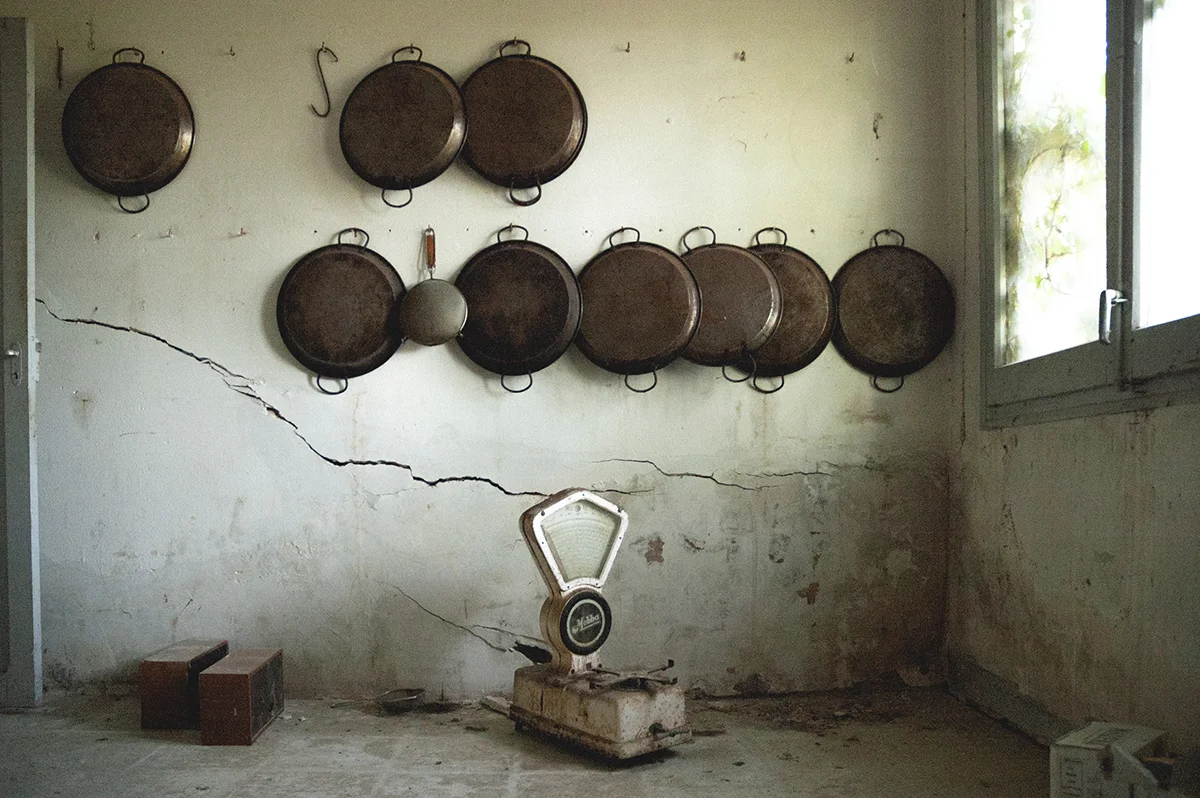
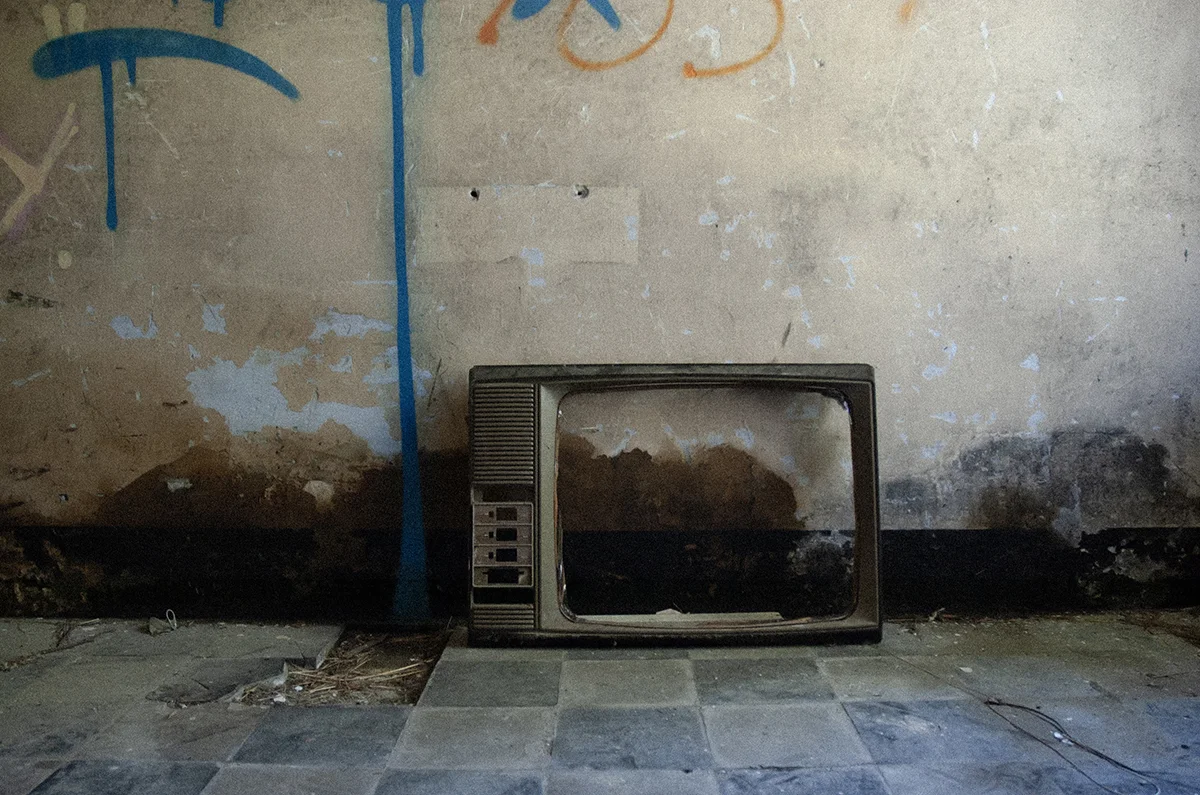
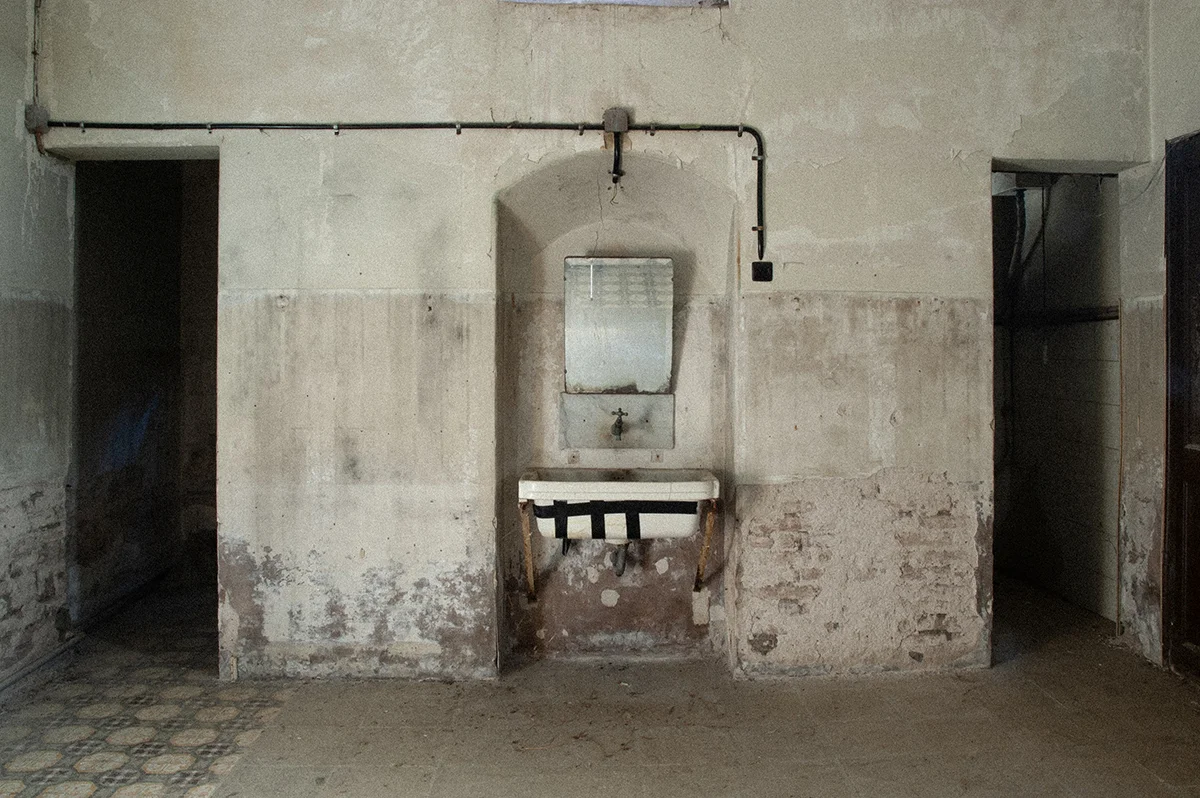
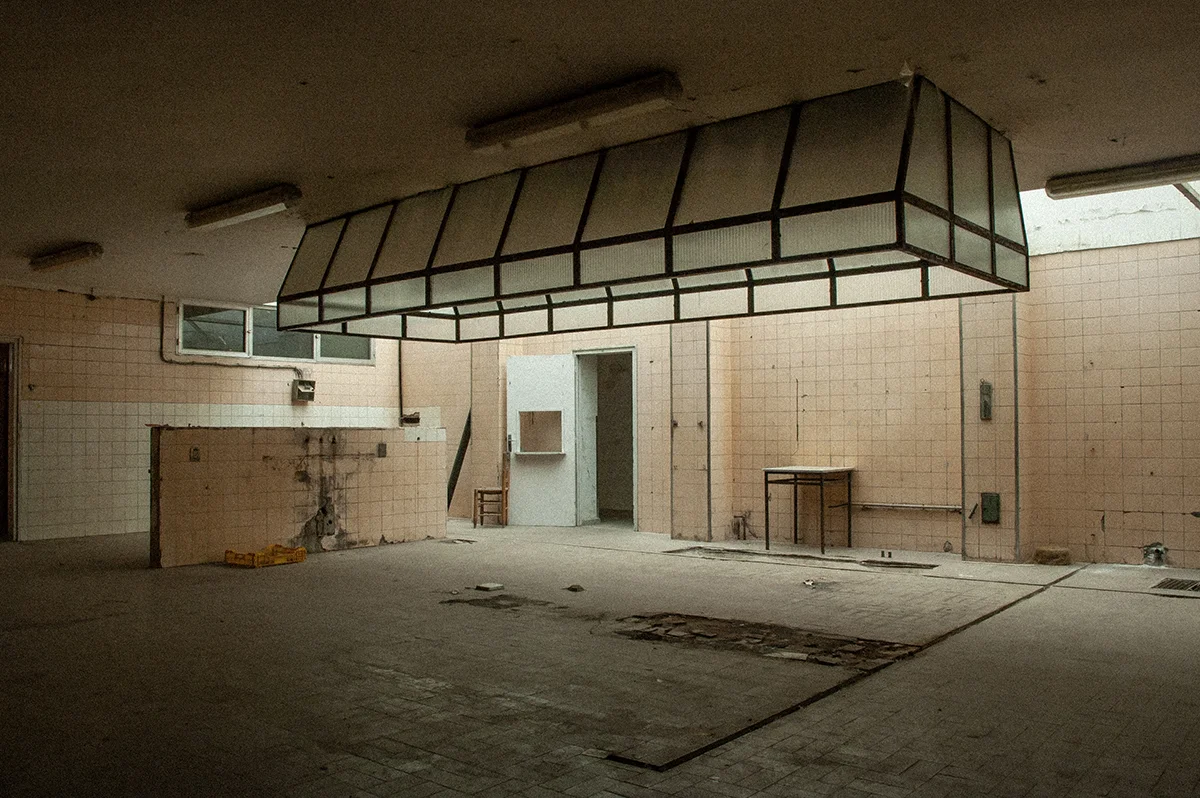
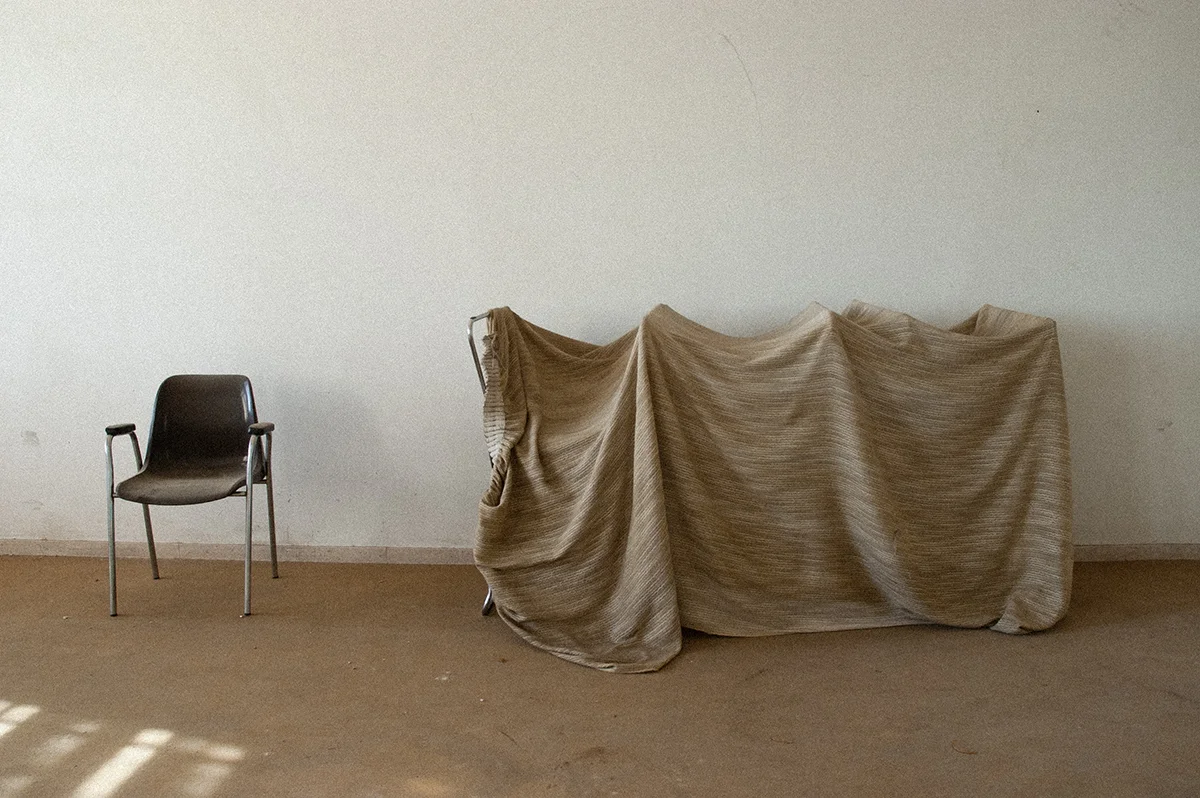
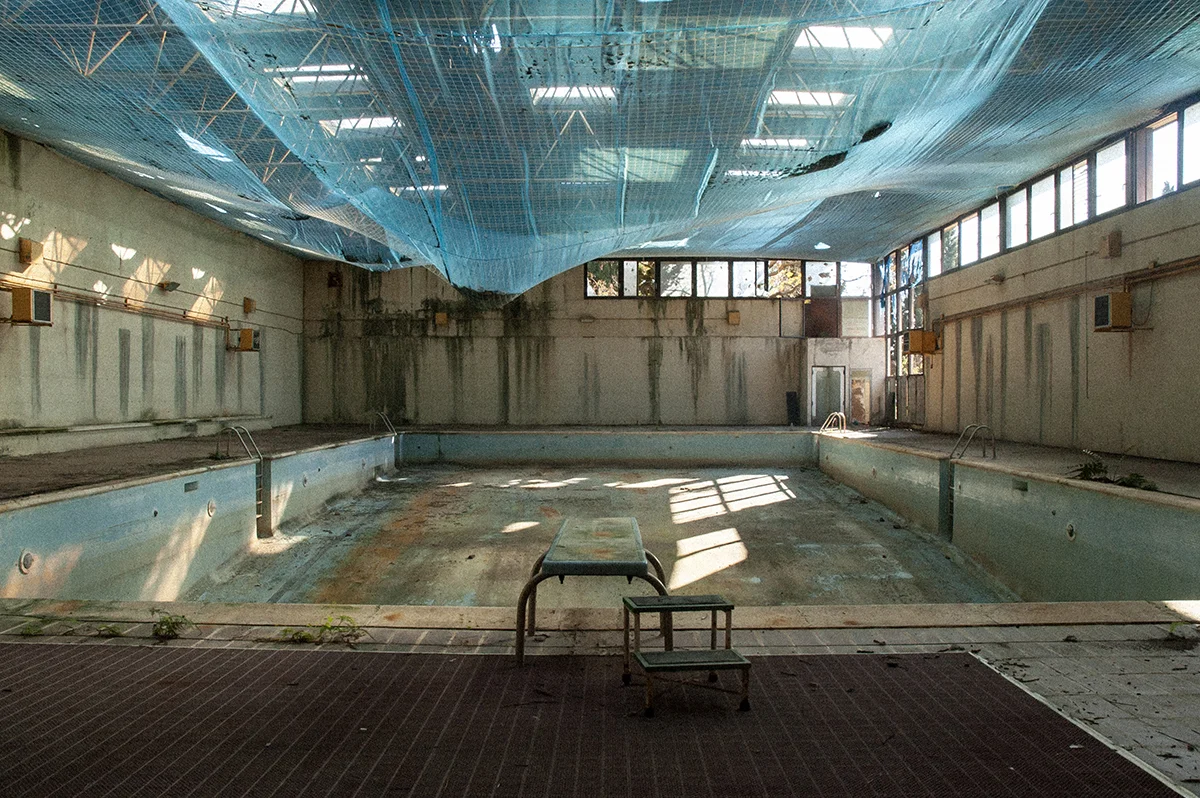
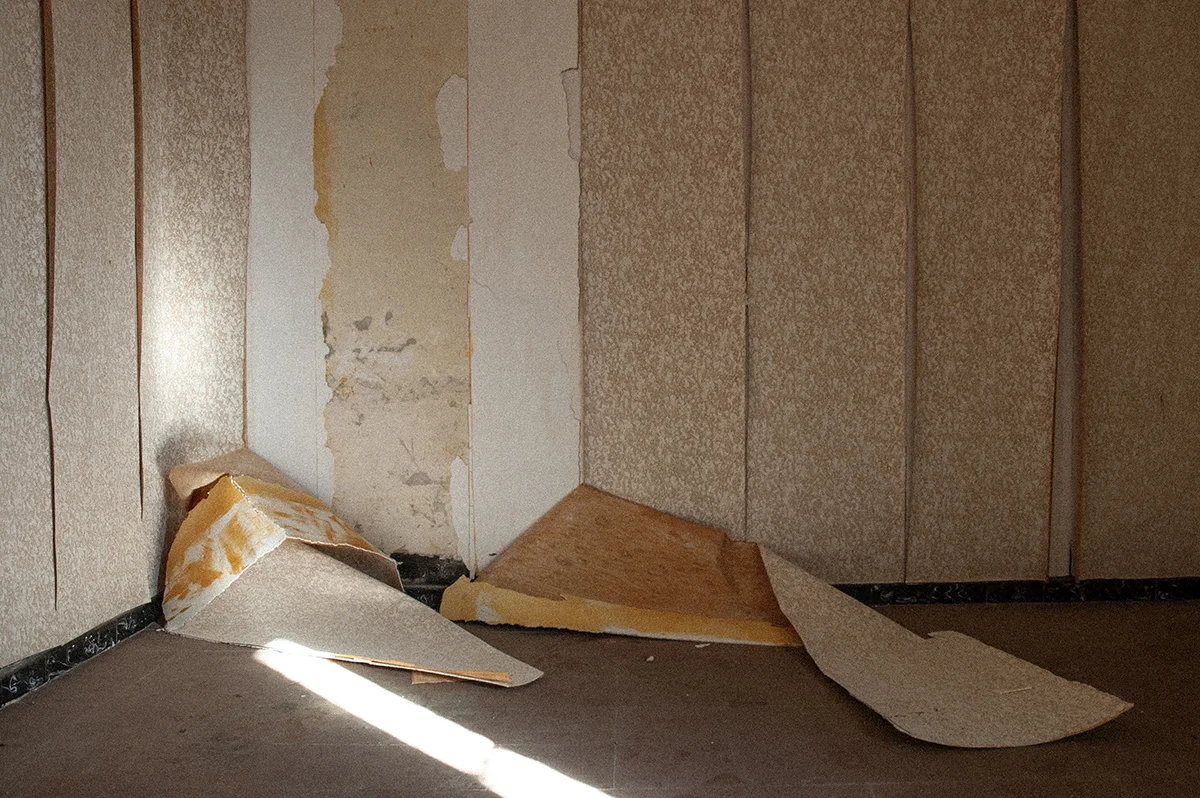
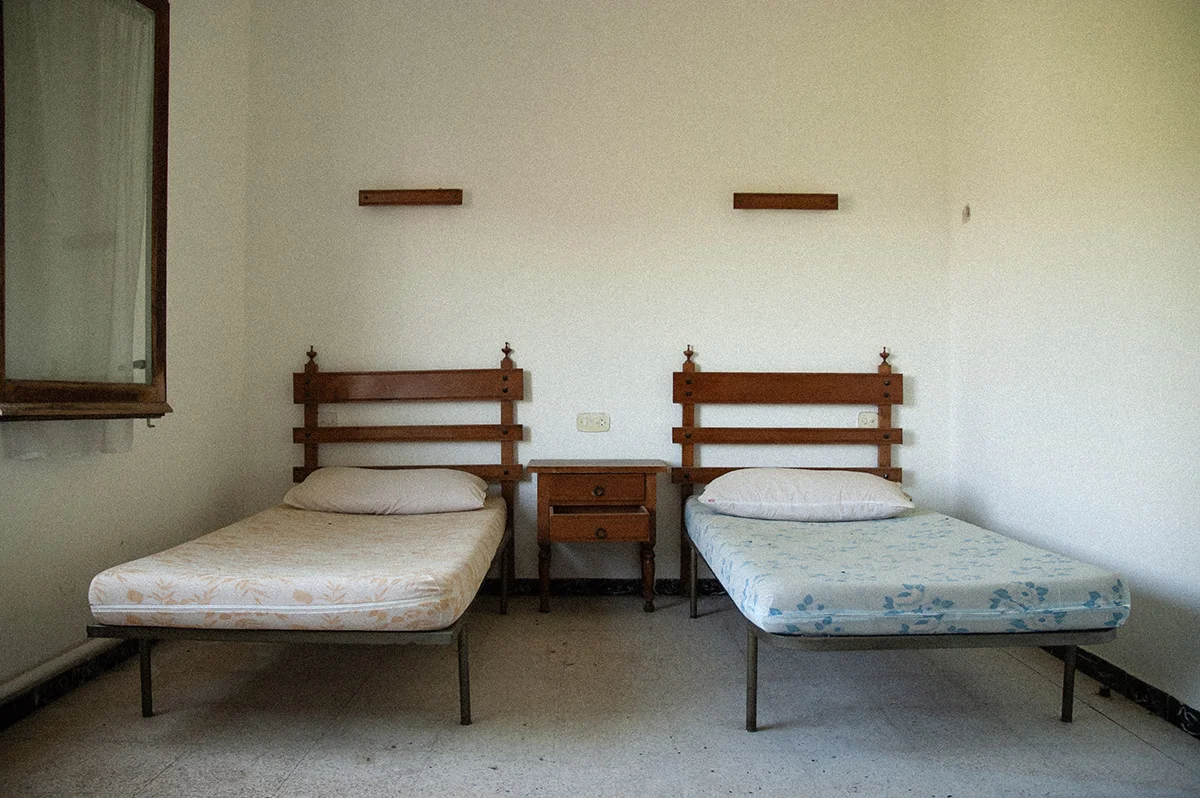
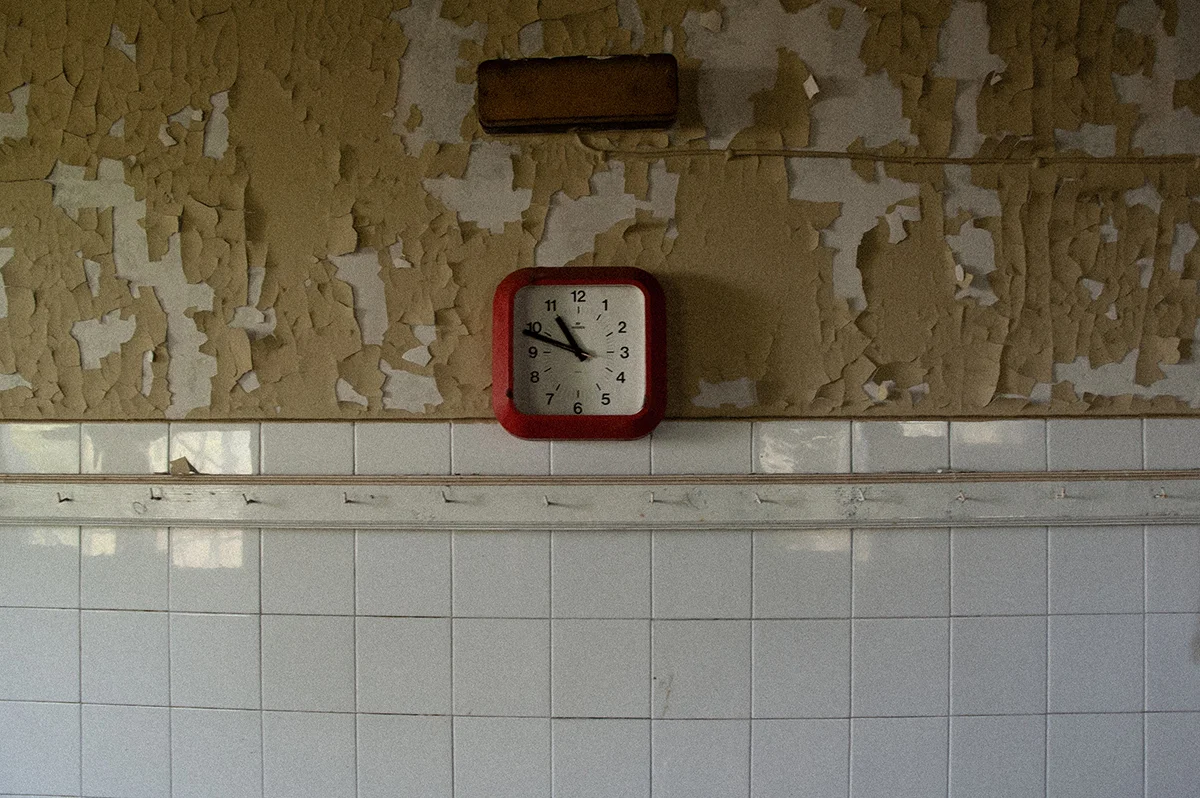
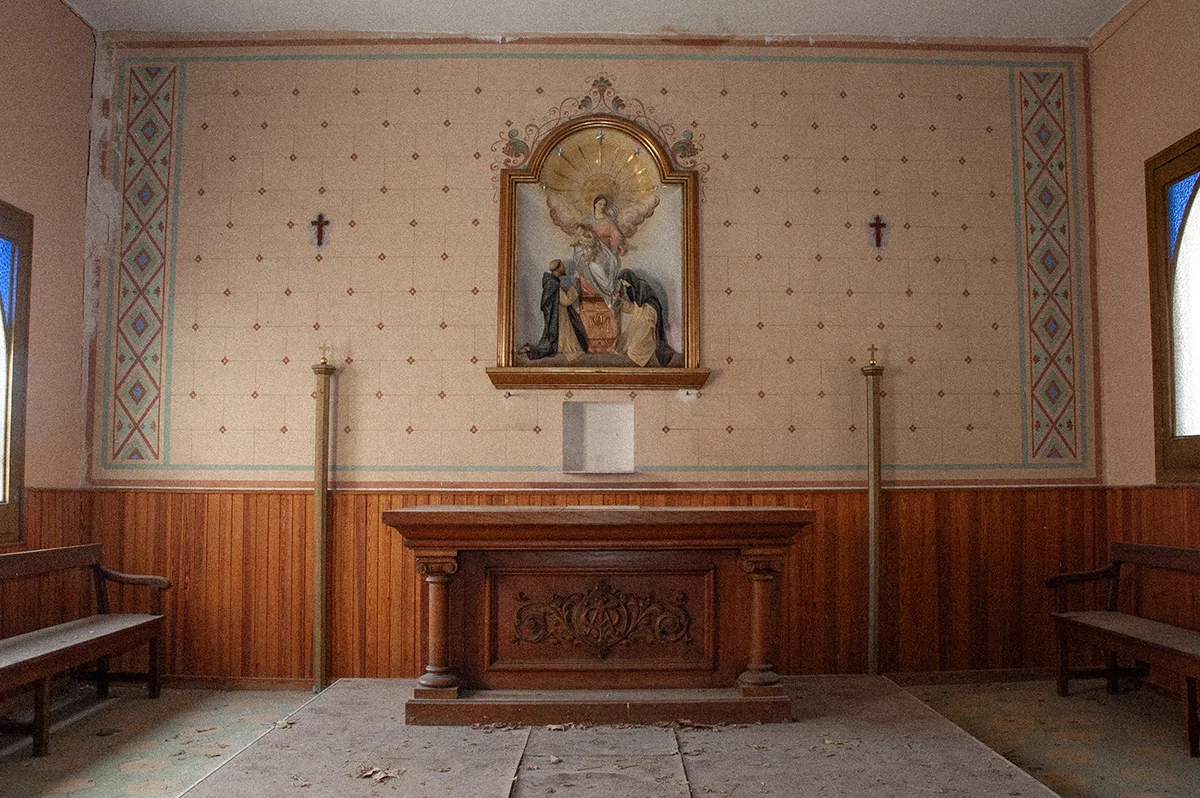
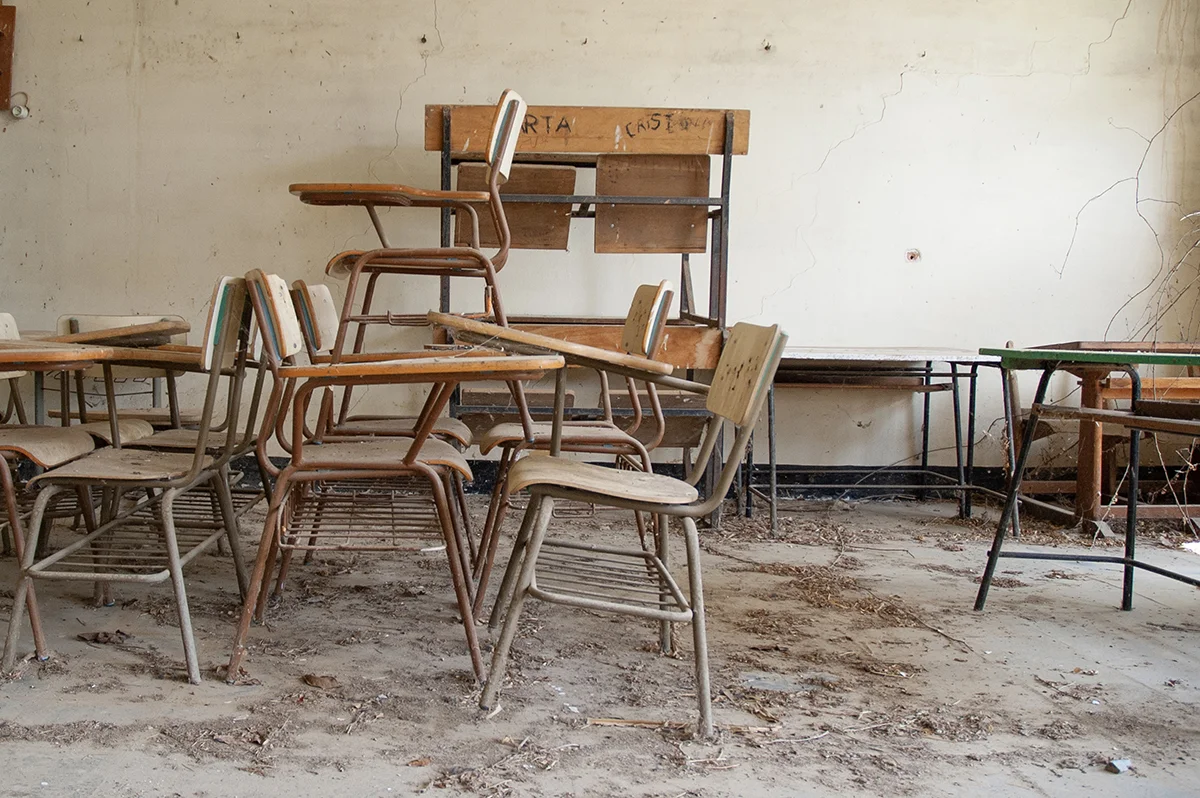
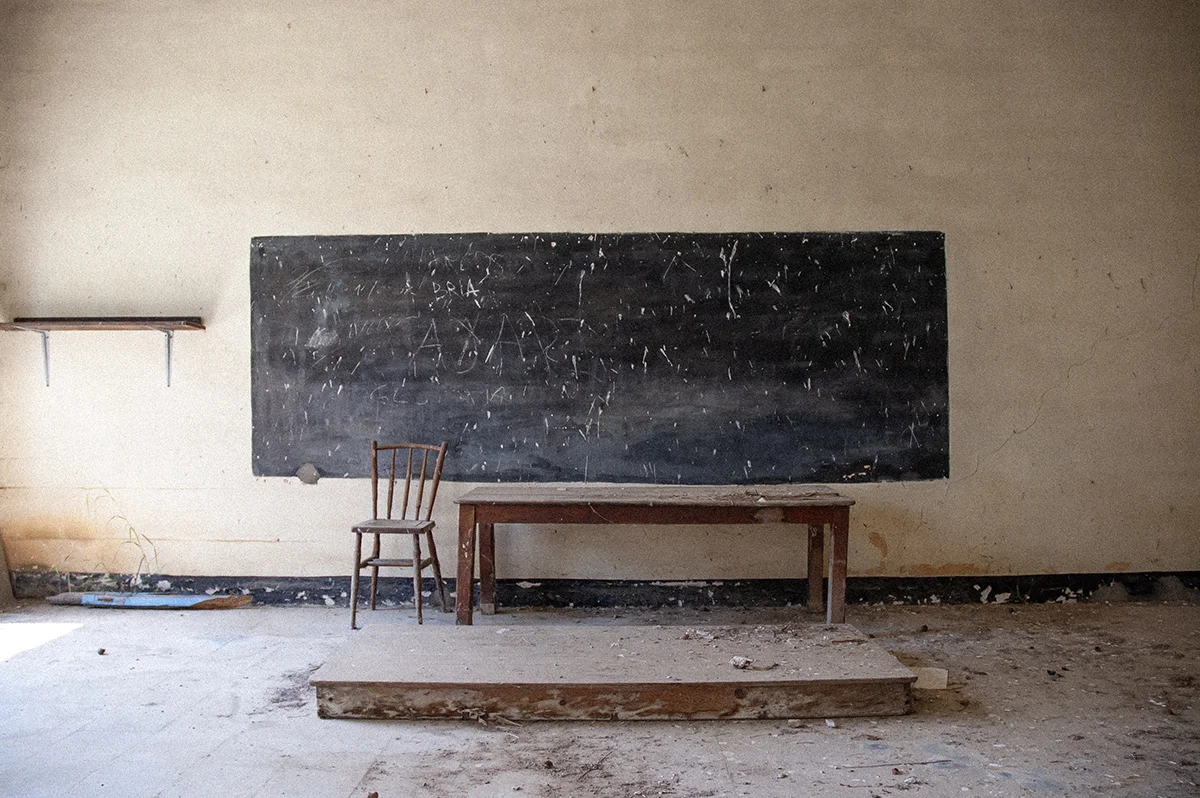
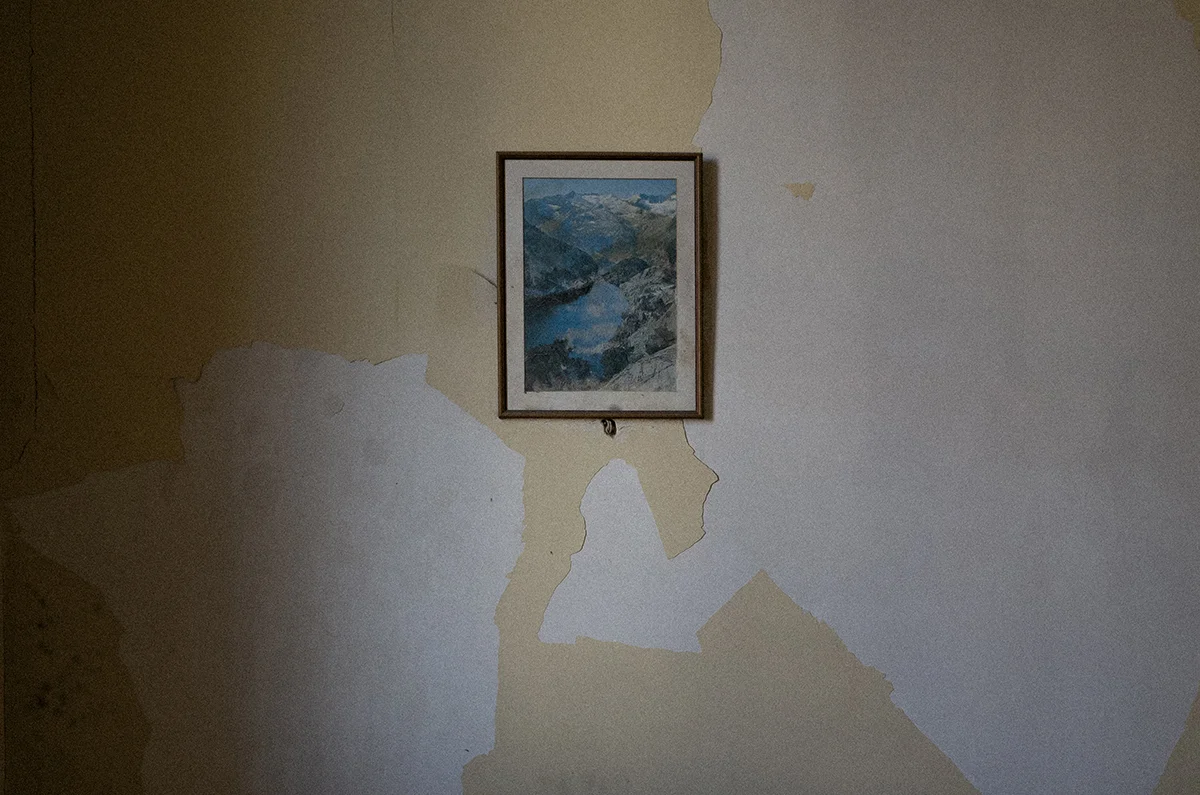
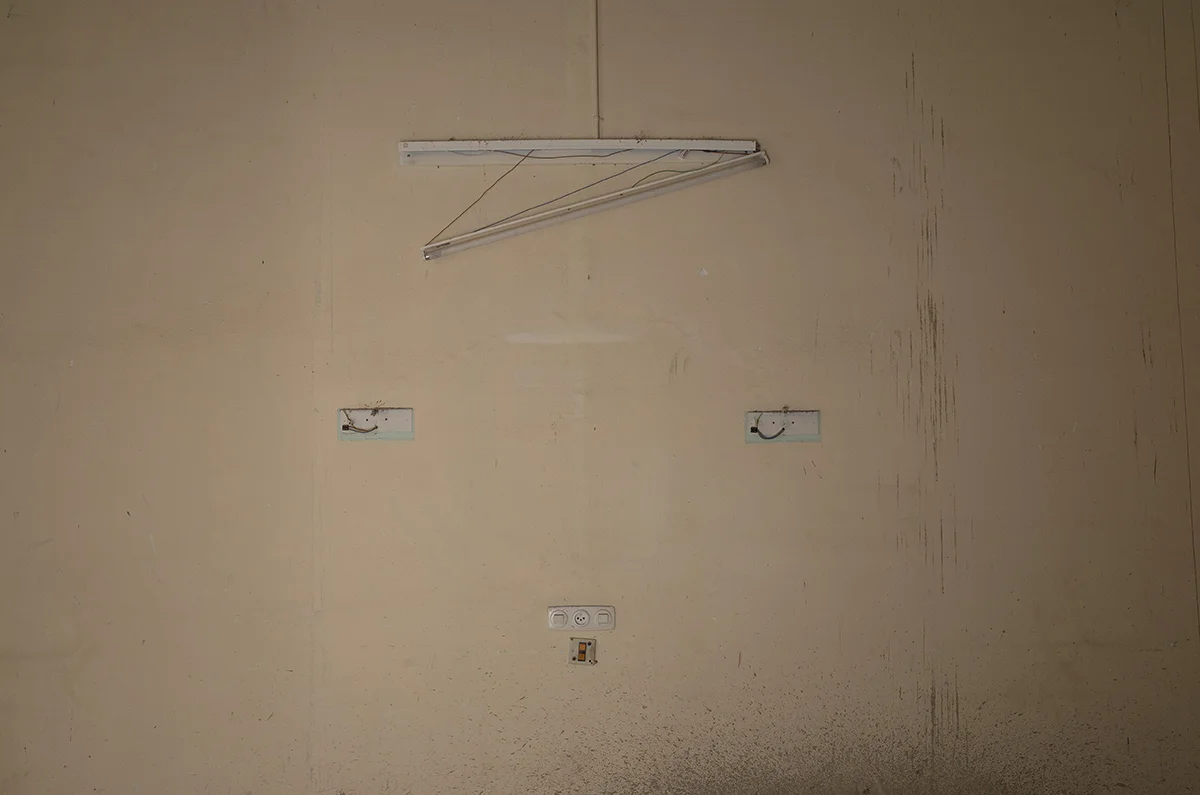
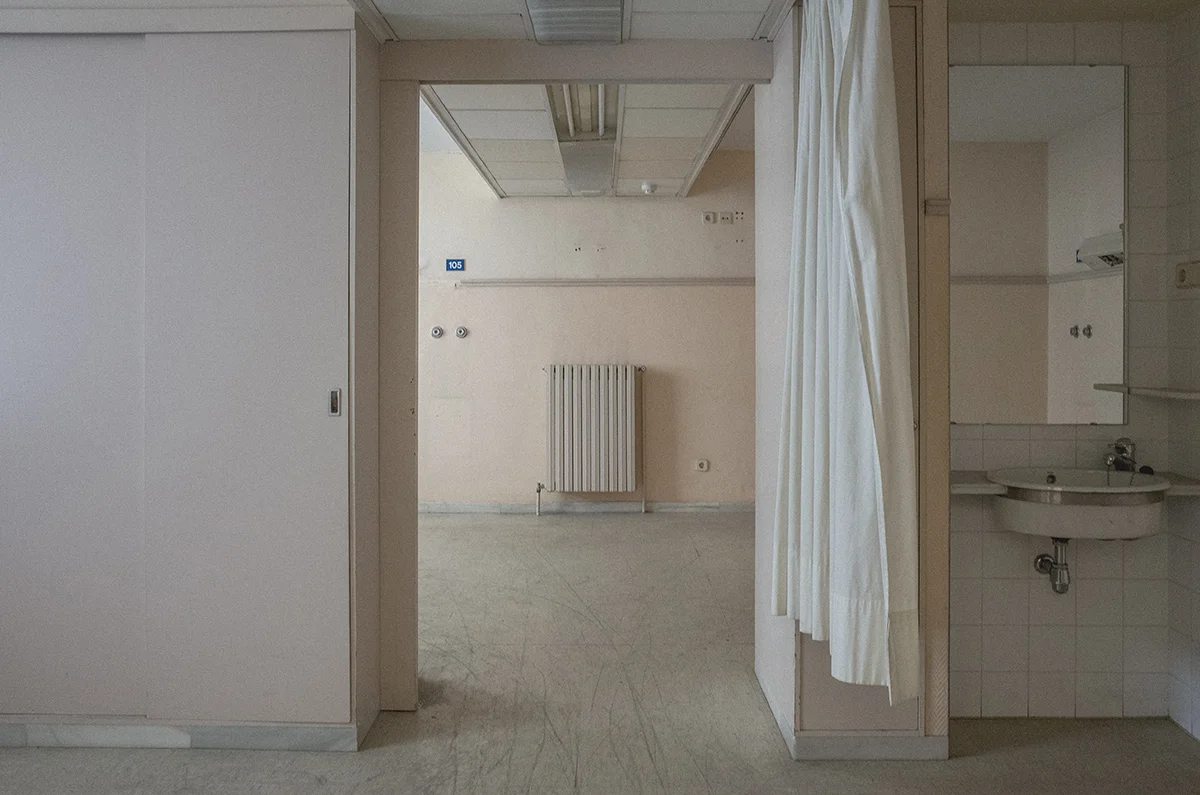
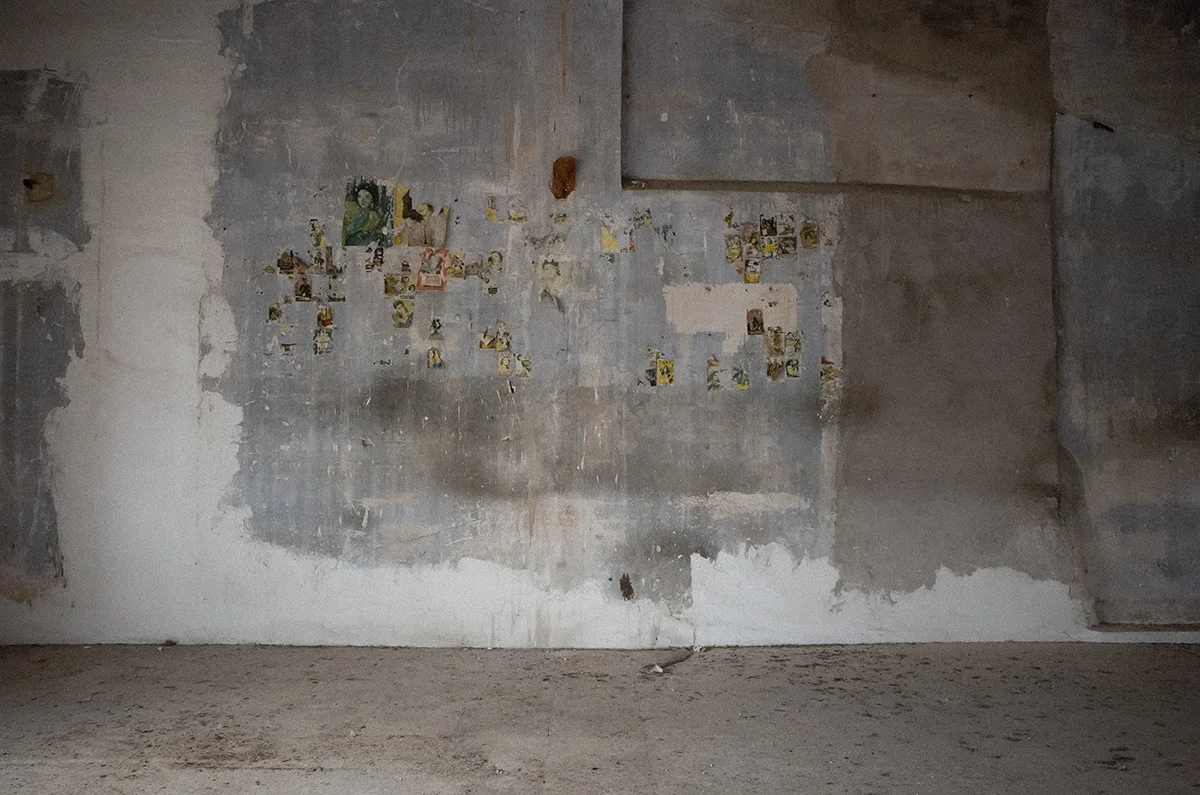
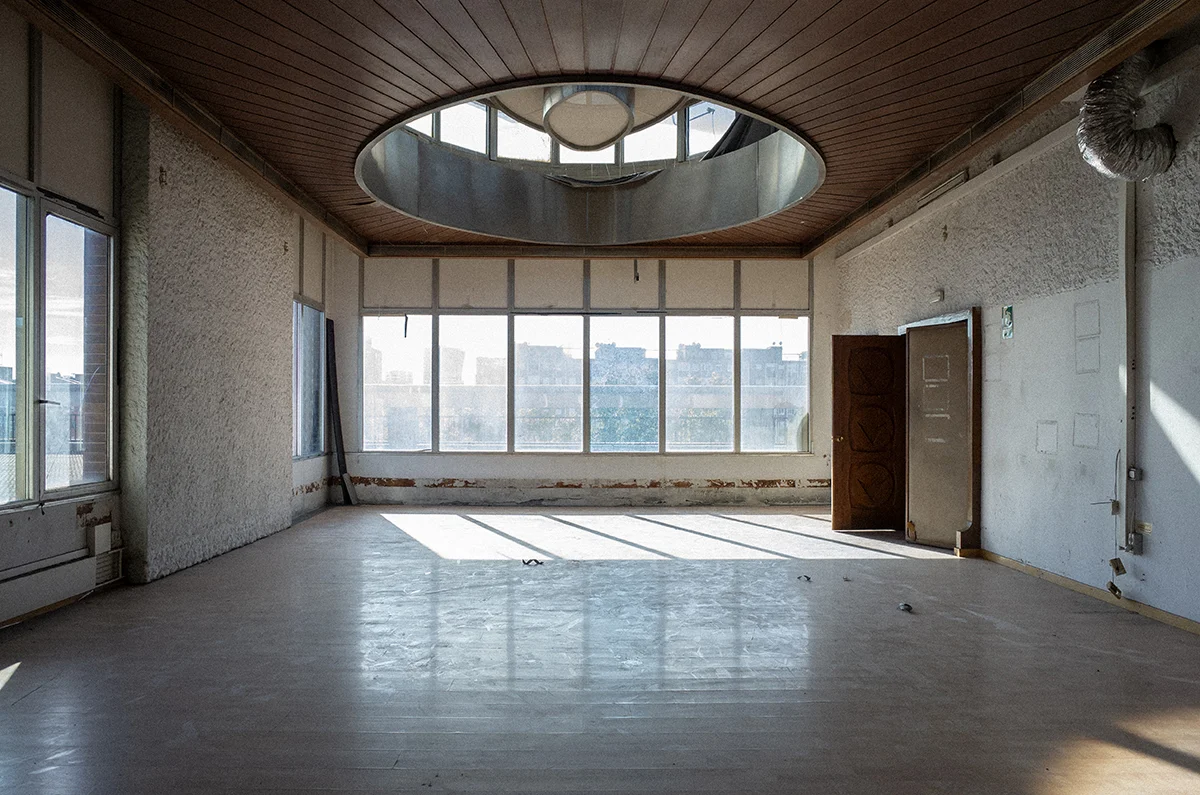
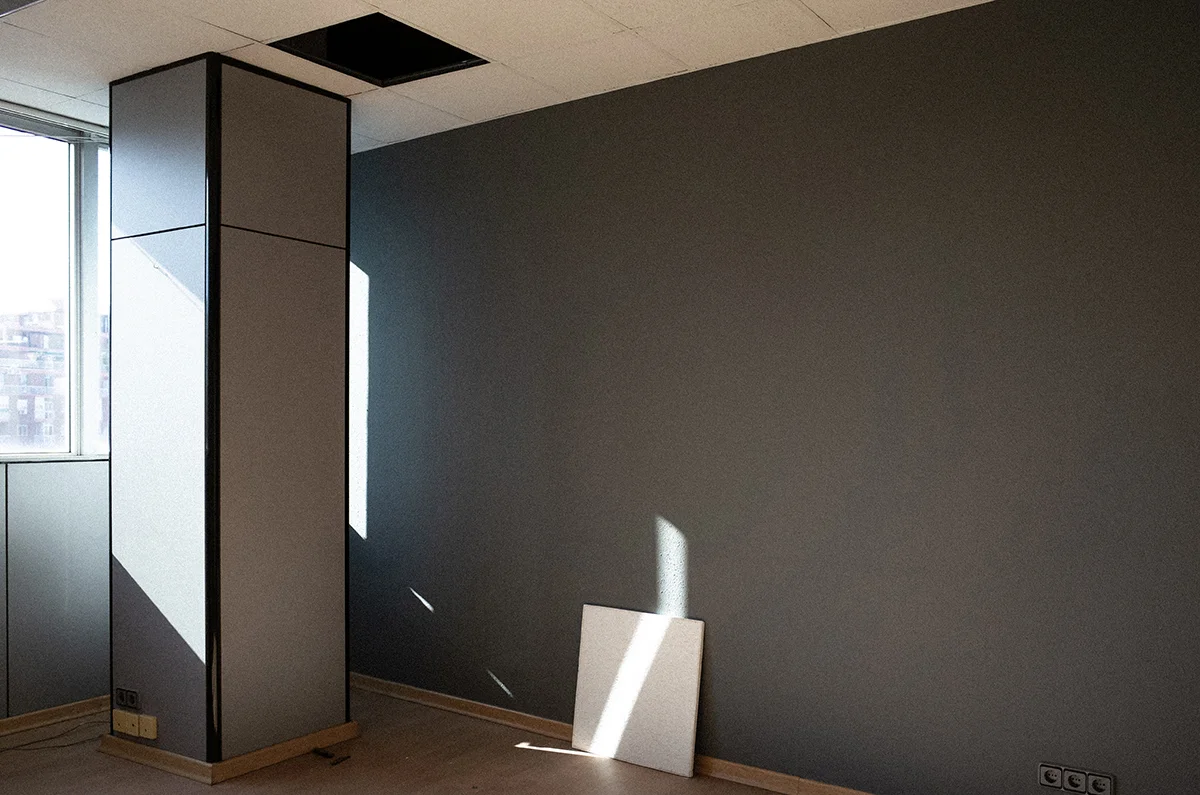
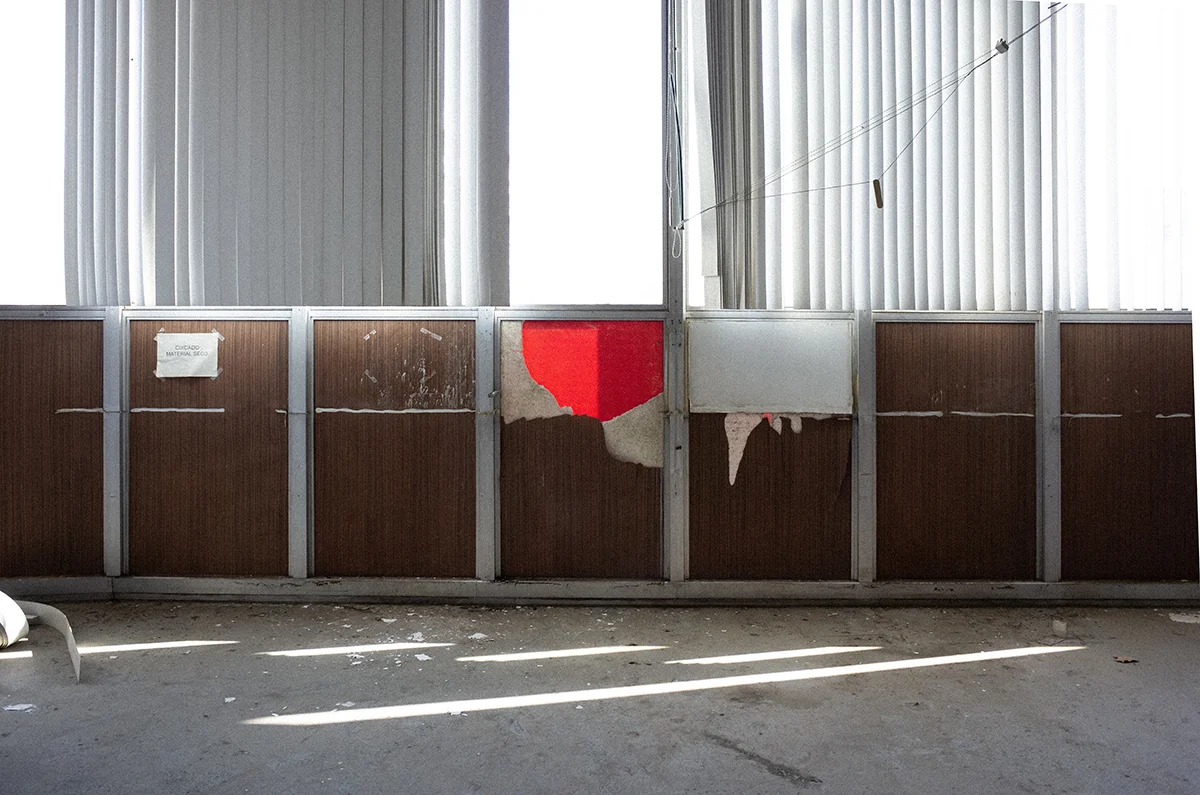
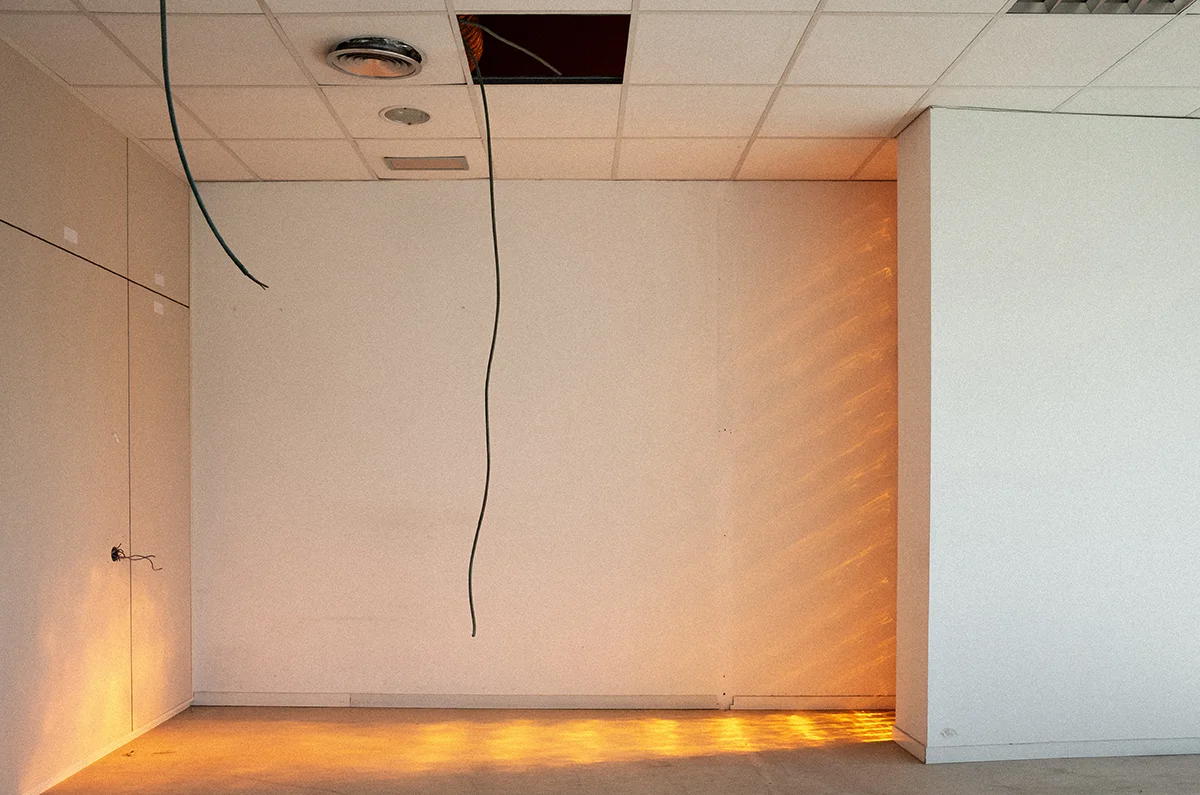
Laura Tomé is a photographer from Barcelona whose passion for photography began in childhood. Her work focuses on documenting abandoned and uninhabited places—spaces rich in history that may one day be transformed and given a new purpose.

Through her lens, she explores the relationship between memory, absence, and transformation, capturing details that often go unnoticed while preserving the unique atmosphere of each location. Rather than simply photographing spaces, she seeks to reveal the invisible stories they hold and invite viewers to reflect on the passage of time and the possibilities these places may offer in the future.

Statement
My work explores the relationship between memory and transformation through the photography of abandoned and uninhabited places. I am drawn to spaces that have been left behind, where traces of past lives remain visible despite the passage of time.

These locations exist in a state of transition: they preserve memories of what once was while holding the potential to become something entirely new. Through my photographs, I seek to document this fragile balance between absence and possibility, capturing not only the physical space but also the stories, emotions, and histories embedded within it.

By focusing on overlooked details and forgotten environments, I invite viewers to reflect on how places evolve, how memories endure, and how transformation can give new meaning to what might otherwise be lost.

All About Photo Competitions

Photographer of the Week 24, 2026

 

Inspiring Portfolios

Call for Entries
AAP Magazine #59 Shapes
Publish your work in our printed magazine and win $1,000 cash prizes
 
Stay up-to-date  with call for entries, deadlines and other news about exhibitions, galleries, publications, & special events.

More Great Photographers To Discover

Dianne Yudelson
United States
Dianne Yudelson is an award winning photographic artist and master of the New Eclecticism Photography. Her work has been exhibited in Malaysia, France, Thailand, and throughout the USA. Dianne is a 2013 Critical Mass Finalist and a Julia Margaret Cameron Award winner in documentary, as well as street photography. Recent 2013 exhibitions include the Natural History Museum in San Diego California, National Geographic Museum as part of FOTODC, The FENCE 2013 and 2014 in Boston as part of the Magenta Flash Forward Festival, The FENCE 2013 and 2014 in Brooklyn as part of Photoville, the 2014 FENCE in Atlanta as part the ACP festival, and The Center for Fine Art Photography as part of 2013 and 2014 Center Forward. Dianne graduated Summa Cum Laude from the University of California, Berkeley. “My fascination with photography began upon the realization that, in addition to being a wonderful means of documentation, photography can also be used as a fine art medium. My style is eclectic. In the fine tradition of eclectic artists of our past, from DaVinci to Duchamp to Calder, I embrace the challenge of exploring varied subjects and forms of expression. By that I mean, neither subject matter nor genre solely defines my images; they are defined by my artistic esthetic." Dianne’s 2013-2014 top honors include "Photographer of the Year" titles from three acclaimed international competitions; Black and White Spider Awards, Photography Masters Cup, and World Photography Gala Awards. In 2013 Dianne received: First Place in the International Photography Awards (IPA) in Fine Art and Collage, GOLD overall category PX3, Grand Prize Winner in the New York Center for Photographic Arts, Gold medalist in San Francisco International Exhibition, First Place Professional Women Photographers, First Place WPGA Black & White Awards, First Place Texas Photographic Society, and advertising honors in the LICC for a third consecutive year. "Throughout my life art has been the one true common thread, the stitches that bind my chapters together. As a photographic artist, I embrace the ability to spotlight my point of view and give a voice to my imagination." Interview With Dianne Yudelson AAP: When did you realize you wanted to be a photographer?I realized I wanted to be a photographer when I discovered that, in addition to being a wonderful means of documentation, photography can be used as a fine art medium.AAP: Where did you study photography?I am a self-taught photographer.AAP: How long have you been a photographer?In the summer of 2009 I came across an article in the Rangefinder magazine regarding the Black and White Spider Awards. This article reported that the competition was for amateurs as well as professional photographers. I researched online and discovered that the deadline for entries was in 2 days. During the next two days I photographed and created my composite image entitled “Vessels,” and entered it in the competition. The following February, “Vessels” won a nomination in the Abstract category at the 5th Spider Awards. Since 2010 I have considered myself a photographer and I have dedicated myself to photography from that point on, initially creating single images and then moving forward to create whole portfolios of work. Within two years, at the 7th Black and White Spider Awards, I was named Photographer of the Year, Honor of Distinction.AAP: Do you remember your first shot? What was it?I was about 10 years old when I took my first snapshot. Although I have always enjoyed taking pictures, I remember people commenting, “Why are you wasting film taking a photo of a lollipop discarded in the street or a chair off in the corner?” I do remember the first photograph that elicited the response “Whoa… you could sell this shot!” The comment came from a friend of mine, who was a commercial photographer. I had taken an adventurous trip to England, receiving a camera as a going away gift. Because I was traveling alone, my photos captured my personal vision of the landscape: rowboats near a river’s edge at dawn, silhouettes of statuary at sunset and the delicate curvature of wildflowers as they blew in the autumn breeze. Capturing these photographs sparked my artistic curiosity; consequently, taking the photos became one of the most exciting aspects of my journey abroad.AAP: Do you have a mentor?My mentors are all the eclectic artists who have preceded me. I have honored some of these artists in my series “Fusions” and “Monarchs in Art.” In these two series I have utilized stylistic elements of the artists who were important contributors to their artistic movements, “monarchs” of their medium, while interpreting the subject matter and creating an image truly representative of my own modern artistic style.AAP: What inspires you?I am generally inspired by all things visual, from grand vistas to the reflection of light on a teardrop. Sometimes I am immediately compelled to take a photo and at other times the visual moment triggers a thought process that leads to the creation of a photo or photo series. Every now and then, as an avid reader, I will come across a pairing of words that peak my interest. For example, I created an image to symbolize a concept I had studied in graduate school, “Synaptic Euphoria.”AAP: How could you describe your style?My style is eclectic. By that I mean I embrace the challenge of exploring varied subjects and forms of artistic expression. As part of this philosophy, I created a new art movement that I call the “New Eclecticism.” Neither subject matter nor genre solely defines my images; they are defined by my artistic esthetic.As a teen, I performed in musicals. I remember saying, “I wish I could sing like Barbara Streisand.” My mother pointed out that the world already has a Barbara Streisand. We love Barbara because she is unique. To be unique you must be yourself as the world only has one of you.” From that day forward, I have understood that to be original, you must remain true to yourself and your vision.AAP: What kind of gear do you use?I am a Nikon girl -- camera, lenses and speedlights.AAP: Do you spend a lot of time editing your images?Sometimes yes and other times no. I will say that, when I am in the process of editing or creating images, time seems to disappear; I am in my own world. When I am not shooting or creating, I am thinking about what needs to be taken care of, so that I can get back to my art.AAP: What advice would you give a young photographer?I teach a photography group and I always advise them to keep the elements of composition in mind, photograph what inspires them and, if an idea hits you out of the blue, take a second to notate it for use later. Above all else, allow your images to serve as self-expression.AAP: Do you have an idea or project you would like to share?Recently, I have focused on my nature and wildlife photography. I have always loved birds and will sit in a field, by a stream or in a ditch along the side of a road for an hour or more to capture an elusive species or to wait for that moment of interaction. As a very young girl my fondest memory was sitting on my grandmother’s porch while she showed me tintypes of my great grandmother and other loved ones. Holding these tintypes in my hand and gazing into the eyes of my ancestors while hearing stories of my grandmother’s childhood was an experience I hold dear to my heart. Those tintypes were my first exposure to the art of photography. My series "Antique Aviary" is a melding of my lifelong passion for birds, my wildlife photography and my deep appreciation of the tintype image.AAP: What was your worst memory as a photographer?In April of this year I drove 400 miles to hand deliver my framed image “Great Horned Owl” from my “Antique Aviary” to the SMASHBOX exhibition during MOPLA (Month of Photography Los Angeles). Upon exiting my rental car, I took two steps and tripped into a 12inch pothole in the parking lot across the street from the Smashbox Studios in Hollywood and broke my foot.AAP: What is your best memory as a photographer?One day I was taking a drive with my 9 year old son. We were driving down a country road appreciating the tall mustard grass. Suddenly I spotted a 6 foot fence pole that was literally covered with bees. I pulled over, jumped out of the car and grabbed my camera from the trunk as well as a jacket to throw over my head. I told my son to stay in the car and take some photos with his little camera, but not to roll down the window. Bees were flying over my head and around my body to get to the pole. As I attempted to focus on the bees I realized that all these bees were vibrating up and down the pole. In order to get the shot, I was going to have to move in very close. At a couple of feet away I took the photos in my series “A Gathering of Bees.” When I returned to the car my son was a bit distraught. I said "I’m sorry if I took too long" and he said, “But Mommy, you’re allergic to bees. What if they swarmed you? What would I do?” I shall always remember the look on his face when I told him that if they swarmed me, “Take the Shot!”
Betty Press
United States
Betty Press is a documentary fine art photographer, well-known for photographs taken in Africa where she lived and traveled for many years. Now living in Mississippi she has just completed a project called “Finding Mississippi” recording "real life" in small communities throughout Mississippi with black-and-white film and toy and vintage cameras. She taught photography at University of Southern Mississippi from 2003 to 2015. She is twice the recipient of a Visual Artist Grant from the Mississippi Arts Commission. Her photographs have been widely-exhibited as well as selected for many juried competitions. In addition, her photographs have been featured in publications such as Shots, Silvershotz, South x Southeast, Lenscratch, ACurator, RfotoFolio, and Don't Take Pictures. Her work is held in a number of public collections including Beinecke Library at Yale University, The National Museum of Women in the Arts, Washington, DC, The Harry Ransom Center for the Humanities, The University of Texas, Austin, Mississippi Museum of Art and The Do Good Fund of Southern Photography. In 2011 Betty published a photobook I Am Because We Are: African Wisdom in Image and Proverb that portrayed a stunning, life-affirming portrait of the African people and culture. For this book she received a statewide award in photography, from the Mississippi Institute of Arts & Letters and was selected for Critical Mass Top 50. Her other books/zines include La Dolce Vista, Hub City Impressions and Finding Mississippi. In August 2019 she moved to Nairobi, Kenya to photograph urban culture and social injustice, but returned to the USA in April 2020 due to the Covid-19 outbreak. Her most recent project They Were Us: Stories of Victims and Survivors of Police Brutality in Kenya, was selected for Photo Lucida Critical Mass Top 50. Betty was invited by Lenscratch to curate the States Project for Mississippi. She also helped bring the Do Good Fund Exhibition of southern fine art photography to USM Art Gallery and organized several simultaneous local exhibitions. Most recently, she co-curated an online show Virtual Photography 20:20 for One Off Contemporary Art Gallery, Nairobi, Kenya. She is represented by Panos Pictures, London; International Visions, Washington, DC; Fischer Galleries, Jackson, Mississippi; Treehouse Gallery, Oxford, Mississippi and One Off Contemporary Art Gallery, Nairobi, Kenya. As a former educator, journalist, and avid traveler Press brings a wide-ranging perspective and appreciation of diverse photographic styles, genres and mediums. Services Offered: The African Urban landscapeEye-catching, colorful and hand-painted! Popular creative signage, found on small shops started by mostly young entrepreneurs, livens up what would otherwise be a drab environment in the poorer, densely-populated areas of third world cities like Freetown, Nairobi, or Monrovia. Services, such as hairdressing, tailoring, phone charging, food stalls and video games are advertised. The designs, drawn from traditional as well as contemporary pop culture, are bold, simple and use primary colors and funky fonts. The sign painters are mostly young and self-taught. With more mobile smart-phone usage the signage reflects the modern world on an African canvas. I have spent more than 15 years living in various African countries. In 2019 I moved back to Kenya. My main focus was to document the social justice movement in Nairobi's urban settlements (formerly called slums), resulting in They Were Us: Stories of Police Brutality in Kenya which was selected for the 2020 Photo Lucida Critical Mass Top 50. On the side I would stop to photograph the colorful shops which I found so artful, refreshing and safer to photograph. Now back home in Mississippi, after being evacuated from Nairobi due to the pandemic, I continue working on my Mississippi projects which deal with how place, race and religion have played a part in the complicated history of the state and still affect black lives today.
Ayanava Sil
I am Ayanava Sil a resident of Kolkata, India. By education I hold a degree of Master Of Business Administration in Marketing. Photography to me is an exemption to see things differently. I am a Street and Documentary photographer, with an objective of documenting everyday life. The uncertainty and the suspense drives me the most towards these genres of Photography. Documenting people over the years has provided me with the invaluable opportunity to explore the unknown and to embrace the conglomerate realities of people. I am one of the administrators and curator of Streets Of Calcutta which is the oldest and the largest Street Photography archive of Kolkata. My works has been published and recognized by different platforms like National Geographic, National Geographic Traveller India, CNN America, Getty Images, Business Standard, World-Street-Photography Book 5, APF Street Photography Magazine, Better Photography India, Asian Photography, Chiiz Magazine etc. I have been awarded by The Andrei Stenin International Press Photo Awards, News Times, Eye Win Awards, Golden Orchid International Photography Awards etc. My works has also been exhibited in multiple photography exhibition, to name a few, Jaipur Art Summit 2016, Ariano International Film Festival 2017, Kolkata International Photography Festival 2019, Wlasnymi Slowami Film Festival 2019. Where I Bloom As the world combats with an invisible enemy, many of our lives have come to a standstill now. A month ago our lives were pretty foreseeable with simple daily conventional work that all of us were looking forward to. The coronavirus pandemic has changed the whole scenario, today countries are under locked down, schools and universities have been closed, events are cancelled and many people have been asked to work from home. We have seen the Government enforcing every preventive measure to slow the spread of the virus and flatten the curve. During this critical time, it is essential that everyone stays at home and helps to prevent the spread of this virus. In these tough times, photography is one of the major businesses that has been affected a lot by this pandemic. All studios have been shut down, weddings have been postponed, all the sports events have been cancelled and presently more than half of the world is locked down and there is no possibility of travelling. I am a photographer who loves to roam around the city unwearyingly to document life on the streets but due to the pandemic it is impossible to go out of my house to shoot now. So to keep myself in practice and to keep my sanity I chose to document my house but with a definite objective as this work of mine will have a different approach from the rest of my works. Also, I challenged myself to shoot everything through my phone only. So I started shooting every corner of my house from the ground floor to the terrace, through the windows and the doors, the plants in my house to the birds which flies above my terrace. I decide not to include any human subject and the only reason behind this decision is because we often feel like we are the most important species, but the fact is that we will fade away with time but we will leave behind a lot of things when we are gone. I tried to portray those moments keeping the photographs minimalist and graphical in form and ambiguous in nature. During all this time I had an interesting observation and I discovered that sunlight creates fascinating graphical shadow movements in different parts of my house during each phase of the day. I think that the only positive outlook amidst the COVID-19 pandemic outbreak is that nature has started healing. I do not remember when I last saw such timely Norwesters in the past few years. The Norwesters generally hit during the months of April and May. It mostly occurs late in the evening when thick, dark and black clouds start appearing in the sky. It generally moves from west to east bringing torrential rain often with strong wind and lasts only for a short period of time. The Norwesters are beneficial for cultivation purposes in West Bengal and Bangladesh. This year, the Norwesters bought different and beautiful cloud patterns and I tried to weave them within my work as well.
Julia Fullerton-Batten
Julia is a world-wide acclaimed and exhibited fine-art photographer. She has had portraits commissioned by the National Portrait Gallery, that are held in permanent collection. She is a winner of the HSBC Fondation pour la Photographie award and a Hasselblad Master. Her images are on the front covers of 'A Guide to Collecting Contemporary Photography' (Thames and Hudson, 2012) and Eyemazing Magazine. She is widely sought after as a judge for adjudicating at prestigious international photographic competitions and as a speaker at international events. The foundation of her success as a fine-art photographer was 'Teenage Stories' (2005), an evocative narrative of the transition of a teenage girl to womanhood. It portrays the different stages and life situations experienced by an adolescent girl as she grapples with the vulnerability of her teenage predicament – adjustments to a new body, her emotional development and changes in her social standing. Her book ‘Teenage Stories’ was published in 2007. This success was followed by other projects illuminating further stages a teenager experiences to becoming a woman - In Between (2009) and Awkward (2011). Julia freely admits to many of her scenes being autobiographical. This was even more so the case with her next project, Mothers and Daughters (2012). Here she based the project on her own experiences in her relationship with her mother, and the effects of her parents’ divorce. Unrequited love – A Testament to Love (2013) – completes Julia’s involvement with the female psyche, illustrating poignantly the struggles experienced by a woman when love goes wrong. Again there is no happy end, the woman is left with the despair of loneliness, loss and resignation. More recently, Julia has shot a series of projects where she has engaged with social issues. Unadorned (2012) takes on the issue of the modern Western society’s over-emphasis on the perfect figure, both female and male. For this project she sourced overweight models and asked them to pose in the nude in front of her camera against a backdrop similar to that of an Old Master’s painting, when voluptuousness was more accepted than it is now. ‘Blind (2013)’ confronts the viewer with a series of sympathetic images and interviews with blind people, some blind from birth, others following illness or an accident. Sight being one of mankind’s essential senses and her career being absolutely dependent on it, Julia hoped to find answers to her own personal situation if she were ever to become blind. Her most recent project, In Service (2014), exposes some of the goings-on behind the walls of the homes of the wealthy during the Edwardian era in the UK (1901 – 1911). Millions of poorer members of society escaped poverty by becoming servants in these homes, where it was not only hard work, but they were often subjected to exploitation and abuse. Julia’s very distinctive style of fine-art photography is epitomized by her use of unusual locations, highly creative settings, street-cast models, and accented with cinematic lighting. She insinuates visual tensions into her images, and imbues them with a hint of mystery, that combine to tease the viewer to re-examine the picture continuously, each time seeing more content and finding a deeper meaning with every viewing. Major events in which she has recently participated include Fotografiska, Stockholm; Noorderlicht, International Festival of Photography, Kristiansund, Norway; Dong Gang Photo festival, Korea; Daegu Photo Biennale, Korea; Museo Thyssen-Bornemisza and Fundacion Caja, Madrid; Pompidou Center, Paris; Shanghai International Photographic Art Exhibition; Hereford Photo Festival; The Museum of Contemporary Art Shanghai (MOCA Shanghai). Guest Speaker - National Geographic Seminar in Washington DC; Fotografiska, Stockholm, and Noorderlicht, Norway.
Abhishek Basak
Abhishek Basak is a professional freelance photographer specializing in travel, people, and documentary photography. Based in India, he has been dedicated to capturing compelling images and sharing the art of photography for over seven years. His journey in this field has been one of continuous exploration, boundless learning, and an unwavering passion for storytelling through the lens. He has served as a photography teacher at a distinguished school in Kolkata and continues to mentor aspiring photographers in various aspects, including post-processing. He is also a co-mentor for AH Photography Expedition, where he organizes photography tours and workshops to inspire and guide budding talent. He has achieved prestigious distinctions such as EFIP (Excellence FIP) and EFIAP (Excellence FIAP). He has mentored two National Geographic photographers from Poland. He has judged many national and international photography competitions. His photographs have been exhibited in more than 130 countries worldwide. He has been honoured with the Best Photographer Award over 70 times in international competitions held in countries like France, Luxembourg, Serbia, Bulgaria, Belgium, Ukraine, South Africa, Slovenia, Italy, and more. In India, he has received this distinction over 100 times in national competitions, amassing a total of more than 3000 awards across national and international contests. Awards and Honors: · HIPA Finalist in both 2018 and 2023. · First Indian to win the One Eyeland Photography Award 2024. · Winner in 35 Awards 2022. · Winner in Agora Photography Competition. · Winner in Black & White Photo Award. · Winner in World Photography Club Competition. · Winner in FIP Monthly Photography Competition. · Winner in India Photography Summit 2024. · Winner in Photography Club of Assam photo contest. · Winner in NAP Photo contest, Dhanbad Camera Club. · First Indian to win an award from Taichung Photo Award. · Honourable Mention at the KAFF International Contest. · Finalist in the prestigious SIENA International Photo Awards. · Finalist in Urban Photo Awards & Vanguard Photo contest, and many more. · In 2022, he earned 2nd place nationally in the EISA International Photography Competition, a distinguished honour in the field of photography. Publications: · His photographs have been featured in globally acclaimed publications and platforms, including National Geographic, Getty Reportage, The Bangla Live, Chiiz, Asian Photography Magazine, Smart Photography Magazine, Travellers’ World, Viewfinder, The Guardian, and Uttarbanga Sangbad. His work has also been published in major Indian media outlets, including Anandabazar, Eisamay, Bartaman, Anandabahar, Uttarbanga Sangbad, and Outlook Traveller, among others. Kulasai Dussehra: Kulasai Dussehra, celebrated in Kulasekarapattinam, Tamil Nadu, is one of South India's most unique and vibrant festivals. Unlike the traditional Dussehra festivities across India, which often center on Lord Rama's victory over Ravana, Kulasai Dussehra is marked by grand processions and intense devotion to Goddess Mutharamman, who is believed to be an incarnation of Durga. Thousands of devotees dress in various forms of gods, goddesses, and mythical figures, bringing alive the region's deep-rooted cultural and religious traditions.This festival showcases one of the diverse ways Dussehra is celebrated. It represents the triumph of good over evil while highlighting local traditions, beliefs, and artistic expressions. My photos of this event, taken in a 24-hour cycle covering start to finish, capture the fervour, colours, and deep spirituality of the festival, making it a cultural experience that deserves wider recognition and appreciation. Understanding Kulasai Dussehra broadens our view of India's rich heritage.
Julius Shulman
United States
1910 | † 2009
Julius Shulman was an American architectural photographer best known for his photograph Case Study House #22, Los Angeles, 1960. Pierre Koenig, Architect. The house is also known as the Stahl House. Shulman's photography spread the aesthetic of California's Mid-century modern architecture around the world. Through his many books, exhibits, and personal appearances his work ushered in a new appreciation for the movement beginning in the 1990s. His vast library of images currently resides at the Getty Center in Los Angeles. His contemporaries include Ezra Stoller and Hedrich Blessing photographers. In 1947, Julius Shulman asked architect Raphael Soriano to build a mid-century steel home and studio in the Hollywood Hills. Some of his architectural photographs, like the iconic shots of Frank Lloyd Wright's or Pierre Koenig's remarkable structures, have been published countless times. The brilliance of buildings like those by Charles Eames, as well as those of his close friends, Richard Neutra and Raphael Soriano, was first brought to wider attention by Shulman's photography. The clarity of his work added to the idea that architectural photography be considered as an independent art form in which perception and understanding for the buildings and their place in the landscape informs the photograph. Many of the buildings photographed by Shulman have since been demolished or re-purposed, lending to the popularity of his images. I’m not modest about myself. I know for a fact that I am good. But good in the sense that I can put things together. I expound vociferously to students of architecture and photography, the significance of design. A photograph is a design in which you assemble thoughts in your mind. -- Julius Shulman Julius Shulman was born in Brooklyn to Russian-Jewish parents on October 10, 1910, and grew up on a small farm in Connecticut before moving to Los Angeles while still a boy. He briefly attended the University of California, Los Angeles and the University of California, Berkeley, and earned pocket money by selling his photographs to fellow students. In 1936 he returned to Los Angeles, where he was enlisted by a friend, working as a draftsman for Richard Neutra, to take photographs of a new, Neutra-designed Kun Residence in Hollywood with his amateur Kodak Vest Pocket camera. When Neutra saw the pictures, he asked to meet the photographer and proceeded to give him his first assignments which assisted Shulman in launching his career in architectural photography. Shulman opened a studio in Los Angeles in 1950, by that time drawing much of his work from magazines based in New York. He remained in business full-time until the late 1980s. In 2000, Shulman gave up retirement to begin working with business partner Juergen Nogai. The Getty Research Institute held a 2005–2006 exhibition of Shulman's prints entitled Julius Shulman, Modernity and the Metropolis. The exhibition included sections entitled Framing the California Lifestyle, Promoting the Power of Modern Architecture, The Tools of an Innovator and The Development of a Metropolis. The exhibition traveled to the National Building Museum and to the Art Institute of Chicago. In 1987, the Shulman House was designated a Cultural Heritage Monument by the city of Los Angeles. Shulman himself had a Golden Palm Star on the Palm Springs Walk of Stars dedicated to him in 2006. He died at his home in Los Angeles, California on July 15, 2009; he was 98 years old. He was buried at Hillside Memorial Park Cemetery in Culver City, California.Source: Wikipedia I sell architecture better and more directly and more vividly than the architect does... The average architect is stupid. He doesn’t know how to sell. He’s not a merchandiser. He doesn’t know how to express his own image. He doesn’t know how to create a design of his image... And I do it. I’ve done it all my career over half a century, and it gets better. -- Julius Shulman
Advertisement
AAP Magazine #59 Shapes
Win a Solo Exhibition in July
AAP Magazine #59 Shapes

Latest Interviews

Exclusive Interview with Trevor Cole: Pastoral Peoples and Practices
For this interview, we wanted to focus specifically on The Face of the Mundari and the wider Pastoral Peoples and Practices series. We spoke with Trevor about his long-term work among the Mundari, what continues to draw him back to their cattle camps, and the experience of documenting a culture whose identity remains deeply connected to livestock, tradition, and the natural environment.
Exclusive Interview with Frank Meo
In our latest exclusive feature for All About Photo, I speak with veteran photography representative Frank Meo about what it truly takes to build a sustainable creative career today. Frank brings decades of experience working with Fortune 500 companies, major agencies, and documentary photographers to the table. We dive into the critical business skills often left out of art school curriculums, the power of mentorship, and the inspiring evolution of PROJECTIONS—his international salon platform for visual storytellers. It’s an essential read for anyone navigating the commercial or editorial photography landscape today.
Exclusive Interview with Carolyn Moore
American photographer Carolyn Moore explores the inner landscape of emotion, memory, and personal transformation through a deeply intuitive photographic practice. Her work unfolds as a quiet dialogue between artist and viewer, where images become a space for reflection, vulnerability, and connection.
Exclusive Interview with Luca Desienna and Laura Estelle Barmwoldt
For over seven years, Of Lilies and Remains has explored the depths of the goth and darkwave underground, unfolding in Leipzig—a city long associated with a vibrant and enduring subcultural scene. Moving between iconic gatherings such as Wave-Gotik-Treffen and more intimate moments on the fringes, the project offers a rare and immersive glimpse into a world often misunderstood, yet rich in expression and community. Created by Luca in collaboration with Laura Estelle Barmwoldt, the work embraces a cinematic and deeply personal approach. Rather than documenting from a distance, it moves within the scene itself, capturing its atmosphere, its codes, and its quiet contradictions. The title Of Lilies and Remains hints at this duality—where beauty and darkness, fragility and strength coexist. As the book prepares for its release, we spoke with both artists about the origins of the project, their process, and what it means to document a subculture that continues to evolve while remaining true to its spirit.
Exclusive Interview with Matthew Finley
American photographer Matthew Finley turns inward, using photography as a way to explore identity, memory, and emotional truth. Based in Los Angeles, his practice moves between performance, gesture, and found imagery, creating a visual language that is both intimate and deeply personal
Exclusive Interview with Jan Janssen
Dutch photographer Jan Janssen explores universal human experiences through his long-term project It Matters, winner of the May 2025 Solo Exhibition. Begun in 2016, the series captures intimate moments of everyday life—love, loss, connection, and belonging—across Central and Eastern Europe. Working in countries such as Turkey, Azerbaijan, and Armenia, Janssen spends extended time within communities, building relationships based on trust and respect. His approach allows him to move beyond observation, revealing deeply human and authentic moments. Rooted in travel and personal discovery, It Matters reflects Janssen’s search for what connects us all in an increasingly divided world. The project is ongoing and will culminate in a photobook scheduled for publication in 2026.
Exclusive Interview with Henk Kosche
German photographer Henk Kosche turns his lens toward the streets of Halle an der Saale, capturing everyday life in the late years of the former German Democratic Republic. At the time, Kosche was studying design and exploring the city with his camera, drawn to the atmosphere of its industrial landscape and the quiet rhythms of daily life. His series Street Photography at the End of the 80s, selected as the Solo Exhibition for July 2025, revisits a body of work created just before a period of profound change. Rediscovered decades later in a small box of 35mm negatives, these photographs offer glimpses of a city and its people at a moment suspended between the familiar and the unknown.
Exclusive Interview with Anastasia Samoylova
Anastasia Samoylova is an American artist whose photographic practice is shaped by close observation and a deep attentiveness to place. Working between documentary and formal exploration, she photographs landscapes, architecture, and everyday scenes with a sensitivity to light, structure, and atmosphere. Since relocating to Miami in 2016, her work has increasingly focused on how environments—both natural and built—carry social, cultural, and emotional traces. We asked her a few questions about her practice and her way of seeing, to better understand the thoughts and experiences that shape her work—while allowing the images themselves to remain open and speak in their own time.
Exclusive Interview with Marijn Fidder
Marijn Fidder is a Dutch documentary photographer whose work powerfully engages with current affairs and contemporary social issues. Driven by a deep sense of social justice, she uses photography to speak on behalf of the voiceless and to advocate for the rights of those who are most vulnerable. Her images have been widely published in major international outlets including National Geographic, CNN Style, NRC Handelsblad, Volkskrant, GUP New Talent, and ZEIT Magazin. Her long-term commitment to disability rights—particularly through years of work in Uganda—culminated in her acclaimed project Inclusive Nation, which earned her the title of Photographer of the Year 2025 at the All About Photo Awards. She is also the recipient of multiple prestigious honors, including awards from World Press Photo and the Global Peace Photo Award. We asked her a few questions about her life and work.
Call for Entries
Win A Solo Exhibition in July
Get International Exposure and Connect with Industry Insiders