All about photo.com: photo contests, photography exhibitions, galleries, photographers, books, schools and venues.
FINAL DAYS TO ENTER AAP MAGAZINE B&W: PUBLICATION AND $1,000 CASH PRIZES
Alfredo Diano
Alfredo Diano
Alfredo Diano

Alfredo Diano

Country: Italy
Birth: 1960

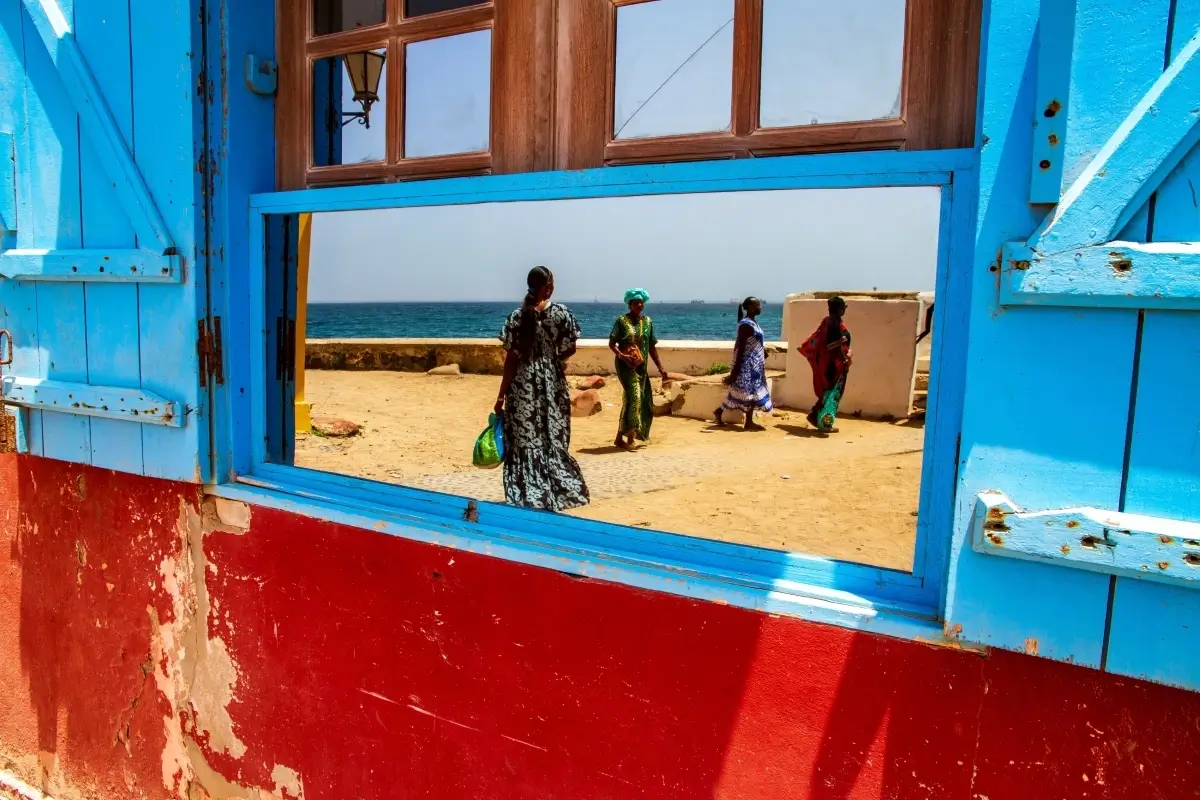
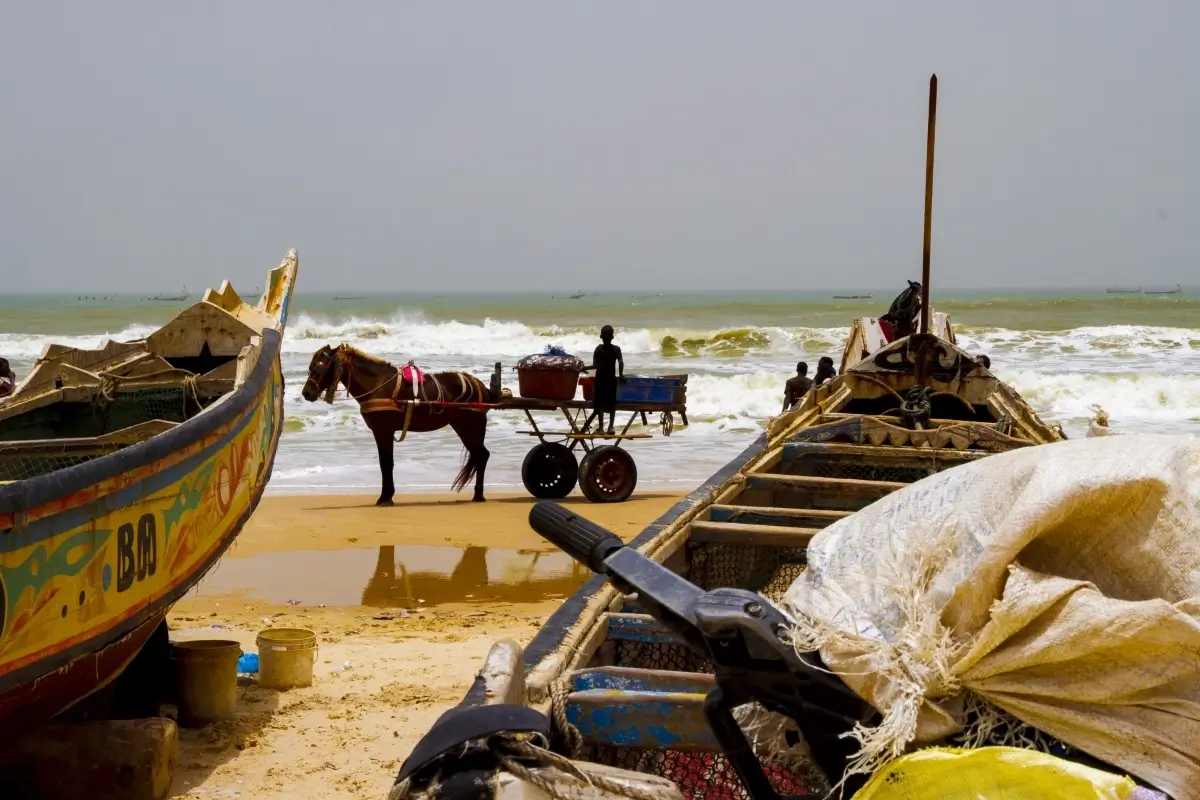
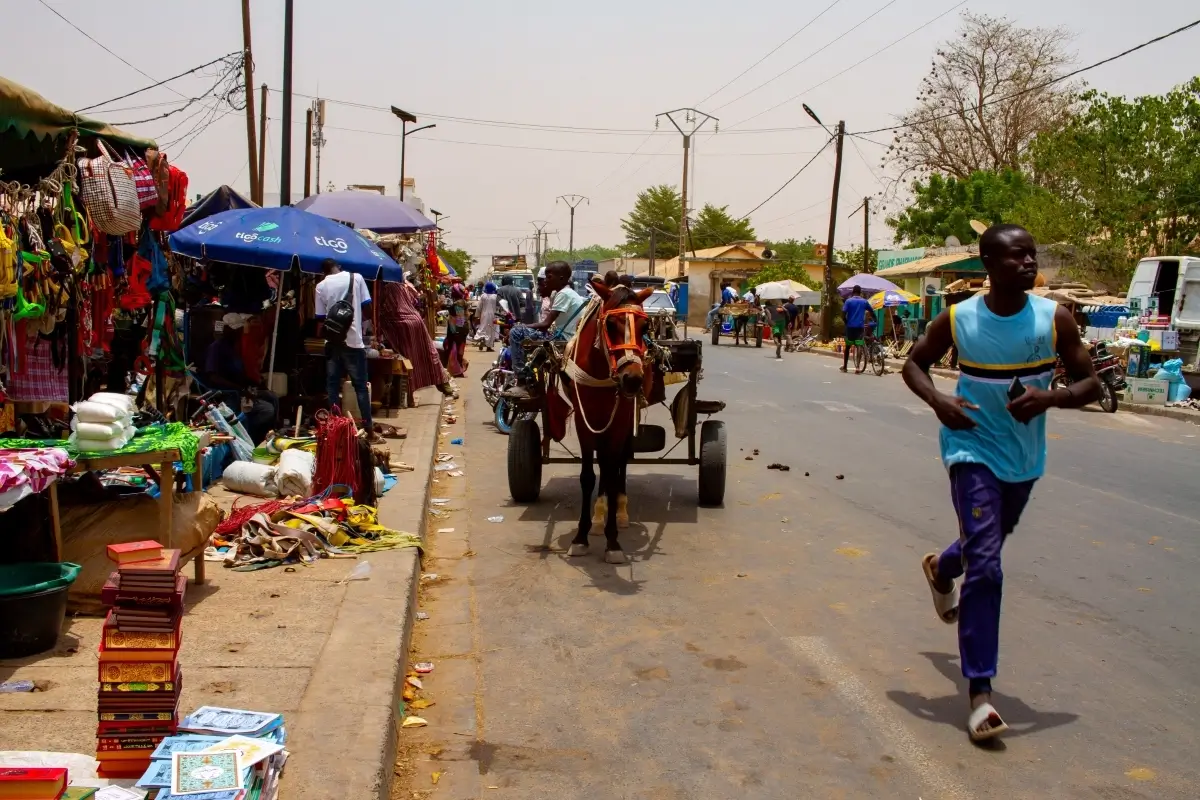
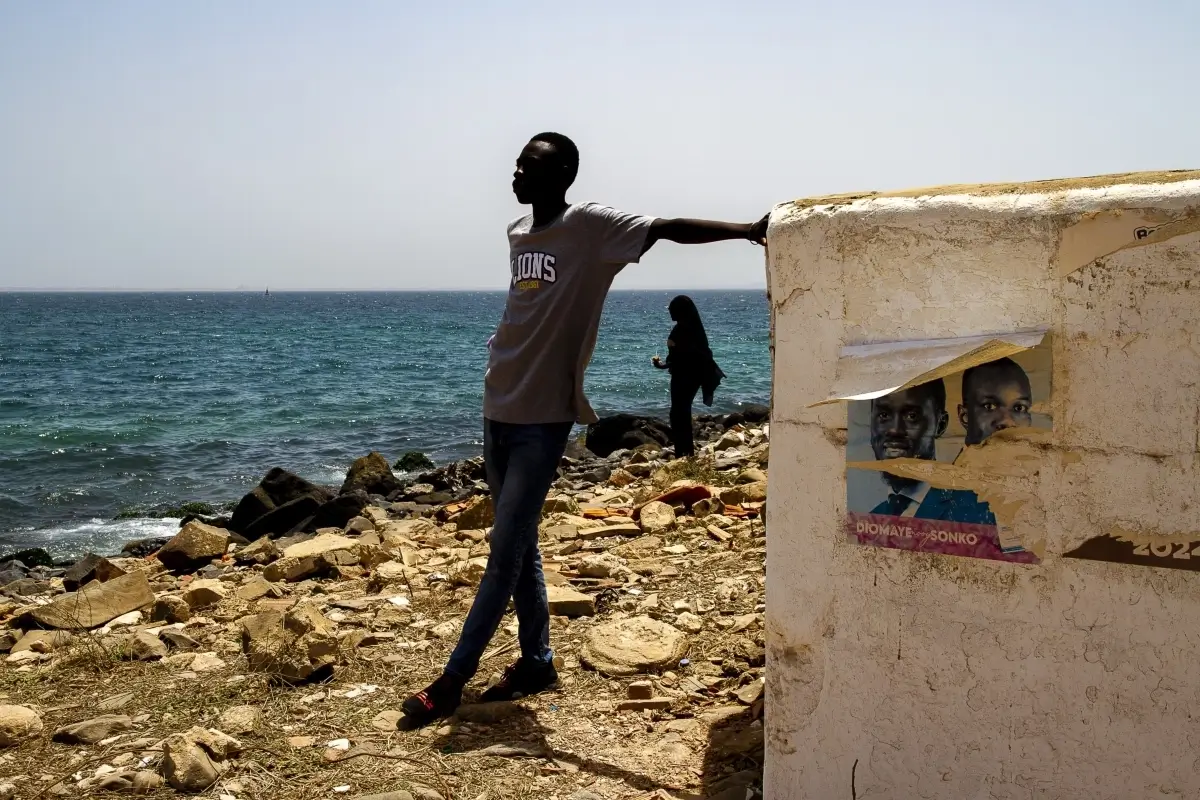
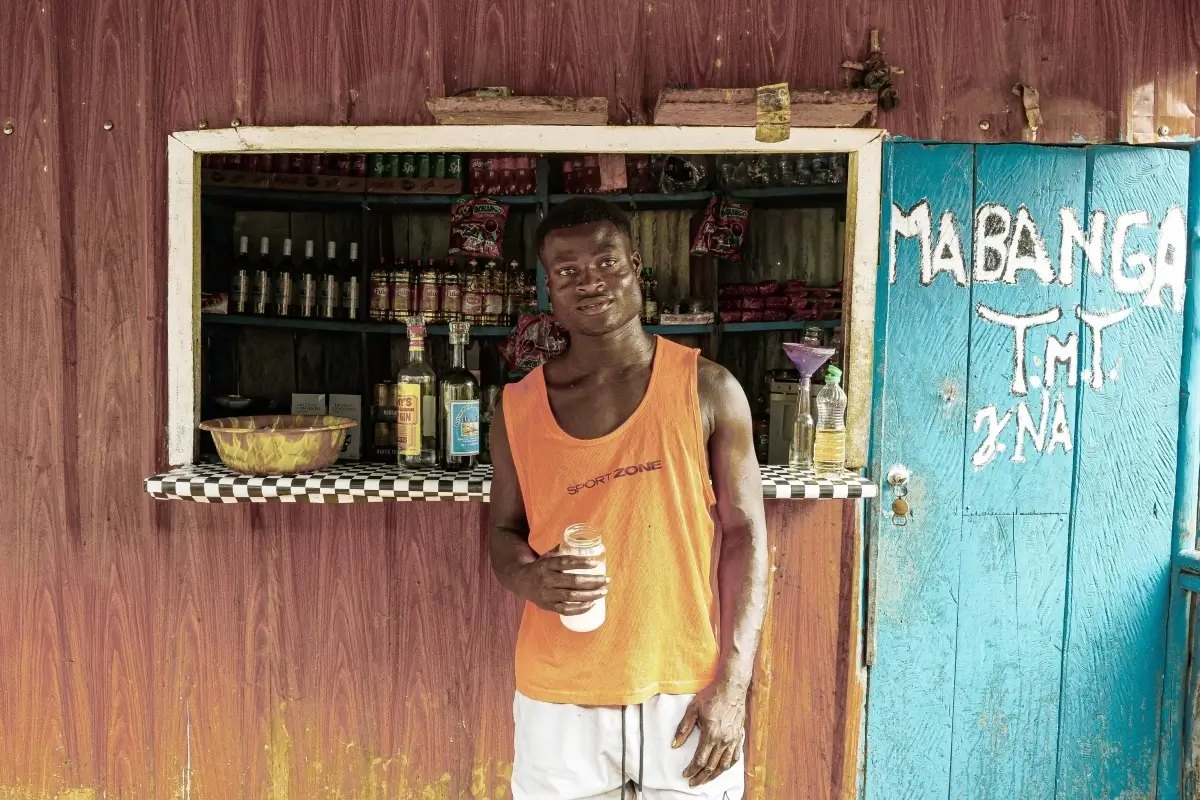
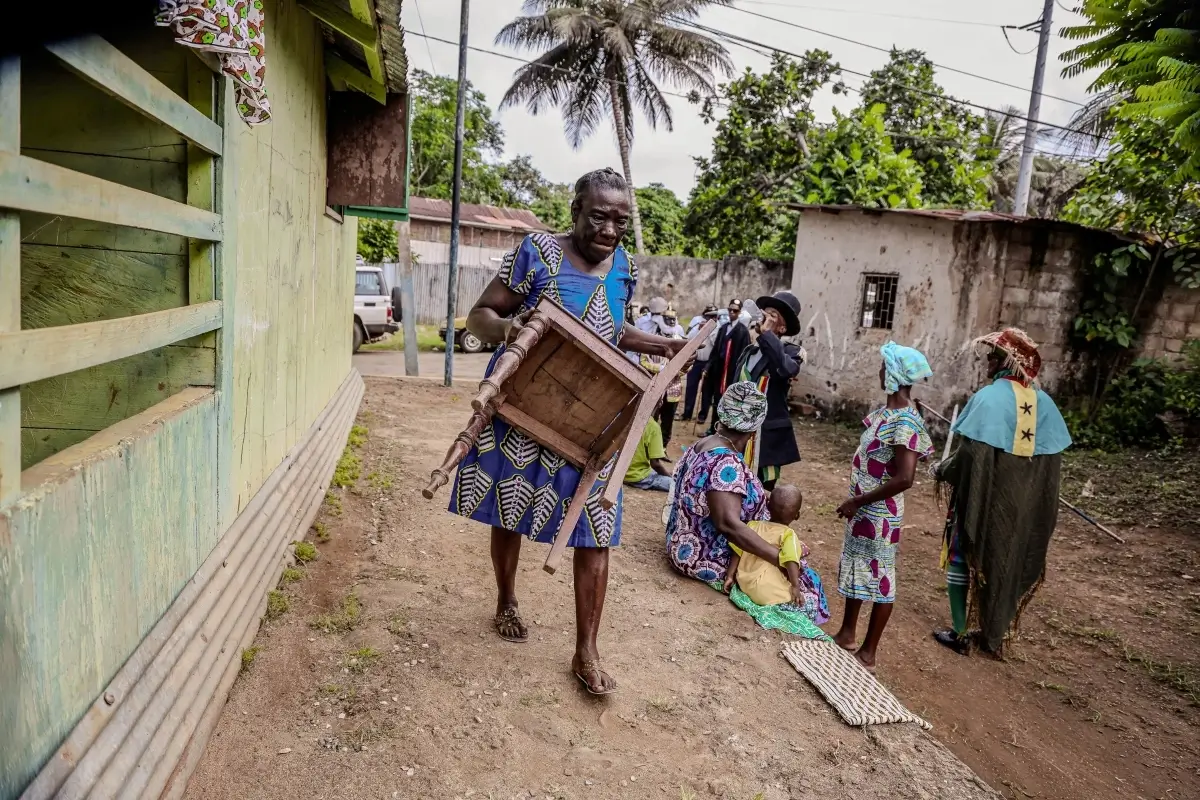
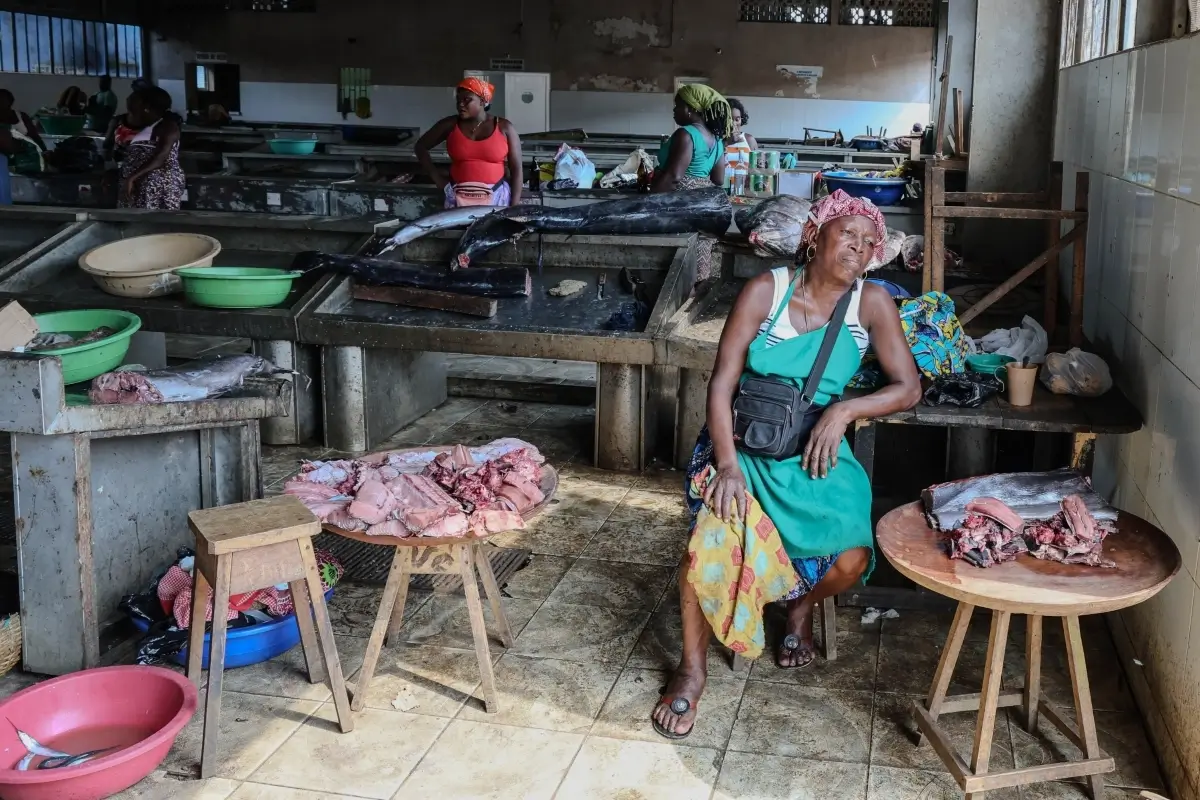
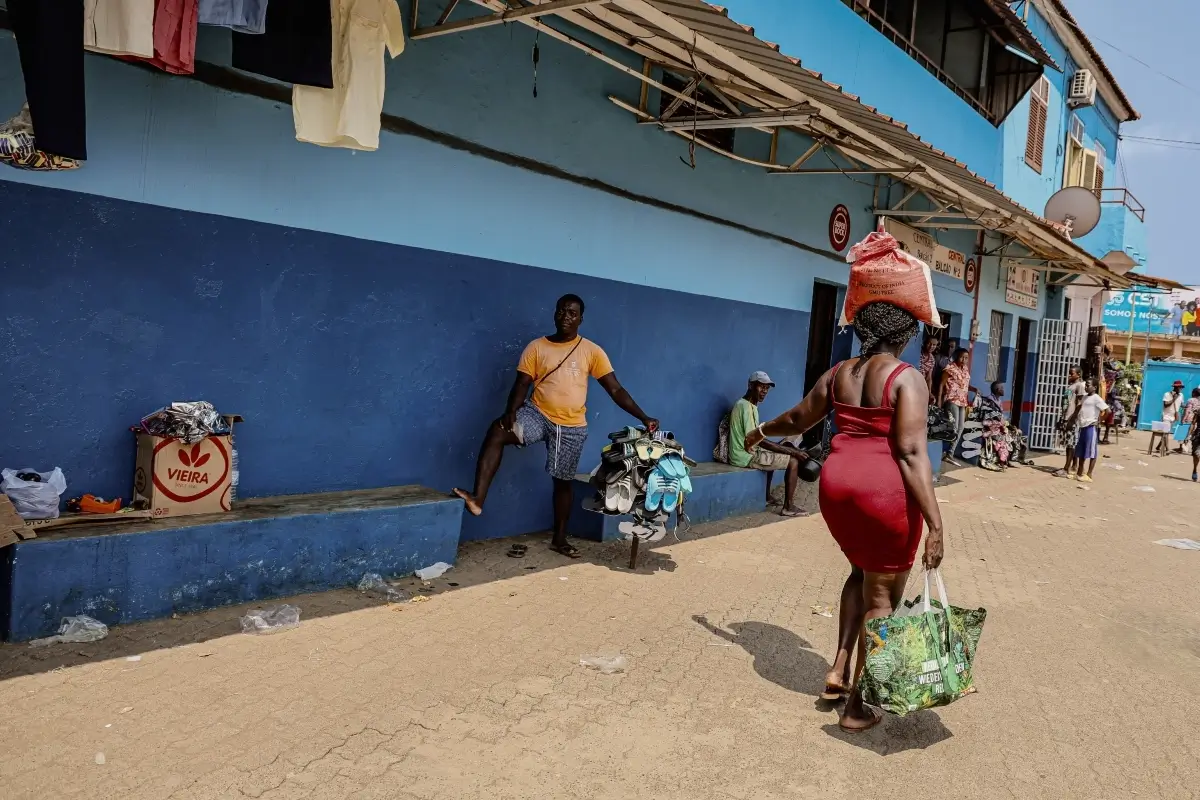
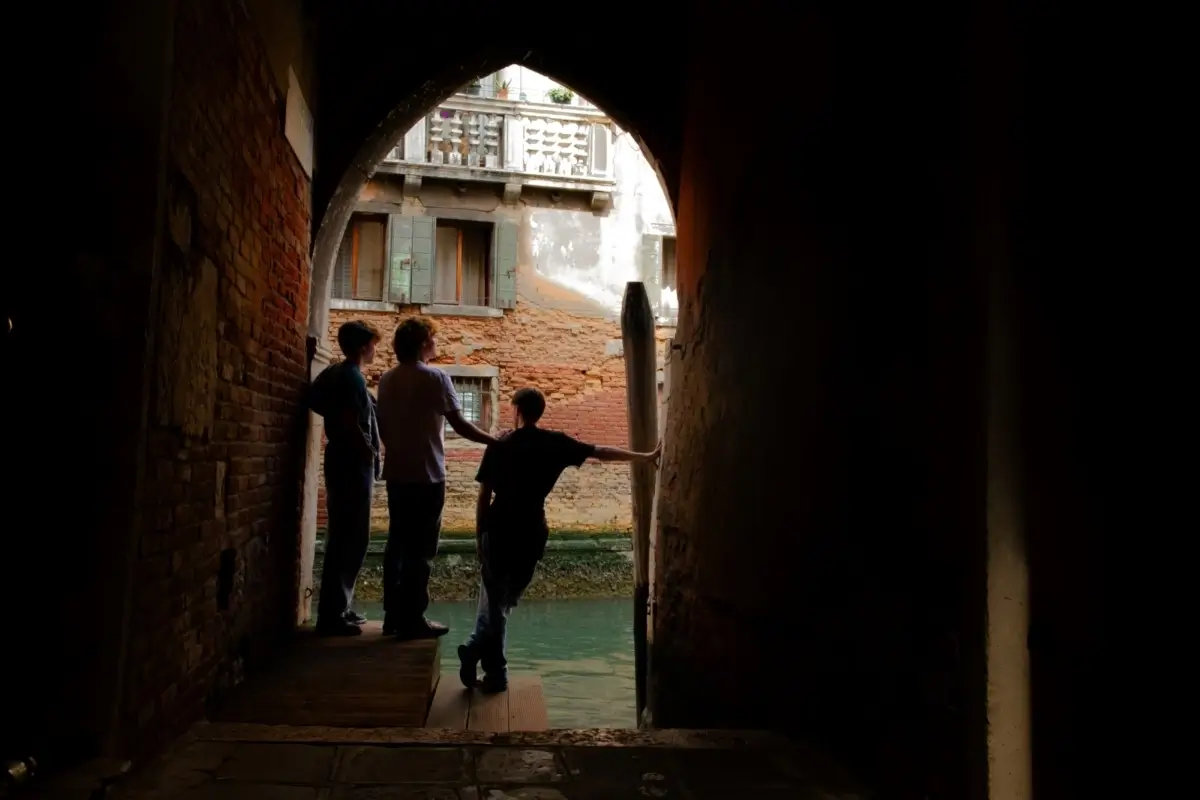
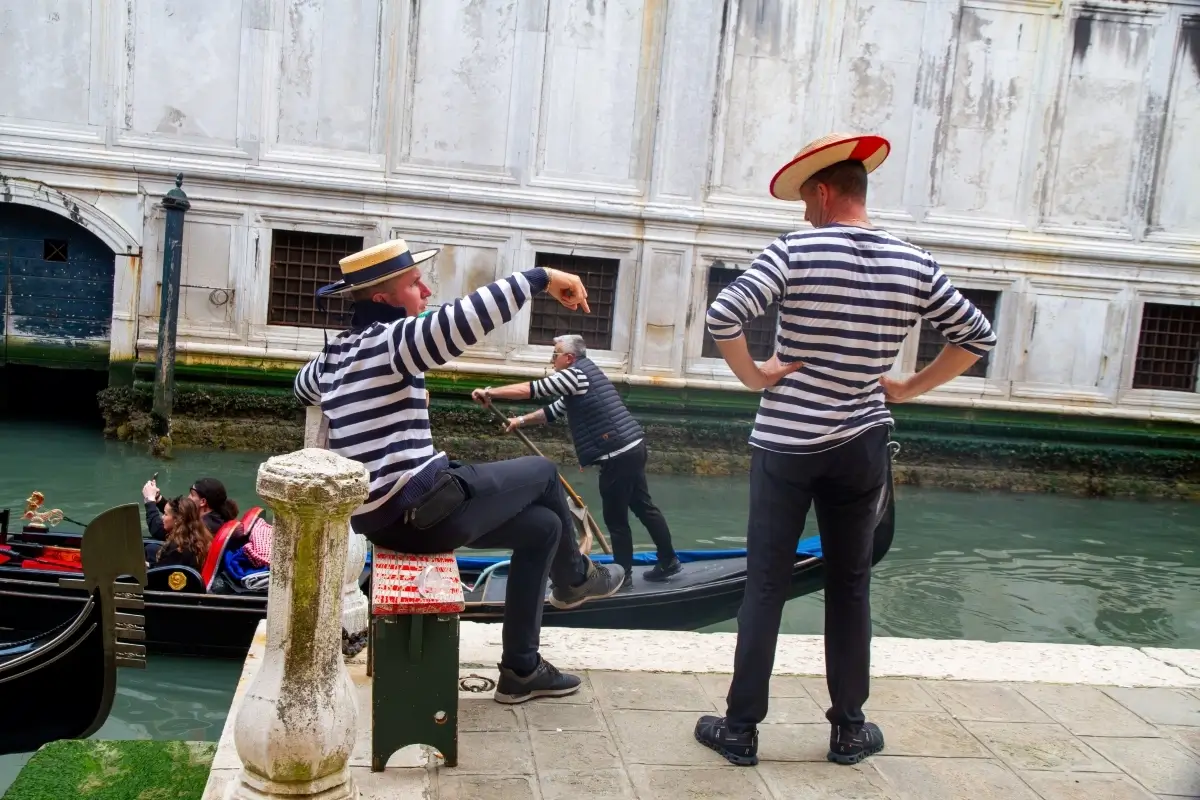
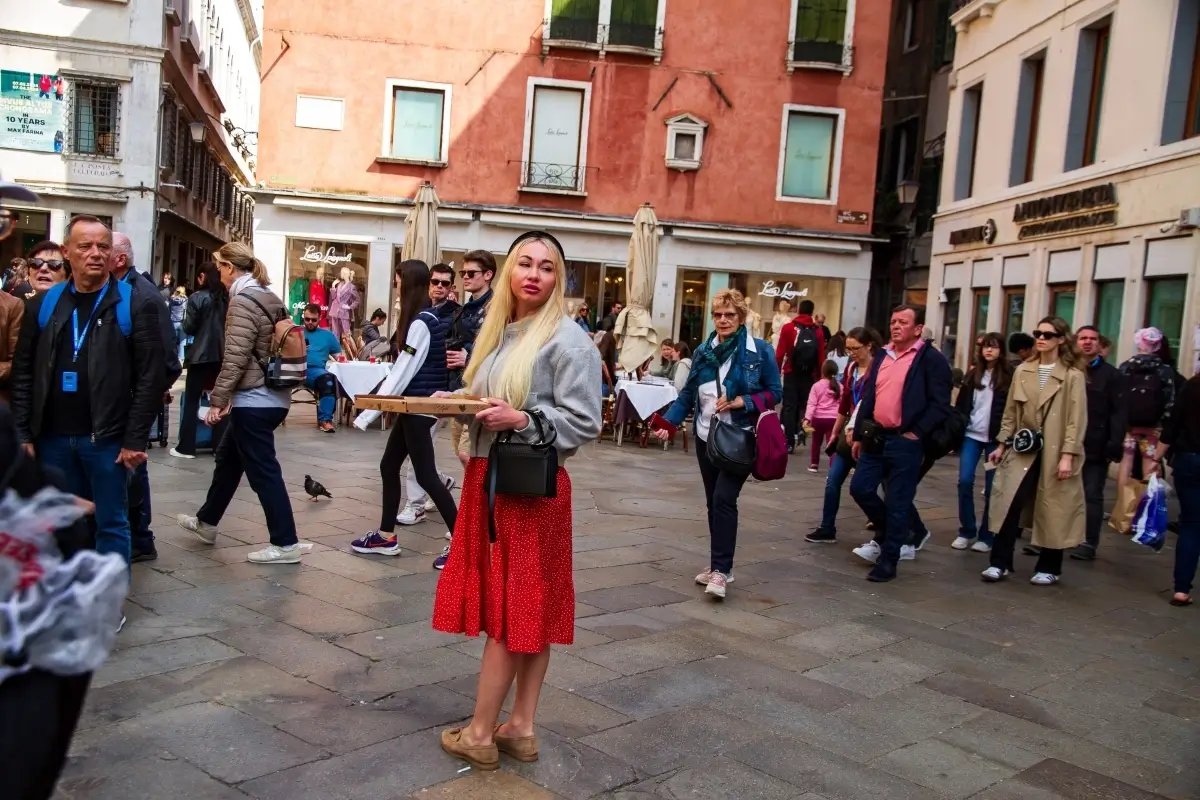
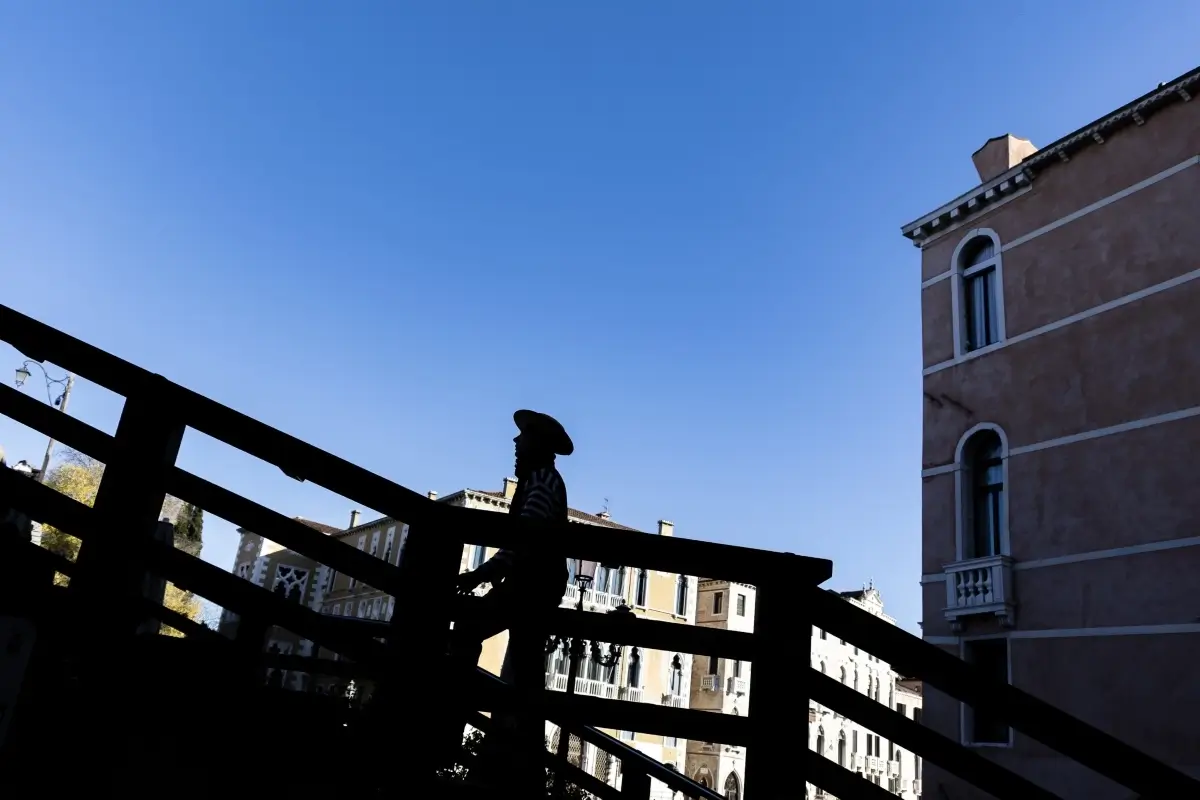
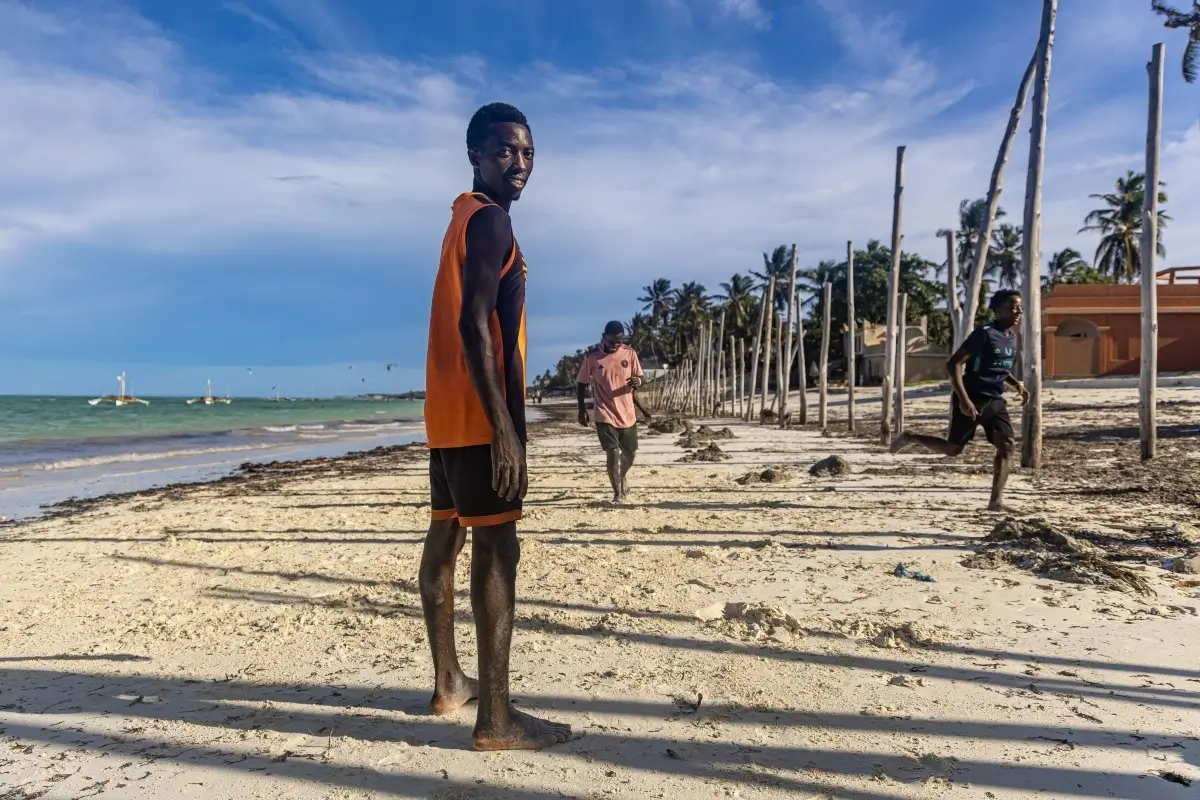
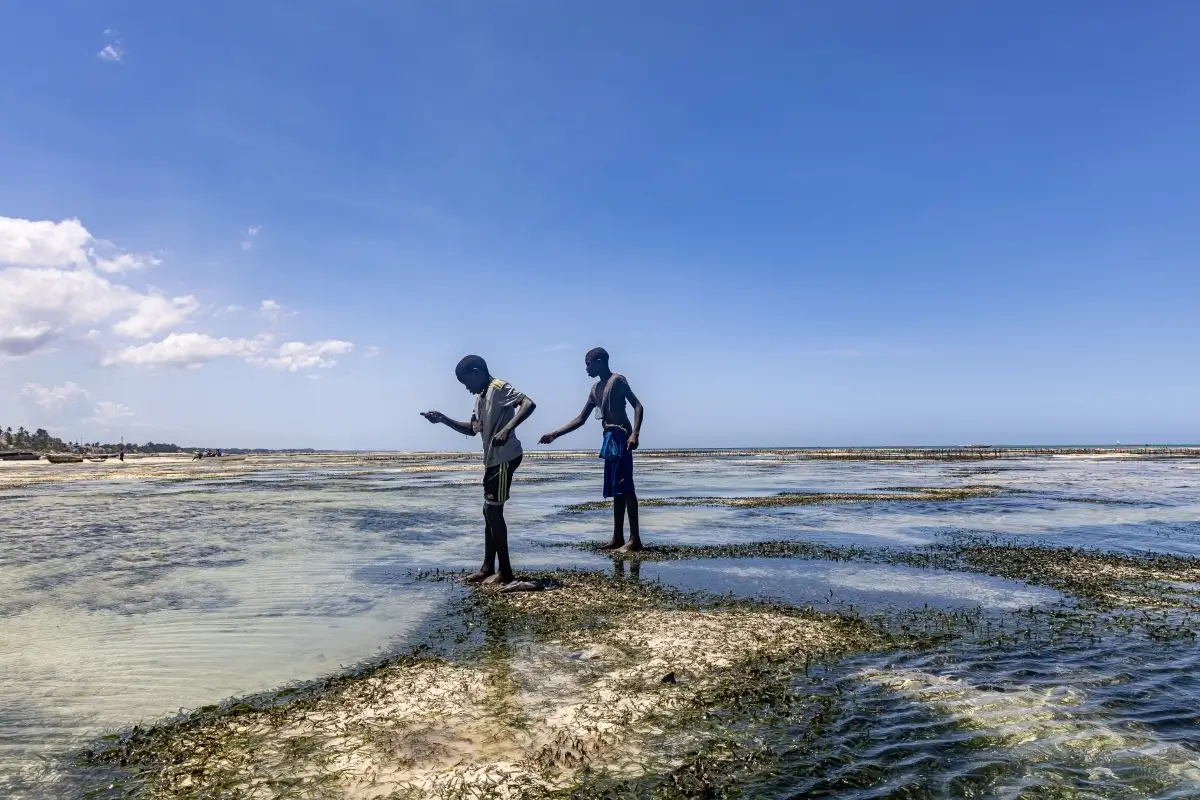
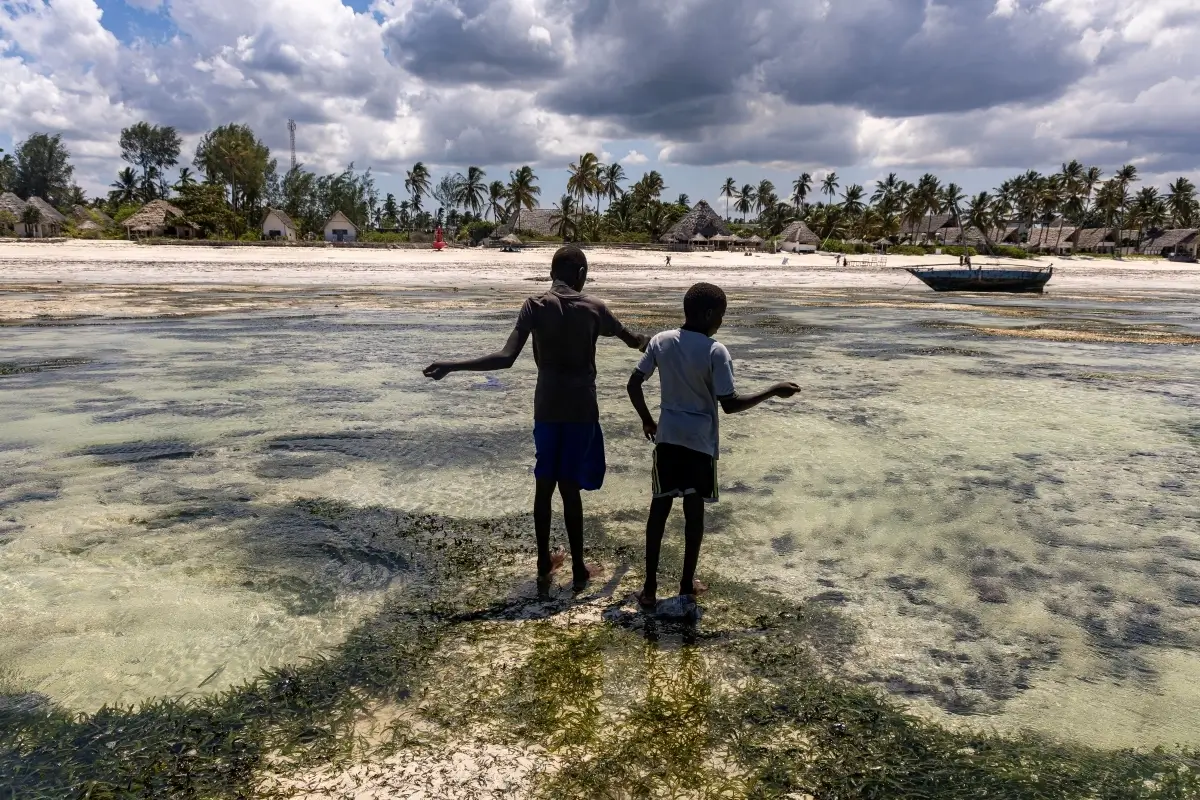
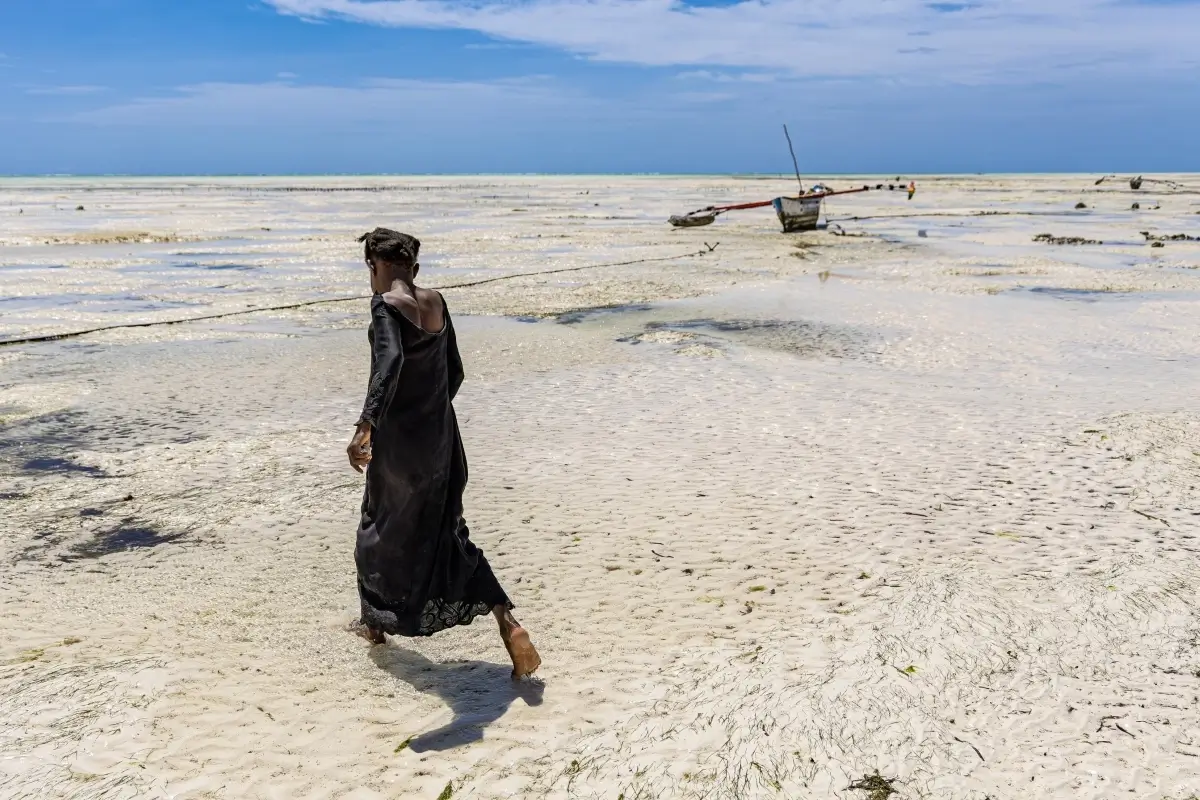
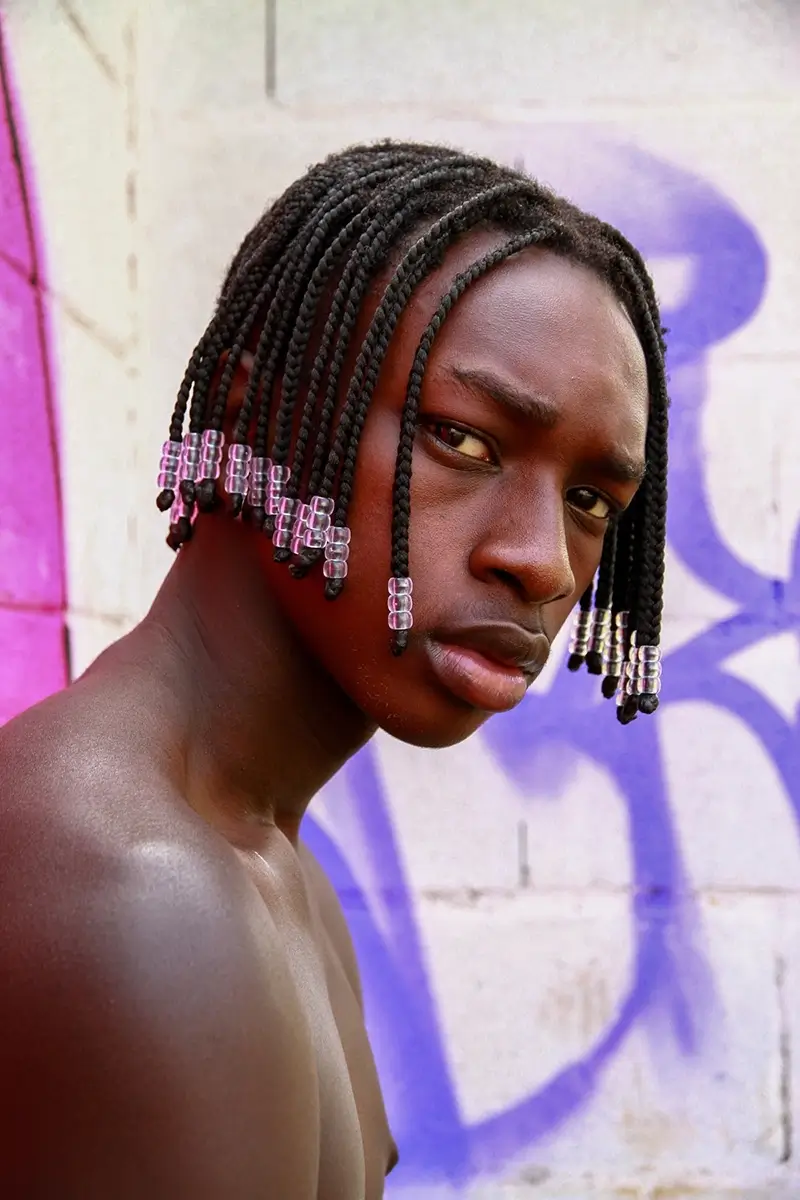
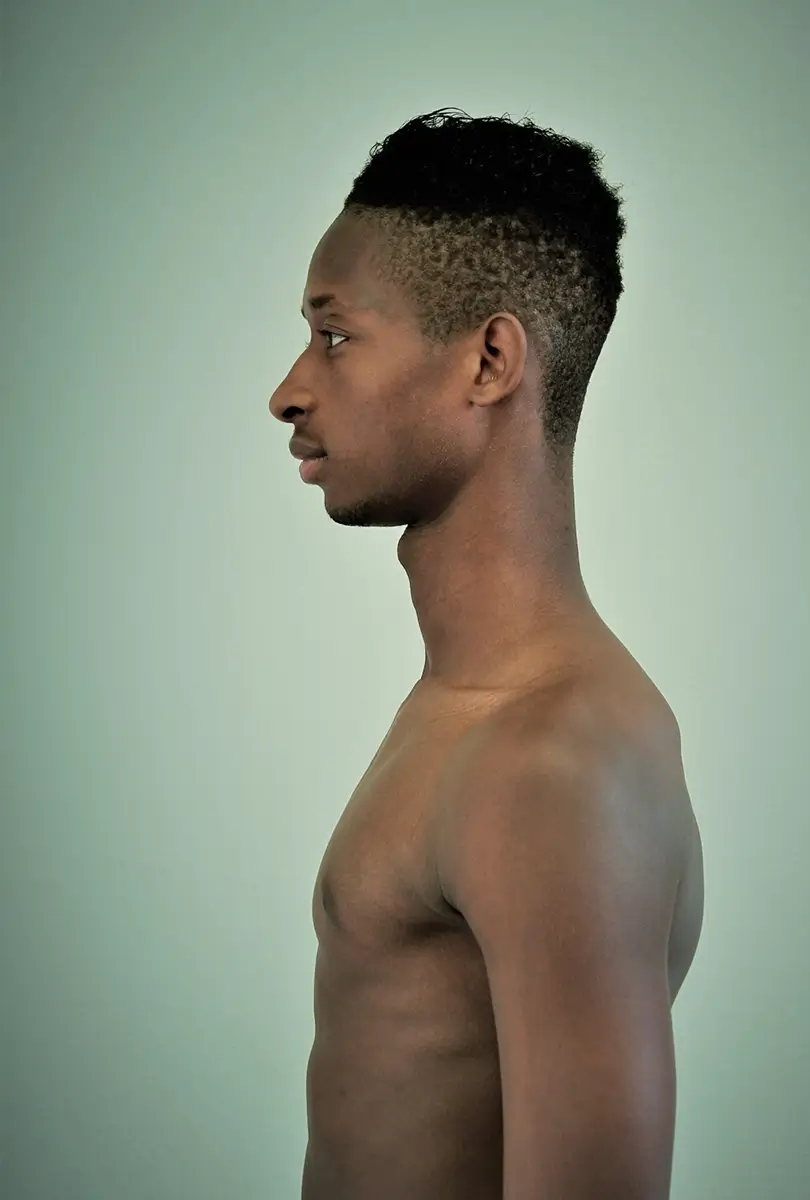
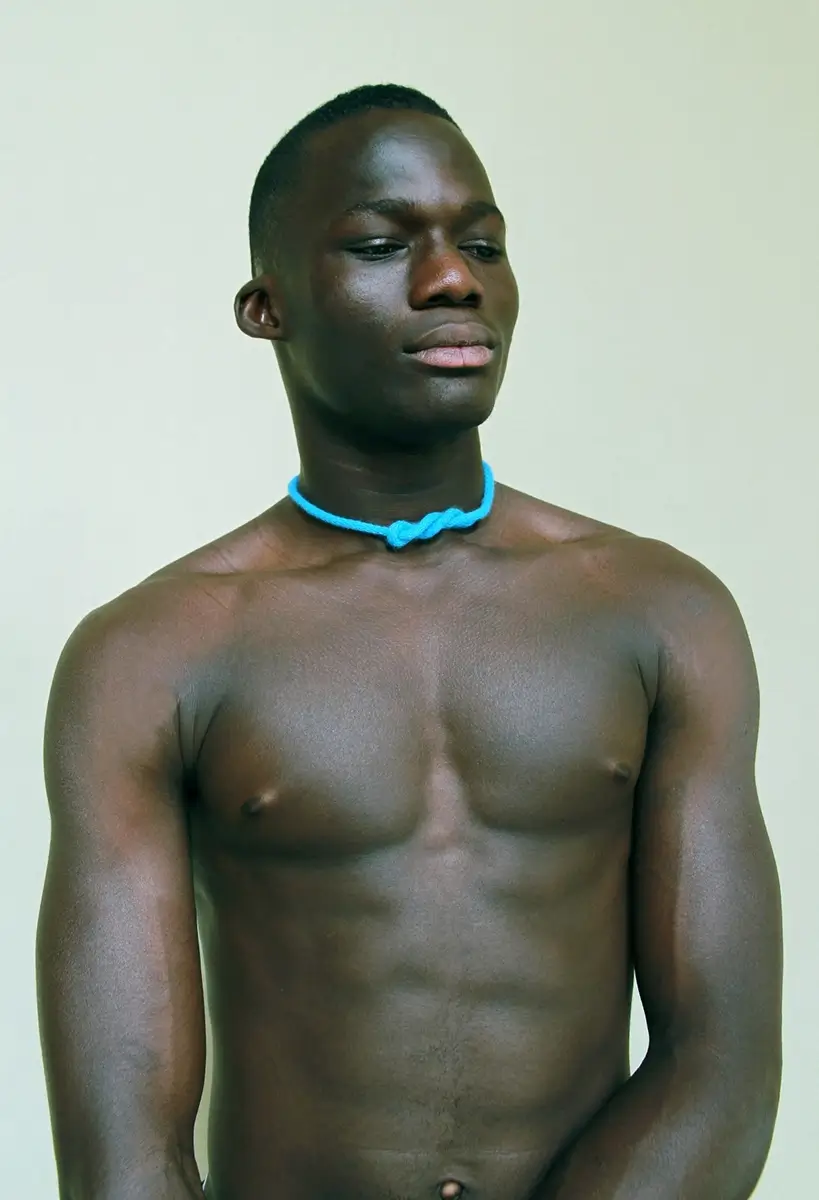
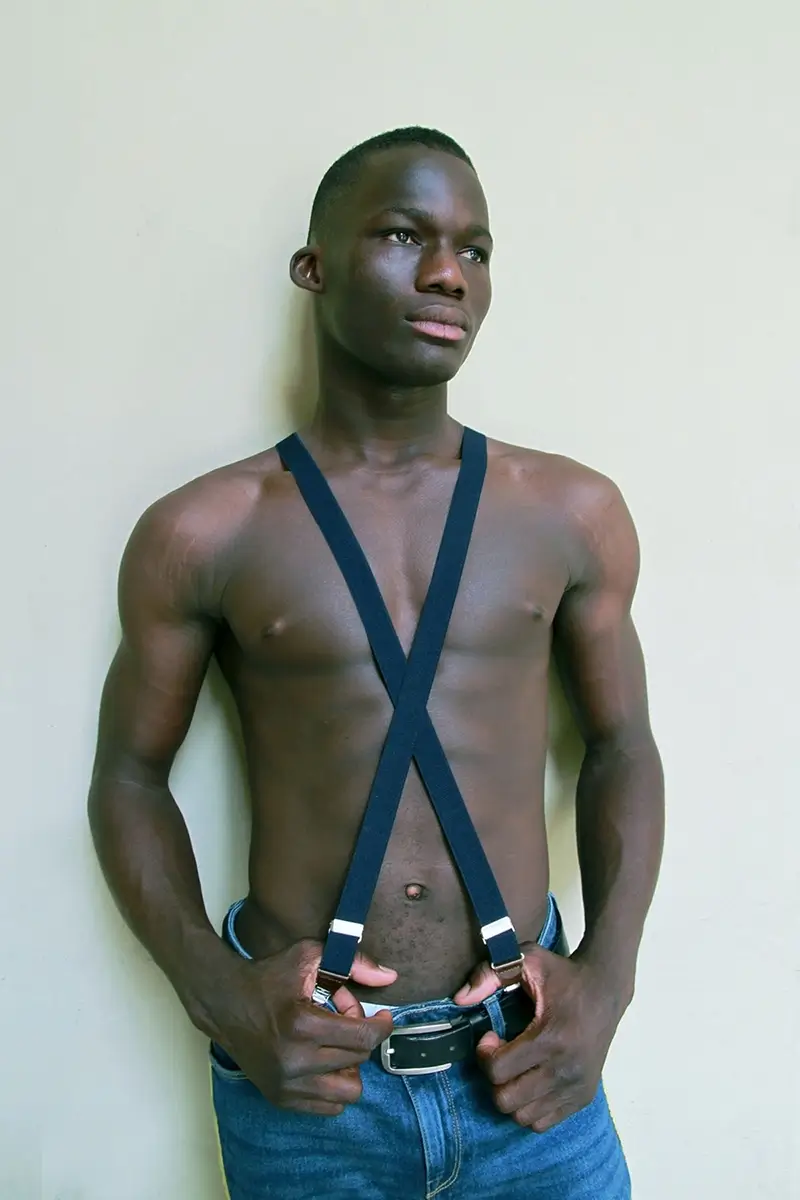
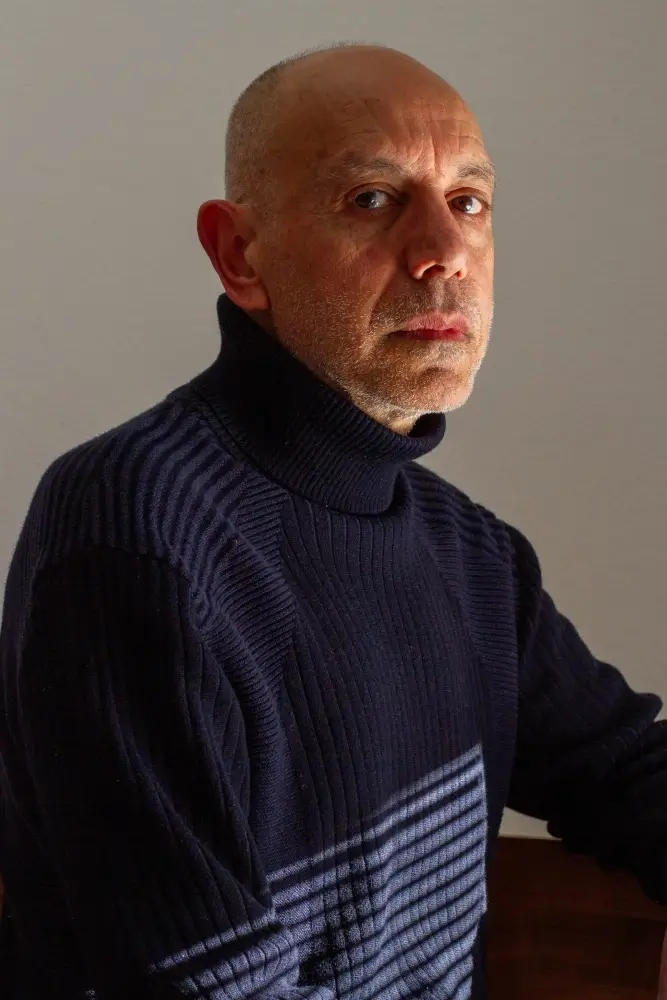
Alfredo Diano (Aosta, Italy, 1960) is an amateur photographer with a background in art, photography, and fashion. His artistic production develops primarily during his travels, directing his visual research toward the creation of evocative images while maintaining a rigorous respect for the reality observed. He favors the use of natural light, aiming to capture the spontaneity of his subjects in their everyday context. The valorization of his subjects and compositional simplicity are the cornerstones of his creative process, elements that also distinguish his aesthetic signature in portraiture.

His work has received recognition in industry publications and platforms, including Photo Vogue, Visualpoetry Journal, Aurea Photogallery, Independent Photo, Sguardo Art. He has also collaborated with several Milanese fashion agencies, creating portraits for emerging profiles. He currently participates in photography trips and workshops.

All About Photo Competitions

AAP Magazine 56 Shadows

 

Inspiring Portfolios

Call for Entries
AAP Magazine #58 B&W
Publish your work in our printed magazine and win $1,000 cash prizes
 
Stay up-to-date  with call for entries, deadlines and other news about exhibitions, galleries, publications, & special events.

More Great Photographers To Discover

Keith Carter
United States
1948
Keith Carter is an American photographer who is known for his dreamlike black and white photographs of the figure, animals, and meaningful objects. He began photographing new and unknown realities in his native East Texas environment. This setting, with heavy folklore, religious, and cultural motifs, inspired Carter to create some of his most iconic images. Since his start in Texas, his work continues to push imaginative realms in his travels within the United States and across oceans. In 1970, Carter earned a Business Management degree from Lamar University and began his career as a commercial photographer while working on personal projects. These personal projects have resulted in a long career and over twelve published monographs. Carter currently teaches photography at Lamar University as a Distinguished Faculty Lecturer. He travels worldwide providing photography lectures and workshops for artists. Carter's fine art career has made him the recipient of an array of awards such as the 2009 Texas Medal of Arts, 2009 Artist of the Year presented by the Art League Houston and, in 1991 the Center for Documentary Studies at Duke University presented Carter with the Lange-Taylor Prize. His work has also been featured in print and online publications, television, and film. In 2006, the Anthropy Arts in New York filmed a documentary about Carter's photographic work, and in 1997 CBS made an art segment on Carter's work for public television. He has extensively exhibited his work throughout the world and participated in over 100 solo exhibitions. Permanent collections of his work can be found in many private and public institutions including the San Francisco Museum of Modern Art, the George Eastman House, the Museum of Fine Arts, Houston, Dallas Museum of Art, the Amon Carter Museum of American Art, the Smithsonian American Art Museum, and the Art Institute of Chicago.
Ralf Dreier
Germany
1964
Ralf Dreier is a self-taught photographer with more than 25 years of experience. With a particular focus on minimalist black and white photography in the fields of architecture and landscape, he strives first and foremost to convey emotions and moods with his images. Statement: My pictures are essentially about conveying feelings and moods, so I don't really try to tell a story with them. These moods and feelings are what I feel when I look at a landscape that I would also photograph. It's about relaxation and letting go of everyday problems. But if a story does develop in the viewer's mind, it's definitely positive, because it's their very personal story that they associate with my pictures. However, it makes a difference whether we look at a landscape directly and immediately or whether we only look at a picture of it. Directly in the landscape, our brain is able to block out everything that distracts or disturbs us. At least this works if the distractions are not too dominant. In a photograph, small things often distract us and prevent us from finding the necessary calm and relaxation to engage with the image and let the feelings and moods come to us. I therefore try not to include any of these distracting elements in my pictures. I achieve this in my minimalist black and white pictures, for example, through the choice of image detail. Other disruptive elements that create unrest and therefore attract attention can be the sky or uneven water surfaces. For water surfaces, I usually use long exposures of up to two minutes in my pictures. This makes the surface soft and smooth and suddenly even conveys additional calm. With a turbulent sky, on the other hand, the only thing that usually helps is to wait for better conditions. My favourite subjects are mainly landscapes and architecture. However, for me, the two tend to merge seamlessly. I prefer open landscapes that allow you to look into the distance. From my point of view, this helps me to detach my thoughts from the realities of everyday life. In densely built-up areas or mountainous landscapes, however, a clear view is often only possible in the direction of the sky. For this reason, the sky is becoming increasingly important in my pictures. And it also depends on the structure of the sky. A uniformly blue or grey sky is often somewhat boring, at least in a photo. On the other hand, restless clouds with strong contrasts can attract more attention than they deserve. It's simply important to wait for the sky to be as suitable as possible. In some cases, however, my pictures manage without looking into the distance. Then geometric shapes and structures take over the task of detaching thoughts from everyday life. The order of the geometric shapes and the regularity of the structures have a calming effect on the viewer and in this way help them to get into the mood of the picture.
William Eugene Smith
United States
1918 | † 1978
William Eugene Smith was an American photojournalist known for his refusal to compromise professional standards and his brutally vivid World War II photographs. Smith graduated from Wichita North High School in 1936. He began his career by taking pictures for two local newspapers, The Wichita Eagle (morning circulation) and the Beacon (evening circulation). He moved to New York City and began work for Newsweek and became known for his incessant perfectionism and thorny personality. Smith was fired from Newsweek for refusing to use medium format cameras and joined Life Magazine in 1939 using a 35mm camera. In 1945 he was wounded while photographing battle conditions in the Pacific theater of World War II. As a correspondent for Ziff-Davis Publishing and then Life again, W. Eugene Smith entered World War II on the front lines of the island-hopping American offensive against Japan, photographing U.S. Marines and Japanese prisoners of war at Saipan, Guam, Iwo Jima, and Okinawa. On Okinawa, Smith was hit by mortar fire. After recovering, he continued at Life and perfected the photo essay from 1947 to 1954. In 1950, he was sent to the United Kingdom to cover the General Election, in which the Labour Party, under Clement Attlee, was narrowly victorious. Life had taken an editorial stance against the Labour government. In the end, a limited number of Smith's photographs of working-class Britain were published, including three shots of the South Wales valleys. In a documentary made by BBC Wales, Professor Dai Smith traced a miner who described how he and two colleagues had met Smith on their way home from work at the pit and had been instructed on how to pose for one of the photos published in Life. Smith severed his ties with Life over the way in which the magazine used his photographs of Albert Schweitzer. Upon leaving Life, Smith joined the Magnum Photos agency in 1955. There he started his project to document Pittsburgh. This project was supposed to take him three weeks, but spanned three years and tens of thousands of negatives. It was too large ever to be shown, although a series of book-length photo essays were eventually produced. From 1957 to 1965 he took photographs and made recordings of jazz musicians at a Manhattan loft shared by David X. Young, Dick Cary and Hall Overton. In January 1972, William Eugene Smith was attacked by Chisso employees near Tokyo, in an attempt to stop him from further publicizing the Minamata disease to the world. Although Smith survived the attack, his sight in one eye deteriorated. Smith and his Japanese wife lived in the city of Minamata from 1971 to 1973 and took many photos as part of a photo essay detailing the effects of Minamata disease, which was caused by a Chisso factory discharging heavy metals into water sources around Minamata. One of his most famous works, Tomoko Uemura in Her Bath, taken in December 1971 and published a few months after the 1972 attack, drew worldwide attention to the effects of Minamata disease. Complications from his long-term consumption of drugs, notably amphetamines (taken to enable his workaholic tendencies), and alcohol led to a massive stroke, from which Eugene Smith died in 1978. He is buried in Crum Elbow Cemetery, Pleasant Valley, New York. Smith was perhaps the originator and arguably the master of the photo-essay. In addition to Pittsburgh, these works include Nurse Midwife, Minamata, Country Doctor, and Albert Schweitzer - A Man of Mercy. Today, Smith's legacy lives on through the W. Eugene Smith Memorial Fund to promote "humanistic photography." Since 1980, the fund has awarded photographers for exceptional accomplishments in the field.Source: Wikipedia Born and reared in Wichita, Kansas, W. Eugene Smith became interested in photography at the age of fourteen, and three years later had begun to photograph for local newspapers. He received a photography scholarship to the University of Notre Dame, but he left after a year for New York, where he joined the staff of Newsweek and freelanced for LIFE, Collier's, Harper's Bazaar, The New York Times, and other publications. Beginning in 1939, Smith began working sporadically as a staff photographer for LIFE, with which he had a tempestuous relationship throughout the rest of his career. During World War II he was a war correspondent in the Pacific theater for the Ziff-Davis publishing company and LIFE, for whom he was working when he was severely wounded in Okinawa in 1945. After a two-year recuperation, he returned to the magazine and produced many of his best photo essays, including Country Doctor, Spanish Village, and A Man of Mercy. In 1955, he joined Magnum, the international cooperative photography agency founded by Henri Cartier-Bresson, Robert Capa, George Rodger and Chim (David Seymour), and began work on a large photographic study of Pittsburgh, for which he received Guggenheim Fellowships in 1956 and 1957. Smith continued to freelance for LIFE, Pageant, and Sports Illustrated, among other periodicals, for the rest of his career. From 1959 to 1977, he worked for Hitachi in Japan and taught at the New School for Social Research and the School of Visual Arts in New York and the University of Arizona in Tucson. His last photo essay, Minamata, completed in the 1970s, depicted victims of mercury poisoning in a Japanese fishing village. Smith is credited with developing the photo essay to its ultimate form. He was an exacting printer, and the combination of innovation, integrity and technical mastery in his photography made his work the standard by which photojournalism was measured for many years. In recognition of his outstanding contribution to the development of photojournalism, the W. Eugene Smith Memorial Fund was established after his death to support the projects of photographers working in the tradition he established. Source: International Center of Photography
John Dominis
United States
1921 | † 2013
John Dominis was an American documentary photographer, war photographer and photojournalist. Dominis was born 1921 in Los Angeles. He studied cinematography at the University of Southern California. In 1943 he enlisted in the United States Army Air Forces. After the war, he worked as a freelance photographer for several publications, such as Life magazine. In 1950 he went to Korea as a war photographer in the Korean War. Later he worked in Southeast Asia, in America, Africa and Europe, including President John F. Kennedy's 1963 West Berlin speech. Dominis went to six Olympic Games. One of his best-known pictures was shot during the 1968 Summer Olympics when Dominis pictured Tommie Smith and John Carlos during their Black Power salute. Dominis worked for Life magazine during the Vietnam war and later also went to Woodstock. In the 1970s he worked for People magazine. From 1978 to 1982 he was an editor for Sports Illustrated. He often pictured stars like Steve McQueen or Frank Sinatra, and these photo series were later published as illustrated books. Together with Giuliano Bugialli he published several books about Italian cuisine, with Dominis being responsible for the food photography. In John Loengard's book LIFE Photographers: What They Saw, Dominis reported about the staging of his picture A leopard about to kill a baboon. The picture was shot in 1966 in Botswana when a hunter had brought a captured leopard to a bunch of baboons. Most fled immediately but one faced the leopard and was killed subsequently. Dominis was heavily criticized after the staging became public and apologized for it. He mentioned that during the 1960s the staging of pictures was very popular and he wouldn't use this method today. Dominis died on December 30, 2013, in New York City of complications from a heart attack. He was 92.Source: Wikipedia After an Air Force tour in Japan, John Dominis wanted to remain in that country and work. Freelance work was illegal there in 1946, but his photographer colleagues helped him stay and get his start. He would return many times to Asia to cover wars. Back home, he shot sports (he had played end for USC in the 1944 Rose Bowl), politics, celebrities, even food. He spent three months trailing Sinatra to witness him in his element, among swank and boozy stars. That experience of tracking a subject helped the stalwart Dominis on his famous The Great Cats of Africa. The series won him an award even as he was still in the bush—and even though he orchestrated his famous baboon-leopard encounter (the feline was a rental dropped in among the simians)—Dominis had never suggested otherwise. “Frankly, it was set up,” he said. “In those days we were not against setting up some pictures that were impossible to get any other way.” On the occasion of Sinatra’s soth birthday, Dominis went to Florida, where he was performing. Dominis ended up spending three months with him, resulting in an unrivaled set of images of the entertainer. “Steve McQueen was really a nice guy, but he’s another of the ones who didn’t really want to have even one picture taken, even though he’d agreed to the story… I had done quite a lot of sports-car racing when I lived in Hong Kong, so for fun I rented a Jaguar. I knew he had a Jaguar, and I thought it would help a little bit… He drove my car and I drove his. I started shooting a few pictures. I didn’t hang around him a long time, maybe three weeks, and finally, he relaxed.”Source: Life
Nadav Kander
Israel
1961
Nadav Kander is a London based photographer, artist and director, internationally renowned for his portraiture and landscapes. His work forms part of the public collection at the National Portrait Gallery and the Victoria and Albert Museum in London. Kander's work is also exhibited in numerous international galleries and museums. Kander was born in tel Aviv, tal aviv. His father flew Boeing 707s for El-Al but when he lost his eye for medical reasons he was unable to carry on flying. His parents decided to start again in South Africa and moved to Johannesburg in 1963. Kander began taking pictures when he was 13 on a Pentax camera and later when drafted into the South African Air Force, worked in a darkroom printing aerial photographs. He moved to London in 1986, where he still resides with his wife Nicole and their three children. Kander's most celebrated images include Diver, Salt Lake, Utah 1997, in which a lone women peers out into the vast lake, and his 2009 portrait of Barack Obama photographed for The New York Times Magazine as a cover feature. Diver, Salt Lake, Utah, 1997 was also the cover image for Kander's Monograph Beauty's Nothing. On 18 January 2009, Nadav Kander had 52 full-page colour portraits published in one issue of The New York Times Magazine. These portraits (from a series titled Obama's People) were of the people surrounding President Barack Obama, from Joe Biden (Vice President) to Eugene Kang (Special Assistant to The President). The same issue also included a series of cityscapes of Washington DC also taken by Kander. This is the largest portfolio of work by the same photographer The New York Times Magazine has ever showcased in one single issue. Source: Wikipedia Nadav Kander lives and works in London. Selected past projects include Yangtze – The Long River, winner of the Prix Pictet award in 2009; Dust, which explored the vestiges of the Cold War through the radioactive ruins of secret cities on the border between Kazakhstan and Russia; Bodies 6 Women, 1 Man; and Obama’s People, an acclaimed 52 portrait series commissioned by the New York Times Magazine. His ongoing series, Dark Line - The Thames Estuary, is a personal reflection on the landscape of the River Thames at its point of connection with the sea, through atmospheric images of its slow-moving dark waters and seemingly infinite horizons. Kander’s work is housed in several public collections including National Portrait Gallery, London, UK; Museum of Contemporary Photography, Chicago, USA; Marta Herford Museum, Germany; Sheldon Museum, Lincoln, USA; The Frank-Suss Collection, London, New York and Hong Kong; and Statoil Collection, Norway. He has exhibited internationally at venues including Weserburg Museum, Germany; Musée de L’Elysée, Lausanne, Switzerland; Museum of Photographic Arts, San Diego, USA; Museum of Applied Arts, Cologne, Germany; The Barbican Centre, London, UK; The Photographers’ Gallery, London, UK; Somerset House, London, UK; Palais de Tokyo, Paris, France; and Herzliya Museum of Contemporary Art, Israel. Recent fellowships and awards include an Honorary Fellowship Award from the Royal Photographic society. Source: Flowers Gallery "I hated school with dedication. A shame, but true. I wasn’t hugging and saying tearful goodbyes on the final day. I just left and I have never returned. Having a very bad accident on my motorbike that I had had since I was 15 (a Triumph 650 Tiger), was a hinge event. Prior to this I had been a practising hard man and going nowhere. Working on the machines during the day and riding in groups at night was my life. After the accident when I was 17, I never rode again and my focus shifted back to photography. South Africa forced its white male citizens to partake in National Service, and I somehow ensured I was drafted into the Air force and then into a darkroom where I printed aerial pictures for two years. It was here that I became certain I wanted to become a lens based artist. A Photographer back then. I met Nicole Verity at about this time. The day after I cleared out of the Air force I started working for Harry De Zitter, and a few months later, soon after my 21st birthday, I left for England. At the end of 1985 I was back in South Africa and met up with Nicole again. She joined me in England in 1986. We squatted in a block of flats two streets away from where we later bought a house. We married in the wilds of Africa in 1991." -- Nadav KanderSource: www.nadavkander.com
Bryan Adams
Canada
1959
Adams works as a photographer as well as musician, aside from being published in British Vogue, L'uomo Vogue, Harper's Bazaar, Esquire, Interview magazine and i-D, among others, he has also shot advertising campaigns for Guess Jeans, Sand, Converse, Montblanc, John Richmond, Fred Perry, and more recently for Escada. He has won Lead Awards twice in Germany for his fashion work, most recently June 2012 and previously in 2006. Other photographic endeavours include founding the art fashion Zoo Magazine, based in Berlin, Germany for which he shoots for regularly. His first book of photos will be released by Steidl in 2012 entitled Exposed. Previous published collaborations include; American Women June 2005, for Calvin Klein in the United States; proceeds from this book went to Memorial Sloan–Kettering Cancer Center in New York City for their breast cancer research for programs, and Made in Canada December 1999 for Flare Magazine in Canada; proceeds went to the Canadian Breast Cancer Foundation. Both books were dedicated to his friend Donna, who died of the disease. As a photographer, Adams has worked with many of his musical peers, including Lana Del Rey, The Who, Sting, Shania Twain, Mick Jagger, Arcade Fire, Ray Charles, Tina Turner, Rod Stewart, Robert Plant, Take That, Joss Stone, Plácido Domingo, Sarah McLachlan, Celine Dion, Billy Idol, Moby, Lindsay Lohan, Amy Winehouse, Annie Lennox, Peter Gabriel, Bryan Ferry, Lenny Kravitz, Die Antwoord, and Morrissey to name a few. On 27 November 2000 Adams played onstage with The Who at the Royal Albert Hall. A DVD of the concert was issued. Adams photographed the band and his photos appear in the DVD booklet. In 2002, Adams was invited, along with other photographers from the Commonwealth, to photograph Queen Elizabeth II during her Golden Jubilee; one of the photographs from this session was used as a Canadian postage stamp in 2004 and again in 2005 (see Queen Elizabeth II definitive stamp (Canada)), another portrait of both Queen Elizabeth II and Prince Philip is now in the National Portrait Gallery in London. Adams supports the Hear the World initiative as a photographer in its aim to raise global awareness for the topic of hearing and hearing loss. He photographed Michael J. Fox and Tatjana Patitz in the 2011 Carl Zeiss AG company calendar in New York City in the summer of 2010. The focus was about the size difference of the subjects in a comedic presentation. In 2011, Adams provided the cover art for Lioness: Hidden Treasures, a posthumous release by Amy Winehouse.Source: Wikipedia Rock Icon Bryan Adams' lifelong interest in photography turned into a vocation when he began shooting for fashion magazines and advertisers more than a decade ago. But it's not all models and celebrities: He most recently turned his lens on 40 British soldiers returning from Iraq and Afghanistan. His series Wounded: The Legacy of War, the subject of a 2013 book from Steidl and an exhibit at London’s Somerset House on display this month through Jan. 25, showcases the brutal (and all too common) injuries incurred in battle. "I didn't like the fact that people were getting so badly hurt, so many people were killed, were displaced, forgotten. This is my statement," says Adams, 55. On the legacy of the images, he says, "I hope [people] realize that these guys made an incredible sacrifice. War is disgusting and this is the result of what happens when we decide to beat each other up."Source: Billboard
Advertisement
AAP Magazine #58 B&W
Win a Solo Exhibition in June
AAP Magazine #58 B&W

Latest Interviews

Exclusive Interview with Carolyn Moore
American photographer Carolyn Moore explores the inner landscape of emotion, memory, and personal transformation through a deeply intuitive photographic practice. Her work unfolds as a quiet dialogue between artist and viewer, where images become a space for reflection, vulnerability, and connection.
Exclusive Interview with Luca Desienna and Laura Estelle Barmwoldt
For over seven years, Of Lilies and Remains has explored the depths of the goth and darkwave underground, unfolding in Leipzig—a city long associated with a vibrant and enduring subcultural scene. Moving between iconic gatherings such as Wave-Gotik-Treffen and more intimate moments on the fringes, the project offers a rare and immersive glimpse into a world often misunderstood, yet rich in expression and community. Created by Luca in collaboration with Laura Estelle Barmwoldt, the work embraces a cinematic and deeply personal approach. Rather than documenting from a distance, it moves within the scene itself, capturing its atmosphere, its codes, and its quiet contradictions. The title Of Lilies and Remains hints at this duality—where beauty and darkness, fragility and strength coexist. As the book prepares for its release, we spoke with both artists about the origins of the project, their process, and what it means to document a subculture that continues to evolve while remaining true to its spirit.
Exclusive Interview with Matthew Finley
American photographer Matthew Finley turns inward, using photography as a way to explore identity, memory, and emotional truth. Based in Los Angeles, his practice moves between performance, gesture, and found imagery, creating a visual language that is both intimate and deeply personal
Exclusive Interview with Jan Janssen
Dutch photographer Jan Janssen explores universal human experiences through his long-term project It Matters, winner of the May 2025 Solo Exhibition. Begun in 2016, the series captures intimate moments of everyday life—love, loss, connection, and belonging—across Central and Eastern Europe. Working in countries such as Turkey, Azerbaijan, and Armenia, Janssen spends extended time within communities, building relationships based on trust and respect. His approach allows him to move beyond observation, revealing deeply human and authentic moments. Rooted in travel and personal discovery, It Matters reflects Janssen’s search for what connects us all in an increasingly divided world. The project is ongoing and will culminate in a photobook scheduled for publication in 2026.
Exclusive Interview with Henk Kosche
German photographer Henk Kosche turns his lens toward the streets of Halle an der Saale, capturing everyday life in the late years of the former German Democratic Republic. At the time, Kosche was studying design and exploring the city with his camera, drawn to the atmosphere of its industrial landscape and the quiet rhythms of daily life. His series Street Photography at the End of the 80s, selected as the Solo Exhibition for July 2025, revisits a body of work created just before a period of profound change. Rediscovered decades later in a small box of 35mm negatives, these photographs offer glimpses of a city and its people at a moment suspended between the familiar and the unknown.
Exclusive Interview with Anastasia Samoylova
Anastasia Samoylova is an American artist whose photographic practice is shaped by close observation and a deep attentiveness to place. Working between documentary and formal exploration, she photographs landscapes, architecture, and everyday scenes with a sensitivity to light, structure, and atmosphere. Since relocating to Miami in 2016, her work has increasingly focused on how environments—both natural and built—carry social, cultural, and emotional traces. We asked her a few questions about her practice and her way of seeing, to better understand the thoughts and experiences that shape her work—while allowing the images themselves to remain open and speak in their own time.
Exclusive Interview with Marijn Fidder
Marijn Fidder is a Dutch documentary photographer whose work powerfully engages with current affairs and contemporary social issues. Driven by a deep sense of social justice, she uses photography to speak on behalf of the voiceless and to advocate for the rights of those who are most vulnerable. Her images have been widely published in major international outlets including National Geographic, CNN Style, NRC Handelsblad, Volkskrant, GUP New Talent, and ZEIT Magazin. Her long-term commitment to disability rights—particularly through years of work in Uganda—culminated in her acclaimed project Inclusive Nation, which earned her the title of Photographer of the Year 2025 at the All About Photo Awards. She is also the recipient of multiple prestigious honors, including awards from World Press Photo and the Global Peace Photo Award. We asked her a few questions about her life and work.
Exclusive Interview with Josh S. Rose
Josh S. Rose is a multidisciplinary artist working across photography, film, and writing. His practice bridges visual and performing arts, with a strong focus on movement, emotion, and the expressive potential of the image. Known for his long-standing collaborations with leading dance companies and performers, Rose brings together authenticity and precise composition—a balance he describes as “technical romanticism.” His work has been commissioned and exhibited internationally, appearing in outlets such as Vogue, at the Super Bowl, in film festivals, and most recently as a large-scale installation for Lincoln Center for the Performing Arts. A sought-after collaborator, he has worked with major artists, cultural institutions, and brands, following a previous career as Chief Creative Officer at Interpublic Group and the founder of Humans Are Social. We asked him a few questions about his life and work.
Interview with Maureen Ruddy Burkhart
Photographer Maureen Ruddy Burkhart brings a quietly attentive and deeply human sensibility to her exploration of the world through images. Shaped by a life immersed in photography, film, and visual storytelling, her work is guided by intuition, observation, and an enduring interest in the emotional undercurrents of everyday life. With a practice rooted in both fine art traditions and documentary awareness, she approaches her subjects with sensitivity, allowing subtle moments to emerge naturally rather than be imposed. Her series Til Death, selected as the Solo Exhibition for February 2025, reflects this long-standing commitment to photography as a space for reflection rather than spectacle. Drawn to moments that exist just outside the expected frame, Burkhart’s images suggest narratives without resolving them, leaving room for ambiguity, humor, and quiet connection. We asked her a few questions about her life and work.
Call for Entries
Win A Solo Exhibition in June
Get International Exposure and Connect with Industry Insiders