All about photo.com: photo contests, photography exhibitions, galleries, photographers, books, schools and venues.
Win a Solo Exhibition in June 2026 + An Exclusive Interview!
Sarah and Lucy Jenkins

Sarah and Lucy Jenkins

Country: Australia

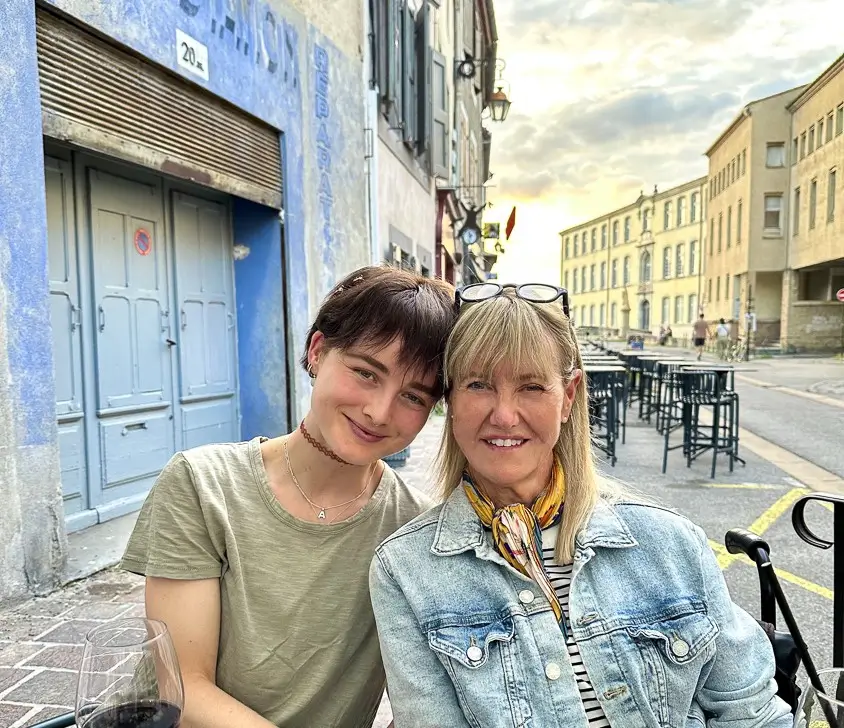
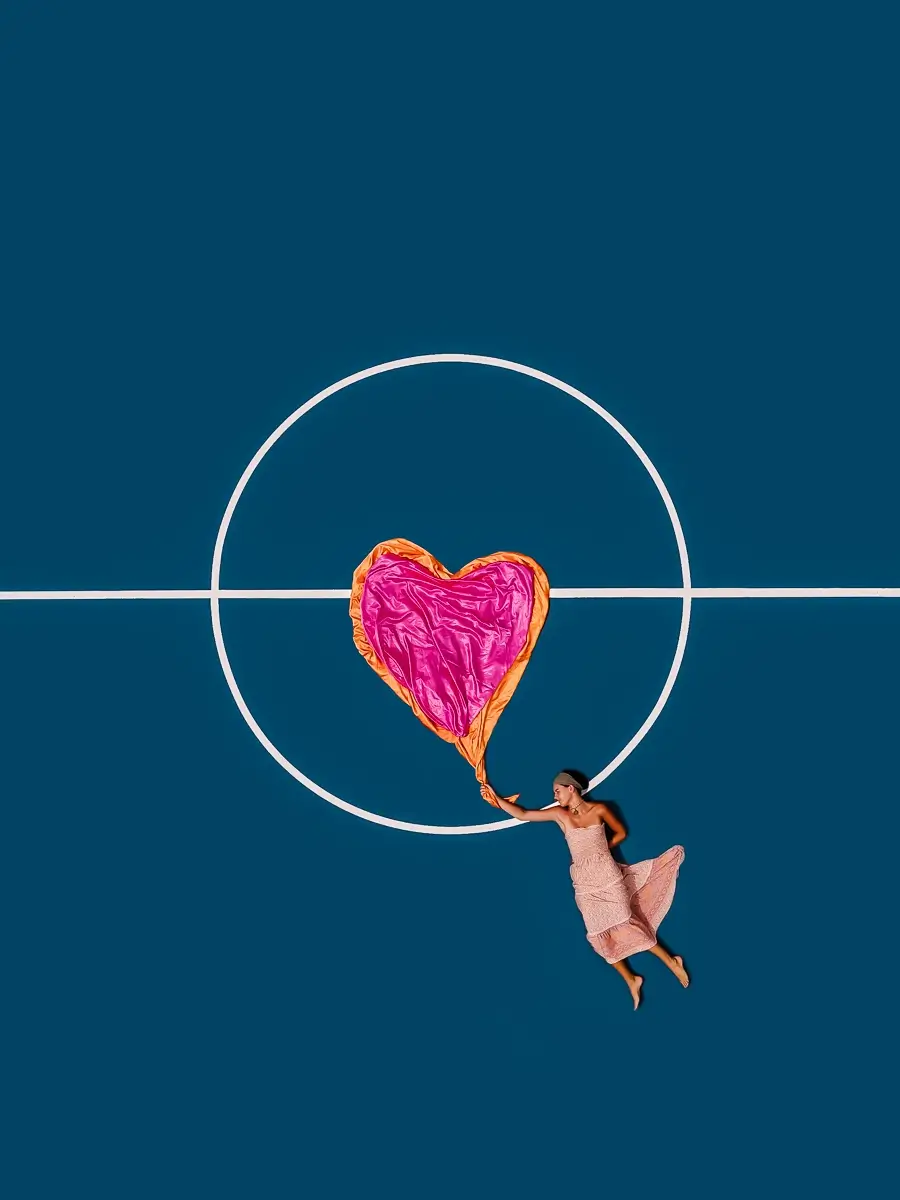
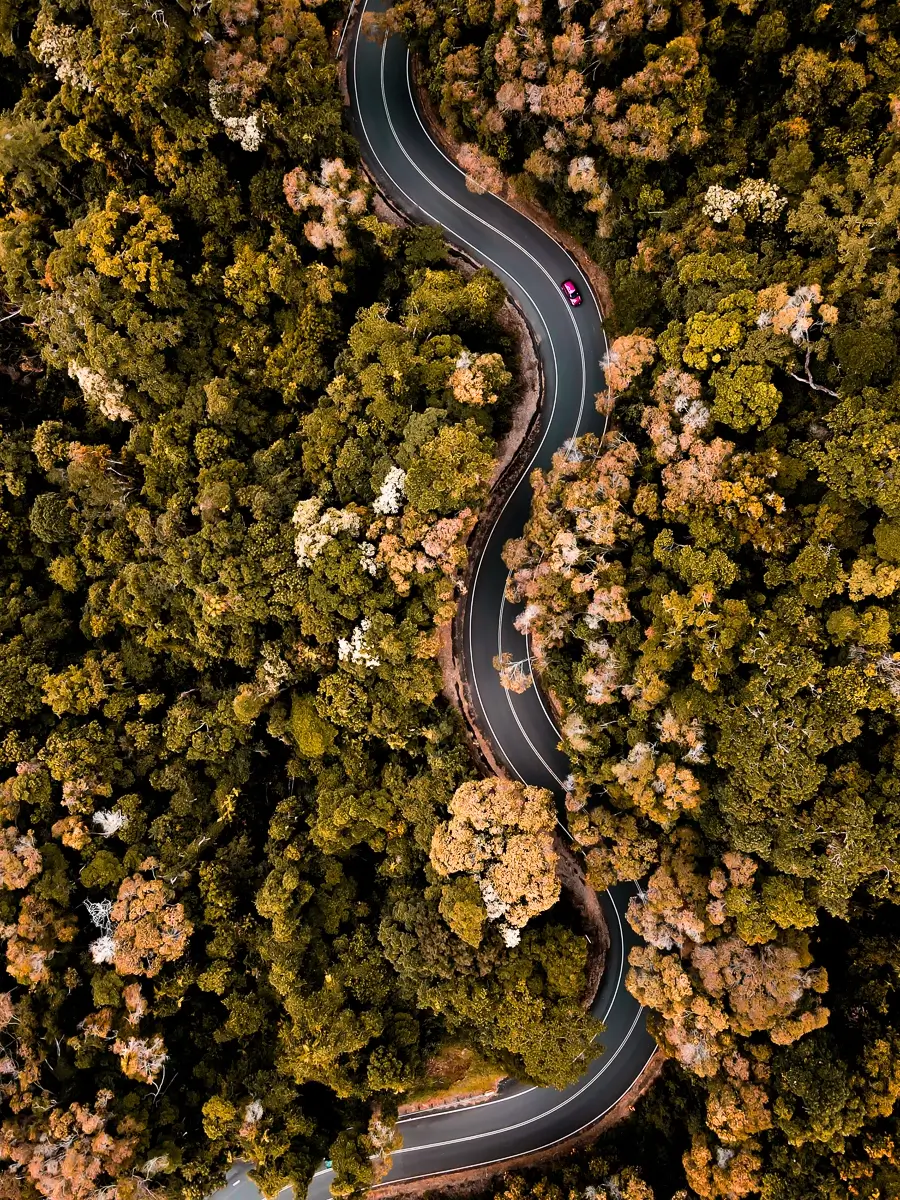
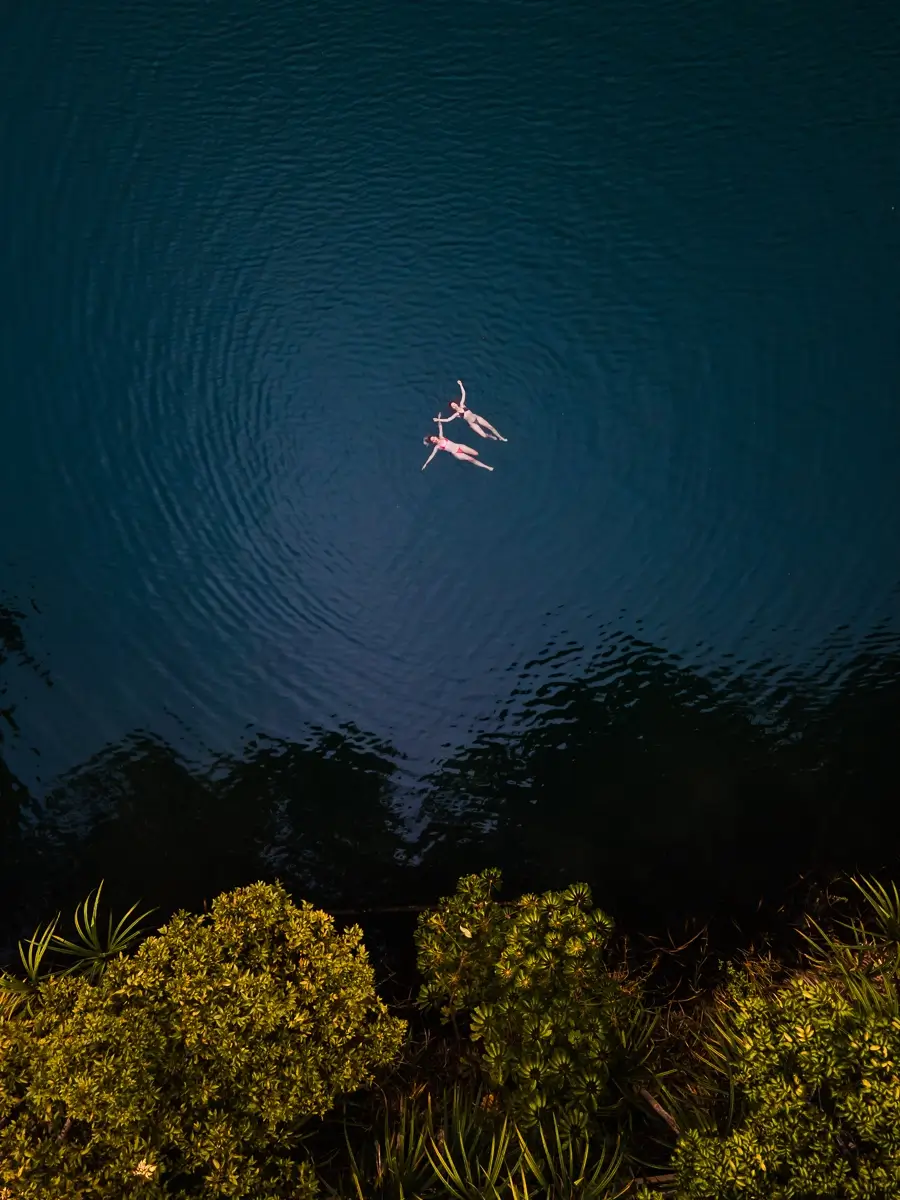
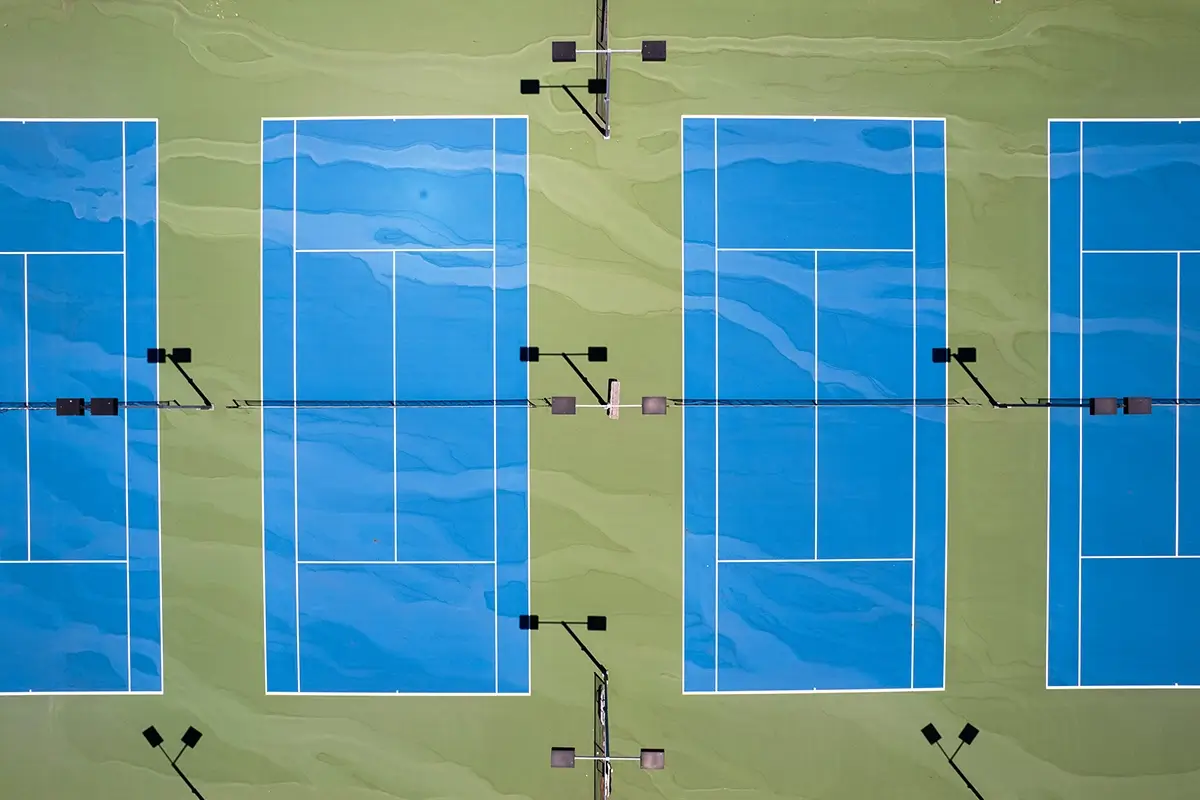
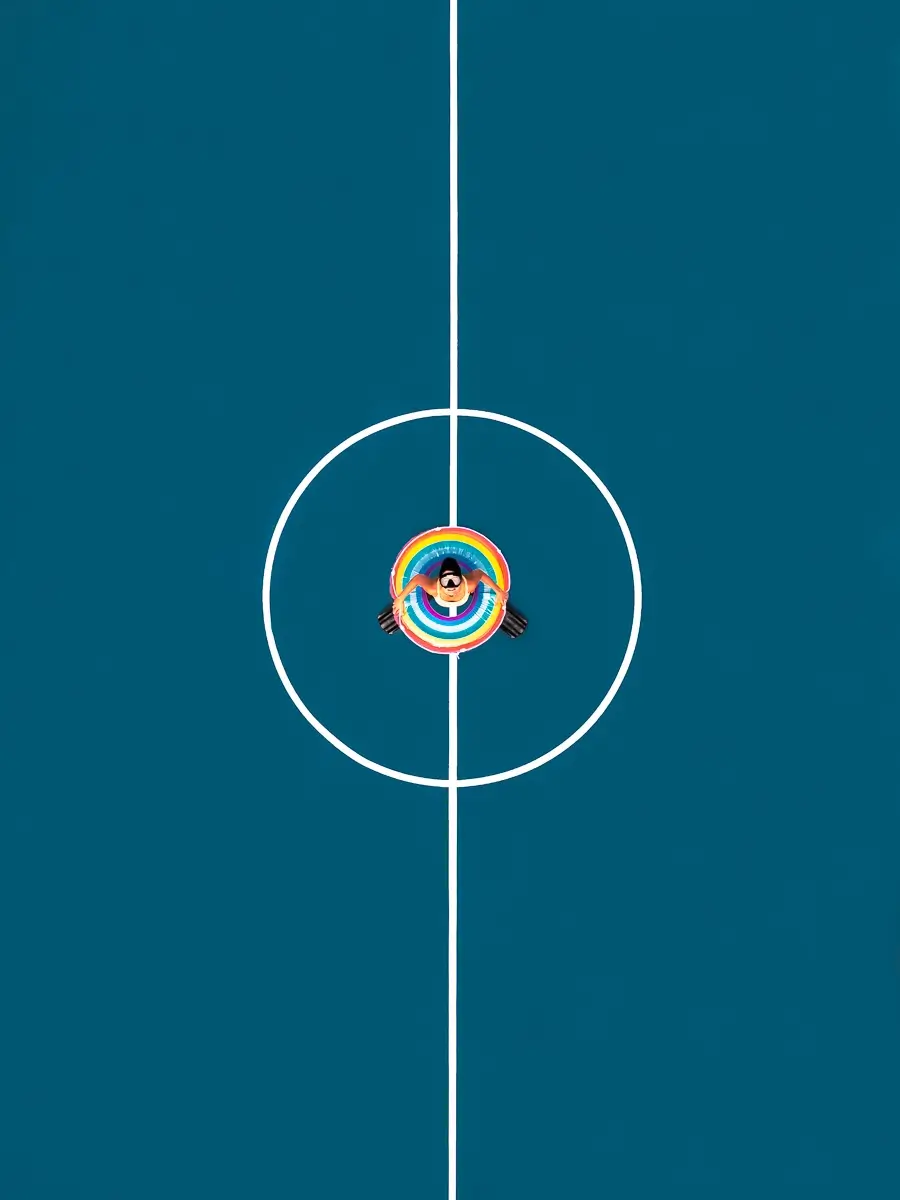
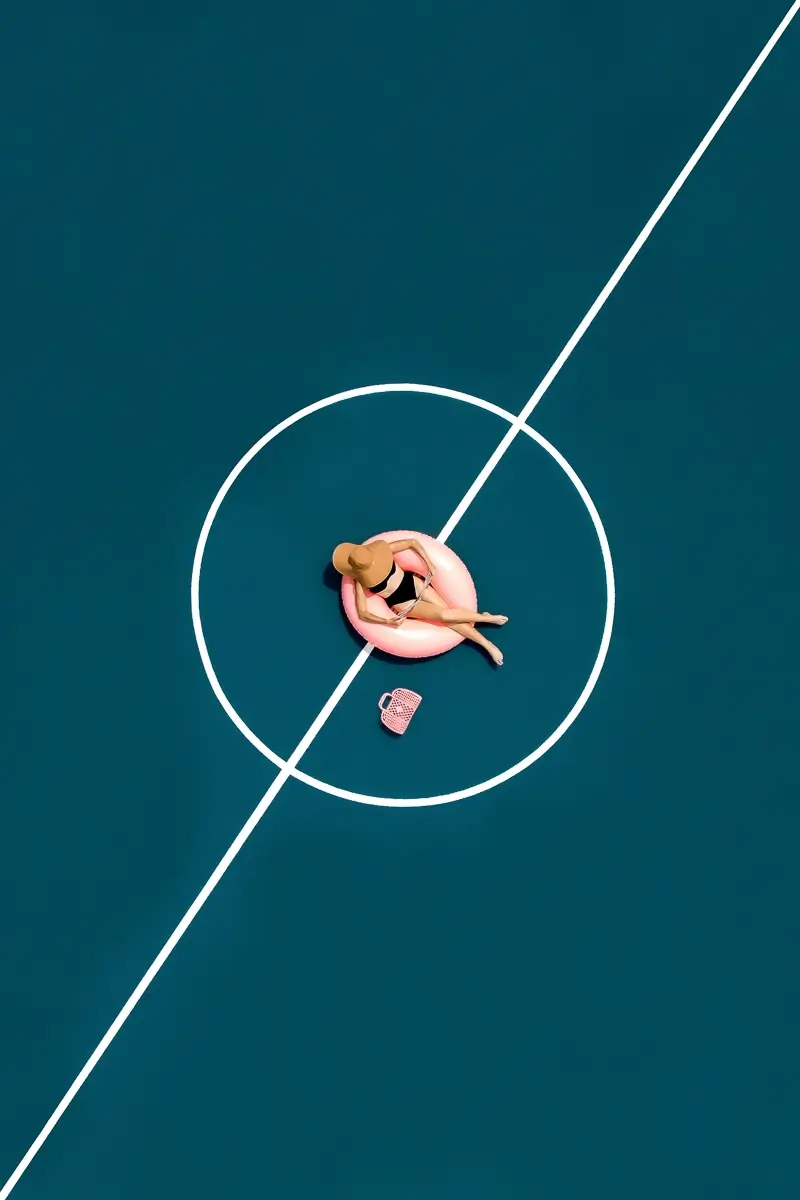
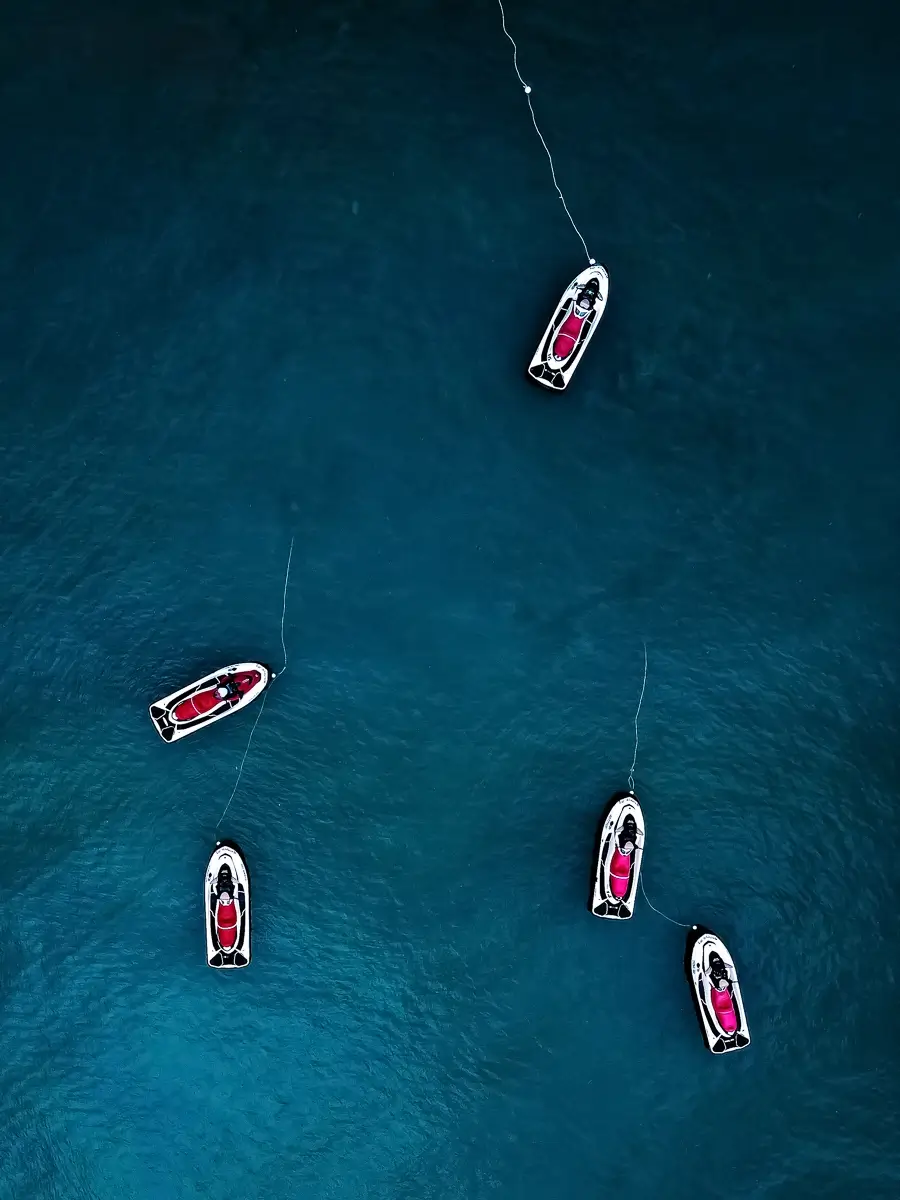
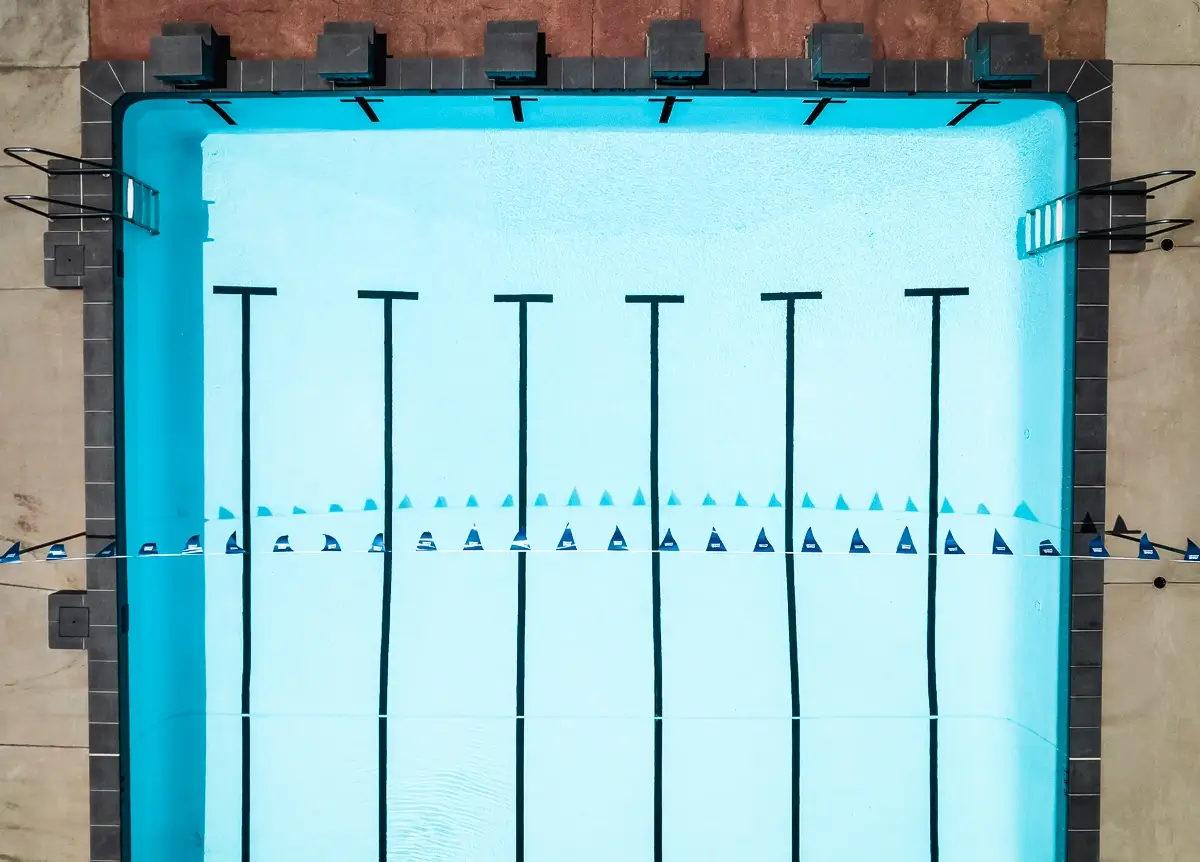
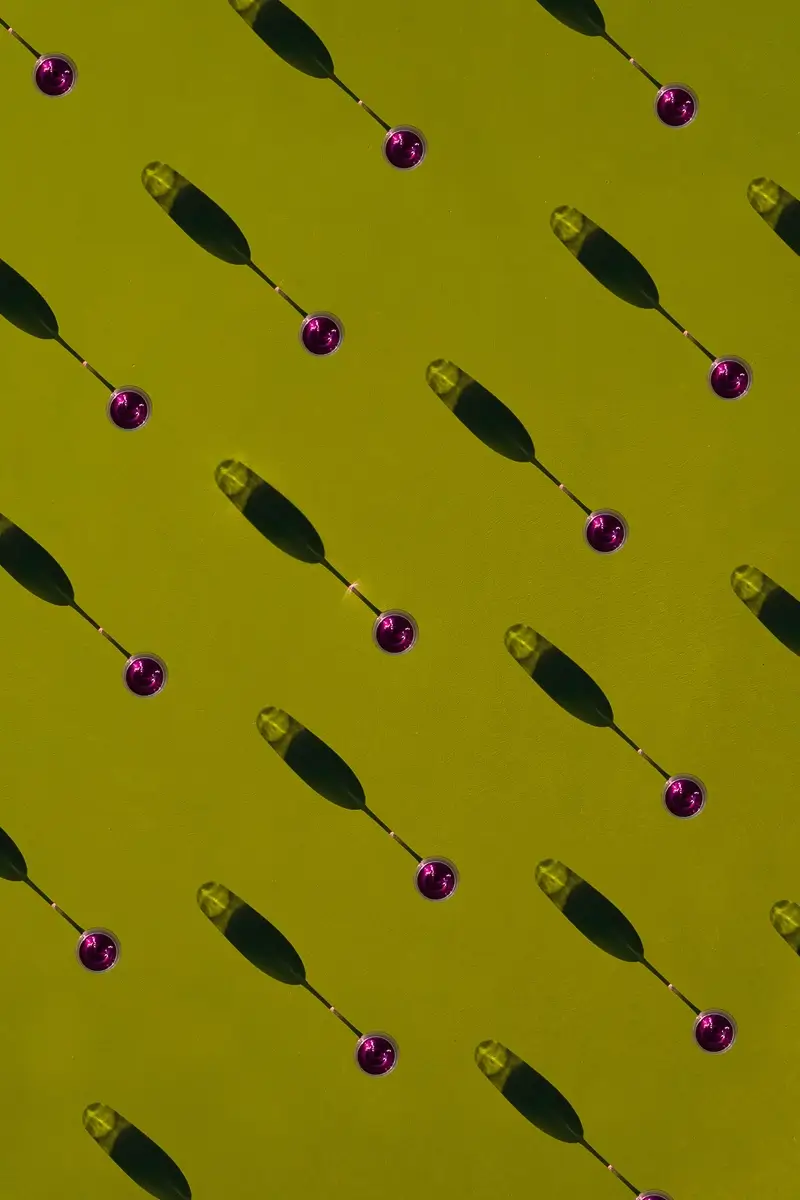
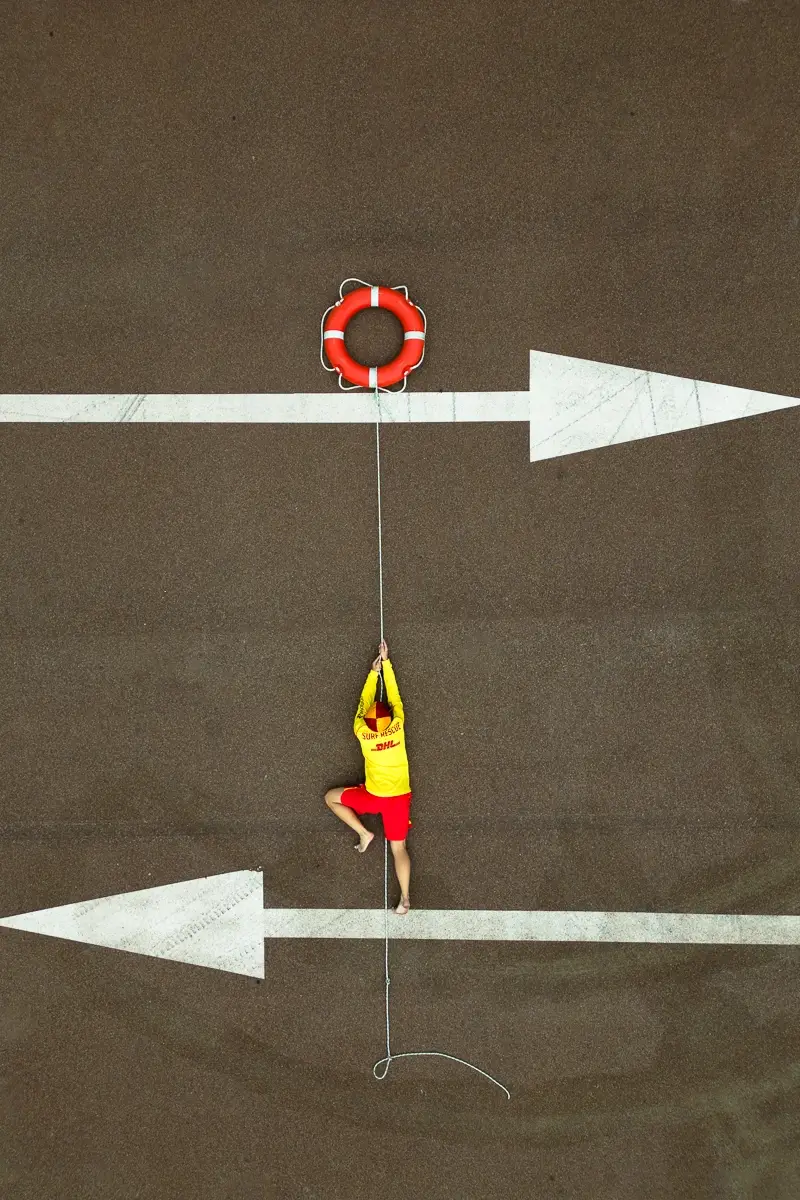
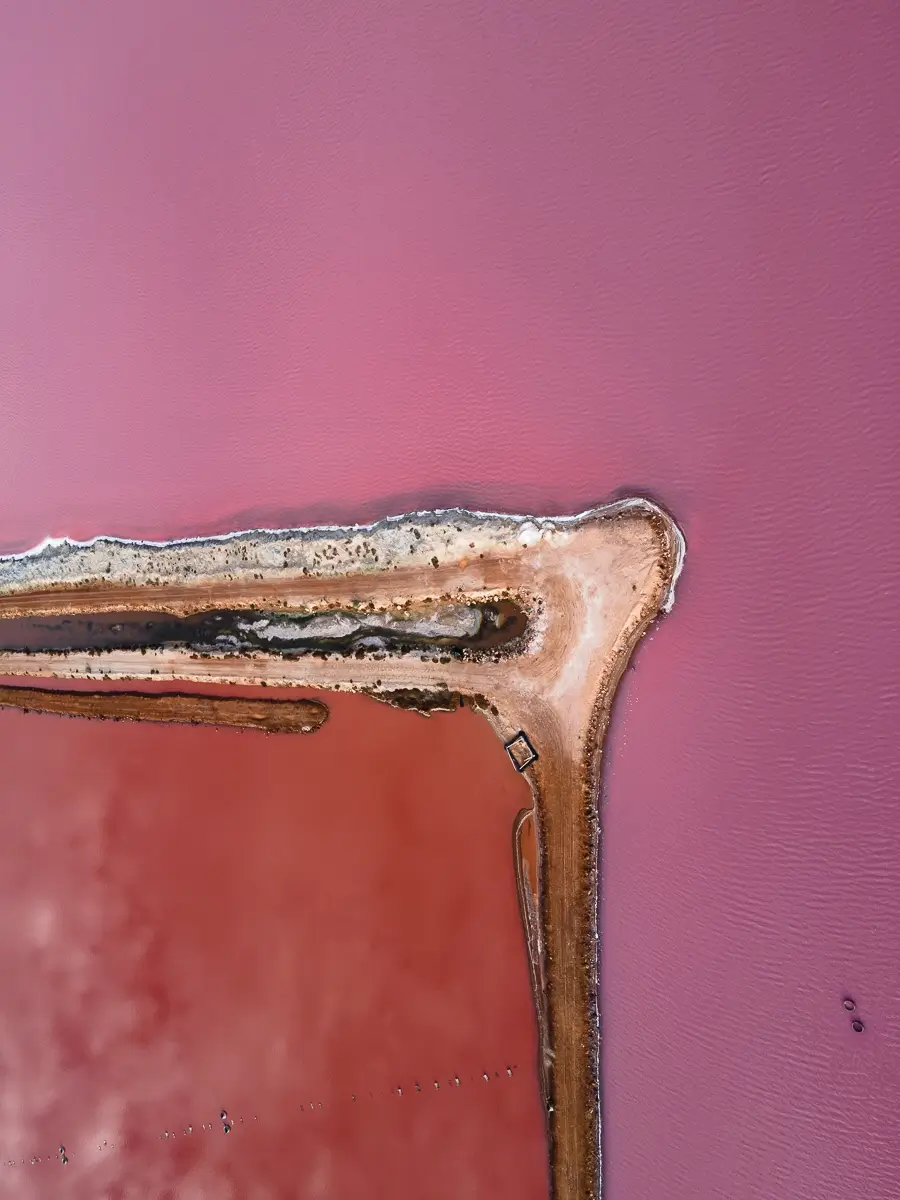
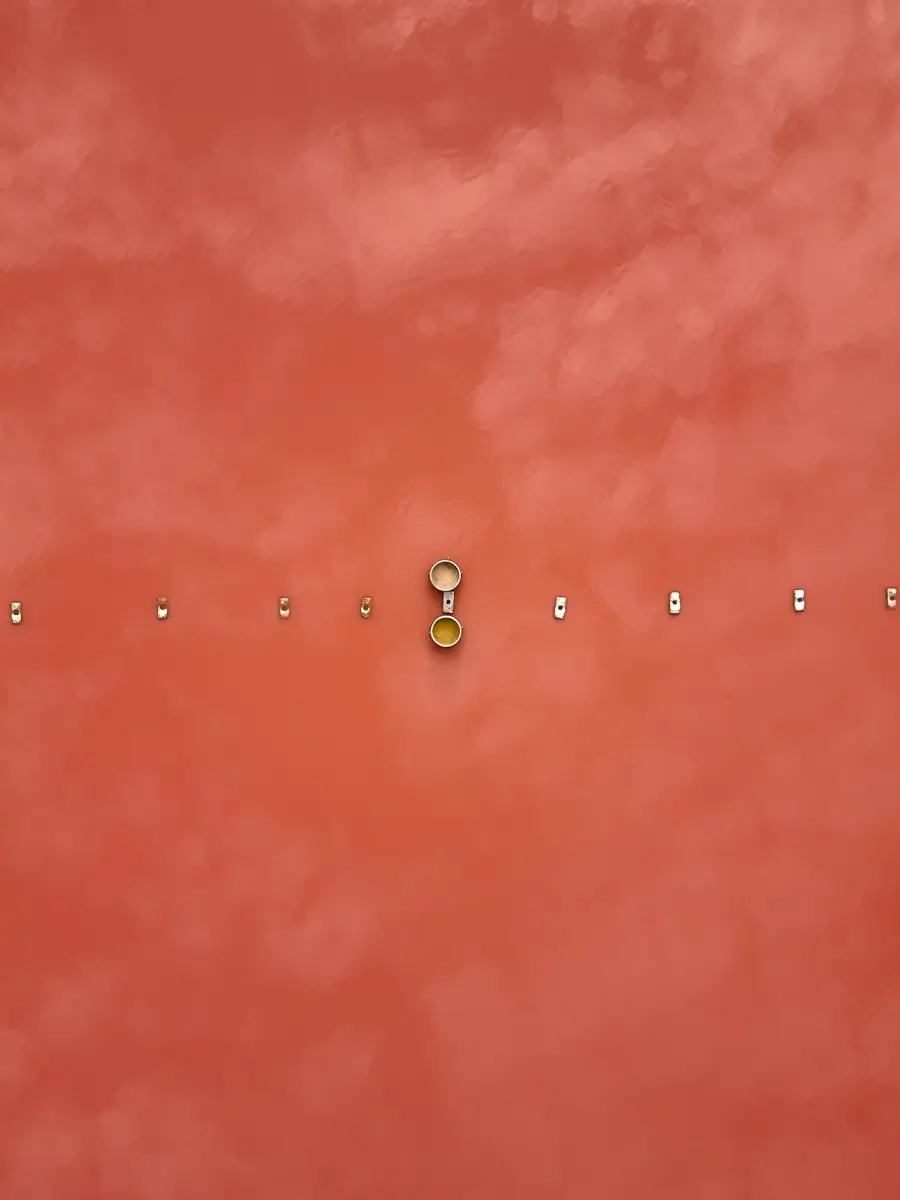
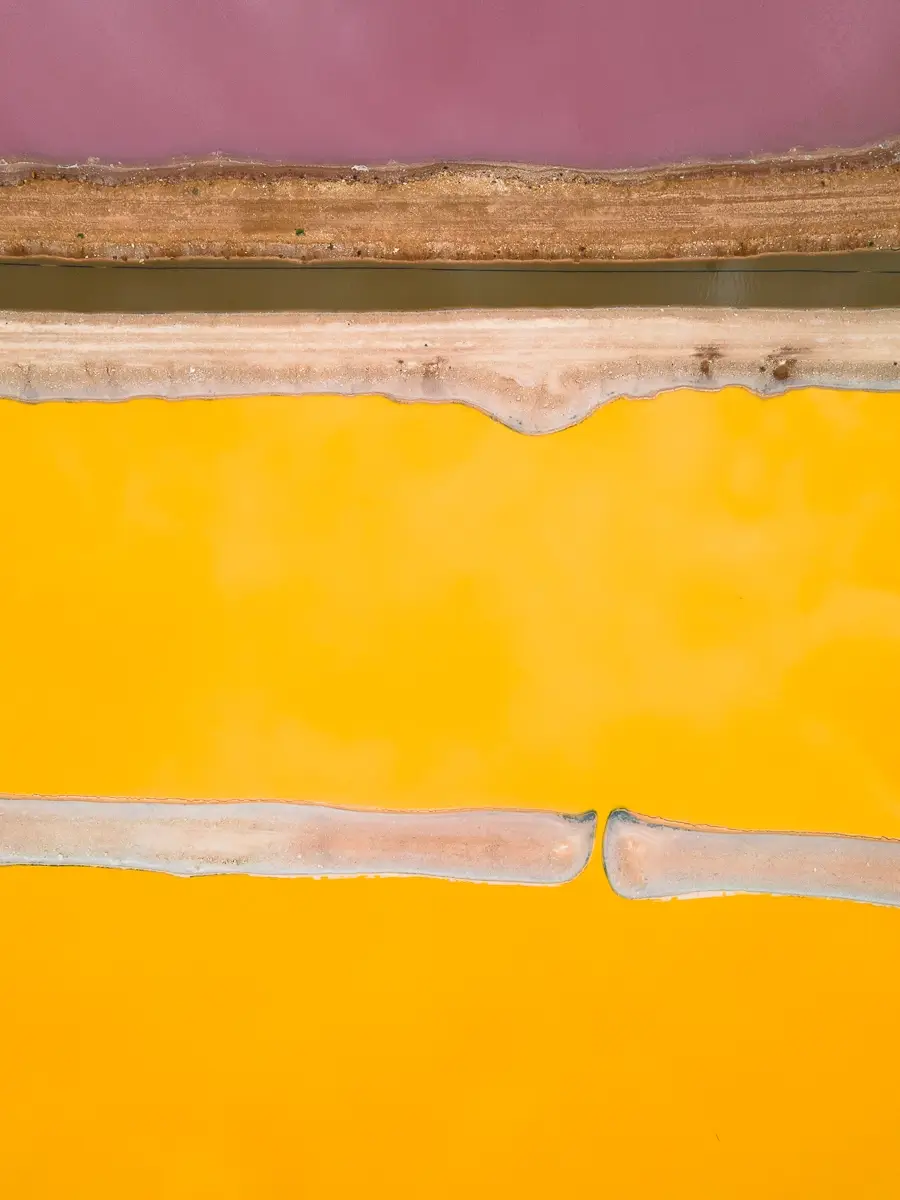
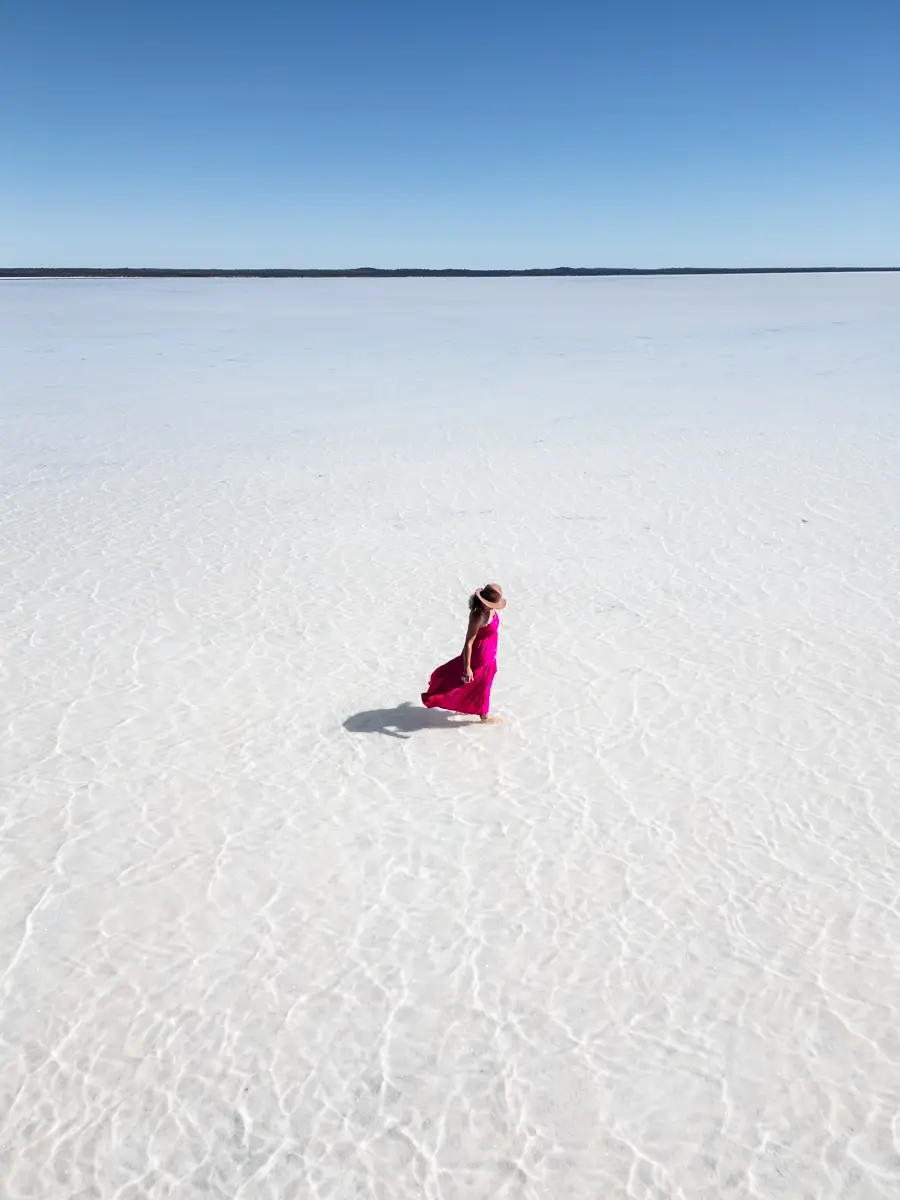
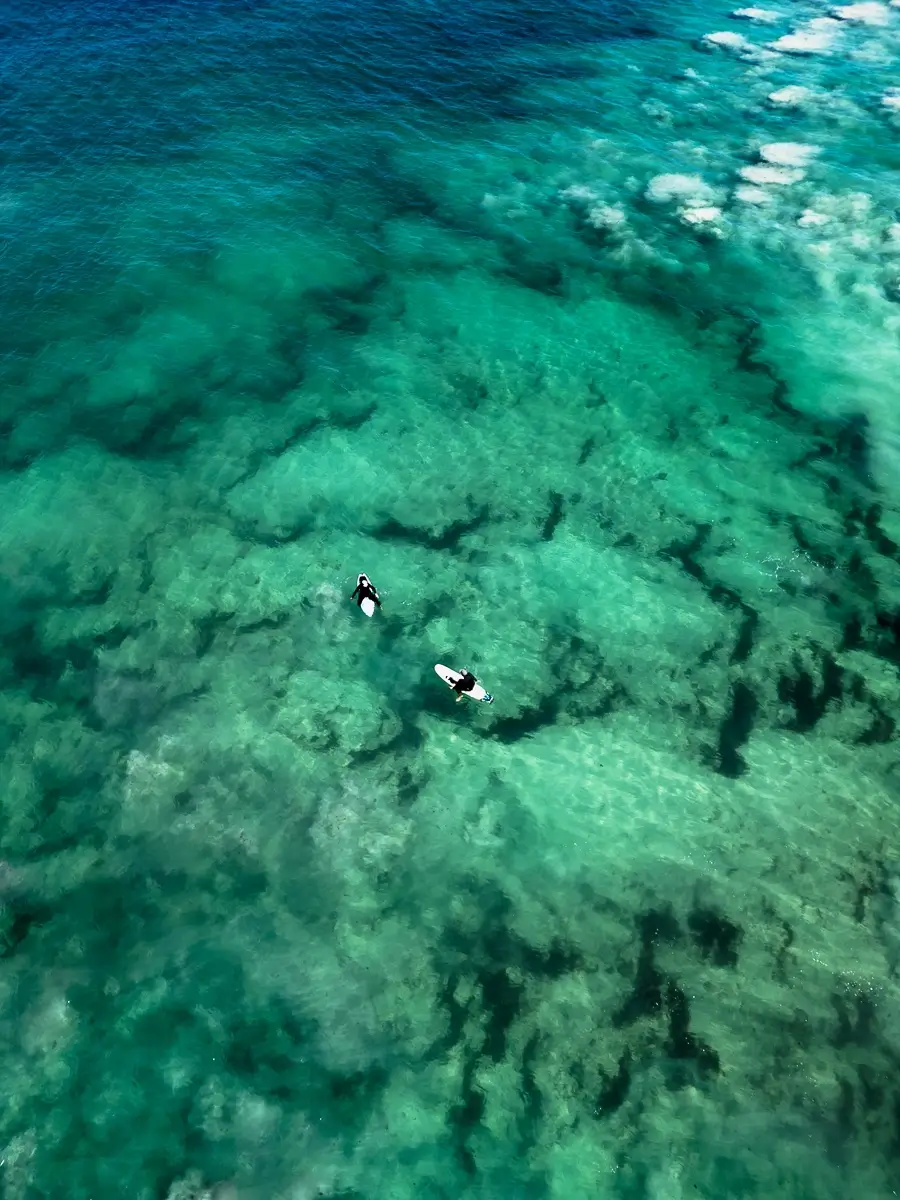
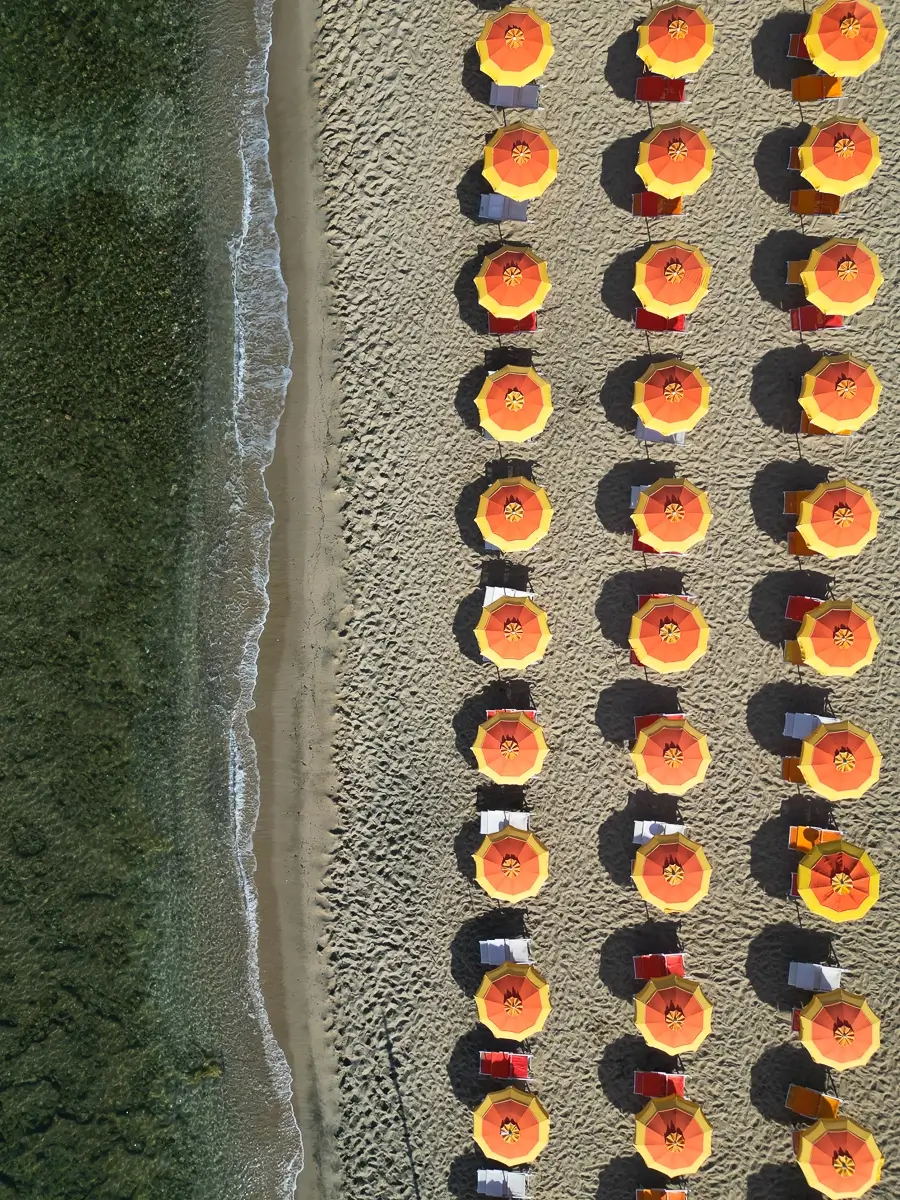
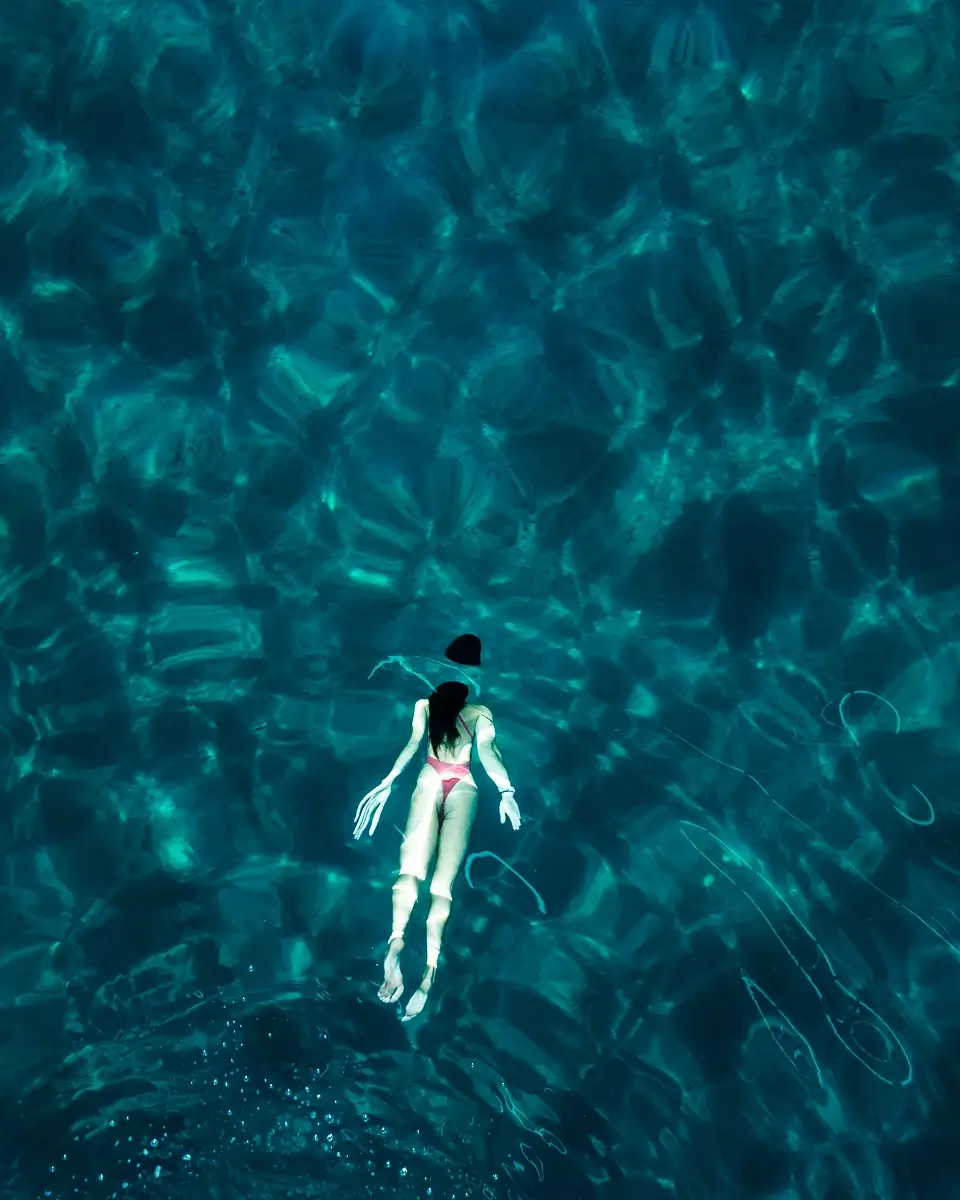
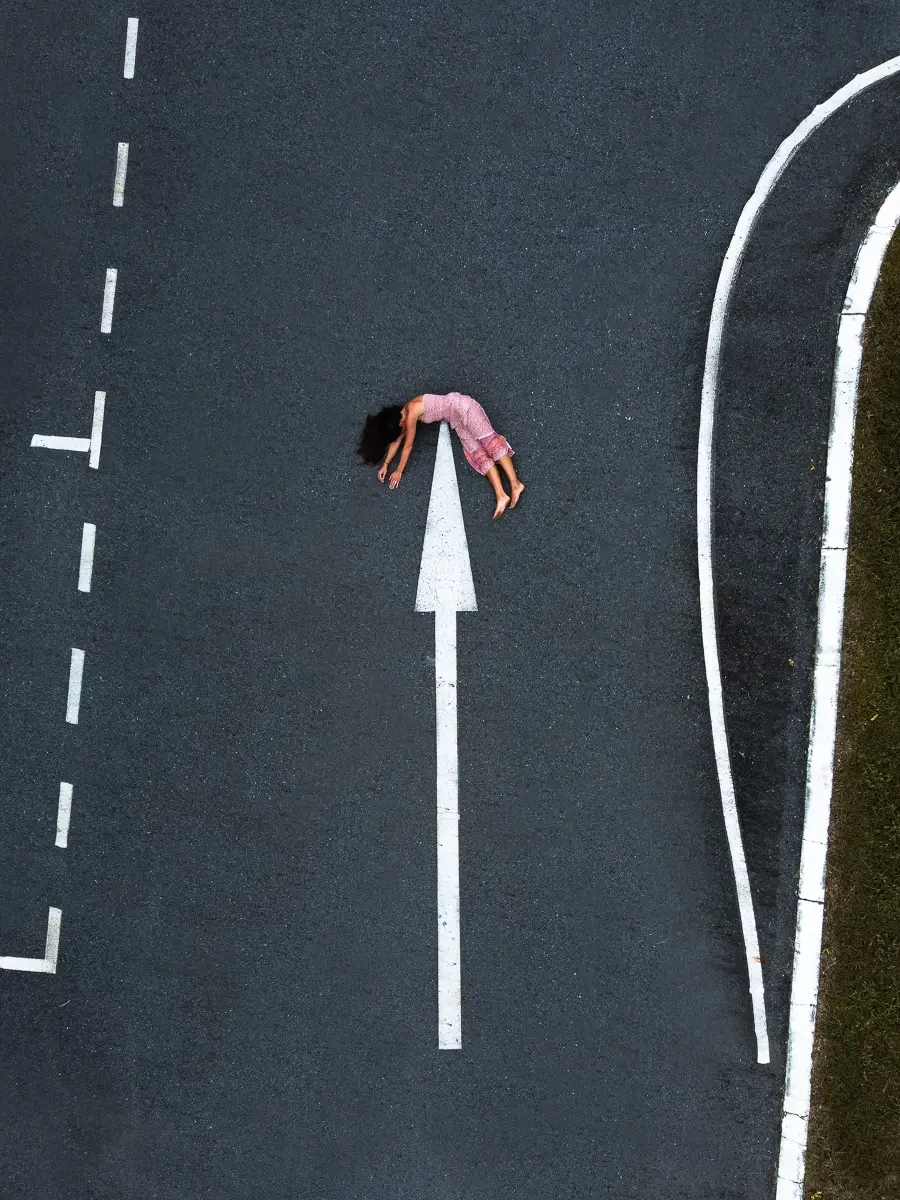
Air Bare is an award-winning, visual art drone photography collaboration created in Port Douglas, Queensland in October 2020. They are the mother/daughter team of Sarah and Lucy Jenkins, with Sarah now living in Fremantle Australia, and Lucy in London UK. They collaborate frequently and draw on each other’s strengths to develop ideas to create and execute interesting perspectives and unique images from above.

Sarah has Limb Girdle Muscular Dystrophy, diagnosed at age 30, and is now confined to a wheelchair. She has very little strength in her hands and arms, so a conventional camera is difficult to use. The drone, however, is operated with a remote control in her lap, and using just her thumbs and fingers she can fly it and take images.

Lucy studied architecture at the University of Melbourne in 2015. She graduated in 2022 and was awarded the Bates Smart Medal Graduate Prize for Outstanding Design for her thesis 'Service Disruption'. She has worked for world-renowned architectural firm Foster + Partners in London since June 2023 and became fully qualified in September 2024. In November 2024, she became a member of the Royal Institute of British Architects (RIBA).

Sarah and Lucy, who are both self-taught, won their first award at the Boston Drone Film Festival in March 2021. From there they went on to win Capture Magazine’s Australasia’s Top Emerging Photographer’s Awards ‘Single Shot’ category in May 2021. They have been acknowledged in Australia and internationally ever since.

In 2022 they were invited to collaborate with the German publishing company teNeues for the book, ‘Minimalism in Photography’. They were one of 15 international minimalist photographers chosen, many being world acclaimed in their field.

They held their first hugely successful solo exhibition at the Moores Gallery Art Space in Fremantle, Australia in February 2024.

All About Photo Competitions

AAP Magazine 56 Shadows

 

Inspiring Portfolios

Call for Entries
AAP Magazine #58 B&W
Publish your work in our printed magazine and win $1,000 cash prizes
 
Stay up-to-date  with call for entries, deadlines and other news about exhibitions, galleries, publications, & special events.

More Great Photographers To Discover

Vassi Koutsaftis
Vassi Koutsaftis has explored the globe for over 30 years, specializing in travel photography – of the extreme kind, especially in the mountainous regions of Himalayan, the Karakoram, Hindu Kush and other very remote areas of Asia. Born in 1952 in Athens, Greece and crossed the world’s oceans working on cruise ships and freighters. That was just the beginning for he continued to examine our planet traveling to remote areas on his own, then from the air, when he went on to study aeronautics and became a pilot in the U.S. He leads treks and exploratory tours in Afghanistan, Mongolia, Tibet, Nepal, Pakistan, Iran, Bhutan, Burma, Turkey and India, and he contributes essential research to unusual and remote itineraries for Geographic Expeditions one of the best and most respected expedition companies in the US. Vassi’s photographs have been published in a number of magazines including Geo (European edition), Photografos, USA Today, Asia Week, National Geographic Traveler, and Marin Magazine. He serves as Conde Nast’s Tibet expert and is well known for his compelling images of the Dalai Lama. His photographic and travel expertise has been instrumental in scouting for films including productions by CBS, PDI and Dreamworks and a number of independent filmmakers. Vassi’s work is included in the collections of U.C. Berkeley’s Blum Center, Steve Wynn Casinos, Stanford University’s Center for Buddhist Studies. Vassi has exhibited his work widely in a number of galleries in the United States and Overseas including The Hellenic American Union in Athens, Greece and enjoys giving presentations of his photographs while sharing stories of extensive travels around the world.
Nicolas Castermans
My name is Nicolas Castermans. I was born in the French Alps, in a little countryside village on the border with Switzerland. I turned 31 years old last June (2022). At the age of 21, I went abroad. I did a Masters degree in International Business in China, where a real passion for traveling was born in me. I spent every spare moment that I had, with an amazing group of friends, discovering this huge country and South-East Asia. I explored this continent for about 3 years and this is where I lived my first real adventures, like Vietnam on motorbike, or traveling 14,000 km from Hong Kong to France, via the Trans-Siberian train. During this trip, I had the chance to meet Izabela, a wonderful Polish traveler, who made me the honor of becoming my wife 5 years ago. Together, we decided to go to South America, and after a year in Peru, we set up our own travel agency there. While developing this activity and guiding our first clients, I started to photograph and document what I was experiencing. Slowly, photography became a real passion ! We’ve been now on the continent for about 6 years. I can’t stop being fascinated by the diversity of cultures and landscapes in the Andes. Since February 2021, we’ve embarked on a motorcycle trip in Colombia that has taken us to Northern Argentina so far, while keeping organizing/guiding trips for our travel agency. I’ve also developed Photo Tours on the continent that I lead myself. Who knows where all these adventures will take us in the near future...
Lola Álvarez Bravo
Mexico
1907 | † 1993
Lola Álvarez Bravo was a Mexican photographer. She was a key figure (along with Tina Modotti, Frida Kahlo, Diego Rivera and her husband Manuel Álvarez Bravo) in Mexico's post-revolution renaissance. She was born Dolores Martinez de Anda to wealthy parents in the state of Jalisco. She moved to Mexico City as a young child, after her mother left the family under mysterious circumstances. Her father died when she was a young teenager, and she was then sent to live with the family of her half brother, living nearby in Mexico City. It was here that she met the young Manuel Álvarez Bravo, a neighbor. They married in 1925 and moved to Oaxaca where Manuel was an accountant for the federal government. Lola Álvarez Bravo became pregnant but before she gave birth, they returned to Mexico City. Manuel had taken up photography as an adolescent; he taught Lola and they took pictures together in Oaxaca. Manuel also taught her to develop film and make prints in the darkroom. As he became more serious about pursuing a career in photography, she acted as his assistant, although she also harbored a desire to become a photographer in her own right. The Álvarez Bravo's separated in 1934 but she decided to maintain the Álvarez Bravo name. Lola Álvarez Bravo needed to support herself and taught as well as worked in a government archives. She also continued to experiment with photography and in 1936 received her first real commission photographing the colonial choir stalls of a former church. She also worked in commercial photography, including advertising and fashion. She was the director of photography at the National Institute of Fine Arts. She opened an art gallery in 1951 and was the first person to exhibit the work of Frida Kahlo in Mexico City. She also taught photography at the Academia de San Carlos in Mexico City. Inspired by such photographers as Edward Weston and Tina Modotti, Álvarez Bravo established her own independent career. For 50 years, she photographed a wide variety of subjects, making documentary images of daily life in Mexico's villages and city streets and portraits of great leaders from various countries. She also experimented with photomontage.Source: Wikipedia Born Dolores Martínez in Jalisco, Mexico, Lola Álvarez Bravo was one of Mexico’s most important photographers. Like other women artists linked with famous male counterparts, her work has often been overshadowed by that of her husband, renowned photographer Manuel Álvarez Bravo. They married in Mexico City in 1925 just as Manuel’s photography practice began to develop. Manuel introduced Lola to the camera, the darkroom, and photography techniques, and she assisted him with developing and printing his images. They shared equipment when Lola began taking her own photographs, although Lola recalled Manuel’s impatience when she wanted to use the camera. In 1927 their son Manuel was born and they opened a photography gallery in their Mexico City home. The couple played a vital role in the cultural circle that included artists Diego Rivera, Frida Kahlo, Rufino Tamayo, Maria Izquierdo, and David Alfaro Siquerios. Lola continued to take photographs but her work always came second to Manuel’s development as an artist. They separated in 1934 and Lola turned to photography to support herself and her seven-year-old son. Stubbornly independent, her camera became both her livelihood and her means of portraying what she explained as “the life I found before me.” She traveled throughout Mexico photographing people in everyday circumstances with honesty and respect. Her assured formal aesthetic, which often bordered on the abstract, included strong compositional elements, crisp details, and the play of light and shadow on surfaces. Most often Lola Álvarez Bravo eschewed posing subjects or staging situations. Instead, she moved amongst the people along cluttered streets, observing them at work, in the marketplace, and at leisure, waiting for opportunities to capture informal moments in carefully composed scenes. Her keen eye produced stirring and expressive images of Mexican life with a contemporary sensibility that places her among the renowned photographic interpreters of that country in the modern period: Edward Weston, Paul Strand, Tina Modotti, and Manual Álvarez Bravo. During her long career, Lola Álvarez Bravo worked as a photojournalist, commercial photographer, professional portraitist, political artist, teacher, and gallery curator. Despite her professional success, it is her personal photography that marks her most significant contribution to the history of the medium. While working professionally she culled a small, core group of photographs she would refer to as her personal work, “mis fotos, mi arte.” The photographs in the Center’s collection are among those she most valued and are in the spirit of that distinction. Her direct, uncompromising, and impassioned studies of the Mexican people offer an important chapter to the history of photography, both as creative force and indelible subject matter. The Center acquired the Lola Álvarez Bravo Archive in 1996. It includes her negatives and nearly 200 gelatin silver photographs, 100 of which were selected by Lola Álvarez Bravo in 1993. An additional 100 photographs were selected by the Center in consultation with the artist. © Artists Rights Society (ARS)Source: Center for Creative Photography
Gueorgui Pinkhassov
France / Russia
1953
Gueorgui Pinkhassov is a photographer, born in Moscow in 1953. He is a member of Magnum Photos. Pinkhassov began his interest in photography in his teens, and enrolled at the Moscow Institute of Cinematography (VGIK) in 1969. Following college and two years in the army, he joined the film crew at Mosfilm. Continuing his interest in still photography he became a set photographer at the studio. His work was noticed by the film director Andrei Tarkovsky, who invited Pinkhassov to work on the set of his film Stalker. Being awarded independent artist status by the Moscow Union of Graphic Arts in 1978 allowed Pinkhassov far more freedom to travel, allowing him to exhibit his work internationally. In 1979 his work was noticed outside of Russia for the first time, in a group exhibition of Soviet photographers held in Paris. Previously, his work had mainly been seen in a number of Russian magazines, including L'artiste Sovietique. His acceptance by the Magnum Photos agency in 1988 opened up his work to a wider audience. He worked for the international media covering major events in Lithuania, Mongolia, Indonesia, and Africa. Returning to Moscow to cover the 1991 Coup, for the New York Times. In 1995, he received a photographic scholarship from the city, and in 1998, he published the book Sightwalk, photographs of Japan. Pinkhassov is now a French citizen, living in Paris.Source: Wikipedia Gueorgui Pinkhassov is known for his vivid art-reportage, which elevates the everyday to the extraordinary. His richly-colored images are absorbing, complex and poetic—sometimes bordering on an abstraction which embraces the visual complexity of contemporary life. As well as his global documentary work, Pinkhassov has photographed iconic cultural events from Cannes Film Festival to backstage at Paris Fashion Week. “It is foolish to change the vector of chaos. You shouldn’t try to control it, but fall into it” he says of his approach. Born in Moscow in 1952, Pinkhassov’s interest in photography began while he was still at school. After studying cinematography at the VGIK (The Moscow Institute of Cinematography), he went on to work at the Mosfilm studio as a cameraman and then as an on-set photographer. He joined the Moscow Union of Graphic Artists in 1978, which allowed him more freedom to travel and exhibit internationally. His work was soon noticed by the prominent Russian filmmaker Andrei Tarkovsky, who invited him to make a reportage about his film Stalker (1979). Recent work includes his study of Blackpool Illuminations in 2018, an ongoing series of city portraits illuminating places as varied as Beirut, Lisbon, Venice, Moscow and Nancy, and his coverage of the clashes between Anti-government protesters and police in the Ukrainian capital, Kyiv in 2014. Today, he works regularly for the international press, particularly for Geo, Actuel and The New York Times Magazine. He joined Magnum Photos in 1988.Source: Magnum Photos
Anna Laza
Romania
"I started to be in photography about 15 years ago. At that time I used to model and participate in shootings. But quite quickly I got bored with posing and was becoming more curious to stand on the other side of the camera. So slowly, but certainly I started my own way in the big universe of photography. I have principles in my shootings and always keep in focus my own style. It’s very important for an artist to both keep his/her unique style and progress in it at the same time. When I shoot women I avoid sexualizing them and even photographing naked bodies there’ll be no sexual vision in the image, but sensual and sophisticated." Anna Laza is an influential visual artist working in Art and Fashion photography. Her projects are focused on finding new innovative styles both shooting and post-processing. Her work has been rewarded and been exhibited internationally, she has won in a number of famous photo contests, including LensCulture, MonoVisions and Minimalist Awards. She is often published in photography magazines and regularly appears on prestigious jury lists for photographic events. Besides her own photography, she is also a creator of the magazine FotoSlovo, which highlights every year new emerging talents in photography from Russia & CIS counties. Metaphysical Body Landscapes "My childhood I've spent at my grandmother's house in Romania, near the Carpathian Mountains. Seeing human's strong bond with the earth, observing nature, landscapes around influenced my understanding of earth beauty and men's connexion with it. All being is something whole, indivisible. Earth, sky, plants, fruits, mountains, rivers, men, women, day, night- all merged together and flow into each other. This process is infinite and harmonious. Men came from the earth, lives on earth and will return to earth. And landscapes of the earth are seen in body curves. Growing up I moved to live in big cities, my grandmother passed away and I felt the loss of spiritual connexion with nature. To reconnect, I start to search the Landscapes in body in my photography."
Advertisement
AAP Magazine #58 B&W
Win a Solo Exhibition in June
AAP Magazine #58 B&W

Latest Interviews

Exclusive Interview with Carolyn Moore
American photographer Carolyn Moore explores the inner landscape of emotion, memory, and personal transformation through a deeply intuitive photographic practice. Her work unfolds as a quiet dialogue between artist and viewer, where images become a space for reflection, vulnerability, and connection.
Exclusive Interview with Luca Desienna and Laura Estelle Barmwoldt
For over seven years, Of Lilies and Remains has explored the depths of the goth and darkwave underground, unfolding in Leipzig—a city long associated with a vibrant and enduring subcultural scene. Moving between iconic gatherings such as Wave-Gotik-Treffen and more intimate moments on the fringes, the project offers a rare and immersive glimpse into a world often misunderstood, yet rich in expression and community. Created by Luca in collaboration with Laura Estelle Barmwoldt, the work embraces a cinematic and deeply personal approach. Rather than documenting from a distance, it moves within the scene itself, capturing its atmosphere, its codes, and its quiet contradictions. The title Of Lilies and Remains hints at this duality—where beauty and darkness, fragility and strength coexist. As the book prepares for its release, we spoke with both artists about the origins of the project, their process, and what it means to document a subculture that continues to evolve while remaining true to its spirit.
Exclusive Interview with Matthew Finley
American photographer Matthew Finley turns inward, using photography as a way to explore identity, memory, and emotional truth. Based in Los Angeles, his practice moves between performance, gesture, and found imagery, creating a visual language that is both intimate and deeply personal
Exclusive Interview with Jan Janssen
Dutch photographer Jan Janssen explores universal human experiences through his long-term project It Matters, winner of the May 2025 Solo Exhibition. Begun in 2016, the series captures intimate moments of everyday life—love, loss, connection, and belonging—across Central and Eastern Europe. Working in countries such as Turkey, Azerbaijan, and Armenia, Janssen spends extended time within communities, building relationships based on trust and respect. His approach allows him to move beyond observation, revealing deeply human and authentic moments. Rooted in travel and personal discovery, It Matters reflects Janssen’s search for what connects us all in an increasingly divided world. The project is ongoing and will culminate in a photobook scheduled for publication in 2026.
Exclusive Interview with Henk Kosche
German photographer Henk Kosche turns his lens toward the streets of Halle an der Saale, capturing everyday life in the late years of the former German Democratic Republic. At the time, Kosche was studying design and exploring the city with his camera, drawn to the atmosphere of its industrial landscape and the quiet rhythms of daily life. His series Street Photography at the End of the 80s, selected as the Solo Exhibition for July 2025, revisits a body of work created just before a period of profound change. Rediscovered decades later in a small box of 35mm negatives, these photographs offer glimpses of a city and its people at a moment suspended between the familiar and the unknown.
Exclusive Interview with Anastasia Samoylova
Anastasia Samoylova is an American artist whose photographic practice is shaped by close observation and a deep attentiveness to place. Working between documentary and formal exploration, she photographs landscapes, architecture, and everyday scenes with a sensitivity to light, structure, and atmosphere. Since relocating to Miami in 2016, her work has increasingly focused on how environments—both natural and built—carry social, cultural, and emotional traces. We asked her a few questions about her practice and her way of seeing, to better understand the thoughts and experiences that shape her work—while allowing the images themselves to remain open and speak in their own time.
Exclusive Interview with Marijn Fidder
Marijn Fidder is a Dutch documentary photographer whose work powerfully engages with current affairs and contemporary social issues. Driven by a deep sense of social justice, she uses photography to speak on behalf of the voiceless and to advocate for the rights of those who are most vulnerable. Her images have been widely published in major international outlets including National Geographic, CNN Style, NRC Handelsblad, Volkskrant, GUP New Talent, and ZEIT Magazin. Her long-term commitment to disability rights—particularly through years of work in Uganda—culminated in her acclaimed project Inclusive Nation, which earned her the title of Photographer of the Year 2025 at the All About Photo Awards. She is also the recipient of multiple prestigious honors, including awards from World Press Photo and the Global Peace Photo Award. We asked her a few questions about her life and work.
Exclusive Interview with Josh S. Rose
Josh S. Rose is a multidisciplinary artist working across photography, film, and writing. His practice bridges visual and performing arts, with a strong focus on movement, emotion, and the expressive potential of the image. Known for his long-standing collaborations with leading dance companies and performers, Rose brings together authenticity and precise composition—a balance he describes as “technical romanticism.” His work has been commissioned and exhibited internationally, appearing in outlets such as Vogue, at the Super Bowl, in film festivals, and most recently as a large-scale installation for Lincoln Center for the Performing Arts. A sought-after collaborator, he has worked with major artists, cultural institutions, and brands, following a previous career as Chief Creative Officer at Interpublic Group and the founder of Humans Are Social. We asked him a few questions about his life and work.
Interview with Maureen Ruddy Burkhart
Photographer Maureen Ruddy Burkhart brings a quietly attentive and deeply human sensibility to her exploration of the world through images. Shaped by a life immersed in photography, film, and visual storytelling, her work is guided by intuition, observation, and an enduring interest in the emotional undercurrents of everyday life. With a practice rooted in both fine art traditions and documentary awareness, she approaches her subjects with sensitivity, allowing subtle moments to emerge naturally rather than be imposed. Her series Til Death, selected as the Solo Exhibition for February 2025, reflects this long-standing commitment to photography as a space for reflection rather than spectacle. Drawn to moments that exist just outside the expected frame, Burkhart’s images suggest narratives without resolving them, leaving room for ambiguity, humor, and quiet connection. We asked her a few questions about her life and work.
Call for Entries
Win A Solo Exhibition in June
Get International Exposure and Connect with Industry Insiders