All about photo.com: photo contests, photography exhibitions, galleries, photographers, books, schools and venues.
Win a Solo Exhibition in June 2026 + An Exclusive Interview!
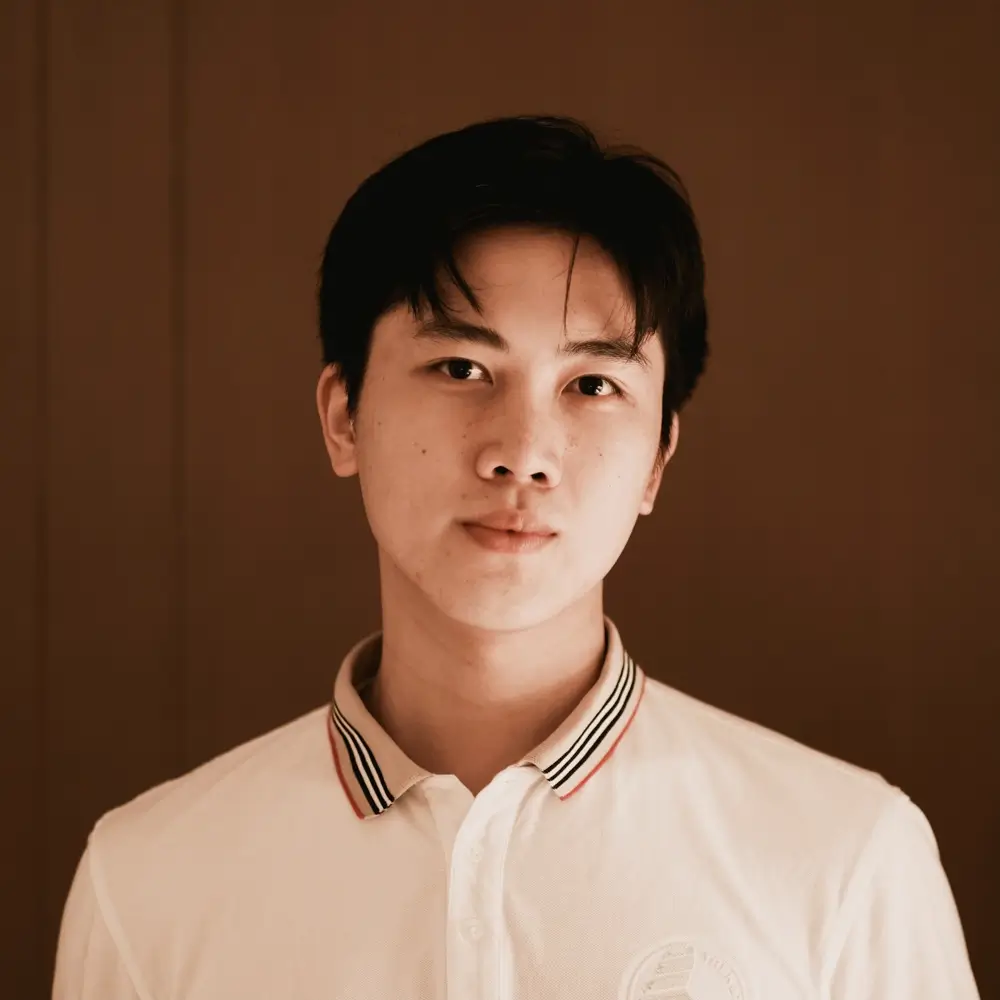
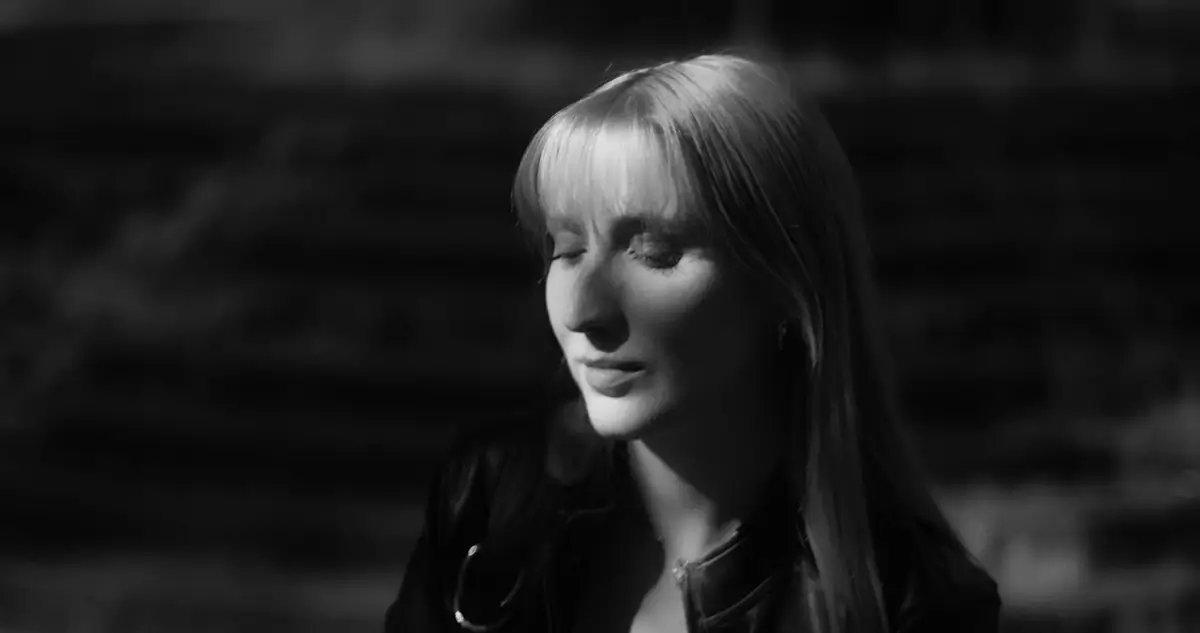
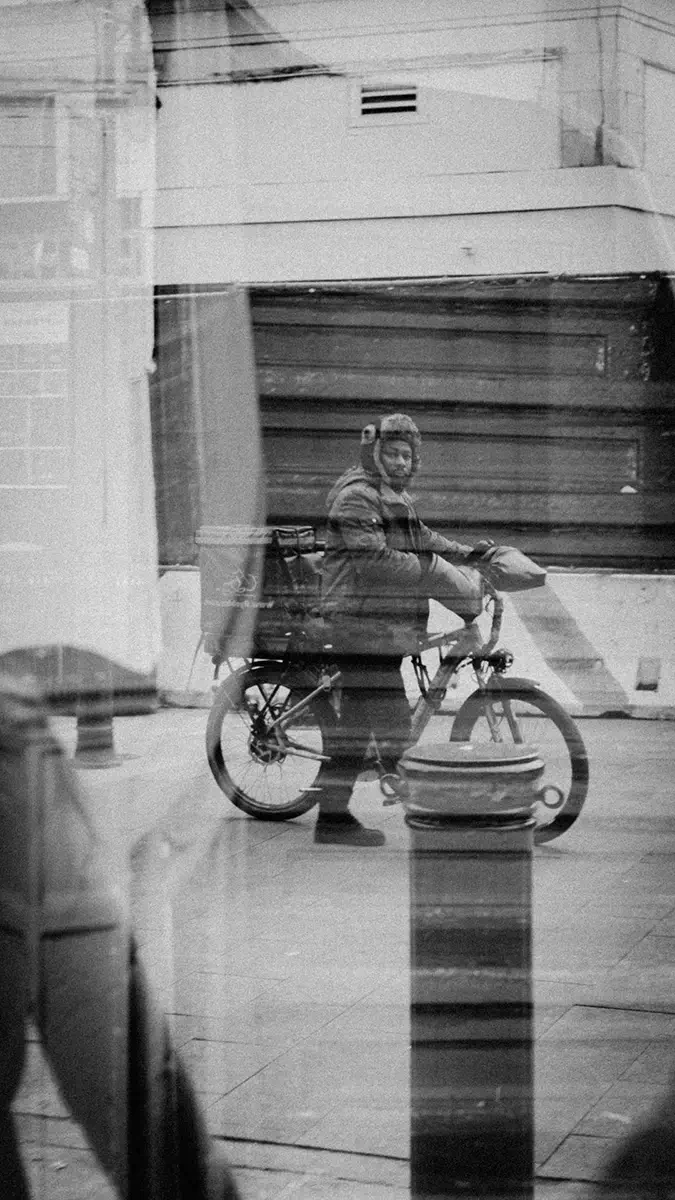
Archie Cludven
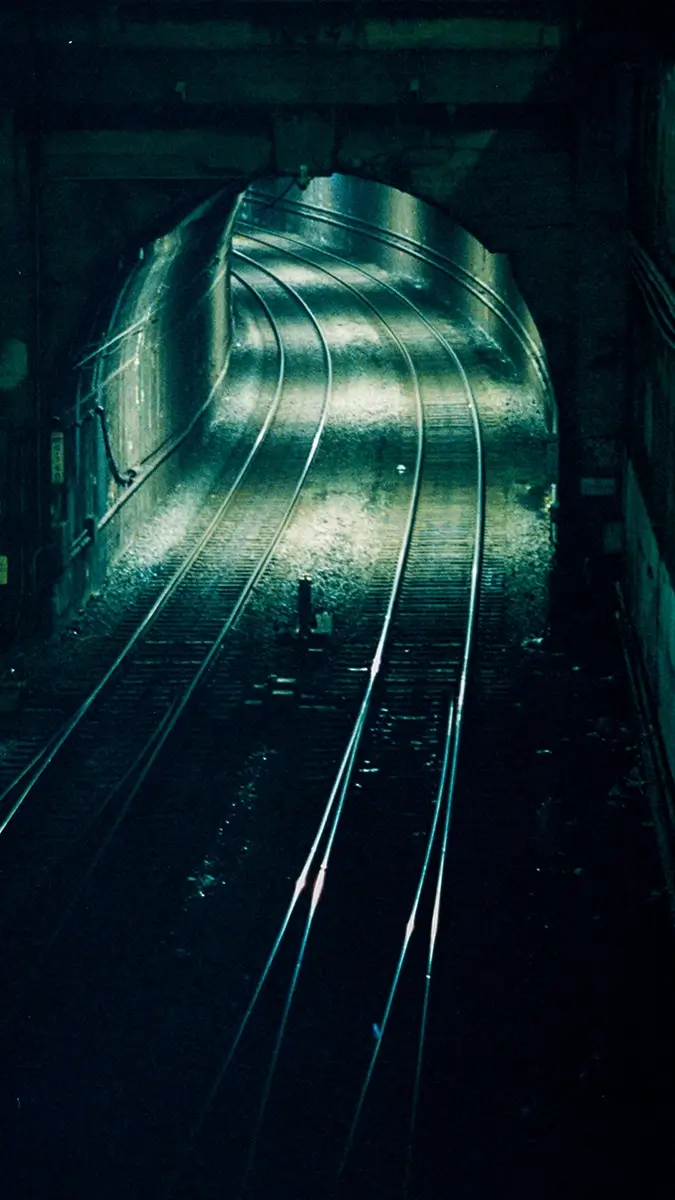
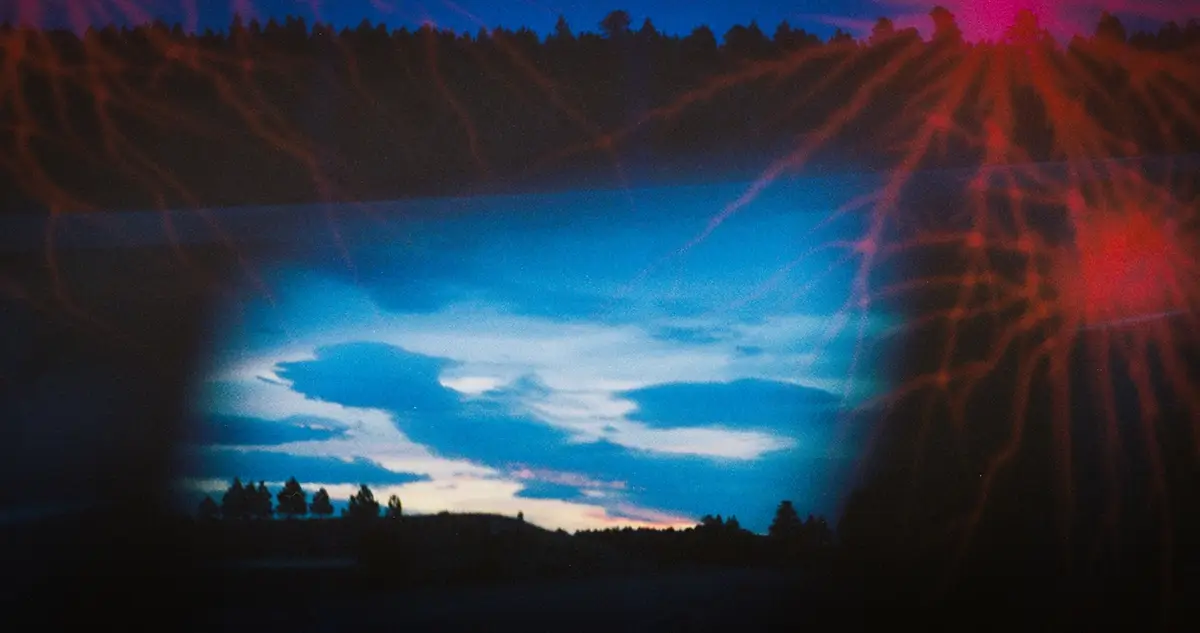
Archie Cludven
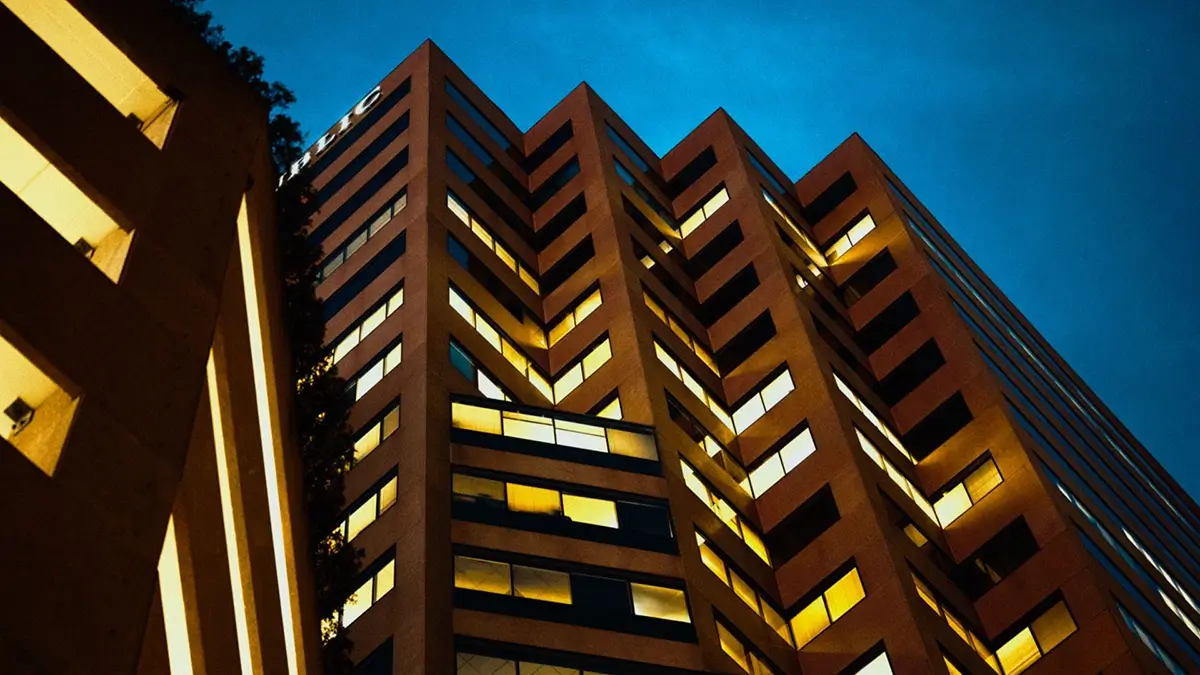
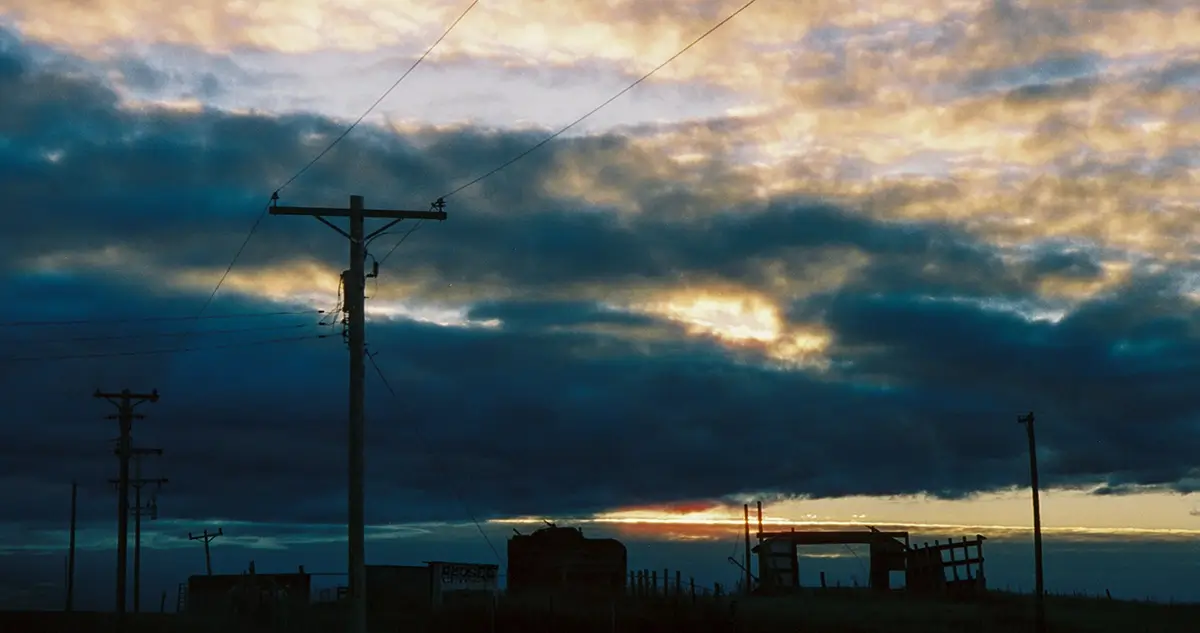
Archie Cludven

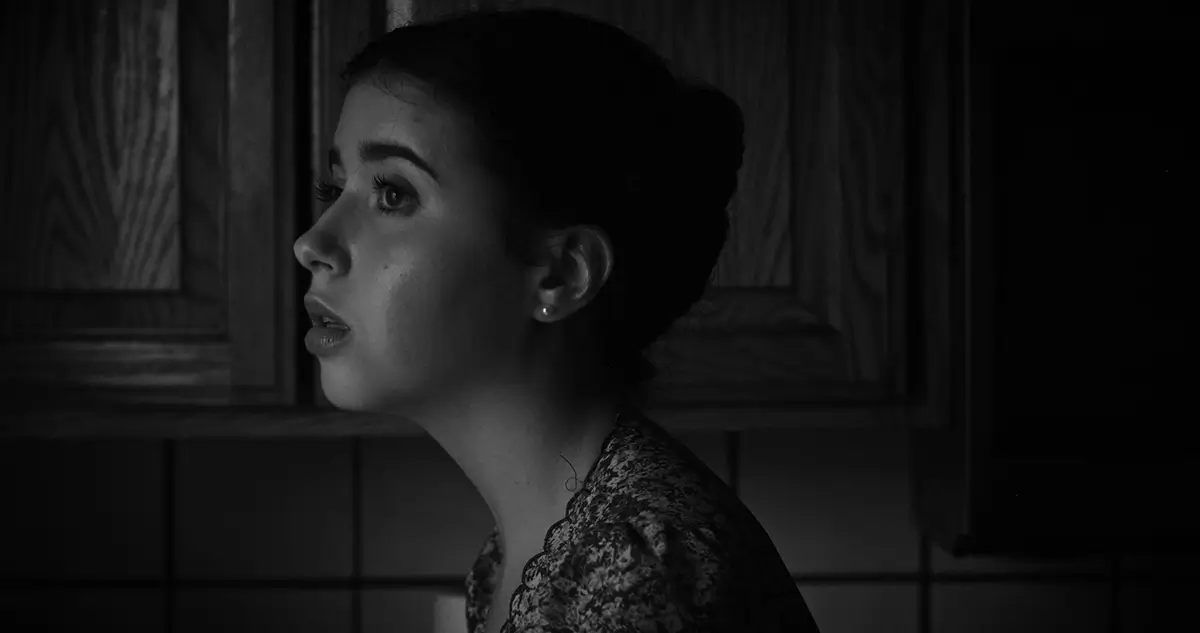
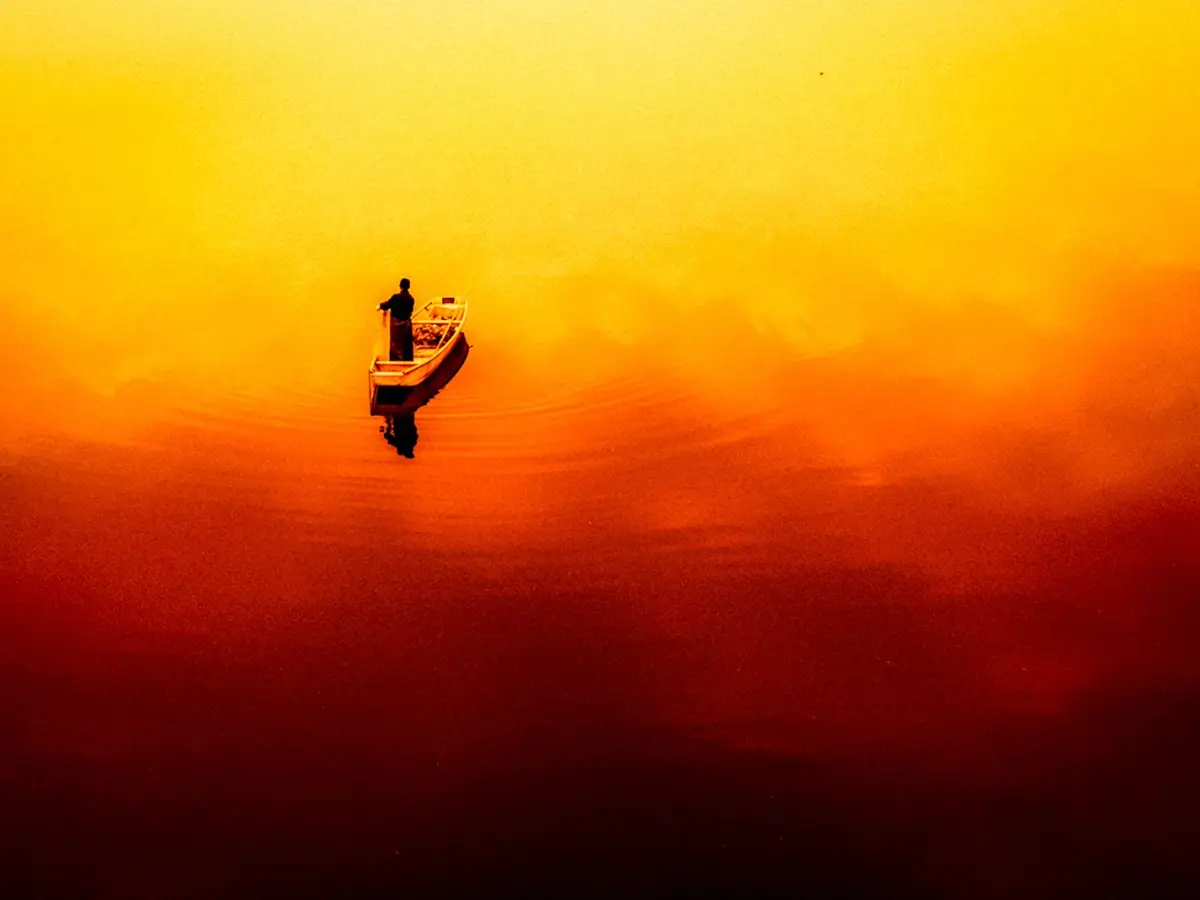
Archie Cludven

Country: China
Birth: 2003

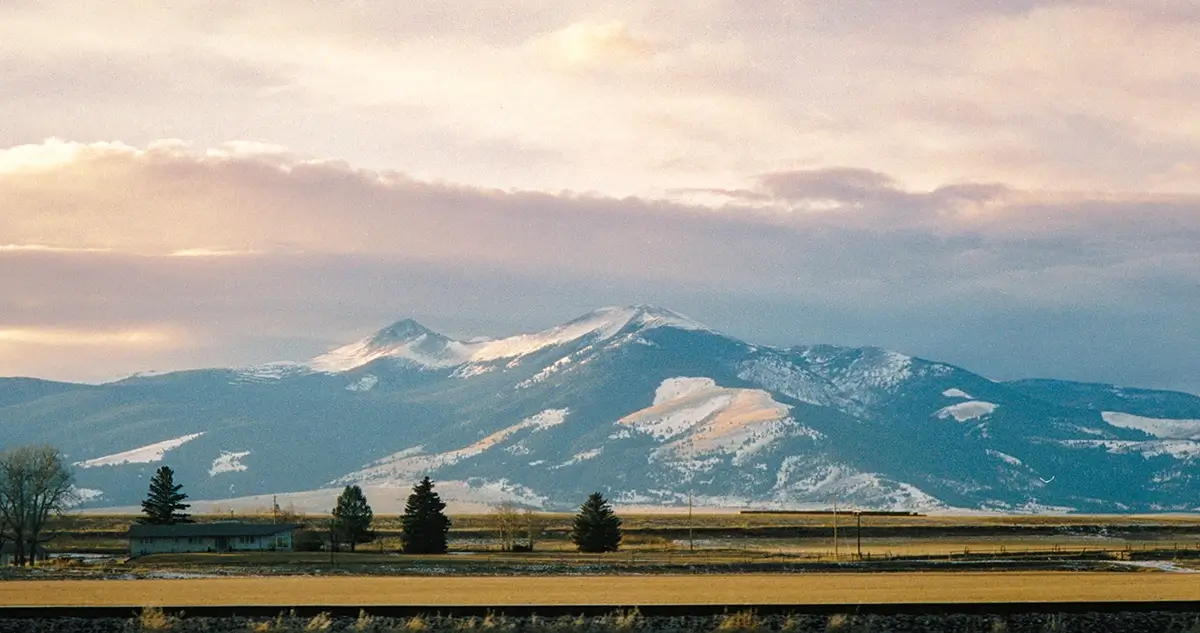
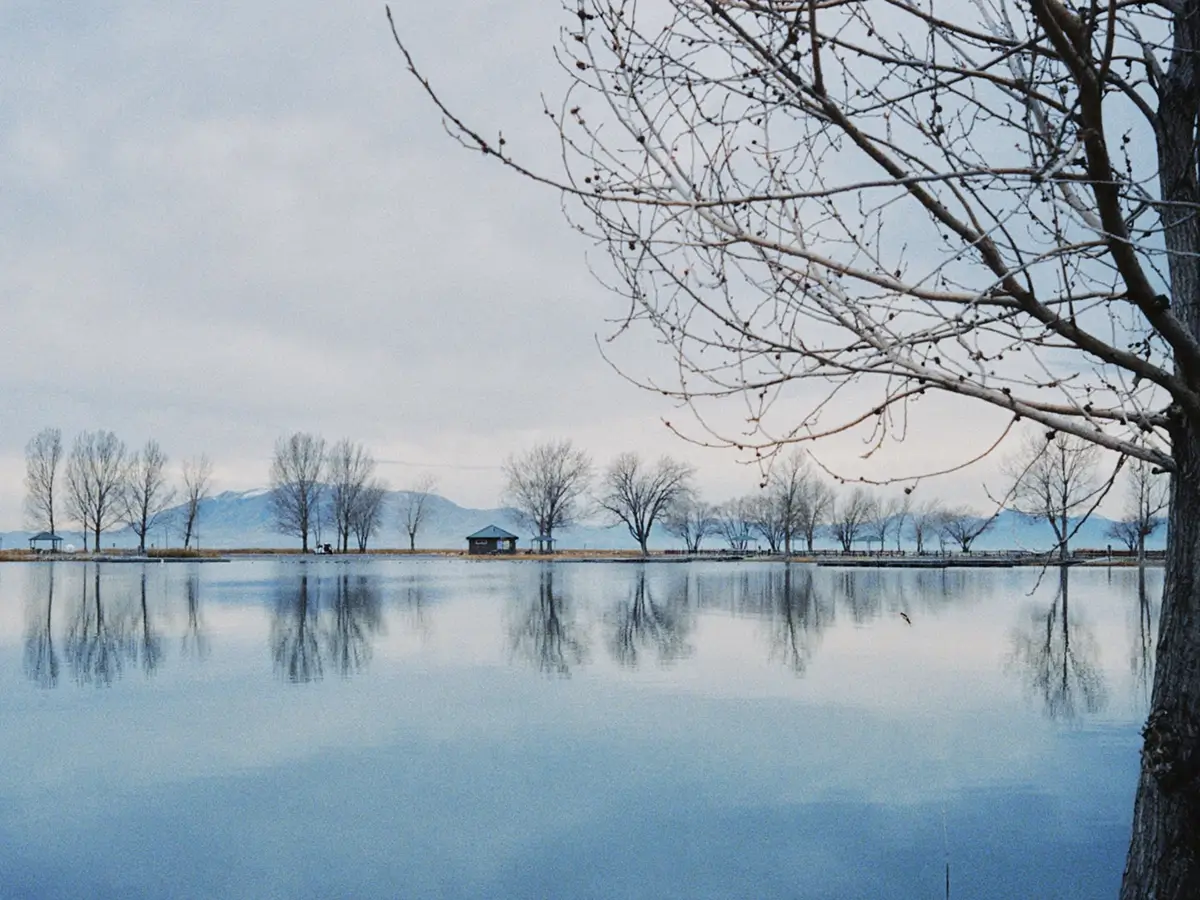
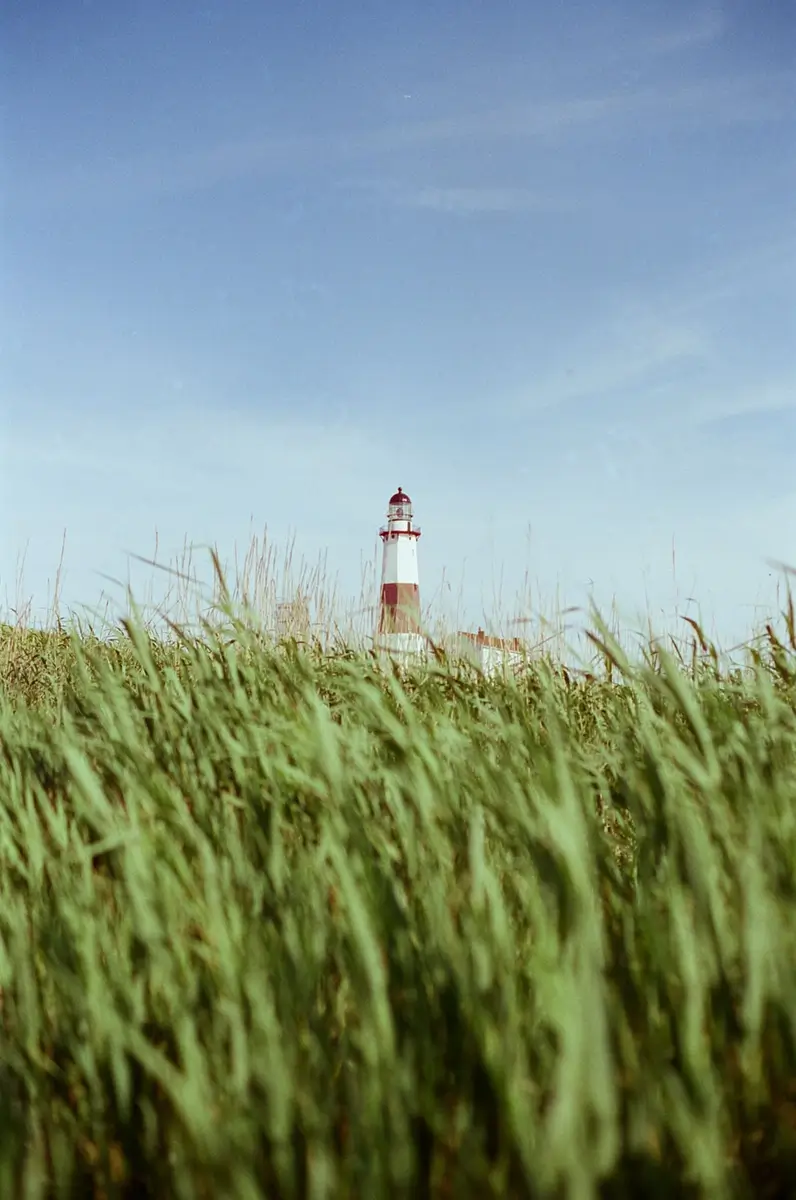
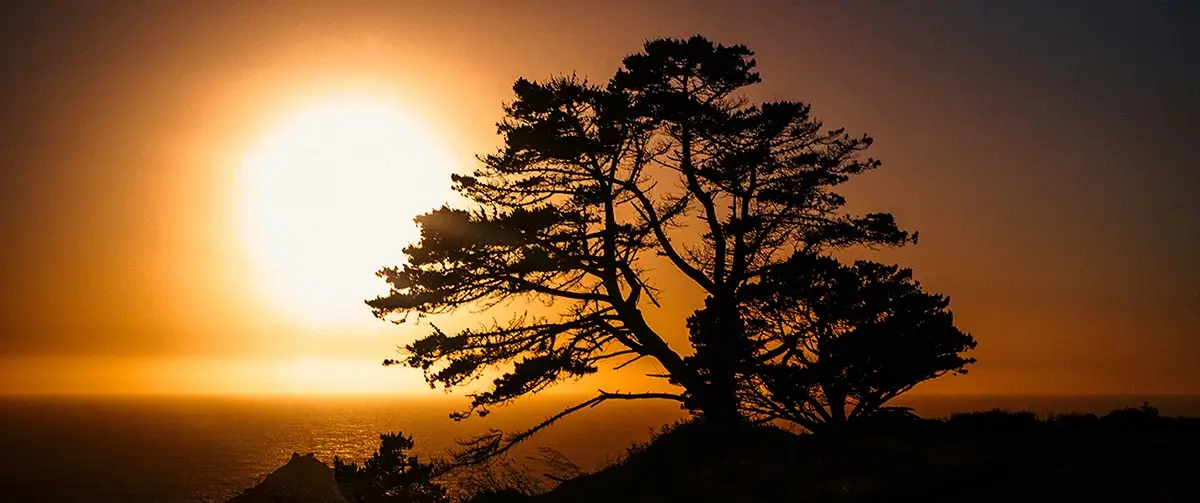
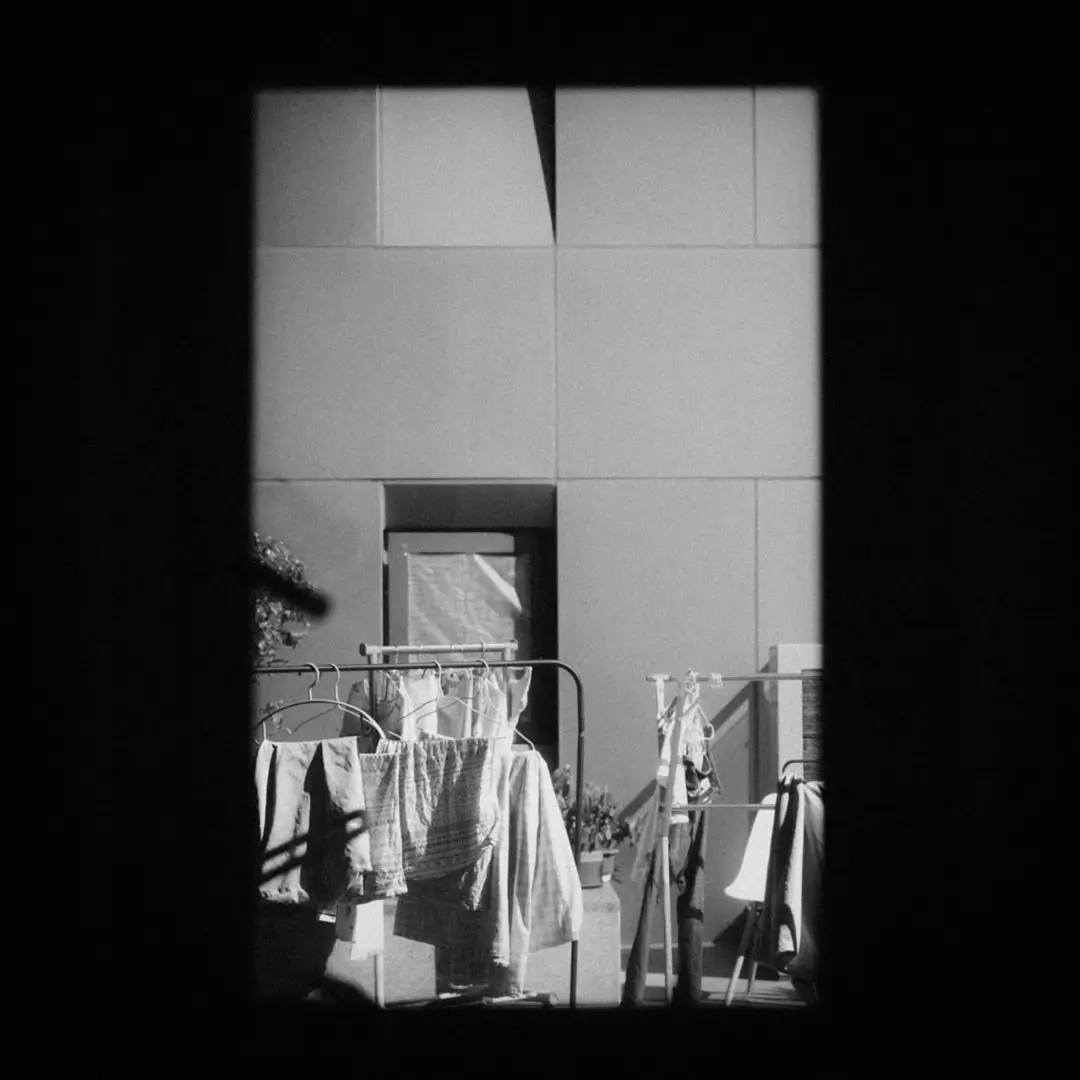
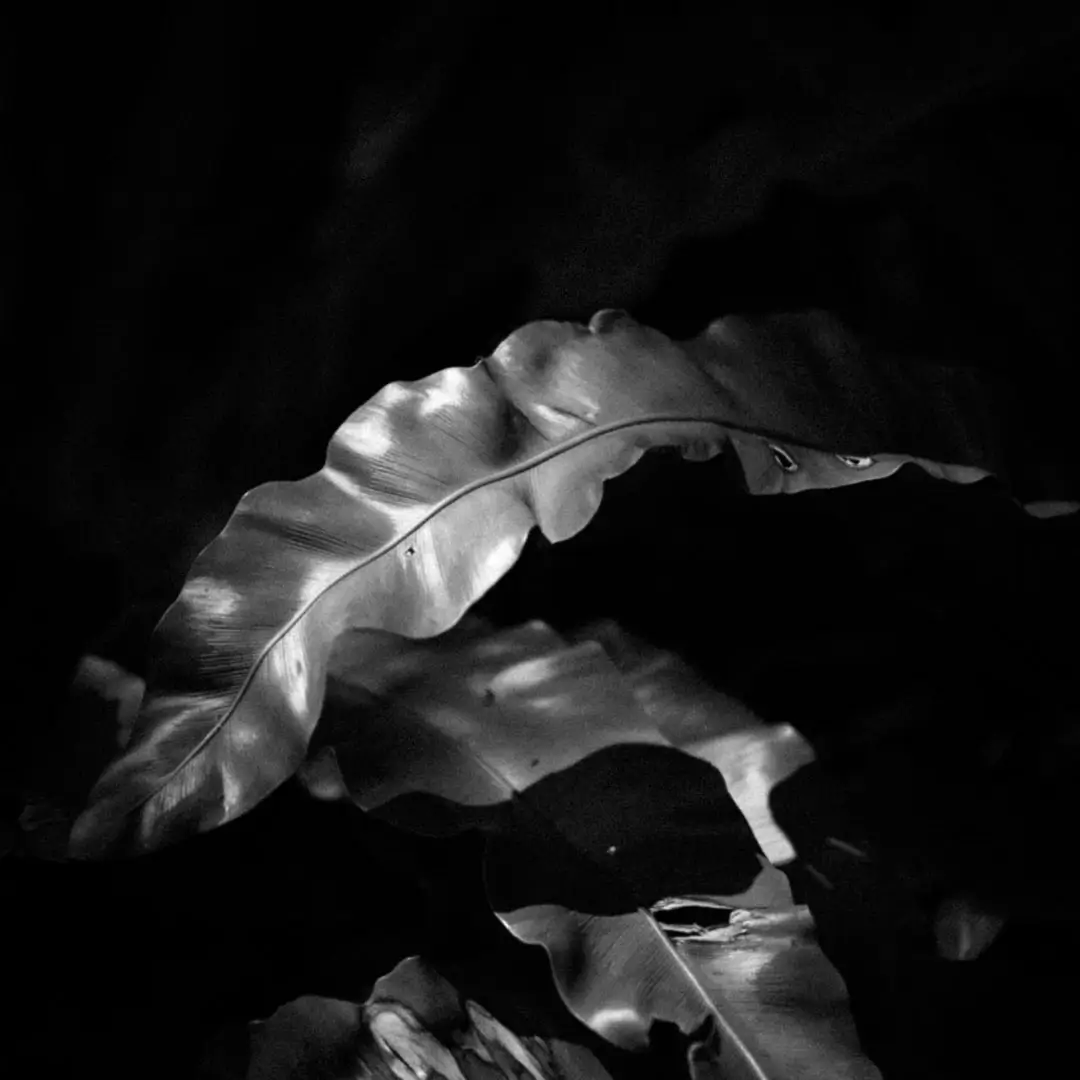
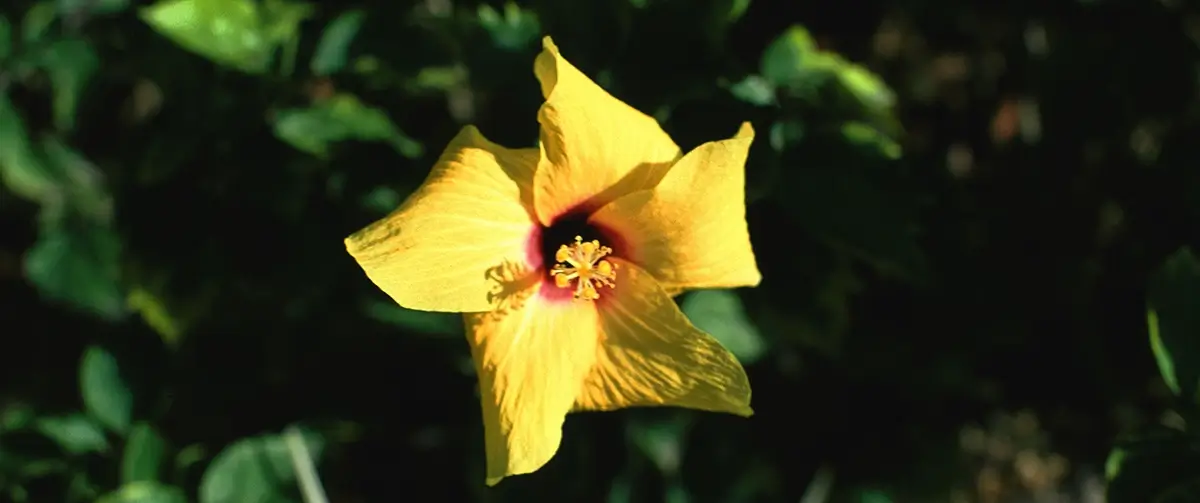
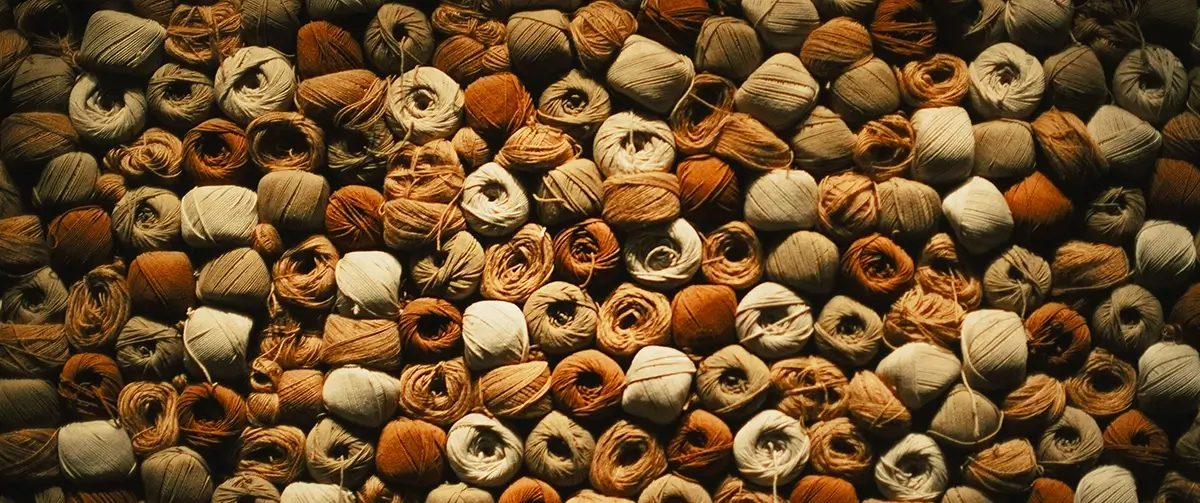
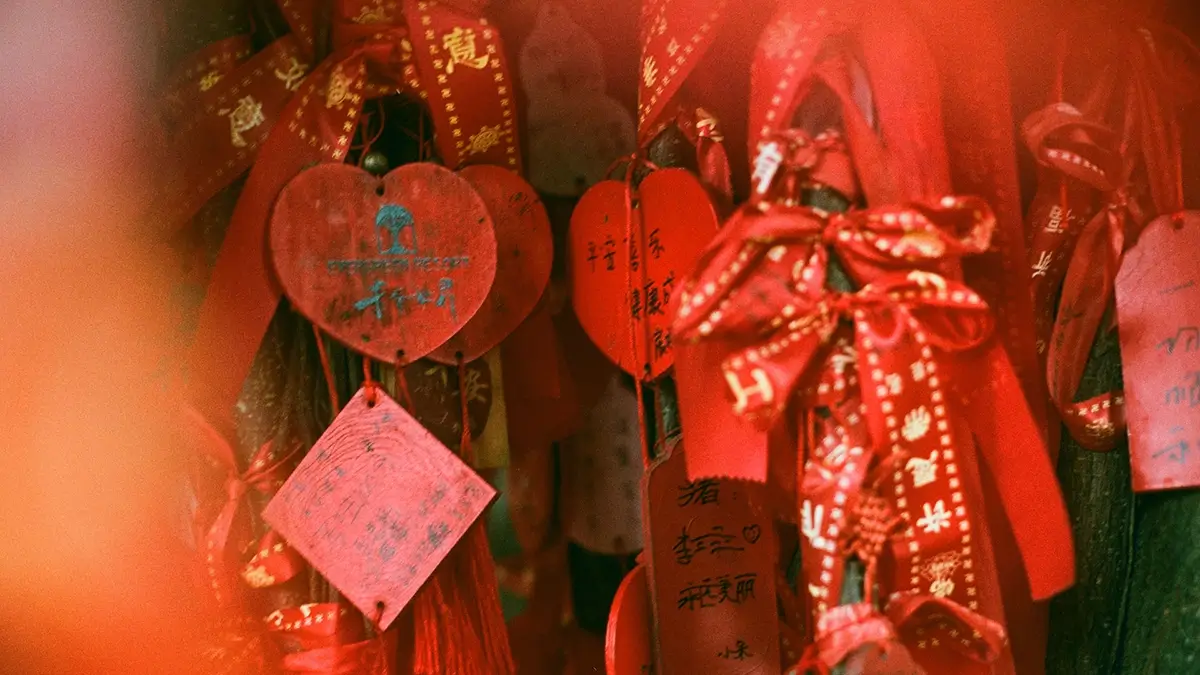
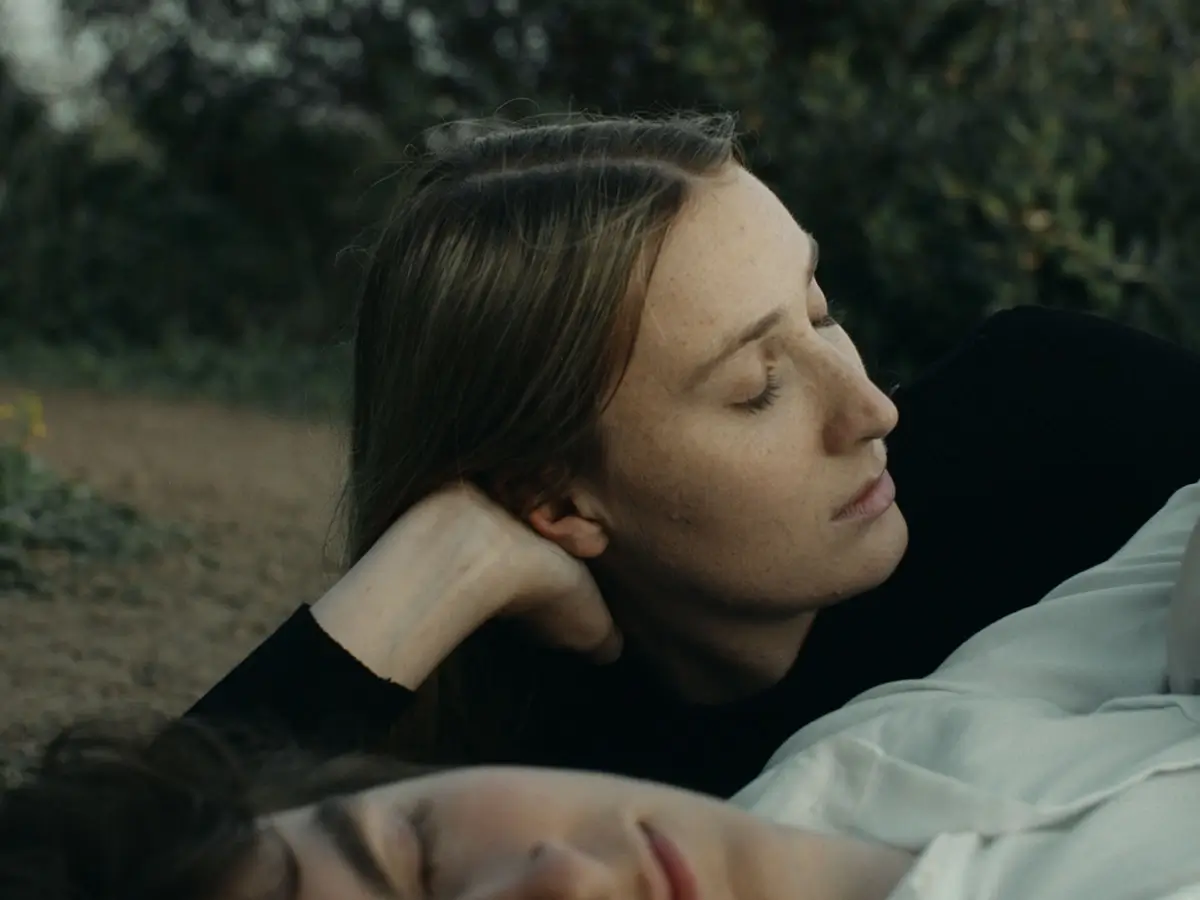
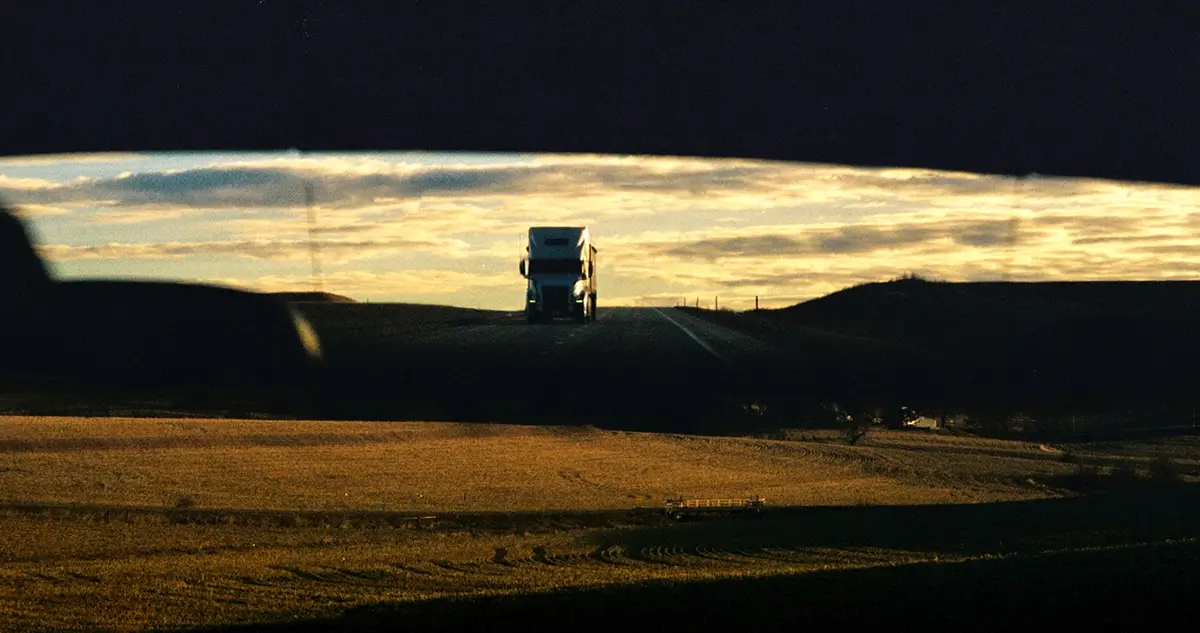
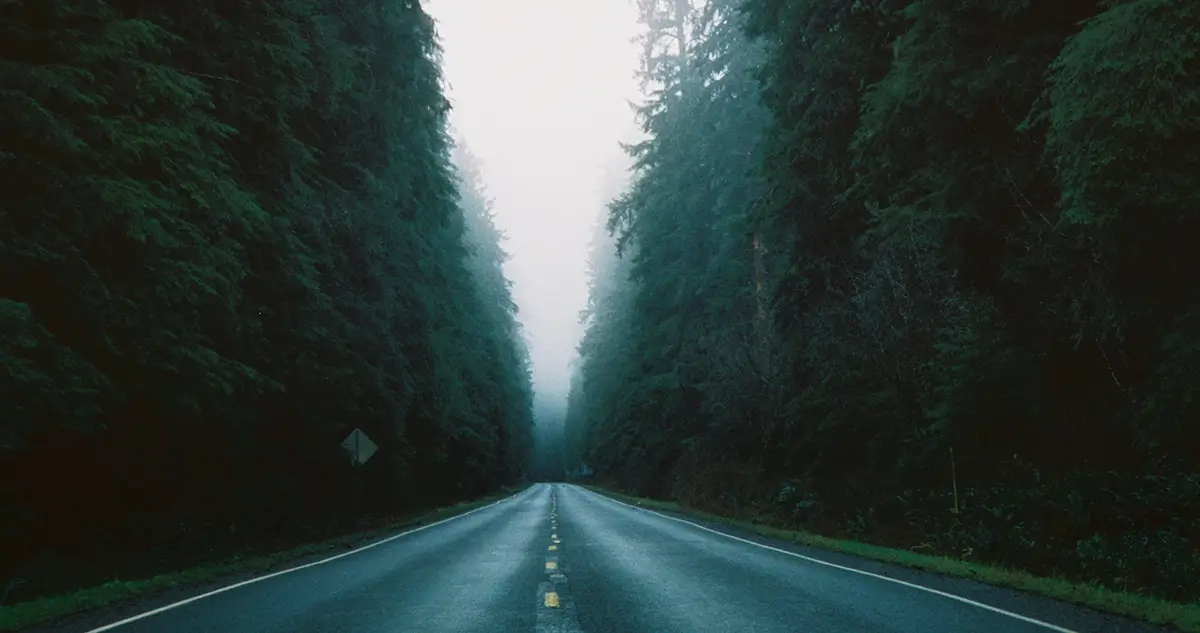
I take photos to live with passion, to feel with heart, to look for meanings, and above all else, to seek for change.

All About Photo Competitions

All About Photo Awards 2026
 

Inspiring Portfolios

Call for Entries
AAP Magazine #58 B&W
Publish your work in our printed magazine and win $1,000 cash prizes
 
Stay up-to-date  with call for entries, deadlines and other news about exhibitions, galleries, publications, & special events.

More Great Photographers To Discover

Milton Rogovin
United States
1909 | † 2011
Milton Rogovin was born in New York City in 1909. He graduated from Columbia University in 1931 with a degree in optometry and a deep concern for the rights of the worker. He moved to Buffalo, New York, in 1938, where he established his own optometric practice in 1939. In 1942, he married Anne Snetsky. That same year, he purchased his first camera, and was inducted into the U.S. Army, where he served in England as an optometrist until 1945. Upon his discharge, he returned to his optometric practice and his growing family. By 1947, the Rogovin's had two daughters, Ellen and Paula, and a son, Mark.Source: www.miltonrogovin.com Milton Rogovin (1909–2011) was a documentary photographer who has been compared to great social documentary photographers of the 19th and 20th centuries, such as Lewis Hine and Jacob Riis. His photographs are in the Library of Congress, the J. Paul Getty Museum, the Center for Creative Photography and other distinguished institutions. Milton Rogovin was born December 30, 1909 in Brooklyn, New York City of ethnic Jewish parents who emigrated to America from Lithuania, then part of the Russian empire. He attended Stuyvesant High School in New York City and enrolled in Columbia University, from which he graduated in 1931 with a degree in optometry. Following graduation Rogovin worked as an optometrist in New York City. Distressed by the rampant and worsening poverty resulting from the Great Depression, Rogovin began attending night classes at the New York Workers School, a radical educational institution sponsored by the Communist Party USA. In 1938 Rogovin moved to Buffalo and established an optometry practice there. In 1942, he married Anne Snetsky (later changed to Setters). In the same year, he was inducted into the U.S.Army, where he worked as an optometrist. After his discharge from the Army, Milton and Anne had three children: two daughters (Ellen and Paula) and a son (Mark). Rogovin was called before the House Un-American Activities Committee in 1957. Like many other Americans who embraced Communism as a model for improving the quality of life for the working class, he became a subject of the Committee's attentions in the postwar period: He was discredited — without having been convicted of any offense — as someone whose views henceforth had to be discounted as dangerous and irresponsible. The incident inspired Rogovin to turn to photography as a means of expression; it was a way to continue to speak to the worth and dignity of people who make their livings under modest or difficult circumstances, often in physically taxing occupations that usually receive little attention. In 1958, a collaboration with William Tallmadge, a professor of music, to document music at storefront churches set Rogovin on his photographic path. Some of the photographs that Rogovin made in the churches were published in 1962 in Aperture magazine, edited by Minor White, with an introduction by W.E.B. Du Bois, a founder of the National Association for the Advancement of Colored People (NAACP). That same year Rogovin began to photograph coal miners, a project that took him to France, Scotland, Spain, China, and Mexico. Many of these images were published in his first book, The Forgotten Ones. Rogovin traveled throughout the world, taking numerous portraits of workers and their families in many countries. His most acclaimed project, though, has been The Forgotten Ones, sequential portraits taken over three decades of over a hundred families who resided on Buffalo’s impoverished Lower West Side. The project was begun in 1972 and completed in 2002. In 1999, the Library of Congress collected more than a thousand of Rogovin’s prints.Source: Wikipedia
Eve Arnold
United States
1912 | † 2012
Eve Arnold was born Eve Cohen in Philadelphia, Pennsylvania, the middle of nine children born to immigrant Russian-Jewish parents, William Cohen (born Velvel Sklarski), a rabbi, and his wife, Bessie (Bosya Laschiner). Her interest in photography began in 1946 while working for Kodak in their Fair Lawn NJ photo-finishing plant. Over six weeks in 1948, she learned photographic skills from Harper's Bazaar art director Alexey Brodovitch at the New School for Social Research in Manhattan. She married Arnold Schmitz (later Arnold Arnold) in 1941. Eve Arnold photographed many of the iconic figures who shaped the second half of the twentieth century, yet she was equally comfortable documenting the lives of the poor and dispossessed, "migrant workers, civil-rights protestors of apartheid in South Africa, disabled Vietnam war veterans and Mongolian herdsmen." Her joyful picture of a Cuban couple with their child was selected in 1955 for the world-touring Museum of Modern Art exhibition The Family of Man and seen by 9 million visitors. For Arnold, there was no dichotomy: "I don't see anybody as either ordinary or extraordinary," she said in a 1990 BBC interview, "I see them simply as people in front of my lens." Arnold was particularly noted for her work using available light, concentrating on the image in the lens and eschewing extensive use of photographic lighting and flash. Of this she said "By the time you set up lights the image is gone" in a Guardian interview in 2000. Arnold's images of Marilyn Monroe on the set of The Misfits (1961) were perhaps her most memorable, but she had taken many photos of Monroe from 1951 onwards. Her previously unseen photos of Monroe were shown at a Halcyon Gallery exhibition in London during May 2005. She also photographed Queen Elizabeth II, Malcolm X, Marlene Dietrich, and Joan Crawford, and traveled around the world, photographing in China, Russia, South Africa and Afghanistan. Arnold left the United States and moved permanently to England in the early 1970s with her son, Francis Arnold. While working for the London Sunday Times, she began to make serious use of color photography. In 1980, she had her first solo exhibition, which featured her photographic work done in China at the Brooklyn Museum in New York City. In the same year, she received the Lifetime Achievement Award from the American Society of Magazine Photographers. In 1993, she was made an Honorary Fellow of the Royal Photographic Society, and elected Master Photographer by New York's International Center of Photography. She did a series of portraits of American First Ladies. In 1997, she was appointed a member of the Advisory Committee of the National Media Museum (formerly the Museum of Photography, Film & Television) in Bradford, West Yorkshire. She was appointed an Honorary Officer of the Order of the British Empire (OBE) in 2003. She lived in Mayfair for many years until her last illness, when she moved to a nursing home in St George's Square, Pimlico. When Anjelica Huston asked if she was still doing photography, Arnold replied: "That's over. I can't hold a camera any more." She said she spent most of her time reading such writers as Fyodor Dostoyevsky, Thomas Mann and Leo Tolstoy. Arnold died in London on January 4, 2012, aged 99. Source: Wikipedia Eve Arnold was born in Philadelphia, Pennsylvania to Russian immigrant parents. She began photographing in 1946, while working at a photo-finishing plant in New York City, and then studied photography in 1948 with Alexey Brodovitch at the New School for Social Research in New York. Arnold first became associated with Magnum Photos in 1951, and became a full member in 1957. She was based in the US during the 1950s but went to England in 1962 to put her son through school; except for a six-year interval when she worked in the US and China, she lived in the UK for the rest of her life. Her time in China led to her first major solo exhibition at the Brooklyn Museum in 1980, where she showed the resulting images. In the same year, she received the National Book Award for In China and the Lifetime Achievement Award from the American Society of Magazine Photographers. In later years she received many other honours and awards. In 1995 she was made fellow of the Royal Photographic Society and elected Master Photographer - the world's most prestigious photographic honour - by New York's International Center of Photography. In 1996 she received the Kraszna-Krausz Book Award for In Retrospect, and the following year she was granted honorary degrees by the University of St Andrews, Staffordshire University, and the American International University in London; she was also appointed to the advisory committee of the National Museum of Photography, Film & Television in Bradford, UK. She has had twelve books published. Source: Magnum Photos
Lu Nan
China
1962
Lu Nan is a contemporary photographer who was born in Beijing, China in 1962. After working for National Pictorial for 5 years, he decided to become an independent photographer. From 1989 to 1990, he shot a series of images of the living conditions of patients in Chinese mental hospitals. From 1992 to 1996, he shot a series of images about Catholicism in China. From 1996 to 2004, he shot a series of images of the daily life of Tibetan farmers. Lu Nan is known as "the most legendary photographer in China". He is also the only Chinese contemporary photographer chosen by Aperture magazine as a topic colon. Lu Nan is constantly invited to participate in numerous exhibitions; however, he is extremely selective about the exhibitions he is involved with. Lu also refused to have his portrait taken by others, so it’s very rare to see any photo documentations of him. For fifteen years, Lu has been leading a life that is almost like a monk, spending his time working and studying, as he believes that “good stuff comes out of reticence.” Since 1989, Lu Nan has spent 15 years completing his trilogy of photographic series: The Forgotten People, China's Catholicism and Four Seasons in Tibet. These images have allowed Nan to place himself in the international spotlight. But perhaps more importantly, he became one of the first people who exposed another side of Chinese society; people often considered outcasts. “I just respect them and care about them… They are the same as us,” said Lu as a reminder that all human beings are equal and deserve dignity. His black and white photographs depict people within their own environment by using a rather straight glance, which is yet associated with delicate contrasts and elegant compositions.Source: Wikipedia Correspondent for the prestigious international cooperative Magnum Photos since the 1990s, Lu Nan 呂楠 (born in 1962 in Beijing) is an independent photographer who has been documenting marginalized people in China. His pivotal series started in 1989 with The Forgotten People: The Condition of China’s Psychiatric Patients. Pursing his intentions to document Chinese people from the margins of society, his subsequent series captured members of the Catholic Faith (On The Road: The Catholic Faith in China, 1992-1996), peasants’ life in Tibet (Four Seasons: Everyday Life of Tibetan Peasants, 1996-2004), and prisoner’s conditions (Prisons of North Burma, 2006).Source: photographyofchina.com “In 15 years, not a day went by when I didn’t question my own work,” says Chinese photographer Lu Nan, in an interview included in his new book Trilogy. “That’s why I scrutinize what I was doing by means of reading. This mode of assessing action through thought and assessing thought through action helped me to complete these projects." “The trilogy is concerned with human beings. I hope that by looking into real life, I’ll find something fundamentally and enduringly human.” Lu Nan isn’t well known outside China but this book, his first in English, should change all that. It collects together three projects he shot over 15 years – The Forgotten People, a look at the lives of Chinese psychiatric patients, shot from 1989-1990; On the Road, a look at the lives of Catholics in China, shot from 1992-96; and Four Seasons, a look at the lives of rural Tibetans, shot from 1996-2004. These microcosms are apparently very different and yet, to Lu Nan, they’re intimately interrelated. Inspired by image-makers such as Josef Sudek and Sebastiao Salgado and extremely well-read, Lu Nan says the three projects represent the three states of life – The Forgotten People is about suffering and adversity, On the Road purification, and Four Seasons about a blessed, serene state.Source: British Journal of Photography
Arthur Rothstein
United States
1915 | † 1985
Arthur Rothstein was an American photographer. Rothstein is recognized as one of America's premier photojournalists. During a career that spanned five decades, he provoked, entertained, and informed the American people. His photographs ranged from a hometown baseball game to the drama of war, from struggling rural farmers to US Presidents. ...a photographer must be aware of and concerned about the words that accompany a picture. These words should be considered as carefully as the lighting, exposure and composition of the photograph. -- Arthur Rothstein The son of Jewish immigrants, Rothstein was born in Manhattan, New York City, and he grew up in the Bronx. He was a 1935 graduate of Columbia University, where he was a founder of the University Camera Club and photography editor of The Columbian, the undergraduate yearbook. He was a classmate of abstract painter Ad Reinhardt. Following his graduation from Columbia during the Great Depression, Rothstein was invited to Washington DC by one of his professors at Columbia, Roy Stryker. Rothstein had been Stryker's student at Columbia University in the early 1930s. In 1935, as a college senior, Rothstein prepared a set of copy photographs for a picture sourcebook on American agriculture that Stryker and another professor, Rexford Tugwell were assembling. The book was never published, but before the year was out, Tugwell, who had left Columbia to be part of FDR's New Deal brain trust, hired Stryker. Stryker hired Rothstein to set up the darkroom for Stryker's Photo Unit of the Historical Section of the Resettlement Administration (RA). Arthur Rothstein became the first photographer sent out by Roy Stryker, the head of the Photo Unit. During the next five years he shot some of the most significant photographs ever taken of rural and small-town America. He and other FSA photographers, including Esther Bubley, Marjory Collins, Marion Post Wolcott, Walker Evans, Russell Lee, Gordon Parks, Jack Delano, John Vachon, Carl Mydans, Dorothea Lange and Ben Shahn, were employed to publicize the living conditions of the rural poor in the United States. The Resettlement Administration became the Farm Security Administration (FSA) in 1937. Later, when the country geared up for World War II, the FSA became part of the Office of War Information (OWI). The photographs made during Rothstein's five-year stint with the Photo Unit form a catalog of the agency's initiatives. One of his first assignments was to document the lives of some Virginia farmers who were being evicted to make way for the Shenandoah National Park and about to be relocated by the Resettlement Administration, and subsequent trips took him to the Dust Bowl and to cattle ranches in Montana. The immediate incentive for his February 1937 assignment came from the interest generated by congressional consideration of farm tenant legislation sponsored in the Senate by John H. Bankhead II, a Democrat from Alabama with a strong interest in agriculture. Enacted in July, the Bankhead-Jones Farm Tenant Act gave the agency its new lease on life as the Farm Security Administration. The Farm Security file would never have been created if we hadn’t the freedom to photograph anything, anywhere in the United States—anything that we came across that seemed interesting, and vital. -- Arthur Rothstein On February 18, 1937, Stryker wrote Rothstein that the journalist Beverly Smith had told him about a tenant community at Gee's Bend, Alabama, and was preparing an article on tenancy for the July issue of The American Magazine, but Stryker sensed bigger possibilities, telling Rothstein, "We could do a swell story; one that Life [magazine] will grab." Stryker planned to visit Alabama and asked Rothstein to wait for him, but he was never able to make the trip, and Rothstein went to Gee's Bend alone. The residents of Gee's Bend symbolized two different things to the Resettlement Administration. On the one hand, reports about the community prepared by the agency describe the residents as isolated and primitive, people whose speech, habits, and material culture reflected an African origin and an older way of life. On the other hand, the agency's agenda for rehabilitation implied a view of the residents as the victims of slavery and the farm-tenant system on a former plantation. The two perceptions may be seen as related: if these tenants — despite their primitive culture— could benefit from training and financial assistance, their success would demonstrate the efficacy of the programs. Unlike the subjects of many Resettlement Administration and Farm Security Administration photographs, the people of Gee's Bend are not portrayed as victims. The photographs do not show the back-breaking work of cultivation and harvest, but only offer a glimpse of spring plowing. At home, the residents do not merely inhabit substandard housing but are engaged in a variety of domestic activities. The dwellings at Gee's Bend must have been as uncomfortable as the frame shacks thrown up for farm workers everywhere, but Rothstein's photographs emphasize the log cabins' picturesque qualities. This affirming image of life in Gee's Bend is reinforced by Rothstein's deliberate, balanced compositions which lend dignity to the people being pictured. There does not seem to have been a Life magazine story about Gee's Bend, but a long article ran in the New York Times Magazine of August 22, 1937. It is illustrated by eleven of Rothstein's pictures, with a text that draws heavily upon a Resettlement Administration report dated in May. The story extols the agency's regional director as intelligent and sympathetic and describes the Gee's Bend project in glowing terms. Reporter John Temple Graves II perceived the project as retaining agrarian—and African—values. In 1940, Rothstein became a staff photographer for Look magazine but left shortly thereafter to join the OWI and then the US Army as a photographer in the Signal Corps. His military assignment took him to the China-Burma-India theatre and he remained in China following his discharge from the military in 1945, working as chief photographer for the United Nations Relief and Rehabilitation Administration, documenting the Great Famine and the plight of displaced survivors of the Holocaust in the Hongkew ghetto of Shanghai. In 1947, Rothstein rejoined Look as Director of Photography. He remained at Look until 1971 when the magazine ceased publication. Rothstein joined Parade magazine in 1972 and remained there until his death. He was the author of numerous magazine articles and a staff columnist for US Camera and Modern Photography magazines and the New York Times, Rothstein wrote and published nine books. Rothstein's photographs are in permanent collections throughout the world and have appeared in numerous exhibitions. A selection of these one-man shows include shows at the International Museum of Photography at George Eastman House; the Smithsonian Institution; Photokina; Corcoran Gallery of Art; Royal Photographic Society, as well as traveling exhibitions for the United States Information Service and for Parade magazine. He was a member of the faculty of the Columbia University Graduate School of Journalism and a Spencer Chair Professor at S. I. Newhouse School of Public Communications, Syracuse University. Rothstein was also on the faculties of Mercy College, and the Parsons School of Design in New York City, and he took great pride in mentoring young photographers including Stanley Kubrick, Douglas Kirkland, and Chester Higgins, Jr. A recipient of more than 35 awards in photojournalism and a former juror for the Pulitzer prize, Rothstein was also a founder and former officer of the American Society of Magazine Photographers (ASMP). Arthur Rothstein died on November 11, 1985, in New Rochelle, New York.Source: Wikipedia It is sometimes desirable to distort or accentuate with lenses of various focal lengths... Deliberate distortion may actually add to its reality. -- Arthur Rothstein
Tatiana Wills
United States
1969
Tatiana Wills is an artist photographing creatives, highlighting the personality behind the artistic practice. Over the course of her multifaceted career, Wills ran the photo department at a notable entertainment agency in Los Angeles. While spearheading guerrilla marketing campaigns, her longing to be a part of a burgeoning art community was reignited, and she embarked on a personal project about the outsider art scene of the early aughts. She has photographed the likes of Shepard Fairey, Mister Cartoon, Gabrielle Bell, David Choe, Saber One, and Molly Crabapple. Other series in her vast repertoire include notable dancers and choreographers Kyle Abraham, Lucinda Childs, Jacob Jonas, and Michaela Taylor, along with a multitude of dance artists, all of which is inspired through a lifetime of documenting her daughter, Lily, and witnessing her journey to become a professional ballerina. Her photography book, Heroes & Villains: Portraits of Contemporary Artists, with Roman Cho, is a collection of portraits featuring more than 100 of the most iconic figures in the contemporary creative world. Her work has appeared in numerous major magazines, including GQ, Time, Juxtapoz, Nylon, IdN, LALA Magazine, on the silver screen in Banksy's street art documentary, Exit Through the Gift Shop, and on street banners in New York City and throughout Europe. She has exhibited in several galleries winning several awards along the way. She currently lives and works in Los Angeles, California. Statement To look at another person with intention is to engage in a moment of pure vulnerability. Especially now. There is so much available to us that shapes how we present and form ourselves for others that much of what constitutes us is also based on performance. My work is about looking past these performances and arriving at a kind of unvarnished selfhood. Portraiture has a long and complex history with representation, but, no matter its form, it is also uncompromising in its commitment to exploring what makes us us. Our appearances and our gestures, how we occupy space in the world. It is a way of looking not only at ourselves but viewing each other as well, a nexus between private and public, interior and exterior, approachability and distance. As someone deeply invested in and inspired by other artists in various fields, my current project has led to photographing creatives whose work often takes precedence over their own being. This project has culminated in my exploration of dancers, who, by the very nature of their field, are usually looked upon solely for the dexterity of their bodies and the ways in which those bodies can perform. My work pares them back, peeling away the performative qualities that usually define them, to arrive at that moment of vulnerability where they are free to be themselves in a new limelight. Exclusive Interview with Tatiana Wills
Paula Aranoa
Argentina
1966
I was born in Buenos Aires, Argentina, in 1966 and had the privilege of living in cities like São Paulo, Mexico City, and Barcelona. Each of those places has left an indelible mark on me. I love them. They are my second homes. I discovered my passion for photography after exploring studies in philosophy, fashion design, and landscaping. Everything I received back then continues to pulse in my works. Currently, I reside and develop my projects in Buenos Aires. I have actively participated in fairs and exhibitions, both nationally and internationally. The UN has exhibited some of my photos on three occasions. I had the honor of seeing my work published in different internationally renowned books and magazines. I have also collaborated with Sony Alpha Latin seminars. My work focuses on the unnoticed with the intention of making it noticed, and my terrain is the everyday. Introspection and silence are, along with my camera, my best allies when it comes to questioning reality and allowing myself to be questioned by it. I pursue the veiled, not to unveil it, but to point out its mystery. I go after the traces, not the evidence. That which begs to be seen and whose secrets I hear while looking. Photography places me at the threshold of the thousands of half-open doors that I encounter in my routine. Its mystery attracts me for what it suggests as a clue, not for what it holds in darkness. My joy: that the viewer stops at its threshold. STATEMENT I photograph the unnoticed, and my terrain is the everyday. Introspection and silence are, along with my camera, my best allies when it comes to questioning reality and allowing it to question me. My work seeks to capture what words lack. I pursue the veiled, not to unveil it, but to point out its mystery. I go after the traces, not the evidence. That which begs to be seen and whose secrets I hear while looking. Photography places me at the threshold of the thousands of half-open doors that I encounter in my routine. Its mystery attracts me for what it suggests as a clue, not for what it holds in darkness.
Nelli Palomäki
Finland
1981
Nelli Palomäki was born 1981 in Forssa, Finland. At the moment she lives and works in Karkkila and Helsinki, Finland. Her timeless portraits of children and young people reveal the fragility of the moment shared with her subject. Palomäki’s photographs deal with the growth, memory and our problematic way of seeing ourselves. One of the crucial themes in her portraiture is our mortality. She describes: “We fight against our mortality, denying it, yet photographs are there to prove our inescapable destiny. The idea of getting older is heart-rending.” She is a graduate of Aalto University School of Art, Design and Architecture in Helsinki. Palomäki’s works have been exhibited in numerous international solo and group exhibitions. Selected solo shows: Shared (Galerie Les Filles du Calvaire, Paris 2018), Shared (Gallery Taik Persons, Berlin 2017), Jaettu (Forum Box, Helsinki 2016), Breathing the Same Air (Ordrupgaard Art Museum, Copenhagen 2013), Nelli Palomäki (The Finnish Museum of Photography, Helsinki 2013), Sons of Nakhimov (The Wapping Project Bankside, London 2012), As time consumes us (Les Rencontres d’Arles, Discovery Award 2012), As time consumes us (Kulturhuset, Stockholm 2011), Elsa and Viola (Next Level Projects, London 2011), Elsa and Viola (Gallery TAIK, Berlin 2009), I, Daughter (Turku Art Museum, Turku 2008). Her photographs have been shown in several group shows including Helsinki City Art Museum, Hasselblad Foundation in Gothenburg, Bruce Silverstein Gallery in New York, Daegu Photo Biennale in South Korea, The National Museum of Photography in Copenhagen, Purdy Hicks Gallery in London and Aperture Gallery in New York. Palomäki’s photography has been featured in several publications such as TIME magazine, British journal of photography, Independent magazine, New York Magazine, Zoom and Exit. Her book Breathing the Same Air was published spring 2013 by Hatje Cantz. In spring 2010 Palomäki placed 2nd in Sony World Photography Awards in portraiture category and the same year Hasselblad Foundation awarded her the Victor Fellowship Grant for the studies in London. She has been selected as one of the young emerging artist for the reGeneration2–Tomorrow's Photographers Today project. In summer 2012 Palomäki was nominated for the Discover Award at the Rencontres d’Arles in France. Permanent collections include: Moderna Museet in Stockholm; The Hague Museum of Photography, Hasselblad Foundation in Gothenburg and Helsinki Art Museum. Palomäki is represented by Gallery Taik Persons (Berlin), Galerie Les filles du calvaire (Paris) and Jackson Fine Art (Atlanta). Source: nellipalomaki.com About The Work Seen and captured by someone else’s eyes reminds us that the image we have of ourselves is not absolute, it is not truthful. In many senses the mirror lies more than a photograph. We learn to see ourselves in such a one-dimensional way, that hardly any image can satisfy us anymore. While time gnaws away at the faces of us and our close ones, we return to look at the pictures from our past. As beautiful or poignant as an image may be; as much as we could garner from it emotionally, the feeling for which we search remains intangible and elusive. We will never fully comprehend or recreate the moment, it died at the moment of its’ birth. Sadly, the portrait is just a shadow of our meeting, a small stain of the time we spend together. Each and every portrait I have taken is a photograph of me too. What I decide to see, or more likely, how I confront the things that I see, inevitably determines the final image. But more than that, the intensity of the moment shared with the subject, controls the portrait. As we stand there, with our grave faces, breathing the same heavy air; never so aware of each other’s details. One blind and lost without seeing his own appearance, one desperately trying to reach the perfect moment. The complexity of portraiture, its greatest trap, eventually always lies on its power relationships. What I desire to find and to reveal might be someone’s secret. These secrets, finally shown to the viewers, as they were mine. A portrait remains forever. It is a desperate way to stay connected to someone who, though possibly a stranger, remains so familiar. It is my way of preserving a part of that person, embalming them. Through the portrait I build a relationship with my subject. I carry my subject’s memories with me, memories, as they are, being so intimately connected with photographs. Secretly I study their faces. This is how I remember them. I wonder how they remember me. As the time eats slowly away at us, I still hold these images of them, like they are the only way I ever knew, or will know these people. And that ever pervasive feeling; I met them. They will die and eventually I too will die.
Advertisement
AAP Magazine #58 B&W
Win a Solo Exhibition in June
AAP Magazine #58 B&W

Latest Interviews

Exclusive Interview with Carolyn Moore
American photographer Carolyn Moore explores the inner landscape of emotion, memory, and personal transformation through a deeply intuitive photographic practice. Her work unfolds as a quiet dialogue between artist and viewer, where images become a space for reflection, vulnerability, and connection.
Exclusive Interview with Luca Desienna and Laura Estelle Barmwoldt
For over seven years, Of Lilies and Remains has explored the depths of the goth and darkwave underground, unfolding in Leipzig—a city long associated with a vibrant and enduring subcultural scene. Moving between iconic gatherings such as Wave-Gotik-Treffen and more intimate moments on the fringes, the project offers a rare and immersive glimpse into a world often misunderstood, yet rich in expression and community. Created by Luca in collaboration with Laura Estelle Barmwoldt, the work embraces a cinematic and deeply personal approach. Rather than documenting from a distance, it moves within the scene itself, capturing its atmosphere, its codes, and its quiet contradictions. The title Of Lilies and Remains hints at this duality—where beauty and darkness, fragility and strength coexist. As the book prepares for its release, we spoke with both artists about the origins of the project, their process, and what it means to document a subculture that continues to evolve while remaining true to its spirit.

Exclusive Interview with Matthew Finley
American photographer Matthew Finley turns inward, using photography as a way to explore identity, memory, and emotional truth. Based in Los Angeles, his practice moves between performance, gesture, and found imagery, creating a visual language that is both intimate and deeply personal
Exclusive Interview with Jan Janssen
Dutch photographer Jan Janssen explores universal human experiences through his long-term project It Matters, winner of the May 2025 Solo Exhibition. Begun in 2016, the series captures intimate moments of everyday life—love, loss, connection, and belonging—across Central and Eastern Europe. Working in countries such as Turkey, Azerbaijan, and Armenia, Janssen spends extended time within communities, building relationships based on trust and respect. His approach allows him to move beyond observation, revealing deeply human and authentic moments. Rooted in travel and personal discovery, It Matters reflects Janssen’s search for what connects us all in an increasingly divided world. The project is ongoing and will culminate in a photobook scheduled for publication in 2026.
Exclusive Interview with Henk Kosche
German photographer Henk Kosche turns his lens toward the streets of Halle an der Saale, capturing everyday life in the late years of the former German Democratic Republic. At the time, Kosche was studying design and exploring the city with his camera, drawn to the atmosphere of its industrial landscape and the quiet rhythms of daily life. His series Street Photography at the End of the 80s, selected as the Solo Exhibition for July 2025, revisits a body of work created just before a period of profound change. Rediscovered decades later in a small box of 35mm negatives, these photographs offer glimpses of a city and its people at a moment suspended between the familiar and the unknown.
Exclusive Interview with Anastasia Samoylova
Anastasia Samoylova is an American artist whose photographic practice is shaped by close observation and a deep attentiveness to place. Working between documentary and formal exploration, she photographs landscapes, architecture, and everyday scenes with a sensitivity to light, structure, and atmosphere. Since relocating to Miami in 2016, her work has increasingly focused on how environments—both natural and built—carry social, cultural, and emotional traces. We asked her a few questions about her practice and her way of seeing, to better understand the thoughts and experiences that shape her work—while allowing the images themselves to remain open and speak in their own time.
Exclusive Interview with Marijn Fidder
Marijn Fidder is a Dutch documentary photographer whose work powerfully engages with current affairs and contemporary social issues. Driven by a deep sense of social justice, she uses photography to speak on behalf of the voiceless and to advocate for the rights of those who are most vulnerable. Her images have been widely published in major international outlets including National Geographic, CNN Style, NRC Handelsblad, Volkskrant, GUP New Talent, and ZEIT Magazin. Her long-term commitment to disability rights—particularly through years of work in Uganda—culminated in her acclaimed project Inclusive Nation, which earned her the title of Photographer of the Year 2025 at the All About Photo Awards. She is also the recipient of multiple prestigious honors, including awards from World Press Photo and the Global Peace Photo Award. We asked her a few questions about her life and work.
Exclusive Interview with Josh S. Rose
Josh S. Rose is a multidisciplinary artist working across photography, film, and writing. His practice bridges visual and performing arts, with a strong focus on movement, emotion, and the expressive potential of the image. Known for his long-standing collaborations with leading dance companies and performers, Rose brings together authenticity and precise composition—a balance he describes as “technical romanticism.” His work has been commissioned and exhibited internationally, appearing in outlets such as Vogue, at the Super Bowl, in film festivals, and most recently as a large-scale installation for Lincoln Center for the Performing Arts. A sought-after collaborator, he has worked with major artists, cultural institutions, and brands, following a previous career as Chief Creative Officer at Interpublic Group and the founder of Humans Are Social. We asked him a few questions about his life and work.
Interview with Maureen Ruddy Burkhart
Photographer Maureen Ruddy Burkhart brings a quietly attentive and deeply human sensibility to her exploration of the world through images. Shaped by a life immersed in photography, film, and visual storytelling, her work is guided by intuition, observation, and an enduring interest in the emotional undercurrents of everyday life. With a practice rooted in both fine art traditions and documentary awareness, she approaches her subjects with sensitivity, allowing subtle moments to emerge naturally rather than be imposed. Her series Til Death, selected as the Solo Exhibition for February 2025, reflects this long-standing commitment to photography as a space for reflection rather than spectacle. Drawn to moments that exist just outside the expected frame, Burkhart’s images suggest narratives without resolving them, leaving room for ambiguity, humor, and quiet connection. We asked her a few questions about her life and work.
Call for Entries
Win A Solo Exhibition in June
Get International Exposure and Connect with Industry Insiders