All about photo.com: photo contests, photography exhibitions, galleries, photographers, books, schools and venues.
Win a Solo Exhibition in June 2026 + An Exclusive Interview!
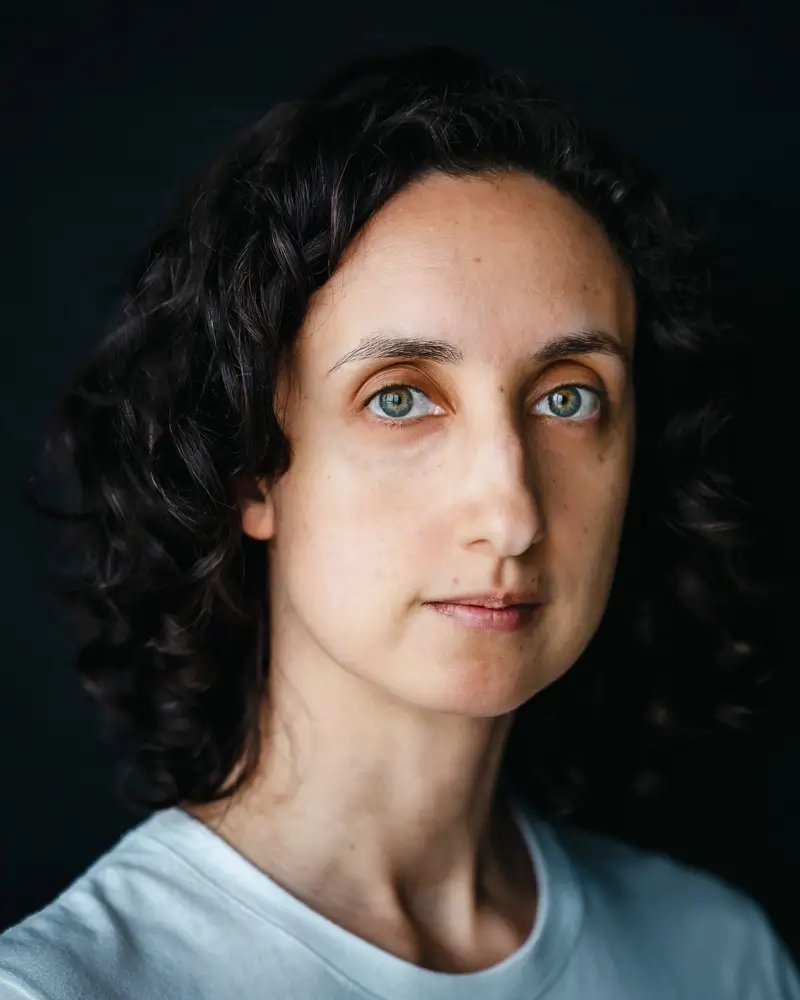
Marie  Kent
Marie  Kent
Marie  Kent

Marie Kent

Country: France
Birth: 1987

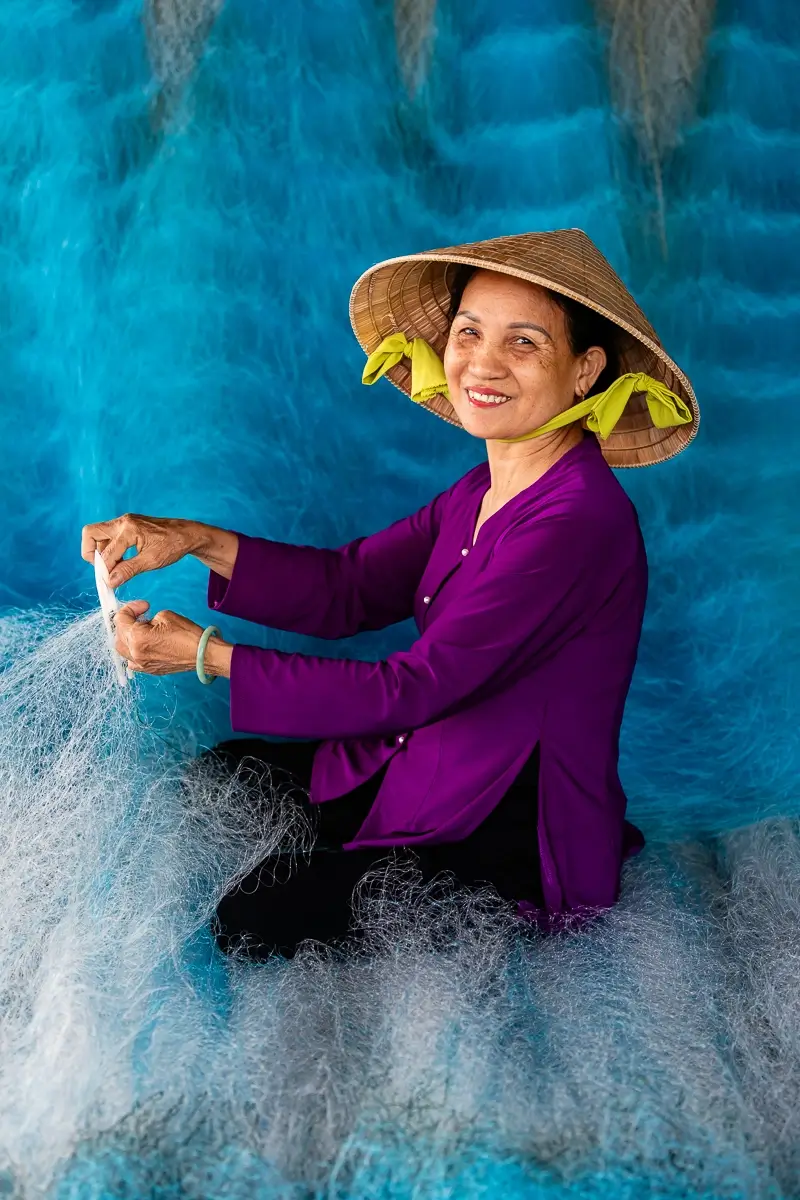
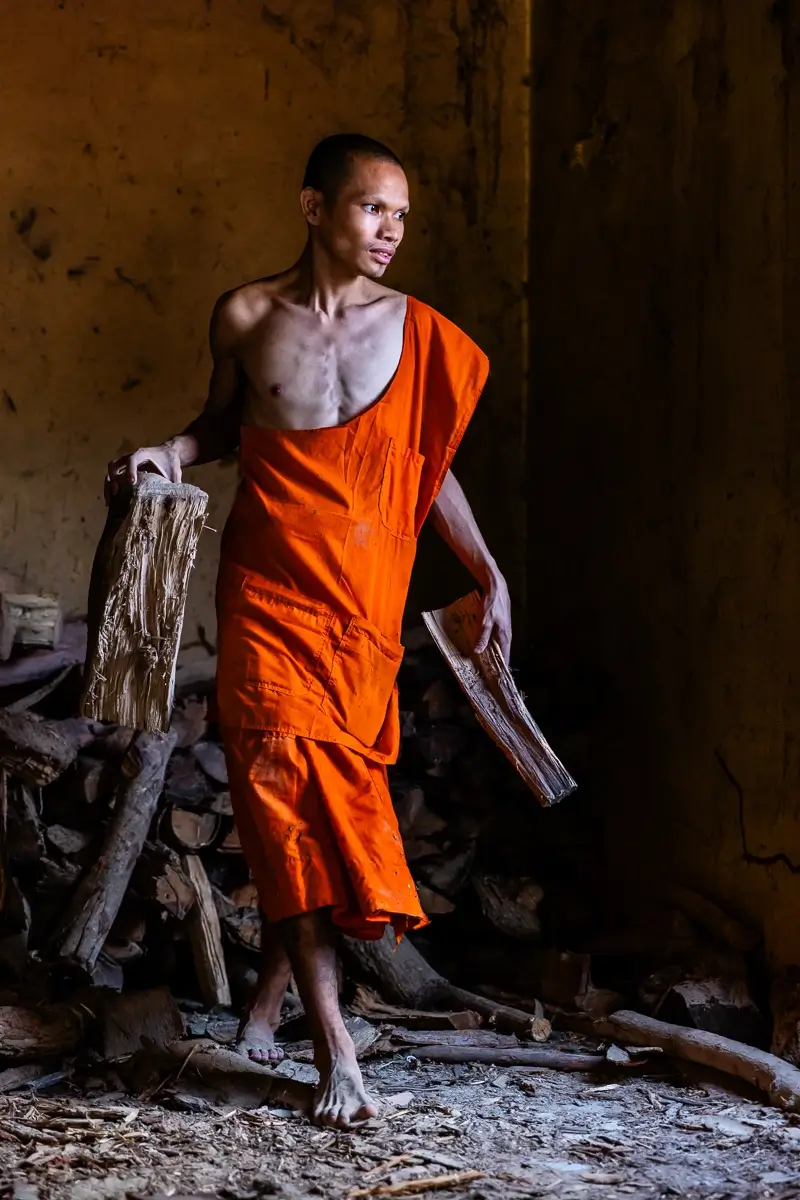
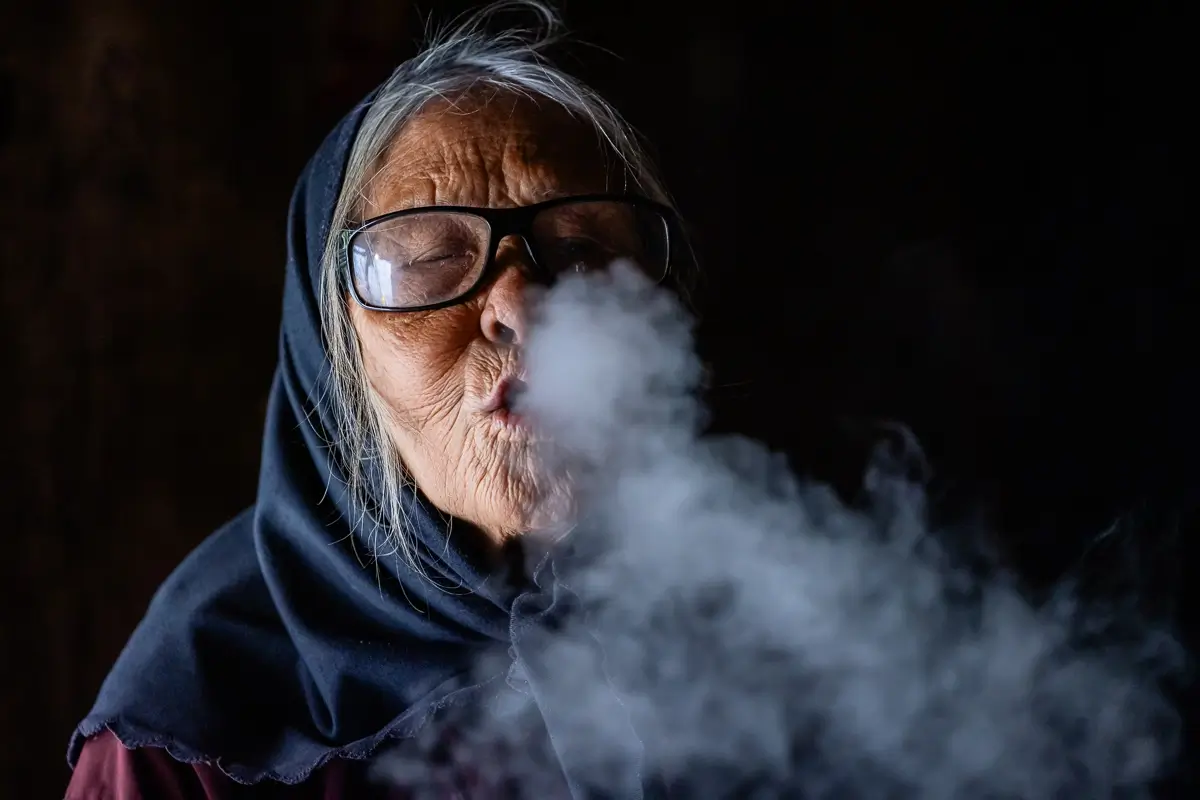
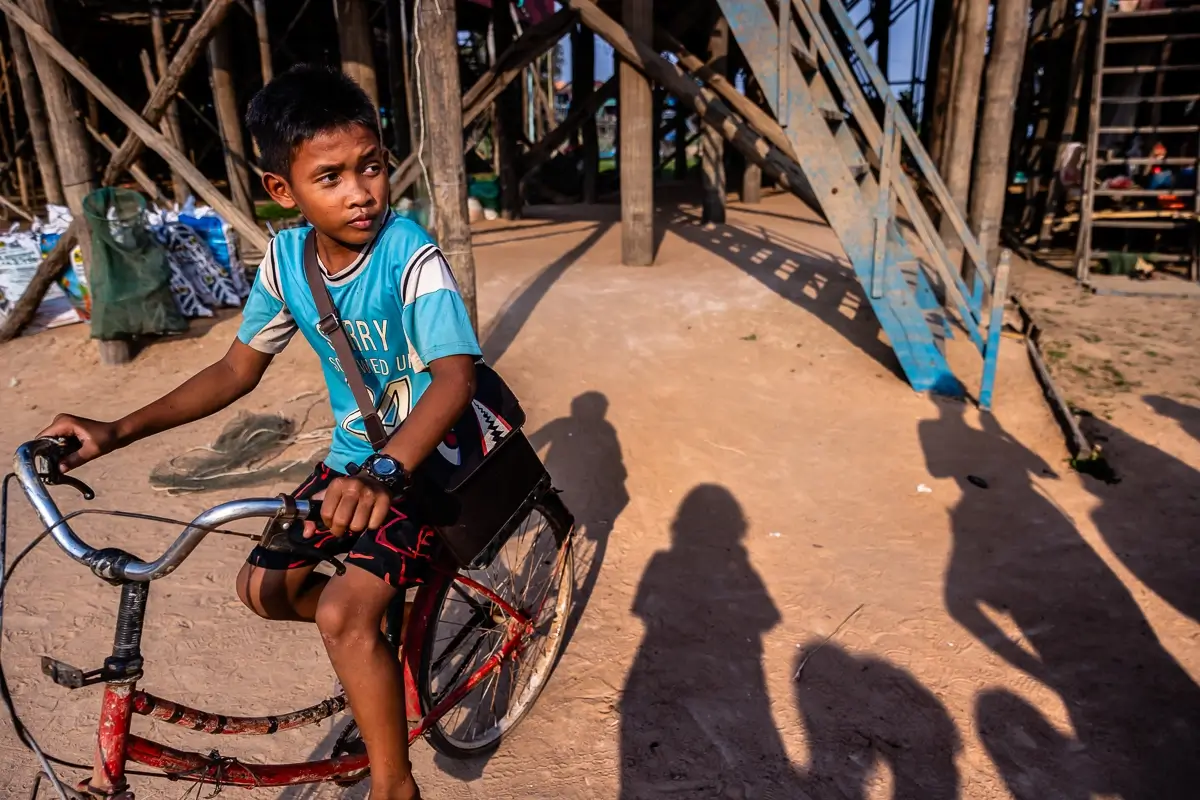
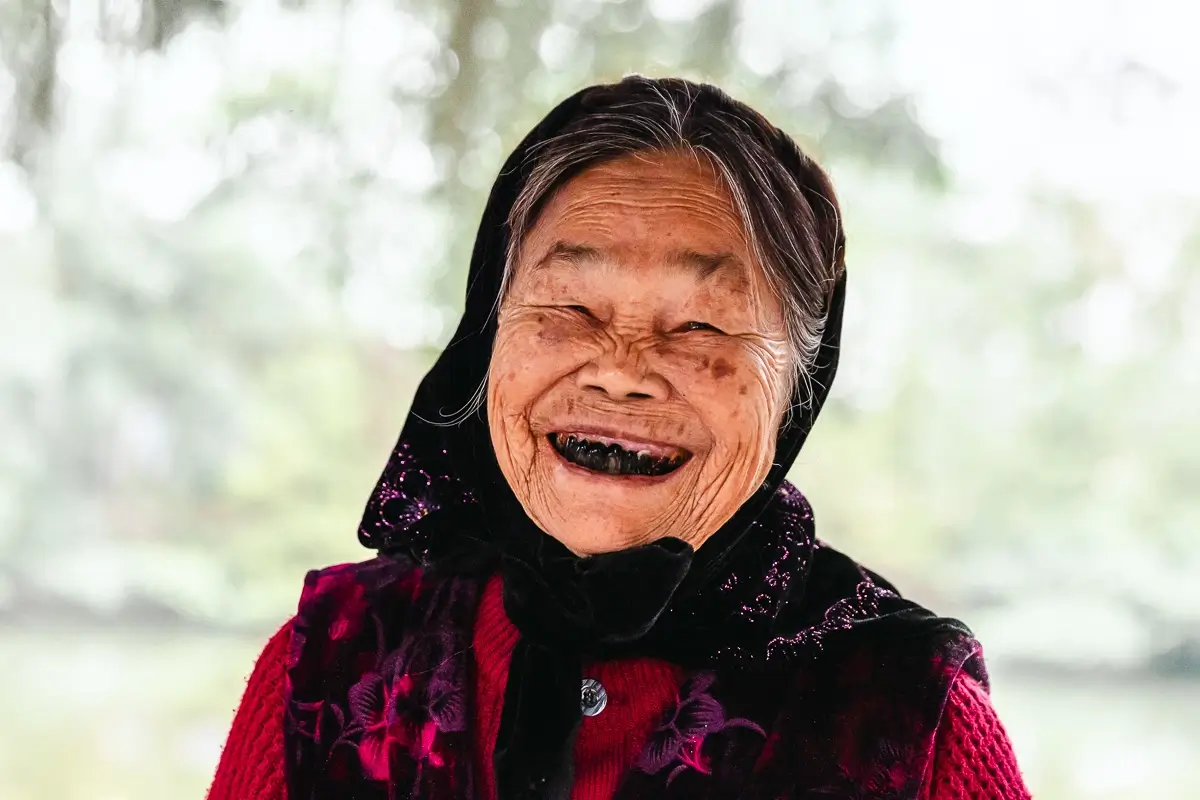
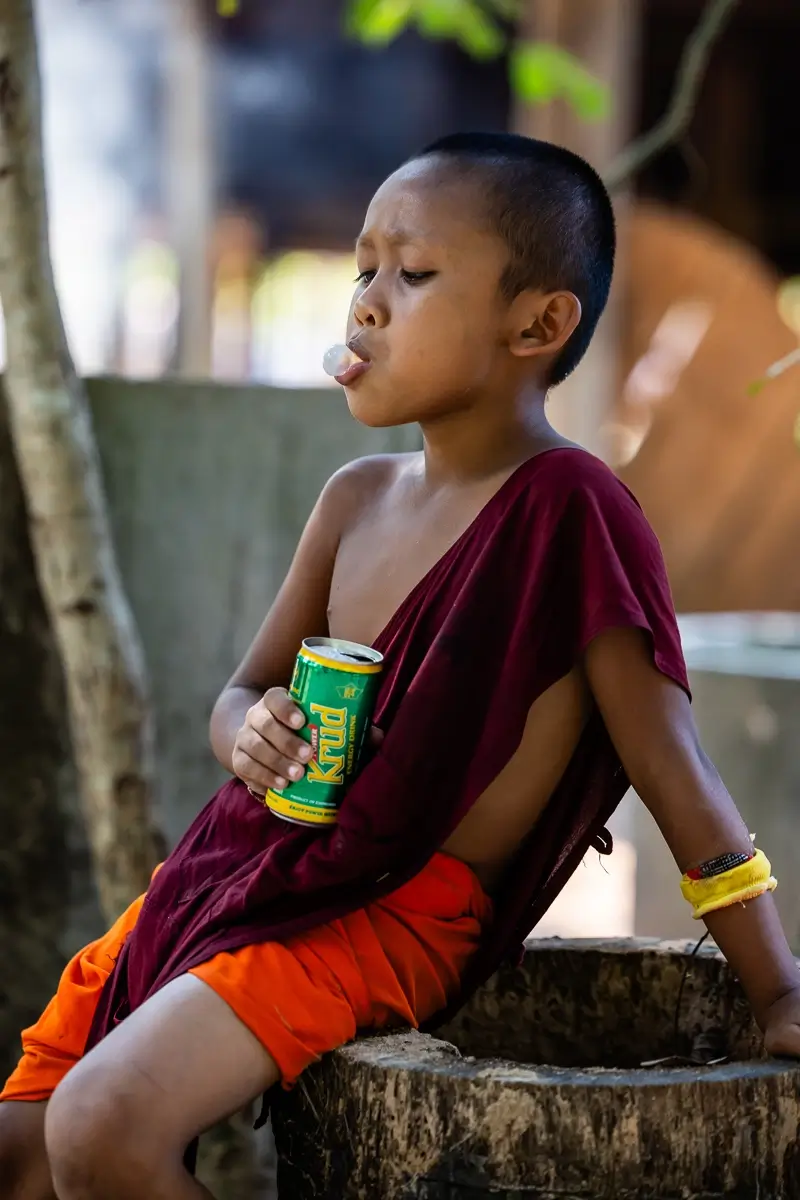
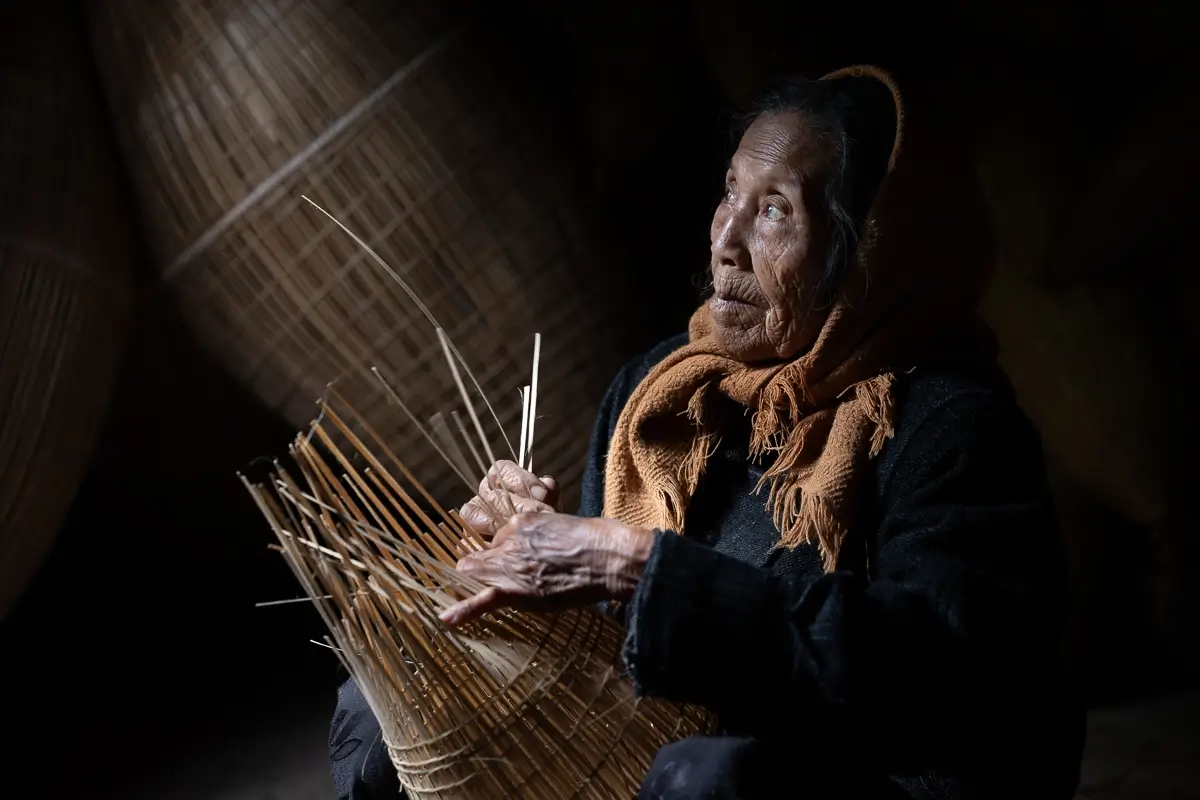
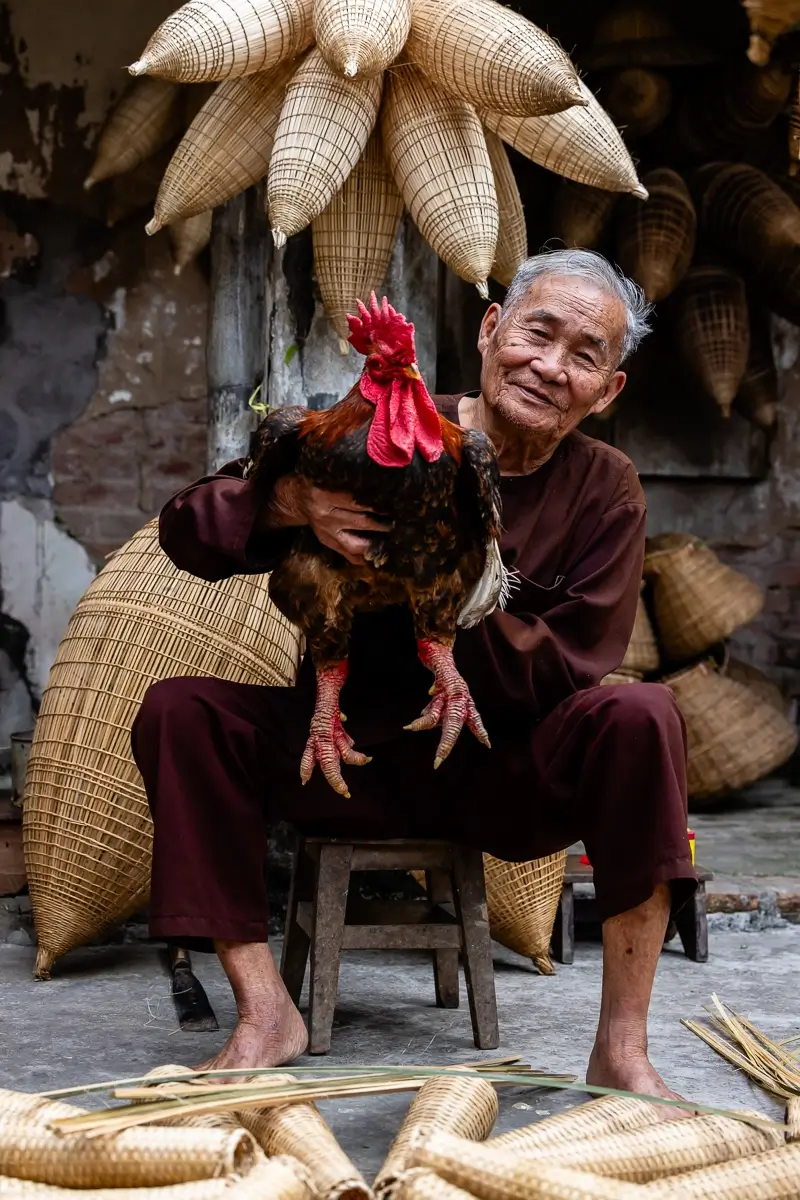
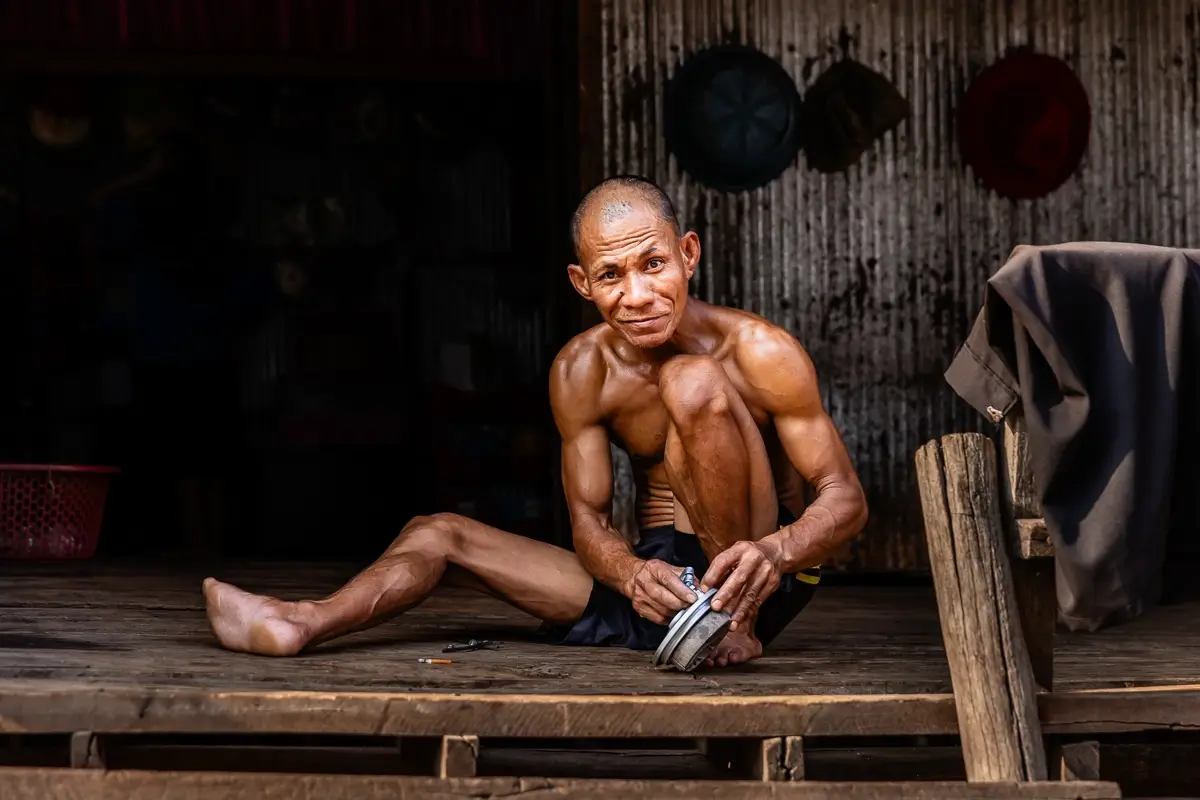
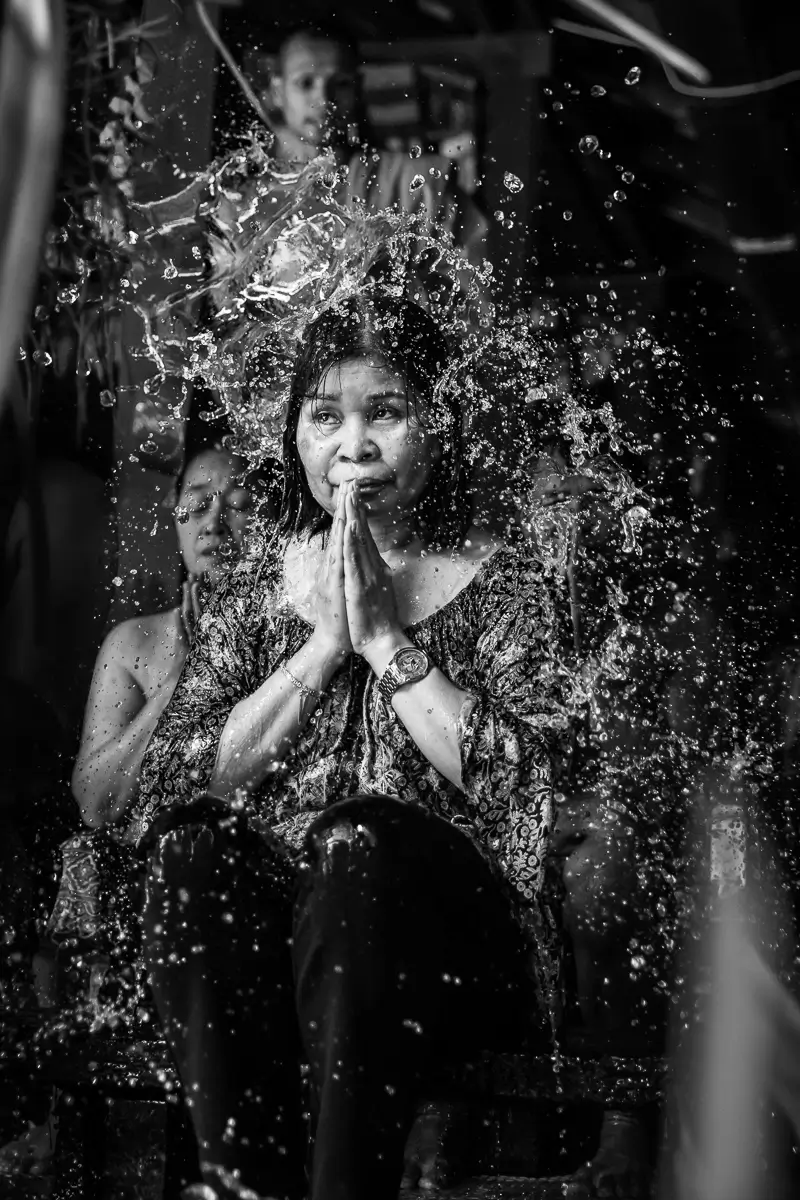
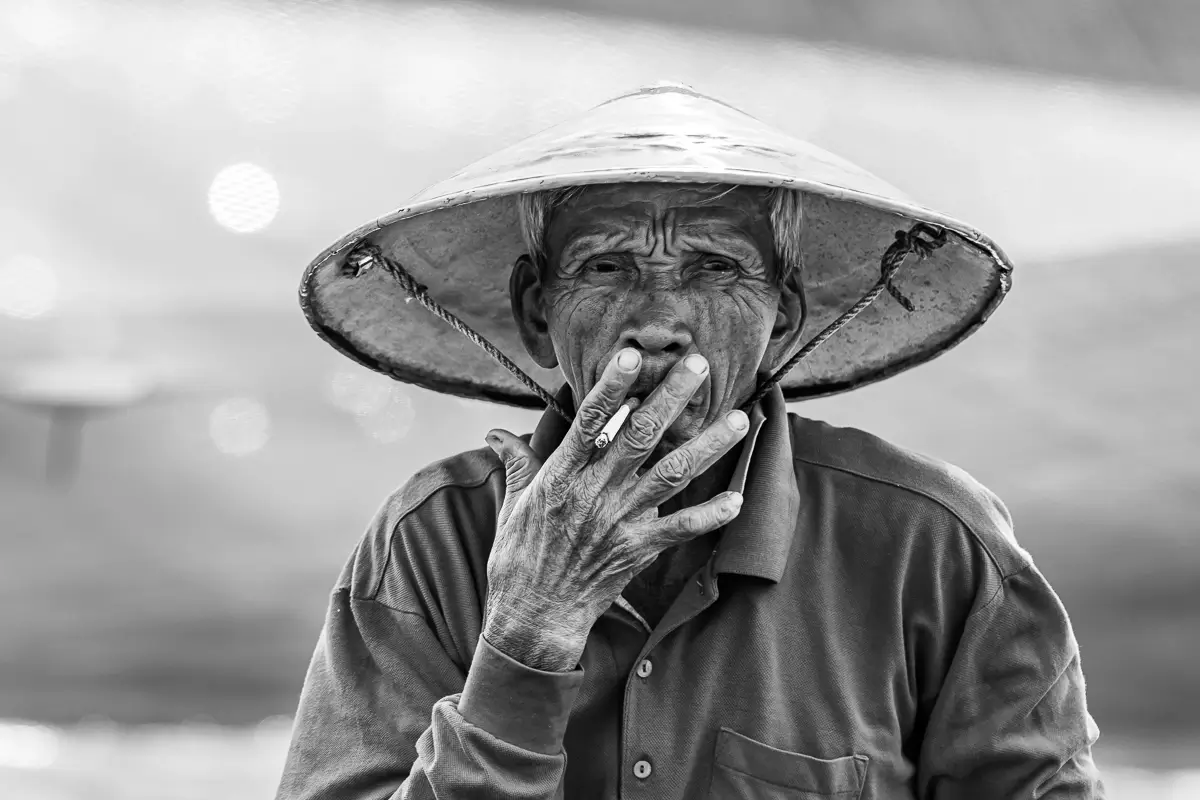
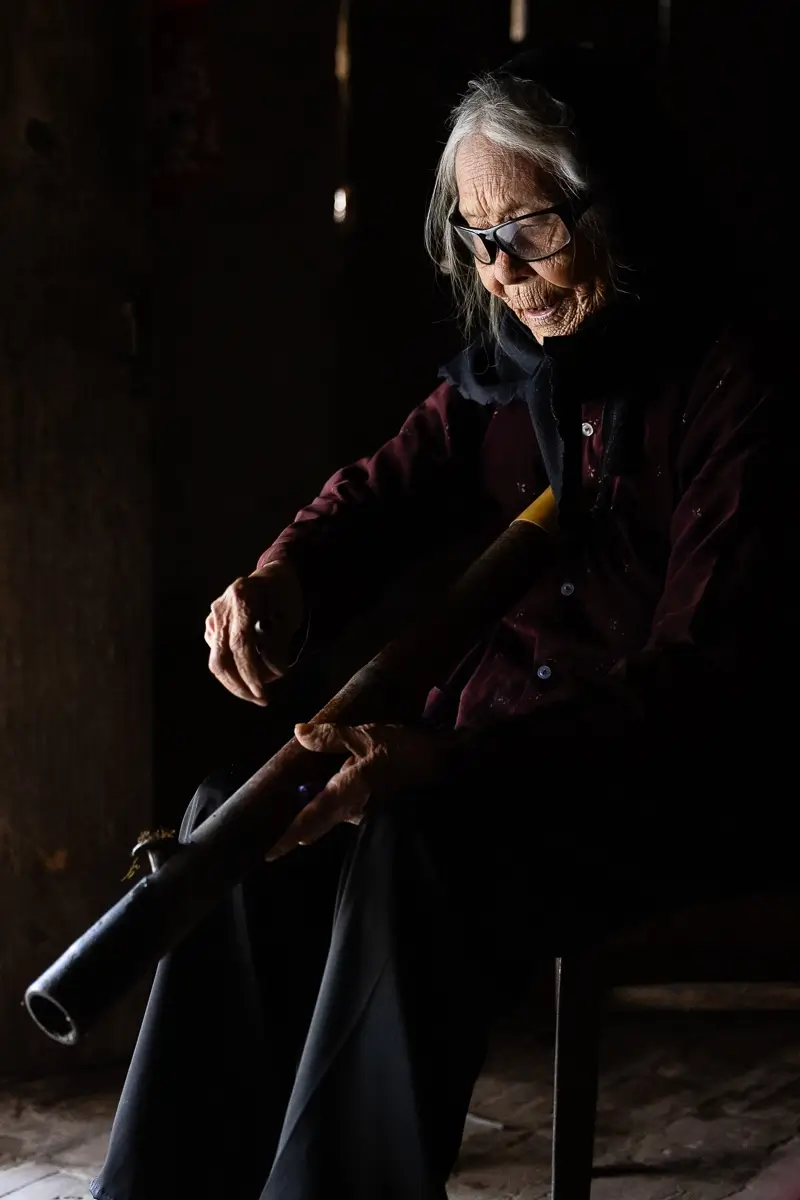
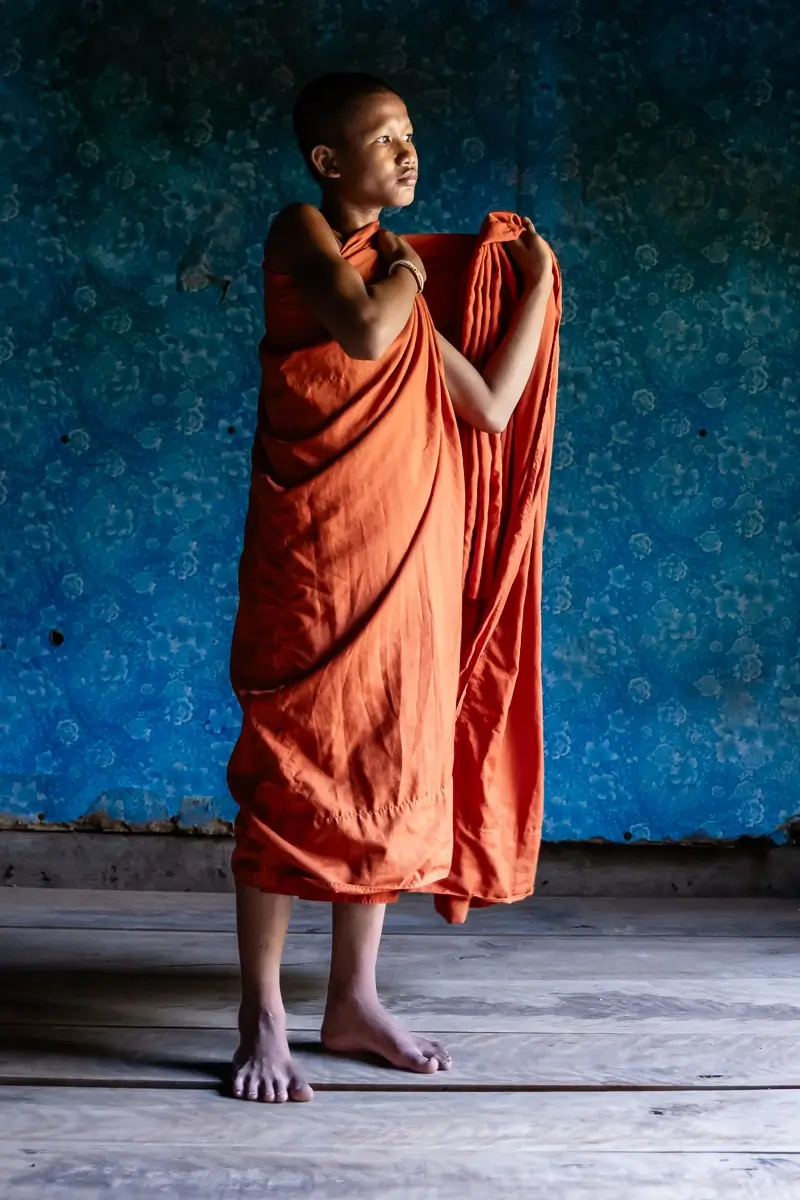
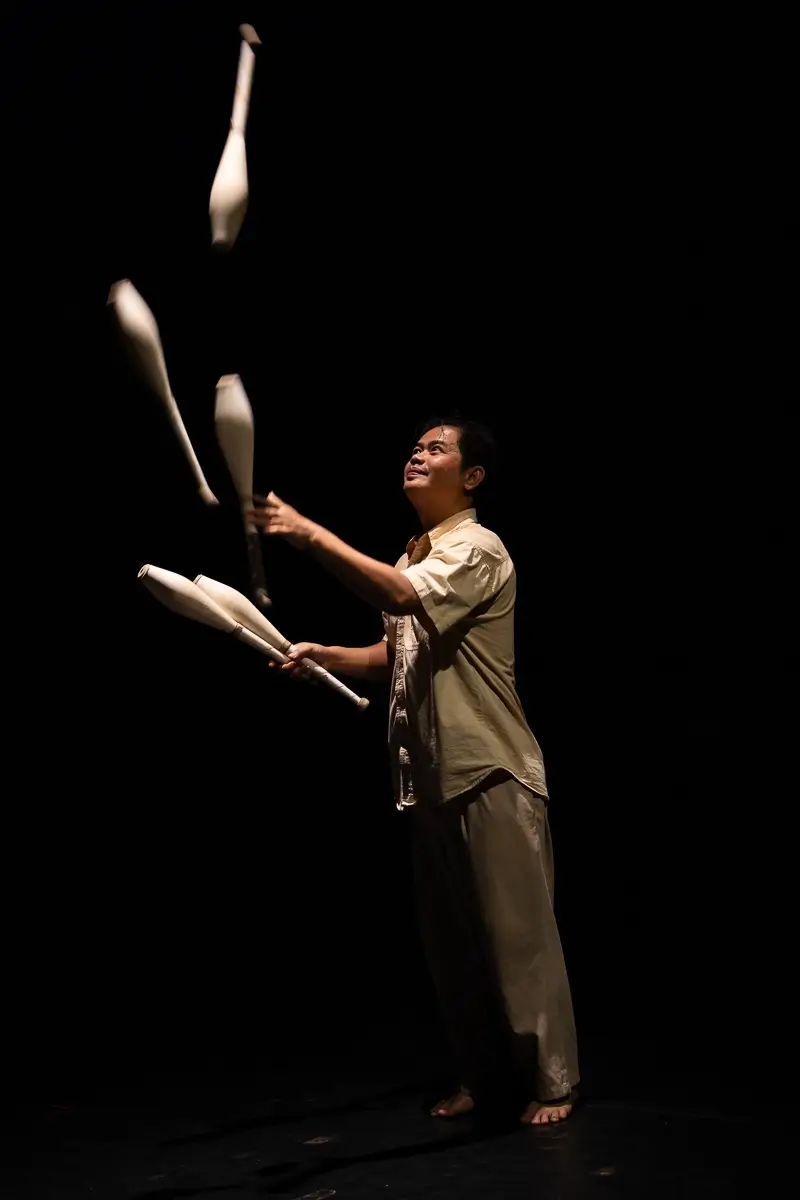
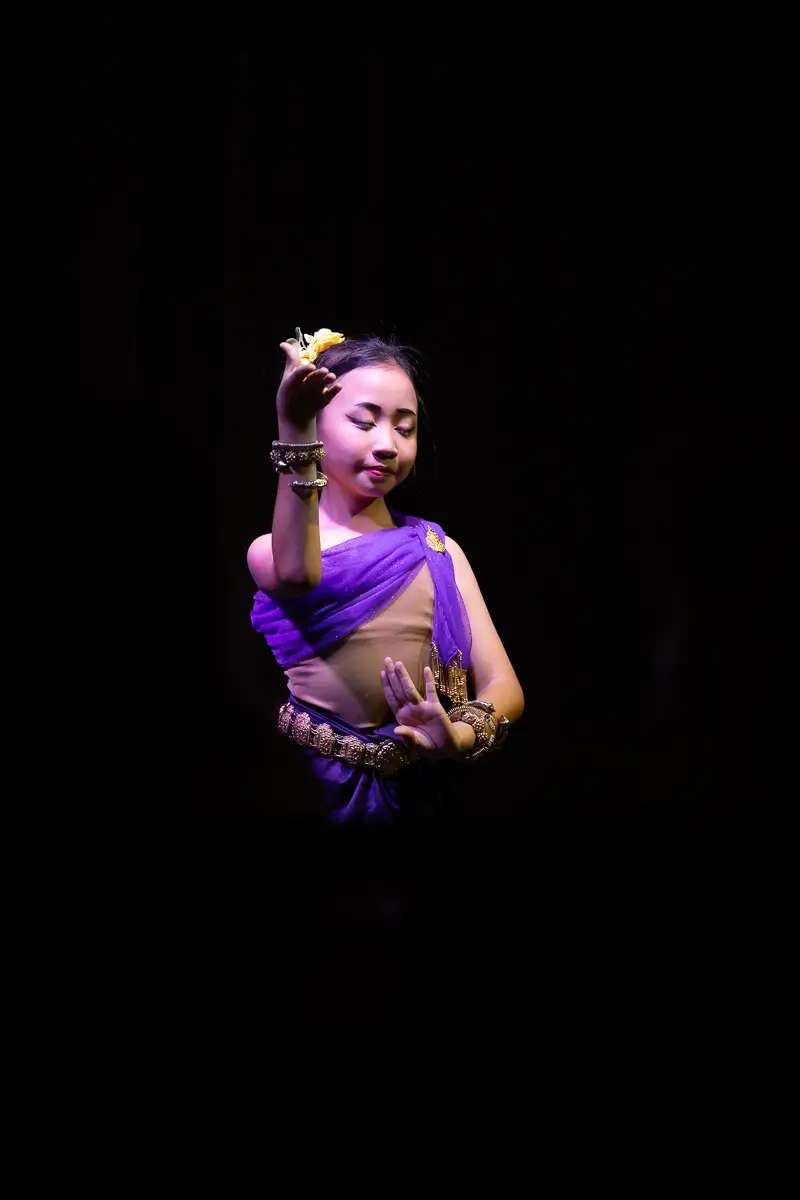
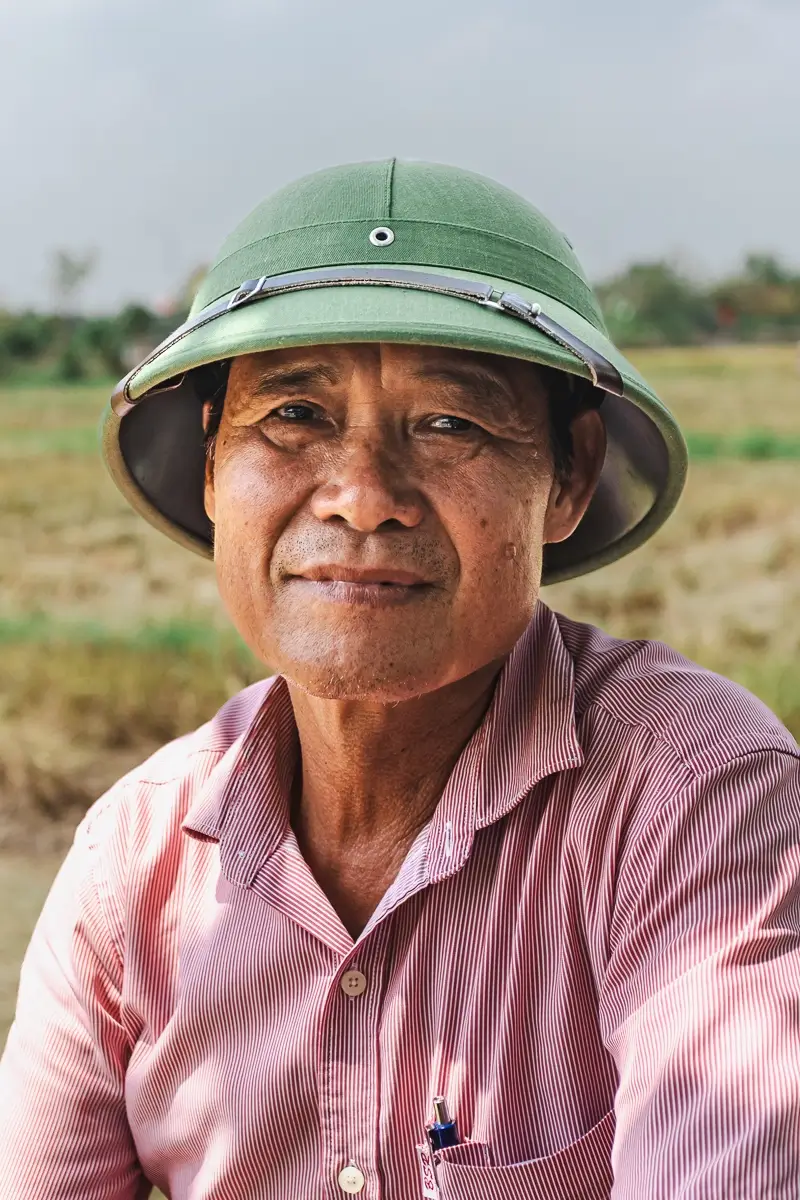
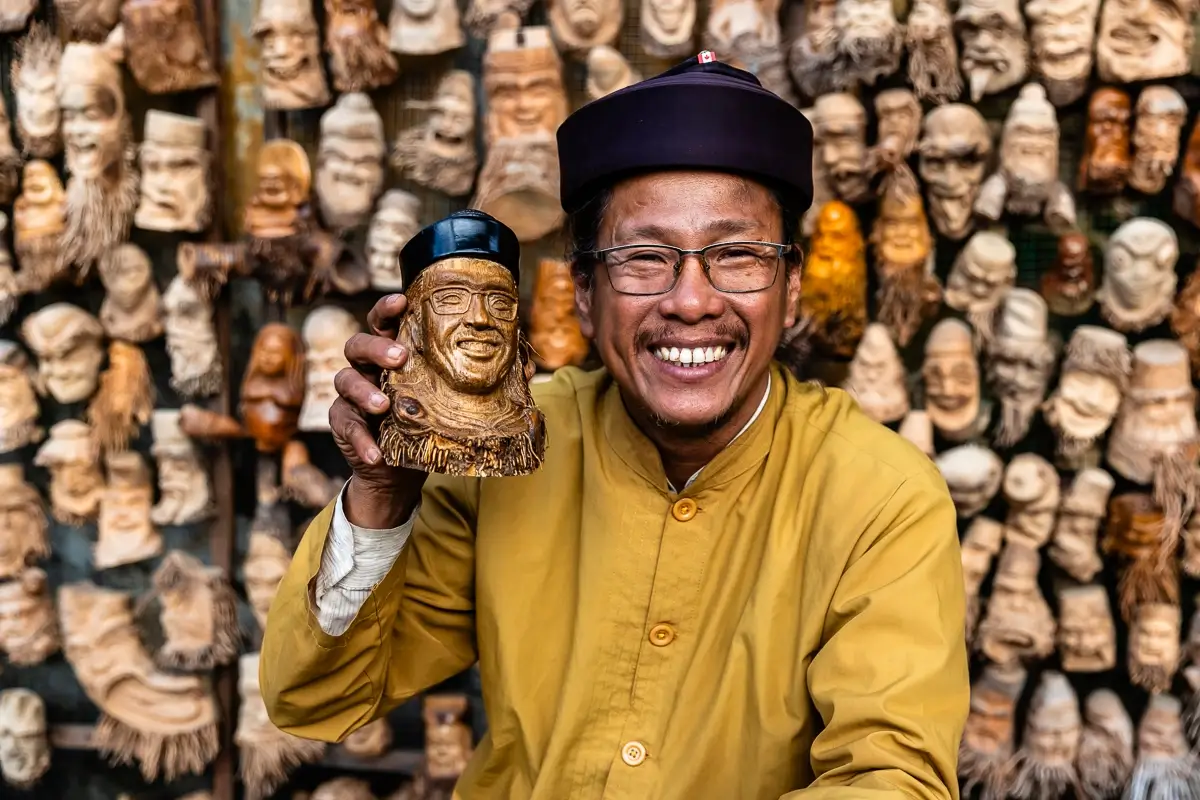
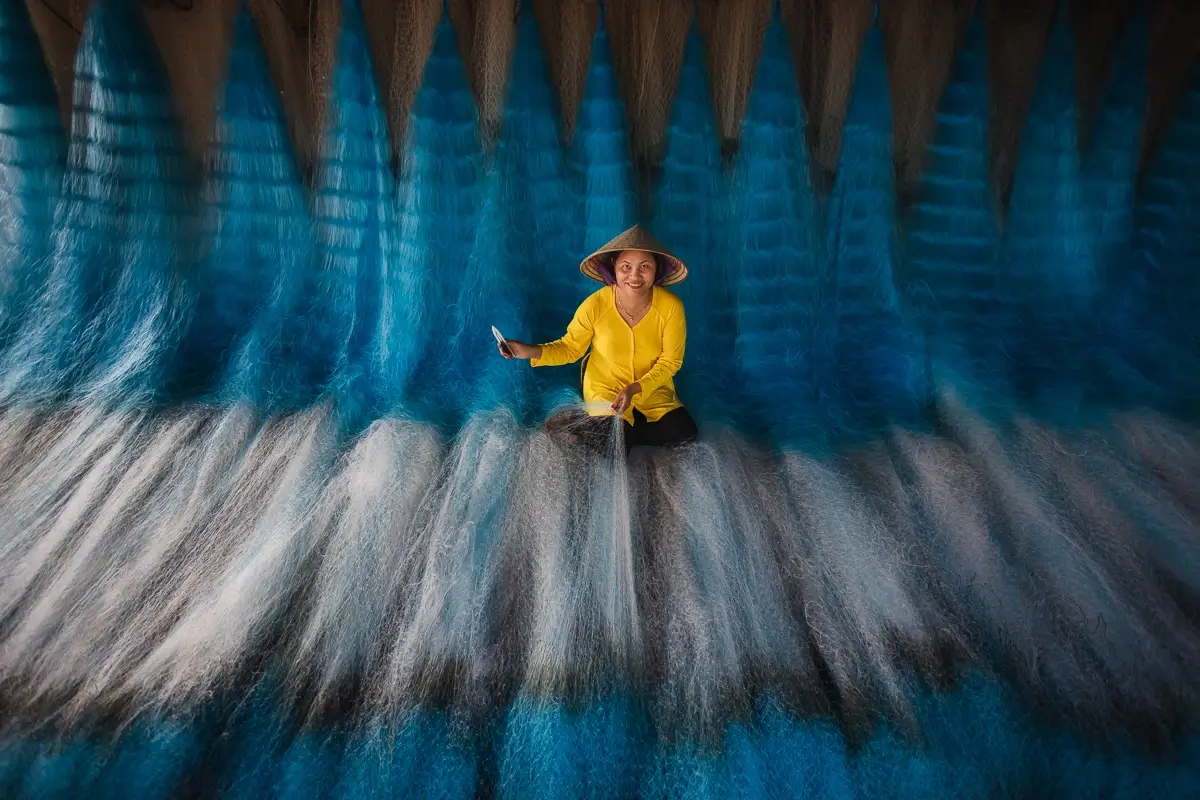
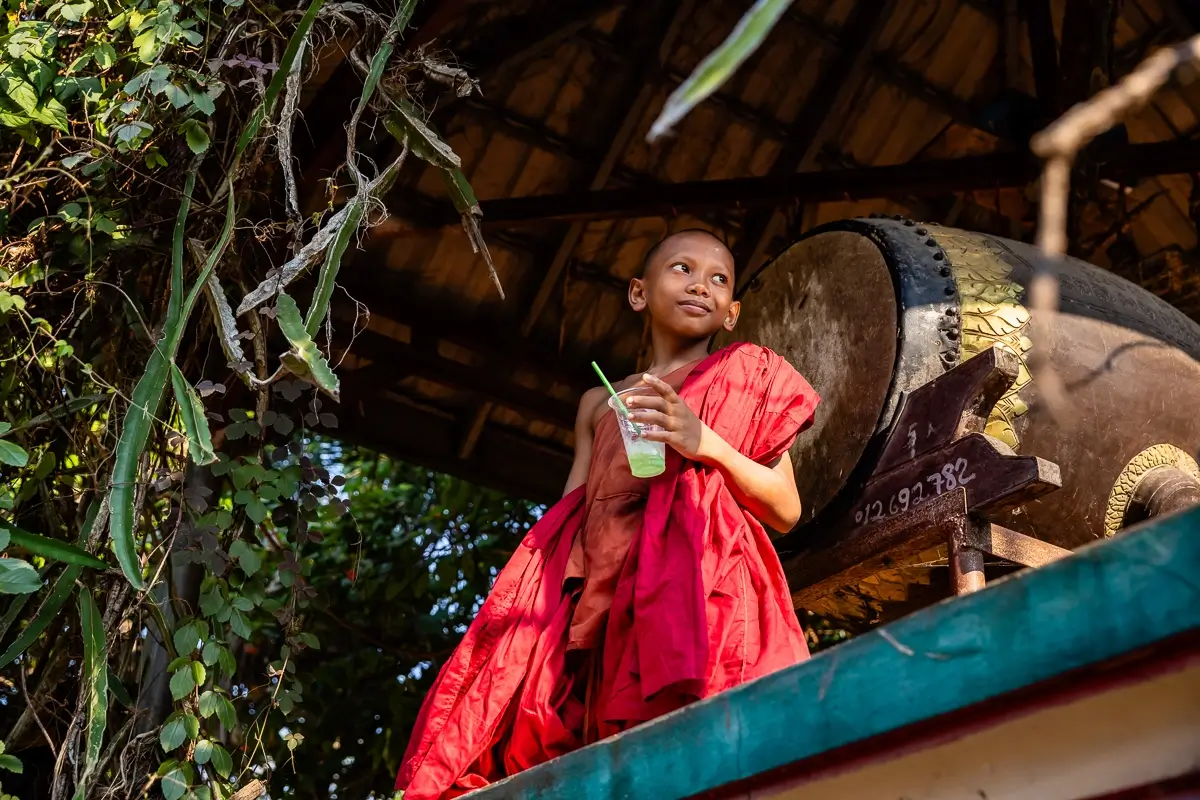
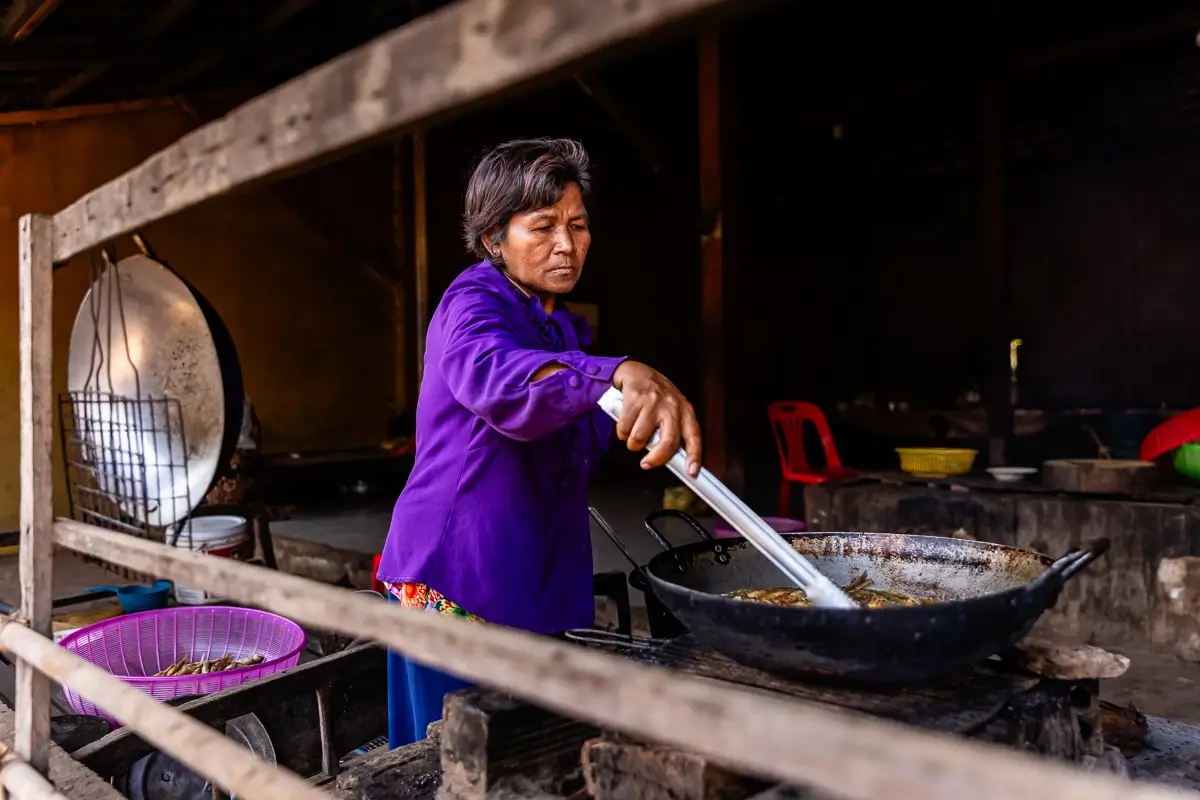
Marie Kent is an educator and lifelong photographer currently based in Hanoi, Vietnam. With a primary focus on street, travel, and environmental portraiture, her work seeks to bridge the gap between fleeting travel encounters and deliberate, narrative-driven art. After years of shooting documentary weddings and commercial lifestyle projects, she has shifted her focus entirely to travel and street photography, shooting purely for the love of the craft. Drawing heavily on her professional background as an educator teaching Theory of Knowledge, Marie’s photographic methodology is rooted in examining how we perceive, construct, and share human stories.

All About Photo Competition:

All About Photo Awards 2026
 

Inspiring Portfolios

Call for Entries
AAP Magazine #58 B&W
Publish your work in our printed magazine and win $1,000 cash prizes
 
Stay up-to-date  with call for entries, deadlines and other news about exhibitions, galleries, publications, & special events.

More Great Photographers To Discover

Bert Stern
United States
1929 | † 2013
Bertram Stern (October 3, 1929 – June 26, 2013) was a self-taught American commercial photographer. He was the son of Jewish immigrants and grew up in Brooklyn. His father worked as a children’s portrait photographer. After dropping out of high school at the age of 16, he gained a job in the mail room at Look magazine. He became art director at Mayfair magazine, where Stern learned how to develop film and make contact sheets, and started taking his own pictures. In 1951, Stern was drafted into the US Army and was sent to Japan and assigned to the photographic department. In the 1960s Stern's heavy use of amphetamines, led to the destruction to his marriage to Balanchine ballerina, Allegra Kent. By the late 1970s Stern returned to the U.S. to photograph portraits and fashion. He was the subject of the 2010 documentary, "Bert Stern: Original Madman," directed by his secret wife, Shannah Laumeister. Ms. Laumeister and Stern never lived together, and Stern had a long standing relationship of 20+ years with Lynette Lavender who was his constant and devoted companion. His first professional assignment was in 1955 for a Madison Avenue advertising agency for Smirnoff vodka. His best known work is arguably The Last Sitting, is a collection of 2,500 photographs taken for Vogue of Marilyn Monroe over a three-day period, six weeks before her death. Stern's book The Last Sitting was published in 1982 and again in 2000. He has photographed Audrey Hepburn, Elizabeth Taylor, Madonna, Kylie Minogue, Drew Barrymore and Lindsay Lohan (recreating The Last Sitting), among others, in addition to his work for advertising and travel publications.(Source: en.wikipedia.org)
Martine Franck
Belgium
1938 | † 2012
Franck was born in Antwerp to the Belgian banker Louis Franck and his British wife, Evelyn. After her birth the family moved almost immediately to London. A year later, her father joined the British army, and the rest of the family were evacuated to the United States, spending the remainder of the Second World War on Long Island and in Arizona. Franck's father was an amateur art collector who often took his daughter to galleries and museums. Franck was in boarding school from the age of six onwards, and her mother sent her a postcard every day, frequently of paintings. Ms. Franck, attended Heathfield School, an all-girls boarding school close to Ascot in England, and studied the history of art from the age of 14. "I had a wonderful teacher who really galvanized me," she says. "In those days she took us on outings to London, which was the big excitement of the year for me." Franck studied art history at the University of Madrid and at the Ecole du Louvre in Paris. After struggling through her thesis (on French sculptor Henri Gaudier-Brzeska and the influence of cubism on sculpture), she said she realized she had no particular talent for writing, and turned to photography instead. In 1963, Franck's photography career started following trips to the Far East, having taken pictures with her cousin’s Leica camera. Returning to France in 1964, now possessing a camera of her own, Franck became an assistant to photographers Eliot Elisofon and Gjon Mili at Time-Life. By 1969 she was a busy freelance photographer for magazines such as Vogue, Life and Sports Illustrated, and the official photographer of the Théâtre du Soleil (a position she held for 48 years). From 1970 to 1971 she worked in Paris at the Agence Vu photo agency, and in 1972 she co-founded the Viva agency. In 1980, Franck joined the Magnum Photos cooperative agency as a "nominee", and in 1983 she became a full member. She was one of a very small number of women to be accepted into the agency. In 1983, she completed a project for the now-defunct French Ministry of Women's Rights and in 1985 she began collaborating with the non-profit International Federation of Little Brothers of the Poor. In 1993, she first traveled to the Irish island of Tory where she documented the tiny Gaelic community living there. She also traveled to Tibet and Nepal, and with the help of Marilyn Silverstone photographed the education system of the Tibetan Tulkus monks. In 2003 and 2004 she returned to Paris to document the work of theater director Robert Wilson who was staging La Fontaine's fables at the Comédie Française. Nine books of Franck's photographs have been published, and in 2005 Franck was made a chevalier of the French Légion d'Honneur. Franck continued working even after she was diagnosed with bone cancer in 2010. Her last exhibition was in October 2011 at the Maison Européenne de la Photographie. The exhibit consisted of 62 portraits of artists "coming from somewhere else" collected from 1965 through 2010. This same year, there were collections of portraits shown at New York's Howard Greenberg Gallery and at the Claude Bernard Gallery, Paris. Franck was well known for her documentary-style photographs of important cultural figures such as the painter Marc Chagall, philosopher Michel Foucault and poet Seamus Heaney, and of remote or marginalized communities such as Tibetan Buddhist monks, elderly French people, and isolated Gaelic speakers. Michael Pritchard, the Director-General of the Royal Photographic Society, observed: "Martine was able to work with her subjects and bring out their emotions and record their expressions on film, helping the viewer understand what she had seen in person. Her images were always empathetic with her subject." In 1976, Frank took one of her most iconic photos of bathers beside a pool in Le Brusc, Provence. By her account, she saw them from a distance and rushed to photograph the moment, all the while changing the roll of film in her camera. She quickly closed the lens just at the right moment, when happened to be most intense. She cited as influences the portraits of British photographer Julia Margaret Cameron, the work of American photojournalist Dorothea Lange and American documentary photographer Margaret Bourke-White. In 2010, she told The New York Times that photography "suits my curiosity about people and human situations." She worked outside the studio, using a 35 mm Leica camera, and preferring black and white film. The British Royal Photographic Society has described her work as "firmly rooted in the tradition of French humanist documentary photography." Source: Wikipedia Born in Belgium, Martine Franck (1938-2012) grew up in the United States and in England. She studied art history at the University of Madrid and at the École du Louvre in Paris. In 1963, she went to China, taking her cousin's Leica camera with her, and discovered the joys of documenting other cultures. Returning home via Hong Kong, Cambodia, India, Afghanistan and Turkey, and bought her first camera while on the trip. Returning to France, she worked as a photographic assistant at Time-Life where she developed her own technique. In 1966, Franck met Henri Cartier-Bresson, whose photographs epitomized Magnum's tradition of humanitarian photography. Franck was adamant that she would neither bask in his reflection nor disappear in his shadow and she joined the Vu agency in 1970. Her first solo exhibition was planned for the ICA in London that year; when she saw that the invitations were embossed with the information that her husband would be present at the launch, she cancelled the show. With Vu's demise, Franck co-founded the Viva agency in 1972. It also collapsed and it was not until 1980 that Franck joined Magnum, becoming a full member in 1983. She was one of the few women to be accepted into the agency and served as vice-president from 1998 to 2000. Eschewing the war/human tragedy reportage that characterized Magnum's reputation, Franck continued her projects on marginal or isolated lives throughout the rest of her life. Source: Howard Greenberg Gallery
David LaChapelle
United States
1963
David LaChapelle (born March 11, 1963) is an American commercial photographer, fine-art photographer, music video director, and film director. He is best known for his photography, which often references art history and sometimes conveys social messages. His photographic style has been described as "hyper-real and slyly subversive" and as "kitsch pop surrealism". Once called the Fellini of photography, LaChapelle has worked for international publications and has had his work exhibited in commercial galleries and institutions around the world. David LaChapelle was born in Hartford, Connecticut to Philip and Helga LaChapelle; he has a sister Sonja and a brother Philip. His mother was a refugee from Lithuania who arrived at Ellis Island in the late 1960s. His family lived in Hartford until he was 9. He has said to have loved the public schools in Connecticut and thrived in their art program as a child and teenager, although he struggled with bullying growing up. Then he moved to Raleigh, North Carolina, with his family, where they lived until he was 14, before moving back to Fairfield, Connecticut. He was bullied in his North Carolina school for his sexuality. When he was 15, he ran away from home to become a busboy at Studio 54 in New York City. Eventually, he returned to North Carolina to enroll in the North Carolina School of the Arts. His first photograph was of his mother Helga on a family vacation in Puerto Rico. LaChapelle credits his mother for influencing his art direction in the way she set up scenes for family photos in his youth. LaChapelle was affiliated in the 1980s with 303 Gallery which also exhibited artists such as Doug Ait. After people from Interview magazine saw his work exhibited, LaChapelle was offered work with the magazine. When LaChapelle was 17 years old, he met Andy Warhol, who hired him as a photographer for Interview Magazine. Warhol reportedly told LaChapelle "Do whatever you want. Just make sure everybody looks good." LaChapelle's images subsequently appeared on the covers and pages of magazines such as Details, GQ, i-D, The New York Times Magazine, Rolling Stone, The Face, Vanity Fair, Vogue Italia, and Vogue Paris. LaChapelle's work has been called "meticulously created in a high-gloss, color-popping, hyper-realistic style", and his photos are known to, "crackle with subversive – or at least hilarious – ideas, rude energy and laughter. They are full of juicy life." In 1995 David LaChapelle shot the famous 'kissing sailors' advertisement for Diesel. It was staged at the peace celebration of World War II and became one of the first public advertisements showing a gay or lesbian couple kissing. Much of its controversy was due it being published at the height of the Don't ask, Don't tell debates in United States, which had led to the U.S. Government to bar openly gay, lesbian, or bisexual persons from military service. In a long article published by Frieze in 1996, the advertisement was credited for its "overarching tone of heavy-handed humor and sarcasm". In September 2011 when the Don't ask, Don't tell law was finally removed by President Barack Obama, Renzo Rosso, the founder and president of Diesel, who originally had approved and pushed for the advertisement, said "16 years ago people wouldn't stop complaining about this ad. Now it's finally accepted legally." Themes in LaChapelle's art photography, which he has developed in his Maui home, include salvation, redemption, paradise, and consumerism. It is clear that LaChapelle's moving in this, "new direction highlights his interest and understanding of both contemporary practice and art history". LaChapelle's images "both bizarre and gorgeous have forged a singular style that is unique, original, and perfectly unmistakeable." His photographs have been collected in a number of books. LaChapelle Land (1996) was selected as one of 101 "Seminal Photographic Books of the Twentieth Century" and is "highly valued by collectors". His second book, Hotel LaChapelle (1999), was described as a "garish, sexy, enchanting trip". Heaven to Hell (2006) featured "almost twice as many images as its predecessors", and "is an explosive compilation of new work by the visionary photographer." LaChapelle, Artists and Prostitutes (2006), a limited-edition, signed, numbered book contains 688 pages of photographs taken between 1985 and 2005. Artists and Prostitutes was published by Taschen and includes a photograph of the publisher Benedikt Taschen in a sadomasochism scene.Source: Wikipedia David LaChapelle is a celebrated American photographer and video artist. He is perhaps best known for his commercial fashion portraits of celebrities and models, including photos of Amanda Lepore and Angelina Jolie. LaChapelle’s signature blend of colorful, conceptual imagery bears the influence of both Surrealism and Pop Art. Often humorous or provocative, his use of full or partial nudity in numerous advertisements and editorial shoots prompted Helmut Newton to remark, “A lot of the nudity is just gratuitous. But someone who makes me laugh is David LaChapelle. I think he's very bright, very funny, and good.” An avid consumer of pop culture, LaChapelle is also inspired by the breadth of art history, frequently evoking the compositions or poses of Renaissance paintings. Born on March 11, 1963 in Fairfield, CT, LaChapelle’s early work was noticed by Andy Warhol, who then offered him a job at Interview Magazine in the 1980s. His photographs are included in the collections of the Los Angeles County Museum of Art, the National Portrait Gallery in London, and the Tel Aviv Museum of Art, among others. He currently lives and works in New York, NY.Source: Artnet
Herb Ritts
United States
1952 | † 2002
Herb Ritts began his photographic career in the late 70's and gained a reputation as a master of art and commercial photography. In addition to producing portraits and editorial fashion for Vogue, Vanity Fair, Interview and Rolling Stone, Ritts also created successful advertising campaigns for Calvin Klein, Chanel, Donna Karan, Gap, Gianfranco Ferré, Gianni Versace, Giorgio Armani, Levi's, Pirelli, Polo Ralph Lauren, Valentino among others. Since 1988 he directed numerous influential and award winning music videos and commercials. His fine art photography has been the subject of exhibitions worldwide, with works residing in many significant public and private collections. In his life and work, Herb Ritts was drawn to clean lines and strong forms. This graphic simplicity allowed his images to be read and felt instantaneously. They often challenged conventional notions of gender or race. Social history and fantasy were both captured and created by his memorable photographs of noted individuals in film, fashion, music, politics and society. Ritts was committed to HIV/AIDS related causes, and contributed to many charitable organizations, among them amfAR, Elizabeth Taylor AIDS Foundation, Project Angel Food, Focus on AIDS, APLA, Best Buddies and Special Olympics . He was also a charter member on the Board of Directors for The Elton John Aids Foundation.Source: www.herbritts.com Born in Los Angeles, to a Jewish family, Ritts began his career working in the family furniture business. His father, Herb Ritts Sr., was a businessman, while his mother, Shirley Ritts, was an interior designer. He moved to the East Coast to attend Bard College in New York, where he majored in economics and art history, graduating in 1975. Later, while living in Los Angeles, he became interested in photography when he and friend Richard Gere, then an aspiring actor, decided to shoot some photographs in front of an old jacked-up Buick. The picture gained Ritts some coverage and he began to be more serious about photography. During the 1980s and 1990s, Ritts prominently photographed celebrities in various locales throughout California. Some of his subjects during this time included Cher, Tina Turner. Elizabeth Taylor, Vincent Price, Madonna, Denzel Washington, Johnny Depp, Ronald Reagan, David Bowie, Courtney Love, Liv Tyler, Matthew McConaughey, Britney Spears, Björk, Prince, Michael Jackson, Axl Rose, Slash, and Mariah Carey. He also took many fashion and nude photographs of fashion models Naomi Campbell, Stephanie Seymour, Tatjana Patitz, Christy Turlington, and Cindy Crawford, including "Tatjana, Veiled Head, Tight View, Joshua Tree, 1988." Ritts' work with those models ushered in the 1990s era of the supermodel and was consecrated by one of his most celebrated images, "Stephanie, Cindy, Christy, Tatjana, Naomi, Hollywood, 1989" taken for Rolling Stone Magazine. He also worked for Interview, Esquire, Mademoiselle, Glamour, GQ, Newsweek, Harper's Bazaar, Rolling Stone, Time, Vogue, Allure, Vanity Fair, Details, and Elle. From 1996 to 1997 Ritts' work was displayed at the Museum of Fine Arts in Boston, attracting more than 250,000 people to the exhibit, and in 2003 a solo exhibition was held at the Daimaru Museum, in Kyoto, Japan. On December 26, 2002, Ritts died in Los Angeles of complications from pneumonia at the age of 50. Ritts was openly gay, and according to Ritts' publicist, "Herb was HIV-positive, but this particular pneumonia was not PCP (pneumocystis pneumonia), a common opportunistic infection of AIDS. But at the end of the day, his immune system was compromised."Source: Wikipedia
Andrea Reese
United States
Andrea Star Reese is a photojournalist/documentary photographer based in New York currently working in Indonesia.In 2013, Disorder, a documentary reportage on conditions faced by Indonesians suffering from mental illness and undiagnosed mental disorders was exhibited at Visa Pour L’Image Perpignan, and Angkor Photo Festival., Published on Lightbox.time.com. the essay followed men and women in homes, shelters, schools and hospitals.Previously, Urban Cave, a three-year project on long term unsheltered men and women living in makeshift housing in New York City was exhibited at Visa Pour L’Image 2010. Urban Cave received Best Social Documentary from The New York Photo Festival, was a finalist for POYI: World Understanding, a FotoEvidence book award finalist, and a 2010 Visa d’Or, Feature nominee. Most recently Urban Cave was exhibited at Theory of the Clouds Gallery, Kobe, Japan and at the 2013 Athens Photo Festival. Urban Cave has been published internationally. An ongoing update in preperation for a book is in progress.Ms. Reese first worked in Indonesia directing a feature documentary film made up of short stories collected during the 2003-2004 run up to the country’s first direct democratic presidential election. The film covered issues pertinent to the time. On staff at the International Center of Photography School, and a tutor at the 2013 Angkor Photo Festival Workshop, Andrea Star Reese is a 2010 fellow in Photography from the New York Foundation for the Arts and a reGeneration2 photographer.Grants/Awards2013 Finalist Fotoevidence Book Award2012 American Photography 28: Best pictures from 2011_ (Chasing Stigma, working title, work in progress)2011 Honorable Mention International Photo Awards_(Chasing Stigma,working title, as work in progress)2011 Honorable Mention International Photography Award_Merapi’s Breath2011 Finalist Picture of the Year World Understanding Urban Cave 2011 Included as part of AnthropoGraphia2010 New York Foundation for the Arts Fellowship in Photography2010 2nd place fotovisura award2010 Nominated Visa d’or Feature2010 Invited reGeneration2: Tomorrows Photographers Today2009 3 Hon. Mentions International Photo Awards Editorial/Other, Editorial/Essay Deeper Perspective2009 Finalist Magnum Expressions Award2009 Best Social Documentary New York Photo Awards2009 Honorable Mention Camera Club New York2008 Les Visas de L’ANI
Bruce Davidson
United States
1933
Bruce Davidson began taking photographs at the age of ten in Oak Park, Illinois. While attending Rochester Institute of Technology and Yale University, he continued to further his knowledge and develop his passion. He was later drafted into the army and stationed near Paris. There he met Henri Cartier-Bresson, one of the founders of the renowned cooperative photography agency, Magnum Photos. When he left military service in 1957, Davidson worked as a freelance photographer for LIFE magazine and in 1958 became a full member of Magnum. From 1958 to 1961 he created such seminal bodies of work as “The Dwarf,” Brooklyn Gang,” and “Freedom Rides.” He received a Guggenheim fellowship in 1962 and created a profound documentation of the civil rights movement in America. In 1963, the Museum of Modern Art in New York presented his early work in a solo show. In 1967, he received the first grant for photography from the National Endowment for the Arts, having spent two years witnessing the dire social conditions on one block in East Harlem. This work was published by Harvard University Press in 1970 under the title East 100th Street and was later republished and expanded by St. Ann’s Press. The work became an exhibition that same year at the Museum of Modern Art in New York. In 1980, he captured the vitality of the New York Metro’s underworld that was later published in a book, Subway, and exhibited at the International Center for Photography in 1982. From 1991-95 he photographed the landscape and layers of life in Central Park. In 2006, he completed a series of photographs titled “The Nature of Paris,” many of which have been shown and acquired by the American Academy of Arts and Letters. Davidson received an Open Society Institute Individual Fellowship in 1998 to return to East 100th Street His awards include the Lucie Award for Outstanding Achievement in Documentary Photography in 2004 and a Gold Medal Lifetime Achievement Award from the National Arts Club in 2007. Classic bodies of work from his 50-year career have been extensively published in monographs and are included in many major public and private fine art collections around the world. He continues to photograph and produce new bodies of work.Source: Magnum Photos
Rogan Coles
South Africa/United Kingdom
1954
I was born in 1954. Photography is what I do. The stories lie therein. In presenting this body of work I want to explore something that is often overlooked - as in the intrinsic value of photography. As one of his mantras, Jack Ma, the founder and now former CEO of Alibaba and a person whose tenacity I admire, said this, "I always look 10 years ahead". While I'm not going to suggested that this is what I do with my photography or when I am about to embark on a project. But and quite often, there's something prescient in what I do and how I approach my work as a photographer. When I set out to document Smithfield Market in London, this is more or less what happened. Besides all the talk of closing down the market, there were suggestions that the market was going to be refurbished and, in the process, brought up to European Union health standards. At around this time, I used to take a short cut through the market's precinct as I walked from one side of the city to the other. Of course, during the day, there was nothing there. Well, let me qualify, there were no people there. Working hours were from just around midnight until the early hours of the morning. With these various stories doing the rounds, I wanted to investigate. In the process I made contact with the market's management. As a result, I was granted to two week window to document the market and the activities there. This was back in April of 1991. Yes, nearly 30 years ago. This is what I mean, the "intrinsic value of photography". I don't know what these images are worth. I have never exhibited them or ever had them published in any form. No real reason. Then as now, perhaps I didn't have a compelling enough story that publications or curators could buy into. "Intrinsic value" is not going to see this work through to anything significant. Perhaps something like "British working class heroes", "End of an era" or "Times are a changing" may have done it. But, we live on in hope. I have long admired photography of Vivien Maier and see her work in much the same way - and that is, for its intrinsic value. Through her work, Maier more or less defined the Chicago of a particular era. Another photographer's work who I much admire is Max Yavno. Again, the strength of his work lies in its intrinsic value. Through his work, he more or less defined Los Angeles and San Francisco of an era and, to some degree, Cairo. His work is iconic - just as is Maier's.
Da Miane
Georgia
1995
Da Miane (Nika Pailodze) is a Georgian street photographer based in Tbilisi. Born in 1995, he has been captivated by visual storytelling from an early age. Even when 0.3-megapixel phone cameras were standard, he began experimenting with photography, initially capturing nature before turning his lens toward the human and urban landscape around him. With an academic background in literary studies, Da Miane brings a nuanced narrative approach to his photography. This foundation has sharpened his eye for storytelling, composition, and emotional depth. He sees the world as a stage, where fleeting moments become lasting impressions through his camera. Since 2014, Da Miane has documented the streets of Tbilisi almost daily. His work focuses on spontaneous human interactions, environmental contrasts, and the often-overlooked poetry of everyday life. Favoring observation over orchestration, he rarely works on commercial assignments or structured projects. Instead, his approach is intuitive, shaped by constant movement and awareness of his surroundings. While not centered around formal series, his body of work includes standout projects such as Highland Adjara, in which his street photography sensibilities guided him to document remote communities with empathy and instinct rather than direction. His ability to connect with strangers and earn their trust has become a hallmark of his visual language. The people in Da Miane’s photographs are anonymous yet deeply familiar—sellers, buyers, passersby—captured repeatedly over the years as they shift through the same streets. He doesn’t seek to know their names or stories; what matters is the impression they leave in a split second, preserved forever through his lens. He works primarily in color but is equally drawn to black and white when it serves the emotional weight of an image. For Da Miane, color is not just aesthetic—it is a carrier of information, mood, and narrative clarity. Da Miane has participated in numerous photography competitions, receiving recognition both locally and internationally. His work is driven not by the pursuit of uniqueness, but by a personal connection to the scenes he witnesses. Influenced by cinema, literature, and music, he views photography not as documentation but as a way to express the subtle drama of the everyday. Awarded Photographer of the Week - Week 23
Advertisement
AAP Magazine #58 B&W
Win a Solo Exhibition in June
AAP Magazine #58 B&W

Latest Interviews

Exclusive Interview with Carolyn Moore
American photographer Carolyn Moore explores the inner landscape of emotion, memory, and personal transformation through a deeply intuitive photographic practice. Her work unfolds as a quiet dialogue between artist and viewer, where images become a space for reflection, vulnerability, and connection.
Exclusive Interview with Luca Desienna and Laura Estelle Barmwoldt
For over seven years, Of Lilies and Remains has explored the depths of the goth and darkwave underground, unfolding in Leipzig—a city long associated with a vibrant and enduring subcultural scene. Moving between iconic gatherings such as Wave-Gotik-Treffen and more intimate moments on the fringes, the project offers a rare and immersive glimpse into a world often misunderstood, yet rich in expression and community. Created by Luca in collaboration with Laura Estelle Barmwoldt, the work embraces a cinematic and deeply personal approach. Rather than documenting from a distance, it moves within the scene itself, capturing its atmosphere, its codes, and its quiet contradictions. The title Of Lilies and Remains hints at this duality—where beauty and darkness, fragility and strength coexist. As the book prepares for its release, we spoke with both artists about the origins of the project, their process, and what it means to document a subculture that continues to evolve while remaining true to its spirit.

Exclusive Interview with Matthew Finley
American photographer Matthew Finley turns inward, using photography as a way to explore identity, memory, and emotional truth. Based in Los Angeles, his practice moves between performance, gesture, and found imagery, creating a visual language that is both intimate and deeply personal
Exclusive Interview with Jan Janssen
Dutch photographer Jan Janssen explores universal human experiences through his long-term project It Matters, winner of the May 2025 Solo Exhibition. Begun in 2016, the series captures intimate moments of everyday life—love, loss, connection, and belonging—across Central and Eastern Europe. Working in countries such as Turkey, Azerbaijan, and Armenia, Janssen spends extended time within communities, building relationships based on trust and respect. His approach allows him to move beyond observation, revealing deeply human and authentic moments. Rooted in travel and personal discovery, It Matters reflects Janssen’s search for what connects us all in an increasingly divided world. The project is ongoing and will culminate in a photobook scheduled for publication in 2026.
Exclusive Interview with Henk Kosche
German photographer Henk Kosche turns his lens toward the streets of Halle an der Saale, capturing everyday life in the late years of the former German Democratic Republic. At the time, Kosche was studying design and exploring the city with his camera, drawn to the atmosphere of its industrial landscape and the quiet rhythms of daily life. His series Street Photography at the End of the 80s, selected as the Solo Exhibition for July 2025, revisits a body of work created just before a period of profound change. Rediscovered decades later in a small box of 35mm negatives, these photographs offer glimpses of a city and its people at a moment suspended between the familiar and the unknown.
Exclusive Interview with Anastasia Samoylova
Anastasia Samoylova is an American artist whose photographic practice is shaped by close observation and a deep attentiveness to place. Working between documentary and formal exploration, she photographs landscapes, architecture, and everyday scenes with a sensitivity to light, structure, and atmosphere. Since relocating to Miami in 2016, her work has increasingly focused on how environments—both natural and built—carry social, cultural, and emotional traces. We asked her a few questions about her practice and her way of seeing, to better understand the thoughts and experiences that shape her work—while allowing the images themselves to remain open and speak in their own time.
Exclusive Interview with Marijn Fidder
Marijn Fidder is a Dutch documentary photographer whose work powerfully engages with current affairs and contemporary social issues. Driven by a deep sense of social justice, she uses photography to speak on behalf of the voiceless and to advocate for the rights of those who are most vulnerable. Her images have been widely published in major international outlets including National Geographic, CNN Style, NRC Handelsblad, Volkskrant, GUP New Talent, and ZEIT Magazin. Her long-term commitment to disability rights—particularly through years of work in Uganda—culminated in her acclaimed project Inclusive Nation, which earned her the title of Photographer of the Year 2025 at the All About Photo Awards. She is also the recipient of multiple prestigious honors, including awards from World Press Photo and the Global Peace Photo Award. We asked her a few questions about her life and work.
Exclusive Interview with Josh S. Rose
Josh S. Rose is a multidisciplinary artist working across photography, film, and writing. His practice bridges visual and performing arts, with a strong focus on movement, emotion, and the expressive potential of the image. Known for his long-standing collaborations with leading dance companies and performers, Rose brings together authenticity and precise composition—a balance he describes as “technical romanticism.” His work has been commissioned and exhibited internationally, appearing in outlets such as Vogue, at the Super Bowl, in film festivals, and most recently as a large-scale installation for Lincoln Center for the Performing Arts. A sought-after collaborator, he has worked with major artists, cultural institutions, and brands, following a previous career as Chief Creative Officer at Interpublic Group and the founder of Humans Are Social. We asked him a few questions about his life and work.
Interview with Maureen Ruddy Burkhart
Photographer Maureen Ruddy Burkhart brings a quietly attentive and deeply human sensibility to her exploration of the world through images. Shaped by a life immersed in photography, film, and visual storytelling, her work is guided by intuition, observation, and an enduring interest in the emotional undercurrents of everyday life. With a practice rooted in both fine art traditions and documentary awareness, she approaches her subjects with sensitivity, allowing subtle moments to emerge naturally rather than be imposed. Her series Til Death, selected as the Solo Exhibition for February 2025, reflects this long-standing commitment to photography as a space for reflection rather than spectacle. Drawn to moments that exist just outside the expected frame, Burkhart’s images suggest narratives without resolving them, leaving room for ambiguity, humor, and quiet connection. We asked her a few questions about her life and work.
Call for Entries
Win A Solo Exhibition in June
Get International Exposure and Connect with Industry Insiders