All about photo.com: photo contests, photography exhibitions, galleries, photographers, books, schools and venues.
FINAL DAYS TO WIN A SOLO EXHIBITION IN MAY 2026
Nina Nelson
Nina Nelson
Nina Nelson

Nina Nelson

Country: United States
Birth: 1971

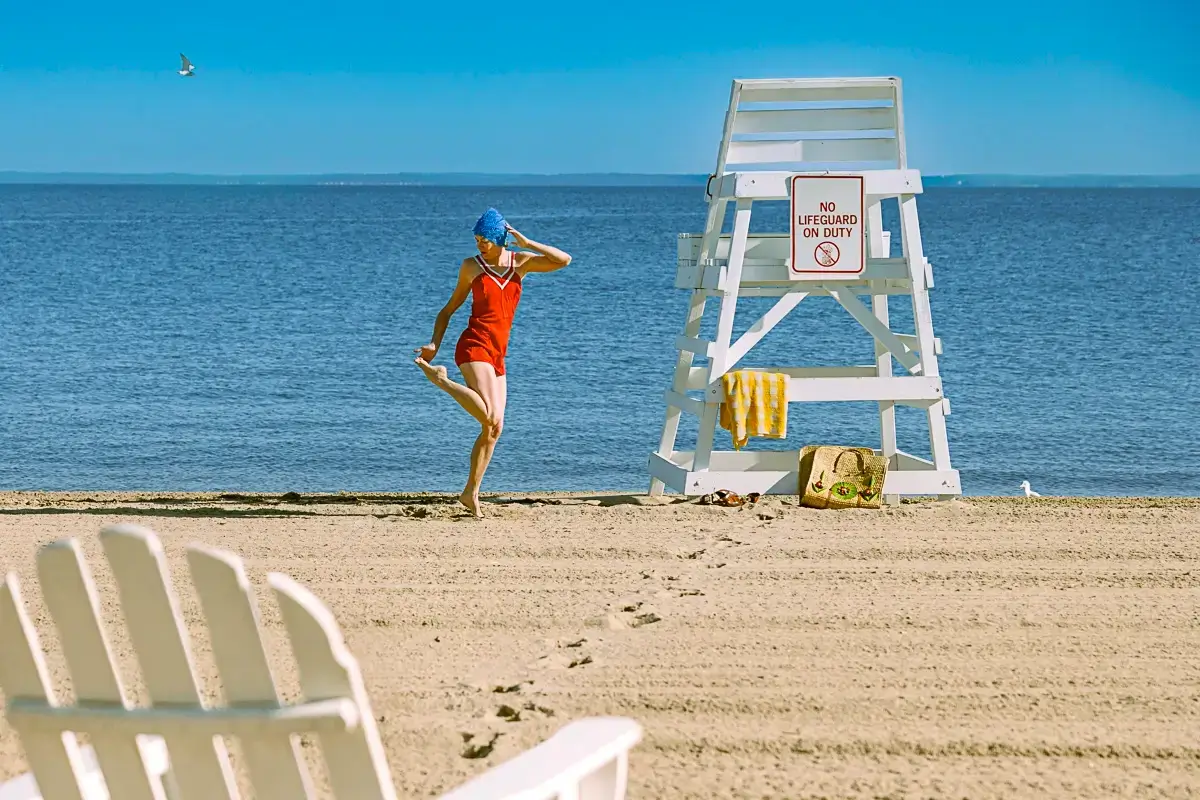
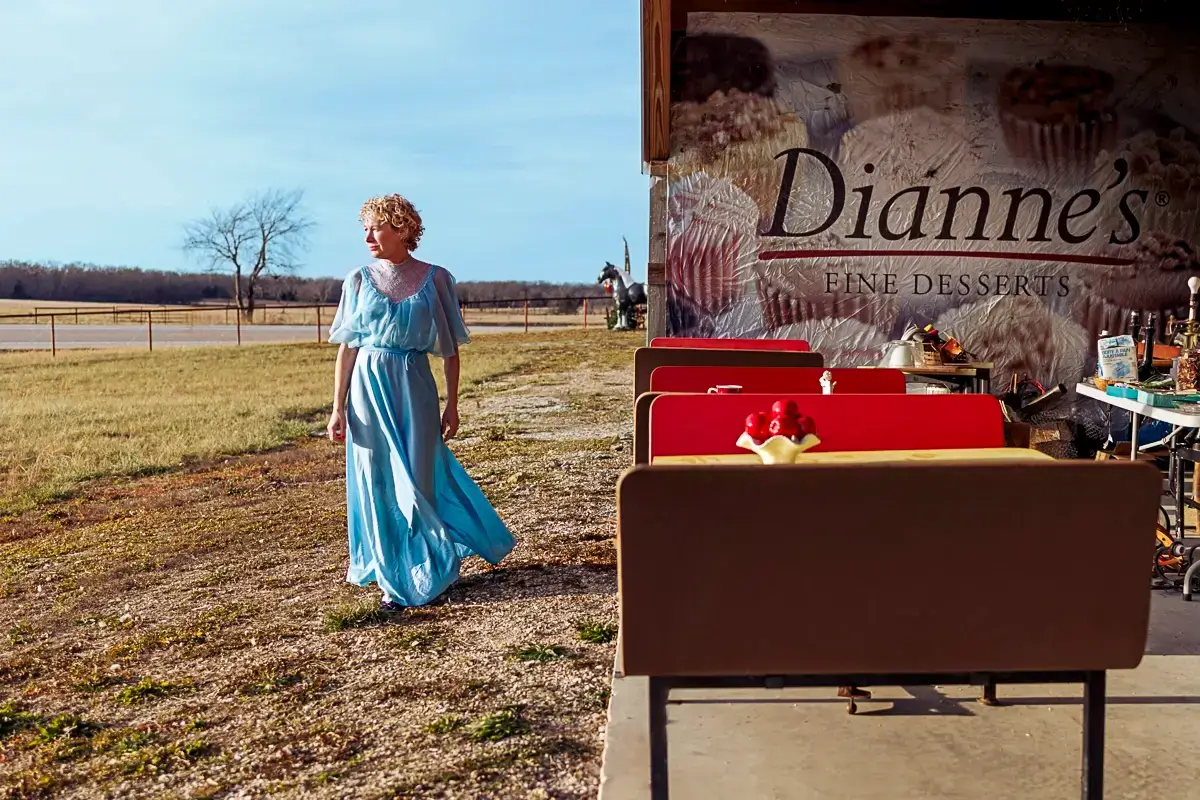
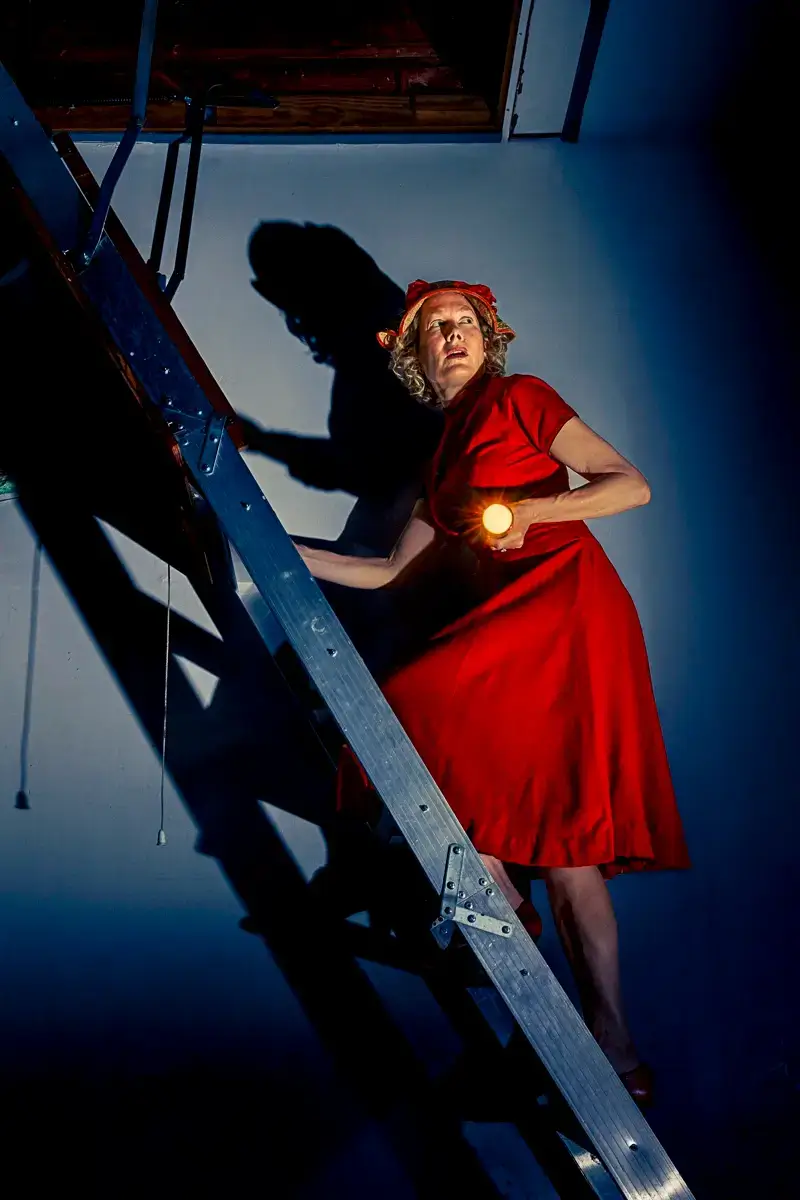
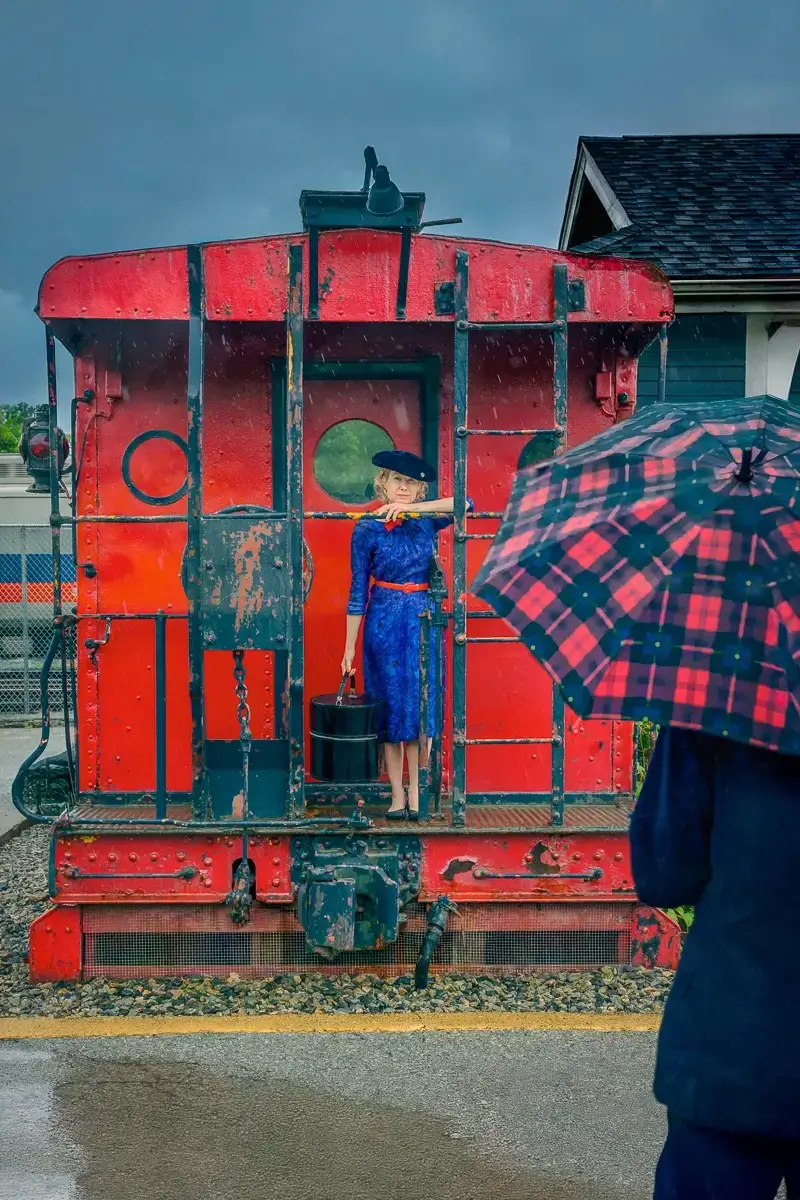
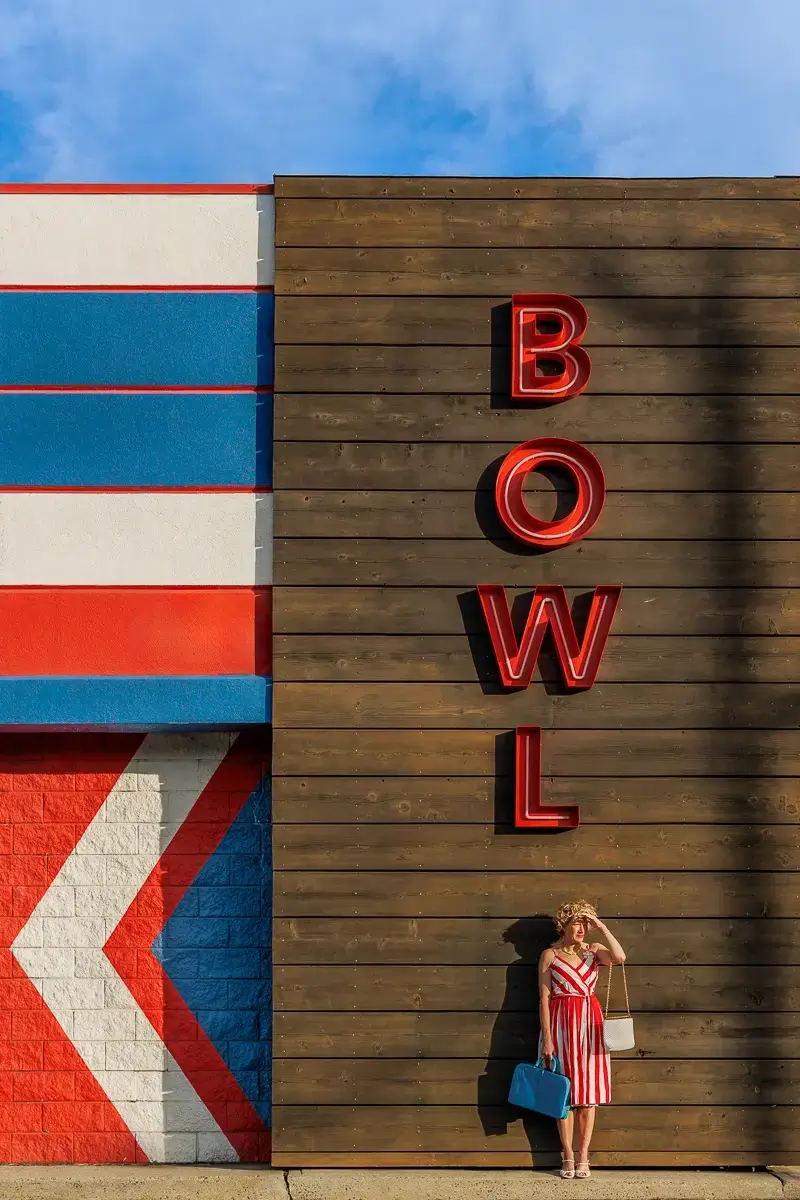
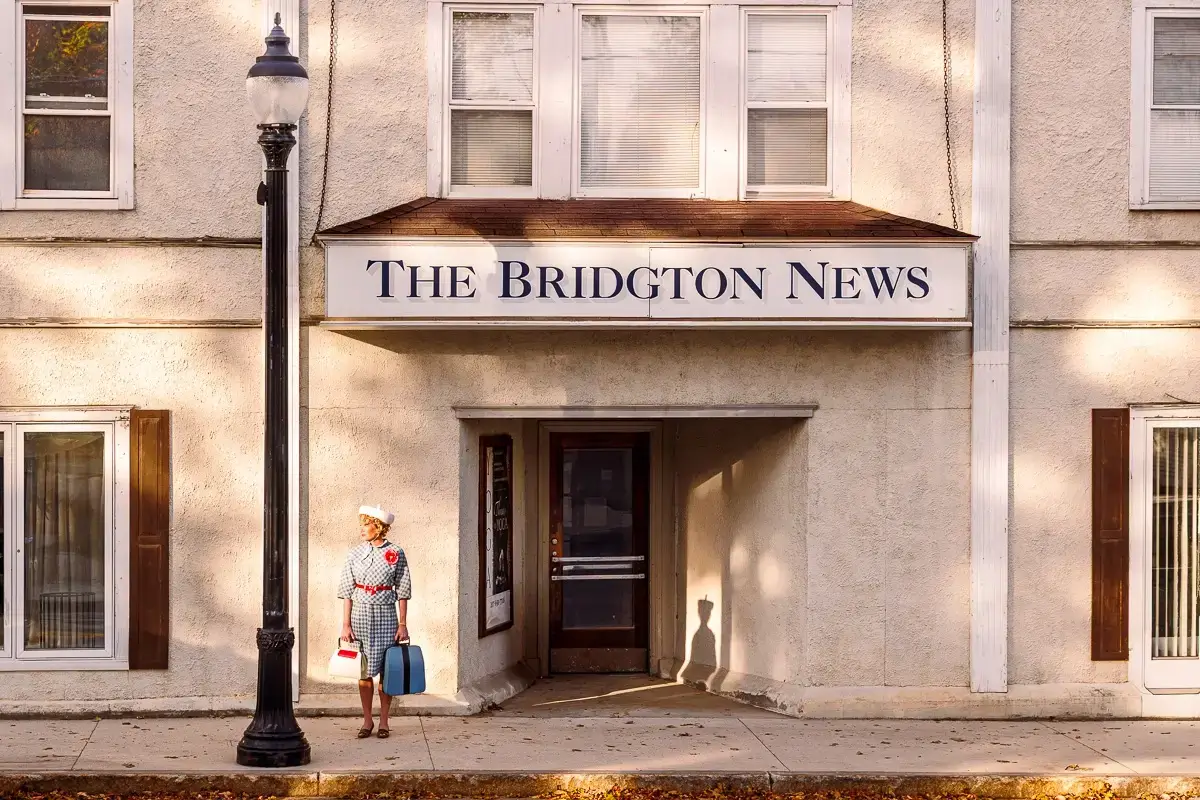
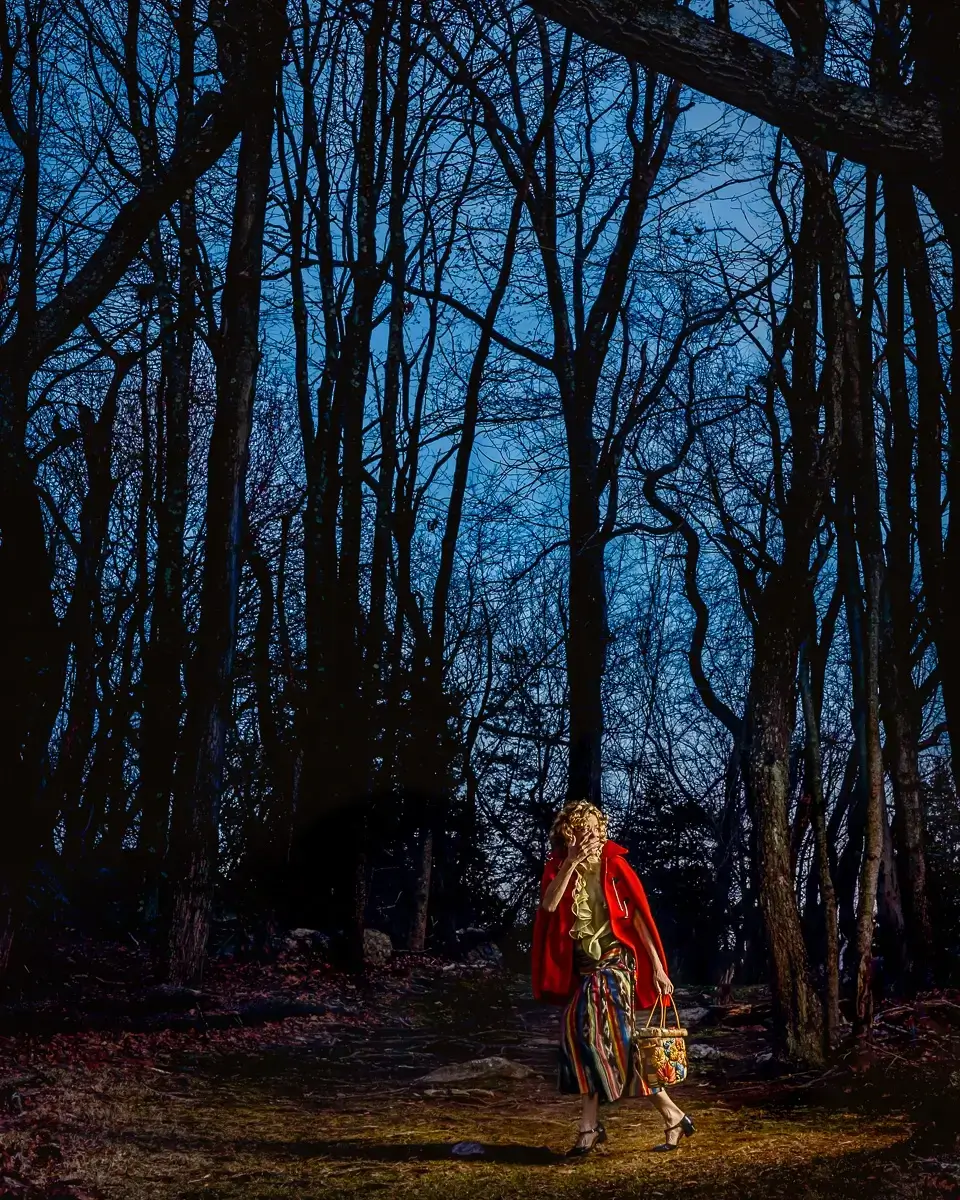
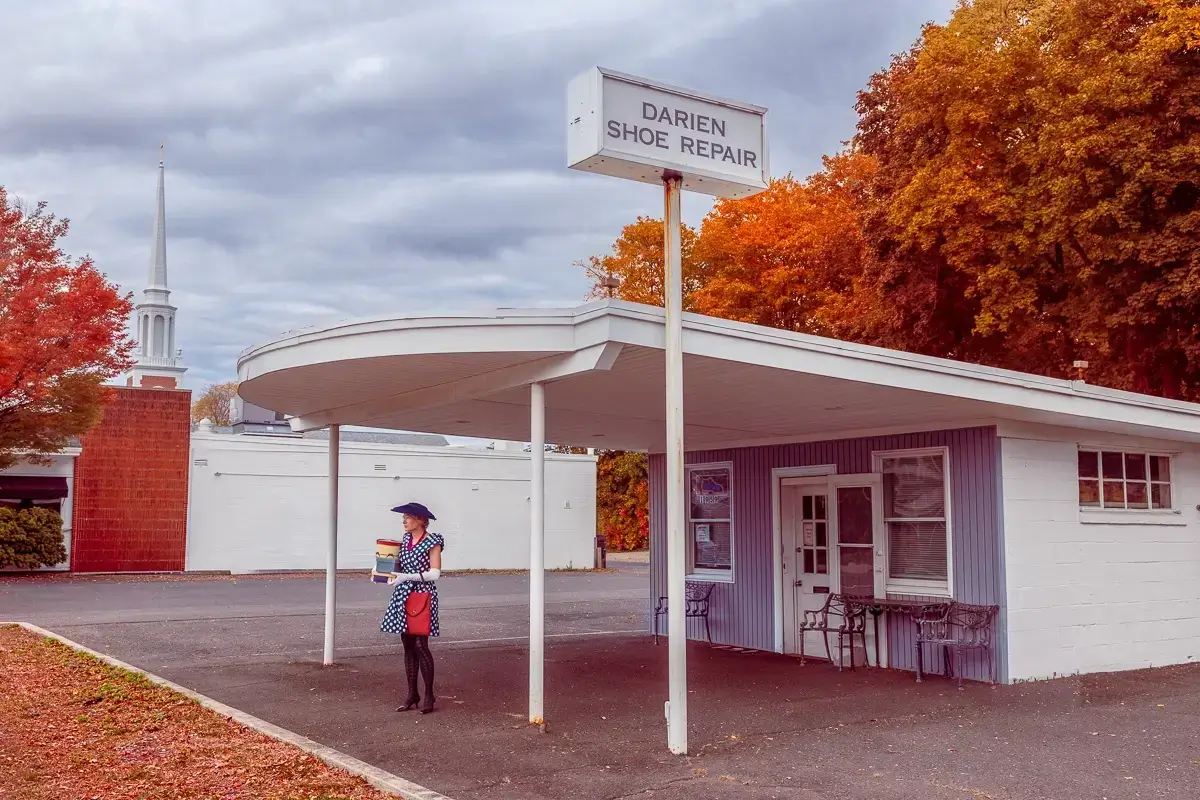
Born in London, England and raised on a 1,000-acre farm in Missouri, I’ve had a camera in my hands since I was ten. My path eventually led me to New York City, where I spent time on the other side of the lens as a model and actress. While pregnant, I didn’t look pregnant enough to book any modeling jobs, and I was just pregnant enough that I couldn’t book non-pregnant jobs, so I turned to another love—writing. My manuscript won the Ursula Nordstrom Fiction Contest and was published by HarperCollins under the name N.A. Nelson. While struggling with my second book, I enrolled in VCFA and earned an MFA in Creative Writing for Children and Young Adults. Writing is still hard.

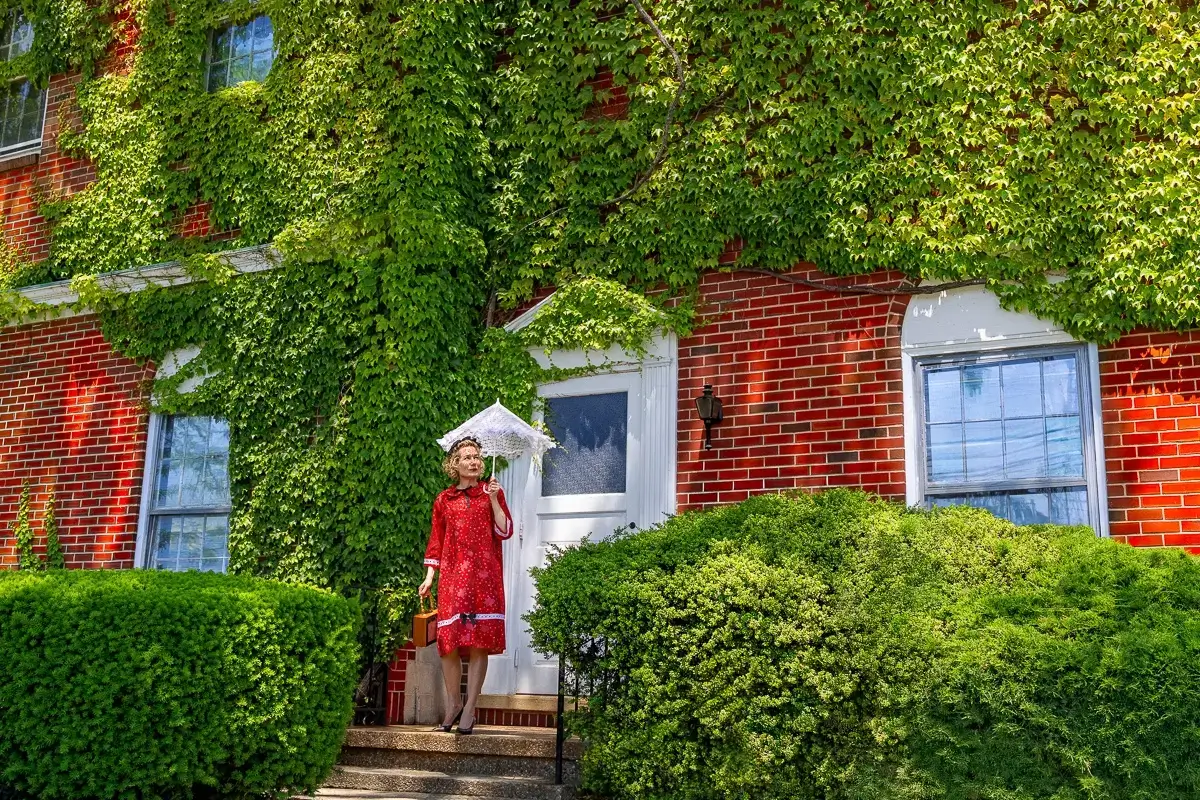
I now use my fancy Master’s degree to write imagined backstories for each item in my neglected Etsy store, The Vintage Bundt Cake.

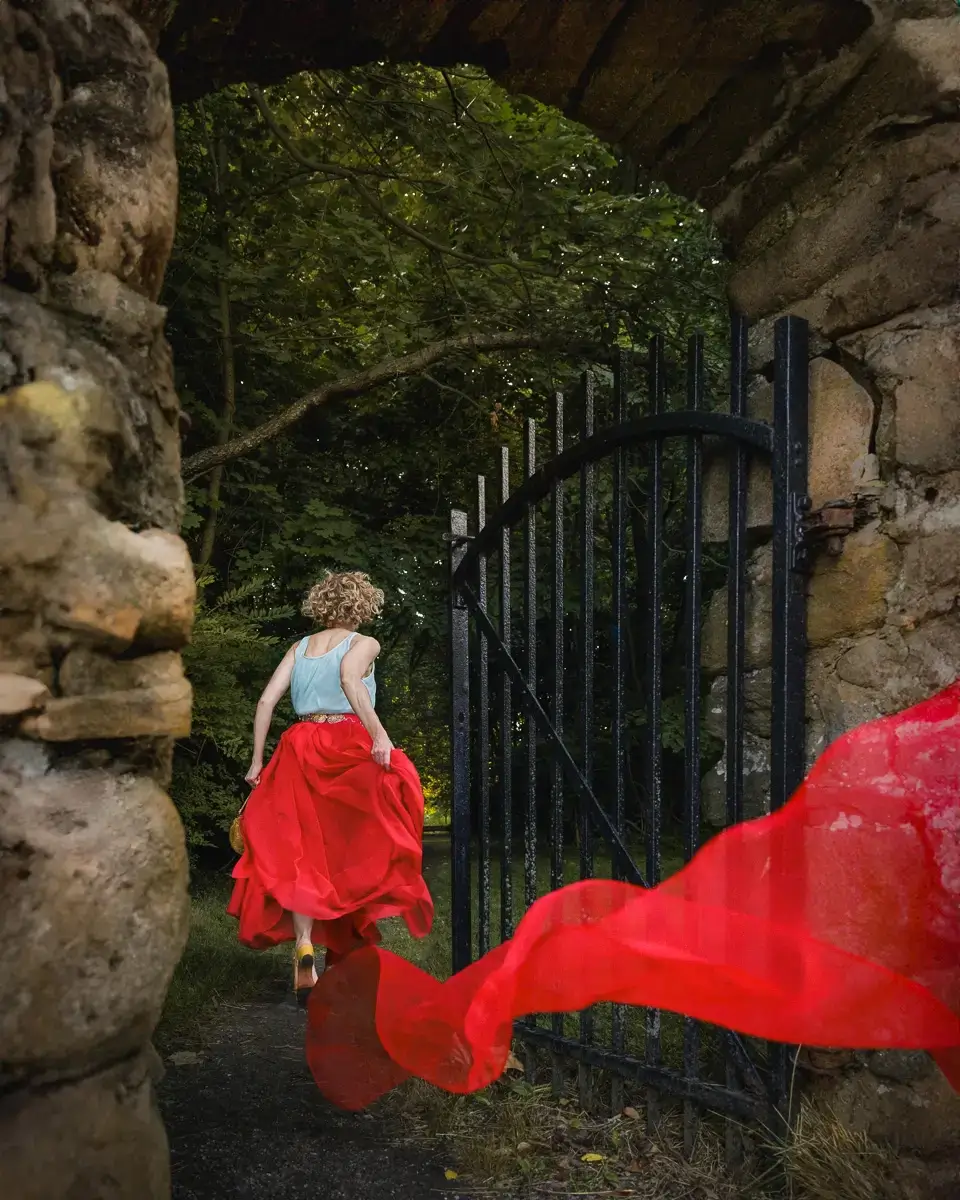
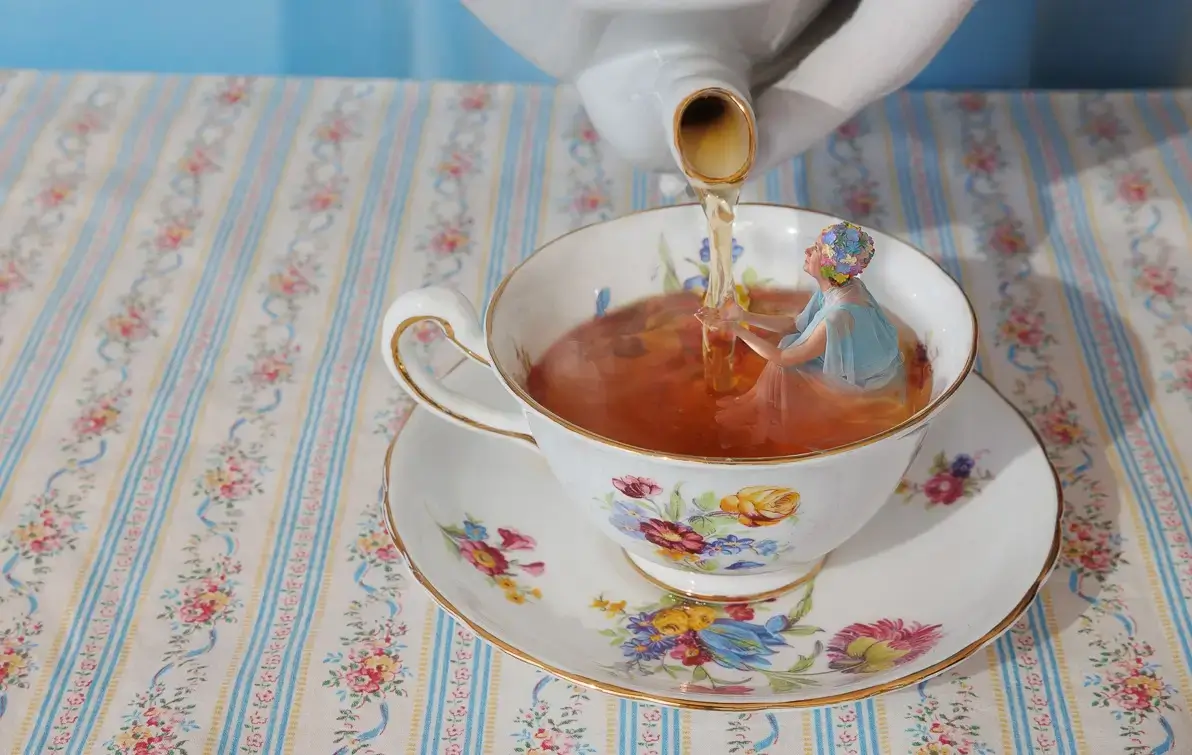
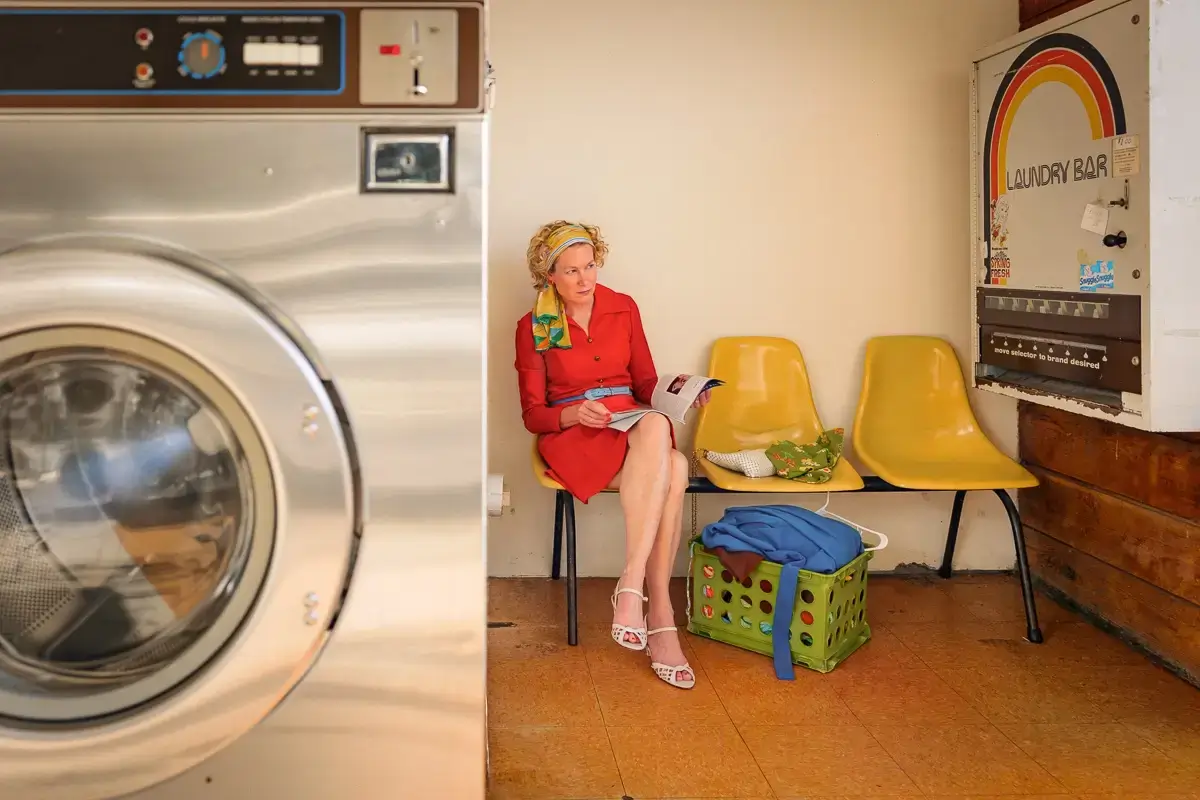
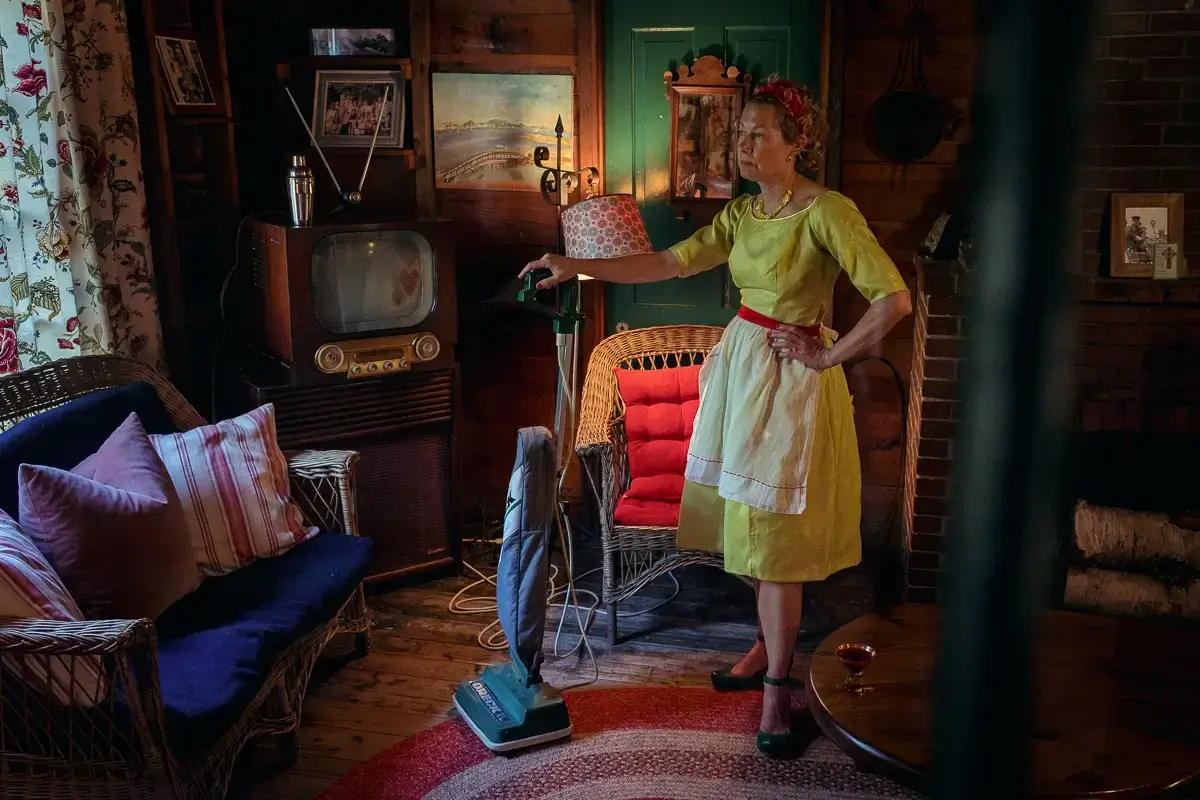
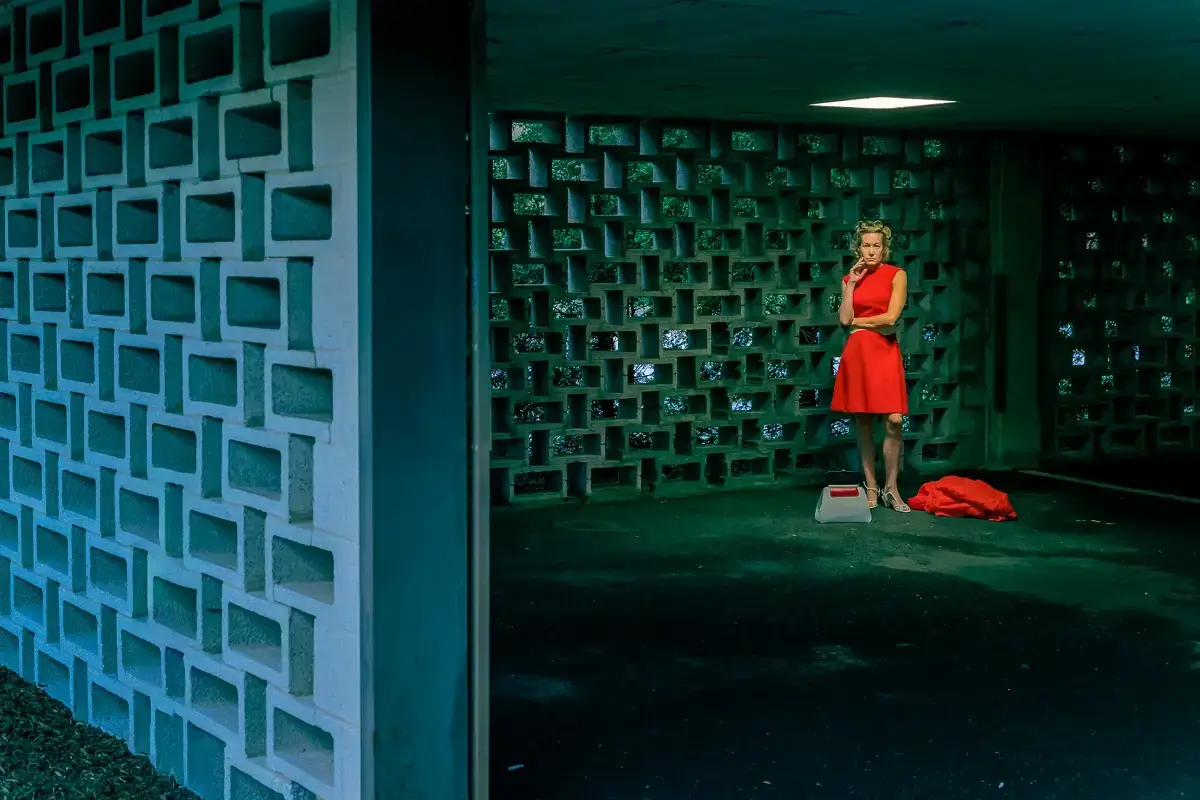
While taking a break from writing, I learned to shoot manually with my camera and after three years and four workshops on honing my visual voice, I realized I was still telling stories...only this time with my camera. Ha! Funny that.

Acting, modeling, writing, vintage thrifting, photography—it all comes back to storytelling.

Statement
I’m steered by intuition. Intuition in what workshops to sign up for, on what locations to shoot, what vintage outfits to wear, what books to read, what music to listen to, what people to steer clear of and which ones to welcome.

When I was growing up, we didn’t have a lot of money; I couldn’t compete on the same level as my peers in aspects of clothes, cars, and the things we build our identity on as a young person. I remember one day—realizing that wasn’t going to change, simply accepting that and thinking, “Well if I can’t be them, I can only be me.” The stillness that followed was filled with both the ineffable question of “Okay, but who am I?” and a true openness to the answer. Something clicked. Something aligned within me and as woo-woo as that sounds, every time I tune into that, there is a “rightness” in my work and my decisions that I can’t explain and I almost feel guilty taking credit for.

I believe that teaming up with that internal GPS is what makes our art unique, our voices distinct. I continue to learn about photography, I continue to try new things, I continue to both succeed and make mistakes.

So, the overall Statement About my Work is that the images are me as a photographer walking through this world still asking the same question my 14 year-old self asked: “Okay, but who am I?” followed by “And why am I here?”

AAP Magazine

AAP Magazine 55 Women

 

Inspiring Portfolios

Call for Entries
AAP Magazine #57 Portrait
Publish your work in our printed magazine and win $1,000 cash prizes
 
Stay up-to-date  with call for entries, deadlines and other news about exhibitions, galleries, publications, & special events.

More Great Photographers To Discover

Ralph Gibson
United States
1939
Ralph Gibson is an American art photographer best known for his photographic books. His images often incorporate fragments with erotic and mysterious undertones, building narrative meaning through contextualization and surreal juxtaposition. Ralph Gibson studied photography while in the US Navy and then at the San Francisco Art Institute. He began his professional career as an assistant to Dorothea Lange and went on to work with Robert Frank on two films. Gibson has maintained a lifelong fascination with books and book-making. Since the appearance in 1970 of The Somnambulist, his work has been steadily impelled towards the printed page. To date he has produced over 40 monographs, his most current projects being State of the Axe published by Yale University Press in Fall of 2008 and Nude by Taschen (2009). His photographs are included in over one hundred and fifty museum collections around the world, and have appeared in hundreds of exhibitions. Gibson has received fellowships from the National Endowment for the Arts (1973, 1975, 1986), a Deutscher Akademischer Austauschdienst (D.A.A.D.) Exchange, Berlin (1977), a New York State Council of the Arts (C.A.P.S.) fellowship (1977), and the John Simon Guggenheim Memorial Foundation (1985). The Rencontres d'Arles festival presented his work in 1975, 1976, 1977, 1979, 1989 and 1994. I embrace the abstract in photography and exist on a few bits of order extracted from the chaos of reality. -- Ralph Gibson His book Syntax received a mention for the Rencontres d'Arles Book Award in 1983. He was decorated as an Officier de L'Ordre des Arts et des Lettres (1986) and appointed, Commandeur de L'Ordre des Arts et des Lettres (2005) by the French government. His awards include: Leica Medal of Excellence Award (1988), "150 Years of Photography" Award, Photographic Society of Japan (1989), a Grande Medaille de la Ville d'Arles (1994) and the Lucie Award for lifetime achievement (2008). Gibson also received an honorary doctorate of Fine Arts from the University of Maryland (1991), and a second honorary doctorate from the Ohio Wesleyan University (1998). He has worked exclusively with Leica for almost 50 years. Gibson currently lives in New York and travels frequently to Europe and Brazil.Source: Wikipedia Having begun his acclaimed photographic career as an apprentice to the great documentarians Dorothea Lange and Robert Frank, Ralph Gibson is known for his highly distinctive vision in still photography. By intensifying contrast and emphasizing the grain of the film in his prints, Gibson concentrates on the minute details: the edge of a café table, the arc of a hip, the glint of a fork. Gibson’s works are both formally vigorous and eternally evocative. His photographs are in major private and public collections worldwide, including the Metropolitan Museum of Art, the Museum of Modern Art, and the Bibliothèque Nationale de France.Source: Weston Gallery I’m interested in producing truncated shapes in proportion to the frame and composition, shapes that are preferably luminous. I’m not interested in the full-figure. I want to abstract forms. -- Ralph Gibson
Rémi Chapeaublanc
Self-taught photographer, Rémi Chapeaublanc was destined for a scientific career in bioinformatics. He continued to use the Cartesian approach from this training adding a sensitive, people-centred dimension the day he decided to be a photographer. For his series Gods & Beasts (2011), he crossed Europe and Asia reaching Mongolia. Inside the yurt or outside, at nightfall, he produced portraits of Kazakh nomadic herders and their animals without ever resorting to retouching, despite working in digital. For this most recent series The Last Tsaatan, Rémi Chapeaublanc has chosen to portray a nomadic people again: the Tsaatans, sharing their everyday life, happiness and desire to transmit their skills. About Gods & Beasts A solitary voyage through Europe and Asia, led Rémi Chapeaublanc to Mongolia. The discovery of this country, where Man has not yet desecrated Nature, fed his thinking to create the photographic series Gods & Beasts. In these lands, men and animals depend on ancestral ties that are both sacred and necessary. It is an archaic and visceral relationship in which equivocal domination games are put into questioning. Which are the gods, and which are the beasts? Or rather to whom are they the Gods and for whom are they Beasts? Gods & Beasts consists of raw portraits. While there is an ambiguous hierarchy between men and animals, this series - created outside of a studio, in the original environment - overcomes this cultural order. This work of bringing into the light these relationships - in an almost ceremonial manner - places these Gods and Beasts for once on equal footing. The viewer is thus left the sole judge of the boundary between animal and divine. About The Last Tsaatan What will become of the Tsaatan people? In 2011, Rémi Chapeaublanc set off to find the Tsaatan people, nomadic reindeer herders, straddling the border of Northern Mongolia. Amounting to no more than 282 people in the world, this tribe's way of life has been disrupted by the transformation of its ancestral land into a national park. Hunting, passage and woodcutting are now prohibited there; total bans contradict their centuries-old traditions. Since his first encounter, Rémi Chapeaublanc has continued to go back there, sharing their customs and everyday life for several weeks at a time. With this new photo series, he raises concerns about the future of the Tsaatan people, dealing with the tide of modernity in Mongolia, each year distancing them a little further from their traditional way of life. If the tribe accepts and even laughs at technological progress, it flatly rejects urban life, and opinion is divided regarding tourism. Their life in the Taiga represented absolute freedom. Now it is complex and in particular threatened. Both humane and engaged, this series of photographs is nevertheless graphic with a particularly aesthetical and simple approach. This medium format work, produced traditionally with black and white film and then digitally enhanced, demonstrates the artist's desire to adapt their anachronistic way of life. Rémi Chapeaublanc, who befriended a number of them, now takes the public to task asking: what will be left of the Tsaatan people?
Kantaya New
Singapore
Kantaya New is a Thai–Singaporean photo artist based in Singapore. Her works span conceptual and street photography. Her street photography work focuses on overlooked, serendipitous moments in daily life, while her conceptual work uses staged scenes and objects to invite reflection. She is currently working on A Modern Day Affair among other work. Notable awards and recognition include SONY Alpha: MX Street Photo Contest (1st Prize, 2025), LensCulture Critics’ Choice (Winner, 2023), Fujifilm Moment Street Photo Awards (2nd Prize, 2024), Women Street Photographers Artist Residency (Shortlist, 2025) and the Sony World Photography Awards (Shortlist, 2022 — Open Competition and Alpha Female Awards). Media features include LENSCRATCH (2025). A Modern Day Affair (2023–ongoing) This series began at home: my husband was with me, but always on his phone. I felt the screen had stolen my place. That feeling began A Modern Day Affair. The work looks at how the phone reshapes our relationship. Many images are self- portraits; others focus on small details—a cracked screen protector on a cake, or notes on a door. Some are drawn from real moments; others are imagined, but the emotions are real. In a surreal and staged style, the photographs mix a myriad of emotions such as humor, sadness, and anger to show how two people drift apart even when sitting side by side. I am not blaming phones; rather, I am asking how often we choose screens over connection without noticing. The Little Prince (2021–ongoing) This series started out as a chance meeting between me, the mural artist Yip Yew Chong, and a little boy named Akkun. I trace crossings—between being and performance, between child and character, between the art of one person and the dream of another. These photographs are fleeting windows into how a child moves through imagination—how play becomes reality, and how the ordinary becomes unforgettable. It is both play and portrait, and I document how a child steps into the art of another person and makes it his own. ARTICLE: Uncovering the hidden gems in Life through the lens of Photography
Nieves Mingueza
Nieves Mingueza is a lens-based, mixed media artist working with experimental photography, collage and text. Born in Spain, based in London. The often-cinematic themes in her projects have in common her fascination with old books, film stills, vintage cameras, poetry and minimal drawings. Ultimately, Nieves' work is about the foggy relationship between fiction and reality. In addition, she is currently exploring about immigration, mental health and human conflicts. Nieves' work has been exhibited widely, including Copeland Gallery -Peckham 24-, les Rencontres Internationales de la Photographie d'Arles, Fondazione Giorgio Cini, Retina Scottish International Photography Festival, The Royal Academy of Arts, PhotoEspaña, Saatchi Gallery and Tate Britain. Publications that have featured her work include Editorial 8mm, Fisheye magazine, Der Greif magazine, Low Light Magazine, Shots magazine, Eyemazing, Sarmad Magazine, YET Magazine and L'oeil de la photographie, among others. Lens Culture also featured a selection of her works. Recently, in July 2019, her first monograph book was released by IIKKI Books Editorial. About The malady of Suzanne "A few months ago, I moved to my new flat in South London. Once settled in my new home, I realised that the building had previously been a mental health hospital. In this hospital, people with mental health issues were treated and helped to reintegrate into society. One night, I was relaxing, reading in my living room. There was a sepulchral silence, and suddenly I heard a noise coming from the ceiling. I was scared and I noticed that there was a small loft. The next day, a neighbour helped me open the loft. Unexpectedly, we found a suitcase that contained photos, letters and documents that had belonged to a woman named Suzanne. Reading her letters, I learned that she was a Vietnamese woman who had been a teacher in her home country. There, she fell in love with an Englishman, and finally they decided to move to London together. This happened in 70s. Apparently she began to experience signs of a rare disease: loss of speech and isolation behaviour. I also found out from her documents that she had changed her name in London, because her real name was very difficult to pronounce for English people. She called herself Suzanne in honour of Leonard Cohen's song. By combining found archives with my documentary photography work, I am exploring the story of a Vietnamese female with mental issues in 70's London. This is an on-going project about the complex relationship between memory, immigration, mental health and human conflicts. Additionally, is there any reciprocation between Suzanne and myself? We have both lived in the same space. I am an immigrant in London, I work in a school, and I have modified my name because it was difficult for my students to pronounce. I also love silence. " -- Nieves Mingueza
F. Bessma Rhea
United States
2002
F. Bessma Rhea is her father’s second-born daughter (first-born son), her mother’s last line of defense at the dinner table, and her sister’s favorite fun house mirror. She is the first person to speak in a crowded elevator and the last person to get a word in edgewise. Bessma has always been a big talker, but her preferred method of communication is using the visual language of photography. F. Bessma Rhea graduated from Montana State University in 2025, achieving a Bachelor of Fine Arts in Integrated Lens Based Media from the School of Film and Photography. Although Bessma spent the last four and a half years in Bozeman, Montana, Bessma was born, raised, and is now currently residing in San Diego, California. Her photographic journey has encompassed an exploration of various mediums, ranging from silver gelatin prints and digital flash photography, to alternative process and chromogenic printing in the color darkroom. From this exploration she learned to cultivate her aesthetic, her relationship to photography, and to refine and utilize her voice. In her own reflection, she sees herself as a detective and a scientist, but to the outside world, she is an artist and a photographer. With her camera she will continue to investigate and theorize about the world she’s a part of, and where she fits in. But in the moments she’s not photographing, she enjoys filthy explicit music – and classic literature. Gutter Dutchess: I organize my environment in the frame and listen to when the world tells me I am a woman. I consider questions like, “How do I photograph a homewrecker?” and “What is inherently aggressive about a haircut?”. I desperately follow curiosity like the north star. GUTTER DUCHESS is a punk portrait series represented by twenty color film images of friends, best friends, my sister, my mother, myself, and moments in between. From doctor’s appointments to dumpster diving, I comprehend a women’s world through a lens that is candid, impulsive, crude, jovial, contrite, and desperate to reject assimilation to any one characteristic. As I photograph, I find myself constantly fighting with my images because I am a pessimistic, hotheaded, angry little person. However, in these photographs, I am continuously confronted with an abundance of love from the women in my life, who are proof of the untamable female spirit. This work is messy, unglamorous, and a raw exploration of womanhood. Favoring emotional truth over aesthetic polish, my series sprinkles clues of the fallacy of attempting feminine definition. Artist Philosophy Photography is a method of comprehension, I want to understand what is here. I have always been intrigued by the surreal but perhaps that comes from a bigger desire to turn the psyche outward, to make the invisible visible. I am driven by the ability to push the boundaries of sensation through the uncanny, visceral, and provocative. Visual arts is my language to answer life’s biggest questions. Every series is a conversation and if photography is to speak then a camera is the tongue. I have completely fallen in love with the medium, and without the tongue there is no voice.
Slim Aarons
United States
1916 | † 2006
Slim Aarons was an American photographer noted for his images of socialites, jet-setters, and celebrities. At 18 years old, Aarons enlisted in the United States Army, worked as a photographer at the United States Military Academy, and later served as a combat photographer in World War II and earned a Purple Heart. Aarons said combat had taught him the only beach worth landing on was "decorated with beautiful, seminude girls tanning in a tranquil sun." After the war, Aarons moved to California and began photographing celebrities. In California, he shot his most praised photo, Kings of Hollywood, a 1957 New's Year's Eve photograph depicting Clark Gable, Van Heflin, Gary Cooper, and James Stewart relaxing at a bar in full formal wear. Aaron's work appeared in Life, Town & Country, and Holiday magazines. Aarons never used a stylist, or a makeup artist. He made his career out of what he called "photographing attractive people doing attractive things in attractive places." An oft-cited example of this approach is his 1970 Poolside Gossip shot at the Kaufmann Desert House designed by Richard Neutra, with owner Nelda Linsk as one of the models in the photo. "I knew everyone," he said in an interview with The (London) Independent in 2002. "They would invite me to one of their parties because they knew I wouldn't hurt them. I was one of them." Alfred Hitchcock's film, Rear Window (1954), whose main character is a photographer played by Jimmy Stewart, is set in an apartment reputed to be based on Aarons' apartment. When you photograph a lot of women, you get to know things. -- Slim Aarons In 1997, Mark Getty, the co-founder of Getty Images, visited Aarons in his home and bought Aarons' entire archive. In 2017, filmmaker Fritz Mitchell released a documentary about Aarons, called Slim Aarons: The High Life. In the documentary, it is revealed that Aarons was Jewish and grew up in conditions that were in complete contrast to what he told friends and family of his childhood. Aarons claimed that he was raised in New Hampshire, was an orphan, and had no living relations. After his death in 2006, his widow and daughter learned the truth that Aarons had grown up in a poor immigrant Yiddish-speaking family on the Lower East Side of Manhattan. As a boy his mother was diagnosed with mental health issues and admitted to a psychiatric hospital, which caused him to be passed around among relatives. He resented and had no relationship with his father and had a brother, Harry, who would later commit suicide. Several documentary interviewees postulate that if Aarons's true origins had been known, his career would have been unlikely to succeed within the restricted world of celebrity and WASP privilege his photography glamorized.Source: Wikipedia Slim Aarons was a celebrated American photographer who chronicled the leisurely lifestyle of the rich and famous in his captivating shots of beguiling figures in luxurious environments. The glamorous world of his photographs, in which effortlessly beautiful and wealthy people lounge poolside, became an iconic series that allowed Aarons access to shoot some of the most candid portraiture of the 20th century. We love how Aarons worked without any need for stylists or elaborate lighting, instead preferring to photograph celebrities just as they were, creating alluring scenes that are a window into a different lifestyle. In presenting glimpses of the rich and famous engrossed in leisurely pursuits, the artist exposes elements of a life that would otherwise not be on view, allowing his audience to live the high life - vicariously. Born and raised in New York, Aarons began taking pictures at the age of eighteen, after enlisting in the US Army, where he served as an official combat photographer during WWII. In a career that spanned six decades, Aarons’ camera lens moved from soldiers to stars and celebrities, and the self-proclaimed realisation that the only beaches worth photographing were "decorated with beautiful, seminude girls tanning in a tranquil sun." Over the course of his 50 year career, Aarons was a regular contributor to magazines such as Life, Town & Country, Vogue and Holiday and received an exclusive look into the lives of figures such as the Kennedys, Marilyn Monroe and Grace Kelly. In 1997, Mark Getty of Getty Images bought Aarons’ entire archive of photographs, and published a book of his work Poolside with Slim Aarons a decade later. Aarons’ intimately candid scenes have given him an era-defining legacy as one of the most influential photographers of his generation. Source: Art Republic
Irving Penn
United States
1917 | † 2009
Irving Penn was born on June 16, 1917 in Plainfield, New Jersey, to Harry Penn and Sonia Greenberg. In 1922, Irving Penn's younger brother, Arthur Penn, was born, who would go on to become a film director and producer. Irving Penn attended the Philadelphia Museum School of Industrial Art (now the University of the Arts) from 1934 to 1938, where he studied drawing, painting, graphics, and industrial arts under Alexey Brodovitch. While still a student, Penn worked under Brodovitch at Harper's Bazaar, where several of Penn's drawings were published. Irving Penn worked for two years as a freelance designer and making his first amateur photographs before taking Brodovitch's position as the art director at Saks Fifth Avenue in 1940. Penn remained at Saks Fifth Avenue for a year before leaving to spend a year painting and taking photographs in Mexico and across the US. When Irving Penn returned to New York, Alexander Liberman offered him a position as an associate in the Vogue magazine Art Department, where Penn worked on layout before Liberman asked him to try his hand at photography for the magazine. Irving Penn photographed his first cover for Vogue magazine in 1943 and continued to work at the magazine throughout his career, shooting covers, portraits, still lifes, fashion, and photographic essays. In the 1950s, Penn founded his own studio in New York and began making advertising photographs. Over the years, Penn's list of clients grew to include General Foods, De Beers, Issey Miyake, and Clinique. Irving Penn met fashion model Lisa Fonssagrives at a photo shoot in 1947. In 1950, the two married at Chelsea Register Office, and two years later Lisa gave birth to their son, Tom Penn, who would go on to become a metal designer. Lisa Fonssagrives died in 1992. Irving Penn died aged 92 on October 7, 2009 at his home in Manhattan. Source: Wikipedia
Judi Iranyi
Hungary/United States
1943
Judi Iranyi was born in Hungary (1943). After World War II, she and her family lived in a displaced persons camp in Germany for a few years before emigrating to Venezuela, where she lived until she finished high school. She has also lived in Trinidad, Barbados, Germany, and Okinawa before moving to San Francisco in 1971. Ms. Iranyi became interested in photography in the sixties. She earned a BA degree in Art/Photography from San Francisco State University. Later she received an MA degree in Visual Design from U.C. Berkeley; completed a master!s level museum studies program at John F. Kennedy University; and an MSW Degree in Social Work at San Francisco State University. Ms. Iranyi has worked as a freelance photographer taking environmental portraits. She was also a staff photographer at the Judah L. Magnes Museum in Berkeley and worked at the San Francisco Fine Arts Museums. She also worked as a California Licensed Clinical Social Worker until her retirement. After retirement, Ms Iranyi dedicated her time to photography. Her work includes portraits, travel photography, documentary, and street photography. Recently she has shifted her emphasis to botanicals and still life photography. Three of her life passions are traveling, literature, and photography, which have broadened her view of the world. Flowers for Klara On the 40th anniversary of my mother’s death, I decided to create a series of floral bouquets to honor her memory. She had a difficult life, living during WWII, living in displaced peoples’ camps and two emigrations one to Venezuela and then to Germany where she died in her mid fifties after a long illness. Exclusive Interview with Judi Iranyi and Remembering Michael
Advertisement
AAP Magazine #57 Portrait
Win a Solo Exhibition in May
AAP Magazine #57 Portrait

Latest Interviews

Exclusive Interview with Carolyn Moore
American photographer Carolyn Moore explores the inner landscape of emotion, memory, and personal transformation through a deeply intuitive photographic practice. Her work unfolds as a quiet dialogue between artist and viewer, where images become a space for reflection, vulnerability, and connection.
Exclusive Interview with Luca Desienna and Laura Estelle Barmwoldt
For over seven years, Of Lilies and Remains has explored the depths of the goth and darkwave underground, unfolding in Leipzig—a city long associated with a vibrant and enduring subcultural scene. Moving between iconic gatherings such as Wave-Gotik-Treffen and more intimate moments on the fringes, the project offers a rare and immersive glimpse into a world often misunderstood, yet rich in expression and community. Created by Luca in collaboration with Laura Estelle Barmwoldt, the work embraces a cinematic and deeply personal approach. Rather than documenting from a distance, it moves within the scene itself, capturing its atmosphere, its codes, and its quiet contradictions. The title Of Lilies and Remains hints at this duality—where beauty and darkness, fragility and strength coexist. As the book prepares for its release, we spoke with both artists about the origins of the project, their process, and what it means to document a subculture that continues to evolve while remaining true to its spirit.
Exclusive Interview with Matthew Finley
American photographer Matthew Finley turns inward, using photography as a way to explore identity, memory, and emotional truth. Based in Los Angeles, his practice moves between performance, gesture, and found imagery, creating a visual language that is both intimate and deeply personal
Exclusive Interview with Jan Janssen
Dutch photographer Jan Janssen explores universal human experiences through his long-term project It Matters, winner of the May 2025 Solo Exhibition. Begun in 2016, the series captures intimate moments of everyday life—love, loss, connection, and belonging—across Central and Eastern Europe. Working in countries such as Turkey, Azerbaijan, and Armenia, Janssen spends extended time within communities, building relationships based on trust and respect. His approach allows him to move beyond observation, revealing deeply human and authentic moments. Rooted in travel and personal discovery, It Matters reflects Janssen’s search for what connects us all in an increasingly divided world. The project is ongoing and will culminate in a photobook scheduled for publication in 2026.
Exclusive Interview with Henk Kosche
German photographer Henk Kosche turns his lens toward the streets of Halle an der Saale, capturing everyday life in the late years of the former German Democratic Republic. At the time, Kosche was studying design and exploring the city with his camera, drawn to the atmosphere of its industrial landscape and the quiet rhythms of daily life. His series Street Photography at the End of the 80s, selected as the Solo Exhibition for July 2025, revisits a body of work created just before a period of profound change. Rediscovered decades later in a small box of 35mm negatives, these photographs offer glimpses of a city and its people at a moment suspended between the familiar and the unknown.
Exclusive Interview with Anastasia Samoylova
Anastasia Samoylova is an American artist whose photographic practice is shaped by close observation and a deep attentiveness to place. Working between documentary and formal exploration, she photographs landscapes, architecture, and everyday scenes with a sensitivity to light, structure, and atmosphere. Since relocating to Miami in 2016, her work has increasingly focused on how environments—both natural and built—carry social, cultural, and emotional traces. We asked her a few questions about her practice and her way of seeing, to better understand the thoughts and experiences that shape her work—while allowing the images themselves to remain open and speak in their own time.
Exclusive Interview with Marijn Fidder
Marijn Fidder is a Dutch documentary photographer whose work powerfully engages with current affairs and contemporary social issues. Driven by a deep sense of social justice, she uses photography to speak on behalf of the voiceless and to advocate for the rights of those who are most vulnerable. Her images have been widely published in major international outlets including National Geographic, CNN Style, NRC Handelsblad, Volkskrant, GUP New Talent, and ZEIT Magazin. Her long-term commitment to disability rights—particularly through years of work in Uganda—culminated in her acclaimed project Inclusive Nation, which earned her the title of Photographer of the Year 2025 at the All About Photo Awards. She is also the recipient of multiple prestigious honors, including awards from World Press Photo and the Global Peace Photo Award. We asked her a few questions about her life and work.
Exclusive Interview with Josh S. Rose
Josh S. Rose is a multidisciplinary artist working across photography, film, and writing. His practice bridges visual and performing arts, with a strong focus on movement, emotion, and the expressive potential of the image. Known for his long-standing collaborations with leading dance companies and performers, Rose brings together authenticity and precise composition—a balance he describes as “technical romanticism.” His work has been commissioned and exhibited internationally, appearing in outlets such as Vogue, at the Super Bowl, in film festivals, and most recently as a large-scale installation for Lincoln Center for the Performing Arts. A sought-after collaborator, he has worked with major artists, cultural institutions, and brands, following a previous career as Chief Creative Officer at Interpublic Group and the founder of Humans Are Social. We asked him a few questions about his life and work.
Interview with Maureen Ruddy Burkhart
Photographer Maureen Ruddy Burkhart brings a quietly attentive and deeply human sensibility to her exploration of the world through images. Shaped by a life immersed in photography, film, and visual storytelling, her work is guided by intuition, observation, and an enduring interest in the emotional undercurrents of everyday life. With a practice rooted in both fine art traditions and documentary awareness, she approaches her subjects with sensitivity, allowing subtle moments to emerge naturally rather than be imposed. Her series Til Death, selected as the Solo Exhibition for February 2025, reflects this long-standing commitment to photography as a space for reflection rather than spectacle. Drawn to moments that exist just outside the expected frame, Burkhart’s images suggest narratives without resolving them, leaving room for ambiguity, humor, and quiet connection. We asked her a few questions about her life and work.
Call for Entries
Win A Solo Exhibition in May
Get International Exposure and Connect with Industry Insiders