All about photo.com: photo contests, photography exhibitions, galleries, photographers, books, schools and venues.
FINAL DAYS TO WIN A SOLO EXHIBITION IN MAY 2026
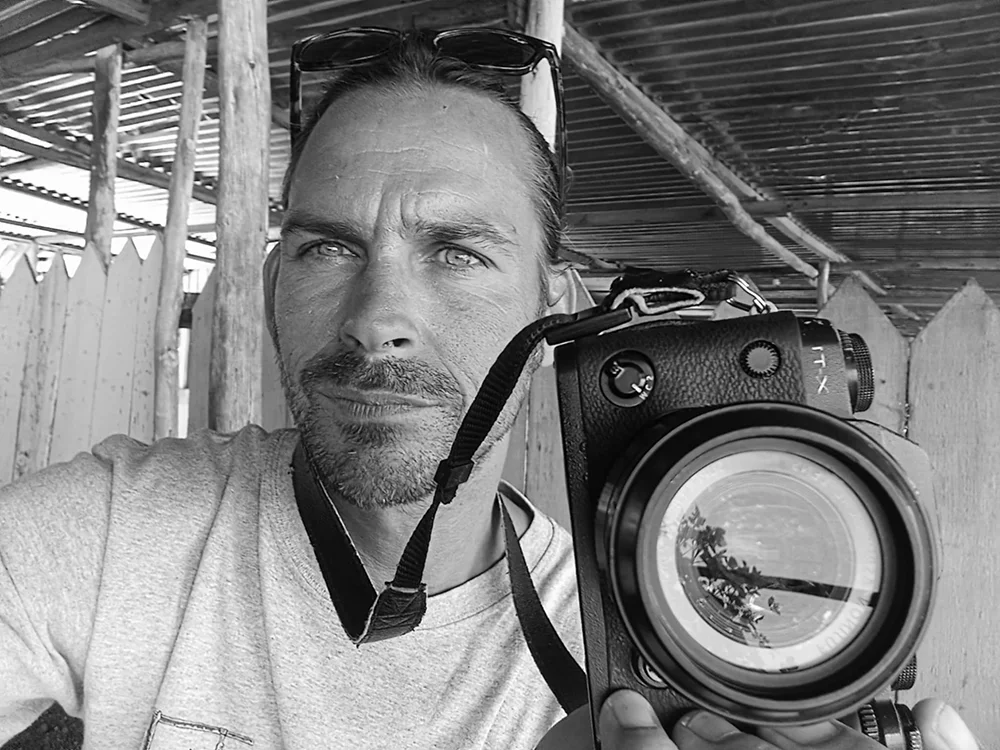
Rémy Pinaton
Rémy Pinaton
Rémy Pinaton

Rémy Pinaton

Country: France
Birth: 1980

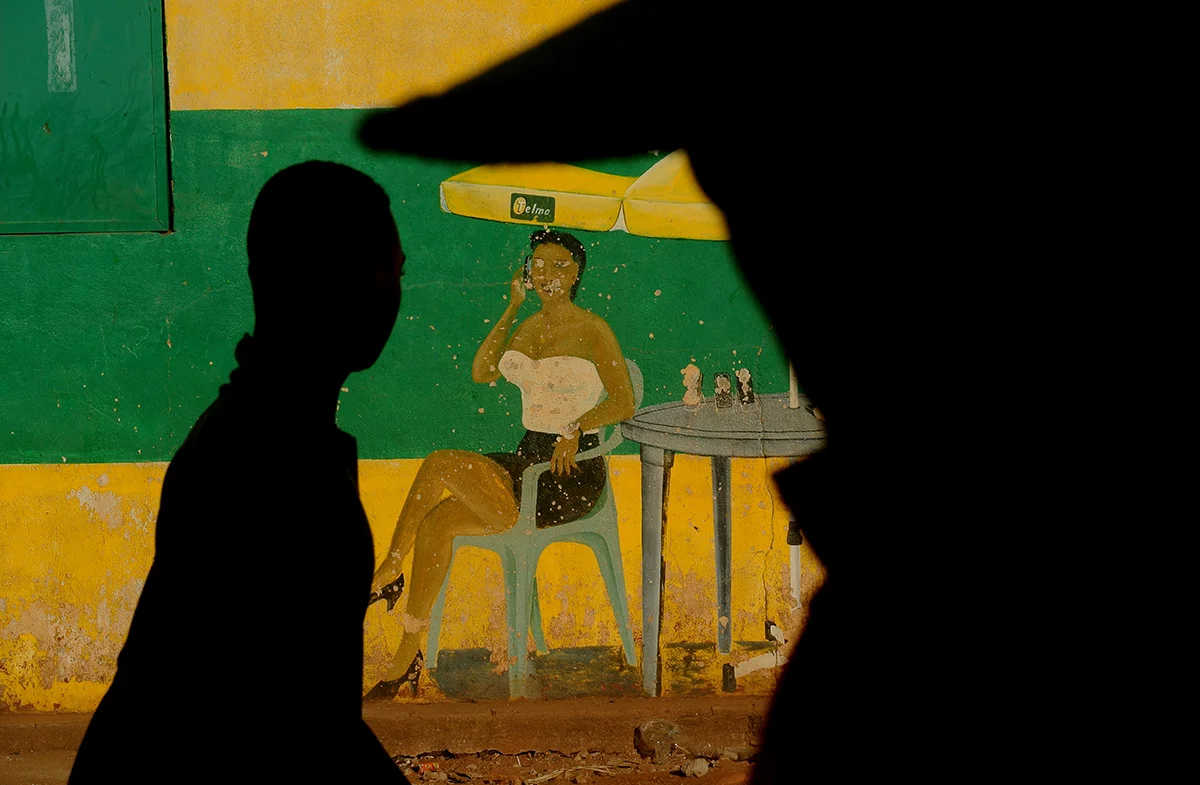
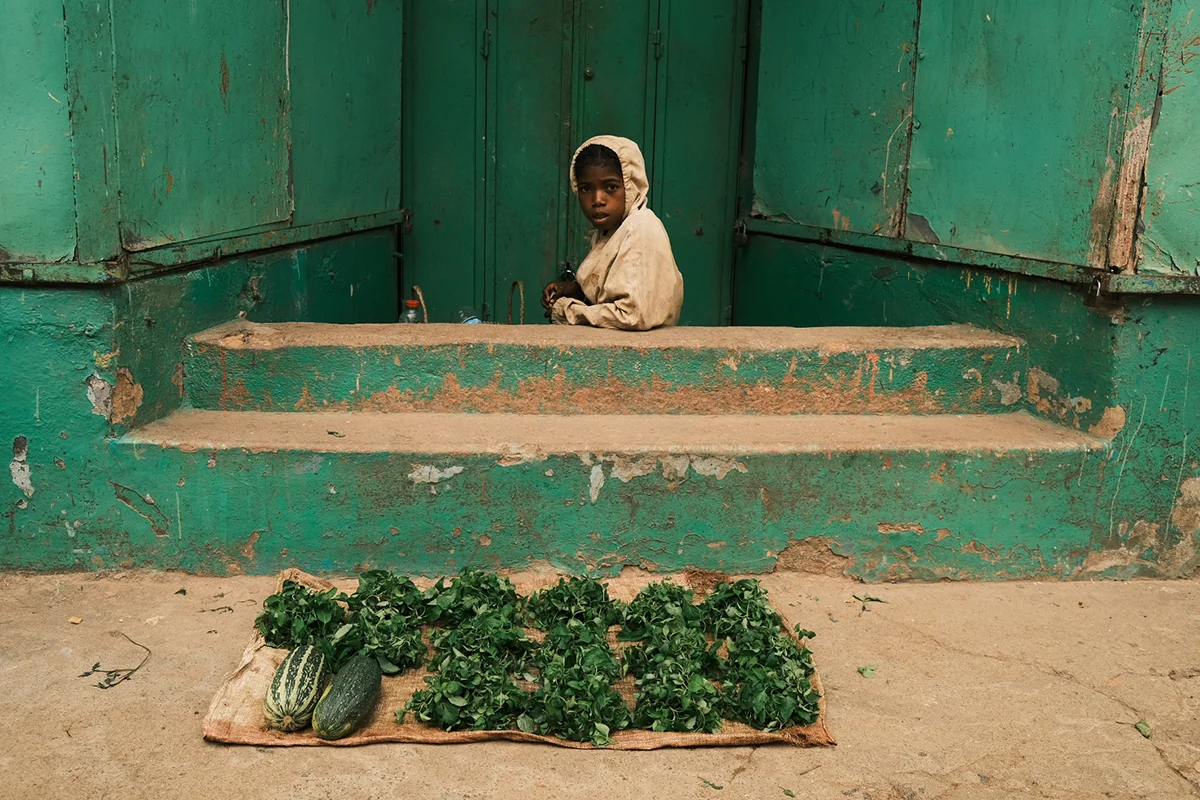
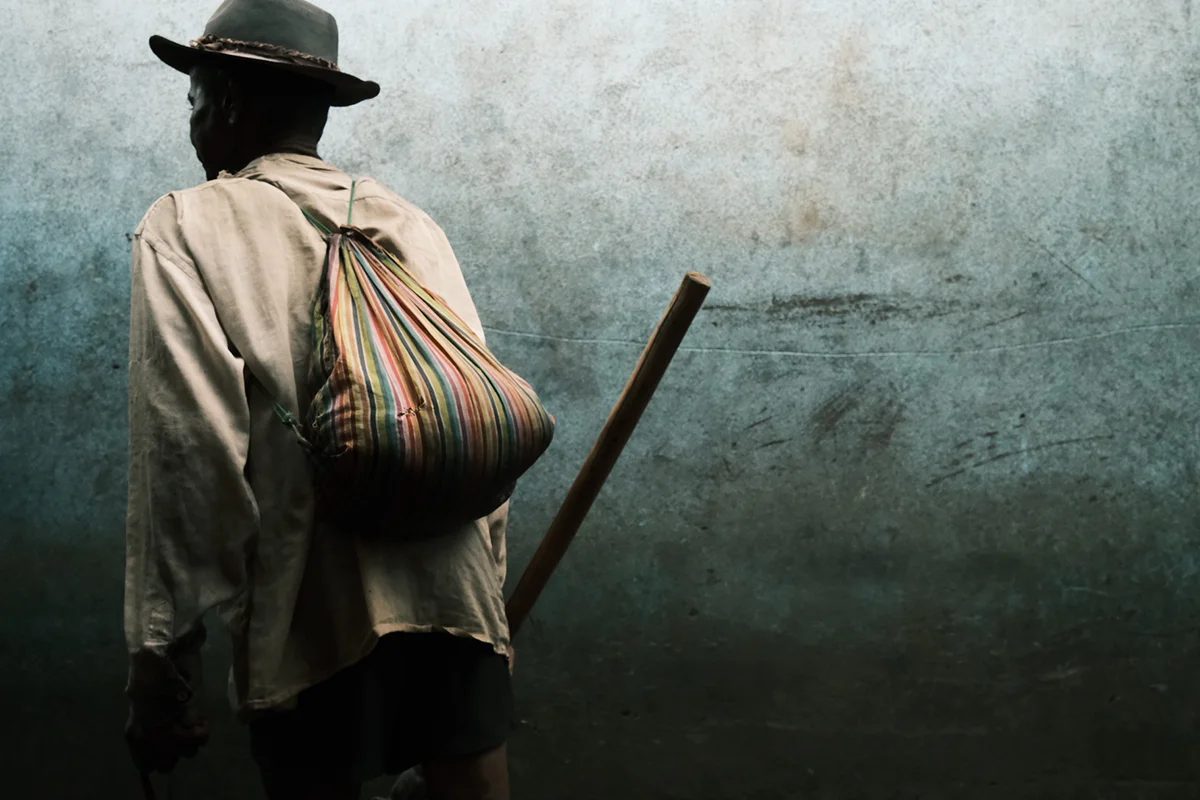
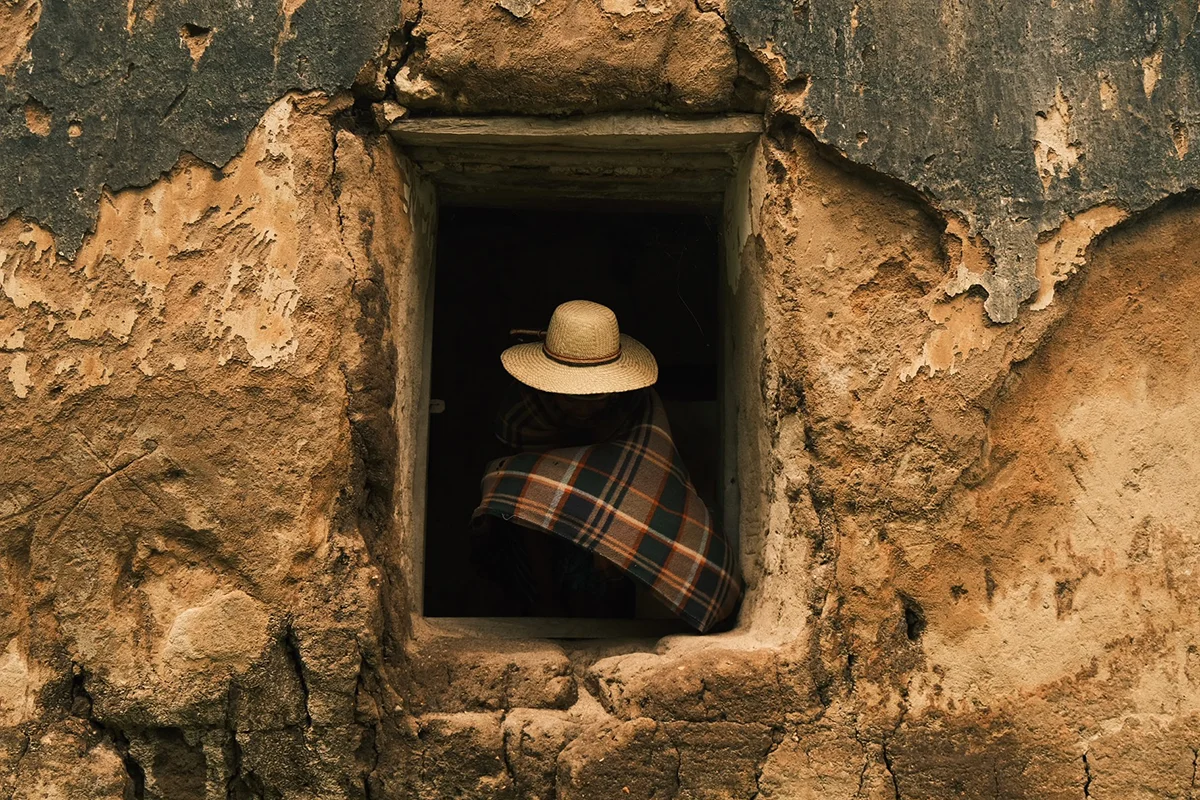
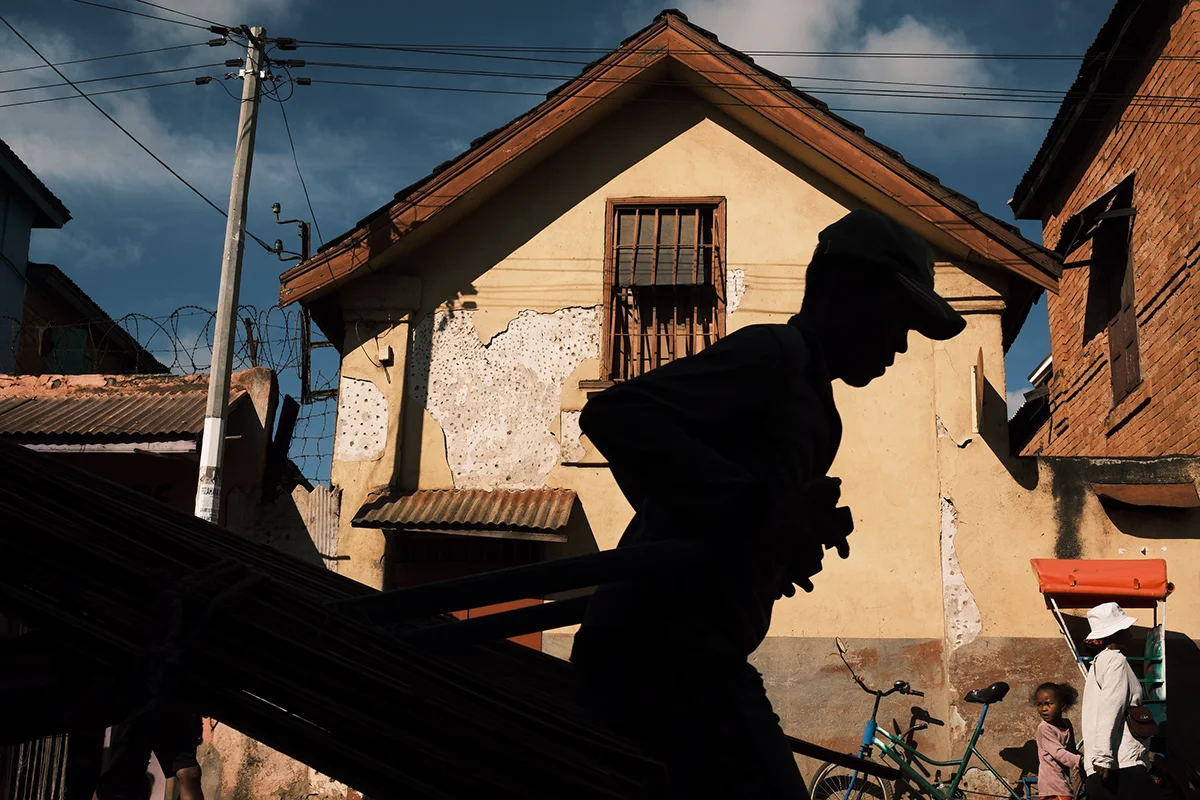
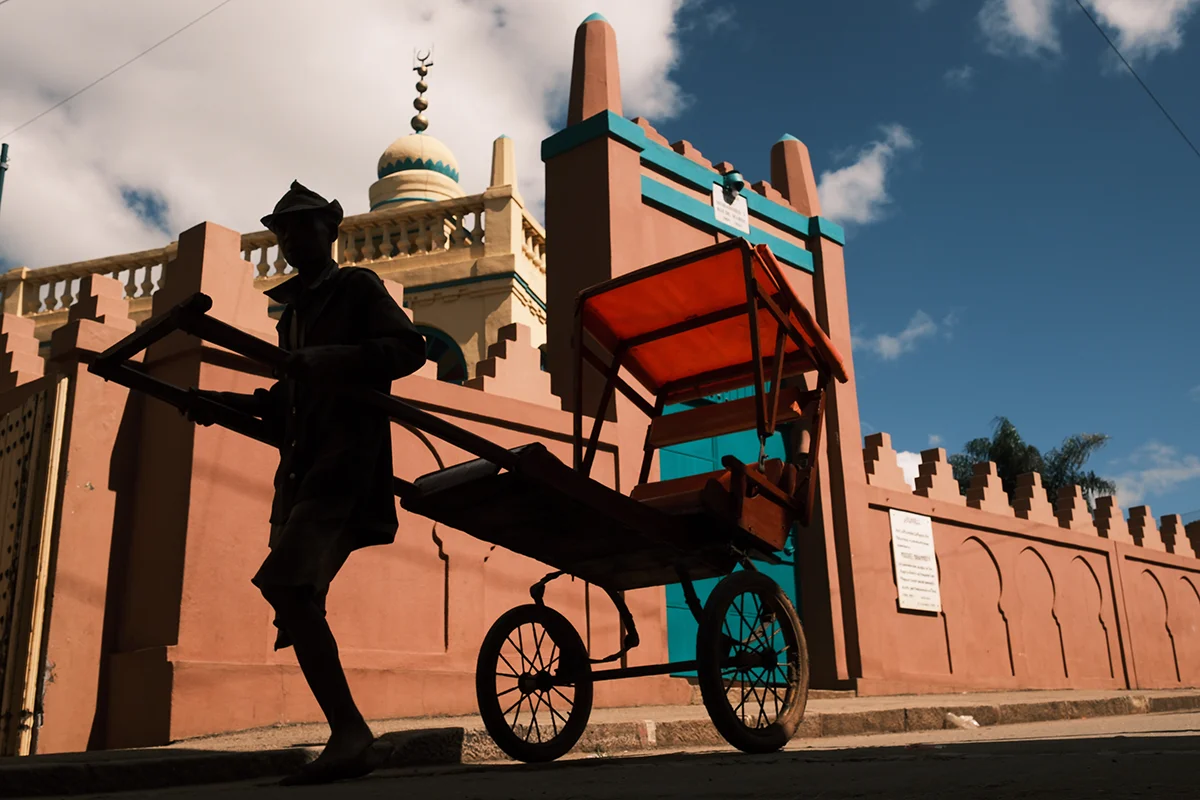
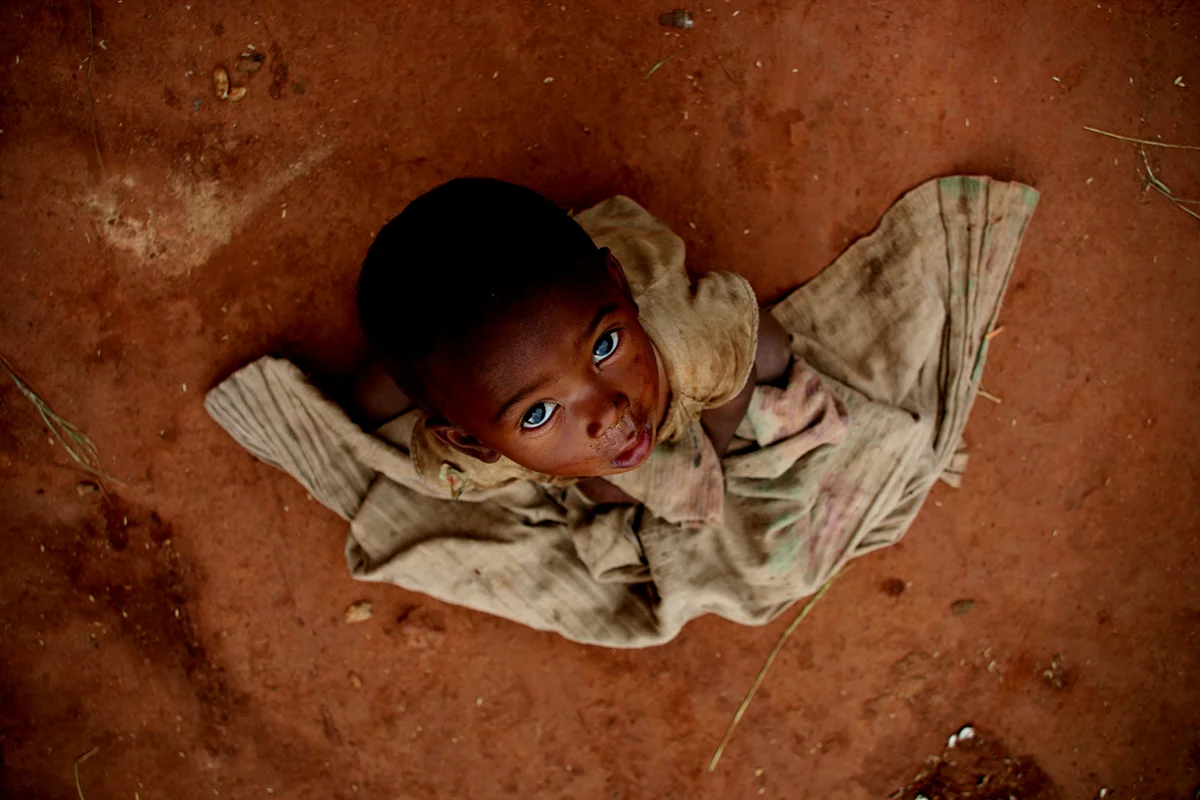
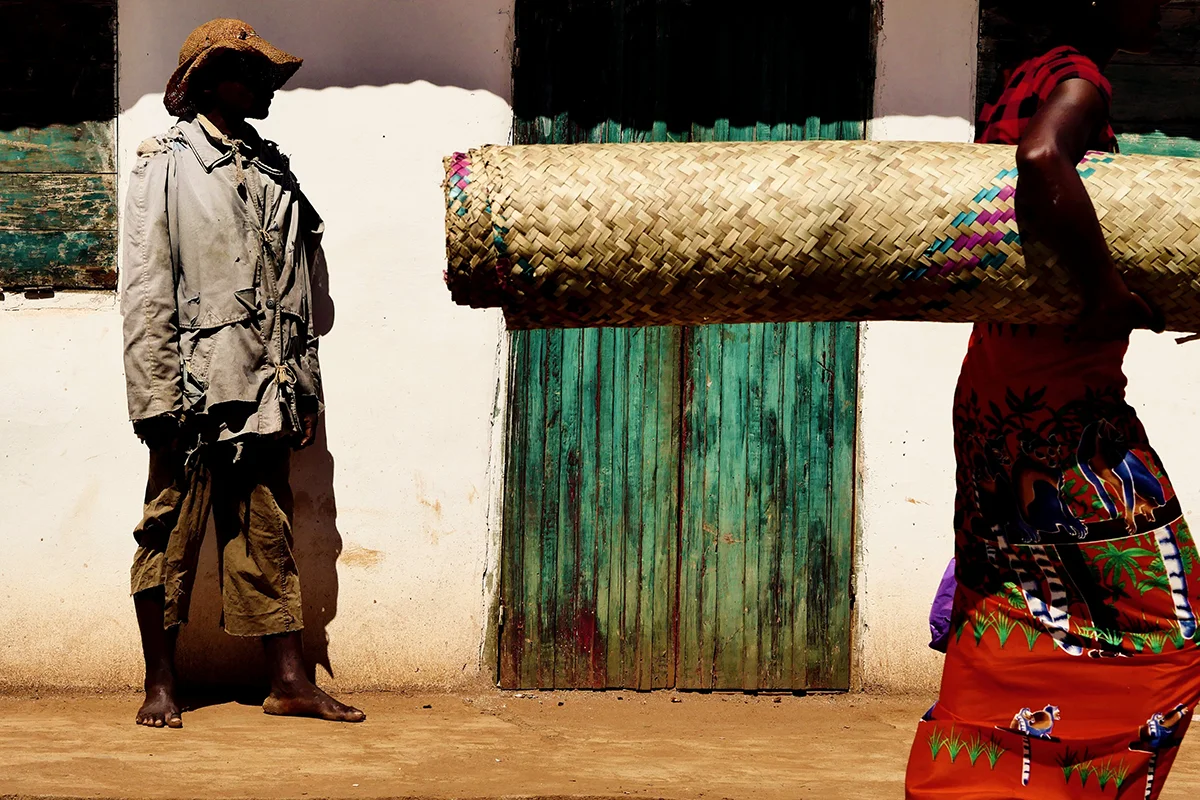
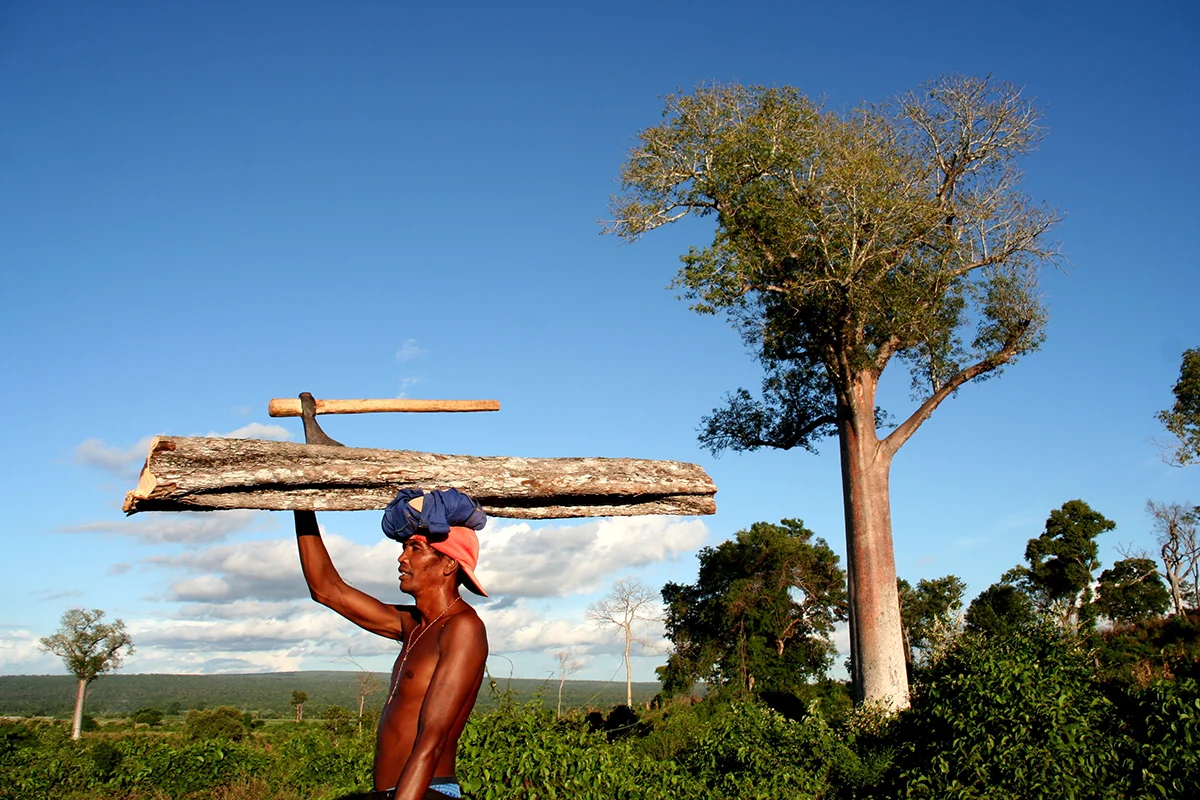
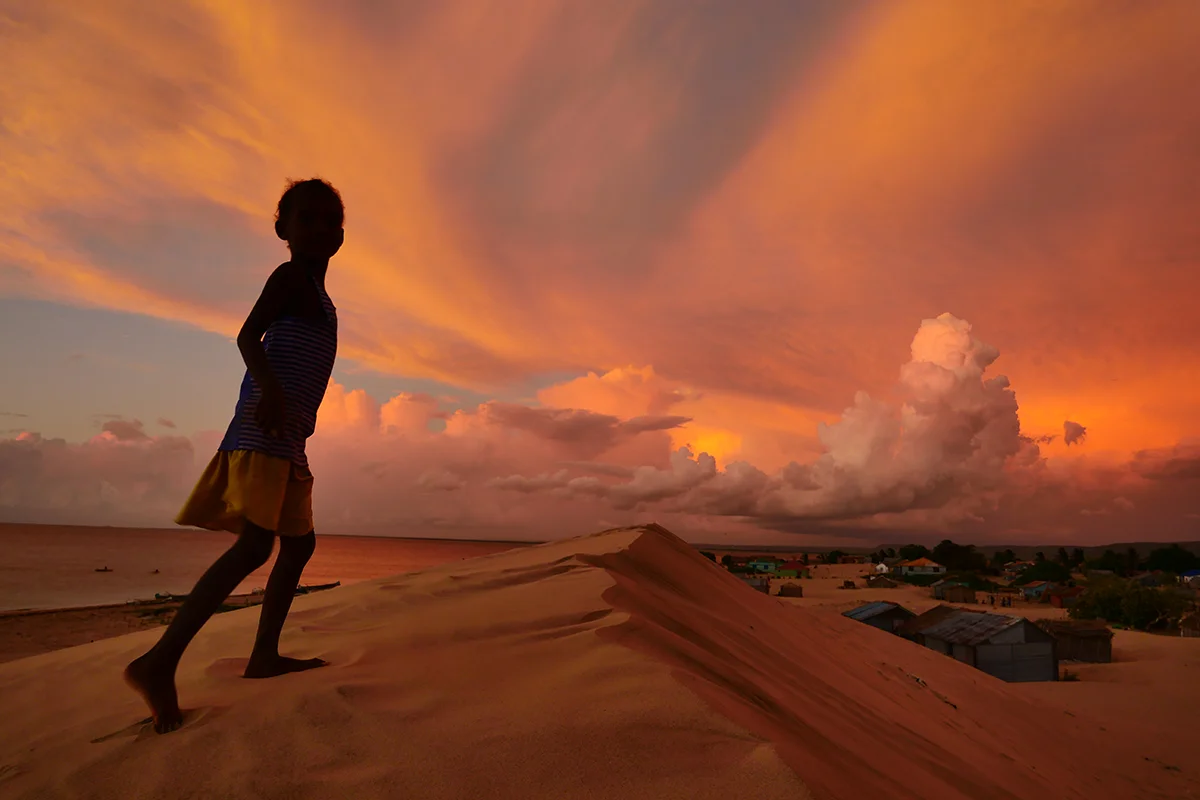
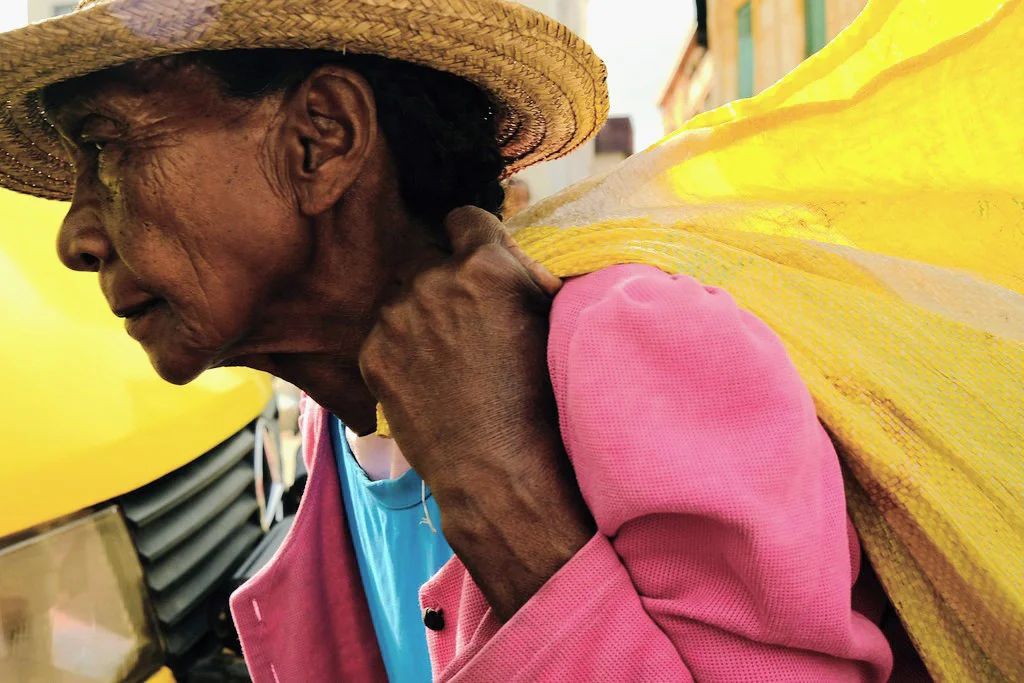
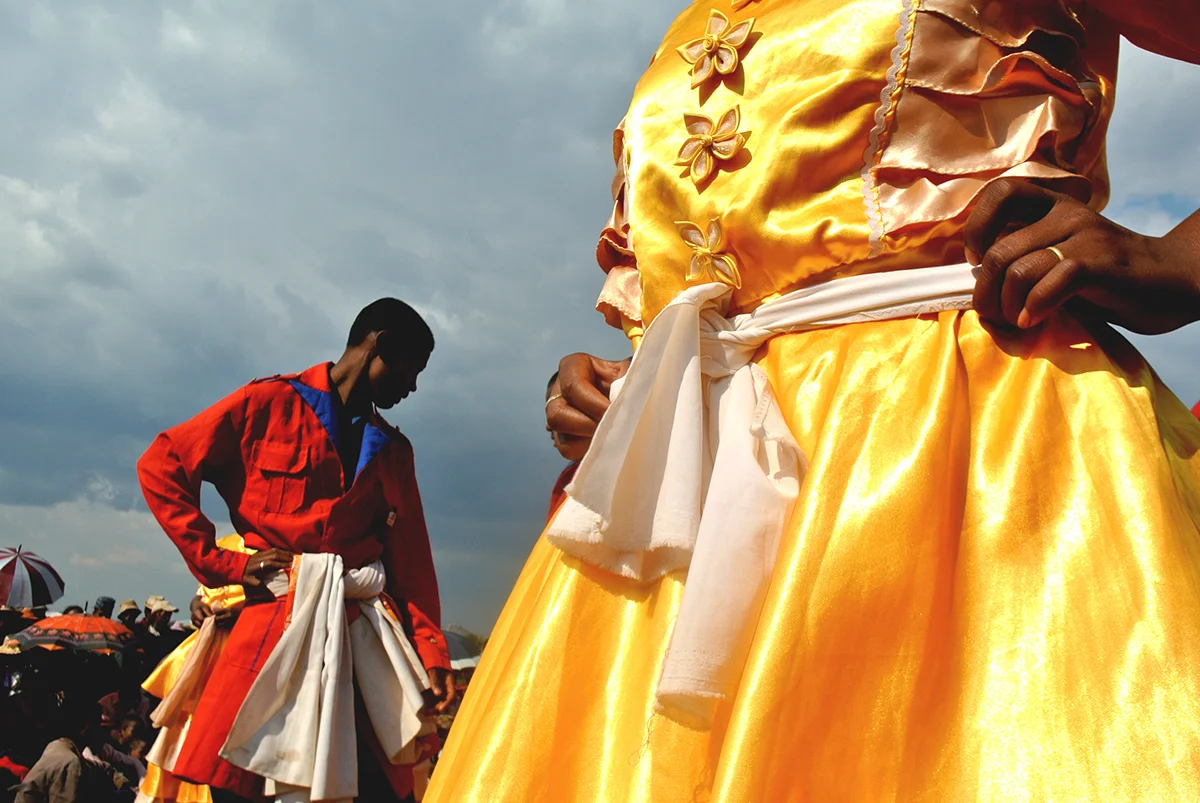
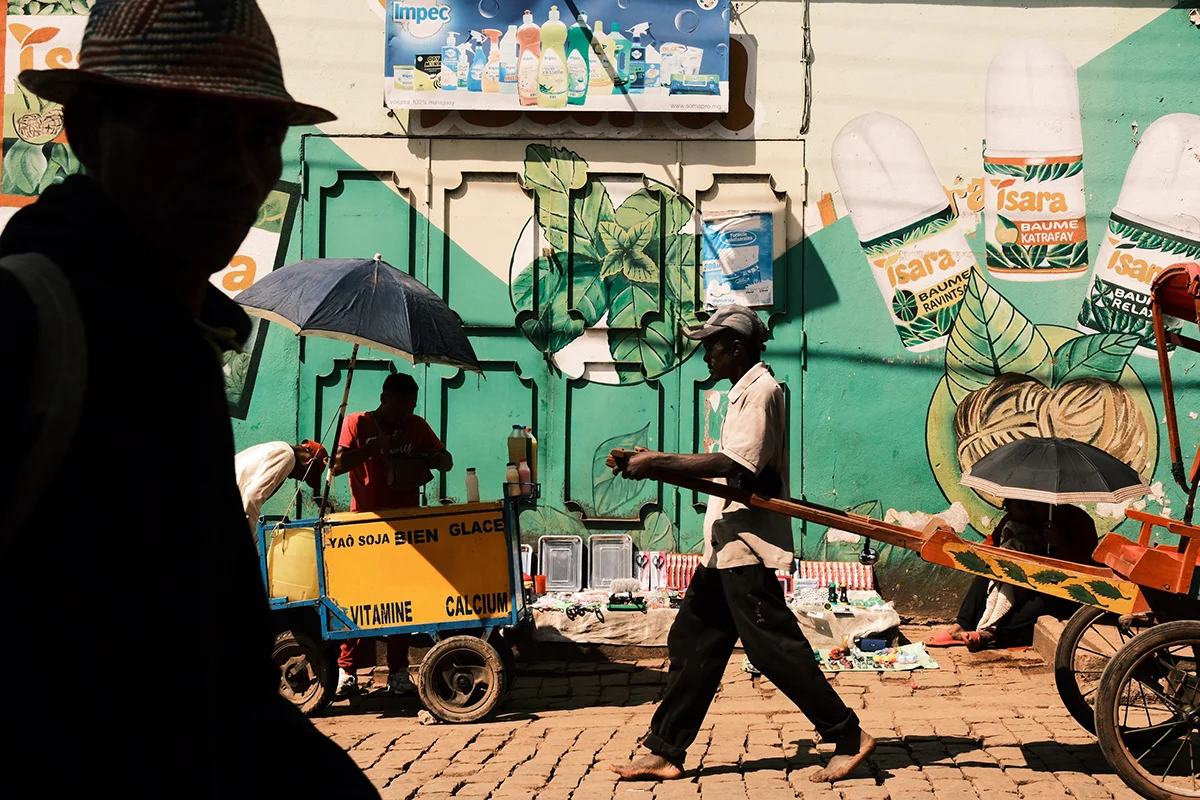
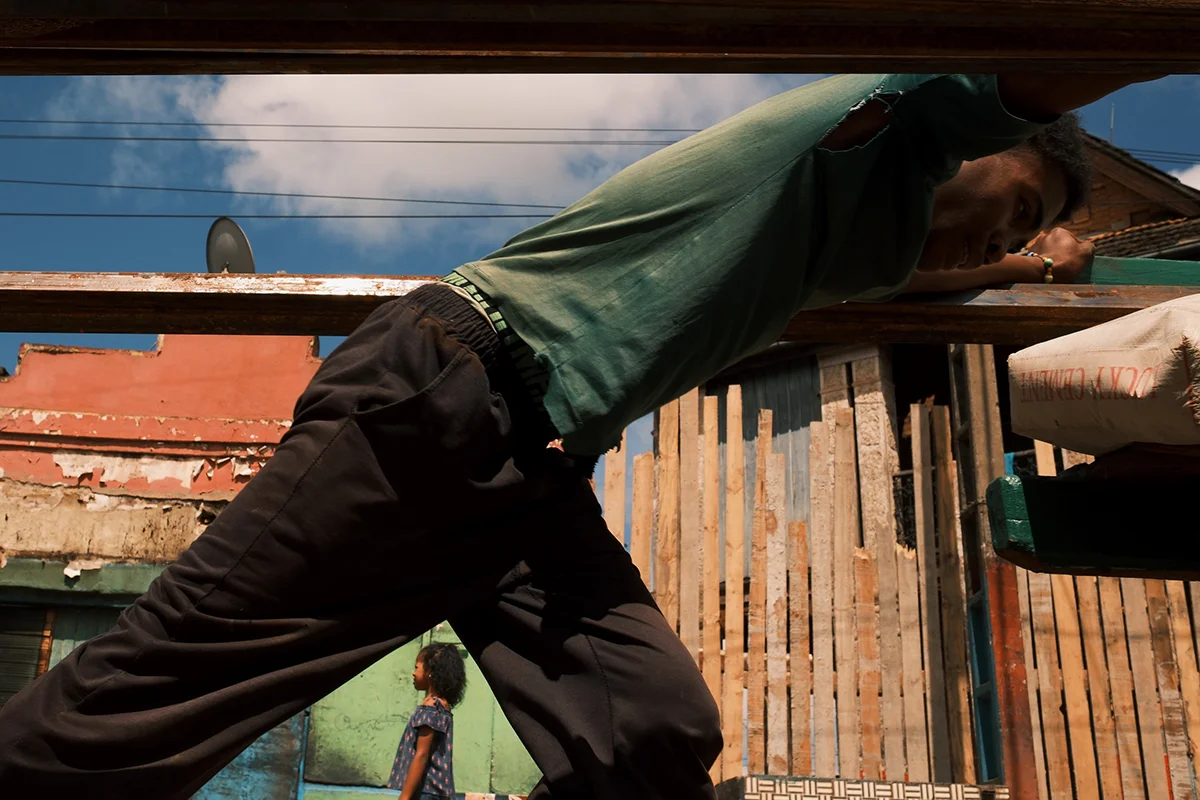
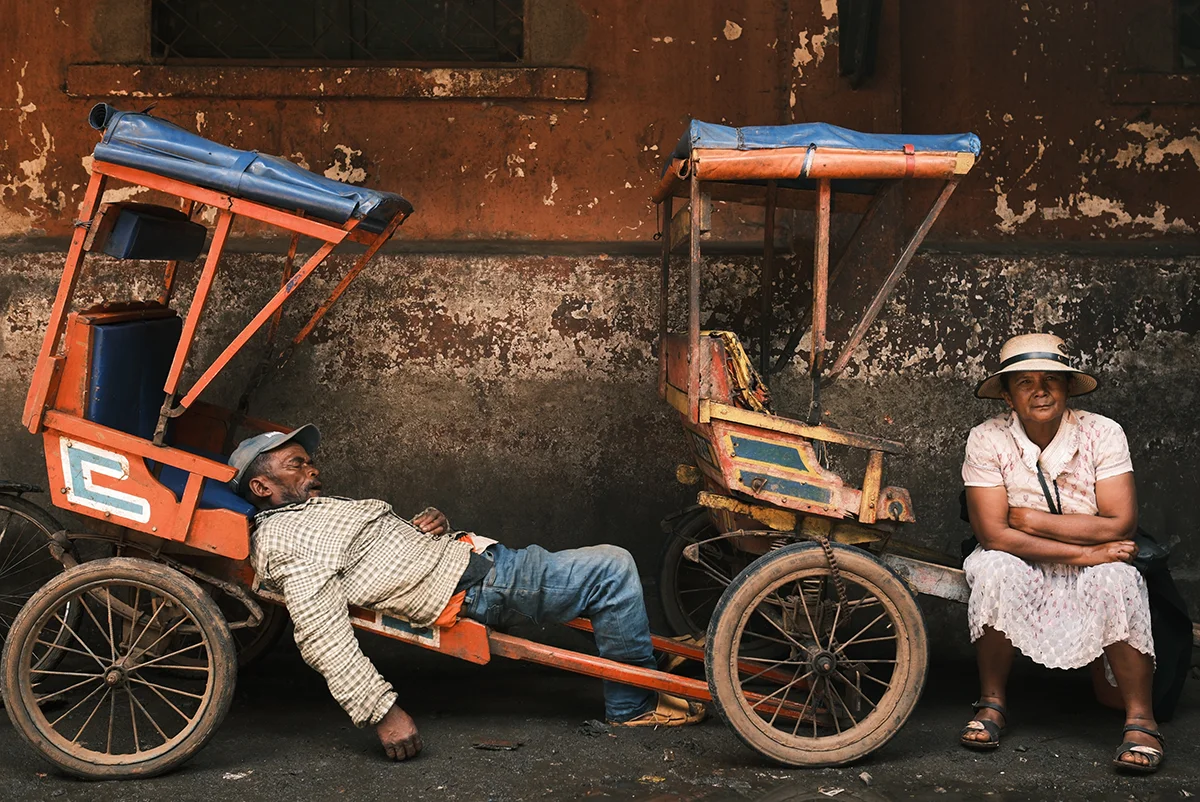
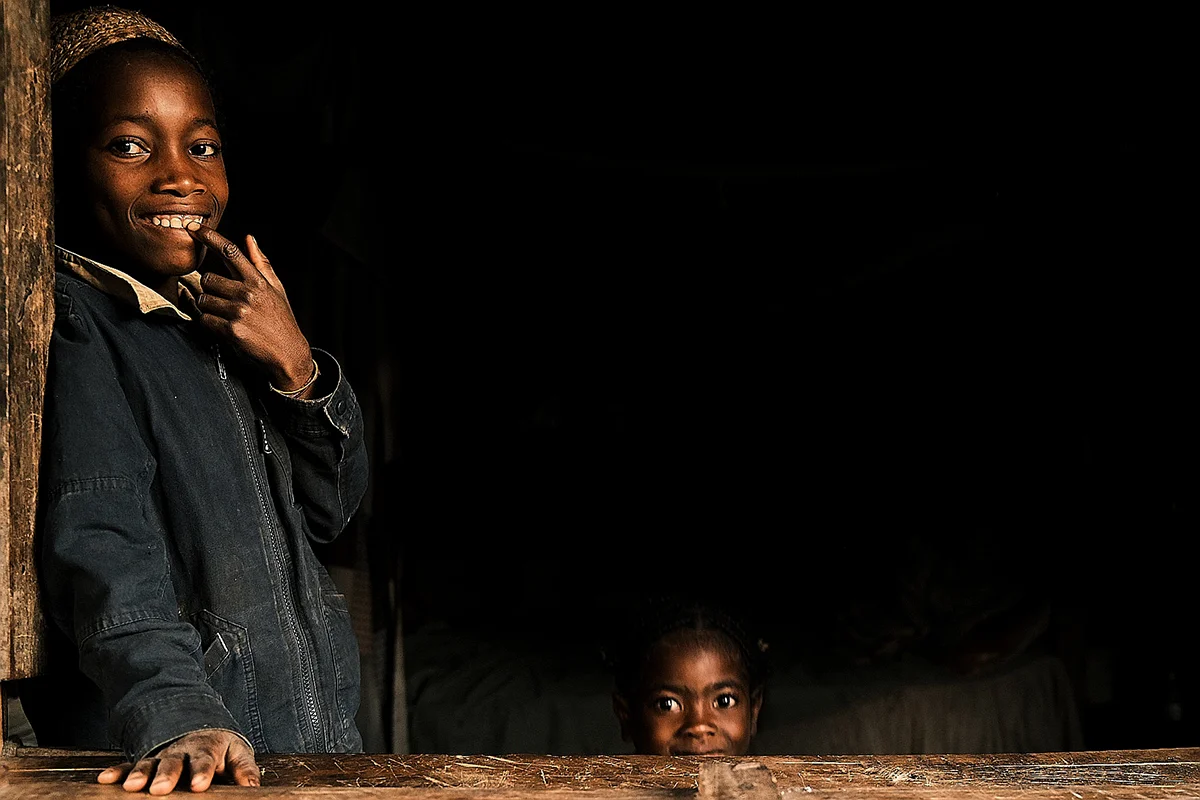
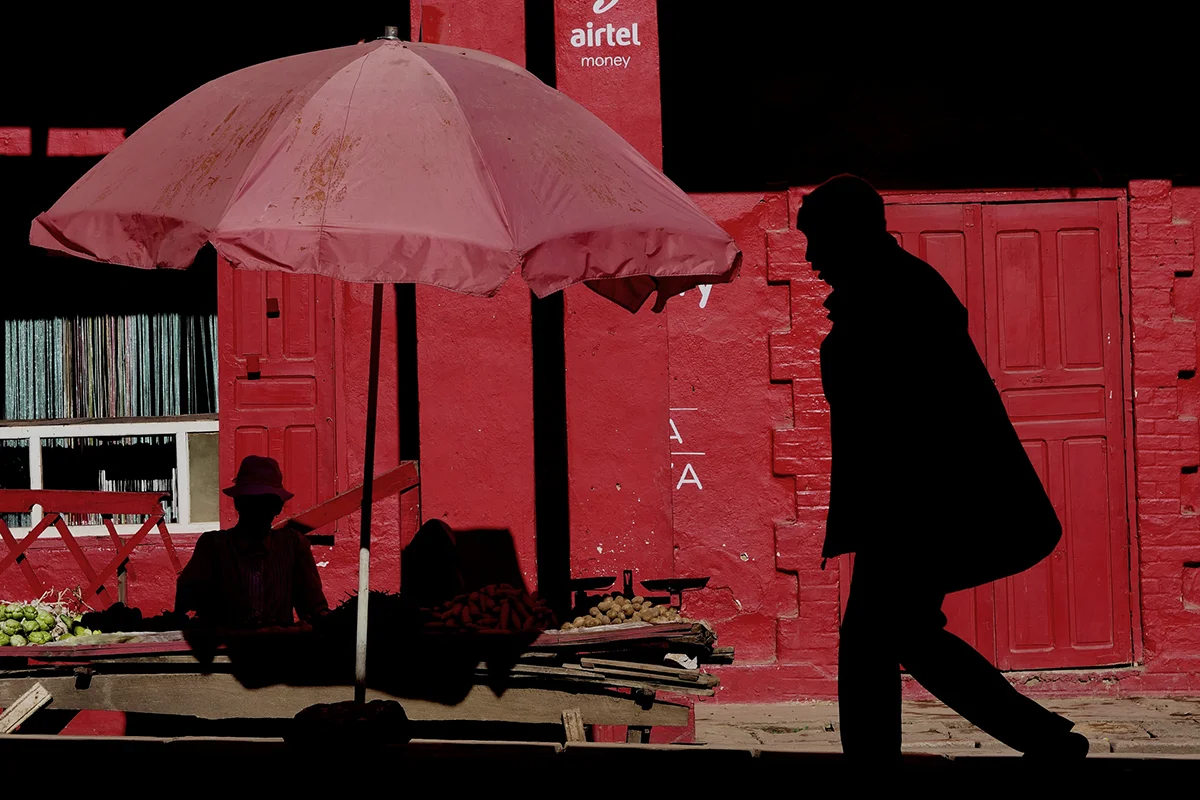
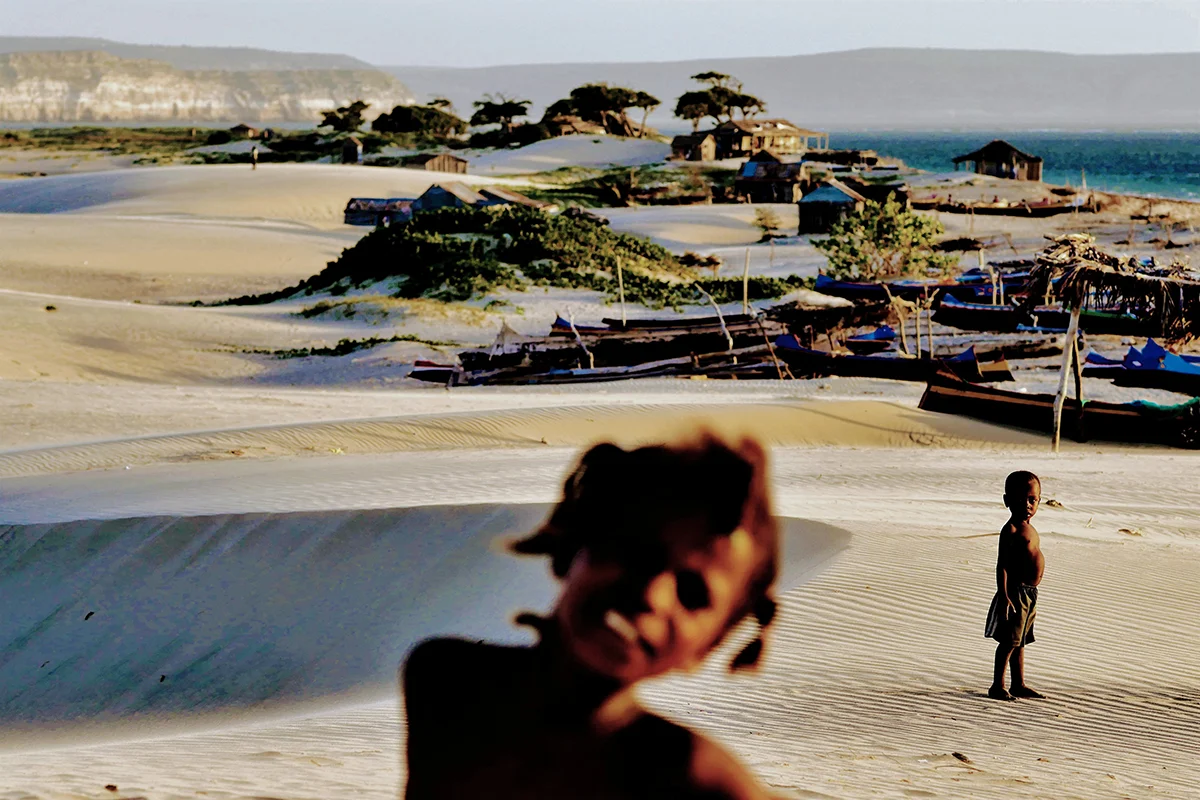
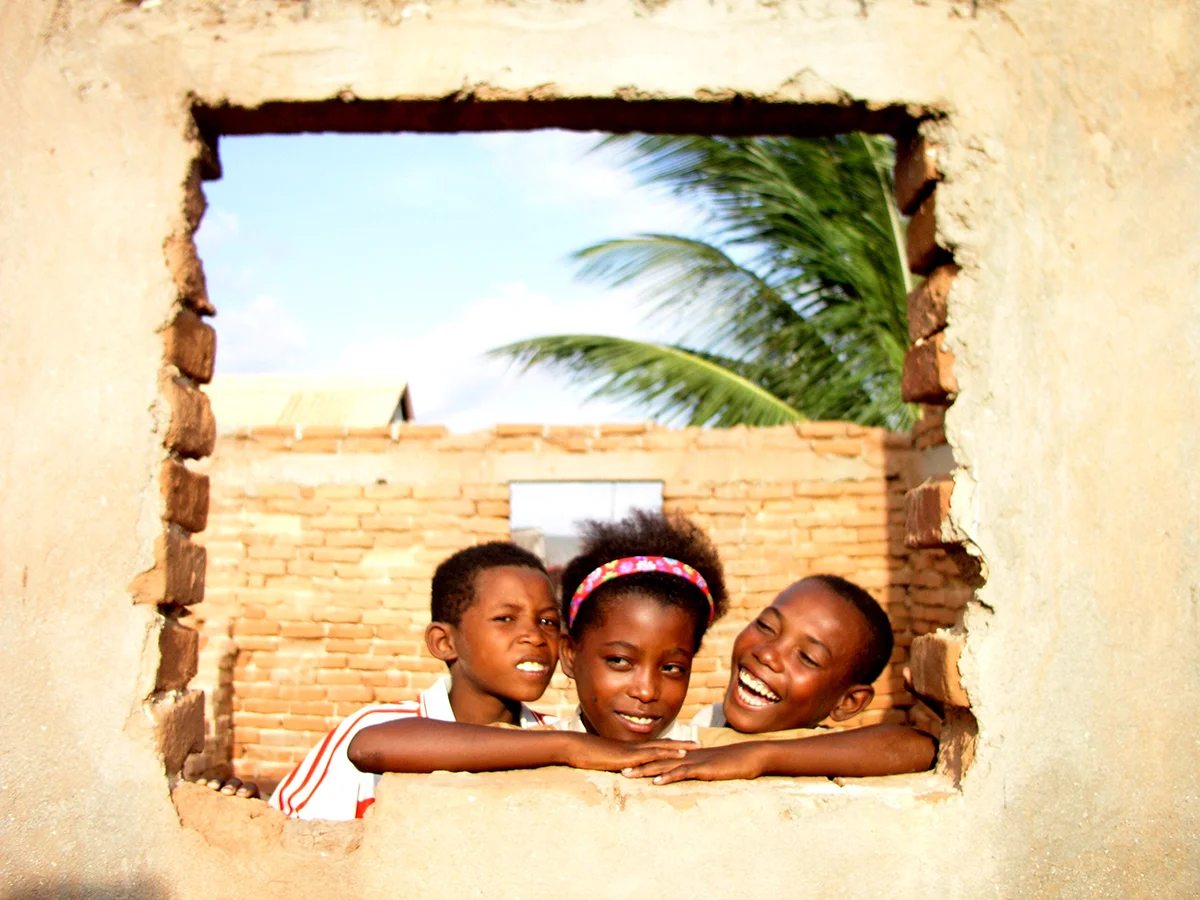
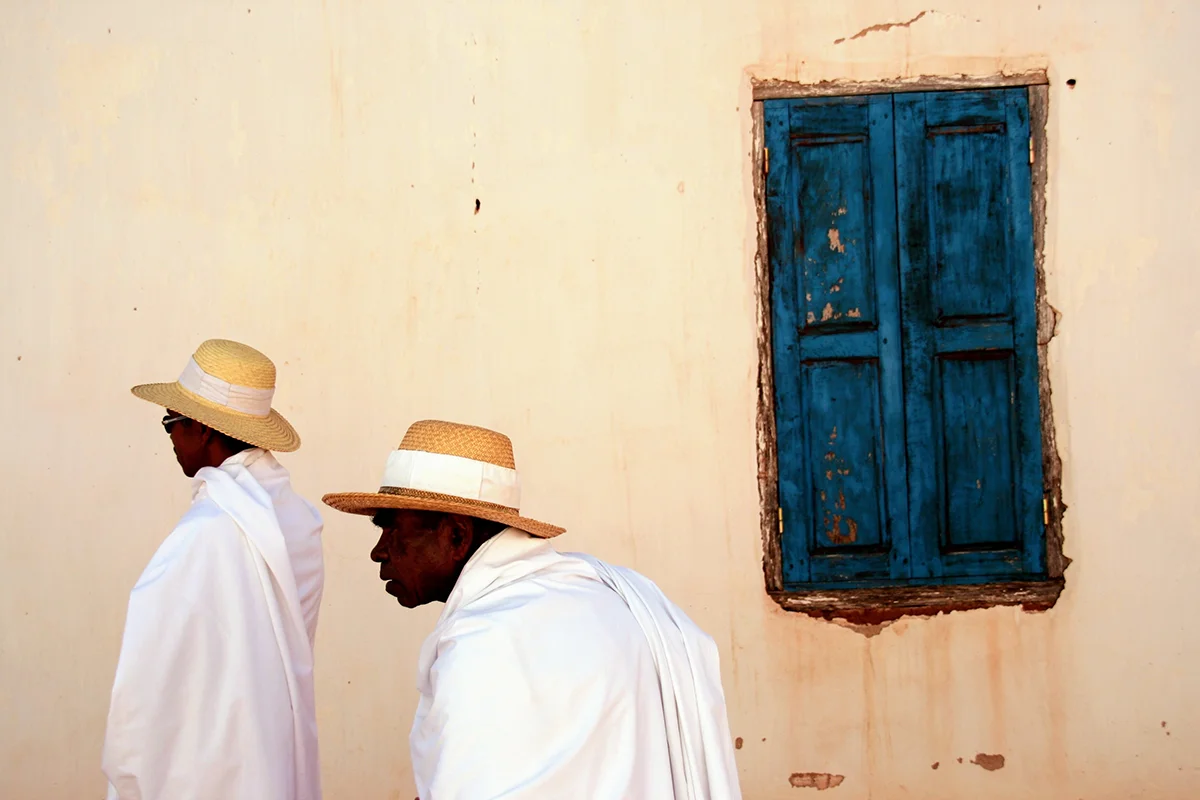
A traveling photographer, Rémy Pinaton defines himself as a visual ethnographer. His images, often centered on people, reflect his deep affinity for street photography and for the unfolding theater of life.

In each frame, Rémy emerges as a visual storyteller—a poet of light and shadow. His gaze opens a window onto fragments of life captured in their raw truth, yet elevated through his unique perspective. Through his photographic language, he weaves a dialogue between the visible and the invisible, between the simple gestures of everyday life and the evocative power of human presence.

Rémy also organizes photography trips to Madagascar, Vietnam, Cuba, and Sri Lanka with the agency “Photographe du Monde.”

Awarded Photographer of the Week - Week 16, 2026
 

Inspiring Portfolios

Call for Entries
AAP Magazine #57 Portrait
Publish your work in our printed magazine and win $1,000 cash prizes
 
Stay up-to-date  with call for entries, deadlines and other news about exhibitions, galleries, publications, & special events.

More Great Photographers To Discover

Karl Taylor
United Kingdom
Karl Taylor is a professional photographer with over 25 years experience and he is commissioned by leading global companies for his precise attention to detail and his exquisite control of light. Recognised as an expert in the industry Karl is a global ambassador for Hasselblad Camera Company and Broncolor Lighting. Karl’s work covers advertising, beauty and fashion photography for commercial clients. Having started his career in photojournalism he is also comfortable and actively enjoys shooting across a range of other genres. Karl’s ethos is that ‘variety is the spice of life’ and that 'the visual philosophies for creating effective images are universal'. Twelve years ago Karl co-founded what is now VisualEducation.com where he became known for his ability to explain complex subjects extremely clearly. His unique way of teaching and clear instruction has led him to work as a consultant and presenter for, Hasselblad Camera Company, Broncolor Lighting and Adobe as well as appearances on the BBC. His training is also used by top universities and education providers around the world and VisualEducation.com has become one of world’s leading media and visual arts education platforms. Karl regularly travels around the globe, as a photographer, ambassador and educator for leading players in the industry. When not taking pictures, Karl spends much of his time underwater, enjoying his other passion – wreck diving and documenting them in video. This passion has also led Karl to work in underwater video from short films to documentaries & commercials. In 2019 Karl’s anti marine pollution campaign images were nominated for the Prix Pictet award and he has also recently completed filming, directing and producing a documentary film that details a four year search for a lost German submarine and a secret Royal Navy Q-ship. The film was first aired on the BBC in October 2024 and is available on iplayer, Amazon Prime and Apple TV. For more information visit www.TheHuntForTheGermanSubmarine.com Using specialist low light video cameras, Karl is able to reveal the hidden world of shipwrecks in great clarity at depths of up to 75m (250ft), the limit of useful natural light levels. Having been a diver since 1990 and progressing to PADI Divemaster he then qualified with TDI as a Technical Trimix Diver and Advanced Gas Blender. Karl also has extensive experience with DPVs and general boat handling, including successfully completing his RYA Yachtmaster Offshore theory.
Stefano  Battistelli
Stefano Battistelli is an Italian photographer based in Milan. Born in the glorious 80s and raised near Rome, he has been living and working there for over a decade. Alongside his photography, he has built a long career in advertising, where he has worked for more than ten years and currently serves as Executive Creative Director at Dentsu Creative Italy, part of one of the world’s largest communication groups. His career began at LePub Milan, one of the most creative advertising agencies globally, where he was appointed Creative Director after just two years and contributed to iconic payoffs such as “Barilla. A sign of love.” Photography is a true passion for him and ranges from reportage to nature, with a strong focus on social documentary projects. Some of his social reportages have been published and commented on by major Italian national newspapers and widely featured across numerous online magazines. His work has taken him around the world and has been recognized with several international awards, including the Fine Art Photography Award. In 2023, his photography was published by National Geographic Italy. Together with his wife, he enjoys traveling with minimal comforts and has visited more than 30 countries, including Brazil, Myanmar, Borneo, Patagonia, the Galapagos, Japan, Indonesia, Yellowstone, and South Africa. Stefano works with Fujifilm cameras, but believes that the most important photographic investment he has ever made is not gear, but books by great masters. AAP Magazine AAP Magazine 54 Nature
Joel Meyerowitz
United States
1938
Joel Meyerowitz is an award-winning photographer whose work has appeared in over 350 exhibitions in museums and galleries around the world. He was born in New York in 1938. He began photographing in 1962. He is a “street photographer” in the tradition of Henri Cartier-Bresson and Robert Frank, although he works exclusively in color. As an early advocate of color photography (mid-60s), Meyerowitz was instrumental in changing the attitude toward the use of color photography from one of resistance to nearly universal acceptance. His first book, Cape Light, is considered a classic work of color photography and has sold more than 100,000 copies during its 30-year life. He is the author of 17 other books, including the newly released book by Aperture, Legacy: The Preservation of Wilderness in New York City Parks. In 1998 he produced and directed his first film, POP, an intimate diary of a three-week road trip he made with his son, Sasha, and his father, Hy. This odyssey has as its central character an unpredictable, street-wise and witty 87-year-old with a failing memory. It is both an open-eyed look at aging and a meditation on the significance of memory. Within a few days of the 9/11 attacks on the World Trade Center in New York, Meyerowitz began to create an archive of the destruction and recovery at Ground Zero and the immediate neighborhood. The World Trade Center Archive consists of over 8,000 images, and was created with the sponsorship of the Museum of the City of New York, to whom a set of digital files was donated for their archives and for exhibition. The Archive is an historic, photographic record of the immediate aftermath of the tragedy and the neighborhood as it evolved. The U.S. Department of State mounted 35 exhibitions of this work and they were shown around the globe from their inauguration by Colin Powell in Spring 2002 until 2005. Over 4 million people have seen these shows from Jerusalem to Islamabad, Rome, Paris, London, Kuwait, Moscow, Istanbul, and 200 other cities. Meyerowitz’s photographs from the World Trade Center Archives were also on view when he represented the United States at the 8th Venice Biennale for Architecture in 2002. Meyerowitz created a traveling exhibition of 117 vintage and modern prints entitled Out of the Ordinary 1970-1980, which premiered at the Jeu de paume in Paris, France. It has been exhibited at the Museum der Modern in Salzburg, Austria, and the Nederlands Fotomuseum in Rotterdam, the Netherlands, the Musee de la Photographie in Charleroi, Belgium and the Thessaloniki Museum of Photography in Thessaloniki, Greece Meyerowitz completed the ambitious project of documenting and creating an archive of New York City’s 29,000 acres of parkland. It is the first long-term visual documentation of NYC parks since the 1930’s when they were photographed as part of Franklin Roosevelt’s WPA program. Adrian Benepe, Commissioner of Parks and Recreation, has invited Meyerowitz to produce a comprehensive database for future use by the Parks department and to share these images of the parks with communities in all 5 boroughs. Legacy: The Preservation of Wilderness in New York City Parks was published by Aperture in the fall of 2009, accompanied by a large-scale exhibition of the same name at the Museum of the City of New York. Meyerowitz is a two-time Guggenheim fellow, a recipient of both the NEA and NEH awards, as well as a recipient of the Deutscher Fotobuchpreis. His work is in the collection of the Museum of Modern Art, the Boston Museum of Fine Arts and many others. Source: Wikipedia
Pat Rose
United States
Pat Rose is a photographer based in Portland, Oregon. Her work includes landscape, street, portrait and botanical photography. She is a retired teacher of English as a Second Language who has taught in Saudi Arabia and Turkey, as well as in Austin, Texas, and most recently at Portland State University. After picking up her first digital camera a few years before her retirement about a decade ago, she quickly developed many photographic interests. Landscape and street photography appeal to her love of wandering and exploring new places, while her interest in portraiture stems from a desire to work collaboratively with her subjects. In late February 2020, as the coronavirus pandemic was gaining traction in the world and just starting to spread in the US, she began exploring the genre of scanner photography, an alternative form of photography involving the use of a flatbed scanner rather than a conventional camera to make digital images. This kind of work seemed an excellent way to continue her creative efforts as she started practicing self-isolation at home during the growing pandemic. For her scanned images she has been using flowers and other botanical specimens to create "virtual" bouquets as a celebration of the beauty and grace still to be found in the world during these troubled times. Pat has shown her work in a number of group exhibitions in galleries across the country. In Oregon, her photography has been juried into exhibitions at the LightBox Gallery in Astoria and the Black Box Gallery in Portland, and her Landscapes of the Pacific Northwest series was juried into the 2018 Pacific Northwest Photography Viewing Drawers at the Blue Sky Gallery in Portland. Her work has also been juried into exhibitions in the A Smith Gallery in Johnson City, Texas, the SE Center for Photography in Greenville, South Carolina, and PhotoPlace Gallery in Middlebury, Vermont, among others. In addition, one of her landscapes graces the cover of the 2016 edition of The Creaky Knees Guide, Oregon published by Sasquatch Books in Seattle. Another of her landscape photographs appears in the 2017 German edition of the National Geographic Guide to National Parks of the United States, a travel guide published by NG Buchverlag GmbH in Munich. Pat has received several awards for her photography. Her landscape image titled Enchanted Forest was selected for the Juror's First Award at the 2017 Nature's Way exhibition at the LightBox Gallery in Oregon, and the image won the Grand Prize in The American Landscape 2021 Photo Contest presented by Outdoor Photographer Magazine. Her portrait titled Sophia With Roses won a Director's Honorable Mention in the 2020 Portraits exhibition at the A Smith Gallery in Texas, and the image won Second Place in The Face, 2020 Portrait Photo Contest presented by Digital Photo Pro Magazine. Her cityscape image titled Random Chaos won a Director's Honorable Mention in the 2020 Vistas exhibition at the A Smith Gallery in Texas. And her botanical image titled Still Life with Roses & Raffia won an Honorable Mention in the Still Life Amateur category in The 14th Annual International Color Awards. Pat also writes about photography for Oregon ArtsWatch, an online magazine about culture and the arts in the Pacific Northwest. Much of her photography and her CV can be found on her website.
Sabine Weiss
Switzerland
1924 | † 2021
Sabine Weiss was born in Switzerland in 1924. In 1942, she wonders what she will do with her life, and decides that she should become a photographer because it is what she loves to do. She is the daughter of a mother who showed her art galleries and Roman churches at a very young age, and of a researcher chemist father who loved to see her print her little photos with the resources available at the time. From 1942 until 1945 she was an apprentice at Boissonnas in Geneva, house of a dynasty of photographers that celebrated its 80th birthday. In 1945 Sabine Weiss moved to a studio in Geneva, but in 1946 she decided to leave the city of her childhood to live in Paris. She knew there was no turning back. She asked Willy Maywald to become her assistant. In 1949, she met the painter Hugh Weiss and realized right away that she would spend her life with him. Sabine Weiss left Maywald, where she mastered her craft and started a long career, experimenting fashion, photojournalism, advertising and everything else she was asked to do. During her free time, she liked to immortalize the depths of man in all simplicity. Her photographs moved Edward Steichen when preparing his major exhibition "The Family of Man" therefore he decided to present three of her images. In recent years, Sabine Weiss has dedicated her time to exhibitions that showcase the humanist side of her work because it meant a lot to her. Key dates 1924 July 23rd Birth at Gingolph in Switzerland, Naturalized French in 1995. 1942-45 Apprentice at Boissonas in Geneva 1945 Swiss diploma of photography 1946 Settles permanently in Paris 1946-50 Assistant of Willy Maywald 1950 Weds the American artist Hugh Weiss 1951 Works for several advertising agencies 1952-61 Contract with Vogue Magazine (Fashion and Assignments) 1952 Enters the Agency Rapho 1952 Free-lance for major magazines in the USA and in Europe like Paris Match, Life, Time, Newsweek, Town And Country, Fortune, Holiday, European Travel And Life, Esquire... covering countries in Europe, Africa, North America and Asia. Most recent exhibitions: 2014 Vannes, Festival de la Photo de Mer "Portugal, 1954" 2014 Zürich, Photobastei, Rétrospective 2014 Genève, Galerie Patrick Cramer, Portraits d’artistes (Giacometti et Miro) 2014 Salon de la Photo, Paris, Porte de Versailles, rétrospective « Chère Sabine » (Tribute to the photographer's 90th birthday) Decorations 1987 Chevalier des Arts et des Lettres (Knight of Arts and Letters) 1999 Officier des Arts et des Lettres (Officer of the Ordre des Arts et des Lettres) 2010 Ordre national du Mérite (French National Order of Merit) Discover Sabine Weiss' Interview
Tamas Dezso
Hungary
1978
Tamas Dezso (b.1978) is a documentary fine art photographer working on long-term projects focusing on the margins of society in Hungary, Romania, and other parts of Eastern Europe. His work has been exhibited worldwide, with solo exhibitions in 2011 in Poland, Bangladesh, Budapest, New Mexico, and at the Robert Koch Gallery in San Francisco, and recent exhibitions at the New York Photo Festival, Shanghai Museum of Contemporary Art, and FOAM Photo Museum in Amsterdam. He was twice Hungarian Press Photo’s Photographer of the Year (2005 and 2006), and has received awards from organizations such as World Press Photo, Pictures of the Year International, NPPA’s Best of Photojournalism, and PDN. His photographs have appeared in TIME magazine, The New York Times, National Geographic, GEO, Le Monde magazine, and many others. Dezso has recently been nominated for the 2012 Prix Pictet. Tamas Dezso's series 'Here, Anywhere' offers a desolate yet beautiful look at the people and places left behind during the post-communist transition in Hungary. Begun in 2009, the series explores the unique atmosphere of the country's now 20-year-long transition, and changing notions of Eastern European identity. With the introduction of democracy in the 1990s came euphoria and promise, but unrealized expectations of quickly catching up with the West have led to widespread disappointment and frustration, compounded by the current serious economic difficulties have fanned the popularity of far right politics, as well as an anachronistic nostalgia for the stability of communism. Presently Hungary has a right wing populist government and the strongest opposition party is the neo-Nazi party with nearly 1/8th of the eligible voters and gaining popularity. Dezso's layered images present unsettling moments of stillness that poetically allude to this gritty reality. Motivated by the isolation he sees his country facing, Dezso photographs the people and places of Hungary as symbols, where "a certain out-dated, awkward, longed-to-be-forgotten Eastern Europeanness still lingers." This award-winning series has garnered international attention, earning Dezso First Place at the 2011 CENTER Project Competition in Santa Fe, the Daylight Magazine & Center for Documentary Studies Project Prize, and Grand Prize at the Jeune Création Européenne Biennal 2011/2013 in Paris-Montrouge.Source: Robert Koch Gallery Interview with Tamas Dezso All About Photo: When did you realize you wanted to be a photographer? Tamas Dezso: Soon after I left the University of Technology in Budapest in 2000. AAP: Where did you study photography? TD: I am self-taught. AAP: How long have you been a photographer? TD: I started as a photojournalist with a political daily in 2000. AAP: What or who inspires you? TD: Music. Beethoven, Bach and Mozart. AAP: How could you describe your style? TD: Documentary. AAP: Do you have a favorite photograph or series? TD: Richard Avedon 'Italy #9', 'Boy and Tree, Sicily, July 15, 1947' AAP: What kind of gear do you use? Camera, lens, digital, film? TD: Phase One cameras with various Schneider Kreuznach lenses. AAP: Favorite(s) photographer(s)? TD: Richard Avedon and Irving Penn AAP: What advice would you give a young photographer? TD: "Follow the advice of others only in the rarest cases." -- Beethoven AAP: What are your projects? TD: I am interested in the transitional period, the period after the fall of communism in Eastern Europe. AAP: Your best memory as a photographer? TD: My first trip to Romania. AAP:If you were someone else who would it be? TD: A pianist. AAP: Your favorite photo book? TD: Walter Niedermayr's Civil Operations.
Annie Leibovitz
United States
1949
Annie Leibovitz is an American portrait photographer best known for her engaging portraits, particularly of celebrities, which often feature subjects in intimate settings and poses. Leibovitz's Polaroid photo of John Lennon and Yoko Ono, taken five hours before Lennon's murder, is considered one of Rolling Stone magazine's most famous cover photographs. The Library of Congress declared her a Living Legend, and she is the first woman to have a feature exhibition at Washington's National Portrait Gallery.Source: Wikipedia Annie Leibovitz was born on October 2, 1949, in Waterbury, Connecticut. While studying painting at the San Francisco Art Institute, she took night classes in photography, and in 1970, she began doing work for Rolling Stone magazine. She became Rolling Stone’s chief photographer in 1973. By the time she left the magazine, 10 years later, she had shot 142 covers. In 1983, she joined the staff at Vanity Fair, and in 1998, she also began working for Vogue. In addition to her magazine editorial work, Leibovitz has created influential advertising campaigns for American Express and the Gap and has contributed frequently to the Got Milk? campaign. She has worked with many arts organizations, including American Ballet Theatre, the Brooklyn Academy of Music, and the Mark Morris Dance Group, and with Mikhail Baryshnikov. Her books include Annie Leibovitz: Photographs (1983), Photographs: Annie Leibovitz 1970–1990 (1991), Olympic Portraits (1996), Women (1999), American Music (2003), A Photographer’s Life: 1990–2005 (2006), Annie Leibovitz at Work (2008), Pilgrimage (2011), Annie Leibovitz: Portraits 2005-2016 (2017), The Early Years, 1970–1983 (2018), and Wonderland (2021). Exhibitions of her images have appeared at museums and galleries all over the world, including the National Portrait Gallery and the Corcoran Gallery, in Washington, D.C.; the International Center of Photography, in New York; The Brooklyn Museum; the Stedelijk Museum in Amsterdam; the Centre National de la Photographie, in Paris; and the National Portrait Gallery in London. Leibovitz has been designated a Living Legend by the Library of Congress and is the recipient of many other honors, including the Barnard College Medal of Distinction and the Infinity Award in Applied Photography from the International Center of Photography. She was decorated a Commandeur in the Ordre des Arts et des Lettres by the French government. She lives in New York with her three children, Sarah, Susan, and Samuelle.Source: Vanity Fair Leibovitz became Rolling Stone’s chief photographer in 1973, and by the time she left the magazine, she had amassed 142 covers and published photo essays on scores of stories, including the 1975 Rolling Stones tour. Moments of freedom and an unyielding imagination fed the evolution of Leibovitz’s photography. The monumental body of work taken during her thirteen-year tenure at Rolling Stone blurred the lines between celebrity and civilian, interviewer and interviewee, artist and subject, dissolving the boundary separating Leibovitz from those captured in her photographs. Documenting fellow reporters and photographers in addition to their subjects, Leibovitz highlighted those hidden behind the camera and brought them to the forefront. Leibovitz recorded major political moments of the Seventies in the United States, including the 1972 presidential campaign, which she covered with the writer Hunter S. Thompson. In a haunting photograph taken when President Richard Nixon resigned, on August 9, 1974, Leibovitz’s camera records his helicopter as it takes off from the White House lawn. Her immersion within the political landscape extended to photographs from the 1976 election, when figures such as Jerry Brown and Jimmy Carter seized national attention. The artist photographed the Democratic National Convention in New York City, showcasing candid moments with Dianne Feinstein and journalists such as Sally Quinn and Dan Rather. Leibovitz’s unobtrusive lens implicates both the photographer and her colleagues as significant actors and contributors to cultural moments. When traveling with the Rolling Stones to document their tour of the Americas in the summer of 1975, Leibovitz entered the band’s world to such a degree that only her camera served as a reminder of her identity. It was Leibovitz’s distinct ability to immerse herself in varying environments that enabled a direct engagement with her subjects, revealing their true, honest, and perhaps most vulnerable selves. Leibovitz began using a medium-format camera that produced square photographs and was appropriate for shooting set-up portraits with a strobe light. The planned portraits were based on a straightforward idea often stemming from a deeply personal collaboration with her subjects. Evidencing a level of uncanny intimacy and an uncommon depth of engagement, this relationship can be seen in one of her most celebrated photographs, in which a naked John Lennon clutches Yoko Ono. The portrait, made on December 8, 1980, was meant to serve as an intimate emblem of the couple’s relationship. When Lennon was killed just hours after the photo was taken, the image became a powerful visual memorial. In 1983, when Leibovitz joined the staff of the revived Vanity Fair, she was established as the foremost rock-music photographer and an astute documentarian of the social landscape. At Vanity Fair, and later at Vogue, she developed a large body of work – portraits of actors, directors, writers, musicians, athletes, and political and business figures, as well as fashion photographs. Leibovitz’s portraiture reflects a signature technique she developed early in her career, as she consciously and consistently fit style to subject through collaborating with her subjects, photographing them in their homes or in a location that meant something to them, where friends, lovers, children, and other personal markers might appear. Annie Leibovitz’s prolific output and her inventive approach to photography itself position her distinctly within the traditions and trajectory of American portraiture during the twentieth century. Her unique photographic language dovetailed with – and advanced – the medium’s evolution as a force for art making. The singularity of her vision, which included combining portraiture with photojournalism that captured historical and cultural touchstones throughout the United States and abroad, places her within a lineage of some of her personal heroes – artists like Andy Warhol and Richard Avedon, both innovators of their mediums. Influences such as Robert Frank and Henri Cartier-Bresson inspired Leibovitz to turn the tide on photography’s reception. Combining Frank’s highly personal and emotional style of photographic reportage with Cartier-Bresson’s Surrealist and even sculptural art photography, Leibovitz embraced her own inclination toward personal journalism. The artist’s large and distinguished body of work encompasses some of the most well-known portraits of our time.Source: Hauser & Wirth
Advertisement
AAP Magazine #57 Portrait
Win a Solo Exhibition in May
AAP Magazine #57 Portrait

Latest Interviews

Exclusive Interview with Matthew Finley
American photographer Matthew Finley turns inward, using photography as a way to explore identity, memory, and emotional truth. Based in Los Angeles, his practice moves between performance, gesture, and found imagery, creating a visual language that is both intimate and deeply personal
Exclusive Interview with Jan Janssen
Dutch photographer Jan Janssen explores universal human experiences through his long-term project It Matters, winner of the May 2025 Solo Exhibition. Begun in 2016, the series captures intimate moments of everyday life—love, loss, connection, and belonging—across Central and Eastern Europe. Working in countries such as Turkey, Azerbaijan, and Armenia, Janssen spends extended time within communities, building relationships based on trust and respect. His approach allows him to move beyond observation, revealing deeply human and authentic moments. Rooted in travel and personal discovery, It Matters reflects Janssen’s search for what connects us all in an increasingly divided world. The project is ongoing and will culminate in a photobook scheduled for publication in 2026.
Exclusive Interview with Henk Kosche
German photographer Henk Kosche turns his lens toward the streets of Halle an der Saale, capturing everyday life in the late years of the former German Democratic Republic. At the time, Kosche was studying design and exploring the city with his camera, drawn to the atmosphere of its industrial landscape and the quiet rhythms of daily life. His series Street Photography at the End of the 80s, selected as the Solo Exhibition for July 2025, revisits a body of work created just before a period of profound change. Rediscovered decades later in a small box of 35mm negatives, these photographs offer glimpses of a city and its people at a moment suspended between the familiar and the unknown.
Exclusive Interview with Anastasia Samoylova
Anastasia Samoylova is an American artist whose photographic practice is shaped by close observation and a deep attentiveness to place. Working between documentary and formal exploration, she photographs landscapes, architecture, and everyday scenes with a sensitivity to light, structure, and atmosphere. Since relocating to Miami in 2016, her work has increasingly focused on how environments—both natural and built—carry social, cultural, and emotional traces. We asked her a few questions about her practice and her way of seeing, to better understand the thoughts and experiences that shape her work—while allowing the images themselves to remain open and speak in their own time.
Exclusive Interview with Marijn Fidder
Marijn Fidder is a Dutch documentary photographer whose work powerfully engages with current affairs and contemporary social issues. Driven by a deep sense of social justice, she uses photography to speak on behalf of the voiceless and to advocate for the rights of those who are most vulnerable. Her images have been widely published in major international outlets including National Geographic, CNN Style, NRC Handelsblad, Volkskrant, GUP New Talent, and ZEIT Magazin. Her long-term commitment to disability rights—particularly through years of work in Uganda—culminated in her acclaimed project Inclusive Nation, which earned her the title of Photographer of the Year 2025 at the All About Photo Awards. She is also the recipient of multiple prestigious honors, including awards from World Press Photo and the Global Peace Photo Award. We asked her a few questions about her life and work.
Exclusive Interview with Josh S. Rose
Josh S. Rose is a multidisciplinary artist working across photography, film, and writing. His practice bridges visual and performing arts, with a strong focus on movement, emotion, and the expressive potential of the image. Known for his long-standing collaborations with leading dance companies and performers, Rose brings together authenticity and precise composition—a balance he describes as “technical romanticism.” His work has been commissioned and exhibited internationally, appearing in outlets such as Vogue, at the Super Bowl, in film festivals, and most recently as a large-scale installation for Lincoln Center for the Performing Arts. A sought-after collaborator, he has worked with major artists, cultural institutions, and brands, following a previous career as Chief Creative Officer at Interpublic Group and the founder of Humans Are Social. We asked him a few questions about his life and work.
Interview with Maureen Ruddy Burkhart
Photographer Maureen Ruddy Burkhart brings a quietly attentive and deeply human sensibility to her exploration of the world through images. Shaped by a life immersed in photography, film, and visual storytelling, her work is guided by intuition, observation, and an enduring interest in the emotional undercurrents of everyday life. With a practice rooted in both fine art traditions and documentary awareness, she approaches her subjects with sensitivity, allowing subtle moments to emerge naturally rather than be imposed. Her series Til Death, selected as the Solo Exhibition for February 2025, reflects this long-standing commitment to photography as a space for reflection rather than spectacle. Drawn to moments that exist just outside the expected frame, Burkhart’s images suggest narratives without resolving them, leaving room for ambiguity, humor, and quiet connection. We asked her a few questions about her life and work.
Exclusive Interview with Peter Ydeen
Winner of AAP Magazine #45 Travels, his series reflects this unique vision—capturing the spirit of place through subtle layers of light, color, and emotion. Whether traveling abroad or observing the rhythms of his own surroundings, Ydeen creates images that feel both grounded and enchanted, inviting viewers into a world where reality and reverie meet.
Exclusive Interview with Julie Wang
Chinese-born photographer Julie Wang brings a poetic, contemplative sensitivity to her visual exploration of the world. Having lived for nearly equal parts of her life in China, Europe, and the United States, she approaches her subjects with the nuanced perspective of someone shaped by many cultures. This blend of distance, curiosity, and emotional resonance infuses her work with a quiet depth, allowing her to reveal the fragile beauty and subtle tensions that often pass unnoticed.
Call for Entries
Win A Solo Exhibition in May
Get International Exposure and Connect with Industry Insiders