All about photo.com: photo contests, photography exhibitions, galleries, photographers, books, schools and venues.
FINAL DAYS TO ENTER AAP MAGAZINE SHADOWS: GET PUBLISHED AND WIN $1,000
Sebastian Piatek
Sebastian Piatek
Sebastian Piatek

Sebastian Piatek

Country: German
Birth: 1982

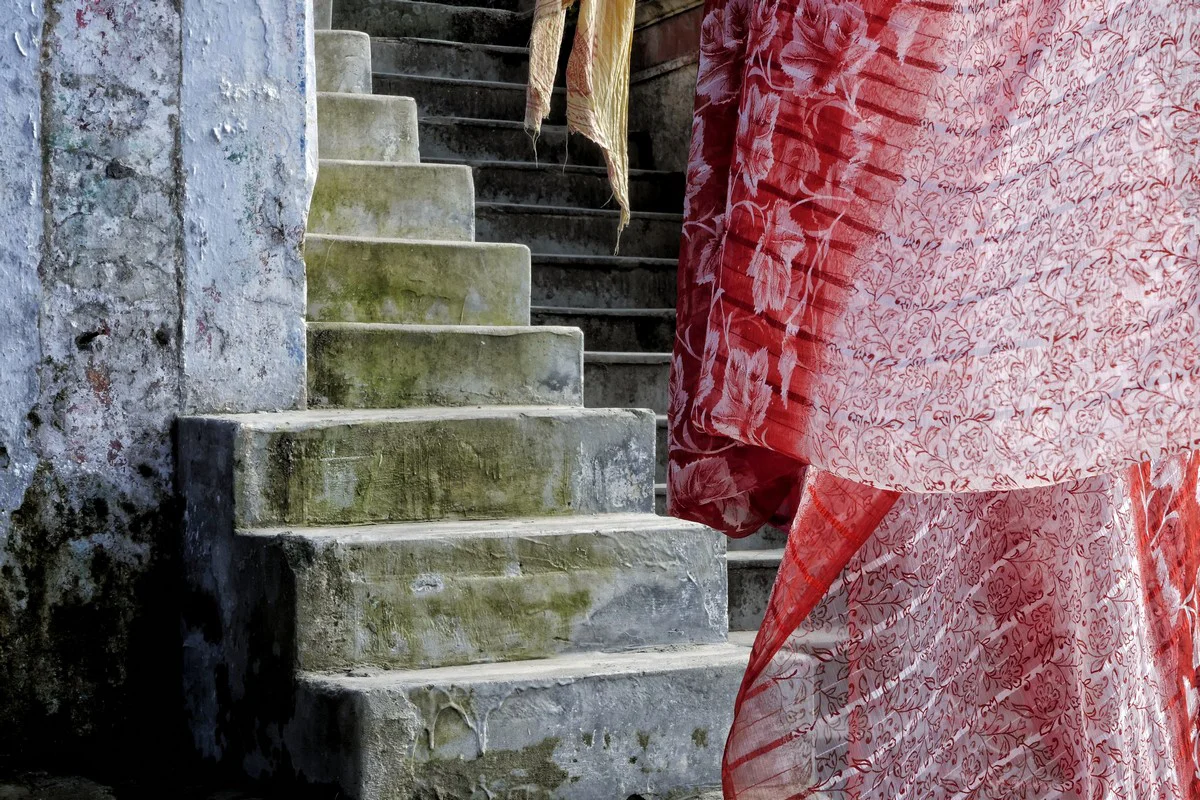
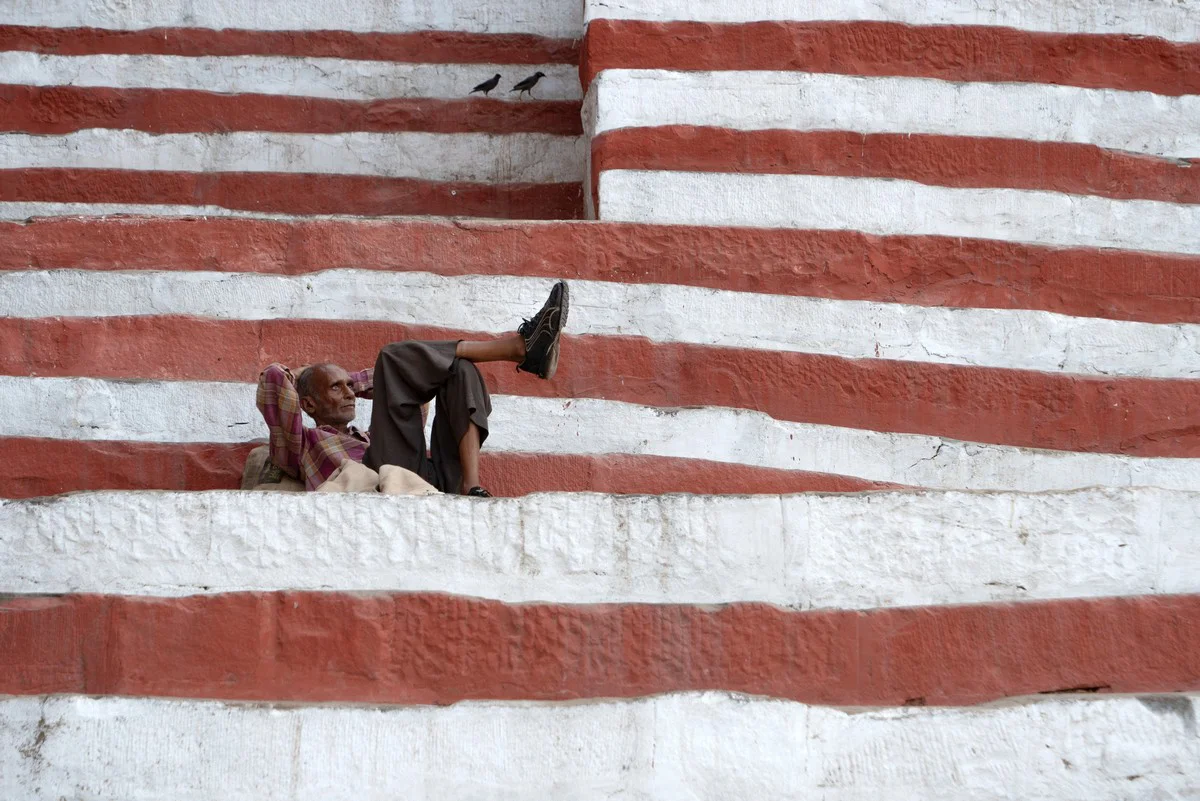
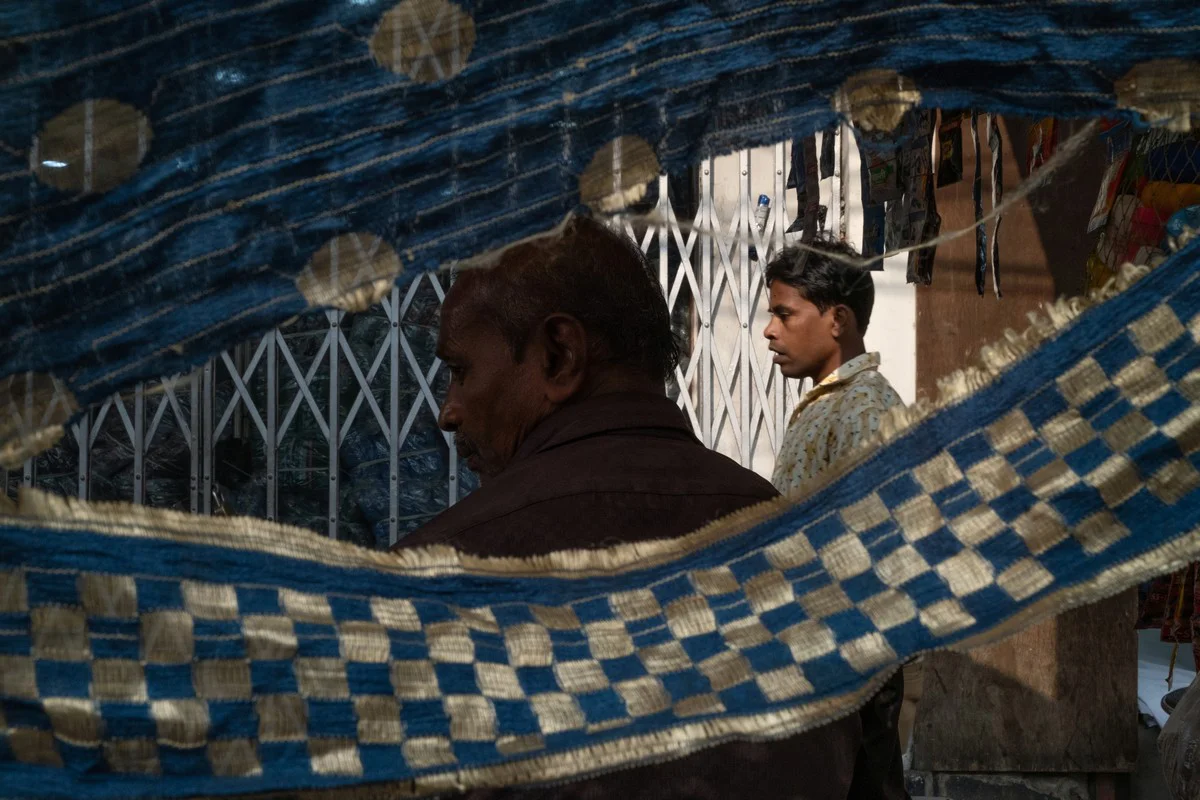
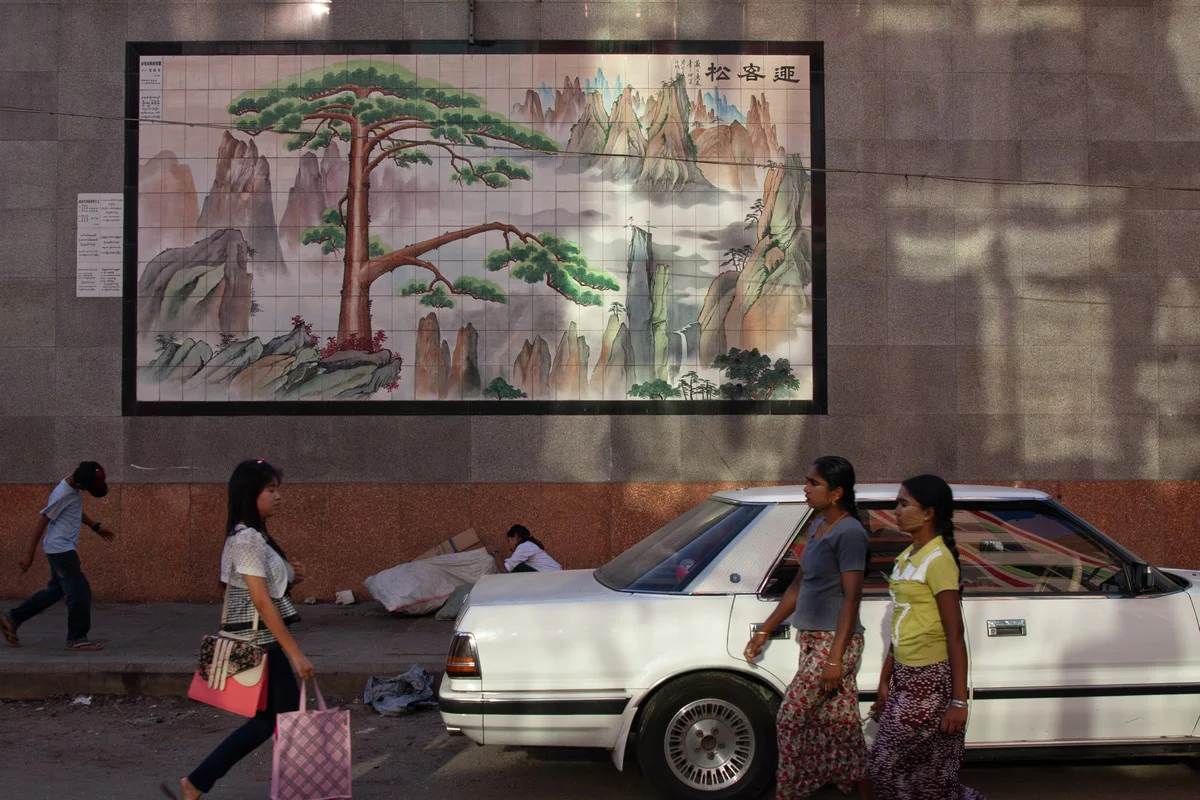
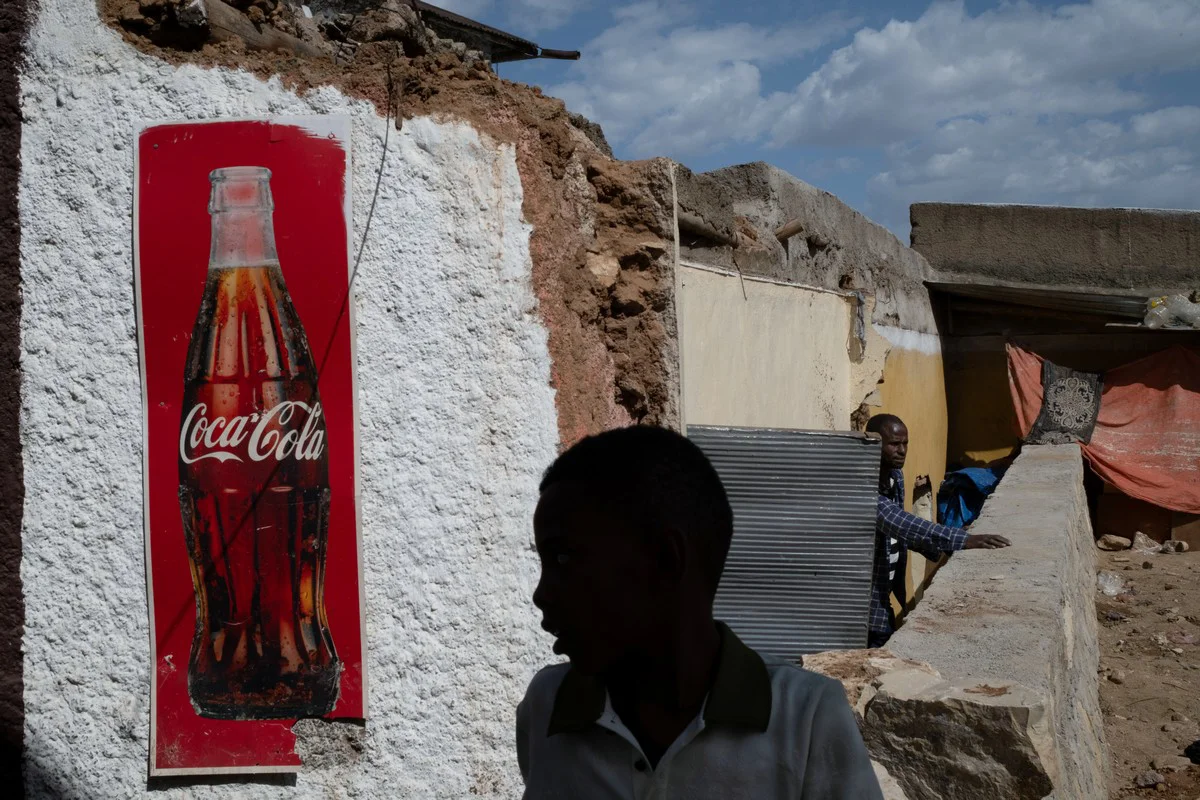
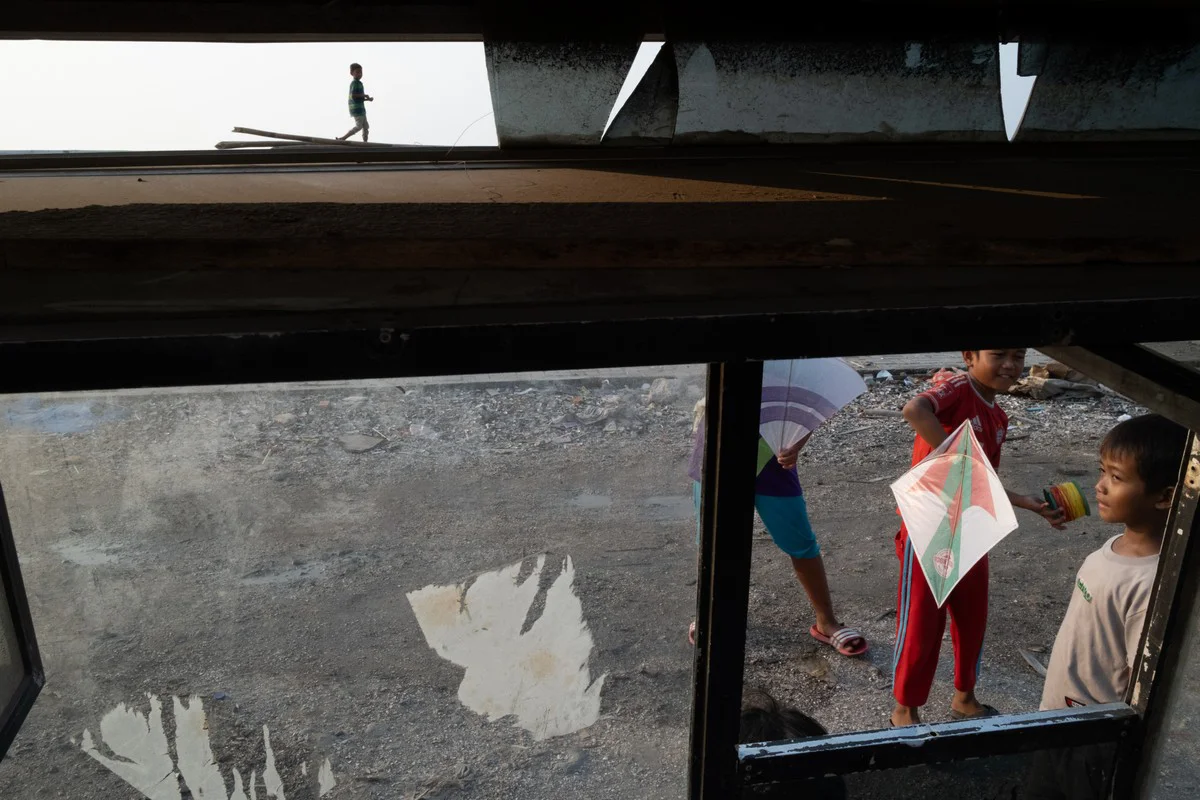
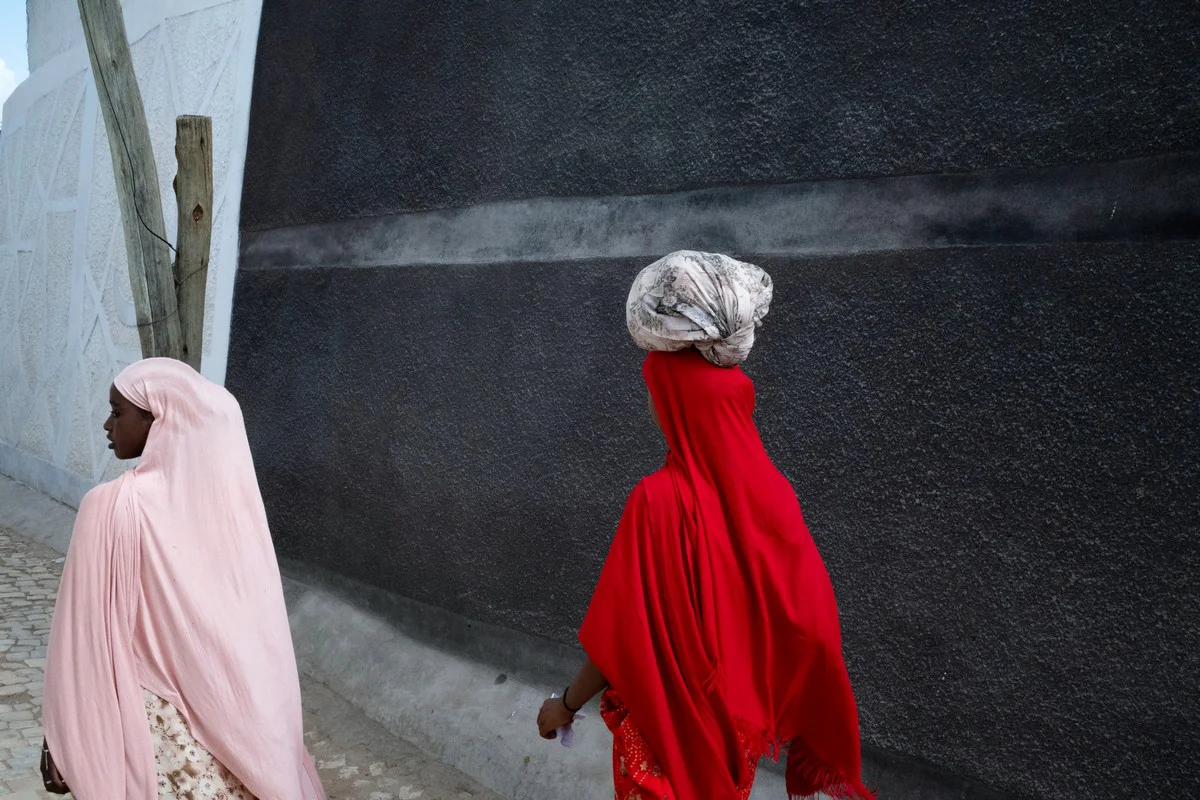
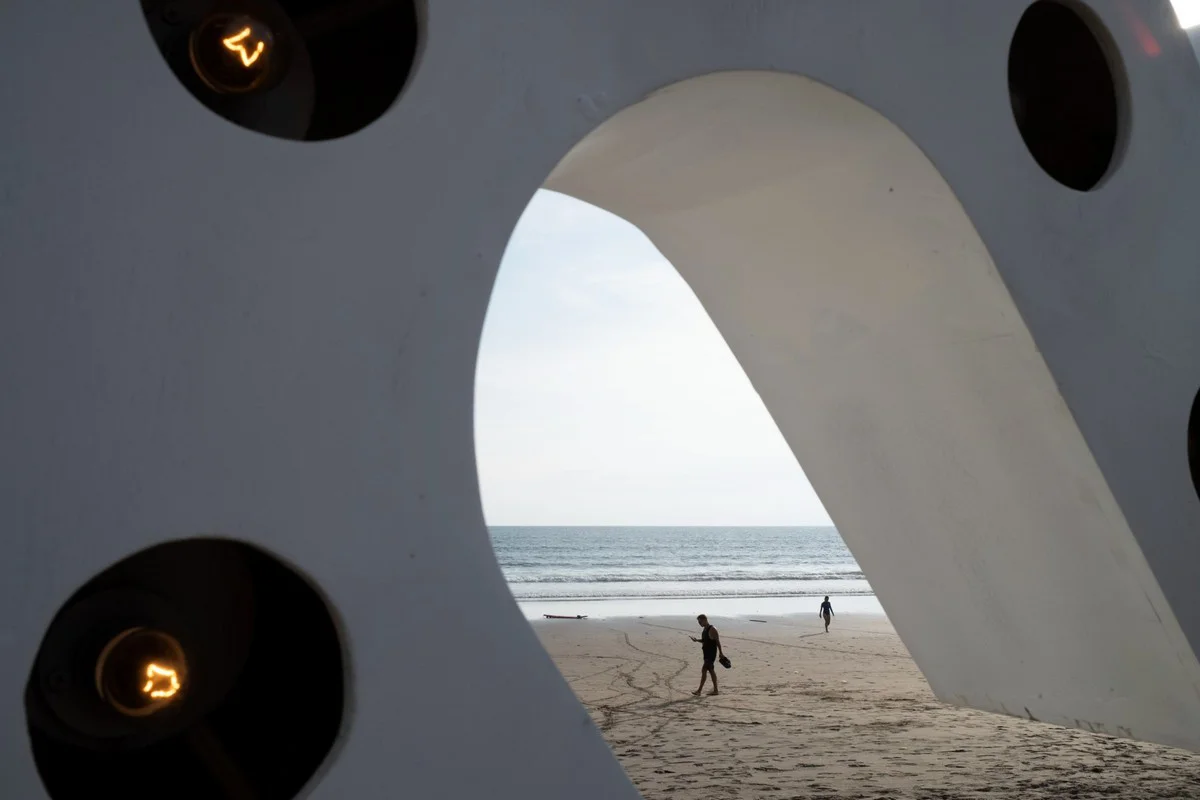
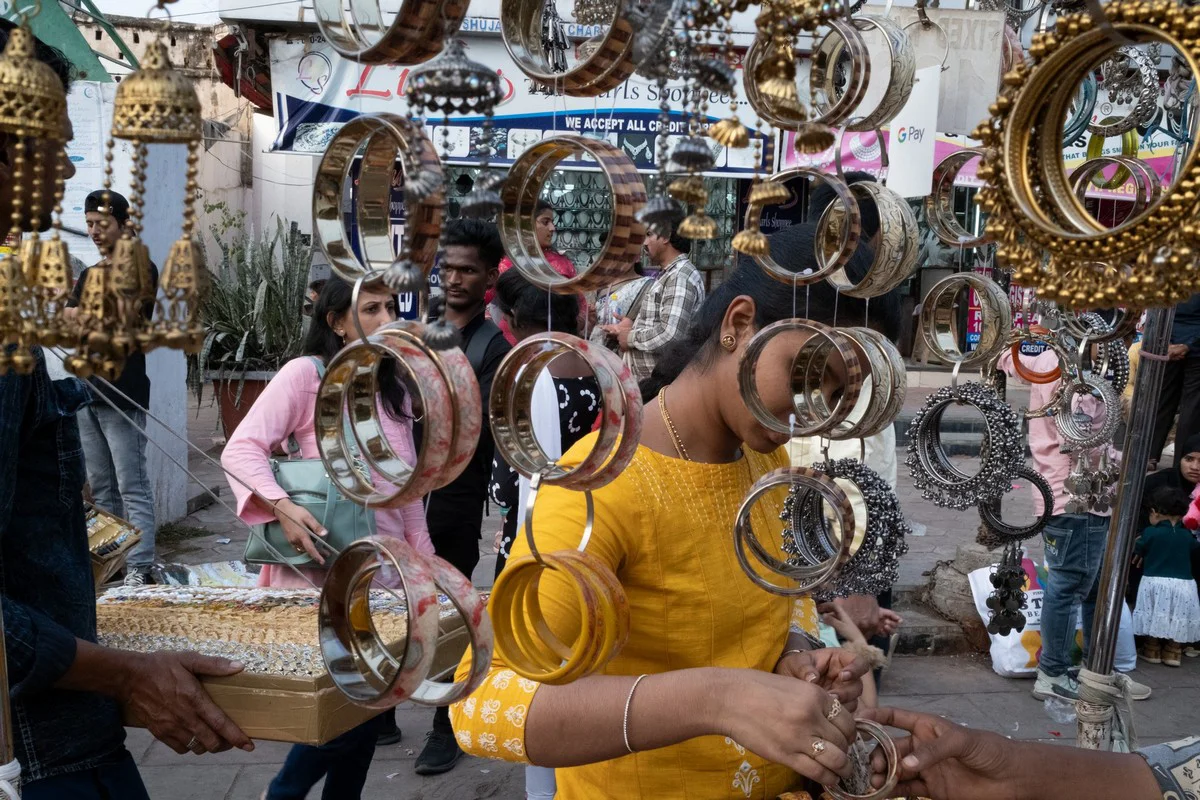
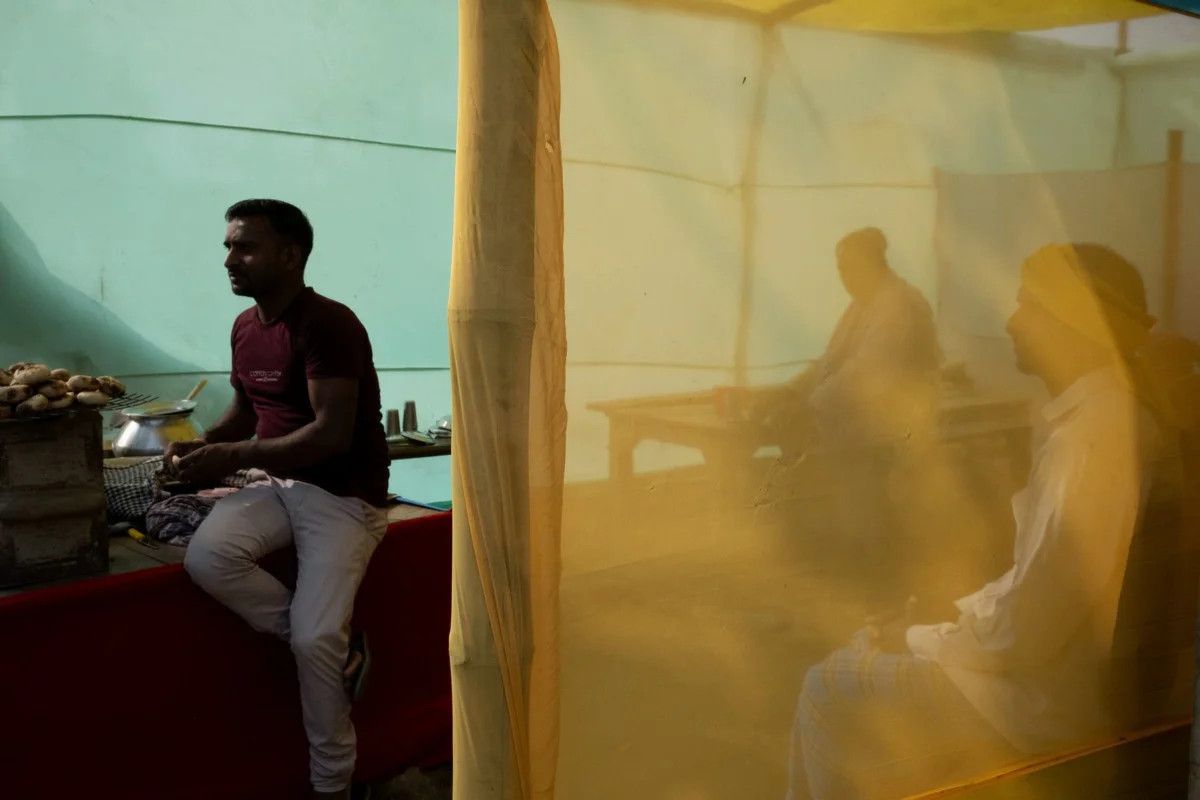
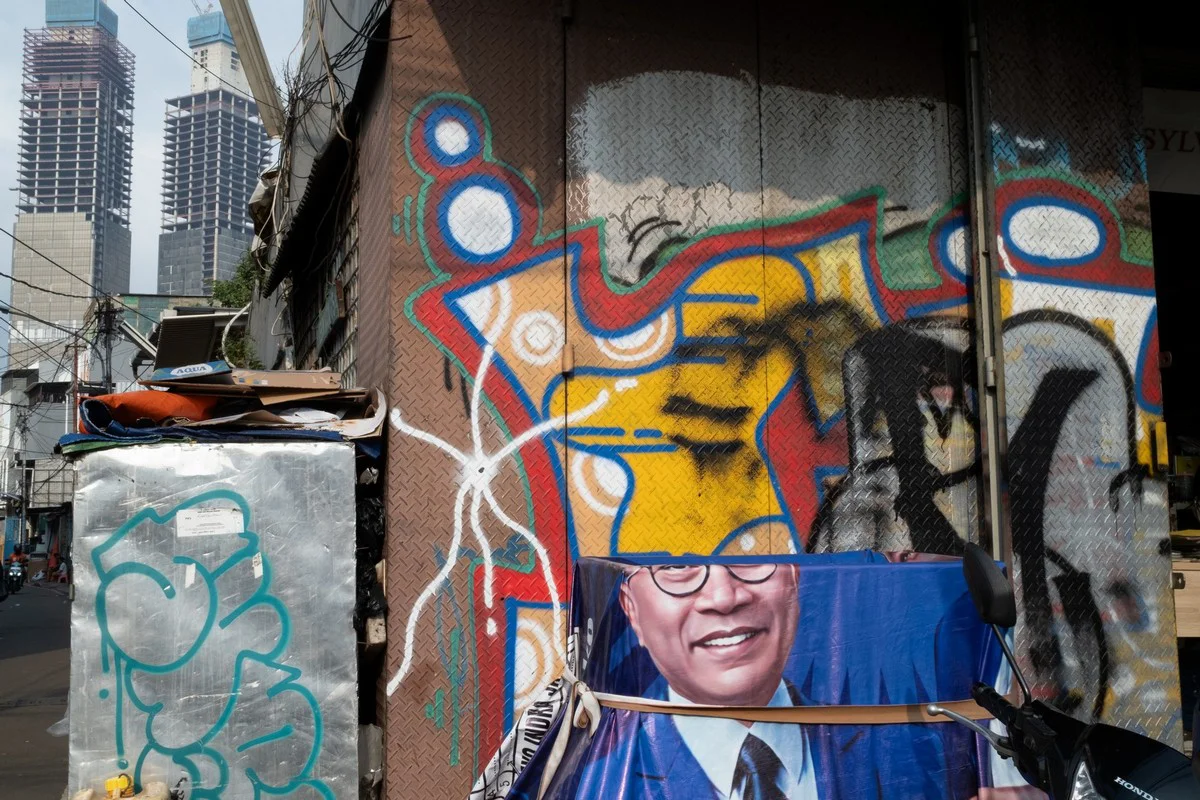
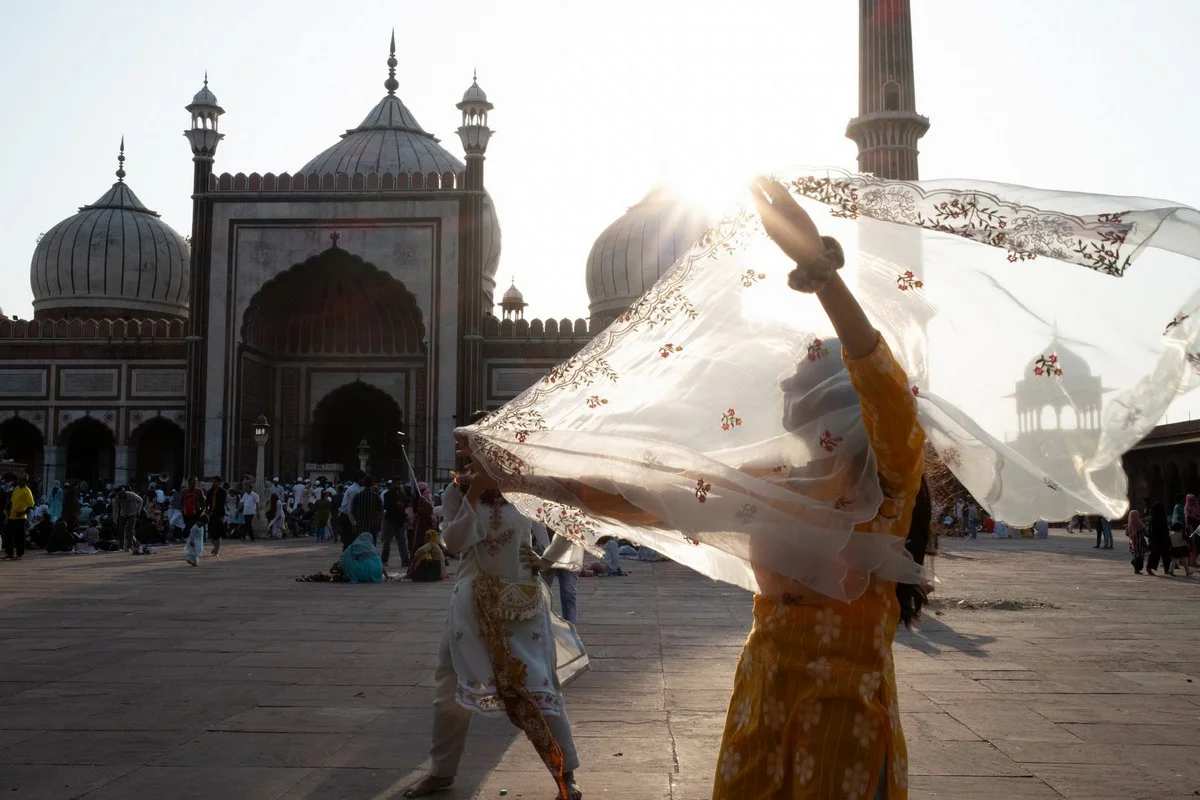
Sebastian Piatek was born in Poland and spent most of his life in Germany. He began exploring photography many years ago, when the first mobile phones with cameras became available. Back then, he mostly photographed family and friends. Over time, as he started to travel - especially to India - his interest deepened, and his style began to evolve.

India became an incredible source of inspiration for Sebastian. In the beginning, he was drawn to capturing the chaos, colors, craziness - trying to fit as many people and as much life as possible into a single frame. But with time, and through recent travels beyond India, he started to change his perspective.

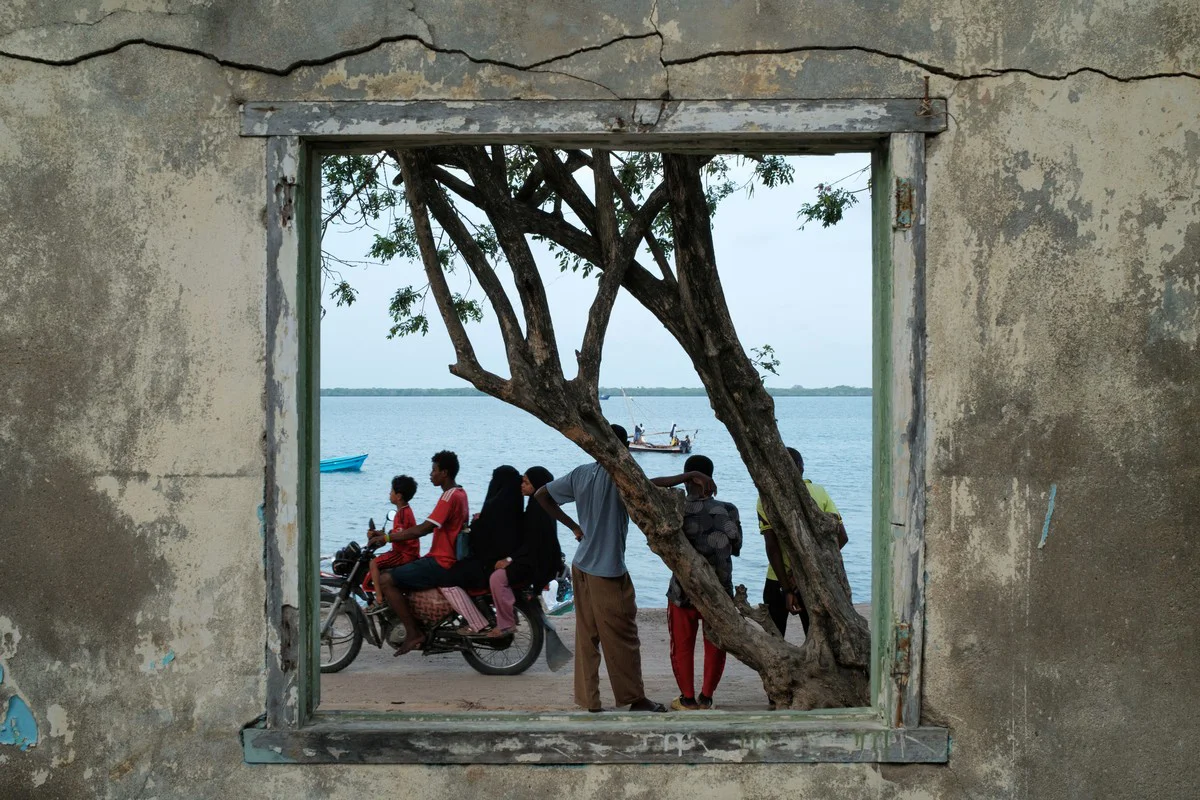
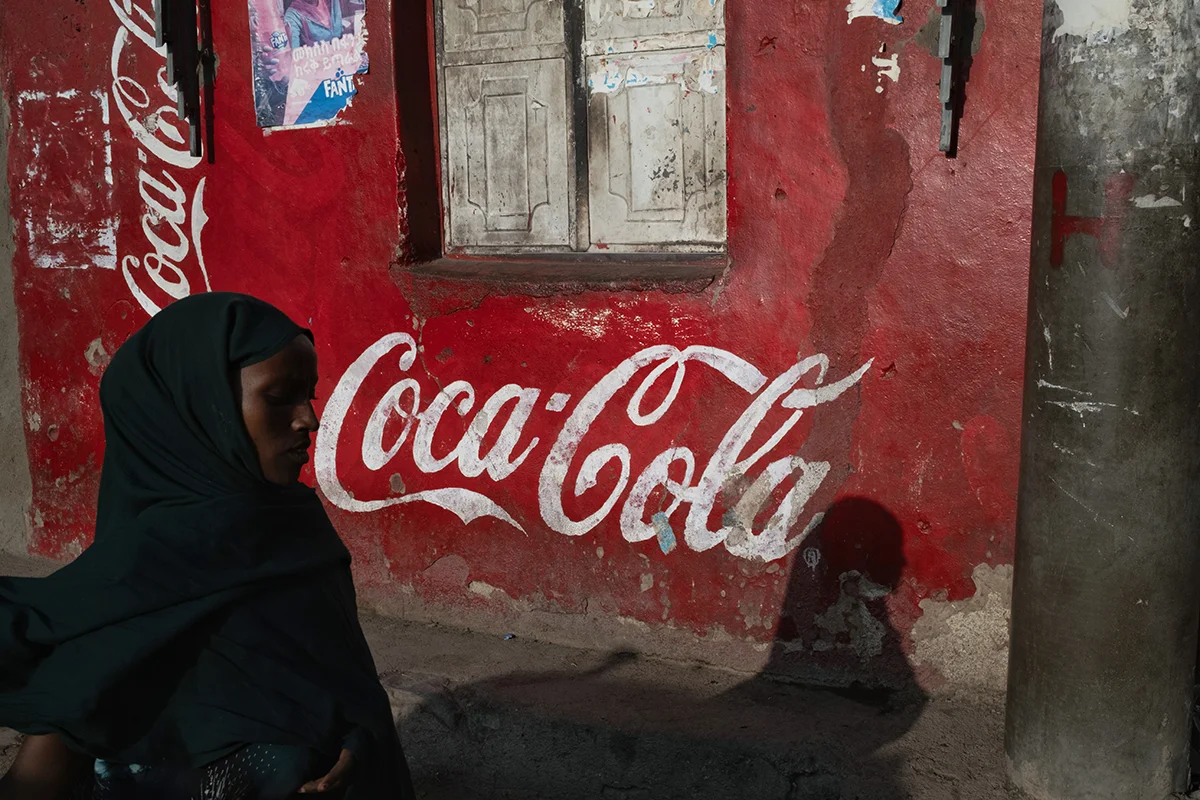
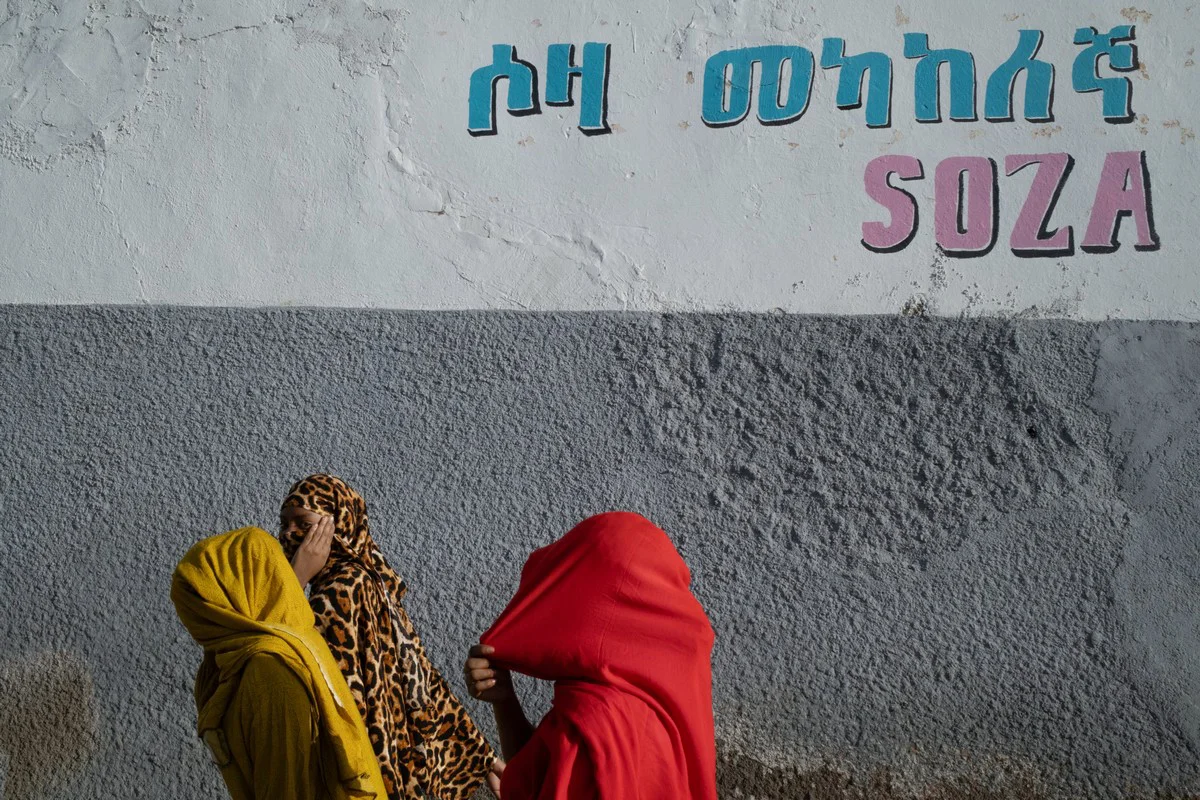
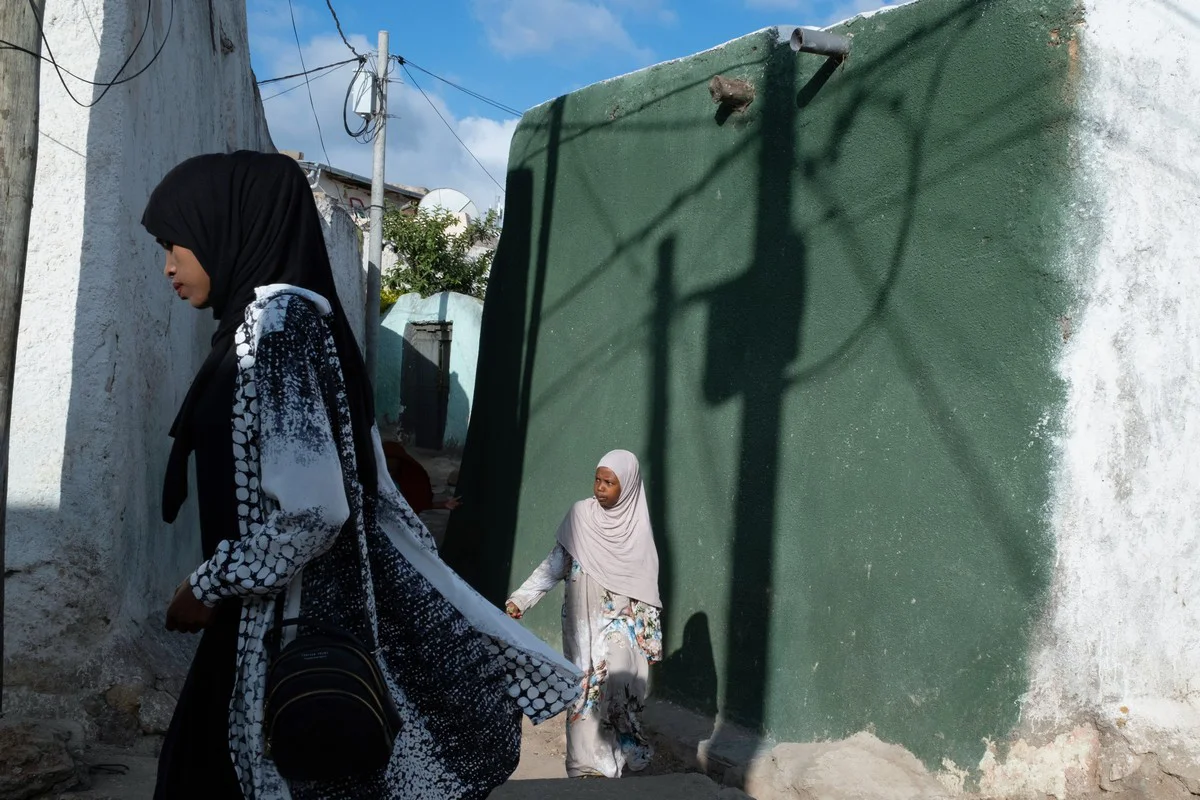
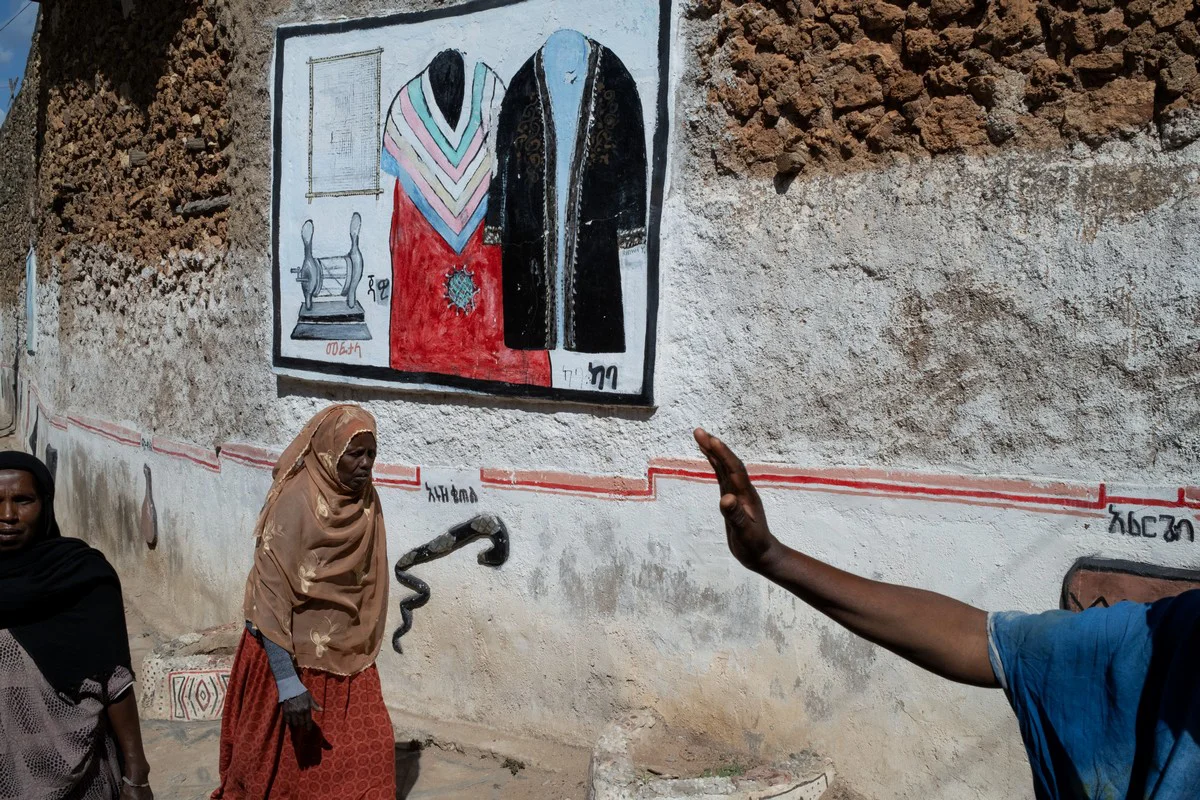
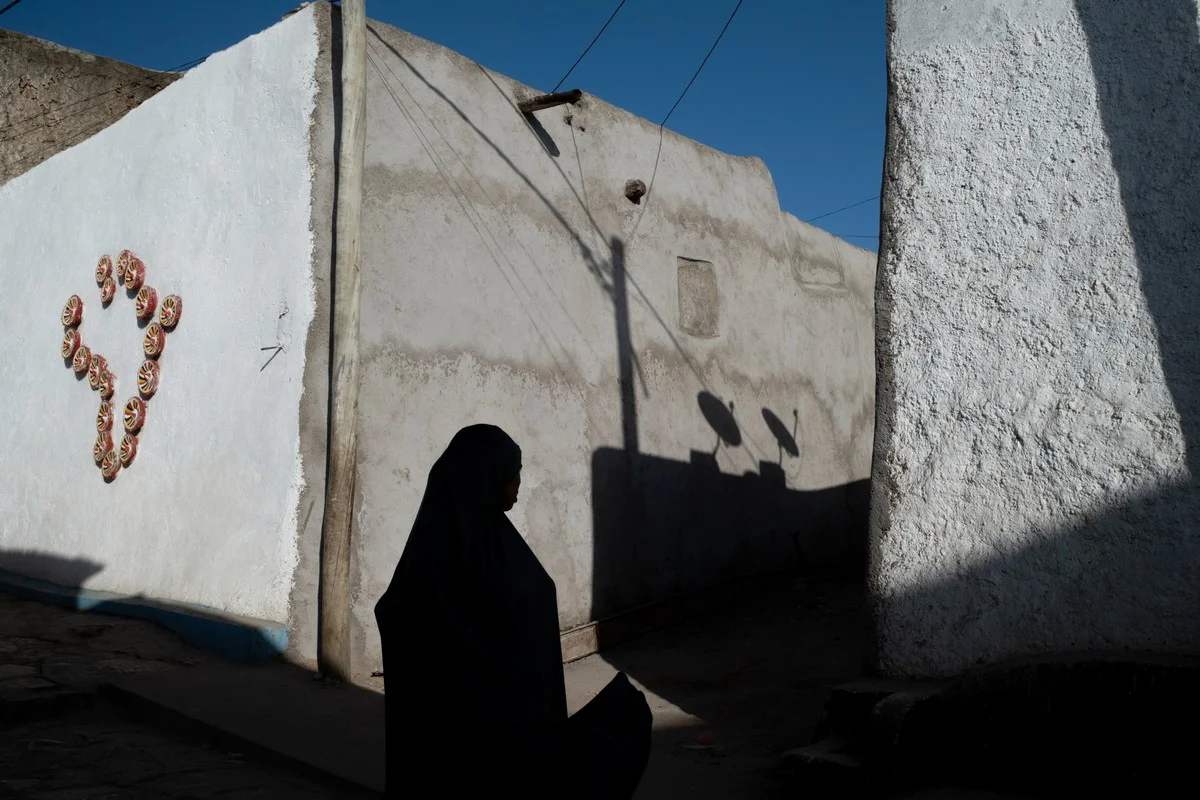
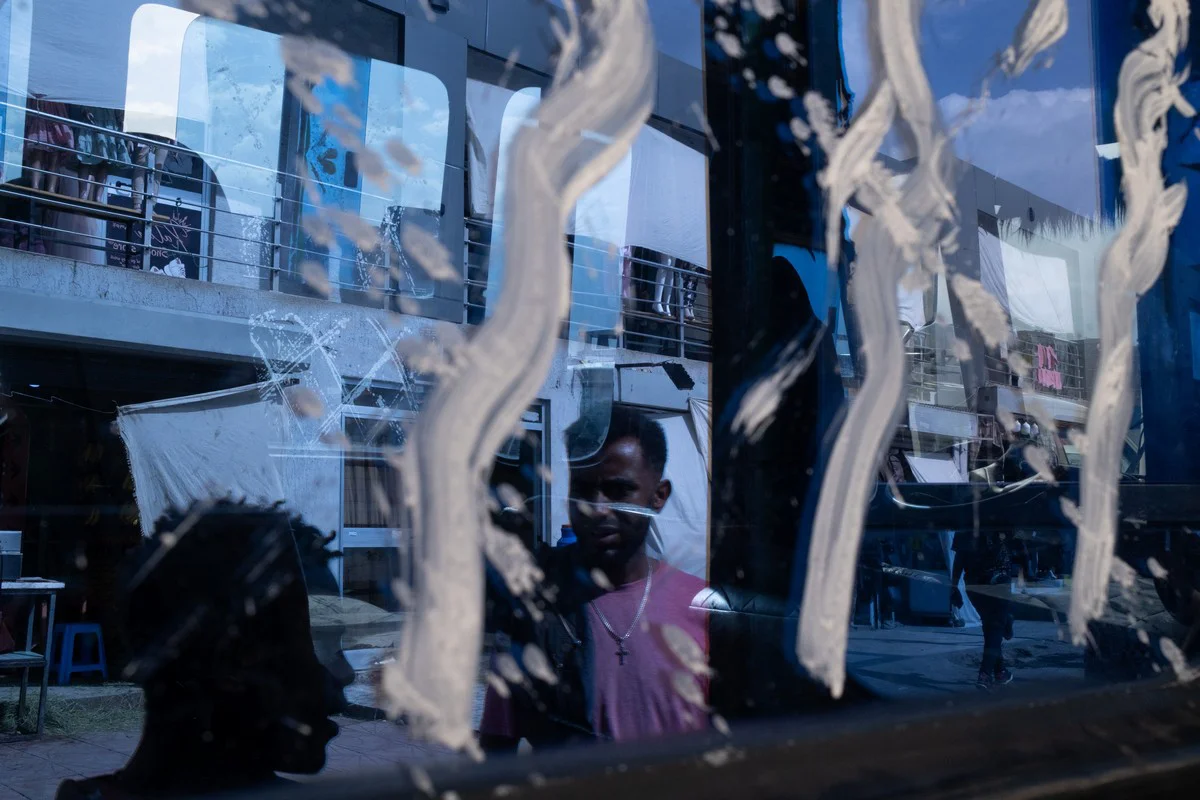
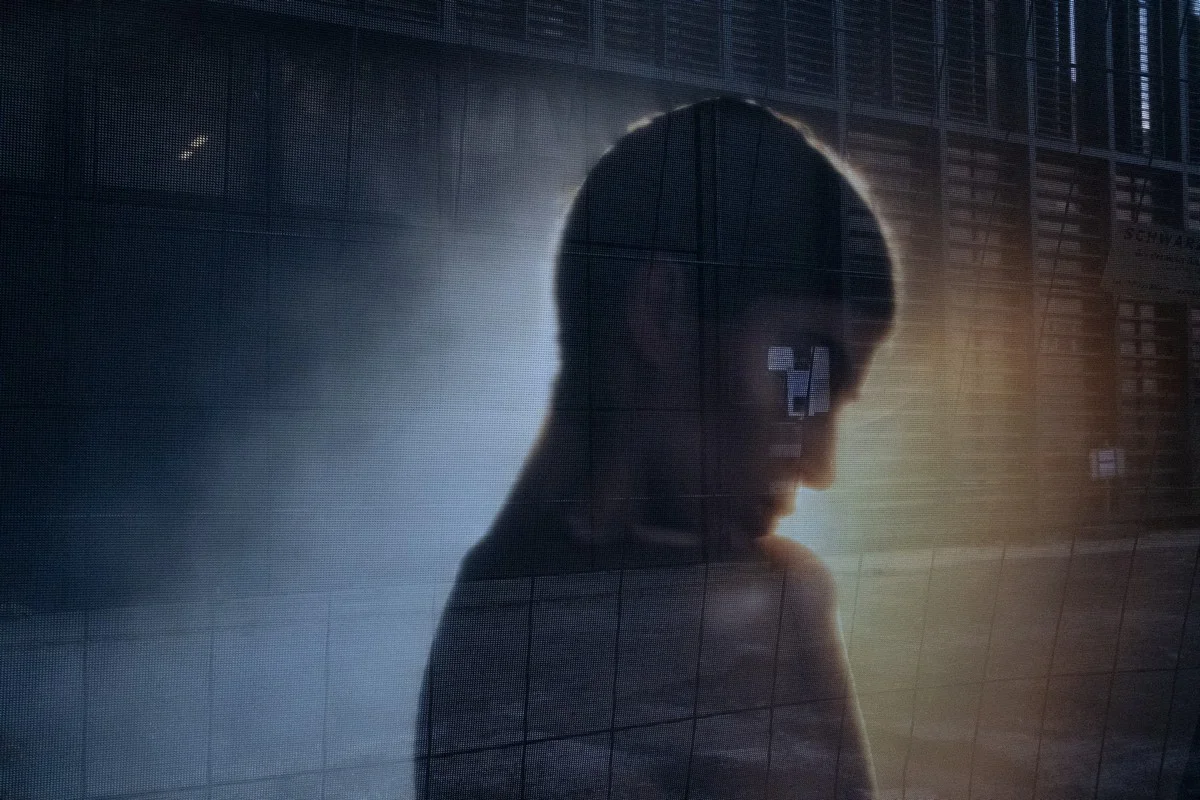
A recent trip to Ethiopia had a profound impact on him and shifted his perspective very much. The few places he visited there deeply influenced how he wants to approach his work in the future, in a more simplistic way. He knows he will return to Ethiopia, and he is eager to explore other parts of Africa as well - to capture its beauty in a much more minimal and also cleaner way.

Awarded Photographer of the Week - Week 13, 2026

 

Inspiring Portfolios

Call for Entries
AAP Magazine #56 Shadows
Publish your work in our printed magazine and win $1,000 cash prizes
 
Stay up-to-date  with call for entries, deadlines and other news about exhibitions, galleries, publications, & special events.

More Great Photographers To Discover

Zhang Jingna
China
1988
Zhang Jingna born May 4, 1988 in Beijing, China is a photographer known widely on DeviantART as zemotion.Born in the suburbs of Beijing to a sporting family, Jingna moved to Singapore at the age of eight, where she attended Haig Girls' School. At the age of fourteen, nine months after picking up air rifle, Jingna broke a national record, and subsequently joined the national air rifle team. She was active in the team for six years, notable achievements include breaking a record in the 10m Air Rifle event at the Commonwealth Shooting Championships 2005 in Melbourne, and a bronze in the same event at the Commonwealth Games in 2006, awarding her the title of Sports Girl of the Year for 2006 by the Singapore National Olympic Council. She left the Raffles Girls' School at sixteen to pursue a degree in fashion design in Lasalle College of the Arts. At eighteen, Jingna picked up a camera. Probably due to her keen interest and achievements in photography, she left Lasalle in October 2007, and the rifle team in January 2008, to pursue photography full time. Jingna's clientele includes companies such as Mercedes Benz, Canon, Pond's, Ogilvy & Mather Advertising and Wacom. She also produced fashion editorials for magazines such as Harper's Bazaar, Elle and Flare. In September 2008, Jingna held her first solo exhibition, "Something Beautiful", at The Arts House in Singapore. In April 2010, 50 of her works were showcased along Orchard Road during Singapore's fashion festival - Fashion Seasons @ Orchard. The showcase was Singapore’s first large scale street exhibition featuring fashion photography. The street exhibition was followed immediately by her second gallery show, "Angel Dreams", at Japan Creative Centre, Singapore, supported by the Embassy of Japan. The show was noted for her photographs of Japanese musician Sugizo (Luna Sea, X Japan). She's influenced by people such as Peter Lindbergh, John William Waterhouse, Yoshitaka Amano and Zdzislaw Beksinski. Jingna also cites her friend Kuang Hong, a fellow artist whom she had managed since the age of fifteen, in numerous interviews, as one of the influences and foundations of her artistic development. She manages a professional Starcraft 2 team called Infinity Seven. Source: Wikipedia Born in Beijing and raised in Singapore, Jingna Zhang is a fine art photographer and art director in New York, Los Angeles, and Seattle. Inspired by the Pre-Raphaelites and anime, Jingna’s work interweaves Asian aesthetics with western art styles, bringing unique visions of painterly images to fashion and fine art photography. Jingna’s works have appeared on Vogue China, Vogue Japan, Harper’s Bazaar China, and Elle Singapore. She has exhibited with PhotoVogue at Leica Gallery Milan, Cle de Peau Beaute in Hong Kong, and Profoto at Tsinghua University. Her clients include brands like Mercedes Benz, Lancome, Canon, and Team Liquid. She has been a speaker and mentor at Square Enix Japan, Trojan Horse is a Unicorn, School of Visual Arts, Laguna College of Art and Design, and Monterrey Institute of Technology. Prior to her work behind the camera, Jingna was a national athlete on Team Singapore, and founder of an esports team in StarCraft 2. She was an agent for concept artists and illustrators, with clients such as LucasArts, Amazon Publishing, and Sony Music Japan. Jingna was named on Forbes Asia’s 30 Under 30 list for Art & Style in 2018. She is an alumna of Stanford Ignite. Jingna is currently working on Cara, a social network and artist platform that filters AI-generated media for the entertainment industry. Her ongoing projects include a course on artistic portrait photography, Motherland Chronicles, and an upcoming photobook inspired by anime and manga. Source: www.zhangjingna.com
Jock Sturges
United States
1947
Jock Sturges, born in New York City in 1947, is an American photographer whose work has stirred both acclaim and controversy. After serving in the United States Navy as a Russian linguist from 1966 to 1970, Sturges pursued his passion for photography, earning a BFA in Perceptual Psychology and Photography from Marlboro College. He further honed his craft by obtaining an MFA in photography from the San Francisco Art Institute. Sturges is renowned for his captivating images of nude adolescents and their families, often captured at communes in Northern California and the naturist resort CHM Montalivet in Vendays-Montalivet. His photographs, characterized by their intimate portrayal of human vulnerability, frequently feature Misty Dawn, a California resident whom he photographed from childhood into her twenties. Working primarily with a large 8x10-inch-format view camera, Sturges has also experimented with digital photography but maintains a preference for traditional prints. My work is, in fact, neutral. In fact, its very neutrality is one of the things that worries me about it sometimes. There’s sometimes not a lot of emotive passion in the work. Because I shoot long shutter speeds, people are necessarily very still, and the work is very, very plain and... neutral. That neutrality isn’t sexual by nature. My subjects are just there. So if you read sexuality into my pictures, beyond what’s inherent to a human being, then the work is acting as a Rorschach, and you’re evincing sexual immaturity or sexual malaise in your own life. I have to tell you, I am sometimes deeply suspicious of the sexual mental health of some of the people who point their wavering fingers at the morality, the art, of others. – Jock Sturges Despite the acclaim garnered by his work, Sturges has faced controversy throughout his career. In 1990, his San Francisco studio was raided by FBI officers, and his equipment was seized. However, a subsequent grand jury declined to bring charges against him. In 1998, his books "The Last Day of Summer" and "Radiant Identities" were targeted as potential child pornography in Arkansas and Louisiana, sparking legal battles and protests. Despite these challenges, Sturges has continued to create thought-provoking imagery that challenges societal norms and perceptions. Sturges's photographs have also found their way into various forms of media and art. They have graced the covers of novels by authors such as Jennifer McMahon and Karl Ove Knausgård, adding depth and intrigue to literary works. Additionally, his images have been featured in music releases by the band Ride, further highlighting their versatility and impact across different artistic mediums. Throughout his career, Sturges has remained committed to his artistic vision, using his lens to explore themes of innocence, identity, and the passage of time. Despite the controversies surrounding his work, he continues to push the boundaries of conventional photography, challenging viewers to confront their preconceptions and delve deeper into the complexities of the human experience. Jock Sturges's legacy as a photographer is a testament to the power of art to provoke thought, spark dialogue, and inspire change.
Martin Munkácsi
Hungary
1896 | † 1963
Martin Munkácsi (born Mermelstein Márton; Kolozsvár, Hungary, May 18, 1896; died July 13, 1963, New York, NY) was a Hungarian photographer who worked in Germany (1928–34) and the United States, where he was based in New York City. Munkácsi was a newspaper writer and photographer in Hungary, specializing in sports. At the time, sports action photography could only be done in bright light outdoors. Munkácsi's innovation was to make sports photographs as meticulously composed action photographs, which required both artistic and technical skill. Munkácsi's legendary big break was to happen upon a fatal brawl, which he photographed. Those photos affected the outcome of the trial of the accused killer, and gave Munkácsi considerable notoriety. That notoriety helped him get a job in Berlin in 1928, for the Berliner Illustrirte Zeitung, where his first published photo was a race car splashing its way through a puddle. He also worked for the fashion magazine Die Dame. More than just sports and fashion, he photographed Berliners, rich and poor, in all their activities. He traveled to Turkey, Sicily, Egypt, London, New York, and famously Liberia, for photo spreads in the Berliner Illustrirte Zeitung. The speed of the modern age and the excitement of new photographic viewpoints enthralled him, especially flying. There are aerial photographs; there are air-to-air photographs of a flying school for women; there are photographs from a Zeppelin, including the ones on his trip to Brazil, where he crosses over a boat whose passengers wave to the airship above. On March 21, 1933, he photographed the fateful Day of Potsdam, when the aged President Paul von Hindenburg handed Germany over to Adolf Hitler. On assignment for the Berliner Illustrirte Zeitung, he photographed Hitler's inner circle, although he was a Jewish foreigner. In 1934, the Nazis nationalized the Berliner Illustrirte Zeitung, fired its Jewish editor-in-chief, Kurt Korff, and replaced its innovative photography with pictures of German troops. Munkácsi left for New York, where he signed on, for a substantial $100,000, with Harper's Bazaar, a top fashion magazine. In a change from usual practice, he often left the studio to shoot outdoors, on the beach, on farms and fields, at an airport. He produced one of the first articles in a popular magazine to be illustrated with nude photographs. His portraits include Katharine Hepburn, Leslie Howard, Jean Harlow, Joan Crawford, Jane Russell, Louis Armstrong, and the definitive dance photograph of Fred Astaire. Munkácsi died in poverty and controversy. Several universities and museums declined to accept his archives, and they were scattered around the world. Berlin's Ullstein Archives and Hamburg's F. C. Gundlach collection are home to two of the largest collections of Munkácsi's work.Source: Wikipedia
Monika Maroziene
Born in Lithuania and raised along the Amber Coast, Monika Maroziene’s work is a fusion of science and emotion, discipline and instinct. With a master’s degree in chemistry, her artistic journey began from a quiet yearning, what she calls “a void where art should be.” That longing gradually led her to photography, where she found the perfect medium to weave her scientific understanding with deep rooted personal stories and poetic vision. Her approach is experimental and tactile. By melting pine tree resin onto her black-and-white prints, Monika not only enhances the texture and warmth of her imagery but also introduces natural preservation qualities. This technique plays a central role in her latest series, Woman and The Sea (later called Amber Coast), a deeply personal project that pays homage to the Amber Coast of her childhood. The use of raw, unfossilised resin adds a subtle golden hue and evokes the scent and spirit of Baltic summers. In Monika’s work, art and chemistry converge into a quiet kind of alchemy. Her images are defined by a strong visual identity, at once melancholic and ironic, delicate yet resolute. Her subjects, often women, are portrayed as multifaceted beings: powerful, enigmatic, nurturing, dramatic, and elusive. She draws inspiration from the unique landscape of the Curonian Spit, with its ever changing dunes and untamed sea, and from the women who shaped her, especially her grandmother. “My photography is a form of freedom,” she says. “Solitude shaped me. The silence, the seagulls, the endless rhythm of waves, these moments now live in my images. I work in black and white because colour feels out of place in the world I capture. The touch of pine resin brings back the warmth of sunlit days and the memory of home.” Her evocative work has received international recognition: Fine Art Photographer of the Year – 1st Place, Monochrome Photography Awards 2024, 1st Place and Gold Winner, Fine Art/Portrait – Tokyo International Foto Awards 2024 (TIFA), Silver Winner – Prix de la Photographie Paris (PX3) 2024, Silver, Fine Art/Nudes – Budapest International Foto Awards (BIFA) 2024, Bronze and Honorable Mention – Exposure One Awards 2025, Bronze, Fine Art – One Eyeland Awards 2024, Honorable Mention – International Photography Awards (IPA) 2024 Her photographs have been exhibited at Trieste Photo Days and featured in renowned publications, including the URBAN Photo Awards catalogue and the Monochrome Photography Awards Annual Book 2024. She also held a solo exhibition at Petra Gut Contemporary Art Gallery in Switzerland and took part in a group show featured by Profifoto magazine during the opening of the 56th Rencontres d’Arles in 2025. AAP Magazine: AAP Magazine 49: B&W
Arthur Tress
United States
1940
Arthur Tress (born November 24, 1940) is an American photographer. He is known for his staged surrealism and exposition of the human body. Tress was born in Brooklyn, New York. The youngest of four children in a divorced family, Tress spent time in his early life with both his father, who remarried and lived in an upper-class neighborhood, and his mother, who remained single after the divorce and whose life was not nearly so luxurious. At age 12 he began to photograph circus freaks and dilapidated buildings around Coney Island in New York City, where he grew up. Tress studied at Abraham Lincoln High School in Coney Island, and gained a Bachelor of Fine Arts at Bard College in Annandale-on-Hudson, New York. After graduating from Bard College in 1962, Tress moved to Paris, France to attend film school. While living in France, he traveled to Japan, Africa, Mexico, and throughout Europe. He observed many secluded tribes and cultures and was fascinated by the roles played by the shaman of the different groups of people. The cultures to which he was introduced would play a role in his later work. Tress spent the spring and summer of 1964 in San Francisco, documenting the Republican Convention that nominated Barry Goldwater, civil rights demonstrations at segregated car dealerships on Van Ness Avenue, and the Beatles launching their 1964 tour. Tress took over 900 photographs that were put away and re-discovered in 2009, and featured in a show at San Francisco's deYoung Museum. He currently resides in San Francisco, California. Source: Wikipedia Arthur Tress began his first camera work as a teenager in the surreal neighborhood of Coney Island where he spent hours exploring the decaying amusement parks. Later, during five years of world travel, mostly in Asia and Africa, he developed an interest in ethnographical photography that eventually led him to his first professional assignment as a U.S. government photographer recording the endangered folk cultures of Appalachia. Seeing the destructive results of corporate resource extraction, Tress began to use his camera to raise environmental awareness about the economic and human costs of pollution. Focusing on New York City, he began to photograph the neglected fringes of the urban waterfront with a straight documentary approach. This gradually evolved into a more personal mode of “magic realism” combining improvised elements of actual life with stage fantasy that became his hallmark style of directorial fabrication. In the late 1960s Tress was inspired to do a series based upon children's dreams that combined his interests in ritual ceremony, Jungian archetypes, and social allegory. Later bodies of work dealing with the hidden dramas of adult relationships and the reenactments of male homosexual desire evolved from this primarily theatrical approach. Beginning in the early 1980s, Tress began shooting in color, creating room-sized painted sculptural installations out of found medical equipment in an abandoned hospital on New York's Welfare Island. This led to a smaller scale exploration of narrative still life within a children's toy theater and a portable nineteenth-century aquarium. Around 2002, Tress returned to gelatin silver, exploring more formalist themes in the style of mid- century modernism, often combining a spontaneous shooting style with a constructivist's sense of architectural composition and abstract shape. In addition to images of California skateboard parks, his recent work includes the round images of the series Planets and the diamond-shaped images of Pointers. Source: www.arthurtress.com
Advertisement
AAP Magazine #56 Shadows
Win a Solo Exhibition in May
AAP Magazine #56 Shadows

Latest Interviews

Exclusive Interview with Jan Janssen
Dutch photographer Jan Janssen explores universal human experiences through his long-term project It Matters, winner of the May 2025 Solo Exhibition. Begun in 2016, the series captures intimate moments of everyday life—love, loss, connection, and belonging—across Central and Eastern Europe. Working in countries such as Turkey, Azerbaijan, and Armenia, Janssen spends extended time within communities, building relationships based on trust and respect. His approach allows him to move beyond observation, revealing deeply human and authentic moments. Rooted in travel and personal discovery, It Matters reflects Janssen’s search for what connects us all in an increasingly divided world. The project is ongoing and will culminate in a photobook scheduled for publication in 2026.
Exclusive Interview with Henk Kosche
German photographer Henk Kosche turns his lens toward the streets of Halle an der Saale, capturing everyday life in the late years of the former German Democratic Republic. At the time, Kosche was studying design and exploring the city with his camera, drawn to the atmosphere of its industrial landscape and the quiet rhythms of daily life. His series Street Photography at the End of the 80s, selected as the Solo Exhibition for July 2025, revisits a body of work created just before a period of profound change. Rediscovered decades later in a small box of 35mm negatives, these photographs offer glimpses of a city and its people at a moment suspended between the familiar and the unknown.
Exclusive Interview with Anastasia Samoylova
Anastasia Samoylova is an American artist whose photographic practice is shaped by close observation and a deep attentiveness to place. Working between documentary and formal exploration, she photographs landscapes, architecture, and everyday scenes with a sensitivity to light, structure, and atmosphere. Since relocating to Miami in 2016, her work has increasingly focused on how environments—both natural and built—carry social, cultural, and emotional traces. We asked her a few questions about her practice and her way of seeing, to better understand the thoughts and experiences that shape her work—while allowing the images themselves to remain open and speak in their own time.
Exclusive Interview with Marijn Fidder
Marijn Fidder is a Dutch documentary photographer whose work powerfully engages with current affairs and contemporary social issues. Driven by a deep sense of social justice, she uses photography to speak on behalf of the voiceless and to advocate for the rights of those who are most vulnerable. Her images have been widely published in major international outlets including National Geographic, CNN Style, NRC Handelsblad, Volkskrant, GUP New Talent, and ZEIT Magazin. Her long-term commitment to disability rights—particularly through years of work in Uganda—culminated in her acclaimed project Inclusive Nation, which earned her the title of Photographer of the Year 2025 at the All About Photo Awards. She is also the recipient of multiple prestigious honors, including awards from World Press Photo and the Global Peace Photo Award. We asked her a few questions about her life and work.
Exclusive Interview with Josh S. Rose
Josh S. Rose is a multidisciplinary artist working across photography, film, and writing. His practice bridges visual and performing arts, with a strong focus on movement, emotion, and the expressive potential of the image. Known for his long-standing collaborations with leading dance companies and performers, Rose brings together authenticity and precise composition—a balance he describes as “technical romanticism.” His work has been commissioned and exhibited internationally, appearing in outlets such as Vogue, at the Super Bowl, in film festivals, and most recently as a large-scale installation for Lincoln Center for the Performing Arts. A sought-after collaborator, he has worked with major artists, cultural institutions, and brands, following a previous career as Chief Creative Officer at Interpublic Group and the founder of Humans Are Social. We asked him a few questions about his life and work.
Interview with Maureen Ruddy Burkhart
Photographer Maureen Ruddy Burkhart brings a quietly attentive and deeply human sensibility to her exploration of the world through images. Shaped by a life immersed in photography, film, and visual storytelling, her work is guided by intuition, observation, and an enduring interest in the emotional undercurrents of everyday life. With a practice rooted in both fine art traditions and documentary awareness, she approaches her subjects with sensitivity, allowing subtle moments to emerge naturally rather than be imposed. Her series Til Death, selected as the Solo Exhibition for February 2025, reflects this long-standing commitment to photography as a space for reflection rather than spectacle. Drawn to moments that exist just outside the expected frame, Burkhart’s images suggest narratives without resolving them, leaving room for ambiguity, humor, and quiet connection. We asked her a few questions about her life and work.
Exclusive Interview with Peter Ydeen
Winner of AAP Magazine #45 Travels, his series reflects this unique vision—capturing the spirit of place through subtle layers of light, color, and emotion. Whether traveling abroad or observing the rhythms of his own surroundings, Ydeen creates images that feel both grounded and enchanted, inviting viewers into a world where reality and reverie meet.
Exclusive Interview with Julie Wang
Chinese-born photographer Julie Wang brings a poetic, contemplative sensitivity to her visual exploration of the world. Having lived for nearly equal parts of her life in China, Europe, and the United States, she approaches her subjects with the nuanced perspective of someone shaped by many cultures. This blend of distance, curiosity, and emotional resonance infuses her work with a quiet depth, allowing her to reveal the fragile beauty and subtle tensions that often pass unnoticed.
Exclusive Interview with Ghawam Kouchaki
American photographer Ghawam Kouchaki brings a sharply observant and introspective gaze to the streets of Japan’s capital. Based in Los Angeles, he approaches Tokyo with the distance — and curiosity — of an outsider, allowing him to uncover the city’s subtle contradictions, quiet tensions, and fleeting gestures that often go unnoticed. His series Tokyo no no, selected as the Solo Exhibition for December 2024, explores the hidden undercurrents of urban life: the unspoken rules, the small ruptures in routine, the poetic strangeness found in everyday moments. Through muted tones, instinctive timing, and meticulous framing, Kouchaki reveals a Tokyo that exists somewhere between reality and imagination — both intimate and enigmatic. We asked him a few questions about his life and work.
Call for Entries
Solo Exhibition May 2026
Get International Exposure and Connect with Industry Insiders