All about photo.com: photo contests, photography exhibitions, galleries, photographers, books, schools and venues.
FINAL CHANCE to enter All About Photo Awards: $5,000 Cash Prizes - Juror Steve McCurry
Daniele Colucci
Daniele Colucci
Daniele Colucci

Daniele Colucci

Country: Italy
Birth: 1992

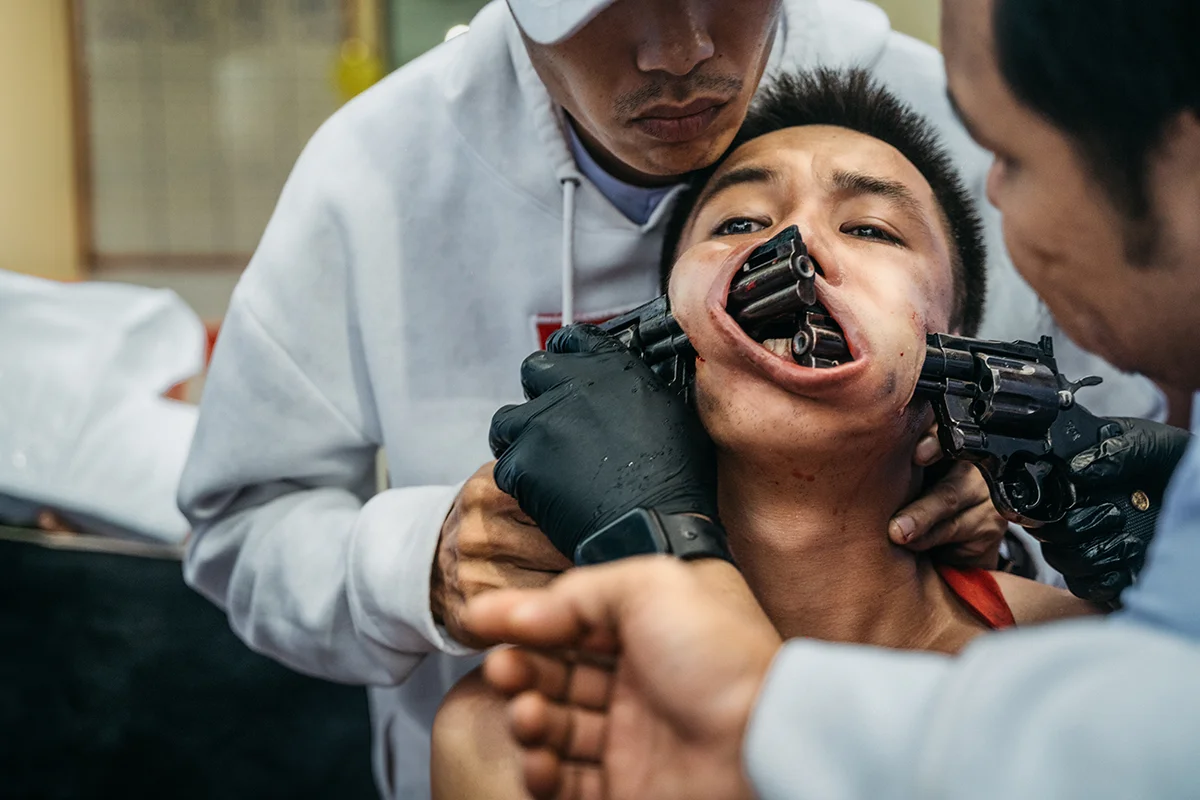
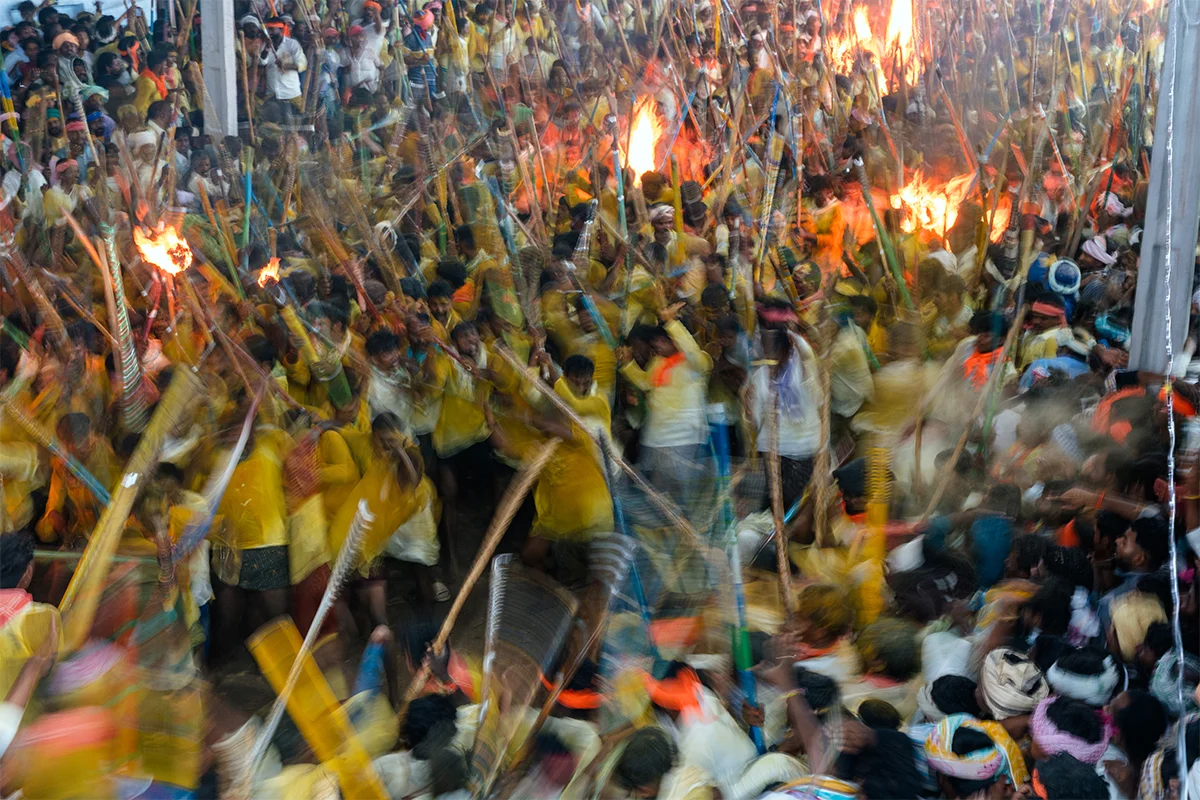
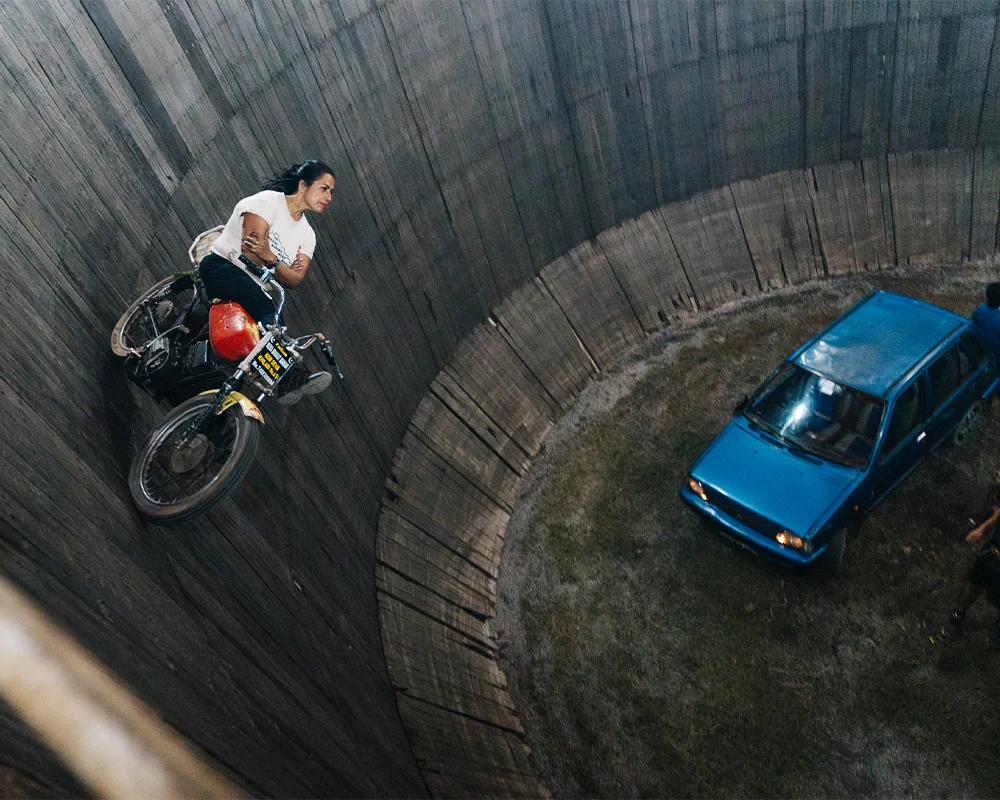
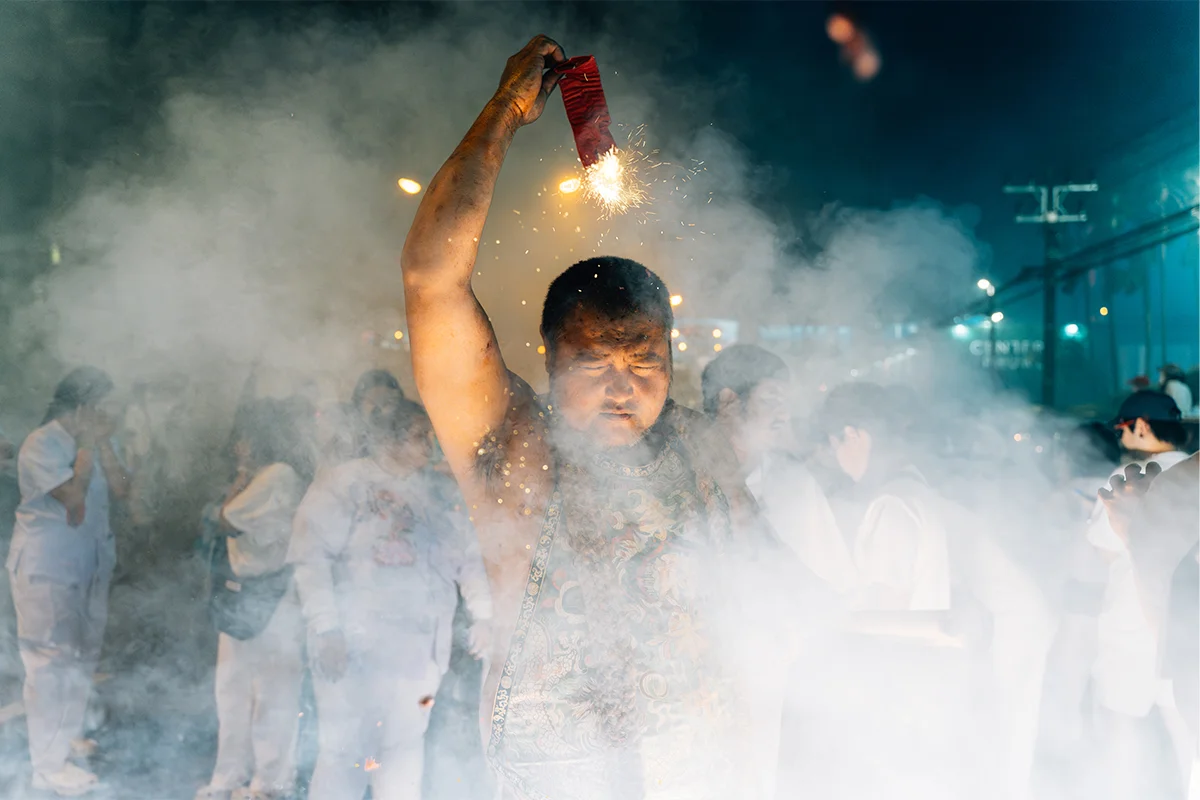
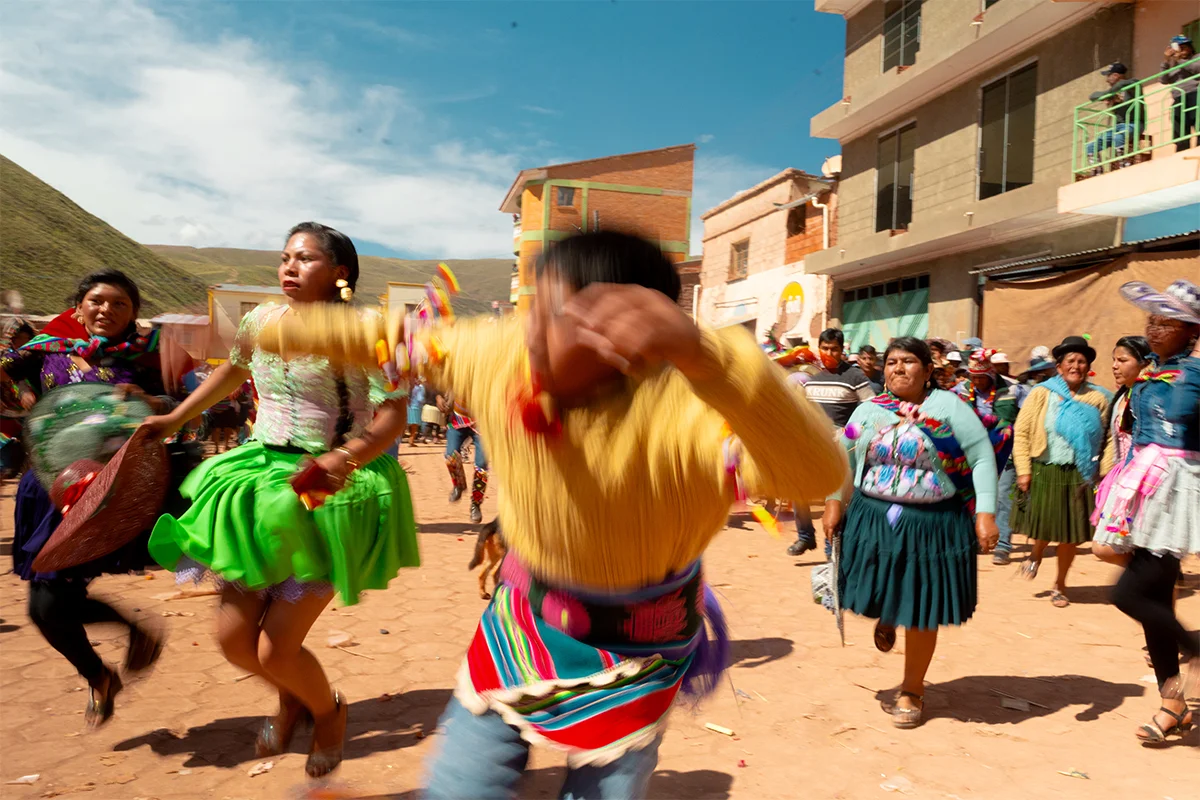
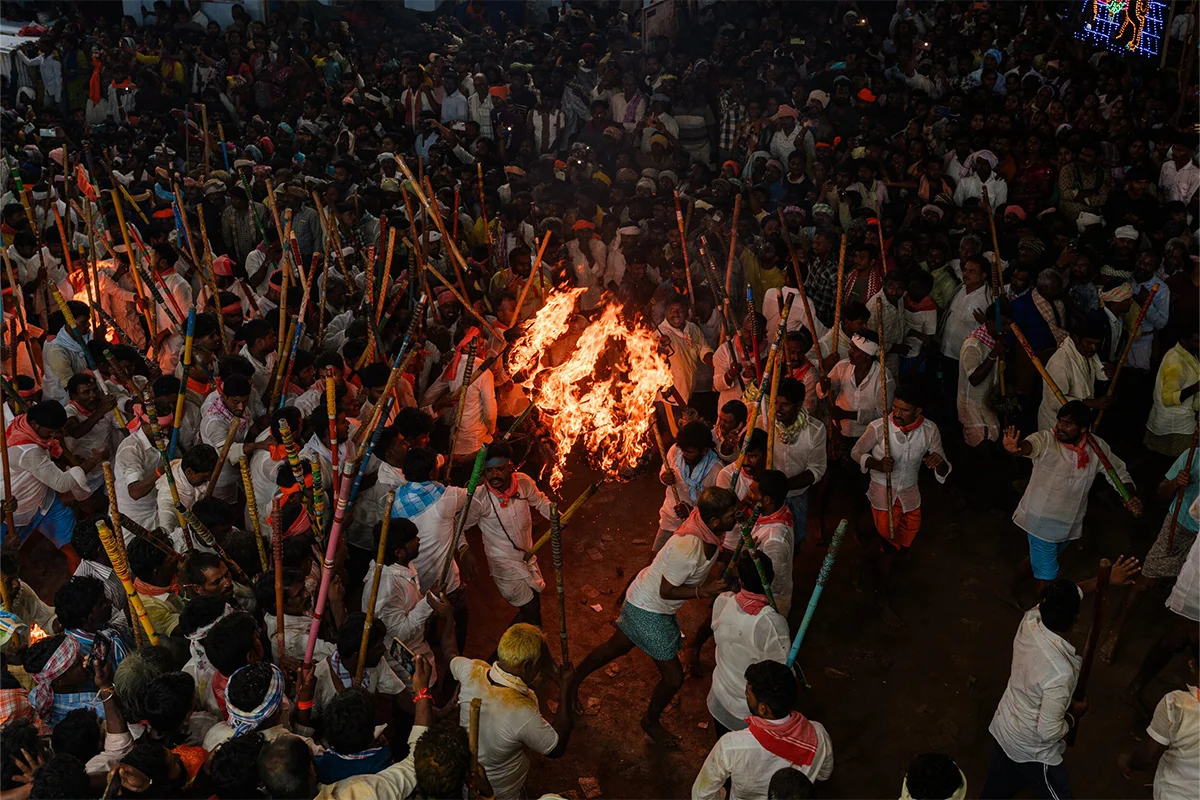
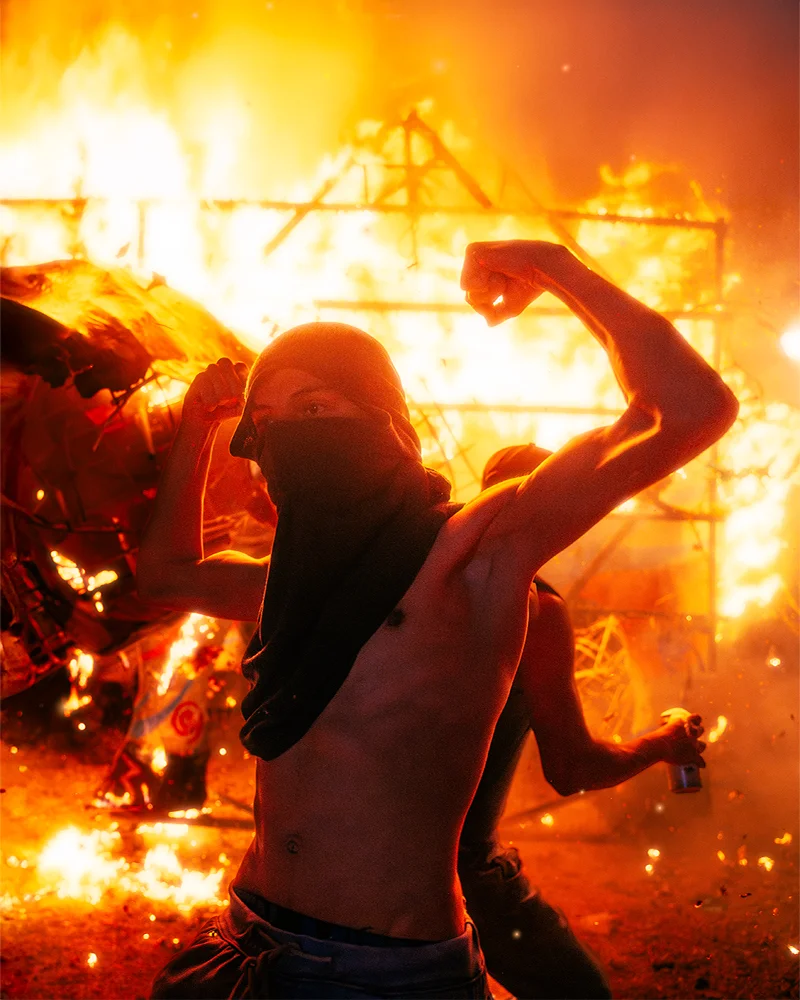
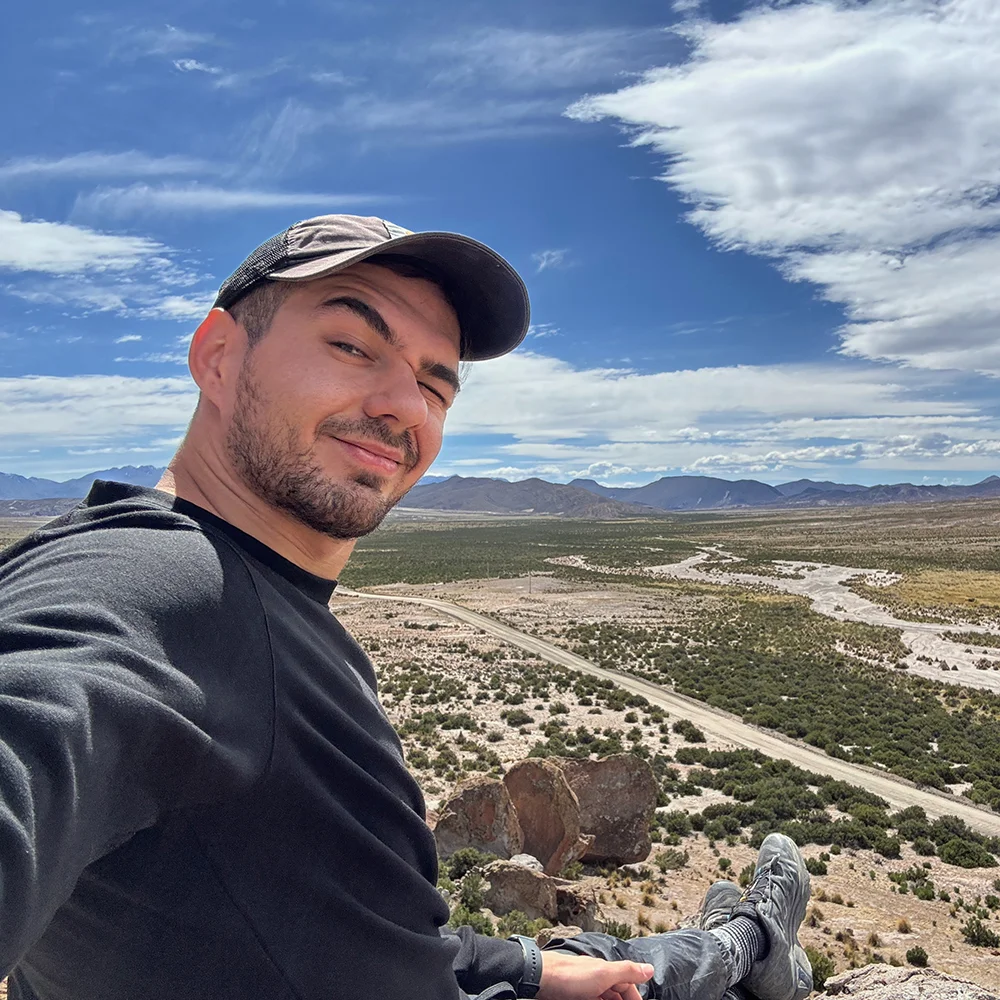
Daniele Colucci is a visual storyteller and documentary photographer whose work explores the unfiltered human experience. Originally from Southern Italy, his approach has been shaped by immersing himself in diverse cultures through years of solo travel around the world.

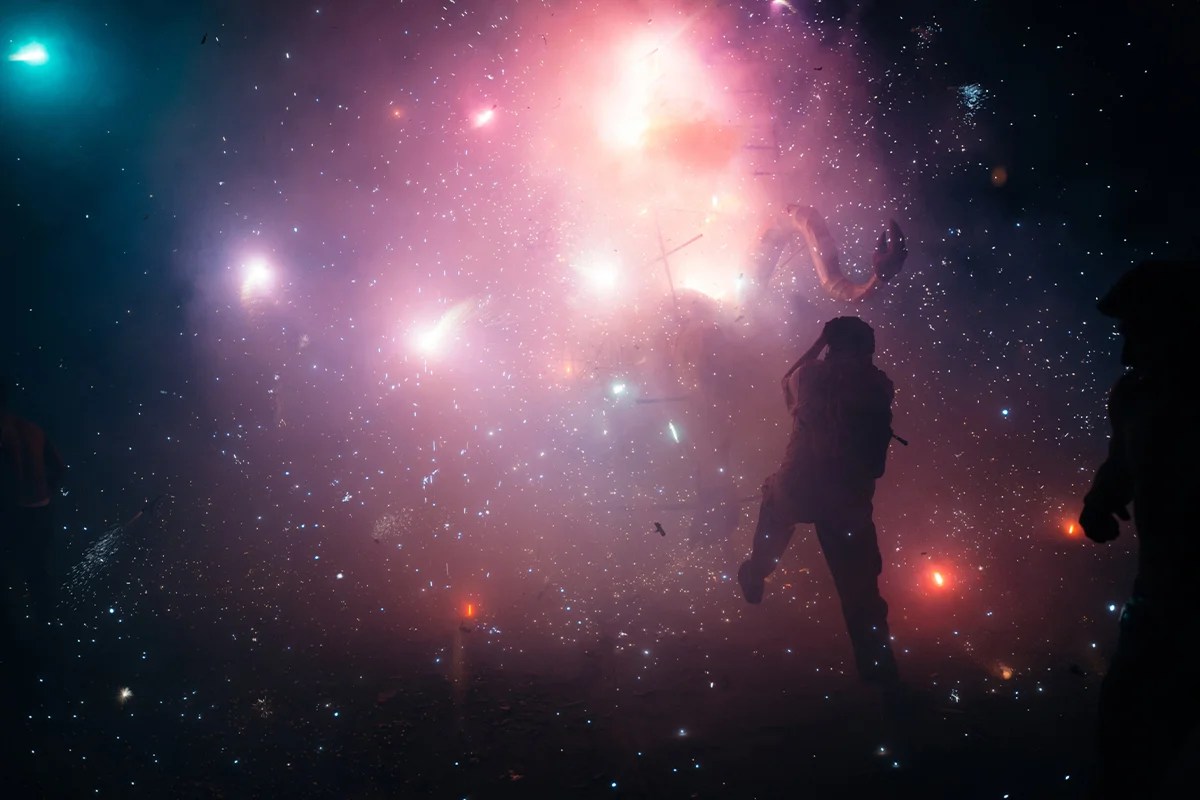
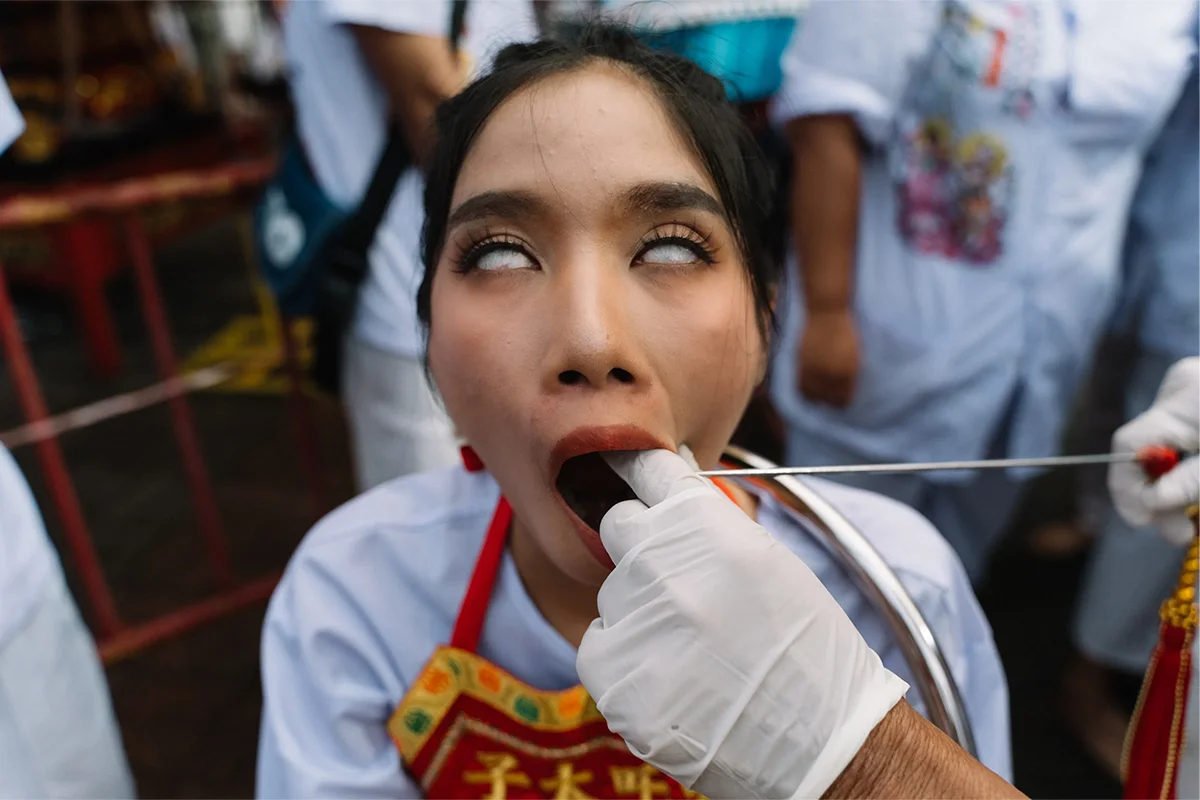
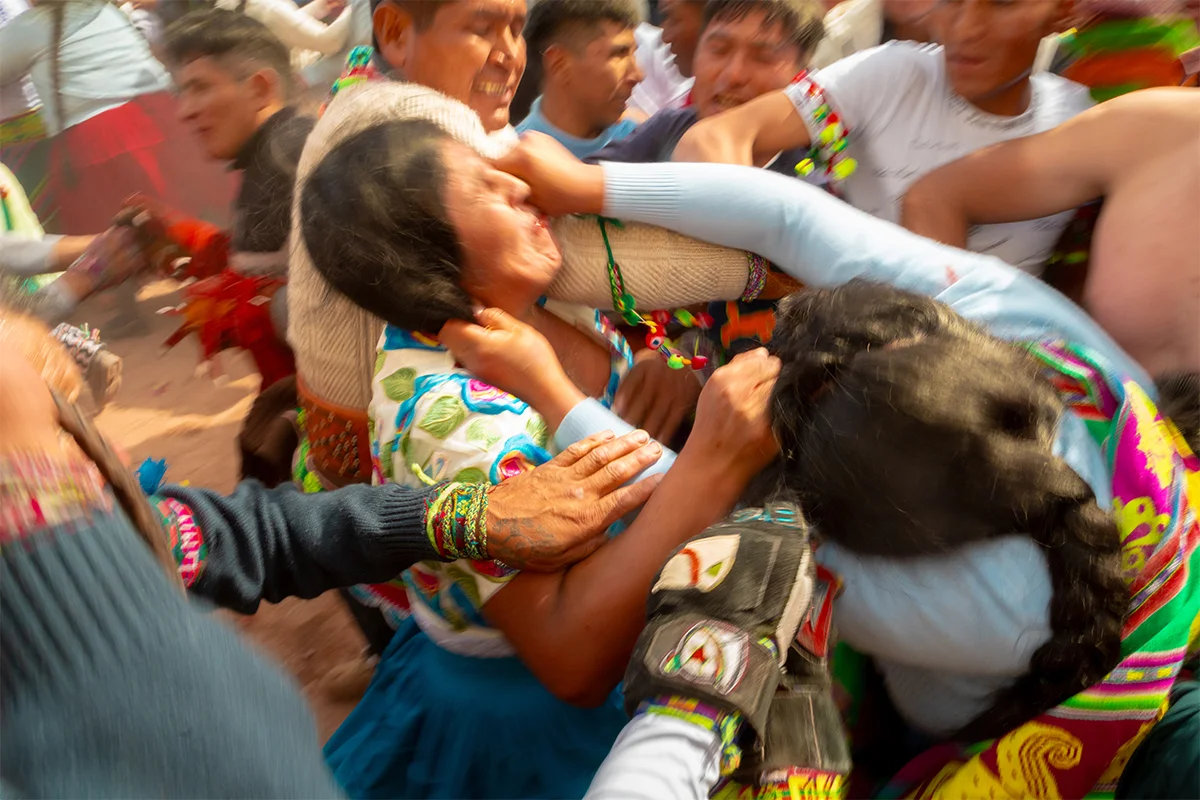
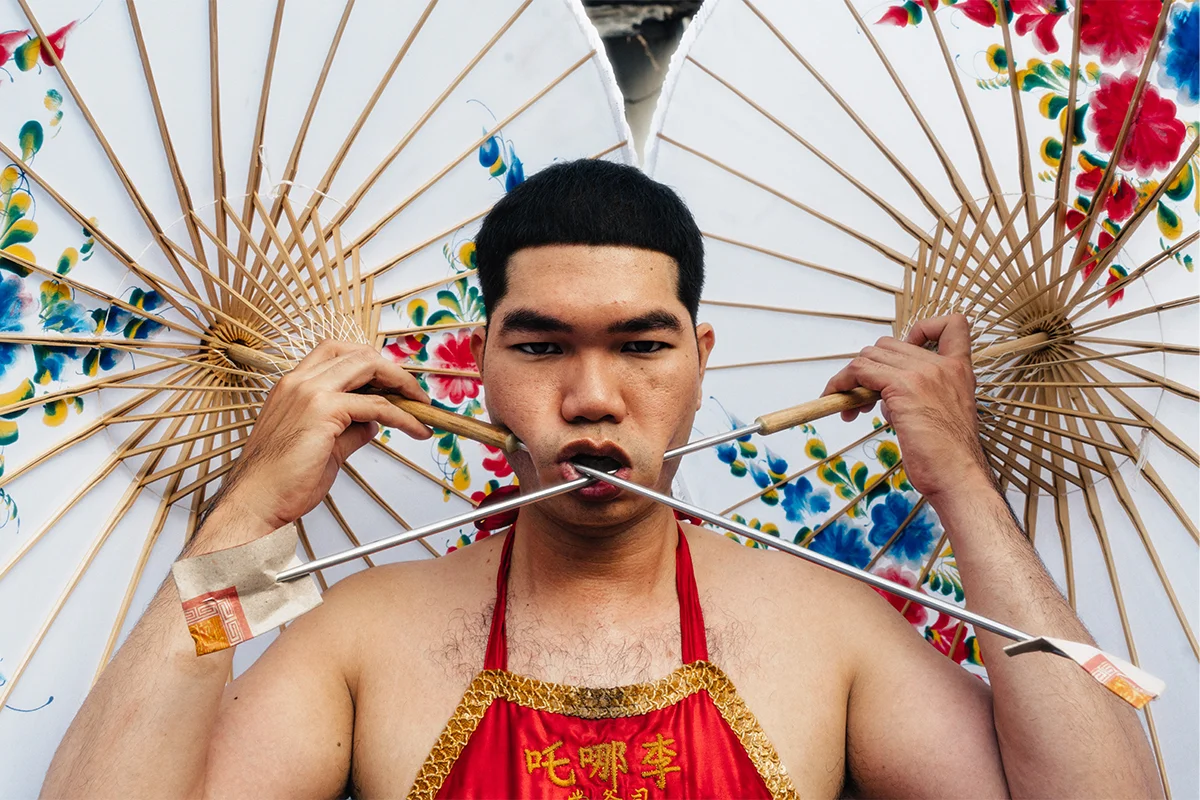
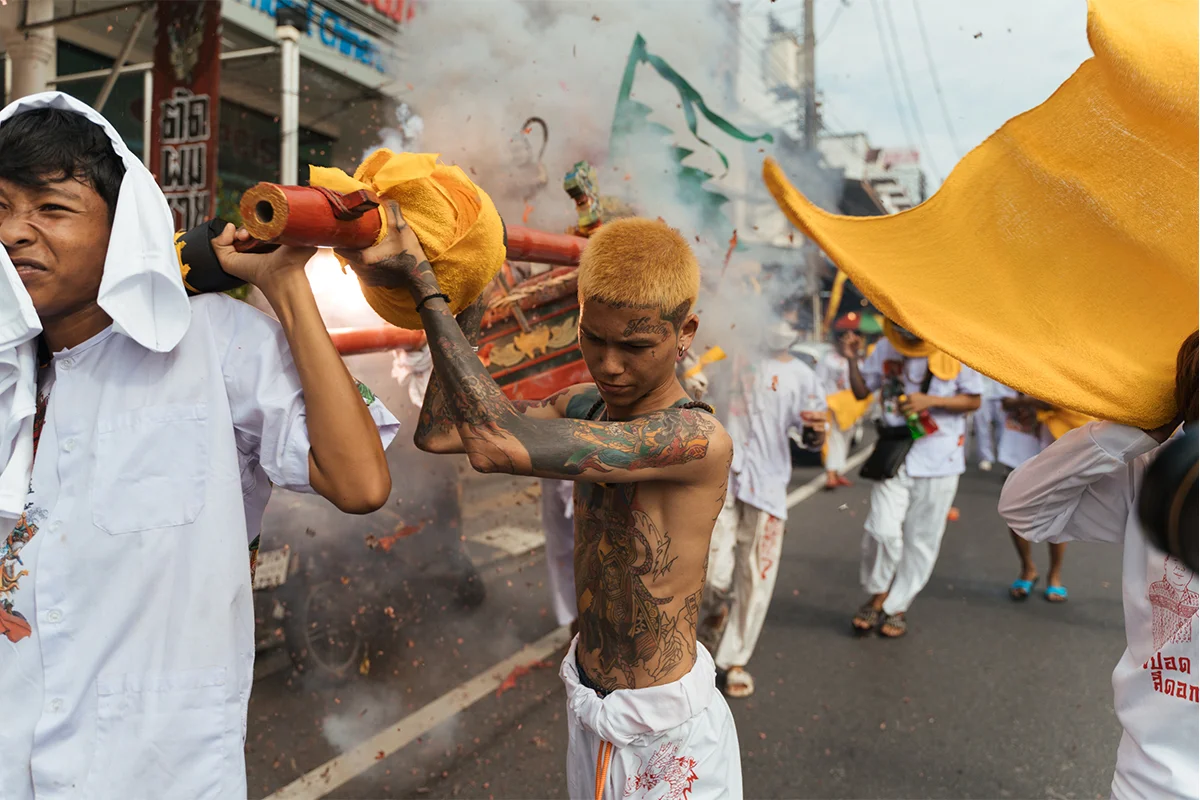
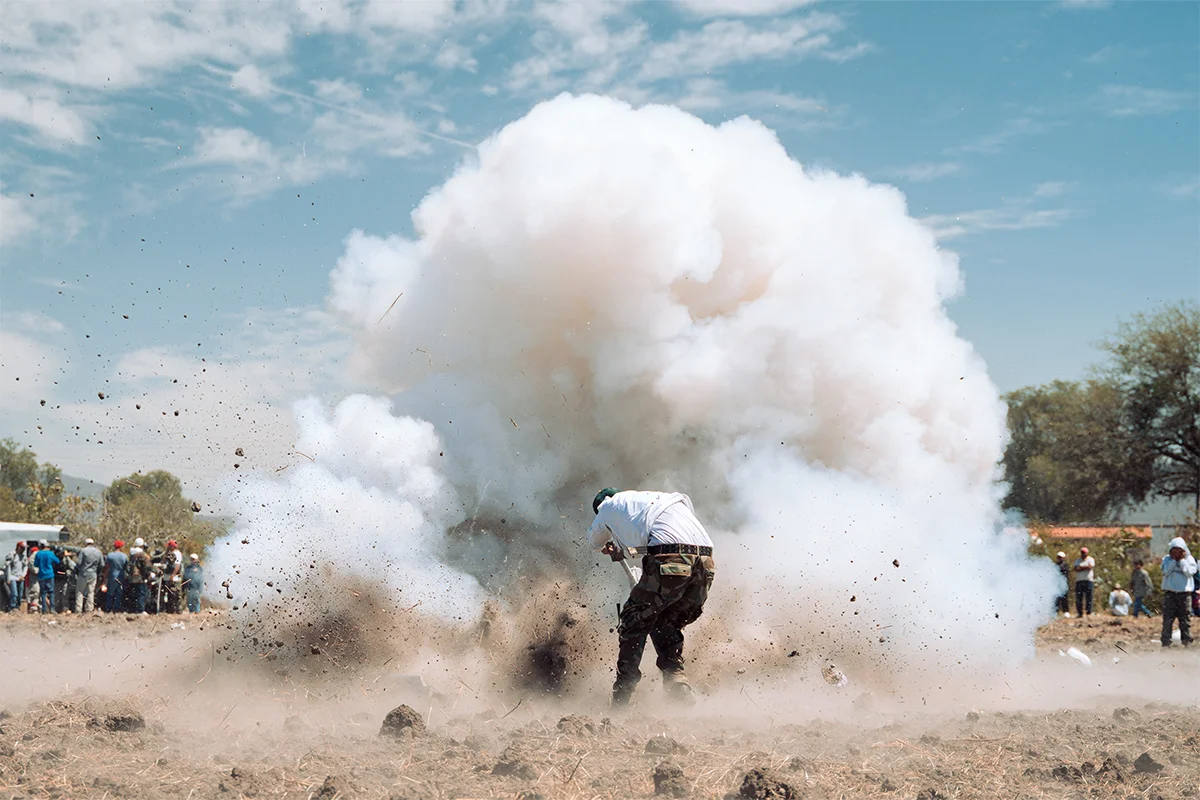
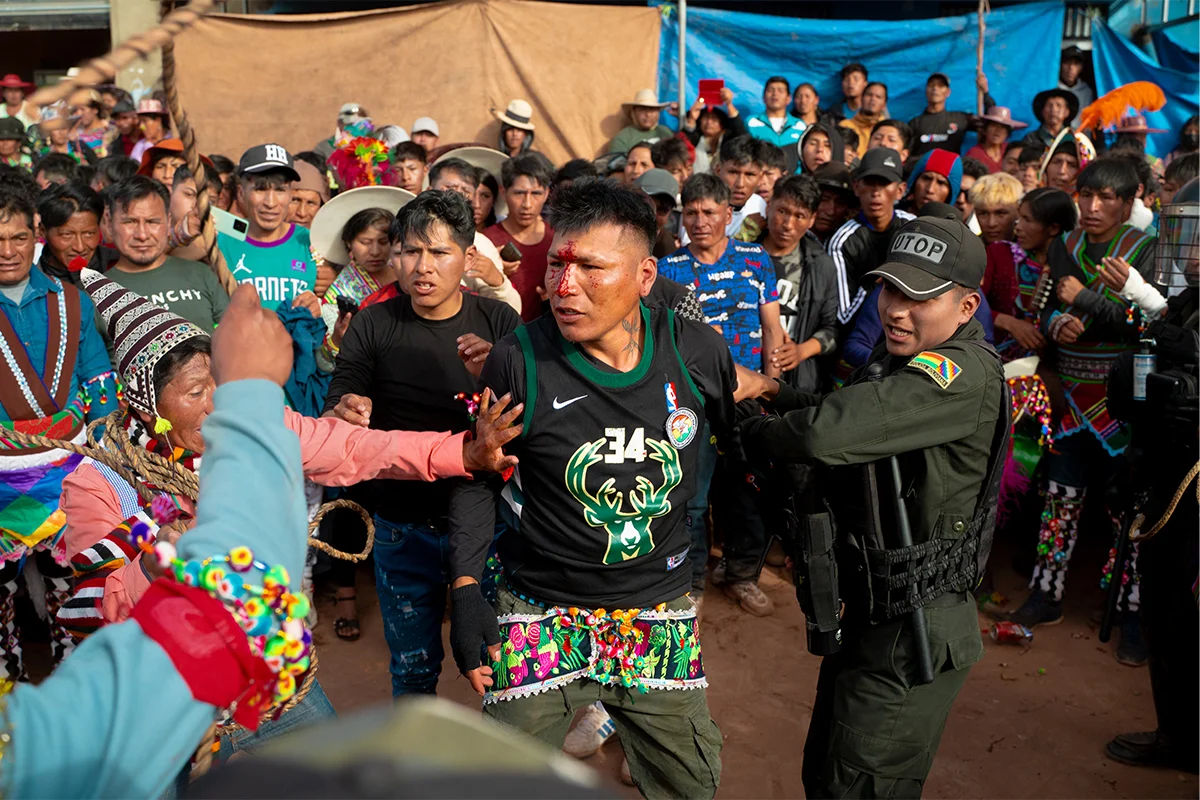
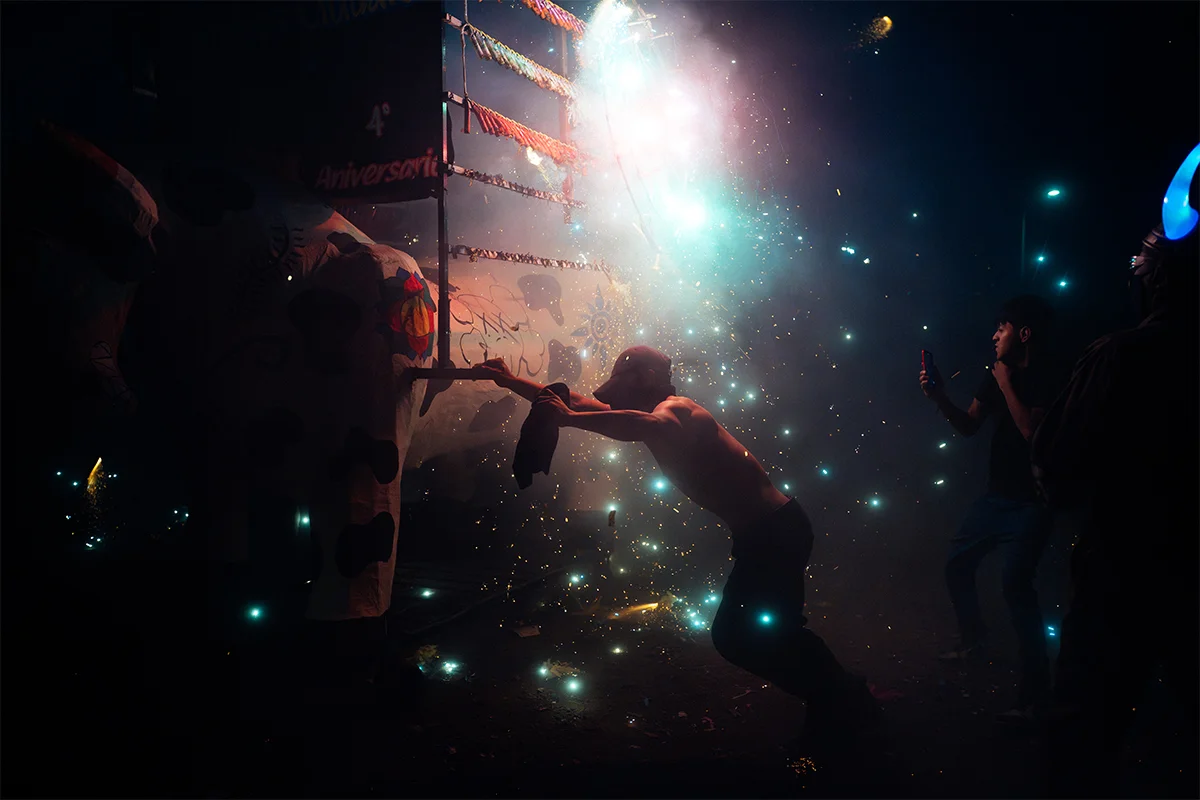
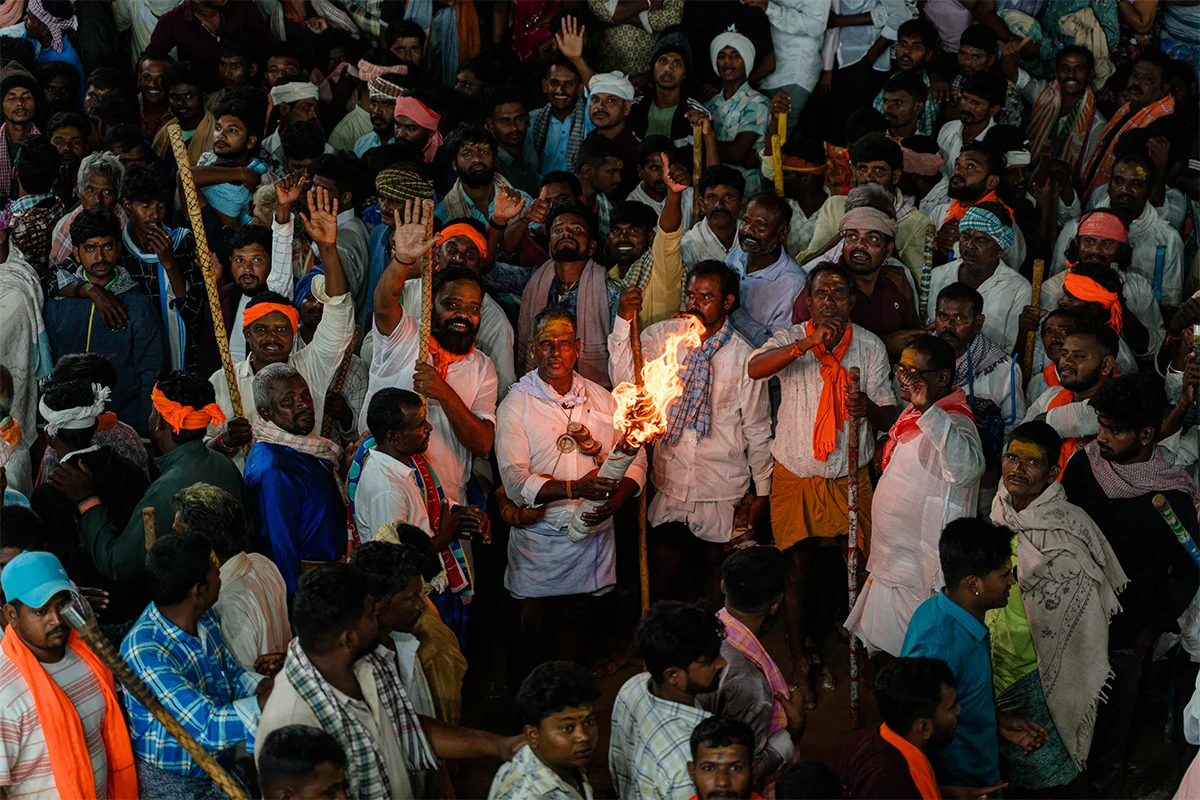
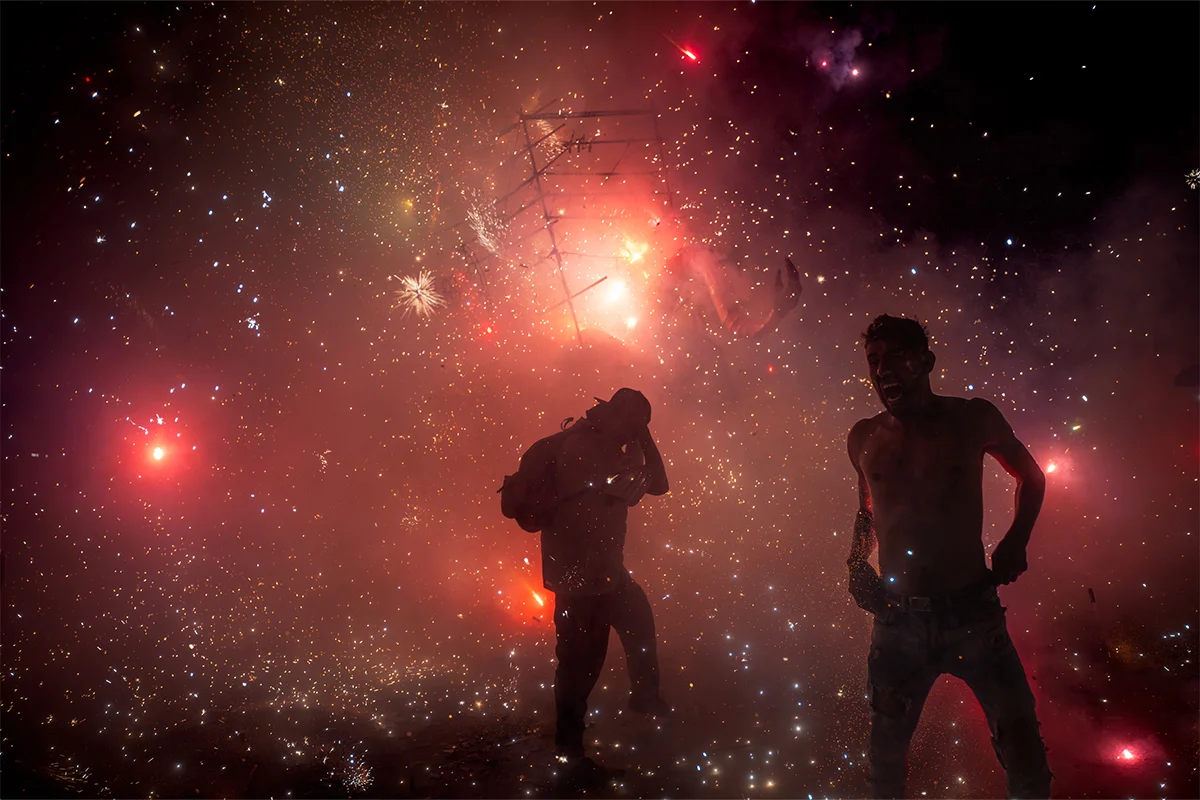
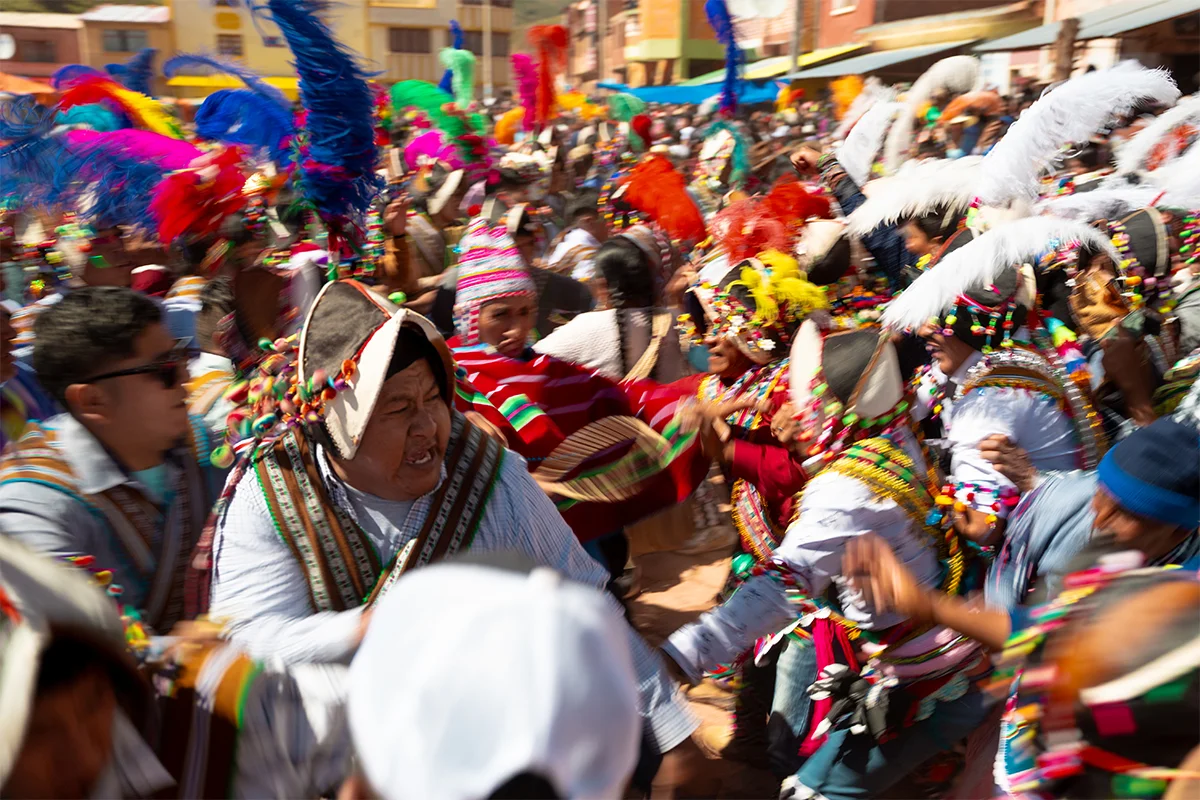
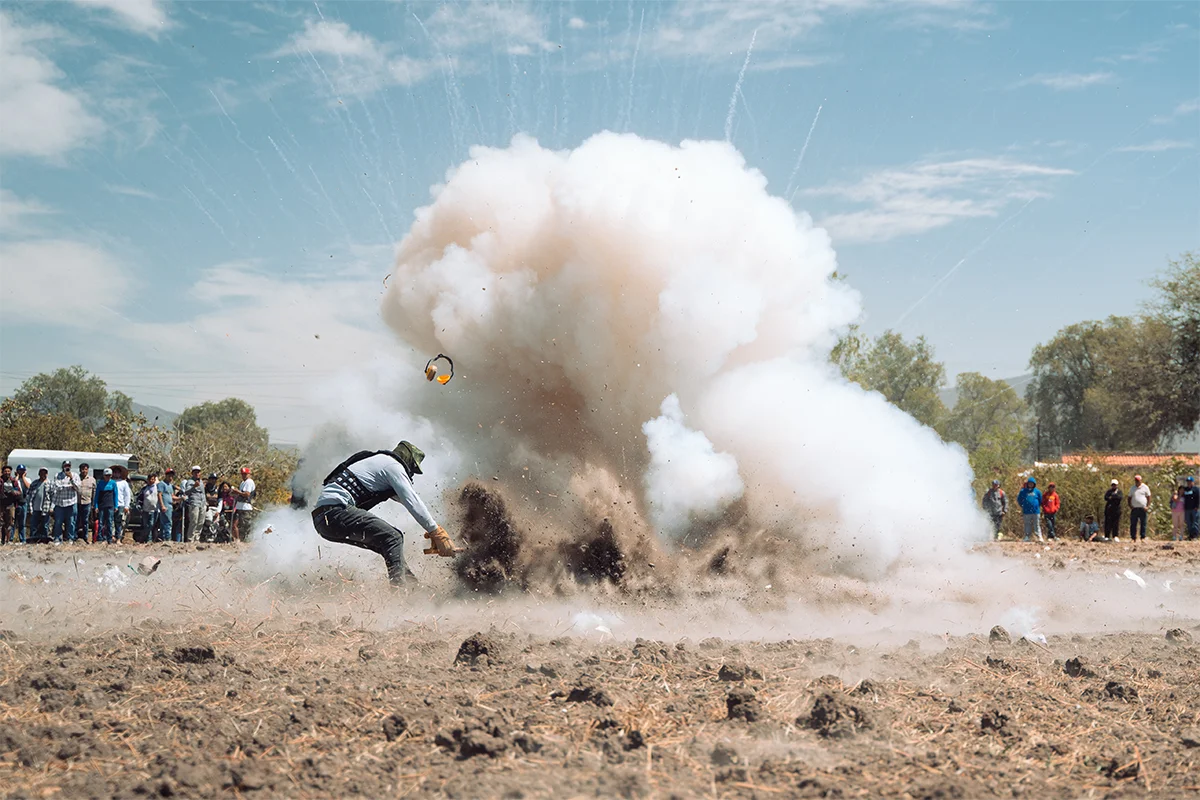
After working as a commercial video editor and photographer in Sydney and Toronto, he decided to document events that reveal extreme cultural expressions, such as the Vegetarian Festival in Thailand, the Exploding Hammers Festival in Mexico, and the Tinku ritual in Bolivia. Check the link: Sacratos

He co-founded the documentary project Sacratos.com and has been featured in Eyeshot Magazine, the World Photography Organisation, and FFIEL. His work has rachered over 100 million views on Unsplash. He currently lives and works in Guadalajara, Mexico.

Statement
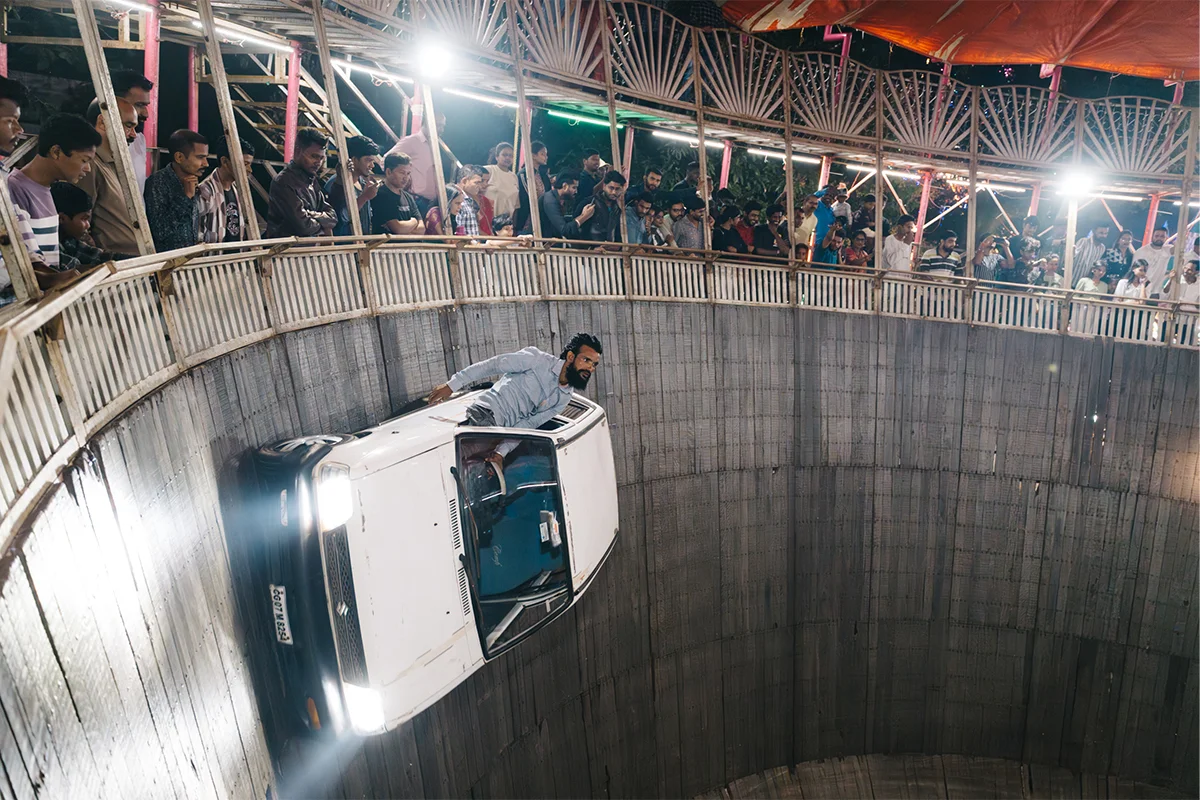
"My work moves along the line where ritual, danger, and devotion meet. I am drawn to moments in which people step outside themselves, where identity loosens and culture takes over. I listen to what these scenes reveal about belonging and the human need for transcendence, without drawing any conclusions or judging them.

I work close to the ground, with minimal intervention. My main objective is to craft visual narratives that remain faithful to the lived experience. Natural light and handheld cameras allow me to follow the raw energy and rhythm of events. Aesthetically, I am interested in the balance between beauty and transgression, order and chaos. "

Awarded Photographer of the Week - Week 06, 2026

 

Inspiring Portfolios

Call for Entries
All About Photo Awards 2026
$5,000 Cash Prizes! Juror: Steve McCurry
 
Stay up-to-date  with call for entries, deadlines and other news about exhibitions, galleries, publications, & special events.

More Great Photographers To Discover

Imogen Cunningham
United States
1883 | † 1976
Imogen Cunningham is renowned as one of the greatest American women photographers. In 1901, having sent away $15 for her first camera, she commenced what would become the longest photographic career in the history of the medium... Cunningham soon turned her attention to both the nude as well as native plant forms in her back garden. The results were staggering; an amazing body of work comprised of bold, contemporary forms. These works are characterized by a visual precision that is not scientific, but which presents the lines and textures of her subjects articulated by natural light and their own gestures. Her refreshing, yet formal and sensitive floral images from the 1920’s ultimately became her most acclaimed images. Cunningham also had an intuitive command of portraiture but her real artistic legacy was secured though her inclusion in the "F64" show in San Francisco in 1932. With a small group of photographers which included Edward Weston and Ansel Adams, she pioneered the renewal of photography on the West Coast. Awarded a Guggenheim Fellowship, Cunningham’s work continues to be exhibited and collected around the world.Source: Photography West Gallery I never divide photographers into creative and uncreative, I just call them photographers. Who is creative? How do you know who is creative or not? -- Imogen Cunningham Cunningham was born in Portland, Oregon, in 1883. In 1901, at the age of eighteen, Cunningham bought her first camera, a 4x5 inch view camera, from the American School of Art in Scranton, Pennsylvania. She soon lost interest and sold the camera to a friend. It wasn’t until 1906, while studying at the University of Washington in Seattle, that she was inspired by an encounter with the work of Gertrude Käsebier, to take up photography again. With the help of her chemistry professor, Dr. Horace Byers, she began to study the chemistry behind photography and she subsidized her tuition by photographing plants for the botany department. After being graduated in 1907 Cunningham went to work for Edward S. Curtis in his Seattle studio, gaining knowledge about the portrait business and practical photography. In 1909, Cunningham won a scholarship from her sorority (Pi Beta Phi) for foreign study and applied to study with Professor Robert Luther at the Technische Hochschule in Dresden, Germany. In Dresden she concentrated on her studies and didn’t take many photographs. In May 1910 she finished her paper, “About the Direct Development of Platinum Paper for Brown Tones,” describing her process to increase printing speed, improve clarity of highlights tones, and produce sepia tones. On her way back to Seattle she met Alvin Langdon Coburn in London, and Alfred Stieglitz and Gertrude Käsebier in New York. In Seattle, Cunningham opened her studio and won acclaim for portraiture and pictorial work. Most of her studio work of this time consisted of sitters in their own homes, in her living room, or in the woods surrounding Cunningham's cottage. She became a sought-after photographer and exhibited at the Brooklyn Academy of Arts and Sciences in 1913. In 1914, Cunningham's portraits were shown at An International Exhibition of Pictorial Photography in New York. Wilson's Photographic Magazine published a portfolio of her work. The next year, she married Roi Partridge, a teacher and artist. He posed for a series of nude photographs, which were shown by the Seattle Fine Arts Society. Although critically praised, Cunningham didn’t revisit those photographs for another fifty-five years. Between 1915 and 1920, Cunningham continued her work and had three children (Gryffyd, Rondal, and Padraic) with Partridge. In 1920, they moved to San Francisco where Partridge taught at Mills College. Cunningham refined her style, taking a greater interest in pattern and detail and becoming increasingly interested in botanical photography, especially flowers. Between 1923 and 1925 she carried out an in-depth study of the magnolia flower. Later in the decade she turned her attention toward industry, creating several series of industrial landscapes in Los Angeles and Oakland. In 1929, Edward Weston nominated 10 of Cunningham's photographs (8 botanical, 1 industrial, and 1 nude) for inclusion in the Film und Foto exhibition and her renowned, Two Callas, debuted in that exhibition. Cunningham once again changed direction, becoming more interested in the human form, particularly hands, and she was fascinated with the hands of artists and musicians. This interest led to her employment by Vanity Fair, photographing stars without make-up. In 1932, with this unsentimental, straightforward approach in mind, Cunningham became one of the co-founders of the Group f/64, which aimed to “define photography as an art form by a simple and direct presentation through purely photographic methods.” In 1934, Cunningham was invited to do some work in New York for Vanity Fair. Her husband wanted her to wait until he could travel with her, but she refused. They later divorced. She continued with Vanity Fair until it stopped publication in 1936. In the 1940s, Cunningham turned to documentary street photography, which she executed as a side project while supporting herself with her commercial and studio photography. In 1945, Cunningham was invited by Ansel Adams to accept a position as a faculty member for the art photography department at the California School of Fine Arts. Dorothea Lange and Minor White joined as well. In 1973, her work was exhibited at the Rencontres d'Arles festival in France through the group exhibition: Trois photographes américaines, Imogen Cunningham, Linda Connor, Judy Dater. Cunningham continued to take photographs until shortly before her death at age ninety-three on June 24, 1976, in San Francisco, California.Source: Wikipedia The imaginative photographer is always dreaming and trying to record his dream. -- Imogen Cunningham
Anton Corbijn
Netherlands
1955
Anton Corbijn (born 20 May 1955) is a Dutch photographer, music video director, and film director. He is the creative director behind the visual output of Depeche Mode and U2, having handled the principal promotion and sleeve photography for both for almost 3 decades. Some of his works include music videos for Depeche Mode's "Enjoy the Silence" (1990), U2's "One" (version 1) (1991), Bryan Adams' "Do I Have to Say the Words? and Nirvana's "Heart-Shaped Box" (1993), as well as the Ian Curtis biopic Control (2007), George Clooney's The American (2010), and A Most Wanted Man (2013) based on John le Carré's 2008 novel of the same name. Anton Corbijn was born on 20 May 1955 as Anton Johannes Gerrit Corbijn van Willenswaard in Strijen, the Netherlands, where his father had been appointed as parson to the Dutch Reformed Church the previous year. Father Anton (Hilversum, 12 Nov 1917 - Amersfoort, 9 Mar 2007) would take up the same position in Hoogland (1966) and Groningen (Diakonessenhuis, 1972) moving his wife and four children with him. His mother, Marietje Groeneboer (11 Sep 1925 - Hoogland, 15 Sep 2011), was a nurse and was raised in a parson's family. Photographer and director Maarten Corbijn (Strijen, 1960) is a younger brother. Grandfather Anton Johannes (Corbijn) van Willenswaard (Schoonhoven, 24 Nov 1886 - Hilversum, 16 Aug 1959) was an art teacher at Christian schools in Hilversum and an active member in the local Dutch Reformed church in Hilversum. Corbijn started his career of music photographer when he saw the Dutch musician Herman Brood playing in a café in Groningen around 1975. He took a lot of photos of the 'rising star' Herman Brood & His Wild Romance. Because of the pictures taken by Corbijn, Brood's fame rose quickly, and as a result Corbijn's own exposure increased. Corbijn has photographed Joy Division, Depeche Mode, Tom Waits, Pr?ta V?tra, David Bowie, Peter Hammill, Miles Davis, Björk, Captain Beefheart, Kim Wilde, Robert De Niro, Stephen Hawking, Elvis Costello, Siouxsie and the Banshees, Morrissey, Simple Minds, Clint Eastwood, The Cramps, Roxette and Herbert Grönemeyer, amongst others. Perhaps his most famous, and longest standing, association is with U2, having taken pictures of the band on their first US tour, as well as taking pictures for their Joshua Tree and Achtung Baby albums (et al) and directing a number of accompanying videos. From the late 70s the London based NME, (New Musical Express), a weekly music paper, featured his work on a regular basis and would often feature a photograph of his as the front page. One such an occasion was a portrait of David Bowie back stage in New York at his play The Elephant Man in nothing more than a loin cloth. In the early years of London based The Face, a glossy monthly post-punk life style / music magazine, Anton Corbijn was a regular contributor. He made his name working only in black and white. In May 1989 he began taking pictures in colour using filters: his first try was done for Siouxsie Sioux. Between 1998 through 2000, in collaboration with the painter Marlene Dumas, he worked on a project called "Stripping Girls", which took the strip clubs and peep shows of Amsterdam as their subject; while Corbijn later exhibited photographs, Dumas took Polaroids which she then used as sources for her paintings. Corbijn has photographed album covers for U2, working with sleeve designer Steve Averill and Peter Hammill, Depeche Mode, The Creatures (the second band of Siouxsie Sioux), Nick Cave, Bryan Adams, Metallica, Therapy?, The Rolling Stones, Simple Minds, R.E.M., The Bee Gees, Saybia and Moke.Source: Wikipedia
Cindy Sherman
United States
1954
Cindy Sherman was born in 1954 in Glen Ridge, New Jersey. Sherman earned a BA from Buffalo State College, State University of New York (1976). In self-reflexive photographs and films, Cindy Sherman invents myriad guises, metamorphosing from Hollywood starlet to clown to society matron. Often with the simplest of means—a camera, a wig, makeup, an outfit—Sherman fashions ambiguous but memorable characters that suggest complex lives that exist outside of the frame. Leaving her works untitled, Sherman refuses to impose descriptive language on her images—relying instead on the viewer’s ability to develop narratives, as an essential component of appreciating the work. While rarely revealing her private intentions, Sherman’s investigations have a compelling relationship to public images, from kitsch (film stills and centerfolds) to art history (Old Masters and Surrealism) to green-screen technology and the latest advances in digital photography. Sherman’s exhaustive study of portraiture and self-portraiture—often a playful mixture of camp and horror, heightened by gritty realism—provides a new lens through which to examine societal assumptions surrounding gender and the valuation of concept over style. Among her awards are the Guild Hall Academy of the Arts Lifetime Achievement Award for Visual Arts (2005); American Academy of Arts and Sciences Award (2003); National Arts Award (2001); a John D. and Catherine T. MacArthur Foundation Award (1995); and others. Her work has appeared in major exhibitions at Sprüth Magers, Berlin (2009); Jeu de Paume, Paris (2006); the Museum of Modern Art, New York (1997); and the Museum of Contemporary Art, Los Angeles (1997); among others. Sherman has participated in many international events, including SITE Santa Fe (2004); the Venice Biennale (1982, 1995); and five Whitney Biennial exhibitions. Cindy Sherman lives and works in New York.
Aaron Blum
United States
1983
Aaron Blum is an eighth generation West Virginian, and creates art deeply linked to his home. Most of his work centers around a single question, what does it mean to be Appalachian? Through this question he address many different artistic concepts from idealized memory vs. stereotypes to ideas of folk taxonomy. His creation process is a diversified approach of image-based media to create a glimpse into his own concepts of Appalachia, and the social fabric of a very large and misrepresented people and place. He pays close attention to the quality of light and the landscape as well as cultural markers to produce a unique version of life in the hills. After graduating with degrees in photography from West Virginia University and Syracuse University, Aaron immediately began receiving recognition for his work including Center of Santa Fe, Silvereye Center for photography, Critical Mass, and FOAM. About The Prevailing Winds of Hills and Heritage Appalachia pulls at me like a haunted memory. There is an ineffable force that compels me to suspend reality and embrace superstition and myth. It is a longing to hold on to my culture and history in spite of the modern world. The nebulous forests, enveloping moss and dark corners seem to tell a purer truth. Storytelling in Appalachia has a long-standing tradition, and it infuses the region with mystery. Using lore, pseudo-scientific study, and personal experiences as a compass I see this place through idealized eyes of wonder, and these images become my personal folklore. They bring to life the fantasies and memories I carry with me. This is a place where you can wash away sin in cool stream waters, where corpse birds come to ferry away souls to the next life, rocks burn and kudzu conceals. This is the place where the prevailing winds whisper old stories to those who know how to listen.
Advertisement
All About Photo Awards 2026
Win a Solo Exhibition in March
All About Photo Awards 2026

Latest Interviews

Exclusive Interview with Anastasia Samoylova
Anastasia Samoylova is an American artist whose photographic practice is shaped by close observation and a deep attentiveness to place. Working between documentary and formal exploration, she photographs landscapes, architecture, and everyday scenes with a sensitivity to light, structure, and atmosphere. Since relocating to Miami in 2016, her work has increasingly focused on how environments—both natural and built—carry social, cultural, and emotional traces. We asked her a few questions about her practice and her way of seeing, to better understand the thoughts and experiences that shape her work—while allowing the images themselves to remain open and speak in their own time.
Exclusive Interview with Marijn Fidder
Marijn Fidder is a Dutch documentary photographer whose work powerfully engages with current affairs and contemporary social issues. Driven by a deep sense of social justice, she uses photography to speak on behalf of the voiceless and to advocate for the rights of those who are most vulnerable. Her images have been widely published in major international outlets including National Geographic, CNN Style, NRC Handelsblad, Volkskrant, GUP New Talent, and ZEIT Magazin. Her long-term commitment to disability rights—particularly through years of work in Uganda—culminated in her acclaimed project Inclusive Nation, which earned her the title of Photographer of the Year 2025 at the All About Photo Awards. She is also the recipient of multiple prestigious honors, including awards from World Press Photo and the Global Peace Photo Award. We asked her a few questions about her life and work.
Exclusive Interview with Josh S. Rose
Josh S. Rose is a multidisciplinary artist working across photography, film, and writing. His practice bridges visual and performing arts, with a strong focus on movement, emotion, and the expressive potential of the image. Known for his long-standing collaborations with leading dance companies and performers, Rose brings together authenticity and precise composition—a balance he describes as “technical romanticism.” His work has been commissioned and exhibited internationally, appearing in outlets such as Vogue, at the Super Bowl, in film festivals, and most recently as a large-scale installation for Lincoln Center for the Performing Arts. A sought-after collaborator, he has worked with major artists, cultural institutions, and brands, following a previous career as Chief Creative Officer at Interpublic Group and the founder of Humans Are Social. We asked him a few questions about his life and work.
Interview with Maureen Ruddy Burkhart
Photographer Maureen Ruddy Burkhart brings a quietly attentive and deeply human sensibility to her exploration of the world through images. Shaped by a life immersed in photography, film, and visual storytelling, her work is guided by intuition, observation, and an enduring interest in the emotional undercurrents of everyday life. With a practice rooted in both fine art traditions and documentary awareness, she approaches her subjects with sensitivity, allowing subtle moments to emerge naturally rather than be imposed. Her series Til Death, selected as the Solo Exhibition for February 2025, reflects this long-standing commitment to photography as a space for reflection rather than spectacle. Drawn to moments that exist just outside the expected frame, Burkhart’s images suggest narratives without resolving them, leaving room for ambiguity, humor, and quiet connection. We asked her a few questions about her life and work.
Exclusive Interview with Peter Ydeen
Winner of AAP Magazine #45 Travels, his series reflects this unique vision—capturing the spirit of place through subtle layers of light, color, and emotion. Whether traveling abroad or observing the rhythms of his own surroundings, Ydeen creates images that feel both grounded and enchanted, inviting viewers into a world where reality and reverie meet.
Exclusive Interview with Julie Wang
Chinese-born photographer Julie Wang brings a poetic, contemplative sensitivity to her visual exploration of the world. Having lived for nearly equal parts of her life in China, Europe, and the United States, she approaches her subjects with the nuanced perspective of someone shaped by many cultures. This blend of distance, curiosity, and emotional resonance infuses her work with a quiet depth, allowing her to reveal the fragile beauty and subtle tensions that often pass unnoticed.
Exclusive Interview with Ghawam Kouchaki
American photographer Ghawam Kouchaki brings a sharply observant and introspective gaze to the streets of Japan’s capital. Based in Los Angeles, he approaches Tokyo with the distance — and curiosity — of an outsider, allowing him to uncover the city’s subtle contradictions, quiet tensions, and fleeting gestures that often go unnoticed. His series Tokyo no no, selected as the Solo Exhibition for December 2024, explores the hidden undercurrents of urban life: the unspoken rules, the small ruptures in routine, the poetic strangeness found in everyday moments. Through muted tones, instinctive timing, and meticulous framing, Kouchaki reveals a Tokyo that exists somewhere between reality and imagination — both intimate and enigmatic. We asked him a few questions about his life and work.
Exclusive Interview with Tommi Viitala
Tommi Viitala, winner of AAP Magazine #44: Street, is a Finnish photographer celebrated for his striking and cinematic street photography. With a keen eye for atmosphere and composition, he captures fleeting urban moments that reveal the poetry of everyday life. His work often explores the tension between solitude and connection within contemporary cityscapes, blending documentary realism with artistic sensibility. Viitala’s photographs have been exhibited internationally and recognized for their strong visual storytelling and emotional depth. We asked him a few questions about his life and work.
Exclusive Interview with Robert Mack
Robert Mack is a California-based visual artist, photographer, and filmmaker. His fine art photography and films have been exhibited widely in the United States and Europe, with major shows at the Baltimore Museum of Art and the Reiss-Engelhorn Museum in Mannheim, Germany. Both institutions hold his work in their permanent collections. Working across different media, Mack has built a career exploring the complexities of human presence and representation. In 1981, while living in Baltimore, he produced The Perkins Project: Not Guilty by Reason of Insanity, a rare photographic and film study inside Maryland’s hospital for the criminally insane. These stark yet compassionate black-and-white portraits remain one of his most powerful and controversial bodies of work.
Call for Entries
All About Photo Awards 2026
$5,000 Cash Prizes! Juror: Steve McCurry