All about photo.com: photo contests, photography exhibitions, galleries, photographers, books, schools and venues.
Win a Solo Exhibition in April 2026!
Michel Pedrero
Michel Pedrero
Michel Pedrero

Michel Pedrero

Country: Spain

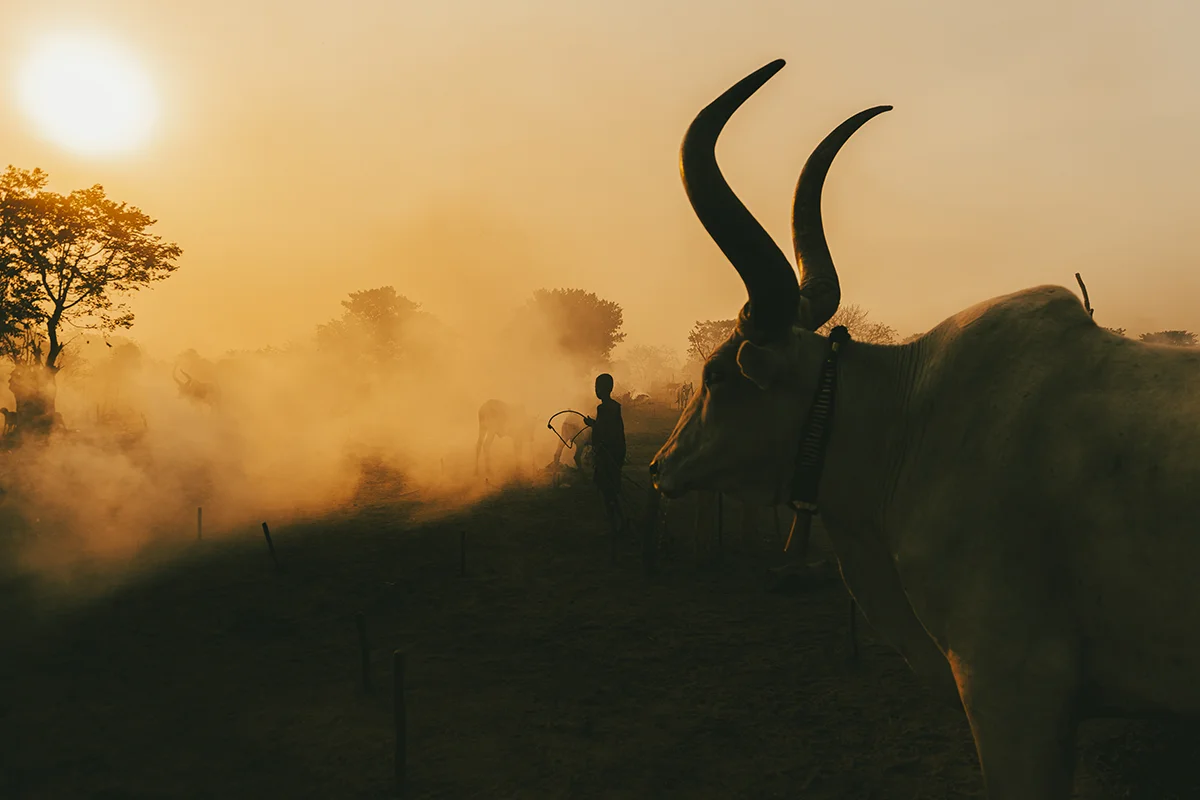
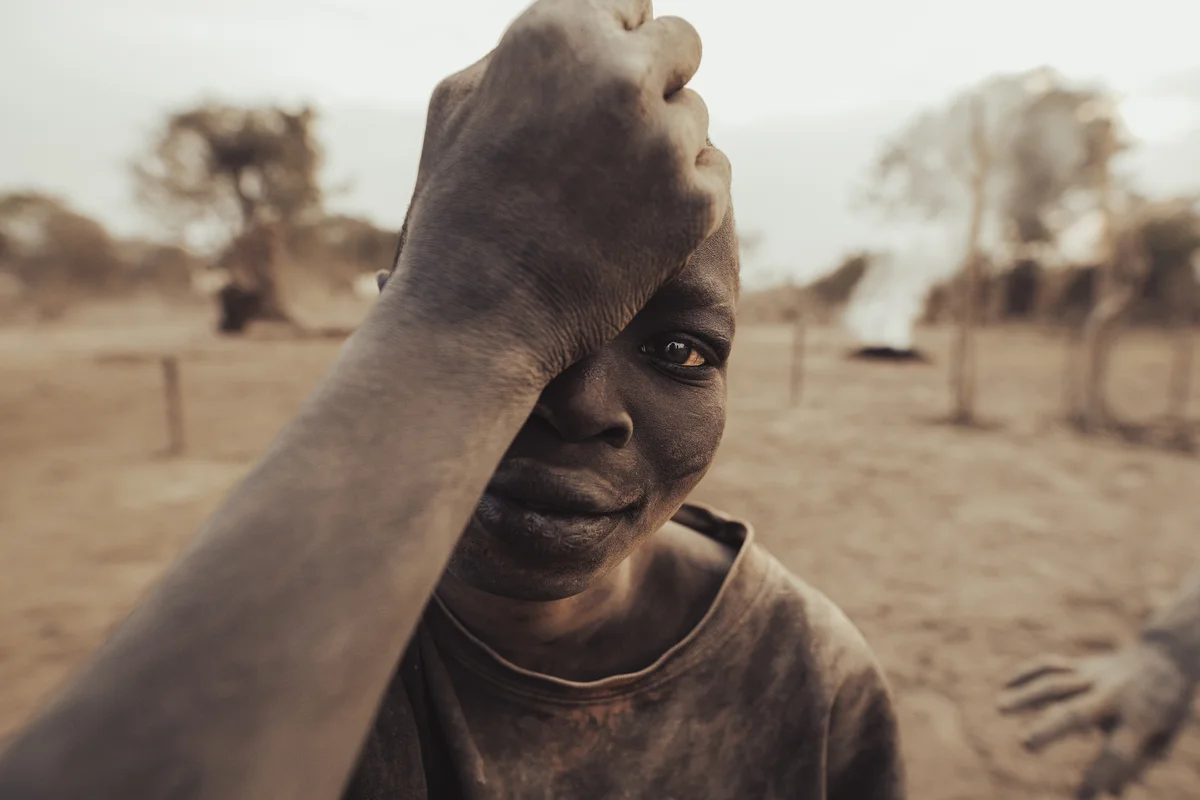
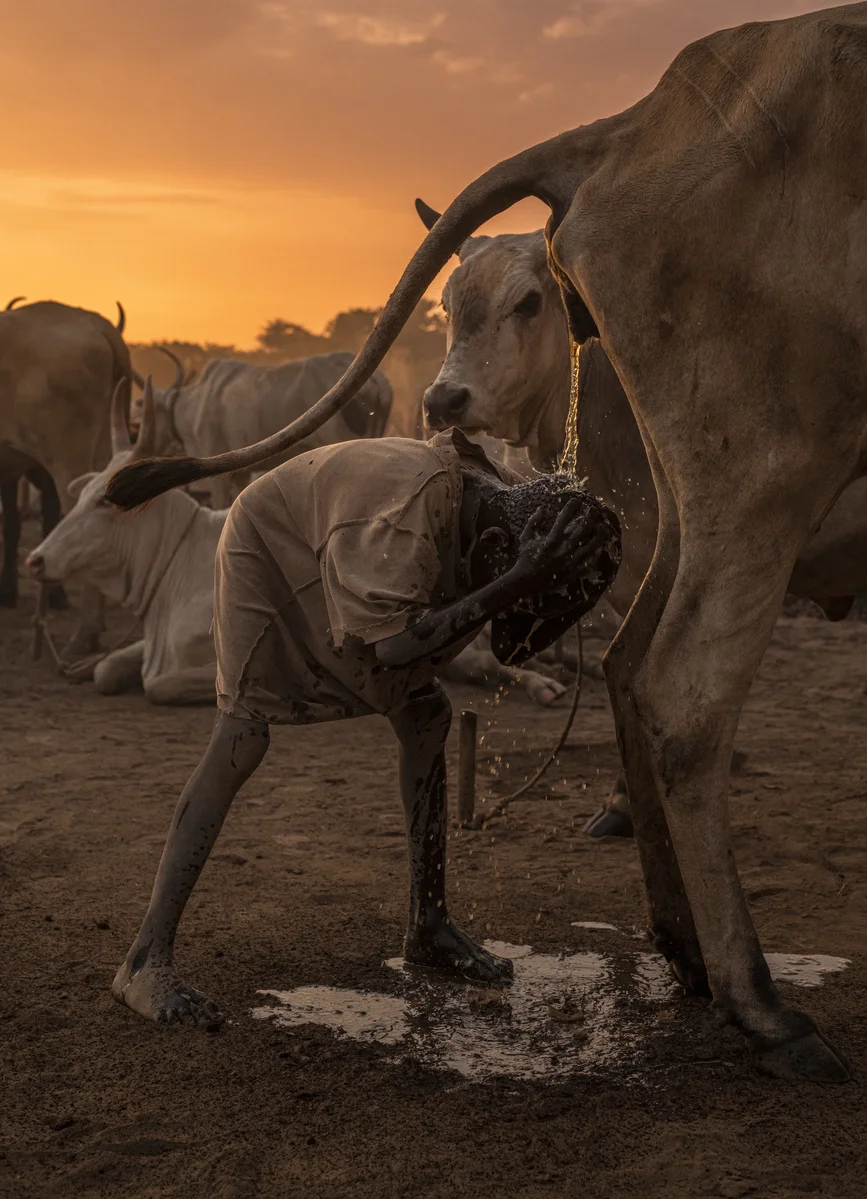
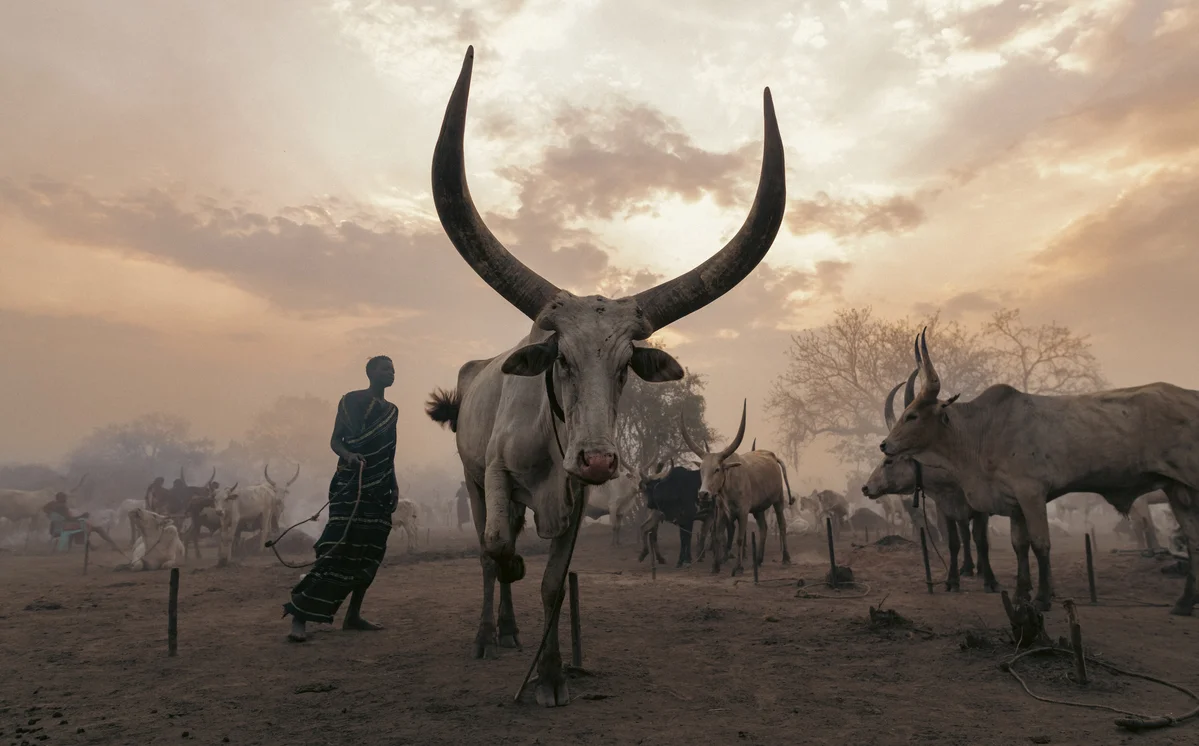
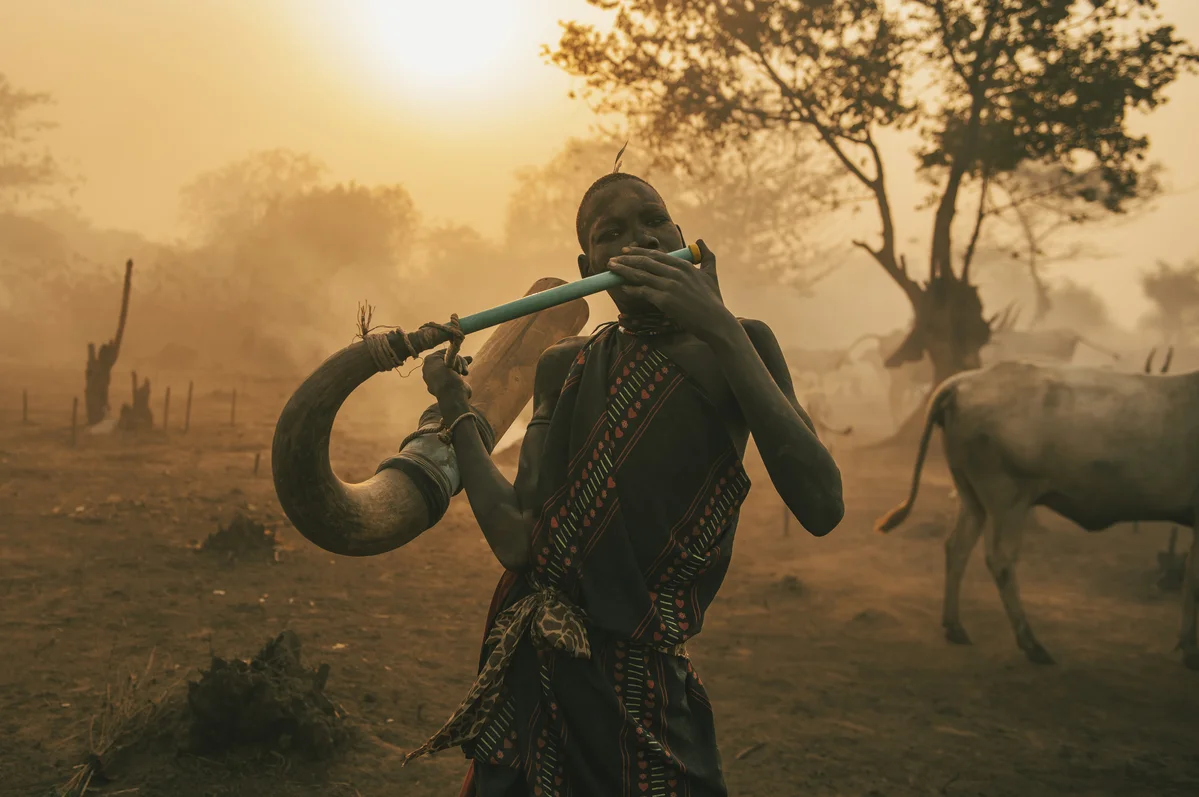
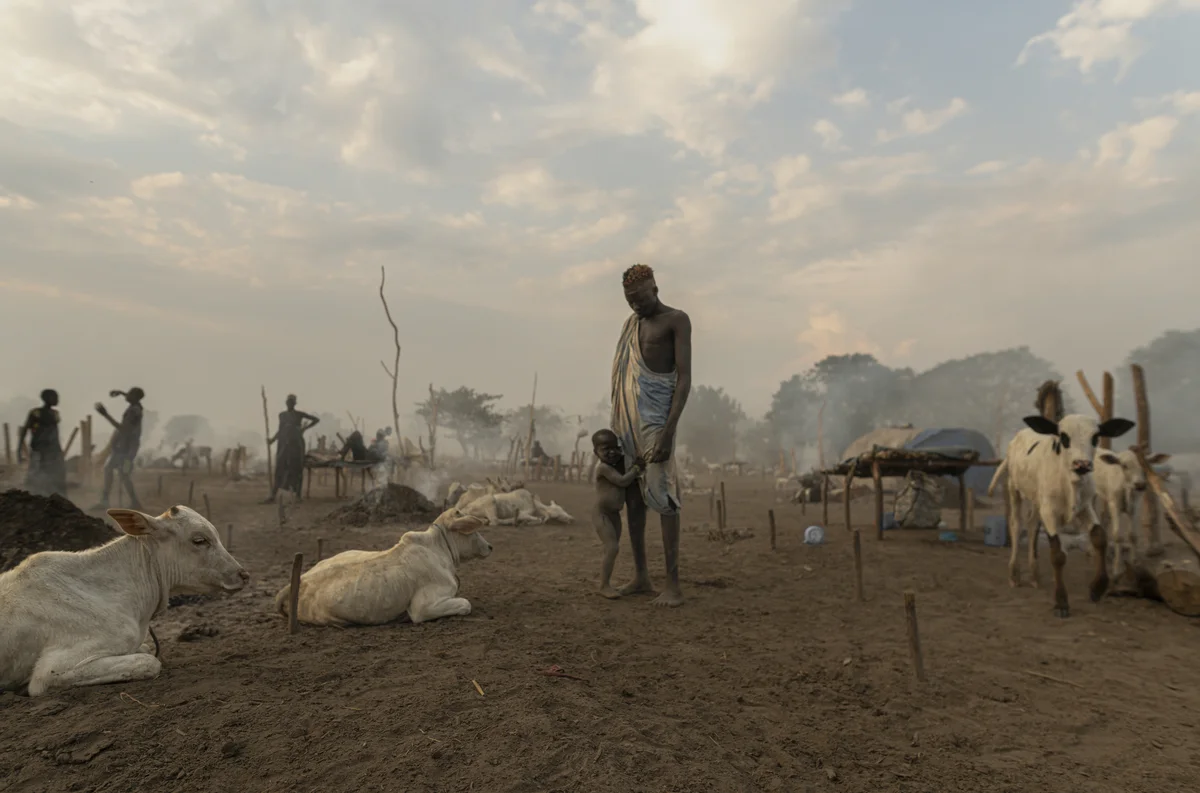
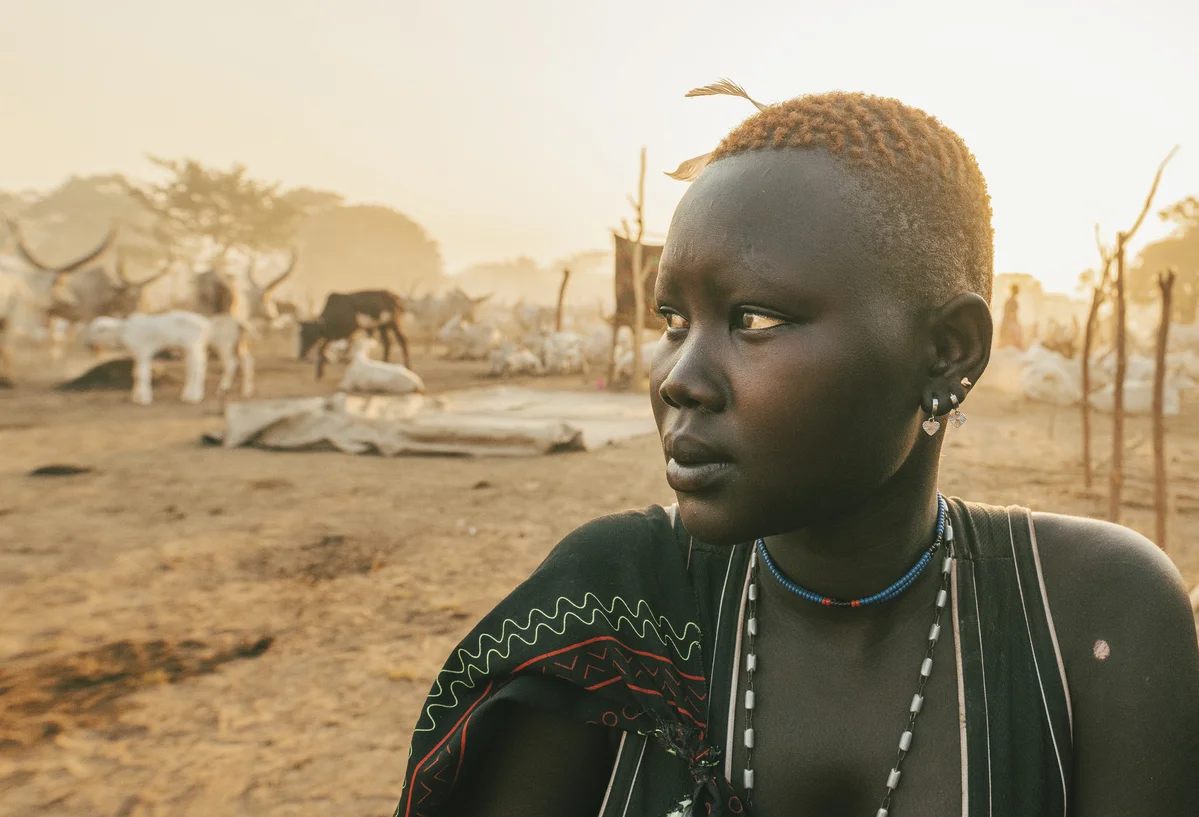
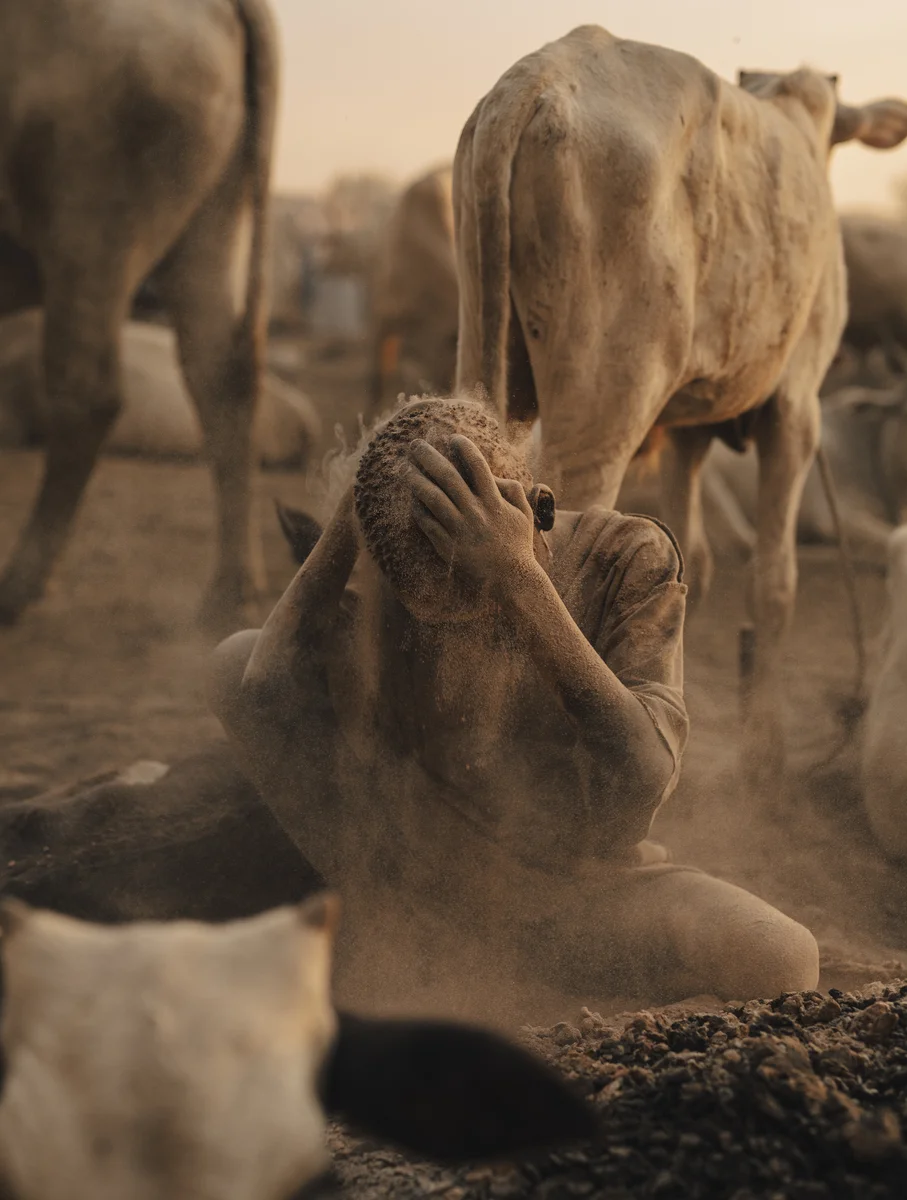
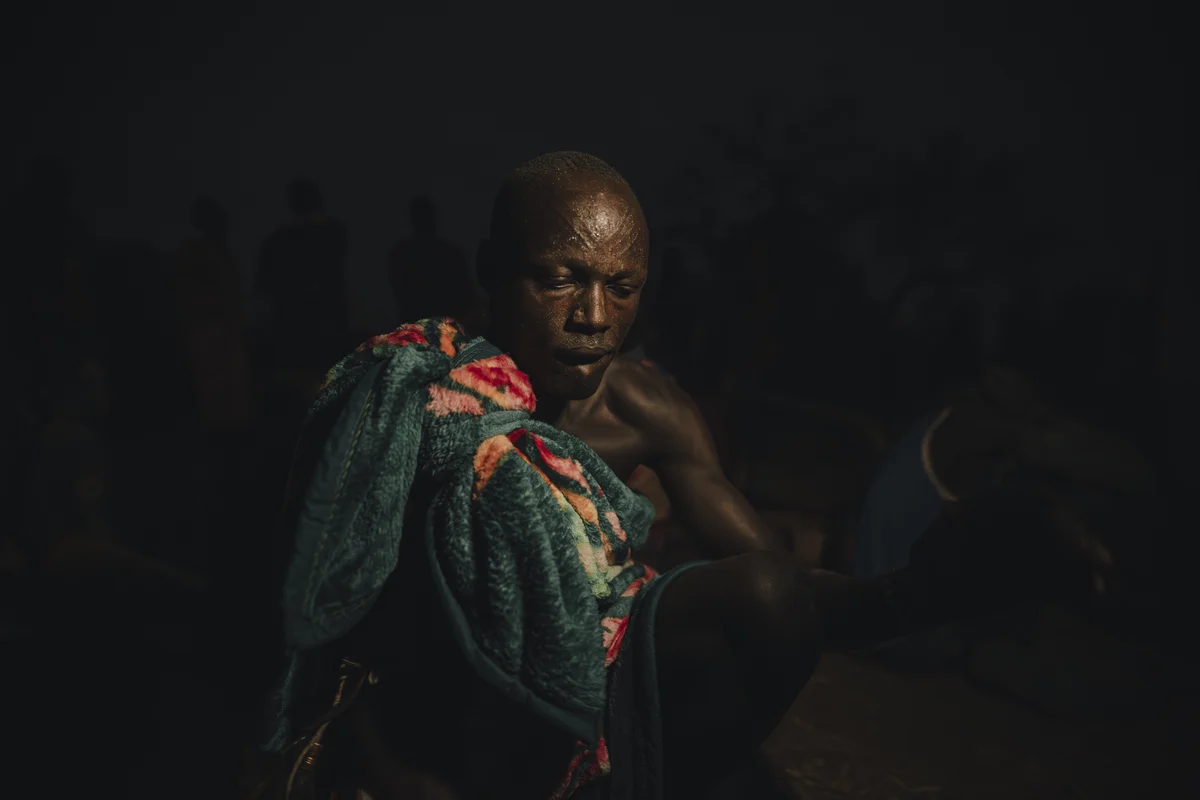
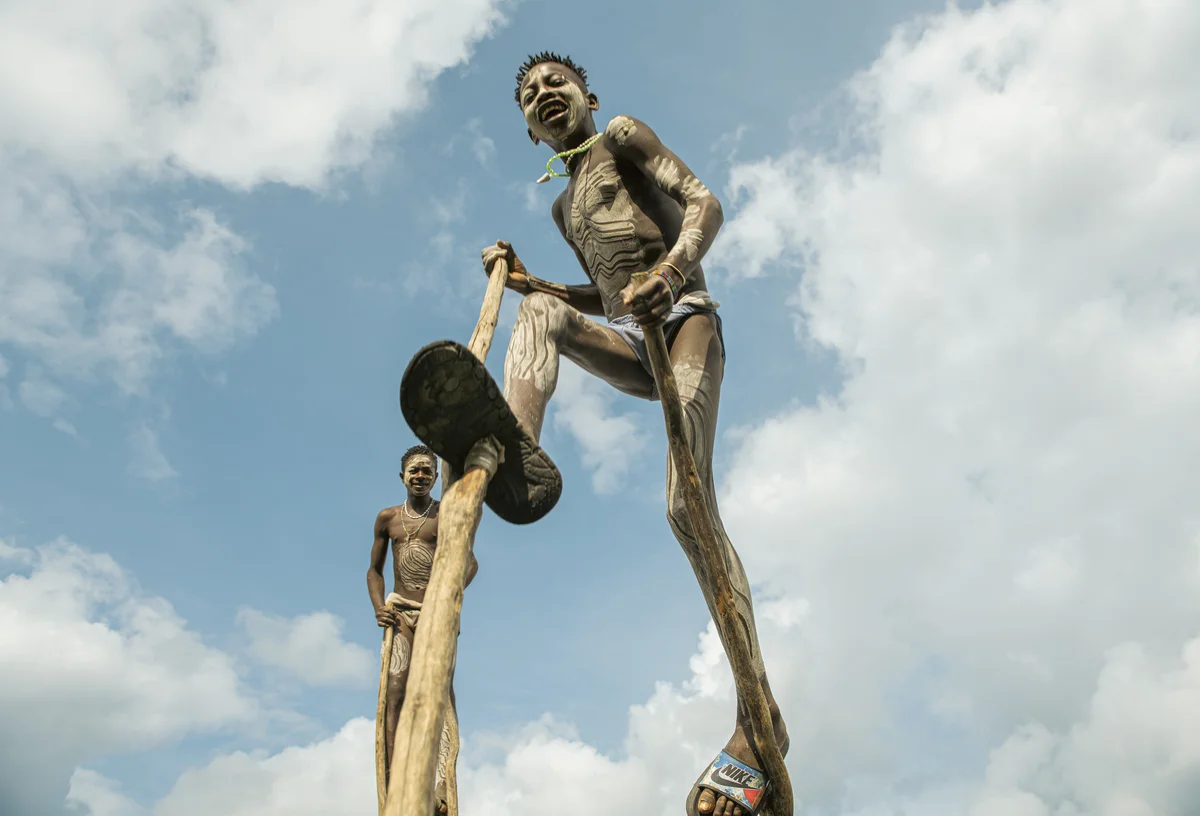
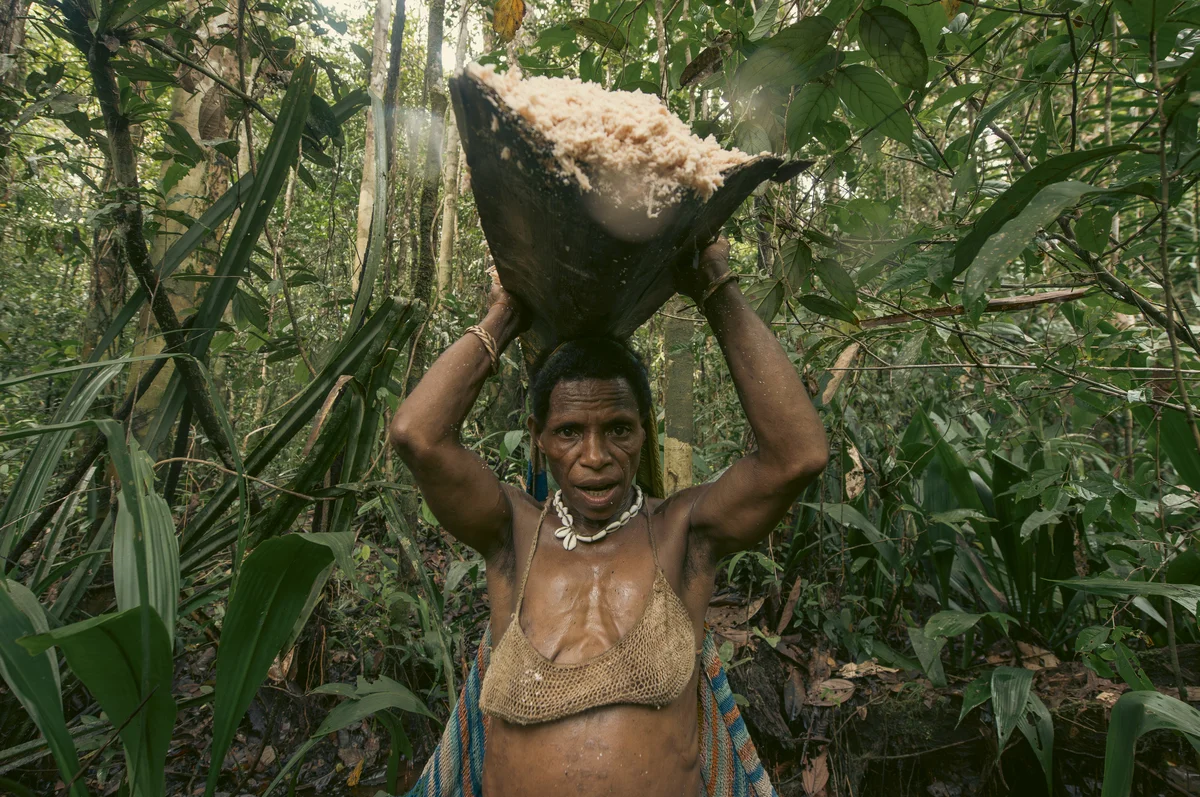
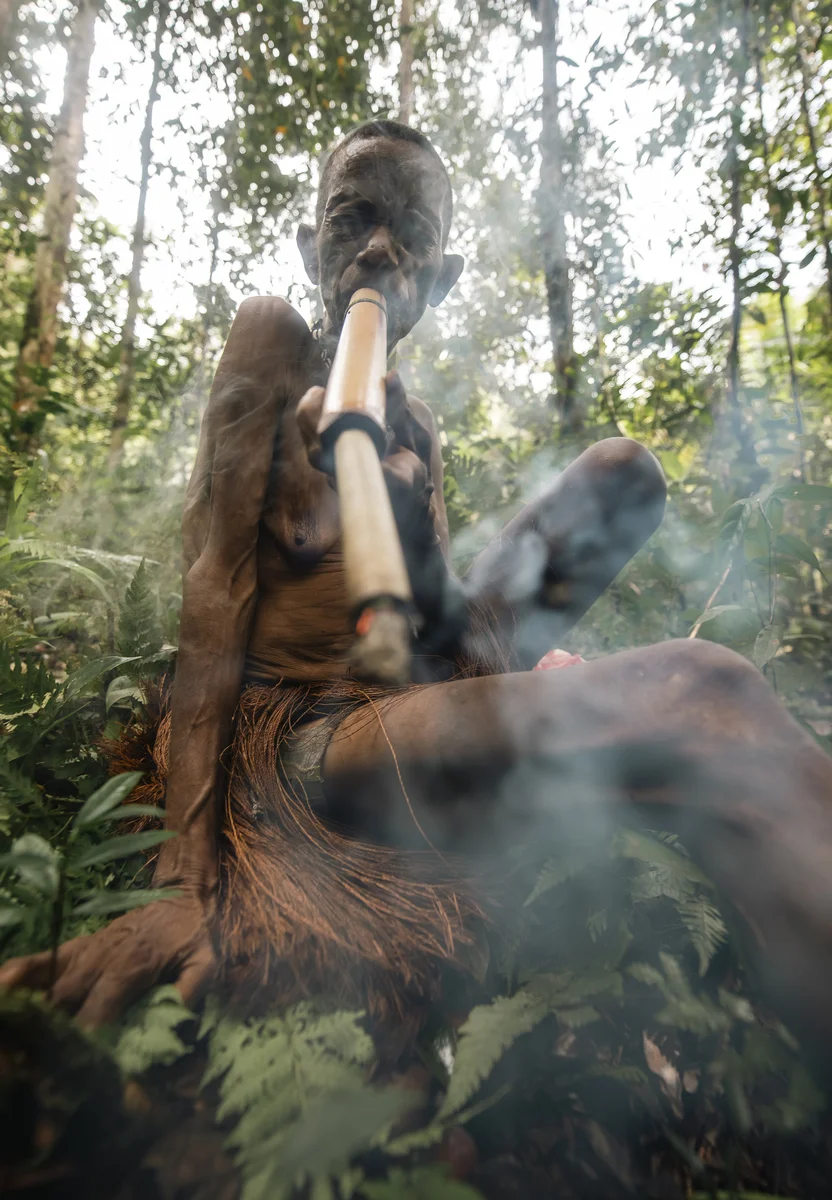
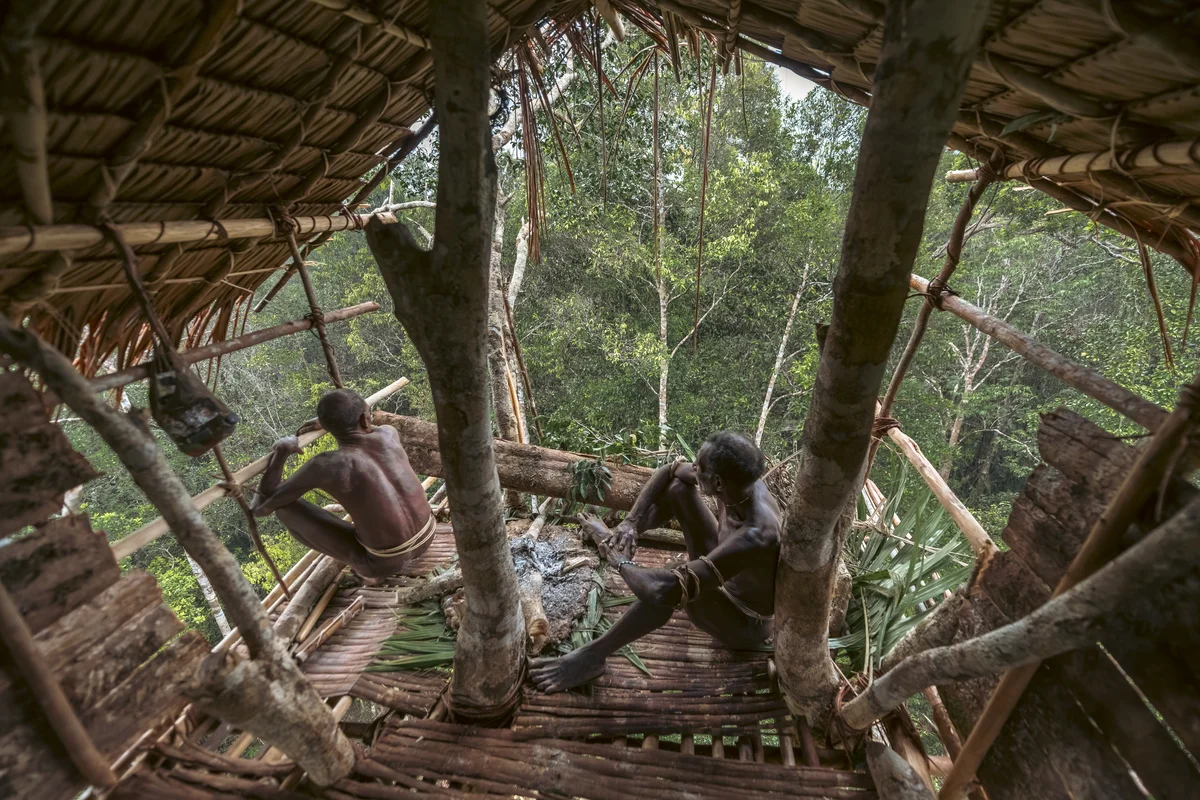
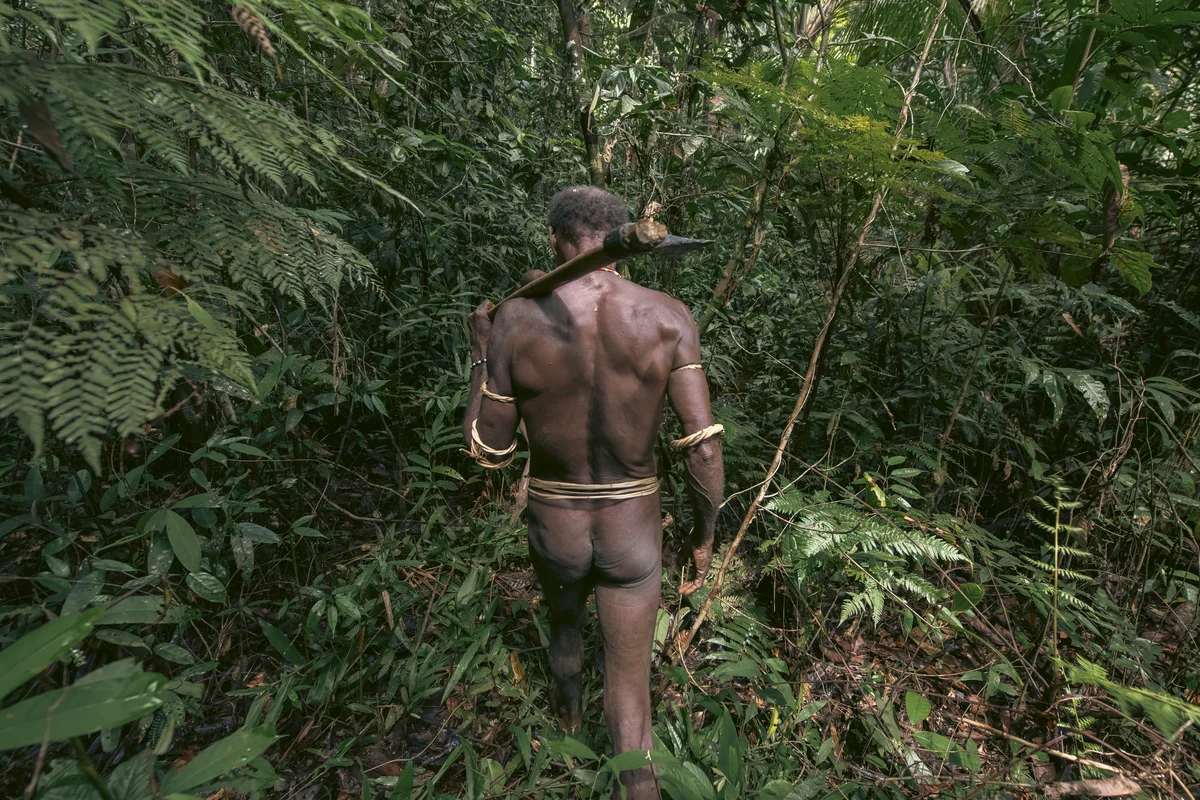
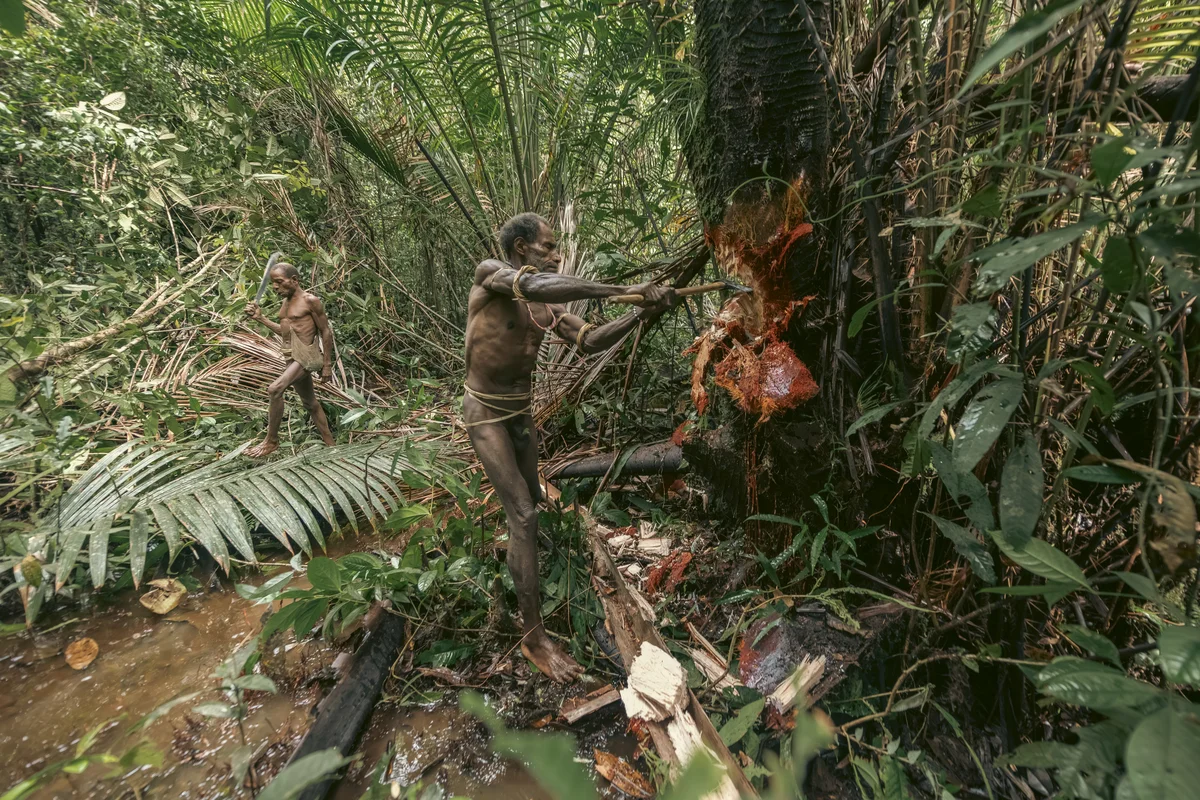
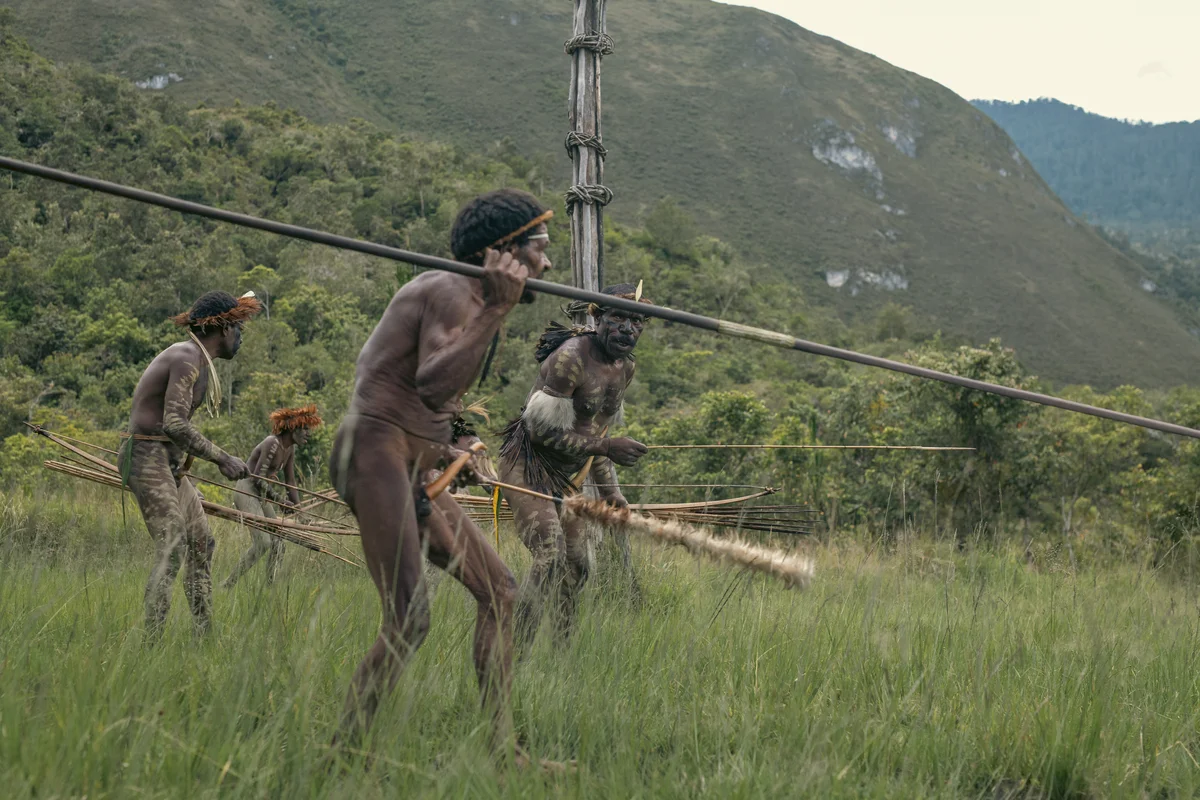
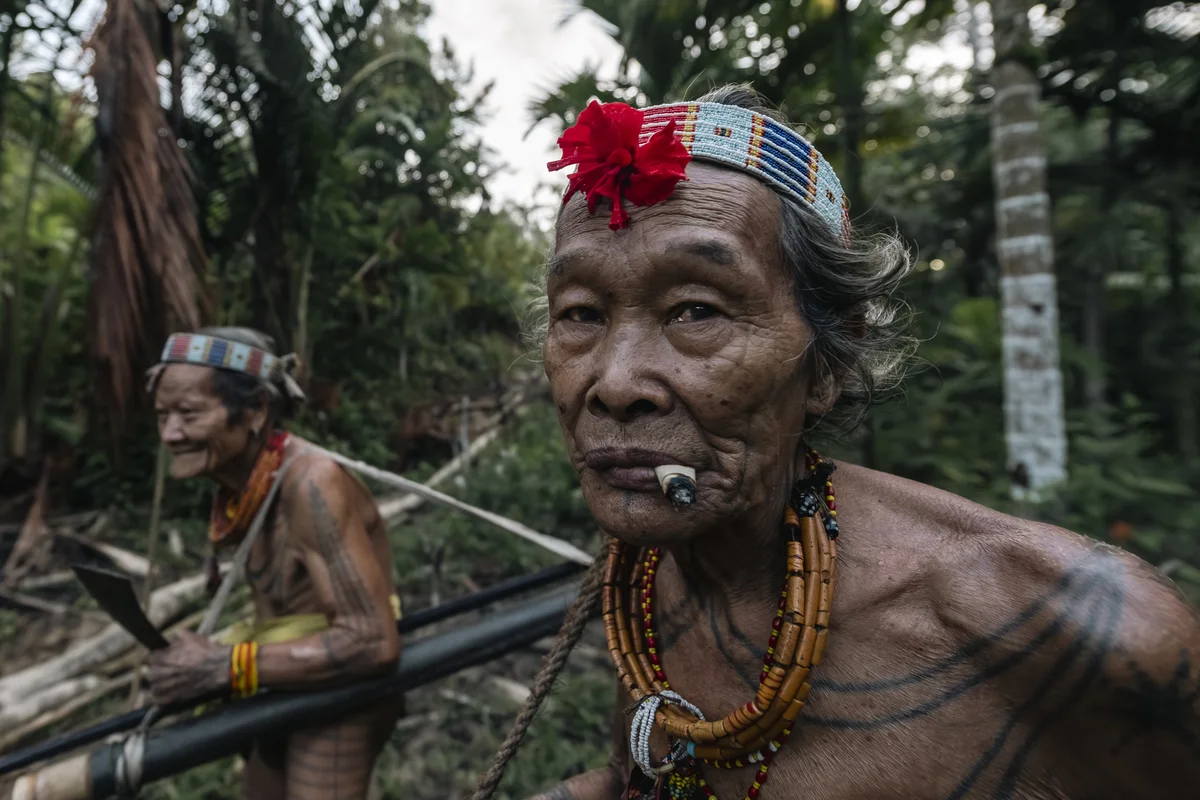
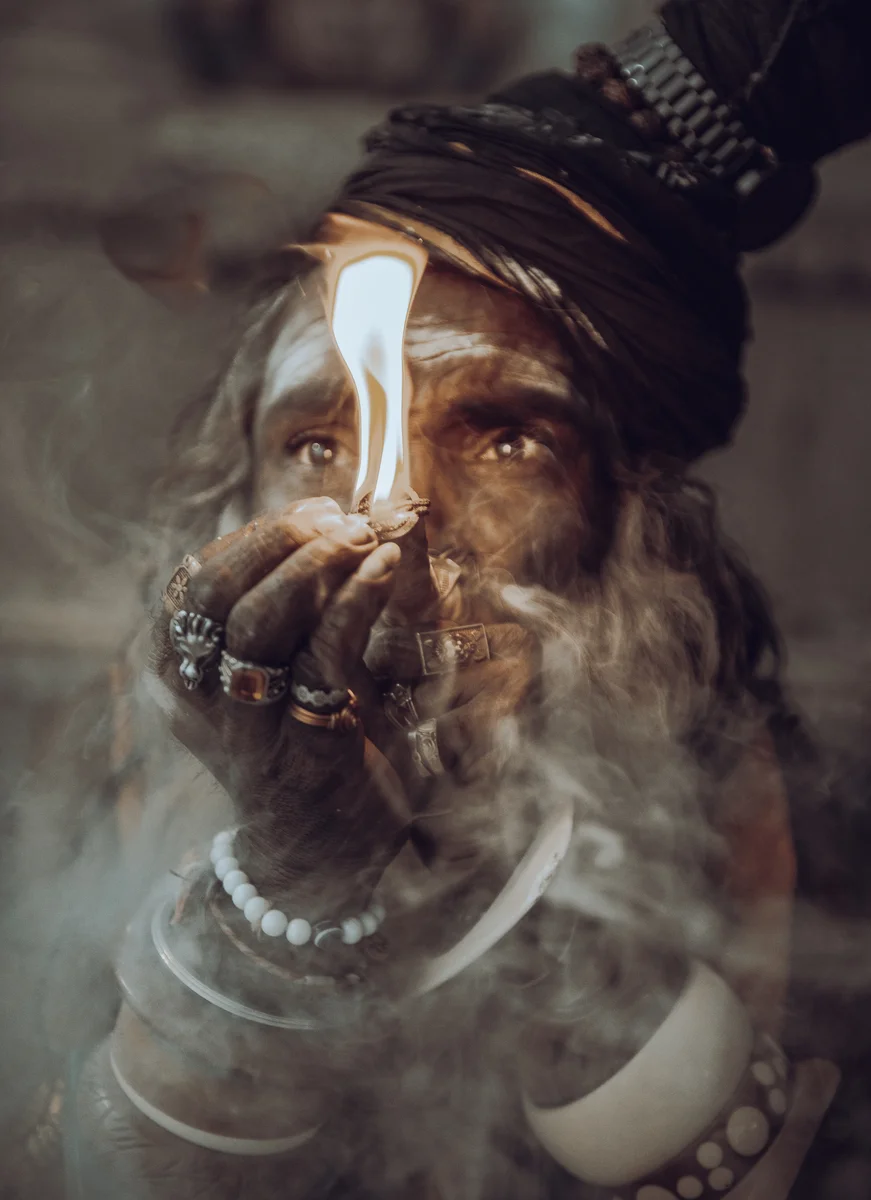
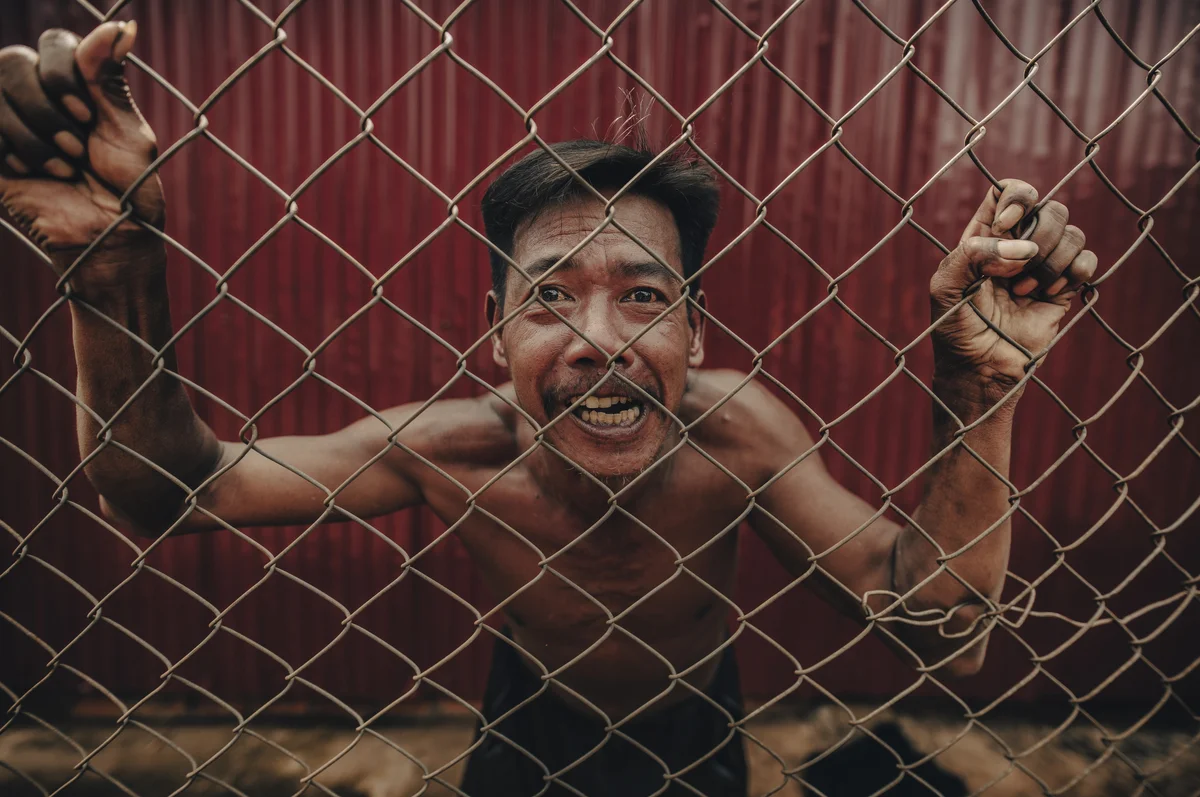
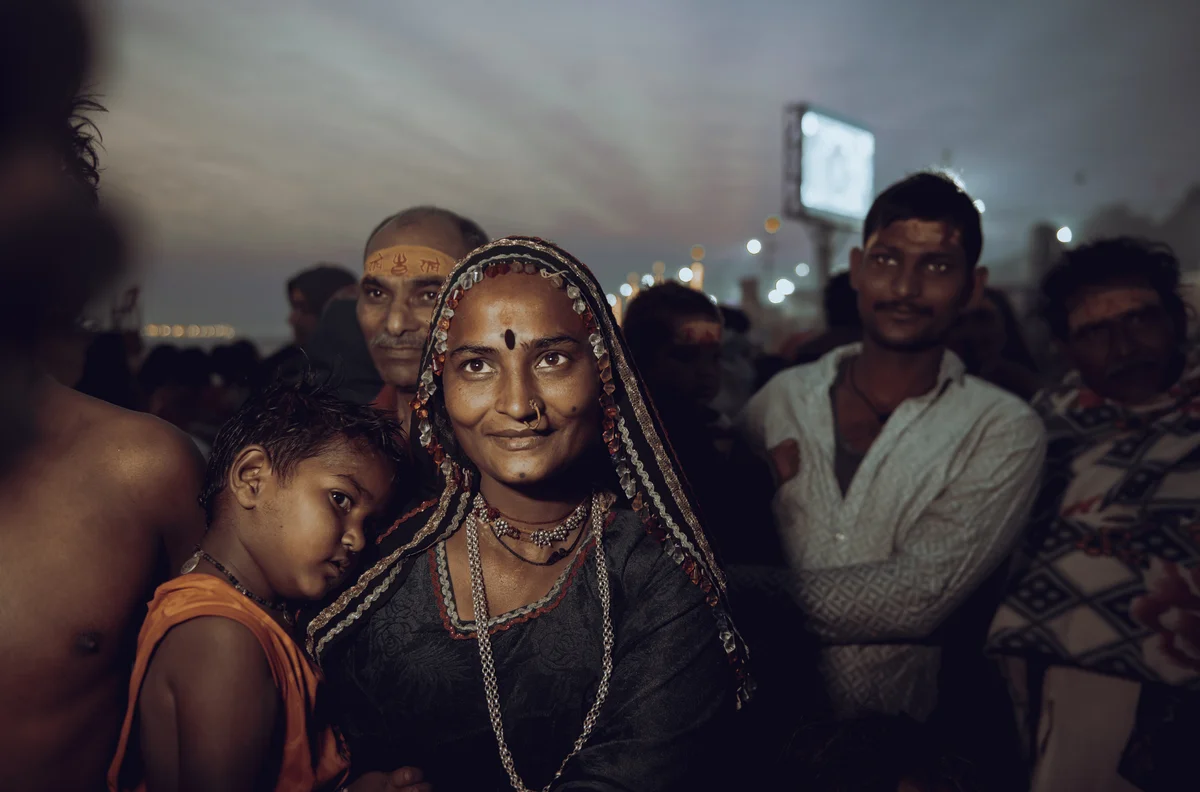
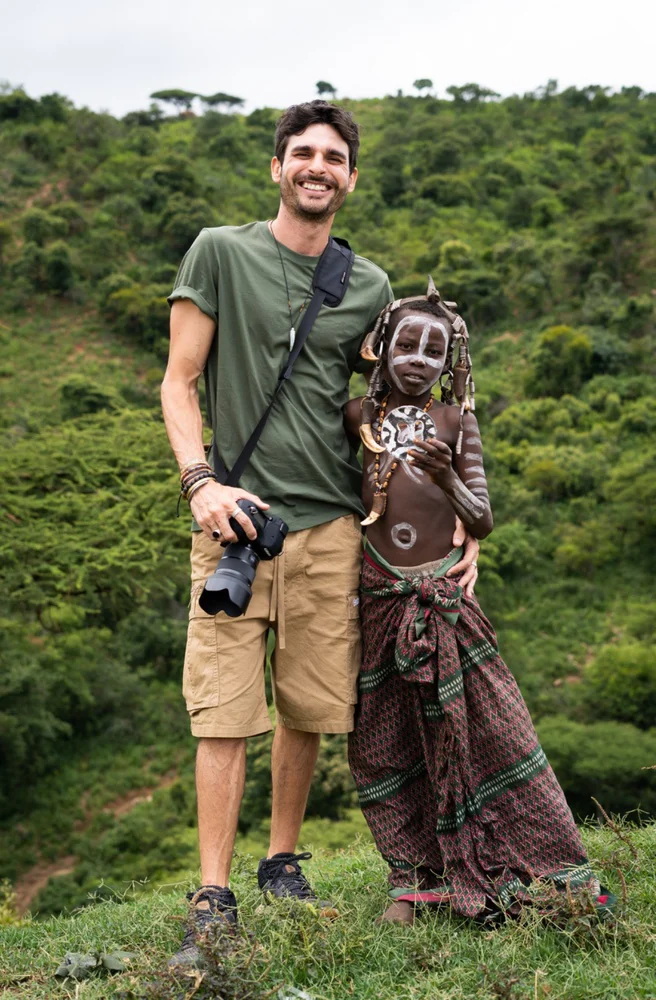
Michel Pedrero (Plasencia, Extremadura, Spain) is a photojournalist and documentary photographer renowned for his immersive, humanistic approach to visual storytelling. Working across the five continents, he explores identity, culture, and the resilience of communities with sensitivity and depth. His work has received international recognition, including acknowledgment from World Press Photo, and has been featured in leading publications such as National Geographic, The Times, and Vogue. Exhibited in major cultural capitals including Paris, London, and New York, Pedrero’s photography is defined by natural light, intimacy, and empathy, creating images that are both contemplative and evocative. Known professionally as Wild Nomad, he seeks not only to document reality but to reveal the essence of people and places, crafting narratives that linger beyond the frame.

Awarded Photographer of the Week - Week 09, 2026

 

Inspiring Portfolios

Call for Entries
AAP Magazine #55 Women
Publish your work in our printed magazine and win $1,000 cash prizes
 
Stay up-to-date  with call for entries, deadlines and other news about exhibitions, galleries, publications, & special events.

More Great Photographers To Discover

Hoang Long Ly
Vietnam
1965
Ly Hoang Long was born in 1965 in Dalat, a city located on the high plateaus of central Vietnam. Since childhood, the photographer has been fascinated by colours and images and began his professional career as a graphic designer. He discovered photography in 1993 through a friend, bought his first analogue reflex and two years later, made a dark room in his apartment. One thing led to another and he definitely abandoned design in order to devote his time to his images. With over twenty years experience to his name and 310 international prizes, including that of best travel photographer in 2014 (TFOTY). Several of his pictures also won awards in the same year at the CBRE Urban Photographer of the Year and from National Geographic. Mud wrestling Mud wrestling with a ball was a traditional game organized every four year in Van village, Bac Ninh province, the north of Vietnam. Like basket ball, but instead of the baskets hanging up, here there were two holes (like a goal) and the playing ground was filled up with wet mud, there were 16 players divided into two teams, they competed vigorously to score by putting the heavy wooden ball in their competitors's hole. The audiences supported all the teams, they were screamming and laughing because the game looked so amusing; it was not easy at all to seized a ball, keep it in arms and run on the slippery surface and cross a barrier of competitors. After three day-competing, the both teams would gather in the courtyard of the temple to worship their ancestors, the game completely ended in peace and happiness.
Doris Ulmann
United States
1882 | † 1934
Doris Ulmann was an American photographer, best known for her portraits of the people of Appalachia, particularly craftsmen and musicians, made between 1928 and 1934. Doris Ulmann was a native of New York City, the daughter of Bernhard and Gertrude (Mass) Ulmann. Educated at the Ethical Culture Fieldston School, a socially liberal organization that championed individual worth regardless of ethnic background or economic condition and Columbia University, she intended to become a teacher of psychology. Her interest in photography was at first a hobby but after 1918 she devoted herself to the art professionally. She practiced Pictorialism and was a member of the Pictorial Photographers of America. Ulmann documented the rural people of the South, particularly the mountain peoples of Appalachia and the Gullahs of the Sea Islands, with a profound respect for her sitters and an ethnographer's eye for culture. Ulmann was trained as a pictorialist and graduated from the Clarence H. White School of Modern Photography. Other students of the school who went on to become notable photographers include Margaret Bourke-White, Anne Brigman, Dorothea Lange, Paul Outerbridge, and Karl Struss. Her work was exhibited in various New York galleries, and published in Theatre Arts Monthly, Mentor, Scribner's Magazine, and Survey Graphic. Ulmann was married for a time to Dr. Charles H. Jaeger, a fellow Pictorialist photographer and an orthopedic surgeon on the staff of Columbia University Medical School and a likely connection for her 1920 Hoeber publication The Faculty of the College of Physicians & Surgeons, Columbia University in the City of New York: Twenty-Four Portraits. This was followed in 1922 by the publication of her Book of Portraits of the Medical Faculty of the Johns Hopkins University; the 1925 A Portrait Gallery of American Editors, and in 1933, Roll, Jordan Roll, the text by Julia Peterkin. The fine art edition of Roll, Jordan Roll is considered to be one of the more beautiful books ever produced. In an interview with Dale Warren of Bookman, Doris Ulmann referred to her particular interest in portraits. "The faces of men and women in the street are probably as interesting as literary faces, but my particular human angle leads me to men and women who write. I am not interested exclusively in literary faces, because I have been more deeply moved by some of my mountaineers than by any literary person. A face that has the marks of having lived intensely, that expresses some phase of life, some dominant quality or intellectual power, constitutes for me an interesting face. For this reason the face of an older person, perhaps not beautiful in the strictest sense, is usually more appealing than the face of a younger person who has scarcely been touched by life." Ulmann's early work includes a series of portraits of prominent intellectuals, artists and writers: William Butler Yeats, John Dewey, Max Eastman, Sinclair Lewis, Lewis Mumford, Joseph Wood Krutch, Martha Graham, Anna Pavlova, Paul Robeson, and Lillian Gish. From 1927, Ulmann was assisted on her rural travels by John Jacob Niles, a musician and folklorist who collected ballads while Ulmann photographed. In 1932 Ulmann began her most important series, assembling documentation of Appalachian folk arts and crafts for Allen Eaton's landmark 1937 book, Handicrafts of the Southern Highlands. In failing health, she collapsed in August 1934 while working near Asheville, North Carolina, and returned to New York. Ulmann died August 28, 1934. Upon Ulmann's death, a foundation she had established took custody of her images. Allen Eaton, John Jacob Niles, Olive Dame Campbell (of the John C. Campbell Folk School in Brasstown, North Carolina), Ulmann's brother-in-law Henry L. Necarsulmer, and Berea schoolteacher Helen Dingman were named trustees. Samuel H. Lifshey, a New York commercial photographer, developed the negatives Ulmann had exposed during her final trip, and then made proof prints from the vast archive of more than 10,000 glass plate negatives. (Lifshey also developed the 2,000 exposed negatives from Ulmann's last expedition, and produced the prints for Eaton's book.) The proof prints were mounted into albums, which were annotated by John Jacob Niles and Allen Eaton, chair of the foundation and another noted folklorist, to indicate names of the sitters and dates of capture. The Georgia Museum of Art at the University of Georgia organized a major retrospective of her work in 2018 and published the largest book on her work to date. The Library of Congress Prints & Photographs Division holds more than 150 photographic prints by Ulmann.Source: Wikipedia
Vanessa Marsh
United States
1978
Vanessa Marsh is a visual artist working in Oakland, CA. Originally from Seattle, WA, her favorite pastimes are hiking in mossy forests and watching re-runs of NOVA. In 2002 she moved to San Francisco to go to grad school at California College of the Arts and earned her MFA two years later. She moved to Oakland in 2010 where she now lives with her boyfriend and two cats. Some of her favorite places to have exhibited her work include the Contemporary Jewish Museum in San Francisco, Dolby Chadwick Gallery in San Francisco, Foley Gallery in New York, and the Sun Valley Art Center in Ketchum, ID. She has spent time making work at the Headlands Center for the Arts, The MacDowell Colony, Kala Art Institute and was AIR at Rayko Photo Center. In the spring of 2018 she was an artist in residence at Jentel Foundation in Banner, WY. About The Sun Beneath the Sky "The Sun Beneath the Sky is a series of Lumen prints featuring imagined landscapes highlighted by soft glowing light. In the images, seen and unseen suns illuminate transparent layers of mountains and volcanoes creating dreamlike and atmospheric places. The Sun Beneath the Sky continues my use of cut paper, multiple exposures and dodging and burning techniques to create invented photographic landscapes. First cut paper masks traced from the silhouettes of real mountain ranges are layered on top of silver gelatin paper. The paper is then exposed to sunlight at intervals and then processed to fix the image. The resulting photographs are pastel and ethereal. Through this series I am reflecting upon the nature of light, atmosphere, geology and time." Read more about Falling
Mona Singh
Gurgaon, (India) based street/ travel photographer. Capturing emotions is one of the key ingredients in Mona Singh’s work. She firmly believes in making photographs that she resonates with. Even though it is the emotions of her subjects that she is documenting, she finds a reflection of herself in them. Her love for the unexpected and candid moments gives her the ability to find visual order within the chaos of the world and an unparalleled creative vision. She loves to creatively capture the weird and wonderful fleeting moments as they unfold in front of her eyes. She beautifully fuses emotions and art to tell stories through her pictures. Photography for her has been a life-transforming experience. Photography is the love of her life and traveling is like blood in her veins. She loves waking up to new horizons, making new friends and exploring the world. Silent Colors: "Who doesn't like colors? Well, we all do... but these women are considered a curse and have lost the joy and privilege of having colors in their lives. These are the widows of Vrindavan, the abandoned and forgotten souls in one of the holiest cities of India. Thousands of them have made this city their home and the place is known as 'The city of widows'. Sitting cross-legged in a dingy room with a noisy fan, plaster peeling off the walls, watching her favorite Bengali serial on an old T.V. set, Purba (name changed) greeted me by saying 'Radhe Radhe', the only popular way to greet in Vrindavan. She left her family in Bengal and came to the Widows Ashram in Vrindavan after her husband’s death. Many others like her in the room have either been abandoned by their families or have decided to stay away from the societal pressures and people ostracizing them. Breaking the age-old rigid Indian tradition, these widows celebrate Holi, the vibrant festival of colors at the ancient Gopinath temple. Soaked in colors, they throw rose and marigold flower petals at each other and dance with joy. It is a blissful experience for all. It is mesmerizing to see such a sight. Their white saris turn bright and colorful. It is like getting revived in the most tender way."
André Kertész
Hungary
1894 | † 1985
André Kertész, born Kertész Andor, was a Hungarian-born photographer known for his groundbreaking contributions to photographic composition and the photo essay. In the early years of his career, his then-unorthodox camera angles and style prevented his work from gaining wider recognition. Kertész never felt that he had gained the worldwide recognition he deserved. Today he is considered one of the seminal figures of photojournalism. Expected by his family to work as a stockbroker, Kertész pursued photography independently as an autodidact, and his early work was published primarily in magazines, a major market in those years. This continued until much later in his life, when Kertész stopped accepting commissions. He served briefly in World War I and moved to Paris in 1925, then the artistic capital of the world, against the wishes of his family. In Paris he worked for France's first illustrated magazine called VU. Involved with many young immigrant artists and the Dada movement, he achieved critical and commercial success. Due to German persecution of the Jews and the threat of World War II, Kertész decided to emigrate to the United States in 1936, where he had to rebuild his reputation through commissioned work. In the 1940s and 1950s, he stopped working for magazines and began to achieve greater international success. His career is generally divided into four periods, based on where he was working and his work was most prominently known. They are called the Hungarian period, the French period, the American period and, toward the end of his life, the International period. Source: Wikipedia André Kertész (1894–1985) has been hailed as one of the most important photographers of the twentieth century. Working intuitively, he captured the poetry of modern urban life with its quiet, often overlooked incidents and odd, occasionally comic, or even bizarre juxtapositions. He endeavored "to give meaning to everything" about him with his camera, "to make photographs as by reflection in a mirror, unmanipulated and direct as in life." Combining this seemingly artless spontaneity with a sophisticated understanding of composition, Kertész created a purely photographic idiom that celebrates direct observation of the everyday. Neither a surrealist, nor a strict photojournalist, he nevertheless infused his best images with strong tenets of both. "You don't see" the things you photograph, he explained, "you feel them." Born Kertész Andor in Budapest, he received his first camera in 1912 and immediately began to make intimate portraits of family and friends, studies of the Hungarian countryside, and scenes of daily life behind the battle lines of World War I. Seeking to make a living through photography, he moved in 1925 to Paris, where he established a successful career as a photojournalist. Buoyed by this accomplishment and inspired by the vibrant artistic community of the French capital, he created some of the most intriguing and celebrated images of the period. In 1936 Kertész relocated to New York in order to further his career. Captivated by the rich visual spectacle of the city and awed by its scale, he used the camera to record both his fascination with, and sense of alienation from, his new surroundings. The images attest to a complicated personal history borne through the political upheavals of two wars and life in three countries. He died at age ninety-one. This exhibition offers a comprehensive overview of Kertész's rich and varied career. Source: The International Center of Photography
William Eggleston
United States
1939
William Eggleston was born in Memphis, Tennessee and raised in Sumner, Mississippi. His father was an engineer and his mother was the daughter of a prominent local judge. As a boy, Eggleston was introverted; he enjoyed playing the piano, drawing, and working with electronics. From an early age, he was also drawn to visual media, and reportedly enjoyed buying postcards and cutting out pictures from magazines. At the age of 15, Eggleston was sent to the Webb School, a boarding establishment. Eggleston later recalled few fond memories of the school, telling a reporter, "It had a kind of Spartan routine to 'build character'. I never knew what that was supposed to mean. It was so callous and dumb. It was the kind of place where it was considered effeminate to like music and painting." Eggleston was unusual among his peers in eschewing the traditional Southern male pursuits of hunting and sports, in favor of artistic pursuits and observation of the world. Nevertheless, Eggleston noted that he never felt like an outsider. "I never had the feeling that I didn't fit in," he told a reporter, "But probably I didn't." Eggleston attended Vanderbilt University for a year, Delta State College for a semester, and the University of Mississippi for about five years, but did not complete any degree. Nonetheless, his interest in photography took root when a friend at Vanderbilt gave Eggleston a Leica camera. He was introduced to abstract expressionism at Ole Miss by visiting painter Tom Young. Eggleston's early photographic efforts were inspired by the work of Swiss-born photographer Robert Frank, and by French photographer Henri Cartier-Bresson's book, The Decisive Moment. Eggleston later recalled that the book was "the first serious book I found, from many awful books...I didn't understand it a bit, and then it sank in, and I realized, my God, this is a great one." First photographing in black-and-white, Eggleston began experimenting with color in 1965 and 1966 after being introduced to the medium by William Christenberry. Color transparency film became his dominant medium in the later 1960s. Eggleston's development as a photographer seems to have taken place in relative isolation from other artists. In an interview, John Szarkowski describes his first encounter with the young Eggleston in 1969 as being "absolutely out of the blue". After reviewing Eggleston's work (which he recalled as a suitcase full of "drugstore" color prints) Szarkowski prevailed upon the Photography Committee of MoMA to buy one of Eggleston's photographs. In 1970, Eggleston's friend William Christenberry introduced him to Walter Hopps, director of Washington, D.C.'s Corcoran Gallery. Hopps later reported being "stunned" by Eggleston's work: "I had never seen anything like it." Eggleston taught at Harvard in 1973 and 1974, and it was during these years that he discovered dye-transfer printing; he was examining the price list of a photographic lab in Chicago when he read about the process. As Eggleston later recalled: "It advertised 'from the cheapest to the ultimate print.' The ultimate print was a dye-transfer. I went straight up there to look and everything I saw was commercial work like pictures of cigarette packs or perfume bottles but the colour saturation and the quality of the ink was overwhelming. I couldn't wait to see what a plain Eggleston picture would look like with the same process. Every photograph I subsequently printed with the process seemed fantastic and each one seemed better than the previous one." The dye-transfer process resulted in some of Eggleston's most striking and famous work, such as his 1973 photograph entitled The Red Ceiling, of which Eggleston said, "The Red Ceiling is so powerful, that in fact I've never seen it reproduced on the page to my satisfaction. When you look at the dye it is like red blood that's wet on the wall.... A little red is usually enough, but to work with an entire red surface was a challenge." At Harvard, Eggleston prepared his first portfolio, entitled 14 Pictures (1974). Eggleston's work was exhibited at MoMA in 1976. Although this was over three decades after MoMa had mounted a solo exhibition of color photographs by Eliot Porter, and a decade after MoMA had exhibited color photographs by Ernst Haas, the tale that the Eggleston exhibition was MoMA's first exhibition of color photography is frequently repeated, and the 1976 show is regarded as a watershed moment in the history of photography, by marking "the acceptance of colour photography by the highest validating institution" (in the words of Mark Holborn). Around the time of his 1976 MoMA exhibition, Eggleston was introduced to Viva, the Andy Warhol "superstar", with whom he began a long relationship. During this period Eggleston became familiar with Andy Warhol's circle, a connection that may have helped foster Eggleston's idea of the "democratic camera", Mark Holborn suggests. Also in the 1970s Eggleston experimented with video, producing several hours of roughly edited footage Eggleston calls Stranded in Canton. Writer Richard Woodward, who has viewed the footage, likens it to a "demented home movie", mixing tender shots of his children at home with shots of drunken parties, public urination and a man biting off a chicken's head before a cheering crowd in New Orleans. Woodward suggests that the film is reflective of Eggleston's "fearless naturalism—a belief that by looking patiently at what others ignore or look away from, interesting things can be seen." Eggleston's published books and portfolios include Los Alamos (completed in 1974, but published much later), William Eggleston's Guide (the catalog of the 1976 MoMa exhibit), the massive Election Eve (1977; a portfolio of photographs taken around Plains, Georgia, the rural seat of Jimmy Carter before the 1976 presidential election), The Morals of Vision (1978), Flowers (1978), Wedgwood Blue (1979), Seven (1979), Troubled Waters (1980), The Louisiana Project (1980), William Eggleston's Graceland (1984; a series of commissioned photographs of Elvis Presley's Graceland, depicting the singer's home as an airless, windowless tomb in custom-made bad taste), The Democratic Forest (1989), Faulkner's Mississippi (1990), and Ancient and Modern(1992). Some of his early series have not been shown until the late 2000s. The Nightclub Portraits (1973), a series of large black-and-white portraits in bars and clubs around Memphis was, for the most part, not shown until 2005. Lost and Found, part of Eggleston's Los Alamos series, is a body of photographs that have remained unseen for decades because until 2008 no one knew that they belonged to Walter Hopps; the works from this series chronicle road trips the artist took with Hopps, leaving from Memphis and traveling as far as the West Coast. Eggleston's Election Eve photographs were not editioned until 2011. Eggleston also worked with filmmakers, photographing the set of John Huston's film Annie (1982) and documenting the making of David Byrne's film True Stories (1986). In 2017 an album of Eggleston's music was released, Musik. It comprises 13 "experimental electronic soundscapes", "often dramatic improvisations on compositions by Bach (his hero) and Haendel as well as his singular takes on a Gilbert and Sullivan tune and the jazz standard On the Street Where You Live." Musik was made entirely on a 1980s Korg synthesiser, and recorded to floppy disks. The 2017 compilation Musik was produced by Tom Lunt, and released on Secretly Canadian. In 2018, Áine O'Dwyer performed the music on a pipe organ at the Big Ears music festival in Knoxville. Source: Wikipedia William Eggleston assumes a neutral gaze and creates his art from commonplace subjects: a farmer's muddy Ford truck, a red ceiling in a friend's house, the contents of his own refrigerator. In his work, Eggleston photographs "democratically"--literally photographing the world around him. His large-format prints monumentalize everyday subjects, everything is equally important; every detail deserves attention. A native Southerner raised on a cotton plantation in the Mississippi Delta, Eggleston has created a singular portrait of his native South since the late 1960s. After discovering photography in the early 1960s, he abandoned a traditional education and instead learned from photographically illustrated books by Walker Evans, Henri Cartier-Bresson, and Robert Frank. Although he began his career making black-and-white images, he soon abandoned them to experiment with color technology to record experiences in more sensual and accurate terms at a time when color photography was largely confined to commercial advertising. In 1976 with the support of John Szarkowski, the influential photography historian, critic, and curator, Eggleston mounted "Color Photographs" a now famous exhibition of his work at the Museum of Modern Art, New York. William Eggleston's Guide , in which Szarkowski called Eggleston's photographs "perfect," accompanied this groundbreaking one-person show that established his reputation as a pioneer of color photography. His subjects were mundane, everyday, often trivial, so that the real subject was seen to be color itself. These images helped establish Eggleston as one of the first non-commercial photographers working in color and inspired a new generation of photographers, as well as filmmakers. Eggleston has published his work extensively. He continues to live and work in Memphis, and travels considerably for photographic projects. Source: The Getty Museum
Advertisement
AAP Magazine #55 Wmen
Win a Solo Exhibition in April
AAP Magazine #55 Wmen

Latest Interviews

Exclusive Interview with Anastasia Samoylova
Anastasia Samoylova is an American artist whose photographic practice is shaped by close observation and a deep attentiveness to place. Working between documentary and formal exploration, she photographs landscapes, architecture, and everyday scenes with a sensitivity to light, structure, and atmosphere. Since relocating to Miami in 2016, her work has increasingly focused on how environments—both natural and built—carry social, cultural, and emotional traces. We asked her a few questions about her practice and her way of seeing, to better understand the thoughts and experiences that shape her work—while allowing the images themselves to remain open and speak in their own time.
Exclusive Interview with Marijn Fidder
Marijn Fidder is a Dutch documentary photographer whose work powerfully engages with current affairs and contemporary social issues. Driven by a deep sense of social justice, she uses photography to speak on behalf of the voiceless and to advocate for the rights of those who are most vulnerable. Her images have been widely published in major international outlets including National Geographic, CNN Style, NRC Handelsblad, Volkskrant, GUP New Talent, and ZEIT Magazin. Her long-term commitment to disability rights—particularly through years of work in Uganda—culminated in her acclaimed project Inclusive Nation, which earned her the title of Photographer of the Year 2025 at the All About Photo Awards. She is also the recipient of multiple prestigious honors, including awards from World Press Photo and the Global Peace Photo Award. We asked her a few questions about her life and work.
Exclusive Interview with Josh S. Rose
Josh S. Rose is a multidisciplinary artist working across photography, film, and writing. His practice bridges visual and performing arts, with a strong focus on movement, emotion, and the expressive potential of the image. Known for his long-standing collaborations with leading dance companies and performers, Rose brings together authenticity and precise composition—a balance he describes as “technical romanticism.” His work has been commissioned and exhibited internationally, appearing in outlets such as Vogue, at the Super Bowl, in film festivals, and most recently as a large-scale installation for Lincoln Center for the Performing Arts. A sought-after collaborator, he has worked with major artists, cultural institutions, and brands, following a previous career as Chief Creative Officer at Interpublic Group and the founder of Humans Are Social. We asked him a few questions about his life and work.
Interview with Maureen Ruddy Burkhart
Photographer Maureen Ruddy Burkhart brings a quietly attentive and deeply human sensibility to her exploration of the world through images. Shaped by a life immersed in photography, film, and visual storytelling, her work is guided by intuition, observation, and an enduring interest in the emotional undercurrents of everyday life. With a practice rooted in both fine art traditions and documentary awareness, she approaches her subjects with sensitivity, allowing subtle moments to emerge naturally rather than be imposed. Her series Til Death, selected as the Solo Exhibition for February 2025, reflects this long-standing commitment to photography as a space for reflection rather than spectacle. Drawn to moments that exist just outside the expected frame, Burkhart’s images suggest narratives without resolving them, leaving room for ambiguity, humor, and quiet connection. We asked her a few questions about her life and work.
Exclusive Interview with Peter Ydeen
Winner of AAP Magazine #45 Travels, his series reflects this unique vision—capturing the spirit of place through subtle layers of light, color, and emotion. Whether traveling abroad or observing the rhythms of his own surroundings, Ydeen creates images that feel both grounded and enchanted, inviting viewers into a world where reality and reverie meet.
Exclusive Interview with Julie Wang
Chinese-born photographer Julie Wang brings a poetic, contemplative sensitivity to her visual exploration of the world. Having lived for nearly equal parts of her life in China, Europe, and the United States, she approaches her subjects with the nuanced perspective of someone shaped by many cultures. This blend of distance, curiosity, and emotional resonance infuses her work with a quiet depth, allowing her to reveal the fragile beauty and subtle tensions that often pass unnoticed.
Exclusive Interview with Ghawam Kouchaki
American photographer Ghawam Kouchaki brings a sharply observant and introspective gaze to the streets of Japan’s capital. Based in Los Angeles, he approaches Tokyo with the distance — and curiosity — of an outsider, allowing him to uncover the city’s subtle contradictions, quiet tensions, and fleeting gestures that often go unnoticed. His series Tokyo no no, selected as the Solo Exhibition for December 2024, explores the hidden undercurrents of urban life: the unspoken rules, the small ruptures in routine, the poetic strangeness found in everyday moments. Through muted tones, instinctive timing, and meticulous framing, Kouchaki reveals a Tokyo that exists somewhere between reality and imagination — both intimate and enigmatic. We asked him a few questions about his life and work.
Exclusive Interview with Tommi Viitala
Tommi Viitala, winner of AAP Magazine #44: Street, is a Finnish photographer celebrated for his striking and cinematic street photography. With a keen eye for atmosphere and composition, he captures fleeting urban moments that reveal the poetry of everyday life. His work often explores the tension between solitude and connection within contemporary cityscapes, blending documentary realism with artistic sensibility. Viitala’s photographs have been exhibited internationally and recognized for their strong visual storytelling and emotional depth. We asked him a few questions about his life and work.
Exclusive Interview with Robert Mack
Robert Mack is a California-based visual artist, photographer, and filmmaker. His fine art photography and films have been exhibited widely in the United States and Europe, with major shows at the Baltimore Museum of Art and the Reiss-Engelhorn Museum in Mannheim, Germany. Both institutions hold his work in their permanent collections. Working across different media, Mack has built a career exploring the complexities of human presence and representation. In 1981, while living in Baltimore, he produced The Perkins Project: Not Guilty by Reason of Insanity, a rare photographic and film study inside Maryland’s hospital for the criminally insane. These stark yet compassionate black-and-white portraits remain one of his most powerful and controversial bodies of work.
Call for Entries
AAP Magazine #55 Women
Publish your work in our printed magazine and win $1,000 cash prizes