All about photo.com: photo contests, photography exhibitions, galleries, photographers, books, schools and venues.
Win a Solo Exhibition in April 2026 + An Exclusive Interview!
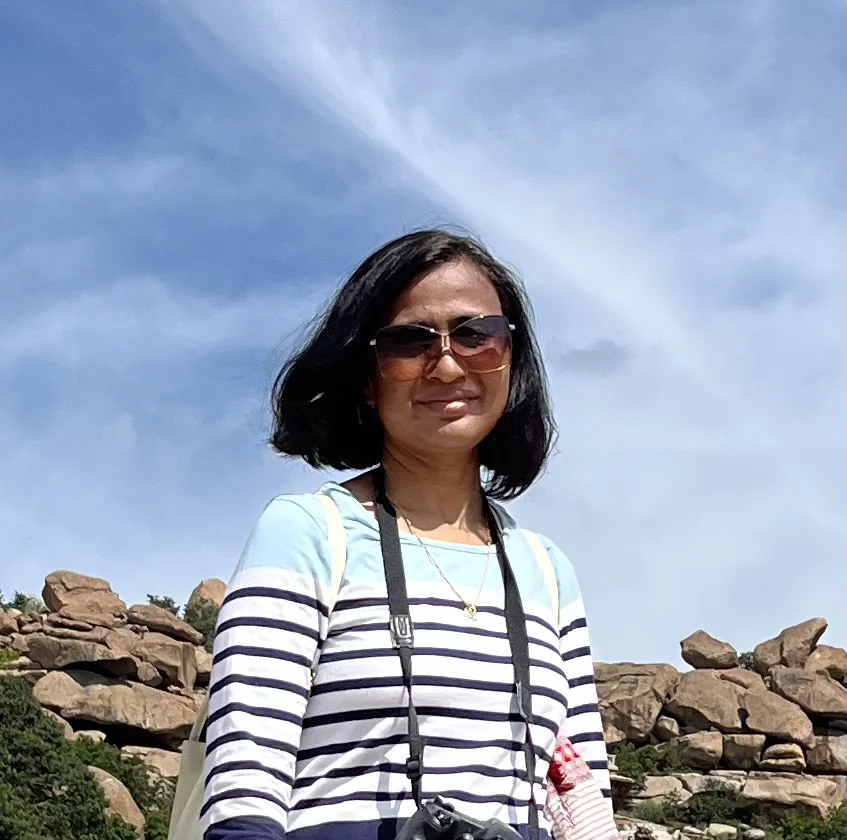
Aparna Gautam
Aparna Gautam
Aparna Gautam

Aparna Gautam

Country: India
Birth: 1977

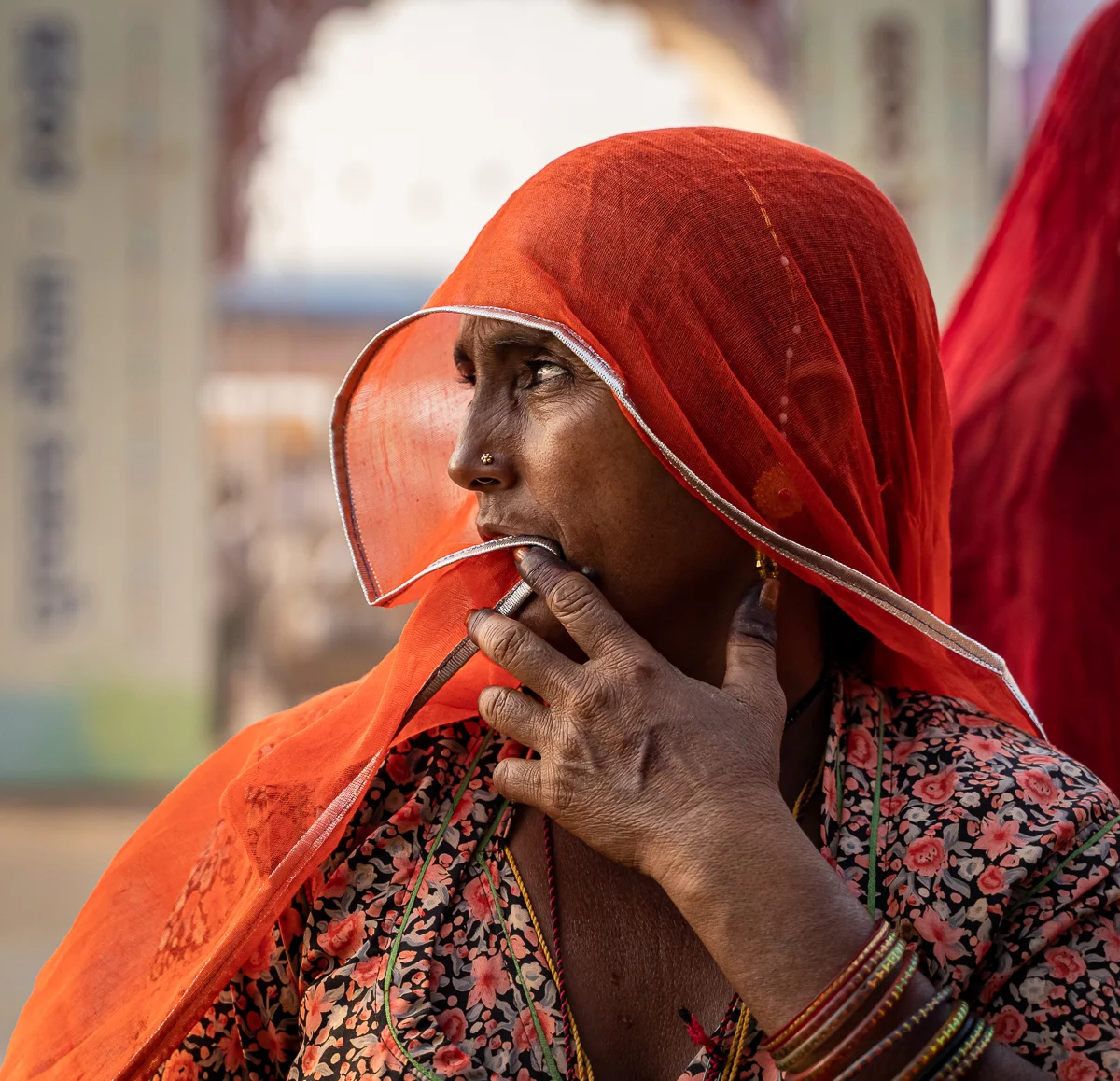
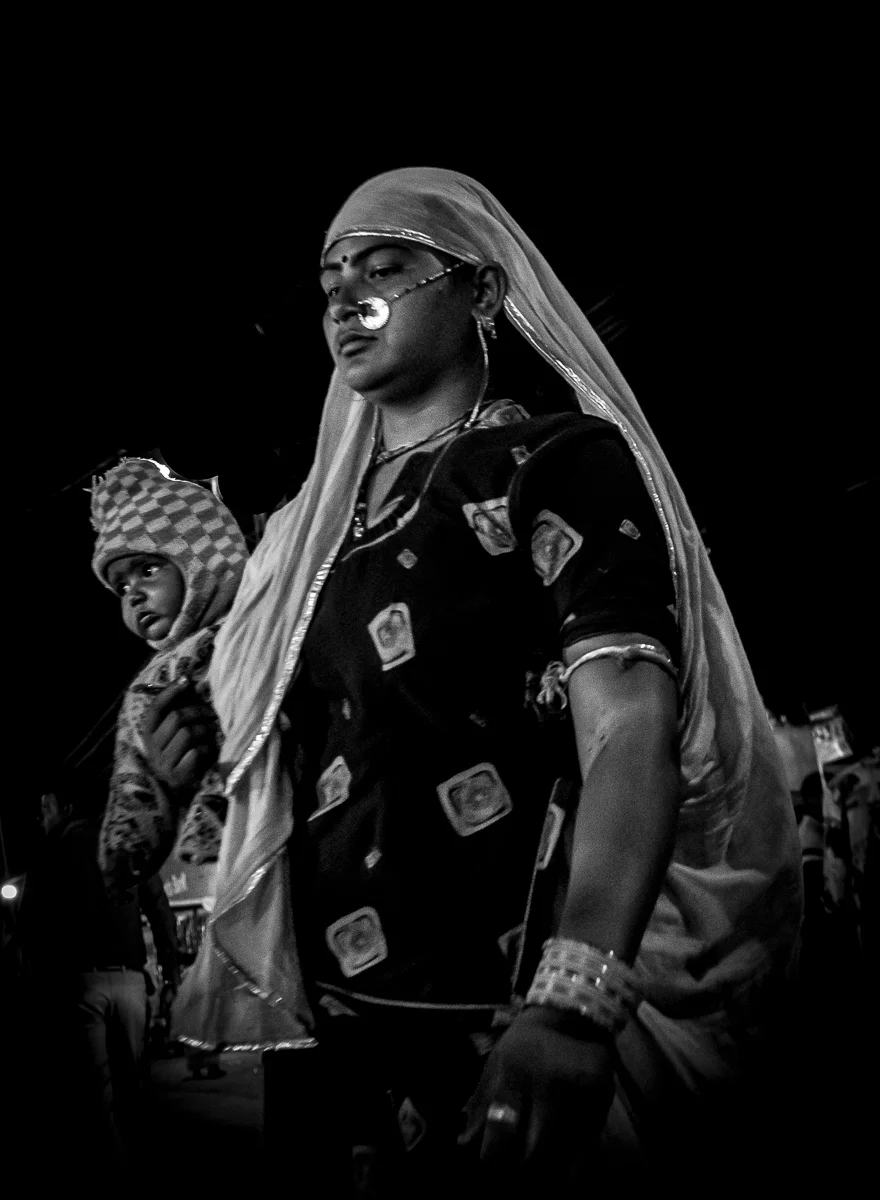
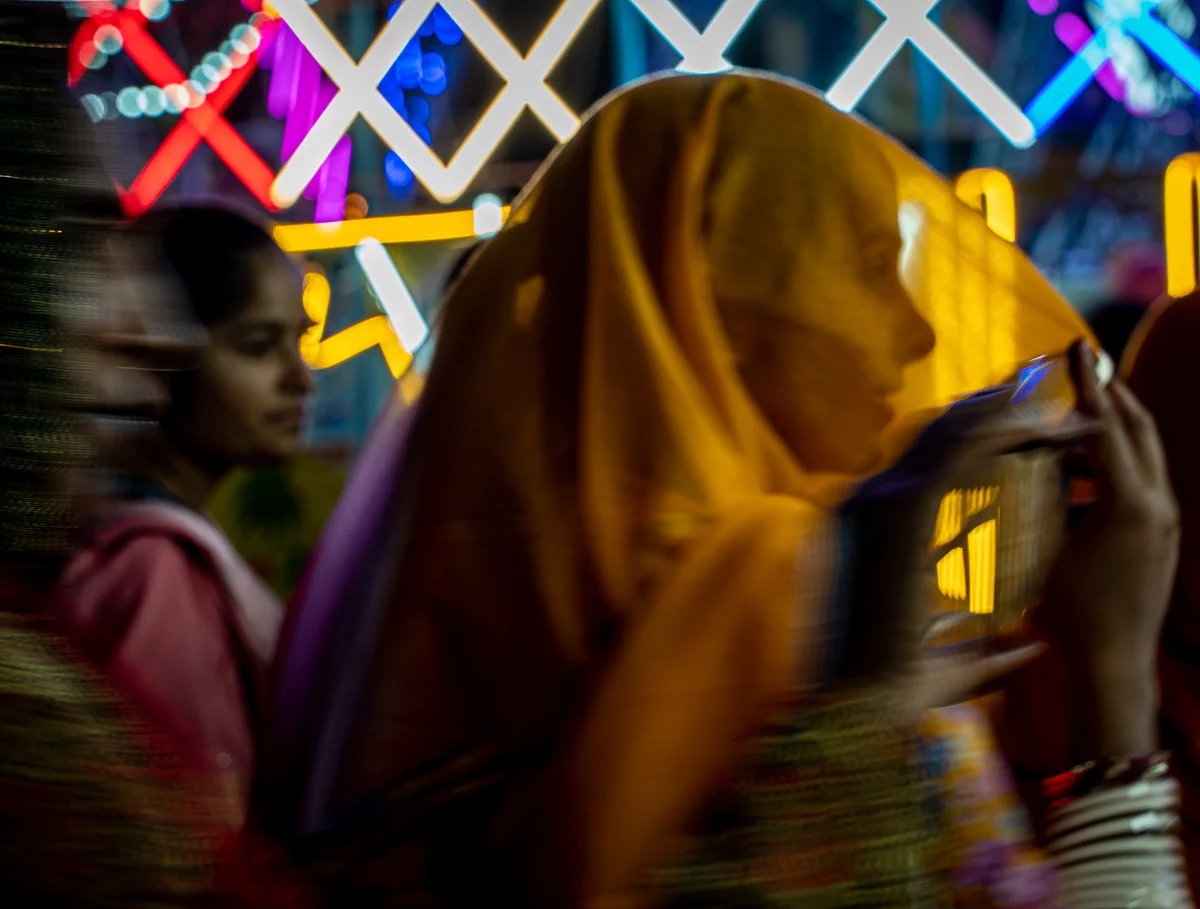
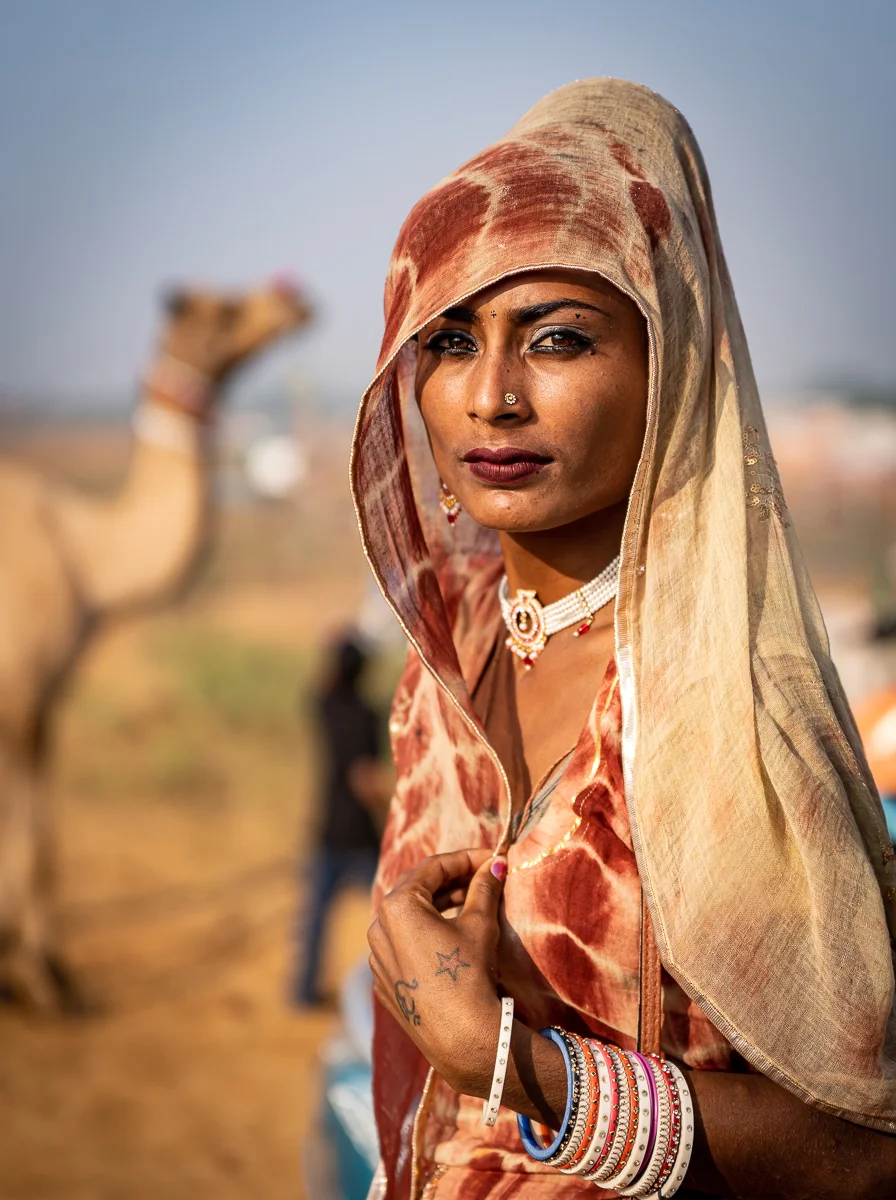
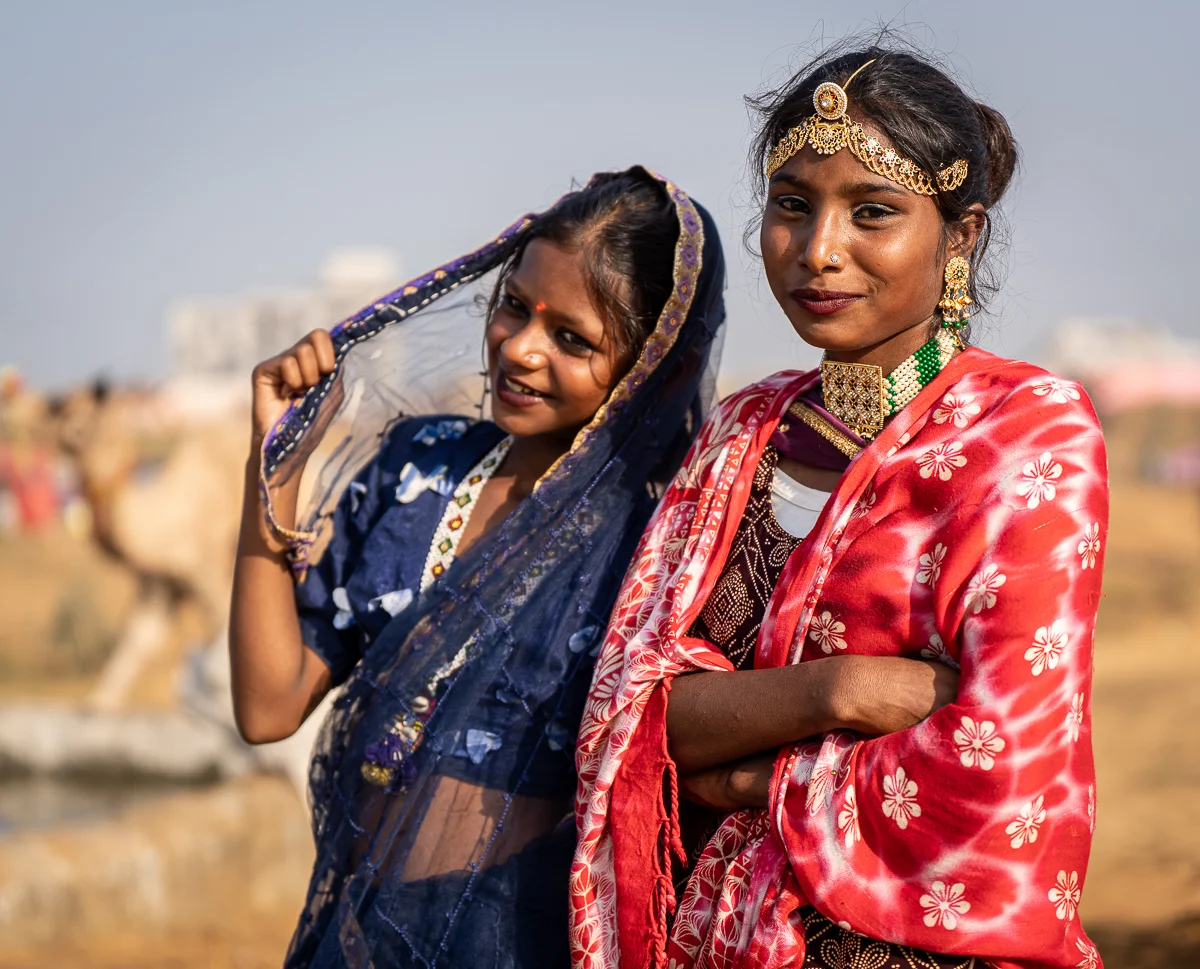
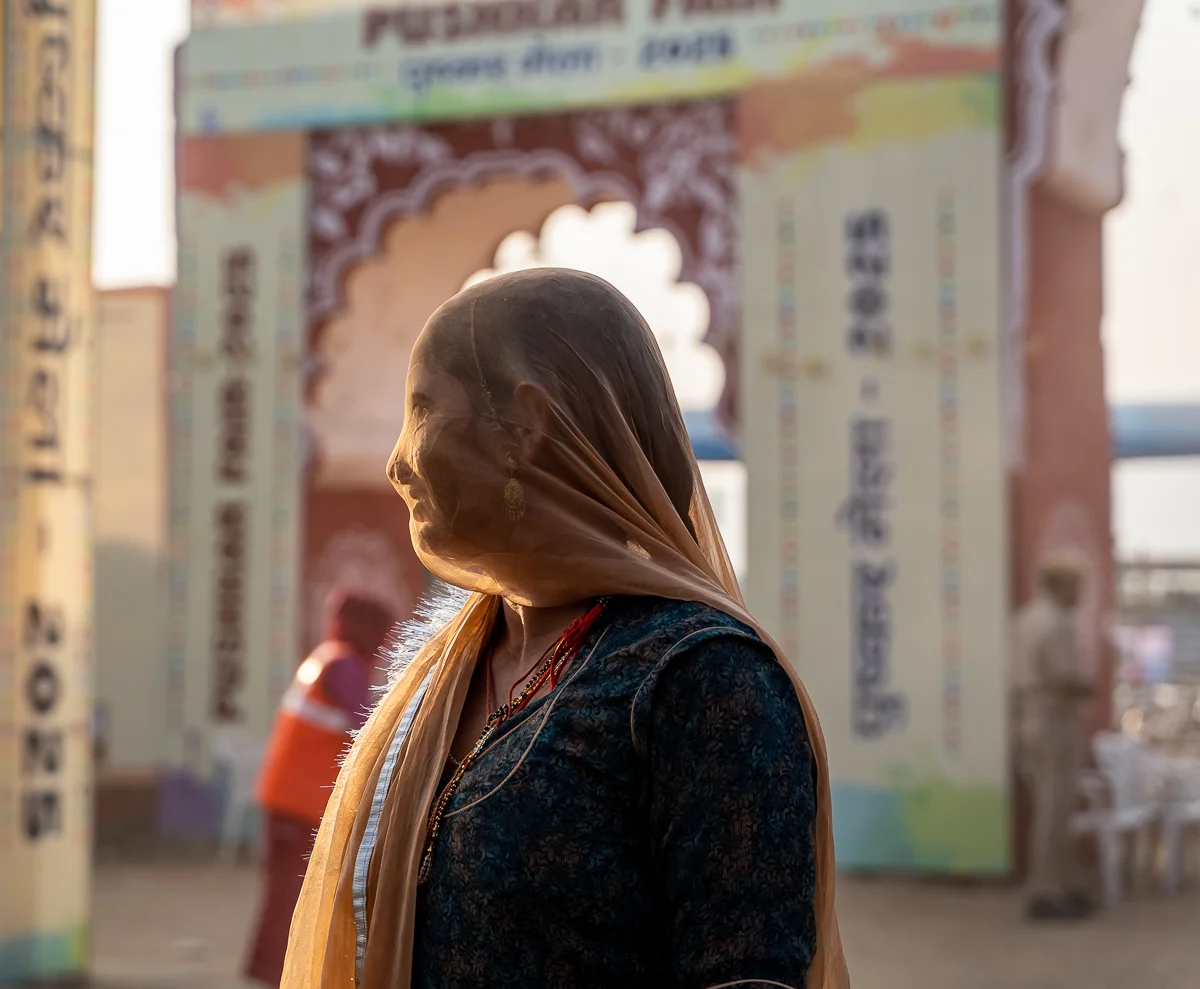
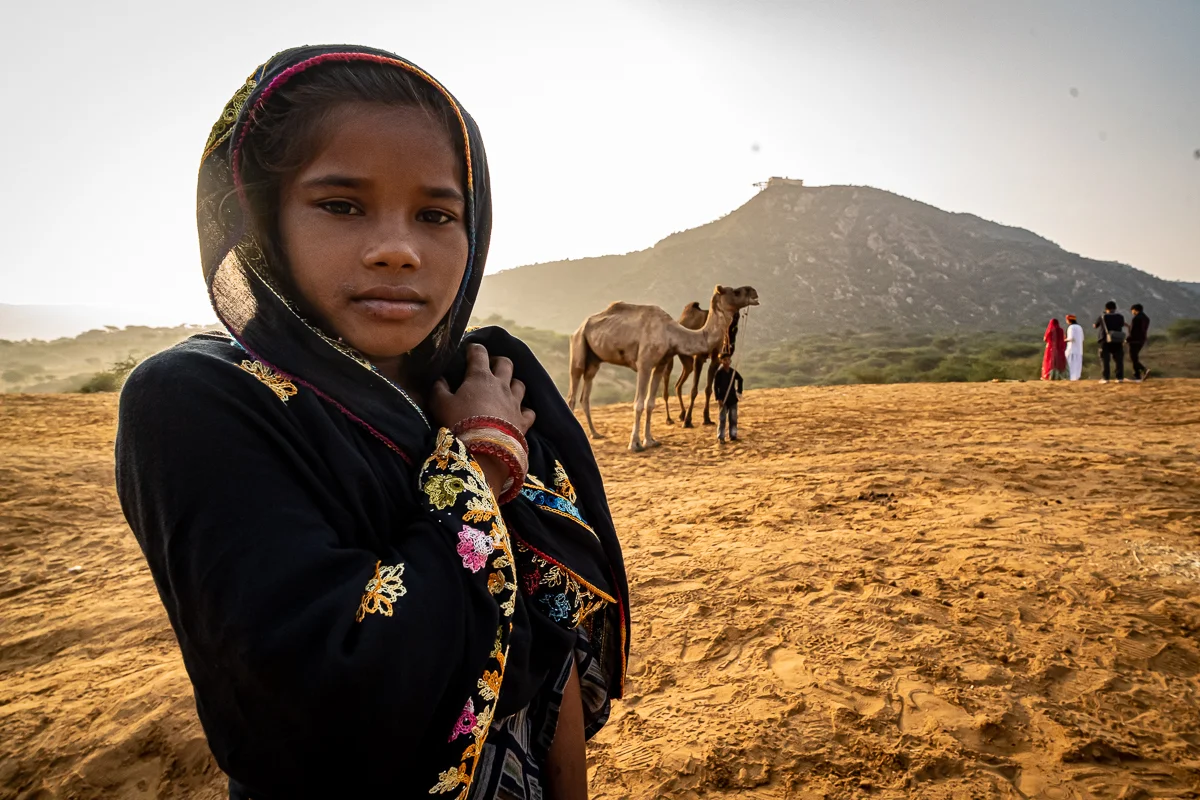
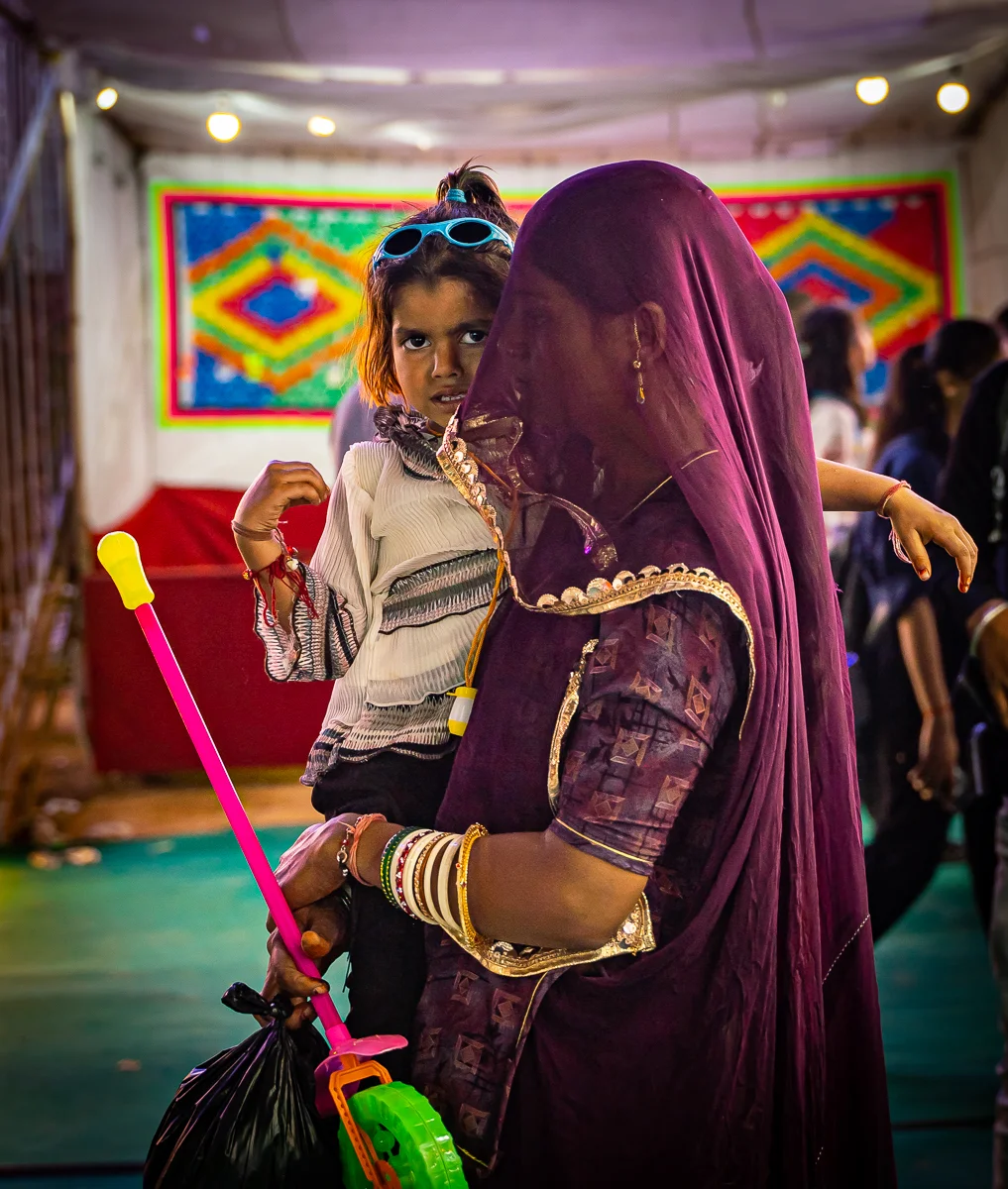
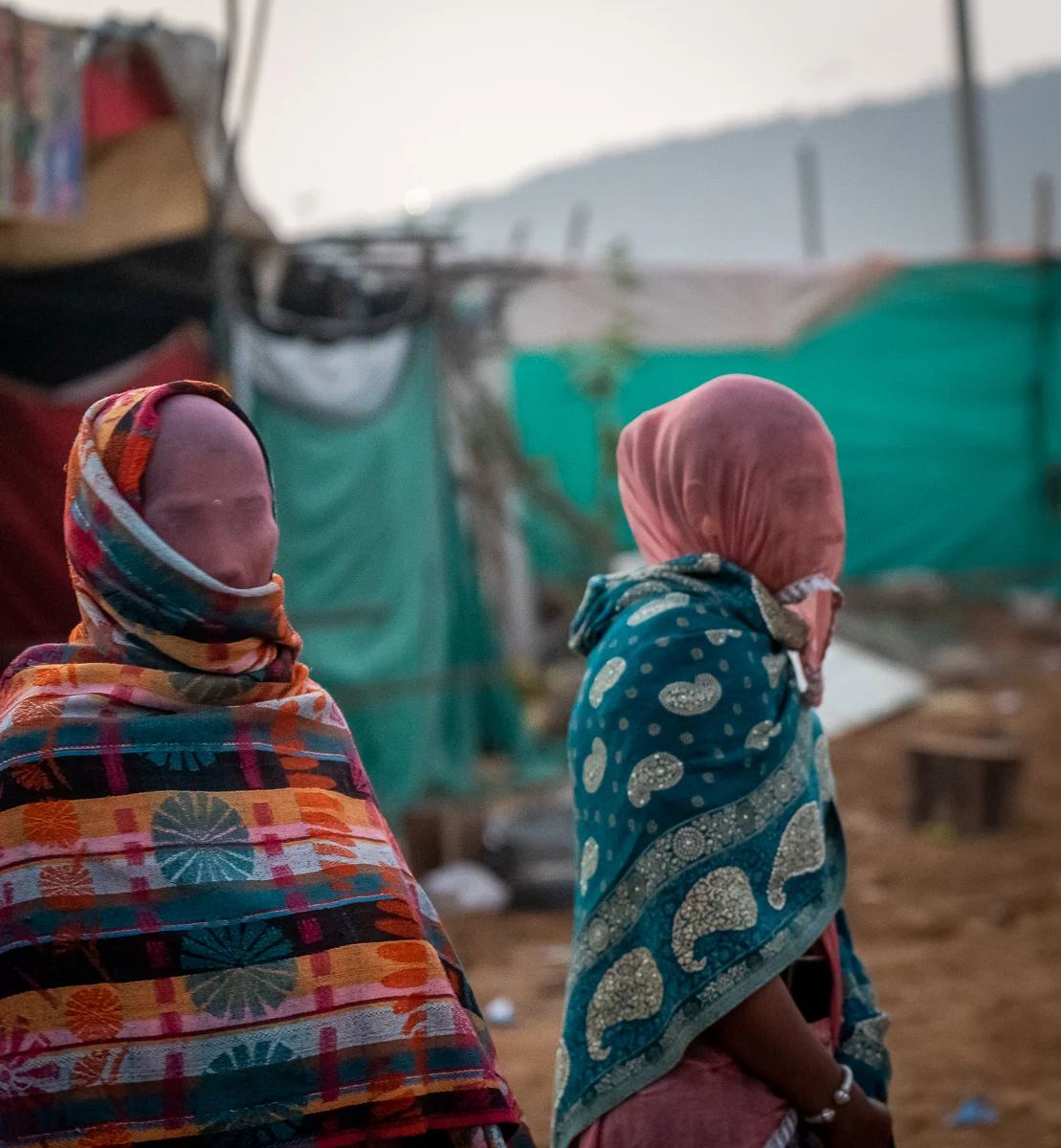
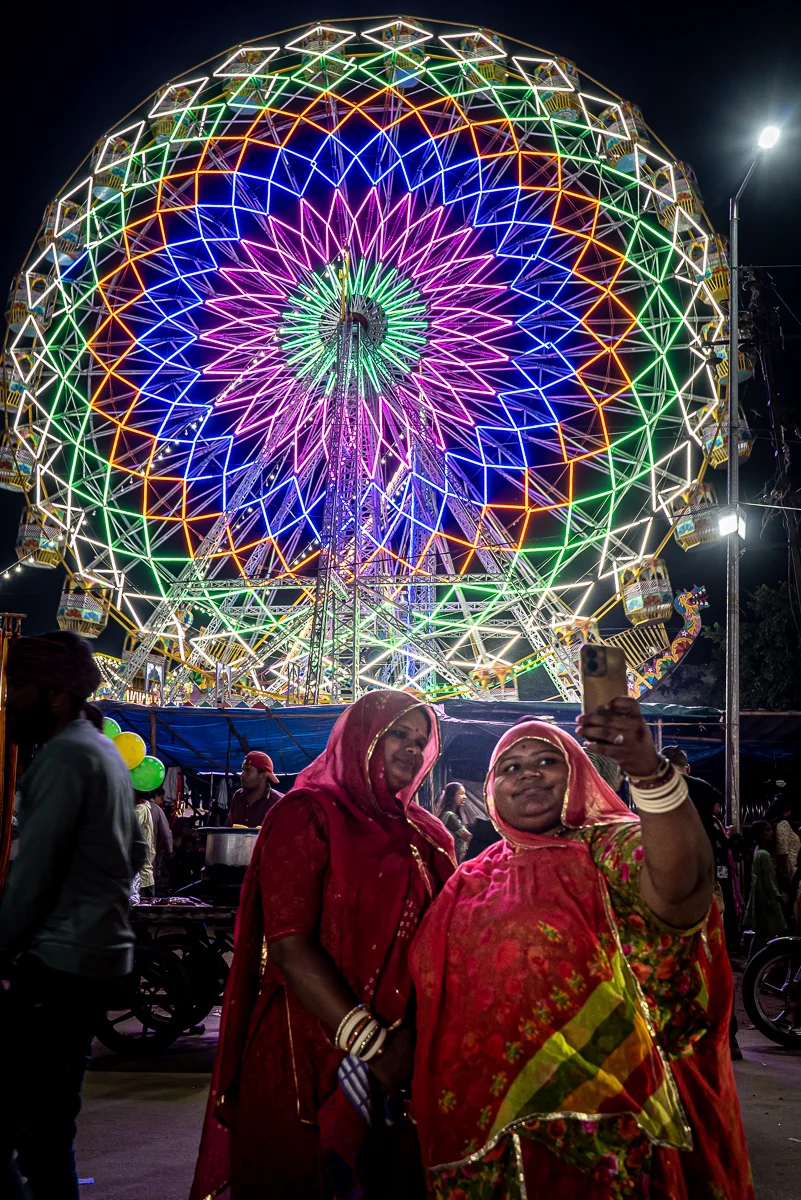
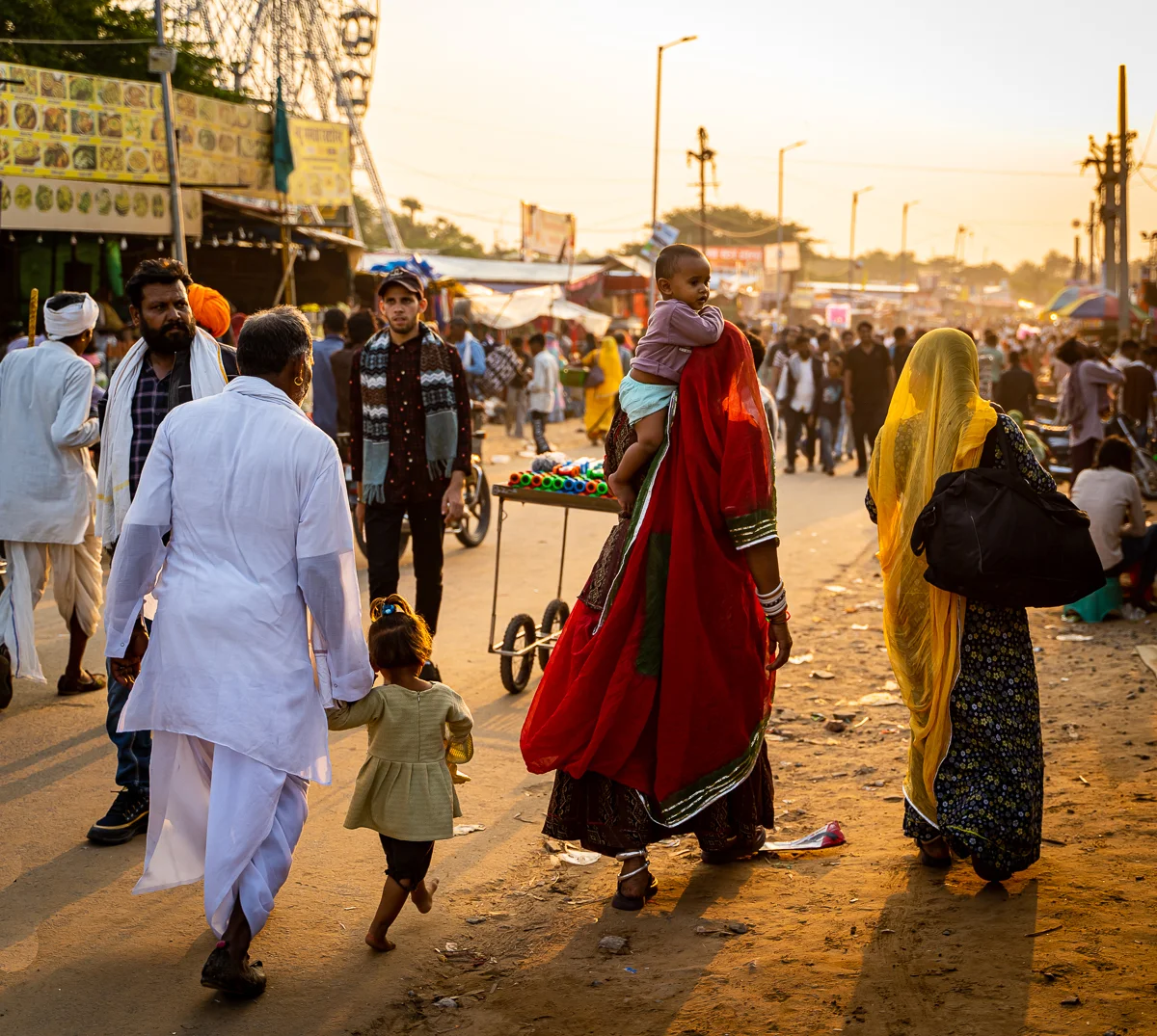
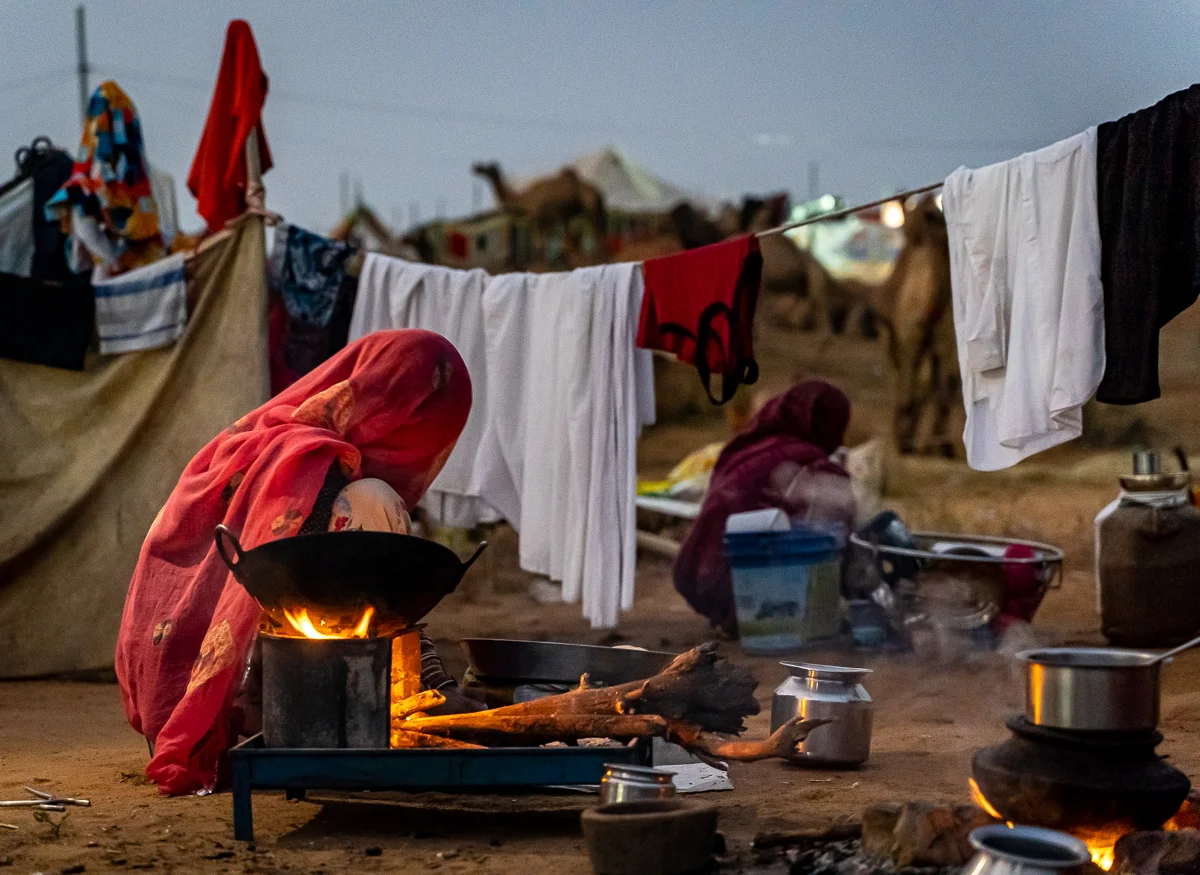
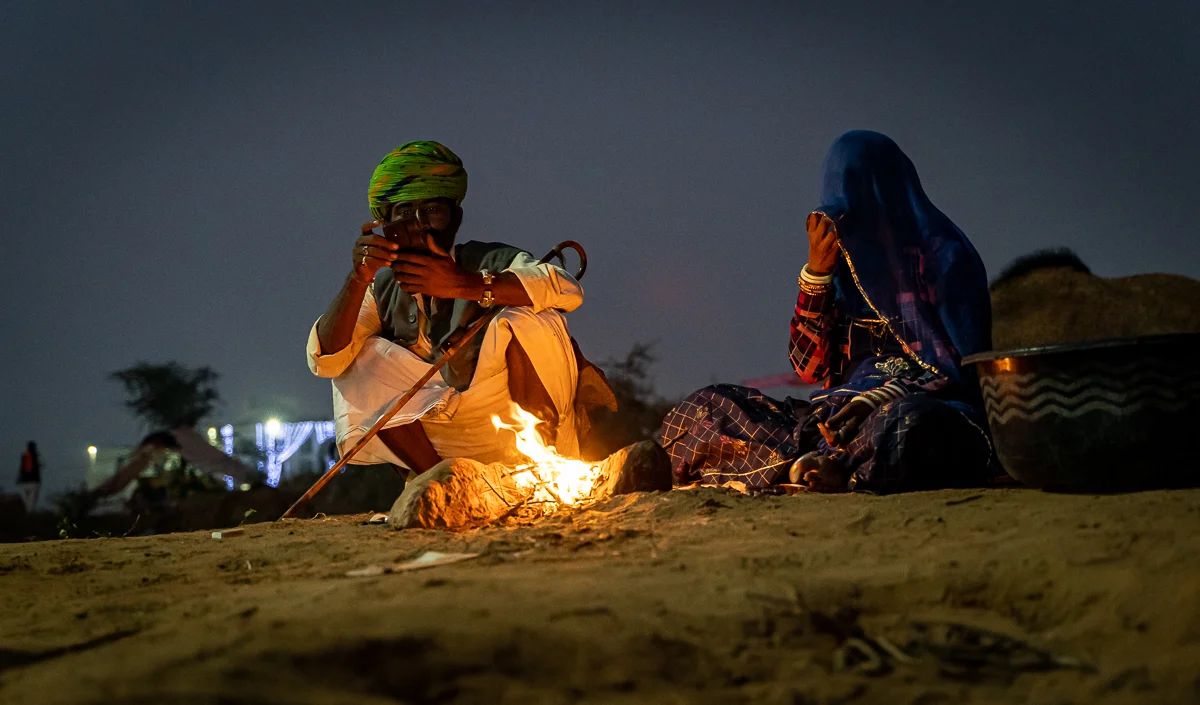
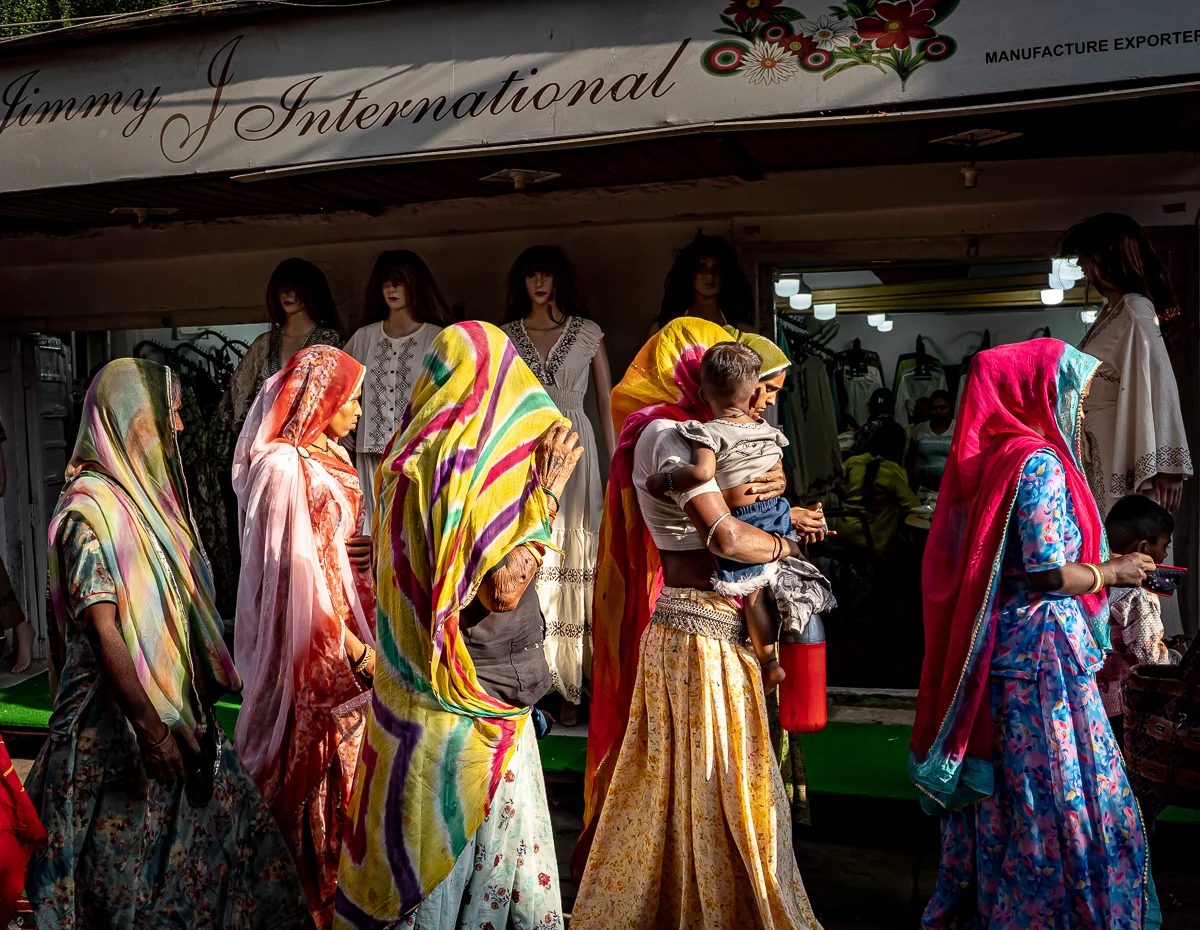
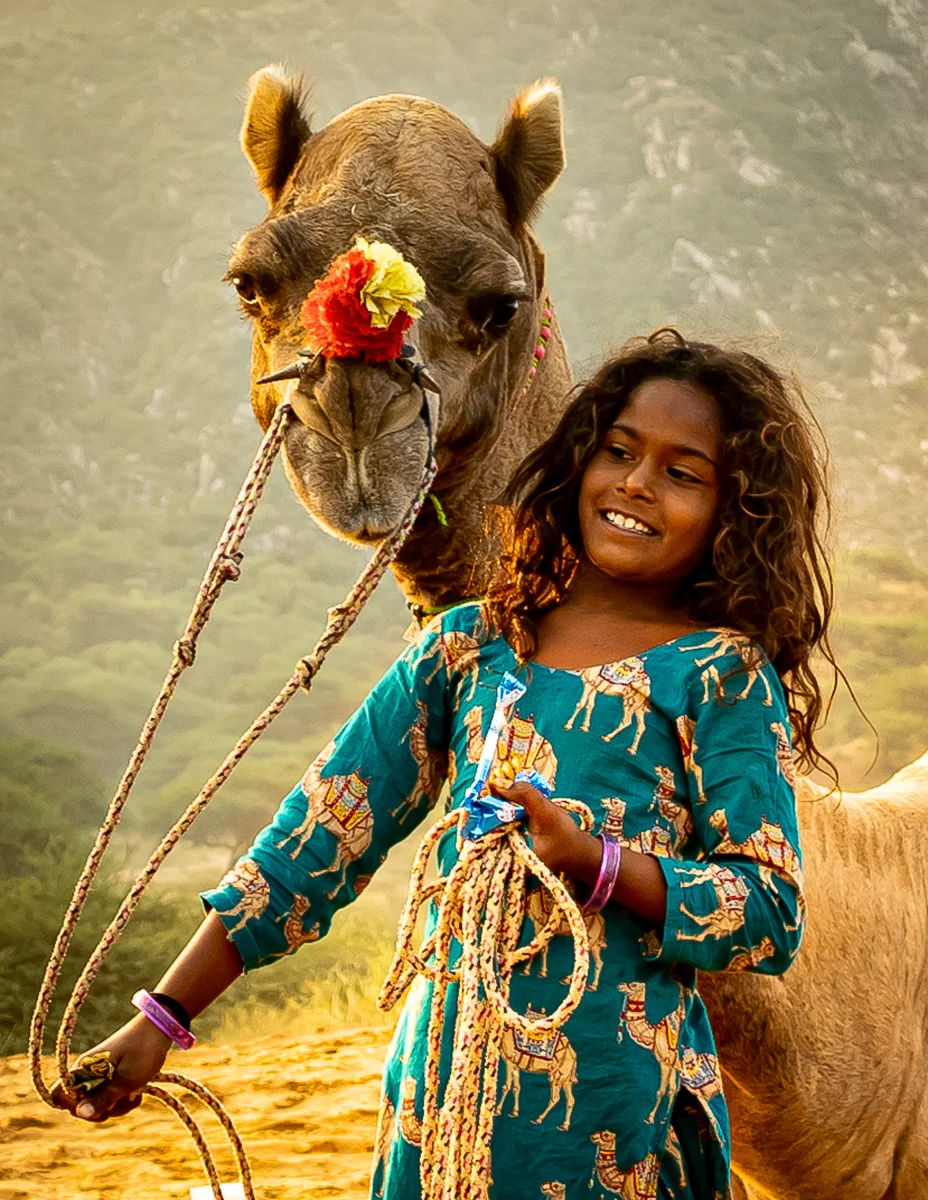
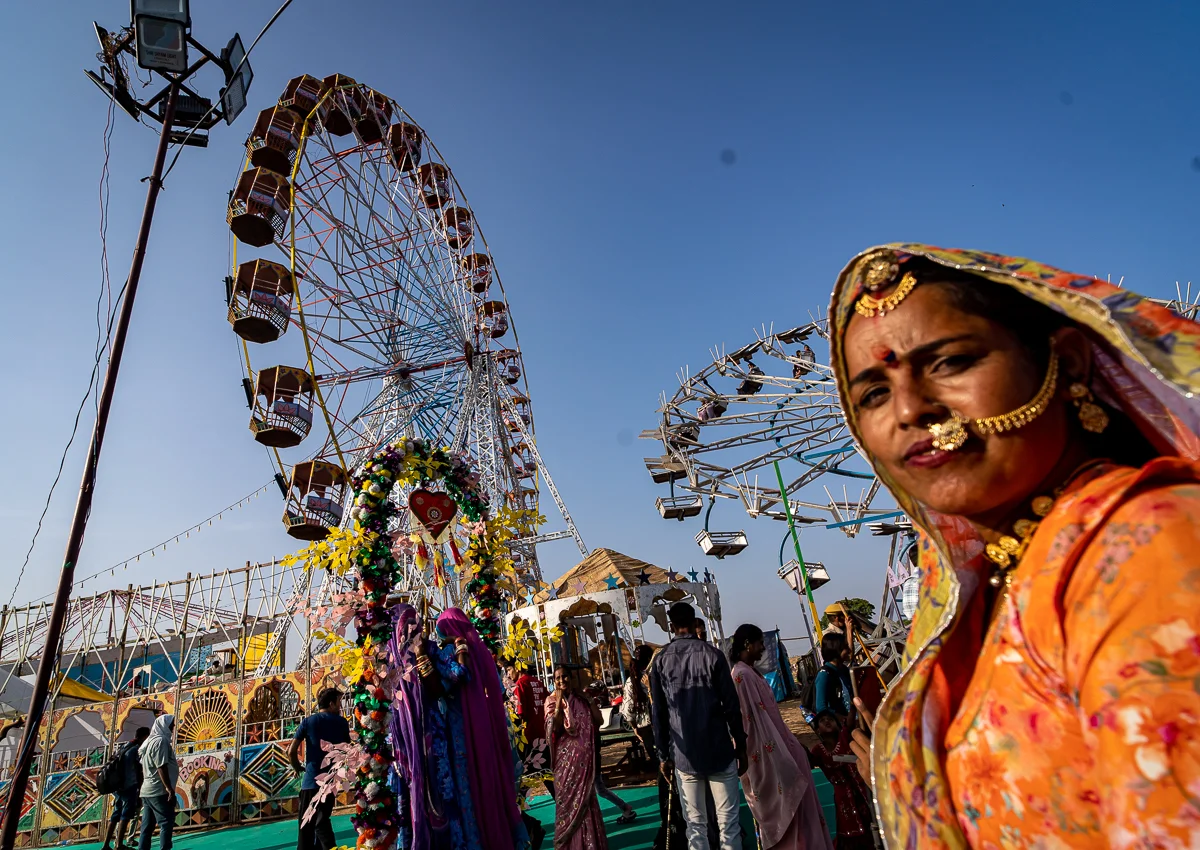
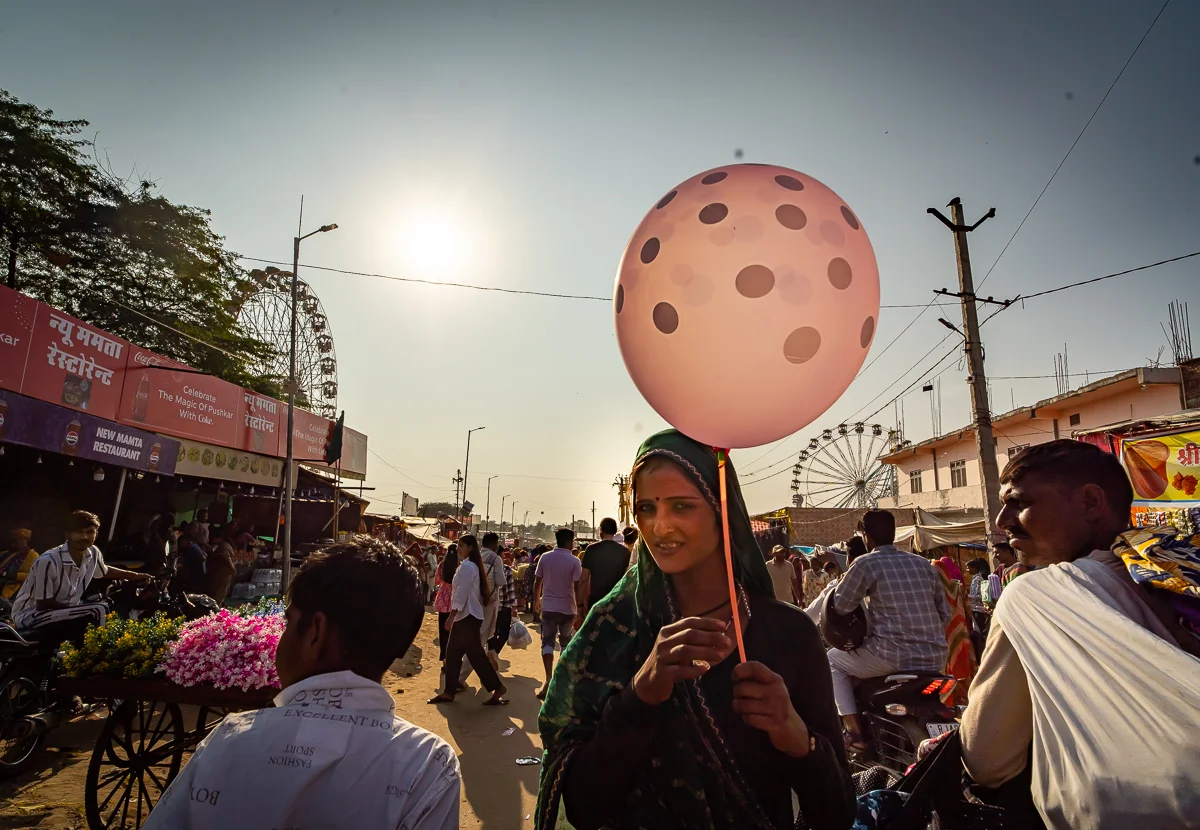
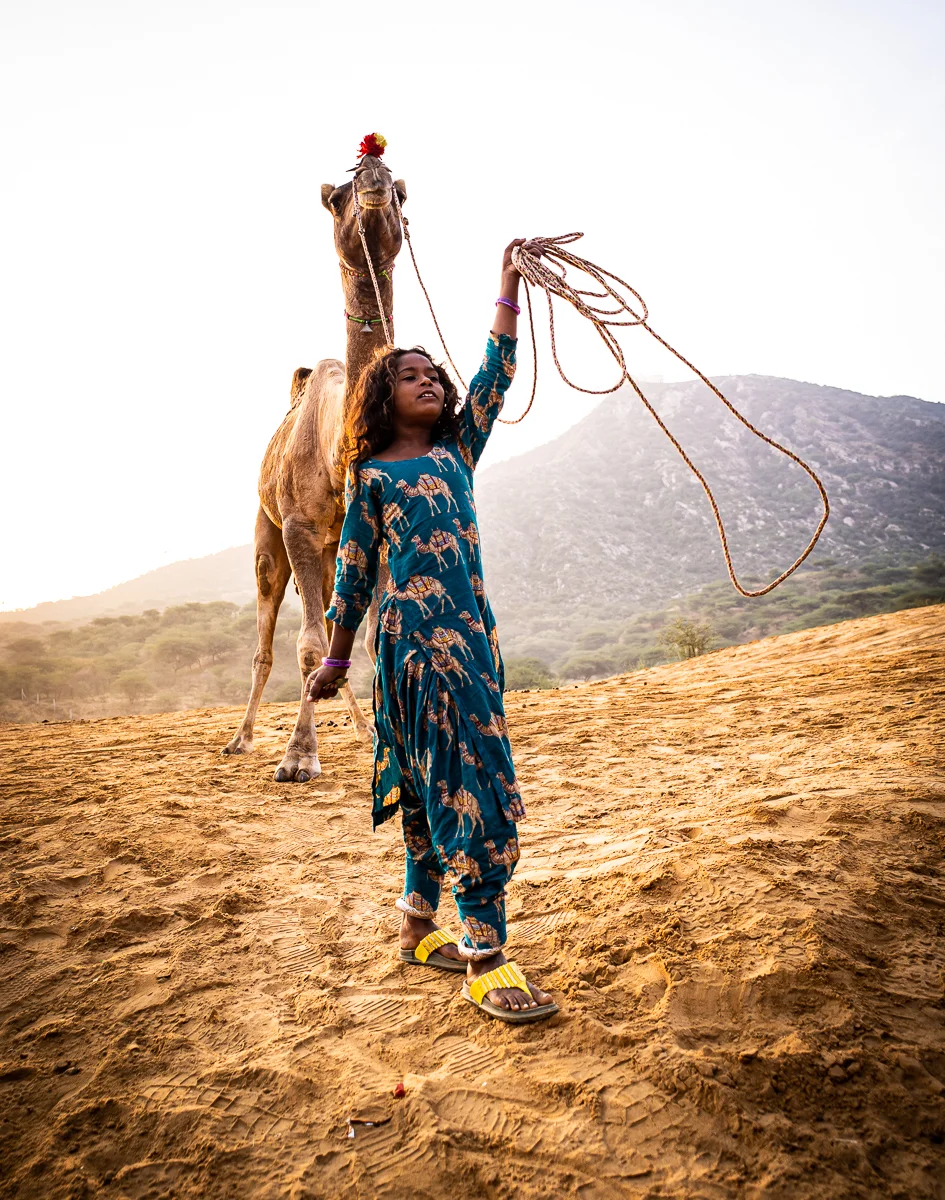
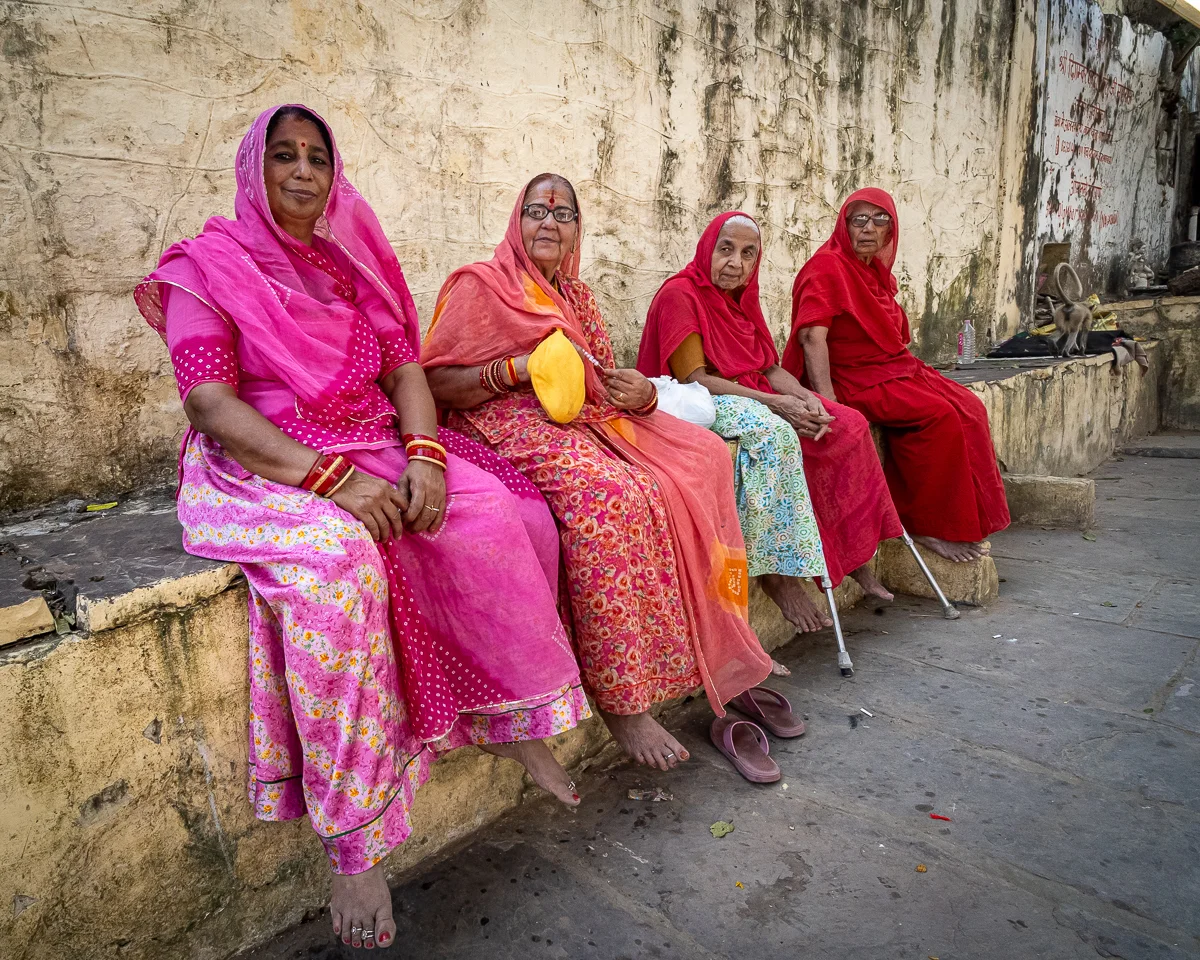
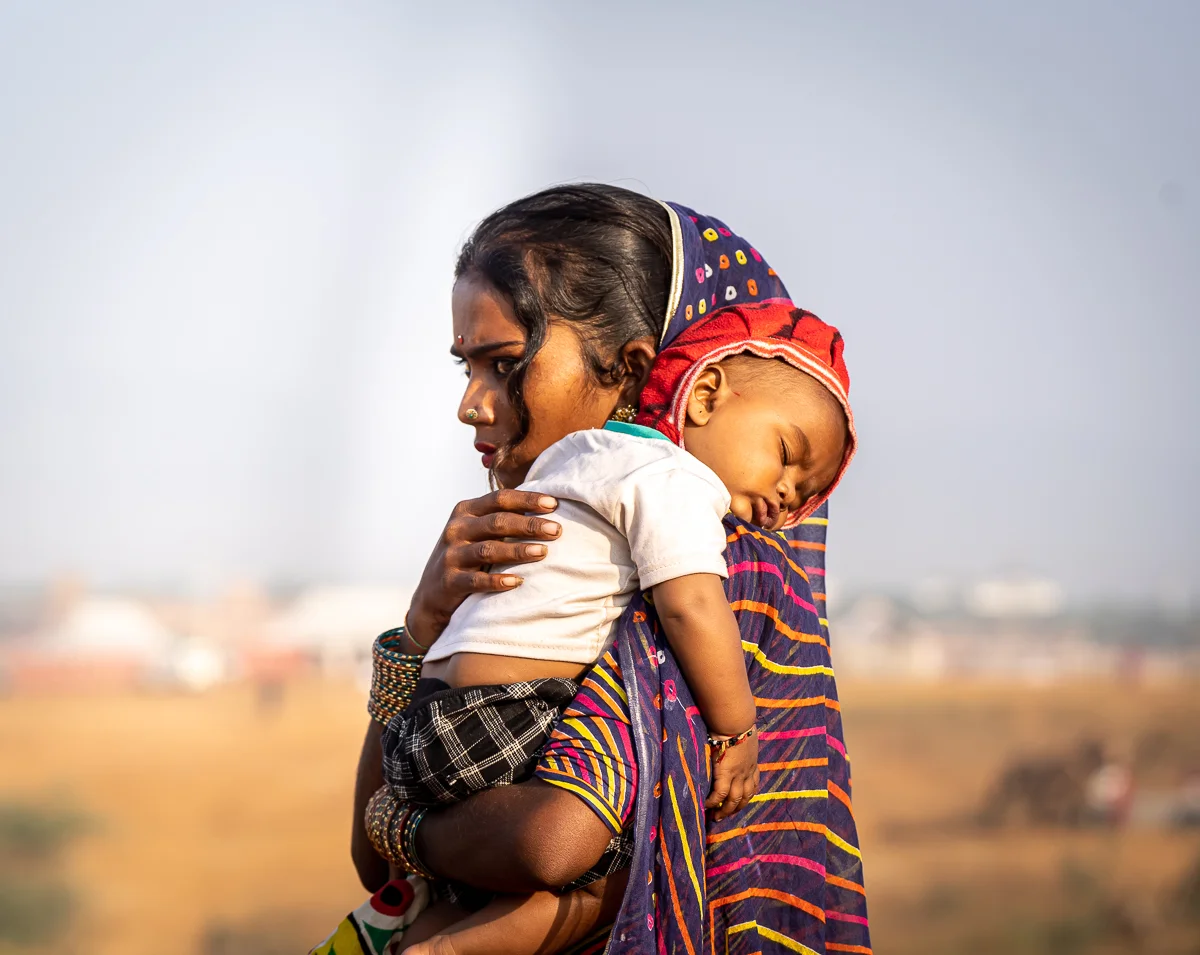
Aparna Gautam is a travel & street photographer who finds beauty in the everyday world around. She loves to capture candid moments in public spaces, focusing on human interaction with the environment; beauty of the ordinary elements; struggles & hustle of daily life etc.

Her work blends culture, colors, emotion, timelessness and everyday life, creating frames that feel like long-lost memories and quiet stories waiting to be told.

Awarded Photographer of the Week - Week 10, 2026
 

Inspiring Portfolios

Call for Entries
AAP Magazine #55 Women
Publish your work in our printed magazine and win $1,000 cash prizes
 
Stay up-to-date  with call for entries, deadlines and other news about exhibitions, galleries, publications, & special events.

More Great Photographers To Discover

Chien-Chi Chang
Taiwan
1961
Chien-Chi Chang is a photographer and member of Magnum Photos. Chang was born in Taichung, Taiwan. He received an MS from Indiana University, Bloomington and a B. A. from Soochow University, Taipei. He joined Magnum Photos in 1995 and was elected as a full member in 2001. He lives in Taichung, Taiwan and Graz, Austria. Chang focuses on the abstract concepts of alienation and connection. The Chain, a collection of portraits made in a mental asylum in Taiwan, was shown at Venice Biennale (2001) and the São Paulo Art Biennial (2002). The nearly life-sized photographs of pairs of patients chained together resonate with Chang's look at the less visible bonds of marriage. At São Paulo Art Biennial he was involved in the Thomann controversy. Chang has treated marital ties in two books: I do I do I do (2001), a collection of images depicting alienated grooms and brides in Taiwan, and in Double Happiness (2005), a depiction of the business of selling brides in Vietnam. The ties of family and of culture are also the themes of a project begun in 1992. For 21 years, Chang has photographed and videoed the bifurcated lives of Chinese immigrants in New York's Chinatown, along with those of their wives and families back home in Fujian. Still a work in progress, China Town was hung at the National Museum of Singapore in 2008 as part of a mid-career survey and at Venice Biennale (2011) as well as at International Center of Photography, New York (2012). Chang's investigation of the ties that bind one person to another draws on his own divided immigrant experience in the United States.Source: Wikipedia Chien-Chi Chang has always been fascinated by the human conditions of alienation and connection. Both are in evidence in his signature work, The Chain, which is a collection of portraits made of inmates in a mental asylum in Taiwan. The subjects are people who have had their bonds to the rest of society – family, community – servered. And yet, as part of their treatment, they are chained to one another, physically linked in pairs throughout their days and only unlocked to sleep. These powerful photographs, nearly life size, have been exhibited at the Taipei Fine Arts Museum (2001), La Biennale di Venezia (2001), and the Bienal de Sao Paolo (2002). Less visible bonds were the subject of another project: A jaundiced look at the ceremony surrounding the union of two people. When his parents began pressuring him to marry, Chang responded by making pictures at weddings in Taiwan. The images are hardly festive, rather emphasizing alienated grooms and lonely brides. They have been collected in the book, I do I do I do. This meditation on the nature of the ties that bind a person to others and to society is a natural outgrowth of Chang's own experience of the divided life of an immigrant. The son of working people in central Taiwan, he received a Bachelor of Arts degree from Soochow University in Taiwan in 1984 and a Master of Science degree at Indiana University in 1990. He then became a staff photographer at The Seattle Times (1991-1993) and The Baltimore Sun (1994-1995). Over the past decade, he has worked in New York's Chinatown, documenting the lives of immigrants there. These pictures of illegal aliens stranded on an island within an island have appeared in National Geographic magazine, as well as The New Yorker, TIME Magazine and German Geo. The series earned Chang first place in the category "Daily Life Story" from World Press Photo in 1999. That same year, Chang won a grant from the W. Eugene Smith Memorial Fund for humanistic photography and was awarded the Visa d'Or in magazine photography in Perpignan. He was named the Missouri/NPPA 1999 Magazine Photographer of the Year.Source: artasiamerica Chien-Chi Chang’s photography and films explore the abstract concepts of alienation and connection. His investigation of the ties that bind one person to another draws on his own deeply divided immigrant experience, as he explores the contrasting themes of hope and darkness, restriction and freedom. Chang’s long term interest in the manifestation of restriction and freedom was explored in his project on North Korean defectors. From 2007 to 2009 , Chang travelled with North Korean defectors to document their incredibly harrowing journey escaping to China. Between 2008-2012, Chang worked on a project called Jet Lag, which explored the globalised disconnect of the “jet-setting” lifestyle, culminating in a book of the same name, published in 2015.Source: Magnum Photos
Jared Ragland
United States
1977
Jared Ragland is a fine art and documentary photographer and former White House photo editor. He currently teaches and coordinates exhibitions and community programs in the Department of Art and Art History at the University of Alabama at Birmingham and is at work on a long-term documentary on methamphetamine users living in northeast Alabama. He is the photo editor of National Geographic Books' "The President's Photographer: Fifty Years Inside the Oval Office," and has worked on assignment for NGOs in the Balkans, the former Soviet Bloc, East Africa and Haiti. His photographic work is rooted in his lifelong exposure to the landscapes, people, aesthetics, and storytelling traditions of the American South, and his work has been exhibited internationally and featured by The Oxford American, The New York Times, and TIME Magazine. Jared is an alumni of LaGrange College and a 2003 graduate of Tulane University with an MFA in Photography. He resides in his hometown of Birmingham, Alabama. Statement: The rise in use of methamphetamine across the United States over the last decade has led to increased cultural anxiety about the drug and those who use it, while the general perception of the meth-head is perpetuated by popular television programs and pervasive anti-meth campaigns. These limited representations typically paint one-dimensional, demonized characters whose chronic drug use is epitomized by obsessiveness, paranoia, and monstrous physical side effects. But while there are certainly deleterious consequences to meth use and stereotypes often ring too true, existing cultural narratives too often fall short of more complex, individually considered realities. Photographed over 18 months in collaboration with University of Alabama at Birmingham sociologist Heith Copes, Ph.D., GOOD BAD PEOPLE documents the tumultuous lives of meth users from Sand Mountain, a sandstone plateau in northeast Alabama infamous for extreme poverty, poultry processing plants, Pentecostal snake-handlers, and meth production. The images simultaneously reinforce and undermine assumptions of what it means to be a methamphetamine user and present an intimate look into the lives of those who struggle amidst drug use and diminished social status.
Isaiah West Taber
United States
1830 | † 1912
Isaiah West Taber was an American daguerreotypist, ambrotypist, and photographer who took many pictures of noted Californians, which he donated to the California State Library "that the state may preserve the names and faces, and keep alive the memory of those who made it what it is." He was also a sketch artist and dentist. His studio also produced a series of stereoscopic views of west coast scenery. Taber was born in New Bedford, Massachusetts and between 1845 and 1849 he worked at sea on a whaler. He first moved to California in 1850., then returned East in 1854 and opened his first photography studio in Syracuse, New York. In 1864, Taber returned to California, where he worked in the studio of Bradley and Rulofson until 1873. In 1871, Taber opened his own studio, where he gained fame for reproducing the photos of Carleton Watkins after Watkins went bankrupt, although the reproductions were published without credit to Watkins. In 1880, Taber made a six-week photographic trip to the Hawaiian Islands where, among other subjects, he photographed the Hawaiian King Kalākaua, completing a commission for three full-length portraits. The following year Kalākaua visited Taber's studio in San Francisco. At this time the Japanese photographer Suzuki Shin'ichi (1855–1912) was studying photographic techniques with Taber; Suzuki also photographed King Kalākaua (in 1881) and may have been the source of some views of Japan included in Taber's stock. By the 1890s, Taber had expanded his operations to include studios in London, England and in elsewhere Europe. However, the 1906 San Francisco earthquake destroyed his San Francisco studio, gallery, and negative collection, ending his photographic career.Source: Wikipedia Massachusetts native, he was one of the most successful 19th century photographers and photographic publishers. He worked as a gold miner, rancher, and dentist before learning the daguerreotype process and opening one of the first photographic studios in Syracuse, New York. Taber moved to San Francisco in 1864 and joined the photographic publishing firm of Bradley & Rulofson. In 1871 he opened his own studio and photographic publishing company and soon was operating a successful portrait, landscape, and urban photography business. Like photographers promoting other cities, Taber linked much of his work to the tourist trade. His landscapes and views of San Francisco appeared in publications such as Hartwell and Mitchell's souvenir city-view book and his own two-album set, California Scenery and California Scenery and Industries. The albums were part of a commercial endeavor and contained images from Taber's extensive files, surrounded by advertising text. Taber employed numerous staff photographers whose work he published under his own name. He also published under the Taber imprint, images by Carleton Watkins after acquiring negatives from the bankrupt photographer in 1876. By the 1890's Taber was internationally famous, with studios in London and on the Continent.Source: Fine Arts Museums of San Francisco
Bill Burke
United States
1943
William M. Burke is an American photographer and educator known for his 20 years of documentary photography in Vietnam and neighboring countries, detailing the effects of war. Bill Burke was born in 1943 in Derby, Connecticut. In 1966, he received a B.A. degree in Art History from Middlebury College. He continued studies at Rhode Island School of Design (RISD), and received a B.F.A degree in 1968 and a MFA degree in 1970, while studying with photographer Harry Callahan. In 1971, he started teaching at the School of the Museum of Fine Arts in Boston. In 1978, he became a Guggenheim fellow in photography. His work is included in many public collections including the Smithsonian American Art Museum, San Francisco Museum of Modern Art, Princeton University Art Museum, Museum of Modern Art, Museum of Fine Arts, Boston, among others.Source: Wikipedia Since 1971 he has taught at the School of the Museum of Fine Arts in Boston. While he has contributed to the Christian Science Monitor and published his work in Fortune and Esquire, Burke prefers to present personal travelogue images in series in books and exhibitions. His monographs include They Shall Cast Out Demons (1983), Bill Burke Portraits (1987), I Want to Take Picture (1987), and Mine Fields (1994). He has exhibited alone and in groups at ICP and elsewhere. Bill Burke, who failed his draft physical, was spared the experience of many of his contemporaries who fought in the Vietnam War. Since the 1970s he has photographed his travels through Asia not to document military atrocities, but to record his personal reactions. His work reflects a fascination with historical events and sites, yet his interest is broader than the topical documentation of photojournalism. The independent spirit of works such as Robert Frank's The Americans (1959) informs Burke's approach to his subjects: he recognizes his outsider status, and the black-and-white photographs of his many trips to Cambodia are as much about the personal impact and experience of being a witness as they are about the cultures he visits. This visitor status is important: Burke makes no pretense trying to develop a photo essay with political overtones, in the tradition of American documentary photography of the 1930s.Source: International Center of Photography
David Plowden
United States
1932
David Plowden was a renowned American photographer known for his evocative and poignant images of America's vanishing landscapes. Plowden's work documented the changing face of the American landscape, particularly the decline of small towns, historic structures, and industrial sites, with a deep sense of reverence for the past. Plowden's interest in photography began at a young age, and he honed his skills while studying at the Institute of Design at the Illinois Institute of Technology, where he was mentored by renowned photographer Harry Callahan. Plowden's work was influenced by the work of Edward Steichen and Walker Evans, and he developed a distinct style that combined technical precision with emotional depth that resonated with viewers. Plowden's photography focused on capturing the essence and character of a rapidly disappearing America throughout his career. His black-and-white photographs were hauntingly beautiful, providing a glimpse into the past while raising questions about progress and preservation. Plowden's documentation of small towns and rural landscapes is one of his most notable bodies of work. He sought out areas untouched by modern development, photographing the fading facades of main streets, weathered barns, and decaying structures. He revealed the stories etched into the architectural details through his lens, conveying a sense of nostalgia and longing for a simpler time. David Plowden’s work is sometimes compared to that of the great WPA photographers—Walker Evans, Bernice Abbot, Russell Lee, Dorothea Lange—but he’s been in the field decades longer than any of them were. What he has done is nothing less than capture a whole nation passing through fifty years of changes as momentous as those unleashed by the Industrial Revolution. -- Richard Snow (from the forward of Vanishing Point) Plowden also focused on America's disappearing industrial landscape. He chronicled the decline of once-thriving industries like steel mills, factories, and coal mines. His photographs captured the stark beauty and melancholy atmosphere of these abandoned spaces, conveying the human impact of industrial decline and its toll on communities. Plowden's work was not limited to photography. He was a successful author, having written a number of books that combined his stunning images with thoughtful narratives. His books, such as "Vanishing Point: Fifty Years of Photography," provided an extensive visual record of his lifelong investigation of disappearing landscapes. Plowden's work received critical acclaim and was shown in prestigious galleries and museums around the world throughout his career. He received numerous honors for his contributions to photography, including a Guggenheim Fellowship. David Plowden's photographs are a visual testament to the importance of preserving our common history and America's vanishing landscapes. His photographs convey a sense of loss, prompting viewers to consider the impact of progress and the fragility of our built environment. The legacy of Plowden as a master photographer lives on, inspiring future generations to document and appreciate the landscapes and structures that define our collective memory.
Annick Donkers
Annick Donkers is a documentary photographer from Antwerp, Belgium. After obtaining a Master’s degree in Psychology, she decided to specialize in photography. She has received a grant from the Mexican Ministry of Foreign Affairs and was selected to participate in the Seminar on Contemporary Photography at the Centro de la Imagen in Mexico City (2008). Her work has been exhibited and published internationally. She was one of the winners at the Survival International Competition (2015), won an award at the San José Photo Festival in Uruguay (2016), the Sony Awards in UK (2016), the MIFA awards in Russia (2016), the IPA awards in USA (2016), the TIFA awards in Tokyo (2016), received an honorable mention at the Px3 Prix de la Photo in Paris(2016), was selected at Latin American Photography vol.5 (2016), on the cover of Dodho magazine (2016), shortlisted for the Kolga Tbilisi Awards and Athens Photo Festival (2017). She currently lives and works as a freelance photographer in Mexico City.About Lucha Libre Extrema The Lucha Libre Extrema series emerged from a growing interest I had in Mexican professional wrestling. I was soon drawn towards sub-genres of the sport such as Lucha Libre Exótica and Lucha Extrema. This semi-clandestine hardcore genre is currently prohibited in Mexico City because of how dangerous it is, but events still take place outside the capital, notably at a car wash-turned-arena in Tulancingo, the village where El Santo, Mexico’s most famous pro wrestler, was born. The participants receive professional training and are paid a little bit more because of the risks they take. They perform with a variety of weapons: chairs, thumbtacks, wire, and fluorescent lights, turning the ring into a war zone. Yet the community of luchadores “extremos” is closely knit and few outsiders have gained access. Mexico has been a very violent place in recent years. As such, I found it fascinating that people were drawn to the dangerous world of Lucha Libre Extrema and turned my camera to the audience in an attempt to understand their reasons. About Afromexican HealersAt the end of last year my attention was drawn to the coastal region of Guerrero known as Costa Chica, located to the south of Acapulco. This region is home to Mexicans descended from African slaves that identify themselves as being “black”. But outside this region they are little-known and they are currently fighting to be officially recognized by the Mexican State. The Costa Chica is also a place rooted in traditional beliefs that include appearances of trolls, the devil and spirit animals. The legend tells that when a baby is born, a member of the family brings the child to a crossroads up in the mountains where lots of wild animals pass by. The first creature to approach the child will be the child's spirit animal, or tono in Spanish, since there is now a dependency created between child and animal. This means that when the animal is hurt, wounded or dies, the person is too. In the Afromexican communities there are healers that will cure these "animal"-related illnesses, since conventional medicine will not work in these cases. The person is cured with herbs selected by the healers and also according to the needs of the animal. They call these healers curanderos del tono and there are only a small number of them left. I went to the Costa Chica region in an attempt to capture what remains of this Afromexican tradition.
Sara Markese
United States
1975
Sara Markese is a child psychologist by day and a photographer in every spare moment in between. A long hiatus from creative work began anew as she returned to photography, and macro photography especially. With a background in psychoanalytic clinical psychology training at the CUNY Graduate Center, NYC, research in microanalysis of mother-infant communication at Columbia University NYSPI, and study of mother-infant howler monkeys in Nicaragua, as well as a decade as a play therapist in NYC and fifteen more years in play therapy since, she has always been a keen observer of behavior, nuance, affect and detail. She approaches photography as she did cherished treasure walks as a child, letting her eye be caught and emotion and visual wonder guide the image. She uses simple elements of nature, daily life and common objects, and childhood themes of wonder, hiding, seeking and peeking to create feeling mementos in each photograph. With a focus on bringing elements of color, light and simple detail to center stage, her photographs encourage the viewer to see things as they would look if you just got on your knees and peered carefully. Champion of the tiny, wanderer with purpose, she is drawn to the things out of place, the slivers of light and gleams of color. In her work, she seeks to show the world in its infinitesimal detail and beauty, to convey the majesty of the miniscule and the extraordinary nature of the ordinary things that go unnoticed in our bustling world. She is often a quiet observer, always with camera in hand, moving through the many busy places she has lived. Raised in suburban Chicago, she has lived in NYC, Boston, and now lives in suburban Washington DC. Amidst the busy pace of life as a therapist, photographer and mother to a dynamic 9-year-old daughter, she strives to be in complete stillness and silence when she is with her camera, known to spend hours on a square foot of grass in the “wild” of her backyard or a local park or trail where most of her work is focused. She teaches creative photography for children with an emphasis on the development of their unique artistic perspective alongside basic photography skills, composition and exploration of different photographic styles. She has had her work exhibited at Praxis Gallery, PhotoPlace Gallery, SE Center for Photography, Black Box Gallery, and LoosenArt Gallery in Rome as well as featured in ArtDoc Magazine online and several issues of F-Stop Magazine. Wayward Summer - Project Statement: Summer can be like a Sunday. Too long, lonely and quiet in all the wrong places. A respite awaited and longed for, only to arrive with an aura of loss before it starts. Summers growing up in suburban Chicago felt that way, oppressively humid, stretching, and filled with unease as I wandered the micro world of my backyard dreading the end of the season. At night, to the contrary, everything seemed to come to life on my block. Then I was missing out, peering out my window while the sounds of neighborhood games rang from the street. I was inside looking out, like I was in another world. Since then, I’ve been in many other worlds, only to find myself back as I approach my fiftieth year as a wife and mother in the suburbs of Washington DC. Back in a suburban summer and back in that old feeling. Lost. It started as I followed my daughter, my lovely, brilliant, precociously independent daughter, Elodie, who I have been following for nine years, since she was able to walk and always way ahead of me. It was different this summer, though. Admittedly, something in me was unsettled already. I had always followed her and then joined, but now she spent her time in the deep end, doing things that just didn’t involve me and suddenly I was not following or joining. I was sitting alone. And there was that familiar disconnected feeling –sitting with time, with loneliness, with space, with thoughts – she will grow up, I will miss her – sitting with sadness, with self. Summer is long, and so there is July, like I just described, and there is August. I have tried to remedy my August malaise with an end of summer trip. My daughter and I always leave my husband at home to go on a road trip. I look forward to our trip as a gift from rushing through our days, time to spend freely exploring, roaming, adventuring, being as we wish, together. We have done this since she was very small, and she has always been beyond her years in her ability to roll with the long stretches and unknowns a road trip can bring even with the best planning. We usually know where we are going, but not this year, I didn’t know where to go and didn’t have it in me to plan. No direction, and now she is older, even farther ahead, leaving me to watch from further away. I found myself left with time - to sit and be still, to look at what was near, to gaze at my own hands, the poolside, the light reflecting off the table, the sand on my feet - and then she would return to show me what she created, often bringing me a gift to see or photograph. The gift of a memory shared. We were very often together too, in laughter, joy, closeness, and when she was still and we were together, that was a gift too, and those photos are rare but treasured. “Wayward Summer” is about loss and its depths, but also about turning “lost” into finding a way forward. As much as the feeling of too much space has always been disquieting, I also love to be lost. Wandering is and has always been my strength and my joy. From my childhood lost in the world of grass, bugs and dirt in the backyard, to driving blindly through the Chesapeake on an August trip with my 9-year-old daughter this summer, loss and “lost” are entwined in all my most deeply meaningful experiences. “Wayward Summer” is a project about all the moments that make a summer, the bright, the quiet and calm, the lonely and lost ones, and the turning of feeling lost into wandering. I found that unleashing purpose from the equation and accepting disconnection led me back to one of my greatest joys – untethered wandering. It allowed me to find beauty in the tiny details that stillness allows and a way to see moments that won’t last or stay still because they cannot and should not. The pictures in this series are all memory mementos – each contains elements of the mood evoked, sensory recollections and traces of the thoughts and feelings I was having as I watched my daughter play, learn, leave. Summers have a life of their own and can feel like a lifetime. In that, they can generate enormous unease, but also have room for so much growth. Children come back and they have changed, grown taller, sound different, want different, need less. Summers allow us a burst of freedom, a chance for joy, connection and change before we return to our lives overcome by time demands, structure, separation and parallel movement. They are a treasure veined with the knowing that they will end, but the memories glimpsed as they unfold when we are forced to let go are mementos of the magic that filled them. Awarded Photographer of the Week - Week 42
Peikwen Cheng
China
1975
Peikwen Cheng studied product design at Stanford University, graduating in 1997. He is a self-taught photographer who has exhibited his work in Cambodia, Canada, China, Germany, Greece, Poland, Singapore, Sweden, Syria, United Kingdom and United States. Before turning his focus to art, he was a designer and was awarded with a United States Design Patent and an Industrial Design Excellence Award by the Industrial Design Society of America. Peikwen Cheng lives in Beijing. Peikwen Cheng is a Chinese-American artist based in New York and Shanghai. His work explores the process of change across cultures, time and place and seeks to discover magical moments in unexpected places. His art has been exhibited in Belgium, Cambodia, Canada, China, Luxembourg, Germany, Greece, Poland, Singapore, Sweden, Syria, United Kingdom and the United States; and his work has been featured by BBC, CNN, BBC, Financial Times, The Guardian, National Public Radio, The Sunday Times, and Vogue. He has been recognized by international awards including the Three Shadows Photography Award, National Geographic Award at the Eddie Adams Workshop, C/O Berlin Talents Award, Renaissance Photography Prize Category Winner, Flash Forward Selected Winner by the Magenta Foundation, Px3, and International Photography Awards. And as a designer, he was awarded with a United States Design Patent and an Industrial Design Excellence Award by the Industrial Design Society of America. He is a graduate of Stanford University, Tsinghua University and Insead. Source: Visura
Advertisement
AAP Magazine #55 Wmen
Win a Solo Exhibition in April
AAP Magazine #55 Wmen

Latest Interviews

Exclusive Interview with Anastasia Samoylova
Anastasia Samoylova is an American artist whose photographic practice is shaped by close observation and a deep attentiveness to place. Working between documentary and formal exploration, she photographs landscapes, architecture, and everyday scenes with a sensitivity to light, structure, and atmosphere. Since relocating to Miami in 2016, her work has increasingly focused on how environments—both natural and built—carry social, cultural, and emotional traces. We asked her a few questions about her practice and her way of seeing, to better understand the thoughts and experiences that shape her work—while allowing the images themselves to remain open and speak in their own time.
Exclusive Interview with Marijn Fidder
Marijn Fidder is a Dutch documentary photographer whose work powerfully engages with current affairs and contemporary social issues. Driven by a deep sense of social justice, she uses photography to speak on behalf of the voiceless and to advocate for the rights of those who are most vulnerable. Her images have been widely published in major international outlets including National Geographic, CNN Style, NRC Handelsblad, Volkskrant, GUP New Talent, and ZEIT Magazin. Her long-term commitment to disability rights—particularly through years of work in Uganda—culminated in her acclaimed project Inclusive Nation, which earned her the title of Photographer of the Year 2025 at the All About Photo Awards. She is also the recipient of multiple prestigious honors, including awards from World Press Photo and the Global Peace Photo Award. We asked her a few questions about her life and work.
Exclusive Interview with Josh S. Rose
Josh S. Rose is a multidisciplinary artist working across photography, film, and writing. His practice bridges visual and performing arts, with a strong focus on movement, emotion, and the expressive potential of the image. Known for his long-standing collaborations with leading dance companies and performers, Rose brings together authenticity and precise composition—a balance he describes as “technical romanticism.” His work has been commissioned and exhibited internationally, appearing in outlets such as Vogue, at the Super Bowl, in film festivals, and most recently as a large-scale installation for Lincoln Center for the Performing Arts. A sought-after collaborator, he has worked with major artists, cultural institutions, and brands, following a previous career as Chief Creative Officer at Interpublic Group and the founder of Humans Are Social. We asked him a few questions about his life and work.
Interview with Maureen Ruddy Burkhart
Photographer Maureen Ruddy Burkhart brings a quietly attentive and deeply human sensibility to her exploration of the world through images. Shaped by a life immersed in photography, film, and visual storytelling, her work is guided by intuition, observation, and an enduring interest in the emotional undercurrents of everyday life. With a practice rooted in both fine art traditions and documentary awareness, she approaches her subjects with sensitivity, allowing subtle moments to emerge naturally rather than be imposed. Her series Til Death, selected as the Solo Exhibition for February 2025, reflects this long-standing commitment to photography as a space for reflection rather than spectacle. Drawn to moments that exist just outside the expected frame, Burkhart’s images suggest narratives without resolving them, leaving room for ambiguity, humor, and quiet connection. We asked her a few questions about her life and work.
Exclusive Interview with Peter Ydeen
Winner of AAP Magazine #45 Travels, his series reflects this unique vision—capturing the spirit of place through subtle layers of light, color, and emotion. Whether traveling abroad or observing the rhythms of his own surroundings, Ydeen creates images that feel both grounded and enchanted, inviting viewers into a world where reality and reverie meet.
Exclusive Interview with Julie Wang
Chinese-born photographer Julie Wang brings a poetic, contemplative sensitivity to her visual exploration of the world. Having lived for nearly equal parts of her life in China, Europe, and the United States, she approaches her subjects with the nuanced perspective of someone shaped by many cultures. This blend of distance, curiosity, and emotional resonance infuses her work with a quiet depth, allowing her to reveal the fragile beauty and subtle tensions that often pass unnoticed.
Exclusive Interview with Ghawam Kouchaki
American photographer Ghawam Kouchaki brings a sharply observant and introspective gaze to the streets of Japan’s capital. Based in Los Angeles, he approaches Tokyo with the distance — and curiosity — of an outsider, allowing him to uncover the city’s subtle contradictions, quiet tensions, and fleeting gestures that often go unnoticed. His series Tokyo no no, selected as the Solo Exhibition for December 2024, explores the hidden undercurrents of urban life: the unspoken rules, the small ruptures in routine, the poetic strangeness found in everyday moments. Through muted tones, instinctive timing, and meticulous framing, Kouchaki reveals a Tokyo that exists somewhere between reality and imagination — both intimate and enigmatic. We asked him a few questions about his life and work.
Exclusive Interview with Tommi Viitala
Tommi Viitala, winner of AAP Magazine #44: Street, is a Finnish photographer celebrated for his striking and cinematic street photography. With a keen eye for atmosphere and composition, he captures fleeting urban moments that reveal the poetry of everyday life. His work often explores the tension between solitude and connection within contemporary cityscapes, blending documentary realism with artistic sensibility. Viitala’s photographs have been exhibited internationally and recognized for their strong visual storytelling and emotional depth. We asked him a few questions about his life and work.
Exclusive Interview with Robert Mack
Robert Mack is a California-based visual artist, photographer, and filmmaker. His fine art photography and films have been exhibited widely in the United States and Europe, with major shows at the Baltimore Museum of Art and the Reiss-Engelhorn Museum in Mannheim, Germany. Both institutions hold his work in their permanent collections. Working across different media, Mack has built a career exploring the complexities of human presence and representation. In 1981, while living in Baltimore, he produced The Perkins Project: Not Guilty by Reason of Insanity, a rare photographic and film study inside Maryland’s hospital for the criminally insane. These stark yet compassionate black-and-white portraits remain one of his most powerful and controversial bodies of work.
Call for Entries
AAP Magazine #55 Women
Publish your work in our printed magazine and win $1,000 cash prizes