All about photo.com: photo contests, photography exhibitions, galleries, photographers, books, schools and venues.
ENTER AAP MAGAZINE SHADOWS: GET PUBLISHED AND WIN $1,000 - LAST CALL
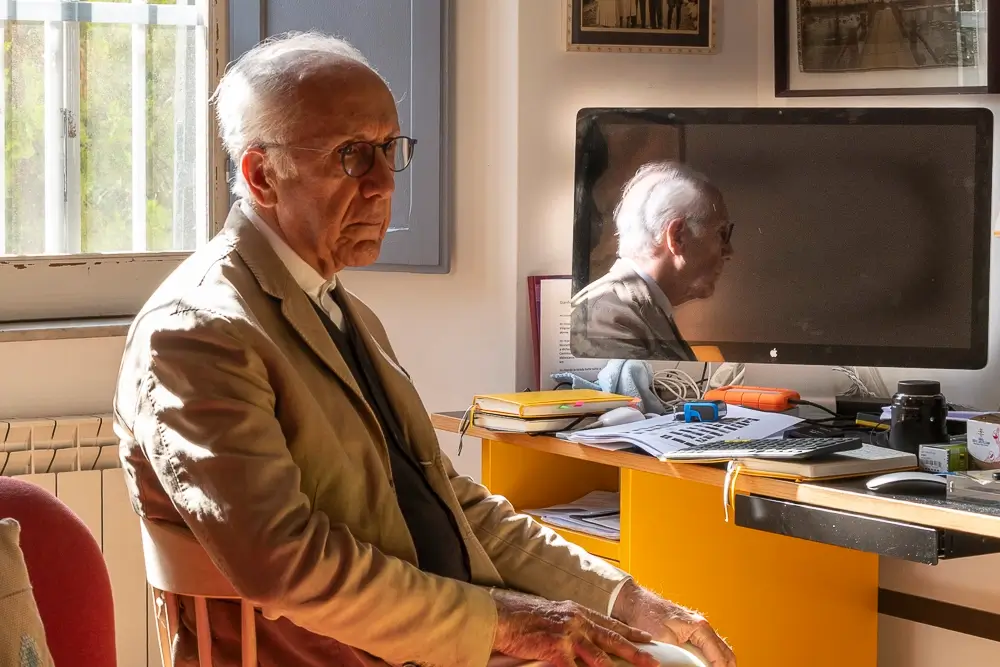
Ezio Gianni Murzi
Ezio Gianni Murzi
Ezio Gianni Murzi

Ezio Gianni Murzi

Country: Italy
Birth: 1944

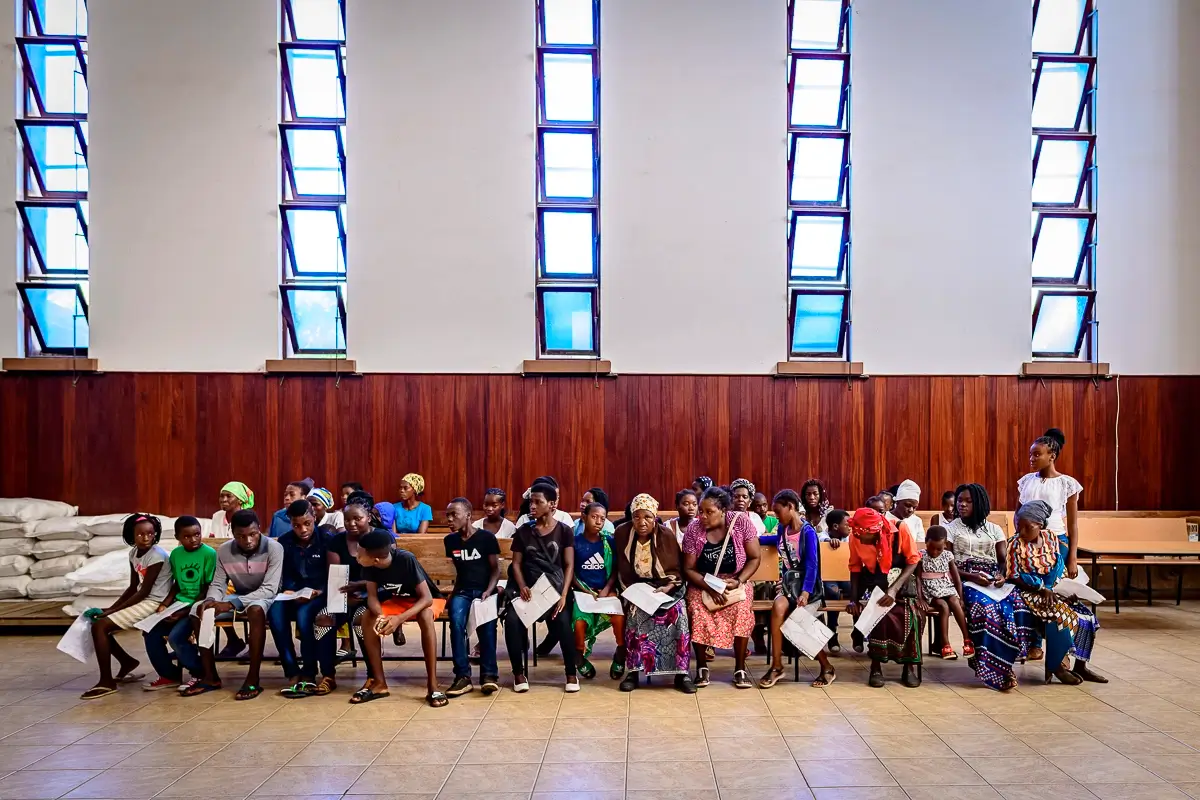
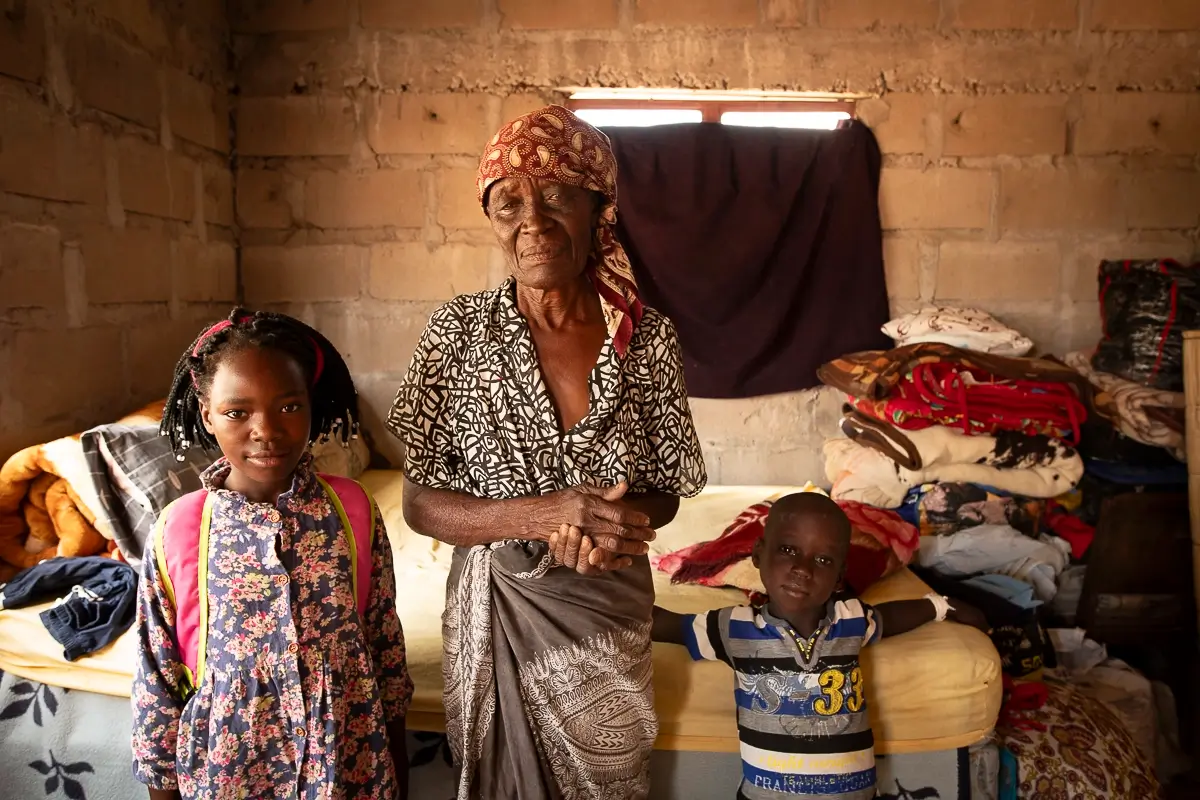
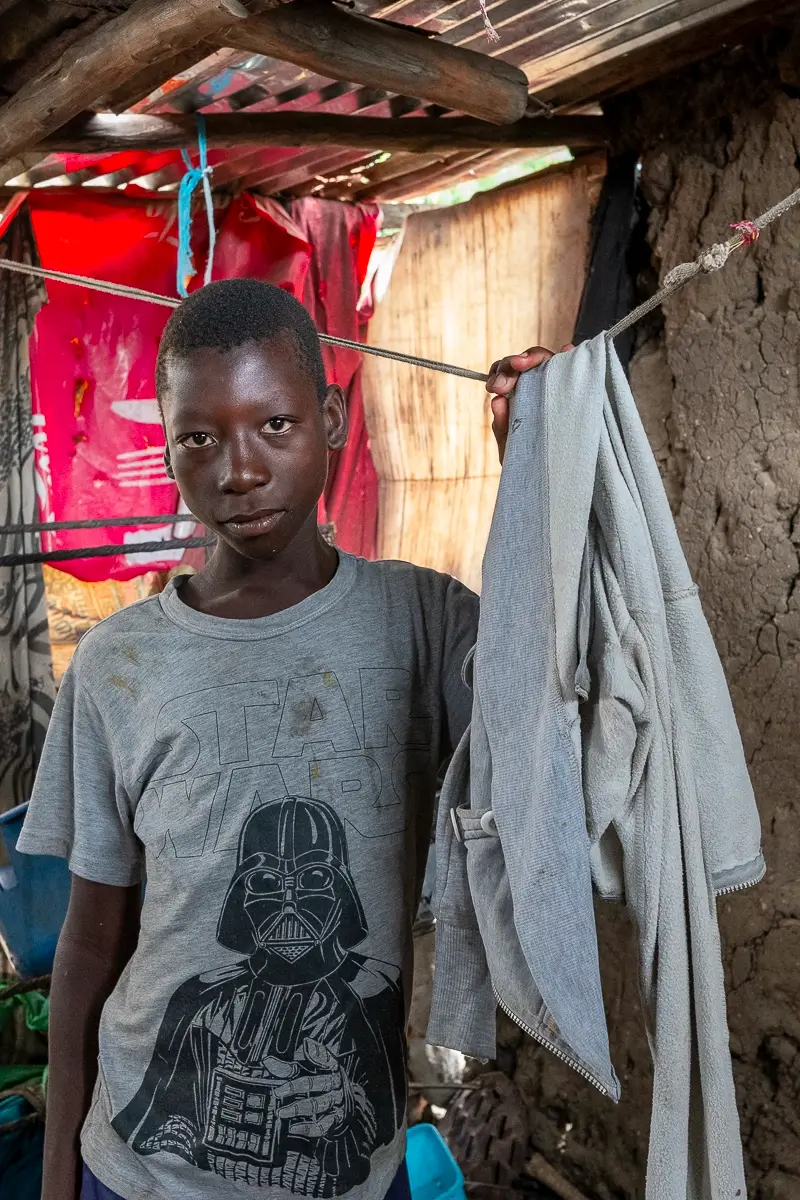
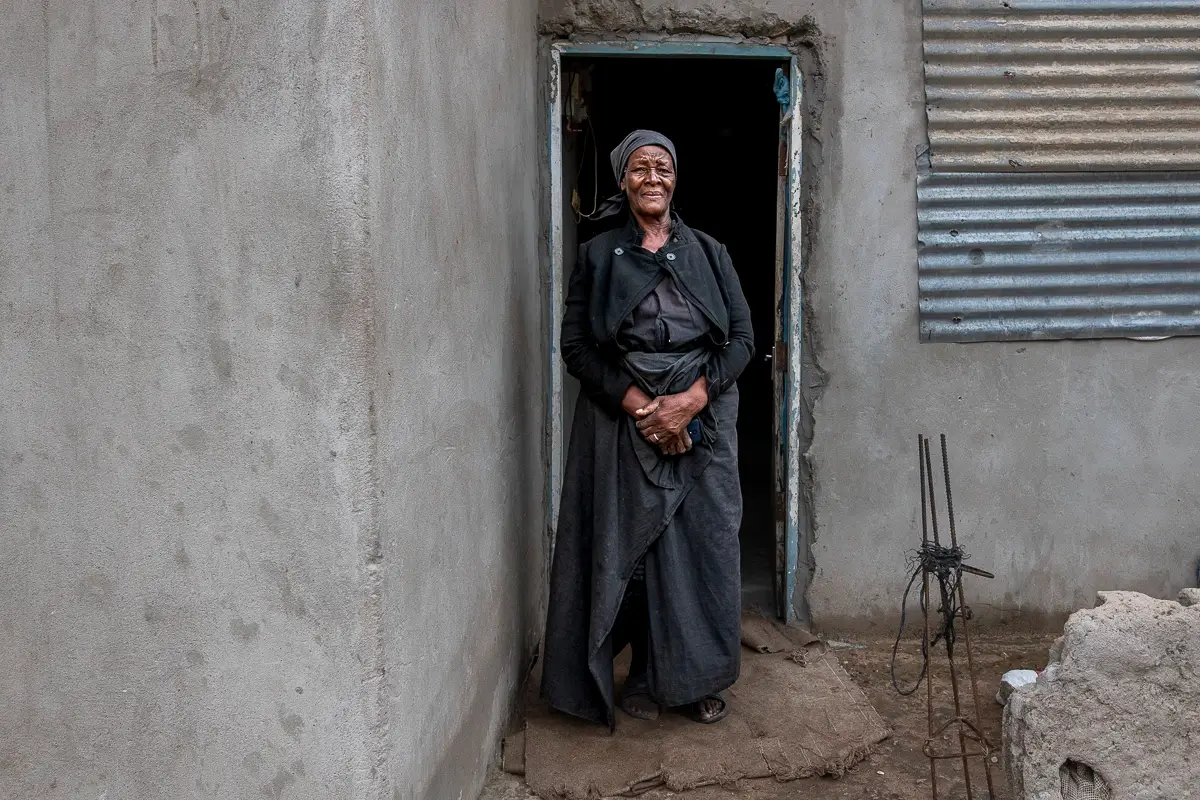
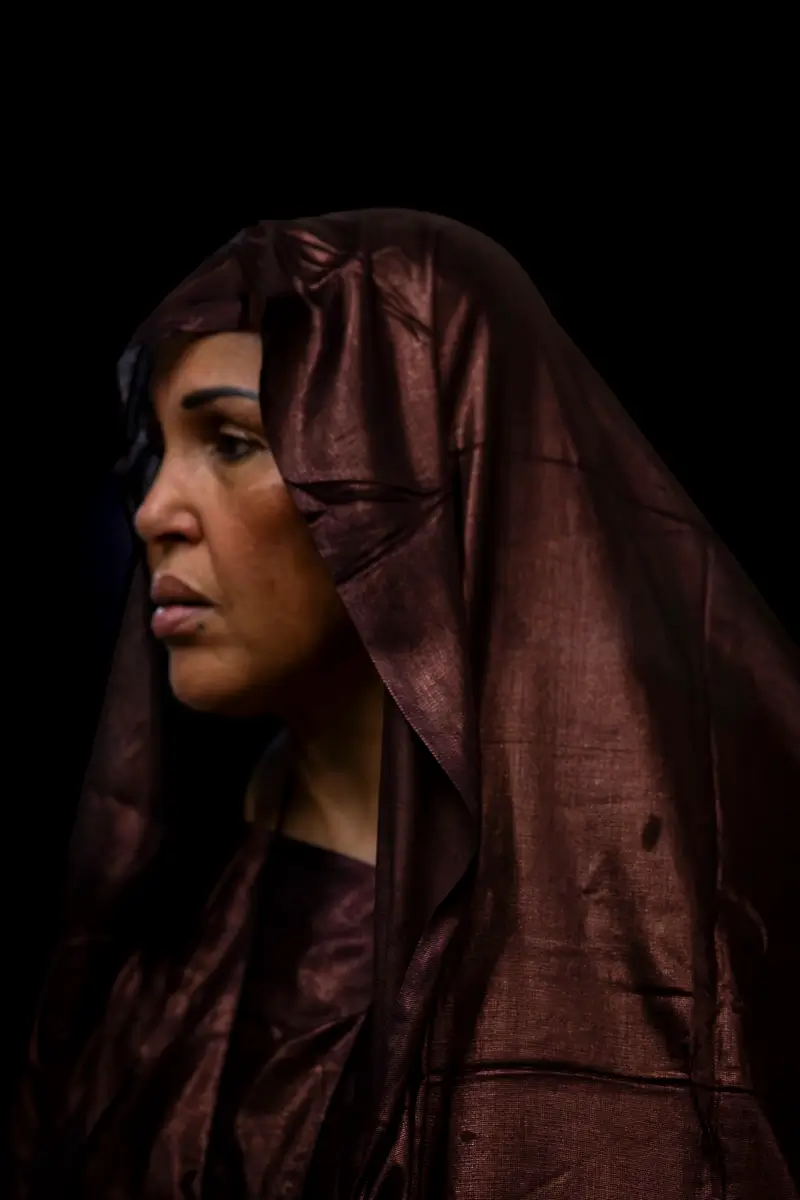
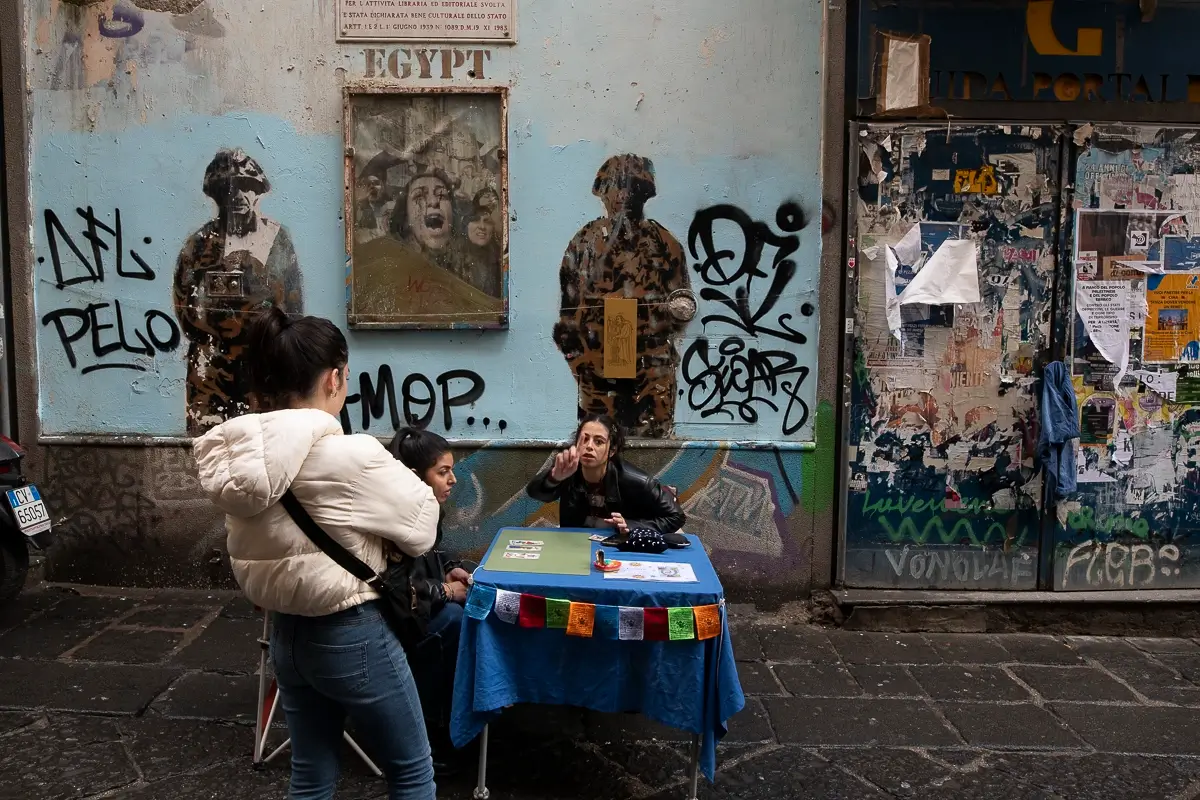
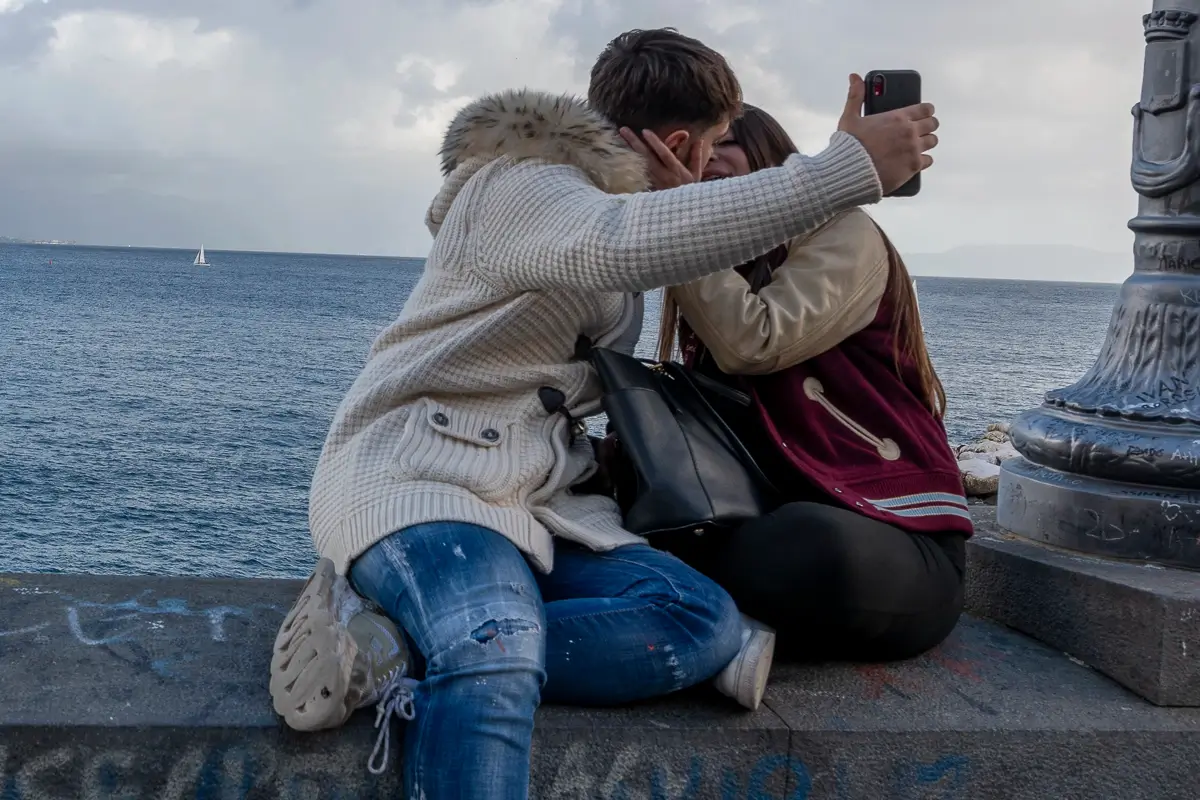
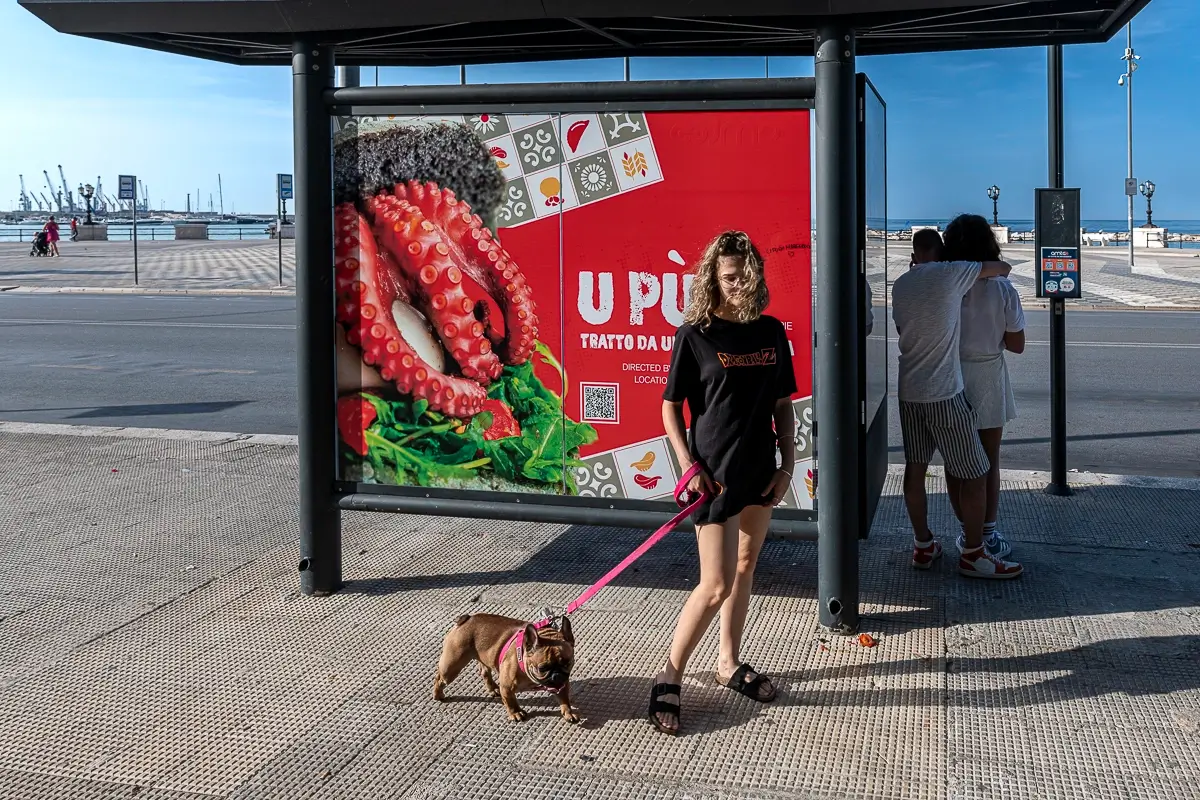
I was born in a family of seafarers and Navy officers for generations and I was the single one to study Medicine and become a medical doctor. I loved photography since my earlier days in the medical career and I became a photographer a passionate story teller after going into retirement and after attending seminars run by John Stanmeyer of National Geographic, and by Salwan Georges of the Washington Post. I was in my early thirties and seven years into my medical career, when I moved to Mozambique and worked there, as a surgeon and the only doctor heading a 120-beds rural hospital in the south of the country, for four years, 1977 to 1981. I then moved to Zanzibar, Tanzania, as head of an Italian medical team. Subsequently, I joined UNICEF, the United Nations Children’s Fund, and for over 20 years I was posted to Eastern Europe, the Middle East, South, West and North Africa, India, the United States, Iran, Albania. I live in Rome and travel to where photography takes me. In May 2024, I did an exhibition of my photographic story “Hospital of Hope”. My work captures the intersection of medical humanitarianism and raw human emotion, highlighting the fight against HIV/AIDS one person at a time, fight that is not only medical, but social as it provides patients and care givers as the grannies of HIV-orphaned children with a roof, food and little cash.

AAP Magazine:

AAP Magazine 55 Women

 

Inspiring Portfolios

Call for Entries
AAP Magazine #56 Shadows
Publish your work in our printed magazine and win $1,000 cash prizes
 
Stay up-to-date  with call for entries, deadlines and other news about exhibitions, galleries, publications, & special events.

More Great Photographers To Discover

Rena Effendi
Azerbaijan
1977
Dan Winters
United States
1962
Dan Winters (b. October 21, 1962) is an American photojournalist, illustrator, filmmaker and writer. He was born in Ventura County, California on October 21, 1962. He first studied photography and the darkroom process starting in 1971 while a member of his local 4-H club. In 1979, while still a high school senior, he began working full time in the motion picture special effects industry in the area of miniature construction and design. He went on to study photography at Moorpark College, in California. After receiving an associates arts degree there, he entered the documentary studies program at Ludwig Maximilian University of Munich in Germany, focusing mainly on narrative photojournalism. In 1986, he began his career in photography as a photojournalist in his home town in Ventura County, at the Thousand Oaks News Chronicle. After winning several local awards for his work, he moved to New York City, where magazine assignments came rapidly. In 1991, he moved to Los Angeles and married Kathryn Fouts, who became his photo rep and studio manager. In 1993, his son Dylan was born in Los Angeles. In 2000, while maintaining a home in LA, he moved to Austin, Texas. There he set up a studio outside Austin in a historic building built in 1903, that had originally served as a general store, gas station and post office for nearly 100 years before he arrived. Known for the broad range of subject matter he is able to interpret, he is widely recognized for his iconic celebrity portraiture, his scientific photography, his photojournalistic stories and more recently his drawings and illustrations. He has created portraits of luminaries such as Bono, Neil Young, Barack Obama, Tupac Shakur, the Dalai Lama, Stephen Hawking, Leonardo DiCaprio, Helen Mirren, Johnny Depp, Kate Winslet, Angelina Jolie, Sandra Bullock, Brad Pitt, Steven Spielberg and Al Gore. He has won over one hundred national and international awards from American Photography, Communication Arts, The Society of Publication Designers, Photo District News, The Art Directors Club of New York and Life, among others. In 1998, he was awarded the prestigious Alfred Eisenstadt Award for Magazine Photography. In 2003, he won a 1st place World Press Photo Award in the portrait category. In 2003, he was also honored by Kodak as a photo "Icon" in their biographical "Legends" series. In addition to regular assignments for magazines such as Esquire, GQ, Vanity Fair, The New York Times Magazine, The New Yorker, New York, Texas Monthly, Wired, Fortune, Discover, Audubon Magazine, Details, Premiere, W, Entertainment Weekly, Rolling Stone, Life, Newsweek, Time, Vibe and many other national and international publications, his clients for print and advertising include Nike, Microsoft, IBM, LG, Hewlett-Packard, Sony, Bose, Saturn, Sega, Fila, Cobra, ABC, Warner Brothers, Paramount, Dreamworks, Columbia TriStar and Twentieth Century Fox. Regular music clients include RCA, A&M, Sony BMG, Interscope, Warner Bros., Elektra Records and Epitaph. His work has appeared in four solo exhibitions in galleries in New York and Los Angeles. A book of his work entitled "Dan Winters: Periodical Photographs" was published in 2009 by Aperture. In addition, he has photos in permanent collections of the National Portrait Gallery (United States), the Museum of Fine Art Houston, The Whitliff Collection at Texas State University and the Harry Ransom Center for Photography in Austin, Texas.[6]He currently has a solo exhibition at the Telfair Museum/Jepson Center in Savannah, GA entitled Dan Winters's AMERICA: Icons and Ingenuity. A catalogue was published to accompany the exhibition. His book Last Launch which chronicles the final launches of Discovery, Endeavour and Atlantis in 2011, signaling the end of an era in space travel, will be released October 22, 2012 by UT Press and available in bookstores everywhere. He currently lives in Austin, Los Angeles and Savannah, Georgia with his wife and son. Source: wikipedia
Charles Harbutt
United States
1935 | † 2015
Charles Henry Harbutt (July 29, 1935 – June 30, 2015) was an American photographer, a former president of Magnum, and full-time Associate Professor of Photography at Parsons School of Design in New York. Harbutt was born in Camden, New Jersey, and raised in Teaneck, New Jersey, and learned much of his photography skills from the township's amateur camera club. He attended Regis High School in New York City where he took photographs for the school newspaper. He later graduated from Marquette University. Harbutt's work is deeply rooted in the modern photojournalist tradition. For the first twenty years of his career he contributed to major magazines in the United States, Europe and Japan. His work was often intrinsically political, exhibiting social and economic contingencies. In 1959, while working as a writer and photographer for the Catholic magazine Jubilee, he was invited by members of the Castro underground to document the Cuban Revolution on the strength of three photographs he had published in Modern Photography. An editor at Jubilee while Harbutt was working there, Robert Lax, used photographs taken by Harbutt for the front and back cover of his first book of poetry, The Circus of the Sun. Harbutt joined Magnum Photos and was elected president of the organization twice, first in 1979. He left the group in 1981, citing its increasingly commercial ambitions and the desire to pursue more personal work. He taught photography workshops, exhibited in solo and group shows around the world, and joined the faculty of the Parsons School of Design at New School University as a full-time professor, in addition to serving as guest artist at MIT, Art Institute of Chicago, and the Rhode Island School of Design. Harbutt was a founding member of Archive Pictures Inc., an international documentary photographers' cooperative, and a member of the American Society of Magazine Photographers. His work was exhibited at the Museum of Modern Art, the National Museum of American History, the Corcoran Gallery of Art, the U.S. Library of Congress, George Eastman House, the Art Institute of Chicago, the International Center of Photography, the Center for Creative Photography, and at the Bibliothèque Nationale de France, the Beaubourg, and the Maison Européenne de la Photographie in Paris. In 1997, his negatives, master prints, and archives were acquired for the collection of the Center for Creative Photography in Tucson, Arizona. He mounted a large exhibition of his work at the Centro de la Imagen in Mexico City in December 2000 and received the medal of the City of Perpignan at a retrospective of his work there in 2004. He died in Monteagle, Tennessee, on June 30, 2015, at the age of 79. He had emphysema.Source: Wikipedia Charles Harbutt’s early fascination with magic and the elusive line between perception and reality steered him toward journalism and its documentary role, first as a writer. But he altered his course in 1959, when he was 23, after being invited by Cuban rebels to document the Castro revolution. Immersing himself in Havana’s convulsive and euphoric newfound freedom, he recalled, “I soon understood that I could get closer to the feel of things by taking pictures.” Mr. Harbutt went on to become an accomplished photojournalist for major magazines and the renowned agency Magnum Photos. “He and Burk Uzzle took photojournalism and pushed it in a direction away from literalism or classicism,” Jeff Jacobson, a former colleague, told The New York Times, referring to a contemporary whose pictures of the Woodstock music festival in 1969 gained wide attention, “away from certainly the European paradigm of Cartier-Bresson, and away from the narrative paradigm of Gene Smith to something very, very different, very involved with metaphor.” But Charles Harbutt became disillusioned with his craft, questioning the veracity of the events he was covering, particularly after witnessing undercover government agents provoke violence at a rally in New Haven in 1970 in support of jailed Black Panthers. “The kinds of stories I chose to do, I later realized, were mostly about American myths,” he wrote in his last book, Departures and Arrivals (2012). “I photographed small towns, immigrants, the barrio in New York, and then the enormous changes that came with the ’60s. I tried to be a witness as well as show my feelings about all of this. But maybe I had a sell-by time — expiration date — for being a witness,” he continued. “In the early ’70s, I started questioning this reportage for myself. A host of manipulators had so corrupted and warped public events, I could no longer trust the authenticity of what I was seeing. I realized that I was more interested in pajamas on a bed one Brooklyn morning, or a Dublin woman hauling groceries to her house, than I was in the machinations of politics and history ‘writ large.’ ” Mr. Harbutt experimented with surreal composition and juxtaposition of quotidian forms in a style he described as personal documentary and facetiously branded “superbanalisms.” Among his most famous black-and-white photographs was one of a blind boy, seemingly trying to transcend his sightlessness by reaching for a ribbon of light on a wall. In another, a bride in a flowing white gown poses pensively below exposed pipes and empty tables in a large basement before her wedding reception. Charles Harbutt’s own favorite, called “Mr. X-Ray Man,” was shot through a car window on the Rue du Départ near the Montparnasse train station in Paris, where fragments of the cityscape and even of the photographer himself can be seen reflected in the glass. What made it special was that it was unexpected, he explained in Arrivals and Departures. “What I like best,” he wrote, “is that however the picture is made, it’s a surprise to me when I see the photo come up in the developer.”Source: The New York Times
Mohammad Sorkhabi
Mohammad Sorkhabi was born in Mashhad-Iran in 1985. He has been engaged in portrait photography since 2013. Most of his artworks are inspired by Renascence and Baroque portrait paintings so he mostly uses the classical lighting techniques and pictorial editing of the works with a subtle expression-filled by emotions and poetic feelings that indicate social issues. Mood Photography is the style of Mohammad which makes the audience communicate with the poetic feeling of his art better. His portraits emphasizing on social issues through deep abstract feelings and delicate expressions in the eyes of his models. Awards: Fine Art's first reward in Canada Tirgan Festival-2015. Two artworks of him have been chosen for the final section and have been displayed in Malaysia-Kuala Lumpur portrait contest-2015. Also second and third place in beauty and portrait category and four honorable mention in Moscow photo awards(MIFA)-2015. Winning medal in Asahi Shimbun photo contest, Japan 2017 Mourning for the father War is defined as a long-term structured conflict involving the use of arms and weapons between nations, governments and different groups, which is associated with severe hostility, social disruption, and excessive financial loss and casualties. Today, we constantly witness such conflicts across the world, with the media spotlighting the loss of thousands of soldiers and death of civilians during wars. However, we are rarely informed on the survivors of wars and their destiny. What becomes of them? How does war influence the lives of those who have lost their loved ones? How do women mourn the deaths of their husbands, fathers, and brothers and cope with such grave tragedies? These contemplations have urged me to start a project in order to shed light on these events and reflect the grand suffering of war survivors only partly. My photographs have been inspired by the works of Renaissance painters, and this can be seen in the classical lighting techniques and pictorial editing of the works. In addition, the black veils on the models signify the spiritual aspect of the photographs, symbolizing the catharsis born out of a plethora of grief and agony.
Piotr Zbierski
Piotr Zbierski studied photography at National Film School. Author of three individual exhibitions (White Elephants, Here, Love has to be reinvented), a participant in collective exhibitions and publications including Photokina and Lab East. He presented his works in many countries like Poland, Germany, Portugal, Russia, Slovakia. As well as magazines (Shots Magazine, Ninja Mag, Archivo Zine, Die Nacht, Gup Magazine). In 2012 he won the prestigious prize for young photographer Leica Oscar Barnack Newcomer Award. His work was nominated to Deutsche Börse Photography Prize and has been shortlisted in many other prizes (Les Nuits Photographiques 2012, Terry O’Neill Award) for his series Pass by me. His works has been shown at Rencontres Internationales de la Photographie in Arles 2012 and are in collection of Kiyosato Museum of Photographic Arts. He lives and works in Lodz. About Love has to be reinvented "The series 'Love has to be reinvented' began in 2012 and its starting point was not an image but my personal experience, which changed my view and redefined my opinion on many issues. At the same time, it is neither my diary nor any personal document; recently such a name is given to whatever cannot be named. Titles of my series are just mottos for my creative works at their particular stages. Words are created by letters in the alphabet, which is a matter of convention depending on the culture. I build my series out of emotions, which are a biological fact, they are unquestionable. The key objective I identify for myself is the availability of a feeling. I really want the person looking at my photographs to experience something more and not just say whether photographs are good or bad. Photography does not begin with an image, it does not end with an image, either; I put on authenticity, and not on originality. An image is a form of communication of a higher art form, which is life itself. I took the title from the French poet, Artur Rimbaud, who wrote these words and expressed criticism of France and times he lived in about a hundred years ago. I returned to these words because I think the world has not changed so much, and I criticize a contemporary world, which has gone in the wrong direction, in my opinion. And I do not mean people but structures built around the castle, which the book hero has never reached. A major objective of my work is to get through to the essence of human emotions, to their purest form with no additions, no gadgets. To show a man in the way he has been created, a man from a primeval village. In a contemporary world, such an image may be created using a certain type of imagination because we are very far away from such a status quo; therefore, my work is reality-based but it is not the reality itself. It is an attempt to invoke and depict certain human impulses with full acceptance of their inherent contradictions. Like love: it is as full of adoration as hatred; a day could not exist without a night. I will finish this three-year series in spring 2015 during the total solar eclipse, which can be observed in Iceland. It is a characteristic clamp for my creative work in which I start from a personal, private and single experience at the very beginning, and come through an image to a part, which is common for us all, and independent of me. A macro-scale has its reflection in a micro scale while a normal scale, in which we live in, is its pulsating reflection. To follow theories of contemporary scientists, only a ballet dancer may be smaller, and on a macro-scale - a multiple universe. Life is a film directed by the universe while the world is the largest accumulation of sensually available metaphors, a secret in secret or a metaphor in a metaphor. Rimbaud has also written that eternity is skies mixed with water; quite right: black and white, grey on grey; in a child's drawing huge blue and objectively sacred transparency. In my opinion, there is one reality and infinitely many visions. To sum it up as simple as I can: if the world is a tree growing more and more branches (metaphors), then life is the fruit. While love is the juice of various tastes in the same way as the resin is what a tree uses for weeping. All this happens in the surroundings of eternal gases where toxic ones come away leaving space to healthy ones. Rootstocks and roots grow expanding in the same way. Who are people then?Undoubtedly, they are savages from a primeval village who have learned what a real taste of love is: they adored each other at the expense of "god's" hatred, they are Adam and Eve. It is only owing to such a full image of love that new generations could come into existence. I also invite to see the video work titled "Lodz", in which I develop motifs I have earlier discussed. Another continuing video is in progress. The bottomless source is RGB without DNA." - Piotr Zbierski
Nhien Hong Do
Vietnam
1962
I got into street photography as a passion after long days of work. I started exploring it in 2016, and I’ve found that street photography allows me to tell daily stories through images, capturing people with my vision and emotions. It’s about seeing each character through my lens and presenting them in a carefully chosen frame. I don’t focus too much on the technical side of my Fujifilm camera; instead, I focus intensely on discovering something unique or even unsettling in each person’s character to convey a story. Street photography brings me joy by letting me capture fleeting moments that reveal something about the people in my images. Over time, I’ve learned a lot by studying photo books and award-winning photography. I take time to appreciate each photo from other photographers, often wondering, "How did they capture this? What made them choose this specific moment?" Through this reflection, I realized that every photographer has their own way of seeing and capturing street life, and I respect their individual approaches. I’ve adopted bits of their skills into my work, but instead of copying, I’ve built my own unique style. In the end, my goal is to create street life photography that brings what I see to your soul. My talent in street photography has been recognized and featured in several publications and exhibitions. My work captures the essence of urban life and has found its place in notable books and projects dedicated to the art of street photography. In 2023, my photography was included in Urban Unveils the City and Its Secrets – Volume 08, a project by the Urban Photo Awards in Italy, which highlights the hidden sides of urban landscapes. In 2017, I was featured in Soul of Street – Volume 12, published by Photography & Philosophy Magazine in Germany, showcasing street photography that resonates with human stories and philosophical insights. That same year, my work was included in Street Photography in the World – Volume 1, a collection from Italy celebrating street photography from across the globe. Back in 2016, I contributed to Street Photography from Around the Globe in collaboration with the We Street collective, a project dedicated to street photographers worldwide. Additionally, in 2016, I had the opportunity to exhibit my work in Bucharest, Romania, where my photographs were displayed as part of a curated exhibition. Awarded Photographer of the Week - Week 46
Mitch Epstein
United States
1952
Mitchell Epstein (born 1952) is an American fine-art photographer, among the first to make significant use of color. Epstein's books include Sunshine Hotel (2019), Rocks and Clouds (2018), New York Arbor, (2013) Berlin (2011); American Power (2009); Mitch Epstein: Work ( 2006); Recreation: American Photographs 1973-1988 (2005); and Family Business (2003), which won the 2004 Kraszna-Krausz Photography Book Award. Epstein's work has been exhibited and published extensively in the United States and Europe, and collected by numerous major museums, including New York's Museum of Modern Art and Whitney Museum of Art, The J. Paul Getty Museum in Los Angeles, the San Francisco Museum of Modern Art, and the Tate Modern in London. He has also worked as a director, cinematographer, and production designer on several films, including Dad, Salaam Bombay!, and Mississippi Masala. Epstein was born and raised in a Jewish family in Holyoke, Massachusetts. He graduated from Williston Academy, where he studied with artist and bookmaker Barry Moser. In the early 1970s he studied at Union College, New York; Rhode Island School of Design, Rhode Island, and the Cooper Union, New York, where he was a student of photographer Garry Winogrand. By the mid-1970s, Epstein had abandoned his academic studies and begun to travel, embarking on a photographic exploration of the United States. Ten of the photographs he made during this period were in a 1977 group exhibition at Light Gallery in New York. In 1978, he journeyed to India with his future wife, director Mira Nair, where he was a producer, set designer, and cinematographer on several films, including Salaam Bombay! and India Cabaret. His book In Pursuit of India is a compilation of his Indian photographs from this period. From 1992 to 1995, Epstein photographed in Vietnam, which resulted in an exhibition of this work at Wooster Gardens in New York, along with a book titled Vietnam: A Book of Changes. “I don’t know that Mitch Epstein’s glorious photographs record all of what is salient in end-of-the-twentieth century Vietnam,” wrote Susan Sontag for his book jacket, “for it’s been more than two decades since my two stays there. I can testify that his images confirm what moved and troubled me then… and offer shrewd and poignant glimpses into the costs of imposing a certain modernity. This is beautiful, authoritative work by an extremely intelligent and gifted photographer.” Reviewing an exhibition of the Vietnam pictures for Art in America, Peter Von Ziegesar writes, “In a show full of small pleasures, little prepares one for the stunning epiphany contained in Perfume Pagoda… Few photographers have managed to make an image so loaded and so beautiful at once.” Having lived and traveled beyond the United States for over a decade, Epstein began to spend more time in his adopted home of New York City. His 1999 series The City investigated the relationship between public and private life in New York. Reviewing The City exhibition at Sikkema Jenkins in New York, Vince Aletti wrote that the pictures “[are] as assured as they are ambitious.” In 1999, Epstein returned to his hometown of Holyoke, Massachusetts, to record the demise of his father's two businesses—a retail furniture store and a low-rent real estate empire. The resulting project assembled large-format photographs, video, archival materials, interviews and writing by the artist. The book Family Business, which combined all of these elements, won the 2004 Krazna-Kraus Best Photography Book of the Year award. In 2004, his work was exhibited during evening screenings at Rencontres d'Arles festival, France. From 2004 to 2009, Epstein investigated energy production and consumption in the United States, photographing in and around various energy production sites. This series, titled American Power, questions the meaning and make-up of power—electrical and political. Epstein made a monograph of the American Power pictures (2009), in which he wrote that he was often stopped by corporate security guards and once interrogated by the FBI for standing on public streets and pointing his camera at energy infrastructure. The large-scale prints from this series have been exhibited worldwide. In his Art in America review, Dave Coggins wrote that Epstein “grounds his images… in the human condition, combining empathy with sharp social observation, politics with sheer beauty.” In the New York Times, Martha Schwendener wrote: “What is interesting, beyond the haunting, complicated beauty and precision of these images, is Mr. Epstein's ability to merge what have long been considered opposing terms: photo-conceptualism and so-called documentary photography. He utilizes the supersize scale and saturated color of conceptualism, and his odd, implied narratives strongly recall the work of artists like Jeff Wall.” In 2008, Epstein won the Berlin Prize in Arts and Letters from the American Academy in Berlin. Awarded a 6-month residency, he moved to Berlin with his wife and daughter from January to June 2008. The photographs he made of significant historical sites were published in the monograph Berlin (Steidl and The American Academy in Berlin, 2011).Source: Wikipedia In 2013, the Walker Art Center in Minneapolis commissioned and premiered a theatrical rendition of Epstein’s American Power photographic series. A collaboration between Epstein and cellist Eric Friedlander, the performance combined original live music, storytelling, video, and projected photographs and archival material. Epstein and Friedlander also performed at the Wexner Center for the Arts, Ohio (2014), and the Victoria and Albert Museum, London (2015). His new series, Property Rights, was exhibited at Sikkema Jenkins & Co., New York and Galerie Thomas Zander, Cologne in the fall of 2019 and at the Amon Carter Museum of American Art in Fort Worth, Texas in 2020-2021. Recent solo exhibitions include: Multimedia Art Museum, Moscow (2020), Museum Helmond, Netherlands (2019), Andreas Murkudis, Berlin; Yancey Richardson Gallery, New York; Galerie Les Filles du Calvaire, Paris (2016-17); as well as Fondation A Stichting in Brussels (2013); Sikkema Jenkins & Co., NY (2012); Galerie Thomas Zander, Cologne (2012); Fondation Henri Cartier-Bresson, Paris (2011); Kunstmuseum Bonn (2011); and Musee de l'Elysee in Lausanne (2011). In 2020, Mitch Epstein was inducted as an Academician to the National Academy of Design. In 2011, Epstein won the Prix Pictet for American Power. Among his other awards are the Berlin Prize in Arts and Letters from the American Academy in Berlin (2008), and a Guggenheim Fellowship (2003).Source: mitchepstein.net At Cooper Union, Epstein was a student of photographer Garry Winogrand and was influenced both by Winogrand and William Eggleston's use of color. Epstein helped pioneer the redefinition of color photography as art form, as he was one of the earlier practitioners of fine-art color photography. He is well known for documenting his projects as books, which he feels allows him to form a narrative structure for his photographs. Epstein shoots film, as he believes he would not get the tonal rendering and detail for his large prints if he were to use digital.Source: International Center of Photography
Micaela Mau
Germany/Italy
1986
Micaela Mau is a German-Italian artist. She has studied visual communication at the Istituto Europeo di Design in Rome and at the School of Visual Arts in New York as well as Foreign Languages and Literature at the Università degli Studi Roma Tre. While studying and working abroad in Tokyo, Frankfurt, and London she developed an interest in photography, fascinated by the ambiguous relationship between photographic image and reality. She currently lives and works in Florence, Italy. Statement "To me photography is not only a tool to capture fleeting impressions in time and share what caught my attention, but also, and above all, a means of interpreting and reinterpreting reality. My photographic work comprises abstract images that put the bond between photographic reproduction and its referent to the test, often making the original subject almost indistinguishable. Alongside these works I develop more realistic projects concerning our perception of the world and how it is conveyed through photography. Lately I have started to work with analog media, reflecting on the materiality of photographs and negatives, rather than considering them mere image supports. My work is founded on the belief that there is no such thing as an objective photograph. Photography cannot depict reality accurately since the human element – intrinsically fallible and predisposed to subjective perception – pervades all stages of photographic development. Furthermore, the laws of physics, optics and chemistry, pose technical limitations, constraining the medium’s ability to accurately record reality. Last but not least, there’s chance, an unpredictable force capable of influencing the best planned outcomes. Photography, therefore, cannot but be a medium of subjective expression. For this reason I try to embrace the limitations at hand and to make them an integral part of my work." -- Micaela Mau
Josef Sudek
Czech Republic
1896 | † 1976
Josef Sudek was a Czech photographer, best known for his photographs of Prague. Sudek was originally a bookbinder. During The First World War he was drafted into the Austro-Hungarian Army in 1915 and served on the Italian Front until he was wounded in the right arm in 1916. Although he had no experience with photography and was one-handed due to his amputation, he was given a camera. After the war he studied photography for two years in Prague under Jaromir Funke. His Army disability pension gave him leeway to make art, and he worked during the 1920s in the romantic Pictorialist style. Always pushing at the boundaries, a local camera club expelled him for arguing about the need to move forwards from 'painterly' photography. Sudek then founded the progressive Czech Photographic Society in 1924. Despite only having one arm, he used large, bulky cameras with the aid of assistants. Sudek's photography is sometimes said to be modernist. But this is only true of a couple of years in the 1930s, during which he undertook commercial photography and thus worked "in the style of the times". Primarily, his personal photography is neo-romantic. Sudek's restored atelier in Prague – Újezd His early work included many series of light falling in the interior of St. Vitus cathederal. During and after World War II Sudek created haunting night-scapes and panoramas of Prague, photographed the wooded landscape of Bohemia, and the window-glass that led to his garden (the famous The Window of My Atelier series). He went on to photograph the crowded interior of his studio (the Labyrinths series). His first Western show was at George Eastman House in 1974 and he published 16 books during his life. Known as the "Poet of Prague", Sudek never married, and was a shy, retiring person. He never appeared at his exhibit openings and few people appear in his photographs. Despite the privations of the war and Communism, he kept a renowned record collection of classical music. (Source: en.wikipedia.org)
Advertisement
AAP Magazine #56 Shadows
Win a Solo Exhibition in May
AAP Magazine #56 Shadows

Latest Interviews

Exclusive Interview with Jan Janssen
Dutch photographer Jan Janssen explores universal human experiences through his long-term project It Matters, winner of the May 2025 Solo Exhibition. Begun in 2016, the series captures intimate moments of everyday life—love, loss, connection, and belonging—across Central and Eastern Europe. Working in countries such as Turkey, Azerbaijan, and Armenia, Janssen spends extended time within communities, building relationships based on trust and respect. His approach allows him to move beyond observation, revealing deeply human and authentic moments. Rooted in travel and personal discovery, It Matters reflects Janssen’s search for what connects us all in an increasingly divided world. The project is ongoing and will culminate in a photobook scheduled for publication in 2026.
Exclusive Interview with Henk Kosche
German photographer Henk Kosche turns his lens toward the streets of Halle an der Saale, capturing everyday life in the late years of the former German Democratic Republic. At the time, Kosche was studying design and exploring the city with his camera, drawn to the atmosphere of its industrial landscape and the quiet rhythms of daily life. His series Street Photography at the End of the 80s, selected as the Solo Exhibition for July 2025, revisits a body of work created just before a period of profound change. Rediscovered decades later in a small box of 35mm negatives, these photographs offer glimpses of a city and its people at a moment suspended between the familiar and the unknown.
Exclusive Interview with Anastasia Samoylova
Anastasia Samoylova is an American artist whose photographic practice is shaped by close observation and a deep attentiveness to place. Working between documentary and formal exploration, she photographs landscapes, architecture, and everyday scenes with a sensitivity to light, structure, and atmosphere. Since relocating to Miami in 2016, her work has increasingly focused on how environments—both natural and built—carry social, cultural, and emotional traces. We asked her a few questions about her practice and her way of seeing, to better understand the thoughts and experiences that shape her work—while allowing the images themselves to remain open and speak in their own time.
Exclusive Interview with Marijn Fidder
Marijn Fidder is a Dutch documentary photographer whose work powerfully engages with current affairs and contemporary social issues. Driven by a deep sense of social justice, she uses photography to speak on behalf of the voiceless and to advocate for the rights of those who are most vulnerable. Her images have been widely published in major international outlets including National Geographic, CNN Style, NRC Handelsblad, Volkskrant, GUP New Talent, and ZEIT Magazin. Her long-term commitment to disability rights—particularly through years of work in Uganda—culminated in her acclaimed project Inclusive Nation, which earned her the title of Photographer of the Year 2025 at the All About Photo Awards. She is also the recipient of multiple prestigious honors, including awards from World Press Photo and the Global Peace Photo Award. We asked her a few questions about her life and work.
Exclusive Interview with Josh S. Rose
Josh S. Rose is a multidisciplinary artist working across photography, film, and writing. His practice bridges visual and performing arts, with a strong focus on movement, emotion, and the expressive potential of the image. Known for his long-standing collaborations with leading dance companies and performers, Rose brings together authenticity and precise composition—a balance he describes as “technical romanticism.” His work has been commissioned and exhibited internationally, appearing in outlets such as Vogue, at the Super Bowl, in film festivals, and most recently as a large-scale installation for Lincoln Center for the Performing Arts. A sought-after collaborator, he has worked with major artists, cultural institutions, and brands, following a previous career as Chief Creative Officer at Interpublic Group and the founder of Humans Are Social. We asked him a few questions about his life and work.
Interview with Maureen Ruddy Burkhart
Photographer Maureen Ruddy Burkhart brings a quietly attentive and deeply human sensibility to her exploration of the world through images. Shaped by a life immersed in photography, film, and visual storytelling, her work is guided by intuition, observation, and an enduring interest in the emotional undercurrents of everyday life. With a practice rooted in both fine art traditions and documentary awareness, she approaches her subjects with sensitivity, allowing subtle moments to emerge naturally rather than be imposed. Her series Til Death, selected as the Solo Exhibition for February 2025, reflects this long-standing commitment to photography as a space for reflection rather than spectacle. Drawn to moments that exist just outside the expected frame, Burkhart’s images suggest narratives without resolving them, leaving room for ambiguity, humor, and quiet connection. We asked her a few questions about her life and work.
Exclusive Interview with Peter Ydeen
Winner of AAP Magazine #45 Travels, his series reflects this unique vision—capturing the spirit of place through subtle layers of light, color, and emotion. Whether traveling abroad or observing the rhythms of his own surroundings, Ydeen creates images that feel both grounded and enchanted, inviting viewers into a world where reality and reverie meet.
Exclusive Interview with Julie Wang
Chinese-born photographer Julie Wang brings a poetic, contemplative sensitivity to her visual exploration of the world. Having lived for nearly equal parts of her life in China, Europe, and the United States, she approaches her subjects with the nuanced perspective of someone shaped by many cultures. This blend of distance, curiosity, and emotional resonance infuses her work with a quiet depth, allowing her to reveal the fragile beauty and subtle tensions that often pass unnoticed.
Exclusive Interview with Ghawam Kouchaki
American photographer Ghawam Kouchaki brings a sharply observant and introspective gaze to the streets of Japan’s capital. Based in Los Angeles, he approaches Tokyo with the distance — and curiosity — of an outsider, allowing him to uncover the city’s subtle contradictions, quiet tensions, and fleeting gestures that often go unnoticed. His series Tokyo no no, selected as the Solo Exhibition for December 2024, explores the hidden undercurrents of urban life: the unspoken rules, the small ruptures in routine, the poetic strangeness found in everyday moments. Through muted tones, instinctive timing, and meticulous framing, Kouchaki reveals a Tokyo that exists somewhere between reality and imagination — both intimate and enigmatic. We asked him a few questions about his life and work.
Call for Entries
Solo Exhibition May 2026
Get International Exposure and Connect with Industry Insiders