All about photo.com: photo contests, photography exhibitions, galleries, photographers, books, schools and venues.
FINAL CALL TO ENTER AAP MAGAZINE PORTRAIT: PUBLICATION AND $1,000 CASH PRIZES
Benoît Rondelet
Benoît Rondelet
Benoît Rondelet

Benoît Rondelet

Country: Belgium
Birth: 1970

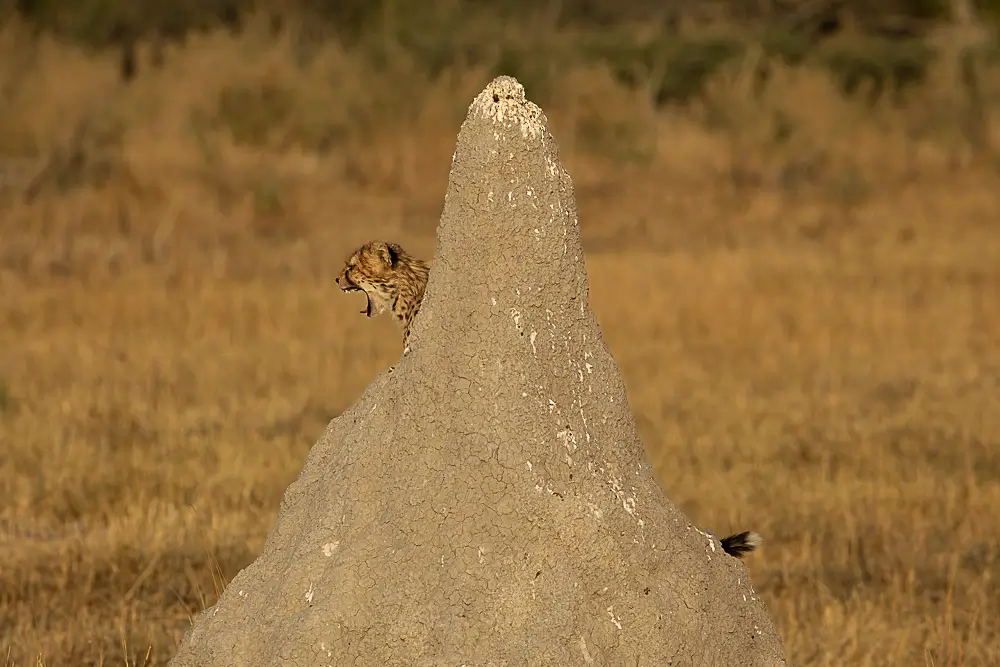
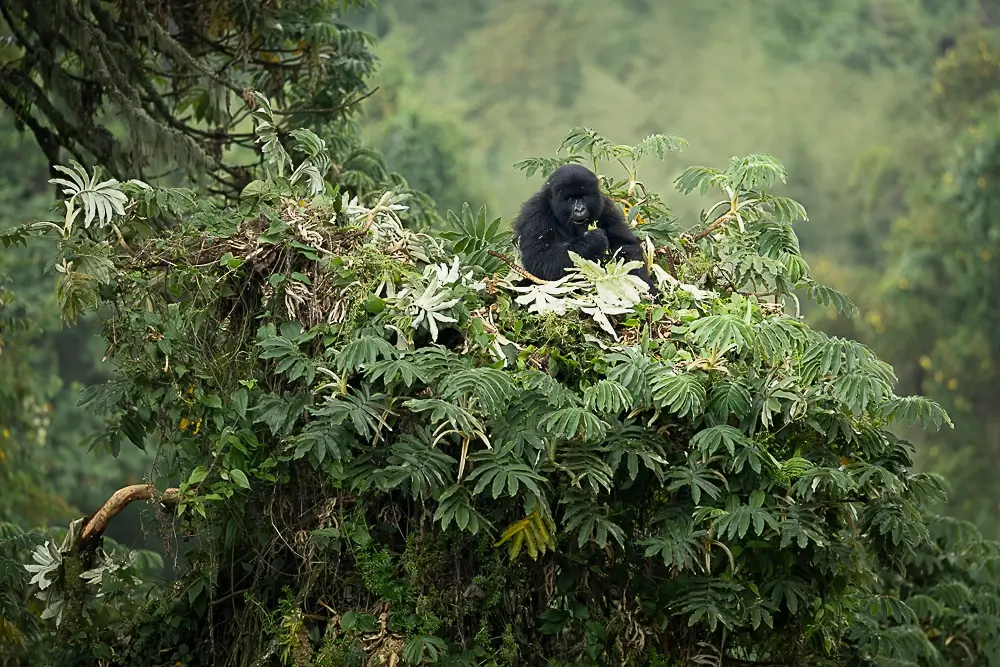
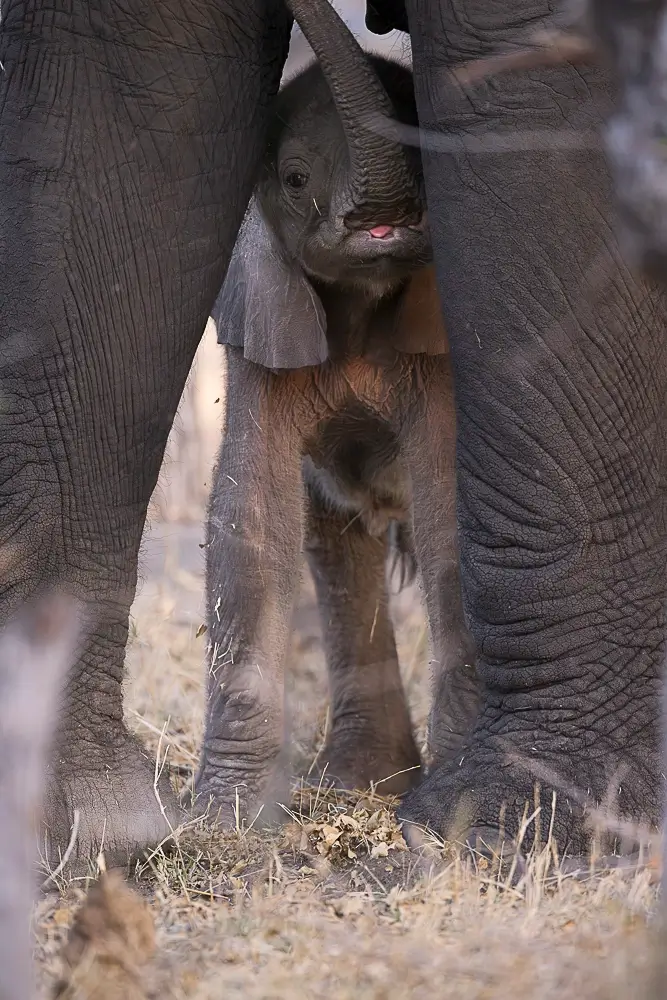
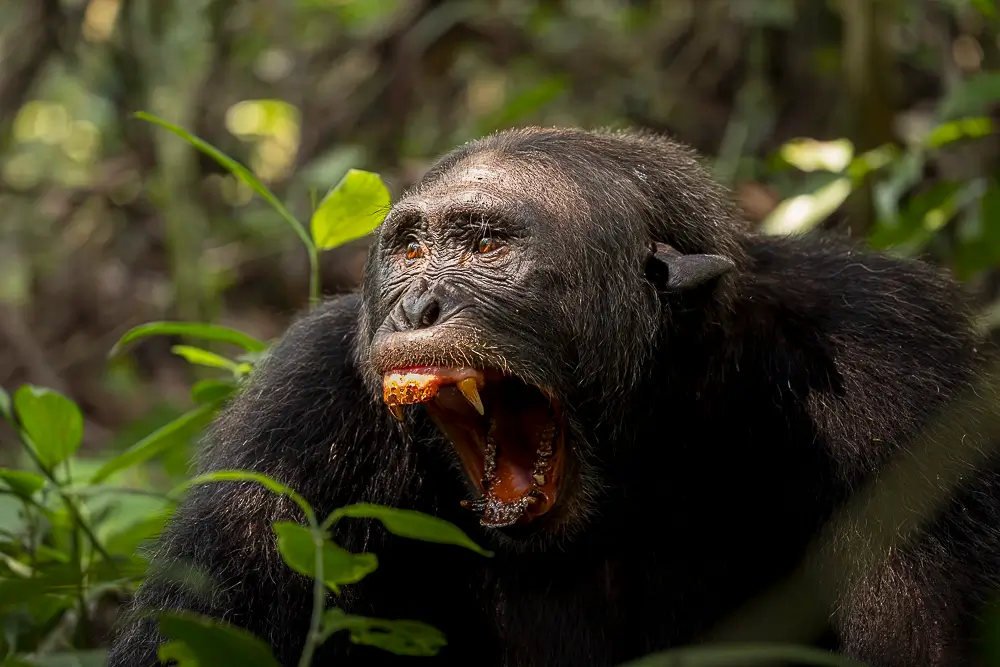
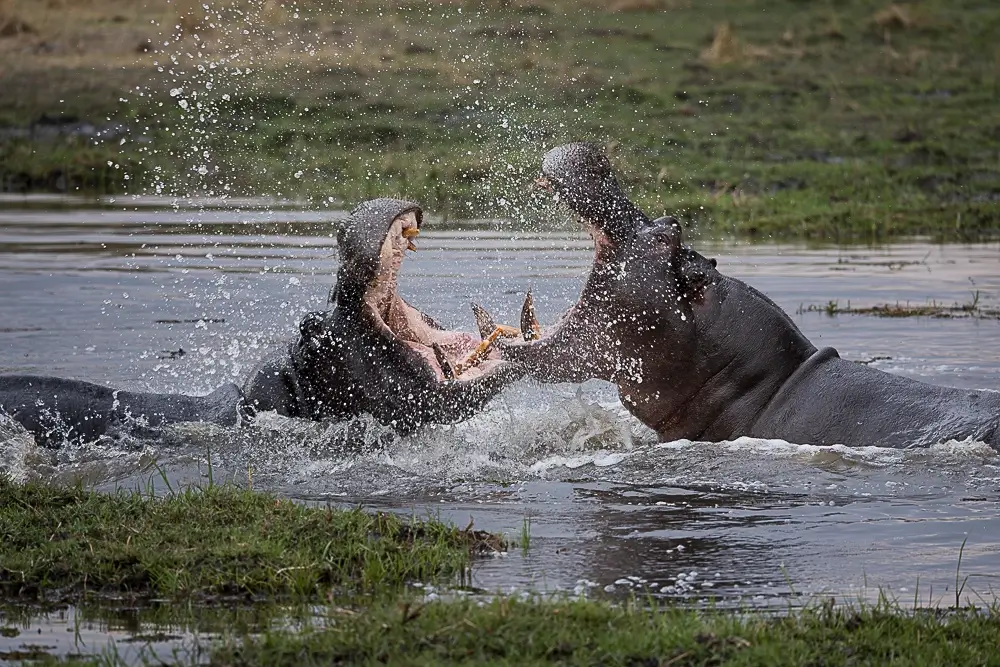
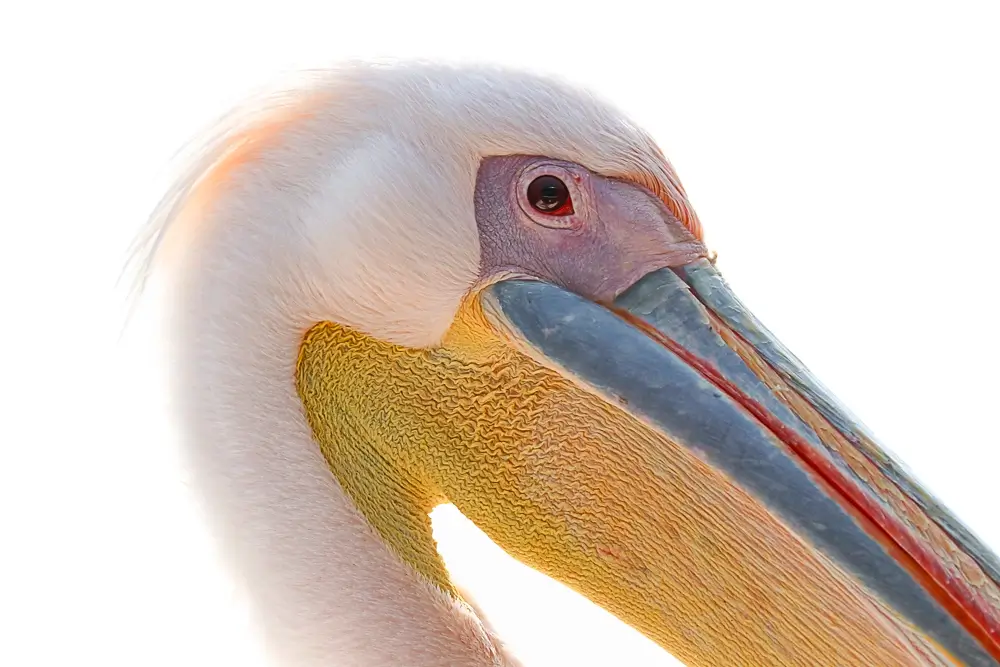
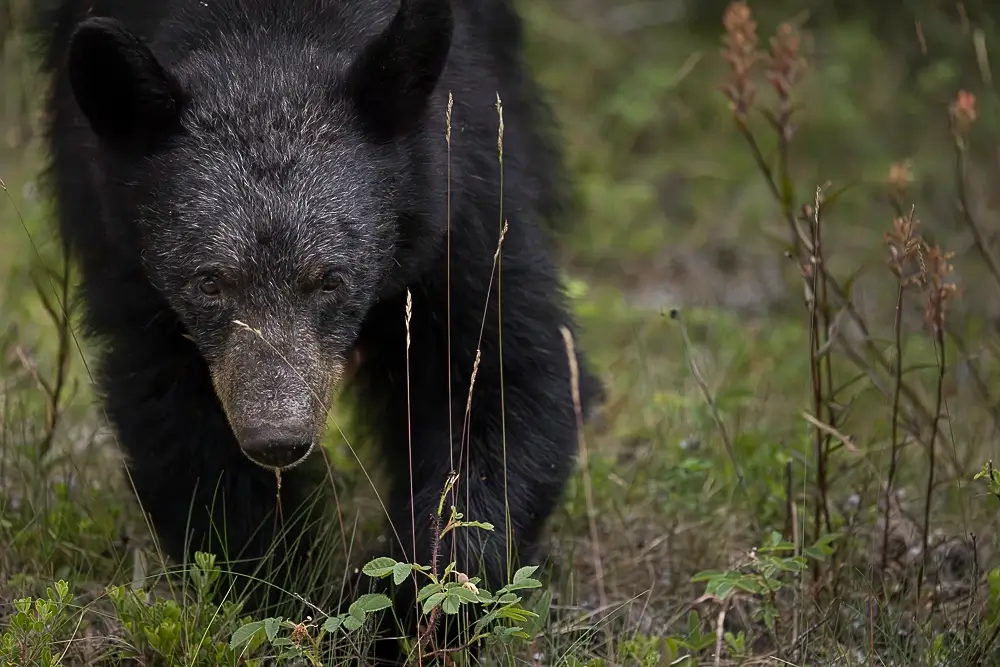
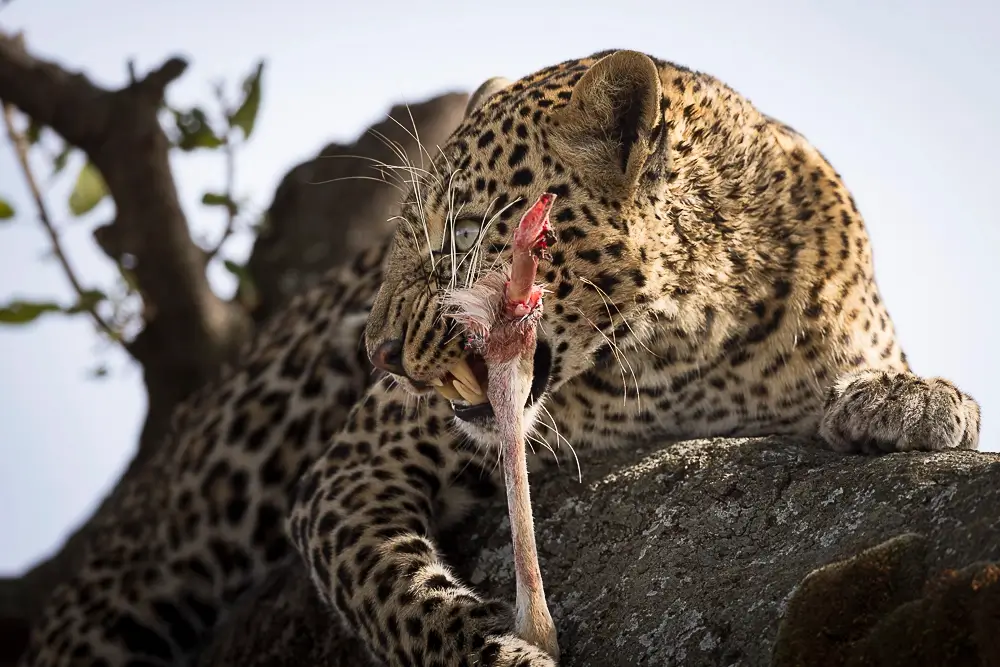
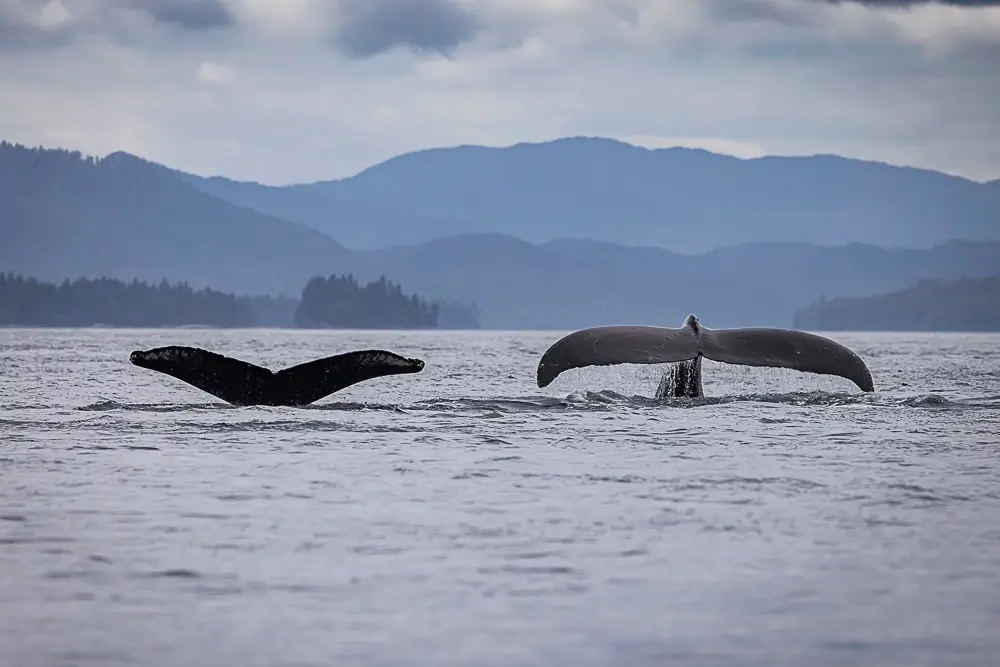
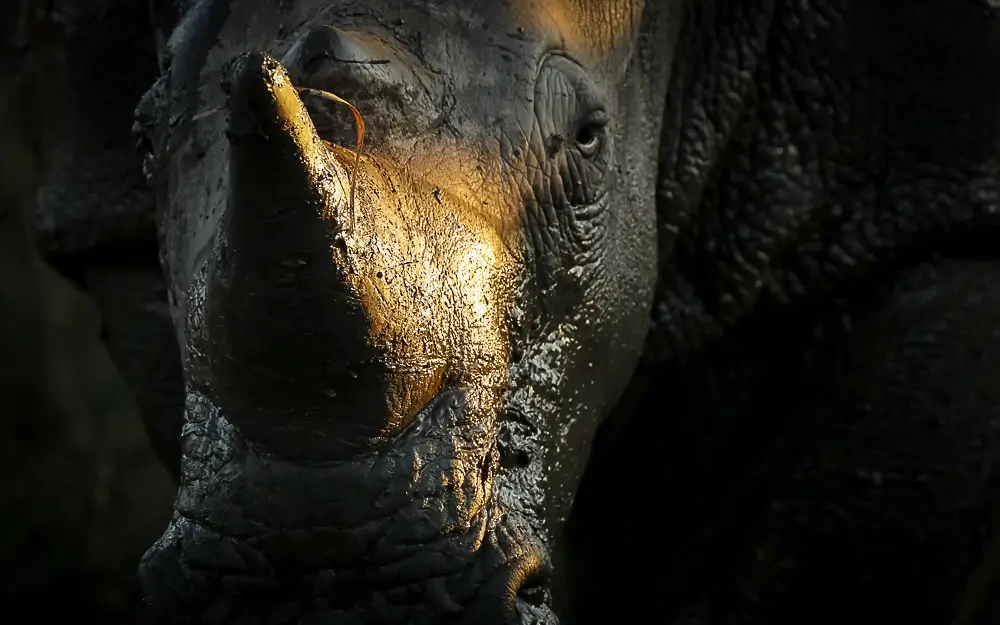
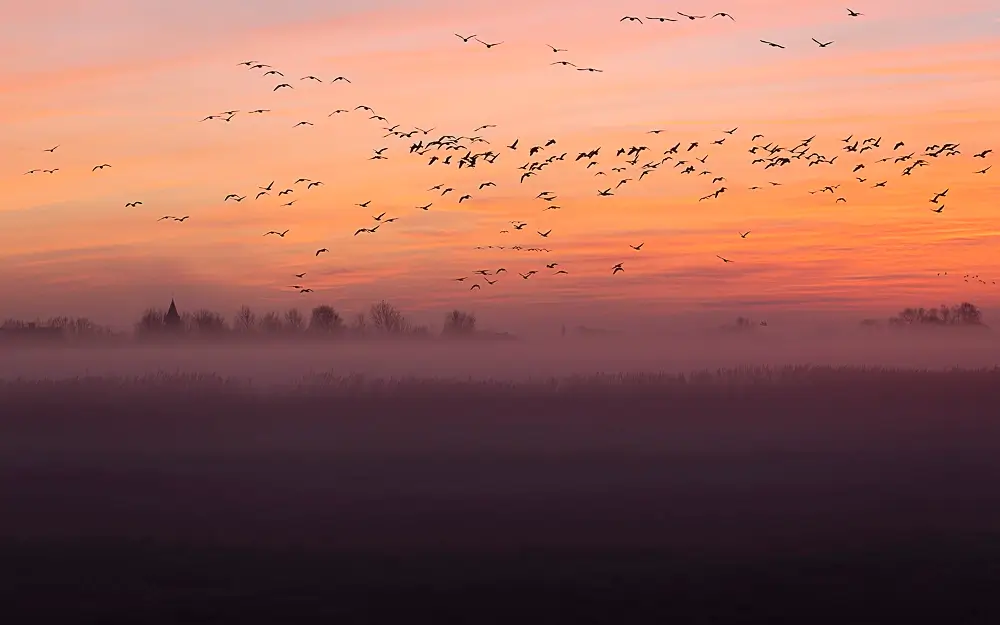
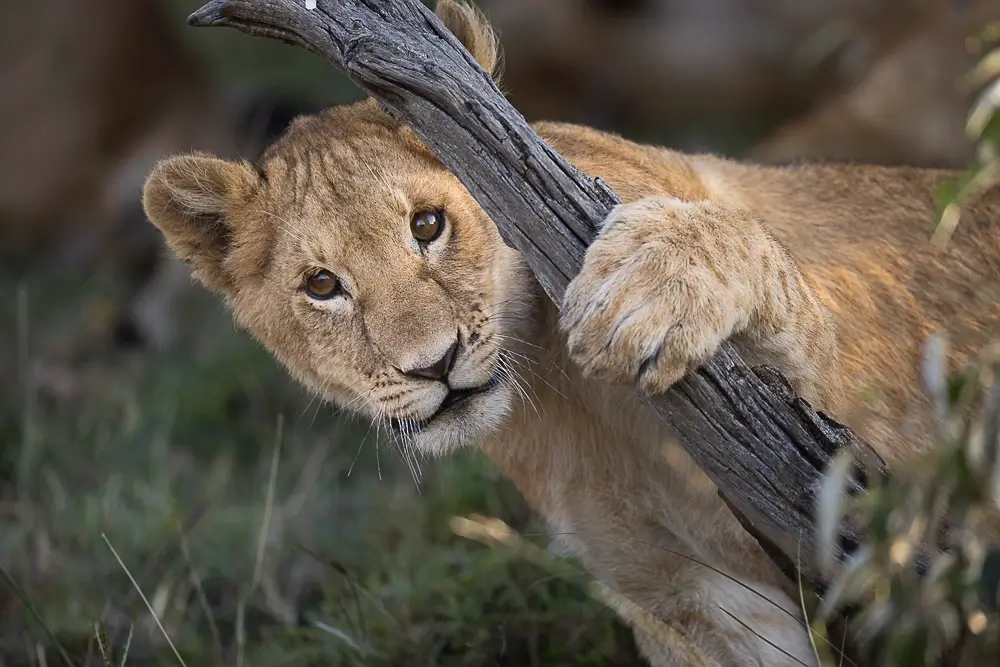
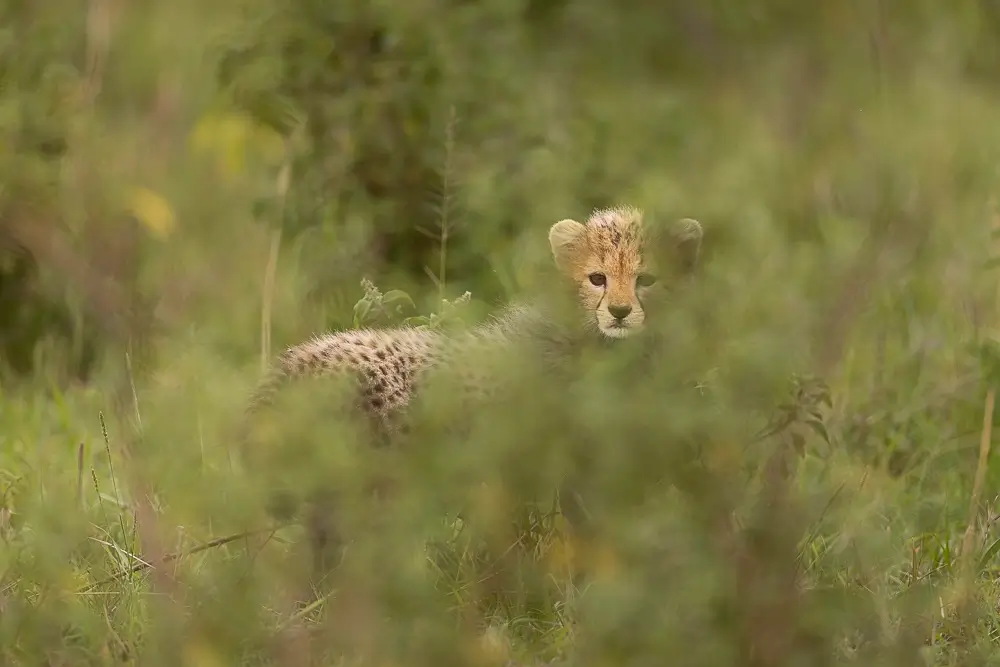
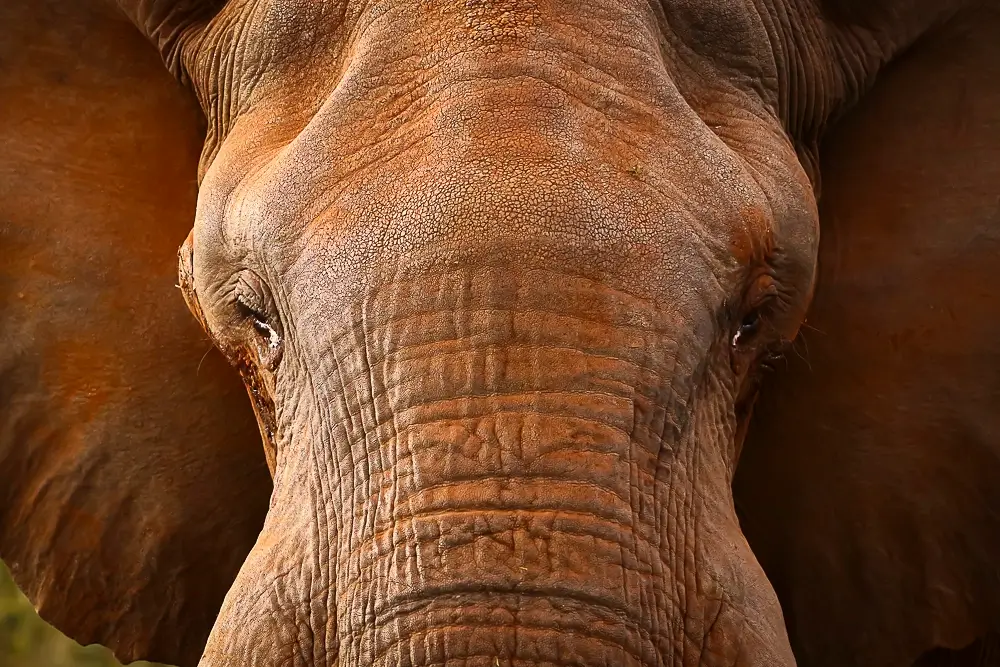
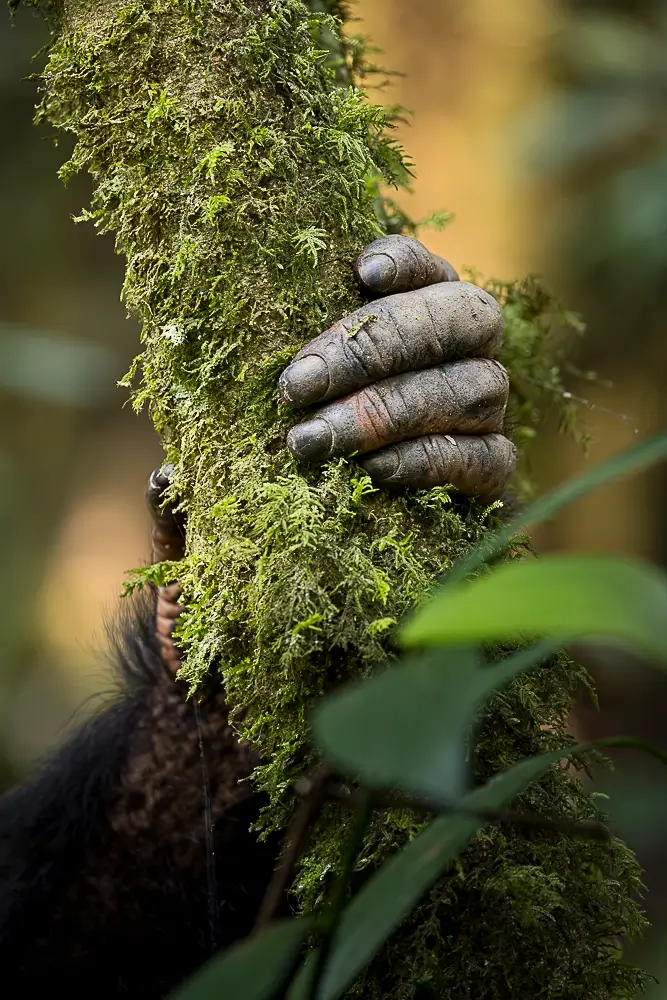
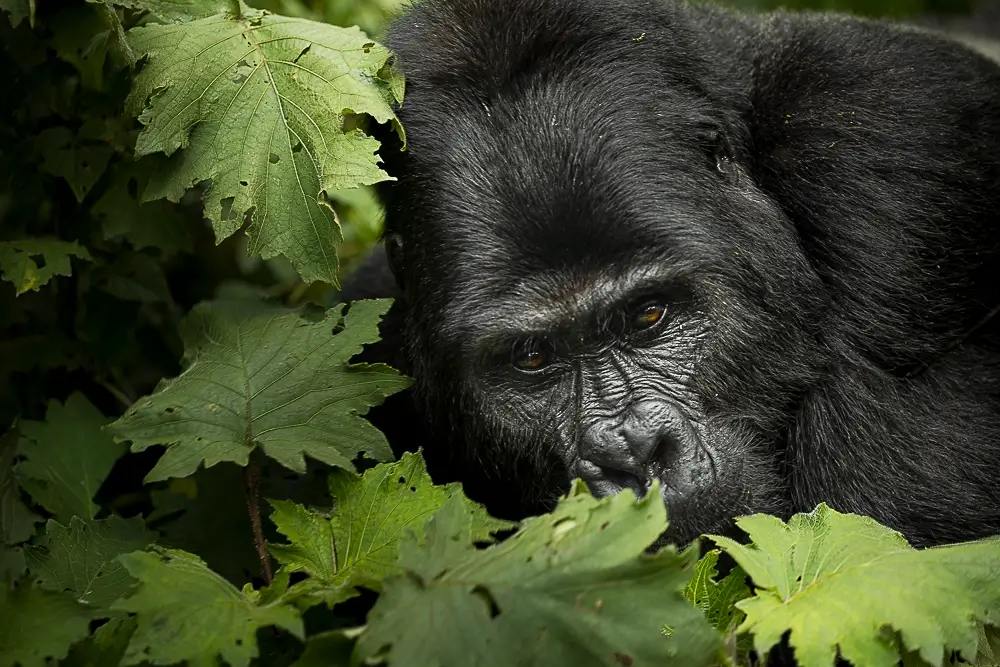
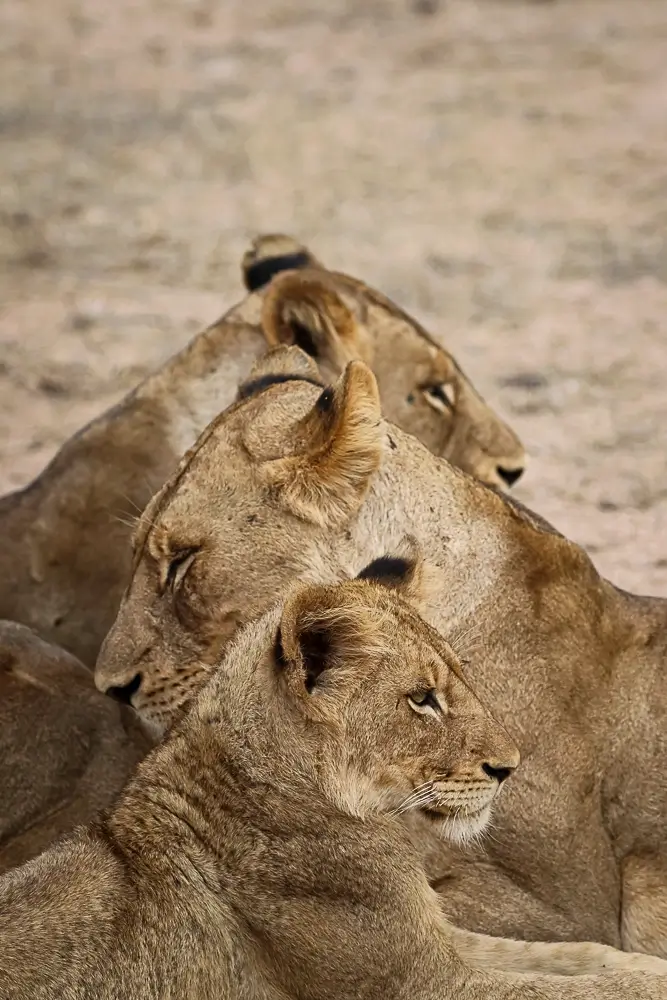
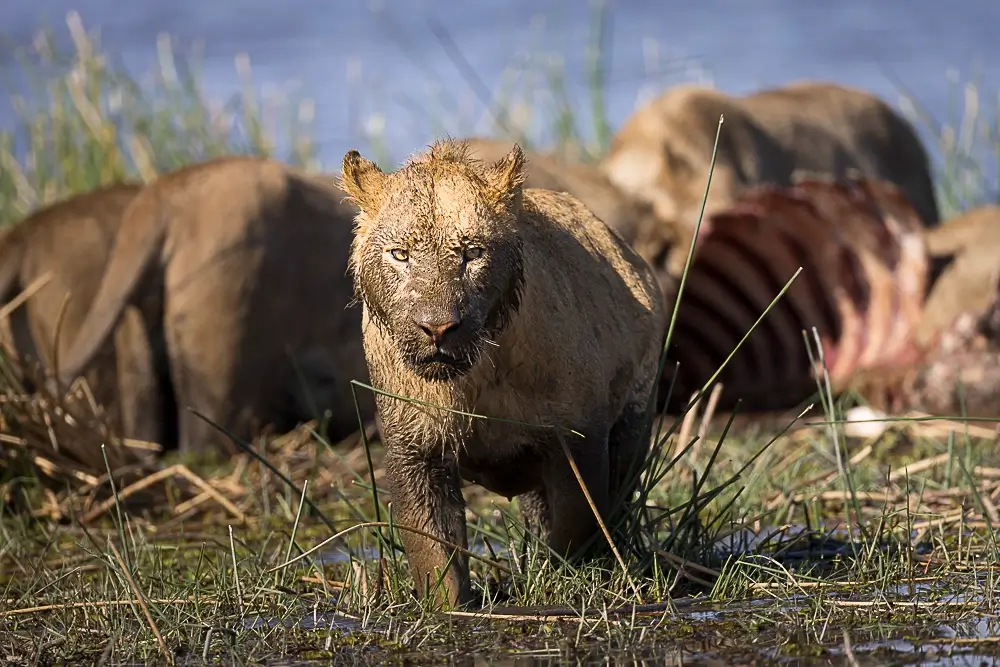
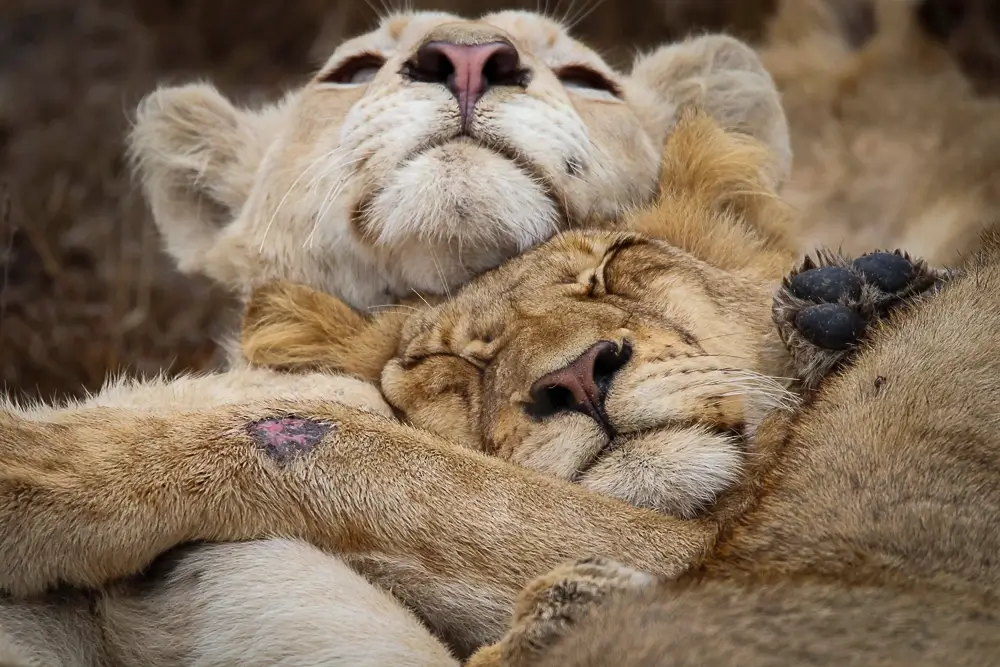
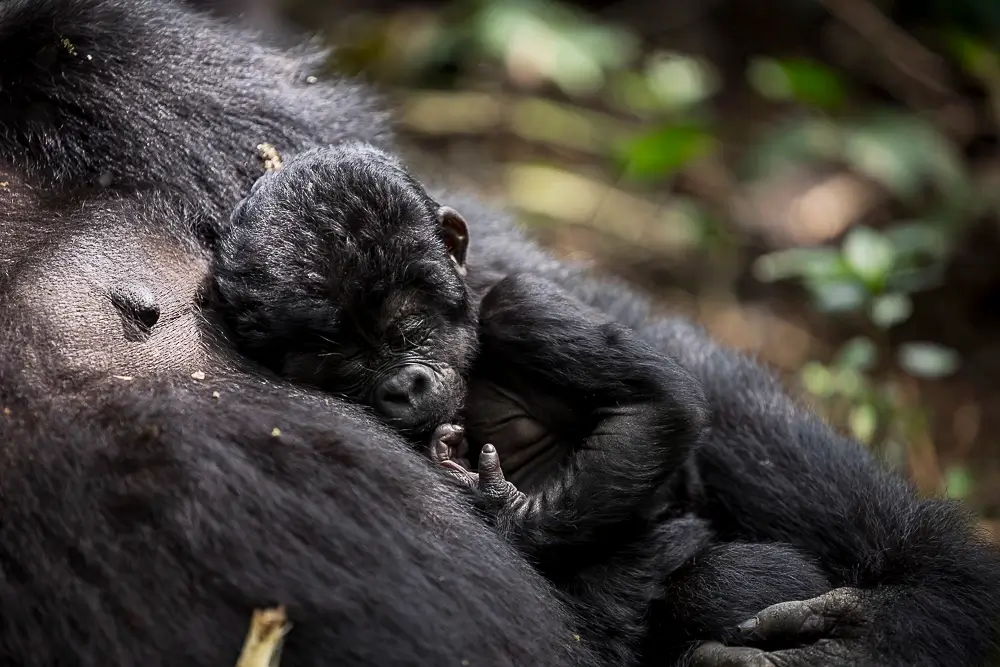
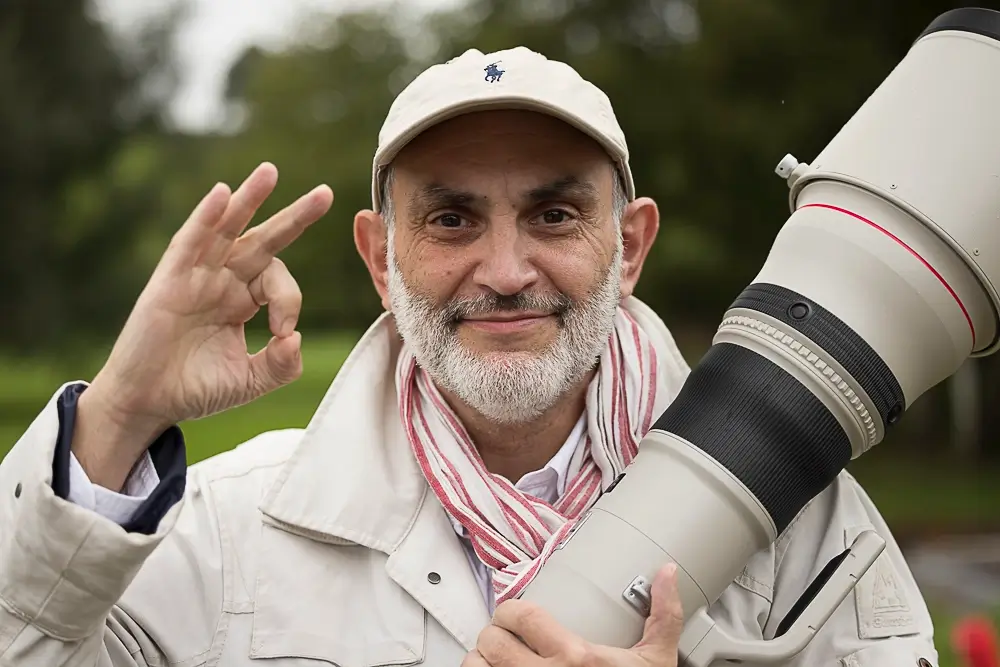
As a witness to life, Benoît Rondelet photographs nature as one might listen to a whispered secret. His images are fragments of silence where the beauty and fragility of the world meet. A thoracic surgeon and lung transplant specialist, he dedicated his life for many years to restoring human breath before turning his attention to the breath of nature.

During the COVID-19 pandemic, as Medical Director of the UCL Namur University Hospital Group (Belgium), he experienced firsthand the extreme tension between life and its limits. From this experience arose an urgent need: to bear witness to life in all its forms. His wildlife photographs do not merely capture a moment; they reveal a presence, a silent communion between humankind and the wild. Through light, textures, and gazes, he seeks to approach a tangible truth: that of a universe where every being, from the humblest to the most majestic, shares in the same breath.

For Benoît Rondelet, photography becomes an act of faith. A faith without dogma, nourished by science, ethics, and spirituality, where Nature reveals itself as a living whole—Cosmos, Creation, or simply a miracle of reality. His work poses the question: what remains of humanity if it forgets to love that which gave it birth?

At the crossroads of sight and breath, his photographic approach asserts itself as a humanism of the living. Each image then becomes a meditation, a secular prayer, an attempt to reconcile the rigor of knowledge with the emotion of beauty. To look at his photographs is to accept being looked at by the world itself.

Benoit Rondelet has received numerous distinctions in international competitions and recently obtained a gold winner and two silver awards at the New York Photography Awards 2025.

AAP Magazine

AAP Magazine 54 Nature

 

Inspiring Portfolios

Call for Entries
AAP Magazine #57 Portrait
Publish your work in our printed magazine and win $1,000 cash prizes
 
Stay up-to-date  with call for entries, deadlines and other news about exhibitions, galleries, publications, & special events.

More Great Photographers To Discover

Peter Marlow
United Kingdom
1952 | † 2016
Peter Marlow (19 January 1952 – 21 February 2016) was a British photographer and photojournalist, and member of Magnum Photos. Born in Kenilworth, England, Marlow studied psychology at Manchester University, graduating in 1974. He began his photography career in 1975 working on an Italian cruise liner in the Caribbean before joining the Sygma news agency in Paris in 1976. In the 1970s Marlow worked in Northern Ireland, Angola, The Philippines and Lebanon primarily as a war photographer, but soon found that the competition of photojournalism did not suit him. "I did get some very good pictures and was doing a lot of conflict work, but I just realised I was never ever going to be Don McCullin. And actually, in certain situations, I was very, very scared." He returned home to Britain and worked in Liverpool on an eight-year project, Liverpool – Looking out to Sea, which documented what he perceived to be a decline of the city under Margaret Thatcher. He became associated with Magnum Photos in 1980 and became a full member in 1986, having been attracted to the freedom the agency gives its photographers to work on personal projects. Alongside Chris Steele-Perkins, he founded Magnum's London office in 1987. He served as the agency's president twice and was vice-president numerous times. The photographer Martin Parr said it was “difficult to overestimate” Marlow's contribution to Magnum". He also worked regularly for The Sunday Times in the mid-1980s. In 1991 he received an assignment from the Somme department in France to photograph Amiens. Later he began to work abroad again, traveling to Japan, the United States, and other parts of Europe. His later photography is primarily in color. Though well known for his depictions of places, Marlow also documented politics with a collaboration with Tony Blair. Marlow died on 21 February 2016 from influenza contracted during a stem cell transplant as a treatment for multiple myeloma.Source: Wikipedia Although gifted in the language of photojournalism, Peter Marlow was not a photojournalist. He was initially, however, one of the most enterprising and successful young British news photographers, and in 1976 joined the Sygma agency in Paris. He soon found that he lacked the necessary appetite for the job while on assignment in Lebanon and Northern Ireland during the late 1970s; he discovered that the stereotype of the concerned photojournalist disguised the disheartening reality of dog-eat-dog competition between photographers hunting fame at all costs. After those days, Marlow’s aesthetic shifted – in that he made mainly color photographs – but his approach was unchanged. The color of incidental things became central to his pictures in the same way that the shape and mark of things had been central to his black-and-white work. Marlow had come full circle. He started his career as an international photojournalist, returned to Britain to examine his own experience, and discovered a new visual poetry that enabled him to understand his homeland. Having found this poetry, he took it back on the road: he photographed as much in Japan, the USA and elsewhere in Europe as he did in the UK.Source: Magnum Photos
Filippo Poli
Italy
1978
Filippo Poli, an architect by training, is based in Milan and has worked as a photographer since 2008 with architecture studios, foundations, and publishers. His personal projects explore the cultural landscape and the evolving relationship between humans and nature, along with its consequences. His work appears in leading international magazines and publications. He received numerous accolades: 5th National New Photographic Vision León (2025), Enaire Foundation (2017, 2025), Architecture Photography Master Interior, PX3 Paris, ND Awards, Hopper Prize, Arles OFF (La Kabine), IPA Prize, Monochrome, FotoDoc, Arte Laguna, and PhotoEspaña Master Scholarship. Exhibitions include a solo show in León (2025), Dispara Gallery (collective Quatro Amigos), PhotoEspaña (2017, 2025), Venice Biennale, Climate Summit (COP25, 2019), ARCO Madrid (2018), and Vila Casas Foundation. His photographs are in public and private collections, including Enaire Foundation, Deutsches Architekturmuseum (Frankfurt), and Basho Gallery (USA). Roças of São Tomé: an [almost] lost treasure Discovering São Tomé and Príncipe is like going to an island that does not exist, so small that it does not appear on maps, and it is hard to notice it in the Gulf of Guinea—but all of us, sooner or later, have tasted a piece of it. In the mid-nineteenth century, this tropical land, made up of two islands lying on the equator, 300 km from the African coast, became the world’s largest cocoa producer. On this island, the cocoa plant found its perfect habitat and labor at will, cheaply imported from Cape Verde and the nearby African continent. It is not clear, even today, whether the archipelago was, before the arrival of the colonizers, uninhabited or already populated by people of Angolan origin. What is certain is that, from the 15th century, the island’s economy was primarily based on sugar cane production as well as the slave trade. For centuries, the island served as a classification hub for African deportees, who were embarked on ships of European powers to be sold in the American colonies. It was only in the 19th century that São Tomé and Príncipe became a wealthy colony, when Portuguese settlers founded large farms to grow coffee and cocoa. This lasted until 1869, when a slow decline began following the abolition of slavery, due to workers’ rebellions and the international boycott against the “slave cocoa” of the Portuguese colony. The production system endured until 1975; the last companies closed in 1990, and since then, this place has fallen into relative oblivion. A remarkable architectural heritage, however, still remains: the “roças.” This Portuguese term refers to the complex system of land exploitation that shaped the history of this small country for centuries under colonial rule. This vast agricultural machinery typically included greenhouses, dryers, warehouses, “senzalas”—the workers’ quarters—a church, a school, and sometimes even a railway connecting the different branches to the main roça and the sea. The main house, where the patrão—the landlord—lived, along with the hospital, dominated the entire settlement, either at the end of a monumental axis or from an elevated position of control. Both structures, characterized by Portuguese and European architectural styles, symbolized power. They were off-limits to the workers, who were subjected to strict working hours and restrictions on their freedom: they could not leave the farm or return to their homeland. Physical barriers—such as access to the main house or upper floors of hospitals reserved for Europeans—were clear, but the psychological boundaries, shaped over centuries of domination, still linger. They persist in the form of limited self-determination and organization. The people of São Tomé experience mixed feelings toward the roças: a blend of nostalgia and resentment for a past that provided work for all, but no rights. Architecture remains the last tangible symbol of this world and forms part of the population’s identity. The stories told by inhabitants reveal pride in the beauty of these structures, but also a sense of distance and impossibility toward spaces they never occupied. Even after expropriations in the 1980s, feelings of inferiority and lack of economic means prevented many from claiming ownership, leading to looting and eventual abandonment. The imposed divide between the world of the master and that of the workers has not disappeared since independence in 1975. The dichotomy between patrão and roças, masters and senzalas, has evolved into a new social boundary, reflected in the pejorative term “gente da roça”—people of the plantation—still marginalized within society. This photographic narrative, centered on around thirty roças, seeks to reconstruct the memory of these places by documenting their present condition and bringing renewed attention to an architectural heritage on the verge of disappearance. The project unfolds through two main approaches: the first focuses on the principal structures of the roças, photographed with long exposure to evoke a sense of untouchability and highlight the enduring tension between their grandeur and their surroundings; the second presents portraits of daily life within these communities, which, despite ongoing challenges, remain an active part of this history.
Elaine Mayes
United States
1936
Elaine Mayes has been an active visual artist since 1960. A main focus and emphasis for her work has been investigations of ‘seeing’ and documentary forms in photography. This interest led to a number of projects and seeking out various close at hand situations in the world as subject material for her photographs. Elaine majored in painting and art history at Stanford University and then studied at the San Francisco Art Institute with John Collier, Jr. Paul Hassel, Minor White, Nathan Oliviera and Richard Diebenkorn. Between 1961 and 1968 she was an independent photojournalist working in San Francisco for magazines and graphic designers. During 1967 and 1968 she was a rock and roll photographer and photographed the ‘Summer of Love’ and scene in the Haight Ashbury District of San Francisco. One of her assignments was to photograph the Monterey Pop Festival. This work was published in her book called, It Happened In Monterey. Elaine taught photography for thirty-five years, beginning at the University of Minnesota in 1968. Then she taught at Hampshire College from 1971 to 1981, at Bard College during 1982 and 1983, and at New York University’s Tisch School of the Arts from 1983 until 2001. Elaine was Chair of the Tisch Photography Department from 1997 until her retirement from teaching. Currently, she is Professor Emeritus and is living in the Catskill Mountains of New York actively continuing her work. Elaine’s photography has been exhibited extensively, with recent exhibitions connected with The Fiftieth Anniversary of the Summer of Love and The Monterey Pop Festival and includes the de Young Museum, The California Historical Society, The SFO Museums United Airlines Terminal, The Monterey Art Museum, The Grammy Musuem, Spazio Gerra - Comune di Reggio Emilia, Italy and the Joseph Bellows Gallery in La Jolla. Elaine has received a number of awards including three grants from the National Endowment for the Arts and a Guggenheim Fellowship. She also was awarded funding from The Atherton Foundation for her Hawaiian images and book production for a limited edition handmade book called, Ki i ‘no Hawai’i. Her newest publication is, Recently, Daylight Press, 2013. Elaine is affiliated with Getty Images, Joseph Bellows Gallery, Morrison Hotel Galleries, and Liberal Arts Roxbury.Source: www.elainemayesphoto.com
Katerina Belkina
Katerina Belkina was born in Samara, a city in the South-East of the European part of Russia. She grew up in an artistic atmosphere; her mother is a visual artist and, in herplace of birth, she got an education in the art of painting at the Art Academy. She continued her education in 2000 at an Academy for Photography also in Samara and exhibitions of her mysterious self-portraits ensued in Moscow and Paris. Katerina Belkina was nominated for the prestigious Kandinsky Prize (comparable to the British Turner prize) in Moscow in 2007. At the moment, Katerina Belkina is living and working in Moscow and Berlin.AAP: Where did you study photography?I started in a studio of photography and then I decided to study photography in an Art College. After several years I learned photography at the Photo Academy in Samara, Russia.AAP:How did you become a photographer?I think of myself as an artist in the broad sense of the word. For me photography is just a medium like a painting, drawing etc. However I like to use photography as a basis for my works. This form of art was always interesting for me. As well as drawing. I was influenced by my family in my childhood to like both mediums.AAP: Do you remember your first shot? What was it?When I was in fifth grade I took my school photo-group. Otherwise everything around me: school friends, street dogs, home yard.AAP:What was your first paid assignment/job?It was for an inexpensive portrait. The client was a girl who looked very similar to Marilyn Monroe. I found out that only when I looked at her in the viewfinder.AAP: What or who inspires you?Other people working in my field. When I see good results and when I see how they work. AAP: Do you spend a lot of time editing your images? For what purpose?Yes, a lot. At first I like the process of editing. In my case it is a combination of photo elements and then layer by layer drawing or correcting and making post-productions. I like when any art work include skills and labor. Every good idea should be perfectly executed.AAP: How do you choose your subjects?I always choose a topic that could be interesting for me at that moment. Then comes the process of thinking about. In the beginning ideas are always abstract. After a while it takes a shape: I choose a subject, composition, color combinations and details. AAP: Can you explain the process that you use to set up a portrait?When the idea takes shape in my mind, I draw a sketch, prepare all the necessary things for shooting and then start. Despite the fact that I know very exactly what I want for my future composition, I like to allow improvisation in the process. Because the result can be interesting and unexpectable. To take self-portraits I use a stative and make it by myself or I ask an assistant.AAP: Your worst souvenir as a photographer?Oh yes I remember! A meeting with a client who paid me and thought the world should rotate around him just because of that.AAP: What advice would you give a young photographer?Shoot a lot, take everything that could be interesting for you. Try new things, make discoveries. This is the most important thing. Don’t listen to anybody when they want to teach you something especially when it is in a critical way. AAP: What mistake should a young photographer avoid?Don’t try to be or to do like someone else. Your photography style will become unique over time. You need to be interested by what you are doing even if other photographers or artists can inspire you.
Advertisement
AAP Magazine #57 Portrait
Win a Solo Exhibition in June
AAP Magazine #57 Portrait

Latest Interviews

Exclusive Interview with Carolyn Moore
American photographer Carolyn Moore explores the inner landscape of emotion, memory, and personal transformation through a deeply intuitive photographic practice. Her work unfolds as a quiet dialogue between artist and viewer, where images become a space for reflection, vulnerability, and connection.
Exclusive Interview with Luca Desienna and Laura Estelle Barmwoldt
For over seven years, Of Lilies and Remains has explored the depths of the goth and darkwave underground, unfolding in Leipzig—a city long associated with a vibrant and enduring subcultural scene. Moving between iconic gatherings such as Wave-Gotik-Treffen and more intimate moments on the fringes, the project offers a rare and immersive glimpse into a world often misunderstood, yet rich in expression and community. Created by Luca in collaboration with Laura Estelle Barmwoldt, the work embraces a cinematic and deeply personal approach. Rather than documenting from a distance, it moves within the scene itself, capturing its atmosphere, its codes, and its quiet contradictions. The title Of Lilies and Remains hints at this duality—where beauty and darkness, fragility and strength coexist. As the book prepares for its release, we spoke with both artists about the origins of the project, their process, and what it means to document a subculture that continues to evolve while remaining true to its spirit.
Exclusive Interview with Matthew Finley
American photographer Matthew Finley turns inward, using photography as a way to explore identity, memory, and emotional truth. Based in Los Angeles, his practice moves between performance, gesture, and found imagery, creating a visual language that is both intimate and deeply personal
Exclusive Interview with Jan Janssen
Dutch photographer Jan Janssen explores universal human experiences through his long-term project It Matters, winner of the May 2025 Solo Exhibition. Begun in 2016, the series captures intimate moments of everyday life—love, loss, connection, and belonging—across Central and Eastern Europe. Working in countries such as Turkey, Azerbaijan, and Armenia, Janssen spends extended time within communities, building relationships based on trust and respect. His approach allows him to move beyond observation, revealing deeply human and authentic moments. Rooted in travel and personal discovery, It Matters reflects Janssen’s search for what connects us all in an increasingly divided world. The project is ongoing and will culminate in a photobook scheduled for publication in 2026.
Exclusive Interview with Henk Kosche
German photographer Henk Kosche turns his lens toward the streets of Halle an der Saale, capturing everyday life in the late years of the former German Democratic Republic. At the time, Kosche was studying design and exploring the city with his camera, drawn to the atmosphere of its industrial landscape and the quiet rhythms of daily life. His series Street Photography at the End of the 80s, selected as the Solo Exhibition for July 2025, revisits a body of work created just before a period of profound change. Rediscovered decades later in a small box of 35mm negatives, these photographs offer glimpses of a city and its people at a moment suspended between the familiar and the unknown.
Exclusive Interview with Anastasia Samoylova
Anastasia Samoylova is an American artist whose photographic practice is shaped by close observation and a deep attentiveness to place. Working between documentary and formal exploration, she photographs landscapes, architecture, and everyday scenes with a sensitivity to light, structure, and atmosphere. Since relocating to Miami in 2016, her work has increasingly focused on how environments—both natural and built—carry social, cultural, and emotional traces. We asked her a few questions about her practice and her way of seeing, to better understand the thoughts and experiences that shape her work—while allowing the images themselves to remain open and speak in their own time.
Exclusive Interview with Marijn Fidder
Marijn Fidder is a Dutch documentary photographer whose work powerfully engages with current affairs and contemporary social issues. Driven by a deep sense of social justice, she uses photography to speak on behalf of the voiceless and to advocate for the rights of those who are most vulnerable. Her images have been widely published in major international outlets including National Geographic, CNN Style, NRC Handelsblad, Volkskrant, GUP New Talent, and ZEIT Magazin. Her long-term commitment to disability rights—particularly through years of work in Uganda—culminated in her acclaimed project Inclusive Nation, which earned her the title of Photographer of the Year 2025 at the All About Photo Awards. She is also the recipient of multiple prestigious honors, including awards from World Press Photo and the Global Peace Photo Award. We asked her a few questions about her life and work.
Exclusive Interview with Josh S. Rose
Josh S. Rose is a multidisciplinary artist working across photography, film, and writing. His practice bridges visual and performing arts, with a strong focus on movement, emotion, and the expressive potential of the image. Known for his long-standing collaborations with leading dance companies and performers, Rose brings together authenticity and precise composition—a balance he describes as “technical romanticism.” His work has been commissioned and exhibited internationally, appearing in outlets such as Vogue, at the Super Bowl, in film festivals, and most recently as a large-scale installation for Lincoln Center for the Performing Arts. A sought-after collaborator, he has worked with major artists, cultural institutions, and brands, following a previous career as Chief Creative Officer at Interpublic Group and the founder of Humans Are Social. We asked him a few questions about his life and work.
Interview with Maureen Ruddy Burkhart
Photographer Maureen Ruddy Burkhart brings a quietly attentive and deeply human sensibility to her exploration of the world through images. Shaped by a life immersed in photography, film, and visual storytelling, her work is guided by intuition, observation, and an enduring interest in the emotional undercurrents of everyday life. With a practice rooted in both fine art traditions and documentary awareness, she approaches her subjects with sensitivity, allowing subtle moments to emerge naturally rather than be imposed. Her series Til Death, selected as the Solo Exhibition for February 2025, reflects this long-standing commitment to photography as a space for reflection rather than spectacle. Drawn to moments that exist just outside the expected frame, Burkhart’s images suggest narratives without resolving them, leaving room for ambiguity, humor, and quiet connection. We asked her a few questions about her life and work.
Call for Entries
AAP Magazine #57 Portrait
Publish your work in our printed magazine and win $1,000 cash prizes