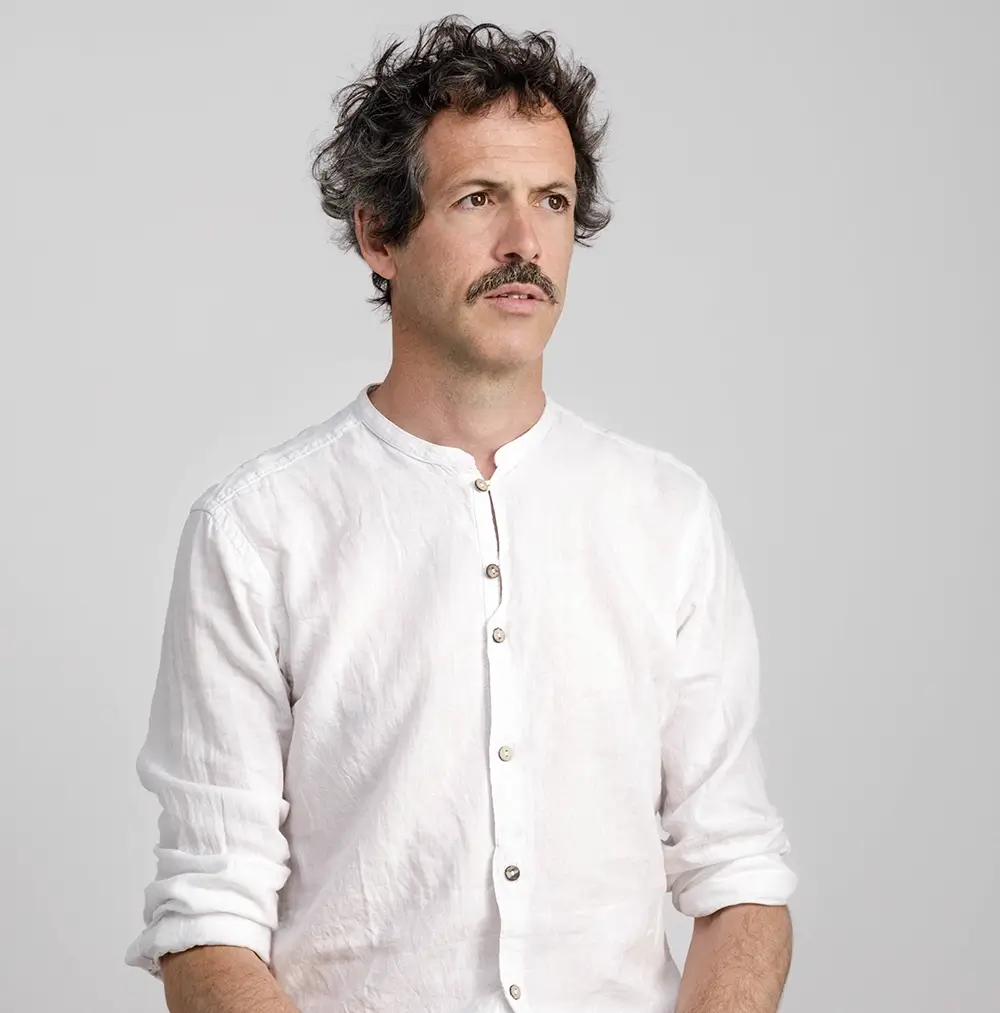
Filippo Poli, an architect by training, is based in Milan and has worked as a photographer since 2008 with architecture studios, foundations, and publishers.
His personal projects explore the cultural landscape and the evolving relationship between humans and nature, along with its consequences.
His work appears in leading international magazines and publications.
He received numerous accolades: 5th National New Photographic Vision León (2025), Enaire Foundation (2017, 2025), Architecture Photography Master Interior, PX3 Paris, ND Awards, Hopper Prize, Arles OFF (La Kabine), IPA Prize, Monochrome, FotoDoc, Arte Laguna, and PhotoEspaña Master Scholarship.
Exhibitions include a solo show in León (2025), Dispara Gallery (collective Quatro Amigos), PhotoEspaña (2017, 2025), Venice Biennale, Climate Summit (COP25, 2019), ARCO Madrid (2018), and Vila Casas Foundation.
His photographs are in public and private collections, including Enaire Foundation, Deutsches Architekturmuseum (Frankfurt), and Basho Gallery (USA).
Roças of São Tomé: an [almost] lost treasure
Discovering São Tomé and Príncipe is like going to an island that does not exist, so small that it does not appear on maps, and it is hard to notice it in the Gulf of Guinea—but all of us, sooner or later, have tasted a piece of it.
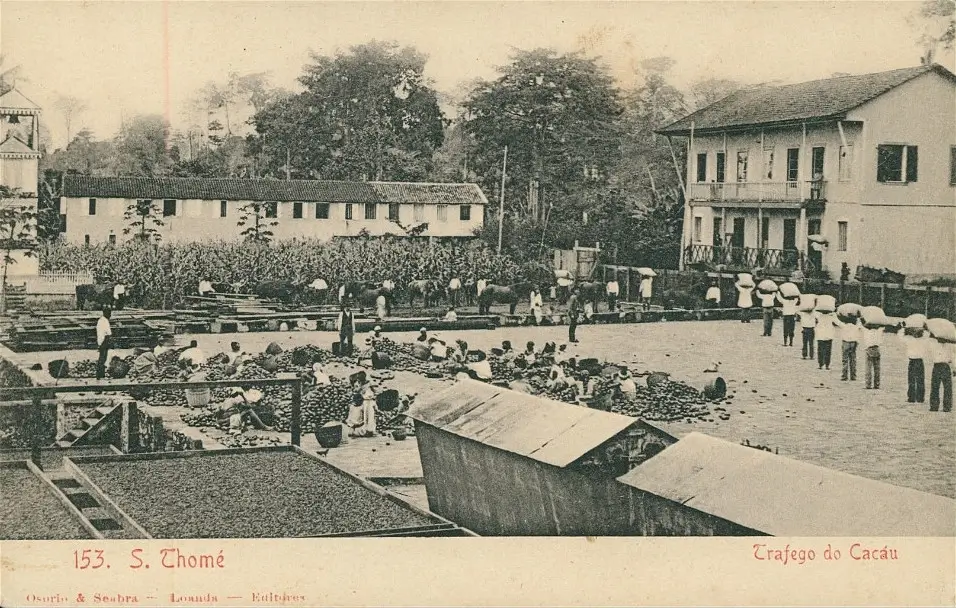
In the mid-nineteenth century, this tropical land, made up of two islands lying on the equator, 300 km from the African coast, became the world’s largest cocoa producer. On this island, the cocoa plant found its perfect habitat and labor at will, cheaply imported from Cape Verde and the nearby African continent.
It is not clear, even today, whether the archipelago was, before the arrival of the colonizers, uninhabited or already populated by people of Angolan origin. What is certain is that, from the 15th century, the island’s economy was primarily based on sugar cane production as well as the slave trade. For centuries, the island served as a classification hub for African deportees, who were embarked on ships of European powers to be sold in the American colonies.
It was only in the 19th century that São Tomé and Príncipe became a wealthy colony, when Portuguese settlers founded large farms to grow coffee and cocoa. This lasted until 1869, when a slow decline began following the abolition of slavery, due to workers’ rebellions and the international boycott against the “slave cocoa” of the Portuguese colony.
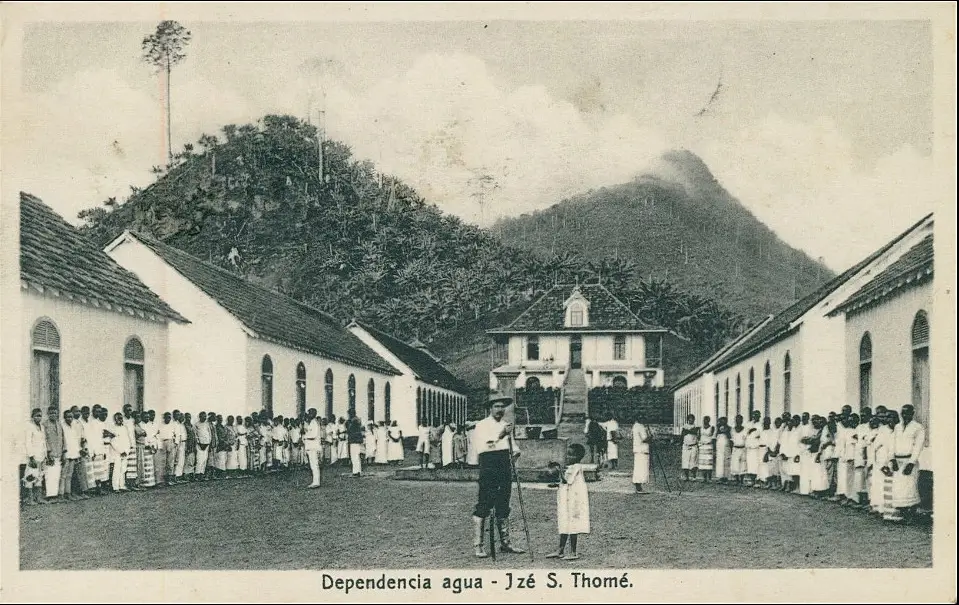
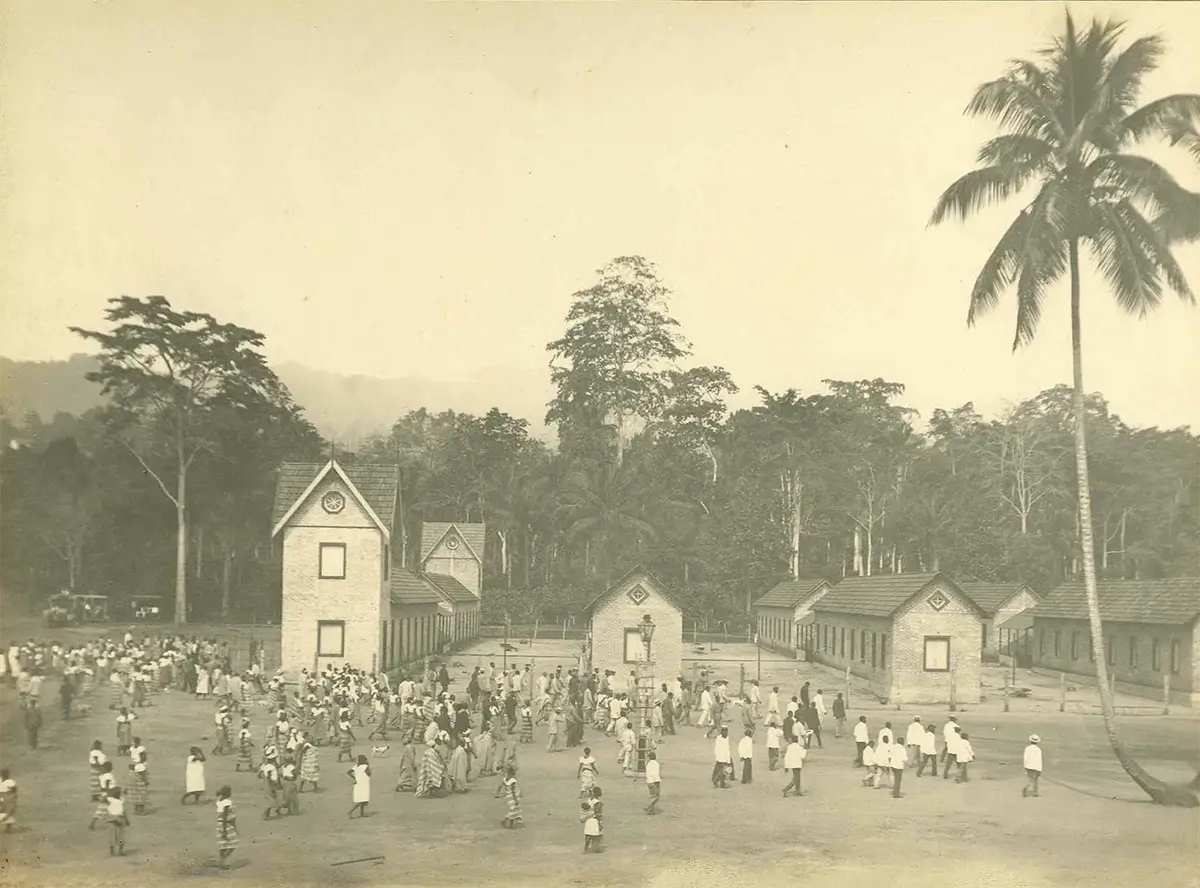
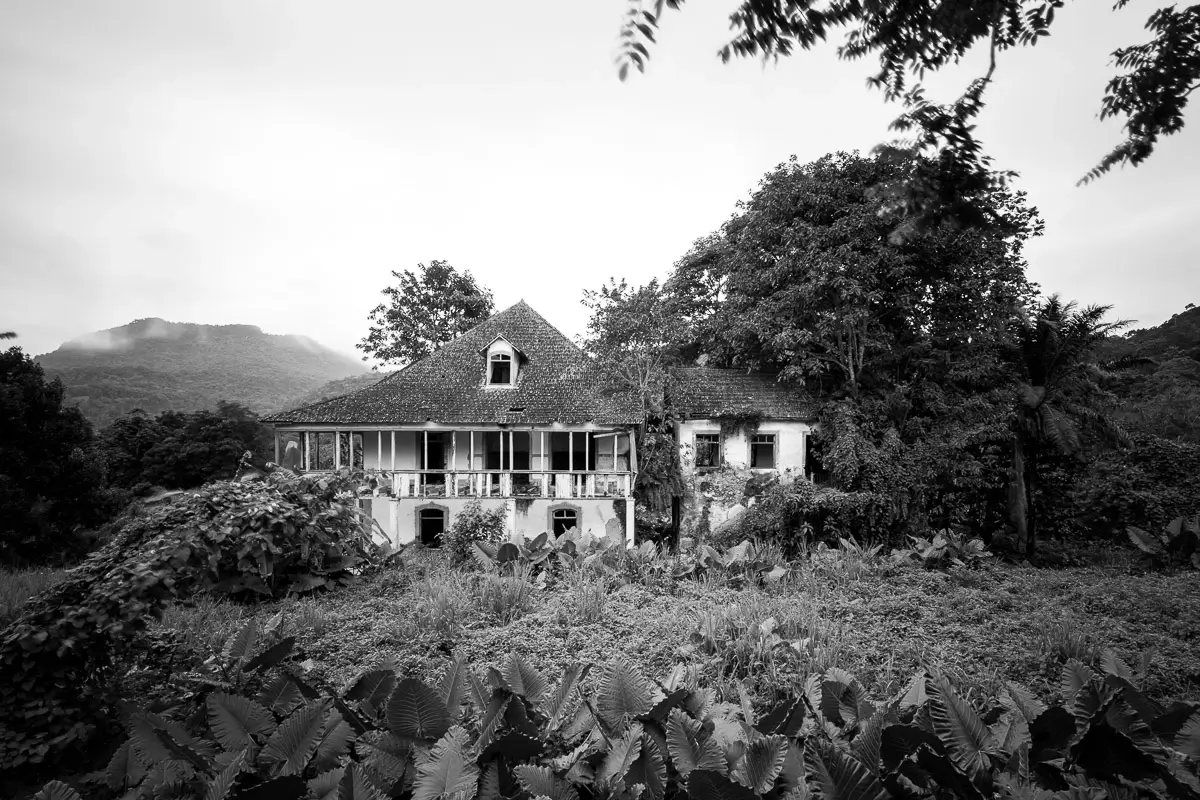
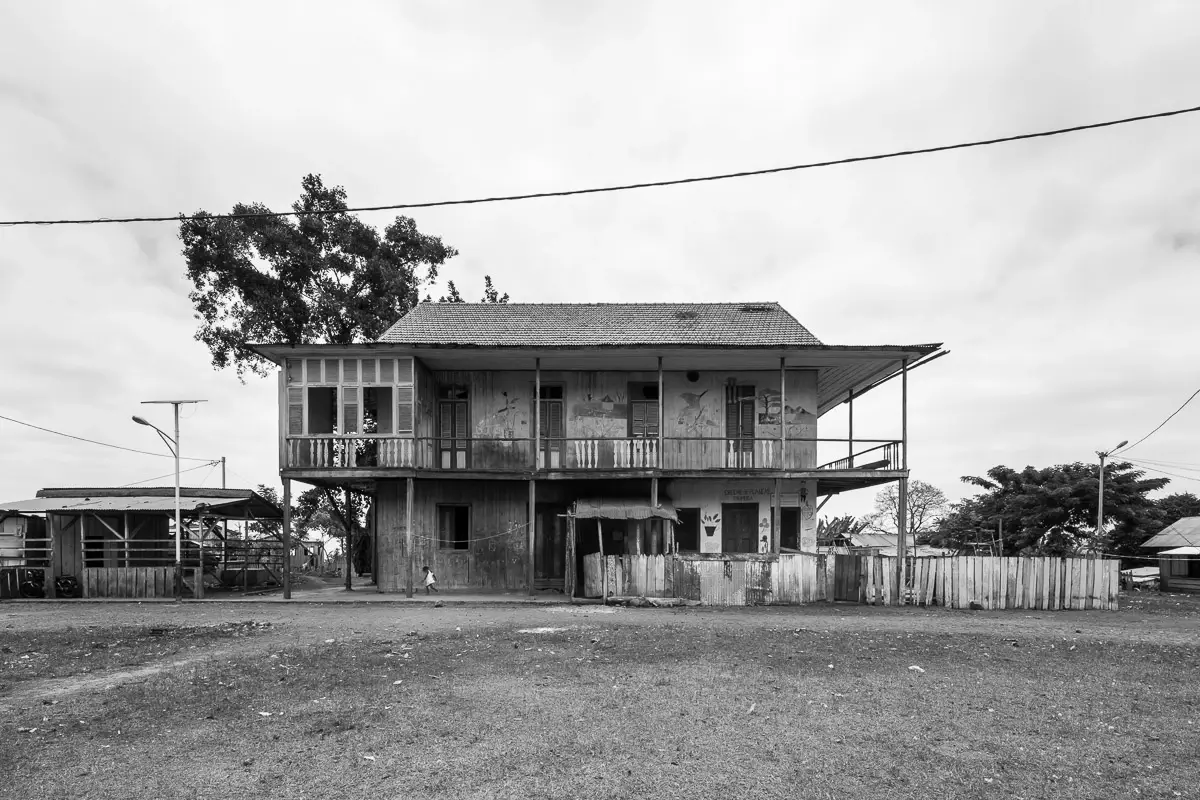
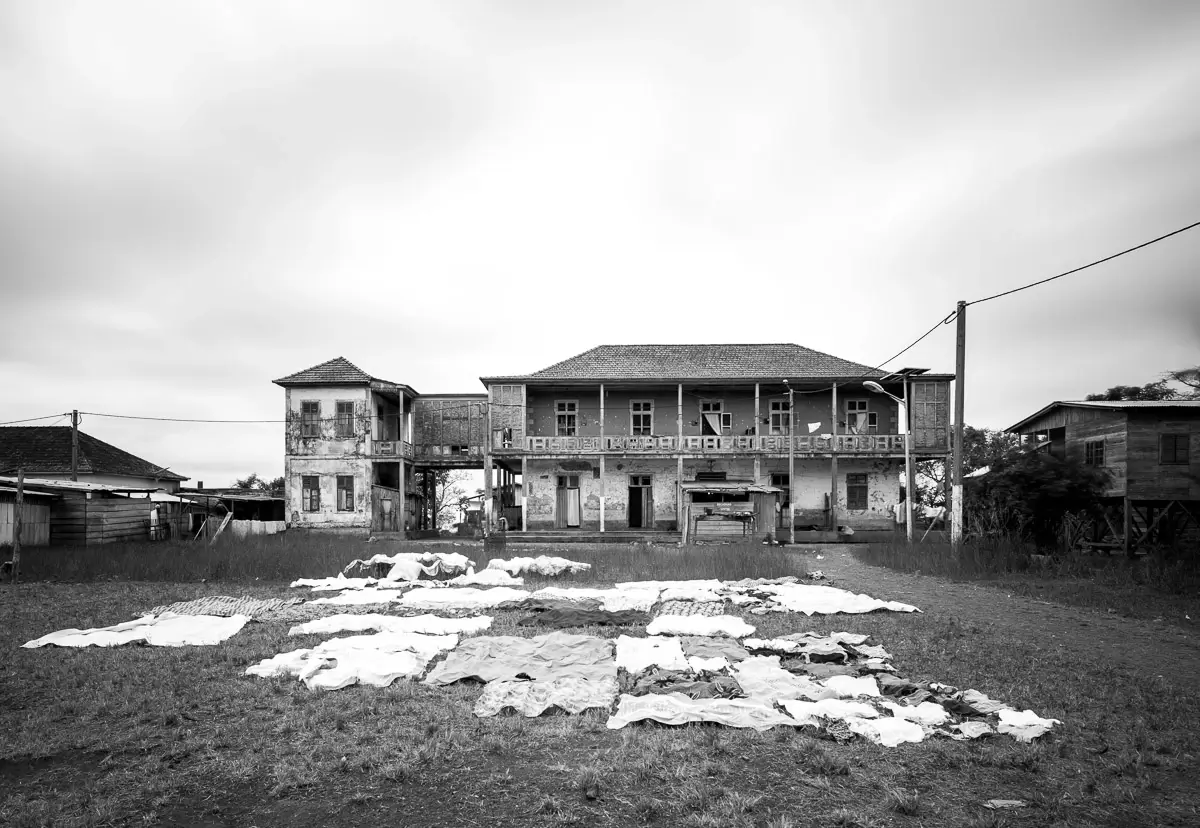
The production system endured until 1975; the last companies closed in 1990, and since then, this place has fallen into relative oblivion. A remarkable architectural heritage, however, still remains: the “roças.” This Portuguese term refers to the complex system of land exploitation that shaped the history of this small country for centuries under colonial rule.
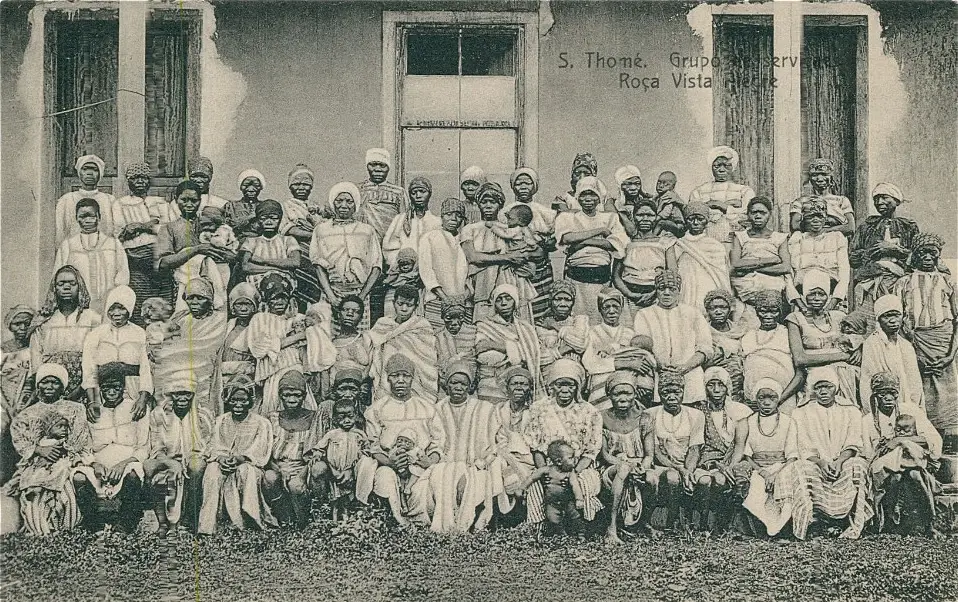
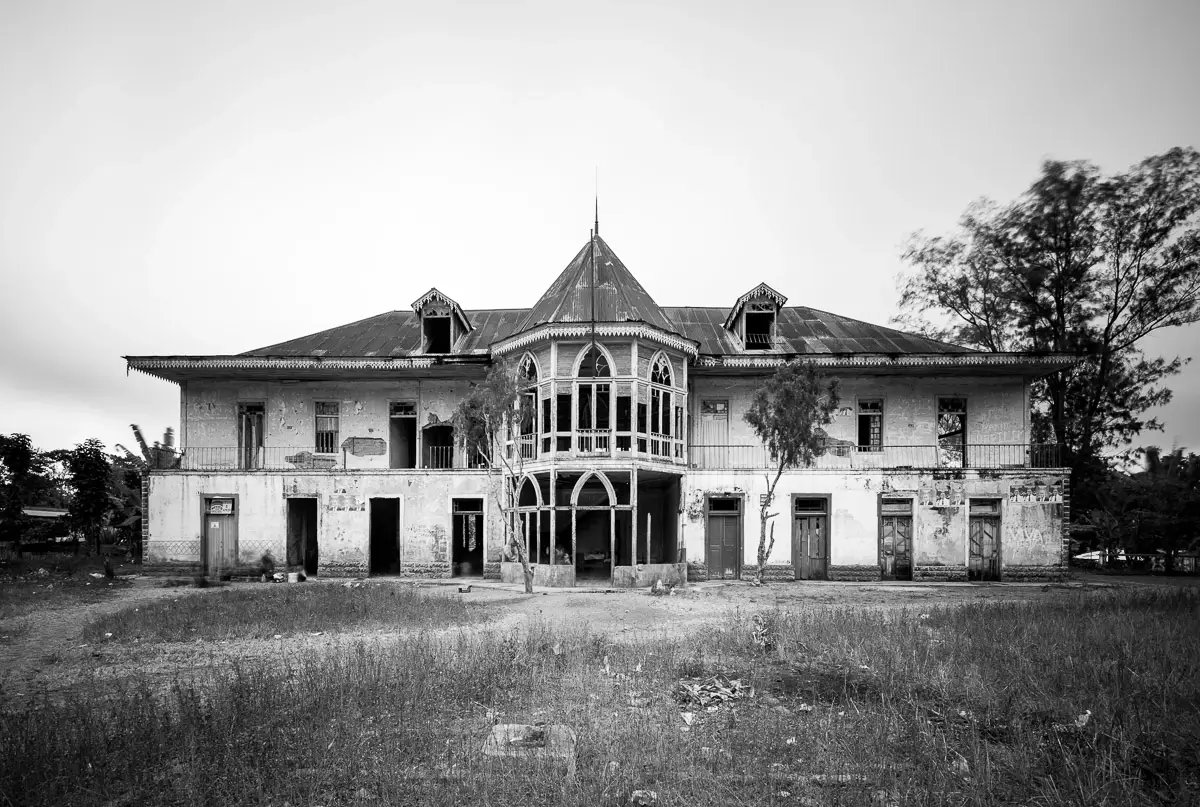
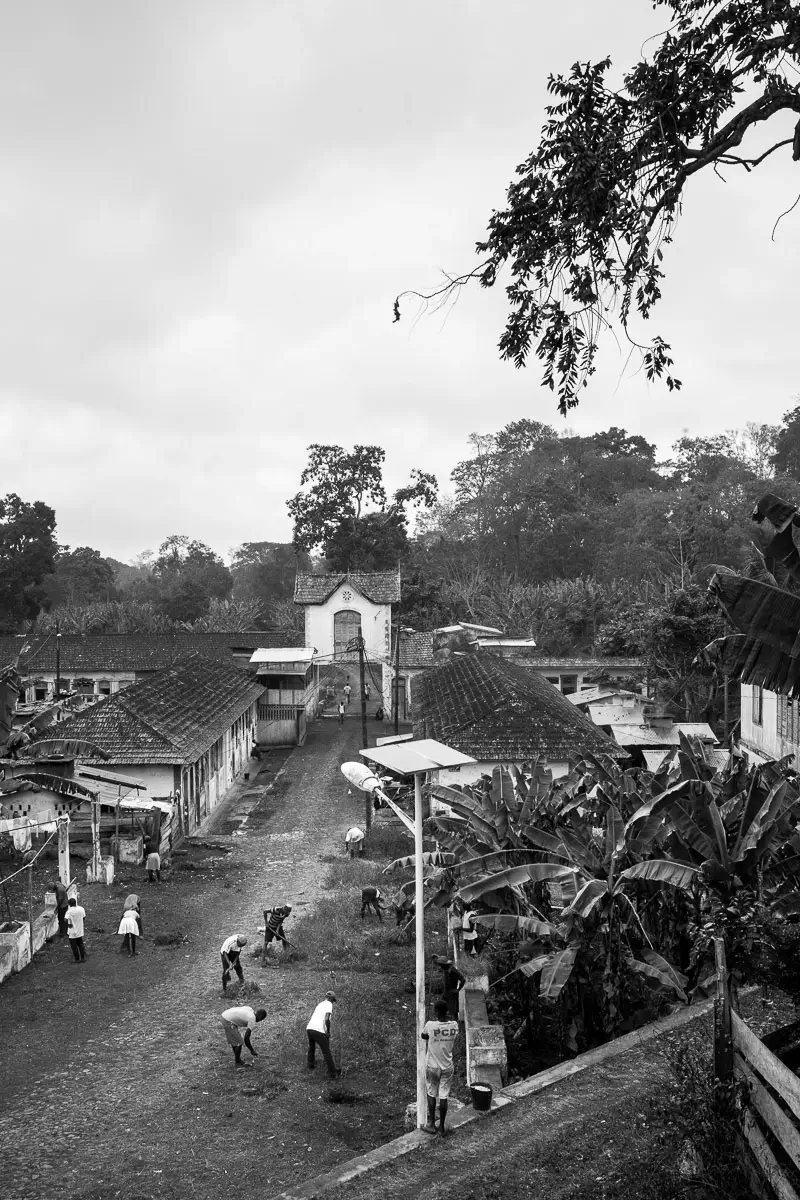
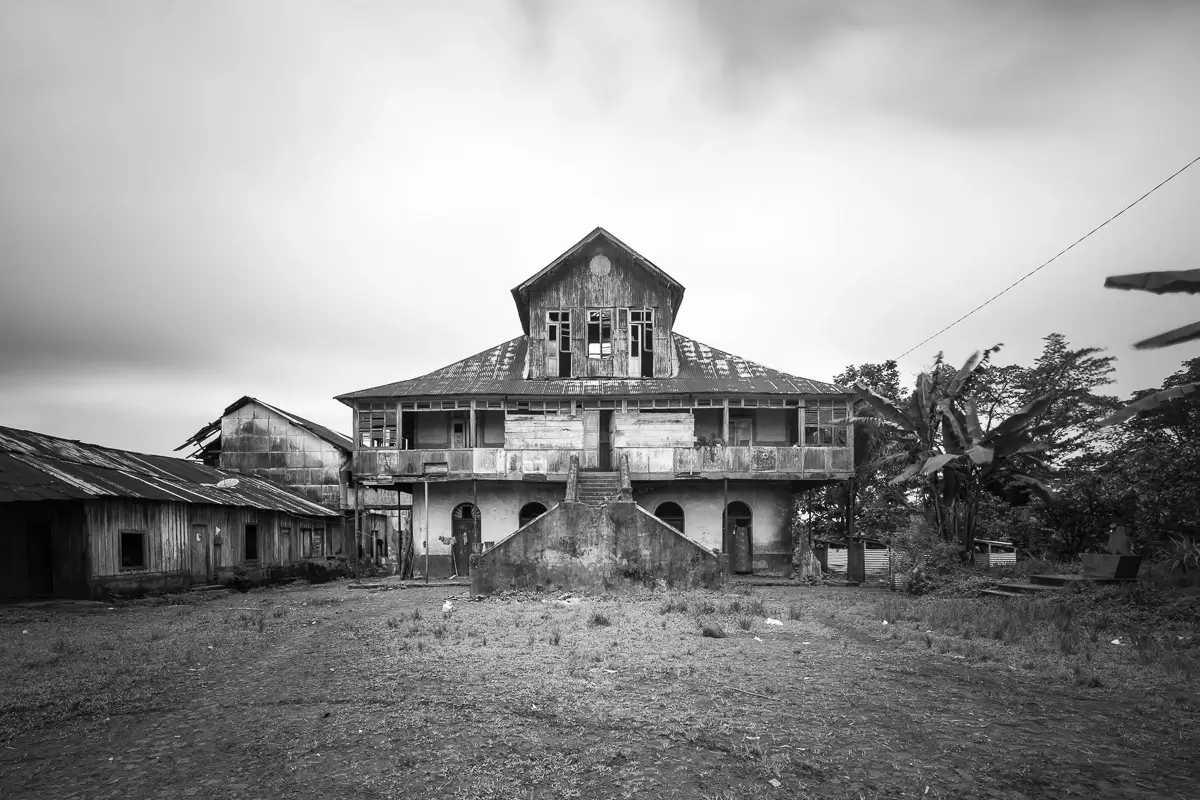
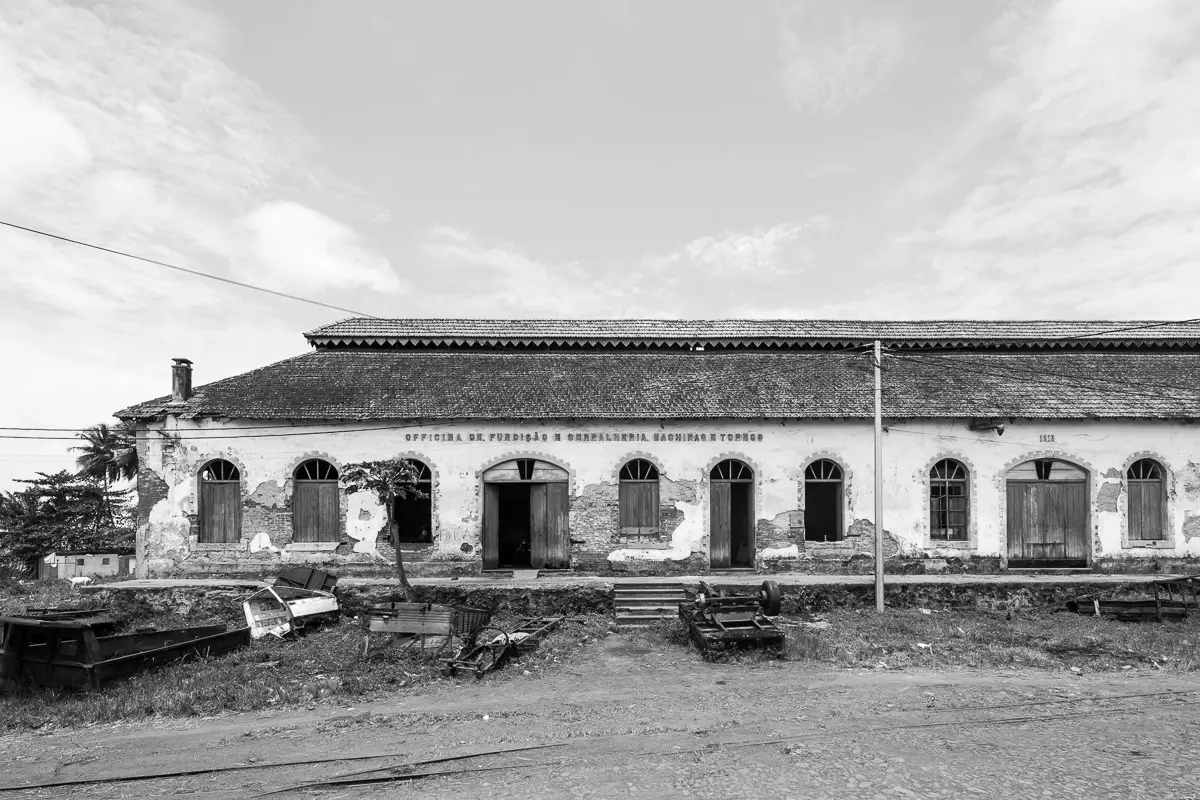
This vast agricultural machinery typically included greenhouses, dryers, warehouses, “senzalas”—the workers’ quarters—a church, a school, and sometimes even a railway connecting the different branches to the main roça and the sea.
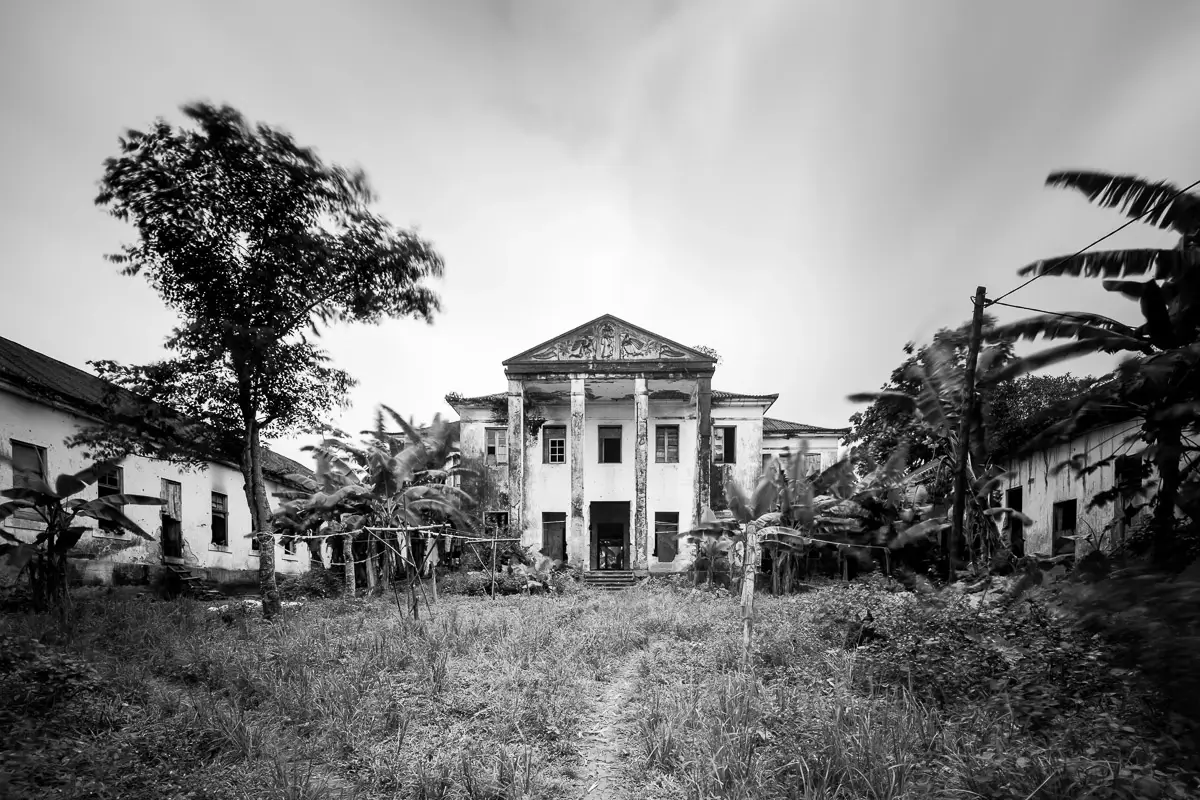
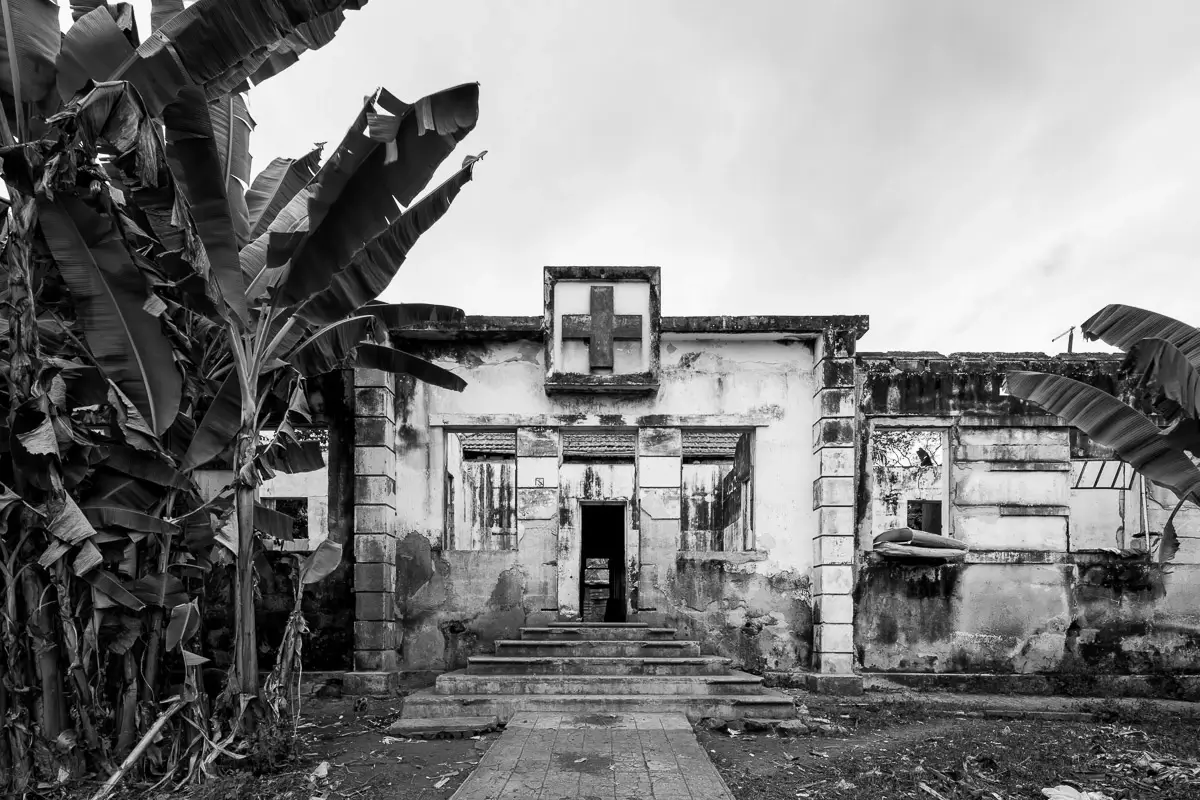
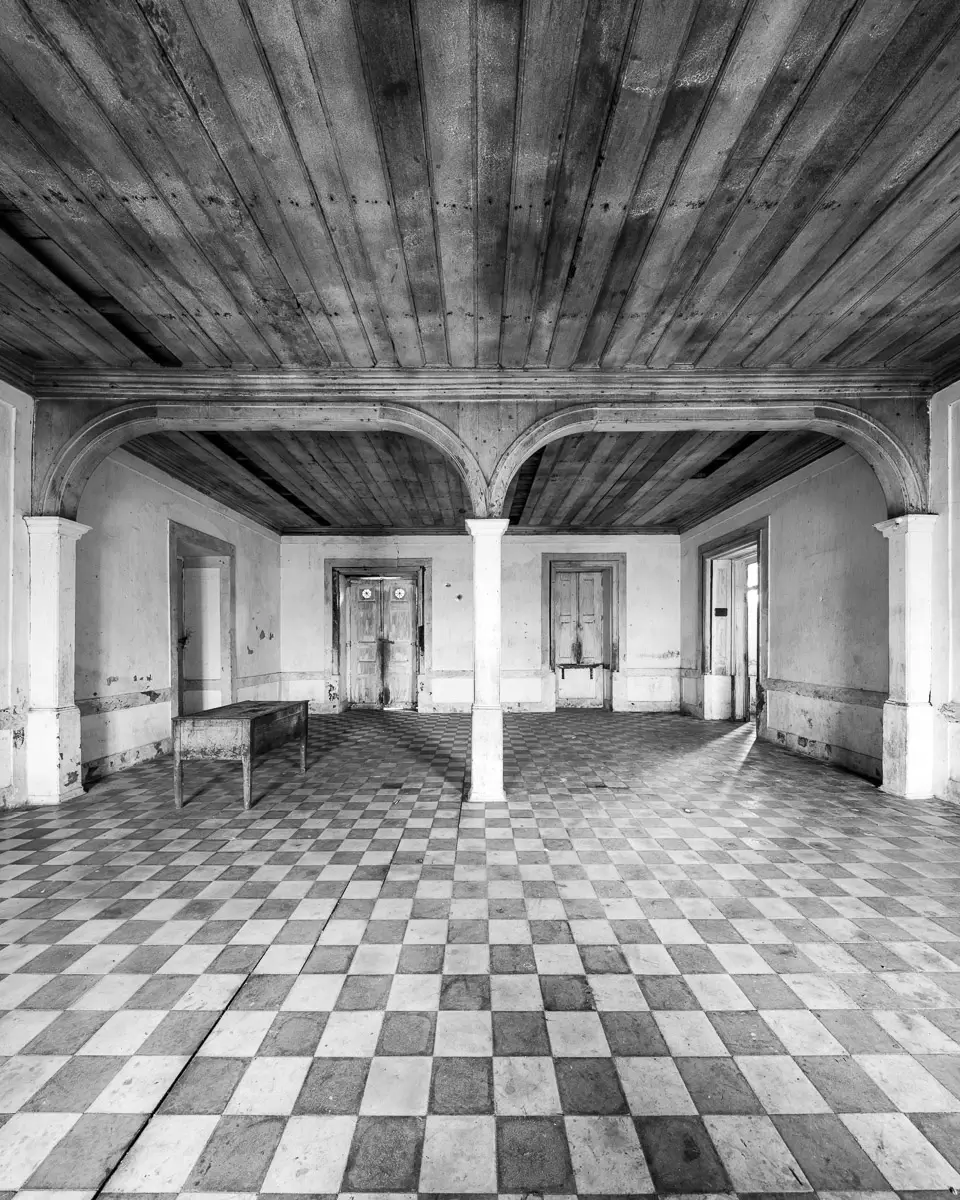
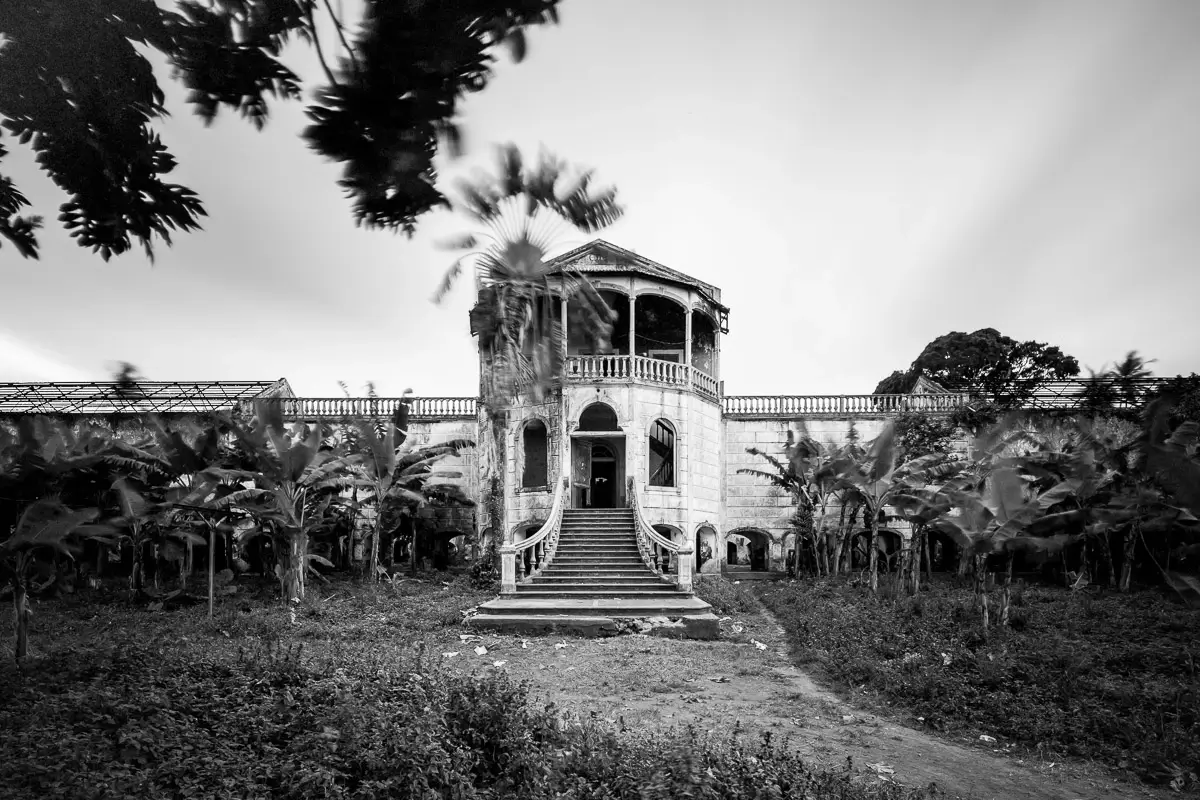
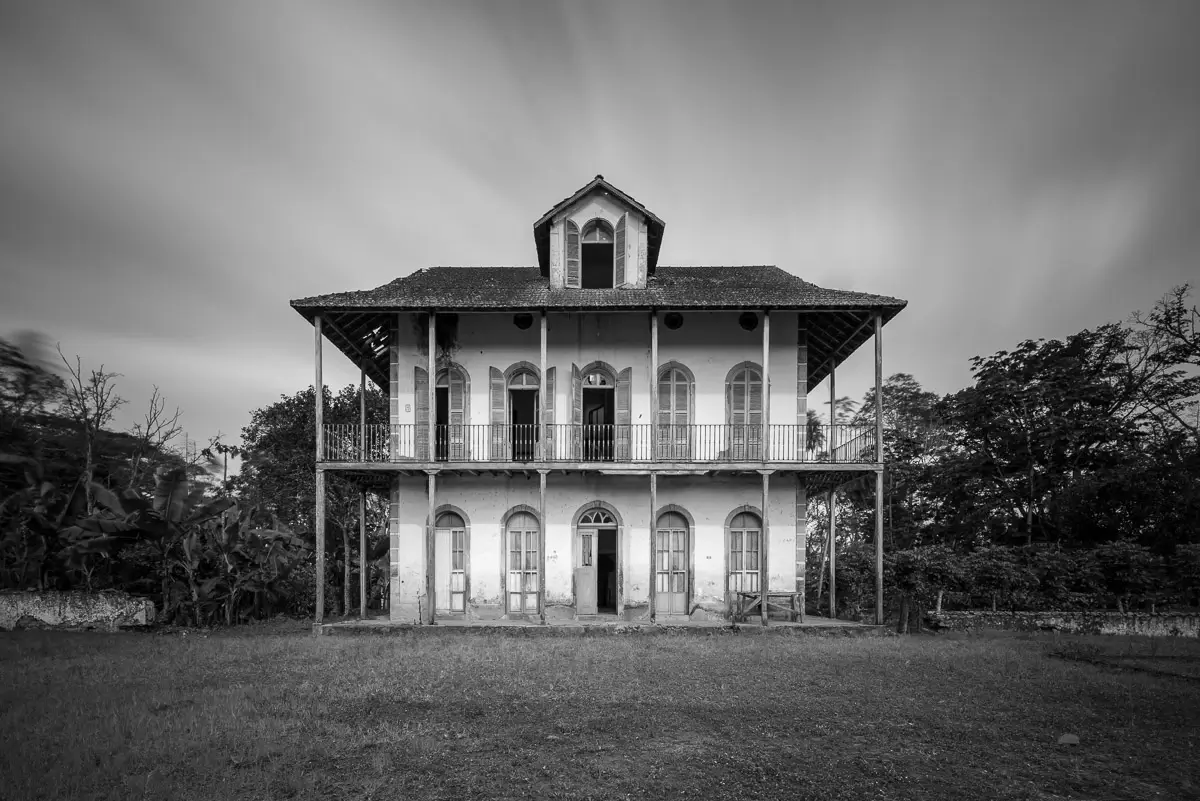
The main house, where the patrão—the landlord—lived, along with the hospital, dominated the entire settlement, either at the end of a monumental axis or from an elevated position of control. Both structures, characterized by Portuguese and European architectural styles, symbolized power. They were off-limits to the workers, who were subjected to strict working hours and restrictions on their freedom: they could not leave the farm or return to their homeland.
Physical barriers—such as access to the main house or upper floors of hospitals reserved for Europeans—were clear, but the psychological boundaries, shaped over centuries of domination, still linger. They persist in the form of limited self-determination and organization. The people of São Tomé experience mixed feelings toward the roças: a blend of nostalgia and resentment for a past that provided work for all, but no rights.
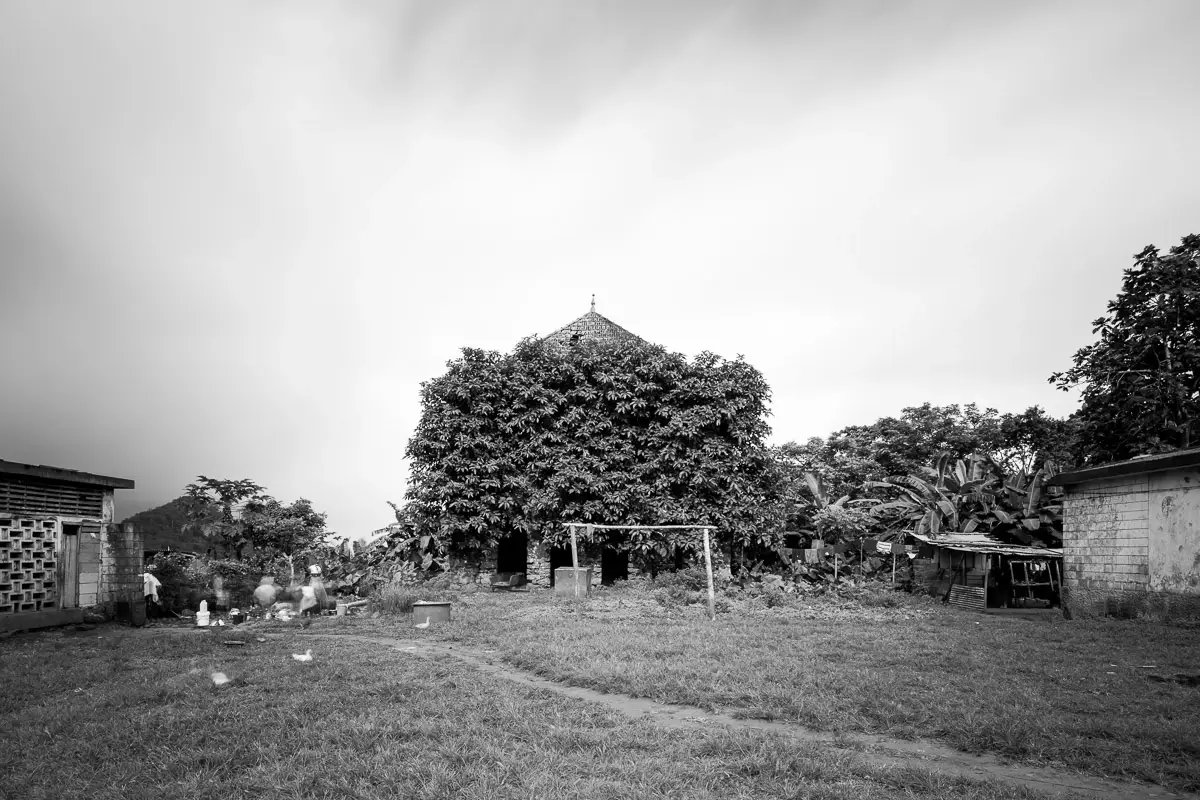
Architecture remains the last tangible symbol of this world and forms part of the population’s identity. The stories told by inhabitants reveal pride in the beauty of these structures, but also a sense of distance and impossibility toward spaces they never occupied. Even after expropriations in the 1980s, feelings of inferiority and lack of economic means prevented many from claiming ownership, leading to looting and eventual abandonment.
The imposed divide between the world of the master and that of the workers has not disappeared since independence in 1975. The dichotomy between patrão and roças, masters and senzalas, has evolved into a new social boundary, reflected in the pejorative term “gente da roça”—people of the plantation—still marginalized within society.
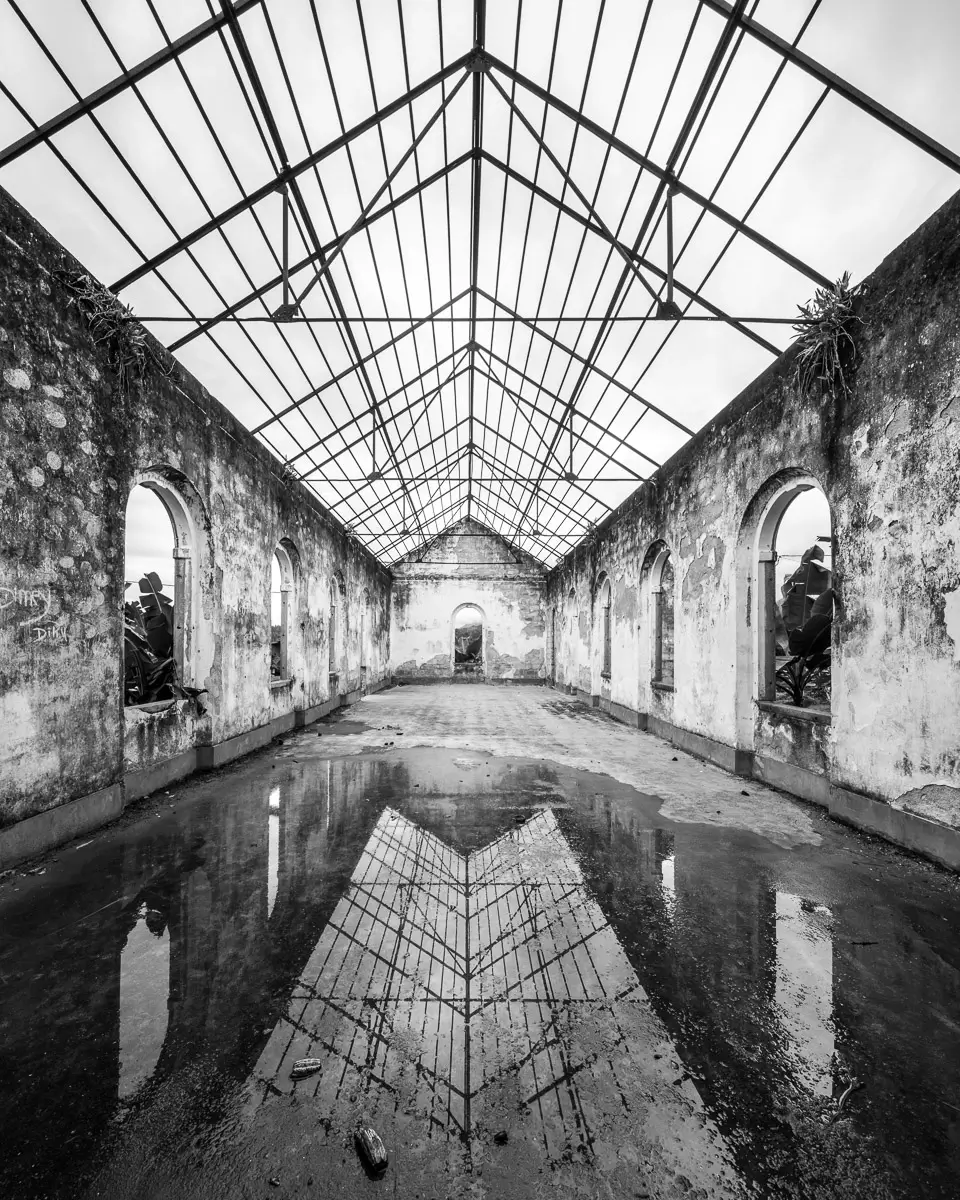
This photographic narrative, centered on around thirty roças, seeks to reconstruct the memory of these places by documenting their present condition and bringing renewed attention to an architectural heritage on the verge of disappearance.
The project unfolds through two main approaches: the first focuses on the principal structures of the roças, photographed with long exposure to evoke a sense of untouchability and highlight the enduring tension between their grandeur and their surroundings; the second presents portraits of daily life within these communities, which, despite ongoing challenges, remain an active part of this history.