All about photo.com: photo contests, photography exhibitions, galleries, photographers, books, schools and venues.
FINAL CALL TO ENTER AAP MAGAZINE B&W: PUBLICATION AND $1,000 CASH PRIZES
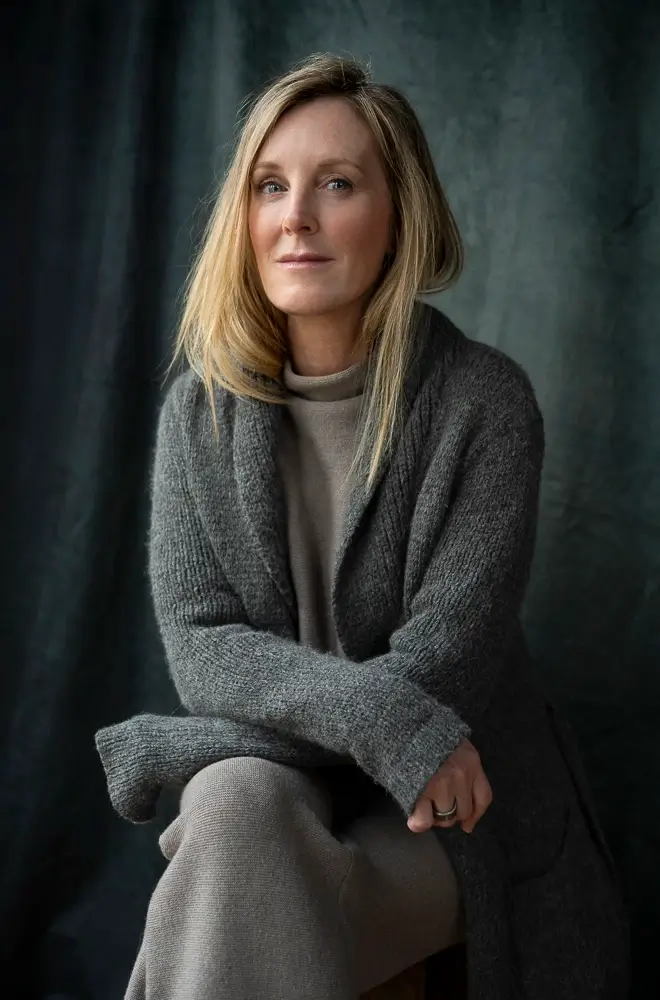
Emily Neville-Fisher

Emily Neville-Fisher

Country: United States

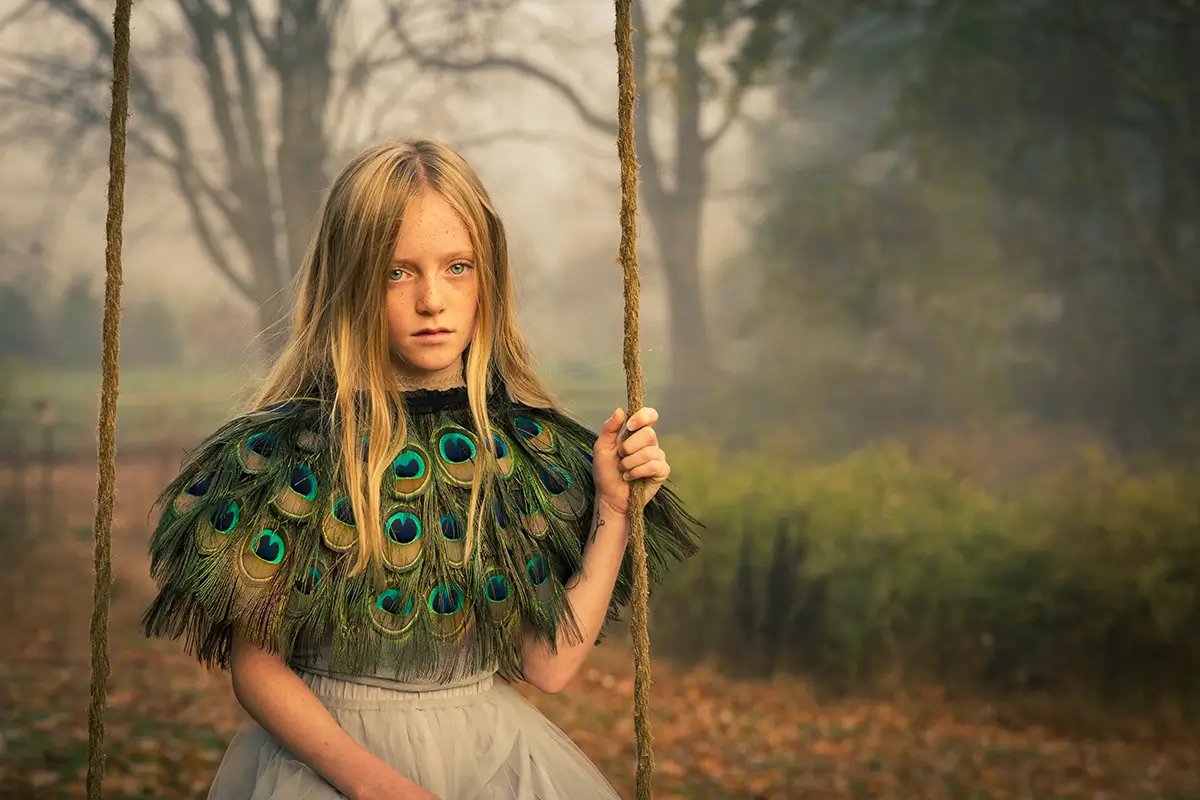
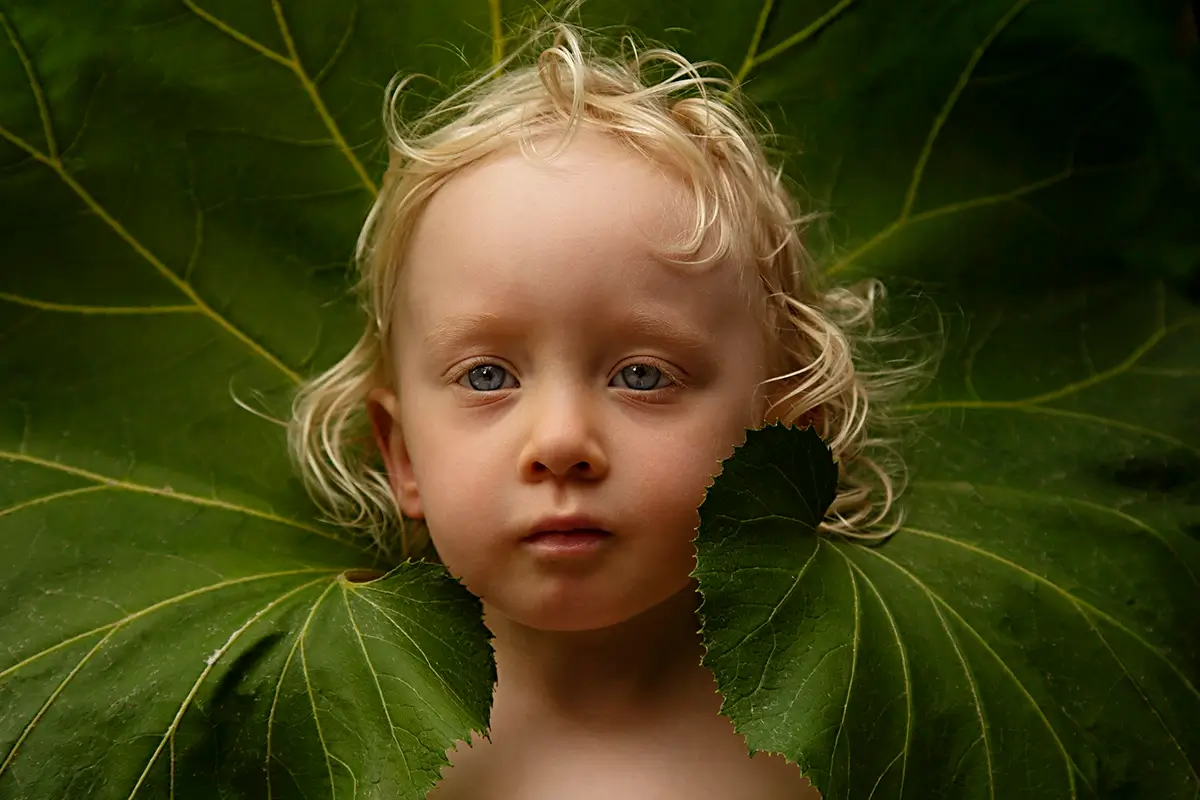
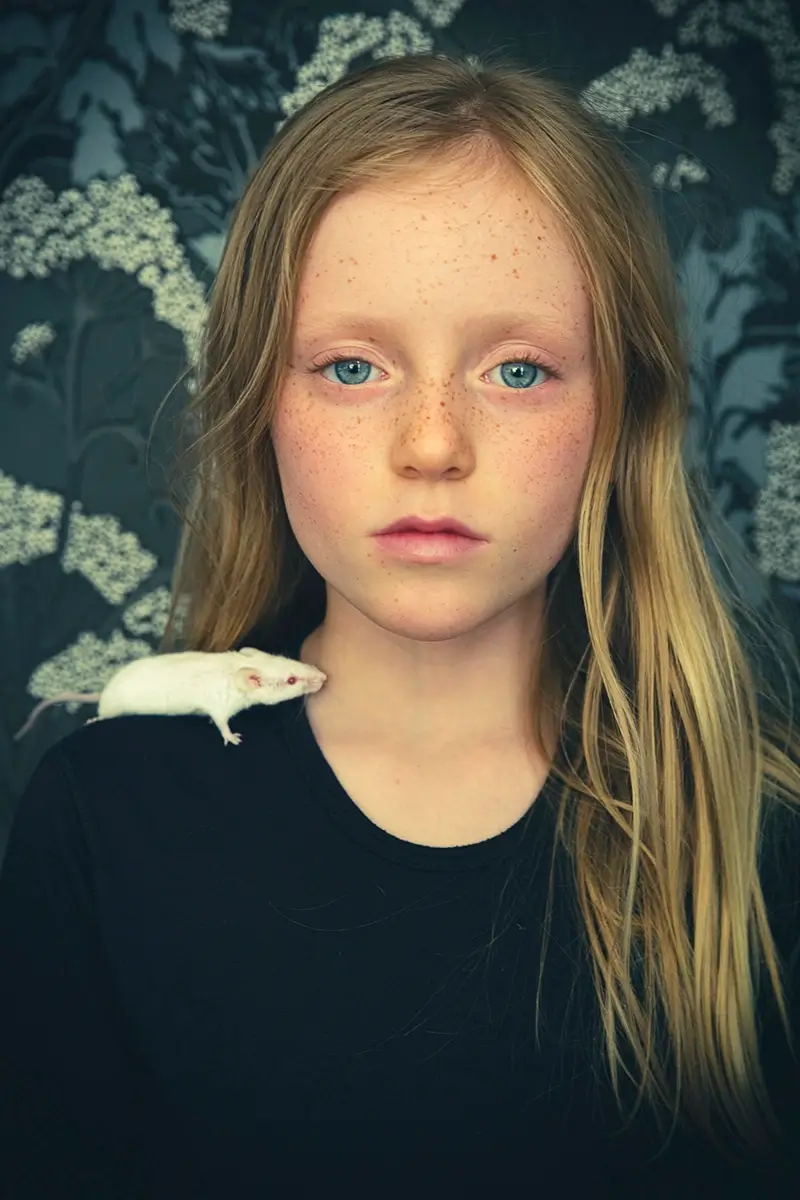
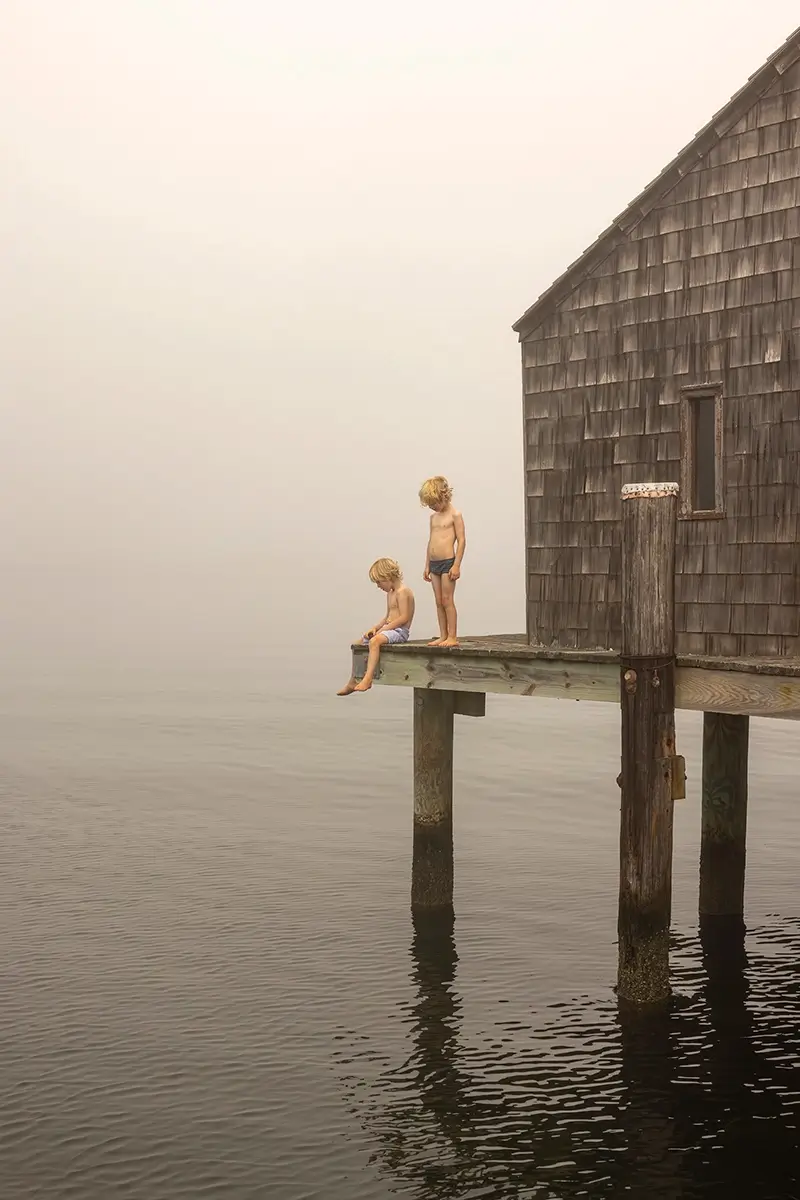
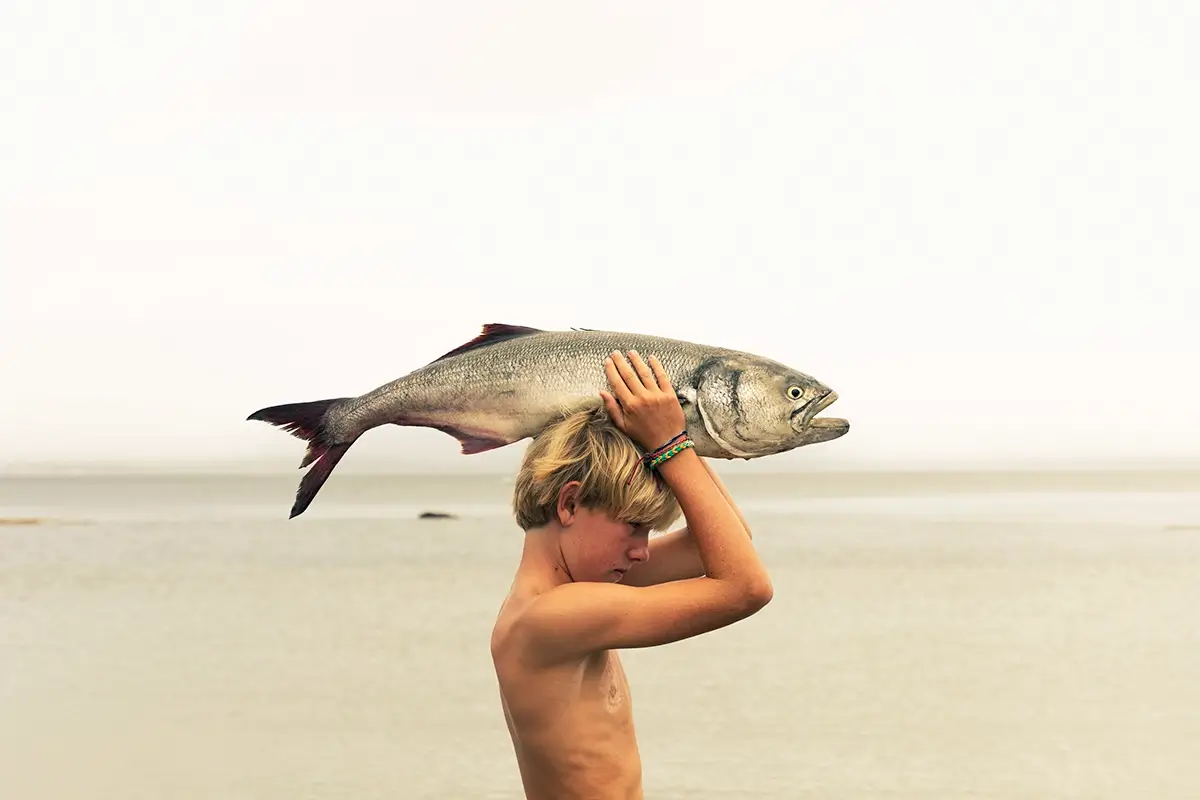
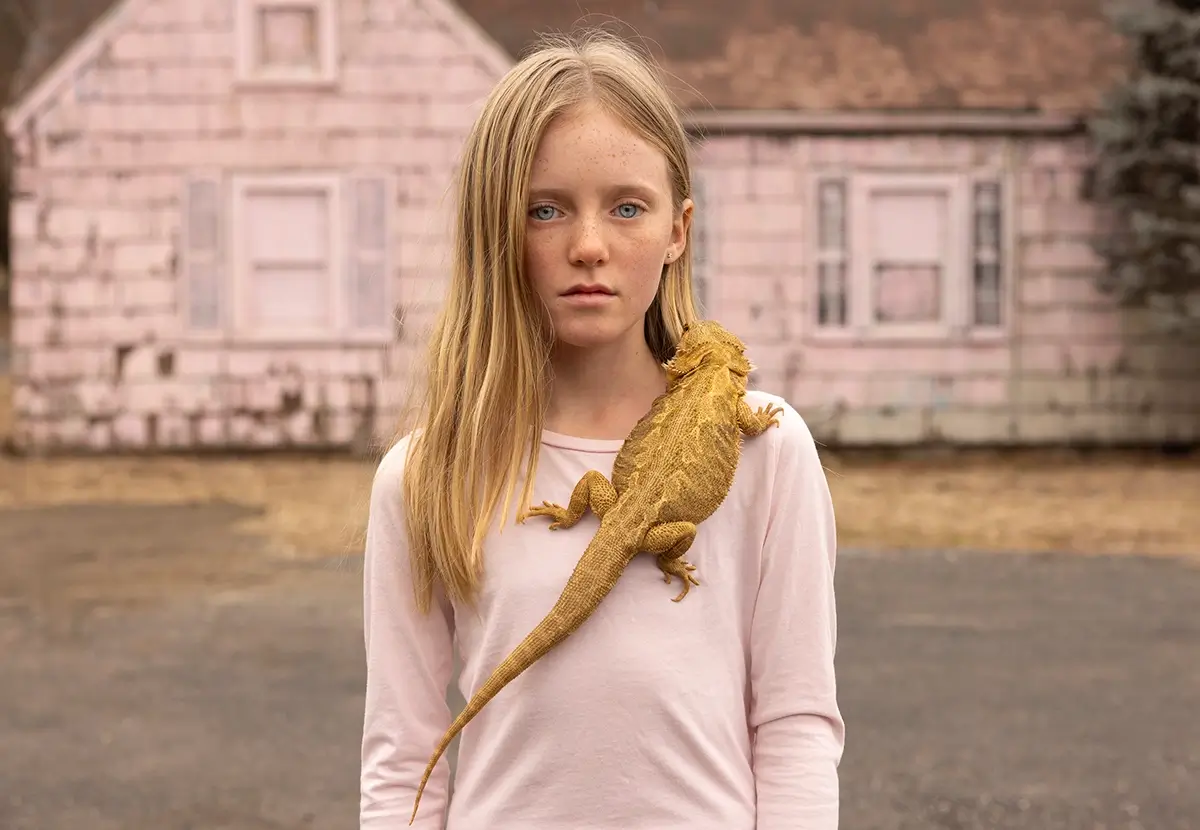
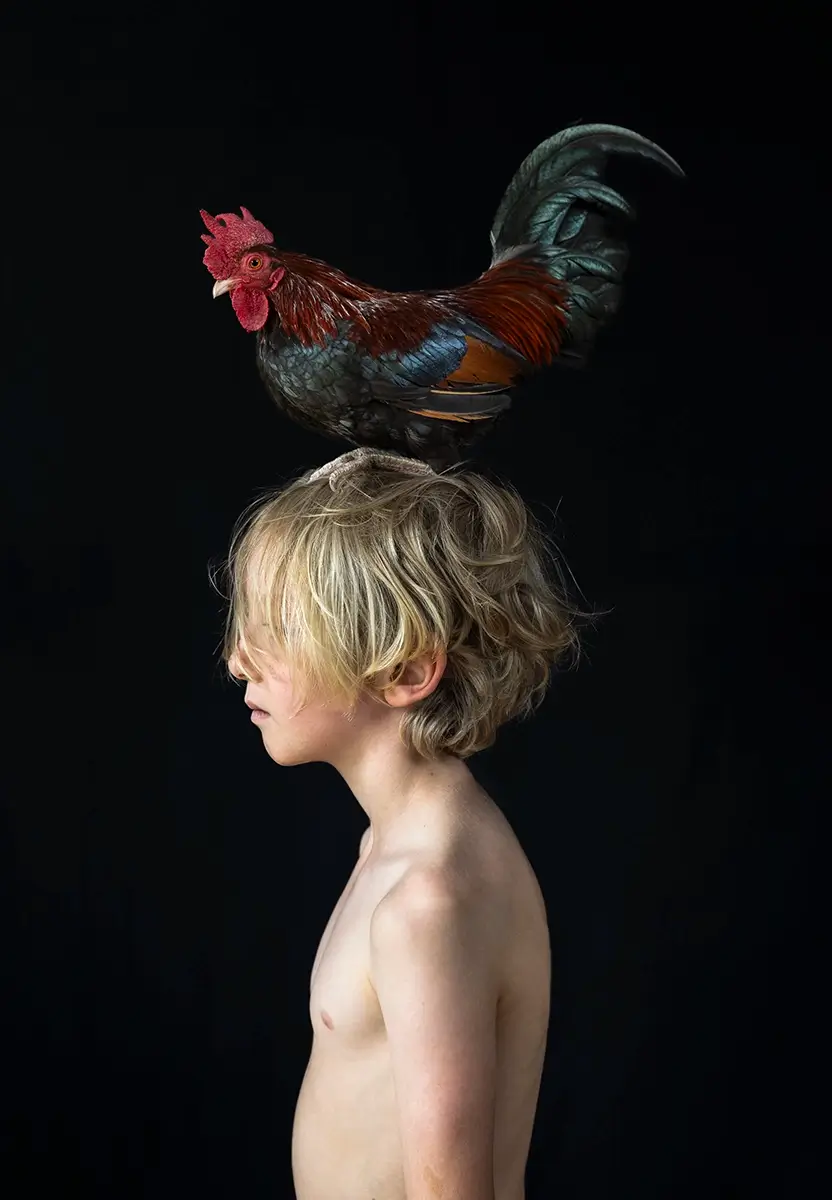
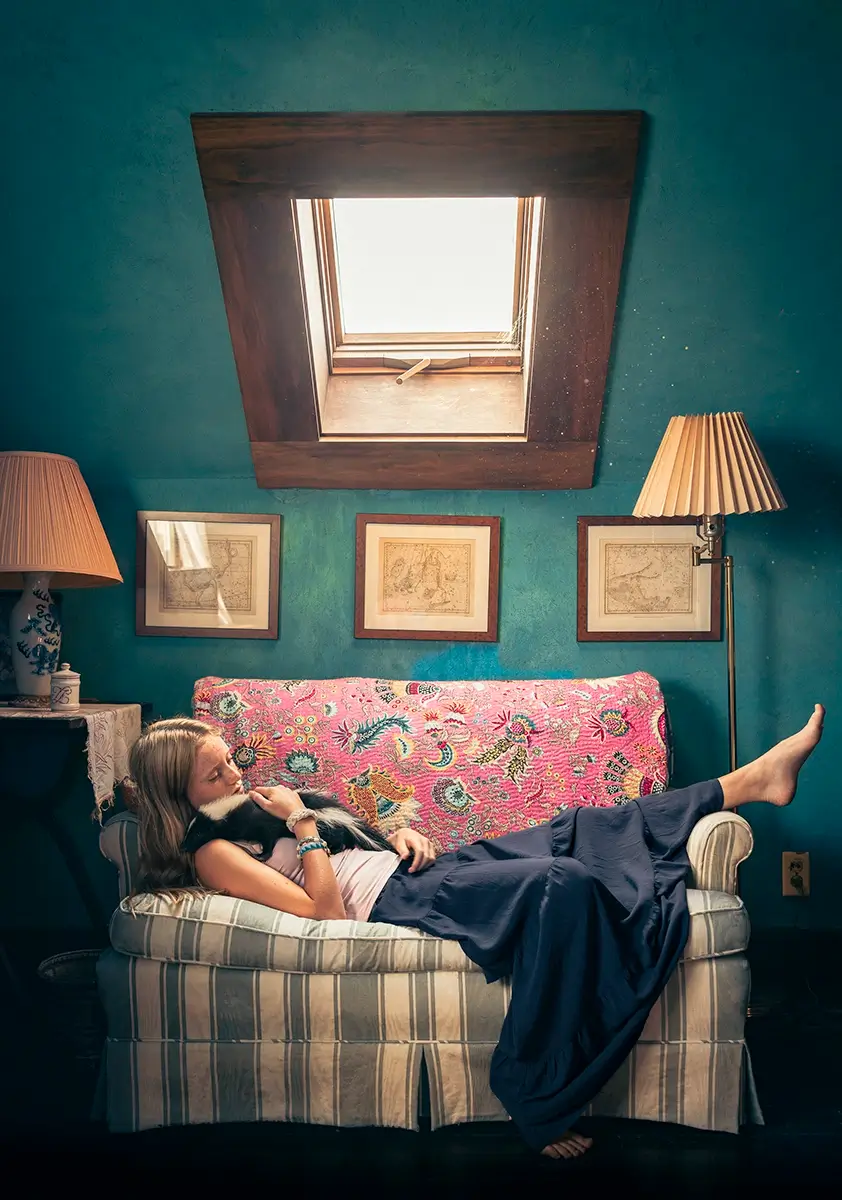
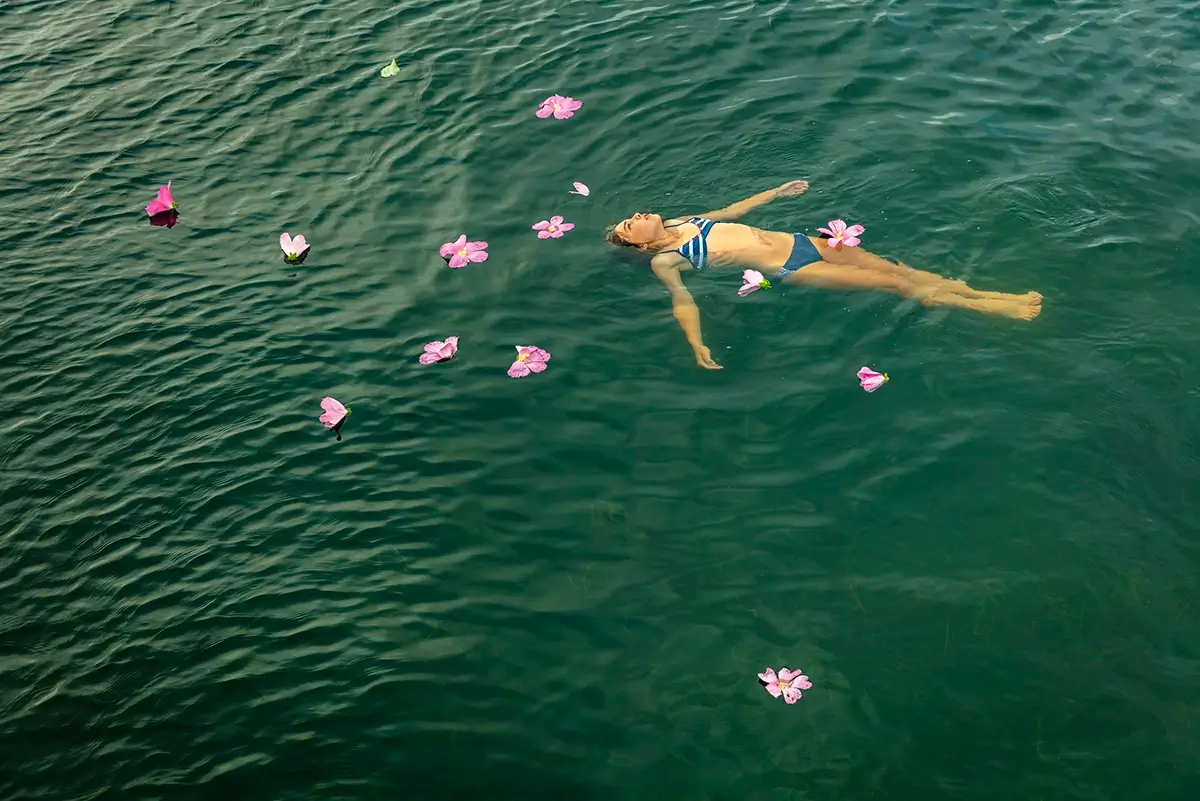
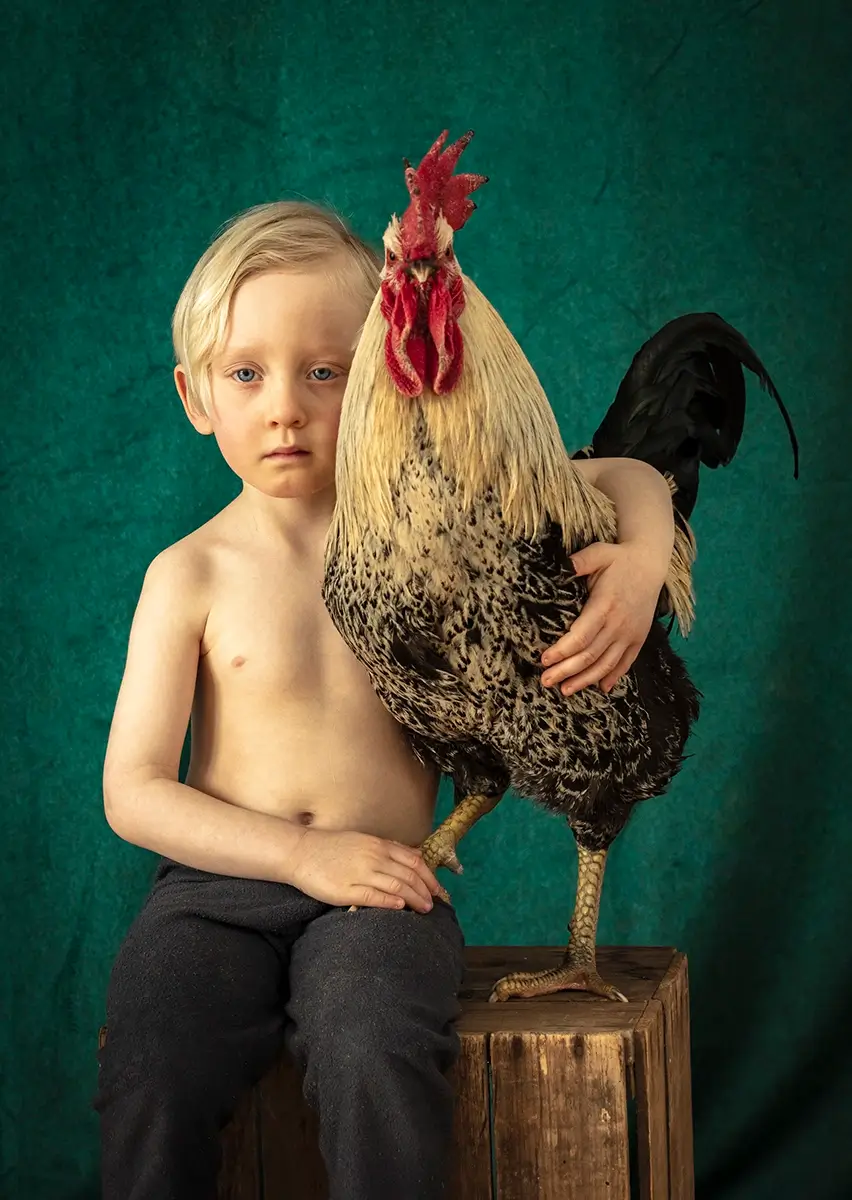
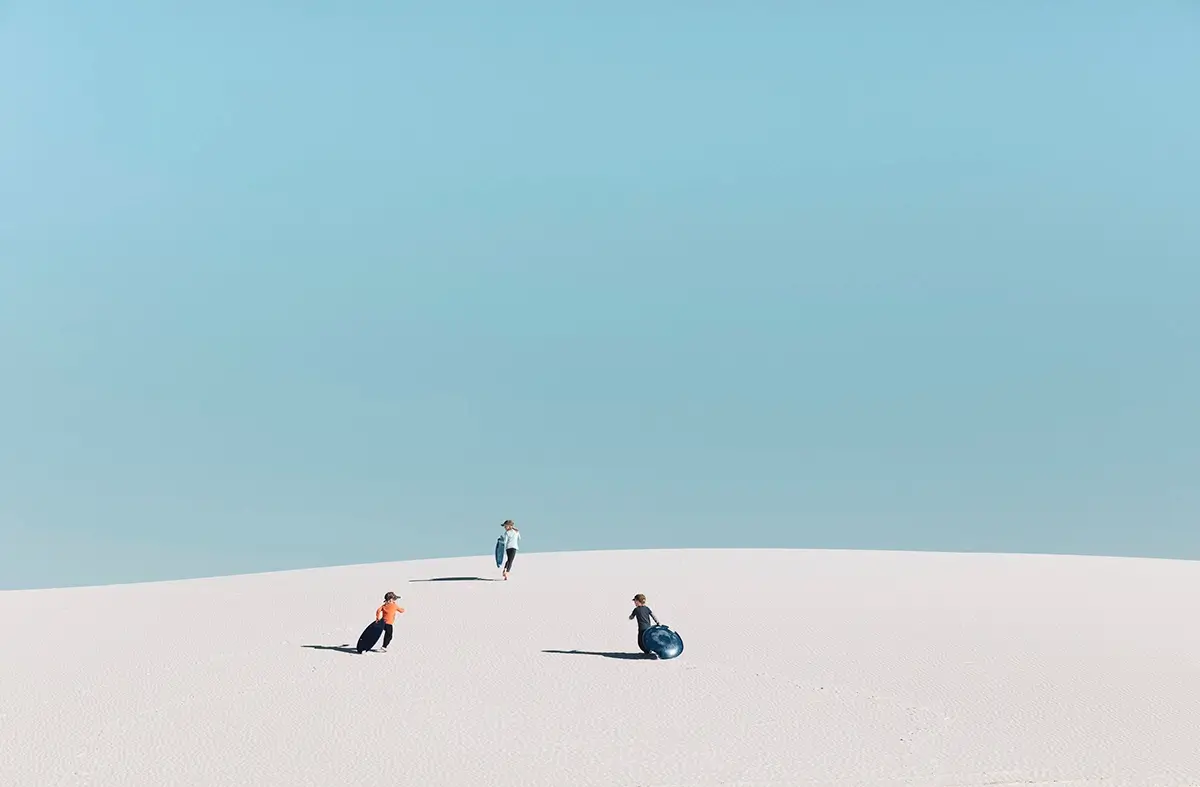
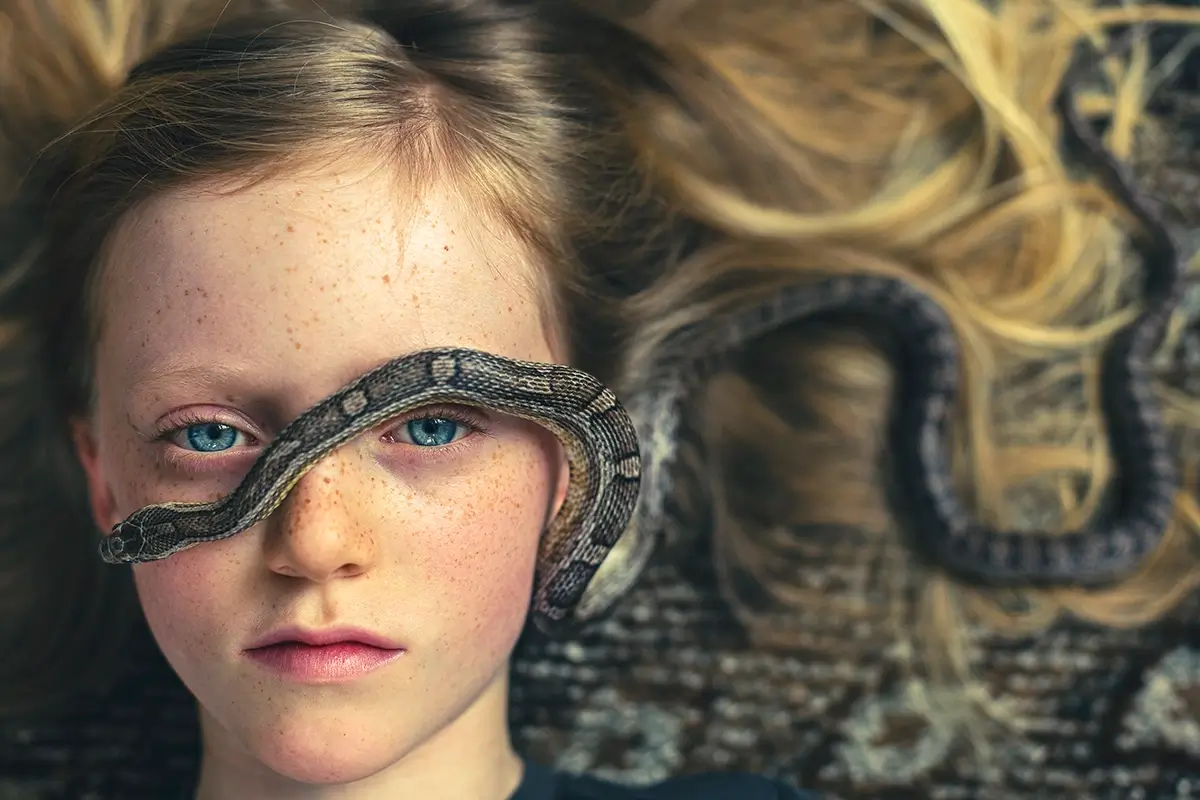
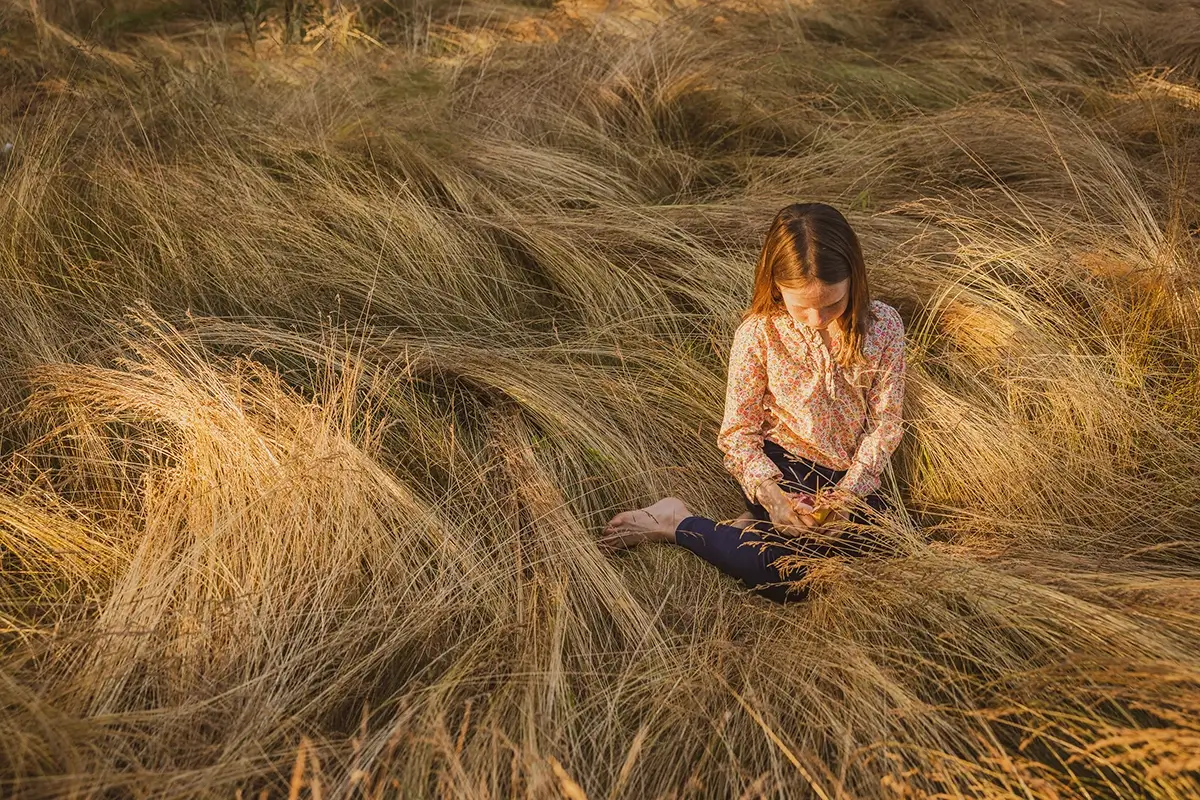
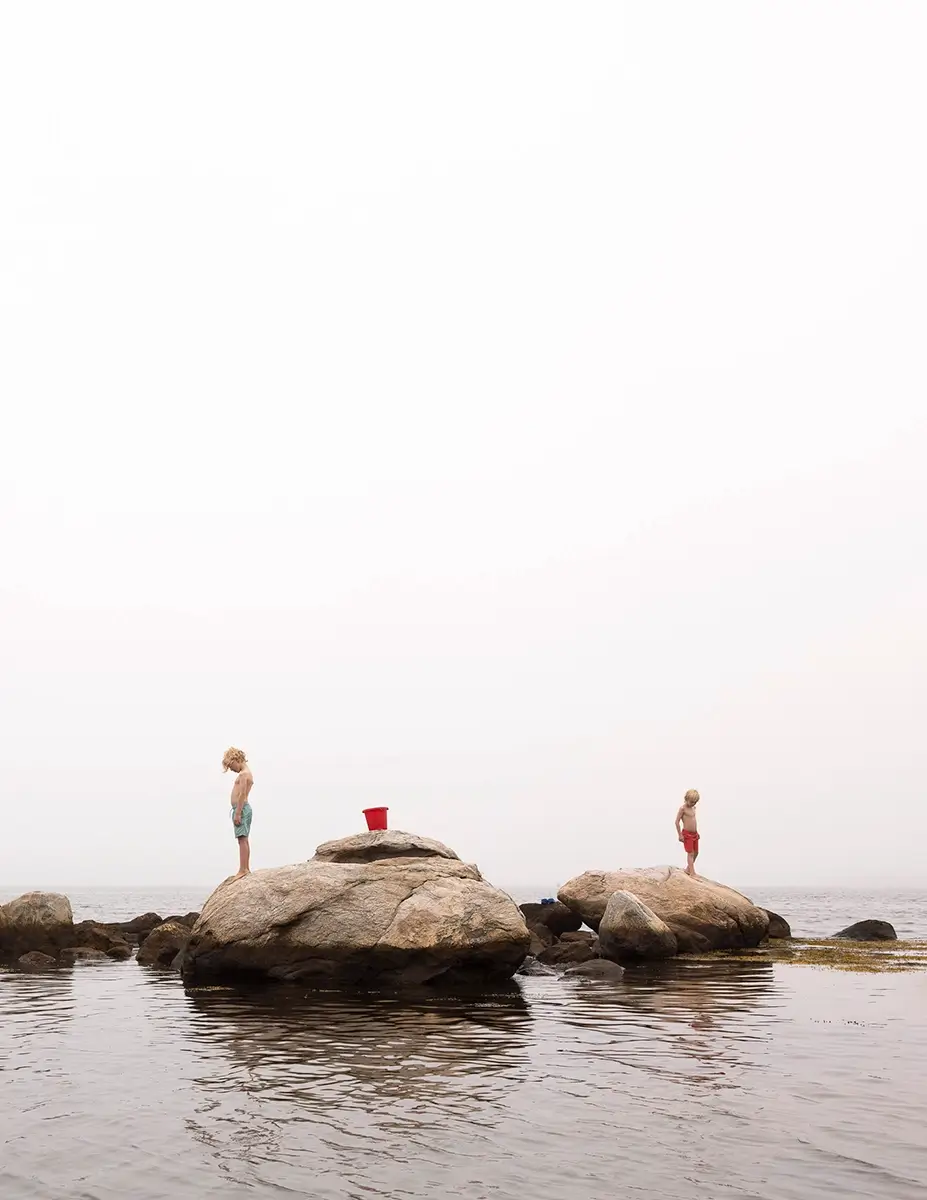
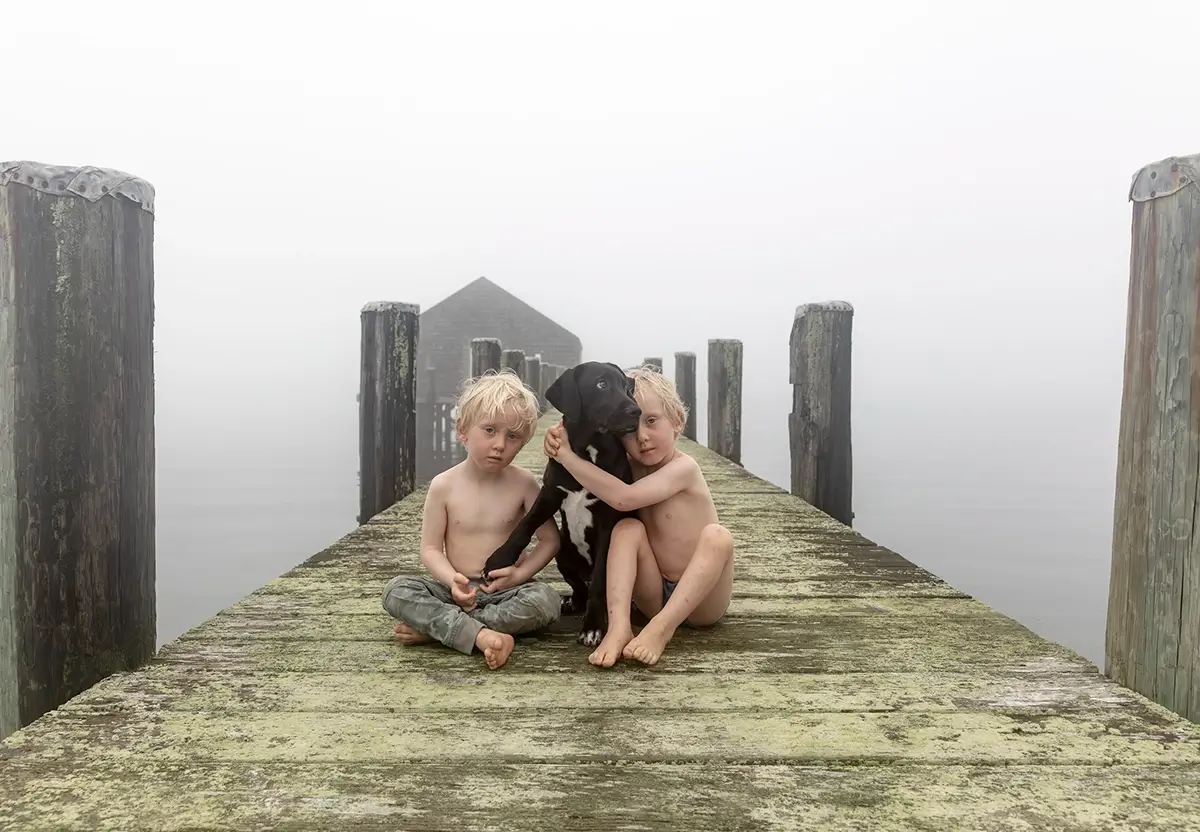
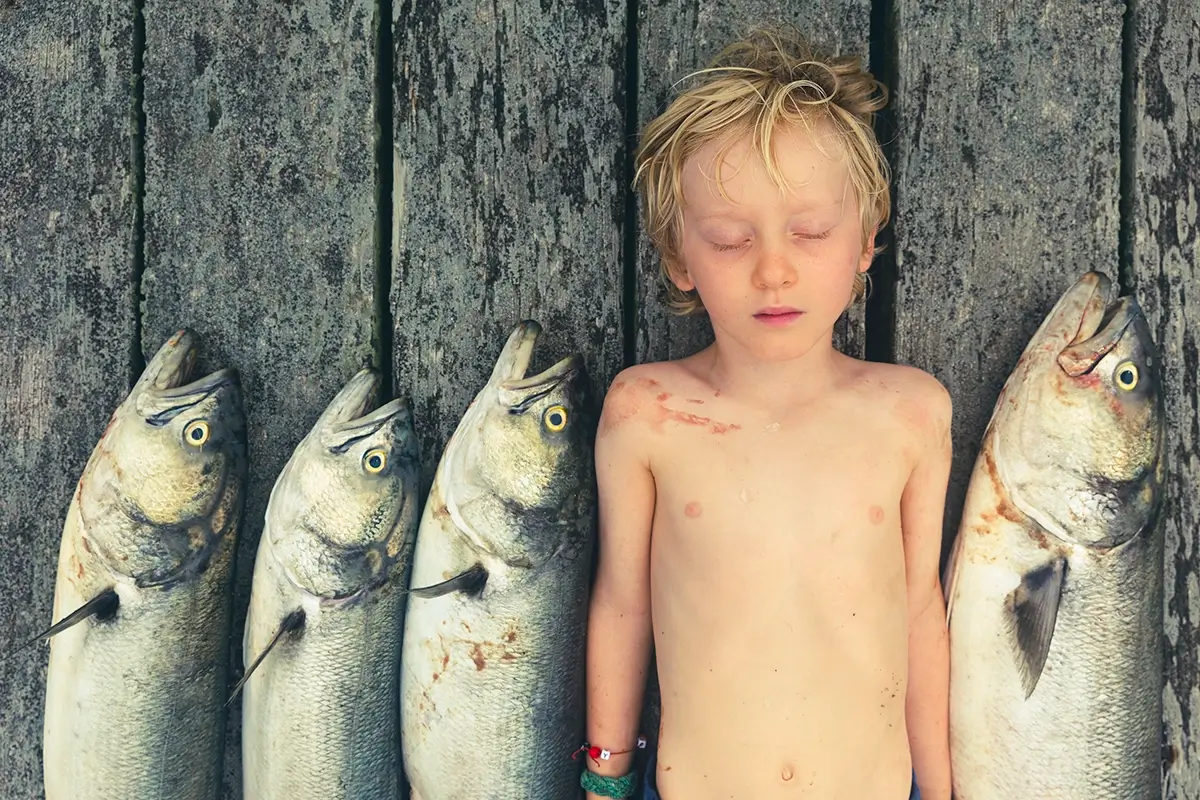
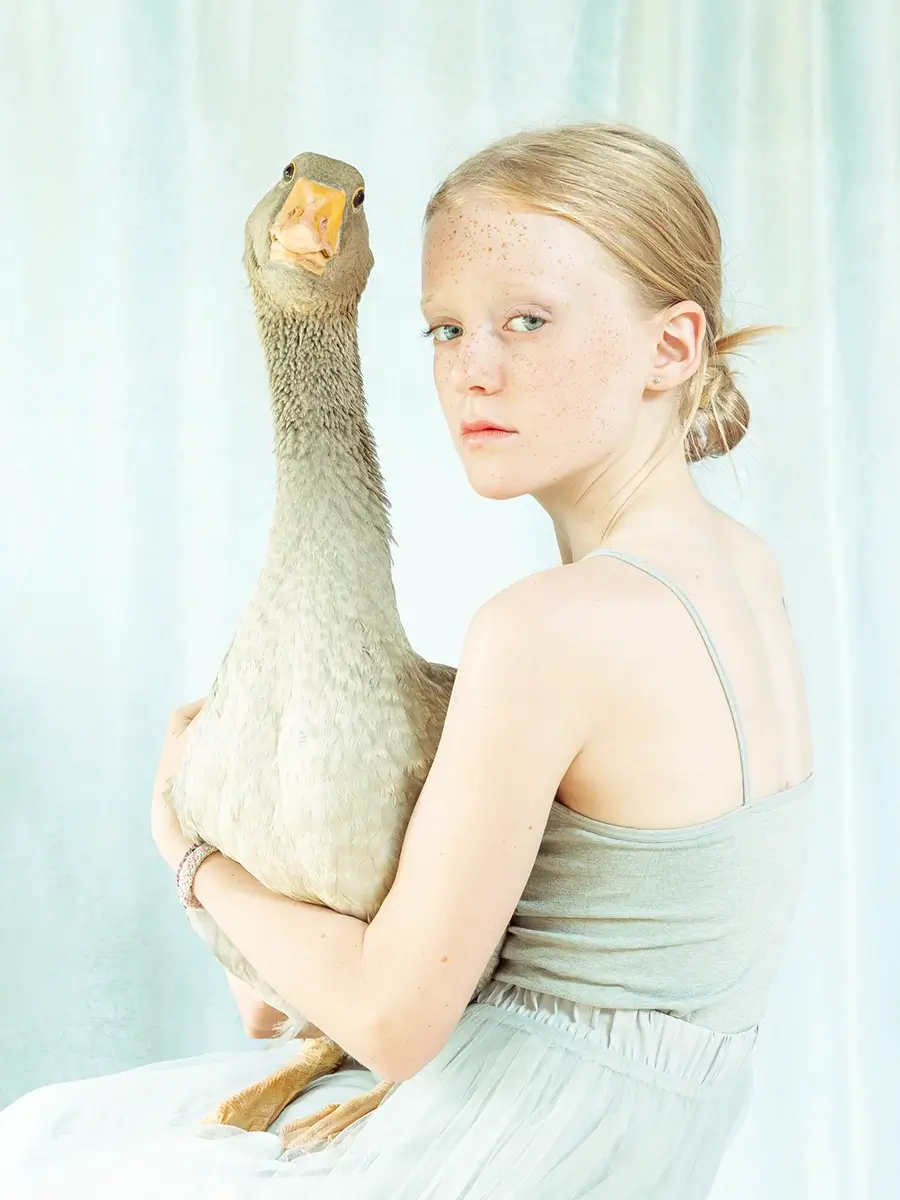
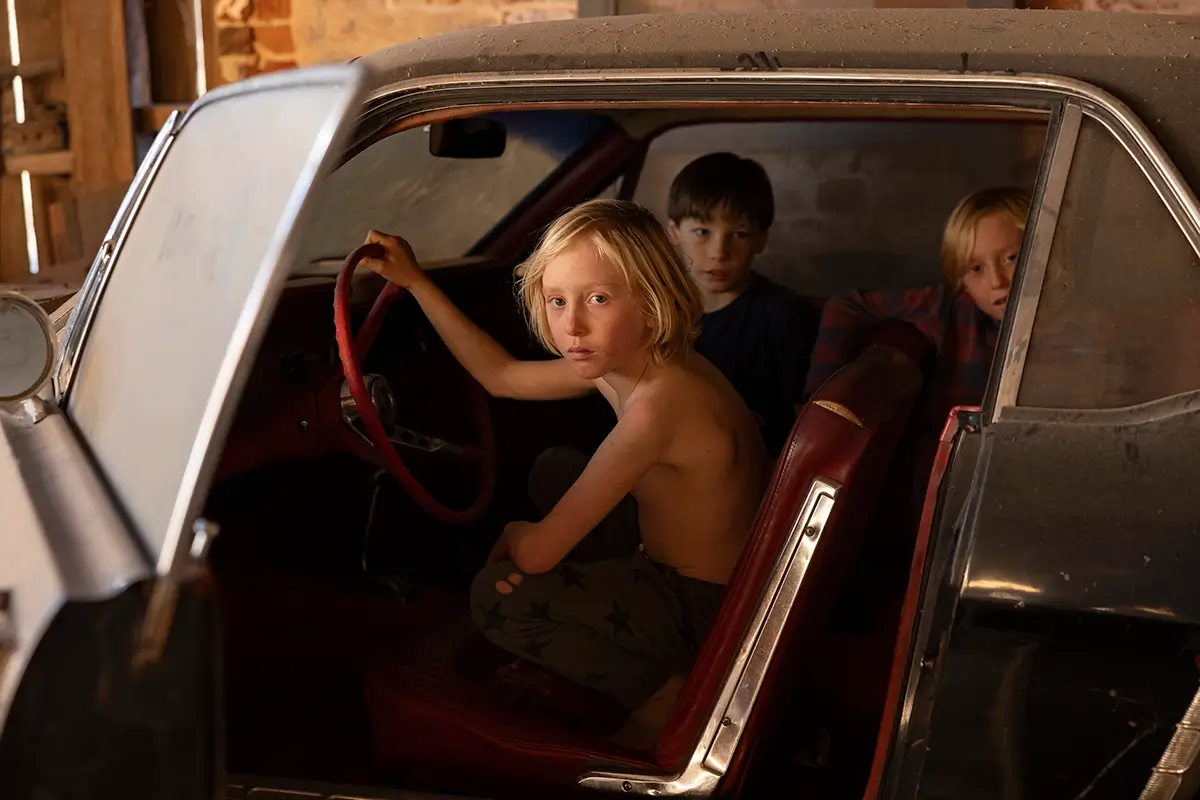
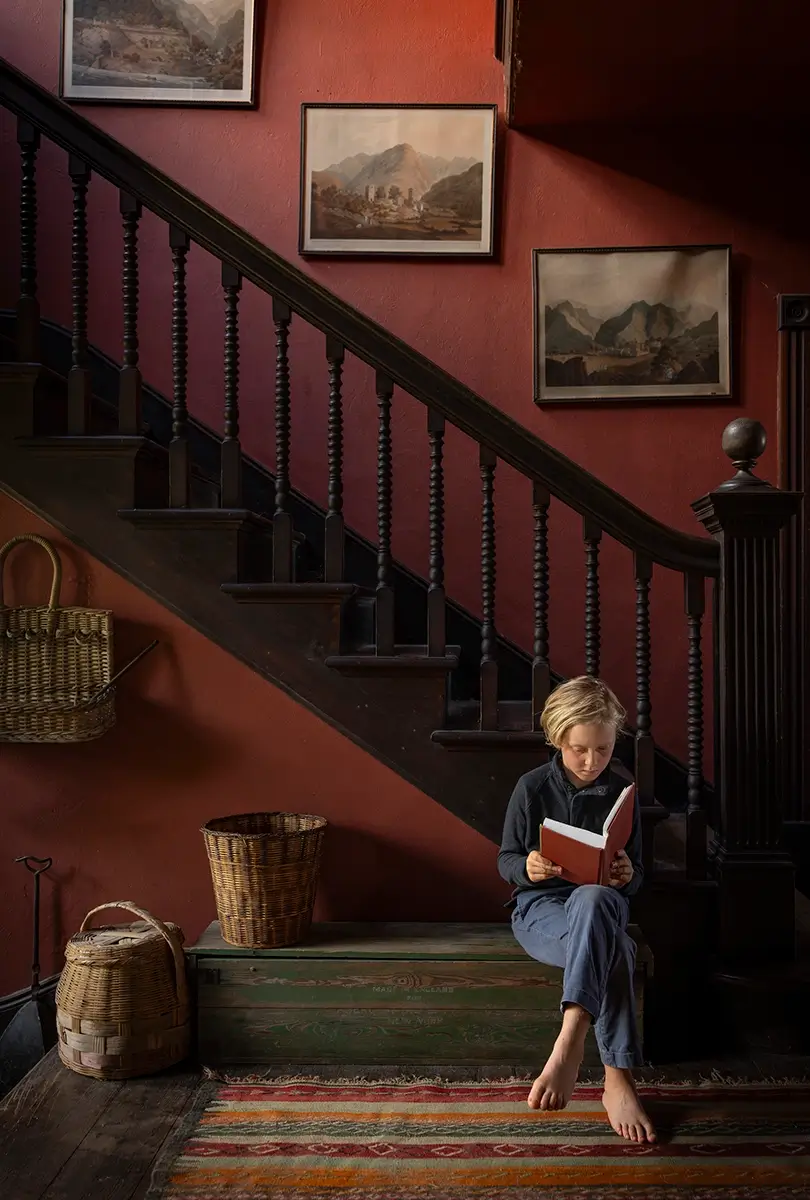
Emily Neville Fisher is an award-winning photographer based in New York. She holds a BFA in Fine Art from James Madison University, a master’s degree in Arts Administration from New York University, and completed the Track program at the International Center of Photography. She lives in Westchester, New York, with her husband, three children, and ever-growing menagerie of animals.

All About Photo Competitions

All About Photo Awards 2023
AAP Magazine 31 Portrait
AAP Magazine 35 Colors
All About Photo Awards 2024
AAP Magazine 57 Portrait
 

Inspiring Portfolios

Call for Entries
AAP Magazine #58 B&W
Publish your work in our printed magazine and win $1,000 cash prizes
 
Stay up-to-date  with call for entries, deadlines and other news about exhibitions, galleries, publications, & special events.

More Great Photographers To Discover

Fabio Bucciarelli
Fabio Bucciarelli is an international photographer, journalist, and author renowned for his coverage of global conflicts and the dire humanitarian fallout they entail. With a career spanning over 15 years, he has documented major global events, capturing images that reflect his unwavering empathy and commitment to telling the stories of those affected by war, climate change, and other human rights crises. His work is a powerful call to action, advocating for those whose lives have been upended by these devastating issues. He’s reported from conflict zones across the Middle East, including Libya during the civil war and the fall of Gaddafi, and Syria during the battle of Aleppo, Iraq, Gaza, Iran, Egypt, Turkey, and Ukraine since the start of the conflict in 2014. Bucciarelli has also documented the humanitarian crises that have unfolded in Africa, including South Sudan and Mali. In addition to his coverage of conflicts and humanitarian crises, he has reported on a range of global events, including the devastating wildfires in Brazil, the protests against the neoliberal economic system in Chile, and the mass migration of Central Americans to the United States. In 2020 and 2021, he covered the COVID-19 pandemic at its epicenter in Italy for The New York Times. Most recently, he returned to Ukraine to document the Russian invasion as a special correspondent for Italian TV News TG3/Rai3, as well as on assignment for leading international publications, including Die Zeit and Il Fatto Quotidiano. Fabio Bucciarelli’s unwavering commitment to telling important stories through vivid imagery and detailed reporting has earned him widespread recognition and respect within the industry. His reporting on the Syrian War earned him the prestigious Robert Capa Gold Medal from the Overseas Press Club of America. He has won 10 Picture of the Year International awards, 2 World Press Photo awards, 2 Sony World Photography Awards, the Prix Bayeux-Calvados for War Correspondents, VISA d’Or News of Perpignan, Lucie Foundation, Yannis Behrakis International Award, Premio Ponchielli, World Report Award, Best of Photojournalism, Days Japan International, Kuala Lumpur International PhotoAwards and Getty Images Editorial Grant among others accolades. He was named Photographer of the Year in 2019 and Photographer of the Year Award of Excellence in 2023 for his work covering the war in Ukraine and the devastating impact of the climate crisis in South Sudan. Today Bucciarelli contributes to leading news outlets, including The New York Times, La Repubblica, Die Zeit, Il Fatto Quotidiano, La Stampa, Yahoo News, Newsweek, L’Espresso, Time Magazine, Al Jazeera, Paris Match, M Le Monde, and Internazionale, among others. Additionally, he collaborates with several NGOs and international agencies, including UNHCR, ICRC, Emergency, Intersos, and Soleterre. In 2006, Fabio Bucciarelli earned an MS in Telecommunication Engineering from the Politecnico of Turin before embarking on his career as a photographer. The following year, he was selected for the “Master dei Talenti” engineering grants program, which enabled him to work in Barcelona. In 2009, he left his engineering job to pursue photography full-time and joined the wire agency La Presse/Ap in Italy as a staff photographer. However, he soon became a freelancer, focusing on documentary photography. In 2015, he co-founded MeMo, a cooperative of photojournalists dedicated to pushing the boundaries of digital storytelling. Working alongside coders and graphic designers, MeMo developed apps, interactive exhibitions, and educational programs until 2017. MeMo Magazine was awarded the Derechos Humanos de España Prize as the 1st Prize Winner, recognizing the commitment to telling stories of human and social relevance through digital innovation. In 2016, Bucciarelli successfully crowdfunded and published his book, The Dream, in partnership with New York-based publisher FotoEvidence. The project was a long-term endeavor that began in 2011, covering the refugee crisis in over 11 countries. The Dream is a poignant exploration of the human condition, a narrative experiment that blends photojournalism with conceptual photography. The book was recognized by Time Magazine as one of the best photo books of the year. After covering the “Great March of Return” in Gaza in 2018, he shifted his focus to Central and South America, documenting the migrant exodus to the United States, the Amazon wildlife fires, and the Chilean struggle against the Neoliberal system. These projects earned him the 2019 POYi Photographer of the Year and the 2020 World Press Photo awards, respectively. In 2020 and 2021, Bucciarelli covered the COVID-19 epidemic in its European epicenter in Italy for The New York Times, bringing global attention to the effects of the coronavirus and the resilience of families with multiple covers in the American newspaper. His story “We Take the Dead From Morning Till Night,” was recognized by the Visa d’Or News in Perpignan and the Lucie Impact Award, as well as the Yannis Behrakis International Award. Fabio’s images have been exhibited worldwide in solo and group exhibitions at museums and galleries, and his artworks are part of several collections. His photographs have also been featured in international art fairs, including Photo London, AIPAD New York, MIA Milano, ArtVerona, Photo Basel, and Zona Maco Mexico. Over the past ten years, Fabio has dedicated himself to spreading information and expanding his journalistic reach to engage an ever-growing audience. He has taught at Italian universities and led international photojournalism courses and masterclasses. His expertise in conflict zones has been shared through numerous conferences and lectures at significant national and international festivals. Fabio has spoken at events such as the International Journalism Festival in Perugia, Repubblica delle Idee, the Turin International Book Fair, the Bronx Documentary Center in New York, Visa pour l’Image in Perpignan, and various cities around the world including Copenhagen, Sofia, Kuala Lumpur, and Vilnius. Alongside his projects as a photographer and reporter, he has been assigned to work as a curator and Artistic Director by several museums and institutions, including the Italian Ministry of Foreign Affairs. In November 2023, Fabio Bucciarelli became a Canon Ambassador, aligning himself with a distinguished group of the industry’s renowned photojournalists. His presence among these dedicated storytellers reflects his commitment to excellence and his significant contributions to the world of photography. Source: www.fabiobucciarelli.com
James Nachtwey
United States
1948
James Nachtwey is an American photojournalist and war photographer. He grew up in Massachusetts and graduated from Dartmouth College, where he studied Art History and Political Science (1966–70). Nachtwey started working as a newspaper photographer in 1976 at the Albuquerque Journal. In 1980, he moved to New York and began working as a freelance photographer. In 1981, Nachtwey covered his first overseas assignment in Northern Ireland illustrating civil strife. He has documented a variety of armed conflicts and social issues, spending time in South Africa, Latin America, the Middle East, Russia, Eastern Europe, the former Soviet Union shooting pictures of war, conflict and famine, and images of socio-political issues (pollution, crime and punishment) in Western Europe and the United States. He currently lives in New York City. In 1994, Nachtwey was covering the upcoming elections in South Africa, the first non-racial ones in decades. As an associate of the Bang-Bang Club, he was at the scene when Ken Oosterbroek was killed and Greg Marinovich was seriously injured. Nachtwey had been injured previously in his work, but it was during his extensive coverage of the United States invasion of Iraq that he received his first combat injury. As Nachtwey, along with Time correspondent Michael Weisskopf rode in the back of a Humvee with the United States Army "Tomb Raiders" Survey Platoon, an insurgent threw a grenade into the vehicle. Weisskopf grabbed the grenade to throw it out of the humvee, but it exploded in his hand. Two soldiers were injured in the explosion, along with the Time journalists. Nachtwey managed to take several photographs of medic Billie Grimes treating Weisskopf before passing out. Both journalists were airlifted to Germany and later to hospitals in the United States. Nachtwey recovered sufficiently to return overseas to cover the tsunami in Southeast Asia of December 26, 2004. Nachtwey has worked with Time as a contract photographer since 1984. He worked for Black Star from 1980 until 1985 and was a member of Magnum Photos from 1986 until 2001. In 2001, he was a founding member of the VII Photo Agency (he disassociated from VII in August 2011). Nachtwey was present during the September 11, 2001 attacks on the World Trade Center, and produced a well known related body of work. He also compiled a photo essay on the effects of the Sudan conflict on civilians. In February 2011, Nachtwey contributed to a controversial piece for Vogue Magazine, which shone a favorable light on Syrian dictator Bashar al-Assad and his family. The article and the photo series were particularly controversial as a peaceful protest movement in the context of the Arab Spring that was gathering steam at the same time, was brutally put down by the Syrian regime's military and secret police services. By December 2011, death toll estimates of the uprising ranged between 3,500 and 5,000, while an approximate 30,000 civilians were imprisoned and, in many cases, tortured severely. Vogue later decided to remove the article from its pages. Nevertheless, the article can still be accessed on the Syrian presidency's own website. Source: Wikipedia James Nachtwey grew up in Massachusetts and graduated from Dartmouth College, where he studied Art History and Political Science (1966-70). Images from the Vietnam War and the American Civil Rights movement had a powerful effect on him and were instrumental in his decision to become a photographer. He has worked aboard ships in the Merchant Marine, and while teaching himself photography, he was an apprentice news film editor and a truck driver. In 1976 he started work as a newspaper photographer in New Mexico, and in 1980, he moved to New York to begin a career as a freelance magazine photographer. His first foreign assignment was to cover civil strife in Northern Ireland in 1981 during the IRA hunger strike. Since then, Nachtwey has devoted himself to documenting wars, conflicts and critical social issues. He has worked on extensive photographic essays in El Salvador, Nicaragua, Guatemala, Lebanon, the West Bank and Gaza, Israel, Indonesia, Thailand, India, Sri Lanka, Afghanistan, the Philippines, South Korea, Somalia, Sudan, Rwanda, South Africa, Russia, Bosnia, Chechnya, Kosovo, Romania, Brazil and the United States. Nachtwey has been a contract photographer with Time Magazine since 1984. He was associated with Black Star from 1980 - 1985 and was a member of Magnum from 1986 until 2001. In 2001, he became one of the founding members of the photo agency, VII. He has had solo exhibitions at the International Center of Photography in New York, the Bibliotheque nationale de France in Paris, the Palazzo Esposizione in Rome, the Museum of Photographic Arts in San Diego, Culturgest in Lisbon, El Circulo de Bellas Artes in Madrid, Fahey/Klein Gallery in Los Angeles, the Massachusetts College of Art in Boston, the Canon Gallery and the Nieuwe Kerk in Amsterdam, the Carolinum in Prague,and the Hasselblad Center in Sweden, among others. He has received numerous honours such as the Common Wealth Award, Martin Luther King Award, Dr. Jean Mayer Global Citizenship Award, Henry Luce Award, Robert Capa Gold Medal (five times), the World Press Photo Award (twice), Magazine Photographer of the Year (seven times), the International Center of Photography Infinity Award (three times), the Leica Award (twice), the Bayeaux Award for War Correspondents (twice), the Alfred Eisenstaedt Award, the Canon Photo essayist Award and the W. Eugene Smith Memorial Grant in Humanistic Photography. He is a fellow of the Royal Photographic Society and has an Honorary Doctorate of Fine Arts from the Massachusetts College of Arts. Source: www.jamesnachtwey.com
Oleg Dou
Russia
1983
As his mother was a painter and his father was a dress designer, in his childhood Oleg Dou used to gather with the artists and to spend a lot of time reading is father’s fashion magazines. At the age of 13, his parents offered him his first computer set up with an old version of Photoshop with which he already began to transform his schoolfriends or teachers faces. After studying design, he worked as a web designer. In 2005, he buys his first professional camera. Discovered in 2006 by Liza Fetissova, Oleg Dou is represented today by galleries in France, Belgium, Netherlands, Spain, Russia and United States. His worked has been published in a lot of international reviews. He is one of the most promising artist of his generation. In 2011, the Artprice company, leader of the information on art value, has graded Oleg Dou in the top 3 of the under 30 years old photographers the best saled in public auctions. One of his images will make the cover of an extensive " Frozen Dream, contemporary art from Russia" book, from TransGlobe Publishing and Thames & Hudson. Oleg Dou lives and works in Moscow. From Art and Haze Oleg Dou grew up in an artistic environment, with a mother and a father as artists. With 13 years, the young man gets a computer with Photoshop. He then begins to transform photographs, especially the faces of his classmates and teachers. After studying design in 2005 he bought his first professional camera. In a very short time, the artist attracted professionals from the world of art and collectors with a specific and recognizable universe. It is also noticed in 2006 by Liza Festissova, gallery to the Russian Tea Room. Between 2007 and 2008, he won the 1st prize of the International Photography Awards with his Toy Story series, doing portraits of children with extreme whiteness and exposed during the FIAC in 2008. Represented by galleries around the world, Oleg Dou is surely one of the most promising young Russian artists . In 2011, the company information on the art market on Artprice ranks him as one of the top three photographers under 30. “A game,” said Oleg Dou, 28, while summarizing his new exhibition titled “Another Face”. Very comfortable, this Muscovite in silhouette – editing pictures with a software to sublimate his thoughts. And these faces cover a multitude of dressings graceful as a plastic surgeon on acid looking for indulgence. These digital collages, quite confusing when watched closely, causing some embarrassment.Source: RTR Gallery
Marie Sueur
France
1979
Born in 1979, Marie Sueur experienced a nomadic childhood. Her sister was born in Chad, her brother in Morocco, and she herself in Cameroon. These multicultural beginnings awakened in her a taste for discovery, encounters, and the unexpected ; nourishing both her imagination and her passion for storytelling. She now lives and works in Paris. Self-taught, Sueur uses photography to explore emotions, the unconscious, and subjects that are, by nature, elusive. Her work does not seek to deliver a strict representation of reality, but rather to suggest what lies beneath the visible : the poetic, the metaphorical, the mysterious. Experimentation is at the heart of her practice, which could be described as that of a “visual artist.” She often feels compelled to introduce physical éléments (embroidery, cardboard, ink…) perhaps as a way of lending greater materiality to works whose very subjects remain intangible. Her photographs have been exhibited in Paris, Arles, Aix-en-Provence, London, and Athens. In 2025, she was named Fine Art Photographer of the Year (non-professional) at the IPA International Photography Awards. She is also a finalist for the QPN Quinzaine Photographique de Nantes and the VIF Vincennes Image Festival Grand Prize. Statement "In a world that watches, analyzes, measures, and controls everything, I am fascinated by what still escapes all forms of control. Among these untamed territories where our instinctive desire for freedom remains unconstrained: the unconscious , a vast continent of ambiguities and vertigo, whispering its truths in the language of symbols and dreams. I wanted to explore this inner space where reason gives way, where the instinctive, the impulsive, the chaotic reclaim their place. These are territories where words falter and images take over. A visual wandering made up of fragments of memory, blurred intuitions, silent revolts , attempts not to grasp a fixed truth, but to capture a vibration, a breath, a fragile light at the heart of our most secret parts. This project is an invitation to feel what within us longs to break free: from imposed limits, from imprisoning gazes, from the frameworks that confine us. Through these sensitive projections, it is perception itself that trembles: what we believe we desire, what we repress, what draws us inward without our knowing. And what if this were the ultimate freedom? A space where nothing is decided, where nothing is controlled. An indomitable place where we stop appearing and simply exist: confused, incoherent, alive." Awarded Photographer of the Week - Week 39, 2025
Ralph Steiner
United States
1899 | † 1986
Ralph Steiner was an American photographer, pioneer documentarian and a key figure among avant-garde filmmakers in the 1930s. Born in Cleveland, Steiner studied chemistry at Dartmouth, but in 1921 entered the Clarence H. White School of Modern Photography. White helped Steiner in finding a job at the Manhattan Photogravure Company, and Steiner worked on making photogravure plates of scenes from Robert Flaherty's 1922 Nanook of the North. Not long after, Steiner's work as a freelance photographer in New York began, working mostly in advertising and for publications like Ladies' Home Journal. With fellow graduate Anton Bruehl (1900–1982), in 1925, they opened a studio on 47th Street, producing a narrative series of amusing table-top shots of three cut‑out figures dressed in suits for The New Yorker magazine; advertisements for Weber and Heilbroner menswear in a running weekly series. Their client was wiped out in the Wall Street Crash. Through the encouragement of fellow photographer Paul Strand, Steiner joined the left-of-center Film and Photo League around 1927. He was also to influence the photography of Walker Evans, giving him guidance, technical assistance, and one of his view cameras. Steiner's still photographs are notable for their odd angles, abstraction and sometimes bizarre subject matter; the 1944 image Gypsy Rose Lee and Her Girls is sometimes mistaken for Weegee. His experimental films, however, are considered central to the literature of early American avant-garde cinema, and the influence of Ralph Steiner's visual style continues to assert itself; for example, contemporary avant-garde filmmaker Timoleon Wilkins cites Steiner as an inspiration. In his appreciation of Steiner, author Scott McDonald expands that list to include Dorsky, Andrew Noren, Larry Gottheim and Peter Hutton. The links between the first generation of American avant-garde filmmakers such as Steiner with the second – exemplified by Maya Deren, Stan Brakhage and others – are few, but Steiner is among those who managed to bridge the gap.Source: Wikipedia At the end of the 1960s Steiner relocated to Vermont. After making three more films he devoted himself to photographing clouds for nearly twenty years, primarily on the coast of Maine and in Oaxaca, Mexico. Clouds have been of longstanding interest to painters throughout the history of art. In photography, the subject is often associated with Alfred Stieglitz, who made photographs of clouds entitled Equivalents, believing them to appeal directly to the subconscious mind. Steiner similarly saw the evocative potential in cloud formations, although he felt the meaning of any given image was far more mercurial than his predecessor. Leaving his works deliberately untitled, he invites viewers to use their imaginations and provide their own titles, which, in his estimation, becomes a process of testing out different descriptions and metaphors. In 1985, shortly before his death, Steiner published a book of these studies, In Pursuit of Clouds.Source: MoCP
Tim Franco
France/Poland
Tim Franco is French-Polish freelance photographer based in Shanghai. Since he first came to China in 2005, Tim Franco got fascinated by the fast social and urban transformation that chinese cities where going through. He has spent some time documenting those growth through urban photography but also by studying social changes, such at the underground art world and the social problems related to the evolutions of the cities. Among his projects is a comprehensive depiction of the growth of the alternative music scene in China and particularly Shanghai. The project was synthesized and published in a book, “Shanghai Soundbites”, released in June 2008 in response to the attitude towards cultural expression manifested in the lead up to the Beijing Olympics. Subsequently, the pictures have been included in numerous news and lifestyle publications both in China and abroad. He now continues his work documenting the urban development of chinese cities and its social impact on the local people. He is also involved in local youth and underground movement both in China and greater asia. Tim Franco is a regular contributor to Le Monde ( newspaper and magazine ), but his work has also been published in the New York Times, International Herald Tribune, Bloomberg, Financial Times, Le Point, NRC, Wiwo, Global Journal, Architecture d’Aujourd’hui, The Fader, CNN online, Time Out, Urban. About the series Vertical Communism Vertical Communism is a long term project about the city of Chongqing. This city, one of the biggest in central china, went through one of the fastest development process in the country. The main reason is, located upstream of the three gorges dam, the government has welcomed all displaced population from submerged region into its main urban areas. The city is fascinating because of its accelerated development that produced high rises buildings on the side of rivers and mountains, taking away the traditional charms of the old Chang Kai Shek capital, but also because of its political and social history. Once at the hand of the biggest organized crime group in China, the city has been re manipulated into a neo communist style red propaganda machine, led by the highly controversial son of a famous revolutionary named Bo Xilai. With his wife now in prison for the murder of a British national, and his personal implication in corruptions and tortures, Bo Xilai has been quickly removed from any government places in China and the city is looking once again for a new direction. I personally see Chongqing as a macro representation of the whole China. With its tumultuous political history and its growing social pressure for managing farmers coming into urban areas for a better life, all of it pushed by a constant need of investments and fast modernization, I wanted to portray this view of a growing china, far away from the common views of eastern cities such as shanghai or Beijing. From a photographic point of view, I have decided to shoot the people in their environment. But i have decided to take a step back, using medium format film camera, I want to transmit the feeling of scales that the city and china in general is facing. Urban Scales, Social Scales, the country's biggest problem is now to find a way to link some extremes the highly rich to the very poor, the extravagant to the meaningful. Vertical Communism is a portrait of Chinese a megapolis full of contradiction, trying to keep up with its unpredictable modernization. Interview with Tim Franco All About Photo: When did you realize you wanted to be a photographer? Tim Franco: There is not a precise moment. When I was young, I loved writing stories, then my passion became music. I always wanted to share my ideas and vision of things through some mediums at the end it became photography. Where did you study photography? When I was a kid, my artist mother pushed me from one opening to the other, through museums and galleries. At first I hated it, and then became used to it and started to hang out more and more in her studio, until I took away her old cameras , I have learn through experience, other photographers and reading tutorials. How could you describe your style? Photographers tend to be classified, put into boxes, commercial photographer, photojournalists, artists, etc. I never really know how to classify my work. What I love is telling stories, document facts with an artistic esthetic to it. I also enjoy working on creative commercial assignments. I always try to stay simple in the esthetic and subtle about the story. What kind of gear do you use? Camera, lens, digital, film? For my personal work, I really enjoy medium format. When I see something, most of the time, I ideally want to frame it in square. I don't really like naming brands, they all have different feeling and esthetic and it really depends the look you want to give your image. To name a few I personally work with Hasselblad and old rolleiflex. For commercial work, I use Canon because of their price and availability in terms of lenses.> Do you spend a lot of time editing your images? When shooting film, I usually spend very little time editing, just cleaning dust on films and other small details. When shooting commercial work on digital its another story. Clients are very specific about what they want and color out of raw files needs to go through extensive treatment. My photo agency works with a retouching studio for most of our commercial projects. What advice would you give a young photographer? Those days, its very easy to call yourself a photographer, grab a camera , a couple of nice prime lenses and you can get some good images. But I think young photographers should really focus on what are they trying to say with their images. What makes a great photo is not the instant esthetic of it but the impact that image will have on its viewer. An idea, a sentence, a project you would like to share? One of the main project I worked on for the past year is about one particular city in China called Chongqing. Since 2009, I am going there quite frequently, at the beginning for some press assignments since the city have seen lot of interesting political stories and turmoils but also because it fascinates me. Both from an esthetic point of view and from its stories. This giant megapolis has been forcly populated with countryside people and has now a very hard time to deal its urbanization. "I personally see Chongqing as a macro representation of the whole China. With its tumultuous political history and its growing social pressure for managing farmers coming into urban areas for a better life, all of it pushed by a constant need of investments and fast modernization, I wanted to portray this view of a growing china, far away from the common views of eastern cities such as shanghai or beijing. From a photographic point of view, I have decided to shoot the people in their environment. But I have decided to take a step back, using medium format film camera, I want to transmit the feeling of scales that the city and china in general is facing. Urban Scales, Social Scales, the country's biggest problem is now to find a way to link some extremes the highly rich to the very poor, the extravagant to the meaningful. Vertical Communism is a portrait of chinese a megapolis full of contradiction, trying to keep up with its unpredictable modernization." Your best and worst memory as a photographer? Being a professional photographers gives you a chance to go to many great places and meet amazing people. Sometimes the best memory is all the instants that led you to take a particular photo, the untold stories. What happened in the discussion you had with the person you were about to portray, how did you get to this fantastic point of view etc. For worst memory there is always issues of dealing with authorities, this large gap of misunderstanding between the photographer wanting to tell a story and a person not allowing you to shoot. This is always very annoying. More about METAMORPOLIS More about UNPERSON
Angela Fisher
United States
Thirty years of work on the African continent have carried Carol Beckwith and Angela Fisher across 270,000 miles and through remote corners of 40 countries in exploration of more than 150 African cultures. In the process, this team of world-renowned photographers has produced fourteen widely acclaimed books and made four films about traditional Africa. They have been granted unprecedented access to African tribal rites and rituals and continue to be honored worldwide for their powerful photographs documenting the traditional ceremonies of cultures thousands of years old. As an intrepid team of explorers, they are committed to preserving sacred tribal ceremonies and African cultural traditions all too vulnerable to the trends of modernity. The Beckwith-Fisher images are the result of a long, enduring and deeply respectful relationship with African tribal peoples. This, combined with their photographic skills, creates an intimate portrayal of ceremonies long held secret that might have never been recorded. Their work preserves and presents the power, complexity and celebration found within the rituals of African tribal life. Their extraordinary photographs are recorded in fourteen best-selling books and in their films. Their new book “Painted Bodies” (2012) follows “Maasai” (1980), “Nomads of Niger” (1983), “Africa Adorned” (1984), “African Ark” (1990), “African Ceremonies” (1999), “Passages” (2000), “Faces of Africa” (2004), “Lamu: Kenya’s Enchanted Island” (2009), and “Dinka” (2010). The special limited-edition books, hand printed in Santiago, Chile, are titled “Surma,” “Karo,” “Maasai,” and “Dinka.” “African Ceremonies,” their defining body of work, is a double volume, pan-African study of rituals and rites of passage from birth to death, covering 93 ceremonies from 26 countries. This book won the United Nations Award for Excellence for “vision and understanding of the role of cultural traditions in the pursuit of world peace.” Honored twice with the Annisfield-Wolf Book Award in race relations for “outstanding contributions to the understanding of cultural diversity and prejudice,” Angela and Carol are also winners of the Royal Geographical Society of London’s Cherry Kearton Medal for their contribution to the photographic recording of African ethnography and ritual. The photographers have made four films about traditional Africa, including Way of the Wodaabe (1986), The Painter and the Fighter, and two programs for the Millennium Series Tribal Wisdom and the Modern World. Numerous exhibitions of their photography and films have been shown in museums and galleries around the world. In 2000 their Passages exhibition opened at the Brooklyn Museum of Art featuring 97 mural photographs, six video films and a selection of African masks, sculpture and jewelry. This exhibition has traveled to seven museums on three continents. Aware that traditional cultures in Africa are fast disappearing, Carol and Angela are working with an urgency to complete the third volume of their ongoing study of African Ceremonies with the goal of covering the remaining traditional ceremonies in the 13 African cultures in which they have not yet worked. Source: carolbeckwith-angelafisher.com
Advertisement
AAP Magazine #58 B&W
Win a Solo Exhibition in July
AAP Magazine #58 B&W

Latest Interviews

Exclusive Interview with Trevor Cole: Pastoral Peoples and Practices
For this interview, we wanted to focus specifically on The Face of the Mundari and the wider Pastoral Peoples and Practices series. We spoke with Trevor about his long-term work among the Mundari, what continues to draw him back to their cattle camps, and the experience of documenting a culture whose identity remains deeply connected to livestock, tradition, and the natural environment.
Exclusive Interview with Frank Meo
In our latest exclusive feature for All About Photo, I speak with veteran photography representative Frank Meo about what it truly takes to build a sustainable creative career today. Frank brings decades of experience working with Fortune 500 companies, major agencies, and documentary photographers to the table. We dive into the critical business skills often left out of art school curriculums, the power of mentorship, and the inspiring evolution of PROJECTIONS—his international salon platform for visual storytellers. It’s an essential read for anyone navigating the commercial or editorial photography landscape today.
Exclusive Interview with Carolyn Moore
American photographer Carolyn Moore explores the inner landscape of emotion, memory, and personal transformation through a deeply intuitive photographic practice. Her work unfolds as a quiet dialogue between artist and viewer, where images become a space for reflection, vulnerability, and connection.
Exclusive Interview with Luca Desienna and Laura Estelle Barmwoldt
For over seven years, Of Lilies and Remains has explored the depths of the goth and darkwave underground, unfolding in Leipzig—a city long associated with a vibrant and enduring subcultural scene. Moving between iconic gatherings such as Wave-Gotik-Treffen and more intimate moments on the fringes, the project offers a rare and immersive glimpse into a world often misunderstood, yet rich in expression and community. Created by Luca in collaboration with Laura Estelle Barmwoldt, the work embraces a cinematic and deeply personal approach. Rather than documenting from a distance, it moves within the scene itself, capturing its atmosphere, its codes, and its quiet contradictions. The title Of Lilies and Remains hints at this duality—where beauty and darkness, fragility and strength coexist. As the book prepares for its release, we spoke with both artists about the origins of the project, their process, and what it means to document a subculture that continues to evolve while remaining true to its spirit.

Exclusive Interview with Matthew Finley
American photographer Matthew Finley turns inward, using photography as a way to explore identity, memory, and emotional truth. Based in Los Angeles, his practice moves between performance, gesture, and found imagery, creating a visual language that is both intimate and deeply personal
Exclusive Interview with Jan Janssen
Dutch photographer Jan Janssen explores universal human experiences through his long-term project It Matters, winner of the May 2025 Solo Exhibition. Begun in 2016, the series captures intimate moments of everyday life—love, loss, connection, and belonging—across Central and Eastern Europe. Working in countries such as Turkey, Azerbaijan, and Armenia, Janssen spends extended time within communities, building relationships based on trust and respect. His approach allows him to move beyond observation, revealing deeply human and authentic moments. Rooted in travel and personal discovery, It Matters reflects Janssen’s search for what connects us all in an increasingly divided world. The project is ongoing and will culminate in a photobook scheduled for publication in 2026.
Exclusive Interview with Henk Kosche
German photographer Henk Kosche turns his lens toward the streets of Halle an der Saale, capturing everyday life in the late years of the former German Democratic Republic. At the time, Kosche was studying design and exploring the city with his camera, drawn to the atmosphere of its industrial landscape and the quiet rhythms of daily life. His series Street Photography at the End of the 80s, selected as the Solo Exhibition for July 2025, revisits a body of work created just before a period of profound change. Rediscovered decades later in a small box of 35mm negatives, these photographs offer glimpses of a city and its people at a moment suspended between the familiar and the unknown.
Exclusive Interview with Anastasia Samoylova
Anastasia Samoylova is an American artist whose photographic practice is shaped by close observation and a deep attentiveness to place. Working between documentary and formal exploration, she photographs landscapes, architecture, and everyday scenes with a sensitivity to light, structure, and atmosphere. Since relocating to Miami in 2016, her work has increasingly focused on how environments—both natural and built—carry social, cultural, and emotional traces. We asked her a few questions about her practice and her way of seeing, to better understand the thoughts and experiences that shape her work—while allowing the images themselves to remain open and speak in their own time.
Exclusive Interview with Marijn Fidder
Marijn Fidder is a Dutch documentary photographer whose work powerfully engages with current affairs and contemporary social issues. Driven by a deep sense of social justice, she uses photography to speak on behalf of the voiceless and to advocate for the rights of those who are most vulnerable. Her images have been widely published in major international outlets including National Geographic, CNN Style, NRC Handelsblad, Volkskrant, GUP New Talent, and ZEIT Magazin. Her long-term commitment to disability rights—particularly through years of work in Uganda—culminated in her acclaimed project Inclusive Nation, which earned her the title of Photographer of the Year 2025 at the All About Photo Awards. She is also the recipient of multiple prestigious honors, including awards from World Press Photo and the Global Peace Photo Award. We asked her a few questions about her life and work.
Call for Entries
AAP Magazine #58 B&W
Publish your work in our printed magazine and win $1,000 cash prizes