All about photo.com: photo contests, photography exhibitions, galleries, photographers, books, schools and venues.
FINAL CALL TO ENTER AAP MAGAZINE B&W: PUBLICATION AND $1,000 CASH PRIZES
Fabiana Mc Mullan
Fabiana Mc Mullan
Fabiana Mc Mullan

Fabiana Mc Mullan

Country: Brazil
Birth: 1977

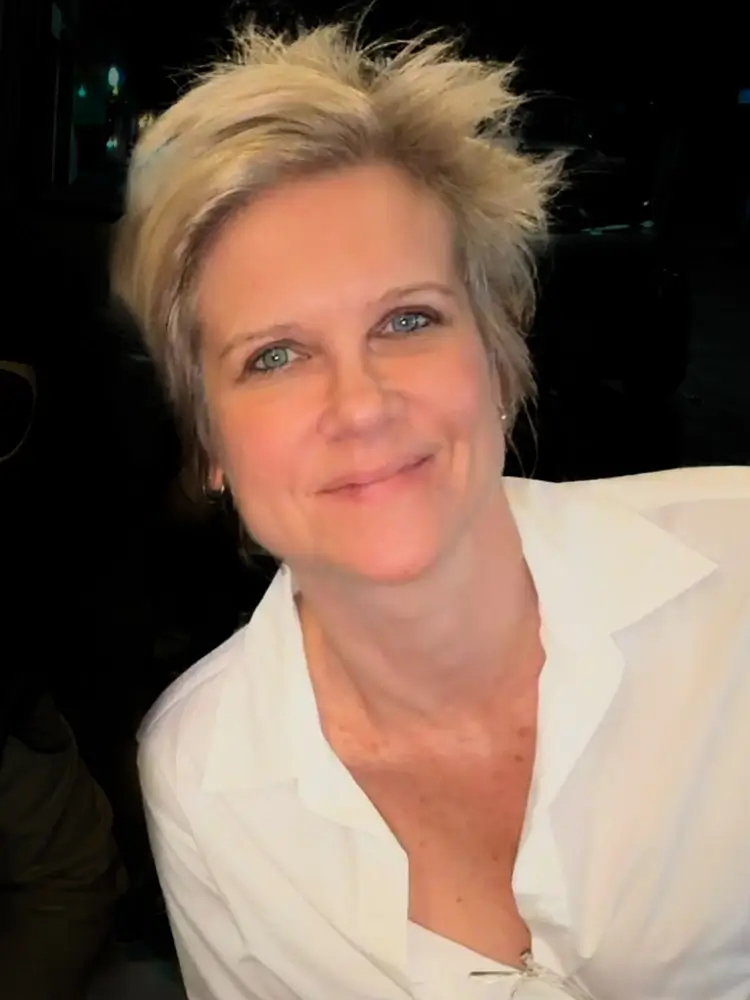
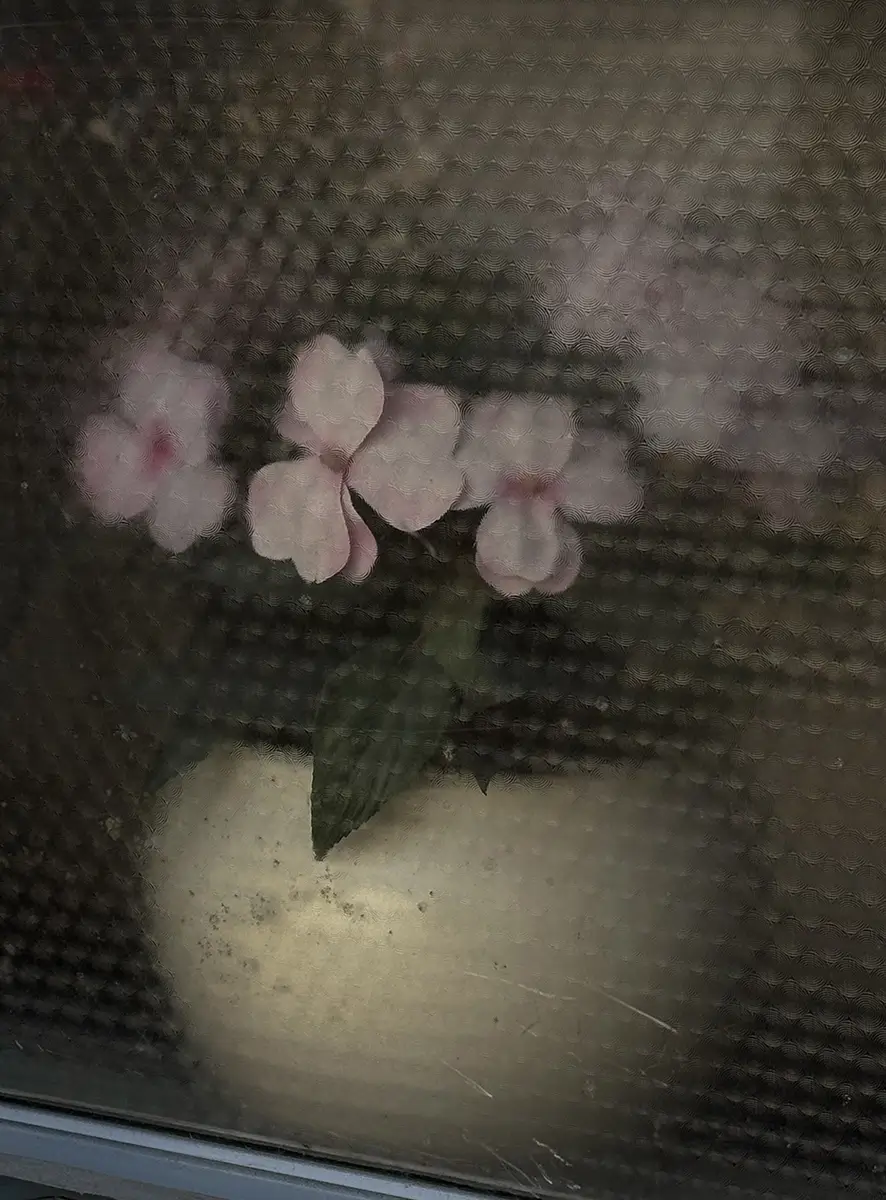
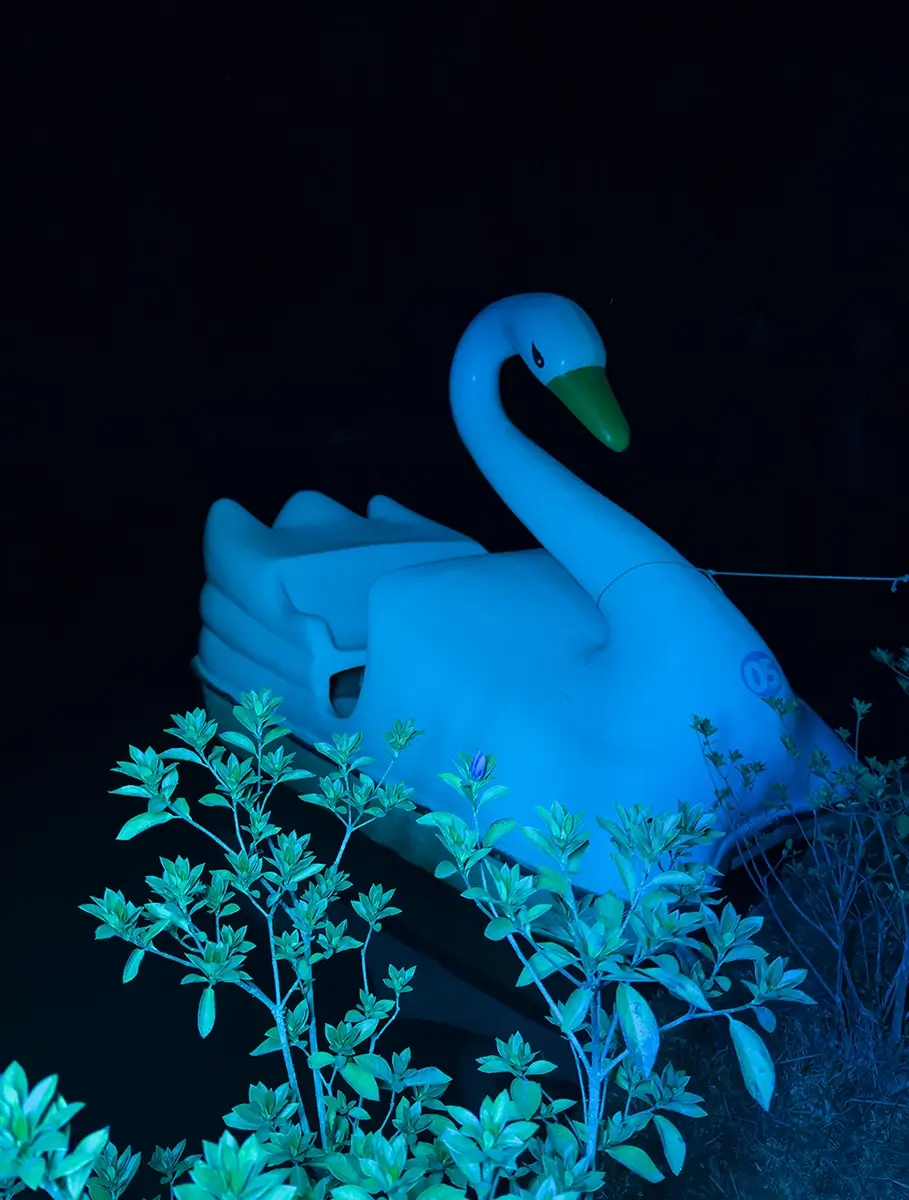
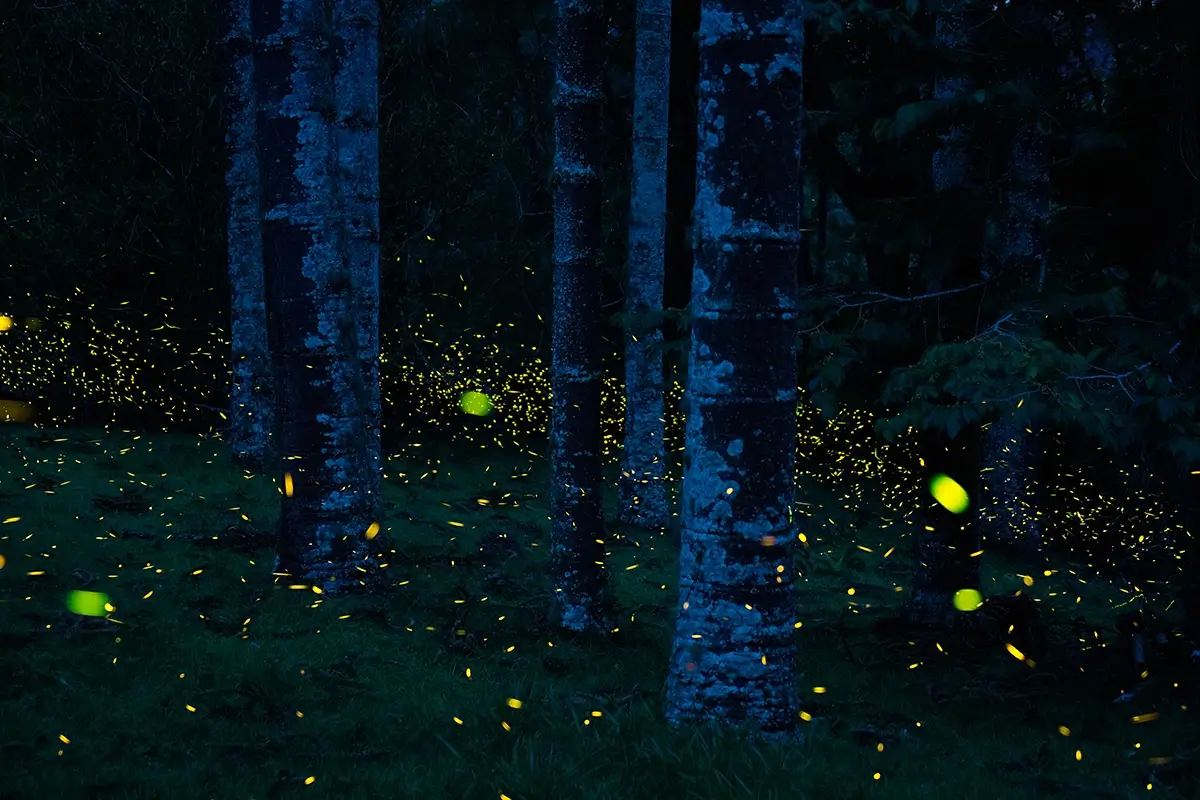
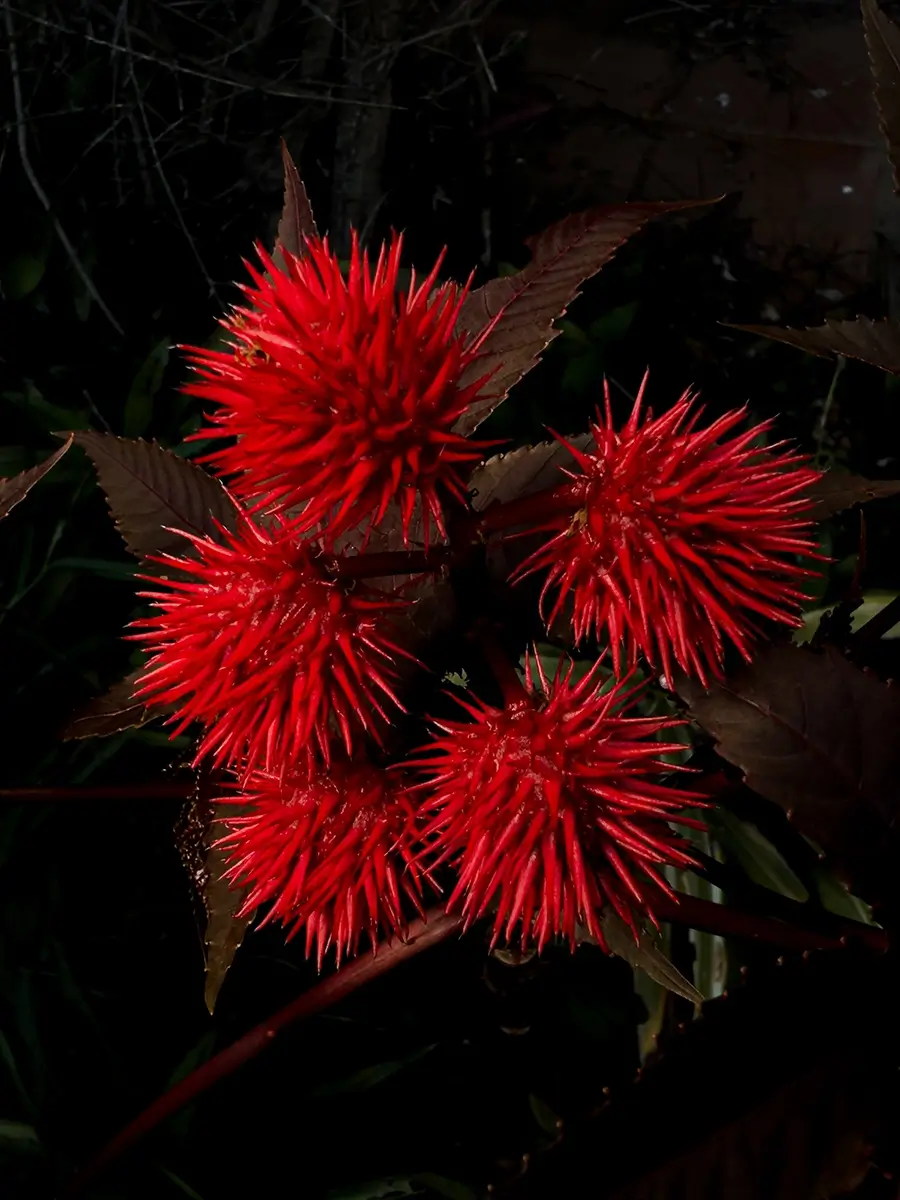
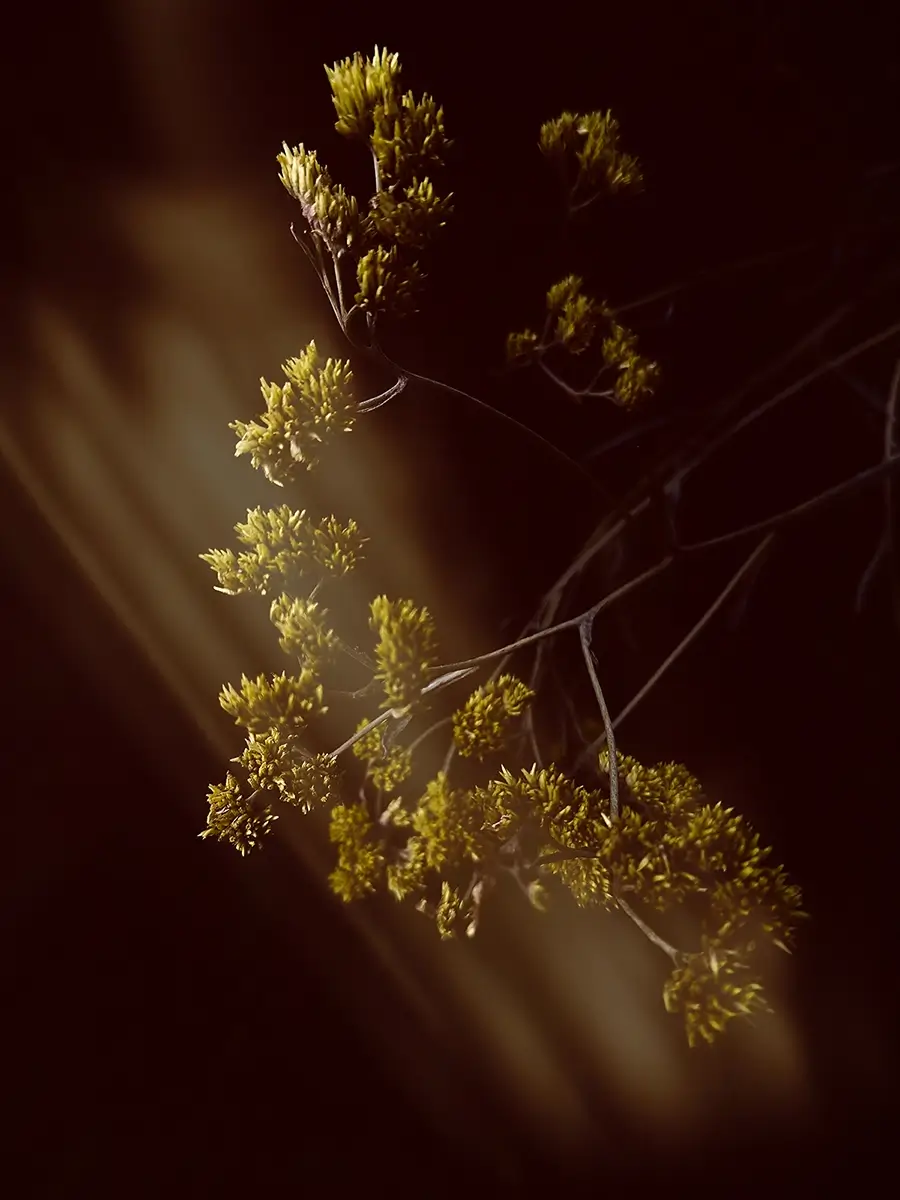
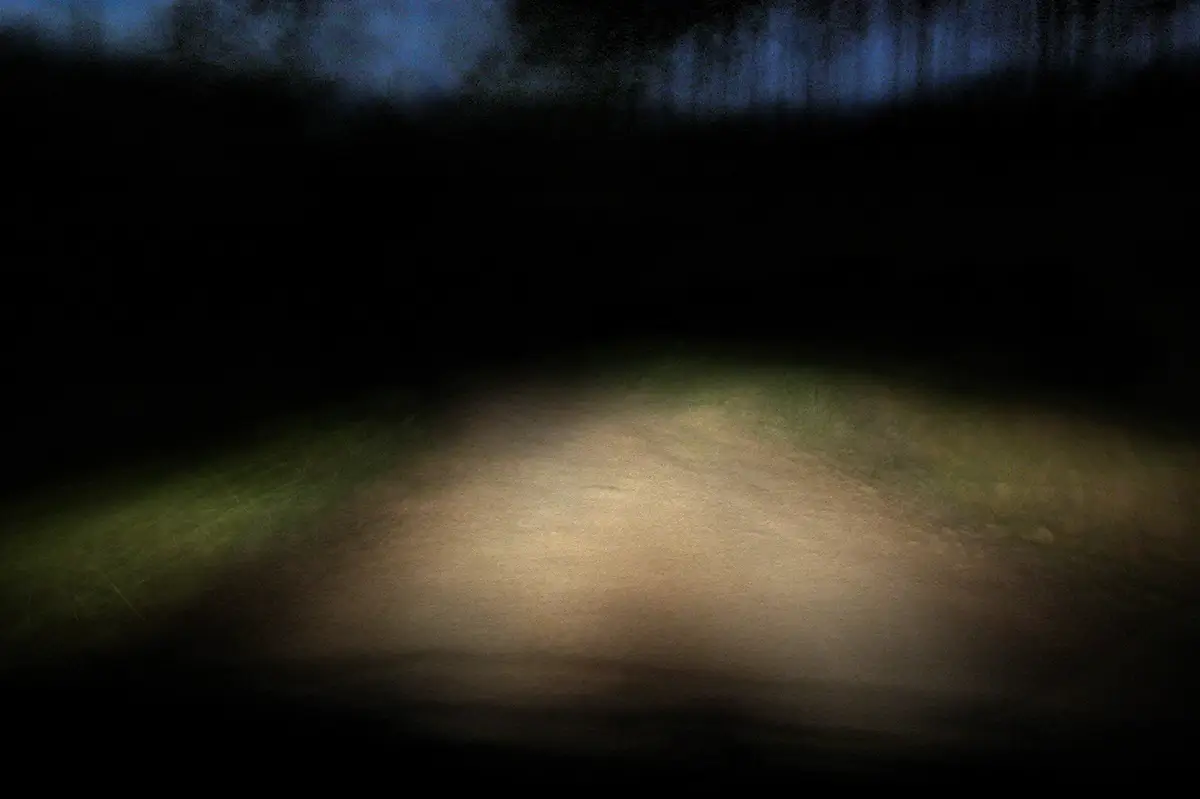
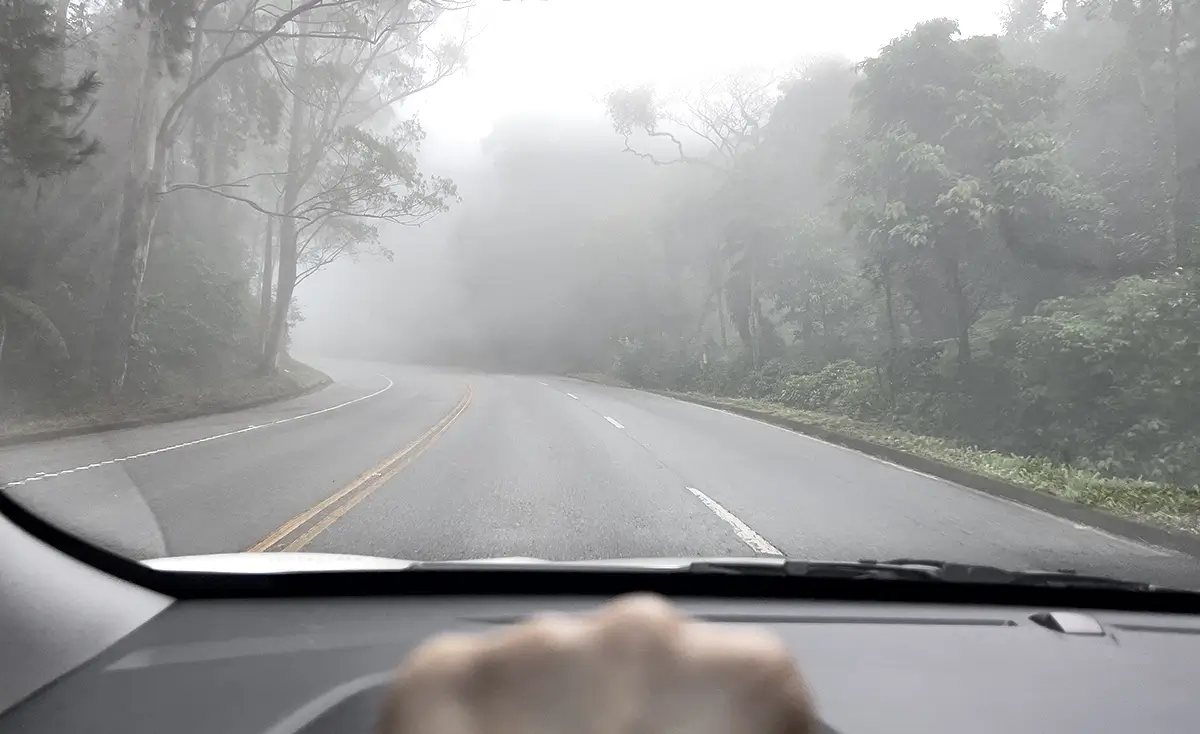
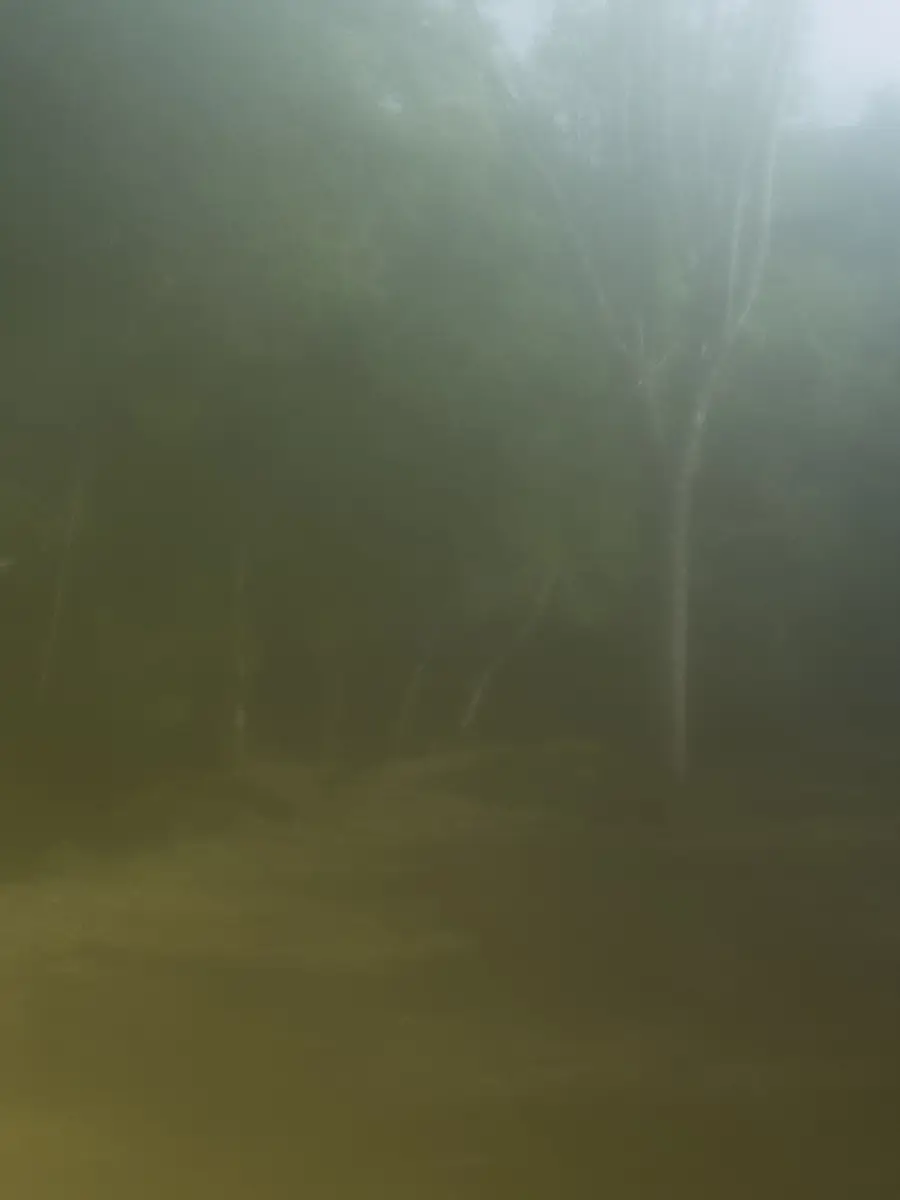
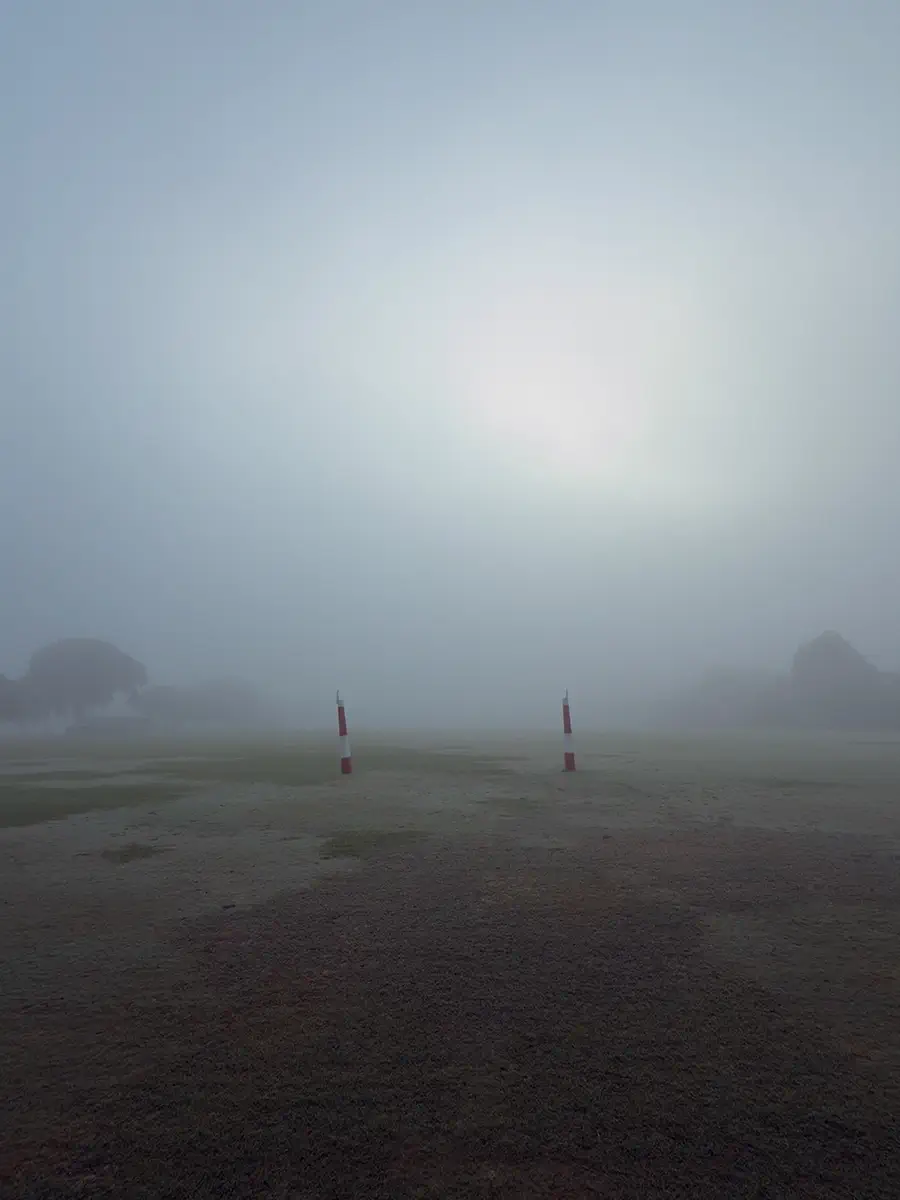
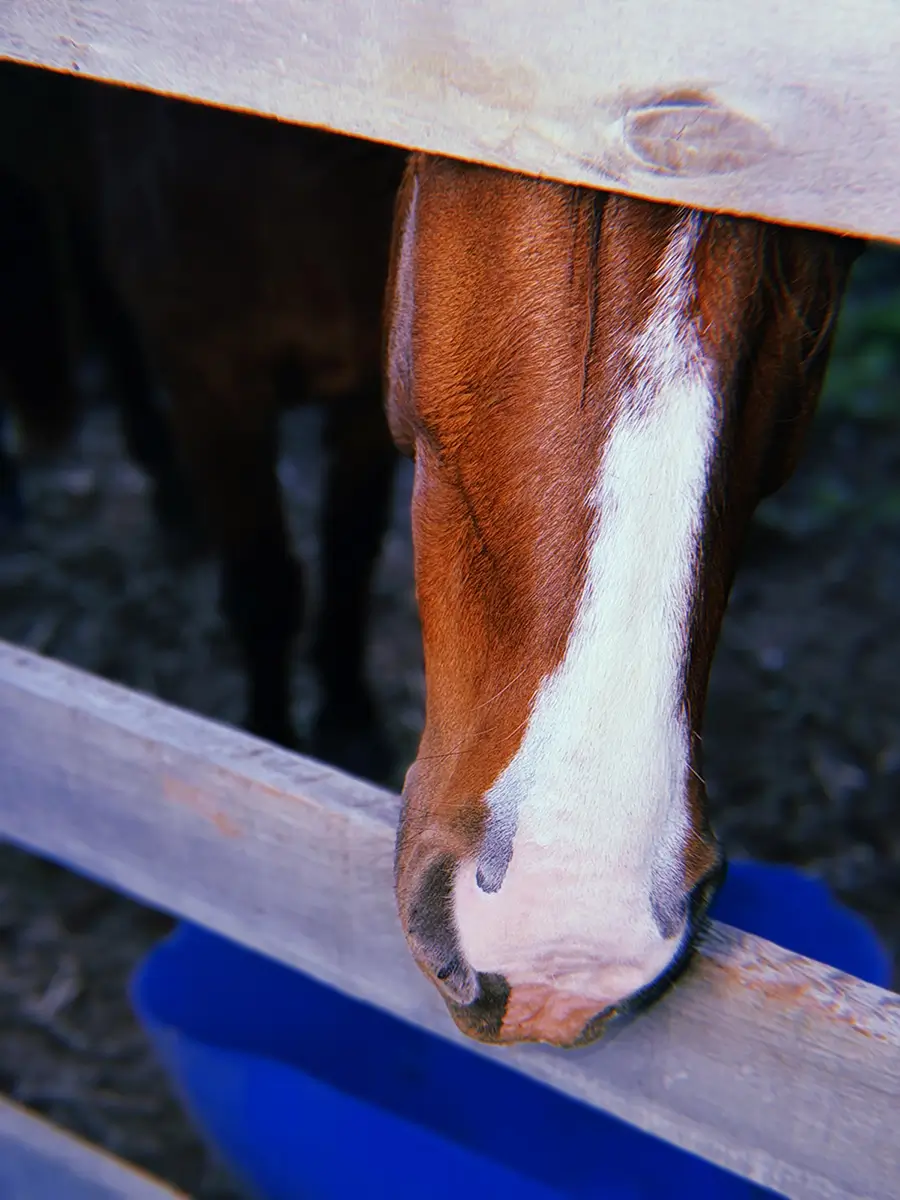
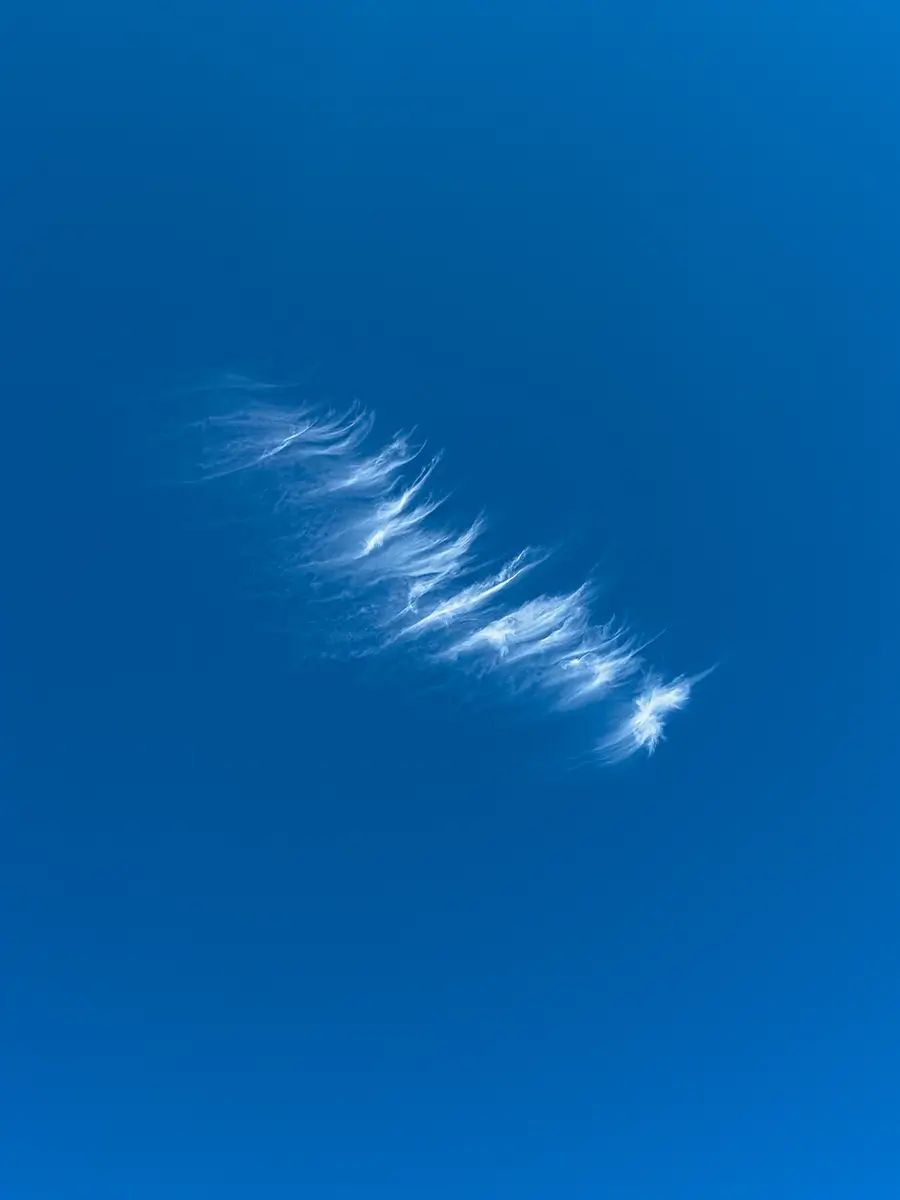
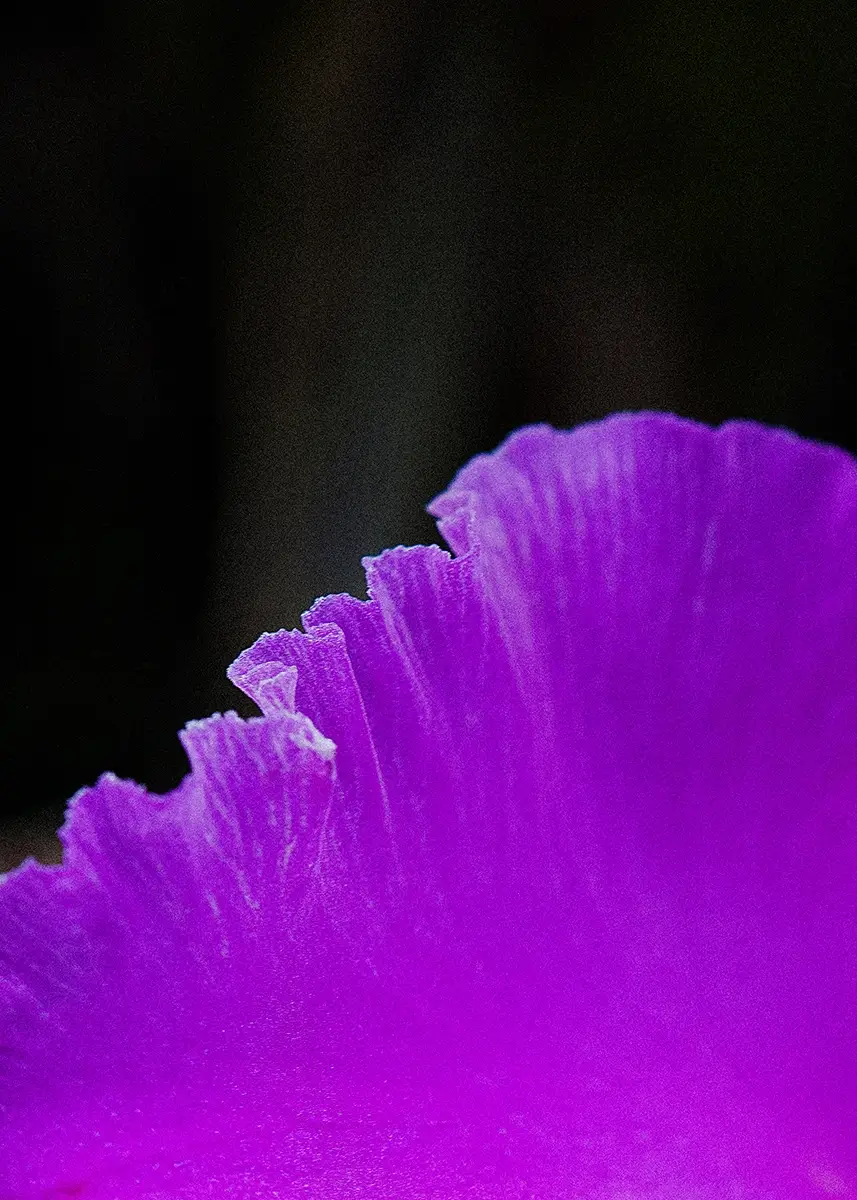
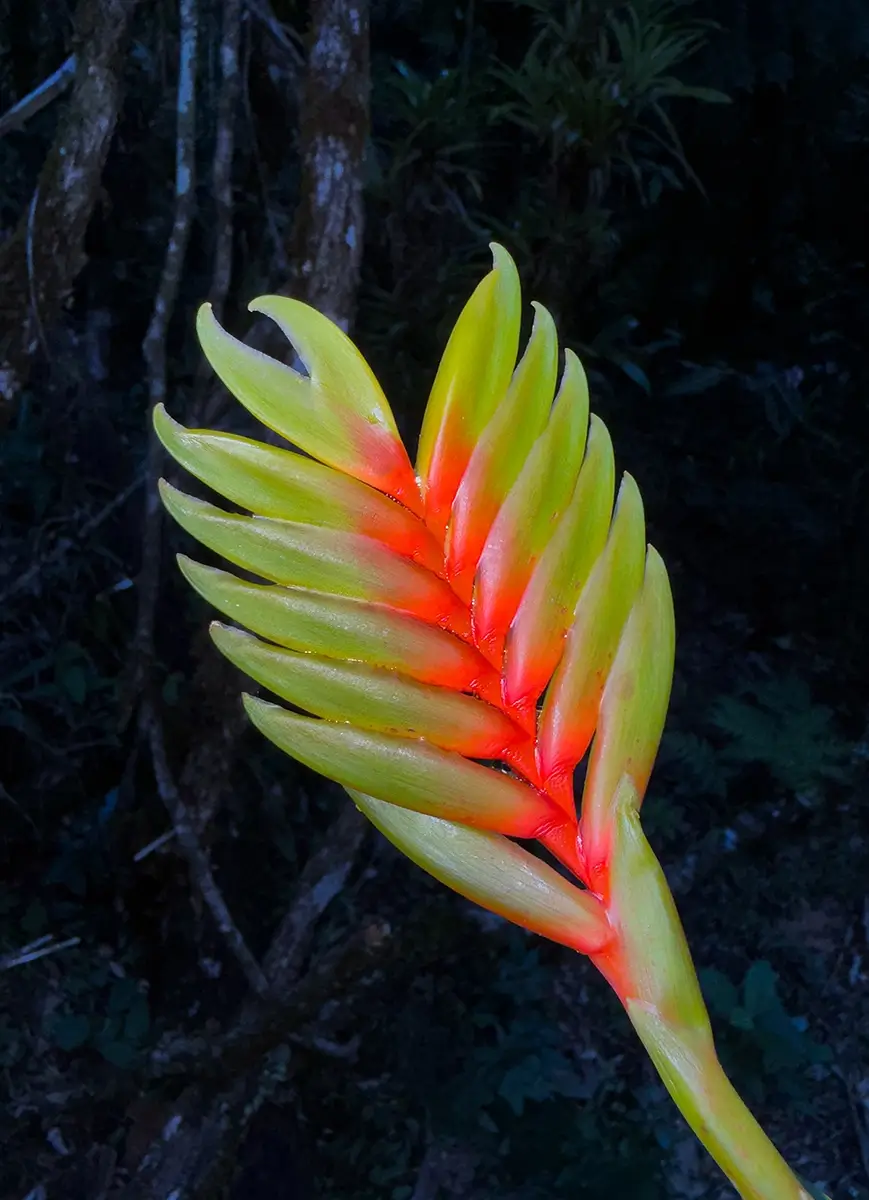
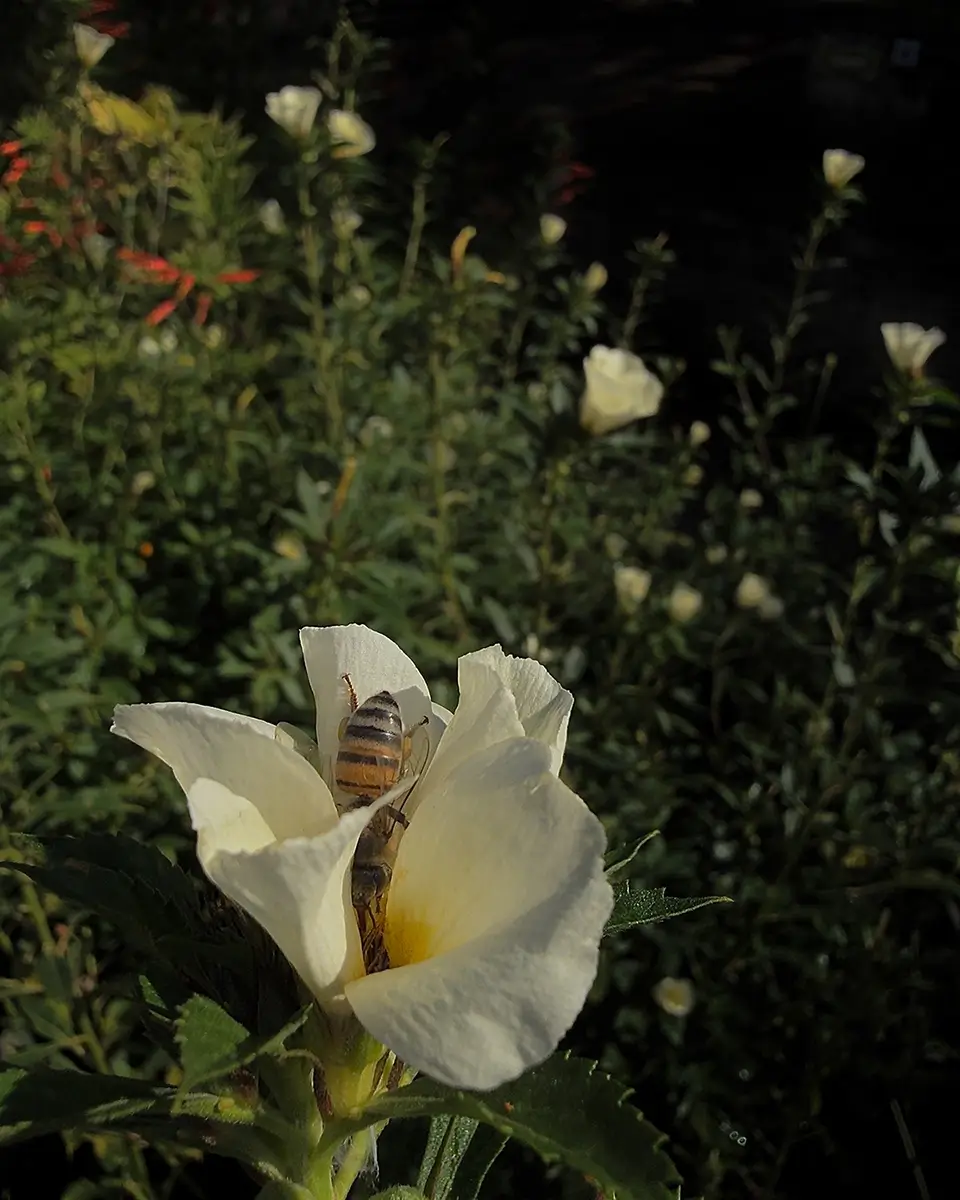
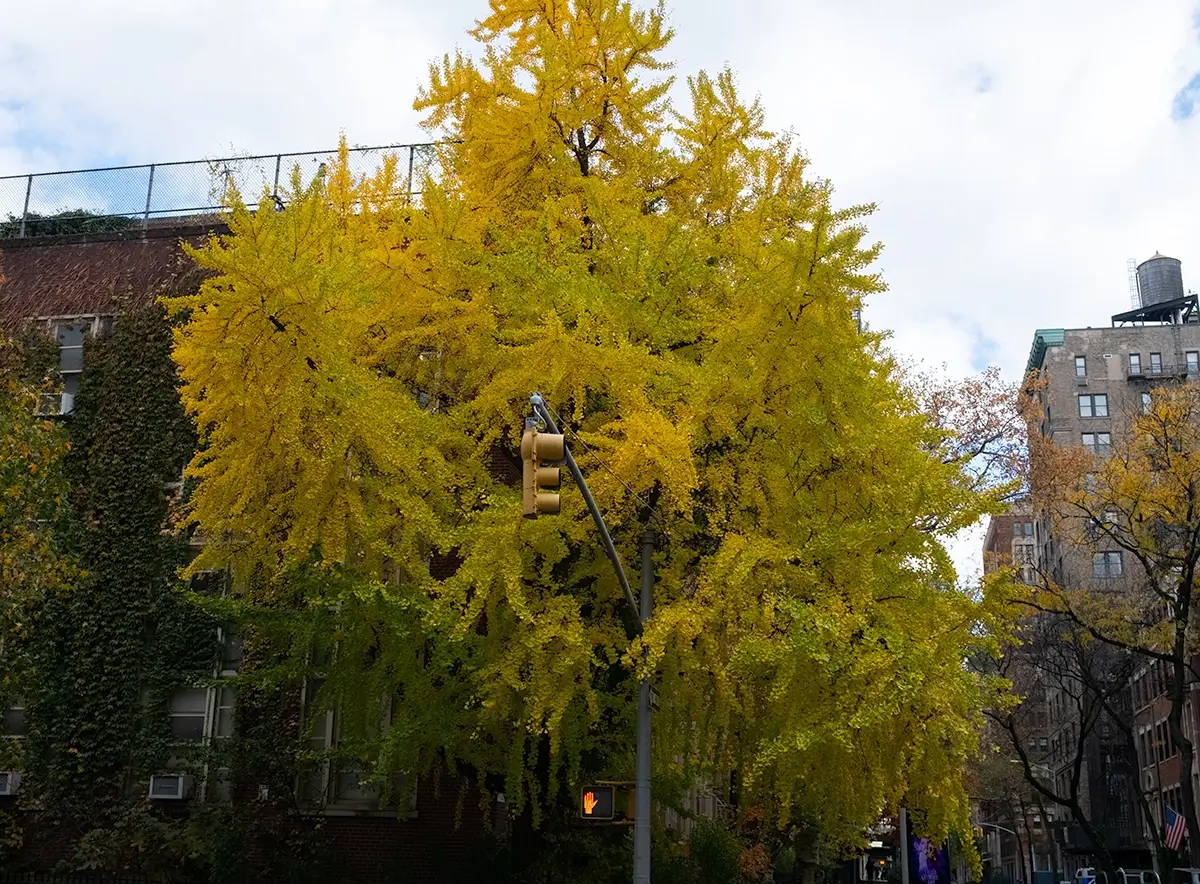
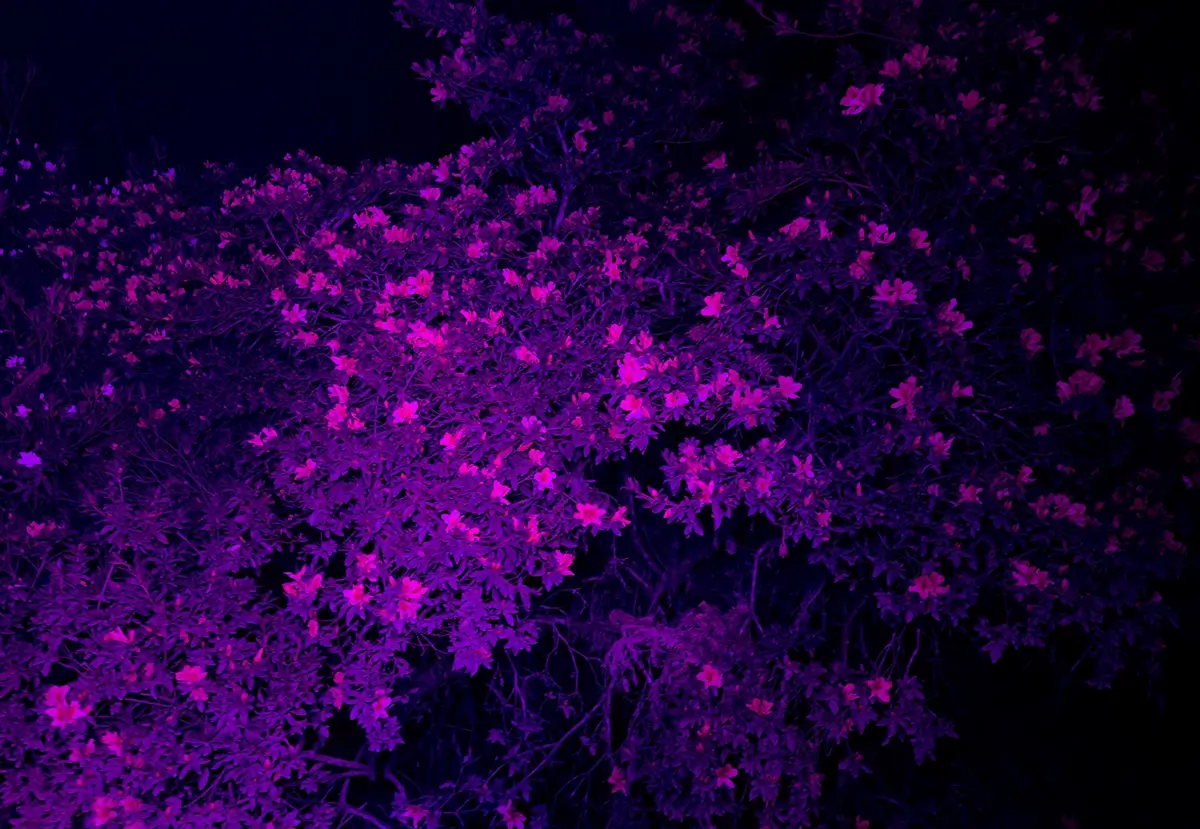
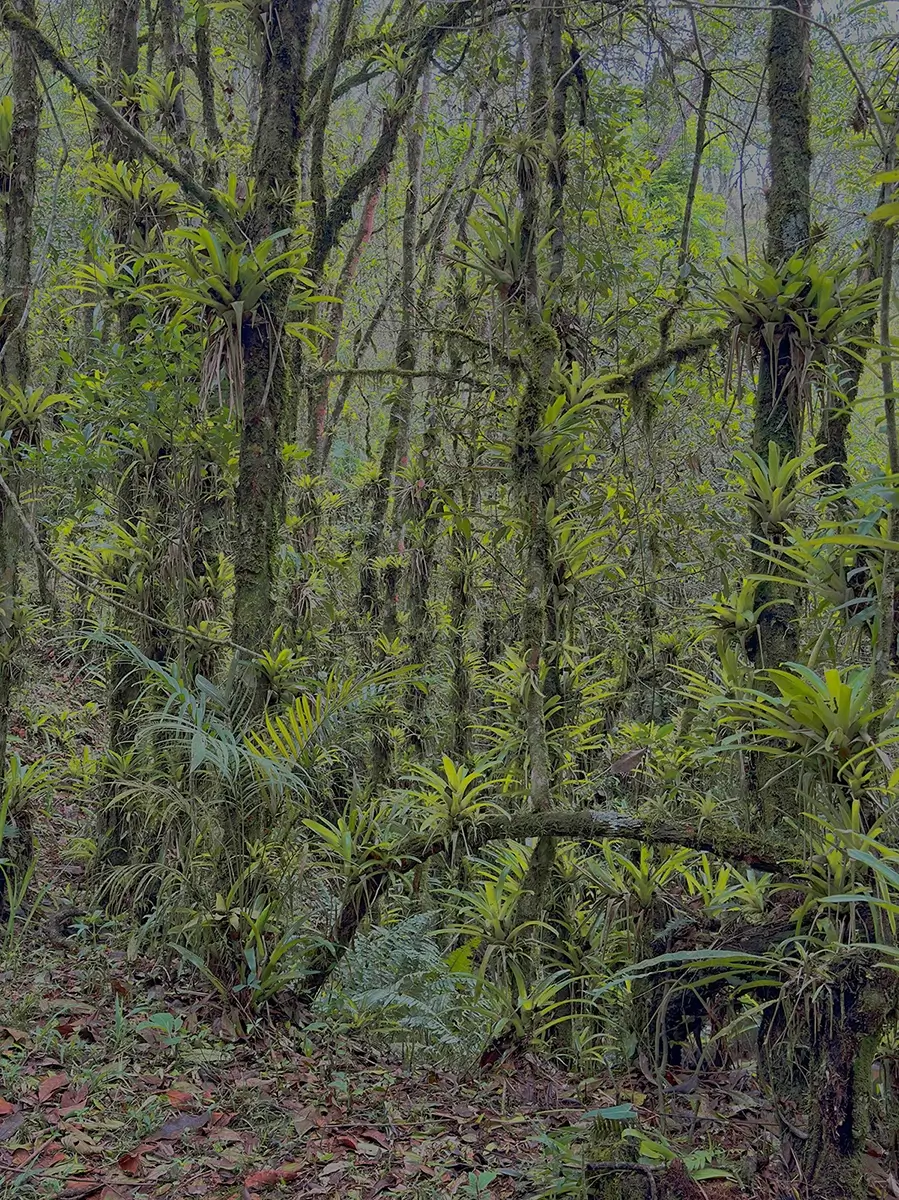
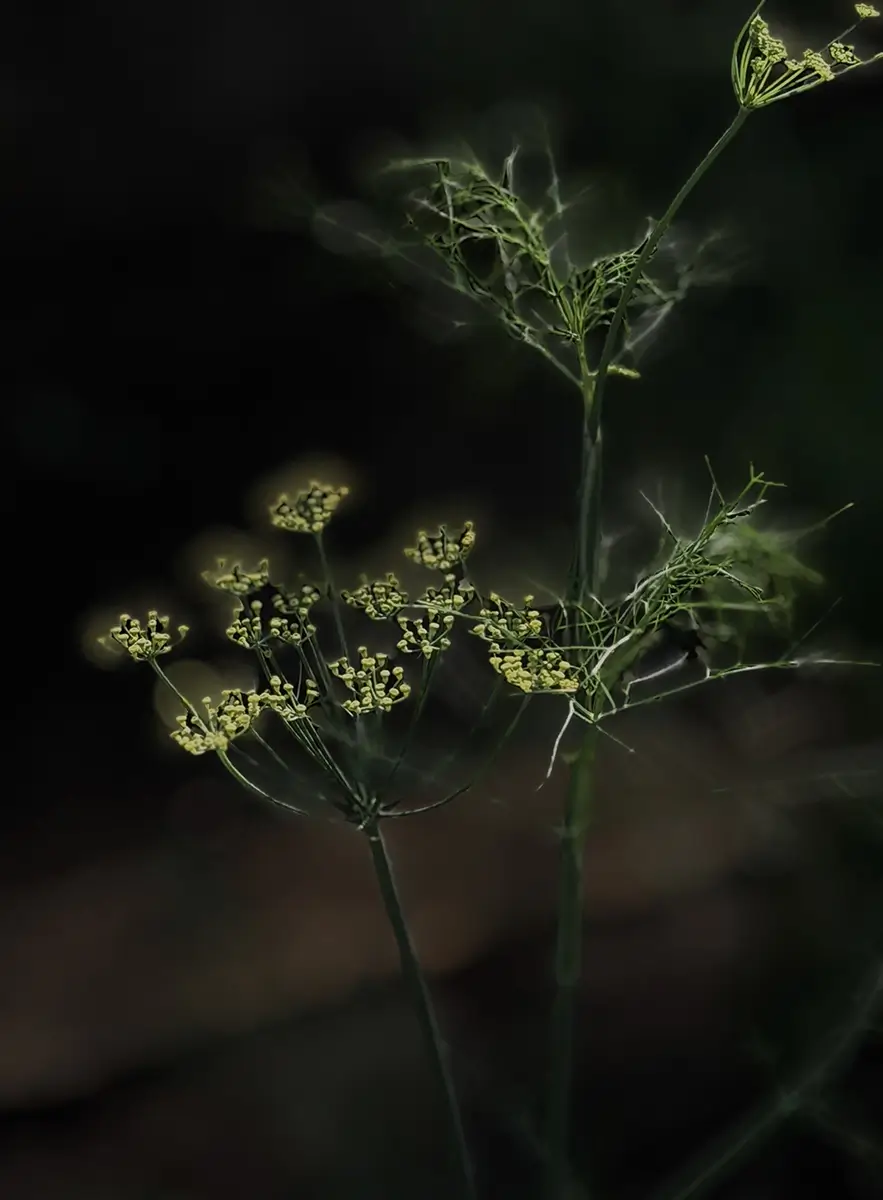
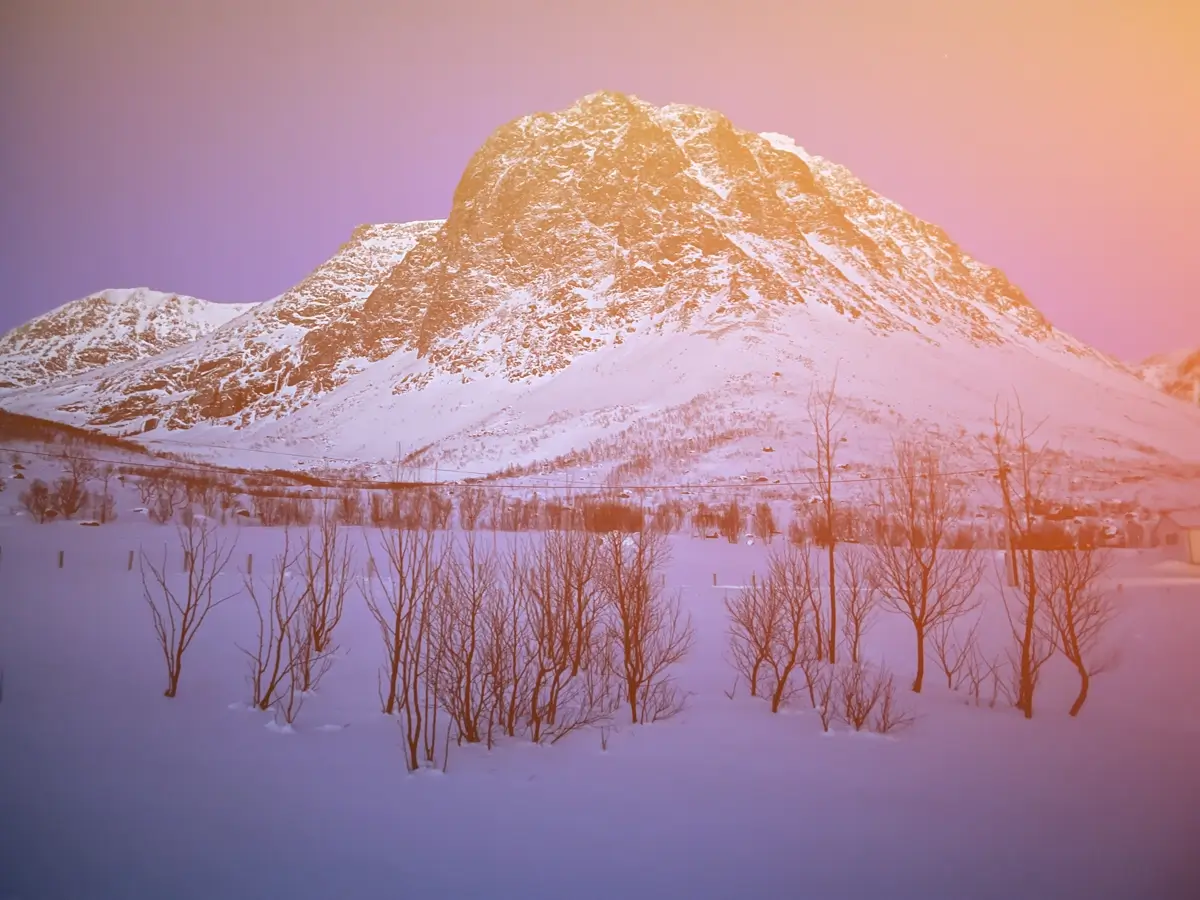
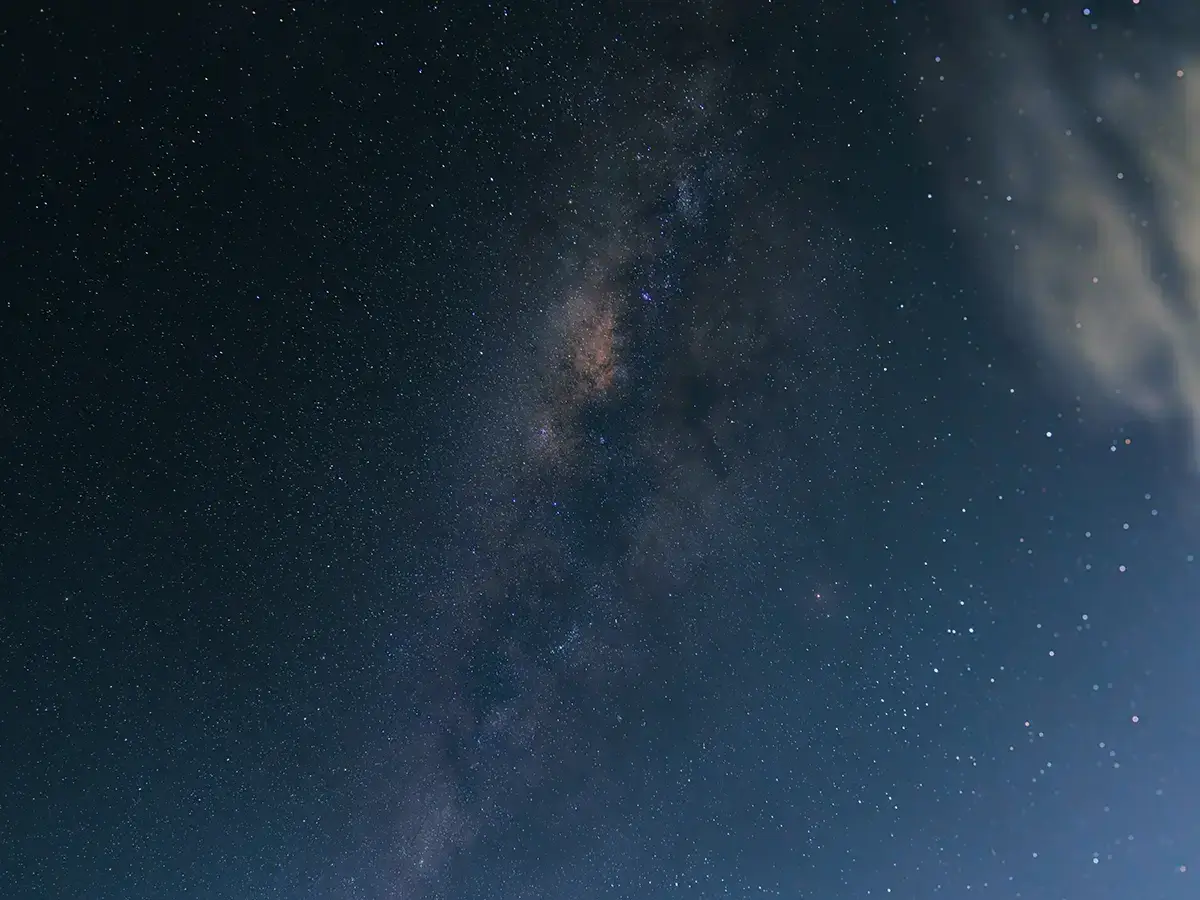
Between journeys, paths, and landscapes crossed around the world, her gaze has been shaped less by the extraordinary and more by the details that escape haste: light passing through fog, the unlikely glow of night, the delicacy of organic forms, reflections, blurs, silences, colours and the suspended moment between the real and the dream.

Her images are born from the texture of light and from everything that exists for only a few seconds before disappearing. In her photographs, the landscape never appears merely as landscape. Everything seems permeated by state of mind, memory, and perception. The focus is often not on the photographed object itself, but on the feeling it leaves behind once it is no longer there.

More than photographing places or objects, Fabiana builds emotional atmospheres. Her images seem less interested in explaining the world and more in feeling it. Perhaps because, over the years, Fabiana has chosen to speak through light—finding in it a more precise form of language, a way of saying what words do not always manage to reach.

 

Inspiring Portfolios

Call for Entries
AAP Magazine #58 B&W
Publish your work in our printed magazine and win $1,000 cash prizes
 
Stay up-to-date  with call for entries, deadlines and other news about exhibitions, galleries, publications, & special events.

More Great Photographers To Discover

Charles Scowen
United Kingdom
1852 | † 1948
Charles Thomas Scowen (11 March 1852 – 24 November 1948) was a British photographer during the nineteenth century. He was active as a photographer from 1871 to 1890, working in Sri Lanka and British India in the early 1870s. By 1876 Scowen had established a studio, Scowen & Co, in Kandy and by the 1890s, he had opened a second in Colombo. His work, which included landscapes and portraits of Malay women, is noted for its lighting, technically superior printing, and strong compositional qualities. Scowen's photographs are represented in the collections of the J. Paul Getty Museum, Yale University Art Gallery, the Art Institute of Chicago, the Metropolitan Museum of Art, and the Museum of Fine Arts, Boston. Charles Scowen became a tea planter before retiring and returning to England around the turn of the century. He died in Sudbury, Suffolk, aged 96.Source: Wikipedia Described as the Pearl of the Indian Ocean, the island Ceylon was conquered by the English in 1796 and for many years was at the center of the spice and trade routes. Rich in ivory, cinnamon, coffee, tea, gems, and pearls the island became increasingly accessible during the nineteenth century. Its exotic scenery was well documented by commercial photographers throughout the nineteenth century. One of the most accomplished and successful photographic firms working in Ceylon was Charles T. Scowen and Co. Scowen and his team produced records for the tourist market, as well as for commerce and industry. These documents included images of plantation economies, railroad, native people, architectural city views, and ancient ruins. The photographs are of superior quality, representing the rich beauty and detail found only in an albumen print.Source: Joseph Bellows Gallery
Nan Goldin
United States
1953
Nancy "Nan" Goldin is an American photographer. As a teenager in Boston in the 1960s, then in New York starting in the 1970s, Nan Goldin has taken intensely personal, spontaneous, sexual, and transgressive photographs of her family, friends, and lovers. In 1979 Nan Goldin presented her first slideshow in a New York nightclub, and her richly colored, snapshotlike photographs were soon heralded as a groundbreaking contribution to fine art photography. The Ballad of Sexual Dependency—the name she gave her ever-evolving show—eventually grew into a forty-five-minute multimedia presentation of more than 900 photographs, accompanied by a musical soundtrack. Goldin first exhibited at Matthew Marks Gallery in 1992. Her work has been the subject of two major touring retrospectives: one organized in 1996 by the Whitney Museum of American Art and another, in 2001, by the Centre Pompidou, Paris, and Whitechapel Art Gallery, London. Recent exhibitions include the slide and video presentation Sisters, Saints & Sybils at La Chapelle de la Salpêtrière, Paris, and her contributions to the 40th Les Rencontres d'Arles in 2009. Goldin was admitted to the French Legion of Honor in 2006 and received the Hasselblad Foundation International Award in 2007. The Ballad of Sexual Dependency was most recently presented live in Turbine Hall at Tate Modern, London, in 2008, and the slideshow was installed in the exhibition Here is Every. Four Decades of Contemporary Art at the Museum of Modern Art New York, September 2008 to March 2009. Her Scopophilia exhibition is currently part of Patrice Chéreau's special program at the Louvre. Goldin lives and works in Paris and New York.Source: www.matthewmarks.com For me it is not a detachment to take a picture. It’s a way of touching somebody—it’s a caress.... I think that you can actually give people access to their own soul. -- Nan Goldin Nancy Goldin is an American photographer and activist. Her work often explores LGBT subcultures, moments of intimacy, the HIV/AIDS crisis, and the opioid epidemic. Her most notable work is The Ballad of Sexual Dependency (1986), a slide show, that documents the post-Stonewall gay subculture and Goldin's family and friends. She is a founding member of the advocacy group P.A.I.N. (Prescription Addiction Intervention Now). Goldin's first solo show, held in Boston in 1973, was based on her photographic journeys among the city's gay and transgender communities, to which she had been introduced by her friend David Armstrong. While living in downtown Boston at age 18, Goldin "fell in with the drag queens," living with them and photographing them. Among her work from this period is Ivy wearing a fall, Boston (1973). Unlike some photographers who were interested in psychoanalyzing or exposing the queens, Goldin admired and respected their sexuality. Goldin said, "My desire was to show them as a third gender, as another sexual option, a gender option. And to show them with a lot of respect and love, to kind of glorify them because I really admire people who can recreate themselves and manifest their fantasies publicly. I think it's brave". Goldin admitted to being romantically in love with a queen during this period of her life in a Q&A with Bomb "I remember going through a psychology book trying to find something about it when I was nineteen. There was one little chapter about it in an abnormal psych book that made it sound so ... I don't know what they ascribed it to, but it was so bizarre. And that's where I was at that time in my life. I lived with them; it was my whole focus. Everything I did – that's who I was all the time. And that's who I wanted to be". Goldin describes her life as being completely immersed in the queens'. However, upon attending the School of the Museum of Fine Arts in Boston, when her professors told her to go back and photograph queens again, Goldin admitted her work was not the same as when she had lived with them. Goldin graduated from the School of the Museum of Fine Arts in 1977/1978, where she had worked mostly with Cibachrome prints. Her work from this period is associated with the Boston School of Photography. Following graduation, Goldin moved to New York City. She began documenting the post-punk new-wave music scene, along with the city's vibrant, post-Stonewall gay subculture of the late 1970s and early 1980s. She was drawn especially to the hard-drug subculture of the Bowery neighborhood; these photographs, taken between 1979 and 1986, form her slideshow The Ballad of Sexual Dependency—a title taken from a song in Bertolt Brecht's Threepenny Opera. Later published as a book with help from Marvin Heiferman, Mark Holborn, and Suzanne Fletcher, these snapshot aesthetic images depict drug use, violent, aggressive couples and autobiographical moments. In her foreword to the book she describes it as a "diary [she] lets people read" of people she referred to as her "tribe". Part of Ballad was driven by the need to remember her extended family. Photography was a way for her to hold onto her friends, she hoped. The photographs show a transition through Goldin's travels and her life. Most of her Ballad subjects were dead by the 1990s, lost either to drug overdose or AIDS; this tally included close friends and often-photographed subjects Greer Lankton and Cookie Mueller. In 2003, The New York Times nodded to the work's impact, explaining Goldin had "forged a genre, with photography as influential as any in the last twenty years." In addition to Ballad, she combined her Bowery pictures in two other series: I'll Be Your Mirror (from a song by The Velvet Underground) and All By Myself. Goldin's work is most often presented in the form of a slideshow, and has been shown at film festivals; her most famous being a 45-minute show in which 800 pictures are displayed. The main themes of her early pictures are love, gender, domesticity, and sexuality. She has affectionately documented women looking in mirrors, girls in bathrooms and barrooms, drag queens, sexual acts, and the culture of obsession and dependency. The images are viewed like a private journal made public. In the book Auto-Focus, her photographs are described as a way to "learn the stories and intimate details of those closest to her". It speaks of her uncompromising manner and style when photographing acts such as drug use, sex, violence, arguments, and traveling. It references one of Goldin's notable photographs "Nan One Month After Being Battered, 1984" as an iconic image which she uses to reclaim her identity and her life. Goldin's work since 1995 has included a wide array of subject matter: collaborative book projects with Japanese photographer Nobuyoshi Araki; New York City skylines; uncanny landscapes (notably of people in water); her lover, Siobhan; and babies, parenthood and family life. In 2000, her hand was injured and she currently retains less ability to turn it than in the past. In 2006, her exhibition, Chasing a Ghost, opened in New York. It was the first installation by her to include moving pictures, a full narrative score, and voiceover, and included the three-screen slide and video presentation Sisters, Saints, & Sybils. The work involved her sister Barbara's suicide and how she coped through the production of numerous images and narratives. Her works are developing more and more into cinemaesque features, exemplifying her gravitation towards working with films. After some time, her photos moved from portrayals of dangerous youthful abandonment to scenes of parenthood and family life in progressively worldwide settings. Source: Wikipedia
Ellen Cantor
United States
Mark Steinmetz
United States
1961
Mark Christopher Steinmetz (born 1961) is an American photographer. He makes black and white photographs "of ordinary people in the ordinary landscapes they inhabit". Steinmetz's work was shown in a group exhibition at the Museum of Modern Art, New York in 1993/1994 and in solo exhibitions at the Ogden Museum of Southern Art in 2015, the High Museum of Art in 2018 and at Fotohof in Salzburg, Austria in 2019. He is the recipient of a Guggenheim Fellowship. His work is held in the collections of the Art Institute of Chicago, Hunter Museum of American Art, Museum of Contemporary Photography, Chicago, Metropolitan Museum of Art, Whitney Museum of American Art and Museum of Modern Art, New York, and Nelson-Atkins Museum of Art. Steinmetz was born in New York City and raised in the Boston suburbs of Cambridge and Newton until he was 12. He then moved to the midwest before, aged 21, he went to study photography at the Yale School of Art in New Haven, Connecticut. He left that MFA program after one semester and in mid 1983, aged 22, moved to Los Angeles in search of the photographer Garry Winogrand, whom he befriended. He moved to Athens, Georgia in 1999 and was still living and working there as of 2017. Marc Steinmetz makes photographs "of ordinary people in the ordinary landscapes they inhabit", and "in the midst of activity". Most of his work has been made in the USA but also in Berlin, Paris, and Italy. His books combine portraits (portrait-like but spontaneous) and candid photos of people, and also include animals and still life photos. He finds many of his subjects whilst walking around but he has also spent time at Little League Baseball and summer camps. Steinmetz predominantly works with black and white film, usually medium format, developed and printed in his own darkroom. He has mostly worked the same way with the same film, chemicals, and cameras since beginning in the mid 1980s.Source: Wikipedia Mark Steinmetz is an Athens, Georgia-based photographer whose work captures black-and-white images of Southern Americana as seen in urban, rural and suburban landscapes. “I like to stress the poetry and ambiance of a place, while still trying to be truthful,” he has remarked, and his candid shots of everyday life reflect this statement. Examples of this sentiment are strikingly portrayed in Steinmetz's new photo series Terminus, showing the everyday moments of people passing through airports. “At the airport, people from all over the world and from all walks of life can be found in the midst of their journeys,” Mark Steinmetz has said. “Though my main subject has been the passengers, I am also photographing the people who work at the airport, the interiors and exteriors of the planes, as well as the hotels, parking lots and neighborhoods that surround and support the airport.” Mark Steinmetz draws inspiration from a number of Southern artists whose talents extend beyond the realm of photography, and has remarked “the South has many great writers—William Faulkner, Flannery O'Connor, Carson McCullers—and they've influenced me.” Surprisingly, Mark Steinmetz did not originate in the South. In fact, he attended high school in Iowa and received his MFA from Yale University in 1986. (Though he initially dropped out in 1983 in order to move to Los Angeles and work with photographer Garry Winogrand) It wasn’t until 1999 that he left shooting freelance in Chicago and moved south for a teaching job at the University of Tennessee. He has remained in the South ever since. “I love the South for the weeds growing through the cracks of its sidewalks, for its humidity and for its chaos,” he has said. Interestingly, Mark Steinmetz has worked with analog since the beginning of his career, and even uses the same camera, film and development process today as he did as a novice photographer. Mark Steinmetz’ monographs include South Central (2007), South East (2008), Greater Atlanta (2009) and Summertime (2012). He has also been published in Aperture, Blind Spot and DoubleTake magazines. In 1994, he was awarded a Guggenheim Fellowship, and in 1998 he participated in Light Work’s Artist-in-Residence Program. Mark Steinmetz has taught at a number of institutions, including Harvard, Sarah Lawrence College, Emory University and Yale. Steinmetz’ photos can be found in the collections of The Museum of Modern Art, The Metropolitan Museum of Art, The Whitney Museum of American Art, The Art Institute of Chicago and the Los Angeles County Museum of Art.Source: Jackson Fine Art
Janet Delaney
United States
Janet Delaney’s current photographic work uses a fine art approach to explore the social and political dynamics of city life. Her books include South of Market (MACK 2013), which documents the gentrification of a working-class neighborhood. Public Matters, (MACK 2018) addresses public life in Reagan era San Francisco and Red Eye to New York, (MACK 2021) finds public and private worlds on the stage of 1980s Manhattan. She is currently working on a sequel to South of Market, examining the impact of the arrival of new technology companies on her old neighborhood. Delaney’s awards include a Guggenheim Fellowship in 2020 and three National Endowment for the Arts Grants. Her photographs are in the collections of the San Francisco Museum of Modern Art, the de Young Museum and the High Museum, Atlanta among others. She has shown in museums and galleries locally and internationally. Janet Delaney received her MFA from the San Francisco Art Institute and held a faculty position at the University of California, Berkeley. She lives and works in Berkeley, California. Artist Statement My photographic practice actively engages the art of storytelling. I focus on both large public issues as well as more intimate, prosaic subject matter. I immerse myself fully in a place or a state of being and photograph without assumptions. Back in the studio, I organize these images to construct narratives that reflect my experience. Research is integral to each project, and when needed, I incorporate text to deepen and expand the storyline. Exhibitions offer me the opportunity to play with sequence and scale, while books provide a means to solidify and preserve my ideas. Over the years I’ve worked across various formats, exploring subjects as diverse as foreign wars, my kitchen table, forests, and cities worldwide. Artist Statement for the work submitted Revisiting a place I once called home creates a curious dissonance. During the 1980s I chronicled the early stages of gentrification in the South of Market district of San Francisco. Now, as I revisit my old neighborhood, rechristened SoMa by millennial marketers, I see a skyline bulging with new buildings. My former neighbors are eclipsed by both high-earning technology workers and those without homes whose tents line alleys and broad boulevards. In this new world I often feel as if I am standing in two places at once; the past infuses the present with both longing and confusion. In SoMa Now (working title), I sew together a complex narrative of a city I know well, blending fact and feeling to convey what is lost, what is gained and what remains in this new terrain. Article Exclusive Interview with Janet Delaney about 'Too Many Products, Too Much Pressure!'
Stefano Fristachi
Italian photographer and photojournalist, lives in Barcelona. He currently works as a freelance with international magazines and works with production agencies. The interest in all social characteristics opens his vision to Anthropological Photography and Reportage, which allow him to better express the feelings of empathy and understanding of the world, and to deepen his interests in all issues of geopolitics and current affairs. Humanidade The warm humanity, the charm of the popular world of Bahia, of the island of Boipeba, and its characters that animate the colorful landscape with their daily struggles and hopes. Their original humor, the wealth that sweats through the adventures of their stories. They live, immersed in their smells, in their instincts, in contradictions and pains, immersed in the shade of palm trees, protected by the coral reef, among a thousand types of mango, fragrant, sweet to the point of redeeming at least in part the echo of the ancient colonialism. The human race beyond all, that work of God conceived in a week, the human race always alive as a burning wound, a beauty, a rot. An eternal fire, death and resurrection, the human race like a diamond, a drop; the human race is the mine of loneliness, the human race is a scratch, a doodle, the face of desire. A great divine synthesis. A subtropical tradition veiled by a flavor of realism with vivid tones, strong accents, a magical realism, a sort of intrinsic narrative power. Rapid images, sometimes suffocating, due to the temperatures, emotional images of poor morality but animated by a turgid variety, the same that populates the lush Bahia. Nobility of mind, baseness of every order and rank, hunger, thirst, disease, and sex, so much sex, that climbs wet everywhere.
Advertisement
AAP Magazine #58 B&W
Win a Solo Exhibition in July
AAP Magazine #58 B&W

Latest Interviews

Exclusive Interview with Carolyn Moore
American photographer Carolyn Moore explores the inner landscape of emotion, memory, and personal transformation through a deeply intuitive photographic practice. Her work unfolds as a quiet dialogue between artist and viewer, where images become a space for reflection, vulnerability, and connection.
Exclusive Interview with Luca Desienna and Laura Estelle Barmwoldt
For over seven years, Of Lilies and Remains has explored the depths of the goth and darkwave underground, unfolding in Leipzig—a city long associated with a vibrant and enduring subcultural scene. Moving between iconic gatherings such as Wave-Gotik-Treffen and more intimate moments on the fringes, the project offers a rare and immersive glimpse into a world often misunderstood, yet rich in expression and community. Created by Luca in collaboration with Laura Estelle Barmwoldt, the work embraces a cinematic and deeply personal approach. Rather than documenting from a distance, it moves within the scene itself, capturing its atmosphere, its codes, and its quiet contradictions. The title Of Lilies and Remains hints at this duality—where beauty and darkness, fragility and strength coexist. As the book prepares for its release, we spoke with both artists about the origins of the project, their process, and what it means to document a subculture that continues to evolve while remaining true to its spirit.
Exclusive Interview with Matthew Finley
American photographer Matthew Finley turns inward, using photography as a way to explore identity, memory, and emotional truth. Based in Los Angeles, his practice moves between performance, gesture, and found imagery, creating a visual language that is both intimate and deeply personal
Exclusive Interview with Jan Janssen
Dutch photographer Jan Janssen explores universal human experiences through his long-term project It Matters, winner of the May 2025 Solo Exhibition. Begun in 2016, the series captures intimate moments of everyday life—love, loss, connection, and belonging—across Central and Eastern Europe. Working in countries such as Turkey, Azerbaijan, and Armenia, Janssen spends extended time within communities, building relationships based on trust and respect. His approach allows him to move beyond observation, revealing deeply human and authentic moments. Rooted in travel and personal discovery, It Matters reflects Janssen’s search for what connects us all in an increasingly divided world. The project is ongoing and will culminate in a photobook scheduled for publication in 2026.
Exclusive Interview with Henk Kosche
German photographer Henk Kosche turns his lens toward the streets of Halle an der Saale, capturing everyday life in the late years of the former German Democratic Republic. At the time, Kosche was studying design and exploring the city with his camera, drawn to the atmosphere of its industrial landscape and the quiet rhythms of daily life. His series Street Photography at the End of the 80s, selected as the Solo Exhibition for July 2025, revisits a body of work created just before a period of profound change. Rediscovered decades later in a small box of 35mm negatives, these photographs offer glimpses of a city and its people at a moment suspended between the familiar and the unknown.
Exclusive Interview with Anastasia Samoylova
Anastasia Samoylova is an American artist whose photographic practice is shaped by close observation and a deep attentiveness to place. Working between documentary and formal exploration, she photographs landscapes, architecture, and everyday scenes with a sensitivity to light, structure, and atmosphere. Since relocating to Miami in 2016, her work has increasingly focused on how environments—both natural and built—carry social, cultural, and emotional traces. We asked her a few questions about her practice and her way of seeing, to better understand the thoughts and experiences that shape her work—while allowing the images themselves to remain open and speak in their own time.
Exclusive Interview with Marijn Fidder
Marijn Fidder is a Dutch documentary photographer whose work powerfully engages with current affairs and contemporary social issues. Driven by a deep sense of social justice, she uses photography to speak on behalf of the voiceless and to advocate for the rights of those who are most vulnerable. Her images have been widely published in major international outlets including National Geographic, CNN Style, NRC Handelsblad, Volkskrant, GUP New Talent, and ZEIT Magazin. Her long-term commitment to disability rights—particularly through years of work in Uganda—culminated in her acclaimed project Inclusive Nation, which earned her the title of Photographer of the Year 2025 at the All About Photo Awards. She is also the recipient of multiple prestigious honors, including awards from World Press Photo and the Global Peace Photo Award. We asked her a few questions about her life and work.
Exclusive Interview with Josh S. Rose
Josh S. Rose is a multidisciplinary artist working across photography, film, and writing. His practice bridges visual and performing arts, with a strong focus on movement, emotion, and the expressive potential of the image. Known for his long-standing collaborations with leading dance companies and performers, Rose brings together authenticity and precise composition—a balance he describes as “technical romanticism.” His work has been commissioned and exhibited internationally, appearing in outlets such as Vogue, at the Super Bowl, in film festivals, and most recently as a large-scale installation for Lincoln Center for the Performing Arts. A sought-after collaborator, he has worked with major artists, cultural institutions, and brands, following a previous career as Chief Creative Officer at Interpublic Group and the founder of Humans Are Social. We asked him a few questions about his life and work.
Interview with Maureen Ruddy Burkhart
Photographer Maureen Ruddy Burkhart brings a quietly attentive and deeply human sensibility to her exploration of the world through images. Shaped by a life immersed in photography, film, and visual storytelling, her work is guided by intuition, observation, and an enduring interest in the emotional undercurrents of everyday life. With a practice rooted in both fine art traditions and documentary awareness, she approaches her subjects with sensitivity, allowing subtle moments to emerge naturally rather than be imposed. Her series Til Death, selected as the Solo Exhibition for February 2025, reflects this long-standing commitment to photography as a space for reflection rather than spectacle. Drawn to moments that exist just outside the expected frame, Burkhart’s images suggest narratives without resolving them, leaving room for ambiguity, humor, and quiet connection. We asked her a few questions about her life and work.
Call for Entries
Win A Solo Exhibition in June
Get International Exposure and Connect with Industry Insiders