All about photo.com: photo contests, photography exhibitions, galleries, photographers, books, schools and venues.
Win a Solo Exhibition in June 2026 + An Exclusive Interview!
Matteo Rea
Matteo Rea
Matteo Rea

Matteo Rea

Country: Italy
Birth: 1989

My name is Matteo and I was born in a little village near Rome, wich is called Acuto. After high school I worked in London as a waiter and as ice cream maker and with savings I bought my first camera to tell stories. I completed my nursing studies at the University of Pisa. Thanks to my profession I could work as a volunteer in Guinea-Bissau, Sierra Leone, India and Turkey, starting a perfect marriage between photography and medicine.

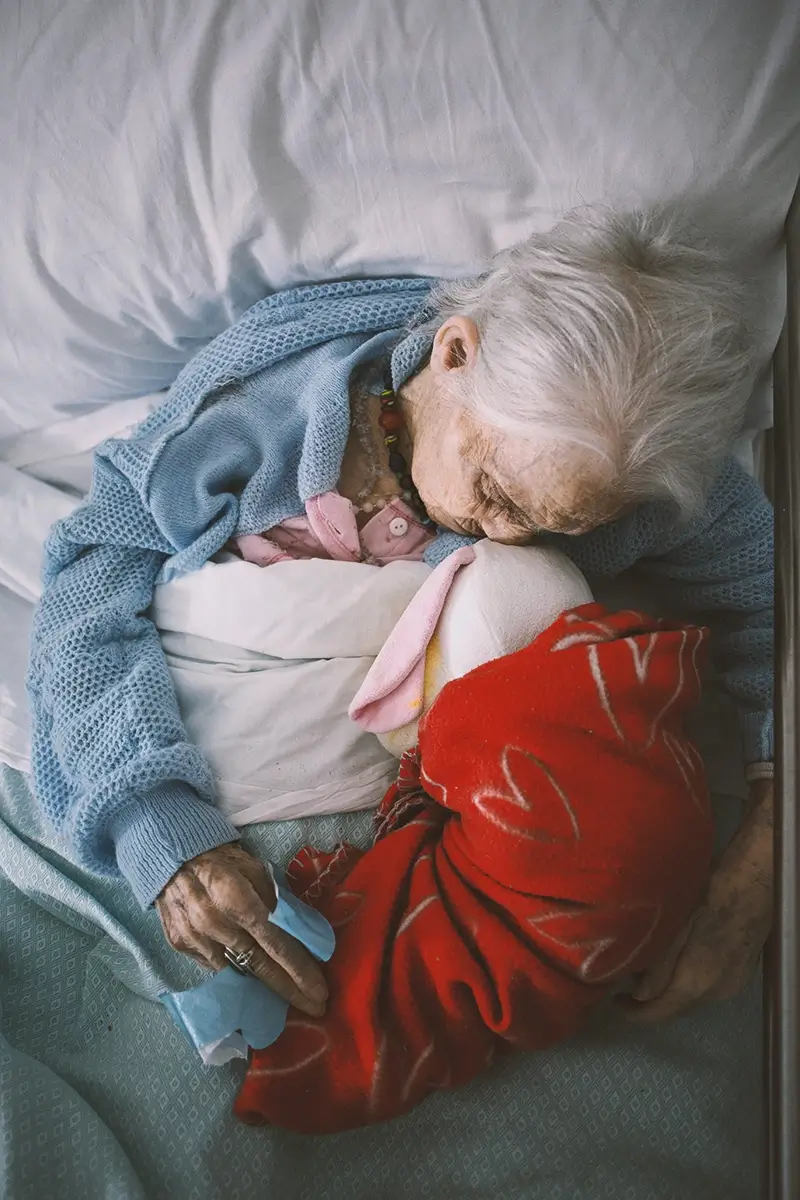
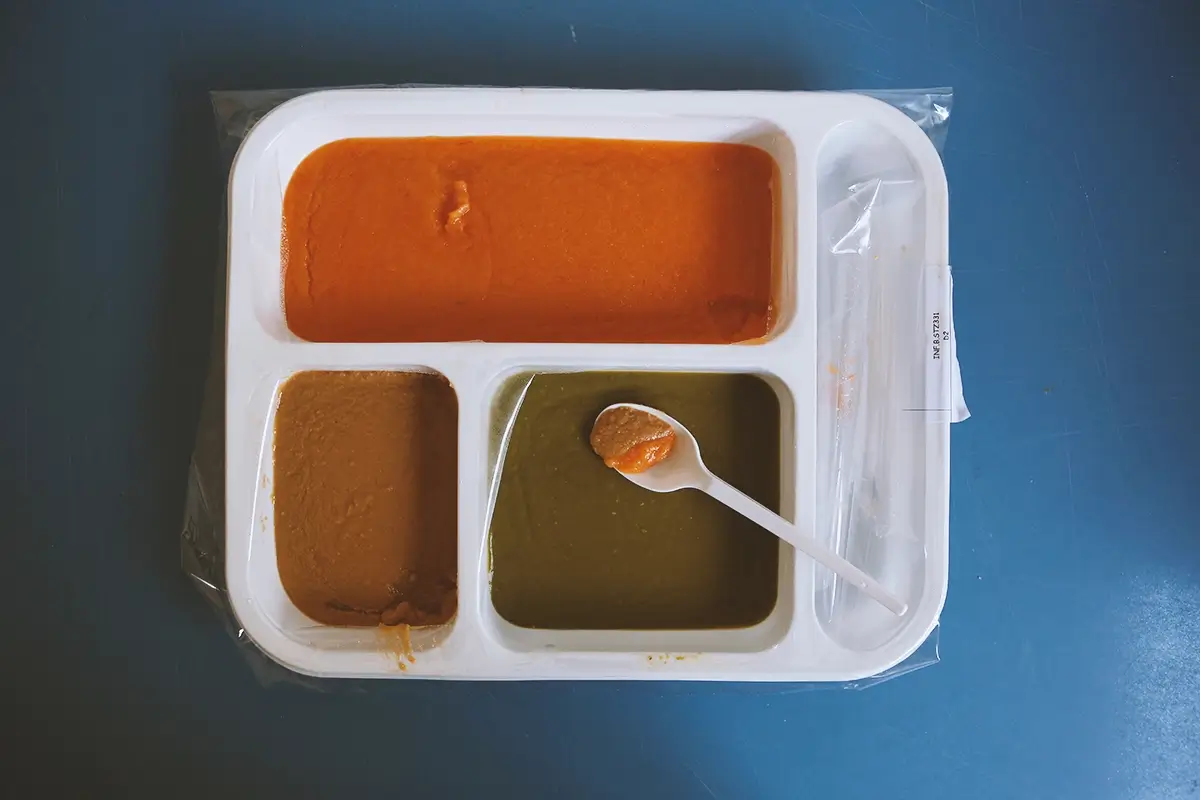
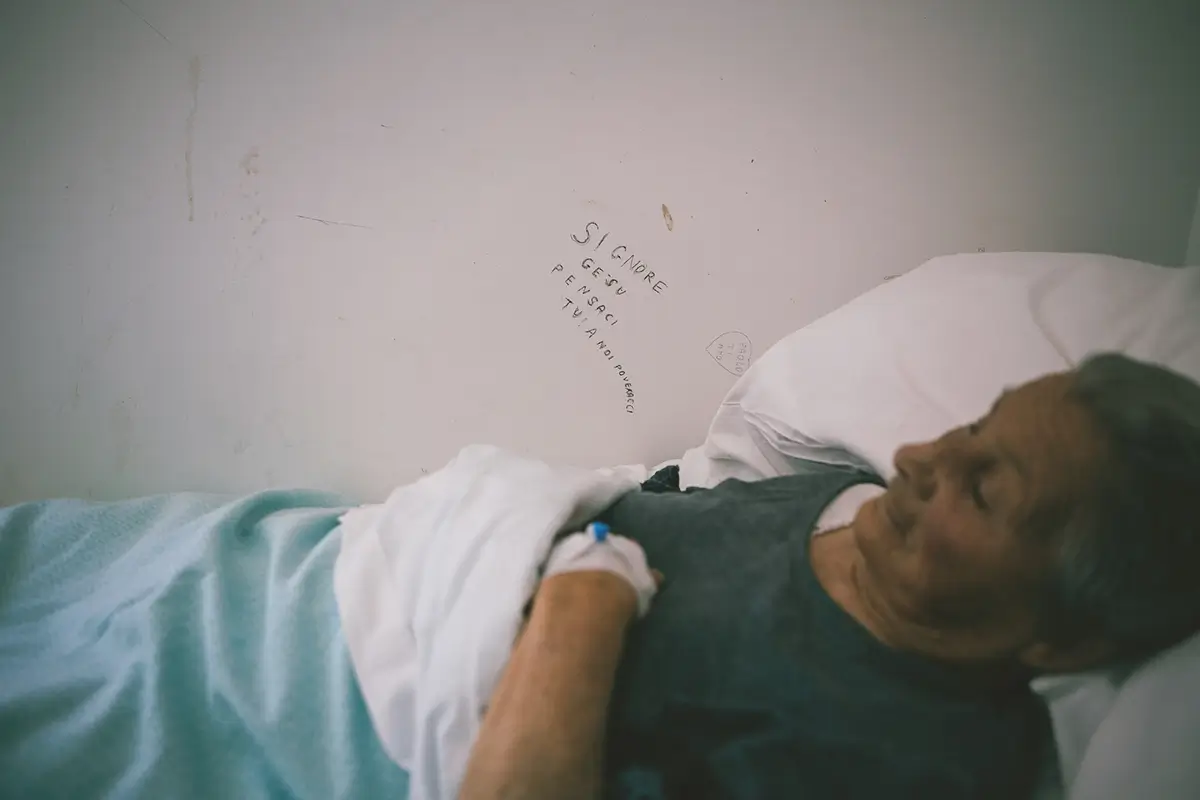
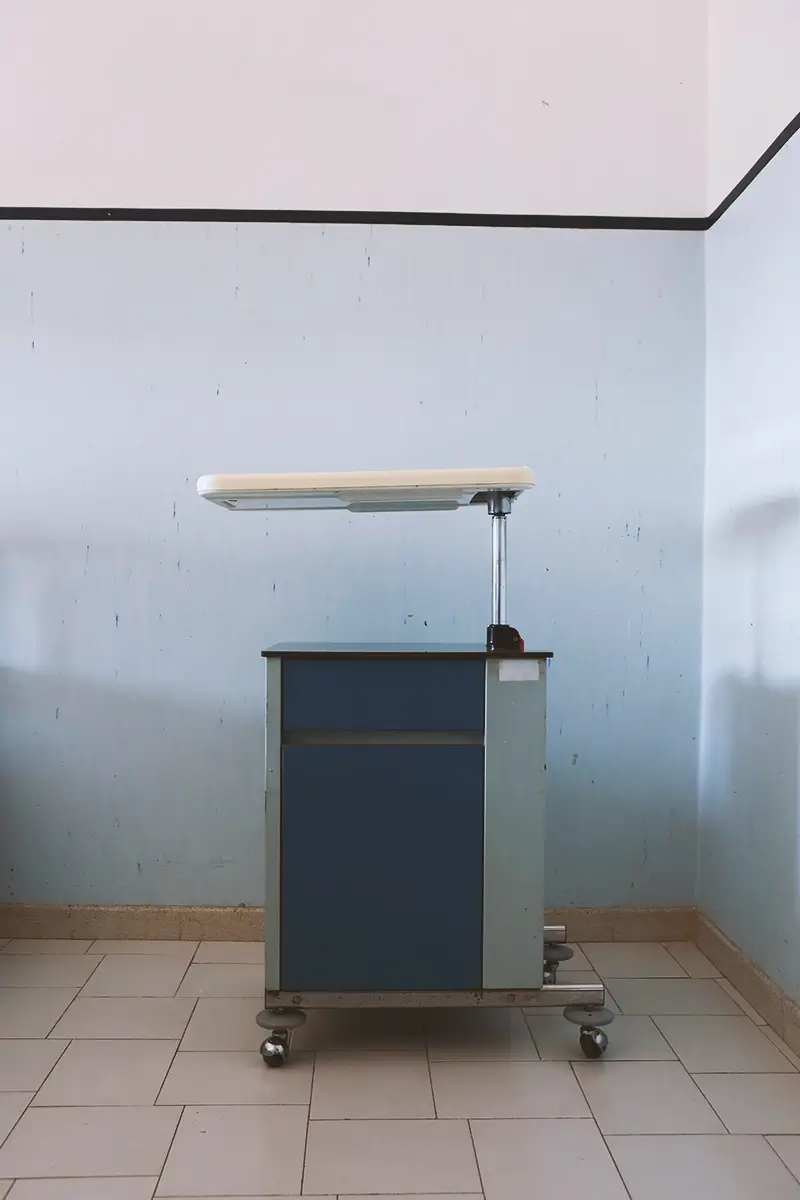
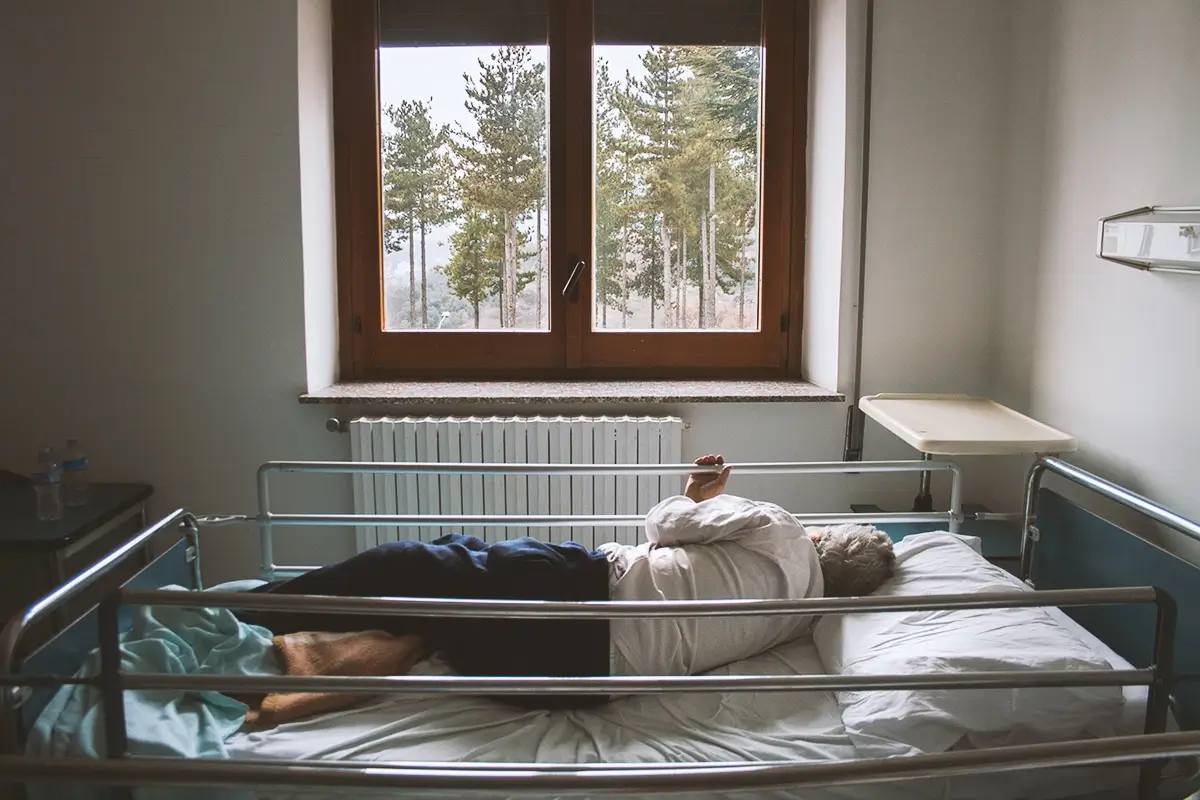
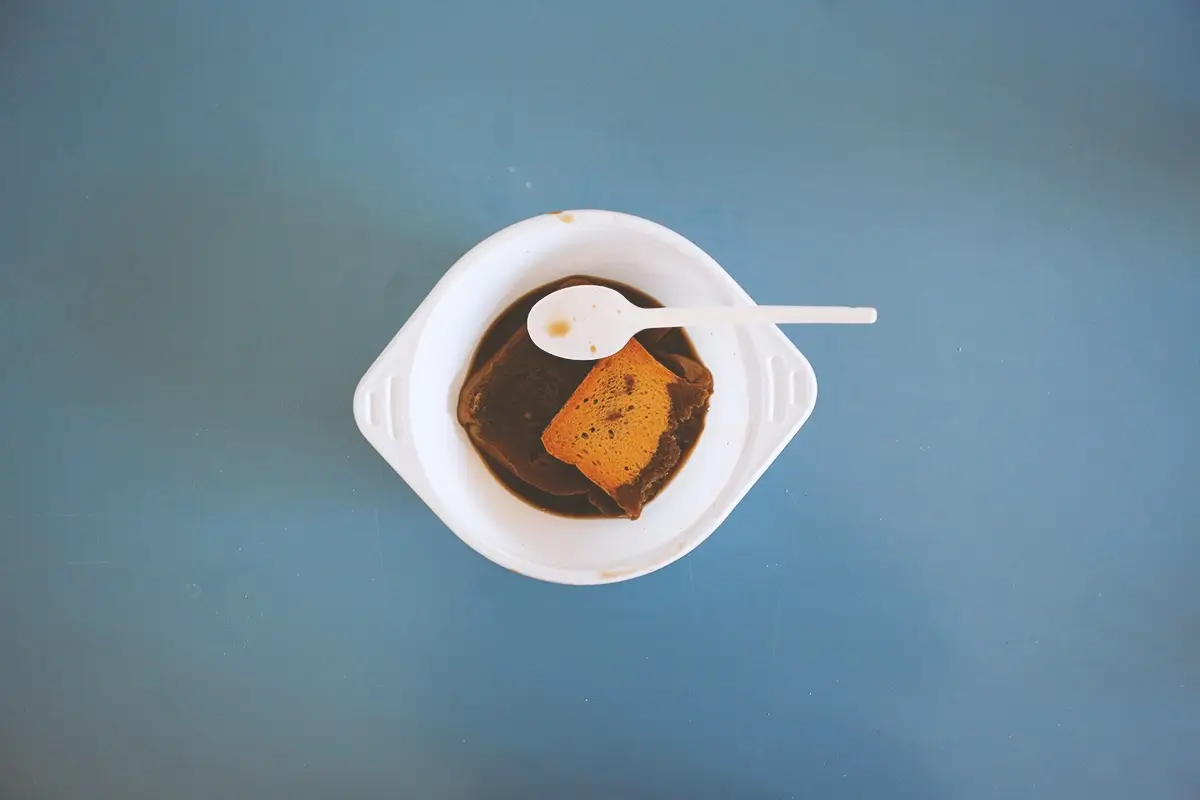
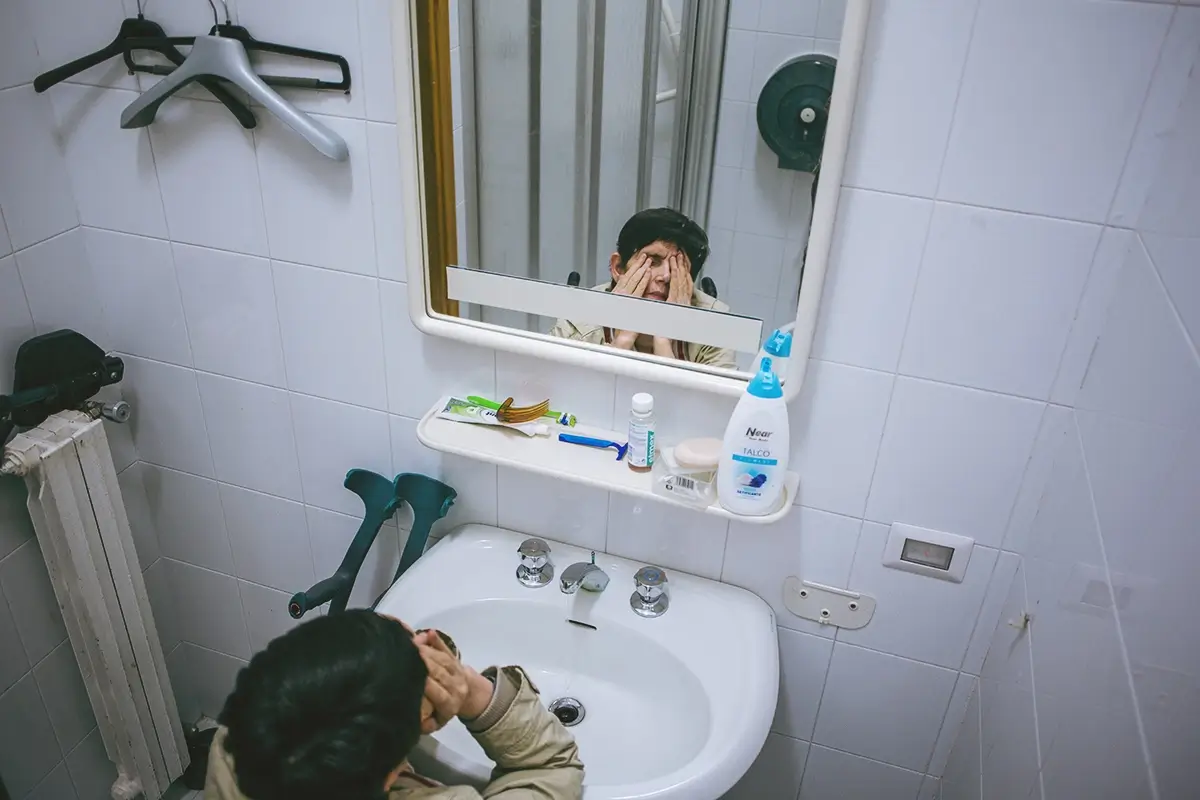
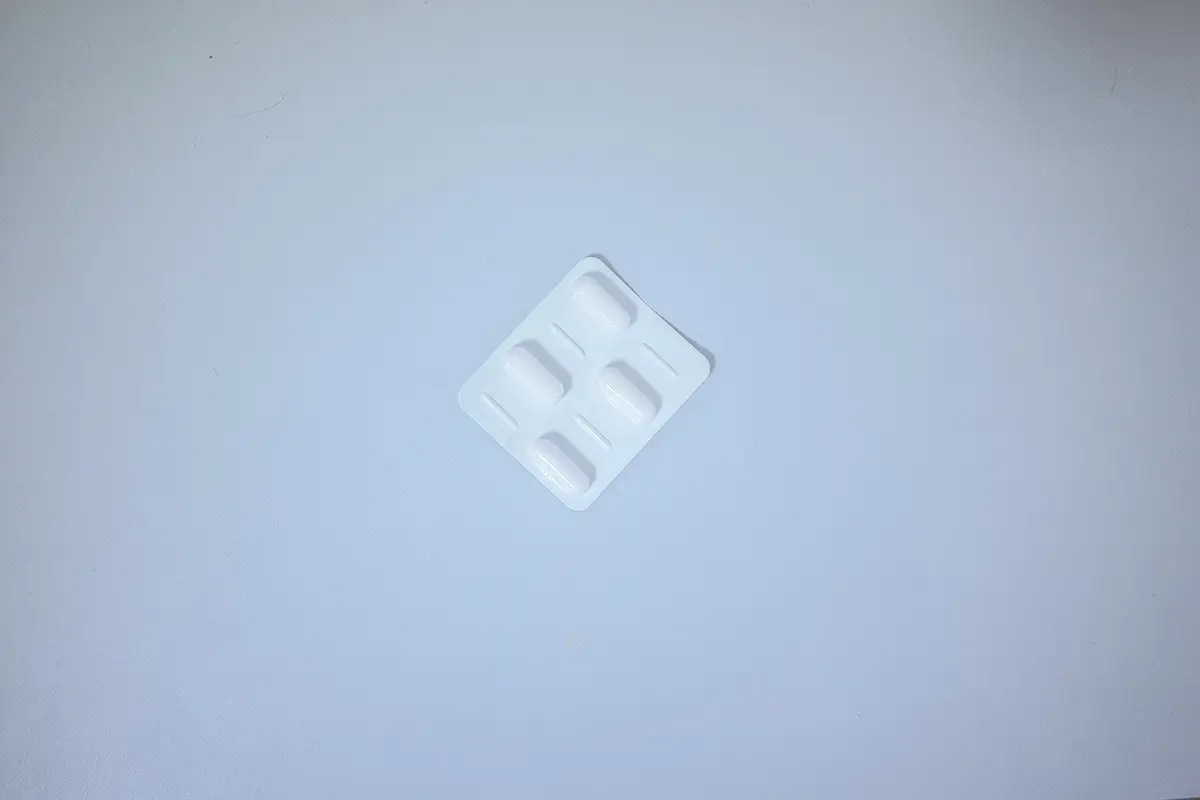
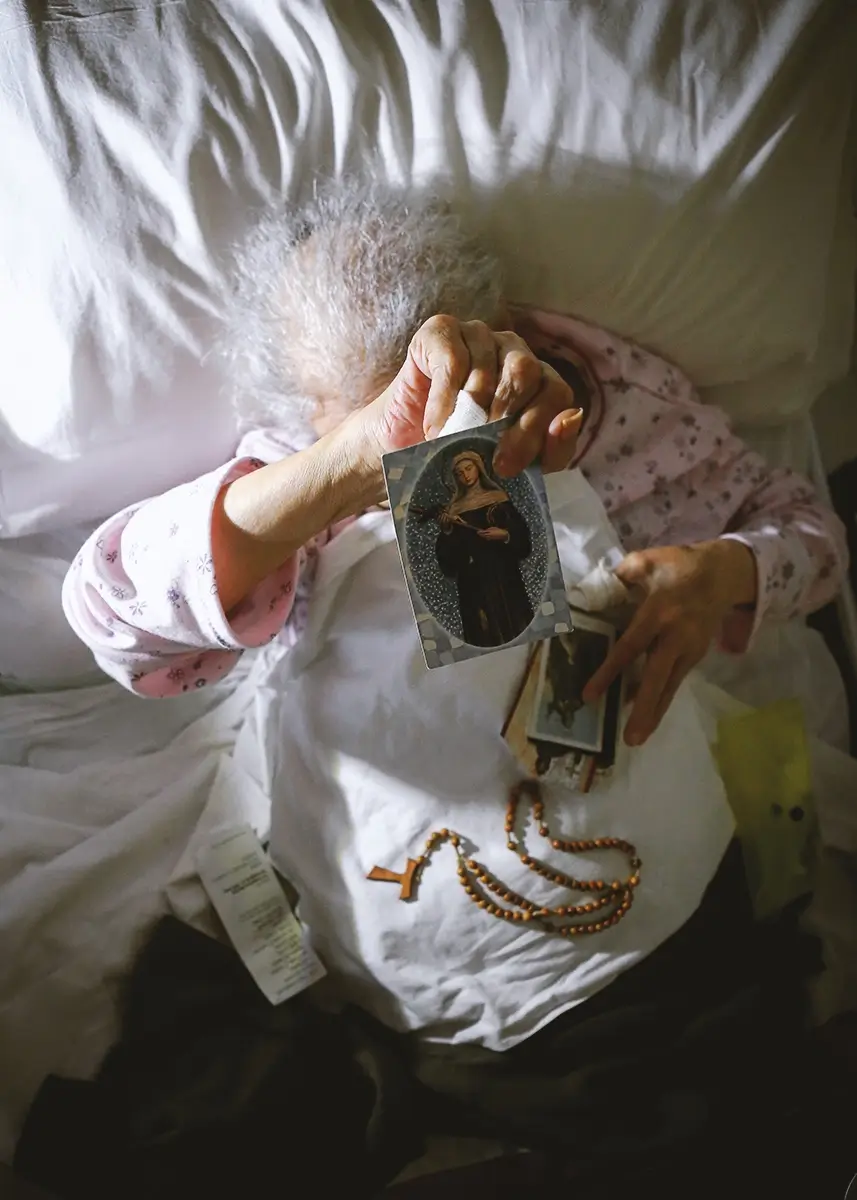
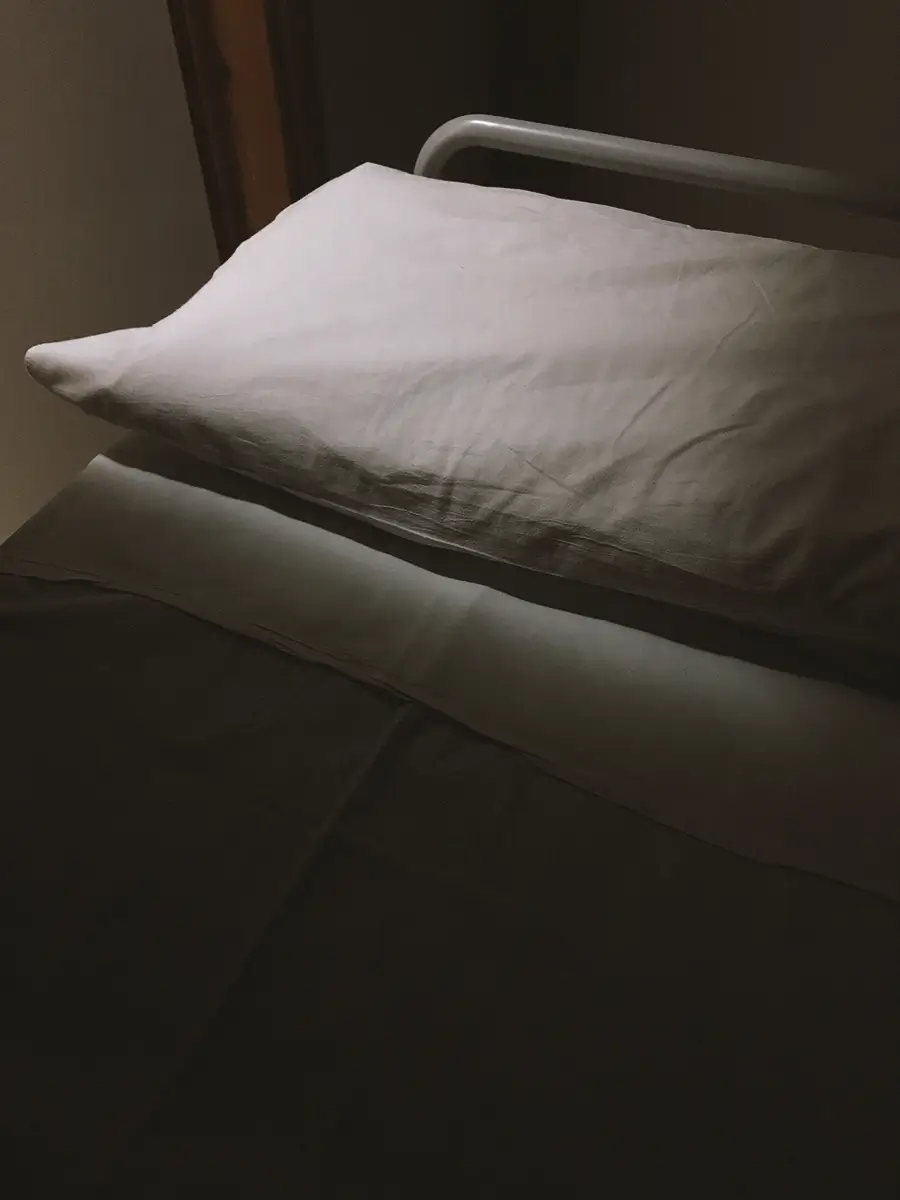
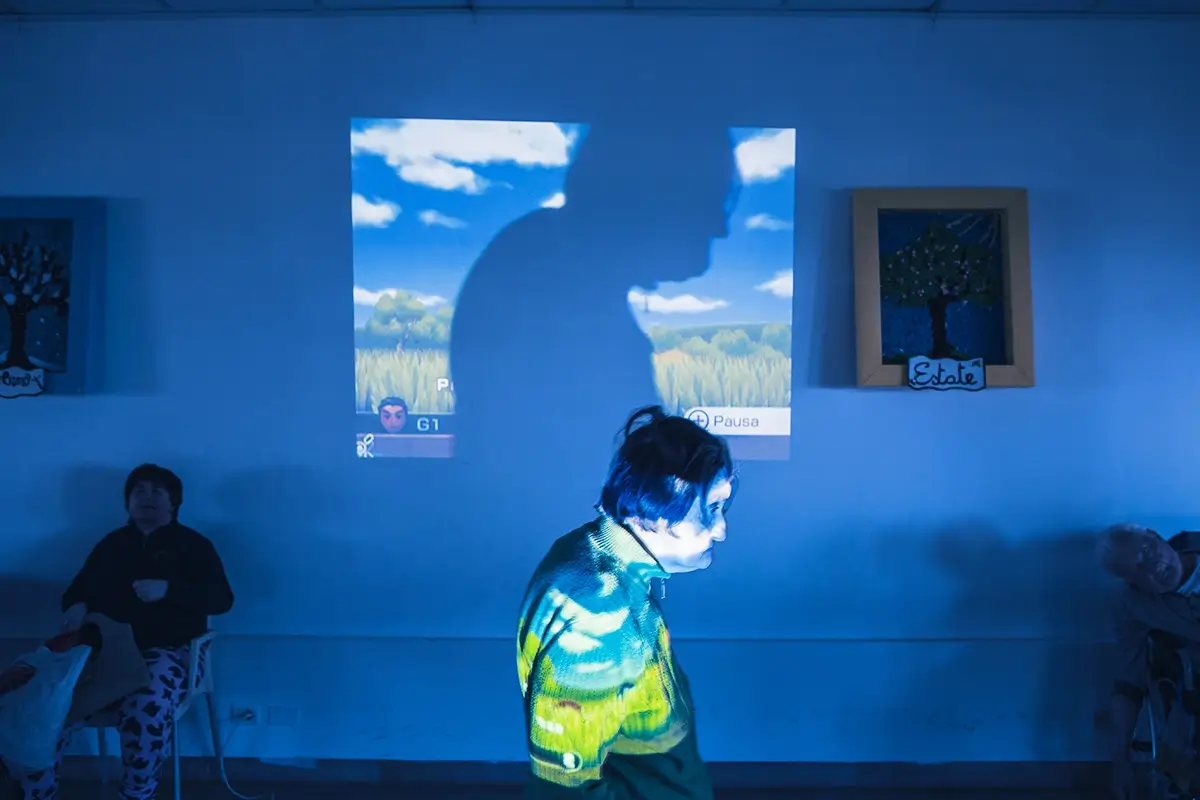
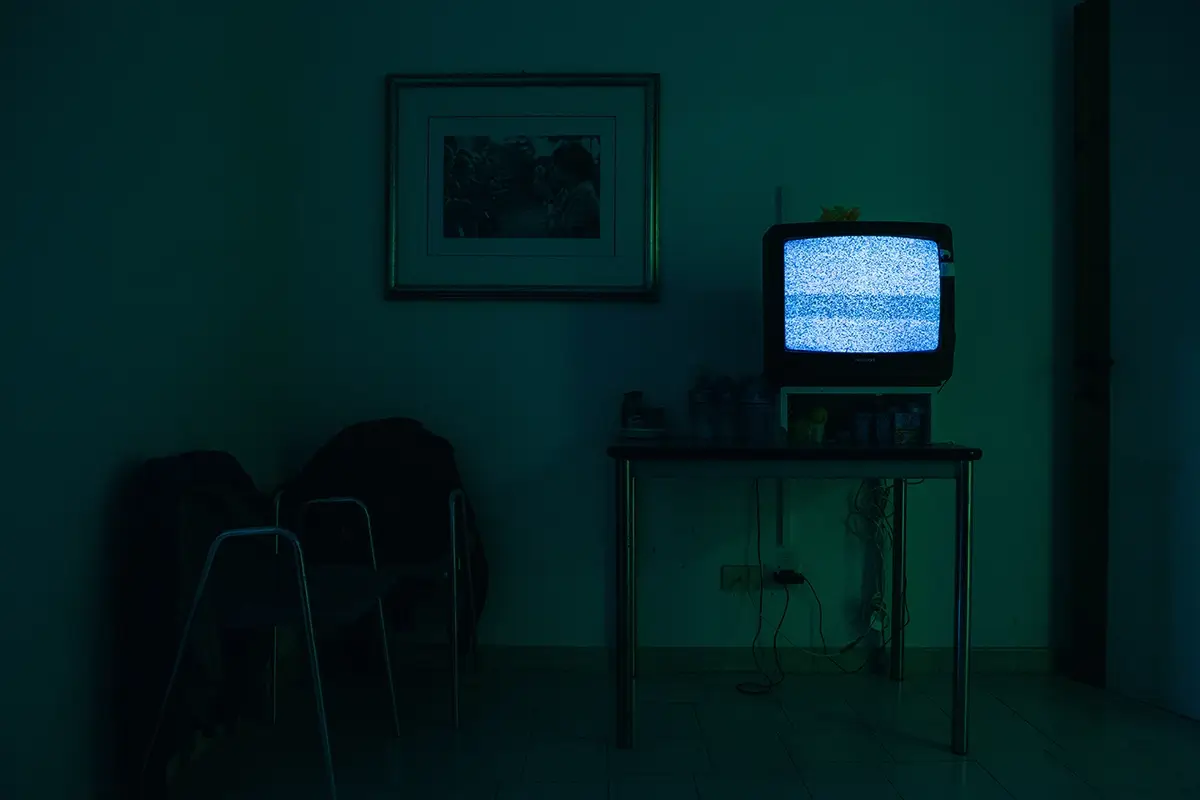
Hold me, don’t leave me alone
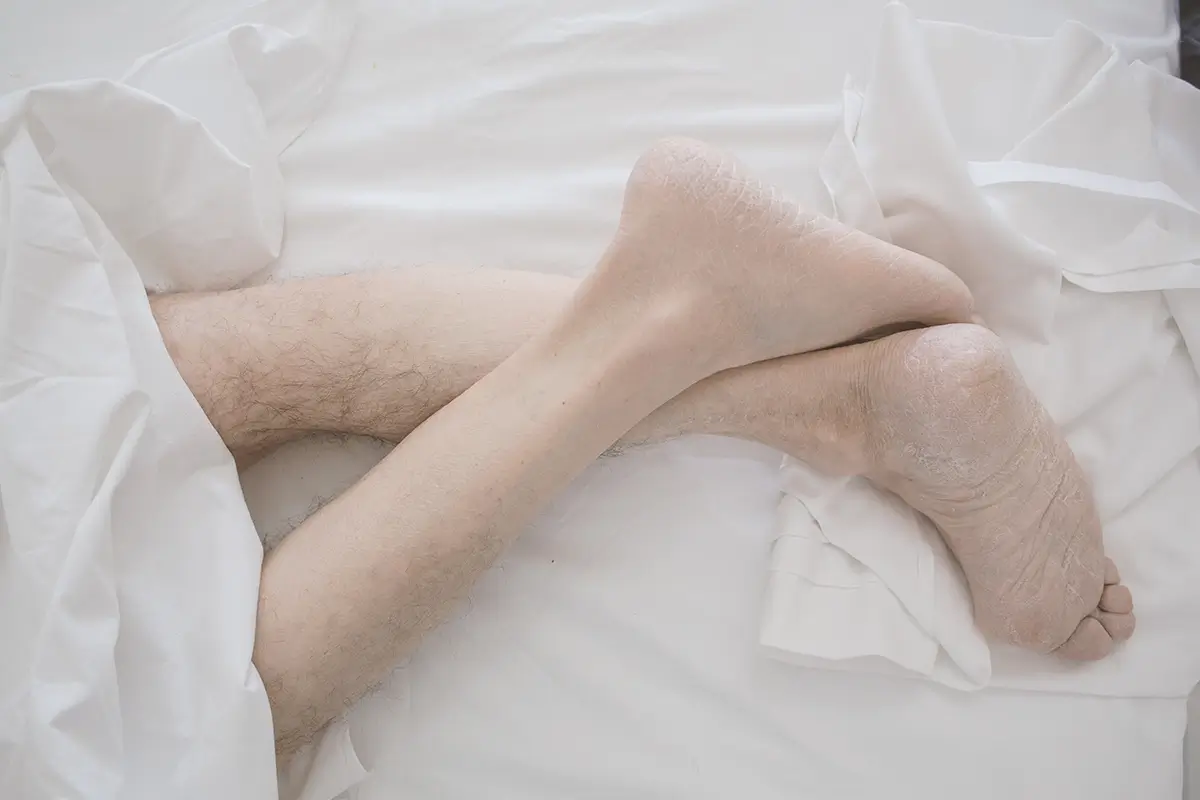
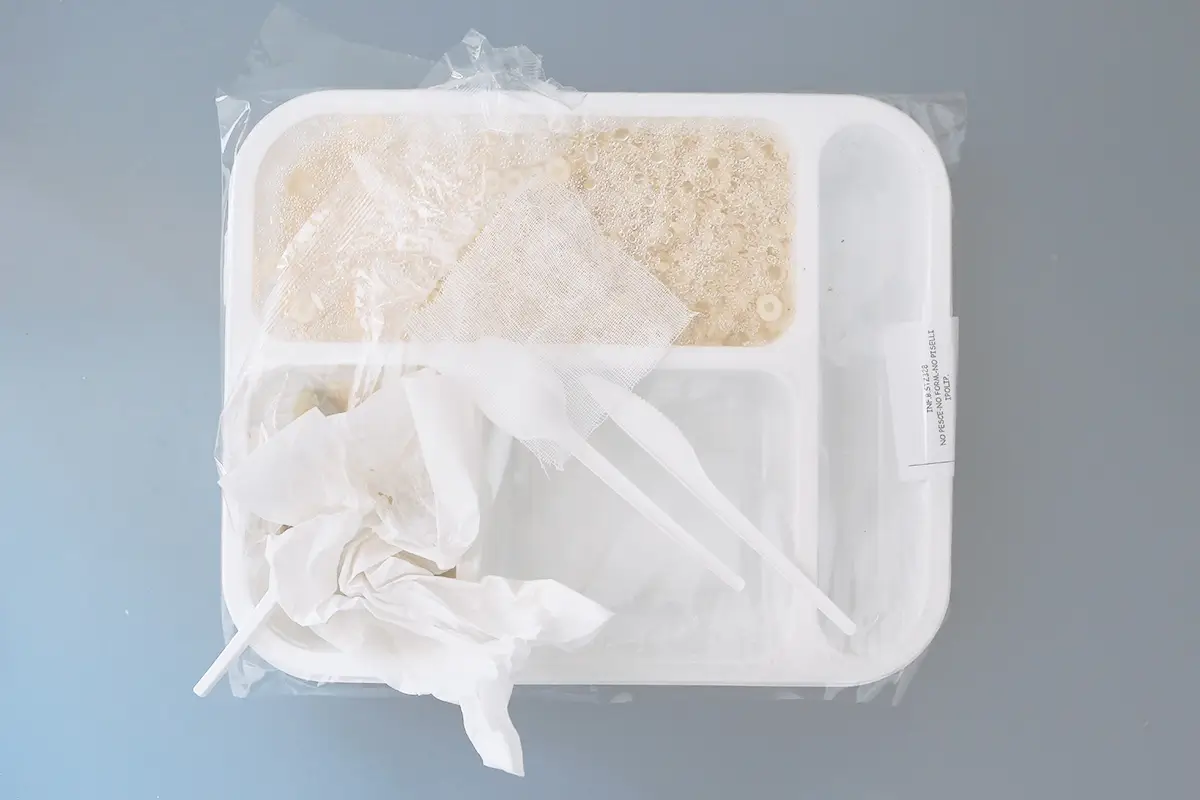
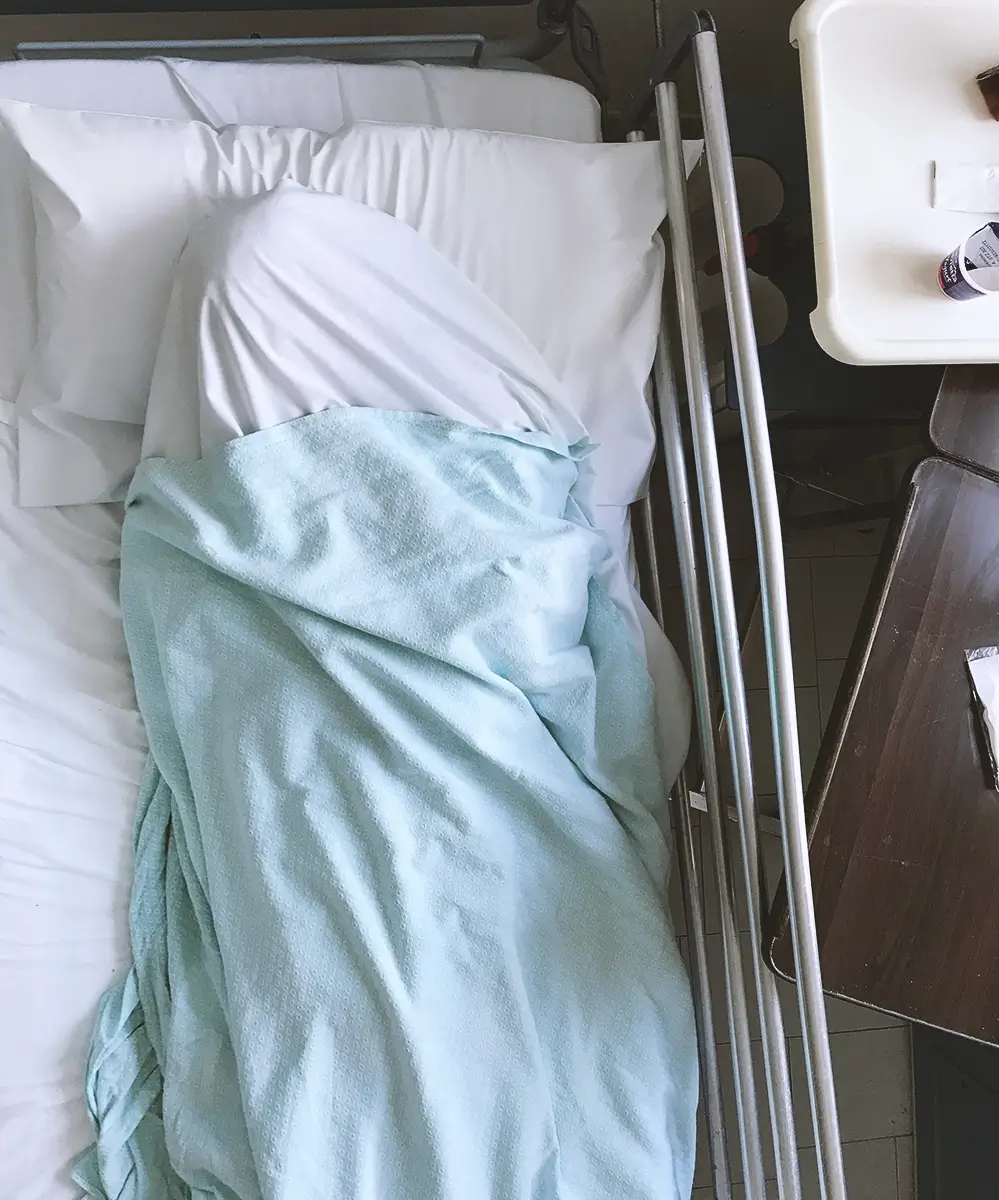
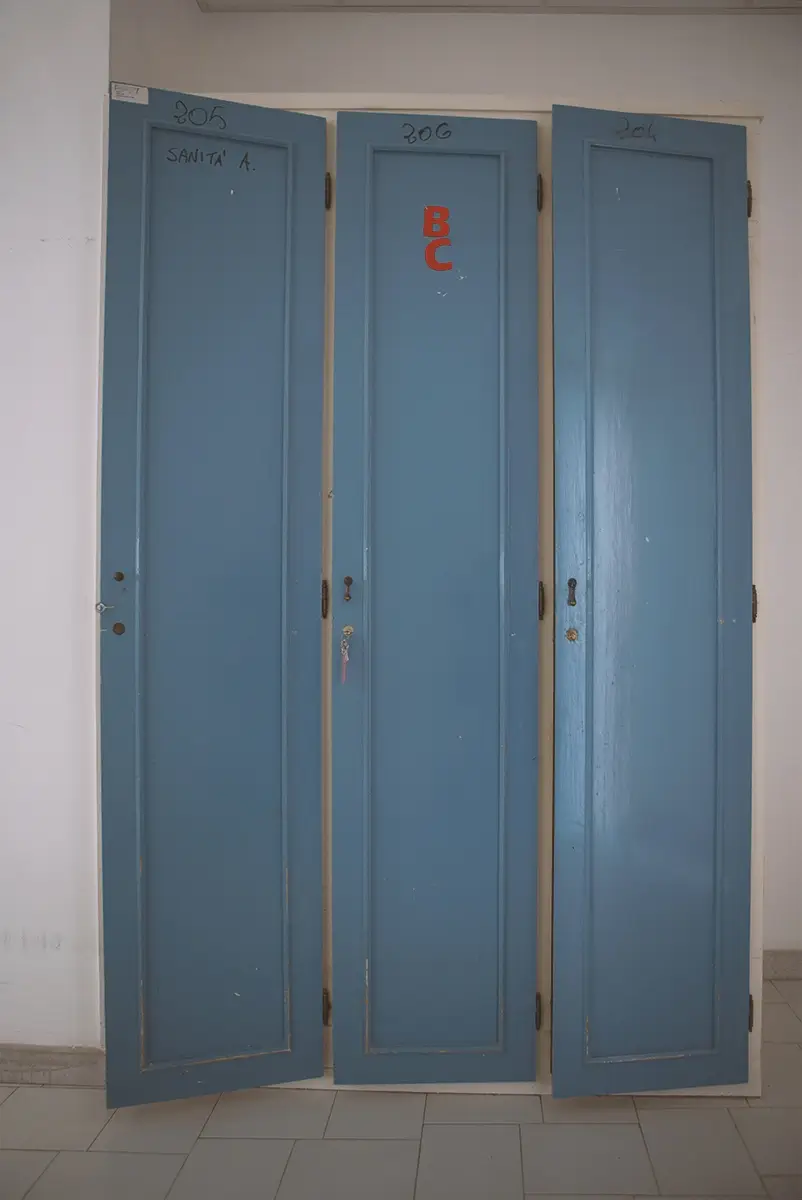
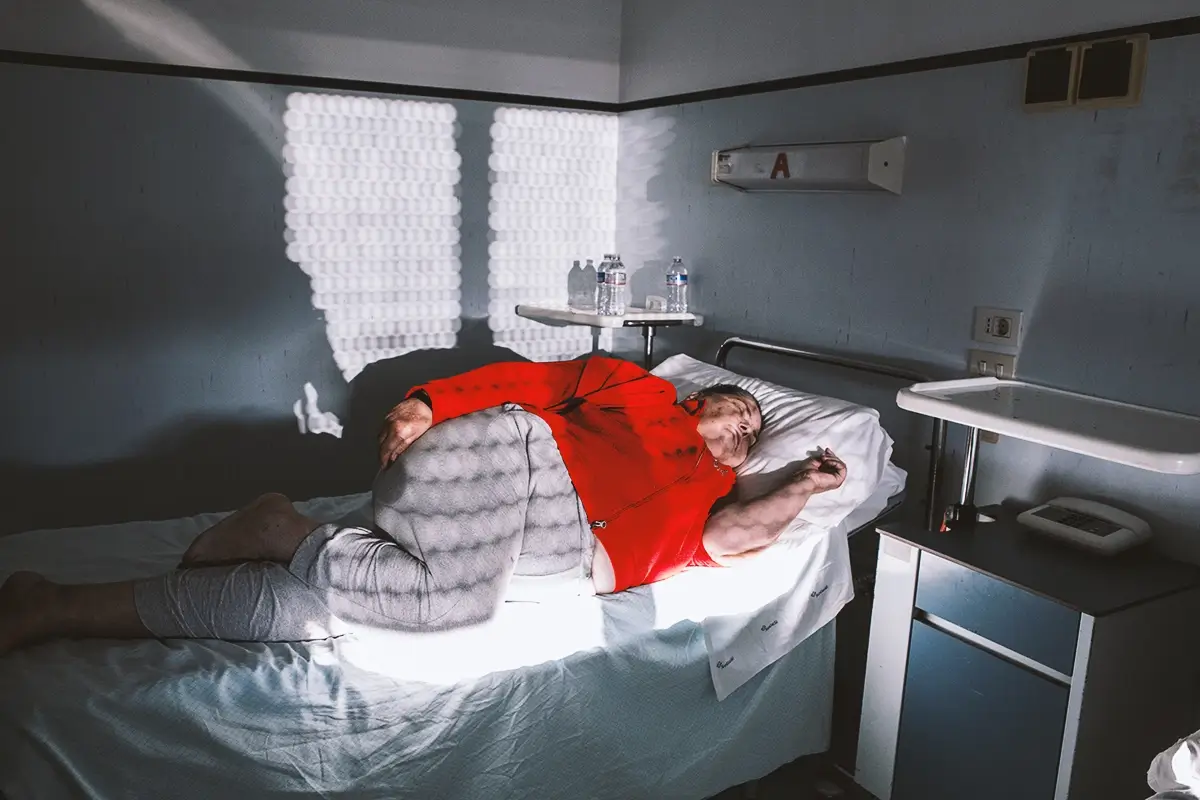
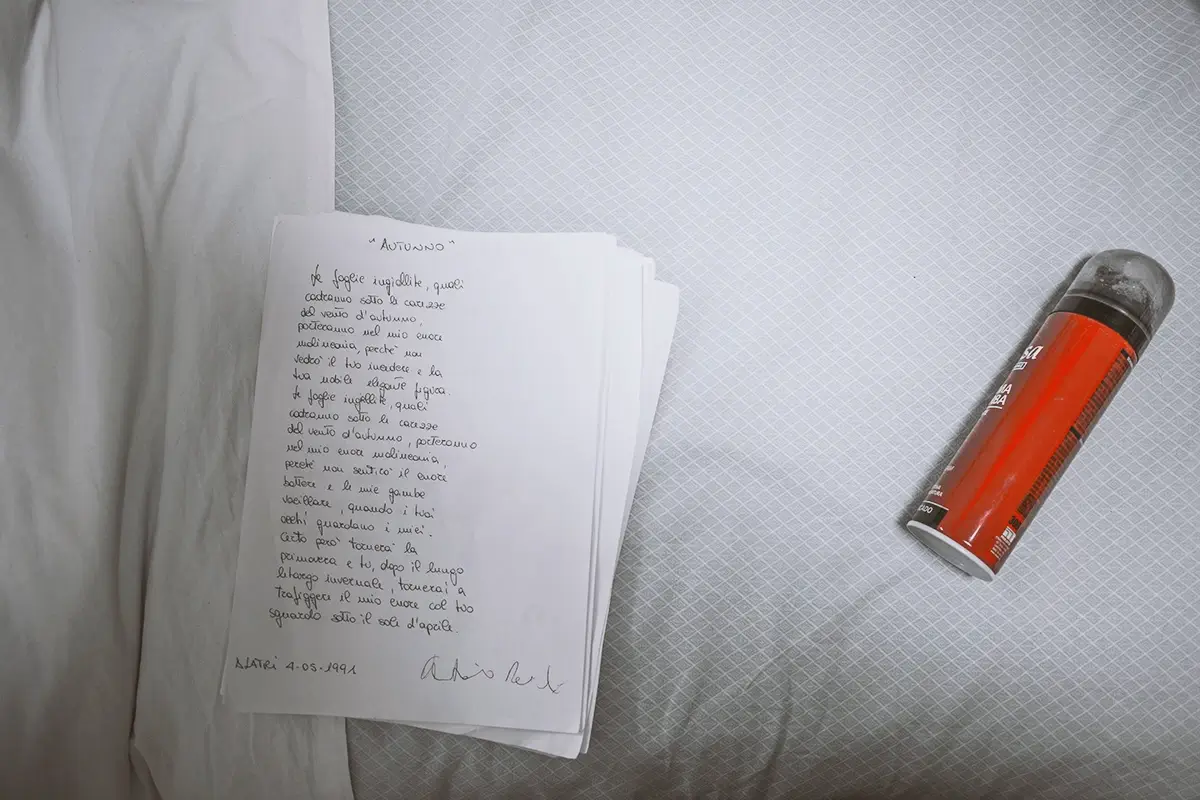
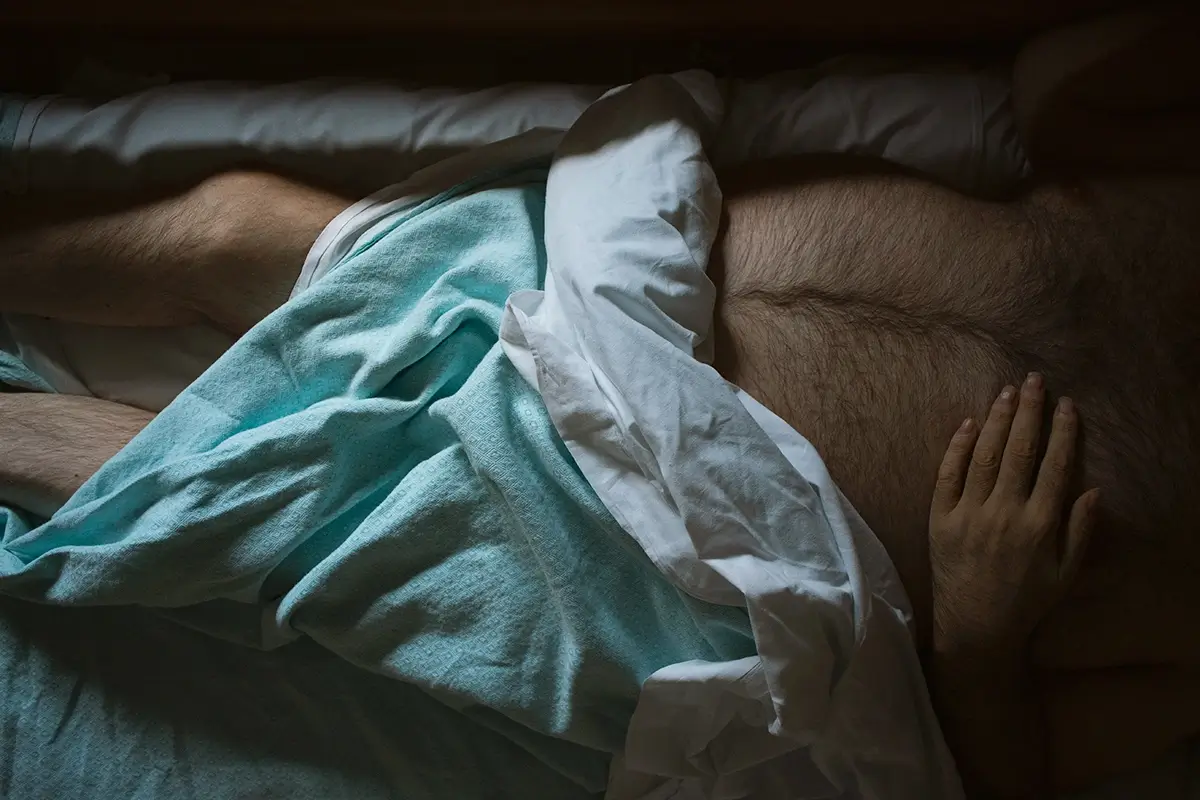
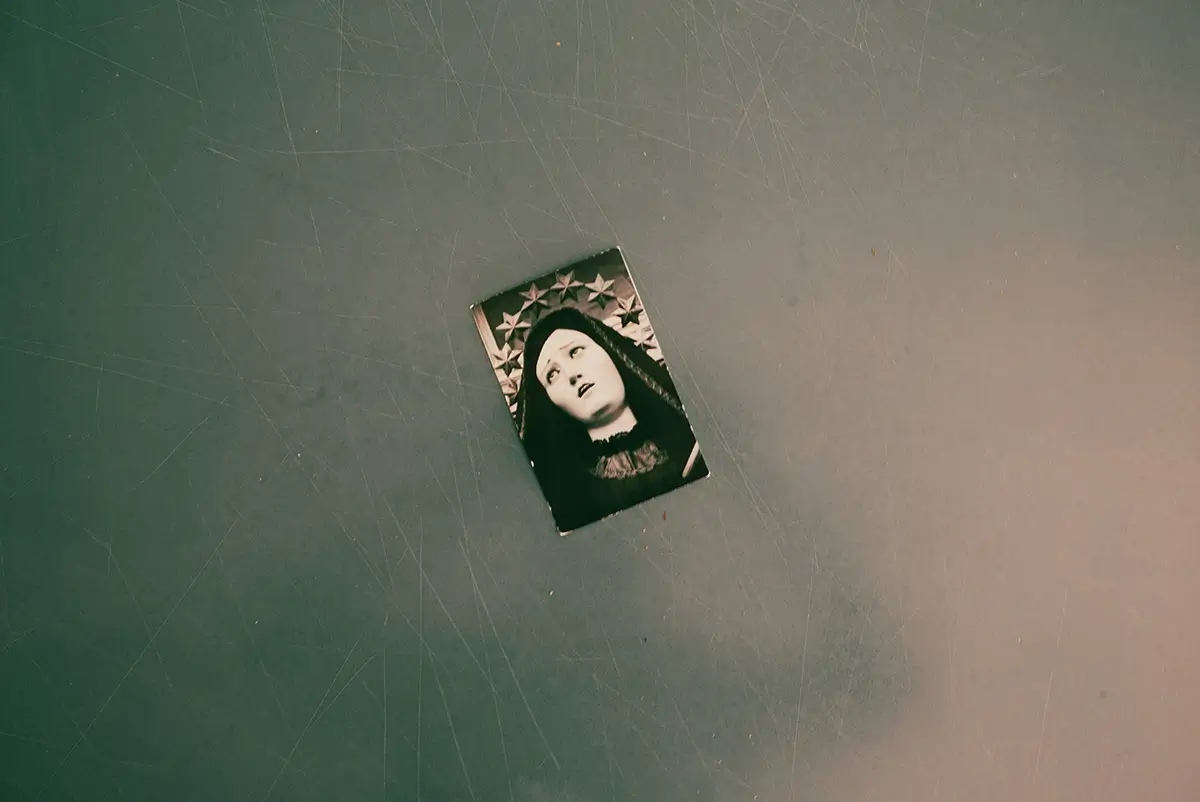
“Hold me, don’t leave me alone" was born as a photographic project for the photojournalism school "Officine Fotografica" in Rome in November 2016. The purpose of the work is to try to give a face to those who have remained on the margins of society for diseases that still today disturb our consciences and our respectability, trying to remove the veil of silence and hypocrisy that exists between us and them.
 

Inspiring Portfolios

Call for Entries
AAP Magazine #58 B&W
Publish your work in our printed magazine and win $1,000 cash prizes
 
Stay up-to-date  with call for entries, deadlines and other news about exhibitions, galleries, publications, & special events.

More Great Photographers To Discover

Lee Friedlander
United States
1934
Lee Friedlander (born July 14, 1934) is an American photographer and artist. In the 1960s and 70s, working primarily with 35mm cameras and black and white film, Friedlander evolved an influential and often imitated visual language of urban "social landscape," with many of his photographs including fragments of store-front reflections, structures framed by fences, posters and street-signs. Friedlander studied photography at the Art Center College of Design located in Pasadena, California. In 1956, he moved to New York City where he photographed jazz musicians for record covers. His early work was influenced by Eugène Atget, Robert Frank, and Walker Evans. In 1960, the Guggenheim Memorial Foundation awarded Friedlander a grant to focus on his art and made subsequent grants in 1962 and 1977. Some of his most famous photographs appeared in the September 1985 Playboy, black and white nude photographs of Madonna from the late 1970s. A student at the time, she was paid only $25 for her 1979 set. In 2009, one of the images fetched $37,500 at a Christie's Art House auction. Working primarily with Leica 35mm cameras and black and white film, Friedlander's style focused on the "social landscape". His photographs used detached images of urban life, store-front reflections, structures framed by fences, and posters and signs all combining to capture the look of modern life. In 1963, the International Museum of Photography at George Eastman House mounted Friedlander's first solo exhibition. Friedlander was then a key figure in curator John Szarkowski's 1967 "New Documents" exhibition, at the Museum of Modern Art in New York City along with Garry Winogrand and Diane Arbus. In 1973, his work was honored in Rencontres d'Arles festival (France) with the screening "Soirée américaine : Judy Dater, Jack Welpott, Jerry Uelsmann, Lee Friedlander" présentée par Jean-Claude Lemagny. In 1990, the MacArthur Foundation awarded Friedlander a MacArthur Fellowship. Friedlander now works primarily with medium format cameras (e.g. Hasselblad Superwide). Whilst suffering from arthritis and housebound, he focused on photographing his surroundings. His book, Stems, reflects his life during the time of his knee replacement surgery. He has said that his "limbs" reminded him of plant stems. These images display textures which were not a feature of his earlier work. In this sense, the images are similar to those of Josef Sudek who also photographed the confines of his home and studio. He was awarded The Royal Photographic Society's Special 150th Anniversary Medal and Honorary Fellowship (HonFRPS) in recognition of a sustained, significant contribution to the art of photography in 2003. In 2005, the Museum of Modern Art presented a major retrospective of Friedlander's career, including nearly 400 photographs from the 1950s to the present. In the same year he received a Hasselblad International Award. The retrospective exhibition was presented again in 2008 at the San Francisco Museum of Modern Art. Concurrent to this retrospective, a more contemporary body of his work, America By Car, was displayed at the Fraenkel Gallery, also in San Francisco. "America By Car" was on display at the Whitney Museum of American Art in New York City in late 2010. He is the father of cellist Erik Friedlander, and Anna Friedlander. Source: Wikipedia
Jacqui Turner
United States
1955
Art enables us to find ourselves and lose ourselves at the same time. - Thomas Merton I am a Fine Art Photographer residing in Monterey Bay. My work consists of abstracts, surrealism, still lifes, landscapes, architecture, and portraits. I strive to create works of art that exhibit beauty, timelessness, and meaning. My photography has been nourished by my career as a dancer/choreographer. Engaging in the elements of shape, form, design, light, and emotion, empowers me to express reflections of our experience of reality. As I pick up my camera, a creative evolution begins. Approaching the natural world with awe and wonderment, I am transported. My photographs express what I am feeling within, what I am drawn to, what touches me, then I frame it, and the final interpretation is left up to the viewer. I am a longtime member of the Center for Photographic Art Carmel, CA and ImageMakers of Monterey, in which I was Director for 6 years. I also teach photography and art to youth, and have been a photography assistant for several local photography workshops over the years. My work has been displayed at the New York Center for Photographic Art, A. Smith Gallery, SE Center for Photography, RI Center for Photographic Art, Center for Photographic Art, Praxis Gallery, All About Photo, Pacific Grove Art Center, Monterey Maritime Museum, ArtVale Gallery, Alvarado Gallery, Marjorie Evans Gallery, Carmel Visual Arts, Homescapes, Carl Cherry Center, Spider Awards Online Exhibits, Triton Museum Online Exhibit, Merit Award Black And White Magazine, and other venues. Statement I spent most of my life as a dancer and a choreographer, and now I find that I respond to the visual world through that lens. In shapes and forms, I see grace, mystery, fluidity, and emotion. Through this series, Veiled in Light, the leaves created their own dance, a dance expressed through the use of light, form, texture, and dimension. Within these images, light and dark reveal the sensuality of objects from the natural world. Working with a minimalist intent, I created this series to encompass what I love about nature. There is a transformation in the free flowing forms, evoking nature's seductiveness while instilling a sense of peace and serenity, a combination that I perceive as a dance, a performance, a celebration of the beauty of the natural world.
Bieke Depoorter
Belgium
1986
Bieke Depoorter (born 1986) is a Belgian photographer. She is a member of Magnum Photos and has published four books: Ou Menya, I am About to Call it a Day, As it May Be, and Sète#15. Depoorter received a master's degree in photography at the Royal Academy of Fine Arts in Ghent in 2009. The relationships Depoorter establishes with the subjects of her photographs lie at the foundation of her artistic practice. Accidental encounters are the starting point, and how these interactions naturally develop dictate the nature of Depoorter’s work. Many of her self-initiated projects are about intimate situations in families and in peoples' homes. For her graduation project and her first book, Ou Menya (2011), she made three trips to Russia, photographing people in their homes that she met whilst travelling around. The series won the 2009 Magnum Expression Award. Bieke Depoorter made the work for her second book, I am About to Call it a Day (2014) in a similar way whilst hitchhiking and driving around the U.S. However several recent projects have been the result of Depoorter questioning the medium. In As it May Be, she gradually became more aware of her status as an outsider, both culturally and as a photographer. So, in 2017, she revisited Egypt with the first draft of the book, inviting people to write comments directly onto the photographs. In Sète#15, and also Dvalemodus, a short film she co-directed together with Mattias De Craene, she began to see her subjects as actors. Although she portrayed them in their true environments, she tried to project her own story onto the scenes, fictionalizing the realities of her subjects in a way that blurred the lines between their world and hers. In the ongoing project Agata, a project about a young woman Depoorter met at a striptease bar in Paris in October 2017, she explores her interest in collaborative portraiture. It’s an example of Depoorter’s interest in finding people that can work with her in telling a story. These stories are always partially hers, and partially theirs. In her latest project Michael, she investigates the disappearance and life of a man she met on the streets of Portland in 2015. After giving her three suitcases full of scrapbooks, notes and books, everyone lost sight of him. Bieke Depoorter became a nominee member of Magnum Photos in 2012, an associate member in 2014, and a full member in 2016. She is the fourth Belgian member of the agency, after Carl De Keyzer, Martine Franck, Harry Gruyaert... Depoorter has won the Magnum Expression Award, The Larry Sultan Award and the Prix Levallois.Source: Wikipedia For the past six years, Bieke Depoorter has spent countless nights photographing perfect strangers—people that she encounters on the street who are willing to open their homes to Depoorter and her camera. The project began when she was travelling on the Trans-Siberian Railway, in 2008. She didn’t speak the language, so photography became her mode of communication. (She carried a letter that a friend wrote in Russian that explained her intent.) After publishing the work as a book, called Ou Menya, Depoorter headed to the United States, in 2010, where she hitchhiked and drove around the country, creating the collection found in her latest book, I Am About to Call It a Day. The project, both intimate and removed, hinges upon Depoorter’s ability to build trust within a tight timeframe. In many of the photographs, she seems to go unnoticed, capturing the unguarded moments found only in the privacy of one’s own home. “I like the atmosphere of the night,” Depoorter told me. “When people go to sleep, I think it’s most real. No one is looking at them, and they become their true selves.” She told me that her process is intrinsic to the success of her images. “I try to not hope for a picture,” she said. “I am there as a person first, and a photographer second.”Source: The New Yorker
Shomei Tomatsu
Japan
1930 | † 2012
Shomei Tomatsu (東松 照明, Tōmatsu Shōmei) was a Japanese photographer, primarily known for his images that depict the impact of World War II on Japan and the subsequent occupation of U.S. forces. As one of the leading postwar photographers, Tomatsu is attributed with influencing the younger generations of photographers including those associated with the magazine Provoke (Takuma Nakahira and Daido Moriyama). Tomatsu was born in Nagoya in 1930. As an adolescent during World War II, he was mobilized to support Japan's war effort. Like many Japanese students his age, he was sent to work at a steel factory and underwent incessant conditioning intended to instill fear and hatred towards the British and Americans. Once the war ended and Allied troops took over numerous Japanese cities, Tomatsu interacted with Americans firsthand and found that his preconceptions of them were not entirely salient. At the time Tomatsu's contempt for the violence and crimes committed by these soldiers was complicated by individual acts of kindness he received from them – he simultaneously loved and hated their presence. These interactions, which he later described as among the most formative memories of his childhood, initiated his long-standing fixation on and feelings of ambivalence towards the subject of American soldiers. If I had seven lives, I’d be a photographer in every one. -- Shomei Tomatsu Tomatsu embraced photography while an economics student at Aichi University. While still in university, his photographs were shown frequently in monthly amateur competitions by Camera magazine and received recognition from Ihei Kimura and Ken Domon. After graduating in 1954, he joined Iwanami Shashin Bunko, through an introduction made by Aichi University professor Mataroku Kumaza. Tomatsu contributed photographs to the issues Floods and the Japanese (1954) and Pottery Town, Seto Aichi (1954). He stayed at Iwanami for two years before leaving to pursue freelance work. In 1957, Tomatsu participated in the exhibition Eyes of Ten where he displayed his series Barde Children’s School; he was featured in the exhibit twice more when it was held again in 1958 and 1959. After his third showing, Tomatsu established the short-lived photography collective VIVO with fellow Eyes of Ten exhibitors; these other members included Eikoh Hosoe, Kikuji Kawada, Ikkō Narahara, Akira Satō, and Akira Tanno. Towards the end of the 1950s, Tomatsu began photographing Japanese towns with major American bases, a project that would span over 10 years. Tomatsu's artistic output and renown grew significantly during the 1960s, exemplified by his prolific engagements with many prominent Japanese photography magazines. He began the decade by publishing his images of U.S. bases in the magazines Asahi Camera and Camera Mainichi and his series Home in Photo Art. In contrast to his earlier style which resembled traditional photojournalism, Tomatsu was beginning to develop a highly expressionistic form of image-taking that emphasized the photographer's own subjectivity. In response to this emergence, a dispute arose when Iwanami Shashin Bunko founder Yonosuke Natori wrote that Tomatsu had betrayed his foundations as a photojournalist by neglecting the responsibility to present reality in a truthful and legible manner. He rejected the claim that he was ever a photojournalist, and admonished journalistic thinking as an impediment to photography. Both essays were published in Asahi Camera. In addition to Asahi Camera and Photo Art, Tomatsu worked for magazines Gendai no me and Camera Mainichi. For Gendai no me, he edited a monthly series titled I am King (1964); for Camera Mainichi, he printed multiple collaborations made with Yasuhiro Ishimoto and Shigeichi Nagano in 1965 and his own series, The Sea Around Us in 1966. Tomatsu first went to Okinawa to photograph the American bases under the auspices of Asahi Camera in 1969. The images he captured formed the book Okinawa, Okinawa Okinawa which served as an explicit critique of the American air force. On the cover, an anti-base slogan verbalizing his disdain with the overwhelming U.S. presence in Okinawa reads: "The bases are not in Okinawa; Okinawa is in the bases". This sentiment was foreshadowed in Tomatsu's earlier writings, like his 1964 essay for Camera Manichi in which he stated "it would not be strange to call [Japan] the State of Japan in the United States of America. That's how far America has penetrated inside Japan, how deeply it has plumbed our daily lives." Tomatsu visited Okinawa three more times before finally moving to Naha in 1972. While in Okinawa, he traveled to various remote islands including Iriomote and Hateruma; he spent seven months on Miyakojima where he organized a study group called “Miyako University” aimed at mentoring young Miyako residents. Combined with his images taken in Southeast Asia, Tomatsu's photographs of Okinawa from the 1970s were shown in his prizewinning Pencil of the Sun (1975). Although he had come to Okinawa in order to witness its return to Japanese territory, Pencil of the Sun revealed a considerable shift away from the subject of military bases that he pursued throughout 1960s. He credited a diminishing interest in the American armed forces, in addition to the allure of Okinawa's brilliantly colored landscapes, for his adoption of color photography. In 1974, Tomatsu returned to Tokyo where he set up Workshop Photo School, an alternative two-year-long workshop (1974–76), with Eikoh Hosoe, Nobuyoshi Araki, Masahisa Fukase, Daidō Moriyama, and Noriaki Yokosuka; the school published the photo magazine Workshop. Tomatsu's dedication to nurturing the photography community in Japan was also evidenced in his role as a juror for the Southern Japan Photography Exhibition and his membership in the Photographic Society of Japan's committee to create a national museum of photography. The efforts of this group led to the establishment of photography departments at major national museums, such as Yokohama Museum of Art and the National Museum of Modern Art, Tokyo, as well as the first photography museum in Japan, Tokyo Photographic Art Museum. In this, photography is the same thing as love. When my gaze, diving into the sea as my subject, converges with the act of photography, hot sparks fly at the point of intersection. -- Shomei Tomatsu Tomatsu took part in his first major international show, New Japanese Photography (1974) at MoMA New York, alongside workshop members Hosoe, Moriyama, Fukase, and 11 other photographers. New Japanese Photography was the first survey of contemporary Japanese photographers undertaken outside of Japan. It traveled to eight other locations in the United States including the Denver Art Museum, San Francisco Museum of Art, and Portland Art Museum. By 1980, Tomatsu published three more books: Scarlet Dappled Flower (1976) and The Shining Wind (1979) were composed of his images from Okinawa; and Kingdom of Mud (1978) featured his Afghanistan series printed earlier in Assalamu Alaykum. In the early 1980s, Tomatsu had his first international solo exhibition, Shomei Tomatsu: Japan 1952-1981 shown at thirty venues over three years. He was also included in notable international group exhibitions regarding Japanese art: in 1985, he was one of the main artists in Black Sun: The Eyes of Four first shown at the Museum of Modern Art, Oxford; in 1994, he was featured in the seminal show Japanese Art After 1945: Scream Against the Sky at the Yokohama Museum of Art, Guggenheim Museum and San Francisco Museum of Modern Art. In the last decade of his career, Tomatsu embarked on a new and comprehensive series of retrospectives, dividing his oeuvre into five "mandalas" of place. Each mandala was named after the area it was exhibited: Nagasaki Mandala (Nagasaki Prefectural Art Museum, 2000); Okinawa Mandala (Urasoe Art Museum, 2002); Kyoto Mandala (Kyoto National Museum of Modern Art, 2003); Aichi Mandala (Aichi Prefectural Museum of Art, 2006); and Tokyo Mandala (Tokyo Metropolitan Museum of Photography, 2007). Tomatsu also had a separate retrospective, Shomei Tomatsu: Skin of the Nation, for the international museum circuit. Skin of the Nation was organized by the San Francisco Museum of Modern Art, and curated by Sandra S. Phillips and the photographer and writer Leo Rubinfien. The exhibition toured three countries and five venues from 2004 through 2006: Japan Society (New York); National Gallery of Canada, Corcoran Museum of Art, San Francisco Museum of Modern Art, and Fotomuseum Winterthur. In 2010 Tomatsu moved to Okinawa permanently, where he held the final exhibition during his lifetime, Tomatsu Shomei and Okinawa - Love Letter to the Sun (2011). He succumbed to pneumonia on 14 December 2012 (although this was not publicly announced until January 2013).Source: Wikipedia
Advertisement
AAP Magazine #58 B&W
Win a Solo Exhibition in June
AAP Magazine #58 B&W

Latest Interviews

Exclusive Interview with Carolyn Moore
American photographer Carolyn Moore explores the inner landscape of emotion, memory, and personal transformation through a deeply intuitive photographic practice. Her work unfolds as a quiet dialogue between artist and viewer, where images become a space for reflection, vulnerability, and connection.
Exclusive Interview with Luca Desienna and Laura Estelle Barmwoldt
For over seven years, Of Lilies and Remains has explored the depths of the goth and darkwave underground, unfolding in Leipzig—a city long associated with a vibrant and enduring subcultural scene. Moving between iconic gatherings such as Wave-Gotik-Treffen and more intimate moments on the fringes, the project offers a rare and immersive glimpse into a world often misunderstood, yet rich in expression and community. Created by Luca in collaboration with Laura Estelle Barmwoldt, the work embraces a cinematic and deeply personal approach. Rather than documenting from a distance, it moves within the scene itself, capturing its atmosphere, its codes, and its quiet contradictions. The title Of Lilies and Remains hints at this duality—where beauty and darkness, fragility and strength coexist. As the book prepares for its release, we spoke with both artists about the origins of the project, their process, and what it means to document a subculture that continues to evolve while remaining true to its spirit.

Exclusive Interview with Matthew Finley
American photographer Matthew Finley turns inward, using photography as a way to explore identity, memory, and emotional truth. Based in Los Angeles, his practice moves between performance, gesture, and found imagery, creating a visual language that is both intimate and deeply personal
Exclusive Interview with Jan Janssen
Dutch photographer Jan Janssen explores universal human experiences through his long-term project It Matters, winner of the May 2025 Solo Exhibition. Begun in 2016, the series captures intimate moments of everyday life—love, loss, connection, and belonging—across Central and Eastern Europe. Working in countries such as Turkey, Azerbaijan, and Armenia, Janssen spends extended time within communities, building relationships based on trust and respect. His approach allows him to move beyond observation, revealing deeply human and authentic moments. Rooted in travel and personal discovery, It Matters reflects Janssen’s search for what connects us all in an increasingly divided world. The project is ongoing and will culminate in a photobook scheduled for publication in 2026.
Exclusive Interview with Henk Kosche
German photographer Henk Kosche turns his lens toward the streets of Halle an der Saale, capturing everyday life in the late years of the former German Democratic Republic. At the time, Kosche was studying design and exploring the city with his camera, drawn to the atmosphere of its industrial landscape and the quiet rhythms of daily life. His series Street Photography at the End of the 80s, selected as the Solo Exhibition for July 2025, revisits a body of work created just before a period of profound change. Rediscovered decades later in a small box of 35mm negatives, these photographs offer glimpses of a city and its people at a moment suspended between the familiar and the unknown.
Exclusive Interview with Anastasia Samoylova
Anastasia Samoylova is an American artist whose photographic practice is shaped by close observation and a deep attentiveness to place. Working between documentary and formal exploration, she photographs landscapes, architecture, and everyday scenes with a sensitivity to light, structure, and atmosphere. Since relocating to Miami in 2016, her work has increasingly focused on how environments—both natural and built—carry social, cultural, and emotional traces. We asked her a few questions about her practice and her way of seeing, to better understand the thoughts and experiences that shape her work—while allowing the images themselves to remain open and speak in their own time.
Exclusive Interview with Marijn Fidder
Marijn Fidder is a Dutch documentary photographer whose work powerfully engages with current affairs and contemporary social issues. Driven by a deep sense of social justice, she uses photography to speak on behalf of the voiceless and to advocate for the rights of those who are most vulnerable. Her images have been widely published in major international outlets including National Geographic, CNN Style, NRC Handelsblad, Volkskrant, GUP New Talent, and ZEIT Magazin. Her long-term commitment to disability rights—particularly through years of work in Uganda—culminated in her acclaimed project Inclusive Nation, which earned her the title of Photographer of the Year 2025 at the All About Photo Awards. She is also the recipient of multiple prestigious honors, including awards from World Press Photo and the Global Peace Photo Award. We asked her a few questions about her life and work.
Exclusive Interview with Josh S. Rose
Josh S. Rose is a multidisciplinary artist working across photography, film, and writing. His practice bridges visual and performing arts, with a strong focus on movement, emotion, and the expressive potential of the image. Known for his long-standing collaborations with leading dance companies and performers, Rose brings together authenticity and precise composition—a balance he describes as “technical romanticism.” His work has been commissioned and exhibited internationally, appearing in outlets such as Vogue, at the Super Bowl, in film festivals, and most recently as a large-scale installation for Lincoln Center for the Performing Arts. A sought-after collaborator, he has worked with major artists, cultural institutions, and brands, following a previous career as Chief Creative Officer at Interpublic Group and the founder of Humans Are Social. We asked him a few questions about his life and work.
Interview with Maureen Ruddy Burkhart
Photographer Maureen Ruddy Burkhart brings a quietly attentive and deeply human sensibility to her exploration of the world through images. Shaped by a life immersed in photography, film, and visual storytelling, her work is guided by intuition, observation, and an enduring interest in the emotional undercurrents of everyday life. With a practice rooted in both fine art traditions and documentary awareness, she approaches her subjects with sensitivity, allowing subtle moments to emerge naturally rather than be imposed. Her series Til Death, selected as the Solo Exhibition for February 2025, reflects this long-standing commitment to photography as a space for reflection rather than spectacle. Drawn to moments that exist just outside the expected frame, Burkhart’s images suggest narratives without resolving them, leaving room for ambiguity, humor, and quiet connection. We asked her a few questions about her life and work.
Call for Entries
Win A Solo Exhibition in June
Get International Exposure and Connect with Industry Insiders